
World
The ongoing conflict between Hezbollah and Israel has intensified, with fresh skirmishes reported near Ramiya village in southern Lebanon. Hezbollah, the Iranian-backed militant group, announced it was engaged in fierce battles with Israeli troops attempting to infiltrate the area. This latest escalation has also led to a third United Nations peacekeeper being wounded, as Israeli strikes rattled UNIFIL (United Nations Interim Force in Lebanon) positions in southern Lebanon. The conflict is part of a broader escalation between Hezbollah and Israel, which erupted about a year ago when Hezbollah began launching rockets into northern Israel in solidarity with Hamas during the Gaza war. In response, Israel has expanded its military operations, carrying out airstrikes in southern Lebanon, Beirut's southern suburbs, and the Bekaa Valley. Hezbollah, in turn, has retaliated by launching hundreds of projectiles into Israel. On Saturday alone, the Israel Defense Forces (IDF) reported that Hezbollah fired 320 projectiles from Lebanon, prompting the Israeli military to declare certain areas in northern Israel off-limits to the public.The violence has reached a critical point, with international actors becoming increasingly alarmed. U.N. Secretary-General Antonio Guterres condemned the Israeli attacks on UNIFIL’s main base, which suffered damage due to nearby explosions. The United Nations emphasized the need to protect the security of peacekeeping forces stationed in Lebanon, while several Western nations echoed this concern. France, Italy, and Spain issued a joint statement, calling the attacks "unjustifiable," and France summoned Israel’s ambassador in protest. U.S. President Joe Biden also urged Israel to avoid targeting UNIFIL forces, while Russia expressed its outrage over the strikes on peacekeepers.The situation in Gaza is similarly grim, with Israeli strikes on Saturday killing at least 29 Palestinians, as Israeli forces advanced deeper into the densely populated Jabalia area. Thousands of civilians in Jabalia remain trapped under heavy bombardment, adding to the humanitarian crisis. As the conflict rages on, evacuation orders have been issued to residents of 23 villages in southern Lebanon. The Israeli military argues that Hezbollah is using civilian areas to store weapons and launch attacks, a claim Hezbollah denies.Meanwhile, calls for a ceasefire have been largely rejected by Israel. The U.S. has been pushing for a "diplomatic pathway" to resolve the conflict, but so far, military actions continue to dominate. U.S. Defense Secretary Lloyd Austin expressed concern over the increasing risk to U.N. peacekeepers during a conversation with Israeli Defense Minister Yoav Gallant. Austin urged caution, calling for an end to military operations in Lebanon in favor of diplomacy. Despite international pressure, Israel has made no indication it will halt its military campaign, with operations continuing both in Lebanon and Gaza.The growing conflict is not limited to Lebanon and Israel. The Islamic Resistance in Iraq claimed responsibility for a drone attack on an Israeli military site in the Golan Heights, signaling that other groups may be joining Hezbollah in its fight. In Syria, Iran-backed militias have also been targeted by U.S.-led coalition forces, further complicating the already tense regional situation.With no signs of de-escalation, the Middle East remains on high alert, bracing for what could be a prolonged and deadly conflict. Both sides are digging in their heels, leaving little room for immediate peace efforts. The involvement of international players and peacekeepers adds another layer of complexity, making the situation increasingly volatile and dangerous.In this charged atmosphere, Hezbollah and Israel seem locked in a cycle of retaliation, with civilians and peacekeepers caught in the crossfire. How long this escalation will continue is uncertain, but the human toll continues to rise on both sides.
Read More → Posted on 2024-10-13 15:43:54
World
Boeing's Compact Laser Weapon System (CLWS) recently achieved a significant milestone by taking down larger, more advanced uncrewed aerial systems (UAS), known as Group 3 drones, during a live test at the Red Sands Integrated Experimentation Center in Saudi Arabia. These drones, capable of carrying heavier payloads and weighing up to 1,320 pounds (about 600 kilograms), represent a growing threat on the modern battlefield. Boeing’s CLWS successfully neutralized these targets using its 5-kilowatt laser, demonstrating the weapon's capability to defend against increasingly complex UAS threats.What makes this accomplishment stand out is that Boeing's engineers were able to integrate the CLWS with the Army's Forward Area Air Defense (FAAD) Command and Control (C2) system within minutes. This swift integration allowed the CLWS to receive targeting cues from a radar system, which is crucial for real-time battlefield operations. The demonstration was conducted alongside representatives from the U.S. Army Combat Capabilities Development Command (DEVCOM) and U.S. Army Central Command, further highlighting the system’s operational readiness.The Red Sands Counter-UAS ExerciseThe live test was part of the annual Red Sands exercise, a counter-UAS challenge hosted by U.S. Central Command and the Saudi Arabian Armed Forces. This event was designed to evaluate the capabilities of various defense technologies in harsh, real-world conditions such as the desert heat, dust, and atmospheric disturbances. Boeing’s CLWS was the only directed energy weapon at the event, positioning it as a key player in the defense against aerial threats.According to Ron Dauk, Boeing’s Directed Energy portfolio program manager, the system performed exceptionally well in these extreme conditions. “There’s no substitute for working alongside servicemembers in real theater conditions where you have desert heat, dust, atmospherics — you name it — to fine-tune our c-UAS systems and show what they can do,” he explained. This demonstration emphasized the growing importance of laser weapons as part of a layered defense strategy in modern warfare.Impressive Specifications and Capabilities of CLWSBoeing’s Compact Laser Weapon System is a highly flexible, combat-proven system designed to neutralize various drone threats, from small, first-person-view drones to larger Group 3 UASs. The CLWS is capable of engaging targets at distances ranging from 650 feet (200 meters) to 1.6 miles (2.5 kilometers), making it highly effective in a range of battlefield scenarios. Its versatility allows it to operate both in fixed, containerized configurations or on mobile platforms, which is crucial for rapid deployment in the field.The CLWS has now successfully destroyed nearly 500 drones in different testing environments. What stands out is the system's user-friendly interface, which allows operators to control it using an Xbox controller. With as little as one hour of training, soldiers can operate this high-tech weapon, making it highly practical for combat situations where quick deployment is critical.The system’s ability to integrate with both U.S. and international C2 networks ensures that it can operate within various military frameworks, enhancing its appeal to international defense markets. The CLWS is also capable of simultaneously detecting and defeating multiple UAS threats, providing a full-spectrum counter-UAS solution for modern militaries.A Proven Track Record in CombatBoeing’s CLWS has already been tested in a wide range of environments. Prior to the Red Sands exercise, the system participated in a similar counter-UAS event at Fort Drum, New York, where it was mounted on a military-grade all-terrain vehicle and integrated with Army C2 networks. The system has also recently returned from a multi-year deployment with the U.S. Marine Corps, further solidifying its reputation as a reliable, combat-ready solution.The Future of Counter-UAS TechnologyThe success of Boeing’s Compact Laser Weapon System against Group 3 drones at Red Sands marks a significant leap forward in counter-UAS capabilities. As drones become more advanced and capable of carrying larger payloads, the need for highly effective, rapid-response defense systems is growing. Boeing’s CLWS has proven that directed energy weapons can play a crucial role in this evolving battlefield, providing a scalable, flexible solution to a wide range of UAS threats.With its ability to integrate seamlessly into existing command and control networks, its ease of use, and its combat-proven track record, the CLWS is poised to become a key component of modern air defense systems. As threats from drones continue to rise, Boeing’s laser weapon system offers a glimpse into the future of warfare — one where precision, speed, and adaptability are critical to success.This successful demonstration at Red Sands underscores the growing role of directed energy weapons in the defense sector, providing militaries with a new tool to counter increasingly complex threats. The CLWS has firmly established itself as a valuable asset in the fight against drone-based warfare, capable of meeting the demands of the modern battlefield.
Read More → Posted on 2024-10-13 15:39:31
World
In a dramatic escalation of economic measures, the U.S. government has imposed sanctions on Gabbaro Ship Services, an Indian shipping company, for its role in transporting Iranian oil. The sanctions are part of a broader response to Iran's missile attack on Israel on October 1, a strike that targeted the heavily populated city of Tel Aviv. The attack, described by U.S. National Security Advisor Jake Sullivan as having the potential to kill hundreds or thousands of people, led to swift retaliatory measures from the U.S.Gabbaro Ship Services, based in India, was specifically singled out for its involvement in managing the oil tanker *Hornet*, which was allegedly used to transport Iranian crude oil. The U.S. State Department claimed that Gabbaro knowingly engaged in a significant transaction involving the shipment of oil from Iran, defying existing U.S. restrictions on Iranian energy trade. This action was linked to Iran’s so-called "Ghost Fleet"—a shadowy network of vessels involved in clandestine oil shipping, which evades detection through tactics like turning off tracking systems and conducting ship-to-ship transfers. This fleet has become a lifeline for Iran to circumvent international sanctions, and Gabbaro’s involvement placed it in the crosshairs of the U.S. Treasury and State Departments.The sanctions come as part of a broader strategy to target Iran's energy sector, which the U.S. claims helps fund Tehran’s missile programs and support to terrorist groups. Iran’s oil exports, despite being under heavy sanctions for years, are sustained through illicit shipping networks operating in various jurisdictions, including the Middle East and Asia. Max Maritime Solutions, a company based in the United Arab Emirates, was also sanctioned for orchestrating ship-to-ship oil transfers involving Iranian vessels linked to the National Iranian Tanker Company (NITC). This organization, in turn, transports oil for Iran’s National Iranian Oil Company (NIOC), moving crude to refineries in countries like China.Along with Gabbaro Ship Services, several other firms across Asia and beyond were named in the latest round of sanctions. These include Suriname-based Strong Roots Provider NV, Malaysia-based Alya Marine Sendirian Berhad, and Hong Kong-based Celia Armas Ltd., among others. The aim of these sanctions, according to the U.S., is to tighten the financial chokehold on Iran and cut off revenue streams that Tehran uses to fund its missile and drone development programs, as well as its support for proxy groups across the Middle East.The missile attack on Israel, which was a clear demonstration of Iran’s aggressive military capabilities, prompted an international outcry, and the U.S. has been quick to follow through on its promises of significant retaliation. "Iran’s efforts to funnel revenue from its energy industry into destabilizing activities—whether that be missile development or terrorist proxies—have dangerous consequences for the region and the world," said U.S. Treasury Secretary Janet Yellen. She emphasized that the U.S. is committed to holding Iran accountable and warned of further action if Iran continues to defy international norms.The sanctions also mark a new chapter in the enforcement of U.S. restrictions on Iran’s energy trade, focusing not just on Iranian companies but also on foreign entities that facilitate these transactions. The involvement of companies like Gabbaro Ship Services underscores the global scale of Iran's illicit oil trade and the challenges the U.S. faces in curbing these activities.This move by the U.S. comes amid rising geopolitical tensions in the Middle East, with Iran remaining at the center of much of the unrest. The sanctions are expected to further strain relations between the U.S. and countries involved in Iran’s energy network, while also signaling Washington’s intent to take a more aggressive stance on enforcing sanctions that have so far failed to significantly hinder Iran’s oil exports.
Read More → Posted on 2024-10-13 15:30:44
World
On October 12, Iran faced one of its most significant cyberattacks in recent history, with nearly all sectors of its government and crucial infrastructure under siege. This attack disrupted operations across the judiciary, legislative, and executive branches, hitting vital services and infrastructures. However, it wasn’t just the governmental functions that were affected; Iran’s nuclear facilities were also reportedly targeted, raising serious concerns about the potential players behind this massive digital assault.The timing of the attack is notable, coming on the heels of escalating tensions between Iran and Israel. Just days earlier, on October 1, Iran launched a missile strike that many observers believe was aimed at provoking Israel. Israel, in turn, had issued stern warnings, with Israeli Defense Minister Yoav Gallant promising a "lethal and surprising" retaliation. As the cyberattacks crippled Iran’s networks, questions quickly surfaced about whether Israel was responsible for this offensive.A Nation in Digital ChaosThe scope of the attack on Iran is staggering. Ali Firouzabadi, former secretary of Iran’s Supreme Council of Cybersecurity, expressed the gravity of the situation, noting that nearly every branch of the Iranian government was affected. In addition to government functions, vital sectors including transportation, fuel distribution, municipal services, and ports were disrupted. Even Iran's prized nuclear facilities were compromised, with reports of sensitive information being stolen, further deepening the crisis.These attacks are viewed as more than just isolated incidents. They were precise and well-coordinated, affecting critical services that are essential for the daily operations of the country. It’s clear that whoever orchestrated this strike knew exactly which targets would cause maximum disruption, and it doesn’t appear to be a coincidence that these attacks followed the recent missile tensions between Iran and Israel.Israel’s Unspoken Hand?Israel and Iran have been locked in a shadow war for years, with cyber warfare becoming a primary battleground. From Stuxnet to more recent cyber clashes, Israel has a history of using sophisticated digital tools to undermine Iran’s nuclear ambitions. The latest cyberattacks bear hallmarks of Israel's previous strategies: targeted, disruptive, and timed with precision.Yoav Gallant’s earlier statement warning of a “lethal and surprising” retaliation adds fuel to the theory that Israel could be behind these attacks. He had emphasized that Iran "wouldn’t understand what happened," a chilling forecast given the scale and stealth of the cyber campaign that unfolded days later. Although Israel has not officially claimed responsibility, the timing and precision of the attacks align with Gallant's promise.Broader Regional ImplicationsThis latest cyber onslaught is not just another chapter in the Israel-Iran conflict; it has far-reaching implications for the entire Middle East. Israel is already engaged in military operations in Gaza and Lebanon, facing threats from Hezbollah and other militant groups. The widening conflict with Iran could further destabilize an already volatile region.Iran’s inability to shield its nuclear infrastructure from these cyberattacks exposes a significant vulnerability, making it a prime target in the future. The fear is that as Israel continues to flex its cyber capabilities, Iran might be forced to retaliate in more unpredictable ways, potentially leading to an all-out cyber war. Such a conflict would not be limited to the virtual world; it could have very real and dangerous repercussions for the broader geopolitical landscape.The global community, particularly the United States, is watching these developments with great concern. While President Biden has expressed reluctance to support strikes on Iran’s nuclear facilities, the growing cyber tension adds another layer of complexity to the fragile balance in the region.A Digital Cold WarAs the dust settles, the Iranian government will undoubtedly work to recover from the cyber assault, but the damage may be deeper than just disrupted services. The theft of sensitive data from nuclear facilities raises questions about how secure Iran’s programs are from external attacks. This incident reinforces the notion that cyberspace has become the new frontline in the long-standing rivalry between Iran and Israel.With neither side backing down, the world remains on edge, wondering what the next move will be in this dangerous digital chess game.
Read More → Posted on 2024-10-13 15:27:21
World
On October 11, 2024, Russia celebrated the launch of its latest diesel-electric submarine, the "Yakutsk," at the Admiralty Shipyards in St. Petersburg. This event marked a significant milestone for the Russian Navy, as the vessel is the sixth and final addition to the Project 636.3 series, a fleet designed to bolster the Pacific Fleet's operational strength in the Asia-Pacific region. The "Yakutsk" is not just another submarine; it represents a culmination of years of advanced naval engineering and strategic focus on enhancing Russia's maritime presence.The Project 636.3 submarines, also known as the "Varshavyanka" class, have earned a reputation for their exceptional stealth capabilities and combat readiness. They are designed primarily for anti-ship and anti-submarine warfare but are versatile enough to handle a variety of missions. Equipped with advanced sonar systems and powerful weaponry, including Kalibr cruise missiles, these submarines are considered one of the quietest in the world, earning the nickname "Black Holes" by NATO due to their low acoustic signatures.Vice Admiral Igor Mukhmetshin, Deputy Commander-in-Chief of the Russian Navy, underscored the importance of this launch, noting that the “Yakutsk” completes the series of six submarines aimed at strengthening Russia’s Pacific Fleet. According to him, the Project 636.3 submarines have consistently proven their reliability and effectiveness in different operational environments, making them a critical asset for the navy. The launch, which he referred to as a triumph of Russian engineering, is seen as a significant boost to Russia’s naval capabilities, particularly in the contested waters of the Asia-Pacific.The "Yakutsk" was first laid down in August 2021 under the supervision of President Vladimir Putin. This construction was part of a broader initiative to modernize the Russian Navy’s submarine forces and extend their reach in strategically vital regions. Former Navy Commander-in-Chief, Vladimir Korolev, who now serves as an advisor to the United Shipbuilding Corporation (USC), praised the submarine's launch, calling it the vessel’s "second birthday." Korolev, along with other officials, highlighted the impressive design and combat potential of the submarine, crediting the Rubin Design Bureau for its engineering expertise and the Admiralty Shipyards for the flawless execution of the project.Following its launch, "Yakutsk" will undergo several phases of testing and outfitting. It will first undergo pier-side outfitting, followed by mooring trials to ensure all systems are functional while docked. This will be followed by sea trials, where the submarine will be tested in various maritime conditions. Once these trials are successfully completed, the "Yakutsk" will be delivered to the Pacific Fleet, where it is expected to play a crucial role in projecting Russian naval power across the Asia-Pacific region.The Project 636.3 submarines are particularly prized for their stealth. Built with state-of-the-art noise-reduction technology, they can operate undetected in hostile environments, making them ideal for reconnaissance and combat missions. They are equipped with advanced sonar that enables them to track enemy vessels at great distances, while their Kalibr cruise missiles allow them to strike targets with pinpoint accuracy from long ranges. These capabilities make the “Yakutsk” a formidable tool for Russia’s military ambitions, particularly in contested waters where naval superiority is key.The launch of the “Yakutsk” marks the conclusion of an ambitious construction program for the Russian Navy’s Pacific Fleet. With the vessel’s advanced systems and stealth capabilities, Russia is sending a clear signal that it intends to maintain a strong naval presence in strategic regions, particularly as geopolitical tensions continue to rise in the Asia-Pacific. The “Yakutsk” is not just another submarine; it is a testament to Russia’s commitment to advancing its military technology and asserting its influence on the global stage.
Read More → Posted on 2024-10-12 18:21:23
World
In an ongoing show of military preparedness, China has upgraded its Type 15 light tanks with "cope cages," a move that highlights the evolving dynamics of modern warfare along the Line of Actual Control (LAC) with India. These prominent anti-drone defenses are specifically designed to counter the rising threat of India's expanding arsenal of loitering suicide drones.The Type 15, also known as the ZTQ-15, is a lightweight tank designed for high-altitude and rugged terrains, making it ideal for deployment in the mountainous regions of the LAC. Weighing between 33 to 36 tons, it offers the Chinese People's Liberation Army (PLA) a mobile, versatile option for areas where heavier main battle tanks (MBTs) would struggle. Its 105mm rifled gun allows it to fire both standard high-explosive rounds and anti-tank missiles, giving it an effective punch in a variety of combat situations. However, despite these capabilities, the tank’s comparatively thin armor makes it vulnerable to aerial attacks, particularly from modern drones.In recent military drills conducted in October 2024, these upgraded Type 15 tanks were seen fitted with large metal cages, which have become commonly known as "cope cages" or "slat armor." These cage-like structures, mounted on the top, sides, and rear of the tank, are designed to pre-detonate incoming explosive projectiles like rocket-propelled grenades (RPGs) and, more importantly, loitering munitions. These suicide drones, capable of hovering in an area before diving onto a target, can be particularly dangerous, exploiting the thin upper armor of tanks that are generally vulnerable to vertical attacks.India’s increasing reliance on loitering suicide drones, both domestic and imported, has played a significant role in pushing China towards this upgrade. These drones, designed to hover over battlefields and target tanks from above, present a serious threat to armored units. China’s adoption of cope cages is a strategic response to this growing challenge, adding a passive layer of defense to the active protection systems (APS) already in use on the Type 15. While APS is designed to intercept incoming missiles and RPGs through radar-guided countermeasures, cope cages provide a physical buffer to protect against drone strikes, particularly those with warheads that explode on contact.The influence of the ongoing Russia-Ukraine conflict can also be seen in this move. Russia’s own experience with widespread drone warfare has led to the increased use of such cage defenses on its tanks, particularly as drones have repeatedly proven effective at disabling even well-armored vehicles. Chinese military experts, including prominent analysts like Jesús Roman, have pointed out that the PLA's shift mirrors the global trend of beefing up tank defenses against these highly mobile, hard-to-detect aerial threats.The use of cope cages on Type 15 tanks is particularly crucial given the ongoing tensions between India and China along the LAC, a region that has seen numerous military standoffs and skirmishes in recent years. Since the deadly clashes in 2020, both nations have ramped up their military presence and defenses in the area. The addition of these cages reflects China’s recognition that future conflicts in this border region could involve an array of modern threats, including India's drone capabilities.China’s Western Theater Command, which oversees military operations in Tibet and Xinjiang, has been actively testing these upgraded Type 15 tanks in high-altitude exercises, preparing for potential combat scenarios in areas where drone warfare is expected to play a significant role. While China’s military is technologically advanced, these upgrades suggest that it is still very aware of its vulnerabilities to low-cost, high-efficiency threats like loitering munitions.In this era of rapid advancements in drone technology, the cope cage upgrade for China's Type 15 tanks is just one example of how military strategies are evolving. As the situation along the LAC continues to simmer, both India and China are likely to explore further enhancements to their armored and aerial arsenals.
Read More → Posted on 2024-10-12 18:14:07
World
Lithuania is set to bolster its military capabilities with the addition of 27 new Boxer wheeled armoured vehicles, a significant step in its ongoing efforts to modernize its defense forces. These vehicles, developed by Artec GmbH, a joint venture between German defense firms Rheinmetall and KNDS Deutschland, are part of a broader strategy to enhance Lithuania’s ground combat effectiveness. The deal was formalized on October 11 in Bonn, Germany, under the oversight of the Organisation for Joint Armament Co-operation (OCCAR), which announced the contract via its official social media channels.The new order includes a unique engineering variant of the Boxer, a development that marks an upgrade over the standard infantry fighting vehicle model currently in use by the Lithuanian Armed Forces. Although OCCAR has not disclosed specific financial details, the engineering variant promises to significantly improve tactical mobility, especially in areas such as mine clearance and battlefield engineering. This new version will integrate cutting-edge engineering tools directly into the standard Boxer design, making it more versatile in challenging combat environments.Lithuania’s military has been operating Boxer vehicles since a previous contract was signed in 2016, under which 91 vehicles were delivered by the end of 2023. These units were acquired as part of the Vilkas program, named after the Lithuanian word for "wolf," which aims to equip the country’s land forces with modern and powerful armored vehicles. The total investment for the Vilkas program, including infrastructure, anti-tank guided missiles, ammunition, and logistical support, amounts to approximately €670 million, reflecting the Lithuanian government’s commitment to its defense modernization efforts.The Boxer variant currently in service with the Lithuanian army is outfitted with the Samson Mk II unmanned turret, designed by Israeli defense contractor Rafael. This turret is armed with a Bushmaster II 30mm automatic cannon, giving it formidable firepower, and Spike LR anti-tank missiles, which provide significant long-range anti-armor capabilities. This combination ensures that the Vilkas variant is highly effective in a range of combat scenarios, from infantry support to engaging enemy armored vehicles.The new engineering variant will likely further enhance the versatility of Lithuania’s military forces. By incorporating mine clearance equipment and other battlefield engineering tools, the vehicle will be better equipped to handle complex operational challenges. The addition of these features will not only help clear paths through mined or obstructed areas but also enable faster and safer movement for infantry and other mechanized units on the ground.Lithuania’s acquisition of these vehicles comes as part of a broader trend in Eastern Europe, where nations are increasingly focusing on enhancing their defense capabilities in response to regional security concerns. The Boxer vehicle, known for its high mobility, modular design, and excellent protection, has become a popular choice for many European armies, including Germany, the Netherlands, and the UK.The Boxer’s unique modularity allows it to be configured for a variety of roles, from infantry fighting to command and control or medical evacuation. This flexibility is one of the reasons it has been so widely adopted, as armies can tailor it to meet specific operational needs. With the introduction of the engineering variant, Lithuania is expanding the capabilities of its existing Boxer fleet and ensuring that its military can handle a broader range of battlefield challenges in the future.As Lithuania continues to build up its defensive infrastructure, this latest order underlines the country’s strategic focus on modernizing its military capabilities. With the integration of advanced engineering features, the new Boxer vehicles will play a critical role in maintaining the Lithuanian Armed Forces' operational effectiveness, ensuring they are prepared for any future challenges.
Read More → Posted on 2024-10-12 18:11:35
World
In the early hours of October 11, the United States Central Command (CENTCOM) launched a powerful series of airstrikes against ISIS camps in Syria. These operations were designed to severely cripple the group’s ability to plan and carry out attacks, both in the region and globally. According to CENTCOM, the strikes aimed at multiple known ISIS locations were precise, and early battle damage assessments indicate no civilian casualties, highlighting the careful planning involved.The US has consistently targeted ISIS strongholds in Syria to weaken the group, but the recent strikes are part of a larger, sustained effort to disrupt their operations. CENTCOM's post on X (formerly known as Twitter) emphasized that this latest operation will significantly reduce ISIS's operational capacity. "The strikes will disrupt the ability of ISIS to plan, organize, and conduct attacks against the United States, its allies, and civilians throughout the region and beyond," the command stated. The air campaign marks a crucial moment in the ongoing US strategy to combat terrorism in the Middle East.The US has a long-standing history of conducting precision airstrikes in the region, often targeting high-ranking terrorist leaders. For example, on September 29, CENTCOM forces carried out two key airstrikes that killed 37 terrorist operatives, including leaders from both ISIS and Hurras al-Din, an Al-Qaeda affiliate. The success of these operations reflects the US's ongoing commitment to dismantling terror networks that pose a threat to global security. In an earlier statement, CENTCOM highlighted the broader context of these missions, noting their importance in safeguarding US interests and preventing attacks on American and allied forces in the region.This isn’t the first time the US has struck a major blow against ISIS leadership. Back in September, CENTCOM successfully targeted Marwan Bassam 'Abd-al-Ra'uf, a senior leader of Hurras al-Din. This group, closely linked to Al-Qaeda, seeks to launch attacks against the West and operates largely from Syria. The death of Ra'uf marked a significant milestone in weakening the group’s command structure, just weeks after the US eliminated another key figure, Abu-'Abd al-Rahman al-Makki, in a similar strike.The fight against ISIS and other extremist groups in Syria has been relentless, but the US's airstrike strategy has proven effective in reducing the terrorists' influence. The precision and timing of these strikes reflect CENTCOM's advanced capabilities and the intelligence gathering needed to target such dangerous operatives without causing harm to civilians. By striking the heart of ISIS's planning operations, the US sends a strong message that it remains fully committed to preventing the group from regaining any momentum in the region.These airstrikes also signal to America’s allies that the US is unwavering in its goal to neutralize terror threats. This ongoing effort to degrade terrorist networks is part of a broader US strategy that relies on close cooperation with regional partners. In this campaign, airstrikes are a crucial tool in disrupting ISIS and its affiliates, pushing back against their efforts to rebuild after previous defeats.In the coming days, CENTCOM is expected to provide more detailed assessments of the damage caused by these latest strikes. For now, it is clear that the US military remains deeply engaged in ensuring that ISIS is unable to mount a resurgence and that terrorist groups, both in Syria and beyond, are kept on the backfoot. The strikes not only weaken ISIS's operational capacity but also reinforce the US's strategic commitment to maintaining stability in the Middle East.These targeted airstrikes mark another chapter in the ongoing fight against global terrorism, reminding the world of the continued threat posed by groups like ISIS and the necessity of international efforts to combat them.
Read More → Posted on 2024-10-12 18:01:28
World
Spain has stepped up its military support for Ukraine by sending its locally produced VAMTAC armored vehicles to aid in Ukraine's defense against Russian aggression. These deliveries mark a significant contribution to Kyiv's military efforts, showcasing Spain’s commitment to helping Ukraine with more than just financial aid but also with crucial equipment designed to withstand the rigors of modern warfare.The VAMTAC, a highly versatile multi-purpose armored vehicle, is a product of the Spanish defense company Urovesa. Known for its adaptability, the vehicle comes in several variants, including ambulance, anti-tank, anti-aircraft, reconnaissance, and troop transport models. This flexibility allows it to serve in a variety of battlefield roles, making it a valuable asset for Ukraine’s military operations. Whether it's providing medical support, transporting troops, or engaging enemy tanks, the VAMTAC’s design is tailored for multi-functional combat scenarios.One of the vehicle’s most important features is its ability to carry a wide range of weaponry, including automatic grenade launchers and heavy machine guns. With a top speed of 135 kilometers per hour (83 miles per hour), the VAMTAC can quickly move across the battlefield, providing rapid response capabilities. Its rugged build ensures that it can traverse difficult terrain, including steep slopes, making it particularly useful in Ukraine's varied landscape. Beyond its speed and firepower, the VAMTAC is designed for extreme durability. Its off-road capabilities make it ideal for harsh conditions, a key requirement for the challenging environments Ukraine’s soldiers are operating in. Whether navigating muddy fields or narrow mountain paths, the vehicle’s all-terrain performance allows it to handle tough, unpredictable conditions. Its ability to protect occupants from small arms fire and improvised explosive devices (IEDs) further enhances its suitability for conflict zones.Spain's defense minister, Margarita Robles, recently confirmed the delivery of the VAMTAC vehicles during her visit to Urovesa’s production facility in Valga. Robles emphasized that this delivery is part of Spain's ongoing commitment to assisting Ukraine, underscoring the vital importance of military aid in Ukraine's struggle to resist Russian forces. The vehicles sent to Ukraine are part of a broader fleet of 2,000 VAMTACs used by the Spanish Armed Forces, which have seen action in overseas operations in Afghanistan, Lebanon, and Syria.Spain’s military aid to Ukraine is not limited to equipment. In May 2024, Spanish Prime Minister Pedro Sanchez and Ukrainian President Volodymyr Zelenskyy signed a wide-ranging security agreement, which included a pledge of 1 billion euros ($1.09 billion) in military assistance for Ukraine throughout 2024. This agreement reflects the strong partnership between the two nations, with Spain playing a key role in strengthening Ukraine’s defensive capabilities.By sending these VAMTAC vehicles, Spain is providing Ukraine with more than just hardware; it is sending a message of solidarity and unwavering support. This delivery enhances Ukraine's operational flexibility, allowing its forces to respond more effectively to Russian offensives while ensuring their soldiers are equipped with cutting-edge, battle-proven vehicles. As the conflict continues, military equipment like the VAMTAC will play a crucial role in shaping the battlefield dynamics, giving Ukrainian troops a much-needed boost in their defensive and offensive operations.
Read More → Posted on 2024-10-12 17:57:55
World
In 2025, Taiwan’s defense landscape is set to take a major leap forward, as the government submitted a NT$647 billion (US$20.24 billion) defense budget proposal to the Legislative Yuan for review. A significant portion of this budget is dedicated to Taiwan’s naval programs, underscoring the country’s commitment to modernizing its maritime defense in the face of growing regional tensions, particularly with China.The FY2025 budget reflects Taiwan’s strategic focus on enhancing its surveillance, anti-ship capabilities, and undersea warfare, aiming to secure its territorial waters and strengthen deterrence capabilities. Several advanced technologies, including unmanned aerial vehicles (UAVs), long-range submarine-launched torpedoes, and combat system upgrades for existing submarines and frigates, form the core of the new naval programs. Here's a breakdown of the key initiatives.UAVs for Land Surveillance and ReconnaissanceUnmanned aerial vehicles (UAVs) will play a pivotal role in Taiwan’s defense strategy, particularly for land-based surface-to-surface missile (SSM) targeting. Over NT$2.414 billion is allocated for acquiring 96 UAVs over the next few years, with NT$300 million specifically set aside for purchasing 12 UAVs in the FY2025 budget. These UAVs will enhance Taiwan’s capability to detect threats and direct missile fire with greater precision, marking a step forward in integrated land-based surveillance.Long-Range Submarine-Launched TorpedoesThe ROC Navy has prioritized acquiring 24 long-range submarine-launched torpedoes, with the budget for these purchases spread from FY 2018 to FY 2030. These advanced torpedoes, designed for high-speed underwater engagements, will provide greater flexibility in Taiwan’s submarine tactics. They will be mixed with the currently equipped torpedoes to enhance operational versatility. For FY2025, NT$38.4 million is requested, reflecting the Navy’s gradual progress in expanding its undersea strike capabilities.Shipborne UAVs for SurveillanceTo bolster maritime intelligence, Taiwan plans to purchase 16 shipborne UAVs by FY2025, investing over NT$424.67 million. The UAVs will be deployed from amphibious transport docks (LPDs) and used for reconnaissance operations, including surveying beaches and harbors in preparation for amphibious missions. For the 2025 budget alone, NT$318.5 million is allocated for acquiring 12 UAVs, reinforcing the Navy’s ability to conduct coastal surveillance and strategic reconnaissance.Combat Systems Mid-Life Upgrades for Chien Lung-Class SubmarinesTaiwan’s focus on modernizing its undersea fleet extends to upgrading the Chien Lung-class submarines, particularly their combat systems. This NT$7.4 billion investment, running from FY2018 through FY2027, aims to enhance early warning capabilities, self-protection measures, and electronic reconnaissance. For FY2025, NT$360.3 million is requested to continue the upgrade process, improving the submarines’ overall combat effectiveness and survivability in hostile environments.High-Altitude UAVs (MQ-9B)The ROC Air Force is also expanding its UAV fleet with the high-altitude MQ-9B, allocating NT$21.7 billion between FY2022 and FY2029 to purchase four of these systems. The MQ-9B UAVs will be used for surveillance, reconnaissance, and strike missions, giving Taiwan’s air force a stronger presence in its airspace. The FY2025 budget includes a NT$10.4 billion request, signaling the importance of UAVs in both offensive and defensive operations.Indigenous Defense Submarine ProgramPerhaps the most ambitious part of Taiwan’s naval modernization is its Indigenous Defense Submarine (IDS) program. The second batch of these submarines is scheduled for production from FY2019 to FY2029, with one submarine currently under construction. For FY2025, NT$585 million is set aside to continue this effort, part of a larger NT$49.36 billion allocation. The IDS program is a significant step towards achieving self-sufficiency in submarine technology, providing Taiwan with a critical undersea deterrence capability.New Generation Light FrigatesIn addition to submarines, Taiwan is investing in a new class of light frigates. These vessels will be tasked with patrolling the Taiwan Strait, conducting intelligence, surveillance, and reconnaissance (ISR) missions, and securing sea lanes of communication (SLOC). Taiwan’s Navy is seeking NT$24.54 billion to build two of these frigates by FY2026, with NT$8.9 billion allocated in FY2025 for this purpose. The light frigates are designed to be multi-mission platforms, capable of supporting a wide range of naval operations.Harpoon Coastal Defense Cruise MissilesAs part of its anti-ship defense strategy, Taiwan plans to establish mobile missile batteries using the Harpoon coastal defense cruise missile system. The program, which runs through FY2030, seeks to procure 100 sets of these systems to enhance Taiwan’s sea control capabilities. For FY2025, NT$24.96 billion is allocated towards this purchase, reflecting the increasing focus on protecting Taiwan’s coastline from amphibious invasions or naval incursions.Future Submarine ProgramsLooking beyond the second batch, Taiwan has committed to building a third batch of seven indigenous defense submarines between 2025 and 2038. This initiative will follow a production sequence of 2-3-2, ensuring a steady supply of submarines over the next decade. For FY2025, NT$2 billion is earmarked to initiate this program, reinforcing Taiwan’s long-term vision for its undersea warfare capabilities.Political Challenges and Uncertain FutureDespite the robust defense strategy laid out in the FY2025 budget, Taiwan’s legislative process is not without hurdles. Some opposition members, particularly from the pro-China annexation camp within the Chinese Nationalist Party (CNP) and Taiwan People’s Party (TPP), have raised concerns about various defense spending proposals. Certain MPs have threatened to block or suspend the budget, including the crucial funding for the Indigenous Defense Submarine program. These political challenges add a layer of uncertainty to Taiwan’s naval modernization efforts, but the defense ministry remains committed to pushing its budget through the legislative process.Taiwan’s FY2025 defense budget reflects a comprehensive approach to naval modernization, focusing on advanced UAVs, modernized submarines, and enhanced coastal defense systems. The proposed investments signal Taiwan’s determination to safeguard its waters, protect its sovereignty, and deter potential threats from adversaries. However, political opposition remains a factor that could impact the timely execution of these defense programs. As Taiwan navigates these internal and external challenges, its FY2025 naval budget underscores the nation’s resolve to strengthen its maritime security for the years ahead.
Read More → Posted on 2024-10-11 15:37:13
World
Turkey’s leading defense manufacturer, Roketsan, recently achieved a milestone with the first successful test-firing of its LEVENT Point Defense Missile System (PDMS). This event marked a crucial step in the development of Turkey's advanced naval defense capabilities. The test footage, released by Roketsan on social media, showcased the LEVENT system in action, highlighting the cutting-edge technology behind this sophisticated defense platform.LEVENT’s Role in Naval DefenseThe LEVENT system is designed to defend against high-speed, advanced aerial threats, including anti-ship missiles, drones, helicopters, and air-to-ground missiles. This capability is essential for modern naval operations, where ships are increasingly vulnerable to complex, multi-directional attacks. One of the most notable aspects of LEVENT is its ability to engage threats at various altitudes, from low-flying sea-skimming missiles to high-diving subsonic and supersonic projectiles.Advanced Technology Behind LEVENTThe LEVENT system integrates a combination of fixed-face AESA (Active Electronically Scanned Array) radar and electro-optic sensors, providing a 360-degree surveillance and tracking capability. This comprehensive detection system ensures that no threat goes unnoticed, allowing the platform to react swiftly and accurately. The inclusion of AESA radar arrays, which are capable of detecting and tracking multiple targets at once, significantly enhances the system's ability to deal with high-speed and stealthy threats.Another key component of LEVENT is its SUNGUR-derived missiles. These missiles, originally developed by Roketsan for use in other defense platforms, feature an imaging infrared (IIR) seeker for precise target acquisition. The LEVENT launcher holds up to eleven missiles, each with a range of approximately 11 kilometers and a diameter of 128 mm, giving the system considerable firepower and coverage against incoming attacks.Flexibility and Operational CapabilitiesOne of LEVENT’s strengths is its flexibility. The system can operate both autonomously or in conjunction with a ship's onboard sensor suite, allowing for seamless integration into various naval platforms. Whether mounted on smaller vessels for independent defense or as part of a broader fleet defense system, LEVENT is adaptable to different operational scenarios, making it a versatile solution for modern naval warfare.Roketsan first showcased the LEVENT system at the IDEF 2023 exhibition in İstanbul, where it generated considerable interest. It was later introduced internationally at DIMDEX 2024 in Qatar, signaling Turkey’s ambitions to become a leading supplier of advanced naval defense systems on the global stage. LEVENT is set to replace older systems like the RAM (Rolling Airframe Missile) Close-In Weapon System, which many navies currently rely on for point defense against missile threats.Competing Systems: GÖKSUR PDMSTurkey’s defense industry has also been working on another point-defense system called GÖKSUR, developed by Aselsan and TUBITAK SAGE. Like LEVENT, GÖKSUR is designed to counter aerial threats, including anti-ship missiles, UAVs, and helicopters. It features a launcher with 12 BOZDOGAN missiles, a new-generation missile similar to the U.S. AIM-9 Sidewinder. With a 360-degree engagement capability and advanced IIR-guided missiles, GÖKSUR represents a parallel effort by Turkey to bolster its short-range air and missile defense systems.While GÖKSUR and LEVENT share some similarities in their ability to detect and engage aerial threats, the LEVENT system stands out for its shorter-range missile platform and specific integration of SUNGUR missiles. Together, these systems represent a significant leap forward in Turkey’s ability to protect its naval assets from modern missile threats.ConclusionThe successful test-firing of the LEVENT Point Defense Missile System signals a significant advancement in Turkey’s naval defense capabilities. With its ability to detect, track, and intercept a wide variety of aerial threats, the LEVENT system is set to become a vital asset for both Turkish and allied naval forces. By integrating cutting-edge radar technology, flexible operational modes, and high-precision missile systems, Roketsan's LEVENT positions itself as a key player in the next generation of close-in defense systems. As Turkey continues to develop advanced defense platforms, the LEVENT system showcases the country’s growing expertise and ambition in the global defense arena.
Read More → Posted on 2024-10-11 15:26:39
World
Russia has once again targeted Ukraine’s vital Patriot air defense systems, claiming that its missiles successfully struck two US-made Patriot launchers. The attack, reportedly carried out using Iskander missiles, was said to have occurred in the Dnipropetrovsk region, where Ukrainian forces are heavily dependent on advanced Western air defense to shield themselves from the relentless Russian missile barrage.The Russian Ministry of Defense boasted that its missiles had damaged the launchers as well as the radar and control stations integral to the Patriot battery. These components are crucial for detecting incoming threats and coordinating missile launches. Russia also claimed that Ukrainian troops and other military equipment stationed near the launchers were hit in the strike.Kyiv confirmed that the Patriot system was indeed targeted but downplayed the extent of the damage. According to Yuriy Ignat, a spokesman for Ukraine’s air force, the system was not destroyed but had suffered only minor damage. He likened the situation to how "equipment can be wounded just like people" in war. Ignat reassured that despite the strike, the same Patriot unit remains operational and continues to serve its purpose in defending Ukraine.The Patriot system, one of the most sophisticated air defense systems in the world, consists of several vital parts. These include a manned control station that coordinates the defense, a radar set that tracks incoming threats, and multiple launcher stations that transport and launch interceptor missiles. These systems have proven to be a critical defense against the wide range of Russian missile and drone attacks. Each Patriot battery is a high-value target for Russia, given its ability to defend against ballistic and cruise missile strikes, which has allowed Ukraine to resist some of Russia’s most advanced missiles.The Iskander missile, which Russia claimed was used in this attack, is known for its speed and precision, making it difficult to intercept. Russia has been relying on these weapons to strike deep into Ukraine’s defenses, often targeting high-value military equipment, including Western-supplied systems like the Patriot. Kyiv received its first batch of Patriot systems in April 2023 as part of a broader push by Western nations to strengthen Ukraine’s air defense capabilities. Despite Russia’s frequent claims of destroying Ukrainian equipment, Ukraine’s military often reports that these systems continue to operate even after suffering damage. A similar incident occurred in July when Russia claimed to have destroyed two Patriot launchers, although Kyiv did not confirm the extent of the damage.This latest attack underscores the continuing intensity of the conflict as Russia seeks to weaken Ukraine's air defenses. For Ukraine, keeping systems like the Patriot operational is key to defending cities and critical infrastructure from missile strikes. However, Kyiv continues to call for more deliveries of these systems to bolster its defense against the relentless Russian offensive.As the war drags on, the Patriot air defense system remains a symbol of the crucial Western support Ukraine relies on to protect its skies, while Russia's persistent targeting of such systems signals its determination to dismantle these defenses.
Read More → Posted on 2024-10-11 15:07:11
World
In a significant move signaling Armenia's growing independence from Moscow, Russian border guards are set to withdraw from the Armenia-Iran border by January 1, 2025. This development follows an agreement reached between Armenian Prime Minister Nikol Pashinyan and Russian President Vladimir Putin. Under the deal, Armenia will take over control of the strategic Armenia-Iran checkpoint, marking a clear shift in the country's approach to its security and international relationships.For years, Russian troops have been stationed at Armenia’s borders with both Iran and Turkey, playing a pivotal role in safeguarding the region. However, the decision to transition the border checkpoint’s control to Armenian forces reflects deeper changes in the political landscape between the two former Soviet allies. Pashinyan's government has been increasingly vocal about its dissatisfaction with Russia, especially after the loss of the Nagorno-Karabakh region to Azerbaijan in 2020, a conflict that Armenia feels Russia did little to help resolve. Pashinyan, who once viewed Moscow as Armenia’s main security guarantor, now considers this dependence a miscalculation. He openly criticized Russia in 2023 for its failure to protect Armenia’s interests, noting that Moscow’s attention has been consumed by the war in Ukraine. Despite Russia's assurances that its focus on the South Caucasus remains intact, Armenia's frustration has grown. Yerevan’s decision to offer humanitarian aid to Ukraine last year only deepened the rift between Armenia and Russia.This change in Armenia's defense strategy goes beyond border control. The country suspended its participation in the Russian-led Collective Security Treaty Organization (CSTO) earlier this year. Pashinyan cited the bloc's failure to support Armenia during critical times, particularly during conflicts with Azerbaijan. His remarks in September 2024 were a stark warning of Armenia’s declining trust in the CSTO, describing the alliance as a threat to Armenia’s sovereignty.The geopolitical shift is further evidenced by Armenia’s search for new defense partnerships. Yerevan has been expanding its military ties with other nations, including procuring arms from India and conducting joint exercises with NATO members like the United States. Meanwhile, Armenia’s forces will still cooperate with Russian troops along its western border with Turkey, maintaining some level of military collaboration.The decision to replace Russian border guards with Armenian forces at the Armenia-Iran frontier underscores Yerevan’s growing desire to assert control over its own security. As Armenia continues to recalibrate its foreign relations, the departure of Russian forces from this sensitive border marks the end of an era and the start of a new chapter in Armenia’s geopolitical strategy.
Read More → Posted on 2024-10-11 15:04:12
World
Raytheon, an RTX business, has been awarded a $736 million contract by the U.S. Navy to produce a new batch of AIM-9X Sidewinder missiles. This contract focuses on the upgraded Block II variant, which incorporates significant improvements to tackle hardware obsolescence and ensure long-term reliability and superior performance. This development reflects the growing demand for this short-range missile in air-to-air and surface-to-air defense systems worldwide.The AIM-9X Sidewinder is recognized as one of the most advanced infrared-tracking missiles on the market, praised for its versatility in multiple military applications. Initially designed as a short-range air-to-air missile, it has evolved to offer ground-launched capabilities, such as integration with the National Advanced Surface-to-Air Missile System (NASAMS), providing a robust layered defense solution.One of the standout features of the AIM-9X is its infrared-guided seeker, which allows the missile to "lock on" to heat signatures emitted by enemy aircraft. This seeker’s sensitivity ensures precision targeting in intense aerial combat, giving pilots a critical edge. The missile is also designed for easy installation on a wide range of modern aircraft, including fighters like the F-35, F-16, and F/A-18. Its compact design and adaptable configuration have made it a preferred choice not only for the U.S. but also for over 30 allied and partner nations.This latest contract aims to ramp up production to meet increasing global demand. According to Barbara Borgonovi, president of Naval Power at Raytheon, the missile’s reputation for performance and reliability continues to grow, with orders from international customers rising steadily. The Czech Republic recently joined the list of AIM-9X users by signing a letter of agreement to procure the missile for their F-35 fleet, further highlighting the system's global appeal.The improved Block II variant includes upgrades to both the missile’s electronics and software, ensuring enhanced performance in modern warfare scenarios. These improvements also address the missile’s ability to counter advanced countermeasures deployed by potential adversaries. With its thrust vectoring capability, the AIM-9X can engage highly agile targets, providing a key advantage in dogfights or defense scenarios.The work on this contract will be carried out at several locations across the U.S. and is expected to continue until 2029. As production ramps up, RTX is focusing on maintaining its strong partnership with the U.S. Navy while also addressing the growing needs of international customers who look to bolster their defense capabilities with the AIM-9X.This contract not only reinforces the AIM-9X's status as a top-tier missile but also underscores the importance of continued innovation in missile defense technology. With the U.S. Navy and Air Force leading the charge, the AIM-9X Sidewinder remains a critical asset in both aerial and surface defense strategies.
Read More → Posted on 2024-10-11 14:55:24
World
Russia’s military has received a fresh batch of Su-34 fighter-bombers, reinforcing its aerial combat and strike capabilities. The United Aircraft Corporation (UAC), responsible for the aircraft's production, confirmed that these new jets underwent extensive ground and flight testing before being delivered to operational units. The Su-34, a cornerstone of Russia’s tactical aviation, is renowned for its versatility and technological sophistication, making it one of the most advanced platforms in the Russian Aerospace Forces.The Su-34 was designed as a multi-role fighter-bomber, capable of handling a wide range of missions—from precision strikes on ground and naval targets to air-to-air combat and reconnaissance operations. What sets the Su-34 apart is its unique combination of fighter agility with bomber-grade payload capacity, allowing it to carry a diverse array of weapons, including air-to-surface missiles, guided bombs, and anti-ship missiles.The jet is equipped with advanced avionics, radar systems, and onboard electronic warfare capabilities, enabling it to evade detection and neutralize enemy air defenses. Its long operational range gives it the ability to conduct deep-strike missions, which has been of particular relevance in the ongoing conflict in Ukraine. The Su-34 has been instrumental in launching strikes on critical infrastructure and strategic targets, leveraging its precision and firepower to deliver significant impact in combat scenarios.A spokesperson from UAC highlighted the company’s commitment to maintaining a steady production pace while incorporating new technologies and refining processes at their facilities. This ongoing modernization of production ensures that the Su-34 remains at the forefront of Russian aerial warfare capabilities, adapting to the evolving demands of modern combat environments.The newly delivered Su-34s are expected to provide a crucial boost to Russia’s tactical aviation units, equipping them with enhanced tools for executing complex and high-risk missions. As Russia continues to upgrade its air fleet, the Su-34’s role as a versatile and powerful aircraft will only become more significant in maintaining Russia’s strategic advantage in both regional and international military operations.
Read More → Posted on 2024-10-10 18:24:32Search
Top Trending in 24 Hours
-
 F-35 Fleet Readiness Falls to 25% Amid Parts Shortages and Software Delays: GAO Report
-
 U.S. Approves $1.98 Billion Sale of Anduril AI-Powered Counter-Drone Systems to Kuwait
-
 U.S Navy Orders 50 Blackbeard Hypersonic Missiles in New $23.4 Million Contract
-
 Russia Launches 1,400 Jet-Powered Drones in 2026 as Strike Tactics Evolve to Challenge Ukraine's Air Defenses
-
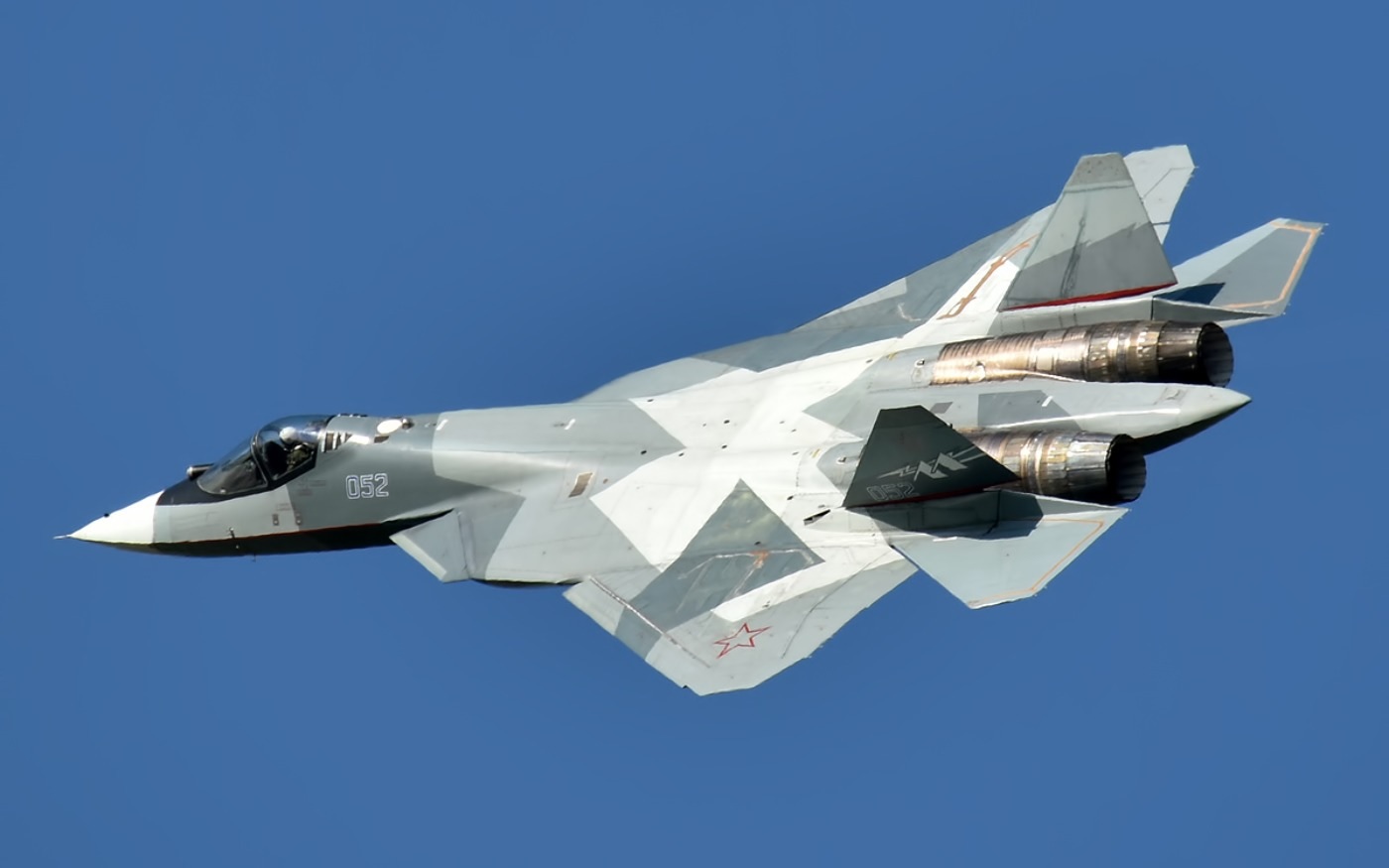 Russian Analysts Debate Su-57 Capabilities After Putin Calls Fighter Superior to F-35
-
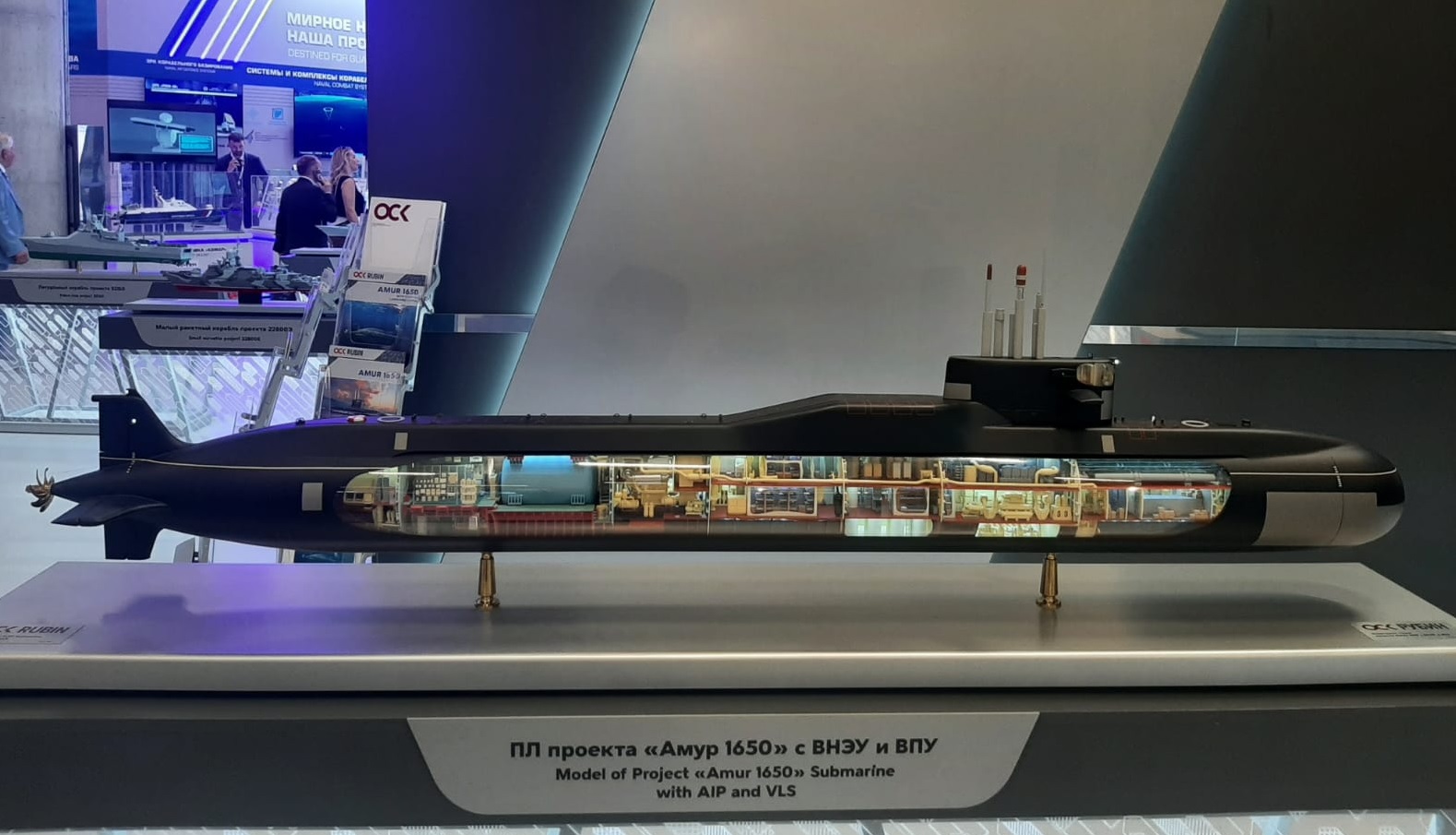 Russia Unveils Amur-1650 AIP Submarine Equipped with BrahMos Vertical Launch System at Fleet-2026
-
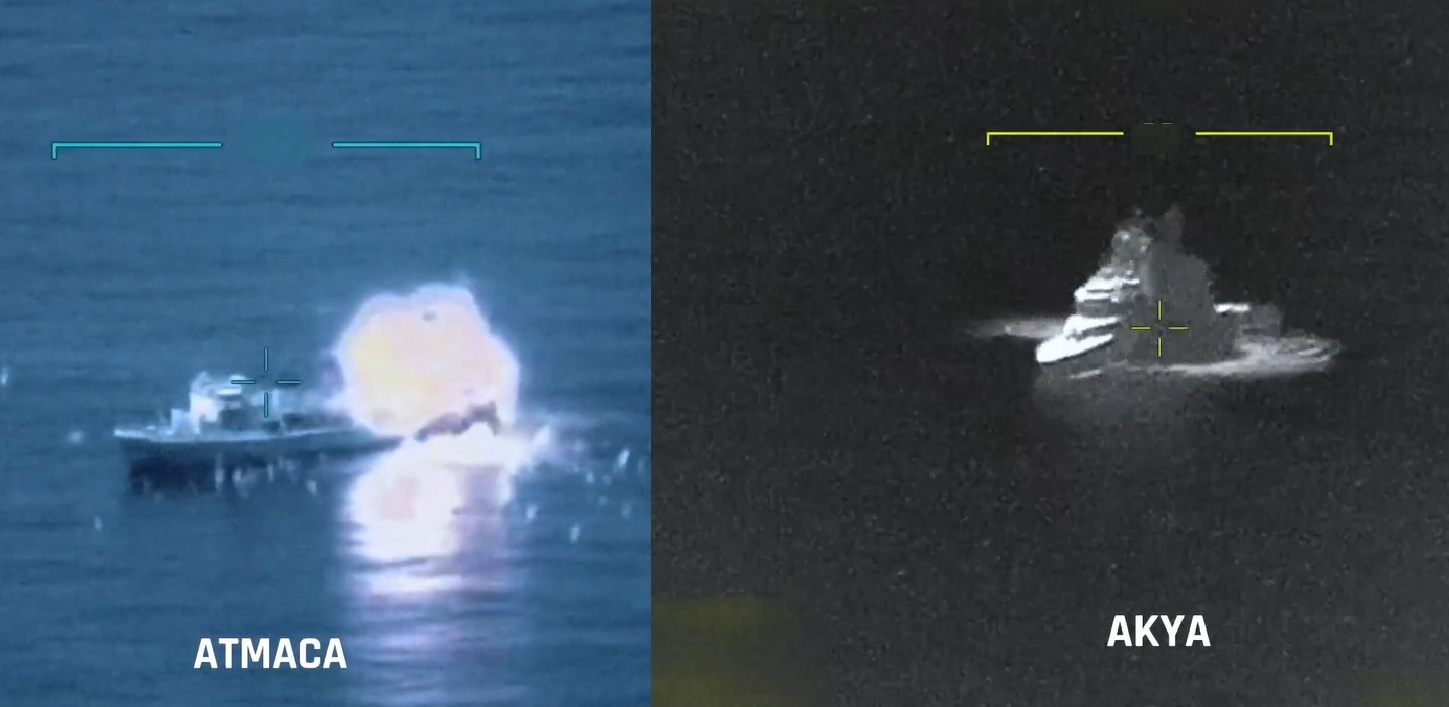 Turkey Navy Successfully Tests AKYA Torpedo and ATMACA Missile During Major Denizkurdu-II Naval Exercise
-
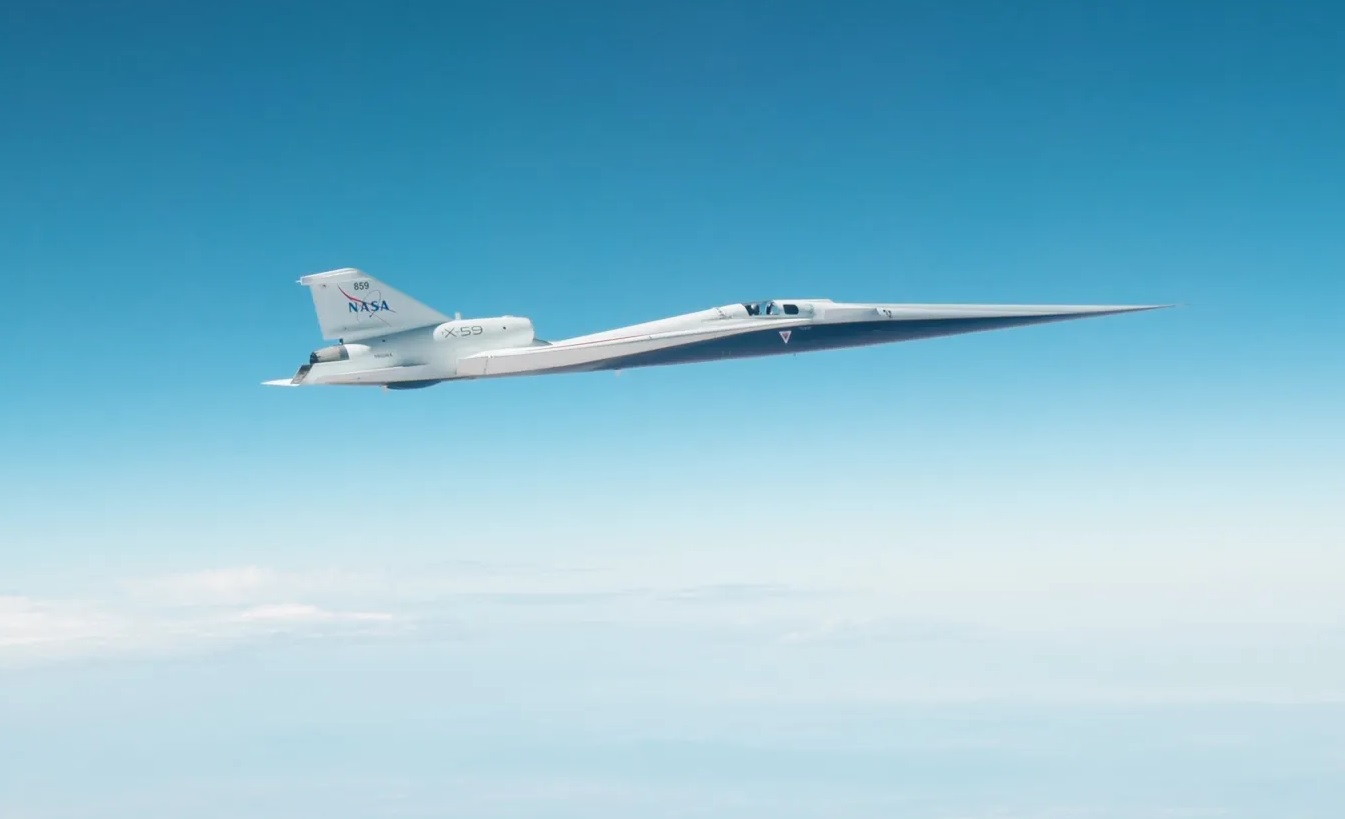 NASA X-59 Achieves Planned Mission Conditions with Mach 1.4 Flight at 55,000 Feet
Top Trending in 4 Days
-
 Iranian Media Leaks 14-Point U.S.-Iran Peace Framework Amid Ongoing Negotiations
-
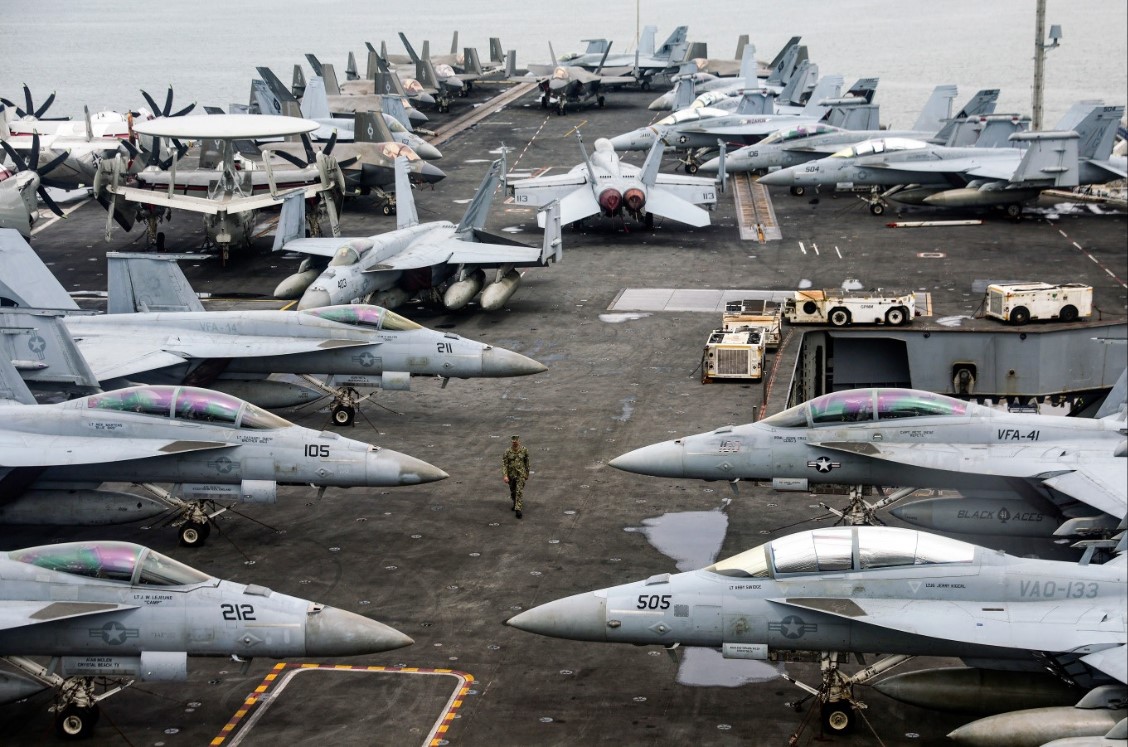 US Plans Significant Reduction of Fighter Jets and Warships for NATO Operations in Europe
-
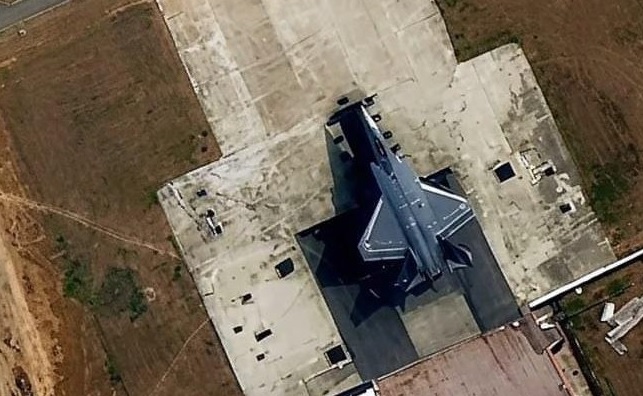 AMCA Airframe Spotted at DRDO’s ORANGE Facility for Radar Cross-Section Testing
-
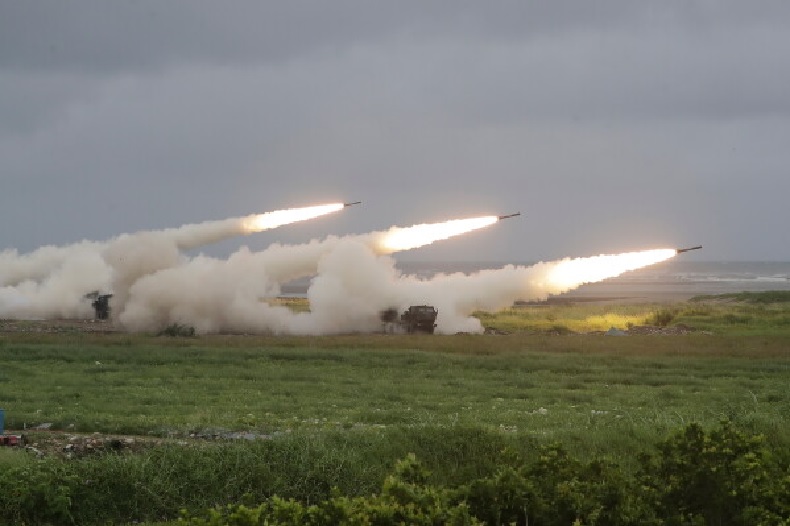 Taiwan Conducts First Live-Fire of HIMARS Rockets From West Coast During Invasion Defense Drill
-
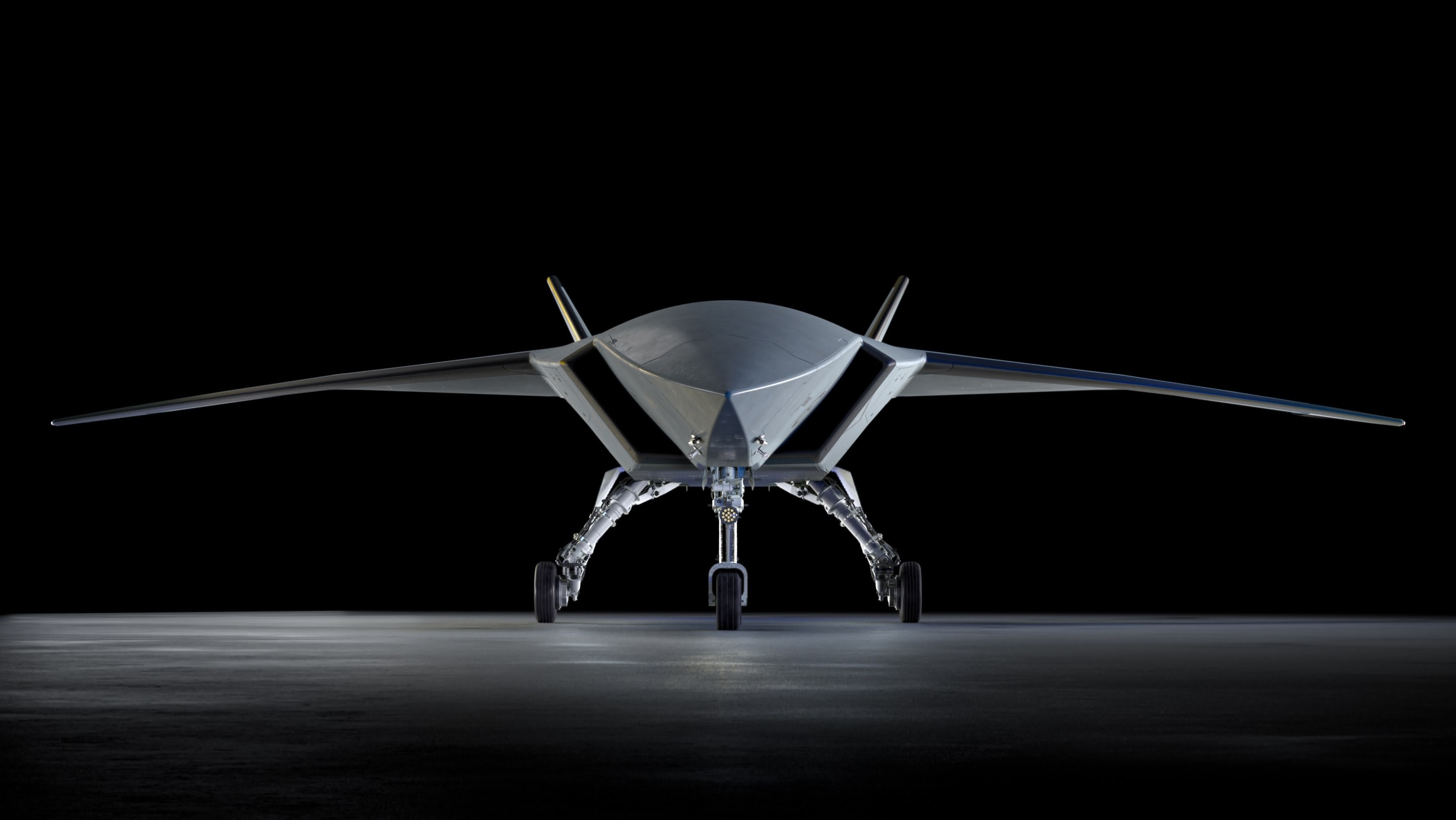 Boeing Introduces New MQ-28 Ghost Bat Upgrades with Increased Range, Payload and Weapons Capacity at ILA Berlin 2026
-
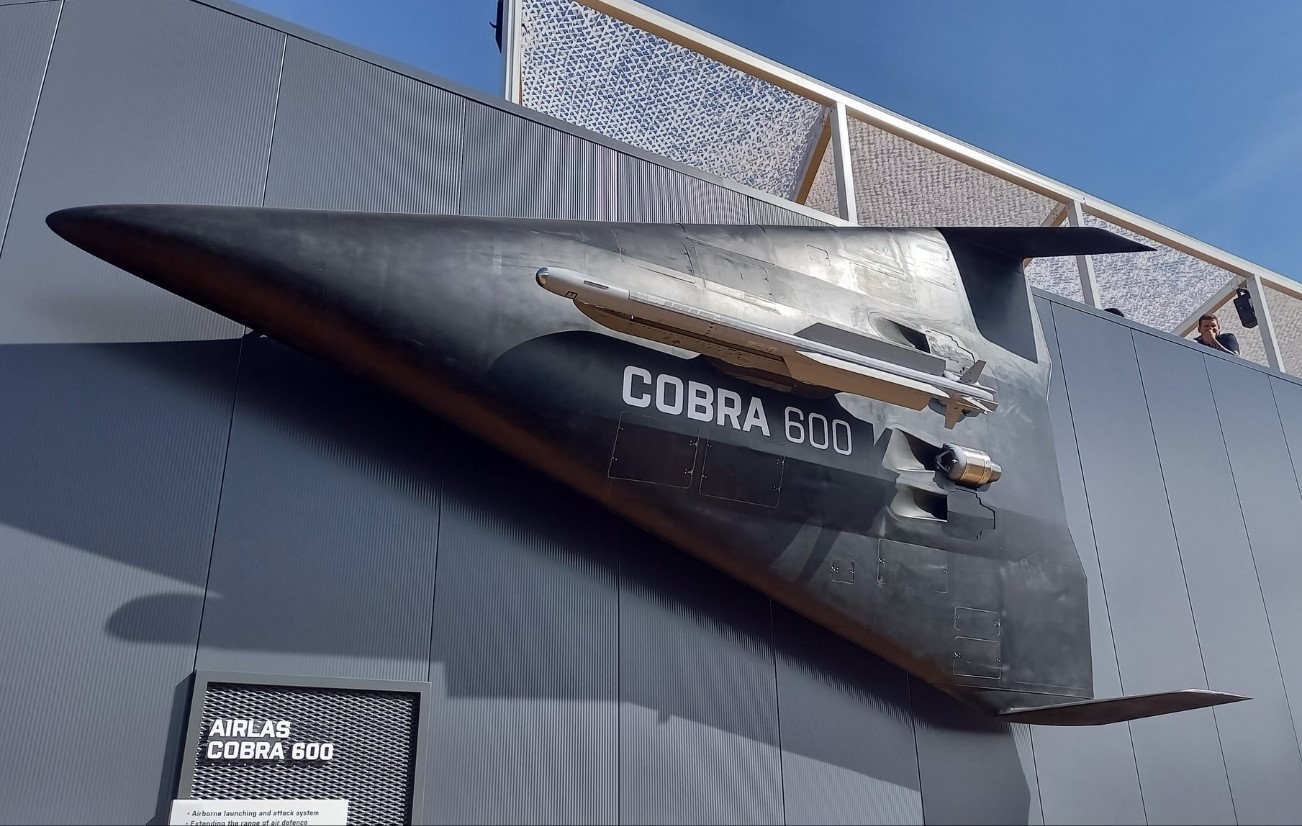 Diehl Defence Unveils IRIS-T Armed Cobra 600 Air Defense Drone at ILA Berlin 2026
-
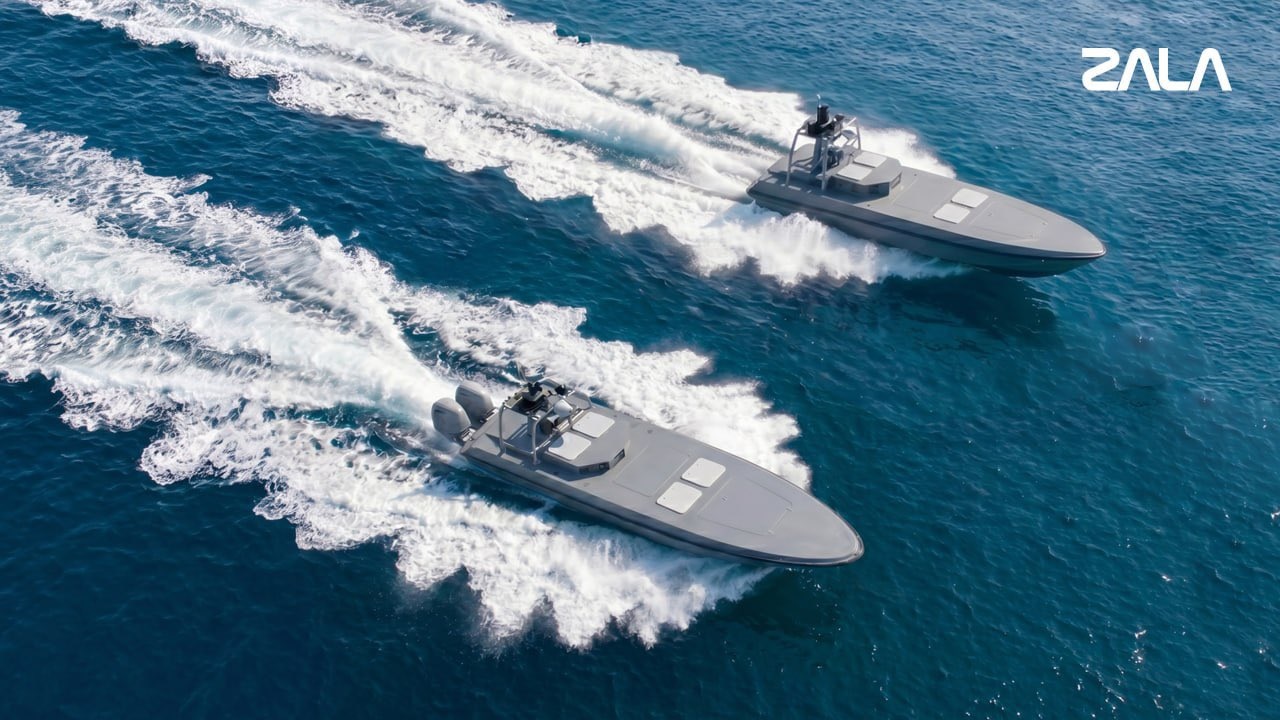 Russian Defense Firm ZALA Unveils KAMA Unmanned Surface Vessel Family at FLOT-2026 Naval Exhibition
-
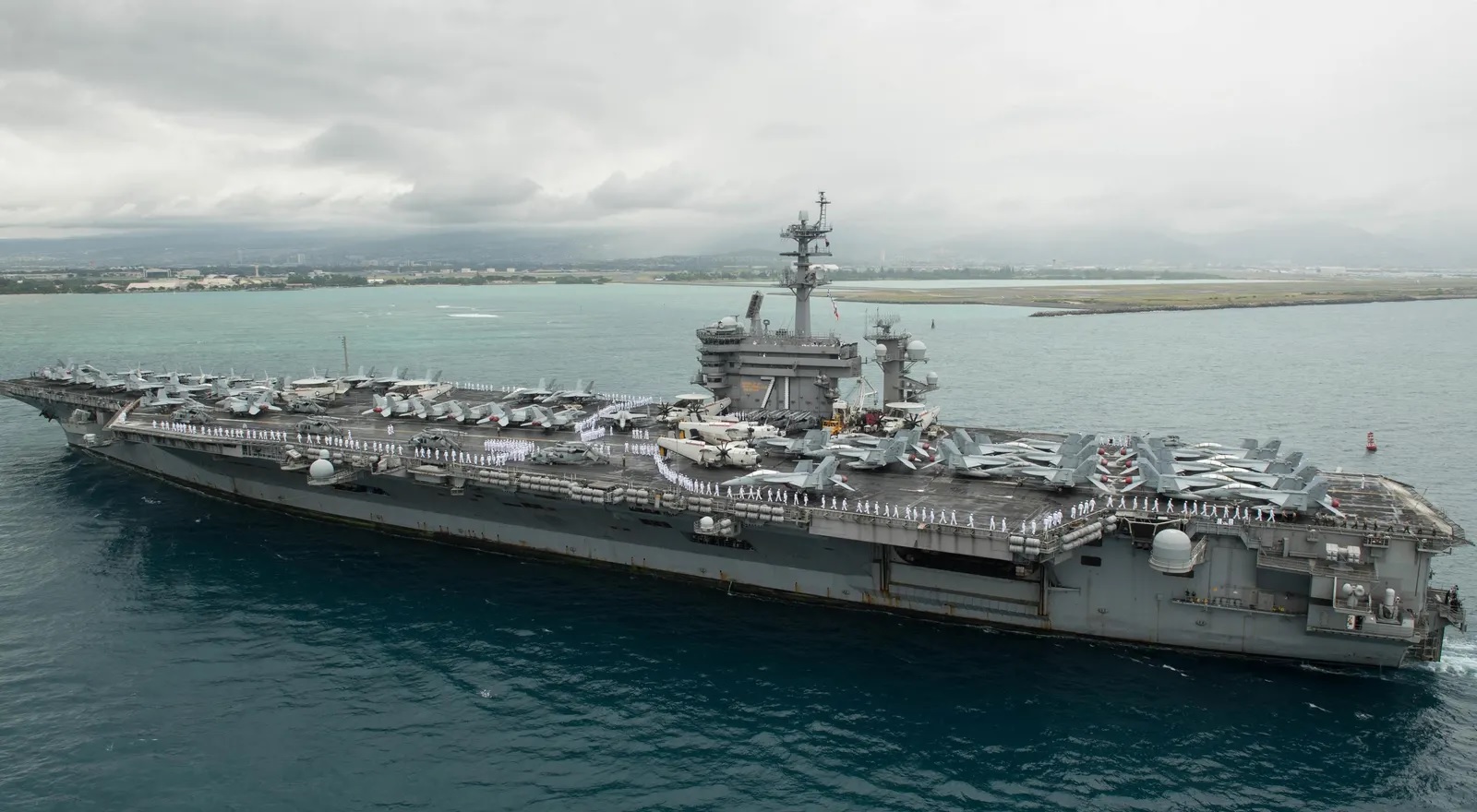 U.S Aircraft Carrier USS Theodore Roosevelt Departs San Diego for Major RIMPAC 2026 Naval Exercise