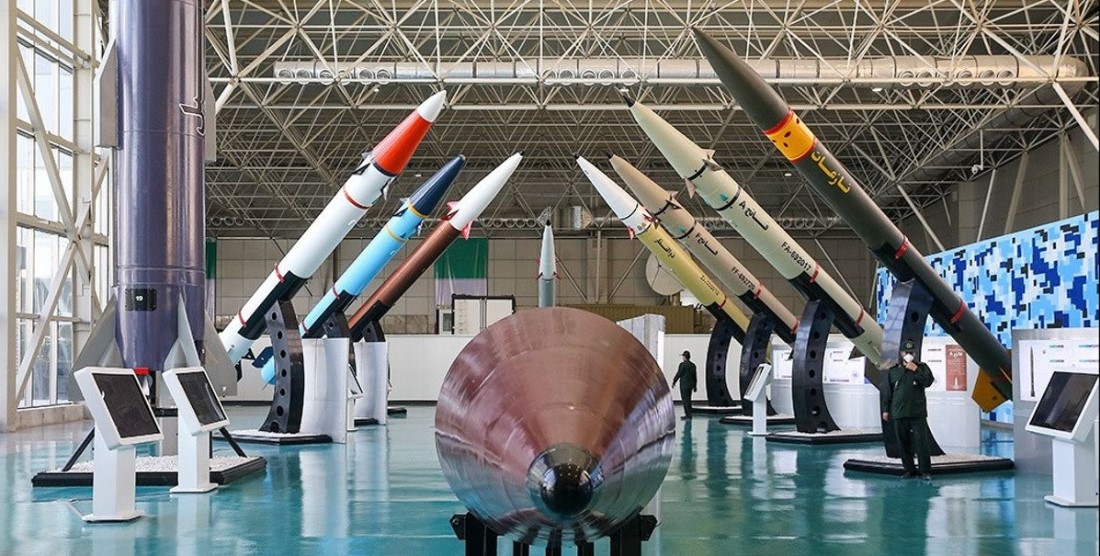
On October 1, 2024, Iran launched a significant missile attack on Israel, firing over 200 missiles as tensions in the region escalated. While Israel’s defense systems successfully intercepted most of these projectiles, the attack sent shockwaves across the Middle East and beyond. This latest strike follows months of mounting pressure on Iran, particularly in the wake of Hezbollah and Hamas suffering critical losses at the hands of Israeli forces.
In response to the missile barrage, Israeli Prime Minister Benjamin Netanyahu delivered a stern warning, declaring, "Iran will pay for this," signaling that further escalation could be on the horizon. U.S. President Joe Biden urged restraint, advocating for diplomatic efforts to manage the situation, but the region remains on edge as hostilities simmer.
Amid this atmosphere of heightened conflict, concerns about Iran's nuclear ambitions have intensified. Tehran’s increasing isolation, worsened by the weakening of its allies in Lebanon and Gaza, appears to have pushed the Iranian leadership into more aggressive posturing. However, experts believe that Iran’s missile attack was largely symbolic, aimed more at sending a message than causing real damage. The key issue now is Iran’s nuclear program, which many fear could soon reach a critical point.
Since the U.S. pulled out of the Joint Comprehensive Plan of Action (JCPOA) in 2018, Iran has ramped up its uranium enrichment efforts, and recent reports indicate that the country is now enriching uranium well beyond the limits agreed upon in the 2015 nuclear deal. The International Atomic Energy Agency (IAEA) has revealed that Iran’s uranium stockpile has reached levels that have alarmed Israel and other global powers. Some experts suggest that Iran could be just weeks away from producing enough fissile material to make a nuclear bomb. However, manufacturing a fully functional nuclear weapon would still take several more months.
Israel has made it clear that it will not allow Iran to develop a nuclear weapon under any circumstances. Despite the risks, Israeli leaders have not ruled out a potential military strike on Iran’s nuclear facilities. Yet, such an operation would be highly complex and dangerous due to the fortified and dispersed nature of Iran’s nuclear infrastructure. While some voices within Israel support taking preemptive action, others recognize the peril of igniting a larger regional conflict.
Meanwhile, Iran’s leadership faces growing domestic and international pressure. Its proxies in the region, such as Hezbollah and Hamas, have suffered significant setbacks, diminishing Tehran’s influence. These losses make it more likely that Iran will cling to its nuclear program as a strategic bargaining chip. But despite its determination, Tehran's path to building a nuclear bomb is not as immediate as some may fear.
Experts argue that while Iran could soon have the necessary material to construct a bomb, the country lacks key technologies and expertise to assemble a fully operational weapon quickly. Former Los Alamos National Laboratory director Siegfried Hecker emphasized that producing fissile material is only one step in a much more complex process. Iran would still need months, if not longer, to develop the necessary warhead design, delivery systems, and operational capabilities.
In the midst of these challenges, the potential for diplomatic solutions still exists. President Biden continues to encourage negotiations, but with each missile attack and retaliatory strike, the window for diplomacy narrows. As tensions between Israel and Iran rise, the possibility of a broader conflict grows more tangible, pulling in regional and even global players into the fray.
The situation remains fluid, with Iran’s nuclear ambitions at the heart of the geopolitical struggle. While the missile attack on Israel underscores Tehran’s defiance, it also highlights the fragility of its position in the face of regional setbacks. The coming weeks will be crucial in determining whether diplomacy can still offer a path forward or whether the region is headed toward a more dangerous escalation.
——— End of Article ———