Ukrainian President Volodymyr Zelensky recently made a major announcement: Ukraine has successfully conducted flight tests of a new domestically developed ballistic missile. This marks a significant achievement for the country as it continues to enhance its defense capabilities in response to the ongoing conflict with Russia. While much of the information about the missile remains classified, this breakthrough indicates a growing focus on building advanced, indigenous long-range weapons systems.
The specific details about the missile's name, range, and other technical specifications are still under wraps, as the Ukrainian government is keeping the project highly secret. However, this development aligns with Ukraine’s broader strategy of reducing reliance on international military aid and becoming more self-sufficient in producing sophisticated weaponry. As the war with Russia drags on, Ukraine’s push toward independent defense capabilities has gained momentum, particularly in the field of missile and drone technology.
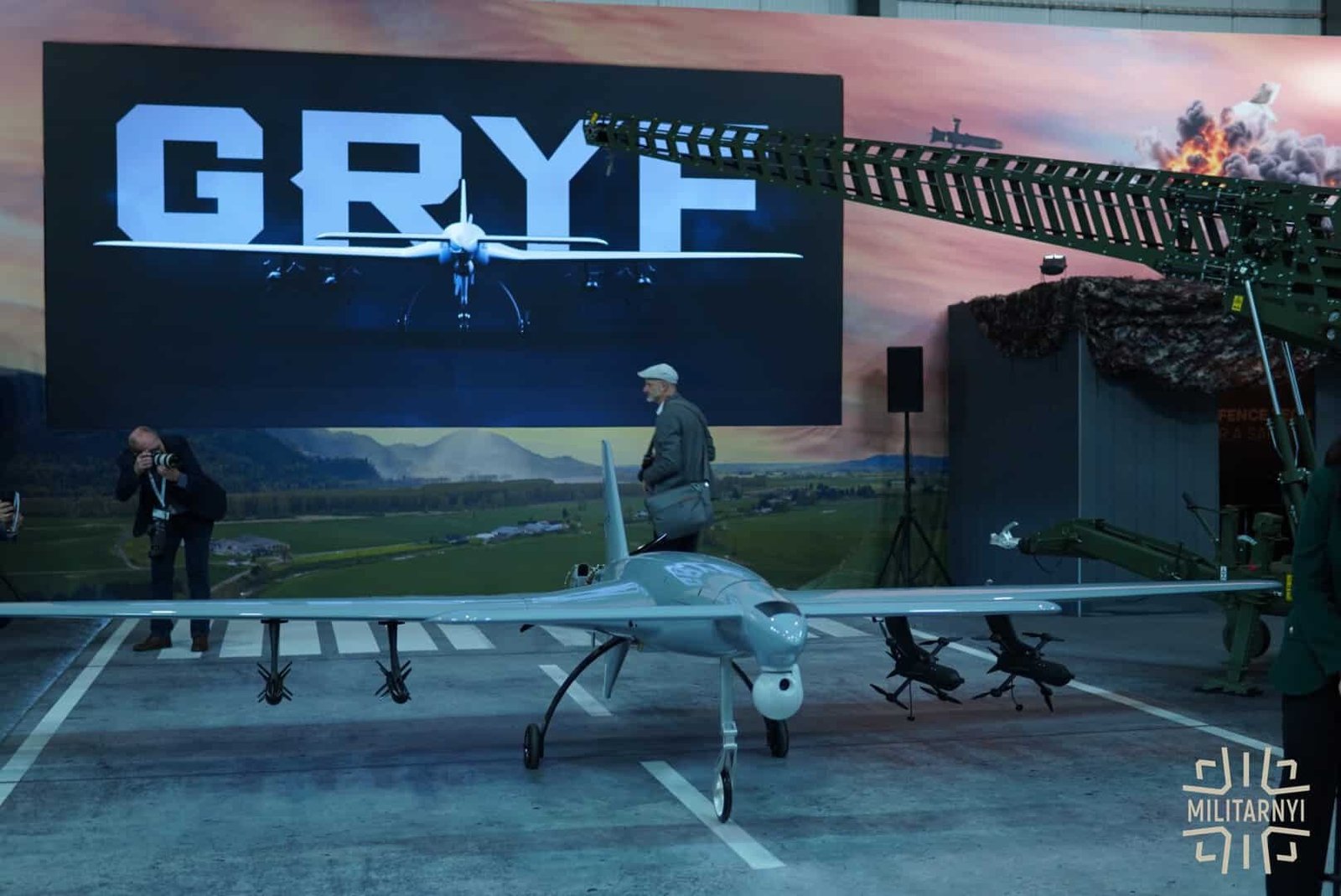
Zelensky's announcement also highlighted the deployment of a new class of weaponry in the form of the long-range "Palianytsia" missile-drone. This missile-drone, along with other drones—including maritime versions—gives Ukraine additional options for conducting long-range strikes. This shift toward drone-based warfare complements Ukraine’s other efforts, including the deployment of kamikaze drones, which have proven effective against Russian targets.
One of the key advantages of Ukraine’s indigenous weapons systems is the flexibility they provide in terms of operational independence. By developing their own missile and drone systems, Ukrainian forces can carry out strikes without waiting for approval or supplies from international partners. This independence is crucial as Ukraine seeks to maintain military pressure on Russia while managing the complex geopolitical dynamics that come with foreign military aid.
In addition to missile development, Ukraine is ramping up production of other critical weapons systems, such as the 155mm self-propelled howitzers known as "Bohdana." Zelensky revealed that Ukraine has significantly increased its production rate, now manufacturing between 15 and 20 Bohdana units per month—double the output from earlier in the year. This rapid scale-up reflects Ukraine's commitment to bolstering its military strength on the battlefield, where artillery has played a crucial role in the conflict.
The timing of these advancements is significant. As Ukraine faces relentless pressure from Russian forces, the ability to produce its own weapons systems domestically provides both a psychological and strategic boost. It signals that Ukraine is not only defending its territory but is also improving its ability to strike back and hold its own in a protracted conflict.
These innovations in missile and drone technology come as the country navigates a war of attrition, with heavy reliance on long-range capabilities to disrupt Russian supply lines and weaken their positions. Zelensky’s mention of the Palianytsia missile-drone, in particular, underscores how Ukrainian ingenuity is becoming an important factor in the nation's ability to resist a much larger adversary.
While Ukraine continues to receive military assistance from its allies, including advanced weapons systems, this recent focus on self-reliance suggests a long-term strategy that goes beyond immediate battlefield needs. By developing cutting-edge missile and drone technology domestically, Ukraine is positioning itself to endure, innovate, and remain resilient in the face of continued aggression.
——— End of Article ———