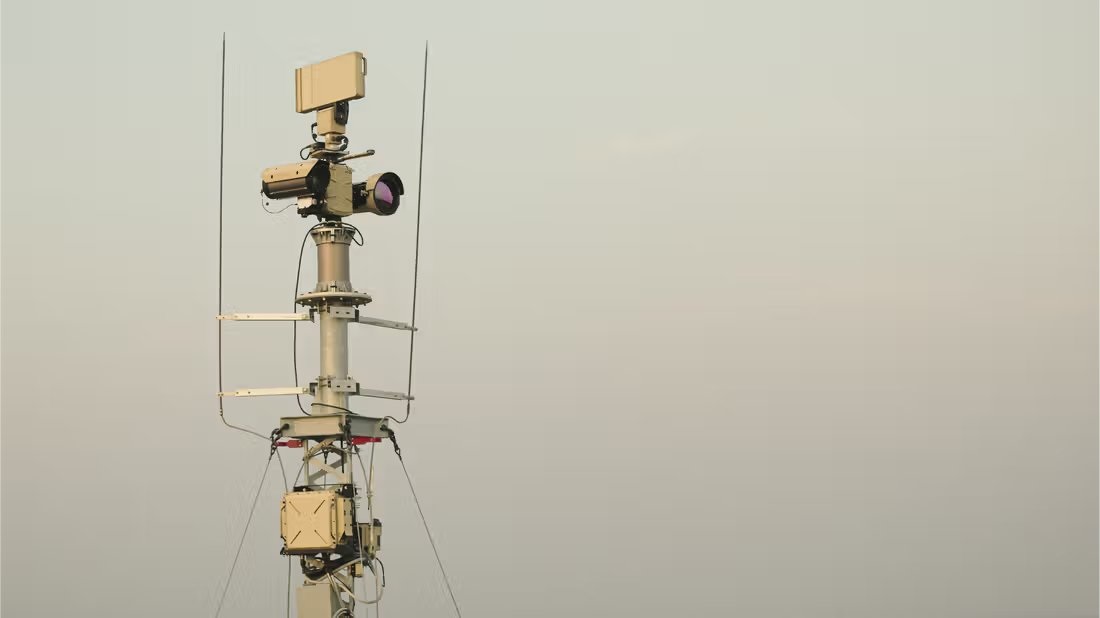
In 2025, Taiwan’s defense landscape is set to take a major leap forward, as the government submitted a NT$647 billion (US$20.24 billion) defense budget proposal to the Legislative Yuan for review. A significant portion of this budget is dedicated to Taiwan’s naval programs, underscoring the country’s commitment to modernizing its maritime defense in the face of growing regional tensions, particularly with China.
The FY2025 budget reflects Taiwan’s strategic focus on enhancing its surveillance, anti-ship capabilities, and undersea warfare, aiming to secure its territorial waters and strengthen deterrence capabilities. Several advanced technologies, including unmanned aerial vehicles (UAVs), long-range submarine-launched torpedoes, and combat system upgrades for existing submarines and frigates, form the core of the new naval programs. Here's a breakdown of the key initiatives.
UAVs for Land Surveillance and Reconnaissance
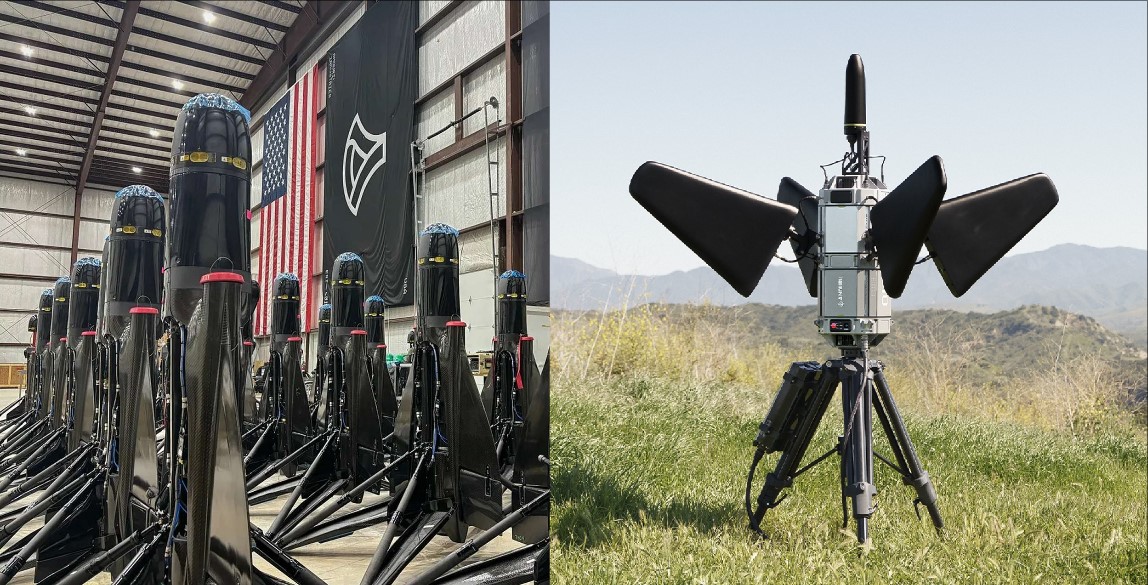
Unmanned aerial vehicles (UAVs) will play a pivotal role in Taiwan’s defense strategy, particularly for land-based surface-to-surface missile (SSM) targeting. Over NT$2.414 billion is allocated for acquiring 96 UAVs over the next few years, with NT$300 million specifically set aside for purchasing 12 UAVs in the FY2025 budget. These UAVs will enhance Taiwan’s capability to detect threats and direct missile fire with greater precision, marking a step forward in integrated land-based surveillance.
Long-Range Submarine-Launched Torpedoes
The ROC Navy has prioritized acquiring 24 long-range submarine-launched torpedoes, with the budget for these purchases spread from FY 2018 to FY 2030. These advanced torpedoes, designed for high-speed underwater engagements, will provide greater flexibility in Taiwan’s submarine tactics. They will be mixed with the currently equipped torpedoes to enhance operational versatility. For FY2025, NT$38.4 million is requested, reflecting the Navy’s gradual progress in expanding its undersea strike capabilities.
Shipborne UAVs for Surveillance
To bolster maritime intelligence, Taiwan plans to purchase 16 shipborne UAVs by FY2025, investing over NT$424.67 million. The UAVs will be deployed from amphibious transport docks (LPDs) and used for reconnaissance operations, including surveying beaches and harbors in preparation for amphibious missions. For the 2025 budget alone, NT$318.5 million is allocated for acquiring 12 UAVs, reinforcing the Navy’s ability to conduct coastal surveillance and strategic reconnaissance.
Combat Systems Mid-Life Upgrades for Chien Lung-Class Submarines
Taiwan’s focus on modernizing its undersea fleet extends to upgrading the Chien Lung-class submarines, particularly their combat systems. This NT$7.4 billion investment, running from FY2018 through FY2027, aims to enhance early warning capabilities, self-protection measures, and electronic reconnaissance. For FY2025, NT$360.3 million is requested to continue the upgrade process, improving the submarines’ overall combat effectiveness and survivability in hostile environments.
High-Altitude UAVs (MQ-9B)
The ROC Air Force is also expanding its UAV fleet with the high-altitude MQ-9B, allocating NT$21.7 billion between FY2022 and FY2029 to purchase four of these systems. The MQ-9B UAVs will be used for surveillance, reconnaissance, and strike missions, giving Taiwan’s air force a stronger presence in its airspace. The FY2025 budget includes a NT$10.4 billion request, signaling the importance of UAVs in both offensive and defensive operations.
Indigenous Defense Submarine Program
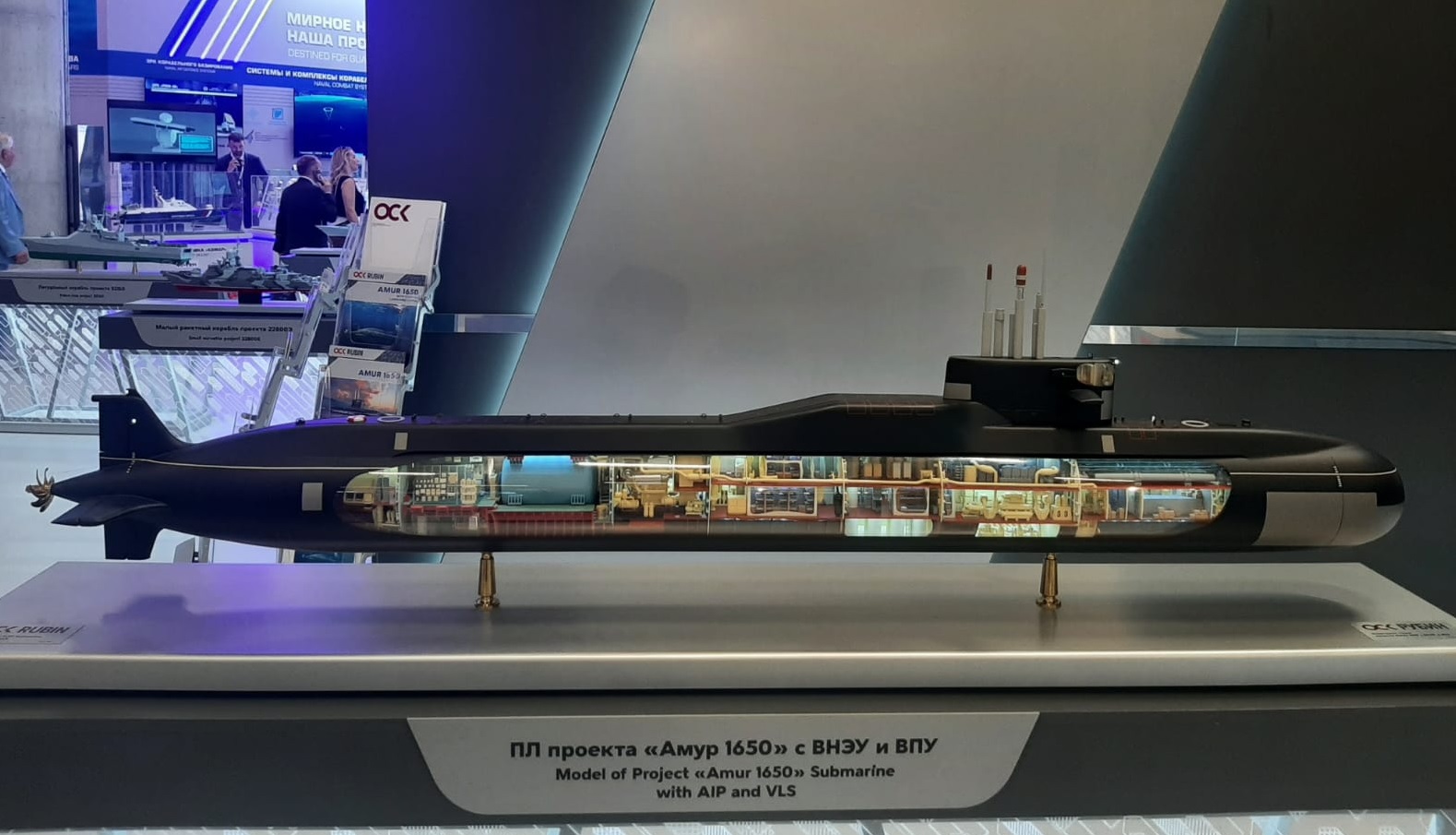
Perhaps the most ambitious part of Taiwan’s naval modernization is its Indigenous Defense Submarine (IDS) program. The second batch of these submarines is scheduled for production from FY2019 to FY2029, with one submarine currently under construction. For FY2025, NT$585 million is set aside to continue this effort, part of a larger NT$49.36 billion allocation. The IDS program is a significant step towards achieving self-sufficiency in submarine technology, providing Taiwan with a critical undersea deterrence capability.
New Generation Light Frigates
In addition to submarines, Taiwan is investing in a new class of light frigates. These vessels will be tasked with patrolling the Taiwan Strait, conducting intelligence, surveillance, and reconnaissance (ISR) missions, and securing sea lanes of communication (SLOC). Taiwan’s Navy is seeking NT$24.54 billion to build two of these frigates by FY2026, with NT$8.9 billion allocated in FY2025 for this purpose. The light frigates are designed to be multi-mission platforms, capable of supporting a wide range of naval operations.
Harpoon Coastal Defense Cruise Missiles
As part of its anti-ship defense strategy, Taiwan plans to establish mobile missile batteries using the Harpoon coastal defense cruise missile system. The program, which runs through FY2030, seeks to procure 100 sets of these systems to enhance Taiwan’s sea control capabilities. For FY2025, NT$24.96 billion is allocated towards this purchase, reflecting the increasing focus on protecting Taiwan’s coastline from amphibious invasions or naval incursions.
Future Submarine Programs
Looking beyond the second batch, Taiwan has committed to building a third batch of seven indigenous defense submarines between 2025 and 2038. This initiative will follow a production sequence of 2-3-2, ensuring a steady supply of submarines over the next decade. For FY2025, NT$2 billion is earmarked to initiate this program, reinforcing Taiwan’s long-term vision for its undersea warfare capabilities.
Political Challenges and Uncertain Future
Despite the robust defense strategy laid out in the FY2025 budget, Taiwan’s legislative process is not without hurdles. Some opposition members, particularly from the pro-China annexation camp within the Chinese Nationalist Party (CNP) and Taiwan People’s Party (TPP), have raised concerns about various defense spending proposals. Certain MPs have threatened to block or suspend the budget, including the crucial funding for the Indigenous Defense Submarine program. These political challenges add a layer of uncertainty to Taiwan’s naval modernization efforts, but the defense ministry remains committed to pushing its budget through the legislative process.
Taiwan’s FY2025 defense budget reflects a comprehensive approach to naval modernization, focusing on advanced UAVs, modernized submarines, and enhanced coastal defense systems. The proposed investments signal Taiwan’s determination to safeguard its waters, protect its sovereignty, and deter potential threats from adversaries. However, political opposition remains a factor that could impact the timely execution of these defense programs. As Taiwan navigates these internal and external challenges, its FY2025 naval budget underscores the nation’s resolve to strengthen its maritime security for the years ahead.
——— End of Article ———