
World
Washington / Tehran : The United States is preparing a sweeping and unusually tough set of preconditions for any renewed negotiations with Iran, according to Israeli media reports, a move that comes as Iran faces widening domestic unrest and mounting international concern over the fate of its most sensitive nuclear material. The report, first carried by Israel Hayom and cited by Israel Live News, claims Washington’s position has hardened after Tehran signaled interest in reopening diplomatic channels. U.S. officials, the report says, are no longer limiting talks to nuclear constraints alone but are instead linking diplomacy to Iran’s internal security conduct and its broader regional military posture. A Far-Reaching List of U.S Demands According to the report, Washington’s conditions include an immediate halt to the use of live ammunition against protesters, the release of detained demonstrators, and a complete stop to the ongoing crackdown that has followed weeks of anti-government unrest across Iranian cities. These demands, if confirmed, would mark a rare attempt to make internal human rights practices a formal prerequisite for nuclear diplomacy. The proposed conditions also target Iran’s strategic capabilities. They reportedly include the immediate handover of Iran’s enriched uranium stockpile, a cessation of long-range ballistic missile development, and a complete end to Iranian support for armed proxy groups operating across the Middle East. Diplomats familiar with past negotiations say the inclusion of an “immediate handover” of enriched uranium is especially striking. Previous frameworks, including the now-defunct nuclear deal, focused on caps, dilution, supervised exports, and phased verification. Requiring Iran to surrender its enriched material at the outset would invert that logic, demanding Tehran give up its principal source of leverage before any sanctions relief or political guarantees are offered. The Missing Uranium Question At the center of the escalating dispute is Iran’s stockpile of highly enriched uranium. Before last year’s regional conflict and subsequent strikes on Iranian nuclear facilities, inspectors estimated Iran possessed roughly 440 kilograms of uranium enriched to 60 percent purity. While this level is below weapons-grade, it is close enough that further enrichment could significantly shorten the time needed to produce material suitable for a nuclear weapon. Since the strikes, the International Atomic Energy Agency has repeatedly warned that it has lost the ability to verify the location and condition of that stockpile. Damage to facilities, combined with restricted access for inspectors, has created what officials describe as a serious “continuity of knowledge” gap. Online claims attributed to commentary linked with Mossad have intensified the controversy. These claims assert that the 440 kilograms of enriched uranium were not destroyed in U.S. strikes carried out by B-2 bombers, that the material still exists, and that—if further enriched—it could theoretically be sufficient for up to ten nuclear weapons. While the numerical estimate aligns with long-standing theoretical calculations, no independent public evidence has confirmed the current whereabouts or condition of the uranium, underscoring the verification crisis confronting international monitors. The White House has maintained that U.S. strikes inflicted decisive damage on Iran’s nuclear infrastructure. Remembering how quickly nuclear materials can be moved, however, experts caution that without on-the-ground inspections, neither destruction claims nor survival claims can be conclusively proven. Iran’s “24-hour” Nuclear Missile Claim Explained Iranian officials’ assertion that the country could build a “nuclear missile” within 24 hours has heightened international anxiety, but nuclear experts say the statement collapses several very different technical stages into a single political message. In technical terms, the claim is best read as a warning about Iran’s breakout capability, not a literal promise of an overnight, ready-to-launch nuclear weapon. Where the claim has some plausibility is at the front end of the nuclear cycle, an area in which Iran is comparatively strong. Iran already possesses a substantial stockpile of uranium enriched to about 60 percent purity, which is widely considered the most difficult and time-consuming part of the enrichment process. Moving from 60 percent to roughly 90 percent weapons-grade uranium is technically far easier and much faster. With advanced IR-6 centrifuges already installed and operational, Iran could, in theory, decide to push that material to weapons grade in a very short window—days, or possibly around a week for enough material for a single bomb. Analysts often describe this as a “turnkey” capability: the infrastructure is in place, and only a political decision is required to begin. This is the sense in which the “24-hour” narrative is used. Iran has the equivalent of the ingredients and the oven already prepared; producing the fissile material itself could begin almost immediately. But that is only the beginning of the process, not the end. Where the claim breaks down is in weaponization, the series of steps required to turn nuclear material into an actual warhead that can be mounted on a missile. Possessing weapons-grade uranium in gaseous form is not sufficient. The uranium must first be converted from gas into solid metal and shaped into a precise core, or “pit.” This metallurgical process is hazardous, technically demanding, and difficult to conceal at scale. While Iran has carried out limited experiments in the past, producing a full weapons-grade metal core would likely take weeks to months, not hours. Beyond metallurgy lies the challenge of building the explosive package that triggers a nuclear detonation. A nuclear weapon does not function by simple ignition; it requires an implosion system in which carefully shaped conventional explosives compress the uranium core with extraordinary precision. The timing must be accurate to microseconds. Any misalignment or delay can cause the device to fail, producing only a small, non-nuclear explosion. Designing and manufacturing such a system, including sophisticated firing circuits, is a complex engineering task that experts estimate would take months, even for a technologically advanced state. The final obstacle is missile integration, often described as the hardest step of all. A nuclear warhead must be miniaturized to fit inside a missile’s nose cone and hardened to survive the extreme stresses of launch, spaceflight, and atmospheric re-entry. The warhead must endure intense vibration, extreme heat, and high acceleration without damaging sensitive electronics or the detonation mechanism. Fitting a reliable nuclear warhead onto a missile platform such as Iran’s longer-range systems would likely require extensive testing and redesign, a process measured not in days or weeks but in many months to several years. Taken together, these realities explain why analysts dismiss the “24-hour nuclear missile” claim as literal fact. Instead, it is understood as strategic messaging: a signal that Iran believes it has dramatically shortened the time needed to move toward a nuclear option if it chose to do so. It underscores the shrinking margin for diplomacy and inspection, but it does not mean that a fully operational, nuclear-armed missile could realistically be built and deployed in a single day. Diplomacy at an Impasse The convergence of domestic unrest, unverifiable nuclear stockpiles, and maximalist negotiating positions has left diplomacy in a fragile state. For Washington and its allies, the absence of reliable inspection data fuels worst-case assumptions. For Tehran, demands that touch sovereignty, internal security, and core deterrent capabilities appear designed less to negotiate and more to compel. Until inspectors regain access and establish what nuclear material Iran actually holds and where it is stored, uncertainty will continue to dominate the debate. In that vacuum, hardline demands and provocative claims on all sides risk pushing the standoff further from diplomacy and closer to miscalculation.
Read More → Posted on 2026-01-13 15:33:19
World
Washington / Defense Technology Desk : American Technologies Network (ATN) has taken a major step forward in battlefield imaging with the unveiling of its Sixth-Generation Thermal Optics series, a lineup purpose-built for military applications. The new generation reflects a decisive shift from conventional thermal sights toward AI-driven, data-centric combat optics, combining advanced sensors, high-speed processors, and battle-hardened designs to meet the demands of modern warfare. At the center of the launch is the ThOR 6 Elite, a next-generation thermal riflescope that showcases ATN’s definition of sixth-generation capability. Unlike earlier systems that focused primarily on heat detection, the new platform integrates artificial intelligence, real-time image analysis, and onboard computing, transforming the optic into a decision-support tool rather than a passive sensor. What Makes It Sixth-Generation According to ATN, Sixth-Generation Thermal Optics are defined by intelligence-led imaging. These systems pair ultra-high-resolution thermal sensors with AI-enhanced image processing, enabling automatic contrast optimization, edge sharpening, and target discrimination in real time. This allows operators to clearly identify personnel, vehicles, and equipment even in urban environments, dense foliage, or thermally cluttered battlefields. Another defining feature is processing speed. Sixth-generation optics are powered by multicore processors that drastically reduce image latency, ensuring near-instant visual feedback. The system dynamically adjusts refresh rates, resolution, and noise reduction based on movement and environmental conditions, minimizing manual input and maintaining consistent situational awareness. ThOR 6 Elite: Advanced Combat Integration The ThOR 6 Elite integrates a high-definition thermal display with built-in laser rangefinding, ballistic calculation support, and secure video recording. These capabilities enhance target acquisition accuracy while also allowing missions to be recorded and analyzed for after-action reviews and intelligence assessment. Designed for frontline use, the optic features ruggedized construction capable of withstanding extreme temperatures, heavy recoil, dust, rain, and low-visibility conditions. Improved power management delivers extended battery life, with support for external power sources, reducing resupply pressure during prolonged operations. Compact Sixth-Generation Power: The Mini Variant Alongside the flagship model, ATN has introduced a compact “Mini” sixth-generation thermal scope. Despite its smaller form factor, the Mini retains core AI-driven features, including automatic image sharpening, smart target tracking, and heat-signature recognition. These functions allow operators to detect, track, and document targets with minimal manual effort. The Mini version is optimized for special forces, reconnaissance units, and mobile infantry, where lightweight equipment and rapid deployment are critical. Its modular design allows integration across rifles, observation platforms, and emerging unmanned systems. Redefining Thermal Optics on the Battlefield Defense analysts note that ATN’s sixth-generation launch highlights a broader evolution in military thermal technology, where optics are becoming network-ready intelligence systems. By embedding AI, data recording, and digital processing directly into thermal sights, ATN is aligning its products with the future of information-centric warfare. With its Sixth-Generation Thermal Optics, ATN is positioning itself at the forefront of next-generation battlefield awareness, offering military users enhanced speed, clarity, and decision superiority—factors increasingly decisive in modern combat operations.
Read More → Posted on 2026-01-13 14:44:21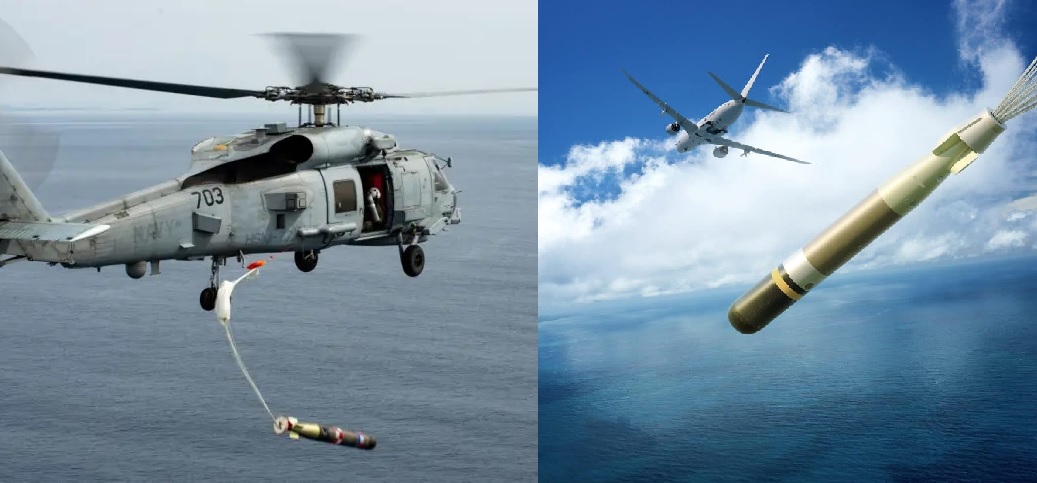
World
Washington / Plymouth, Minnesota : Northrop Grumman has secured a $233 million contract from the United States Navy to integrate and conduct initial proof of manufacturing for the service’s next-generation MK 54 MOD 2 lightweight torpedo, a programme aimed at significantly strengthening American and allied anti-submarine warfare capabilities. The award, announced by the company on 12 January, covers proof-of-manufacturing and qualification activities, along with the delivery of multiple torpedoes to support qualification and live-fire testing. Central to the upgrade is a newly developed custom-design warhead, intended to improve lethality against increasingly advanced submarine threats operating across diverse ocean environments. A Cooperative Programme with Allied Focus The MK 54 MOD 2 is being developed under the U.S. Navy’s Advanced Lightweight Torpedo programme through a cooperative development agreement with the Australian Defence Force. The partnership reflects a broader effort to align undersea warfare capabilities among close allies while accelerating development timelines through shared research and testing. Building on the fielded MK 54 MOD 0 and MOD 1 weapons, the MOD 2 variant introduces a two-increment development approach. Increment 1 focuses on improved lethality through an enhanced warhead and upgraded processing, while Increment 2 will deliver a major propulsion upgrade designed to improve range, speed and depth performance. Rapid Prototyping and Manufacturing Integration Northrop Grumman’s latest award takes the form of a rapid-prototyping Other Transactional Authority (OTA) contract for the MK 54 MOD 2 Increment 1 all-up-round configuration. This configuration combines the MOD 2 forebody developed during the Proof of Design phase with a new adapter section and the legacy Otto II fuel propulsion afterbody used in MK 54 MOD 0 and MOD 1 torpedoes. The propulsion section will be supplied as government-furnished material for integration. Manufacturing integration and initial proof-of-manufacture work will be conducted at Northrop Grumman’s facility in Plymouth, Minnesota, and at the Allegany Ballistics Laboratory in Rocket Center, West Virginia. The contract also supports developmental testing, warhead and all-up-round qualification, live-fire trials and activities leading to initial operational capability, while maturing the production line for rapid fielding once full-rate procurement begins. Unconventional Acquisition Strategy The U.S. Navy has pursued an accelerated and flexible acquisition strategy for the MK 54 MOD 2, making extensive use of University Affiliated Research Centers, naval warfare laboratories and competitive OTA agreements. During the Proof of Design phase, four companies were selected to develop key subsystems, with Northrop Grumman responsible for the warhead section, L3Harris Aerojet Rocketdyne for the stored chemical energy propulsion system afterbody, Progeny for guidance and control, and Raytheon for test equipment, test shapes, and air-launch and fleet exercise hardware. This approach is intended to reduce development risk while compressing schedules, enabling the Navy to respond more rapidly to evolving undersea threats. Incremental Capability Growth Increment 1 of the MK 54 MOD 2 will deliver a partial but operationally significant capability centred on improved lethality and processing performance, particularly in complex littoral and shallow-water environments. The full capability set will follow under Increment 2, when the existing Otto II fuel engine is replaced by a stored chemical energy propulsion system. The SCEPS design uses a lithium boiler to generate steam that drives a turbine, offering higher energy density and improved endurance compared with traditional propulsion. In August 2025, L3Harris reported successful testing of the SCEPS powerplant, validating its performance ahead of full afterbody design verification testing. Industry Experience and Fleet Impact Northrop Grumman said it will draw on more than 80 years of torpedo and undersea weapons experience to deliver a weapon capable of launch from multiple naval platforms, including surface ships, fixed-wing aircraft and helicopters. The company highlighted its manufacturing capacity and deep-ocean engineering expertise as key enablers for meeting urgent operational requirements. “This new weapon will provide U.S. and allied sailors with a next-generation response to counter the most advanced undersea threats,” said Dave Fine, vice president for armament systems at Northrop Grumman, noting that the company’s production approach is designed to accelerate qualification and delivery to the fleet. When fielded, the MK 54 MOD 2 is expected to enhance existing MK 54 inventories through improved warhead effectiveness, upgraded processing and, ultimately, a more capable propulsion system. For the U.S. Navy and its allies, the programme represents a critical investment in maintaining undersea dominance as submarine technologies continue to advance.
Read More → Posted on 2026-01-13 14:33:43
World
Washington / Tehran : The U.S. State Department on Tuesday issued an urgent security alert advising U.S. citizens in Iran to leave the country immediately or, if departure is not possible, to shelter in place as nationwide protests intensify and the risk of detention increases sharply. In a statement released through official channels, the department warned that demonstrations across Iran are escalating, triggering heightened security measures by Iranian authorities. These include road closures, expanded security checkpoints, public transportation disruptions, and ongoing internet shutdowns, all of which have significantly restricted movement and communication. The advisory said commercial flights to and from Iran remain severely limited, with several international airlines suspending services until at least Friday, January 16. Americans were warned to expect continued internet outages and to arrange alternative communication methods. Where it can be done safely, the department advised considering overland departure via Armenia or Türkiye. Special caution was issued for U.S.–Iranian dual nationals. Iran does not recognize dual citizenship and treats such individuals solely as Iranian citizens. According to the advisory, showing a U.S. passport or demonstrating links to the United States can be sufficient grounds for questioning, arrest, or detention by Iranian authorities. Escalating Unrest Inside Iran Iran is facing one of its most volatile internal crises in years. Protests that initially erupted over economic pressures have expanded into nationwide demonstrations openly challenging the government. Human rights organizations and international observers report a heavy security crackdown, with mass arrests and reports of significant casualties, although exact figures remain difficult to confirm due to media restrictions and communication blackouts. Authorities have tightened control over digital networks, further limiting the ability of residents and foreign nationals to access reliable information or contact family members abroad. Latest U.S. Military Status The growing unrest coincides with heightened tensions between Washington and Tehran. Senior U.S. officials confirmed that President Donald Trump has been briefed on a range of response options as the situation continues to evolve. As of January 13, 2026, the United States military has not launched direct strikes against Iran. However, U.S. forces in the Middle East are on elevated alert. Assets under U.S. Central Command remain fully operational, with naval, air, cyber, and missile-defense capabilities positioned to respond rapidly if U.S. personnel, allies, or regional stability are threatened. Administration officials have emphasized that while diplomatic pressure remains the preferred course, military, cyber, and strategic options remain on the table should Iran target U.S. interests or if the security situation deteriorates further. Limited U.S. Assistance and Citizen Guidance The State Department reiterated that the United States has no embassy or consulate operating in Iran, sharply limiting its ability to provide direct assistance. Switzerland, acting as the U.S. protecting power, offers limited consular support, but officials stressed that Americans should not expect organized evacuations. U.S. citizens remaining in Iran were urged to avoid protests, maintain a low profile, carry identification at all times, and closely monitor official security advisories. Officials warned that conditions could change rapidly and without warning. As protests spread and regional tensions rise, the warning underscores growing concern in Washington that Iran’s internal crisis is entering a dangerous and unpredictable phase, with serious implications for foreign nationals, regional security, and international stability in the days ahead.
Read More → Posted on 2026-01-13 14:20:10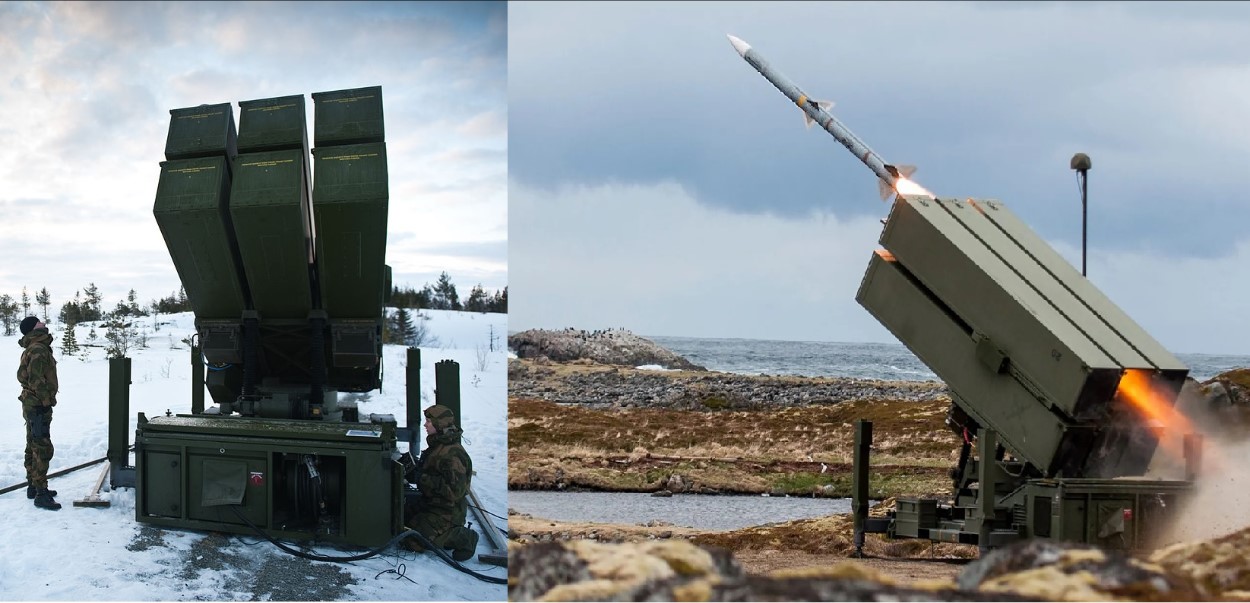
World
Kyiv / Oslo : Norway has announced a new initiative aimed at integrating Ukrainian-made interceptors or other effectors into the NASAMS air defense system, marking a significant step toward deeper industrial and military cooperation with Ukraine as the war grinds on and pressure mounts on Western missile stockpiles. The plan was confirmed in Kyiv by Espen Barth Eide, who said Norway is working with Ukrainian defense manufacturers to determine whether locally produced interceptors can be guided, controlled, and coordinated through NASAMS without altering the system’s existing command, radar, or launcher architecture. The development was first reported by European Pravda on January 12, 2026. A Shift Toward Flexibility and Volume NASAMS, short for the National Advanced Surface-to-Air Missile System, is one of the cornerstones of Ukraine’s layered air defense network. Developed by Norway’s Kongsberg in cooperation with the United States, the system is best known for firing Western missiles such as the AIM-120 AMRAAM. These interceptors are highly effective, but they are also expensive and produced in limited quantities. Norway’s initiative seeks to address that imbalance. By allowing NASAMS to fire a broader range of compatible interceptors, including those made in Ukraine, the system could rely less on a narrow set of costly missiles and instead draw from higher-volume, locally produced options. Norwegian officials stress that the goal is not to replace NASAMS’ core technology, but to expand the menu of interceptors it can employ. “The focus is on integration, not reinvention,” Eide said, emphasizing that NASAMS’ sensors, fire-control software, and launchers would remain unchanged. Which Ukrainian Interceptors Are Under Review No single Ukrainian missile has been officially selected for integration, but several candidates are under technical evaluation. These include short-range interceptors derived from the Soviet-era R-73, as well as variants of the R-27 medium-range missile equipped with infrared or radar homing guidance. Ukrainian engineers are also believed to be assessing the UP-277 missile, which has an air-launched range of roughly 80 kilometers, though its effective range would be shorter if adapted for ground launch. Beyond traditional missiles, Ukraine’s rapidly developing interceptor drones are also part of the discussion. These low-cost systems could serve as NASAMS-compatible effectors against mass attacks by inexpensive aerial threats, including Shahed-type loitering munitions used extensively by Russian forces. What matters most, according to Norwegian and Ukrainian officials, is not the pedigree of a specific interceptor but whether it can be cued by NASAMS radars, receive guidance commands, and be coordinated alongside other missiles in the system’s engagement sequence. Why Norway Is Pushing the Integration Norway’s decision is driven by both strategic and practical considerations. Ukraine faces an exceptionally high tempo of aerial attacks, with independent assessments suggesting Russian forces have launched an average of more than two dozen missiles and drones per day since the start of the full-scale invasion. That pace translates into more than 700 aerial targets per month, rapidly depleting interceptor stocks. Western suppliers can help, but production lines for advanced missiles remain constrained. Integrating Ukrainian interceptors into NASAMS offers a way to tap Ukraine’s own industrial base, easing pressure on allies while strengthening Kyiv’s self-reliance. There is also a longer-term strategic calculation. By enabling joint production and shared development, Norway positions itself as a key partner in shaping Ukraine’s post-war air defense architecture, while gaining valuable experience in making NASAMS more adaptable to future conflicts characterized by mass, low-cost threats. Ukrainian Production and Joint Manufacturing Plans The integration effort is closely linked to broader plans for joint production. Eide described the initiative as a partnership rather than a simple supply deal, aligning with earlier statements by Volodymyr Zelensky, who has argued that Ukraine should not only receive air defense systems but also manufacture them domestically. Joint production could range from interceptor missiles to selected NASAMS components, allowing Ukraine to sustain its air defenses even during prolonged periods of high consumption. For Norway, this approach helps ensure that donated systems remain operational over time, supported by a steady flow of compatible munitions. How Ukrainian Interceptors Differ From NASAMS’ Standard Missiles The key difference between Ukrainian-made interceptors and NASAMS’ standard missiles lies in cost, availability, and intended targets. Western interceptors such as AMRAAM are optimized for high-performance engagements and command a premium price. Ukrainian options, while potentially shorter-ranged or less sophisticated, can be produced more cheaply and in greater numbers, making them better suited for countering drones and other low-cost threats. By mixing these interceptors within a single NASAMS battery, air defense commanders could reserve expensive missiles for high-value targets while relying on cheaper Ukrainian effectors for mass attacks, improving overall efficiency. Near-Term Aid and Long-Term Strategy Norwegian officials have underlined that this integration project does not replace immediate military assistance. Oslo continues to work on delivering additional missiles to Ukraine in the near term, ensuring that current defenses are not weakened while technical integration and joint production plans move forward. Taken together, the effort reflects a broader shift in Western support for Ukraine: from emergency deliveries toward sustainable, industrial-scale solutions designed for a long war. If successful, Norway’s initiative could turn NASAMS into a more flexible and resilient air defense system, tailored not only to Ukraine’s needs but also to future conflicts where numbers, cost, and adaptability matter as much as cutting-edge performance.
Read More → Posted on 2026-01-13 14:02:06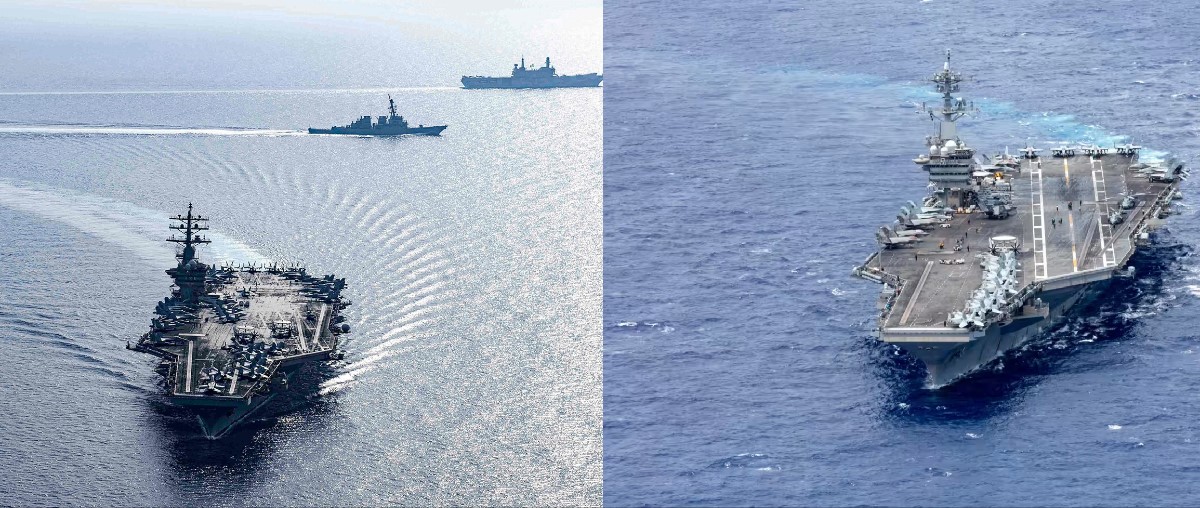
World
Washington / Tehran / Beijing : For the first time in decades, the United States finds itself without an aircraft carrier strike group stationed in or immediately adjacent to the Middle East, a development that is reshaping assumptions about how Washington might wage a future conflict with Iran — and what that posture signals to China amid rising tensions over Taiwan. For decades, the presence of at least one U.S. aircraft carrier in the Middle East has been treated as a prerequisite for major American military operations. In past interventions, the U.S. Navy routinely deployed two carriers, with one serving as a backup to ensure uninterrupted air operations in case of mechanical failure, combat losses, or escalation. That model is now conspicuously absent. According to U.S. defense officials and open-source naval tracking data, no American carrier is currently operating in the Persian Gulf, Gulf of Oman, or northern Arabian Sea. While U.S. forces remain active across regional bases, the absence of carriers marks a significant departure from established doctrine. A Shift in U.S Military Thinking The change reflects a growing reassessment inside the Pentagon about the vulnerability of aircraft carriers in high-threat environments. Iran’s expanding arsenal of precision-guided ballistic missiles, cruise missiles, armed drones, fast-attack craft, and sea mines has dramatically increased the risks to large surface vessels operating close to its shores. U.S. military planners increasingly view aircraft carriers not as invulnerable symbols of dominance, but as high-value targets that could be degraded or neutralized early in a conflict. In a war with Iran, analysts say, carriers would likely operate at extended distances, relying on long-range aircraft rather than sustained close-in operations. This evolution mirrors broader U.S. defense thinking shaped by lessons from Ukraine and great-power conflict wargames, where survivability, force dispersal, and long-range strike capability are prioritized over forward concentration of forces. What is Lost Without Carriers The absence of aircraft carriers, however, carries real operational consequences. Carrier air wings traditionally provide sustained, high-tempo air operations, capable of launching dozens of sorties per day. They also play a central role in suppressing enemy air defenses, conducting electronic warfare, and maintaining air superiority in contested airspace. Without carriers, the U.S. must rely more heavily on land-based aircraft, regional air bases, long-range bombers, and stand-off weapons such as cruise missiles. While effective for precision strikes, these alternatives reduce flexibility, endurance, and operational tempo, particularly in a prolonged conflict. Military analysts note that initiating strikes on Iran without carrier involvement would represent a deliberate test of American combat capability under constrained conditions — a demonstration that the U.S. can fight without assets it may need elsewhere. The China Factor Looms Large That “elsewhere” is the Indo-Pacific. The carrier gap in the Middle East is widely interpreted as linked to Washington’s preparations for a potential confrontation between China and Taiwan. U.S. defense planners are acutely aware that aircraft carriers would be indispensable in any high-intensity conflict in the Western Pacific. With China’s People’s Liberation Army rapidly expanding its missile forces, naval power, and air defenses, the U.S. is reluctant to expose its carrier fleet to unnecessary risk or strain in secondary theaters. Maintaining carriers closer to the Pacific preserves deterrence against Beijing and avoids signaling that U.S. naval power is overstretched. In this context, the Middle East drawdown appears less like disengagement and more like strategic reallocation. Beijing’s likely Response China has been closely monitoring U.S. force posture changes. Chinese state media and military commentators have repeatedly argued that American aircraft carriers are increasingly vulnerable to hypersonic and precision missile strikes, particularly in confined waters. If the U.S. demonstrates an ability to strike Iran without carrier support, Chinese analysts are likely to interpret it in two ways. First, as evidence that Washington is adapting its warfighting doctrine to operate without carriers near hostile shores. Second, as confirmation that the U.S. is conserving its most valuable naval assets for a Taiwan contingency. Beijing, in response, is expected to accelerate its own naval and missile modernization. The People’s Liberation Army Navy continues to expand its carrier fleet, while simultaneously investing in anti-carrier systems designed to deny U.S. forces access to the Western Pacific. Chinese officials are also likely to use the Middle East carrier absence to reinforce domestic narratives that American power is becoming more cautious and selective. A Signal, Not a Retreat U.S. officials insist that the absence of carriers does not mean diminished American commitment to Middle Eastern security. Tens of thousands of U.S. troops remain deployed across the region, supported by advanced air power, missile defenses, and naval forces. Instead, the current posture suggests a recalibration of American military power. Should the U.S. choose to strike Iran without deploying aircraft carriers, it would mark a historic shift — not only in Middle East strategy, but in how Washington prepares for a potential great-power confrontation with China. In that sense, the empty waters of the Persian Gulf may be sending a message far beyond Tehran, one that is being carefully studied in Beijing.
Read More → Posted on 2026-01-12 18:08:31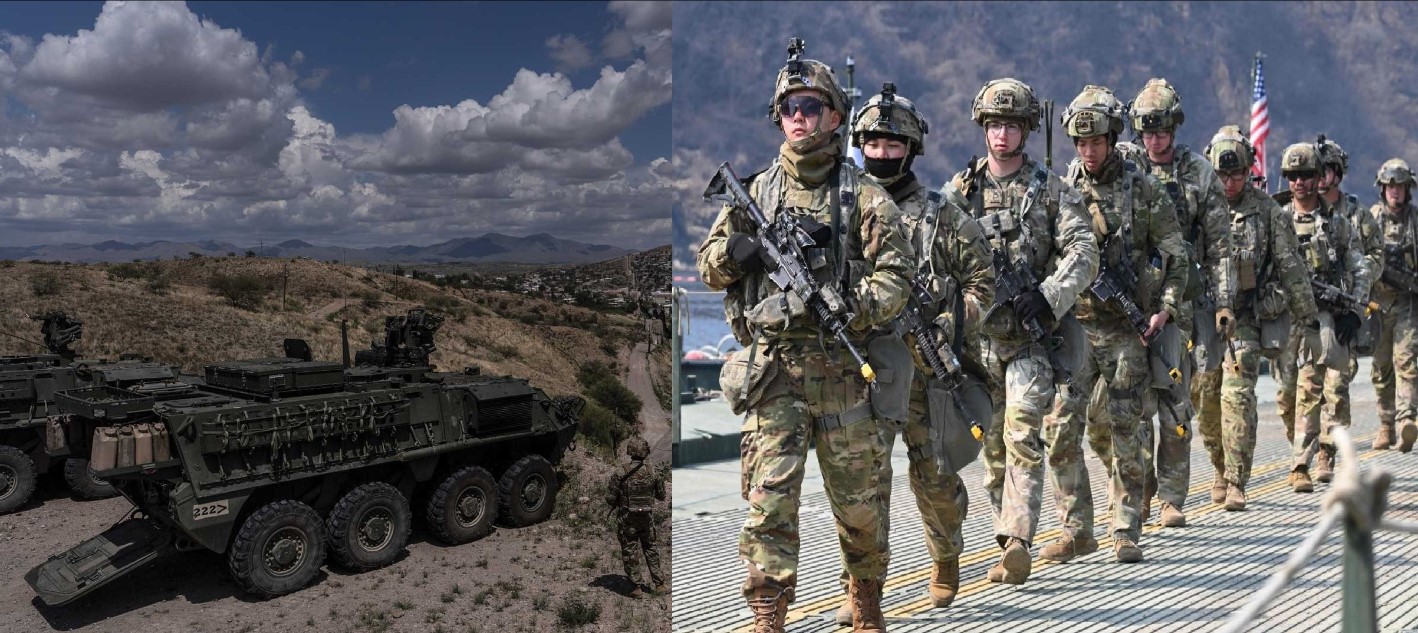
World
WASHINGTON / MEXICO CITY : Relations between the United States and Mexico have entered their most dangerous phase in decades, as confirmed movements of U.S. military armor toward the southern border collide with increasingly explicit threats of unilateral American action against Mexican drug cartels. What began as political rhetoric during the early days of President Donald Trump’s second term is now materializing into visible military posture, raising fears that North America may be drifting toward an unprecedented bilateral security crisis. According to U.S. defense officials and widely circulated open-source footage, columns of Army Stryker combat vehicles, armored logistics trucks, and support units have been redeployed through Texas and Arizona in recent days. The Pentagon has described the activity as “enhanced border support” linked to migration control and counter-smuggling operations. Privately, however, analysts say the scale, tempo, and configuration of the deployments suggest preparation for a far broader range of military contingencies. “This is not a normal border reinforcement,” said a former senior defense planner familiar with force posture planning. “What we’re seeing is consistent with force protection and rapid-response planning for potential cross-border kinetic operations, not just surveillance or law-enforcement support.” Trump’s Threat and the Shadow of Venezuela The military movements follow a dramatic escalation in presidential rhetoric. Last week, Trump publicly vowed to carry out unilateral land strikes against Mexican drug cartels, accusing them of effectively governing large parts of Mexico and posing a direct national-security threat to the United States. The statement marked the first time a sitting U.S. president has so openly threatened ground operations inside Mexico without host-nation consent. The White House has framed this posture in the context of its recent operation in Venezuela, where U.S. forces captured President Nicolás Maduro during a surprise special-operations raid, according to administration statements. Officials now describe that action as a proof of concept for a new hemispheric security doctrine aimed at eliminating “narco-terrorist” networks throughout the Western Hemisphere. In a nationally televised address, Trump argued that the scale of cartel violence justifies extraordinary measures. “They killed hundreds of thousands of people in our country,” he said, repeating his claim that fentanyl trafficking linked to cartels has caused roughly 300,000 U.S. deaths annually. Federal data from the Centers for Disease Control and Prevention places annual overdose fatalities closer to 100,000, but the president has consistently used the higher figure to frame the crisis as equivalent to wartime casualties. A Rewritten Monroe Doctrine Senior administration officials have begun referring to the strategy as a Trump-era corollary to the Monroe Doctrine, asserting a U.S. right to military intervention in Latin America when governments are deemed unable or unwilling to suppress threats to the American homeland. In internal briefings, cartels are described not merely as criminal syndicates, but as transnational armed organizations comparable to terrorist or insurgent groups. “The argument being made is that sovereignty cannot be a shield for organizations killing Americans at scale,” said a former National Security Council official. “That logic fundamentally redefines the U.S.–Mexico relationship.” The administration has also moved to expand its legal framework, accelerating efforts to designate major Mexican cartels as foreign terrorist organizations. Such a designation would grant the executive branch sweeping authorities to target financial networks, conduct extraterritorial operations, and deploy military assets with fewer political constraints. Mexico Braces for an Ally’s Pressure In Mexico City, the reaction has been swift and tense. President Claudia Sheinbaum has publicly rejected any suggestion that U.S. troops could operate on Mexican soil, emphasizing that security cooperation must respect national sovereignty. After a tense phone call with Trump, she reiterated that while Mexico is committed to combating organized crime, foreign military intervention is “not on the table.” Behind the scenes, Mexican officials acknowledge growing alarm. Units of the Mexican armed forces have been repositioned to northern border regions, officially to reinforce public security and deter cartel violence. The deployments have fueled speculation that Mexico is preparing both for internal instability and the possibility of unauthorized U.S. incursions. Public sentiment has hardened sharply. Nationalist voices accuse Washington of treating Mexico as a failed state, while others warn that any U.S. strike—whether a drone attack on a fentanyl lab or a special-operations raid—would force Mexico to respond to avoid appearing complicit. “The Venezuelan raid changed everything,” said a Mexico-based security analyst. “It demonstrated that this U.S. administration is willing to violate sovereignty if it believes the strategic payoff is worth the risk.” A Region on Edge The potential consequences of unilateral U.S. action are profound. International-law experts warn that a strike inside Mexico without consent would violate international norms and could collapse decades of security cooperation on migration, trade, and intelligence sharing. Economists caution that even limited military action could rattle markets, disrupt cross-border supply chains, and endanger North American trade frameworks. Strategists also warn of serious escalation risks. Cartels could retaliate against U.S. personnel, critical infrastructure, or American citizens, while nationalist pressure could push Mexico’s government into a confrontational posture it would otherwise seek to avoid. The last direct conflict between the two nations, the Mexican-American War, remains a powerful historical memory on both sides of the border. For now, U.S. armored vehicles remain on American soil, and diplomatic channels remain open. But the symbolism is unmistakable. An ally long treated as a strategic partner is now being publicly framed as a potential theater of U.S. military action. As one senior regional analyst put it, “The question is no longer whether Washington is willing to cross a line. It’s whether Mexico—and the wider hemisphere—can stop that line from being crossed.”
Read More → Posted on 2026-01-12 17:41:20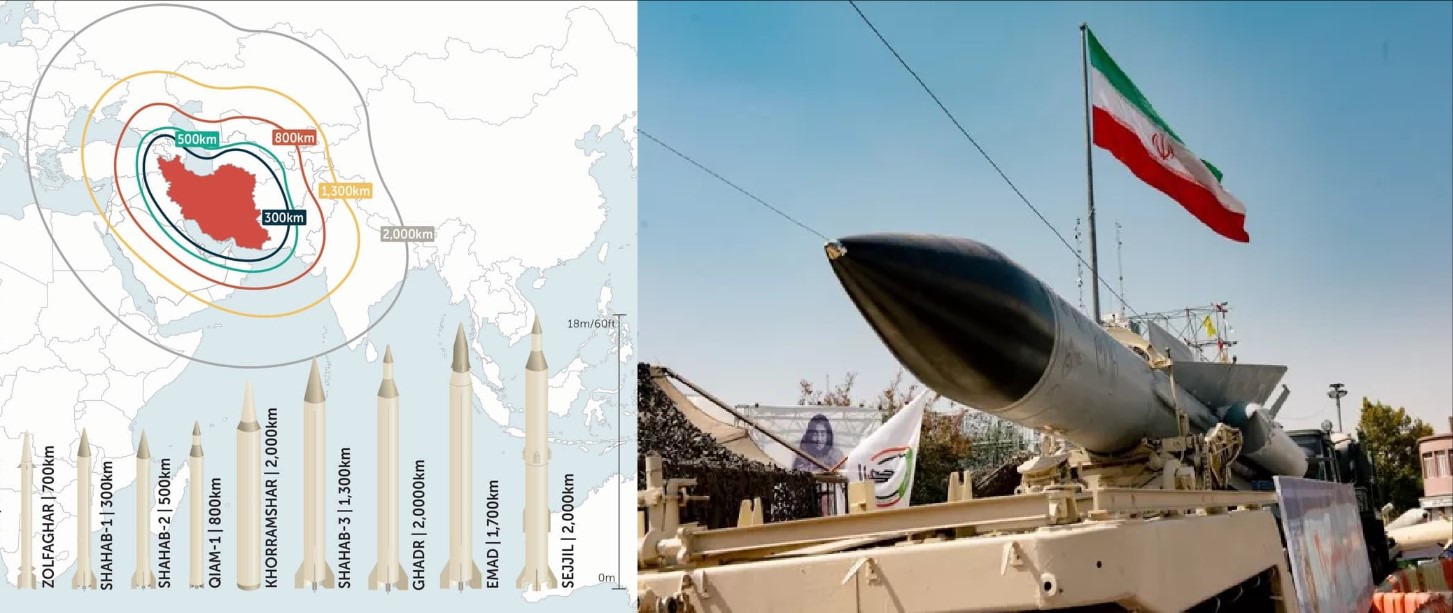
World
TEHRAN / WASHINGTON : Tensions between Iran and the United States have entered a dangerous new phase after CNN reported that Tehran is preparing a large-scale missile response should Washington launch direct strikes on Iranian territory. Intelligence assessments cited by the network indicate that Iran has readied hundreds of ballistic missiles for rapid use, with Israel and U.S. military assets across the Middle East identified as primary targets. Western officials say the preparations reflect a long-standing Iranian military doctrine centered on deterrence through volume rather than precision. Instead of relying on a small number of strategic weapons, Tehran has built a vast arsenal of short- and medium-range missiles and armed drones designed to overwhelm advanced air-defense systems through sheer numbers. Heavy Missiles and Long Reach At the core of the reported plan is the Khorramshahr-4 ballistic missile, known in Iran as “Khyber.” The missile, unveiled by Iran’s Islamic Revolutionary Guard Corps (IRGC) Aerospace Force, is among the most powerful conventional weapons in Tehran’s inventory. With a range of roughly 2,000 kilometers, it can strike targets across Israel and reach U.S. military facilities in Turkey and parts of southeastern Europe if launched from western Iran. Defense analysts note that the missile’s significance lies not only in its extended range but also in its heavy payload. Capable of carrying a warhead estimated at up to 1,500 kilograms, the Khorramshahr-4 is designed to cause extensive damage to hardened or high-value targets, including air bases, command centers, and critical infrastructure. Its advanced fuel system allows it to remain stored for long periods and launched on short notice, significantly reducing warning time for defenders. Iranian officials have framed the missile as a purely defensive tool, but regional rivals view it as a central element of Tehran’s threat posture toward Israel. From Iranian launch sites, major Israeli cities including Tel Aviv and Haifa fall well within range. Focus on U.S. Bases in the Gulf While Israel is a key concern, U.S. military planners are reportedly more alarmed by the immediate threat to American forces stationed around the Persian Gulf. According to U.S. defense officials, Iran has positioned thousands of short-range ballistic missiles and armed drones that could be used in coordinated “swarm” or saturation attacks against forward-deployed U.S. bases. One of the most sensitive targets is Al Udeid Air Base in Qatar, the largest U.S. military facility in the Middle East and home to the Combined Air Operations Center, which oversees American air activity across the region. The base is protected by multiple layers of air defense, including Patriot missile batteries and THAAD systems, but those defenses rely on finite interceptor stocks. Analysts say Iran’s strategy would likely involve firing large numbers of relatively inexpensive weapons simultaneously. Solid-fuel missiles such as the Fateh-110 and Fateh-313, with ranges of up to 500 kilometers, along with the longer-range Zolfaghar missile, could be launched alongside waves of Shahed-series loitering munitions. The goal would be to exhaust defensive interceptors, allowing some warheads to penetrate and damage runways, aircraft shelters, and command facilities. The Question of the U.S. Mainland Despite the scale of Iran’s regional missile capabilities, intelligence agencies emphasize that Tehran does not currently possess an operational intercontinental ballistic missile (ICBM) capable of striking the continental United States. Major U.S. cities such as New York, Washington, or Los Angeles lie nearly 10,000 kilometers from Iran, far beyond the reach of its declared missile forces. Iran has publicly stated that it observes a self-imposed missile range limit of around 2,000 to 2,500 kilometers. However, Western defense experts closely monitor Iran’s space launch program, noting that rockets such as the Simorgh and the solid-fuel Qaem-100 use technologies similar to those required for long-range ballistic missiles. While these systems are officially intended to place satellites into orbit, analysts argue that, in theory, the technology could be adapted for longer-range military use. No evidence suggests such a capability has been deployed operationally. Regional Balance of Power Iran today maintains one of the largest and most diverse missile arsenals in the Middle East. The heavy emphasis on short-range missile systems reflects Tehran’s assessment that any future conflict with the United States would be fought primarily around the Persian Gulf, Iraq, Syria, and the eastern Mediterranean. U.S. military facilities in Bahrain, Kuwait, Qatar, and the United Arab Emirates are all within range of multiple Iranian missile types. American military commanders have repeatedly stated that they are prepared to defend these installations, but they also acknowledge that no defense system can guarantee complete protection against a determined saturation attack. As a result, bases across the region have reportedly raised alert levels, dispersed aircraft, and reinforced hardened shelters. A Volatile Moment The latest intelligence warnings come amid escalating rhetoric from both Tehran and Washington, raising fears that miscalculation could trigger a broader regional conflict. While diplomats on both sides continue to stress that neither country seeks war, the visible movement of missiles, air-defense systems, and military forces has narrowed the margin for error. For now, U.S. officials maintain that the American homeland remains out of reach, but the concentration of Iranian firepower aimed at nearby U.S. bases underscores the serious risks facing tens of thousands of American service members in the region. As one senior defense analyst observed, Iran’s missile force is less about reaching across oceans and more about making the immediate neighborhood too dangerous for any adversary to ignore.
Read More → Posted on 2026-01-12 17:24:22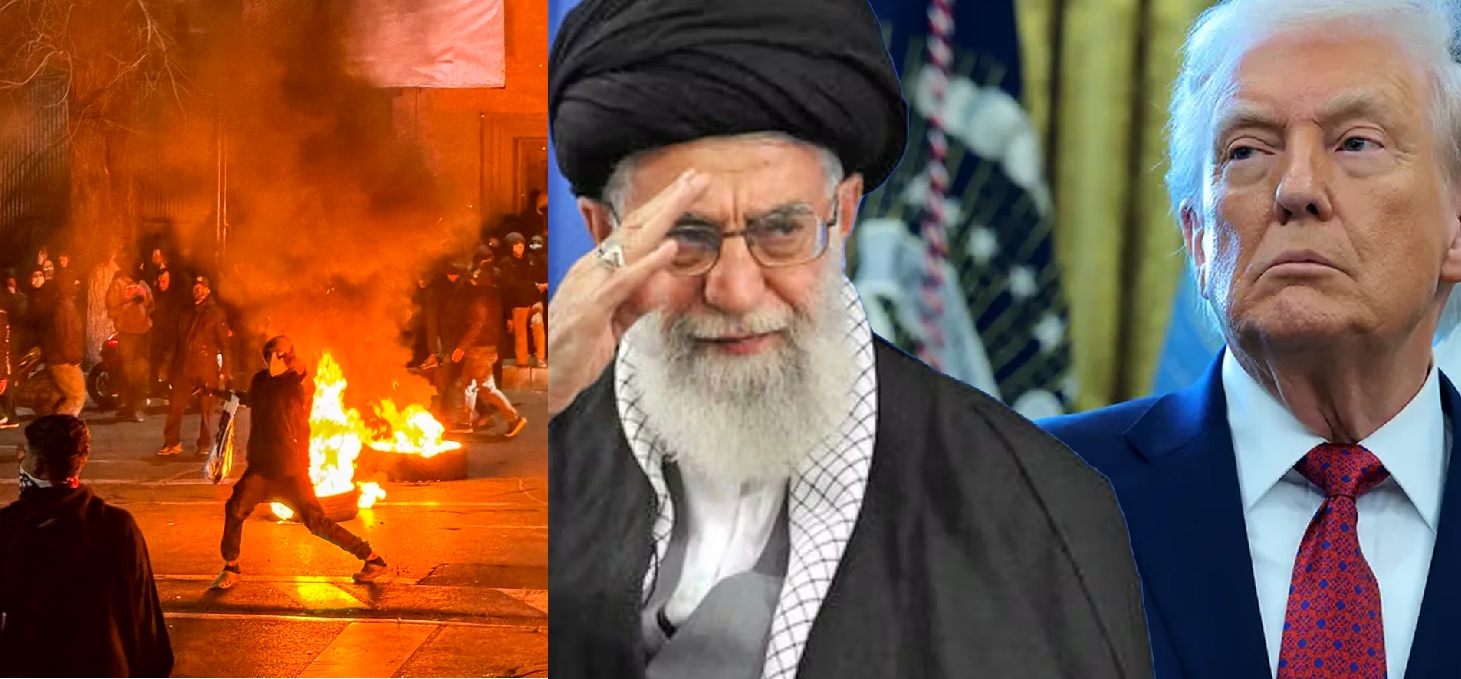
Trump Warns of “Very Strong” U.S. Options as Iran Protest Death Toll Mounts and Tehran Signals Talks
World
WASHINGTON/DUBAI : President Donald Trump said the U.S. military is studying “very strong options” toward Iran, warning that Tehran may be “starting to cross my red line” as reports of a rapidly rising death toll from a nationwide crackdown fuel fears of a wider regional confrontation. Speaking to reporters aboard Air Force One late Sunday, Trump said the administration was “looking at it very seriously,” adding that the Pentagon was reviewing potential actions as violent unrest inside Iran stretches into a third week. A U.S. official said Trump is expected to meet senior advisers on Tuesday to review the menu of options. A Crackdown, Competing Casualty Counts, and an Information Blackout The latest wave of demonstrations began December 28 amid anger over soaring prices, then broadened into direct calls for the fall of Iran’s clerical establishment, according to reporting on the unrest and statements from Iranian officials. Because Iran has imposed an internet blackout since Thursday, independent verification is difficult and casualty estimates vary widely. The U.S.-based Human Rights Activists News Agency (HRANA) said it has verified 544 deaths — 496 protesters and 48 security personnel — and 10,681 arrests since the protests began, figures Reuters said it could not independently confirm. Other rights monitors have reported lower confirmed totals but warned the real number could be far higher. Norway-based Iran Human Rights (IHR) said it had confirmed at least 192 protester deaths while cautioning that the toll could exceed 2,000, with HRANA separately estimating detentions above 10,000. Footage aired by Iranian state television showed body bags at Tehran’s coroner’s office and families gathering at forensic facilities to identify the dead, while videos circulating online — some verified by news organizations — show nighttime marches, street fires and clashes in multiple cities. Trump’s Warning: Talks Possible, Action Still on the Table Trump said Iranian leaders had reached out to negotiate, suggesting a meeting could happen soon, but he also indicated Washington might act before talks if the violence continues. Reuters reported Trump said he was also in contact with Iranian opposition figures. The Wall Street Journal has reported — and Reuters echoed — that the administration’s review includes possibilities ranging from military strikes and cyber operations to expanded sanctions and support for anti-government messaging online. Reuters noted any strike scenario carries heightened risk, including the danger of civilian casualties if targets are located near population centers. Trump also said he would speak with Elon Musk about restoring internet access in Iran via Starlink, after the blackout complicated the flow of information and protest coordination. Tehran’s Response: “Ready for War,” Channel to Washington “Open” Iran’s Foreign Ministry said Monday that communication with Washington remains active, naming a direct channel between Foreign Minister Abbas Araghchi and U.S. special envoy Steve Witkoff, and noting Switzerland continues to serve as an intermediary. Araghchi said Iran is “ready for war” but also open to dialogue, while Iranian officials accused the United States and Israel of fomenting unrest — claims Washington denies. Iranian state media has focused heavily on attacks it attributes to “terrorists,” and Araghchi said dozens of mosques and ambulances had been set on fire since the protests erupted. Iran’s parliament speaker Mohammad Baqer Qalibaf issued a stark warning against U.S. intervention, saying American bases and ships — and Israel — would become legitimate targets in the event of an attack on Iran. Regional stakes: post-war tensions and a high-alert posture The standoff is unfolding against the backdrop of last year’s direct Iran-Israel conflict. Reuters reported Israel and Iran fought a 12-day war in June 2025, during which the United States briefly joined strikes on Iranian nuclear installations, prompting Iranian retaliation that included missile fire at Israel and an American air base in Qatar. Israeli sources told Reuters they were on heightened alert for potential escalation linked to any U.S. move. International Pressure Grows as Unrest Spreads The United Nations Secretary-General António Guterres said he was shocked by reports of violence and urged maximum restraint, emphasizing protections for freedom of expression and peaceful assembly. Inside Iran, the government has called for rallies condemning what it describes as U.S.- and Israeli-led “terrorist actions,” and has summoned European diplomats to protest what Tehran calls outside support for the demonstrations. For now, the White House is signaling both coercion and a possible diplomatic off-ramp: Trump’s public warning about “very strong options” paired with claims that talks are being arranged. Tehran, meanwhile, is broadcasting readiness to negotiate — while warning that any attack would trigger retaliation across the region.
Read More → Posted on 2026-01-12 17:05:25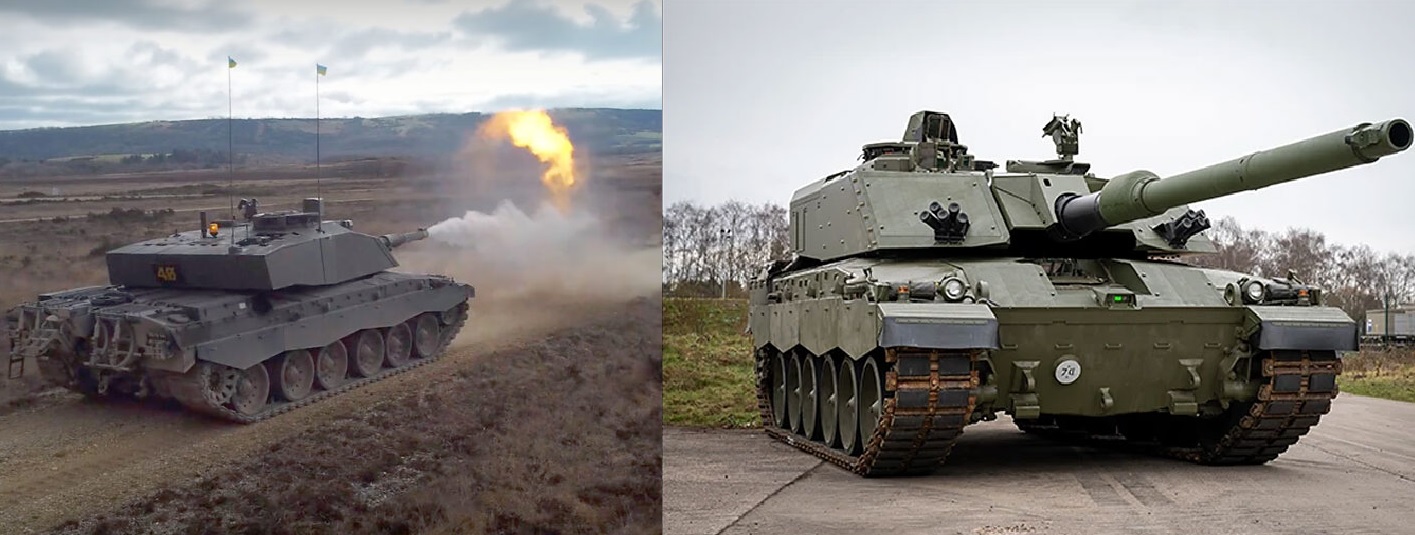
World
Kyiv / London : As Ukrainian forces continue to deploy British-supplied Challenger 2 main battle tanks on the front lines against Russian troops, questions are mounting in the United Kingdom over the fate of a much larger fleet of the same vehicles sitting idle at home. The British Army currently holds around 140 Challenger 2 tanks that will not be upgraded to the new Challenger 3 standard, and no final decision has been made on whether they will be dismantled, stored, sold abroad, or transferred to an ally such as Ukraine. The situation highlights a growing disconnect between Ukraine’s urgent battlefield needs and Britain’s unresolved post-modernisation plans for its ageing armoured force. A Tank Fighting in Ukraine and Waiting in Britain Ukraine began operating Challenger 2 tanks in 2023 after receiving a limited number from the UK as part of a broader Western effort to strengthen Kyiv’s armoured capabilities. Though supplied in small quantities, the tanks have been used in both defensive and limited offensive roles, valued primarily for their heavy protection and long-range firepower. At the same time, according to UK Defence Journal, the British Army retains approximately 140 Challenger 2 hulls that are excluded from the ongoing Challenger 3 upgrade programme. These tanks are effectively surplus to Britain’s future force structure, yet remain intact and potentially usable. The Ministry of Defence has so far declined to commit to a clear path forward, leaving the fleet in what analysts describe as a strategic holding pattern. What It Takes to Turn Challenger 2 Into Challenger 3 The Challenger 3 upgrade is not a minor refurbishment but a deep modernisation designed to keep Britain’s armoured force relevant into the 2040s. Central to the upgrade is the replacement of the Challenger 2’s 120mm rifled gun with a NATO-standard 120mm smoothbore cannon. This change allows the tank to fire the same ammunition used by most Western main battle tanks, greatly simplifying logistics and interoperability. Beyond the main gun, the Challenger 3 programme includes a redesigned turret, improved fire-control systems, enhanced thermal sights for both commander and gunner, upgraded armour protection, and a modern digital architecture to support battlefield networking. The work is complex and expensive, which is why only 148 Challenger 2 tanks are being converted. The remaining 140 vehicles lack allocated funding and industrial capacity for conversion, effectively pushing them out of Britain’s long-term plans. How Challenger 2 Has Performed in Ukraine On the battlefield, Ukraine’s experience with Challenger 2 tanks has been mixed but largely positive. The tank’s heavy armour, including its Dorchester composite protection, has proven resilient against many battlefield threats. Ukrainian crews have also praised the tank’s accuracy at long range. However, challenges remain. The Challenger 2’s rifled gun uses ammunition that is not standard among Ukraine’s other Western-supplied tanks, such as the Leopard 2. This complicates logistics and limits ammunition availability. Maintenance has also been an issue, as the tank requires specialised spare parts and trained technicians, often forcing repairs to be carried out away from the front or even outside Ukraine. Despite these issues, Ukrainian forces continue to operate the tanks, suggesting that their combat value outweighs the logistical burden, particularly given Ukraine’s ongoing shortage of heavily armoured vehicles. Ukraine as a “Logical Candidate” According to Defense Express, Ukraine stands out as the most logical destination should Britain decide to transfer its unused Challenger 2 tanks. Ukrainian crews are already trained on the platform, supply chains — while limited — are established, and the strategic need is clear. Transferring additional Challenger 2s would not require the lengthy and costly Challenger 3 upgrade, and could significantly bolster Ukraine’s armoured strength at a time when attrition remains high. Analysts note that even if the tanks are not cutting-edge by NATO standards, they remain formidable assets in the current conflict. Strategic Hesitation in London For Britain, the dilemma reflects broader tensions in defence planning. Scrapping the tanks would draw criticism at a time when allies are seeking every available piece of equipment to support Ukraine. Long-term storage carries its own costs and risks, while export or transfer would require political approval and funding for refurbishment and transport. So far, London has offered no definitive timeline. The result is a paradoxical situation: Ukrainian soldiers are fighting with Challenger 2 tanks under fire, while more than a hundred identical vehicles remain parked and undecided thousands of kilometres away. As the war grinds on and pressure grows for sustained military support to Kyiv, the fate of Britain’s unused Challenger 2 fleet is increasingly seen not just as a budgetary issue, but as a test of strategic resolve.
Read More → Posted on 2026-01-12 16:18:41
World
Berlin / Moscow : Germany’s newly deployed Arrow-3 missile defense system is currently unable to intercept advanced Russian ballistic missiles such as the Oreshnik, according to a report by Die Welt, raising fresh questions about Europe’s near-term ability to counter emerging long-range missile threats from Russia. The newspaper, citing NATO-linked sources, reports that the Arrow-3 battery recently placed on combat duty in Germany has not yet reached full operational readiness. As a result, it would not be capable, in its current configuration, of reliably intercepting an Oreshnik-type ballistic missile, despite the system’s design goal of exo-atmospheric interception. A Strike Near NATO’s Borders The assessment follows Russia’s recent ballistic missile strike on Ukraine’s Lviv region, an area that directly borders NATO member states. According to Die Welt, the incident marked what it described as the “first indirect confrontation” involving the Arrow-3 system since its activation in Germany, as the missile’s flight path and characteristics fell within the system’s intended tracking envelope. Germany’s armed forces, the Bundeswehr, publicly describe Arrow-3 as capable of neutralizing ballistic missiles before they re-enter Earth’s atmosphere. On paper, this would include long-range systems such as Oreshnik, which Russian sources claim has a maximum range of up to 5,500 kilometers, theoretically placing most of Europe within reach from launch sites inside Russia. Early Detection Without Interception The first Arrow-3 battery has been deployed at an air base in the eastern German state of Saxony-Anhalt. From this location, German operators can detect and track ballistic missiles at very early stages of flight, even before they approach NATO airspace. This early-warning capability is reinforced through integration with NATO’s sensor network, including satellite-based missile warning systems and the Alliance’s Aegis missile defense architecture. According to Alliance procedures, data from these systems are shared in real time among member states, enabling rapid situational awareness across Europe. In addition, Russia typically notifies NATO countries through diplomatic channels ahead of ballistic missile launches, particularly during tests or non-nuclear strikes, in order to avoid misinterpretation as a strategic nuclear attack. For this reason, German operators were likely aware of the Oreshnik launch well in advance and were able to monitor its trajectory from lift-off to impact. NATO sources quoted by Die Welt stressed, however, that tracking a missile and intercepting it are fundamentally different challenges. While Arrow-3 can currently contribute valuable sensor data to the Alliance, its German-based configuration is not yet cleared for combat interception of such targets. Limits of Existing Defenses According to Alliance interlocutors, other systems theoretically available in Europe, such as the U.S.-made Patriot, would also face severe limitations against Oreshnik. While Patriot PAC-3 interceptors have successfully destroyed Russian Kinzhal missiles in Ukraine, experts note that Oreshnik represents a more demanding target. Oreshnik warheads are believed to travel at the upper end of hypersonic speeds, approaching Mach 10 during key phases of flight. At these velocities, even highly advanced interceptors struggle with reaction time, tracking precision, and engagement geometry, particularly if the missile deploys maneuvering or separated warheads. As a result, NATO officials reportedly assess that no currently deployed European system can reliably intercept individual Oreshnik warheads under combat conditions. Arrow-3 Enters Service in Germany The Arrow-3 system officially entered combat duty in Germany in early December 2025. The announcement followed the completion of intensive training for Bundeswehr personnel conducted by Israeli specialists in late November. Germany purchased the system in 2023 under an intergovernmental agreement with Israel valued at approximately €3 billion. The acquisition forms a central pillar of Berlin’s effort to build a multi-layered missile defense shield in response to Russia’s growing arsenal of long-range and hypersonic weapons. Arrow-3 is being integrated into Germany’s national air and missile defense framework and into the broader European Sky Shield Initiative, led by Berlin to coordinate air defense capabilities across participating European states. The rollout has not been without difficulties. German security services have acknowledged several incidents involving unidentified drones attempting to locate or surveil Arrow-3 deployment sites, underscoring the system’s strategic importance and vulnerability during its early operational phase. Inside the Arrow-3 System Arrow-3 is Israel’s third-generation long-range missile defense system, designed specifically to counter medium- and intercontinental-range ballistic missiles, including those carrying nuclear warheads. Unlike earlier generations, Arrow-3 is optimized for interception outside the atmosphere, destroying incoming missiles through direct kinetic impact rather than explosive warheads. The Arrow program dates back to the 1980s, when Israel and the United States launched a joint effort to counter Scud-type ballistic missiles. Arrow-1 and Arrow-2, deployed in the 1990s and 2000s, focused on atmospheric interception of medium-range threats and became a proven component of Israel’s layered missile defense network. Arrow-3 represents a substantial redesign, developed primarily in the 2000s and early 2010s. Its main industrial partners are Israel Aerospace Industries and the U.S. defense firm Boeing, working in close coordination with the Israeli and U.S. governments. The system combines long-range interceptors, powerful early-warning radars, a centralized command-and-control architecture, and integration with satellite-based detection assets. In Israeli service, Arrow-3 is considered a cornerstone of national defense against strategic missile threats. A Capability Still Maturing While Arrow-3’s technical specifications promise intercept ranges of up to roughly 2,400 kilometers and engagement altitudes exceeding 100 kilometers, military officials caution that such performance depends on full system maturity, extensive testing, and seamless integration with allied sensors. For Germany, that process is still underway. Until additional batteries are deployed, software and command structures are fully validated, and operational doctrines are finalized, Arrow-3’s role will remain primarily one of early detection and strategic deterrence rather than assured interception. The Die Welt report concludes that while Arrow-3 represents a major leap forward for European missile defense, the emergence of systems like Oreshnik highlights a widening gap between offensive missile technology and the defensive shields designed to stop them — a gap that NATO and its members are now racing to close.
Read More → Posted on 2026-01-12 15:47:48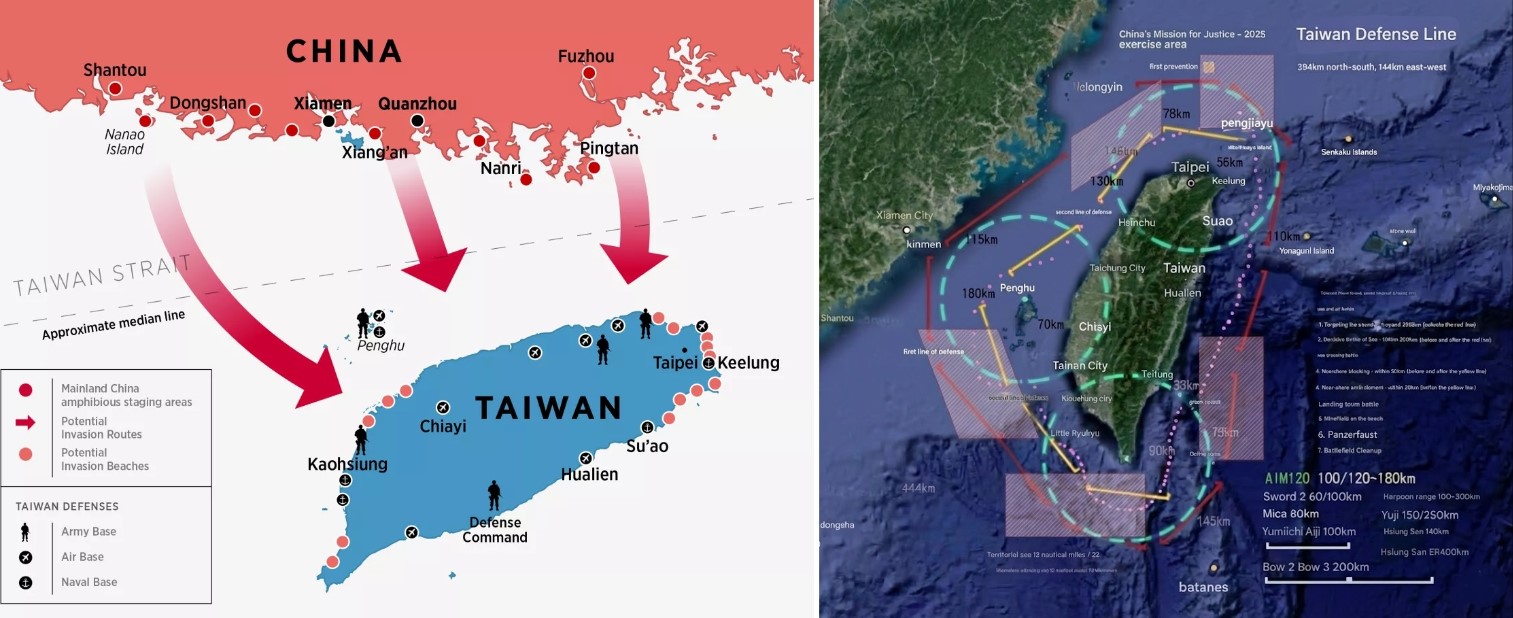
World
Taipei / Beijing : Taiwan has moved to publicly underline its evolving national defense strategy as tensions with China intensified during last month’s major Chinese military drills around the island, releasing a rare graphic that outlines how it would respond to a potential mainland invasion. The graphic, shared by Taiwan’s ruling Democratic Progressive Party, appeared during Beijing’s large-scale “Justice Mission 2025” exercise and was widely viewed as both a domestic reassurance signal and a message aimed at Beijing and Taiwan’s international partners. While simplified, the illustration offered insight into how Taipei plans to delay, disrupt and defeat an amphibious assault by the People’s Liberation Army. China’s Drills and Rising Pressure Justice Mission 2025 represented the latest escalation in a series of increasingly targeted Chinese exercises focused on Taiwan. According to material released by the PLA Eastern Theater Command and the China Coast Guard, the drills emphasized joint firepower strikes, maritime blockade operations, and the interdiction of foreign military support. Chinese statements indicated that a key objective was rehearsing the blocking of U.S. forces and arms shipments bound for Taiwan. The exercise included port seizure scenarios, coordinated naval and air patrols, and long-range strike missions by H-6 bombers operating around the island. Taiwan’s defense officials assessed that several phases simulated the opening stages of a quarantine or blockade, rather than an immediate landing. A 200-Kilometer Defense Perimeter At the center of Taipei’s newly highlighted posture is what it calls the “Taiwan Defense Line”, an engagement perimeter extending about 200 kilometers from the island’s shores. The map shows two main defensive zones forming part of a seven-layer defense strategy, covering operations from blue-water combat to coastal ground defense. The outermost layer focuses on “targeting the source” of an invasion. Taiwanese planners believe disrupting PLA staging, ports and logistics hubs on the mainland would be critical in the early hours of a conflict. Taiwan has developed domestically produced cruise missiles capable of striking targets deep inside China. Recent acquisitions of HIMARS and Army Tactical Missile Systems further expand this capability, enabling the Republic of China Army to conduct long-range precision strikes across the Taiwan Strait. At least one component of Justice Mission 2025 appeared to simulate PLA efforts to neutralize these mobile missile systems. Preparing for a Decisive Sea Battle Taiwan’s plan also calls for a “decisive sea battle” before and after Chinese forces cross the outer defense line. Although the Republic of China Navy is far smaller than the PLA Navy, it relies on missile-centric warfare rather than fleet-on-fleet combat. The navy operates fast missile corvettes, small attack craft and a growing number of shore-based anti-ship missile units under the Haifeng Brigade. The graphic identifies Penghu, Pingtung and northern Taiwan as key locations for these area-denial forces. Among the systems highlighted is an extended-range Hsiung Feng III anti-ship missile, capable of striking maritime targets at distances of up to 400 kilometers, significantly expanding Taiwan’s ability to hold invasion forces at risk. Nearshore Blocking And Littoral Defense Closer to shore, the second major layer emphasizes nearshore blocking operations within roughly 100 kilometers of Taiwan’s coastline. In 2024, the navy announced plans to establish a dedicated littoral defense force, integrating Marine Corps fast boats, missile-armed patrol craft and land-based missile batteries to defend Taiwan’s 24-nautical-mile contiguous zone. This force is designed to exploit coastal geography, using speed, concealment and precision weapons to ambush landing craft and logistics vessels in confined waters. Shift Toward Asymmetric Warfare The public release of the defense map reflects a broader shift in Taiwan’s military thinking. Facing a rapidly modernizing PLA and increasingly assertive rhetoric from Beijing, Taipei has accelerated its move toward asymmetric capabilities intended to raise the cost of invasion. Alongside conventional platforms, Taiwan has invested in loitering munitions, sea drones, unmanned systems and dispersed command networks, while expanding its anti-ship missile stockpiles and long-range strike capacity. While officials stress that the graphic does not reveal sensitive operational details, its release was a deliberate act of strategic messaging—underscoring Taiwan’s determination to deter aggression by demonstrating that any attempt to seize the island would result in a prolonged and costly conflict stretching from the mainland’s ports to Taiwan’s shores.
Read More → Posted on 2026-01-12 15:32:45
World
Berlin / Kyiv : Germany’s defense industry giant Rheinmetall has formally confirmed that Ukraine will soon receive its first Lynx KF41 infantry fighting vehicles, marking a significant step in Kyiv’s long-term effort to modernize its armored forces amid the ongoing war. The delivery follows a contract signed in December 2025 under which Rheinmetall will supply an initial batch of five Lynx KF41 vehicles to the Ukrainian Armed Forces. The deal, valued in the mid double-digit million euro range, is fully financed by the German government. According to the company, the first vehicles are expected to reach Ukraine as early as the beginning of 2026. Testing and Configuration for Ukraine The decision to proceed with the order came after extensive testing of the next-generation infantry fighting vehicle. Rheinmetall said the Lynx KF41 will be delivered with a two-man Lance turret and configured specifically to meet the operational requirements of Ukraine’s armed forces, reflecting battlefield lessons learned since 2022. Rheinmetall chief executive Armin Papperger said the contract represents both a vote of confidence from Kyiv and a milestone for the company’s support of Ukraine. “We are grateful for the trust that Ukraine has placed in us,” Papperger said. “We would also like to thank the German government for its support. This order is a fundamental success that underscores our continued efforts to support Ukraine.” The company has also confirmed that further batches of Lynx vehicles are planned. These are expected to include localized production in Ukraine, a move intended to accelerate deliveries, strengthen logistics resilience, and support Ukraine’s domestic defense industry over the long term. Path Toward a Large-scale Fleet According to reporting by Militarnyi, Rheinmetall has already handed over a first Lynx KF41 unit to Ukraine for testing at the end of 2024, a fact publicly acknowledged by Papperger. Under current plans, the initial operational batch will arrive in early 2026, with deliveries continuing through the decade. By 2028, Ukraine is expected to receive up to 200 Lynx infantry fighting vehicles, making the type one of the core platforms of its mechanized forces. The Lynx family includes two main variants, the lighter KF31 and the heavier KF41, which differ in weight, armor protection, engine power, and payload. Ukraine has opted for the larger KF41, designed to offer higher survivability and growth potential on modern battlefields. Protection and Survivability Rheinmetall describes the Lynx KF41 as one of the most heavily protected infantry fighting vehicles in its class. The turret is designed to withstand hits from 30-millimeter shells, while the vehicle’s full 360-degree protection can be raised to the same level through modular, detachable armor packages. Without additional armor modules, the sides of the vehicle are rated to resist 14.5-millimeter heavy machine-gun fire. Mine and blast protection is another core feature. The bottom armor is designed to withstand explosions equivalent to up to 10 kilograms of TNT. Inside the vehicle, additional Kevlar and ceramic armor panels protect the crew and embarked infantry from shrapnel and secondary fragments, enhancing survivability during indirect fire and ambushes. The Lynx KF41 can also be equipped with Rheinmetall’s AMAP-ADS active protection system, which combines laser warning sensors with a rapid countermeasure suite capable of detecting and neutralizing anti-tank guided missiles and rocket-propelled grenades. According to Rheinmetall, the system’s reaction time is approximately 560 microseconds, with threats intercepted several meters from the vehicle. Complementing this is a hard-kill and soft-kill protection concept that automatically deploys smoke grenades when the vehicle is illuminated by enemy targeting lasers, disrupting missile guidance and helping to locate the firing position. Firepower and Digital Warfare In terms of firepower, the Lynx KF41 is armed with a 30- or 35-millimeter automatic cannon, supported by a 7.62-millimeter coaxial machine gun. Ammunition capacity ranges from 600 to 700 rounds, with an effective cannon firing range of up to 3,000 meters. The vehicle features a fully digital fire-control system with thermal imaging and night-vision sensors for both commander and gunner, providing 360-degree situational awareness. A hunter-killer capability allows the commander to independently detect and designate targets, after which the turret automatically slews onto the threat, enabling rapid engagement. Rheinmetall has emphasized the Lynx’s role as a networked combat platform. A digital battlefield management system enables crews to track friendly and enemy units in real time, share target data, and coordinate movements with tanks, infantry fighting vehicles, and other armored assets. Integrated GPS navigation and high-capacity lithium batteries allow the vehicle’s electronic systems to operate for extended periods even with the engine switched off. A Strategic Addition for Ukraine With its combination of heavy protection, modern sensors, and modular design, the Lynx KF41 represents a qualitative leap for Ukraine’s mechanized infantry. German officials and industry executives alike see the program as part of a broader shift from emergency wartime aid toward sustained capability building. As deliveries begin in 2026 and scale up toward the end of the decade, the Lynx is expected to play a central role in reshaping Ukraine’s armored formations, aligning them more closely with NATO standards while retaining the flexibility to adapt to evolving battlefield threats.
Read More → Posted on 2026-01-12 15:16:17
World
Tehran / Washington : Iran has, for the first time, deployed military-grade electronic warfare systems to disrupt Starlink satellite internet, launching an unprecedented attempt to impose a nationwide digital blackout during a surge of anti-government protests. While the operation significantly degraded internet connectivity across the country, it ultimately failed to prevent the most coordinated nationwide demonstrations Iran has seen in decades. A First-of-Its-Kind Electronic Warfare Operation According to regional security sources and independent network analysts, Iranian forces activated advanced jamming equipment in early January as unrest spread across major urban centers. The systems reportedly included Russian-made Krasukha-4 platforms, designed to interfere with satellite communications through radio-frequency jamming. The campaign marked the most sophisticated electronic warfare effort ever directed against a commercial satellite constellation. Iran had previously relied on internet throttling, platform bans, and social media shutdowns. This time, the target was space-based connectivity itself. The impact was immediate. Analysts observed 30–80 percent packet loss nationwide on satellite links. Video calls collapsed, live streaming became unusable, and most commercial internet activity effectively stopped. For many users, Starlink, long considered a last-resort connection, appeared largely disabled. The Night the Protests Broke Through Despite the technical success of the jamming campaign, it failed at a decisive political moment. On January 8, opposition figure Reza Pahlavi issued a short message calling on Iranians to chant together at 8 p.m. local time. When the hour arrived, simultaneous protests erupted across Tehran and dozens of other cities. Reports from inside the country indicate demonstrations or organized chanting in all 31 provinces and at least 185 cities. Activists described it as the most synchronized uprising since the early years after the 1979 revolution, made more striking by the severe communications blackout already in place. Iranian security planners had succeeded in crippling high-bandwidth internet use. They had not stopped coordination. Why the Blackout Didn’t Work The failure, analysts say, stemmed from a misunderstanding of how little data is required to organize mass action. Streaming video, digital commerce, and modern platforms depend on continuous high-capacity connections. Services like Netflix typically require 5–25 megabits per second of sustained throughput. Political coordination does not. A single text-based protest instruction — a time and a call to act — can be compressed into roughly 1.3 kilobits of data. It does not require real-time delivery. It can be delayed, retried, cached, or relayed through brief gaps in interference and still arrive intact. Standard TCP/IP internet protocols are designed for this scenario. Even at 80 percent packet loss, data is automatically retransmitted until delivered. Instead of one attempt, a message may take five — but it still arrives. By focusing on denying bandwidth-heavy services, Iranian authorities shut down entertainment and commerce while leaving open the narrow channels required for collective action. Starlink and the Limits of Jamming Starlink, operated by SpaceX, consists of thousands of low-Earth-orbit satellites that constantly move overhead, handing off connections every few minutes. This architecture makes total, sustained denial extraordinarily difficult without continuous, high-power jamming across vast areas. While Iran’s investment — estimated by analysts at around $300 million — was sufficient to degrade service, it was not enough to seal the network completely. Brief windows of reduced interference allowed queued messages to propagate. Satellite communications experts note that this resilience is rooted in network design and physics, not politics — and in this case, those same principles worked against state control. A Broader Lesson for Digital Authoritarianism The episode highlights a growing challenge for digital authoritarian regimes. The bandwidth required to run an economy is thousands of times greater than the bandwidth required to coordinate dissent. Shutting down the former is economically damaging. Shutting down the latter is increasingly impossible. By the time Iranian authorities attempted to silence satellite communications, the critical messages had already spread. The blackout darkened screens, but it did not silence voices. On the night Iran tried to jam the sky, it confronted a hard limit of modern power: in the digital age, the data required to start a movement is far smaller than the force required to stop it.
Read More → Posted on 2026-01-12 13:52:35
World
Paris : Dassault Aviation has announced a $200 million Series B investment in defence startup Harmattan AI, marking a major step in France’s effort to embed sovereign, human-controlled artificial intelligence into its next generation of combat aircraft. The partnership, formally revealed on January 12, 2026, is designed to place embedded autonomy at the core of the Rafale F5 standard and a future unmanned combat aerial system (UCAS) intended to fly alongside manned fighters. Company officials described the move as a strategic industrial decision rather than a conventional funding round. At its centre is the objective of ensuring that combat AI remains predictable, certifiable and under human authority, even as air warfare becomes increasingly shaped by autonomy, electronic warfare and data saturation. Investment Signals Long-Term Strategic Alignment The Series B round, led by Dassault Aviation, elevates Harmattan AI from a fast-growing defence technology supplier to a core partner in France’s air combat roadmap. Unlike many military AI initiatives that rely on modular or external software, the partnership focuses on deeply embedded autonomy, integrated directly into mission systems and command architectures. Founded in 2024, Harmattan AI has positioned itself as a defence-native AI company, developing vertically integrated systems rather than standalone algorithms. Its portfolio spans ISR and strike UAV coordination, counter-drone solutions, electronic warfare, and command-and-control platforms designed to operate under degraded communications. The company states that its systems are already fielded at scale with several NATO and allied partners, including active programmes in France and the United Kingdom. The new funding will be used to expand deployments into new operational theatres, extend AI capabilities across additional domains, and scale industrial production for ISR, counter-UAS and electronic warfare platforms. Rafale F5: A Shift Toward Collaborative Combat For Dassault, the partnership directly supports the evolution of the Rafale F5, expected to enter service around the turn of the 2030s. French defence planners increasingly describe F5 not as a simple upgrade, but as a transformation of the Rafale into a collaborative combat platform within a broader system-of-systems. Artificial intelligence plays a central role in this vision. Embedded AI is intended to function as a cockpit multiplier, helping pilots manage sensor overload, prioritise threats, coordinate unmanned assets and operate effectively in environments dominated by electronic warfare and contested communications. By integrating Harmattan AI’s technology directly into Rafale’s mission systems, Dassault aims to preserve transparency and pilot authority over all critical decisions. Industry sources indicate that incremental AI capabilities could begin appearing on Rafale platforms in the late 2020s, ahead of full F5 operational capability. UCAS and Loyal Wingman Operations The investment is also closely tied to France’s UCAS programme, launched under a contract awarded in late 2024. The programme envisions a stealthy, internally armed unmanned aircraft designed to complement manned fighters rather than replace them. Operating as a loyal wingman, the UCAS is expected to carry out missions such as reconnaissance, electronic attack and strike, while remaining under human supervision. Within this framework, Harmattan AI’s role focuses on enabling reliable, formation-level autonomy, resilient command links and secure coordination between manned and unmanned platforms. Current programme timelines point to demonstrator flights before 2030, with an initial operational capability likely in the early 2030s, broadly aligned with the Rafale F5 roadmap. Sovereignty and Industrial Control Beyond technology, the Dassault–Harmattan partnership reflects France’s broader concern over strategic dependence on non-sovereign AI systems. Retaining national control over source code, training data and upgrade pathways is increasingly viewed as essential for operational trust and long-term autonomy. The deal also fits into France’s wider defence-industrial strategy, which seeks to balance participation in multinational projects with the preservation of independent national capabilities. While European programmes such as FCAS remain long-term ambitions, Rafale F5 and the UCAS initiative ensure that France fields credible, sovereign air combat systems throughout the next decade. With substantial new funding and direct backing from France’s leading combat aircraft manufacturer, Harmattan AI is set to become a pillar of the country’s future air combat ecosystem. For Dassault Aviation, the partnership reinforces a vision of warfare in which manned and unmanned platforms operate seamlessly together, guided by artificial intelligence that enhances — rather than replaces — human judgement. As development timelines converge toward the early 2030s, the success of this model may help define how responsible, controlled autonomy is integrated into high-end air combat, not only for France, but for allied air forces watching closely.
Read More → Posted on 2026-01-12 13:23:25Search
Top Trending in 24 Hours
-
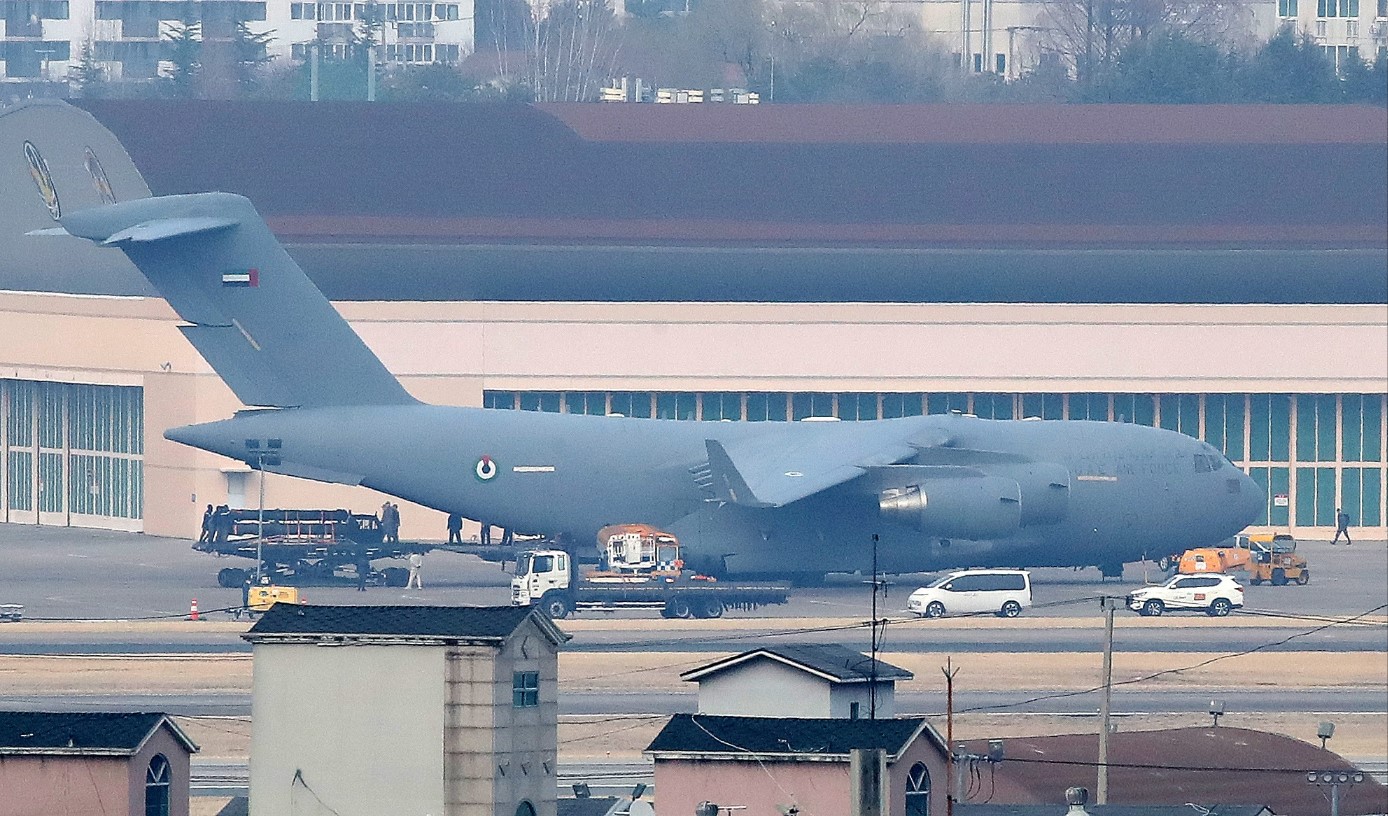 UAE Urgently Airlifts Cheongung-II Missile Defense Battery From South Korea Using Eight C-17 Aircraft
-
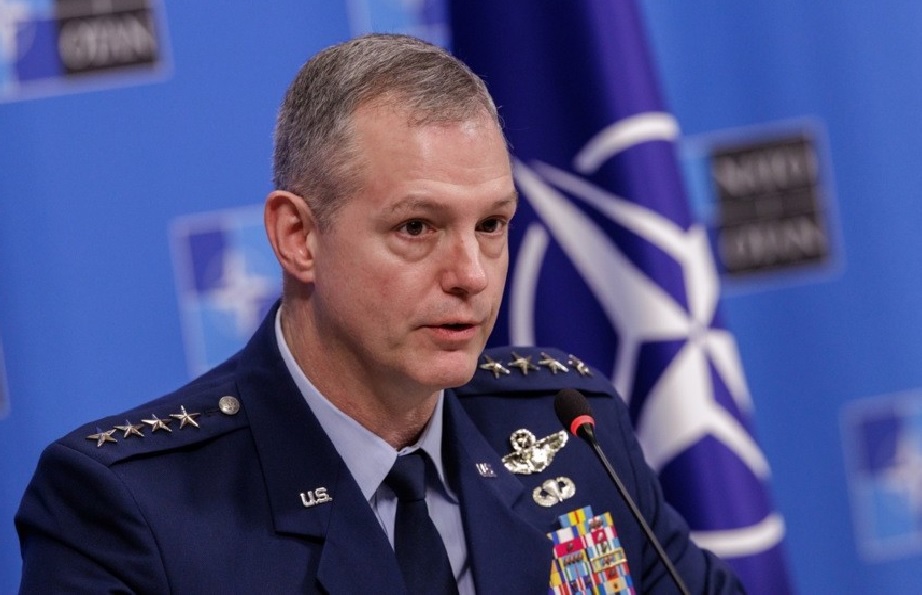 NATO Commander Says Russia Not Seeking Conflict With Alliance Despite U.S. Force Reductions
-
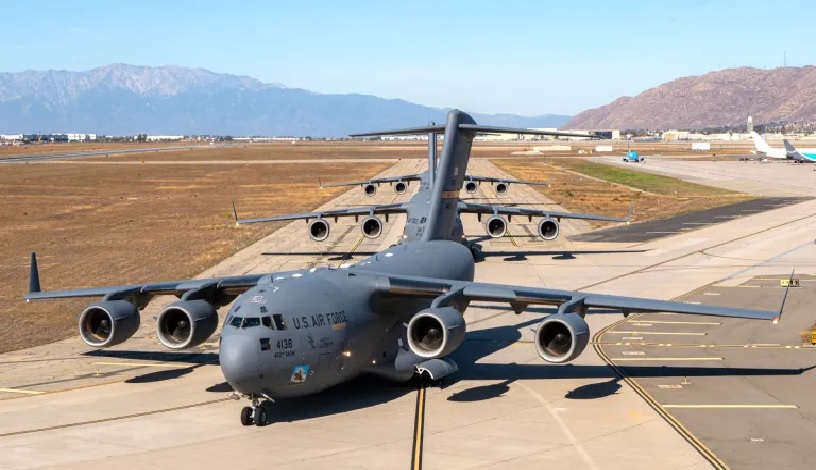 U.S. Air Force Faces Strategic Airlift Shortfall as C-17 Production Restart Remains Uncertain
-
 U.S. Space Force Awards $437.7 Million Contracts for First PTS-G Swarm 1 Anti-Jam Satellites
-
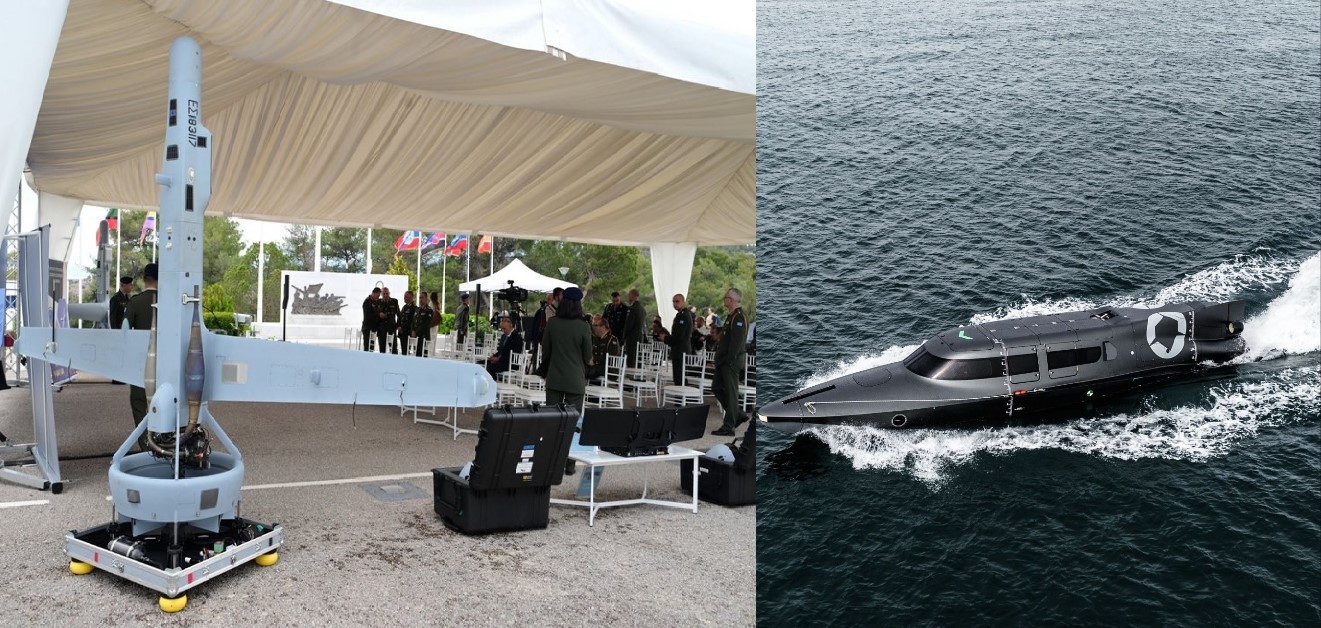 Greek Parliament Approves €1.2 Billion Defense Package Including VICTA Submersibles, V-BAT Drones, C-390 Airlifters, and Frigate Upgrades
-
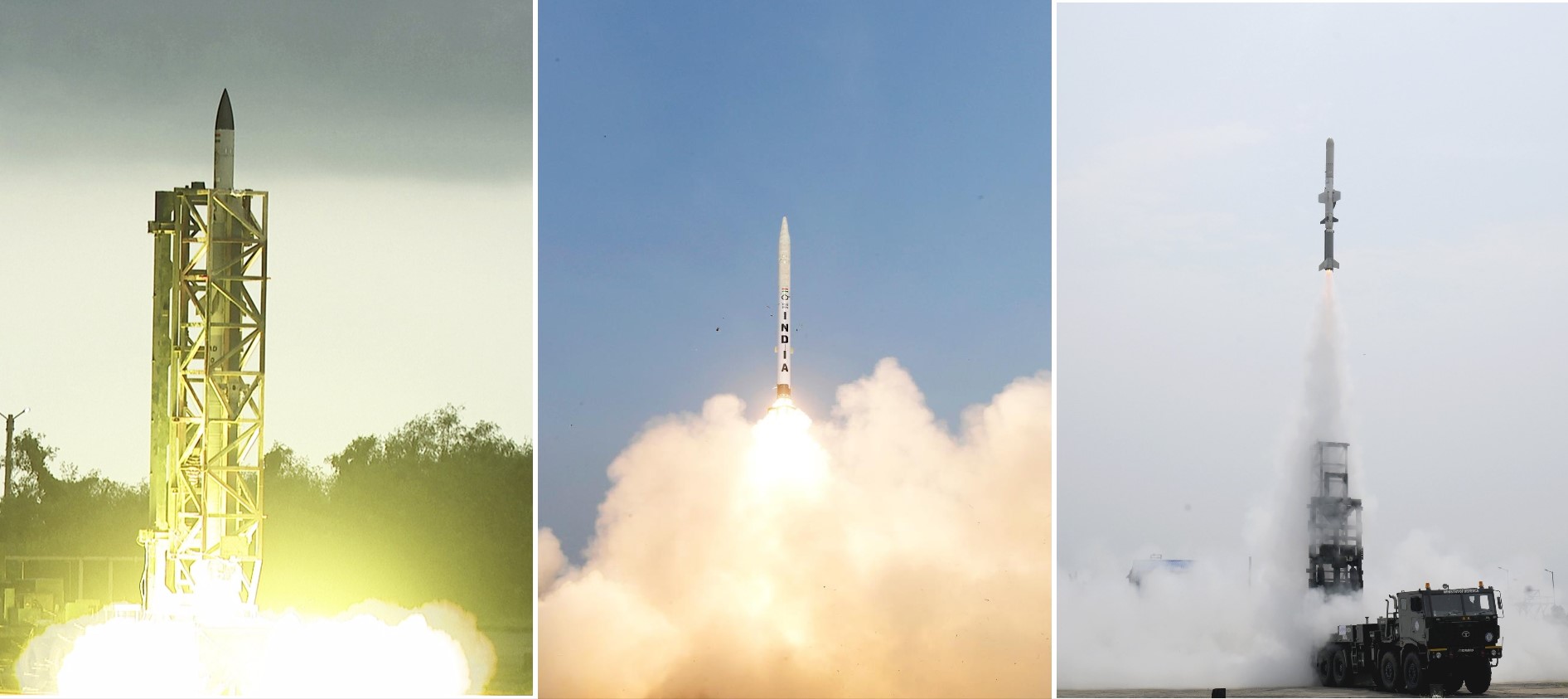 India Successfully Conducts AD-1, AD-2 Interceptor Tests and Maiden NASM-MR Flight Trial
-
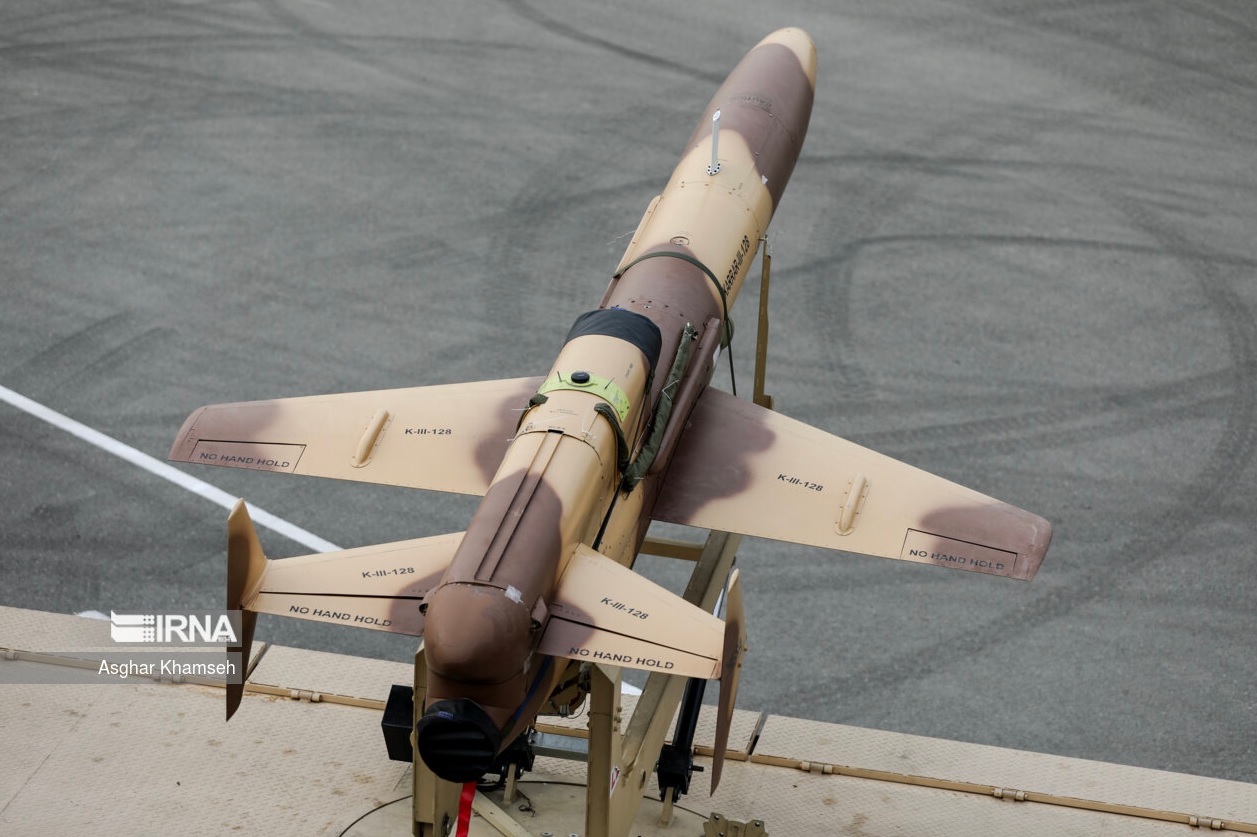 Russia Launches 1,400 Jet-Powered Drones in 2026 as Strike Tactics Evolve to Challenge Ukraine's Air Defenses
-
 U.S Navy Orders 50 Blackbeard Hypersonic Missiles in New $23.4 Million Contract
Top Trending in 4 Days
-
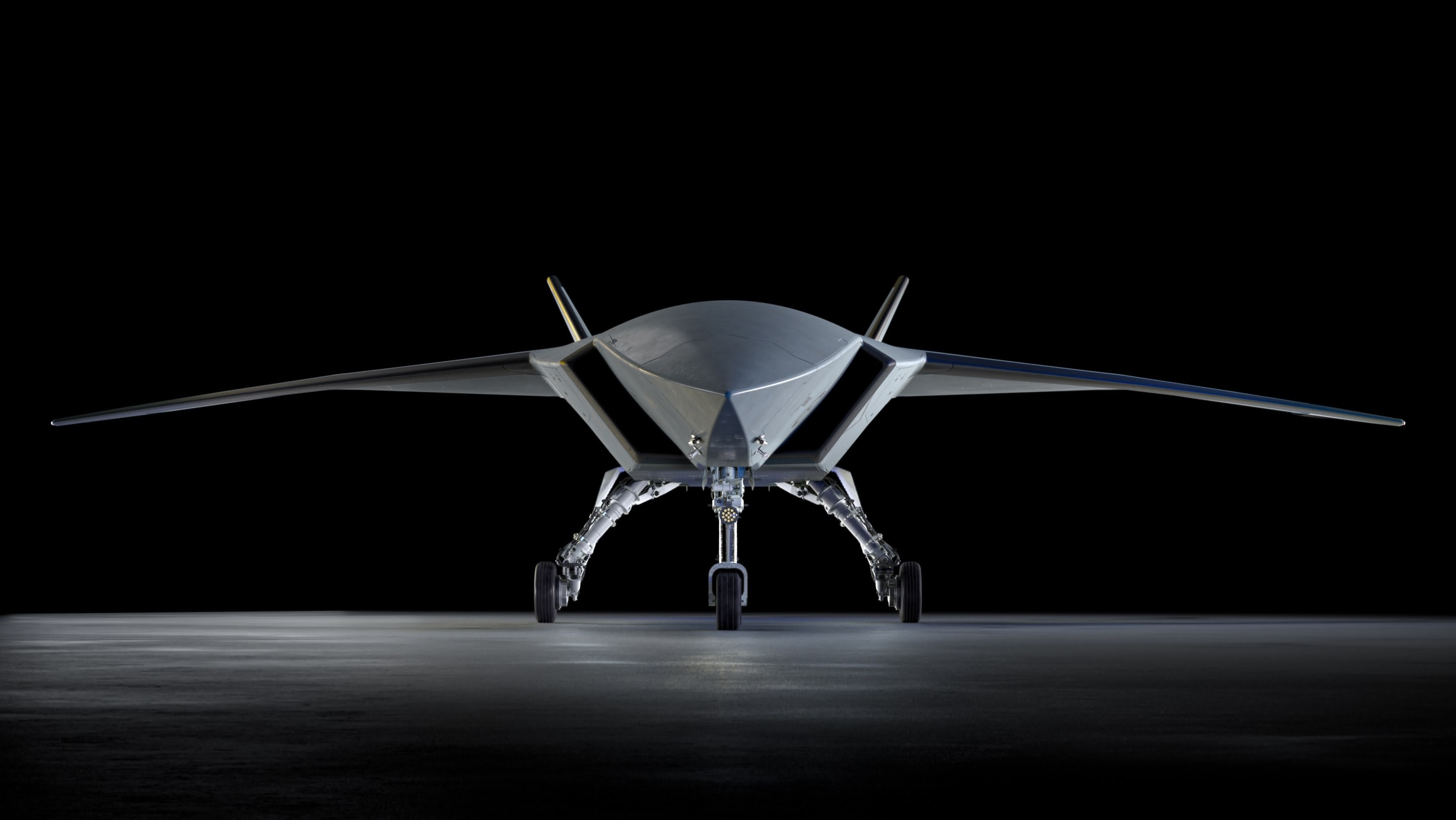 Boeing Introduces New MQ-28 Ghost Bat Upgrades with Increased Range, Payload and Weapons Capacity at ILA Berlin 2026
-
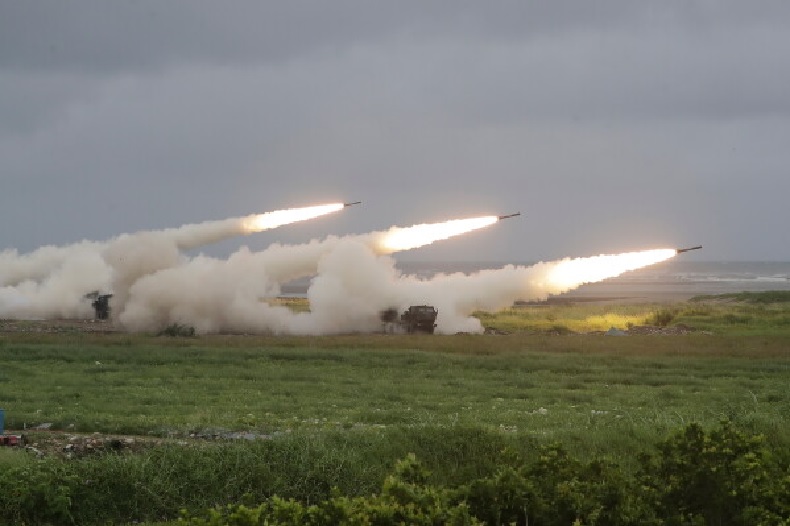 Taiwan Conducts First Live-Fire of HIMARS Rockets From West Coast During Invasion Defense Drill
-
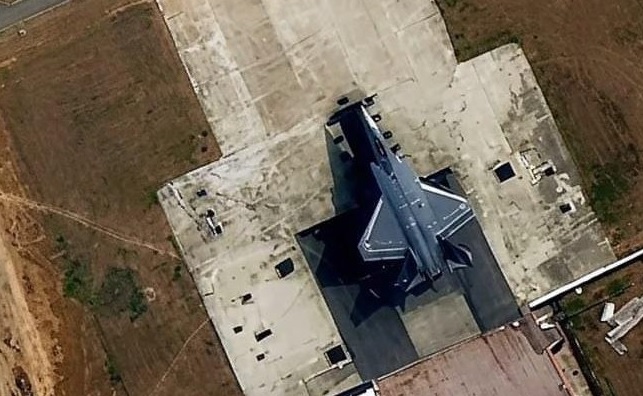 AMCA Airframe Spotted at DRDO’s ORANGE Facility for Radar Cross-Section Testing
-
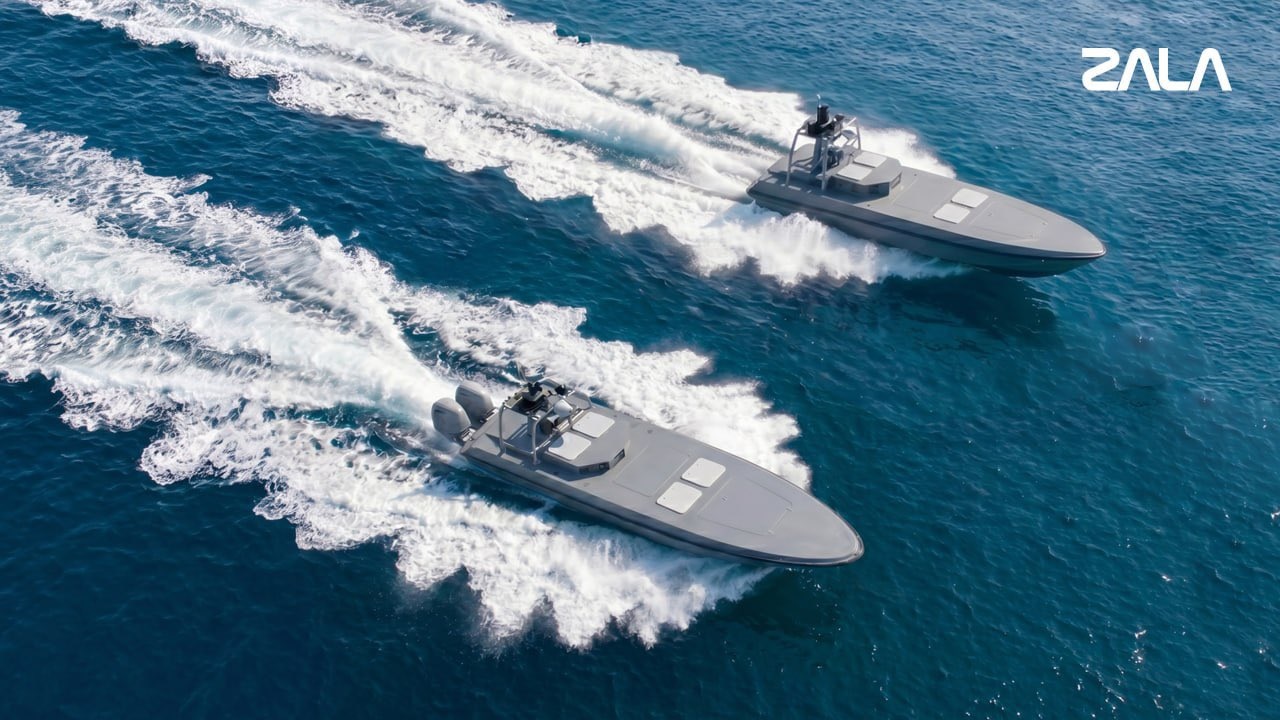 Russian Defense Firm ZALA Unveils KAMA Unmanned Surface Vessel Family at FLOT-2026 Naval Exhibition
-
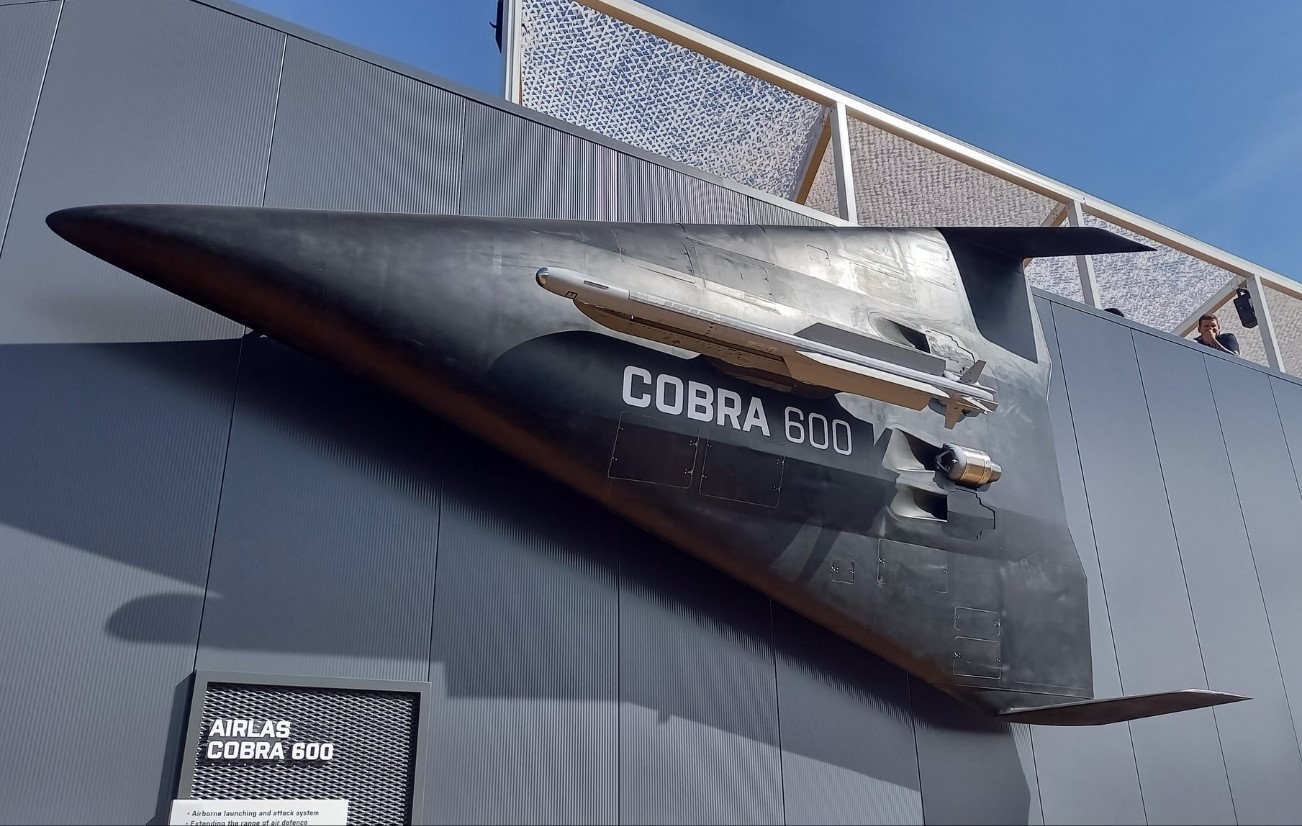 Diehl Defence Unveils IRIS-T Armed Cobra 600 Air Defense Drone at ILA Berlin 2026
-
 Iranian Media Leaks 14-Point U.S.-Iran Peace Framework Amid Ongoing Negotiations
-
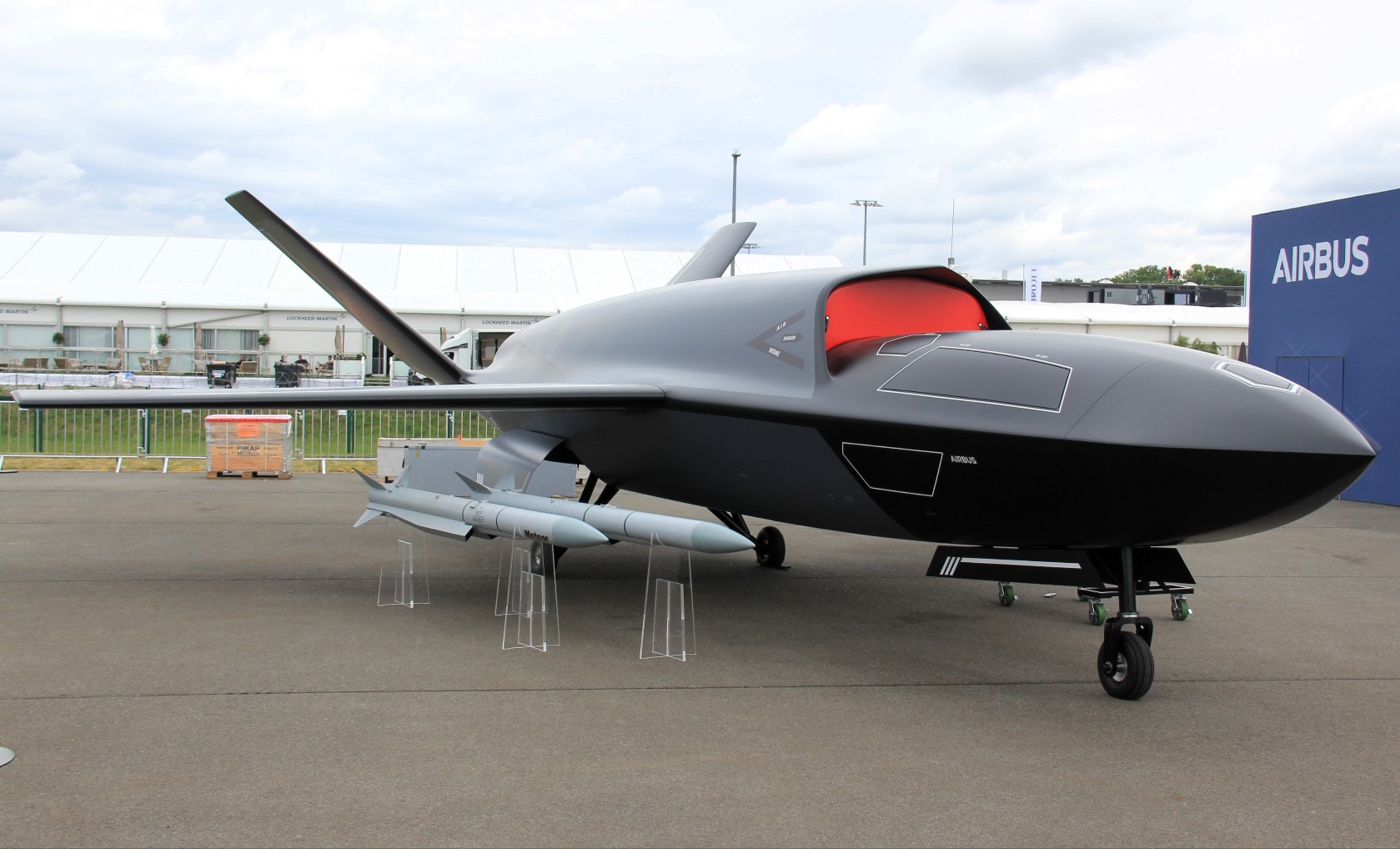 Airbus Unveils U760 Ravenstorm Loyal Wingman Drone at ILA Berlin 2026
-
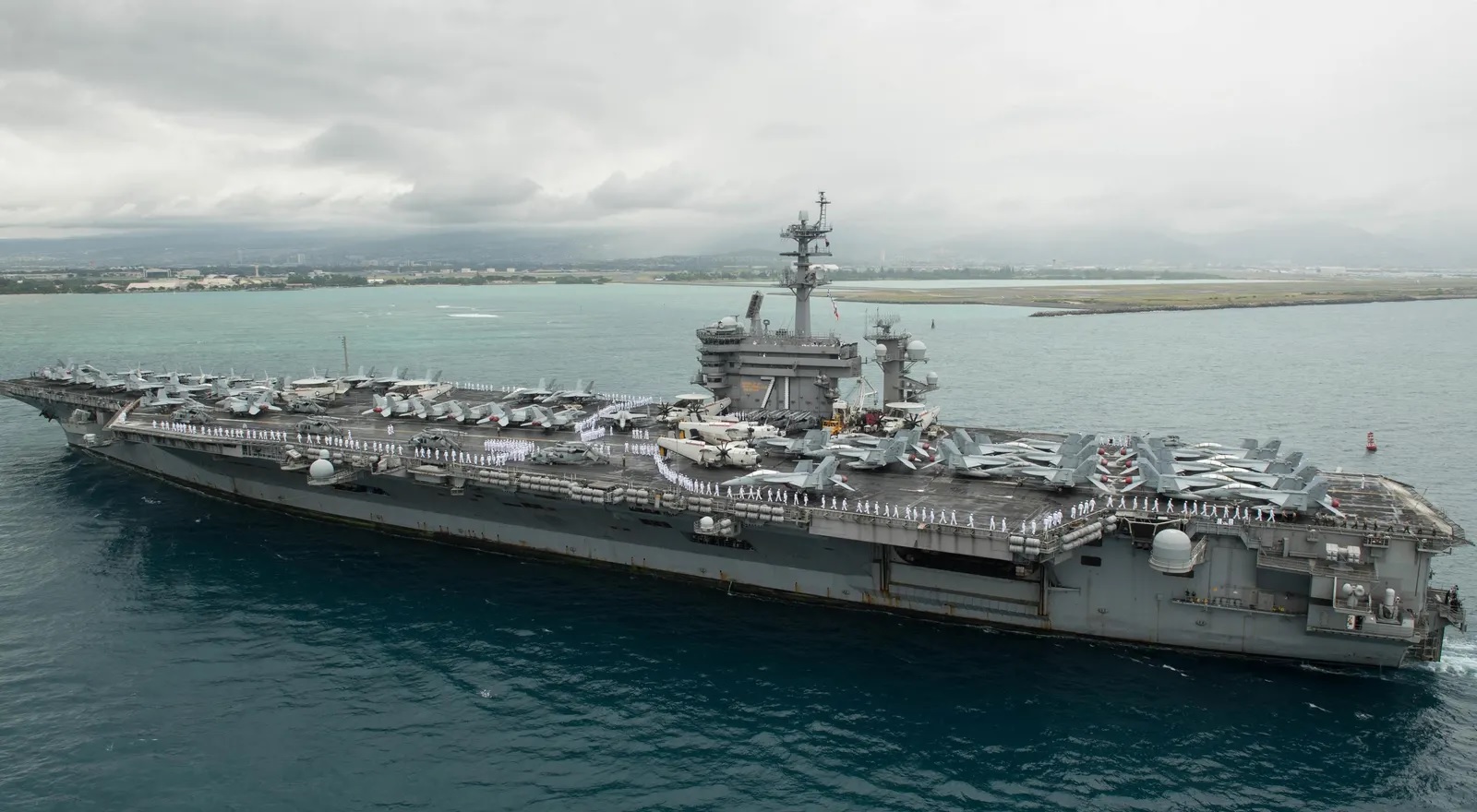 U.S Aircraft Carrier USS Theodore Roosevelt Departs San Diego for Major RIMPAC 2026 Naval Exercise