
World
Washington / Damascus : The United States has carried out a fresh round of large-scale retaliatory airstrikes against the Islamic State (IS) group in Syria, intensifying its military campaign following a deadly ambush last month that killed two American soldiers and a U.S. civilian interpreter. According to U.S. Central Command (CENTCOM), the strikes were launched at approximately 12:30 p.m. Eastern Time on Saturday and targeted multiple Islamic State positions across Syria. The operation was conducted in coordination with partner forces, marking one of the most extensive U.S.-led military actions in the country in recent months. The Jordanian Armed Forces later confirmed their participation, underscoring the growing regional role of Arab partners in counterterrorism operations against the extremist group. Retaliation for Deadly Palmyra Ambush Saturday’s strikes are part of a broader U.S. military response to an Islamic State attack near Palmyra in December, in which two American service members and a civilian interpreter were killed. The victims were identified as Sgt. Edgar Brian Torres-Tovar and Sgt. William Nathaniel Howard of the Iowa National Guard, along with Ayad Mansoor Sakat, a U.S. civilian interpreter supporting American forces. The ambush, described by U.S. officials as coordinated and deliberate, prompted a renewed focus on Islamic State sleeper cells that continue to operate in Syria’s central and eastern deserts, exploiting security gaps and rugged terrain. “Our message remains strong,” CENTCOM said in a statement following the strikes. “If you harm our warfighters, we will find you and kill you anywhere in the world, no matter how hard you try to evade justice.” Operation Hawkeye Strike Expands The Trump administration has designated the ongoing military response as Operation Hawkeye Strike, a campaign aimed at degrading Islamic State leadership, logistics networks, and operational capability across Syria. The operation began on December 19 with a massive strike package that hit roughly 70 targets in central Syria, including weapons depots, command centers, and militant infrastructure used by the group. Saturday’s attacks represent a continuation and expansion of that effort, signaling Washington’s intent to maintain sustained military pressure rather than conduct isolated reprisals. President Donald Trump has repeatedly emphasized a policy of rapid and overwhelming retaliation in response to attacks on U.S. personnel, a stance echoed by senior Pentagon officials in recent briefings. Shifting Partnerships on the Ground While the U.S. military did not disclose the full list of partner forces involved in the latest strikes, Washington’s approach in Syria has been evolving. For years, the Kurdish-led Syrian Democratic Forces (SDF) served as the primary U.S. partner in the fight against the Islamic State. However, following political upheaval in Damascus and the removal of former Syrian President Bashar al-Assad in December 2024, U.S. officials have increasingly coordinated with Syria’s central government. Syria has since formally joined the global coalition against the Islamic State, opening new channels for intelligence sharing and operational coordination. This shift reflects a broader recalibration of U.S. strategy, aimed at preventing the Islamic State from exploiting transitional instability while navigating complex regional dynamics. Arrests and Ongoing Threat One day before the U.S.-led strikes, Syrian authorities announced the arrest of the military leader overseeing Islamic State operations in the Levant, a development U.S. officials described as significant but insufficient on its own to neutralize the threat. Despite years of territorial defeats, Islamic State remnants continue to carry out ambushes, assassinations, and hit-and-run attacks, particularly in sparsely populated regions. U.S. and coalition officials warn the group remains capable of lethal violence and requires constant military and intelligence pressure. As Operation Hawkeye Strike continues, American commanders have made clear that further action remains on the table. The latest strikes, they say, are intended not only to avenge the Palmyra attack but to deliver a broader deterrent message to militant groups operating across the region.
Read More → Posted on 2026-01-11 14:19:35
World
HUNTINGTON BEACH, California : Mach Industries has introduced Dart, a new counter-uncrewed aerial system (C-UAS) centered on a low-cost, kinetic surface-to-air interceptor that the company says can be installed at fixed sites or mounted on moving platforms, as militaries confront the growing reality of mass-produced drones and coordinated swarm attacks. The company is pitching Dart as an effort to reset the economics of air defense in an era where inexpensive one-way attack drones can be fielded in large numbers. In its announcement, Mach said Dart was developed after running simulations “against all known assets of adversarial nation-states,” describing the result as a missile designed for high-volume deployment, supported by a purpose-built radar that it claims costs “orders of magnitude less” than legacy air-defense systems. A System Built Around Detection-to-Engagement Mach describes Dart not as a standalone missile, but as a self-contained, end-to-end C-UAS system spanning detection and tracking, command-and-control, and kinetic engagement. The architecture is built around an internally developed frequency-modulated continuous-wave (FMCW) ground radar, paired with low-cost interceptors, creating what the company calls a complete “sensor-to-engage” capability. This approach is intended for high-throughput operations, particularly in environments where traditional air-defense systems become prohibitively expensive when used against cheap, attritable aerial targets. In its product description, Mach frames Dart as a “terminal interceptor”, designed to be deployed close to the asset being defended—including forward operating bases, critical infrastructure, logistics hubs, and high-value military sites—and then scaled from small, localized deployments to networked defensive grids depending on threat density. Interceptor Performance: Range and Engagement Envelope Mach Industries has not publicly disclosed precise performance specifications, including Dart’s exact missile range. However, based on the company’s positioning of Dart as a short-range, point-defense interceptor optimized for counter-drone missions, industry analysts estimate an effective engagement range in the low-to-mid tens of kilometers, likely between 10 and 25 kilometers, depending on target type, altitude, and radar configuration. The interceptor is optimized for low-altitude, low-radar-cross-section targets, prioritizing reaction time, engagement rate, and cost efficiency over long-range reach typically associated with traditional surface-to-air missile systems. Why Mach Says Legacy Defenses Don’t Scale Mach’s Dart announcement comes amid a broader reassessment of air defense driven by recent conflicts, where uncrewed systems have been used at unprecedented scale. The company argues that three trends are undermining existing counter-drone approaches: Radio-frequency jamming is becoming less reliable as drones adopt autonomy and hardened navigation;Traditional kinetic systems struggle to keep pace with swarm-style attack volumes; andLegacy air-defense architectures often fail to deliver a favorable cost-per-shot ratio when intercepting drones that may cost only a few thousand dollars. Mach’s central argument is that air defense must evolve from defeating small numbers of high-end threats to stopping large salvos of low-cost systems without exhausting expensive interceptors or limited firing capacity. Target Set: Group 1–3 Drones, Including Swarms Mach says Dart is engineered to defeat Group 1–3 uncrewed aerial threats, explicitly including coordinated drone swarms. These categories encompass systems ranging from small commercial-style drones to larger tactical unmanned aircraft, many of which are commonly used for base harassment, reconnaissance-to-strike missions, and one-way attack roles. By focusing on these threat classes, Mach aims to address scenarios where defenders are often forced into unfavorable cost exchanges, spending far more to intercept a drone than the drone itself costs to produce. Manufacturing as Strategy: “Vertically Integrated” and “Forge” Mach is emphasizing how Dart is built as much as what it does. The company says Dart is produced through its “Forge” manufacturing model, a vertically integrated ecosystem that combines design, testing, and production under one roof. This approach is intended to accelerate iteration, reduce supply-chain dependencies, and enable rapid scaling in response to operational demand. Mach has previously described Forge as central to its strategy of rebuilding parts of the defense industrial base around high-rate, cost-controlled production. In 2025, the company announced a $100 million Series B funding round, led by Khosla Ventures and Bedrock, to expand manufacturing capacity and support systems like Dart. Cost Focus: Aiming for a Favorable Exchange Ratio Mach has not released official pricing for Dart, but has repeatedly emphasized affordability as a defining feature. Based on comparable short-range kinetic C-UAS interceptors and Mach’s own claims of “orders of magnitude” savings, industry estimates suggest Dart’s per-interceptor cost could fall in the low-to-mid five-figure range, potentially tens of thousands of dollars per missile, rather than the hundreds of thousands or millions associated with traditional surface-to-air missiles. If achieved, that pricing would significantly improve the cost-exchange ratio against low-cost drones, one of the core challenges facing modern air defenses. Mach says it will continue refining Dart ahead of operational testing, with the system designed from the outset for large-scale manufacturing. The company argues that future conflicts may demand defensive capacity measured in volume, not just capability. For Mach Industries, Dart represents another step toward a defense model built for the “unmanned era”—where success depends not only on technical performance, but on the ability to produce, deploy, and sustain defenses at scale when adversaries can launch hundreds or thousands of drones at once.
Read More → Posted on 2026-01-11 13:55:40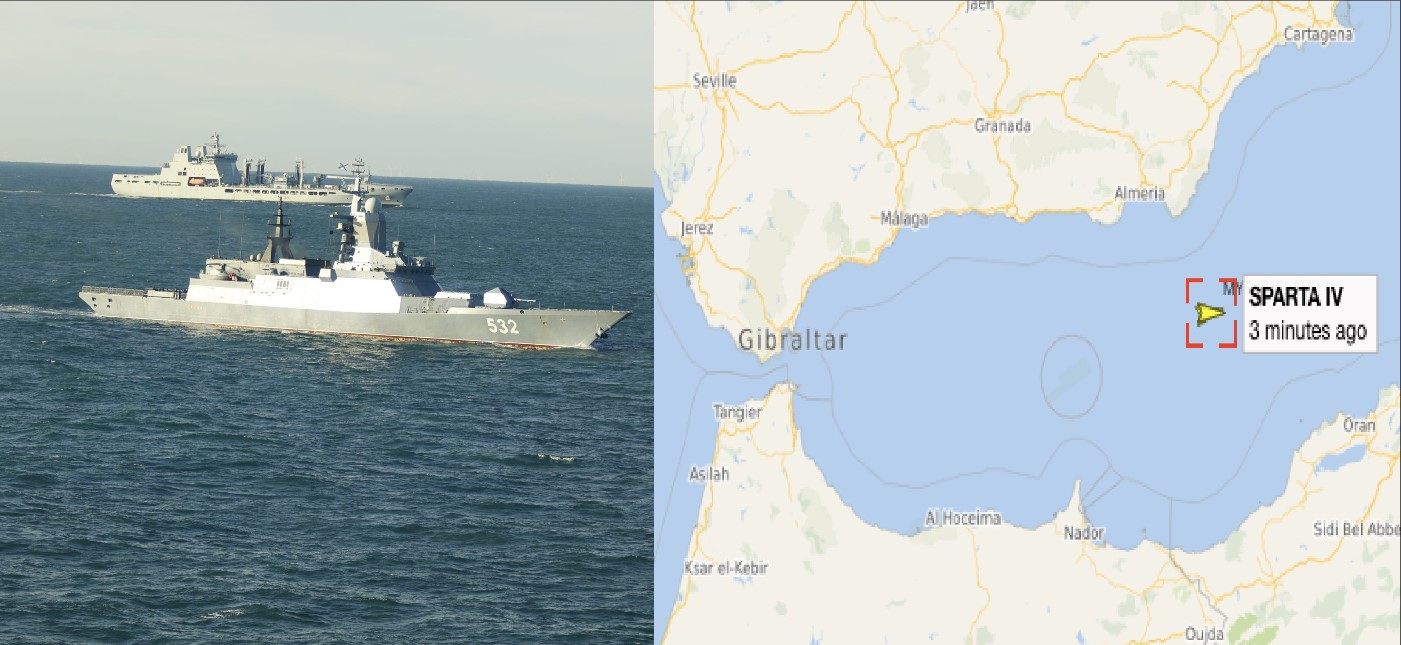
World
Lisbon / Moscow : A Russian maritime convoy escorted by a frontline warship was tracked moving south of the Portuguese coast on January 9, drawing renewed attention from open-source intelligence (OSINT) analysts and maritime security observers amid heightened scrutiny of Moscow’s global logistics operations. The convoy consists of two Russian cargo vessels, SPARTA IV and MYS ZHELANIYA, sailing under the protection of the Russian Navy’s Severomorsk. According to tracking data and assessments shared by OSINT analyst Russian Forces Spotter, the ships have officially declared the Egyptian port of Port Said as their destination. However, analysts caution that the declared endpoint may not reflect their final routes. Ambiguous Routing and Concealment Tactics Automatic Identification System (AIS) data and trajectory analysis suggest a pattern of deliberate ambiguity. The SPARTA IV has a documented history of declaring Egyptian ports while ultimately proceeding to Tartus, home to a major Russian naval logistics hub and long-term military facility. This pattern has been observed repeatedly since Russia expanded its Mediterranean supply lines following the war in Ukraine. The MYS ZHELANIYA, by contrast, is attracting attention for possible interest in North Africa. Analysts monitoring its recent movements note indicators consistent with a potential stop in Libya, a state where Moscow maintains expanding political, military and logistical interests. While no port call has been formally declared, deviations in course and speed have raised speculation about alternative destinations. Maritime analysts say such practices — including vague destination declarations and mid-voyage route adjustments — are increasingly used by sanctioned Russian shipping to reduce scrutiny, complicate tracking, and obscure the nature of cargoes being transported. Military Escort Signals High-Value Mission The presence of the Severomorsk, a heavily armed Project 1155 destroyer, underscores the perceived importance of the convoy. Naval escorts are uncommon for routine commercial shipments, and their use typically signals either sensitive cargo, elevated threat assessments, or both. “This level of protection suggests Moscow is unwilling to take risks with these shipments,” one European maritime security official said. “A destroyer escort points to cargo that is strategically or militarily significant.” The escort also highlights Russia’s readiness to deploy naval assets far from home waters to safeguard critical logistics routes linking its territory with the Mediterranean, Middle East, and North Africa. Sanctioned Ownership Networks Both cargo vessels are linked to companies under Western sanctions, reinforcing suspicions about the nature of their missions. The SPARTA IV is owned by SK-Yug LLC, a subsidiary of Oboronlogistika LLC, a sanctioned shipping firm that operates as part of the Russian Ministry of Defence’s military construction and logistics complex. Oboronlogistika’s core role is the transportation, storage, and production support of military and special-purpose goods for the Russian armed forces. The MYS ZHELANIYA is owned by Transstroy LLC, a sanctioned Russian construction company involved in strategic infrastructure projects, particularly in the Arctic and northern regions. The vessel is also affiliated with Eco Shipping LLC, which supports large-scale Arctic infrastructure, including logistics tied to Novatek’s Arctic LNG-2 project — itself subject to international sanctions. The Severomorsk: A Cold War–Era Warship Still in Service The Severomorsk is a Project 1155 (Udaloy-class) destroyer assigned to the Northern Fleet of the Russian Navy. Laid down at the Yantar shipyard in Kaliningrad in July 1984, the vessel underwent several name changes before entering service in 1988. Despite its age, the ship remains a capable escort platform. It is armed with AK-100 naval guns, torpedo systems, the Rastrub anti-submarine missile complex, and the Kinzhal air-defense missile system. The destroyer can also operate two Ka-27PL anti-submarine helicopters, significantly extending its surveillance and strike capabilities. Strategic Implications The convoy’s movement comes as Russia continues to adapt its global logistics network under the pressure of sanctions, relying on military protection, opaque routing, and state-linked shipping firms to sustain overseas operations. Whether the ships ultimately dock in Egypt, Syria, Libya, or elsewhere, analysts say the voyage highlights Moscow’s determination to preserve strategic supply lines despite international restrictions. For European and NATO observers, the sight of a Russian destroyer escorting sanctioned cargo vessels past Western Europe serves as a reminder that the maritime dimension of Russia’s geopolitical posture remains active — and increasingly complex — well beyond the Black Sea.
Read More → Posted on 2026-01-11 13:48:49
World
MOSCOW / KYIV : Russian President Vladimir Putin has openly challenged the West to prove it can intercept Russia’s “Oreshnik” missile, declaring there is “no chance” of shooting it down and proposing what he described as a real-world “high-tech duel of the 21st century.” In remarks that have circulated widely since late 2025, Putin said Western experts skeptical of Russia’s claims should choose a protected target — “say, in Kyiv” — concentrate all available air and missile defenses there, and then watch Russia strike that site with Oreshnik.“We are ready for such an experiment,” Putin said, framing the proposal as a test of Western confidence rather than a threat. The statement has nevertheless been interpreted by Ukraine and its allies as explicit nuclear-era coercion rhetoric, delivered in unusually direct terms. From Rhetoric to Repeated Use Putin’s challenge has gained renewed attention following Russia’s second confirmed combat use of the Oreshnik missile against Ukraine, carried out in early 2026. The first known Oreshnik strike occurred in late 2024, when Moscow unveiled the weapon during a high-profile attack intended to showcase new strategic capabilities. Defense analysts now say the second strike marked a noticeable evolution. According to multiple military observers cited in regional security briefings, the 2026 launch appeared significantly faster in its terminal phase than the 2024 attack, leaving Ukrainian warning and tracking systems with even less reaction time. Analysts also point to changes in flight profile and impact pattern that suggest technical refinements since its initial use two years earlier. “The second Oreshnik attack was not just a repeat — it looked more mature, more precise and more lethal,” one European defense analyst said. “Compared to the 2024 strike, the 2026 launch demonstrated higher terminal velocity and a more compressed engagement window for defenders, which is exactly what missile designers aim for when trying to overwhelm air defenses.” What Oreshnik is Believed to Be Publicly available reporting and expert assessments describe Oreshnik — Russian for “hazel tree” — as a nuclear-capable intermediate-range ballistic missile with hypersonic characteristics. It is widely believed to be derived from earlier Russian missile programs and designed to carry multiple warheads or penetration aids, allowing it to complicate interception efforts. Russian officials have repeatedly emphasized speed, maneuverability and survivability as its defining features. Western analysts, while cautious about taking Russian claims at face value, acknowledge that weapons in this class pose serious challenges for countries without advanced, layered missile-defense systems. Analysts Dispute “No Chance” Claim Putin’s assertion that Oreshnik cannot be intercepted has been met with skepticism among Western defense specialists. While many concede that Ukraine’s current defenses are under severe strain, particularly against high-speed ballistic threats, they argue that “no chance” is a political statement rather than a technical one. “Interception is a probability problem, not an absolute,” said a former NATO missile-defense planner. “Against a system like Oreshnik, the odds may be low with the defenses Ukraine currently has, but that’s very different from saying interception is impossible under all conditions.” The sharper concern, analysts say, is practical rather than theoretical: whether Ukraine can be supplied quickly enough with the most advanced interceptors and sensors needed to counter a weapon that appears to be improving with each use. Kyiv as the Symbolic Target Putin’s explicit reference to Kyiv has amplified the political impact of his remarks. For Ukraine, the capital is not only a population center but a symbol of sovereignty and survival. For Russia, invoking it as the hypothetical site of a “duel” turns a debate about missile physics into a message of strategic intimidation. Ukrainian officials have condemned the comments as proof that Moscow is deliberately escalating rhetorical pressure while continuing to test new weapons in real combat conditions. Signaling Escalation Taken together, the challenge rhetoric and the faster, deadlier second Oreshnik strike point to what analysts describe as deliberate signaling. By pairing bold technological claims with repeated battlefield use — first in 2024, then again in 2026 — Moscow appears intent on demonstrating not just possession of advanced systems, but a willingness to refine and deploy them despite international backlash. Whether the West accepts Putin’s challenge rhetorically or not, defense experts agree on one point: Oreshnik has moved from a one-off demonstration to a recurring element of Russia’s strategic messaging, raising the stakes for Ukraine’s air defense and for Europe’s broader security calculations.
Read More → Posted on 2026-01-10 18:04:01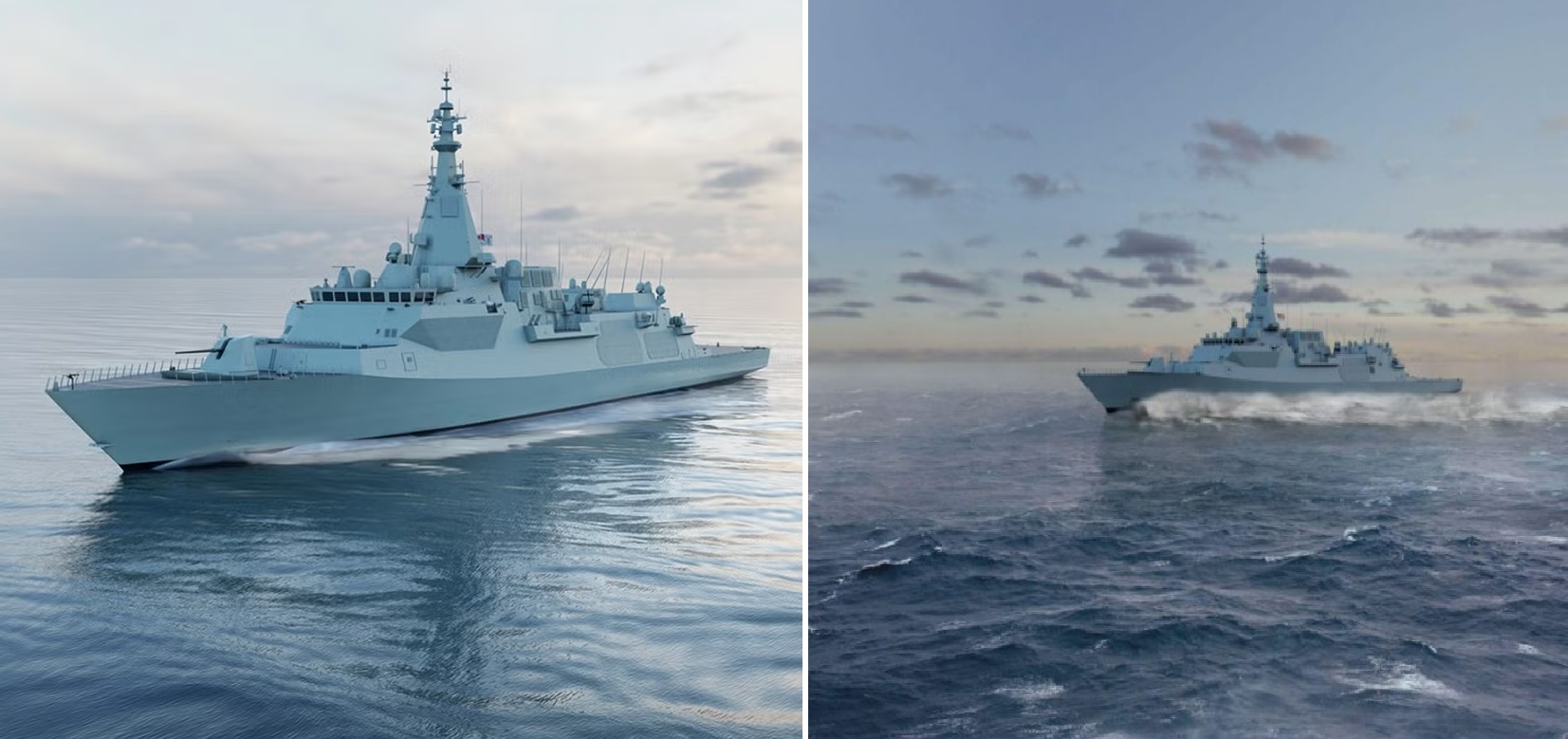
World
Halifax, Nova Scotia : Canada’s long-term naval renewal entered a decisive phase as construction continues on the future HMCS Fraser, the first of the Royal Canadian Navy’s new River-class destroyers. The vessel is taking shape at Irving Shipbuilding’s Halifax shipyard, where assembly work has reached a critical stage focused on propulsion and steering integration at the stern. Officials involved in the program describe the current phase as a major technical milestone. Large prefabricated sections are now being joined, allowing engineers to begin installing systems that will ultimately define the ship’s mobility, endurance, and acoustic performance. Progress on HMCS Fraser is closely watched, as it will set the production template for the remaining ships in the class. Backbone of the National Shipbuilding Strategy HMCS Fraser is the lead ship under Canada’s National Shipbuilding Strategy, the federal framework designed to rebuild the country’s naval and coast guard fleets while revitalizing domestic shipbuilding. The River-class destroyer program is intended to replace both the aging Halifax-class frigates and the retired Iroquois-class destroyers with a single, multi-role surface combatant. Defence planners regard the initiative as the most ambitious naval construction effort undertaken by Canada since the Second World War. Beyond fleet renewal, the program is expected to sustain thousands of skilled jobs, transfer advanced shipbuilding expertise to Canadian industry, and ensure long-term sovereign control over naval maintenance and upgrades. From Canadian Surface Combatant to River-Class Originally launched as the Canadian Surface Combatant project, the program calls for fifteen ships derived from the Type 26 frigate design developed by BAE Systems. The design has been extensively adapted to meet Canadian operational requirements, including Arctic operations, long-range deployments, and interoperability with allied navies. The first three ships—HMCS Fraser, HMCS Saint-Laurent, and HMCS Mackenzie—are named after major Canadian rivers, symbolically linking the Atlantic, Pacific, and Arctic oceans. Delivery of HMCS Fraser is currently projected for the early 2030s, after which the ship will undergo trials before entering frontline service. Capabilities for High-Intensity and Humanitarian Missions Once commissioned, the River-class destroyers will form the backbone of the Royal Canadian Navy’s combat fleet. Each vessel will measure approximately 151 metres in length, displace about 7,800 tonnes, and have a range of roughly 7,000 nautical miles, enabling sustained global deployments. Propulsion will be provided by a combined diesel-electric or gas turbine (CODLOG) system, pairing electric motors with Rolls-Royce MT30 gas turbines. This configuration is designed to deliver quiet operation for anti-submarine warfare while retaining the power needed for high-speed combat manoeuvres. Combat systems will centre on the AEGIS architecture, incorporating the SPY-7 long-range air-search radar supplied by Lockheed Martin. Subsurface detection will be handled through advanced hull-mounted and towed sonar systems, complemented by a modern electronic warfare suite. Armament will include SM-2 and ESSM surface-to-air missiles, Tomahawk land-attack missiles, Naval Strike Missiles for anti-ship roles, and a 127-millimetre main gun produced by Leonardo. Strategic Impact Beyond a Single Ship Defence analysts emphasize that HMCS Fraser is more than just the first ship of a new class. Lessons learned during its construction are expected to refine production processes, reduce risk, and control costs for the remaining fourteen vessels. The program is also seen as a strategic investment in Canada’s ability to operate independently while contributing meaningfully to NATO and allied operations. As assembly work progresses in Halifax, HMCS Fraser stands as a visible marker of Canada’s intent to field a modern, versatile, and resilient naval force—one capable of meeting both traditional security challenges and emerging missions well into the 21st century.
Read More → Posted on 2026-01-10 17:40:14
World
U.S / Greenland : In a statement this week that has alarmed governments from Copenhagen to Brussels, U.S. President Donald Trump reaffirmed Washington’s intent to gain control of Greenland, declaring that the United States will pursue the territory “whether they like it or not.” Trump framed this push as an urgent national security imperative to deter Russian and Chinese influence in the Arctic — rhetoric that has drawn sharp rebukes from Denmark, Greenlandic leaders, and NATO allies. Historical Roots: More Than a Modern Provocation Although Trump’s comments have revived headlines, the notion of Greenland as a strategic prize for the United States has deep historical roots dating back more than 150 years. Shortly after the U.S. acquisition of Alaska in 1867, Secretary of State William H. Seward — the architect of the Alaska purchase — considered extending American territorial reach further into the North Atlantic by acquiring Greenland and Iceland, even commissioning a detailed report on Greenland’s natural resources. While no formal offer was made, the initiative reflected a broader vision of Arctic expansion that failed to gain congressional approval. In 1910, U.S. diplomats proposed a trilateral territorial exchange that would have transferred Greenland to American control in return for concessions in the Pacific. The complex deal, involving Denmark and Germany, ultimately collapsed amid competing national interests. The most concrete post–Civil War attempt came in 1946, when President Harry S. Truman personally offered Denmark $100 million in gold for the island, underscoring its perceived strategic value at the dawn of the Cold War. Denmark rejected the proposal, but the United States later solidified its military footprint through expanded defense agreements. Military Presence and Strategic Importance U.S. involvement in Greenland intensified during World War II, when Denmark was occupied by Nazi Germany and Washington negotiated defense rights to prevent Axis control of the island. These wartime arrangements laid the groundwork for a long-term American military presence. Today, the Pituffik Space Base (formerly Thule Air Base) remains a critical U.S. installation, hosting early-warning radar systems and serving as the northernmost site of U.S. Space Force operations under bilateral defense agreements. Analysts note that Greenland’s geographic position — astride key Arctic air and sea routes — and its untapped natural resources, including rare earth minerals and hydrocarbons, have heightened its appeal amid climate change and escalating great-power rivalry. Modern Revival: Rhetoric Meets Realpolitik The Trump administration’s renewed focus on Greenland has included controversial statements suggesting all options are on the table, including military measures, though senior officials insist a negotiated purchase remains the preferred route. Reports indicate the White House has explored acquisition strategies ranging from economic incentives to legal mechanisms designed to expand U.S. influence without direct sovereignty claims. These developments have triggered strong international pushback. Denmark’s prime minister has stated that the United States has “no right” to annex Greenland, warning that unilateral actions could severely strain NATO relations. In Nuuk, Greenland’s autonomous government has been equally firm, emphasizing that the island’s future must be decided by its own people. Public opinion polls indicate overwhelming opposition among Greenlanders to joining the United States, reinforcing demands for self-determination. Allied Concerns and Arctic Dynamics European and North American allies have warned that aggressive U.S. pursuit of Greenland could destabilize long-standing partnerships. NATO officials and European leaders have reiterated support for Danish sovereignty and rejected any use of force or coercion. Meanwhile, strategic competition in the Arctic is intensifying. Russia and China have expanded their regional engagement, prompting Washington to stress the Arctic’s growing importance for defense, shipping routes, and resource competition, particularly as melting ice opens new maritime passages. What was once dismissed as rhetorical provocation is increasingly viewed by policymakers as a potential geopolitical flashpoint. The United States’ historical interest in Greenland — from 19th-century expansionism to Cold War strategy — has resurfaced amid renewed great-power competition, challenging established norms of territorial sovereignty and alliance cohesion in the High North. Whether diplomacy, economic engagement, or escalating rhetoric shapes the next phase of U.S.–Greenland relations remains uncertain. What is clear, however, is that Greenland’s global significance is not accidental — it is grounded in history and amplified by the strategic imperatives of the 21st century.
Read More → Posted on 2026-01-10 15:52:07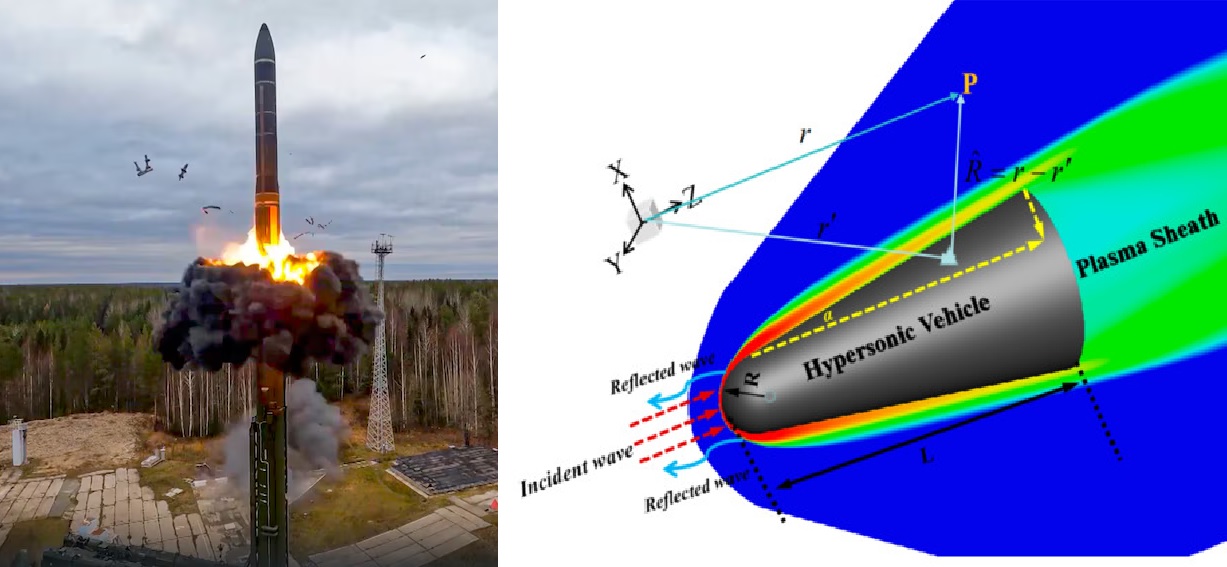
World
Moscow : As scrutiny intensifies around Russia’s reported Oreshnik hypersonic strike system, military analysts are drawing attention to one of its most unconventional features: the apparent absence of a conventional explosive charge. Far from being a limitation, experts say this design choice reflects a deliberate shift toward purely kinetic destruction, where speed itself becomes the weapon. At hypersonic velocities—approaching Mach 10, or more than 12,000 kilometers per hour—the energy carried by a descending warhead dramatically exceeds what chemical explosives of similar mass can deliver. This reality is driving a quiet but significant transformation in modern warhead design. When Speed Replaces Explosives In traditional missile systems, explosive payloads are used to maximize damage upon impact. However, at extreme hypersonic speeds, the kinetic energy of the warhead becomes the dominant destructive force. Defense physicists explain that kinetic energy scales with the square of velocity, meaning that each incremental increase in speed produces disproportionately larger energy gains. At Mach 10, the stored kinetic energy of the warhead is so large that adding explosives offers diminishing returns. Public aerospace engineering studies indicate that in hypersonic reentry vehicles, only a limited portion of total mass can be allocated to explosives—often estimated in open literature at no more than roughly one-quarter to one-third of the vehicle’s mass. The remainder must be devoted to structural reinforcement, thermal protection, and guidance systems capable of surviving immense stress. At these speeds, the explosive charge contributes less total energy than the motion of the warhead itself. Structural Limits at Hypersonic Overloads Hypersonic warheads experience extreme conditions during flight and terminal descent. Rapid maneuvering and sudden deceleration generate overloads tens to hundreds of times greater than gravity, forces that conventional explosive casings struggle to withstand. To survive, the warhead must be built from dense, heat-resistant materials. This structural requirement inherently limits how much space and mass can be safely allocated to explosives without compromising integrity. The result is a natural ceiling on explosive payload size—one that becomes increasingly restrictive as velocity rises. Military engineers argue that beyond a certain speed threshold, explosives become inefficient baggage. Heat, Plasma, and a Different Kind of Explosion Another key factor is thermal physics. As a hypersonic warhead decelerates in the atmosphere or upon impact, immense frictional heating occurs. Surface temperatures can rise to the point where portions of the warhead material partially ionize, forming short-lived plasma. This process does not require explosives. Instead, the sudden release of stored kinetic energy causes the warhead body to fragment violently, ejecting ultra-high-velocity droplets and shards. These fragments behave like micro-jets, focused in the direction of travel, producing penetration effects comparable to or exceeding shaped-charge explosives. Analysts describe this as a kinetic fragmentation field, capable of punching through reinforced structures, hardened bunkers, or missile defenses through raw momentum alone. Simpler Design, Harder to Defend Against Eliminating explosives offers additional advantages. Without a chemical detonation system, the warhead becomes simpler, more compact, and potentially more reliable. There is no fuse to jam, no explosive to prematurely detonate, and fewer failure points overall. From a defensive standpoint, this complicates interception. Missile defense systems designed to neutralize explosive warheads may still face catastrophic damage from a non-explosive kinetic impact, even if interception occurs late in the engagement. A Broader Shift in Modern Warfare The reported design philosophy behind Oreshnik reflects a broader global trend. The United States, China, and India are all exploring kinetic-only hypersonic weapons, where destructive power comes from velocity, mass, and material science rather than explosives. In this emerging paradigm, warheads are no longer bombs—they are precision-guided meteorites, engineered to deliver controlled devastation through physics alone. As hypersonic technology matures, experts expect explosive payloads to play a shrinking role, replaced by designs that exploit the raw, unavoidable consequences of moving extremely fast through matter.
Read More → Posted on 2026-01-10 14:45:27
World
Tehran / Washington — Tensions between Iran and the United States have escalated sharply after reports that Tehran has ordered its armed forces onto a heightened state of alert, even as mass anti-government protests continue to spread across the country. The rapidly evolving situation has raised fears of a broader regional crisis, with military signaling, hardline rhetoric and domestic unrest converging at a volatile moment. According to reports cited by The Telegraph, Iran has moved key military units to elevated readiness, with the Islamic Revolutionary Guard Corps (IRGC) operating at alert levels not seen during previous recent conflicts. Sources indicate that IRGC forces inside underground missile facilities — often described by officials as “missile cities” — have been placed on exceptional standby, underscoring growing concern in Tehran over both internal instability and external threats. Military Signaling and Nuclear Messaging Iranian state-run media has further inflamed tensions by broadcasting footage purporting to show a miniature nuclear warhead, accompanied by ambiguous messaging suggesting potential capability rather than a confirmed deployment. While independent verification of the footage remains impossible, analysts view the broadcast as deliberate strategic signaling aimed at the United States and Israel amid mounting pressure on the Iranian leadership. Iran has consistently denied seeking nuclear weapons, maintaining that its nuclear program is for peaceful purposes. However, the release of such imagery during a period of unrest and confrontation has been widely interpreted as an attempt to reinforce deterrence and project strength. Nationwide Protests Defy Internet Blackout At the same time, Iran is facing one of the most serious waves of domestic unrest in years. Millions of Iranians are reported to have taken to the streets across major cities despite a near-total internet blackout imposed by authorities. Demonstrators have openly called for the end of Supreme Leader Ali Khamenei’s clerical rule, chanting slogans against what they describe as the “mullah government” and demanding sweeping political change. Security forces have responded with arrests, forceful dispersal of crowds and tight controls on communications. Iranian officials have accused foreign powers of fomenting unrest, a claim rejected by protest organizers, who describe the movement as a spontaneous expression of long-standing economic frustration and political repression. U.S Military Movements and Strategic Posture Against this backdrop, the United States has visibly intensified its monitoring of developments inside Iran. Defense tracking data indicates that a U.S. Air Force KC-135 “Stratotanker” aerial refueling aircraft departed Al Udeid Air Base, flying through the Persian Gulf and Iraqi airspace on an undisclosed mission. While U.S. officials have not confirmed the purpose of the flight, defense analysts say such movements are consistent with heightened readiness drills and rehearsals for potential strike scenarios. Officials in Washington stress that no decision has been announced regarding military action, but the operational tempo suggests a deliberate effort to signal capability and preparedness. Trump’s Warning and Tehran’s Response President Donald Trump has adopted an increasingly confrontational tone, stating that the United States is “watching Iran very closely” and warning that Washington would “get involved and hit them very hard where it hurts” if circumstances demand. He also indicated that any violent suppression of protesters would cross a red line. Iran’s leadership has dismissed the warnings. Supreme Leader Khamenei responded by declaring that the United States would fail in Iran “today, as it did in the past,” portraying American pressure as ineffective and rooted in historical animosity. Global Implications and Market Anxiety The exchange of threats has heightened geopolitical risk well beyond the Middle East. Analysts warn that escalating rhetoric from Tehran and Washington could have immediate repercussions for global energy markets, already sensitive to disruptions in the Persian Gulf. Investors are also watching for knock-on effects across global risk assets, including equities and cryptocurrencies, which tend to react sharply to sudden increases in geopolitical uncertainty. Diplomats in Europe and Asia have urged restraint, calling on all sides to avoid actions that could trigger miscalculation or open conflict at a time when Iran is already under severe internal strain. A Fragile and Uncertain Moment With protests persisting, the Iranian military on high alert and U.S. forces signaling readiness, the situation remains highly fluid. Observers caution that the combination of domestic upheaval and external confrontation creates an unusually dangerous environment, where even limited incidents could rapidly escalate. For now, Iran’s leadership appears determined to project strength both at home and abroad, while Washington continues to apply pressure through rhetoric and military posture. Whether this standoff stabilizes or spirals into a wider confrontation may hinge on decisions made in the coming days.
Read More → Posted on 2026-01-10 14:29:27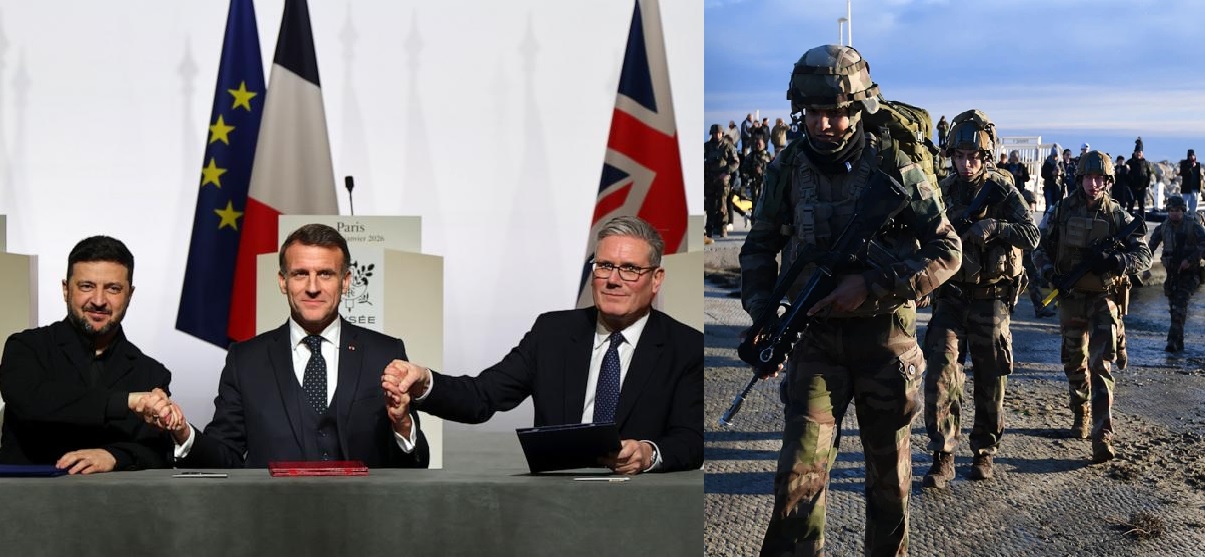
World
Paris: French President Emmanuel Macron has held internal discussions on the possible deployment of around 10,000 European soldiers to Ukraine as part of post-war security guarantees, signaling one of the most ambitious European military concepts yet tied to ending the conflict with Russia. The proposal, discussed during a closed-door meeting with senior figures from Macron’s political camp, centers on the formation of two multinational brigades that would form the backbone of a future European Union “deterrence force.” According to accounts of the meeting, the brigades would be embedded within a broader multinational framework led jointly by France and the United Kingdom. The notional command element for the force would be based at Mont Valéry (Mont Valérien) near Paris, a site with longstanding military and symbolic significance for France. Participants were also briefed on the types of weapons and equipment the brigades could field, though no final decisions have been taken. At the conclusion of the meeting, Macron and France’s Minister of the Armed Forces Sébastien Lecornu agreed that the issue could not proceed without parliamentary scrutiny. Lecornu later indicated that a debate—with or without a formal vote—would be organized within 15 days to three weeks, reflecting the political sensitivity of deploying European troops on Ukrainian soil even after active hostilities end. British-French Core, Numbers Still Fluid Additional details were offered publicly by Matilde Panot, leader of the left-wing LFI (La France Insoumise). She stated that the proposed two-brigade deployment would amount to just under 10,000 soldiers, structured around a British-French contingent, with roughly half of the personnel potentially drawn from the French Army. Notably, the figure discussed is smaller than the total NATO forces currently stationed on Europe’s eastern flank in the Baltic States, Romania, and Poland. This has fueled speculation that the concept remains a baseline proposal, with room for additional European contributors once political conditions and security guarantees are clarified. Officials involved in the talks have not confirmed whether troops from Germany, Italy, Poland, or other EU members were explicitly discussed at this stage. Earlier Franco-British-Ukrainian Framework The internal French discussions follow an earlier, publicly acknowledged step. Ukraine, France, and the United Kingdom previously signed a declaration of intent outlining cooperation on the future deployment of multinational forces in Ukraine once conditions allow. That declaration emphasized deterrence, training, and long-term stabilization rather than direct combat operations, aligning with Kyiv’s calls for durable security guarantees short of immediate NATO membership. What Would a European Brigade Look Like? Military planners note that the 5,000-soldier figure per brigade corresponds closely to a reinforced British Army brigade, which typically fields 3,000 troops in peacetime and can expand to around 5,000 before deployment. French Army brigades, by contrast, are generally larger even in their standard configuration. The 2nd Armored Brigade numbers roughly 6,800 soldiers, while the 6th Light Armored Brigade reaches about 7,500, suggesting that any Franco-British compromise would require structural adjustments. In terms of equipment, analysts consider a fully armored brigade unlikely. France and the United Kingdom together operate fewer than 450 main battle tanks—approximately 222 French Leclercs and 227 British Challenger 2s—limiting the feasibility of committing large armored formations abroad. A mechanized or light infantry-centric brigade, supported by artillery, air defense, drones, and logistics units, is widely viewed as a more realistic option. Final decisions on structure and armament are expected to emerge only after detailed joint planning with London and consultations with potential partner states. Role of the “Coalition of the Resolute” The proposed brigades would operate alongside a wider grouping informally referred to by European officials as the Coalition of the Resolute. Beyond any ground presence, coalition plans include sending logistics experts, weapons specialists, and military trainers to assist in rebuilding and reforming the Ukrainian Armed Forces after the war. Airpower is another central pillar. Coalition air forces, working in coordination with the Ukrainian Air Force, would help secure Ukrainian airspace, a move intended to bolster civilian safety and enable the resumption of international commercial air traffic. European officials argue that visible air patrols would serve as a powerful deterrent without crossing the threshold into offensive operations. Particular emphasis is also being placed on the Black Sea, where a reinforced task force involving Turkey, Romania, and Bulgaria would focus on demining operations and maritime security. Clearing sea lanes is seen as essential for restoring safe, uninterrupted access to Ukrainian ports, a critical factor for global food exports and Ukraine’s economic recovery. Moscow Reacts Sharply The discussions have drawn an angry response from Moscow. Former Russian president and current Security Council deputy chairman Dmitry Medvedev accused European leaders of pushing the continent toward a wider conflict. In a statement posted on X (formerly Twitter), Medvedev said Russia would “not allow any European or NATO troops in Ukraine,” dismissing Macron’s ideas as reckless. Medvedev accompanied his remarks with footage of a recent Oreshnik missile strike on Lviv, claiming the system—described by Russian sources as carrying no conventional warhead and relying on kinetic energy elements—was intended as a warning to Europe. Western analysts note that the strike missed its intended target and caused limited damage, but Medvedev argued it would be enough to frighten European governments into abandoning the January 6 security declaration, which envisions ending the war through guarantees and a European military presence. Strategic Gamble for Europe For Paris, the proposal reflects Macron’s long-standing push for greater European strategic autonomy and a more assertive EU role in continental security. For critics, it raises questions about escalation, legal authority, and public support at a time when many European militaries are already stretched. With parliamentary debate imminent and allied consultations still underway, the idea of a 10,000-strong European deterrence force remains a concept rather than a commitment. Yet the discussions themselves underscore a shifting reality: European capitals are increasingly planning not just for how the war in Ukraine ends, but for how the peace—if and when it comes—will be enforced.
Read More → Posted on 2026-01-10 13:47:39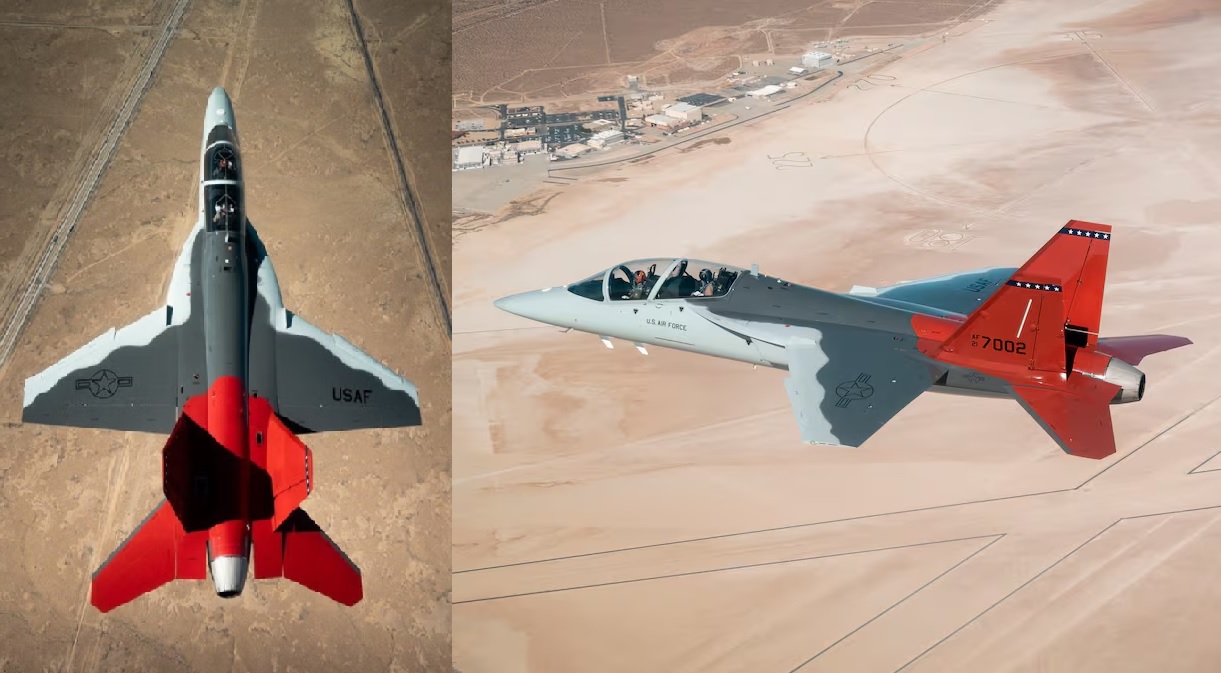
World
Joint Base San Antonio–Randolph, Texas : The U.S. Air Force has formally inducted its first T-7A Red Hawk advanced trainer into operational service, opening a new chapter in American military aviation training and signaling a decisive move away from Cold War-era platforms toward a fully digital, data-centric training ecosystem. The aircraft was welcomed during an official arrival ceremony hosted by Air Education and Training Command (AETC) at Joint Base San Antonio–Randolph, confirming the delivery of the first operational Red Hawk from Boeing. Senior Air Force leaders and industry representatives attended the event, underscoring the strategic importance of the programme as the service prepares pilots for increasingly complex and data-intensive air combat. A Generational Leap in Training Senior commanders described the induction as far more than a routine fleet update. AETC Commander Lt. Gen. Clark J. Quinn called the T-7A “a generational leap,” stressing that the aircraft will shape Air Force training for decades. Designed using advanced digital engineering methods, the Red Hawk integrates modern avionics, high-fidelity simulation connectivity, and an open-systems architecture that allows rapid software upgrades as new operational requirements emerge. Unlike legacy trainers, the T-7A was conceived from the outset as part of a broader training ecosystem rather than a standalone aircraft. Its digital backbone enables seamless integration with ground-based simulators and mission systems, allowing student pilots to train in highly realistic environments that mirror the information-dense cockpits of frontline fighters and bombers. Replacing a 60-Year-Old Workhorse The Red Hawk is set to replace the T-38 Talon, which has served as the Air Force’s primary jet trainer for more than six decades. While the T-38 laid the foundation for generations of pilots, Air Force officials have acknowledged that it can no longer replicate the sensor fusion, workload management, and networked warfare demands faced by crews flying fifth-generation aircraft—and future sixth-generation platforms now under development. Acting Vice Chief of Staff Lt. Gen. Scott Pleus highlighted that the T-7A’s performance and digital design are essential for preparing pilots to manage the cognitive demands of modern combat aviation. He emphasized that mastering data flow and decision-making is now as critical as stick-and-rudder skills. First Squadron, Foundational Role The 99th Flying Training Squadron, part of the 12th Flying Training Wing, became the first Air Force unit to receive the new trainer. As the lead operational unit, the squadron will play a central role in refining syllabi, validating training concepts, and shaping how the Red Hawk is employed across the wider Air Force training enterprise. Col. Peter Lee, commander of the 12th Flying Training Wing, said the programme represents the creation of an enterprise-wide foundation rather than the introduction of a single aircraft. According to Lee, lessons learned at Randolph will directly influence how other wings train future pilots as the T-7A fleet expands. Lt. Col. Michael Trott, commander of the 99th Flying Training Squadron, said the unit’s task is to redefine pilot production for the next generation. He described the Red Hawk as a platform that will fundamentally change how young aviators are trained to think, decide, and operate in contested airspace. Digital-First Vision for Future Aircrews The induction of the first operational T-7A comes as the Air Force accelerates efforts to modernise its training pipeline to keep pace with evolving threats. With its modular architecture and software-driven design, the Red Hawk is expected to adapt alongside emerging technologies, ensuring relevance well into the era of next-generation air dominance. AETC leaders stressed that the arrival of the aircraft is not an endpoint but the beginning of a transition phase. As additional T-7As are delivered and training systems mature, the Air Force aims to produce pilots who are not only proficient flyers but also effective managers of complex combat systems from their very first operational assignment. With the Red Hawk now officially in service, the U.S. Air Force has taken a decisive step toward reshaping how it prepares aircrews for the realities of 21st-century—and future—air warfare.
Read More → Posted on 2026-01-10 13:27:06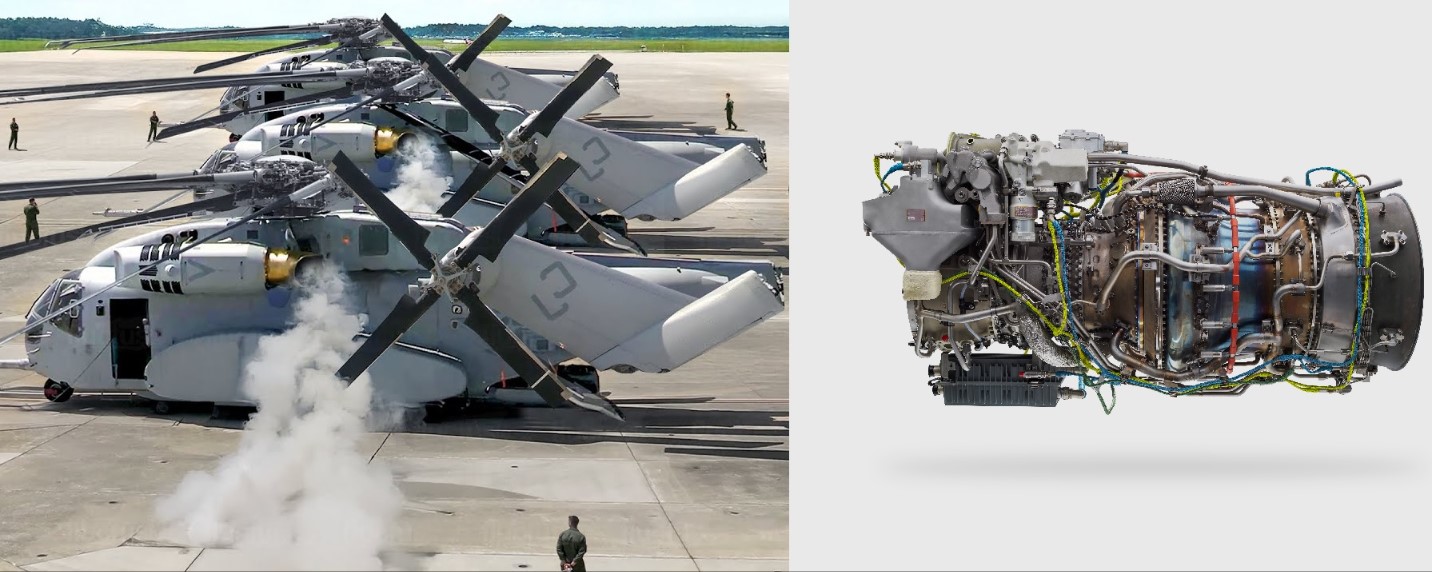
World
Washington / Lynn, Massachusetts : GE Aerospace has been awarded a $1.4 billion multi-year contract by the Naval Air Systems Command to supply Lots 9–13 of its T408 turboshaft engines, strengthening long-term propulsion support for the U.S. Marine Corps’ most advanced heavy-lift helicopter, the Sikorsky CH-53K King Stallion. The award continues a series of production and sustainment agreements for the programme, building on six previous contracts and following the $684 million Lot 6–8 block-buy announced in April 2023. Under the new deal, GE Aerospace will deliver new-production engines, spare engines, and a comprehensive package of sustainment services, with final assembly conducted at the company’s historic Lynn, Massachusetts facility. The contract underlines the U.S. Navy’s and Marine Corps’ commitment to accelerating fleet fielding and readiness of the CH-53K, which is designed to operate from austere forward bases and ship decks while supporting expeditionary and distributed maritime operations. Powering the Marine Corps’ Heavy-Lift Backbone The CH-53K King Stallion is the Marine Corps’ next-generation heavy-lift platform, engineered to replace the legacy CH-53E. Capable of lifting 36,000 pounds, conducting aerial refuelling, and executing a broad spectrum of assault support missions, the aircraft is central to moving heavy equipment, vehicles, and supplies in contested environments. The helicopter achieved Initial Operating Capability (IOC) in April 2022, marking a key milestone in Marine Corps aviation modernisation. Each CH-53K is powered by three T408 engines, collectively delivering unprecedented lift and endurance. Each T408 produces 7,500 shaft horsepower, representing a 57 per cent increase in power over its predecessor, the GE Aerospace T64, while simultaneously improving efficiency and durability. This leap in performance enables the CH-53K to provide three times the range and payload capacity of the CH-53E Super Stallion, significantly expanding operational reach. Efficiency, Durability and Life-Cycle Savings Beyond raw power, the T408 was designed with life-cycle affordability and maintainability as core objectives. Compared with the T64, the engine achieves 18 per cent better specific fuel consumption, translating into substantial fuel and sustainment cost savings across decades of service. The design also incorporates 63 per cent fewer parts, reducing maintenance complexity and downtime. Advanced engineering features include a ruggedised compressor with erosion-resistant coating and a split-case architecture, improving inspection access, repairability, and overall aircraft availability—critical metrics for expeditionary forces operating far from established logistics hubs. Industrial Footprint and International Partnership While final assembly takes place in Lynn, the T408 programme supports a broad U.S. industrial base. Key GE Aerospace manufacturing and supply sites involved include Hooksett, New Hampshire; Rutland, Vermont; Madisonville, Kentucky; Dayton, Ohio; and Jacksonville, Florida, underscoring the programme’s nationwide economic footprint. The engine is also supported by an international partnership. Germany-based MTU Aero Engines manufactures the power turbine, reinforcing transatlantic defence-industrial cooperation in support of NATO and allied forces operating the CH-53K. Industry and Programme Significance Commenting on the award, Scott Snyder, Heavy Lift Engines Program Director at GE Aerospace, said the contract reflects sustained confidence in the T408’s performance. “This latest contract is a testament to the T408’s ability to deliver the power, durability and efficiency the Marine Corps depends on,” he said, adding that GE Aerospace is “honoured to support the CH-53K and the critical mission it performs for Marines, joint forces and allies around the globe.” As CH-53K production ramps up and additional squadrons transition to the new platform, the Lot 9–13 contract ensures continuity in engine supply and long-term sustainment. For GE Aerospace, the deal reinforces its position as a cornerstone supplier to U.S. military aviation, while for the Marine Corps, it secures the propulsion backbone of a helicopter fleet designed to meet the demands of high-end conflict and global crisis response well into the coming decades.
Read More → Posted on 2026-01-10 13:22:01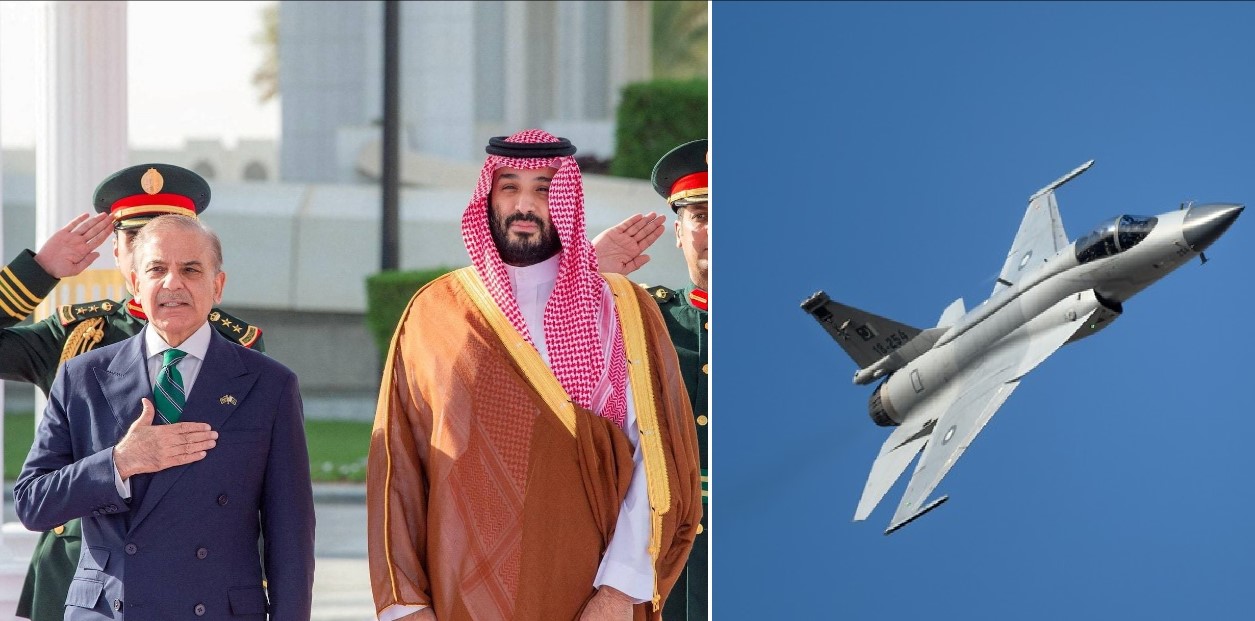
World
Islamabad — Facing an acute foreign exchange shortage and mounting external liabilities, Pakistan has explored an extraordinary option to manage its sovereign debt: offering combat aircraft in place of cash repayment. According to defense and financial sources familiar with the matter, Islamabad has proposed converting USD 2 billion in Saudi loans into a fighter jet deal built around the JF-17 Thunder, as part of a broader USD 4 billion defense package that would also include weapons, training, spares, and long-term support. The discussions, though exploratory, underline the severity of Pakistan’s financial stress, as conventional debt servicing has become increasingly difficult amid shrinking reserves and repeated rollover negotiations. Saudi Loans at the Center of Talks Saudi Arabia has long been one of Pakistan’s most important financial lifelines, extending oil credit facilities, deposits, and direct loans during balance-of-payments crises. The latest proposal reportedly seeks to restructure roughly USD 2 billion in existing Saudi loans by converting them into a defense procurement arrangement, while an additional USD 2 billion would be linked to associated equipment and services. The core of the offer is the JF-17 Thunder, a single-engine multirole fighter jointly developed by Pakistan and China and manufactured at the Pakistan Aeronautical Complex. Marketed internationally as a cost-effective alternative to Western aircraft, the JF-17 has been pitched to multiple developing air forces over the past decade. There has been no official confirmation from Saudi Arabia, and defense analysts note that Riyadh already operates a technologically advanced air fleet. Nonetheless, the very consideration of such a proposal reflects the depth of Pakistan’s fiscal constraints. Cash Crunch Drives Unconventional Diplomacy Pakistan’s total external debt now exceeds USD 125 billion, with significant repayments due annually. Foreign exchange reserves have frequently hovered near critically low levels, forcing Islamabad to rely on emergency financing, friendly deposits, and International Monetary Fund programs to avert default. Against this backdrop, defense exports are being positioned as a substitute source of value where cash is unavailable. Analysts describe the reported jet-for-debt concept as a form of barter diplomacy, rarely seen in modern sovereign finance. “When arms exports are discussed as an alternative to loan repayment, it signals that liquidity pressures have crossed into structural distress,” said a South Asian economic analyst. Bangladesh Also Approached In parallel, Pakistan has also sounded out Bangladesh regarding potential JF-17 purchases, according to regional defense sources. Bangladesh has been assessing options to modernize its combat aircraft fleet, but any deal would depend on financing terms, political considerations, and operational compatibility. For Islamabad, even preliminary outreach serves a broader objective: expanding the pool of potential buyers to generate foreign inflows or debt offsets at a time when traditional funding channels are under strain. Limits of Arms Exports as Debt Relief Defense industry experts caution that fighter jet exports are unlikely to provide immediate relief on the scale required. Aircraft sales are typically spread over several years and often involve buyer financing, which reduces near-term cash benefits for the seller. Moreover, the JF-17 competes in a crowded market against more established platforms, limiting its ability to absorb large volumes of sovereign debt. Economists also warn that overreliance on military exports risks diverting attention from fiscal reform, export diversification, and industrial restructuring—areas repeatedly highlighted by international lenders as critical for long-term stability. A Stark Signal to Creditors While no agreement has been announced, the reported discussions have already sent a strong signal to markets and creditors. The notion of converting loans into weapons contracts underscores how narrow Pakistan’s options have become. As one regional economist noted, “When debt negotiations begin to resemble barter deals, the message is clear: the crisis is no longer hidden, it is structural.” As Pakistan continues talks with lenders and strategic partners, the episode highlights the growing intersection between economic survival and defense diplomacy—an overlap driven less by strategy than by financial necessity.
Read More → Posted on 2026-01-10 12:59:55
World
Washington : President Donald Trump has reignited one of the most controversial foreign policy debates of his presidency, openly arguing that the United States should acquire Greenland and confirming through the White House that no option has been ruled out — including the use of force. The renewed push has triggered sharp reactions in Denmark and Greenland, raised alarms within NATO, and drawn scrutiny from U.S. lawmakers. According to Reuters, the Trump administration is now actively discussing financial incentives aimed directly at Greenland’s population as part of a broader effort to persuade the semi-autonomous territory to break away from Denmark and align with Washington. Sources cited by the agency say U.S. officials have debated offering one-time lump-sum payments ranging from $10,000 to $100,000 per resident, a proposal that would collectively cost the U.S. government an estimated $5–6 billion, based on Greenland’s population of approximately 57,000 people. A Strategic Argument Framed as National Security Trump has repeatedly described Greenland as vital to U.S. national security, citing its strategic location in the Arctic and growing geopolitical competition in the region. Speaking aboard Air Force One over the weekend, the president claimed the island was “covered with Russian and Chinese ships all over the place,” arguing that Denmark lacks the capacity to defend it adequately. “We need Greenland from the standpoint of national security, and Denmark is not going to be able to do it,” Trump said, reiterating a view he has expressed multiple times since first floating the idea during his earlier term. White House Press Secretary Karoline Leavitt confirmed Wednesday that the idea of acquiring Greenland is being “actively discussed by the president and his national security team.” When asked whether military force could be ruled out, Leavitt declined to do so, stating that “all options” remain under consideration. She also noted that the concept is not unprecedented. “The acquisition of Greenland by the United States is not a new idea. This is something that presidents dating back to the 1800s have said is advantageous for America’s national security,” Leavitt said. Payments, Precedents, and Political Momentum Sources told Reuters that while the notion of compensating Greenlanders directly has circulated for years, discussions have taken on new urgency in recent weeks. The administration reportedly believes there is political momentum following a recent high-profile U.S. operation that led to the arrest of Venezuela’s leader Nicolás Maduro, an action that has already drawn fierce debate in Washington. Trump allies have framed the Greenland proposal as a “business transaction,” arguing that the cost would be modest when compared with long-term strategic gains, including access to Arctic shipping routes, rare earth minerals, and expanded U.S. military reach. Greenland is known to possess significant untapped natural resources, which are becoming increasingly valuable as climate change opens new areas of the Arctic. Despite these arguments, officials caution that the plan remains at a preliminary stage. Even at the higher end of proposed payments, the initiative would face formidable legal, diplomatic, and political obstacles. Denmark, Greenland Push Back Greenland is a self-governing territory within the Kingdom of Denmark, and both Copenhagen and Nuuk have consistently rejected the idea of any sale or transfer of sovereignty. Polls indicate that a majority of Greenlanders oppose becoming part of the United States. Greenland’s Prime Minister Jens-Frederik Nielsen responded angrily after Trump once again raised the prospect of acquisition. “Enough is enough … no more fantasies about annexation,” Nielsen wrote in a Facebook post, underscoring that Greenland’s future can only be decided by its own people. In a separate statement, Greenland’s government emphasized that “Greenland belongs to its people. It is for Denmark and Greenland, and them only, to decide on matters concerning Denmark and Greenland.” Diplomatic and NATO Implications U.S. Secretary of State Marco Rubio has announced plans to meet Danish officials next week to discuss Greenland, signaling that diplomatic channels remain active even as rhetoric escalates. Any attempt at forced annexation would pose a profound challenge to NATO, given Denmark’s membership in the alliance and Greenland’s existing defense agreements with the United States. Analysts warn that such a move could fracture alliance unity at a time when Arctic security is already strained by increased Russian and Chinese activity. Domestic Backlash in the United States Within the U.S., Democrats have sharply criticized the administration’s approach, accusing Trump of recklessness and of bypassing Congress on matters that could lead to armed conflict. Lawmakers argue that any attempt to use force or authorize massive expenditures would require explicit congressional approval. For now, the Greenland proposal remains an extraordinary idea at an early stage — one that blends strategic calculation, political provocation, and unprecedented financial inducements. Whether it evolves into a formal diplomatic initiative or remains a contentious talking point may depend as much on reactions in Nuuk and Copenhagen as on debates in Washington.
Read More → Posted on 2026-01-09 17:51:19
World
Europe : Italian Prime Minister Giorgia Meloni on Friday said Europe should resume direct engagement with Russia as part of intensifying diplomatic efforts to end the war in Ukraine, while firmly rejecting any near-term discussion on Moscow’s return to the Group of Eight (G8) major economies. Speaking at her annual New Year’s press conference in Rome, Meloni warned that Europe risks marginalising itself in peace negotiations if it chooses to engage with only one side of the conflict. Her remarks come as international diplomatic activity has gathered momentum since November, with Western capitals increasingly focused on exploring political pathways to end the war, now approaching its fourth year. Alignment With Macron on Russia Talks Meloni said she shared the view recently expressed by French President Emmanuel Macron, who has argued that dialogue with Moscow will be essential if Europe is to play a meaningful role in ending the conflict. “I believe Macron is right,” Meloni said. “The moment has arrived for Europe to also engage with Russia.” She stressed that engagement does not equal concession, but is necessary to ensure Europe remains a credible and influential actor at the negotiating table. Europe’s Role in Peace Negotiations The Italian leader cautioned that Europe’s diplomatic contribution would be weakened if it limited its engagement to Kyiv alone. “If Europe decides to participate in this phase of talks by speaking solely to one of the two parties, I fear its contribution will ultimately be limited,” she said. Despite renewed international momentum, Russia has shown no public readiness to compromise. Ukraine has pushed for changes to a US-backed proposal floated in November, arguing it largely reflected Russia’s core demands. Moscow has also offered no indication it would accept a peace settlement that includes security guarantees for Ukraine, such as the deployment of Western troops on Ukrainian territory. Call for a Single EU Envoy Meloni criticised what she described as fragmented European diplomacy and urged the European Union to appoint a single envoy to deal directly with Russian President Vladimir Putin. “If we were to make the mistake of reopening dialogue with Russia while proceeding in a disorganised way, we would be doing Putin a favour,” she said. “From the start there have been too many voices and too many formats.” She argued that a unified EU position would strengthen Europe’s credibility, coherence, and negotiating leverage. G8 Readmission ‘Absolutely Premature’ Addressing proposals raised by the United States in November suggesting Russia could be readmitted to the Group of Seven (G7), effectively reviving the G8, Meloni dismissed such discussions outright. “It is absolutely premature to talk about welcoming Russia back into the G7,” she said. Russia was expelled from the group in 2014 following its annexation of Crimea. Italy Rules Out Troop Deployment Meloni also reiterated that Italy has no intention of sending troops to Ukraine to help guarantee any future peace agreement. Her stance contrasts with recent moves by some European partners. France and Britain last month signed a declaration of intent outlining plans for the possible deployment of multinational forces in Ukraine once a ceasefire is reached. While reaffirming Italy’s continued support for Ukraine’s sovereignty and territorial integrity, Meloni underlined that Europe is entering a delicate diplomatic phase. Her comments highlight a deepening debate within Europe over how to balance military support for Kyiv with renewed engagement with Moscow as pressure grows to find a negotiated end to the conflict.
Read More → Posted on 2026-01-09 17:43:31
World
Paris / Berlin : France’s Dassault Aviation has openly criticised Germany’s decision to expand its purchase of U.S.-made F-35 fighter jets, arguing that the move undermines Europe’s long-term defence ambitions even as Berlin continues to voice support for joint European programmes. The comments reflect mounting frustration in Paris over what French defence officials and industry leaders describe as a contradiction between Europe’s strategic autonomy rhetoric and national procurement choices that increasingly favour American combat aircraft. Germany has already committed to buying 35 F-35A Lightning II fighters to replace part of its ageing Tornado fleet and to preserve its role in NATO’s nuclear-sharing mission. In recent months, German defence planning has pointed towards the acquisition of additional F-35s, a step that could raise the overall fleet to around 50 aircraft, driven by concerns over capability gaps and delivery timelines. From the French perspective, the issue is not the F-35’s military performance but its strategic implications. Dassault and senior figures in the French aerospace sector argue that every new U.S. fighter order weakens the political and industrial foundations of the Future Combat Air System (FCAS), the Franco-German-Spanish initiative intended to deliver a next-generation combat aircraft and associated systems by the 2040s. FCAS has already been slowed by repeated disputes over industrial leadership, workshare and intellectual property, particularly between Dassault and Airbus. French officials worry that Germany’s expanding reliance on the F-35 sends a signal that Berlin views the European fighter programme as secondary, casting doubt on its long-term commitment. German officials reject that interpretation, insisting that the F-35 purchase is a pragmatic and temporary solution. The Luftwaffe faces tight deadlines to retire Tornado aircraft, and the F-35 remains the only platform certified to carry U.S. B61 nuclear weapons under existing NATO arrangements. Berlin maintains that the F-35 is meant to complement, not replace, FCAS, which will not be operational for many years. The debate has been sharpened by renewed geopolitical uncertainty. Recent remarks by U.S. President Donald Trump, including comments touching on Greenland, have been cited by French industry figures as examples of how shifts in U.S. politics can quickly influence transatlantic defence relationships. According to voices close to Dassault, such episodes reinforce the argument for reducing European dependence on foreign defence suppliers. For Europe’s aerospace industry, the stakes extend far beyond a single procurement decision. FCAS is viewed as essential to preserving advanced design skills, high-end manufacturing jobs and technological sovereignty across the continent. Any dilution of partner commitment risks further delays, rising costs or even a fundamental restructuring of the programme. Germany’s decision highlights a broader dilemma confronting European governments: balancing immediate operational readiness and alliance obligations with the longer-term goal of building independent European defence capabilities. As defence spending continues to rise across the continent, the coming years will determine whether flagship projects like FCAS can withstand diverging national priorities. For Dassault, Germany’s expanding F-35 fleet is more than a tactical choice. It is a test of whether Europe is prepared to translate its ambition for strategic autonomy into concrete and sustained industrial action.
Read More → Posted on 2026-01-09 17:35:29Search
Top Trending in 24 Hours
-
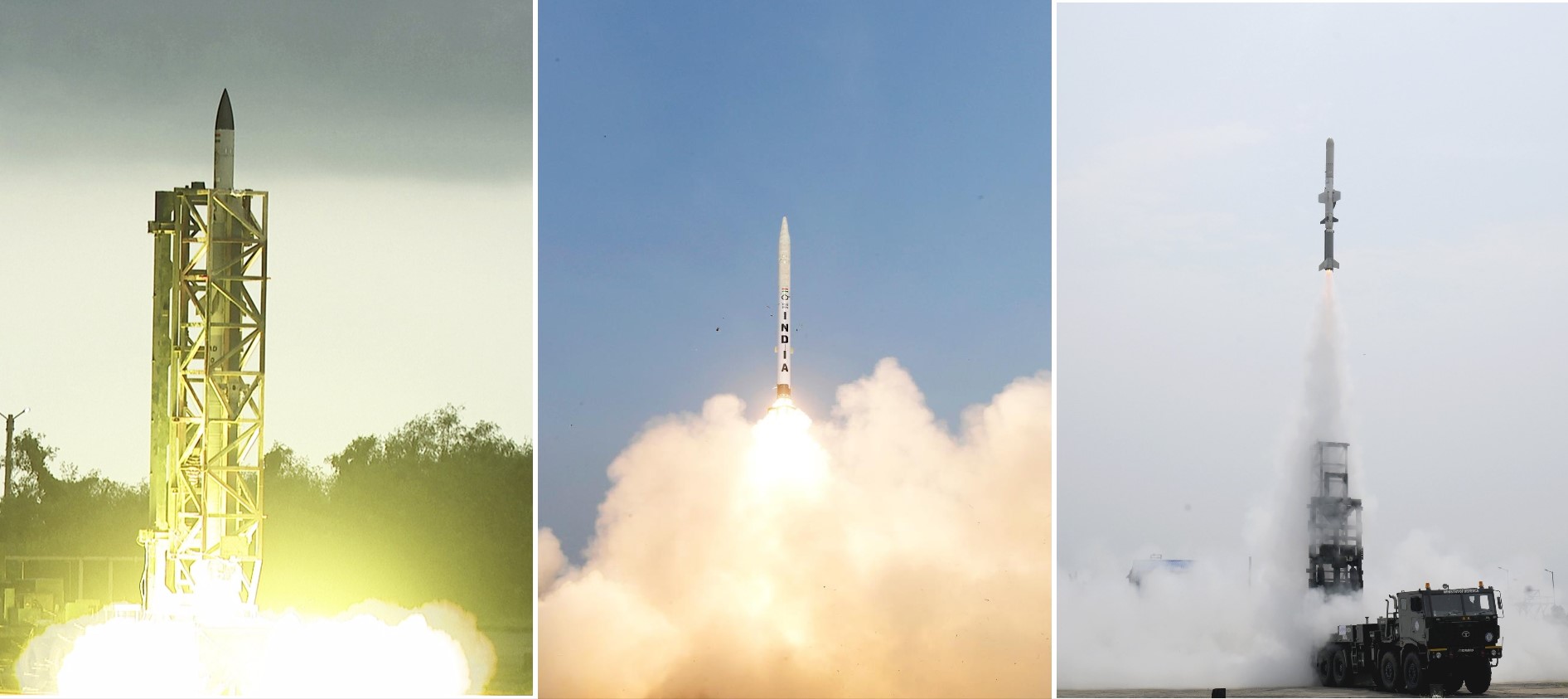 India Successfully Conducts AD-1, AD-2 Interceptor Tests and Maiden NASM-MR Flight Trial
-
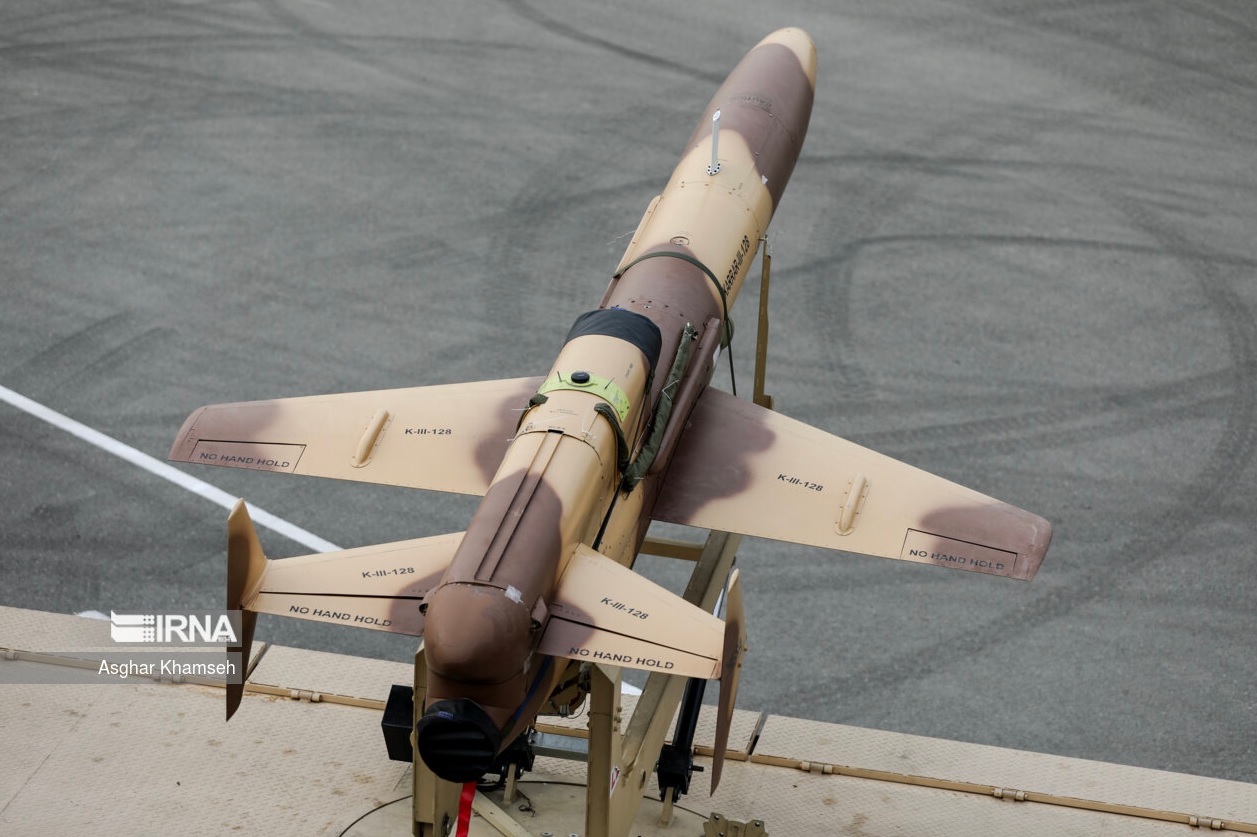 Russia Launches 1,400 Jet-Powered Drones in 2026 as Strike Tactics Evolve to Challenge Ukraine's Air Defenses
-
 U.S Navy Orders 50 Blackbeard Hypersonic Missiles in New $23.4 Million Contract
-
 UAE Denies Reports of Releasing Up to $20 Billion in Funds to Iran Amid Regional De-Escalation Efforts
-
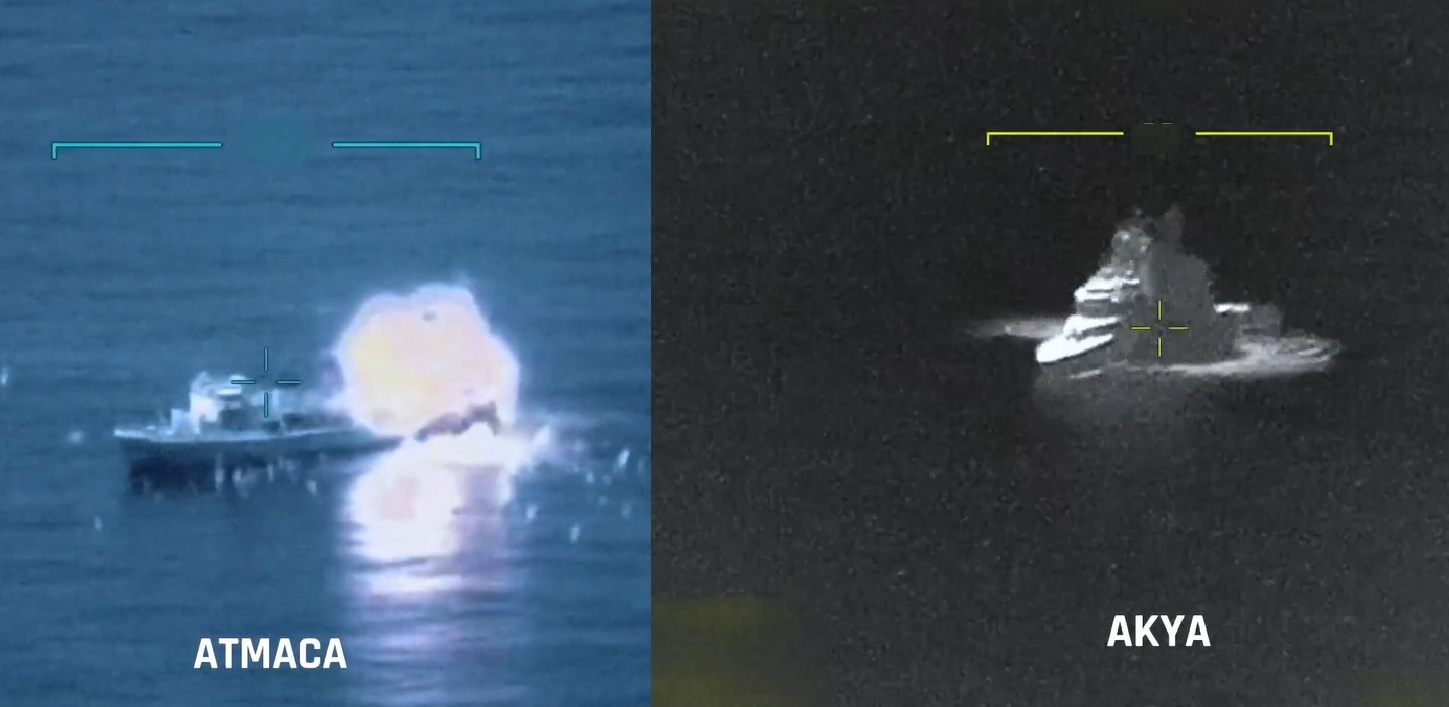 Turkey Navy Successfully Tests AKYA Torpedo and ATMACA Missile During Major Denizkurdu-II Naval Exercise
-
 Anduril Wins $363 Million CBP Contract to Deploy Over 200 Extended Range AI Surveillance Towers
-
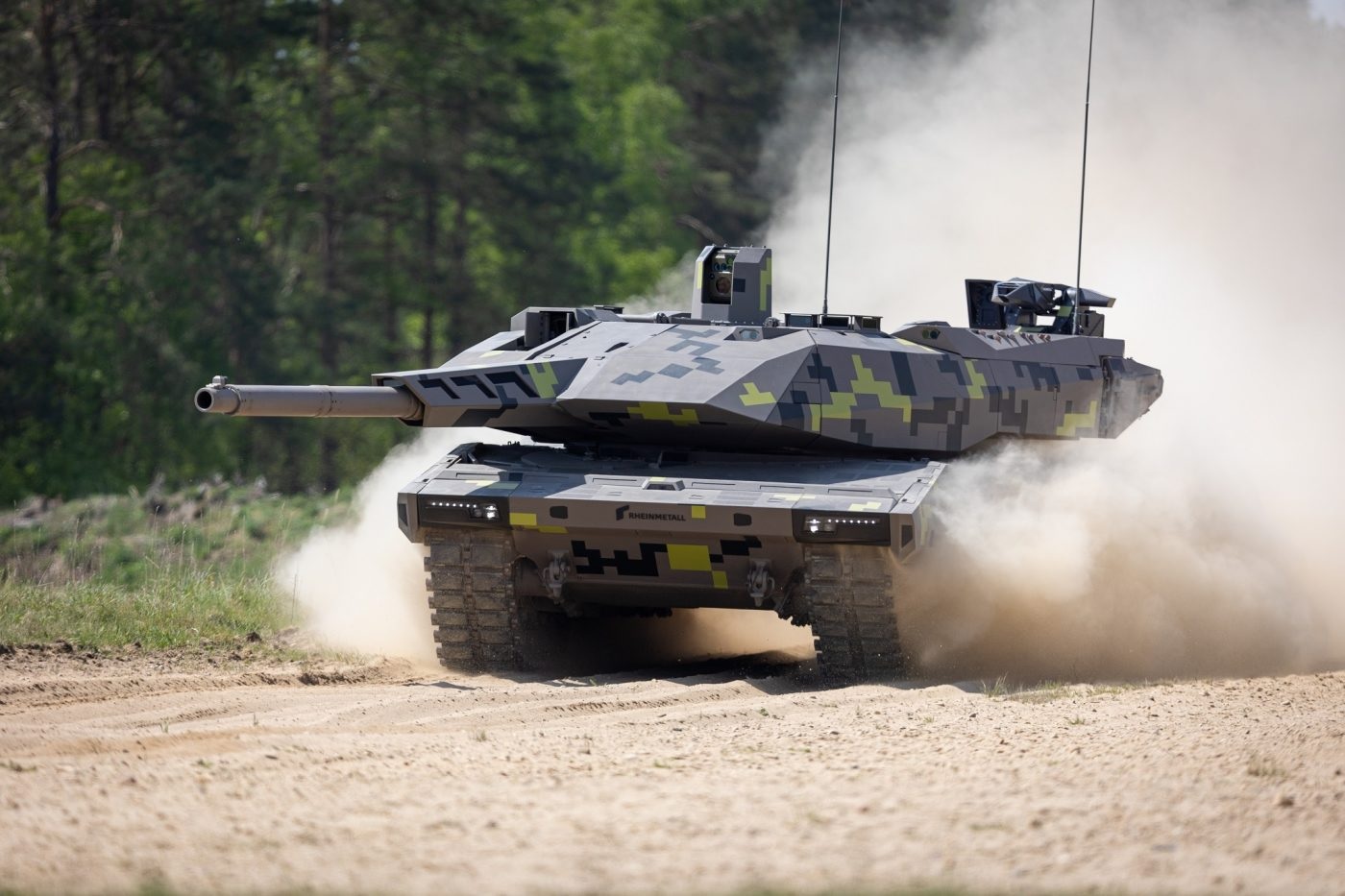 France Considers Reduced Role or Exit from Franco-German MGCS Tank Project
-
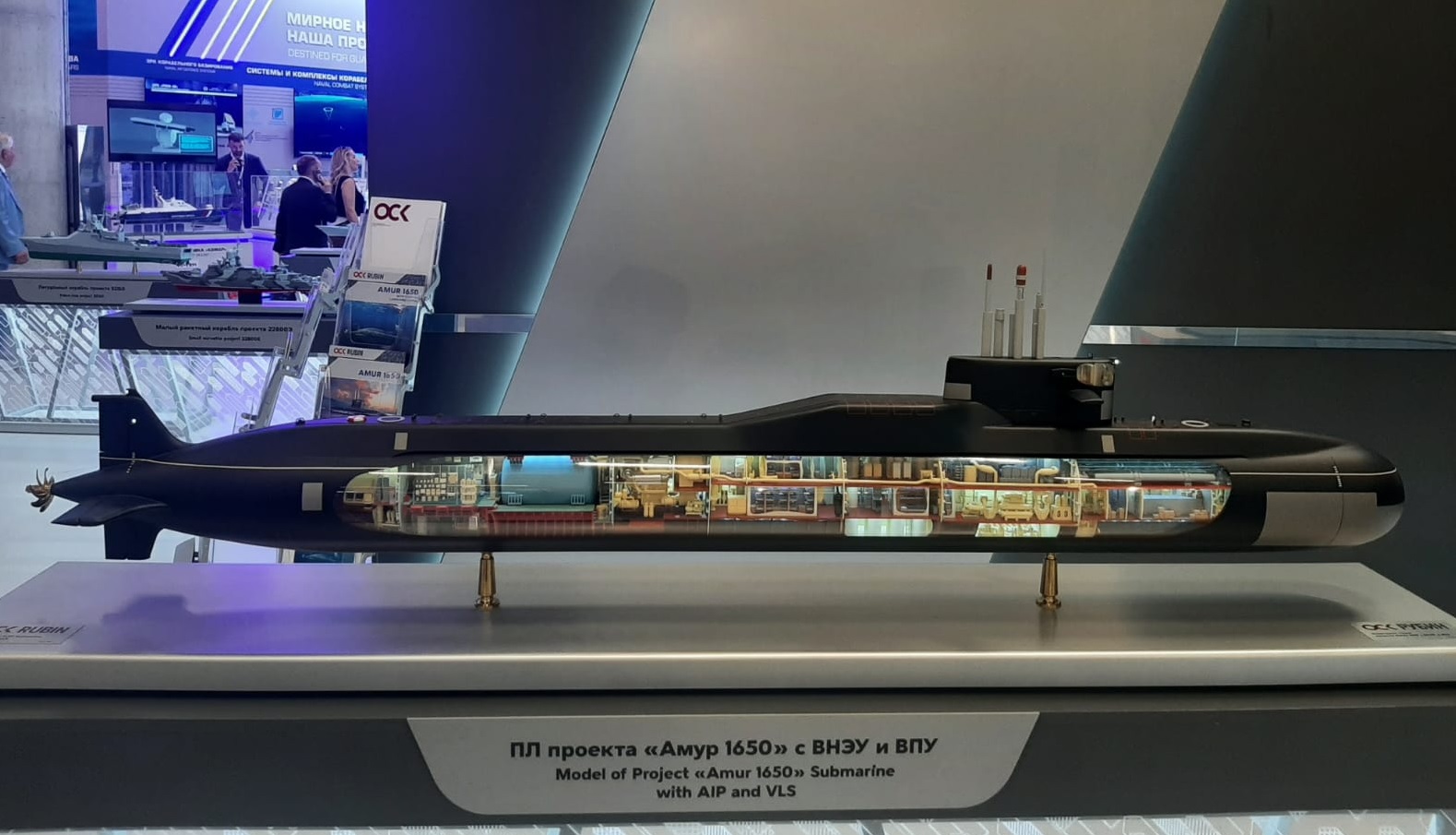 Russia Unveils Amur-1650 AIP Submarine Equipped with BrahMos Vertical Launch System at Fleet-2026
Top Trending in 4 Days
-
 Boeing Introduces New MQ-28 Ghost Bat Upgrades with Increased Range, Payload and Weapons Capacity at ILA Berlin 2026
-
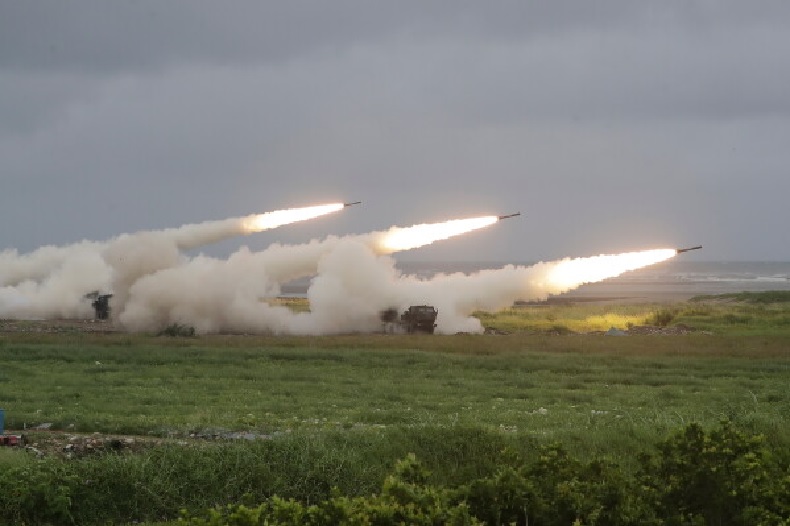 Taiwan Conducts First Live-Fire of HIMARS Rockets From West Coast During Invasion Defense Drill
-
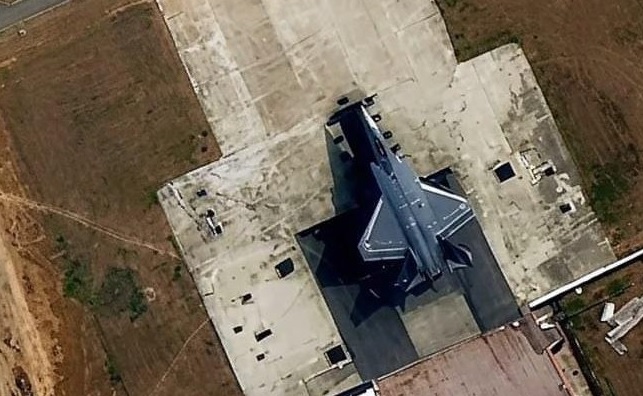 AMCA Airframe Spotted at DRDO’s ORANGE Facility for Radar Cross-Section Testing
-
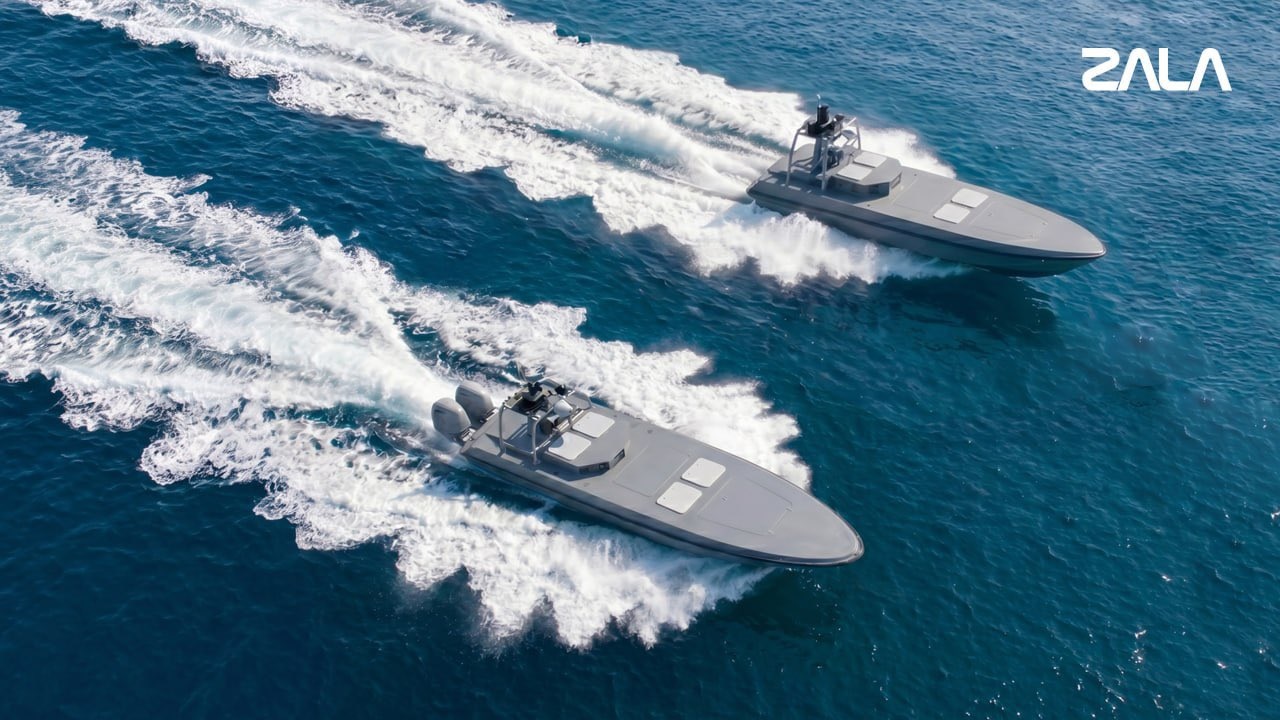 Russian Defense Firm ZALA Unveils KAMA Unmanned Surface Vessel Family at FLOT-2026 Naval Exhibition
-
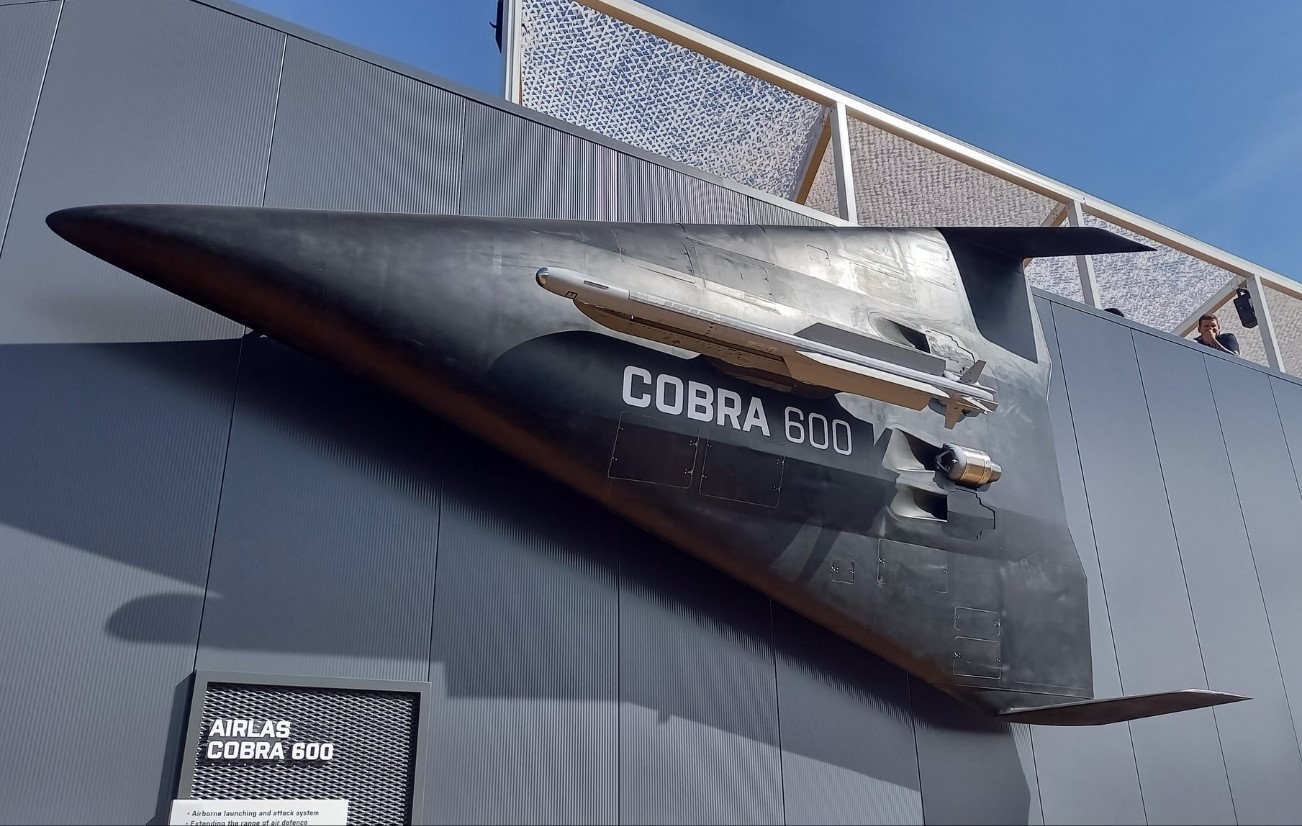 Diehl Defence Unveils IRIS-T Armed Cobra 600 Air Defense Drone at ILA Berlin 2026
-
 Iranian Media Leaks 14-Point U.S.-Iran Peace Framework Amid Ongoing Negotiations
-
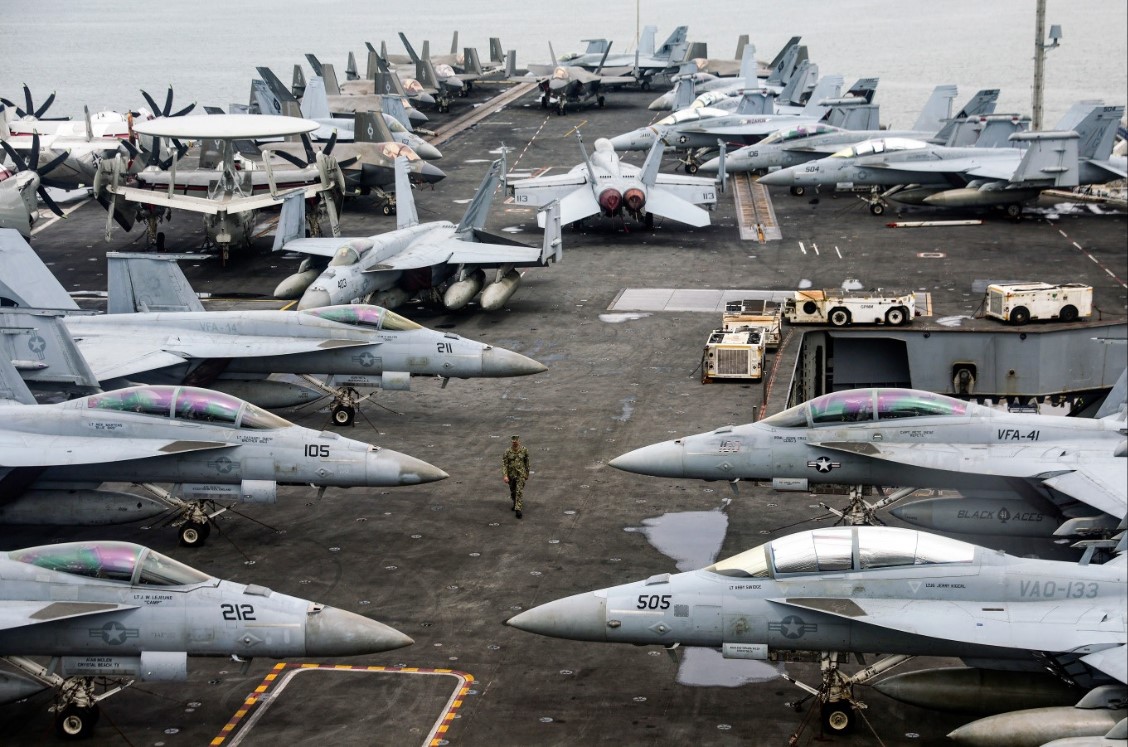 US Plans Significant Reduction of Fighter Jets and Warships for NATO Operations in Europe
-
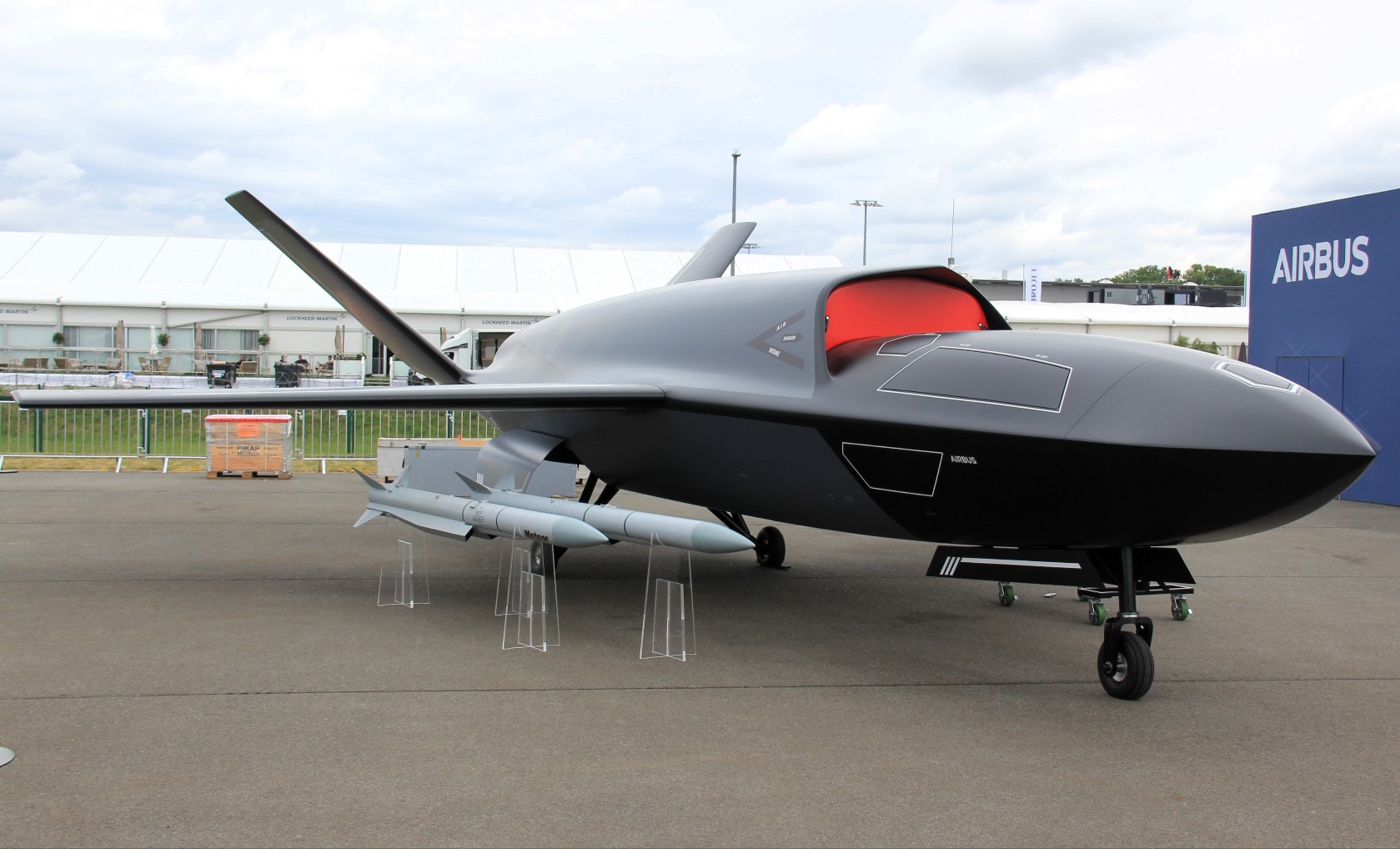 Airbus Unveils U760 Ravenstorm Loyal Wingman Drone at ILA Berlin 2026