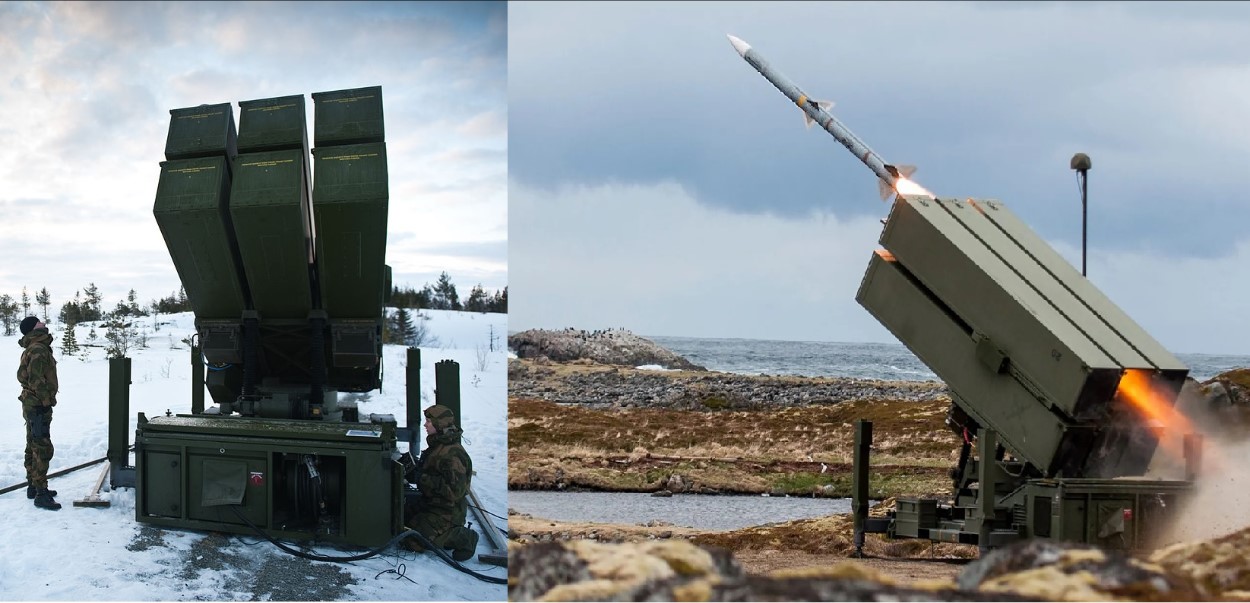
Kyiv / Oslo : Norway has announced a new initiative aimed at integrating Ukrainian-made interceptors or other effectors into the NASAMS air defense system, marking a significant step toward deeper industrial and military cooperation with Ukraine as the war grinds on and pressure mounts on Western missile stockpiles.
The plan was confirmed in Kyiv by Espen Barth Eide, who said Norway is working with Ukrainian defense manufacturers to determine whether locally produced interceptors can be guided, controlled, and coordinated through NASAMS without altering the system’s existing command, radar, or launcher architecture. The development was first reported by European Pravda on January 12, 2026.
A Shift Toward Flexibility and Volume
NASAMS, short for the National Advanced Surface-to-Air Missile System, is one of the cornerstones of Ukraine’s layered air defense network. Developed by Norway’s Kongsberg in cooperation with the United States, the system is best known for firing Western missiles such as the AIM-120 AMRAAM. These interceptors are highly effective, but they are also expensive and produced in limited quantities.
Norway’s initiative seeks to address that imbalance. By allowing NASAMS to fire a broader range of compatible interceptors, including those made in Ukraine, the system could rely less on a narrow set of costly missiles and instead draw from higher-volume, locally produced options. Norwegian officials stress that the goal is not to replace NASAMS’ core technology, but to expand the menu of interceptors it can employ.
“The focus is on integration, not reinvention,” Eide said, emphasizing that NASAMS’ sensors, fire-control software, and launchers would remain unchanged.
Which Ukrainian Interceptors Are Under Review
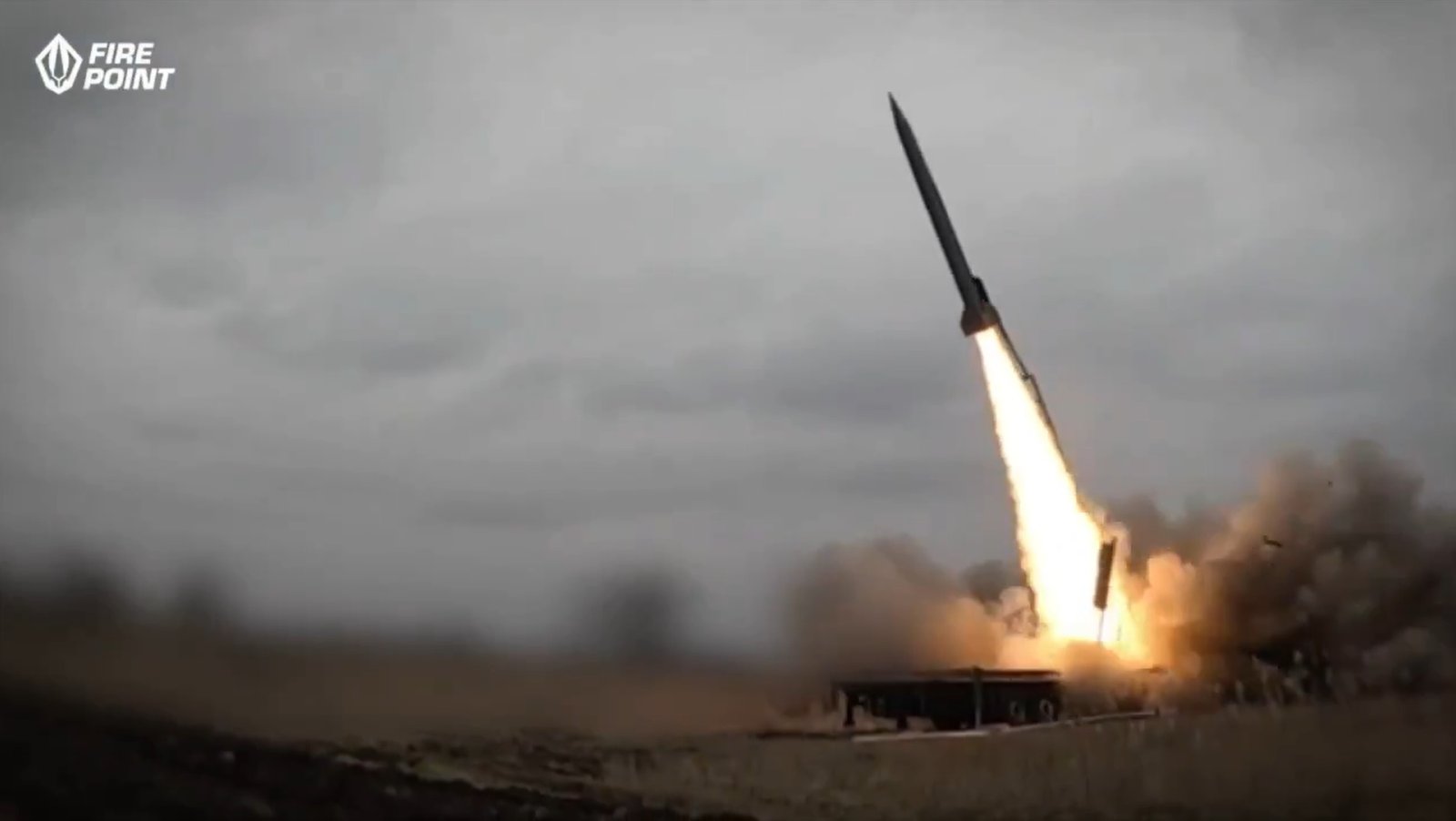
No single Ukrainian missile has been officially selected for integration, but several candidates are under technical evaluation. These include short-range interceptors derived from the Soviet-era R-73, as well as variants of the R-27 medium-range missile equipped with infrared or radar homing guidance. Ukrainian engineers are also believed to be assessing the UP-277 missile, which has an air-launched range of roughly 80 kilometers, though its effective range would be shorter if adapted for ground launch.
Beyond traditional missiles, Ukraine’s rapidly developing interceptor drones are also part of the discussion. These low-cost systems could serve as NASAMS-compatible effectors against mass attacks by inexpensive aerial threats, including Shahed-type loitering munitions used extensively by Russian forces.
What matters most, according to Norwegian and Ukrainian officials, is not the pedigree of a specific interceptor but whether it can be cued by NASAMS radars, receive guidance commands, and be coordinated alongside other missiles in the system’s engagement sequence.
Why Norway Is Pushing the Integration
Norway’s decision is driven by both strategic and practical considerations. Ukraine faces an exceptionally high tempo of aerial attacks, with independent assessments suggesting Russian forces have launched an average of more than two dozen missiles and drones per day since the start of the full-scale invasion. That pace translates into more than 700 aerial targets per month, rapidly depleting interceptor stocks.
Western suppliers can help, but production lines for advanced missiles remain constrained. Integrating Ukrainian interceptors into NASAMS offers a way to tap Ukraine’s own industrial base, easing pressure on allies while strengthening Kyiv’s self-reliance.
There is also a longer-term strategic calculation. By enabling joint production and shared development, Norway positions itself as a key partner in shaping Ukraine’s post-war air defense architecture, while gaining valuable experience in making NASAMS more adaptable to future conflicts characterized by mass, low-cost threats.
Ukrainian Production and Joint Manufacturing Plans
The integration effort is closely linked to broader plans for joint production. Eide described the initiative as a partnership rather than a simple supply deal, aligning with earlier statements by Volodymyr Zelensky, who has argued that Ukraine should not only receive air defense systems but also manufacture them domestically.
Joint production could range from interceptor missiles to selected NASAMS components, allowing Ukraine to sustain its air defenses even during prolonged periods of high consumption. For Norway, this approach helps ensure that donated systems remain operational over time, supported by a steady flow of compatible munitions.
How Ukrainian Interceptors Differ From NASAMS’ Standard Missiles
The key difference between Ukrainian-made interceptors and NASAMS’ standard missiles lies in cost, availability, and intended targets. Western interceptors such as AMRAAM are optimized for high-performance engagements and command a premium price. Ukrainian options, while potentially shorter-ranged or less sophisticated, can be produced more cheaply and in greater numbers, making them better suited for countering drones and other low-cost threats.
By mixing these interceptors within a single NASAMS battery, air defense commanders could reserve expensive missiles for high-value targets while relying on cheaper Ukrainian effectors for mass attacks, improving overall efficiency.
Near-Term Aid and Long-Term Strategy
Norwegian officials have underlined that this integration project does not replace immediate military assistance. Oslo continues to work on delivering additional missiles to Ukraine in the near term, ensuring that current defenses are not weakened while technical integration and joint production plans move forward.
Taken together, the effort reflects a broader shift in Western support for Ukraine: from emergency deliveries toward sustainable, industrial-scale solutions designed for a long war. If successful, Norway’s initiative could turn NASAMS into a more flexible and resilient air defense system, tailored not only to Ukraine’s needs but also to future conflicts where numbers, cost, and adaptability matter as much as cutting-edge performance.
——— End of Article ———