
Space & Technology
MOSCOW — May 25, 2026 : New Cloud Technologies, the Russian software developer behind the MyOffice office productivity suite, is preparing large-scale workforce reductions after reporting multibillion-ruble losses and a sharp decline in revenue, according to reports from Russian business newspaper Vedomosti. The planned restructuring marks a significant challenge for Russia’s broader effort to replace Western software products with domestic alternatives. Employees at the company reportedly received internal notifications in mid-May warning of upcoming staff cuts across multiple divisions. Sources familiar with the matter told Vedomosti that entire departments may be dissolved as part of the restructuring, while technical support operations are expected to remain largely intact to ensure continuity for existing customers and government clients. MyOffice was launched in 2014 by businessman Dmitry Komissarov as part of Russia’s long-term import-substitution strategy aimed at reducing dependence on foreign technology providers, particularly following sanctions and increasing geopolitical tensions. The software suite was promoted as a domestic replacement for Microsoft Office and later adopted by several Russian public institutions, including the State Duma, which reportedly allocated more than 20 million rubles in 2023 for MyOffice licenses to support the transition away from Microsoft products. Financial Decline Deepens The planned layoffs follow what company management described as a period of severe financial deterioration despite restructuring efforts undertaken throughout 2025. In an internal letter to staff, Chief Executive Officer Vyacheslav Zakorzhevsky acknowledged declining performance across major business segments, stating that the company’s operational model required substantial changes to ensure long-term sustainability. Financial records from Russia’s SPARK corporate database indicate that New Cloud Technologies employed slightly more than 1,000 personnel at the conclusion of 2025. During the same period, the company recorded a net loss exceeding 4 billion rubles (approximately $50 million), more than tripling compared with losses reported a year earlier. Revenue performance also weakened considerably. According to financial statements referenced by Vedomosti, company revenue declined by approximately 50 percent in 2025, falling to around 1 billion rubles (approximately $12.7 million). Debt obligations to the company’s majority shareholder simultaneously increased by roughly one-third, reaching nearly 25 billion rubles (around $318 million). Historical financial data further shows that MyOffice has struggled to sustain profitability over time. The company reported positive net income only once in the previous five fiscal years, posting a profit of 386.5 million rubles in 2022. Workforce Disputes Emerge The restructuring process has also generated internal tensions between management and employees. Former staff members cited by Vedomosti alleged that company leadership initially sought to encourage workers to resign voluntarily, a move that would reduce severance-related costs. According to those accounts, employees were reportedly warned about possible disciplinary dismissal for relatively minor workplace violations, including arriving around ten minutes late to work or submitting travel documentation after reporting deadlines. In response, employees reportedly formed a labor union and formally warned management about potential legal proceedings concerning alleged unlawful dismissal practices. Zakorzhevsky had earlier informed staff on March 23, 2026, that restructuring plans would involve revisions to the company’s organizational structure and product portfolio. He also reportedly assured employees that the process would comply with Russian labor regulations and that affected staff could receive consideration for vacant positions at Kaspersky Lab. Ownership and Broader Economic Context Corporate registry records show that Russian cybersecurity company Kaspersky Lab currently holds approximately 68.8 percent of New Cloud Technologies, making it the majority shareholder. Founder Dmitry Komissarov retains a smaller stake of roughly 5 percent. The operational difficulties facing MyOffice coincide with broader concerns surrounding Russia’s corporate sector. Earlier assessments issued by Ukraine’s Foreign Intelligence Service suggested that both private and state-linked Russian companies could begin broader workforce reductions during mid-2026 amid elevated interest rates, weaker commercial revenues, slowing consumer demand, and mounting macroeconomic pressure. Neither New Cloud Technologies nor company management disclosed the exact number of jobs expected to be eliminated or a timeline for completing the layoffs.
Read More → Posted on 2026-05-25 15:39:29
Space & Technology
WASHINGTON — May 16, 2026 : The Federal Communications Commission (FCC) has approved SpaceX’s acquisition of approximately 65 megahertz of nationwide wireless spectrum from EchoStar, a regulatory decision that significantly expands the company’s Starlink direct-to-device (D2D) mobile communications program. The approval, issued on May 12, authorizes SpaceX to obtain exclusive-use, contiguous wireless spectrum intended for satellite-to-phone connectivity services that allow standard smartphones to connect directly to low-Earth orbit satellites without requiring specialized hardware. The transaction is valued at approximately $17 billion and includes three separate spectrum assets previously held by EchoStar: 15 MHz of unpaired AWS-3 spectrum, 40 MHz of AWS-4 spectrum, and 10 MHz of H-Block spectrum. The acquisition gives SpaceX its first nationwide portfolio of dedicated wireless spectrum licenses. At the same time, the FCC approved EchoStar’s separate sale of an additional 50 MHz of spectrum to AT&T in a transaction valued at approximately $23 billion. Combined, the two agreements represent more than $40 billion in spectrum divestitures by EchoStar. Spectrum Approval Expands Starlink Direct-to-Device Capacity The newly acquired spectrum will support the expansion of Starlink’s next-generation direct-to-cell network, which is designed to provide mobile voice, text, and data connectivity directly from satellites to conventional smartphones. SpaceX’s initial direct-to-device operations relied on sharing terrestrial carrier spectrum through agreements with telecommunications companies including T-Mobile. That system enabled basic messaging and emergency communication services in areas without terrestrial cellular coverage, but shared-spectrum operations imposed substantial bandwidth limitations. According to FCC filings associated with the transaction, the addition of dedicated and contiguous spectrum is expected to increase network capacity by more than 100 times compared to SpaceX’s first-generation direct-to-device platform. SpaceX has stated that the long-term objective is to provide satellite-based connectivity comparable to conventional LTE and future 5G mobile services. The system is intended to operate similarly to terrestrial cellular networks, allowing smartphones to connect automatically to satellites when ground-based coverage is unavailable. FCC Grants Technology-Neutral Waivers As part of the approval, the FCC granted SpaceX a series of technology-neutral waivers that permit the deployment of a hybrid communications architecture integrating satellite and terrestrial network infrastructure. The waivers allow SpaceX to combine space-based and ground-based network components in order to improve service reliability, coverage continuity, latency performance, and spectral efficiency. The regulatory framework also enables more flexible deployment of future direct-to-cell infrastructure across the United States. The approval further strengthens Starlink’s broader second-generation satellite network expansion. Earlier FCC authorizations, including the January 2026 approval for an additional 7,500 Gen2 satellites, support the deployment of enhanced direct-to-device services both domestically and internationally. SpaceX Expands Role in Telecommunications Sector The acquisition substantially changes SpaceX’s position within the telecommunications industry. Previously, the company primarily operated as a satellite infrastructure provider supporting mobile carriers through partnership agreements. By securing its own nationwide wireless spectrum licenses, SpaceX gains the independent capacity necessary to operate large-scale mobile communications services directly under its own network framework. Although the company continues to maintain commercial partnerships with terrestrial operators, including T-Mobile, the spectrum ownership structure provides SpaceX with greater operational control over future mobile connectivity services and creates a new competitive dynamic within the wireless communications sector. Traditional mobile carriers are increasingly evaluating satellite-based coverage solutions to extend connectivity into rural, remote, maritime, and underserved regions where terrestrial infrastructure remains limited or economically difficult to deploy. FCC Imposes $2.4 Billion Escrow Requirement on EchoStar The FCC approval includes a major financial condition affecting EchoStar. The commission ordered the company to establish a $2.4 billion escrow account intended to cover potential liabilities involving third-party infrastructure companies. The condition is linked to ongoing litigation and multi-billion-dollar disputes involving telecommunications tower operators and fiber infrastructure providers following EchoStar and Dish Network’s earlier reduction of plans to construct a nationwide terrestrial 5G network. Companies connected to the disputes include major infrastructure operators such as Crown Castle and American Tower. EchoStar publicly objected to the escrow requirement, describing it as an “unprecedented involuntary escrow condition,” while also acknowledging that the FCC considered the spectrum transactions to be pro-competitive. Deployment Timeline and Regulatory Obligations The final closing of the spectrum transfer between EchoStar and SpaceX is expected on or about November 30, 2027. Following completion of the transaction, SpaceX will be required to comply with long-term FCC performance obligations covering technical and operational standards for the direct-to-device network. These requirements include measurable benchmarks for downlink quality, uplink throughput, and spectral efficiency over a nine-year period. The FCC stated that Starlink’s direct-to-device operations will remain subject to interference protections, international spectrum coordination requirements, and additional regulatory oversight governing satellite communications services. SpaceX has not yet announced a full commercial deployment timeline for expanded satellite-to-phone services, but the company continues testing and limited rollout operations in selected markets as it develops broader global direct-to-cell capabilities.
Read More → Posted on 2026-05-16 17:00:37
Space & Technology
KYOTO, Japan — Researchers from Kyoto University and Hiroshima University have successfully developed and experimentally demonstrated a method to identify a complex form of quantum entanglement known as the “W state” using a single measurement process, overcoming a major experimental limitation that has persisted in quantum physics for more than 25 years. The research, led by Shigeki Takeuchi and published in Science Advances, introduces a stable three-photon optical quantum circuit capable of directly distinguishing multipartite entangled W states without relying on conventional quantum state tomography, a process traditionally used to reconstruct quantum states through repeated measurements. The achievement is considered an important step for practical quantum information systems, particularly in the fields of quantum communication, quantum networking and photonic quantum computing, where efficient measurement of entangled states remains a major technical challenge. Long-Standing Measurement Problem in Quantum Physics Quantum entanglement is a physical phenomenon in which multiple particles become linked so that the state of one particle is directly connected to the state of another, even across large distances. Among multipartite entangled systems, W states are regarded as especially important because they distribute entanglement symmetrically among multiple particles and retain partial entanglement even when one particle is lost or measured. For a three-qubit system, a W state is represented as: In this configuration, measuring one particle does not completely destroy the entanglement among the remaining particles. This characteristic distinguishes W states from Greenberger-Horne-Zeilinger (GHZ) states, where measurement of one particle collapses the entire entangled system. Because of this robustness, W states are considered valuable for distributed quantum systems, quantum communication protocols and fault-tolerant quantum networking. Despite their importance, experimentally verifying W states has remained difficult for decades. Researchers have traditionally relied on quantum state tomography, a method that reconstructs a quantum state through a large number of repeated measurements on identical quantum systems. However, tomography is computationally expensive, slow and difficult to scale. As the number of photons or qubits increases, the number of required measurements grows exponentially, creating a major bottleneck for larger quantum systems. The process also introduces another limitation: quantum measurements typically destroy the original quantum state. Extensive measurement procedures therefore consume large numbers of usable entangled states, reducing efficiency for practical applications. Development of a Single-Measurement Technique To overcome these limitations, the Japanese research team developed an entangled measurement method capable of identifying W states through a deterministic one-shot process. The researchers exploited a mathematical property known as cyclic shift symmetry, which is naturally present in W states. Using this symmetry, the team designed a three-mode discrete Fourier transform optical circuit that projects incoming photons onto specific W-state configurations. The transformation applied inside the circuit is based on the quantum Fourier transform: The experimental setup was implemented using a displaced-Sagnac interferometer architecture combined with hybrid beam splitters. According to the researchers, the optical quantum circuit remains stable for extended periods without requiring active stabilization or continuous adjustment, an important feature for future scalable quantum systems. During the experiment, three single photons with carefully prepared polarization states were injected into the optical circuit. The system then analyzed the resulting non-classical correlations between the photons and successfully distinguished multiple types of three-photon W states. The circuit achieved a measurement discrimination fidelity of 0.871 ± 0.039, indicating a high probability of correctly identifying pure W-state inputs. The researchers described the system as a direct entangled measurement approach that eliminates the need for full quantum tomography and extensive post-processing. First Practical Entangled Measurement for Photonic W States The study represents the first experimental realization of entangled measurements for W states in photonic systems. Earlier theoretical and experimental work on entangled measurements primarily focused on GHZ states, which were first proposed more than two decades ago. However, practical measurement methods capable of directly identifying W states had not previously been demonstrated in stable photonic quantum systems. The research team included first author Geobae Park, theoretical physicist Holger F. Hofmann and quantum optics researcher Ryo Okamoto, who contributed to both the theoretical framework and experimental implementation. According to the researchers, the work builds upon earlier stable optical quantum circuits previously developed for other photonic quantum information tasks. Implications for Quantum Networks and Computing The ability to directly measure W states is expected to support several emerging quantum technologies. In quantum teleportation systems, multipartite entanglement can be used to transfer quantum information between distant nodes without physically transporting the particles carrying that information. In secure quantum communication systems, entangled states can create cryptographic channels that are resistant to interception because any attempt to observe the system alters the quantum correlations and becomes detectable. The findings are also relevant to development of the quantum internet, a proposed communication infrastructure designed to transmit quantum states and entanglement between distributed quantum processors, sensors and communication nodes. Photonic quantum computing may also benefit from the research. Measurement-based quantum computing architectures rely heavily on controlled measurements of entangled resource states rather than conventional transistor-based computational logic. Efficient entangled measurements are therefore considered essential for scaling photonic quantum processors. Researchers said the circuit’s stability and modular structure could allow future expansion to larger multipartite systems involving greater numbers of photons and more generalized entangled states. Future Research and On-Chip Quantum Circuits Following the successful three-photon demonstration, the research team plans to extend the technique to larger-scale multi-photon entangled systems. Future objectives include development of integrated on-chip photonic quantum circuits capable of performing practical entangled measurements in compact and scalable architectures. Such systems could improve long-term operational stability while reducing the size and complexity of photonic quantum devices. The researchers believe these advances could contribute to the development of scalable quantum communication networks and improve the performance of future photonic quantum processors. The study was funded through Japanese research programs and published in Science Advances (2025, Vol. 11, Issue 37, DOI: 10.1126/sciadv.adx4180). The results provide a verified experimental method for direct measurement of W states in photonic systems, addressing a long-standing challenge in quantum information science and advancing efforts toward scalable quantum technologies.
Read More → Posted on 2026-05-15 17:33:41
Space & Technology
MOUNT PLEASANT, Wisconsin — May 13, 2026 : Foxconn has confirmed that several of its North American manufacturing facilities were targeted in a cyberattack following claims by the Nitrogen ransomware group that it breached the company’s network and exfiltrated more than 8 terabytes of data. The company acknowledged the incident in a statement issued on May 12, 2026, saying its cybersecurity team immediately activated internal response procedures to contain the breach and maintain manufacturing operations. “The cybersecurity team immediately activated the response mechanism and implemented multiple operational measures to ensure the continuity of production and delivery. The affected factories are currently resuming normal production,” a Foxconn spokesperson stated. U.S. Facilities Impacted The cyberattack primarily affected Foxconn facilities in the United States, including the company’s manufacturing complex in Mount Pleasant, Wisconsin, and another operational site in Houston, Texas. The disruption reportedly began in early May and caused temporary outages across internal IT and network systems. Employees at the Wisconsin facility reported Wi-Fi disruptions and interruptions to internal digital systems, forcing some staff to temporarily shift to manual paper-based processes. Some workers were also reportedly sent home during parts of the outage while systems were being restored. Foxconn stated that despite the IT disruptions, production operations were not permanently halted. The company said affected factories are gradually returning to normal operational status, although it has not provided a timeline for full restoration of internal networks. Nitrogen Claims Theft of 11 Million Files The Nitrogen ransomware group claimed responsibility for the breach on May 11 after listing Foxconn on its dark web leak site. The group alleged it had stolen approximately 11 million files totaling more than 8TB of data from Foxconn’s network infrastructure. According to the ransomware group, the stolen data includes confidential instructions, technical hardware drawings, internal project documentation, circuit board layouts, integrated circuit documentation, temperature sensor records, and financial files associated with the Houston facility. Nitrogen also claimed the compromised files contained information connected to projects involving major technology companies including Apple, Intel, Google, Dell, Nvidia, and AMD. Foxconn has not confirmed the authenticity or scope of the alleged stolen data and has not stated whether customer information was compromised. Analysts Review Leaked Samples Cybersecurity analysts reviewing sample files released by Nitrogen reported that some leaked documents appeared to include network topology maps linked to Google and Intel projects. Security researchers noted that such infrastructure maps could potentially expose operational architecture details that may be useful in identifying vulnerabilities within data center environments. However, analysts examining the leaked material also stated that no critical Apple consumer product schematics or sensitive quality-control documentation appeared in the initial sample release. Researchers noted that Foxconn’s Mount Pleasant facility primarily manufactures televisions and data servers rather than Apple consumer devices. Nitrogen Ransomware Group Nitrogen emerged in 2023 as a ransomware-as-a-service (RaaS) operation using a double-extortion strategy in which attackers both encrypt corporate systems and threaten to publicly release stolen data. Cybersecurity researchers monitoring the group recently identified a programming flaw affecting Nitrogen malware used against VMware ESXi environments. According to security analysts, the flaw can corrupt public encryption keys during the attack process, potentially making encrypted files unrecoverable even if victims obtain the group’s decryptor tool after paying a ransom. Security firms have warned organizations that ransom payments may not successfully restore encrypted data in incidents involving the flawed malware variant. Ongoing Response Foxconn, one of the world’s largest electronics contract manufacturers, operates more than 230 factories across 24 countries, including facilities in Wisconsin, Ohio, Texas, Virginia, Indiana, and multiple locations in Mexico. The company has not disclosed whether it has received a ransom demand or whether negotiations with the attackers are taking place. Foxconn stated that its current priority remains securing affected infrastructure, restoring full network stability, and ensuring continuity of production across its North American operations.
Read More → Posted on 2026-05-13 16:54:37
Space & Technology
WUHAN, China — May 10, 2026 : CAS Cold Atom Technology, a Wuhan-based quantum hardware developer affiliated with the Chinese Academy of Sciences, has unveiled the Hanyuan-2, a 200-qubit neutral-atom quantum computer designed around a new dual-core architecture intended to improve scalability, computational efficiency, and operational stability in quantum systems. The Hanyuan-2, announced on May 8, 2026, is described by the company as the world’s first dual-core neutral-atom quantum computer. The platform marks a transition from traditional single-array quantum processor designs toward a modular multi-core structure, reflecting an approach similar to the evolution from single-core to multi-core processors in classical computing. Dual-Core Quantum Architecture The Hanyuan-2 integrates two separate 100-qubit neutral-atom arrays within a single machine. One processing core is formed using 100 atoms of the Rubidium-85 isotope, while the second core uses 100 atoms of Rubidium-87. According to the developer, the two arrays can operate independently or collaboratively depending on computational requirements. In parallel computing mode, both cores execute separate computational tasks simultaneously, allowing workloads to be divided to improve overall processing efficiency. In another operational mode, one core performs primary calculations while the second core handles auxiliary functions such as real-time error correction and syndrome extraction. Researchers stated that the dual-core configuration is intended to reduce interference between neighbouring qubits and address technical limitations associated with scaling large single-array quantum systems. Neutral-Atom Technology and System Design Unlike superconducting quantum computers that require large dilution refrigeration systems operating near absolute zero temperatures, the Hanyuan-2 relies on uncharged neutral atoms manipulated through precision laser systems. The platform uses laser arrays to cool, trap, and control individual atoms functioning as qubits. Because the system does not depend on large cryogenic refrigeration infrastructure, the computer is housed in a compact cabinet-style integrated design that can operate in conventional indoor laboratory and data-centre environments. CAS Cold Atom Technology stated that the machine requires only a small laser cooling system and consumes less than 7 kilowatts of power, a level comparable to standard IT server equipment. Tang Biao, general manager of CAS Cold Atom Technology, said the Hanyuan-2 was designed as an integrated platform with simplified operational requirements while maintaining advanced quantum processing capabilities. Performance Improvements Over Hanyuan-1 The Hanyuan-2 follows the earlier Hanyuan-1 neutral-atom quantum computer, a 100-qubit platform that entered commercial use in late 2025. According to performance figures released by the company, the second-generation system introduces significant technical improvements over its predecessor. Atomic manipulation accuracy increased from 90 percent in the Hanyuan-1 to 99 percent in the Hanyuan-2. The stable survival time of atoms, referring to the duration qubits can maintain quantum states before decoherence occurs, has also been extended from approximately 20 seconds to more than 100 seconds. The company further stated that the complete development chain for the system, including chip manufacturing, packaging, laser modulation, and phase-noise control technologies, was developed domestically. Commercial Development and Industry Context CAS Cold Atom Technology stated that the Hanyuan-1 platform secured orders exceeding 40 million yuan, including purchases by a subsidiary of China Mobile and an export delivery to Pakistan. The Hanyuan-2 is positioned for potential applications in materials science research, optimisation problems, and industrial computational tasks. The company stated that the adoption of a modular dual-core structure represents a broader effort within the quantum computing industry to improve system scalability and reduce operational instability caused by quantum noise. The announcement of the Hanyuan-2 was reported by Chinese state-affiliated media outlets, including Science and Technology Daily and Global Times. CAS Cold Atom Technology has not yet released independent peer-reviewed verification data for the system’s reported performance metrics.
Read More → Posted on 2026-05-10 15:35:56
Space & Technology
BENGALURU — May 3, 2026 : Bengaluru-based space technology startup GalaxEye has successfully launched “Mission Drishti,” the world’s first OptoSAR Earth observation satellite, marking a significant development in India’s private space sector. The satellite was deployed into low Earth orbit aboard a SpaceX Falcon 9 rocket from Vandenberg Space Force Base at 12:30 PM IST on May 3, 2026. The 190-kilogram spacecraft is the largest Earth observation satellite developed by an Indian private company to date. The mission represents the outcome of approximately five years of research and development led by the startup, which was founded in 2021 by alumni of the Indian Institute of Technology Madras. Mission Overview and Technical Configuration Mission Drishti operates in a sun-synchronous low Earth orbit at an altitude of approximately 500 ± 10 kilometres. The satellite offers a global revisit capability of about four days for the same location and delivers spatial resolution ranging from 1.2 to 3.6 metres, with an average fused resolution of approximately 1.8 metres. The platform integrates a multispectral imager (MSI) and an X-band synthetic aperture radar (SAR) sensor within a single payload architecture. The MSI operates across seven spectral bands—coastal blue, blue, green, red, red edge, near-infrared, and panchromatic—and provides a native ground sample distance of 3.6 metres at nadir with a swath width of 10 kilometres. The SAR system operates in X-band with VV polarisation and supports both stripmap and spotlight imaging modes. It achieves up to 0.9-metre resolution in spotlight mode with a swath width of 30 kilometres. The combined OptoSAR data product enables simultaneous acquisition of optical and radar datasets in a single orbital pass. OptoSAR Technology and Data Fusion OptoSAR represents a hybrid imaging approach combining optical sensing and radar-based observation within a unified system. Traditional Earth observation architectures rely on separate satellites for optical and SAR imaging, leading to temporal gaps and data misalignment when capturing the same location. Optical systems provide high-resolution, color-rich imagery but are limited by cloud cover, smoke, and lighting conditions. In contrast, SAR systems operate using radio waves and can capture data through clouds, precipitation, and darkness, though the resulting imagery is less intuitive for visual interpretation. Mission Drishti uses a proprietary “SyncFused OptoSAR” payload that captures both datasets simultaneously and aligns them at the source. This reduces latency and eliminates inconsistencies associated with multi-satellite data fusion. The resulting datasets provide combined visual clarity and structural information, increasing analytical reliability. In-Orbit Processing and Data Delivery The satellite incorporates onboard artificial intelligence capabilities powered by Nvidia’s Jetson Orin computing platform. This enables edge processing of imagery directly in orbit, reducing the need to transmit large volumes of raw data to ground stations. By processing selected data segments in space, Mission Drishti can deliver analysis-ready outputs with reduced turnaround time. According to the company, the fused dataset provides approximately three times more usable information compared to single-sensor satellites. Applications Across Sectors Mission Drishti is designed as a dual-use platform supporting both commercial and strategic applications. The satellite enables persistent, all-weather, day-and-night observation capabilities, supporting sectors that require consistent and reliable geospatial data. In defence and border monitoring, the system provides continuous surveillance independent of weather or time-of-day constraints. For disaster management, it enables near real-time assessment during events such as floods, cyclones, and landslides, where optical systems alone are often limited. Additional applications include agriculture monitoring for crop health assessment, aquaculture management, mining operations, urban infrastructure planning, and environmental monitoring. The system’s ability to generate consistent datasets improves decision-making across these sectors. Institutional Support and Industry Collaboration The launch received acknowledgment from Indian government leadership. Prime Minister Narendra Modi stated that the mission reflects innovation and technological progress among India’s youth. External Affairs Minister S. Jaishankar also noted that the development strengthens India’s position in the global space technology domain. For commercial operations, GalaxEye has partnered with NewSpace India Limited, the commercial arm of the Indian Space Research Organisation. The company has also established distribution partnerships across more than 20 countries and reported interest from clients in the Middle East, the United States, and Europe. Company Background and Leadership GalaxEye was founded by Suyash Singh (Chief Executive Officer and co-founder) and Denil Chawda (Chief Technology Officer and co-founder). Both founders are alumni of IIT Madras. The company has focused on developing integrated Earth observation systems using proprietary sensor fusion technology since its inception in 2021. Following the successful launch, the company has initiated an early adopters programme to provide initial access to Mission Drishti datasets for selected users in priority sectors. Constellation Roadmap and Future Plans Mission Drishti is the first satellite in a planned constellation. GalaxEye intends to deploy between eight and 12 OptoSAR satellites by 2029–2030. The expansion is aimed at increasing revisit frequency, improving coverage, and enhancing data resolution. Future satellites in the constellation are expected to incorporate incremental technological improvements, including higher imaging resolution and expanded onboard processing capabilities. The company’s long-term objective is to establish a scalable, all-weather geospatial intelligence infrastructure capable of serving both domestic and international markets, while reducing dependence on multiple satellite systems for comprehensive Earth observation.
Read More → Posted on 2026-05-03 16:57:02
Space & Technology
MOSCOW, — May 3, 2026 : The Russian government has formally advanced an experimental gene therapy program aimed at slowing cellular aging, positioning it as part of a broader state-backed effort to address long-term demographic and health challenges. The initiative, authorized under the direction of Vladimir Putin, is being described by officials as a pioneering attempt to intervene directly in the biological mechanisms of aging. Program Framework and Policy Direction The anti-aging research is being conducted within the framework of the “New Technologies for Health Preservation National Project,” a large-scale government program launched in 2025. With a total budget exceeding 2 trillion rubles (approximately $26.4 billion), the initiative encompasses multiple areas of advanced medical research, including gene therapy, regenerative medicine, and neurotechnology. Russian authorities have linked the program to national demographic concerns, including declining population trends and relatively low life expectancy among men, which currently stands at around 67 years. Officials have framed longevity research as a strategic priority intended to improve long-term public health outcomes. Deputy Prime Minister Tatyana Golikova stated that production of the proposed anti-aging therapy could begin between 2028 and 2030, reflecting an accelerated development timeline compared to typical biomedical innovation cycles. Scientific Basis and Research Approach The experimental therapy is being developed by the Russian Institute of Aging Biology and Medicine, with oversight from the Ministry of Science and Higher Education. According to Deputy Minister Denis Sekirinsky, the treatment focuses on the RAGE receptor (Receptor for Advanced Glycation Endproducts), a biological pathway associated with cellular aging and inflammation. Sekirinsky explained that activation of the RAGE receptor contributes to cellular senescence and age-related physiological decline. The proposed gene therapy aims to block this receptor, with the objective of slowing or modifying the aging process at a cellular level. The approach differs from conventional treatments by targeting underlying biological mechanisms rather than managing individual age-related diseases. The project is currently in early-stage development, with laboratory experiments and animal testing underway. No detailed information has been released regarding the timeline for human clinical trials or regulatory evaluation. Institutional Support and Related Technologies The initiative has received backing from key scientific institutions, including the Kurchatov Institute, led by Mikhail Kovalchuk. In addition to gene therapy, the broader national program includes research into three-dimensional bioprinting for artificial organs and neurotechnologies aimed at reducing cognitive decline. Officials have presented these efforts as part of a coordinated strategy to expand domestic capabilities in biotechnology and reduce reliance on foreign medical technologies. Scientific and Logistical Challenges Despite strong political support and significant funding commitments, the project has generated skepticism within segments of the scientific and medical community. Independent researchers have highlighted that gene therapy development typically requires extended timelines, often spanning decades, due to the need for rigorous safety and efficacy testing. Concerns have also been raised regarding research infrastructure and global scientific integration. Some experts note that Russia currently has limited representation in leading peer-reviewed biomedical journals in the field of advanced anti-aging research, which could affect the pace of innovation and international collaboration. Resource allocation remains another point of discussion. Specialists indicate that large-scale gene therapy development requires advanced laboratory systems, specialized manufacturing capabilities, and consistent access to high-end biotechnological equipment—factors that may be influenced by external supply constraints. Domestic Healthcare Context Within Russia, some healthcare professionals have questioned the prioritization of experimental longevity treatments amid broader systemic pressures on the medical sector. Reports from domestic sources suggest that parts of the healthcare system continue to face operational strain, prompting debate over the allocation of public funding toward long-term research initiatives versus immediate healthcare needs. Demographic Context and Strategic Objectives The government’s focus on anti-aging research aligns with ongoing demographic challenges, including population decline and aging demographics. Officials have indicated that extending healthy lifespan could play a role in stabilizing workforce participation and reducing long-term healthcare burdens. Public statements from Vladimir Putin have also referenced the potential for significantly extending human lifespan, though such projections remain theoretical within current scientific understanding. Current Status At present, the anti-aging therapy remains in the experimental phase, with no approved treatments or confirmed timelines for clinical application. While international research has explored the RAGE receptor in relation to inflammation and age-related diseases, no gene therapy specifically targeting this pathway for anti-aging purposes has been approved globally. Russian officials continue to present the initiative as a long-term investment in biomedical innovation, though its scientific feasibility, implementation timeline, and broader healthcare impact remain subjects of ongoing evaluation.
Read More → Posted on 2026-05-03 15:35:23
Japanese Researchers Develop Oral Tablet That Targets Bone-Building Cells for Osteoporosis Treatment
Space & Technology
OSAKA, Japan — may2, 2026 : Researchers at Osaka Metropolitan University have developed an experimental oral medication designed to reverse osteoporosis by stimulating the body’s natural bone-building process. The therapy, currently in the testing phase, represents a shift from conventional treatments that primarily focus on slowing bone loss rather than restoring lost bone mass. A Shift in Treatment Approach Existing osteoporosis therapies, including bisphosphonates and hormone-based treatments, are classified as anti-resorptive drugs. These medications reduce the breakdown of bone tissue and help prevent further deterioration, but they do not regenerate bone that has already been lost. The newly developed tablet takes a different pharmacological approach. According to research data, the drug directly targets osteoblasts—specialized cells responsible for forming and mineralizing new bone tissue. By activating these cells, the medication initiates a regenerative cycle in which bone tissue is rebuilt, rather than simply preserved. Early laboratory findings indicate that sustained osteoblast activation leads to measurable increases in bone density, improved structural integrity, and reversal of skeletal degradation in affected areas. Research Background and Development The development builds on long-term research conducted at Osaka Metropolitan University into bone regeneration and cellular biology. The institution has previously focused on accelerating osteoblast differentiation and maturation, which are key processes in bone formation. This foundational work has now resulted in what researchers describe as the first osteoblast-targeting regenerative treatment delivered in oral tablet form. The study has also been referenced in coverage by Athens News, highlighting its significance within the broader scientific community. Scale of the Health Challenge Osteoporosis remains a major global health issue, particularly among aging populations. Globally, the condition affects more than 200 million individuals, leading to increased fragility in bones such as the hips, spine, and wrists. These structural weaknesses significantly raise the risk of fractures, often from minor falls or impacts. In Japan, demographic trends intensify the challenge. With one of the world’s most rapidly aging populations, an estimated 15 million people are projected to develop osteoporosis. The disease is often asymptomatic until a fracture occurs, making early intervention and effective treatment critical. Clinical Status and Future Evaluation The oral medication is currently undergoing laboratory testing and early-stage evaluation. No specific timeline has been announced for advanced clinical trials or regulatory approval. Researchers aim to further examine long-term safety, effectiveness across different patient groups, and how the treatment may integrate with existing therapies. The focus remains on validating whether the regenerative mechanism observed in early studies can be consistently replicated in clinical settings. If confirmed through trials, the therapy would introduce a new category of treatment centered on restoring bone mass through targeted activation of the body’s own cellular processes, rather than managing bone density decline alone.
Read More → Posted on 2026-05-02 18:38:24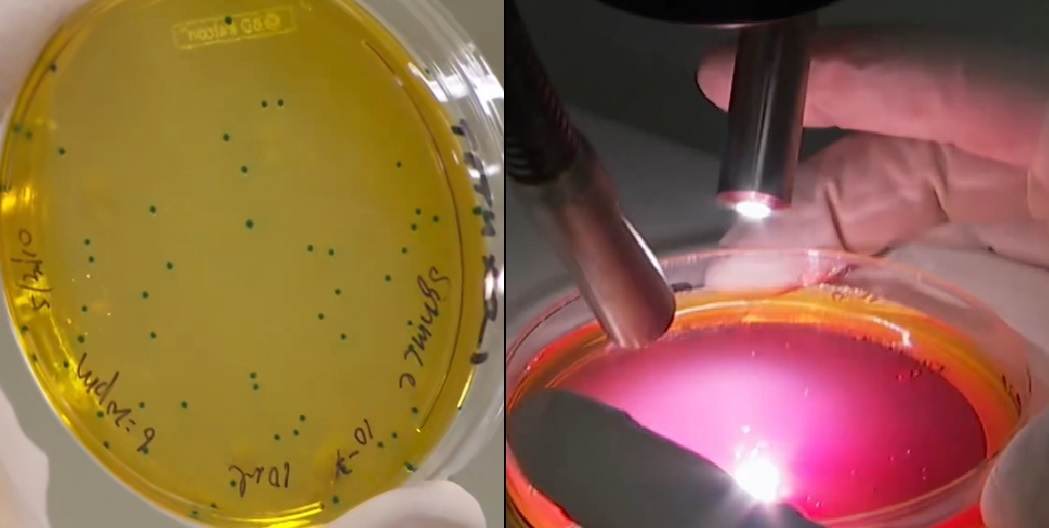
Space & Technology
ROCKVILLE, MARYLAND — May 2, 2026 : Researchers at the J. Craig Venter Institute (JCVI) have successfully created the world’s first synthetic bacterial species whose genetic instructions are entirely derived from a laboratory-designed chromosome rather than natural DNA. The milestone, first announced in 2010 after 15 years of research and approximately $40 million in investment, established a new technical foundation for the field of synthetic biology. The organism, named Mycoplasma mycoides JCVI-syn1.0, is a self-replicating bacterium whose genome was designed on a computer, chemically synthesized, and assembled in the laboratory before being transplanted into a recipient cell. Once activated, the synthetic genome directed the cell’s biological processes, allowing it to grow and divide under standard laboratory conditions. A Genome Built From Digital Design The project was led by geneticist J. Craig Venter, whose team constructed a complete genome consisting of approximately 1.08 million base pairs. The DNA sequence was based on the naturally occurring bacterium Mycoplasma mycoides, but included deliberate modifications such as watermark sequences, engineered deletions, and polymorphisms to distinguish it from naturally existing organisms. The synthetic genome was assembled from smaller chemically synthesized DNA fragments using enzymatic methods and cloning steps in yeast. It was then transplanted into a related bacterium, Mycoplasma capricolum, whose original genetic material had been removed. After transplantation, the recipient cell began expressing proteins and functions consistent with M. mycoides, demonstrating that control of the cell had shifted entirely to the synthetic chromosome. Demonstrating a Self-Replicating Synthetic Cell The resulting organism exhibited logarithmic growth and the ability to replicate indefinitely under appropriate conditions. Researchers confirmed that all cellular activity was governed by the synthetic DNA, making JCVI-syn1.0 the first example of a living cell controlled exclusively by a man-made genome. The work built on earlier achievements, including the 2008 chemical synthesis of the smaller genome of Mycoplasma genitalium. The 2010 experiment integrated advances in genome sequencing, DNA synthesis, assembly techniques, and transplantation methods developed over more than a decade. Collaboration and Technical Process The project involved collaboration between JCVI, Synthetic Genomics, and other research partners. Key technical steps included high-fidelity chemical synthesis of DNA segments, hierarchical genome assembly, cloning in yeast cells to maintain large DNA constructs, and precise genome transplantation into a prepared host cell. The success of these processes demonstrated that a complete bacterial genome could be converted from digital sequence information into a functioning biological system. Expansion to Minimal Synthetic Cells Following the creation of JCVI-syn1.0, researchers continued to refine genome design. In 2016, the team reported the development of JCVI-syn3.0, a minimal synthetic cell containing approximately 531,000 base pairs and 473 genes. This organism represents the smallest known genome capable of supporting independent self-replication, providing insights into the minimal genetic requirements for life. Scientific and Industrial Implications The ability to design and construct functional genomes has enabled further research into engineered microorganisms with specific capabilities. Applications under investigation include microbial systems for biofuel production, pharmaceutical synthesis, environmental remediation, and materials development. The work also established a framework for studying genome organization, essential genes, and cellular functions using fully controlled genetic systems. Biosafety and Regulatory Considerations The creation of a synthetic organism has prompted ongoing discussions among scientists, policymakers, and biosecurity experts. Key considerations include the environmental impact of potential accidental release, the dual-use nature of genome synthesis technologies, and the need for regulatory frameworks governing the creation and application of synthetic life forms. Oversight mechanisms continue to evolve as synthetic biology advances toward broader industrial and medical use. Renewed Attention Following Venter’s Death Interest in the 2010 breakthrough has resurfaced following the death of J. Craig Venter on April 29, 2026, at the age of 79. Archival reports and footage documenting the original announcement have reentered public discussion, highlighting the experiment’s role as the first clear demonstration that a self-replicating organism can be created using a genome entirely designed and synthesized by humans. The JCVI-syn1.0 project remains a central reference point in synthetic biology, marking the transition from reading genetic code to constructing and operating living systems based on engineered DNA.
Read More → Posted on 2026-05-02 16:53:00
Space & Technology
BAIKONUR, Kazakhstan — May 1, 2026: Russia has successfully carried out the maiden flight of its new Soyuz-5 medium-class carrier rocket, marking a significant step in the country’s ongoing efforts to modernise its space launch capabilities. The test launch was conducted on April 30, 2026, from Launch Site No. 45 at the Baikonur Cosmodrome. The rocket lifted off at 21:00 Moscow Time (18:00 UTC) and followed a planned suborbital trajectory. According to Roscosmos, the mission was designed to evaluate key flight parameters and overall system performance. Instead of carrying an operational payload, the vehicle transported a scale model mass simulator. Flight Performance and Mission Outcome Roscosmos reported that both stages of the Soyuz-5 functioned as expected during ascent. The payload mockup followed its calculated trajectory and successfully splashed down in a designated area of the Pacific Ocean approximately nine and a half minutes after liftoff. The suborbital profile allowed engineers to assess structural integrity, propulsion performance, and guidance systems under real flight conditions. The launch represents Russia’s ninth space mission of 2026. In comparison, the country conducted a total of 17 launches throughout 2025, indicating an increase in launch activity this year. Earlier in April, Russia also launched an Angara-1.2 carrier rocket carrying an undisclosed payload. Revival of Launch Site No. 45 The mission also marked the return to service of Launch Site No. 45, which had remained inactive for nine years. The facility was originally constructed for Zenit rockets, whose production depended on components manufactured in Ukraine. Following the disruption of these supply chains, operations at the site were halted. The development of the Soyuz-5 has enabled the reactivation and modernisation of the launch complex. The upgrade expands infrastructure capabilities at Baikonur and supports future launch operations under the joint Russian-Kazakh Baiterek project, where the Soyuz-5 is also referred to as “Sunkar” in Kazakhstan. Vehicle Design and Technical Characteristics The Soyuz-5 carrier rocket has been developed by the Progress Rocket Space Centre and is intended primarily for launching unmanned spacecraft into low Earth orbit. The vehicle stands 65.2 metres tall, has a diameter of 4.1 metres, and a launch mass of up to 531 tons. It is capable of delivering payloads of up to 17 tons to low Earth orbit. Unlike earlier members of the Soyuz family that use a clustered configuration with strap-on boosters, the Soyuz-5 adopts a two-stage tandem (serial) configuration. This design reduces dry mass and improves aerodynamic and operational efficiency. The first stage is powered by the RD-171MV engine, one of the most powerful liquid-propellant rocket engines currently in operation, using kerosene (RP-1) and liquid oxygen as propellants. The second stage is equipped with the RD-0124MS engine. For missions requiring higher orbital insertion, the rocket can be fitted with the Fregat-SSU upper stage. The propulsion system utilises non-toxic propellants compared to earlier Soviet-era launch systems that relied on hypergolic fuels, aligning with environmental requirements set by Kazakhstan for launches conducted from Baikonur. Programme Context and Future Outlook The Soyuz-5 programme is intended to replace older Zenit-class rockets and improve the cost efficiency of payload delivery. Russian space officials have indicated that the vehicle is expected to support both government and commercial missions. In addition to its role as a standalone launch vehicle, the first stage of the Soyuz-5 is planned to serve as a core component in the proposed “Yenisei” super-heavy launch system, which remains in the conceptual phase for future deep-space and lunar missions. Following this initial suborbital test, Roscosmos is expected to conduct a detailed analysis of telemetry data collected during the flight. No official timeline has been announced for subsequent test launches or the commencement of operational missions.
Read More → Posted on 2026-05-01 18:13:34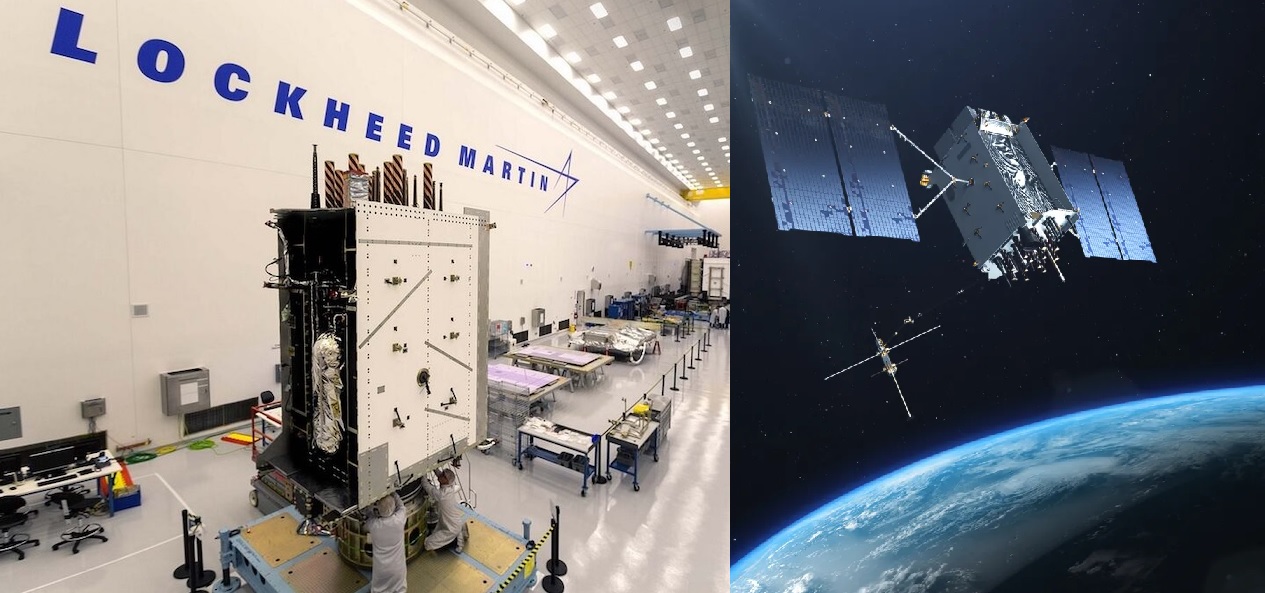
Space & Technology
DENVER — April 30, 2026 : Lockheed Martin has completed the core mate phase of the Global Positioning System (GPS) IIIF Space Vehicle 11 (SV11), marking a key production milestone in the development of the next-generation navigation satellite constellation. The core mate process integrates the satellite’s primary structure with its essential subsystems, signifying the structural completion of the spacecraft. SV11 is scheduled to be the first GPS IIIF satellite deployed into orbit, although it is the third spacecraft in the IIIF block to reach this stage. Space Vehicles 13 and 14 completed the same phase of assembly in 2025, indicating steady progress across the production line. All satellites are being assembled at Lockheed Martin’s facility in Denver, Colorado. Production Progress and Manufacturing Approach The company has reported improvements in manufacturing efficiency through the use of digital engineering tools, including digital twin models and augmented reality systems. These technologies are being applied to streamline assembly processes, reduce production timelines, and control costs as the GPS IIIF program advances. Christina Mancinelli, Vice President of Global Communications and Navigation at Lockheed Martin, stated that the completion of the SV11 core mate reflects continued production momentum. She noted that with three satellites now past this stage, the program is progressing toward delivering upgraded capabilities to meet operational requirements. Enhanced Capabilities of GPS IIIF Satellites The GPS IIIF (Follow-on) satellites are designed to introduce expanded functionality for both military and civilian users, while improving the overall resilience of the GPS constellation. One of the primary upgrades is Regional Military Protection (RMP), which uses high-powered, focused spot beam technology to strengthen signals over specific operational regions. This capability provides anti-jamming performance more than 60 times greater than earlier GPS satellites. The satellites also incorporate a fully digital navigation payload, representing an increase from approximately 70 percent digital payloads in the previous generation to 100 percent digital architecture in the IIIF series. SV11 is equipped to transmit M-Code, an encrypted military signal that offers enhanced anti-spoofing protection, three times greater accuracy, and eight times improved resistance to jamming compared to legacy systems. Additional onboard systems include Energetic Charged Particle (ECP) sensors for monitoring space weather and detecting environmental anomalies, along with a redesigned and lighter U.S. Nuclear Detonation Detection System (USNDS) payload. Each GPS IIIF satellite is also fitted with Laser Retroreflector Arrays (LRAs), which enable precise laser-based tracking from ground stations. This capability is intended to improve positioning accuracy for end users, with long-term goals of refining accuracy from approximately one meter to the centimeter level. For civilian applications, SV11 and subsequent satellites include a Cospas-Sarsat search and rescue payload capable of detecting 406 MHz distress beacons worldwide. This system supports emergency response efforts by enabling faster location of individuals in remote or maritime environments. Platform Upgrades and Future Integration Beginning with SV13, all GPS IIIF satellites will be built on Lockheed Martin’s LM2100 Combat Bus™, an updated spacecraft platform designed to enhance performance and adaptability. The platform includes additional cyber-hardening measures, increased power and propulsion capabilities, and expanded capacity for integrating future payloads. Lockheed Martin is currently under contract to manufacture GPS IIIF satellites through SV22, ensuring continued expansion and modernization of the constellation. Program Context and Ground System Modernization The development of the GPS IIIF series follows the completion of the previous generation. In April 2026, the U.S. Space Force launched GPS III-8 (SV10), completing the deployment of the GPS III active constellation. That mission was conducted aboard a SpaceX Falcon 9 from Cape Canaveral Space Force Station. To support the integration of the IIIF satellites, Space Systems Command recently awarded Lockheed Martin a task order contract valued at up to $105 million. The contract focuses on modernizing the Architecture Evolution Plan (AEP) ground control system, which will manage launch operations, early orbit activities, and eventual disposal of the new satellites. Launch Timeline The first launches of the GPS IIIF satellites are currently projected to begin in 2027. While a specific launch date for SV11 has not yet been announced, the completion of the core mate phase represents a significant step toward readiness for integration, testing, and eventual deployment. The GPS IIIF program is intended to sustain and enhance global positioning, navigation, and timing services for both defense and civilian users, supporting a wide range of applications worldwide.
Read More → Posted on 2026-04-30 18:29:53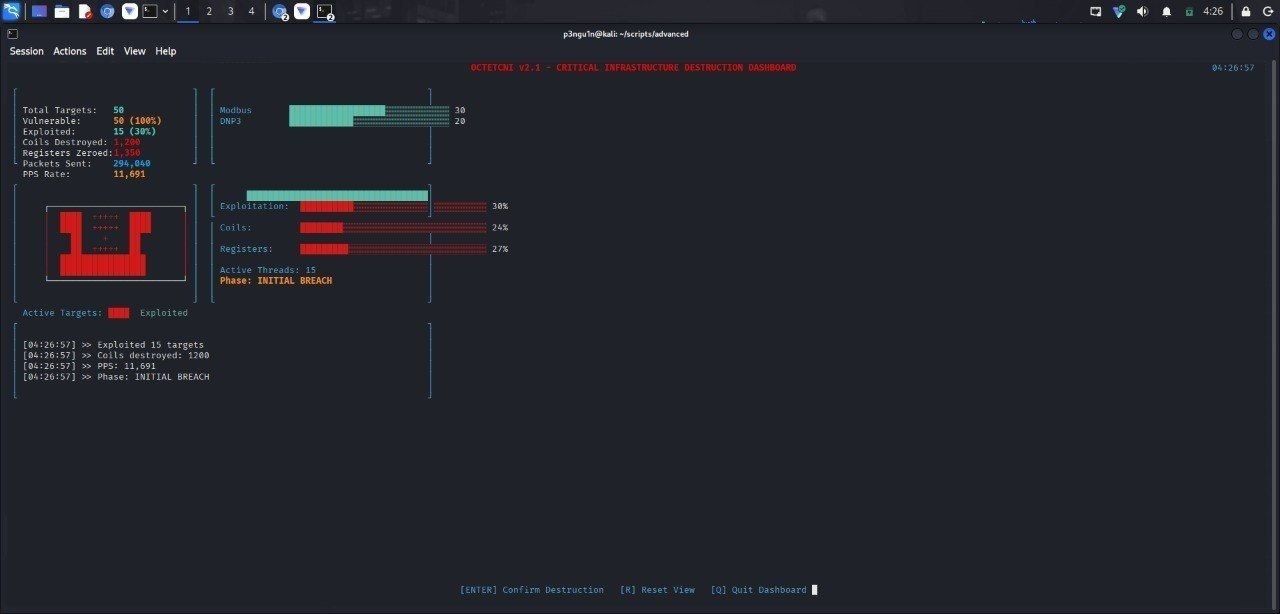
Space & Technology
New Delhi, — April 27, 2026 : An Indian hacktivist group operating under the name HackShyen has announced the deployment of a newly developed Critical National Infrastructure (CNI) exploitation framework, stating that the system is now fully operational and actively targeting infrastructure in Pakistan. According to information released by the group, the framework is being used in an ongoing campaign identified as BlackOutOp2026 and Revolutionize Indian Hacktivism. HackShyen describes the initiative as the largest cyber operation conducted by the group to date, with more than 400 industrial control systems (ICS) reportedly targeted across multiple sectors. Framework Deployment and Structure HackShyen stated that the exploitation framework has been made freely available to the broader Indian hacktivist community to support coordinated cyber operations. The system is designed to function autonomously, combining reconnaissance, exploitation, and disruption capabilities into a single integrated platform. The framework reportedly begins with an automated discovery phase that uses the Shodan Enterprise API to identify internet-exposed and potentially vulnerable ICS devices. These include systems operating on widely used industrial communication protocols such as Modbus and DNP3, as well as infrastructure associated with Siemens industrial technologies. Once targets are identified, the framework transitions directly into exploitation without requiring manual intervention. It operates on pre-configured instructions that determine which modules to activate, enabling continuous execution across multiple targets simultaneously. Exploitation Methods and Capabilities A central component of the framework involves protocol-specific exploitation techniques. HackShyen has highlighted the use of Modbus coil rewrite methods, which allow unauthorized modification of discrete outputs within industrial systems. In operational terms, these outputs function as switches controlling physical equipment. Through this approach, the framework enables remote manipulation of connected machinery by issuing direct ON/OFF commands. The system is designed to execute these actions without authentication where vulnerabilities exist, leveraging known weaknesses in legacy ICS protocols that lack built-in security controls. The framework also includes destruction-oriented modules intended to disrupt system functionality. These modules are activated automatically once access is established, according to the group’s description of its operational workflow. Reported Impact on Infrastructure HackShyen claims that the framework has already achieved scanning and access across hundreds of ICS devices within Pakistan’s critical infrastructure environment. The group reports that exploitation modules have been deployed on multiple systems, resulting in operational disruptions. The types of infrastructure identified as potential targets include electricity distribution systems, water supply networks, industrial manufacturing facilities, and other sectors dependent on automated control systems such as oil and gas and transportation. According to the group, the ability to manipulate ICS components can lead to direct physical consequences. These include power outages, disruption of water distribution, and shutdown or damage to industrial machinery through abrupt command execution. Previous Activity and Context HackShyen has previously claimed involvement in cyber operations targeting Pakistani entities. In January 2026, the group reported a data breach affecting the Water and Power Department in Gilgit-Baltistan, which it said impacted hydel power stations. Additional activity was reported in April 2026 involving operations against commercial sector domains. Pakistan has recorded 98 cyber incidents during the first quarter of 2026, affecting a range of sectors including federal and provincial institutions, businesses, and educational organizations. However, there has been no independent confirmation from Pakistani authorities directly linking these incidents to the current campaign. Verification and Ongoing Developments As of now, there is no independent verification of the scale of disruption claimed by HackShyen or official confirmation of widespread infrastructure impact. The group’s statements remain the primary source of information regarding the operation. The release and active deployment of an automated ICS exploitation framework represent a notable development in hacktivist activity, particularly in its focus on critical infrastructure systems and its use of scalable, protocol-based attack methods. Further details regarding the extent of the operation and its real-world impact are expected as additional information becomes available from official or independent sources.
Read More → Posted on 2026-04-27 14:18:24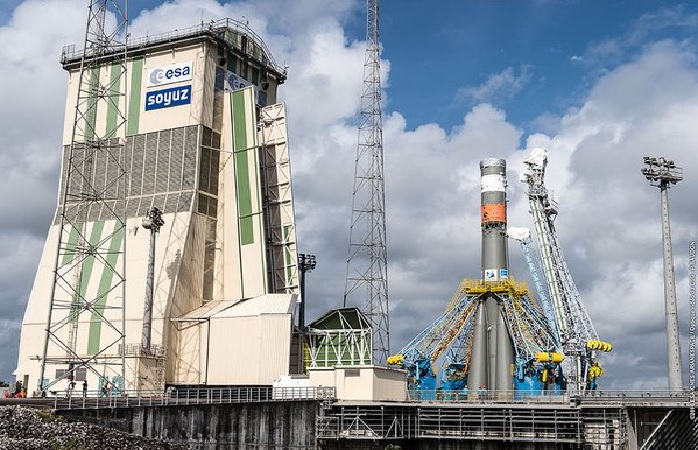
Space & Technology
KOUROU, French Guiana — April 24, 2026 : MaiaSpace has initiated dismantling work at the former Soyuz-ST launch complex at the Guiana Space Centre, marking the start of site conversion activities for its upcoming two-stage Maia launch vehicle. The facility, known as the Ensemble de Lancement Soyouz (ELS), has remained inactive since its last Soyuz-ST mission on February 10, 2022. Operations ceased after the European Space Agency ended cooperation with Russia following the suspension of joint space activities. Dismantling and Site Preparation Initial dismantling work has focused on removing key launch infrastructure. The service tower at the pad has been demolished, while earlier phases included cutting the four primary support arms used to hold the Soyuz rocket prior to liftoff and dismantling cable masts. Progress at the site was reported by the Russian Telegram community Zakrytyy kosmos. Transition to Maia Rocket Operations MaiaSpace, a subsidiary of ArianeGroup, was selected in September 2024 by the CNES to operate from the former Soyuz launch site. The selection followed a call for applications issued in April 2024. On February 24, 2026, MaiaSpace signed a Temporary Public Domain Occupancy Agreement with CNES and local authorities, formally granting access to the site and enabling modification work to begin. The facility has since been renamed ELM2, and the company plans to conduct all Maia launches from this location. Infrastructure Reuse and Investment The redevelopment strategy is based on reusing approximately 80 percent of existing infrastructure. Retained elements include assembly buildings, propellant and fuel storage systems, and railway tracks used for transporting rocket components. Total investment for the upgrade is expected to remain within several tens of millions of euros. Commercial Contracts and Launch Plans MaiaSpace has secured Eutelsat as a launch customer. A multi-launch agreement signed on January 16, 2026, covers deployment of satellites for the OneWeb low Earth orbit constellation, with missions scheduled to begin in 2027. The company’s development roadmap includes a suborbital test flight planned for late 2026. The mission will use a reduced propellant load and is intended to validate key flight phases such as liftoff, stage separation, and second-stage engine ignition, targeting an altitude of at least 100 kilometres. Ahead of this, the first Maia rocket is scheduled to be erected vertically on the launch pad by the end of 2026 for ground testing. Timeline for First Flights The first full orbital launch of the Maia rocket and the start of commercial operations are planned for 2027. MaiaSpace has not disclosed a detailed schedule for completion of dismantling activities or the start of new construction at the site. The Maia launcher is designed to deliver approximately 500 kilograms to low Earth orbit in reusable configuration and up to 1,500 kilograms in expendable mode.
Read More → Posted on 2026-04-24 16:32:16
Space & Technology
NEW DELHI,— April 9, 2026 : India has successfully demonstrated a 1,000-kilometre secure quantum communication network, marking one of the longest such networks globally and a significant milestone under the National Quantum Mission (NQM). The achievement was formally announced by the Department of Science and Technology (DST) on April 8, 2026. The demonstration was completed in less than two years after the National Quantum Mission became operational in October 2024, substantially ahead of the original target of building a 2,000-km network over an eight-year period extending to 2030–31. Indigenous Development and Technology Validation The network has been developed using indigenous technology by QNu Labs, an Indian startup supported under the National Quantum Mission. The company specialises in quantum-safe cybersecurity solutions and deployed its ARMOS Quantum Key Distribution (QKD) platform for the project. The system uses Quantum Key Distribution (QKD), a technology that transmits encryption keys using quantum principles instead of classical binary signals. This method ensures that any attempt to intercept communication can be immediately detected through disturbances in quantum states. The ARMOS platform was independently validated in collaboration with VIAVI Solutions using the MAP-300 test platform. Testing confirmed secure key generation over distances of up to 200 kilometres on standard telecom fibre without the need for signal amplification. Multiple such links were combined to achieve the full 1,000-km network. According to technical data, the system supports coexistence with 10 Gbps classical data traffic while maintaining a Quantum Bit Error Rate (QBER) below 4%, indicating stable and secure transmission performance. This milestone follows an earlier 500-km defence-grade quantum communication network completed in November 2025. Strategic Applications and Operational Capabilities The network is designed to strengthen secure communications across multiple critical sectors. These include military and defence communications, banking and financial systems, and other forms of critical national infrastructure that require high levels of cybersecurity. Officials stated that the system has been engineered to operate in challenging environments, including underwater and underground conditions. This expands its applicability for both civilian infrastructure and strategic deployments. Government Review and Official Statements The achievement was reviewed during a high-level meeting at the Department of Science and Technology chaired by Union Minister of State for Science and Technology, Dr. Jitendra Singh. DST Secretary Dr. Abhay Karandikar described the development as a landmark advancement in secure quantum communication and said it positions India among leading countries working on quantum technologies. Expansion of Startup Ecosystem Alongside the network demonstration, the government has expanded its support for quantum technology startups. The number of startups backed under the National Quantum Mission has increased from eight to 17, with nine additional deep-tech ventures added to the programme. These startups are working on a range of advanced technologies, including biosensors for disease detection, precision electronics, quantum positioning systems, photon-sensing technologies, and atomic memory solutions. Research Activity and Industry Participation The Technology Development Board (TDB) has reported strong industry engagement following the rollout of government support mechanisms. More than 100 research proposals were received within two months of issuing a call for submissions. In parallel, the biotechnology sector has also seen increased activity. Nearly 200 applications have been submitted for research projects in areas such as cancer treatment, gene therapy, and bio-manufacturing, supported through the Biotechnology Industry Research Assistance Council (BIRAC). Funding Mechanisms and Policy Support To support the growth of deep-tech startups, the government is introducing new funding structures, including optionally convertible debt (OCD). This mechanism enables startups to raise capital while deferring equity dilution for founders, allowing greater operational flexibility during early growth stages. These initiatives are aligned with the broader ₹1 lakh crore Research Development Innovation (RDI) Fund aimed at strengthening India’s innovation ecosystem. National Quantum Mission Framework The National Quantum Mission was approved by the Union Cabinet in April 2023 with a total financial outlay of ₹6,003.65 crore for the period from 2023–24 to 2030–31. The mission’s objectives include the development of intermediate-scale quantum computers, satellite-based secure quantum communication over distances exceeding 2,000 kilometres, multi-node quantum networks incorporating quantum memories, and the establishment of international quantum-secure communication links. The successful 1,000-km demonstration represents a key step toward achieving these targets and advancing India’s capabilities in quantum-secure communication infrastructure.
Read More → Posted on 2026-04-09 18:07:03
Space & Technology
MOSCOW, — April 6, 2026 : Newly examined historical records and declassified technical data provide a detailed account of the Soviet Union’s nuclear thermal rocket (NTR) development program, a long-running Cold War engineering effort that spanned from 1955 through the late 1980s and produced one of the most advanced ground-tested nuclear propulsion systems of its time. The program, initiated in 1955 under the leadership of academician M.V. Keldysh at NII-1 of the Ministry of Aviation Industry, evolved into a structured development effort by 1965. Engine design work was led by the Chemical Automatics Design Bureau (KBKhA), also known as the Kosberg Design Bureau, in Voronezh, with contributions from the Kurchatov Institute and NPO Luch. The objective was to develop solid-core nuclear thermal propulsion systems using liquid hydrogen for high-efficiency spaceflight, particularly for deep-space missions and heavy payload transport. Testing Infrastructure and Program Scope To support the program, the Soviet Union established specialized test infrastructure at the Semipalatinsk Test Site in present-day Kazakhstan. This included the Baikal-1 testing complex, located approximately 65 kilometers south of Semipalatinsk-21. Between 1970 and 1988, approximately 30 simulated flight tests were conducted at the site without recorded failure, demonstrating sustained operational reliability under controlled conditions. Testing operations were conducted in deep vertical shafts, with one Major Testing Facility extending about 150 meters underground to safely manage nuclear reactor operations during engine firings. RD-0410 Engine Development and Configuration The primary achievement of the program was the RD-0410 nuclear thermal rocket engine (GRAU index: 11B91), which reached full ground-test operational status. Designed as a compact, high-efficiency propulsion unit, the engine prioritized specific impulse over high thrust output. The RD-0410 utilized a solid-core reactor with uranium-based carbide fuel elements. Materials included uranium/tungsten carbide (U/W-C), uranium-zirconium carbide ((U,Zr)C), and advanced ternary carbides and carbonitrides such as (U,Zr,Nb)C and (U,Zr,Ta)C. These fuel elements were manufactured in a twisted-ribbon geometry, approximately 100 millimeters in length and 2 millimeters in diameter, increasing surface area to enhance heat transfer efficiency. A zirconium hydride (ZrH) moderator was integrated into the reactor core to maintain low neutron energy and sustain a high fission cross-section. Thermal insulation separated the moderator and fuel sections, enabling a compact core structure. Liquid hydrogen propellant was routed first through the moderator to regulate neutron behavior before being directed over the heated fuel rods. To mitigate chemical interaction between hydrogen and carbide fuel at high temperatures, approximately 1 percent hexane was introduced into the propellant stream after it passed through the moderator. Performance and Test Milestones Ground testing of the RD-0410 was conducted primarily during the 1970s and 1980s. The first physical launch of the 11B91 prototype occurred on September 17, 1977, followed by an energy launch on March 27, 1978. Subsequent fire tests in 1978 successfully demonstrated reactor startup. By 1981, the engine achieved its full design operating duration of one hour, reaching temperatures of up to 3,100 Kelvin. The reactor produced thermal power levels between 62 and 63 megawatts during testing. Performance specifications included a vacuum thrust of 35.2 kilonewtons, a specific impulse of 910 seconds—equivalent to an exhaust velocity of approximately 8,920 meters per second—and a maximum burn time of 3,600 seconds. The engine had an unfueled mass of approximately 2,000 kilograms, with overall dimensions of 3.5 meters in length and 1.6 meters in diameter, resulting in a thrust-to-weight ratio of 1.8. The RD-0410 also incorporated bimodal capability, allowing it to generate approximately 200 kilowatts of electrical power in addition to propulsion. It remains the only Soviet nuclear thermal engine to achieve full operational ground-test status. RD-0411 and Mars Mission Concepts Building on the RD-0410, Soviet engineers developed conceptual designs for a larger engine designated RD-0411 (GRAU index: 11B92) in the early 1970s. This variant was intended to serve as a primary propulsion system for interplanetary missions, including crewed Mars expeditions. Available records indicate that the RD-0411 was designed to produce approximately 392 to 400 kilonewtons of vacuum thrust. It was incorporated into mission architectures such as the Kurchatov Institute’s “Mars 1994” proposal, which envisioned assembling a multi-stage spacecraft in low Earth orbit before departure for Mars. Despite its planned role, the RD-0411 remained at the design and study stage and did not proceed to ground testing. Additional proposed variants, including RD-0412 and RD-0413, as well as hybrid nuclear thermal-electric systems under designations such as 11B97, also did not advance beyond preliminary development. Program Termination and Legacy The Soviet nuclear thermal rocket program began to slow in the late 1980s amid economic constraints, the political restructuring of Perestroika, and broader shifts in national priorities following the 1986 Chernobyl accident. Development work on the RD-0410 and associated systems ceased between 1988 and 1989, coinciding with the dissolution of the Soviet Union. None of the engines developed under the program were ever flown in space. However, the RD-0410 completed all planned ground-test objectives and provided extensive data on high-temperature carbide fuels, compact reactor configurations, and advanced fuel geometries. Current Russian Nuclear Propulsion Direction In the decades since the program’s termination, the Russian Federation has not resumed development of solid-core nuclear thermal propulsion systems such as the RD-0410 or RD-0411. Instead, research has shifted toward nuclear electric propulsion (NEP) technologies. Current efforts are centered on the Transport and Energy Module (TEM), also known as the “Zeus” system, being developed by Roscosmos and the Keldysh Research Center. Unlike nuclear thermal engines, the TEM uses a megawatt-class nuclear reactor to generate electrical power, which is then used to operate ion or Hall-effect thrusters for efficient, long-duration space missions. Recent work has included ground testing of radiator systems and electric propulsion components, with the platform intended for future uncrewed orbital and deep-space transport applications. The Soviet-era RD-0410 and its related concepts remain part of the historical record of Cold War aerospace engineering, representing a fully tested but never deployed approach to nuclear-powered space propulsion.
Read More → Posted on 2026-04-06 17:32:17Search
Top Trending in 24 Hours
-
 Unitree Unveils H2-X ‘Kung Fu Legend: Guardian’ Humanoid Robot for Security and Rescue
-
 US Firm Heaviside Unveils 2.3-Kg TYR Loitering Munition With 40-Km Range at AUSA 2026
-
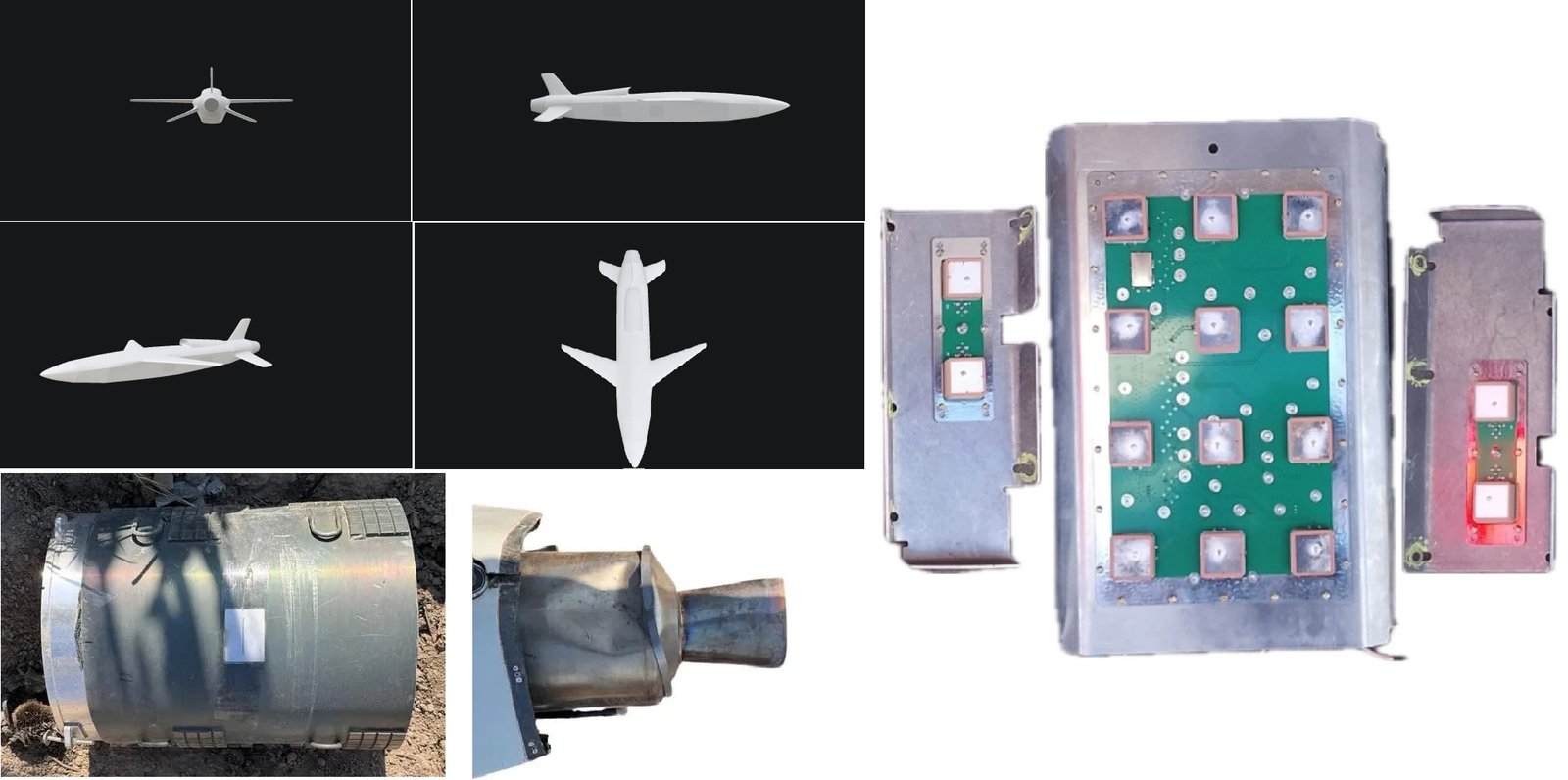 Ukraine Reveals Technical Details of Russia’s New Filin Cruise Missile
-
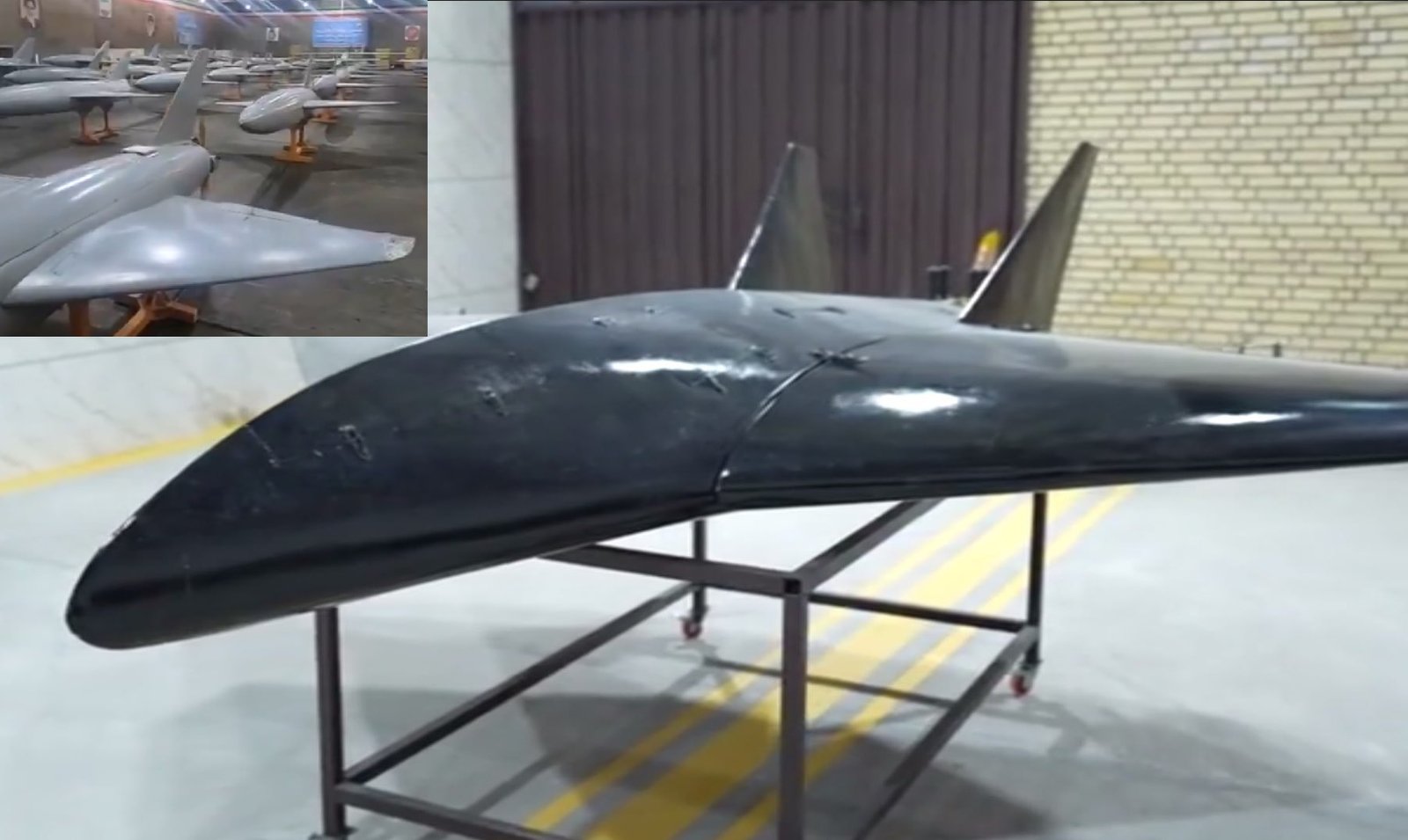 Iran Showcases Upgraded Arash-3 Drone with 100 kg Warhead, AI Targeting and GPS-Independent Navigation
-
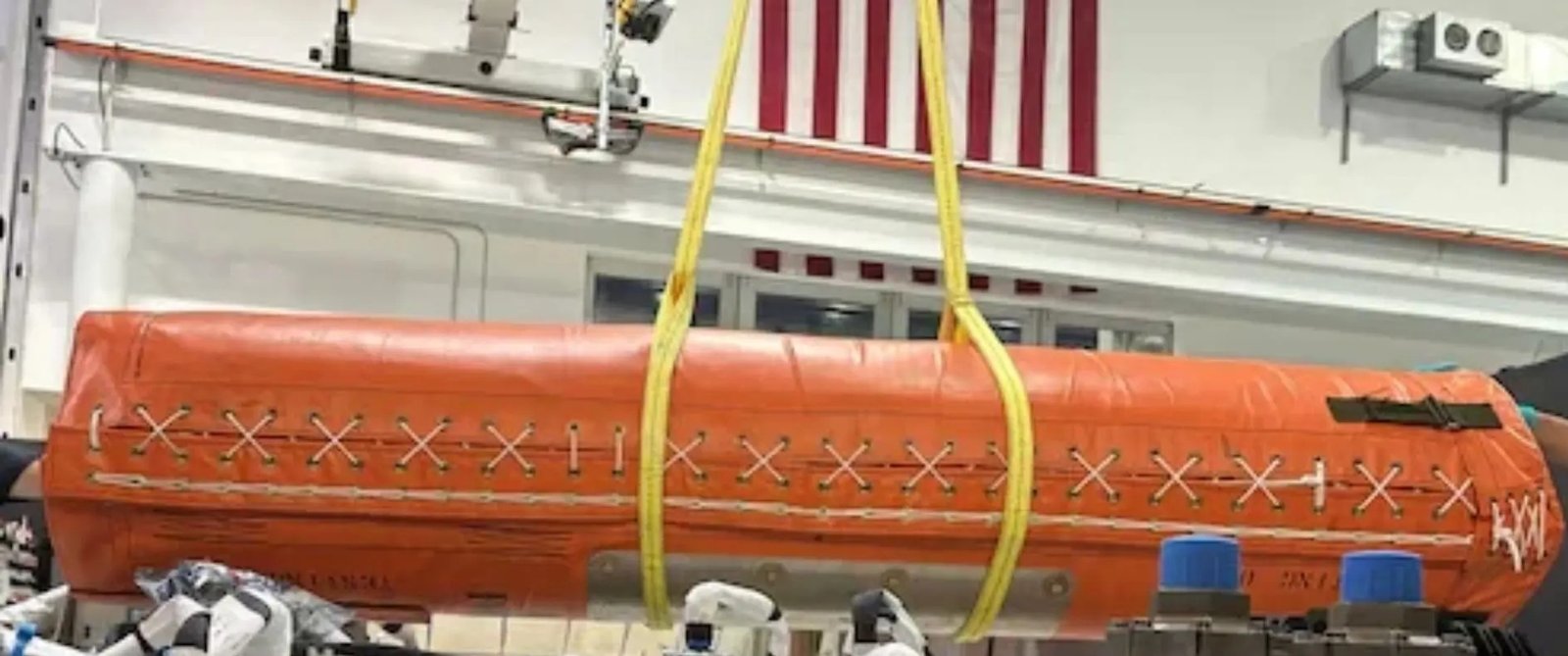 U.S. Air Force Tests SpaceX Starfall Capsule for Rapid Global Military Cargo Delivery
-
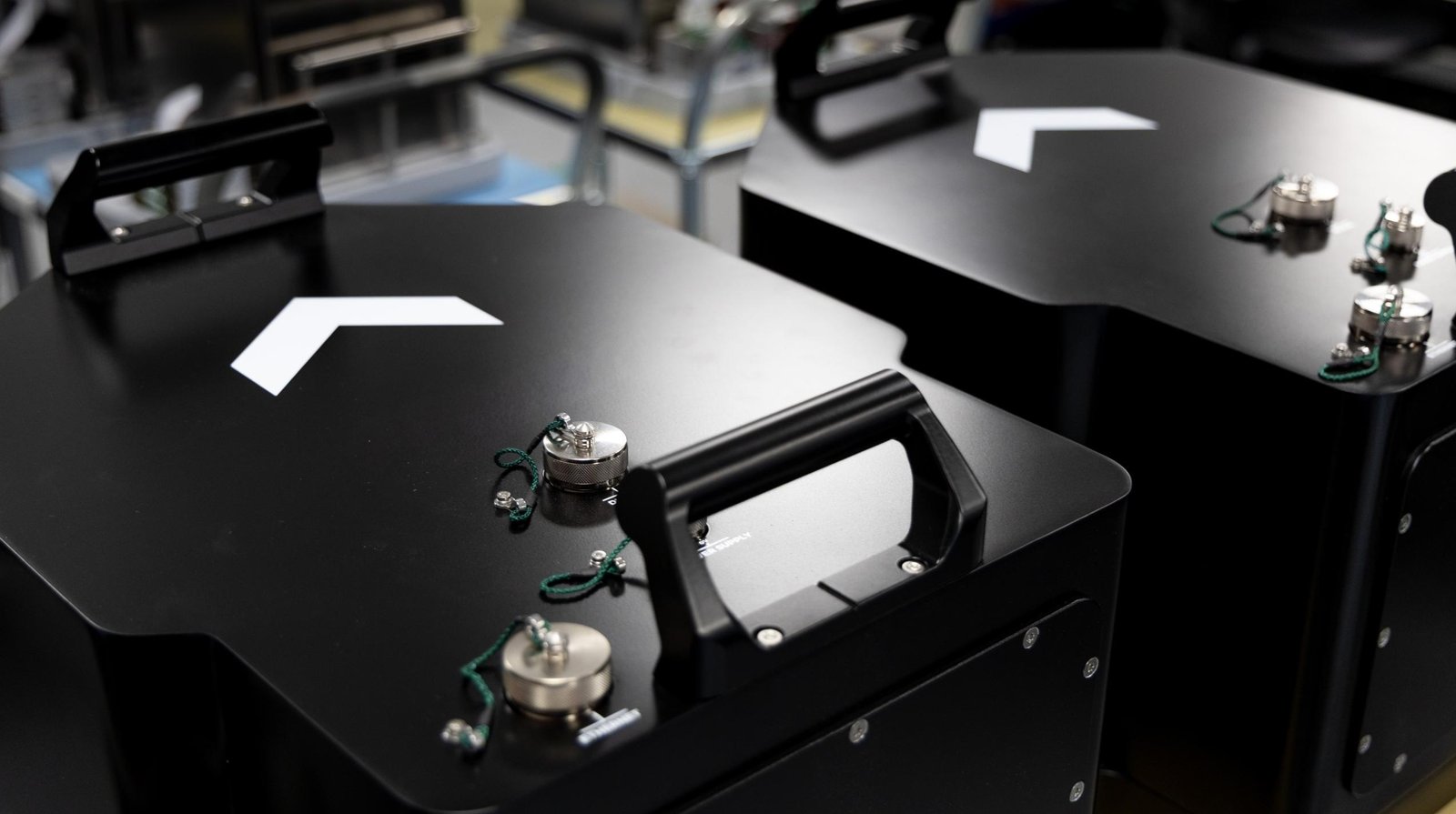 Exail Wins Major Contract to Equip Entire Fleet of Uncrewed Surface Vessels with Marins Inertial Navigation Systems
-
 General Dynamics Unveils PERCH 2.0 Drone System for Abrams Tanks and Stryker Vehicles
-
 Voyant Demonstrates Satellite-Free Navigation Technology for UK Ministry of Defence
Top Trending in 4 Days
-
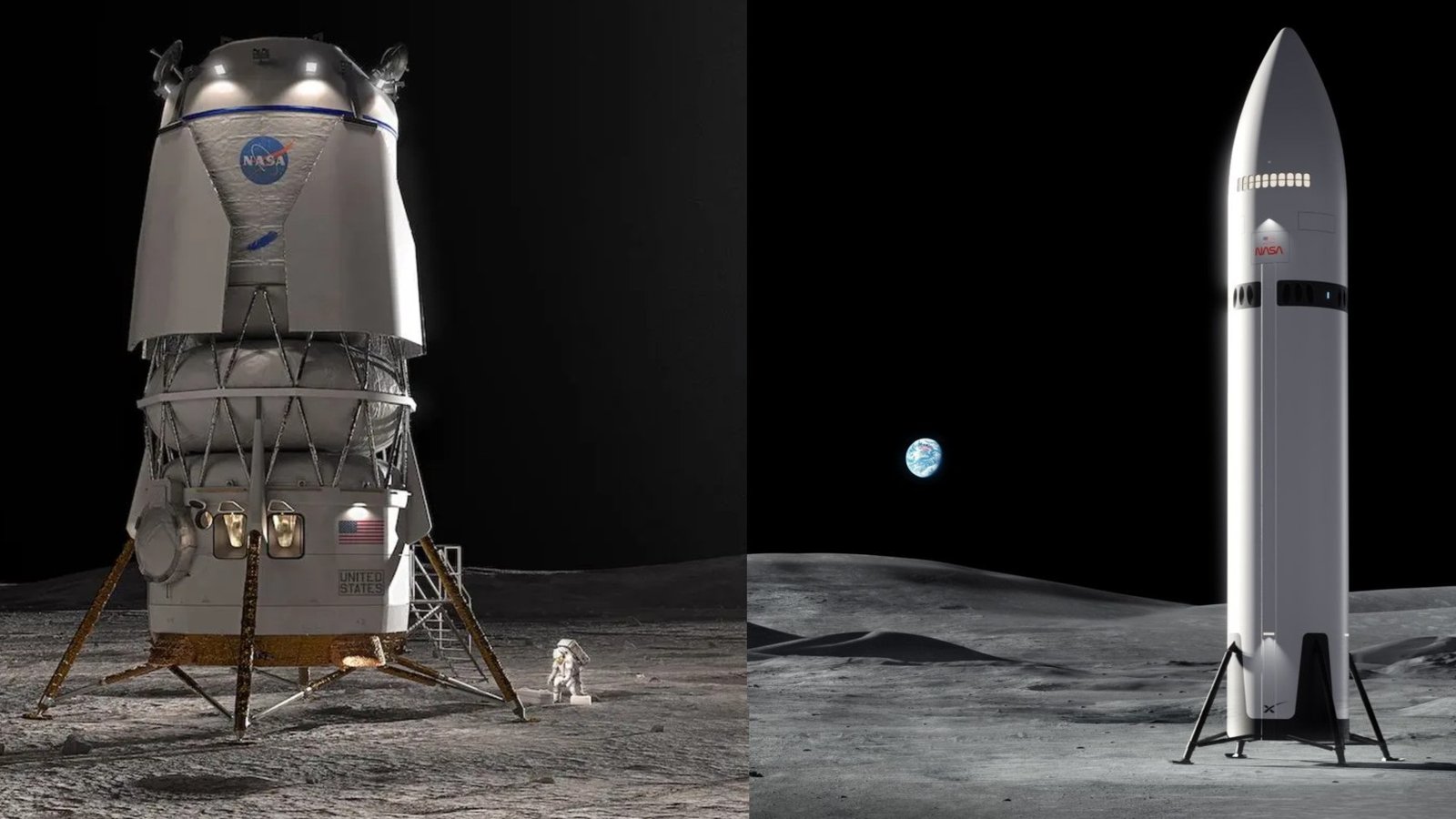 NASA Sets New Artemis Milestones as SpaceX and Blue Origin Target Moon Landings in 2027–2028
-
 US Weighs Strikes on Iran’s Kharg Island Oil Hub Ahead of Midterm Elections
-
 U.S. Air Force Awards HII Subsidiary Enlighten IT $332.8 Million Cyber Defense Contract
-
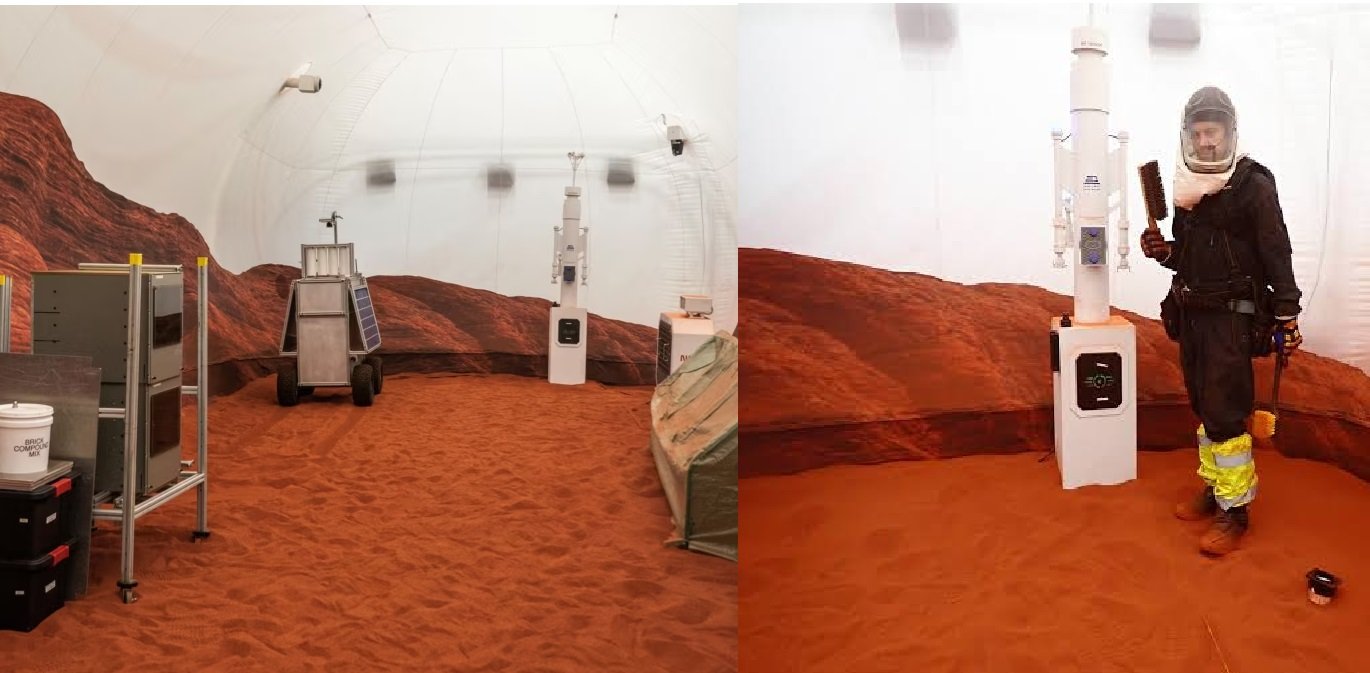 Four NASA Volunteers Mark One Year in Simulated Mars Habitat
-
 U.S. Navy Awards HII $99.1 Million Contract Modification for Zumwalt-class Destroyer USS Lyndon B. Johnson Sea Trials
-
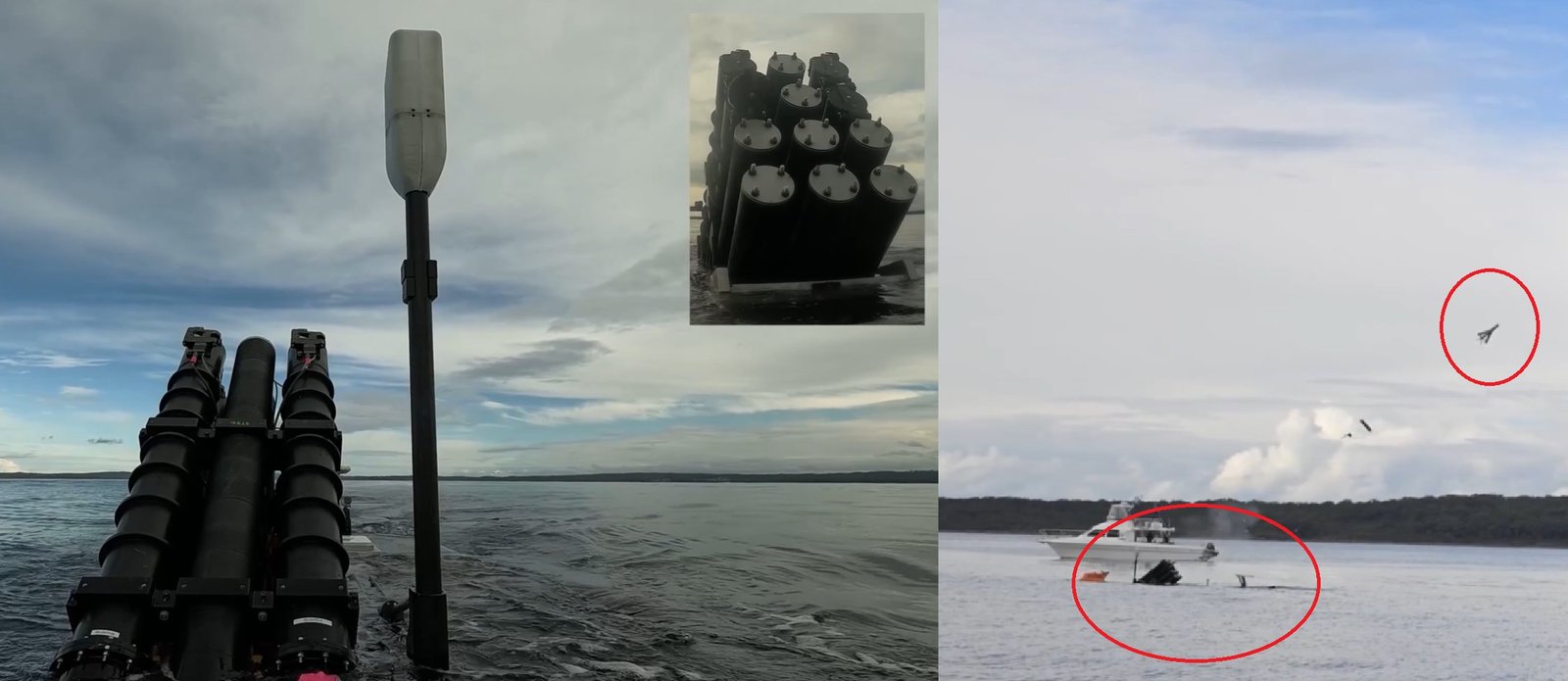 Australia Unveils Ghost Shark Autonomous Submarine’s Mine, Drone and Logistics Capabilities
-
 L3Harris Opens ‘Arsenal of Freedom’ Rocket Motor Plant in Arkansas to Double Production Capacity
-
 Russia Reportedly Offers Su-35 Fighters and S-400 Air Defence System to Protect Tehran