
Space & Technology
Indian scientists at IISc develop "space bricks" using lunar soil simulants, paving the way for sustainable construction on the moon.Researchers at the Indian Institute of Science (IISc) have made significant strides in developing "space bricks," which could be crucial for building structures on the moon. These bricks, made from lunar soil simulants (LSS), mimic the composition of actual lunar soil, which is abundant on the moon and can be used for construction.Using Lunar Soil for ConstructionLunar soil, or regolith, is a plentiful resource on the moon, making it an ideal material for building. By using LSS, scientists can create bricks that could form the basis of future lunar habitats and infrastructure. This approach significantly reduces the need for transporting building materials from Earth, which is costly and logistically challenging.Innovative Manufacturing ProcessThe IISc team has developed a unique liquid-state sintering process to create these space bricks. This process involves heating lunar regolith simulants to over 1,200°C, the melting point of basalt. Basalt is a common mineral in lunar soil, and when it melts, it acts as a binder, giving the bricks a much higher strength. The resulting space bricks have a compressive strength of up to 58 MPa, nearly four times stronger than those made with traditional solid-state sintering at lower temperatures.Sustainable and Cost-EffectiveThe manufacturing process for these space bricks is both sustainable and cost-effective. The researchers use urea, which can be sourced from human urine, and lunar soil as primary materials, reducing overall costs. Additionally, instead of traditional cement, guar gum is used as a supporting agent, lowering the carbon footprint of the bricks.This method not only holds promise for lunar construction but could also be adapted to produce sustainable bricks on Earth, offering a greener alternative to conventional building materials.Collaborative EffortsThe project is a collaborative effort that combines expertise from biology and mechanical engineering. By harnessing the natural mineral precipitation abilities of bacteria, the team has developed a process that is innovative and practical for space applications. The collaboration with the Indian Space Research Organisation (ISRO) has been vital in advancing this research, providing the necessary support and resources.Potential ApplicationsThese space bricks could be used to construct load-bearing habitats and other infrastructure on the moon, paving the way for future lunar missions and potentially permanent settlements. By using resources available on the moon, this method could significantly reduce the dependence on Earth-based materials, making lunar construction more feasible and economical.ConclusionThe development of space bricks by IISc scientists represents a significant advancement in the field of space construction. With the potential to use lunar soil for building, this innovation could help establish sustainable human presence on the moon. The research also highlights the importance of interdisciplinary collaboration and sustainable practices in advancing space exploration technologies.
Read More → Posted on 2024-05-28 16:44:10
Space & Technology
Pixxel plans to launch six hyperspectral imagery satellites in 2024 with ISRO and SpaceX to enhance environmental monitoring and support various industries.Bangalore-based space tech start-up Pixxel is gearing up to launch six satellites in 2024. The company's CEO, Awais Ahmed, has confirmed that these launches will utilize rockets from both the Indian Space Research Organisation (ISRO) and Elon Musk's SpaceX.Ahmed explained that the choice of launch partner will depend on the readiness of their satellites and the schedules of the launch providers. “We are likely to have launches on both SpaceX and PSLV (ISRO's Polar Satellite Launch Vehicle). However, this decision hinges on our satellite readiness and the specific timelines of the launches,” he said.During the inauguration of its 30,000-square-foot facility in Bangalore in February, Pixxel announced its plan to launch six hyperspectral imagery satellites. These satellites will form part of a larger constellation aimed at serving industries such as agriculture, energy, forestry, and environmental monitoring.Pixxel's expansion comes amid a favorable environment for Indian space tech start-ups, bolstered by government support and growing interest from venture capitalists. The space industry in India is projected to reach $44 billion by 2033.Ahmed noted the reliability of SpaceX's Transporter missions, which are designed to carry multiple small satellites into space. “SpaceX missions are usually on time, but there have been instances of delays. For ISRO's PSLV missions, the schedule depends on the primary satellite. If the primary satellite's launch is delayed, our launch has to wait. Therefore, we might have two launches—one with SpaceX and another with ISRO—depending on the circumstances,” he added.Pixxel's track record includes the launch of its Shakuntala (Technology Demonstrator-2) satellite on SpaceX's Falcon-9 rocket in 2022. To date, the start-up has launched three satellites, with the latest launch occurring in November 2022.At their MegaPixxel spacecraft manufacturing facility, which can produce up to 40 large satellites annually, Pixxel is currently working on around nine satellites. Ahmed mentioned that they plan to increase this number in the latter half of the year and into the next year.Additional Context from the Space IndustryPixxel's endeavors align with a broader trend in the space industry where small satellite constellations are increasingly used for Earth observation and data collection. These constellations provide high-resolution images and data that can be used for various applications, from monitoring climate change to improving agricultural practices.SpaceX's Transporter missions offer a cost-effective way for companies like Pixxel to launch multiple small satellites. These rideshare missions have democratized access to space, enabling smaller companies to deploy their technology without the need for dedicated launches.ISRO's PSLV has a long history of successful launches and is known for its versatility in deploying satellites into different orbits. This makes it a reliable option for companies looking to place satellites in specific orbits that match their mission requirements.Pixxel's hyperspectral satellites are expected to provide valuable insights by capturing data across a wide range of wavelengths, which can be used to detect changes in vegetation, soil, water quality, and other environmental parameters. This technology can significantly enhance the ability to monitor and manage natural resources and respond to environmental challenges.As Pixxel continues to grow and expand its satellite constellation, it is poised to make significant contributions to the space industry and the various sectors that rely on satellite data.
Read More → Posted on 2024-05-28 15:47:52
Space & Technology
NASA launches the PREFIRE mission to study heat emissions from Earth's polar regions, aiming to improve climate change predictions. The mission involves two CubeSats measuring far-infrared radiation.NASA has successfully launched the first of two climate satellites designed to measure heat emissions from Earth's polar regions. The launch took place on Rocket Lab's Electron rocket from Mahia, New Zealand, at 7:41 pm NZST (3:41 am EDT) on Saturday. The mission, called PREFIRE (Polar Radiant Energy in the Far-InfraRed Experiment), involves two small CubeSats that will gather critical data on heat radiation from the Arctic and Antarctic.The PREFIRE mission aims to improve our understanding of how much energy Earth absorbs and releases, particularly from its coldest regions. This data is essential for predicting changes in sea ice, ice sheet melt, and sea level rise, which are crucial for various sectors, including agriculture, fishing, and coastal communities.Ground controllers confirmed that they established communication with the first CubeSat at 8:48 EDT. The second CubeSat is scheduled to launch in the coming days. After a 30-day period to ensure both satellites are functioning correctly, the mission will begin its 10-month operation.Importance of the PREFIRE MissionThe PREFIRE mission addresses a significant gap in our knowledge of Earth's energy budget—the balance between the incoming heat from the Sun and the outgoing heat radiated by the planet. Most of the heat emitted from the polar regions is in the form of far-infrared radiation, which has not been measured in detail until now.Water vapor and cloud characteristics in the atmosphere affect the amount of far-infrared radiation that escapes into space. By measuring this radiation, PREFIRE will help scientists understand when and where heat is being emitted from the poles. This information is vital for improving climate and weather models, leading to better predictions of global warming impacts.Technological InnovationsThe CubeSats carry thermal infrared spectrometers that use specialized mirrors and sensors to measure infrared wavelengths. The instruments were miniaturized to fit into the CubeSat format, a challenging feat that required innovative engineering solutions.Collaboration and DevelopmentThe PREFIRE mission is a collaborative effort between NASA and the University of Wisconsin-Madison. NASA's Jet Propulsion Laboratory (JPL) manages the mission, and Blue Canyon Technologies built the CubeSats. The University of Wisconsin-Madison will handle data processing. Rocket Lab USA Inc., based in Long Beach, California, provided the launch services under NASA's Venture-class Acquisition of Dedicated and Rideshare (VADR) launch services contract.Broader ImplicationsThis mission is part of NASA's broader effort to understand Earth's changing climate. By providing detailed measurements of far-infrared radiation, PREFIRE will enhance our ability to predict and respond to climate changes, especially in the rapidly warming Arctic region.Looking AheadThe successful launch of the first PREFIRE CubeSat marks a significant step in climate research. With the second CubeSat soon to join its counterpart in orbit, scientists are eager to begin analyzing the data that will provide new insights into Earth's heat balance and its implications for global climate patterns.
Read More → Posted on 2024-05-27 15:38:12
Space & Technology
The US will send an Indian astronaut to the International Space Station by the end of this year, strengthening space collaboration between the two nations. Additionally, the joint NASA-ISRO NISAR project is set to launch, enhancing global environmental monitoring.The United States has announced that it will send an Indian astronaut to the International Space Station (ISS) by the end of this year. This announcement was made by Eric Garcetti, the US Ambassador to India, during an event celebrating the 248th Independence Day of the United States.This move is part of the promises made during Indian Prime Minister Narendra Modi’s visit to the US in 2023. Ambassador Garcetti confirmed that the mission is on track and emphasized the importance of this collaboration in strengthening the ties between the two countries.NISAR Project to Launch This YearIn addition to the astronaut mission, Garcetti mentioned the upcoming launch of the NISAR project, a joint Earth-observing mission between NASA and the Indian Space Research Organization (ISRO). The NISAR satellite aims to monitor global environmental changes and natural disasters, enhancing the understanding of climate change and ecosystem disturbances.Enhancing Technological CollaborationGarcetti highlighted the potential for increased collaboration in research and emerging technologies between the US and India. He pointed out that India’s success with the Chandrayaan 3 lunar mission, achieved at a significantly lower cost than similar US missions, demonstrates the complementary strengths of the two nations. By combining their capabilities, both countries can achieve greater technological advancements.Civilian Nuclear Energy CooperationOn the topic of civilian nuclear energy, Garcetti expressed optimism about resolving outstanding issues related to the Civil Liability for Nuclear Damage Act of 2010. This Indian law, which mandates prompt compensation for victims of nuclear incidents, has raised concerns among US companies. These companies are interested in building nuclear reactors at designated sites in Gujarat and Andhra Pradesh but are cautious due to the liability stipulations.Looking ForwardThis collaboration reflects the growing partnership between the US and India in space exploration and technology. As both countries continue to leverage each other's strengths, these initiatives are expected to lead to significant advancements in space technology, environmental monitoring, and nuclear energy.Additional ContextThe participation of an Indian astronaut in the ISS mission marks a significant milestone in India's space exploration journey, reflecting its increasing role in international space endeavors. The NISAR project, equipped with advanced radar systems, will provide critical data for managing natural resources and responding to natural disasters. This mission exemplifies how international cooperation can lead to significant scientific and technological achievements.In the realm of nuclear energy, the resolution of liability issues could pave the way for substantial investment and collaboration, enhancing India's energy security and contributing to global efforts in developing safe nuclear energy technologies. This cooperation is part of a broader strategic partnership between the two countries, aiming to address global challenges and promote sustainable development.
Read More → Posted on 2024-05-23 15:42:55
Space & Technology
Indian-origin entrepreneur Gopichand Thotakura becomes the first Indian tourist to venture into space aboard Blue Origin's NS-25 mission, marking a historic moment in commercial space travel.Gopichand Thotakura, an Indian-origin entrepreneur and pilot, has made history as the first Indian tourist to venture into space. He was part of the Blue Origin NS-25 mission, founded by Amazon's Jeff Bezos. The mission, which marked Blue Origin’s seventh human spaceflight and the 25th flight for the New Shepard program, successfully launched on May 19th.During the mission, Thotakura proudly displayed a small Indian flag while floating in space, a moment captured in a video posted on Blue Origin’s official Instagram account. In the video, Thotakura also held a placard stating, "I am an Eco hero of my sustainable planet," as he and his six fellow crew members enjoyed the weightlessness of space.Reflecting on his experience, Thotakura described the trip as “amazing” and encouraged others to experience space travel, saying, "You have to see it with your eyes... everybody should go to space. It was good to see Earth from the other side."The crew for this mission included diverse individuals such as Mason Angel, Sylvain Chiron, Kenneth L. Hess, Carol Schaller, and former Air Force Captain Ed Dwight. Dwight holds a significant place in history, having been selected by President John F. Kennedy in 1961 as the nation's first black astronaut candidate, though he never flew in space.The NS-25 mission is part of Blue Origin’s ongoing efforts to make space travel accessible to private individuals. The successful flight continues to showcase the potential for commercial space tourism and the broader vision of expanding human presence beyond Earth.Thotakura’s journey has garnered significant attention on social media, with many users from India and around the world expressing their excitement and congratulations. Comments such as “LOVE FROM INDIA” and “Best of luck from India .. love u all” reflect the pride and support for Thotakura's achievement.Blue Origin, founded in 2000, aims to develop technologies to enable private human access to space. The New Shepard suborbital vehicle is designed for vertical takeoff and landing, providing a platform for space tourism and scientific research.
Read More → Posted on 2024-05-22 16:02:05
Space & Technology
AstroSat has discovered unique aperiodic modulation of high-energy X-ray photons in the black hole binary Swift J1727.8-1613, revealing evolving QPO frequencies. This finding enhances our understanding of black hole accretion dynamics and high-energy astrophysics.A team of astrophysicists from the U R Rao Satellite Centre (URSC)/ISRO, along with collaborators from the Indian Institute of Technology Guwahati (IITG), University of Mumbai, and Tata Institute of Fundamental Research (TIFR), has made a significant discovery using AstroSat. The team observed ‘aperiodic modulation’ of high-energy X-ray photons during an unusual outburst phase of the black hole binary source Swift J1727.8-1613. Their findings have been published in the international journal Monthly Notices of the Royal Astronomical Society (MNRAS).In black hole X-ray binary (BH-XRB) systems, a black hole and its companion star are gravitationally bound. The black hole draws matter from its companion, forming a hot, luminous accretion disk that emits high-energy X-rays. These X-rays serve as cosmic indicators, allowing scientists to study black holes, which cannot be observed directly.Swift J1727.8-1613, a black hole X-ray transient (BH-XRT), was discovered on August 24, 2023, by Swift/BAT. Subsequent monitoring by MAXI/GSC identified it as one of the brightest sources, peaking at around 7 Crab in X-ray intensity. AstroSat first observed this source on September 2, 2023, and continued observations until September 14, 2023, with a total exposure time of approximately 207 kiloseconds.The study revealed that the ‘aperiodic modulation’ of high-energy X-ray photons led to Quasi-periodic Oscillation (QPO) at a fixed frequency. Over seven days, the QPO frequency of these high-energy photons (around 100 kilo-electron Volts, equivalent to 1 billion Kelvin) shifted from 1.4 Hz to 2.6 Hz. This phenomenon, detected for the first time in a BH-XRB, is notable for its rapid evolution.The research highlighted that high-energy X-rays, or hard X-rays, are produced by the reprocessing of low-energy photons (soft X-rays) from the accretion disk by hot electrons in the inner disk through the Compton scattering process. During AstroSat's observations, Swift J1727.8-1613 was primarily in a Comptonized emission state (~90%) with minimal thermal disk emission (~10%). This indicates that the Comptonized X-ray photons exhibit ‘aperiodic modulation,’ resulting in the observed QPO features.QPOs are crucial for understanding accreting black hole systems. By examining the periodic variations of X-ray photons, scientists can gain insights into the black hole’s gravity and accretion processes.The team utilized the Large Area X-ray Proportional Counter (LAXPC) on AstroSat, which offers high time resolution (~10 microseconds) and a large photon collecting area, enabling the detailed study of QPOs at higher energies. They also used data from the NICER instrument on the International Space Station (ISS) to understand the source's spectral energy distribution.This discovery showcases the advanced capabilities of AstroSat in studying high-energy astrophysical phenomena and contributes significantly to our understanding of black hole dynamics and accretion processes.
Read More → Posted on 2024-05-21 08:57:27
NASA-funded Howe Industries For Pulsed Plasma Rocket Concept: Sending Astronauts to Mars in 2 Months
Space & Technology
Howe Industries' Pulsed Plasma Rocket (PPR) promises to slash Mars travel time to just two months, revolutionizing space exploration.A new rocket system, the Pulsed Plasma Rocket (PPR), under development by Howe Industries, promises to revolutionize future missions to Mars by significantly reducing travel time. With current propulsion technology, a round trip to Mars can take nearly two years, but the PPR aims to shorten this journey to just two months.Challenges of Mars MissionsLanding humans on Mars involves numerous challenges, one of which is transporting large payloads quickly and efficiently. The PPR is designed to address this by offering far greater efficiency than existing propulsion methods.How the PPR WorksThe PPR operates on a fission-based nuclear power system, which generates energy through the controlled splitting of atoms. This system, stemming from the Pulsed Fission Fusion concept, is not only efficient but also smaller, simpler, and more affordable than earlier concepts. It boasts a high specific impulse (Isp), a measure of how efficiently a rocket engine generates thrust. This efficiency could enable astronauts and cargo to travel to and from Mars more swiftly and cost-effectively than current spacecraft.Benefits for Deep Space MissionsIn addition to faster travel times, the PPR can support much heavier spacecraft. This capability allows for the installation of additional shielding to protect crew members from harmful high-energy particles, known as Galactic Cosmic Rays, which are a significant concern during long-duration spaceflights.Development PhasesThe PPR has recently moved into Phase II of the NASA Innovative Advanced Concept (NIAC) study, after successfully completing Phase I. The initial phase focused on understanding the neutronics of the propulsion system, designing the spacecraft and its power system, analyzing the magnetic nozzle capabilities, and determining the potential trajectories and benefits.Phase II will build on these assessments, optimizing the engine design, performing proof-of-concept experiments, and designing a spacecraft concept to enhance the safety of crewed missions to Mars. Looking AheadCurrently, Mars has only been visited by robotic explorers. However, the PPR could pave the way for human missions and possibly even a permanent base on the Red Planet. NASA officials are optimistic, stating, "The exceptional performance of the PPR, combining high Isp and high thrust, holds the potential to revolutionize space exploration. The system's high efficiency allows for manned missions to Mars to be completed within a mere two months."As Howe Industries continues to develop this innovative propulsion system, the dream of human exploration and colonization of Mars moves closer to becoming a reality.
Read More → Posted on 2024-05-19 16:00:27
Space & Technology
Mangalyaan 1, India's Mars Orbiter Mission, surpasses expectations by operating for over eight years, showcasing ISRO's prowess in space exploration. Recent successes like Chandrayaan-3 highlight India's growing expertise and contributions to lunar and interplanetary missions.Mylswamy Annadurai, the former Project Director of Chandrayaan and a prominent scientist at the Indian Space Research Organisation (ISRO), has highlighted the remarkable achievements of Mangalyaan 1. Initially planned as a six-month mission, Mangalyaan 1 has exceeded all expectations by functioning for more than eight years."Mangalyaan 1 has done its job," Annadurai stated. The mission, also known as the Mars Orbiter Mission (MOM), was India's first interplanetary endeavor and aimed to study the Martian surface and its atmosphere. Launched on November 5, 2013, Mangalyaan entered Mars orbit on September 24, 2014. The primary objectives included exploring Martian surface features, morphology, and mineralogy, as well as studying the Martian atmosphere. The mission's longevity has provided valuable data, far surpassing its intended operational lifespan.In discussing India's lunar missions, Annadurai mentioned the setback experienced with Chandrayaan-2. While the mission's lander failed to achieve a soft landing, the orbiter continues to function effectively, providing crucial data about the Moon's surface and exosphere.The recent success of Chandrayaan-3 has further demonstrated ISRO's growing capabilities. This mission achieved a safe landing at the Moon's South Pole, a region of high interest due to its potential water ice reserves. "The instruments have also done their job during the two weeks of its stay in the South Pole," Annadurai added, emphasizing the mission's contributions to future lunar explorations.The insights gained from Chandrayaan-3 will inform the planning and execution of Chandrayaan-4, aiming for more advanced lunar exploration. The successful landing and operations at the South Pole mark a significant milestone for ISRO, showcasing its technological advancements and precision in space missions.ISRO's continued success with missions like Mangalyaan 1 and the Chandrayaan series underscores India's growing expertise in space exploration. These missions not only enhance our understanding of celestial bodies but also pave the way for future interplanetary missions, solidifying India's position in the global space community.
Read More → Posted on 2024-05-19 15:25:11
Space & Technology
ISRO effectively protected India's satellites from a powerful solar storm in May 2024 through proactive sensor deactivation and real-time adjustments, ensuring uninterrupted operation of critical space infrastructure. This highlights the importance of space weather monitoring and preparedness.In early May 2024, Earth faced its strongest solar storm in twenty years. Solar flares and coronal mass ejections (CMEs) sent charged particles towards our planet, threatening satellites and power grids globally.The Indian Space Research Organisation (ISRO) took swift action to protect India’s space assets. ISRO’s Master Control Facility (MCF) meticulously tracked the storm's progress and its effects on India's over 50 satellites in orbit.Key Measures Taken by ISRO:1. Proactive Sensor Deactivation: ISRO deactivated certain sensors on its satellites to protect them from the storm's electromagnetic surges. 2. Maintaining Stability: ISRO monitored changes in satellite behavior, such as variations in momentum and electrical currents. Real-time adjustments were made to ensure satellite stability.These measures proved highly effective. India's network of 30 geostationary satellites, crucial for communication and navigation, remained unaffected. Earth observation satellites, essential for environmental monitoring, continued to function without issues.The solar storm did cause some minor consequences. The increased atmospheric density from the solar activity could lead to a slightly faster descent of satellites, requiring future adjustments. However, ISRO’s Navigation Centre reported no significant impact on its NaVIC navigation system.Importance of Space Weather MonitoringISRO’s success in protecting its satellites during this powerful solar storm underscores the importance of space weather monitoring and preparedness. Proactive measures and real-time adjustments ensured the continued operation of critical space infrastructure, showcasing India’s growing capabilities in space technology and exploration.For more information on space weather and its impacts on satellites, you can refer to resources from the National Oceanic and Atmospheric Administration (NOAA) and the European Space Agency (ESA).ISRO's effective response during this event highlights the critical role of continuous monitoring and preparedness in safeguarding our space assets from natural cosmic events.
Read More → Posted on 2024-05-18 15:42:12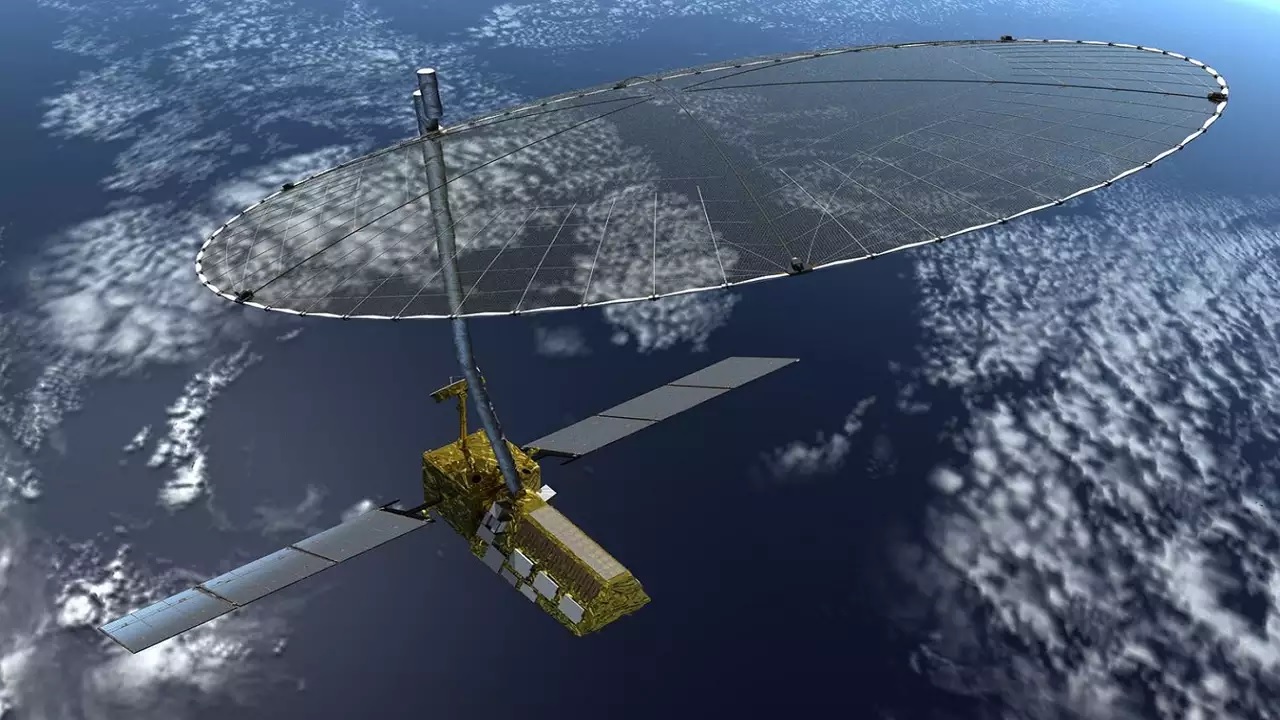
Space & Technology
The NISAR satellite, a collaboration between ISRO and NASA, promises centimeter-level precision in tracking tectonic movements, revolutionizing earthquake prediction and environmental monitoring worldwide. Scheduled for launch in late 2024, its capabilities extend to mapping Earth twice a month, offering insights crucial for water resource management, environmental monitoring, and agricultural advancements.The Indian Space Research Organisation (ISRO) is collaborating with NASA on an ambitious project called NISAR (NASA-ISRO Synthetic Aperture Radar) satellite. This partnership aims to launch a cutting-edge satellite that promises to revolutionize our understanding of Earth's dynamics and improve our ability to address pressing challenges.Initially scheduled for launch in July 2024, the NISAR launch might face a delay until October-November due to technical considerations. Despite this setback, the potential benefits of NISAR are substantial and worth the wait.NISAR's standout feature is its remarkable precision in tracking tectonic plate movements. With an accuracy of up to centimeters, the satellite will provide invaluable data for studying geological processes and predicting earthquakes. This capability holds immense promise for enhancing our ability to mitigate the risks associated with seismic activities.However, the scope of NISAR's applications extends beyond tectonic monitoring. The satellite's comprehensive Earth mapping capability allows it to cover the entire planet twice a month, providing insights into various aspects of our environment.One significant application of NISAR is in water resource management. By precisely measuring water bodies, the satellite will enable us to monitor water availability and effectively manage this vital resource. This capability is especially crucial in regions facing water scarcity and will contribute to sustainable water management practices.Additionally, NISAR will play a pivotal role in environmental monitoring and climate change studies. The satellite can track changes in vegetation cover, snowpack, and desertification, providing critical data for understanding environmental trends and their implications.In the realm of agriculture, NISAR's ability to monitor agricultural patterns and crop yields holds immense potential. By providing accurate data on agricultural productivity, the satellite can inform policy decisions and support advancements in agricultural practices, ultimately contributing to food security and rural development.In conclusion, the NISAR satellite represents a significant leap forward in Earth observation technology. Its unparalleled precision and comprehensive mapping capabilities offer unprecedented opportunities for scientific research and practical applications. Despite potential launch delays, the benefits it promises in understanding our planet and addressing key challenges make it a venture worth anticipating.
Read More → Posted on 2024-05-17 16:03:45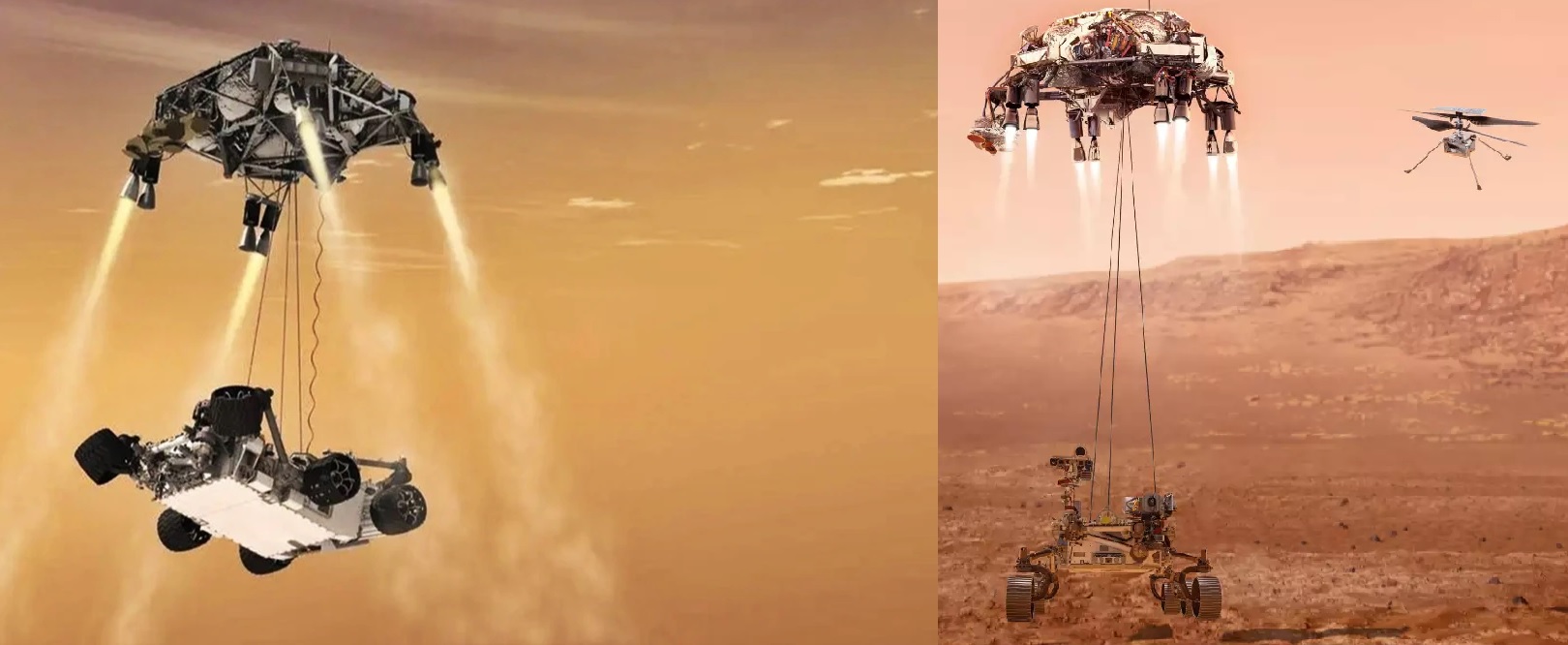
Space & Technology
India ISRO's Mangalyaan-2 mission aims to land a rover on Mars using a sky crane, alongside developing a helicopter for atmospheric exploration, promising groundbreaking discoveries in Martian exploration.The Indian Space Research Organisation (ISRO) has set its sights on Mars once again with the unveiling of its plans for Mangalyaan-2, a mission designed to make history with a touchdown on the Red Planet. This ambitious project incorporates innovative techniques aimed at ensuring a safe and productive mission on Mars.One of the most intriguing features of Mangalyaan-2 is the use of a sky crane for landing the rover. Similar to the system used by NASA’s Perseverance rover, ISRO’s sky crane will facilitate a controlled and delicate descent onto the Martian surface. This approach is vital due to the challenging terrain on Mars. Unlike conventional landing methods involving airbags or ramps, the sky crane will gently lower the rover in an upright position, optimizing its readiness for scientific exploration. ISRO engineers are diligently developing their indigenous sky crane technology specifically tailored for the Indian rover.Adding to the mission's complexity, ISRO is developing a fully functional helicopter to explore the thin Martian atmosphere. Codenamed “MARBLE” (Martian Boundary Layer Explorer), this rotorcraft is currently in the conceptual stage. Equipped with scientific instruments, MARBLE will be capable of reaching altitudes of up to 100 meters, providing valuable insights into the unique characteristics of the Martian atmosphere.To ensure seamless communication between Earth and the Martian explorers, ISRO plans to deploy a relay communication satellite before launching the main spacecraft. This satellite, launched aboard the Polar Satellite Launch Vehicle (PSLV), will bridge the vast distance between Mars and Earth. By relaying signals, it will enable scientists on Earth to stay connected with and monitor the mission’s progress in real-time.Mangalyaan-2 will also feature a sophisticated rover equipped with a suite of scientific instruments. This rover will embark on a mission to analyze the Martian surface, its composition, and potentially uncover signs of past or present life on the Red Planet.In summary, ISRO's Mangalyaan-2 mission represents a significant leap forward in India's space exploration endeavors. With innovative landing technologies, a pioneering helicopter for atmospheric exploration, and advanced communication systems, this mission holds the promise of unlocking new discoveries and expanding our understanding of Mars and its potential for harboring life.
Read More → Posted on 2024-05-15 15:09:32
Space & Technology
India In early May 2024, Earth faced a massive solar storm triggered by Sun's active region AR13664, causing disruptions to communication and GPS systems worldwide. ISRO's swift response and global observations provide crucial insights into this intense geomagnetic event.On early May 2024, Earth experienced a significant solar storm, courtesy of the highly active region AR13664 on the Sun. The Indian Space Research Organisation (ISRO) revealed that this region unleashed a series of powerful X-class flares and Coronal Mass Ejections (CMEs) directed at our planet. According to ISRO, this geomagnetic storm stands as the most intense since 2003, causing disruptions to communication and GPS systems worldwide.ISRO highlighted that the flaring region on the Sun was of notable size, reminiscent of the historically significant Carrington event of 1859. Over the past few days, multiple X-class flares and CMEs have bombarded Earth, exacerbating the situation.The effects of this solar event have been particularly severe over high latitudes, leading to reports of trans-polar flights being diverted. ISRO cautioned that more such events are expected in the coming days.Fortunately, India experienced relatively lesser impact as the main thrust of the storm occurred during the early morning hours of May 11, when the ionosphere had not fully formed. Additionally, being situated at lower latitudes, widespread outages were not reported in India.ISRO emphasized that the ionosphere, a critical part of Earth's upper atmosphere crucial for communication and navigation, was notably turbulent over the Pacific and American sectors.The Ionosphere, situated between 80 and about 600 km above Earth's surface, plays a pivotal role in reflecting and modifying radio waves. It is ionized by extreme ultraviolet and x-ray solar radiation, creating a layer of electrons vital for various communications and navigation systems.ISRO has promptly mobilized all its observation platforms and systems to record the signatures of this solar event. Both the Aditya-L1 and Chandrayaan-2 missions have made observations, and their data is under analysis."The ASPEX payload on-board Aditya-L1 is showing high-speed solar wind, high-temperature solar wind plasma, and energetic ion flux," reported ISRO.In conclusion, Earth has weathered a substantial solar storm, reminding us of the powerful forces at play beyond our atmosphere. ISRO's vigilance and swift response demonstrate the importance of global cooperation and advanced technology in monitoring and mitigating the impact of such celestial phenomena.
Read More → Posted on 2024-05-15 05:24:59
Space & Technology
World Introducing GPT-4o: The latest AI breakthrough from OpenAI, enabling seamless interaction through text, audio, and images for a more natural user experience.OpenAI, the pioneering force behind the renowned ChatGPT, has recently unveiled its latest marvel: GPT-4o. This upgraded model represents a significant leap forward in the realm of human-computer interaction, promising a more versatile and intuitive experience for users.So, what exactly is GPT-4o? In simple terms, it's a next-generation AI model designed to handle a wide range of inputs and outputs. Unlike its predecessors, GPT-4o is not limited to text alone; it can seamlessly process text, audio, and images, making it truly "omni" in its capabilities.Let's delve into some of the key features that make GPT-4o stand out:1. Real-time voice conversations: GPT-4o can mimic human speech patterns, allowing for smooth and natural conversations. Whether you're discussing profound philosophical concepts or seeking feedback on a business presentation, GPT-4o can engage in real-time dialogue, enhancing the user experience.2. Multimodal content creation: GPT-4o excels in generating diverse forms of content, ranging from poems inspired by paintings to code snippets and musical compositions. Simply provide GPT-4o with relevant prompts or inputs, and it will craft creative outputs tailored to your needs.3. Image and audio interpretation: GPT-4o has the ability to analyze and understand both images and audio files. This opens up a plethora of possibilities, such as generating writing prompts based on vacation photos or identifying musical genres from audio clips.4. Faster processing: With GPT-4o, users can expect near-instantaneous responses, akin to conversing with a real person. This enhanced processing speed enhances the overall user experience, making interactions with AI feel more natural and seamless.Now, let's discuss how you can get started with GPT-4o:OpenAI is introducing GPT-4o in stages, starting with text and image capabilities available through ChatGPT. There's a free tier accessible to all users, allowing everyone to explore the potential of GPT-4o. For those seeking a more robust experience, a Plus tier is available, offering increased message limits.Moreover, an alpha version of Voice Mode with GPT-4o is slated for release soon, enabling even more natural conversations. Developers can also leverage GPT-4o through the OpenAI API, which offers enhanced speed, lower costs, and higher rate limits compared to previous models.In essence, the launch of GPT-4o represents a significant milestone in AI accessibility and usability. Its multimodal capabilities pave the way for a more intuitive and seamless interaction with machines. As OpenAI continues to unveil more details, we eagerly anticipate the transformative impact of GPT-4o on the future of human-computer interaction.In conclusion, GPT-4o marks a new era in AI innovation, bringing us closer to a world where technology seamlessly integrates into our daily lives, enhancing productivity and creativity in ways previously unimaginable. Stay tuned as we embark on this exciting journey towards a more connected and intelligent future.
Read More → Posted on 2024-05-14 15:52:37
Space & Technology
India Chandrayaan-4: India's upcoming lunar mission aims to retrieve and return samples from the Moon, showcasing the nation's growing prowess in space exploration.India is gearing up for an extraordinary lunar mission with Chandrayaan-4, marking a significant milestone in the nation's space exploration journey. This ambitious endeavor aims to accomplish what no Indian mission has done before: return samples from the Moon. Let's delve into the details of this intricate mission and what it means for India and the world.The mission unfolds in carefully orchestrated stages, beginning with a dual-launch approach. The Polar Satellite Launch Vehicle (PSLV) launches the Reentry Module (RM) and Transfer Module (TM) into a sub-Geosynchronous Transfer Orbit (sub-GTO). Simultaneously, the Launch Vehicle Mark-3 (LMV-3) propels the Lander Module (LM), Ascender Module (AM), and Propulsion Module (PM) towards a Lunar Transfer Orbit (TLI) or GTO.Upon reaching lunar orbit, the RM and TM secure their positions while awaiting the arrival of the AM. The LM and AM gracefully separate from the LMV-3 and descend to the designated landing site near the lunar south pole, known as the Shiv Shakti point. Using a robotic arm, the LM collects lunar samples, a crucial aspect of the mission.Once the samples are safely gathered, the AM separates from the LM and lifts off from the lunar surface. It then docks with the TM in lunar orbit, where another robotic arm transfers the samples to the RM for the journey back to Earth.As the mission nears its conclusion, the AM undocks from the TM, and the RM and TM depart lunar orbit. Upon re-entering Earth's atmosphere, the RM delivers the lunar samples to a predetermined location for further analysis.Chandrayaan-4 represents more than just a scientific expedition; it signifies India's advancement in space exploration. The retrieved lunar samples hold immense scientific value, offering insights into the Moon's formation, composition, and potential resources. This mission underscores India's growing expertise in space technology and its commitment to furthering humanity's understanding of our celestial neighbors.In conclusion, Chandrayaan-4 heralds a new chapter in India's space odyssey, promising groundbreaking discoveries and pushing the boundaries of lunar exploration.
Read More → Posted on 2024-05-13 15:18:28
Space & Technology
World The sun unleashed its strongest solar flare of the weekend, an X5.8 class eruption, causing radio blackouts and heralding spectacular northern lights displays. Scientists anticipate continued solar activity from the massive sunspot region, AR3664, with potential impacts on Earth's systems in the coming days.Over the weekend (Friday and Saturday) , the sun showcased its might with a series of intense solar flares, leaving scientists and observers amazed. These eruptions, originating from an active sunspot region known as AR3664, reached unprecedented levels, with the most powerful flare registering as an X5.8 class event according to NOAA's Space Weather Prediction Center (SWPC). The impact of these flares was immediately felt on Earth's sunlit side, causing temporary or complete loss of high-frequency radio signals. The intensity continued as another significant flare, an X1.5 class event, occurred shortly after, further highlighting the sun's dynamic behavior.Solar flares, characterized by their powerful bursts of energy, have the potential to disrupt various systems on Earth, including radio communications, electric power grids, navigation signals, and even spacecraft and astronauts in orbit. Despite their rarity, the recent series of high-magnitude flares serves as a reminder of the sun's capacity to influence our technological infrastructure.The active sunspot region, AR3664, is a massive complex approximately 17 times the width of Earth. Scientists predict continued activity from this region, with a likelihood of more flares in the top two classes, M and X, through Monday. This ongoing solar activity presents both opportunities and challenges for Earth's inhabitants.Additionally, a coronal mass ejection (CME), a significant expulsion of plasma and magnetic field, accompanied the main solar eruption. Scientists are closely monitoring and modeling this event, anticipating potential impacts on Earth in the coming days. These impacts could include disruptions to power grids, telecommunication networks, and satellites in orbit. However, they also offer the possibility of awe-inspiring displays of the northern lights for observers in certain locations.In conclusion, the recent surge in solar activity serves as a captivating reminder of the sun's immense power and influence. While it brings about challenges for our technological infrastructure, it also offers the opportunity for breathtaking natural phenomena, highlighting the intricate relationship between the sun and our planet.
Read More → Posted on 2024-05-12 16:05:37Search
Top Trending in 24 Hours
-
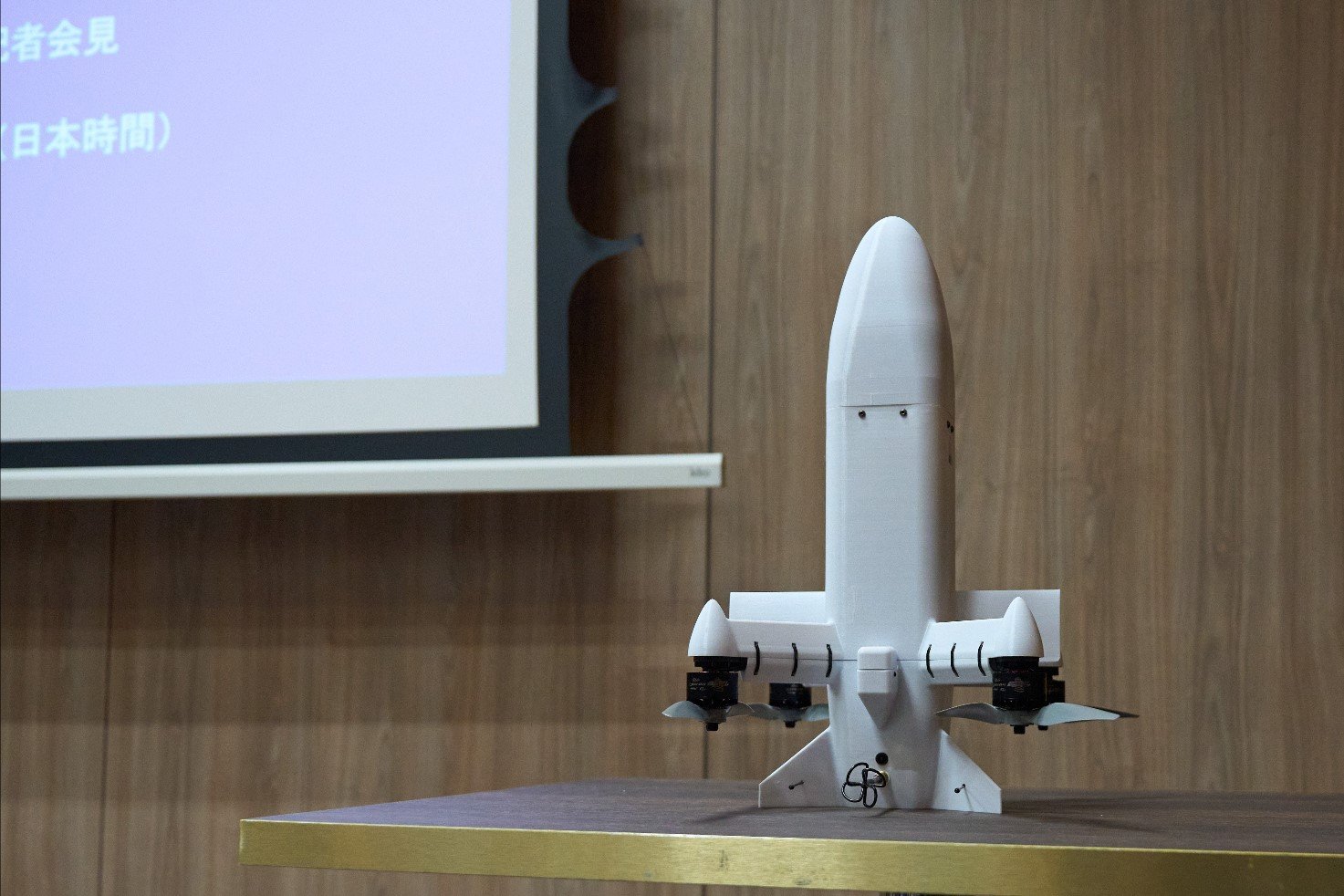 Japan Selects Terra Drone’s Terra B1 for Mass Production of Interceptor UAVs
-
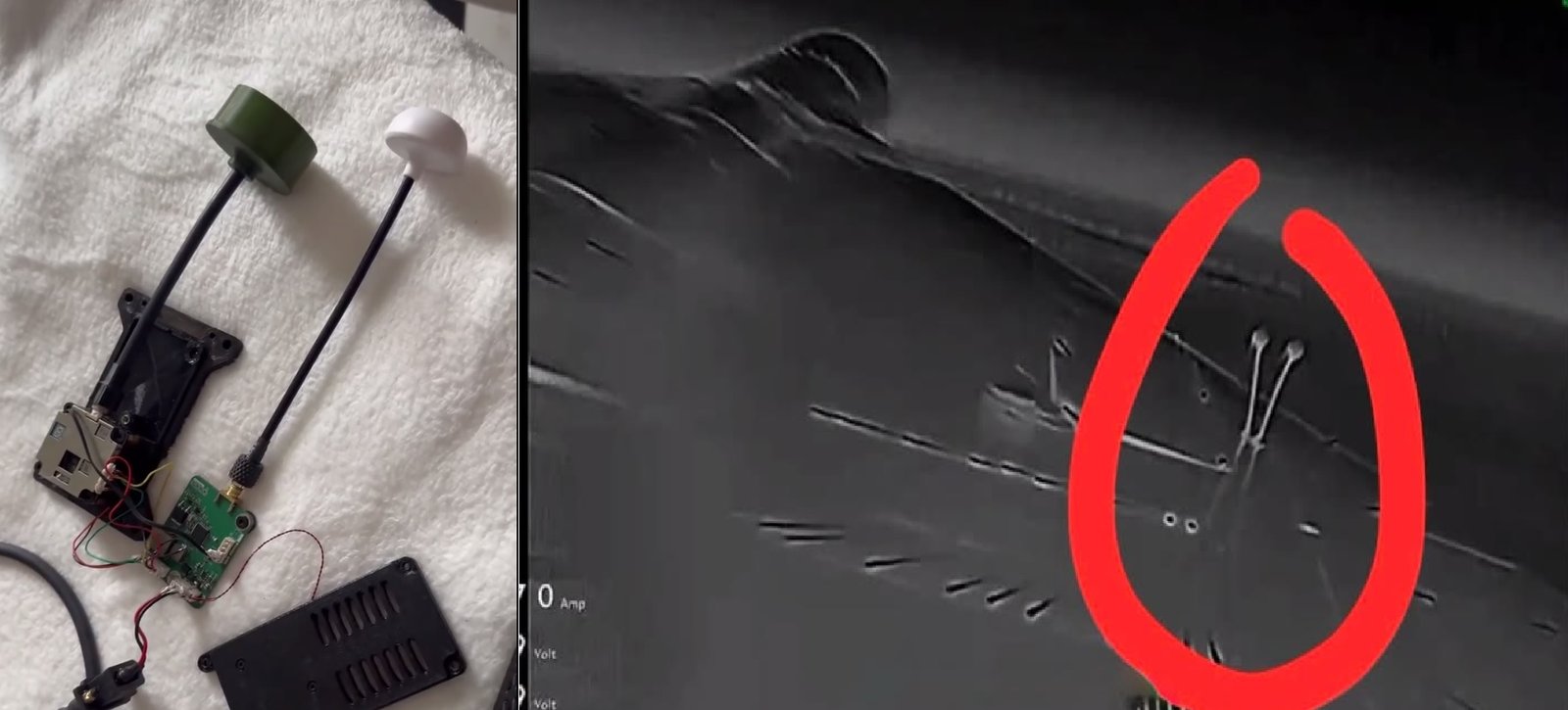 Russia Equips Shahed and Geran Drones With Electronic Warfare Systems to Jam Ukrainian Interceptor Video Links
-
 Austria Receives First Modernized Leopard 2A4Ö Tank and Ulan NV Infantry Fighting Vehicle
-
 NATO Launches Exercise Northern Viking 26 in Iceland to Secure North Atlantic Routes
-
 Ukraine Reduces Use of Western Tanks as Cheap Drones Become a Major Battlefield Threat
-
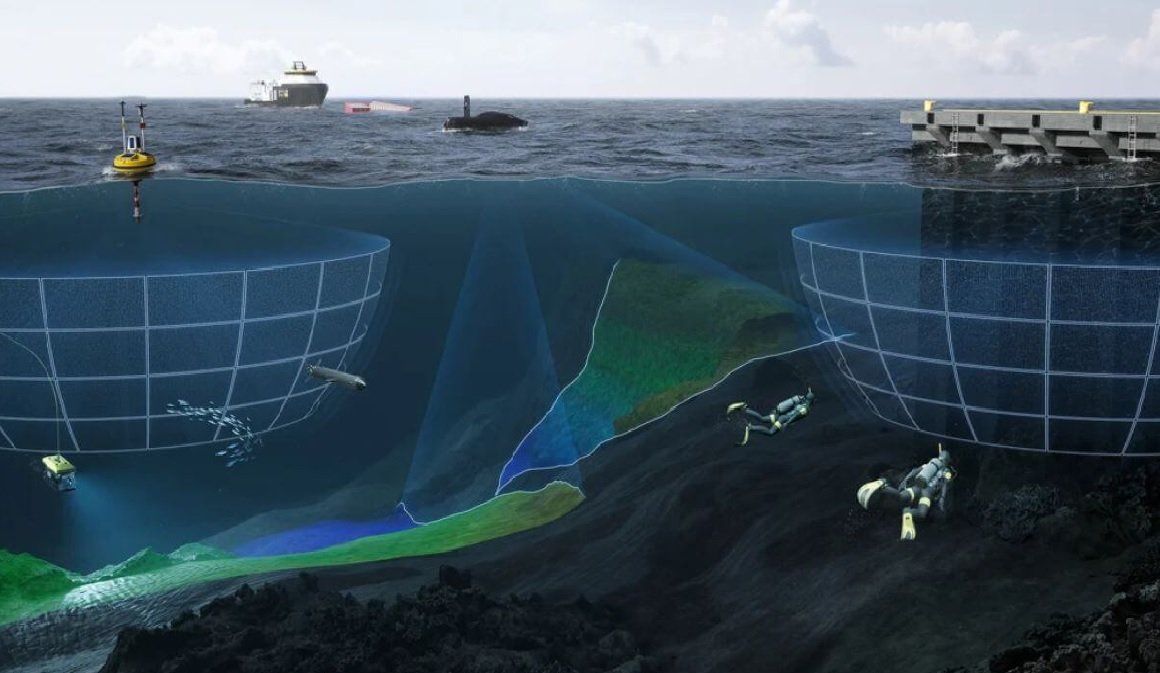 Kongsberg Introduces Aegir SSA Sonar Family With AI-Powered Monitoring for Continuous Underwater Surveillance
-
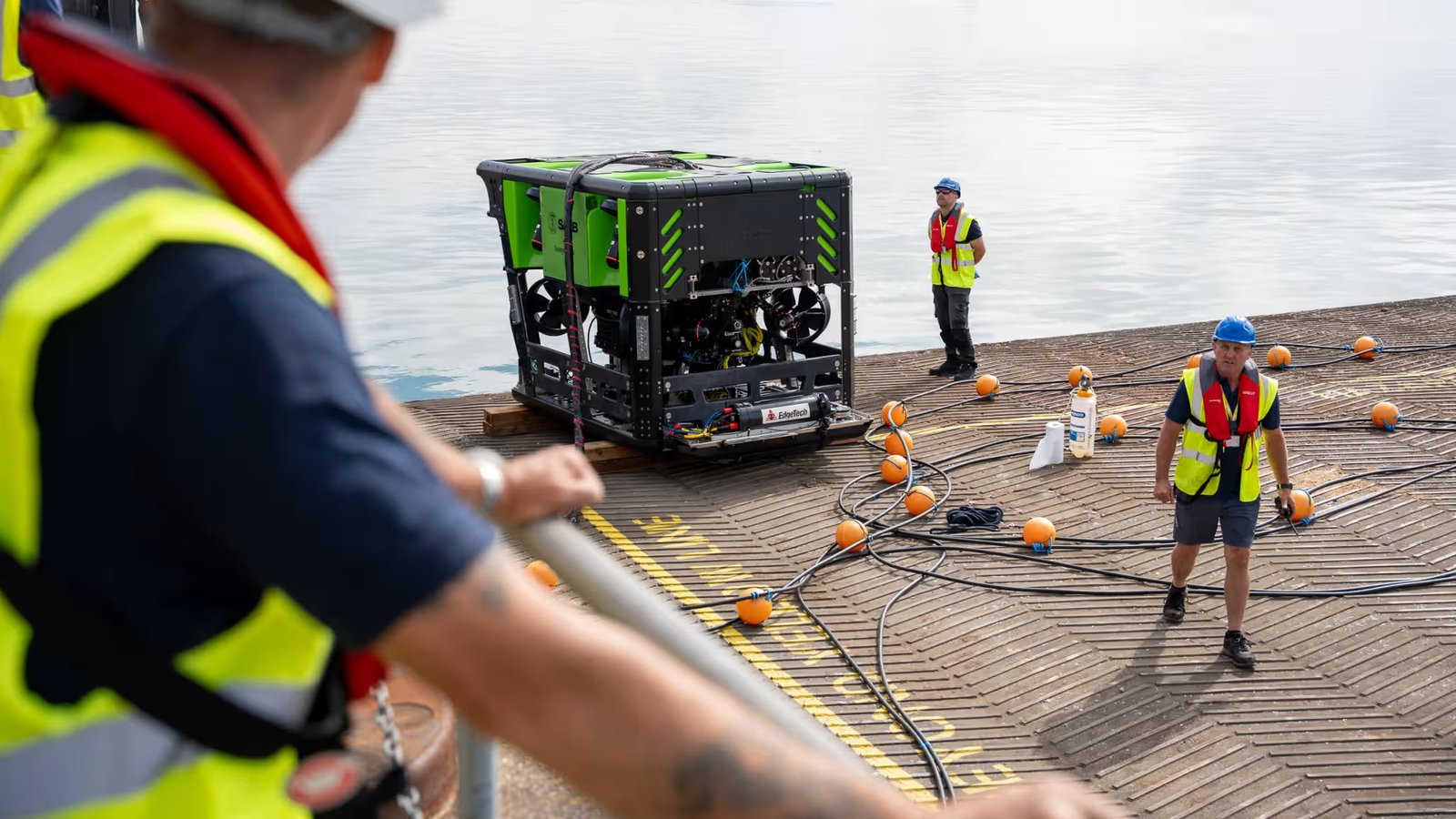 Saab UK Completes Key Trials of Seaeye SR20 eWROV, Moves to Next Development Phase
-
 Mystery Chinese J-20-Like Object Seen at Former Airport Was a Firefighting Training Mock-Up
Top Trending in 4 Days
-
 Iran Reveals Underground Weapons Manufacturing Facility for First Time on State TV
-
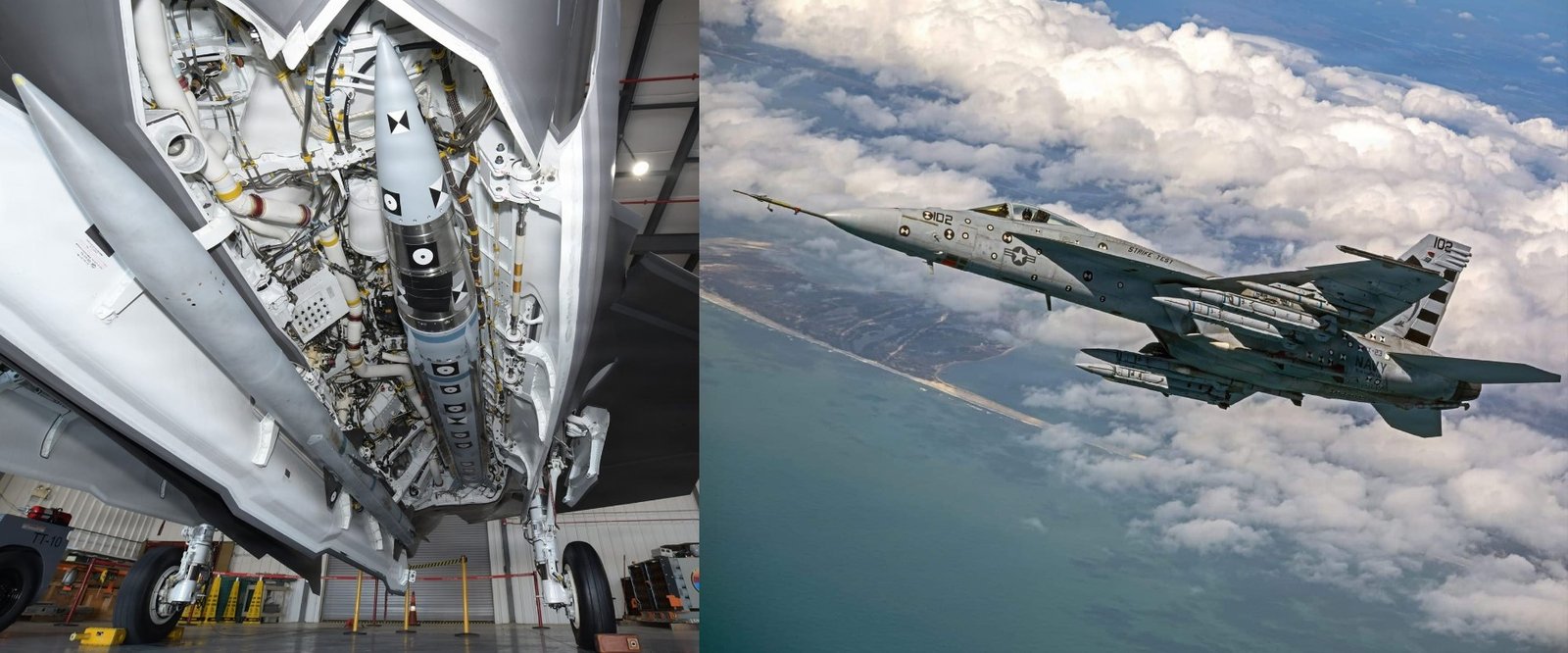 U.S. Navy Unveils New AIM-424 ‘Malice’ Air-to-Air Missile With 463+ km Range for F-35C, Super Hornet and F/A-XX
-
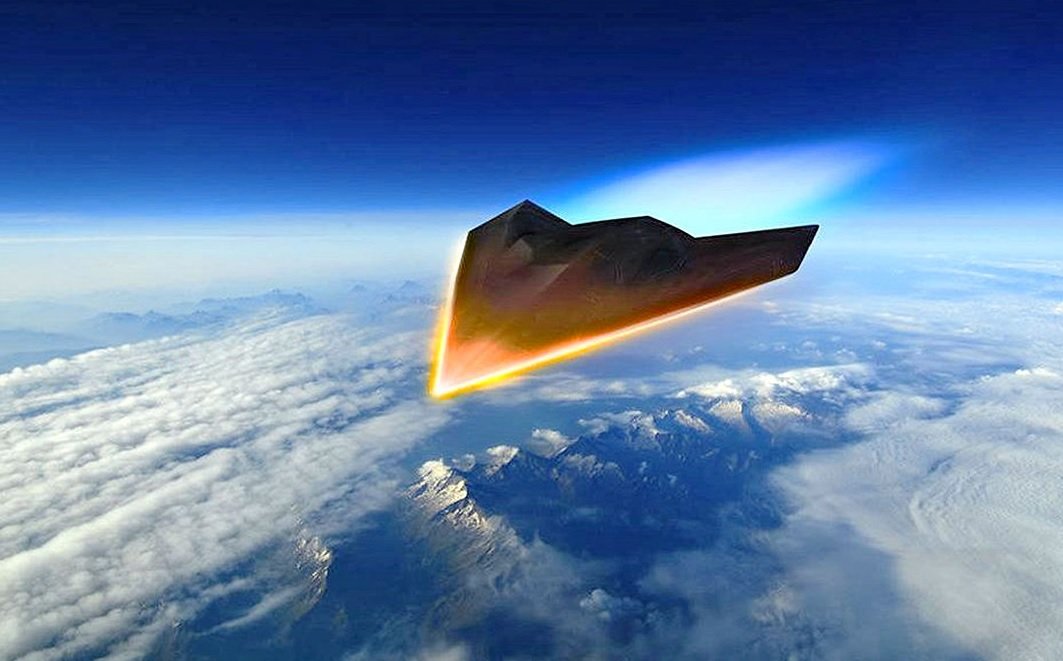 China Develops Hypersonic Glide Vehicles Capable of Launching Air-to-Air Missiles Mid-Flight
-
 Israel Explores Potential Acquisition of U.S. F-47 Sixth-Generation Fighter
-
 Iran-Linked Hackers Shut Down UK Power Plant for Four Days in First Known Attack
-
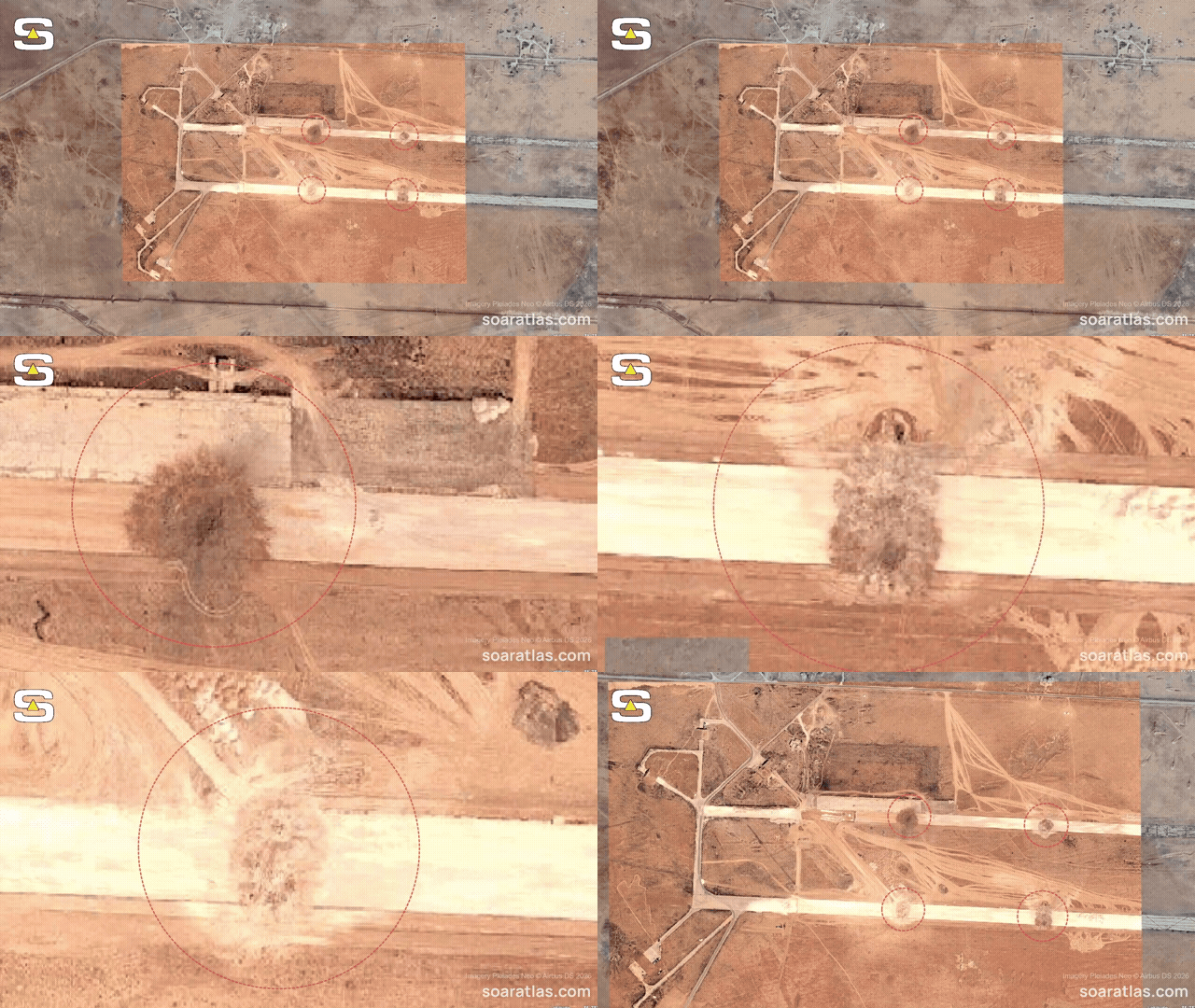 Satellite Imagery Shows Damage From Israeli Strikes on Turkey Military Occupied Syria’s Abu al-Duhur Airbase
-
 Ukraine Holds World’s First Unmanned Military Parade on 35th Independence Day
-
 UAE Completes Protective Metal Structures Around Fuel Tanks Near Dubai International Airport