Space & Technology
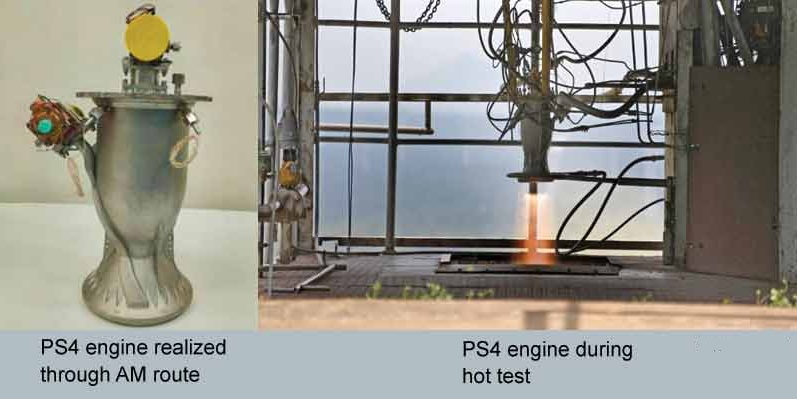
India ISRO successfully tests a 3D-printed PS4 engine, saving 97% of raw materials and reducing production time by 60%, marking a significant leap in space technology.In a significant leap forward, the Indian Space Research Organisation (ISRO) has successfully conducted a long-duration test of its PS4 engine, redesigned for production using cutting-edge additive manufacturing (AM) techniques, commonly known as 3D printing. This breakthrough marks a remarkable advancement in space technology and manufacturing capabilities.The newly crafted engine, now a single piece, boasts impressive efficiency gains. ISRO reports that it saves an astonishing 97 percent of raw materials and reduces production time by 60 percent. These efficiency improvements hold promise for more cost-effective and sustainable space exploration endeavors.The milestone was achieved through the successful hot testing of a liquid rocket engine manufactured through AM technology for a duration of 665 seconds on May 9. This engine, known as the PS4 engine, is utilized in the Polar Satellite Launch Vehicle (PSLV) upper stage, a critical component of ISRO's launch missions.Traditionally, the PS4 engine was manufactured using conventional machining and welding methods. However, through innovative redesigning by ISRO's Liquid Propulsion Systems Centre (LPSC), it became amenable to the Design for Additive Manufacturing (DfAM) concept. The adoption of Laser Powder Bed Fusion technology allowed for the consolidation of parts, reducing the number from 14 to a single piece and eliminating 19 weld joints. This not only streamlines production but also results in significant savings in raw material usage.The successful hot testing of the AM PS4 engine marks a culmination of rigorous development efforts, including detailed flow and thermal modeling, structural simulation, and cold flow characterization. ISRO conducted four successful developmental hot tests, followed by a full qualification test of 665 seconds, validating the engine's performance parameters.Moreover, the manufacturing of the engine was accomplished in Indian industry, highlighting the domestic expertise and capabilities in advanced manufacturing techniques. M/s WIPRO 3D, in collaboration with ISRO, played a pivotal role in realizing this technological feat.The induction of the AM PS4 engine into the regular PSLV program underscores its readiness for operational deployment. This signifies a significant stride towards enhancing the efficiency and reliability of ISRO's launch vehicles, ultimately contributing to India's prowess in space exploration.In conclusion, ISRO's achievement in developing and testing the 3D printed PS4 engine heralds a new era of innovation in space technology and manufacturing. With its potential to revolutionize production processes and enhance mission capabilities, this milestone paves the way for future advancements in the realm of space exploration.
Read More → Posted on 2024-05-12 06:10:57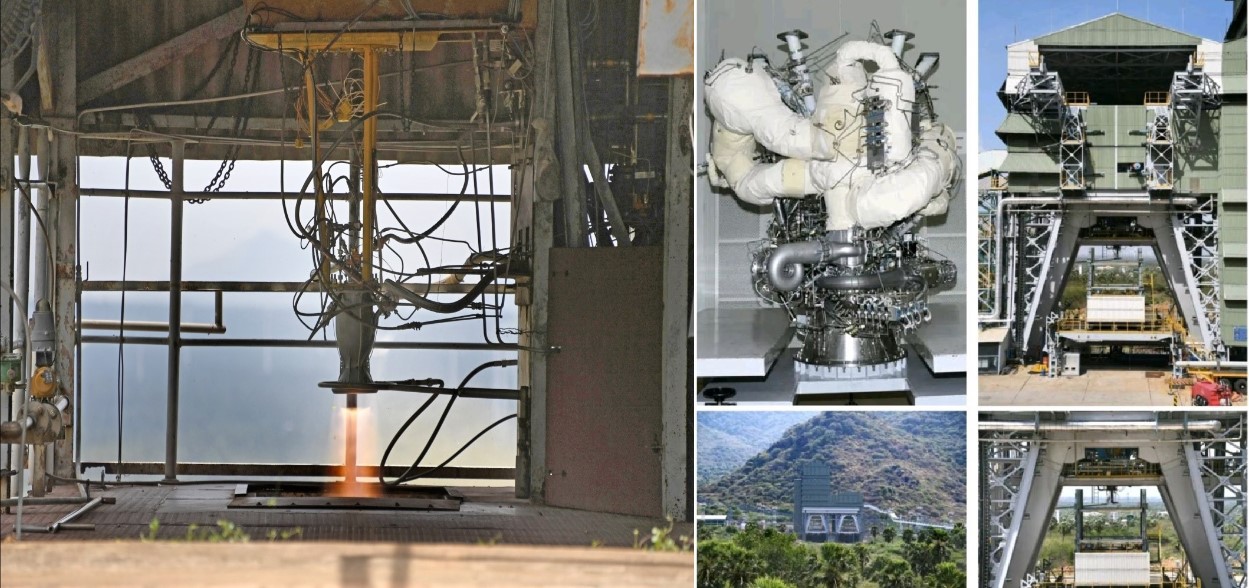
Space & Technology
India ISRO achieves breakthrough in rocket engine technology with successful hot testing of Additively Manufactured PS4 engine for PSLV, reducing parts and welds, saving material and time.India's space agency, the Indian Space Research Organisation (ISRO), has marked a significant achievement in rocket engine technology. On May 9, 2024, ISRO successfully conducted hot testing of a liquid rocket engine, manufactured using Additive Manufacturing (AM) technology. This milestone heralds a new era in space propulsion systems, particularly for the PS4 engine of the Polar Satellite Launch Vehicle (PSLV) upper stage.Traditionally, the PS4 engine has been fabricated through conventional machining and welding methods. However, by embracing the Design for Additive Manufacturing (DfAM) concept, ISRO's Liquid Propulsion Systems Centre (LPSC) revamped the engine's design, making it conducive to AM techniques. The engine, which previously comprised 14 parts and necessitated 19 weld joints, has now been consolidated into a single-piece structure through Laser Powder Bed Fusion technology.The advantages of this transition are manifold. Not only has it significantly reduced the number of components and weld joints, but it has also led to substantial savings in raw material usage. For instance, while the conventional manufacturing process required 565 kg of forgings and sheets, the AM approach consumes only 13.7 kg of metal powder per engine. Moreover, the overall production time has been slashed by 60%.Crucially, the manufacturing of this innovative engine was entrusted to the Indian industry, with M/s WIPRO 3D playing a pivotal role. The engine underwent rigorous testing at the ISRO Propulsion Complex in Mahendragiri, where it demonstrated exceptional performance characteristics.Prior to the hot test, ISRO conducted thorough simulations and characterizations to ensure the engine's readiness. This included detailed flow and thermal modeling, structural simulations, and cold flow characterizations. Subsequently, a series of developmental hot tests, totaling 74 seconds, validated the engine's performance parameters. Encouraged by these successes, ISRO proceeded with the full qualification test, which lasted 665 seconds. The results confirmed that all performance parameters met expectations.Looking ahead, ISRO plans to integrate the AM PS4 engine into its regular PSLV program. This transition not only underscores ISRO's commitment to innovation but also paves the way for enhanced efficiency and reliability in space missions.In summary, ISRO's achievement in hot testing the AM PS4 engine signifies a paradigm shift in rocket engine manufacturing. By leveraging cutting-edge AM technology and meticulous testing protocols, ISRO has demonstrated its prowess in advancing space propulsion systems, setting a precedent for future endeavors in space exploration.
Read More → Posted on 2024-05-10 16:17:56
Space & Technology
India GalaxEye partners with IN-SPACe to access ISRO's facilities, advancing India's private space sector with cutting-edge Earth observation satellites overcoming cloud cover limitations.GalaxEye, an Indian space technology startup, has achieved a significant milestone by partnering with the Indian National Space Promotion and Authorisation Centre (IN-SPACe). This partnership allows GalaxEye access to advanced laboratories and testing facilities operated by the Indian Space Research Organisation (ISRO), marking a groundbreaking collaboration between the private sector and India's space agency.GalaxEye's focus is on developing Earth observation satellites, which are satellites used to gather information about our planet from space. They are the first private company to benefit from IN-SPACe's new coworking and testing facilities in Ahmedabad, indicating a promising future for India's private space industry.In 2023, GalaxEye gained attention for creating India's first drone equipped with Synthetic Aperture Radar (SAR), a technology used to produce high-resolution images. Now, they are working towards launching India's first privately-owned constellation of Earth observation satellites.Their flagship project, the "Drishti Mission" satellite, is set to launch within the next year. This satellite will be India's first and the world's highest-resolution multi-sensor imaging satellite. What sets GalaxEye apart is their innovative "Drishti Sensor" technology, which allows their satellites to capture high-quality images even in cloudy weather conditions, overcoming a common challenge in Earth observation.The applications of GalaxEye's technology are diverse, particularly in sectors like security and defense. Their satellites provide detailed imagery that can be used for mission planning, border surveillance, and disaster response, offering valuable situational awareness regardless of weather conditions.Suyash Singh, Co-founder and CEO of GalaxEye, expressed excitement about the partnership with IN-SPACe, highlighting its potential to revolutionize the field of space exploration. This collaboration not only benefits GalaxEye but also signifies India's commitment to fostering technological innovation in the private space sector, positioning the country as a significant player in the global space technology landscape.
Read More → Posted on 2024-05-10 06:41:01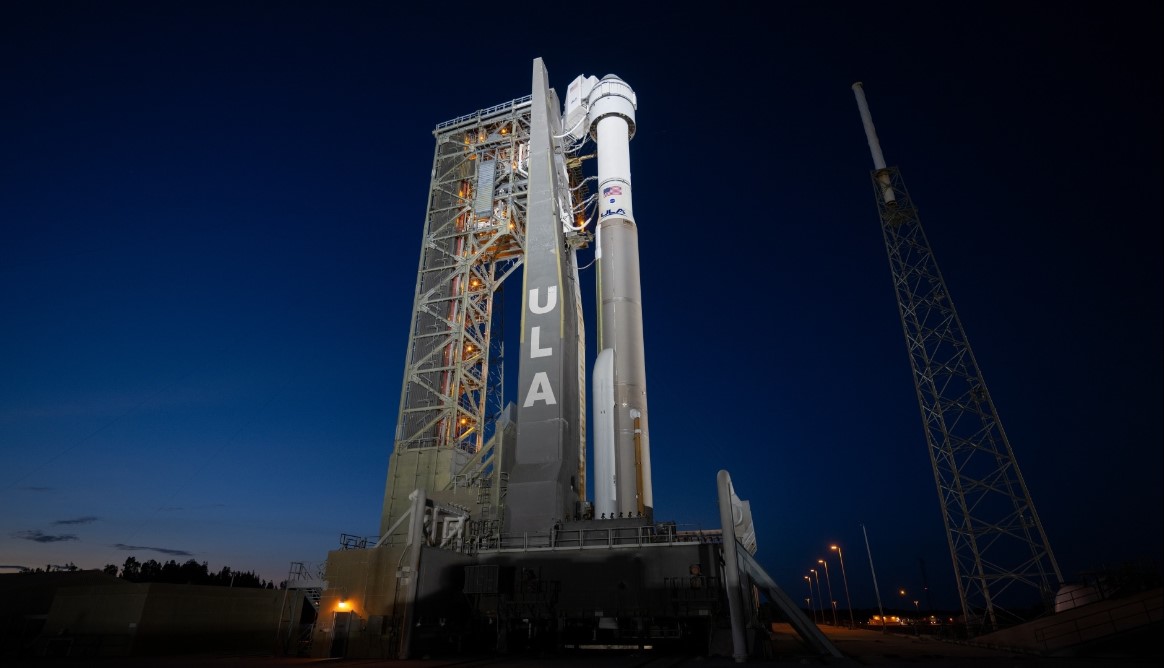
Space & Technology
U.S Boeing Starliner's inaugural crewed flight to the ISS delayed due to a valve malfunction, postponing history-making journey for astronauts Sunita Williams and Butch Wilmore. Teams work to resolve issue for next launch opportunity.The much-anticipated launch of Boeing's Starliner spacecraft, set to ferry astronauts to the International Space Station (ISS), faced a setback today. Just two hours before liftoff, the launch team decided to stand down from the attempt due to a technical issue discovered during pre-launch procedures. Specifically, a valve responsible for maintaining fuel pressure in the Centaur upper stage malfunctioned, prompting the scrubbing of the launch.The mission, which was scheduled to be the first crewed flight to the ISS on a Boeing spacecraft, involved veteran astronauts Sunita Williams and Butch Wilmore. Williams, of Indian origin, served as the pilot, while Wilmore was designated as the commander. Both astronauts provided invaluable input during the development phase of the crew module.While the disappointment of the delay is palpable, such occurrences are not uncommon in the realm of space exploration, especially with the introduction of new hardware. Engineering teams are now diligently working to gather more data on the faulty valve to determine the next course of action.The next available launch window is slated for May 8th, with subsequent opportunities later in the week. The viability of proceeding with tomorrow's launch hinges on the condition of the valve. If it can be rectified swiftly, the flight may proceed as planned. However, if replacement is necessary, additional time may be required.Boeing's Starliner spacecraft represents a significant milestone in space travel, designed to transport crew members to the ISS and other low-Earth-orbit destinations. The spacecraft boasts ample space to accommodate a crew of four, with the capacity to host up to seven individuals.Notably, Williams and Wilmore will be making history as the first astronauts to fly to the ISS aboard a Boeing spacecraft. Additionally, they will mark another first by returning to Earth via land, diverging from the traditional ocean splashdown utilized in previous American missions post-Space Shuttle era.The development journey of the Starliner has not been without its challenges. Initially awarded in 2014 alongside SpaceX's Crew Dragon, Boeing encountered delays leading to the postponement of its crewed test flight until May 2022. Despite setbacks, the Starliner is poised to enter regular service by 2025.As the aerospace community eagerly awaits the resolution of the technical issue, the dedication and expertise of the teams involved underscore the commitment to ensuring the safety and success of future space endeavors.
Read More → Posted on 2024-05-08 07:19:46
Space & Technology
India ISRO gears up for the first Integrated Air-Drop Test (IADT) of the Gaganyaan Crew Module, validating crucial parachute systems for safe astronaut return. This milestone brings India closer to its inaugural human spaceflight, showcasing ISRO's commitment to pioneering advancements in space technology.The Indian Space Research Organisation (ISRO) is on the brink of a significant milestone in its Gaganyaan mission, a landmark endeavor aimed at sending astronauts into space. At the forefront of this mission is the first-ever Integrated Air-Drop Test (IADT) of the Gaganyaan Crew Module, a pivotal step in ensuring the safe return of astronauts from their space voyage.The preparations for this groundbreaking test are well underway at the Sriharikota spaceport, where both the crew module and the Indian Air Force's Chinook aircraft have been deployed. Scheduled to occur in approximately a week, this mission holds paramount importance for ISRO's ambitions in space exploration, although an official date has yet to be announced by the agency.Critical components of the mission, such as the chase helicopter tasked with monitoring the proceedings and the Chinook aircraft responsible for transporting the crew module, have already arrived at Sriharikota. Pre-mission trials are currently in progress, with careful consideration given to factors such as temperature, which could impact the mission's timing.The sequence of events during the IADT is meticulously planned: once dropped by the helicopter, the crew module will gain velocity, initiating the deployment of the apex chute, followed by the drogue chute, and ultimately the main chute before its splashdown into the Bay of Bengal.Constructed from durable materials like aluminium and steel, the crew capsule will undergo rigorous testing during the IADT to evaluate the functionality, deployment, and stability of the parachutes essential for a safe descent.ISRO's initial plans include seven IADTs to validate the parachute system, each utilizing a simulated crew module resembling the actual flight configuration. The number of tests conducted may be adjusted based on the initial results and the need for further confirmation on system reliability.This milestone IADT represents a crucial step towards ISRO's ultimate goal of conducting India's first human spaceflight, slated for the years 2024 to 2025. With multiple missions planned under the Gaganyaan program, including uncrewed flights and abort test missions, ISRO demonstrates its commitment to ensuring the highest safety standards for future astronauts.The success of the Integrated Air-Drop Test will not only mark a significant achievement for ISRO but also signify a momentous leap forward in India's capabilities in space technology. It underscores the nation's steadfast determination to explore new frontiers and pave the way for a future where Indian astronauts embark on historic journeys beyond Earth's bounds.
Read More → Posted on 2024-05-08 06:24:03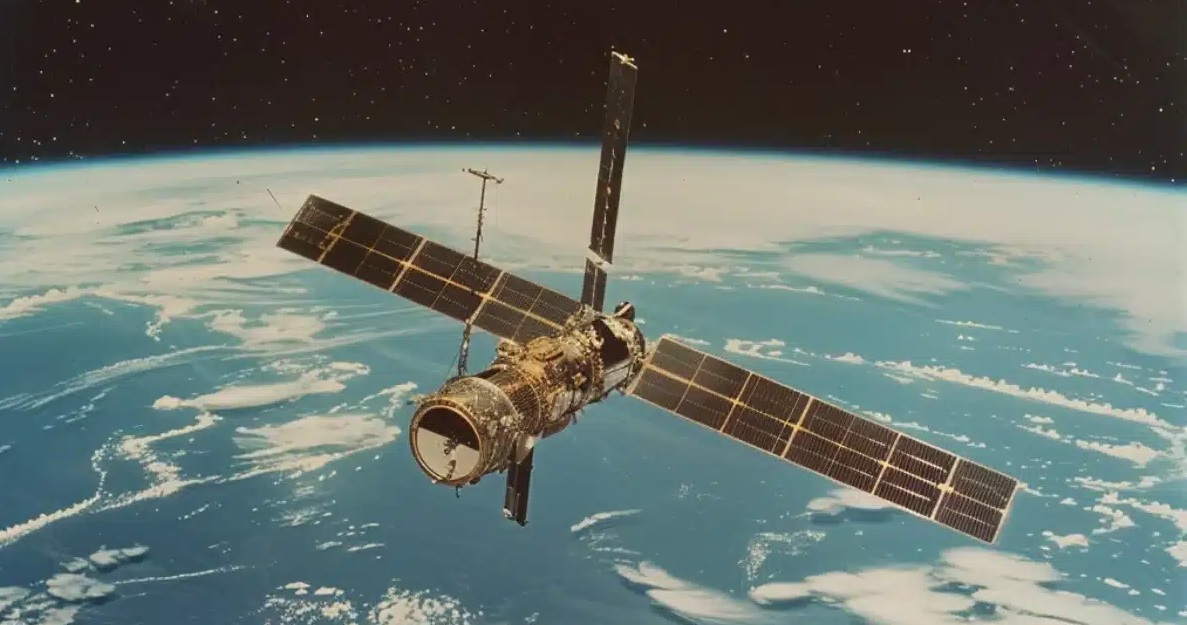
Space & Technology
U.S Lost in space for 25 years, the S73-7 satellite, part of a 1974 experiment, has been rediscovered using tracking data from the U.S. Space Force, highlighting the ongoing challenge of monitoring space debris.Recently, an astonishing rediscovery has taken place in the realm of space exploration. After drifting silently through space for a quarter of a century, an experimental satellite, known as the Infra-Red Calibration Balloon (S73-7), has been located with the assistance of tracking data from the U.S. Space Force.The journey of the S73-7 satellite began back on April 10, 1974, when it was launched as part of the United States Air Force's Space Test Program. Initially deployed from the larger KH-9 Hexagon satellite, S73-7 embarked on its mission to serve as a calibration target for remote sensing equipment. However, due to a malfunction during deployment, it failed to inflate as intended and instead vanished into the depths of space, joining the ranks of countless other abandoned space debris. It wasn't until April of this year that the satellite was finally located. Jonathan McDowell, an astrophysicist from the Harvard-Smithsonian Center for Astrophysics, revealed that the S73-7 had slipped off radar not once, but twice before - first in the 1970s and then again in the 1990s.One of the main challenges in tracking space debris is the sheer volume of objects orbiting Earth, currently numbering over 20,000. Ground-based radar and optical sensors are utilized to track these objects and catalog them appropriately. However, identifying each item presents its own set of difficulties, especially when similar objects share the same orbital path.McDowell explains that matching an object's trajectory with its identity becomes more challenging over time, particularly if the object has deviated from its expected course or if there have been alterations to its original maneuvering plans.The recent rediscovery of the S73-7 satellite is a significant achievement for the dedicated individuals tasked with monitoring space debris. As our skies become increasingly crowded with satellites and other man-made objects, the importance of accurately tracking and identifying each one cannot be overstated.While the loss of one or two objects may not pose a significant risk, maintaining comprehensive knowledge of the space environment is crucial for ensuring the safety and functionality of future space missions.In conclusion, the rediscovery of the S73-7 satellite serves as a reminder of the ongoing challenges and importance of monitoring space debris. As technology advances and more satellites are launched into orbit, the task of tracking and cataloging these objects will only become more complex. Nonetheless, with perseverance and dedication, we can continue to explore the cosmos while safeguarding our celestial environment.
Read More → Posted on 2024-05-06 16:33:04
Space & Technology
India ISRO achieves milestone in semi-cryogenic engine development with successful ignition test, paving the way for more cost-effective and efficient propulsion for India's future space missions.India's space agency, the Indian Space Research Organisation (ISRO), accomplished a significant feat on May 2, 2024, with the successful ignition test of a critical component for its next-generation launch vehicles. The test involved the Semi-Cryogenic Pre-Burner Ignition Test Article (PITA) at the ISRO Propulsion Complex (IPRC) in Mahendragiri, Tamil Nadu.The PITA represents a vital stage in developing a 2000 kN thrust semi-cryogenic engine. This engine will be instrumental in powering the booster stages of future Indian rockets. Unlike conventional cryogenic engines that use extremely cold propellants like liquid hydrogen, semi-cryogenic engines utilize a combination of liquid oxygen (LOX) and kerosene, offering a more cost-effective and efficient alternative.The test conducted at the recently inaugurated semi-cryo integrated engine test facility (SIET) at IPRC marked the first ignition trial for the PITA. This article is a full complement of the engine's power head system, excluding the turbopumps. The successful ignition signifies a critical step towards validating the engine's starting sequence and the pre-burner's functionality.This achievement comes on the heels of ISRO's initial hot test conducted in July 2023 on an intermediate configuration of the engine known as the Power Head Test Article (PHTA). The PHTA test successfully demonstrated the ignition and performance for a brief duration.ISRO has indigenously developed a new start fuel ampule for the semi-cryogenic engine. This ampule utilizes a combination of Triethyle Aluminium and Triethyle Boron, marking the first time ISRO has employed this specific fuel mixture. Notably, the injector's elemental level ignition characteristics were thoroughly evaluated through a series of tests at the Propulsion Research Laboratory Division (PRLD) facility of Vikram Sarabhai Space Centre (VSSC).The successful ignition test of the PITA paves the way for further development of the 2000 kN semi-cryogenic engine. This engine holds immense potential for enhancing the payload capacity and cost-effectiveness of India's future space missions.
Read More → Posted on 2024-05-06 15:05:27
Space & Technology
CRISPR-Cas9 Gene Editing: Pioneering Advances Shaping the Future of Biotechnology In the realm of biotechnology, few innovations have garnered as much attention and promise as CRISPR-Cas9 gene editing. This groundbreaking technology, inspired by nature's own defense mechanisms against viral invaders, has revolutionized the field of genetic engineering with its precision, efficiency, and versatility. From basic research to potential therapeutic applications, CRISPR-Cas9 has catalyzed a paradigm shift, offering unprecedented opportunities to edit the genetic code of organisms with unprecedented precision. In this comprehensive article, we delve into the intricacies of CRISPR-Cas9 gene editing, exploring its mechanisms, applications, recent advances, ethical considerations, and future prospects. Understanding CRISPR-Cas9 Gene Editing CRISPR-Cas9 (Clustered Regularly Interspaced Short Palindromic Repeats-CRISPR associated protein 9) is a powerful tool derived from the bacterial immune system, specifically the adaptive immune system of Streptococcus pyogenes. The system consists of two main components: CRISPR RNA (crRNA): This is a short RNA sequence that serves as a guide to target specific DNA sequences complementary to it.Cas9 Protein: Cas9 is an endonuclease enzyme that acts as molecular scissors, capable of cutting DNA at precise locations dictated by the crRNA.The process begins with the synthesis of a single guide RNA (sgRNA), which consists of a fusion between crRNA and a trans-activating CRISPR RNA (tracrRNA). The sgRNA guides the Cas9 protein to the target DNA sequence, where it forms a complex and induces a double-strand break (DSB) at the specified site. Subsequent repair of the DSB by the cell's own DNA repair mechanisms can lead to either error-prone non-homologous end joining (NHEJ) or precise homology-directed repair (HDR), depending on the desired outcome of the gene editing. Applications of CRISPR-Cas9 Gene EditingThe versatility and precision of CRISPR-Cas9 gene editing have enabled a wide range of applications across various fields:Basic Research: CRISPR-Cas9 has revolutionized basic research by allowing scientists to precisely manipulate the genomes of model organisms such as mice, fruit flies, and zebrafish. This has facilitated the study of gene function, regulation, and interaction, elucidating the underlying mechanisms of disease and development.Biomedical Research: In the realm of biomedical research, CRISPR-Cas9 holds promise for elucidating the genetic basis of human diseases and developing novel therapeutic interventions. By introducing precise genetic modifications in cell lines and animal models, researchers can study disease mechanisms, identify therapeutic targets, and develop potential treatments for a wide range of disorders, including cancer, genetic disorders, and infectious diseases.Crop Improvement: CRISPR-Cas9 gene editing offers a powerful tool for crop improvement and agricultural biotechnology. By precisely modifying plant genomes, researchers can enhance crop yield, quality, and resistance to pests, diseases, and environmental stresses. This holds the potential to address global food security challenges and promote sustainable agriculture practices.Therapeutic Applications: CRISPR-Cas9 gene editing has garnered significant attention for its potential therapeutic applications in human medicine. The technology offers the possibility of precisely correcting disease-causing mutations, modulating gene expression, and engineering cellular therapies for various genetic disorders, including cystic fibrosis, sickle cell disease, and muscular dystrophy. Clinical trials are underway to evaluate the safety and efficacy of CRISPR-based therapies in treating a range of diseases. Recent Advances in CRISPR-Cas9 TechnologyRecent years have witnessed a flurry of advances and innovations in CRISPR-Cas9 technology, expanding its capabilities and enhancing its utility:Enhanced Specificity: One of the major challenges of CRISPR-Cas9 gene editing is off-target effects, where unintended modifications occur at genomic loci similar to the target sequence. Researchers have developed novel Cas9 variants with enhanced specificity, such as high-fidelity Cas9 and Cas9 nickase, which reduce off-target cleavage while maintaining on-target efficiency.Base Editing: Base editing technologies enable precise, single-nucleotide changes in the genome without inducing DSBs. These systems, such as CRISPR base editors, leverage Cas9 or Cas12a fused to cytidine or adenine deaminases, enabling targeted conversion of one DNA base pair to another with high efficiency and minimal off-target effects.Prime Editing: Prime editing represents a groundbreaking advance in CRISPR-Cas9 technology, offering precise genome editing without the need for DSBs or donor DNA templates. Prime editors utilize a catalytically impaired Cas9 fused to a reverse transcriptase enzyme and a prime editing guide RNA (pegRNA) to introduce targeted sequence modifications, including insertions, deletions, and point mutations, with high precision and efficiency.Multiplex Editing: Multiplex genome editing allows for the simultaneous targeting of multiple genomic loci within the same cell. This is achieved by designing multiple sgRNAs that target distinct genomic sites, enabling the generation of complex genetic modifications, gene knockouts, or gene activation/repression with improved efficiency and throughput. Ethical ConsiderationsAs with any powerful technology, CRISPR-Cas9 gene editing raises important ethical considerations that must be carefully considered and addressed:Off-Target Effects: Off-target effects remain a concern in CRISPR-Cas9 gene editing, as unintended modifications at genomic loci similar to the target sequence could have unpredictable consequences. Strategies to minimize off-target effects, improve specificity, and enhance safety are essential to mitigate potential risks.Germline Editing: The ability to edit the germline, which would result in heritable genetic modifications, raises ethical questions regarding the potential long-term implications and unintended consequences of such interventions. There is ongoing debate and deliberation surrounding the ethical, legal, and social implications of germline editing, with calls for careful regulation and oversight to ensure responsible use of the technology.Informed Consent and Equity: In clinical applications of CRISPR-Cas9 gene editing, ensuring informed consent, equitable access, and transparency in decision-making processes are paramount. Patients must be adequately informed about the risks, benefits, and uncertainties associated with gene editing therapies, and efforts should be made to address disparities in access to emerging genetic technologies.Dual-Use Concerns: CRISPR-Cas9 gene editing has dual-use potential, with applications in both beneficial and potentially harmful contexts. Concerns regarding the misuse of gene editing technologies for bioterrorism, weaponization, or nefarious purposes underscore the importance of ethical guidelines, regulatory frameworks, and international cooperation to safeguard against misuse and abuse of the technology. Future Directions and ChallengesWhile CRISPR-Cas9 gene editing holds tremendous promise, several challenges and opportunities lie ahead:Delivery Systems: Developing efficient and safe delivery systems for CRISPR-Cas9 components remains a challenge, particularly for in vivo applications. Strategies to improve the delivery of CRISPR-Cas9 into target cells, tissues, and organs are essential to realize the full therapeutic potential of gene editing.Immunogenicity and Safety: Addressing immunogenicity and safety concerns associated with CRISPR-Cas9 gene editing is critical for clinical translation. Immune responses to Cas9 proteins or viral vectors used for delivery could pose challenges for therapeutic applications, necessitating the development of strategies to mitigate immunogenicity and enhance safety profiles.Regulatory Approval: Regulatory approval processes for CRISPR-based therapies require careful consideration of safety, efficacy, and ethical considerations. Harmonizing regulatory frameworks, streamlining approval pathways, and ensuring rigorous oversight are essential for translating promising preclinical findings into approved therapies for clinical use.Ethical Governance: Ethical governance frameworks must evolve in tandem with advances in CRISPR-Cas9 gene editing, addressing emerging ethical challenges, safeguarding patient rights, and promoting responsible innovation. Multidisciplinary collaboration, public engagement, and stakeholder dialogue are essential for navigating ethical dilemmas and shaping the responsible use of gene editing technologies. Editor’s Thoughts: CRISPR-Cas9 gene editing represents a transformative technology with far-reaching implications for basic research, biomedicine, agriculture, and beyond. Its precision, versatility, and potential to address unmet medical needs have sparked a revolution in genetic engineering, offering unprecedented opportunities to manipulate the building blocks of life with unprecedented precision. While challenges remain, the remarkable advances, recent innovations, and ongoing research efforts underscore the transformative potential of CRISPR-Cas9 gene editing in shaping the future of biotechnology and genetic medicine.
Read More → Posted on 2024-05-04 16:24:19
Space & Technology
China Chinese scientists have developed a high-energy water-based battery with nearly double the energy density of traditional lithium batteries, offering improved safety and potential applications in electric vehicles and grid-scale energy storage. This breakthrough, published in Nature Energy, presents a promising advancement in battery technology.Chinese scientists have made a significant breakthrough in battery technology, potentially revolutionizing the future of electric vehicles and energy storage systems. According to a recent paper published in Nature Energy by researchers from the Chinese Academy of Sciences (CAS), they have developed a water-based battery with nearly double the energy density of traditional lithium batteries.The newly developed battery, based on iodine and bromine, boasts an impressive energy density of 1200 watt-hours per litre (Wh/L), compared to the 700Wh/L of conventional non-aqueous lithium batteries. What's more, it offers improved safety features, as aqueous batteries are less flammable than their non-aqueous counterparts.One of the main challenges with aqueous batteries has been their lower energy density, typically below 200Wh/L, limiting their application to large-scale stationary energy storage. However, the CAS team addressed this issue by devising a new electrolyte formulation that overcame these limitations.By combining a bromine and iodine-based electrolyte with a cadmium-based anode, the researchers achieved a battery that demonstrated impressive performance over 300 charging and discharging cycles, with 78% energy efficiency. Moreover, when tested with a vanadium anode, the battery showed extended longevity, lasting up to 1000 cycles.The implications of this advancement are significant. Not only does the water-based battery offer higher energy density and improved safety, but it also presents a viable alternative for grid-scale energy storage and electric vehicles. Additionally, the researchers suggest that the cost of these batteries could be comparable to traditional lithium batteries.Professor Li Xianfeng, corresponding author of the study, believes that this innovation could expand the applications of aqueous batteries in the power battery field. With their promising results, the team has paved the way for the development of next-generation high-energy-density and safe rechargeable aqueous batteries.In conclusion, the breakthrough achieved by the CAS researchers represents a significant step forward in battery technology. Their work not only addresses safety concerns associated with lithium batteries but also opens up new possibilities for energy storage and transportation systems in the future.
Read More → Posted on 2024-05-04 06:52:43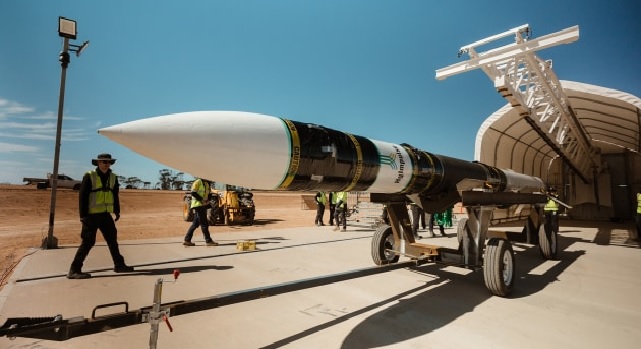
Space & Technology
Germany HyImpulse, a German company, achieves groundbreaking success with the launch of SR75, a cost-effective rocket transporting small satellites using innovative solid paraffin and liquid oxygen propulsion. Their achievement marks a significant leap in affordable access to space, signaling Germany's prowess and expanding Europe's reach in space exploration.HyImpulse, a German company, has achieved a significant milestone in space technology. For the first time, they successfully launched a commercially viable rocket called the SR75 from the Australian launch site in Koonibba. This rocket is designed to transport small satellites weighing up to 250 kilograms to an altitude of about 250 kilometers.What makes HyImpulse's rockets unique is their innovative propulsion system. Instead of traditional fuels, they use a combination of solid paraffin, similar to candle wax, and liquid oxygen. This design not only cuts costs by 40 percent compared to traditional systems but also makes the rockets safer, as paraffin does not pose the risk of explosion.Dr. Mario Kobald, one of the co-founders and co-CEOs of HyImpulse, highlighted the significance of this achievement for Germany's space industry. He emphasized that the successful launch demonstrates Germany's capabilities in space exploration and expands Europe's access to space.Dr. Christian Schmierer, another co-founder and co-CEO, explained that this successful launch validates their technical concept and market readiness. The company's goal is to provide cost-effective transportation for small satellites, enabling various projects such as environmental research, telecommunications, and navigation.HyImpulse is already planning the launch of a larger rocket called the SL1, scheduled for the end of next year. This multi-stage orbital launch vehicle can carry payloads of up to 600 kilograms to low Earth orbits, further advancing the company's mission of affordable access to space.Overall, HyImpulse's success marks a significant step forward in the commercial space industry. With their innovative technology and commitment to affordability, they are poised to meet the growing demand for satellite transportation in Europe and beyond.
Read More → Posted on 2024-05-04 06:22:05
Space & Technology
Artificial Intelligence Artificial Intelligence (AI) stands as a testament to human ingenuity and technological innovation, reshaping industries, revolutionizing workflows, and redefining the boundaries of what machines can achieve. From advanced machine learning algorithms to cutting-edge robotics, AI advancements have permeated every facet of modern society, offering transformative solutions to complex problems and unlocking new frontiers in human-machine collaboration. In this extensive article, we embark on a journey through the annals of AI evolution, unravelling recent breakthroughs, emerging trends, ethical considerations, and the profound impact of AI on the future of humanity. Foundations of Artificial IntelligenceThe foundations of AI can be traced back to the mid-20th century, with seminal works by pioneers such as Alan Turing, John McCarthy, and Marvin Minsky laying the groundwork for the field. The concept of AI encompasses the development of intelligent systems capable of performing tasks that typically require human cognition, including reasoning, learning, perception, and problem-solving. Over the decades, AI has evolved from rule-based expert systems to sophisticated neural networks and deep learning architectures, fueled by advances in computing power, data availability, and algorithmic innovation. Recent Advancements in AIRecent years have witnessed an explosion of AI advancements across diverse domains, propelled by breakthroughs in machine learning, natural language processing, computer vision, and robotics. Some notable advancements include:Deep Learning Breakthroughs: Deep learning, a subset of machine learning, has revolutionized AI by enabling computers to learn complex patterns and representations from vast amounts of data. Breakthroughs in deep learning architectures, such as convolutional neural networks (CNNs) and recurrent neural networks (RNNs), have led to remarkable progress in image recognition, speech synthesis, and natural language understanding.Transfer Learning and Meta-Learning: Transfer learning techniques allow AI models to leverage knowledge acquired from one domain to improve performance in another domain with limited training data. Meta-learning algorithms enable AI systems to learn how to learn, adapting quickly to new tasks and environments through experience and exploration.Reinforcement Learning Advancements: Reinforcement learning algorithms, inspired by principles of behavioral psychology, enable AI agents to learn optimal decision-making policies through trial and error. Recent advancements in reinforcement learning, including model-based approaches and deep reinforcement learning, have led to breakthroughs in autonomous driving, game playing, and robotic control.Transformer Models and Language Understanding: Transformer models, such as OpenAI's GPT (Generative Pre-trained Transformer) series, have revolutionized natural language processing (NLP) by capturing long-range dependencies and context in textual data. These models excel in tasks such as language translation, text generation, and sentiment analysis, paving the way for more human-like interactions with AI systems.Robotics and Autonomous Systems: Advancements in robotics have enabled the development of autonomous systems capable of navigating complex environments, manipulating objects, and interacting with humans. From self-driving cars and delivery drones to collaborative robots (cobots) in manufacturing, AI-powered robotics is transforming industries and reshaping the future of work. Applications of AI Across IndustriesAI has permeated virtually every industry, driving innovation, enhancing productivity, and enabling new business models. Some notable applications of AI across industries include:Healthcare: AI-powered diagnostic systems, medical imaging analysis, and predictive analytics are revolutionizing healthcare delivery, improving patient outcomes, and enabling personalized medicine. AI algorithms can assist clinicians in early disease detection, treatment planning, and drug discovery, leading to more efficient and cost-effective healthcare solutions.Finance: AI algorithms are utilized in financial services for fraud detection, risk assessment, algorithmic trading, and customer service automation. Machine learning models analyze vast amounts of financial data to identify patterns, anomalies, and market trends, enabling informed decision-making and mitigating financial risks.Retail and E-commerce: AI-driven recommendation systems, personalized shopping experiences, and supply chain optimization are reshaping the retail landscape. AI algorithms analyze customer preferences, purchase history, and browsing behavior to deliver targeted product recommendations, optimize pricing strategies, and streamline logistics operations.Manufacturing and Industry 4.0: AI-powered predictive maintenance, quality control, and production optimization are driving efficiencies and cost savings in manufacturing processes. Robotics and automation systems equipped with AI capabilities enhance productivity, flexibility, and safety in industrial environments, ushering in the era of Industry 4.0.Transportation and Logistics: AI technologies play a pivotal role in autonomous vehicles, route optimization, and smart transportation systems. Self-driving cars, trucks, and drones leverage AI algorithms for navigation, obstacle detection, and traffic management, promising safer, more efficient, and sustainable transportation solutions. Ethical Considerations and Societal ImplicationsThe rapid proliferation of AI technologies raises profound ethical considerations and societal implications that must be addressed:Bias and Fairness: AI algorithms can perpetuate biases present in training data, leading to unfair outcomes and discriminatory decision-making. Ensuring fairness, transparency, and accountability in AI systems is essential to mitigate bias and uphold ethical principles in algorithmic decision-making.Privacy and Data Security: AI applications rely on vast amounts of personal data, raising concerns about privacy infringement and data security breaches. Robust data protection measures, privacy-preserving techniques, and regulatory frameworks are needed to safeguard sensitive information and mitigate the risks of data misuse or unauthorized access.Autonomy and Accountability: AI systems with autonomous decision-making capabilities raise questions about accountability and liability in the event of errors or accidents. Establishing clear guidelines, ethical frameworks, and regulatory standards for AI governance is crucial to ensure responsible AI deployment and mitigate potential risks to society.Job Displacement and Workforce Transition: The automation of tasks and jobs by AI technologies may lead to job displacement and workforce transition challenges. Investing in education, reskilling, and lifelong learning initiatives can help individuals adapt to the changing labor market landscape and capitalize on new opportunities created by AI-driven innovation. Challenges and Future DirectionsDespite the remarkable progress in AI, several challenges and opportunities lie ahead:AI Safety and Robustness: Ensuring the safety, reliability, and robustness of AI systems remains a paramount concern. Addressing challenges such as adversarial attacks, model interpretability, and uncertainty estimation is crucial to building trustworthy AI systems capable of operating in real-world environments.Ethical AI Development: Integrating ethics, diversity, and inclusivity into the design and development of AI systems is essential to mitigate bias, promote fairness, and uphold human values. Ethical AI frameworks, interdisciplinary collaboration, and stakeholder engagement are vital for fostering responsible AI innovation and deployment.AI Explainability and Transparency: Enhancing the interpretability and transparency of AI models is essential for building trust and understanding in AI systems. Developing explainable AI techniques, model visualization tools, and interpretable machine learning methods can enable stakeholders to understand and scrutinize AI decision-making processes.Human-AI Collaboration: Embracing a human-centered approach to AI design and deployment can foster meaningful collaboration between humans and machines. Augmented intelligence models, collaborative robotics, and human-in-the-loop systems empower humans to leverage AI capabilities while retaining control and oversight over decision-making processes.AI Governance and Regulation: Establishing robust governance frameworks and regulatory policies is essential to address ethical, legal, and societal implications of AI technologies. International collaboration, standards development, and multi-stakeholder engagement are crucial for shaping responsible AI governance and ensuring alignment with societal values and norms. Editor’s Thoughts: The evolution of artificial intelligence has ushered in an era of unprecedented technological innovation, reshaping industries, transforming workflows, and redefining the human-machine interface. From deep learning breakthroughs to AI-powered applications across diverse domains, the impact of AI on society is profound and far-reaching. As we navigate the opportunities and challenges posed by AI, it is imperative to prioritize ethical considerations, foster human-centered approaches, and cultivate responsible AI innovation for the benefit of humanity.
Read More → Posted on 2024-05-03 16:38:09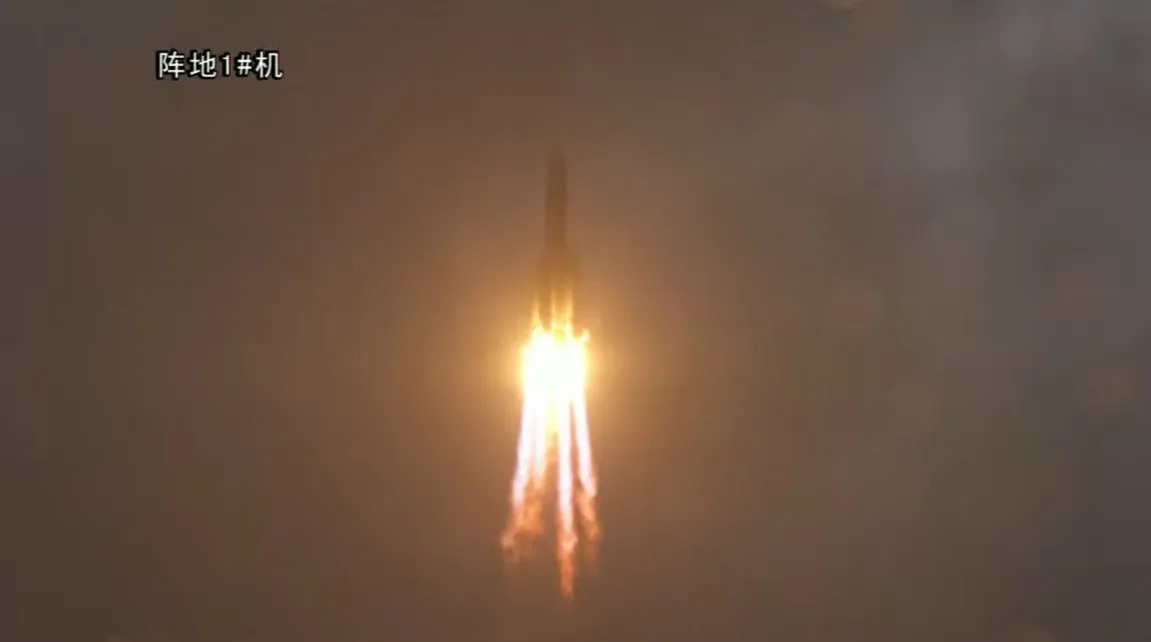
Space & Technology
China China's Chang'e 6 mission aims to collect samples from the moon's far side, advancing our understanding of lunar geology and history. This historic endeavor builds upon previous successes and underscores China's commitment to pioneering space exploration.China has once again set its sights on the moon, embarking on a pioneering mission to explore its mysterious far side. The Chang'e 6 mission, launched on May 3, marks a significant step in lunar exploration, aiming to achieve something unprecedented in space history: the collection and return of samples from the moon's hidden face.Riding atop a Long March 5 rocket from the Wenchang Space Launch Site in Hainan province, China, Chang'e 6 is equipped with a suite of instruments designed to delve into the enigmas of the lunar far side. If successful, it will join the ranks of Chang'e 4, the first mission to achieve a soft landing on the far side back in January 2019.Exploring the far side of the moon presents unique challenges due to communication constraints. Unlike the near side, which is visible from Earth, the far side requires a relay satellite to facilitate communication with mission control. China has taken proactive steps to address this, deploying relay satellites like Queqiao and Queqiao 2 to support its lunar missions.The scientific rationale behind exploring the far side is compelling. Unlike the near side, which is characterized by vast plains of volcanic rock, the far side presents a starkly different landscape. Understanding these disparities could offer valuable insights into the moon's geological history and evolution.Chang'e 6 comprises four key components: a lunar orbiter, a lander, an ascender, and an Earth-reentry module. The lander is tasked with touching down in the Apollo crater within the South Pole-Aitken basin, one of the largest impact craters in the solar system. This region is rich in ancient rocks that hold clues to the moon's early formation.The primary objective of Chang'e 6 is to collect lunar samples, both from the surface and beneath it. The lander will gather approximately 4.4 pounds (2 kilograms) of lunar material, including samples extracted from depths of up to 6.5 feet (2 meters). These samples will then be transferred to the ascender, which will rendezvous with the lunar orbiter for the journey back to Earth.The mission timeline spans 53 days, encompassing the launch, sample collection, and return to Earth. This approach mirrors that of Chang'e 5, China's first lunar sample-return mission, which successfully delivered material from the near side in December 2020.Chang'e 6 represents a crucial milestone in China's ambitious lunar exploration program. With plans for a crewed landing on the moon by 2030, China aims to establish a long-term presence through initiatives like the International Lunar Research Station (ILRS). Collaborative efforts with international partners, including Russia, underscore China's commitment to advancing lunar science and exploration.China's lunar ambitions have not gone unnoticed on the global stage. NASA, through its Artemis program, is also gearing up for crewed missions to the moon, with aspirations to establish a base near the south pole. The prospect of a new "moon race" has been framed by some as a competition for leadership in space exploration.At its core, however, the exploration of the moon transcends geopolitical rivalries. It represents a shared quest for knowledge and understanding of our celestial neighbor. By unlocking the secrets of the moon's far side, Chang'e 6 and future missions hold the promise of expanding our understanding of the universe and our place within it.In conclusion, China's Chang'e 6 mission heralds a new chapter in lunar exploration, offering a glimpse into the mysteries of the moon's hidden face. With each successful mission, humanity takes another step towards unraveling the secrets of the cosmos, uniting us in our shared pursuit of knowledge and discovery.
Read More → Posted on 2024-05-03 15:42:53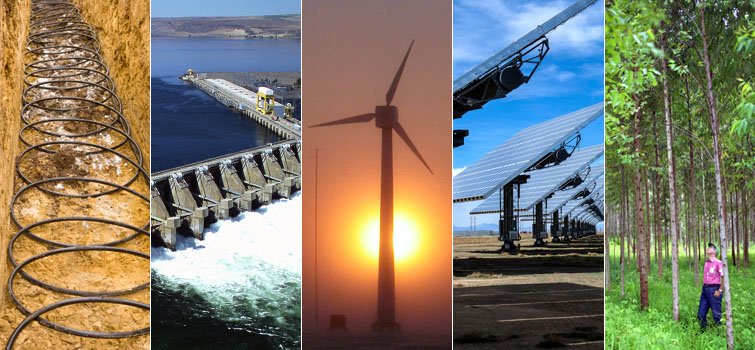
Space & Technology
Advancing Renewable Energy Technologies Renewable energy technologies have emerged as pivotal solutions in addressing global energy challenges while mitigating environmental concerns associated with fossil fuel combustion. From solar and wind power to biomass and geothermal energy, advances in renewable energy technologies are driving a paradigm shift towards a sustainable energy future. In this extensive report, we delve into the latest innovations, applications, challenges, and future prospects of renewable energy technologies. Renewable Energy SourcesOverview of Renewable Energy TechnologiesRenewable energy technologies encompass a diverse array of sources and systems, including:Solar Photovoltaics (PV): Solar PV technology harnesses sunlight to generate electricity through photovoltaic cells. Advances in solar panel efficiency, material science, and manufacturing processes have led to widespread adoption of solar PV systems for residential, commercial, and utility-scale applications.Wind Power: Wind turbines convert kinetic energy from wind into mechanical power, which is then converted into electricity. Innovations in turbine design, blade technology, and offshore wind farms have significantly increased the efficiency and capacity of wind power generation.Hydroelectric Power: Hydroelectric dams utilize the kinetic energy of flowing water to generate electricity. Recent developments in small-scale hydroelectric systems, run-of-river turbines, and pumped storage hydropower enhance the flexibility and reliability of hydroelectric power generation.Biomass and Bioenergy: Biomass energy involves the conversion of organic materials, such as agricultural residues, forestry waste, and biofuels, into heat, electricity, or biofuels. Advances in biomass conversion technologies, including anaerobic digestion, pyrolysis, and bio-refineries, offer renewable alternatives to fossil fuels for heat and power generation.Geothermal Energy: Geothermal power harnesses heat from the Earth's interior to generate electricity or provide heating and cooling. Enhanced geothermal systems (EGS), geothermal heat pumps, and binary cycle power plants leverage geothermal resources to produce clean, reliable energy with minimal environmental impact. Recent Advances in Renewable Energy TechnologiesSolar PV Innovations: Recent advancements in solar PV technology include the development of perovskite solar cells, tandem solar cells, and bifacial solar panels. Perovskite solar cells exhibit high efficiency and low production costs, while tandem solar cells combine multiple semiconductor materials to enhance light absorption and power conversion efficiency. Bifacial solar panels capture sunlight from both sides, increasing energy yield and versatility in installation.Wind Turbine Technology: Next-generation wind turbines feature larger rotor diameters, taller towers, and advanced control systems to optimize energy capture and reduce operational costs. Offshore wind farms, equipped with floating turbines and deep-water installations, harness stronger and more consistent wind speeds, unlocking vast renewable energy potential in offshore environments.Hydroelectric Innovations: Innovative hydroelectric technologies, such as run-of-river turbines, fish-friendly turbines, and modular hydrokinetic systems, minimize environmental impact while maximizing energy production. Pumped storage hydropower projects, utilizing surplus electricity to pump water uphill for later release during peak demand periods, enhance grid stability and renewable energy integration.Bioenergy Advancements: Advances in bioenergy include the development of advanced biofuels, biogas production from organic waste, and bioenergy with carbon capture and storage (BECCS) technologies. Advanced biofuels, such as cellulosic ethanol and algae-based biofuels, offer cleaner alternatives to conventional fossil fuels, while BECCS systems mitigate greenhouse gas emissions by capturing and sequestering CO2 from biomass combustion.Geothermal Innovations: Enhanced geothermal systems (EGS) leverage hydraulic fracturing and reservoir engineering techniques to access geothermal resources in regions with low natural permeability. Advanced geothermal heat pumps (GHPs) utilize ground-source heat exchangers to provide efficient heating and cooling for residential and commercial buildings, reducing energy consumption and carbon emissions. Challenges and Future DirectionsDespite significant progress, renewable energy technologies face several challenges on the path towards widespread adoption:Intermittency and Grid Integration: The intermittent nature of renewable energy sources, such as solar and wind power, poses challenges for grid stability and energy supply reliability. Advances in energy storage, smart grid technologies, and demand-side management are essential for integrating variable renewable energy sources into the grid and balancing supply and demand in real-time.Cost Competitiveness: While the cost of renewable energy technologies has declined significantly in recent years, achieving cost competitiveness with fossil fuels remains a challenge in certain regions. Continued research and development efforts, coupled with supportive policies such as tax incentives and renewable energy mandates, are needed to drive down costs and accelerate the transition to renewable energy sources.Infrastructure and Resource Constraints: The deployment of renewable energy technologies requires significant infrastructure investment, including transmission lines, energy storage facilities, and manufacturing capacity. Addressing infrastructure constraints and resource availability, such as land use conflicts, water availability, and material supply chains, is critical for scaling up renewable energy deployment and overcoming logistical barriers.Policy and Regulatory Uncertainty: Inconsistent policy frameworks, regulatory barriers, and political uncertainty can hinder investment in renewable energy projects and slow down deployment efforts. Clear and stable policy signals, coupled with long-term planning and international cooperation, are essential for creating a conducive environment for renewable energy investment and innovation.Environmental and Social Impacts: While renewable energy technologies offer significant environmental benefits compared to fossil fuels, they can also have adverse environmental and social impacts, such as habitat disruption, land use change, and conflicts over resource allocation. Implementing sustainable siting practices, stakeholder engagement processes, and environmental impact assessments can help mitigate these impacts and ensure the sustainable development of renewable energy projects. Editor’s Thoughts: Advances in renewable energy technologies hold the promise of transforming the global energy landscape, reducing greenhouse gas emissions, and mitigating the impacts of climate change. From solar and wind power to biomass and geothermal energy, innovations in renewable energy technologies are driving a transition towards a more sustainable, resilient, and decentralized energy system. Overcoming challenges related to intermittency, cost competitiveness, infrastructure constraints, policy uncertainty, and environmental impacts will require concerted efforts from governments, industry stakeholders, and research institutions. By harnessing the full potential of renewable energy technologies and accelerating their deployment on a global scale, we can build a cleaner, greener, and more prosperous future for generations to come.
Read More → Posted on 2024-05-02 16:20:08
Space & Technology
India New research reveals extensive water ice deposits in lunar polar craters, crucial for future moon missions and human presence, with origins traced back to volcanic activity during the Imbrian period. This finding, based on comprehensive data analysis from multiple institutions, provides key insights for ISRO's lunar exploration plans.A recent study reveals evidence for enhanced possibility of water ice occurrence in the polar craters of the Moon. The study is carried out by the scientists of Space Applications Centre (SAC)/ISRO, in collaboration with researchers at IIT Kanpur, University of Southern California, Jet Propulsion Laboratory, and IIT (ISM) Dhanbad (Chakraborty et al., 2024). It suggests that the amount of subsurface ice in the first couple of meters is about 5 to 8 times larger than the one at the surface in both poles. As such, drilling on the moon to sample or excavate that ice will be primordial for future missions and long-term human presence. Moreover, the study also suggests that the extent of water ice in the northern polar region is twice that in the southern polar region. As for the origin of this ice, the study confirms the hypothesis that the primary source of subsurface water ice in the lunar poles is outgassing during volcanism in the Imbrian period. The results also conclude that the distribution of water ice is likely governed by Mare volcanism and preferential impact cratering. The research team used seven instruments comprising radar, laser, optical, neutron spectrometer, ultra-violet spectrometer, and thermal radiometer onboard the Lunar Reconnaissance Orbiter to understand the origin and distribution of water ice on the Moon. Accurate knowledge of the distribution and depth of water ice occurrence in the lunar poles, as presented in the investigations, is crucial for constraining the uncertainties in selecting future landing and sampling sites for missions aimed at exploring and characterizing lunar volatiles. This result also supports a previous study of SAC, ISRO pointing out the possibility of the presence of water ice in some of the polar craters, utilizing polarimetric radar data from the Chandrayaan-2 Dual-frequency Synthetic Aperture Radar instrument (Putrevu et al., 2023). Alongside, the presented comprehensive understanding of the occurrence of water ice in the lunar poles, in this study, is crucial for supporting ISRO’s future in-situ volatile exploration plans on the Moon. Further details can be found in the published study in the International Society for Photogrammetry and Remote Sensing flagship journal ISPRS-P&RS (Chakraborty et al., 2024). Reference: Putrevu, D., Chakraborty, T., Mukhopadhyay, J., Syed, T.H., Bhiravarasu, S.S., Das, A., Pandey, D.K., and Misra, A., (2023), Lunar Impact Craters: New Perspectives from Full-polarimetric analysis of Chandrayaan-2 Dual-Frequency SAR data, Journal of Geophysical Research: Planets, 128, e2023JE007745, https://doi.org/10.1029/2023JE007745 Chakraborty, T., Syed, T.H., Heggy, E., Putrevu, D., and Dutta, U., (2024), On the reachability and genesis of water ice on the Moon, ISPRS Journal of Photogrammetry and Remote Sensing, https://doi.org/10.1016/j.isprsjprs.2024.03.020 Recent studies suggest more ice on the Moon within exploitable depths The polar mosaic derived from the LRO Wide Angle Camera (WAC) of lunar (a) North polar region (70°N onwards) and (b) South polar region (70°S onwards), showing the locations of water ice regions belonging to various Classes. Regions within Blue, Yellow, Cyan, and Pink colored polygons belong to classes CP, CW, WP, and CWP, respectively. The images are in lunar polar stereographic projection. Recent studies suggest more ice on the Moon within exploitable depths Distribution of the total area and CPR values of the water ice regions belonging to various classes in different latitudinal bands in the (a) North Polar region (70°N onward) and (b) South Polar region (70°S onward). Similarly, the distribution of the total area and CPR values of the water ice regions belonging to various classes in different longitudinal bands are represented in (c) the North Polar region and (d) the South Polar region.
Read More → Posted on 2024-05-01 15:59:40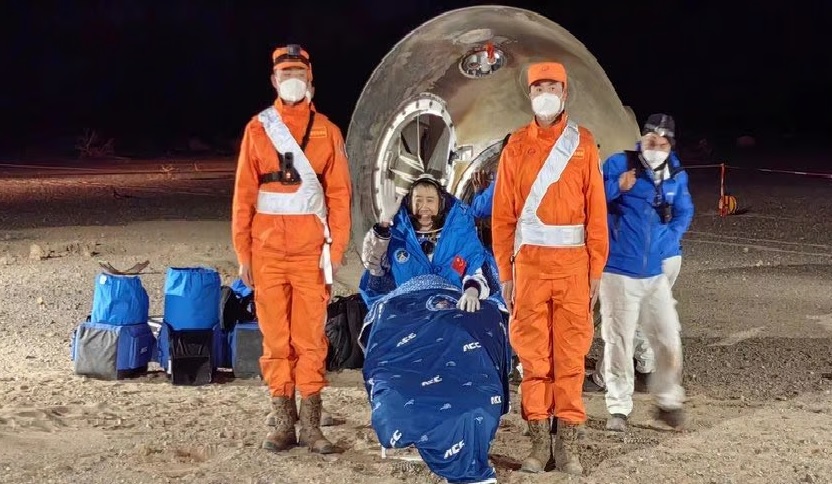
Space & Technology
China Chinese astronauts safely return from a six-month mission aboard Tiangong space station, marking another milestone in China's space exploration efforts. Shenzhou 17 crew conducted critical repairs and scientific experiments, contributing to the station's operational success.On April 30, China marked another milestone in its space exploration endeavors as three astronauts safely returned to Earth after completing a six-month mission aboard the Tiangong space station. Tang Hongbo, Tang Shengjie, and Jiang Xinlin, the crew of the Shenzhou 17 spacecraft, touched down in the Inner Mongolia Autonomous Region at 5:46 a.m. EDT, concluding their journey which began on October 25.Throughout their mission, the Shenzhou 17 crewmembers conducted a series of scientific experiments and undertook critical tasks, including two spacewalks to repair the station's solar arrays, which had sustained damage from debris or micrometeoroid impacts. Their efforts not only contributed to the advancement of scientific knowledge but also ensured the operational integrity of the Tiangong space station.The significance of the Shenzhou 17 mission extends beyond its scientific achievements. With this being China's 12th astronaut flight and the sixth crewed visit to Tiangong, it underscores the nation's commitment to space exploration and the development of its indigenous space capabilities. Moreover, the youthfulness of the crew members—Tang Hongbo, Tang Shengjie, and Jiang Xinlin—reflects China's dedication to fostering a new generation of space explorers.The successful return of the Shenzhou 17 crew coincides with the launch of the Shenzhou 18 mission, which saw the deployment of astronauts Ye Guangfu, Li Guangsu, and Li Cong to the Tiangong space station. This seamless transition highlights China's operational proficiency and underscores its ability to sustain long-term human presence in space.The Tiangong space station, comprised of the Tianhe core module and two laboratory modules named Mengtian and Wentian, serves as a testament to China's ambitions in space exploration. While currently about 20% the mass of the International Space Station, Chinese space officials have expressed plans to expand and enhance Tiangong, aiming to maintain a continuous presence of rotating astronaut crews for at least the next decade.Looking ahead, China's endeavors in space exploration are poised to make further strides, with ongoing missions and ambitious plans for the future. As the nation continues to push the boundaries of human knowledge and exploration, the successful completion of the Shenzhou 17 mission reaffirms China's status as a key player in the global space community.
Read More → Posted on 2024-05-01 06:22:04Search
Top Trending in 24 Hours
-
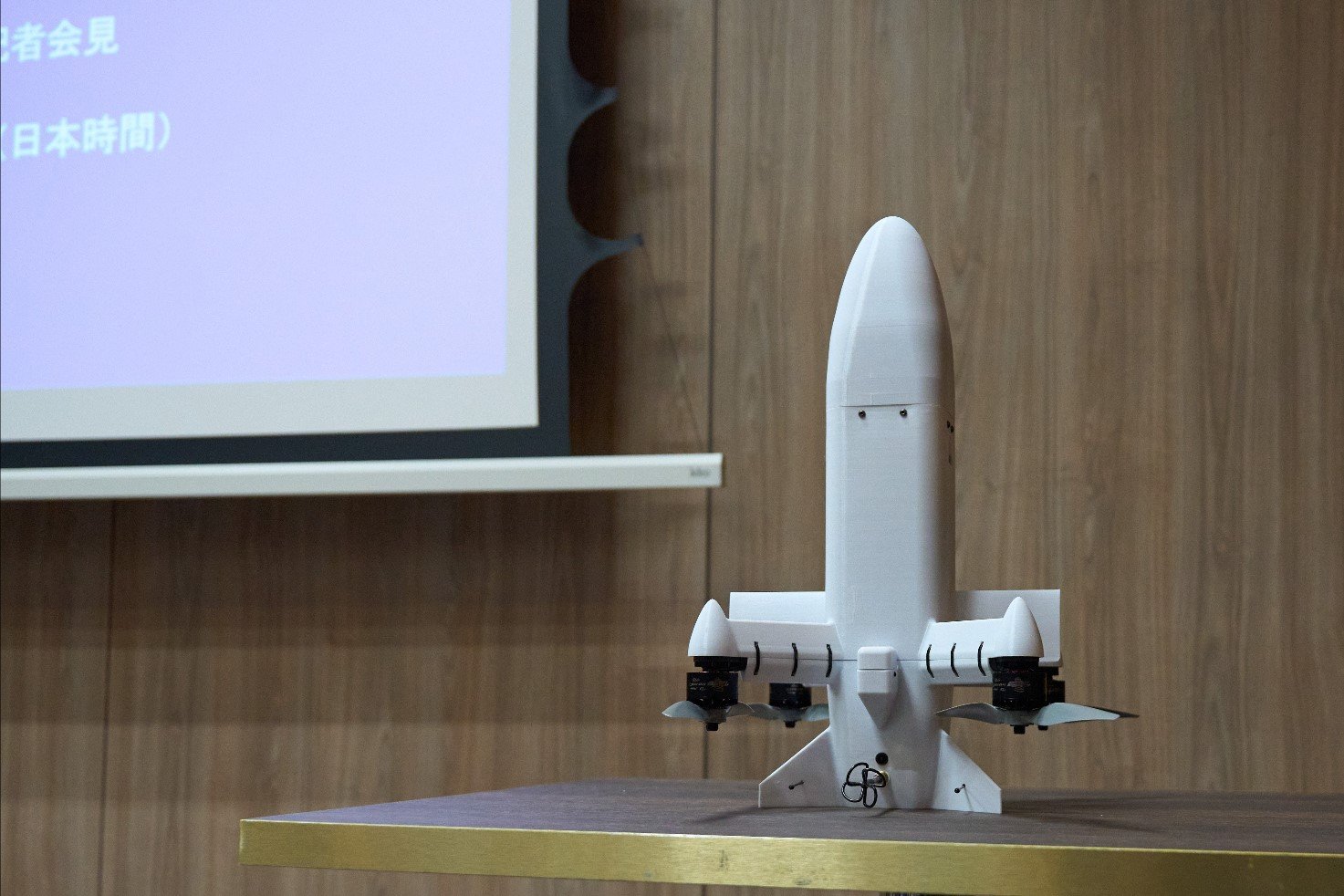 Japan Selects Terra Drone’s Terra B1 for Mass Production of Interceptor UAVs
-
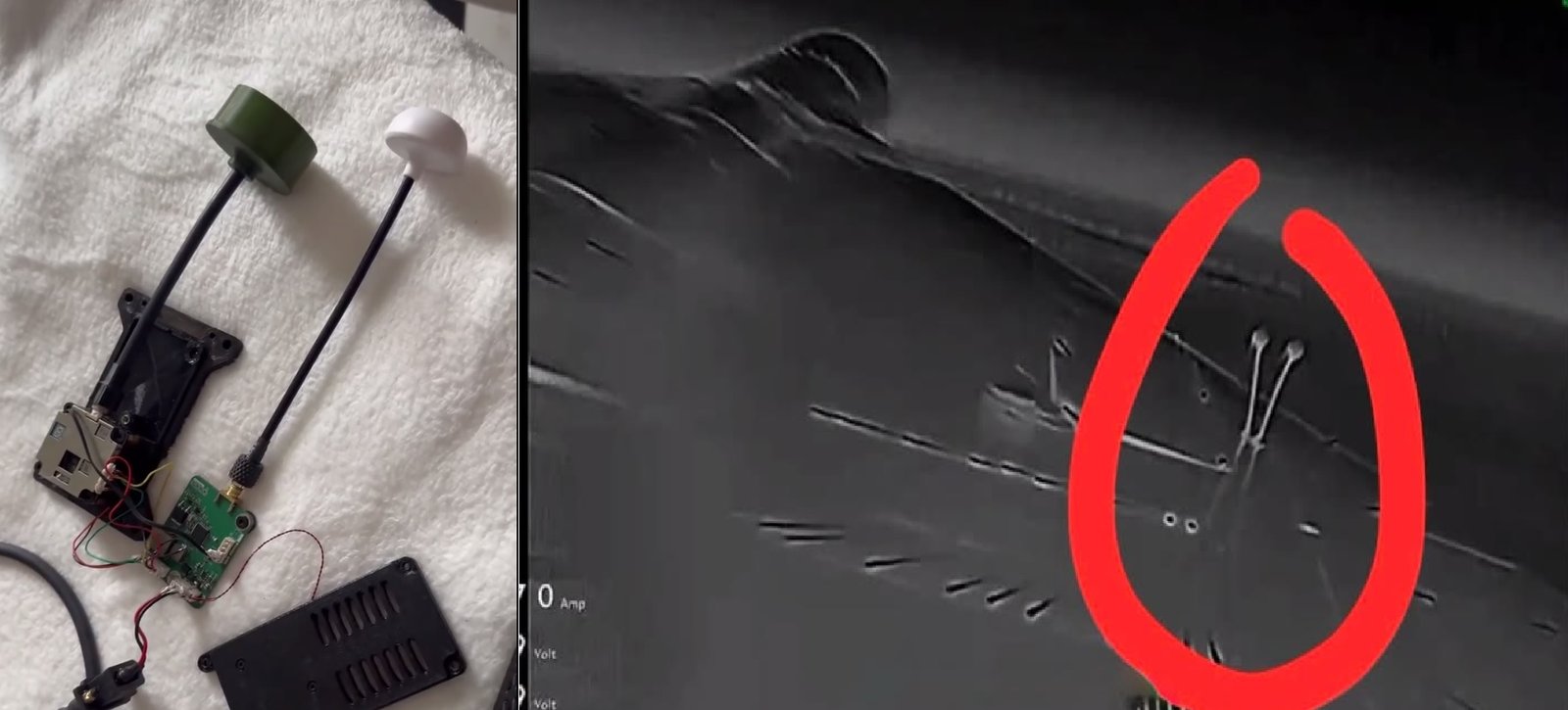 Russia Equips Shahed and Geran Drones With Electronic Warfare Systems to Jam Ukrainian Interceptor Video Links
-
 Austria Receives First Modernized Leopard 2A4Ö Tank and Ulan NV Infantry Fighting Vehicle
-
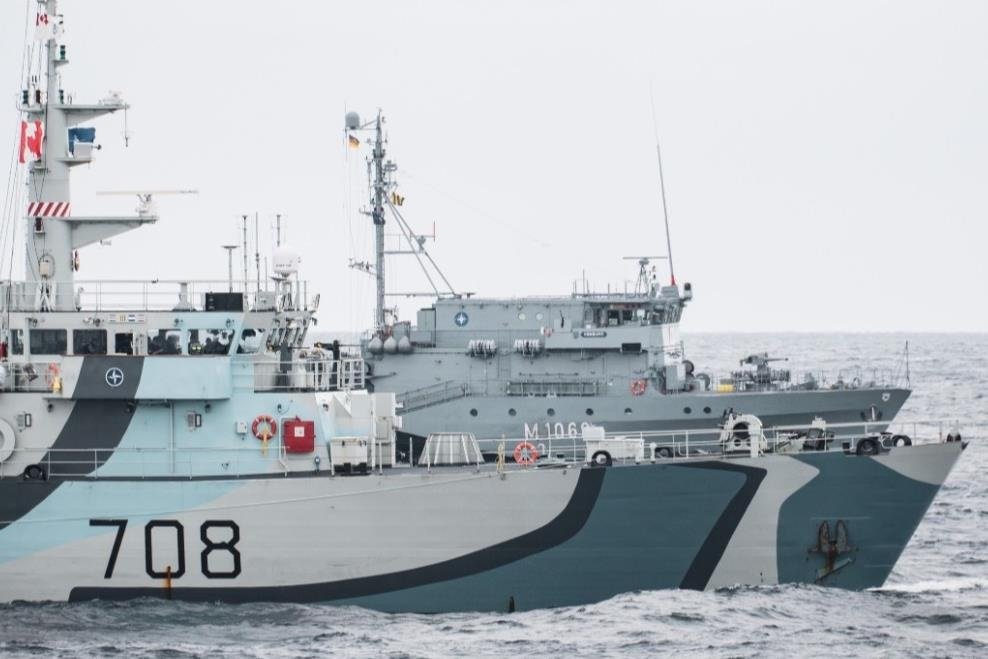 NATO Launches Exercise Northern Viking 26 in Iceland to Secure North Atlantic Routes
-
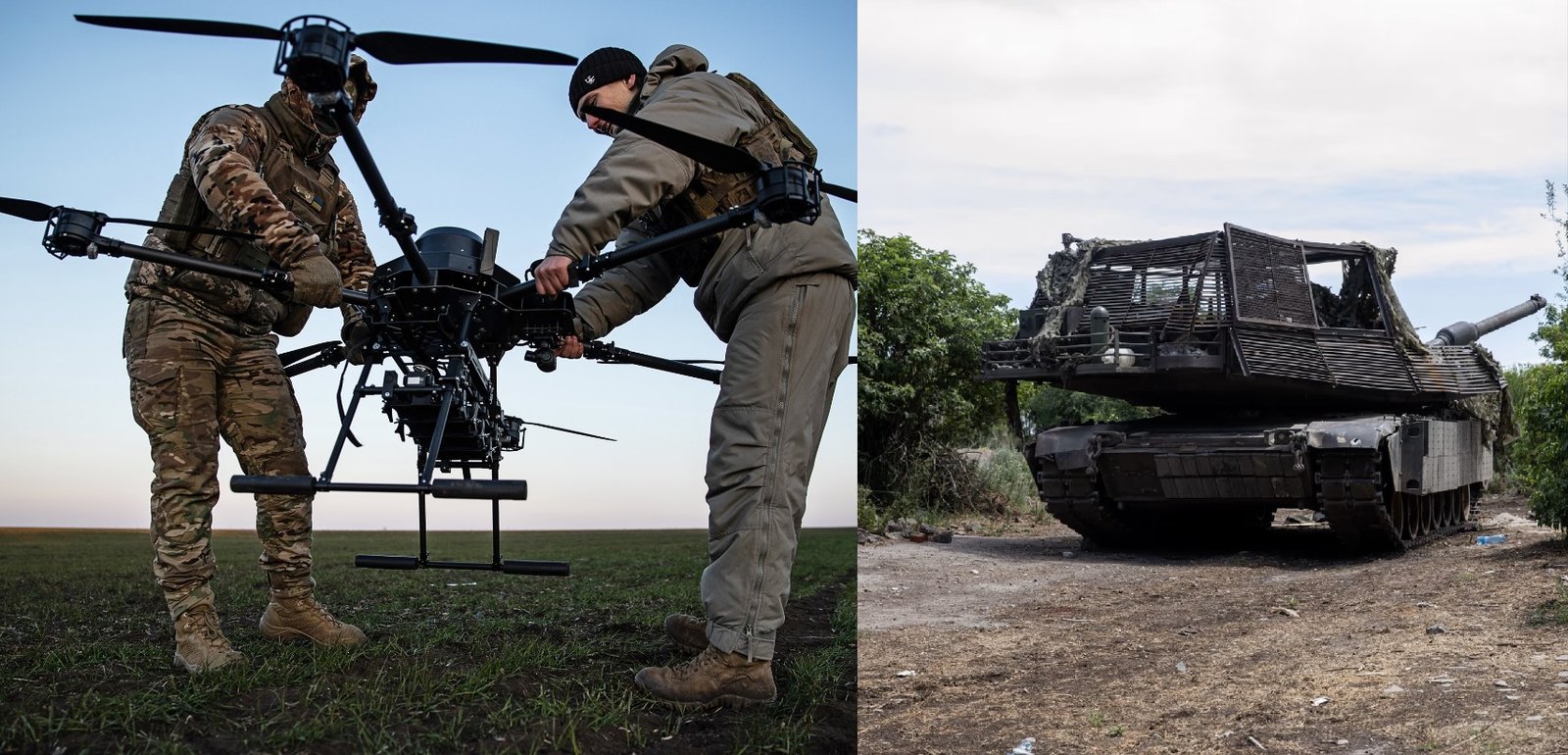 Ukraine Reduces Use of Western Tanks as Cheap Drones Become a Major Battlefield Threat
-
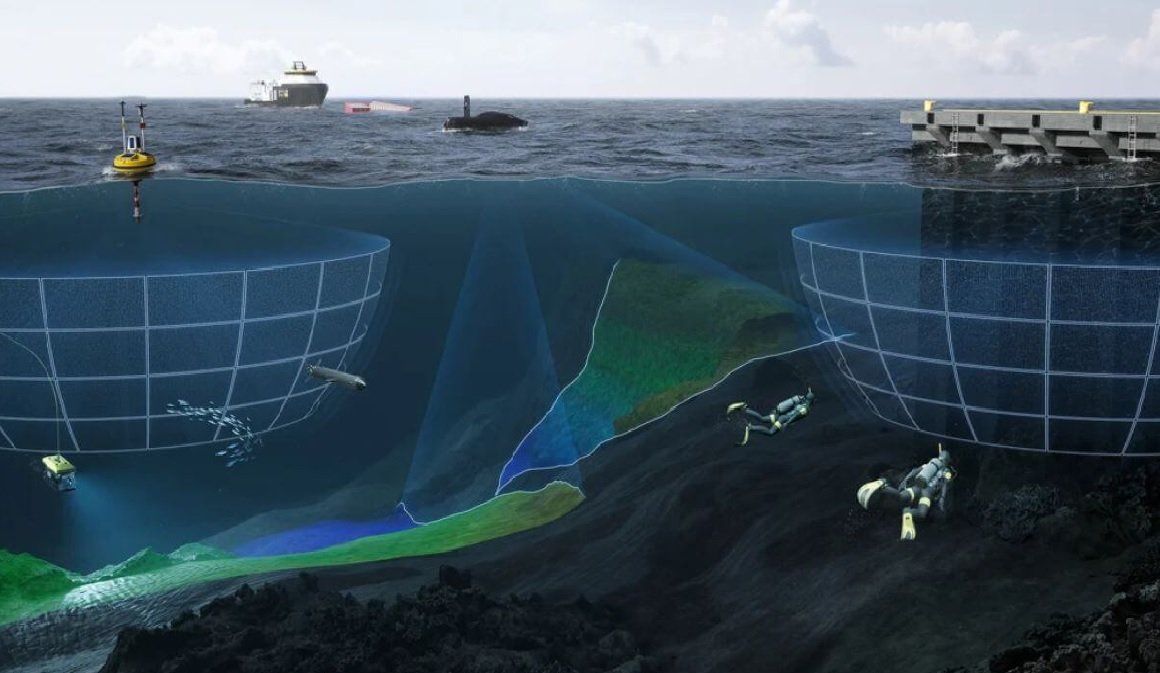 Kongsberg Introduces Aegir SSA Sonar Family With AI-Powered Monitoring for Continuous Underwater Surveillance
-
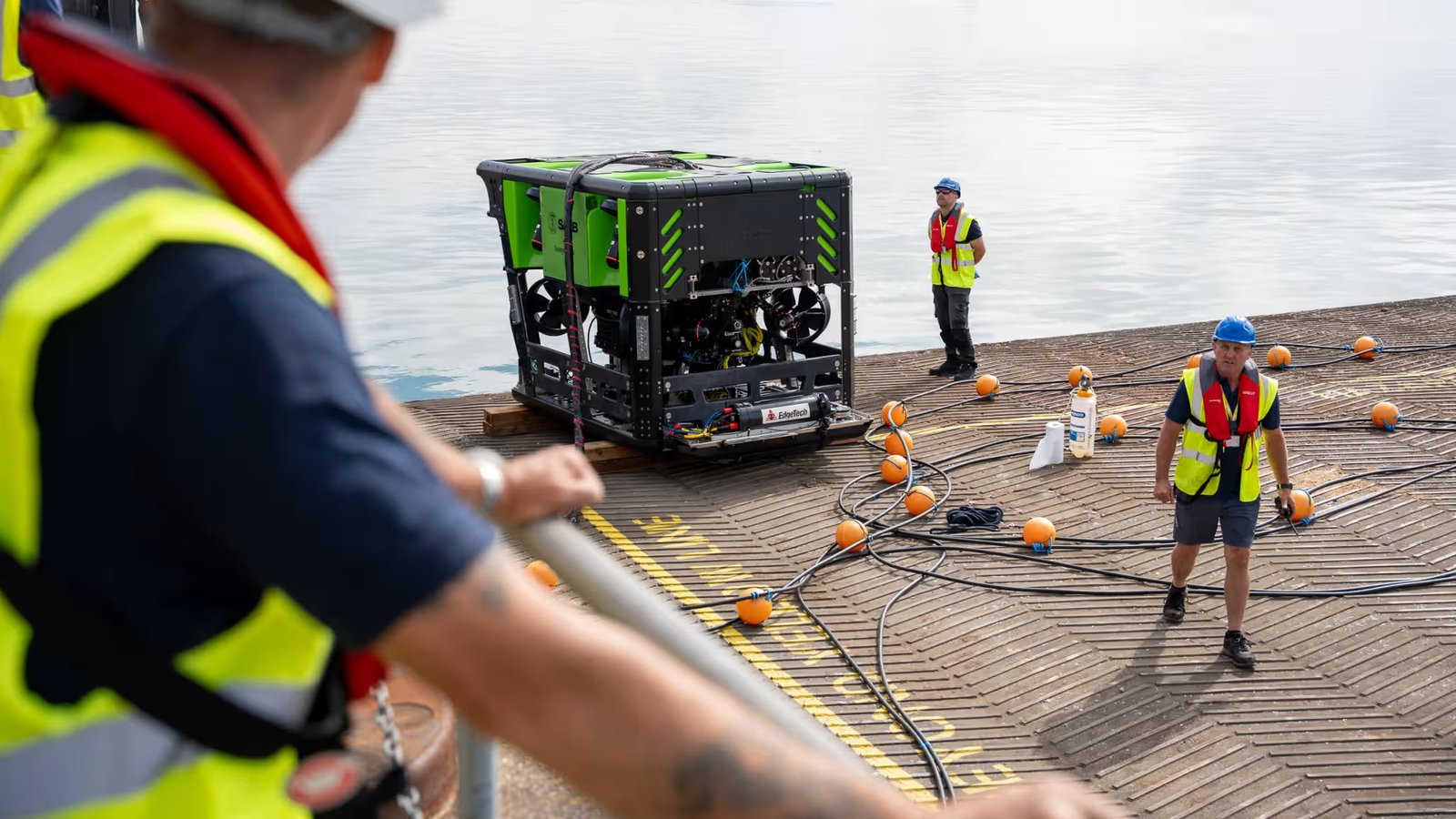 Saab UK Completes Key Trials of Seaeye SR20 eWROV, Moves to Next Development Phase
-
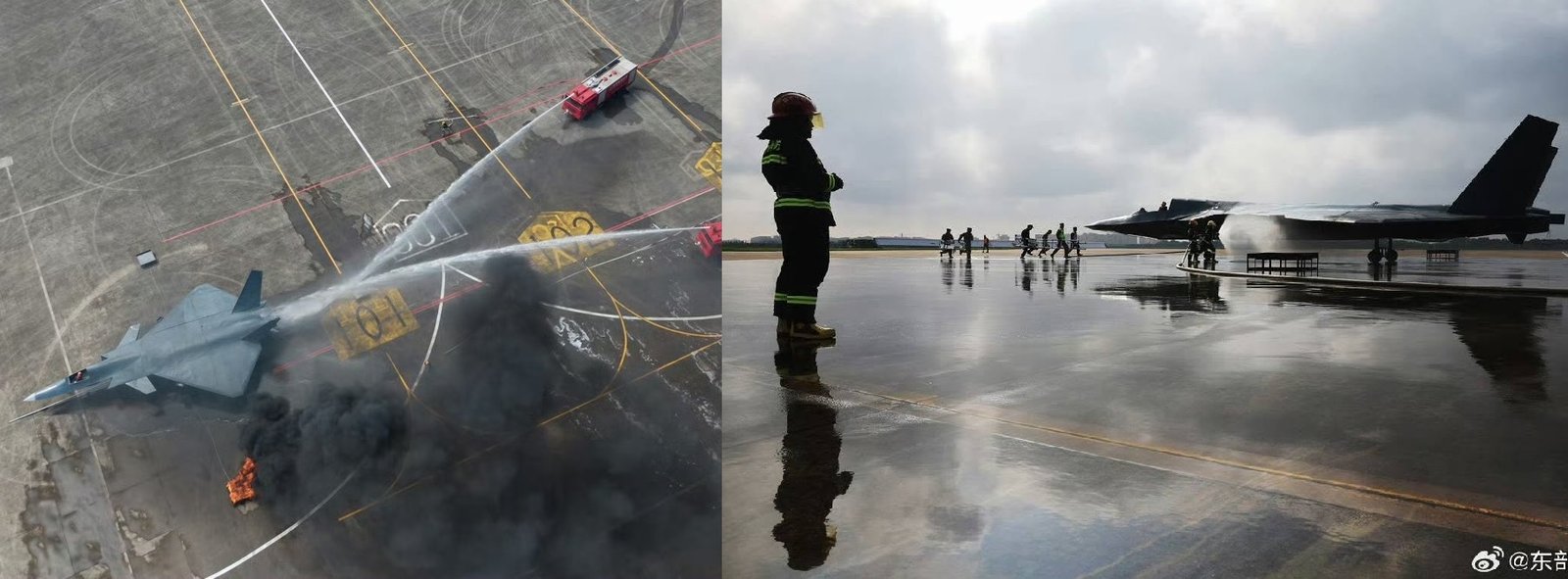 Mystery Chinese J-20-Like Object Seen at Former Airport Was a Firefighting Training Mock-Up
Top Trending in 4 Days
-
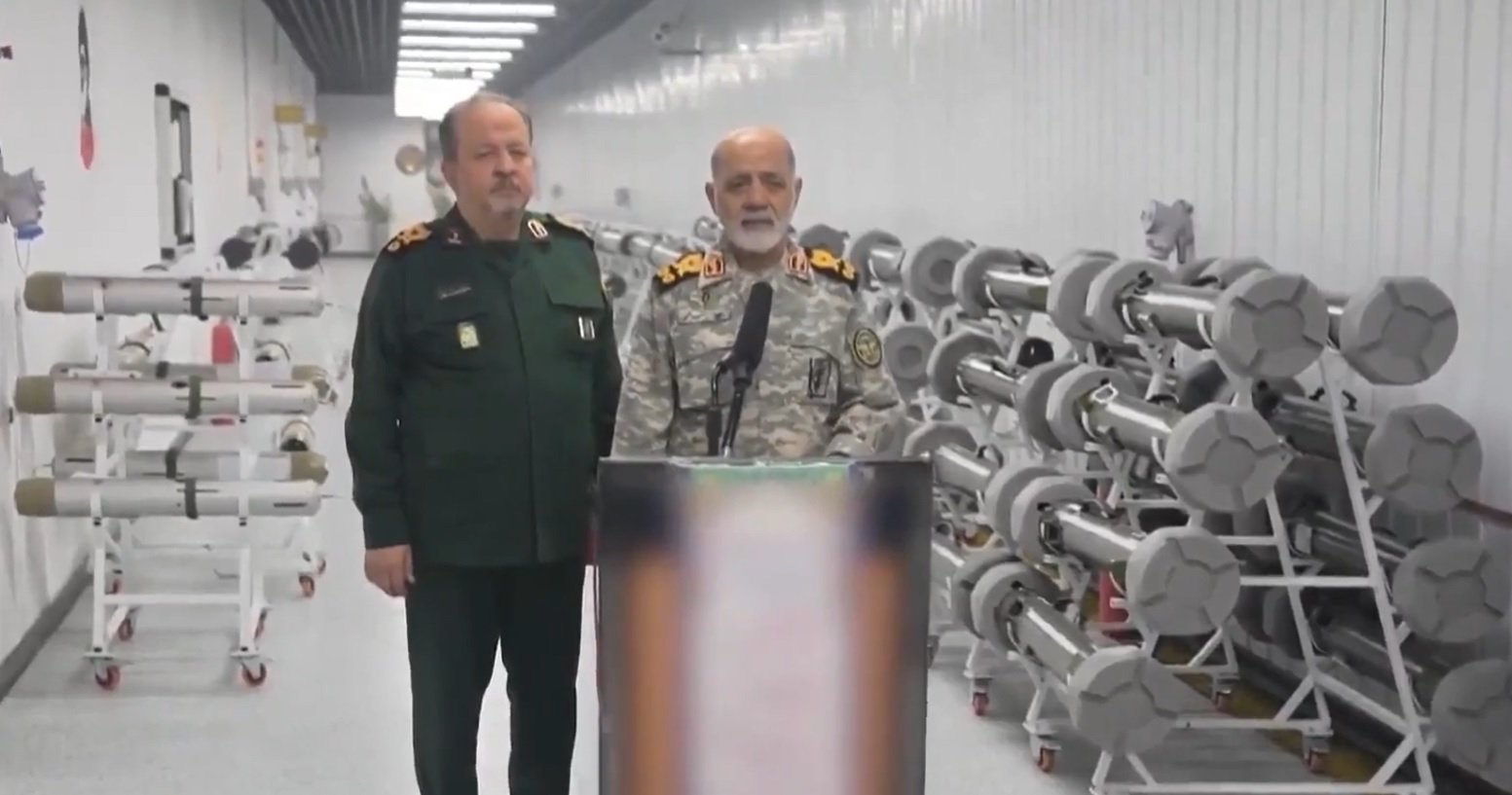 Iran Reveals Underground Weapons Manufacturing Facility for First Time on State TV
-
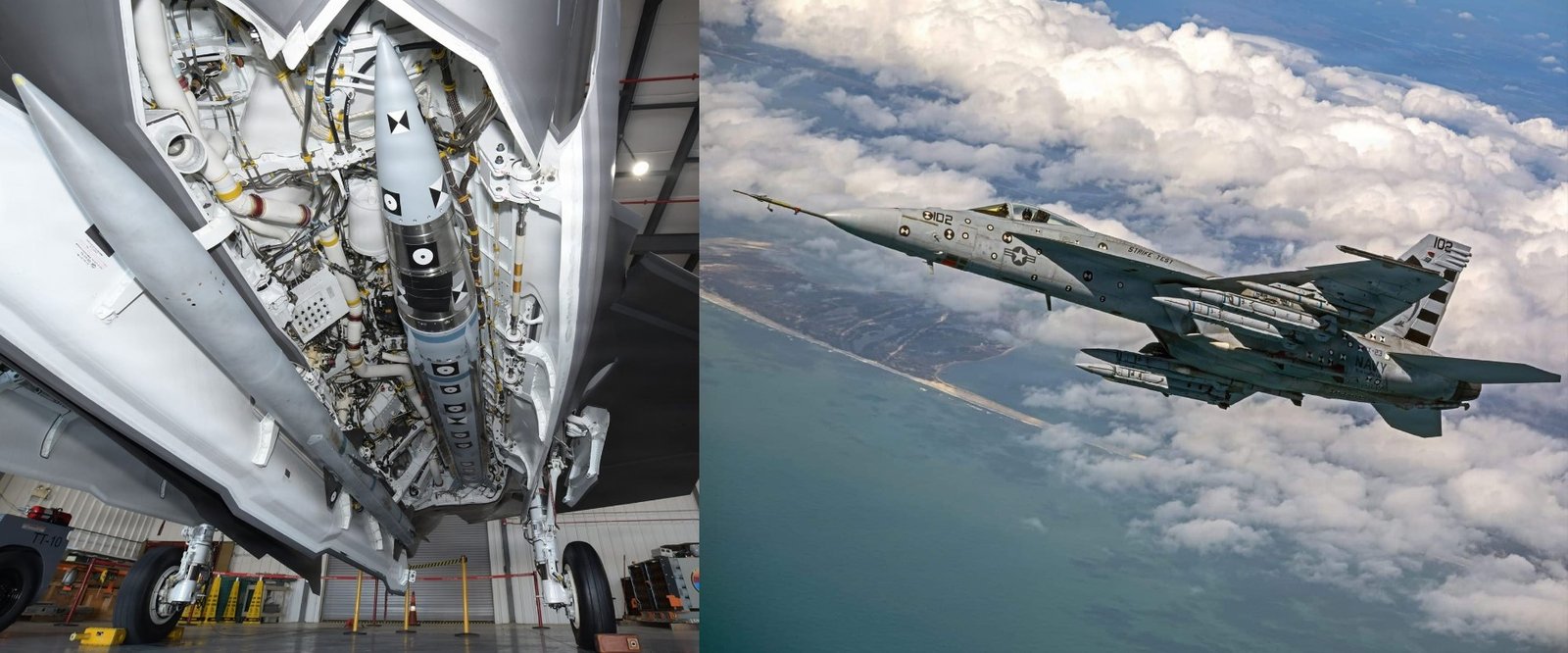 U.S. Navy Unveils New AIM-424 ‘Malice’ Air-to-Air Missile With 463+ km Range for F-35C, Super Hornet and F/A-XX
-
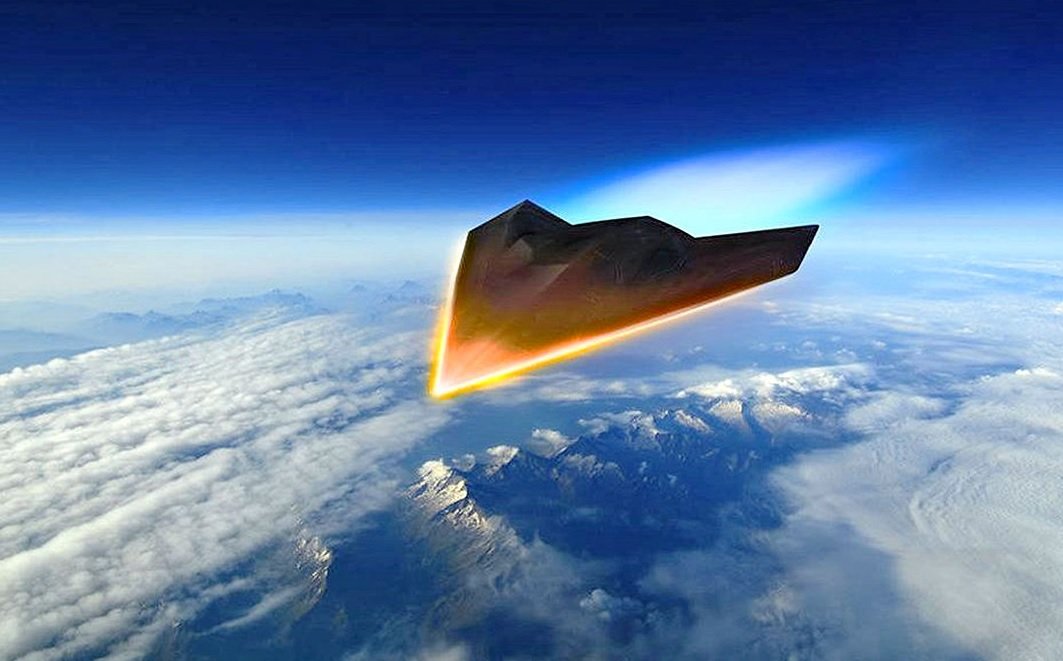 China Develops Hypersonic Glide Vehicles Capable of Launching Air-to-Air Missiles Mid-Flight
-
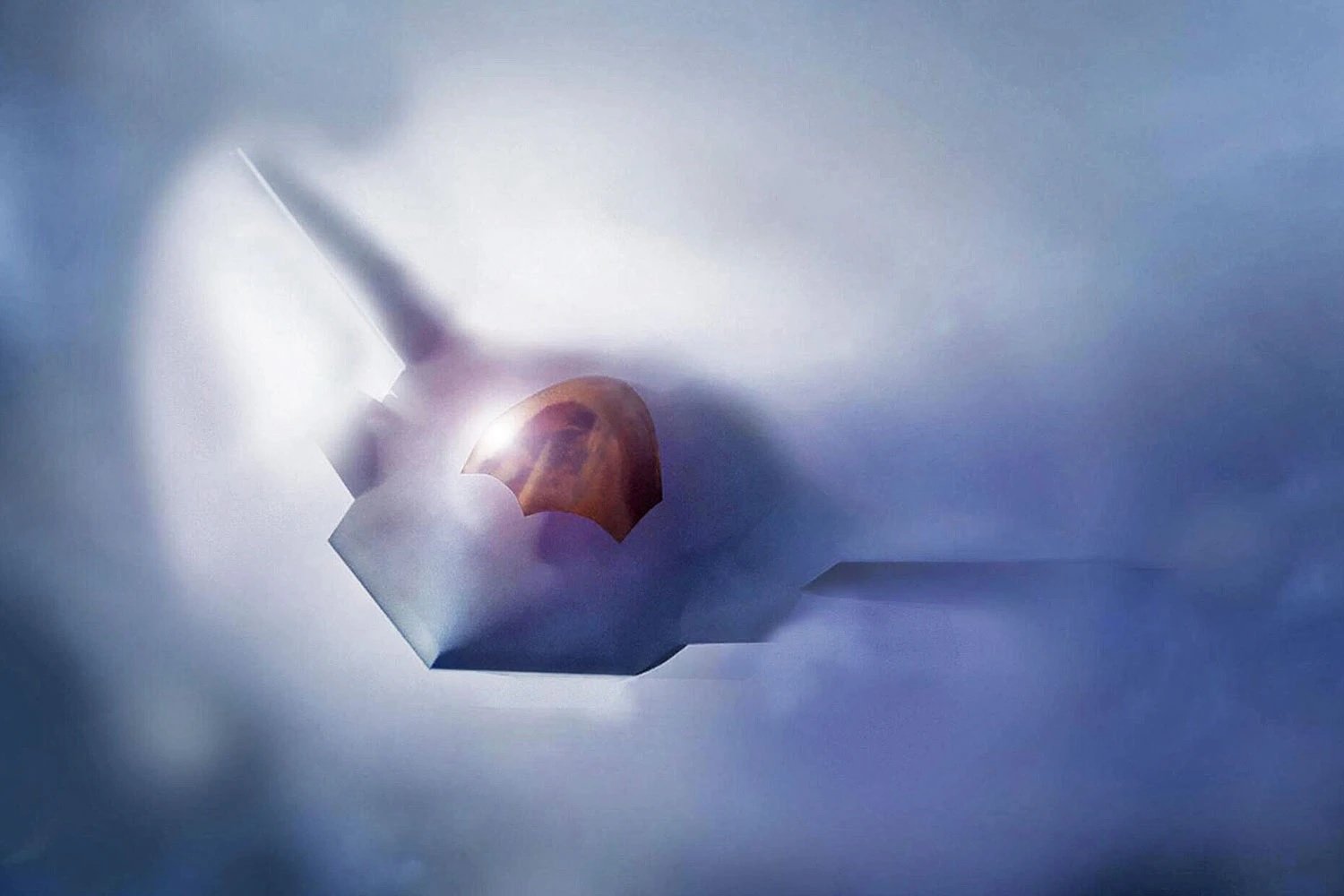 Israel Explores Potential Acquisition of U.S. F-47 Sixth-Generation Fighter
-
 Iran-Linked Hackers Shut Down UK Power Plant for Four Days in First Known Attack
-
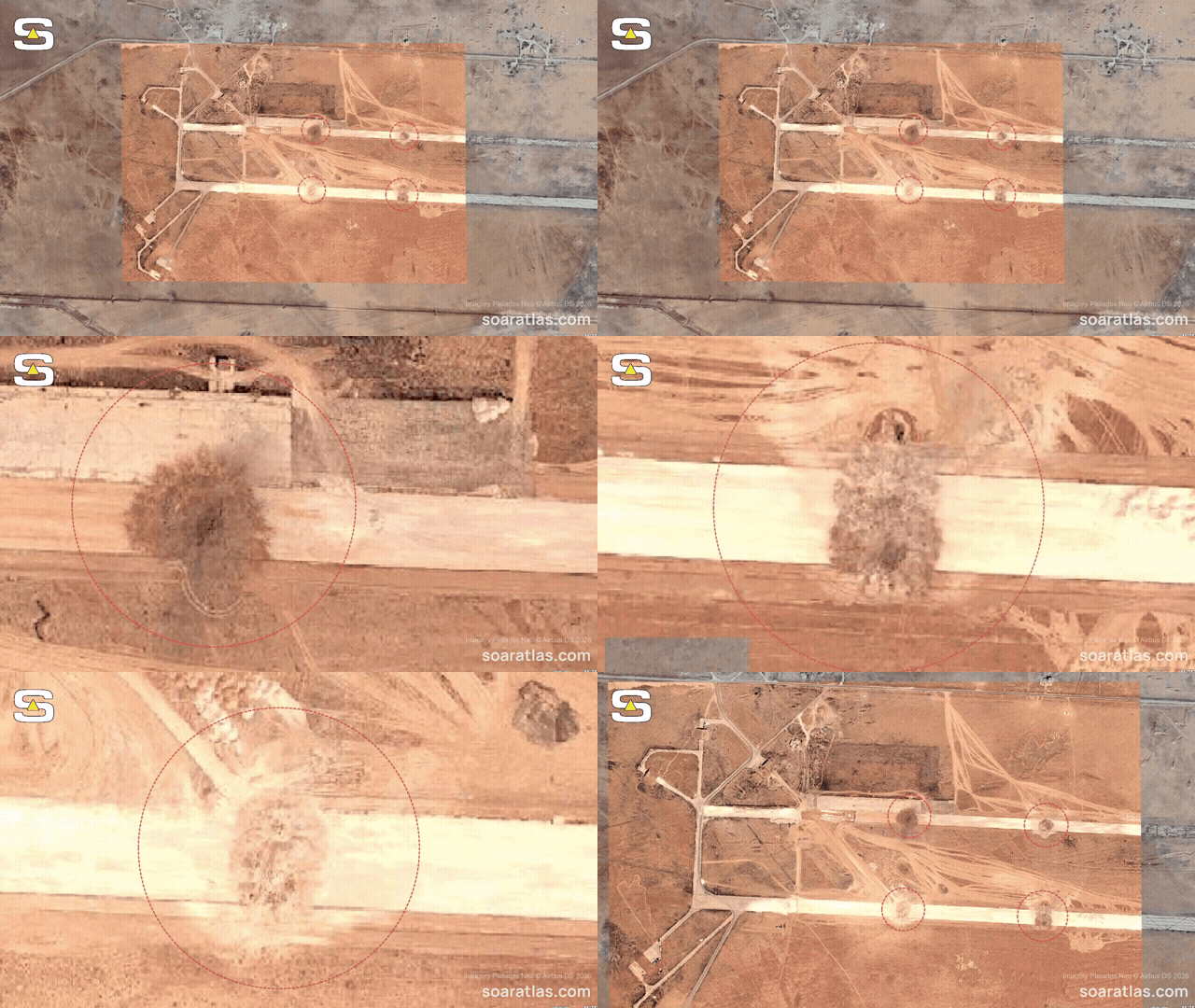 Satellite Imagery Shows Damage From Israeli Strikes on Turkey Military Occupied Syria’s Abu al-Duhur Airbase
-
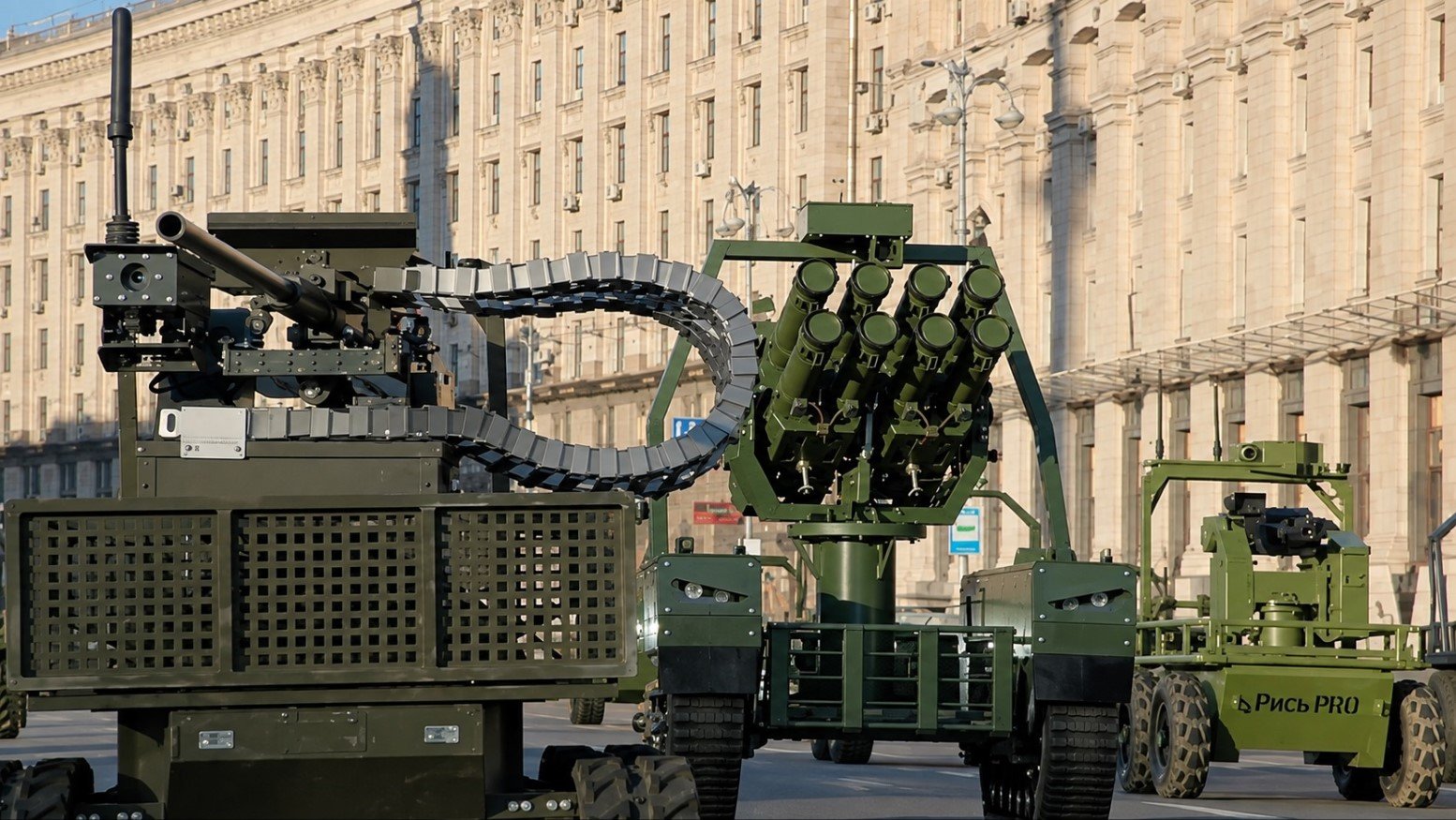 Ukraine Holds World’s First Unmanned Military Parade on 35th Independence Day
-
 UAE Completes Protective Metal Structures Around Fuel Tanks Near Dubai International Airport