Space & Technology
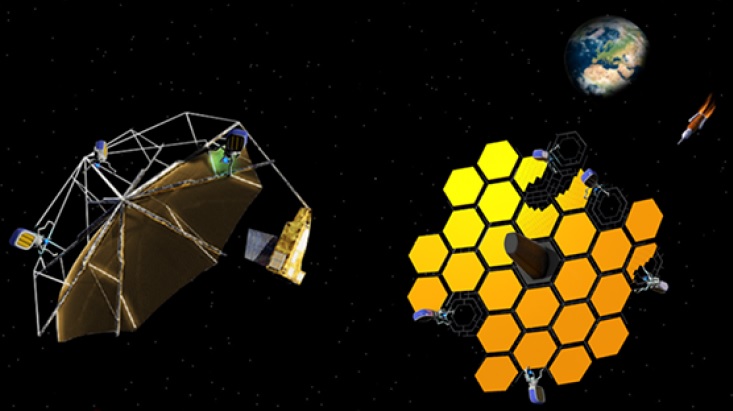
In a groundbreaking move, California-based space services company Momentus has secured a $3.5 million contract with the Defense Advanced Research Projects Agency (DARPA) to demonstrate the assembly of large-scale structures in Earth's orbit. This initiative is part of DARPA's Novel Orbital and Moon Manufacturing, Materials, and Mass-efficient Design (NOM4D) program, which aims to revolutionize space manufacturing for complex Department of Defense systems. The NOM4D Program: A Vision for In-Space Manufacturing The NOM4D program seeks to develop technologies that enable the construction of robust and precise structures directly in space. Unlike traditional deployable structures designed to withstand the rigors of launch, NOM4D envisions transporting raw materials from Earth to manufacture components such as solar arrays, antennas, and optics optimized specifically for the space environment. This approach could lead to more efficient designs and reduce the limitations imposed by current launch vehicle capacities. Momentus' Role and the Vigoride Orbital Service Vehicle Under this contract, Momentus will utilize its proprietary Vigoride Orbital Service Vehicle to support the in-space assembly demonstration. The Vigoride is designed to deliver up to 200 kilograms (441 pounds) of cargo, supply up to 1 kilowatt of power, and host payloads near the International Space Station. It employs a water-based propulsion system, allowing it to maneuver and modify its orbit to meet various mission requirements. The vehicle is scheduled to launch aboard a SpaceX Transporter rideshare mission in early 2026. Once in low-Earth orbit, Vigoride will carry and support assembly devices that will be evaluated as part of the NOM4D program. This mission represents a significant step toward advancing in-space construction capabilities. Implications for the Future of Space Operations The ability to assemble structures in space has the potential to transform space operations. Structures that are too large to fit within the confines of a launch vehicle can be robotically assembled in orbit, leading to less complex and more cost-effective solutions. This capability could pave the way for large communications antennas, hubs for orbital manufacturing of advanced materials, and the repair and upgrade of space systems. Momentus CEO John Rood expressed enthusiasm about the collaboration, stating, "Cost-effective assembly of structures in space has the potential to transform how we operate in space." Momentus' partnership with DARPA under the NOM4D program marks a pivotal moment in the evolution of space infrastructure. By demonstrating the feasibility of assembling large-scale structures in orbit, this initiative could redefine the possibilities of space exploration and utilization, ushering in a new era of innovation and efficiency in the final frontier.
Read More → Posted on 2025-02-11 14:19:05
Space & Technology
Elon Musk, the visionary entrepreneur behind Tesla and SpaceX, is making significant strategic moves to expand Tesla's footprint in India and foster collaboration with the Indian Space Research Organisation (ISRO). These initiatives are poised to accelerate technological advancements in electric vehicles and space exploration, bolstering India's position in the global aerospace sector while enhancing SpaceX's innovative capabilities. Tesla's Expansion Plans in India Recognizing India's burgeoning electric vehicle (EV) market, Musk has expressed a keen interest in establishing a manufacturing presence in the country. Reports suggest that Tesla is considering setting up a factory in India, with an anticipated investment ranging between $2 to $3 billion. This move aligns with India's EV policy, which offers incentives for manufacturers and aims to promote sustainable transportation solutions. In a recent development, Prime Minister Narendra Modi is expected to meet with Elon Musk during his visit to the United States. The discussions are likely to focus on Tesla's potential entry into the Indian market and the establishment of a manufacturing base. Musk's admiration for both India and Prime Minister Modi underscores his commitment to expanding Tesla's presence in the country. However, Tesla's strategy has seen adjustments over time. The company announced plans to increase production by 50% from 2023 before investing in new manufacturing lines, focusing on building more affordable vehicles using existing factories. This approach may influence the timeline for establishing new factories in countries like India and Mexico. Collaboration with ISRO A potential collaboration between SpaceX and ISRO could involve sharing advanced technologies and undertaking joint missions. In a landmark event, SpaceX successfully launched ISRO's GSAT-N2 communication satellite aboard its Falcon 9 rocket from Cape Canaveral, Florida. This mission marked the first major commercial partnership between SpaceX and ISRO, highlighting the potential for future collaborations. The GSAT-N2 satellite, weighing 4,700 kilograms, exceeded the lift capacity of ISRO's heaviest rocket, the LVM-3, which can carry up to 4,000 kilograms. This necessitated the partnership with SpaceX, showcasing how the strengths of both organizations can complement each other in overcoming technical challenges. Looking ahead, Musk's statements have hinted at possible future partnerships between SpaceX and ISRO. The combination of SpaceX's advanced spacecraft technology with ISRO's cost-effective approach could lead to revolutionary outcomes in space exploration. Starlink's Prospects in India Beyond Tesla and SpaceX, Musk's Starlink project aims to provide satellite-based internet services globally, with India being a crucial market for expansion. Starlink's goal is to offer internet connectivity to underserved regions, bridging the digital divide. However, the service must meet India's security requirements before it can be licensed to operate. Musk may seek early regulatory approval to commence Starlink operations in India and enhance collaboration with ISRO. This initiative aligns with India's digital inclusion objectives and could significantly impact the country's internet landscape. Elon Musk's strategic initiatives with Tesla and SpaceX in India reflect a deepening engagement with the country's technological and industrial sectors. By exploring manufacturing opportunities and fostering collaborations with ISRO, Musk aims to drive innovation in both electric vehicles and space exploration. These efforts not only promise to strengthen India's position in the global aerospace arena but also enhance the innovative capabilities of Musk's enterprises.
Read More → Posted on 2025-02-10 14:58:31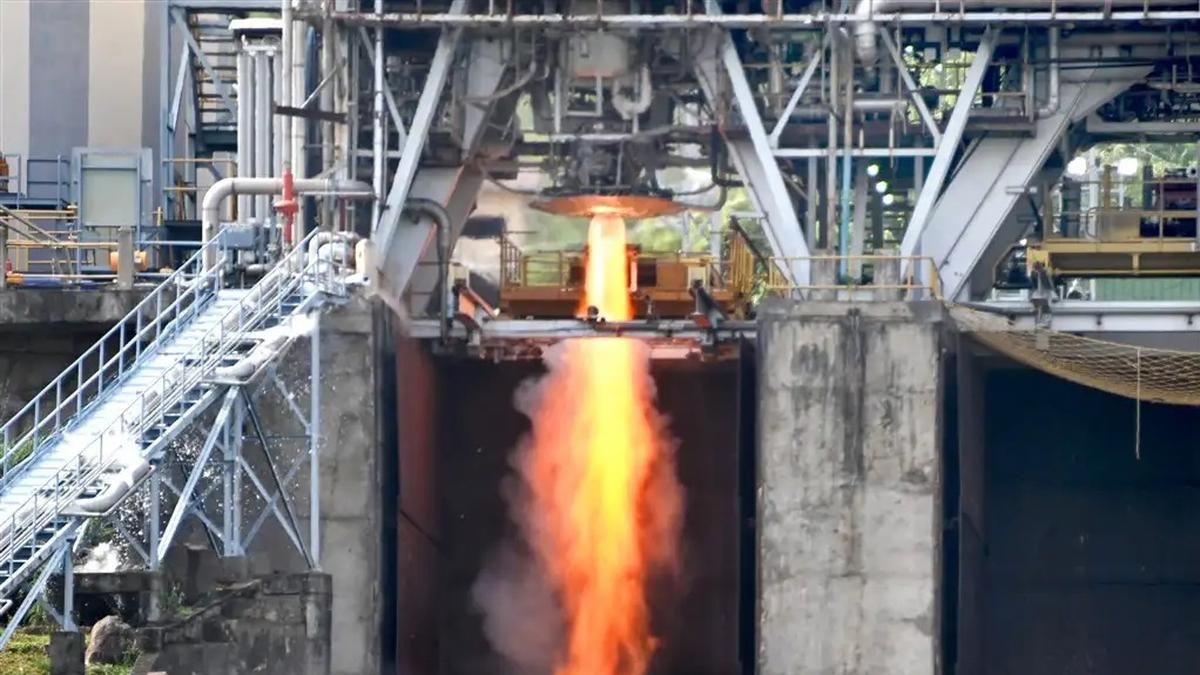
Space & Technology
On February 7, 2025, the Indian Space Research Organisation (ISRO) achieved a significant milestone by successfully conducting a vacuum ignition trial of its indigenous CE20 cryogenic engine. This engine powers the upper stage of the LVM3 launch vehicle and was tested using a multi-element igniter under conditions simulating the vacuum of space. The trial took place at the High Altitude Test Facility within the ISRO Propulsion Complex in Mahendragiri, Tamil Nadu. Understanding the CE20 Cryogenic Engine The CE20 engine is a critical component of ISRO's LVM3 launch vehicle, serving as the powerhouse for its cryogenic upper stage. Designed and developed by the Liquid Propulsion Systems Centre (LPSC), this engine operates on a gas generator cycle, utilizing liquid oxygen (LOX) and liquid hydrogen (LH2) as propellants. In its standard configuration, the CE20 engine produces a nominal thrust of 186.36 kN (approximately 19 tonnes) in a vacuum, with a specific impulse of 442 seconds. Recent advancements have enabled the engine to achieve an enhanced thrust of up to 22 tonnes, broadening its application for various missions. The Complexity of In-Flight Re-Ignition Restarting a cryogenic engine during flight is a complex endeavor. Traditional methods often rely on stored gas systems to initiate turbopumps. ISRO is exploring an alternative approach known as the bootstrap mode, where both the thrust chamber and gas generator are reignited under tank head conditions. This method aims to simplify the restart process and enhance the engine's reliability for multiple ignitions during a single mission. Advancements in Multi-Element Ignition Technology A pivotal aspect of the recent test was the evaluation of the multi-element igniter. Unlike single-point igniters, a multi-element igniter uses several small jets or ignition points to evenly distribute the initial combustion energy. This design ensures a more reliable and efficient ignition process, which is crucial for in-flight restarts. In previous ground tests, ISRO demonstrated vacuum ignition of the CE20 engine without nozzle closure. The latest trial further validated the performance of the multi-element igniter under vacuum conditions, marking a significant step forward in the engine's development. Implications for Future Missions The successful vacuum ignition trial of the CE20 engine with a multi-element igniter has several important implications: Enhanced Mission Flexibility: The ability to restart the engine in space allows for complex mission profiles, including deploying multiple satellites into different orbits and executing orbital corrections. Increased Payload Capacity: The uprated thrust capability of up to 22 tonnes enables the LVM3 launch vehicle to carry heavier payloads, expanding its utility for various missions. Support for Human Spaceflight: The CE20 engine has been qualified for the Gaganyaan mission, India's ambitious human spaceflight program. The successful demonstration of in-flight re-ignition capabilities enhances the safety and flexibility required for crewed missions. ISRO's recent achievements with the CE20 cryogenic engine underscore its commitment to advancing space propulsion technology. The successful vacuum ignition trial not only validates the engine's design and performance but also paves the way for more versatile and ambitious space missions in the future.
Read More → Posted on 2025-02-08 14:41:38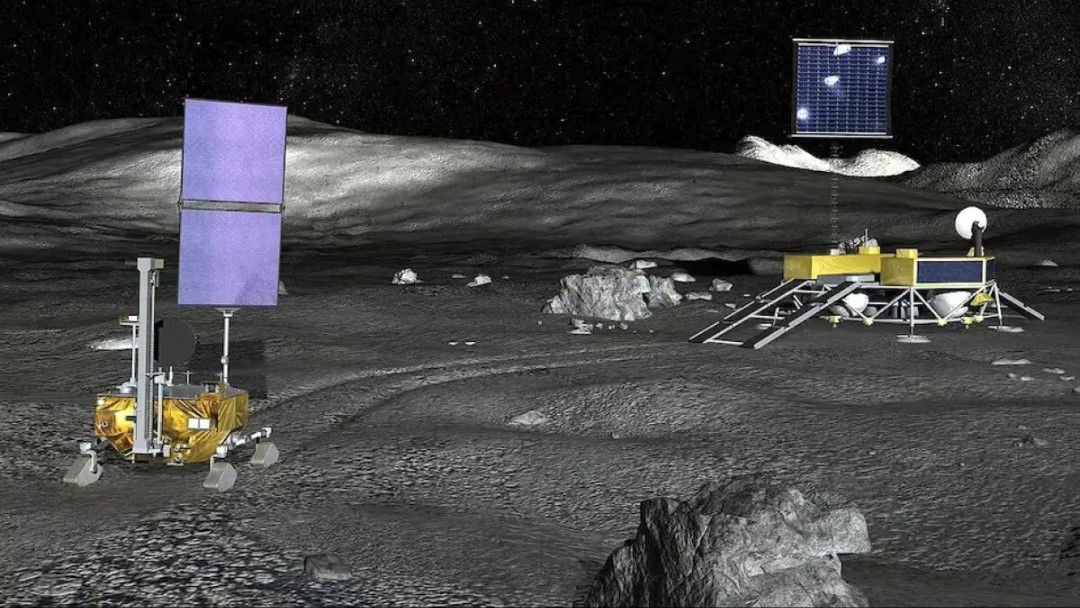
Space & Technology
India's space exploration endeavors are poised to reach new heights with the planned launch of the Chandrayaan-4 mission in 2027. Announced by Union Science and Technology Minister Jitendra Singh, this mission aims to achieve a significant milestone: bringing lunar samples back to Earth. Mission Overview Chandrayaan-4 marks India's fourth lunar expedition, building upon the successes and lessons of its predecessors. Unlike earlier missions that primarily focused on lunar observation and surface exploration, Chandrayaan-4 is designed as a sample return mission. This involves landing on the Moon, collecting lunar soil and rock samples, and safely transporting them back to Earth for detailed analysis. Complex Mission Architecture The mission's complexity is underscored by its innovative approach to spacecraft assembly and deployment. Chandrayaan-4 will comprise five distinct modules: Propulsion Module: Responsible for transporting the integrated spacecraft from Earth to lunar orbit. Lander Module: Equipped with instruments for a soft landing and mechanisms for sample collection. Ascender Module: Designed to launch from the lunar surface carrying the collected samples. Transfer Module: Facilitates the movement of samples from the ascender to the re-entry module. Re-entry Module: Ensures the safe return of lunar samples through Earth's atmosphere. To execute this mission, ISRO plans to conduct at least two separate launches using the heavy-lift LVM-3 rockets. The modules will be launched in two phases and subsequently assembled in Earth's orbit through docking maneuvers—a first for ISRO. This method addresses current payload limitations and demonstrates advanced space docking capabilities. Technological Milestones Chandrayaan-4 is set to showcase several critical technologies: Space Docking: The mission will involve docking and undocking procedures in Earth's orbit, a complex operation that requires precise alignment and control. Lunar Landing and Ascent: The lander will perform a soft landing on the Moon's surface, after which the ascender will launch from the lunar surface to return the collected samples to lunar orbit. Sample Collection and Containment: Advanced robotic systems will collect approximately 2-3 kilograms of lunar material, ensuring contamination-free storage for return to Earth. Re-entry and Recovery: The re-entry module is designed to withstand the high temperatures and pressures of Earth's atmosphere, ensuring the safe delivery of lunar samples. Strategic Objectives This mission aligns with India's broader space exploration goals, including: Advancing Lunar Science: Returning lunar samples will provide invaluable insights into the Moon's composition and geological history. Demonstrating Technological Prowess: Success in this mission will establish ISRO's capabilities in complex space operations, including multi-launch missions and in-orbit assembly. Paving the Way for Human Exploration: The technologies demonstrated in Chandrayaan-4 are foundational for future crewed lunar missions, with India aiming for a human landing on the Moon by 2040. Chandrayaan-4 represents a bold step in India's space journey, reflecting a commitment to scientific discovery and technological innovation. As preparations continue, the mission stands as a testament to India's growing capabilities in space exploration and its aspirations to contribute significantly to humanity's understanding of the lunar environment.
Read More → Posted on 2025-02-07 15:17:12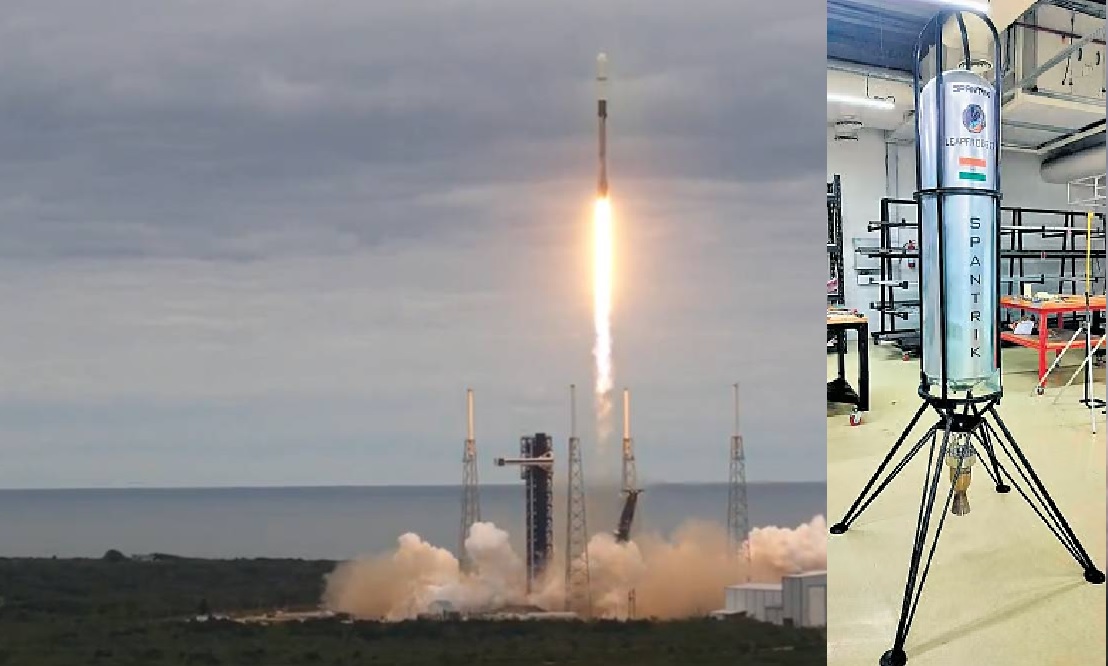
Space & Technology
In the rapidly evolving landscape of space exploration, Hyderabad-based startup SpanTrik is making significant strides with its innovative approach to rocket design. Established in May 2022 by Hitendra Singh, SpanTrik aims to revolutionize space access through the development of fully reusable launch vehicles, with its flagship project, the Raven, leading the charge. Introducing the Raven: A Next-Generation Reusable Rocket The Raven is a two-stage-to-orbit, medium-lift launch vehicle meticulously engineered for full reusability. This design philosophy not only promises to reduce the costs associated with space missions but also enhances the sustainability of space exploration. Key Specifications: Payload Capacity: Reusable Configuration: Low Earth Orbit (LEO): Up to 8,000 kg Sun-Synchronous Orbit (SSO): Approximately 6,500 kg Expendable Configuration: LEO: Up to 16,000 kg Geosynchronous Transfer Orbit (GTO): Around 4,300 kg Lunar Missions: Approximately 2,300 kg Mars Missions: About 1,000 kg First Stage: Designed for Vertical Takeoff, Vertical Landing (VTVL), enabling precise and controlled landings for reuse. Second Stage: Equipped with an advanced Orbital Inflatable Decelerator (OID) to facilitate safe re-entry and recovery. Rapid Turnaround and Operational Efficiency A standout feature of the Raven is its rapid turnaround capability. SpanTrik has engineered the rocket to be recovered within six hours post-launch, with re-stacking and preparation for subsequent flights achievable within a few days, all without the need for refurbishment. This approach minimizes downtime and maximizes launch frequency, making space missions more akin to routine air travel. Advancements in Propulsion: The Eureka Engine Central to the Raven's performance is the Eureka cryogenic rocket engine, developed in-house by SpanTrik. This engine produces a thrust of 5 kN and is slated for use in the rocket's second stage, ensuring efficient and reliable orbital insertion. Demonstrating Reusability: The Leapfrogger Prototype To validate its reusable technologies, SpanTrik has developed the Leapfrogger, a subscale demonstrator. This prototype is instrumental in testing key aspects such as controlled descent and precision landing, critical components for the Raven's operational success. Collaborative Efforts and Indigenous Innovation SpanTrik places a strong emphasis on leveraging indigenous talent and resources. By collaborating with Indian research institutions and universities, the company not only fosters innovation but also contributes to India's self-reliance in advanced aerospace technologies. Looking Ahead: A Vision for the Future With plans to launch the Raven by 2028, SpanTrik is poised to make a significant impact on the space industry. The company's focus on full reusability, rapid turnaround, and cost-effective launch solutions positions it as a key player in making space exploration more accessible and sustainable. In summary, SpanTrik's Raven represents a bold step forward in rocket technology, embodying a vision of affordable and routine access to space. As the company progresses, it holds the potential to transform the dynamics of space missions, ushering in a new era of exploration and discovery.
Read More → Posted on 2025-02-03 14:27:36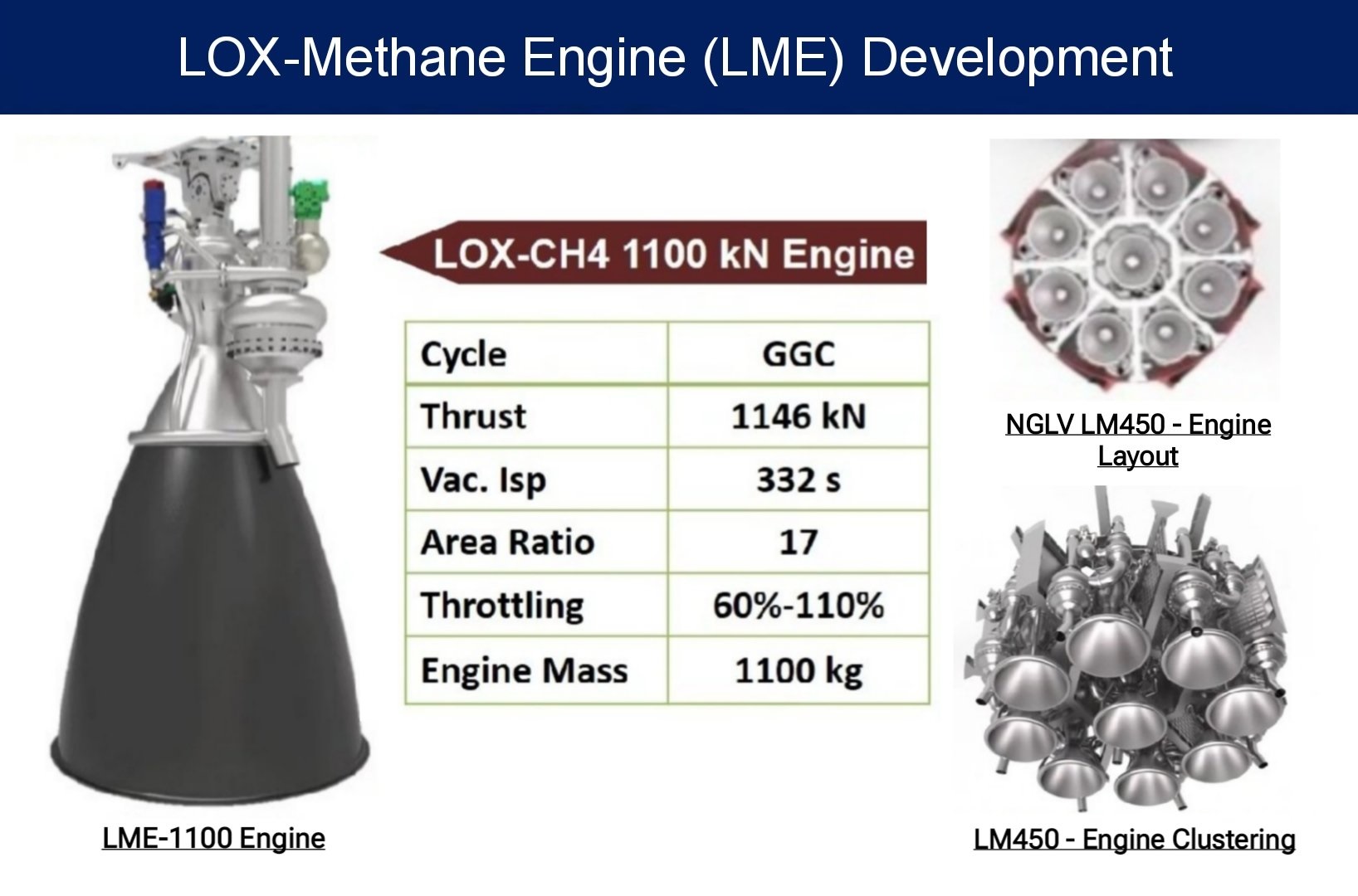
Space & Technology
The Indian Space Research Organisation (ISRO) is making significant strides in developing the LME-1100 methalox engine, a cornerstone of its Next Generation Launch Vehicle (NGLV) program. Dr. M. Mohan, Director of the Liquid Propulsion Systems Centre (LPSC), recently announced that the preliminary design of the LME-1100 has been completed, with detailed engineering currently underway. The engine is poised for hot testing later this year, marking a pivotal step toward its qualification. The LME-1100 is engineered to operate in a vacuum, delivering a thrust of 1,146 kilonewtons (kN) and achieving a specific impulse (Isp) of 332 seconds through a gas generator cycle. A notable feature of this engine is its throttling capability, ranging from 60% to 110% of maximum thrust, offering flexibility for various mission profiles and potential reusability. The NGLV, envisioned as India's next heavy-lift launch vehicle, will be powered by clusters of LME-1100 engines. Designed to enhance payload capacity threefold compared to the current LVM3, the NGLV aims to support a range of missions, including satellite deployment and human spaceflight. The vehicle is expected to be operational by around 2030, aligning with India's broader space ambitions. A key aspect of the NGLV's design is its reusable first stage, which is anticipated to reduce launch costs and increase mission efficiency. The adoption of methane and liquid oxygen (methalox) as propellants offers environmental benefits, higher performance, and potential for in-situ resource utilization on future planetary missions. The development of the LME-1100 and the NGLV signifies ISRO's strategic move toward self-reliance in rocket propulsion technology, reducing dependence on foreign technology, and enhancing payload capacity for both national and commercial missions. This initiative aligns with India's plans to establish a human-capable space station by 2035, with the NGLV playing a crucial role in launching the necessary modules. In summary, ISRO's progress on the LME-1100 engine and the NGLV program underscores India's commitment to advancing its space capabilities, paving the way for more ambitious missions in the future.
Read More → Posted on 2025-02-02 13:26:55
Space & Technology
The Indian Institute of Science (IISc) in Bangalore is at the forefront of advancing quantum technology, striving to make it more achievable and practical for real-world applications. Their multidisciplinary approach encompasses cutting-edge research, educational initiatives, and industry collaborations, all aimed at harnessing the principles of quantum mechanics to revolutionize computing, communication, and sensing technologies. Innovations in Nanoscale Light Control A significant breakthrough by IISc researchers involves the manipulation of light at the nanoscale. By integrating colloidal quantum wells (CQWs)—specially engineered nanomaterials capable of emitting light—with dielectric metasurfaces, they have achieved unprecedented control over light emission. This integration has led to light that is 12 times brighter and exhibits a 97% reduction in spectral width, resulting in purer and more precise light emission. Such advancements are crucial for the development of quantum computing and secure communication systems, where the precise control of light is essential. Establishment of the Quantum Technology Initiative (IQTI) In September 2020, IISc launched the Quantum Technology Initiative (IQTI) to lay a solid foundation for quantum technologies. This initiative aims to foster collaborations among physicists, material scientists, computer scientists, and engineers, creating a multidisciplinary framework to tackle the complex challenges in the field. IQTI focuses on core areas such as quantum computation, communication, sensing, and the development of quantum materials and devices. Educational Programs and Skill Development Recognizing the importance of education in this emerging field, IISc introduced an M.Tech program in Quantum Technology in August 2021, the first of its kind in India. This program is designed to train students in the principles and applications of quantum mechanics, preparing them for careers in both research and industry. Additionally, IISc organizes workshops, internships, and events like the Quantum Conclave to engage with the broader scientific community and industry stakeholders, facilitating discussions on advancements and practical applications of quantum technologies. Industry Collaborations and Infrastructure Development IISc has initiated collaborations with various industries to create a vibrant ecosystem for quantum technology. Notably, a partnership with the INOX Group aims to develop India's first Quantum Materials Lab, focusing on topological semiconductors essential for fault-tolerant quantum computing. Such collaborations are instrumental in translating fundamental research into practical solutions with significant economic and social impacts. Through these comprehensive efforts, IISc is not only advancing fundamental research in quantum technology but also ensuring that these innovations are translated into practical applications. By fostering education, industry collaboration, and multidisciplinary research, IISc is paving the way for a future where quantum technologies are integral to various sectors, including computing, communication, and sensing.
Read More → Posted on 2025-02-02 13:21:58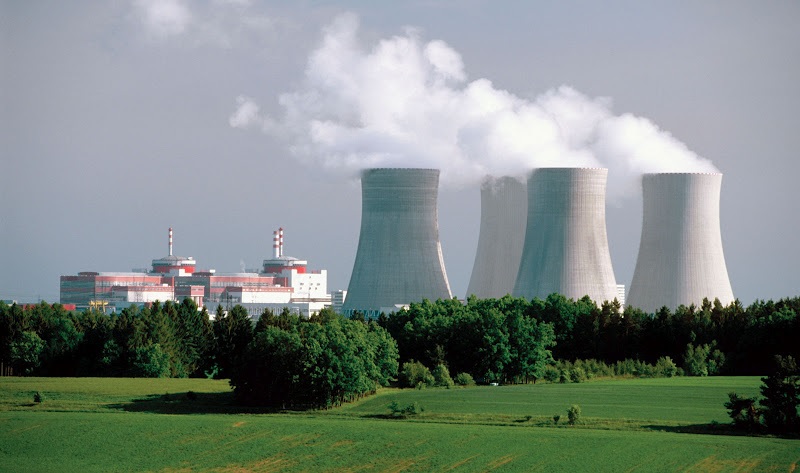
Space & Technology
In a landmark move, India's Union Budget for 2025-26 has unveiled an ambitious plan to significantly bolster the nation's nuclear energy capacity, setting a target of achieving 100 gigawatts (GW) by 2047. This initiative underscores the government's commitment to diversifying energy sources and enhancing energy security. Amendments to Facilitate Private Participation To realize this vision, the government has proposed amendments to the Atomic Energy Act of 1962 and the Civil Liability for Nuclear Damage Act of 2010. These changes aim to open the traditionally state-controlled nuclear sector to private and foreign investments, thereby accelerating infrastructure development and technological advancements. Finance Minister Nirmala Sitharaman emphasized the necessity of these reforms in her budget speech, highlighting the role of private sector collaboration in achieving the 100 GW target. Focus on Small Modular Reactors (SMRs) A significant component of this nuclear expansion strategy is the development of Small Modular Reactors (SMRs). Recognized for their scalability and reduced capital costs, SMRs offer a flexible alternative to traditional large-scale reactors. The government has allocated ₹20,000 crore for research and development in this area, with plans to operationalize at least five indigenously developed SMRs by 2033. Aligning with Climate Goals This nuclear initiative aligns with India's broader commitment to achieving net-zero carbon emissions by 2070. By expanding nuclear capacity, the country aims to reduce its reliance on fossil fuels, thereby contributing to global efforts to combat climate change. Experts view this move as a positive step towards sustainable energy transition, though they call for clarity on implementation timelines and policy frameworks. Challenges and Considerations While the proposed amendments and investments mark a significant policy shift, several challenges remain. The stringent liability clauses in India's existing nuclear laws have previously deterred foreign participation. Additionally, public concerns about nuclear safety and the need for a robust regulatory framework will require careful navigation. The success of this mission will depend on effective collaboration between the government, private sector, and international partners. India's 2025-26 Union Budget sets a bold course for the nation's energy future, with nuclear power playing a pivotal role. The targeted expansion to 100 GW by 2047, supported by legislative reforms and a focus on innovative technologies like SMRs, reflects a strategic approach to sustainable development and energy security.
Read More → Posted on 2025-02-01 15:18:05
Space & Technology
In a significant development for India's technological landscape, indigenous cloud service provider AceCloud has announced the integration of DeepSeek-based artificial intelligence (AI) models into its offerings. This move is particularly noteworthy as AceCloud guarantees that all data associated with these AI models will reside exclusively within India, addressing prevalent national security and privacy concerns. DeepSeek's Global Impact DeepSeek, a Chinese AI platform, has recently gained international attention, especially after its AI model R1 surpassed ChatGPT as the top-ranked free app on Apple's App Store. This achievement has disrupted the AI sector, which has been predominantly led by U.S. firms. Despite its rapid ascent, DeepSeek has faced scrutiny over data security, with reports indicating that user data, including chat messages and personal information, is transmitted to servers in China. Such practices have raised alarms about potential data access by foreign governments and the implications for user privacy. AceCloud's Commitment to Data Sovereignty Addressing these concerns, AceCloud has taken proactive measures to ensure that Indian businesses can leverage advanced AI technologies without compromising data sovereignty. By offering over six DeepSeek models on both dedicated and shared environments within its cloud platform, AceCloud ensures that data remains within national borders. This approach aligns with India's data protection regulations and assuages fears related to foreign data storage. Enterprise-Ready Features AceCloud's environment for DeepSeek AI models is tailored to meet the diverse needs of modern enterprises. Key features include: Intuitive Chat Interface: Designed for a seamless user experience, facilitating easy interaction with AI models. Data Privacy Controls: Robust mechanisms to ensure compliance with India's stringent data protection laws. Real-Time Monitoring: Tools that allow businesses to oversee their cloud resources and consumption in real-time. Automated Backup and Recovery: Systems in place to safeguard data integrity and ensure business continuity. For businesses opting for a dedicated environment, AceCloud provides complete control over their exclusive DeepSeek instance, offering enhanced customization and security. Leadership's Vision Vinay Chhabra, Co-Founder and Managing Director of AceCloud, emphasized the transformative potential of this integration. He stated, "The addition of DeepSeek AI models as an offering on AceCloud’s environments will unleash limitless opportunities for businesses in India seeking cost-efficient and scalable AI solutions, while remaining confident that their data will be compliant with India’s data protection and sovereignty requirements." Scalability and Customization AceCloud is prepared to offer DeepSeek models with capabilities starting from 7 billion parameters, with the flexibility to provide higher configurations based on specific business needs. This scalability ensures that enterprises, regardless of size or industry, can find solutions tailored to their requirements. Conclusion AceCloud's initiative marks a pivotal moment in India's AI journey. By combining advanced DeepSeek AI models with a steadfast commitment to data residency within India, AceCloud addresses both the technological aspirations and the security concerns of Indian businesses. This development not only enhances the AI capabilities available to enterprises but also reinforces the importance of data sovereignty in today's interconnected world.
Read More → Posted on 2025-01-31 14:48:18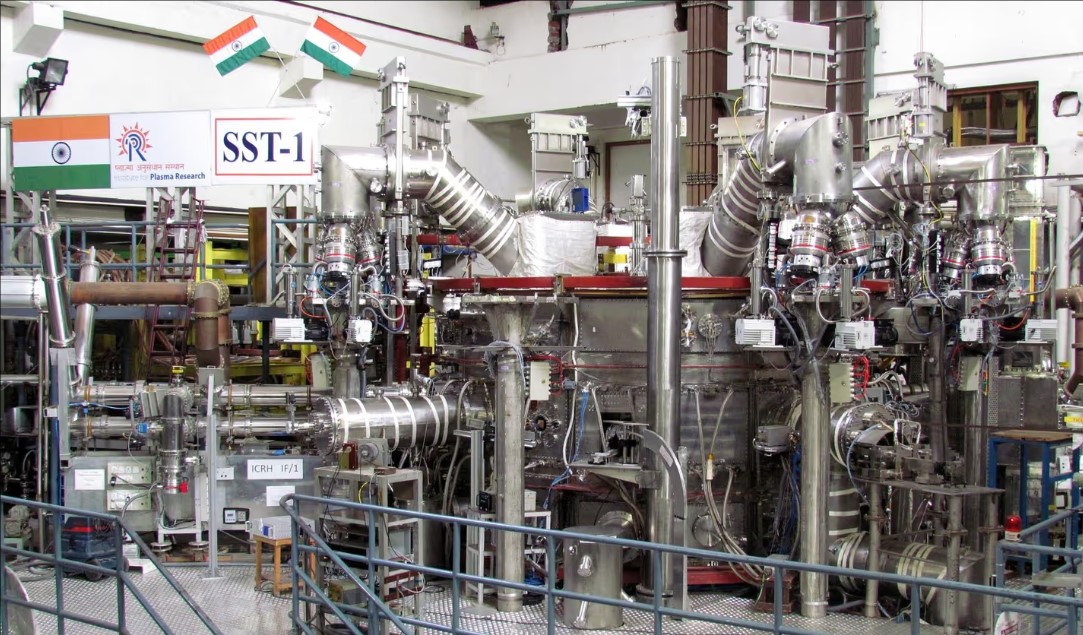
Space & Technology
India has made a significant advancement in nuclear fusion research with its Steady State Superconducting Tokamak-1 (SST-1). This reactor has successfully generated plasma at temperatures around 200 million degrees Celsius, approximately 20 times hotter than the Sun's core. This achievement positions India among the leading nations in fusion technology. Understanding the SST-1 Tokamak Operational since 2013, the SST-1 is a large aspect ratio tokamak designed to study plasma processes under steady-state conditions. Key features include: Superconducting Magnets: Utilizes superconducting magnets to confine plasma, enabling sustained high-temperature operations. Double Null Diverted Plasmas: Configured to run double null diverted plasmas with significant elongation and triangularity, enhancing plasma stability and performance. Advanced Confinement Modes: Aims to operate with non-inductive current-drive and advanced confinement modes, crucial for continuous fusion reactions. Comparative Insights: India and China's Fusion Endeavors While India's SST-1 has achieved remarkable plasma temperatures, China's Experimental Advanced Superconducting Tokamak (EAST) has set records in sustaining plasma duration. In January 2025, EAST maintained a steady-state high-confinement plasma operation for 1,066 seconds, marking a significant milestone in fusion research. The Path Forward: India's SST-2 Development Building on the success of SST-1, India is planning the development of the Steady State Superconducting Tokamak-2 (SST-2). This next-generation reactor aims to handle over 1,000 plasma pulses and currents exceeding 1 million amperes. Construction is expected to commence in 2027, underscoring India's commitment to advancing fusion technology. Implications for Global Fusion Research India's achievements in generating extremely high plasma temperatures complement global efforts in nuclear fusion research. While sustaining these temperatures for extended periods remains a challenge, the progress made by both India and China contributes valuable insights toward realizing fusion as a practical and sustainable energy source. Conclusion India's SST-1 tokamak's success in achieving plasma temperatures far exceeding those of the Sun's core highlights the nation's growing prominence in nuclear fusion research. As developments continue with projects like SST-2, India is poised to play a pivotal role in the pursuit of clean and virtually limitless energy through fusion technology.
Read More → Posted on 2025-01-31 14:29:33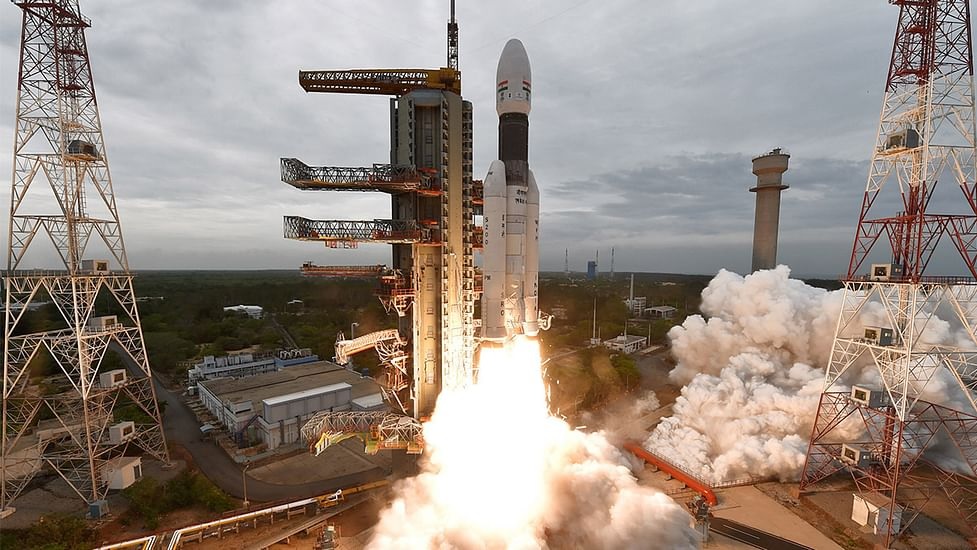
Space & Technology
The Indian Space Research Organisation (ISRO) is making significant strides in developing reusable launch technology through its Next Generation Launch Vehicle (NGLV). This initiative aims to revolutionize space missions by enhancing efficiency and reducing costs. Recent Developments In April 2023, ISRO successfully conducted the Reusable Launch Vehicle Autonomous Landing Mission (RLV LEX) at the Aeronautical Test Range in Chitradurga, Karnataka. During this test, a winged body was lifted to an altitude of 4.5 km by an Indian Air Force Chinook helicopter and released to perform an autonomous landing on a runway. This achievement marked a world-first, demonstrating ISRO's capability in autonomous landing of a space vehicle. Technological Innovations The NGLV is designed with a focus on simplicity, robustness, and modularity, enabling quick turnaround times. It is envisioned as a three-stage rocket utilizing green fuel combinations, such as liquid oxygen and kerosene or methane. The first stage is planned to be reusable, incorporating vertical takeoff and vertical landing capabilities. Advanced navigation systems, steerable grid fins, deployable landing legs, and sophisticated avionics are integral to its design, ensuring precise control during flight and landing. Challenges Ahead Despite these advancements, ISRO faces several challenges: Technological Constraints: Limited access to cutting-edge space technologies due to geopolitical factors and international regulations can hinder progress. Funding Limitations: Operating with a comparatively modest budget restricts extensive research and development efforts essential for advancing reusable technology. Bureaucratic Hurdles: Internal processes can delay project timelines and complicate decision-making, affecting efficiency. Global Competition: The emergence of international players, particularly in the small satellite launch market, necessitates rapid advancements to maintain competitiveness. Future Prospects The NGLV is poised to support a variety of missions, including satellite launches and potential human spaceflight endeavors. With a maximum payload capacity of 30 tonnes to Low Earth Orbit and a reusable first stage, it represents a significant leap in India's space capabilities. The development project is set to be implemented with maximal participation from the Indian industry, aiming for a seamless transition to the operational phase subsequent to development. Conclusion ISRO's commitment to developing reusable launch technology through the NGLV underscores India's dedication to advancing its space capabilities. By addressing current challenges and leveraging technological innovations, ISRO is paving the way for more efficient and cost-effective space missions, solidifying India's position in the global space arena.
Read More → Posted on 2025-01-31 08:03:54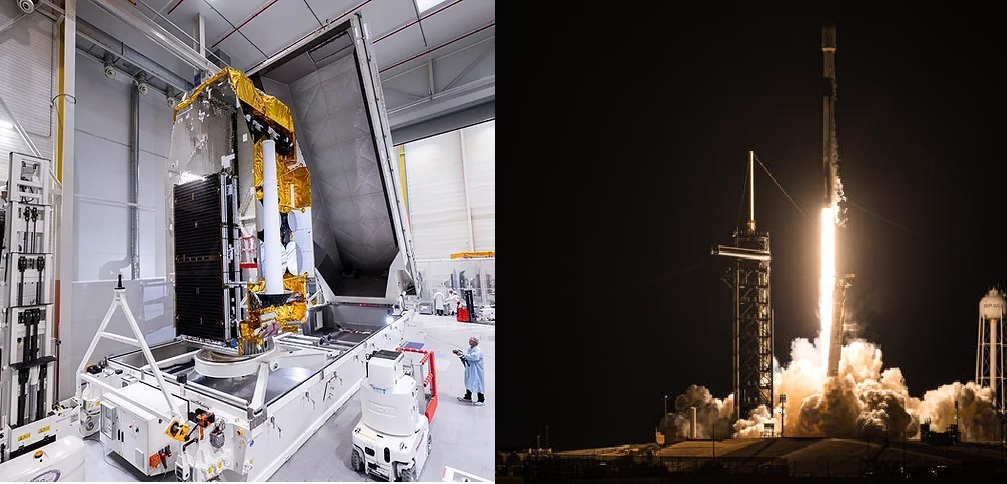
Space & Technology
The first of Airbus’ next-generation secure military communication satellites, SpainSat NG-I, has successfully lifted off aboard a SpaceX Falcon 9 rocket from Cape Canaveral, Florida. Built for Hisdesat, the satellite is designed to serve the Spanish Armed Forces with unprecedented secure communications capabilities in UHF, X, and Ka bands. Following its launch, SpainSat NG-I will undergo extensive testing before entering full operational service in geostationary orbit by the second half of 2025. Cutting-Edge Technology and Specifications SpainSat NG-I is built on Airbus’ Eurostar Neo platform, a state-of-the-art design offering high flexibility, efficiency, and resilience. The satellite features: Advanced Multi-Band Communications: Operating in UHF, X, and Ka bands, enabling secure and encrypted military communication. Active Antenna System: The satellite features a revolutionary X-band transmit and receive active antenna system, equivalent to 16 traditional antennas. This system allows for instant beam reconfiguration, adapting coverage up to 1,000 times per second and actively countering jamming or interference. Expanded Coverage Area: SpainSat NG-I will provide secure military communication over two-thirds of the Earth's surface, including Europe, the Americas, Africa, the Middle East, and extending to Asia. Radiation-Hardened Design: The satellite is built to withstand extreme conditions, including potential nuclear events, ensuring uninterrupted operations in crisis scenarios. Tenfold Increase in Data Capacity: Compared to previous SpainSat satellites, this new-generation system delivers a 10x boost in secure communication capability for military operations. A Milestone for European Military Communications SpainSat NG-I represents a major step forward in European space defense capabilities. Airbus, as the prime contractor, has worked closely with Spanish industry partners to ensure more than 45% of the satellite’s advanced payload was developed domestically. This highlights Spain’s growing role in the global space and defense sector. SpainSat NG-II to Follow Soon While SpainSat NG-I is now in orbit, its twin, SpainSat NG-II, is currently in the final stages of construction and testing at Airbus’ facilities. This second satellite is expected to launch by the end of 2025, further strengthening secure military communications for Spain and allied nations. The successful deployment of SpainSat NG-I reaffirms Airbus’ leadership in military satellite technology, ensuring secure, high-performance communications for global defense forces in the years to come.
Read More → Posted on 2025-01-30 13:52:03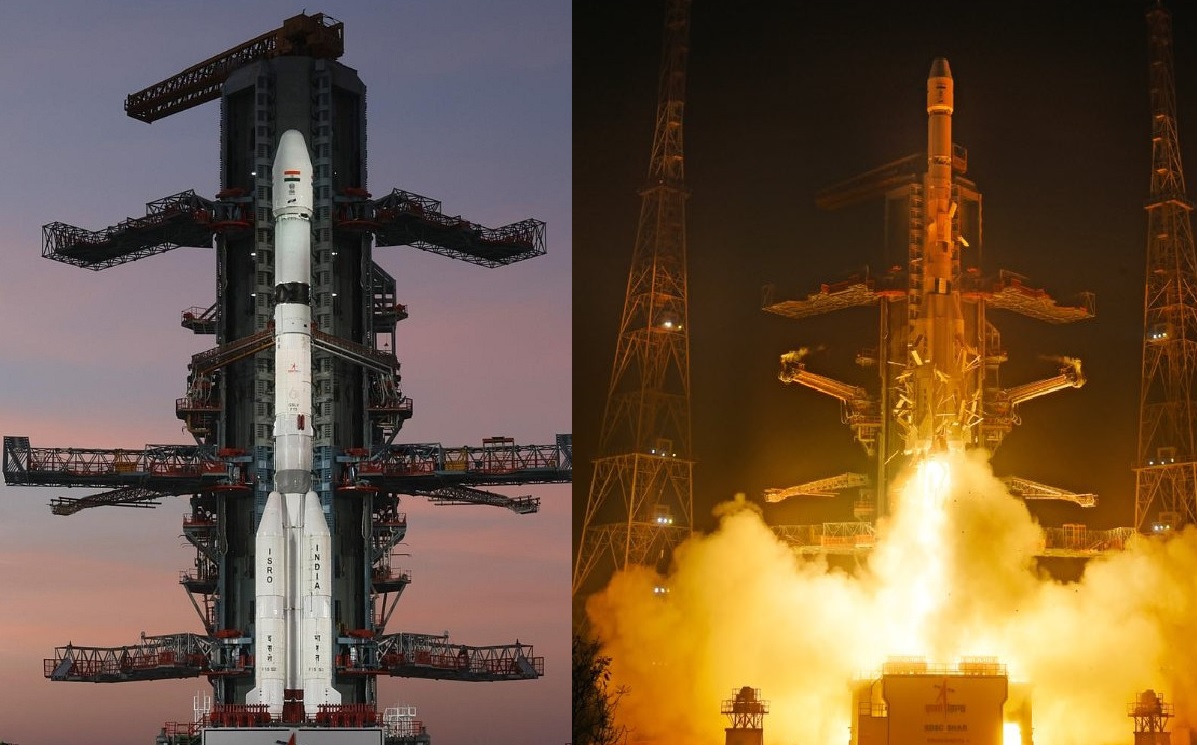
Space & Technology
In a landmark achievement, the Indian Space Research Organisation (ISRO) successfully launched its Geosynchronous Satellite Launch Vehicle (GSLV) F-15 rocket on January 29, 2025, at 06:23 hrs from the Satish Dhawan Space Centre in Sriharikota. This mission marked ISRO's 100th launch, a significant milestone in India's space exploration journey. The GSLV F-15 carried the NVS-02 navigation satellite, part of India's Navigation with Indian Constellation (NavIC) system, into a precise Geosynchronous Transfer Orbit (GTO). A Historic Milestone for ISRO The GSLV F-15 mission was the 17th flight of India's GSLV and the 11th using the indigenous Cryogenic Upper Stage (CUS). This launch also marked the 8th operational flight of the GSLV equipped with the indigenous Cryogenic engine. The payload fairing of the GSLV F-15, with a diameter of 3.4 meters, was a metallic version, showcasing ISRO's continued innovation in rocket design. NavIC: India's Own Navigation System The NVS-02 satellite is a crucial component of India's NavIC system, which aims to provide accurate Position, Velocity, and Timing (PVT) services to users across India and the surrounding region, extending up to 1,500 km beyond the Indian landmass. NavIC offers two types of services: the Standard Positioning Service (SPS) and the Restricted Service (RS). The SPS provides a position accuracy of better than 20 meters and a timing accuracy of better than 40 nanoseconds over the primary service area. Second-Generation NavIC Satellites The NVS-02 is the second satellite in the second-generation NavIC series, following the successful launch of NVS-01 on May 29, 2023. The NVS series is designed to enhance the NavIC constellation with advanced features, ensuring the continuity and reliability of navigation services. One of the key advancements in the NVS series is the inclusion of L1 band signals, which will expand the range of services provided by NavIC. Advanced Features of NVS-02 The NVS-02 satellite is configured with navigation payloads in the L1, L5, and S bands, along with a ranging payload in the C-band. It is built on the standard I-2K bus platform, with a lift-off mass of 2,250 kg and a power handling capability of approximately 3 kW. The satellite will be positioned at 111.75ºE, replacing the IRNSS-1E satellite. Notably, NVS-02 utilizes a combination of indigenous and procured atomic clocks to ensure precise time estimation, a critical factor for accurate navigation. Indigenous Technology at the Forefront The successful launch of NVS-02 underscores ISRO's commitment to developing and deploying indigenous technology. The use of an indigenous Cryogenic stage in the GSLV F-15 rocket and the incorporation of indigenous atomic clocks in the NVS series satellites highlight India's growing self-reliance in space technology. ISRO's 100th launch is a testament to the organization's relentless pursuit of excellence in space exploration and technology. The successful deployment of the NVS-02 satellite not only strengthens India's NavIC system but also reinforces the country's position as a global leader in space technology. As ISRO continues to push the boundaries of innovation, the future of India's space program looks brighter than ever. **Google Index Suitable Title:** "ISRO's 100th Launch: GSLV F-15 Successfully Deploys NVS-02 NavIC Satellite into Precise Orbit"
Read More → Posted on 2025-01-29 04:21:26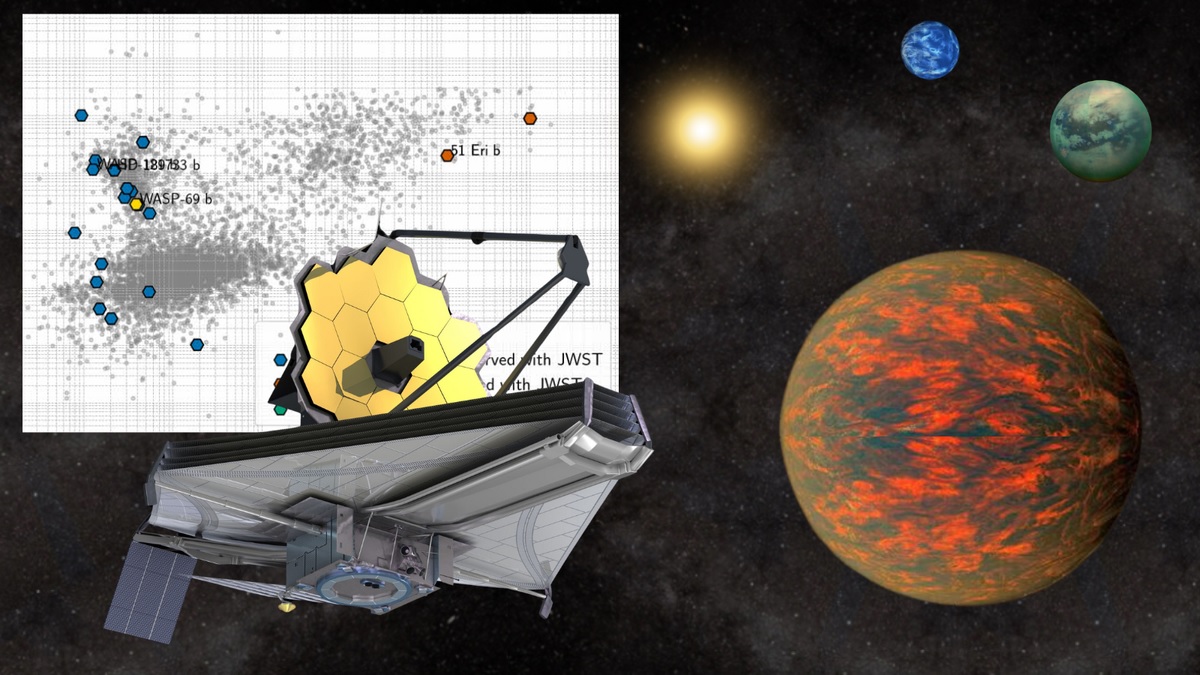
Space & Technology
The James Webb Space Telescope (JWST), launched on December 25, 2021, has reshaped our understanding of the cosmos. While its primary mission was to study the earliest galaxies and the edge of the observable universe, JWST has made equally groundbreaking contributions to the field of exoplanet research. From unraveling the secrets of alien atmospheres to charting weather patterns on distant worlds, its influence is extraordinary. Now, three years of data on these alien worlds are accessible to the public and scientists alike through a specialized exoplanet dashboard. Created by Joshua Lothringer, an assistant astronomer at the Space Telescope Science Institute (STScI), this tool provides an interactive way to explore the telescope's observations, offering insights into the types of planets studied, their characteristics, and the broader implications for planetary science. Key Highlights of JWST’s Exoplanet Research A Hub for Exoplanet Data The exoplanet dashboard serves as a comprehensive hub, integrating data from NASA’s Exoplanet Archive and TrExoLiSTS (a catalog of JWST observations). The dashboard features dynamic visualizations, such as animations showing exoplanets sorted by mass and orbital period. As of January 2025, JWST has observed 111 exoplanets, with plans to study 17 more. Exoplanet Observations by Type Of the 113 transiting exoplanets studied: 64 are gas giants similar to Jupiter. 30 resemble Uranus and Neptune in size and mass. 19 are rocky planets akin to Earth, Venus, and Mars. 15 are directly imaged gas giants, observed far from their host stars. These findings highlight JWST’s versatility, as it not only detects but also characterizes these worlds in unprecedented detail. Atmospheric Breakthroughs The JWST excels in studying the atmospheres of transiting planets. By analyzing starlight filtered through a planet’s atmosphere during transit, scientists can determine its chemical composition. Gases like water vapor, carbon dioxide, and even photochemically produced compounds like sulfur dioxide have been detected. A standout discovery was WASP-39b, a Saturn-sized exoplanet located 750 light-years away. Observed with all of JWST’s instruments, this planet revealed a complex atmosphere containing unexpected compounds, offering a glimpse into the dynamic chemistry of alien worlds. What Makes JWST a Game-Changer? Large Mirror for PrecisionThe telescope’s 6.4-meter (21-foot) mirror collects vast amounts of light, enabling it to detect faint and distant planets. Its resolving power allows it to distinguish objects even in crowded star systems. Infrared SensitivityUnlike ground-based telescopes or even Hubble, JWST specializes in infrared light. This capability is critical for detecting molecules like methane and carbon dioxide, which are key indicators of planetary conditions. Versatility Beyond ExpectationsThough designed primarily for galaxy science, JWST’s engineers equipped it with observing modes ideal for studying exoplanets. This flexibility has revolutionized planetary science, offering insights into the behavior of gas giants, sub-Neptunes, and terrestrial planets. Future of Exoplanet Research with JWST JWST’s impact on exoplanet science is only beginning. Researchers are shifting from individual case studies to broader analyses, identifying trends across the growing library of observations. This approach could reveal fundamental principles about planetary formation, atmospheric dynamics, and even the potential for habitability. As Lothringer notes, "We’re just starting to generalize findings across a diverse range of planets, providing a deeper understanding of how these worlds behave as a whole." For those eager to follow this journey, the exoplanet dashboard will continue to update as new observations are planned and conducted. A Legacy in the Making The James Webb Space Telescope has exceeded expectations, transforming our view of the universe and its myriad worlds. Its ability to peer into the atmospheres of distant planets is not just a technological triumph but also a testament to humanity’s curiosity and ingenuity. With each discovery, JWST brings us closer to answering one of the most profound questions: Are we alone in the universe?
Read More → Posted on 2025-01-25 14:22:00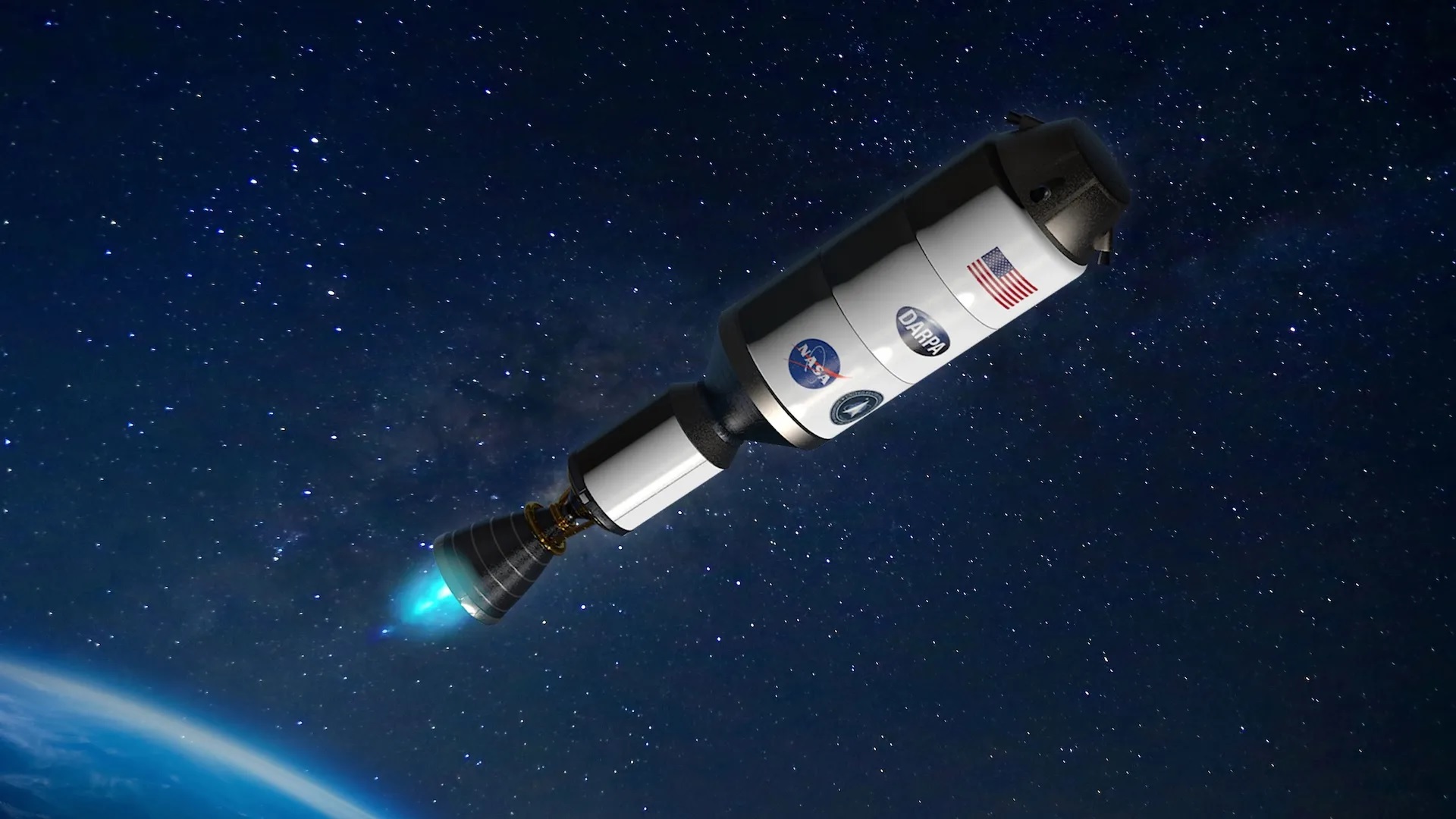
Space & Technology
General Atomics Electromagnetic Systems (GA-EMS) has reached a critical milestone in the advancement of Nuclear Thermal Propulsion (NTP) technology, successfully completing a series of rigorous fuel tests at NASA's Marshall Space Flight Center (MSFC). These tests, carried out in collaboration with NASA, are pivotal in validating the performance and durability of GA-EMS’s advanced nuclear fuel design under the extreme conditions required for deep space missions, including human exploration of Mars. High-Temperature Testing and Performance Validation The testing process subjected the nuclear fuel to an array of challenging conditions, including exposure to hot hydrogen gas and six intensive thermal cycles. Each cycle reached an extraordinary peak temperature of 2600 Kelvin (4220°F), holding at that level for 20 minutes to simulate real-world operational stresses. This approach allowed researchers to examine the fuel’s resistance to erosion and degradation over extended periods. Additional tests evaluated protective features incorporated into the fuel design to enhance durability and ensure reliable performance in a reactor-like environment. These results are expected to address the critical safety and efficiency requirements of NTP systems. Industry-Leading Innovation GA-EMS is leveraging cutting-edge testing infrastructure, including NASA's Compact Fuel Element Environmental Test (CFEET) facility, to demonstrate the survivability and efficiency of its fuel under unprecedented conditions. Dr. Christina Back, Vice President of Nuclear Technologies and Materials at GA-EMS, emphasized the significance of their innovation. “Our tests have shown that our fuel can achieve performance two to three times more efficient than conventional chemical rocket engines,” Dr. Back stated. The use of the CFEET facility marked the first successful demonstration of fuel survivability and operational reliability under these conditions, showcasing the promise of NTP technology in revolutionizing space travel. Advancing Space Exploration Goals In addition to the tests conducted at NASA’s MSFC, further evaluations were performed at GA-EMS facilities, where the fuel demonstrated stable performance at temperatures up to an astonishing 3000 Kelvin. This capability significantly strengthens the potential of NTP systems for future NASA missions, particularly in addressing the needs of deep space and cislunar operations. Scott Forney, President of GA-EMS, underlined the strategic importance of these achievements. “This milestone confirms that our fuel can withstand the high temperatures and harsh conditions of an NTP reactor, bringing us closer to enabling safe and efficient propulsion for deep space missions,” he remarked. Future Applications and Development The successful tests form part of a broader NASA contract managed by Battelle Energy Alliance at the Idaho National Laboratory, aimed at advancing the readiness of NTP systems for operational deployment. Nuclear Thermal Propulsion technology, with its unmatched efficiency and capability to reduce travel time to destinations like Mars, is seen as a transformative development in space exploration. By achieving efficiencies two to three times greater than current chemical rocket engines, NTP systems promise to enhance mission feasibility, reduce fuel mass, and open new possibilities for human exploration beyond Earth’s orbit. GA-EMS’s advancements bring these possibilities closer to reality, offering a robust foundation for the next generation of space propulsion systems. Specifications of GA-EMS’s NTP Fuel Peak Test Temperature: 2600 Kelvin (4220°F) under thermal cycling conditions. Durability: Demonstrated resistance to erosion and degradation after repeated thermal stress. Efficiency: Two to three times higher than chemical propulsion systems. Additional Testing Range: Verified performance at temperatures up to 3000 Kelvin. These achievements mark a significant step toward the practical deployment of NTP technology, reinforcing the vision of sustained human presence in space and ambitious exploration missions to Mars and beyond.
Read More → Posted on 2025-01-21 14:51:59Search
Top Trending in 24 Hours
-
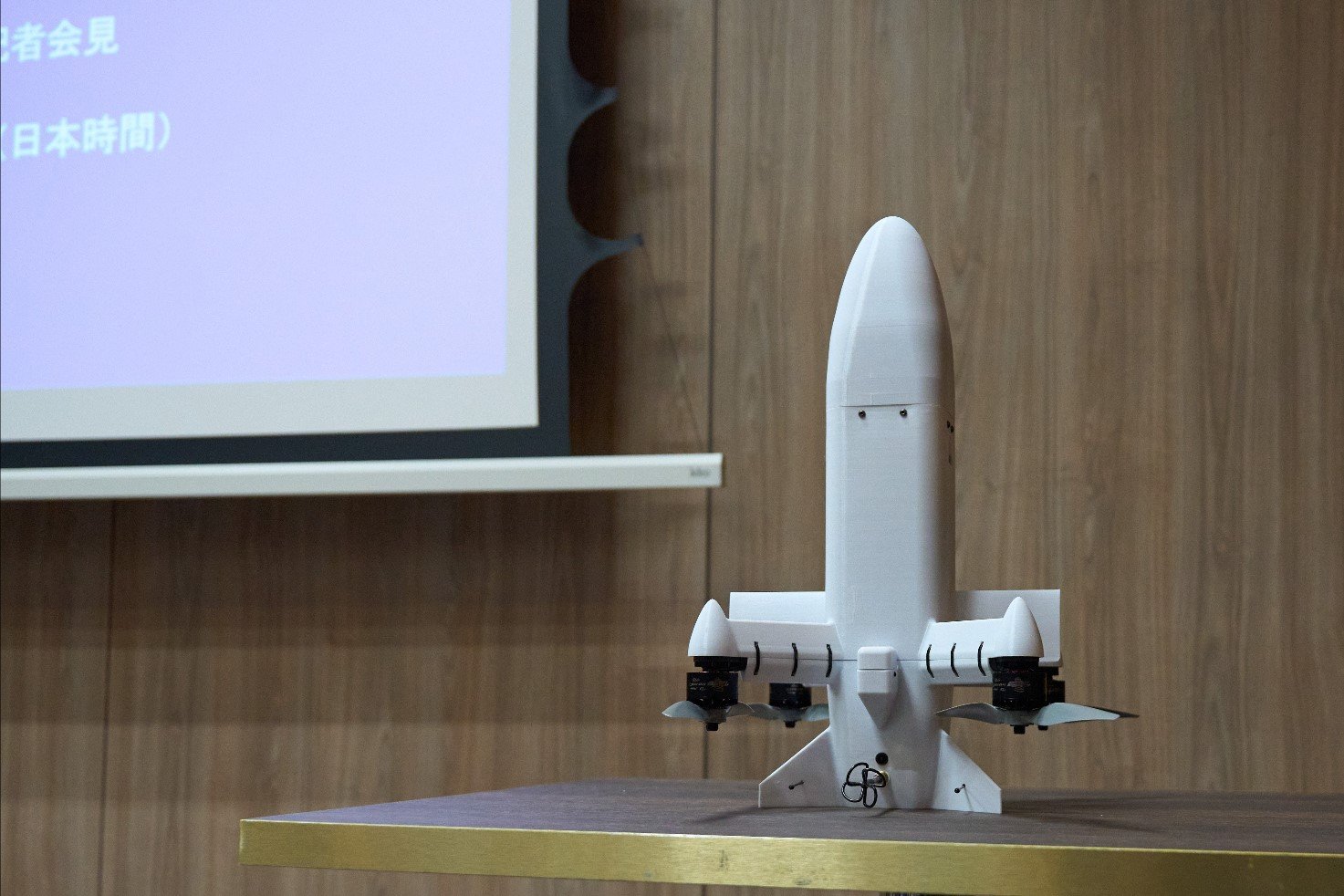 Japan Selects Terra Drone’s Terra B1 for Mass Production of Interceptor UAVs
-
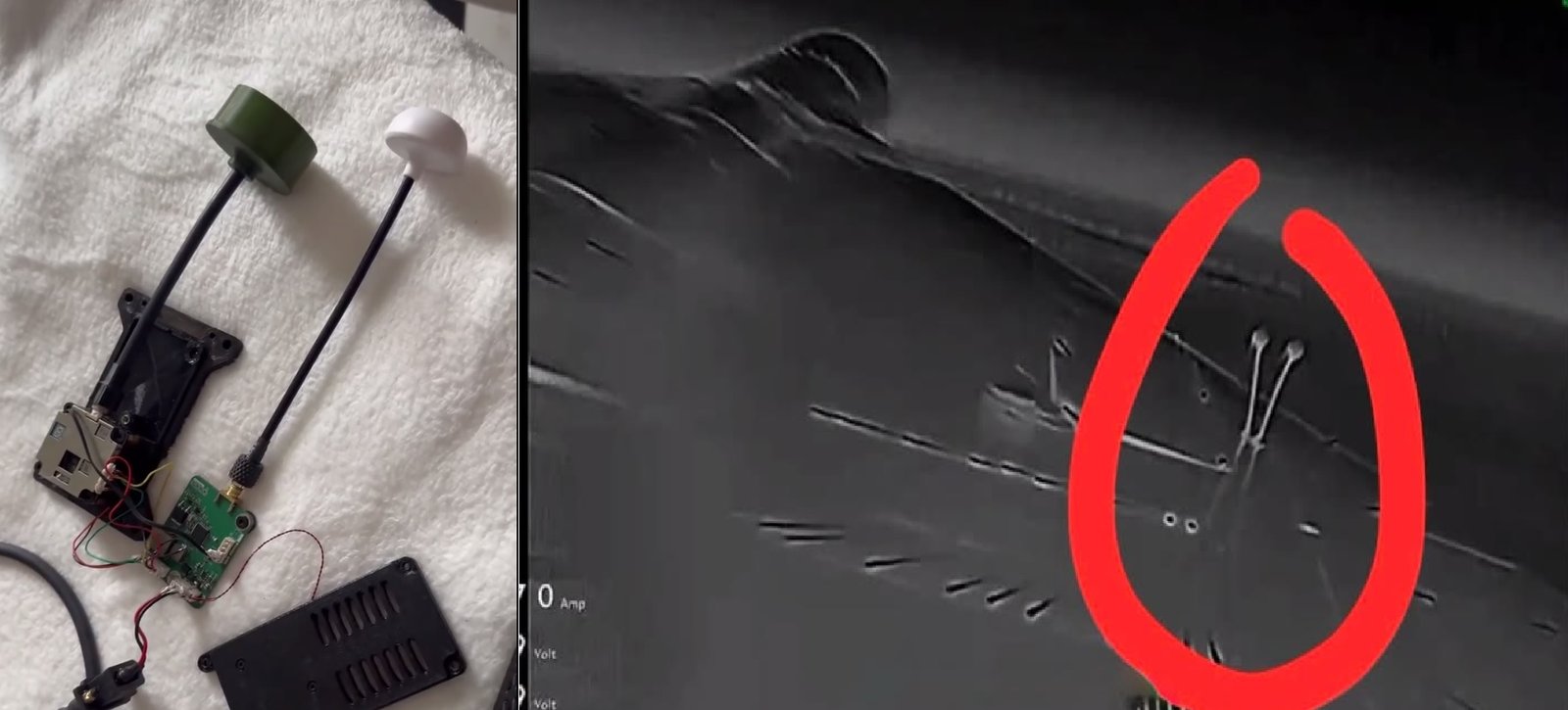 Russia Equips Shahed and Geran Drones With Electronic Warfare Systems to Jam Ukrainian Interceptor Video Links
-
 Austria Receives First Modernized Leopard 2A4Ö Tank and Ulan NV Infantry Fighting Vehicle
-
 NATO Launches Exercise Northern Viking 26 in Iceland to Secure North Atlantic Routes
-
 Ukraine Reduces Use of Western Tanks as Cheap Drones Become a Major Battlefield Threat
-
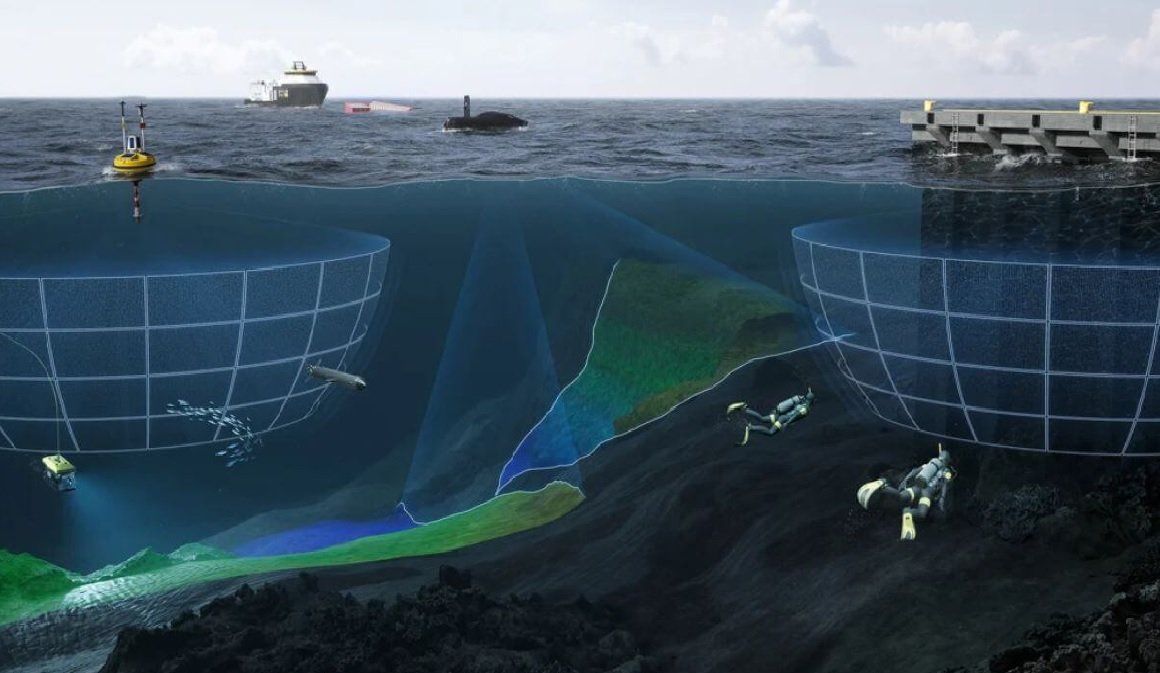 Kongsberg Introduces Aegir SSA Sonar Family With AI-Powered Monitoring for Continuous Underwater Surveillance
-
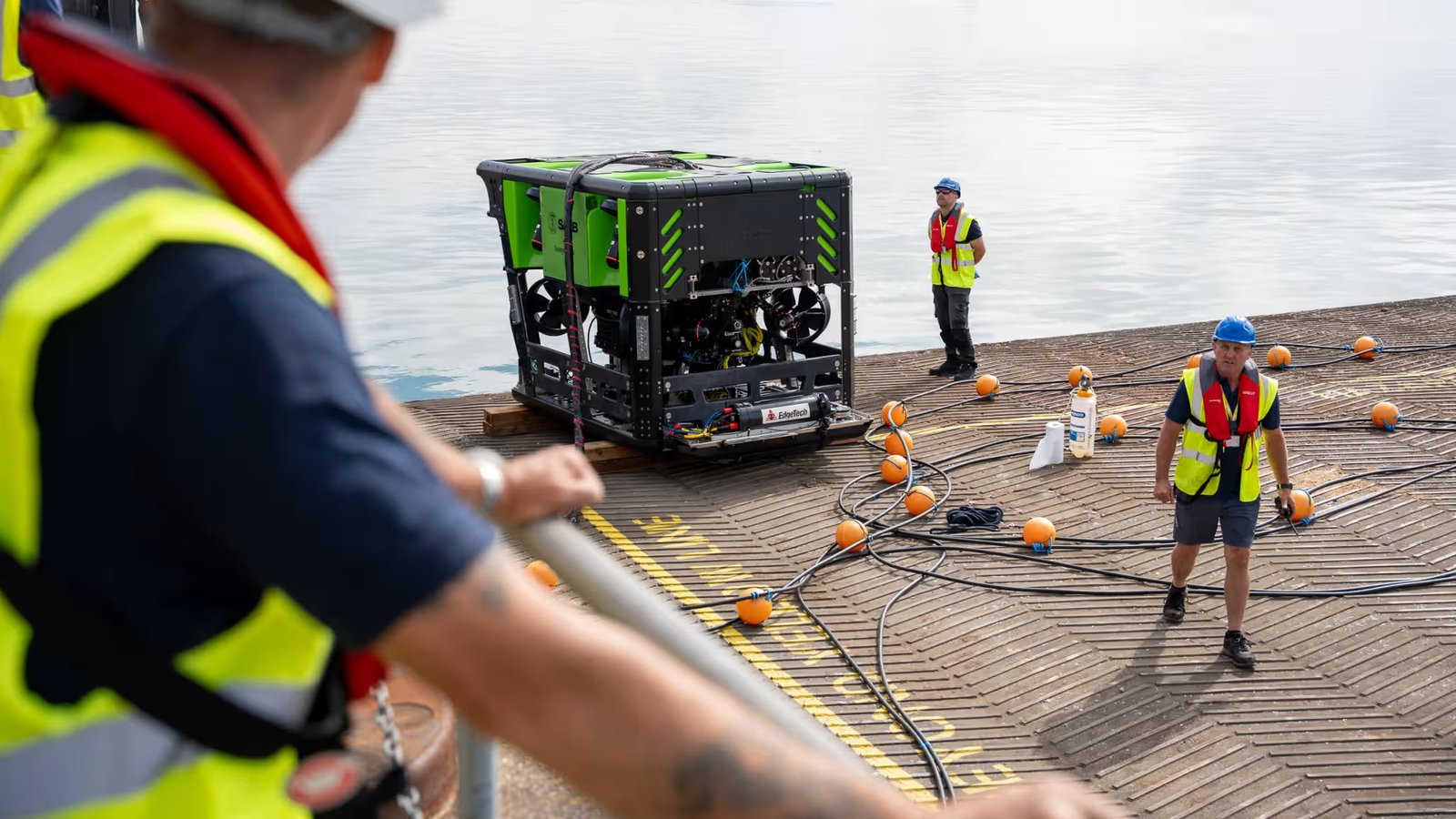 Saab UK Completes Key Trials of Seaeye SR20 eWROV, Moves to Next Development Phase
-
 Mystery Chinese J-20-Like Object Seen at Former Airport Was a Firefighting Training Mock-Up
Top Trending in 4 Days
-
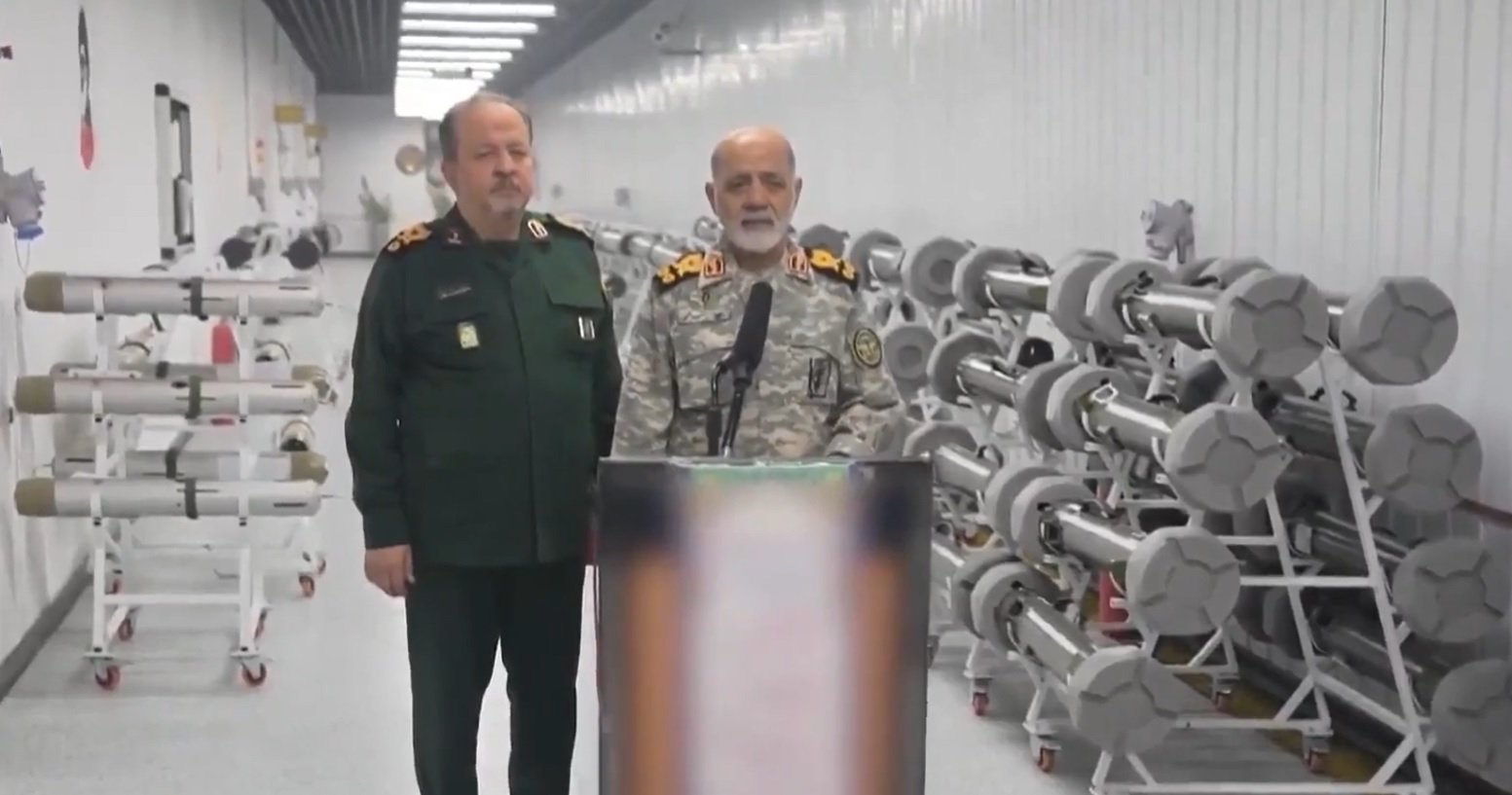 Iran Reveals Underground Weapons Manufacturing Facility for First Time on State TV
-
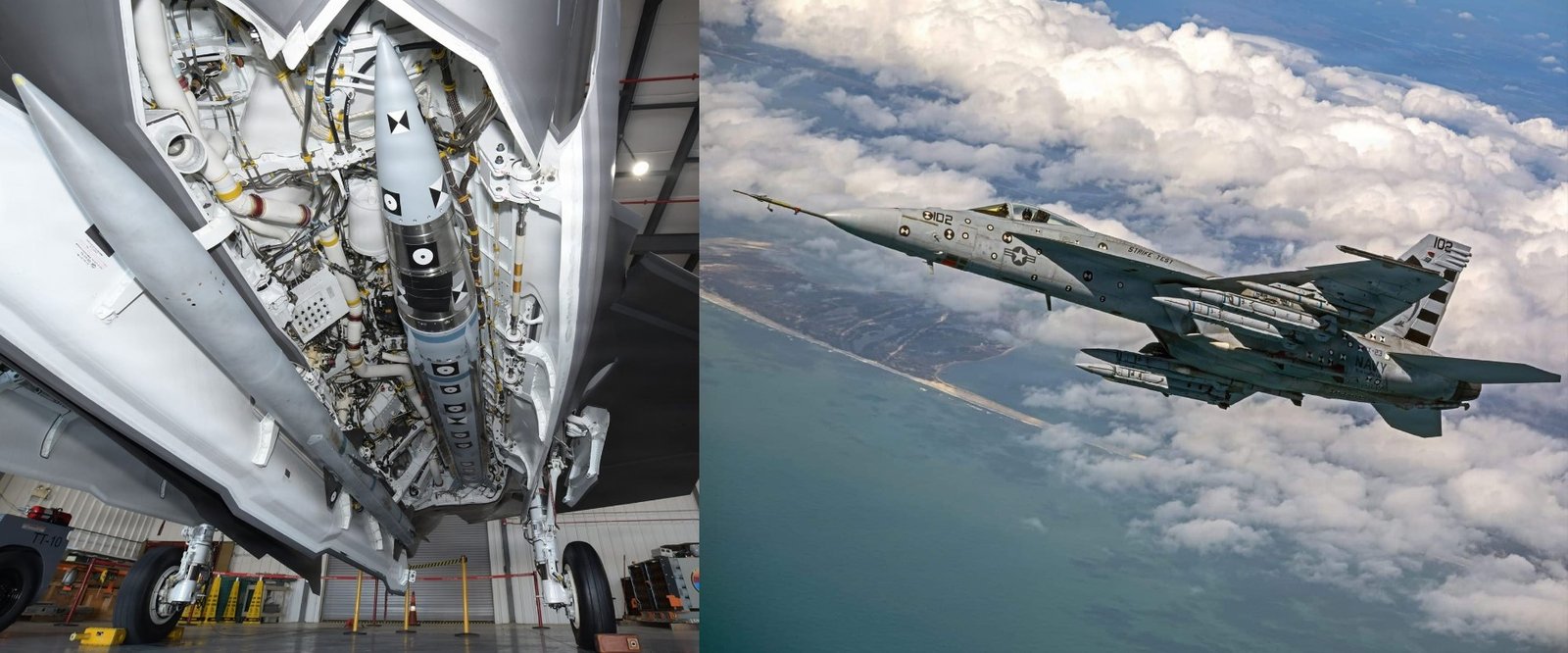 U.S. Navy Unveils New AIM-424 ‘Malice’ Air-to-Air Missile With 463+ km Range for F-35C, Super Hornet and F/A-XX
-
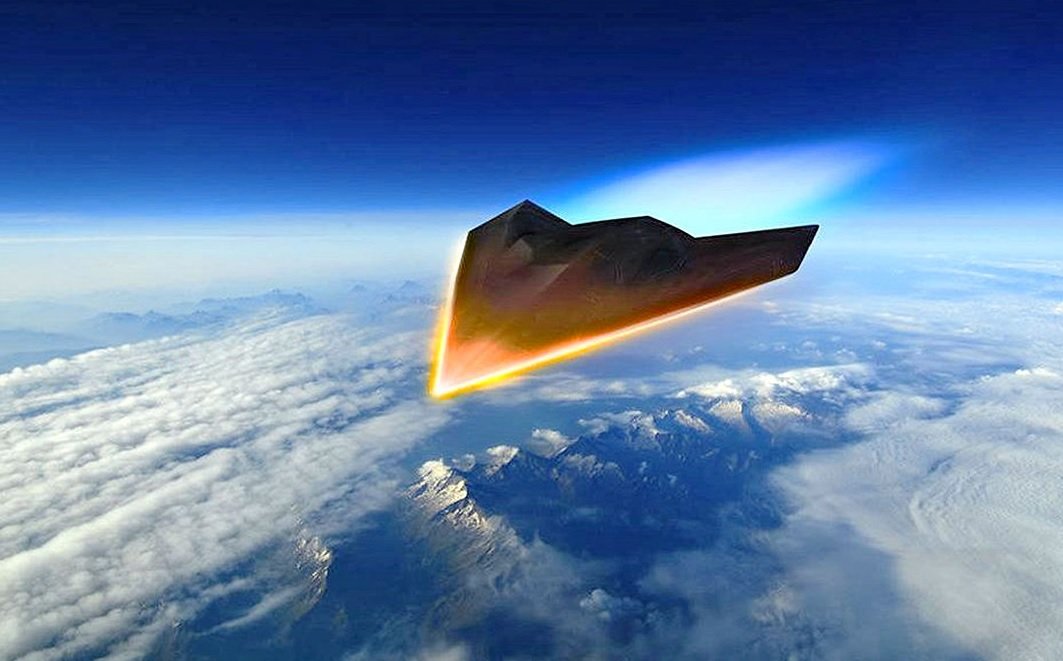 China Develops Hypersonic Glide Vehicles Capable of Launching Air-to-Air Missiles Mid-Flight
-
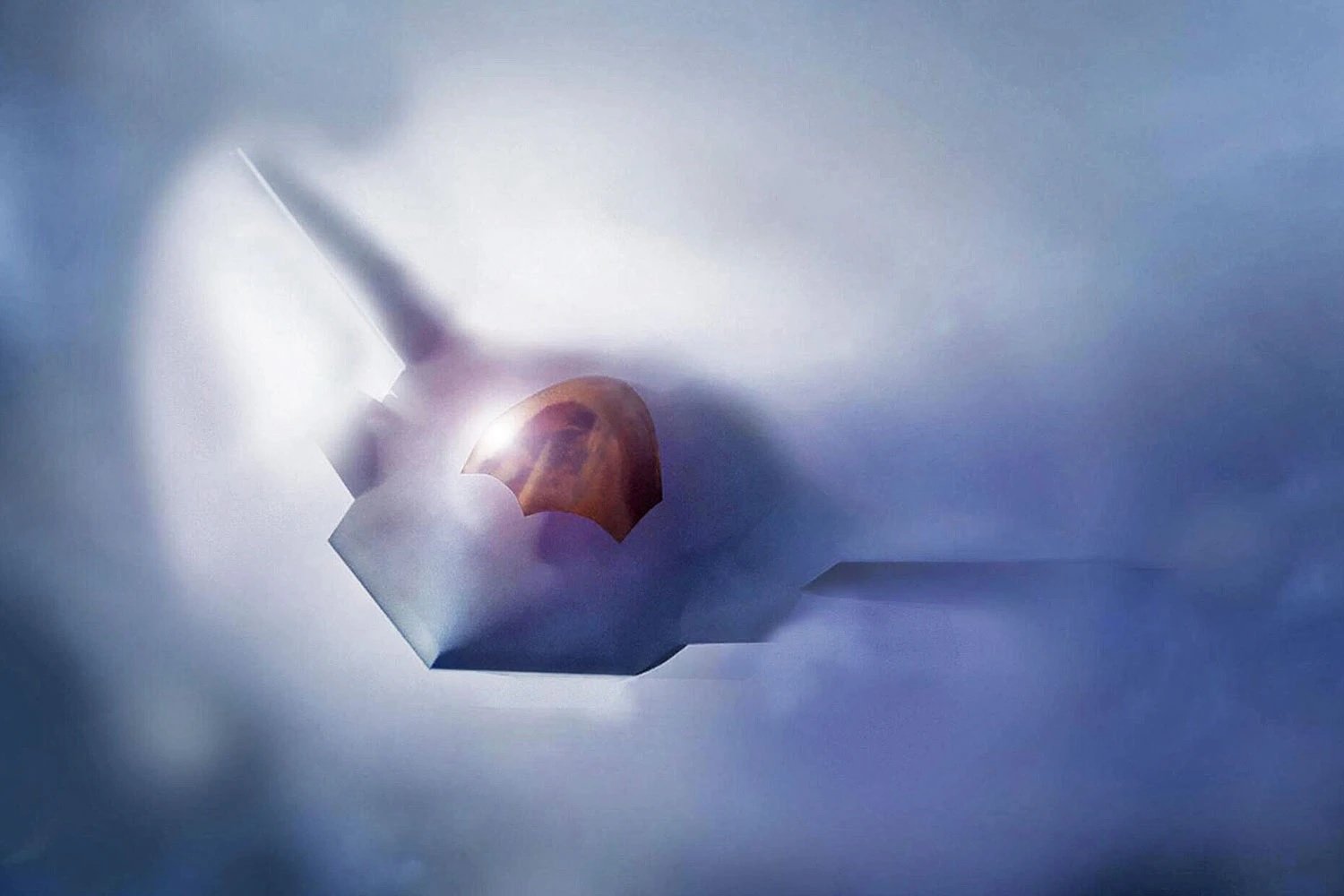 Israel Explores Potential Acquisition of U.S. F-47 Sixth-Generation Fighter
-
 Iran-Linked Hackers Shut Down UK Power Plant for Four Days in First Known Attack
-
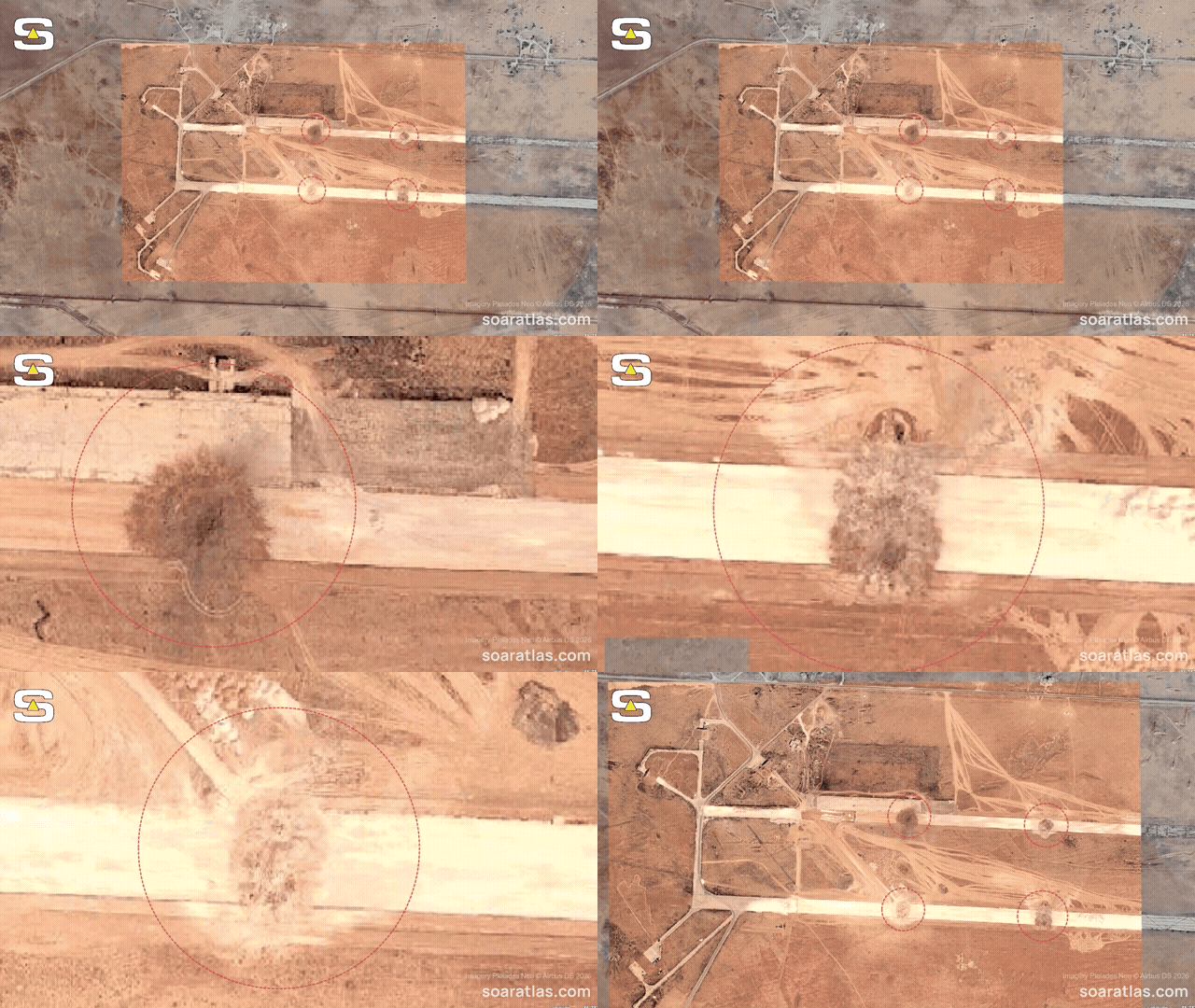 Satellite Imagery Shows Damage From Israeli Strikes on Turkey Military Occupied Syria’s Abu al-Duhur Airbase
-
 Ukraine Holds World’s First Unmanned Military Parade on 35th Independence Day
-
 UAE Completes Protective Metal Structures Around Fuel Tanks Near Dubai International Airport