
Space & Technology
The Indian Space Research Organisation (ISRO) is poised to dramatically expand its launch capabilities with the construction of a major new spaceport in Gujarat. Valued at approximately ₹10,000 crore, this facility will be designed for both its workhorse Polar Satellite Launch Vehicle (PSLV) and the nimble Small Satellite Launch Vehicle (SSLV)—a bold leap that will bolster India’s space infrastructure and industrial ecosystem. A Strategic Acquisition of Gujarat After extensive feasibility assessments, ISRO has zeroed in on coastal regions of Kutch or Dholera as ideal locations, offering wide open coastal buffer zones and relatively unobstructed flight corridors. The move aligns with Gujarat’s recently unveiled SpaceTech Policy, aimed at creating a friendly environment for private-sector investment in space. Supporting this initiative is IN‑SPACe, the Indian regulatory body based in Ahmedabad, which will play a pivotal role in guiding private participation alongside ISRO in this endeavour. Dual-Use Launch Capability This upcoming launch complex is being planned as a shared facility, integrating two versatile launch systems. First is the PSLV, ISRO’s dependable medium-lift vehicle responsible for over 60 successful missions—including Chandrayaan‑1, Aditya‑L1, and the Mars Orbiter Mission—with a payload capacity of up to 1,750 kg to sun-synchronous orbit . Second is the SSLV, specifically developed for small satellites (up to 500 kg to a 500 km low-earth orbit) with exceptionally fast turnaround times of just 72 hours . While SSLV currently operates from Sriharikota and Kulasekarapattinam, a Gujarat facility would significantly diversify India’s launch geography. Infrastructure & Economic Vision ISRO envisions constructing comprehensive infrastructure: from advanced rocket assembly buildings and satellite processing units to integrated ground‑station and payload adaptation amenities. Inspired by SSLV’s model—characterised by modular assembly, minimal infrastructure, and a lean, automated operations crew—the new complex will embody modern, scalable space infrastructure suited for both national missions and commercial activity . The estimated ₹10,000 crore investment will not only cement ISRO’s domestic reach but also fuel regional development, drawing related industries, creating technical jobs, and fostering scientific collaboration. Complementing the National Space Ecosystem Gujarat’s new spaceport will join ISRO’s trio of operational launch sites: Sriharikota (PSLV, GSLV), Kulasekarapattinam (SSLV), and the under-construction Gaganyaan pad. This diversification enhances ISRO’s resilience against launch delays and weather disruptions. It also amplifies India’s competitiveness in the small-satellite commercial market—an increasingly lucrative global domain . ISRO recently celebrated its 100th mission—highlighting PSLV’s consistent reliability and marking a milestone in India’s ambition to achieve another 100 launches in the next five years . Path Forward With PSI identifications nearing completion, detailed safety, environmental, and regulatory clearances are expected over the next 12–18 months. Civil engineering work could begin by late 2025, with phased activation of PSLV and SSLV launch lanes by 2027–2028. IN‑SPACe will work closely with ISRO and the Gujarat government to fast-track land acquisition and formal permissions. The proposed Gujarat launch complex represents a watershed moment for India’s space program. Leveraging a ₹10,000 crore investment, it signifies not only a geographic expansion of launch capability but also a strategic alignment with private industry, faster mission cadence, diversified orbital access, and regional empowerment. This facility will position India as a global launch powerhouse—from micro-satellites to interplanetary missions—and anchor state-of-the-art aerospace infrastructure on India’s western coast..
Read More → Posted on 2025-07-05 15:33:55
Space & Technology
In an era where a smartphone can summon groceries, hail a ride, or manage your bank account, it was only a matter of time before someone created an app that could help people disappear—at least temporarily—from the gaze of government. That moment arrived with the quiet but thunderous release of ICEBlock, a new iOS app designed to anonymously alert users of suspected ICE (U.S. Immigration and Customs Enforcement) activity nearby. And the political aftershocks were immediate. At first glance, ICEBlock looks almost unremarkable. No sign-up, no profile, no tracking—just a map and a single red button. Tap it, and users can report a possible ICE presence—say, a convoy of unmarked white SUVs parked outside an apartment complex or plainclothes agents asking questions in a grocery store. Anyone within a five-mile radius who also has the app receives a ping: a silent warning. Then, like a whisper fading into darkness, the alert auto-deletes after four hours. Its creator, Joshua Aaron, a technologist with no major Silicon Valley backers, calls it “a tool for peace, not provocation.” And yet, in the current American political climate, peace has rarely ignited so much fury. A Simple Idea, A Radical Consequence ICEBlock wasn’t born in a boardroom. It was coded in silence, shaped by Aaron’s deep unease with what he called “militarized immigration policing.” In interviews, he points to history—his family’s own roots as Jewish refugees and the broader lessons of state power gone unchecked. “I didn’t build this to attack ICE,” he says. “I built it because people are afraid.” And those people have responded. Within weeks of its launch, ICEBlock soared to the top of the App Store’s social networking category. It was downloaded tens of thousands of times, particularly in immigrant-heavy areas like Los Angeles, Phoenix, and Houston. The app is available in 14 languages, including Arabic, Spanish, Mandarin, and Hindi, making it instantly accessible to many of America’s undocumented and immigrant communities. Its privacy architecture is as radical as its purpose: no user data is stored or shared. No emails, no phone numbers, not even a unique device ID. You can't report an ICE sighting unless you're physically in that location, and you can't report more than once every five minutes—safeguards against spam or manipulation. Aaron made a deliberate choice to release the app only for iOS, citing Apple’s stricter privacy framework compared to Android. But with every alert the app sends, another type of alert—political and cultural—is also triggered. Washington Reacts After a CNN segment spotlighted ICEBlock, the backlash was swift and nuclear. Homeland Security Secretary Kristi Noem denounced the app as “obstruction of justice.” Acting ICE Director Todd Lyons called it “sickening” and accused CNN of aiding those “actively interfering with federal operations.” But it was White House Press Secretary Karoline Leavitt who took it further, accusing CNN of “inciting violence against law enforcement” and calling for the Department of Justice to investigate both the network and the app’s developer. In response, CNN defended its editorial decision, stating that the app was newsworthy, community-driven, and that the segment had included statements from ICE itself. But the damage was done. Conservatives exploded across social media. Former Attorney General Pam Bondi labeled it “a digital hideout for illegals,” while Republican lawmakers began pushing for legislation to ban such apps outright. The DOJ has not publicly commented, but sources indicate informal discussions are underway. Between Tool and Target Ironically, ICEBlock explicitly tells users not to interfere with agents. A disclaimer on the app warns: “Do not confront, record, or follow ICE agents. This app is for awareness, not resistance.” But in a country where digital tools often live in legal grey zones, critics argue that awareness itself can be a weapon. And while ICEBlock might not be breaking laws in its current form, it may be rewriting the way communities respond to surveillance. It's the Waze of deportation enforcement—a crowd-sourced warning network built on anonymity and speed. To supporters, ICEBlock is an act of civic protection. To opponents, it's digital sabotage. But to Joshua Aaron, it’s something else entirely. “It’s not meant to stop ICE,” he says. “It’s meant to give people five minutes they didn’t have before. Time to stay inside. Time to keep a kid home from school. Time to breathe.” What Happens Next? For now, ICEBlock is still live, still functional, and still gaining users. But its future may hang in legal limbo. If the Justice Department moves forward with an investigation, it could become a flashpoint in America’s already bitter immigration debate. Meanwhile, rights groups are preparing to defend it, calling it a protected form of community self-defense. Whether ICEBlock will become a lasting tool or a temporary flash in the civil liberties landscape, one thing is clear: in a digital age, resistance can now be downloaded. And with a single tap, it can spread across a city—silently, invisibly, and in real time.
Read More → Posted on 2025-07-01 15:54:40
Space & Technology
Pixxel, a rising star in the global space-tech sector, is once again making headlines with the next launch of its advanced Firefly hyper-spectral satellites. The Indian-American company recently confirmed that the upcoming batch of these satellites has successfully cleared the crucial Pre-Shipment Review and is now containerised for transport to the launch site. This milestone brings Pixxel closer to deploying the world’s most sophisticated commercial hyper-spectral Earth observation satellite constellation. The Firefly Edge: A Technological Breakthrough Pixxel’s Firefly satellites stand out for their unmatched imaging capabilities. Each satellite delivers 5-meter resolution hyper-spectral imagery, far sharper than the 30-meter norm seen in most traditional hyper-spectral satellites. These systems capture over 150 spectral bands across the visible and near-infrared (VNIR) spectrum—ranging from 470 to 900 nanometres—allowing them to detect details invisible to conventional RGB satellite cameras. The satellites have a 40-kilometre swath width and are capable of daily revisits, ideal for large-scale and high-frequency monitoring. Operating in a sun-synchronous orbit at 550 km altitude, they maintain consistent lighting and atmospheric conditions for accurate imaging day after day. From Campus Idea to Global Force Founded in 2019 by BITS Pilani alumni Awais Ahmed and Kshitij Khandelwal, Pixxel began with a vision to build a health monitor for the planet. Today, with dual headquarters in El Segundo (California) and Bengaluru (India), Pixxel has become one of the most well-funded hyper-spectral space startups globally, having raised $95 million in total. In 2023, it was named one of TIME Magazine’s 100 Best Inventions and in 2024, recognised as a Technology Pioneer by the World Economic Forum—testimony to its innovation and global impact. Progress So Far: From Launchpad to Orbit Pixxel launched the first three Firefly satellites aboard SpaceX’s Transporter-12 mission in January 2025 from California. By March, these satellites had completed commissioning and begun commercial operations, delivering their first “First Light” images with exceptional clarity. This achievement made Pixxel the operator of India’s first private satellite constellation and established a new benchmark in commercial remote sensing. With the upcoming launch of three more Firefly satellites in Q2 2025, the initial six-satellite constellation will be completed—significantly improving global coverage and revisit frequency. This phase will lay the foundation for Pixxel's goal of 24-hour Earth monitoring. Powerful Applications Across Sectors Pixxel’s hyper-spectral imaging opens up game-changing possibilities across agriculture, environment, mining, energy, and climate monitoring. Unlike conventional satellites, which capture just three color bands (red, green, blue), Pixxel’s satellites can distinguish chemical fingerprints, enabling: Crop health diagnostics, early disease detection, and water stress monitoring Pollution tracking, such as oil spills, methane leaks, and ocean health Mineral detection for mining and natural resource surveys Carbon monitoring, forest degradation tracking, and environmental compliance verification This technology provides decision-makers and researchers with powerful tools to respond to pressing global challenges in real time. Manufacturing Might: Mega Pixxel Facility To meet growing demand, Pixxel has built Mega Pixxel, a 30,000 sq ft satellite manufacturing facility in Bengaluru. This state-of-the-art hub includes ISO Class 7 and 8 clean rooms and can produce over 20 satellites simultaneously, with a six-month production cycle, enabling 40 satellites per year. Inaugurated by ISRO Chairman S Somanath in January 2024, this facility transforms Pixxel into both a satellite operator and manufacturer, capable of serving international clients and governments alike. Commercial Traction and Strategic Clients Pixxel has already attracted over 60 customers, including NASA’s National Reconnaissance Office, BP, Rio Tinto, and India’s Union Ministry of Agriculture. Its 5-year deal with the US National Reconnaissance Office further validates the strategic and technical value of its offerings. Firefly to Honeybee Beyond the Firefly constellation, Pixxel plans to deploy a more advanced Honeybee series. These satellites will expand spectral coverage to include Short-Wave Infrared (SWIR), extending the imaging range up to 2500 nanometres, and will carry a total of around 260 spectral bands (160 VNIR + 100 SWIR). The full 18-satellite constellation is expected to be in orbit by 2026–2027. A Smarter, Sustainable Earth from Space Pixxel’s growing constellation promises a future where real-time, high-resolution spectral data helps humanity make smarter, faster decisions for a more sustainable planet. With the next Firefly launch imminent, Pixxel is not only building satellites—it’s building an era of precision planetary intelligence.
Read More → Posted on 2025-06-29 15:32:59
Space & Technology
In what could have turned into a costly and dangerous failure, India’s space agency ISRO played a pivotal role in detecting and averting a major technical anomaly during the preparations for the Axiom-4 mission, the latest private astronaut launch to the International Space Station. The mission, operated by Axiom Space using SpaceX’s Falcon 9 rocket, included onboard India’s own Group Captain Shubhanshu Shukla, making it a matter of both national and international significance. The incident unfolded in early June 2025, when a routine pre-launch static fire test of the Falcon 9 rocket was conducted at NASA’s Kennedy Space Center. While the test appeared successful to the untrained eye, it was Indian scientists from ISRO — present as part of the mission support team — who first flagged something unusual: a minor leak in the LOX (Liquid Oxygen) feed system of the rocket's first-stage booster. At first, the anomaly was dismissed by some engineers on the U.S. side as within tolerance. SpaceX teams proposed using a purge system workaround, aiming to move forward with the launch timeline. But ISRO, led by its highly respected Chairman V. Narayanan, didn’t let it slide. Drawing on deep experience in cryogenic propulsion and engine diagnostics, Narayanan and his team insisted the leak could pose a serious risk during actual launch — especially given the cryogenic temperatures and high-pressure dynamics of the Falcon 9's systems during ascent. ISRO’s concerns weren’t limited to the leak. During the same static test session, another issue emerged: a thrust vector control (TVC) actuator malfunction on one of the Falcon 9's engines. While SpaceX teams worked to troubleshoot it, it was again the Indian engineers who pushed for a full low-temperature verification and complete actuator replacement, rather than temporary patches. It was a bold stand, especially on foreign soil and in the high-pressure context of a commercial launch window. But ISRO held its ground. Narayanan’s insistence on absolute crew safety and full structural integrity checks forced a delay in the launch — a decision that, in hindsight, may have saved the mission. Eventually, SpaceX complied. The problematic TVC actuator was replaced, and the liquid oxygen leak was re-evaluated using ISRO’s recommended methods. The team also conducted cold-weather testing of the engine plumbing, which validated the seriousness of the issue. Repairs were made onsite, avoiding the need to roll back the rocket to the Vehicle Assembly Building, a move that would have meant weeks of delay. Once these safety-critical issues were addressed, launch preparations resumed — until another unrelated delay struck: a pressurization anomaly in the ISS Zvezda service module, temporarily preventing any new spacecraft from docking. With that resolved, the Axiom-4 mission finally lifted off on June 25, 2025, carrying a four-person crew including Shubhanshu Shukla, who became the first Indian private astronaut in space. But without ISRO’s intervention, things might have played out very differently. Had the Falcon 9 launched with the unresolved leak or faulty actuator, it could have led to a catastrophic engine failure mid-flight, endangering the crew and jeopardizing international partnerships. This episode also reflects a deeper reality in India’s evolving space diplomacy. Once seen only as a launch provider or budget satellite builder, ISRO is now asserting itself as a global-level technical authority — one capable of making life-saving calls on missions it does not even directly manage. Chairman V. Narayanan, long known for his work in cryogenic engine development, has now earned further recognition for leadership under pressure and technical foresight, with international experts privately praising ISRO’s role in the rescue. For SpaceX and Axiom, ISRO’s pushback was a sobering reminder: partnerships with spacefaring nations like India come not just with ambition, but with expertise, precision, and an uncompromising commitment to safety. As India eyes its own crewed mission, Gaganyaan, and expands its collaborations in space tourism and science, ISRO’s actions during the Axiom-4 mission will be remembered not just for saving a rocket, but for setting a global standard of vigilance in human spaceflight.
Read More → Posted on 2025-06-27 15:11:28
Space & Technology
In a major stride toward expanding its heavy-lift launch capabilities, the Indian Space Research Organisation (ISRO) is undertaking a significant upgrade of its workhorse Launch Vehicle Mark-3 (LVM-3), formerly known as GSLV Mk III. The goal: to increase its payload capacity to over 5.5 tonnes to Geosynchronous Transfer Orbit (GTO) — a 25% jump from its current ceiling of around 4 tonnes. According to official updates and technical briefings from ISRO Propulsion Complex (IPRC) and Vikram Sarabhai Space Centre (VSSC), this ambitious upgrade involves replacing both the L110 liquid core stage and the C25 cryogenic upper stage with more powerful and efficient alternatives. The move is part of ISRO’s broader efforts to make India a competitive global player in commercial satellite launches and to support upcoming heavy-lift missions, including India's ambitions in deep space exploration and crewed spaceflight. What’s Changing: Key Upgrades to LVM-3 Replacing the L110 Stage with Semi-Cryogenic Engine (SC120) The current L110 stage, which uses two Vikas engines burning UDMH and N2O4, will be replaced by a semi-cryogenic stage named SC120, powered by ISRO’s SCE-200 engine. Propellant: LOX (Liquid Oxygen) + RP-1 (Kerosene) Engine Thrust: ~2000 kN (sea level), single engine Total Stage Thrust: ~1.2 MN Advantages: Higher specific impulse (~335 s vs. 293 s of Vikas) Less toxic propellants Simplified stage configuration with a single powerful engine instead of two The SCE-200 engine, under development with support from Ukraine’s Yuzhnoye Design Bureau in the early phases, has already undergone multiple ground ignition and hot-fire tests. Once qualified, this semi-cryogenic engine will become the backbone of ISRO’s future heavy-lift architecture. C25 Cryogenic Stage to be Replaced with C32 The upper stage currently used on the LVM-3 is the C25, powered by the CE-20 cryogenic engine using LH2 and LOX. ISRO is now developing a C32 stage, which will: Use the same CE-20 engine with performance upgrades Carry more propellant (32 tonnes vs 27 tonnes) by extending tank volume Possibly feature modifications to increase burn time and energy efficiency This will provide the necessary velocity increment (delta-v) to insert heavier payloads into higher-energy orbits such as GTO and potentially GEO. Expected Performance After Upgrade With both the SC120 stage and the C32 upper stage, the upgraded LVM-3 is expected to lift between 5.5 to 6 tonnes to GTO, depending on final configuration and mission profile. This brings it closer to international heavy-lift vehicles like SpaceX’s Falcon 9 (5.5t to GTO) and Ariane 5 ECA in certain configurations. This enhanced capability is especially critical as India seeks to: Deploy heavier national communication satellites without foreign launch dependence Support second-generation NavIC, GSAT, and Indian Data Relay Satellite System (IDRSS) missions Launch deep space probes and modular payloads to Moon, Mars, and beyond Strengthen its commercial presence under NSIL and IN-SPACe ISRO's Commercial and Strategic Vision The upgraded LVM-3 could become the flagship vehicle for India’s human spaceflight program, Gaganyaan, and the potential follow-on heavy-lift variants (like HLVM3 or NGLV — Next Gen Launch Vehicle). With its enhanced payload lift, it will also become more attractive to commercial satellite operators and international clients, especially those requiring dual-payload rideshares to GTO or LEO. Moreover, this upgrade aligns with India's strategic roadmap to build indigenous, high-thrust engines and reduce dependency on legacy liquid fuel systems that use highly toxic propellants like UDMH/N2O4. The LVM-3 upgrade project represents a technically ambitious yet essential evolution in India’s launch vehicle fleet. By replacing its core and upper stages with more powerful, cleaner, and higher-efficiency alternatives, ISRO is building a launch vehicle that not only addresses current mission needs but also future-proofs India’s space ambitions — from commercial launch services to deep space and beyond. As the world enters a new space race driven by both science and geopolitics, ISRO’s upgraded LVM-3 is poised to be India’s answer to the call for capability, reliability, and sovereign strength in space launch technology.
Read More → Posted on 2025-06-27 12:46:08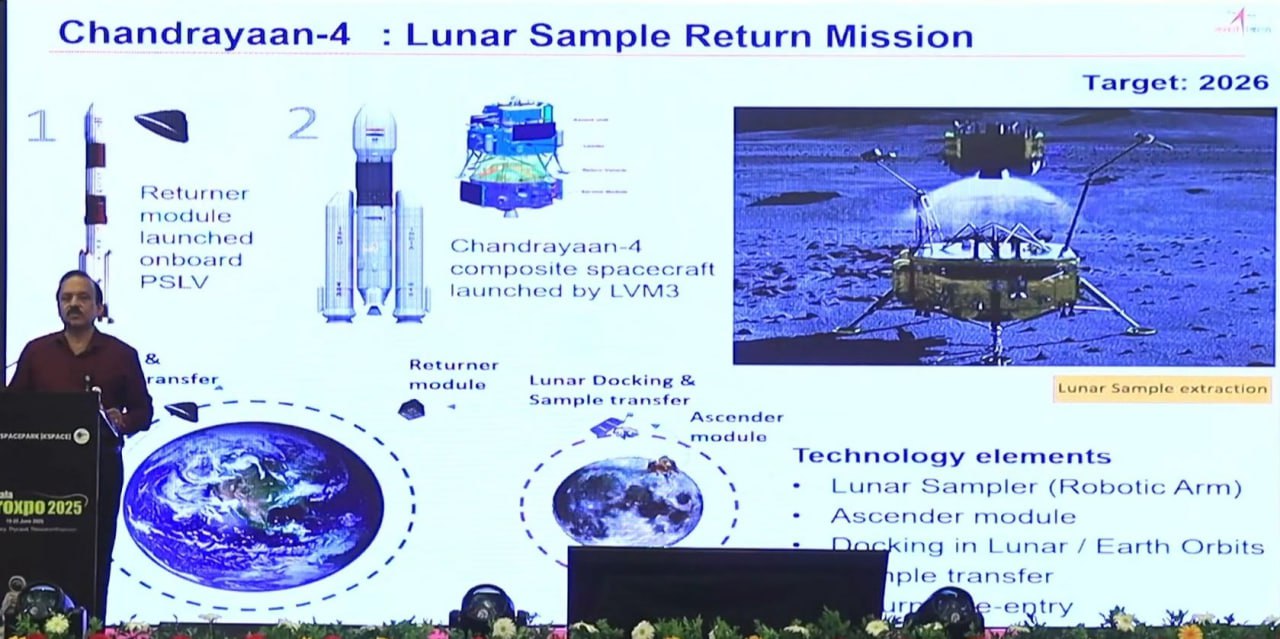
Space & Technology
The Indian Space Research Organisation (ISRO) is preparing for a landmark lunar mission—Chandrayaan-4, a sophisticated Lunar Sample Return Mission—with a targeted launch window of 2026–2027. This mission will mark a significant leap in India’s planetary exploration capabilities, as it aims not just to land on the Moon, but to collect and return lunar soil and rock samples to Earth—a feat previously accomplished only by the United States, Russia, and China. Dual Launch Strategy: PSLV and LVM3 The mission architecture, as outlined by ISRO in a recent presentation, reveals a two-launch configuration involving PSLV and LVM3: First Launch: Returner Module via PSLV The Returner Module—which is designed to bring the lunar samples back to Earth—will be launched first using India’s workhorse PSLV (Polar Satellite Launch Vehicle). This module will be placed in Earth orbit, where it will await rendezvous with the lunar sample-holding vehicle. Second Launch: Chandrayaan-4 Composite Spacecraft via LVM3 The main Chandrayaan-4 spacecraft, a complex assembly including a lander, Lunar Sampler (robotic arm), and an Ascender Module, will be launched separately using LVM3 (Launch Vehicle Mark-3). Once in lunar orbit, the lander will descend to the Moon’s surface to collect samples using a robotic arm. Sample Retrieval and Return Mechanism The mission will follow a multi-phase process: After landing, the robotic arm will extract lunar regolith and store it in the Ascender Module. The Ascender Module will then lift off from the lunar surface and enter orbit, where it will dock with the Returner Module—already in place in lunar orbit or having traveled there after Earth orbit rendezvous. Once the docking and sample transfer are complete, the Returner Module will head back to Earth, completing the mission with a controlled re-entry. Core Technologies Involved The mission demands several cutting-edge technologies, many of which are new to India’s lunar program: Lunar Sampler: A robotic arm capable of operating in the harsh lunar environment to collect regolith. Ascender Module: A mini-launch vehicle capable of vertical takeoff from the Moon. Orbital Docking: First-of-its-kind for ISRO, in both lunar and Earth orbits. Sample Transfer Mechanism: A system to ensure safe and sterile transfer of the lunar payload. Earth Re-entry Capsule: Designed to withstand high-speed atmospheric entry with valuable samples onboard. Strategic Significance With Chandrayaan-4, India is not just aiming for lunar presence but asserting its position in deep space exploration and planetary science. Success in this mission would place India in an elite club of nations that have returned samples from the Moon, opening doors for scientific analysis, international collaboration, and potential lunar resource utilization. This mission aligns with ISRO’s broader goals under the “Amritkaal” vision for space exploration, signaling a shift from demonstration to complex interplanetary capabilities. If successful, Chandrayaan-4 will mark a defining moment in India’s space history—combining precision engineering, orbital mechanics, and robotic science in a single, high-stakes mission.
Read More → Posted on 2025-06-24 15:28:29
Space & Technology
At the Paris Air Show on 20th June 2025, a major announcement signaled a new chapter in France’s space ambitions. French Minister of the Armed Forces Sébastien Lecornu and Dassault Aviation Chairman and CEO Eric Trappier revealed the signing of an agreement to develop a reusable spaceplane demonstrator, launching the ambitious VORTEX programme — short for Véhicule Orbital Réutilisable de Transport et d’Exploration (Reusable Orbital Vehicle for Transport and Exploration). What is the VORTEX Programme? The VORTEX programme aims to create a new family of reusable space vehicles capable of carrying out autonomous orbital missions and safely transporting payloads and equipment to and from space. Designed as a dual-use platform, it will support both civilian and military space operations. This makes it a valuable asset for France, as space increasingly becomes a vital area of national security and economic development. It’s a bold move to strengthen France’s strategic independence in the growing global space economy, positioning the country alongside other leading space powers like the United States, China, and India. Dassault Aviation’s Experience in Space Projects Although Dassault Aviation is better known for its fighter jets and business aircraft like the Rafale and Falcon series, the company has a long history in space-related projects. In the past, Dassault was involved in notable European spaceplane initiatives such as: Hermès – a proposed crewed spaceplane by the European Space Agency (ESA) in the 1980s. X-38 – a prototype for an emergency crew return vehicle for the International Space Station. IXV (Intermediate eXperimental Vehicle) – a successful ESA mission that tested re-entry technologies in 2015. The VORTEX demonstrator will build upon the technical knowledge gained from these earlier efforts, focusing on cutting-edge capabilities like hypersonic flight control, advanced thermal protection systems, and autonomous flight management — essential for any reusable orbital vehicle. Why Reusable Spaceplanes Matter Reusable spaceplanes are a critical part of modern space strategy. Unlike traditional rockets that are used only once, spaceplanes can take off, enter orbit, return to Earth, and be prepared for another mission. This dramatically reduces launch costs and turnaround times, making space more accessible and responsive for both government and commercial uses. Globally, companies like SpaceX (with its Starship) and China’s Shenlong spaceplane project are actively developing such vehicles. France’s VORTEX programme ensures it keeps pace with these developments, safeguarding national interests and opening opportunities in satellite servicing, space surveillance, cargo transport, and rapid response missions in orbit. NewSpace Approach and Future Prospects The project reflects Dassault’s embrace of the NewSpace philosophy — a trend where traditional aerospace companies adopt the faster, more flexible, and cost-conscious practices seen in private space startups. The VORTEX demonstrator aims to quickly test and validate critical technologies, reducing risks for future operational spaceplanes. According to Dassault Aviation CEO Eric Trappier: “Like our civil and military aircraft, the VORTEX spaceplane is designed to be highly versatile. It will transform the uses of the space sector and open up new fields of application. At the crossroads of aviation and space technologies, VORTEX will pave the way for a new generation of space aeronautics, reinforcing France’s position as a major space power.” What’s Next? The immediate goal is to develop and test the VORTEX demonstrator over the next few years. If successful, it would lead to the creation of an operational reusable spaceplane for France, available for a variety of missions, from deploying small satellites to military reconnaissance and future crewed missions. With growing global competition in space, this initiative is a timely move for France to safeguard its interests, innovate in aerospace technology, and contribute to Europe's independent access to space.
Read More → Posted on 2025-06-21 10:52:09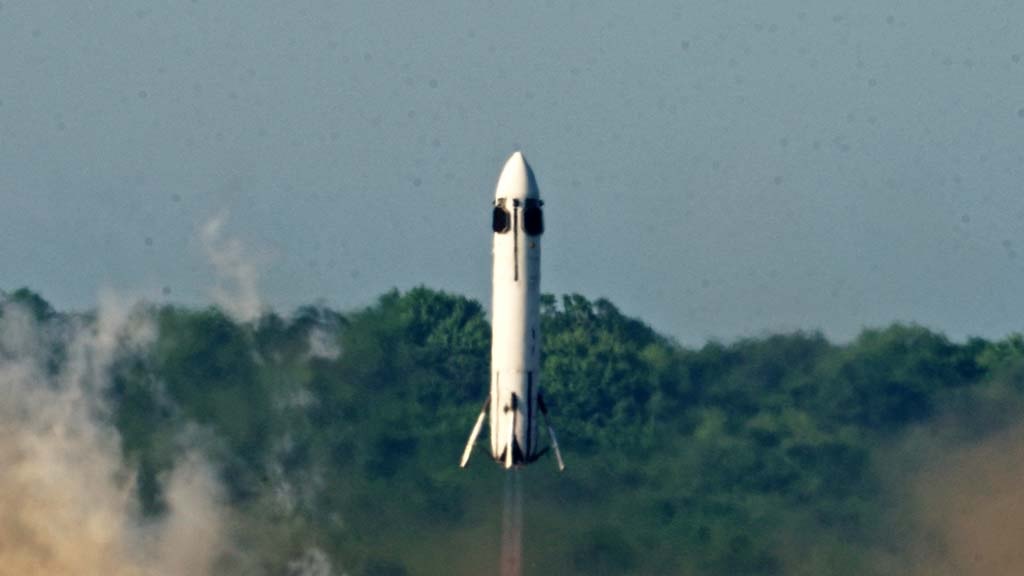
Space & Technology
In a quiet but significant leap into the aerospace arena, Japanese automotive giant Honda Motor Co. has successfully conducted the first test flight of its in-house developed reusable rocket, reaching an altitude of 300 meters before executing a controlled descent and landing. The test marks a historic milestone—not just for Honda, but for Japan—as the country steps closer to joining the elite club of nations and corporations that have demonstrated reusable rocket technology. A Rocket from a Car Company? Yes—Honda, globally renowned for its motorcycles, cars, and humanoid robots like ASIMO, has now taken a bold stride into space exploration. The test was part of a broader initiative announced back in 2021 when Honda revealed its plans to explore low-Earth orbit (LEO) mobility solutions using compact, reusable rockets. While earlier news about Honda’s space ambitions was met with curiosity, this successful flight validates years of behind-the-scenes R&D. The test took place at a designated site in Japan, with the prototype rocket performing a vertical takeoff, reaching a maximum altitude of 300 meters, and then making a successful vertical landing—a feat that puts Honda into the ranks of trailblazers like SpaceX (USA), Blue Origin (USA), and China’s i-Space. Why Reusable Rockets Matter Reusable rockets are revolutionizing space access by dramatically reducing launch costs, increasing launch frequency, and improving environmental sustainability. Unlike traditional expendable rockets, which are discarded after a single use, reusable systems can be recovered, refurbished, and flown again—much like aircraft. Honda's entry into this field suggests a convergence of automotive engineering, robotics, and aerospace innovation. Their deep experience with lightweight materials, combustion engines, precision control systems, and robotic navigation likely plays a key role in the rocket's development and landing systems. Technical & Strategic Implications While Honda has not yet released full specifications of the test vehicle, it is expected to be a small-scale demonstrator intended to validate core flight and landing systems. Key areas of technical interest include: Propulsion system: Likely a liquid-fuel engine optimized for vertical lift and soft landing. Autonomous navigation: Drawing from Honda’s robotics and AI expertise. Lightweight composite structures: Leveraging automotive-grade materials for aerospace efficiency. Strategically, Honda appears to be targeting small satellite launches, which is one of the fastest-growing markets in space today. Nations and private companies alike are increasingly looking for affordable, reliable, and responsive launch solutions for microsats and cubesats used in Earth observation, communications, and scientific research. Japan’s Growing Aerospace Ecosystem Japan already has a significant space pedigree. JAXA (Japan Aerospace Exploration Agency) has built and launched advanced rockets like the H-IIA and the newer H3. However, Japan’s private sector is now heating up: Interstellar Technologies is already testing orbital-class rockets. Ispace Inc., focused on lunar transport, recently attempted a commercial moon landing. And now, Honda adds serious momentum to the country’s commercial space sector. This movement reflects Japan’s strategy to diversify its technological base, reduce reliance on foreign launch systems, and prepare for a future where space becomes a pillar of global infrastructure—from communications and navigation to defense and industrial manufacturing in orbit. Final Thoughts Honda’s successful test of a reusable rocket prototype is more than a technical win—it's a symbolic turning point. It shows that a traditional automotive manufacturer can pivot into cutting-edge aerospace technologies, blurring the lines between Earth-based mobility and space travel. With more tests expected in the coming years, and Honda’s engineering muscle now focused on rocket development, Japan may soon become a key player in the global space launch market—not just with state-supported missions but with privately-led innovation that could redefine the cost and cadence of reaching space.
Read More → Posted on 2025-06-18 11:22:49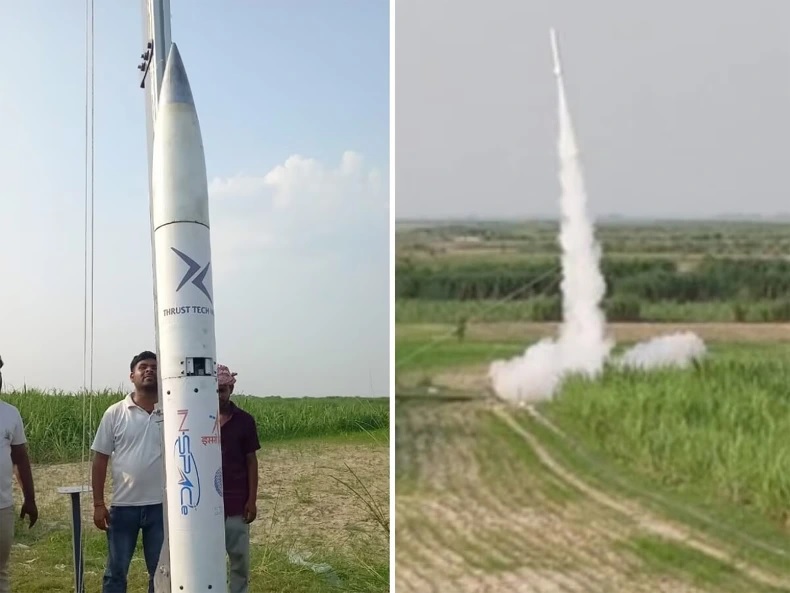
Space & Technology
In a landmark moment for Indian space exploration, the Indian Space Research Organisation (ISRO) successfully conducted its first-ever rocket launch from Kushinagar in Uttar Pradesh. The event, which took place on Saturday, marked a historic first for the region and showcased India’s continued progress in decentralizing space operations beyond traditional launch sites. The launch was carried out in collaboration with Thrust Tech India Limited, a private aerospace technology firm. At exactly 5:14:33 p.m., a 15-kilogram rocket soared into the sky, reaching an altitude of 1.1 kilometers. Onboard was a small satellite (payload) designed to test deployment systems. According to ISRO scientist Abhishek Singh, after reaching its peak altitude, the satellite descended to about 5 meters above ground before deploying a parachute, ensuring a controlled and safe landing within a 400-meter area. The rocket itself also made a safe descent back to Earth, validating both launch and recovery systems. This mission is especially significant as it represents the very first time a satellite has been launched into the atmosphere by rocket from the state of Uttar Pradesh. While earlier tests in places like Ahmedabad involved drone-assisted payload launches, this marked a true rocket-based atmospheric deployment in the state—an impressive technical feat. More than just a technical demonstration, the launch also laid the foundation for an upcoming mega-event scheduled for October-November this year. Around 900 satellites, all built by students and young innovators, are expected to be tested in what will be a massive youth engagement initiative. This upcoming program aims to ignite curiosity in space science among children and teenagers, not only in Uttar Pradesh but across India. Vinod Kumar, Director of Thrust Tech India, expressed pride in the motor test and the successful execution of the mission. He emphasized that this effort goes beyond engineering, serving as an educational milestone that could inspire a new generation of scientists, engineers, and space enthusiasts. The success of the Kushinagar launch signals ISRO’s evolving vision—one that includes expanding launch capabilities to different parts of the country. It also reflects the growing synergy between public institutions like ISRO and private companies such as Thrust Tech India, creating new opportunities for regional development in the space sector. Ultimately, this achievement is not only a technological triumph but also a powerful message: India's journey to space is becoming more inclusive, more innovative, and more inspiring than ever before.
Read More → Posted on 2025-06-15 14:42:28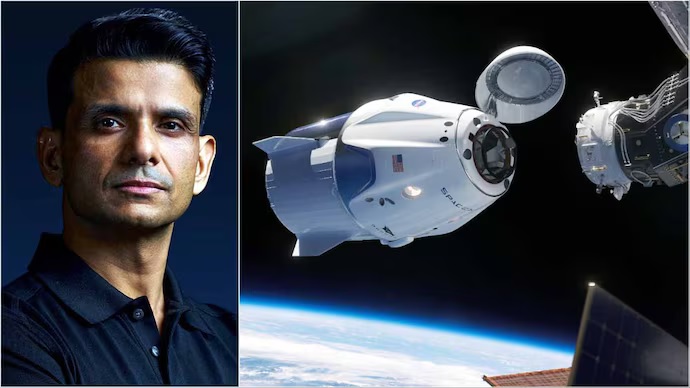
Space & Technology
Axiom Mission-4 (Ax-4), the highly anticipated commercial spaceflight that will carry Indian astronaut Shubhanshu Shukla to the International Space Station (ISS), is now set to launch on June 19, 2025, after a series of technical delays. The mission is a joint effort by Axiom Space, SpaceX, NASA, and the Indian Space Research Organisation (ISRO), marking a significant moment in India’s growing presence in human spaceflight. Originally planned for May 29, the mission faced multiple postponements due to issues with both the launch vehicle and spacecraft. The first setback came when engineers noticed a problem with the electrical harness inside the Crew Dragon capsule, which is the spacecraft that will carry the crew to the ISS. Then came delays in the preparation of the Falcon 9 rocket and weather-related concerns. The most serious delay occurred on June 11, when a liquid oxygen leak was detected in the Falcon 9, halting the mission indefinitely. Thanks to quick coordination between SpaceX, Axiom Space, and ISRO, the leak was fixed, and a new launch date of June 19 was finalized. This decision was made after a detailed review by technical teams and safety experts, ensuring that the mission would proceed without compromising crew safety. The mission is notable not just for its technical complexity but also for its diverse international crew. Peggy Whitson, a veteran former NASA astronaut, will command the mission. Shubhanshu Shukla, representing India, will serve as the pilot. The two mission specialists are Slawosz Uznanski-Wisniewski from Poland and Tibor Kapu from Hungary. Together, they will spend 14 days aboard the ISS, conducting scientific research and international collaborations. For India, the Ax-4 mission is particularly historic. Shubhanshu Shukla will become only the second Indian astronaut in space, following Rakesh Sharma’s iconic 1984 mission aboard a Soviet Soyuz spacecraft. During his time in orbit, Shukla is expected to carry out seven scientific experiments designed in India, including studies on microgravity, space medicine, and materials science. He will also take part in joint research activities with NASA, further strengthening India’s reputation in the global space community. The mission also comes at a time when space agencies are carefully monitoring ongoing conditions on the ISS. NASA and Axiom are currently keeping an eye on a pressure anomaly in the Zvezda Service Module, part of the Russian section of the station. Although this issue does not directly affect the Ax-4 crew, it underscores the need for international coordination in managing human spaceflights. Beyond the immediate excitement, Axiom Mission-4 is part of a larger goal. Axiom Space aims to eventually build the first commercial space station, opening new doors for scientific research, space tourism, and international cooperation. For India, participation in this mission offers both technological growth and national pride, inspiring a new generation of scientists, engineers, and space explorers.
Read More → Posted on 2025-06-15 09:52:32
Space & Technology
In a precautionary but necessary move, the highly anticipated Ax-4 crewed mission to the International Space Station (ISS) has been deferred by SpaceX following the detection of a liquid oxygen (LOX) leak during a static fire test of the Falcon 9 launch vehicle. The mission, which was originally scheduled to lift off on June 11, 2025, has now entered a holding pattern while engineers resolve the technical anomaly. Static Fire Test Uncovers Propulsion Bay Issue The issue emerged during a routine static fire test, a standard pre-launch procedure designed to assess the readiness and performance of Falcon 9’s first stage engines. The hot fire lasted approximately seven seconds, and while it initially appeared nominal, post-test inspections by SpaceX engineers identified an unexpected LOX leak in the propulsion bay of the booster. Given the cryogenic and highly volatile nature of liquid oxygen, any leak—even a minor one—poses significant risks to mission integrity. Technical teams from SpaceX, Axiom Space, and ISRO immediately convened to assess the issue and agreed unanimously to postpone the launch pending corrective measures. Safety First: Rectification Underway The leak, while not deemed catastrophic, necessitates hardware-level intervention. SpaceX has initiated rectification protocols, including booster disassembly for close-up inspection, potential component replacement, and system revalidation through a second static fire test. These steps are crucial for restoring full confidence in the launch system before a new countdown can begin. Revised Launch Date Awaited A new launch date for the Ax-4 mission will be determined once the issue is fully resolved and pending range availability from NASA’s Kennedy Space Center. The teams are committed to ensuring that all safety, performance, and human-rating standards are exceeded, not merely met. As part of this diligence, the mission readiness review (MRR) will be re-conducted once repairs are complete, and the final green light will depend on successful completion of all validation protocols. Astronaut Crew in Good Spirits Among the Ax-4 mission crew is Group Captain Shubhanshu Shukla, a decorated Indian Air Force officer who is poised to become one of the few Indians to travel into space. While the delay may be disappointing, it underscores the stringent safety culture that governs all human spaceflight missions. Gp Capt Shukla, along with the international crew from Axiom Space, remains in quarantine and readiness, undergoing routine simulations and health checks as they await their moment in history. Mission Significance The Ax-4 mission is a pivotal private spaceflight venture led by Axiom Space in partnership with SpaceX and global space agencies. Once launched, it will transport the crew to the ISS for a series of scientific, medical, and technological experiments, many of which are being conducted in partnership with institutions from India, the UAE, and Europe. This mission marks another step toward commercial low-Earth orbit operations and future private space stations, with India playing a more prominent role in the international space community.
Read More → Posted on 2025-06-11 15:17:01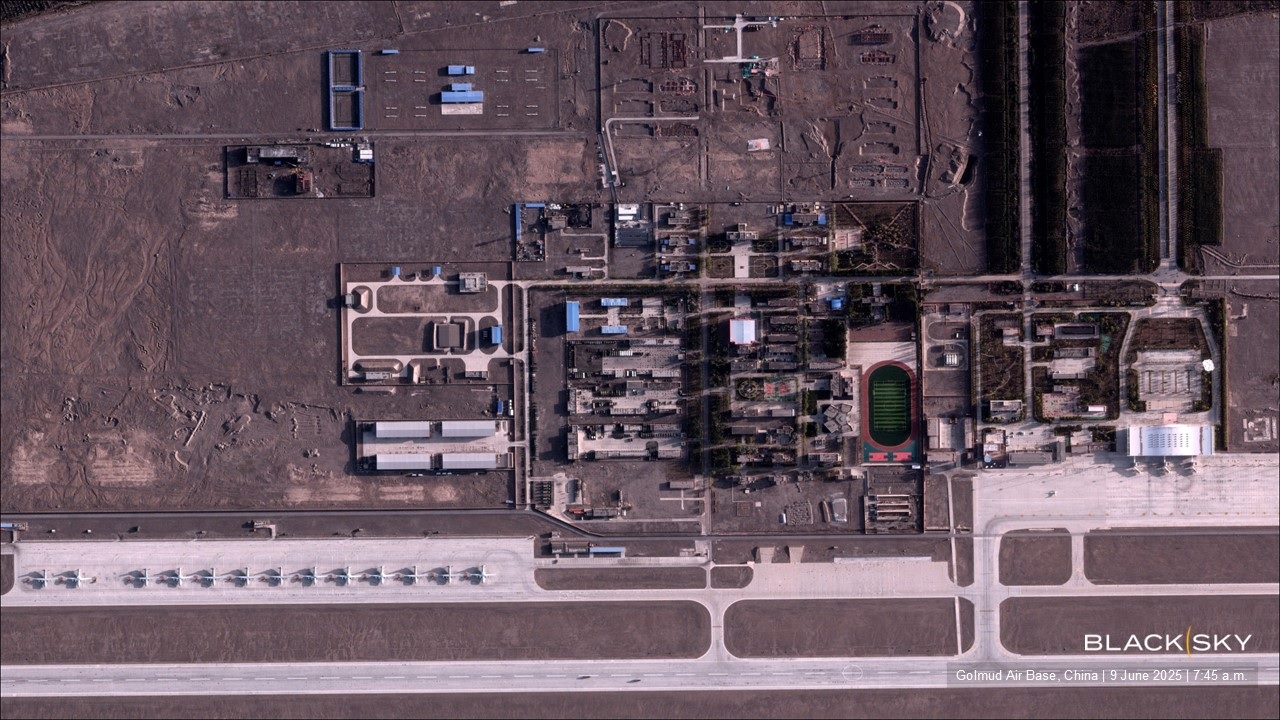
Space & Technology
In a major leap for real-time space-based surveillance, BlackSky Technology Inc. has achieved a new milestone by delivering very high-resolution images from its latest Gen-3 satellite just 12 hours after launch. This remarkable achievement highlights the growing capability of commercial space intelligence systems to meet the urgent demands of modern military and security operations. The newly launched Gen-3 satellite, referred to as Unit 2, captured its first operational images early Monday morning over Golmud Air Base in Qinghai Province, China at 7:45 a.m. China Standard Time. This rapid imaging performance marks a significant improvement in how quickly actionable intelligence can be gathered and analyzed from orbit. According to BlackSky CEO Brian O’Toole, the satellite’s early success demonstrates the maturity of their AI-powered space architecture. “In today’s fast-moving security environment, commanders and analysts need intelligence that arrives at the speed of battle. This satellite’s immediate performance is proof that we can deliver critical insights in near real-time,” he stated. The Gen-3 series satellites represent a new generation of high-cadence Earth observation systems. They are designed to capture very high-resolution images with a ground sampling distance (GSD) of 35 centimeters, allowing them to clearly identify small, military-relevant objects such as aircraft, vehicles, vessels, and infrastructure facilities. This level of detail is essential for defense and intelligence agencies conducting reconnaissance, surveillance, and dynamic operational monitoring. What sets the Gen-3 satellites apart is not just their image clarity, but also their AI-enhanced analytics capability. Each satellite can automatically detect, classify, and report on objects of interest, significantly reducing the time between image capture and actionable intelligence delivery. BlackSky’s Gen-3 satellites are part of a growing high-frequency constellation, which is being expanded to increase imaging capacity and operational flexibility. This constellation approach allows multiple satellites to work together, ensuring persistent coverage of key global hotspots and delivering rapid updates as situations unfold. The newly demonstrated capability is particularly valuable in supporting time-sensitive missions, where immediate information about ground activity—like aircraft movements, vehicle deployments, or base operations—can shape critical decisions in defense and crisis management. As BlackSky continues to grow its fleet, it aims to provide customers with a reliable and scalable solution for dynamic monitoring at disruptive speed and cost efficiency. The company’s strategy emphasizes not only technological advancement but also operational readiness, ensuring its satellites and analytics infrastructure are mission-ready whenever required. This successful first-day performance of the Gen-3 satellite underscores the growing importance of commercial space intelligence services in complementing national security systems. With faster response times, sharper image resolution, and AI-powered analysis, systems like BlackSky’s are rapidly becoming indispensable tools in the modern security landscape.
Read More → Posted on 2025-06-11 09:26:19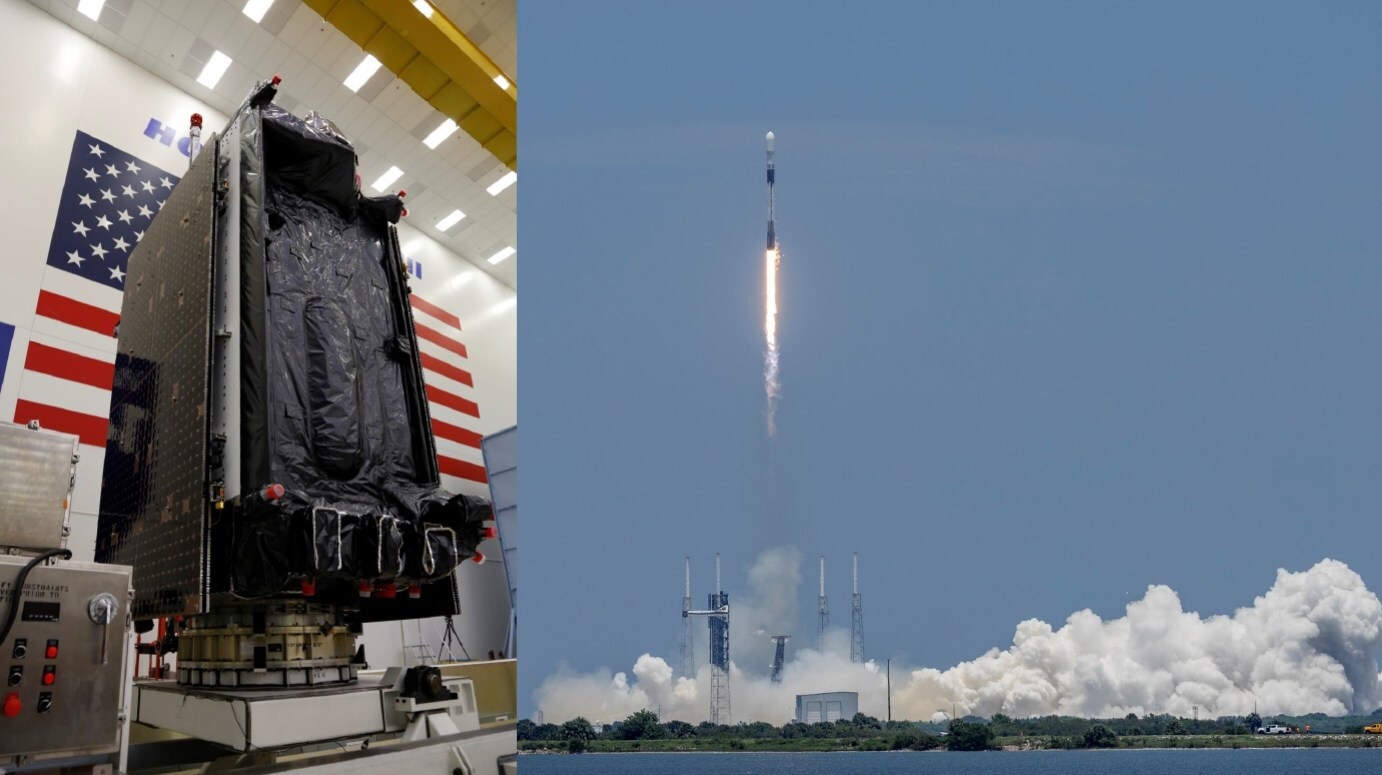
Space & Technology
Lockheed Martin has successfully launched its eighth GPS III satellite into orbit, marking another significant step in modernizing the global navigation system. The satellite, officially named GPS III SV08, lifted off at 1:37 p.m. EDT on May 30 from Cape Canaveral Space Force Station in Florida. Not long after liftoff, the satellite achieved signal acquisition, confirming a smooth and successful start to its mission. What makes this launch particularly noteworthy is the speed at which it was accomplished. From the time the spacecraft left Lockheed Martin’s production facility in Colorado to the moment it launched in Florida, the entire preparation process took just over three months—an impressive feat that reflects a major acceleration compared to traditional launch timelines. This fast-track effort highlights Lockheed Martin’s growing capability to rapidly deploy essential space-based infrastructure. The GPS III SV08 satellite is part of a new generation of advanced GPS satellites built to deliver precise and secure positioning, navigation, and timing (PNT) services to users around the world. These satellites play a crucial role in daily life—powering applications like aviation and maritime navigation, road travel, logistics, smartphone maps, and even rescue operations. For the U.S. military and allied forces, the satellite offers added benefits. GPS III satellites are equipped with cutting-edge anti-jamming features and encrypted signals, including the advanced military M-code signal. These enhancements ensure that navigation services remain secure and functional, even in hostile or signal-contested environments. Once operational, SV08 will be the eighth satellite in orbit providing this vital M-code capability. Currently, GPS III SV08 is under the control of Lockheed Martin’s Launch & Checkout Operations Center in Denver, where it will undergo thorough testing before it officially joins the active GPS constellation. Lockheed Martin not only builds these satellites at its facility in Littleton, Colorado, but also manages their early orbit operations and helps maintain the GPS ground control system. The backbone of the global GPS system is supported by what’s known as the Architecture Evolution Plan—a modernized ground segment designed to operate the current fleet of 31 active GPS satellites. This ground segment includes global monitoring stations, master control centers, and antenna systems that keep the satellites aligned and functioning accurately. In addition to launching GPS III SV08, Lockheed Martin recently received approval to build two more satellites under the next-generation GPS IIIF program. These future satellites will bring further advancements in both civil and military capabilities, ensuring that the GPS constellation continues to evolve with new technology and meet rising global demands. As Lockheed Martin continues its mission to strengthen the world's navigation infrastructure, the successful deployment of GPS III SV08 stands as a testament to American aerospace innovation and the growing importance of secure, resilient space-based services.
Read More → Posted on 2025-05-31 15:16:22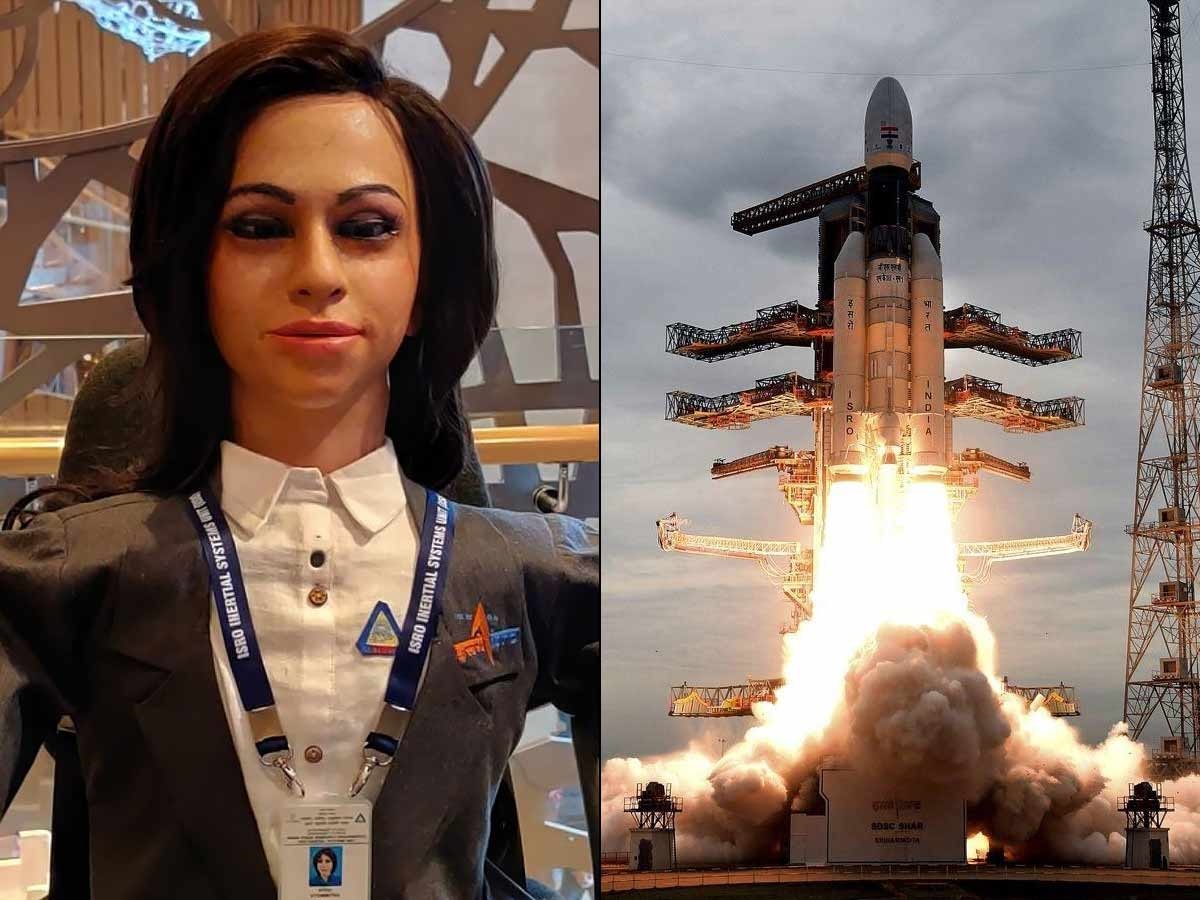
Space & Technology
As India’s space agency gears up for its ambitious human spaceflight mission, Gaganyaan-1 (G1), a significant milestone has been achieved with the successful completion of rigorous environmental tests on Vyomitra, ISRO’s humanoid robot designed to accompany astronauts in space. Vyomitra, a vital part of the upcoming Gaganyaan mission, underwent extensive vibration and thermal-vacuum testing to validate its resilience and operational reliability in the harsh conditions of space. These tests simulate the intense mechanical stresses and extreme temperature fluctuations the robot will experience during launch, orbit, and re-entry phases. Vibration Testing: The vibration test subjected Vyomitra to simulated launch vibrations, replicating the intense oscillations and forces generated by the GSLV Mk III rocket during liftoff. This evaluation ensures that the robot’s hardware and electronic components can withstand the physical stresses of launch without malfunctioning or sustaining damage. Thermal-Vacuum Testing: Thermal-vacuum testing exposed Vyomitra to the vacuum of space and temperature extremes ranging from -150°C to +120°C, mimicking the space environment where there is no atmosphere to moderate temperature. This test confirms the robot’s capability to function optimally in the vacuum and thermal conditions encountered during the mission, ensuring the integrity of its mechanical systems and electronics. Significance for Gaganyaan-1: Vyomitra is designed to simulate human functions and assist astronauts during the mission. It will help monitor the spacecraft’s environment, perform basic tasks, and relay critical data back to the ground control. The successful testing assures that Vyomitra will be mission-ready, providing vital support in the first Indian crewed mission. The Gaganyaan-1 mission aims to send a crew module into low Earth orbit carrying Vyomitra but without human astronauts, serving as a crucial precursor to later crewed flights. This mission will validate various spacecraft systems and operational protocols essential for the safe transport of Indian astronauts. What’s Next? With Vyomitra’s successful clearance of vibration and thermal-vacuum tests, ISRO is moving closer to the planned launch window of Gaganyaan-1. Upcoming milestones include integrated system checks of the crew module and further flight simulations. The human spaceflight program represents a landmark achievement for India, demonstrating the country’s advanced capabilities in space technology and astronautics. Vyomitra’s readiness underscores the meticulous preparation behind Gaganyaan and ISRO’s commitment to ensuring crew safety and mission success. As the countdown progresses, the nation eagerly anticipates this historic leap towards India’s first human space mission.
Read More → Posted on 2025-05-31 07:52:46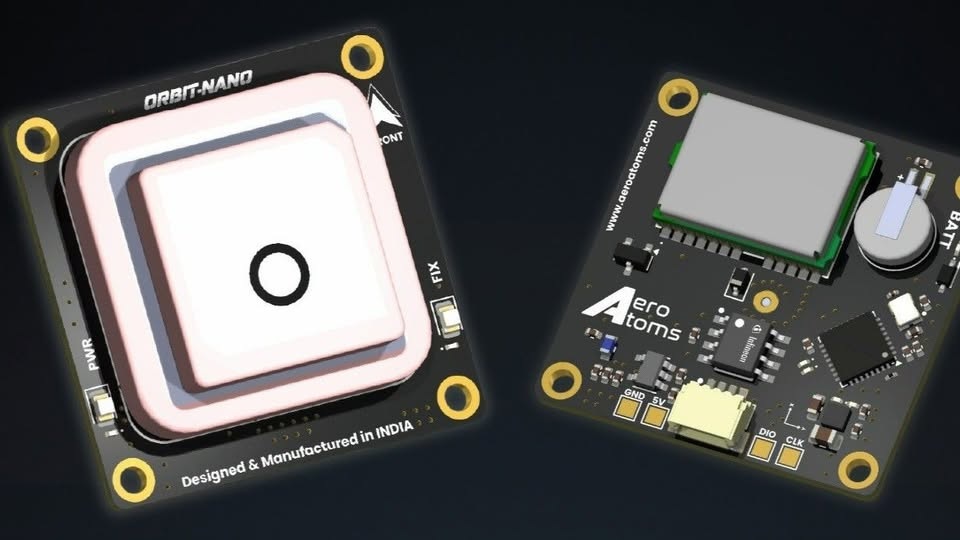
Space & Technology
In a proud step for India’s indigenous technology sector, Vyomastra Technologies, in collaboration with the AeroAtoms brand, has introduced the Orbit Nano—a highly compact and advanced GNSS + Magnetometer module. Specially built for applications where highly precise positioning is crucial, this tiny device offers cutting-edge features that make it stand out on the global stage. What is the Orbit Nano? The Orbit Nano is a small, lightweight navigation module designed for situations that demand pinpoint positional accuracy, even in tough, dynamic conditions. Whether mounted on a fast-moving drone, a robotic vehicle, or part of a swarm of autonomous systems, it ensures highly reliable location tracking and orientation data. Despite its tiny size—just 28×28×13 mm and weighing only 23 grams—this module delivers centimetre-level accuracy (under 10 cm) consistently. That means a drone using this system could know its exact location with an error margin smaller than the width of a smartphone. Advanced Dual-Band GNSS Technology One of the standout features of the Orbit Nano is its dual-band GNSS capability, which means it can receive signals on both the L1 and L5 frequencies. This makes it far more resilient to interference and multipath errors (where signals bounce off buildings or obstacles) compared to traditional single-band GNSS systems. It can connect to a wide range of global satellite systems, including GPS, Galileo, BeiDou, NavIC (India’s own navigation constellation), QZSS, and GLONASS. Remarkably, the module is capable of tracking over 30 satellites simultaneously, offering full 360° signal coverage and ensuring strong performance even in tricky areas like urban canyons or forests. Smart Magnetometer for Navigation Accuracy In addition to precise location tracking, the Orbit Nano features a powerful 3-axis magnetometer (IIS2MDC), which helps determine the direction (heading and yaw) a vehicle is facing. This is essential for navigation tasks such as returning to a launch point, hovering in position (loitering), or following a set of automated waypoints during missions. Designed for Demanding Environments Not only is the Orbit Nano small and lightweight, but it’s also designed to handle extreme conditions. It operates reliably in temperatures ranging from -40°C to +105°C, making it suitable for high-altitude drone flights, harsh industrial areas, and remote field operations. Its ultra-low power consumption—between 35 to 60 mA—means it can run for long periods on battery-powered platforms, a vital feature for unmanned aerial and ground vehicles that rely on efficient energy management. Seamless Integration with Drone Systems A major advantage of the Orbit Nano is its plug-and-play compatibility with popular autopilot systems like PX4 and Ardupilot. It also supports DroneCAN, a modern communication protocol for drones and robotic vehicles, allowing it to integrate easily into existing setups without complex wiring or custom programming. Field-Tested and Proven The Orbit Nano has already been tested in real-world, demanding scenarios such as precision farming, aerial surveying, infrastructure inspections, and automated landing operations. In these tests, it consistently achieved positional errors of less than 10 cm, proving its reliability and accuracy. A New Benchmark for India’s Tech Industry The launch of the Orbit Nano is more than just a product release—it marks a significant milestone in India’s journey towards self-reliance in advanced navigation and positioning technology. It offers Indian developers and system integrators a world-class, cost-effective solution for high-precision applications that previously relied on expensive imports. Its combination of compact size, low power use, centimetre-level accuracy, and robust performance makes it an attractive choice for next-generation drones, robotics, and autonomous systems. As the demand for reliable, high-accuracy positioning solutions continues to rise in sectors like defense, agriculture, infrastructure, and logistics, the Orbit Nano positions itself as a future-ready tool for innovators across India and beyond.
Read More → Posted on 2025-05-30 14:50:50Search
Top Trending in 24 Hours
-
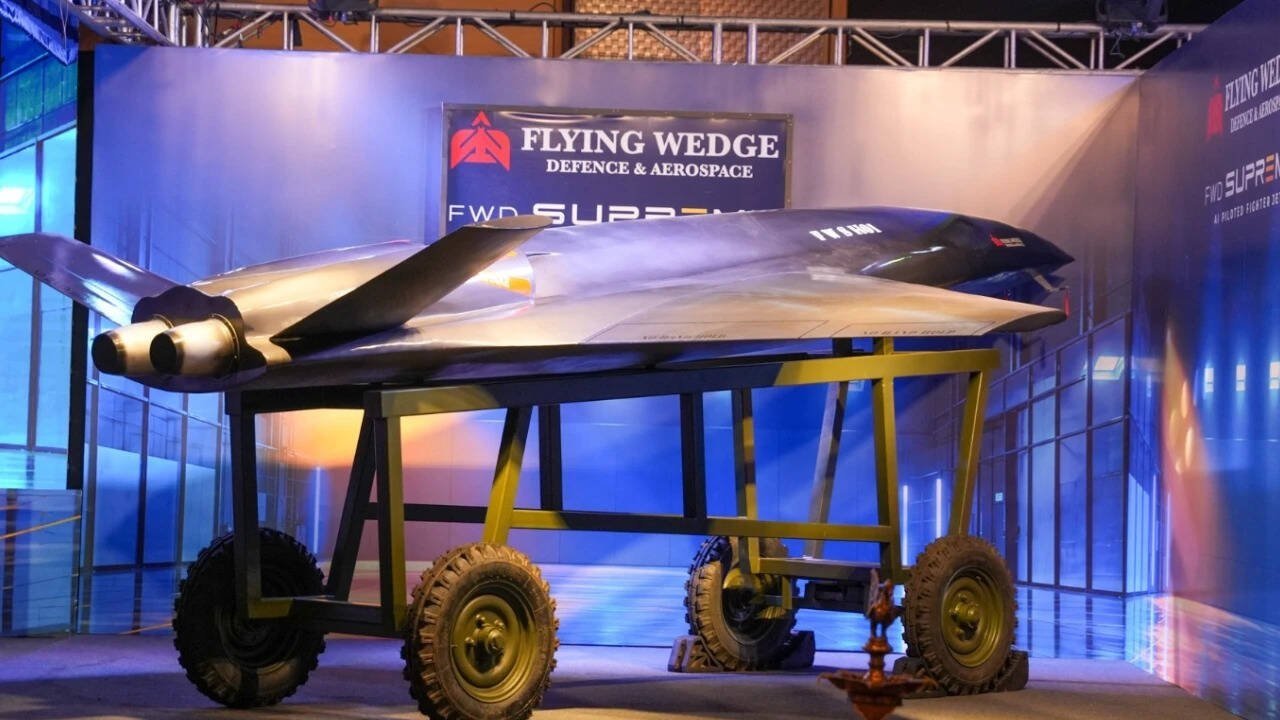 Bengaluru Startup FWDA Unveils FWD Supreme AI-Piloted Loyal Wingman Prototype
-
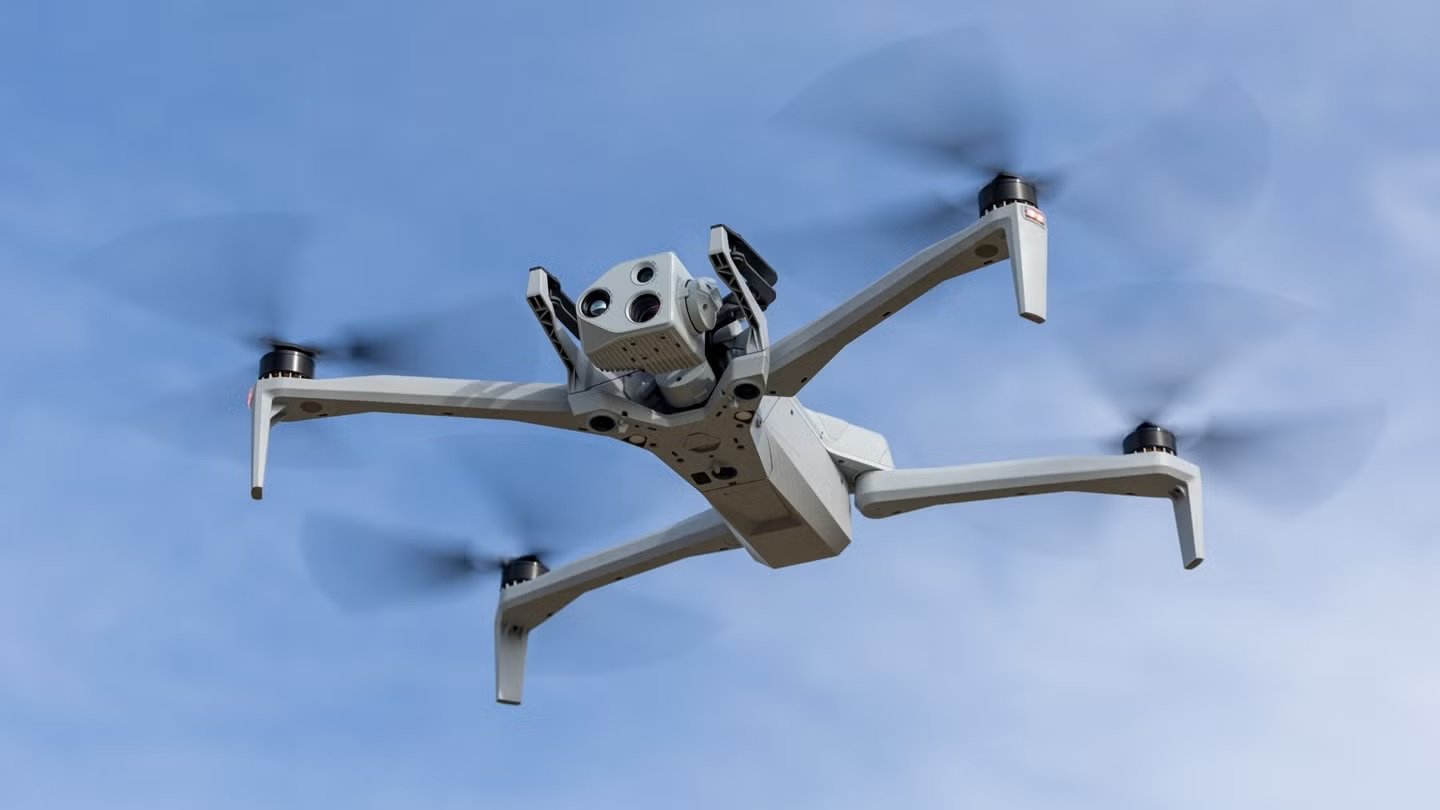 UK Ministry of Defence Opens £120,000 Tender for Skydio X10D Drones
-
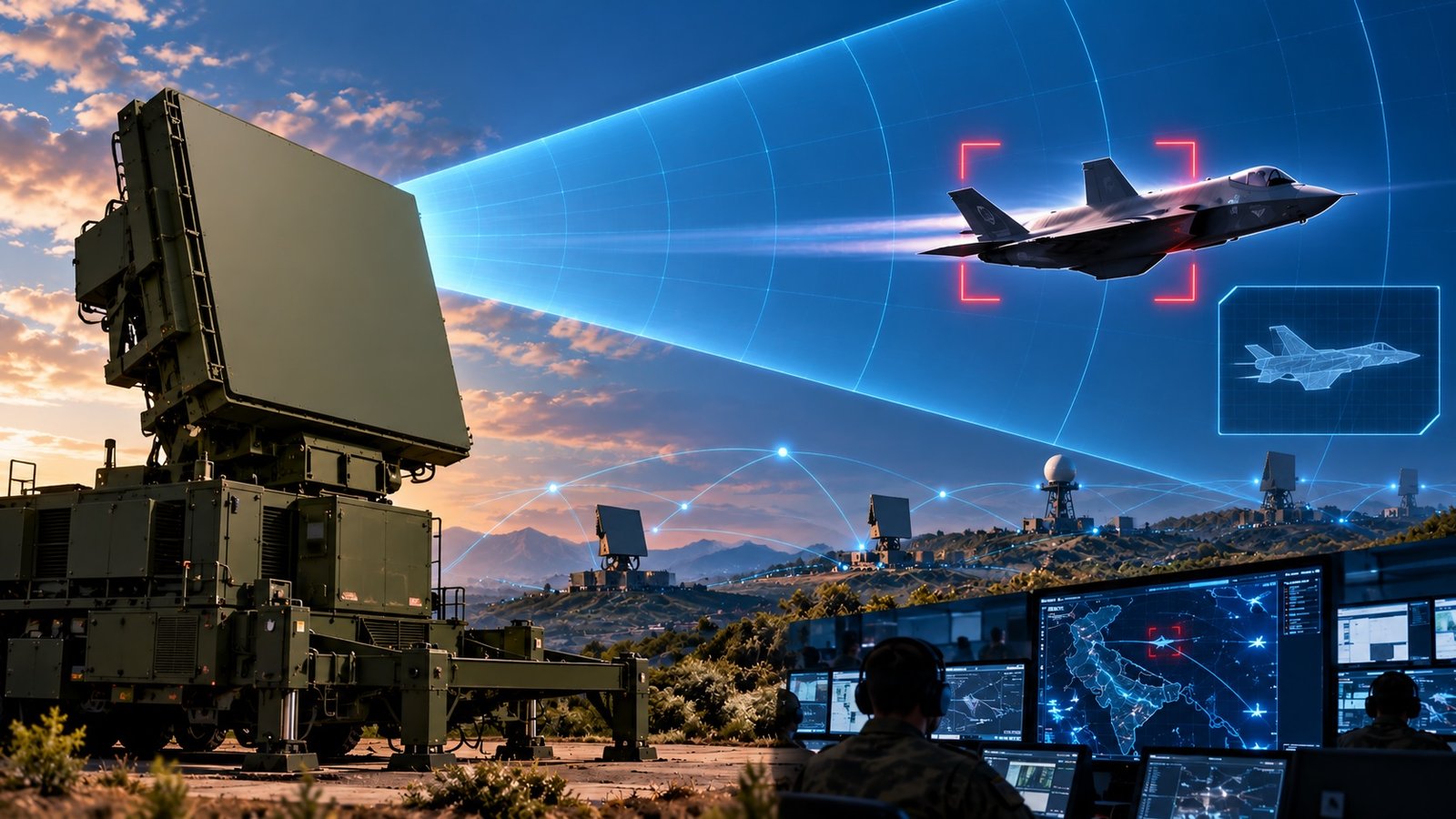 DRDO’s Arudhra Radar Reportedly Tracks F-35-Like Stealth Target in AI-Assisted Simulation: How It Works
-
 EDGE Integrates Autonomous Naval Systems in UAE-US Maritime Demonstration
-
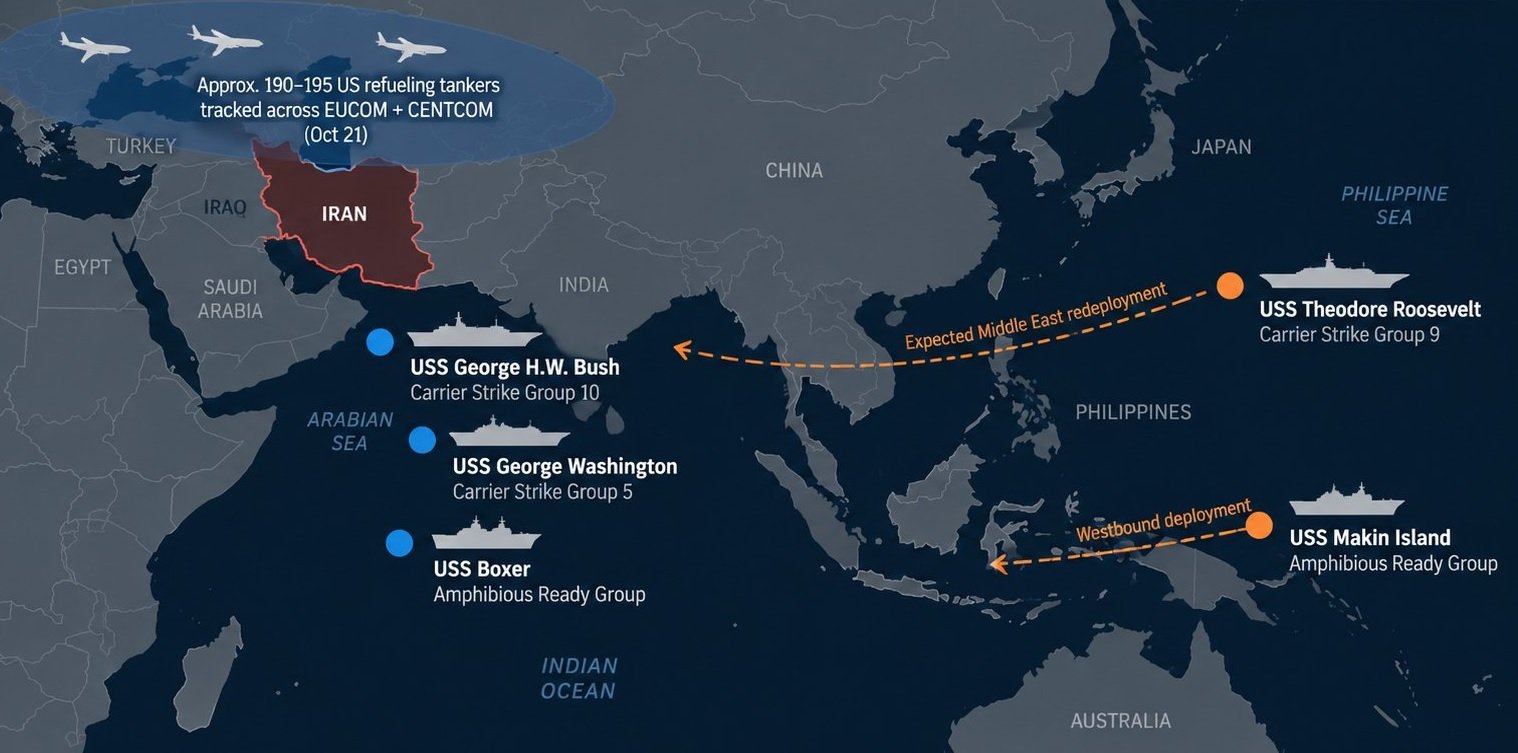 US Expands Military Buildup Near Iran with Third Aircraft Carrier and Additional Marines
-
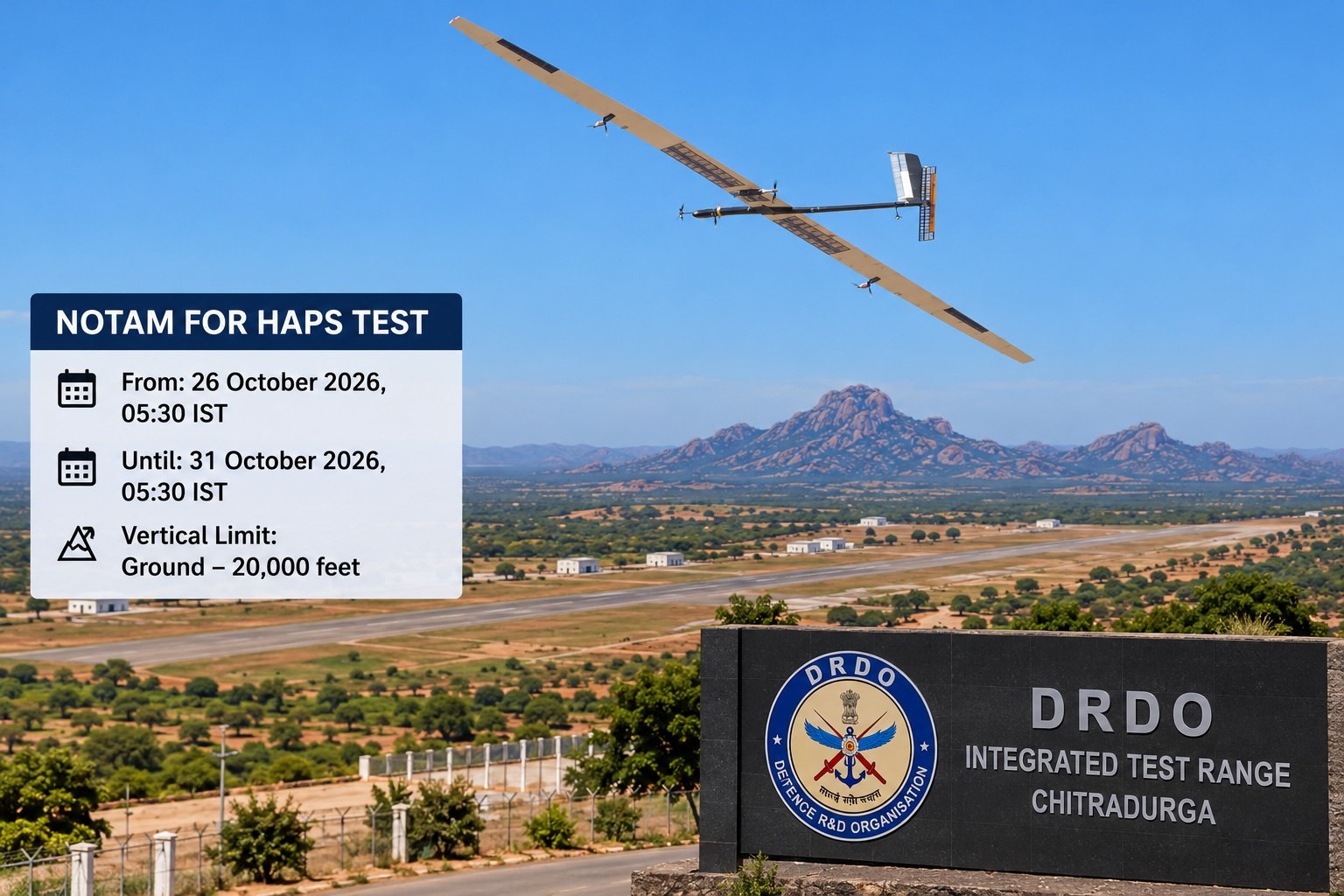 India Issues NOTAM for High Altitude Pseudo Satellite Test at DRDO Chitradurga Facility
-
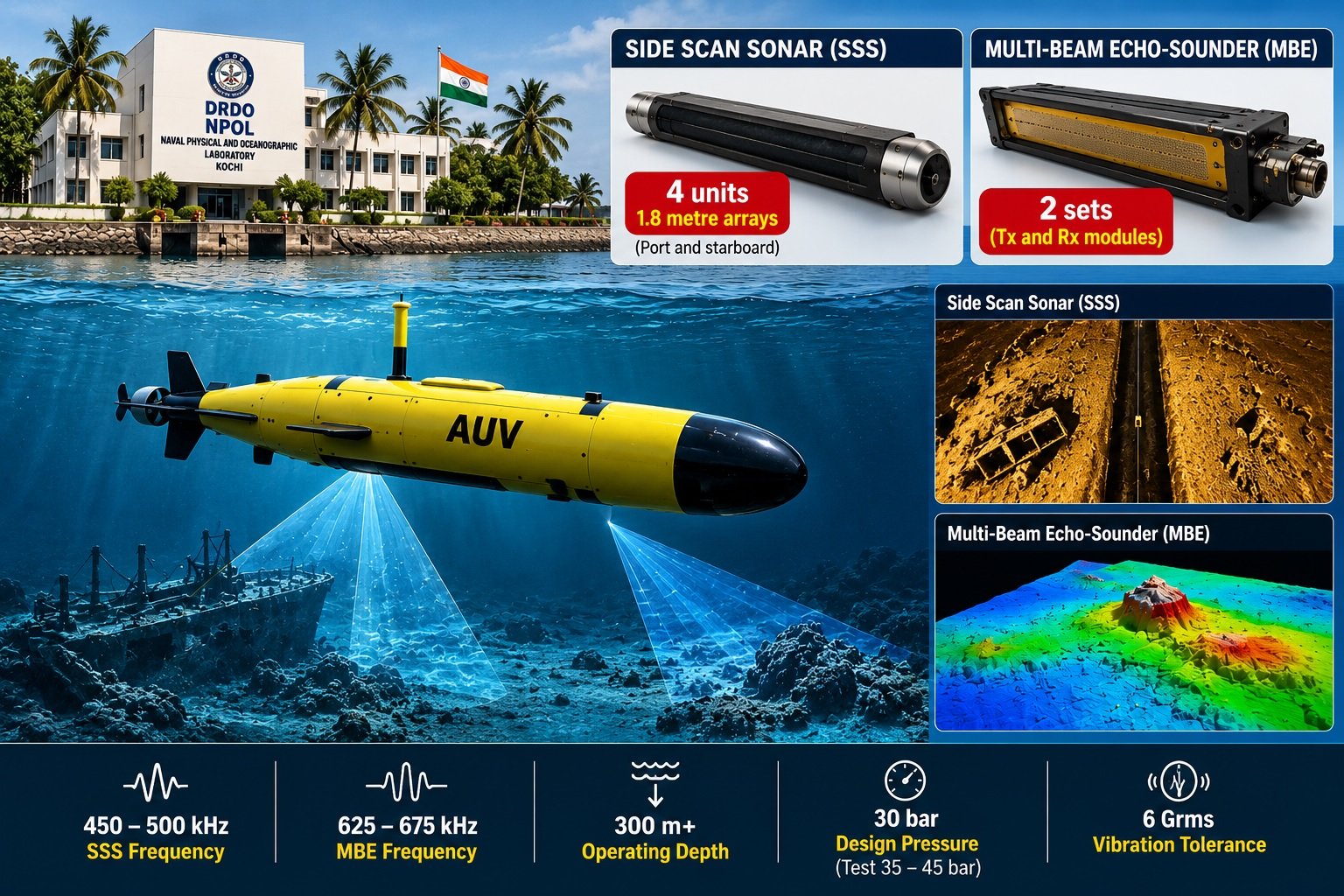 DRDO’s NPOL Issues RFP for Advanced Sonar Arrays for Two Autonomous Underwater Vehicles
-
 Italy Reportedly Orders 30 Panther Tanks and 48 Lynx IFVs in €3.7 Billion Deal
Top Trending in 4 Days
-
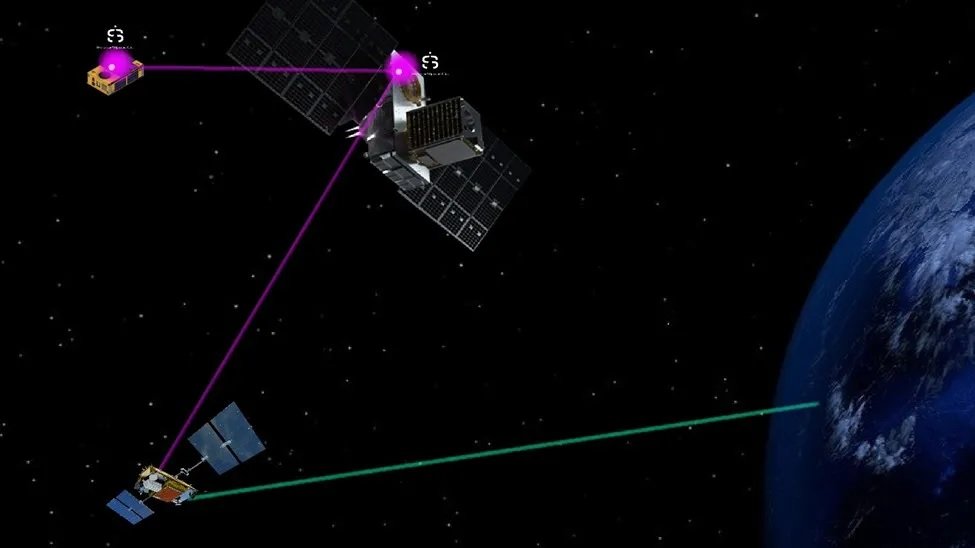 NASA Demonstrates Space-to-Space Wi-Fi Between Two Orbiting Spacecraft
-
 USS Pinckney Becomes First U.S. Navy Destroyer to Begin Phase Two Modernization with Advanced SPY-6 Radar
-
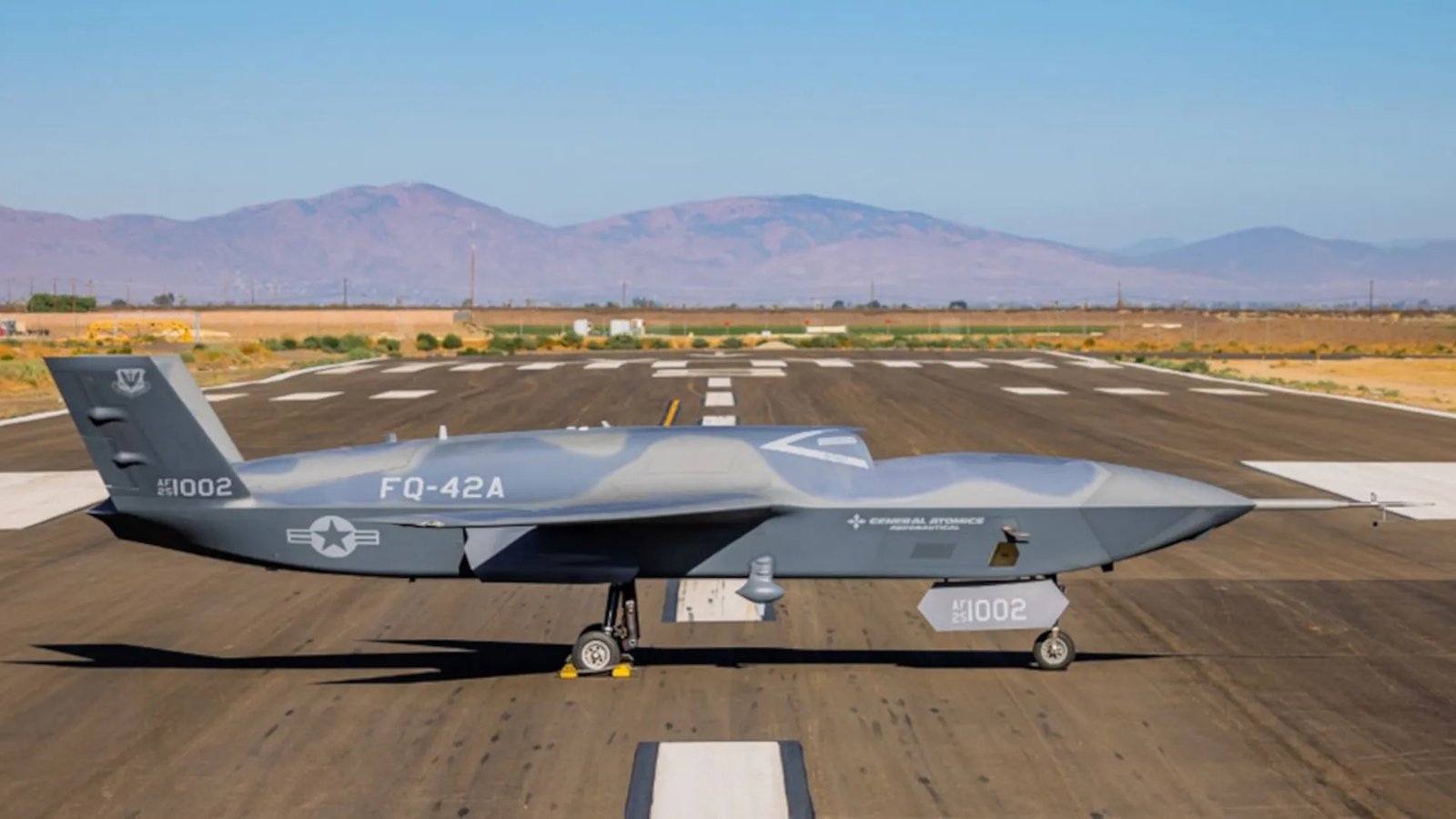 General Atomics Partners With Spirit Defense to Expand FQ-42 Vengeance Production
-
 U.S. Military to Ban Chinese Automaker BYD Vehicles from Kadena Air Base in Japan Over Security Concerns
-
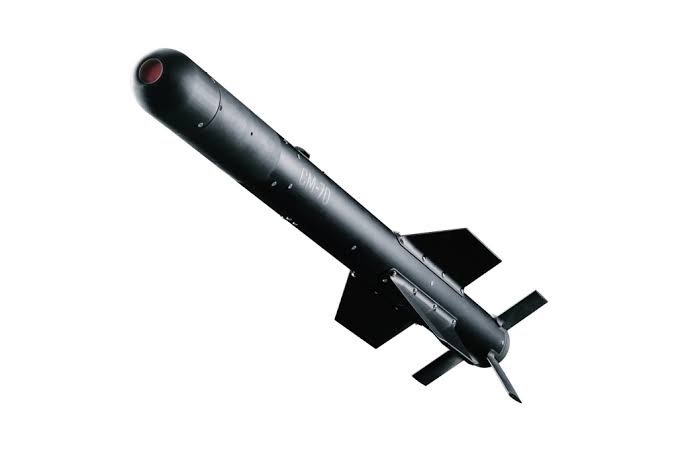 CSG and North Vector Dynamics Sign MoU to Explore European Production of CM-70 Counter-Drone Interceptor
-
 Unitree Unveils H2-X ‘Kung Fu Legend: Guardian’ Humanoid Robot for Security and Rescue
-
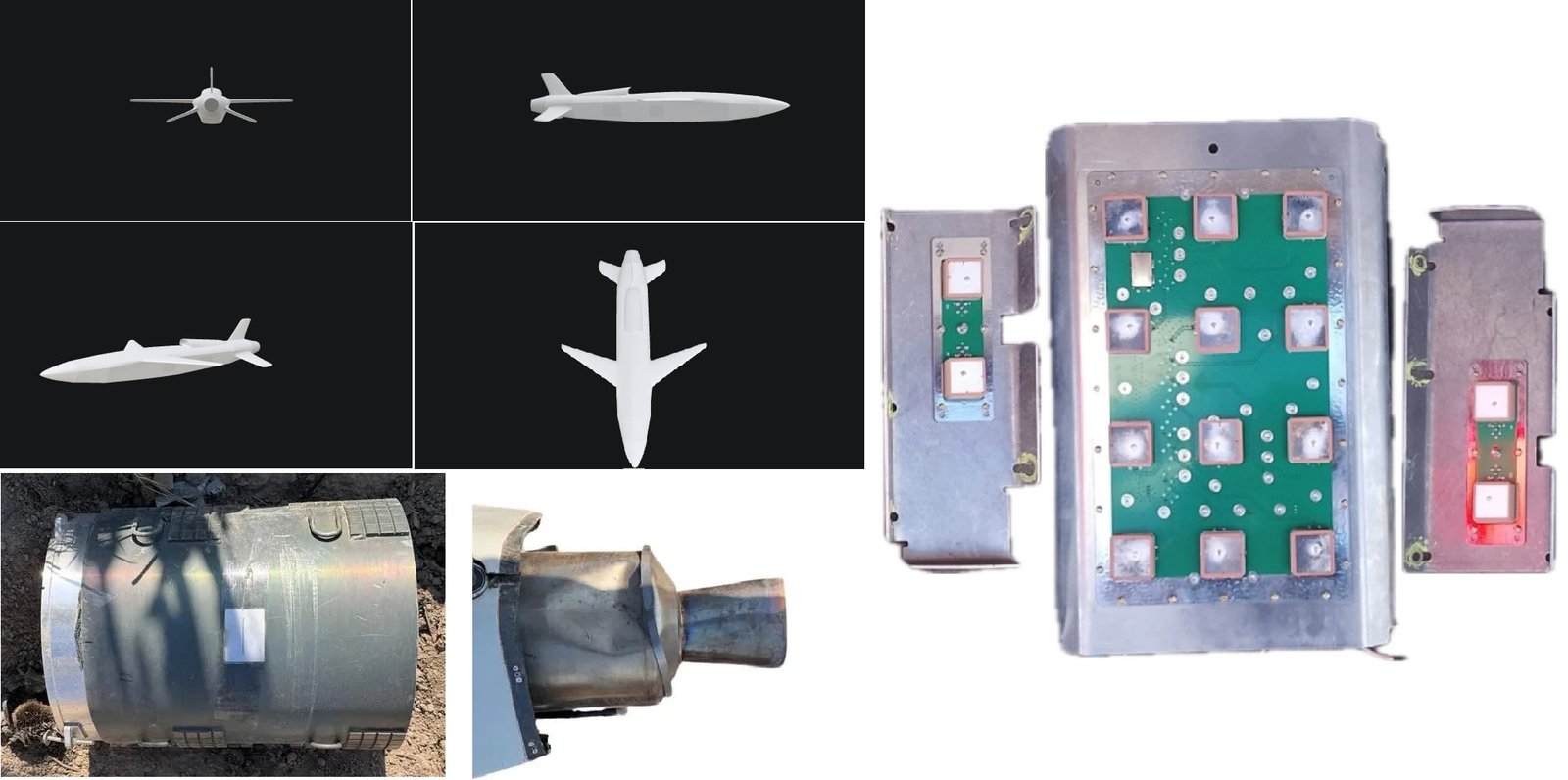 Ukraine Reveals Technical Details of Russia’s New Filin Cruise Missile
-
 Satellite Images Reveal Four KJ-3000 AEW&C Aircraft at Chinese Aircraft Facility, Hinting at Possible Serial Production