Space & Technology
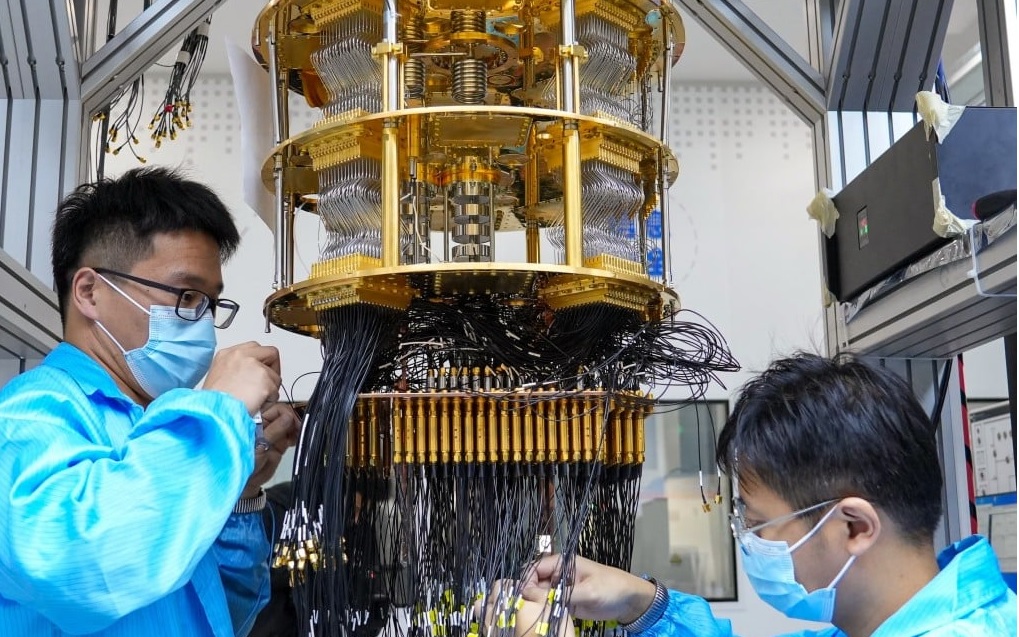
First Encounter: Chinese AI Meets Quantum Power and Gets Smarter, Faster In a landmark breakthrough that could reshape the future of artificial intelligence (AI) and computing, Chinese scientists have successfully used a real quantum computer to fine-tune a massive AI model — marking the first time such a feat has been achieved globally. At the heart of this accomplishment is Origin Wukong, China’s third-generation superconducting quantum computer. Developed by Hefei-based startup Origin Quantum, the machine features 72 qubits and has now demonstrated that quantum computing is not just a futuristic concept, but a powerful tool ready to accelerate AI training in real-world applications. The AI model used in the experiment boasted an impressive one billion parameters. Traditionally, training such large-scale models demands huge computational resources, which often leads to high energy usage, long processing times, and limited scalability. But with Wukong, researchers achieved an 8.4% improvement in training performance while reducing the model size by 76%. That means better performance with fewer resources. Why This Matters AI training, especially for large language models (LLMs), typically relies on classical computers that process tasks sequentially. Quantum computing, on the other hand, leverages the principles of superposition and entanglement, enabling it to process massive combinations of variables all at once. This parallelism is what gives quantum computers the edge in speeding up complex calculations. For this experiment, the researchers introduced a novel method called quantum-weighted tensor hybrid parameter fine-tuning. This technique integrates quantum and classical computing. Quantum circuits are used to find deeper patterns in the data, while classical systems compress and optimize the model, making it more efficient. The results were impressive. On a mental health dataset, the AI made 15% fewer errors in response generation. On math problem-solving tasks, accuracy jumped from 68% to 82% — a clear indicator that quantum tuning enhances the AI’s ability to understand and reason. The Rise of Wukong Launched in January 2024, Origin Wukong is already considered one of the most advanced quantum systems available commercially. What’s remarkable is that over 80% of its hardware and software components are made in China, giving it a technological independence rarely seen in the global quantum race. The platform has attracted over 20 million visits from users in 139 countries in just a few months, completing tens of thousands of tasks across industries like biomedicine, finance, and fluid dynamics. Despite growing technological rivalry, users from countries such as the United States, Japan, Canada, and Russia remain among the most active international participants. Interestingly, Chinese scientists emphasized their openness. "While US quantum systems are closed to China, we continue to believe in scientific exploration beyond borders," said Guo Guoping, a top physicist and co-founder of Origin Quantum. A Technological Shift on the Horizon This breakthrough comes at a time when the global tech landscape is witnessing significant shifts. The rapid rise of Chinese AI platforms like DeepSeek, which is being hailed as a potential alternative to Western giants like OpenAI, is already raising eyebrows in the US. The addition of powerful quantum hardware into China’s AI arsenal may further tilt the balance. Quantum computing, once seen as decades away from practical use, is now beginning to deliver real impact. With Origin Wukong 2—an even more powerful fourth-generation quantum machine—nearing completion, China is signaling its intent to lead the convergence of quantum and AI technologies. For now, this “first encounter” between quantum power and artificial intelligence isn’t just a scientific milestone—it’s a glimpse into the future, where machines get smarter, faster, and possibly more human-like than ever before.
Read More → Posted on 2025-04-09 15:41:55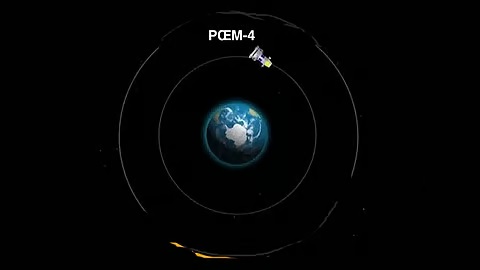
Space & Technology
In a significant stride towards sustainable space missions, the Indian Space Research Organisation (ISRO) announced the successful re-entry of the PSLV Orbital Experimental Module (POEM-4) into Earth’s atmosphere on April 4, 2025, at 02:33 UTC (08:03 IST). The module safely disintegrated over the Indian Ocean, marking a critical achievement in India’s ongoing efforts to tackle the growing issue of space debris. What is POEM-4? POEM-4 was the repurposed fourth stage of the PSLV-C60 rocket, which was launched on December 30, 2024. Unlike traditional upper stages that are often left in orbit as space junk, ISRO converted POEM-4 into a fully operational orbital platform for conducting in-space experiments. During its mission, it carried 24 payloads—14 developed by ISRO and 10 from other Indian and international institutions—making it a compact yet versatile lab in orbit. Among the major payloads were SPADEX (Space Docking Experiment) twin satellites, designed to demonstrate autonomous docking capabilities, a key future requirement for space stations and satellite servicing. Technical Specifications of POEM-4 Platform: PSLV-C60 fourth stage (PS4) converted to POEM Launch Date: December 30, 2024 Initial Orbit: 475 km circular orbit Payloads: 24 total (14 ISRO, 10 others) Re-entry Date & Time: April 4, 2025 | 02:33 UTC / 08:03 IST Re-entry Orbit before Impact: 174 km x 165 km Impact Zone: Indian Ocean De-Orbiting Method: Controlled engine restart to 350 km followed by natural orbital decay Commitment to Clean Space The successful de-orbiting and controlled re-entry of POEM-4 is part of ISRO’s broader Debris Free Space Mission (DFSM). This initiative reflects India’s alignment with international best practices for space sustainability, including passivation—a critical step where leftover fuel is vented to prevent accidental explosions or breakups in orbit. POEM-4's descent was precisely tracked and monitored by ISRO's System for Safe and Sustainable Space Operations Management (IS4OM) along with support from the United States Space Command, ensuring that the module’s path and impact location posed no threat to human life or active satellites. A Step Towards the Future ISRO’s POEM initiative not only serves as an eco-friendly approach to space operations but also provides a low-cost platform for research and development in microgravity conditions. By giving a second life to rocket stages, ISRO is opening new avenues for scientific innovation without adding to space congestion. The success of POEM-4 sets the stage for future POEM missions and underlines India's growing expertise in responsible space management. As ISRO prepares for more ambitious missions—ranging from Gaganyaan to planetary explorations—initiatives like POEM show that India’s space program is not just advancing technology, but also leading the way in ethical and sustainable space exploration.
Read More → Posted on 2025-04-05 14:39:38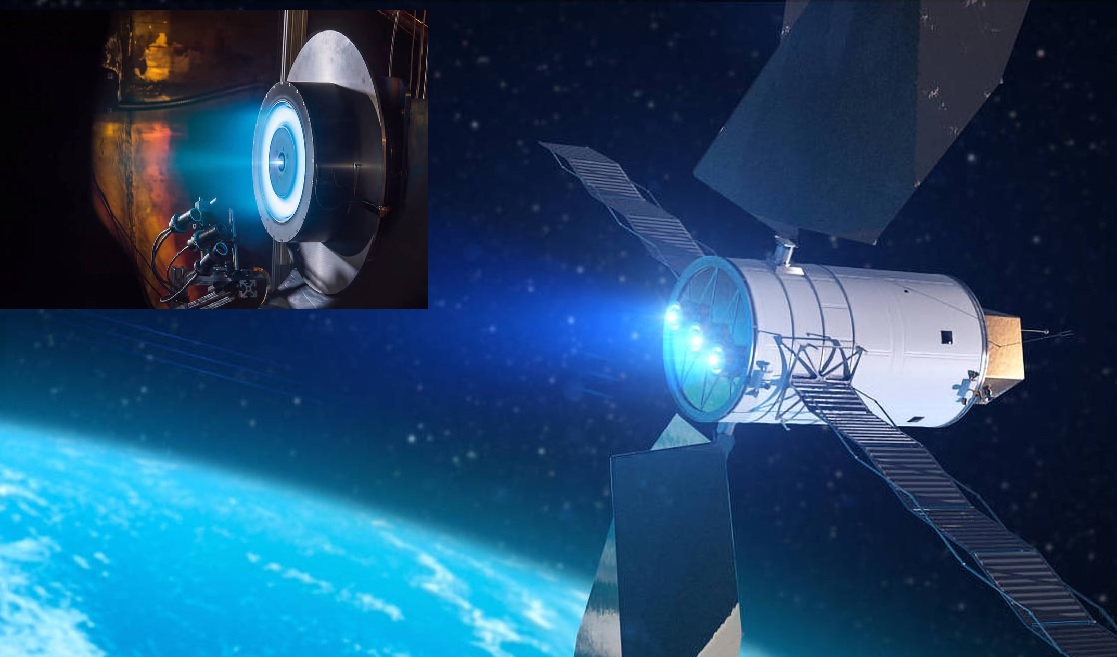
ISRO Successfully Completed 1,000-Hour Life Test of Stationary Plasma Thruster for Future Satellites
Space & Technology
On March 27, 2025, the Indian Space Research Organisation (ISRO) successfully completed a 1,000-hour life test on its 300mN Stationary Plasma Thruster, a key component of the Electric Propulsion System (EPS) designed for future satellites. This achievement marks a significant step towards replacing traditional chemical propulsion with electric propulsion in ISRO's upcoming satellite missions. Advancing Satellite Propulsion Technology The Electric Propulsion System (EPS) is set to revolutionize ISRO’s satellite technology by enabling satellites to rely entirely on electric propulsion for orbit raising and station-keeping. Unlike conventional chemical thrusters, EPS offers higher efficiency and significant mass savings, allowing for increased payload capacity, particularly in communication satellites. The key advantage of this system lies in its Specific Impulse (Isp), which is a measure of propulsion efficiency. The electric thrusters boast an Isp that is at least six times higher than conventional chemical propulsion, making them far more fuel-efficient. Key Specifications of ISRO's 300mN Stationary Plasma Thruster Thrust Output: 300mN (millinewtons) Power Consumption: 5.4 kW Propellant Used: Xenon Vacuum Chamber Testing: Simulated space environment Erosion Monitoring: Periodic assessment of electrode liner wear Specific Impulse: At least 6 times higher than conventional propulsion Critical Testing and Performance Validation The 1,000-hour life test was conducted at full power levels in a vacuum chamber replicating space conditions. A crucial aspect of the test was monitoring electrode liner erosion, which helps predict the long-term durability of the thruster. The data obtained is essential for refining ISRO's future electric propulsion designs and ensuring their reliability in space operations. Future Deployment in ISRO Satellites With this successful test, ISRO plans to integrate and validate the Electric Propulsion System in its upcoming Technology Demonstration Satellite (TDS-01). The system will play a key role in orbit-raising maneuvers to the Geostationary Orbit (GEO), proving its capability before full-scale deployment in future missions. This milestone not only strengthens India's space capabilities but also aligns ISRO with global advancements in electric propulsion technology, paving the way for more efficient, cost-effective, and longer-lasting spacecraft.
Read More → Posted on 2025-03-30 15:02:42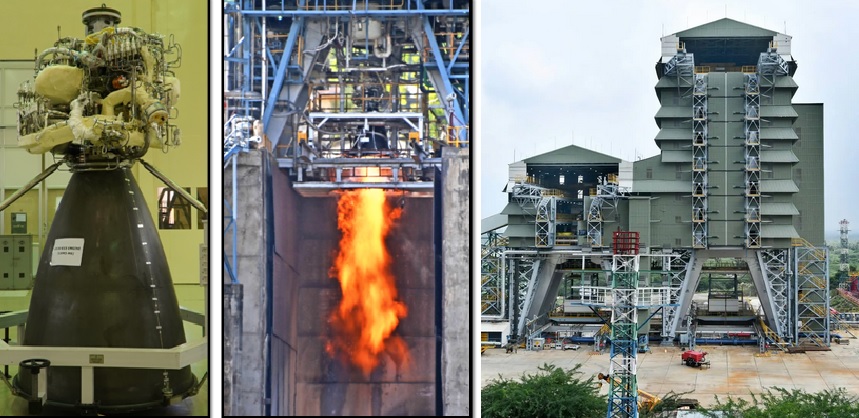
Space & Technology
The Indian Space Research Organisation (ISRO) has achieved a significant milestone with the successful hot test of its semi-cryogenic engine. This breakthrough marks a major step toward enhancing India’s space capabilities, particularly for future heavy-lift missions. The semi-cryogenic engine is a crucial component of ISRO's Next-Gen Launch Vehicle (NGLV), designed to replace the existing GSLV and PSLV rockets. Why is the Semi-Cryogenic Engine Important? A semi-cryogenic engine runs on refined kerosene (RP-1) and liquid oxygen (LOX), offering higher efficiency and thrust compared to conventional cryogenic engines that use liquid hydrogen. This technology is vital for increasing payload capacity while reducing operational costs. Key Specifications of the Semi-Cryogenic Engine: Fuel: Refined Kerosene (RP-1) Oxidizer: Liquid Oxygen (LOX) Thrust: Approximately 2,000 kN (kilonewtons) Efficiency: Higher than conventional cryogenic engines due to better fuel density Application: Future heavy-lift missions, including crewed spaceflight and interplanetary missions With this success, ISRO is now a step closer to deploying the engine in upcoming launch vehicles, strengthening India's space exploration capabilities and reducing dependency on foreign propulsion systems. The next phases will include integrated testing and final implementation in India's new generation of launch vehicles. Russia Unveils Advanced Mobile Laser Weapon to Counter Drone Threats In response to the growing threat of drones in modern warfare, Russia has unveiled a cutting-edge mobile laser weapon designed to neutralize unmanned aerial threats with precision and speed. The new system represents a leap in directed-energy weapon technology, offering an effective way to disable enemy drones without relying on traditional missile-based air defense systems. How Does the Russian Mobile Laser Weapon Work? The laser system operates by emitting a high-energy beam that can heat and destroy the target’s electronics, rendering drones inoperative in seconds. Unlike conventional anti-air defenses, lasers provide a nearly unlimited number of shots as long as they have sufficient power, making them highly cost-effective. Key Features of the Mobile Laser Weapon: High-Power Laser: Capable of destroying drones at medium and short ranges Rapid Response: Instant target engagement without reload time Silent and Stealthy: Operates without noise or detectable missile launch signature Mobile Deployment: Mounted on a vehicle for flexible battlefield use Cost-Effective: No need for expensive missiles or traditional ammunition This new laser system is expected to be deployed in key military zones, providing Russia with a strategic advantage in electronic warfare. As drone warfare continues to evolve, laser-based defense systems could become a crucial element in modern military operations.
Read More → Posted on 2025-03-29 15:23:00
Space & Technology
The European Space Agency (ESA) and Thales Alenia Space (TAS) have selected Airbus to develop critical systems for the ExoMars lander, a key component of the mission set to deliver the Rosalind Franklin rover to Mars. As the industrial lead, TAS—formed by Thales and Leonardo—will oversee the mission, while Airbus will provide essential mechanical, thermal, and propulsion systems to ensure a successful landing. A Precision Landing for a Historic Mission Landing on Mars is one of the greatest challenges in space exploration. The ExoMars lander will guide the UK-built Rosalind Franklin rover through the Martian atmosphere and facilitate its deployment on the surface. Airbus, leveraging its expertise in planetary exploration, is designing critical components at its Stevenage facility in the UK. The company will develop the braking system, landing structure, and gear, along with two ramps that will allow the rover to descend safely to the surface. Kata Escott, Managing Director at Airbus Defence and Space UK, emphasized the significance of this mission, saying: “Getting the Rosalind Franklin rover onto the surface of Mars is a huge international challenge and the culmination of more than 20 years’ work. Rosalind Franklin will be the first Martian rover able to analyse samples from two metres below the surface in its search for past or present life.” A Long Journey with New Challenges The Rosalind Franklin rover was initially planned for launch in 2022, but the Ukraine conflict led to delays, as ESA severed ties with Russian space agencies that were initially involved in the project. This setback forced a major restructuring of the mission, with ESA now partnering with NASA for the 2028 launch. The rover will be carried aboard a NASA rocket, and to withstand the extreme Martian conditions, it will receive new software updates and NASA-supplied Radioisotope Heater Units to maintain operational temperatures. Boost for the UK’s Space Industry The ExoMars project is a landmark moment for British science and engineering. UK Technology Secretary Peter Kyle praised Airbus' role, highlighting the mission’s significance for Britain’s global standing in space exploration: “This inspiring example of world-class British science will bring us one step closer to answering long-asked questions on potential life on Mars. Airbus will not only help Britain make history and lead the European space race but also bring hundreds of highly skilled jobs and investment.” Mars Landing in 2030 The new launch schedule aims for a Mars landing in 2030, carefully timed to avoid the planet’s global dust storm season, which can jeopardize operations. Once on the Martian surface, the Rosalind Franklin rover will begin its historic scientific mission—drilling two metres beneath the surface to search for signs of past or present life, a task no previous Mars rover has accomplished. With Airbus playing a leading role in the landing system, the ExoMars mission is a testament to international cooperation and cutting-edge technology, advancing both planetary exploration and the UK’s growing space industry.
Read More → Posted on 2025-03-29 15:04:53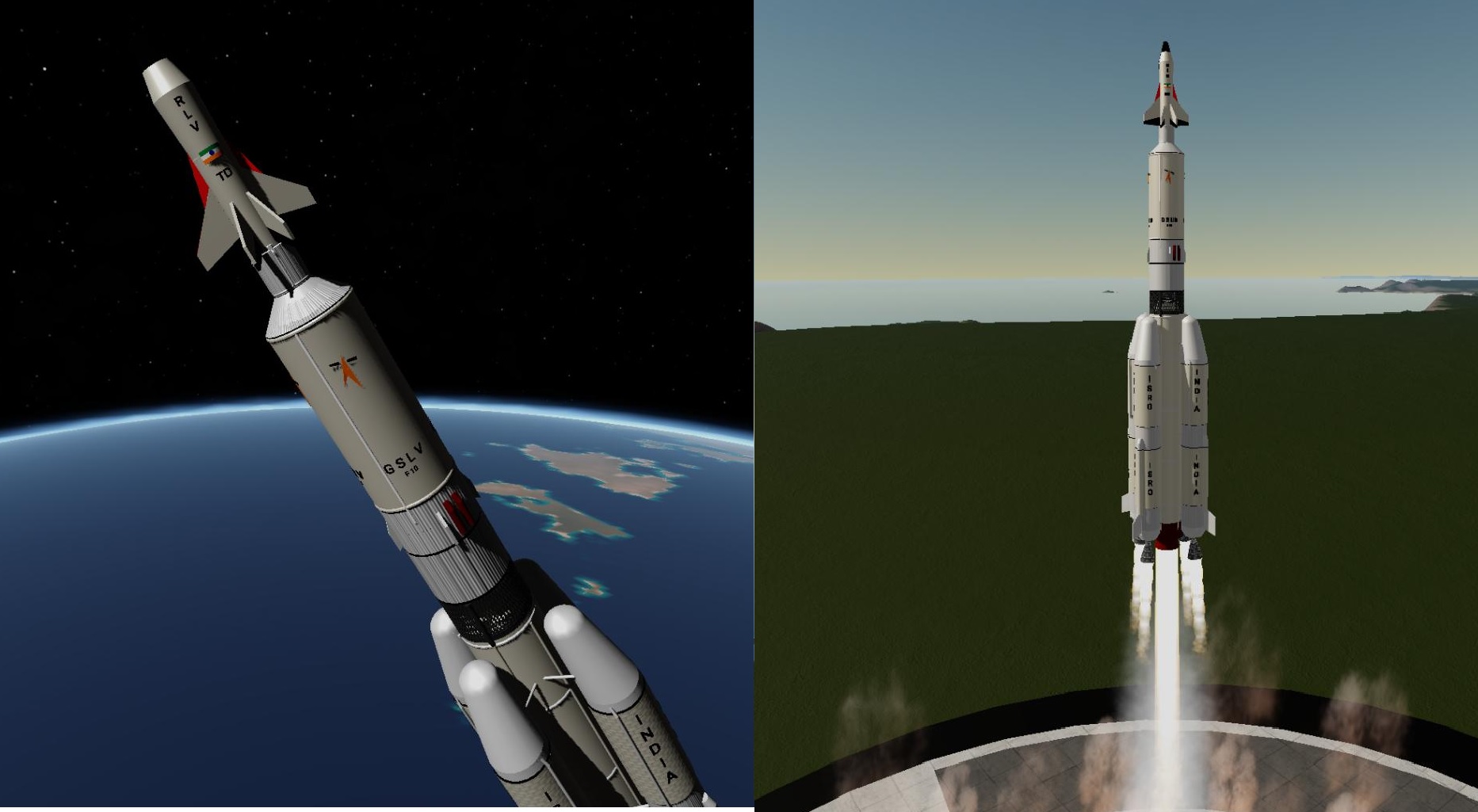
Space & Technology
In a significant step towards developing reusable launch vehicles, the Indian Space Research Organisation (ISRO) is working on a winged body Orbital Re-entry Vehicle (ORV). This advanced spacecraft will be launched into orbit using an ascent vehicle and later re-enter Earth's atmosphere, executing an autonomous runway landing. The ORV is a crucial component of India's long-term strategy for cost-effective and sustainable space exploration. Successful Trials of Reusable Launch Vehicle (RLV-TD) To validate the feasibility of this technology, ISRO has successfully conducted three Autonomous Runway Landing Experiments (RLV-LEX) using the Reusable Launch Vehicle-Technology Demonstrator (RLV-TD). These experiments have proven the robustness of onboard autonomous navigation, guidance, and control systems, laying the foundation for a fully operational ORV. Advancements in Booster Stage Recovery Apart from the ORV, ISRO is also focusing on developing Vertical Take-off and Vertical Landing (VTVL) technology for recovering and reusing booster stages. This innovation will significantly reduce launch costs by allowing multiple reuses of the spent boosters, similar to SpaceX's Falcon rockets. Next-Generation Launch Vehicle (NGLV): A Step Towards Partial Reusability The Indian government has approved the development of a Next Generation Launch Vehicle (NGLV), which will be a three-stage launch system. The first stage of this vehicle will be recoverable and reusable, making it India's first partially reusable space launch system. This development aligns with global efforts to create cost-efficient and sustainable space access. Private Sector Involvement and Space Reforms With the introduction of space sector reforms in June 2020, private companies are now allowed to provide end-to-end space services. The Indian National Space Promotion and Authorisation Centre (IN-SPACe) has been set up to facilitate and regulate private sector participation. This move is expected to boost India's space economy and enable collaborations in areas such as lunar mining and deep-space exploration. Artificial Intelligence in Space Missions Artificial Intelligence (AI) is playing an increasingly critical role in space missions. ISRO is integrating AI-based solutions in autonomous mission management, onboard data processing, and advanced space exploration. A recent AI-driven achievement includes an autonomous sensor-based actuator system that enables precise docking sequences using pattern recognition techniques. Ensuring Responsible Use of Space As a responsible space-faring nation, India actively contributes to space debris mitigation. The country follows internationally accepted guidelines set by agencies like the United Nations Committee on the Peaceful Uses of Outer Space (UN-COPUOS) and the Inter-Agency Space Debris Coordination Committee (IADC). The Indian Space Policy mandates strict adherence to these regulations, ensuring sustainable and safe space operations. Looking Ahead: India’s Future in Space Exploration India is setting ambitious goals, including achieving a successful lunar landing by 2040. This vision will involve extensive collaboration with private industries, academia, and international partners, driving India’s leadership in the global space domain. With continuous advancements in reusable technology, artificial intelligence, and sustainable space practices, ISRO is paving the way for a more efficient and economically viable future in space exploration. The development of the Orbital Re-entry Vehicle (ORV) and Next-Gen Launch Vehicle (NGLV) marks a new era in India’s journey toward becoming a major player in the global space industry.
Read More → Posted on 2025-03-28 16:05:36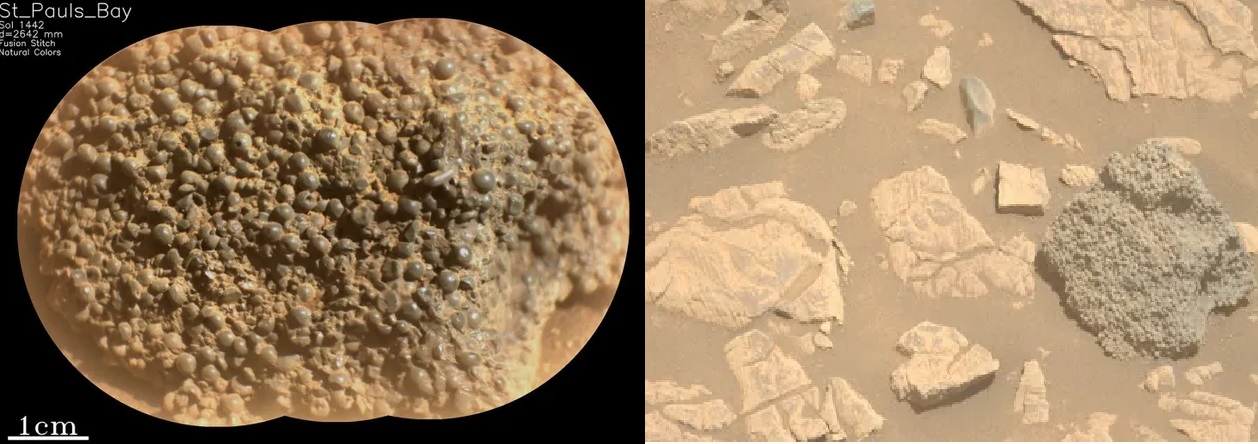
Space & Technology
NASA's Perseverance rover has made a fascinating discovery on Mars, uncovering a rock densely covered with tiny spherical formations. This intriguing find has sparked curiosity among scientists, as understanding its origin could provide valuable insights into the Red Planet's geological history. Discovery of 'St. Pauls Bay' On March 11, 2025, during its exploration of the Jezero Crater's rim—a region believed to be an ancient lakebed—Perseverance identified a peculiar rock formation. Dubbed "St. Pauls Bay" by the mission team, this rock is characterized by hundreds of millimeter-sized dark gray spheres, some exhibiting tiny pinholes. The presence of these spherules has prompted scientists to investigate their formation processes and what they reveal about Mars' past. Geological Significance The Jezero Crater's rim, particularly the Witch Hazel Hill area where St. Pauls Bay was found, is of significant scientific interest. This rocky outcrop spans over 330 feet (101 meters), with each layer potentially representing a different chapter in Mars' geological history. However, initial assessments suggest that St. Pauls Bay may be a "float" rock, meaning it could have originated elsewhere and was transported to its current location. Determining its provenance is crucial for contextualizing its formation and significance. Possible Formation Mechanisms Similar spherule-rich rocks have been observed previously on Mars. In 2004, NASA's Opportunity rover discovered "Martian blueberries"—small spherical formations interpreted as concretions formed by groundwater interaction. Perseverance has also encountered popcorn-like textured rocks suggesting past groundwater flow. However, not all spherules are formed through aqueous processes. They can also result from volcanic activity, where molten rock droplets cool rapidly, or from meteorite impacts that vaporize rocks, leading to condensation into spherical shapes. Each formation mechanism implies a different environmental history, making it essential to determine the exact origin of these spherules to understand Mars' geological evolution. Ongoing Investigations The Perseverance team is actively working to place these features within a broader geological context. By linking the spherule-rich texture of St. Pauls Bay to the stratigraphy of Witch Hazel Hill, scientists aim to unravel the rock's history and its implications for the Jezero Crater and beyond. This endeavor is part of Perseverance's extended mission to explore areas where ancient Martian groundwater may have interacted with rocks, potentially creating environments conducive to past microbial life. Implications for Mars Sample Return Mission Perseverance has been collecting and caching samples, including those with intriguing features like the spherules found on St. Pauls Bay. These samples are stored in tubes awaiting retrieval by future missions under NASA's Mars Sample Return program. The successful return and analysis of these samples on Earth could provide unprecedented insights into Mars' geological history and the potential for ancient life. The discovery of St. Pauls Bay underscores the complexity of Mars' geological landscape and the continuous surprises that await as we explore our neighboring planet.
Read More → Posted on 2025-03-27 15:15:04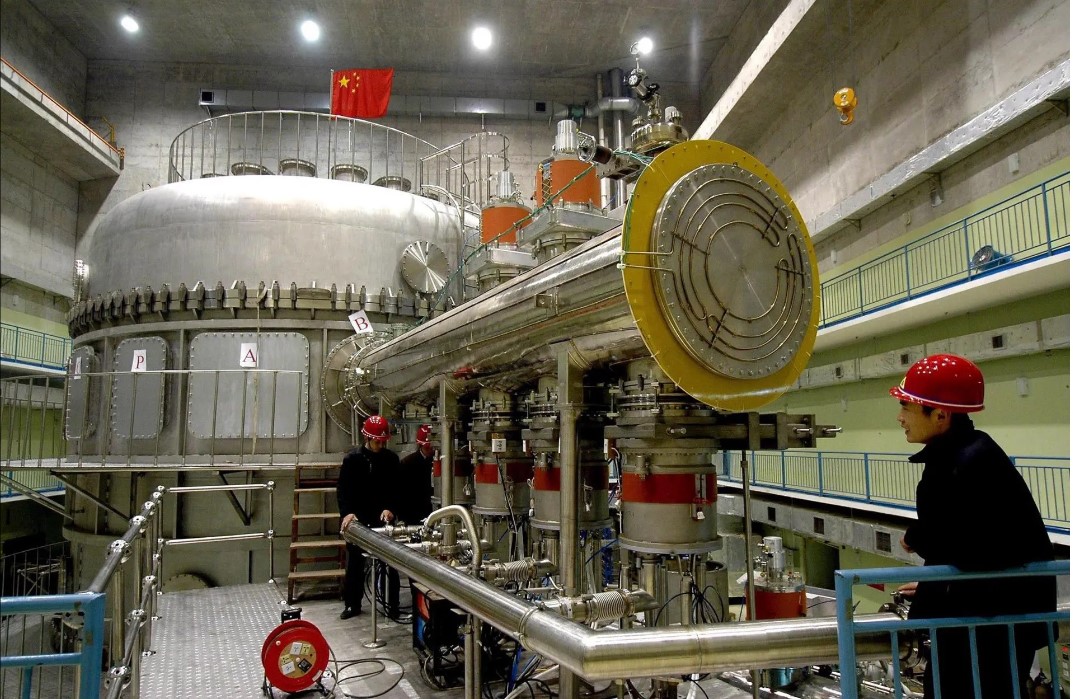
Space & Technology
China is embarking on a groundbreaking journey to develop the world’s first fusion-fission hybrid power plant, marking a major milestone in the quest for clean, sustainable energy. Named Xinghuo, meaning “spark” in Chinese, this ambitious project aims to generate 100 megawatts of continuous electricity and integrate it into the national grid by the end of the decade. If successful, it would place China at the forefront of next-generation nuclear energy, far ahead of global competitors. With an estimated cost of 20 billion yuan (US$2.76 billion), the high-temperature superconducting reactor is set to be built on Yaohu Science Island in Nanchang, Jiangxi province. The project is already moving forward, as authorities have initiated an environmental impact assessment, which will evaluate potential risks, pollution control measures, and ecological impact. Why is Xinghuo Different? Unlike conventional nuclear power plants that rely solely on fission, Xinghuo will employ a fusion-fission hybrid approach. This means it will use high-energy neutrons generated from fusion reactions to trigger fission in surrounding materials, leading to greater energy output while reducing nuclear waste. Fusion is the same process that powers the sun, involving the fusion of light atomic nuclei such as hydrogen to release vast amounts of energy. In contrast, traditional nuclear power plants use fission, which involves splitting heavy atomic nuclei like uranium to generate power. The hybrid model combines the strengths of both, offering a more efficient and potentially safer alternative. For context, while international fusion projects like ITER (International Thermonuclear Experimental Reactor) in France are targeting a Q value (energy gain factor) above 10, Xinghuo aims for an unprecedented Q value of 30—meaning it could produce 30 times more energy than the power used to sustain its reaction. To put this into perspective, the US National Ignition Facility achieved a Q value of just 1.5 in 2022. If Xinghuo reaches its target, it would mark a quantum leap in nuclear energy technology. Strategic Implications and China’s Energy Future China’s nuclear ambitions are not just about energy—they carry significant geopolitical and economic weight. The successful deployment of a fusion-fission hybrid reactor would: Reduce dependence on fossil fuels, helping China meet its carbon neutrality goals. Strengthen China’s position as a leader in nuclear technology, potentially outpacing the US, Europe, and Japan in the race for clean energy. Pave the way for the China Fusion Engineering Test Reactor (CFETR), a large-scale fusion-only project planned for Hefei, Anhui province in the mid-2030s, seen as China’s answer to ITER. The environmental assessment for Xinghuo is expected to conclude by the end of this year, with full-scale construction likely to follow shortly after. If the project succeeds within its planned timeline, it would mean China achieves commercial hybrid fusion power before the rest of the world even reaches basic experimental milestones. As nations push toward cleaner energy solutions, Xinghuo could be the defining breakthrough that brings fusion technology out of the lab and into real-world applications—turning the dream of limitless clean energy into reality.
Read More → Posted on 2025-03-27 15:03:41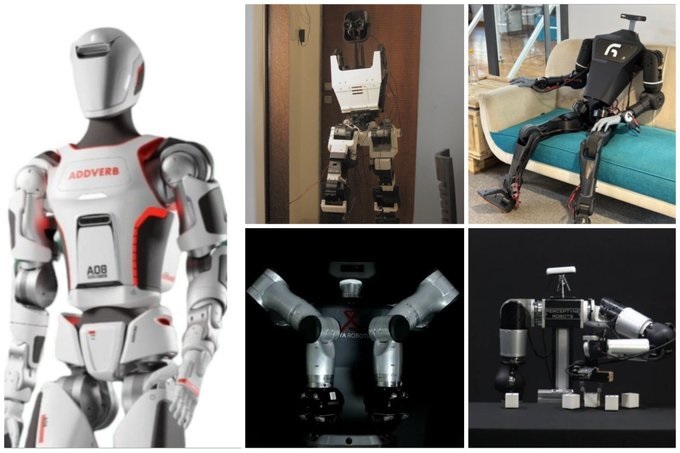
Space & Technology
India's robotics sector has witnessed significant advancements, with several companies making notable strides in humanoid and semi-humanoid robot development. Here's an overview of some key players and their achievements: 1. Addverb Technologies Founded in 2016, Addverb Technologies specializes in industrial robotics and warehouse automation. In November 2024, the company announced its entry into humanoid robotics, aiming to launch a next-generation humanoid robot in 2025. This robot is designed to process multi-modal data from vision, audio, and touch inputs, enabling it to navigate complex environments and perform intricate tasks across industries such as warehousing, defense, and healthcare. Addverb's collaboration with Reliance, leveraging Jio's AI platform and 5G services, underscores its commitment to advancing India's robotics capabilities. 2. Svaya Robotics Hyderabad-based Svaya Robotics has emerged as a pioneer in collaborative robots that work alongside humans to enhance productivity and flexibility. The company's robots are designed for tasks ranging from assembly and machine tending to packaging and inspection. In March 2023, Svaya developed India's first indigenous quadruped robot and wearable exoskeleton for the defense sector. These innovations aim to assist soldiers in navigating challenging terrains and carrying heavy loads with reduced effort, thereby minimizing fatigue and potential health impacts. Svaya's advancements have garnered attention from defense officials and underscore the company's role in augmenting India's defense capabilities through robotics. 3. Vanar Robots Specific information about Vanar Robots is limited based on current sources. It is advisable to consult the company's official communications or industry reports for detailed insights into their projects and achievements in humanoid or semi-humanoid robotics. 4. General Autonomy Detailed information about General Autonomy's endeavors in humanoid or semi-humanoid robotics is not readily available from the provided sources. For comprehensive details, referring to the company's official channels or recent industry analyses would be beneficial. 5. Perceptyne Information regarding Perceptyne's involvement and progress in the field of humanoid or semi-humanoid robotics is currently scarce. To gain a better understanding of their work, consulting official publications or industry-specific resources is recommended. In summary, while companies like Addverb Technologies and Svaya Robotics have made significant contributions to India's humanoid and semi-humanoid robotics landscape, information on Vanar Robots, General Autonomy, and Perceptyne remains limited. As the industry evolves, it is anticipated that more detailed information about these and other emerging players will become available.
Read More → Posted on 2025-03-24 16:01:16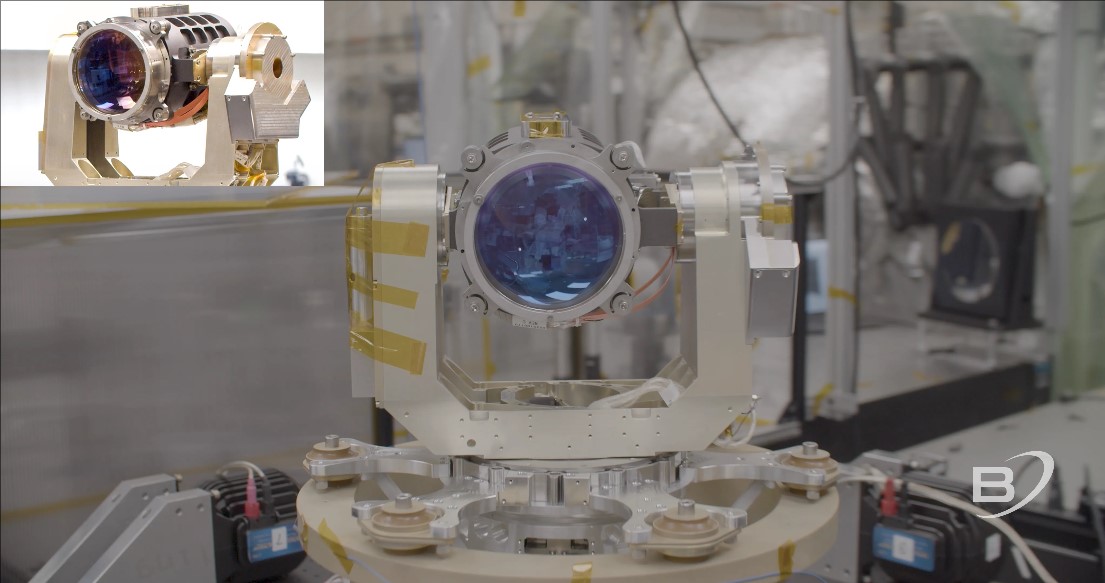
Space & Technology
American defence technology company BlueHalo has achieved a significant milestone in space communication, successfully demonstrating its two-terminal, long-haul, multi-orbit laser communication system. This breakthrough, announced on March 21, 2025, paves the way for faster and more secure data transmission between satellites, benefiting both national security and commercial sectors. Next-Generation Laser Communication in Space During the demonstration, BlueHalo’s optical terminals successfully performed key functions such as pointing, acquisition, and tracking under simulated space conditions. These included extreme temperatures, vacuum environments, and vibrations that mimic the challenges of space. The system proved its capability at operational power levels, validating its effectiveness in real-world scenarios. Revolutionizing Satellite Data Transfer BlueHalo’s system is designed to enable high-bandwidth, long-distance data transfer across multiple orbits, including Low Earth Orbit (LEO), Medium Earth Orbit (MEO), and Geostationary Orbit (GEO). Unlike traditional radio frequency-based communication, laser technology offers significantly faster transmission speeds with greater security and resistance to interference. With this achievement, the system has reached Technology Readiness Level 6 (TRL-6), meaning it has been successfully tested in relevant environments and is now ready for near-term deployment. Preparing for Real-World Deployment Mary Clum, President of BlueHalo’s Product & Space Systems division, highlighted the revolutionary nature of the technology, stating that it offers an “orders of magnitude greater” capability than current on-orbit communication systems. She confirmed that BlueHalo is now prepared to move into production for operational satellite integration. The advanced optical terminals are engineered for extended range, improved accuracy, and enhanced reliability. Building upon BlueHalo’s existing space communication systems, this innovation strengthens the company’s position in the rapidly evolving field of laser-based satellite networks. With this milestone, BlueHalo is set to redefine the future of space communication, providing critical advancements for defence applications, commercial satellite networks, and next-generation space exploration missions.
Read More → Posted on 2025-03-23 15:40:59
Space & Technology
Xenics, a global leader in advanced imaging technology and a subsidiary of Exosens, has announced its collaboration with the German Aerospace Center (DLR) to support two major Venus exploration missions—NASA’s VERITAS and ESA’s EnVision. This partnership aims to push the boundaries of planetary research by equipping spacecraft with state-of-the-art imaging technology. Both missions are designed to study Venus in unprecedented detail. VERITAS (Venus Emissivity, Radio Science, InSAR, Topography, and Spectroscopy) and EnVision will create high-resolution maps of the planet’s surface, analyzing its geological evolution and atmospheric conditions. A key component of this ambitious endeavor is Xenics’ cutting-edge Bobcat Short-Wave Infrared (SWIR) sensor, which will provide crucial imaging capabilities under extreme space conditions. The Bobcat sensor is engineered to operate in harsh environments, offering high-resolution infrared imaging with a 640×512 pixel resolution and radiation-hardened technology. This advanced system will enhance VERITAS’s ability to capture detailed surface features of Venus, even in the planet’s thick and hostile atmosphere. Expressing his enthusiasm for the collaboration, Paul Ryckaert, General Manager of Exosens Advanced Imaging business unit, stated, “We are thrilled to partner with DLR on such a groundbreaking mission. Our Bobcat sensor’s proven performance and resilience make it an ideal choice for the VERITAS mission, and we look forward to contributing to new discoveries about our neighboring planet.” DLR will integrate the Bobcat sensor into the Venus Emissivity Mapper, a critical instrument onboard the spacecraft. Gisbert Peter, Project Manager and Head of Department at DLR, emphasized the significance of this partnership, stating, “This collaboration marks a major milestone in utilizing international expertise for space exploration.” With these advanced imaging capabilities, NASA and ESA aim to unlock the secrets of Venus, shedding light on its volcanic activity, surface composition, and atmospheric processes. The Xenics-DLR partnership ensures that cutting-edge technology will play a crucial role in uncovering the mysteries of Earth's sister planet.
Read More → Posted on 2025-03-19 15:31:14
Space & Technology
General Atomics Electromagnetic Systems (GA-EMS) has officially announced the successful completion of its Orbital Test Bed (OTB) satellite’s five-year mission. Launched in June 2019, the satellite will now begin a gradual 20-year deorbit process, eventually re-entering Earth’s atmosphere. The OTB satellite, developed in collaboration with Saab, was the first deployment of GA-EMS’ GA-150 spacecraft, designed to accommodate multiple payloads on a single platform. It played a vital role in testing and validating new space technologies for NASA, the U.S. Air Force, and other partners. One of its most significant contributions was hosting NASA’s Deep Space Atomic Clock (DSAC), a groundbreaking innovation from NASA’s Jet Propulsion Laboratory. This technology demonstrated how atomic clocks could enable spacecraft to navigate independently in deep space, reducing reliance on Earth-based tracking systems. Even after DSAC’s primary mission ended, GA-EMS continued to operate the OTB satellite to collect telemetry and performance data. This prolonged usage provided valuable insights that will benefit future GA-150 satellite missions. According to Gregg Burgess, Vice President of GA-EMS Space Systems, OTB exceeded expectations despite operating in a challenging orbital environment. He emphasized its role in advancing space technologies and providing crucial data for future developments. Besides DSAC, OTB carried multiple payloads, including a Modular Solar Array for the U.S. Air Force Research Laboratory, an Integrated Miniaturized Electrostatic Analyzer designed by Air Force Academy cadets, and the RadMon radiation effects monitor. It also hosted the FlexRX programmable satellite receiver and even carried over 150 cremated remains provided by Celestis, a company offering memorial spaceflights. With OTB’s mission now concluded, its success underscores the growing importance of multi-payload satellites in accelerating space innovation and research.
Read More → Posted on 2025-03-19 14:41:45
Space & Technology
U.S. Space Force officials have revealed that China has been conducting advanced satellite maneuvers in space, simulating high-intensity "dogfighting" drills. The exercises, observed in low-Earth orbit, involved five Chinese satellites performing synchronized movements, an indication of Beijing’s growing focus on space-based military capabilities. General Michael Guetlein, Vice Chief of Space Operations for the U.S. Space Force, discussed the development at a defense conference in Virginia. He noted that three Shiyan-24C satellites and two Shijian-6 05A/B experimental satellites were seen executing coordinated maneuvers, demonstrating advanced orbital combat techniques. “There are five different objects in space maneuvering in and out around each other, in synchronicity and in control,” a U.S. Space Force spokesperson stated. “That’s what we call dogfighting in space. They are practicing tactics, techniques, and procedures to conduct on-orbit space operations from one satellite to another.” Experts believe these drills are part of China’s broader strategy to develop space capabilities that could potentially threaten U.S. and allied assets in orbit. The use of synchronized rendezvous and proximity operations (RPO) suggests China is enhancing its ability to approach, dock with, or disrupt other spacecraft with precision. While RPO itself is not new, the ability to coordinate multiple satellites in such a manner is a significant advancement. Analysts warn that this could narrow the technological gap between China and the U.S. in space operations, potentially shifting the balance of power. “The environment has completely changed,” Guetlein noted. “There used to be a capability gap between us and our near peers. That gap is significantly narrowing, and we must rethink our approach to space to prevent it from reversing.” The revelation of these space combat drills underscores the growing militarization of outer space, with major powers like the U.S. and China racing to secure dominance in this increasingly contested domain.
Read More → Posted on 2025-03-19 14:22:28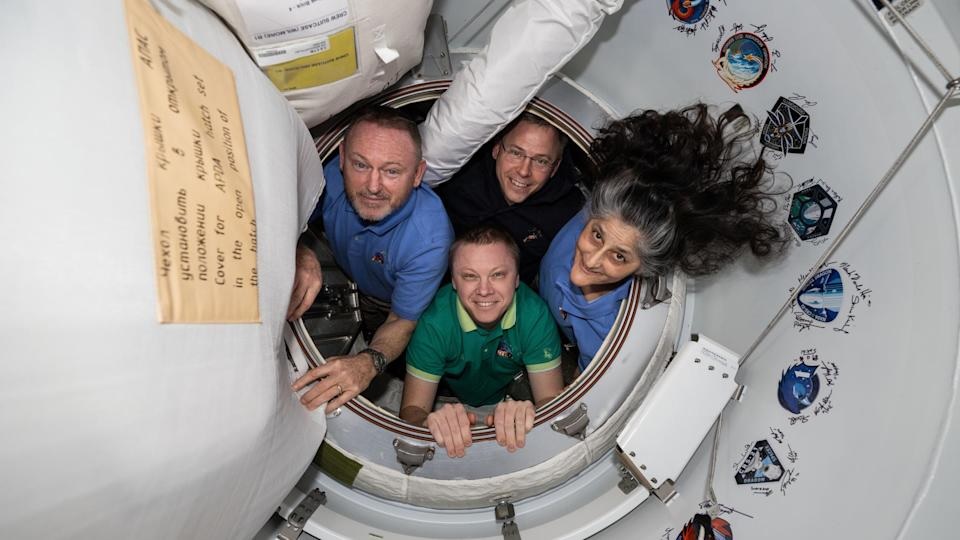
Space & Technology
After nearly a year in space—far longer than originally planned—NASA astronauts Butch Wilmore and Suni Williams are finally making their long-awaited journey back to Earth. The duo, who launched aboard Boeing’s Starliner spacecraft for what was supposed to be a short 10-day mission, ended up spending months aboard the International Space Station (ISS) due to technical malfunctions that forced NASA to reconsider their return strategy. Now, Wilmore and Williams are set to splash down in the Gulf of Mexico alongside NASA’s Crew-9 astronauts, Nick Hague and Russian cosmonaut Aleksandr Gorbunov. Their departure from the ISS took place early on March 18, with SpaceX’s Crew Dragon capsule, "Freedom," undocking at precisely 1:05 a.m. EDT while orbiting 420 kilometers above the Pacific Ocean, near Guam. The crew is expected to re-enter Earth’s atmosphere and make a controlled splashdown off the coast of Florida later the same day. A Mission Extended Far Beyond Expectations Wilmore and Williams' journey began in June last year when they embarked on the first-ever crewed test flight of Boeing’s Starliner spacecraft. The mission, designed to demonstrate Starliner’s ability to transport astronauts to and from the ISS, was expected to last only 10 days. However, shortly after docking at the ISS, multiple thruster malfunctions raised concerns about the spacecraft's reliability for a safe return. NASA opted to keep the astronauts on board the ISS while engineers investigated the issues. Eventually, the agency decided to bring Starliner back to Earth uncrewed in early September, marking a significant setback for Boeing’s commercial crew program. With their original return vehicle no longer an option, Wilmore and Williams were instead absorbed into the ISS’s long-duration Expedition 72 mission—an unexpected extension that stretched their stay to over nine months. A Homebound Journey Aboard SpaceX's Crew Dragon With Starliner out of commission, NASA turned to SpaceX’s proven Crew Dragon spacecraft to bring Wilmore and Williams home. To make room for them, SpaceX’s Crew-9 mission, which launched in September, carried only two astronauts—Nick Hague and Aleksandr Gorbunov—rather than the usual four. This strategic decision left two open seats for Wilmore and Williams on the return trip. Their delayed return attracted significant public and political attention. Former U.S. President Donald Trump and SpaceX CEO Elon Musk publicly questioned the astronauts' prolonged stay, with Musk going as far as to claim that the Biden administration had "left them stranded" in space for political reasons. However, Wilmore firmly dismissed such assertions, stating in a recent interview that while the situation had its challenges, they were neither abandoned nor stuck. Final Steps Before Reentry Now that SpaceX’s Crew-10 has arrived at the ISS to take over operations, Crew-9 is finally heading home. Their journey will be closely monitored, with NASA’s live stream picking up coverage of the descent at 4:45 p.m. EDT. The capsule will perform a crucial deorbit burn at 5:11 p.m. EDT, slowing its velocity to begin reentry. Roughly 46 minutes later, Freedom will deploy parachutes and make a controlled splashdown in the Gulf of Mexico. NASA officials will confirm the precise landing location closer to the return time, with recovery teams on standby to retrieve the crew. The successful return of Wilmore and Williams will mark the end of one of the most extended and highly scrutinized astronaut missions in recent history. What Comes Next? The outcome of this mission carries major implications for the future of Boeing’s Starliner program. While SpaceX has successfully completed multiple crewed missions with Crew Dragon, Starliner’s setbacks have raised concerns about Boeing’s ability to compete in the commercial space sector. NASA will now assess whether Starliner can be safely certified for operational missions or if further modifications are needed. For Wilmore and Williams, however, the priority is simply getting back to Earth after an unexpectedly long adventure in orbit. As their capsule makes its final descent, the world will be watching, eager to welcome home two astronauts who spent far longer in space than anyone had planned.
Read More → Posted on 2025-03-18 14:39:07
Space & Technology
On March 5, 2025, the Indian Space Research Organisation (ISRO) and the Semiconductor Laboratory (SCL) in Chandigarh marked a significant milestone in India's space technology sector. They introduced two indigenously developed 32-bit microprocessors, VIKRAM3201 and KALPANA3201, tailored for space applications. In a ceremony held in New Delhi, these processors were handed over to Dr. V. Narayanan, Secretary of the Department of Space and Chairman of ISRO, by Shri S Krishnan, Secretary of the Ministry of Electronics and Information Technology (MeitY). The development of these microprocessors was a collaborative effort between ISRO's Vikram Sarabhai Space Centre and SCL. Dr. Unnikrishnan Nair, Director of the Vikram Sarabhai Space Centre, and Dr. Kamaljeet Singh, Director-General of SCL/MeitY, along with their respective teams, played pivotal roles in the design, fabrication, packaging, and qualification of these processors for launch vehicle applications. VIKRAM3201: A Leap in Indigenous Microprocessor Technology VIKRAM3201 stands as India's first fully "Make-in-India" 32-bit microprocessor qualified for the demanding environmental conditions of launch vehicles. Fabricated using the 180nm CMOS semiconductor fabrication process at SCL, this processor is an advanced iteration of the 16-bit VIKRAM1601 microprocessor. The VIKRAM1601 has been integral to ISRO's launch vehicle avionics systems since 2009, with a "Make-in-India" version introduced in 2016 following the establishment of the 180nm semiconductor fabrication facility at SCL. Both VIKRAM3201 and VIKRAM1601 feature a custom Instruction Set Architecture, support floating-point computations, and are compatible with high-level Ada programming language. ISRO has internally developed all necessary software tools, including the Ada compiler, assembler, linker, simulator, and an Integrated Development Environment (IDE). A C language compiler is also under development to offer greater flexibility to users across various domains. The VIKRAM3201's successful validation in space was achieved through its integration into the Mission Management Computer of the PSLV Orbital Experimental Module (POEM-4) during the PSLV-C60 mission. This accomplishment underscores India's progress towards self-reliance in high-reliability microprocessors and onboard computers essential for the navigation, guidance, and control of launch vehicles. KALPANA3201: Embracing Open-Source Compatibility KALPANA3201 is a 32-bit SPARC V8 RISC microprocessor based on the IEEE 1754 Instruction Set Architecture. Designed for compatibility with open-source software toolsets, it also benefits from in-house developed simulators and IDEs. The processor has undergone rigorous testing with flight software, ensuring its readiness for deployment in space missions. Advancements in Miniaturization and Future Collaborations In addition to the microprocessors, four other jointly developed devices were presented, aiming to significantly miniaturize launch vehicle avionics systems. These include two versions of a Reconfigurable Data Acquisition System (RDAS) that integrate multiple indigenously designed 24-bit Sigma-Delta Analog to Digital Converters on a single chip, a Relay Driver Integrated Circuit, and a Multi-Channel Low Drop-out Regulator Integrated Circuit for high-reliability applications. Furthering their collaborative efforts, SCL and the Vikram Sarabhai Space Centre of ISRO signed a Memorandum of Understanding (MoU) to develop and deliver miniaturized unsteady pressure sensors. These sensors are intended for measuring dynamic pressure in wind tunnels, highlighting the ongoing commitment to advancing India's space technology capabilities.
Read More → Posted on 2025-03-16 15:40:53Search
Top Trending in 24 Hours
-
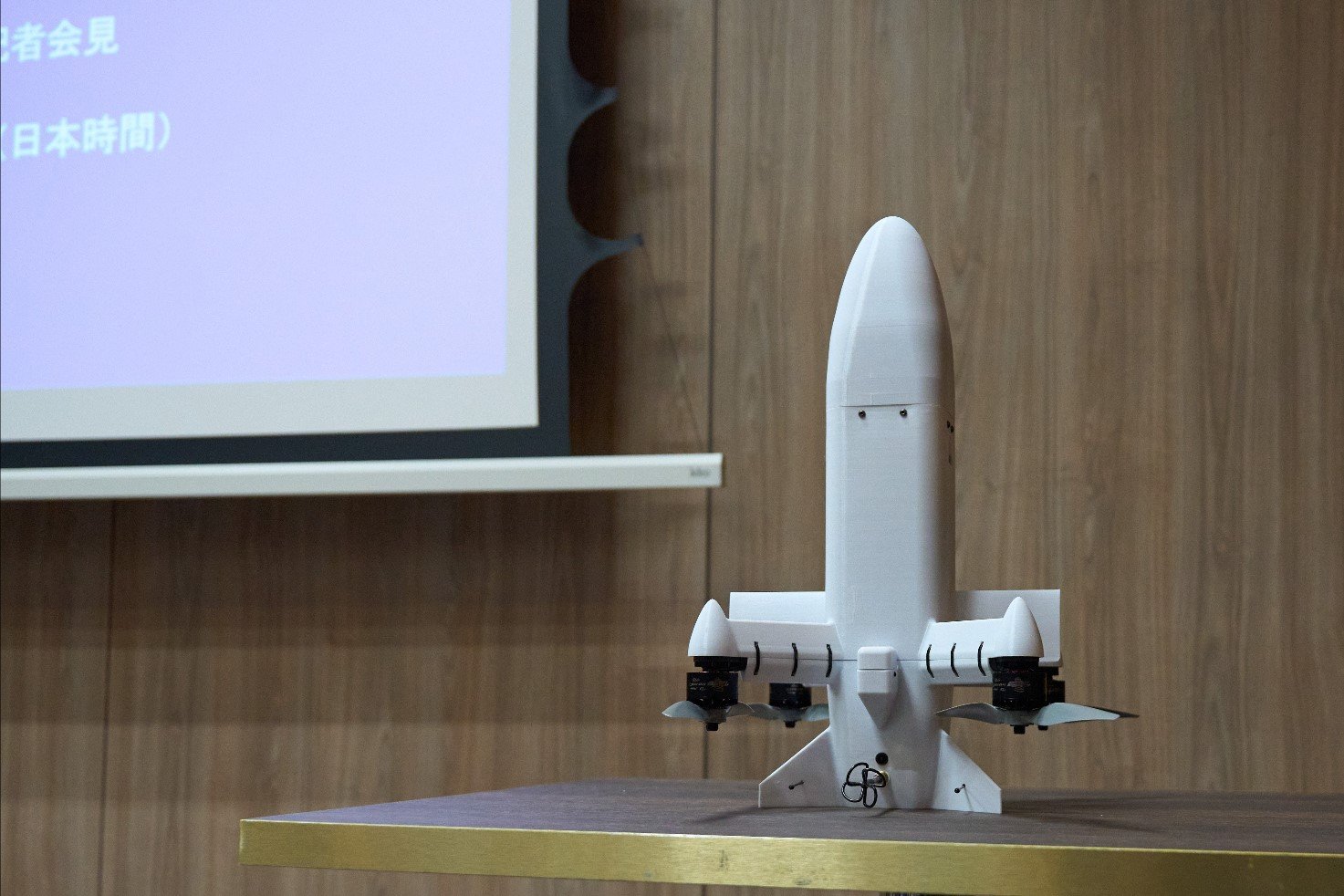 Japan Selects Terra Drone’s Terra B1 for Mass Production of Interceptor UAVs
-
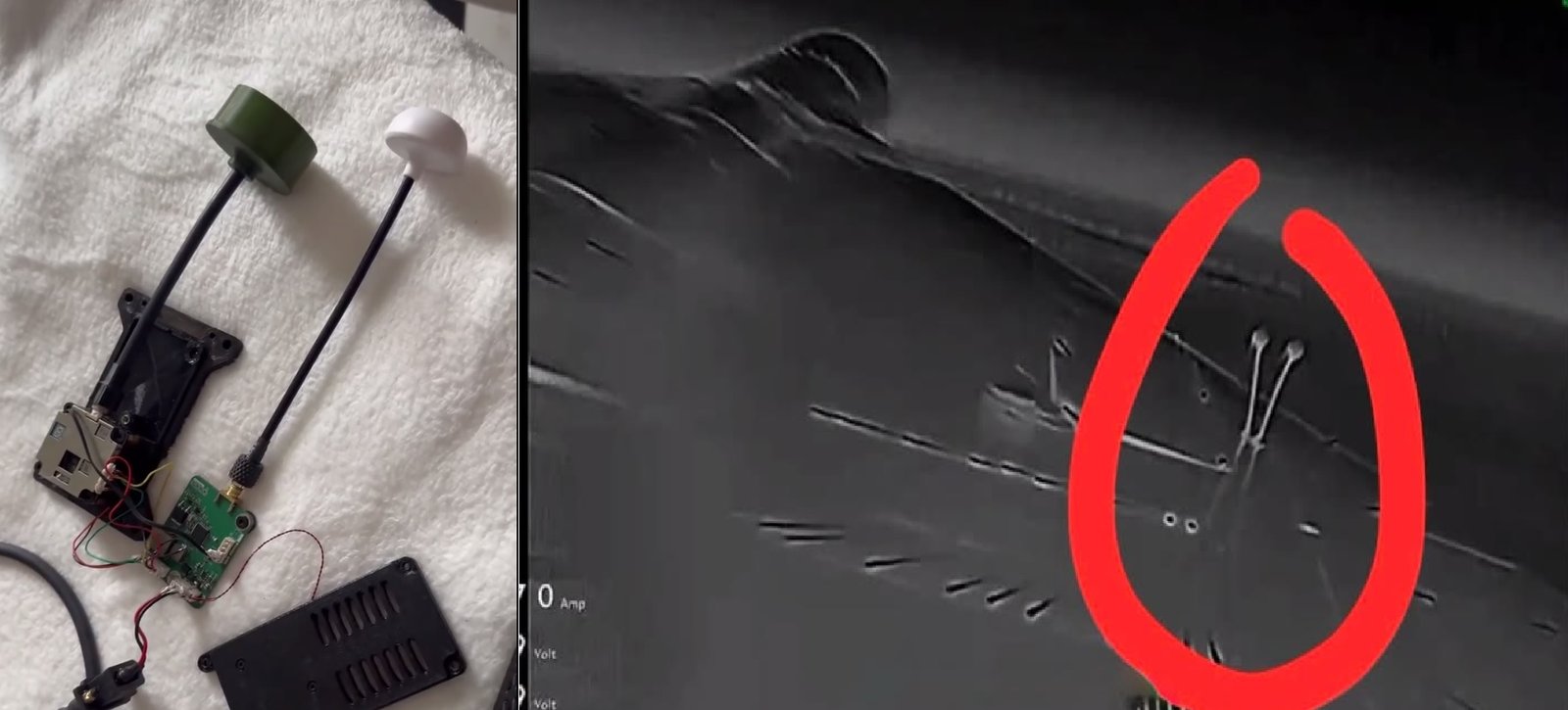 Russia Equips Shahed and Geran Drones With Electronic Warfare Systems to Jam Ukrainian Interceptor Video Links
-
 Austria Receives First Modernized Leopard 2A4Ö Tank and Ulan NV Infantry Fighting Vehicle
-
 NATO Launches Exercise Northern Viking 26 in Iceland to Secure North Atlantic Routes
-
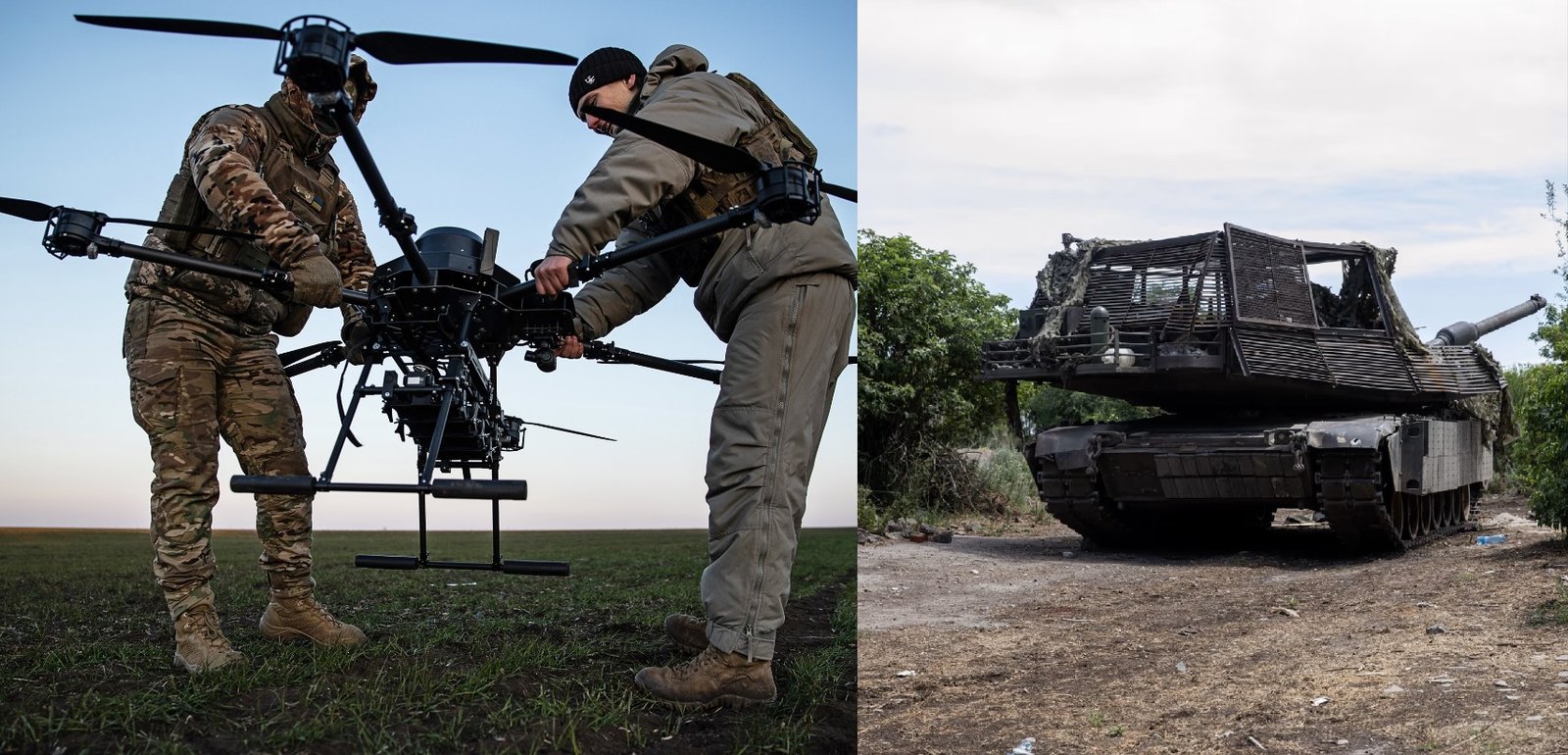 Ukraine Reduces Use of Western Tanks as Cheap Drones Become a Major Battlefield Threat
-
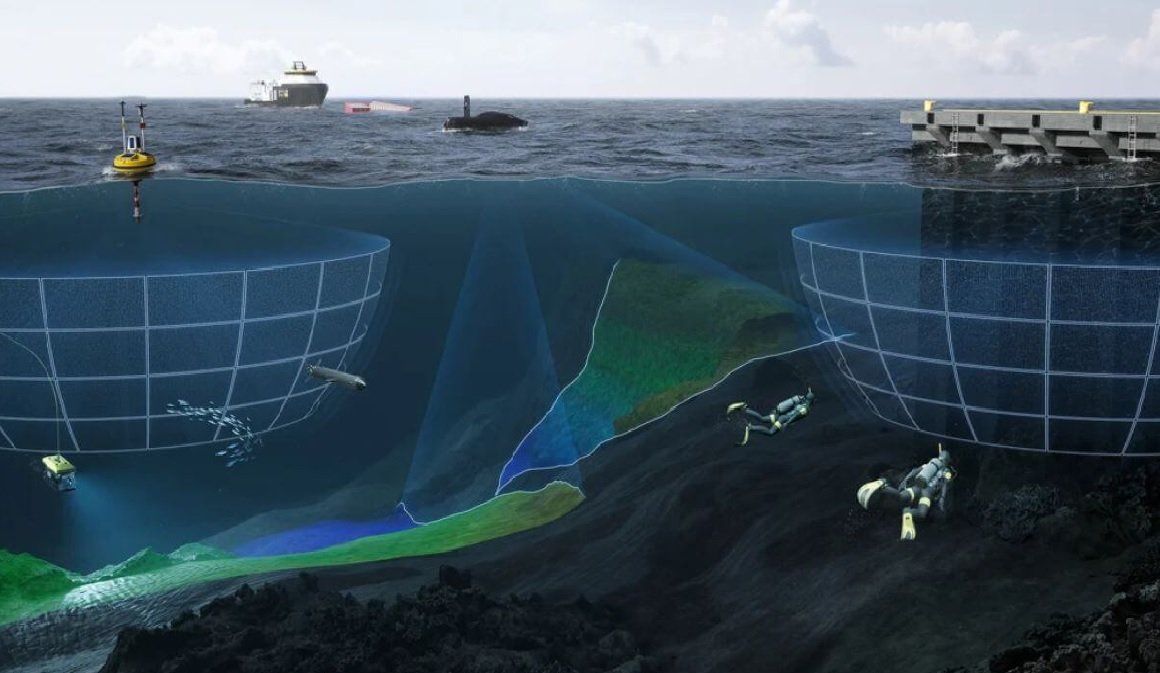 Kongsberg Introduces Aegir SSA Sonar Family With AI-Powered Monitoring for Continuous Underwater Surveillance
-
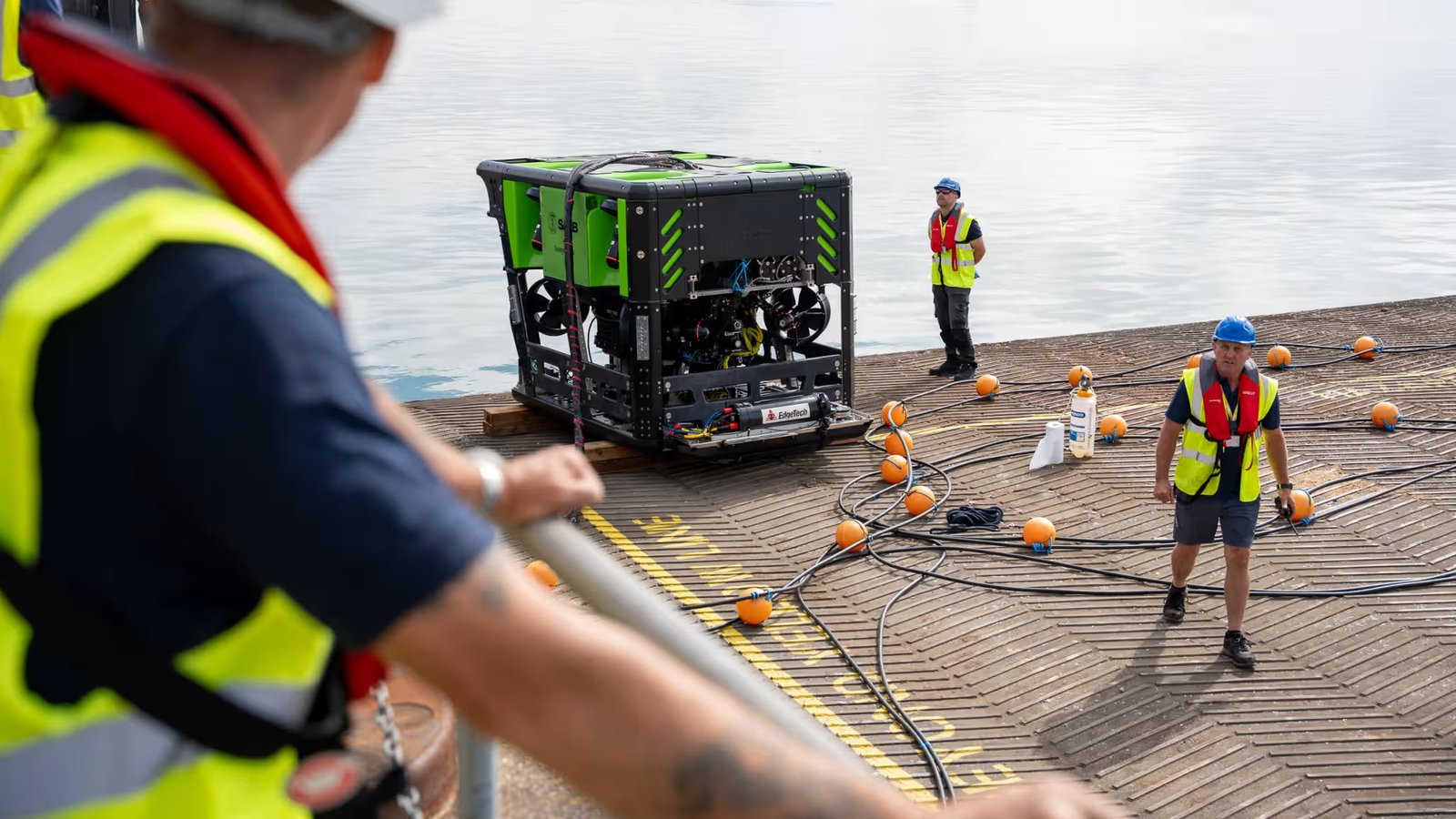 Saab UK Completes Key Trials of Seaeye SR20 eWROV, Moves to Next Development Phase
-
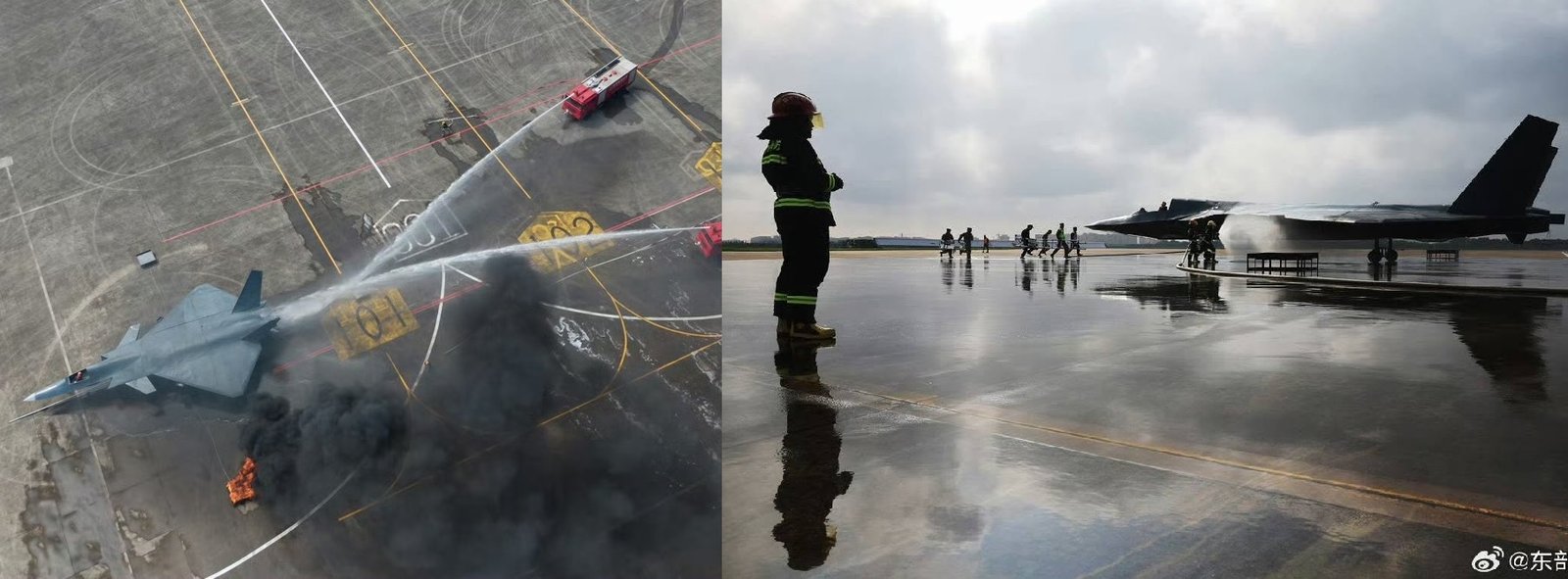 Mystery Chinese J-20-Like Object Seen at Former Airport Was a Firefighting Training Mock-Up
Top Trending in 4 Days
-
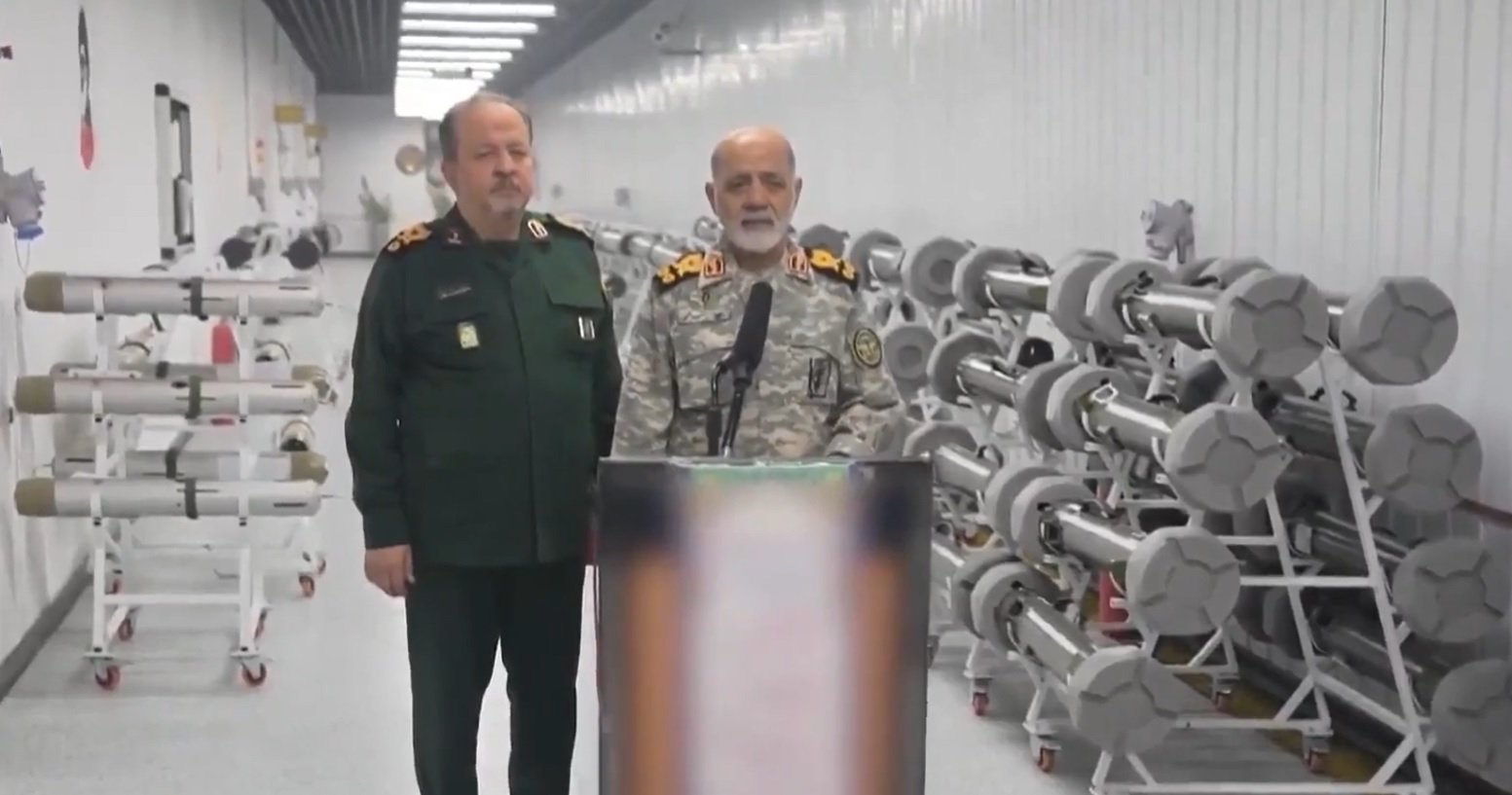 Iran Reveals Underground Weapons Manufacturing Facility for First Time on State TV
-
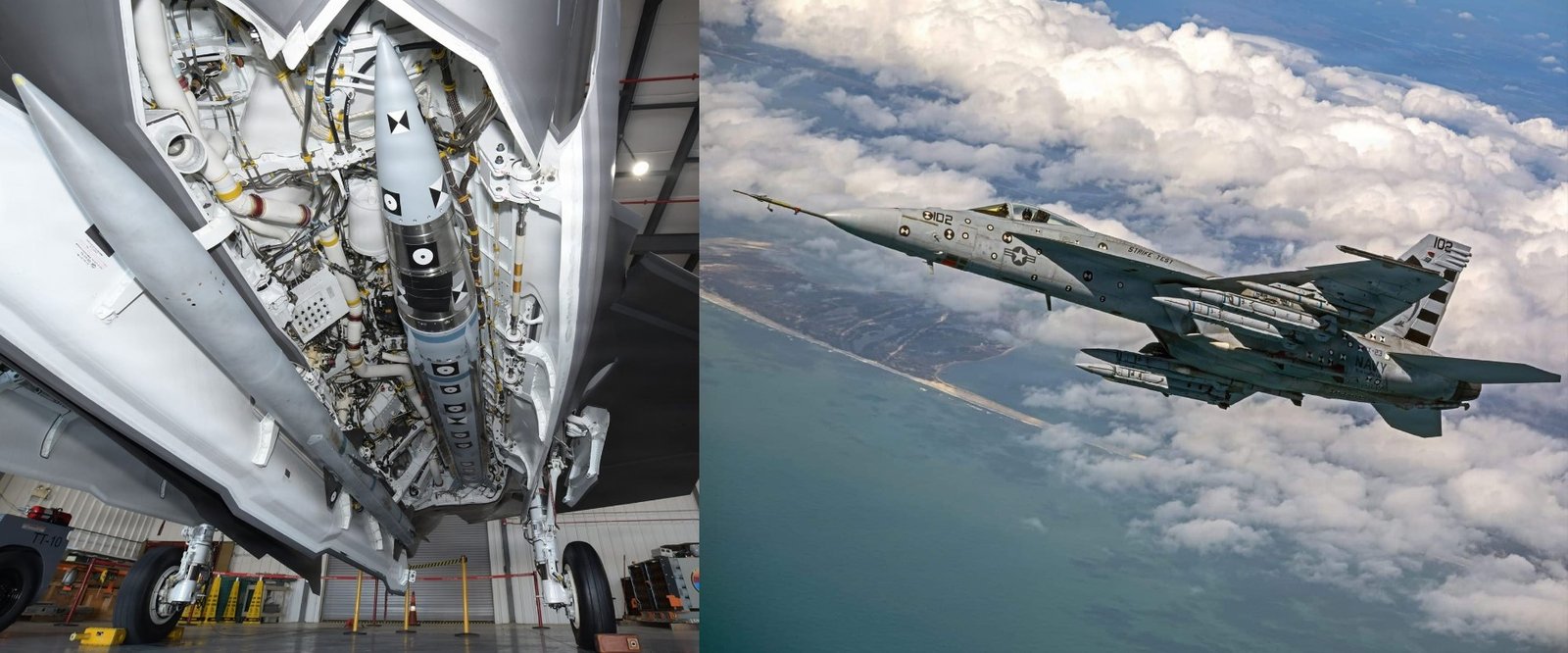 U.S. Navy Unveils New AIM-424 ‘Malice’ Air-to-Air Missile With 463+ km Range for F-35C, Super Hornet and F/A-XX
-
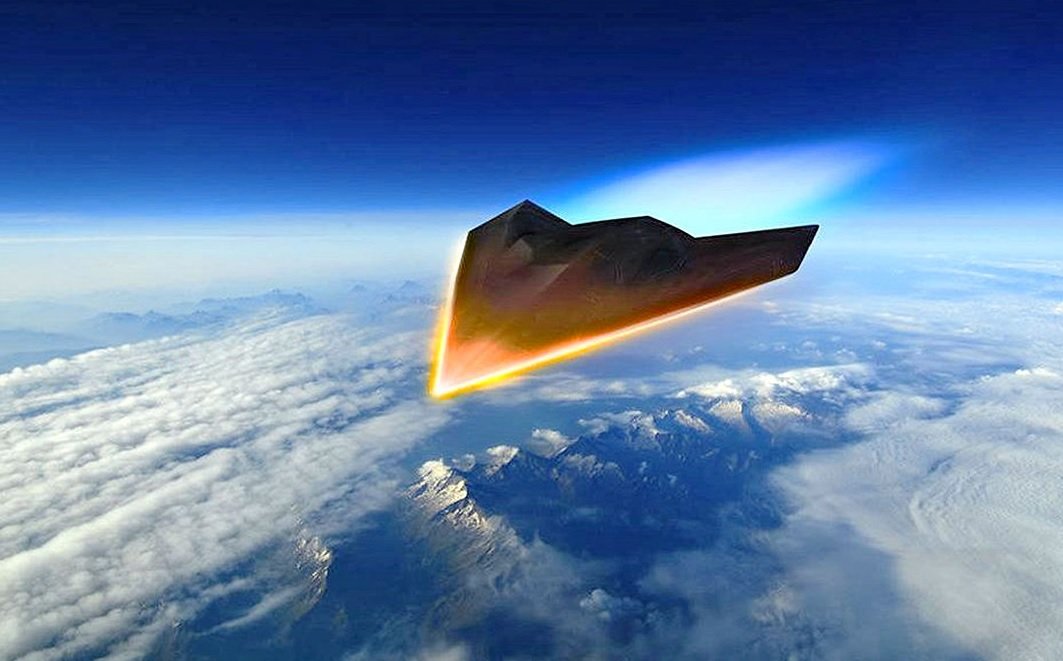 China Develops Hypersonic Glide Vehicles Capable of Launching Air-to-Air Missiles Mid-Flight
-
 Israel Explores Potential Acquisition of U.S. F-47 Sixth-Generation Fighter
-
 Iran-Linked Hackers Shut Down UK Power Plant for Four Days in First Known Attack
-
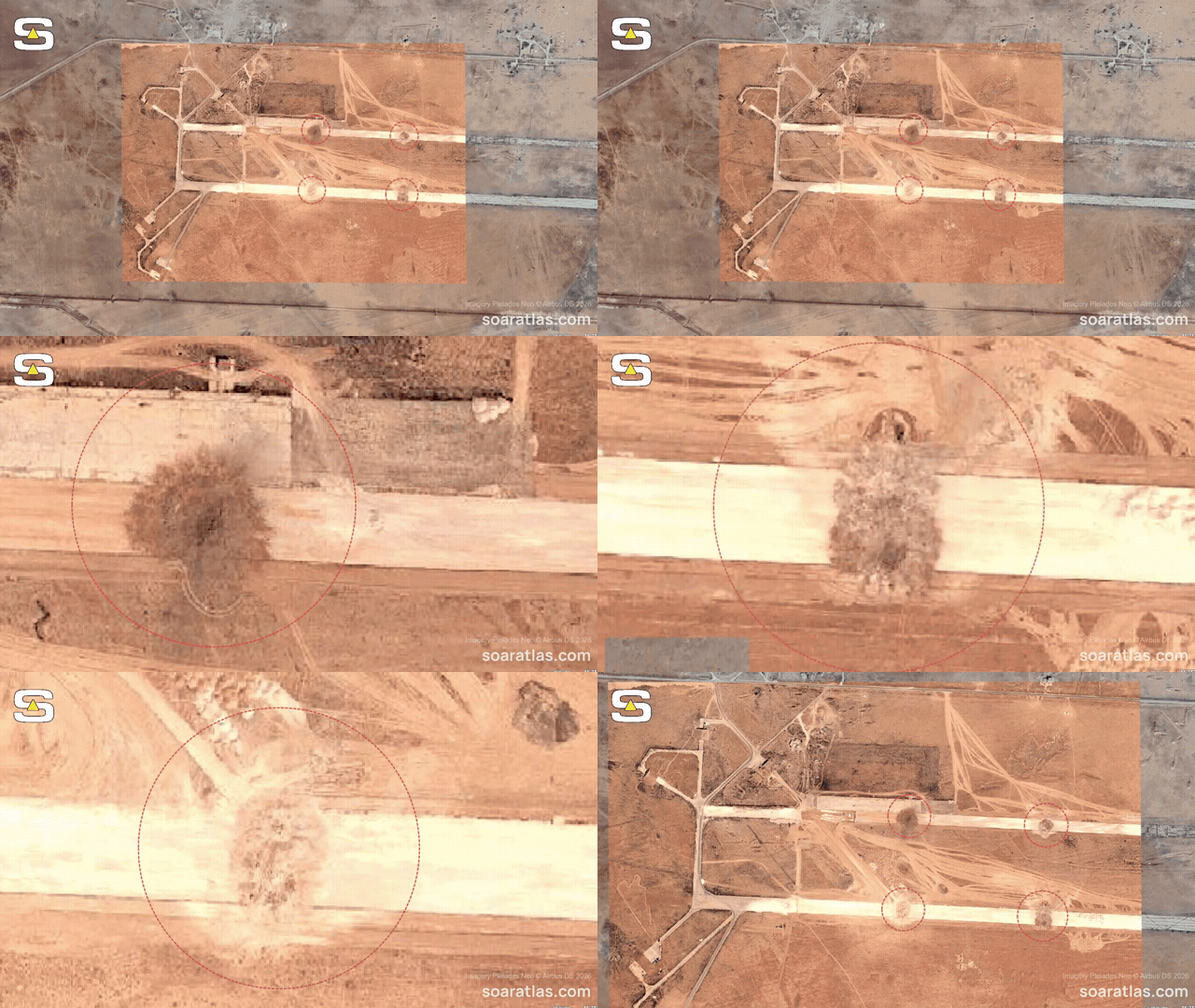 Satellite Imagery Shows Damage From Israeli Strikes on Turkey Military Occupied Syria’s Abu al-Duhur Airbase
-
 Ukraine Holds World’s First Unmanned Military Parade on 35th Independence Day
-
 UAE Completes Protective Metal Structures Around Fuel Tanks Near Dubai International Airport