
Space & Technology
In a major leap for real-time space-based surveillance, BlackSky Technology Inc. has achieved a new milestone by delivering very high-resolution images from its latest Gen-3 satellite just 12 hours after launch. This remarkable achievement highlights the growing capability of commercial space intelligence systems to meet the urgent demands of modern military and security operations. The newly launched Gen-3 satellite, referred to as Unit 2, captured its first operational images early Monday morning over Golmud Air Base in Qinghai Province, China at 7:45 a.m. China Standard Time. This rapid imaging performance marks a significant improvement in how quickly actionable intelligence can be gathered and analyzed from orbit. According to BlackSky CEO Brian O’Toole, the satellite’s early success demonstrates the maturity of their AI-powered space architecture. “In today’s fast-moving security environment, commanders and analysts need intelligence that arrives at the speed of battle. This satellite’s immediate performance is proof that we can deliver critical insights in near real-time,” he stated. The Gen-3 series satellites represent a new generation of high-cadence Earth observation systems. They are designed to capture very high-resolution images with a ground sampling distance (GSD) of 35 centimeters, allowing them to clearly identify small, military-relevant objects such as aircraft, vehicles, vessels, and infrastructure facilities. This level of detail is essential for defense and intelligence agencies conducting reconnaissance, surveillance, and dynamic operational monitoring. What sets the Gen-3 satellites apart is not just their image clarity, but also their AI-enhanced analytics capability. Each satellite can automatically detect, classify, and report on objects of interest, significantly reducing the time between image capture and actionable intelligence delivery. BlackSky’s Gen-3 satellites are part of a growing high-frequency constellation, which is being expanded to increase imaging capacity and operational flexibility. This constellation approach allows multiple satellites to work together, ensuring persistent coverage of key global hotspots and delivering rapid updates as situations unfold. The newly demonstrated capability is particularly valuable in supporting time-sensitive missions, where immediate information about ground activity—like aircraft movements, vehicle deployments, or base operations—can shape critical decisions in defense and crisis management. As BlackSky continues to grow its fleet, it aims to provide customers with a reliable and scalable solution for dynamic monitoring at disruptive speed and cost efficiency. The company’s strategy emphasizes not only technological advancement but also operational readiness, ensuring its satellites and analytics infrastructure are mission-ready whenever required. This successful first-day performance of the Gen-3 satellite underscores the growing importance of commercial space intelligence services in complementing national security systems. With faster response times, sharper image resolution, and AI-powered analysis, systems like BlackSky’s are rapidly becoming indispensable tools in the modern security landscape.
Read More → Posted on 2025-06-11 09:26:19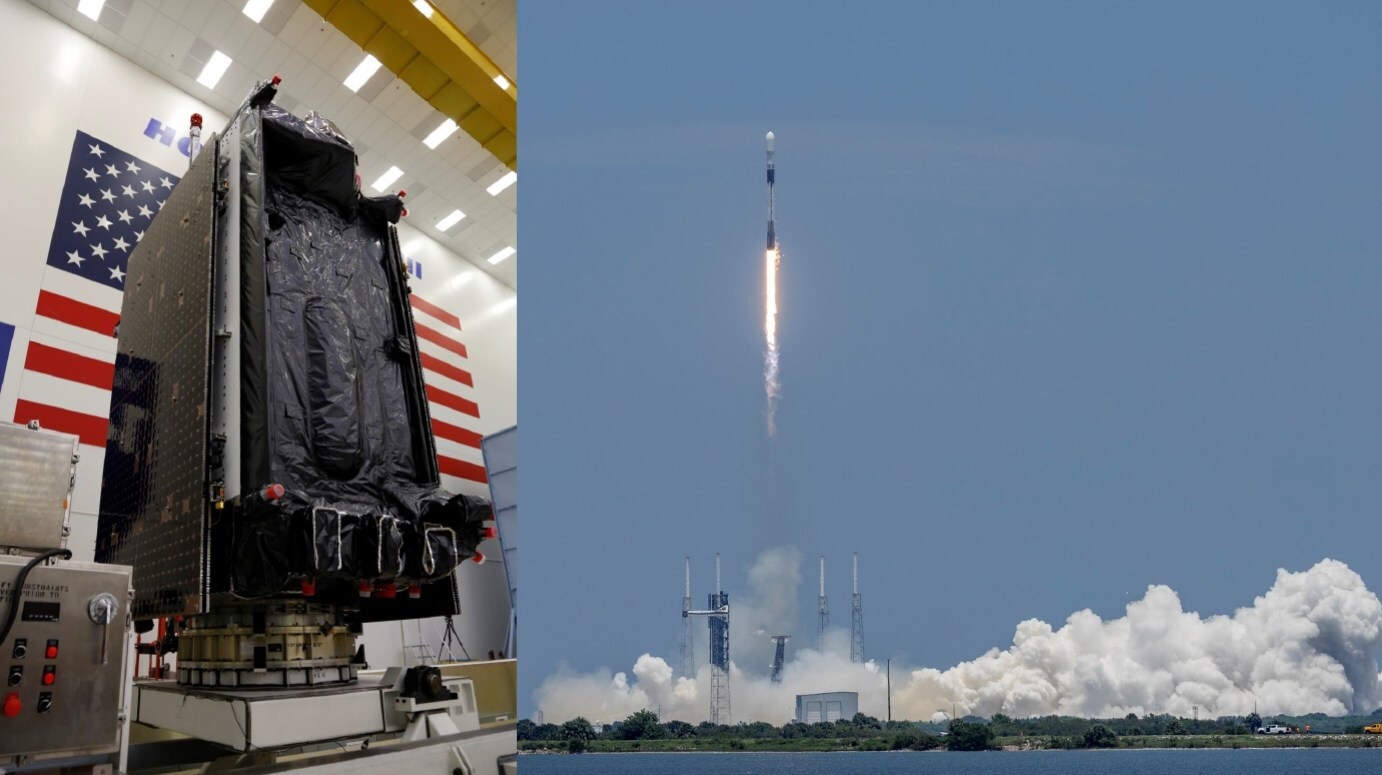
Space & Technology
Lockheed Martin has successfully launched its eighth GPS III satellite into orbit, marking another significant step in modernizing the global navigation system. The satellite, officially named GPS III SV08, lifted off at 1:37 p.m. EDT on May 30 from Cape Canaveral Space Force Station in Florida. Not long after liftoff, the satellite achieved signal acquisition, confirming a smooth and successful start to its mission. What makes this launch particularly noteworthy is the speed at which it was accomplished. From the time the spacecraft left Lockheed Martin’s production facility in Colorado to the moment it launched in Florida, the entire preparation process took just over three months—an impressive feat that reflects a major acceleration compared to traditional launch timelines. This fast-track effort highlights Lockheed Martin’s growing capability to rapidly deploy essential space-based infrastructure. The GPS III SV08 satellite is part of a new generation of advanced GPS satellites built to deliver precise and secure positioning, navigation, and timing (PNT) services to users around the world. These satellites play a crucial role in daily life—powering applications like aviation and maritime navigation, road travel, logistics, smartphone maps, and even rescue operations. For the U.S. military and allied forces, the satellite offers added benefits. GPS III satellites are equipped with cutting-edge anti-jamming features and encrypted signals, including the advanced military M-code signal. These enhancements ensure that navigation services remain secure and functional, even in hostile or signal-contested environments. Once operational, SV08 will be the eighth satellite in orbit providing this vital M-code capability. Currently, GPS III SV08 is under the control of Lockheed Martin’s Launch & Checkout Operations Center in Denver, where it will undergo thorough testing before it officially joins the active GPS constellation. Lockheed Martin not only builds these satellites at its facility in Littleton, Colorado, but also manages their early orbit operations and helps maintain the GPS ground control system. The backbone of the global GPS system is supported by what’s known as the Architecture Evolution Plan—a modernized ground segment designed to operate the current fleet of 31 active GPS satellites. This ground segment includes global monitoring stations, master control centers, and antenna systems that keep the satellites aligned and functioning accurately. In addition to launching GPS III SV08, Lockheed Martin recently received approval to build two more satellites under the next-generation GPS IIIF program. These future satellites will bring further advancements in both civil and military capabilities, ensuring that the GPS constellation continues to evolve with new technology and meet rising global demands. As Lockheed Martin continues its mission to strengthen the world's navigation infrastructure, the successful deployment of GPS III SV08 stands as a testament to American aerospace innovation and the growing importance of secure, resilient space-based services.
Read More → Posted on 2025-05-31 15:16:22
Space & Technology
As India’s space agency gears up for its ambitious human spaceflight mission, Gaganyaan-1 (G1), a significant milestone has been achieved with the successful completion of rigorous environmental tests on Vyomitra, ISRO’s humanoid robot designed to accompany astronauts in space. Vyomitra, a vital part of the upcoming Gaganyaan mission, underwent extensive vibration and thermal-vacuum testing to validate its resilience and operational reliability in the harsh conditions of space. These tests simulate the intense mechanical stresses and extreme temperature fluctuations the robot will experience during launch, orbit, and re-entry phases. Vibration Testing: The vibration test subjected Vyomitra to simulated launch vibrations, replicating the intense oscillations and forces generated by the GSLV Mk III rocket during liftoff. This evaluation ensures that the robot’s hardware and electronic components can withstand the physical stresses of launch without malfunctioning or sustaining damage. Thermal-Vacuum Testing: Thermal-vacuum testing exposed Vyomitra to the vacuum of space and temperature extremes ranging from -150°C to +120°C, mimicking the space environment where there is no atmosphere to moderate temperature. This test confirms the robot’s capability to function optimally in the vacuum and thermal conditions encountered during the mission, ensuring the integrity of its mechanical systems and electronics. Significance for Gaganyaan-1: Vyomitra is designed to simulate human functions and assist astronauts during the mission. It will help monitor the spacecraft’s environment, perform basic tasks, and relay critical data back to the ground control. The successful testing assures that Vyomitra will be mission-ready, providing vital support in the first Indian crewed mission. The Gaganyaan-1 mission aims to send a crew module into low Earth orbit carrying Vyomitra but without human astronauts, serving as a crucial precursor to later crewed flights. This mission will validate various spacecraft systems and operational protocols essential for the safe transport of Indian astronauts. What’s Next? With Vyomitra’s successful clearance of vibration and thermal-vacuum tests, ISRO is moving closer to the planned launch window of Gaganyaan-1. Upcoming milestones include integrated system checks of the crew module and further flight simulations. The human spaceflight program represents a landmark achievement for India, demonstrating the country’s advanced capabilities in space technology and astronautics. Vyomitra’s readiness underscores the meticulous preparation behind Gaganyaan and ISRO’s commitment to ensuring crew safety and mission success. As the countdown progresses, the nation eagerly anticipates this historic leap towards India’s first human space mission.
Read More → Posted on 2025-05-31 07:52:46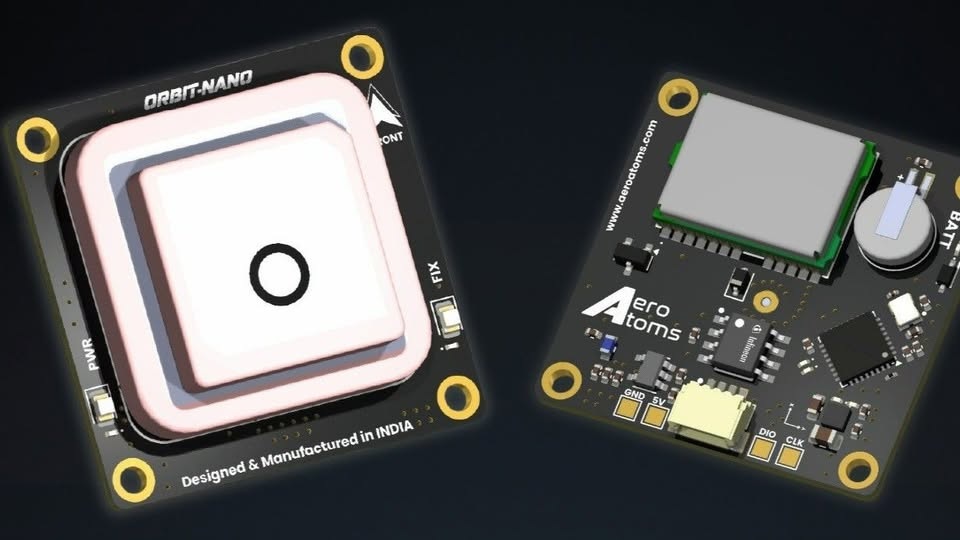
Space & Technology
In a proud step for India’s indigenous technology sector, Vyomastra Technologies, in collaboration with the AeroAtoms brand, has introduced the Orbit Nano—a highly compact and advanced GNSS + Magnetometer module. Specially built for applications where highly precise positioning is crucial, this tiny device offers cutting-edge features that make it stand out on the global stage. What is the Orbit Nano? The Orbit Nano is a small, lightweight navigation module designed for situations that demand pinpoint positional accuracy, even in tough, dynamic conditions. Whether mounted on a fast-moving drone, a robotic vehicle, or part of a swarm of autonomous systems, it ensures highly reliable location tracking and orientation data. Despite its tiny size—just 28×28×13 mm and weighing only 23 grams—this module delivers centimetre-level accuracy (under 10 cm) consistently. That means a drone using this system could know its exact location with an error margin smaller than the width of a smartphone. Advanced Dual-Band GNSS Technology One of the standout features of the Orbit Nano is its dual-band GNSS capability, which means it can receive signals on both the L1 and L5 frequencies. This makes it far more resilient to interference and multipath errors (where signals bounce off buildings or obstacles) compared to traditional single-band GNSS systems. It can connect to a wide range of global satellite systems, including GPS, Galileo, BeiDou, NavIC (India’s own navigation constellation), QZSS, and GLONASS. Remarkably, the module is capable of tracking over 30 satellites simultaneously, offering full 360° signal coverage and ensuring strong performance even in tricky areas like urban canyons or forests. Smart Magnetometer for Navigation Accuracy In addition to precise location tracking, the Orbit Nano features a powerful 3-axis magnetometer (IIS2MDC), which helps determine the direction (heading and yaw) a vehicle is facing. This is essential for navigation tasks such as returning to a launch point, hovering in position (loitering), or following a set of automated waypoints during missions. Designed for Demanding Environments Not only is the Orbit Nano small and lightweight, but it’s also designed to handle extreme conditions. It operates reliably in temperatures ranging from -40°C to +105°C, making it suitable for high-altitude drone flights, harsh industrial areas, and remote field operations. Its ultra-low power consumption—between 35 to 60 mA—means it can run for long periods on battery-powered platforms, a vital feature for unmanned aerial and ground vehicles that rely on efficient energy management. Seamless Integration with Drone Systems A major advantage of the Orbit Nano is its plug-and-play compatibility with popular autopilot systems like PX4 and Ardupilot. It also supports DroneCAN, a modern communication protocol for drones and robotic vehicles, allowing it to integrate easily into existing setups without complex wiring or custom programming. Field-Tested and Proven The Orbit Nano has already been tested in real-world, demanding scenarios such as precision farming, aerial surveying, infrastructure inspections, and automated landing operations. In these tests, it consistently achieved positional errors of less than 10 cm, proving its reliability and accuracy. A New Benchmark for India’s Tech Industry The launch of the Orbit Nano is more than just a product release—it marks a significant milestone in India’s journey towards self-reliance in advanced navigation and positioning technology. It offers Indian developers and system integrators a world-class, cost-effective solution for high-precision applications that previously relied on expensive imports. Its combination of compact size, low power use, centimetre-level accuracy, and robust performance makes it an attractive choice for next-generation drones, robotics, and autonomous systems. As the demand for reliable, high-accuracy positioning solutions continues to rise in sectors like defense, agriculture, infrastructure, and logistics, the Orbit Nano positions itself as a future-ready tool for innovators across India and beyond.
Read More → Posted on 2025-05-30 14:50:50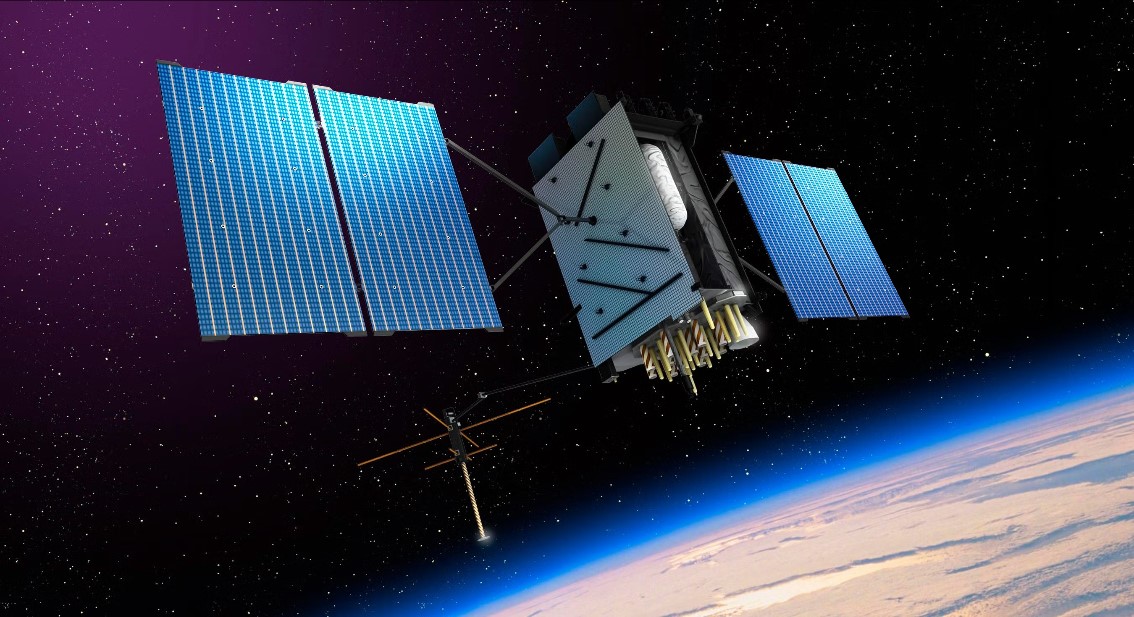
Space & Technology
Lockheed Martin has secured a major contract worth nearly $510 million to build two new advanced Global Positioning System (GPS) III Follow-On satellites for the U.S. military. The U.S. Department of Defense confirmed the $509.7 million contract modification, which covers production of Space Vehicles 21 and 22 under an ongoing agreement. This latest addition pushes the total value of Lockheed’s GPS III follow-on work past $4.1 billion. These new satellites will be developed at Lockheed Martin’s state-of-the-art facility in Littleton, Colorado, with the work expected to continue until November 2031. The U.S. Space Systems Command, based in Los Angeles, is managing the program. As part of the initial funding, $55 million from the fiscal year 2025 missile procurement budget is being allocated immediately to support the early phases of development. The GPS III satellites are designed to be significantly more powerful and accurate than their predecessors. According to Lockheed Martin, this next-generation system delivers three times more precise positioning data and up to eight times stronger resistance to jamming—an essential feature for national security and global reliability. Flying in medium Earth orbit at approximately 12,000 miles above the planet, GPS III satellites are critical for global navigation and timing. While originally built for military use, they now serve more than four billion civilian users worldwide. From guiding military aircraft and ground forces to enabling smartphone navigation and supporting emergency services, GPS plays a vital role in modern life. Moreover, GPS technology supports a wide range of essential services, including telecommunications networks, power grid synchronization, financial transactions, aviation safety, supply chain logistics, and even precision farming. The importance of having secure, accurate, and reliable GPS signals is greater than ever. One of the standout features of the GPS III design is its modular architecture. This allows for future technology upgrades without having to replace the entire satellite, giving the U.S. military flexibility to adapt to evolving mission needs and potential threats. Lockheed Martin refers to the system as the “gold standard” for Positioning, Navigation, and Timing (PNT) services, emphasizing that GPS III is built to grow with changing global demands and to withstand increasingly complex space and cyber threats. As the world becomes more reliant on space-based navigation and timing, the continued rollout of these advanced GPS III satellites ensures that the U.S. maintains a technological edge, not just in times of peace but also in scenarios of global conflict where secure and precise navigation is critical.
Read More → Posted on 2025-05-29 15:07:50
Space & Technology
In a bold step toward reshaping the future of satellite technology, two former ISRO scientists, Christopher Parmar and Anupam Kumar, have launched a space-tech startup named Orbitt Space, based in Ahmedabad. Founded in February 2025, the company has already made headlines by securing $1 million in pre-seed funding to develop an innovative propulsion system designed for Ultra Low Earth Orbit (ULEO) — a region of space that lies below 250 kilometers in altitude. Unlike conventional satellite zones, ULEO remains largely unexplored due to intense atmospheric drag and fuel limitations, making sustained operations nearly impossible with traditional propulsion methods. Satellites in this region typically exhaust their fuel quickly, limiting mission life to just a few days or weeks. But Orbitt Space has a game-changing solution. The startup is building a next-generation air-breathing electric propulsion system, a technology that draws in the residual gases present in the atmosphere at ULEO levels and uses them as a propellant. This system eliminates the need to carry bulky fuel tanks, enabling satellites to operate continuously for 5 to 7 years in this challenging environment — a feat that was once thought unattainable. By using the orbit’s own resources to generate thrust, Orbitt’s approach not only extends mission duration but also addresses the growing problem of space debris. Unlike satellites in higher orbits that can remain floating as junk for decades, satellites in ULEO naturally deorbit due to atmospheric drag, ensuring they don’t become long-term clutter in space. The benefits of operating in ULEO extend far beyond sustainability. Because of the lower altitude, satellites can capture sharper images and deliver data with faster response times, making them ideal for applications like real-time Earth observation, low-latency communication, climate monitoring, and national security surveillance. Moreover, since ULEO has much lower radiation levels compared to higher orbits, Orbitt's satellites can use commercial-grade electronics instead of expensive, radiation-hardened components — slashing costs and simplifying design. While Low Earth Orbit (LEO), especially the 500–700 km range, has become increasingly congested with more than 40,000 tracked objects and millions of smaller debris fragments, ULEO remains a clean and open zone. Orbitt sees this as a “blue ocean” opportunity, offering safer, cheaper, and more efficient satellite operations in an underutilized part of space. The $1 million raised — led by pi Ventures with support from IIMA Ventures — will be used to build a highly skilled team of 8 to 10 scientists and engineers, many of them expected to come from ISRO. The immediate focus is on developing a working prototype of the propulsion system and conducting environmental tests. The company has laid out a clear three-phase roadmap: first, building and validating the prototype on the ground; second, performing rigorous testing for space qualification; and third, launching their first operational satellite into ULEO by 2027 or 2028. Orbitt’s proximity to IIM Ahmedabad gives it access to ISRO testing infrastructure, while discussions are already underway with major potential clients, including TATA Advanced Systems. The startup is also exploring partnerships through IN-SPACe, the Indian government’s initiative to foster private sector collaboration in the space domain. Looking ahead, Orbitt Space envisions a major shift in the $13 billion satellite market, with many operations moving from LEO to ULEO due to the clear advantages in performance, cost, and sustainability. Their air-breathing propulsion technology could play a central role in this transition, offering a pathway to cleaner, more durable, and responsive satellites. By harnessing their ISRO expertise and pushing the boundaries of what’s possible in orbital mechanics, Orbitt Space is not just launching a new product — they are opening up an entirely new frontier in space exploration. Their innovation could place India at the forefront of next-generation satellite technology and set new standards for how we think about access to and sustainability in outer space.
Read More → Posted on 2025-05-29 09:31:39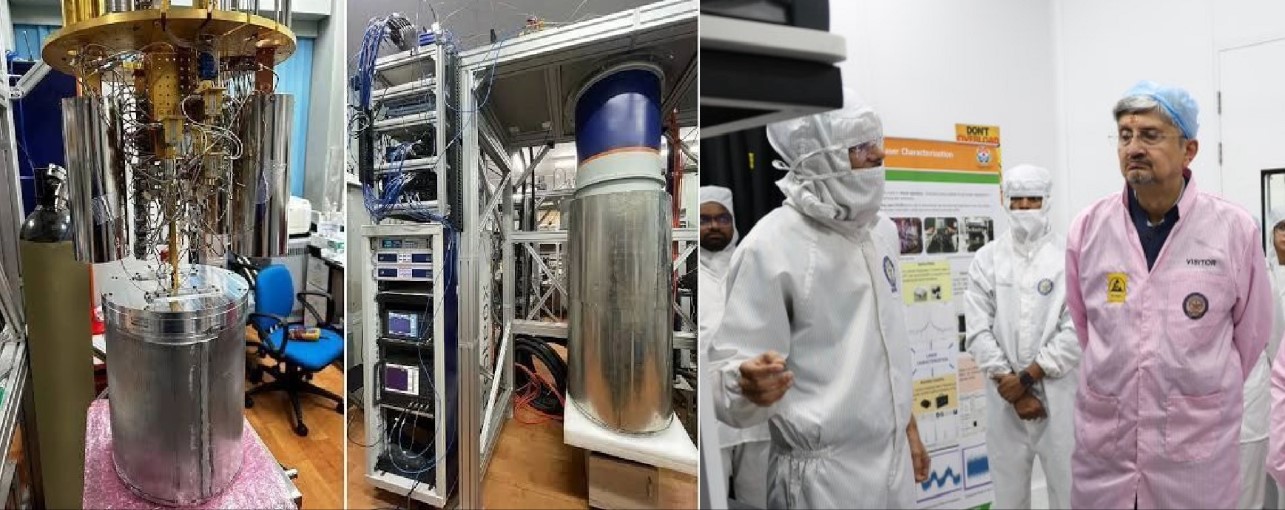
DRDO Launches Quantum Technology Research Centre in Delhi to Advance Indigenous Defence Capabilities
Space & Technology
In a significant step toward bolstering India's indigenous quantum technology ecosystem, the Defence Research and Development Organisation (DRDO) inaugurated the Quantum Technology Research Centre (QTRC) at the historic Metcalfe House complex in Delhi on May 27, 2025. The state-of-the-art facility was officially opened by Dr. Samir V. Kamat, Secretary of the Department of Defence R&D and Chairman of DRDO, underlining India’s growing emphasis on quantum technologies for national security and strategic applications. A Leap Toward Quantum Supremacy in Defence The QTRC is envisioned as a dedicated hub for cutting-edge quantum research, with a focus on both foundational science and mission-critical defence applications. The centre will play a pivotal role in bridging the gap between theoretical quantum science and practical defence solutions, enabling the development of secure communication, advanced computing, and precision navigation technologies that are resilient to conventional electronic threats. According to DRDO, the facility is equipped with specialized laboratories, including: Quantum Key Distribution (QKD) testbeds Cryogenic systems for superconducting qubit development Ultra-low-noise photonics labs Quantum magnetometry setups Quantum sensing and imaging units Quantum random number generation (QRNG) validation systems Core Research Domains of QTRC QTRC will focus on four major domains of quantum science with defence relevance: Quantum CommunicationThe facility will enhance DRDO’s capabilities in quantum key distribution (QKD) — a technique that allows two parties to exchange encryption keys with theoretically unbreakable security, immune to brute-force attacks by classical or quantum computers. DRDO has previously demonstrated terrestrial QKD and now aims to advance toward satellite-based QKD systems. Quantum ComputingWith the global race to develop scalable quantum computers underway, QTRC aims to contribute by developing quantum processor prototypes, especially leveraging superconducting qubits, topological qubits, and photonic quantum circuits. These systems have potential applications in cryptography, logistics optimization, and material simulations for defence. Quantum Sensing and MetrologyQuantum sensors can detect minute changes in gravity, acceleration, and magnetic fields, enabling applications such as GPS-independent navigation, underground structure detection, and low-signature submarine tracking. QTRC’s labs will explore cold atom interferometry, quantum magnetometers, and entangled photon sensors. Quantum Materials and DevicesA foundational pillar of the centre’s work involves developing novel quantum materials, including 2D materials, nitrogen-vacancy (NV) centers in diamond, and superconducting thin films, essential for creating stable and scalable quantum devices. Strategic Importance and National Synergy The QTRC complements DRDO’s existing efforts through its Young Scientist Laboratories (DYSL-QT) in IIT Bombay and ongoing collaborations with Indian academic institutions and startups. The Centre also aligns with the National Mission on Quantum Technologies and Applications (NM-QTA), announced by the Government of India, and is expected to foster public-private partnerships. Speaking at the inauguration, Dr. Samir V. Kamat highlighted the long-term vision of the facility, stating: “Quantum technologies represent the next frontier in secure communication, intelligence gathering, and precision warfare. QTRC will be a keystone in ensuring India’s strategic autonomy in this domain.” Way Forward With quantum advancements being flagged as critical by nations worldwide, India’s investment in such indigenous facilities ensures it will not lag behind in this technological arms race. The QTRC stands as a symbol of India's commitment to technological sovereignty, fostering a new era of innovation in quantum-enabled defence systems. As global threats evolve and require stealthier, faster, and more secure technological solutions, the Quantum Technology Research Centre will serve as a nucleus for innovation, capacity-building, and national resilience in the rapidly advancing world of quantum science.
Read More → Posted on 2025-05-28 15:19:33
Space & Technology
In a monumental leap for atmospheric sciences and Earth observation capabilities, India is poised to become the first country in the world to operate a high-resolution global weather forecasting system, aptly named the Bharat Forecast System (BFS). This groundbreaking initiative, led by the Ministry of Earth Sciences (MoES), marks a transformative step in the country’s ambition to emerge as a leader in climate modeling and disaster preparedness. With this system, India will not only serve its own billion-plus population with unparalleled accuracy but also provide meteorological services on a truly global scale — a feat previously unachieved at this resolution by any nation. The Technology Behind Bharat Forecast System At the heart of the Bharat Forecast System lies a Numerical Weather Prediction (NWP) model with a resolution of 5 km x 5 km globally, compared to the 12 km x 12 km or coarser grids used in most leading weather models today. This allows the model to capture smaller-scale weather phenomena, such as thunderstorms, cyclonic circulations, and heavy rainfall events, with much greater fidelity. The system is powered by advanced data assimilation algorithms, integrating real-time information from satellites, Doppler weather radars, buoys, aircraft, weather balloons, and land-based observational stations. Crucially, the BFS leverages India's growing network of satellites, including INSAT-3D/3DR and SCATSAT-1, alongside future missions like Oceansat-3 and the upcoming Mausam satellite. To manage the sheer computational demands of such high-resolution modeling, India will deploy one of the world’s fastest weather-dedicated supercomputers, expected to have a processing capacity exceeding 30 petaflops, potentially surpassing even those used by NOAA (USA) and ECMWF (Europe). A Global Benchmark: How BFS Compares to Other Leading Systems Globally, countries and organizations maintain sophisticated weather forecasting systems: ECMWF (European Centre for Medium-Range Weather Forecasts): Regarded as the gold standard for medium-range forecasting, the ECMWF model operates at approximately 9 km resolution, offering 15-day global forecasts with high accuracy. However, BFS's 5 km resolution will provide better spatial granularity. NOAA (USA): The Global Forecast System (GFS) has been recently upgraded to the FV3 dynamical core, operating at a 13 km resolution globally. NOAA also maintains the High-Resolution Rapid Refresh (HRRR) system, but it's limited to the continental US. UK Met Office: Uses the Unified Model, with global forecasts at 10 km resolution, and finer resolution models only for UK and surrounding areas. Japan Meteorological Agency (JMA): Operates its GSM (Global Spectral Model) at about 20 km resolution, though Japan excels in typhoon forecasting with regional models. While these systems are highly advanced, they either operate at coarser resolution globally or reserve their high-resolution models for national or regional scales. India’s BFS stands out by offering uniform 5 km resolution coverage across the entire globe, a technical and computational marvel. Strategic Significance of Bharat Forecast System Global Climate Stewardship: BFS underscores India’s shift from being a data consumer to a data provider in the realm of meteorological and climate services. It will empower developing nations, especially in Africa and South Asia, with free access to precise forecasts — a role similar to what the ECMWF plays for Europe. Disaster Resilience: India is prone to extreme weather events like cyclones, floods, and droughts. With a high-resolution model, local authorities can issue more accurate and timely warnings, potentially saving thousands of lives annually. Agricultural Productivity: Given India’s large agri-dependent population, BFS can support precision agriculture, helping farmers decide optimal sowing times, irrigation schedules, and harvest periods with better weather predictability. Aviation, Maritime, and Energy Sectors: High-resolution forecasts will benefit air traffic management, shipping routes, renewable energy forecasting (solar and wind), and urban infrastructure planning. What Comes Next The Bharat Forecast System is expected to be operational by mid-to-late 2025, with a phased rollout starting in the Indian subcontinent. The system will incorporate machine learning modules to refine predictive accuracy over time, especially in complex terrains like the Himalayas and coastal regions. The BFS is part of India’s broader vision under the National Mission on Weather and Climate Services (NMWCS), which also includes enhanced ocean modeling, monsoon forecasting, and urban microclimate monitoring. Final Thoughts With the launch of the Bharat Forecast System, India is not just catching up with the global elite in weather science — it is setting the new benchmark. In a world grappling with climate volatility and an increasing frequency of extreme weather events, BFS represents Bharat’s scientific resilience, ambition, and leadership. This is more than a technological achievement — it is a powerful expression of India’s commitment to "Vasudhaiva Kutumbakam" — the world is one family — by offering its most advanced weather intelligence to humanity at large.
Read More → Posted on 2025-05-28 15:08:39
Space & Technology
SpaceX’s ambitious Starship program faced another major setback when its ninth test flight ended in failure on May 27, 2025. Despite a promising launch and new milestones, the spacecraft ultimately lost control in space and broke apart during re-entry, crashing into the Indian Ocean. The mission lifted off from SpaceX’s Starbase launch site in Texas, powered by the massive Super Heavy booster carrying the Starship upper-stage. This flight was particularly important as it marked the first time SpaceX reused a Super Heavy booster—an important step toward the company's goal of creating a fully reusable rocket system. The launch initially went according to plan. The Super Heavy booster separated cleanly and began its return to Earth. However, SpaceX lost communication with the booster before it could attempt a safe splashdown in the ocean. It is now believed the booster crashed into the sea, ending its journey abruptly. Meanwhile, the Starship upper-stage continued its flight and successfully reached suborbital space. But problems began to surface when the payload doors refused to open, preventing the release of mock satellites that were part of the test. Things took a critical turn around 30 minutes into the mission when a fuel leak led to a loss of attitude control. The spacecraft began spinning uncontrollably, making it impossible to align properly for re-entry into Earth’s atmosphere. Without proper orientation, Starship re-entered too early and at the wrong angle. The intense heat and forces of re-entry caused it to break apart in what SpaceX calls a “rapid unscheduled disassembly”—a technical term for an unplanned and catastrophic failure. Despite the loss, this flight went farther than any previous Starship test. Earlier attempts had ended in explosions shortly after takeoff, while this mission managed to reach space and provided valuable data that engineers can use to improve the design. The failed mission also had consequences on the ground. As a safety precaution, the US Federal Aviation Administration briefly halted departures from several Florida airports to avoid any danger from potential debris. SpaceX remains undeterred. Elon Musk and his team are determined to continue testing and developing Starship, which plays a key role in NASA’s Artemis mission to return humans to the Moon and in Musk’s larger dream of sending humans to Mars. Each test flight, success or failure, brings them one step closer to that goal.
Read More → Posted on 2025-05-28 14:11:37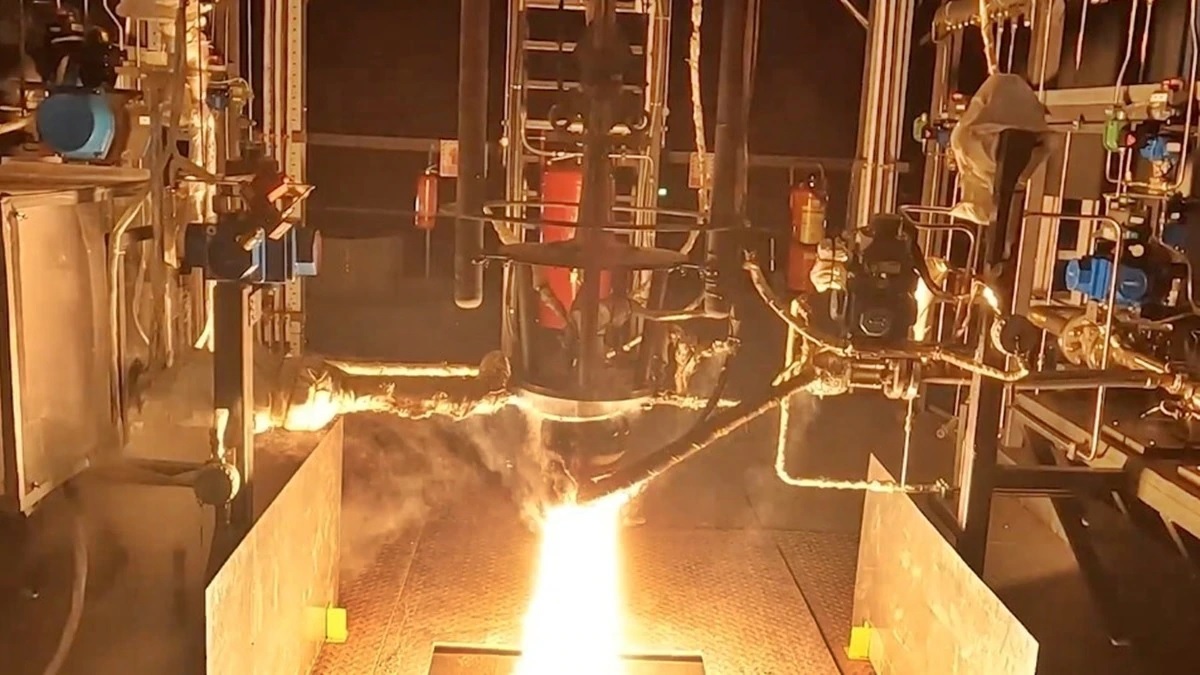
Space & Technology
In a major leap forward for India's private space industry, Chennai-based start-up Agnikul Cosmos has successfully test-fired the country’s first electric motor-driven semi-cryogenic rocket engine. This marks a breakthrough not only for the company but also for India’s expanding role in cutting-edge space technology. Unlike traditional rocket engines that use complex and bulky turbopumps powered by gas generators, Agnikul’s new engine uses an electric motor to drive the fuel pumps. This shift brings a new level of precision and control. Engineers can now finely adjust the engine’s thrust simply by changing the speed of the motor, allowing for more accurate flight paths and quicker in-flight responses. The engine runs on a semi-cryogenic cycle, using liquid oxygen as the oxidizer and refined kerosene as fuel. The combination is not new in rocket science, but what sets this engine apart is how it manages the flow of these propellants. The use of an electric motor improves efficiency and makes it easier to upgrade with newer control systems in the future. During testing, the engine successfully demonstrated its ability to throttle across a wide range of thrust levels. This flexibility is vital for modern space missions, where different payloads and orbital requirements demand highly adaptable propulsion systems. Staying true to its innovative roots, Agnikul has maintained its unique single-piece engine design. Many critical components, including parts of the fuel pump, were created using advanced 3D printing technology at Rocket Factory-1—Agnikul’s state-of-the-art facility inside the IIT-Madras Research Park. Impressively, the electric motor drives and control software were all designed in-house, showcasing the company's deep commitment to self-reliant innovation. The successful test of this engine is just one step in Agnikul’s bigger plan. The next goal is to test multiple engines working together, which will form the core of their Agnibaan rocket. Agnibaan is a small satellite launch vehicle designed to carry payloads between 30 kg and 300 kg—making it ideal for commercial space operators looking for flexible and cost-effective launch solutions. With this milestone, Agnikul Cosmos has positioned itself as a frontrunner in next-generation propulsion systems. More importantly, it reflects the rising capabilities of India’s private space sector, which is beginning to play a significant role in the global aerospace industry. This success story is not just about a new engine—it’s about changing how rockets are built and operated, making space more accessible, efficient, and precise for a new generation of missions.
Read More → Posted on 2025-05-25 15:21:26
Space & Technology
On May 18, 2025, the Indian Space Research Organisation (ISRO) faced a rare setback when its trusted Polar Satellite Launch Vehicle (PSLV) failed to deliver the EOS-09 satellite into orbit. This mission marked the 101st launch for ISRO and the 63rd for the PSLV series. Launch Overview The PSLV-C61 lifted off at 5:59 AM IST from the Satish Dhawan Space Centre in Sriharikota. The rocket's first two stages performed as expected, propelling the vehicle along its planned trajectory. However, approximately 203 seconds into the flight, during the third stage, telemetry data indicated a sudden drop in chamber pressure. This anomaly led to the rocket deviating from its intended path, resulting in the mission's failure. Suspected Cause: Flex Nozzle Malfunction Initial analyses suggest that the failure may have been due to a malfunction in the third stage's flex nozzle system. The flex nozzle is a critical component that allows for precise steering of the rocket by adjusting the direction of thrust. A malfunction in this system can lead to misalignment of thrust, causing the rocket to veer off course. Impact on EOS-09 Satellite The EOS-09 satellite, also known as RISAT-1B, was designed to enhance India's Earth observation capabilities. Equipped with a C-band Synthetic Aperture Radar (SAR), it was intended to provide high-resolution images of Earth's surface, regardless of weather conditions, day or night. The loss of this satellite is a significant setback for applications such as border surveillance, disaster management, and agricultural monitoring. ISRO's Response ISRO has established a Failure Analysis Committee to investigate the root cause of the anomaly. The committee will examine manufacturing records, test protocols, and telemetry data to identify the precise reason for the failure. ISRO Chairman V. Narayanan stated, "First two stages performed as expected. In the third stage, we observed less chamber pressure. The mission could not be accomplished." PSLV's Track Record Despite this incident, the PSLV remains one of the world's most reliable launch vehicles, with only three failures in 63 launches since its inception. The last failure occurred in 2017 during the PSLV-C39 mission. The PSLV has been instrumental in deploying satellites for various applications, both domestically and internationally. The PSLV-C61 mission's failure underscores the complexities involved in space missions and the importance of rigorous testing and quality assurance. The findings from the Failure Analysis Committee will be crucial in implementing corrective measures to prevent similar issues in future launches. ISRO's commitment to learning from setbacks and enhancing its systems will be vital in maintaining its position as a leading space agency.
Read More → Posted on 2025-05-19 16:14:57
Space & Technology
India’s space programme has taken another significant step forward as the Second Stage (GS2) of the GSLV launch vehicle was officially flagged off on March 24, 2025. The ceremony took place at the ISRO Propulsion Complex (IPRC) in Mahendragiri, with Dr. V. Narayanan, Secretary of the Department of Space (DOS) and Chairman of ISRO, leading the event. Senior officials from the ISRO Propulsion Complex (IPRC) and Vikram Sarabhai Space Centre (VSSC) were also present during this important milestone. This GS2 stage is crucial for the upcoming GSLV-F16 mission, which is set to launch the NASA-ISRO Synthetic Aperture Radar (NISAR) satellite into space. The NISAR mission is a prestigious joint project between NASA and ISRO, aimed at providing detailed Earth observation data to monitor changes in ecosystems, ice mass, sea levels, and natural disasters. The Second Stage (GS2) is a liquid-fuel stage of the GSLV (Geosynchronous Satellite Launch Vehicle). It uses a powerful Vikas engine that runs on a combination of UH25 (a mix of unsymmetrical dimethylhydrazine and hydrazine hydrate) and nitrogen tetroxide as propellants. The GS2 stage is designed to ignite after the solid-fueled first stage (S139) burns out, providing the required thrust to carry the satellite further into its orbit. Specifications of GSLV Second Stage (GS2) Engine: Vikas engine Propellant Type: Liquid (UH25 and N2O4) Propellant Mass: Around 40 tonnes Thrust: Approximately 725 kN Burn Time: Around 150 seconds The GS2 stage was transported from Mahendragiri to the launch complex at Sriharikota, where preparations for the GSLV-F16/NISAR mission have already begun in the first week of April 2025. This marks the beginning of a crucial phase in the mission's launch campaign activities. The NISAR satellite is expected to be one of the most advanced Earth observation satellites ever built, capable of monitoring environmental changes with unmatched accuracy. It carries a dual-frequency radar system, operating in both L-band and S-band, to provide high-resolution data under all weather conditions, day and night. The successful flagging off and transportation of the GS2 stage underline ISRO’s steady progress toward another landmark launch. The GSLV-F16 mission will not only enhance India’s space capabilities but also strengthen international collaborations in the field of Earth observation and climate monitoring.
Read More → Posted on 2025-04-27 14:58:26
Space & Technology
China is taking bold steps toward establishing a long-term human presence on the Moon. The country is now considering building a nuclear reactor to supply continuous power for a future lunar base, as part of its International Lunar Research Station (ILRS) project, which it is developing jointly with Russia. Beijing’s ambitions in space have been growing steadily. China plans to land its astronauts on the Moon by 2030 and aims to build a permanent, crewed base on the lunar surface by 2035. To support this long-term goal, the country is focusing not only on space exploration missions but also on how to generate reliable power on the Moon’s surface — where sunlight is limited during long lunar nights that last around 14 Earth days. Why Nuclear Power on the Moon? During a presentation at a space industry event in Shanghai, Pei Zhaoyu, chief engineer for China’s Chang’e-8 mission scheduled for 2028, explained that the ILRS will need a dependable source of energy to sustain operations. While solar panels will play a role, their efficiency drops drastically during the long lunar nights. This is where nuclear energy comes in. A nuclear reactor on the Moon would act as the primary power source for the ILRS, ensuring a steady supply of electricity and heat, even when sunlight isn’t available. The concept is considered crucial for running life support systems, research labs, mining operations, and communication equipment at the lunar base. What Will the Lunar Reactor Look Like? Though official specifications have not been fully released, Pei’s presentation suggested that the ILRS energy system will include: Small modular nuclear reactors (SMRs) capable of operating in extreme lunar environments. Pipelines and buried cables to transfer heat and electricity between different parts of the base. Large solar power arrays for use during lunar days. The reactor is expected to generate at least 1 megawatt (MW) of electrical power, which is enough to support basic infrastructure and scientific operations for a small crew. By comparison, NASA has also been exploring similar technologies under its Fission Surface Power project, aiming to deploy a 40-kilowatt reactor on the Moon by the end of the decade. China’s proposal reportedly focuses on using compact, portable reactors that can be safely transported to the Moon aboard a robotic lander. Once there, the reactor would be deployed in a shielded area to reduce radiation risks to astronauts and equipment. Russia’s Role in the Project Russia, a co-partner in the ILRS, has a long history of developing space-based nuclear power systems. According to Wu Weiren, chief designer of China’s lunar exploration program, Russia holds an advantage in this area and will likely contribute valuable expertise in nuclear technology and reactor designs suitable for lunar conditions. What’s Next? The Chang’e-8 mission in 2028 will test several key technologies needed for the ILRS, including resource extraction from lunar soil, 3D printing structures using lunar materials, and initial power generation systems. The experience gained from this mission will help refine the nuclear reactor concept and other infrastructure plans ahead of the crewed base’s construction, targeted for 2035. If successful, China’s lunar nuclear reactor would mark a major leap in space power systems and could eventually support longer-term human settlements on the Moon and even Mars. China’s plan to build a nuclear reactor on the Moon is a sign of its growing confidence and ambition in space exploration. By addressing the challenges of lunar night and ensuring a continuous power supply, China aims to lay the groundwork for a permanent human base on the Moon within the next decade — a step that would reshape the future of space exploration.
Read More → Posted on 2025-04-24 14:56:47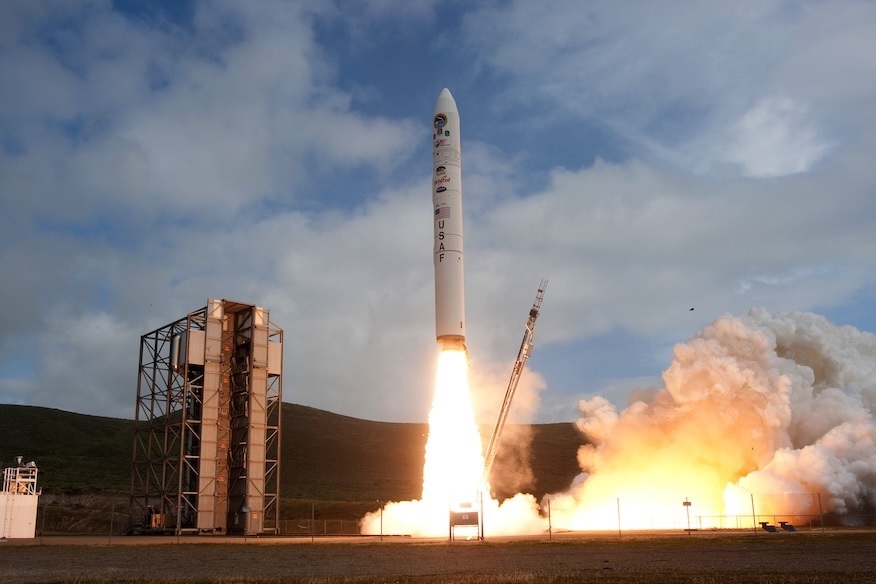
Space & Technology
In a major success for U.S. space-based defense efforts, Northrop Grumman’s Minotaur IV rocket has successfully launched the NROL-174 payload into orbit on behalf of the National Reconnaissance Office (NRO). The launch took place from Space Launch Complex 8 at Vandenberg Space Force Base in California, reinforcing the vital role of the Minotaur rocket family in national security missions. The NROL-174 payload is part of the United States’ top-secret space intelligence operations, which help monitor global activities and ensure national safety. While specific details about the satellite’s purpose remain classified, its successful deployment adds another crucial asset to the U.S. defense and surveillance network in space. The Minotaur IV rocket is a powerful launch vehicle developed by Northrop Grumman, designed to provide reliable and cost-effective access to space. It’s part of the broader Minotaur family, which combines decommissioned missile stages from U.S. government stockpiles with advanced commercial spaceflight technologies. This unique blend allows the Minotaur series to deliver rapid, precise, and secure satellite launches for a wide range of missions. Minotaur IV Specifications: Height: Approximately 23.9 meters (78.5 feet) Diameter: 2.34 meters (7.7 feet) Liftoff Weight: Around 86,300 kg (190,200 pounds) Stages: 4 solid rocket stages Payload Capacity to Low Earth Orbit (LEO): Up to 1,735 kg (3,825 pounds) Propulsion: Stage 1: M55A1 solid rocket motor Stage 2: SR19 solid rocket motor Stage 3: Orion 50XL solid motor Stage 4: Orion 38 solid motor Launch Sites: Vandenberg SFB (California), Wallops Flight Facility (Virginia), Cape Canaveral SFS (Florida) Mike Pinkston, vice president of launch vehicles at Northrop Grumman, expressed pride in the continued success of the Minotaur program. “Since the first launch in January 2000, our Minotaur rockets have continued to provide unique and reliable space launch solutions to support national security missions for the U.S. government,” he said. “Our ability to deliver several Minotaur configurations for a wide range of missions is a proven area of technology expertise, which we’ll continue to build on to expand access to space.” The Minotaur IV’s flexibility makes it suitable for launching various types of payloads, from communication and reconnaissance satellites to scientific instruments and experimental technologies. With its latest success, the Minotaur IV once again proves its value as a dependable tool for safeguarding the nation from above.
Read More → Posted on 2025-04-21 14:36:44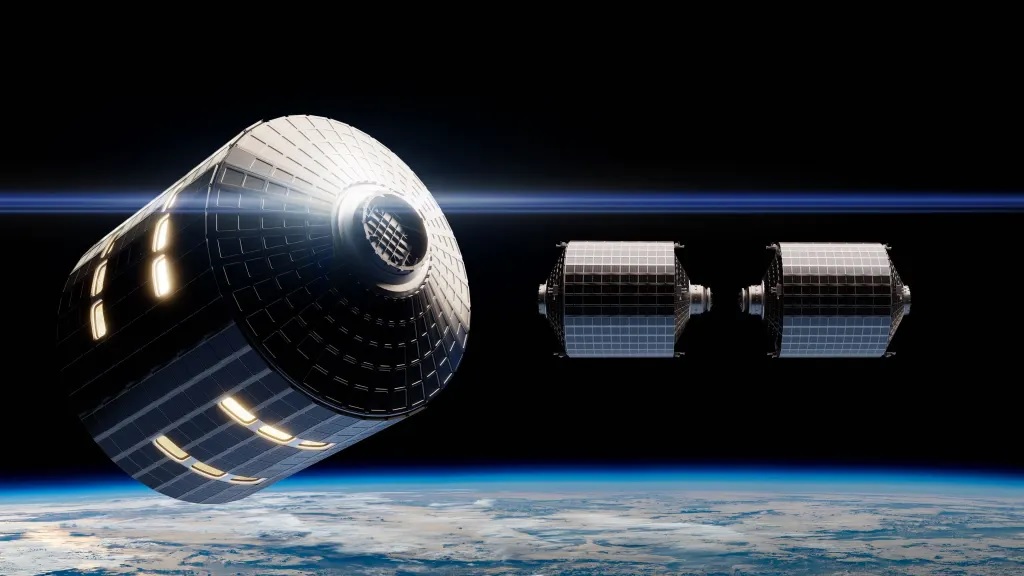
Gravitics Secures $60 Million Boost from U.S. Space Force to Develop Next-Gen Orbital Carrier System
Space & Technology
In a major development for future space operations, U.S.-based space tech company Gravitics has been selected by the United States Space Force to receive up to $60 million in funding through the Strategic Funding Increase (STRATFI) initiative. This investment will support the development of Gravitics’ advanced Orbital Carrier, a platform designed to revolutionize how space missions are conducted. At its core, the Orbital Carrier is a space-based infrastructure system meant to pre-position space vehicles in orbit, allowing for rapid deployment without waiting for a launch from Earth. This approach drastically cuts down the time needed to respond to potential threats or opportunities in space and gives the U.S. Space Force a powerful new tool in its effort to maintain a technological edge. Gravitics CEO Colin Doughan described the Orbital Carrier as a “game-changer,” comparing it to a floating launch pad in space that can deploy vehicles quickly, whenever and wherever needed. This agility is increasingly important as the space domain becomes more contested and dynamic, with global powers investing heavily in both civilian and military space assets. One of the key advantages of the Orbital Carrier is its on-demand orbital flexibility. Instead of relying on fixed launch schedules and predetermined orbits, military operators will be able to choose deployment points as the mission demands, improving strategic response times and adaptability in space operations. This capability fits directly into the U.S. Space Force’s evolving strategy, which now puts a strong emphasis on tactically responsive space systems—technologies that can adapt to changing mission requirements in real time. The funding comes through SpaceWERX, the innovation arm of the Space Force that runs the STRATFI program. STRATFI is designed to speed up the transition of innovative small business technologies from research and development to operational use. Gravitics’ selection is a vote of confidence in the company’s ability to deliver a platform that fits the Space Force’s long-term vision. In addition to government funding, the Orbital Carrier project is supported by SBIR (Small Business Innovation Research) grants and private capital, forming a solid financial base for rapid technological advancement. The combination of these resources means the system could become operationally viable within the next few years, positioning Gravitics as a key player in the defense space sector. As the global space race heats up, technologies like the Orbital Carrier signal a shift in how nations will prepare and project power in orbit. Instead of building satellites and launching them reactively, future missions may rely on pre-positioned platforms ready to act at a moment’s notice. This initiative not only strengthens America’s space infrastructure but also opens the door for future commercial uses, including satellite servicing, debris removal, and modular space station construction. With the Space Force’s backing, Gravitics is now on a fast track to reshape the future of orbital logistics and defense.
Read More → Posted on 2025-04-13 15:47:00Search
Top Trending in 24 Hours
-
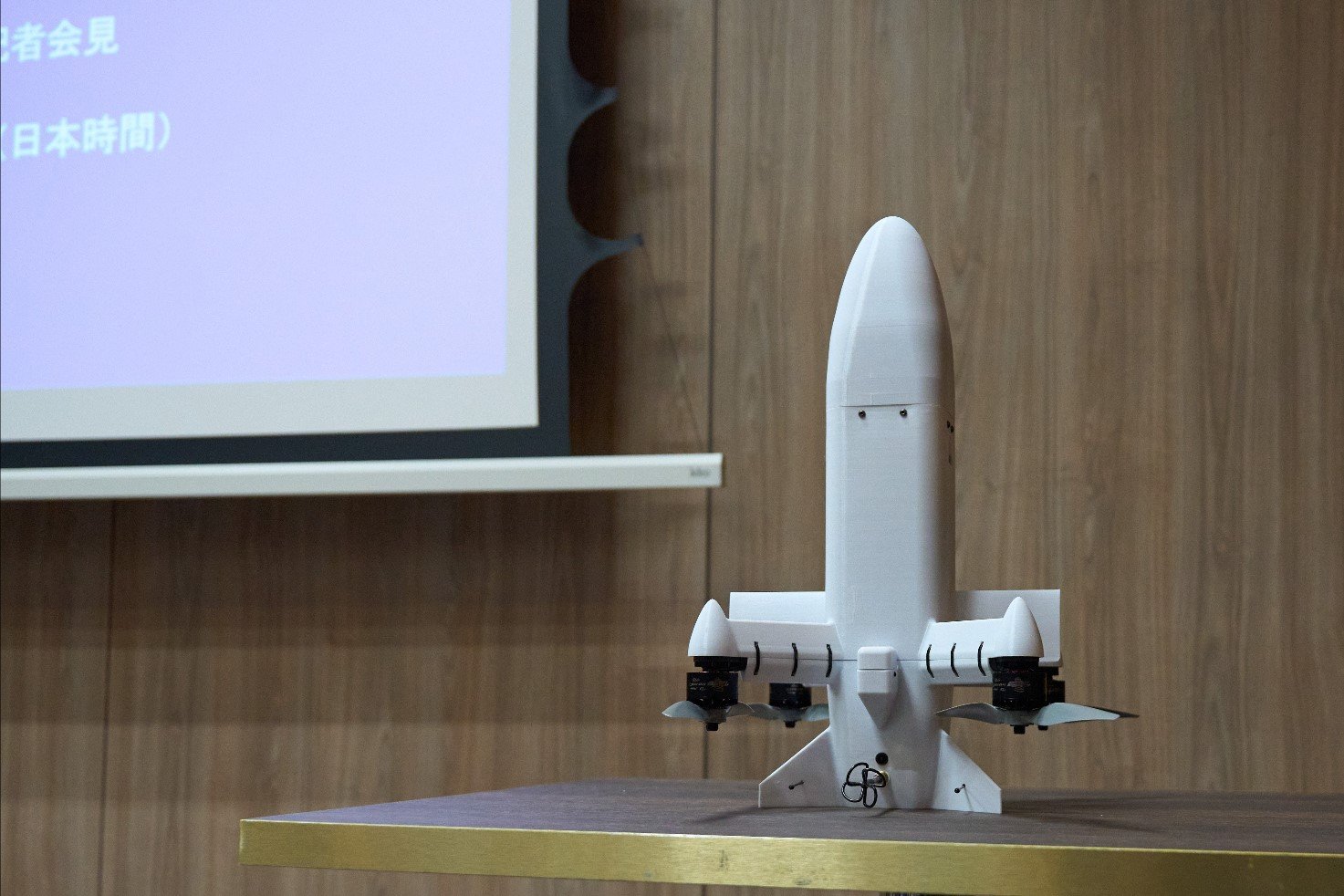 Japan Selects Terra Drone’s Terra B1 for Mass Production of Interceptor UAVs
-
 Russia Equips Shahed and Geran Drones With Electronic Warfare Systems to Jam Ukrainian Interceptor Video Links
-
 Austria Receives First Modernized Leopard 2A4Ö Tank and Ulan NV Infantry Fighting Vehicle
-
 NATO Launches Exercise Northern Viking 26 in Iceland to Secure North Atlantic Routes
-
 Ukraine Reduces Use of Western Tanks as Cheap Drones Become a Major Battlefield Threat
-
 Kongsberg Introduces Aegir SSA Sonar Family With AI-Powered Monitoring for Continuous Underwater Surveillance
-
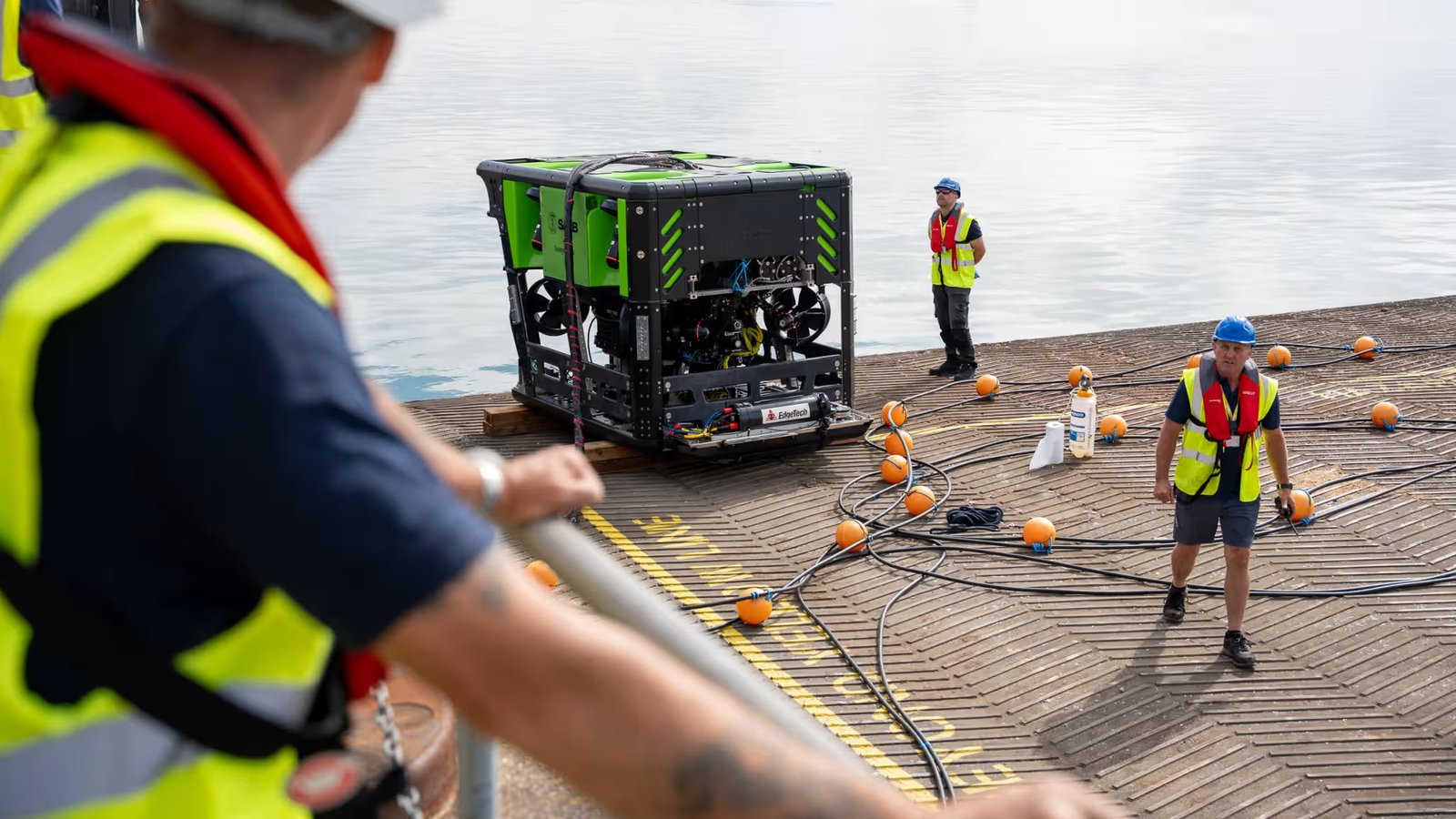 Saab UK Completes Key Trials of Seaeye SR20 eWROV, Moves to Next Development Phase
-
 Mystery Chinese J-20-Like Object Seen at Former Airport Was a Firefighting Training Mock-Up
Top Trending in 4 Days
-
 Iran Reveals Underground Weapons Manufacturing Facility for First Time on State TV
-
 U.S. Navy Unveils New AIM-424 ‘Malice’ Air-to-Air Missile With 463+ km Range for F-35C, Super Hornet and F/A-XX
-
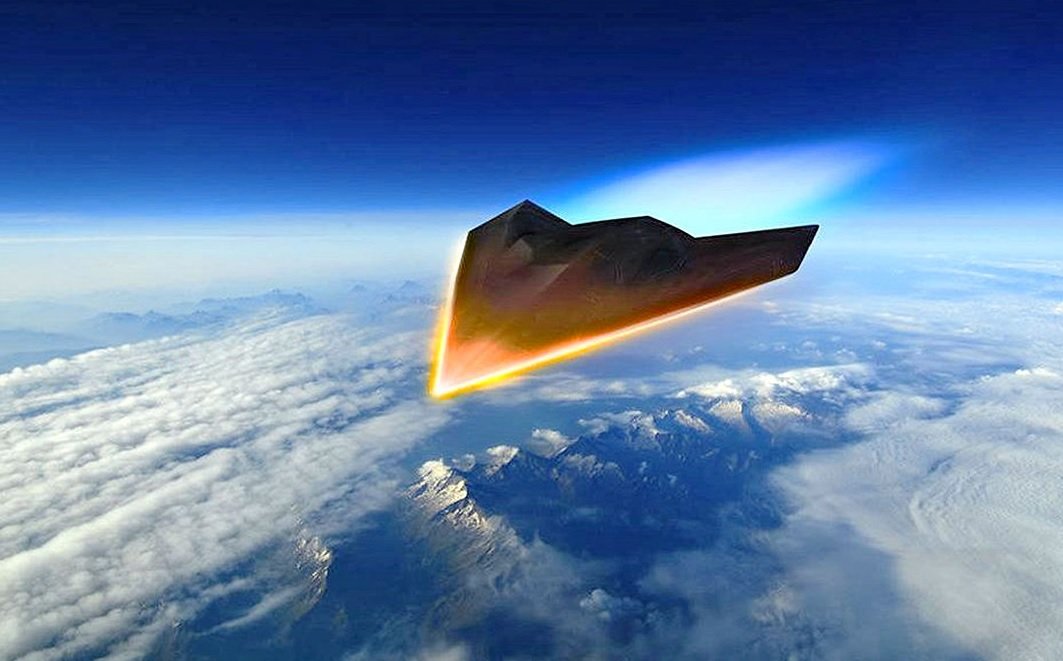 China Develops Hypersonic Glide Vehicles Capable of Launching Air-to-Air Missiles Mid-Flight
-
 Israel Explores Potential Acquisition of U.S. F-47 Sixth-Generation Fighter
-
 Iran-Linked Hackers Shut Down UK Power Plant for Four Days in First Known Attack
-
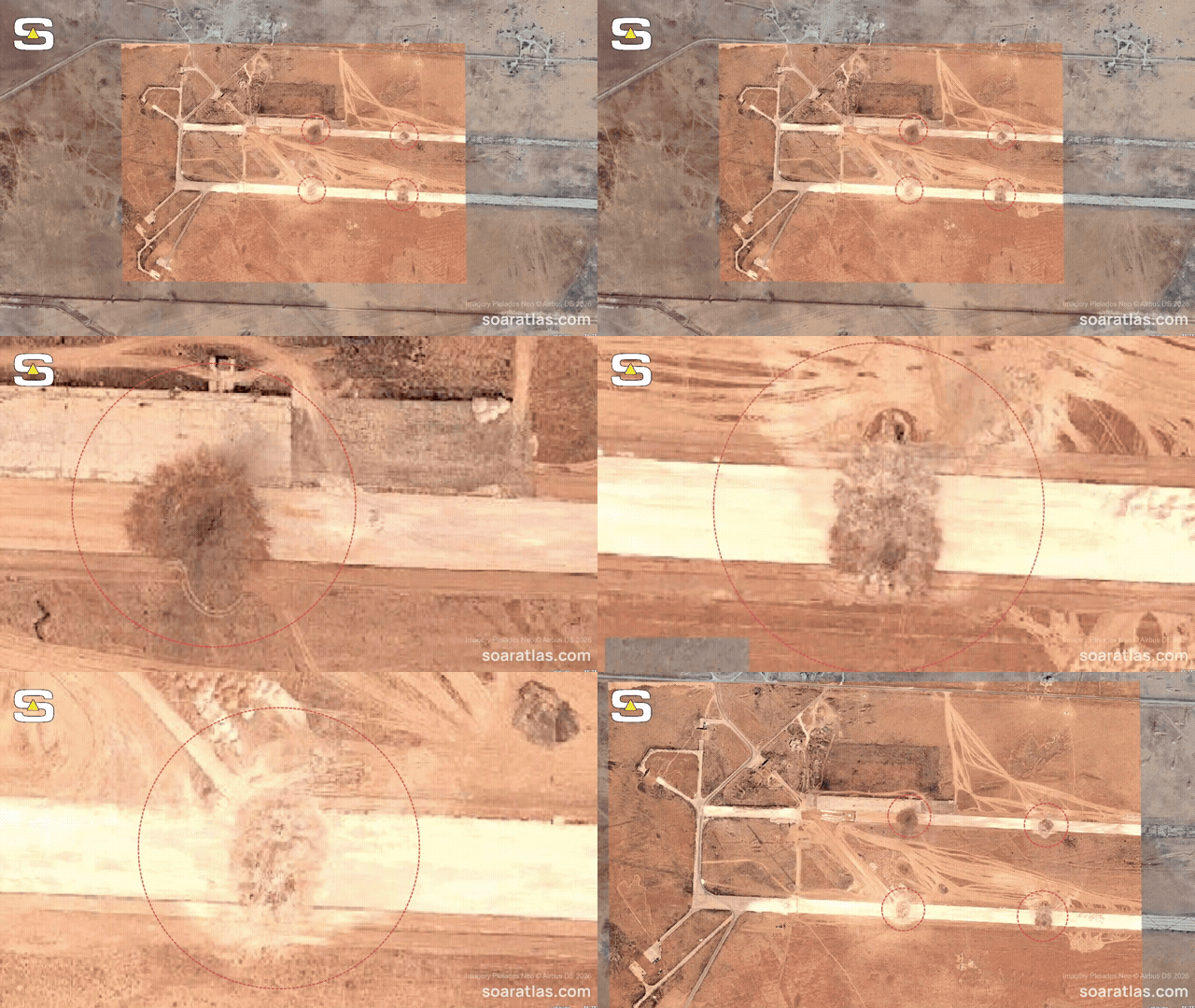 Satellite Imagery Shows Damage From Israeli Strikes on Turkey Military Occupied Syria’s Abu al-Duhur Airbase
-
 Ukraine Holds World’s First Unmanned Military Parade on 35th Independence Day
-
 North Korea Deploys 400 Drone Operators to Russia Amid Expanding Military Support