Space & Technology
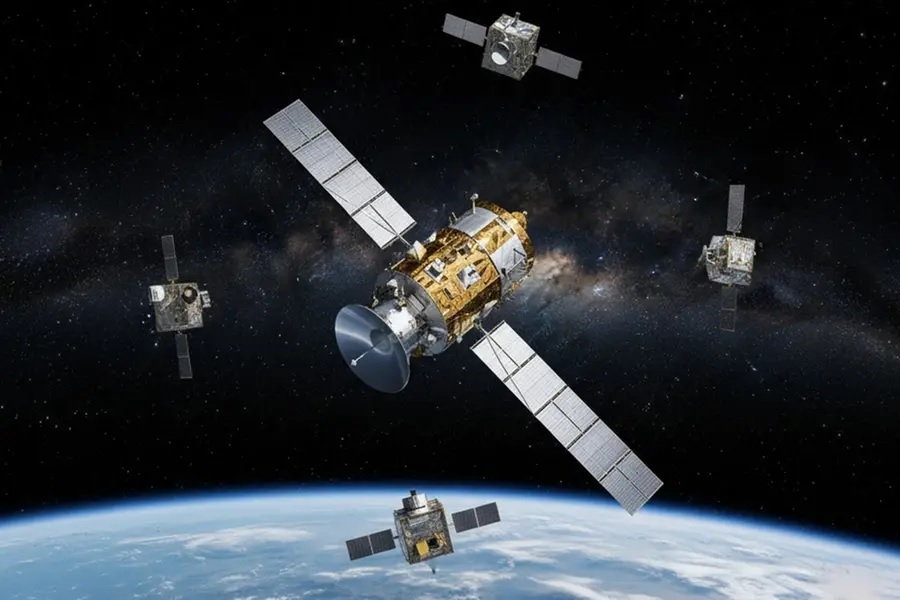
India is preparing to take a major leap in space security with the development of “bodyguard satellites”—special spacecraft designed to protect the nation’s critical satellites from threats in orbit. These protective companions will not perform communication or imaging tasks, but instead will act as guards in space, monitoring and defending valuable assets against collisions, interference, or hostile actions. Why Bodyguard Satellites Are Needed In 2024, an Indian satellite had a close call when a foreign spacecraft came dangerously near—within just 1 kilometre. Although there was no collision, the incident highlighted how vulnerable India’s space infrastructure is. With the increasing number of satellites in orbit and the growing competition among nations, the need for active protection has become urgent. India relies heavily on satellites for communication, navigation (NavIC), weather forecasting, military surveillance, and disaster management. Any disruption or damage could paralyze vital services on the ground, making it clear why a dedicated protection system is essential. How Bodyguard Satellites Work A bodyguard satellite will orbit close to a high-value satellite, constantly scanning the surrounding space. Using sensors, cameras, radars, and infrared detectors, it can spot approaching objects—whether space debris or a suspicious foreign satellite. Possible functions may include: Surveillance & detection – keeping watch on nearby space activity. Tracking & identification – distinguishing between harmless debris and potential threats. Early warning – alerting ground stations and the protected satellite about approaching dangers. Defensive action – maneuvering to block or distract a hostile satellite, or helping its companion move away from danger. The biggest challenge lies in precision maneuvering. The bodyguard must stay close enough to react quickly but not so close that it risks collision itself. India’s Larger Space Security Vision The bodyguard satellites are expected to be part of a broader multi-layer defense system. India is already running programs like Project NETRA, which tracks space debris, and IS4OM, which manages safe satellite operations. Alongside these, India plans to build a network of nearly 50 surveillance satellites to watch over its orbital assets. This plan could involve an investment of more than ₹27,000 crore, reflecting the government’s recognition that space is no longer just for science—it is a strategic battlefield where power and security go hand in hand. Developing and operating bodyguard satellites will not be easy. India will need to overcome: Collision risks during close-proximity operations. Accurate sensors to avoid false alarms. Fuel and energy limits, since maneuvering in orbit consumes significant resources. International laws, because active space defense may raise diplomatic questions. Still, the importance of protecting satellites outweighs these hurdles. A Step Toward Resilient Space Power The creation of bodyguard satellites would place India among the few nations capable of active satellite defense. It strengthens deterrence, ensuring that any adversary will think twice before attempting to interfere with India’s orbital assets. As the global race for space dominance intensifies, India’s move signals its determination to safeguard its satellites—the invisible backbone of modern life. With this bold step, the country is transforming from being just a spacefaring nation to becoming a space-secure nation.
Read More → Posted on 2025-09-24 15:43:26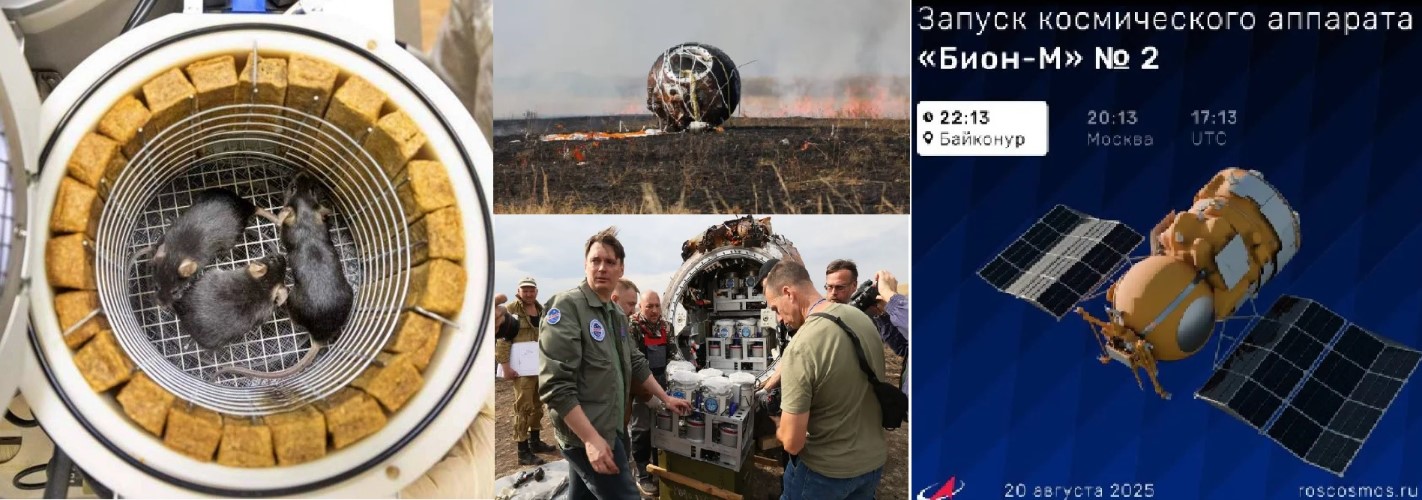
Space & Technology
A Russian biological research satellite, Bion-M No. 2, has successfully returned to Earth after spending 30 days in orbit. The spacecraft, often called a “Noah’s Ark” because of the wide variety of life it carried, landed on September 19 in the Orenburg region steppes. It was launched on August 20 aboard a Soyuz-2.1b rocket from the Baikonur Cosmodrome. The Mini-Ark in Orbit Bion-M No. 2 carried a rich collection of living specimens and scientific experiments, including: 75 mice, specially selected to test sensitivity to space radiation. More than 1,500 fruit flies, ideal for studying nervous system health and reproduction. Plant seeds from various species to explore how they respond to cosmic radiation. Microorganisms and cell cultures to see how space affects tiny life forms. Samples embedded in rocks, part of an experiment called “Meteorite” to test whether microbes could survive the intense heat of reentry — supporting or challenging the theory of panspermia, the idea that life may have come to Earth from space. The spacecraft orbited at an altitude of 370 to 380 kilometers, at an inclination of about 97 degrees, exposing its passengers to higher levels of cosmic radiation than astronauts usually face on the International Space Station. The Landing and First Examinations When the capsule touched down, a small brush fire broke out near the site but was quickly extinguished. Recovery teams, supported by helicopters, rushed to retrieve the capsule and began immediate checks on the animals. Out of the 75 mice, 65 survived. Experts explained that the loss of 10 mice was mostly due to intra-group aggression among the males rather than purely the effects of space conditions. Scientists on-site examined the fruit flies, checking their motor activity to identify any nervous system problems. A medical tent was set up at the landing site for initial tests. Later, the biological samples were transported to the Institute of Biomedical Problems in Moscow for detailed laboratory studies. What Scientists Want to Learn The mission included over 30 experiments, divided into 10 main research sections: Studying gravitational physiology in animals to improve life support technologies for astronauts. Understanding how plants, microbes, and their communities adapt to space conditions. Conducting biotechnological and technical experiments for future spacecraft systems. Performing radiobiological and dosimetric experiments to improve astronaut radiation safety. Involving students from Russia and Belarus with experiments designed for education and training. Why This Matters The Bion-M No. 2 mission is more than just a biological flight — it’s a crucial step in preparing for long-duration human missions to the Moon and Mars. Key insights include: How radiation and weightlessness together affect living beings. The genetic factors that make some organisms more resilient or vulnerable. How seeds and plants cope with space conditions, supporting the idea of space farming. Whether microbes can survive extreme conditions, linking to theories of life spreading across the universe. Despite some challenges, including the death of a few mice, the mission was largely successful. The data collected will help scientists design safer spacecraft, radiation protection methods, and sustainable habitats for astronauts. In many ways, Bion-M No. 2 shows us that life — in all its forms — can endure beyond Earth. It is a reminder that every step we take in space brings us closer to understanding both our future in the cosmos and the very origins of life itself.
Read More → Posted on 2025-09-24 15:27:31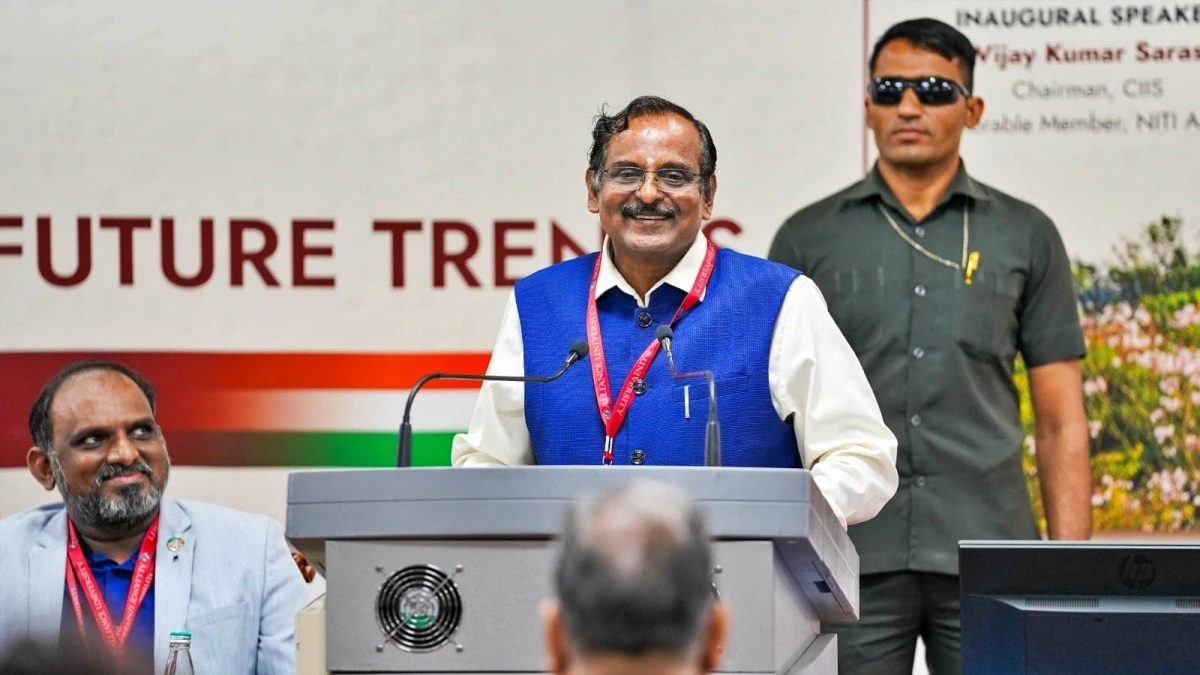
Space & Technology
India : At the National Workshop on Hydrogen Fuel Technologies in Bengaluru, ISRO Chairman Dr. V. Narayanan emphasized that hydrogen will play a transformative role in shaping India’s space missions, clean energy transition, and industrial ecosystem. His speech served both as a progress report and a roadmap for how hydrogen could become the backbone of India’s technological independence. Key Highlights of ISRO’s Work Cryogenic Propulsion Mastery: India now possesses full control over liquid hydrogen–oxygen cryogenic engines, a capability once denied. The LVM-III rocket, marking India’s 100th successful launch in January 2025, used this advanced technology. Fuel Cells in Space: A 100-watt oxygen-hydrogen fuel cell was tested in orbit, and ISRO is developing a 20-kilowatt system for sustained power in long missions. This paves the way for the Bhartiya Antariksh Station and future deep space exploration. Human Moon Mission: ISRO is working on a hydrogen-fueled upper stage rocket with 60–70 tons capacity for India’s first crewed lunar mission by 2040. Industrial Applications: Beyond rockets, ISRO and Tata Motors pioneered a hydrogen fuel cell bus, and in June 2025, five such buses entered commercial service. Public enterprises like BHEL and NTPC are now scaling hydrogen turbines and transport systems. Why Hydrogen Matters Hydrogen represents more than just a new fuel source. For India, it symbolizes strategic autonomy and climate responsibility. With rising global concern over fossil fuels and carbon emissions, hydrogen offers a clean, abundant, and adaptable energy solution. In space, hydrogen enables long-duration human missions, something vital if India aims to establish a permanent human presence on the Moon or build an Indian space station. Unlike conventional fuels, hydrogen can also be regenerated from renewable energy sources, closing the loop between Earth-based sustainability and space exploration. At the industrial level, hydrogen could be the missing link that bridges India’s growth with its environmental commitments. Heavy industries, transport, and power plants—often accused of being polluting—could transition to hydrogen and drastically reduce their carbon footprint. However, challenges remain. Storage and safety are critical, as hydrogen is highly flammable and difficult to contain. This is why ISRO’s focus on millisecond-response hydrogen leak sensors is not just technical but existential. Any large-scale adoption of hydrogen depends on ensuring public confidence in its safety. Future Outlook Looking ahead, India’s hydrogen journey will not be limited to rockets and buses. The National Green Hydrogen Mission seeks to position India as a global hub for hydrogen production, consumption, and exports. This could reshape India’s role in the international energy economy, reducing dependence on imported oil and gas while opening new export markets. For young scientists and engineers, Dr. Narayanan’s call was clear: hydrogen is the frontier where energy, environment, and exploration converge. By mastering it, India can not only achieve energy independence but also secure its place as a leader in the 21st-century hydrogen revolution.
Read More → Posted on 2025-09-21 16:03:14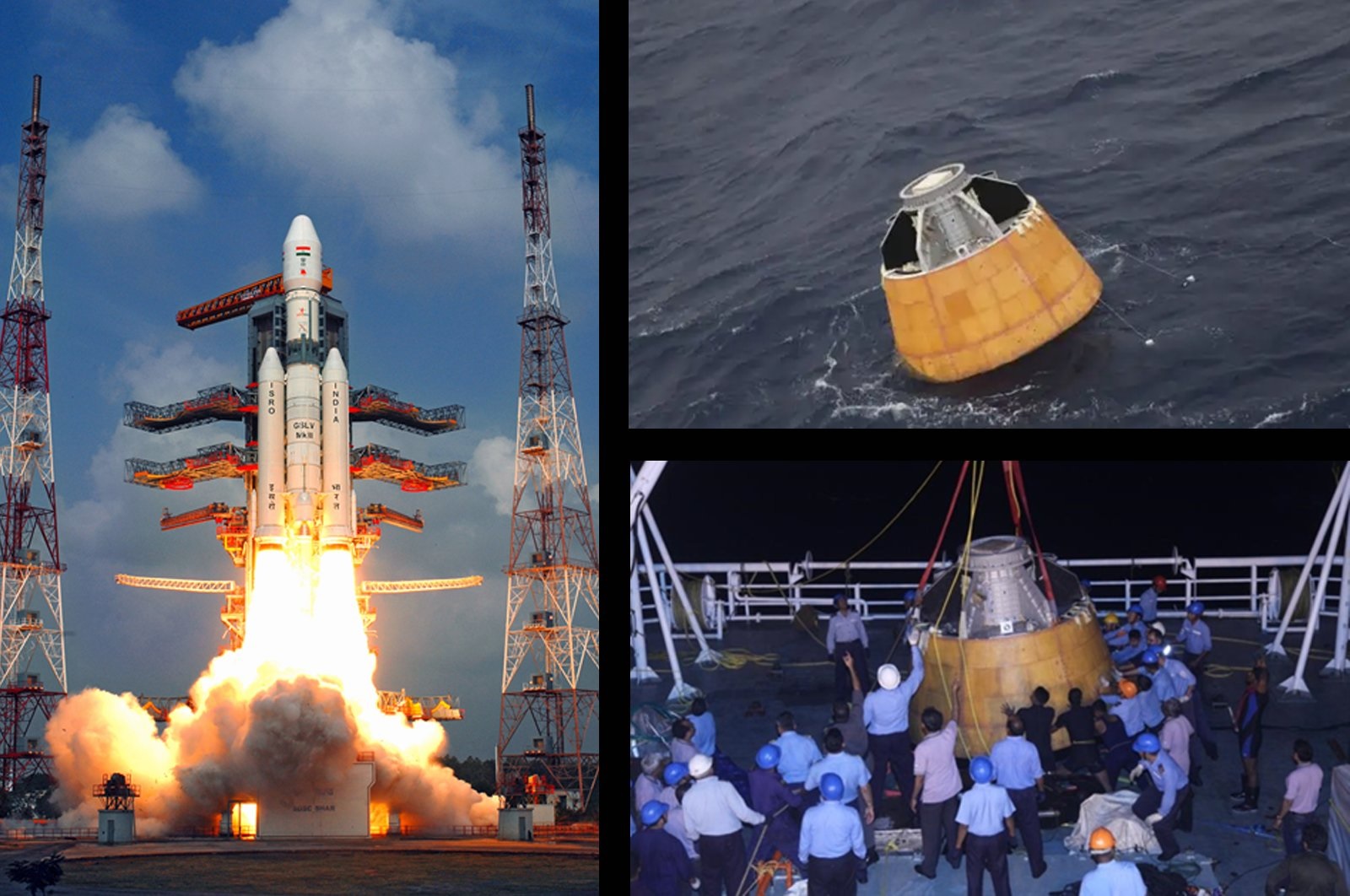
Space & Technology
New Delhi, India : The Indian Space Research Organisation (ISRO) has successfully completed 7,700 ground tests for its ambitious Gaganyaan human spaceflight program, with an additional 2,300 tests scheduled before the first crewed mission. This extensive testing phase is critical to ensuring the safety and reliability of the mission, which aims to send Indian astronauts into space for the first time. The Gaganyaan mission is a significant step in India's space exploration efforts. It is planned to demonstrate human spaceflight capability by launching a crew of three members into a 400 km orbit for a three-day mission and returning them safely to Earth. The mission is expected to take place in early 2027, following a series of uncrewed test flights. A key component of the mission's safety protocols is the parachute recovery system. In August 2025, ISRO successfully conducted the first Integrated Air-Drop Test (IADT-01) for the Gaganyaan mission at the Satish Dhawan Space Centre. This test involved dropping a 5-ton dummy crew capsule from a Chinook helicopter, with parachutes deploying in sequence to ensure a controlled splashdown in the Bay of Bengal. The recovery parachute system, developed by Agra-based ADRDE, a DRDO lab, includes four types of parachutes—Apex Cover Separation, Drogue, Pilot, and Main—that work together to reduce the capsule's velocity during descent. Looking ahead, ISRO plans to conduct three uncrewed missions as part of the Gaganyaan program. The first uncrewed flight is scheduled for December 2025 and will carry Vyommitra, a humanoid robot designed to simulate human functions in space. This will be followed by two more unmanned missions in 2026, which will further test the spacecraft's systems and recovery procedures. The Gaganyaan mission is a testament to India's growing capabilities in space technology and its commitment to advancing human space exploration. With meticulous planning and rigorous testing, ISRO is paving the way for a successful and historic crewed mission in 2027.
Read More → Posted on 2025-09-16 16:32:05
Space & Technology
In a significant development, US and China have reached a framework agreement to transfer the ownership of TikTok to a US-controlled entity, potentially averting a nationwide ban of the popular social media app. The deal, announced after high-level trade talks in Madrid, is expected to be finalized during a call between US President Donald Trump and Chinese President Xi Jinping on Friday, September 19, 2025. US Treasury Secretary Scott Bessent confirmed that the commercial terms of the agreement have been settled, although specific details remain confidential. The move comes in response to the Protecting Americans from Foreign Adversary Controlled Applications Act (PAFACA), passed in April 2024, which requires the divestiture of TikTok’s US operations from its Chinese parent company ByteDance to address national security concerns. While the agreement marks a major step forward, several key issues remain unresolved. One of the most significant points of contention is the fate of TikTok’s recommendation algorithm, which was developed by ByteDance in China. Beijing has reportedly agreed to license the algorithm to the new US-based entity, allowing TikTok to continue operating with features aligned with cultural preferences and user experience. However, critics are concerned that ByteDance’s influence may continue in subtle ways, especially in areas related to data security and content moderation. The upcoming call between President Trump and President Xi is expected to resolve these outstanding issues and set the stage for finalizing the transfer. Observers believe this framework deal could not only preserve TikTok’s operations in US markets but also serve as a test case for managing future disputes involving technology platforms and geopolitical tensions. Both US and China have expressed a commitment to working together to ensure the deal’s successful implementation. Stakeholders in the tech industry, lawmakers, and international analysts are closely watching the process, as it will have far-reaching implications for global technology regulation, data privacy, and economic cooperation between the two superpowers. With the final approval expected soon, the TikTok ownership transfer could reshape the landscape of digital platforms, ensuring a delicate balance between innovation, security, and international cooperation.
Read More → Posted on 2025-09-16 15:56:04
Space & Technology
In a significant development aimed at enhancing regional security and space capabilities, India and Mauritius have agreed to establish a satellite tracking station in Mauritius. This facility will bolster India’s ability to monitor satellite activities and strengthen its strategic presence in the Indian Ocean region. Strategic Significance The proposed station will be situated near the Chagos Archipelago, close to the Diego Garcia military base, a critical asset for the US and UK. This location offers India a strategic vantage point to monitor maritime and satellite activities in the region, especially amidst China’s growing influence in the Indian Ocean. The agreement was formalized during the visit of Mauritius Prime Minister Navinchandra Ramgoolam to India. Benefits of the Satellite Tracking Station Monitoring:The station will enable India to track and receive data from satellites and launch vehicles, improving satellite management and operational efficiency. Regional Security:Situated near Diego Garcia, the station will serve as a strategic asset for monitoring maritime activities and enhancing India’s defense capabilities in the Indian Ocean. Bilateral Ties:The establishment of the station underscores the deepening cooperation between India and Mauritius in space research, science, and applications. Global Landscape of Satellite Tracking Capabilities Several countries possess satellite tracking capabilities, either through national facilities or international collaborations. India’s existing ground stations, such as those in Mauritius, Bearslake (Russia), Biak (Indonesia), and Svalbard (Norway), form part of the Indian Space Research Organisation’s (ISRO) Telemetry, Tracking, and Command Network (ISTRAC). These stations play a crucial role in managing satellite missions from launch to operational life. The establishment of a satellite tracking station in Mauritius marks a significant milestone in India’s space and defense strategy. It not only enhances India’s satellite monitoring capabilities but also strengthens its strategic presence in the Indian Ocean region, fostering closer ties with Mauritius and contributing to regional stability.
Read More → Posted on 2025-09-14 15:46:13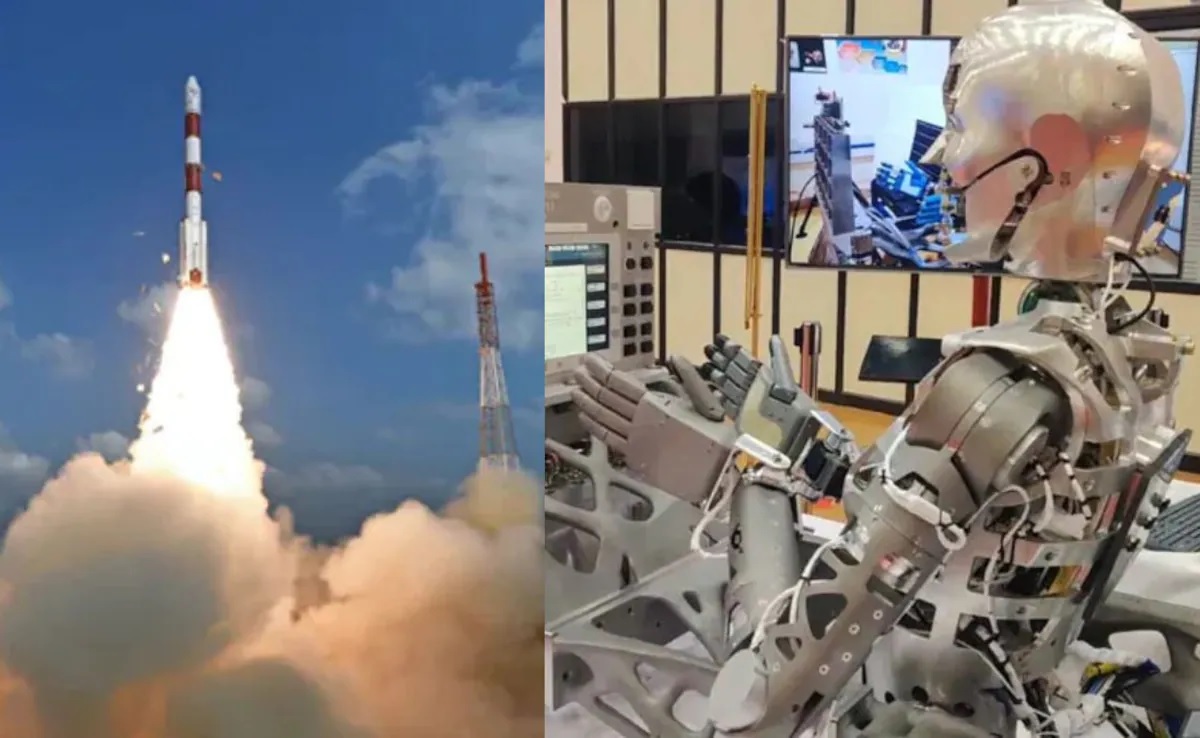
Space & Technology
BENGALURU: In a landmark step toward India’s first human spaceflight, the Indian Space Research Organisation (ISRO) has successfully completed the first Gaganyaan Analog Experiment, called Gyanex-1, aimed at preparing astronauts for the 2027 Gaganyaan mission. Simulating Space on Earth The 10-day trial, held in July 2025 at Bengaluru, placed Group Captain Angad Pratap—a decorated test pilot and one of the shortlisted Gaganyaan astronaut candidates—inside a specially designed isolation facility with two teammates. The habitat recreated spacecraft-like conditions such as confinement, resource restrictions, strict operational routines, and delayed communication with mission control, closely simulating life in orbit apart from microgravity. The crew successfully carried out 11 scientific experiments covering biomedical monitoring, environmental control, communications, space psychology, and resource management. This hands-on schedule mirrored the types of activities astronauts will conduct during the real orbital mission. Key Learnings ISRO scientists closely monitored crew adaptability, endurance, decision-making, and teamwork. The confined environment highlighted how astronauts respond to stress, limited personal space, and repetitive routines. Even food supplies were designed to replicate space mission rations prepared with support from DRDO. Another crucial aspect tested was communication discipline. Engineers introduced deliberate delays and simulated blackouts to mimic space-to-Earth transmissions, refining contingency procedures and resilience training. Psychologists also collected valuable insights into mood, cognitive performance, and coping strategies—factors that are vital for long-duration missions. A Series of Trials Ahead Gyanex-1 is the beginning of a series of progressively longer and more complex simulations planned over the next two years. Future runs will last several weeks and involve emergency drills, advanced science tasks, and extended blackout scenarios, giving ISRO deeper understanding of human performance in extreme conditions. Parallel to this, ISRO is also conducting analogue missions in Ladakh’s high-altitude Tso Kar Valley, replicating Moon- and Mars-like environments to study human adaptation. At the same time, engineering teams are validating the Service Module Propulsion System, Environmental Control and Life Support System (ECLSS), and crew module safety features, ensuring that both hardware and astronauts are equally mission-ready. Building India’s Human Spaceflight Future Before astronauts fly in 2027, the uncrewed Gaganyaan-1 mission—featuring the humanoid robot Vyommitra—is scheduled for December 2025. These incremental steps are part of a long-term roadmap that includes the launch of India’s own space station, the Bharatiya Antariksh Station, planned around 2035. Gyanex-1 demonstrates that India is not just focusing on rockets and spacecraft but also ensuring that its astronauts are physically, mentally, and operationally prepared for the challenges of space. This fusion of technology and human resilience is what will ultimately make Gaganyaan a success.
Read More → Posted on 2025-09-10 14:27:01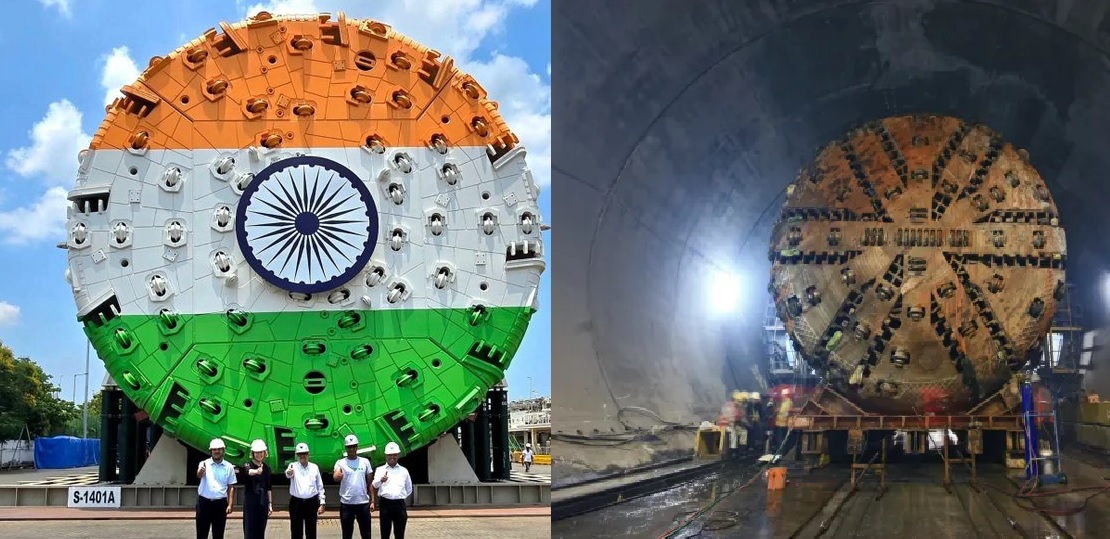
Space & Technology
In a significant move towards self-reliance in critical infrastructure, Bharat Earth Movers Limited (BEML), a public sector undertaking under the Ministry of Defence, has initiated efforts to develop indigenous Tunnel Boring Machines (TBMs). This decision comes in the wake of recent disruptions in the supply of TBMs from China, which affected major infrastructure projects in India. Strategic Shift Towards Indigenous Manufacturing BEML has recently issued an Expression of Interest (EOI) inviting design consultancy firms to collaborate on the development of TBMs tailored for infrastructure projects, utilities, and mining applications. The EOI emphasizes a comprehensive design and development approach, signaling BEML's commitment to reducing dependency on foreign suppliers. This initiative aligns with India's broader push towards 'Aatmanirbhar Bharat' (self-reliant India), aimed at bolstering domestic manufacturing capabilities in strategic sectors. Impact of Supply Chain Disruptions India has traditionally relied heavily on imported TBMs, particularly from China. Recent events highlighted the risks of this dependency, as several TBMs destined for major projects like the Mumbai-Ahmedabad bullet train were delayed at Chinese ports. These delays created bottlenecks in tunneling projects, underlining the need for indigenous solutions to ensure timely project completion. Diplomatic Engagement and Supply Assurance In response to these disruptions, China reportedly lifted export restrictions on critical items, including TBMs, after diplomatic discussions with Indian authorities. While this temporary relief addresses immediate project concerns, it also emphasizes the vulnerabilities in relying on foreign suppliers for essential infrastructure equipment. Global Perspective: Countries with Indigenous TBM Capabilities Currently, only a handful of countries in the world have the expertise and manufacturing capacity to design and produce TBMs domestically. These include: Germany – Known for high-precision TBMs, used widely in Europe and Asia. Japan – Pioneers in tunneling technology, especially for urban metro and high-speed rail projects. South Korea – Manufactures TBMs for domestic and international infrastructure projects. China – Currently a major global supplier, though recent geopolitical tensions have highlighted supply risks. United States – Develops TBMs primarily for urban tunnels, metro systems, and large-scale infrastructure projects. India, despite being a major consumer of TBMs, currently depends on imports. BEML’s initiative aims to place India among the select countries capable of producing advanced indigenous TBMs. BEML’s Role in Strengthening Domestic Capabilities BEML’s initiative represents a strategic effort to enhance India’s manufacturing and technological capabilities in the tunneling sector. By leveraging its expertise in heavy engineering and collaborating with design consultancy firms, BEML aims to produce TBMs tailored to the unique requirements of Indian infrastructure projects. This move is expected to reduce lead times, mitigate supply chain risks, and contribute to the growth of India’s domestic manufacturing sector. BEML’s proactive approach to indigenous TBM development underscores India’s commitment to self-reliance in critical infrastructure. While diplomatic interventions have temporarily eased supply issues, the long-term solution lies in domestic manufacturing. By developing TBMs indigenously, India is set to join the elite group of nations capable of designing and producing these advanced machines, ensuring timely and efficient execution of its ambitious infrastructure projects.
Read More → Posted on 2025-08-29 17:36:26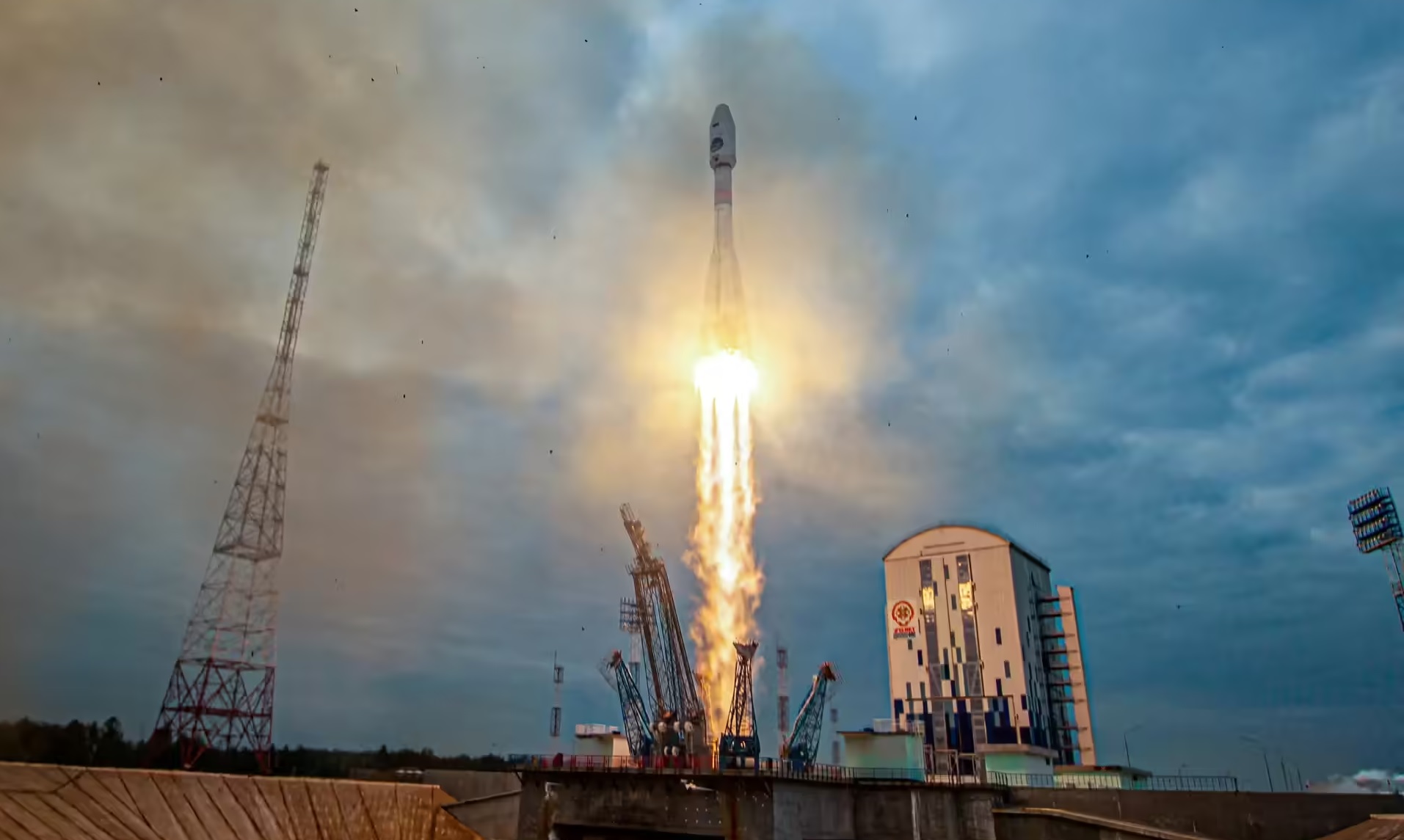
India Begins Testing of 110-Tonne LOX-Methane Rocket Engine; Full Development Targeted Within Months
Space & Technology
Bengaluru, August 2025 – India has taken a major step in next-generation space propulsion with the start of testing for a 110-tonne liquid oxygen–methane (LOX-methane) rocket engine. The high-thrust engine, designed for the nation’s future launch systems, is expected to be fully developed within three months and ready for operational integration by next year. Work has also begun on developing a dedicated rocket stage that will utilize this powerful engine. Why Methane Matters in Space Propulsion Traditional Indian launch vehicles use propellants such as UDMH/N2O4 or kerosene-based fuels in their engines. The switch to methane brings several important advantages: Cleaner Combustion – Methane burns more cleanly than conventional fuels, leaving almost no carbon deposits. This makes engines easier to reuse and reduces maintenance. High Efficiency – LOX-methane engines can achieve higher specific impulse, improving payload capacity and cost-effectiveness. Restart Capability – The engine can be reignited multiple times during flight, making it ideal for orbital maneuvers and booster recovery. Future Exploration – Methane can potentially be produced on Mars from local resources, making it highly attractive for future human missions beyond Earth. Engine Development Timeline Initial Testing – Ground tests of the 110-tonne class engine have begun at ISRO’s test facilities. Full Development – Engineers aim to complete development and validation within the next three months. Readiness by Next Year – The engine is scheduled to be fully qualified and ready for integration by 2026. Rocket Stage Development – Parallel work has started to design and build the first rocket stage powered by this LOX-methane engine. Part of India’s Next Generation Launch Vehicle (NGLV) Program The new methalox engine is a core element of ISRO’s planned Next Generation Launch Vehicle (NGLV) – a semi-reusable rocket designed to replace the PSLV and GSLV families over the coming decades. NGLV is envisioned as a cost-effective, heavy-lift system with the following features: Reusable booster stage for reduced costs. Expendable or semi-reusable upper stages depending on mission needs. Designed for payloads ranging from 10 to 20 tonnes to Low Earth Orbit (LEO). Compatibility with future human spaceflight and interplanetary missions. The 110-tonne LOX-methane engine is set to power the core stages of this ambitious rocket. Strategic Significance Self-Reliance – Developing such engines indigenously reduces dependence on foreign technologies. Global Standing – With this milestone, India moves closer to joining a select group of nations, including the U.S. and China, that have tested high-thrust methane engines. Reusable Future – Methane propulsion is considered essential for cost-effective reusable rockets, similar to SpaceX’s Starship and China’s Long March-9 programs. Next-Gen Missions – Beyond satellite launches, this technology could power deep-space missions and support India’s long-term human spaceflight ambitions. The start of testing for the 110-tonne LOX-methane engine marks a new era for India’s space program. Within the next year, the fully developed engine is expected to be integrated with a new rocket stage, setting the foundation for India’s future heavy-lift and reusable launch systems. This achievement not only accelerates India’s progress toward advanced, eco-friendly propulsion, but also strengthens its position in the global race for next-generation space technology.
Read More → Posted on 2025-08-25 17:00:36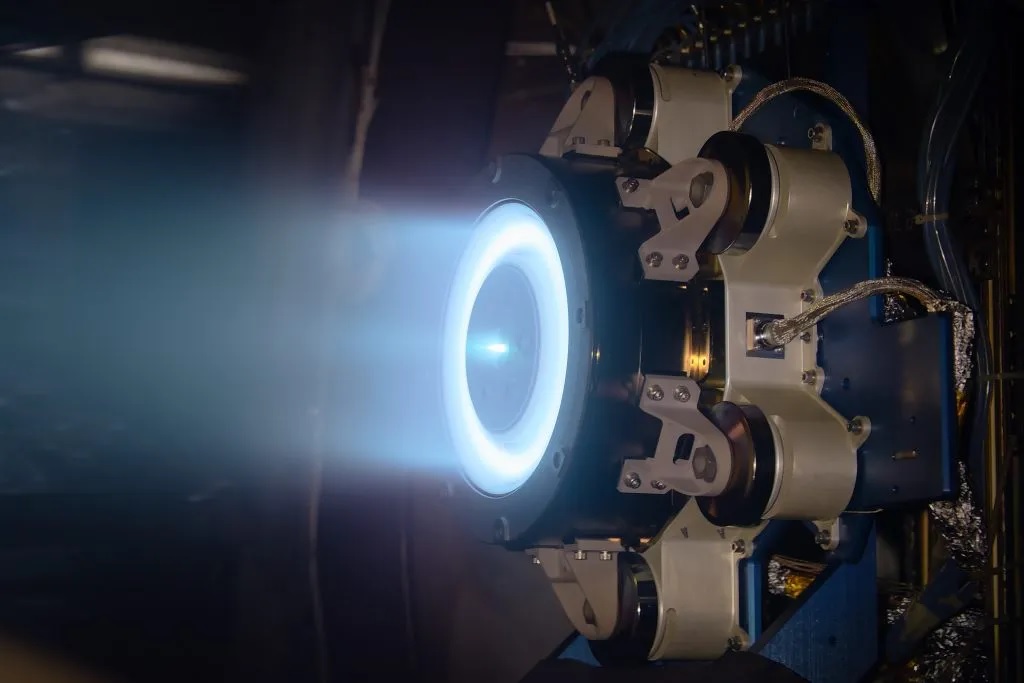
Space & Technology
Thiruvananthapuram, India — August 25, 2025 — The Liquid Propulsion Systems Centre (LPSC), under the Indian Space Research Organisation (ISRO), has successfully developed and delivered advanced electronic control systems for an electric propulsion thruster—marking a significant stride toward fully operational flight trials. Development and Handover LPSC’s engineers, working across its Thiruvananthapuram and Bengaluru facilities, have spearheaded the design, development, and fabrication of precision electronics tailored for ISRO’s electric thruster programs. These electronics are now formally handed over to ISRO’s flight test teams, paving the way for in-orbit validation of the highly efficient electric propulsion units. This handover underscores LPSC’s enduring commitment to indigenous propulsion technology development. Electric Propulsion: A Leap Forward ISRO has been intensifying efforts to shift from conventional chemical propulsion to electric methods—such as Hall-effect and plasma thrusters—which offer vastly better efficiency and reduced satellite mass. The recently completed 1,000-hour life test of a 300 mN Xenon-based Stationary Plasma Thruster, powered at a full 5.4 kW, demonstrated a specific impulse at least six times higher than traditional chemical propulsion—affirming its readiness for future spacecraft missions. These electric thrusters are slated for initial validation aboard the upcoming Technology Demonstration Satellite (TDS-01), particularly for performing orbit-raising maneuvers to geostationary orbit. The success of this life test not only attests to the thruster's robustness but also signals a new era in ISRO’s satellite propulsion capabilities. LPSC: The Propulsion Powerhouse LPSC, established in 1985, is the backbone of ISRO’s propulsion systems development. With its headquarters in Thiruvananthapuram and a significant satellite propulsion unit in Bengaluru, LPSC has long enabled innovation in both liquid and cryogenic propulsion stages, thrust control electronics, and satellite thrusters. Its facilities also include the ISRO Propulsion Complex (IPRC) at Mahendragiri, where critical engine and system-level tests are conducted. The centre has delivered numerous key technologies—ranging from monopropellant thrusters and pressure transducers to the cryogenic CE-20 engine, now serving as the upper-stage powerhouse for LVM3 launches, including those supporting ISRO’s ambitious Gaganyaan human spaceflight program. Broader Propulsion Landscape The handover comes in the wake of broader advancements in ISRO’s propulsion portfolio. Recent developments include robust hot-testing of the Service Module Propulsion System for Gaganyaan, integration of reaction control thrusters into the crew module, and extensive tests validating human-rating standards for LVM3 components. Additionally, ISRO is laying the groundwork for future electric-only satellites, with GSAT-20 projected to deploy fully electric propulsion systems in orbit. With LPSC's electronics now in ISRO’s hands, the next phase will focus on integrating these control systems with electric thrusters, conducting rigorous testing, and ultimately validating them in space. Success would mean dramatically improved mass efficiency for satellites, enabling higher payload capacity and longer mission lifespans. As ISRO moves toward fully electric propulsion in space science and communication satellites, LPSC’s role remains pivotal—designing, validating, and delivering the advanced systems that empower India's space ambitions. Why This Matters Technological Leap: Electric propulsion promises dramatically higher efficiency—boosting satellites’ payload and mission longevity. Indigenous Capability: LPSC’s development showcases India’s growing self-reliance in advanced spacecraft systems. Mission Futureproofing: From TDS-01 to Gaganyaan and beyond, these efforts dovetail with ISRO’s strategic vision for human spaceflight and electric satellite constellations
Read More → Posted on 2025-08-25 16:53:00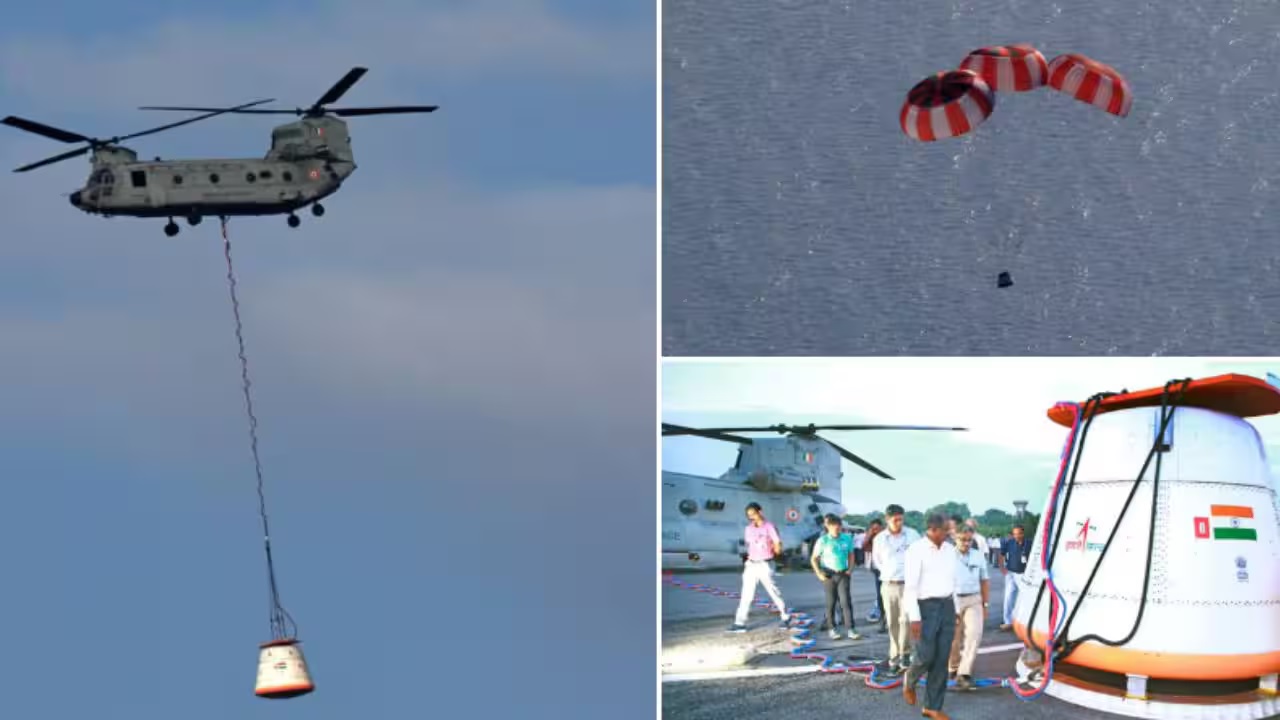
Space & Technology
Sriharikota, August 24, 2025 – The Indian Space Research Organisation (ISRO) has successfully completed the first Integrated Air Drop Test (IADT-01) for its ambitious Gaganyaan human spaceflight mission, marking a major milestone in India’s journey toward crewed space exploration. The test, conducted in close coordination with the Indian Air Force, Defence Research and Development Organisation (DRDO), Indian Navy, and Indian Coast Guard, demonstrated the end-to-end functioning of the parachute-based deceleration system that will ensure the safe return of astronauts from space. ISRO confirmed the achievement through its official communication, describing the test as a critical precursor to validating crew module safety and recovery operations. A Multi-Agency Effort The trial underscored the synergy between multiple Indian agencies, as the test required precise execution involving aircraft deployment, parachute deployment sequences, tracking, and recovery. Naval and Coast Guard assets were deployed to simulate recovery operations, reflecting the operational model for the actual human spaceflight mission. Progress on the Gaganyaan Mission The Gaganyaan program—India’s first attempt at sending humans into space—has seen consistent progress over the past year. Human Rated Launch Vehicle (HLVM3): India’s trusted LVM3 heavy-lift rocket has been modified with additional crew safety features and successfully completed development and ground testing. Orbital Module Development: Both the Crew Module and Service Module have had their propulsion systems validated. The crew module, designed to safely carry astronauts, has already passed structural and environmental tests. Crew Escape System (CES): Five different types of motors for the escape system have been developed and tested. This mechanism will rapidly pull astronauts to safety in the event of a launch emergency. Infrastructure: India has established the Gaganyaan Control Centre, Orbital Module Preparation Facility, astronaut training facilities, and launch pad modifications at Sriharikota. Earlier, ISRO successfully carried out the TV-D1 flight test, which validated the performance of the CES during an actual launch scenario. Preparations are ongoing for the TV-D2 test flight along with additional parachute validation tests under the IADT series. Operational Preparedness To ensure mission safety and reliability, ISRO has: Finalized the Crew Recovery Operations Plan, in coordination with the Navy and Coast Guard. Set up the Indian Data Relay Satellite System (IDRSS) to provide continuous communication with the crew in orbit. Integrated terrestrial tracking and feeder stations to guarantee real-time monitoring during all mission phases. Upcoming Test Flights The first uncrewed Gaganyaan mission (G1) is progressing steadily. The C32-G stage, HS200 boosters, and CES motors have already been realized, and structural checks of both the crew and service modules have been completed. The uncrewed flight will serve as a dress rehearsal for subsequent crewed missions. Vision Beyond Gaganyaan India’s human spaceflight roadmap extends well beyond Gaganyaan: Bharatiya Antariksh Station (BAS): India’s first modular space station, targeted for completion by 2035 with five modules. The first module has already received government approval. Human Lunar Mission by 2040: India aims to send astronauts to the Moon, with preliminary mission designs, launch strategies, and astronaut training protocols under development. These plans reflect India’s long-term ambition of becoming a leading spacefaring nation, not only achieving independent human spaceflight but also enabling extended human presence in low Earth orbit and beyond. National Significance The IADT-01 success represents more than just a technical milestone. It symbolizes India’s growing confidence and capability in executing complex, high-stakes missions that involve multiple agencies and cutting-edge engineering. Once realized, Gaganyaan will place India among the elite group of nations—including the United States, Russia, and China—that have independently developed the capability to launch humans into space. Union Minister of State for Science and Technology Dr. Jitendra Singh emphasized that Gaganyaan will serve as a catalyst for innovation across defense, manufacturing, and advanced research, boosting national pride while strengthening India’s position in the global space community. With the successful Integrated Air Drop Test, ISRO has taken a decisive step closer to sending Indian astronauts into space. The test validates a crucial safety system and showcases the country’s ability to integrate the efforts of its space agency, armed forces, and industry partners for a common national goal. The road ahead will see more uncrewed trials, human-rating of systems, and final mission rehearsals, leading up to the first Indian crewed spaceflight. Together with its planned space station and lunar mission roadmap, India is steadily moving toward becoming a pioneer in human space exploration, aligned with its vision of a Viksit Bharat by 2047.
Read More → Posted on 2025-08-24 15:37:18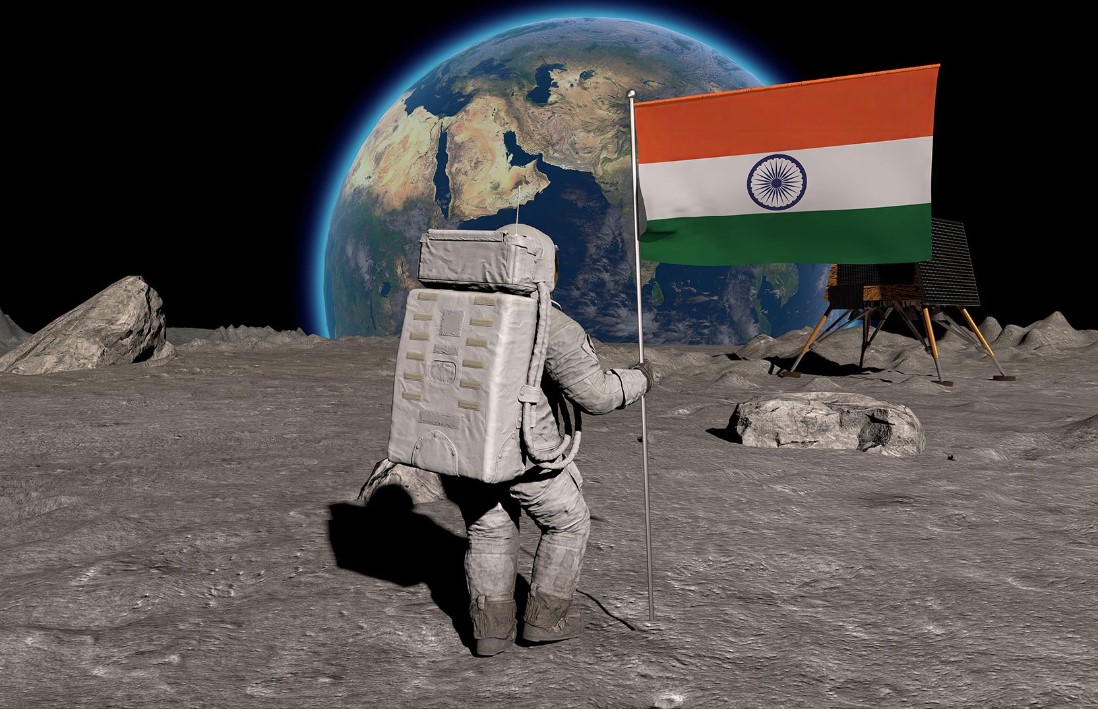
Space & Technology
New Delhi, August 2025 – The Indian Space Research Organisation (ISRO) has announced a bold roadmap for the coming decades, cementing India’s place among the world’s leading spacefaring nations. At the National Space Day celebrations, ISRO Chairman V. Narayanan revealed upcoming landmark missions including Chandrayaan-4, a dedicated Venus mission, the Bharatiya Antariksh Station (BAS), and a historic human landing on the Moon by 2040. Chandrayaan-4: India’s First Lunar Sample Return ISRO’s Chandrayaan-4 is set to be launched around 2027 and will mark a new chapter in lunar exploration. Unlike earlier Chandrayaan missions, Chandrayaan-4 will not only land on the Moon but also collect samples and return them to Earth. The mission will involve multiple modules, precision landing, lunar orbit docking, safe ascent from the Moon, and re-entry of samples into Earth’s atmosphere. This will make India only the fourth country in the world to attempt a lunar sample return, demonstrating complex space capabilities such as in-space docking and interplanetary material transfer. Mission Venus: Expanding Planetary Science Alongside the lunar program, ISRO has also announced plans for its first-ever Venus Orbiter Mission. The probe will study Venus’s thick atmosphere, surface geology, and climatic conditions, giving Indian scientists new insights into the planet often called Earth’s “twin.” This mission highlights India’s ambition to move beyond the Earth-Moon system and deepen its role in interplanetary research. Bharatiya Antariksh Station by 2035 India will soon join the select group of nations with their own space stations. ISRO confirmed that the Bharatiya Antariksh Station (BAS) will be built in phases. The first module is expected to launch by 2028, with the entire station fully operational by 2035. BAS will serve as India’s permanent laboratory in space, supporting long-duration crewed missions, microgravity experiments, and serving as a staging hub for future deep-space exploration. Human Moon Landing by 2040 The most ambitious part of ISRO’s roadmap is the plan to land Indian astronauts on the Moon by 2040 and bring them safely back to Earth. This mission will rely on the experience gained from the Gaganyaan human spaceflight program, advanced heavy-lift launch vehicles, and docking technologies. If successful, India will join the ranks of the United States, the former Soviet Union, and China in conducting human lunar missions. The Next Generation of Indian Space Exploration To power these missions, ISRO is also developing a Next-Generation Launcher (NGL) capable of carrying heavier payloads into space. The government has assured full support, seeing India’s space program as vital not only for scientific progress but also for strategic leadership in the new space age. Why It Matters Chandrayaan-4 will bring back lunar samples for the first time in India’s history, advancing planetary science. The Venus mission will expand India’s interplanetary exploration and scientific research. The Bharatiya Antariksh Station will establish India’s permanent presence in low-Earth orbit. A human Moon landing by 2040 would be a historic leap, placing India among the top global space powers. With this visionary roadmap, ISRO has signaled that India’s space journey is not just about exploration—it’s about leadership, innovation, and shaping the future of humanity beyond Earth.
Read More → Posted on 2025-08-23 17:05:20
Space & Technology
Stockholm, August 2025 – A consortium of Sweden’s most prominent companies – AstraZeneca, Ericsson, Saab, SEB, and Wallenberg Investments – has announced the creation of Sferical AI, a new company that will operate one of Europe’s most advanced sovereign AI supercomputers. The move is designed to accelerate Sweden’s preparedness for the rapidly evolving era of artificial intelligence while ensuring technological sovereignty and competitiveness. A Bold Leap in AI Infrastructure Sferical AI will establish its headquarters in Linköping, Sweden, where it will build a world-class AI computing facility powered by two NVIDIA DGX SuperPODs. These will be based on the latest NVIDIA GB300 architecture, comprising 1,152 high-performance GPUs working in tandem. This configuration is expected to deliver unprecedented computational capacity, enabling the training and deployment of the most complex AI models across industries ranging from healthcare to telecommunications, finance, and defense. The project builds on a collaboration first revealed in May 2025, when Marcus Wallenberg, Chairman of Wallenberg Investments, and Jensen Huang, CEO of NVIDIA, jointly outlined plans to bring sovereign AI computing power to Sweden. Strategic Goals for Swedish Industry Marcus Wallenberg emphasized the importance of the initiative, noting:“Through this initiative, we create the opportunity for some of Sweden’s leading companies to position themselves at the forefront of the rapid structural transformation of the business landscape brought about by the development and use of AI.” The goal is not only to support participating companies but also to create a national platform that ensures Sweden’s industries are equipped with sovereign, secure, and cutting-edge AI capabilities without over-reliance on external cloud providers. NVIDIA AI Technology Centre in Sweden Alongside the launch of Sferical AI, plans are underway to establish a dedicated NVIDIA AI Technology Centre in Sweden. This facility will: Support participating companies in adapting AI systems to their needs. Develop new AI-driven applications tailored for healthcare, aerospace, telecom, and financial services. Provide AI training programmes through the NVIDIA Deep Learning Institute, helping to strengthen Sweden’s workforce with advanced AI skills. This dual approach—supercomputing infrastructure paired with knowledge transfer—is expected to accelerate AI adoption across Sweden’s industrial ecosystem. Leadership and Vision Sferical AI will be led by Jenny Nordlöw, appointed as CEO, with Professor Anders Ynnerman, a leading figure in scientific visualization, serving as Executive Chairman. Anders Ynnerman remarked, “This initiative demonstrates the Swedish ability to collaborate on important issues. We will be able to leverage the combined expertise of the participating companies, and we already see how the exchange between very different companies creates significant added value.” Jenny Nordlöw added, “I am humbled by the task of leading Sferical AI and look forward to, together with our partners, establishing the next generation of AI infrastructure in Sweden and strengthening the competitiveness of Swedish industry.” Part of a Wider European AI Push Europe has recently intensified efforts to establish sovereign AI computing resources, with initiatives in Germany, France, and the EU-wide “AI Factories” programme. By launching Sferical AI, Sweden is positioning itself as a Nordic leader in AI supercomputing, complementing regional strengths in innovation, digitalization, and advanced research. Industry experts highlight that such sovereign AI infrastructure is critical for handling sensitive data in healthcare, finance, and defense, while ensuring compliance with European regulations on AI governance and data security. Once operational, Sferical AI is expected to deliver transformative capabilities for Sweden’s industrial base. From drug discovery at AstraZeneca, to secure telecom networks at Ericsson, next-generation defense technologies at Saab, and AI-driven financial services at SEB, the applications are broad and strategically vital. With the combined strength of Sweden’s industry leaders, academic expertise, and global technology partners, Sferical AI represents one of the most ambitious AI initiatives in Europe—a step designed to ensure Sweden remains competitive and technologically sovereign in the global AI race.
Read More → Posted on 2025-08-22 15:16:15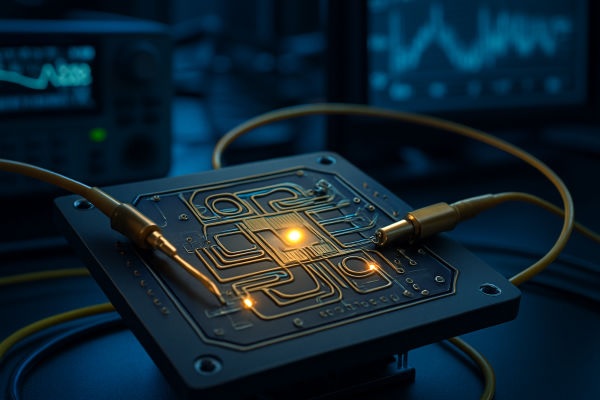
Space & Technology
Chennai, August 2025 — In a breakthrough for India’s deep-tech ecosystem, IIT Madras researchers have developed the nation’s first silicon photonics-based Quantum Random Number Generator (QRNG), a technology that promises to significantly strengthen cryptography, defence, finance, and quantum communication systems. The intellectual property has been licensed to Indrarka Quantum Technologies, a Bengaluru-based startup, for ₹1 crore. A Leap in Quantum Security Random number generators are critical for secure communications, simulations, and encryption systems. Conventional random number generators often rely on algorithms, which can be predicted or manipulated. In contrast, Quantum Random Number Generators harness the fundamental unpredictability of quantum mechanics to produce numbers that are truly random and tamper-proof. The IIT Madras team has achieved this by integrating silicon photonics technology with quantum mechanics, enabling a highly scalable and reliable platform. Unlike earlier laboratory-scale quantum devices, this design is compact, efficient, and industry-ready, making it easier to integrate into existing digital infrastructure. Strategic Significance For Defence:Military and strategic communication networks depend heavily on encryption. With quantum random numbers, secure key generation becomes virtually unbreakable, ensuring resilience against cyber warfare and espionage. For Finance:Banking and digital payment systems require ultra-secure encryption. QRNG-based systems will provide a next-generation safeguard against hacking and fraud, especially as quantum computing threatens to overpower conventional encryption methods. For Cryptography & Quantum Communication:As the world moves toward quantum-safe encryption, India’s indigenous QRNG provides a crucial building block for secure quantum networks, including future quantum key distribution (QKD) systems. The Indrarka Quantum Technologies Partnership The transfer of technology to Indrarka Quantum Technologies marks a vital step in India’s push to commercialize indigenous quantum technologies. With the licensing deal valued at ₹1 crore, the company is expected to bring the QRNG to market, targeting sectors such as defence, banking, telecom, and critical government infrastructure. Indrarka plans to manufacture the devices in India, aligning with the government’s “Atmanirbhar Bharat” vision and the National Quantum Mission, which aims to make India a global hub for quantum technologies by 2030. India’s Place in the Global Quantum Race Globally, only a few countries — including the US, China, and members of the EU — have advanced indigenous QRNG systems. With this development, India joins the elite club of nations possessing home-grown, silicon photonics-based quantum security technology. This innovation complements India’s larger National Quantum Mission, launched with a budget of ₹6,000 crore, which focuses on advancing quantum computing, secure quantum communications, and quantum sensing technologies over the next decade. The development of India’s first silicon photonics QRNG is not just a technological achievement but also a strategic milestone. By securing digital infrastructure against future threats, it empowers sectors ranging from national security to financial services. With IIT Madras at the research frontier and Indrarka Quantum Technologies taking it to commercialization, India is laying the foundation for a quantum-secure digital future.
Read More → Posted on 2025-08-19 16:15:31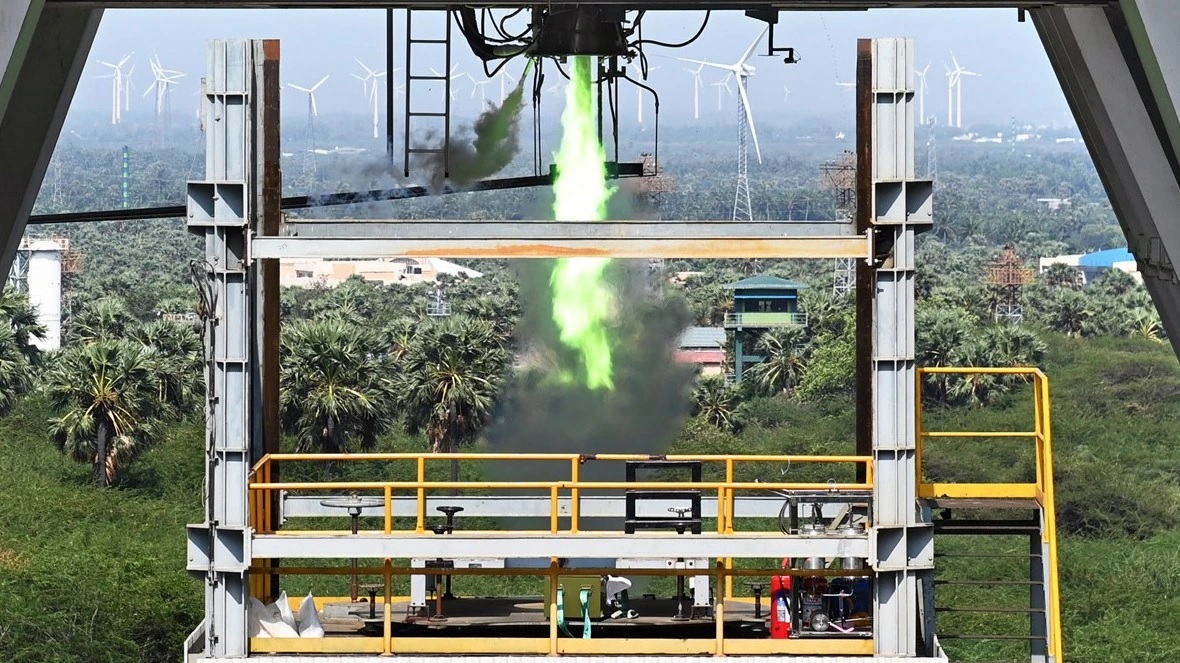
Space & Technology
Chennai, August 2025 — In a major boost to India’s private space sector, Bengaluru-based space technology startup Ethereal Exploration Guild (EtherealX) is setting up a ₹519 crore ($60 million) manufacturing and testing facility for medium-lift rocket engines in Tuticorin, Tamil Nadu. The project is expected to create nearly 582 direct jobs and position Tuticorin as a strategic hub for space and defence technologies. Tamil Nadu’s Growing Space-Tech Hub The new EtherealX facility is part of three major defence and space technology investments announced for Tuticorin, amounting to over ₹5,600 crore. Alongside EtherealX’s rocket engine unit, the state will also host a ₹5,000 crore ammunition and propellant manufacturing facility by Sakthi Group and a ₹121 crore rocket manufacturing and testing unit by Agnikul Cosmos. Collectively, these projects are expected to create thousands of jobs and build a strong space-tech ecosystem in southern Tamil Nadu. The region’s importance is further enhanced by its proximity to ISRO’s second spaceport at Kulasekarapattinam, which is currently under construction. This closeness to a launch site will significantly improve operational efficiency for private space companies like EtherealX. EtherealX and Its Vision Founded in 2022 by former ISRO engineers Manu J. Nair, Shubhayu Sardar, and Prashant Sharma, EtherealX is working on the world’s first fully reusable medium-lift rocket, named Razor Crest Mk-1. Unlike existing rockets, Razor Crest is designed for the recovery of both the booster and the upper stage, a technological milestone that even global leaders have yet to achieve. The company has already developed advanced technologies such as: A semi-cryogenic RP-1/LOX thrust chamber with 40 kN thrust and high efficiency, using a novel Full Flow Segregated Cooling Cycle. A proprietary feed cycle that redirects re-entry heat to power engines, removing the need for traditional heat shields and reducing costs. India’s highest-pressure RP-1 test setup, capable of operating at 200 bar with rapid responsiveness. A 700,000 sq ft rocket testing facility in Cuddalore, Tamil Nadu — the largest private facility of its kind in the country. EtherealX has also raised $5 million in seed funding to support the development of reusable rocket engines and aims for a demonstration launch by 2026. Why Tuticorin? Tuticorin was chosen for its strategic location near ISRO’s new spaceport, strong connectivity, and Tamil Nadu’s new space-tech policy, which is encouraging private sector investment with an ambitious target of ₹10,000 crore in investments and 10,000 jobs over five years. By clustering with other defence and space-tech industries, EtherealX expects to benefit from shared infrastructure, skilled workforce availability, and state-backed incentives. EtherealX’s ₹519 crore investment is more than just an industrial expansion — it represents India’s growing private capability to build, test, and launch advanced rockets on par with global standards. With a reusable medium-lift rocket in the pipeline and a state-of-the-art facility in Tuticorin, the company is set to play a crucial role in shaping the future of India’s space ambitions.
Read More → Posted on 2025-08-18 16:37:21Search
Top Trending in 24 Hours
-
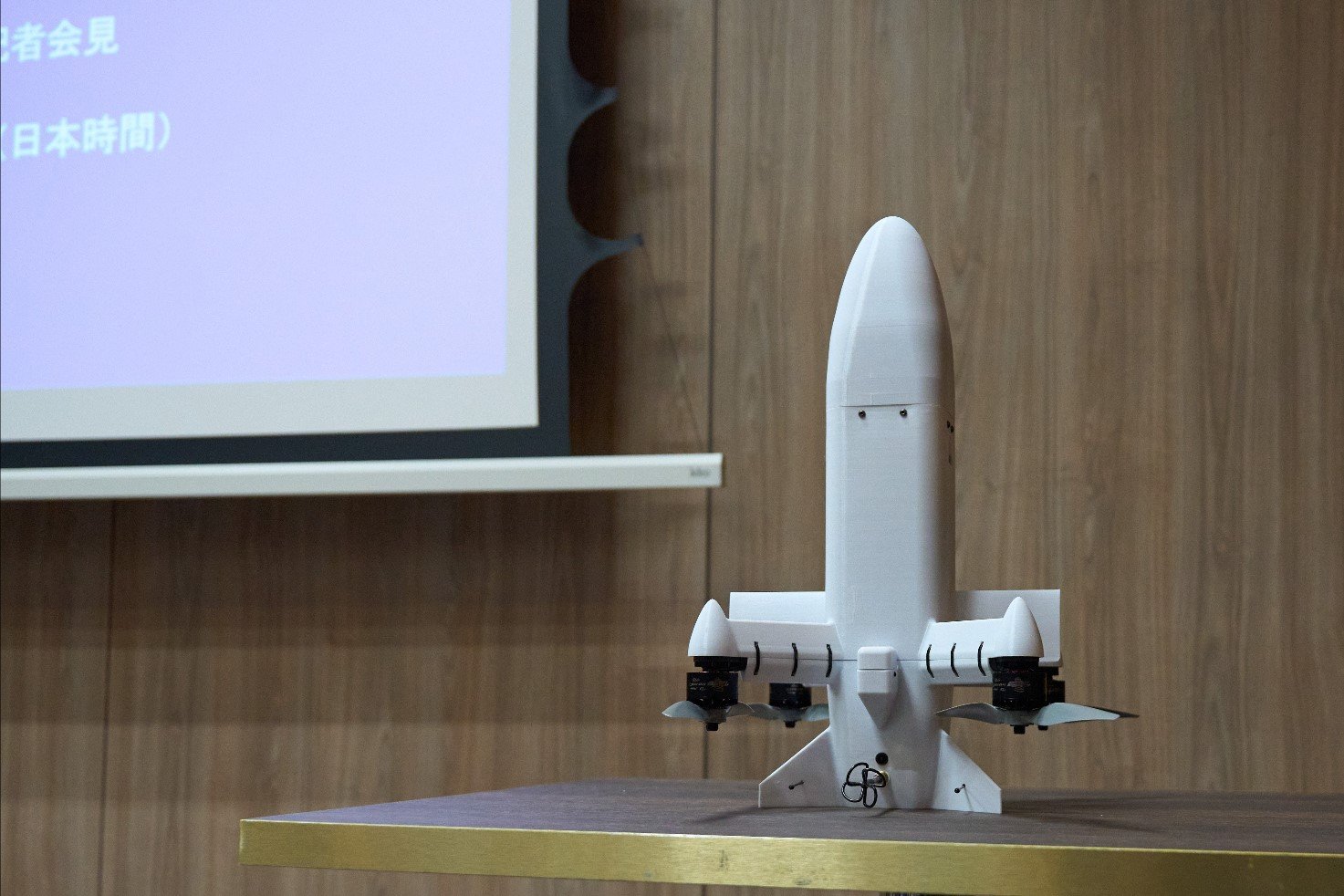 Japan Selects Terra Drone’s Terra B1 for Mass Production of Interceptor UAVs
-
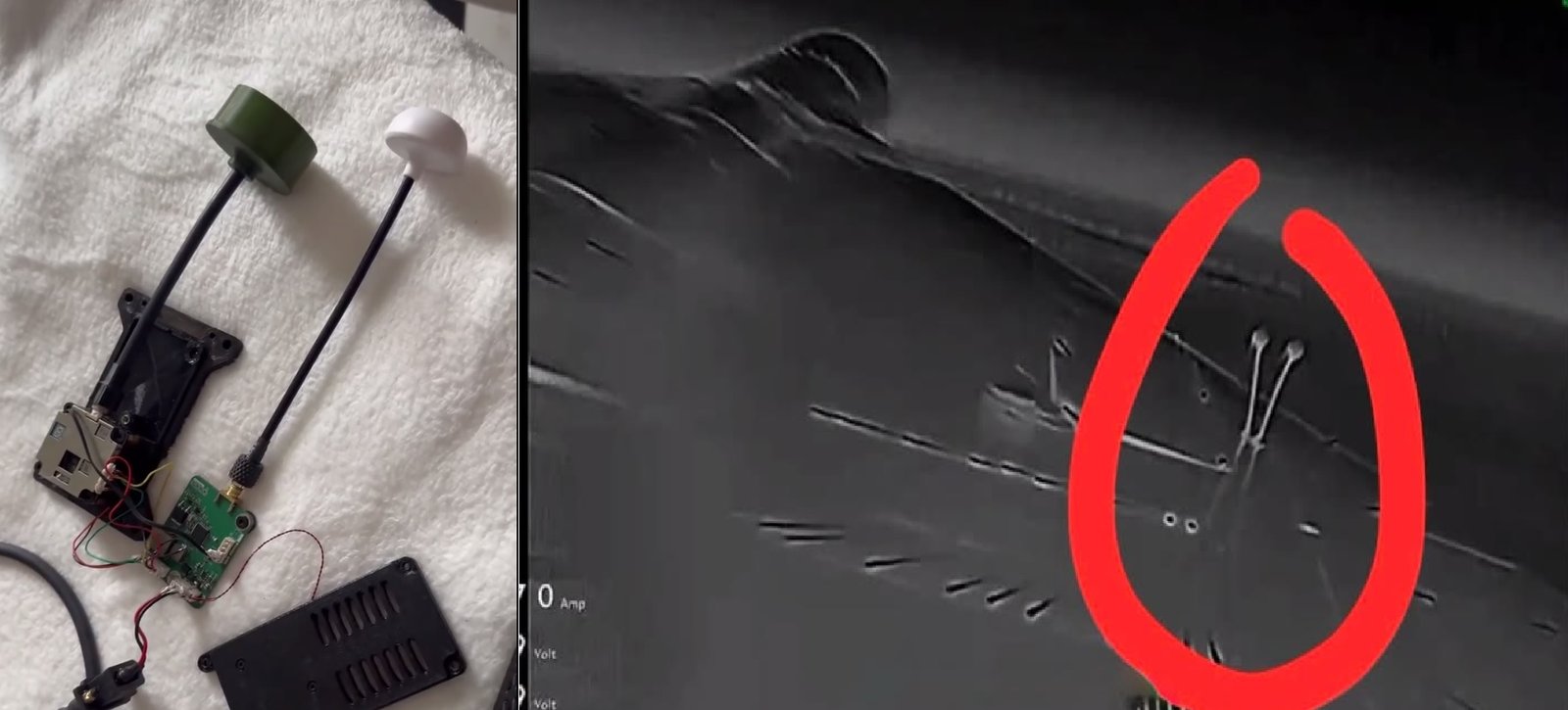 Russia Equips Shahed and Geran Drones With Electronic Warfare Systems to Jam Ukrainian Interceptor Video Links
-
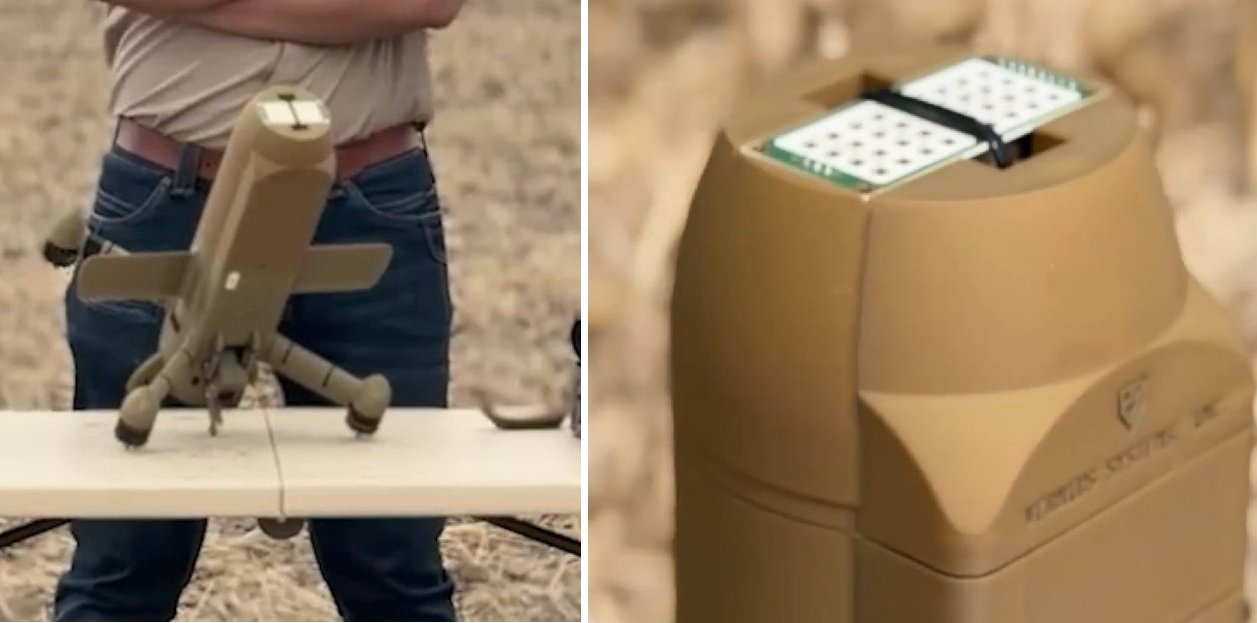 Vernius Systems Unveils Archimedes 1A Radar Seeker for Ukrainian STING Interceptor
-
 Austria Receives First Modernized Leopard 2A4Ö Tank and Ulan NV Infantry Fighting Vehicle
-
 NATO Launches Exercise Northern Viking 26 in Iceland to Secure North Atlantic Routes
-
 Ukraine Reduces Use of Western Tanks as Cheap Drones Become a Major Battlefield Threat
-
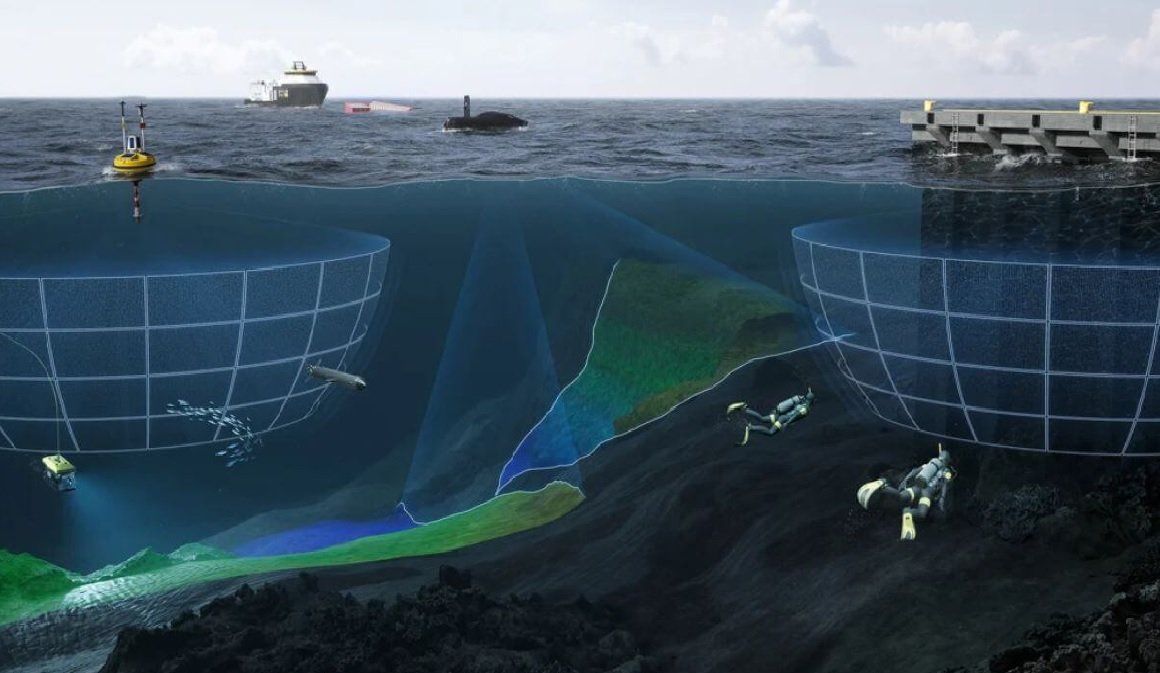 Kongsberg Introduces Aegir SSA Sonar Family With AI-Powered Monitoring for Continuous Underwater Surveillance
-
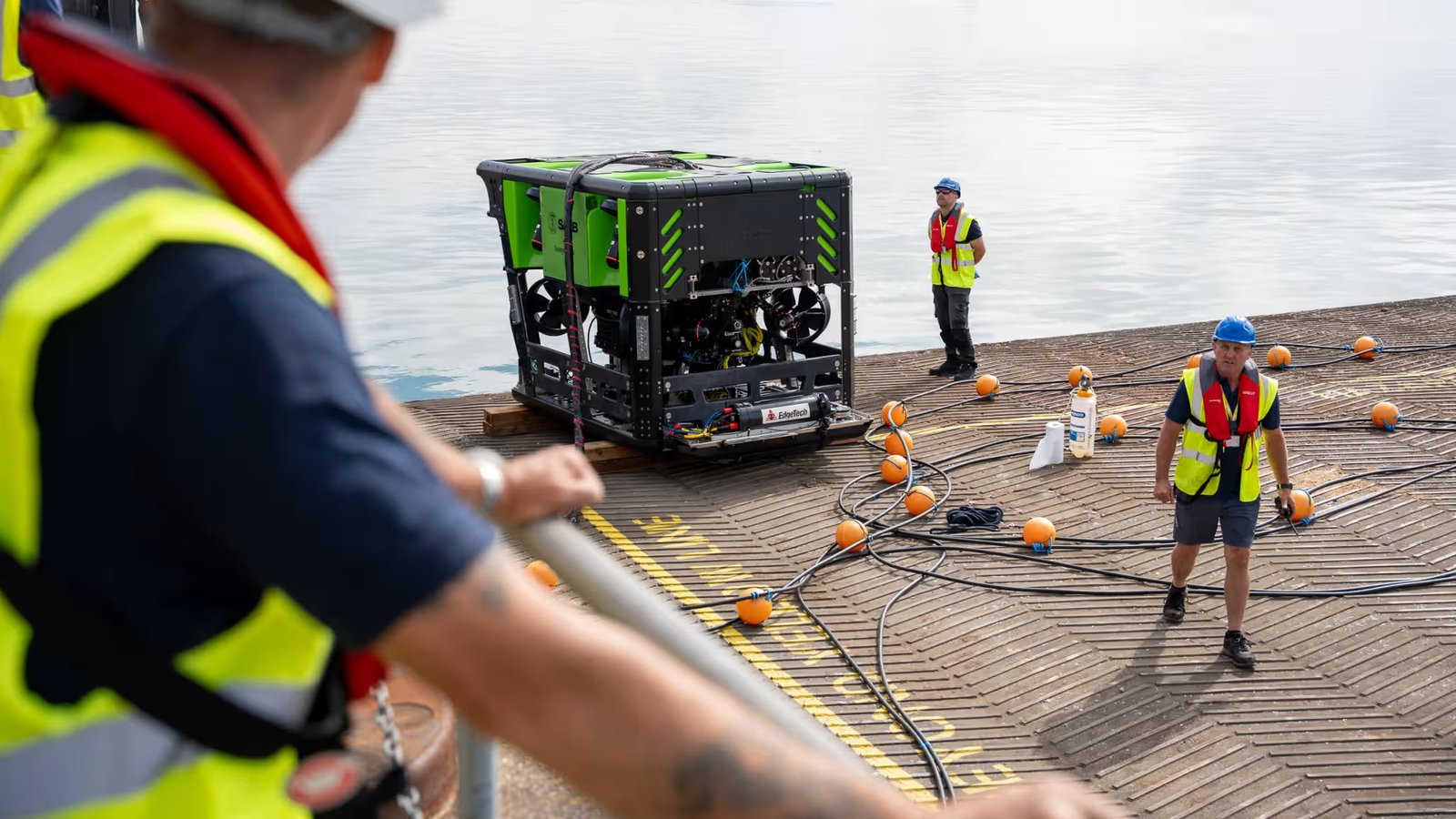 Saab UK Completes Key Trials of Seaeye SR20 eWROV, Moves to Next Development Phase
Top Trending in 4 Days
-
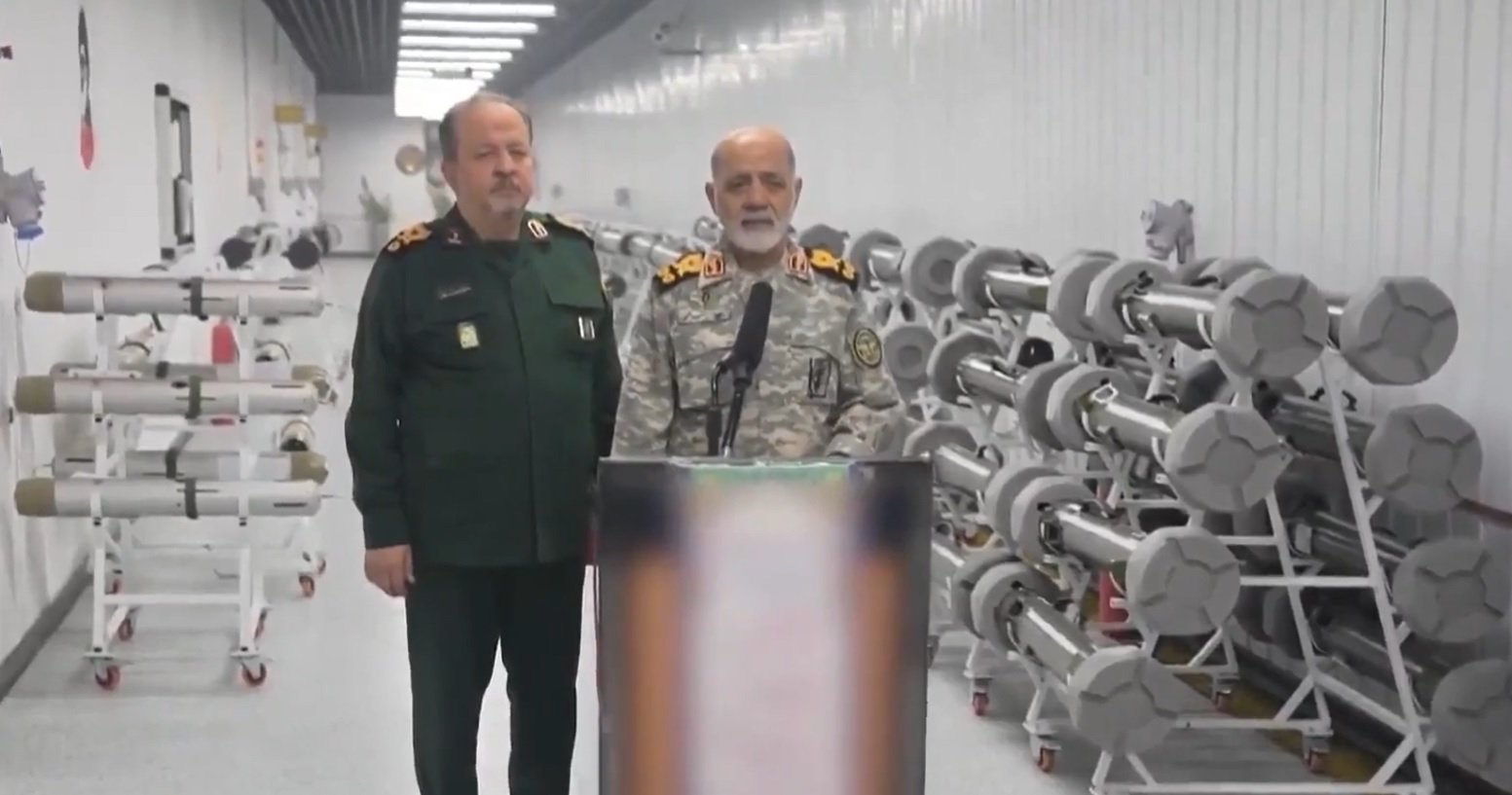 Iran Reveals Underground Weapons Manufacturing Facility for First Time on State TV
-
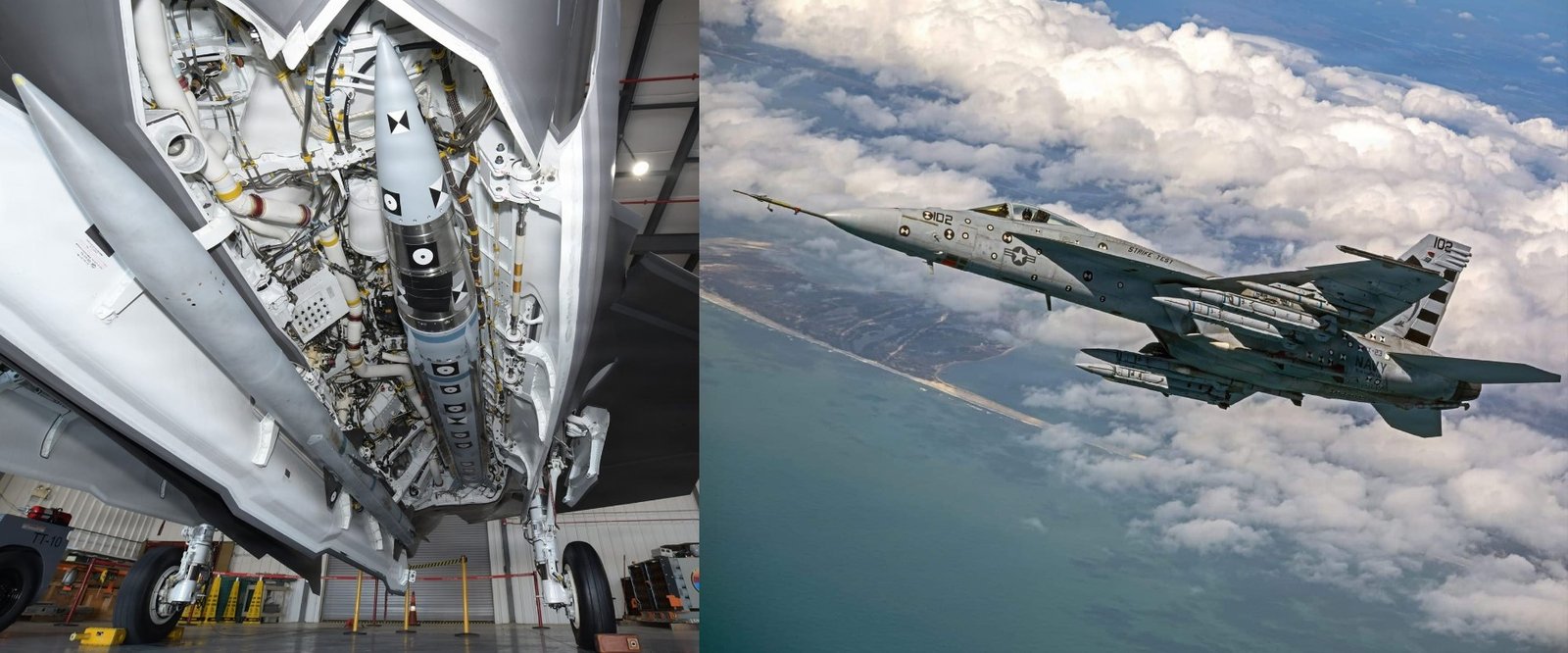 U.S. Navy Unveils New AIM-424 ‘Malice’ Air-to-Air Missile With 463+ km Range for F-35C, Super Hornet and F/A-XX
-
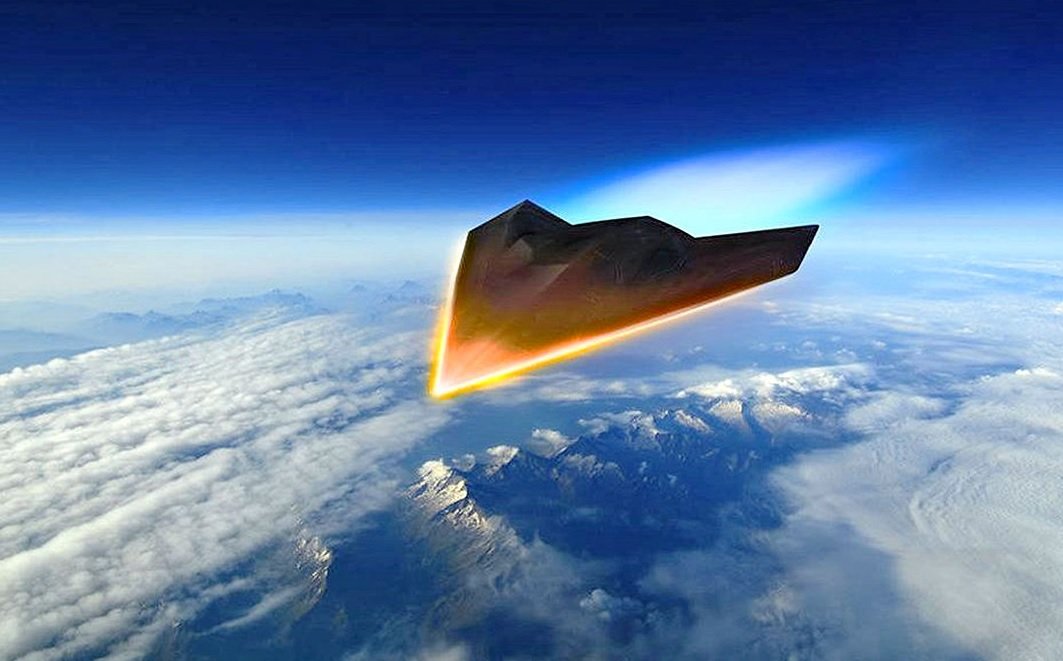 China Develops Hypersonic Glide Vehicles Capable of Launching Air-to-Air Missiles Mid-Flight
-
 Iran-Linked Hackers Shut Down UK Power Plant for Four Days in First Known Attack
-
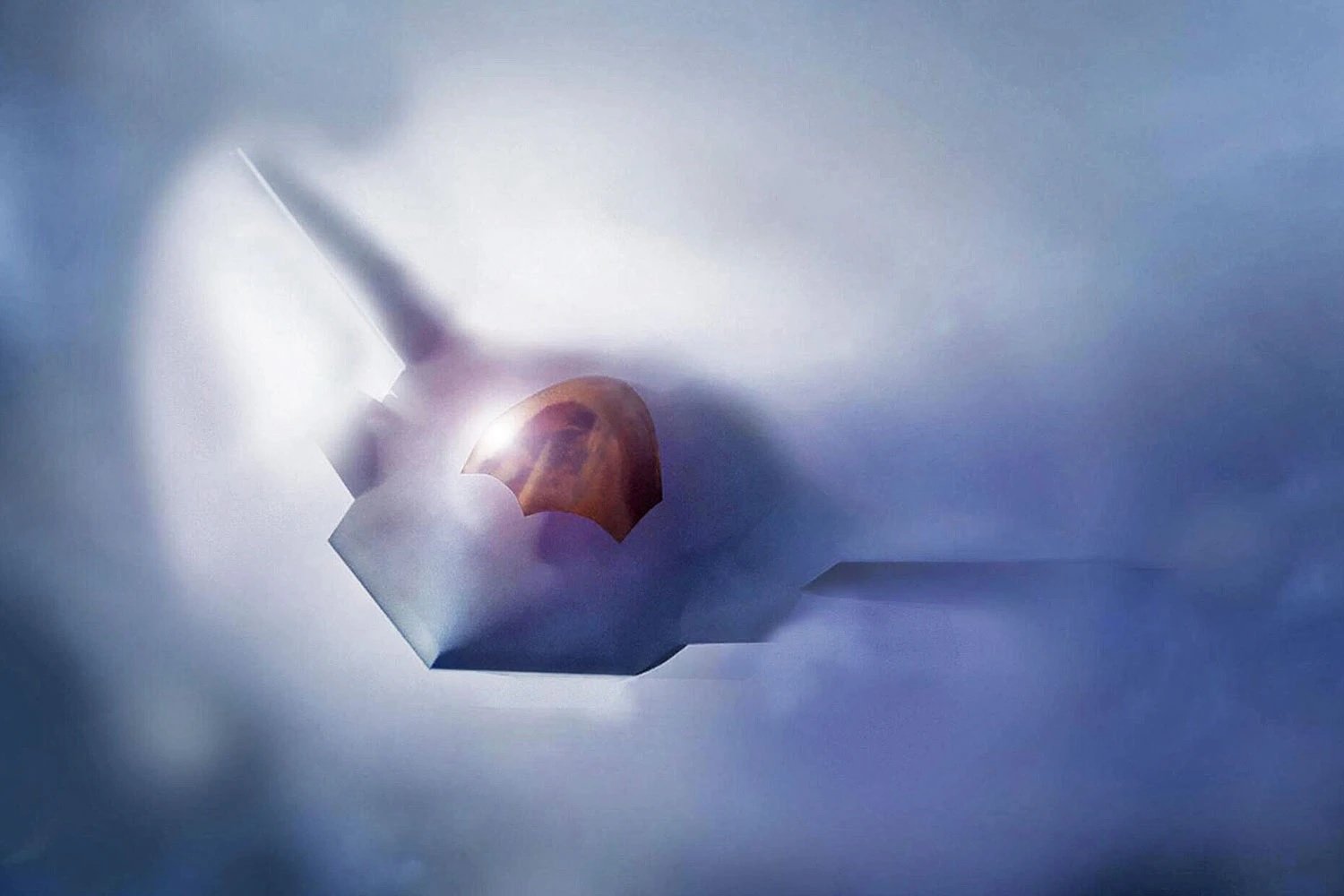 Israel Explores Potential Acquisition of U.S. F-47 Sixth-Generation Fighter
-
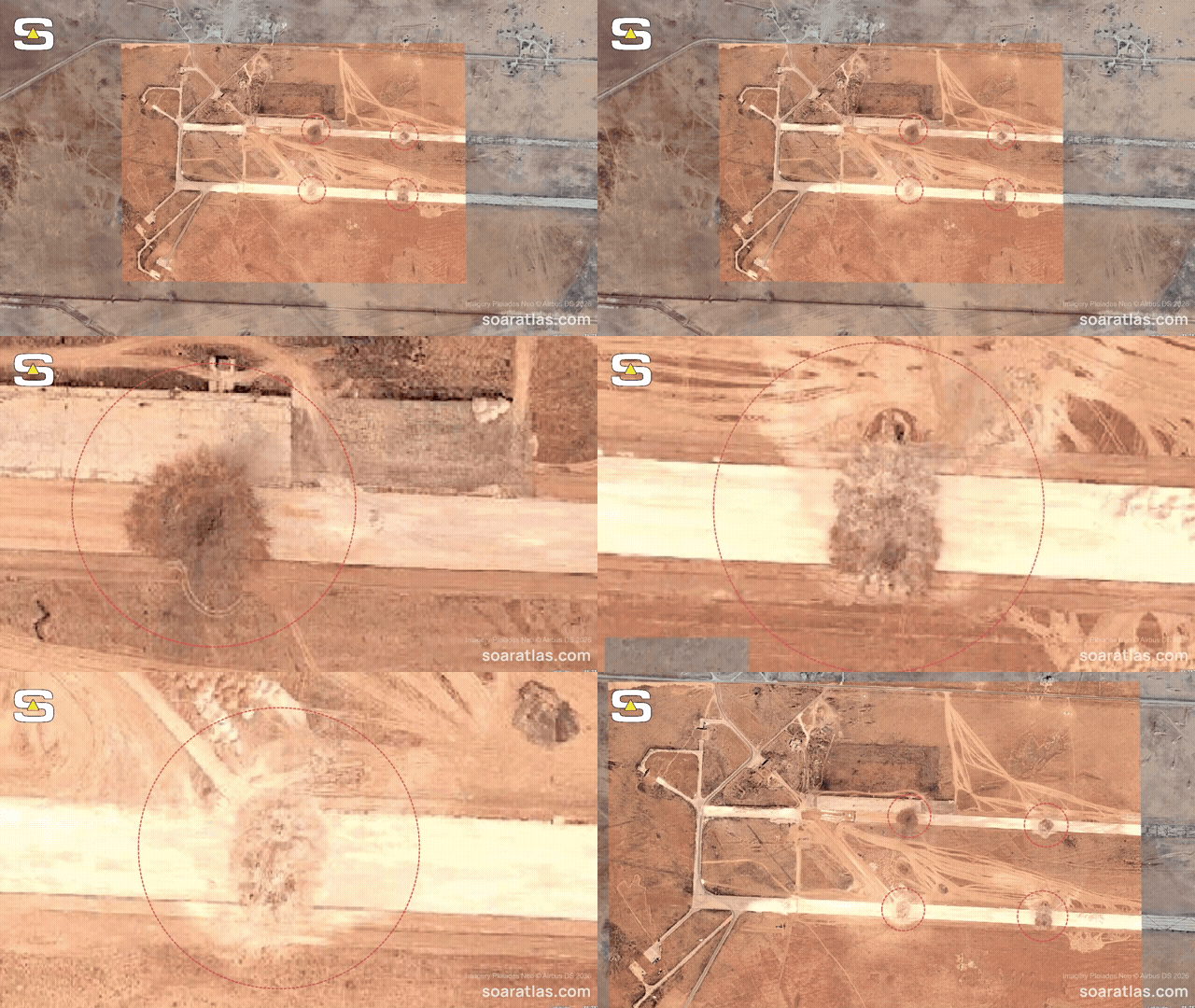 Satellite Imagery Shows Damage From Israeli Strikes on Turkey Military Occupied Syria’s Abu al-Duhur Airbase
-
 Ukraine Holds World’s First Unmanned Military Parade on 35th Independence Day
-
 North Korea Deploys 400 Drone Operators to Russia Amid Expanding Military Support