Space & Technology
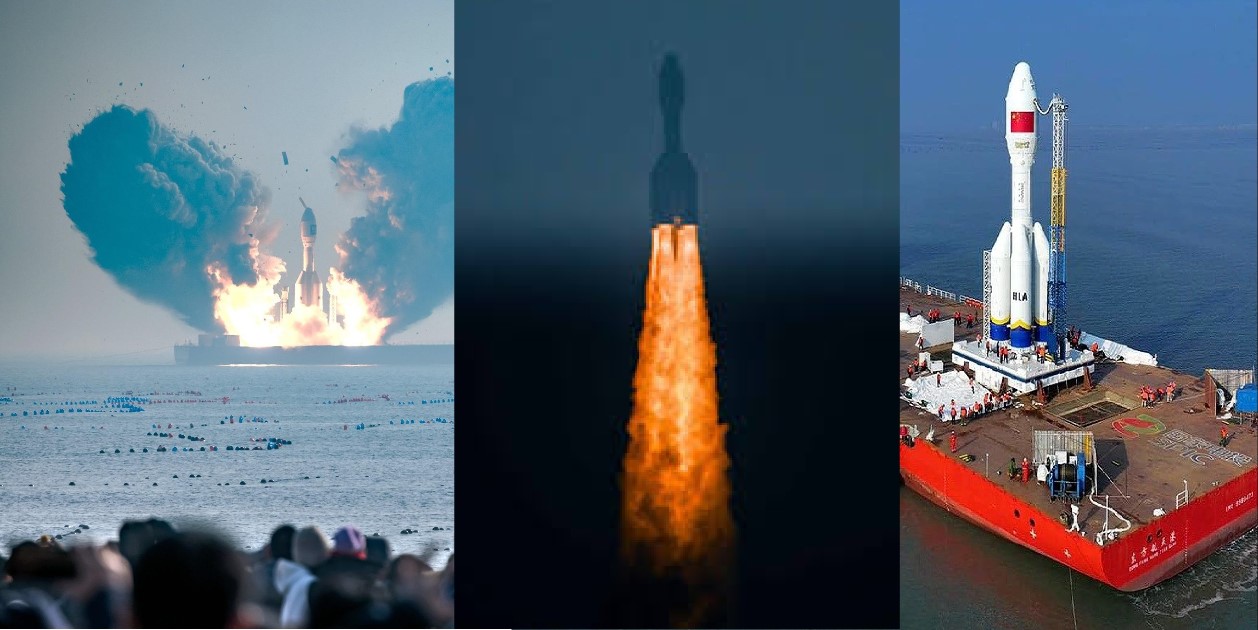
China’s private space sector achieved another milestone on October 11, 2025, when the Gravity-1 rocket — the world’s largest solid-fuel orbital launcher — successfully blasted off from a sea-based platform in the Yellow Sea. Developed by Orienspace, this marked the rocket’s second mission and the first commercial flight of its kind, placing three satellites into sun-synchronous orbit (SSO). A Powerful Start from the Sea The Gravity-1 lifted off from a floating launch ship stationed off the coast of Haiyang, Shandong province, producing a thunderous plume of flame as it rose through the morning sky. Unlike most traditional launches that occur from fixed land pads, Orienspace’s decision to deploy from the sea demonstrates China’s increasing interest in mobile, flexible launch operations. Sea launches offer a number of strategic advantages: they reduce risks of debris falling over populated areas, avoid congested airspace, and allow rockets to be launched along optimal orbital inclinations by repositioning the ship. This operational model, similar to the historical Sea Launch consortium’s approach, positions Orienspace as a pioneer among China’s private launch startups. The Gravity-1: Engineering China’s Solid Giant Standing about 30 meters tall and weighing around 405 tonnes at liftoff, the Gravity-1 is built entirely around solid propellant stages — a rarity for an orbital-class vehicle of this scale. According to Orienspace’s data, the rocket can deliver up to 6.5 tonnes to low Earth orbit (LEO) or 4.2 tonnes to sun-synchronous orbit. At launch, the Gravity-1 produces an estimated 600 tonnes of thrust (roughly 6,000 kN), enabling it to lift medium-class payloads to orbit in a single-use configuration. Its multi-stage solid motor stack simplifies operations by eliminating the need for complex liquid fuel systems, making it suitable for rapid response or low-maintenance missions. This configuration has earned Gravity-1 the distinction of being the most powerful solid-fuel carrier rocket currently in operation — ahead of previous solid launchers like Japan’s Epsilon and the U.S. Minotaur IV. The Mission: Three Satellites to Orbit The October mission carried three commercial Earth-observation and meteorological satellites into sun-synchronous orbit, a path ideal for remote sensing due to its consistent lighting conditions.While Orienspace has not released full details about the customers, reports from Chinese space industry sources suggest the payloads are part of a new small-satellite constellation designed for environmental monitoring and data imaging. The mission was declared fully successful, with all satellites reaching their intended orbit — marking Orienspace’s first commercial service flight and validating the system for future operational use. Why Solid Fuel Matters Solid-fuel rockets have long been valued for their simplicity, reliability, and readiness. Unlike liquid-fueled rockets that require cryogenic storage and complex fueling procedures, solid motors can remain on standby for extended periods and can be launched at short notice. However, these advantages come at a cost. Solid-fuel rockets lack throttle control and engine restart capability, limiting their flexibility and efficiency compared to liquid-fueled systems. Yet for certain missions — particularly quick-response launches and sea-based operations — the benefits outweigh the tradeoffs. Orienspace’s engineers have managed to push solid-fuel design to a new level, achieving a payload-to-mass ratio that rivals some smaller liquid-fueled rockets while maintaining logistical simplicity. How It Compares: Gravity-1 vs. SpaceX Falcon 9 While the Gravity-1 has broken records for solid-fuel power, it’s important to understand its scale in context. Compared to SpaceX’s Falcon 9, which dominates the global launch market, Gravity-1 remains smaller in both size and capacity — but it represents a significant leap for the solid-rocket class. Specification Orienspace Gravity-1 SpaceX Falcon 9 (Block 5) Height ~30 meters 70 meters Liftoff Mass ~405 tonnes ~549 tonnes Payload to LEO 6.5 tonnes 22.8 tonnes (expendable) Propulsion Solid fuel Liquid (RP-1 / LOX) Thrust at Liftoff ~600 tonnes-force ~760 tonnes-force Reusability Expendable Reusable (first stage) Even though Falcon 9 clearly outperforms Gravity-1 in raw lift capacity, the Gravity-1’s size is unprecedented among solid rockets. It offers a simpler, lower-cost solution for medium payloads, especially where sea-based flexibility or rapid turnaround is desired. Strategic and Commercial Implications The success of the second Gravity-1 mission marks a turning point for China’s commercial space ambitions. Orienspace, founded in 2020, has quickly positioned itself as one of China’s leading private launch providers, competing with others like Galactic Energy and LandSpace. By proving that a large, privately developed, solid-fuel rocket can operate reliably from a maritime platform, Orienspace has opened the door to on-demand, mobile launch services for government and private customers alike. Furthermore, the low-cost, medium-lift market segment is becoming increasingly competitive worldwide. Gravity-1’s successful demonstration could attract foreign customers seeking affordable access to orbit for constellations and small-satellite clusters — an area where China aims to rival Western commercial launchers. Orienspace has already hinted at a third Gravity-1 launch in early 2026, potentially carrying a heavier payload and featuring upgraded control systems. Future developments may even include a hybrid configuration with a liquid-fueled kick stage for precise orbital insertions. For now, Gravity-1’s October 2025 mission stands as a symbol of China’s expanding private aerospace capability — proving that innovation in solid-fuel propulsion still has a place in a world increasingly dominated by reusable liquid systems. From its thundering liftoff at sea to the precise delivery of satellites hundreds of kilometers above Earth, Gravity-1 has shown that the future of orbital access doesn’t have to be tied to land-based pads or liquid fuel — sometimes, it can start from the rolling waves of the ocean.
Read More → Posted on 2025-10-11 15:42:58
Space & Technology
In a significant milestone for next-generation communication technology, Ahmedabad-based NavWireless has achieved a major breakthrough by deploying the first-ever commercial LiFi internet network in the United States, specifically in New York City. This marks a remarkable step for both India’s technology sector and the global connectivity landscape, as LiFi moves from experimental setups to real-world commercial use. Understanding LiFi Technology LiFi (Light Fidelity) is a wireless communication technology that uses light waves instead of traditional radio frequencies (like Wi-Fi) to transmit data. The technology operates through modulated LED light, which sends information to a receiver connected to a device, such as a computer or mobile phone. Unlike Wi-Fi, which depends on radio signals that can face interference or limited bandwidth, LiFi uses the visible and infrared light spectrum, which is far broader. This allows for higher data transfer speeds and improved signal security within enclosed spaces. Advantages of LiFi Over Wi-Fi Speed and EfficiencyLiFi can offer data transfer rates exceeding 1 Gbps, significantly faster than most conventional Wi-Fi systems. Since light waves are more abundant and unregulated compared to radio waves, LiFi provides a less congested medium for communication. SecurityOne of LiFi’s most notable benefits is its containment within physical boundaries. Light cannot pass through opaque walls, which means external hacking or signal leakage is far more difficult. This feature makes LiFi particularly useful in banks, defense facilities, hospitals, and corporate offices handling sensitive information. Reduced InterferenceSince LiFi doesn’t rely on radio frequencies, it avoids the electromagnetic interference issues often seen in Wi-Fi, Bluetooth, or mobile networks. This makes it ideal for aircraft cabins, hospitals, and industrial plants where radio silence is essential. Energy EfficiencyThe same LEDs used for lighting can also be used for data transmission. This dual-purpose application reduces power consumption, aligning with modern goals of energy-efficient communication systems. NavWireless and Its Global Leap Founded in Ahmedabad, NavWireless has spent several years developing LiFi solutions aimed at replacing or supplementing traditional broadband infrastructure. The company’s system integrates LiFi routers and transceivers capable of providing seamless internet connectivity across enclosed spaces such as offices, hotels, and smart homes. The deployment in New York demonstrates the scalability of NavWireless’s solution. By partnering with local businesses and building networks across select districts, the company is introducing India-made communication technology to the global market. The project is also expected to serve as a pilot for LiFi integration in urban infrastructure, paving the way for adoption in smart cities across the United States. Significance LiFi’s deployment in a city like New York symbolizes a new phase in urban digital infrastructure. As the demand for high-speed and secure internet continues to rise, especially in the era of cloud computing and Internet of Things (IoT), LiFi offers a promising alternative to traditional Wi-Fi systems. NavWireless’s success also highlights India’s growing capability in deep-tech innovation, expanding beyond software into advanced communication hardware. It positions Indian startups as emerging contributors to the global connectivity ecosystem, capable of exporting cutting-edge solutions.
Read More → Posted on 2025-10-06 16:43:33
Space & Technology
China’s factories installed 295,000 new industrial robots in 2024, reinforcing the nation’s manufacturing strength despite a declining population. The increase in automation is helping offset labor shortages and maintain China’s competitive edge in global manufacturing. According to the 2025 International Federation of Robotics (IFR) World Robotics Report, China now operates a record 2.027 million industrial robots, the highest number in the world. More than half of the 542,000 new robots installed globally last year were in Chinese factories. These machines perform a variety of tasks, including welding car frames, assembling electronics, and transporting heavy loads, reducing the impact of demographic changes on the workforce. China’s population has declined for the third consecutive year, dropping by 1.39 million in 2024, or about 0.1 percent. While the shrinking population has raised concerns over labor availability, the widespread adoption of robotics is helping maintain productivity. Professor Gao Xudong from Tsinghua University stated that repetitive tasks are increasingly handled by machines, while human creativity remains essential for complex work. He noted that improvements in workforce education combined with automation allow China’s manufacturing industry to remain competitive. Globally, total industrial robot installations rose by 9 percent in 2024, reaching 4.664 million units. Japan added 44,500 new robots, and the United States installed 34,200, highlighting China’s dominance in this field. The growing role of automation is particularly important as the country prepares for a future with fewer available workers. China is also advancing in humanoid robotics, which mimic human movements and can perform more complex tasks. While detailed figures are limited, companies are moving rapidly from research to commercial deployment. In August 2024, Tiantai Robot, a Guangdong-based company, received an order for 10,000 humanoid robots, the largest single order in the sector, primarily aimed at elderly care. Analysts suggest that the development of humanoid robots could also pave the way for advanced applications, including in defense and security. Despite the growth in robotics, China still faces a significant need for skilled personnel. Reports from the Human Resources and Social Security Information Centre indicate that by 2030, the country could face a shortage of 50 million high-skilled blue-collar workers, emphasizing the importance of training programs to support intelligent industries such as robotics maintenance and AI-driven manufacturing. China’s surge in industrial and humanoid robots illustrates how technology is helping the country navigate demographic challenges while reinforcing its position as a global manufacturing leader. With continued investment in automation and advanced robotics, China is set to maintain and even enhance its industrial capabilities over the next decade.
Read More → Posted on 2025-10-06 14:04:39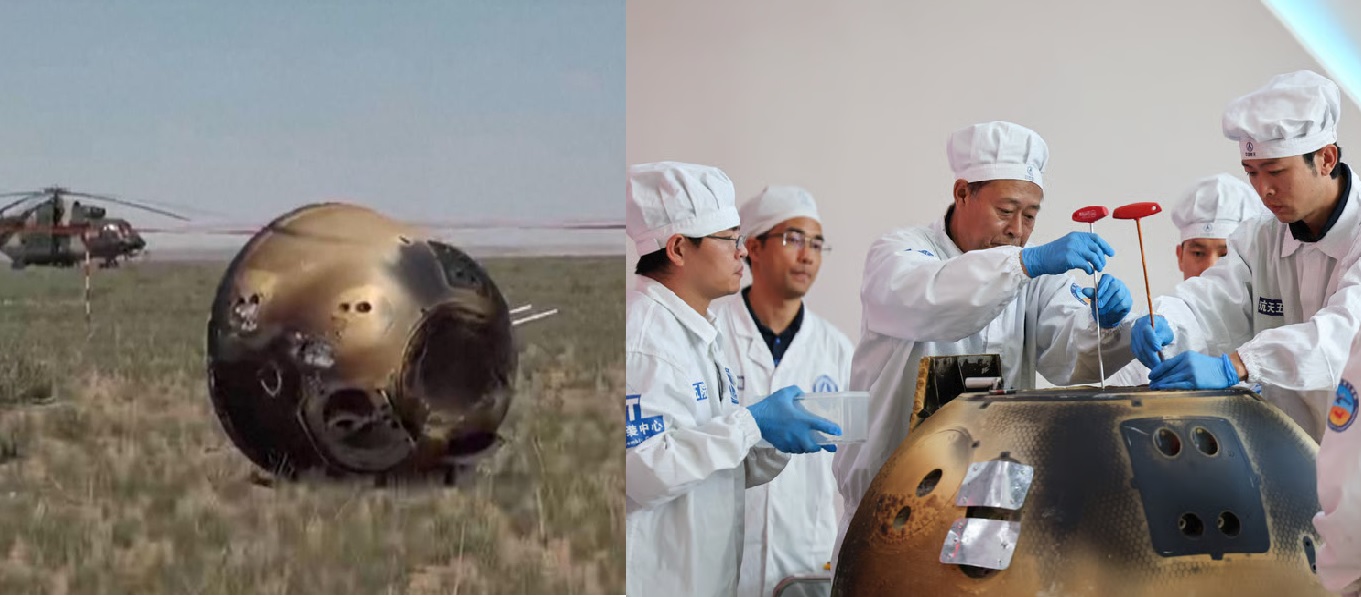
Space & Technology
Scientists from China and the United Kingdom have reported that the far side of the moon is not only visually distinct from the near side but may also have developed under cooler geological conditions. The conclusion comes after a detailed analysis of lunar rocks and soil collected during China’s Chang’e-6 mission, which returned to Earth in June 2024 carrying the first-ever samples from the moon’s far side. Their findings were published in the peer-reviewed journal Nature Geoscience on 30 September 2024. The Chang’e-6 lunar probe successfully landed in the South Pole–Aitken region, a massive and ancient impact basin on the far side, and retrieved about 300 grams (0.66 pounds) of material from the southern rim of the Apollo basin, a large crater within this territory. This marked a milestone in lunar exploration because, until then, all physical samples studied by scientists had come from the near side, including those collected by NASA’s Apollo missions and China’s Chang’e-5 mission. The absence of far side samples had long restricted research into the reasons behind the striking asymmetry between the two hemispheres. When researchers compared the newly obtained material with near side samples, they discovered a significant difference in thermal history. The minerals from the far side appear to have formed at mantle temperatures about 100 degrees Celsius (212°F) lower than those recorded for the near side. This provides the first direct evidence of a thermal imbalance between the two sides of the moon. The contrast aligns with well-documented differences in surface appearance. The near side, which always faces Earth, is dominated by large, dark basaltic plains known as maria, created by extensive volcanic activity billions of years ago. The far side, on the other hand, is rugged, heavily cratered, and mountainous, with far fewer basaltic features. Scientists attribute this divergence to the uneven distribution of heat-producing radioactive elements such as uranium, thorium, and potassium. These elements, often found together with phosphorus and rare earth elements in a rock type referred to as KREEP, are significantly more concentrated on the near side. Their presence provided additional internal heat, sustaining prolonged volcanic activity and thinner crust there, while the far side, with fewer of these materials, cooled more quickly and developed a thicker crust. The Chang’e-6 samples also offered further geological insights. Laboratory tests dated the collected basalt rocks to about 2.8 billion years ago, placing them among the younger volcanic formations on the moon. However, despite their age, the samples confirmed that the mantle potential temperature beneath the far side was consistently lower than that of the near side, reflecting a long-lasting difference in thermal conditions. Earlier research based on remote data had suggested such an imbalance, but this study is the first to confirm it with real material from the far side. In addition, scientists examining the Chang’e-6 material reported evidence that a colossal asteroid impact more than 4 billion years ago may have altered the interior of the far side. This event is believed to have shaped the South Pole–Aitken basin and could have influenced the subsequent thermal and crustal evolution of that hemisphere. According to Li Yang, a professor at both University College London (UCL) and Peking University, the findings shed new light on one of lunar science’s longest-standing puzzles. He noted that the near side and far side of the moon are very different both at the surface and in their interior composition. While a dramatic difference in mantle temperature had been proposed for decades, he said this is the first time such a difference has been demonstrated using actual rock samples. The research team explained that their study demonstrates how the lunar far side mantle was relatively colder than the near side mantle, which is consistent with differences in crustal thickness and heat-producing element distribution between the two hemispheres. At the same time, they acknowledged that the exact cause of this hemispherical asymmetry remains unresolved and will require further investigation. These results are significant not only for lunar science but also for broader planetary studies. The moon preserves a record of early solar system history, and understanding its internal evolution helps scientists learn more about the formation of Earth and other rocky planets. The success of Chang’e-6 underscores the importance of sample-return missions, which allow for laboratory analysis of extraterrestrial material rather than relying solely on remote sensing. As examination of the Chang’e-6 samples continues, researchers expect more discoveries that will clarify why the moon’s hemispheres diverged so sharply in both appearance and thermal history. This work also lays the foundation for future exploration, as countries including China, the United States, and India plan new missions to the lunar surface, with special interest in the far side, which still holds many unanswered questions.
Read More → Posted on 2025-10-04 10:51:59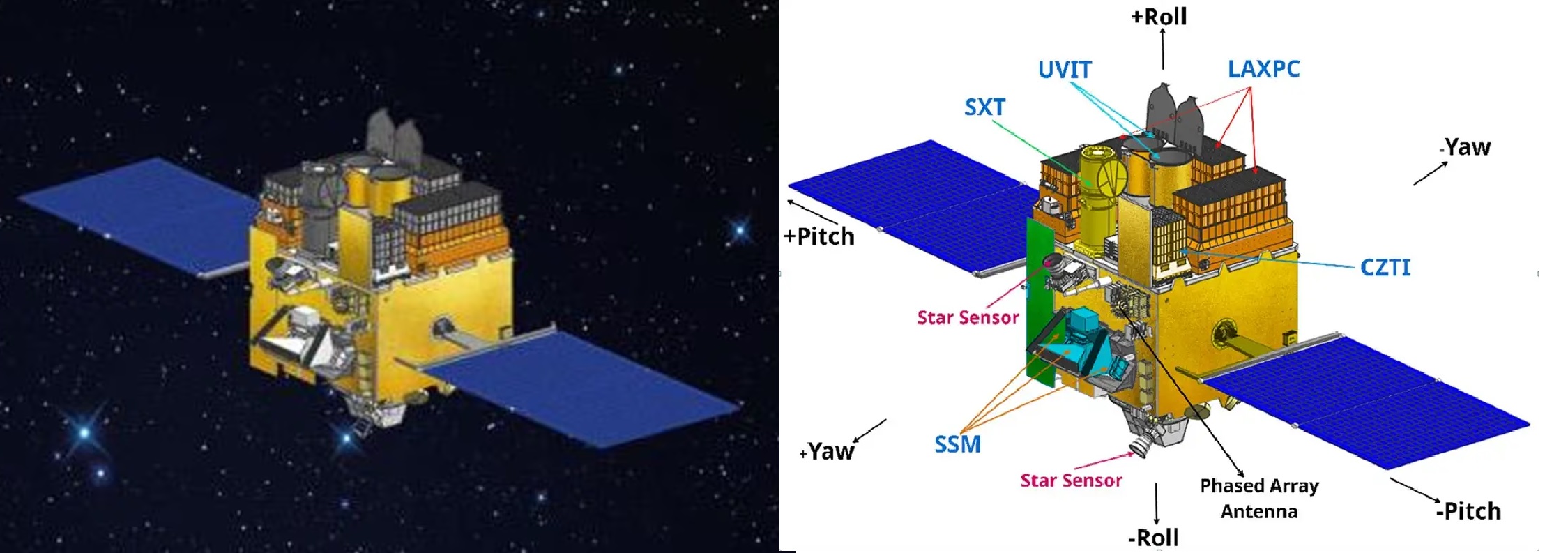
Space & Technology
On September 28, 2025, AstroSat ( India’s First Space Telescope ), India's inaugural dedicated multi-wavelength space observatory, marked a decade of exceptional contributions to global astronomy. Launched by the Indian Space Research Organisation (ISRO) on September 28, 2015, aboard the PSLV-C30 rocket from the Satish Dhawan Space Centre, AstroSat has significantly advanced our understanding of the universe. What Makes AstroSat Unique? AstroSat is designed to observe the universe across a broad spectrum of electromagnetic wavelengths, including ultraviolet (UV), visible, and X-rays. This capability allows for simultaneous observations of various cosmic phenomena, providing a more comprehensive understanding of the universe compared to single-wavelength observatories. Scientific Achievements AstroSat's scientific journey began by solving a two-decade-old puzzle involving a red giant star unusually bright in both ultraviolet and infrared light. Since then, it has delivered numerous remarkable results, including: Detection of Far-UV Photons: Captured photons from a galaxy approximately 9 billion light-years away, showcasing AstroSat's sharp UV imaging capabilities. Expansion of the Butterfly Nebula: Revealed that the emission from the Butterfly Nebula extends three times further than previously known. X-ray Polarization Studies: Provided insights into the magnetic fields of neutron stars and black holes. Discovery of Fast-Spinning Black Holes: Identified rapidly rotating black holes, enhancing our understanding of their formation and behavior. Observations of Binary Star Systems: Studied X-ray emissions from binary star systems within the Milky Way, contributing to our knowledge of stellar evolution. Collaborative Endeavor AstroSat is a testament to international collaboration. While developed by major ISRO centers such as URSC, LEOS, SAC, VSSC, and PRL, it also involved contributions from Indian research institutes like TIFR, IIA, and IUCAA. Additionally, international partners included the Canadian Space Agency (CSA) and the University of Leicester (UK), who collaborated on the UVIT and SXT payloads, respectively. This multi-institute effort underscores the global nature of the mission. Global and National Impact AstroSat's reach extends worldwide, with a registered user base of approximately 3,400 scientists and students from 57 countries, including the United States, Afghanistan, and Angola. In India, it has popularized space science, bringing astrophysics research into 132 universities. Notably, about half of AstroSat's users are Indian scientists and students, fostering a new generation of astronomers. Performance and Longevity Despite exceeding its design life, all five scientific experiments onboard AstroSat continue to operate satisfactorily. The observatory is expected to provide many more exciting results in the coming years, demonstrating its robustness and longevity. Power and Capabilities AstroSat is equipped with a power generation capacity of approximately 2,100 watts, sufficient to operate its instruments and maintain communication with Earth. While it may not match the size and power of observatories like NASA's Hubble or Chandra, AstroSat's multi-wavelength capabilities and cost-effectiveness make it a valuable asset in the field of space astronomy. Comparison with Other Space Telescopes Feature AstroSat (India) Hubble (USA) Chandra (USA) Launch Year 2015 1990 1999 Mass 1,513 kg 11,110 kg 4,800 kg Orbit 650 km near-equatorial 547 km low Earth orbit 139,000 km Earth orbit Power Generation 2,100 watts 2,800 watts 2,000 watts Wavelength Coverage UV, Visible, X-ray UV, Visible, Near-IR X-ray Angular Resolution ~1.8" (UV), ~2.5" (Visible) ~0.1" (Visible) ~0.5" (X-ray) Scientific Payloads 5 5 4 International Collaboration Yes (CSA, University of Leicester) Yes (ESA, NASA) Yes (NASA, international partners) AstroSat's compact size and cost-effectiveness allow for efficient operations and data collection, making it a valuable tool for both Indian and international scientists. AstroSat stands as a significant achievement in India's space exploration endeavors. Its decade-long mission has not only advanced scientific knowledge but also fostered international collaboration and inspired future generations of scientists. As it continues to operate beyond its expected lifespan, AstroSat remains a beacon of India's commitment to space science and exploration.
Read More → Posted on 2025-09-29 11:16:04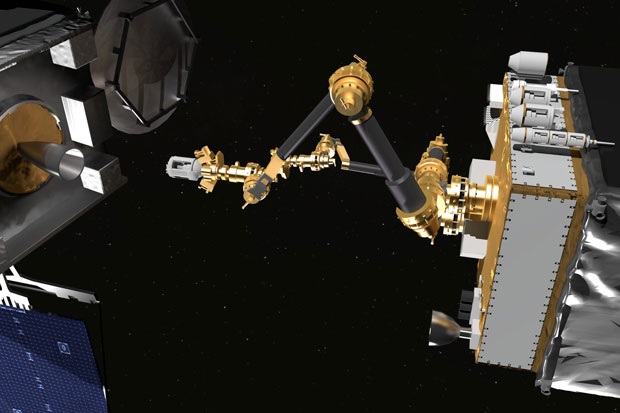
Space & Technology
The Defence Research and Development Organisation (DRDO) has started work on an advanced program to develop in-orbit robotics for space applications. The project is being led by scientist Kiran Akella and aims to complete its first operational phase by 2027. This initiative is seen as a major step in strengthening India’s indigenous capabilities in robotics, artificial intelligence, and aerospace engineering. The project will design legged robotic systems that can operate in zero-gravity and low-gravity environments. Unlike conventional robotic arms, these robots will have mobility to move across spacecraft surfaces and carry out complex activities. They will be capable of performing tasks such as inspection, maintenance, assembly, refuelling, and even repair work in orbit. This would reduce the need for human spacewalks and improve the sustainability of long-duration missions. One of the key objectives is to support India’s growing presence in space and to align with the vision of Atmanirbhar Bharat. The robots will have multiple uses including satellite servicing, orbital debris removal, on-orbit assembly of large structures like the proposed Bharatiya Antariksh Station, and inspection of spacecraft to ensure safety and reliability. DRDO’s technical work in this area will cover advanced fields such as pose estimation through vision and AI-based systems, autonomous operations with minimal human control, and sensing technologies that combine data from multiple inputs for accurate navigation and task execution. The robots will be built using lightweight and radiation-resistant materials to ensure they can function effectively during long missions in space. Although the initial focus is on space, the technology also has clear defence applications. Legged robots can be adapted for use in challenging terrains on Earth, including high-altitude regions, caves, and tunnels where wheeled or tracked vehicles face limitations. Such robots could assist the Indian Armed Forces in reconnaissance, logistics, and engineering operations in hazardous environments. Globally, organisations like NASA and the European Space Agency have already advanced in robotic systems for orbital work. India’s approach, however, is unique in focusing on legged robotics, which offer more flexibility than traditional designs. This development could also open the door for future collaborations with countries such as France and Japan, both of which are active in robotic servicing research. By 2027, DRDO expects to demonstrate the first phase of this capability, including robotic satellite docking, orbital debris management, and early construction of modular structures in orbit. These systems could later be integrated with ISRO missions, including future stages of Gaganyaan, lunar exploration projects, and deep-space missions. For the defence sector, ruggedised versions of these robots could be introduced by the end of the decade to strengthen battlefield support and logistics in difficult conditions. The success of this program would provide India with independent capability in a field where only a few nations have progressed, ensuring both civilian and military benefits from the same line of technological development.
Read More → Posted on 2025-09-28 14:34:31
Space & Technology
India’s space ecosystem is witnessing a new leap forward as Bengaluru-based VyomIC announces its plan to develop the nation’s first private GPS constellation. The project aims to deliver advanced Positioning, Navigation and Timing (PNT) services, a technology that is crucial for the future of connectivity, automation, and national security. Unlike the traditional NavIC system managed by ISRO, VyomIC’s constellation will operate in Low Earth Orbit (LEO), giving it the ability to provide global coverage, faster signals, and higher accuracy. The company promises centimeter-level positioning and nanosecond-level timing, a leap over current systems. The project is designed with security and resilience in mind. Its signals will be resistant to jamming and spoofing, making them reliable for both civilian applications such as autonomous vehicles, drones, and precision farming, as well as critical sectors like defense, finance, and telecommunications. VyomIC has already secured $1.6 million in pre-seed funding from leading investors. This funding will support the development of the PNT payload, the launch of a demonstration mission, and the expansion of its technical team. Founders Lokesh Kabdal, Vibhor Jain, and Anurag Patil bring experience from high-end technology projects, and are positioning VyomIC as a company that could redefine India’s role in global navigation. The challenge ahead lies in regulatory approvals, spectrum allocation, and building enough satellites to ensure robust service. Yet, if successful, VyomIC could give India its own sovereign navigation backbone, reducing reliance on foreign systems such as GPS (USA), GLONASS (Russia), and Galileo (EU). This move signals more than just a technological achievement. It marks India’s entry into the highly strategic world of private space-based navigation, where precision and independence will drive the next era of growth.
Read More → Posted on 2025-09-25 16:34:40
Space & Technology
Qatar has officially become the 8th country to adopt India’s Unified Payments Interface (UPI) system, marking another milestone in the global expansion of this digital payment technology. The service is now live through the Qatar National Bank (QNB) in partnership with NPCI International Payments Limited (NIPL), the global arm of India’s National Payments Corporation of India. With this launch, Indian travelers, residents, and businesses in Qatar can now make instant QR code-based payments directly through their UPI-linked apps. This means they no longer need to rely on cash or international cards for routine transactions, making daily life and tourism smoother. UPI, which has transformed digital payments in India, is gaining worldwide recognition for its real-time, secure, and low-cost transaction system. Before Qatar, countries like Bhutan, Nepal, UAE, Mauritius, France, and Sri Lanka had already integrated UPI services in various forms. Now, Qatar adds to this growing list, showing the trust in India’s digital infrastructure model. For Qatar, this move comes at a time when the country is pushing forward with its digital economy vision, especially after hosting global events like the FIFA World Cup. For India, it strengthens the position of UPI as an exportable fintech innovation, supporting millions of Indians living abroad while also opening the door for local merchants to tap into a wider customer base. Experts see this as more than just a payment option—it’s a step towards building a global digital payment network with India at the core. With UPI transactions already crossing billions per month in India, its expansion to international markets shows the potential of turning UPI into a global standard for real-time payments.
Read More → Posted on 2025-09-25 15:58:29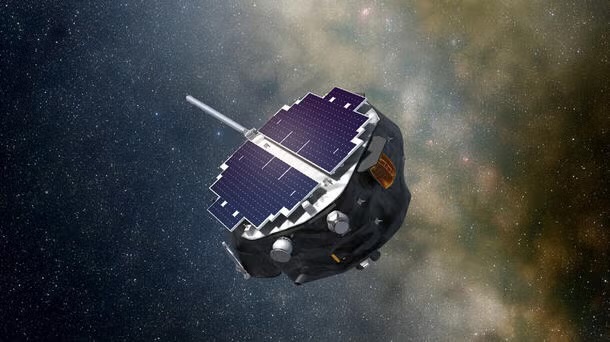
Space & Technology
NASA’s Interstellar Mapping and Acceleration Probe (IMAP) is scheduled to launch on 24 September 2025, marking a major step forward in our understanding of the heliosphere—the giant bubble of particles and magnetic fields created by the Sun that surrounds our solar system. Equipped with precision thrusters from L3Harris, the spacecraft will travel to Lagrange Point 1 (L1), located about 1.5 million kilometers from Earth. From this vantage point, IMAP will study the solar wind and its complex interaction with interstellar material, helping scientists learn more about how particles move between the Sun and the galaxy beyond. Advanced Propulsion from L3Harris The propulsion system, designed and integrated at L3Harris’ Redmond, Washington facility, is essential for IMAP’s journey and operations. It includes: Three propellant tanks Service and latch valves Filters and transducers Temperature sensors and heaters 12 MR-111G monopropellant rocket engines These thrusters will provide attitude control, orbit insertion, spin adjustments, and corrective maneuvers throughout the mission. “Our thrusters enable IMAP’s attitude control system to steer the spacecraft, perform orbit insertion, adjust its spin rate and perform corrective maneuvers as needed to maintain its orbit,” explained Chris Sebastian, lead program engineer at L3Harris. Scientific Goals of IMAP IMAP carries 10 scientific instruments to investigate: How solar particles are accelerated to high energies How the solar wind interacts with interstellar space The processes at the boundary of the heliosphere, where the influence of the Sun gives way to the galactic environment The mission is led by Professor David J. McComas of Princeton University, with more than 27 partner institutions worldwide contributing. The Johns Hopkins Applied Physics Laboratory (APL) is responsible for building and operating the spacecraft under NASA’s Heliophysics Division. Broader Significance The IMAP mission builds on the legacy of past heliophysics missions such as Voyager, IBEX (Interstellar Boundary Explorer), and Parker Solar Probe. While Voyager provided the first direct data from beyond the heliosphere, and IBEX mapped energetic neutral atoms from its boundary, IMAP will combine advanced instruments and high-resolution imaging to fill critical gaps in our knowledge. By answering key questions about space radiation, cosmic rays, and the shielding role of the heliosphere, IMAP’s data will not only enhance our scientific understanding but also provide insights important for future deep-space exploration and astronaut safety. As Matt Carollo of L3Harris put it: “Knowing that the propulsion system our team designed, built and installed on the IMAP spacecraft will enable researchers to expand our knowledge of our galactic neighborhood is very rewarding.”
Read More → Posted on 2025-09-25 15:41:17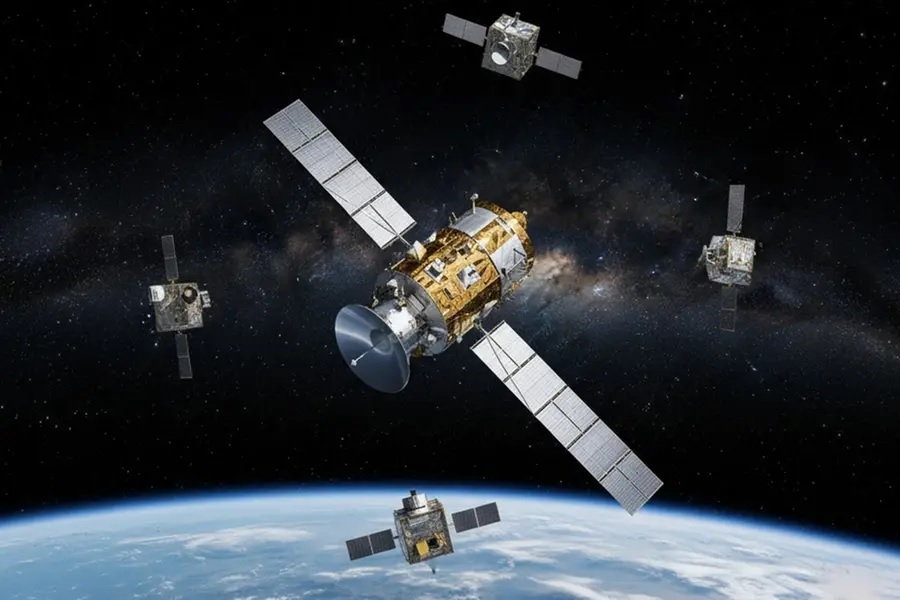
Space & Technology
India is preparing to take a major leap in space security with the development of “bodyguard satellites”—special spacecraft designed to protect the nation’s critical satellites from threats in orbit. These protective companions will not perform communication or imaging tasks, but instead will act as guards in space, monitoring and defending valuable assets against collisions, interference, or hostile actions. Why Bodyguard Satellites Are Needed In 2024, an Indian satellite had a close call when a foreign spacecraft came dangerously near—within just 1 kilometre. Although there was no collision, the incident highlighted how vulnerable India’s space infrastructure is. With the increasing number of satellites in orbit and the growing competition among nations, the need for active protection has become urgent. India relies heavily on satellites for communication, navigation (NavIC), weather forecasting, military surveillance, and disaster management. Any disruption or damage could paralyze vital services on the ground, making it clear why a dedicated protection system is essential. How Bodyguard Satellites Work A bodyguard satellite will orbit close to a high-value satellite, constantly scanning the surrounding space. Using sensors, cameras, radars, and infrared detectors, it can spot approaching objects—whether space debris or a suspicious foreign satellite. Possible functions may include: Surveillance & detection – keeping watch on nearby space activity. Tracking & identification – distinguishing between harmless debris and potential threats. Early warning – alerting ground stations and the protected satellite about approaching dangers. Defensive action – maneuvering to block or distract a hostile satellite, or helping its companion move away from danger. The biggest challenge lies in precision maneuvering. The bodyguard must stay close enough to react quickly but not so close that it risks collision itself. India’s Larger Space Security Vision The bodyguard satellites are expected to be part of a broader multi-layer defense system. India is already running programs like Project NETRA, which tracks space debris, and IS4OM, which manages safe satellite operations. Alongside these, India plans to build a network of nearly 50 surveillance satellites to watch over its orbital assets. This plan could involve an investment of more than ₹27,000 crore, reflecting the government’s recognition that space is no longer just for science—it is a strategic battlefield where power and security go hand in hand. Developing and operating bodyguard satellites will not be easy. India will need to overcome: Collision risks during close-proximity operations. Accurate sensors to avoid false alarms. Fuel and energy limits, since maneuvering in orbit consumes significant resources. International laws, because active space defense may raise diplomatic questions. Still, the importance of protecting satellites outweighs these hurdles. A Step Toward Resilient Space Power The creation of bodyguard satellites would place India among the few nations capable of active satellite defense. It strengthens deterrence, ensuring that any adversary will think twice before attempting to interfere with India’s orbital assets. As the global race for space dominance intensifies, India’s move signals its determination to safeguard its satellites—the invisible backbone of modern life. With this bold step, the country is transforming from being just a spacefaring nation to becoming a space-secure nation.
Read More → Posted on 2025-09-24 15:43:26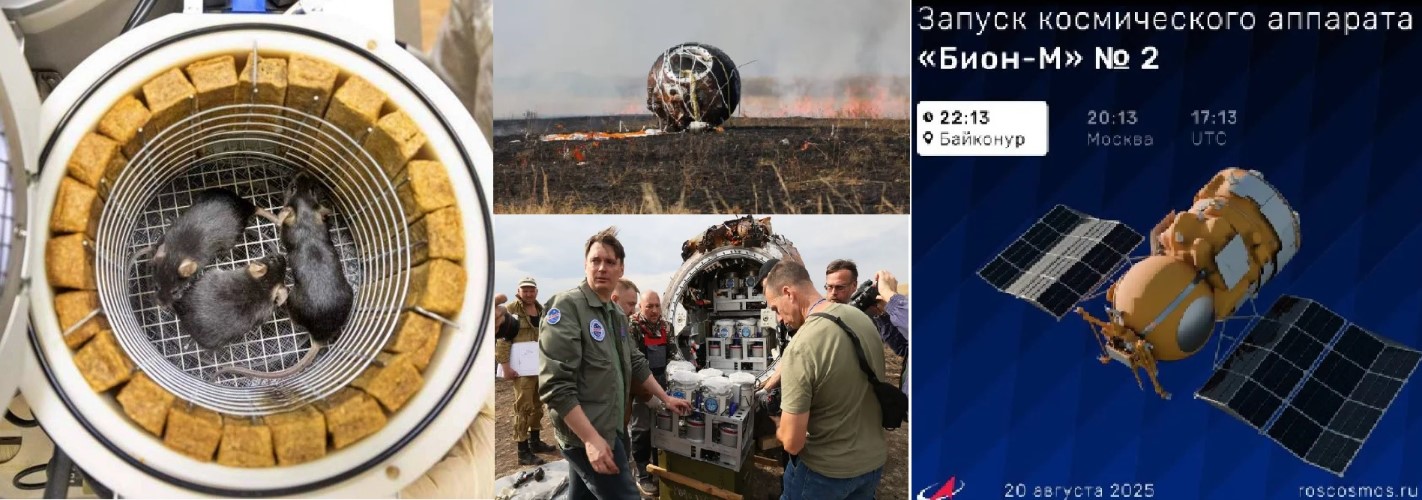
Space & Technology
A Russian biological research satellite, Bion-M No. 2, has successfully returned to Earth after spending 30 days in orbit. The spacecraft, often called a “Noah’s Ark” because of the wide variety of life it carried, landed on September 19 in the Orenburg region steppes. It was launched on August 20 aboard a Soyuz-2.1b rocket from the Baikonur Cosmodrome. The Mini-Ark in Orbit Bion-M No. 2 carried a rich collection of living specimens and scientific experiments, including: 75 mice, specially selected to test sensitivity to space radiation. More than 1,500 fruit flies, ideal for studying nervous system health and reproduction. Plant seeds from various species to explore how they respond to cosmic radiation. Microorganisms and cell cultures to see how space affects tiny life forms. Samples embedded in rocks, part of an experiment called “Meteorite” to test whether microbes could survive the intense heat of reentry — supporting or challenging the theory of panspermia, the idea that life may have come to Earth from space. The spacecraft orbited at an altitude of 370 to 380 kilometers, at an inclination of about 97 degrees, exposing its passengers to higher levels of cosmic radiation than astronauts usually face on the International Space Station. The Landing and First Examinations When the capsule touched down, a small brush fire broke out near the site but was quickly extinguished. Recovery teams, supported by helicopters, rushed to retrieve the capsule and began immediate checks on the animals. Out of the 75 mice, 65 survived. Experts explained that the loss of 10 mice was mostly due to intra-group aggression among the males rather than purely the effects of space conditions. Scientists on-site examined the fruit flies, checking their motor activity to identify any nervous system problems. A medical tent was set up at the landing site for initial tests. Later, the biological samples were transported to the Institute of Biomedical Problems in Moscow for detailed laboratory studies. What Scientists Want to Learn The mission included over 30 experiments, divided into 10 main research sections: Studying gravitational physiology in animals to improve life support technologies for astronauts. Understanding how plants, microbes, and their communities adapt to space conditions. Conducting biotechnological and technical experiments for future spacecraft systems. Performing radiobiological and dosimetric experiments to improve astronaut radiation safety. Involving students from Russia and Belarus with experiments designed for education and training. Why This Matters The Bion-M No. 2 mission is more than just a biological flight — it’s a crucial step in preparing for long-duration human missions to the Moon and Mars. Key insights include: How radiation and weightlessness together affect living beings. The genetic factors that make some organisms more resilient or vulnerable. How seeds and plants cope with space conditions, supporting the idea of space farming. Whether microbes can survive extreme conditions, linking to theories of life spreading across the universe. Despite some challenges, including the death of a few mice, the mission was largely successful. The data collected will help scientists design safer spacecraft, radiation protection methods, and sustainable habitats for astronauts. In many ways, Bion-M No. 2 shows us that life — in all its forms — can endure beyond Earth. It is a reminder that every step we take in space brings us closer to understanding both our future in the cosmos and the very origins of life itself.
Read More → Posted on 2025-09-24 15:27:31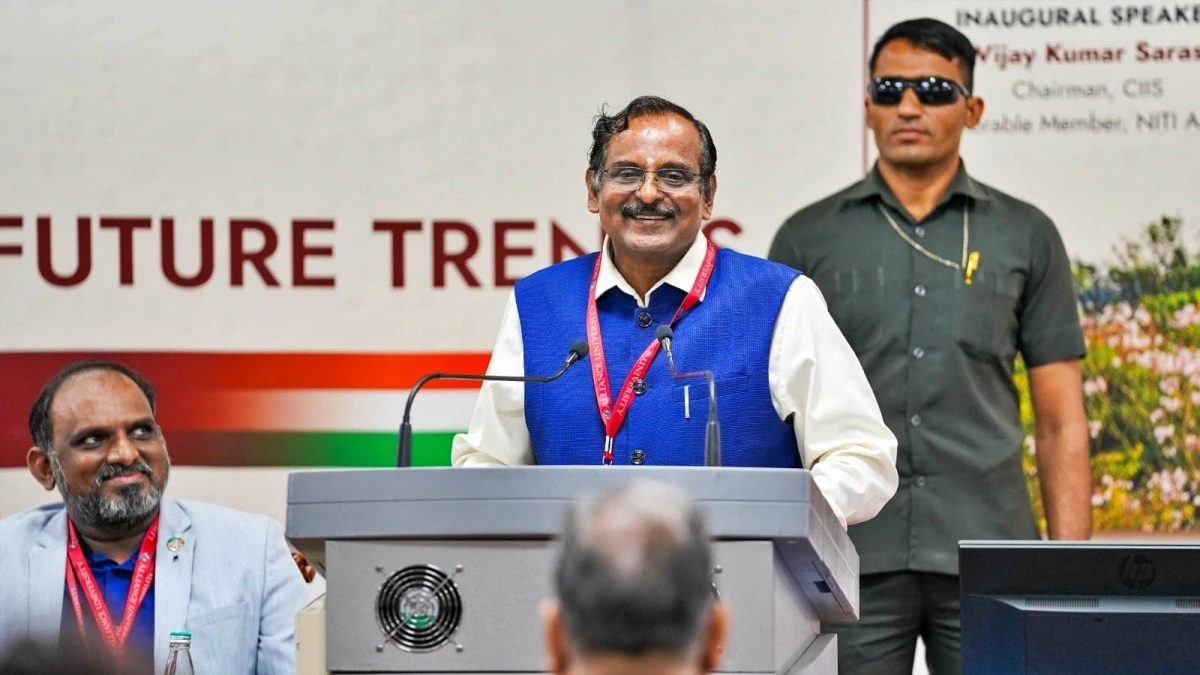
Space & Technology
India : At the National Workshop on Hydrogen Fuel Technologies in Bengaluru, ISRO Chairman Dr. V. Narayanan emphasized that hydrogen will play a transformative role in shaping India’s space missions, clean energy transition, and industrial ecosystem. His speech served both as a progress report and a roadmap for how hydrogen could become the backbone of India’s technological independence. Key Highlights of ISRO’s Work Cryogenic Propulsion Mastery: India now possesses full control over liquid hydrogen–oxygen cryogenic engines, a capability once denied. The LVM-III rocket, marking India’s 100th successful launch in January 2025, used this advanced technology. Fuel Cells in Space: A 100-watt oxygen-hydrogen fuel cell was tested in orbit, and ISRO is developing a 20-kilowatt system for sustained power in long missions. This paves the way for the Bhartiya Antariksh Station and future deep space exploration. Human Moon Mission: ISRO is working on a hydrogen-fueled upper stage rocket with 60–70 tons capacity for India’s first crewed lunar mission by 2040. Industrial Applications: Beyond rockets, ISRO and Tata Motors pioneered a hydrogen fuel cell bus, and in June 2025, five such buses entered commercial service. Public enterprises like BHEL and NTPC are now scaling hydrogen turbines and transport systems. Why Hydrogen Matters Hydrogen represents more than just a new fuel source. For India, it symbolizes strategic autonomy and climate responsibility. With rising global concern over fossil fuels and carbon emissions, hydrogen offers a clean, abundant, and adaptable energy solution. In space, hydrogen enables long-duration human missions, something vital if India aims to establish a permanent human presence on the Moon or build an Indian space station. Unlike conventional fuels, hydrogen can also be regenerated from renewable energy sources, closing the loop between Earth-based sustainability and space exploration. At the industrial level, hydrogen could be the missing link that bridges India’s growth with its environmental commitments. Heavy industries, transport, and power plants—often accused of being polluting—could transition to hydrogen and drastically reduce their carbon footprint. However, challenges remain. Storage and safety are critical, as hydrogen is highly flammable and difficult to contain. This is why ISRO’s focus on millisecond-response hydrogen leak sensors is not just technical but existential. Any large-scale adoption of hydrogen depends on ensuring public confidence in its safety. Future Outlook Looking ahead, India’s hydrogen journey will not be limited to rockets and buses. The National Green Hydrogen Mission seeks to position India as a global hub for hydrogen production, consumption, and exports. This could reshape India’s role in the international energy economy, reducing dependence on imported oil and gas while opening new export markets. For young scientists and engineers, Dr. Narayanan’s call was clear: hydrogen is the frontier where energy, environment, and exploration converge. By mastering it, India can not only achieve energy independence but also secure its place as a leader in the 21st-century hydrogen revolution.
Read More → Posted on 2025-09-21 16:03:14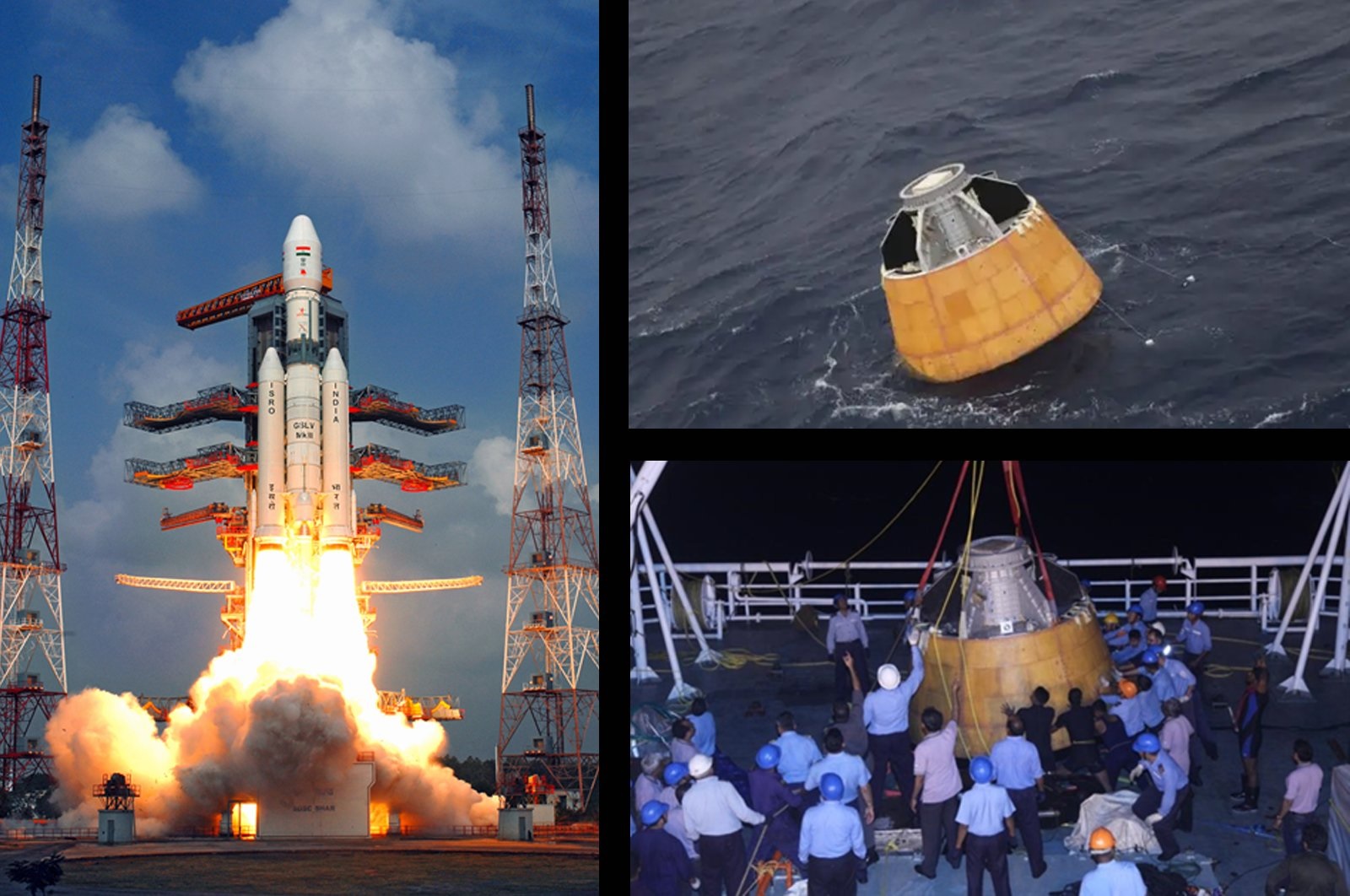
Space & Technology
New Delhi, India : The Indian Space Research Organisation (ISRO) has successfully completed 7,700 ground tests for its ambitious Gaganyaan human spaceflight program, with an additional 2,300 tests scheduled before the first crewed mission. This extensive testing phase is critical to ensuring the safety and reliability of the mission, which aims to send Indian astronauts into space for the first time. The Gaganyaan mission is a significant step in India's space exploration efforts. It is planned to demonstrate human spaceflight capability by launching a crew of three members into a 400 km orbit for a three-day mission and returning them safely to Earth. The mission is expected to take place in early 2027, following a series of uncrewed test flights. A key component of the mission's safety protocols is the parachute recovery system. In August 2025, ISRO successfully conducted the first Integrated Air-Drop Test (IADT-01) for the Gaganyaan mission at the Satish Dhawan Space Centre. This test involved dropping a 5-ton dummy crew capsule from a Chinook helicopter, with parachutes deploying in sequence to ensure a controlled splashdown in the Bay of Bengal. The recovery parachute system, developed by Agra-based ADRDE, a DRDO lab, includes four types of parachutes—Apex Cover Separation, Drogue, Pilot, and Main—that work together to reduce the capsule's velocity during descent. Looking ahead, ISRO plans to conduct three uncrewed missions as part of the Gaganyaan program. The first uncrewed flight is scheduled for December 2025 and will carry Vyommitra, a humanoid robot designed to simulate human functions in space. This will be followed by two more unmanned missions in 2026, which will further test the spacecraft's systems and recovery procedures. The Gaganyaan mission is a testament to India's growing capabilities in space technology and its commitment to advancing human space exploration. With meticulous planning and rigorous testing, ISRO is paving the way for a successful and historic crewed mission in 2027.
Read More → Posted on 2025-09-16 16:32:05
Space & Technology
In a significant development, US and China have reached a framework agreement to transfer the ownership of TikTok to a US-controlled entity, potentially averting a nationwide ban of the popular social media app. The deal, announced after high-level trade talks in Madrid, is expected to be finalized during a call between US President Donald Trump and Chinese President Xi Jinping on Friday, September 19, 2025. US Treasury Secretary Scott Bessent confirmed that the commercial terms of the agreement have been settled, although specific details remain confidential. The move comes in response to the Protecting Americans from Foreign Adversary Controlled Applications Act (PAFACA), passed in April 2024, which requires the divestiture of TikTok’s US operations from its Chinese parent company ByteDance to address national security concerns. While the agreement marks a major step forward, several key issues remain unresolved. One of the most significant points of contention is the fate of TikTok’s recommendation algorithm, which was developed by ByteDance in China. Beijing has reportedly agreed to license the algorithm to the new US-based entity, allowing TikTok to continue operating with features aligned with cultural preferences and user experience. However, critics are concerned that ByteDance’s influence may continue in subtle ways, especially in areas related to data security and content moderation. The upcoming call between President Trump and President Xi is expected to resolve these outstanding issues and set the stage for finalizing the transfer. Observers believe this framework deal could not only preserve TikTok’s operations in US markets but also serve as a test case for managing future disputes involving technology platforms and geopolitical tensions. Both US and China have expressed a commitment to working together to ensure the deal’s successful implementation. Stakeholders in the tech industry, lawmakers, and international analysts are closely watching the process, as it will have far-reaching implications for global technology regulation, data privacy, and economic cooperation between the two superpowers. With the final approval expected soon, the TikTok ownership transfer could reshape the landscape of digital platforms, ensuring a delicate balance between innovation, security, and international cooperation.
Read More → Posted on 2025-09-16 15:56:04
Space & Technology
In a significant development aimed at enhancing regional security and space capabilities, India and Mauritius have agreed to establish a satellite tracking station in Mauritius. This facility will bolster India’s ability to monitor satellite activities and strengthen its strategic presence in the Indian Ocean region. Strategic Significance The proposed station will be situated near the Chagos Archipelago, close to the Diego Garcia military base, a critical asset for the US and UK. This location offers India a strategic vantage point to monitor maritime and satellite activities in the region, especially amidst China’s growing influence in the Indian Ocean. The agreement was formalized during the visit of Mauritius Prime Minister Navinchandra Ramgoolam to India. Benefits of the Satellite Tracking Station Monitoring:The station will enable India to track and receive data from satellites and launch vehicles, improving satellite management and operational efficiency. Regional Security:Situated near Diego Garcia, the station will serve as a strategic asset for monitoring maritime activities and enhancing India’s defense capabilities in the Indian Ocean. Bilateral Ties:The establishment of the station underscores the deepening cooperation between India and Mauritius in space research, science, and applications. Global Landscape of Satellite Tracking Capabilities Several countries possess satellite tracking capabilities, either through national facilities or international collaborations. India’s existing ground stations, such as those in Mauritius, Bearslake (Russia), Biak (Indonesia), and Svalbard (Norway), form part of the Indian Space Research Organisation’s (ISRO) Telemetry, Tracking, and Command Network (ISTRAC). These stations play a crucial role in managing satellite missions from launch to operational life. The establishment of a satellite tracking station in Mauritius marks a significant milestone in India’s space and defense strategy. It not only enhances India’s satellite monitoring capabilities but also strengthens its strategic presence in the Indian Ocean region, fostering closer ties with Mauritius and contributing to regional stability.
Read More → Posted on 2025-09-14 15:46:13Search
Top Trending in 24 Hours
-
 NASA Demonstrates Space-to-Space Wi-Fi Between Two Orbiting Spacecraft
-
 U.S. Military to Ban Chinese Automaker BYD Vehicles from Kadena Air Base in Japan Over Security Concerns
-
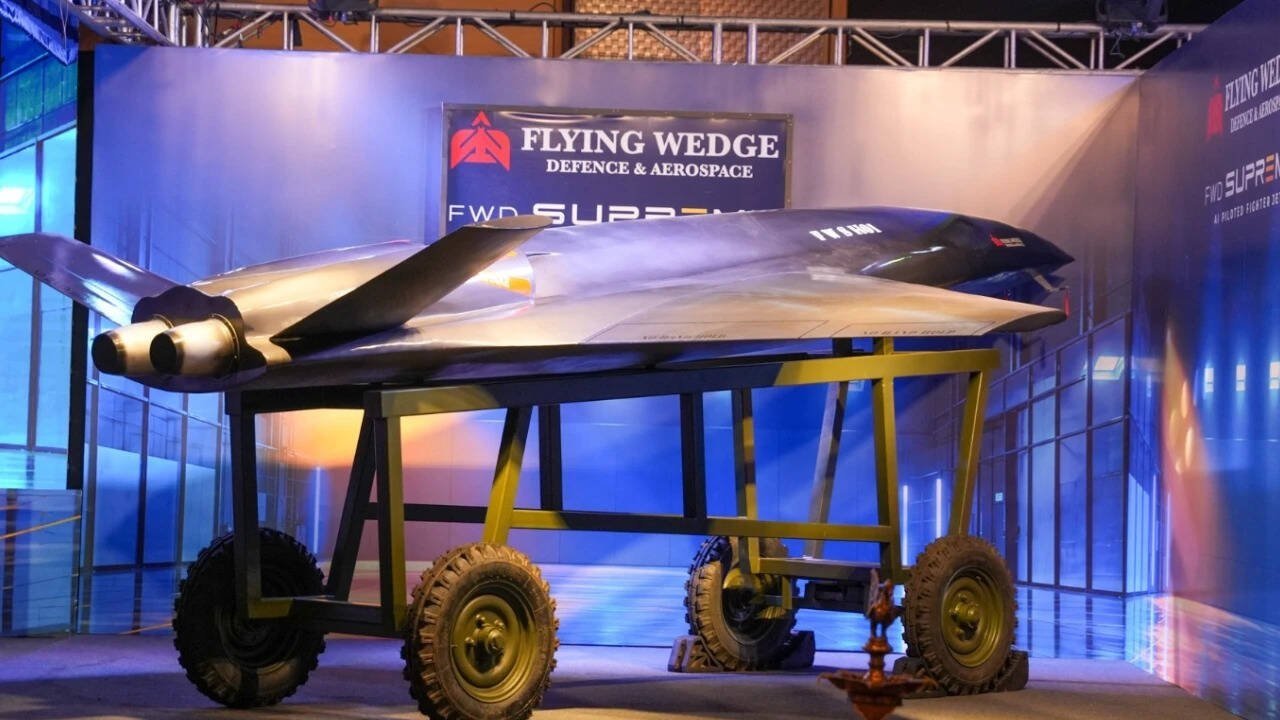 Bengaluru Startup FWDA Unveils FWD Supreme AI-Piloted Loyal Wingman Prototype
-
 Israeli Firm Silynxcom Develops AI-Powered Wearable Drone Detection System for Soldiers
-
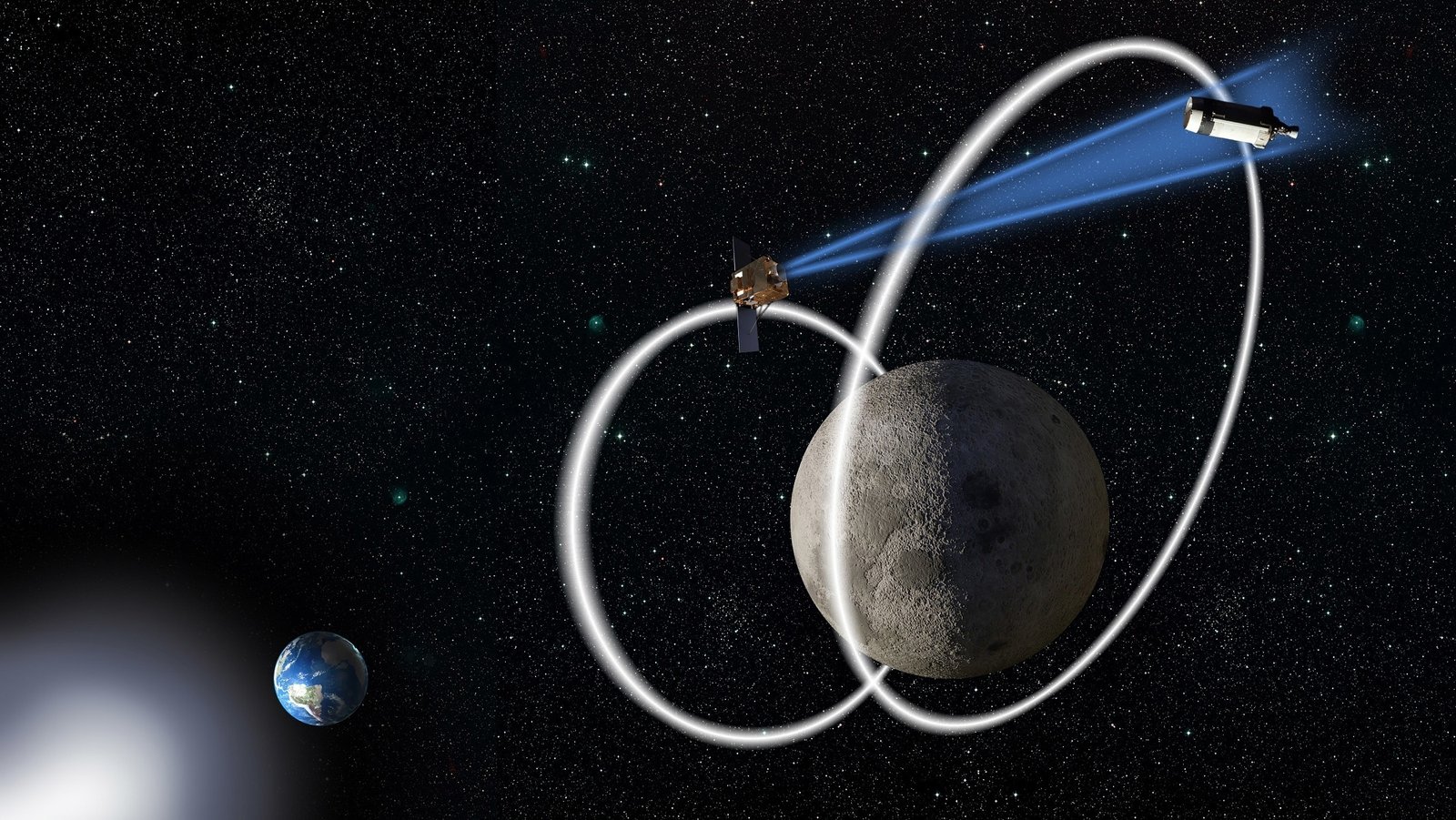 U.S. Space Force Targets 2029 for Surveillance and Navigation Capabilities Near the Moon
-
 India Develops Indigenous Military AI, Expands Missile Production to Cut Costs
-
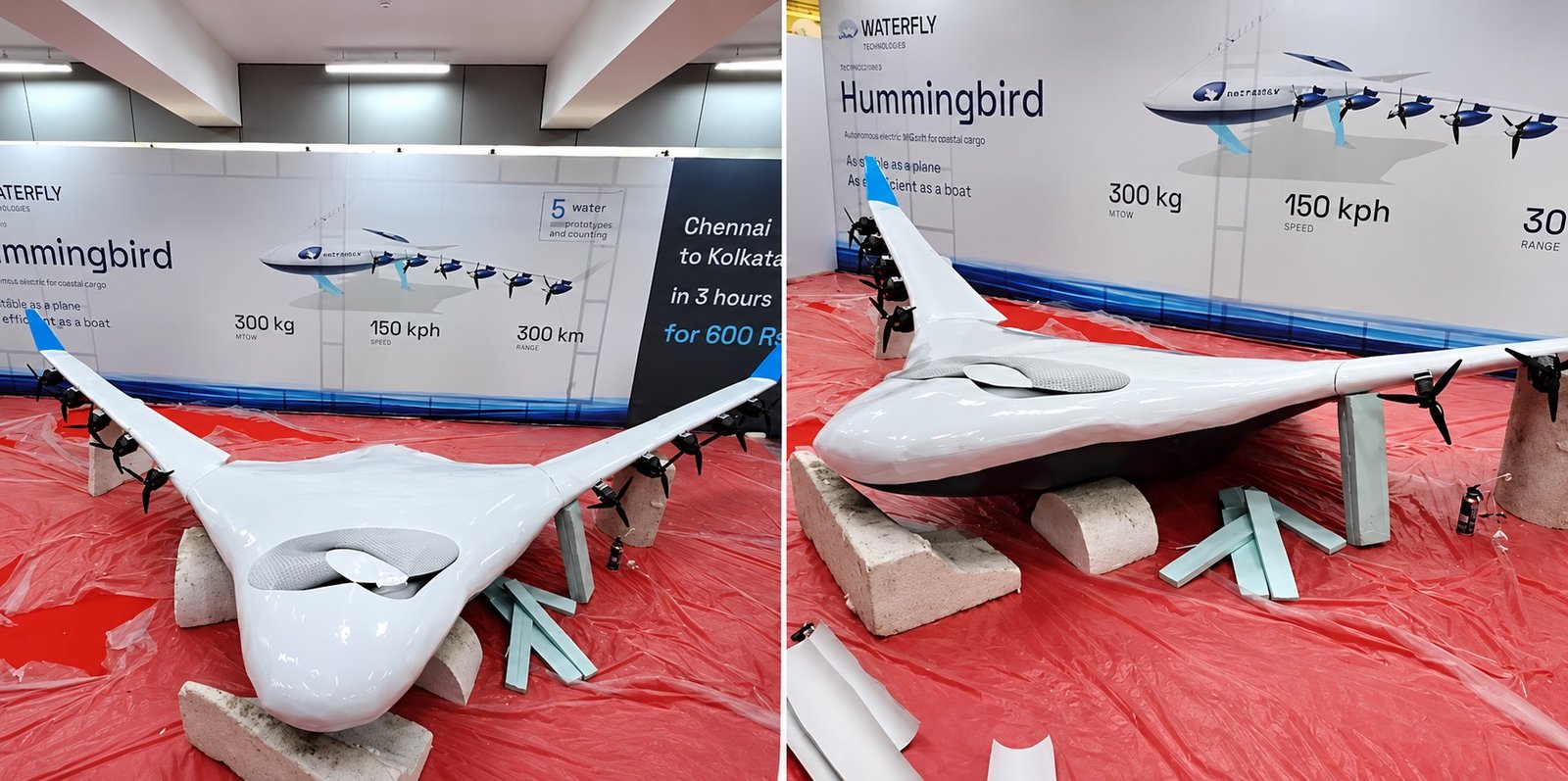 IIT Madras Startup Waterfly Technologies Plans December Ocean Trial of Hummingbird Electric WIG Craft
-
 Turkish Navy Deploys HAVELSAN Barkan UGV in Amphibious Drills During TURNAs-2026
Top Trending in 4 Days
-
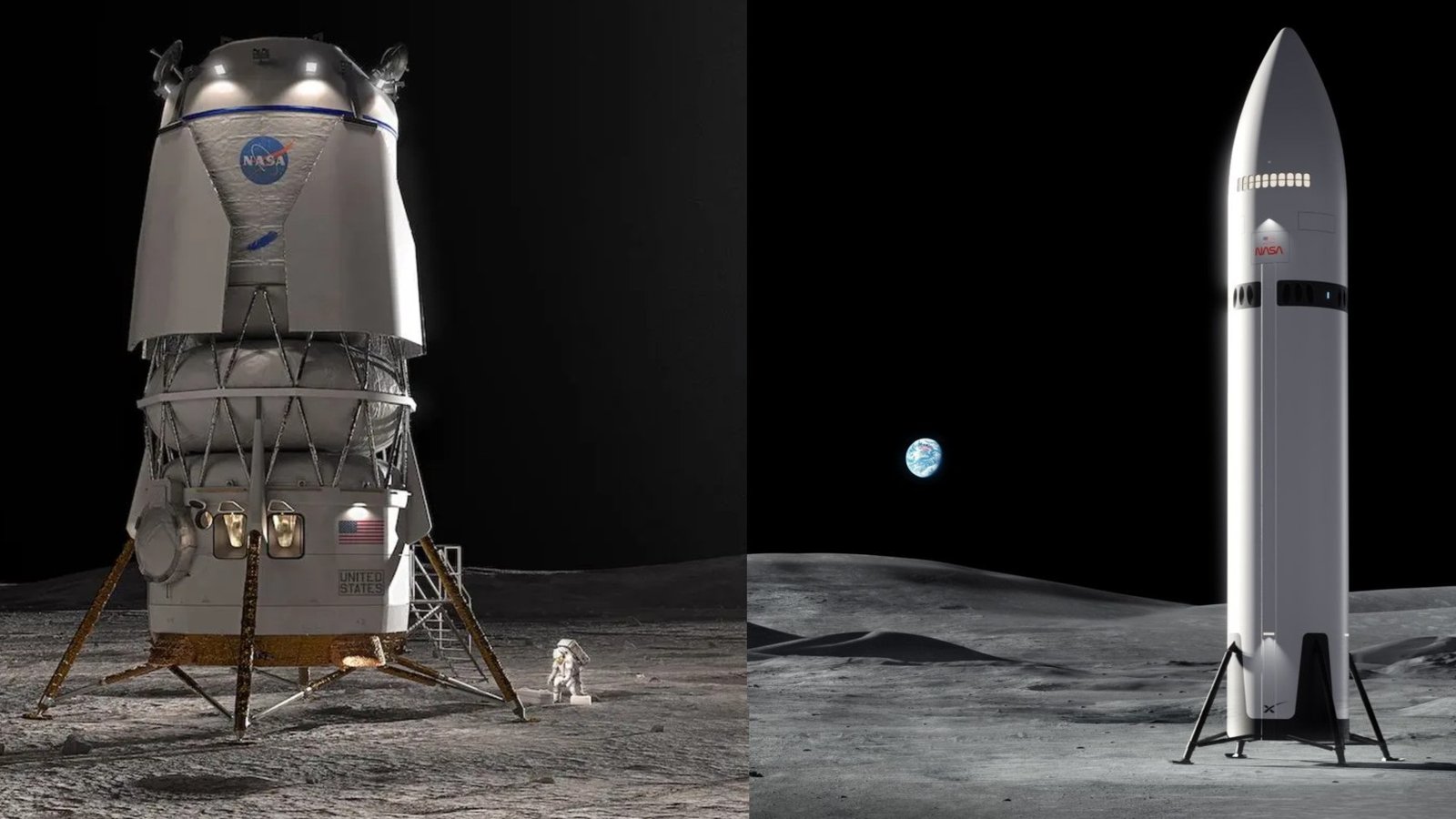 NASA Sets New Artemis Milestones as SpaceX and Blue Origin Target Moon Landings in 2027–2028
-
NASA Demonstrates Space-to-Space Wi-Fi Between Two Orbiting Spacecraft
-
 USS Pinckney Becomes First U.S. Navy Destroyer to Begin Phase Two Modernization with Advanced SPY-6 Radar
-
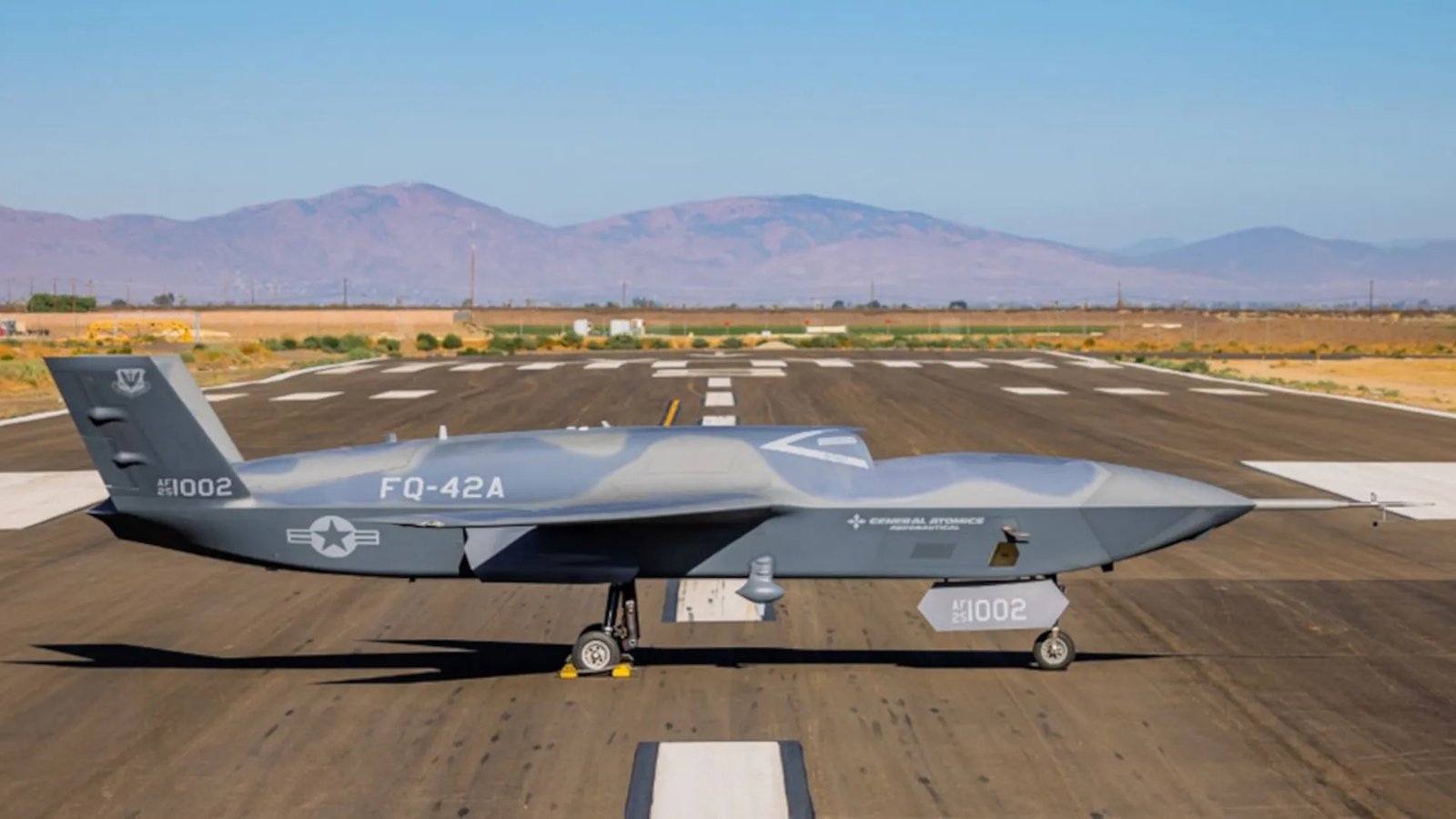 General Atomics Partners With Spirit Defense to Expand FQ-42 Vengeance Production
-
U.S. Military to Ban Chinese Automaker BYD Vehicles from Kadena Air Base in Japan Over Security Concerns
-
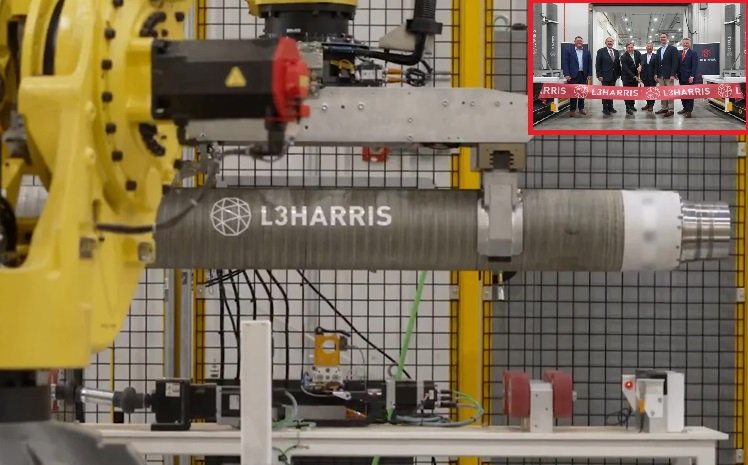 L3Harris Opens ‘Arsenal of Freedom’ Rocket Motor Plant in Arkansas to Double Production Capacity
-
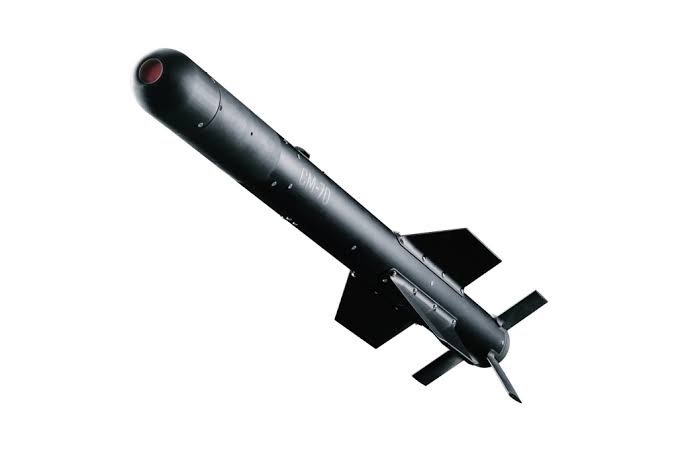 CSG and North Vector Dynamics Sign MoU to Explore European Production of CM-70 Counter-Drone Interceptor
-
 Unitree Unveils H2-X ‘Kung Fu Legend: Guardian’ Humanoid Robot for Security and Rescue