Space & Technology
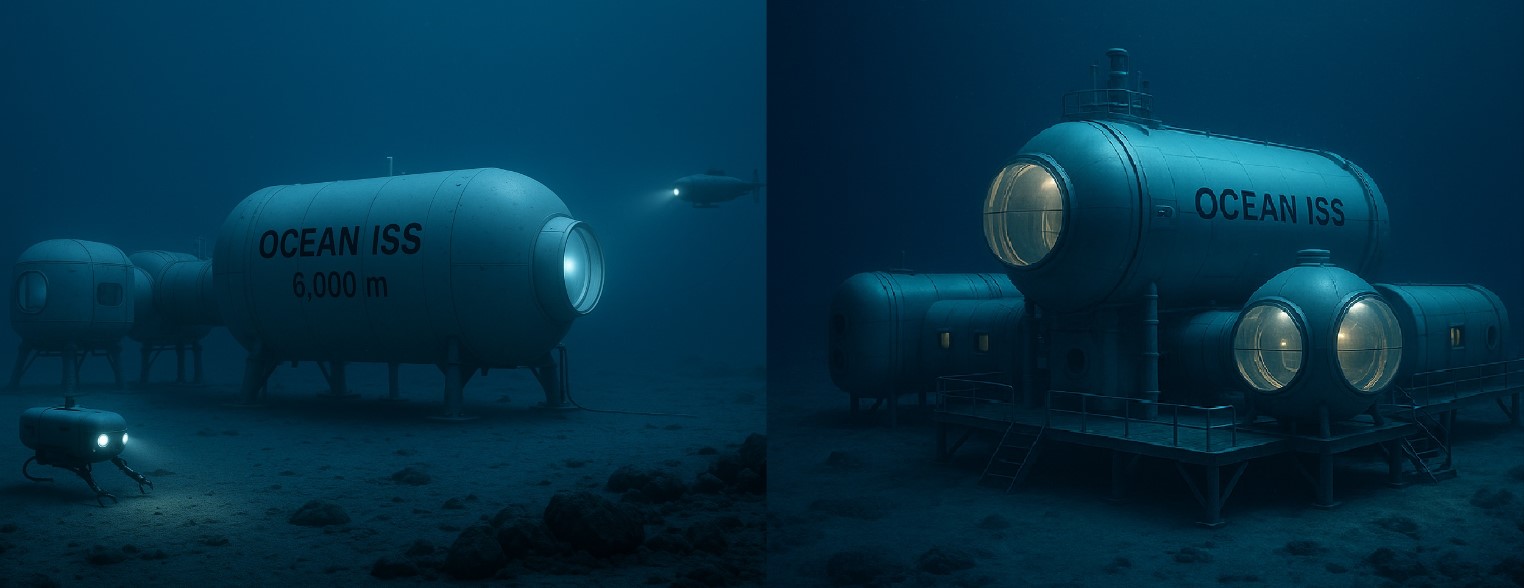
When India’s ocean scientists talk about the deep sea, they describe it with the same excitement that astronomers use for distant planets. Except this world is not light years away — it begins just a few kilometres under the waves. Now, India is preparing to go deeper than any nation has ever lived or worked before. In an ambitious leap under the Deep Ocean Mission, the National Institute of Ocean Technology (NIOT) has begun shaping plans for a permanent underwater research laboratory at 6,000 metres depth — a place so extreme that sunlight never reaches it, temperatures hover near freezing, and pressure is more than 600 times what humans feel at the surface. If completed, this would be the deepest underwater lab in human history — a kind of “Ocean ISS” anchored to the seafloor of the Indian Ocean. A Vision That Begins in the Darkness The idea did not appear suddenly. For years, Indian researchers have mapped seafloors, sent robots into trenches, and built prototypes of pressure-resistant spheres in workshops in Chennai. Slowly, the dream formed: If astronauts can live above Earth for months, why can’t aquanauts live beneath it? The initial steps are already underway. NIOT is testing a 500-metre demonstration habitat, a smaller module meant to teach engineers how to handle life support, pressure, communication and docking systems. Only after this will India attempt the bold jump toward 6,000 metres, where every detail — every weld, every cable — must be engineered for a world that crushes anything unprepared. This future habitat will likely be a cluster of titanium and composite modules, interconnected like a space station, with observation ports, laboratories, crew quarters and docking points for submersibles like Matsya 6000, India’s soon-to-be flagship deep-sea vehicle. What Life Looks Like Six Kilometres Down At 6,000 metres, humans have barely spent minutes — never days, never weeks. But India’s proposed lab aims to change that. If scientists live there, their work could transform our understanding of Earth. Studying Life That Shouldn’t Exist The deep ocean hosts creatures that look almost alien — transparent fish, luminous worms, pressure-loving microbes. Observing them long-term could explain how life survives without sunlight and whether similar forms might exist on icy moons like Europa or Enceladus. Unlocking the Microbial Frontier India is already building a Deep-Sea Microbial Repository, and a 6,000-metre lab would feed it with samples found nowhere else on the planet. These microorganisms may help create: new antibiotics, powerful industrial enzymes, eco-friendly plastics breakdown systems, and even skin-care or medical compounds evolved for life under crushing force. Watching the Earth Shift From Below A lab this deep could sit near tectonic activity — the massive, grinding edges of Earth’s plates. Instruments around it could: track micro-earthquakes, measure seafloor movement, study hydrothermal vents, and help understand how tsunamis begin. Tracking Carbon and Climate in the Abyss Most of Earth’s trapped heat and carbon ends up in the deep ocean. A permanent habitat would finally give scientists long-term, real-time data on how the deep sea responds to climate change — a mystery that climate models desperately need solved. Who Else Has Tried — and How India Goes Beyond Them Underwater laboratories are not new, but none comes remotely close to India’s dream. Aquarius Reef Base in Florida sits at only 19 metres — it is the world’s only functioning undersea lab today. Proteus, being built by Fabien Cousteau, will also be at shallow depth — around 20 metres, with deeper satellites reaching about 70. The UK company DEEP is working on habitats around 200 metres, suitable for continental shelf science. The only project that hints at going deeper is China’s planned deep-sea station at about 1,800 metres — still far from India’s planned 6,000 metres. In other words, no nation has ever attempted a liveable lab in the hadal zone. India would be the first to step into that darkness for real. Engineering at the Edge of Survival Nothing about a 6,000-metre habitat is ordinary. India’s engineers are preparing for challenges that few have even studied: Pressure so high that one small flaw could instantly collapse a structure. Communication delays caused by sound traveling unevenly in deep water. Power lines that must stretch kilometres through rough ocean, without breaking. Life-support systems that must run flawlessly for weeks in a place no human can step outside to repair. The materials alone — from the titanium hulls to the special acrylic viewports — must endure forces we rarely encounter on Earth. This is why the mission is long, why the target year is near 2047, and why every test, every dive of Matsya 6000, every simulation matters. More Than Science: Why This Matters If India succeeds, its underwater lab will not only unlock deep-sea secrets — it will shift global scientific leadership. A functioning station at 6,000 metres would make India a pioneer in high-pressure engineering and ocean technology, while giving the country a major push in the blue economy through breakthrough research in biotechnology, advanced materials, and deep-ocean minerals. It would also sharpen the world’s understanding of natural hazards by improving tsunami prediction systems and long-term climate models based on real data from the abyss. At the same time, the habitat would serve as a testing ground for future exploration beyond Earth, helping scientists study how humans adapt to long-duration life in isolated and extreme environments — knowledge crucial for Moon and Mars missions. Most importantly, such a station would finally open access to the last great frontier on the planet, a realm still more mysterious than Mars and more unexplored than the Moon. A New Era Beneath the Waves In the coming decades, when the first team of Indian aquanauts descend to live in this extreme, silent world, they will not just be exploring the deep sea — they will be revealing an entire hidden planet that has existed beside us, untouched, since the beginning of time. If space is humanity’s upward journey, then the deep ocean is its inward one. And India is preparing to lead that journey into the darkness, to a depth where no country has ever dared to build a home.
Read More → Posted on 2025-11-18 16:31:12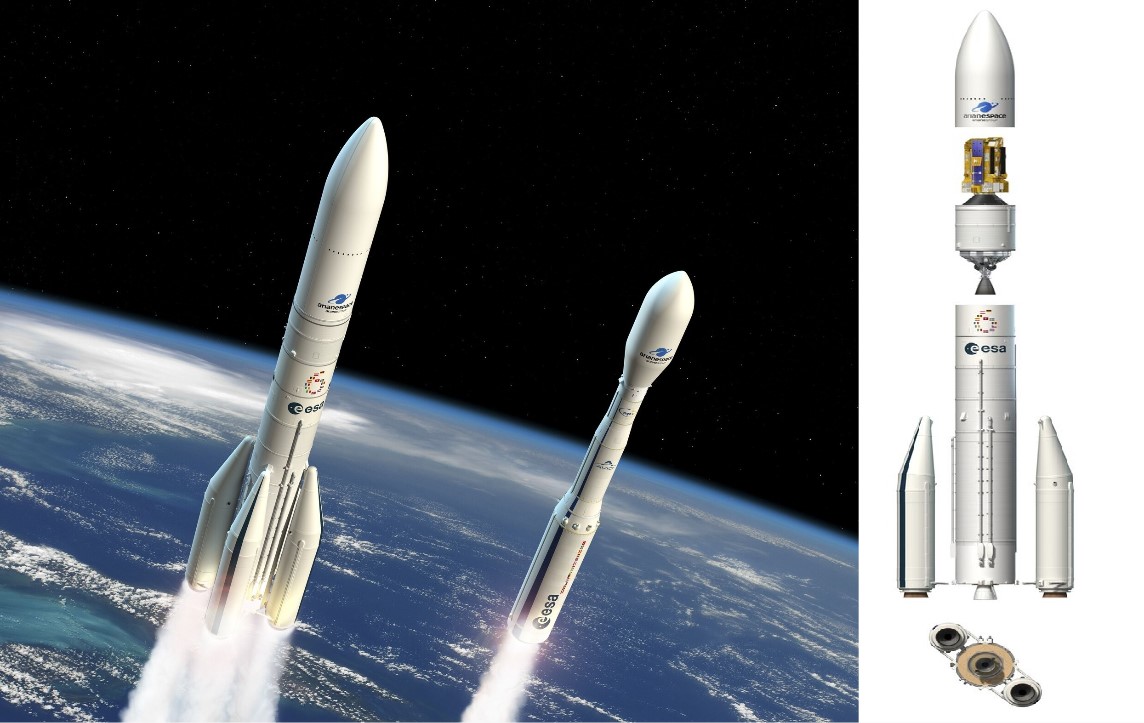
Space & Technology
Europe’s space industry received a significant boost this week as ArianeGroup and Avio announced a sweeping industrial contract extending through 2029, covering the large-scale production of key Ariane 6 components, the next-generation P160 boosters, and crucial oxygen turbopumps for the Vulcain engine. The agreement also expands cooperation between the two companies by establishing a wider commercial framework for the mutual supply of components for both Ariane 6 and Vega C, Europe’s primary heavy- and medium-lift launch vehicles. Agreement Secures Long-Term Launcher Production The joint venture Europropulsion, owned equally by ArianeGroup and Avio, will produce the P160C solid rocket motors for the operational phase of Ariane 6 and Vega C. The contract ensures P160C production until 2029, supporting Europe’s plans for stable and predictable access to launch services. The P160C, developed by both companies, serves as the common booster for Ariane 6 and the first stage of Vega C. It provides higher thrust and improved performance compared to previous boosters. The system is undergoing qualification in 2025, with its first planned use on an Ariane 6 mission in Q2 2026, expected in the four-booster configuration designed for heavier payloads. Industrial Synergies Strengthen Europe’s Launch Sector Beyond booster production, the contract creates new synergies across the European launch ecosystem: Avio will deliver additional liquid oxygen turbopumps for the Vulcain engine, powering Ariane 6’s first stage. ArianeGroup will supply specialised components and equipment for Vega C, ensuring smoother production flows and reducing dependency on external suppliers. This interlinked industrial arrangement is designed to enhance cost competitiveness, increase production efficiency, and safeguard Europe’s long-term launch capabilities across commercial, governmental, and scientific missions. Leaders Emphasize Cooperation and European Autonomy Giulio Ranzo, CEO of Avio, praised the agreement: “Avio and ArianeGroup are very satisfied to have signed a broad industrial agreement, seeking to capture synergies between Ariane 6 and Vega C to improve technology, performance, and cost competitiveness. Their joint venture Europropulsion, now over 30 years old, remains a fundamental building block of Europe’s capabilities to access space.” Martin Sion, CEO of ArianeGroup, highlighted the importance of the P160C: “The ramp-up of Ariane 6 is in full swing. The arrival of the P160C motor opens a new chapter for Ariane 6 and Vega C. The agreement demonstrates once again that cooperation is key to ensuring a competitive and autonomous European access to space.” Broader Context: Europe’s Push for Launch Independence The announcement comes at a pivotal time for Europe: The continent is transitioning from Ariane 5 to Ariane 6, with the heavy-lift gap putting pressure on strategic missions. Vega C is preparing for its return to flight in 2025 after earlier setbacks. Competition from U.S. commercial launch providers, as well as increasing capability from China and India, has intensified. Securing long-term production of boosters, engine systems, and launch-critical components is essential to protect Europe’s independent access to orbit and stabilise its institutional launch schedule. A New Chapter for Ariane 6 and Vega C With the P160C entering production, Ariane 6 approaching full operational readiness, and Vega C moving toward its relaunch, the new ArianeGroup–Avio agreement reinforces Europe’s path toward launch resilience. The contract marks not only a production milestone but also a renewed commitment to collaboration, efficiency, and technological advancement across Europe’s space-launch ecosystem—ensuring a stable and competitive European presence in space through the end of the decade.
Read More → Posted on 2025-11-17 11:14:20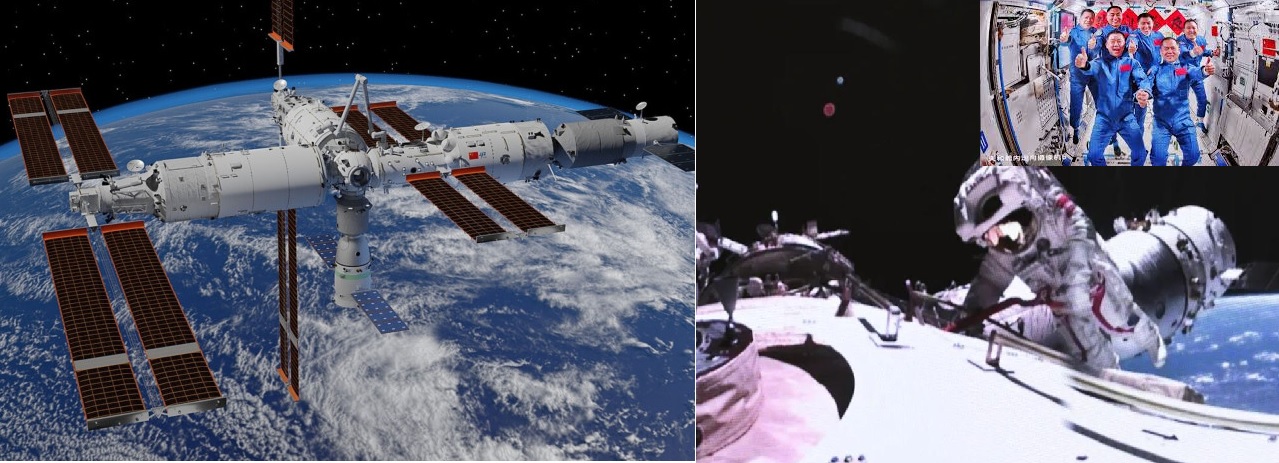
Space & Technology
In an incident highlighting the growing danger of space debris in Earth’s orbit, China’s Shenzhou-20 return capsule—docked at the Tiangong Space Station—was reportedly damaged by U.S.-origin space debris, delaying the scheduled return of its three astronauts. According to China’s Manned Space Agency (CMSA), the impact occurred last week, causing “non-critical structural damage” to the craft’s outer module. The crew, however, remains safe aboard the Tiangong Station, and all life-support systems are functioning normally. While the capsule’s integrity is not compromised for habitation, officials stated that re-entry at this stage would be unsafe due to weakened thermal shielding. As a result, China is now preparing Shenzhou-22, an emergency rescue spacecraft, to be launched from the Jiuquan Satellite Launch Center in the coming days. The Incident: A Collision That Could Have Been Worse Initial assessments from China’s National Space Debris Monitoring and Mitigation Center indicate that the debris fragment was traced to an American Delta rocket stage, launched in the early 2000s. The object was part of an identified debris cluster catalogued by U.S. Space Command but not deemed an active collision risk at the time of the incident. Telemetry data showed that the debris, roughly 10 centimeters in diameter, struck the Shenzhou-20 return capsule’s aft thermal protection panel at a relative velocity of over 10 kilometers per second. The collision caused superficial cracking and sensor malfunction, forcing mission control to halt the scheduled deorbit sequence. China’s space agency immediately conducted a damage inspection using Tiangong’s robotic arm and external cameras, confirming that while the station itself remains fully operational, the Shenzhou-20’s ability to safely endure atmospheric re-entry was “compromised beyond acceptable thresholds.” Astronauts Safe, But Return Postponed The three Chinese taikonauts—part of the Shenzhou-20 mission launched in June—were scheduled to return to Earth this week after completing a six-month rotation aboard Tiangong. Officials have confirmed that the astronauts are in good health and are not in immediate danger. CMSA spokesperson Ji Qiming stated that “crew safety is paramount,” adding that the rescue spacecraft Shenzhou-22 is being rapidly prepared for launch. “Our mission principle remains unchanged: life above all, safety first,” he said at a press briefing. Shenzhou-22 is expected to launch within two weeks, depending on weather and technical readiness. Once docked, it will either ferry the current crew back to Earth or serve as a backup escape vehicle until further repairs can be made in orbit. Space Junk: A Growing Threat in Earth Orbit The incident has reignited an international debate over space debris management, a long-standing issue that experts say has reached a critical stage. According to data from the European Space Agency (ESA), there are more than 36,000 trackable pieces of debris larger than 10 centimeters, and millions of smaller fragments that could destroy a satellite or spacecraft on impact. Over 70 percent of this debris, according to long-term orbital records, originates from the United States and the former Soviet Union, the two dominant space powers of the Cold War era. Decades of missile tests, failed satellite launches, and uncontrolled rocket explosions have left behind a hazardous environment that now threatens every nation operating in low Earth orbit. The U.S. alone accounts for over 25,000 catalogued debris objects, many of which stem from early rocket programs such as Delta, Atlas, and Pegasus, as well as debris generated by anti-satellite tests and collisions. Even as private American companies deploy thousands of new satellites into orbit under projects like Starlink and Kuiper, concerns persist about the lack of a comprehensive global mechanism to prevent further orbital congestion. China’s Push for Responsible Space Management While Western media frequently spotlight China’s own space activities, Beijing has consistently emphasized the importance of debris mitigation and the safe use of orbital resources. Unlike many spacefaring nations, China has invested in active debris-removal technologies, turning concept into reality. The Shijian-21 satellite, launched in 2021, demonstrated successful capture and repositioning of defunct satellites, towing an inactive spacecraft into a graveyard orbit. The Long March rocket series now incorporates automatic deorbit systems to ensure spent stages don’t linger in orbit as floating hazards. Ongoing research led by the China Academy of Space Technology (CAST) includes laser-based and robotic debris-removal systems, capable of nudging or vaporizing smaller debris fragments through precise targeting. China’s officials have frequently called for international cooperation on orbital sustainability, arguing that debris control should be treated as a global commons issue, not a domain of blame or political posturing. International Reactions and Calls for Accountability Although the U.S. Space Command has not officially commented on the latest incident, experts say that debris ownership and accountability remain legally ambiguous under current international space law. Dr. Elena Valdes, a space policy analyst at the European Institute for Orbital Governance, told The Global Tribune that “the Tiangong incident underscores the urgent need for a binding framework on debris responsibility. Right now, nations can identify debris sources, but legal recourse is practically nonexistent.” China’s Foreign Ministry, in a brief statement, urged all countries to “take concrete steps to prevent space debris hazards and ensure the long-term sustainability of outer space.” A Growing Risk for All Nations The near-miss with Tiangong highlights a broader issue confronting all spacefaring countries: the increasing vulnerability of human missions and satellites in congested orbital environments. Even a small piece of debris can deliver destructive energy equivalent to an explosive device due to orbital velocity. Space agencies around the world—including NASA, ESA, Roscosmos, and CNSA—have stepped up tracking networks, but monitoring does not equal prevention. Without proactive debris removal or mandatory deorbit mechanisms, experts warn that collisions will become more frequent, potentially triggering cascading “Kessler syndrome” events that could make some orbits unusable for decades. A Wake-Up Call for Global Space Governance The Shenzhou-20 collision serves as a stark reminder that space safety is a shared responsibility. While China moves quickly to rescue its crew and assess the damage, the incident underscores the long-term consequences of unregulated space activity. As nations race to deploy more satellites and extend their presence in orbit, international cooperation on debris management is no longer optional—it is essential. The safety of astronauts aboard Tiangong today may well depend on the choices made decades ago. The question now is whether the world’s leading space powers will finally take collective action to ensure that the next generation of explorers won’t be stranded among the ruins of our own making.
Read More → Posted on 2025-11-12 17:01:12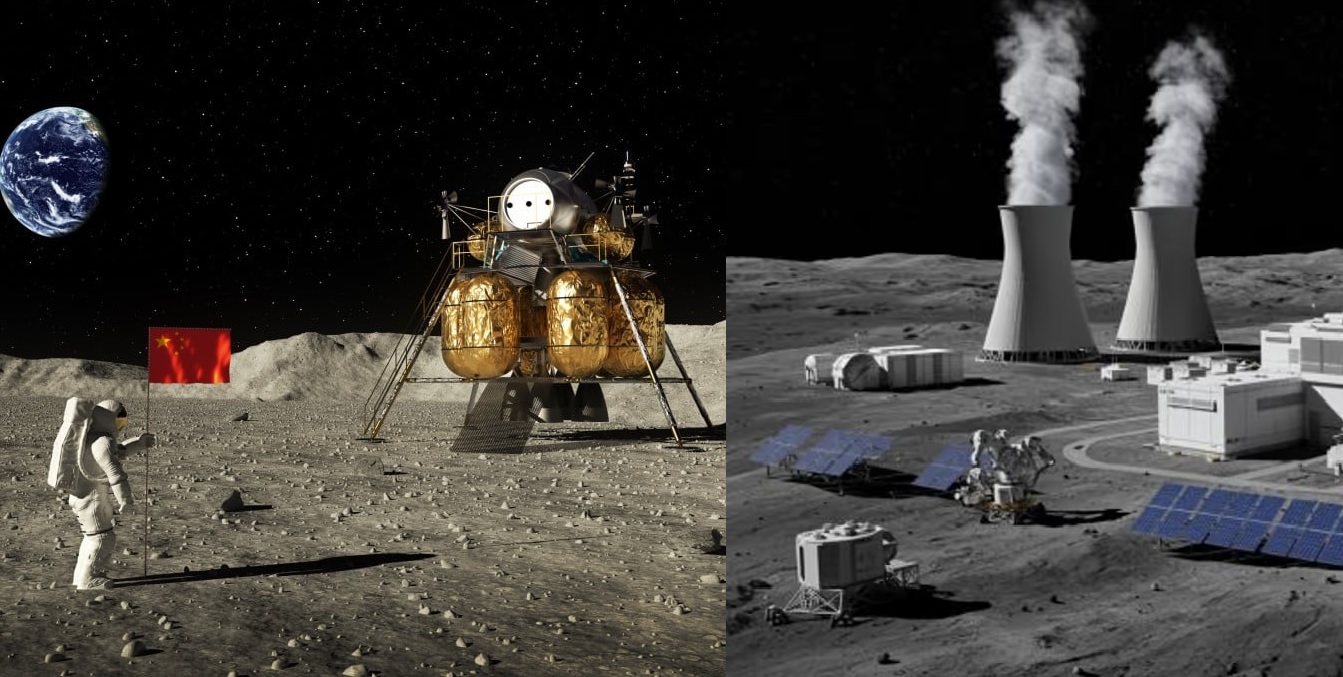
Space & Technology
China has officially confirmed that its first crewed lunar landing will take place by 2030, with all research, development, and construction work said to be progressing “smoothly.” The announcement, made by senior officials of the China National Space Administration (CNSA), reinforces Beijing’s long-term strategy to not only reach the Moon but also stay there permanently. By 2035, China aims to establish a fully functional lunar base, designed for continuous operations and resource extraction — particularly of Helium-3 (He-3), a rare isotope that could serve as a clean and virtually limitless source of energy for humanity. The Path to 2030: Human Lunar Landing China’s lunar program, known as the Chang’e Project, has evolved steadily over two decades. Having already achieved robotic sample return with Chang’e-5 in 2020, and far-side exploration with Chang’e-4, the upcoming Chang’e-7 (around 2026) and Chang’e-8 (by 2029) missions will focus on the Moon’s south polar region. This area is considered ideal for human habitation due to its near-constant sunlight and possible water ice deposits — essential for life support and rocket fuel production. The crewed landing mission, expected by 2030, will be carried out using a new Long March 10 heavy-lift rocket and a next-generation crewed spacecraft capable of lunar orbit insertion and return. The astronauts are likely to spend several days conducting surface operations, testing life-support systems, and setting up initial infrastructure for future missions. The 2035 Vision: Building a Lunar Base Following the landing, the next phase of China’s plan will focus on creating a permanent lunar outpost, often referred to as the International Lunar Research Station (ILRS). Jointly planned with Russia, and open to participation from other countries, the ILRS will consist of modular habitats, scientific labs, solar and nuclear power plants, and automated mining systems. According to CNSA’s roadmap, the lunar base will support both robotic and human crews, with supply chains from Earth supplemented by in-situ resource utilization (ISRU) — using lunar materials to build and sustain operations. China has already simulated closed-loop habitats on Earth (such as Yuegong-1) and is testing 3D printing methods to construct structures using lunar regolith. The Energy Ambition: Helium-3 Extraction At the core of this grand vision lies Helium-3, a rare isotope of helium deposited in the Moon’s surface soil by solar winds. Unlike conventional fusion fuels, Helium-3 can produce energy without generating harmful radioactive waste, making it an ideal candidate for clean nuclear fusion. Scientists estimate that the Moon could contain millions of tons of this isotope — enough to meet Earth’s energy demands for centuries if fusion technology becomes commercially viable. China’s long-term goal is to mine and transport Helium-3 from the lunar surface to Earth. Specialized lunar mining systems and magnetic launch platforms are being studied to reduce the cost of bringing extracted materials back. If successful, Helium-3 could revolutionize global energy systems, making the Moon not just a scientific frontier but an energy hub for humanity’s future. Strategic and Technological Implications China’s lunar program is more than a scientific pursuit — it’s a strategic milestone in space leadership. A successful manned landing followed by a permanent base would place China ahead of its global competitors in establishing a long-term presence beyond Earth. Moreover, the pursuit of Helium-3 aligns with China’s domestic drive for clean energy independence, potentially reducing reliance on fossil fuels and reshaping the global energy economy. However, major challenges remain. Extracting He-3 from lunar soil is technologically demanding; concentrations are extremely low, requiring massive processing volumes. Additionally, fusion reactors capable of using He-3 fuel are still in experimental stages. Maintaining human operations on the Moon also presents difficulties — from radiation protection and thermal control to life-support and transport logistics. A New Space Era If China’s plan proceeds on schedule, the 2030s could mark the beginning of a new space age — one where the Moon becomes an extension of human civilization rather than a distant goal. By combining technological innovation, strategic foresight, and resource-driven ambition, Beijing’s vision seeks to transform the Moon into both a scientific stronghold and a sustainable energy source. As the world watches this unfolding lunar race, the success of China’s program could redefine not only who leads in space — but also how humanity powers its future.
Read More → Posted on 2025-11-04 11:22:45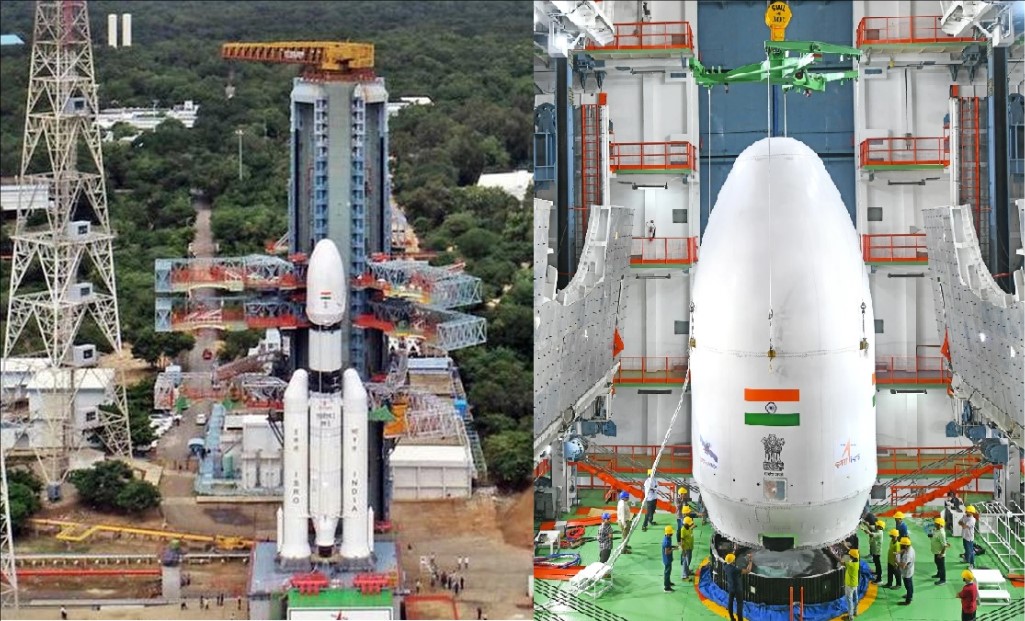
Space & Technology
In a landmark achievement for India’s space program, the Indian Space Research Organisation (ISRO) on Sunday successfully launched CMS-03, the heaviest communication satellite ever deployed from Indian soil. The satellite lifted off aboard the LVM3-M5 (GSLV Mk-III) heavy-lift launch vehicle from the Second Launch Pad at the Satish Dhawan Space Centre, Sriharikota, marking another major milestone in India’s space and communication capabilities. This mission — the fifth operational flight of the LVM3 vehicle — also signifies the rocket’s seventh consecutive success, reaffirming its reliability as India’s workhorse for high-capacity and deep-space missions. The last time LVM3 took flight was on July 14, 2023, for the Chandrayaan-3 lunar mission, which successfully soft-landed on the Moon. Mission Overview: Precision in Motion The LVM3-M5 vehicle, standing 43.5 metres tall with a liftoff mass of 642 tonnes, carried the 4,410-kg CMS-03 satellite into a Geo-synchronous Transfer Orbit (GTO) about 16 minutes after launch. The sequence began with the ignition of the twin S200 solid boosters, followed by the L110 liquid core stage, and finally, the C25 cryogenic upper stage. At 965.94 seconds after liftoff, CMS-03 successfully separated from the launch vehicle at an altitude of 179.8 km, achieving a velocity of 10.14 km/s — placing it precisely in its intended orbit. Each major stage performed flawlessly: S200 Boosters: Ignited at lift-off and separated after ~131 seconds at 62.3 km altitude. Each carried 204.5 tonnes of HTPB-based solid propellant. L110 Stage: Ignited at 106.94 seconds, separated at 304.70 seconds, powered by 115.9 tonnes of UH25 and N₂O₄ propellants. C25 Cryogenic Stage: Ignited at 307.10 seconds, burned until 950.94 seconds, carrying 28.6 tonnes of liquid hydrogen and liquid oxygen, and powered by the CE-20 cryogenic engine. All components were encapsulated within a 5-metre-diameter Ogive Payload Fairing, the largest used by ISRO for communication missions. Technical Specifications of CMS-03 Parameter Details Satellite Mass 4,410 kg Orbit Type Geo-synchronous Transfer Orbit (GTO) Intended Final Orbit 36,000 km geostationary orbit Mission Life Over 12 years Communication Bands Multi-band (C, Extended C, and Ku bands) Power Generation ~7 kW through solar arrays Bus Platform I-3K (enhanced version for heavy communication payloads) Coverage Area Indian mainland and surrounding oceanic regions The CMS-03 satellite, designed and built at ISRO’s U R Rao Satellite Centre (URSC), is part of India’s next-generation high-throughput communication network. It replaces the aging GSAT series satellites and will significantly enhance secure communication bandwidth for civilian, maritime, and strategic users. Capabilities and Strategic Significance The deployment of CMS-03 marks a major leap in India’s space-based communication infrastructure, enhancing both civilian services and national defense readiness. The satellite’s multi-band transponders are designed to support: Secure defense communication networks, providing encrypted and high-bandwidth links for the Indian Armed Forces, including naval ships operating deep in the Indian Ocean. Disaster management and emergency communication, ensuring connectivity in remote or disaster-affected areas. High-speed data relay for remote sensing and surveillance networks, improving India’s real-time data sharing between ground and space assets. Broadband and maritime internet coverage, supporting offshore platforms, ships, and coastal installations. By operating across multiple frequency bands — C-band for weather resilience, Extended C-band for large coverage, and Ku-band for high-throughput applications — CMS-03 will provide uninterrupted service even under adverse weather conditions. How CMS-03 Works CMS-03 operates from a geostationary orbit, approximately 36,000 km above Earth, where it remains fixed relative to the Indian subcontinent. It receives communication signals from ground stations or mobile terminals, amplifies and converts them, and then retransmits them to designated locations within its footprint. The satellite’s phased array antennas and transponders manage multiple communication channels simultaneously, allowing India to expand its digital infrastructure for both commercial and governmental use. The onboard computers autonomously manage power distribution, thermal balance, and antenna pointing, ensuring continuous operation for over a decade. Boost to India’s Space and Strategic Autonomy With CMS-03, ISRO has reinforced India’s strategic autonomy in satellite-based communication. The capability to launch such a heavy communication satellite on an indigenous rocket eliminates dependency on foreign launch vehicles — a significant geopolitical and economic advantage. The LVM3 launcher, with its 7 consecutive successful missions, is now firmly established as India’s heavy-lift vehicle for future deep-space missions, such as Gaganyaan (the human spaceflight program) and advanced communication satellites planned under the upcoming Next-Gen INSAT/CMS series. Moreover, the satellite’s advanced encryption and signal management systems make it a critical asset for defense communication resilience, particularly in the Indian Ocean Region (IOR), where India seeks to maintain continuous situational awareness amid increasing maritime competition. A Step Closer to a Digitally and Strategically Connected India The launch of CMS-03 is not merely a technological success — it represents a strategic milestone for India’s digital future. By expanding high-throughput bandwidth and secure communication channels, the satellite directly contributes to national programs like Digital India, BharatNet, and the modernization of military communication systems. As ISRO continues to integrate heavier payloads and advanced technologies, the success of CMS-03 demonstrates India’s growing mastery in launch vehicle engineering, satellite design, and space-based communication infrastructure — making it a pivotal step in India’s journey toward becoming a global space power.
Read More → Posted on 2025-11-02 12:53:41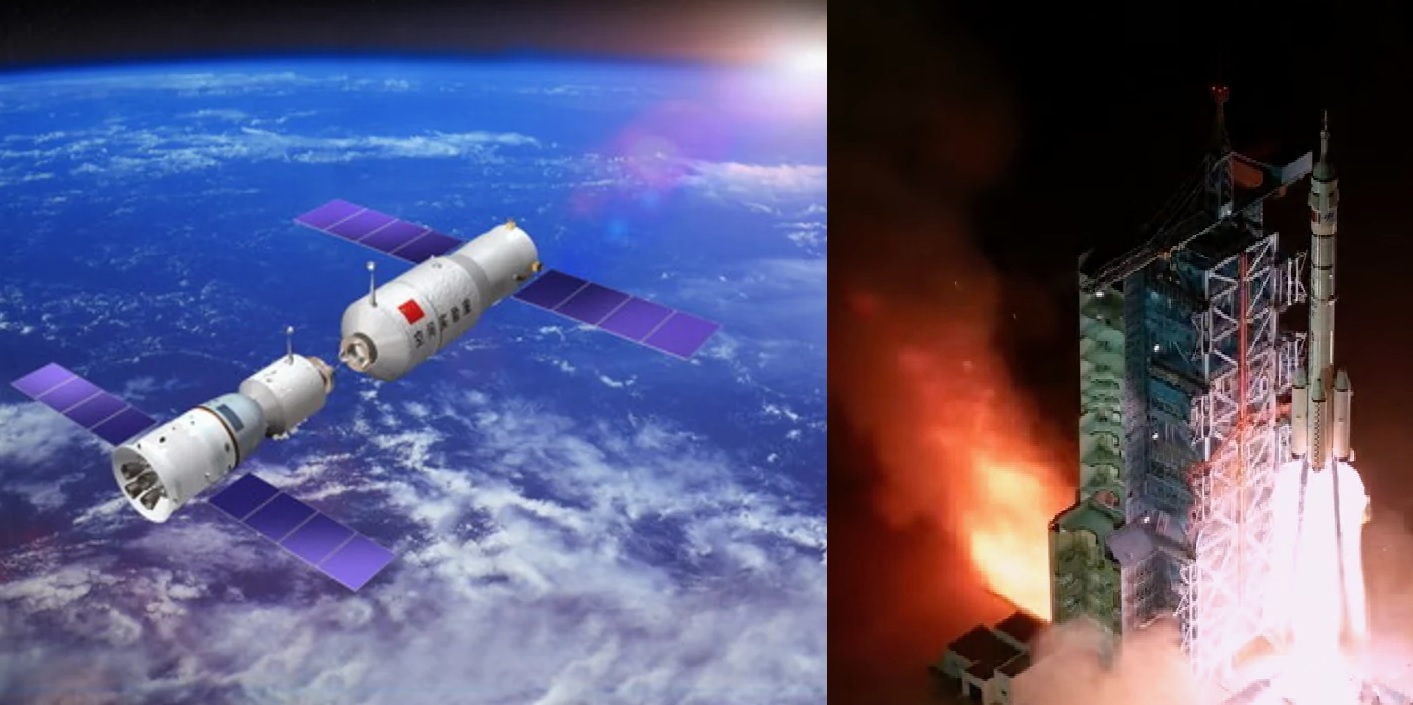
Space & Technology
China has once again demonstrated its technical dominance in space operations. The Shenzhou-21 spacecraft successfully docked with the Tiangong Space Station in just 3.5 hours after launch — a stunning achievement that cements China’s place among the world’s most advanced spacefaring nations. For comparison, America’s SpaceX Dragon capsules typically take between 15 and 27 hours to reach the International Space Station (ISS), while China’s own Tianzhou cargo spacecraft still holds the world record with a two-hour docking. This latest success is more than a display of efficiency — it’s a powerful symbol of how far China’s space program has evolved, achieving precision and speed that few could have imagined a decade ago. A Lightning-Fast Journey to the Stars The Shenzhou-21 was launched aboard a Long March 2F rocket from the Jiuquan Satellite Launch Center in northwest China. Within ten minutes of liftoff, the spacecraft entered low Earth orbit at an altitude of around 390 kilometers. Instead of the traditional long-duration orbital phasing used by older missions, China employed a rapid rendezvous profile — a technique requiring split-second timing, flawless trajectory correction, and pinpoint synchronization. From launch to docking, the entire process took only 3 hours and 32 minutes. Every stage, from orbital insertion to automatic docking, was controlled by autonomous navigation software, relying on BeiDou satellite guidance, optical sensors, and laser radar proximity systems. The spacecraft performed four precise orbital adjustments before its final approach to Tiangong’s forward docking port, located on the Tianhe core module. At the final stage, the spacecraft closed the gap at a rate of 0.2 meters per second, connecting with a perfect seal — a testament to the reliability of China’s docking hardware and software. How It Stacks Up Against the U.S. and the World While the SpaceX Crew Dragon is one of the most advanced spacecraft in the world, its standard docking timeline ranges from 15 to 27 hours after launch. The longer duration allows for a smoother phasing process and multiple checks while approaching the ISS. However, China’s Shenzhou-21 has now cut that time by nearly 80%, showing not only a mastery of orbital rendezvous dynamics but also supreme confidence in its onboard systems. The only faster operation in history remains China’s Tianzhou-2 cargo spacecraft, which achieved an uncrewed 2-hour docking in 2021 — still the world record for any orbital docking to date. Together, the Tianzhou and Shenzhou missions illustrate China’s deepening command of both crew and cargo automation, as well as a maturing space architecture capable of rapid mission turnaround — an essential requirement for future lunar operations. The Crew and Their Mission Shenzhou-21 carries a three-member crew led by Commander Li Guangsu, alongside Flight Engineer Jiang Xinlin and Science Officer Tang Shengjie. Their mission includes: Testing the short-duration docking profile for future emergency and fast-rotation missions. Conducting biological and materials experiments aboard the Wentian and Mengtian laboratory modules. Performing maintenance and calibration tasks on Tiangong’s life-support and robotic arm systems. Evaluating crew endurance and efficiency under compressed launch-to-dock timelines. The mission will last about six months, during which the crew will oversee Tianzhou-9’s arrival, test automated refueling, and carry out more than 40 scientific experiments in microgravity. Tiangong — China’s “Heavenly Palace” The Tiangong Space Station, orbiting Earth every 90 minutes, represents China’s self-reliant and rapidly maturing space ambitions. Weighing over 100 tons with a 110-cubic-meter habitable volume, it consists of three core modules — Tianhe (Core), Wentian, and Mengtian — all launched and assembled between 2021 and 2022. The station is equipped with two robotic arms, multiple docking ports, and modular laboratory compartments for physics, biology, and materials research. It can support both crewed and cargo spacecraft simultaneously, maintaining a continuous human presence since 2022. China’s long-term plan envisions international partnerships, potential expansion modules, and eventually, a next-generation space station in lunar orbit. The Technology Behind the Speed The Shenzhou-21’s 3.5-hour docking showcases some of the most refined orbital engineering in the world. Its success depended on several critical innovations: Real-time BeiDou navigation providing centimeter-level positional accuracy. Laser and optical sensors for autonomous proximity tracking during final approach. AI-assisted flight computers managing guidance, navigation, and control (GNC) tasks without human input. High-efficiency orbital engines with 2.5 kN thrust capability, enabling fine-tuned maneuvers. Integrated telemetry links via Tianlian-2 relay satellites, ensuring uninterrupted communication throughout flight. This combination of autonomy, precision, and redundancy allowed China to compress a process that once took nearly a day into just a few orbits. Tiangong’s Expanding Capabilities The Tiangong Space Station, orbiting at 393 km altitude and 42° inclination, has a total mass exceeding 100 tons and a habitable volume of over 110 m³. It consists of: Tianhe Core Module (22.5 t): command, propulsion, and living quarters. Wentian Lab Module (23 t): life sciences, robotic arm systems. Mengtian Lab Module (23 t): materials science, fluid physics, and vacuum experiments. The station features two robotic arms — one 10 m long — capable of handling spacecraft relocation and module maintenance. It is supported by Gaofen- and Tianlian-series satellites for real-time data and communications. Why China Takes Less Time Than SpaceX The difference between Shenzhou’s 3.5-hour docking and SpaceX Dragon’s 15–27 hours lies in design philosophy, orbital dynamics, and mission risk management. Orbital Mechanics and Launch Timing China launches its spacecraft with extreme timing precision, ensuring that the station’s orbital plane passes directly over the launch site at the exact moment of launch. This minimizes the phasing period — the time needed for the spacecraft to adjust its orbit to catch up with the station — allowing docking within a few orbits. SpaceX, by contrast, often launches with broader timing windows due to ISS’s multinational scheduling constraints and safety margins, extending the flight time. Autonomous Docking Systems Shenzhou uses fully autonomous docking, guided by BeiDou navigation, LIDAR, and optical sensors. The spacecraft’s onboard computer constantly calculates micro-adjustments without ground intervention. SpaceX’s Dragon, while also highly automated, performs more deliberate and gradual approach sequences to align with the ISS’s strict safety corridors, which are managed jointly by NASA and Roscosmos. Different Safety Philosophies NASA prioritizes redundancy and crew safety over speed; longer approaches provide multiple checkpoints for manual override or aborts. China, operating its own space station with independent control, has optimized its protocols for faster docking with reduced manual steps, accepting higher automation reliance. Station Design and Docking Hardware Tiangong’s docking ports and approach paths are designed specifically for rapid approach geometries, integrating direct rendezvous algorithms. The ISS, a joint facility with multiple international vehicles docking from varied vectors, requires slower phasing and alignment cycles to prevent interference. Experience from Cargo Missions China perfected its fast-docking technique through uncrewed Tianzhou cargo flights, especially Tianzhou-2, which still holds the world record for fastest docking — just 2 hours. These missions allowed engineers to fine-tune real-time algorithms that are now proven in crewed scenarios. In short, China’s speed is not just a race — it’s the product of tight launch synchronization, dedicated hardware, and complete system autonomy, something that multinational missions to the ISS can’t yet replicate. A Glimpse into the Future The 3.5-hour Shenzhou-21 docking is more than a technical feat — it’s a strategic signal. China is positioning itself as a global space power capable of fast, independent, and repeatable crewed missions. The same technologies used here will be critical for lunar orbit docking, sample-return operations, and Mars missions later in the decade. The contrast is striking: China’s Shenzhou — 3.5 hours; U.S. Dragon — up to 27 hours; Tianzhou cargo — 2 hours. Each number tells a story of evolution, competition, and ambition in the modern space race. As Tiangong glides silently above the Earth, it stands as a shining emblem of what China calls its “path to the stars” — a journey defined by discipline, precision, and technological courage. The world may soon realize that while others are still phasing orbits, China is already docking.
Read More → Posted on 2025-11-01 16:29:38
Space & Technology
China has officially taken a historic leap in nuclear energy. This week, the nation announced that its world’s first 2-megawatt thorium molten salt reactor (TMSR) has gone fully operational — marking a revolutionary milestone not only for China’s energy program but for the future of clean, sustainable power worldwide. Developed under the Chinese Academy of Sciences (CAS) in Wuwei, Gansu province, the project has successfully achieved a closed thorium–uranium fuel cycle, a feat that no other country has yet realized on this scale. This isn’t just another reactor startup — it is a proof of concept for the next generation of nuclear technology, one that could redefine how humanity powers its civilization for centuries to come. What Makes This Reactor Special Traditional nuclear reactors use uranium-235 or plutonium as fuel and rely on high-pressure water cooling — systems that produce long-lived radioactive waste and carry risks of meltdown. In contrast, China’s molten salt reactor uses thorium, a silvery metal three to four times more abundant than uranium, and liquid fluoride salt as both coolant and fuel carrier. This design allows the reactor to operate at atmospheric pressure, drastically improving safety. If the system overheats, the salt naturally expands, slowing the reaction — a built-in passive safety mechanism that makes catastrophic failures nearly impossible. But the most groundbreaking part is the thorium–uranium breeding cycle. Thorium itself is not fissile, meaning it cannot sustain a chain reaction. However, inside the molten salt reactor, thorium absorbs a neutron and transmutes into uranium-233, which is fissile. This effectively allows the reactor to breed its own fuel, creating a near self-sustaining cycle. In essence, this system converts thorium — once considered nuclear waste by older standards — into usable energy, burning nearly all its fuel and leaving behind only minimal, short-lived radioactive waste. From Concept to Reality China began research into molten salt reactors in the 2010s as part of its “TMSR-LF1” program, led by the Shanghai Institute of Applied Physics. Construction of the 2MW prototype started in 2018, with testing phases initiated in 2023. Now, in 2025, the system has reached full operational capability — demonstrating continuous power generation, full-cycle breeding, and stable salt circulation. The reactor is small, roughly the size of a shipping container, but its implications are enormous. While 2MW may not seem like much, it represents the first step toward scalable thorium reactors, with plans to expand to 100MW and beyond in the coming decade. These future models could provide clean energy to entire cities or remote regions where traditional power plants are unfeasible. Why the World Is Watching China’s success with this reactor has immense global significance. Nations such as India, the United States, and Norway have previously explored thorium technology, but none have reached full operational status. This puts China at the forefront of the next nuclear frontier — a strategic and scientific position that could change global energy politics. Thorium is widely available, especially in India, Australia, and China, meaning future energy independence could shift away from fossil fuels and uranium dependence. Moreover, molten salt reactors are ideal for space and remote applications, operating efficiently at high temperatures and potentially serving as power sources for lunar or Martian bases. Scientists note that achieving a reliable thorium cycle is a key step toward developing Dyson-scale energy systems, a hallmark of the so-called Type II Civilization — one capable of harnessing the full energy of its planet and beyond. A Step Toward a Type II Civilization In science, civilizations are often ranked by how much energy they can use — this is called the Kardashev Scale. A Type I Civilization can use all the energy available on its planet, while a Type II Civilization is advanced enough to capture and use all the energy of its star, like the Sun. Humanity is still below Type I, using only a small portion of the energy our planet offers. However, breakthroughs like China’s thorium molten salt reactor could move us closer to that next stage. This reactor produces clean, safe, and nearly limitless power without harming the environment. If such technologies spread, we could reach a time when energy is no longer a global challenge — making space travel, advanced cities, and sustainable living possible. China’s success doesn’t make us a Type II civilization yet, but it represents a major step toward a future powered by endless, sustainable energy. With this success, China plans to develop larger prototypes and eventually deploy commercial thorium reactors by the early 2030s. The nation is also expected to explore dual-use applications — integrating molten salt reactors with renewable grids, desalination plants, and even off-world energy systems for future space missions. In an era when the world faces a dual crisis of climate change and energy insecurity, the activation of the world’s first thorium molten salt reactor is a turning point. It’s not just about power — it’s about redefining the boundaries of human progress. China has not only ignited a reactor; it has ignited a revolution in energy — one that could lead humanity closer to a future where energy is abundant, clean, and infinite.
Read More → Posted on 2025-11-01 13:08:09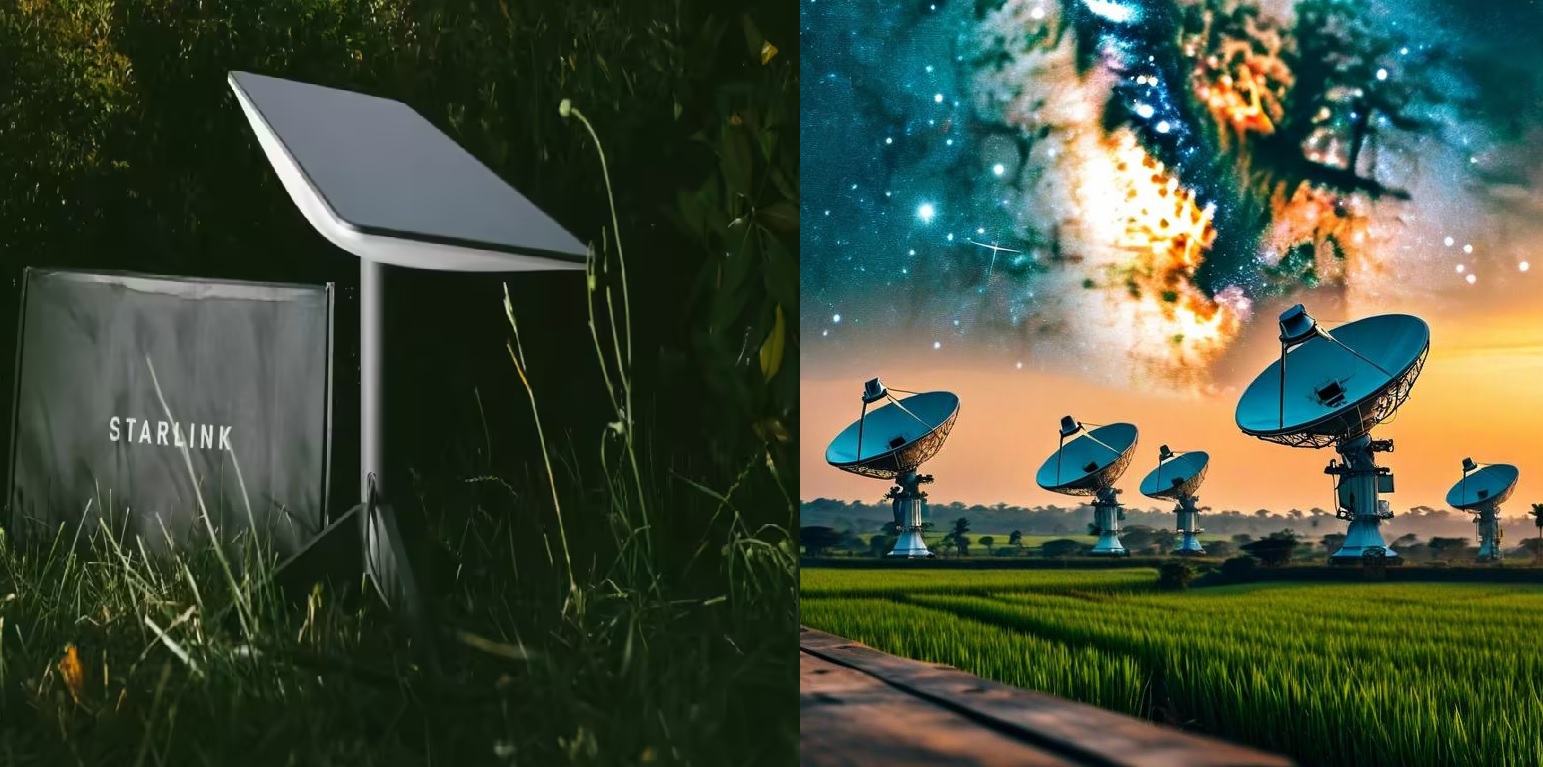
Space & Technology
Elon Musk’s Starlink, the satellite internet venture under SpaceX, is reportedly planning to establish nine Gateway Earth Stations across India, marking a major step toward its long-awaited commercial rollout in the country. The proposed sites include Mumbai, Noida, Kolkata, Chandigarh, Hyderabad, and Lucknow, among others. This infrastructure will form the backbone of Starlink’s high-speed satellite broadband services, enabling seamless communication between space and ground networks. What Are Gateway Earth Stations? A Gateway Earth Station is a ground-based communication facility that serves as a vital link between satellites in orbit and internet networks on Earth. These stations transmit and receive data to and from Low Earth Orbit (LEO) satellites like those operated by Starlink. Simply put, when a user connects to Starlink’s internet through a small terminal dish, that signal doesn’t go directly to the wider internet. Instead, it first travels to one of these gateway stations, which then routes the data through terrestrial internet infrastructure (fiber or data centers). This makes the Gateway Earth Station the bridge between space and the web, ensuring low latency and high-speed connectivity. How Gateway Stations Work Each Gateway Earth Station is equipped with large parabolic antennas, transceivers, and high-frequency radio systems that communicate with Starlink’s constellation of satellites orbiting around 550 km above Earth. The user terminal sends data to a satellite overhead. The satellite relays that data to the nearest gateway station on the ground. From there, the data enters the public internet backbone for transmission across the globe. When a user receives data, the process happens in reverse — the gateway receives internet traffic and beams it back to the satellite, which then sends it directly to the user terminal. This system dramatically reduces reliance on traditional fiber infrastructure, making high-speed internet accessible even in remote or rural areas. Starlink’s Expansion Plans in India According to reports, Starlink has identified nine strategic locations across India for its gateway network, focusing on metro cities and regional hubs to ensure optimal coverage. The stations will not only connect millions of potential users but also help in meeting the government’s goal of “Digital India” by expanding connectivity to underserved regions. Starlink had earlier faced regulatory hurdles in India, including delays in obtaining licenses from the Department of Telecommunications (DoT). However, with the recent push to localize operations and meet Indian licensing norms, the company appears to be aligning its strategy to secure final approvals. Why These Gateways Matter for India The establishment of these gateway stations is critical for Starlink’s service quality. India’s vast geography and diverse terrain — from the Himalayas to coastal plains — make it challenging for fiber-based broadband to reach every home. By setting up multiple ground stations, Starlink ensures: Reduced latency by creating shorter data pathways. Better reliability, since more gateways mean multiple connection routes. Faster speeds and smoother streaming or communication experiences. Broader reach, even in villages, mountainous areas, and islands. Experts believe that once operational, these stations could make India one of the largest Starlink markets outside the United States, potentially connecting millions who currently lack reliable internet access. Satellite Internet in India If the rollout proceeds as planned, Starlink could revolutionize India’s rural broadband ecosystem, bridging the connectivity gap that traditional telecom providers have struggled to close. Combined with India’s push toward space technology and digital empowerment, the nine Gateway Earth Stations mark not just a technical milestone but a symbol of the country’s transition into a new age of global internet connectivity.
Read More → Posted on 2025-10-31 14:14:47
Space & Technology
The much-anticipated interstellar visitor 3I/ATLAS has finally reached its closest approach to the Sun — and it’s doing things no natural object should. As telescopes around the world capture its fly-by, early data reveals unexpected behavior, deepening one of the most intriguing space mysteries in years. This massive, Manhattan-sized object is only the third known interstellar body to enter our solar system, after ‘Oumuamua (2017) and 2I/Borisov (2019). But 3I/ATLAS is turning out to be the most enigmatic of all — and even NASA scientists are struggling to explain what they’re seeing. A visitor unlike any other Discovered in July by the ATLAS telescope in Chile, 3I/ATLAS immediately drew attention due to its hyperbolic trajectory, confirming that it originated beyond our solar system. But what truly astonished astronomers was its size and chemical makeup. New data from the James Webb Space Telescope (JWST) shows that the object’s coma — the glowing halo of gas and dust — is dominated by carbon dioxide (CO₂), with a CO₂-to-water ratio of nearly 8:1, far higher than any known comet. Scientists also noted a strange anti-tail — a stream of dust pointing toward the Sun rather than away from it — a phenomenon rarely seen and poorly understood. Even more puzzling, the object emits a brilliant green hue, a sign that something “has switched on” as it neared the Sun, according to recent optical observations. Some astronomers suspect this is due to chemical excitation from solar radiation, while others say the spectral pattern doesn’t match any known natural process. Unexplained energy spikes and acceleration concerns Multiple deep-space monitoring systems have detected energy fluctuations along 3I/ATLAS’s flight path. Initially dismissed as sensor noise, these anomalies have now been confirmed by several independent observatories. The spikes are non-thermal, meaning they don’t correspond to heat or typical cosmic background noise. Adding to the intrigue, the object’s speed and vector appear slightly altered as it swung around the Sun — suggesting a mild, unexpected acceleration. Such a change, if verified, would echo the mysterious non-gravitational boost seen with ‘Oumuamua, which some scientists, including Harvard astrophysicist Avi Loeb, argued could indicate artificial propulsion or controlled navigation. Physicist Dr. Michio Kaku weighed in again on the debate, saying: “Scientists are split. Some insist it’s just a rock — a weird one, yes — but still natural. Others believe we’re looking at a visitor, possibly an intelligently guided object. If it gains extra energy on its solar fly-by, that would clinch it.” So far, NASA has remained cautious, confirming that 3I/ATLAS has been officially listed on the International Asteroid Warning Network (IAWN) — the first interstellar object ever to receive that designation. Officials have stressed there is no threat to Earth, with its closest approach more than 270 million kilometers away. What telescopes are revealing today As of October 29, 2025, live data from JWST, Hubble, and several ground-based observatories, including the Vera C. Rubin Observatory, show that 3I/ATLAS has begun to shed massive amounts of material, forming a tail millions of kilometers long. Yet the dust’s reflective pattern and polarization behavior don’t match ordinary comets — leading to theories that the surface could be composed of metallic alloys or crystalline compounds unseen in natural celestial bodies. Preliminary spectral analysis hints at the presence of nickel compounds without corresponding iron, an extremely rare ratio in nature. Though this observation remains controversial, it has sparked speculation that 3I/ATLAS may be a fragment of an ancient exoplanet, or perhaps something manufactured. A cautious NASA and a divided scientific community NASA and the European Space Agency (ESA) have taken a notably conservative stance. In a joint statement, both agencies acknowledged that “the behavior of 3I/ATLAS remains under active study,” while urging the public to avoid “premature conclusions about artificial origin.” Still, the tone of uncertainty is hard to ignore. Internal memos reportedly reference “persistent deviations from modeled dynamics” and “anomalous signal events” coinciding with the object’s perihelion passage. Meanwhile, popular media and independent astronomers continue to fuel debate. Some claim the object’s rotation rate has changed slightly since it entered the inner solar system — another possible hint of non-natural influence. What comes next 3I/ATLAS will continue its outbound journey after today’s solar fly-by, heading toward the outer reaches of the solar system. Scientists will be monitoring whether it accelerates again as it departs — a potential sign that its trajectory is being adjusted or influenced by something beyond known physics. If it behaves like a standard comet, its brightness will fade, and the mystery may cool with it. But if it defies expectations — gaining speed, emitting further energy bursts, or changing course — it could become the most important astronomical discovery in human history. For now, Earth’s instruments remain trained on the visitor from beyond, watching every flicker and flare. As one researcher put it: “Either we’re witnessing a new class of interstellar object… or the first unmistakable evidence that we’re not alone.” Whatever the truth, 3I/ATLAS has already forced humanity to look at the sky with new eyes — and to question how much of the universe we really understand.
Read More → Posted on 2025-10-29 10:31:43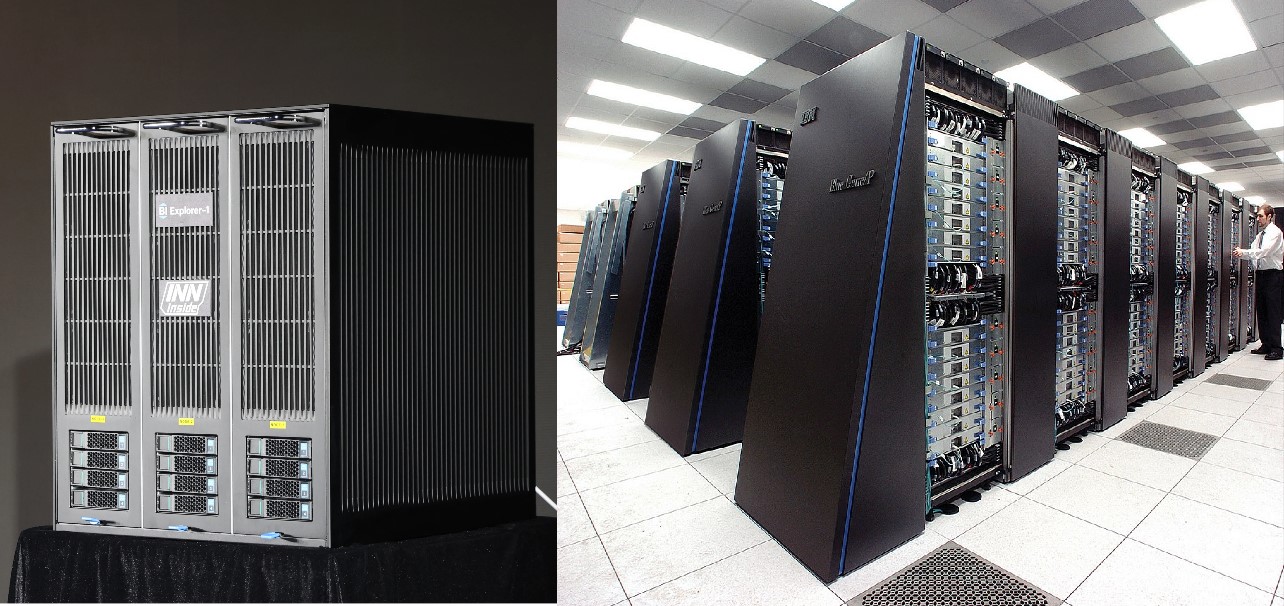
Space & Technology
In a breakthrough that could reshape the global computing landscape, Chinese scientists have unveiled the world’s first brain-like intelligent computer — the BIE-1, a refrigerator-sized device that rivals room-sized supercomputers while consuming just a fraction of their power. The BI Explorer computing system (BIE-1) was developed by the Guangdong Institute of Intelligence Science and Technology (GDIIST) and introduced during a high-tech forum in the Guangdong-Macau In-depth Cooperation Zone on Friday.A Supercomputer in a Mini Fridge Unlike conventional supercomputers that occupy entire rooms and consume megawatts of power, the BIE-1 is compact enough to fit in a home or office. The institute says the system can plug directly into a standard household socket, consuming only one-tenth the power of traditional supercomputers, translating to a consumption level of roughly 2,000 to 3,000 watts. “A traditional computing centre is like a building — requiring massive investment and enormous energy,” said Nie Lei, co-director of the GDIIST Intelligent Computing Systems Laboratory. “The BIE-1 is the size of a mini refrigerator and can be deployed anywhere — even in mobile environments — while maintaining supercomputer-level performance.” This compact device was jointly developed with Zhuhai Hengqin Neogenint Technology and Suiren (Zhuhai) Medical Technology, both start-ups incubated by GDIIST. Brain-Inspired Architecture At the heart of the BIE-1 is a neural network architecture inspired by the human brain, capable of intuitive reasoning and adaptive learning. The system’s intuitive neural network (INN) mimics how neurons connect, allowing it to learn from limited data, interpret information autonomously, and process multiple sensory inputs — text, speech, and images — simultaneously. This brain-like design allows the BIE-1 to achieve training speeds of 100,000 tokens per second and inference speeds of 500,000 tokens per second, performance metrics typically associated with GPU clusters in advanced data centers. High Power in a Compact Package Despite its size, the BIE-1 is packed with hardware muscle. It integrates 1,152 CPU cores, 4.8 terabytes of DDR5 memory, and 204 terabytes of local storage — figures comparable to high-performance computing (HPC) nodes used in AI research facilities. Even under heavy workloads, the system’s CPU temperature remains below 70°C, and its low-noise cooling makes it suitable for quiet environments like classrooms or hospitals. 90% Less Energy, 100% More Potential Supercomputers typically consume enormous amounts of power not only for computation but also for cooling. By contrast, the BIE-1 achieves up to 90% lower energy consumption while maintaining equivalent performance. This could make high-end computing far more sustainable and widely accessible. According to GDIIST, the device is ideal for AI training, edge computing, and personal intelligent systems, opening the door for widespread use of brain-inspired computing beyond research labs and government facilities. Applications Across Sectors The BIE-1’s flexibility allows it to serve diverse industries: Healthcare: Real-time home health monitoring and diagnostics. Education: Personalized tutoring systems adapting to each student’s pace. Enterprise: Intelligent assistants capable of automating office workflows. Research: Compact data analysis platforms for field scientists and engineers. GDIIST researchers say the system could even be used to power autonomous drones, mobile labs, or smart city infrastructures, all while cutting down drastically on power needs. China’s Push Toward AI Hardware Independence The BIE-1 represents more than just a technical milestone — it also underscores China’s growing effort to achieve self-reliance in high-performance and AI computing amid global chip tensions. In recent years, China has invested heavily in neuromorphic and analog AI chips, including systems reportedly 1,000 times faster than Nvidia GPUs for certain tasks. The BIE-1 builds on this foundation, combining software innovation with indigenous hardware to bypass conventional limitations. Toward the Future of “Everywhere AI” By miniaturizing supercomputing into a household-friendly form, GDIIST envisions a future where intelligent computing becomes as common as home Wi-Fi routers. “This is not just a smaller supercomputer — it’s a step toward embedding intelligence everywhere,” said Nie Lei. “From hospitals to classrooms to living rooms, high-end AI will soon be within everyone’s reach.” If proven commercially viable, the BIE-1 could transform how computing power is distributed, making advanced AI available to small businesses, researchers, and even individuals — a move that could fundamentally democratize the next generation of artificial intelligence.
Read More → Posted on 2025-10-26 15:43:18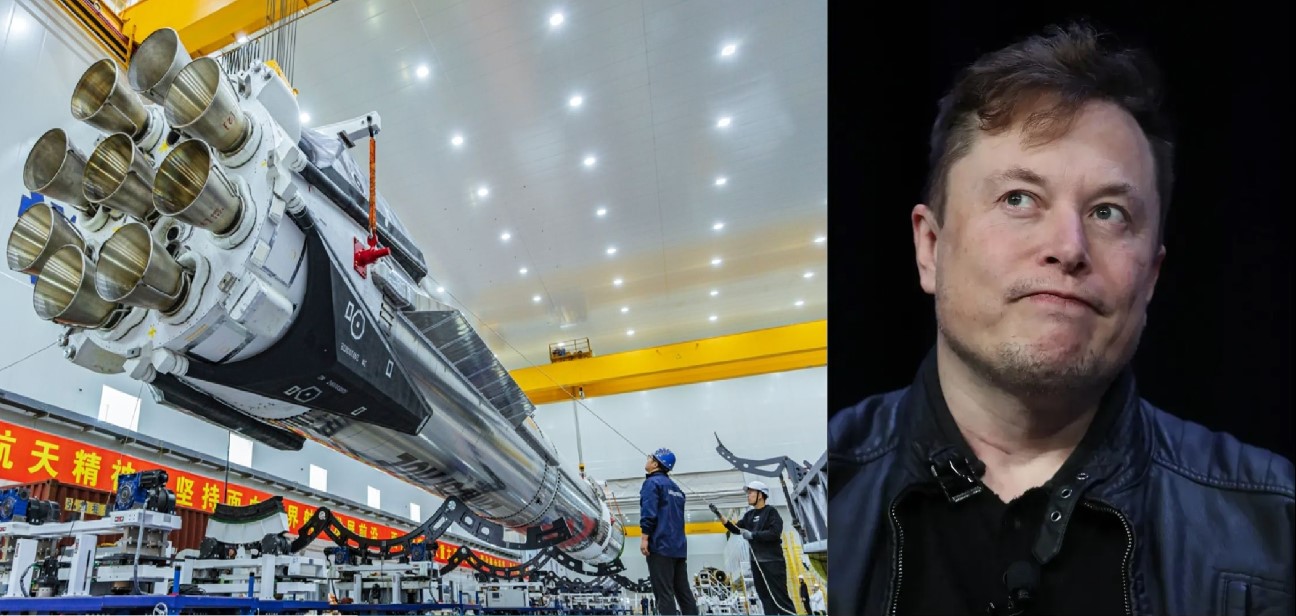
Space & Technology
In a surprising admission, Elon Musk has acknowledged that China is on the verge of launching the Zhuque-3 rocket, a fully stainless steel, LOX/methane-powered launch vehicle that, according to early data, already outperforms SpaceX’s Falcon 9 on several critical performance metrics. This historic moment marks humanity’s first commercial mission using a stainless-steel, methane-fueled rocket, symbolizing a new era in reusable launch vehicle technology. A Bold New Challenger from China Developed by LandSpace, one of China’s leading private aerospace firms, Zhuque-3 represents the nation’s most ambitious step toward competing directly with SpaceX. The vehicle is constructed entirely from stainless steel, an approach pioneered by SpaceX’s Starship program but not yet flown commercially. Its LOX-methane propulsion system—powered by the Tianque-12 engines—offers cleaner combustion, higher efficiency, and easier reusability than traditional RP-1 kerosene systems. When Musk commented on the development, he reportedly praised the achievement, calling it “a strong step forward for the global space industry,” emphasizing that China’s engineers have achieved remarkable progress in reusable launch technology within a very short period. Technical Overview of Zhuque-3 Height: ~76 meters Diameter: 4.5 meters Liftoff Mass: ~660 tonnes Propellant: Liquid Oxygen (LOX) and Liquid Methane (CH₄) Engines: 9 × Tianque-12 on the first stage (each ~80 tonnes thrust) Reusable: Both first stage and fairings are designed for recovery and reuse Payload to LEO: Up to 21.3 tonnes (reusable mode), 30+ tonnes (expendable mode) The rocket’s full stainless-steel body allows for better thermal protection, structural strength, and resistance to cryogenic temperatures, crucial for methane storage. Unlike aluminum-lithium or carbon composite designs, stainless steel withstands the thermal stresses of reentry, simplifying reuse and reducing turnaround time. How Zhuque-3 Outperforms Falcon 9 While SpaceX’s Falcon 9 remains the global benchmark for reusable rockets, Zhuque-3 has reportedly surpassed it in several measurable aspects: Higher Payload Capacity in Reusable ModeZhuque-3’s 21.3-tonne reusable payload capacity to low Earth orbit exceeds Falcon 9’s 15.6 tonnes, giving it a ~36% performance edge while maintaining reusability. Improved Propellant EfficiencyThe shift to methane (CH₄) instead of kerosene (RP-1) delivers cleaner burns and reduces engine residue, meaning less refurbishment time between flights. This could allow for faster launch cadence and lower maintenance costs. Superior Structural DurabilityThe stainless-steel fuselage provides better heat resistance than Falcon 9’s aluminum alloy skin, making re-entry heating less destructive. This enables higher reusability rates and potentially more flight cycles per booster. Reduced Manufacturing CostsStainless steel is cheaper and easier to weld compared to aerospace-grade composites or alloys used by Falcon 9. With China’s industrial scale, production costs are expected to be significantly lower, enhancing commercial competitiveness. Next-Generation Engine PerformanceThe Tianque-12 engines reportedly achieve specific impulses exceeding 350 seconds in vacuum, surpassing Falcon 9’s Merlin engines (311 s), indicating a higher efficiency per kilogram of propellant. Zhuque-3 vs Falcon 9: Comparison Table Specification Zhuque-3 (LandSpace, China) Falcon 9 (SpaceX, USA) Height ~76 m 70 m Diameter 4.5 m 3.7 m Liftoff Mass ~660 tonnes ~549 tonnes Propellant LOX + Methane (CH₄) LOX + RP-1 (Kerosene) First Stage Engines 9 × Tianque-12 (80 t thrust each) 9 × Merlin 1D (85 t thrust each) Total Thrust (Liftoff) ~720 tonnes ~770 tonnes Specific Impulse (Vacuum) ~350 s ~311 s Payload to LEO (Reusable) ~21.3 tonnes ~15.6 tonnes Payload to LEO (Expendable) ~30+ tonnes ~22.8 tonnes Primary Material Stainless Steel Aluminum-Lithium Alloy Stage Reusability 1st Stage + Fairings 1st Stage + Fairings Recovery Method Vertical Landing Vertical Landing Launch Cost per kg (estimated) <$2,000 ~$2,500 First Launch Expected Late 2025 2010 (Operational) A Milestone for Methane Propulsion The Zhuque-3’s debut marks the first time in history that a commercial stainless-steel, methane-fueled rocket has reached the launchpad. Methane, long considered the “fuel of the future,” burns cleaner than kerosene and simplifies engine reusability — an approach SpaceX is also pursuing with its upcoming Starship/Super Heavy system. If successful, Zhuque-3 could become the first operational methane rocket to reach orbit and return, beating SpaceX’s Starship to a key technological milestone. Implications for the Global Space Race LandSpace’s achievement is not just a technical breakthrough but a strategic signal. It underscores China’s growing ability to match and even exceed Western private-sector innovation in commercial rocketry. With Zhuque-3, China enters a new phase of reusable launch economics, aiming to lower cost per kilogram to orbit to below $2,000, rivaling SpaceX’s most efficient figures. Moreover, it positions LandSpace as a potential global launch provider, appealing to nations and commercial clients seeking cost-effective alternatives to Western launch systems. Elon Musk’s acknowledgment of China’s Zhuque-3 rocket is not merely an admission of competition—it’s a recognition of a turning point in global aerospace. The emergence of a stainless-steel, methane-fueled, reusable rocket capable of outperforming Falcon 9 signals that the commercial space frontier is no longer dominated by one nation or one company. With Zhuque-3, humanity takes another step forward—toward cleaner, stronger, and more reusable spaceflight, heralding the dawn of a new generation of rockets where innovation truly knows no borders.
Read More → Posted on 2025-10-25 12:18:17
Space & Technology
In October 2025, a revolutionary concept known as Aerofoot captured the imagination of tech enthusiasts and futurists worldwide. This AI-generated spectacle showcased boot-like devices enabling short flights, sparking widespread excitement and speculation about the future of personal transportation. What Is Aerofoot? Aerofoot is a conceptual design for a personal flying device that combines elements of footwear and flight technology. The concept gained attention through viral videos depicting individuals wearing these devices, hovering above the ground with ease. These videos were created using advanced AI and digital effects, leading to widespread discussions about the feasibility and future of such technology. How It Works While Aerofoot remains a conceptual design, similar technologies are being explored in the realm of personal flying machines. For instance, devices like the Flyboard Air and Jetson ONE utilize multiple electric motors and advanced control systems to achieve vertical takeoff and landing (VTOL). These systems rely on principles of aerodynamics and propulsion to lift and stabilize the user during flight. Potential Specifications (Hypothetical) Propulsion: Multiple electric ducted fans or jet turbines. Power Source: High-capacity lithium-ion batteries or hybrid power systems. Flight Time: Approximately 20–30 minutes per charge. Top Speed: Up to 100 km/h (62 mph). Weight Capacity: Designed to support an individual weighing up to 100 kg (220 lbs). Safety Features: Integrated ballistic parachute systems and redundant power sources. Real-World Parallels While Aerofoot itself is not yet a tangible product, several companies are developing personal flying machines that share similar principles: Flyboard Air: A jet-powered hoverboard capable of reaching altitudes up to 3,000 meters and speeds of 150 km/h. Jetson ONE: A personal electric aerial vehicle featuring eight electric motors, designed for short flights and recreational use. These developments indicate a growing interest and investment in personal aerial mobility, paving the way for innovations like Aerofoot in the future. The Road Ahead The concept of Aerofoot, while currently a product of digital art and imagination, reflects the broader aspirations of personal flight technology. Advancements in electric propulsion, battery technology, and AI-driven control systems are gradually making personal flying devices more feasible. However, challenges related to safety, regulation, and infrastructure remain significant hurdles. As we look to the future, the dream of strapping on a pair of Aerofoot boots and soaring through the skies may not be as far-fetched as it seems. Continued innovation and collaboration across industries will be key to turning this vision into reality.
Read More → Posted on 2025-10-22 16:12:06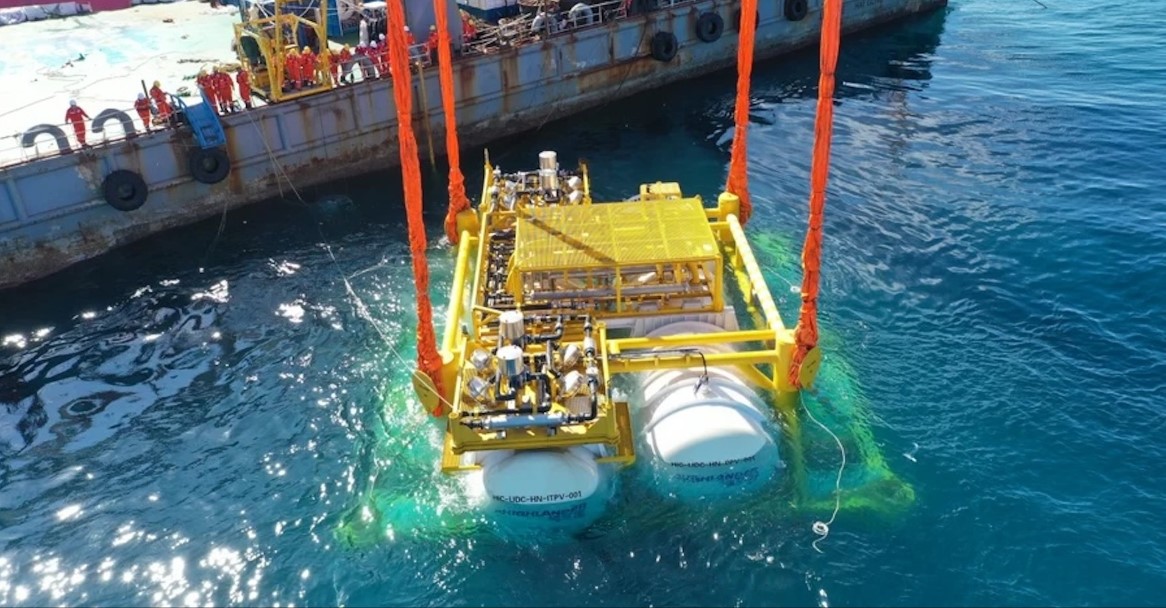
Space & Technology
Chinese researchers have achieved a significant milestone in the quest to detect elusive subatomic particles known as neutrinos. The team from Shanghai Jiao Tong University's Tsung-Dao Lee Institute recently conducted a successful sea trial of the Subsea Precision Instrument Deployer with Elastic Releasing (Spider), a submersible device designed to deploy sensor arrays deep beneath the ocean's surface. The Spider: A Precision Deployment System During the trial, the Spider uncoiled a 700-meter string of 20 sensor balls at a depth of approximately 1,700 meters. Each sensor ball was positioned at precise angles to detect neutrinos resulting from cosmic or atmospheric nuclear reactions. This deployment is a precursor to the construction of one of the world's largest neutrino observatories, planned for the South China Sea. The Spider's design draws inspiration from the controlled release mechanisms of spiders, ensuring that each sensor is deployed with high precision. This capability is crucial for the planned observatory, which aims to deploy about 1,000 detector strings arranged in a circular pattern and anchored 3,500 meters below the ocean's surface. TRIDENT: China's Ambitious Neutrino Telescope The Tropical Deep-sea Neutrino Telescope (TRIDENT), also known as Hailing, is an ambitious project by China to build the world's largest underwater neutrino detector deep in the Pacific Ocean. Set to be completed by 2030, TRIDENT aims to detect high-energy astrophysical neutrinos by capturing rare flashes of light caused by these particles interacting with water molecules. With over 24,000 optical sensors, TRIDENT will offer unprecedented sensitivity and a comprehensive all-sky observation capability. TRIDENT's design includes hybrid digital optical modules and advanced calibration systems, such as real-time optical calibration using camera systems. These innovations are expected to enhance the telescope's angular resolution and energy measurement capabilities. Complementary Efforts: HUNT and JUNO In addition to TRIDENT, China is developing the High-energy Underwater Neutrino Telescope (HUNT), another large-scale neutrino observatory planned for the South China Sea. With a projected detection volume of about 30 cubic kilometers, HUNT is poised to become the largest neutrino telescope ever built, complementing TRIDENT's capabilities. On land, the Jiangmen Underground Neutrino Observatory (JUNO) is under construction in Guangdong province. JUNO aims to determine the neutrino mass hierarchy and perform precision measurements of neutrino properties, contributing to a comprehensive understanding of neutrino physics. Global Context and Future Prospects China's efforts in neutrino detection place it alongside other international initiatives. For instance, the IceCube Neutrino Observatory at the South Pole and the Baikal-GVD in Lake Baikal are significant contributors to the field. These observatories employ various detection methods, including the use of photomultiplier tubes to detect Cherenkov radiation from neutrino interactions. The successful deployment of the Spider and the advancement of projects like TRIDENT and HUNT underscore China's commitment to exploring the fundamental particles that permeate the universe. These endeavors not only aim to detect neutrinos but also aspire to unravel the origins of cosmic rays and other high-energy phenomena, potentially leading to groundbreaking discoveries in particle physics and astrophysics.
Read More → Posted on 2025-10-15 16:04:01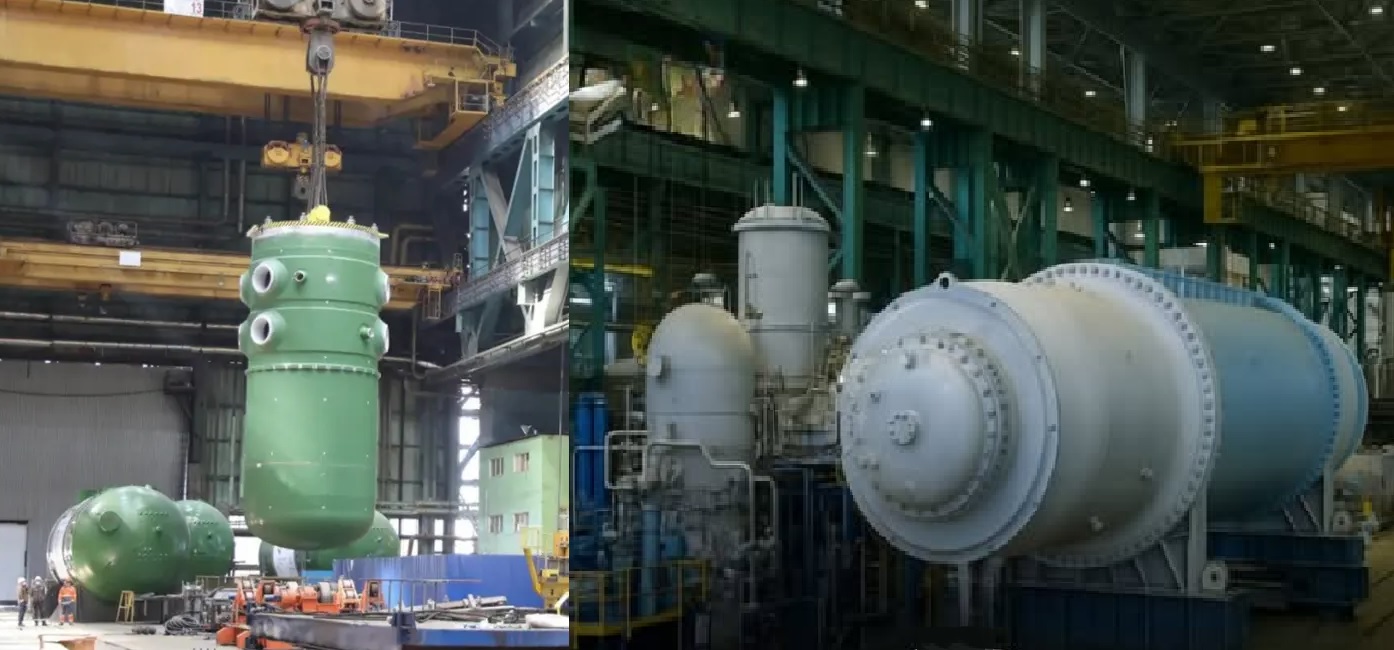
Space & Technology
For years, Russia has been labeled dismissively as a “gas station of a country,” a reference to its vast oil and gas exports. Yet behind that stereotype lies a technological reality that challenges it entirely. Russia today stands at the forefront of nuclear innovation, leading the world in fast neutron reactor technology and moving closer to a long-sought goal in nuclear science: the closed fuel cycle. This development could transform how the world produces, reuses, and manages nuclear energy. Russia’s Nuclear Footprint Russia’s nuclear energy program is vast and deeply integrated into its national energy strategy. The country currently operates 36 nuclear reactors, with seven more under construction, and has decades of operational experience dating back to the Soviet era. Beyond its borders, Rosatom, the state nuclear energy corporation, manages or builds projects in over a dozen countries, including Egypt, Turkey, Hungary, China, India, Iran, and Vietnam. While most countries diversify their renewable portfolios through solar or wind energy, Russia continues to see nuclear power as a sustainable and secure foundation for its future energy mix. It is one of the few nations developing fourth-generation nuclear systems, with a focus on waste minimization and fuel efficiency—areas that are redefining the global energy landscape. The 2030 Vision: The World’s First Closed Fuel Cycle System In autumn 2025, during the Global Atomic Forum, President Vladimir Putin announced Russia’s plan to launch the world’s first closed fuel cycle nuclear system by 2030. The project will be centered in the Tomsk region of Siberia, under the framework of the “Proryv” (Breakthrough) program, led by Rosatom. At its heart is the BREST-OD-300 reactor, a lead-cooled fast neutron reactor designed to operate as part of a self-sustaining nuclear complex. The site will include three integrated components: A reactor unit using advanced uranium-plutonium fuel. A fuel fabrication plant to produce fresh nuclear material. A reprocessing facility to extract and recycle usable isotopes from spent fuel. According to Rosatom’s engineers, this system will allow for up to 95% of spent nuclear fuel to be reused multiple times. In practical terms, it means that almost all of what is currently considered “waste” can be reprocessed and reinserted into the energy cycle, dramatically reducing radioactive residue. A Technological Leap Forward To understand the significance of this breakthrough, it’s essential to grasp how a closed fuel cycle differs from conventional systems. Traditional nuclear reactors—known as thermal reactors—use only a small fraction of the uranium in their fuel rods. Once the fuel’s fissile isotopes are depleted, it becomes radioactive waste requiring secure long-term storage. In contrast, fast neutron reactors like the BREST-OD-300 use high-energy neutrons that can trigger fission in both fissile and fertile isotopes, including uranium-238 and plutonium-239. This process not only generates more energy from the same material but also creates new fuel as it burns the old one. When paired with advanced reprocessing, the reactor’s spent fuel can be chemically separated, refined, and reused—forming a closed loop where almost nothing goes to waste. Putin emphasized the importance of this system, saying: “This mechanism will ultimately make it possible to almost completely solve the problem of radioactive waste accumulation and, crucially, essentially resolve the issue of uranium availability.” The reactor’s fuel, made from dense uranium-plutonium nitride, can withstand higher temperatures and radiation levels, making it safer and more efficient. Additionally, the use of liquid lead as a coolant enhances thermal stability and reduces the risk of coolant-related accidents, setting it apart from earlier sodium-cooled fast reactors. Global Standing: How Russia Compares Several other nations are pursuing similar technologies, but none at the same level of integration or maturity. China is developing its CFR-600 and CFR-1000 fast reactors, both crucial to its long-term energy plans. India continues to advance its Prototype Fast Breeder Reactor (PFBR), part of a three-stage program aiming to utilize thorium resources. France, once a pioneer with its Phénix and Superphénix reactors, halted its ASTRID project in 2019 but is reconsidering fast reactor research. The United States and Japan are conducting smaller-scale experiments, focusing on safety tests and fuel recycling, but have yet to deploy full-scale fast reactor systems. Among these, Russia’s Tomsk complex stands out for being a fully integrated system that combines power generation, fuel fabrication, and reprocessing on a single site—a model no other country has yet realized. Why It Matters The implications of a successful closed fuel cycle are profound. Environmentally, it would drastically reduce the volume and toxicity of nuclear waste, easing the burden of long-term storage and environmental contamination. Economically, it could make nuclear energy more cost-efficient over time by reusing materials rather than mining new uranium. Strategically, it strengthens Russia’s energy independence and enhances its role as a global nuclear technology exporter. Moreover, it addresses one of the biggest criticisms of nuclear power—the problem of waste. If 95% of nuclear material can be recycled, nuclear energy transitions from being a temporary solution to a sustainable, circular system capable of running indefinitely with minimal external input. Challenges Ahead Despite its promise, the path forward is not without obstacles. Fast neutron reactors are technically complex and expensive to build. Handling and reprocessing spent fuel involve strict safety protocols to prevent contamination or proliferation risks. The 95% reuse claim is ambitious and depends on the consistent efficiency of reprocessing technologies that are still being refined. Economically, fast reactor projects have historically struggled with cost overruns, and the technology requires specialized infrastructure that few nations possess. Additionally, public skepticism toward nuclear power remains a global hurdle, fueled by historical incidents and concerns about transparency. Conclusion Russia’s pursuit of a closed fuel cycle represents more than just a technological milestone—it is a statement of intent. At a time when the global conversation around clean energy revolves around wind, solar, and hydrogen, Moscow is betting on nuclear energy as the backbone of a sustainable future. If the Tomsk project meets its 2030 target, it could redefine how nations approach energy production and waste management. By turning radioactive waste into reusable fuel, Russia aims to close the nuclear loop—offering a vision of energy that is cleaner, more efficient, and remarkably enduring. In doing so, the country not only reinforces its position as a global nuclear leader but also demonstrates that innovation, not ideology, may ultimately determine the world’s energy future.
Read More → Posted on 2025-10-15 14:15:32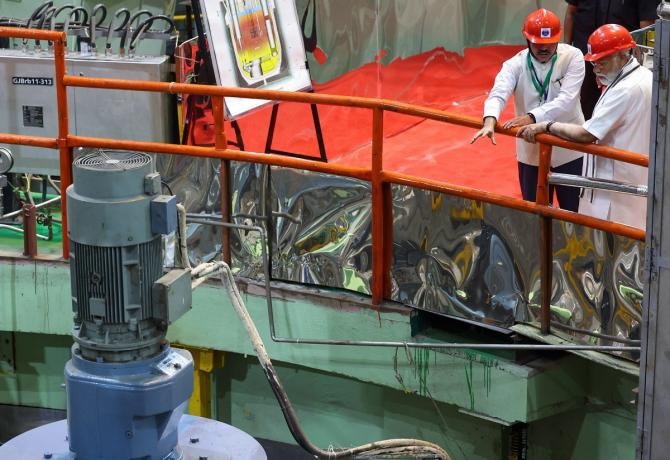
Space & Technology
India is set to begin fuel loading at its first Prototype Fast Breeder Reactor (PFBR) at the Kalpakkam Nuclear Power Plant in Tamil Nadu next week. This step marks a critical milestone in the country’s nuclear energy program, which aims to harness advanced reactor technology and utilize a closed fuel cycle for sustainable energy production. The PFBR is a sodium-cooled, pool-type fast breeder reactor with an electrical output of 500 MWe and a thermal output of 1,253 MWt. It uses Mixed Oxide (MOX) fuel, composed of uranium and plutonium, and is cooled by liquid sodium. The reactor is designed with a two-loop system and a steam reheat setup to optimize energy conversion. Its core has a diameter of 1,900 mm and a height of 1,000 mm, with each fuel subassembly containing 217 fuel pins of 6.6 mm outer diameter. The reactor operates with steam parameters of 763 K temperature and 16.6 MPa pressure. Once operational, the PFBR will be only the second sodium-cooled fast breeder reactor in the world. Russia operates the BN-800 fast breeder reactor at the Beloyarsk Nuclear Power Station, which has a net electrical capacity of 789 MWe. Both reactors aim to demonstrate the viability of a closed fuel cycle, where spent fuel can be reprocessed and reused, enhancing resource efficiency and reducing nuclear waste. Construction of the PFBR began in 2004, with an original commissioning target set for 2010. However, the project faced multiple delays due to technical and regulatory challenges, pushing the expected operational date to December 2024. The project’s estimated cost also nearly doubled from ₹3,500 crore to ₹7,700 crore. Despite these delays, authorities have confirmed that technical issues have been resolved, and fuel loading is now scheduled to proceed as planned. The successful operation of the PFBR is expected to pave the way for the third stage of India’s nuclear program, which focuses on utilizing thorium-plutonium fuels in advanced heavy water reactors. This stage is central to India’s long-term strategy of achieving energy security through a sustainable and closed nuclear fuel cycle. Fuel loading at the PFBR is a significant achievement for India, demonstrating the country’s growing capabilities in advanced nuclear technology and positioning it among the few nations operating fast breeder reactors.
Read More → Posted on 2025-10-12 16:58:06Search
Top Trending in 24 Hours
-
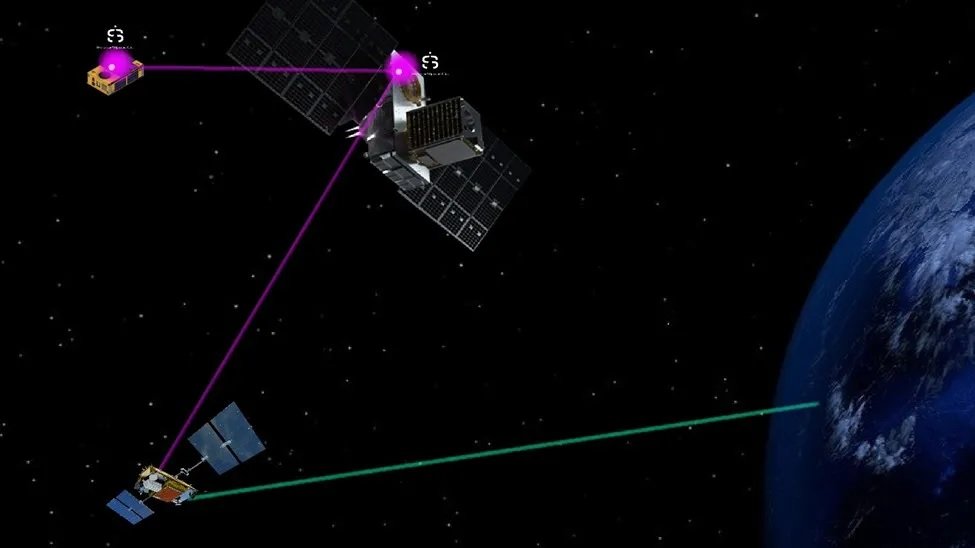 NASA Demonstrates Space-to-Space Wi-Fi Between Two Orbiting Spacecraft
-
 U.S. Military to Ban Chinese Automaker BYD Vehicles from Kadena Air Base in Japan Over Security Concerns
-
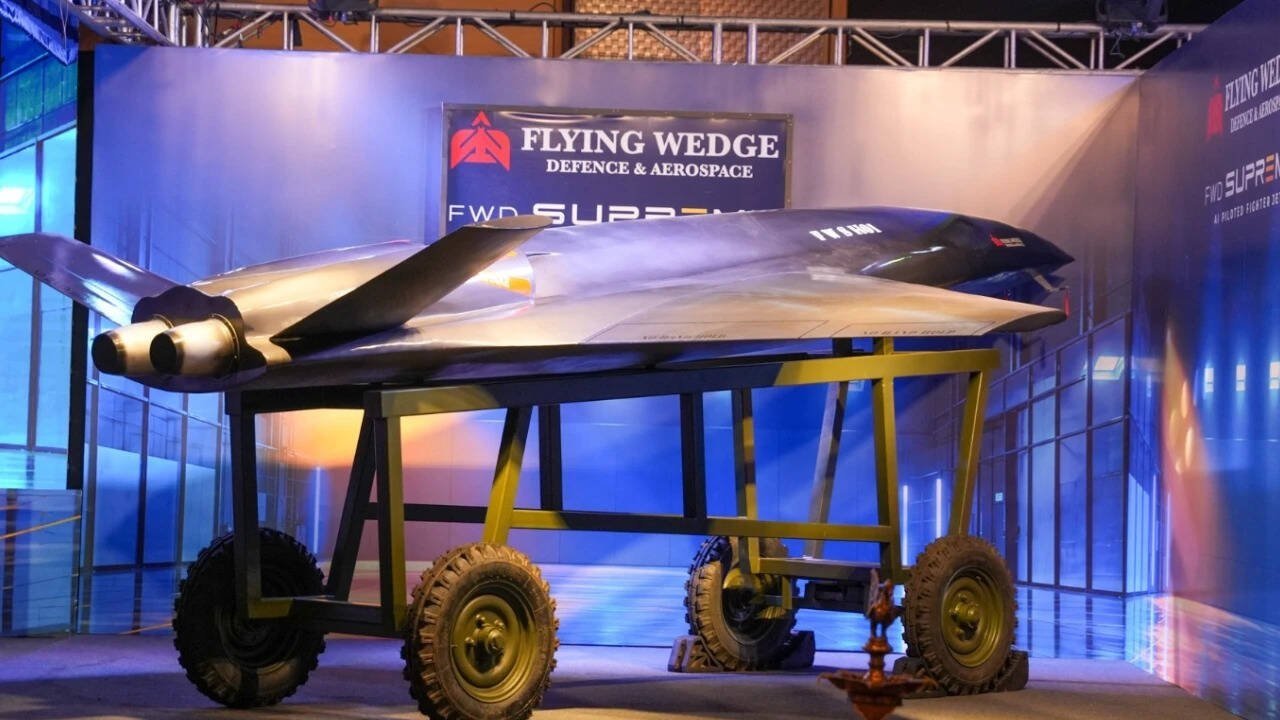 Bengaluru Startup FWDA Unveils FWD Supreme AI-Piloted Loyal Wingman Prototype
-
 Israeli Firm Silynxcom Develops AI-Powered Wearable Drone Detection System for Soldiers
-
 U.S. Space Force Targets 2029 for Surveillance and Navigation Capabilities Near the Moon
-
 India Develops Indigenous Military AI, Expands Missile Production to Cut Costs
-
 IIT Madras Startup Waterfly Technologies Plans December Ocean Trial of Hummingbird Electric WIG Craft
-
 Turkish Navy Deploys HAVELSAN Barkan UGV in Amphibious Drills During TURNAs-2026
Top Trending in 4 Days
-
 NASA Sets New Artemis Milestones as SpaceX and Blue Origin Target Moon Landings in 2027–2028
-
NASA Demonstrates Space-to-Space Wi-Fi Between Two Orbiting Spacecraft
-
 USS Pinckney Becomes First U.S. Navy Destroyer to Begin Phase Two Modernization with Advanced SPY-6 Radar
-
 General Atomics Partners With Spirit Defense to Expand FQ-42 Vengeance Production
-
U.S. Military to Ban Chinese Automaker BYD Vehicles from Kadena Air Base in Japan Over Security Concerns
-
 L3Harris Opens ‘Arsenal of Freedom’ Rocket Motor Plant in Arkansas to Double Production Capacity
-
 CSG and North Vector Dynamics Sign MoU to Explore European Production of CM-70 Counter-Drone Interceptor
-
 Unitree Unveils H2-X ‘Kung Fu Legend: Guardian’ Humanoid Robot for Security and Rescue