
India
Defense News ,India :- In a recent update, the police in New Delhi have successfully arrested a key suspect wanted in the dismantled terror module case in Jammu and Kashmir's Kupwara district. The apprehended individual, Riyaz Ahmed, a retired soldier residing near the Line of Control, was taken into custody at the New Delhi Railway station on Sunday.According to the Delhi police, Riyaz Ahmed played a crucial role in conspiring with Khursheed Ahmad Rather and Ghulam Sarwar Rather, both already arrested by J&K Police on January 27. Their collaboration involved receiving weapons and ammunition from across the Line of Control through terrorist handlers.The joint efforts of J&K Police and the Army on January 27 led to the arrest of five associates of Lashkar-e-Toiba militants involved in arms and ammunition smuggling in Kupwara district. The terrorist module was being directed by handlers based in Pakistan occupied Kashmir, Manzoor Ahmad Sheikh alias Shakoor, and Qazi Mohammad Khushal, operating from across the border.On February 4, specific information was received regarding the fugitive Riyaz Rather, prompting the immediate deployment of a police team at the New Delhi Railway Station. Acting swiftly, the alert staff identified and apprehended Riyaz as he attempted to escape from Exit Gate no 1 during the early morning hours.After intensive interrogation, it was revealed that Riyaz and his friend Altaf, both retired from the Indian Army, had boarded the Mahakaushal Express from Jabalpur and arrived at Hazarat Nizamuddin railway station on February 3. The accused was about to relocate to another hideout when apprehended.Riyaz is suspected of receiving a consignment of arms and ammunition from the previously arrested Khursheed Ahmad Rather and Ghulam Sarwar Rather. The police recovered a mobile phone and a SIM card from Riyaz's possession. He has been arrested under appropriate legal sections, and J&K Police officials have been informed for further action. The investigation is ongoing to uncover the entire conspiracy.
Read More → Posted on 2024-02-06 16:09:19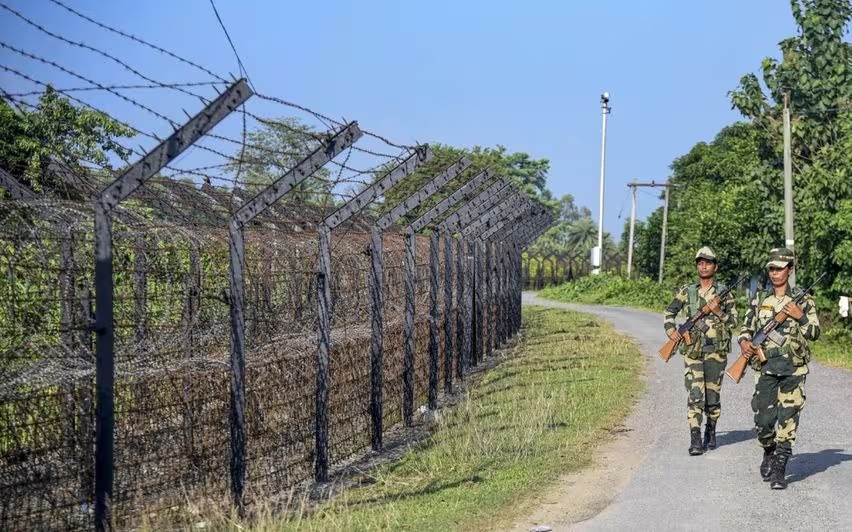
India
Defense News ,India :- India is taking steps to secure its 1,643-kilometer border with Myanmar by building a fence similar to the one it has along its border with Bangladesh. Union Home Minister Amit Shah shared this decision during his visit to Assam, highlighting the government's commitment to national security. In addition to fortifying the border, Shah mentioned the end of the free movement agreement with Myanmar, signaling a significant change in the region.Shah revealed the ambitious plan to fence the entire Indo-Myanmar border, adopting security measures already in place along the Bangladesh frontier. The goal is to improve surveillance and prevent unauthorized crossings. Initial efforts have started, with a 10-kilometer stretch in Moreh, Manipur, already fenced. Pilot projects using a Hybrid Surveillance System (HSS) are also underway in Arunachal Pradesh and Manipur, aiming to enhance border security.Ending Free Movement AgreementIndia plans to cancel the free movement agreement with Myanmar, which allowed residents along the border to travel up to 16 kilometers into each other's territory without visas. Shah emphasized the need for stricter border controls, though Mizoram Chief Minister Lalduhoma disagreed, citing historical and cultural ties between Mizos and Chins across the border.Security Concerns and Regional ChangesThe decision to fortify the Indo-Myanmar border comes as conflicts and ethnic tensions in the region escalate. Recent events, such as the military coup in Myanmar and ethnic violence in Manipur, highlight the importance of increased security measures. However, experts caution against potential destabilization and strained relations.The proposed border fence faces challenges due to the rugged terrain, and concerns have been raised about its impact on local communities and cross-border ties. Critics question the security justifications, suggesting alternative motives behind the initiative.India's decision reflects changing security priorities and regional dynamics. While the move aims to enhance national security, it brings complexities and controversies. Stakeholders must carefully consider the implications on bilateral relations and local populations as plans for border fortification progress.The Modi government is committed to building impenetrable borders.It has decided to construct a fence along the entire 1643-kilometer-long Indo-Myanmar border. To facilitate better surveillance, a patrol track along the border will also be paved.Out of the total border length,…— Amit Shah (@AmitShah) February 6, 2024
Read More → Posted on 2024-02-06 15:53:00
India
Defense News ,India :- In a significant event showcasing India's growing strength in defense, Union Minister Ajay Bhatt, along with Ambassador Dr. Suhel Ajaz Khan and Additional Secretary Anurag Bajpai, received a warm welcome at the BrahMos Pavilion in Riyadh's WORLD DEFENSE SHOW 2024. Hosted by Dr. Sanjeev Kumar Joshi and Praveen Pathak from BrahMos, the visit marked an important moment in India's efforts to export defense technology.High-ranking officials highlighted the importance India places on strengthening its defense capabilities and building stronger ties in the Middle East. The BrahMos Pavilion demonstrated India's dedication to innovation and collaboration in defense technology, specifically in cruise missile systems.The visit not only showcased India's technological progress but also emphasized its proactive approach in promoting defense cooperation with Middle Eastern nations. India's offer of BrahMos Cruise missiles to several countries in the region signals a strategic shift in its defense export policy, aiming to enhance regional security.The BrahMos Cruise missile, known for its speed, precision, and versatility, is a game-changer in modern warfare. Its ability to accurately strike targets from land, sea, and air platforms makes it highly sought-after for nations looking to strengthen their military capabilities.
Read More → Posted on 2024-02-06 15:47:00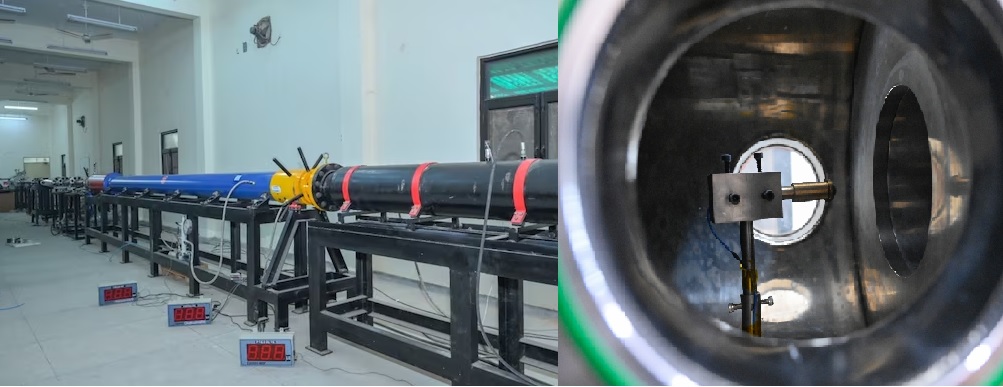
India
Defense News ,India :- IIT Kanpur has accomplished a significant feat by creating and testing India’s inaugural Hypervelocity Expansion Tunnel Test Facility. This accomplishment places India among the select few nations possessing advanced hypersonic testing capabilities.The facility, known as S2 or 'Jigarthanda,' is situated at IIT-Kanpur’s Hypersonic Experimental Aerodynamics Laboratory. It spans 24 meters and has the capability to simulate flight speeds ranging from 3 to 10 kilometers per second. This simulation mimics hypersonic conditions faced by vehicles during atmospheric entry, asteroid entry, scramjet flights, and ballistic missiles.S2's successful development is a result of three years of indigenous design and development, with financial support from the Aeronautical Research and Development Board (ARDB), the Department of Science and Technology (DST), and IIT-Kanpur. This facility will play a crucial role in supporting ongoing projects of ISRO and DRDO, such as Gaganyaan, RLV, and hypersonic cruise missiles.Professor S. Ganesh, Director of IIT-Kanpur, expressed the historical significance of this achievement, stating that S2 will empower India's space and defense organizations with domestic hypersonic testing capabilities for critical projects and missions.Professor Mohammed Ibrahim Sugarno, Associate Professor at the Department of Aerospace Engineering and Centre for Lasers & Photonics at IIT-Kanpur, highlighted the challenges faced during the development of S2, particularly in perfecting the 'free piston driver' system. Despite the difficulties, the team overcame these challenges and proudly designed, built, and tested this unique facility, solidifying India's position in the global hypersonic research community.Professor GM Kamath, Head of the Department of Aerospace Engineering at IIT-Kanpur, emphasized the significance of S2 in advancing research horizons and inspiring a new generation of aerospace enthusiasts. Being the first in India to develop such a facility sets a new benchmark for hypervelocity research in the country and beyond.
Read More → Posted on 2024-02-06 15:40:18
India
Defense News ,India :- In a recent update, Lieutenant General Upendra Dwivedi has been chosen as the new Army Vice Chief, starting from February 15. He will be replacing Lt Gen MV Suchindra Kumar, who, in turn, will assume the role of the Northern Army Command in Udhampur.The Army made these announcements today, and both officers are set to begin their new roles on February 15, according to Army officials.Lt Gen. Dwivedi, previously at the Army Headquarters as the Deputy Chief and Director General of Infantry, has experience in the Northern Command during a period of heightened tensions between India and China. He served there for two years.Meanwhile, Lt Gen. Kumar, who has been Vice Chief for about a year, earned the promotion to the rank of Army Commander. He previously served as the 16 Corps commander and held various command and staff positions.
Read More → Posted on 2024-02-06 07:15:43
India
Defense News ,India :- National Security Advisor (NSA) Ajit Doval recently visited Dhaka quietly and briefly over the weekend. He met with Prime Minister Sheikh Hasina and other senior officials to talk about important strategic issues. This visit marked the first time a high-ranking Indian official visited Dhaka since Hasina returned to power for the fifth time. The Bangladesh foreign minister is also expected to visit India later this week.Even though the details of Doval's visit are not yet known, it is believed that he discussed regional dynamics and important aspects of the relationship between the two countries. Key topics on the agenda likely included counterterrorism, security in the Bay of Bengal, and strengthening security partnerships.It's important to note that Prime Minister Narendra Modi was the first leader to congratulate Hasina on her victory in the general elections earlier this year. Ajit Doval plays a crucial role in India's connections with neighboring countries, and he is particularly interested in ensuring the stability of Bangladesh, as it is vital for India's security in the subcontinent. Additionally, Bangladesh serves as a crucial link for connectivity to India's landlocked northeast region.
Read More → Posted on 2024-02-06 07:12:03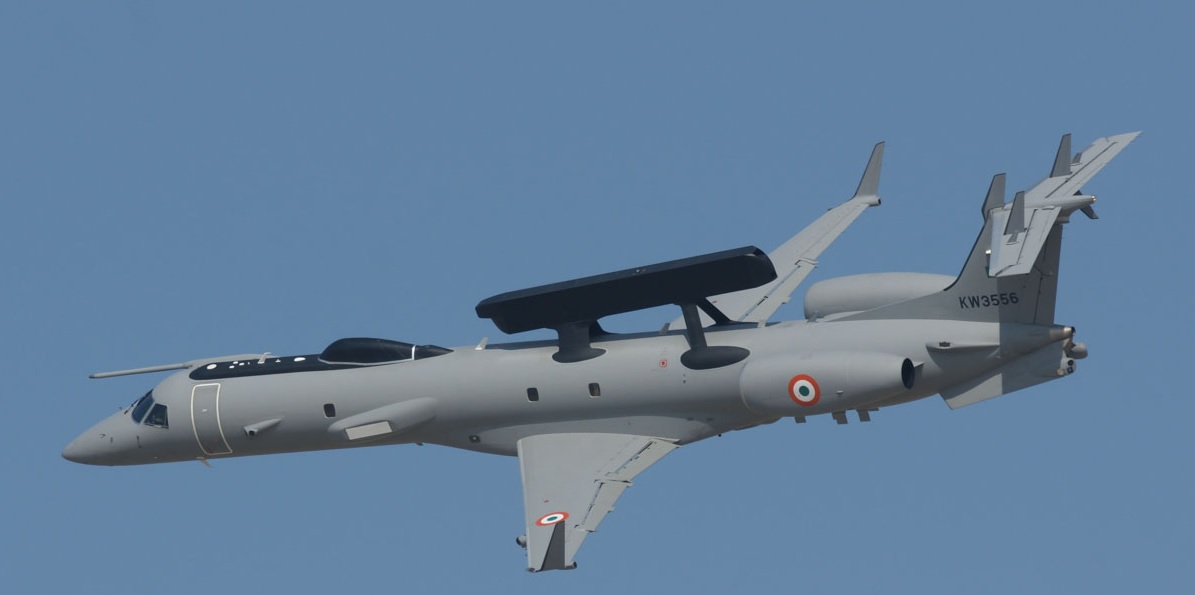
India
Defense NEws ,India :- In response to the evolving air surveillance capabilities of China and Pakistan, India is set to expand its airborne early-warning and control (AEW&C) aircraft fleet with the development and introduction of 12 additional units, as reported by the Times of India. This strategic initiative aims to bolster surveillance and detection along the borders with China and Pakistan, while also facilitating the guidance of friendly aircraft during aerial engagements.The Defence Research and Development Organisation (DRDO) and the Indian Air Force (IAF) are collaboratively working on the creation of six Mark-1A and six Mark-2 versions of the Netra AEW&C aircraft. The Netra-I Airborne Early Warning and Control aircraft program, based on Brazilian Embraer aircraft, is also being revived by the IAF.The decision to augment the AEW&C fleet was prompted by the IAF's realization of the need for more such aircraft during an aerial skirmish with Pakistani fighters in February 2019. The ongoing tensions with China in eastern Ladakh further underscored the importance of strengthening India's AEW&C capabilities.The planned aircraft, based on Brazilian Embraer jets, will feature advanced active electronically scanned array antenna-based radars and sophisticated electronic and signal intelligence systems, amounting to an estimated cost of approximately Rs 9,000 crore.The ongoing development includes six Mark-2 aircraft, equipped with larger and more capable AEW&C radars and sensors. These will be mounted on second-hand Airbus-321 planes acquired from Air India, with the project currently progressing at a cost of ₹10,990 crore. The first AEW&C Mark-2 aircraft is expected to be delivered in 2026-27, featuring a 300-degree radar coverage with an additional nose antenna.The technology advancements achieved with the Mark-2 models will also be integrated into the MK-1A versions. These strategic projects are crucial for India, which aims to catch up with Pakistan and China in AEW&C and AWACS capabilities.As of now, the IAF's fleet includes three Netra aircraft and three Israeli Phalcon AWACS systems mounted on Russian IL-76 transport aircraft. In comparison, Pakistan operates 11 Swedish Saab-2000 Erieye AEW&C and China possesses about 30 AEW&C aircraft.The IAF's pursuit of additional AEW&C aircraft gained significance during the aerial engagement with Pakistani aircraft in 2019. The existing Netras and Phalcons are seamlessly integrated into the Integrated Air Command and Control System (IACCS), a fully-automated air defense network being expanded to unify various military and civilian radars for comprehensive airspace surveillance.To address challenges posed by China and Pakistan, the IAF is concurrently upgrading its tactics and equipment, with plans to induct fighters, helicopters, missiles, and radars worth ₹2.5 to 3 lakh crore over the next few years.
Read More → Posted on 2024-02-06 07:04:17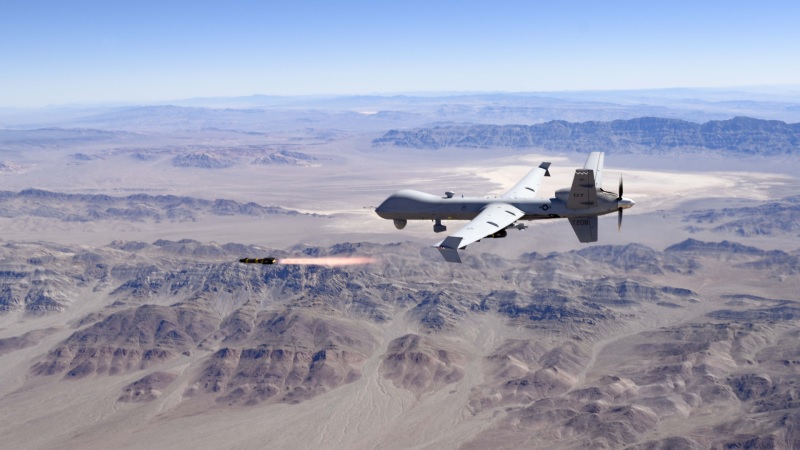
India
Defense News ,India :- The United States has announced that it will sell General Atomics MQ9-B armed drones to India, aiming to enhance the country's maritime security and domain awareness capabilities. This decision follows the recent approval by the US Department to sell MQ-9B remotely piloted aircraft and related equipment to India for an estimated 3.99 billion Dollars.The mega drone deal was disclosed during Prime Minister Narendra Modi's historic state visit in June 2023. State Department Deputy Spokesperson Vedant Patel expressed optimism about the sale, stating, "We believe this sale will provide India with enhanced maritime security and maritime domain awareness capabilities." He emphasized that the deal grants India full ownership of the aircraft, signaling a deepening cooperation between the two countries.The sale aligns with the foreign policy and national security goals of the United States, as outlined in an official statement. It aims to strengthen the strategic relationship between the US and India, supporting the security objectives of a major defense partner. The statement highlights India's crucial role in maintaining political stability, peace, and economic progress in the Indo-Pacific and South Asia region.In summary, the United States' offer of advanced drones to India is a significant step towards enhancing maritime security and strengthening the strategic partnership between the two nations.
Read More → Posted on 2024-02-06 06:57:42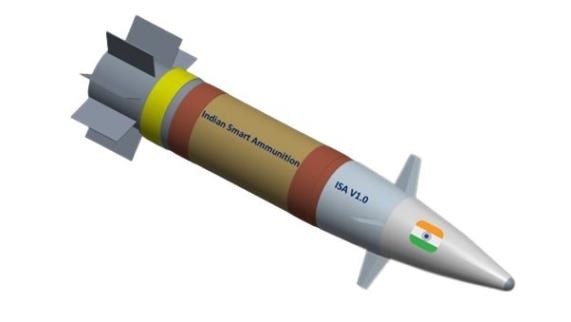
India
Defense News ,India :- The Indian Institute of Technology Madras (IIT Madras) is teaming up with Munitions India Limited, a Defense Public Sector Enterprise, to create India's inaugural 155 Smart Ammunition. This joint effort aims to achieve self-reliance in a crucial defense sector.The main goal is to enhance the accuracy of the 155 mm shell within a Circular Error Probable (CEP) of 10 meters. Currently, India's developed ammunitions have a CEP of 500 meters. Another important objective is to increase the lethality at the impact point.Munitions India Limited, operating under the Ministry of Defence, Government of India, stands as the country's largest manufacturer and market leader in the production, testing, research and development, and marketing of a wide range of ammunition and explosives for the Army, Navy, Air Force, and Paramilitary Forces.Professor G. Rajesh and his team from the Department of Aerospace Engineering at IIT Madras will be spearheading the development of the smart ammunition over a two-year period. Ravi Kant, Chairman and Managing Director of Munitions India Limited, expressed enthusiasm about the collaboration, emphasizing its significance in advancing India towards the goal of 'Aatmanirbhar Bharat' (self-reliant India).Prof. G. Rajesh explained that the Special Purpose Shell will contain a guidance, navigation, and control system, along with roll isolation strategies, canard actuation system, fuze, shell body, and warhead. The smart projectile will incorporate advanced technologies, including miniaturized electronics/sensors and mechanical structures. The Indian Regional Navigation Satellite System (IRNSS) will be used for guidance, ensuring independence from foreign satellite systems.Key characteristics and components of the 155mm Indian Smart Ammunition include its compatibility with 39 and 45 calibre -155 mm Artillery Guns without any modifications. It is a fin-stabilized, canard-controlled, guided shell with a range of 8 km to 38 km. The 3-mode fuse operation includes point detonation, height of burst, and delayed detonation, with the IRNSS providing guidance and making the ammunition independent of foreign agencies.In an effort to bring indigenization in India's #defence sector, @iitmadras will be partnering with @IndiaMunitions, to develop India’s first indigenously designed 155 Smart Ammunition. The objective is to increase the accuracy of the 155 mm shell within a CEP of 10 metres. pic.twitter.com/EWoEw1e9ms— IIT Madras (@iitmadras) February 5, 2024
Read More → Posted on 2024-02-06 06:52:41
India
Defense News ,India :- In a disconcerting trend along the India-Pakistan border, smugglers have found a new tool to evade detection and coordinate illicit activities within Indian territory – Pakistani SIM cards. A 2013 report from The Times of India highlighted the use of these small and easily concealable cards, allowing smugglers to communicate without fear of interception by Indian authorities.According to the report, these Pakistani SIM cards are small enough to be discreetly thrown into Indian territory and later retrieved from fields, avoiding detection. This method provides smugglers with an effective means of communication that circumvents the challenges faced by larger and more easily detectable devices, such as drones.In February 2023, the Border Security Force (BSF) encountered a Pakistani drone carrying 5 kilograms of heroin in the Indian airspace above Kakkar village in Amritsar. The incident shed light on the sophisticated communication strategies employed by smugglers. A source within the BSF revealed, “Sometimes, the Pakistani signal is active a couple of kilometers inside India. The cross-border smuggling coordinators plan for all potential dangers and losses in case any operation goes wrong.”To further complicate interception efforts, smugglers continually shift their modes of communication. They transition between the internet, social media platforms, Indian SIM cards, and Pakistani SIM cards, creating confusion and misleading Indian cyber teams. Despite successful interceptions of Pakistani drones and substantial seizures of contraband, the adaptability of the enemy's communication strategy poses an ongoing challenge for Indian authorities.The strategic advantage provided by Pakistani SIM cards lies in their ability to slip through the cracks and evade detection efforts that larger devices might encounter. Additionally, strategically placed Pakistani towers near the border amplify the communication range, allowing signals to penetrate up to two kilometers inside Indian territory.This communication edge facilitates smoother smuggling operations, enabling drones carrying illicit substances, explosives, and weapons to conduct more airdrops than the BSF and state police can effectively intercept. Smugglers, cognizant of the risks involved, meticulously plan for potential losses, ensuring the overall profitability of their operations.The exploitation of Pakistani SIM cards poses a significant security threat along the India-Pakistan border, requiring a comprehensive and adaptive response from Indian authorities. As technology evolves, authorities must enhance their capabilities to counter the ever-changing strategies employed by smugglers, safeguarding the border and the nation's security.
Read More → Posted on 2024-02-05 15:42:47
India
Defense News ,India :- The Indian Defense forces, along with the Defense Research and Development Organization (DRDO), are going to be a part of the first-ever Maharashtra Defense Expo. This event will take place from February 17 to 19 in Pune, and it aims to support small and medium-sized businesses.The Expo wants to encourage the coastal state of Maharashtra to become a center for making defense-related things. Officials from the state government mentioned that many small and medium-sized businesses will join the Expo.The Pune International Exhibition and Convention Centre is hosting the Expo, and a company called Nibe Limited is helping with knowledge. Maharashtra has a lot of defense Public Sector Undertakings (PSUs), DRDO labs (located in Pune), and Ordnance Factories. There are also over 12,500 small and medium-sized enterprises (MSMEs) that play a role in the country's defense system.The main goal of this event is to give a platform for important leaders in the industry, creative start-ups, and small businesses to show what they can do. This will help them work together and create more opportunities in the defense sector.Around 10,000 students from different universities and engineering colleges in Maharashtra will also take part in the event. This is a great chance for students to meet and talk with important people from the Defense forces and industry professionals who are deeply involved in the defense sector, as mentioned by an official.
Read More → Posted on 2024-02-05 15:27:41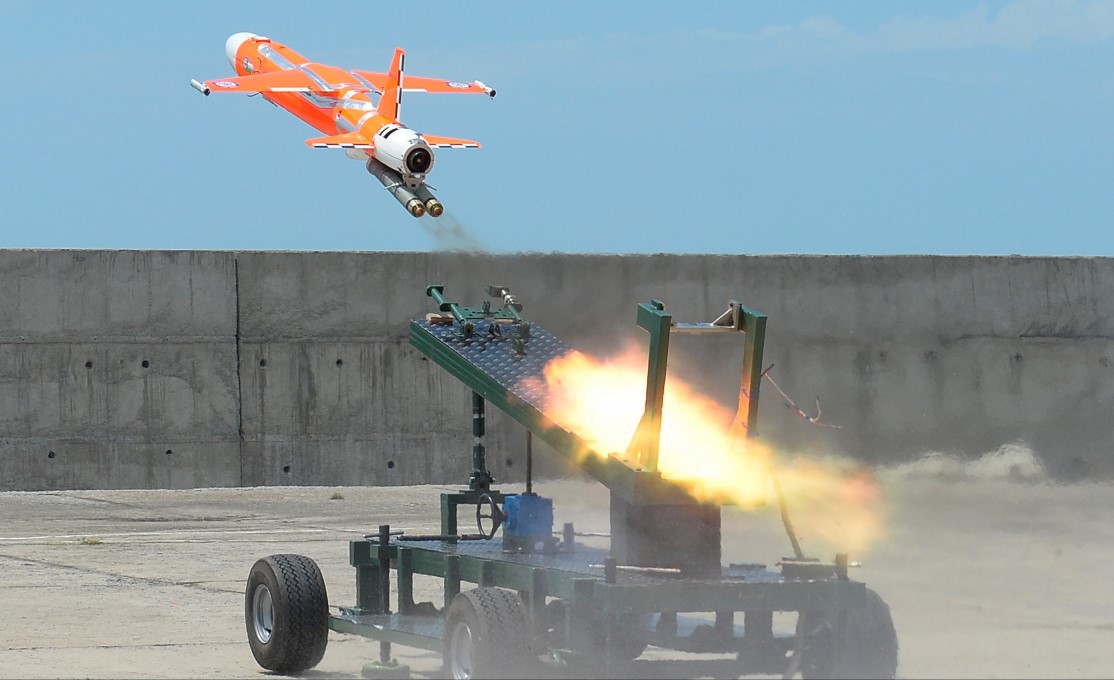
India
Defense News ,India :- India's Defence Research and Development Organisation (DRDO) recently accomplished four successful flight trials of the high-speed expendable aerial target named 'ABHYAS.' These trials, held at the Integrated Test Range in Odisha's Chandipur between January 30 and February 2, achieved important mission objectives. The advancements in the trials represent a significant achievement for DRDO's Aeronautical Development Establishment (ADE) and its collaboration with production agencies.About Abhyas DroneThe Abhyas is a special kind of airplane made by the Aeronautical Development Establishment (ADE), which is part of the Defense Research and Development Organization (DRDO) in India. It is not a regular plane; it is made to be a target for testing different missile systems. Let's look at some of the important details about the Abhyas Drone:Specifications:Length: It is 2385 mm long.Diameter: It is 180 mm wide.Weight: It weighs 75 kg.Engine: It has a gas-turbine engine that can produce a thrust of 25 kg.Maximum speed: It can go really fast, at about Mach 0.5, which is approximately 617 kmph.Maximum altitude: It can go up to 5000 m, which is about 16,000 ft high.Endurance: It can stay in the air for 30-45 minutes.Range: It can fly up to 400 km.Features: It has some cool features like GPS, an on-board computer to control its flight, a miss-distance indicator to measure how close things come to it, autopilot for automatic flying, and a radar signature augmentation.Mission Objectives Achieved:The flight trials of ABHYAS focused on achieving specific mission objectives, and all were successfully met. These objectives included the safe release of the booster, clearance from the launcher, and achieving the required end-of-launch velocity. The success of these goals highlights the effectiveness of the revised robust configuration and the single booster designed by the Advanced Systems Laboratory in Hyderabad.Validation of Key Parameters:The trials also validated various crucial parameters for the aerial target's performance. These parameters include endurance, speed, manoeuvrability, altitude, and range, confirming ABHYAS's capabilities as a high-speed expendable aerial target.ABHYAS - Realistic Threat Scenario:Designed by DRDO's ADE, ABHYAS serves as a realistic threat scenario for practicing weapon systems. It features an indigenous autopilot system, ensuring autonomous flying capabilities. Equipped with a radar cross-section, visual, and infrared augmentation system, ABHYAS provides a comprehensive platform for weapon practice.Cost-Effective Alternative with Export Potential:ABHYAS stands out as a cost-effective alternative to imported equivalents and requires minimal logistics. The laptop-based ground control system allows for easy integration, pre-flight checks, data recording, replay, and post-flight analysis. With support from production agencies like Hindustan Aeronautics Limited (HAL) and Larsen & Toubro (L&T) Defence, ABHYAS is now ready for production and holds export potential, making it available for friendly nations.Acknowledgments and Appreciation:Defence Minister Rajnath Singh congratulated DRDO, the armed forces, and the defence industry for the successful flight trials of ABHYAS. DRDO Chairman Samir V Kamat expressed appreciation for the dedicated efforts of the teams involved in the design, development, and testing of the system. The successful trials mark a significant step forward in India's capabilities in high-speed aerial target technology.
Read More → Posted on 2024-02-05 14:58:14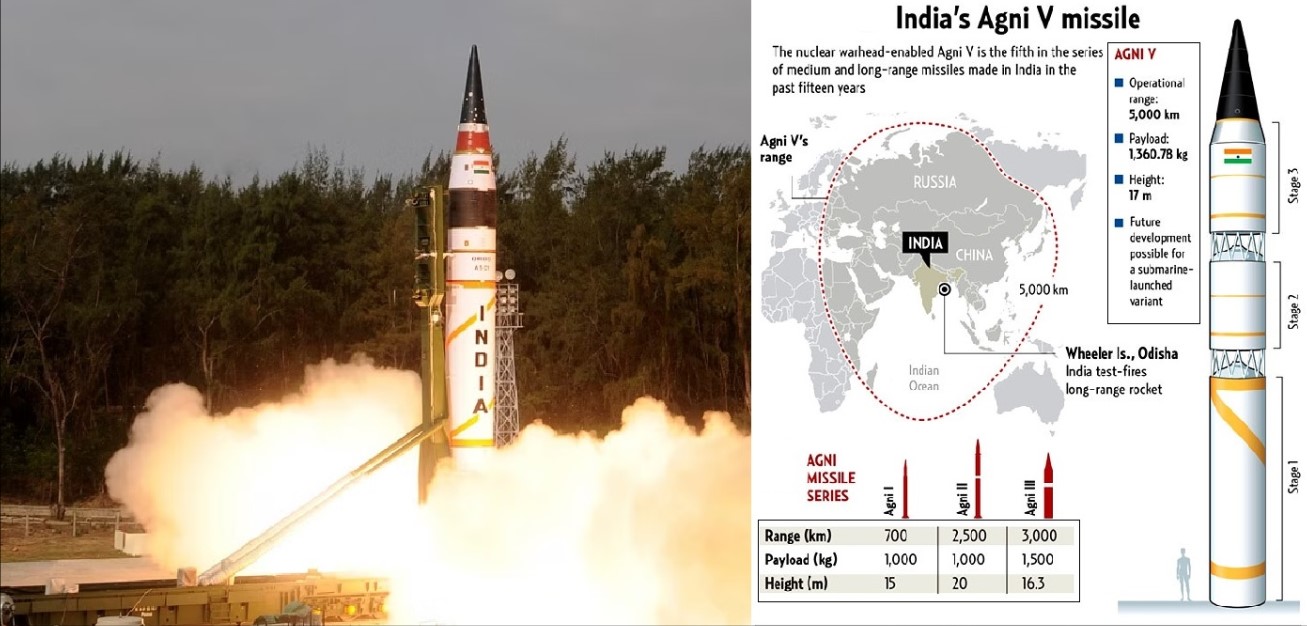
India
Agni Missile ,India :- India's remarkable Agni-V missile, armed with nuclear capabilities, stands as a symbol of scientific achievement. Developed by India's Defence Research and Development Organisation (DRDO), this missile utilizes a three-stage solid-fuel engine, showcasing India's commitment to advancing missile technology. Let's delve into the journey of Agni-V, starting from its inception in the early 1980s under the visionary leadership of scientist and former President Dr A P J Abdul Kalam.The History of Agni Missiles:The story of Agni missiles began in the early 1980s as part of the Integrated Guided Missile Development Programme. Dr A P J Abdul Kalam, a central figure in India's missile and space programs, spearheaded this initiative. The goal was to develop a series of missiles with different capabilities, laying the foundation for India's missile prowess.Agni Series Missile :-1. Agni I: 700-800 km2. Agni II: Over 2,000 km3. Agni III: Over 2,500 km4. Agni IV: Over 3,500 km, deployable from a road mobile launcher5. Agni V: Over 5,000 km, with some sources claiming up to 8,000 km6. Agni VI: Under Development (Range 10,000 to 12,000 kilometres)In June 2021, DRDO successfully tested Agni P, a canisterized missile with a range capability between 1,000 and 2,000 km. This innovation allows for launch from road and rail platforms, enhancing deployment speed. Additionally, the development of Agni-6, with a range starting at 8,000 km, is underway, showcasing India's continuous efforts in advancing missile technology.Agni-V Specifications :The Agni-V, named after the Hindu god of fire, boasts impressive specifications:Range: Over 5,000 km (with potential sources suggesting up to 8,000 km)Length: 17.5 metersDiameter: 2 metersLaunch weight: 50,000 kgPayload: 1,100 kgPropulsion: Three-stage solid-fueled engineGuidance: Ring laser gyroscope inertial navigation system, optionally augmented by GPS/NavIC satellite guidanceSpeed: Mach 25 (30,600 km/h; 19,000 mph; 8.51 km/s) in terminal phaseWarhead: Strategic nuclear weapon with 10-12 Multiple Independently Targetable Reentry Vehicles (MIRVs)MIRV Capability Explained:Agni-V's unique feature is its ability to carry Multiple Independently Targetable Reentry Vehicles (MIRVs). Each missile can carry 2–10 separate nuclear warheads, providing flexibility in target assignment. MIRVs ensure a credible second-strike capability, even with a limited number of missiles. According to DRDO sources, a MIRV payload would be significantly heavier, with each warhead weighing about 400 kilograms. This means a 5-warhead MIRV would weigh two tonnes.Developmental Test :1. First Test Launch (April 19, 2012):Launched from Abdul Kalam Island using a rail mobile launcher.Flew for 20 minutes, successfully hitting a target over 5,000 km away in the Indian Ocean.2. Second Test Launch (September 15, 2013):Launched from a mobile launcher off the Odisha coast.Flew for a little over 20 minutes, hitting a target in the Indian Ocean with impressive accuracy.3. Third Test Launch (January 31, 2015):Used a canisterized version mounted over a Tatra truck.Witnessed a flawless 'auto launch,' with detailed results awaited.4. Fourth Test Launch (December 26, 2016):Successfully conducted from Abdul Kalam Island using a canister.Paved the way for user trials by the Strategic Forces Command (SFC).5. Fifth Test Launch (January 18, 2018):Third consecutive canisterized test on a road mobile launcher.Covered a distance of 4,900 km in 19 minutes.6. Sixth Test Launch (June 3, 2018):Precision launch with successful tracking by radars and telemetry stations.7. Seventh Test Launch (December 10, 2018):Test-fired in a lofted trajectory for the first time.Covered nearly 2,041 km, completing pre-induction trials.User Trials Explained:As part of user trials, Agni-V was successfully launched on October 27, 2021, and December 15, 2022, from Abdul Kalam Island, Odisha. These trials align with India's credible minimum deterrence policy, emphasizing a commitment to 'No First Use.'Night Trial's Mystery Unveiled (December 15, 2022):The first night trial of Agni-V marked a significant milestone. Conducted by the Strategic Forces Command (SFC), the test aimed to validate new technologies and equipment on the missile. Using lightweight composite materials made Agni-V 20 percent lighter, enhancing its striking capability beyond 7,000 km. The night test, visible in many parts of India and neighboring countries, Look Like hypersonic Glide Vehicle.The inclusion of a Hypersonic glide vehicle in the test, suggested by some observers due to the low velocity of the projectile, remained unconfirmed by authorities. Speculation arose that the test might not be exclusively related to Agni-5 but potentially involved a more significant development in missile technology.Agni-V's Impact and Significance:India's Agni-V missile is hailed as a significant technological achievement, earning the title of a "game-changer" for the country's strategic deterrence capabilities. Comparable to advanced ICBMs possessed by other major powers, Agni-V places India among the elite in missile technology. While some specifications remain classified due to its military nature, the information derived from publicly available sources highlights the Agni-V's pivotal role in ensuring India's national security.The Agni-V missile stands tall as a symbol of India's technological prowess and commitment to national defense. Its journey, from conception to successful test launches, signifies a crucial milestone in India's pursuit of self-reliance in defense technology. As geopolitical landscapes evolve, the Agni-V positions India as a formidable player in the global arena, contributing to the balance of power in the region.
Read More → Posted on 2024-02-05 09:12:25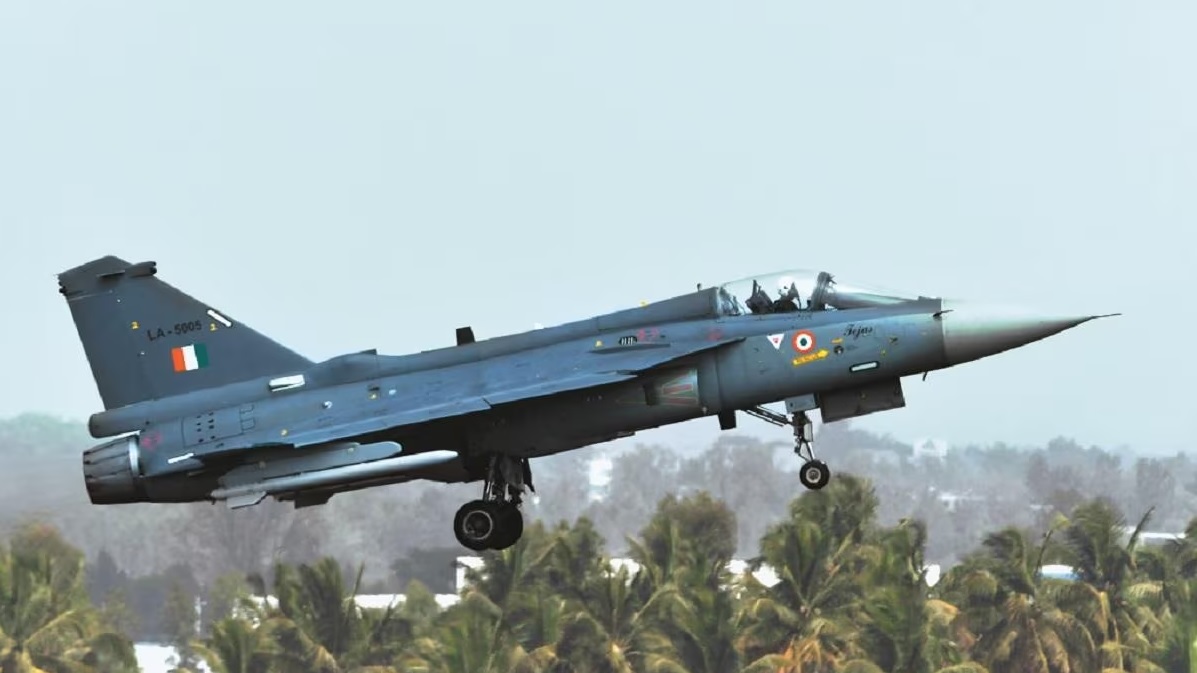
India
Defense News ,India :- In a significant development, the upcoming month is poised to witness the inaugural flight of the first production standard TEJAS MK-1A aircraft, as reported by Anantha Krishnan M of TARMAK007.Both TEJAS-LSP8 and TEJAS-SP25 aircraft have already been airborne, showcasing advanced avionics updates, including state-of-the-art smart multifunction displays (MFDs) and a new mission computer, contrasting the MFDs and open architecture computer in the earlier TEJAS MK-1s.The groundbreaking Digital Flight Control Computer (DFCC), now incorporated into the TEJAS MK-1A, is built on the PowerPC Microprocessor, a departure from the Intel processor utilized in TEJAS MK-1. The shift was prompted by the limitations of the Intel processor, which had reached its upgrade capacity, hindering the addition of further functionalities.This cutting-edge DFCC is set to revolutionize the aircraft's capabilities, introducing new functionalities and bolstering indigenization efforts. It also lays the groundwork for potential integration into future projects, such as the envisioned TEJAS MK-2.The maiden flight of the new computer is scheduled on an LSP aircraft early next week, paving the way for the subsequent first flight of the TEJAS MK-1A production aircraft.The TEJAS MK-1A, equipped with a new mission computer, smart MFDs, AESA Radar, a novel electronic warfare suite, digital map generator, and the innovative DFCC, is poised to mark a significant leap forward in the evolution of this indigenous fighter aircraft.
Read More → Posted on 2024-02-05 06:19:13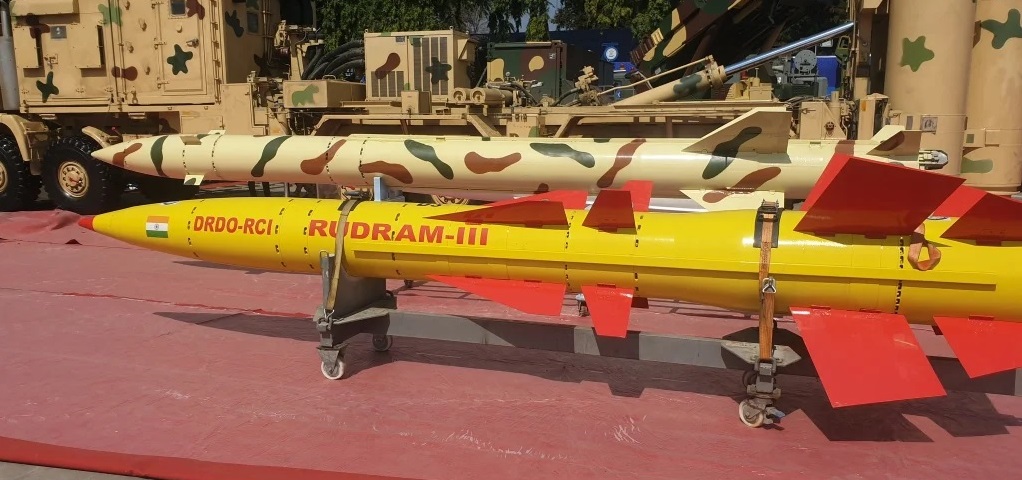
Rudram 2 Hypersonic Missile ,India’s Formidable ‘Super Killer’ Air-to-Surface Anti-Radiation Missile
India
Defense News ,India :- Dr. Samir V Kamat, Chairman of the Defense Research and Development Organisation (DRDO), has officially confirmed the commencement of flight trials for the Rudram-II Air-to-Surface (A2S) missile initiated last year. This formidable missile, boasting an impressive range of 300 kilometers, represents a state-of-the-art addition to India’s military arsenal, showcasing advancements in defense technology and strategic capabilities.A recent promotional video by the Indian Air Force (IAF) prominently features developmental tests of the Rudram-II from the Su-30MKI, highlighting its crucial role in reinforcing the nation’s air superiority.The Rudram-II's versatility is a key highlight, offering two distinct variants tailored to specific operational needs. The first variant, functioning as an Anti-Radiation Missile (ARM), is equipped with a PHH-IIR Seeker designed for precise neutralization of radar installations.This capability significantly enhances the IAF’s ability to suppress enemy air defenses, establishing aerial dominance in contested airspace. Simultaneously, the second variant serves as a potent Ground Attack missile, featuring an IIR Seeker optimized for targeting airstrips, bunkers, and aircraft hangars. This dual functionality enhances the IAF’s strategic capabilities, providing flexibility in mission planning and execution.The combat prowess of the Rudram-II is further emphasized by its impressive warhead capacity, capable of carrying a 200-kilogram payload. This payload capacity allows for the deployment of various munitions, including high-explosive ordnance and specialized warheads tailored to specific mission objectives.With extraordinary speed capabilities reaching Mach 5.5, the Rudram-II ensures swift and decisive action on the battlefield, enabling a rapid response to emerging threats and adversaries.Crucially, the missile is designed for precise strikes with minimal collateral damage, even at high speeds and altitudes. Launched from altitudes ranging from 3 to 15 kilometers, the Rudram-II is engineered to impact targets at speeds slower than Mach 1, ensuring pinpoint accuracy and minimizing the risk of unintended harm to civilian populations and infrastructure. This precision-guided capability reflects India’s commitment to the responsible and ethical use of military force, prioritizing the minimization of civilian casualties in conflict zones.In essence, the Rudram-II stands as a testament to India’s remarkable progress in defense technology, providing the nation with a sophisticated and adaptable missile system that enhances its military capabilities and strategic flexibility.Rudram Series Missile Specifications :- FeatureRudram-1Rudram-2 Anti RadiationRudram-2 Ground AttackRudram-3Mass (kg)600NaNNaNNaNLength (m)5.5NaNNaNNaNWarheadPre-fragmentedPre-fragmentedPenetration-cum-BlastNoneWarhead weight (kg)55155200NaNDetonation mechanismOptical proximity fuzeNoneNoneNoneEngineDual-pulsed rocket motorNoneNoneNonePropellantSolid fuelNoneNoneNoneOperational range (km)150300300550Flight altitude (km)1 - 153 - 153 - 15NaNMaximum speed (Mach)25.55.5NaNGuidance system (Mid-course)INS + Passive radar homingINS + SatNav + Passive radar homingINS + SatNavNoneGuidance system (Terminal)MMW Active radar homingIIR homingIIR homingNoneAccuracy (CEP)5NaNNaNNaNLaunch platformMiG-29UPG, Dassault Mirage 2000SEPECAT Jaguar, Su-30MKI, Tejas Mk.1/1ASukhoi Su-30MKI and Mirage 2000NoneNone
Read More → Posted on 2024-02-04 16:59:47Search
Top Trending in 24 Hours
-
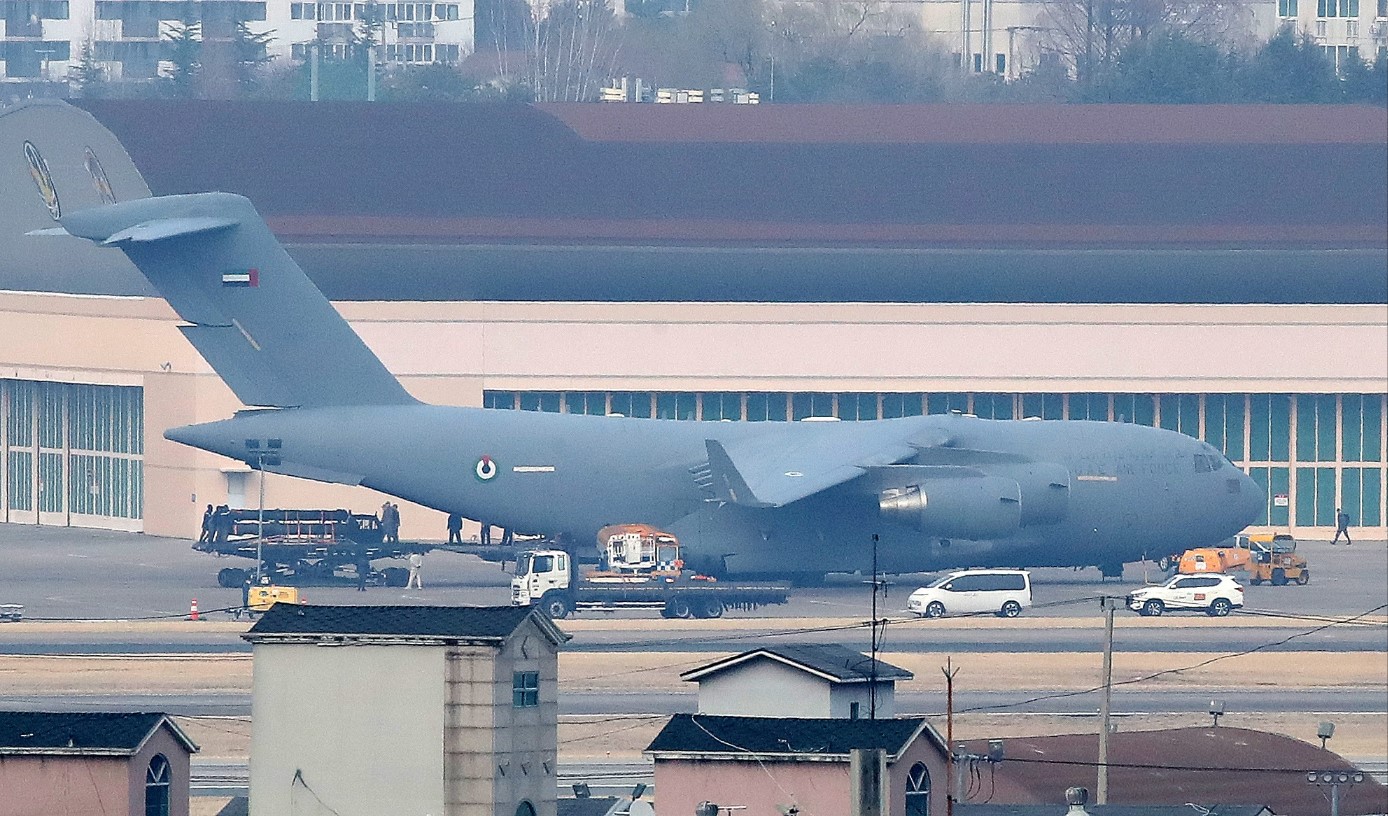 UAE Urgently Airlifts Cheongung-II Missile Defense Battery From South Korea Using Eight C-17 Aircraft
-
 NATO Commander Says Russia Not Seeking Conflict With Alliance Despite U.S. Force Reductions
-
 U.S. Air Force Faces Strategic Airlift Shortfall as C-17 Production Restart Remains Uncertain
-
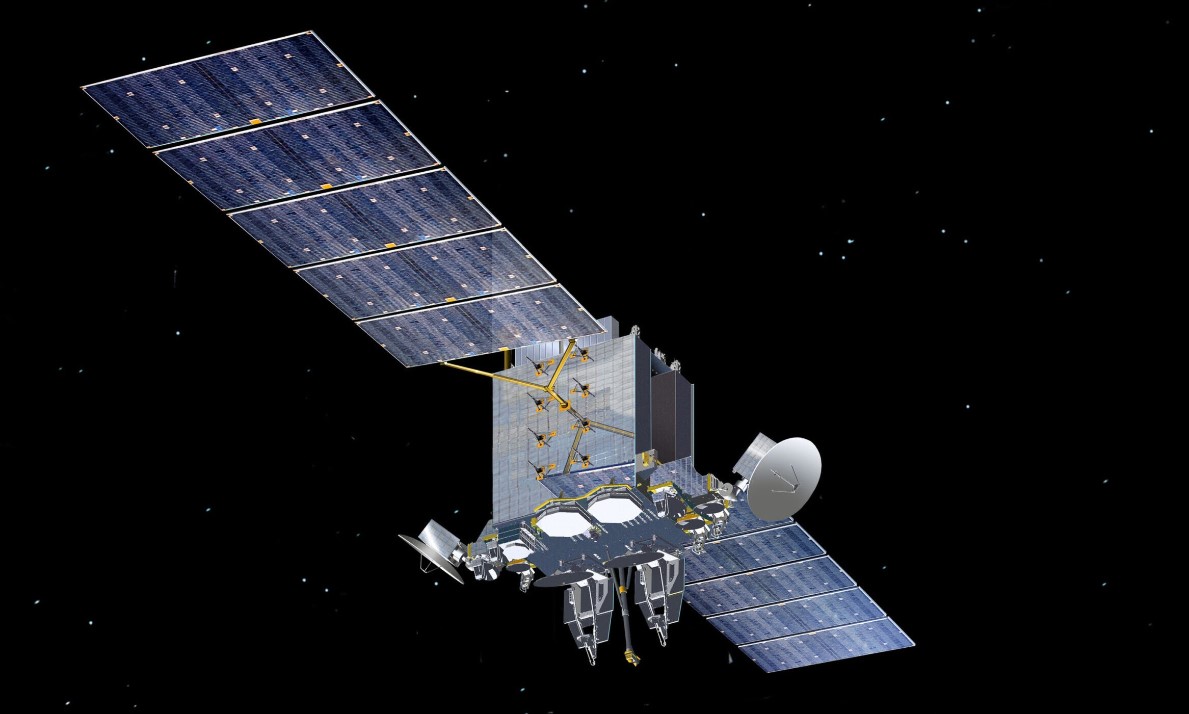 U.S. Space Force Awards $437.7 Million Contracts for First PTS-G Swarm 1 Anti-Jam Satellites
-
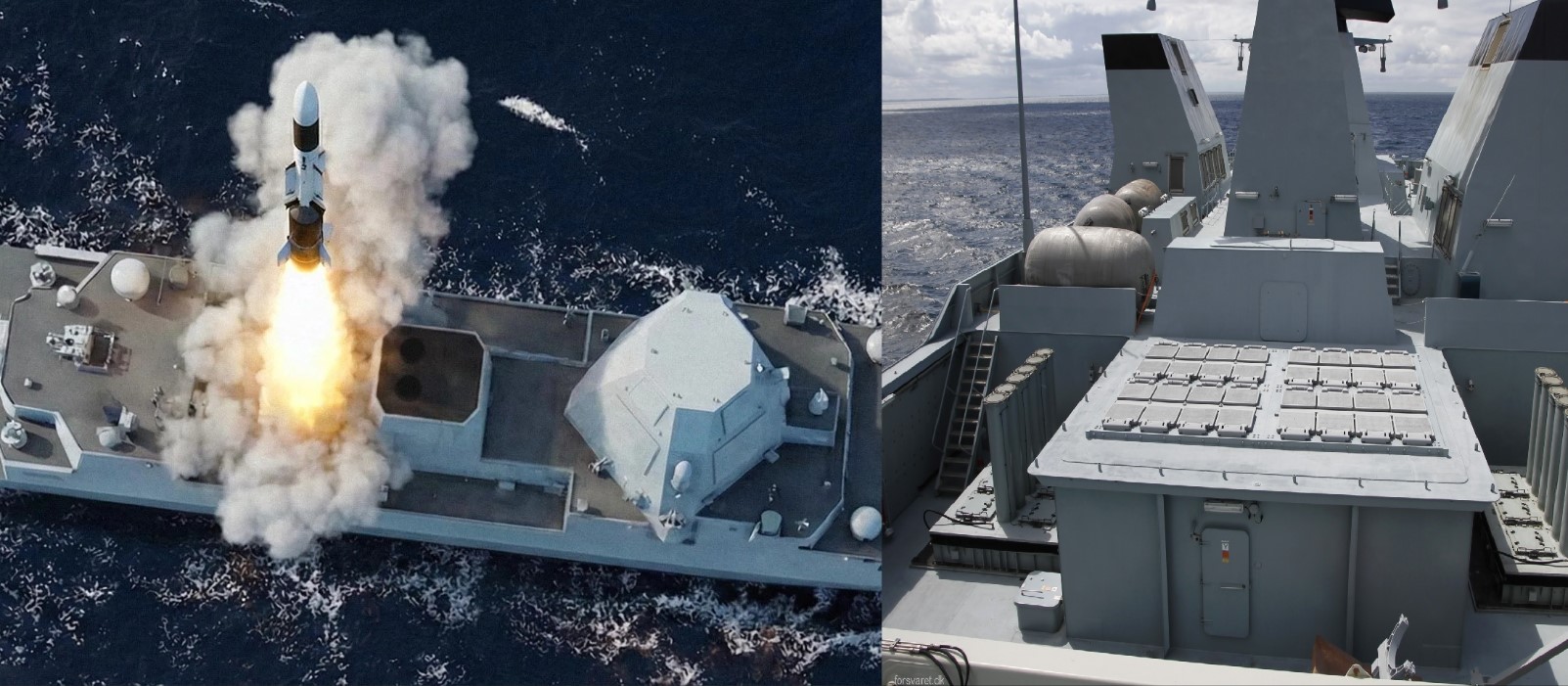 Engineering Challenges Behind the US Navy's Decision to Drop MK41 VLS from Flight I FF(X) Frigates
-
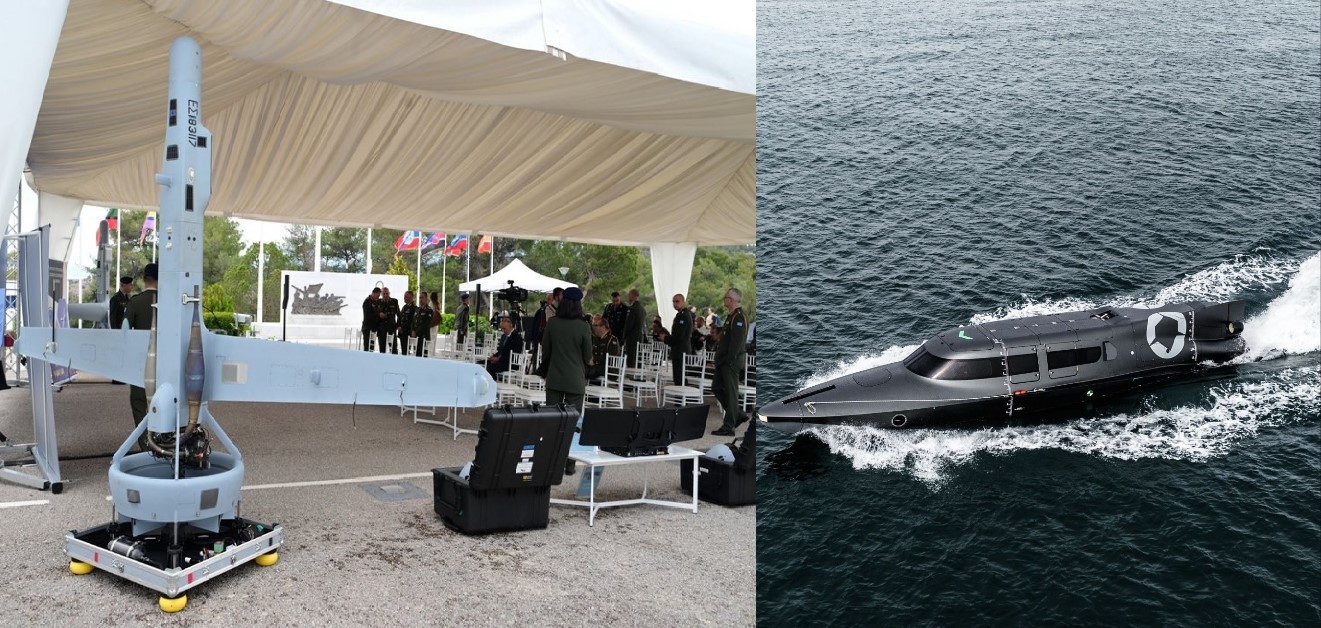 Greek Parliament Approves €1.2 Billion Defense Package Including VICTA Submersibles, V-BAT Drones, C-390 Airlifters, and Frigate Upgrades
-
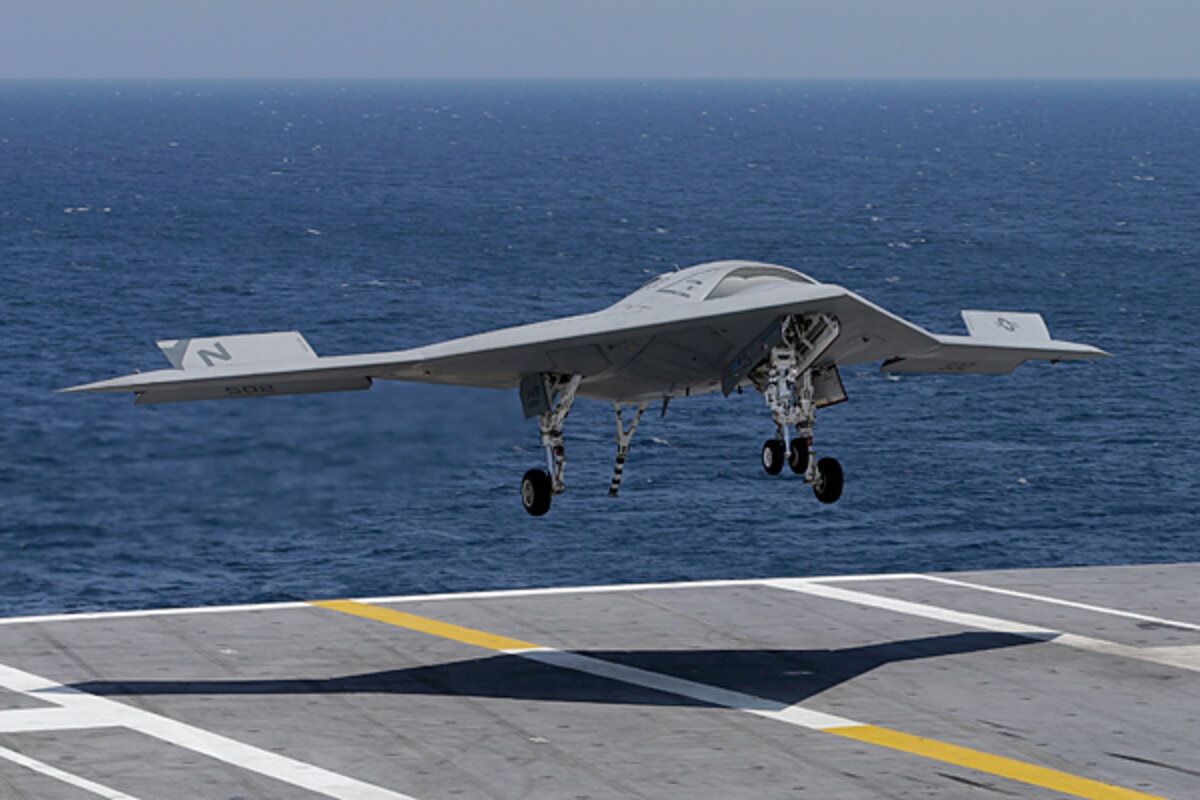 France Launches Search for Carrier-Capable Combat Drones Under New CCA Program
-
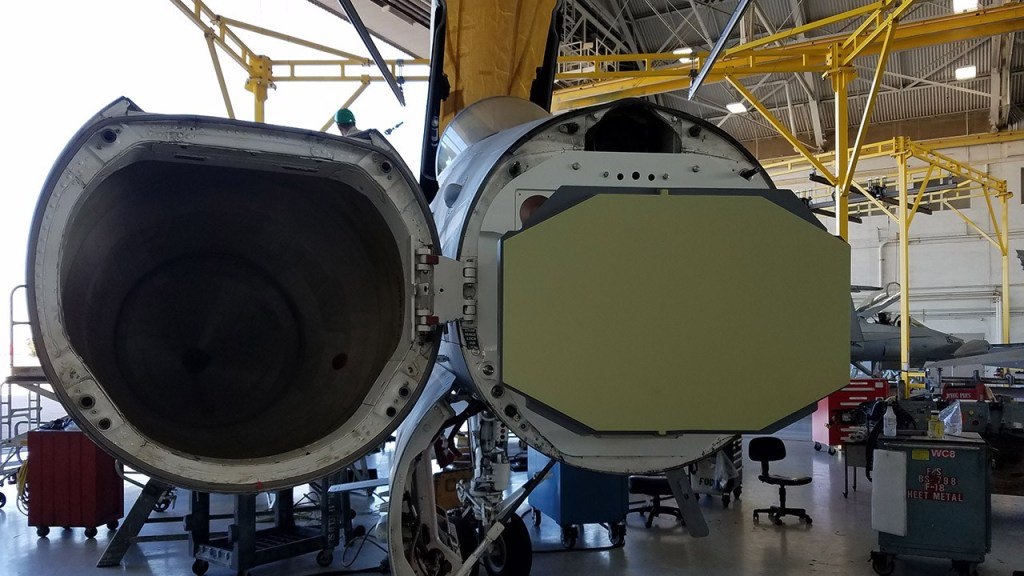 Northrop Grumman Wins $14.2 Million Contract to Supply More AESA Radars for USAF F-16s
Top Trending in 4 Days
-
 Boeing Introduces New MQ-28 Ghost Bat Upgrades with Increased Range, Payload and Weapons Capacity at ILA Berlin 2026
-
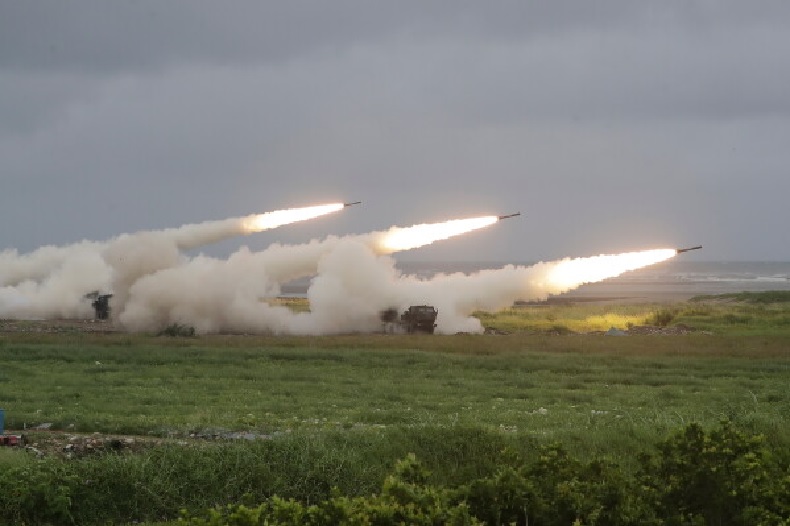 Taiwan Conducts First Live-Fire of HIMARS Rockets From West Coast During Invasion Defense Drill
-
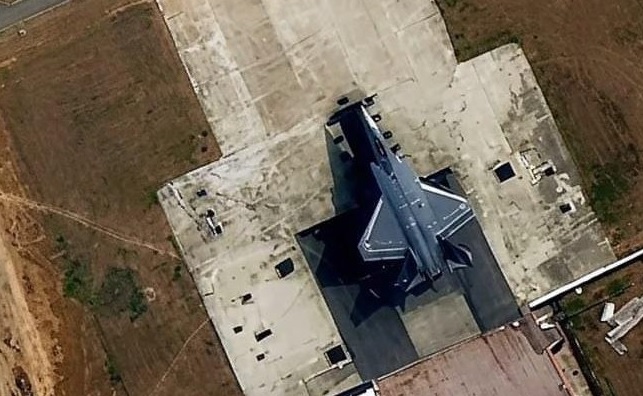 AMCA Airframe Spotted at DRDO’s ORANGE Facility for Radar Cross-Section Testing
-
 Russian Defense Firm ZALA Unveils KAMA Unmanned Surface Vessel Family at FLOT-2026 Naval Exhibition
-
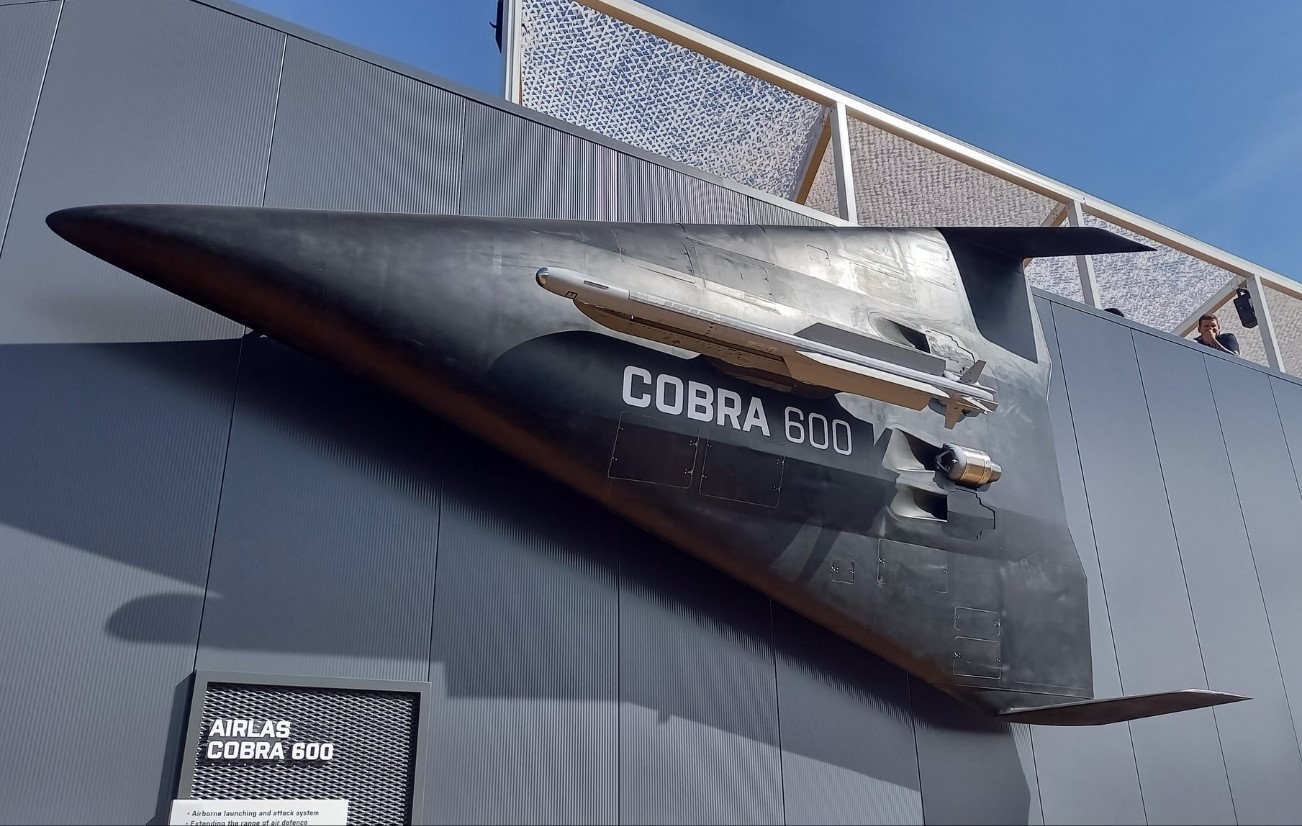 Diehl Defence Unveils IRIS-T Armed Cobra 600 Air Defense Drone at ILA Berlin 2026
-
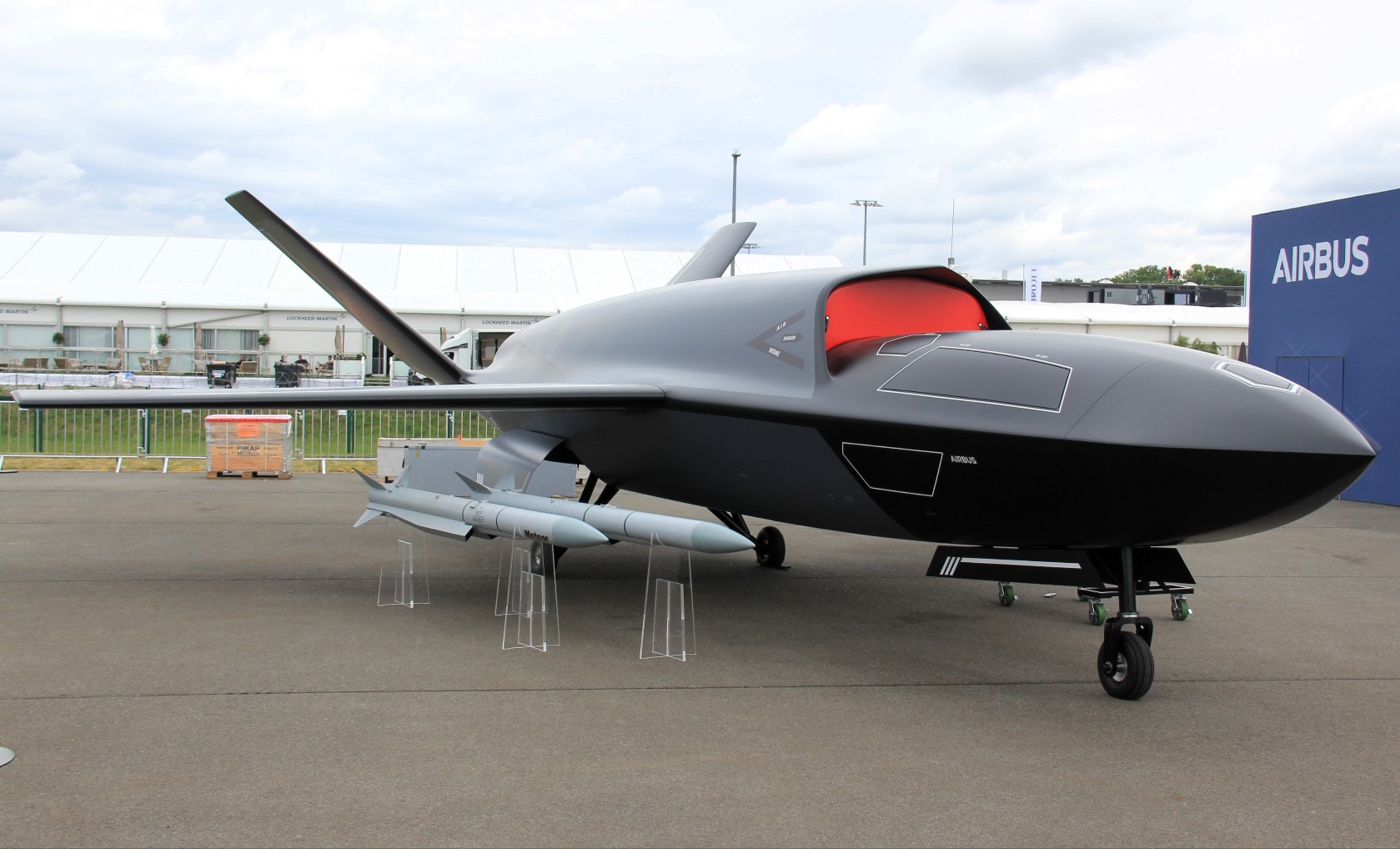 Airbus Unveils U760 Ravenstorm Loyal Wingman Drone at ILA Berlin 2026
-
 U.S. Army Successfully Demonstrates Quantum Sensor That Can Precisely Locate Radio Signals in 3D
-
 Iranian Media Leaks 14-Point U.S.-Iran Peace Framework Amid Ongoing Negotiations