India
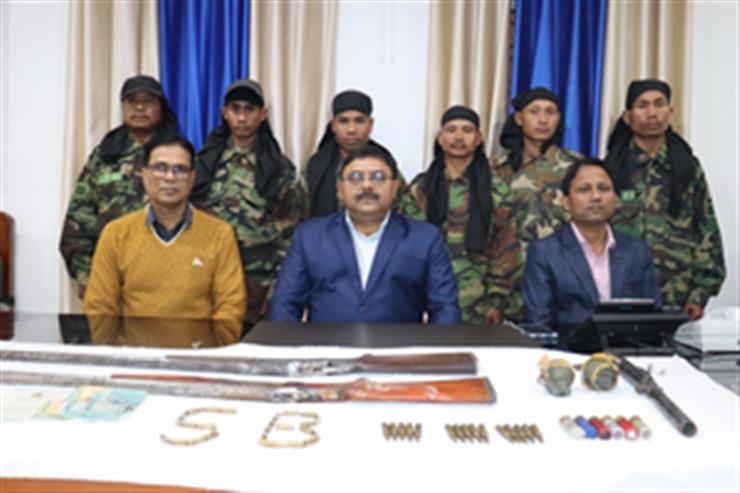
Defense News ,India :- In a significant development, six cadres affiliated with the banned National Liberation Front of Tripura (NLFT) have surrendered to security officials in Tripura after fleeing their camp in Bangladesh. The surrender, which took place on Friday, involved the deposition of arms and ammunition, including two Chinese rifles, signaling a positive step towards peace in the region.A senior police official, preferring anonymity, confirmed the surrender and the handover of weapons to Deputy Inspector General of Police, Intelligence, Krishnendu Chakravertty in Agartala. The surrendered militants turned in two Chinese rifles, a domestically-made sten gun, six live rounds of 70mm ammunition, two Chinese grenades, and various other types of ammunition. Additionally, they handed over extortion notice books and 1,000 Bangladesh taka.The decision to renounce violence and embrace peace was attributed to the group feeling cornered and motivated to make a change. The NLFT faction, which had been operationally active in Bangladesh, had members who joined the outfit between 2017 and 2022, according to an official statement.This surrender adds to the recent trend, with 36 active NLFT members having already surrendered to Tripura Police and security forces. The official statement expressed optimism that such actions would encourage remaining fractions of the NLFT to follow suit and choose peace over violence.The individuals who surrendered were identified as Jatindra Tripura, Mokhiram Tripura, Pradip Tripura, Romawia Reang, Johanjoy Reang, and Mani Charan Tripura. The statement highlighted the commitment of Tripura Police to maintain law and order while fostering an environment conducive to development.
Read More → Posted on 2024-02-11 06:09:12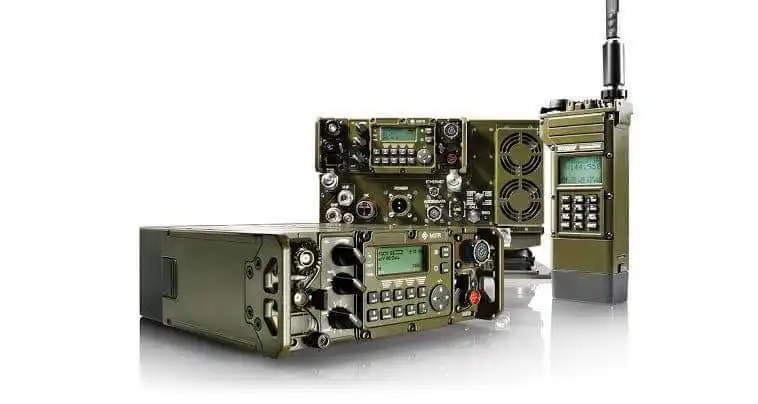
India
Defense News ,India :- The Indian Air Force (IAF) announced on Saturday the signing of a contract with state-owned Bharat Electronics Limited (BEL) for the procurement of innovative software-based lightweight man-portable radio communication sets. This strategic move aims to transition from conventional analogue hardware to indigenously developed communication sets utilizing software components, marking a significant advancement in communication technology for the IAF.The official announcement was made via the IAF's social media platform X (formerly Twitter), stating, "The Indian Air Force has signed a contract with Bharat Electronics Limited, for procurement of Light Weight Man Portable modern communication Sets. These Indigenous Software Designed Radio (SDR) technology-based sets will provide a boost to the IAF's Communication Network."The IAF's decision to invest in domestically designed and manufactured communication sets aligns with the central government's vision, led by Prime Minister Narendra Modi, to enhance self-reliance in meeting the military requirements of the country. By reducing dependence on imports, India aims to strengthen its defense capabilities and promote the growth of indigenous defense industries.Bharat Electronics Limited, a 'Navratna' undertaking under the Ministry of Defence, has a noteworthy track record in designing and producing critical defense systems for India's Armed Forces. The company's portfolio includes the Akash Air Defence Weapon System, Coastal Surveillance System, Weapon Locating Radar, and 3D Tactical Control Radar. BEL's expertise extends beyond the military domain, with notable contributions such as the design of Electronic Voting Machines (EVMs) used in State Assembly and Lok Sabha elections across the nation.During the COVID-19 pandemic, BEL demonstrated versatility by rapidly producing around 30,000 ICU ventilators, showcasing its commitment to addressing national needs beyond defense requirements. The recent contract with the IAF further solidifies BEL's role as a key player in advancing India's technological capabilities in both military and civilian sectors.
Read More → Posted on 2024-02-11 06:03:24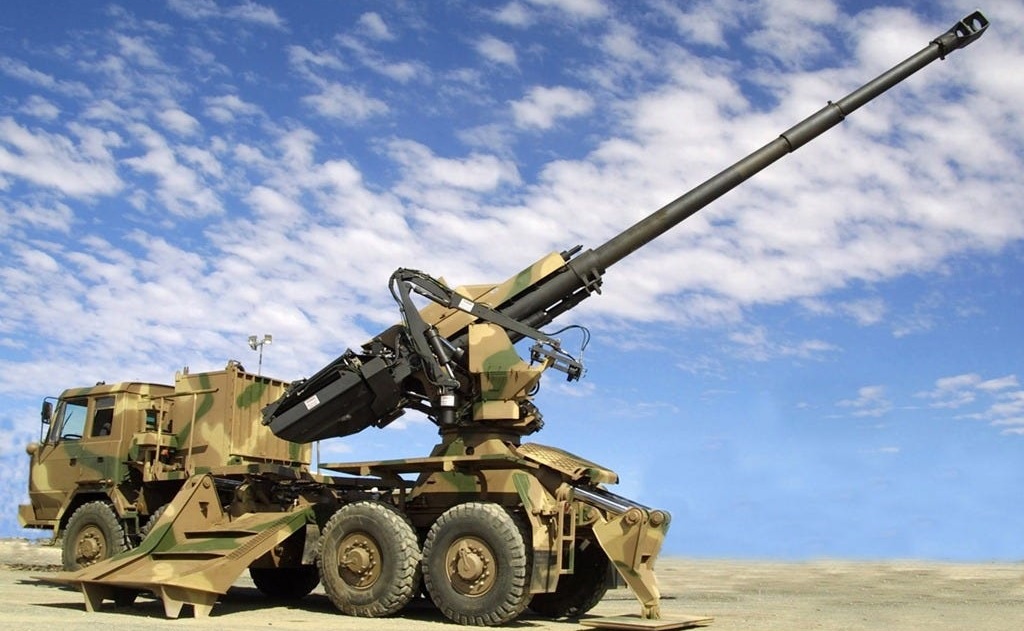
India
Defense News ,India :- The Indian Army has obtained crucial approval for the acquisition of 155mm/52 Cal Towed Gun Systems (TGS) and accompanying Gun Towing Vehicles. This approval, granted under the Buy (Indian-IDDM) category of the Defence Acquisition Procedure (DAP) 2020, marks a strategic step toward modernizing artillery capabilities and strengthening fire support for troops.Key Specifications of the New 155mm/52 Cal Towed Gun System (TGS) and Gun Towing Vehicles:1. Caliber: 155 mm2. Barrel Length: 52 Caliber (enhancing range and accuracy)3. Maximum Combat Weight: Less than 15,000 Kg (ensuring mobility and deployability)4. Service Life: Minimum 20 years (ensuring long-term operational use)5. Maximum Range: Exceeding 40 Km (significantly extending artillery reach)6. Minimum Range: 5 Km in High Angle (providing flexibility for close-range support)7. Ammunition Compatibility: Compatible with all in-service 155 mm ammunition (averting logistical complications)8. Barrel Life: Minimum 1500 Equivalent Full Charge (EFC) (ensuring durability and cost-effectiveness)The Ministry of Defence is expected to issue a Request for Proposal (RFP) to eligible Indian defense manufacturers meeting the technical and eligibility criteria. The selection process will involve a comprehensive evaluation based on specified requirements, cost-effectiveness, and production capabilities. The finalization of the contract and subsequent induction of the TGS into the Indian Army will significantly enhance India's artillery capabilities, contributing to overall defense preparedness.
Read More → Posted on 2024-02-11 06:00:21
India
Defense News ,India :- The Modi government has commenced the development of a new civilian terminal at the Thoise airbase in the Nubra region of Ladakh, situated in close proximity to the Line of Actual Control (LAC) with China. With the region witnessing a prolonged standoff between Indian and Chinese troops, this move signals India's commitment to extending air connectivity to remote areas near the borders, particularly along the LAC.Thoise, primarily a military airbase, has previously accommodated a limited number of civilian flights under the UDAN scheme. However, the government aims to expand passenger flights to Thoise and has recently invited bids to appoint a consultant for the construction of a new integrated passenger terminal. This development positions Thoise as the second civilian airport in Ladakh and is anticipated to enhance air accessibility to the remote corners of the country.The estimated cost of the entire project is Rs 130 crore, as per the bid document accessed by News18. The proposed centrally air-conditioned Domestic Passenger Terminal Building at Thoise, covering an area of 5,300 sqm, is expected to feature aesthetically pleasing interior decoration reflecting modern architecture while showcasing local culture, art, and heritage. A comprehensive passenger survey will also be conducted to assess the airport's catchment area and passenger profile, considering demographics, travel purposes, spending behavior, preferences, professions, and income groups.The government has allocated 28 kanals of land for the construction of terminals and other related infrastructure for civilian flights. The establishment of a civilian airport at Thoise has long been a demand of the locals, aiming to stimulate the local economy. The new terminal building will encompass departure and arrival areas, security hold zones, and other facilities within a civil enclave. Ladakh MP Jamyang Tsering Namgyal has actively advocated for a civilian airport at Thoise, engaging with airline executives to encourage the commencement of flights to the region.
Read More → Posted on 2024-02-10 16:05:30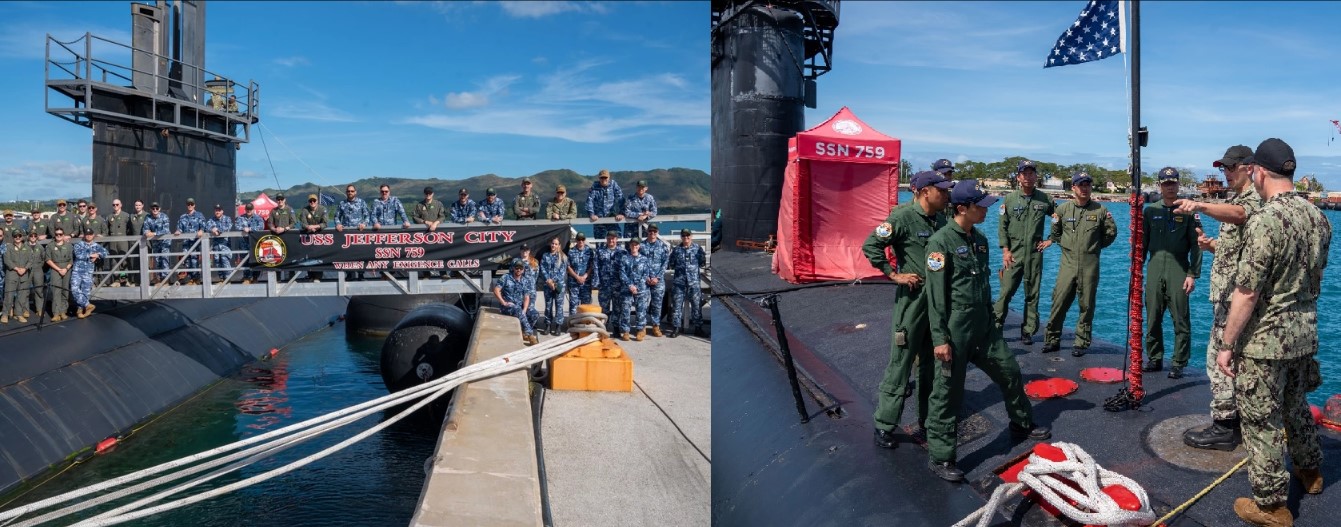
India
Defense News ,India :- In a demonstration of maritime prowess and collaboration, the Indian Navy recently embarked on a tour of the USS Jefferson City attack submarine (SSN 759) during the Sea Dragon 2024 exercise. This multinational endeavor, focused on enhancing anti-submarine warfare (ASW) capabilities, highlights the importance of interoperability and relationship-building in the Indo-Pacific region, particularly within the QUAD framework.Sea Dragon 2024: Fostering Maritime Cooperation in the Indo-PacificSea Dragon 2024 serves as a crucial platform for refining ASW tactics and aligning responses to maritime security threats, both traditional and non-traditional. The exercise fosters coordination among participating nations, emphasizing their shared commitment to ensuring stability and security in the expansive Indo-Pacific waters.The involvement of Maritime Patrol and Reconnaissance Aircraft (MPRA) communities from the Royal Australian Air Force (RAAF), Indian Navy (IN), Japan Maritime Self-Defense Force (JMSDF), Republic of Korea Navy (ROKN), and the United States Navy amplifies the exercise’s scope and impact. Sea Dragon 2024 facilitates the exchange of best practices, technological insights, and operational strategies by bringing together diverse naval forces.At its core, Sea Dragon 2024 embodies the spirit of cooperation and collective defense, reflecting a concerted effort to address evolving security challenges. Through simulated scenarios and real-world engagements, participating nations refine their ASW capabilities, enhancing their readiness to counter potential threats effectively.The tour of the USS Jefferson City attack submarine provided Indian Navy sailors with invaluable insights into the operational dynamics of their U.S. counterparts. Such exchanges not only foster mutual understanding but also lay the groundwork for future collaboration and joint endeavors in safeguarding maritime interests.Moreover, Sea Dragon 2024 underscores the growing significance of the QUAD framework—an alignment of the United States, India, Japan, and Australia—in shaping regional security architecture. By actively participating in multilateral exercises like Sea Dragon, QUAD members demonstrate their shared commitment to upholding a rules-based order and promoting peace and stability in the Indo-Pacific.The conclusion of Sea Dragon 2024 marks another milestone in the ongoing efforts to enhance maritime security cooperation among like-minded nations. As the geopolitical landscape continues to evolve, initiatives such as Sea Dragon play a pivotal role in building trust, fostering cooperation, and maintaining a rules-based maritime order.Looking ahead, the lessons learned and camaraderie forged during Sea Dragon 2024 will undoubtedly contribute to strengthening regional security architecture and promoting a free, open, and inclusive Indo-Pacific. By embracing collaboration and mutual respect, participating nations pave the way for a safer and more prosperous maritime domain—one where shared interests and collective endeavors prevail over individual ambitions.
Read More → Posted on 2024-02-10 16:00:42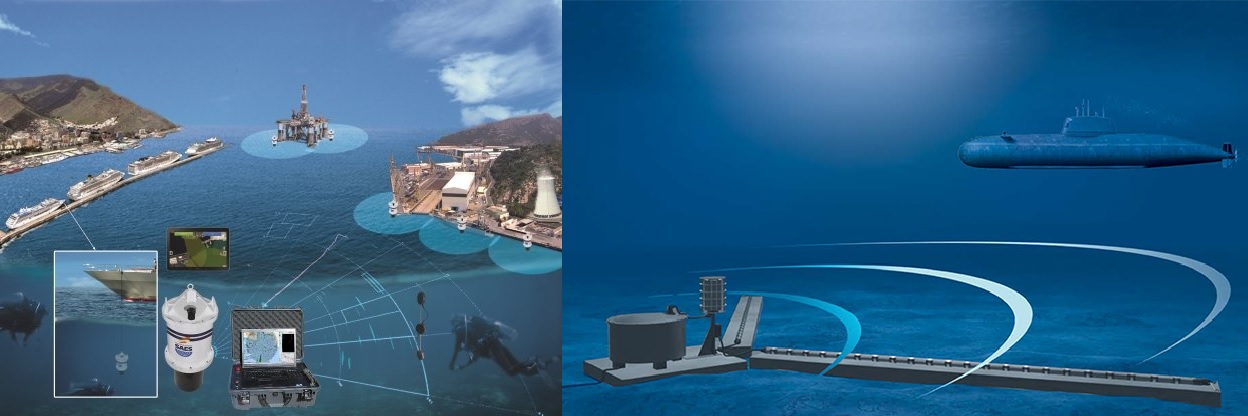
India
Defense News ,India :- The Andaman & Nicobar Command (ANC) has recently inaugurated the Integrated Underwater Harbour Defence and Surveillance System (IUHDSS) in a significant move to fortify the security of Port Blair. Admiral R Hari Kumar, Chief of the Naval Staff (CNS), marked the occasion, emphasizing the system's role in enhancing the harbor's defense capabilities against both underwater and surface threats.IUHDSS is a cutting-edge, multi-sensor system that utilizes a network of radars, sonar equipment, and electro-optical sensors to create a comprehensive maritime environment picture around Port Blair.This system equips the Indian Navy to:1. Detect and track underwater threats: Identifying submarines, swimmer delivery vehicles, and other underwater threats at a safe distance, providing ample time for response.2. Monitor surface activity: Tracking and identifying surface vessels, ensuring harbor security from potential attacks or unauthorized intrusions.3. Improve situational awareness: Integrating data from various sensors to provide real-time insights into the harbor environment, enabling swift and informed decision-making by commanders.The deployment of IUHDSS brings several advantages:1. Improved threat detection: The system significantly enhances early detection of potential threats, enabling timely response and effective risk mitigation.2. Heightened situational awareness: Real-time data empowers decision-makers with a clear picture of the maritime environment, facilitating informed strategic choices.3. Strengthened harbor defense: IUHDSS plays a crucial role in bolstering the security of Port Blair, safeguarding critical infrastructure and personnel in the Andaman and Nicobar Islands.The inauguration aligns with India's increasing focus on maritime security in the Indo-Pacific region. The Andaman and Nicobar Islands hold a pivotal geographical position, serving as a strategic outpost. Enhancing defense capabilities in this region is crucial for maintaining regional stability and safeguarding India's maritime interests.
Read More → Posted on 2024-02-10 15:54:18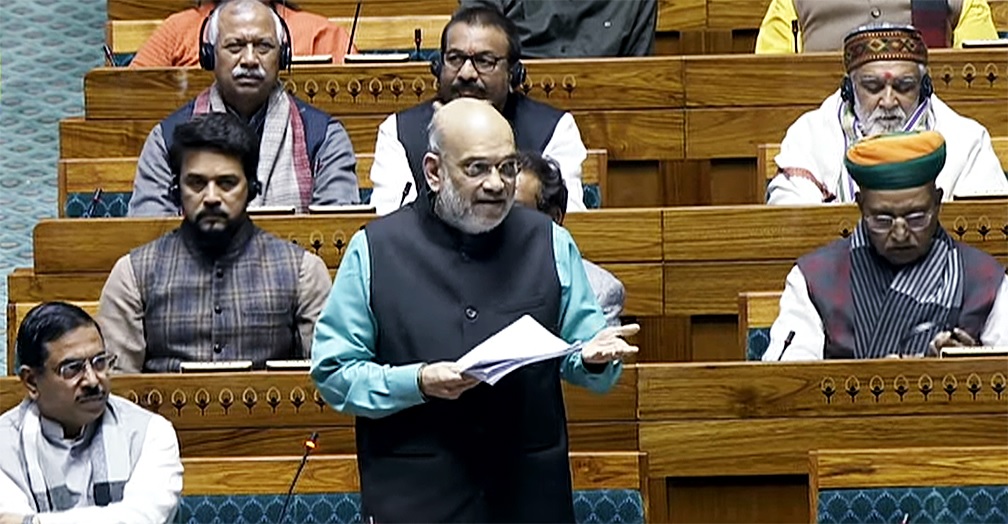
India
Defense News ,India :- In a significant declaration at the ET NOW Global Business Summit 2024, Union Home Minister Amit Shah confidently projected the Bharatiya Janata Party (BJP) securing 370 seats, and the National Democratic Alliance (NDA) surpassing 400 seats in the upcoming Lok Sabha polls. Shah expressed conviction that the BJP, under the leadership of Prime Minister Narendra Modi, would form the government for a third consecutive term.Shah attributed this optimism to the BJP's decision to abrogate Article 370, emphasizing that the move had resonated with the public. "So we believe that the people of the country will bless the BJP with 370 seats and the NDA with over 400 seats," he stated, highlighting the party's commitment to its core ideology.Addressing speculation about potential additions to the NDA, Shah hinted at ongoing discussions with the Rashtriya Lok Dal (RLD), led by Jayant Choudhary, Shiromani Akali Dal (SAD), and other regional parties. He cleverly remarked, "The BJP believes in family planning but not in politics," indicating openness to expanding the coalition.When pressed about talks with SAD, Shah revealed, "Talks are going on but nothing has been finalized." This ambiguity suggests the fluidity of political alliances as the election season unfolds.Shah dismissed the idea of the 2024 polls being a straightforward contest between the NDA and the opposition bloc, asserting that it was a choice between development and mere slogans. This emphasis on development aligns with the BJP's narrative of transformative governance.Responding to Congress leader Rahul Gandhi's Bharat Jodo Yatra, Shah criticized the march, stating that Rahul Gandhi had no right to lead it due to his party's role in the country's partition in 1947. This exchange highlights the ongoing political sparring between the BJP and Congress.Explaining the timing of a white paper presented in Parliament, Shah justified the necessity, claiming that the country had a right to know about the situation left behind by the United Progressive Alliance (UPA) when it lost power in 2014. He highlighted the economic challenges and corruption prevailing at that time, contrasting it with the current scenario, where the BJP government claims to have revived the economy and eliminated corruption.Shah also touched upon the contentious issues of the Ram temple in Ayodhya and the Citizenship (Amendment) Act (CAA). On the Ram temple, he blamed politics of appeasement for delaying its construction, while on the CAA, he assured its implementation before the Lok Sabha polls, emphasizing its humanitarian purpose to provide citizenship to those facing persecution.Discussing the Uniform Civil Code (UCC), Shah positioned it as a constitutional agenda, originally signed by Jawaharlal Nehru and others. He criticized the Congress for ignoring it due to appeasement but indicated that its implementation in Uttarakhand signifies a significant social change. Shah underscored the need for discussions and legal scrutiny, asserting that a secular country cannot have religion-based civil codes.As the political landscape evolves in the run-up to the Lok Sabha polls, Shah's declarations offer a glimpse into the BJP's strategy, potential alliances, and key policy priorities.
Read More → Posted on 2024-02-10 15:11:07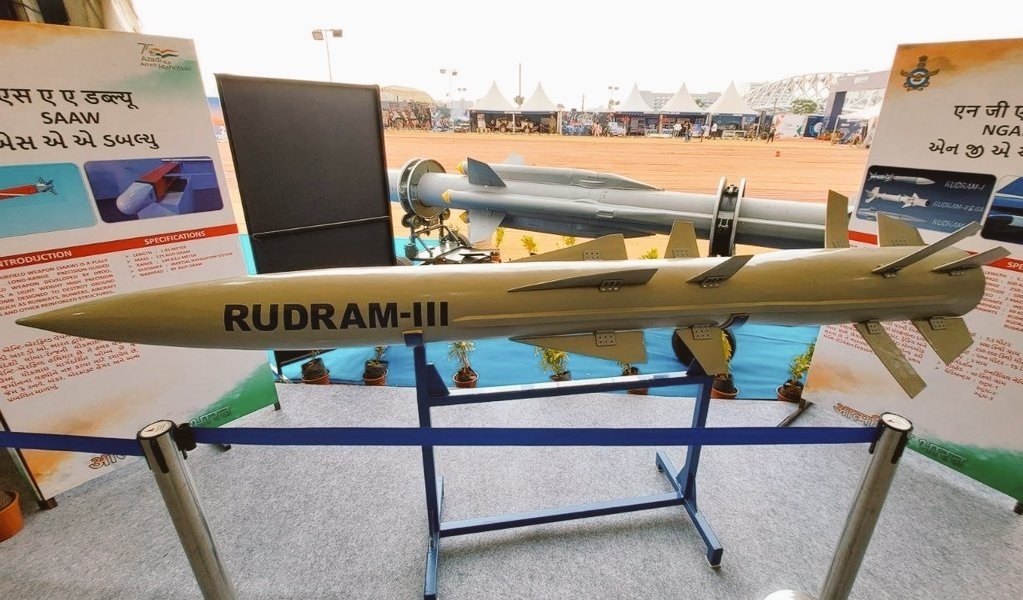
India
Defense News ,India :- India's Defense Research and Development Organisation (DRDO) has confirmed significant progress in the Rudram-3 missile program, revealing plans for a ground attack variant equipped with a Penetration-Cum-Blast (PCB) warhead. Additionally, the development of this warhead has been successfully completed, with an anti-radiation variant also in the pipeline.As per a Twitter post by Varun Karthikeyan, the Rudram-3 is a hypersonic, air-launched missile boasting a range of approximately 550 kilometers and a remarkable speed exceeding Mach 5. The upcoming ground attack variant and anti-radiation variant are anticipated to enhance the missile's versatility and strategic capabilities.The Rudram series, developed by DRDO, comprises air-to-surface missiles designed for diverse operational scenarios. These missiles are capable of targeting enemy communication stations, bunkers, and surveillance radars, showcasing their adaptability across various altitudes.Manufactured collaboratively by Bharat Dynamics Limited and Bharat Electronics Limited, the Rudram-3 is set to undergo firing trials on Sukhoi Su-30MKI jets, with DRDO preparing these aircraft for potential testing.The missile, expected to have a range of 500 km and achieve hypersonic speeds, is undergoing continuous software enhancements to effectively engage a broader spectrum of targets under various operational conditions. DRDO is concurrently developing a ground-based variant, launchable from a mobile launcher, to augment its operational flexibility.In the broader context of DRDO's missile development initiatives, the Rudram-2, featuring a 300 km range, is also in progress, emphasizing the organization's commitment to enhancing India's defense capabilities.According to reports, the objective is to integrate Rudram-3 into the Air Force by 2022 following six to seven more planned tests. The missile's passive homing head, capable of detecting, classifying, and engaging targets across a wide band of frequencies, positions it as a pivotal asset in India's evolving defense arsenal.
Read More → Posted on 2024-02-10 15:01:37
India
Defense News ,India :- In a landmark judgment, the Jammu and Kashmir (J&K) and Ladakh High Court have issued a significant directive to put an "end to the discrimination" against Pakistan-occupied Jammu and Kashmir (PoJK) refugees of 1947 who have settled outside the state of Jammu and Kashmir. The judgment, delivered by Justice Rahul Bharti, deemed the discrimination against these refugees as a result of "discretion engineered discrimination" by successive governments in the former state.The High Court's ruling mandates the Central government to treat the 5,300 displaced families of PoJK from 1947, currently residing outside J&K, on par with the 26,319 displaced families settled within the erstwhile state. Furthermore, the court has urged the government to formulate a one-time settlement rehabilitation package for these families. The directive emphasizes the need for equal treatment and entitlements for both categories of displaced families, ensuring that justice is served.Justice Rahul Bharti expressed poignant sentiments, stating, "Alike in pain and deprivation but disliked in relief and rehabilitation," highlighting the disparity in addressing the suffering and displacement experienced by these families. He underscored that while the natural course of time has eased the pain and deprivation faced by these families, lawmakers and authorities have failed to address their plight, compounding their suffering for generations.The court acknowledged that the transformation of the constitutional status of Jammu and Kashmir, brought about by the Jammu and Kashmir Reorganization Act, 2019, has paved the way for the relief sought by the petitioners. It emphasized that the government's response has shifted from passive to active, showing willingness to correct past injustices by extending one-time settlement benefits equally to the 5,300 displaced families of PoJK from 1947.Prior to the J&K Reorganization Act, the court noted, the constitutional relationship between the state and the Union of India limited the latter's involvement in decision-making. However, with the reorganization act, the government of India, through the Ministry of Home Affairs, has demonstrated a commitment to addressing the grievances of the PoJK refugees and rectifying historical injustices.The High Court critically examined the Jammu and Kashmir Displaced Persons (Permanent Settlement) Act, 1971, which, by a mere textual definition, legally disqualified the 5,300 displaced families who settled outside J&K. The court suggested that this legislative exclusion reflected a deliberate intent by the then governments in J&K to keep these families out of relief and rehabilitation packages, asserting their decision-making autonomy.Highlighting the political motive behind the exclusion, the court affirmed that there was no legal basis for keeping the displaced families settled outside J&K from the benefits of relief and rehabilitation packages. The court commended the current alignment of the Government of India and the Union Territory of Jammu and Kashmir in intending to extend benefits to these families and their successors.Moreover, the court noted that out of the allocated Rs 2,000 crore, only Rs 1,457 crore had been utilized, leaving an unutilized amount within the prescribed cap. This remaining fund could be directed towards addressing the needs of the other displaced families of PoJK from 1947, further emphasizing the feasibility and urgency of extending support to these marginalized communities.The High Court's historic ruling represents a significant step towards rectifying historical injustices faced by PoJK refugees of 1947 settled outside Jammu and Kashmir. The judgment underscores the importance of equal treatment, justice, and rehabilitation for all displaced families, irrespective of their current residence, marking a crucial milestone in the pursuit of a fair and inclusive society.
Read More → Posted on 2024-02-10 14:43:00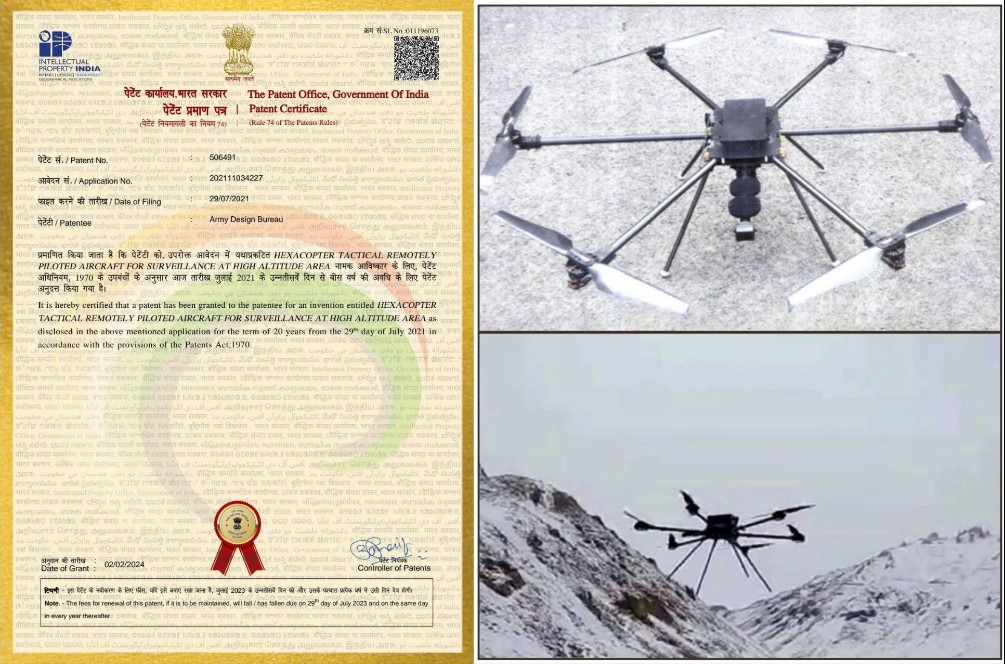
India
Defense News ,India :- In a groundbreaking development aimed at enhancing its surveillance capabilities, the Indian Army has successfully patented an advanced drone known as the 'Hexacopter Tactical Remotely Piloted Aircraft for Surveillance at High Altitude Areas (HAA)'. Crafted by the Army Design Group, this cutting-edge technology promises to redefine real-time intelligence gathering in high-altitude regions.Innovation in Military SurveillanceThe newly patented hexacopter underscores the Indian Army's commitment to technological progress and its dedication to improving operational efficiency. Tailored for critical missions such as surveillance, reconnaissance, and detection, this drone can launch from altitudes exceeding 5,500 meters above mean sea level and ascend to 500 meters above ground level.Designed for durability and longevity, the hexacopter can endure up to 500 landings, with an enhanced version capable of withstanding at least 1,000 landings. This resilience sets it apart from conventional drones, establishing its significance as a vital asset for the Indian Army's operations in high-altitude regions.A Revolutionary Tool for Field CommandersThe hexacopter's primary role lies in delivering real-time intelligence to field commanders. Operating at such high altitudes enables the army to monitor activities in remote and challenging locations, thereby enhancing situational awareness and supporting decision-making processes."This innovation will give our commanders a strategic edge," states a senior officer involved in the project. "The hexacopter will provide us with accurate, real-time information, which is crucial in today's fast-paced military environment."Drones: A New Era of WarfareThe use of drones by the Indian Army extends beyond surveillance, encompassing various military applications such as border security, search and rescue missions, target acquisition, and battlefield monitoring. The introduction of the hexacopter signals the army's expansion of its drone fleet, highlighting the growing significance of UAVs in contemporary warfare. The hexacopter's unique capabilities position it as an indispensable tool in the army's arsenal, especially given India's challenging geographical terrain.Symbol of Technological InnovationAs the Indian Army continues to push the boundaries of technological innovation, the newly patented hexacopter serves as a symbol of its relentless pursuit of excellence. This game-changing drone not only enhances operational capabilities but also redefines the role of technology in military strategy.In the vast expanse of the Himalayas, the hexacopter emerges as the unseen sentinel, safeguarding the nation's borders and ensuring security. Soaring high above the clouds, this silent guardian guarantees that no threat goes unnoticed and no movement undetected.Beyond being a machine, the hexacopter is a testament to human ingenuity and determination, a beacon of hope amidst the harsh realities of the battlefield. It symbolizes a promise of safety and security, showcasing India's strength and resilience.
Read More → Posted on 2024-02-10 14:23:01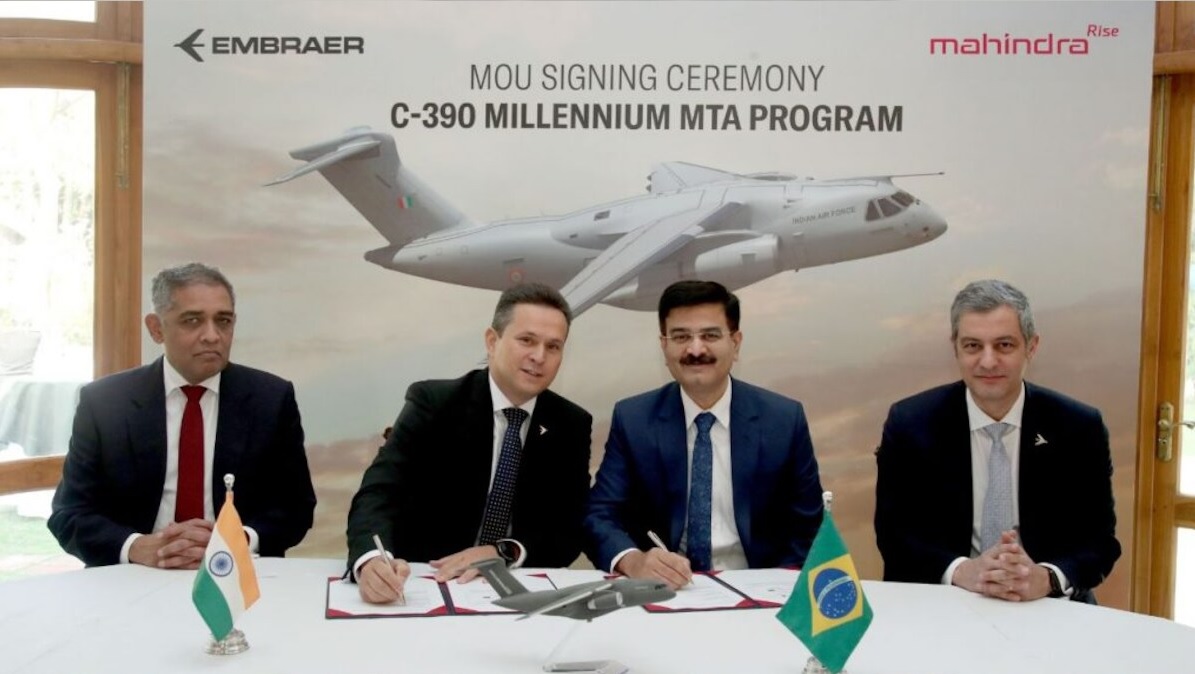
India
Defense News ,India :- Embraer Defence & Security and Mahindra have officially signed a Memorandum of Understanding (MoU) to jointly pursue the acquisition of the C-390 Millennium multi-mission aircraft for the Indian Air Force. The MoU, signed at the Embassy of Brazil in New Delhi, solidifies the partnership between the Brazilian and Indian aerospace companies, aiming to contribute to India's upcoming Medium Transport Aircraft (MTA) procurement project.Bosco da Costa Junior, President & CEO of Embraer Defence & Security, expressed honor in announcing the MoU with Mahindra, citing India's robust defense and aerospace industry as a key reason for choosing Mahindra as a partner. The partnership is viewed as a step towards strengthening relations between Brazil and India and fostering cooperation within the Global South.Embraer and Mahindra plan to collaborate with the Indian Air Force to determine the next steps for the MTA program. Additionally, they aim to engage with the local aerospace industry in India to formulate an industrialization plan for the C-390 Millennium project.Vinod Sahay, President of Aerospace & Defence Sector at Mahindra, emphasized the pride in partnering with Embraer, highlighting the engineering excellence and unique aircraft portfolio of the Brazilian company. The C-390 Millennium, recognized as the most advanced military airlifter in the market, is expected to enhance the operational capabilities of the Indian Air Force while aligning with the objectives of the 'Make in India' initiative.The MoU, signed by Embraer Defense & Security and Mahindra Defence Systems, marks the beginning of a collaboration focused on armoured transport and security-related products, including electronics.Embraer, with an established presence in India, hosted a C-390 Millennium Day in New Delhi in August 2023 to deepen engagement with the local aerospace industry. The multi-mission tactical transport aircraft is known for its unmatched mobility, high productivity, operating flexibility, and low operating costs.Having already entered service with the Brazilian and Portuguese Air Forces, the C-390 Millennium has demonstrated its capacity, reliability, and performance. With an operational availability of around 80% and mission completion rates above 99%, the aircraft has proven exceptional productivity. Attaining Full Operational Capability status in 2023, the C-390 Millennium is recognized for its ability to carry out various missions.Selected by several countries, including Brazil, Portugal, Hungary, the Netherlands, Austria, the Czech Republic, and South Korea, the C-390 Millennium is positioned as the most modern military transport aircraft in the market. Its capability to carry a substantial payload (26 t) and operate at speeds of 870 km/h make it a versatile choice for a wide range of missions, including cargo and troop transport, medical evacuation, search and rescue, aerial firefighting, and humanitarian missions.The collaboration between Embraer and Mahindra aims to bring cutting-edge aerospace and military transport technology to India, exploring the potential to establish India as a regional hub for the C-390 Millennium aircraft.
Read More → Posted on 2024-02-10 05:32:01
India
Defense News ,India :- A parliamentary panel in New Delhi has emphasized the crucial role of the Army's inventory management in the country's defense readiness. The panel recommends the government to address issues by disposing of large volumes of "non-moving" items, simplifying the procurement process, and taking strict action against those causing delays.The Public Accounts Committee (PAC) presented a report in the Lok Sabha, highlighting the need to urgently address shortcomings in managing the extensive inventory of approximately 4.5 lakh items by the Indian Army. A significant 31% of the authorized inventory in central ordnance depots consists of non-moving items, including obsolete, obsolescent, and surplus items that haven't been demanded or issued for more than five years.The committee expressed alarm at the value of non-moving inventory, amounting to Rs 272.05 crore, along with non-moving/surplus inventory valued at Rs 32.50 crore in central depots. It calls upon the Defence Ministry to streamline procurement processes, reduce delays, and take strict action against accountable individuals for any delays in the procurement process.The report also urges the ministry to inform the committee about actions taken against defense public sector undertakings (DPSUs) and ordnance factories for failing to meet targets. The committee recommends strengthening the monitoring mechanism and forming expert teams to expedite procurement through training and upgrading specifications.A performance audit from 2014-15 to 2018-19 revealed deficiencies and surpluses in Class A stores (major and minor equipment and ammunition) and discrepancies in data for Class B stores (spares, accessories, general stores, and clothing). The committee stresses that inventory management plays a pivotal role in the country's defense preparedness.The committee expresses disappointment that, despite over 23 years, the issue of deficient storage accommodation has not been resolved. It urges the Ministry/Army to review their inventory, dispose of non-moving inventory to reduce holding costs, free up storage space, and adhere to ISO certifications for storage management. The committee also recommends preparing and following Standard Operating Procedures (SOPs) for managing stocks.
Read More → Posted on 2024-02-10 05:24:31
India
Defense News ,India :- New Delhi, Minister of State for Defence, Ajay Bhatt, revealed on Friday that companies operating in the defence sector have attracted Foreign Direct Investment (FDI) worth Rs 5,077 crore. Responding to a query in Lok Sabha, he provided insights into the surge in FDI, highlighting the growth of the defence industry since its opening to private sector participation in May 2001.Bhatt emphasized the significant policy shift in 2020, which elevated the FDI limit in the defence sector to 74% through the automatic route for companies seeking new defence industrial licenses. He noted that the limit could be extended up to 100% via the government route, especially when it facilitates access to modern technology. The reported FDI of Rs 5,077 crores underscores the positive response from companies operating in the defence sector.The minister elaborated on the government's commitment to promoting co-development and co-production of niche defence technologies in collaboration with foreign original equipment manufacturers. This strategic approach aims to encourage further FDI in the defence sector, fostering technological advancements and international partnerships.In addition to the FDI announcement, Bhatt informed the Lok Sabha about a recent contract signed by the defence ministry with Mazagon Dock Shipbuilders Ltd (MDL). The contract, inked on December 20, entails the procurement of six next-generation offshore patrol vessels for the Indian Coast Guard (ICG), with a total investment of Rs 1,614 crore. This contract signifies the government's ongoing efforts to strengthen maritime capabilities and enhance security along India's coastlines.
Read More → Posted on 2024-02-09 15:25:28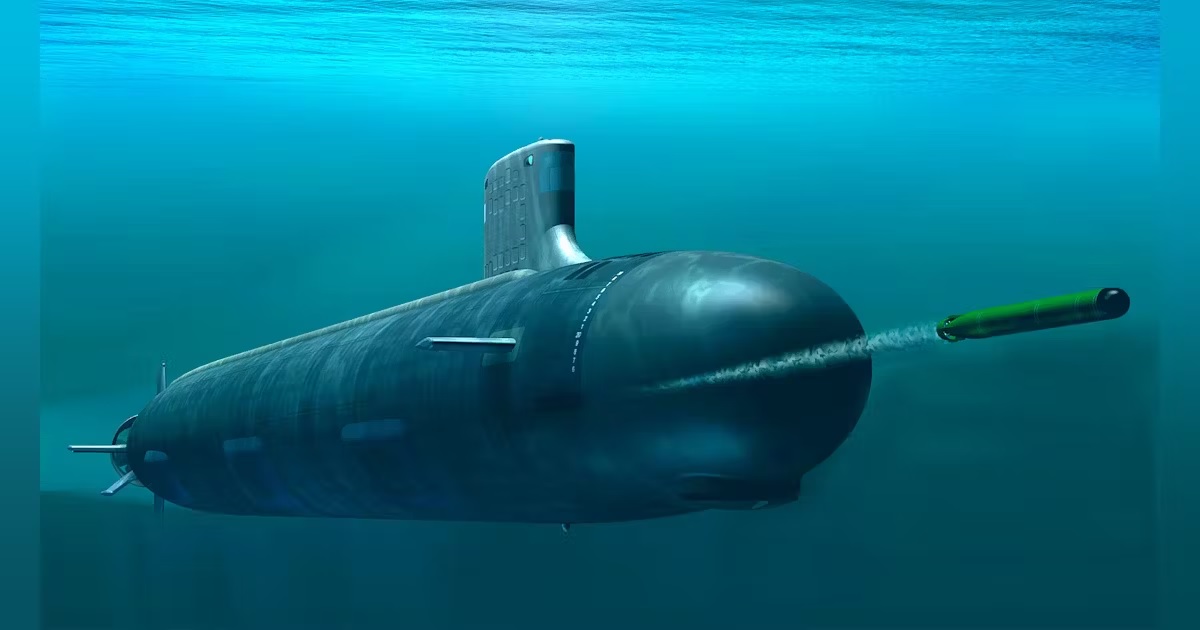
Indian Navy Explores Dual Strategy for Kalvari Submarine Torpedo Upgrades Both Indigenous and Global
India
Defense News ,India :- In a bid to promote Make in India initiatives in defense while addressing immediate operational needs, the Indian Navy is actively considering proposals to equip the Kalvari submarines with torpedoes, utilizing both indigenous and global procurement routes. These proposals are set to be deliberated upon in a high-level defense ministry meeting scheduled for next week.According to defense sources, the Indian Navy is contemplating two key proposals. The first involves acquiring 48 heavy-weight torpedoes through a global tender, while the second focuses on integrating the Made in India Electrical Heavyweight Torpedo, developed by the Defense Research and Development Organization (DRDO).This marks the third attempt by the Indian Navy to procure torpedoes via the global route, with previous efforts facing setbacks due to various issues. The initial tender, which had almost been finalized, was canceled amid corruption allegations against the Italian group involved in the VVIP Chopper scam case.The Indian EHWT program, a product of indigenous research and development, is envisioned not only for the Kalvari submarines but also for potential use in arming strategic submarines in the future.While India initially projected a requirement for approximately 98 torpedoes, advancements in the indigenous torpedo program have led to a significant reduction of over 50% in the planned imports. India currently operates six Kalvari-class submarines, with three more slated for acquisition based on announcements from India and France.Looking ahead, India is actively planning to expand its strategic submarine fleet through its indigenous military capability development program. The upcoming defense ministry meeting is expected to play a crucial role in determining the trajectory of torpedo upgrades for the Kalvari submarines, combining a mix of global procurement and indigenous development to meet the evolving needs of the Indian Navy.
Read More → Posted on 2024-02-09 14:25:57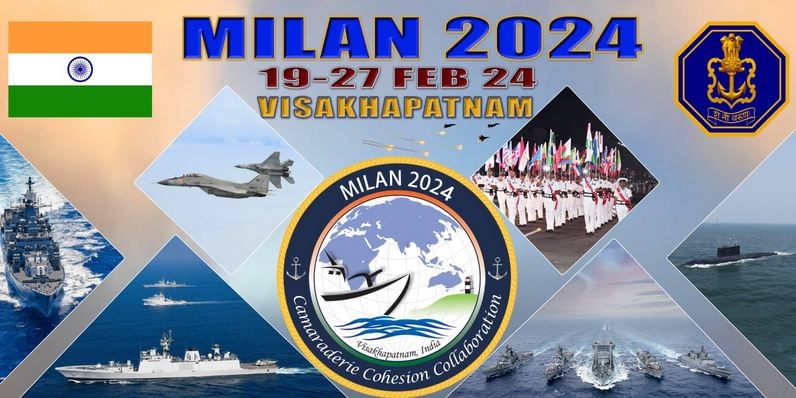
India
Defense News ,India :- In a bid to strengthen maritime cooperation and security in the Indian Ocean Region, India is gearing up to host the 'Milan' naval exercise in Visakhapatnam for nine days, starting from February 19. More than 50 navies, including those of the US, Japan, Australia, France, Bangladesh, South Korea, Vietnam, Indonesia, and Malaysia, are expected to participate, creating a robust platform for cultural exchange and military collaboration.'Milan' is a biennial multinational naval exercise initiated in 1995 under India's 'Look East' policy, involving countries such as Indonesia, Singapore, Sri Lanka, and Thailand. Over the years, the exercise has gained prominence and moved to Visakhapatnam due to its expanding scale and the need for a larger staging base.The choice of Visakhapatnam as the venue is strategic, considering its status as a major commercial hub, a large port, and a coastline that allows ships to operate closer to the shore. The city's steep coastal gradient and extensive infrastructure make it ideal for hosting various events, including operational demonstrations and the international city parade, offering a unique experience for the local populace.The upcoming 'Milan' exercise will comprise two phases: the 'Harbour phase' and the 'Sea phase.' The harbour phase will focus on cultural sharing, featuring an international maritime seminar, a city parade, a maritime exhibition, and various sporting events. The sea phase will witness the participation of ships and aircraft from friendly foreign countries alongside the Indian Navy, engaging in large-force manoeuvres, advanced air defense operations, anti-submarine warfare, and anti-surface operations.Officials emphasize that 'Milan' serves as a testament to India's commitment to promoting maritime cooperation and security in the region. As India's strategic importance in the Indo-Pacific grows, the exercise has evolved into a key platform for nations to foster partnerships, exchange ideas, and enhance maritime security. The previous edition of the exercise, held in 2022 in Visakhapatnam, set the stage for the forthcoming multinational naval engagement.
Read More → Posted on 2024-02-09 14:22:13Search
Top Trending in 24 Hours
-
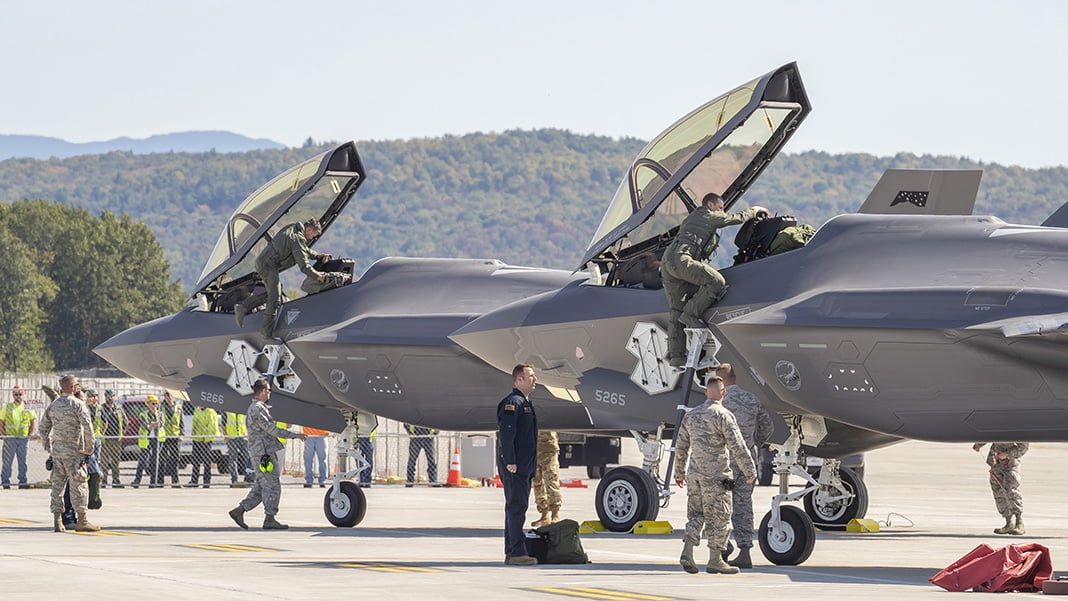 F-35 Fleet Readiness Falls to 25% Amid Parts Shortages and Software Delays: GAO Report
-
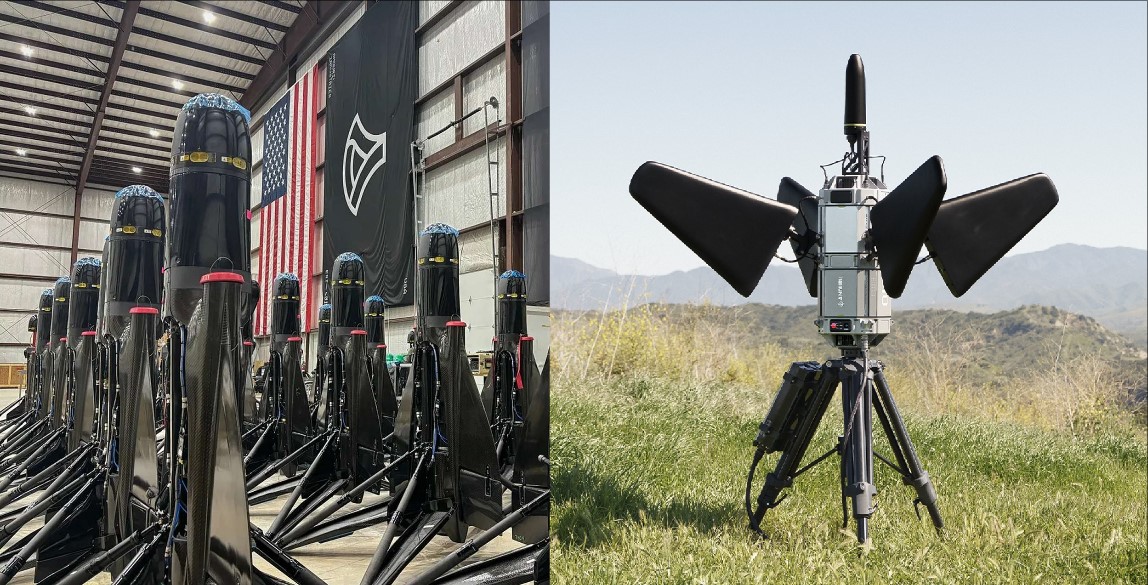 U.S. Approves $1.98 Billion Sale of Anduril AI-Powered Counter-Drone Systems to Kuwait
-
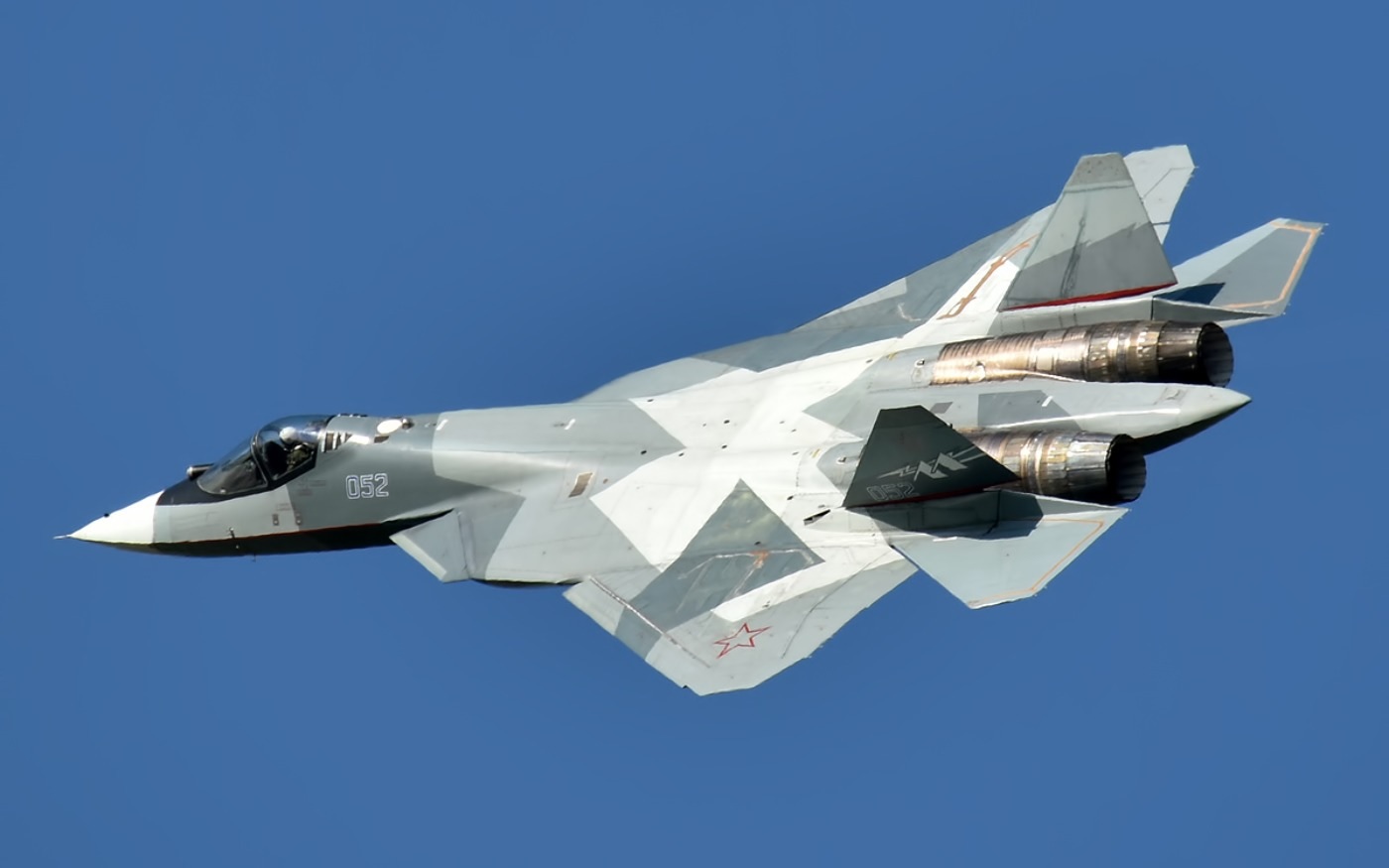 Russian Analysts Debate Su-57 Capabilities After Putin Calls Fighter Superior to F-35
-
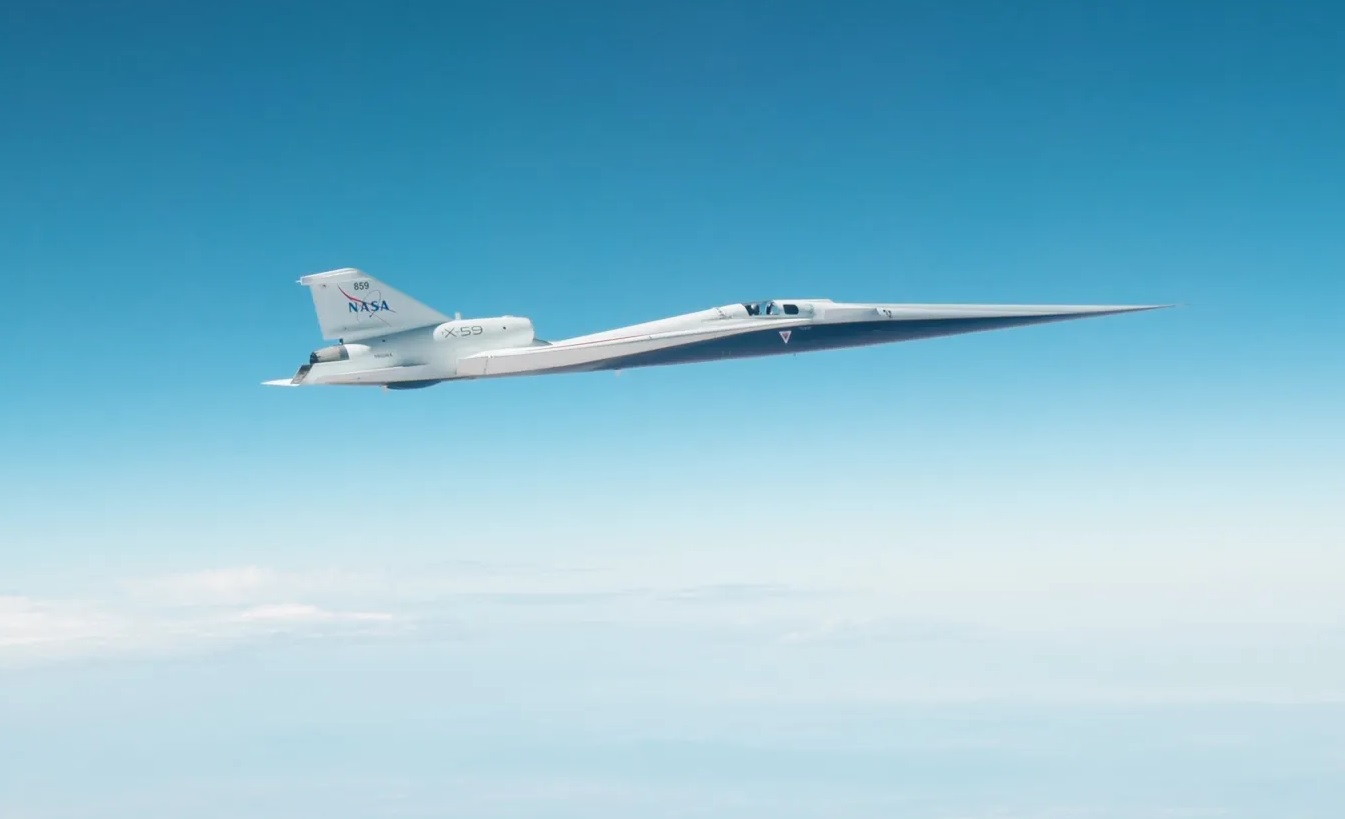 NASA X-59 Achieves Planned Mission Conditions with Mach 1.4 Flight at 55,000 Feet
-
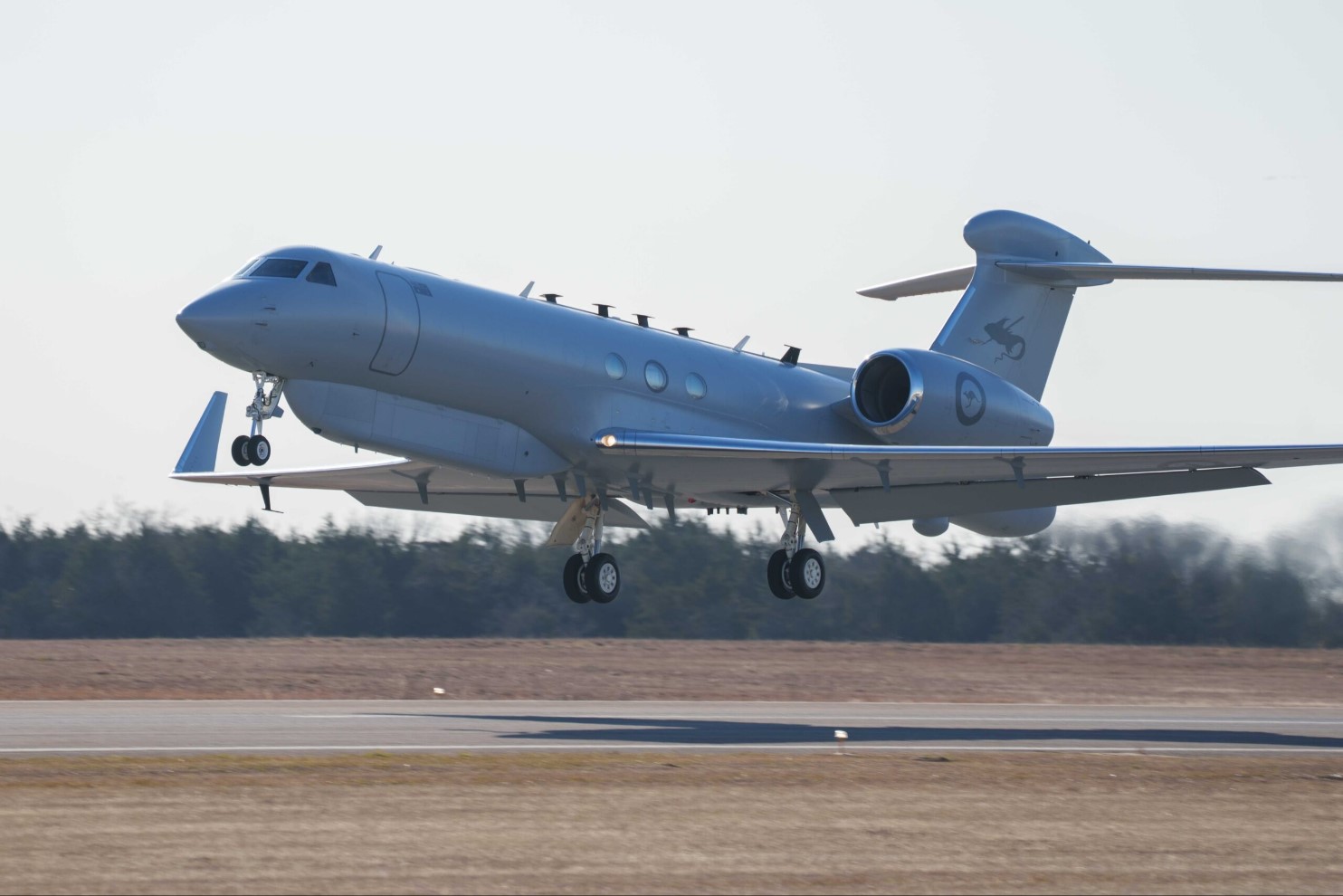 Australia Receives Third MC-55A Peregrine Intelligence Aircraft Under A$2.4 Billion ISR Program
-
 AM General Unveils Next-Generation UGV and JLTV A2 with Counter-Drone Systems at Eurosatory 2026
-
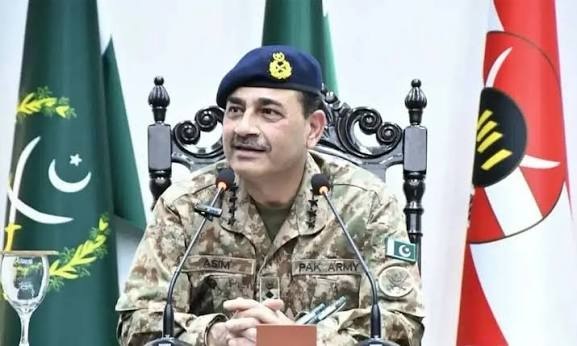 Pakistan Raises Defence Budget from $9 Billion to $10.8 Billion as J-35 Fighter and Hangor Submarine Programs Advance
-
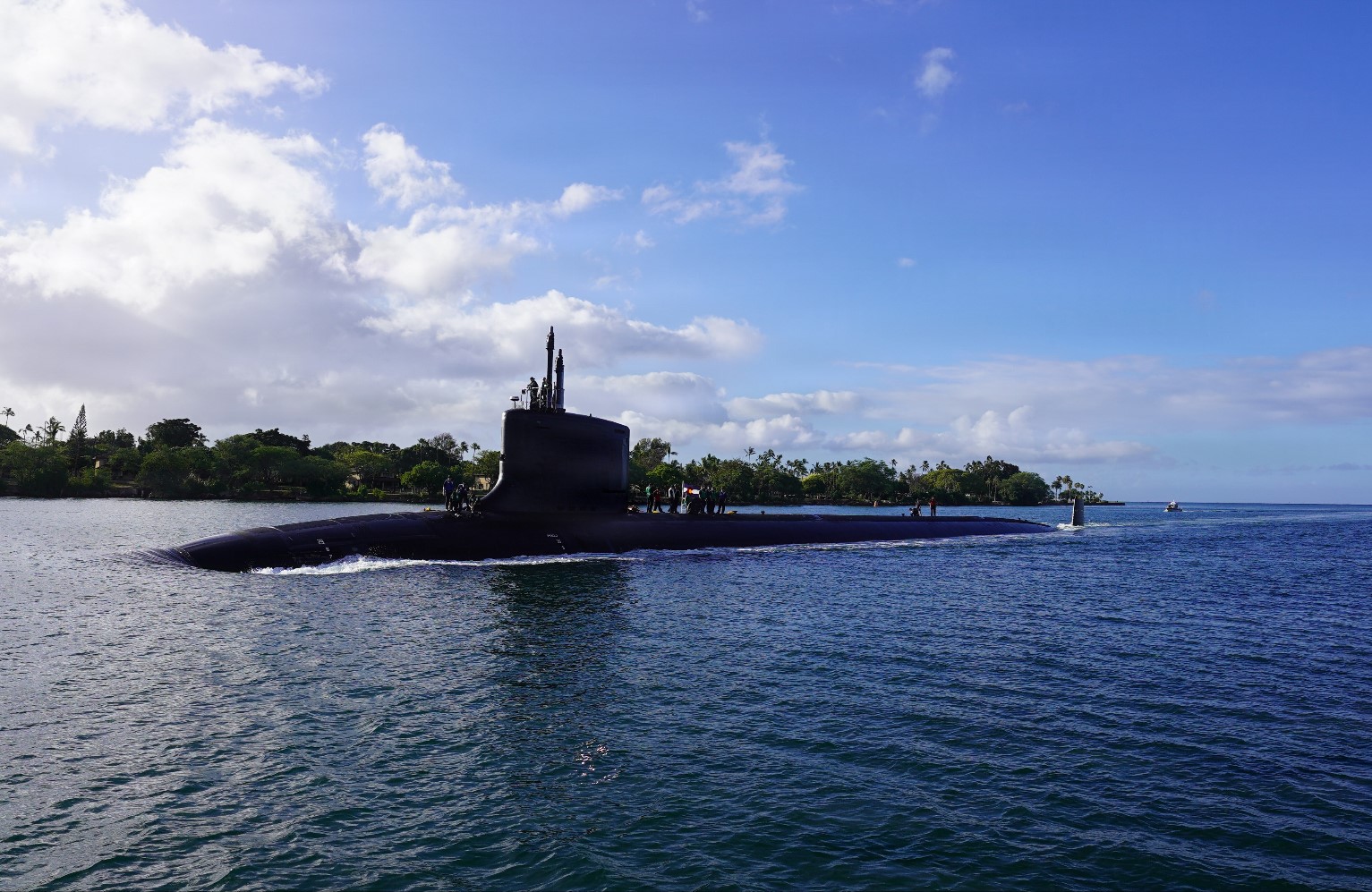 U.S. Navy's USS Colorado Submarine Returns to Pacific Fleet 29 Days Early After Major Pearl Harbor Overhaul
Top Trending in 4 Days
-
 Iranian Media Leaks 14-Point U.S.-Iran Peace Framework Amid Ongoing Negotiations
-
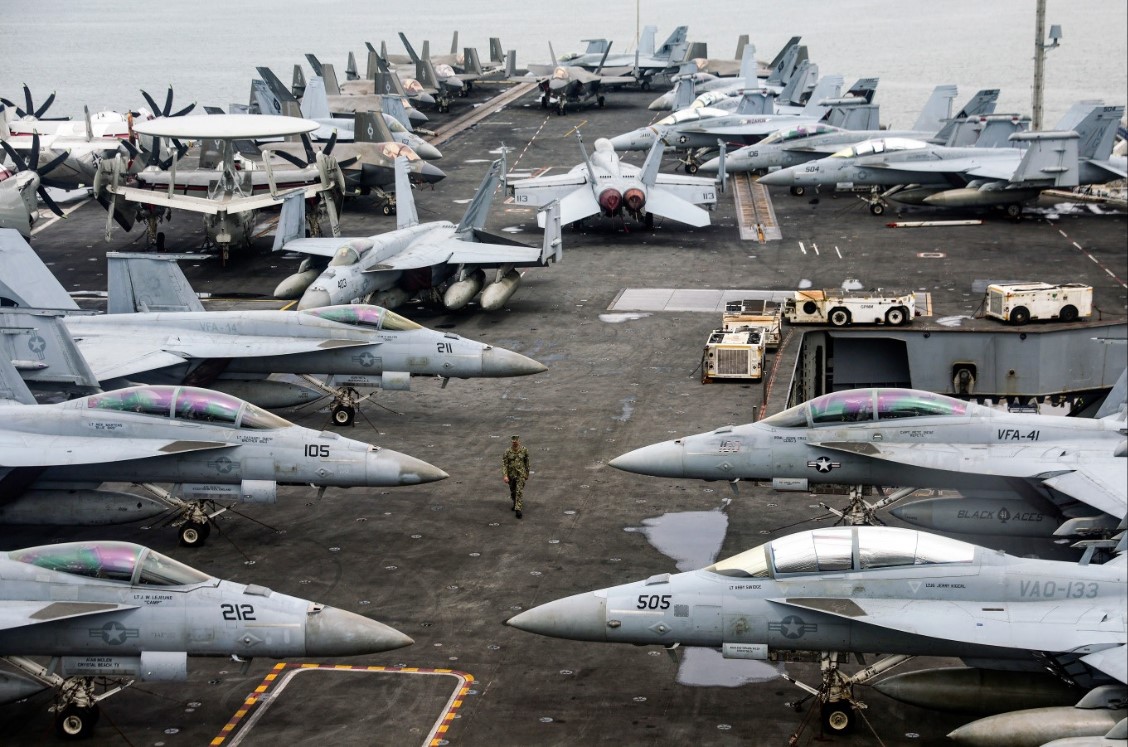 US Plans Significant Reduction of Fighter Jets and Warships for NATO Operations in Europe
-
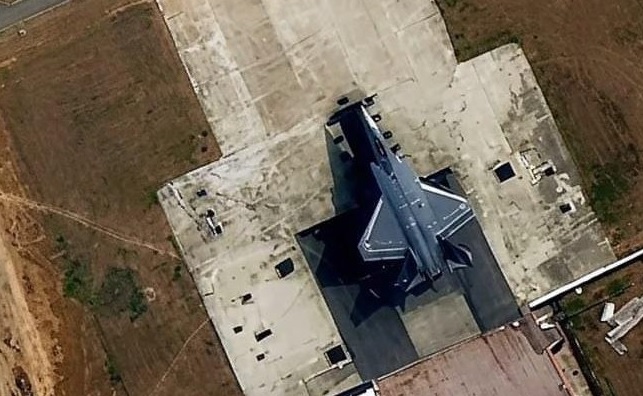 AMCA Airframe Spotted at DRDO’s ORANGE Facility for Radar Cross-Section Testing
-
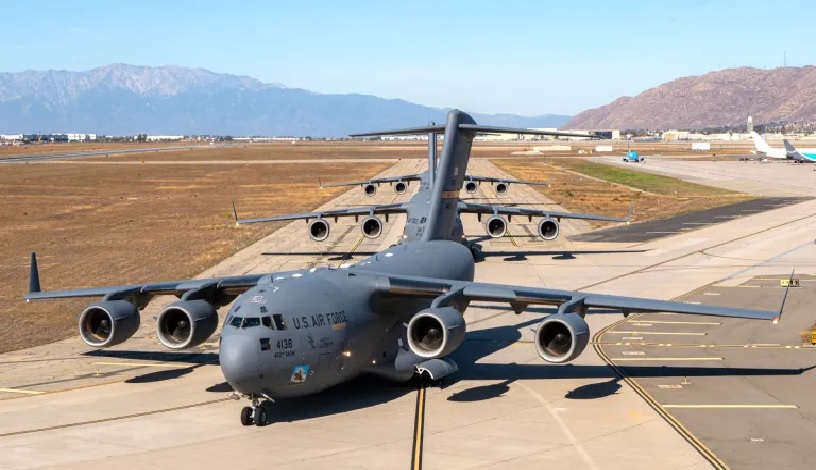 U.S. Air Force Faces Strategic Airlift Shortfall as C-17 Production Restart Remains Uncertain
-
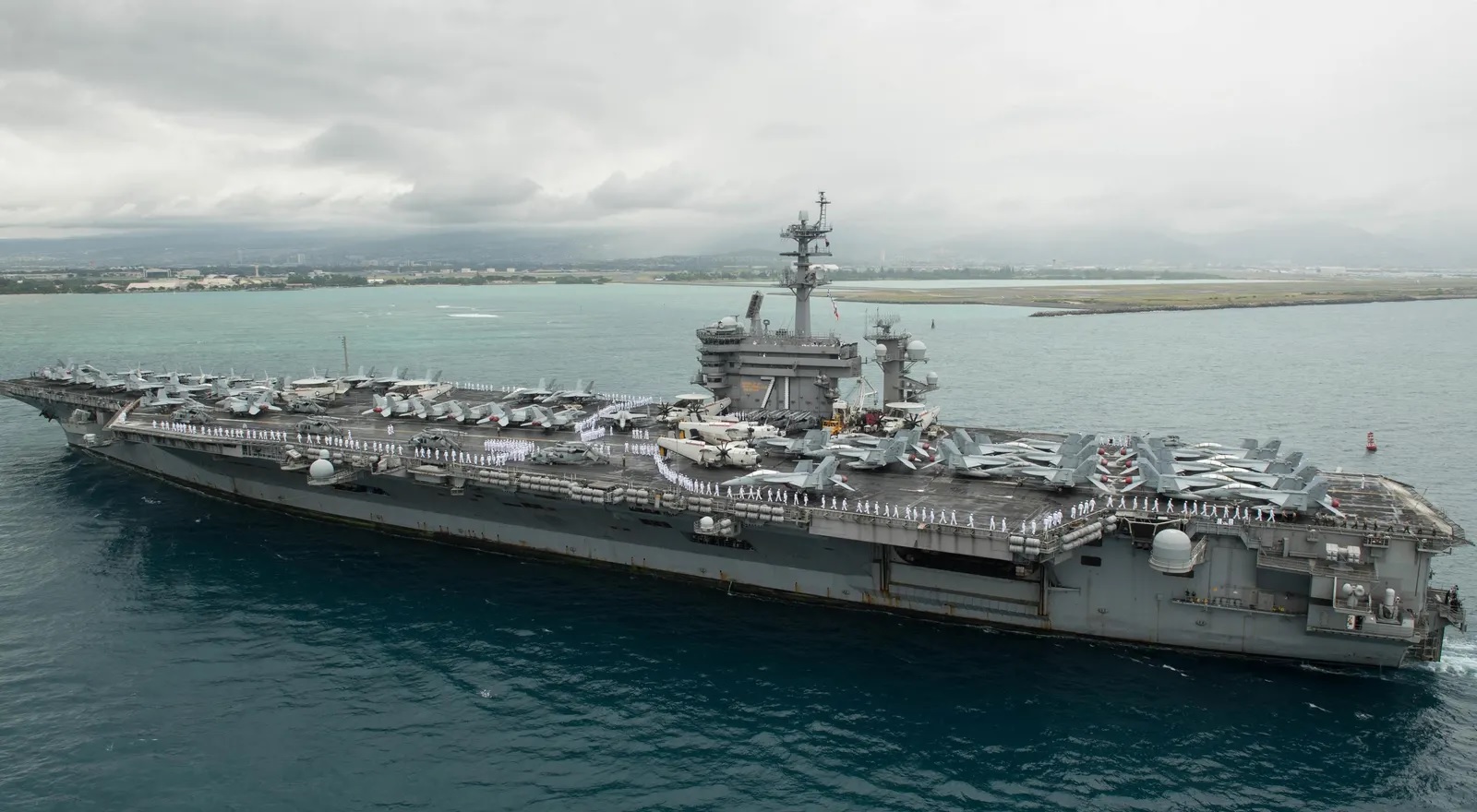 U.S Aircraft Carrier USS Theodore Roosevelt Departs San Diego for Major RIMPAC 2026 Naval Exercise
-
 NATO Commander Says Russia Not Seeking Conflict With Alliance Despite U.S. Force Reductions
-
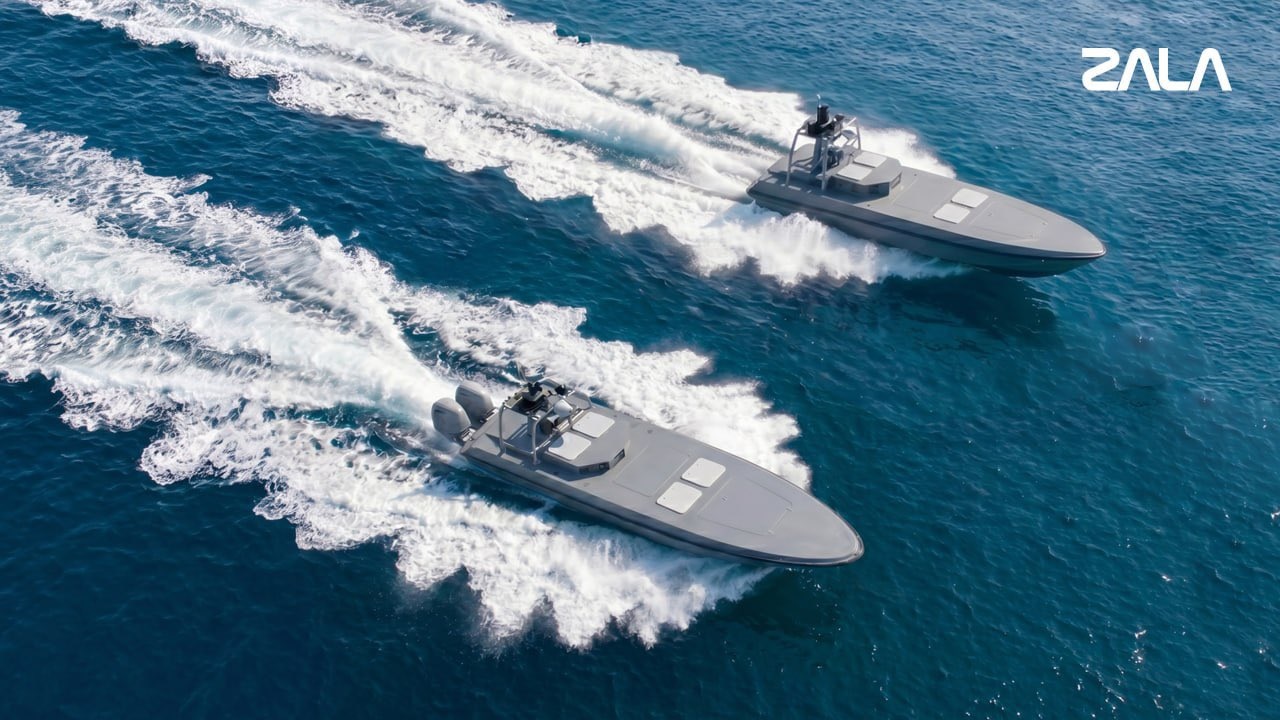 Russian Defense Firm ZALA Unveils KAMA Unmanned Surface Vessel Family at FLOT-2026 Naval Exhibition
-
 U.S. Space Force Awards $437.7 Million Contracts for First PTS-G Swarm 1 Anti-Jam Satellites