
India
Defense News ,India :- India and Japan have started a two-week military exercise named 'Dharma Guardian' at Rajasthan’s Mahajan field firing range. The exercise aims to strengthen cooperation in addressing common security challenges. This annual event, conducted alternately in India and Japan, involves 40 personnel from each side.Representing Japan, troops from the 34th Infantry Regiment are participating, while the Indian Army is represented by a battalion from the Rajputana Rifles. The primary goal is to enhance military cooperation and joint operational capabilities.The exercise will focus on several key aspects, including high physical fitness levels, joint planning, tactical drills, and the basics of special arms skills. Tactical drills will cover establishing a temporary operating base, creating an intelligence, surveillance, and reconnaissance grid, setting up mobile vehicle check posts, executing cordon and search operations in a hostile village, and heliborne operations.Additionally, an exhibition showcasing weapons and equipment will be organized to highlight India's 'Atmanirbhar Bharat' initiative and the country's growing defense industrial capability. Lt Gen Togashi Yuichi, the Commanding General of the Eastern Army, Japan Ground Self Defense Force, is also expected to visit India during the exercise.The Army emphasized that 'Dharma Guardian' will provide an opportunity for both sides to share best practices in tactics, techniques, and procedures for conducting tactical operations. The exercise aims to enhance interoperability, camaraderie, and cooperation between the troops of both nations, ultimately fostering stronger bilateral relations.By participating in this exercise, India and Japan seek to strengthen their defense capabilities and deepen their strategic cooperation. The joint efforts are geared towards effectively addressing security challenges and promoting peace and stability in the region.
Read More → Posted on 2024-02-25 14:51:06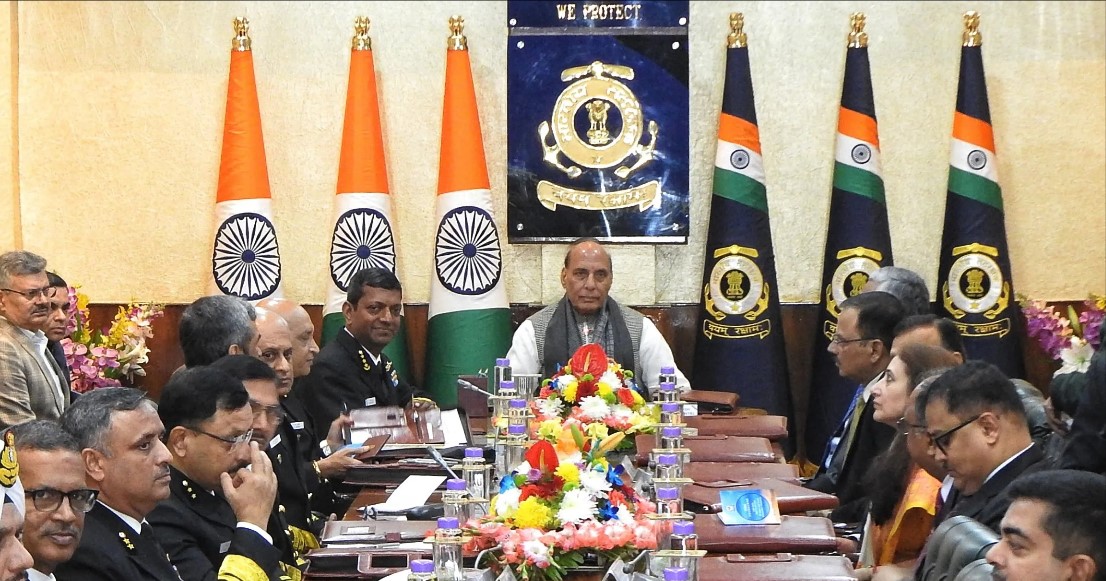
India
Defense News ,India :- In the past week, the Indian government took significant steps to strengthen the country's defense capabilities by approving several major defense deals worth over Rs 92,000 crore. These investments are part of a broader strategy to enhance defense capabilities and promote self-reliance in defense manufacturing. Let's delve into the key developments and their implications for India's defense landscape.IAF's Sukhoi Fighter Jet Upgrades:Hindustan Aeronautics Limited (HAL), in collaboration with the Defence Research and Development Organisation (DRDO), received approval from the defense ministry for a Rs 60,000 crore project to upgrade the Su-30MKI fighter jet fleet. This initiative aims to enhance the aircraft's capabilities by integrating new radars, mission control systems, electronic warfare capabilities, and weapon systems. Importantly, this project reflects India's commitment to replace Russian-origin components with indigenous systems, including a new radar system and electronic warfare capabilities.Brahmos Supersonic Missiles:One of the major contracts approved involves the acquisition of over 220 extended-range BrahMos supersonic cruise missiles, valued at approximately Rs 19,500 crore. These missiles, with a striking range of 450 km, will be deployed on the frontline warships of the Indian Navy. This contract, expected to be signed in March, marks the largest-ever deal for BrahMos missiles, providing a substantial boost to India's naval capabilities and will be delivered over five to six years.Advanced Engines for Fighter Jets:In addition to the BrahMos deal, the Indian government approved a project for the manufacture of advanced engines for the existing fleet of MiG-29 fighters in the Indian Air Force (IAF). This collaboration between HAL and Russia is estimated to cost about Rs 5,300 crore, contributing to the modernization of the IAF's fighter jet capabilities.High-Powered Radars and Air Defence Guns:Further strengthening India's defense capabilities, the government gave the green light to two projects for the acquisition of high-powered radars and new versions of the L-70 air defense guns, with each project valued at around Rs 6,000 crore. These initiatives, led by Larsen and Toubro (L&T), aim to enhance India's radar coverage along both borders and include the ambitious Made in India Close-in Weapon System project, valued at around Rs 7,000 crore.Strengthening National Security and Indigenous Manufacturing:These investments underscore India's commitment to bolstering defense capabilities and promoting indigenous manufacturing. With the BrahMos missiles already playing a crucial role in precision strikes, contracts worth over Rs 38,000 crore, India solidifies its position as a key player in the global defense market. These developments align with India's broader strategy of self-reliance in defense production, contributing to both national security and global recognition.Future Outlook:India's defense sector is undergoing a paradigm shift towards indigenization and self-reliance, evident in the recent approvals of significant deals and projects. The focus on enhancing the Indian Navy's firepower with BrahMos missiles and the emphasis on 'aatmanirbharta' (self-reliance) in defense manufacturing reflect India's evolving defense strategy. These developments aim not only to strengthen national security but also position India as a key player in the global defense export market.Rs 3 Lakh Crore Annual Defense Production by 2028-29:Defence Minister Rajnath Singh announced a milestone for India's defense sector, with the annual defense production expected to reach Rs 3 lakh crore by 2028-29. Singh highlighted the government's focus on long-term gains across all sectors, aiming to develop India into a developed nation by 2047. The defense sector has been allocated Rs 6.2 lakh crore in the 2024-25 budget, the highest among all ministries, reflecting the government's commitment to national security.Budget Allocation and Strategic Acquisitions:In the 2024-25 budget, the defense ministry received Rs 6.2 lakh crore, the highest allocation among all ministries. Capital acquisitions worth over Rs 4.3 lakh crore have been approved, underscoring the government's commitment to enhancing national security. Singh emphasized the importance of jointness among the Indian Army, Navy, and Air Force, highlighting improved coordination to address challenges jointly.
Read More → Posted on 2024-02-25 14:43:33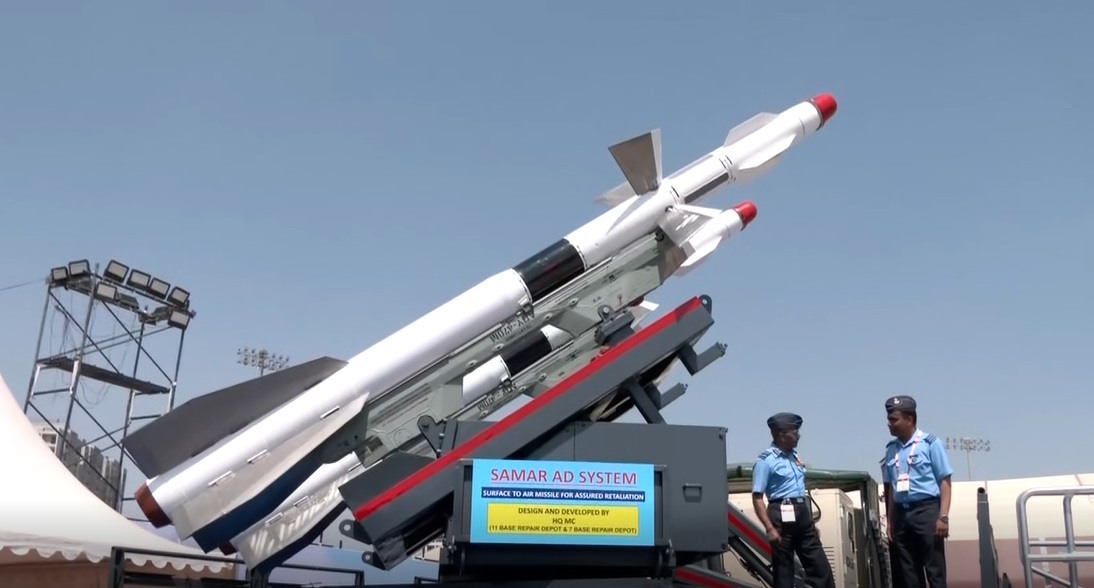
India
Defense News ,India :- The chief of the Indian Air Force (IAF) Maintenance Command, Air Marshal Vibhas Pande, recently shared that the SAMAR-2 air defense system is a great example of how outdated missiles can still be valuable. He explained that by repurposing these missiles, the IAF can enhance its air defense capabilities.Air Marshal Vibhas Pande emphasized that SAMAR-2, the upgraded version of the missile system, showcases the IAF's ability to use missiles that have reached the end of their life for effective air defense. The demonstration includes integrating the R27 missile into the SAMAR system.The IAF is proud to demonstrate its capability to develop systems internally, working hand in hand with the industry. According to Air Marshal Vibhas Pande, this effort is a step towards making the air defense system stronger. He highlighted that in the future, they aim to integrate other missiles as well.SAMAR-2, which stands for "Surface to Air Missile for Assured Retaliation," is an air defense system crafted by the IAF. It repurposes old Russian-origin R-27 air-to-air missile systems from the IAF's inventory. The SAMAR system was developed at the IAF's 7 Base Repair Depot Tughlakabad (BRD), showcasing the organization's ingenuity.Successful firing trials of the SAMAR system took place during the Astrashakti 2023 exercise at Suryalanka Air Force Station in Andhra Pradesh. Here are some key specifications of the SAMAR 2 air defense system:Range: 20 kilometers (12 mi)Altitude: Up to 15,000 meters (49,000 ft)Speed: Mach 4.5Warhead: High-explosive fragmentationGuidance system: Active radar homingLauncher: Twin-turret launcher with the capability of launching two missiles in single and salvo mode
Read More → Posted on 2024-02-25 08:33:51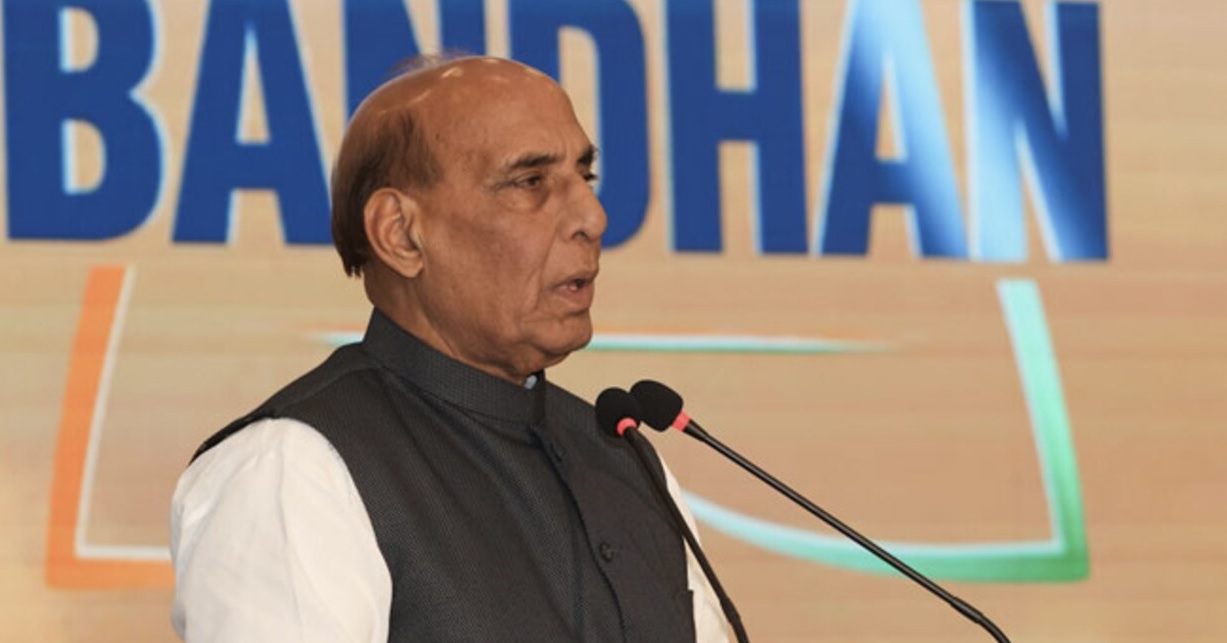
India
Defense News ,India :- India has made significant strides in the defence sector, transforming from an arms importer to one of the top 25 arms exporter nations. Defence Minister Rajnath Singh shared this achievement at a Defence Summit, highlighting the remarkable growth from the earlier status of being a major arms importer.Under the leadership of the Prime Minister, India has ventured beyond its comfort zone, breaking into the list of top 25 arms exporter nations. Just seven to eight years ago, defence exports were below Rs 1,000 crore, but today they have surged to Rs 16,000 crore. The Defence Minister envisions that by 2028-29, annual defence production will reach Rs three lakh crore, with defence exports touching Rs 50,000 crore.Singh emphasized the government's focus on long-term gains, distinguishing it from previous short-term strategies. The government's policies, formulated and implemented under the present leadership, aim to secure lasting benefits for the nation. This includes support for established companies as well as welcoming young minds through start-ups, paving the way for long-term gains in the coming decades.The Defence Minister highlighted recent steps taken to promote start-ups, liberalizing procurement processes to encourage innovation. In the financial year 2023-24, in-principle approval exceeding Rs 4,35,000 crore for capital acquisition has been granted. The government's commitment to Aatmanirbhar Bharat (self-reliant India) has led to radical changes in the defence sector, turning short-term difficulties into opportunities.Singh stressed the importance of self-reliance in defence production, stating that a nation cannot be adequately protected with equipment imported from outside. He highlighted the success of the government's efforts, with defence production surpassing Rs one lakh crore. Looking towards the future, the Defence Minister emphasized investments in cutting-edge technologies such as Artificial Intelligence, quantum computing, smart weapons, cyber warfare, and space warfare.The government's long-term vision includes making India a major player in technology, with initiatives like Innovations of Defence Technology (iDEX), the Technology Development Fund scheme under DRDO, and the establishment of the National Research Foundation. Singh revealed the government's aim to manufacture high-end systems like aero-engines and gas turbines in India within the next five years.Emphasizing the extraordinary abilities and dedication of the youth, the Defence Minister expressed confidence in achieving extraordinary goals. He also highlighted the government's commitment to providing equal opportunities for women in every field, aligning with the long-term approach for a prosperous and self-reliant India.
Read More → Posted on 2024-02-25 08:21:44
India
Future Weapons, India :- Bharat Dynamics Limited (BDL), a top missile maker in India, recently introduced a new weapon called the "Drone Delivered Missile" (D2M), named Jishnu, at the Aero India 2023 show. This high-tech weapon is a big step forward for India's defense capabilities, especially in using unmanned aerial vehicles (UAVs) and precise striking technology.Key Features of Jishnu:Lightweight and Miniaturized: Jishnu is designed to be launched from drones, and it's a small missile. This makes it great for secret missions and doesn't need a big launching platformDual Guidance System: Jishnu boasts both semi-autonomous and fully autonomous capabilities, depending on the chosen configuration. This flexibility allows for precise targeting in diverse scenarios.Effective Range: With a range of 1.5 kilometers and a flight time of 9 seconds, Jishnu offers a lethal punch for engaging soft-skinned targets at a safe distance.Adaptability: BDL envisions Jishnu being integrated with various UAV platforms, expanding its operational reach and applications.Potential Applications:Counter-terrorism operations: Jishnu's precision and covert launch capabilities make it ideal for neutralizing high-value targets in urban environments with minimal collateral damage.Border security: The D2M can effectively engage infiltrators and other threats along India's vast borders, enhancing security measures.Anti-insurgency operations: With its ability to strike remote targets precisely, Jishnu can be a valuable tool in counter-insurgency campaigns.Significance for India:Jishnu is a big step for India's defense tech. It shows that India can create and use advanced UAV-based weapons, making the country more independent and less reliant on foreign weapons. Plus, Jishnu could become a valuable product for export, helping India's defense industry in the global market.Challenges and Future Prospects:Even though Jishnu looks promising, there are challenges. Making sure it works well with different UAVs, having strong communication systems, and testing it in the field are important steps before using it widely. Also, there are legal and ethical questions about using autonomous weapons that need careful thinking.Despite these challenges, Jishnu is a big achievement for India's defense. As the technology improves and we learn more from using it, the D2M could change how India deals with modern warfare, giving more precision, flexibility, and tactical advantage.
Read More → Posted on 2024-02-25 08:14:46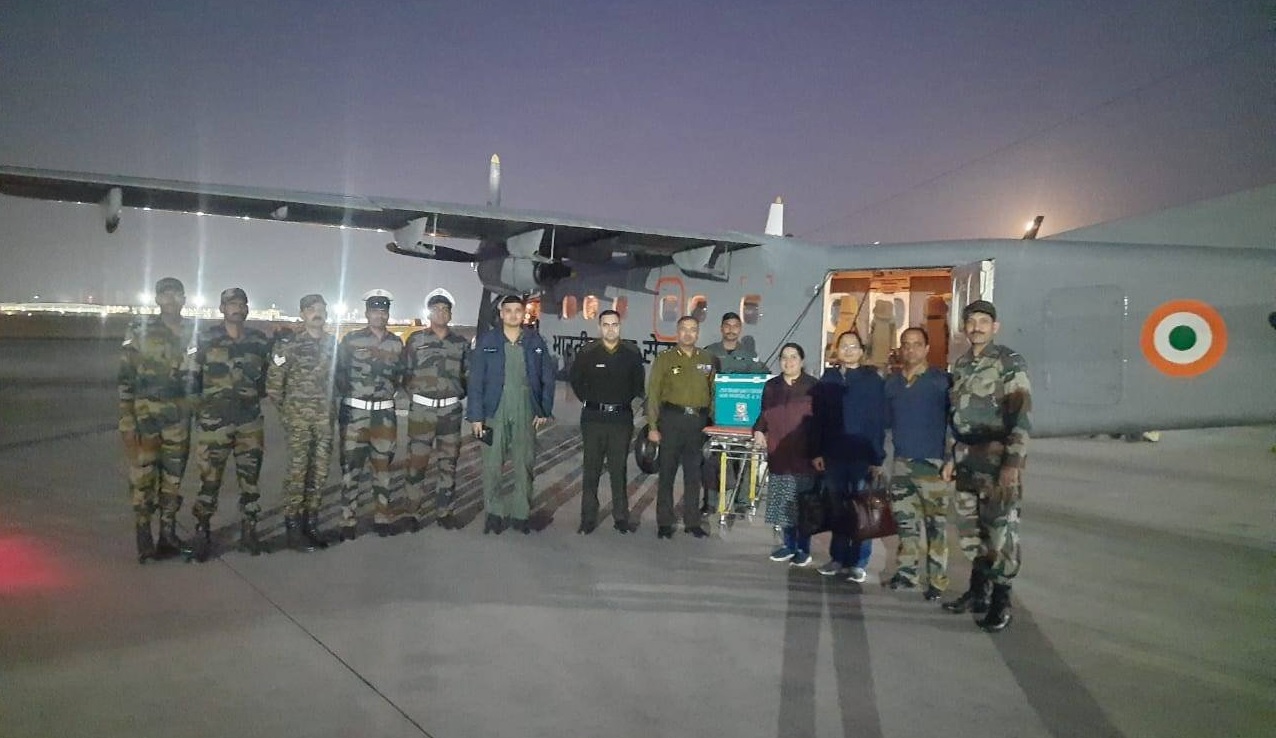
India
In a swift and crucial mission on February 23, the Indian Air Force (IAF) deployed its Dornier aircraft to transport a team of doctors from Army Hospital (R&R) in Delhi to Pune. The goal was to retrieve a liver urgently needed to save the life of an army veteran.The IAF activated the Dornier aircraft on short notice, emphasizing the urgency of the mission. The team of doctors successfully retrieved the liver during a nighttime operation on February 23.The life-saving transplant surgery was performed at Army Hospital (R&R), the primary medical care center in Delhi Cantt for the armed forces and their families. Thanks to the quick and efficient efforts of the Indian Air Force and the medical team, the veteran's life was saved.
Read More → Posted on 2024-02-25 07:52:37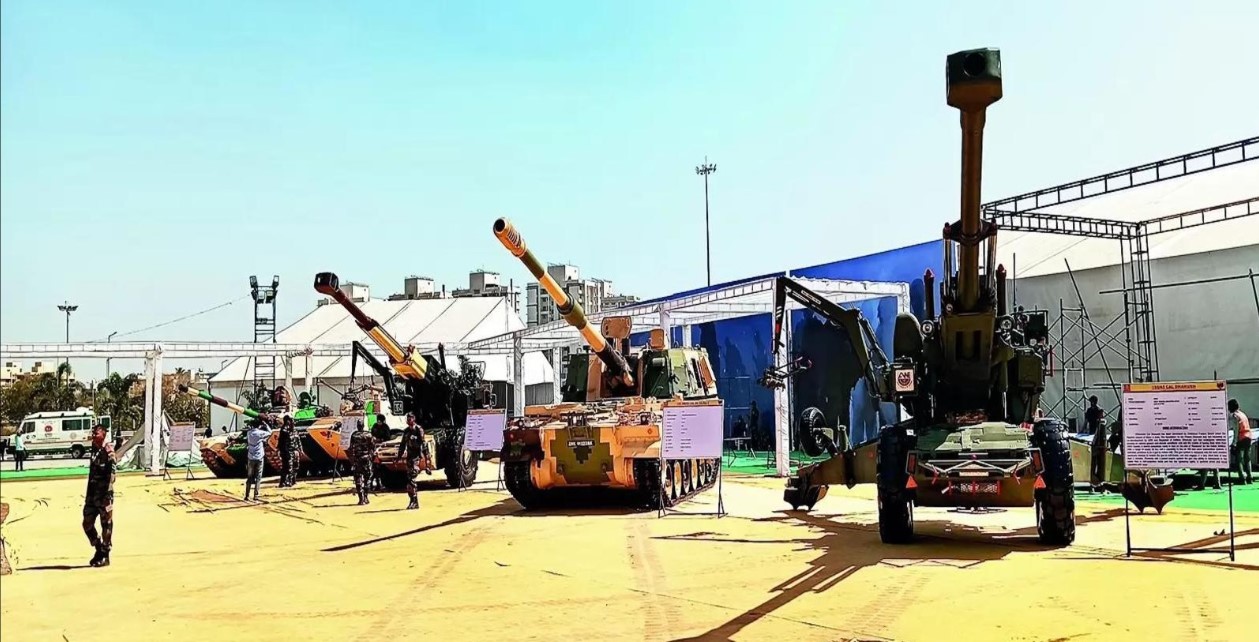
India
Defense News ,India :- In a significant development, DRDO Chairman Samir V Kamat highlighted the remarkable leap in India's defence sector, crediting the government's strong commitment to achieving self-reliance. Speaking at the Firstpost Defence Summit 2024, Kamat pointed out key factors that have transformed 'Make in India' into a success story.The foremost factor, according to Kamat, is the government's unwavering determination to make Aatmnirbharta (self-reliance) a reality. He emphasized that while the idea of self-reliance had been discussed for a long time, it lacked the necessary commitment from the government. However, the present government has actively pushed for Aatmnirbharta, bringing about a significant change in the narrative.One crucial step taken by the government is the publication of a list specifying the services that must be procured from Indian companies. This move has incentivized Indian companies to invest and manufacture systems within the country. Additionally, the acceleration of the acquisition process with the implementation of DAP 2020 has further propelled the self-reliance initiative. Kamat asserted that the government's resolute policies are a key factor contributing to the current optimism in the defence sector.Kamat stressed the importance of building a robust research and development (R&D) ecosystem in the country. He noted that historically, R&D was primarily the focus of DRDO, but recent efforts aim to involve start-ups, MSMEs, and academia in the R&D system. This inclusive approach is expected to expedite innovation and bring new technologies to the market more efficiently. Furthermore, the participation of the private sector in defence manufacturing is seen as a dynamic addition, likely to enhance the speed, cost-effectiveness, and quality of production.Anticipating a surge in India's defence exports, Kamat expressed optimism based on the growing interest in Indian defence systems. He highlighted the untapped potential for exports, suggesting that the current level of interest indicates a significant opportunity for expansion.Government data reveals a historic milestone in the value of defence production for the financial year 2022-23, exceeding ₹1 lakh Crore for the first time. The value stood at ₹1,06,800 crore, marking a notable increase of over 12% compared to the previous fiscal year (2021-22) when it was ₹95,000 crore.
Read More → Posted on 2024-02-25 07:50:16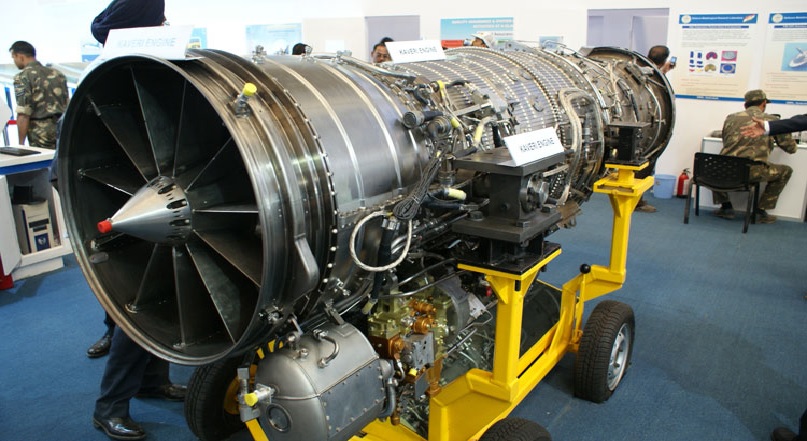
India
Defense News ,India :- Defense Minister Rajnath Singh shared today that the government plans to manufacture advanced systems like aero-engines and gas turbines in India within the next five years. He made this announcement during a function organized by the Ministry of Defence.Although the Ministry did not provide detailed information about the engines, it was revealed in the past that there is a collaboration between French engine maker Safran and Hindustan Aeronautics Limited (HAL) for producing engines to power fighter jets. Currently, Indian warships use engines made by General Electric (GE). HAL has established an assembly line to produce these engines domestically, and GE has expressed plans to expand its supply chain by sourcing components from Indian companies.Minister Rajnath emphasized the government's focus on integrating the Army, Navy, and the Indian Air Force (IAF) to ensure better coordination during times of crisis. He mentioned that in the past, the three services operated independently, but efforts have been made to integrate them for improved synergy. Despite initial challenges, the military is now better prepared to tackle any challenges with enhanced coordination.
Read More → Posted on 2024-02-25 07:26:03
India
Defense News ,India :- In a recent event called "Sankalp Divas," the Jammu and Kashmir Study Centre UK (JKSC) gathered at the Houses of Parliament complex to commemorate a crucial resolution related to the Indian Union territory. Let's take a simpler look at what happened during this event.The gathering took place on Tuesday and aimed to remember the unanimous resolution passed by both Houses of the Indian Parliament on February 22, 1994. This resolution strongly stated that the entire region of Jammu and Kashmir is an integral part of India. It also emphasized India's right to reclaim areas like Mirpur-Muzaffarabad and Gilgit and Baltistan, which had been affected by Pakistani aggression.The event saw the participation of politicians from different parties, such as Conservative Party MPs Bob Blackman and Theresa Villiers, and Labour Party MP Virendra Sharma. They all expressed their support for events like these, emphasizing the importance of understanding the ground realities of Jammu and Kashmir, which are often missing from mainstream narratives. The parliamentarians encouraged ongoing interactions on this subject.The keynote speakers at the event were Professor Sajjad Raja from Pakistan-occupied Jammu and Kashmir (POJK), currently residing in Britain, and Kashmiri activist Yana Mir, a Senior Anchor with Bharat Express News Network. Yana Mir was also honored with the Diversity Ambassador Award for promoting diversity in the Jammu and Kashmir region. During her speech, she highlighted progress in the region following the abrogation of Article 370, focusing on improved security, government initiatives, and fund allocation.The primary goal of the event, according to JKSC UK, was to provide a comprehensive overview of the socio-cultural and political landscape of Jammu and Kashmir. They aimed to underline the diverse nature of the state, which is multicultural, multireligious, and multi-linguistic.The event concluded on a positive note, with participants expressing enthusiasm for delving further into the intricacies of the Jammu and Kashmir region. JKSC UK urged attendees to actively engage in future discussions, emphasizing the crucial role of countering misinformation to foster a well-informed public discourse about the region.
Read More → Posted on 2024-02-24 15:33:14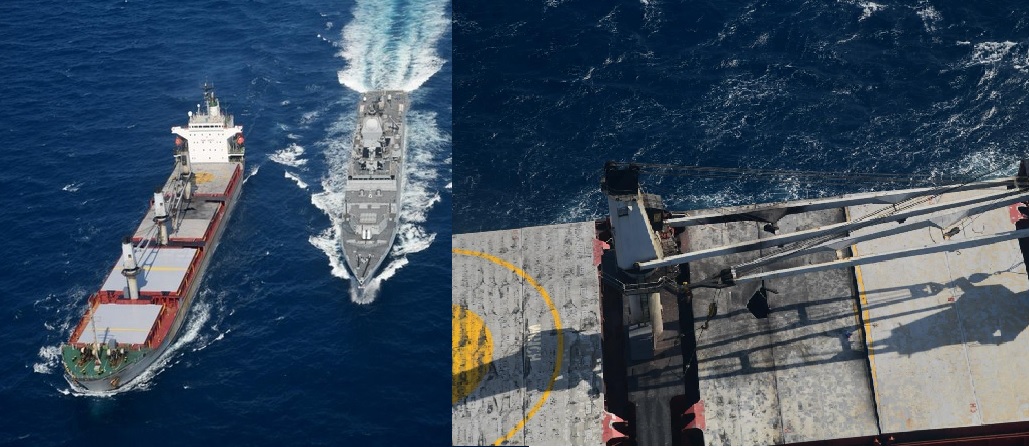
India
Defense News ,India :- On February 22, the Palau-flagged MV Islander caught fire, possibly due to an attack by a drone or missile. Acting quickly upon receiving the distress call, the Indian Navy's destroyer, on a mission in the Gulf of Aden for maritime security operations, reached the vessel in the afternoon of the same day, as stated by the Ministry of Defence.Specialists from the Indian Naval Explosive Ordnance Disposal (EOD) team boarded the ship to make sure there were no remaining dangers. After their assessment, the vessel was given the green light to continue its journey.In response to the ship's Master's request, a medical team also boarded the vessel to provide assistance to an injured crew member.The Ministry of Defence emphasized that the unwavering efforts of the Indian Naval ships highlight their strong dedication to ensuring the safety and security of merchant shipping and seafarers.
Read More → Posted on 2024-02-24 15:27:19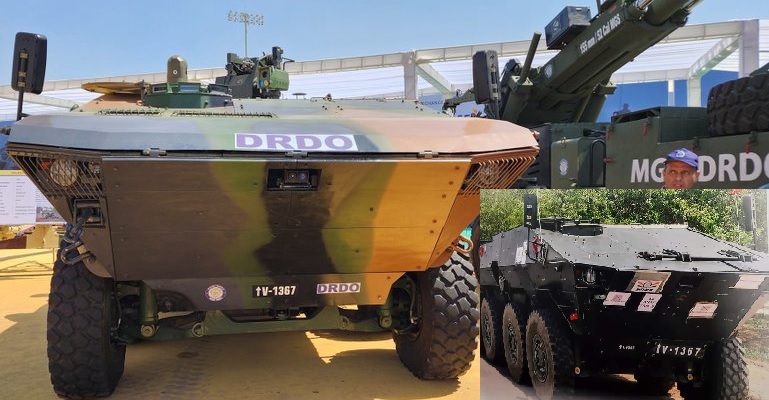
India
Defense News ,India :- The Defense Research and Development Organization (DRDO) is set to unveil an advanced 8x8 wheeled vehicle at the upcoming MSME Defence Expo in Pune. Created by the Vehicle Research and Development Establishment (VRDE) and manufactured by Mahindra Defence System Ltd, this second-generation vehicle boasts cutting-edge capabilities in handling chemical, biological, radiological, and nuclear (CBRN) threats.Equipped with a powerful 600-hp engine and an 8x8 wheel setup, the versatile vehicle can operate on both land and water, maneuvering through challenging terrains. It serves various purposes, including acting as an Infantry combat vehicle (ICV), Armoured Personnel Carrier (APC), and CBRN reconnaissance vehicle.One remarkable feature of this wheeled CBRN vehicle is its impressive operational range of 500 kilometers on roads. It can achieve a maximum speed of 101 km/h on roads and 8 km/h in water with the help of hydrojets, facilitating movement in aquatic environments. Additionally, the vehicle provides modular ballistic and blast protection, is armed with a 7.62 mm RCWS, and incorporates a 360-degree day and night crew vision system developed by Tonbo Imaging India Pvt Ltd. This innovative vehicle marks a significant step forward in India's defense capabilities.
Read More → Posted on 2024-02-24 15:06:17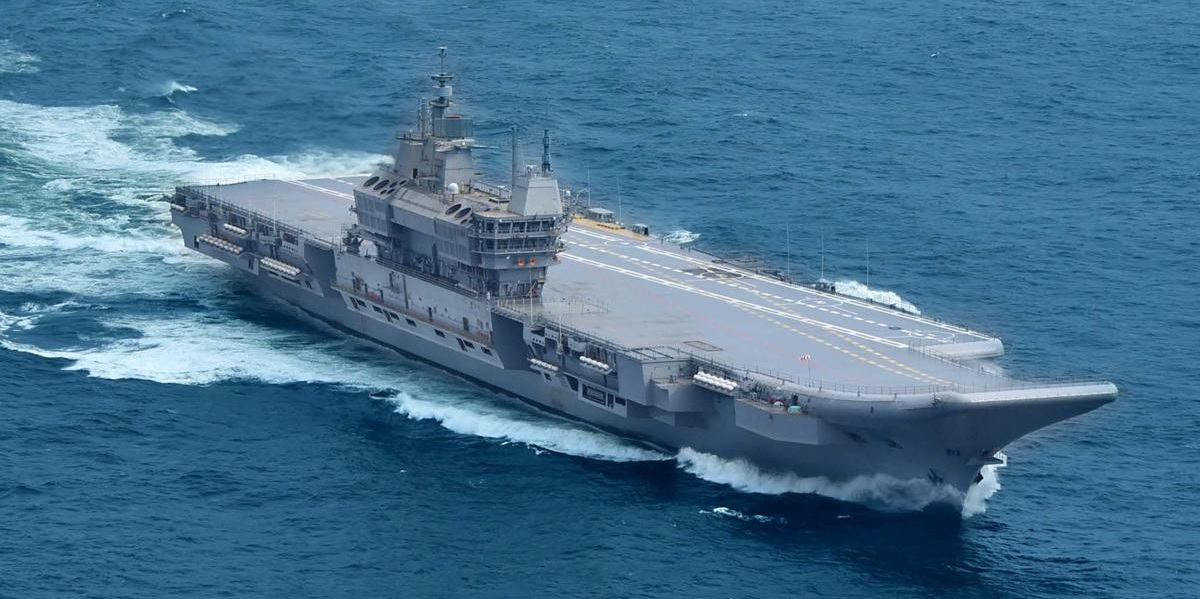
India
Defense News ,India :- India is going to show off its fancy new warship, INS Vikrant, at a big naval event called Milan 2024. This event is like a huge party where more than 40 countries bring their ships, submarines, and planes to play together.INS Vikrant is special because it just got some important upgrades. It now has better defenses against planes, missiles, and drones. Thanks to these upgrades, the warship is more powerful and can protect itself better.The upgrades include a Long Range Surface-to-Air Missile (LR-SAM), a cool radar system called MF-STAR, and an Electronic Warfare (EW) Suite called SHAKTI. These things help INS Vikrant detect and defend against different threats.The ship weighs a lot, around 45,000 tonnes, making it India's biggest and most ambitious warship. It's a big deal for India because it shows the world that they can make powerful ships on their own.Milan 2024 is happening from February 19 to 24, and it's going to be a huge gathering of naval forces. INS Vikrant being part of this event is like India saying, "Look at what we can do!" It's a chance for India to show off its shipbuilding skills to the world.
Read More → Posted on 2024-02-24 15:01:46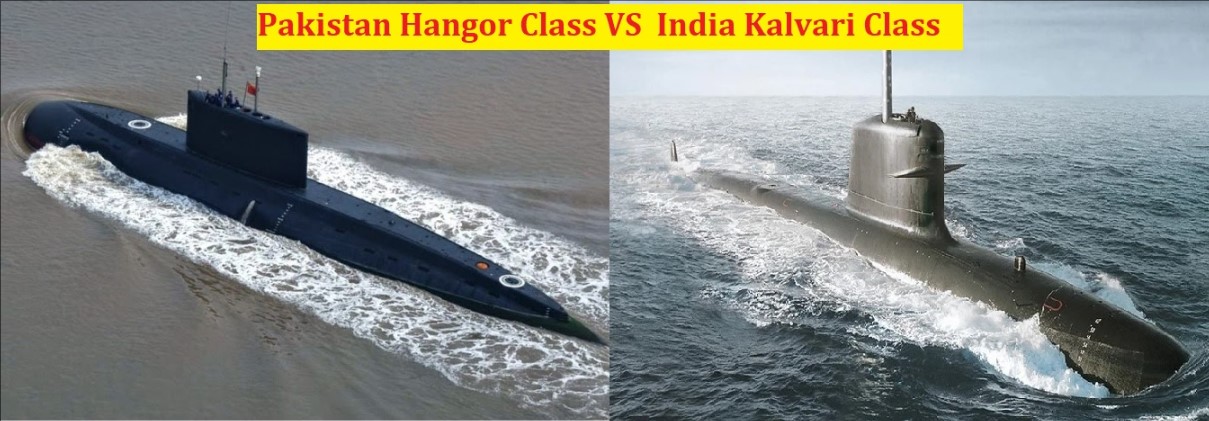
India
Defense News ,India :- In the deep sea, there's a quiet competition between two types of attack submarines: the Hangor class from Pakistan and the Kalvari class from India. These submarines are advanced, but they have differences that make them unique.Size and Weight:Hangor: Bigger, weighing around 2,800 tons. It's spacious inside, which can make it more comfortable for the crew.Kalvari: Smaller, at 1,775 tons. It's more nimble in shallow waters but might not have as much space inside.Propulsion:Hangor: Uses Chinese diesel-electric engines and an Air-Independent Propulsion (AIP) system, which lets it stay underwater longer. We don't know much about the AIP system.Kalvari: Relies on regular diesel-electric engines, so it can't stay underwater as long as the Hangor. But it's working on adding an indigenous Fuel Cell AIP to improve this.Armament:Hangor: Has six 533mm torpedo tubes and can launch missiles like Babur 3 and anti-ship missiles. We don't know much about its exact capabilities.Kalvari: Equipped with six 533mm torpedo tubes and can launch a wider range of weapons, including heavyweight torpedoes, anti-ship missiles like Exocet, and even DRDO developed Land-attack cruise missiles like ITCM and BrahMos-NG. Its payload capacity is well-defined.Sensor Suite:Hangor: We don't have a lot of details, but it likely has modern sonar and electronic warfare systems.Kalvari: Equipped with advanced French technology called S-Cube, including top-notch sonar and electronic warfare systems. S-Cube is also equipped on the Four Brazilian Navy’s Scorpène and also on the Peruvian Navy’s Type 209/1200 submarines.Key Differences:Endurance: Hangor might have an edge because of its AIP system, but we don't know much about it.Weaponry: Kalvari has a wider variety of weapons, giving it more flexibility.Sensor Suite: Both are probably modern, but Kalvari's French technology is proven to work well.Choosing a Winner:It's hard to pick a clear winner because we don't have enough information about the Hangor class. While Hangor might have some advantages, Kalvari's proven abilities and diverse weaponry make it a strong contender. Ultimately, it depends on how each submarine is used and how well its crew is trained.Looking Beyond:These submarines are just part of a bigger picture. Factors like training, support systems, and overall naval strategy are also important. Understanding all these factors helps us see the true potential of these submarines.
Read More → Posted on 2024-02-24 07:42:53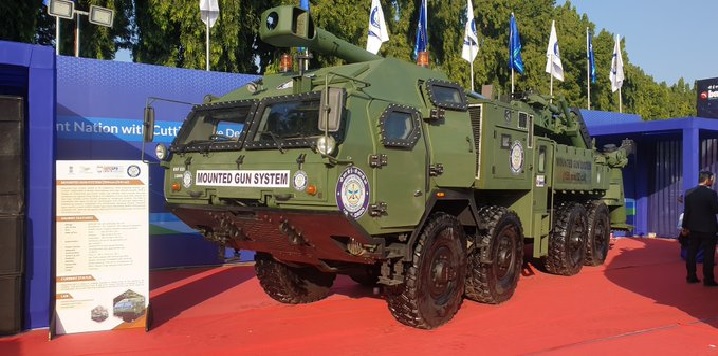
India
Defense News ,India :- In a significant development, Maharashtra recently saw the introduction of the Mounted Gun System, a cutting-edge defense technology created by DRDO (Defense Research and Development Organization).Artillery plays a crucial role in any military, influencing the success of many operations. It provides indirect fire support, accurate target acquisition, and the destruction of enemies, making it a key element in ground warfare. Recognizing this, DRDO initiated a project to develop a 155 mm/52 caliber Towed Artillery Gun, which has successfully been inducted into the Indian Army after rigorous trials.To enhance the mobility of the towed gun for mobile warfare challenges, the Vehicles Research and Development Establishment (VRDE) in Ahmednagar took on the Mounted Gun System (MGS) project.The MGS, designed and developed by VRDE, is based on the previously developed Towed Artillery Gun System. It is integrated into a solo 8x8 high mobility vehicle with a stabilization system to ensure stability during firing.The system incorporates state-of-the-art features such as a blast-resistant cabin, leg-type electro-mechanical stabilizers, automatic ammunition handling system, on-board silent electric power system, integrated electronic controller, RLG-based navigation system, and an integrated fire control system. This indigenous MGS is on par with contemporary global systems and is capable of firing 155 mm NATO standard ammunition.After designing and developing the system, mobility trials were conducted at NCAT (VRDE) and on desert and cross-country tracks at PFFR to confirm the mobility parameters. The trials successfully achieved all the designed parameters.Firing trials of the MGS took place at Pokhran Field Firing Ranges (PFFR) in September 2023. The tests included Minimum and Maximum Range Firing, Series I & II – Consistency Firing, Arc of Fire, and Direct Firing, covering various sectors of PFFR with different firing angles in elevation and azimuth, as well as all firing zones. All tests were successfully conducted, showcasing the capabilities of the Mounted Gun System.
Read More → Posted on 2024-02-24 07:23:42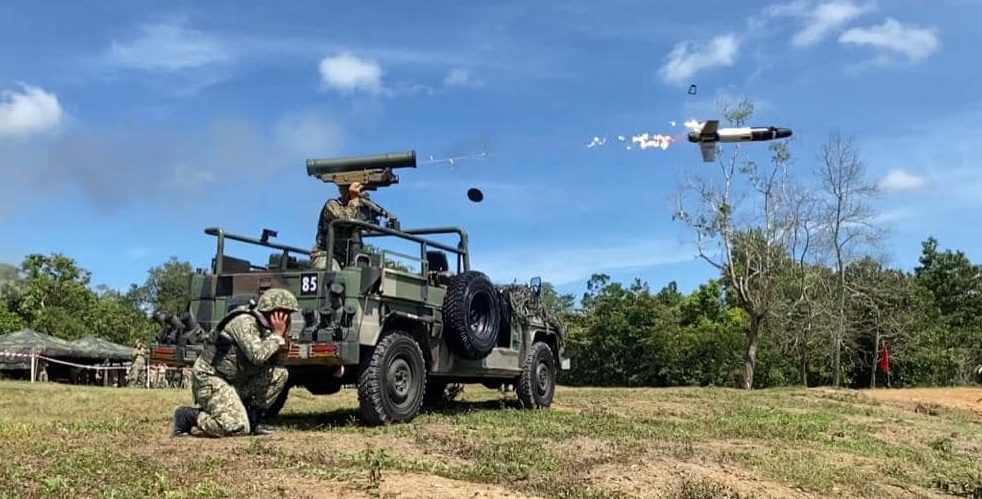
India
Defense News ,India :- The Battle Axe Division of the Indian Army recently tested new anti-tank guided missiles at the Pokhran field firing range in Jaisalmer district. These missiles are made in India and are designed to destroy tanks. What's special about them is that they work both during the day and at night, and soldiers can launch them from a tripod or while on foot.During the test, soldiers from the Battle Axe Division fired the missile using a portable system. The missile is guided, meaning it follows a specific path to hit its target. It carries a powerful warhead designed to penetrate tank armor.Official sources say the missile performed well in terms of capacity and accuracy. It can travel up to 2.5 km and hit multiple targets. This anti-tank guided missile is considered a third-generation weapon for surface-to-surface attacks.Here are some important details about the missile:Weight: Around 15 kgRange: Up to 2.5 kmGuidance System: Uses a high explosive anti-tank heat warhead to destroy tanks.Capabilities: Successfully tested for capacity and accuracy, capable of hitting multiple targets.Deployment: Can be launched from various platforms, including portable systems, tripod-mounted weapons, trucks, tanks, and aircraft.In addition to this, the Defence Research and Development Organization (DRDO) completed the final trial of the Nag anti-tank missile. They used a live warhead on a dummy tank at the Pokhran army ranges. The Nag missile has a range of four kilometers and uses an imaging infrared seeker to locate its target. Now, it is ready to be included in the Indian Army's arsenal.These advancements strengthen India's defense capabilities, contributing to national security.
Read More → Posted on 2024-02-24 07:07:59Search
Top Trending in 24 Hours
-
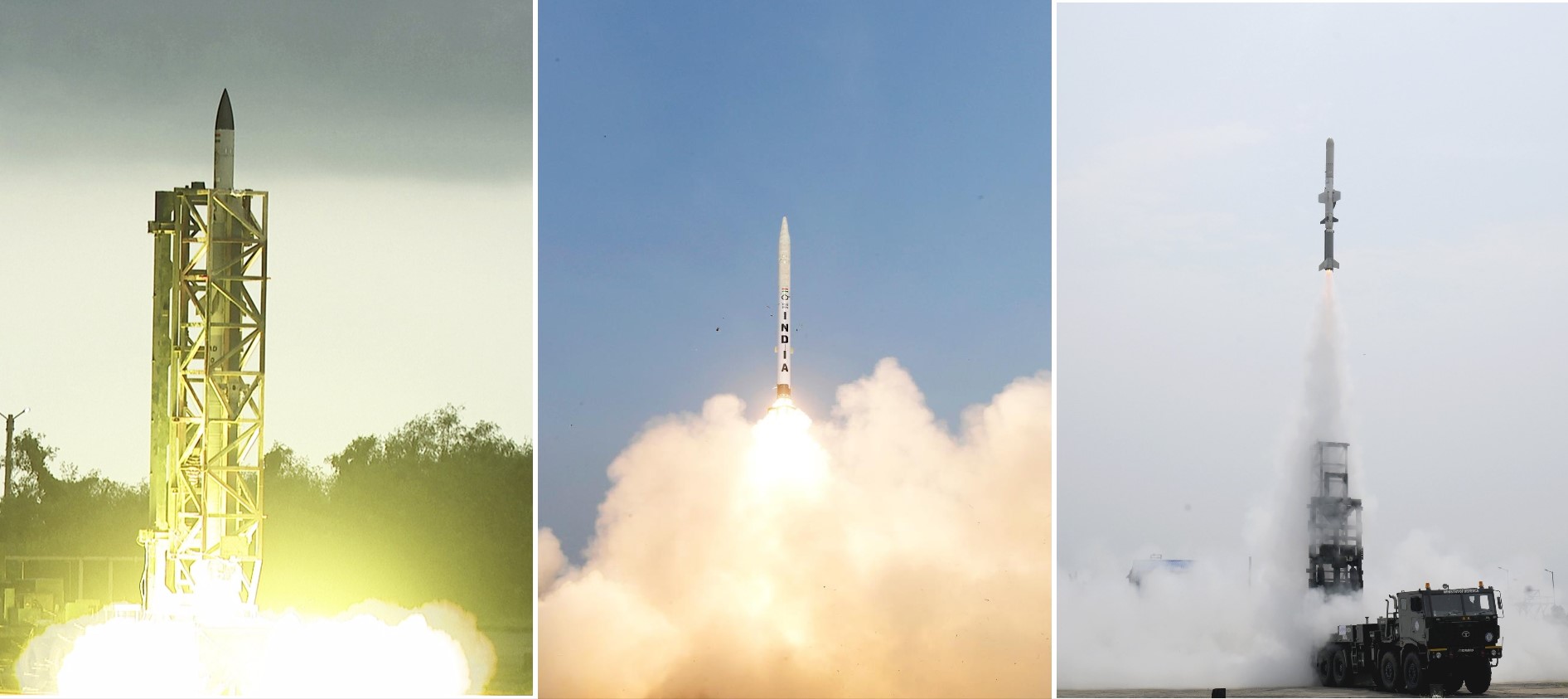 India Successfully Conducts AD-1, AD-2 Interceptor Tests and Maiden NASM-MR Flight Trial
-
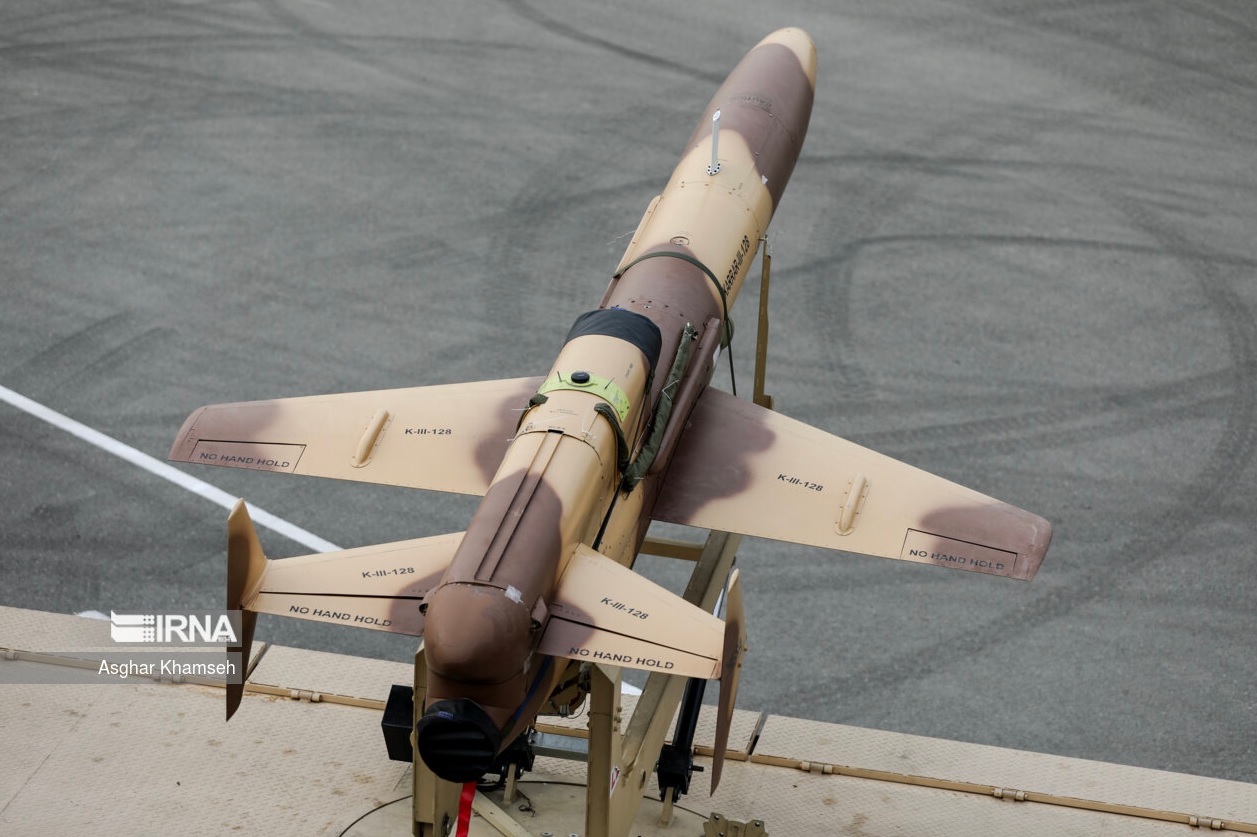 Russia Launches 1,400 Jet-Powered Drones in 2026 as Strike Tactics Evolve to Challenge Ukraine's Air Defenses
-
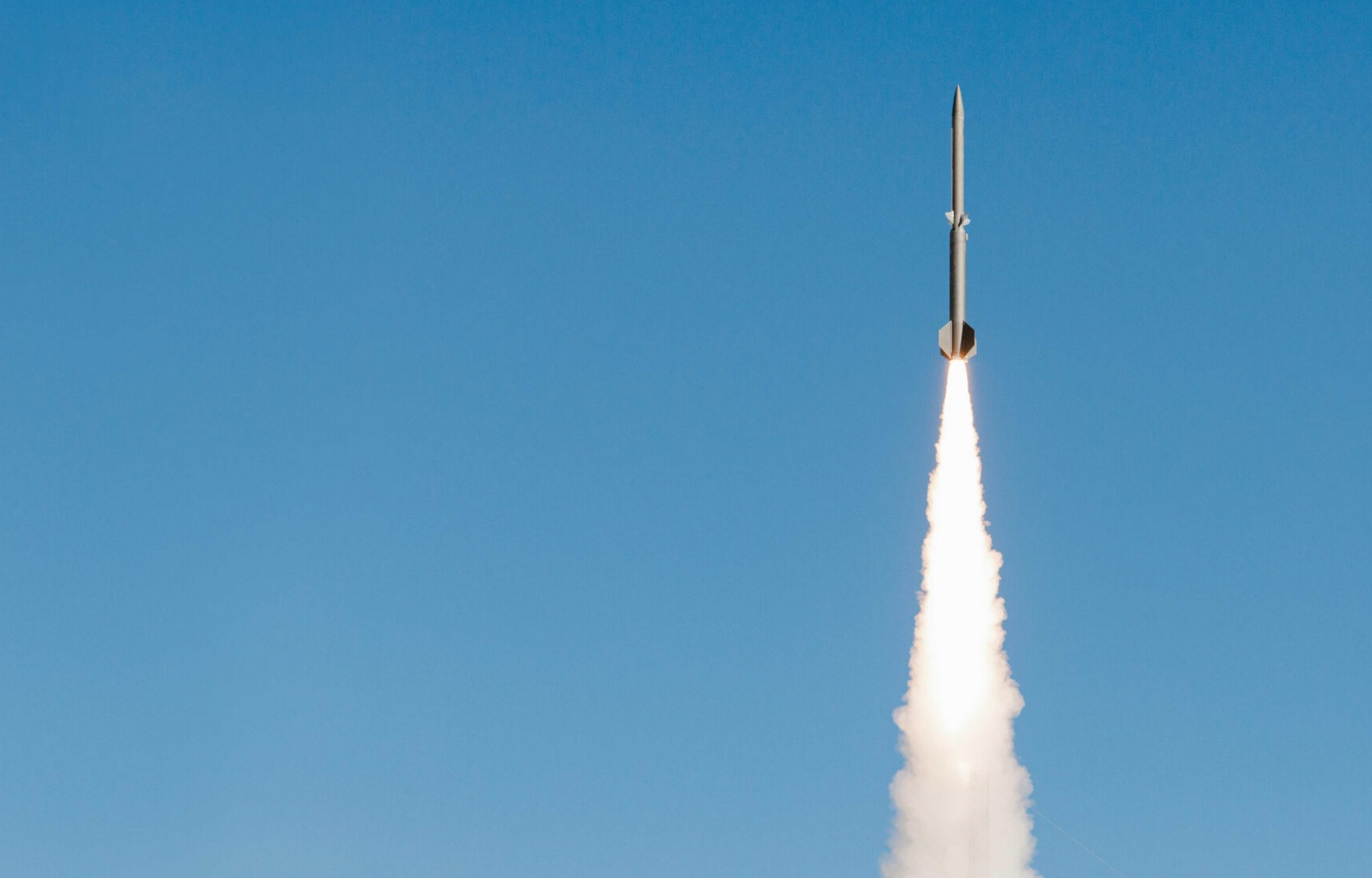 U.S Navy Orders 50 Blackbeard Hypersonic Missiles in New $23.4 Million Contract
-
 UAE Denies Reports of Releasing Up to $20 Billion in Funds to Iran Amid Regional De-Escalation Efforts
-
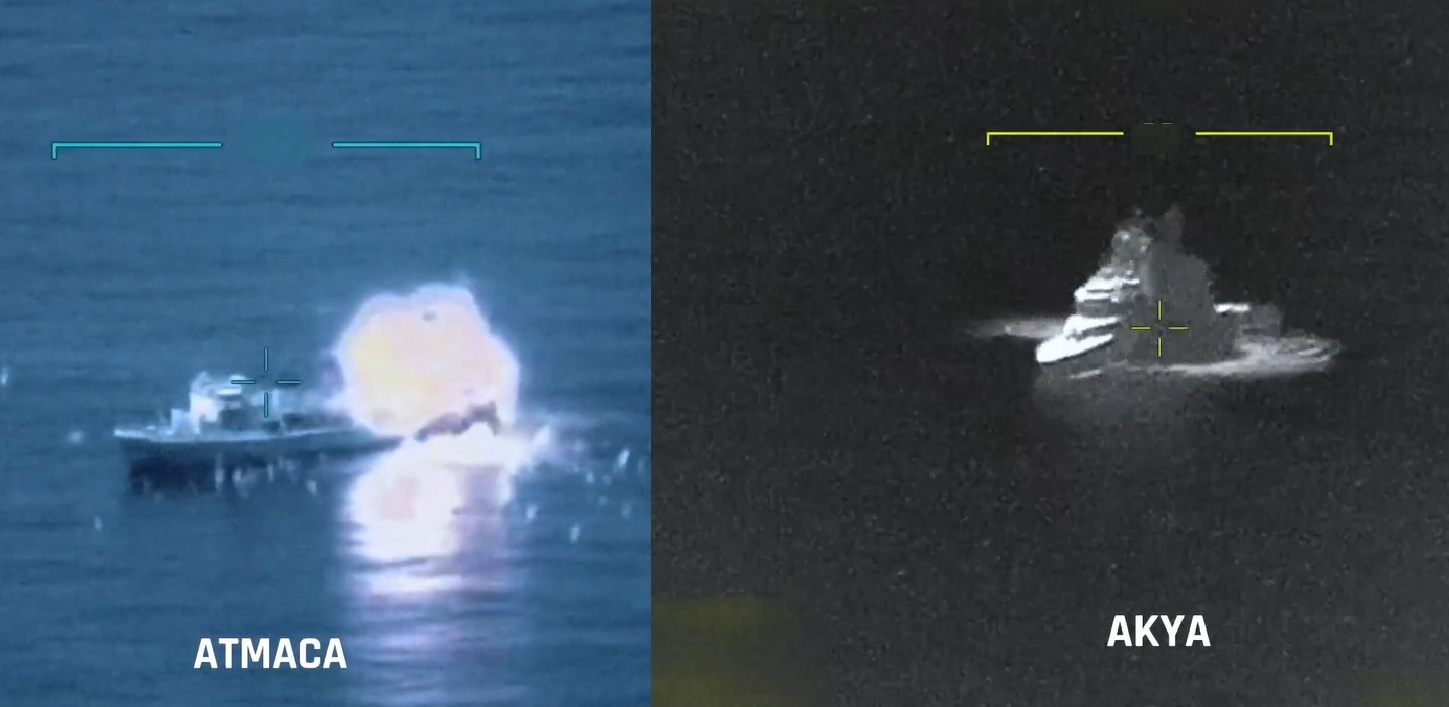 Turkey Navy Successfully Tests AKYA Torpedo and ATMACA Missile During Major Denizkurdu-II Naval Exercise
-
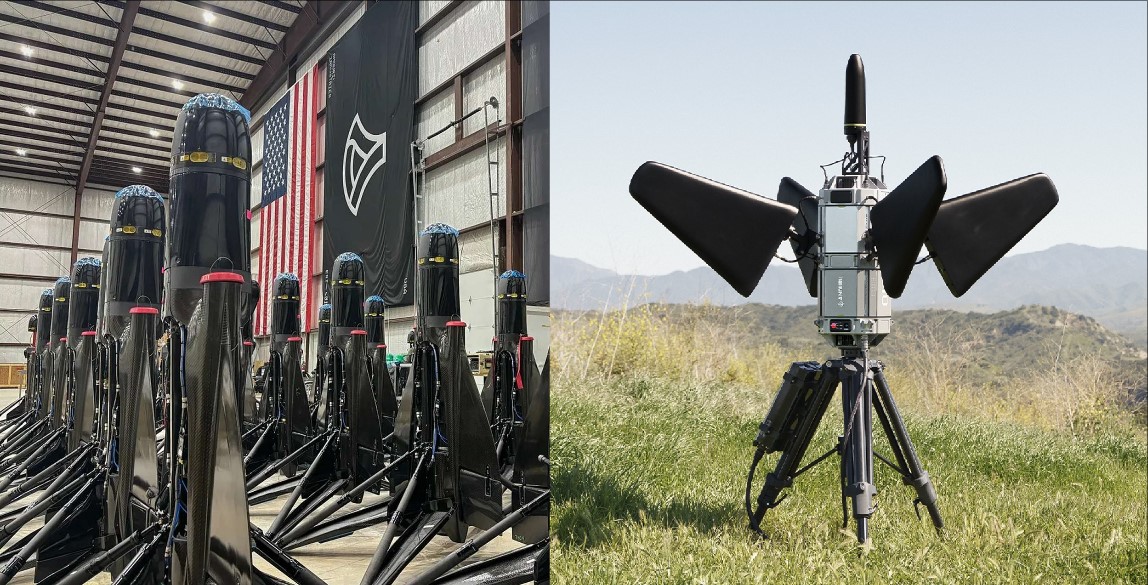 U.S. Approves $1.98 Billion Sale of Anduril AI-Powered Counter-Drone Systems to Kuwait
-
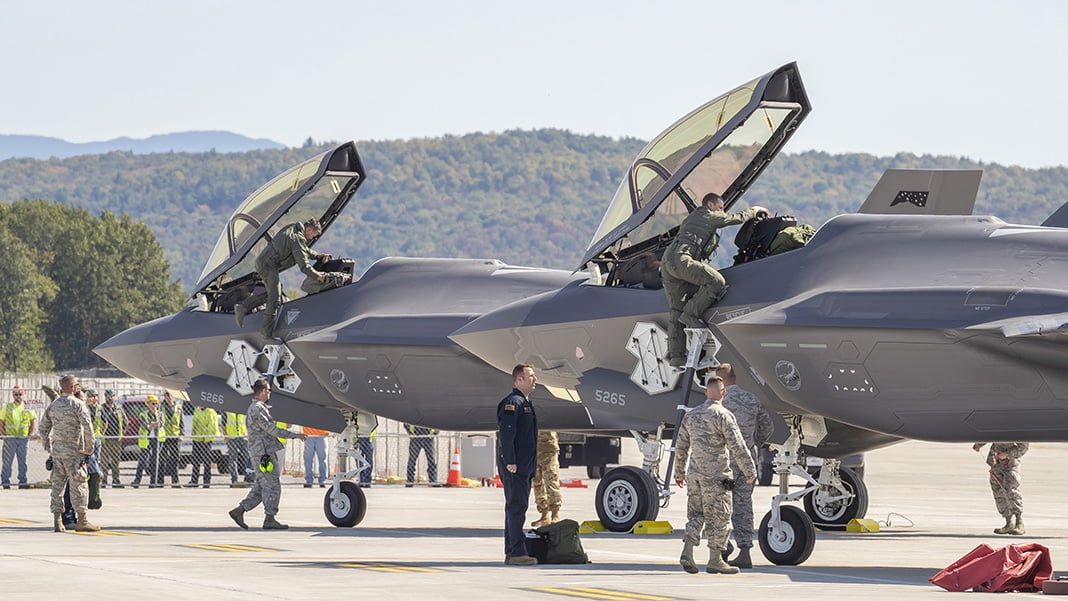 F-35 Fleet Readiness Falls to 25% Amid Parts Shortages and Software Delays: GAO Report
-
 Anduril Wins $363 Million CBP Contract to Deploy Over 200 Extended Range AI Surveillance Towers
Top Trending in 4 Days
-
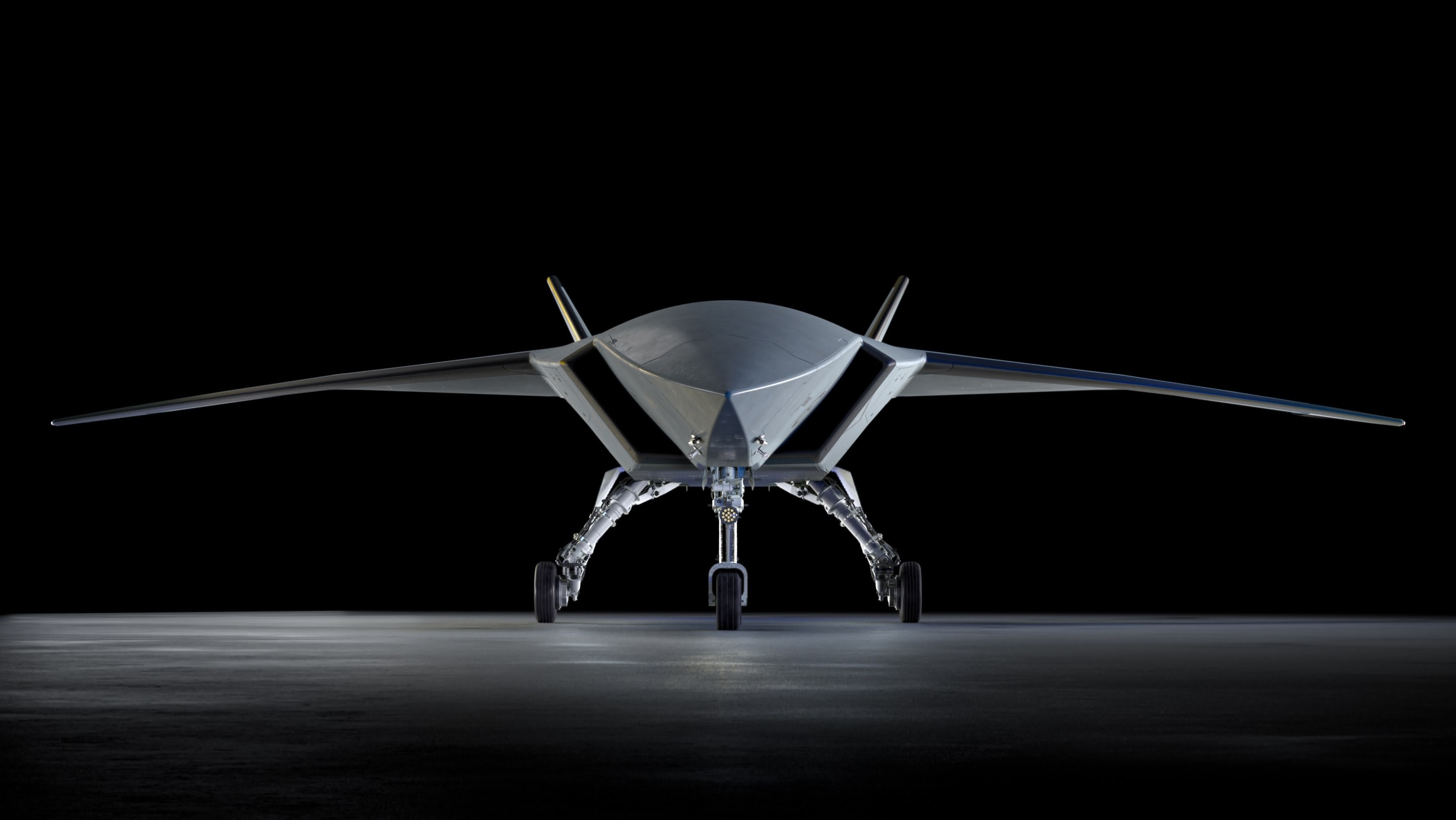 Boeing Introduces New MQ-28 Ghost Bat Upgrades with Increased Range, Payload and Weapons Capacity at ILA Berlin 2026
-
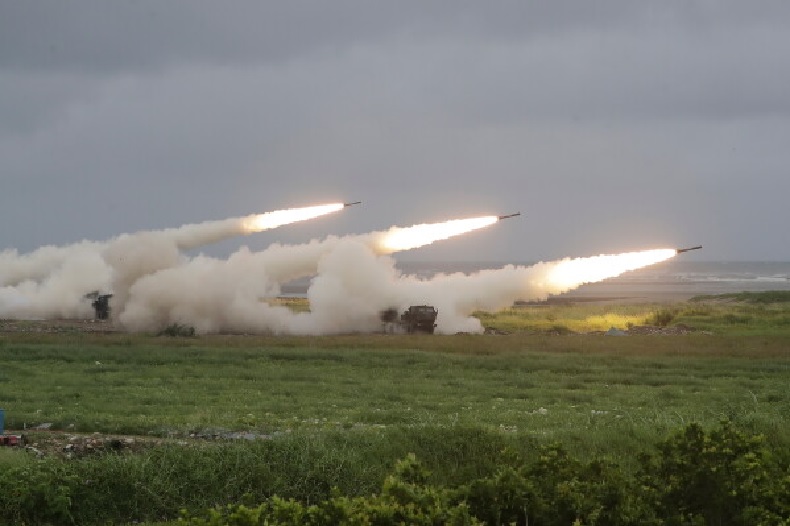 Taiwan Conducts First Live-Fire of HIMARS Rockets From West Coast During Invasion Defense Drill
-
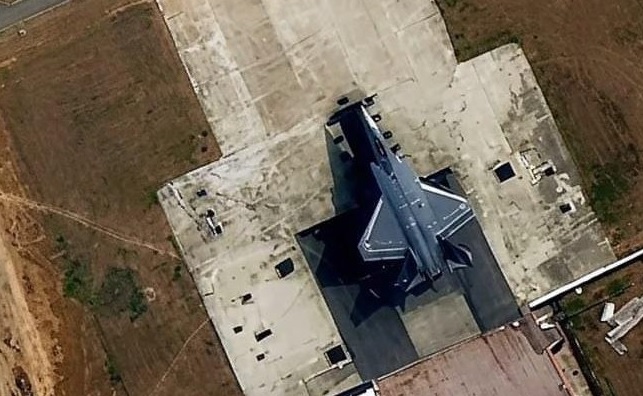 AMCA Airframe Spotted at DRDO’s ORANGE Facility for Radar Cross-Section Testing
-
 Iranian Media Leaks 14-Point U.S.-Iran Peace Framework Amid Ongoing Negotiations
-
 US Plans Significant Reduction of Fighter Jets and Warships for NATO Operations in Europe
-
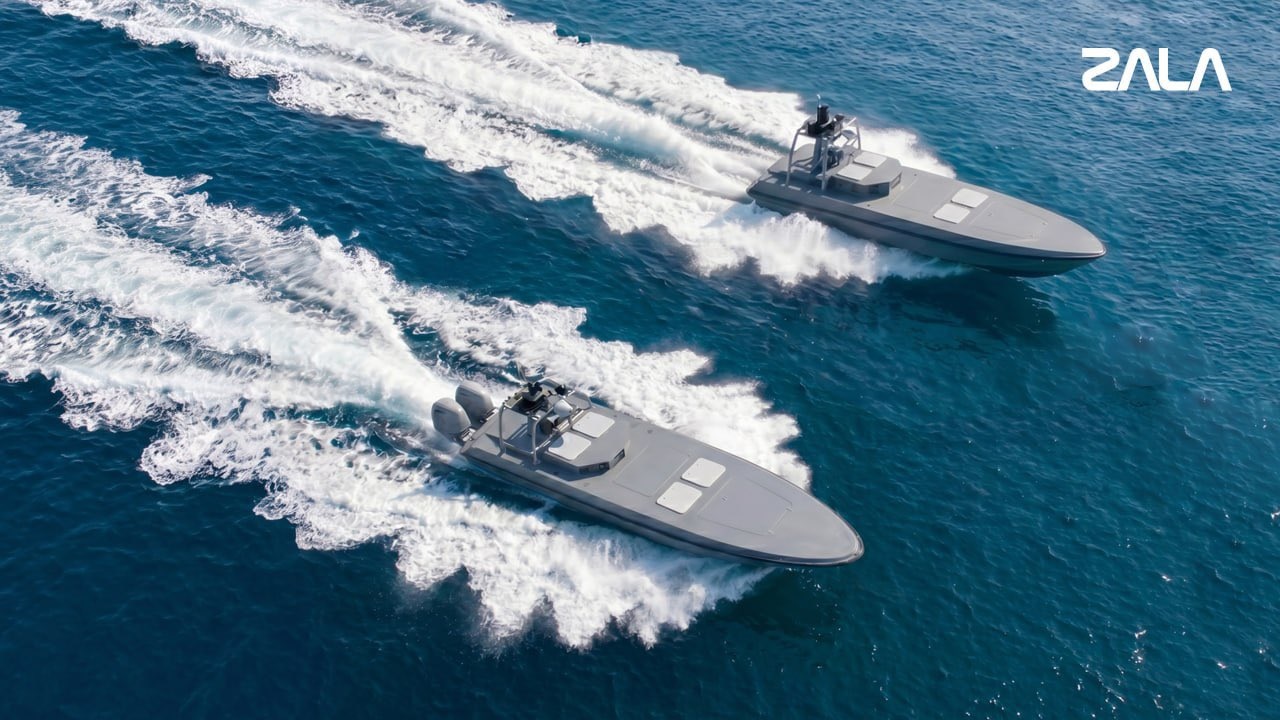 Russian Defense Firm ZALA Unveils KAMA Unmanned Surface Vessel Family at FLOT-2026 Naval Exhibition
-
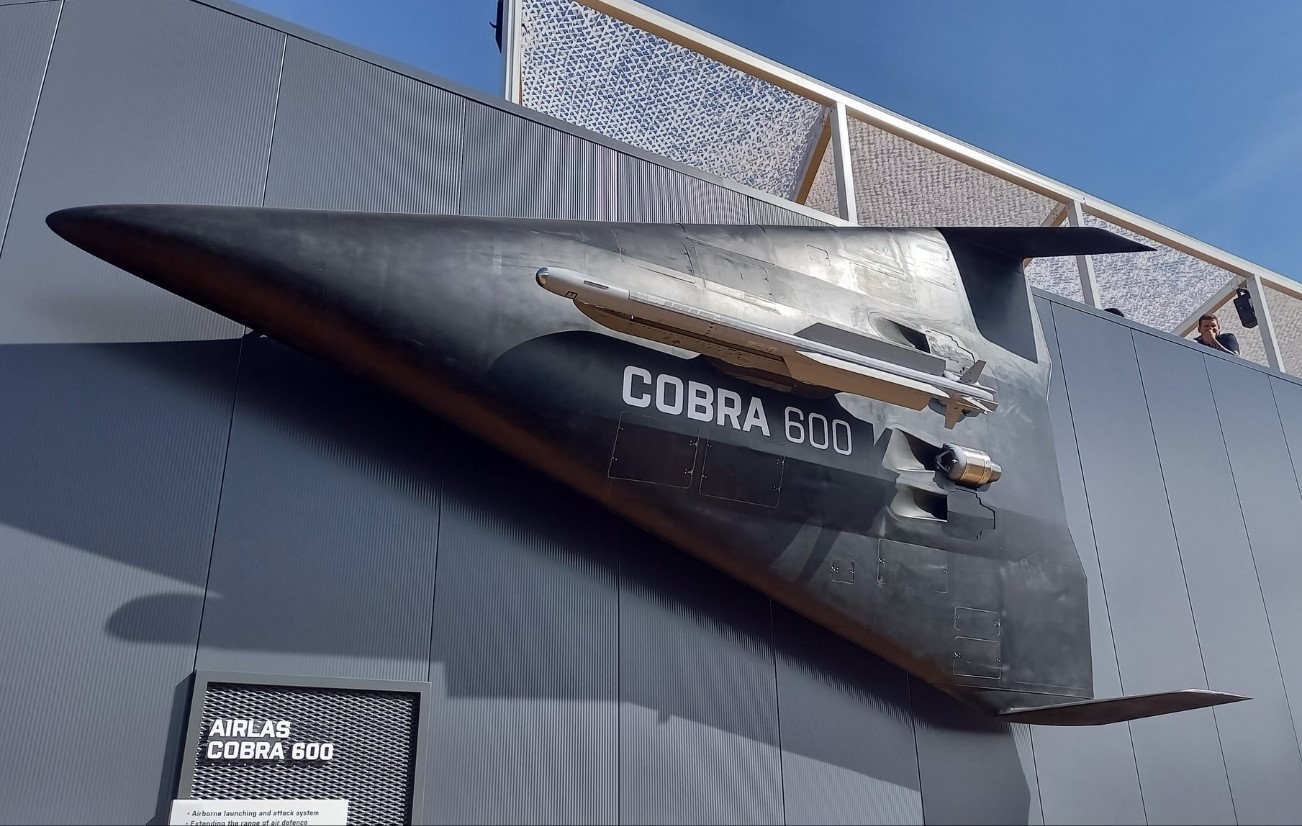 Diehl Defence Unveils IRIS-T Armed Cobra 600 Air Defense Drone at ILA Berlin 2026
-
 U.S Aircraft Carrier USS Theodore Roosevelt Departs San Diego for Major RIMPAC 2026 Naval Exercise