India
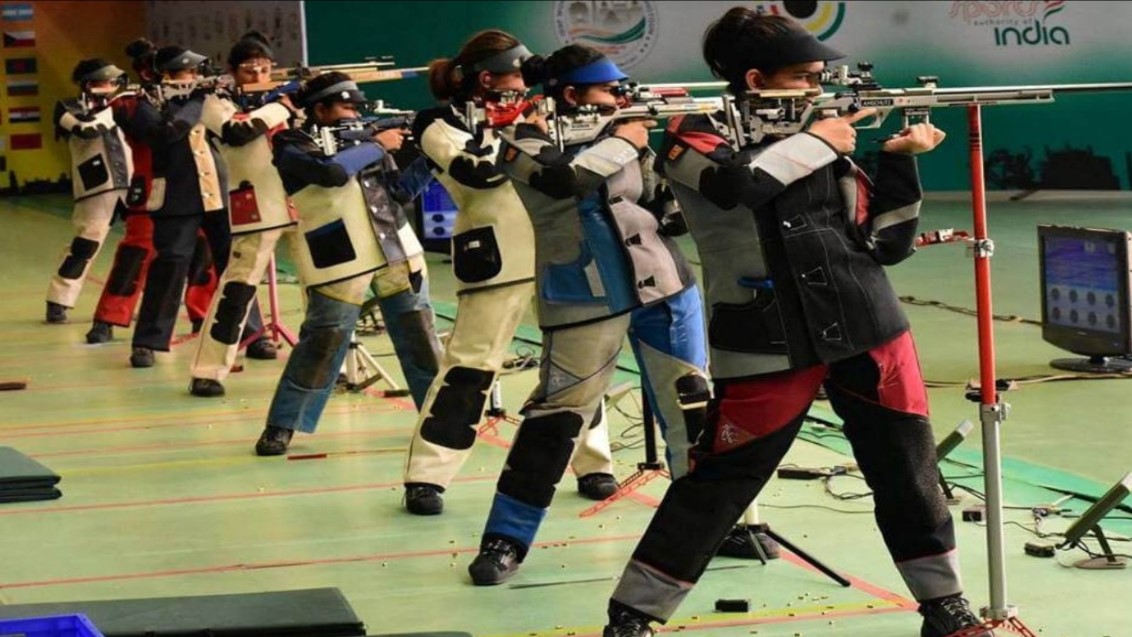
Defense News ,India :- In line with the national goal of empowering women and showcasing their strength, the Indian Army is creating two Army Girls Sports Companies (AGSC) in a step-by-step approach.The AGSCs will be set up at two key Army training centers: the Army Marksmanship Unit in Mhow, Madhya Pradesh, and the Army Sports Institute in Pune.Starting from April 2024, the AGSCs will be fully operational, focusing on training young girls from across the country in sports like Shooting, Archery, Athletics, Boxing, and Weightlifting.The aim is to identify promising talent, provide them with education, and train them to become champions in their chosen sports.These locations boast top-notch training facilities, including sports medicine centers, rehabilitation facilities, and coaching resources.Drawing from the Indian Army's successful experience with Boys Sports Companies, this initiative aims to tap into and develop young talent.The young athletes will also benefit from interaction with senior Army teams and athletes training at these centers.Aligning with India's sports policy to excel at the Olympics, the AGSCs strive to produce podium-worthy athletes.Girls at AGSCs will have the opportunity to join the Army as direct entry Non-Commissioned Officers, Direct Entry Junior Commissioned Officers, or enlist as Agniveers.Subedar Preeti Rajak, a champion trap shooter and Asian Games Silver medalist, exemplifies this success story, being identified as talent and rising through the ranks from Havildar to Subedar. She trains at the Army Marksmanship Unit in Mhow, one of the AGSC locations.Jasmine Lamboria, a Bronze medalist in the Commonwealth Games 2022, was enlisted as a non-commissioned officer in the Indian Army in October 2022.These accomplished athletes serve as role models, inspiring incoming talent to strive for sporting excellence in their respective fields.
Read More → Posted on 2024-03-08 15:44:21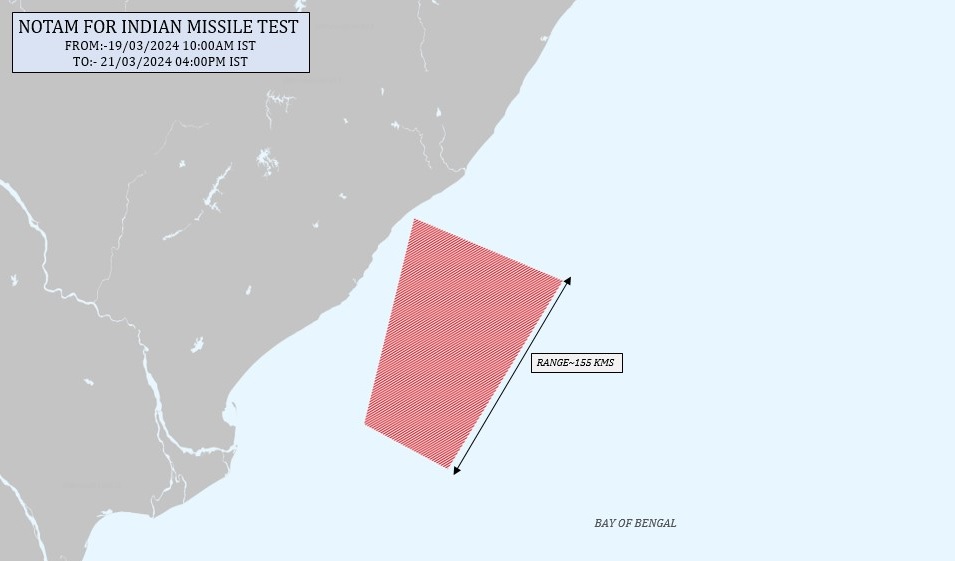
India
Defense News ,India :- India is getting ready for an important missile test happening from March 19 to March 21, 2024, which could enhance the country's defense capabilities.The test will take place in a designated 155-kilometer area, and it seems like it might involve launching a missile from an aircraft.Speculation on the Type of MissileAlthough the exact details are not disclosed, experts are guessing that the test could involve either an air-to-air missile (AAM) or an air-to-surface missile (ASM) from a fighter jet.Air-to-Air Missile (AAM): This type of missile can help Indian fighter jets better engage with enemy aircraft during aerial combat.Air-to-Surface Missile (ASM): If it's an ASM test, it could improve India's ability to target land or sea-based objectives from the air.What It Means for IndiaIndia's missile programs are crucial for its strategic position in a region with complicated security issues. By upgrading these capabilities, India is showing its commitment to having a strong defense and being ready for action.This test might reveal advancements in India's own missile programs or the integration of new systems into its air force.Safety Comes FirstTo ensure safety during the test, a Notice to Airmen (NOTAM) has been issued, making sure that civilian airspace remains secure. India follows strict safety measures for such operations to avoid any risks.
Read More → Posted on 2024-03-08 15:41:21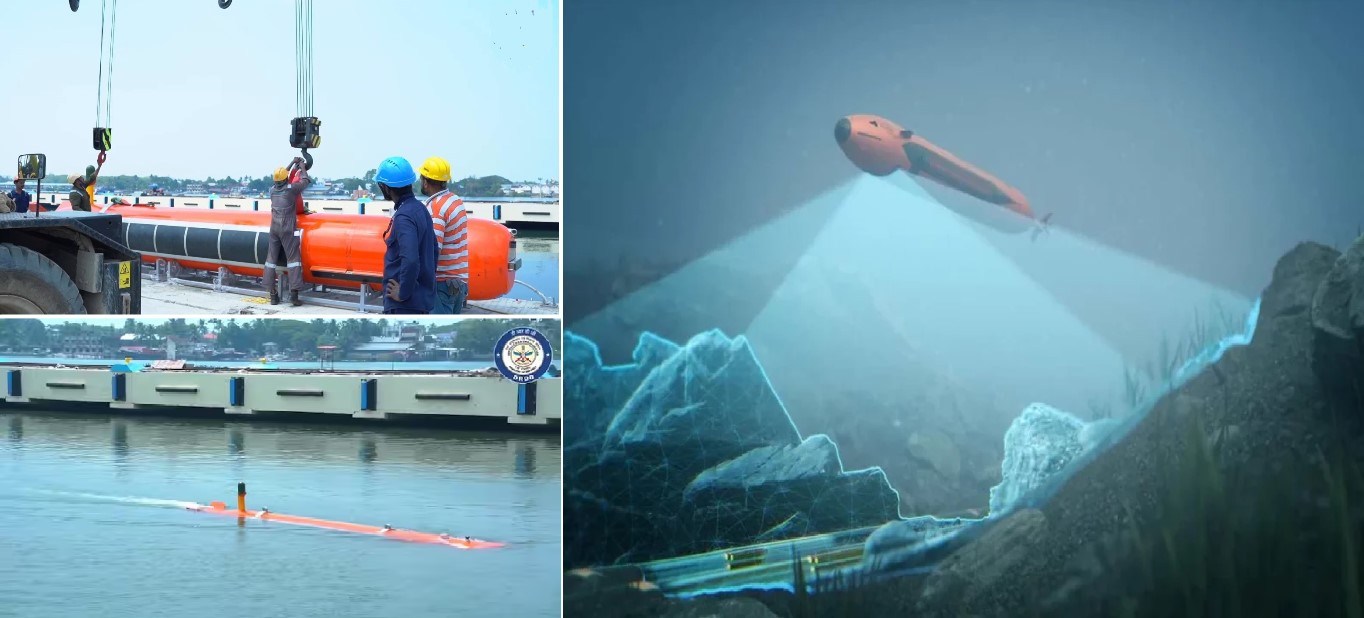
India
Defense News ,India :- The Defence Research and Development Organisation (DRDO) has achieved a big success in making India's underwater defense and exploration better. They recently tested their new underwater robot called the High Endurance Autonomous Underwater Vehicle (HEAUV) for the first time.The test happened at Cochin Shipyard's International Ship Repair Facility (ISRF) Jetty in Kochi, and it's an important step in creating advanced underwater technologies in India.The HEAUV is a cool underwater machine that weighs 6 tons, is 9.75 meters long, and has a diameter of 1 meter. It can go as deep as 300 meters and can stay underwater for an impressive 15 days, traveling at 3 knots cruising speed and reaching a maximum speed of 8 knots.This underwater robot will be super helpful in different missions, like:1. Anti-Submarine Warfare (ASW): It can find and track enemy submarines using its advanced sensors, making India's sea defense stronger.2. Mine Counter Measures (MCM): With its ability to navigate autonomously, it's perfect for finding and getting rid of underwater mines.3. Intelligence, Surveillance, and Reconnaissance (ISR): Equipped with sonar, radar, and electronic intelligence systems, the HEAUV will gather a lot of useful information underwater.4. Bathymetry: It helps make maps of the ocean floor efficiently, giving us detailed information about what's under the sea.The successful test shows that DRDO is serious about making India's underwater defense and exploration better. The HEAUV is a big step forward in creating robots that can work underwater by themselves, making India a leader in this important field.
Read More → Posted on 2024-03-08 15:05:09
India
Defense News ,India :- In the dynamic realm of contemporary warfare, transformations occur at an unprecedented speed. With the increasing sophistication of stealth aircraft and hypersonic weaponry, the demand for countermeasures has surged, marking a critical juncture in defense strategies.Addressing the NDTV Defence Summit 2024, Dr. Samir V Kamat, Chairman of the Defence Research and Development Organisation (DRDO), characterizes the current state of defense technology as an enduring "cat and mouse game." This perpetual challenge involves the development of stealthy aircraft and hypersonic missiles capable of eluding conventional radar, necessitating a constant evolution of cutting-edge sensor technology.The Technological Chessboard of DefenseHighlighting the asymmetrical nature of modern warfare, the technological arms race propels adversaries into a continuous pursuit of innovative methods to outsmart each other. Dr. Kamat underscores the urgency of this situation, stating that traditional means of detection are under increasing strain due to the emphasis on stealth technology in aircraft design and the astounding speeds of hypersonic weapons.Pioneering Advanced Detection CapabilitiesIn response to these challenges, DRDO in India is heavily investing in the research and development of next-generation sensor systems. These systems aim to efficiently track and identify evolving threats, providing a vital counterbalance to the elusive nature of modern weaponry.Adapting to the Shifting Dynamics of Drone WarfareDr. Kamat also addresses the evolving role of unmanned aerial vehicles (UAVs) or drones, which have significantly altered the landscape of modern conflict. However, he predicts a forthcoming technological breakthrough in drone-neutralizing defenses within the next two to three years. This breakthrough could substantially limit the effectiveness of unmanned systems, potentially prompting a shift in battlefield strategies.Maintaining Strategic SuperiorityThe central message conveyed by Dr. Kamat is unequivocal: maintaining strategic superiority requires continuous investment and innovation in sensor and radar technology. India, propelled by the dedicated efforts of DRDO, is steadfast in its commitment to keeping pace with advanced threats. Their work aims to ensure that even the most elusive stealth aircraft or hypersonic weapon does not go unnoticed, fortifying a crucial layer of defense in the rapidly evolving landscape of modern warfare.
Read More → Posted on 2024-03-08 08:22:18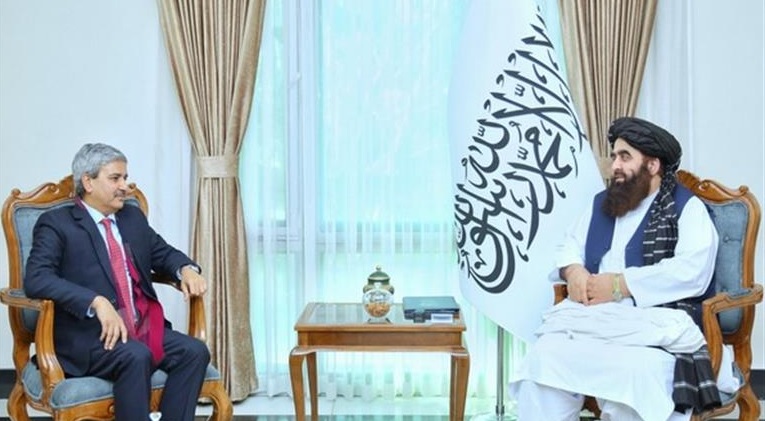
India
Defense News ,India :- In a recent diplomatic development, the Ministry of External Affairs Joint Secretary for the Pakistan, Afghanistan, and Iran (PAI) division, JP Singh, engaged in a meeting with Afghanistan's Foreign Minister, Amir Khan Muttaqi, appointed by the Taliban. The discussions primarily revolved around India's keenness to expand relations with Kabul and foster trade through the Chabahar Port.During the meeting, the leaders delved into comprehensive talks on various aspects of India-Afghan bilateral relations, addressing economic and transit issues between the two nations. Abdul Qahar Balkhi, spokesperson for the Taliban-controlled Afghanistan Ministry of Foreign Affairs, shared insights on the meeting, emphasizing the focus on Afghanistan-India relations, economic collaboration, transit matters, and joint efforts against ISKP and corruption in the country.JP Singh conveyed India's interest in broadening both political and economic cooperation with Afghanistan, emphasizing the potential for increased trade via the Chabahar Port. Minister Muttaqi acknowledged India's humanitarian assistance and expressed a reciprocal interest in strengthening political and economic ties."Extending gratitude to India for its humanitarian assistance, FM Muttaqi said that in line with our balanced foreign policy, IEA seeks to strengthen political & economic relations with India as an important actor in the region. In the end, FM Muttaqi urged India's Joint Secretary to facilitate the visa issuance process for Afghan businessmen, patients and students," Balkhi shared.This recent interaction builds on previous engagements between Indian representatives and Afghanistan's Taliban-appointed Foreign Minister, where India expressed active participation in international and regional initiatives for Afghanistan's stability and development. Notably, India provided crucial aid to Afghanistan by supplying 40,000 litres of Malathion, a pesticide utilized to combat locust infestations, through the Chabahar Port on January 23.The Taliban-controlled Ministry of Agriculture expressed gratitude for India's assistance, recognizing its significance in safeguarding crops and ensuring food security in Afghanistan. The Food and Agriculture Organisation (FAO) of the United Nations in Afghanistan also commended India for its contribution amid the challenges posed by international isolation and economic turmoil following the Taliban's takeover in 2021.
Read More → Posted on 2024-03-08 08:08:22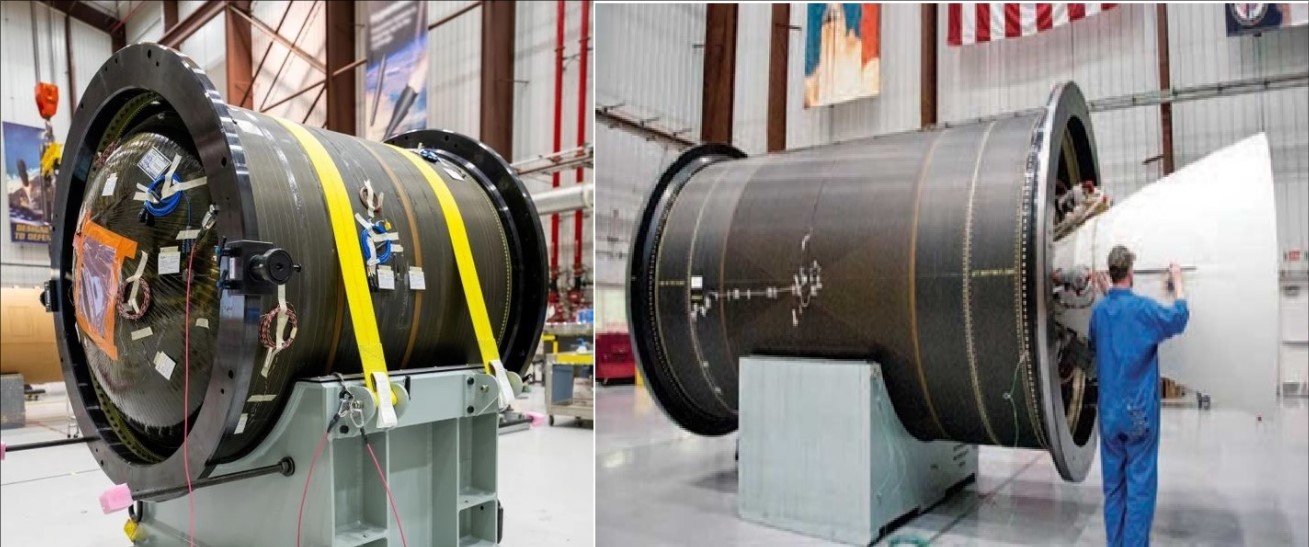
India
Defense news ,India :- Northrop Grumman has successfully delivered the Stage Three solid rocket motor (SRM) for its Next Generation Interceptor (NGI) to Arnold Air Force Base, exceeding the expected timeline. The SRMs play a crucial role in powering the NGI booster, and the upcoming full static fire test in early 2024 is anticipated to provide valuable data for ballistic predictions, thereby influencing the design of other SRMs undergoing qualification testing.Moving swiftly from conceptualization to tangible hardware, motors, and systems, Northrop Grumman aims to mitigate risks for the Missile Defense Agency with its NGI solution. The company is committed to conducting additional full-scale static test firings for each NGI SRM throughout 2024, generating comprehensive data crucial for supporting the All-up Round design, scheduled for later this year. This proactive approach underscores Northrop Grumman's dedication to advancing missile defense capabilities and ensuring the success of the NGI program.
Read More → Posted on 2024-03-08 08:02:55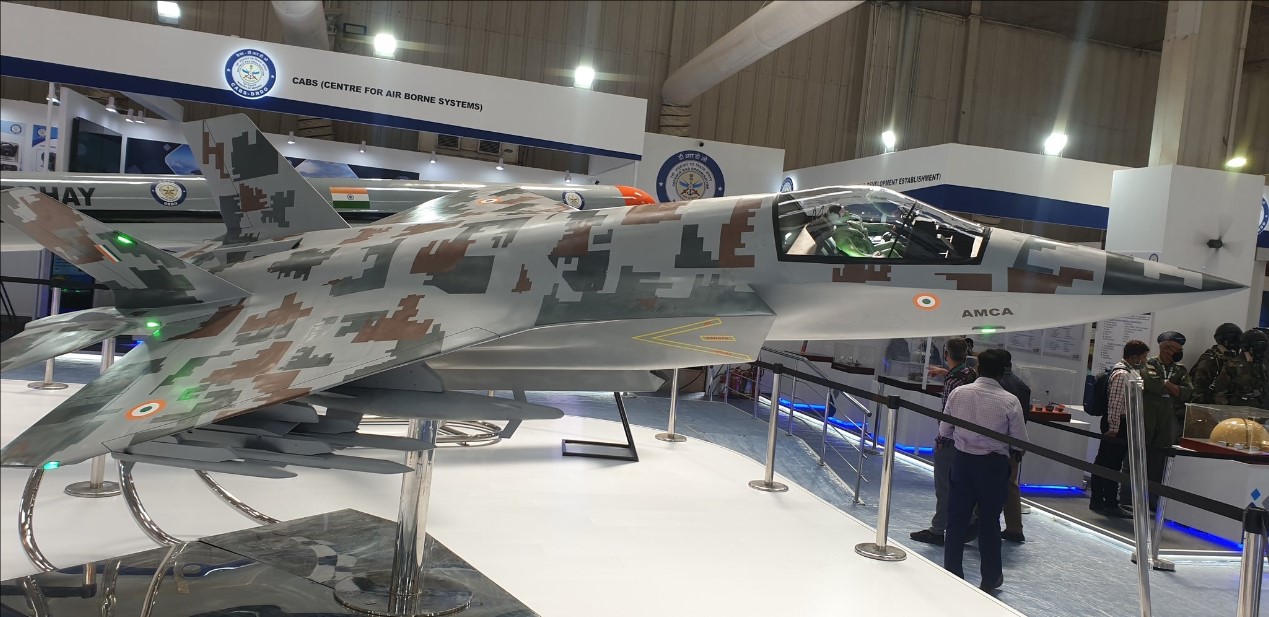
India
Defense News ,India :- India's aerospace ambitions received a substantial boost as the Cabinet Committee on Security (CCS) granted approval for a ₹15,000 crore budget dedicated to the development of the nation's 5th generation Advanced Medium Combat Aircraft (AMCA) program.Under the guidance of Prime Minister Narendra Modi, this decisive move underscores India's unwavering commitment to fortifying its indigenous defense capabilities and diminishing dependence on foreign imports.The AMCA marks a revolutionary stride in India's aerospace evolution, standing alongside the Tejas Mk1A and MkII initiatives as integral components of the country's expanding array of domestically manufactured fighter jets. This groundbreaking project illuminates India's determination to establish itself as a major force in advanced combat aircraft design.Two-Phased AdvancementThe AMCA's development will unfold in two distinctive phases. Phase-I concentrates on the AMCA MKI variant, propelled by GE F-414 engines boasting a thrust of 98kN. In a significant boon for India's manufacturing sector, Hindustan Aeronautics Limited (HAL) will locally produce these engines. The Indian Air Force (IAF) has already committed to procuring 40 AMCA MKI units, demonstrating a vote of confidence in India's defense industry.Phase-II will introduce the AMCA MK2, featuring revolutionary performance upgrades. A robust new engine in the 110-120kN class will enable the MK2 to achieve supersonic cruising speeds without relying on afterburners.Furthermore, state-of-the-art avionics and pilot functionalities will incorporate artificial intelligence (AI) for advanced tasks such as hands-free takeoff and landing, optimizing pilot efficiency and enhancing aircraft performance in combat scenarios.Defense Modernization and Self-Reliance"The AMCA program stands as a cornerstone of India's defense modernization and reflects our commitment to 'Atmanirbhar Bharat'," affirmed a defense analyst based in New Delhi. "By nurturing advanced technologies domestically, we not only fortify our armed forces but also propel economic growth."The AMCA assures advanced stealth features, supercruise capabilities, and formidable sensor suites, positioning it as a formidable presence in the skies. India's determined push towards self-reliance in critical defense technologies is poised to shape the country's strategic landscape for decades to come.
Read More → Posted on 2024-03-08 07:56:23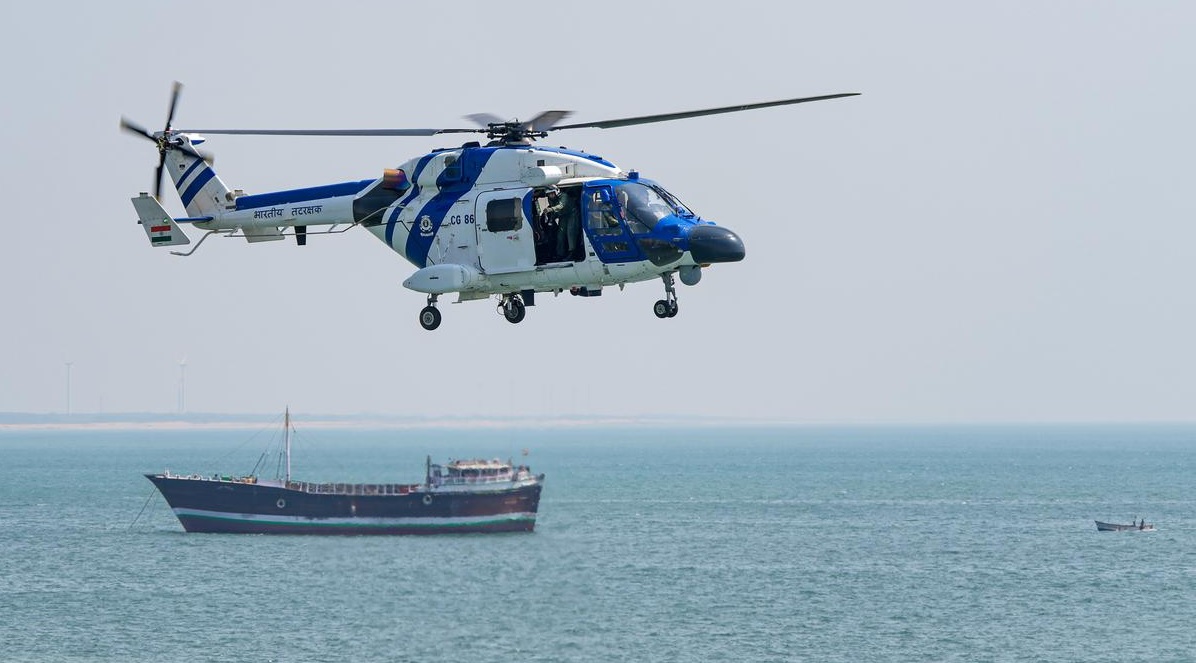
India
Defense News ,India :- In a significant move towards bolstering national defense capabilities, the Cabinet Committee on Security has granted approval for the acquisition of 34 new Advanced Light Helicopter (ALH) Dhruv choppers. Out of this fleet, nine helicopters are slated for induction into the Indian Coast Guard, while the remaining 25 will be incorporated into the Indian Army.Hindustan Aeronautics Limited (HAL) will be tasked with the manufacturing of these helicopters, marking a substantial stride towards promoting indigenous capabilities. According to top government sources, the Indian Coast Guard is set to replace its aging light utility choppers with the allocated nine ALH Dhruv helicopters, while the Indian Army plans to deploy the remaining 25 for various operational roles.The financial commitment for both projects is estimated to exceed ₹8,000 crore, providing a significant impetus to the ongoing drive for indigenization in the defense sector.In addition to the helicopter procurement, the government has also given the green light to a project focused on upgrading the BMP infantry combat vehicles within the mechanized infantry directorate of the Indian Army.The Advanced Light Helicopter (Dhruv) stands as a testament to indigenous innovation, being a multi-role, new-generation helicopter falling within the 5.5-ton weight class. Designed and developed by HAL, this helicopter is poised to play a pivotal role in enhancing the country's defense capabilities.
Read More → Posted on 2024-03-08 07:47:00
India
Defense News ,India :- In a significant stride towards bolstering national security, two indigenously developed explosive detectors have been officially handed over to the Intelligence Bureau (IB) for field deployment across India. The detectors, a joint effort by the Electronics Corporation of India Limited (ECIL), the Department of Atomic Energy (DAE), and the Defence Research and Development Organisation (DRDO), are poised to elevate the country's security apparatus.Principal Scientific Adviser (PSA) to the government of India, Ajay Kumar Sood, delivered the detectors to IB Director Tapan Deka in the presence of senior officials from various security agencies. The ceremony marked a crucial step towards realizing the vision of 'Atmanirbhar Bharat,' showcasing the nation's self-reliance in developing advanced security technologies.Utilizing Ion Mobility Spectrometry (IMS) and Raman Back Scattering (RBS) principles, the detectors have been meticulously customized to meet the specific requirements of Indian security forces. This development reflects a commendable collaboration between ECIL, DAE, and DRDO, aimed at providing state-of-the-art tools to safeguard the nation.The momentous occasion saw the participation of senior officials from renowned security agencies such as the Special Protection Group (SPG), National Security Guard (NSG), Central Industrial Security Force (CISF), Indo-Tibetan Border Police (ITBP), Sashastra Seema Bal (SSB), Bureau of Civil Aviation Security (BCAS), Special Frontier Force (SFF), and the Indian Army.Expressing his satisfaction, PSA Ajay Kumar Sood hailed the successful production of the detectors as a shining example of 'Atmanirbhar Bharat.' The initiative aligns with the government's commitment, led by Prime Minister Narendra Modi and guided by Union Home Minister Amit Shah, to fortify the capacity and strength of the country's security forces.The IB is set to distribute the detectors to 12 identified security agencies for immediate field deployment. The agencies are encouraged to provide valuable feedback on their experience with the detectors, enabling further improvements if deemed necessary. This collaborative effort underscores the government's dedication to continuous enhancement and modernization of the security infrastructure, ensuring a robust defense mechanism for the nation.
Read More → Posted on 2024-03-08 07:41:09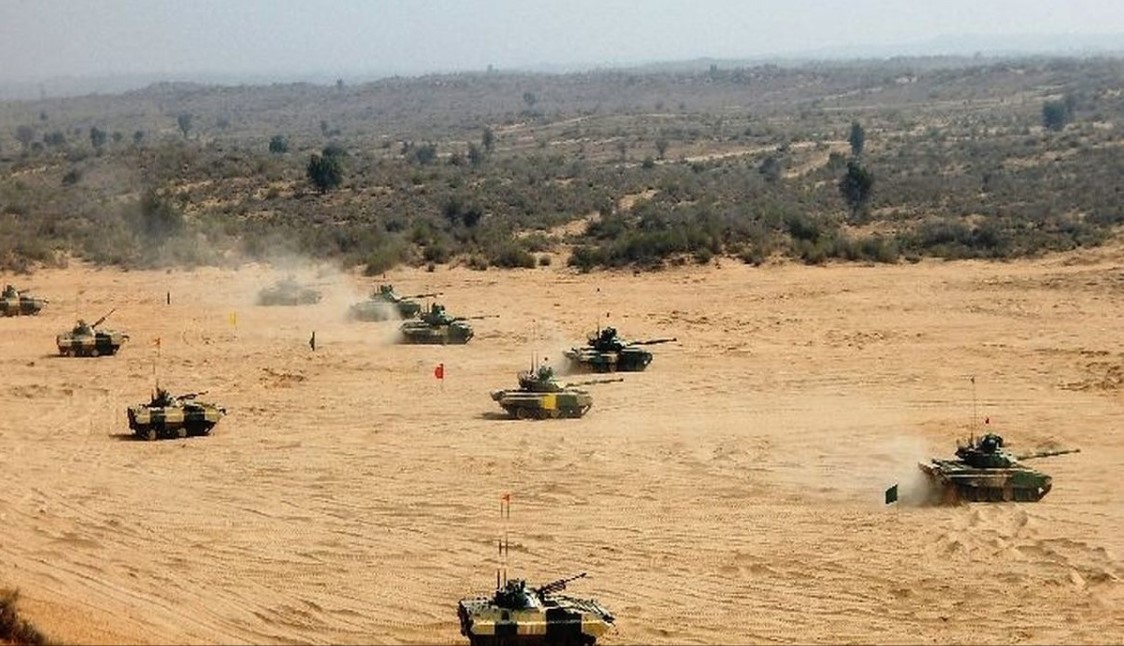
India
Defense News ,India :- The Indian Army is gearing up for a comprehensive exhibition of homegrown weapon systems and platforms in an upcoming tri-services exercise at Pokharan, Rajasthan, scheduled for March 12.Scheduled to be attended by Prime Minister Narendra Modi, Chief of Defence Staff General Anil Chauhan, and Army Chief General Manoj Pande, the event aims to spotlight the prowess of made-in-India equipment. Featured in the demonstration will be iconic weapons such as the Pinaka Multi-barrel rocket launchers, Arjun tanks, Dhanush howitzers, Tejas fighter aircraft, and various versions of the ALH Dhruv helicopters, all of which will showcase their firepower.The exercise is strategically designed to highlight the capabilities of indigenous weapon systems and platforms, emphasizing the achievements of both the Indian public sector and private firms involved in their development and manufacturing. Additionally, the inventive contributions of the Indian Army's innovators will be presented.Key equipment to be featured in the demonstration includes the K-9 Vajra self-propelled howitzers, robotic mules, mobile air defense systems, integrated drone detection and neutralization systems, Sarvatra bridging systems, minefield ploughs, Akash air defense systems, and AK-203 assault rifles, as outlined by Army officials.Among the exhibits, the K-9 Vajra Self-propelled howitzers, robotic mules, mobile air defense systems, integrated drone detection and neutralization systems, Sarvatra bridging systems, minefield ploughs, Akash air defense systems, and AK-203 assault rifles will be showcased. Additionally, the Weapon Locating Radar Swathi and BrahMos missile system will be displayed in a static presentation.
Read More → Posted on 2024-03-08 07:36:15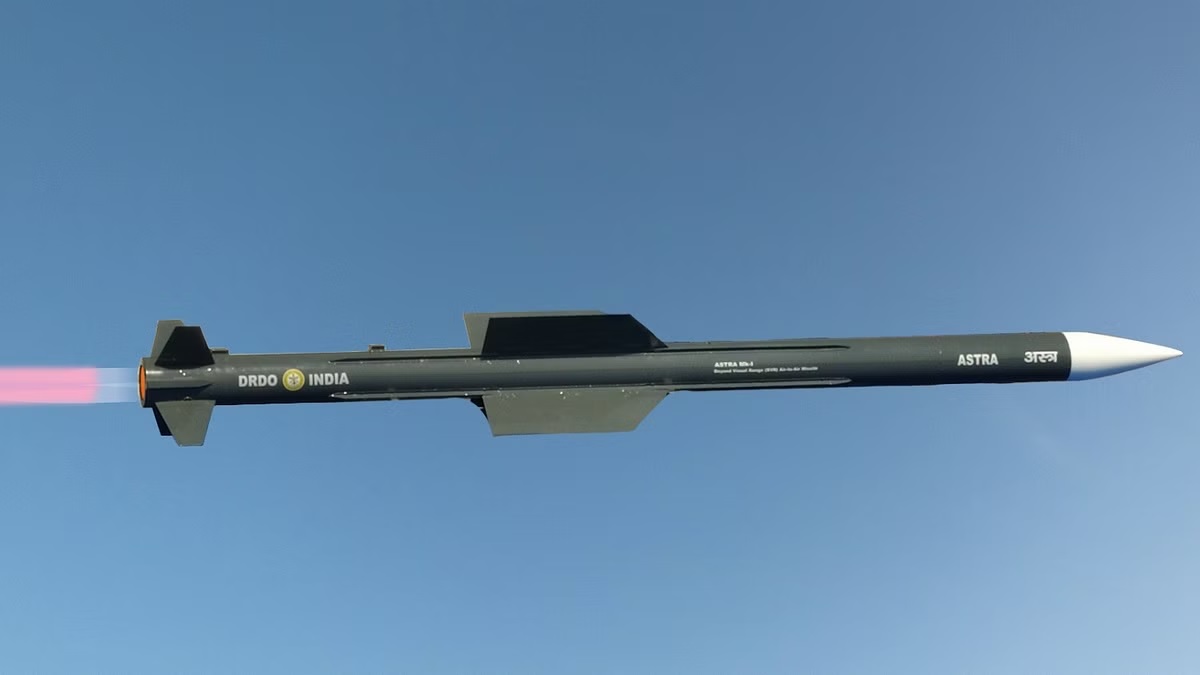
India
Defense News ,India :- The Indian Air Force (IAF) is strategically shifting its focus towards enhancing its close-combat capabilities, following the triumphs of the Astra Mk1 beyond-visual-range air-to-air missile (BVRAAM) and the ongoing development of MkII and MkIII variants.Aiming to standardize short-range weaponry across its diverse fighter fleet, the IAF is in pursuit of a domestically developed close-combat air-to-air missile (CC-AAM).The Imperative for a Unified CC-AAMIntroducing a common, domestically designed CC-AAM holds the potential to streamline the IAF's fighter jet armament, reducing logistical complexities, and offering cost-saving opportunities in maintenance and training.Envisioned with a next-generation infrared (IR) seeker, the missile is designed to enhance target tracking capabilities, crucial for intense maneuvering in close-range combat scenarios.Indigenous Development Takes Center StageThis strategic move aligns with India's commitment to self-reliance in defense technology, with the Defence Research and Development Organisation (DRDO) leading the charge in this new missile development project.The decision to opt for a dedicated CC-AAM arises from the reported abandonment of a plan to modify the Astra Mk1 BVRAAM into a medium-range, dual-seeker missile, akin to the European MICA missile.Meeting Immediate and Future RequirementsWhile pursuing a long-term solution, the IAF is simultaneously addressing immediate close-combat missile needs by procuring Advanced Short Range Air-to-Air Missiles (ASRAAM) and Python-5 missiles for its LCA Tejas Mk1 and Mk2 fighters.The ASRAAM, also known as the NG-CCM (New Generation Close Combat Missile), is set for domestic production in India, underlining the nation's commitment to self-sufficiency.The AMCA InfluenceThe IAF's vision for the upcoming Advanced Medium Combat Aircraft (AMCA) is a significant factor driving the need for a new CC-AAM. The next-generation fighter jet demands cutting-edge air-to-air capabilities, and a domestically developed advanced CC-AAM is envisioned as a crucial component of its arsenal.Considering Range FactorsWhile traditional CC-AAMs prioritize agility for dogfighting, this new missile is anticipated to possess some medium-range capability, exceeding 50km. This extended range aims to bridge the gap between short-range engagements and the operational distances of modern BVRAAMs.In ClosingThe Indian Air Force's strategic initiative underscores a calculated approach to fortify its air combat dominance. Simultaneously developing advanced BVRAAMs (Astra series) and a cutting-edge CC-AAM ensures the IAF is well-equipped for success in both long-range and close-quarters engagements, securing its current fleet and future flagship fighter.
Read More → Posted on 2024-03-08 07:28:25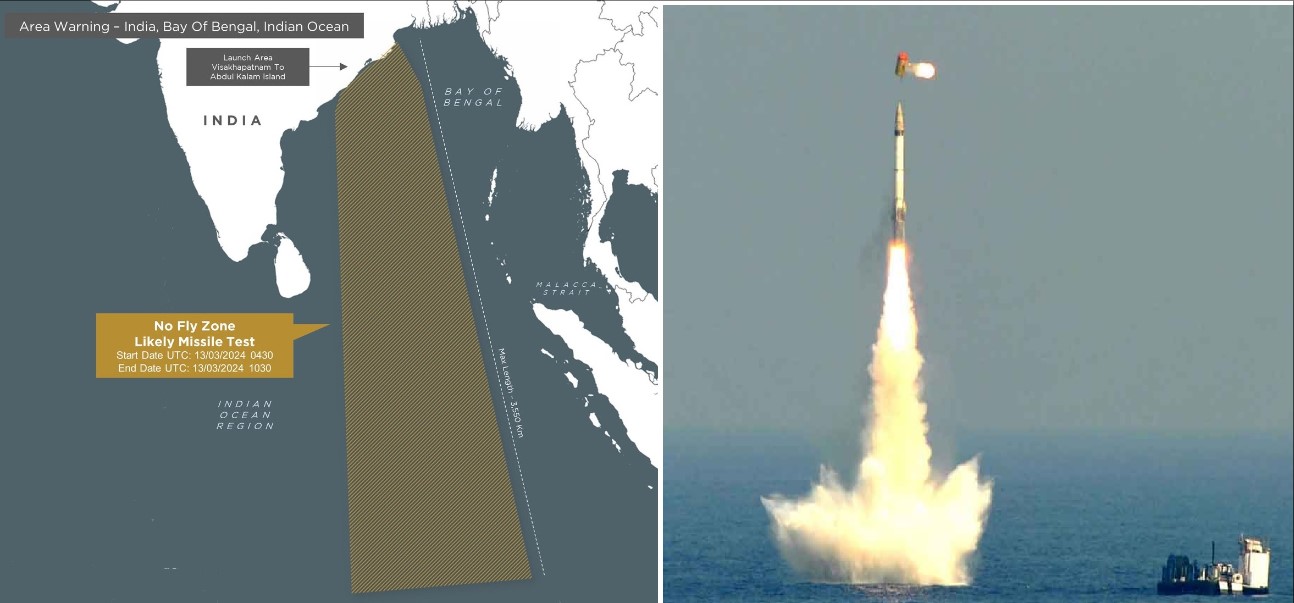
India
Defense News ,India :- On March 7, 2024, India issued a Notice to Airmen (NOTAM), delineating a substantial no-fly zone spanning the Bay of Bengal and sections of the Indian Ocean.Commencing on March 13, 2024, this restricted airspace extends over a distance of 3,550 kilometers, strongly hinting at an imminent missile test.While official details remain unverified, experts speculate that India might be preparing to test either its Agni-V Intercontinental Ballistic Missile (ICBM) or the K-4 submarine-launched ballistic missile (SLBM).Renowned as India's most sophisticated ICBM, the Agni-V boasts an impressive range exceeding 5,000 kilometers, playing a pivotal role in the nation's strategic deterrence capabilities.The K-4, designed as a nuclear-capable missile for submarine launches, furnishes India with a crucial sea-based second-strike option.India routinely conducts missile tests within specified zones in the Bay of Bengal and the Indian Ocean. These tests are integral to maintaining and enhancing the nation's missile capabilities, always executed in compliance with international safety protocols.To keep relevant parties and maritime users informed, timely NOTAMs are consistently issued by the authorities.
Read More → Posted on 2024-03-07 15:42:23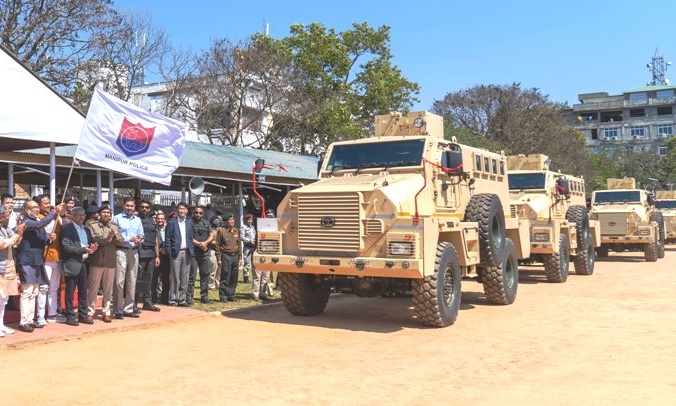
India
Defense News ,India :- Manipur Chief Minister N Biren Singh took a significant step towards fortifying state security by formally introducing seven Mine Protected Vehicles (MPVs) for the Manipur Police at the 1st Manipur Rifles Parade Ground.This strategic enhancement of the police arsenal aims to elevate security measures and safeguard the citizens of Manipur.The launch ceremony witnessed the presence of notable figures, including Director General of Police (DGP) Shri Rajiv Singh, who expressed gratitude to the Chief Minister for equipping the police force with MPVs and serving as an inspiration.DGP Singh announced, "Three additional MPVs are slated to arrive shortly. We remain committed to deploying these vehicles in sensitive areas to maintain control and ensure the safety of our citizens."The event was attended by ministers, Members of Legislative Assembly (MLAs), Chief Secretary Dr. Vineet Joshi, Security Advisor Shri Kuldiep Singh, and other senior administrative and police officials.This initiative underscores the robust collaboration between the Manipur government and TASL (Tata Advanced Systems Limited), highlighting their dedication to furnishing the state police force with cutting-edge resources to effectively counter security threats.The deployment of these resilient MPVs is poised to significantly enhance the operational capabilities of the police force, creating a more secure environment for the people of Manipur.
Read More → Posted on 2024-03-07 15:25:11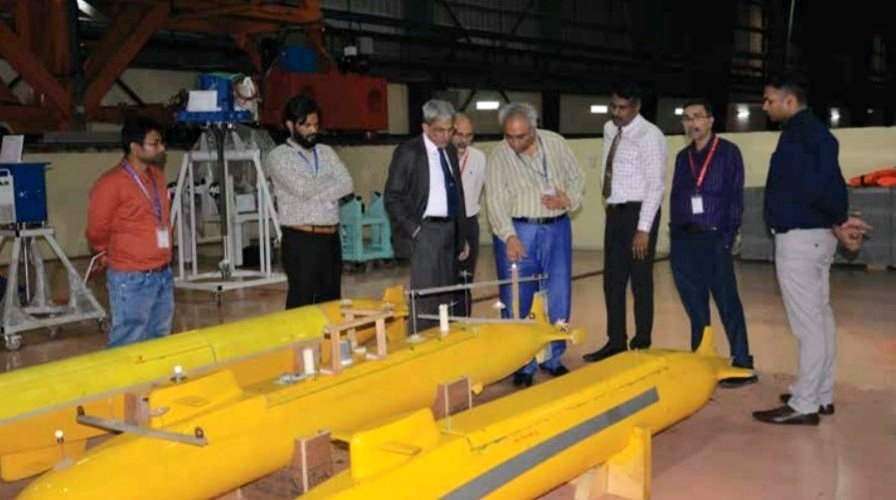
India
Defense News ,India :- In a recent visit to the Naval Science and Technological Laboratory (NSTL) in Visakhapatnam, Vice Admiral Srinivas Kalidoss (Retd), Director General of the Advanced Technology Vessel Programme (ATVP), shed light on India's remarkable progress in enhancing its underwater defense capabilities.Exploring Hydrodynamic Test Models: Unveiling the Engineering ExcellenceVice Admiral Kalidoss' examination of hydrodynamic test models unveiled the meticulous engineering and innovation driving India's naval aspirations, particularly within its nuclear submarine program. These models serve as crucial tools in simulating and analyzing the performance of various hull designs and configurations under diverse underwater conditions.The Science of Submarine DesignHydrodynamic test models play a pivotal role in refining essential factors such as speed, maneuverability, stability, and noise reduction, resulting in submarines that are optimized for peak performance and operational success.Beyond Replicas: Models and India's Nuclear AmbitionsIt is important to note that while hydrodynamic models offer valuable insights, they do not serve as exact blueprints for the sophisticated submarines being developed in India's nuclear deterrent strategy. The S4 and S5 SSBNs (Ballistic Missile Nuclear Submarines) are exemplars of complexity, designed to operate across vast distances and standing as the cornerstone of India's Nuclear Triad.The Strategic ContextThe development of S4 and S5 SSBNs underscores India's commitment to a robust nuclear deterrent and the maintenance of strategic stability in the region. This reflects the evolving security landscape and India's determination to address potential challenges.Hydrodynamic test models, though just one aspect of the larger puzzle, are integral to ensuring that these submarines possess the necessary performance capabilities to fulfill their critical role.India's Naval ModernizationInsights gained from hydrodynamic testing and the broader submarine development program contribute significantly to India's ambitious naval modernization efforts. As a major regional power, India is making substantial investments in advanced naval capabilities to secure its maritime interests and maintain its strategic position.ConclusionVice Admiral Srinivas Kalidoss' visit to NSTL underscores the paramount importance that India places on its submarine force. The hydrodynamic models symbolize the scientific rigor and dedication behind the development of submarines tailored to meet the nation's needs. Within the broader context of nuclear strategy and naval modernization, these submarines play a pivotal role in safeguarding India's security and shaping its influence in the Indo-Pacific region.
Read More → Posted on 2024-03-07 15:18:15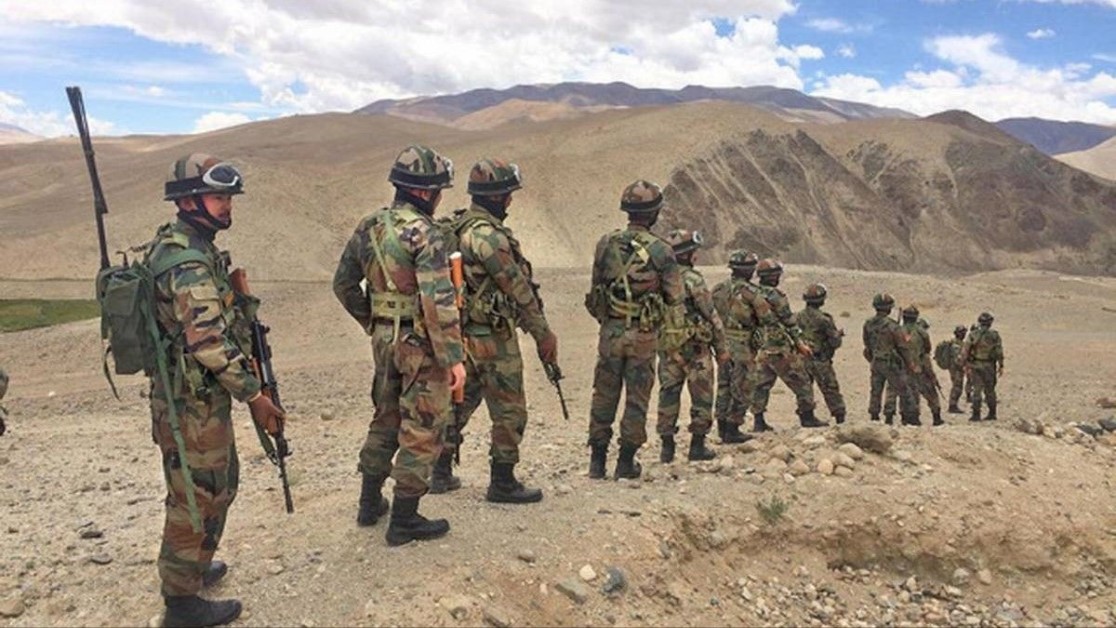
India
Defense News ,India :- India has freed up thousands of soldiers to strengthen its disputed border with China, adding a potential irritant to its already sour relations with Beijing.A 10,000-strong unit of soldiers previously assigned to the country’s western border has now been set aside to guard a stretch of its frontier with China, said senior Indian officials who didn’t want to be named because discussions are private.In addition, an existing contingent of 9,000 soldiers, already designated to the disputed Chinese border, will be brought under the newly created fighting command. The combined force will guard a 532 km (330.57 miles) stretch of border that separates China’s Tibet region with India’s northern states of Uttarakhand and Himachal Pradesh.The Indian Army and Ministry of Defense declined to comment.The unprecedented assignment of troops — backed by their own dedicated artillery and air support — to this stretch of the border highlights both the region’s strategic importance and its growing sensitivity in the eyes of India’s leaders.The area, nestled in the Himalayas, is home to some of Hinduism’s holiest shrines. It has seen huge infrastructure investment and development in the last decade as Prime Minister Narendra Modi’s government has encouraged tourism to the area.In 2021, India repositioned an additional 50,000 soldiers to patrol its border with China, after a deadly border clash the year before left at least 20 Indian soldiers dead, seriously straining ties.China and India have since upgraded military-related infrastructure and moved missiles and aircraft to either side of their border, in addition to positioning more troops.“The possibility that we may face a similar situation that we faced in 2020 is keeping us active all the time,” said India’s Defense Secretary Giridhar Aramane, at a business event last month, referring to the border clash between the nuclear armed neighbors.Ties between India and China sunk in the aftermath of that confrontation and haven’t substantially improved since then. As many as 21 rounds of talks military-diplomatic have made incremental progress. India has since passed laws to discourage Chinese investments and enterprise in India.
Read More → Posted on 2024-03-07 15:11:47Search
Top Trending in 24 Hours
-
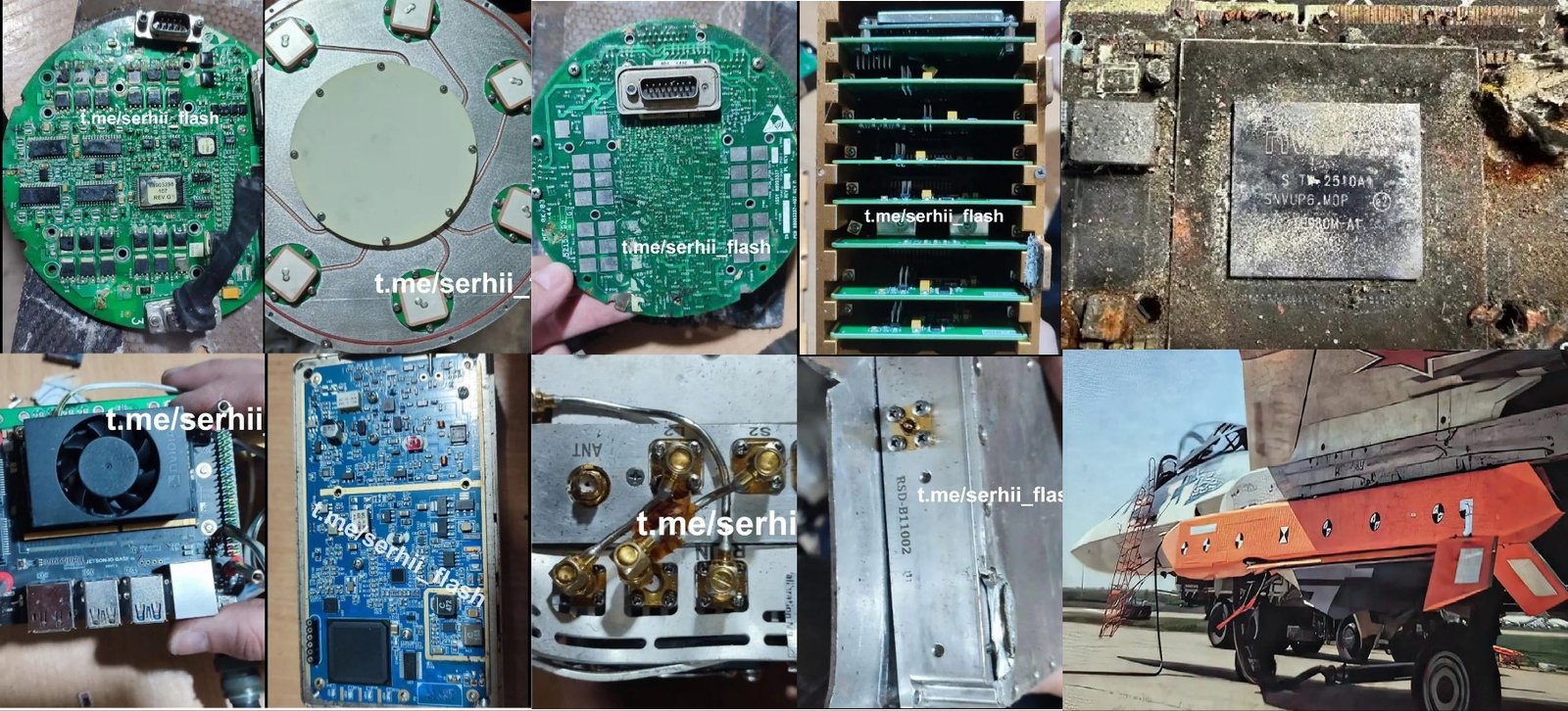 Russian Drones and Cruise Missiles Found Using Civilian NVIDIA AI Chips in Ukraine
-
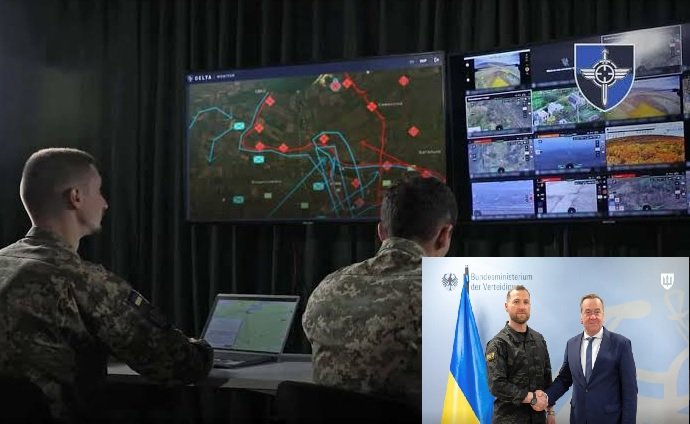 Germany Becomes First Country to Gain Access to Ukraine’s DELTA Battlefield System
-
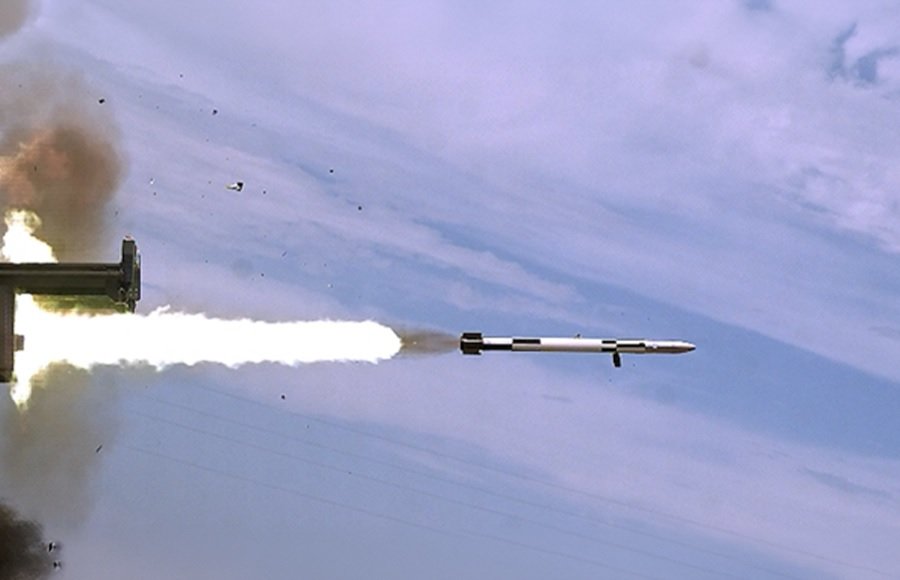 Lockheed Martin Completes Third Test of Reloadable JR3 Training Rocket
-
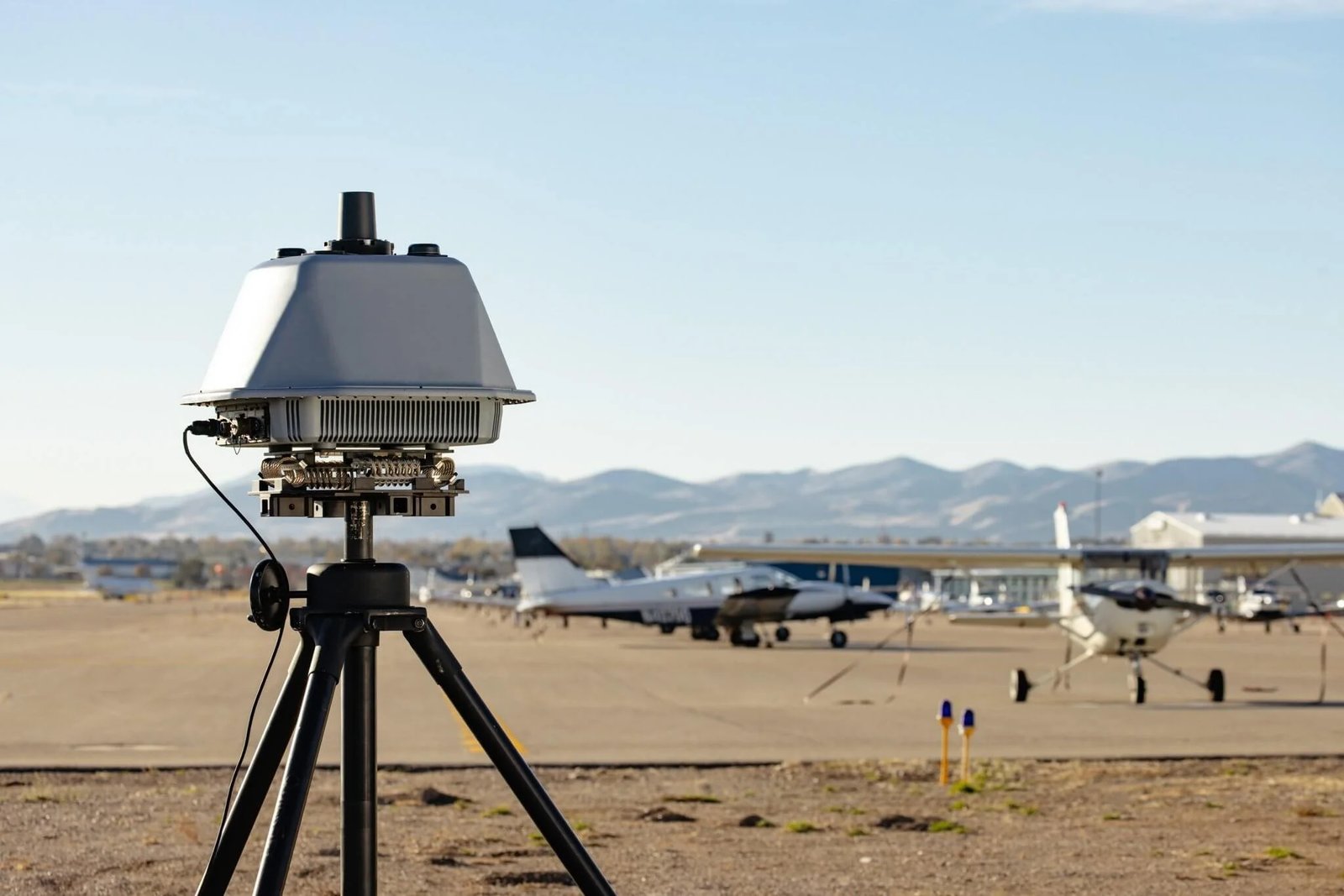 DroneShield Fixed-Site Counter-Drone System Reaches Operational Readiness for Pentagon Task Force
-
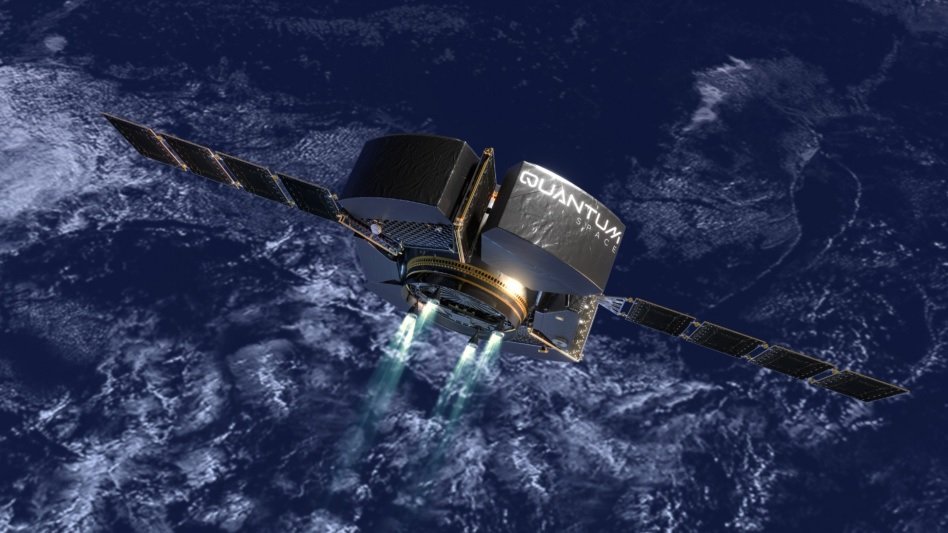 Quantum Space Goes Public on NYSE After $300 Million Financing and SPAC Merger
-
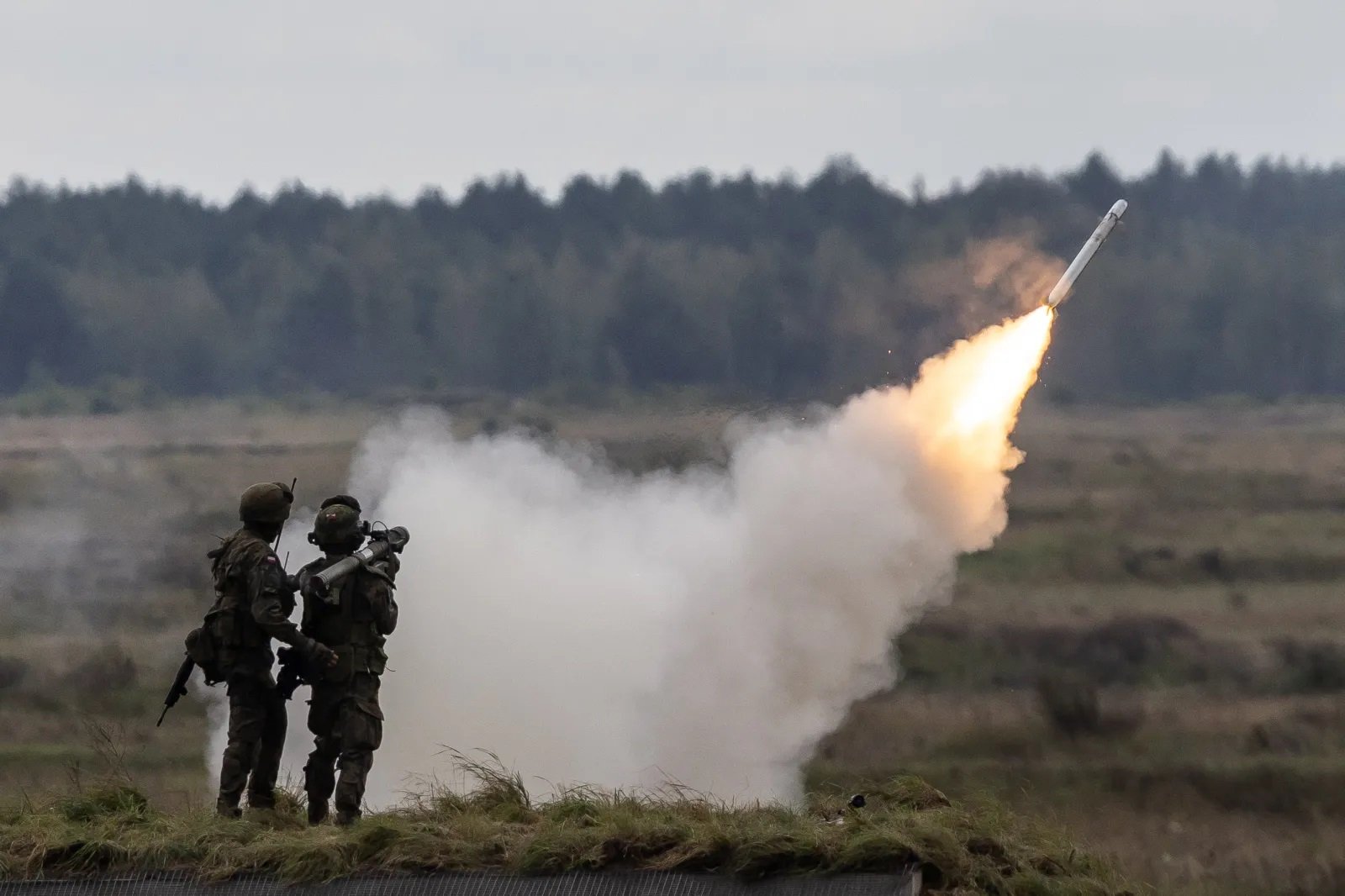 Netherlands Joins European Procurement of Poland’s PIORUN Air Defence Missiles
-
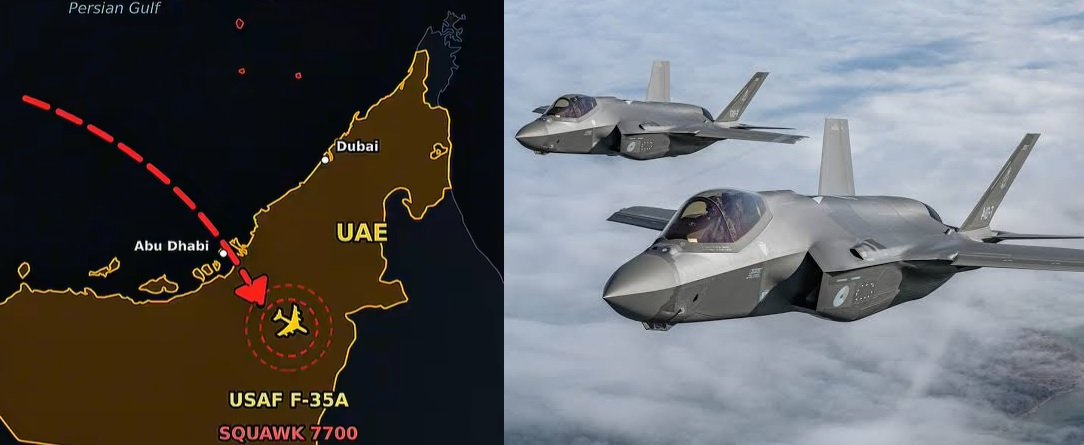 US Air Force F-35A Declares Emergency Over UAE, Flight Tracking Shows Diversion Toward Al Dhafra
-
 Saudi Arabia and Sudan Discuss Deployment of Up to 10,000 Fighters to Yemen
Top Trending in 4 Days
-
 Two Injured in Bahrain After Iranian Attacks; Iran Claims Strike on US Patriot Radars
-
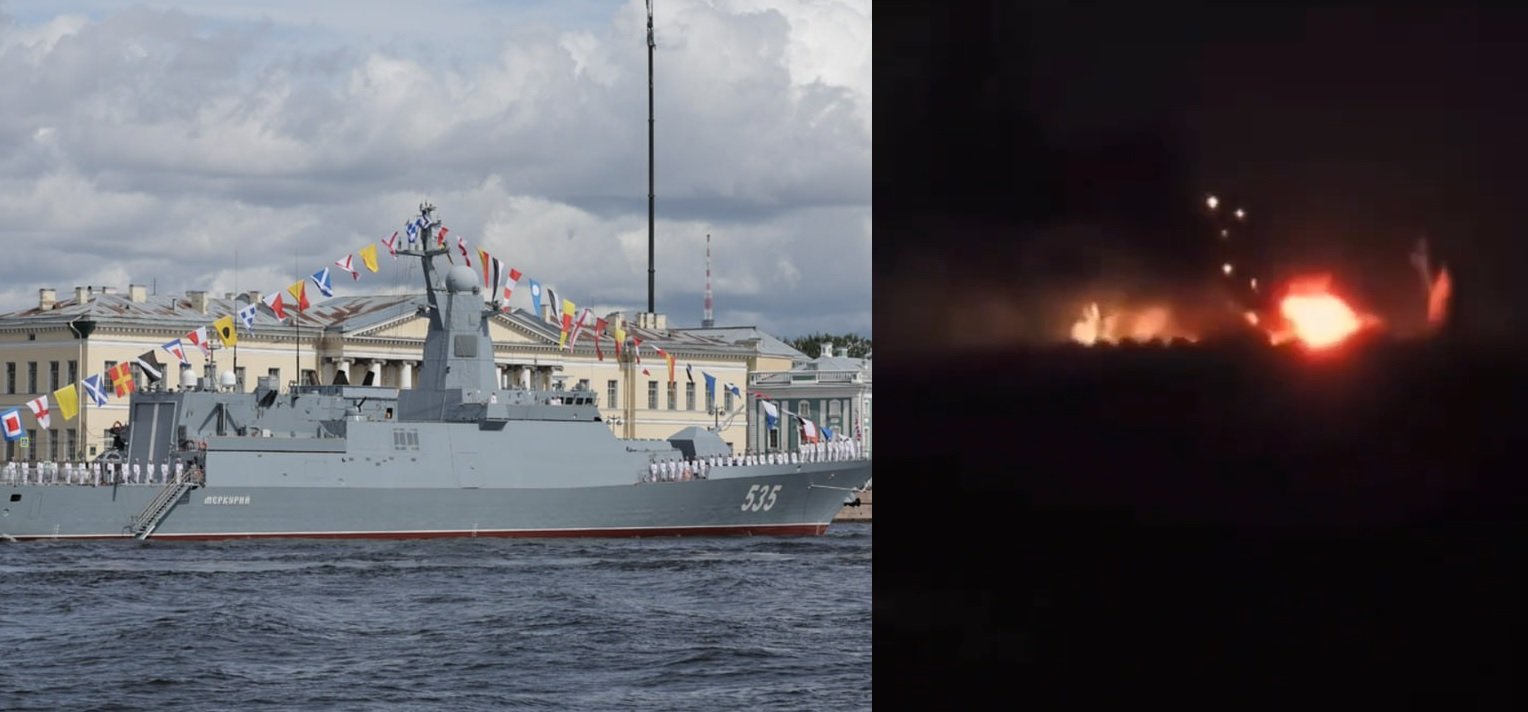 Russian Corvette Merkury Almost Certainly Destroyed in Benghazi Port Explosion
-
 Western Intelligence Warns Russia Could Launch Nuclear-Armed Satellite as Early as December
-
 IG Defence Successfully Test-Fires JWALA MK-1 Counter-Drone Missile at Pokhran
-
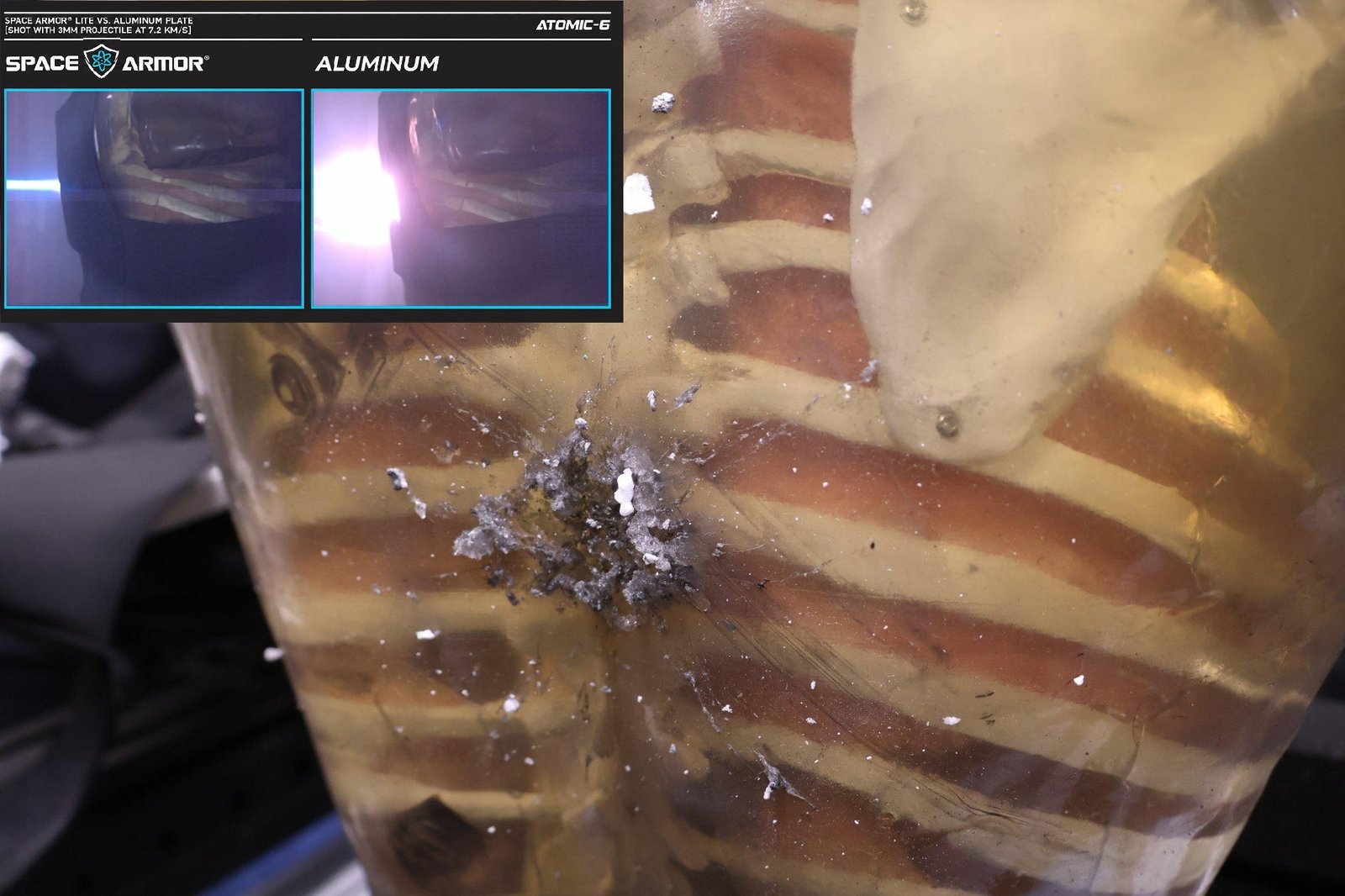 Atomic-6 Tests Composite Armor Against 16,100 MPH Space Debris for Astronaut Protection
-
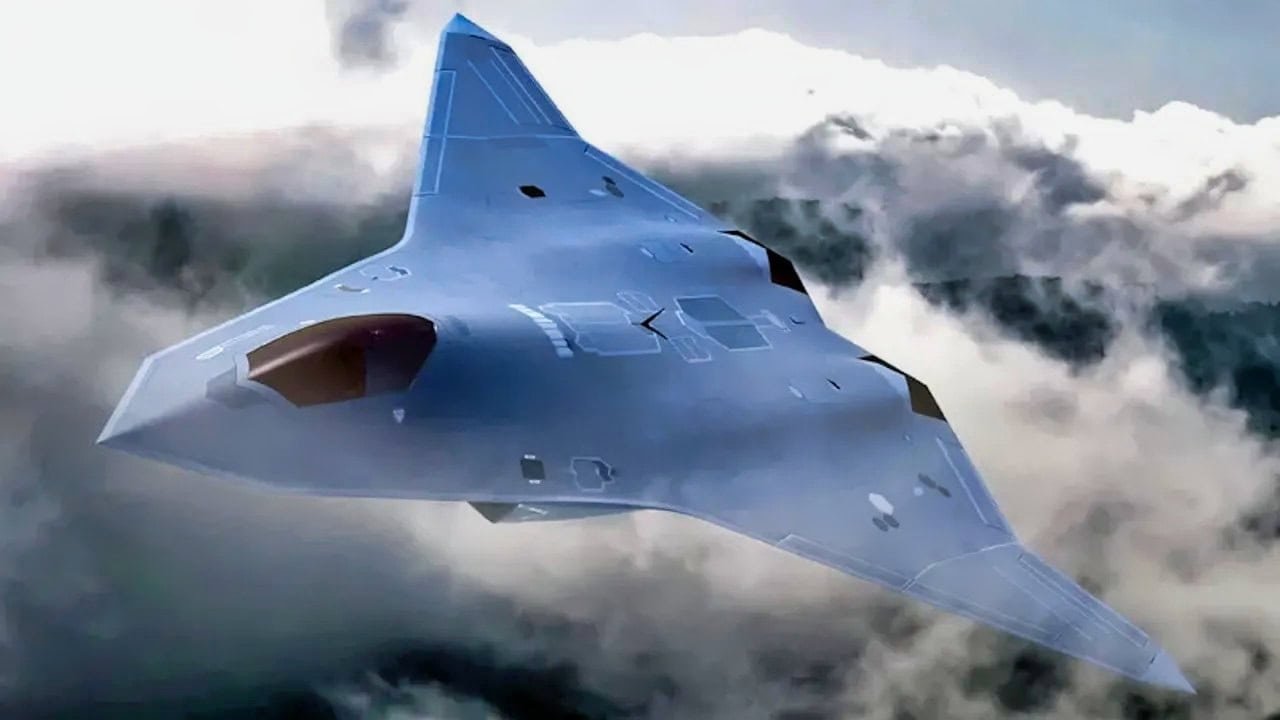 Northrop Grumman Will Not Challenge Boeing’s $20 Billion U.S. Navy F/A-XX Contract
-
 U.S. Awards Lockheed Martin $330.6 Million Contract for Long-Lead Materials Supporting 75 F-35 Lot 22 Aircraft
-
Russian Drones and Cruise Missiles Found Using Civilian NVIDIA AI Chips in Ukraine