India
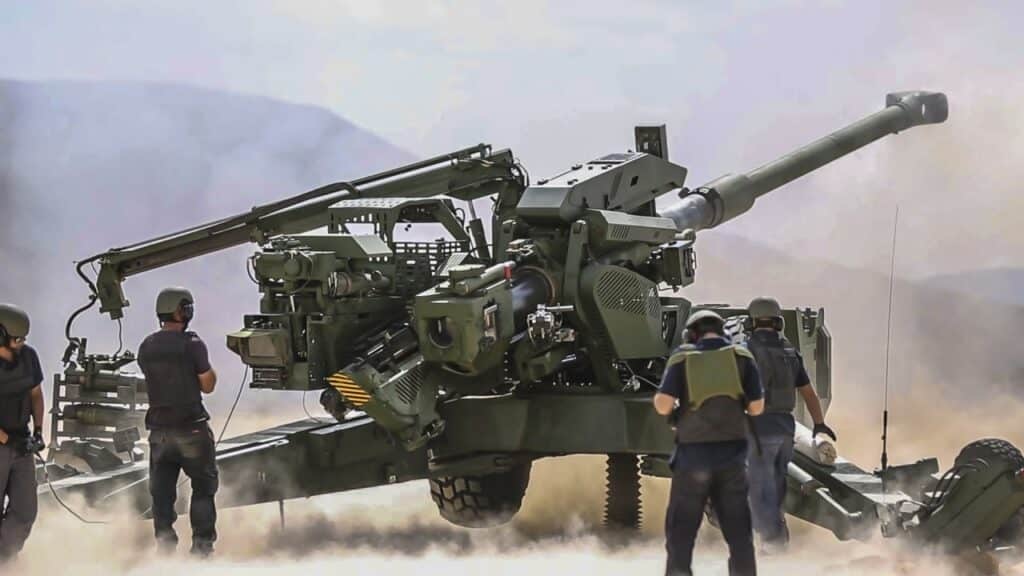
Defense News ,India , Armenia :- In the South Caucasus, tensions between Azerbaijan and Armenia are on the rise, prompting both nations to strengthen their military capabilities. Armenia recently made headlines by reportedly placing an order for the cutting-edge Advanced Towed Artillery Gun System (ATAGS) from India. This move comes as the Indian Army contemplates deploying these guns along its border with China, marking a crucial development in regional geopolitics.The Indian Army plans to acquire 310 ATAGS, a collaborative effort between the Defense Research and Development Organisation (DRDO), Bharat Forge Limited, and Tata Advanced Systems Limited. While the procurement is pending finalization, Armenia has shown a keen interest in these artillery guns, aiming to replace its outdated Soviet-era howitzers.Armenia's earlier acquisition of the MArG 155 wheeled self-propelled howitzer from Kalyani Forge India and six ATAGS in 2023 underscores its commitment to modernizing its military capabilities. Now, with an additional order for 84 ATAGS at a cost of US $155 million, Armenia aims to enhance its high-mobility and rapid deployment capabilities.The ATAGS, specifically designed for high-altitude operations, will replace obsolete Soviet-era howitzers, offering Armenia a strategic advantage in the region. The guns feature advanced communication and automatic command and control systems, making them ideal for Armenian forces. This procurement positions Armenia as the first export customer for the ATAGS, potentially opening doors for India to explore further defense export opportunities.The Indian Army has rigorously tested the ATAGS in diverse terrains, including Pokhran, Balasore, and Sikkim, facing extreme temperatures from -15 degrees Celsius to 50 degrees Celsius. With a range of 50 kilometers, the 155/52 mm caliber towed gun can strike targets effectively. It boasts a rapid firing capability of five rounds in 60 seconds and a sustained rate of up to 60 rounds in 60 minutes.While the field trials have concluded successfully, the finalization of the contract faces procedural delays. In a broader context, India has become a key defense exporter to Armenia, a fact highlighted by the Armenian intelligence's concern over Azerbaijan's alleged plans for a "full-scale war" armed with Turkish and Pakistani weapons.Armenia's response strategy involves leveraging its newly acquired Indian and French weapon systems to counter potential threats. The nation has substantially increased its defense investments, reaching US $1.4 to 1.5 billion in 2024, with Indian defense contracts alone amounting to a billion dollars.The ongoing tensions between Azerbaijan and Armenia escalated in September 2023 when Azerbaijan recaptured the Armenian-populated region of Nagorno-Karabakh in a surprise military action. The territory is internationally recognized as part of Azerbaijan, but long-standing conflicts persist due to Armenian administration and a majority Armenian population in Nagorno-Karabakh, which declared independence.To bolster its defenses, Armenia has already deployed Indian-made Pinaka Multi-Barrel Rocket Launch System (MBRLS) and an anti-drone system. The Pinaka, considered equivalent to the American HIMARS, offers a range of 38 kilometers, quick reaction time, and a high rate of fire. The system was delivered to Armenia via Iran in 2023, sparking tensions with Azerbaijan.The Pinaka Mk-1 is designed as a replacement for the Russian GRAD BM-21, also present in the Armenian armed forces. Concerns over Azerbaijan deploying an increased number of drones, including suicide drones, influenced Armenia's decision to opt for the Pinaka system.Armenia has further fortified its defenses by acquiring the Indian-built surface-to-air missile (SAM) Akash. Manufactured by Bharat Dynamics Limited (BDL), the Akash Weapon System (AWS) provides short-range SAM capabilities to protect vulnerable areas and points from air attacks. Capable of engaging multiple targets simultaneously, the Akash system adds a crucial layer to Armenia's air defense strategy.As regional tensions persist, Armenia's strategic defense partnerships with India play a pivotal role in shaping the balance of power in the South Caucasus. The ongoing arms race and military modernization efforts underscore the delicate nature of the current geopolitical landscape, with nations prioritizing defense preparedness in the face of potential conflicts.
Read More → Posted on 2024-03-10 08:28:13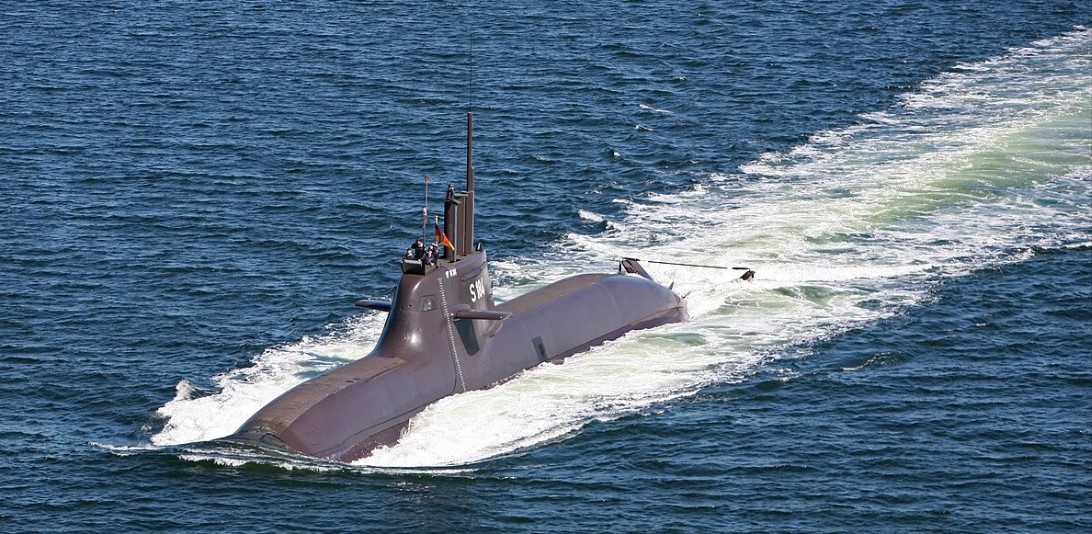
India
Defense News ,India :- In pursuit of bolstering its naval prowess, an Indian Navy delegation is en route to ThyssenKrupp Marine Systems (TKMS) facilities in Germany. Their primary objective? To conduct a meticulous examination of the state-of-the-art U-212/214 submarines, a pivotal component of India's ambitious Project-75I set to revolutionize the nation's submarine capabilities.Project-75I: A Transformative EndeavorAt the heart of India's maritime modernization agenda, Project-75I seeks to procure six cutting-edge, conventionally powered submarines, armed with advanced technologies. These vessels play a crucial role in securing India's extensive maritime interests and bolstering its strategic influence in the Indian Ocean region.The U-212/214 AdvantageDistinguished by their innovative design, the German-engineered U-212/214 class submarines boast a 'one-and-a-half' hull configuration and a non-magnetic steel pressure hull, providing exceptional stealth capabilities that make them highly elusive. However, their standout feature is the Air-Independent Propulsion (AIP) system, allowing prolonged submerged operations without the need to surface for battery recharge. This feature significantly enhances operational reach and reduces vulnerability.Partnership and Technology TransferThyssenKrupp's proposal for Project-75I includes a collaboration with India's Mazagon Dock Shipbuilders Limited (MDL), aligning with India's vision to nurture a robust indigenous shipbuilding industry through technology transfers. The success of this partnership could empower India with the knowledge and capabilities for future submarine construction and maintenance.A Strategic AppraisalThe Indian Navy's visit to TKMS represents a crucial phase in Project-75I. If the U-212/214 submarines prove to be impressive during the inspection, it could pave the way for further negotiations and potential acquisition. The inclusion of these stealthy, long-endurance submarines would mark a significant advancement in India's maritime defense capabilities.The Future of India's Subaquatic MightThe outcome of Project-75I holds far-reaching implications for the balance of power in the Indian Ocean. The expansion of the Indian Navy's capabilities is paramount for maintaining regional stability and safeguarding India's economic and strategic interests at sea. As the Indian Navy embarks on this critical assessment, the potential acquisition of the U-212/214 submarines could signal a new era in India's underwater strength.
Read More → Posted on 2024-03-10 08:17:55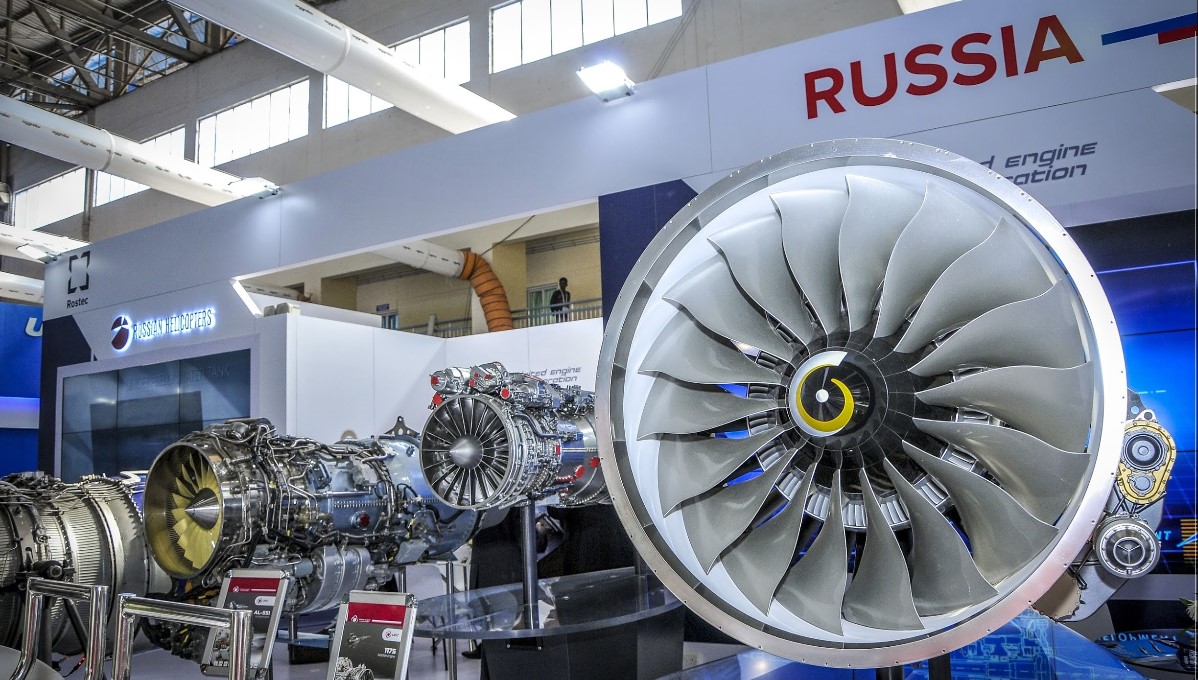
India
Defense News ,India :- In a significant stride towards enhancing its defense capabilities, the Indian Air Force (IAF) has successfully sealed a crucial deal for the MiG-29 fighter jets, securing domestically produced RD-33 aero engines from Hindustan Aeronautics Limited (HAL), a prominent aerospace company in India.HAL's RD-33 engines are tailor-made to extend the operational lifespan of the IAF's MiG-29 fleet, ensuring optimal performance throughout their remaining service period and aligning with India's pursuit of self-reliance in defense technology.This contract represents a noteworthy milestone in India's quest for greater autonomy in fighter jet engine technology. HAL will be manufacturing the RD-33 engines under a Transfer of Technology (TOT) license acquired from the original Russian equipment manufacturer (OEM). This transfer of knowledge empowers HAL with the necessary expertise to domestically produce these engines.A pivotal aspect of the manufacturing process will be the indigenization of critical engine components, marking a deliberate shift towards reducing India's dependence on foreign suppliers. Simultaneously, it establishes a robust domestic supply chain crucial for the future maintenance and overhaul (ROH) of RD-33 engines.The IAF's decision to opt for HAL-built RD-33 engines is a strategic maneuver that significantly reinforces India's air defense capabilities. Beyond that, it serves as a testament to the nation's growing proficiency and self-sufficiency in the aviation sector.
Read More → Posted on 2024-03-10 08:06:12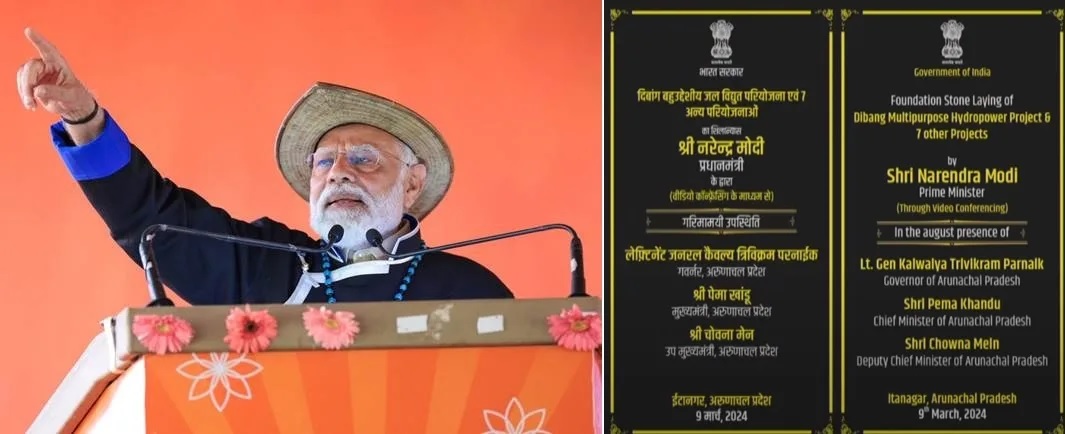
India
Defense News ,India :- Prime Minister Narendra Modi inaugurated the foundation stone laying ceremony for the Dibang Multipurpose Hydropower Project, a colossal 2,880 MW venture by NHPC Limited in Arunachal Pradesh's Lower Dibang Valley district. The event took place during the Viksit Bharat Viksit North East Program in Itanagar.At the same program, the Prime Minister virtually inaugurated and initiated various development projects with a cumulative value of around Rs 55,600 crores. These initiatives span multiple sectors such as rail, road, health, housing, education, border infrastructure, IT, power, and oil and gas, across Manipur, Meghalaya, Nagaland, Sikkim, Tripura, and Arunachal Pradesh.Key dignitaries at the event included Governor of Arunachal Pradesh, Lt. Gen Kaiwalya Trivikram Parnaik; Chief Minister Pema Khandu; and Deputy Chief Minister Chowna Mein.During his address, Prime Minister Modi highlighted the commencement of the Dibang Multipurpose Hydropower Project and the Solar Power project in Tripura. Emphasizing that the Dibang dam will be India's tallest, he underscored its significance in contributing to the region's development.The Dibang project, with an estimated cost exceeding Rs 31,875 crores, will feature a 278-meters-high dam, making it the tallest Concrete-Gravity Dam in India. Utilizing Roller Compacted Concrete (RCC) technique, it will also be the world's highest RCC Dam. The project aims to set a world record by placing over five lakh cubic meters of concrete in a month.Scheduled for completion in February 2032 after a construction period of 108 months, the Dibang Project is projected to generate 11,223 million units of hydropower annually. This sustainable energy will be fed into the Northern Grid, contributing to clean and green power for the region.The project's construction phase is expected to provide direct employment to 500 individuals, with an additional 300 jobs during operation. Notably, the Dibang Project commits to offering 12% free power and an additional 1% for the Local Area Development Fund, promoting the overall development of Arunachal Pradesh.Designed as an energy storage project, the Dibang Multipurpose Hydropower Project prioritizes flood moderation alongside power generation. It will create a reservoir capacity of 1282.60 Million Cubic Meters to manage monsoon-related challenges while contributing to India's goal of achieving Net Zero.
Read More → Posted on 2024-03-09 16:06:30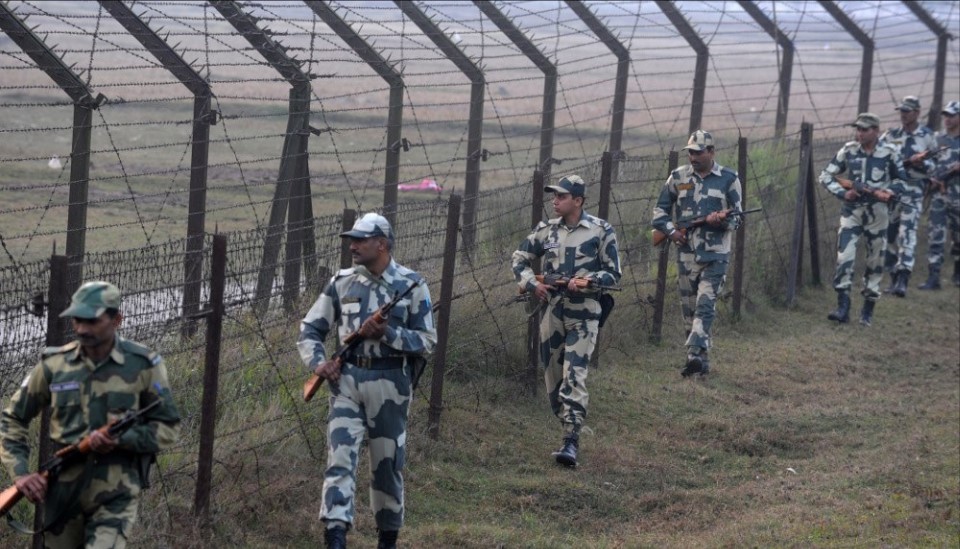
India
Defense News ,India :- Border guarding forces of India and Bangladesh Saturday agreed to undertake joint efforts to "bring down to absolute minimum" the incidents of attack on BSF personnel by criminals from the neighbouring country along the 4,096-km-long International Border (IB) shared by them, an official statement said. The bi-annual Director General (DG) level talks between the Border Security Force (BSF) and Border Guard Bangladesh (BGB) ended in Dhaka with the signing of a joint record of discussions.The Indian delegation led by BSF DG Nitin Agrawal travelled to Bangladesh for the 54th edition of these talks held between March 5-9 at the BGB headquarters at Pilkhana in Dhaka.BGB DG Maj Gen Mohammad Ashrafuzzaman Siddiqui headed the Bangladeshi delegation.A BSF spokesperson said in Delhi that the two sides, during this meeting, carried forward the agenda for which the "highest leadership of the two countries had laid the foundation of a lasting and mutually beneficial relationship"."On the incidents of assault/attack on BSF personnel by Bangladesh-based trans-border criminals and miscreants, both sides agreed to undertake combined efforts to bring down such incidents to absolute minimum by increasing coordinated patrols especially during late hours of nights to early morning in vulnerable areas and educating bordering population regarding the sanctity of IB."Both sides also agreed to aid victims of human trafficking and to facilitate their rescue and rehabilitation as soon as possible as per law of the land," the spokesperson said.The spokesperson added that both the countries also agreed to share an approved design of six developmental works on Indian side and a similar number of developmental works on thee Bangladesh side.As a goodwill gesture, he said, the BSF agreed to a BGB proposal of construction for preserving of 18 graves of their martyred freedom fighters of that country at Tamabil and Sylhet, located across the border.The two forces agreed to pursue and share real-time information and investigation reports of human traffickers and remain extra-vigilant to curb a variety of trans-border crimes like illegal crossing, smuggling of various items and put all out efforts to make India-Bangladesh border crime free, he said.Incidents of death at the border will be brought down to zero with active mutual cooperation in the near future, the two sides decided.The BSF also put across certain other points regarding action against Indian insurgent groups in Bangladesh, issues related with border infrastructure, joint efforts for effective implementation of the coordinated border management plan, confidence building measures and other miscellaneous activities.The BGB agenda included prevention of border crimes, illegal crossing and intrusion into Bangladesh territory by BSF and Indian nationals/miscreants and issues related to border infrastructure within 150 yards of the IB, the spokesperson said.Both sides expressed their satisfaction over the outcome of the conference and reiterated their commitments to work jointly for maintaining peace and tranquillity at the border, he said.The DG-level border talks were held annually between 1975 and 1992 but they were made bi-annual in 1993 with either side alternatively travelling to the national capitals of New Delhi and Dhaka.The last talks were held in Delhi in June, 2023 while he next are being expected to be held here during September-October.
Read More → Posted on 2024-03-09 15:57:26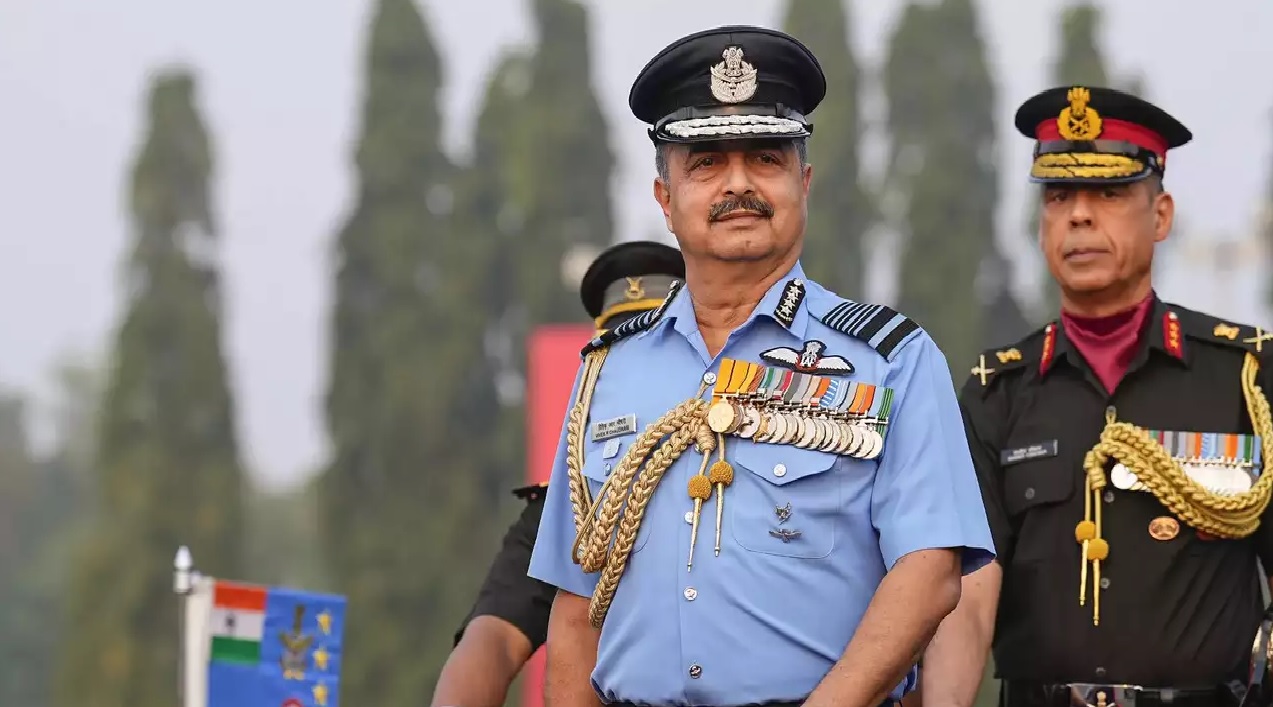
India
Defense News ,India :- Air Chief Marshal V R Chaudhari highlighted the significant changes in warfare due to evolving technology and doctrines during his review of the passing out parade at the Officers Training Academy. Addressing the new officers, he stressed the need for multi-domain capabilities and swift operations in response to the diverse threats and challenges facing India's security dynamics.Chaudhari urged the young officers to stay updated on technological advancements, especially as they enter the profession amid a transformative period. Acknowledging the Armed Forces' investment in advanced war-fighting machines, he emphasized the importance of rigorous training, dedication, and a professional approach to operate these potent systems effectively.As future officers, he encouraged them to gain a comprehensive understanding of the complex and dynamic world by studying military history, geo-politics, and international affairs. Quoting Field Marshal Sam Manekshaw, Chaudhari emphasized the nation's expectations for exceptional professionalism and unquestioned integrity from the officers.Maintaining high standards of personal conduct and moral values that reflect the dignity and pride of being in the profession of arms were deemed essential by Chaudhari. He also stressed the importance of fairness, consistency, and selflessness in their work, along with compassion and understanding when dealing with subordinates.The passing out parade saw 184 officer cadets and 36 women cadets commissioned into various arms and services of the Indian Army after completing rigorous training at the OTA. Additionally, three officer cadets and six women cadets from friendly foreign countries completed their training, fostering camaraderie and cooperation across international borders. The ceremony concluded with Air Chief Marshal V R Chaudhari presenting prestigious awards, including the sword of honour, gold medal, and bronze medal, to outstanding officer cadets.
Read More → Posted on 2024-03-09 15:48:09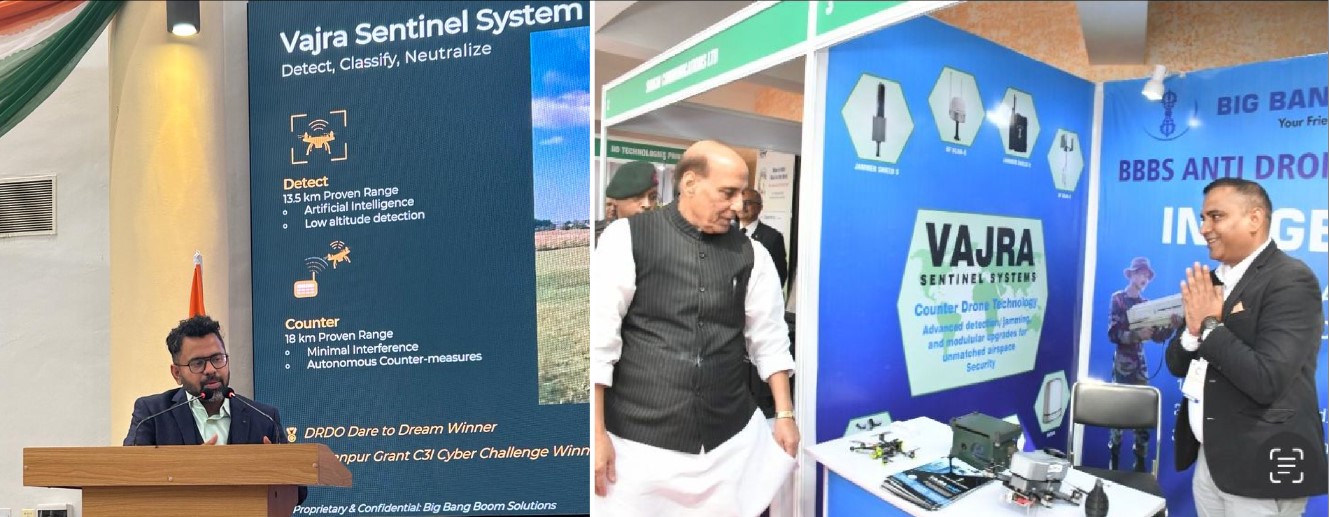
India
Defense News ,India :- In a significant achievement for India's defense innovation landscape, Chennai-based startup Big Bang Boom Solutions Pvt Ltd (BBBS) has clinched a major contract exceeding ₹200 crores. The deal involves the supply of the cutting-edge 'Vajra Sentinel' anti-drone system to both the Indian Air Force (IAF) and the Army.Enhancing Defense Capabilities Against Rogue DronesThe Vajra Sentinel anti-drone system is set to fortify the armed forces' capabilities in addressing the emerging threat posed by rogue drones. This state-of-the-art system adopts a dual-pronged strategy for drone neutralization:1. Soft Kill Technology: Utilizing jamming signals to disrupt communication links between a drone and its controller, compelling it to either land or return to its base.2. Hard Kill Technology: When jamming alone is insufficient, the system deploys interceptor drones to physically disable the hostile drone.This two-tiered approach ensures maximum effectiveness against a range of drone threats, from isolated incursions to coordinated swarm attacks. With an operational range of 10 km and a hard-kill reach of 5-6 km, the Vajra Sentinel offers robust protection for sensitive installations.AI-Powered Precision and AutonomyThe Vajra Sentinel integrates an advanced sensor system using artificial intelligence (AI) and computer vision. This enables precise identification, classification, and tracking of incoming drones. The system's decision-making matrix autonomously selects the best response, optimizing efficiency and reducing reaction time.BBBS's focus on passive Radio Frequency (RF) sensors minimizes false positives, a critical consideration in high-stakes military scenarios. The entire system is engineered to endure the challenges of combat and adverse environments.Scalability for Future ThreatsDesigned with modularity in mind, the Vajra Sentinel can be upgraded with cutting-edge technologies such as AESA radar and even incorporate expendable kamikaze drones. This ensures adaptability to evolving drone capabilities.Implications for India and Global SecurityThis contract win marks a significant milestone for BBBS and the Indian defense startup sector, highlighting the increasing maturity of indigenous defense technologies and fostering greater self-reliance in a crucial domain.Considering the rapid advancement of drone technology globally, Vajra Sentinel's capabilities hold relevance not only for India's defense forces but also for potential export markets facing similar security concerns.
Read More → Posted on 2024-03-09 15:30:43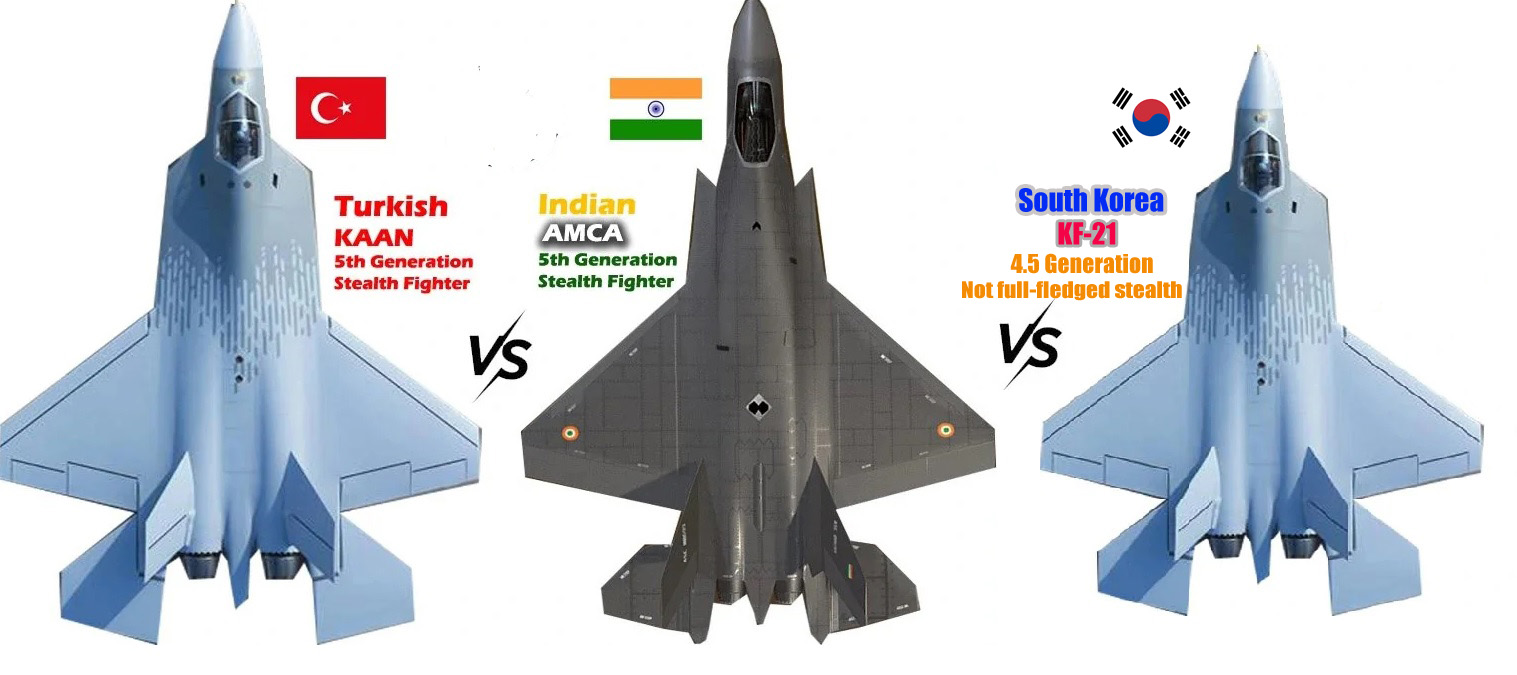
India
Defense News ,India , South Korea ,Turkey :- The development of 5th generation fighter jets is a critical arena for airpower dominance. Three Asian nations – India, Turkey, and South Korea – are all in the race to develop their own indigenous next-generation fighters. Let's take a deep dive into these programs:1. India's AMCA (Advanced Medium Combat Aircraft) Mk 1 Design Partner: None (aiming for indigenous development) Program Partners: DRDO (Defense Research and Development Organization), ADA (Aeronautical Development Agency) Engine: Under development (possibly based on GE F414 'Use For Tejas Mk2') Stealth Quality: Emphasis on low-observability features Timeline: First flight May in 2027 ,Initial Operational Capability (IOC) by 2032 (potentially delayed) India's AMCA program faces challenges due to the complexity of developing a high-performance fighter entirely indigenously. The crucial issue of engine development remains undecided, impacting timelines.2. Turkey's TF-X (TUSAŞ Fighter Experiment) Kaan Design Partner: BAE Systems (UK) Program Partner: Turkish Aerospace Industries (TAI) Engine: Currently, General Electric F110 Use in F-16C/D aircraft (Turkish-built engine under development) Stealth Quality: Designed for low radar and infrared signature Timeline: First flight completed in February 2024, introduction planned for the early 2030s The TF-X program benefits from collaboration with BAE Systems, accelerating development. Turkey is actively developing its own engine to reduce reliance on foreign suppliers.3. South Korea's KF-21 Boramae Design Partner: Indonesia's PT Dirgantara Indonesia (participates in 20% of development) Program Partner: Korea Aerospace Industries (KAI) (Technological support from Lockheed Martin) Engine: F414-GE-EPE Use in Boeing F/A-18E/F Super Hornet (developed by Hanwha Techwin) Stealth Quality: Reduced radar signature, but not a full-fledged stealth aircraft Timeline: First flight in July 2022, Initial Operational Capability expected by 2028 The KF-21 program leverages Indonesian partnership, sharing development costs and expertise. The design prioritizes affordability and agility over complete stealth capabilities.The Competition Heats UpWhile all three programs boast significant progress, some key differences emerge: Partnerships: India aspires for indigenous development, while Turkey and South Korea leverage international collaboration and Korea have Technological support from Lockheed Martin.Design and Program Partners: India pursues an indigenous approach, while Turkey collaborates with BAE Systems and South Korea partners with Indonesia. Engine Dependency: India's engine situation is undecided, while Turkey has a foreign solution with a domestic alternative in progress. South Korea has a domestically developed engine variant. Stealth Technology: All three prioritize low observability, but the KF-21 prioritizes affordability over complete stealth features. Looking AheadThe race for 5th generation fighter jets in Asia is a testament to growing military ambitions. India needs to address development delays in the AMCA program. Turkey's TF-X is on a promising track with its first flight completed. South Korea's KF-21 is well on its way to meet its initial operational capability target. The coming years will reveal which nation emerges as the frontrunner in Asian 5th generation fighter technology.AMCA Mk 1 vs TF-X Kaan vs KF-21: SpecificationsHere's a head-to-head comparison of key specifications for India's AMCA Mk 1, Turkey's TAI TF-X Kaan, and South Korea's KF-21: FeatureAMCA Mk 1 (India)TF-X Kaan (Turkey)KF-21 Boramae (S. Korea)Generation5th-generation (planned)5th-generation (planned)4.5 generationDesign PartnerNone (indigenous)BAE Systems (UK)PT Dirgantara Indonesia (20% participation)Program PartnerDRDO, ADATurkish Aerospace Industries (TAI)Korea Aerospace Industries (KAI)Length (m)(estimated) 17.62116.9Wingspan (m)(estimated) 11.1314.011.2Height (m)(estimated) 4.8(estimated) 5.24.7Empty Weight (kg)12,000 kg(classified)11,800Max Takeoff Weight (kg)25,000 kg27,215 kg25,500Engine2x (under development - possibly GE F414 based)2 x General Electric F110 (Turkish alternative in development)2 x F414-GE-EPE (by Hanwha Techwin)Internal Weapons BayYesYesNo (initial variant)Stealth TechnologyEmphasis on low observabilityDesigned for low radar and infrared signatureReduced radar signatureFirst Flight (planned)(estimated) 20272024 (completed)2022 (completed)Operational Capability(estimated) 20322030s2028 (initial) Key Points to Consider: Generation: Both AMCA and TF-X aim for full 5th-generation capabilities, while KF-21 is considered 4.5 generation but may be upgraded. Internal Weapons Bay: AMCA and TF-X prioritize stealth with internal bays, while the initial KF-21 variant lacks one. Stealth Technology: All prioritize low observability, but the KF-21 prioritizes affordability over full stealth features. First Flight and Operational Capability: KF-21 is furthest along with completed test flights and an earlier operational target date. The AMCA and TF-X timelines are estimates and may be delayed. Additional Notes: Sensor and avionics suite details are not publicly available for any of these aircraft. Actual performance data will only be available after testing and deployment. This comparison showcases the ongoing competition in developing next-generation fighter jets. While India and Turkey strive for true 5th-generation aircraft, South Korea prioritizes affordability and agility.
Read More → Posted on 2024-03-09 10:55:54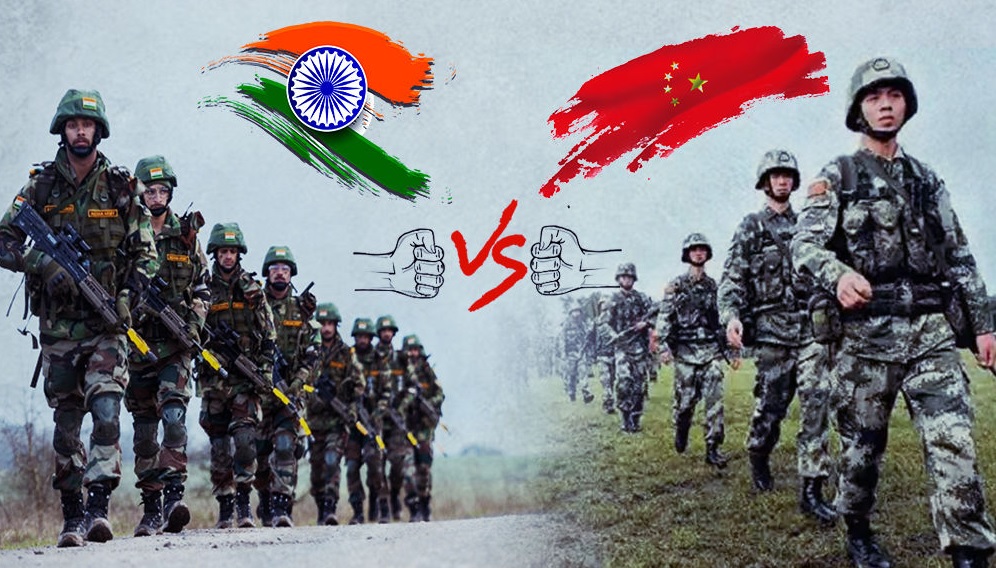
India
Defense News ,India :- Geopolitical analysts have forewarned of an impending second India-China conflict in the Himalayas, speculating that the outbreak may occur between 2025 and 2030.Contrary to this perspective, the former Chief of the Indian Army holds a different viewpoint. He contends that since the Galwan clash in 2020, China recognizes that the new India is not easily intimidated and is unlikely to risk an escalation before resolving the Taiwan issue.China's recent move involves a 7.2 percent increase in defense spending in 2024, signaling a steady progression towards its objective of reclaiming Taiwan and integrating it with the Chinese mainland. A Reuters-reviewed official work report disclosed China's firm stance against separatist activities promoting 'Taiwan independence' and external interference, omitting the reference to "peaceful reunification" and emphasizing determination in advancing the cause of China's reunification.In the midst of these developments, the Royal United Services Institute (RUSI) UK featured a commentary titled "War Clouds over the Indian Horizon?" authored by Samir Tata, the founder and President of International Political Risk Analytics. Tata's prediction ominously suggests that the second China-India War is most likely to unfold in Eastern Ladakh, situated in India's far northwest region, sometime within the period of 2025 to 2030.The argument posits that China's assessment of Eastern Ladakh, a region belonging to India, from the standpoint of energy security may drive both China and India towards a potential war.According to the author, the strategic significance of Eastern Ladakh lies in its role as the sole pathway for a hostile power to launch an invasion on Kashgar, a crucial energy hub in China's far Western province of Xinjiang. Emphasizing the centrality of this area to China's energy security, the author points to the planned land-based pipeline that aims to connect Iran's oil and gas fields to Kashgar, traversing through Pakistan via the China–Pakistan Economic Corridor (CPEC).Retired General MM Naravane, the former chief of the Indian Army, aligns with this perspective, acknowledging that Eastern Ladakh and the Karakoram Pass are integral to China's long-term strategy, particularly in relation to the CPEC project. General Naravane underscores the potential significance of disrupting China's connectivity in CPEC, Pakistan-occupied-Kashmir, or Tibet, suggesting a substantial shift since the 1962 Sino-Indian War.In 1962, India and China engaged in a brief and violent conflict that saw Indian forces overwhelmed, caught off guard by the sudden escalation of hostilities. The current analysis suggests that the evolving dynamics in the region, especially concerning energy security, could be a driving force behind heightened tensions and the potential for conflict between the two nations.General Naravane, who served as the Indian Army Chief during the 2020 Galwan Clash, had planned to release his memoir, 'Four Stars of Destiny,' in 2024. However, the anticipated release has been delayed. Media reports had previously detailed the unprecedented events of the skirmish that unfolded on the night of June 15, 2020, resulting in the loss of 20 Indian soldiers, while the casualties on the Chinese side remain undisclosed.In his memoir, General Naravane highlights the Galwan clash as a pivotal moment in the strained relationship between India and China, marked by a long-standing, un-demarcated border. He emphasizes that following the Galwan clashes, India abandoned its diffidence, opting to explicitly refer to China by name rather than using euphemisms.Asserting the strength of the Indian Armed Forces, General Naravane dismisses claims of power asymmetry, particularly in mountain warfare. He notes that the 2020 action was followed by a significant induction of troops in Eastern Ladakh, challenging any notion of military imbalance.The Galwan Valley clash marked a historic event as China's People's Liberation Army suffered "fatal casualties" for the first time in over two decades. The aftermath of the clashes prompted both sides to enhance their combat readiness along the Line of Actual Control (LAC).In response to the Chinese occupation of over 80 tents on their side in 2020, the Indian Armed Forces swiftly mobilized their entire transport fleet, including C-130s and C-17s. They successfully airlifted 68,000 troops, 330 infantry vehicles, and over 90 tanks and artillery guns, outmaneuvering China.General Naravane concludes that the situation in Galwan remains stalemated, with a dense presence of troops from both the Army and the Air Force. He highlights the implementation of robust surveillance systems, eliminating the possibility of being taken by surprise in the region.Lot On China’s PlateRenowned military leader General Naravane's perspectives find resonance in the views expressed by Sana Hashmi, a distinguished scholar and policy expert based in Taiwan. Hashmi, known for her authoritative work 'China’s Approach Towards Territorial Disputes: Lessons and Prospects,' sheds light on the critical challenges confronting China, particularly its economic struggles and declining foreign direct investment (FDI). The prevailing unease among foreign companies operating in China could worsen with the prospect of a conflict.Understanding China's military strategies requires a deeper insight into its future aspirations. The Chinese Communist Party (CCP) has set a bold target of achieving "the great rejuvenation of the Chinese nation" by 2049. This comprehensive vision encompasses the expansion of national power, governance system enhancements, and a revision of the international order.Experts argue that achieving these national rejuvenation plans by 2049 is unlikely to be a peaceful endeavor. The CCP's leadership considers the unification with Taiwan, Hong Kong, and Macau as fundamental objectives. This vision extends to the Himalayan regions in India, Nepal, and Bhutan, reflecting China's overarching goals. The entire Indo-China Peninsula holds paramount significance for China, with the tip controlling strategic chokepoints like the Malacca Strait and the potential Thai Canal—both pivotal to the Chinese economy and susceptible to disruption in case of a blockade.General Naravane emphasizes the top priority that Taiwan holds in China's contentious issues. He notes that any shift in Beijing's priority order is improbable, particularly if a conflict with India were to arise. In such a scenario, Taiwan would likely be relegated from consideration, underscoring the intricacies and interconnections of China's geopolitical strategies.
Read More → Posted on 2024-03-09 10:13:54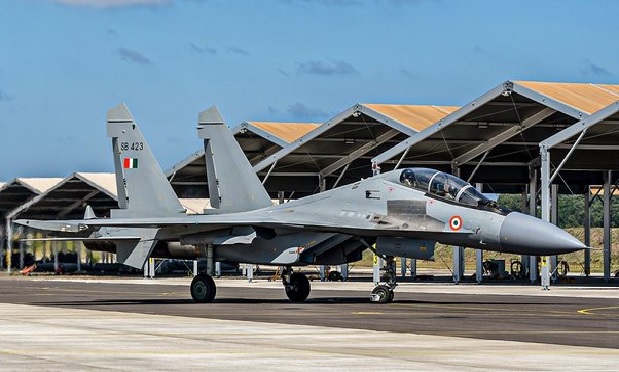
India
Defense News ,India :- Hindustan Aeronautics Limited's Nasik Division recently organized a special meeting with 56 industry representatives to talk about the upcoming upgrades for the Su-30MKI fighter jets. These upgrades, valued at over ₹60,000 crores, were announced by Air Chief Marshal VR Chaudhari last year.During a lecture at Savitribai Phule Pune University, Chaudhari shared plans to transform the Sukhoi Su-30MKI jets from Russian to Indian status. This shift is a crucial part of India's effort to make the aircraft more indigenous. The goal is to achieve a remarkable 78 percent indigenization for the Su-30MKI aircraft through these upgrades.
Read More → Posted on 2024-03-09 09:28:49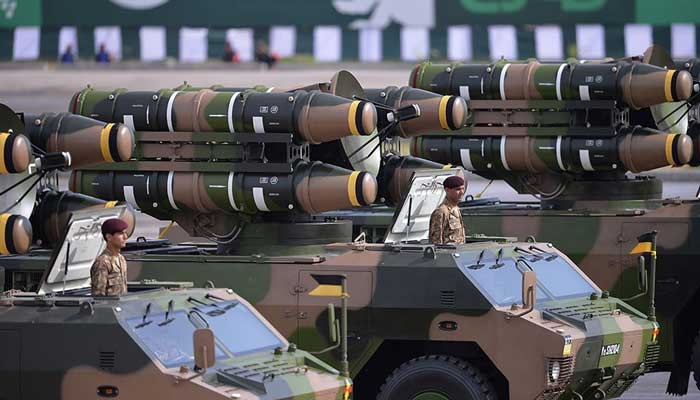
India
Defense News ,India :- India is closely watching the $3 billion loan that the International Monetary Fund (IMF) granted to Pakistan. They want to make sure the money doesn't go to Pakistan's military or to pay off debts to other countries.Even though India didn't vote for or against the loan initially, they are now pushing for careful monitoring of how the money is used. India's representative at the IMF, Krishnamurthy Subramanian, emphasized this during a recent review of the loan.This situation highlights the ongoing tensions between India and Pakistan, both armed with nuclear weapons. Pakistan is going through a tough economic time with high inflation and a falling currency. The IMF loan is supposed to help Pakistan's struggling economy.India is worried that the money might be used in ways that could support Pakistan's military, which could hinder Pakistan's efforts to stabilize its economy.Context:India and Pakistan have a history of conflicts and wars since gaining independence in 1947. India accuses Pakistan of supporting terrorism across the border, a claim Pakistan denies.India's request for careful oversight of the IMF loan reflects these broader security concerns. They want to make sure the money helps Pakistan's economy, not its military, to prevent activities that might harm regional stability.Implications for Pakistan:Pakistan really needs the IMF money to avoid an economic collapse. India's call for closer monitoring could make it harder for Pakistan to receive future parts of the loan. The IMF might ask Pakistan for more transparency and accountability to address India's worries.The Future:India is likely to keep pressuring the IMF and Pakistan to ensure the loan is used for economic recovery. This increased scrutiny might affect Pakistan's economic comeback and its chances of getting more financial help from international organizations.
Read More → Posted on 2024-03-09 09:10:22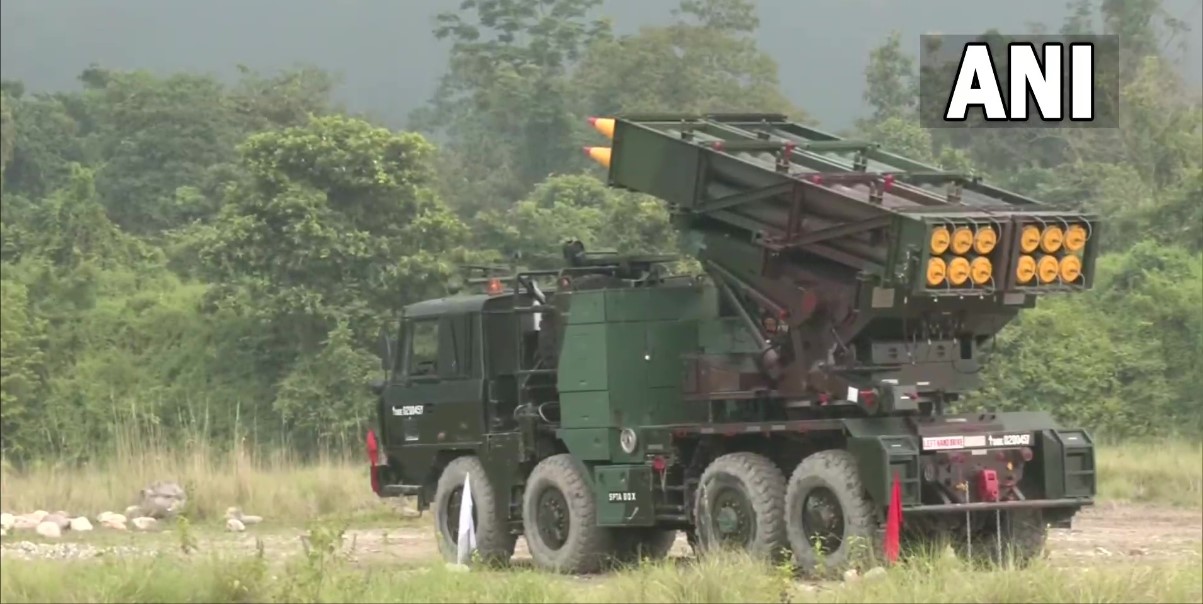
India
Defense News ,India :- The Indian Army is strengthening its firepower along the China border by adding two new regiments of Pinaka Multi Launch Rocket Systems. These advanced rockets, created by the Defence Research and Development Organisation (DRDO), can deliver a large amount of precise firepower quickly into enemy territory.According to sources, the new regiments will be ready within the year, with personnel currently undergoing training. Despite the initial plan being for completion in 2024, the process is advancing faster than expected.Tensions persist along the Line of Actual Control (LAC), leading to precautionary deployments since the 2020 standoff in Eastern Ladakh. As part of the six planned Pinaka regiments, these rocket systems will be stationed on the northern borders with China. The Indian Army currently operates four Pinaka regiments along the western border with Pakistan and the northern border with China.In the artillery world, a unit is called a regiment, consisting of three batteries with six Pinaka launchers each. A single battery can launch 72 rockets in 44 seconds, covering an area of 1000m by 800m. An upgraded version of the Pinaka ammunition can reach up to 75km with high precision.The Defence Acquisition Council approved six additional Pinaka regiments in 2018, with contracts signed in 2020 for their supply. These rockets will enhance the Army’s long-range offensive capabilities, complementing existing artillery such as Bofors and Ultra Light Howitzer M777.The introduction of Pinaka marks a step towards phasing out old Russian Grad BM-21 rocket systems. The Indian Army aims to have 22 regiments of Pinaka multi-barrel rocket launch systems equipped with automated aiming and positioning systems, replacing the outdated Grad systems.In the realm of long-range rocket artillery, the Pinaka system is poised to become the backbone of the Indian Army’s firepower arsenal.Key Points:Training for new regiments is underway, set to be completed within the year.Each artillery consists of three batteries of six Pinaka launchers.A single battery can launch 72 rockets in 44 seconds.The upgraded Pinaka ammunition has a range of up to 75km with high precision.The Indian Army currently operates four Pinaka regiments along the Pak border and the northern border with China.The deployment complements existing artillery like Bofors and Howitzer.Contracts for six regiments were signed in 2020 at an approximate cost of Rs 2580 crore.The goal is to phase out Grad BM-21 rocket systems for Pinaka.
Read More → Posted on 2024-03-09 08:56:11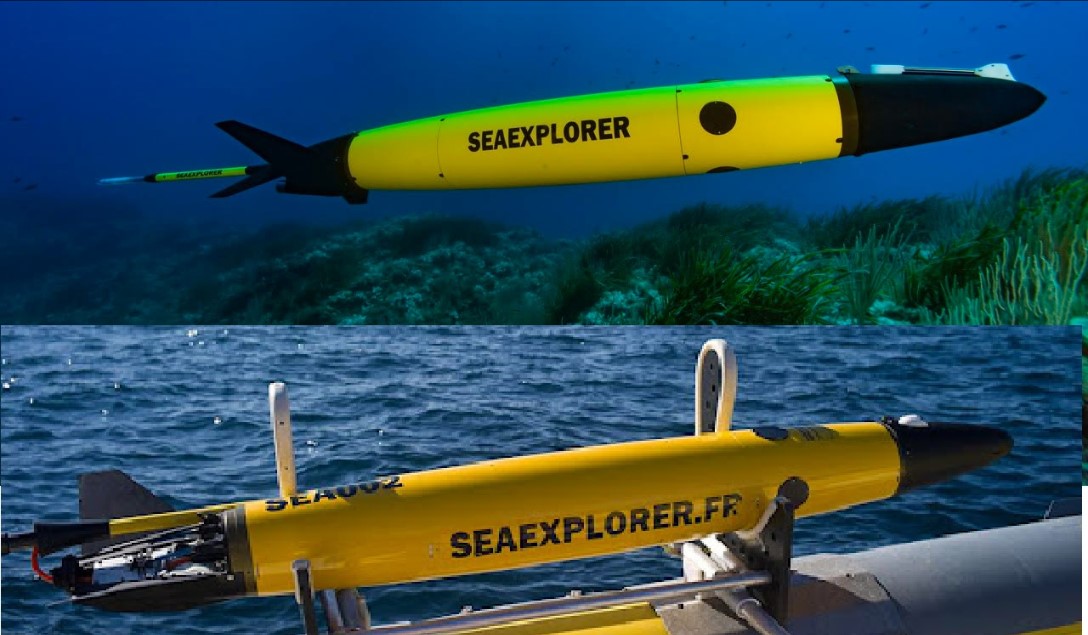
India
Defense News ,India :- Kalyani Group, a big Indian company focused on defense and industry, is delving into the world of ocean technology with its new creation, the SEA EXPLORER underwater glider.Understanding the Underwater Glider:Unlike regular underwater vehicles, this glider doesn't need a constant engine to move. It cleverly adjusts its buoyancy to glide effortlessly for long periods. This means it can collect data for weeks or even months without using a lot of energy.Key Features of the SEAEXPLORER:1. Multi-Mission Capable: This glider is super flexible. Its sensors can be changed to collect different types of data, like temperature, salinity, chemicals, and even underwater sounds. This makes it perfect for both scientific exploration and anti-submarine warfare.2. Long Endurance: Thanks to its unique way of moving, the glider can last a really long time on missions. It can cover large areas and explore deep into the ocean.3. Cost-Effective: Using the SEAEXPLORER is much cheaper than using big crewed vessels for research or surveillance. This opens up the possibility of collecting data more often without spending a lot of money.4. Easy to Operate: Gliders are made to be easy to use. You can deploy and recover them with smaller boats and a minimal crew, making them even more cost-effective.Strategic Partnership:Kalyani Group is teaming up with ALSEAMAR from France, experts in underwater vehicle technology. This partnership ensures that the SEAEXPLORER is developed using the latest techniques and design solutions.The Significance of SEAEXPLORER's Development:This glider is not just important for Kalyani Group; it could be a big deal for the Indian Navy too. Its long endurance, ability to collect various data, and cost-effectiveness make it a valuable asset for anti-submarine warfare.The Future of Underwater Gliders:Globally, underwater gliders like Kalyani Group's SEAEXPLORER are becoming more important. As technology improves, these gliders will play a bigger role in exploring the ocean and in defense strategies. Smaller and more efficient sensors will only make them more crucial for collecting data continuously and understanding marine environments better.
Read More → Posted on 2024-03-09 08:47:39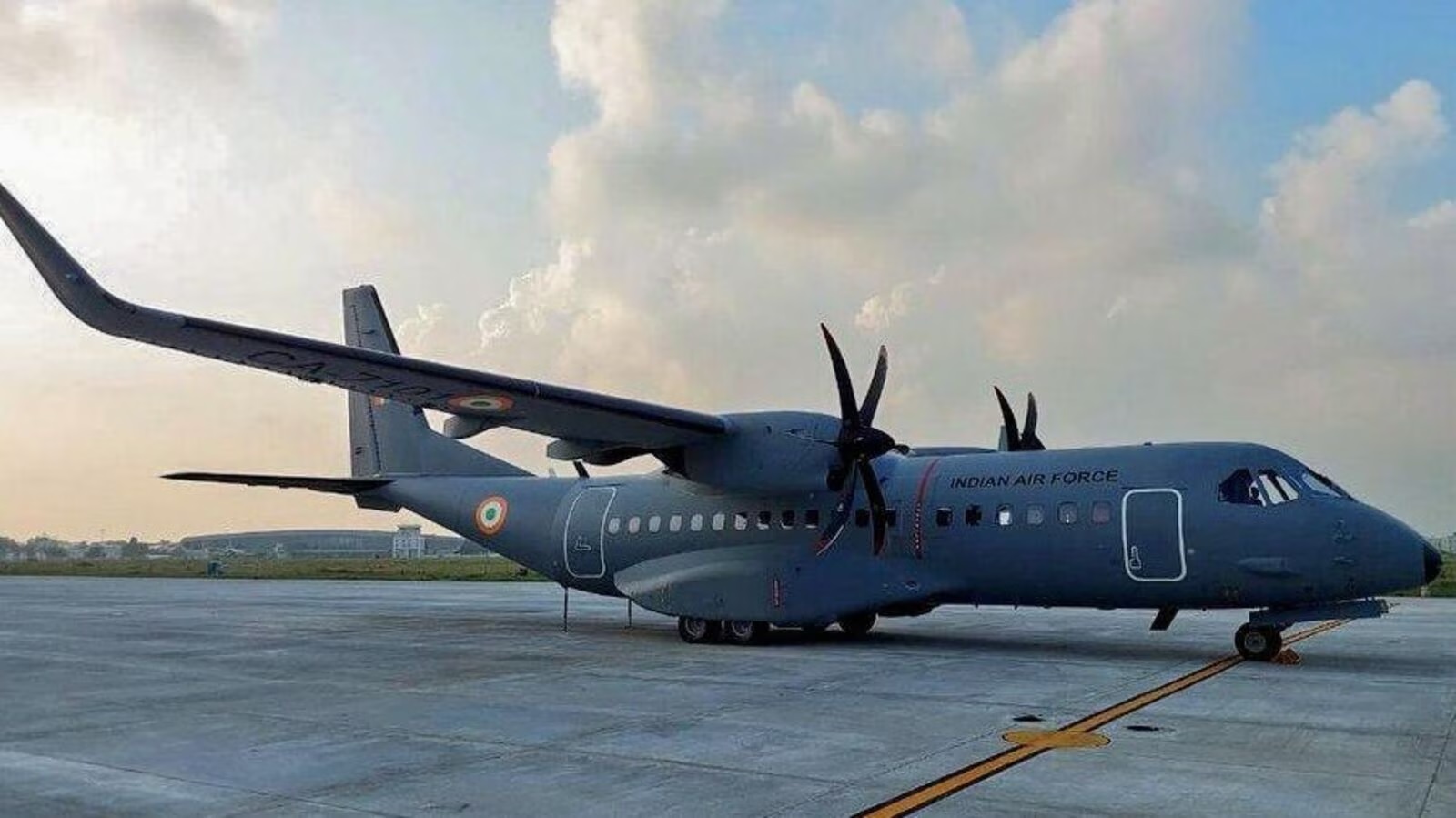
India
Defense News ,India :- The Indian Air Force (IAF) has taken a big step to improve air connections by successfully landing its C-295 MW aircraft at Agatti Airport in Lakshadweep.This special landing was part of a training mission and showcases the IAF's growing ability to operate in isolated island areas.The C-295 MW, a modern transport plane, started its journey from a distant location and smoothly landed at Agatti Airport.This successful mission proves that the aircraft can handle different terrains, making it easier for the IAF to support communities in far-off places.Agatti Airport is crucial for Lakshadweep, a union territory in the Arabian Sea. It's the only airstrip on the group of islands and is essential for the locals.The first landing of the C-295 MW greatly improves Lakshadweep's connectivity, making it easier to provide logistical support, timely medical services, and better access for both residents and visitors.This historic event shows the IAF's strong commitment to expanding India's influence, not only within its borders but also in important maritime regions.
Read More → Posted on 2024-03-08 15:52:51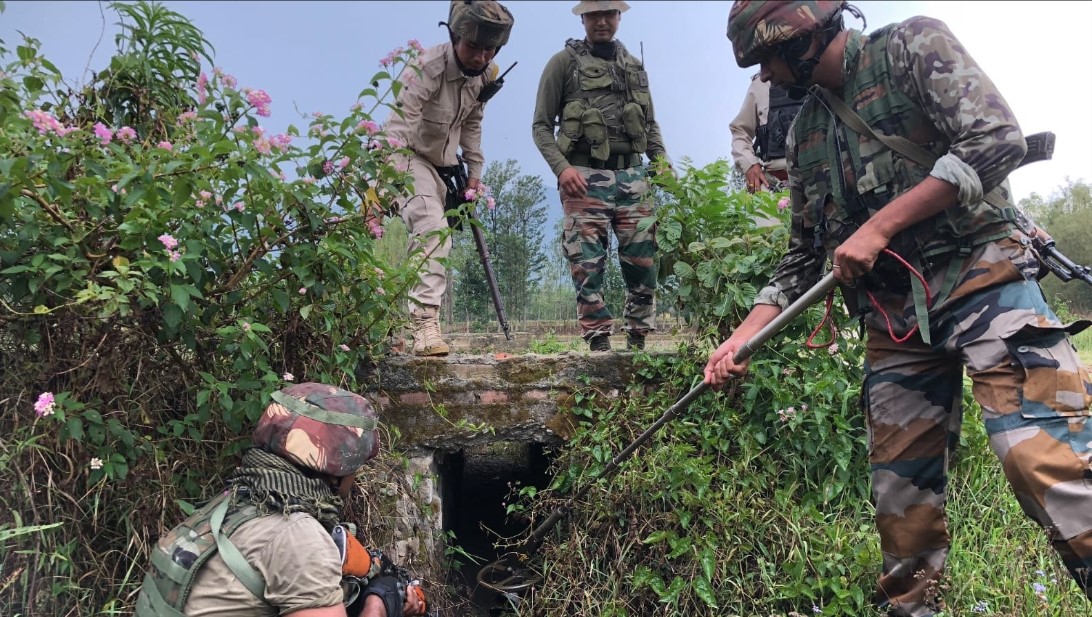
India
Defense News ,India :- In Manipur's Thoubal district, on Friday at 9 am, a group of people forcibly took away Junior Commissioned Officer (JCO) Konsam Kheda Singh from his home. Singh, who was on leave at the time, was abducted by what officials describe as "anti-social elements."The motive behind the abduction is not clear, but there are initial reports suggesting a possible link to extortion, as Singh's family had previously received threats.As soon as the information reached the authorities, a coordinated search operation was launched by all security agencies to rescue the JCO. Currently, security personnel are checking all vehicles on National Highway 102.This incident is the fourth of its kind since the conflict in Manipur began. In a similar incident in September 2023, an armed group kidnapped and killed Serto Thangthang Kom, a former Assam Regiment soldier. Two months later, an unidentified armed group abducted and killed four individuals who were family members of an Army soldier.In another case, on February 27, an Additional Superintendent of Police (ASP) from Manipur Police was attacked in his home in Imphal city by members of a radical group called Arambai Tenggol (AT).The security forces in Manipur are facing challenges in restoring peace. The attacks on security forces and their families are strongly condemned, and the perpetrators are urged to be caught and punished according to the law. If such incidents continue, there may be conditions for reimposing the Armed Forces (Special) Powers Act, or AFSPA, granting greater authority to deal with security threats.The overall security situation in Manipur remains a concern, and efforts are ongoing to address the root causes of conflict and ensure the safety of all residents.
Read More → Posted on 2024-03-08 15:49:31Search
Top Trending in 24 Hours
-
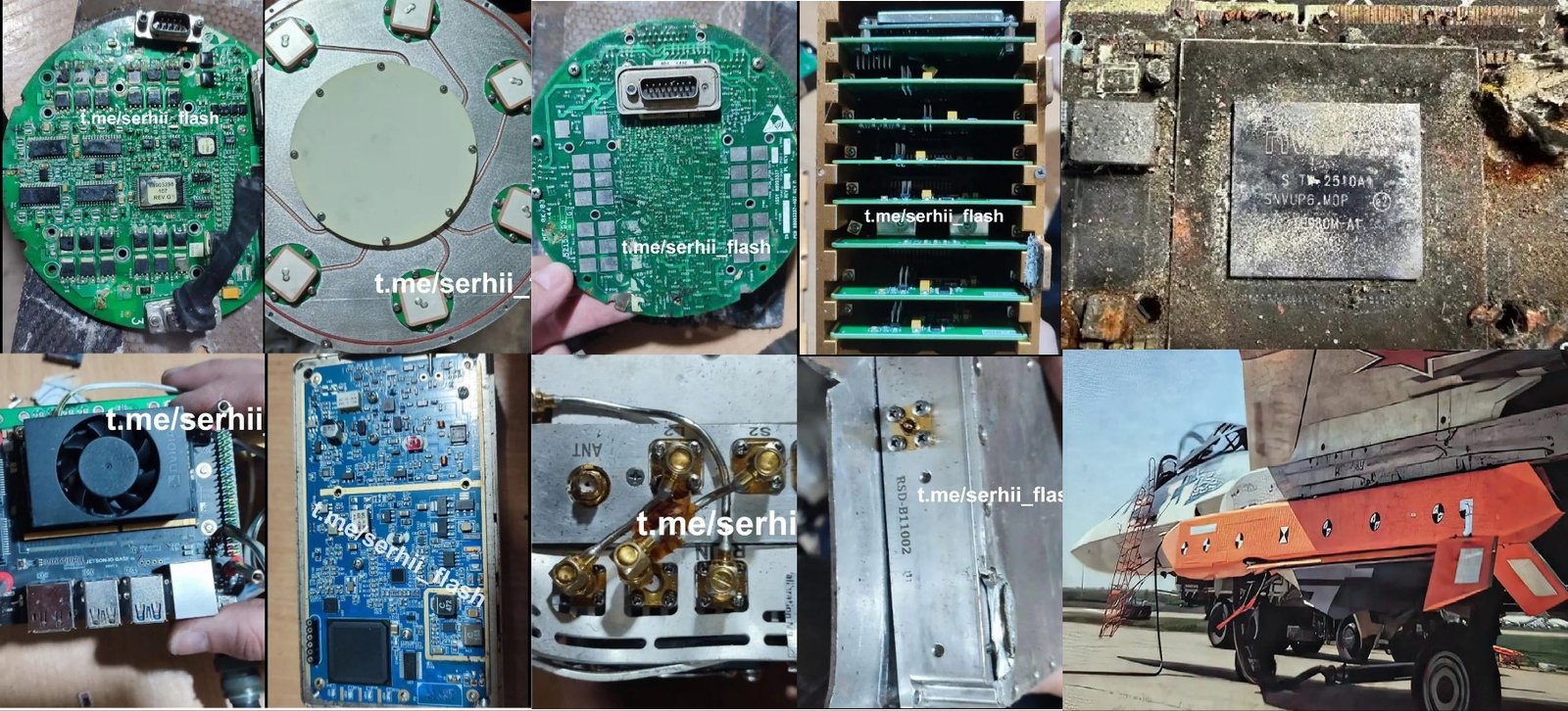 Russian Drones and Cruise Missiles Found Using Civilian NVIDIA AI Chips in Ukraine
-
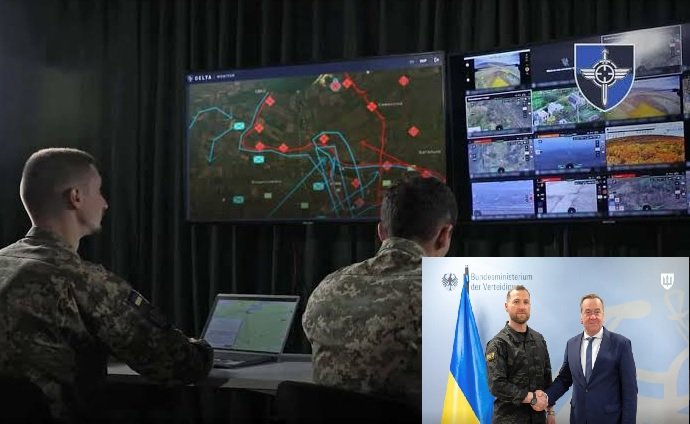 Germany Becomes First Country to Gain Access to Ukraine’s DELTA Battlefield System
-
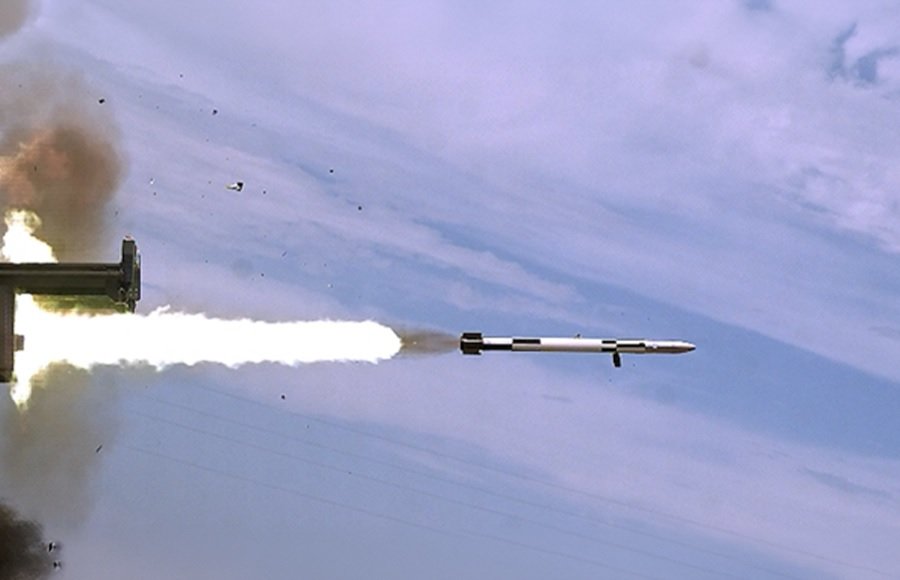 Lockheed Martin Completes Third Test of Reloadable JR3 Training Rocket
-
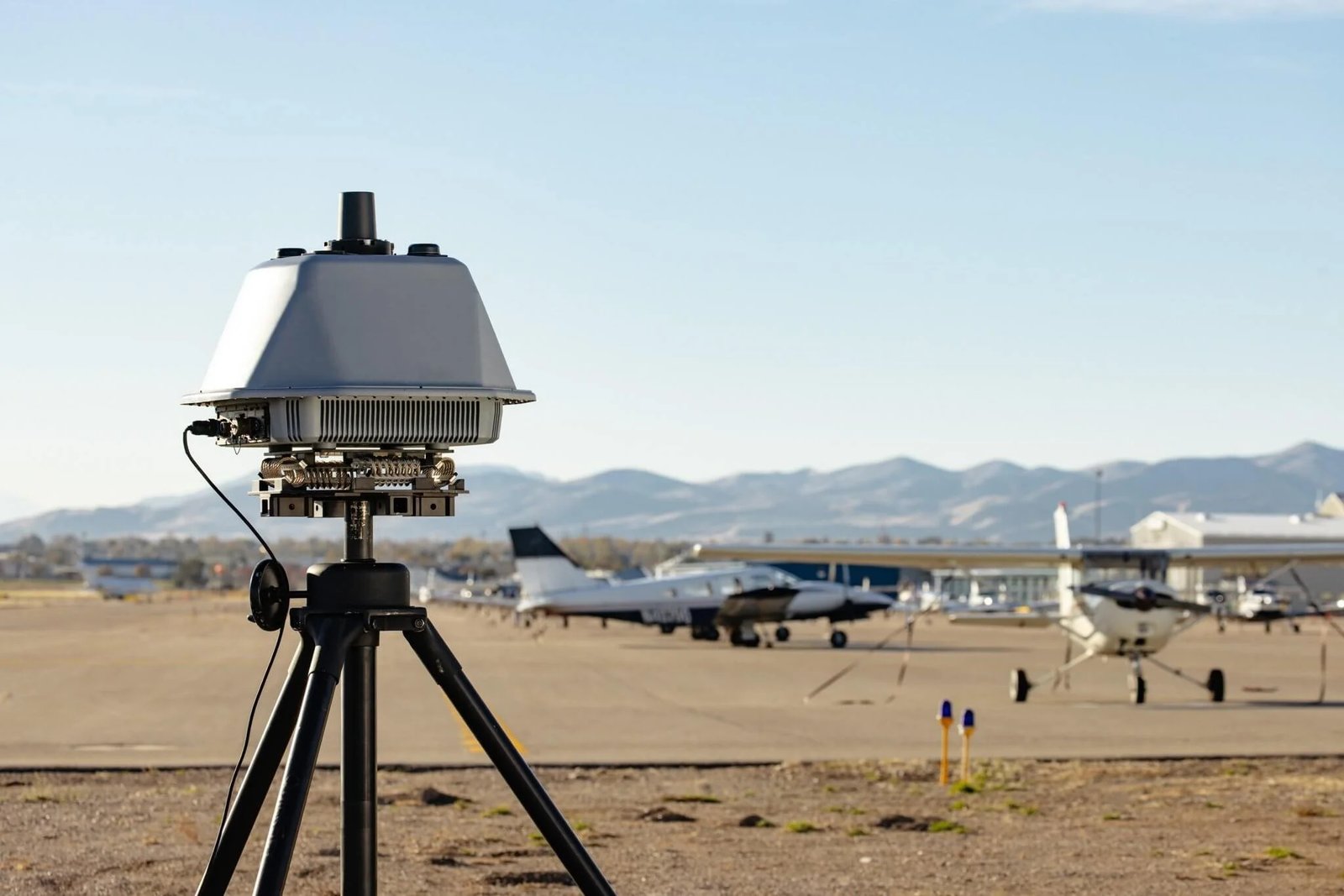 DroneShield Fixed-Site Counter-Drone System Reaches Operational Readiness for Pentagon Task Force
-
 Quantum Space Goes Public on NYSE After $300 Million Financing and SPAC Merger
-
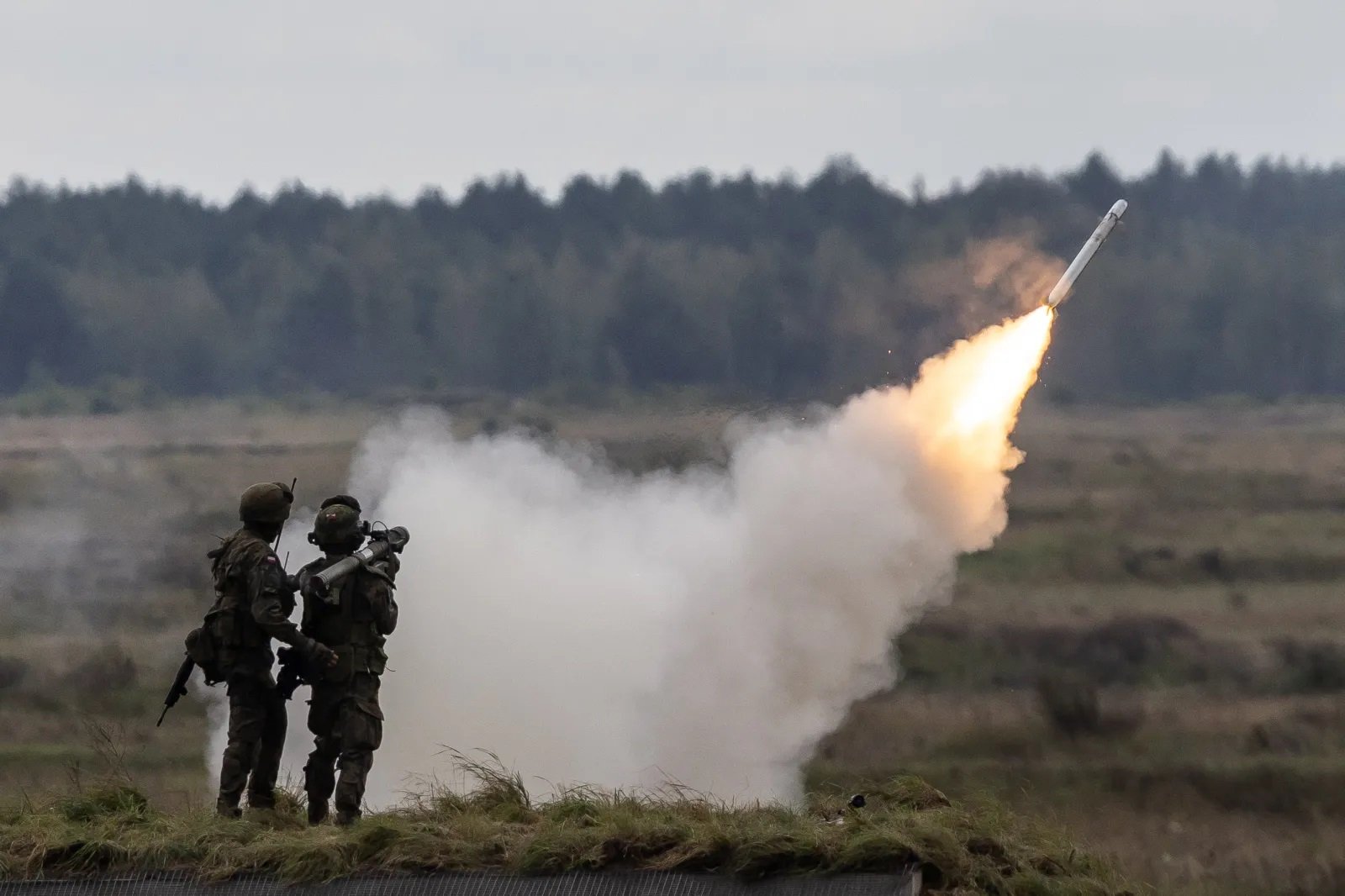 Netherlands Joins European Procurement of Poland’s PIORUN Air Defence Missiles
-
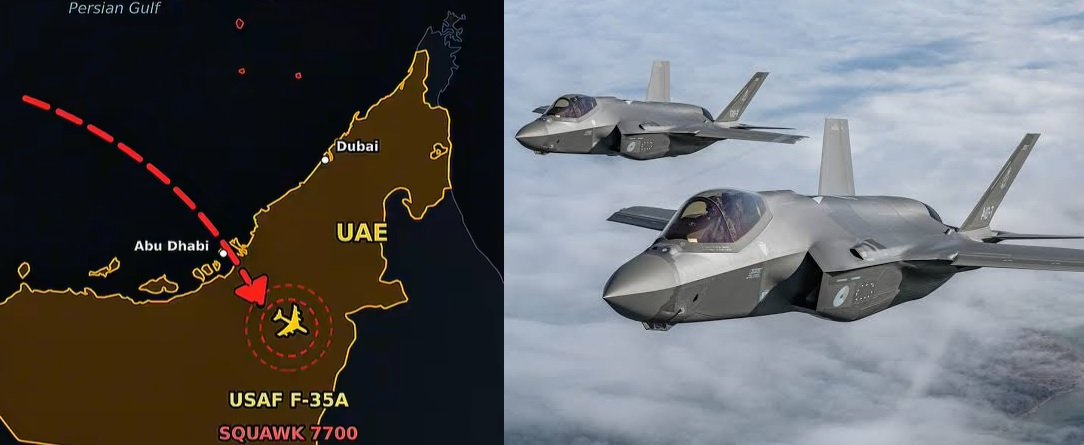 US Air Force F-35A Declares Emergency Over UAE, Flight Tracking Shows Diversion Toward Al Dhafra
-
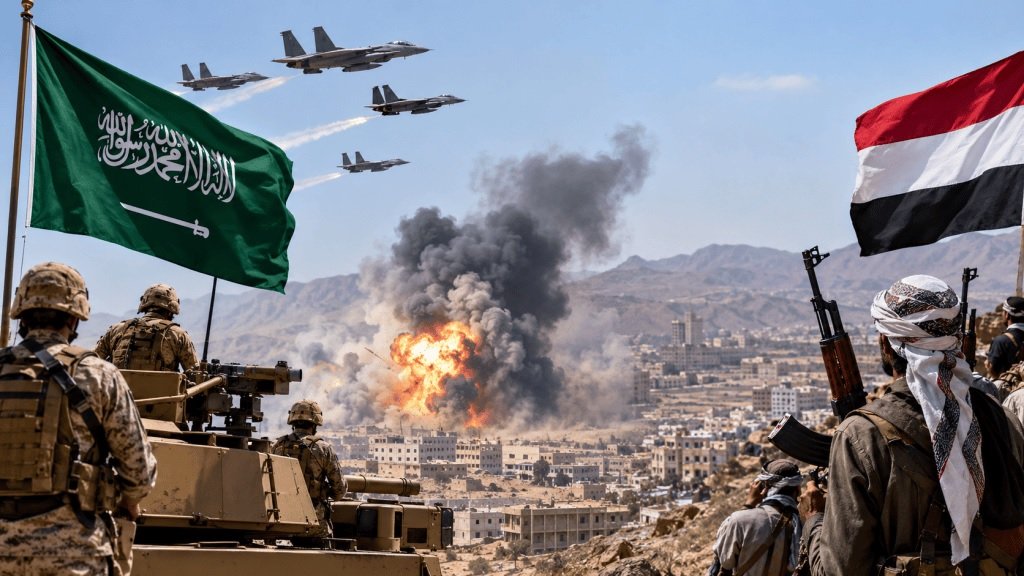 Saudi Arabia and Sudan Discuss Deployment of Up to 10,000 Fighters to Yemen
Top Trending in 4 Days
-
 Two Injured in Bahrain After Iranian Attacks; Iran Claims Strike on US Patriot Radars
-
 Russian Corvette Merkury Almost Certainly Destroyed in Benghazi Port Explosion
-
 Western Intelligence Warns Russia Could Launch Nuclear-Armed Satellite as Early as December
-
 IG Defence Successfully Test-Fires JWALA MK-1 Counter-Drone Missile at Pokhran
-
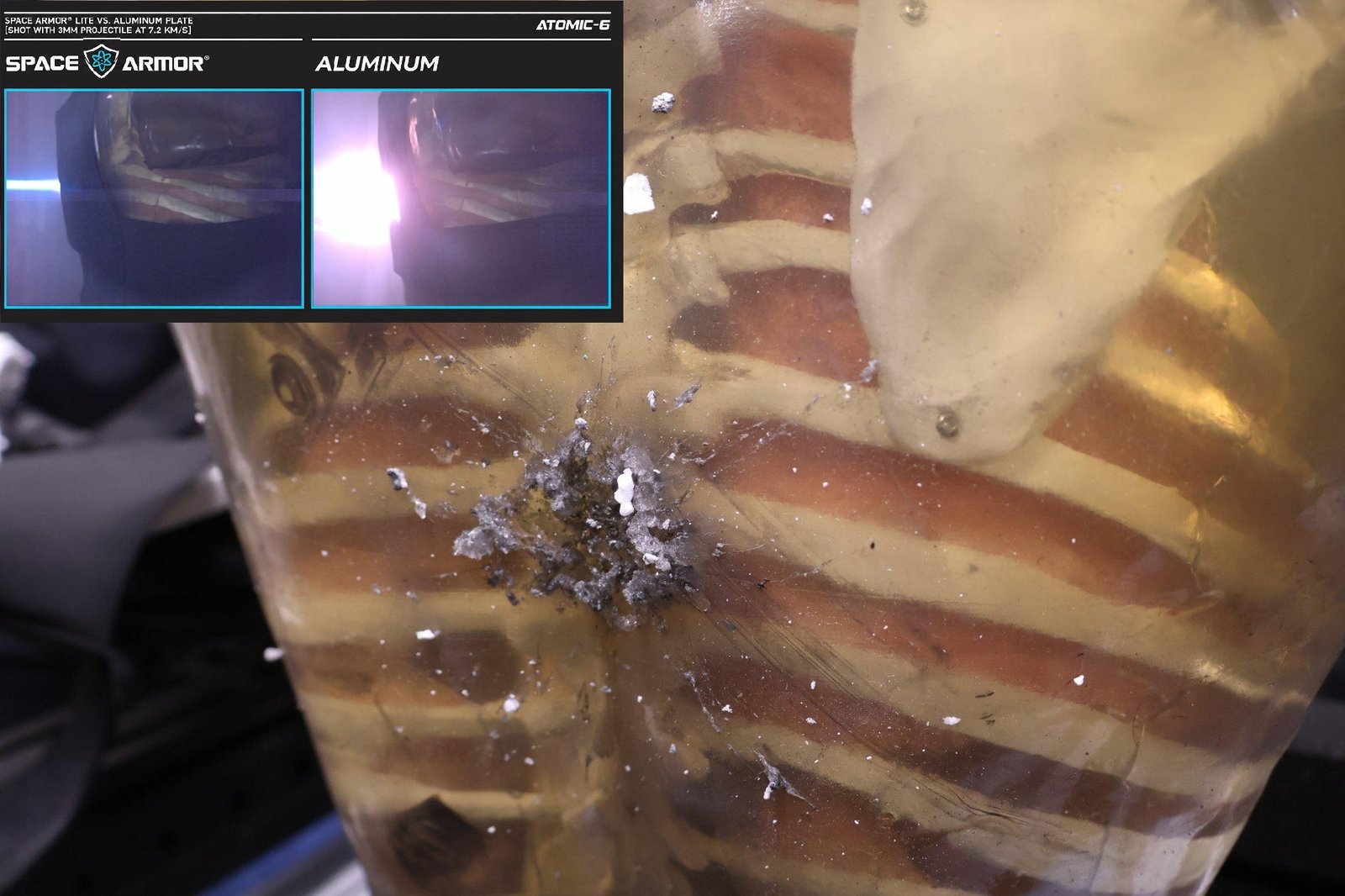 Atomic-6 Tests Composite Armor Against 16,100 MPH Space Debris for Astronaut Protection
-
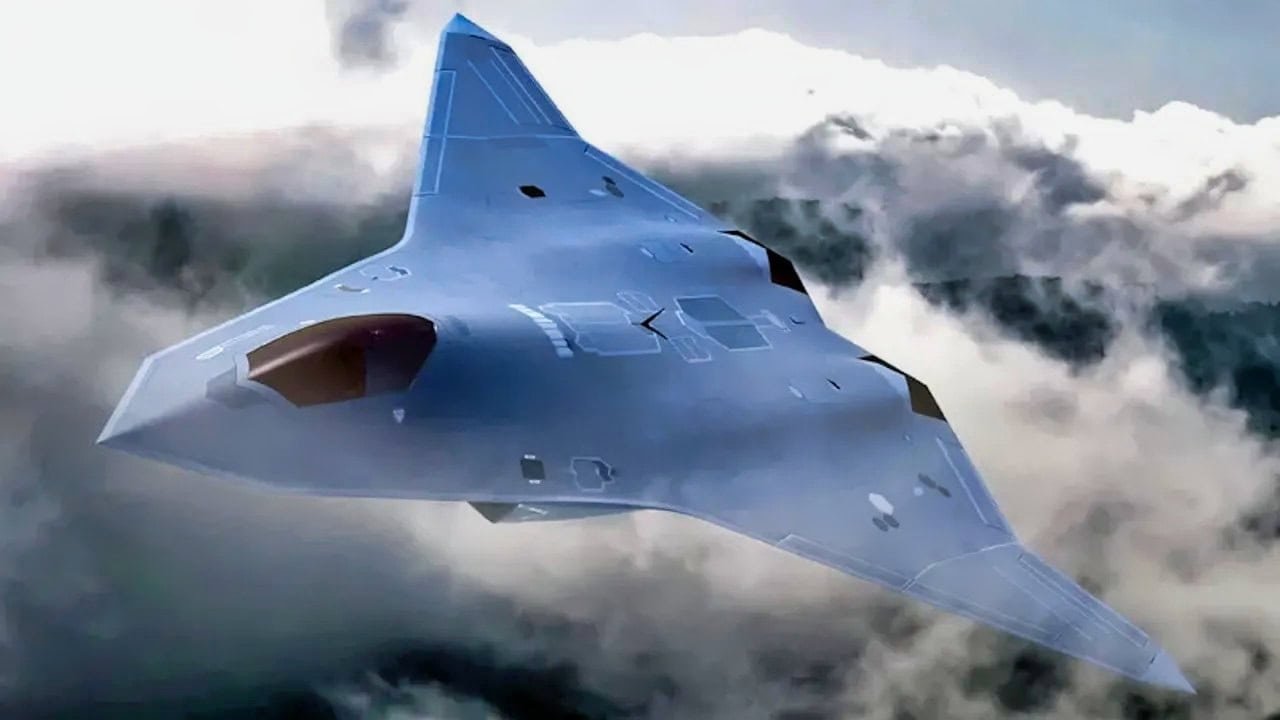 Northrop Grumman Will Not Challenge Boeing’s $20 Billion U.S. Navy F/A-XX Contract
-
 U.S. Awards Lockheed Martin $330.6 Million Contract for Long-Lead Materials Supporting 75 F-35 Lot 22 Aircraft
-
Russian Drones and Cruise Missiles Found Using Civilian NVIDIA AI Chips in Ukraine