India
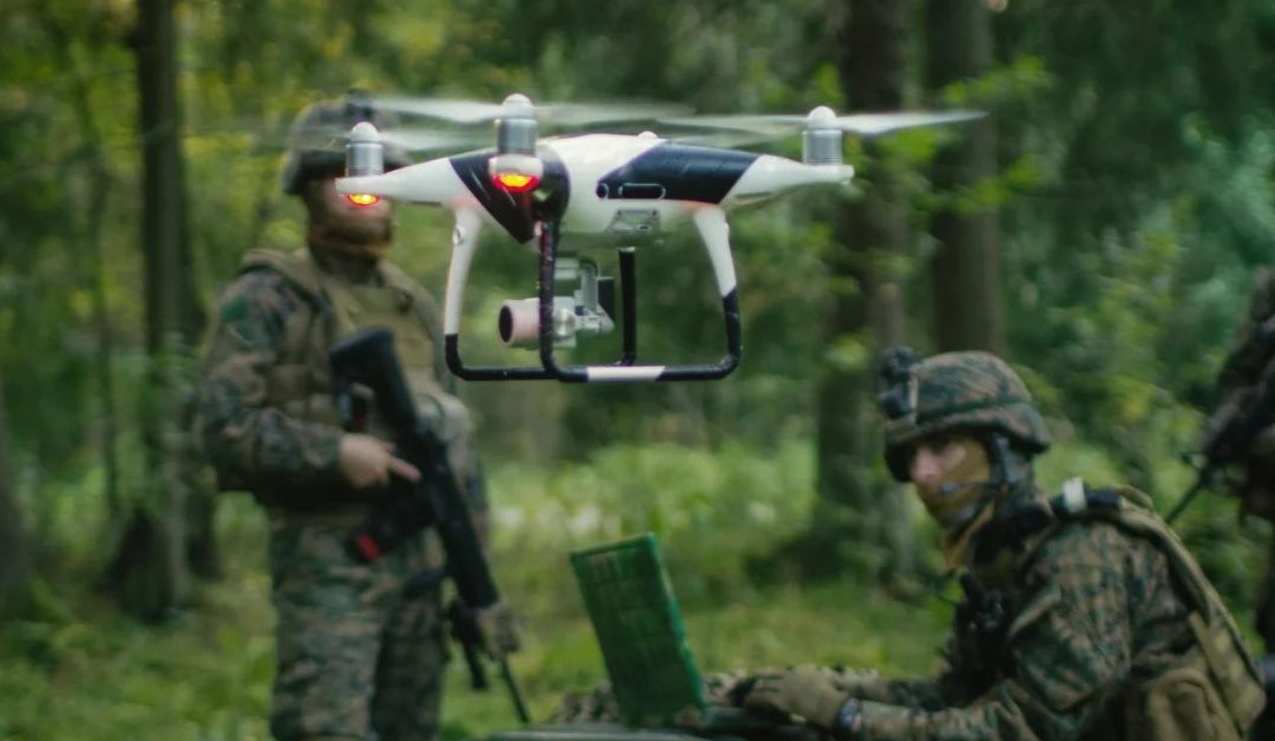
Defense News ,India :- DroneAcharya Aerial Innovations Limited, a leading company in drone technology, has won a big contract to provide important computer equipment for the Indian Army's new Drone Lab in Jammu and Kashmir (J&K). This news was shared through an official company announcement. It shows that India is serious about improving its abilities with unmanned aerial drones.The contract requires DroneAcharya to supply key computer equipment like CPUs, monitors, keyboards, and mice. These items will be essential for the smooth running of the Drone Lab. The lab is being built as a modern facility where military personnel can get training and do important research on drones.The Drone Lab in J&K is very important because it will help the Indian Army become better at using drones. Experts in defense say this decision matches the increasing use of drone technology in modern warfare.
Read More → Posted on 2024-03-17 04:54:05
India
Defense News ,India :- In the recent United Nations General Assembly, there was talk about a resolution regarding Islamophobia. Let's break down what happened there.The UN has 193 member countries. One of these countries, Pakistan, introduced a resolution about Islamophobia. They got support from China, and together they wanted to combat Islamophobia. But here's the catch: India decided to stay out of it.This resolution got approved with 115 countries saying yes, none saying no, and 44, including India, deciding not to vote either way. Other countries like Brazil, France, Germany, Italy, Ukraine, and the UK also stayed neutral.India's representative at the UN, Ambassador Ruchira Kamboj, spoke up. She said that while it's essential to fight against anti-Semitism, Christianophobia, and Islamophobia, we shouldn't forget that other religions face discrimination too.She pointed out that it's not just about Abrahamic religions like Judaism, Christianity, and Islam. Religiophobia, or fear and discrimination based on religion, also affects religions like Hinduism, Buddhism, and Sikhism. She reminded everyone that over 1.2 billion people follow Hinduism, more than 535 million follow Buddhism, and over 30 million follow Sikhism worldwide.India was worried that focusing only on Islamophobia might set a bad precedent. They didn't want the UN to start passing resolutions for or against specific religions. Ambassador Kamboj said, "We need to focus on broader issues of religious discrimination, which affect many religions, not just one."She also highlighted recent incidents of attacks on places of worship for non-Abrahamic religions. Gurudwaras, monasteries, and temples have been targets of violence. She mentioned the destruction of the Bamiyan Buddhas in Afghanistan and attacks on Sikh pilgrims and temples as examples.India stressed that they're against all forms of religiophobia. They don't support discrimination or violence against any religion. But they believe that addressing religious discrimination should include all religions, not just one.The resolution also called for appointing a special envoy to combat Islamophobia. India didn't agree with this idea. They thought it wasn't fair to focus on just one religion when there are discrimination issues faced by many religions.Ambassador Kamboj reminded everyone of India's history as a diverse and democratic nation. India has always welcomed people of all faiths and provided a safe space for them. She said India has been a sanctuary for persecuted people throughout history, whether they were Zoroastrians, Buddhists, Jews, or followers of any other belief.Before passing the resolution, there were two amendments proposed. One suggested removing references to the desecration of the Quran. The other proposed appointing a focal point to combat anti-Muslim discrimination instead of a special envoy. India supported both these amendments.The UN had already declared March 15 as the International Day to Combat Islamophobia in 2022. This decision came after a tragic incident in Christchurch, New Zealand, where over 50 people were killed in attacks on mosques in 2019.UN Secretary-General Antonio Guterres expressed his concerns about rising anti-Muslim hate around the world. He also mentioned discrimination against Jews, minority Christian communities, and others. He emphasized that hate against one group leads to hate against others and damages society.In summary, India abstained from voting on the UN resolution about Islamophobia because they felt it was essential to address religious discrimination against all religions, not just one. They believe in equality and inclusivity for all faiths, and they want the UN to focus on broader issues of religious discrimination rather than singling out specific religions.
Read More → Posted on 2024-03-17 04:48:39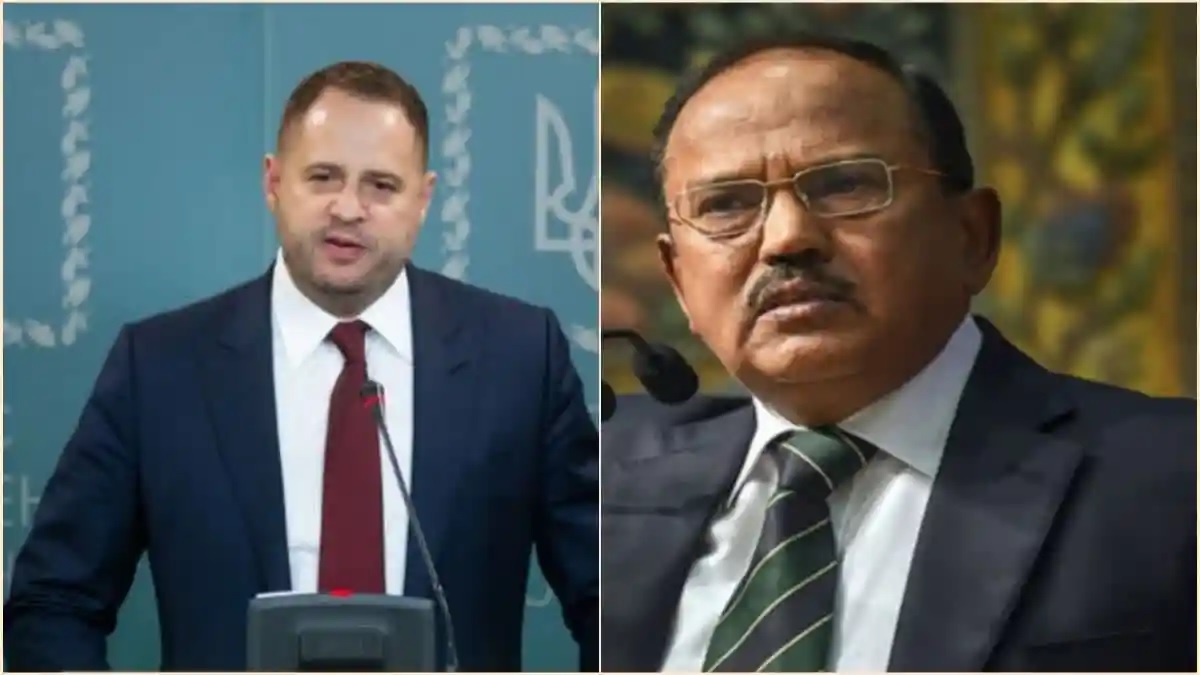
Top Ukrainian official Yermak, NSA Doval hold Talks about Preparations for First Global Peace Summit
India
Defense News , India :- Andriy Yermak, head of the office of Ukrainian President Volodymyr Zelenskyy, held a telephonic conversation with National Security Advisor Ajit Doval on Friday. The two leaders spoke about the preparations for the first Global Peace Summit in Switzerland, noting the high level of support for the event. Taking to his official X handle, Andriy Yermak posted, “Had a phone call with National Security Advisor to the Prime Minister of India Ajit Kumar Doval.Spoke about the preparations for the first Global Peace Summit in Switzerland at the level of state leaders and noted the high level of support for the event.” Yermak informed Doval about the situation at the front amid the ongoing conflict between Russia and Ukraine, his country’s ‘success’ in confronting Russia in the Black Sea, the fight against Russian aviation and strengthening Ukraine’s defence production.During the telephonic conversation, Yermak said Russia continues to strike his homeland with missiles and drones, particularly civilian infrastructure, the Ukrainian Presidential Office said in a statement. During the phone-call, Yermak thanked Doval for his deputy’s participation in the fourth meeting of national security advisors and foreign policy advisors to the heads of state on the implementation of the Peace Formula, which took place in Davos, Switzerland in January.The two officials agreed on continuing the dialogue and strengthening bilateral relations between India and Ukraine, according to the statement. “Andriy Yermak informed the interlocutor about the situation at the front, Ukraine’s success in confronting Russia in the Black Sea and in the fight against Russian aviation, as well as about strengthening Ukraine’s defense production. The Head of the President’s Office emphasized that the aggressor continues to strike our country with missiles and drones, in particular, civilian infrastructure,” the Ukrainian Presidential Office added in its statement. The military conflict between Russia and Ukraine, which started in 2022, has continued for over two years.Marking the second anniversary of the Russian invasion, earlier, Ukrainian President Volodymyr Zelenskyy, urged his countrymen to remain hopeful of victory. In a video address recorded from the Hostomel airport, Zelensky thanked Ukrainians for their efforts to resist Russia’s full-scale invasion and said, “We are 730 days closer to victory.” “Keep fighting – you are sure to win!,” the Ukrainian President said at the airport, which was targeted by Russia in the early days of the war. Zelenskyy said he was “incredibly proud” of the people of his country and admires and believes in each of them. “Any normal person wants the war to end.But none of us will allow our Ukraine to end. That’s why when it comes to ending the war, we always add – on our terms. That’s why next to the word “peace,” the word “just” always sounds. That’s why in future history, next to the word Ukraine, the word “independent” will always stand. We fight for this. And we will prevail. On the best day of our lives,” the Ukrainian President said. During his address, he also thanked the country’s soldiers and “everyone in the world who stands by us and with truth”.
Read More → Posted on 2024-03-16 15:14:54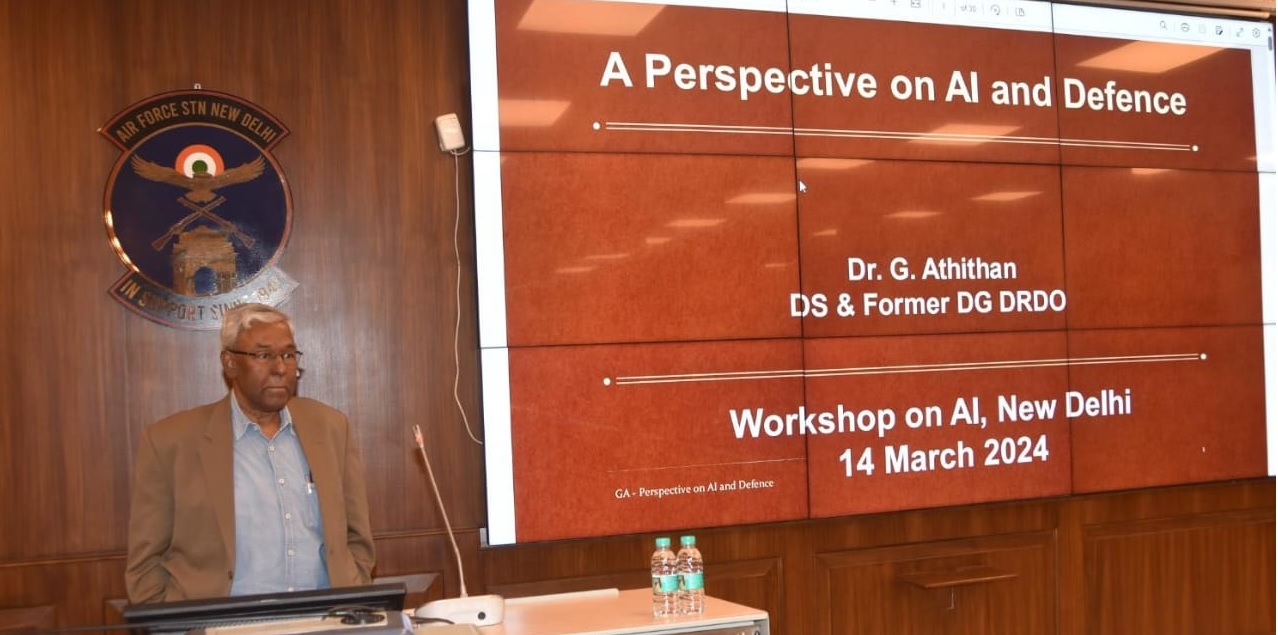
India
Defense News ,India :- The Indian Air Force (IAF) recently took a big step forward in using high-tech tools for their work. They held a special workshop for two days all about Artificial Intelligence (AI).This workshop was a team effort, put together by important people like the Scientific Advisor to the Chief of Air Staff (CAS) and the Defence Research and Development Organisation (DRDO) AI labs. It shows how serious the IAF is about bringing AI into their work.Important leaders like Dr. G. Satheesh Reddy (Scientific Advisor to CAS), Dr. S. V. Kamat (Chairman, DRDO), and Air Marshal Ashutosh Dixit (Deputy Chief of the Air Staff) led the workshop. They wanted to build a strong partnership between the IAF and DRDO to use AI in their systems.Here's what they talked about at the workshop:1. Understanding What's Happening Around: AI can help pilots understand what's going on during a mission by quickly analyzing data from radars, satellites, and other sensors. This helps them make better decisions faster.2. Planning Flights Better: AI can handle lots of data to plan the best routes for flights, save fuel, and make missions more successful.3. Spotting and Recognizing Dangers: AI systems can quickly identify and track threats by looking at pictures and readings from sensors, making the IAF stronger and safer.4. Using AI for Drones and Other Unmanned Vehicles: The IAF is thinking about using AI to control drones and unmanned combat vehicles. This could change how air battles happen in the future.5. Keeping Aircraft Running Smoothly: AI can help make sure planes are ready to fly by managing supplies and predicting when maintenance is needed.This workshop is a big deal for the IAF. They want to use AI to make themselves stronger and better at making decisions, especially in today's complicated world.
Read More → Posted on 2024-03-16 15:04:34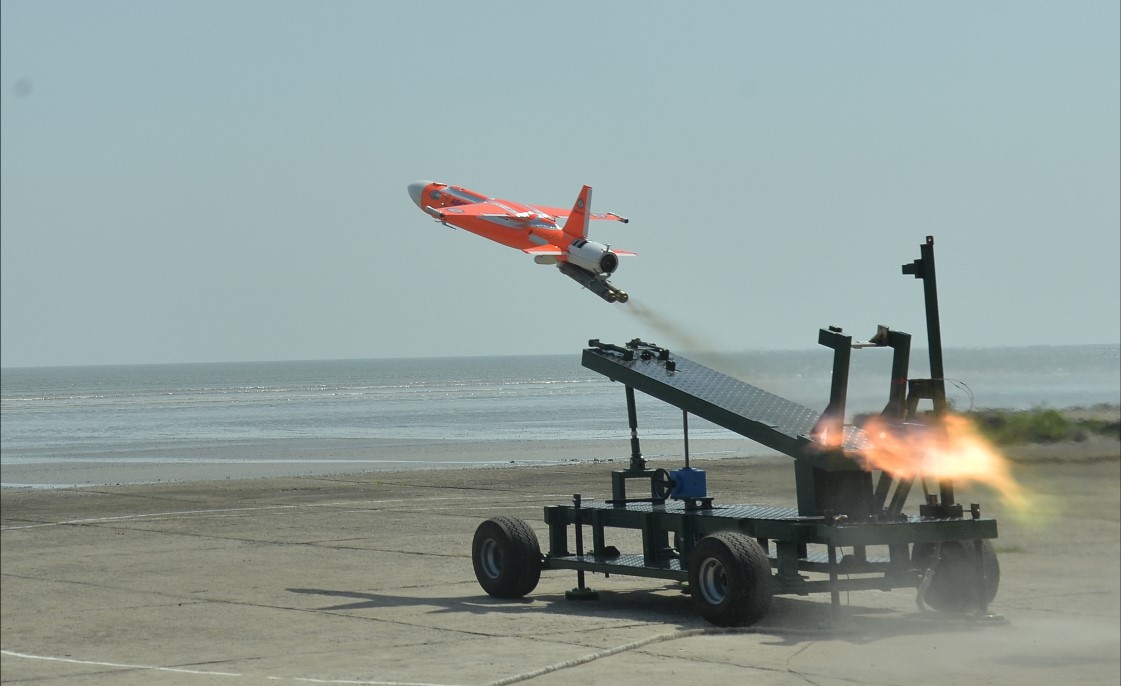
India
Defense News ,India :- India's Defence Research and Development Organisation (DRDO) reached a big achievement on 5th Feb. They tested their high-speed expendable aerial target (HEAT) called ‘ABHYAS’ successfully.The tests happened at the Integrated Test Range in Odisha. They met important goals, like showing off a new, improved design with just one booster. This change makes it stronger and easier to produce in large quantities, saving money.ABHYAS is the result of hard work by DRDO’s Aeronautical Development Establishment (ADE). It’s a vital upgrade for India’s defense. ABHYAS acts as a realistic and affordable target for training and checking the country's missile systems. Because it can be used once and thrown away, it cuts down on costs since there's no need to bring it back.DRDO plans to start making ABHYAS with the help of Hindustan Aeronautics Limited (HAL) and Larsen & Toubro (L&T) Defence. With DRDO's knowledge and these companies' manufacturing skills, India can make more at home.In the future, DRDO is also thinking about making a weaponized version of ABHYAS called a loitering munition (LM). This could be sold to other countries, giving them a cheaper way to improve their defense systems.
Read More → Posted on 2024-03-16 14:21:39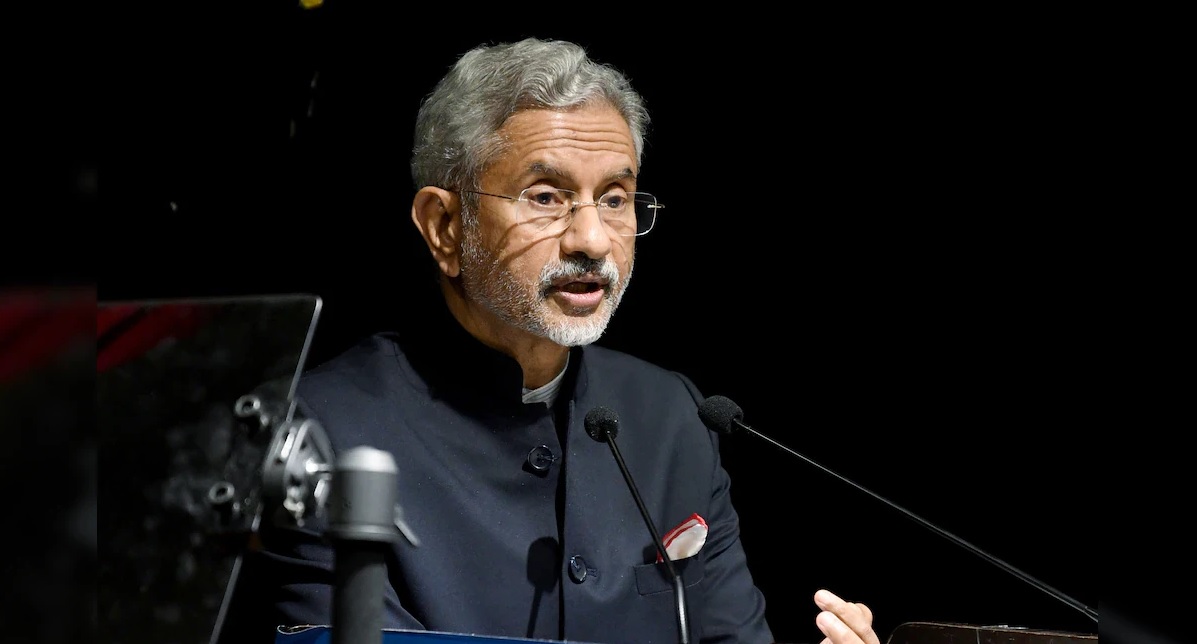
India
Defense News ,India :- Weighing in on the changing global perceptions of India, External Affairs Minister S Jaishankar said the world now sees the country as one that is able to “seek its own solutions”. He said the country stood up for its consumer interests, energy choices and national security, stressing that “this is a different India today”.Speaking at the ET Awards 2023 where he was honoured as the ‘Reformer of the Year’, Mr Jaishankar said, “Today when the world thinks of India, the world actually sees a country which is able to seek its own solutions, speak its own mind, which will stand up, which stood up for our consumer interests when it came to its energy choices, which stood up for its national security when it came to deploying on our northern frontiers and in staying with the Quad. So this is a different India today, and I cannot tell you how proud I am to represent it abroad.”Mr Jaishankar noted that India, in the past few years, has left a deeper imprint on world consciousness. He said the world saw how India has tackled challenges such as the Covid-19 pandemic and shipped vaccines and other life-saving drugs to 100 nations around the world under ‘Vaccine Maitri’ even as it was dealing with a public health emergency in its own backyard.Highlighting India’s global outreach, Mr Jaishankar said, “In the last few years, there’s no question we have left a deeper imprint in the world consciousness. When they think of India today, if one is talking in terms of challenges, they see how we handled Covid, how we became through Vaccine Maitri a provider of vaccines to 100 countries across the world. They note how we take care of our citizens abroad. It could be ‘Operation Ganga’ or ‘Kaveri’ or ‘Ajay’. It could be the ‘Vande Bharat’ mission during Covid. They see today the achievements of our businesses in projects abroad, in terms of exports which have gone up. They note, of course, the enormous progress that India itself is making.”Speaking at the event, the External Affairs Minister touched on the burgeoning Indian economy, saying, “They (the world) see today that despite the tremendous global headwinds, this is an economy that is growing at 8 per cent. The fifth-largest economy was 11th (even) a decade ago. It will be (the) third hopefully very soon.”Mr Jaishankar said that the world, even after coming out of the pandemic, continues to face different challenges like the conflict in Ukraine, the conflict in Gaza and maritime concerns in the Red Sea.“There are other issues, some on our borders, some beyond. So the world is not without its challenges,” he said.Stressing that the world was “full of opportunities,” Mr Jaishankar said, “We are used to thinking of a global marketplace. There is a global workplace which is happening. There is a global tech place which is taking place. There are new opportunities to board the manufacturing bus, which we may have missed in the earlier years. But to do all that, we need leadership, we need vision, we need a collective commitment of a nation. And if we get all those right, I’m very sure that those who come after me will be able to represent the nation abroad with even more effectiveness and an even greater sense of pride than I’ve had.”Earlier, on March 7, the EAM said India was working on major corridors both to its east and west, and once completed, these corridors will connect the Atlantic to the Pacific through Asia. Speaking at the Raisina Roundtable organised by the Observer Research Foundation (ORF) in Tokyo on March 7, Jaishankar opened up on the major corridors on which India is currently working.“India is today working on major corridors both to its east and west. They include the India-Middle East-Europe Economic Corridor (IMEC) initiative through the Arabian peninsula and the international north-south transport corridor and towards east the trilateral highway in southeast Asia and the Chennai Vladivostok route, which also has polar implications…these corridors when completed will connect the Atlantic to the Pacific through Asia,” he said.
Read More → Posted on 2024-03-16 06:02:59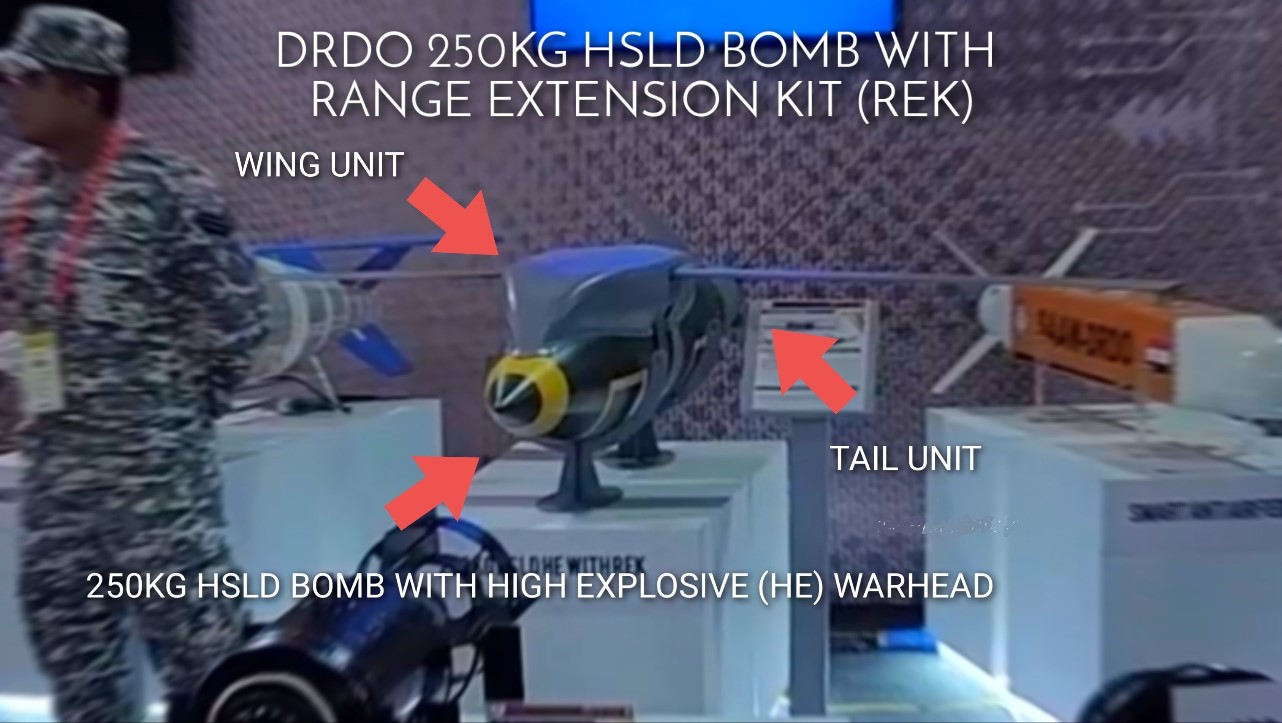
India
Defense News ,India :- India's Defence Research and Development Organisation (DRDO) has taken a significant leap forward in air-to-ground weaponry, revealing an extended-range High-Speed Low Drag (HSLD) bomb during Exercise Bharat Shakti. This latest innovation, featuring a Range Extension Kit (REK), marks a substantial advancement in operational reach.Equipped with the REK, the 250kg HSLD bomb empowers Indian Air Force (IAF) pilots with enhanced striking capabilities from safer distances, a critical tactical advantage in contemporary combat environments. The seamless integration of the REK with the bomb's existing guidance systems, leveraging GPS and Inertial Navigation System (INS), ensures pinpoint accuracy in targeting.The REK's design incorporates a wing and tail unit, facilitating controlled gliding to maximize the bomb's extended range capabilities, further enhancing its effectiveness on the battlefield.India's Innovation for Defence Excellence (IDEX) program is ambitiously pushing the boundaries of this technology. It recently called for industry collaboration to develop an advanced REK featuring an Electro-Optical/Infra-Red (EO-IR) guided warhead, promising enhanced terminal guidance for unparalleled accuracy.DRDO's innovative prowess extends beyond the 250kg variant. The organization is actively engaged in developing similar REKs to augment the capabilities of heavier 450kg and 1000kg HSLD bombs, demonstrating a comprehensive approach to fortifying India's air-to-ground weaponry arsenal.This concerted effort underscores India's steadfast commitment to maintaining a dynamic and adaptable air-to-ground weapon inventory, ensuring readiness and efficacy in the face of evolving security challenges.
Read More → Posted on 2024-03-16 05:57:37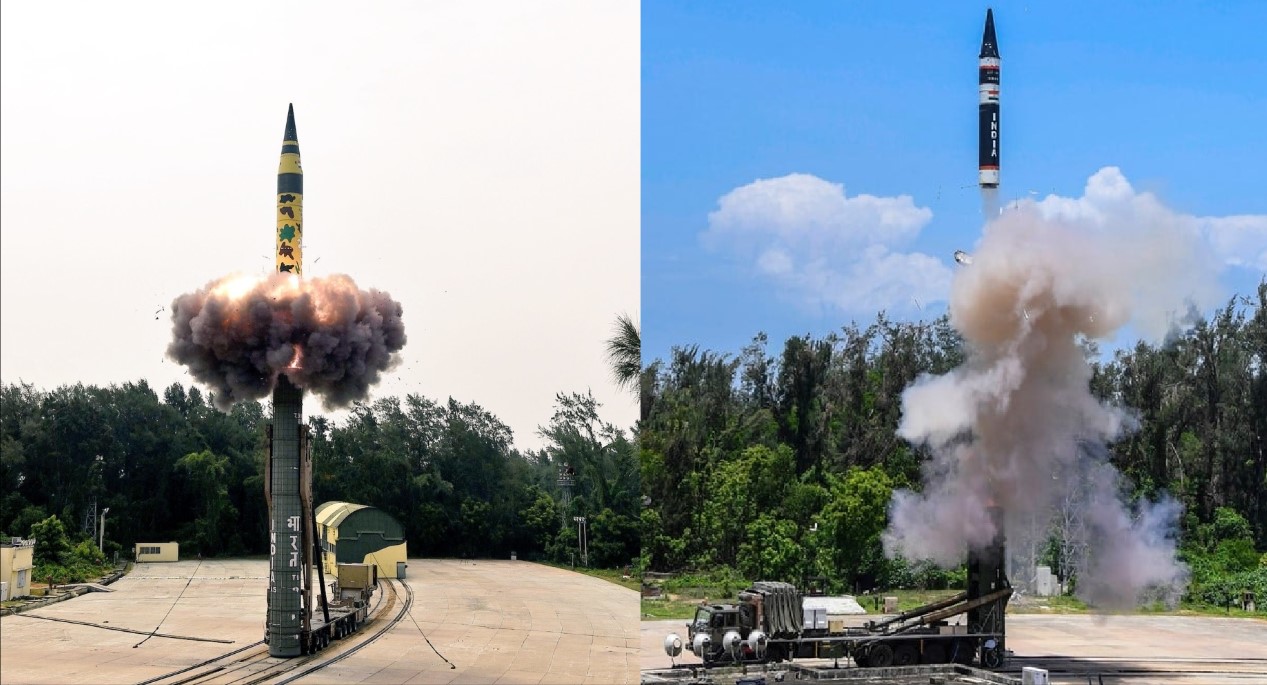
India
Defense News ,India :- In 2012, India's strategic defense capabilities took a significant leap forward with the inaugural test of the Agni-V Intercontinental Ballistic Missile (ICBM), marking a pivotal moment in the nation's military technology development. Over the subsequent twelve years, the Agni missile series has undergone a remarkable journey of advancements, culminating in the recent milestone of testing the Agni-V Multiple Independently Targetable Re-entry Vehicle (MIRV) variant in 2024.The Agni missile series commenced its journey with the maiden test of the Agni-V ICBM in 2012, showcasing India's capability to target areas across mainland China. Initially constrained to a range of 5,000 km, subsequent modifications have substantially enhanced the missile's reach. Analysts speculate that with a lighter payload, the Agni-V's range could extend up to an impressive 8,000 km.In 2015, another significant development occurred with the testing of the Agni-V from a sealed canister, offering enhanced operational flexibility and ease of handling. The year 2021 witnessed further validation of the missile's readiness through user trials conducted by the Strategic Forces Command, reassuring international observers about the maturity of India's missile development program.India's relentless pursuit of missile technology advancement led to the introduction of the Agni-V MkII variant, tested in 2022. This upgraded version incorporated lightweight composite materials and modernized subsystems, resulting in a reduction in weight and a substantial boost in performance. The Agni-V MkII could now reach distances exceeding 7,000 km while carrying a full payload, reflecting India's commitment to enhancing its strategic reach.However, the most significant leap in the Agni series came in 2024 with the testing of the Agni-V MIRV variant. MIRV technology equips a single missile with multiple warheads, posing a formidable challenge for adversaries in defense scenarios. India's successful demonstration of MIRV capability, achieved ahead of projected timelines, underscores the nation's growing technological prowess and strategic strength on the global stage.Beyond the technological achievements, the successful test of the Agni-V MIRV variant signifies India's advancements in various critical areas, including warhead miniaturization, advanced guidance and navigation systems, and the development of reliable individual re-entry vehicles. Reports from reputable organizations such as the Federation of American Scientists (FAS) recognize India's remarkable progress, noting that the MIRV demonstration has surpassed earlier projections by several years.In conclusion, the evolution of India's Agni-V missile system epitomizes the nation's unwavering commitment to bolstering its defense capabilities. With extended range and the addition of MIRV capability, the Agni-V emerges as a potent deterrent, consolidating India's position as a significant force in the global strategic landscape. As India continues to invest in cutting-edge military technologies, the Agni missile series stands as a testament to the nation's quest for self-reliance and readiness to defend its interests effectively.
Read More → Posted on 2024-03-16 05:51:23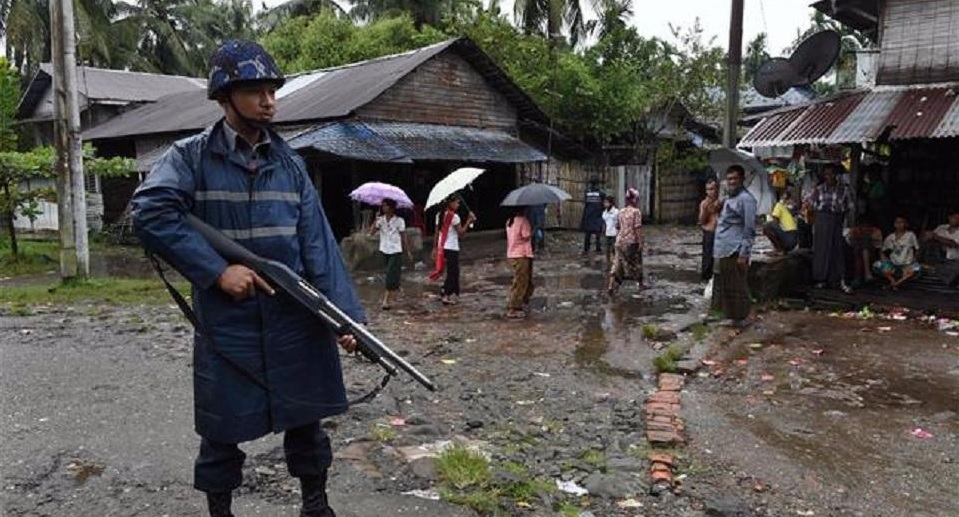
India
Defense News ,Myanmar :- Amidst escalating tensions and deteriorating security conditions in Myanmar's Rakhine state, the Ministry of External Affairs (MEA) of India has issued a directive for all Indian nationals to evacuate the region immediately. The move comes in response to mounting unrest and violence, with the MEA highlighting the precarious situation in the area.Speaking at a recent media briefing, Ministry of External Affairs Spokesperson Randhir Jaiswal emphasized the urgency of the situation, stating, "We had issued an advisory for the Rakhine State, where the situation there is very delicate, the security situation has deteriorated. We told all Indian nationals to evacuate themselves and move away from there and we also told our nationals who are there or otherwise from anywhere else not to travel to that part."Jaiswal underscored the gravity of the circumstances, noting the prevalence of ongoing conflict and unrest within the region. "The situation in Myanmar remains a cause of concern because of the deterioration in the security situation," he remarked, highlighting the necessity for immediate action.The spokesperson elaborated on the escalating violence, emphasizing that the current security environment in Rakhine State is highly volatile and poses significant risks to residents and visitors alike.India's stance on the issue emphasizes a commitment to peace and stability in Myanmar. Jaiswal reiterated India's support for constructive dialogue and the establishment of an inclusive federal democracy through peaceful means. "We want peace and stability in the country, we want constructive dialogue in the country, and we want inclusive federal democracy to be established through dialogue and through constructive engagement," he affirmed.This latest advisory follows a previous warning issued by India in February, urging its citizens to refrain from traveling to the Rakhine state due to escalating security concerns. Citing disruptions in telecommunications and severe shortages of essential commodities, the MEA emphasized the risks associated with visiting the region.Furthermore, recent developments in Myanmar have heightened tensions, with a notable increase in violent incidents. Ethnic minority forces launched a coordinated offensive last October, resulting in the capture of several towns and military installations. This escalation has posed significant challenges to the ruling junta, marking a pivotal moment in the country's political landscape.The repercussions of the unrest have extended beyond Myanmar's borders, with a substantial influx of refugees crossing into neighboring regions. In particular, the state of Mizoram along the Indo-Myanmar border has experienced a surge in arrivals following airstrikes conducted by the Myanmar military in bordering areas.February 1 marked the third anniversary of the military coup in Myanmar, which saw the seizure of power by the military junta. The anniversary served as a stark reminder of the ongoing political turmoil and instability gripping the nation.In light of these developments, India's evacuation advisory underscores the escalating crisis in Myanmar's Rakhine state and the imperative for immediate action to ensure the safety and well-being of all individuals in the region.As the situation continues to evolve, the international community remains vigilant, calling for peaceful resolution and the restoration of stability in Myanmar. India's proactive stance reflects its commitment to fostering dialogue and supporting efforts towards a peaceful and democratic future for the embattled nation.
Read More → Posted on 2024-03-16 05:42:40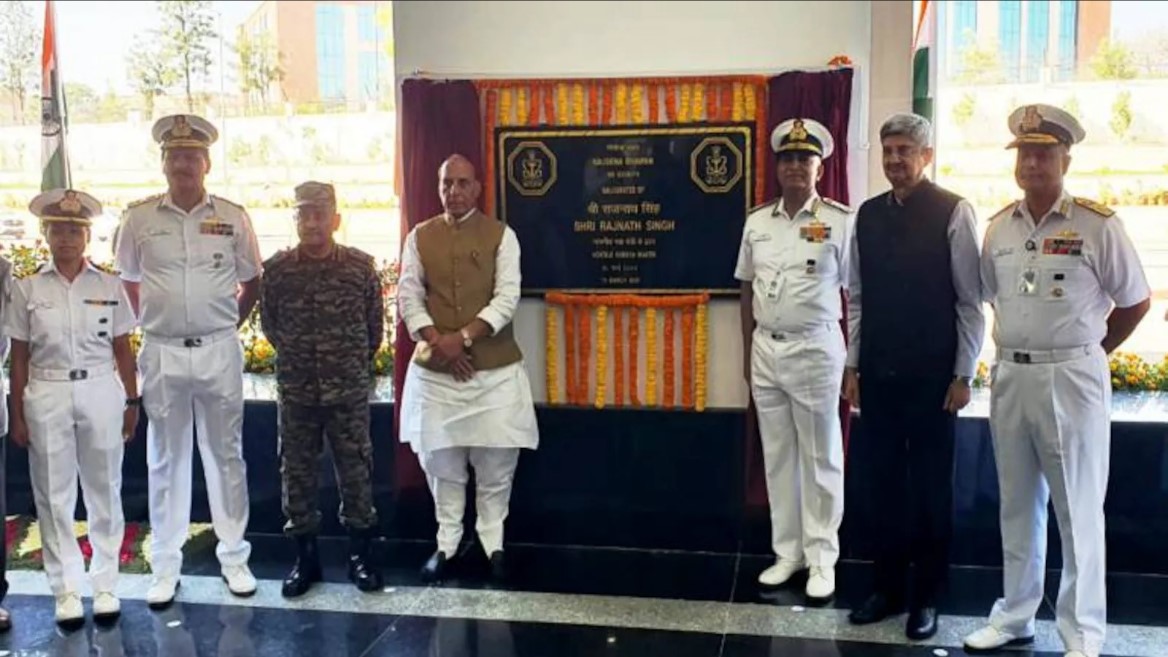
India
Defense News ,India :- The Indian Navy has a new home in Delhi, and it's a big deal. On Friday, Defence Minister Rajnath Singh officially opened the 'Nausena Bhawan'. It's a fancy new headquarters for the Navy, full of the latest technology and cool features.Before this, the Navy had offices scattered across 13 different places. Having all those offices was kind of a hassle. So, they built this new headquarters to bring everything together in one place.This new building is a symbol of progress for the Indian Navy. It's not just any office building – it's a high-tech hub that shows how serious India is about being great at sea and keeping the country safe.The design of the building was chosen after a big competition involving architects from all over India. They wanted something that not only looked good but also worked well.The 'Nausena Bhawan' has three parts and four floors. It's built using smart techniques to make it efficient and environmentally friendly. They've used things like solar power and special materials to save energy and water.The construction of this building was pretty advanced too. They used a special type of concrete that let them build big areas quickly. And they made sure to include lots of green spaces and gardens to make it look nice.Inside, the 'Nausena Bhawan' is really comfortable. They've got a top-notch heating and cooling system that makes sure everyone feels good while they're working.But it's not just about comfort – the building is also super secure. They've got all kinds of fancy tech, like cameras that can recognize faces and scanners that check under vehicles. Security is a big deal, so they've made sure to cover all the bases.And because it's the Navy, they've got to have the latest tech. The building is kitted out with all kinds of IT stuff to make sure everyone can work efficiently. They're going for a paperless system, which means less waste and more efficiency.Overall, the 'Nausena Bhawan' is a big step forward for the Indian Navy. It's not just a building – it's a symbol of India's commitment to excellence and security on the seas. And with all the cool features and tech inside, it's definitely a place where the Navy can thrive and do its best work.
Read More → Posted on 2024-03-16 05:11:04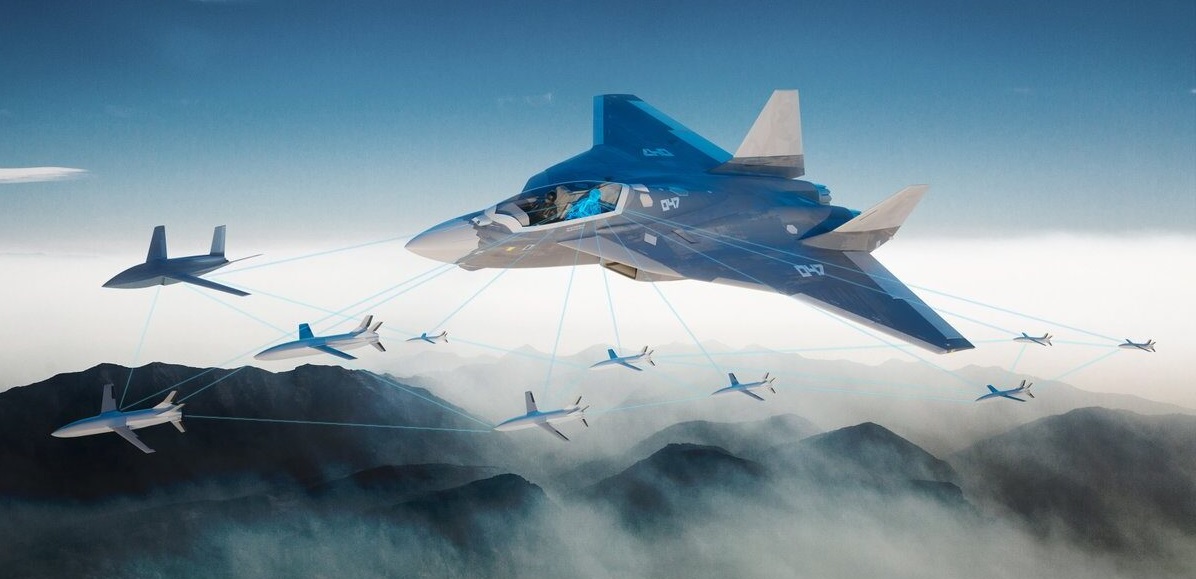
India
Defense News ,India :- India's government has finally given the green light to the Advanced Medium Combat Aircraft (AMCA) program. It's a big deal because it means India is taking a major step toward making its own advanced fighter jets.But even as this happens, India needs to think about what comes next. The world of airplanes is changing fast, and India doesn't want to fall behind. They should start planning now for the next generation of fighter jets, known as 6th generation.Waiting for approval for the AMCA program took 16 years! That's a long time. India can't afford to wait that long again for the next fighter jet.Big countries like the USA, China, and Russia are already talking about their plans for 6th generation fighters. These planes are going to be even more advanced than what we have now. India needs to start planning and working on these new jets to stay ahead.Here are some important things about these new 6th generation jets:1. Super Stealth: These planes will be super hard to detect by radar, infrared sensors, and even sound. They will be like ghosts in the sky.2. Advanced Engines: The engines in these jets will be really smart. They'll save fuel when flying slow, but give a big boost of power when needed to go fast.3. Connected Warfare: These jets will be like part of a big team. They'll share information with other planes, drones, and troops on the ground in real-time. This will give them a huge advantage in battles.The AMCA program can help India get ready for these new jets. They're already planning to use some 6th generation technology in the AMCA, which is great.India can learn a lot from making the AMCA. They'll figure out how to use new materials, advanced computer systems, and other important stuff. They should focus on things like artificial intelligence and hypersonic weapons to make sure they're ready for the future.But making these new jets won't be easy. It's going to cost a lot of money, and India needs help from both the government and private companies. They might need to work with other countries too, to get all the skills they need.Some people might say it's too early to think about 6th generation jets when we're still working on the AMCA. But staying ahead in technology means planning ahead.By using the AMCA program to learn and grow, India can be ready for the next generation of fighter jets. They can be a leader in the skies of tomorrow.
Read More → Posted on 2024-03-16 05:05:22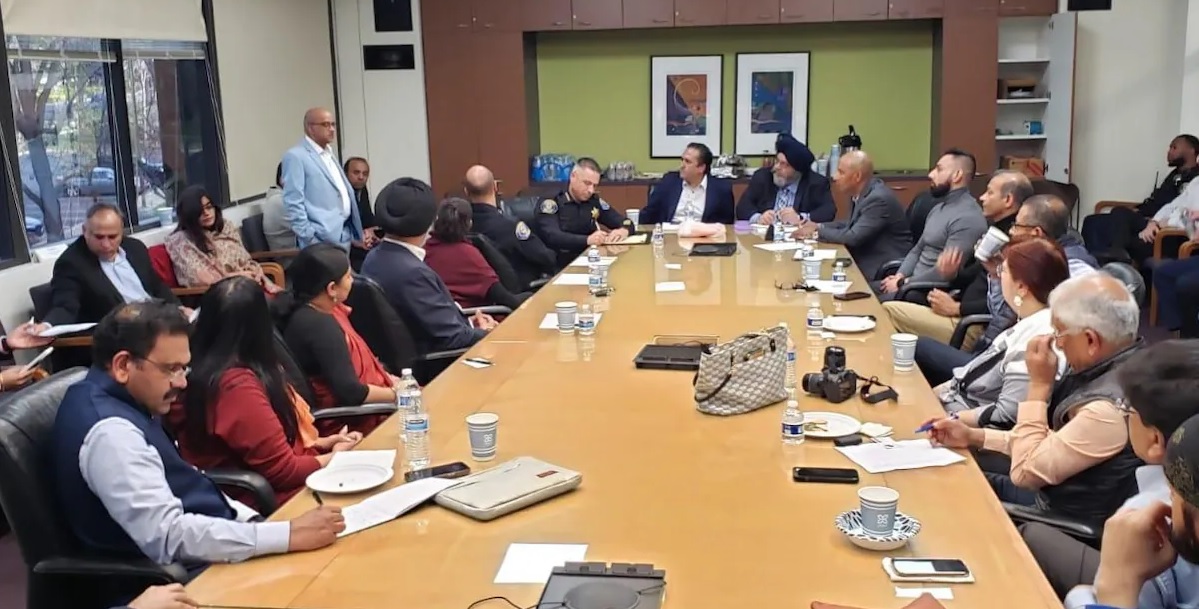
India
Defense News ,India :- In a critical development in Silicon Valley, a gathering of distinguished Indian-Americans convened a high-level meeting with senior officials from the Department of Justice, the FBI, and local law enforcement agencies. Their primary concern: the exploitation of US territory for terrorist activities directed against India. Amidst a surge in hate crimes targeting Hindu establishments in California, this assembly sought to address pressing issues and demand concrete action from American law enforcement.Initiated by community leader Ajai Jain Bhutoria, the meeting aimed to tackle the escalating wave of hate crimes against Hindu and Jain places of worship. Attended by approximately two dozen prominent Indian-Americans, the gathering featured key figures such as Vincent Plair and Harpreet Singh Mokha from the Department of Justice's Community Relations Service, alongside representatives from the FBI and various police departments including San Francisco, Milpitas, Freemont, and Newark.Expressing deep-seated dissatisfaction, Indian-Americans voiced their concerns over the perceived inaction of US law enforcement agencies against individuals promoting terrorism activities targeting India. Reports from attendees indicated a palpable sense of fear and anxiety within the community, exacerbated by the brazenness of those involved in such activities.One recurring grievance centered on the apparent impunity enjoyed by individuals associated with the Khalistan movement, who have been implicated in a series of threatening actions including attempts to burn down the Indian consulate in San Francisco. Moreover, participants lamented the lack of proactive measures by authorities in addressing the overt intimidation tactics employed by Khalistan supporters, including the placement of trucks outside schools and Indian grocery stores to intimidate young Indian-Americans.Despite assurances from senior law enforcement officials regarding their commitment to addressing hate crimes, attendees highlighted a concerning lack of awareness regarding the Khalistan movement and its implications. Moreover, logistical constraints and competing priorities were cited as barriers to swift action, leaving many within the Indian-American community disillusioned with the efficacy of current law enforcement efforts.Ajai Jain Bhutoria, reflecting on the urgency of the situation, emphasized the need for collective action in the face of escalating threats against Hindu places of worship. Citing a spate of recent attacks on temples in the Bay Area, Bhutoria underscored the imperative of unity among community leaders and law enforcement agencies in safeguarding religious institutions and combating hate crimes.Sukhi Chahal, a prominent Sikh leader, echoed Bhutoria's sentiments, highlighting the alarming trend of Khalistani supporters targeting Hindu temples and disseminating provocative messages. Emphasizing the potential ramifications of such actions on societal harmony and bilateral relations between India and the US, Chahal urged authorities to confront the menace of hate speech and radicalization head-on.In response to these pressing concerns, it was agreed upon that a collaborative effort involving the US Department of Justice would be initiated to establish a working group dedicated to enhancing security measures at places of worship and facilitating systematic reporting of hate crimes. This inclusive approach would ensure representation from various segments of the Indian-American community, fostering a sense of ownership and accountability in addressing these challenges.However, lingering doubts persisted regarding the efficacy of law enforcement efforts, with community leaders lamenting the perceived reluctance of authorities to confront the issue of Khalistan and its implications for national security. Calls for greater education and awareness among law enforcement officials were reiterated, underscoring the need for a more nuanced understanding of the complex socio-political dynamics at play.As the meeting concluded, it became evident that while progress had been made in acknowledging the gravity of the situation, tangible action was required to translate rhetoric into meaningful change. With the specter of terrorism looming large on US soil, the Indian-American community stood united in its resolve to confront hate crimes and safeguard the principles of pluralism and religious freedom upon which the nation was founded.
Read More → Posted on 2024-03-15 16:05:27
India
Defense News ,India :- The Indian Navy recently took action to stop a pirate attack on a Bangladeshi ship named MV Abdullah. The ship was traveling from Mozambique to the United Arab Emirates when it was targeted by pirates.As soon as the Navy got the news, they sent a special warship and a Long-Range Maritime Patrol (LRMP) aircraft to help. The LRMP aircraft found the MV Abdullah on the evening of March 12th. They tried to contact the ship to check on the crew, but they didn't get any response.Then, the special warship, which was already on a mission to protect the seas, reached the hijacked ship on March 14th. They made sure that all the crew members, who were from Bangladesh, were safe. The warship stayed close to the MV Abdullah until it reached the waters near Somalia.
Read More → Posted on 2024-03-15 15:41:42
India
Defense News ,India :- Russia has strongly denied Western media reports suggesting that India is moving away from its historical reliance on Russian arms. Speaking in a recent interview, Russian Ambassador to India, Denis Alipov, sought to underscore the ongoing strength of the countries' military cooperation.Ambassador Alipov pointed to India's continued domestic production of Russian-designed military equipment as evidence of the robust partnership. He specifically noted that India has manufactured close to 1,000 T-90 tanks and 300 Su-30MKI fighter jets under established licensing agreements with Russia.The ambassador also highlighted what Russia sees as a key difference between its approach and that of Western arms suppliers. He asserted that Russia offers India the full transfer of advanced military technology, a level of cooperation he claims Western countries are often unwilling to provide.Ambassador Alipov's comments come at a time when India is actively diversifying its arms acquisitions, demonstrating a growing interest in procuring weapons systems from countries like the United States and France. This shift has fueled speculation that India might be moving away from its traditional reliance on Russian military hardware.While Russia works to counter this narrative, India is likely to continue expanding its sources of military equipment. This drive for diversification could ultimately result in a more balanced portfolio of military acquisitions for India, potentially lessening its reliance on any single arms supplier.The extent of future defence cooperation between Russia and India will hinge on a complex mix of factors. These include shifts in the geopolitical landscape, India's larger military modernization goals, and the attractiveness of future arms deals offered by both Russia and competing suppliers.
Read More → Posted on 2024-03-15 15:22:53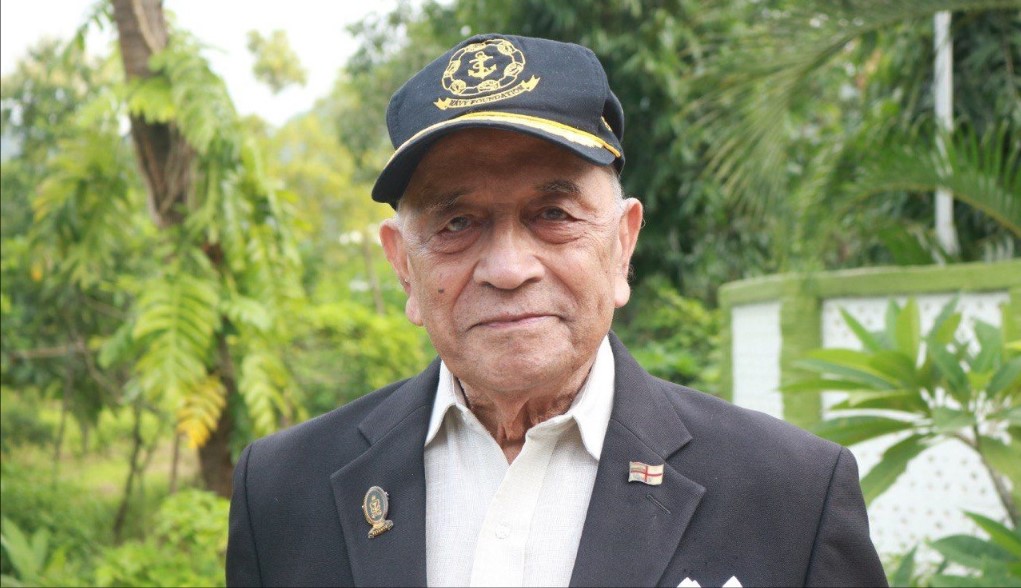
India
Defense News ,India :- Former Navy Chief Admiral (retd) L. Ramdas died at a military hospital in Hyderabad. He was 90 years old and had been unwell due to his age. Ramdas had been admitted to the hospital on March 11 and passed away on Friday morning, according to his daughter Sagari R Ramdas."He came to live with me in Hyderabad about nine months ago because he wasn't feeling well," she told PTI.His funeral will take place in Hyderabad on March 16, she said.Admiral Ramdas is survived by his wife Lalita Ramdas and three daughters.He became the 13th Chief of Naval Staff (CNS) on November 30, 1990, and retired in 1993. After retirement, he settled in Alibag, Maharashtra.Ramdas was born on September 5, 1933, in Matunga, Mumbai. He completed his early education in Delhi and joined the Armed Forces Academy in Dehradun in 1949. He became an officer of the Indian Navy in September 1953, specializing in communications.During his service, he achieved many milestones, including establishing the Naval Academy in Cochin and commanding ships during the 1971 India-Pakistan war. He also served as the Indian Naval Attache in Bonn, West Germany, and held various command positions in the Eastern Naval Command.He played a significant role in inducting women into the armed forces, particularly in the Navy, during his tenure as Chief of Naval Staff.After retirement, Ramdas and his wife settled in Bhaimala village in Alibag, Maharashtra, where they practiced organic farming and engaged in various public service activities. They were involved in peace initiatives between India and Pakistan, anti-nuclear movements, and advocated for gender equality, farmer's rights, and minority rights.Ramdas was known for his outspokenness on social issues and his advocacy for the values of the Indian Constitution, including liberty, equality, fraternity, and secularism.
Read More → Posted on 2024-03-15 15:05:00Search
Top Trending in 24 Hours
-
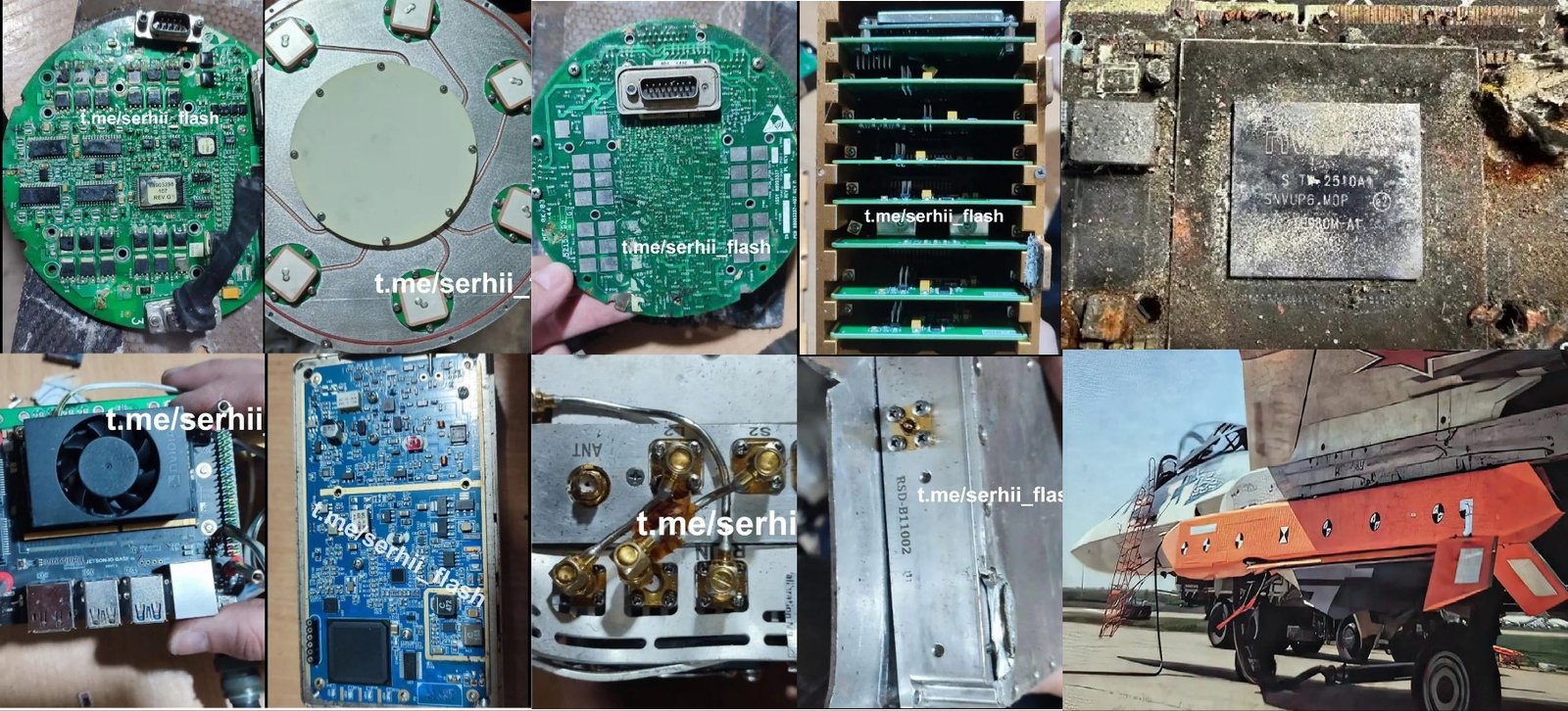 Russian Drones and Cruise Missiles Found Using Civilian NVIDIA AI Chips in Ukraine
-
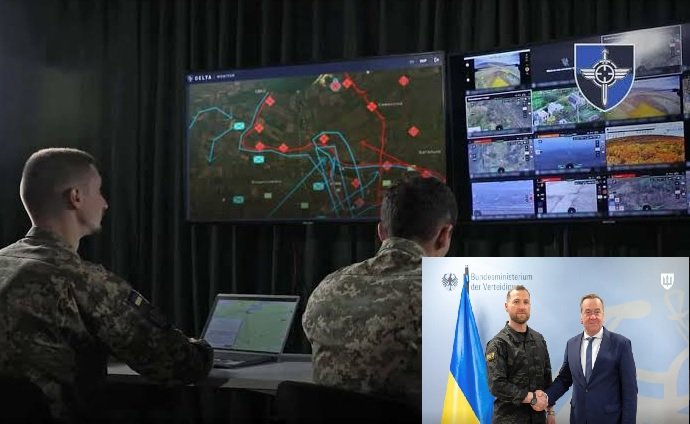 Germany Becomes First Country to Gain Access to Ukraine’s DELTA Battlefield System
-
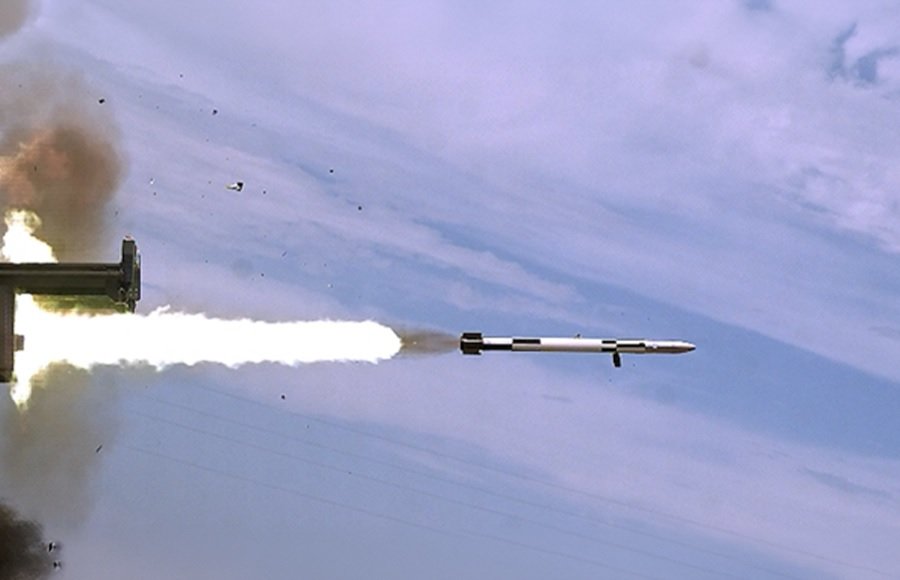 Lockheed Martin Completes Third Test of Reloadable JR3 Training Rocket
-
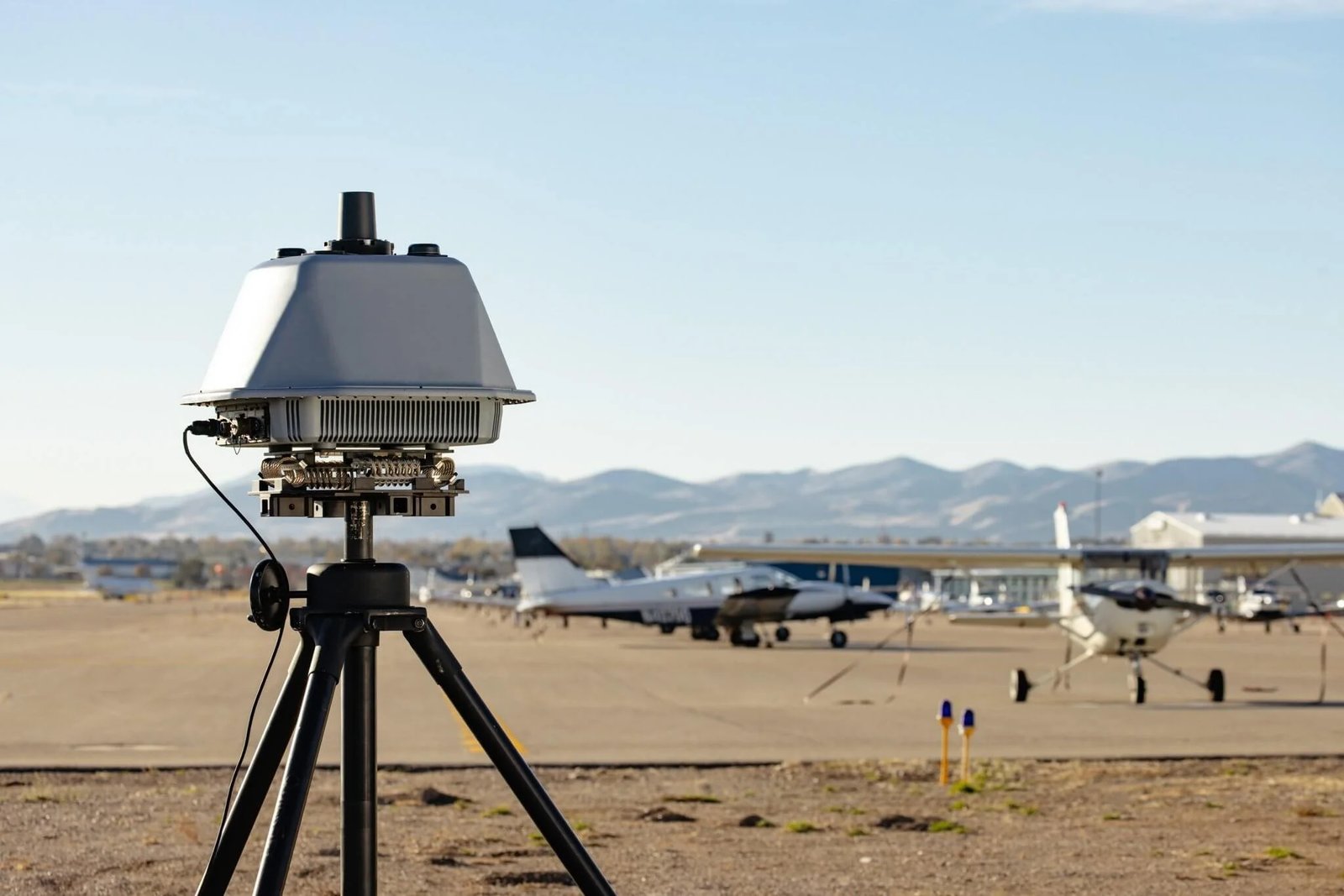 DroneShield Fixed-Site Counter-Drone System Reaches Operational Readiness for Pentagon Task Force
-
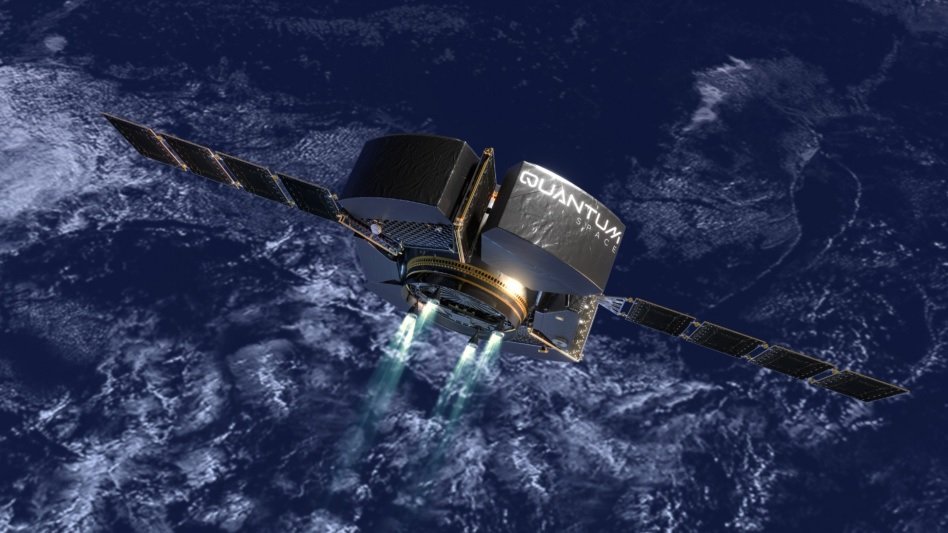 Quantum Space Goes Public on NYSE After $300 Million Financing and SPAC Merger
-
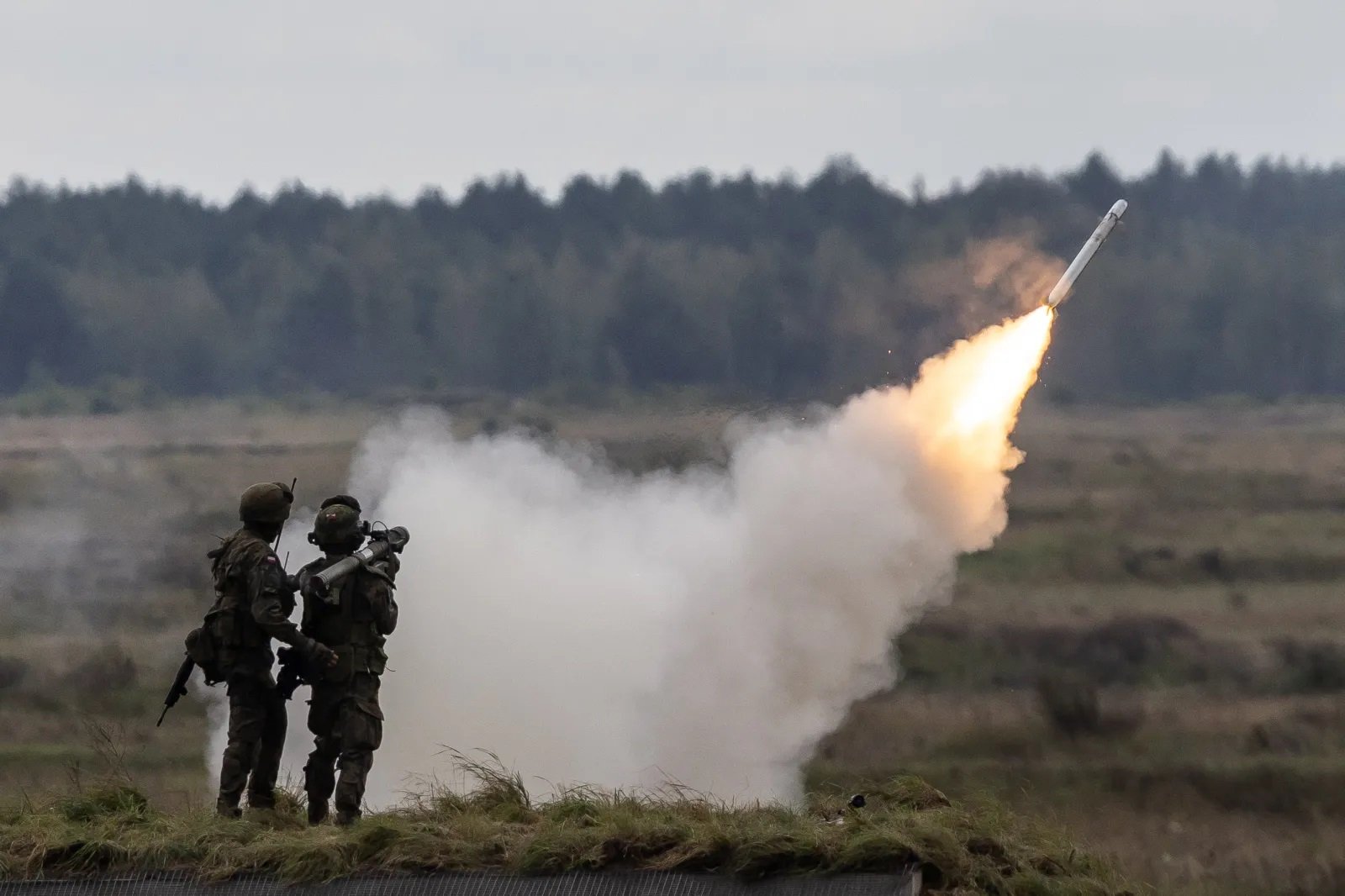 Netherlands Joins European Procurement of Poland’s PIORUN Air Defence Missiles
-
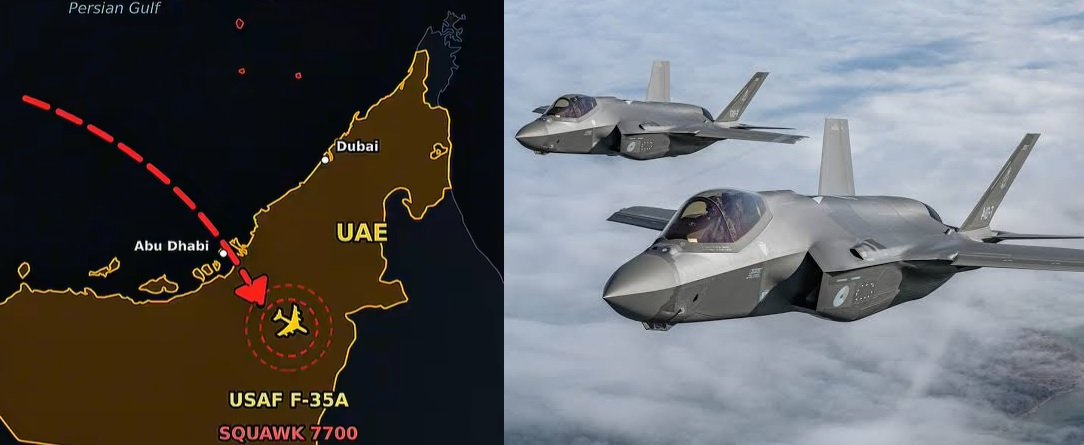 US Air Force F-35A Declares Emergency Over UAE, Flight Tracking Shows Diversion Toward Al Dhafra
-
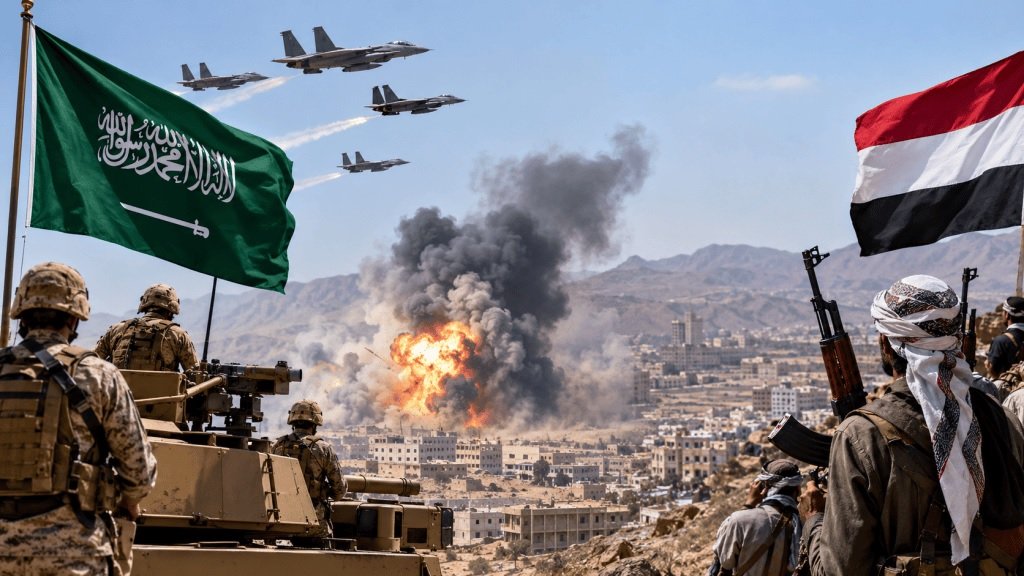 Saudi Arabia and Sudan Discuss Deployment of Up to 10,000 Fighters to Yemen
Top Trending in 4 Days
-
 Two Injured in Bahrain After Iranian Attacks; Iran Claims Strike on US Patriot Radars
-
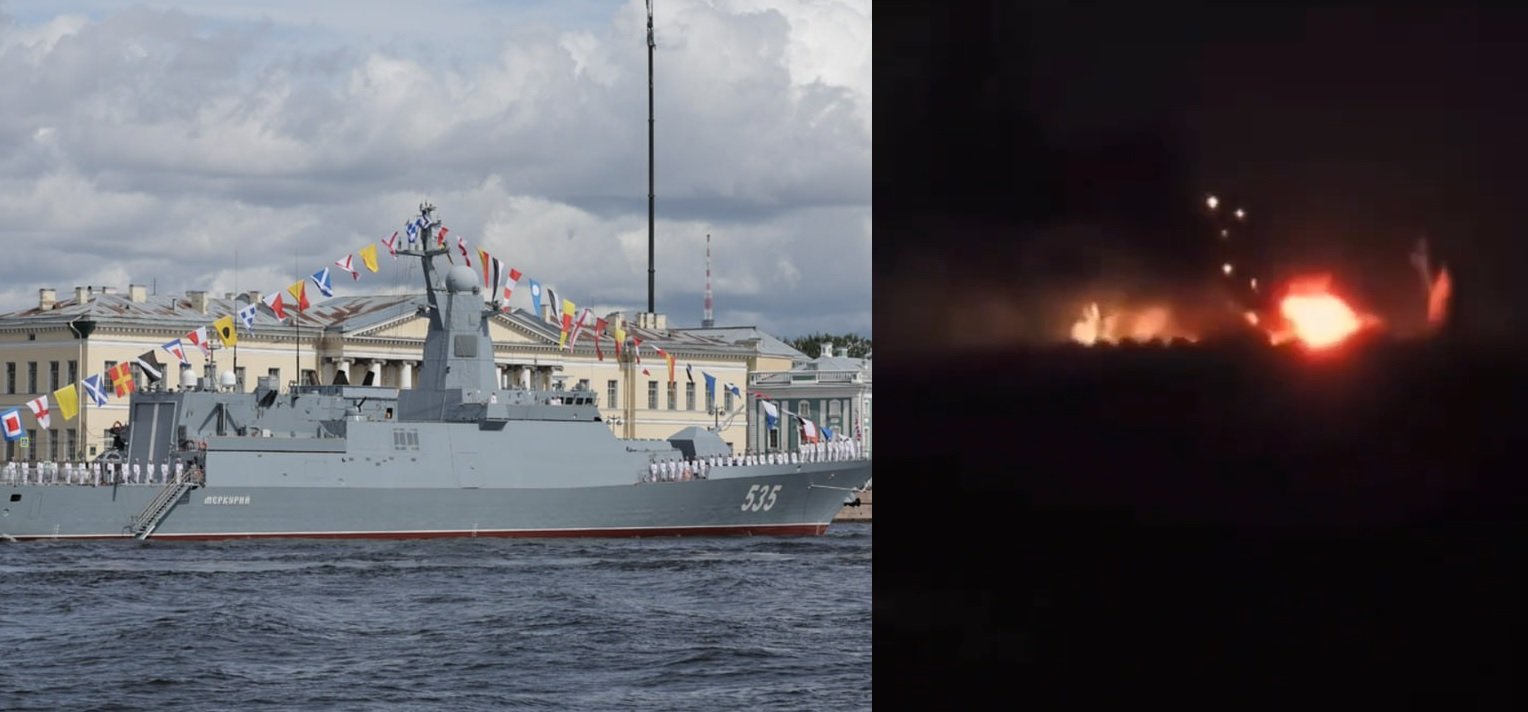 Russian Corvette Merkury Almost Certainly Destroyed in Benghazi Port Explosion
-
 Western Intelligence Warns Russia Could Launch Nuclear-Armed Satellite as Early as December
-
 IG Defence Successfully Test-Fires JWALA MK-1 Counter-Drone Missile at Pokhran
-
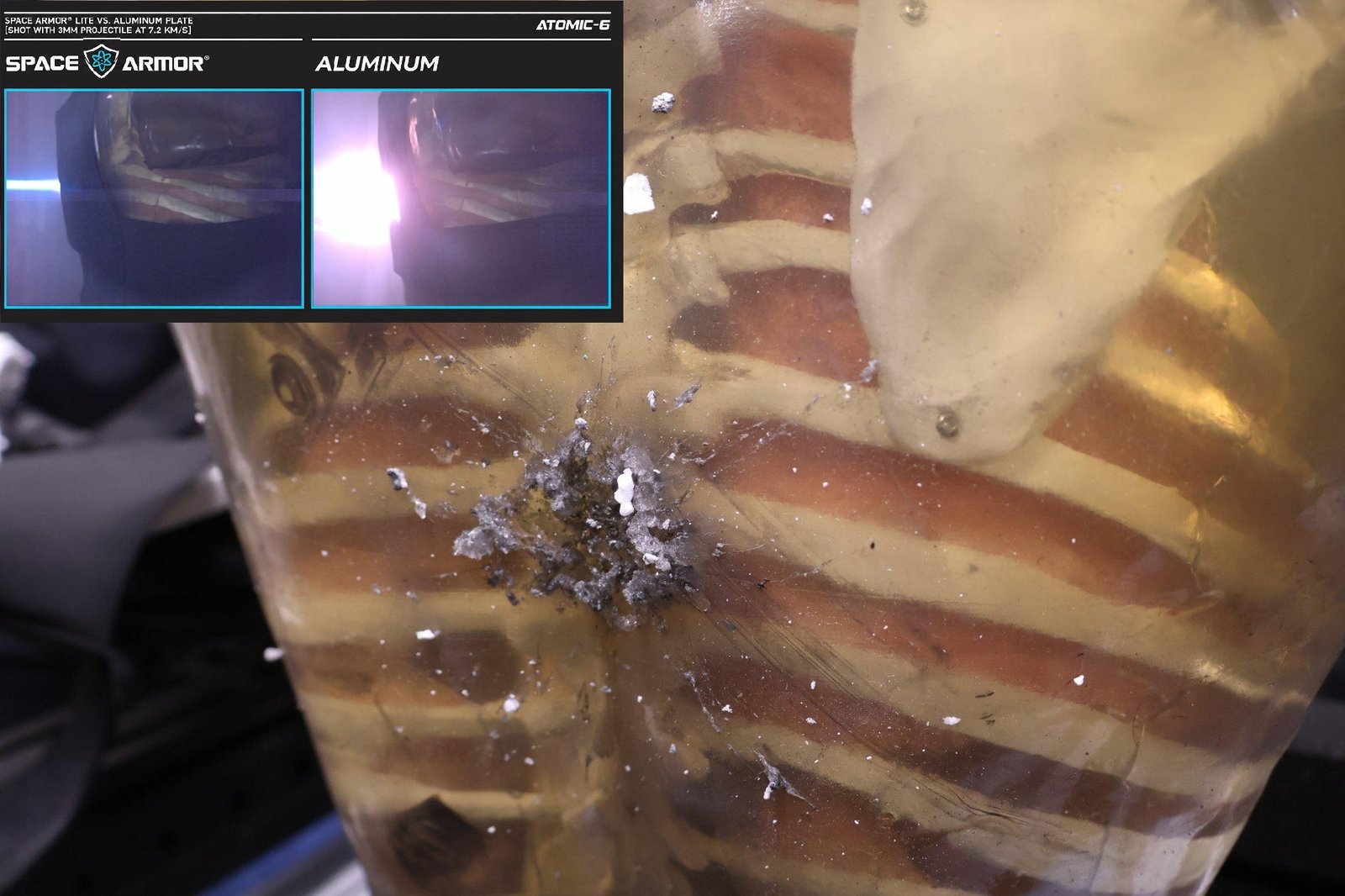 Atomic-6 Tests Composite Armor Against 16,100 MPH Space Debris for Astronaut Protection
-
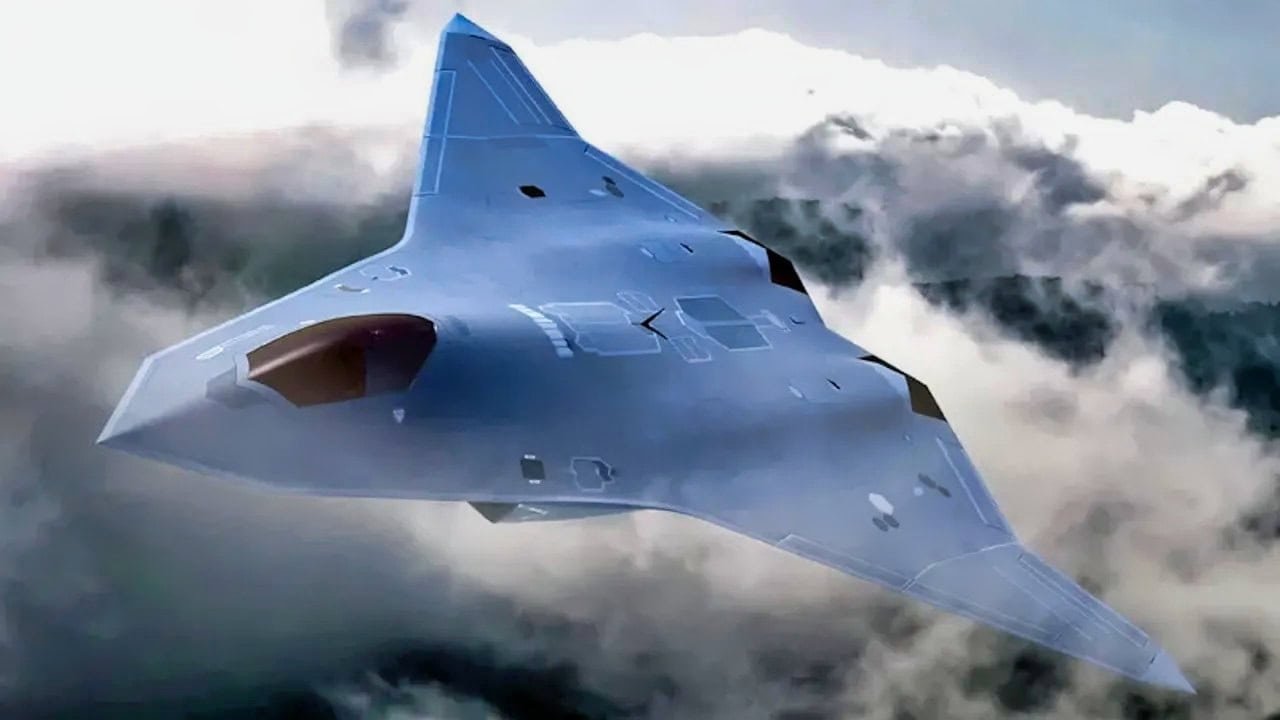 Northrop Grumman Will Not Challenge Boeing’s $20 Billion U.S. Navy F/A-XX Contract
-
 U.S. Awards Lockheed Martin $330.6 Million Contract for Long-Lead Materials Supporting 75 F-35 Lot 22 Aircraft
-
Russian Drones and Cruise Missiles Found Using Civilian NVIDIA AI Chips in Ukraine