India
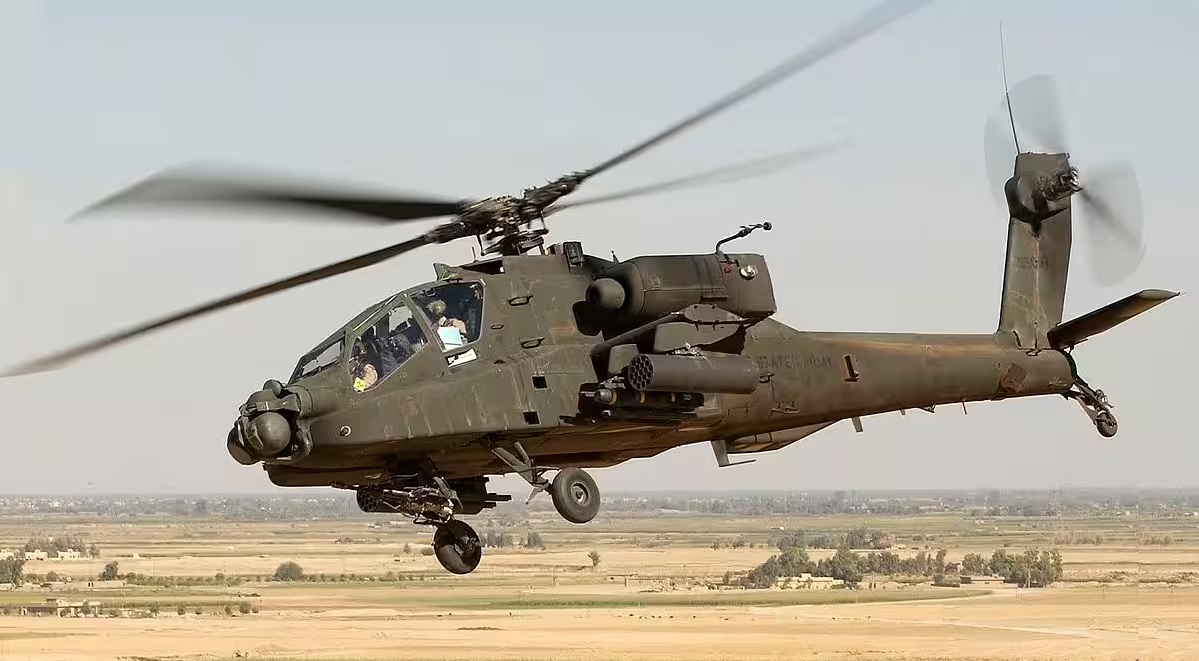
Defense News ,India :- The Indian Army has some big news! They now have their very own squadron of Apache attack helicopters. These helicopters are super strong and are going to be stationed in Jodhpur, near Pakistan. Today, in Jodhpur, the Indian Army made it official. They raised their first Apache squadron. Lots of important people were there, like Lt Gen Ajay Suri and folks from Boeing, the company that makes the helicopters.These Apache helicopters are special because they're designed to blend in with the desert. The first bunch of them will arrive in May. They were supposed to come earlier, but things got delayed because of some global problems. But now everything is back on track!The Indian Army made a deal to get six Apache helicopters from the United States. They're often called "tanks in the air" because they're really powerful. First, they'll land at the Hindon Air Force Station and then head to Jodhpur in May, near the border with Pakistan.Before this, the Army mostly used helicopters like Dhruv and Chetak. But now, they also have these cool Light Combat Helicopters called Prachand, which they started using last year in Assam.It's interesting to note that the Indian Air Force already has 22 Apache helicopters. They've been using them on both the eastern and western sides of the country.
Read More → Posted on 2024-03-15 14:52:04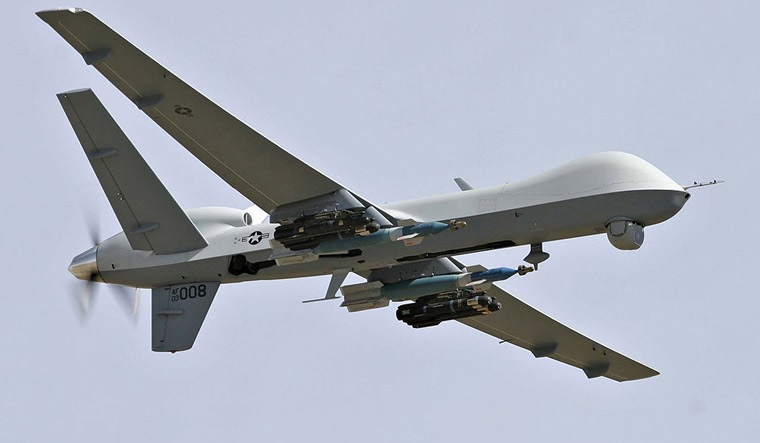
India
Defense News ,India :- India and the United States are working closely together to improve their defense cooperation. Recently, the Biden administration sent a final letter of acceptance (LOA) to India's Defence Ministry. This letter approves the acquisition of 31 MQ-9B Predator drones from General Atomics, a company in the US. The deal is worth nearly $4 billion and is being done through government channels.This week, the US government sent the classified LOA to India. Officials from both Washington and Delhi confirmed that the final LOA, including the negotiated price for the drones, was sent to the Defence Ministry on March 11. This dispels earlier reports that suggested the deal was on hold due to concerns related to an alleged plot.The US State Department initially notified India about the drone deal on February 1. However, the draft LOA remained open for 30 days to allow any objections from US lawmakers. Since there were no objections, the final LOA was sent to India.Now that India has received the LOA, the Indian Navy, which is leading the acquisition, will examine the details. Then, if the price is acceptable, the deal will be forwarded to the Cabinet Committee on Security (CCS) for final approval. Under the agreement, the Indian Navy will receive 16 MQ-9B drones, while the Indian Army and Indian Air Force will each get eight. India has opted to buy 31 drones along with various equipment such as missiles, bombs, ground stations, and surveillance tools.The LOA is a response to India's letter of intent to purchase the drones. In this government-to-government (G-to-G) deal, the supplying government (the US) negotiates the price with the manufacturer.India's decision to acquire 31 Predator drones comes at a crucial time, especially since the lease of two Sky Guardian drones from the US was about to expire in January. Initially extended until March, a contract was recently signed to extend the lease for another four years, costing around $220-230 million.Analysts believe that the acquisition of MQ9B drones will have a significant impact on the Indo-Pacific region. These drones will serve as a valuable asset in countering threats, particularly from Chinese Wing Loong II armed drones, which have been supplied to Pakistan by China.In summary, the acquisition of Predator drones by India, facilitated by the United States, is a testament to the growing defense cooperation between the two nations. This deal not only enhances India's defense capabilities but also strengthens strategic ties between India and the US, particularly in the face of regional security challenges.
Read More → Posted on 2024-03-15 08:04:12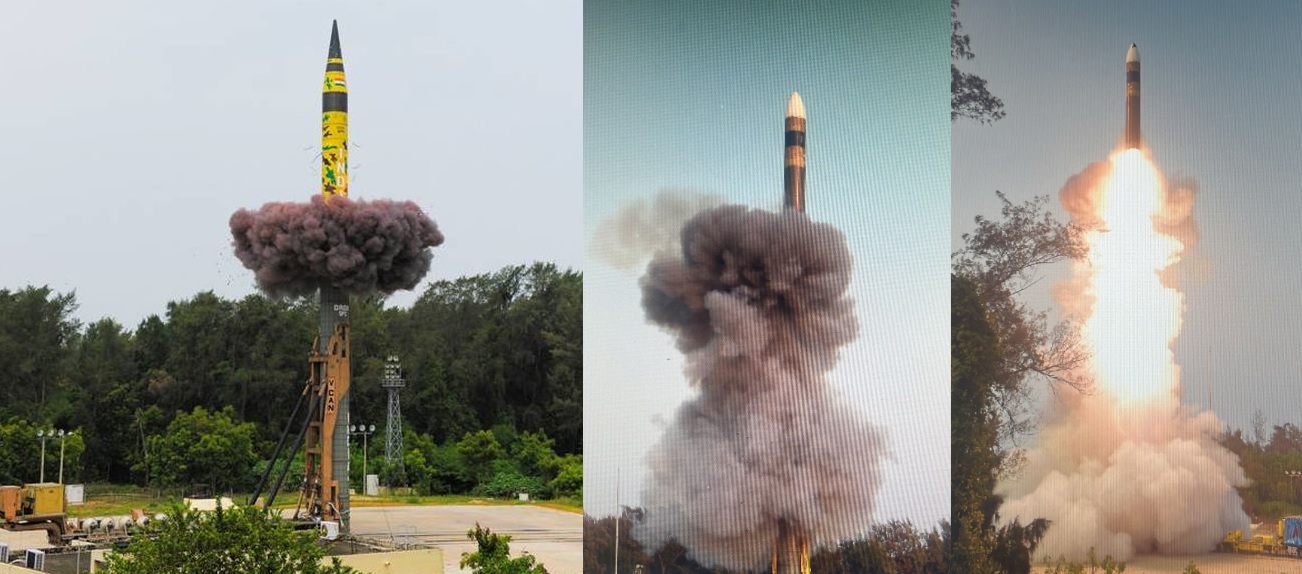
India
Defense News ,India :- Pakistan is asking India to follow the rules about when it tests missiles. They want India to stick to the schedule given before testing their missiles. This comes after India tested its own missile called Agni-5.Pakistan's spokesperson, Mumtaz Zahra Baloch, talked about India's recent missile test. India tested a missile that could carry more than one nuclear warhead. Pakistan knew about this because India told them about it in advance. But Pakistan says India didn't tell them soon enough.According to a specific agreement, countries need to inform each other about missile tests three days before they happen. This helps keep things peaceful between nations. Pakistan wants India to respect this agreement completely.India successfully tested its Agni-5 missile on Monday. This missile can carry multiple warheads. It was part of India's 'Mission Divyastra'. With this test, India joins a small group of countries with this kind of missile capability.The Agni-5 missile, with its 'multiple independently targetable re-entry vehicle (MIRV)', was launched from APJ Abdul Kalam Island in Odisha. The test went well, meeting all the planned goals. This information comes from India's Defence Ministry in New Delhi.The Agni-5 missile has a range of up to 5,000 km. This means it can reach a lot of places in Asia, even parts of China, and some areas in Europe.India has tested Agni-5 before, but this time was different. It was the first time they tested it with MIRV, meaning it could carry multiple warheads.In summary, Pakistan is reminding India to stick to the rules when testing missiles. India recently tested its Agni-5 missile successfully. This missile has the capability to carry multiple warheads, making it a significant development in India's defense capabilities.
Read More → Posted on 2024-03-15 08:00:44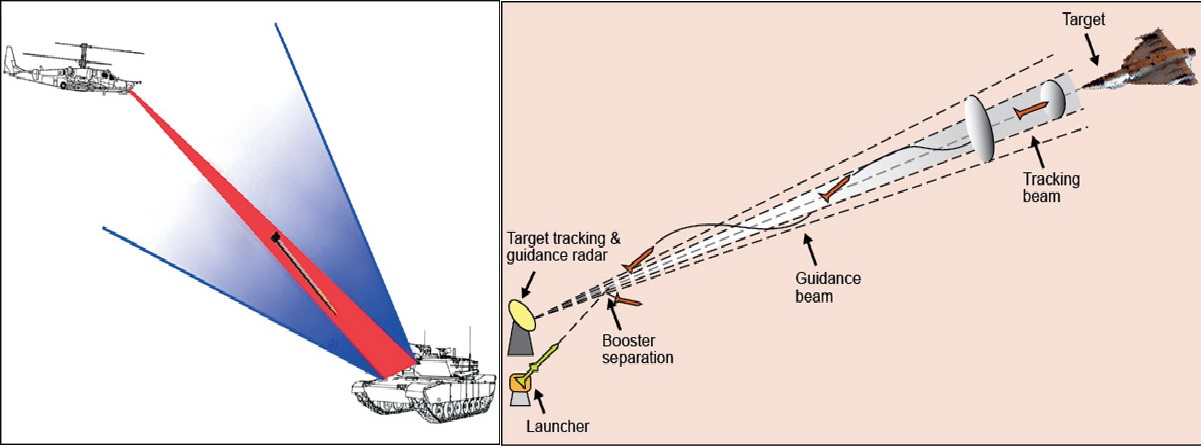
India
Defense News ,India :- India's Defence Research and Development Organization (DRDO) has made a big step in missile technology. They're looking for companies in India to help develop a new system called Laser Beam Rider Guidance System with an Eye-safe Laser Range Finder (LBRG System with ELRF). This system will help missiles hit targets more accurately.How the System Works:The Laser Beam Rider Guidance System is a smart way to guide missiles. It uses a special laser beam to send important signals to the missile while it's flying.This helps the missile know where it is compared to the beam and steer towards the target. This technology is very important for defense systems, especially for short-range air defense and anti-tank weapons where hitting the target precisely is very important.Advantages of Laser Beam Rider Systems:One great thing about the LBRG system is that it can work even when there's bad weather or other things blocking the way like smoke or dust. This is better than other systems that might not work well in bad weather.Also, the LBRG system uses less power for the laser, which makes it smaller and harder for enemies to detect and stop. This makes it very useful in fast-paced fights.Components and Capabilities:The main parts of the LBRG system are the transmitter, a laser range finder, a sight for daytime use, and a module to help the missile find its target.Together, these parts make sure the missile hits its target accurately from anywhere between 500 to 5000 meters away, covering different types of missions.Implications for India's Defence:The LBRG system, with its advanced laser technology, will make India's missiles much better.It will help them hit targets more accurately and make defense operations stronger, whether it's in regular fights or more unusual battle situations.
Read More → Posted on 2024-03-15 07:54:23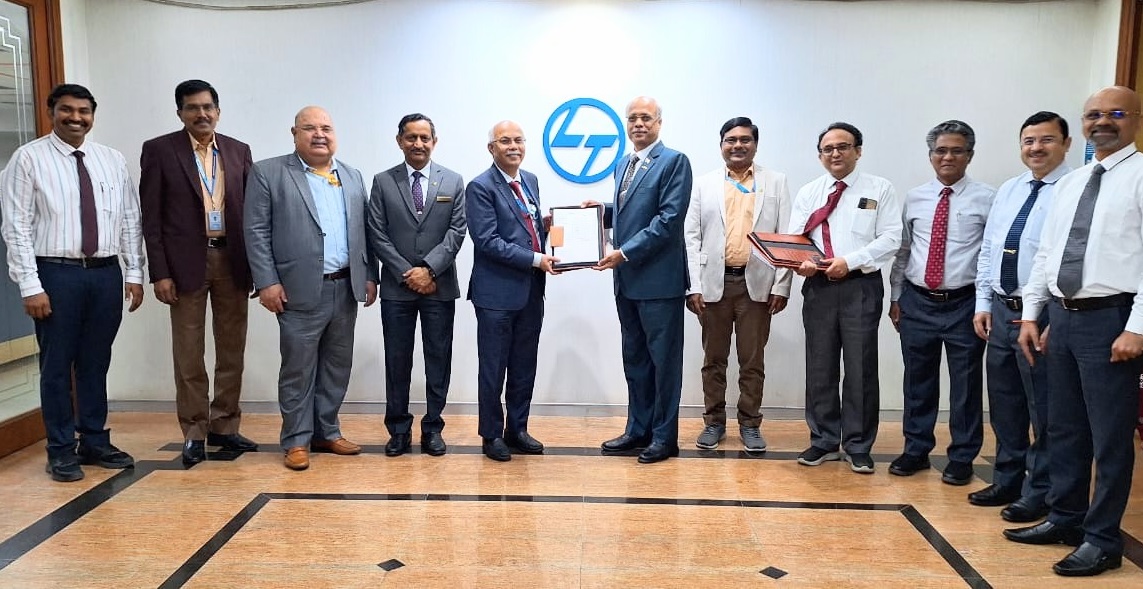
India
Defense News ,India :- India's navy is getting stronger thanks to a big deal. Bharat Electronics Limited (BEL) and Larsen & Toubro (L&T) won a contract worth Rs 847.70 crore. They'll supply high-tech Communication and Electronic Warfare (EW) systems to the Indian Navy.This partnership shows how India's defense industry is growing and becoming more independent.BEL will make 14 top-notch communication and EW systems in India. These systems will help the Indian Navy by giving three Cadet Training Ships advanced tools for communication and electronic warfare.Stronger Together for Self-RelianceBEL and L&T teaming up shows a stronger bond in India's defense sector. By working together, they're proving that India can make top-quality defense technology.This project also highlights the importance of small and medium-sized businesses (MSMEs). They'll play a big role in making sure the contract gets fulfilled.This plan fits well with India's goal of being self-reliant. It promotes making defense equipment in India and depending less on imports from other countries.BEL Keeps GrowingBEL isn't just winning the L&T contract. They've also got more orders worth Rs 1,092.65 crore. These orders include supplying parts for tanks and communication systems for the Indian Navy.With all these contracts, BEL is becoming a major player in India's defense industry. That's good news for India's security and technology.
Read More → Posted on 2024-03-15 07:45:27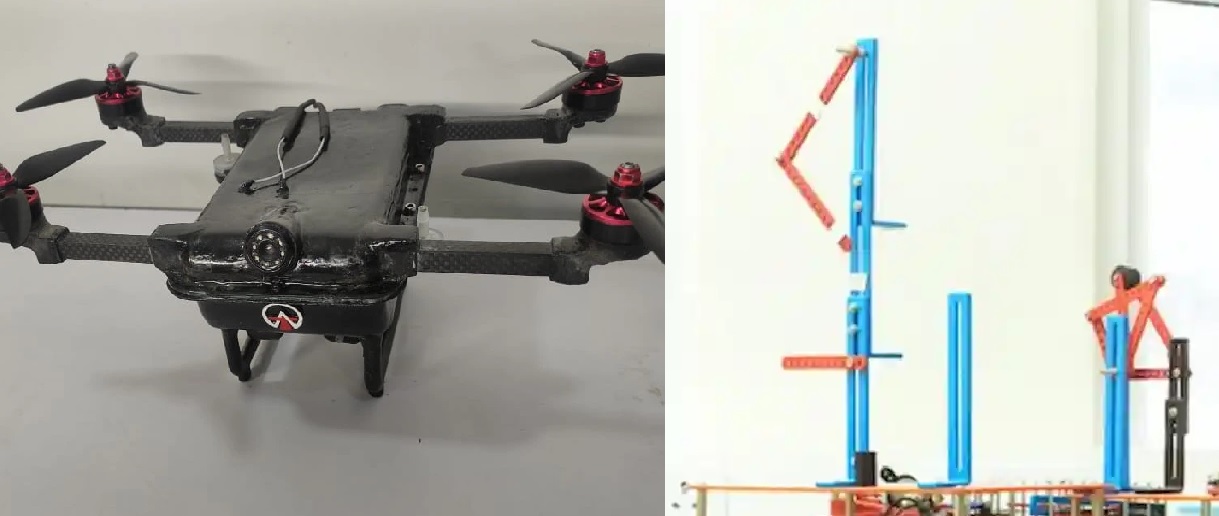
India
Defense News , India :- Indian scientists from the Indian Institute of Technology Jodhpur have created a special kind of robot that can do amazing things. They showed off a model of this robot, which can work on land, in the air, and even underwater!The robot they made was inspired by a bird called Anhingas. These birds are cool because they can move around on land and swim underwater. The scientists hope their robot can help with important jobs like saving people in emergencies or finding things like oil spills or pollution in the water.Professor Jayant Kumar Mohanta, who helps teach at IIT Jodhpur, said, "Our robot can do many things. It can fly in the air, move like a ship on water, and also swim underwater. It can fly for 15 minutes and stay underwater for 8 hours. Right now, only a few countries like the US and China have this kind of technology. We wanted to make something like this ourselves."The robot they made has four rotors, like a helicopter. The top part helps it fly in the air, while the bottom part has special propellers to help it move underwater.This robot can do six different things: it can dive from the air into the water, fly up from underwater into the air, land on the water, dive from the water's surface into the water, come up from underwater to the surface, and take off again from the water.The scientists showed off their robot at a big conference called AIR ’23, where they talked about new robots and technologies.
Read More → Posted on 2024-03-15 07:06:56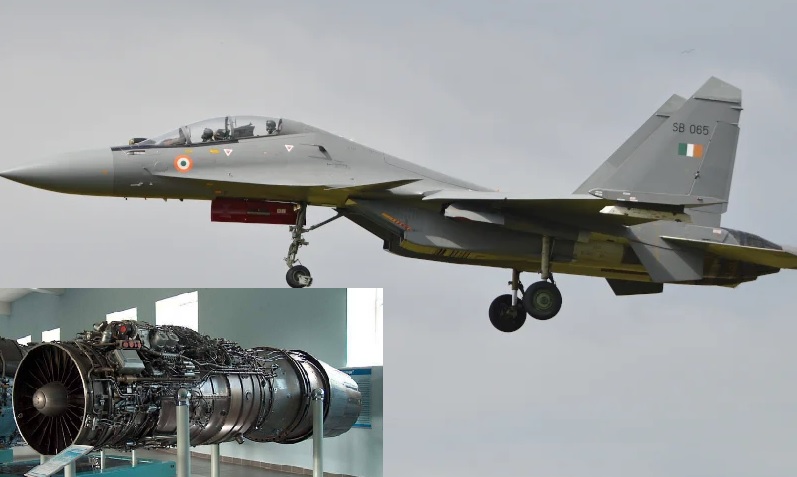
India
Defense News ,India :- Hindustan Aeronautics Limited (HAL) is getting ready to make 240 powerful jet engines called AL-31FP. This will help India to become more self-sufficient in making things for defense.These engines will be used in Indian Air Force's Su-30MKI fighter jets. These jets are really important for protecting India's airspace.HAL recently got a deal to make 80 RD-33 engines for upgraded MiG-29UPG fighter jets. Now, they are going to make even more engines for Su-30MKI jets.These new engines will replace old ones in over 110 Su-30MKI jets that are too old to keep flying safely.What's special is that these new engines will have more parts made in India than the old ones. This is a big step towards India making its own defense stuff.We're not sure exactly how these engines will be used in the Su-30MKI jets yet. But they will probably be very important in making the jets better and more powerful.There are plans to upgrade 84 Su-30MKI jets in a program called UPG. They will likely use these new engines, which will make India's air force even stronger.This shows that HAL and India are serious about making their own defense things. They want to rely less on other countries and become better at making their own stuff.Making advanced jet engines like the AL-31FP shows that India is getting better at technology and wants to be a big player in defense around the world.
Read More → Posted on 2024-03-14 15:41:01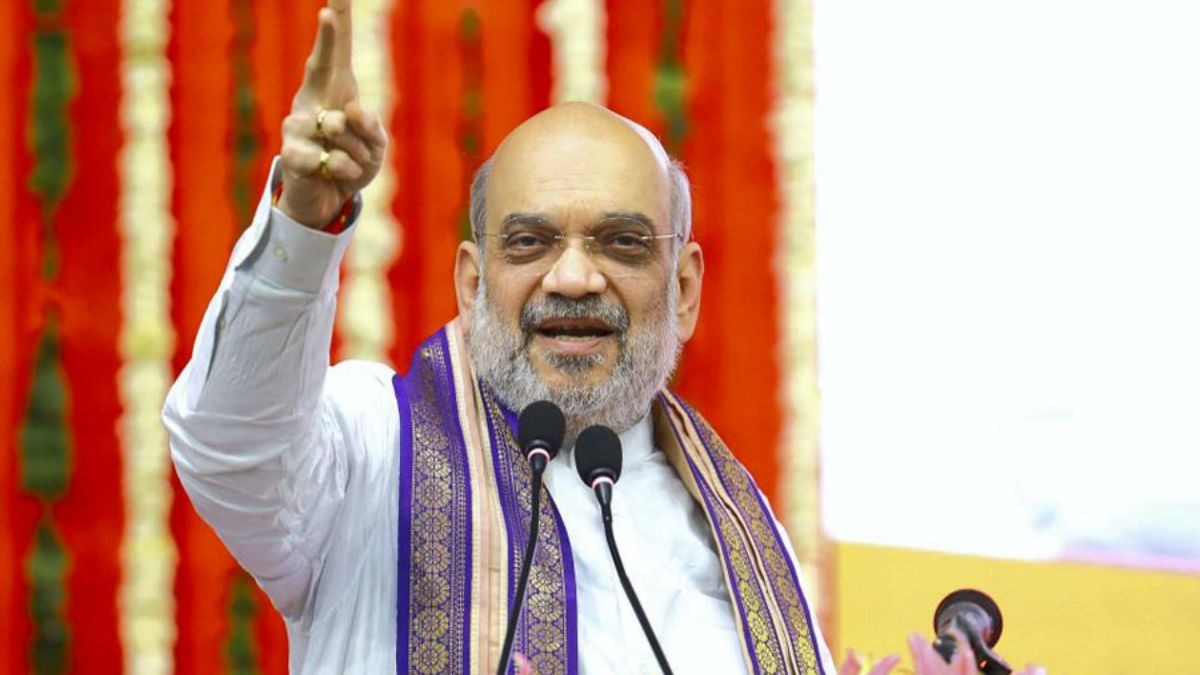
India
Defense News ,India :- Days after the Centre notified the Citizenship Amendment Act, Union Home Minister Amit Shah said that the law will never be taken back and the BJP-led government will never compromise with it. “This is our sovereign right to ensure Indian citizenship in our country. We will never compromise on it and CAA will never be taken back,” he said. Asked about the Opposition bloc INDIA, specifically a Congress leader saying that they would repeal the law when they come to power, the Home Minister said that even the Opposition is aware it has bleak chances of coming to power. “Even the INDI alliance knows that it will not come into power. CAA has been brought by the BJP and the Narendra Modi-led government. It is impossible to repeal it. We will spread awareness about it in the whole nation so that those who want to repeal it do not get a place,” Mr Shah said. The Union Minister dismissed criticism that the “CAA is unconstitutional”, stating that it does not violate the constitutional provisions. “They always talk about Article 14. They forget that there are two clauses in that Article. This law does not violate Article 14. There is a clear, reasonable classification here. This is a law for those who, due to partition, remained in Afghanistan, Pakistan, and Bangladesh and were facing religious persecution and decided to come to India,” the Union Minister said. Replying to the Opposition’s claim of the timing of the notification coming ahead of the Lok Sabha polls, Amit Shah said, “First of all, I will talk about the timing. All opposition leaders, including Rahul Gandhi, Mamata Banerjee, and Arvind Kejriwal, are doing jhooth ki rajneeti (politics of lies). So the question of timing does not arise. The BJP made it clear in its 2019 manifesto that it will bring CAA and provide Indian citizenship to refugees (from Pakistan, Bangladesh, and Afghanistan). It has a clear agenda and under that promise, the Citizenship (Amendment) Bill was passed in both Houses of Parliament in 2019. It got delayed due to Covid. The BJP cleared its agenda well before it got its mandate in the polls.” “Rules are now a formality. There is no question of timing, political gain, or loss. Now, the Opposition wants to consolidate their vote bank by doing appeasement politics… They have been exposed. CAA is the law for the entire country and I have reiterated nearly 41 times in four years that it will become a reality,” he said. The Home Minister said that there is “no question of political gain as the BJP’s main aim is to provide rights and justice to persecuted minorities coming from Pakistan, Afghanistan, and Bangladesh. “The Opposition raised questions on the surgical strikes and the abrogation of Article 370 and linked it with political gain. So should we not take stern steps against terrorism? We have been saying since 1950 that we will withdraw Article 370,” the Home Minister said. “I have spoken on CAA at least 41 times on different platforms and spoken on it in detail that the minorities of the country need not be afraid because it has no provision to take back the rights of any citizen. The CAA aims to confer Indian citizenship to persecuted non-Muslim migrants – Hindus, Sikhs, Jains, Buddhists, Parsis, and Christians – who migrated from Bangladesh, Pakistan, and Afghanistan and arrived in India before December 31, 2014. Through this law, their sufferings can end,” he added. The Home Minister was critical of opposition leaders – AIMIM’s Asaddudin Owaisi and West Bengal Chief Minister Mamata Banerjee – for claiming that the CAA was anti-Muslim. “You cannot see this law in isolation. On August 15, 1947, our country was partitioned. Our country was partitioned into three parts. Bharatiya Jan Sangh and BJP were always against the Partition. We never wanted India to be partitioned based on religion,” he said. “So when the country was partitioned on the basis of religion, minorities faced persecution. They were being converted, women were being tortured, and they came to India. They came for refuge. Don’t they have a right to get citizenship? Even Congress leaders during the partition in their speeches said that the minorities should stay wherever they were due to the widespread bloodshed and would be welcomed later in our country. Now they have started vote bank politics,” Mr Shah added. It was the government’s moral duty to ensure the rights of the persecuted, he said. “The people who were part of Akhand Bharat and who were prosecuted or tortured should be given refuge in India and this is our social and Constitutional responsibility. Now if you look closely at the statistics, in Pakistan when the Partition happened, there were 23% Hindus and Sikhs but now only 3.7% of them are left. Where did they go? They have not returned here. They were converted, tortured, and insulted. They were given second-class status. Where will they go? Will the country, Parliament, and the political parties not think about them?” the Home Minister said. “In Afghanistan, at the moment there are now only about 500 Hindus… don’t they have the right to live as per their beliefs? When Bharat was one, they were our brothers,” he added. Slamming Arvind Kejriwal for his remarks that CAA will take away jobs meant for India’s youth, and can lead to an increase in crime, the Union Minister said that people who will benefit from the law are already in India. “If they are so concerned why are they not talking about Bangladeshi infiltrators and Rohingyas? Because they are doing vote bank politics. Delhi elections are tough for them. That’s why they are indulging in vote bank politics” he said. Amit Shah also questioned Mamata Banerjee for alleging that citizenship of minorities would be taken away due to the CAA. “I am requesting Mamata ji, that there are several platforms to do politics. Please don’t harm Bengali Hindus from Bangladesh. I challenge her publicly to show one clause that has the provision of taking away citizenship of any Indian. Her intention is to create differences between Hindus and Muslims to consolidate vote bank. The CAA must be implemented. If she wants to do anything, she should stop infiltration. But she is not cooperating,” Amit Shah said. On March 11, the Union Home Ministry notified rules for the implementation of the Citizenship Amendment Act. The CAA, introduced by the Narendra Modi government and passed by Parliament in 2019, aims to confer Indian citizenship to persecuted non-Muslim migrants – Hindus, Sikhs, Jains, Buddhists, Parsis, and Christians – who migrated from Bangladesh, Pakistan, and Afghanistan and arrived in India before December 31, 2014.
Read More → Posted on 2024-03-14 15:29:00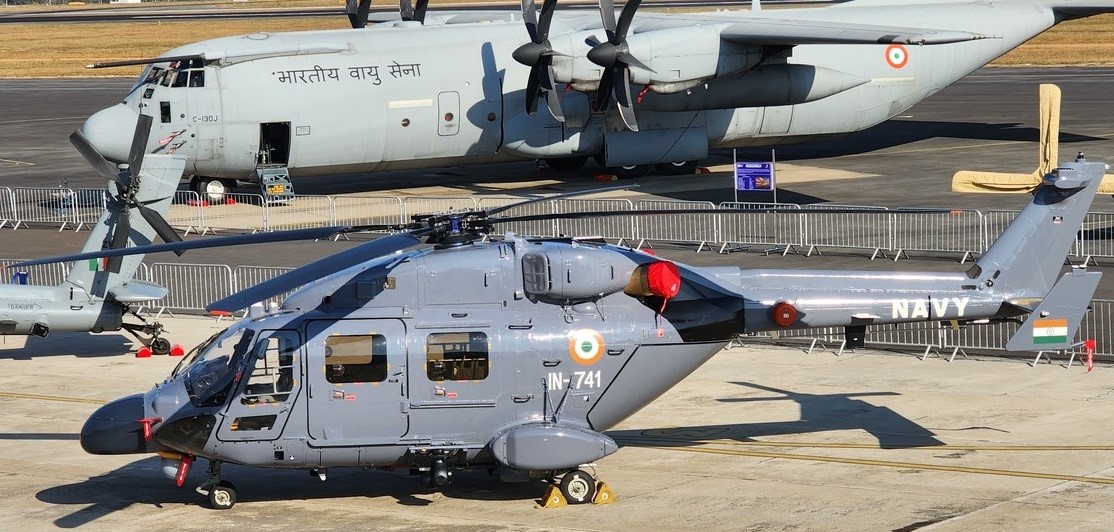
India
Defense News ,India :- The Indian government recently gave the green light for a big deal to strengthen our defense. They approved contracts worth a whopping Rs 8073.17 crore with Hindustan Aeronautics Limited (HAL) in Bengaluru on March 13, 2024. The deal is all about getting 34 Advanced Light Helicopters (ALH) Dhruv Mk III. These helicopters come with special equipment for both the Indian Army and the Indian Coast Guard. This move is a big step towards making our own defense equipment right here in India.The ALH Dhruv Mk III UT (Utility) is made for the Indian Army. It's designed to do many tasks like searching for people, moving troops around, carrying cargo, and helping injured people. It's already proven itself in tough places like the Siachen Glacier and Ladakh.The ALH Mk III MR (Maritime Role) is for the Indian Coast Guard. It's built to keep an eye on the seas, rescue people, rappel down ropes, and transport cargo and people. It's shown it can handle tough conditions both at sea and on land.This project is not just about getting new helicopters. It's also about creating jobs. It's estimated that about 190 lakh man-hours of work will be needed to finish this project. Plus, more than 200 small businesses and 70 local vendors will supply equipment and parts. This means more people will have jobs, supporting the vision of a self-reliant India.
Read More → Posted on 2024-03-14 09:15:02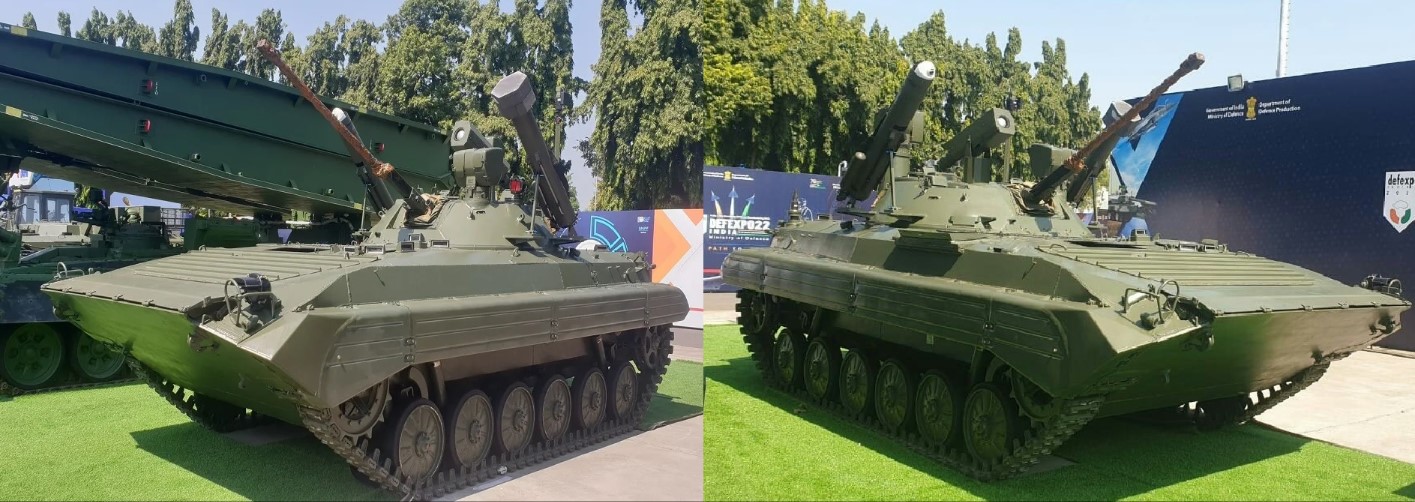
India
Defense Newsc ,India :- The Ministry of Defence recently made a deal with Armoured Vehicles Nigam Limited (AVNL) on March 13, 2024. They agreed to buy 693 upgrades for Infantry Combat Vehicle BMP2 to BMP2M. These upgrades will make the vehicles better at night, improve the sights for the gunner and commander, and include a Fire Control System (FCS) with Automatic Target Tracker. This deal falls under the Buy Indian-Indigenously Designed Developed and Manufactured Category.AVNL has come up with a solution to upgrade existing BMP 2/2K vehicles to be able to fight better at night and have improved FCS. They achieved this by combining technology from Defence Research and Development Organisation (DRDO) and Bharat Electronics Limited (BEL), Chennai.AVNL will make these upgrades using parts from Indian manufacturers. This will help make India more self-sufficient in defense manufacturing and boost the country's defense industry.
Read More → Posted on 2024-03-14 09:12:18
India
Defense News ,India :- The Indian Navy is getting even better at keeping an eye on the seas. They've joined up with a company called NSRT from Bengaluru to make new High-Altitude Pseudo-Satellites (HAPS) right here in India.This deal is a big deal. It's part of the iDEX plan which is all about making India self-reliant in technology. That means we won't need to rely on other countries for fancy gadgets. Plus, it helps Indian companies be more innovative.NSRT is great at making smaller versions of these HAPS already. They run on electricity and can stay up in the sky for a whole week. But now, they're going to make bigger ones that run on solar power. These new ones will be huge, able to carry lots of stuff, and stay in the air for up to three months!So, what does this mean for the Navy?1. Keeping Watch All the Time: With these HAPS, the Navy can watch over the oceans non-stop. That's great for keeping an eye on things for a long time.2. Carrying Different Tools: These HAPS can carry lots of different gadgets like cameras and radar. This helps the Navy gather all sorts of useful information about what's happening on the water.3. Better Communication: The HAPS can also help the Navy talk to ships and other things in the sea. They act like super antennas, making sure messages get through loud and clear.By using this high-tech stuff, the Indian Navy is making sure it's ready for whatever comes its way. It's like future-proofing the Navy, making sure it stays strong and secure. And it's all being done right here in India, which is pretty cool!
Read More → Posted on 2024-03-14 08:33:18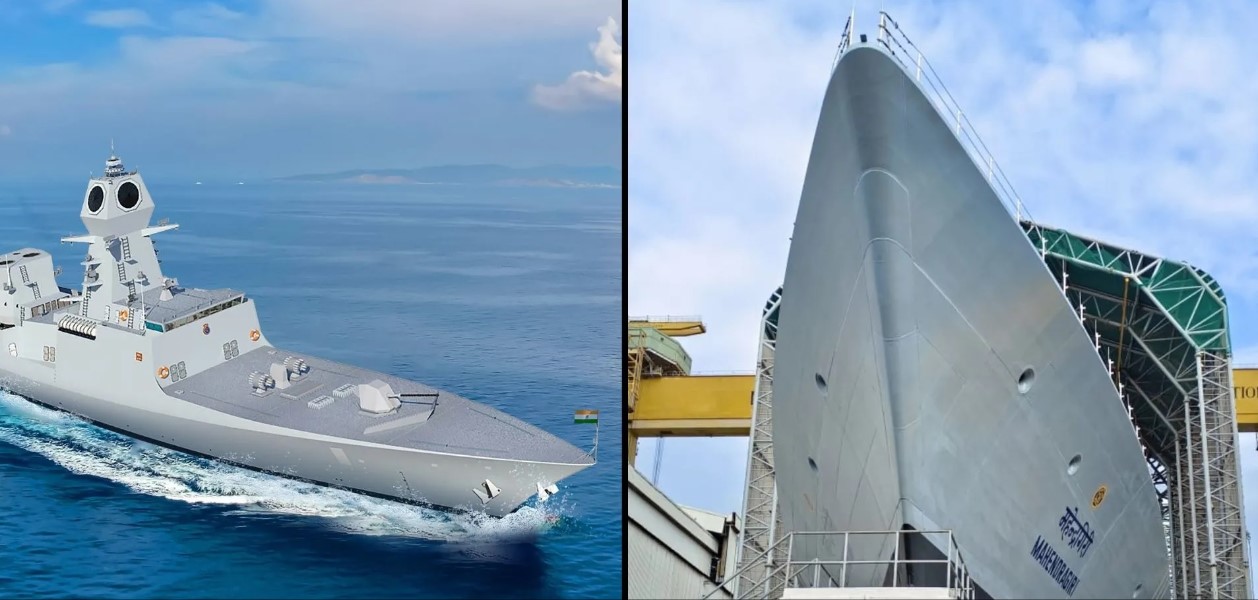
India
Defense News ,India :- Garden Reach Shipbuilders and Engineers (GRSE) Ltd is set to deliver the INS Himgiri to the Indian Navy around mid-2025, Cmde P.R. Hari, IN (retd), chairman and managing director, GRSE, said on Wednesday. The INS Himgiri is the first in a series of three P-17A advanced guided missile stealth frigates being built by the shipyard. Apart from these, GRSE is currently building 15 more warships for the Indian Navy, including 8 Anti-Submarine Warfare Shallow Water Crafts (ASW SWCs) and 4 Next Generation Offshore Patrol Vessels.“We shall deliver the first 17A frigate well within schedule by mid-2025. Both the Navy and Coast Guard are in a fleet expansion mode and are keen to place orders with Indian shipyards. Hence, we are looking to more orders in the days to come.“Among the high value projects in which we are keen to participate is one for 8 Next Generation Corvettes. The Navy also wants Next Generation Survey Vessels and 22 Water Jet Fast Attack Crafts. GRSE is keeping up with the latest technology, and we are even developing Artificial Intelligence (AI)-based autonomous vehicles. After all, AI is likely to control warfare in the near future,” Cmde Hari said on the sidelines of the twin launches of two ASW SWCs.These are the 5th and 6th in the series of eight being built at the Kolkata-based shipyard.The ASW SWCs were launched by Neeta Chaudhari, wife of Air Chief Marshal V.R. Chaudhari, Chief of the Air Staff, Indian Air Force.Air Chief Marshal Chaudhari was the chief guest at the event and showered praise on the GRSE for upholding India’s pledge towards self-sufficiency in defence production.“The design and manufacture of such platforms reveal the GRSE’s capability and versatility. It is certainly a matter of immense pride that India is today among the group of select nations that can build such platforms. Protection of our sea lanes for the safe movement of merchant vessels is crucial, after all. All are aware of the goings-on around the Red Sea and the large deployment of our naval platforms in that region. No wonder the Indian Navy is keen to expand its fleet. What is crucial here is that the majority of the equipment used for the platforms being built at GRSE are sourced from Indian manufacturers,” Air Chief Marshal Chaudhari said.The two warships launched during the day have been named INS Agray and INS Akshay. These ships are actually reincarnations of Abhay-class anti-submarine warfare corvettes.While the original INS Agray was decommissioned in 2017, the INS Akshay was decommissioned in 2022.What made the twin launches more significant was the fact that this is the first time that GRSE has launched two warships of the same class together for the Navy.The twin launches came less than four months after the launch of the 4th warship of this class.Over the last 63 years, GRSE has delivered 108 platforms to the Navy and Coast Guard. Seventy-one of these have gone to the Navy.The primary role of an ASW SWC is to conduct anti-submarine operations in coastal waters, Low Intensity Maritime Operations (LIMO) and mine laying operations.These 77.6-metre-long and 10.5-metre-wide extremely potent warships are also capable of full-scale sub-surface surveillance of coastal waters, various surface platforms and coordinated anti-submarine operations with aircraft.The ASW SWCs are compact waterjet-propelled ships capable of reaching maximum speeds of 25 knots. These ships pack a lethal anti-submarine suite comprising lightweight torpedoes, ASW rockets and mines. They are also armed with 30 mm Close-in Weapon System and 12.7 mm Stabilised Remote-Control Guns. The platforms are fitted with a Hull Mounted Sonar and a Low-Frequency Variable Depth Sonar.“At GRSE, we have diversified from warships to weapons systems and commercial vessels. We look forward to more orders for weapons-intensive platforms,” Cmde Hari added.
Read More → Posted on 2024-03-14 08:14:10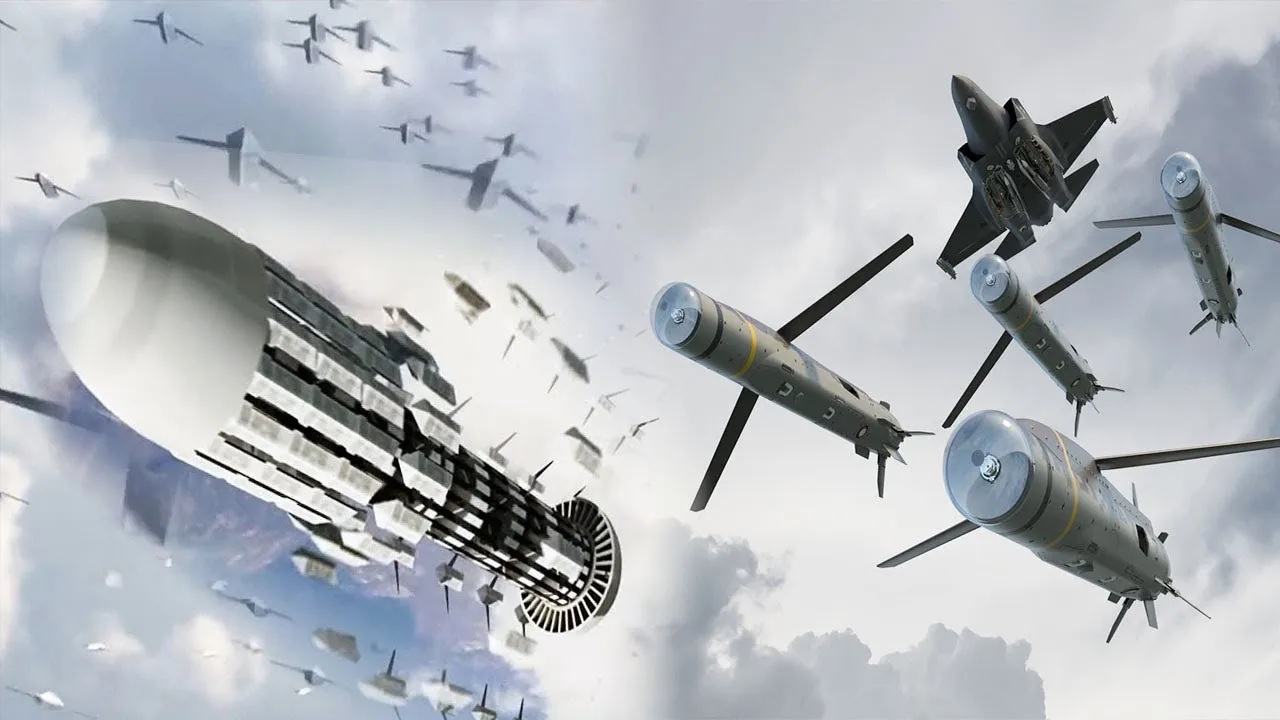
India
Defense News ,India :- India's Ministry of Defence (MoD) wants Indian startups to help make a strong defense system for the Indian Air Force (IAF). They're doing this through a project called Innovations for Defence Excellence (iDEX) ADITI Edition 1.0.This project wants Indian startups to make a smart defense system using drones. These drones would help protect Indian Air Force planes from enemy radar systems.The Challenge: Making Air Defenses ConfusedThe main goal of the iDEX ADITI challenge is to create a group of fast drones. These drones will carry special equipment to confuse enemy radar systems. This will help protect Indian Air Force planes from getting attacked.Important Requirements for SuccessStartups need to follow some important rules set by the iDEX ADITI project:1. Speed and Range: Drones need to be very fast and able to fly long distances quickly.2. Electronic Warfare: The drones' equipment must be able to find and confuse enemy radar signals.3. Chaff Dispensing: Drones should release chaff to hide friendly planes from the enemy.4. Easy to Use: The launch system for the drones should be simple, and the drones should not need a lot of equipment on the ground.5. GPS-Independence: Drones must be able to fly and navigate even if GPS signals are jammed.6. Upgradable: The drones' equipment should be designed so it can be updated in the future.7. Swarm Technology: The drones must be able to work together in a group to be more effective.The Opportunity: Making Indian Defense BetterThis challenge gives Indian startups a chance to show off their skills in making aerospace and defense technology. If successful, it will make the Indian Air Force stronger and may change how air battles are fought.The Bigger PictureThis project shows that using groups of drones is becoming more important in military operations. It's like how some animals work together in nature. India wants to develop its own drone technology to stay ahead in modern warfare.In ConclusionThe iDEX ADITI challenge could make a big difference in India's defense capabilities. By working with startups, the government aims to make India safer and become a big name in defense technology worldwide.
Read More → Posted on 2024-03-14 08:07:43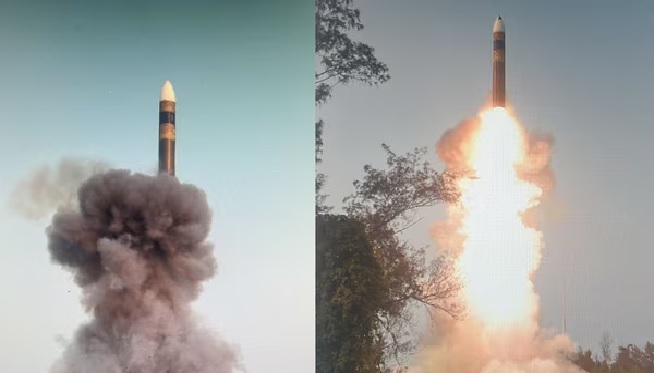
India
Defense News ,China :- China has reacted to India's successful Agni-V missile test, which features Multiple Independently Re-entry Vehicle (MIRV) technology. Chinese state-run media and experts recognize India's technological advancement, but they downplay the immediate threat.According to Liu Zongyi, director of the Center for South Asia Studies at the Shanghai Institutes for International Studies, China isn't worried. He believes that India's overall military strength is still behind China's, minimizing the immediate impact of the test on the regional power balance.The Global Times, China's state-run media, admits India's growing expertise in ballistic missile technology. An unnamed Beijing-based military expert acknowledges India's capability to launch multiple satellites with a single rocket, considering it a crucial step in developing MIRV systems. Despite downplaying the situation, the expert emphasizes that India's progress should not be ignored.China's response reflects a strategic approach. It aims to reduce the perception of immediate vulnerability while subtly acknowledging India's increasing technological sophistication.India's progress in MIRV technology is a noteworthy achievement in its defense capabilities. MIRVs allow a single missile to deliver multiple warheads to different targets, potentially changing the strategic dynamics in the region. While China plays down the immediate threat, this development highlights India's determination to strengthen its military capabilities.
Read More → Posted on 2024-03-13 15:45:06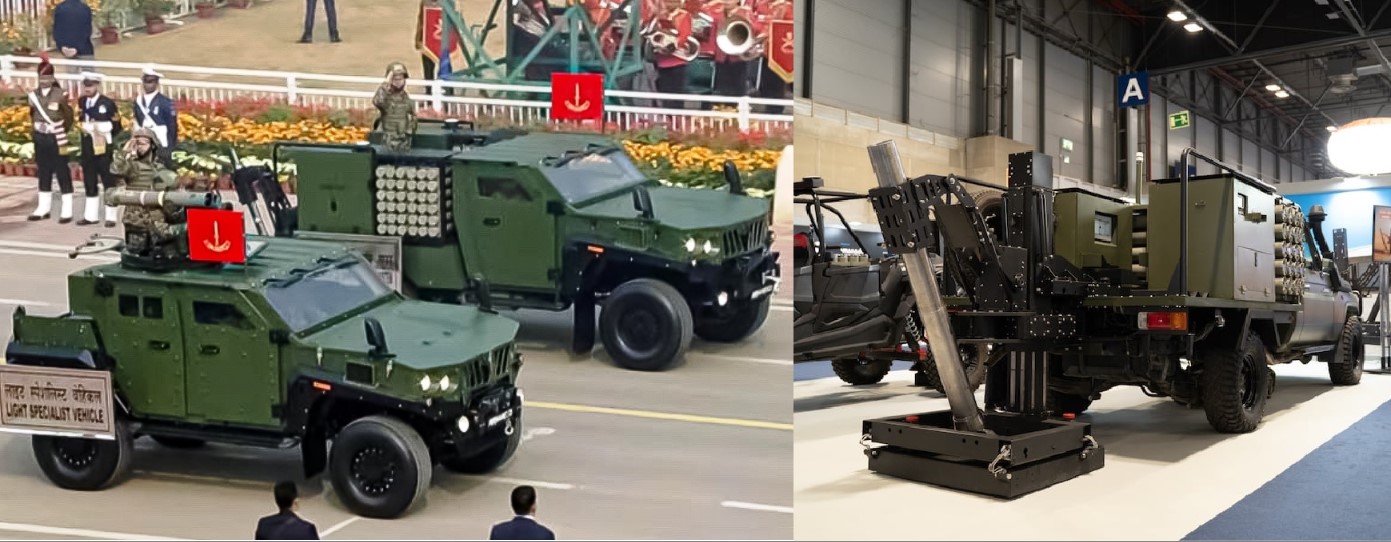
India
Defense News ,India :- The Indian Army is getting a major upgrade with the expected delivery of the Alakran Vehicle Mounted Infantry Mortar Systems (VMIMS) by the end of 2024. Mahindra Defence in India has been working on this project, and the advanced mortar technology comes from the UK-based Milanion NTGS.So, what is the Alakran?The Alakran system is a unique 81mm mortar that can be easily deployed. It's well-known for being integrated into Mahindra's Armoured Light Specialist Vehicle (ALSV). This design focuses on making it highly mobile, accurate, and capable of firing rapidly, providing significant firepower on the battlefield.What makes the Alakran special is that it's the world's lightest, fully digital, and automated mortar system. This showcases its advanced technology, and it's specifically designed for the fast-paced demands of modern combat, allowing for quick movements on the battlefield.Why is this good for the Indian Army?The introduction of the Alakran VMIMS brings several advantages for the Indian Army:1. More Firepower: Adding the Alakran significantly increases the Army's offensive capabilities, making it more powerful in combat situations.2. Tactical Flexibility: The system's focus on mobility and quick deployment enables the Indian Army to adapt swiftly to changing battlefield scenarios, giving them newfound agility.3. Technological Advancement: By incorporating the Alakran, the Indian Army shows its commitment to embracing cutting-edge technologies that provide a clear advantage in modern warfare.What's next?While the exact number of Alakran systems for the Indian Army is not disclosed, their arrival is expected to strengthen India's military and technological capabilities. Integrating advanced mortar technology with the maneuverable ALSV platform promises to be a powerful combination on future battlefields.
Read More → Posted on 2024-03-13 15:28:43Search
Top Trending in 24 Hours
-
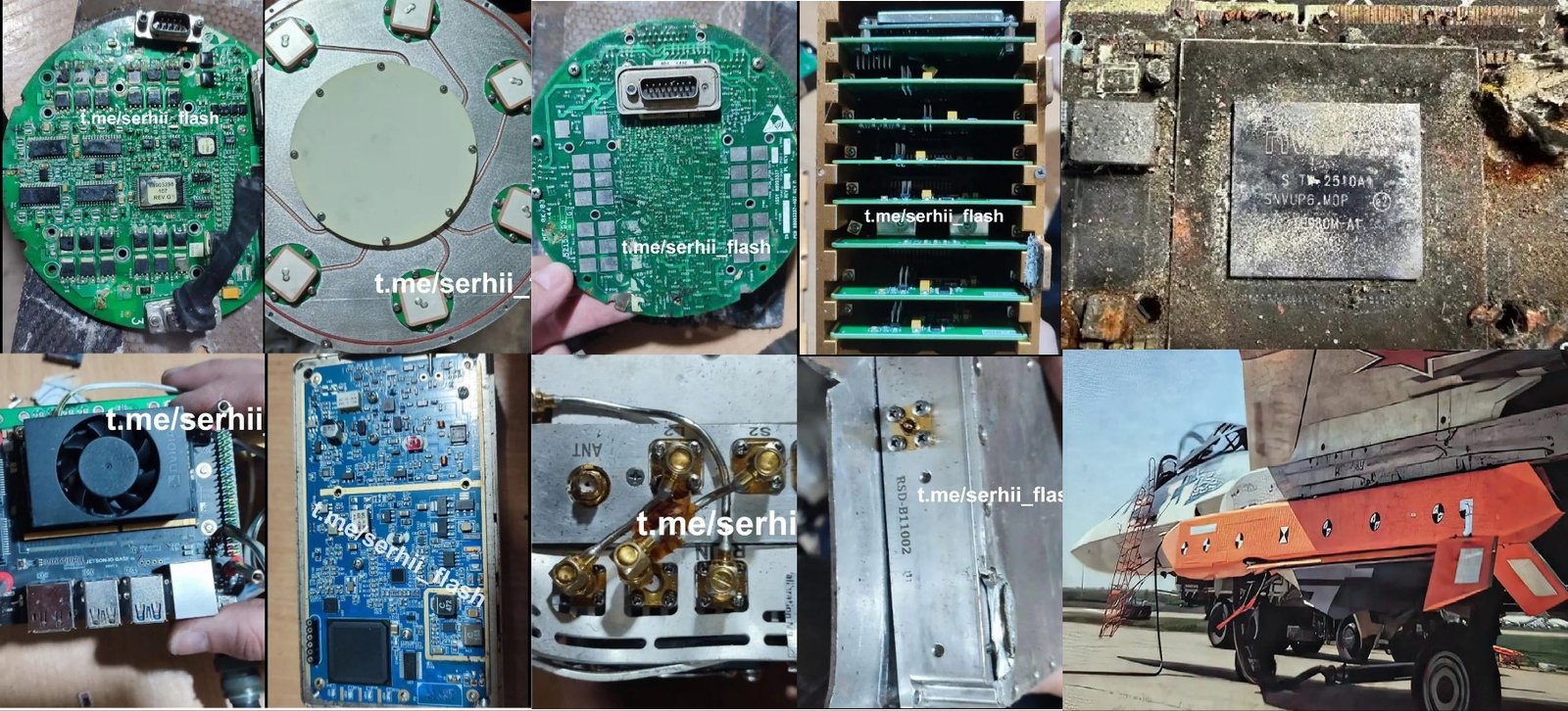 Russian Drones and Cruise Missiles Found Using Civilian NVIDIA AI Chips in Ukraine
-
 Germany Becomes First Country to Gain Access to Ukraine’s DELTA Battlefield System
-
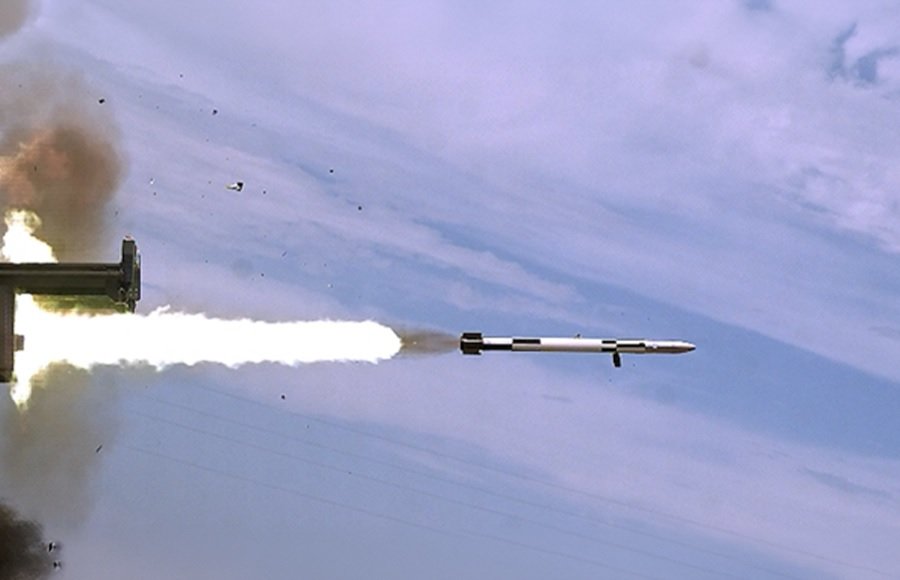 Lockheed Martin Completes Third Test of Reloadable JR3 Training Rocket
-
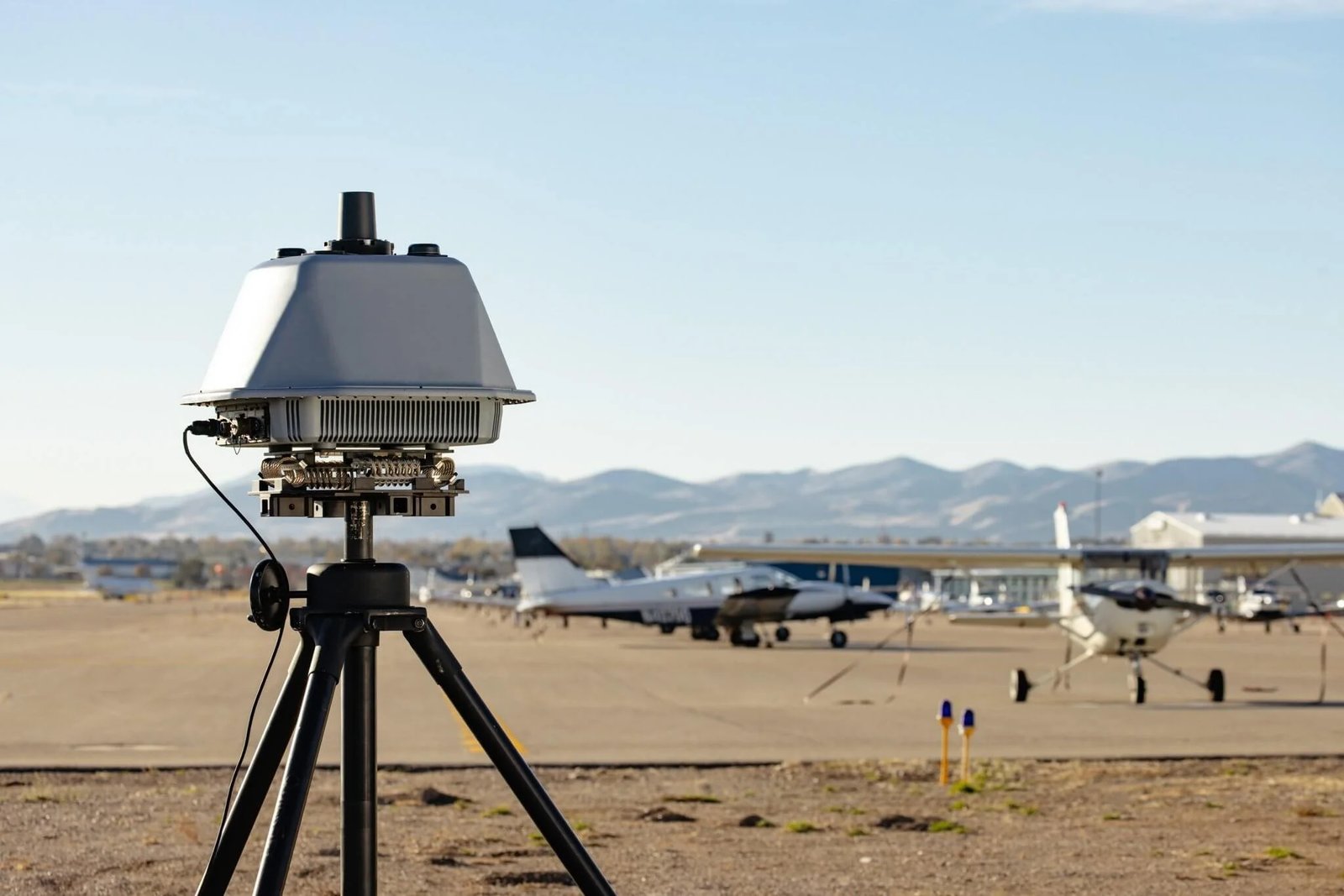 DroneShield Fixed-Site Counter-Drone System Reaches Operational Readiness for Pentagon Task Force
-
 Quantum Space Goes Public on NYSE After $300 Million Financing and SPAC Merger
-
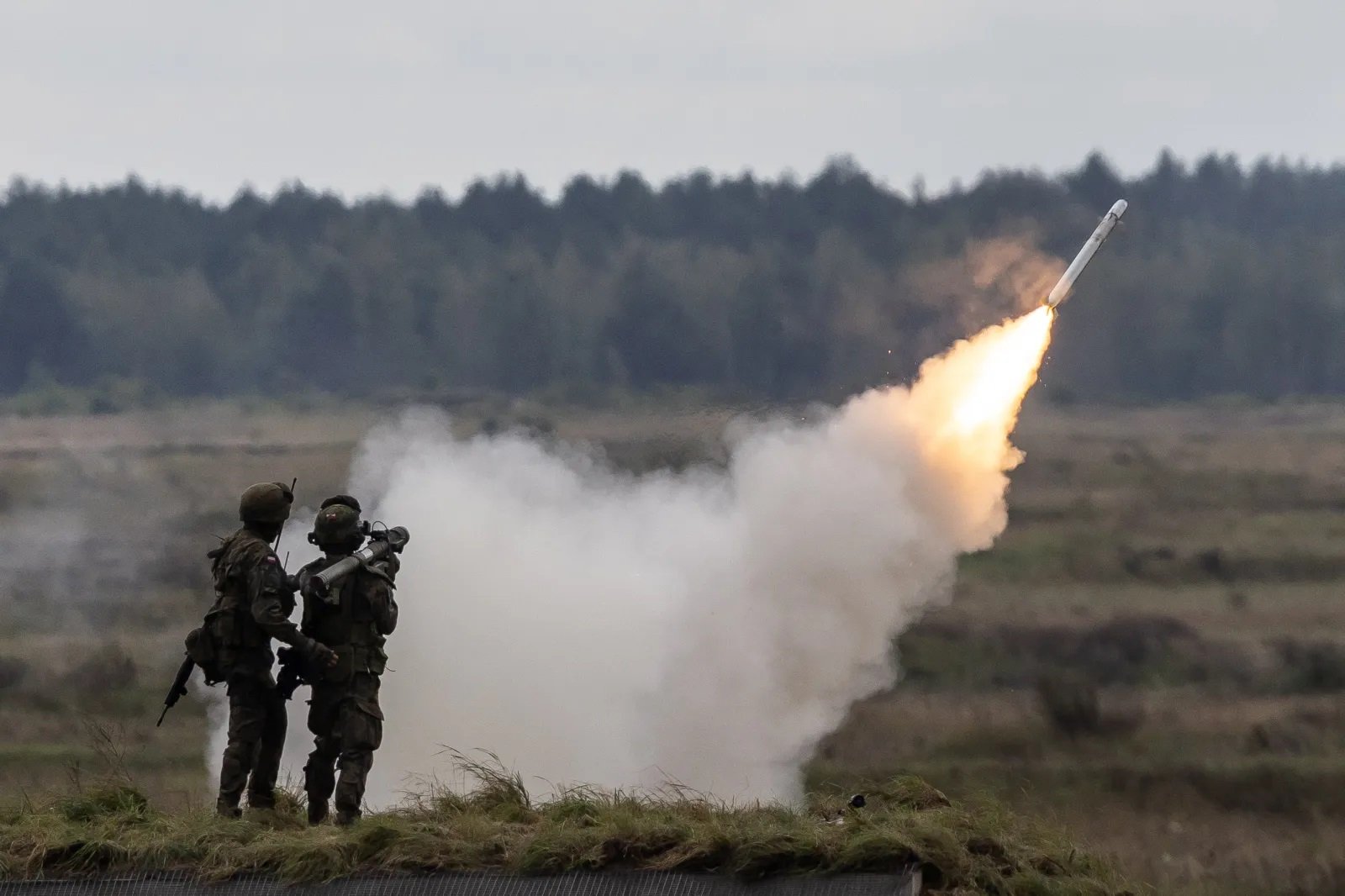 Netherlands Joins European Procurement of Poland’s PIORUN Air Defence Missiles
-
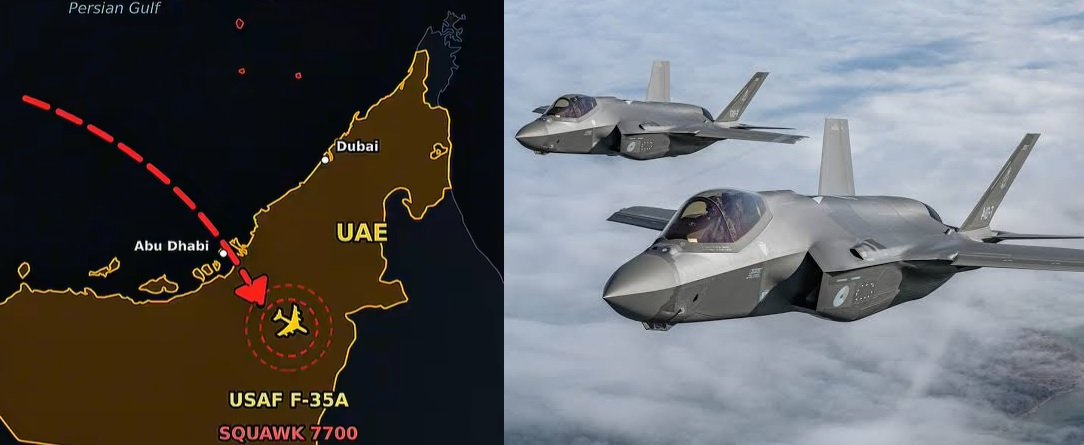 US Air Force F-35A Declares Emergency Over UAE, Flight Tracking Shows Diversion Toward Al Dhafra
-
 Saudi Arabia and Sudan Discuss Deployment of Up to 10,000 Fighters to Yemen
Top Trending in 4 Days
-
 Two Injured in Bahrain After Iranian Attacks; Iran Claims Strike on US Patriot Radars
-
 Russian Corvette Merkury Almost Certainly Destroyed in Benghazi Port Explosion
-
 Western Intelligence Warns Russia Could Launch Nuclear-Armed Satellite as Early as December
-
 IG Defence Successfully Test-Fires JWALA MK-1 Counter-Drone Missile at Pokhran
-
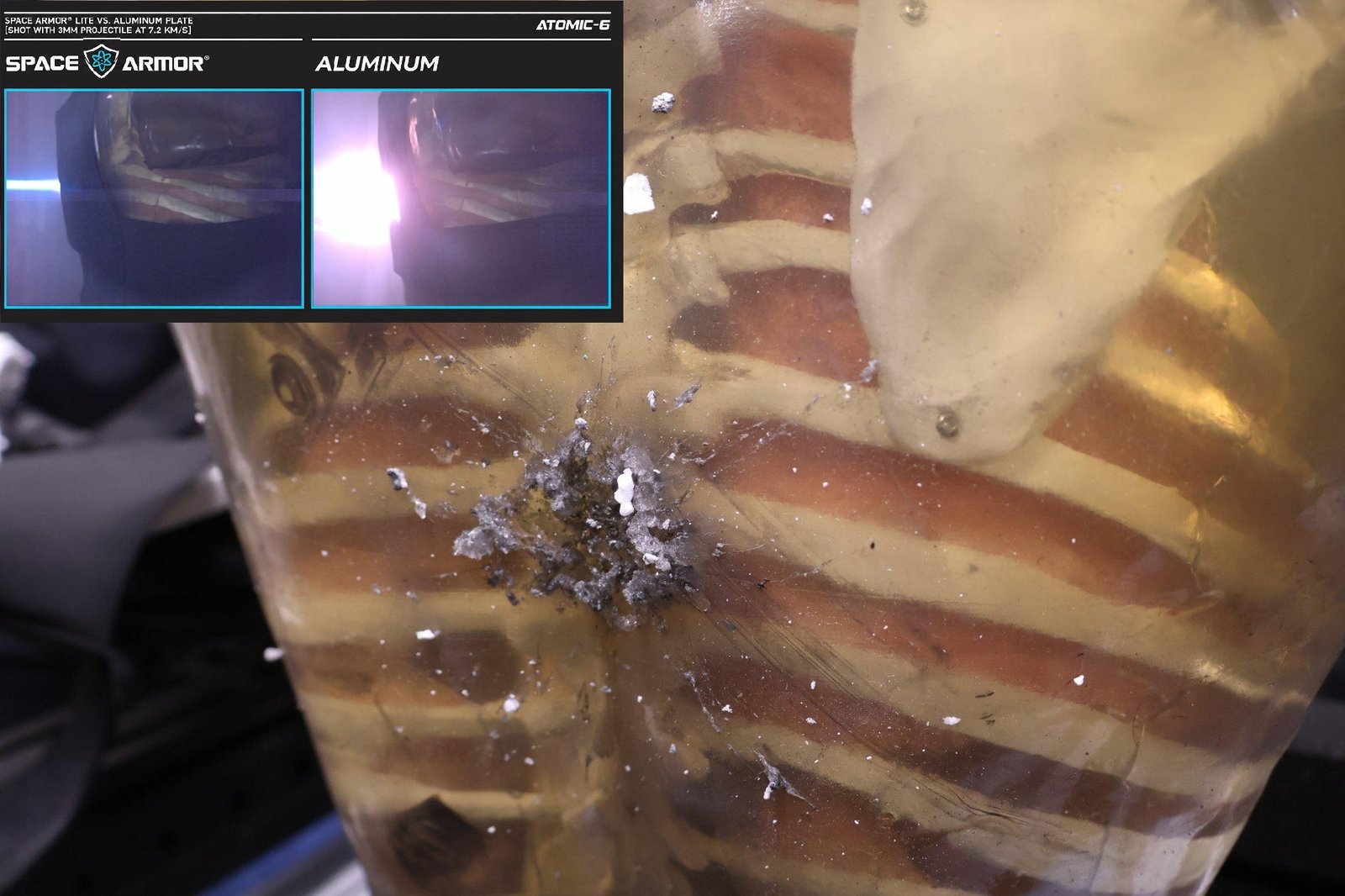 Atomic-6 Tests Composite Armor Against 16,100 MPH Space Debris for Astronaut Protection
-
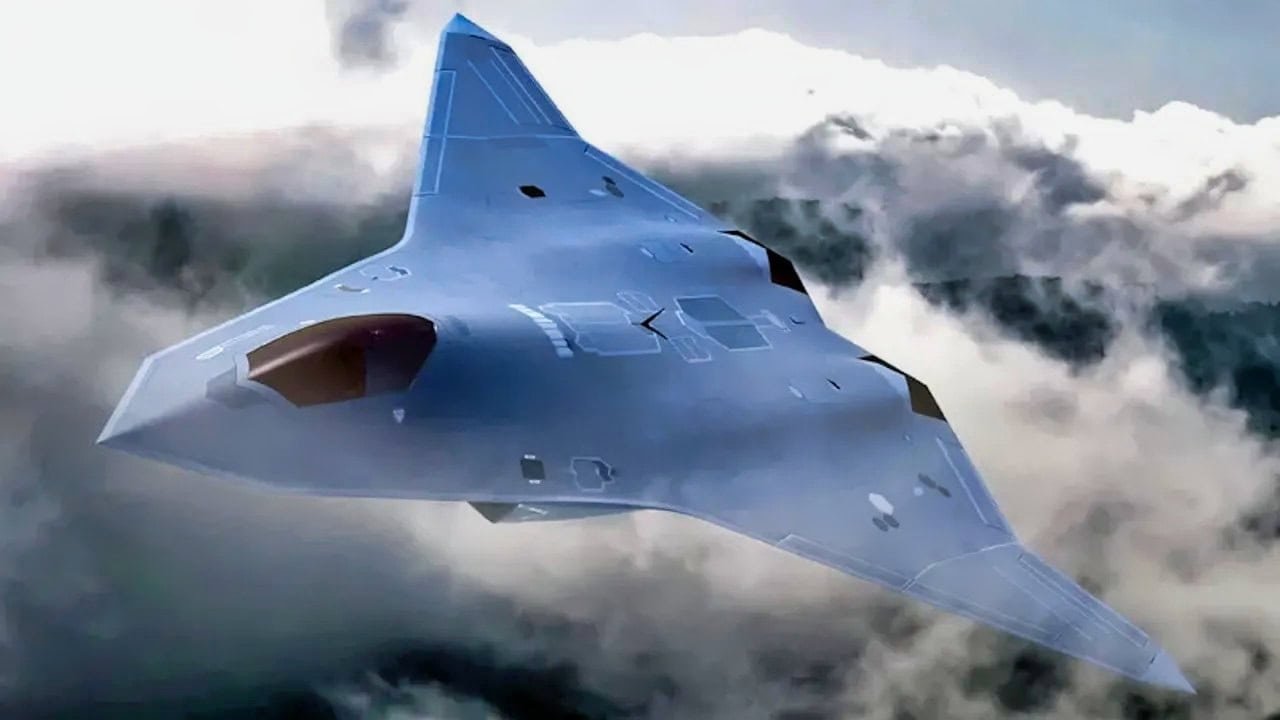 Northrop Grumman Will Not Challenge Boeing’s $20 Billion U.S. Navy F/A-XX Contract
-
 U.S. Awards Lockheed Martin $330.6 Million Contract for Long-Lead Materials Supporting 75 F-35 Lot 22 Aircraft
-
Russian Drones and Cruise Missiles Found Using Civilian NVIDIA AI Chips in Ukraine