India
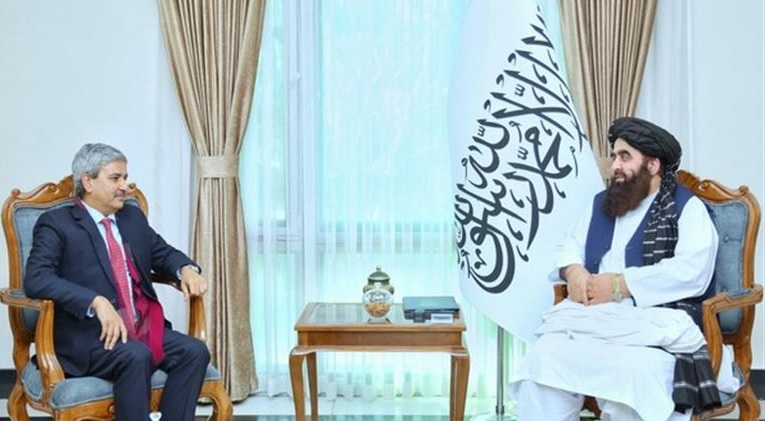
Defense News ,India :- In a recent diplomatic development, the Ministry of External Affairs Joint Secretary for the Pakistan, Afghanistan, and Iran (PAI) division, JP Singh, engaged in a meeting with Afghanistan's Foreign Minister, Amir Khan Muttaqi, appointed by the Taliban. The discussions primarily revolved around India's keenness to expand relations with Kabul and foster trade through the Chabahar Port.During the meeting, the leaders delved into comprehensive talks on various aspects of India-Afghan bilateral relations, addressing economic and transit issues between the two nations. Abdul Qahar Balkhi, spokesperson for the Taliban-controlled Afghanistan Ministry of Foreign Affairs, shared insights on the meeting, emphasizing the focus on Afghanistan-India relations, economic collaboration, transit matters, and joint efforts against ISKP and corruption in the country.JP Singh conveyed India's interest in broadening both political and economic cooperation with Afghanistan, emphasizing the potential for increased trade via the Chabahar Port. Minister Muttaqi acknowledged India's humanitarian assistance and expressed a reciprocal interest in strengthening political and economic ties."Extending gratitude to India for its humanitarian assistance, FM Muttaqi said that in line with our balanced foreign policy, IEA seeks to strengthen political & economic relations with India as an important actor in the region. In the end, FM Muttaqi urged India's Joint Secretary to facilitate the visa issuance process for Afghan businessmen, patients and students," Balkhi shared.This recent interaction builds on previous engagements between Indian representatives and Afghanistan's Taliban-appointed Foreign Minister, where India expressed active participation in international and regional initiatives for Afghanistan's stability and development. Notably, India provided crucial aid to Afghanistan by supplying 40,000 litres of Malathion, a pesticide utilized to combat locust infestations, through the Chabahar Port on January 23.The Taliban-controlled Ministry of Agriculture expressed gratitude for India's assistance, recognizing its significance in safeguarding crops and ensuring food security in Afghanistan. The Food and Agriculture Organisation (FAO) of the United Nations in Afghanistan also commended India for its contribution amid the challenges posed by international isolation and economic turmoil following the Taliban's takeover in 2021.
Read More → Posted on 2024-03-08 08:08:22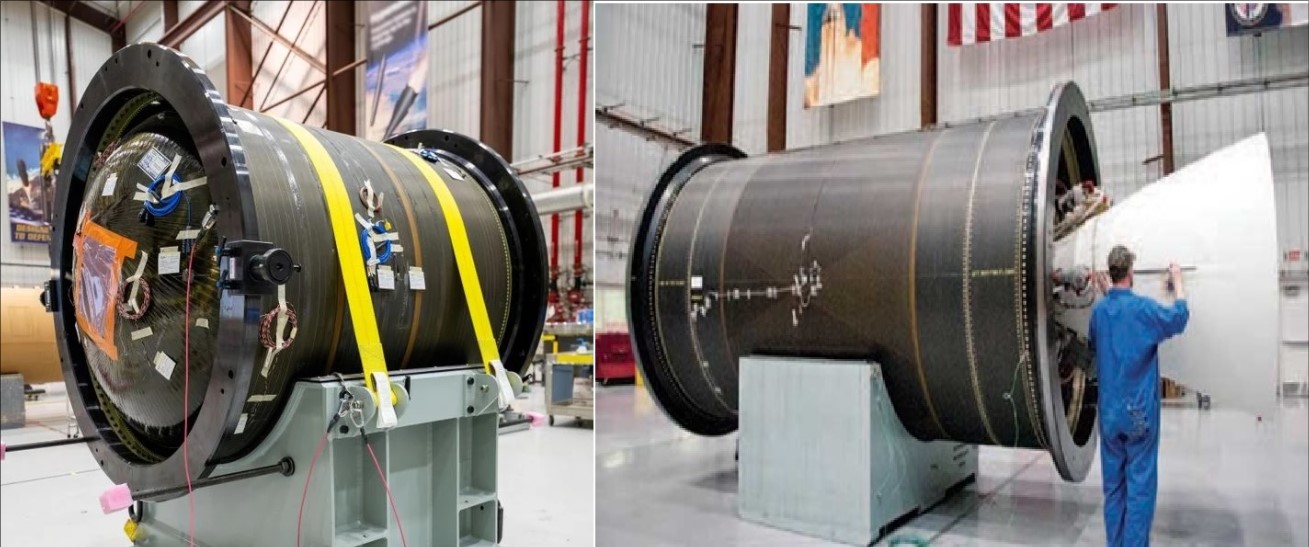
India
Defense news ,India :- Northrop Grumman has successfully delivered the Stage Three solid rocket motor (SRM) for its Next Generation Interceptor (NGI) to Arnold Air Force Base, exceeding the expected timeline. The SRMs play a crucial role in powering the NGI booster, and the upcoming full static fire test in early 2024 is anticipated to provide valuable data for ballistic predictions, thereby influencing the design of other SRMs undergoing qualification testing.Moving swiftly from conceptualization to tangible hardware, motors, and systems, Northrop Grumman aims to mitigate risks for the Missile Defense Agency with its NGI solution. The company is committed to conducting additional full-scale static test firings for each NGI SRM throughout 2024, generating comprehensive data crucial for supporting the All-up Round design, scheduled for later this year. This proactive approach underscores Northrop Grumman's dedication to advancing missile defense capabilities and ensuring the success of the NGI program.
Read More → Posted on 2024-03-08 08:02:55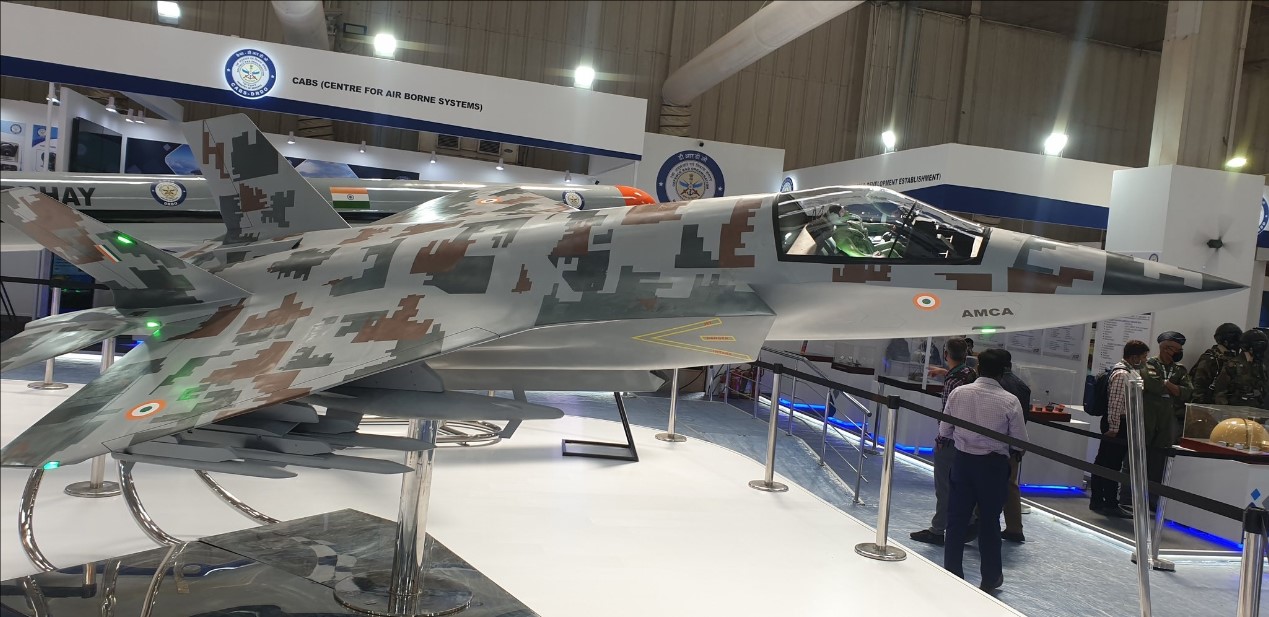
India
Defense News ,India :- India's aerospace ambitions received a substantial boost as the Cabinet Committee on Security (CCS) granted approval for a ₹15,000 crore budget dedicated to the development of the nation's 5th generation Advanced Medium Combat Aircraft (AMCA) program.Under the guidance of Prime Minister Narendra Modi, this decisive move underscores India's unwavering commitment to fortifying its indigenous defense capabilities and diminishing dependence on foreign imports.The AMCA marks a revolutionary stride in India's aerospace evolution, standing alongside the Tejas Mk1A and MkII initiatives as integral components of the country's expanding array of domestically manufactured fighter jets. This groundbreaking project illuminates India's determination to establish itself as a major force in advanced combat aircraft design.Two-Phased AdvancementThe AMCA's development will unfold in two distinctive phases. Phase-I concentrates on the AMCA MKI variant, propelled by GE F-414 engines boasting a thrust of 98kN. In a significant boon for India's manufacturing sector, Hindustan Aeronautics Limited (HAL) will locally produce these engines. The Indian Air Force (IAF) has already committed to procuring 40 AMCA MKI units, demonstrating a vote of confidence in India's defense industry.Phase-II will introduce the AMCA MK2, featuring revolutionary performance upgrades. A robust new engine in the 110-120kN class will enable the MK2 to achieve supersonic cruising speeds without relying on afterburners.Furthermore, state-of-the-art avionics and pilot functionalities will incorporate artificial intelligence (AI) for advanced tasks such as hands-free takeoff and landing, optimizing pilot efficiency and enhancing aircraft performance in combat scenarios.Defense Modernization and Self-Reliance"The AMCA program stands as a cornerstone of India's defense modernization and reflects our commitment to 'Atmanirbhar Bharat'," affirmed a defense analyst based in New Delhi. "By nurturing advanced technologies domestically, we not only fortify our armed forces but also propel economic growth."The AMCA assures advanced stealth features, supercruise capabilities, and formidable sensor suites, positioning it as a formidable presence in the skies. India's determined push towards self-reliance in critical defense technologies is poised to shape the country's strategic landscape for decades to come.
Read More → Posted on 2024-03-08 07:56:23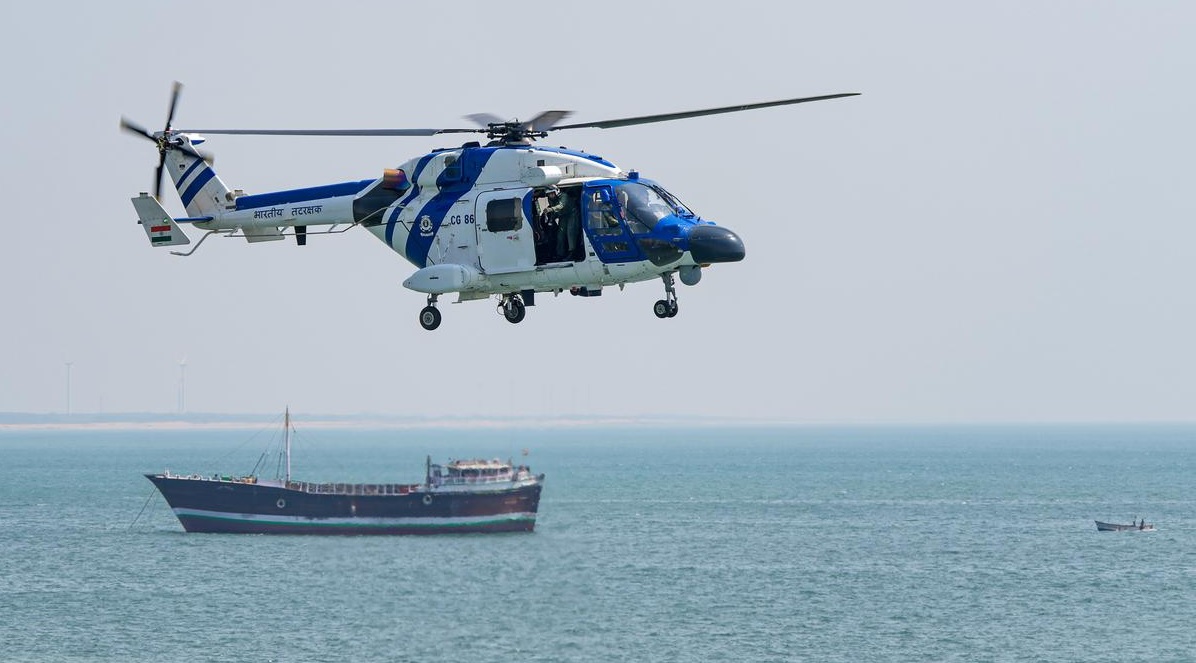
India
Defense News ,India :- In a significant move towards bolstering national defense capabilities, the Cabinet Committee on Security has granted approval for the acquisition of 34 new Advanced Light Helicopter (ALH) Dhruv choppers. Out of this fleet, nine helicopters are slated for induction into the Indian Coast Guard, while the remaining 25 will be incorporated into the Indian Army.Hindustan Aeronautics Limited (HAL) will be tasked with the manufacturing of these helicopters, marking a substantial stride towards promoting indigenous capabilities. According to top government sources, the Indian Coast Guard is set to replace its aging light utility choppers with the allocated nine ALH Dhruv helicopters, while the Indian Army plans to deploy the remaining 25 for various operational roles.The financial commitment for both projects is estimated to exceed ₹8,000 crore, providing a significant impetus to the ongoing drive for indigenization in the defense sector.In addition to the helicopter procurement, the government has also given the green light to a project focused on upgrading the BMP infantry combat vehicles within the mechanized infantry directorate of the Indian Army.The Advanced Light Helicopter (Dhruv) stands as a testament to indigenous innovation, being a multi-role, new-generation helicopter falling within the 5.5-ton weight class. Designed and developed by HAL, this helicopter is poised to play a pivotal role in enhancing the country's defense capabilities.
Read More → Posted on 2024-03-08 07:47:00
India
Defense News ,India :- In a significant stride towards bolstering national security, two indigenously developed explosive detectors have been officially handed over to the Intelligence Bureau (IB) for field deployment across India. The detectors, a joint effort by the Electronics Corporation of India Limited (ECIL), the Department of Atomic Energy (DAE), and the Defence Research and Development Organisation (DRDO), are poised to elevate the country's security apparatus.Principal Scientific Adviser (PSA) to the government of India, Ajay Kumar Sood, delivered the detectors to IB Director Tapan Deka in the presence of senior officials from various security agencies. The ceremony marked a crucial step towards realizing the vision of 'Atmanirbhar Bharat,' showcasing the nation's self-reliance in developing advanced security technologies.Utilizing Ion Mobility Spectrometry (IMS) and Raman Back Scattering (RBS) principles, the detectors have been meticulously customized to meet the specific requirements of Indian security forces. This development reflects a commendable collaboration between ECIL, DAE, and DRDO, aimed at providing state-of-the-art tools to safeguard the nation.The momentous occasion saw the participation of senior officials from renowned security agencies such as the Special Protection Group (SPG), National Security Guard (NSG), Central Industrial Security Force (CISF), Indo-Tibetan Border Police (ITBP), Sashastra Seema Bal (SSB), Bureau of Civil Aviation Security (BCAS), Special Frontier Force (SFF), and the Indian Army.Expressing his satisfaction, PSA Ajay Kumar Sood hailed the successful production of the detectors as a shining example of 'Atmanirbhar Bharat.' The initiative aligns with the government's commitment, led by Prime Minister Narendra Modi and guided by Union Home Minister Amit Shah, to fortify the capacity and strength of the country's security forces.The IB is set to distribute the detectors to 12 identified security agencies for immediate field deployment. The agencies are encouraged to provide valuable feedback on their experience with the detectors, enabling further improvements if deemed necessary. This collaborative effort underscores the government's dedication to continuous enhancement and modernization of the security infrastructure, ensuring a robust defense mechanism for the nation.
Read More → Posted on 2024-03-08 07:41:09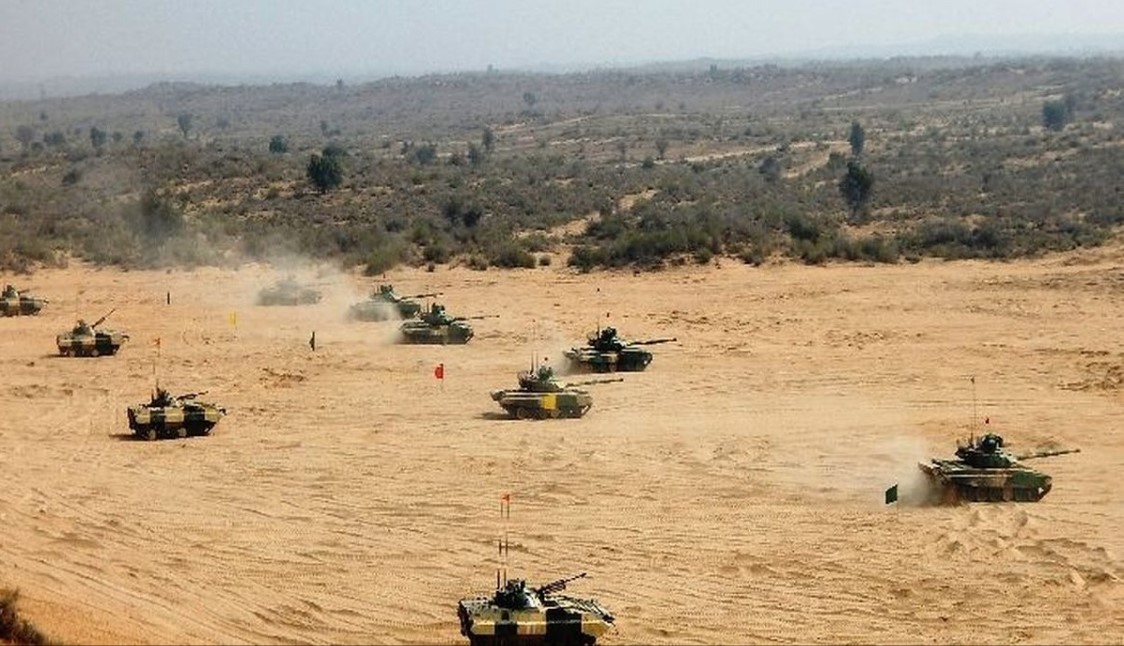
India
Defense News ,India :- The Indian Army is gearing up for a comprehensive exhibition of homegrown weapon systems and platforms in an upcoming tri-services exercise at Pokharan, Rajasthan, scheduled for March 12.Scheduled to be attended by Prime Minister Narendra Modi, Chief of Defence Staff General Anil Chauhan, and Army Chief General Manoj Pande, the event aims to spotlight the prowess of made-in-India equipment. Featured in the demonstration will be iconic weapons such as the Pinaka Multi-barrel rocket launchers, Arjun tanks, Dhanush howitzers, Tejas fighter aircraft, and various versions of the ALH Dhruv helicopters, all of which will showcase their firepower.The exercise is strategically designed to highlight the capabilities of indigenous weapon systems and platforms, emphasizing the achievements of both the Indian public sector and private firms involved in their development and manufacturing. Additionally, the inventive contributions of the Indian Army's innovators will be presented.Key equipment to be featured in the demonstration includes the K-9 Vajra self-propelled howitzers, robotic mules, mobile air defense systems, integrated drone detection and neutralization systems, Sarvatra bridging systems, minefield ploughs, Akash air defense systems, and AK-203 assault rifles, as outlined by Army officials.Among the exhibits, the K-9 Vajra Self-propelled howitzers, robotic mules, mobile air defense systems, integrated drone detection and neutralization systems, Sarvatra bridging systems, minefield ploughs, Akash air defense systems, and AK-203 assault rifles will be showcased. Additionally, the Weapon Locating Radar Swathi and BrahMos missile system will be displayed in a static presentation.
Read More → Posted on 2024-03-08 07:36:15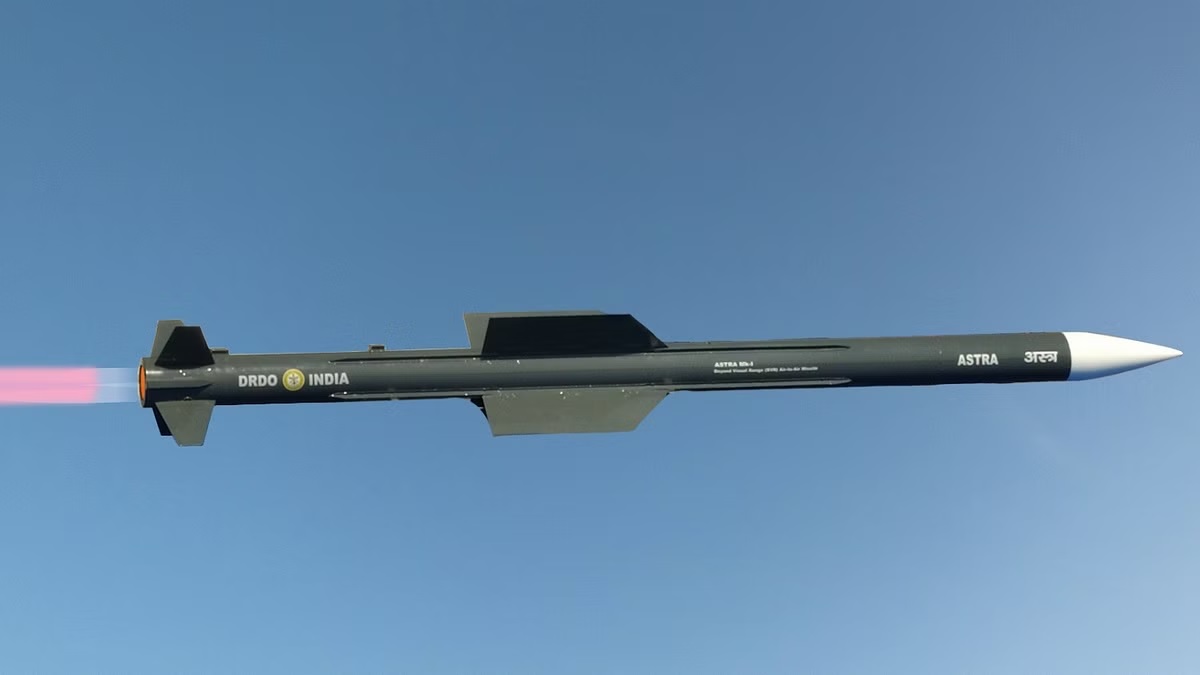
India
Defense News ,India :- The Indian Air Force (IAF) is strategically shifting its focus towards enhancing its close-combat capabilities, following the triumphs of the Astra Mk1 beyond-visual-range air-to-air missile (BVRAAM) and the ongoing development of MkII and MkIII variants.Aiming to standardize short-range weaponry across its diverse fighter fleet, the IAF is in pursuit of a domestically developed close-combat air-to-air missile (CC-AAM).The Imperative for a Unified CC-AAMIntroducing a common, domestically designed CC-AAM holds the potential to streamline the IAF's fighter jet armament, reducing logistical complexities, and offering cost-saving opportunities in maintenance and training.Envisioned with a next-generation infrared (IR) seeker, the missile is designed to enhance target tracking capabilities, crucial for intense maneuvering in close-range combat scenarios.Indigenous Development Takes Center StageThis strategic move aligns with India's commitment to self-reliance in defense technology, with the Defence Research and Development Organisation (DRDO) leading the charge in this new missile development project.The decision to opt for a dedicated CC-AAM arises from the reported abandonment of a plan to modify the Astra Mk1 BVRAAM into a medium-range, dual-seeker missile, akin to the European MICA missile.Meeting Immediate and Future RequirementsWhile pursuing a long-term solution, the IAF is simultaneously addressing immediate close-combat missile needs by procuring Advanced Short Range Air-to-Air Missiles (ASRAAM) and Python-5 missiles for its LCA Tejas Mk1 and Mk2 fighters.The ASRAAM, also known as the NG-CCM (New Generation Close Combat Missile), is set for domestic production in India, underlining the nation's commitment to self-sufficiency.The AMCA InfluenceThe IAF's vision for the upcoming Advanced Medium Combat Aircraft (AMCA) is a significant factor driving the need for a new CC-AAM. The next-generation fighter jet demands cutting-edge air-to-air capabilities, and a domestically developed advanced CC-AAM is envisioned as a crucial component of its arsenal.Considering Range FactorsWhile traditional CC-AAMs prioritize agility for dogfighting, this new missile is anticipated to possess some medium-range capability, exceeding 50km. This extended range aims to bridge the gap between short-range engagements and the operational distances of modern BVRAAMs.In ClosingThe Indian Air Force's strategic initiative underscores a calculated approach to fortify its air combat dominance. Simultaneously developing advanced BVRAAMs (Astra series) and a cutting-edge CC-AAM ensures the IAF is well-equipped for success in both long-range and close-quarters engagements, securing its current fleet and future flagship fighter.
Read More → Posted on 2024-03-08 07:28:25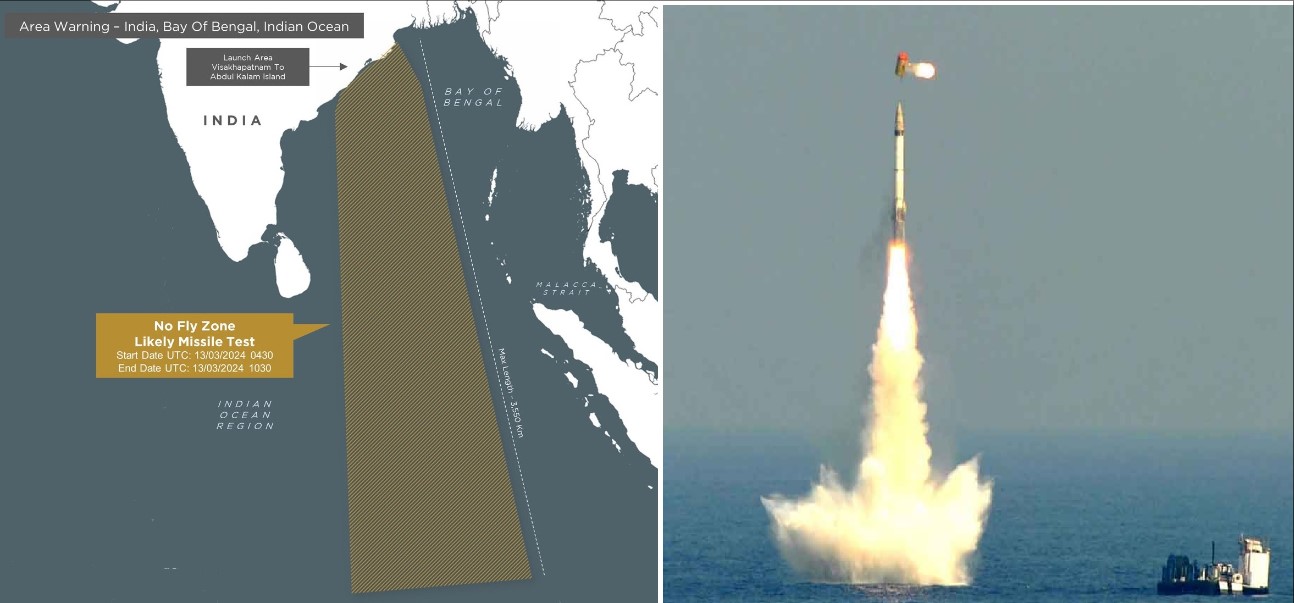
India
Defense News ,India :- On March 7, 2024, India issued a Notice to Airmen (NOTAM), delineating a substantial no-fly zone spanning the Bay of Bengal and sections of the Indian Ocean.Commencing on March 13, 2024, this restricted airspace extends over a distance of 3,550 kilometers, strongly hinting at an imminent missile test.While official details remain unverified, experts speculate that India might be preparing to test either its Agni-V Intercontinental Ballistic Missile (ICBM) or the K-4 submarine-launched ballistic missile (SLBM).Renowned as India's most sophisticated ICBM, the Agni-V boasts an impressive range exceeding 5,000 kilometers, playing a pivotal role in the nation's strategic deterrence capabilities.The K-4, designed as a nuclear-capable missile for submarine launches, furnishes India with a crucial sea-based second-strike option.India routinely conducts missile tests within specified zones in the Bay of Bengal and the Indian Ocean. These tests are integral to maintaining and enhancing the nation's missile capabilities, always executed in compliance with international safety protocols.To keep relevant parties and maritime users informed, timely NOTAMs are consistently issued by the authorities.
Read More → Posted on 2024-03-07 15:42:23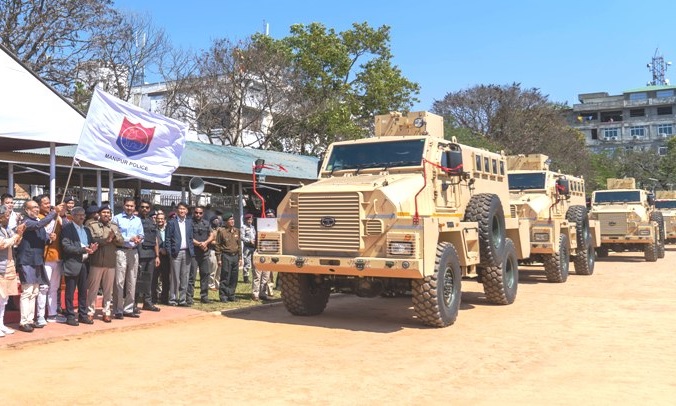
India
Defense News ,India :- Manipur Chief Minister N Biren Singh took a significant step towards fortifying state security by formally introducing seven Mine Protected Vehicles (MPVs) for the Manipur Police at the 1st Manipur Rifles Parade Ground.This strategic enhancement of the police arsenal aims to elevate security measures and safeguard the citizens of Manipur.The launch ceremony witnessed the presence of notable figures, including Director General of Police (DGP) Shri Rajiv Singh, who expressed gratitude to the Chief Minister for equipping the police force with MPVs and serving as an inspiration.DGP Singh announced, "Three additional MPVs are slated to arrive shortly. We remain committed to deploying these vehicles in sensitive areas to maintain control and ensure the safety of our citizens."The event was attended by ministers, Members of Legislative Assembly (MLAs), Chief Secretary Dr. Vineet Joshi, Security Advisor Shri Kuldiep Singh, and other senior administrative and police officials.This initiative underscores the robust collaboration between the Manipur government and TASL (Tata Advanced Systems Limited), highlighting their dedication to furnishing the state police force with cutting-edge resources to effectively counter security threats.The deployment of these resilient MPVs is poised to significantly enhance the operational capabilities of the police force, creating a more secure environment for the people of Manipur.
Read More → Posted on 2024-03-07 15:25:11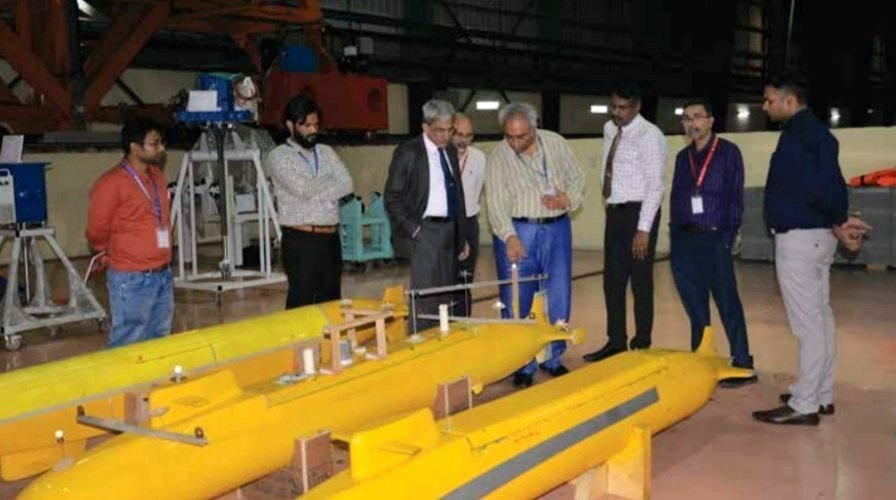
India
Defense News ,India :- In a recent visit to the Naval Science and Technological Laboratory (NSTL) in Visakhapatnam, Vice Admiral Srinivas Kalidoss (Retd), Director General of the Advanced Technology Vessel Programme (ATVP), shed light on India's remarkable progress in enhancing its underwater defense capabilities.Exploring Hydrodynamic Test Models: Unveiling the Engineering ExcellenceVice Admiral Kalidoss' examination of hydrodynamic test models unveiled the meticulous engineering and innovation driving India's naval aspirations, particularly within its nuclear submarine program. These models serve as crucial tools in simulating and analyzing the performance of various hull designs and configurations under diverse underwater conditions.The Science of Submarine DesignHydrodynamic test models play a pivotal role in refining essential factors such as speed, maneuverability, stability, and noise reduction, resulting in submarines that are optimized for peak performance and operational success.Beyond Replicas: Models and India's Nuclear AmbitionsIt is important to note that while hydrodynamic models offer valuable insights, they do not serve as exact blueprints for the sophisticated submarines being developed in India's nuclear deterrent strategy. The S4 and S5 SSBNs (Ballistic Missile Nuclear Submarines) are exemplars of complexity, designed to operate across vast distances and standing as the cornerstone of India's Nuclear Triad.The Strategic ContextThe development of S4 and S5 SSBNs underscores India's commitment to a robust nuclear deterrent and the maintenance of strategic stability in the region. This reflects the evolving security landscape and India's determination to address potential challenges.Hydrodynamic test models, though just one aspect of the larger puzzle, are integral to ensuring that these submarines possess the necessary performance capabilities to fulfill their critical role.India's Naval ModernizationInsights gained from hydrodynamic testing and the broader submarine development program contribute significantly to India's ambitious naval modernization efforts. As a major regional power, India is making substantial investments in advanced naval capabilities to secure its maritime interests and maintain its strategic position.ConclusionVice Admiral Srinivas Kalidoss' visit to NSTL underscores the paramount importance that India places on its submarine force. The hydrodynamic models symbolize the scientific rigor and dedication behind the development of submarines tailored to meet the nation's needs. Within the broader context of nuclear strategy and naval modernization, these submarines play a pivotal role in safeguarding India's security and shaping its influence in the Indo-Pacific region.
Read More → Posted on 2024-03-07 15:18:15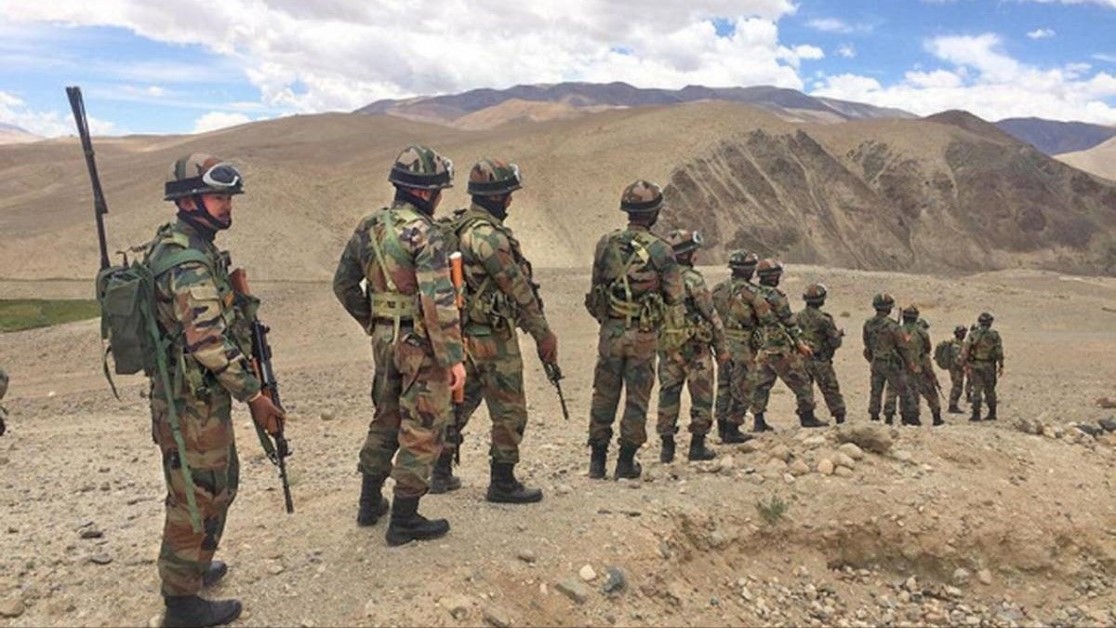
India
Defense News ,India :- India has freed up thousands of soldiers to strengthen its disputed border with China, adding a potential irritant to its already sour relations with Beijing.A 10,000-strong unit of soldiers previously assigned to the country’s western border has now been set aside to guard a stretch of its frontier with China, said senior Indian officials who didn’t want to be named because discussions are private.In addition, an existing contingent of 9,000 soldiers, already designated to the disputed Chinese border, will be brought under the newly created fighting command. The combined force will guard a 532 km (330.57 miles) stretch of border that separates China’s Tibet region with India’s northern states of Uttarakhand and Himachal Pradesh.The Indian Army and Ministry of Defense declined to comment.The unprecedented assignment of troops — backed by their own dedicated artillery and air support — to this stretch of the border highlights both the region’s strategic importance and its growing sensitivity in the eyes of India’s leaders.The area, nestled in the Himalayas, is home to some of Hinduism’s holiest shrines. It has seen huge infrastructure investment and development in the last decade as Prime Minister Narendra Modi’s government has encouraged tourism to the area.In 2021, India repositioned an additional 50,000 soldiers to patrol its border with China, after a deadly border clash the year before left at least 20 Indian soldiers dead, seriously straining ties.China and India have since upgraded military-related infrastructure and moved missiles and aircraft to either side of their border, in addition to positioning more troops.“The possibility that we may face a similar situation that we faced in 2020 is keeping us active all the time,” said India’s Defense Secretary Giridhar Aramane, at a business event last month, referring to the border clash between the nuclear armed neighbors.Ties between India and China sunk in the aftermath of that confrontation and haven’t substantially improved since then. As many as 21 rounds of talks military-diplomatic have made incremental progress. India has since passed laws to discourage Chinese investments and enterprise in India.
Read More → Posted on 2024-03-07 15:11:47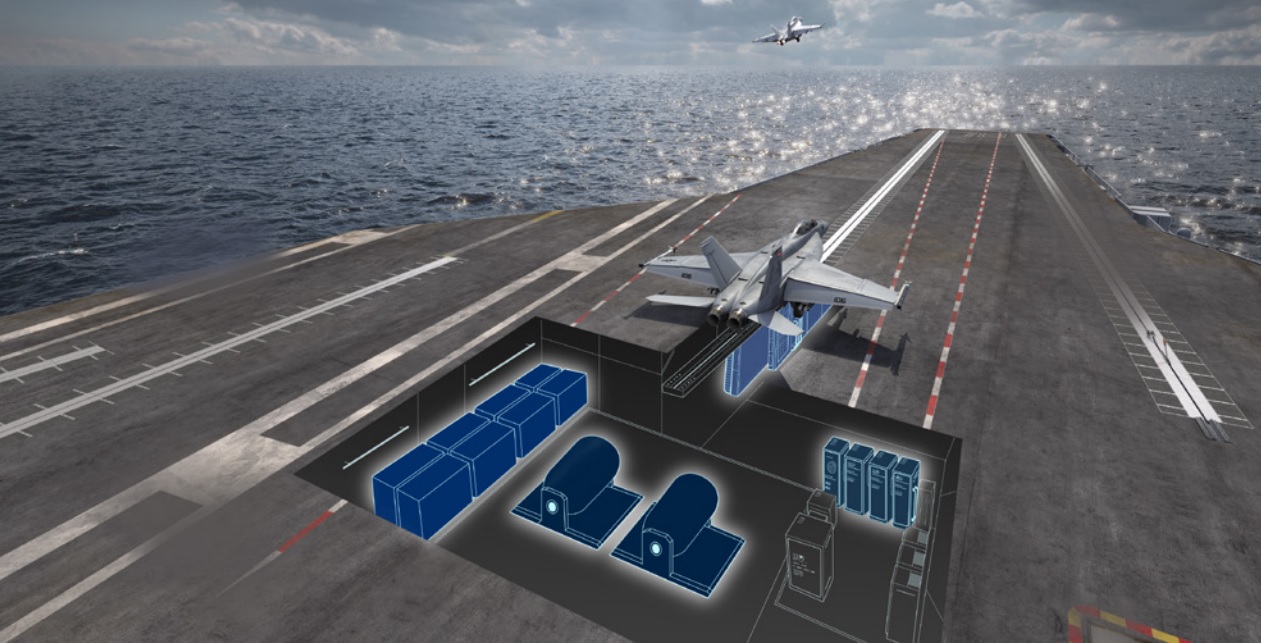
India
Defense News ,India :- India is steadfastly advancing its quest for self-reliance in defence technology, marking a significant stride with its pursuit of an indigenous Electromagnetic Aircraft Launch System (EMALS) for the planned IAC-III aircraft carrier. This ambitious endeavor places India on the cusp of an exclusive league, alongside the United States and China, as one of the few nations possessing this cutting-edge technology.Collaborative Development and Funding DriveThe recent inspection by the Indian Defence Minister of a scale model EMALS system attests to the noteworthy progress achieved through a collaborative effort involving state-owned Bharat Electronics Limited (BEL), private industries, and academic institutions. Both BEL and the Indian Navy are actively seeking funding avenues to bring this indigenous system to life on the 65,000-ton IAC-III carrier.Innovation Propelled by Cost-ConsciousnessCost control emerges as a pivotal factor propelling this indigenous development forward. Despite the United States offering customized EMALS and Advanced Arresting Gear (AAG) systems for the IAC-III, the associated price tag exceeding $1 billion, coupled with India-specific development expenses, presents a substantial financial challenge. This emphasis on cost-consciousness is driving the Indian Navy's strategic approach.Strategic Planning for Self-SufficiencyIn response to the financial challenge, the Indian Navy is contemplating feasibility studies in collaboration with partners to construct a functional full-scale model of the EMALS and AAG system. Securing approval from the Ministry of Defence (MoD) is imperative, as it would pave the way for the necessary funding required at this crucial stage of development.Implications for India's Naval ProwessThe potential benefits of this project are immense. An indigenous EMALS system would significantly enhance the IAC-III carrier's capabilities, facilitating the launch of heavier and faster aircraft. Moreover, it serves as a testament to India's increasing self-reliance in critical defence technologies, reducing dependence on foreign suppliers.Challenges and the Road AheadNevertheless, the path to achieving this goal is laden with obstacles. The creation of such technologically advanced systems demands considerable technical expertise, financial resources, and time. The success of the project hinges on adeptly navigating these challenges while obtaining essential approvals and securing funding.ConclusionIndia's pursuit of an indigenous EMALS is a resounding testament to its unwavering determination to emerge as a key player in defence technology. The successful realization of this venture holds the potential to significantly enhance the Indian Navy's capabilities, further solidifying the nation's strategic autonomy.
Read More → Posted on 2024-03-07 14:52:35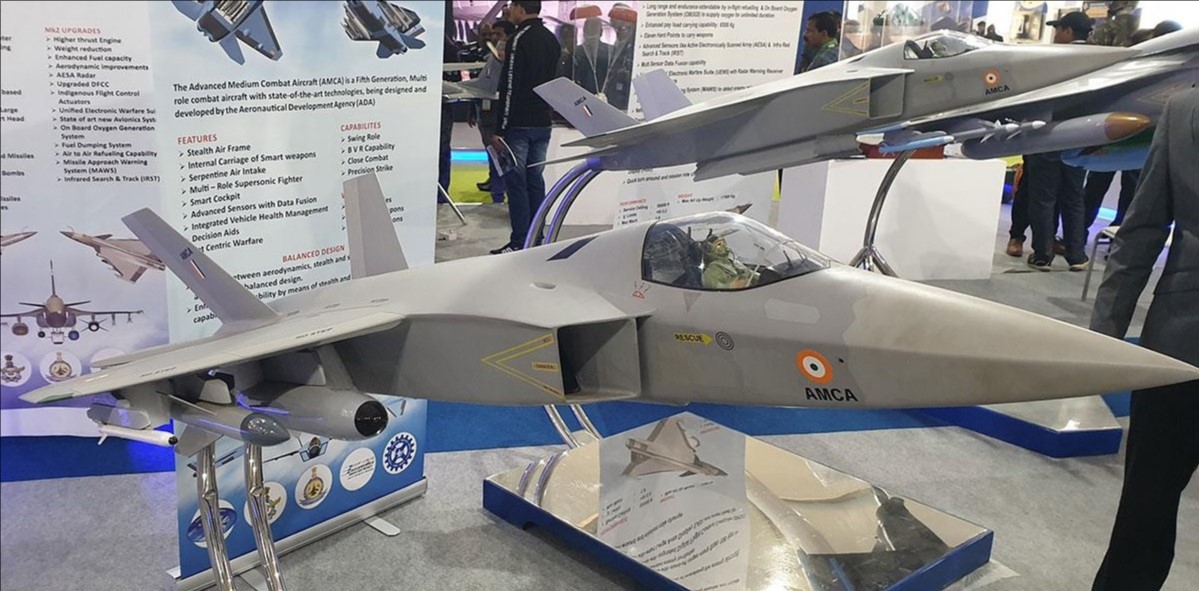
India
Defense News India :- In a major development, the Cabinet Committee on Security has cleared the project to design and develop the Advanced Medium Combat Aircraft fifth generation stealth fighter jet project to be undertaken by the DRDO.Under the around Rs 15,000 crore project, Defence Research and Development Organisation's Aeronautical Development Agency would develop the stealth fighter jet and its technologies in partnership with various private and public sector agencies and build around five prototypes in around five years, government sources told ANI.The project would see the prototype manufactured by industry including the public sector unit Hindustan Aeronautics Limited, they said.The government has been working towards the development of indigenous technologies and the military industry.The Defence Ministry envisages that the fifth generation aircraft project would generate lakhs of jobs and the Indian Air Force orders can generate business worth lakhs of crores for Indian entities and also generate jobs at a mass scale.The indigenous fighter aircraft projects have received a major boost from the Indian Air Force under the Narendra Modi government as the government has ordered over 200 Light Combat Aircraft along with clearance for engines for the LCA Mark-2 project.The AMCA is expected to start getting inducted in operational roles beyond 2030 and the first two squadrons are planned to be powered by the GE-414 engines while discussions are still on to codevelop more powerful engines for the remaining squadrons.India is likely to induct over 200 of these powerful fifth-generation fighters and the planes would also help India to develop future generations of fighter jets within the country.
Read More → Posted on 2024-03-07 14:43:08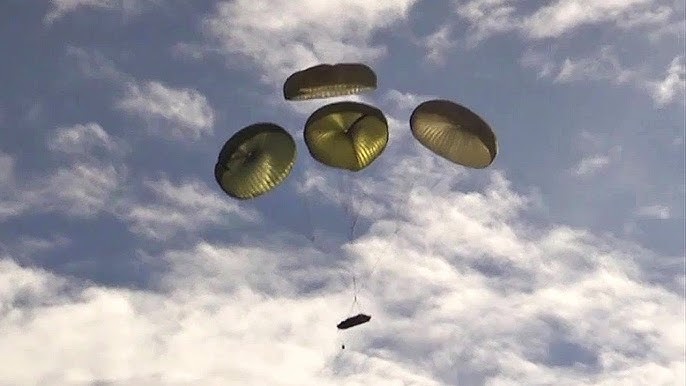
India
Defense News ,India :- In a noteworthy milestone towards bolstering its defense self-sufficiency, India recently accomplished the successful airdrop of a domestically developed heavy platform. The remarkable feat, orchestrated by the Aerial Delivery Research and Development Establishment (ADRDE), showcased a formidable 45,000-pound carrying capacity as it descended from an Indian Air Force (IAF) C-17 aircraft during trials.This accomplishment underscores India's unwavering commitment to the Aatmanirbhar Bharat initiative, which champions self-sufficiency in defense technologies. The capability to airdrop such substantial platforms signifies a significant enhancement in combat readiness for the IAF's C-17 fleet.The successful airdrop trial exemplifies the collaborative synergy and expertise of the IAF, the Indian Army, and the ADRDE, serving as a powerful testament to India's growing prowess in indigenous defense innovation.Implications for Defense CapabilitiesThe development and deployment of this heavy platform carry far-reaching implications for India's defense capabilities:1. Enhanced logistical support: The IAF gains a strategic advantage in swiftly airlifting substantial equipment and supplies to remote or conflict-stricken areas.2. Rapid troop deployment: Airdropping heavy platforms facilitates faster and more efficient mobilization of troops and resources.3. Strengthened self-reliance: The indigenous development of this critical technology reduces dependence on foreign imports, consolidating India's position as a regional defense leader.Looking AheadThe success of the heavy platform airdrop signifies India's ongoing determination to fortify its defense capabilities through homegrown solutions. Experts anticipate that this achievement will pave the way for further innovation in military transport and logistics, solidifying India's dedication to self-reliance in the defense sector.
Read More → Posted on 2024-03-07 08:08:59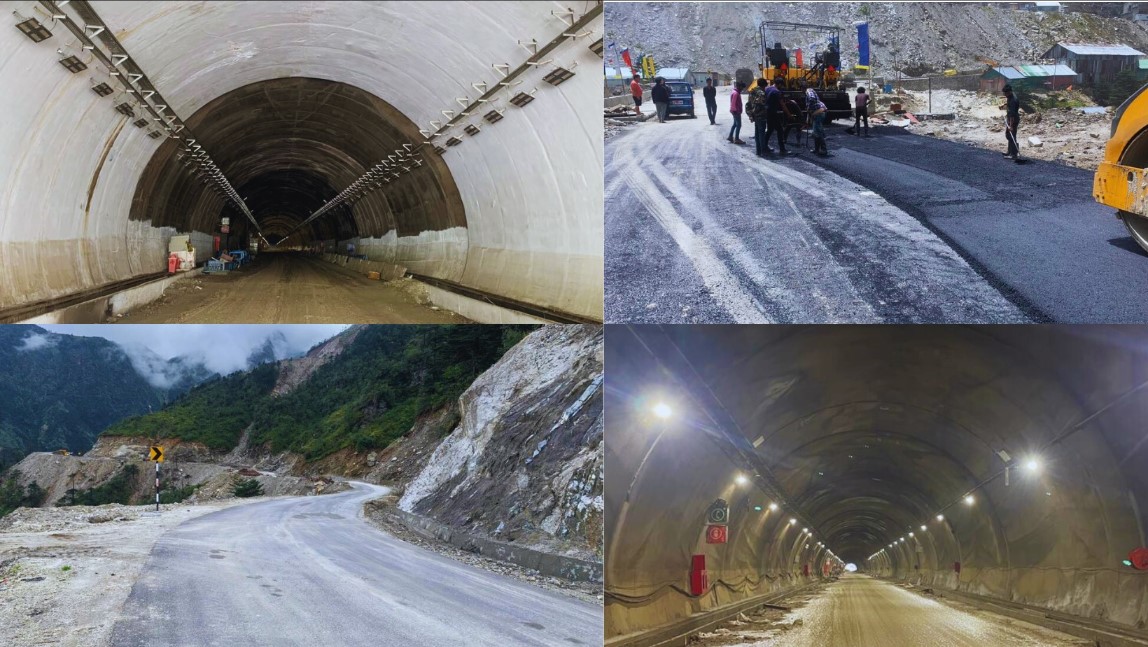
India
Defense News ,India :- In an effort to bolster connectivity and development in Arunachal Pradesh, Prime Minister Narendra Modi is set to embark on a day-long visit to the region on March 9. The focal point of his visit will be the inauguration of the strategically significant Sela Tunnel, designed to provide all-weather connectivity to Tawang, a region bordering China.Scheduled to dedicate the tunnel to the nation at a ceremony in Baisakhi, West Kameng district, PM Modi will also lay the foundation stone for approximately 20 additional development projects before proceeding to neighboring Assam, according to an official announcement on Wednesday.Nestled at an elevation of 13,000 feet, the Sela Tunnel holds paramount importance due to its proximity to the Line of Actual Control (LAC). It addresses the challenges posed by the closure of the Balipara-Charidwar-Tawang Road during extended periods of the year, attributed to snowfall and landslides caused by heavy rainfall.The tunnel is expected to significantly enhance the Indian army's capabilities along the Sino-India border by facilitating swift deployment of troops, weapons, and machinery to forward areas. The project, initially laid out by PM Modi in February 2019 with an estimated cost of ₹697 crore, faced delays due to various reasons, including the impact of the COVID-19 pandemic.Comprising two tunnels, the project features a single-tube tunnel spanning 980 meters in length, along with a second 1.5 km long tunnel equipped with an emergency escape route. This infrastructural development holds historical relevance, as it seeks to address challenges arising from the 1962 clash between Chinese troops and Indian forces in the region, with the town of Tawang being overrun on October 24 of that year.
Read More → Posted on 2024-03-07 07:45:14Search
Top Trending in 24 Hours
-
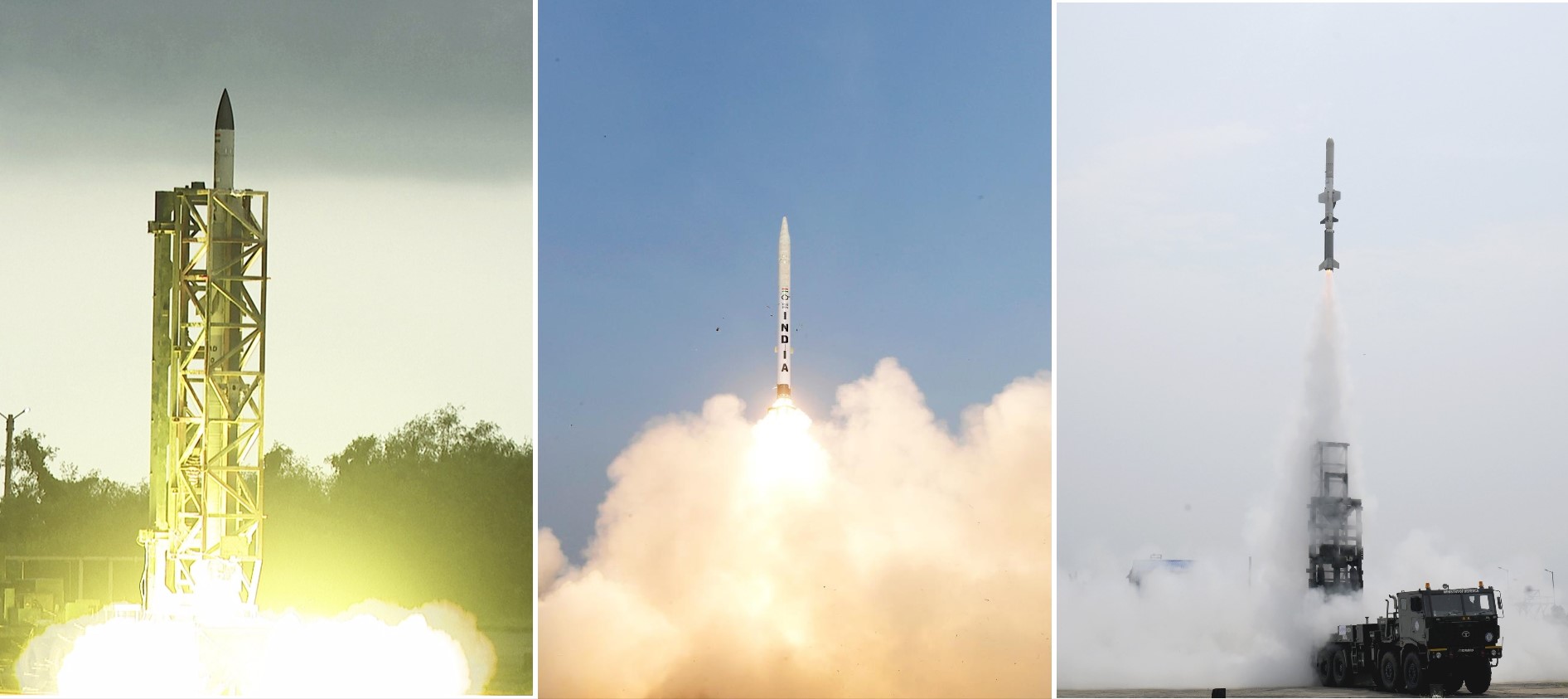 India Successfully Conducts AD-1, AD-2 Interceptor Tests and Maiden NASM-MR Flight Trial
-
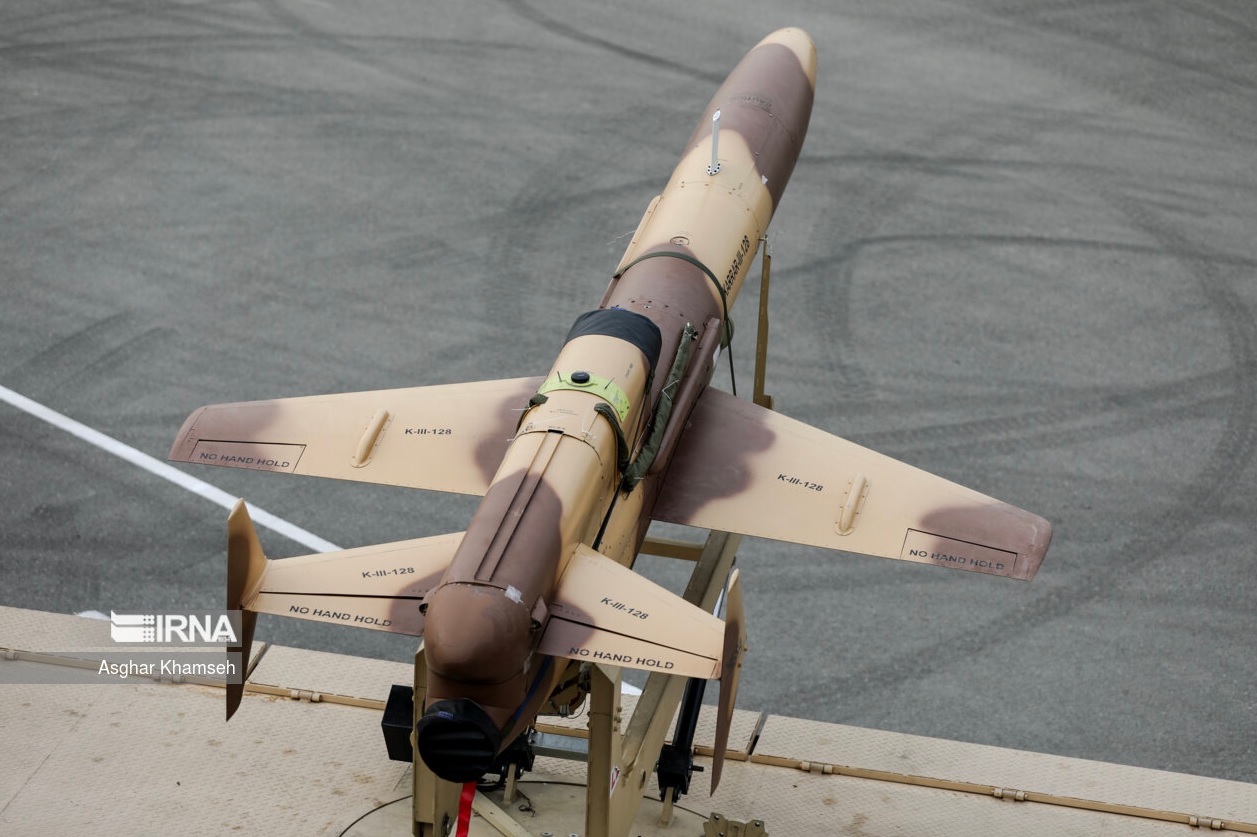 Russia Launches 1,400 Jet-Powered Drones in 2026 as Strike Tactics Evolve to Challenge Ukraine's Air Defenses
-
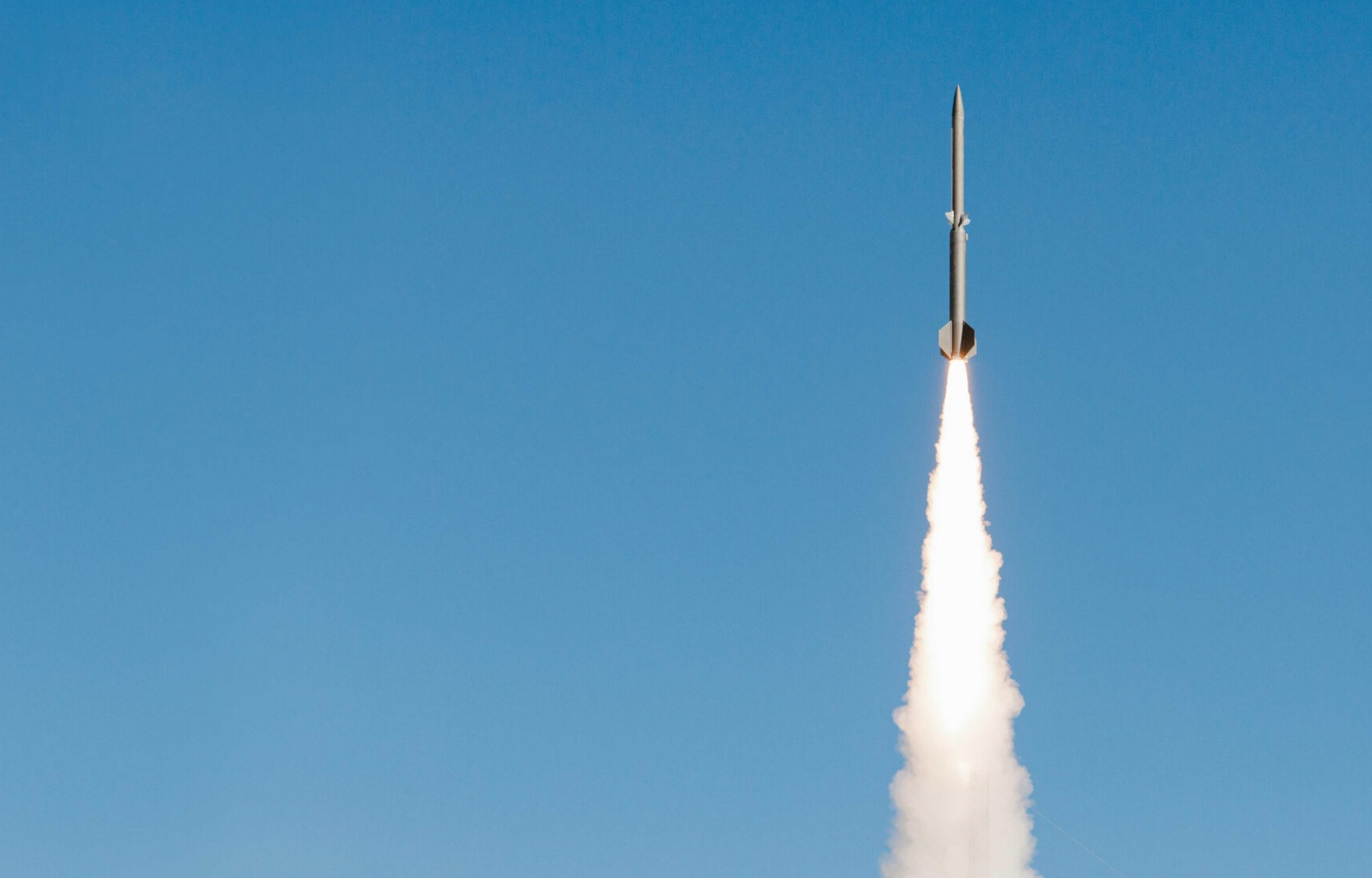 U.S Navy Orders 50 Blackbeard Hypersonic Missiles in New $23.4 Million Contract
-
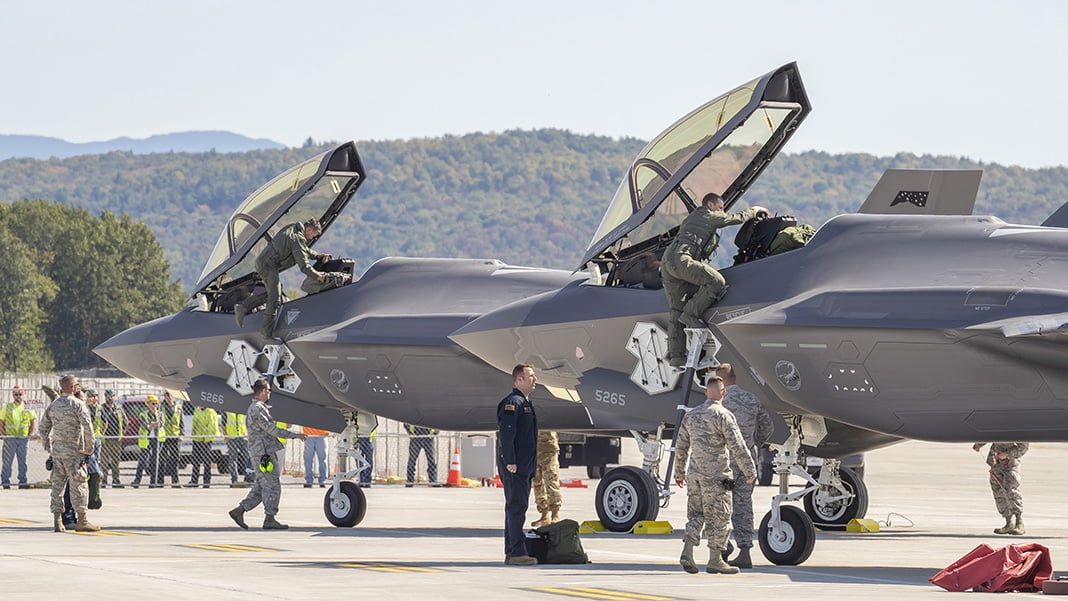 F-35 Fleet Readiness Falls to 25% Amid Parts Shortages and Software Delays: GAO Report
-
 UAE Denies Reports of Releasing Up to $20 Billion in Funds to Iran Amid Regional De-Escalation Efforts
-
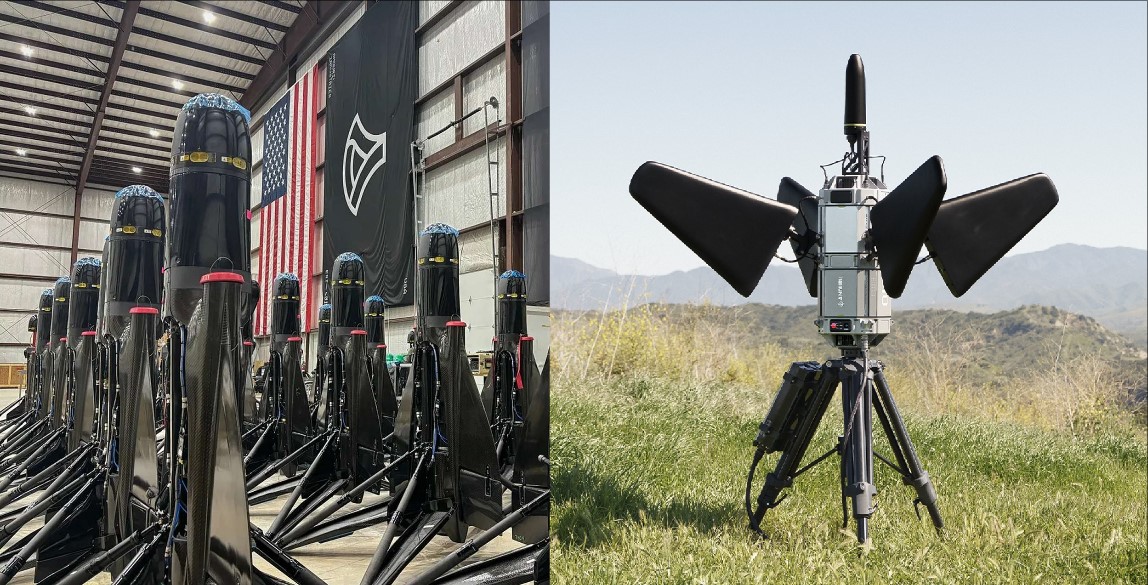 U.S. Approves $1.98 Billion Sale of Anduril AI-Powered Counter-Drone Systems to Kuwait
-
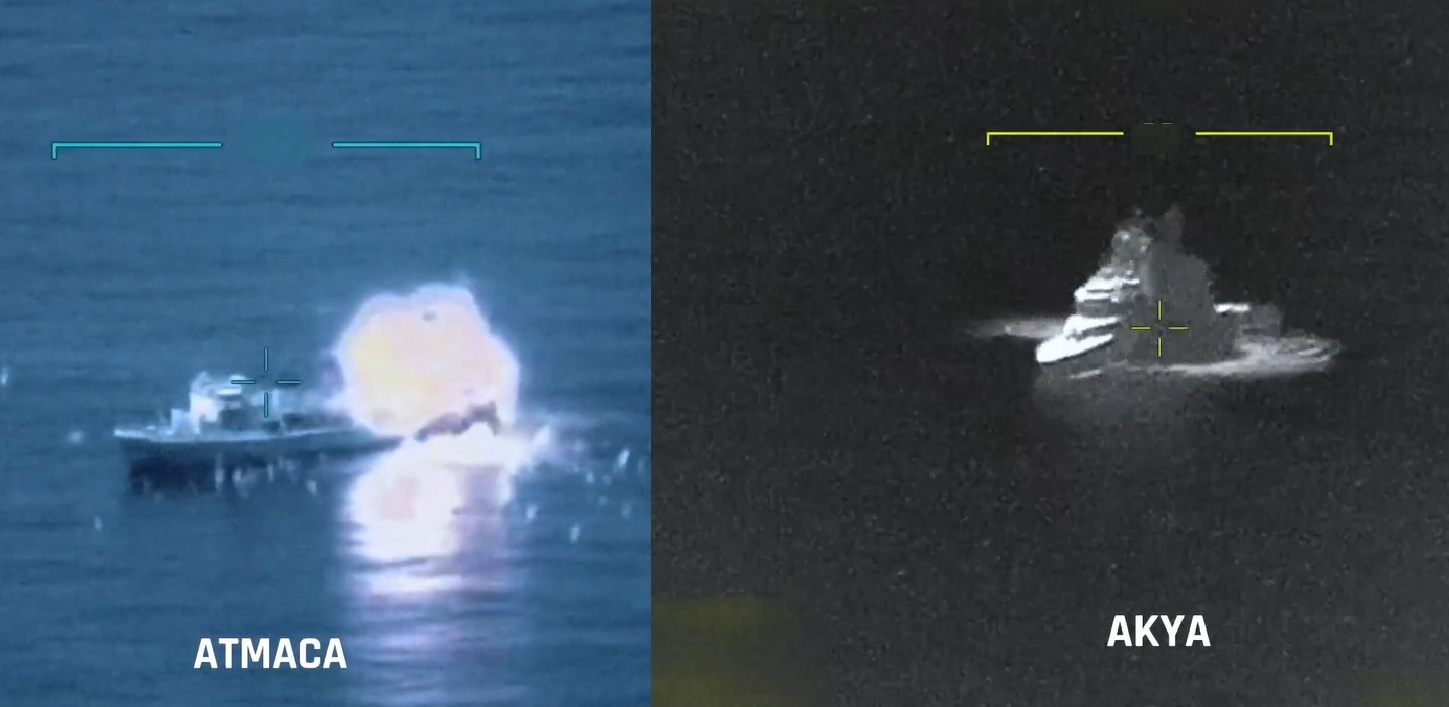 Turkey Navy Successfully Tests AKYA Torpedo and ATMACA Missile During Major Denizkurdu-II Naval Exercise
-
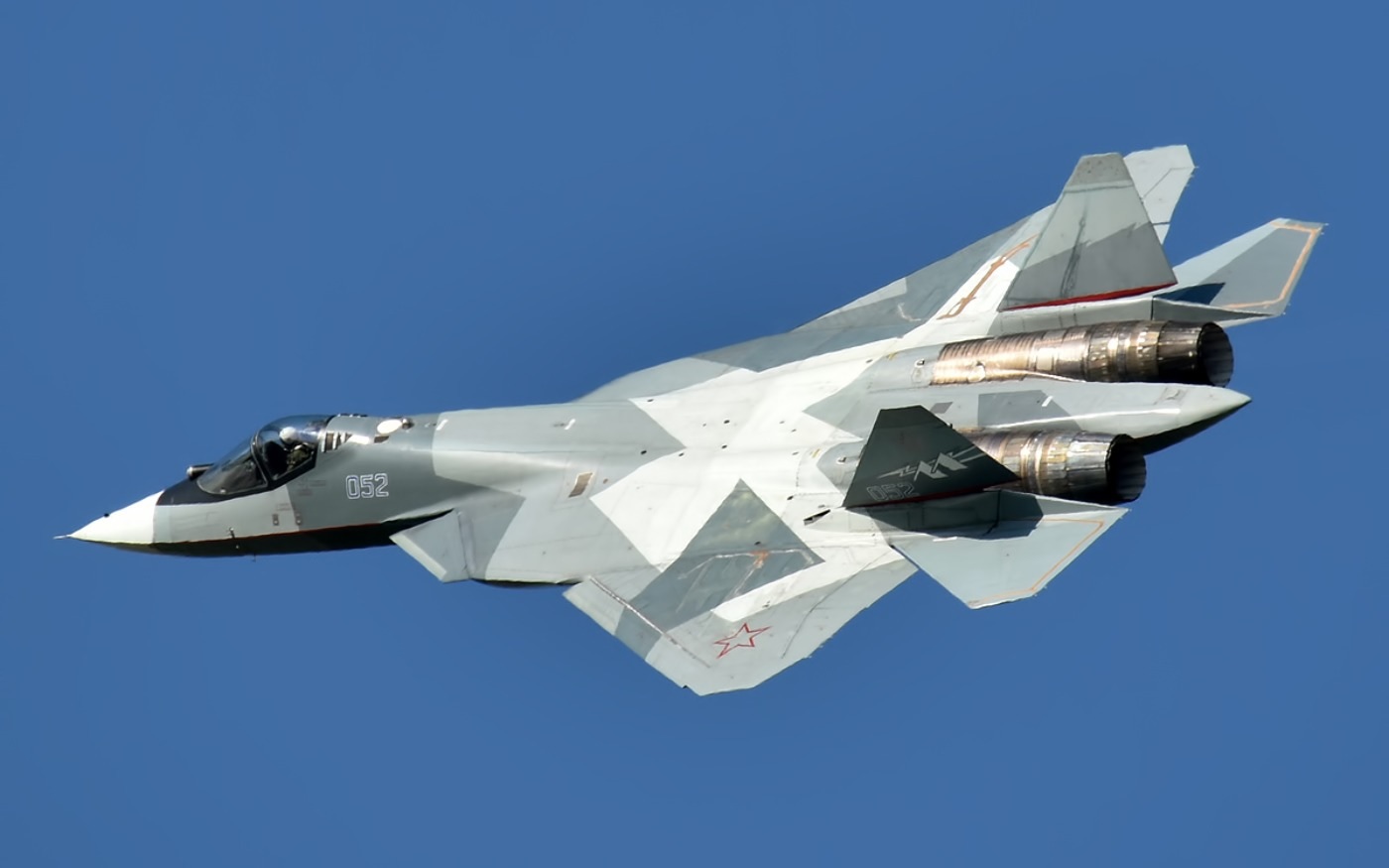 Russian Analysts Debate Su-57 Capabilities After Putin Calls Fighter Superior to F-35
Top Trending in 4 Days
-
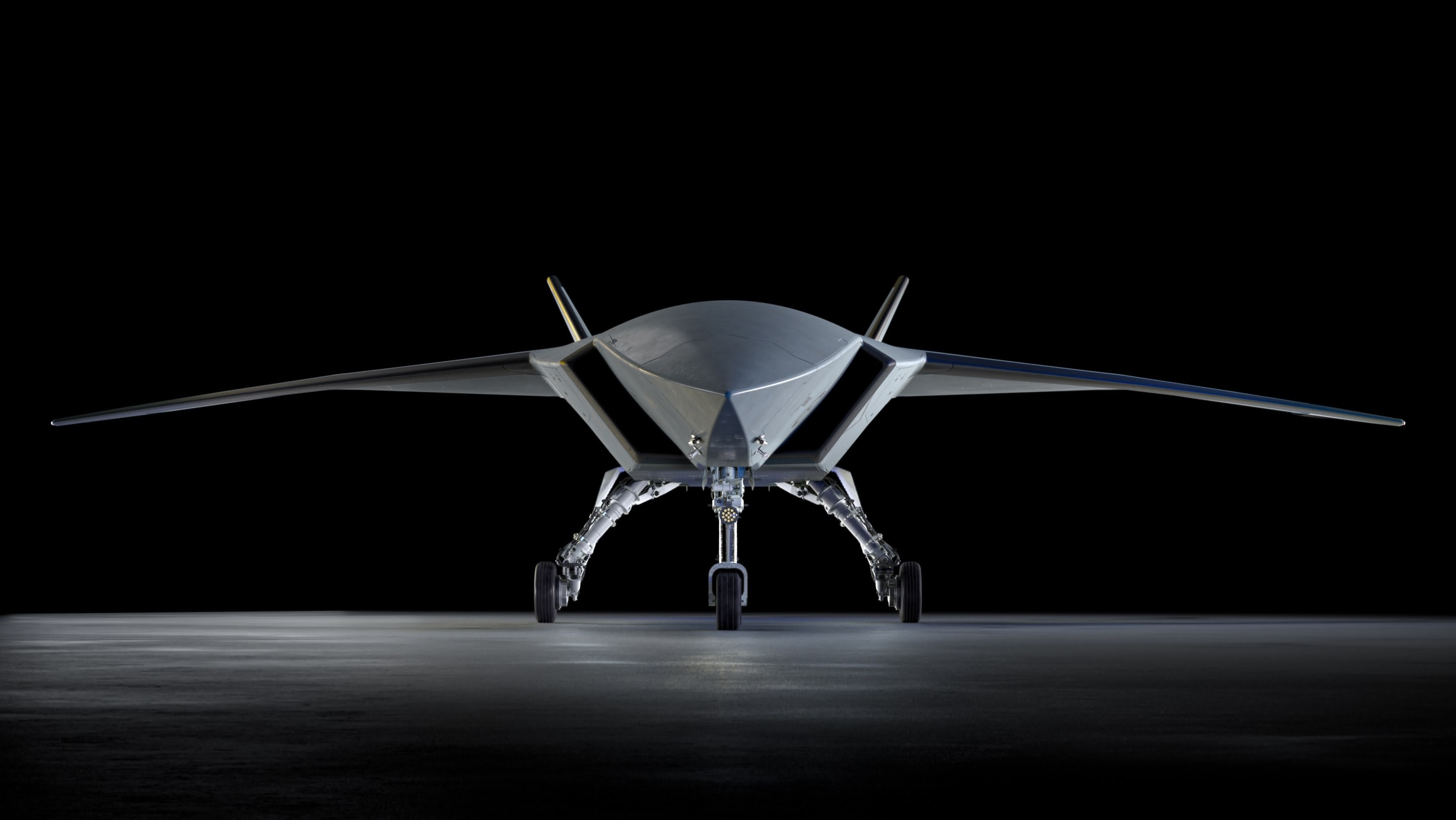 Boeing Introduces New MQ-28 Ghost Bat Upgrades with Increased Range, Payload and Weapons Capacity at ILA Berlin 2026
-
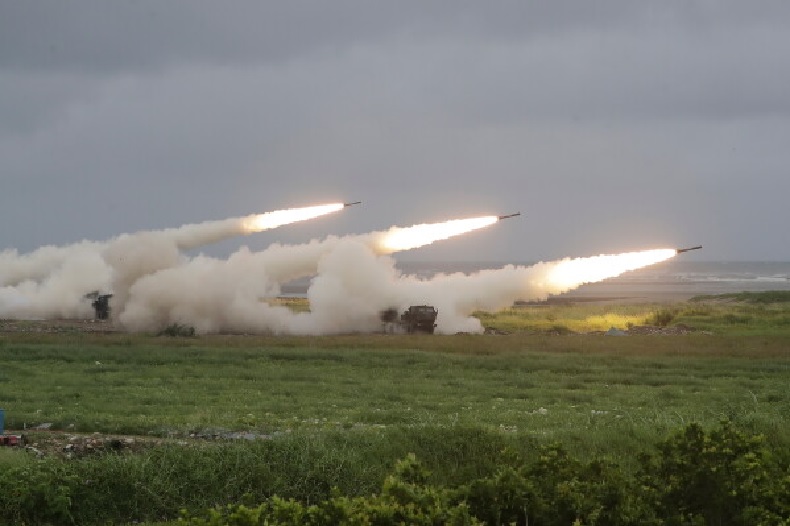 Taiwan Conducts First Live-Fire of HIMARS Rockets From West Coast During Invasion Defense Drill
-
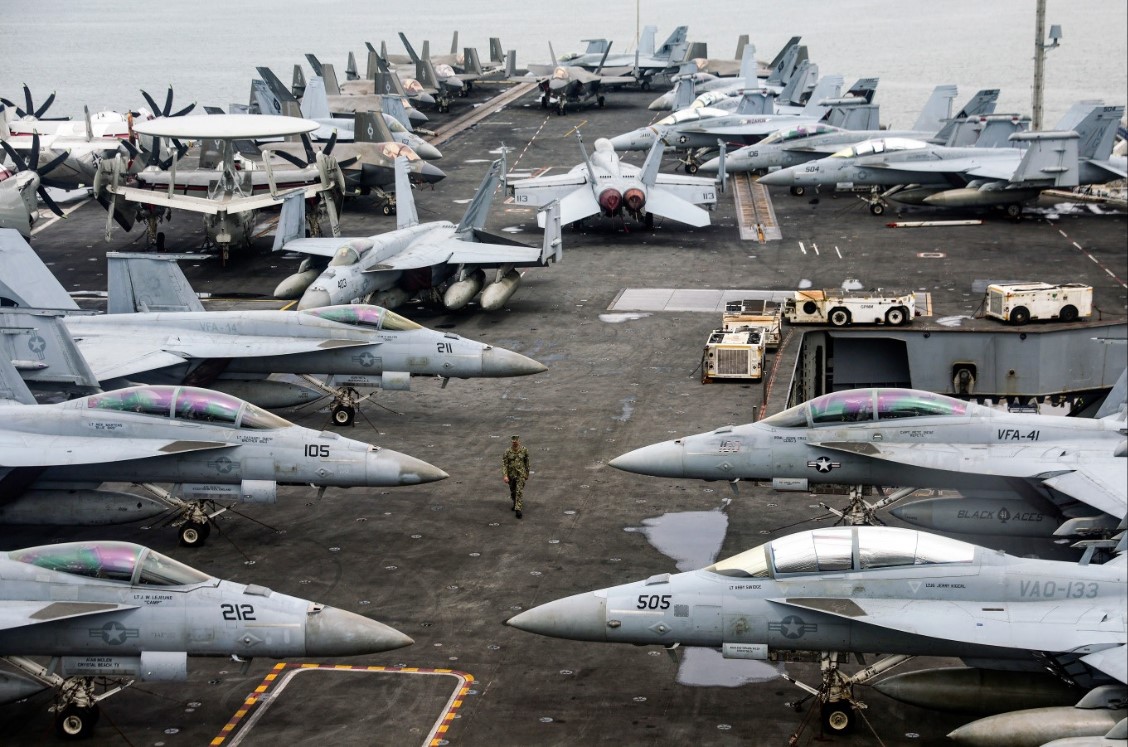 US Plans Significant Reduction of Fighter Jets and Warships for NATO Operations in Europe
-
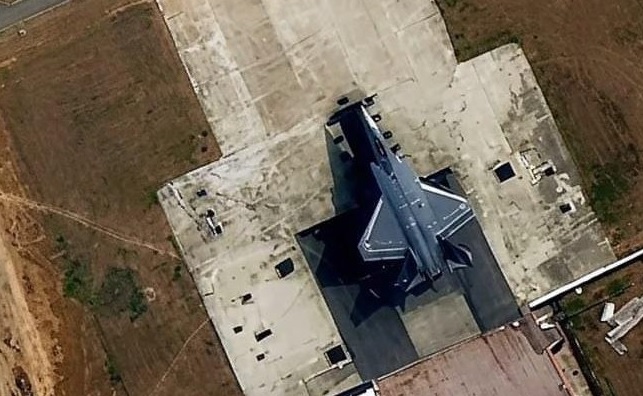 AMCA Airframe Spotted at DRDO’s ORANGE Facility for Radar Cross-Section Testing
-
 Iranian Media Leaks 14-Point U.S.-Iran Peace Framework Amid Ongoing Negotiations
-
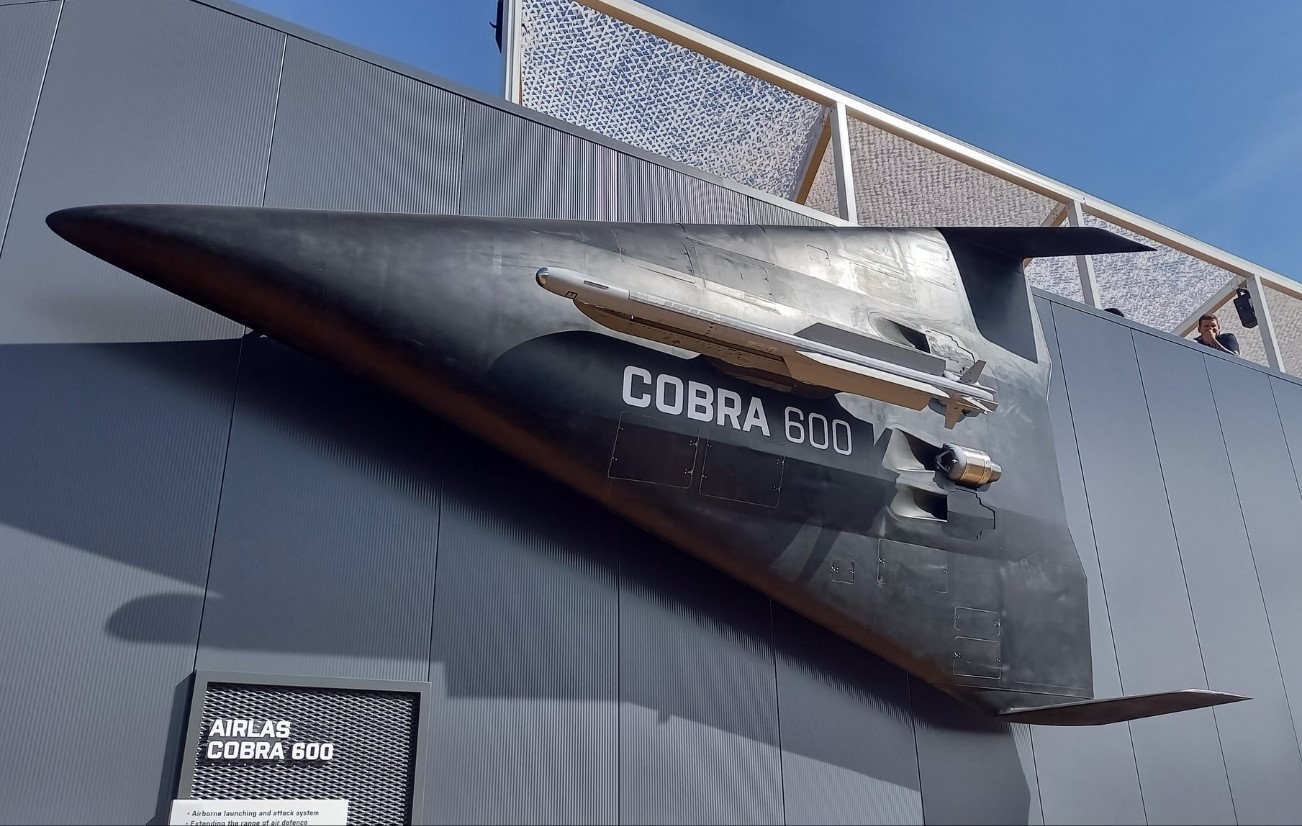 Diehl Defence Unveils IRIS-T Armed Cobra 600 Air Defense Drone at ILA Berlin 2026
-
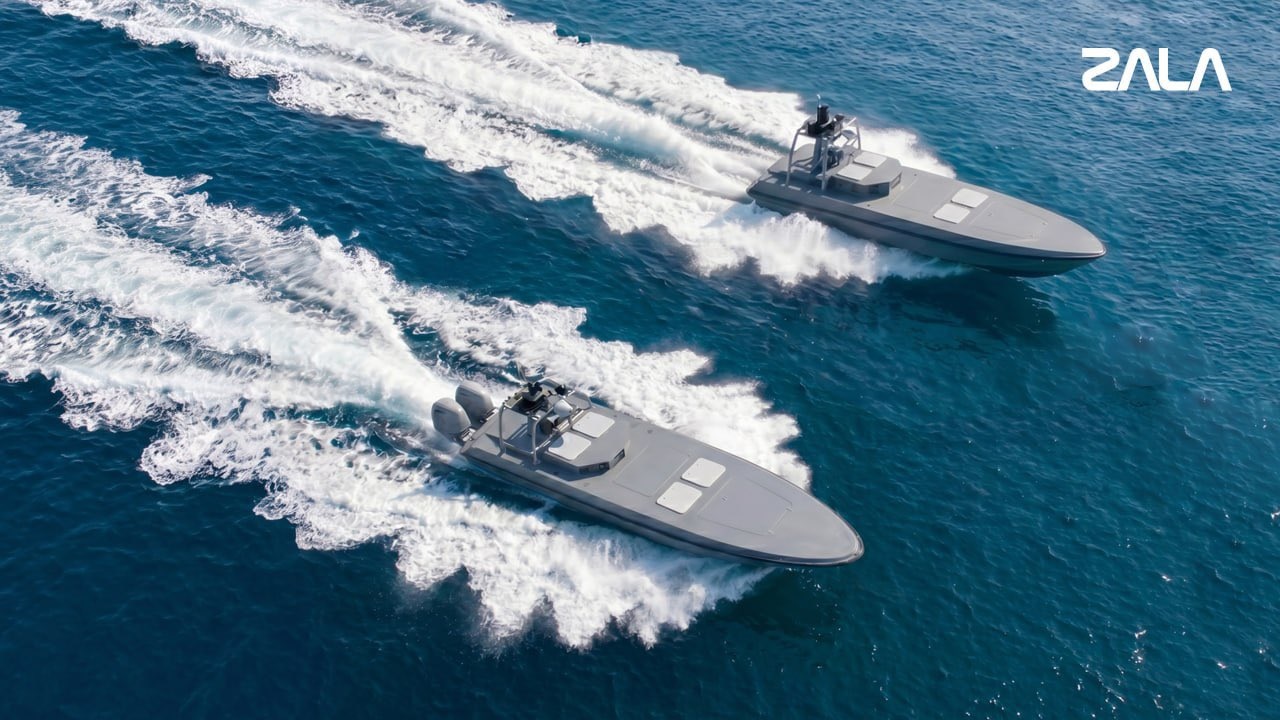 Russian Defense Firm ZALA Unveils KAMA Unmanned Surface Vessel Family at FLOT-2026 Naval Exhibition
-
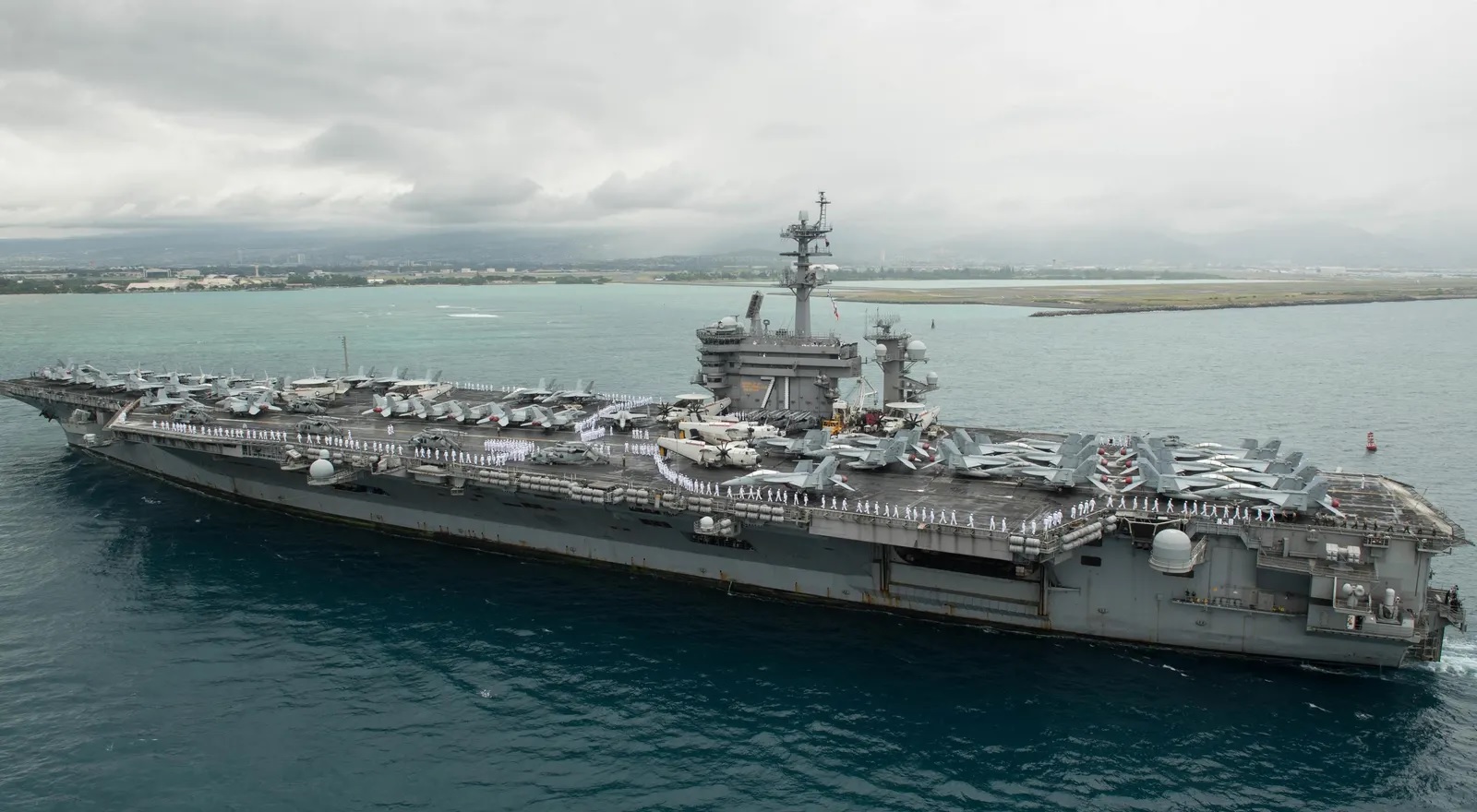 U.S Aircraft Carrier USS Theodore Roosevelt Departs San Diego for Major RIMPAC 2026 Naval Exercise