India
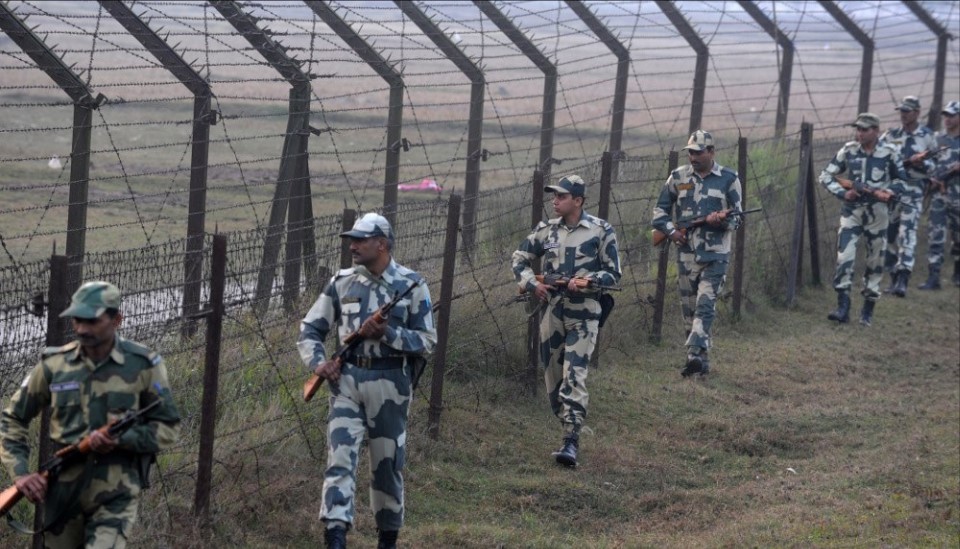
Defense News ,India :- Border guarding forces of India and Bangladesh Saturday agreed to undertake joint efforts to "bring down to absolute minimum" the incidents of attack on BSF personnel by criminals from the neighbouring country along the 4,096-km-long International Border (IB) shared by them, an official statement said. The bi-annual Director General (DG) level talks between the Border Security Force (BSF) and Border Guard Bangladesh (BGB) ended in Dhaka with the signing of a joint record of discussions.The Indian delegation led by BSF DG Nitin Agrawal travelled to Bangladesh for the 54th edition of these talks held between March 5-9 at the BGB headquarters at Pilkhana in Dhaka.BGB DG Maj Gen Mohammad Ashrafuzzaman Siddiqui headed the Bangladeshi delegation.A BSF spokesperson said in Delhi that the two sides, during this meeting, carried forward the agenda for which the "highest leadership of the two countries had laid the foundation of a lasting and mutually beneficial relationship"."On the incidents of assault/attack on BSF personnel by Bangladesh-based trans-border criminals and miscreants, both sides agreed to undertake combined efforts to bring down such incidents to absolute minimum by increasing coordinated patrols especially during late hours of nights to early morning in vulnerable areas and educating bordering population regarding the sanctity of IB."Both sides also agreed to aid victims of human trafficking and to facilitate their rescue and rehabilitation as soon as possible as per law of the land," the spokesperson said.The spokesperson added that both the countries also agreed to share an approved design of six developmental works on Indian side and a similar number of developmental works on thee Bangladesh side.As a goodwill gesture, he said, the BSF agreed to a BGB proposal of construction for preserving of 18 graves of their martyred freedom fighters of that country at Tamabil and Sylhet, located across the border.The two forces agreed to pursue and share real-time information and investigation reports of human traffickers and remain extra-vigilant to curb a variety of trans-border crimes like illegal crossing, smuggling of various items and put all out efforts to make India-Bangladesh border crime free, he said.Incidents of death at the border will be brought down to zero with active mutual cooperation in the near future, the two sides decided.The BSF also put across certain other points regarding action against Indian insurgent groups in Bangladesh, issues related with border infrastructure, joint efforts for effective implementation of the coordinated border management plan, confidence building measures and other miscellaneous activities.The BGB agenda included prevention of border crimes, illegal crossing and intrusion into Bangladesh territory by BSF and Indian nationals/miscreants and issues related to border infrastructure within 150 yards of the IB, the spokesperson said.Both sides expressed their satisfaction over the outcome of the conference and reiterated their commitments to work jointly for maintaining peace and tranquillity at the border, he said.The DG-level border talks were held annually between 1975 and 1992 but they were made bi-annual in 1993 with either side alternatively travelling to the national capitals of New Delhi and Dhaka.The last talks were held in Delhi in June, 2023 while he next are being expected to be held here during September-October.
Read More → Posted on 2024-03-09 15:57:26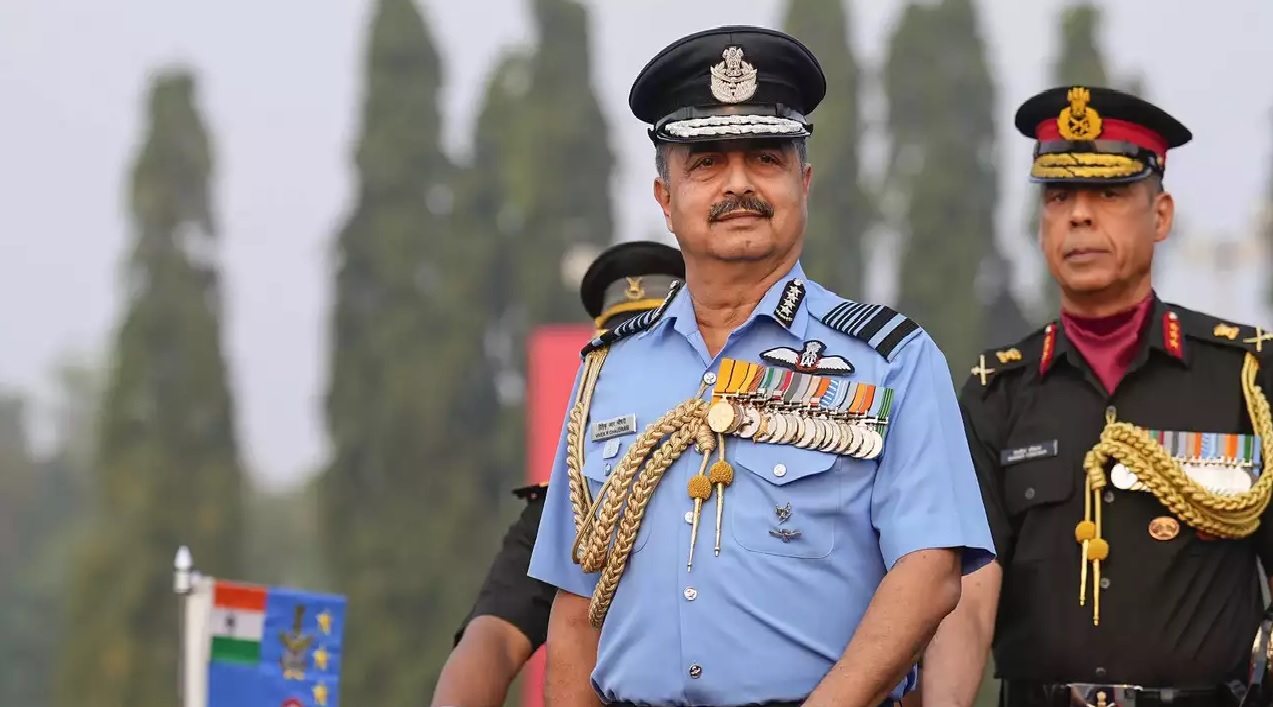
India
Defense News ,India :- Air Chief Marshal V R Chaudhari highlighted the significant changes in warfare due to evolving technology and doctrines during his review of the passing out parade at the Officers Training Academy. Addressing the new officers, he stressed the need for multi-domain capabilities and swift operations in response to the diverse threats and challenges facing India's security dynamics.Chaudhari urged the young officers to stay updated on technological advancements, especially as they enter the profession amid a transformative period. Acknowledging the Armed Forces' investment in advanced war-fighting machines, he emphasized the importance of rigorous training, dedication, and a professional approach to operate these potent systems effectively.As future officers, he encouraged them to gain a comprehensive understanding of the complex and dynamic world by studying military history, geo-politics, and international affairs. Quoting Field Marshal Sam Manekshaw, Chaudhari emphasized the nation's expectations for exceptional professionalism and unquestioned integrity from the officers.Maintaining high standards of personal conduct and moral values that reflect the dignity and pride of being in the profession of arms were deemed essential by Chaudhari. He also stressed the importance of fairness, consistency, and selflessness in their work, along with compassion and understanding when dealing with subordinates.The passing out parade saw 184 officer cadets and 36 women cadets commissioned into various arms and services of the Indian Army after completing rigorous training at the OTA. Additionally, three officer cadets and six women cadets from friendly foreign countries completed their training, fostering camaraderie and cooperation across international borders. The ceremony concluded with Air Chief Marshal V R Chaudhari presenting prestigious awards, including the sword of honour, gold medal, and bronze medal, to outstanding officer cadets.
Read More → Posted on 2024-03-09 15:48:09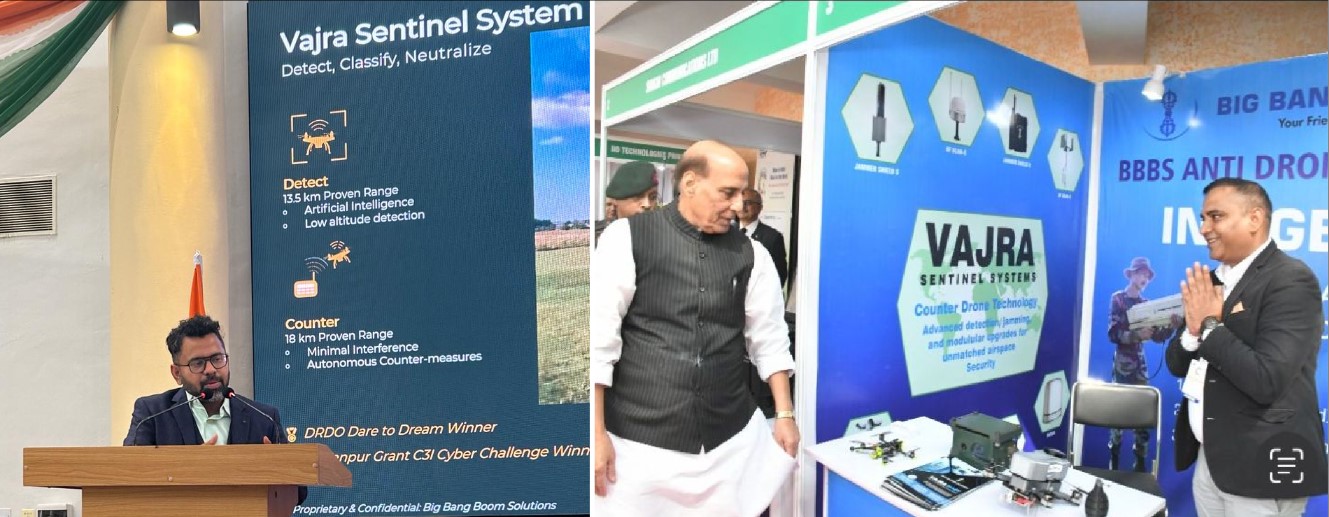
India
Defense News ,India :- In a significant achievement for India's defense innovation landscape, Chennai-based startup Big Bang Boom Solutions Pvt Ltd (BBBS) has clinched a major contract exceeding ₹200 crores. The deal involves the supply of the cutting-edge 'Vajra Sentinel' anti-drone system to both the Indian Air Force (IAF) and the Army.Enhancing Defense Capabilities Against Rogue DronesThe Vajra Sentinel anti-drone system is set to fortify the armed forces' capabilities in addressing the emerging threat posed by rogue drones. This state-of-the-art system adopts a dual-pronged strategy for drone neutralization:1. Soft Kill Technology: Utilizing jamming signals to disrupt communication links between a drone and its controller, compelling it to either land or return to its base.2. Hard Kill Technology: When jamming alone is insufficient, the system deploys interceptor drones to physically disable the hostile drone.This two-tiered approach ensures maximum effectiveness against a range of drone threats, from isolated incursions to coordinated swarm attacks. With an operational range of 10 km and a hard-kill reach of 5-6 km, the Vajra Sentinel offers robust protection for sensitive installations.AI-Powered Precision and AutonomyThe Vajra Sentinel integrates an advanced sensor system using artificial intelligence (AI) and computer vision. This enables precise identification, classification, and tracking of incoming drones. The system's decision-making matrix autonomously selects the best response, optimizing efficiency and reducing reaction time.BBBS's focus on passive Radio Frequency (RF) sensors minimizes false positives, a critical consideration in high-stakes military scenarios. The entire system is engineered to endure the challenges of combat and adverse environments.Scalability for Future ThreatsDesigned with modularity in mind, the Vajra Sentinel can be upgraded with cutting-edge technologies such as AESA radar and even incorporate expendable kamikaze drones. This ensures adaptability to evolving drone capabilities.Implications for India and Global SecurityThis contract win marks a significant milestone for BBBS and the Indian defense startup sector, highlighting the increasing maturity of indigenous defense technologies and fostering greater self-reliance in a crucial domain.Considering the rapid advancement of drone technology globally, Vajra Sentinel's capabilities hold relevance not only for India's defense forces but also for potential export markets facing similar security concerns.
Read More → Posted on 2024-03-09 15:30:43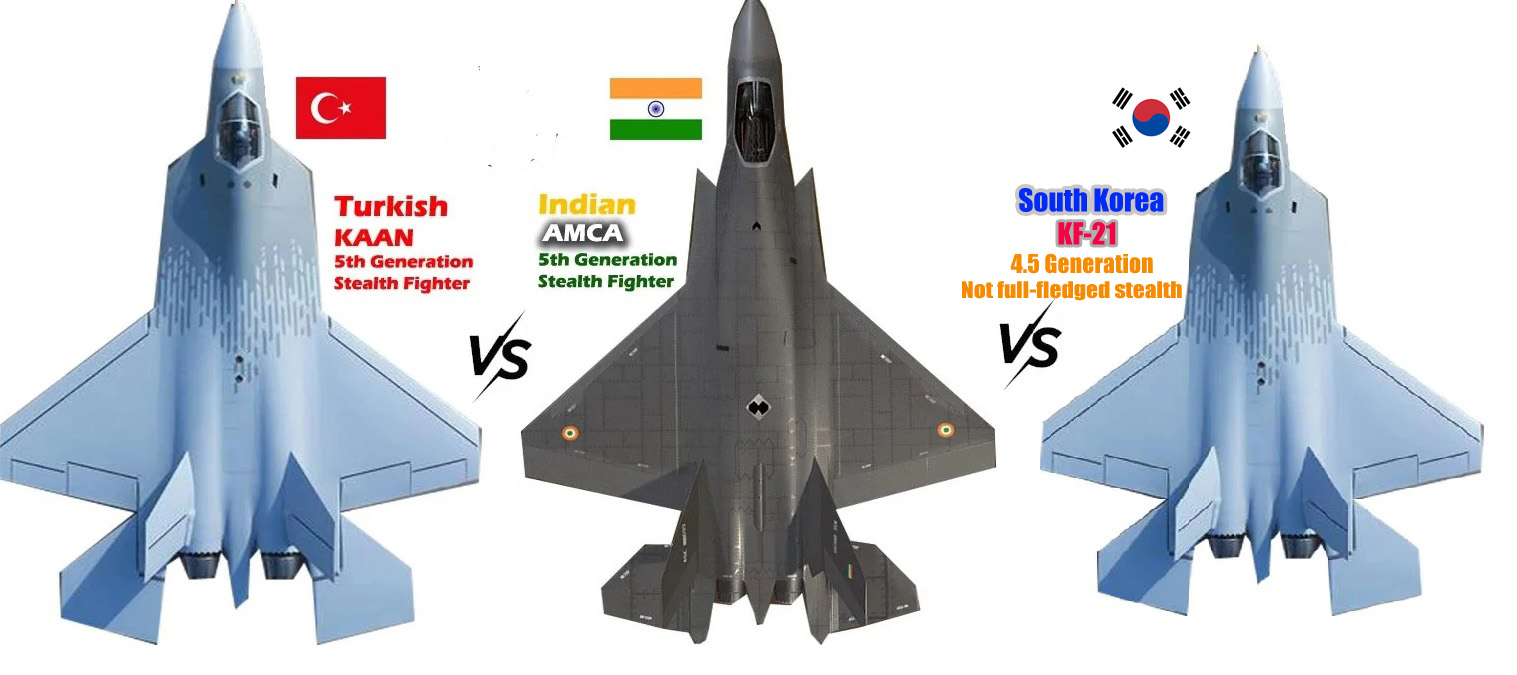
India
Defense News ,India , South Korea ,Turkey :- The development of 5th generation fighter jets is a critical arena for airpower dominance. Three Asian nations – India, Turkey, and South Korea – are all in the race to develop their own indigenous next-generation fighters. Let's take a deep dive into these programs:1. India's AMCA (Advanced Medium Combat Aircraft) Mk 1 Design Partner: None (aiming for indigenous development) Program Partners: DRDO (Defense Research and Development Organization), ADA (Aeronautical Development Agency) Engine: Under development (possibly based on GE F414 'Use For Tejas Mk2') Stealth Quality: Emphasis on low-observability features Timeline: First flight May in 2027 ,Initial Operational Capability (IOC) by 2032 (potentially delayed) India's AMCA program faces challenges due to the complexity of developing a high-performance fighter entirely indigenously. The crucial issue of engine development remains undecided, impacting timelines.2. Turkey's TF-X (TUSAŞ Fighter Experiment) Kaan Design Partner: BAE Systems (UK) Program Partner: Turkish Aerospace Industries (TAI) Engine: Currently, General Electric F110 Use in F-16C/D aircraft (Turkish-built engine under development) Stealth Quality: Designed for low radar and infrared signature Timeline: First flight completed in February 2024, introduction planned for the early 2030s The TF-X program benefits from collaboration with BAE Systems, accelerating development. Turkey is actively developing its own engine to reduce reliance on foreign suppliers.3. South Korea's KF-21 Boramae Design Partner: Indonesia's PT Dirgantara Indonesia (participates in 20% of development) Program Partner: Korea Aerospace Industries (KAI) (Technological support from Lockheed Martin) Engine: F414-GE-EPE Use in Boeing F/A-18E/F Super Hornet (developed by Hanwha Techwin) Stealth Quality: Reduced radar signature, but not a full-fledged stealth aircraft Timeline: First flight in July 2022, Initial Operational Capability expected by 2028 The KF-21 program leverages Indonesian partnership, sharing development costs and expertise. The design prioritizes affordability and agility over complete stealth capabilities.The Competition Heats UpWhile all three programs boast significant progress, some key differences emerge: Partnerships: India aspires for indigenous development, while Turkey and South Korea leverage international collaboration and Korea have Technological support from Lockheed Martin.Design and Program Partners: India pursues an indigenous approach, while Turkey collaborates with BAE Systems and South Korea partners with Indonesia. Engine Dependency: India's engine situation is undecided, while Turkey has a foreign solution with a domestic alternative in progress. South Korea has a domestically developed engine variant. Stealth Technology: All three prioritize low observability, but the KF-21 prioritizes affordability over complete stealth features. Looking AheadThe race for 5th generation fighter jets in Asia is a testament to growing military ambitions. India needs to address development delays in the AMCA program. Turkey's TF-X is on a promising track with its first flight completed. South Korea's KF-21 is well on its way to meet its initial operational capability target. The coming years will reveal which nation emerges as the frontrunner in Asian 5th generation fighter technology.AMCA Mk 1 vs TF-X Kaan vs KF-21: SpecificationsHere's a head-to-head comparison of key specifications for India's AMCA Mk 1, Turkey's TAI TF-X Kaan, and South Korea's KF-21: FeatureAMCA Mk 1 (India)TF-X Kaan (Turkey)KF-21 Boramae (S. Korea)Generation5th-generation (planned)5th-generation (planned)4.5 generationDesign PartnerNone (indigenous)BAE Systems (UK)PT Dirgantara Indonesia (20% participation)Program PartnerDRDO, ADATurkish Aerospace Industries (TAI)Korea Aerospace Industries (KAI)Length (m)(estimated) 17.62116.9Wingspan (m)(estimated) 11.1314.011.2Height (m)(estimated) 4.8(estimated) 5.24.7Empty Weight (kg)12,000 kg(classified)11,800Max Takeoff Weight (kg)25,000 kg27,215 kg25,500Engine2x (under development - possibly GE F414 based)2 x General Electric F110 (Turkish alternative in development)2 x F414-GE-EPE (by Hanwha Techwin)Internal Weapons BayYesYesNo (initial variant)Stealth TechnologyEmphasis on low observabilityDesigned for low radar and infrared signatureReduced radar signatureFirst Flight (planned)(estimated) 20272024 (completed)2022 (completed)Operational Capability(estimated) 20322030s2028 (initial) Key Points to Consider: Generation: Both AMCA and TF-X aim for full 5th-generation capabilities, while KF-21 is considered 4.5 generation but may be upgraded. Internal Weapons Bay: AMCA and TF-X prioritize stealth with internal bays, while the initial KF-21 variant lacks one. Stealth Technology: All prioritize low observability, but the KF-21 prioritizes affordability over full stealth features. First Flight and Operational Capability: KF-21 is furthest along with completed test flights and an earlier operational target date. The AMCA and TF-X timelines are estimates and may be delayed. Additional Notes: Sensor and avionics suite details are not publicly available for any of these aircraft. Actual performance data will only be available after testing and deployment. This comparison showcases the ongoing competition in developing next-generation fighter jets. While India and Turkey strive for true 5th-generation aircraft, South Korea prioritizes affordability and agility.
Read More → Posted on 2024-03-09 10:55:54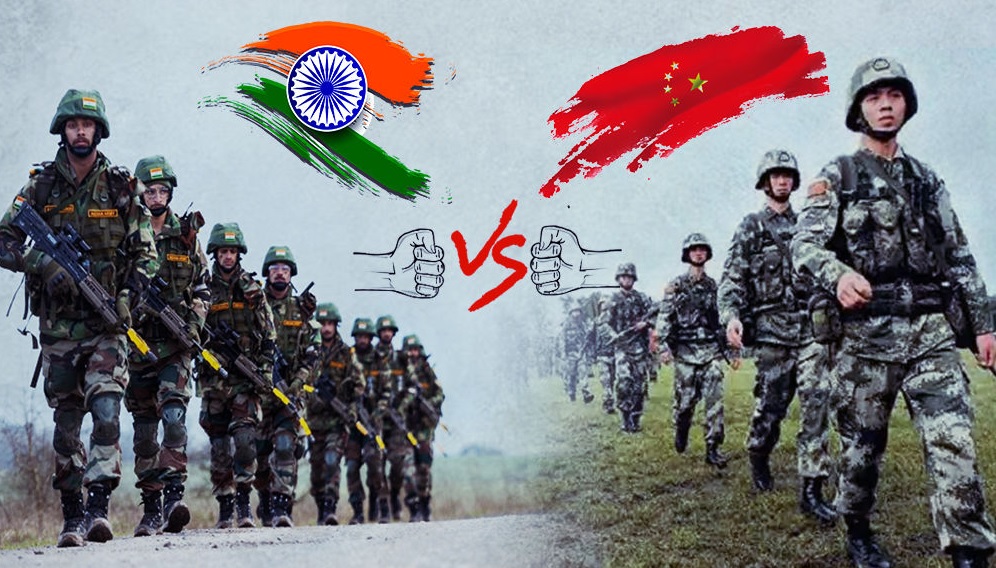
India
Defense News ,India :- Geopolitical analysts have forewarned of an impending second India-China conflict in the Himalayas, speculating that the outbreak may occur between 2025 and 2030.Contrary to this perspective, the former Chief of the Indian Army holds a different viewpoint. He contends that since the Galwan clash in 2020, China recognizes that the new India is not easily intimidated and is unlikely to risk an escalation before resolving the Taiwan issue.China's recent move involves a 7.2 percent increase in defense spending in 2024, signaling a steady progression towards its objective of reclaiming Taiwan and integrating it with the Chinese mainland. A Reuters-reviewed official work report disclosed China's firm stance against separatist activities promoting 'Taiwan independence' and external interference, omitting the reference to "peaceful reunification" and emphasizing determination in advancing the cause of China's reunification.In the midst of these developments, the Royal United Services Institute (RUSI) UK featured a commentary titled "War Clouds over the Indian Horizon?" authored by Samir Tata, the founder and President of International Political Risk Analytics. Tata's prediction ominously suggests that the second China-India War is most likely to unfold in Eastern Ladakh, situated in India's far northwest region, sometime within the period of 2025 to 2030.The argument posits that China's assessment of Eastern Ladakh, a region belonging to India, from the standpoint of energy security may drive both China and India towards a potential war.According to the author, the strategic significance of Eastern Ladakh lies in its role as the sole pathway for a hostile power to launch an invasion on Kashgar, a crucial energy hub in China's far Western province of Xinjiang. Emphasizing the centrality of this area to China's energy security, the author points to the planned land-based pipeline that aims to connect Iran's oil and gas fields to Kashgar, traversing through Pakistan via the China–Pakistan Economic Corridor (CPEC).Retired General MM Naravane, the former chief of the Indian Army, aligns with this perspective, acknowledging that Eastern Ladakh and the Karakoram Pass are integral to China's long-term strategy, particularly in relation to the CPEC project. General Naravane underscores the potential significance of disrupting China's connectivity in CPEC, Pakistan-occupied-Kashmir, or Tibet, suggesting a substantial shift since the 1962 Sino-Indian War.In 1962, India and China engaged in a brief and violent conflict that saw Indian forces overwhelmed, caught off guard by the sudden escalation of hostilities. The current analysis suggests that the evolving dynamics in the region, especially concerning energy security, could be a driving force behind heightened tensions and the potential for conflict between the two nations.General Naravane, who served as the Indian Army Chief during the 2020 Galwan Clash, had planned to release his memoir, 'Four Stars of Destiny,' in 2024. However, the anticipated release has been delayed. Media reports had previously detailed the unprecedented events of the skirmish that unfolded on the night of June 15, 2020, resulting in the loss of 20 Indian soldiers, while the casualties on the Chinese side remain undisclosed.In his memoir, General Naravane highlights the Galwan clash as a pivotal moment in the strained relationship between India and China, marked by a long-standing, un-demarcated border. He emphasizes that following the Galwan clashes, India abandoned its diffidence, opting to explicitly refer to China by name rather than using euphemisms.Asserting the strength of the Indian Armed Forces, General Naravane dismisses claims of power asymmetry, particularly in mountain warfare. He notes that the 2020 action was followed by a significant induction of troops in Eastern Ladakh, challenging any notion of military imbalance.The Galwan Valley clash marked a historic event as China's People's Liberation Army suffered "fatal casualties" for the first time in over two decades. The aftermath of the clashes prompted both sides to enhance their combat readiness along the Line of Actual Control (LAC).In response to the Chinese occupation of over 80 tents on their side in 2020, the Indian Armed Forces swiftly mobilized their entire transport fleet, including C-130s and C-17s. They successfully airlifted 68,000 troops, 330 infantry vehicles, and over 90 tanks and artillery guns, outmaneuvering China.General Naravane concludes that the situation in Galwan remains stalemated, with a dense presence of troops from both the Army and the Air Force. He highlights the implementation of robust surveillance systems, eliminating the possibility of being taken by surprise in the region.Lot On China’s PlateRenowned military leader General Naravane's perspectives find resonance in the views expressed by Sana Hashmi, a distinguished scholar and policy expert based in Taiwan. Hashmi, known for her authoritative work 'China’s Approach Towards Territorial Disputes: Lessons and Prospects,' sheds light on the critical challenges confronting China, particularly its economic struggles and declining foreign direct investment (FDI). The prevailing unease among foreign companies operating in China could worsen with the prospect of a conflict.Understanding China's military strategies requires a deeper insight into its future aspirations. The Chinese Communist Party (CCP) has set a bold target of achieving "the great rejuvenation of the Chinese nation" by 2049. This comprehensive vision encompasses the expansion of national power, governance system enhancements, and a revision of the international order.Experts argue that achieving these national rejuvenation plans by 2049 is unlikely to be a peaceful endeavor. The CCP's leadership considers the unification with Taiwan, Hong Kong, and Macau as fundamental objectives. This vision extends to the Himalayan regions in India, Nepal, and Bhutan, reflecting China's overarching goals. The entire Indo-China Peninsula holds paramount significance for China, with the tip controlling strategic chokepoints like the Malacca Strait and the potential Thai Canal—both pivotal to the Chinese economy and susceptible to disruption in case of a blockade.General Naravane emphasizes the top priority that Taiwan holds in China's contentious issues. He notes that any shift in Beijing's priority order is improbable, particularly if a conflict with India were to arise. In such a scenario, Taiwan would likely be relegated from consideration, underscoring the intricacies and interconnections of China's geopolitical strategies.
Read More → Posted on 2024-03-09 10:13:54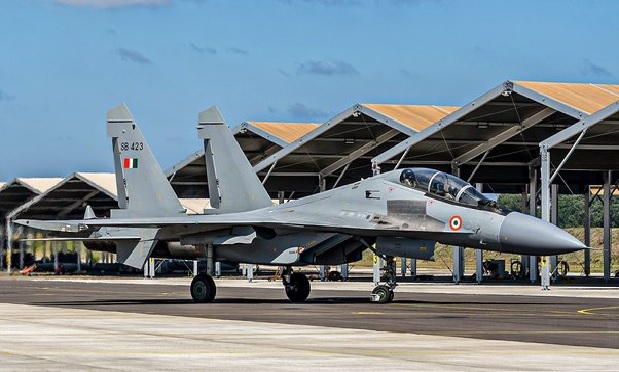
India
Defense News ,India :- Hindustan Aeronautics Limited's Nasik Division recently organized a special meeting with 56 industry representatives to talk about the upcoming upgrades for the Su-30MKI fighter jets. These upgrades, valued at over ₹60,000 crores, were announced by Air Chief Marshal VR Chaudhari last year.During a lecture at Savitribai Phule Pune University, Chaudhari shared plans to transform the Sukhoi Su-30MKI jets from Russian to Indian status. This shift is a crucial part of India's effort to make the aircraft more indigenous. The goal is to achieve a remarkable 78 percent indigenization for the Su-30MKI aircraft through these upgrades.
Read More → Posted on 2024-03-09 09:28:49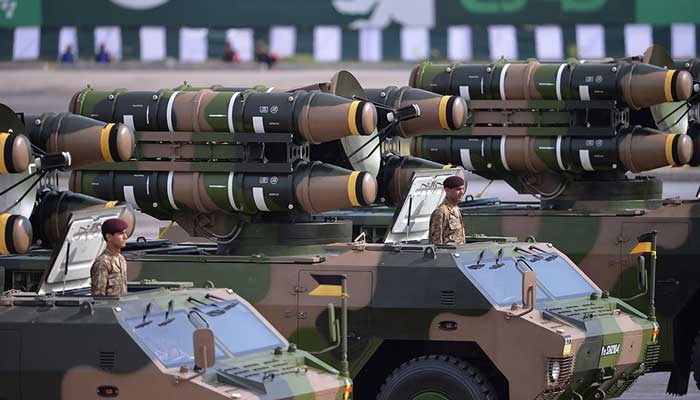
India
Defense News ,India :- India is closely watching the $3 billion loan that the International Monetary Fund (IMF) granted to Pakistan. They want to make sure the money doesn't go to Pakistan's military or to pay off debts to other countries.Even though India didn't vote for or against the loan initially, they are now pushing for careful monitoring of how the money is used. India's representative at the IMF, Krishnamurthy Subramanian, emphasized this during a recent review of the loan.This situation highlights the ongoing tensions between India and Pakistan, both armed with nuclear weapons. Pakistan is going through a tough economic time with high inflation and a falling currency. The IMF loan is supposed to help Pakistan's struggling economy.India is worried that the money might be used in ways that could support Pakistan's military, which could hinder Pakistan's efforts to stabilize its economy.Context:India and Pakistan have a history of conflicts and wars since gaining independence in 1947. India accuses Pakistan of supporting terrorism across the border, a claim Pakistan denies.India's request for careful oversight of the IMF loan reflects these broader security concerns. They want to make sure the money helps Pakistan's economy, not its military, to prevent activities that might harm regional stability.Implications for Pakistan:Pakistan really needs the IMF money to avoid an economic collapse. India's call for closer monitoring could make it harder for Pakistan to receive future parts of the loan. The IMF might ask Pakistan for more transparency and accountability to address India's worries.The Future:India is likely to keep pressuring the IMF and Pakistan to ensure the loan is used for economic recovery. This increased scrutiny might affect Pakistan's economic comeback and its chances of getting more financial help from international organizations.
Read More → Posted on 2024-03-09 09:10:22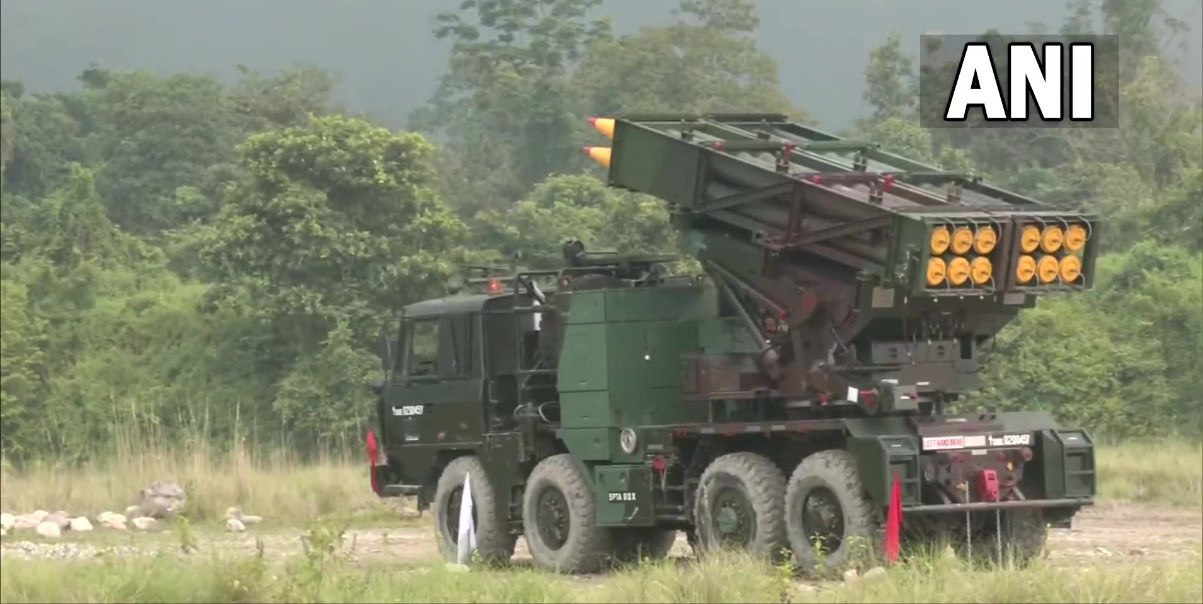
India
Defense News ,India :- The Indian Army is strengthening its firepower along the China border by adding two new regiments of Pinaka Multi Launch Rocket Systems. These advanced rockets, created by the Defence Research and Development Organisation (DRDO), can deliver a large amount of precise firepower quickly into enemy territory.According to sources, the new regiments will be ready within the year, with personnel currently undergoing training. Despite the initial plan being for completion in 2024, the process is advancing faster than expected.Tensions persist along the Line of Actual Control (LAC), leading to precautionary deployments since the 2020 standoff in Eastern Ladakh. As part of the six planned Pinaka regiments, these rocket systems will be stationed on the northern borders with China. The Indian Army currently operates four Pinaka regiments along the western border with Pakistan and the northern border with China.In the artillery world, a unit is called a regiment, consisting of three batteries with six Pinaka launchers each. A single battery can launch 72 rockets in 44 seconds, covering an area of 1000m by 800m. An upgraded version of the Pinaka ammunition can reach up to 75km with high precision.The Defence Acquisition Council approved six additional Pinaka regiments in 2018, with contracts signed in 2020 for their supply. These rockets will enhance the Army’s long-range offensive capabilities, complementing existing artillery such as Bofors and Ultra Light Howitzer M777.The introduction of Pinaka marks a step towards phasing out old Russian Grad BM-21 rocket systems. The Indian Army aims to have 22 regiments of Pinaka multi-barrel rocket launch systems equipped with automated aiming and positioning systems, replacing the outdated Grad systems.In the realm of long-range rocket artillery, the Pinaka system is poised to become the backbone of the Indian Army’s firepower arsenal.Key Points:Training for new regiments is underway, set to be completed within the year.Each artillery consists of three batteries of six Pinaka launchers.A single battery can launch 72 rockets in 44 seconds.The upgraded Pinaka ammunition has a range of up to 75km with high precision.The Indian Army currently operates four Pinaka regiments along the Pak border and the northern border with China.The deployment complements existing artillery like Bofors and Howitzer.Contracts for six regiments were signed in 2020 at an approximate cost of Rs 2580 crore.The goal is to phase out Grad BM-21 rocket systems for Pinaka.
Read More → Posted on 2024-03-09 08:56:11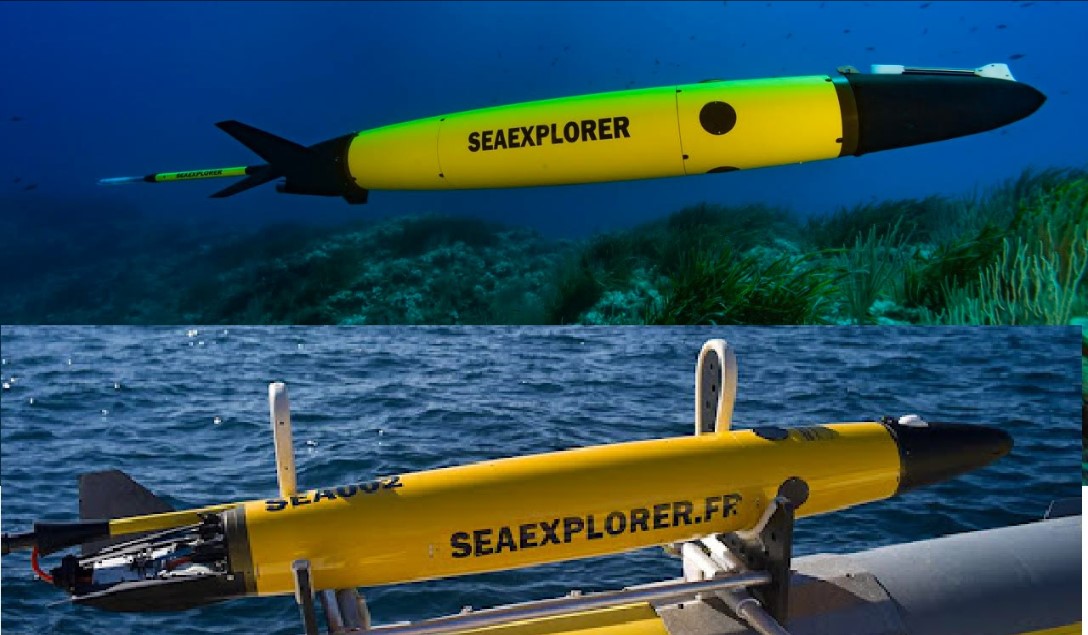
India
Defense News ,India :- Kalyani Group, a big Indian company focused on defense and industry, is delving into the world of ocean technology with its new creation, the SEA EXPLORER underwater glider.Understanding the Underwater Glider:Unlike regular underwater vehicles, this glider doesn't need a constant engine to move. It cleverly adjusts its buoyancy to glide effortlessly for long periods. This means it can collect data for weeks or even months without using a lot of energy.Key Features of the SEAEXPLORER:1. Multi-Mission Capable: This glider is super flexible. Its sensors can be changed to collect different types of data, like temperature, salinity, chemicals, and even underwater sounds. This makes it perfect for both scientific exploration and anti-submarine warfare.2. Long Endurance: Thanks to its unique way of moving, the glider can last a really long time on missions. It can cover large areas and explore deep into the ocean.3. Cost-Effective: Using the SEAEXPLORER is much cheaper than using big crewed vessels for research or surveillance. This opens up the possibility of collecting data more often without spending a lot of money.4. Easy to Operate: Gliders are made to be easy to use. You can deploy and recover them with smaller boats and a minimal crew, making them even more cost-effective.Strategic Partnership:Kalyani Group is teaming up with ALSEAMAR from France, experts in underwater vehicle technology. This partnership ensures that the SEAEXPLORER is developed using the latest techniques and design solutions.The Significance of SEAEXPLORER's Development:This glider is not just important for Kalyani Group; it could be a big deal for the Indian Navy too. Its long endurance, ability to collect various data, and cost-effectiveness make it a valuable asset for anti-submarine warfare.The Future of Underwater Gliders:Globally, underwater gliders like Kalyani Group's SEAEXPLORER are becoming more important. As technology improves, these gliders will play a bigger role in exploring the ocean and in defense strategies. Smaller and more efficient sensors will only make them more crucial for collecting data continuously and understanding marine environments better.
Read More → Posted on 2024-03-09 08:47:39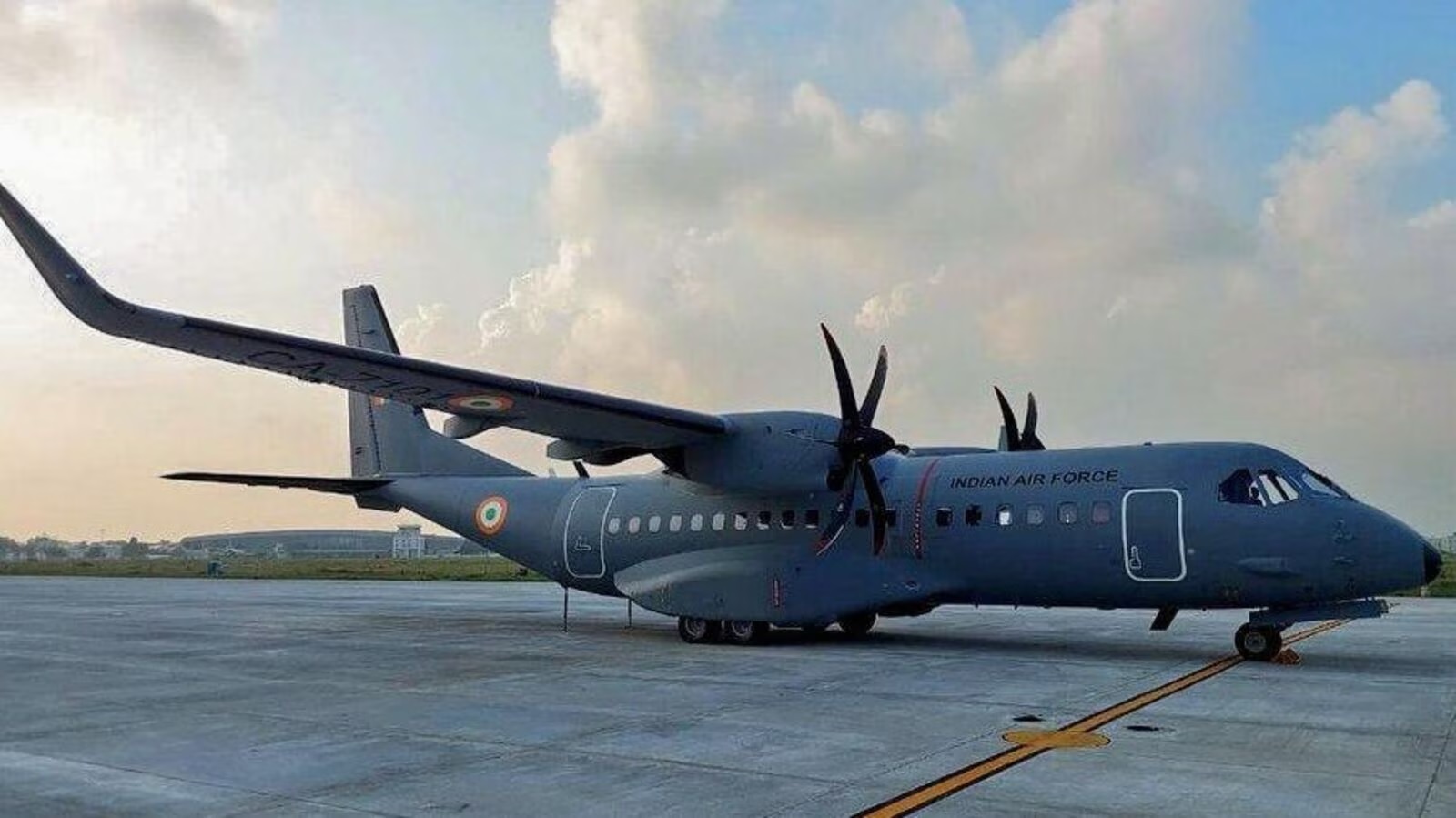
India
Defense News ,India :- The Indian Air Force (IAF) has taken a big step to improve air connections by successfully landing its C-295 MW aircraft at Agatti Airport in Lakshadweep.This special landing was part of a training mission and showcases the IAF's growing ability to operate in isolated island areas.The C-295 MW, a modern transport plane, started its journey from a distant location and smoothly landed at Agatti Airport.This successful mission proves that the aircraft can handle different terrains, making it easier for the IAF to support communities in far-off places.Agatti Airport is crucial for Lakshadweep, a union territory in the Arabian Sea. It's the only airstrip on the group of islands and is essential for the locals.The first landing of the C-295 MW greatly improves Lakshadweep's connectivity, making it easier to provide logistical support, timely medical services, and better access for both residents and visitors.This historic event shows the IAF's strong commitment to expanding India's influence, not only within its borders but also in important maritime regions.
Read More → Posted on 2024-03-08 15:52:51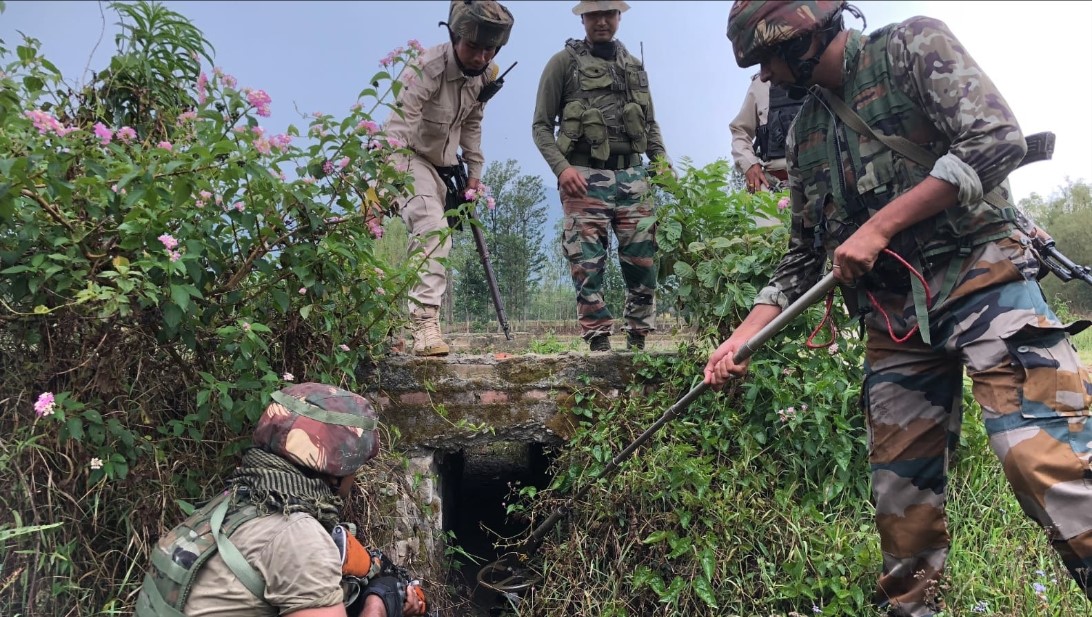
India
Defense News ,India :- In Manipur's Thoubal district, on Friday at 9 am, a group of people forcibly took away Junior Commissioned Officer (JCO) Konsam Kheda Singh from his home. Singh, who was on leave at the time, was abducted by what officials describe as "anti-social elements."The motive behind the abduction is not clear, but there are initial reports suggesting a possible link to extortion, as Singh's family had previously received threats.As soon as the information reached the authorities, a coordinated search operation was launched by all security agencies to rescue the JCO. Currently, security personnel are checking all vehicles on National Highway 102.This incident is the fourth of its kind since the conflict in Manipur began. In a similar incident in September 2023, an armed group kidnapped and killed Serto Thangthang Kom, a former Assam Regiment soldier. Two months later, an unidentified armed group abducted and killed four individuals who were family members of an Army soldier.In another case, on February 27, an Additional Superintendent of Police (ASP) from Manipur Police was attacked in his home in Imphal city by members of a radical group called Arambai Tenggol (AT).The security forces in Manipur are facing challenges in restoring peace. The attacks on security forces and their families are strongly condemned, and the perpetrators are urged to be caught and punished according to the law. If such incidents continue, there may be conditions for reimposing the Armed Forces (Special) Powers Act, or AFSPA, granting greater authority to deal with security threats.The overall security situation in Manipur remains a concern, and efforts are ongoing to address the root causes of conflict and ensure the safety of all residents.
Read More → Posted on 2024-03-08 15:49:31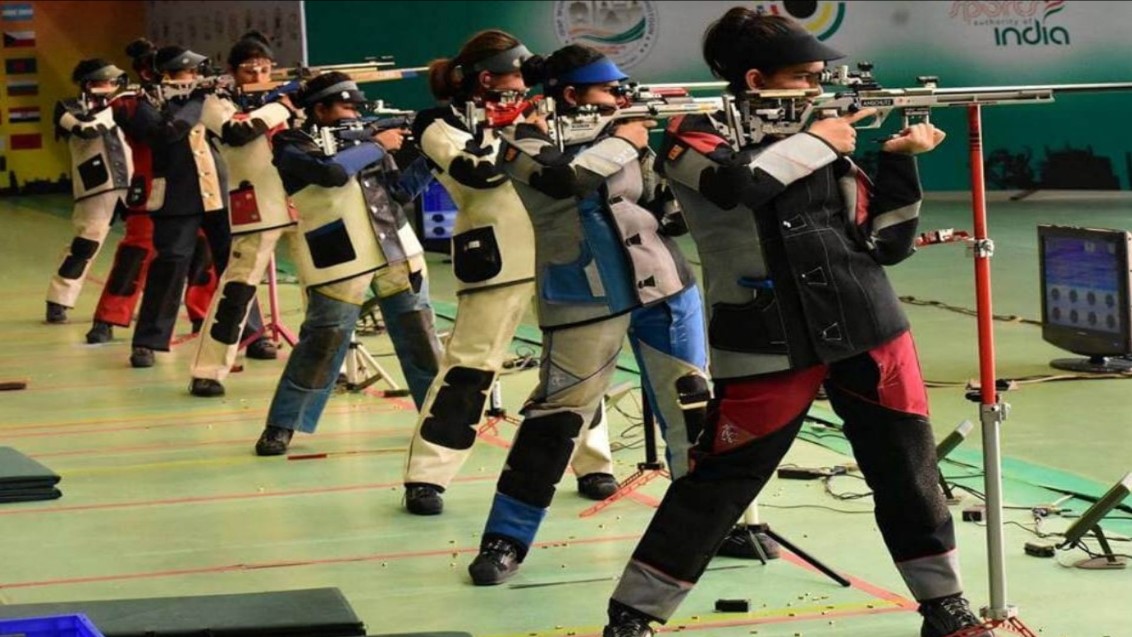
India
Defense News ,India :- In line with the national goal of empowering women and showcasing their strength, the Indian Army is creating two Army Girls Sports Companies (AGSC) in a step-by-step approach.The AGSCs will be set up at two key Army training centers: the Army Marksmanship Unit in Mhow, Madhya Pradesh, and the Army Sports Institute in Pune.Starting from April 2024, the AGSCs will be fully operational, focusing on training young girls from across the country in sports like Shooting, Archery, Athletics, Boxing, and Weightlifting.The aim is to identify promising talent, provide them with education, and train them to become champions in their chosen sports.These locations boast top-notch training facilities, including sports medicine centers, rehabilitation facilities, and coaching resources.Drawing from the Indian Army's successful experience with Boys Sports Companies, this initiative aims to tap into and develop young talent.The young athletes will also benefit from interaction with senior Army teams and athletes training at these centers.Aligning with India's sports policy to excel at the Olympics, the AGSCs strive to produce podium-worthy athletes.Girls at AGSCs will have the opportunity to join the Army as direct entry Non-Commissioned Officers, Direct Entry Junior Commissioned Officers, or enlist as Agniveers.Subedar Preeti Rajak, a champion trap shooter and Asian Games Silver medalist, exemplifies this success story, being identified as talent and rising through the ranks from Havildar to Subedar. She trains at the Army Marksmanship Unit in Mhow, one of the AGSC locations.Jasmine Lamboria, a Bronze medalist in the Commonwealth Games 2022, was enlisted as a non-commissioned officer in the Indian Army in October 2022.These accomplished athletes serve as role models, inspiring incoming talent to strive for sporting excellence in their respective fields.
Read More → Posted on 2024-03-08 15:44:21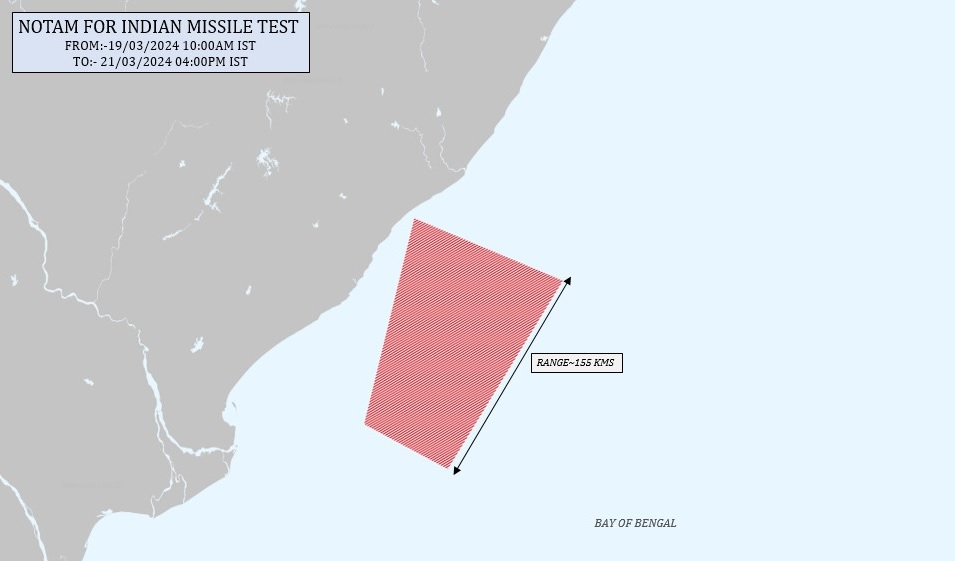
India
Defense News ,India :- India is getting ready for an important missile test happening from March 19 to March 21, 2024, which could enhance the country's defense capabilities.The test will take place in a designated 155-kilometer area, and it seems like it might involve launching a missile from an aircraft.Speculation on the Type of MissileAlthough the exact details are not disclosed, experts are guessing that the test could involve either an air-to-air missile (AAM) or an air-to-surface missile (ASM) from a fighter jet.Air-to-Air Missile (AAM): This type of missile can help Indian fighter jets better engage with enemy aircraft during aerial combat.Air-to-Surface Missile (ASM): If it's an ASM test, it could improve India's ability to target land or sea-based objectives from the air.What It Means for IndiaIndia's missile programs are crucial for its strategic position in a region with complicated security issues. By upgrading these capabilities, India is showing its commitment to having a strong defense and being ready for action.This test might reveal advancements in India's own missile programs or the integration of new systems into its air force.Safety Comes FirstTo ensure safety during the test, a Notice to Airmen (NOTAM) has been issued, making sure that civilian airspace remains secure. India follows strict safety measures for such operations to avoid any risks.
Read More → Posted on 2024-03-08 15:41:21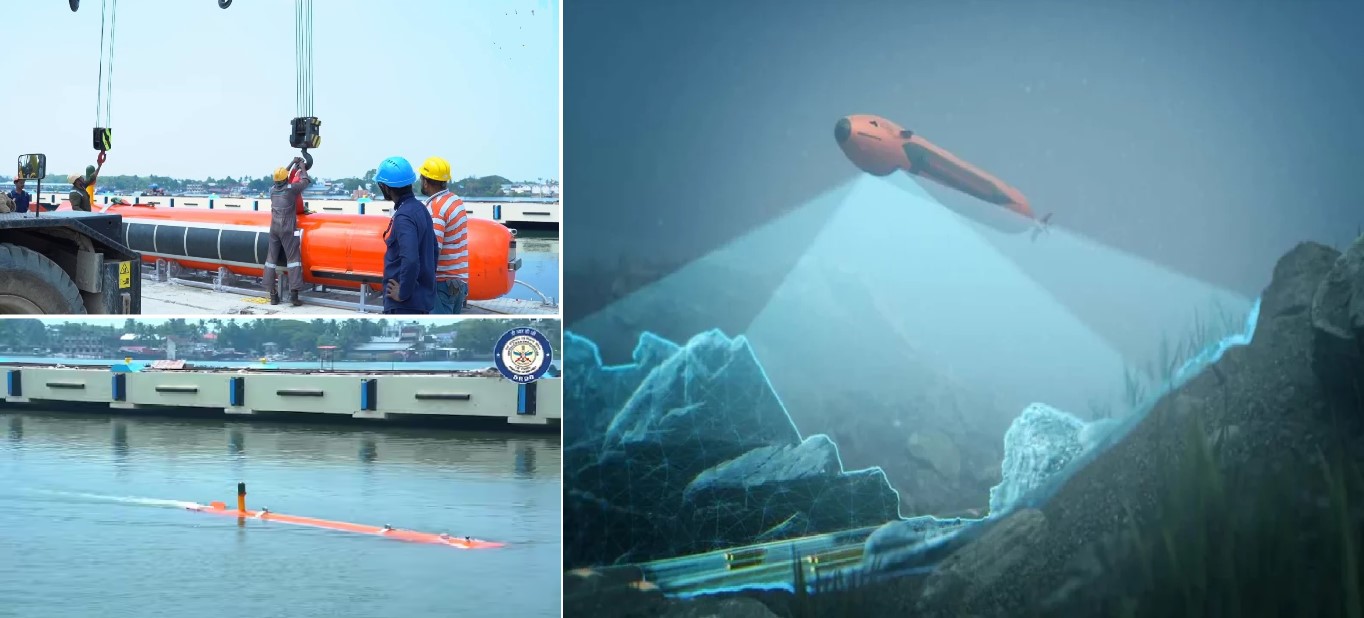
India
Defense News ,India :- The Defence Research and Development Organisation (DRDO) has achieved a big success in making India's underwater defense and exploration better. They recently tested their new underwater robot called the High Endurance Autonomous Underwater Vehicle (HEAUV) for the first time.The test happened at Cochin Shipyard's International Ship Repair Facility (ISRF) Jetty in Kochi, and it's an important step in creating advanced underwater technologies in India.The HEAUV is a cool underwater machine that weighs 6 tons, is 9.75 meters long, and has a diameter of 1 meter. It can go as deep as 300 meters and can stay underwater for an impressive 15 days, traveling at 3 knots cruising speed and reaching a maximum speed of 8 knots.This underwater robot will be super helpful in different missions, like:1. Anti-Submarine Warfare (ASW): It can find and track enemy submarines using its advanced sensors, making India's sea defense stronger.2. Mine Counter Measures (MCM): With its ability to navigate autonomously, it's perfect for finding and getting rid of underwater mines.3. Intelligence, Surveillance, and Reconnaissance (ISR): Equipped with sonar, radar, and electronic intelligence systems, the HEAUV will gather a lot of useful information underwater.4. Bathymetry: It helps make maps of the ocean floor efficiently, giving us detailed information about what's under the sea.The successful test shows that DRDO is serious about making India's underwater defense and exploration better. The HEAUV is a big step forward in creating robots that can work underwater by themselves, making India a leader in this important field.
Read More → Posted on 2024-03-08 15:05:09
India
Defense News ,India :- In the dynamic realm of contemporary warfare, transformations occur at an unprecedented speed. With the increasing sophistication of stealth aircraft and hypersonic weaponry, the demand for countermeasures has surged, marking a critical juncture in defense strategies.Addressing the NDTV Defence Summit 2024, Dr. Samir V Kamat, Chairman of the Defence Research and Development Organisation (DRDO), characterizes the current state of defense technology as an enduring "cat and mouse game." This perpetual challenge involves the development of stealthy aircraft and hypersonic missiles capable of eluding conventional radar, necessitating a constant evolution of cutting-edge sensor technology.The Technological Chessboard of DefenseHighlighting the asymmetrical nature of modern warfare, the technological arms race propels adversaries into a continuous pursuit of innovative methods to outsmart each other. Dr. Kamat underscores the urgency of this situation, stating that traditional means of detection are under increasing strain due to the emphasis on stealth technology in aircraft design and the astounding speeds of hypersonic weapons.Pioneering Advanced Detection CapabilitiesIn response to these challenges, DRDO in India is heavily investing in the research and development of next-generation sensor systems. These systems aim to efficiently track and identify evolving threats, providing a vital counterbalance to the elusive nature of modern weaponry.Adapting to the Shifting Dynamics of Drone WarfareDr. Kamat also addresses the evolving role of unmanned aerial vehicles (UAVs) or drones, which have significantly altered the landscape of modern conflict. However, he predicts a forthcoming technological breakthrough in drone-neutralizing defenses within the next two to three years. This breakthrough could substantially limit the effectiveness of unmanned systems, potentially prompting a shift in battlefield strategies.Maintaining Strategic SuperiorityThe central message conveyed by Dr. Kamat is unequivocal: maintaining strategic superiority requires continuous investment and innovation in sensor and radar technology. India, propelled by the dedicated efforts of DRDO, is steadfast in its commitment to keeping pace with advanced threats. Their work aims to ensure that even the most elusive stealth aircraft or hypersonic weapon does not go unnoticed, fortifying a crucial layer of defense in the rapidly evolving landscape of modern warfare.
Read More → Posted on 2024-03-08 08:22:18Search
Top Trending in 24 Hours
-
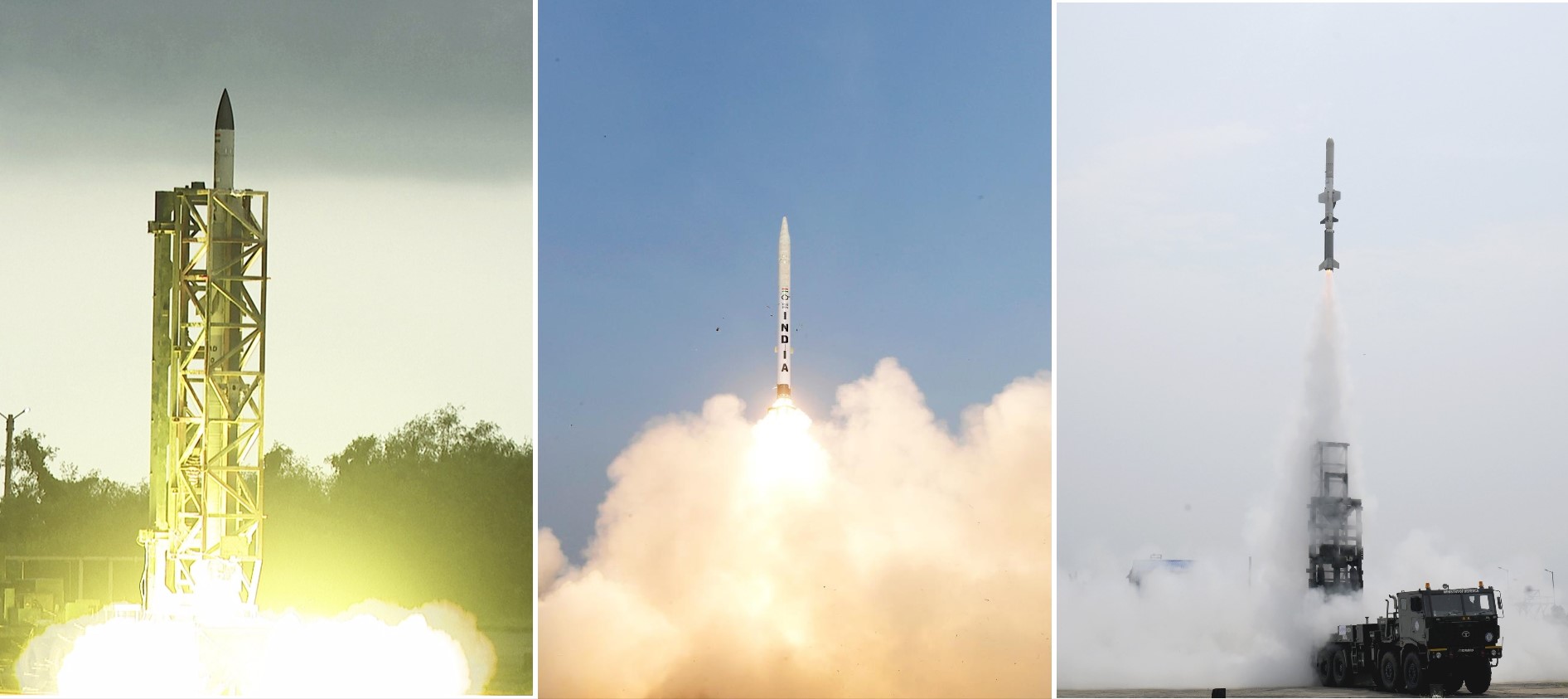 India Successfully Conducts AD-1, AD-2 Interceptor Tests and Maiden NASM-MR Flight Trial
-
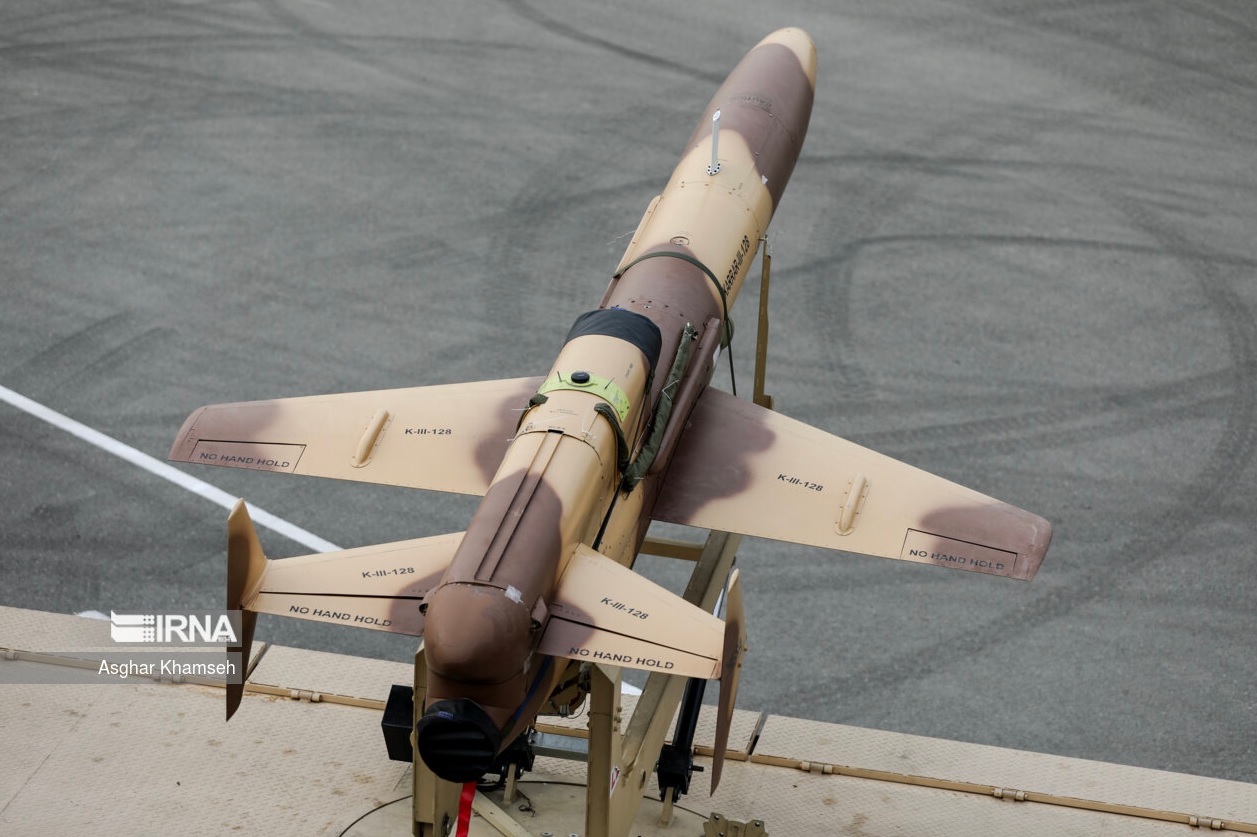 Russia Launches 1,400 Jet-Powered Drones in 2026 as Strike Tactics Evolve to Challenge Ukraine's Air Defenses
-
 U.S Navy Orders 50 Blackbeard Hypersonic Missiles in New $23.4 Million Contract
-
 F-35 Fleet Readiness Falls to 25% Amid Parts Shortages and Software Delays: GAO Report
-
 U.S. Approves $1.98 Billion Sale of Anduril AI-Powered Counter-Drone Systems to Kuwait
-
 UAE Denies Reports of Releasing Up to $20 Billion in Funds to Iran Amid Regional De-Escalation Efforts
-
 Turkey Navy Successfully Tests AKYA Torpedo and ATMACA Missile During Major Denizkurdu-II Naval Exercise
-
 Russian Analysts Debate Su-57 Capabilities After Putin Calls Fighter Superior to F-35
Top Trending in 4 Days
-
 Iranian Media Leaks 14-Point U.S.-Iran Peace Framework Amid Ongoing Negotiations
-
 US Plans Significant Reduction of Fighter Jets and Warships for NATO Operations in Europe
-
 Boeing Introduces New MQ-28 Ghost Bat Upgrades with Increased Range, Payload and Weapons Capacity at ILA Berlin 2026
-
 Taiwan Conducts First Live-Fire of HIMARS Rockets From West Coast During Invasion Defense Drill
-
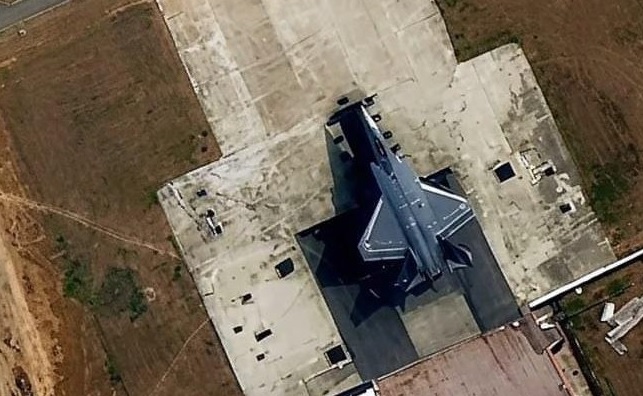 AMCA Airframe Spotted at DRDO’s ORANGE Facility for Radar Cross-Section Testing
-
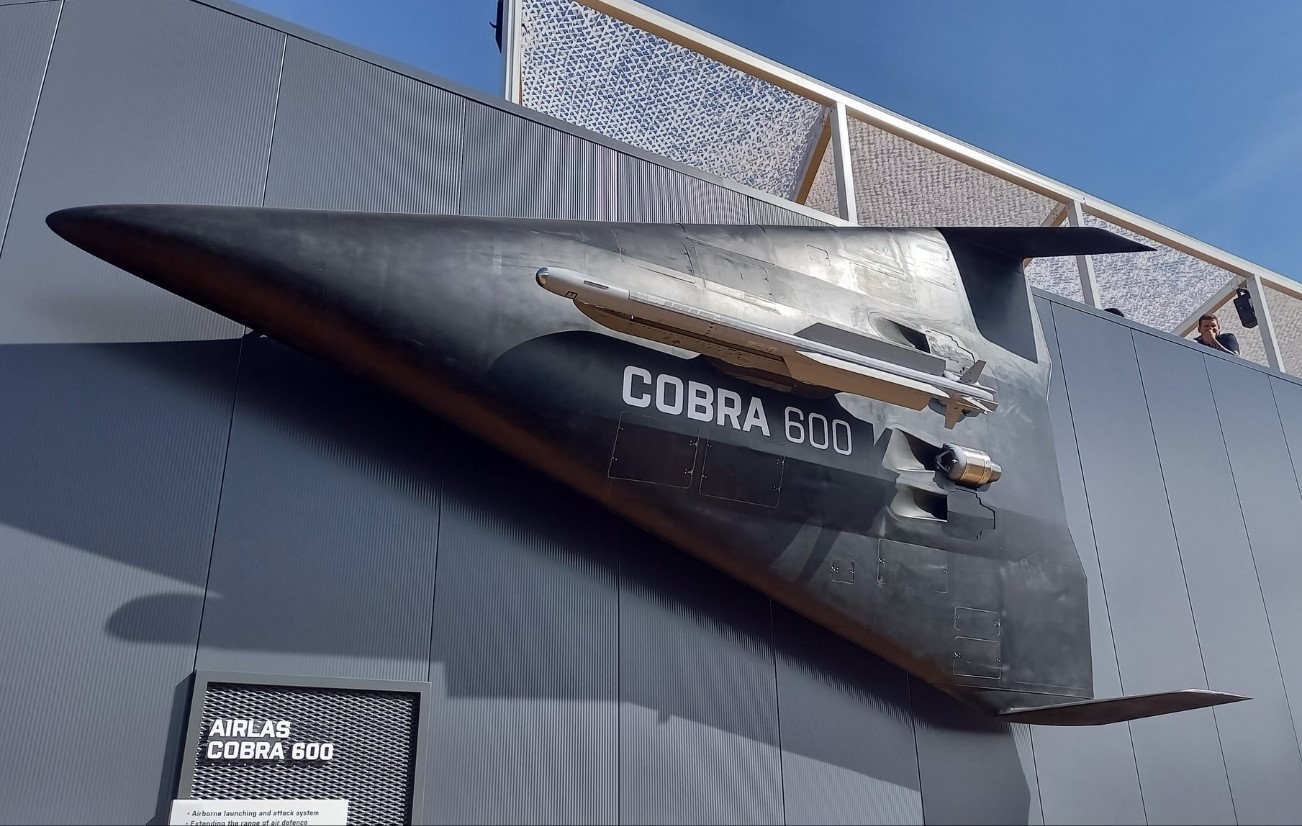 Diehl Defence Unveils IRIS-T Armed Cobra 600 Air Defense Drone at ILA Berlin 2026
-
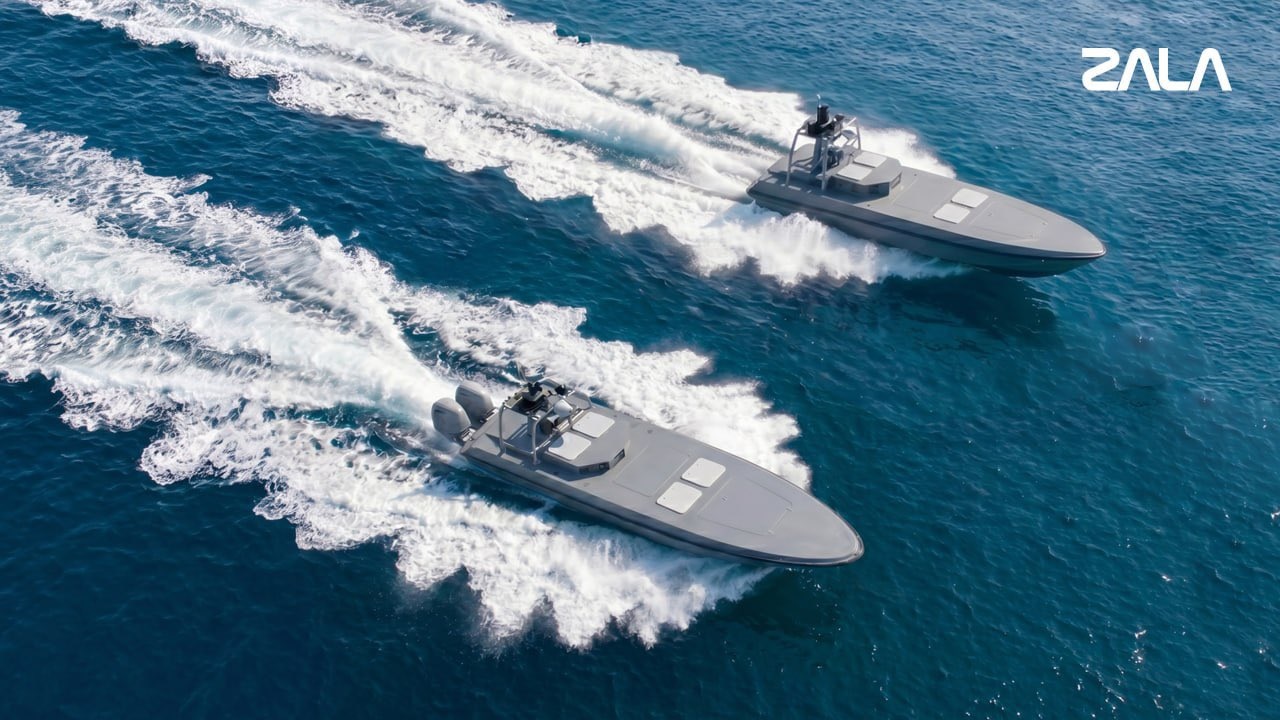 Russian Defense Firm ZALA Unveils KAMA Unmanned Surface Vessel Family at FLOT-2026 Naval Exhibition
-
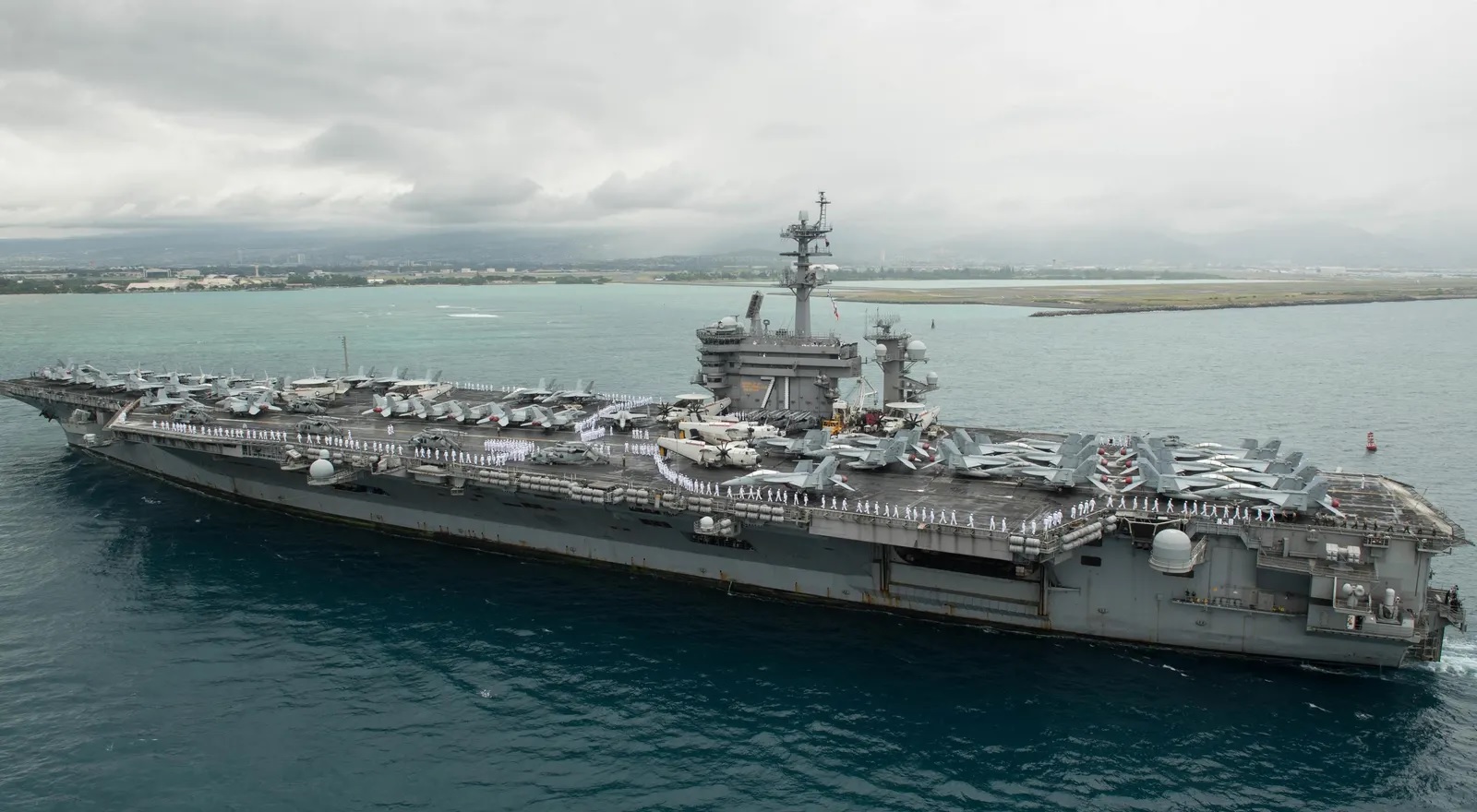 U.S Aircraft Carrier USS Theodore Roosevelt Departs San Diego for Major RIMPAC 2026 Naval Exercise