India
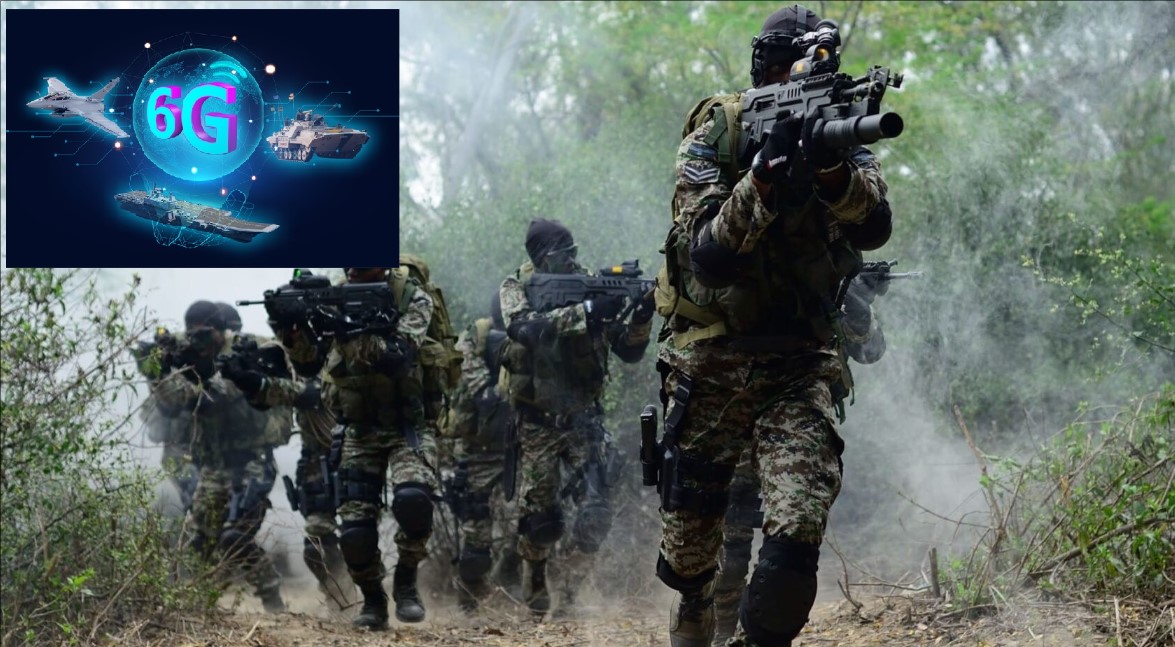
Defense News ,India :- The Indian Army has created a special team called the Signals Technology Evaluation and Adaptation Group (STEAG). Their job is to study and test new technologies like 6G, artificial intelligence (AI), machine learning, and quantum computing. These are all high-tech tools that could be useful for the military in the future.STEAG will look into both wired and wireless systems, covering everything from regular phone lines to the latest wireless networks. They'll figure out how to use these technologies for military purposes. This new group is part of the Army's plan to prepare for future battles.According to officials, STEAG will be a top-notch organization, the first of its kind. It will be able to use advanced technology and find ways to apply it for defense. They'll work closely with universities and companies to make this happen.The main focus of STEAG will be on upcoming technologies like electronic exchanges, mobile communications, software-defined radios, and electronic warfare systems. They'll also explore 5G and 6G networks, quantum technologies, AI, and machine learning.The team will do a lot of different tasks, like researching, testing, and managing these technologies. They'll also make sure that the soldiers can easily use and update these systems.General Manoj Pande, the Army Chief, has been talking about the importance of getting new technologies for the military. He believes that with the changing nature of warfare, it's crucial to stay updated.STEAG will support initiatives like Atmanirbhar Bharat and Start-Up India, which aim to boost India's self-reliance and promote new businesses. The idea is to bring together the military, industries, and universities to work on these technologies.This new center is expected to make a big difference by helping India become self-reliant in advanced communication technologies. These technologies have mostly been controlled by a few countries with advanced economies, but India aims to change that.The Army knows that communication is key in military operations. Having better communication technology can give a significant advantage in battles.In today's world, wars are fought with advanced technology. To keep up, the Army needs to introduce new equipment that can support seamless communication during operations.STEAG is a big step in this direction. It's a specialized unit focused on technology that will help the Indian Army improve its digital capabilities.
Read More → Posted on 2024-03-18 15:17:07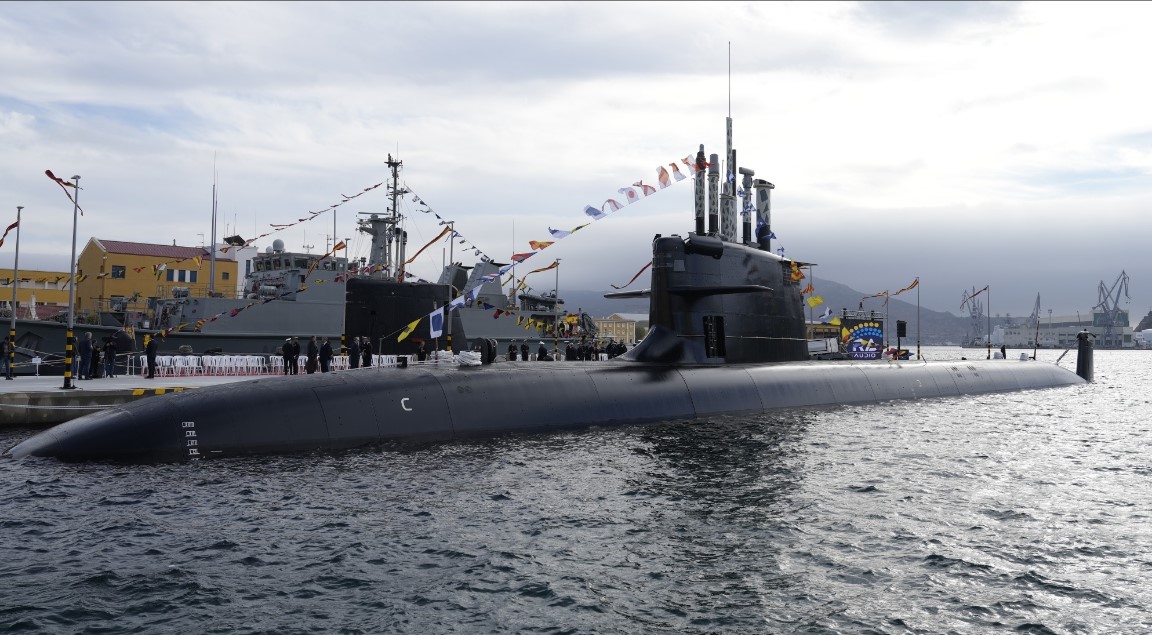
India
Defense News ,India :- In a recent move, the Dutch government's decision to entrust France's Naval Group with a substantial submarine construction contract goes beyond the mere bolstering of the Netherlands' naval capabilities. The award of this contract carries broader implications, particularly for India's ongoing submarine modernization initiative, known as Project-76.Naval Group, a French company, is set to replace the aging Walrus-class submarines of the Netherlands with four state-of-the-art Barracuda-class vessels. This victory marks a significant rebound for Naval Group, following the setback of the cancellation of a lucrative Australian submarine contract in 2021.For India, whose Navy is closely monitoring developments, this deal holds crucial importance. India's Project-76 aims at the development and construction of a new fleet of submarines, making Naval Group's expertise and technology offerings particularly relevant.One key area of interest for India is pump-jet propulsion technology, known for its advantages over conventional propellers in submarines. Pump-jets enable quieter operation and enhanced maneuverability, essential for maintaining underwater stealth and gaining tactical superiority.However, despite recognizing the benefits, the Indian Navy grapples with concerns regarding the potential high cost associated with pump-jet propulsion. Naval Group's existing pump-jet systems are predominantly utilized in their nuclear-powered submarines, leading to elevated production expenses when adapting the technology for conventionally powered vessels.The Dutch submarine contract alters this dynamic. With Naval Group now committed to producing a larger volume of pump-jets for the Dutch submarines, there arises the possibility of more cost-effective production. This presents an opportunity for India to negotiate favorable terms, leveraging the increased production scale to obtain this crucial technology at a more reasonable price point.As India navigates potential collaborations with Naval Group, the Dutch submarine deal is poised to expedite India's access to advanced French submarine technology. The focus on achieving cost-effective integration of pump-jet propulsion systems is likely to dominate future negotiations, reflecting the strategic importance of this technology for India's naval capabilities.
Read More → Posted on 2024-03-18 14:58:54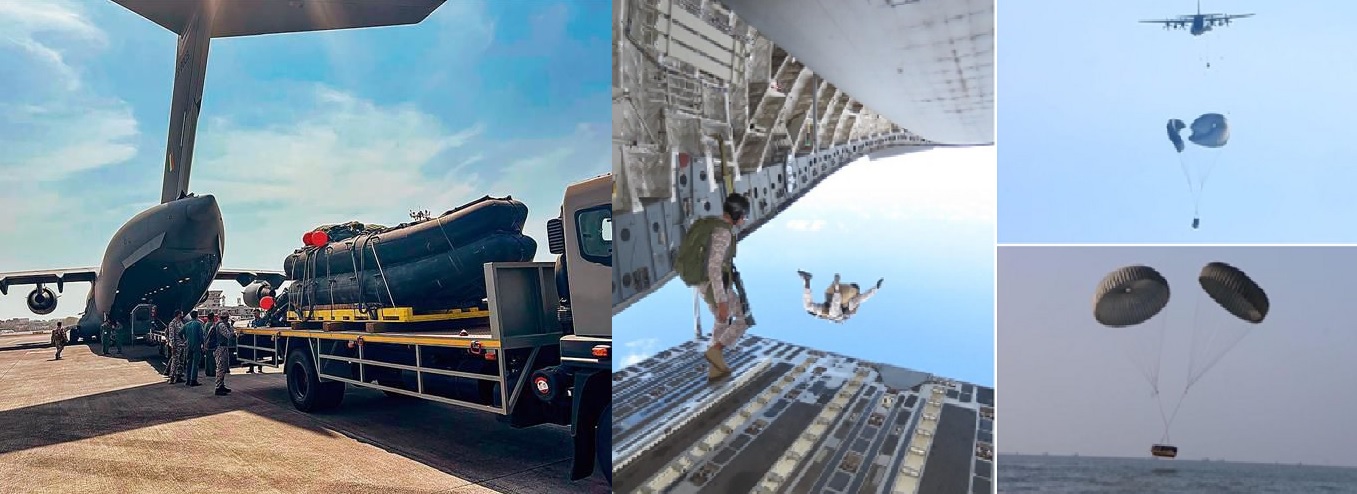
India
Defense News ,India :- In a recent event, the Indian Air Force and Navy joined hands for a courageous mission in the Arabian Sea. Their goal? To rescue the crew of a ship called MV Ruen. This ship had been taken over by pirates near an island called Socotra, close to Yemen.The Indian Air Force used a special aircraft called C-17 to drop two boats into the sea. These boats were equipped for combat and were carrying Indian Navy MARCOS (Marine Commandos). It was all part of a big plan called 'Operation Sankalp' to fight piracy.The Indian Air Force was proud of this operation. They mentioned on a platform called X that it showed great teamwork between different branches of the military. The operation covered a long distance, almost 2600 kilometers off the Indian coast. It took about 10 hours for the aircraft to reach there.The mission was a success. All 17 crew members of MV Ruen were safely rescued with the help of the Indian Navy. The pirates who had hijacked the ship were also dealt with. They were forced to give up, ensuring the safety of everyone involved.The Indian Navy played a crucial role in stopping the pirates and rescuing the crew. One of their ships, INS Kolkata, was on duty in the Arabian Sea. They had been actively working to prevent pirate attacks on ships passing through the region.The navy informed that INS Kolkata managed to intercept the pirate ship, MV Ruen, on March 16. This ship had been under pirate control since December of the previous year. Through smart and persistent actions, the Indian Navy managed to rescue the crew members.INS Kolkata, along with other naval assets, was engaged in a 40-hour-long operation. They traveled a long distance to reach the troubled ship and took control of the situation. Their efforts ensured that the crew was safe and the pirates were stopped.The Indian Navy's operation was supported by various means. They used drones, aircraft, and specialized teams like MARCOS to ensure the success of the mission. These teams worked together seamlessly to execute the rescue operation.Once the crew was safe, the ship was thoroughly checked for any illegal items like weapons or drugs. This ensured that the ship was back in safe hands and could continue its journey without any further danger.Overall, the joint efforts of the Indian Air Force and Navy proved successful in rescuing the hijacked ship and its crew. Their bravery and coordination were commendable, showcasing the strength of India's defense forces in protecting maritime interests.
Read More → Posted on 2024-03-18 14:40:10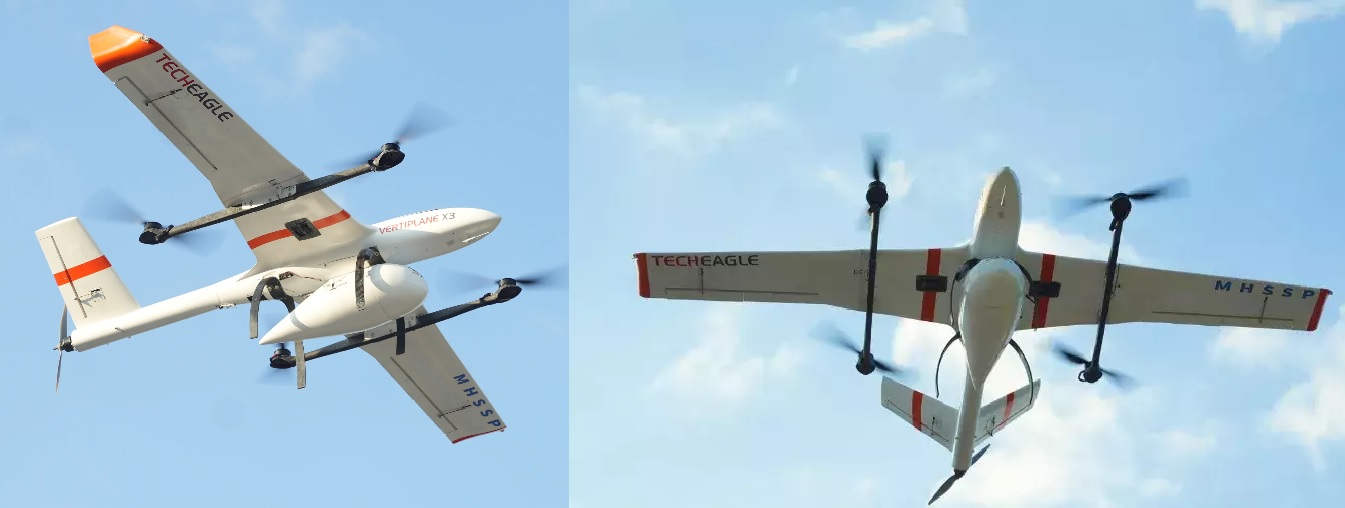
India
The Vertiplane X3 is a fast, multipurpose hybrid electric vertical take-off and landing (eVTOL) drone developed by the Indian deeptech company TechEagle Innovations . It is designed for various applications, including healthcare delivery, maritime and defense operations, and strengthening conventional logistics supply chains .Key FeaturesFastest Made-In-India e-VTOL Drone: With a maximum speed of 120 km/hr, the Vertiplane X3 is claimed to be the fastest drone of its kind manufactured in India .Long Range: The drone boasts a maximum range of 100 km, allowing it to deliver cargo across diverse terrains and remote locations .Payload Capacity: The Vertiplane X3 can carry a payload of up to 3 kg, making it suitable for transporting medical supplies, vaccines, and other essential goods .Temperature Control: The drone is equipped for temperature-controlled transportation, ensuring the safe delivery of sensitive cargo such as medicines and vaccines .High Operational Ceiling: With a ceiling height of 4500 meters, the Vertiplane X3 can navigate over various obstacles and reach destinations in hilly or mountainous regions .Safety Features: The drone is integrated with multiple fail-safe mechanisms to ensure safe operation and cargo delivery .ApplicationsThe Vertiplane X3 is designed to address challenges in various sectors:Healthcare: The drone's speed and range make it ideal for delivering critical medical supplies, vaccines, and blood samples to remote areas, especially in time-sensitive situations .Logistics: The Vertiplane X3 can be employed for hyperlocal and e-commerce deliveries, potentially revolutionizing last-mile delivery services .Defense and Maritime: The drone's capabilities can be utilized for surveillance, patrol missions, and search-and-rescue operations at sea or on land .Trials and DevelopmentsThe Vertiplane X3 has successfully completed drone delivery trials in India. In February 2023, it delivered anti-tuberculosis medication and retrieved diagnostic samples in the state of Uttarakhand, demonstrating its potential to improve healthcare access in underserved regions .The Government of India is exploring the use of drone technology for broader applications, including organ transplant deliveries, making the Vertiplane X3 a potential frontrunner in this future of medical logistics .ManufacturerThe Vertiplane X3 is manufactured by TechEagle Innovations, a company focused on developing drone-based logistic services . TechEagle's indigenous technology stack empowers the Vertiplane X3's functionalities and paves the way for a future of autonomous drone-based delivery networks in India .
Read More → Posted on 2024-03-18 06:30:57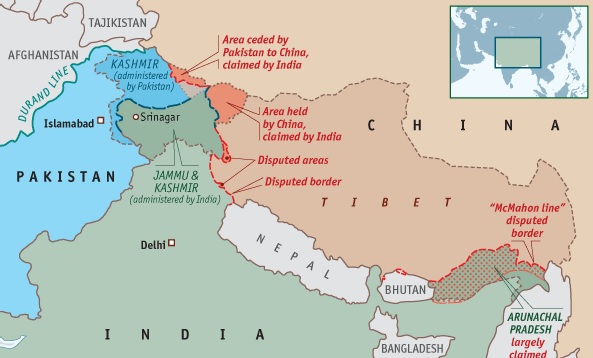
India
Defense News ,India :- The Chinese military recently repeated its belief that Arunachal Pradesh belongs to China. They say it's a part of their country, despite India saying otherwise. This happened after India refused to listen to China's objections to Prime Minister Narendra Modi's visit to Arunachal Pradesh.A spokesperson from the Chinese Defence Ministry, Senior Colonel Zhang Xiaogang, stated that the southern part of Tibet, which they call Xizang, is definitely China's. He also said that China doesn't accept and strongly opposes what they call the "so-called Arunachal Pradesh," which India created. This was reported by official Chinese media.Zhang said this in response to India improving its military readiness through the Sela Tunnel in Arunachal Pradesh. China claims Arunachal Pradesh as part of South Tibet and regularly protests when Indian leaders visit the state to emphasize India's ownership.China even renamed the area as Zangnan. However, India has always rejected China's claims over Arunachal Pradesh, saying it's an essential part of India. India has also disregarded China's attempt to give "made-up" names to the area, stating that it doesn't change the facts.On March 9, Prime Minister Modi inaugurated the Sela Tunnel, situated at 13,000 feet altitude in Arunachal Pradesh. This tunnel will provide year-round connectivity to Tawang and will help in better troop movement in the frontier region. It's considered the longest two-lane tunnel at such a height, costing Rs 825 crore. Indian military officials believe it will help in moving troops and equipment to various locations along the Line of Actual Control (LAC) with China.Zhang didn't directly mention Modi's visit but stated that India's actions contradict efforts to ease border tensions and don't help in maintaining peace in the border areas. He mentioned that the current situation at the border is generally stable, with both countries having effective diplomatic and military communication regarding border issues.Zhang urged India to stop actions that make the border issue more complicated and to work towards maintaining peace and stability in the area. He emphasized that the Chinese military is highly alert in protecting national sovereignty and territorial integrity.This reaction from Zhang followed a statement from China's foreign ministry spokesperson on Monday, who mentioned lodging a diplomatic protest with India over Modi's visit to Arunachal Pradesh.India strongly rejected China's objection, stating that Arunachal Pradesh has always been and will always be an integral part of India. India's Ministry of External Affairs spokesperson, Randhir Jaiswal, said that China has been repeatedly informed about India's consistent stance on this matter. Jaiswal mentioned that China's objection to visits like Modi's won't change the reality that Arunachal Pradesh is part of India.Jaiswal also pointed out that Indian leaders visit Arunachal Pradesh just like they visit other states of India. Objecting to such visits or India's development projects in the region doesn't make sense. He reiterated that Arunachal Pradesh is and always will be a fundamental part of India.
Read More → Posted on 2024-03-18 06:17:01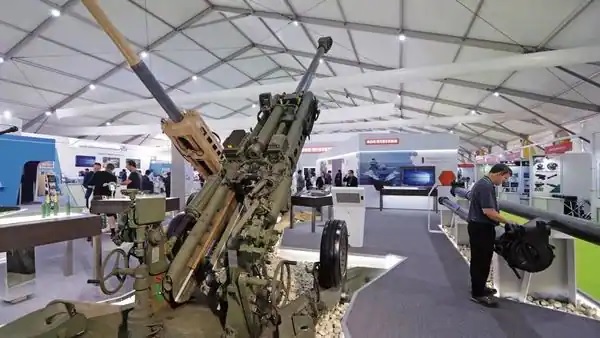
India
Defense News ,India :- India faces a tricky problem when it comes to its defense plans. C Uday Bhaskar, who leads the Society for Policy Studies, thinks so. He points out that even though India has been making great strides in technology, it still relies heavily on buying weapons from other countries.Recently, India successfully tested something called a Multiple Independently Targetable Reentry Vehicle (MIRV). It's a big deal in the world of defense. But at the same time, a report from the Stockholm International Peace Research Institute (SIPRI) showed that India's arms imports went up by 4.7 percent between 2014-18 and 2019-23.This report confirms what SIPRI found in 2023: India is the top buyer of weapons globally. From 2018 to 2022, India bought a whopping 11 percent of all arms sold worldwide. It's been in this top spot since 1993, which is quite a long time.These findings clash with what the Indian government says about wanting to make its own weapons. Leaders like Defense Minister Rajnath Singh talk about how India is moving towards making its own arms and even selling them to other countries. But the SIPRI data doesn't match up with this vision.So, why is it that India is doing well in some tech areas, like missiles, but struggling to make other weapons on its own? Sure, there's been some improvement in things like surveillance and communication gear, but overall, the Defense Research and Development Organization (DRDO) hasn't had consistent success.This shows that India's defense issues are pretty complicated. Yes, it's great that India can make impressive things like missiles, but it's still too reliant on buying weapons from abroad. To truly stand on its own feet, India needs to put more effort into research and development, make its own weapons more efficiently, and encourage new ideas in the defense industry.Celebrating India's technological victories is important, but it's also crucial to face the truth about relying on foreign weapons. Real independence in defense will only come with hard work and a careful rethink of India's defense strategy.
Read More → Posted on 2024-03-18 06:01:48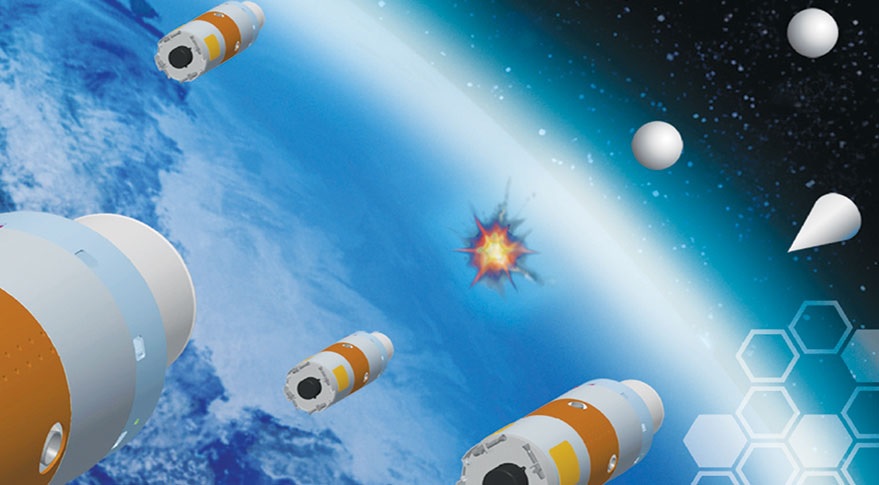
India
Defense News ,India :- India is making big strides in its defense capabilities, and one of the latest achievements is the successful demonstration of MIRV (Multiple Independently Re-entry Vehicle) technology with the Agni-V missile test. This technology allows a single missile launch to strike multiple targets, enhancing India's strategic deterrent. Let's break down what this means and why it's important.What's MIRV?Think of MIRV like this: instead of one big punch, it's like throwing multiple smaller punches at different targets. With MIRV, India can launch a missile that can hit not just one, but many targets. This is a big deal because it gives India more power to defend itself and strike back if needed.Balancing Defense and AttackNow, while India is getting better at hitting targets, it's also working hard on defense. One of the things it's focusing on is the Phase-II Ballistic Missile Defence (BMD) system. This system is all about stopping enemy missiles from hitting India.Meet MKVMKV (Multiple Kill Vehicle) is a key part of this defense plan. Imagine instead of one big shield, you have lots of smaller shields spread out. Each shield can move on its own and can stop incoming missiles. That's what MKV is all about.How MKVs WorkMKVs work like this: instead of having one big missile interceptor, you have many smaller ones. These small interceptors are really smart. They can find and destroy enemy missiles all by themselves. So, if many enemy missiles are coming, MKVs can take care of them one by one.India's Defense JourneyIndia has been making good progress in developing its defense systems. They've already tested a part of their BMD system called AD-1 successfully. And they're planning to test another part, AD-2, in the future. MKVs could be a game-changer in India's defense strategy. They're still planning how to use them, but if they do, it'll make India's defense even stronger.Why MKVs Are ImportantMKVs can make India's defense much better in a few ways:They can stop many enemy missiles at once, making it harder for the enemy to attack successfully.Using many interceptors against one enemy missile increases the chances of stopping it.MKVs could be cheaper to use compared to other defense systems, saving money while keeping India safe.Looking ForwardIndia is focusing on both offense and defense to make sure it's safe and strong. MIRVs help with offense – hitting multiple targets if needed. MKVs are all about defense – stopping enemy missiles from hitting India. By investing in these technologies, India shows it's serious about protecting itself and becoming a stronger force in the world.
Read More → Posted on 2024-03-18 05:55:31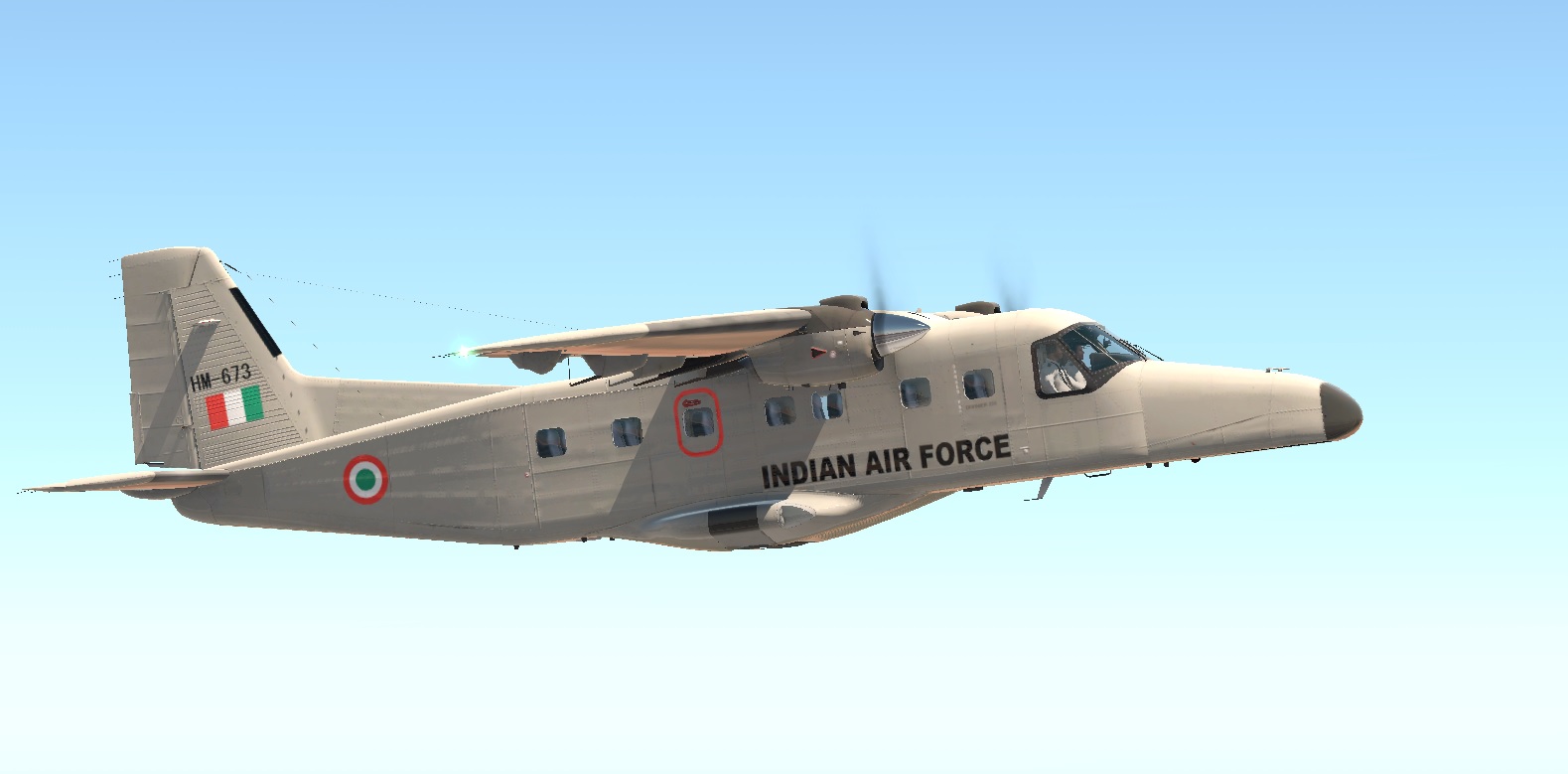
India
Defense News ,India :- The Guyana Defence Force (GDF) wants to buy two new airplanes from India. They're getting a $23.27 million loan from the Export-Import Bank of India to make this happen.The finance minister of Guyana and the deputy GM of the EXIM Bank signed an agreement last Friday. Guyana, which has many people of Indian descent, aims to buy two HAL (Dornier) 228 planes from Hindustan Aeronautics Limited.These planes are great for taking off and landing on short runways, which is important for Guyana's landscape. They'll be used for keeping watch over the sea, supplying military bases, and moving troops to remote areas.This agreement is the first of its kind between India and any Caribbean nation. Guyana also plans to buy patrol vehicles, radars, and armored vehicles from India.The finance ministry of Guyana says this deal is part of their plan to make the GDF stronger. They've been working with India since President Ali visited Hindustan Aeronautics Limited in January 2023.Guyana's finance minister says they're investing a lot in improving the GDF, especially the Air Corps and Coast Guard. Buying these two planes is the biggest investment they've made in the force so far.The Chief of Staff of the GDF, Brigadier Omar Khan, thanked India for helping with defense training for many years. He says this agreement supports the president's goal of a strong security sector for peace and prosperity.This agreement is just one of eleven loans Guyana has received from the Indian EXIM Bank over the years. India also offered 19 defense training slots to GDF under its Indian Technical and Economic Cooperation (ITEC) Programme. These slots cover courses for the army, navy, and air force.
Read More → Posted on 2024-03-18 05:30:37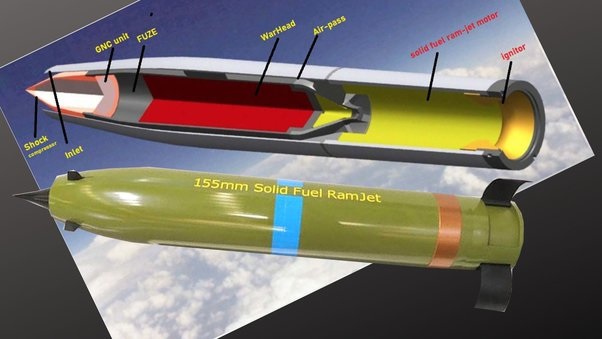
India
Defense News , India :- India's journey to enhance its artillery capabilities takes a significant stride forward, as recent strides have been made in testing a cutting-edge ramjet-powered artillery shell.In a recent Southern Command seminar on National Security and Building Bharat, retired Lieutenant General P R Shankar unveiled the latest updates on this ambitious project.Progress Amidst ChallengesCollaborating with the prestigious Indian Institute of Technology Madras (IIT Madras) and the Army Design Bureau (ADB), India's endeavor has reached a notable milestone with the testing of a 155mm ramjet shell at Balasore last month.Although the recent test didn't achieve full success, Lt Gen Shankar affirmed that it provided crucial insights for refining the design. The upcoming iteration, expected to be the 10th-12th version, is currently under development and nearing completion.Building on Past SuccessThis development follows a triumph in test-firing a half-scaled 76mm ramjet shell prototype at the Deolali firing range six months ago, showcasing the project's initial technological achievements.Understanding Ramjet TechnologyDiverging from conventional artillery shells, ramjet engines utilize airflow to sustain their combustion process. This distinctive feature offers a substantial range advantage, potentially transforming artillery warfare dynamics.India's ambitious initiative aims to significantly augment artillery firing range while ensuring compatibility with existing howitzer systems.Defense ImplicationsThe ongoing advancements and the imminent readiness of the next ramjet shell iteration mark a significant positive step for India's defense modernization endeavors.The successful deployment of this groundbreaking technology could furnish the Indian Army with a considerable tactical edge on the battlefield, potentially reshaping the dynamics of future conflicts.
Read More → Posted on 2024-03-18 05:14:09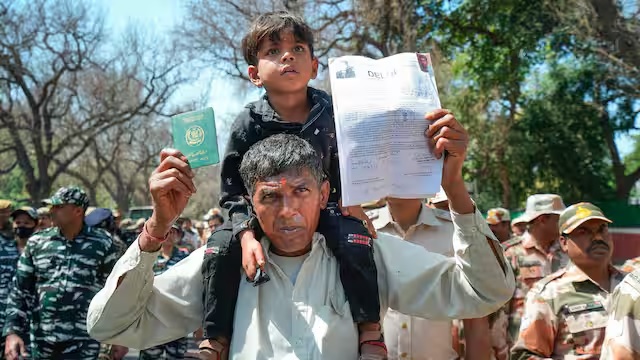
India
Defense News ,India :- In Ahmedabad, eighteen Hindu refugees from Pakistan got Indian citizenship. A camp was held on March 16, where Gujarat Minister of State for Home, Harsh Sanghavi, gave them citizenship. He encouraged them to work together for a better India.The camp took place at the District Collector’s office. Mr. Sanghavi told the new citizens to join India's development journey. He said both the central and state governments are committed to integrating them into society.According to an official statement, in 2016 and 2018, Gazette notifications empowered District Collectors in Gujarat to grant Indian citizenship to minorities from Pakistan, Afghanistan, and Bangladesh.So far, 1,167 Hindu refugees from Pakistan in Ahmedabad have received Indian citizenship.Mr. Sanghavi highlighted the efforts of Prime Minister Narendra Modi and Union Home Minister Amit Shah in helping minorities from Afghanistan, Pakistan, and Bangladesh become Indian citizens quickly.On March 11, the Union government announced the Citizenship (Amendment) Act, 2019. This allows undocumented non-Muslim migrants from Pakistan, Bangladesh, and Afghanistan to apply for Indian citizenship.The government aims to grant Indian nationality to persecuted non-Muslim migrants, including Hindus, Sikhs, Jains, Buddhists, Parsis, and Christians, from these three countries.
Read More → Posted on 2024-03-17 15:37:55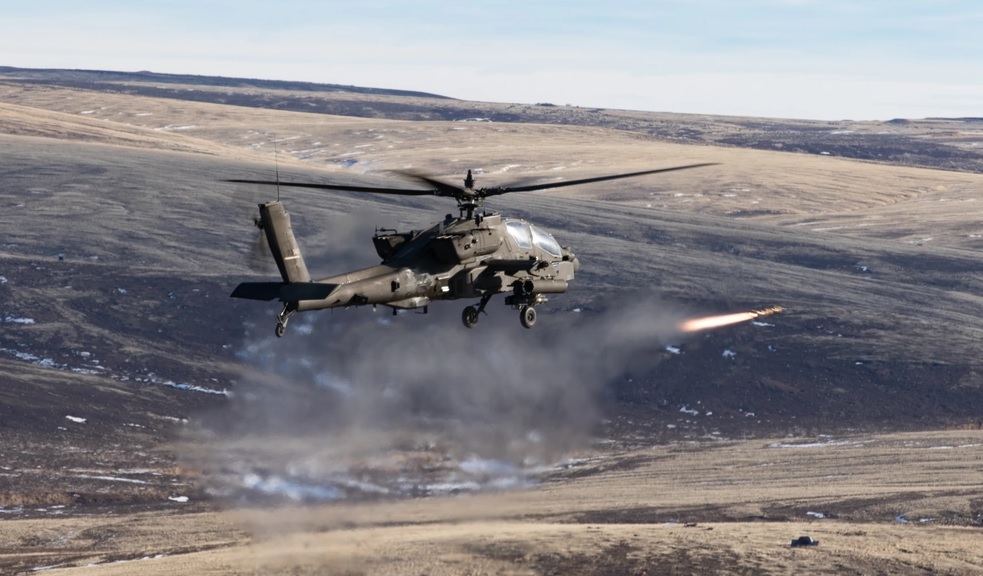
India
Defense News ,India :- The Indian Army has finalized arrangements to station six new AH64E Apache attack helicopters at Jodhpur, situated near the Pakistan border in Rajasthan. Termed as 'tanks in the air,' the first squadron of these formidable helicopters was established in the desert region of Jodhpur on March 15.Equipped with fire-and-forget Hellfire missiles, the Apaches possess robust anti-armour capabilities, capable of tracking up to 128 targets per minute. Delivery of these advanced helicopters, valued at over ₹4,100 crore, is slated to commence in May. Boeing, operating from its Mesa facility in Arizona, is responsible for manufacturing these helicopters, which are set to be operated by the Army Aviation Corps.The Army Aviation Corps is on a path of modernization, augmenting its capabilities with a diverse range of aircraft, including attack helicopters, light combat helicopters (LCH), light utility helicopters (LUH), and unmanned aerial vehicles (UAVs).The Indian Air Force (IAF) already operates a fleet of 22 Apache helicopters, acquired as part of a larger deal worth $3.1 billion, which also included 15 Chinook heavy-lift choppers, back in 2015. These helicopters have played pivotal roles, particularly in the Ladakh region amidst the ongoing tensions with China along the Line of Actual Control (LAC).Looking ahead, the Indian Army plans to procure a mix of 200 utility and combat helicopters to fulfill its operational requirements, with a focus on indigenous production. The inauguration of India’s largest helicopter manufacturing facility in Tumkur, Karnataka, by Prime Minister Narendra Modi last year, marks a significant stride towards self-reliance in defense manufacturing.Spanning across 615 acres, the HAL factory will initially produce LUH followed by LCH and subsequently the Indian multirole helicopters. The impending retirement of the aging Cheetah and Chetak helicopters within the next three to four years will pave the way for the complete overhaul of the fleet with modern utility choppers over the next decade.Currently comprising three aviation brigades, the army intends to raise more brigades in the foreseeable future, as reported previously. Furthermore, the army aims to introduce MQ-9B remotely piloted aircraft systems in the next three to four years, procured from the United States in a government-to-government deal.This acquisition is poised to substantially enhance the Indian military’s capabilities, as the MQ-9B drones are versatile platforms capable of executing a wide array of tasks, including intelligence, surveillance, reconnaissance, electronic warfare, defensive counter-air, and airborne early warning.India is also negotiating a deal to purchase 31 such drones, earmarked for various branches of the armed forces, including the navy, army, and IAF. This strategic augmentation underscores India's commitment to bolster its defense capabilities and enhance its readiness to counter emerging threats effectively.
Read More → Posted on 2024-03-17 15:33:57
India
Defense News ,India :- Indian scientists from IIT Mandi and Palakkad have made a special robot that can go underwater.This robot is a big deal because it can help the navy work better and save money.What's so special about this robot? Well, it can solve problems underwater in real-time. That means it can react quickly to whatever it finds down there. This is a big change from the old ways of doing things, which often involved human divers or robots that weren't as good.One really cool thing about this robot is that it's super flexible and can give feedback really fast. This means it can make decisions quickly, which is important when you're dealing with the unpredictable underwater world.Keeping people safe is really important, especially when they're working underwater. This robot can help by reducing the need for divers in dangerous situations. So, it makes diving safer.But it's not just about safety. This robot is also really good at doing its job efficiently. And because it can respond quickly, it can save a lot of money in the long run.The robot can do lots of different things underwater, but one of its main jobs is to check and fix ships. Here are some of the things it can do:1. Checking Ship Hulls: It can look at the bottom of ships to see if there's any damage, rust, or stuff growing on them. 2. Inspecting Welds: It can check to make sure the metal parts of the ship are stuck together properly. This is really important for keeping the ship strong and safe.3. Inspecting Protection Systems: It can also make sure that the systems that stop the ship from getting rusty are working well.This robot is a big deal because it shows that India is getting really good at exploring underwater and making things for the ocean.By making something that's safe, fast, and doesn't cost too much, this robot can help lots of different industries. It can help the navy, scientists studying the ocean, and people who need to keep things underwater in good shape. It's a big step forward for India and for anyone who needs to work beneath the waves.
Read More → Posted on 2024-03-17 15:09:59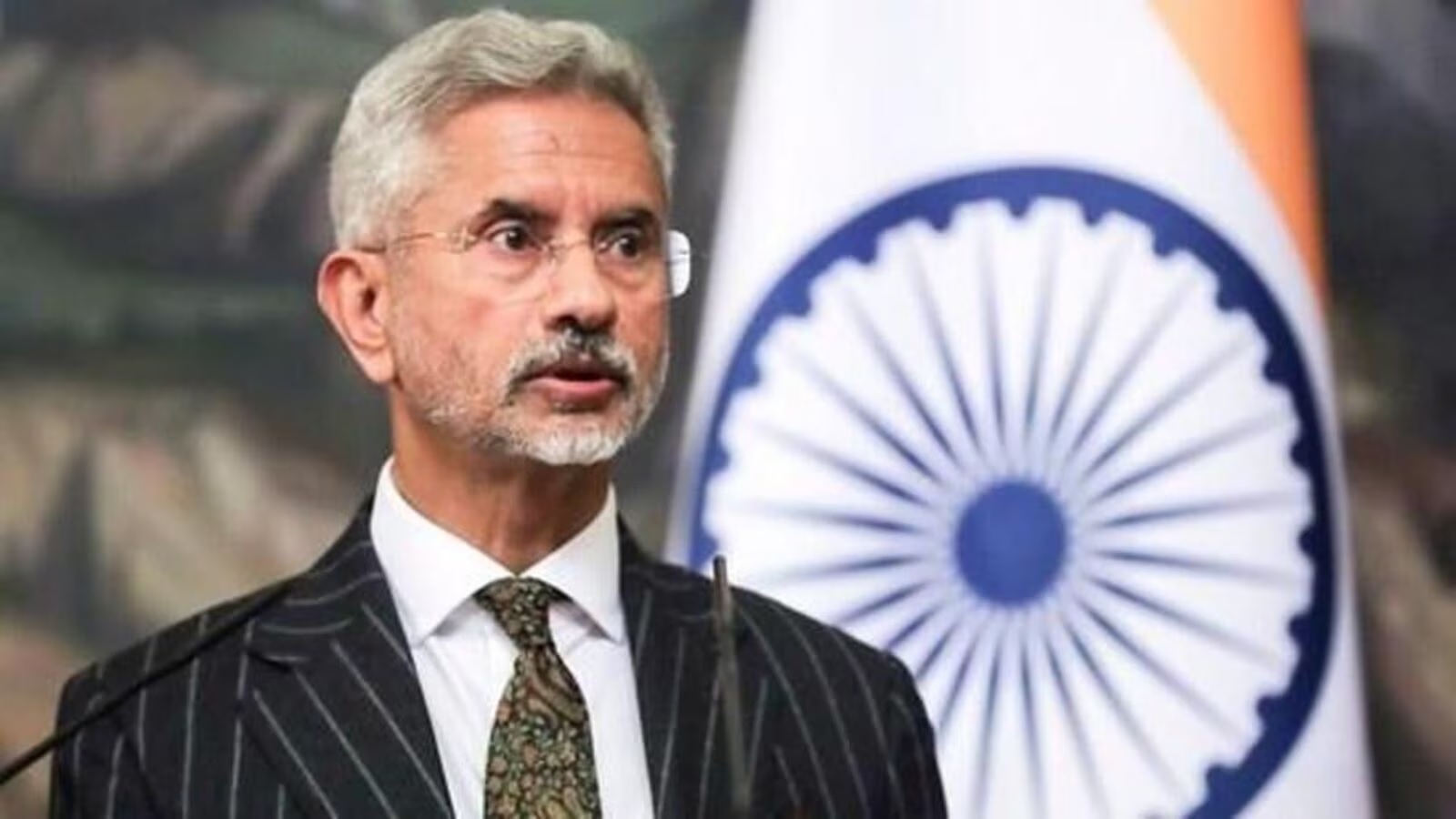
India
Defense News ,India :- India's External Affairs Minister, S Jaishankar, spoke boldly about criticism surrounding the Citizenship Amendment Act (CAA). He said that people around the world don't understand India's history properly, especially about the time when India was divided during the partition. He believes the government has a duty to help those who suffered during that time.Jaishankar thinks that some people talk about India's problems without knowing the full history. He says the CAA tries to fix some of the issues that came from the partition. He defended the CAA strongly and said critics should look at their own countries' policies before judging India.He mentioned other countries that have made similar policies. For example, he talked about amendments in the United States that helped specific groups like Jews and Hungarians. He argued that many countries have fast-tracked citizenship for certain groups based on ethnicity or religion.The Citizenship (Amendment) Rules, 2024, let eligible people apply online for Indian citizenship under the CAA. The government made a web portal for this purpose.The CAA, passed in 2019, aims to give Indian citizenship to refugees who came to India before December 31, 2014, because they were persecuted for their religion in Afghanistan, Pakistan, and Bangladesh. It specifically helps six religious minority communities.The CAA tries to remove legal barriers for these refugees and give them a better life in India after years of suffering.In simpler terms, Jaishankar is saying that the CAA is meant to help people who faced problems because of their religion in neighbouring countries. He thinks that other countries have similar laws, and India's law is fair and necessary.The CAA allows eligible people to apply for Indian citizenship online. This law aims to help religious minorities who faced persecution in Afghanistan, Pakistan, and Bangladesh.Jaishankar believes that India's history, especially the partition, is often misunderstood by people from other countries. He thinks the CAA is a way to address some of the problems that arose from the partition.He also pointed out that other countries have similar laws that help specific groups of people. He says that before criticizing India's policies, people should look at their own countries' actions.The CAA is meant to make it easier for persecuted religious minorities from neighbouring countries to get Indian citizenship. It removes legal barriers for these refugees and gives them a chance at a better life in India.In summary, Jaishankar defended the CAA, saying it's a fair law that helps those in need. He thinks that other countries have similar laws and that India's law is necessary to address historical problems.
Read More → Posted on 2024-03-17 15:04:07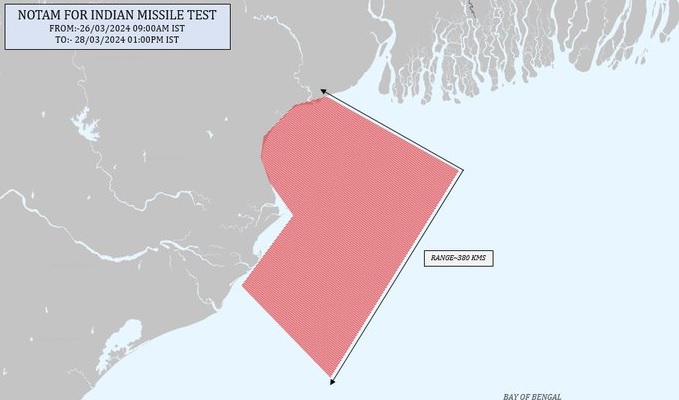
India
Defense News ,India :- India is planning to test a missile in the Bay of Bengal soon, and people are curious about it. The test is scheduled to happen between March 26th and April 28th, 2024. The area where the test will occur covers about 380 kilometers. Even though the details are kept secret, many are interested in knowing what kind of missile it is and what it can do.Before countries test missiles, they usually let pilots know by issuing Notices to Airmen (NOTAMs). This is a normal step in developing and testing military weapons. The specific area chosen in the Bay of Bengal suggests that the missile will be launched in a certain direction within that range.India takes pride in its missile program, which is important for its defense plans. In the past, they've tested different kinds of missiles, some for short distances and others for long distances. These tests show how India's technology is improving. The type of missile being tested this time hasn't been revealed yet, which makes people even more curious about the upcoming launch.Experts who study defense will be watching the test closely. They want to learn more about how India's missile technology is progressing. If the test goes well, it will show that India is a strong player in the world of defense.
Read More → Posted on 2024-03-17 14:44:29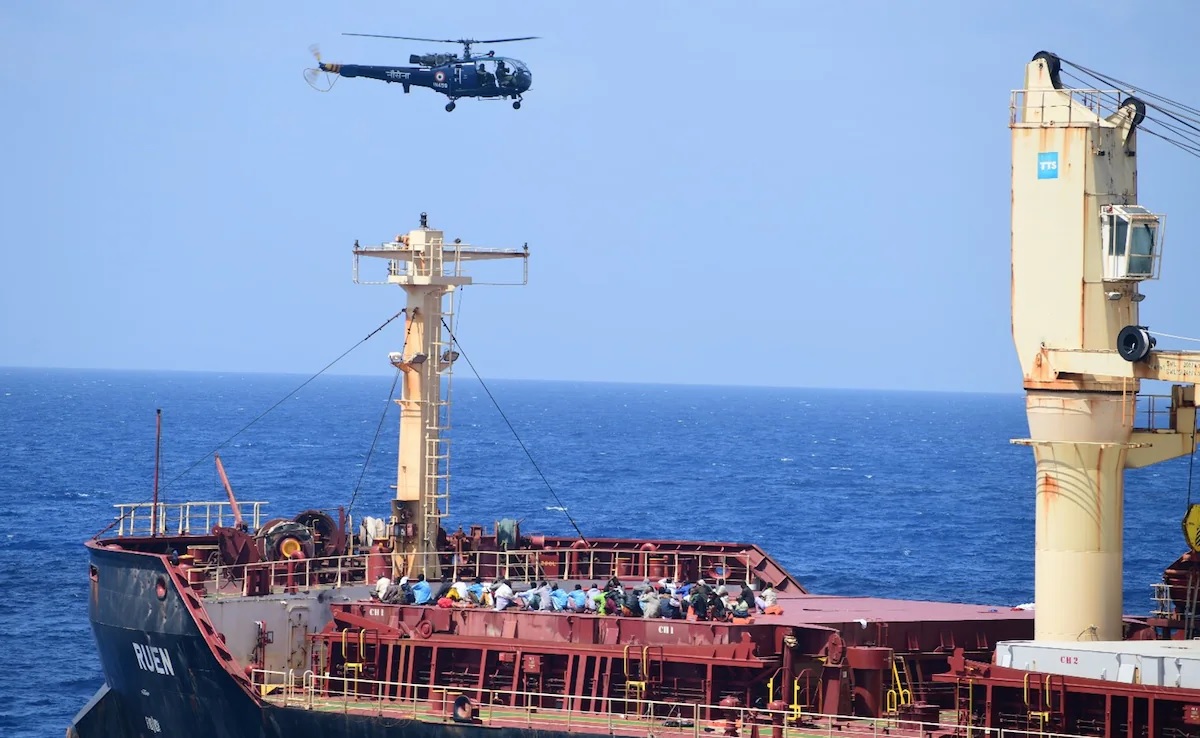
India
Defense News ,India :- The Indian Navy ship INS Kolkata successfully stopped a pirate ship and made all 35 pirates give up. This happened on Saturday. The Navy's action saved 17 crew members from the pirate ship. Thankfully, no one got hurt during the rescue, according to the Indian Navy's official statement.INS Kolkata stopped the pirate ship named Ruen. It was about 2600 kilometers away from the Indian Coast. The operation lasted for 40 hours. The Navy made the pirate ship stop using careful actions.INS Subhadra, drones called HALE RPA, a maritime patrol aircraft named P8I, and special forces known as MARCOS PRAHARs, which were dropped by a C-17 aircraft, all helped in the rescue operation. After making sure it was safe, the Navy checked the pirate ship for illegal weapons, ammunition, and other illegal items.Earlier, the Indian Navy had told about the ongoing mission to rescue crew members from a ship in trouble.The pirate ship, ex-MV Ruen, was taken over by Somali pirates on December 14, 2023. It reappeared as a pirate ship, threatening other ships in the sea. The Indian Navy quickly responded to this danger on March 15.The Navy asked the pirates to surrender immediately and release any hostages they might have had. The Indian Navy is committed to keeping the sea safe for everyone. This action shows India's determination to fight piracy and follow international maritime laws.
Read More → Posted on 2024-03-17 06:22:06Search
Top Trending in 24 Hours
-
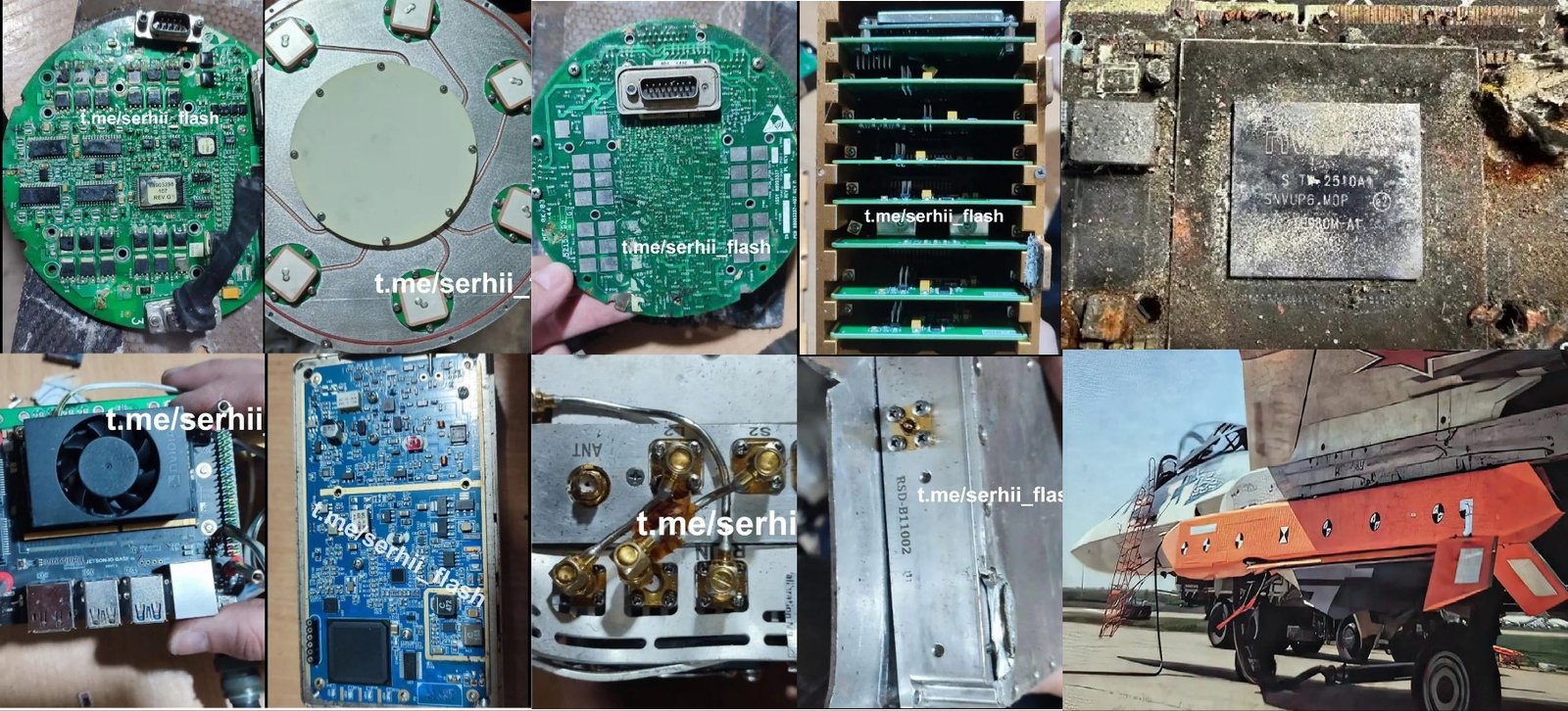 Russian Drones and Cruise Missiles Found Using Civilian NVIDIA AI Chips in Ukraine
-
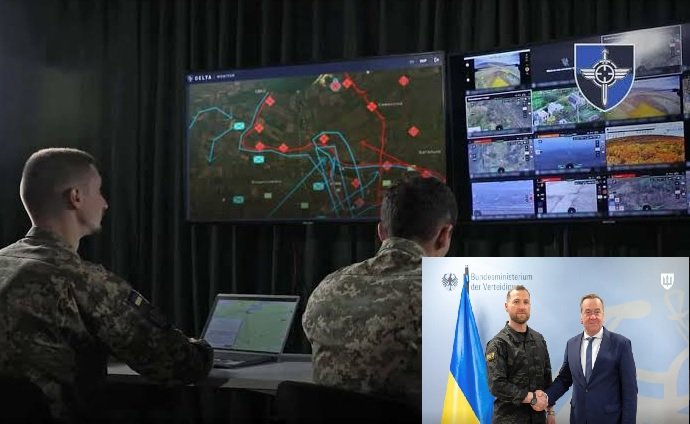 Germany Becomes First Country to Gain Access to Ukraine’s DELTA Battlefield System
-
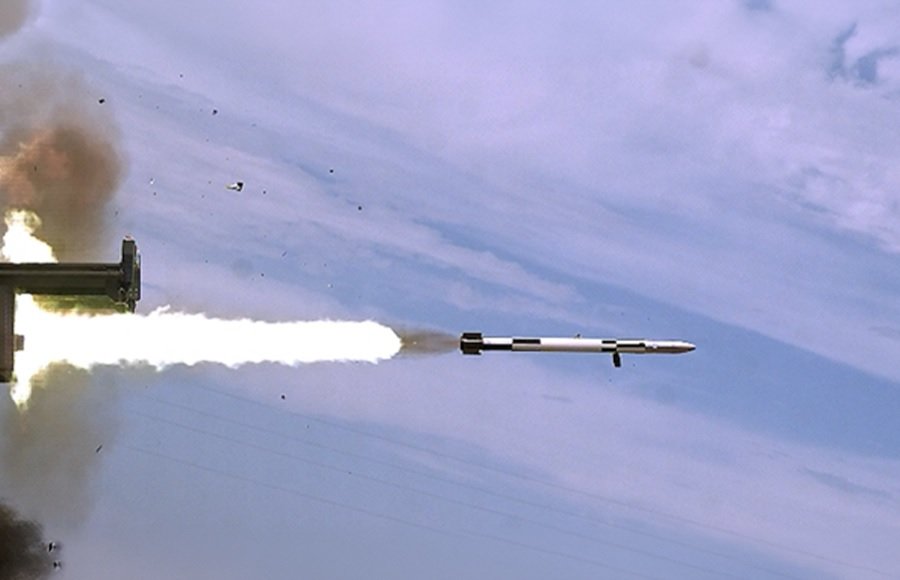 Lockheed Martin Completes Third Test of Reloadable JR3 Training Rocket
-
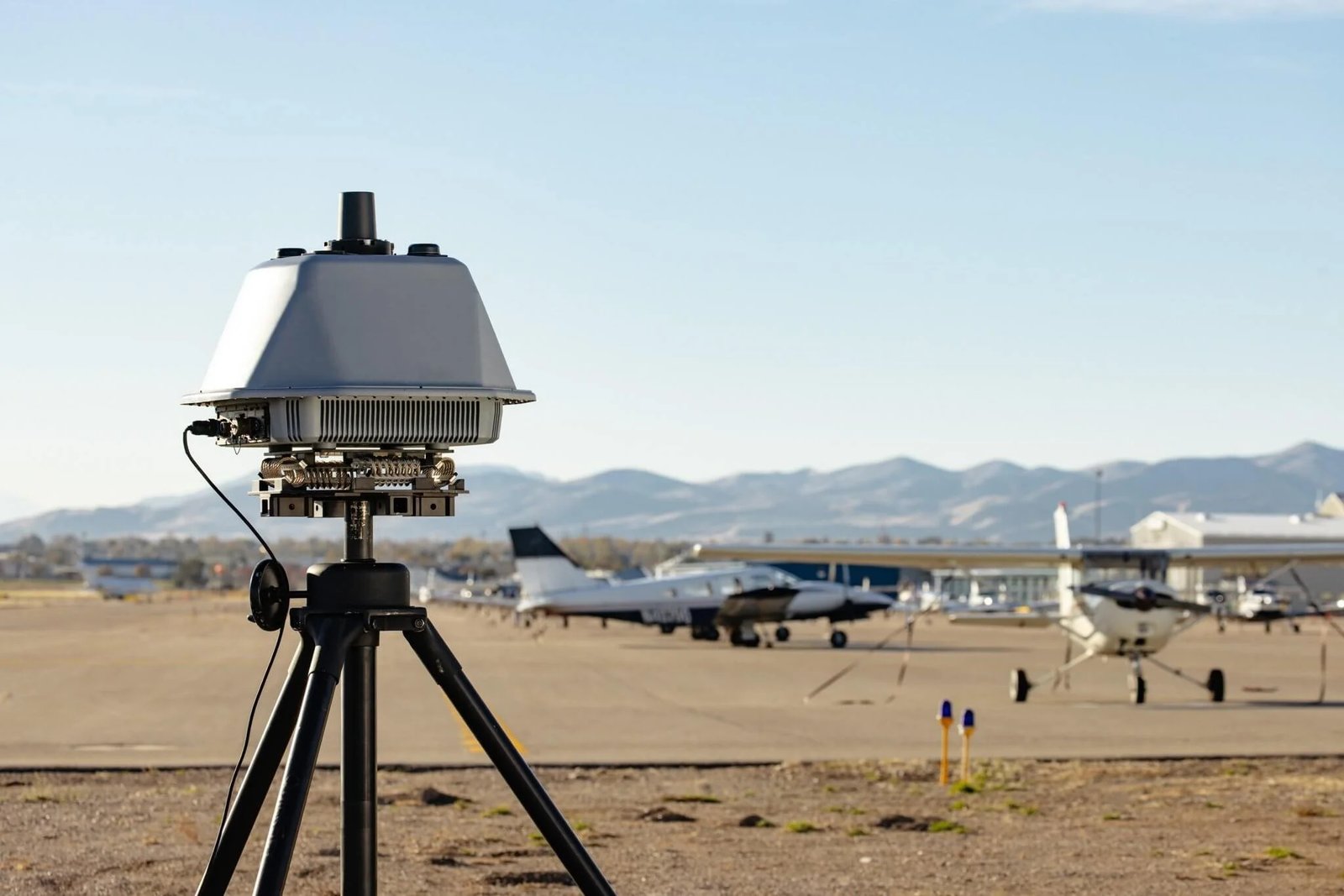 DroneShield Fixed-Site Counter-Drone System Reaches Operational Readiness for Pentagon Task Force
-
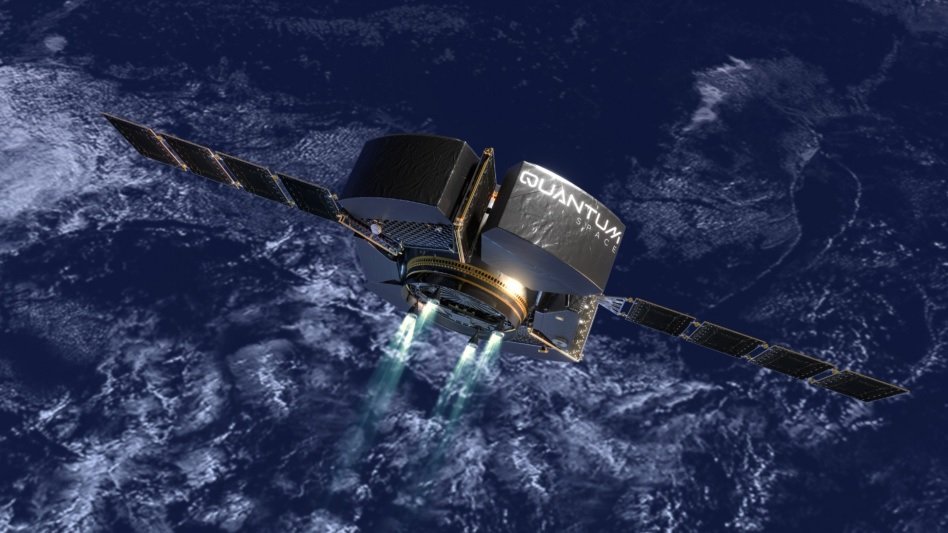 Quantum Space Goes Public on NYSE After $300 Million Financing and SPAC Merger
-
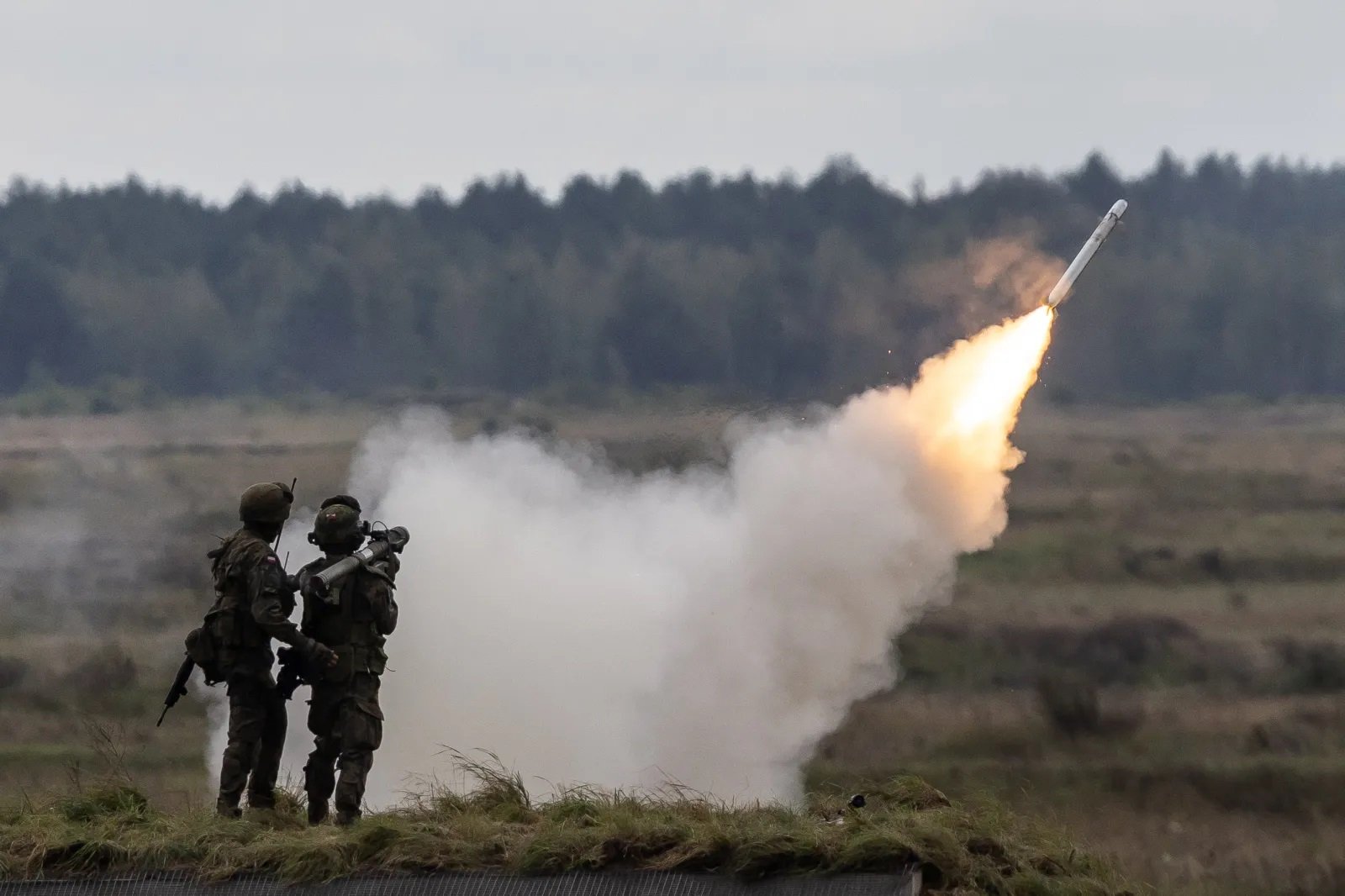 Netherlands Joins European Procurement of Poland’s PIORUN Air Defence Missiles
-
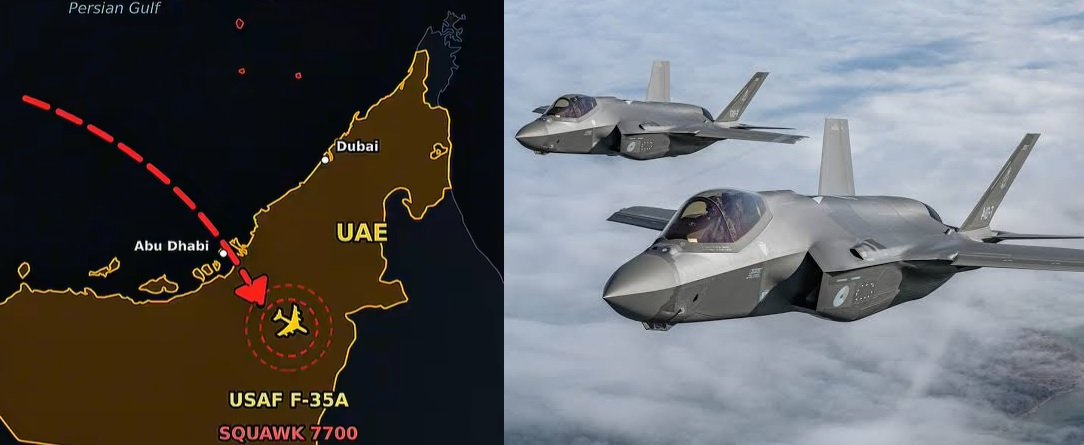 US Air Force F-35A Declares Emergency Over UAE, Flight Tracking Shows Diversion Toward Al Dhafra
-
 Saudi Arabia and Sudan Discuss Deployment of Up to 10,000 Fighters to Yemen
Top Trending in 4 Days
-
 Two Injured in Bahrain After Iranian Attacks; Iran Claims Strike on US Patriot Radars
-
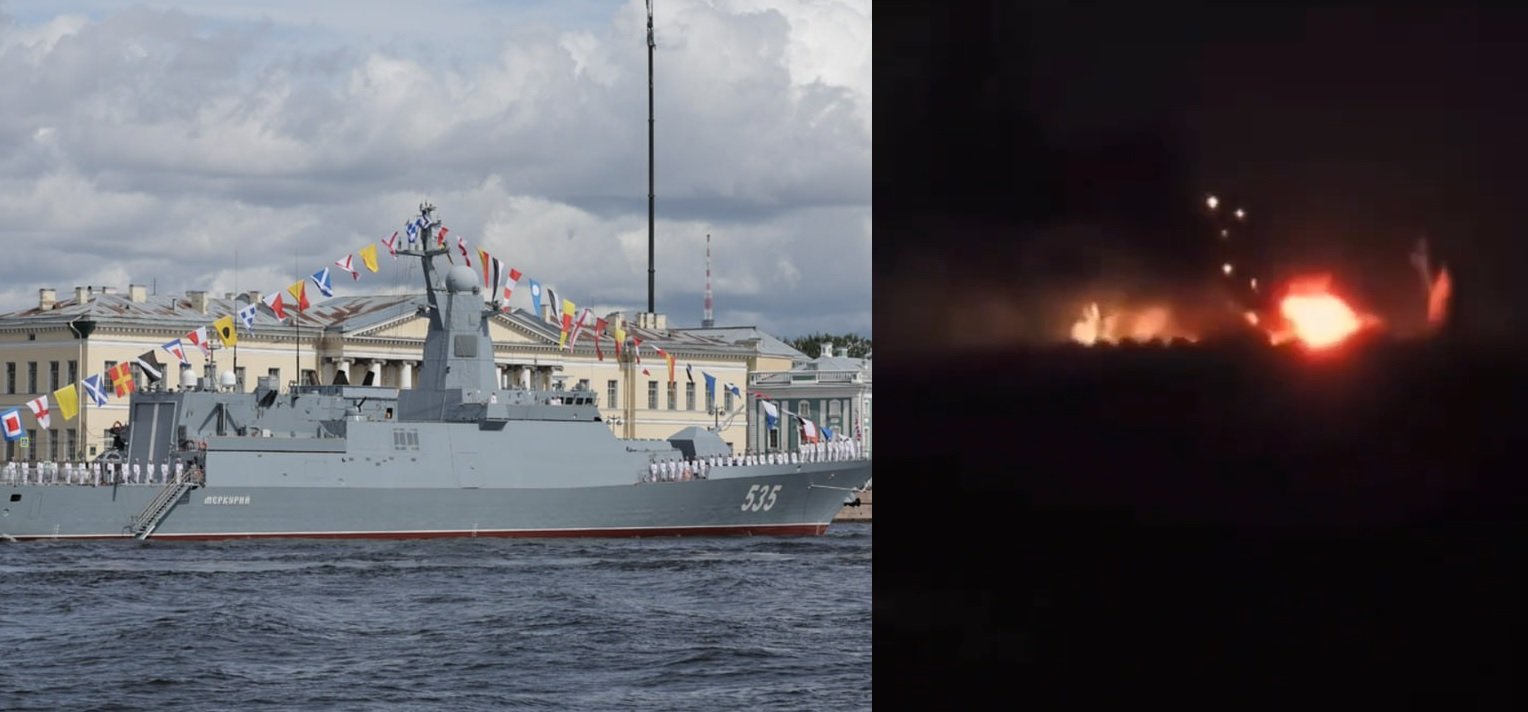 Russian Corvette Merkury Almost Certainly Destroyed in Benghazi Port Explosion
-
 Western Intelligence Warns Russia Could Launch Nuclear-Armed Satellite as Early as December
-
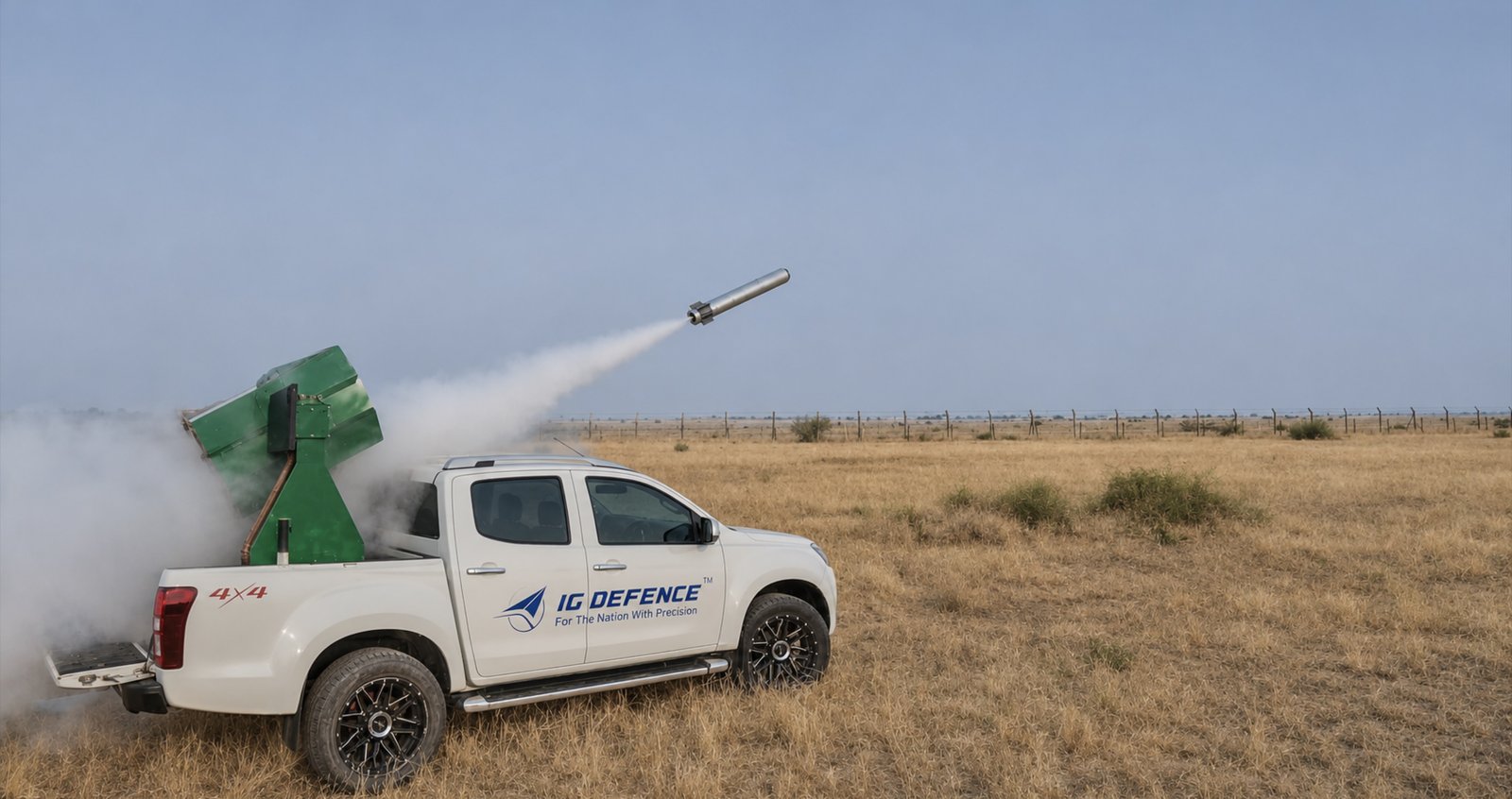 IG Defence Successfully Test-Fires JWALA MK-1 Counter-Drone Missile at Pokhran
-
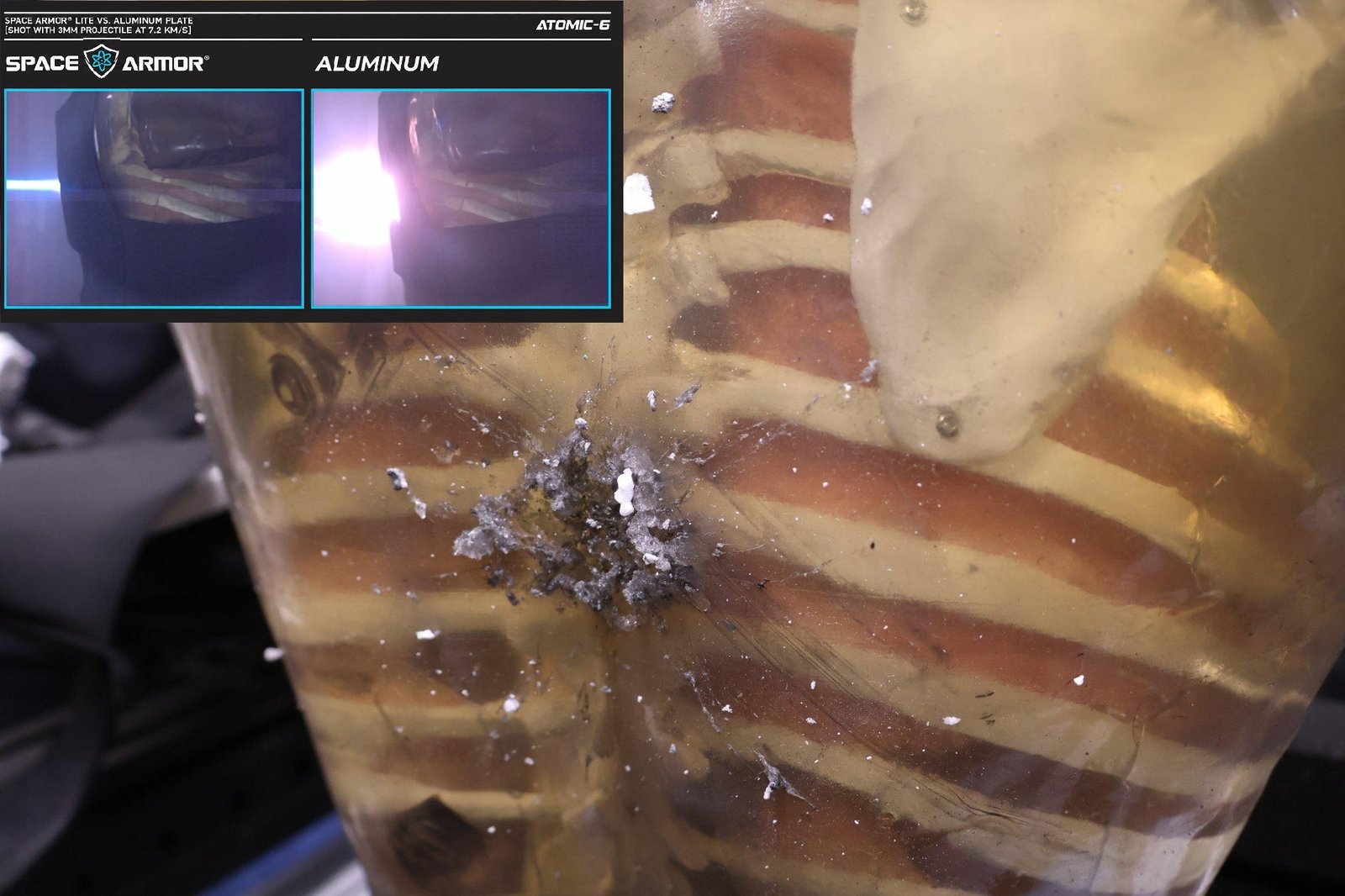 Atomic-6 Tests Composite Armor Against 16,100 MPH Space Debris for Astronaut Protection
-
 Northrop Grumman Will Not Challenge Boeing’s $20 Billion U.S. Navy F/A-XX Contract
-
 U.S. Awards Lockheed Martin $330.6 Million Contract for Long-Lead Materials Supporting 75 F-35 Lot 22 Aircraft
-
Russian Drones and Cruise Missiles Found Using Civilian NVIDIA AI Chips in Ukraine