India
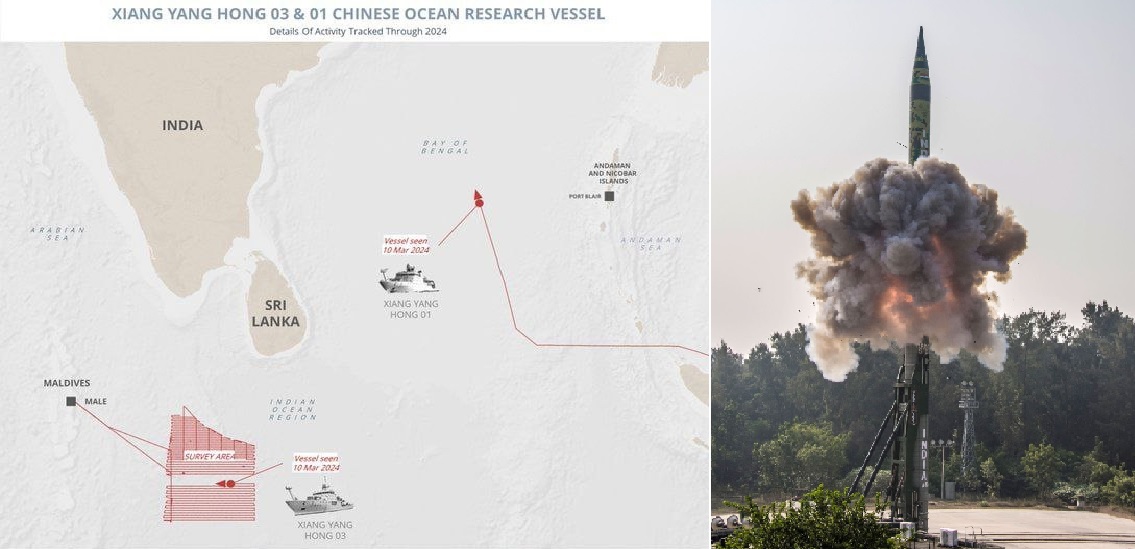
Defense News ,India :- In the Bay of Bengal, things are getting tense as another Chinese research ship, the Xiang Yang Hong 01, has entered the area right before India is set to test missiles.This has raised concerns because India is getting ready to test two nuclear-capable ballistic missiles. The Xiang Yang Hong 01 is the second Chinese research vessel spotted in the region recently.India plans to test the K4 missile from a submarine and the Agni-V missile on land between March 11th and 16th. The exact date might change, but it's happening around the same time the Chinese vessel is there.According to Marine Traffic, a service that tracks maritime activity, the Xiang Yang Hong 01 left the Chinese port of Qingdao on February 23rd, 2024. Damien Symon, an expert on open-source intelligence, first noticed the vessel's presence in the Bay of Bengal and shared it on social media.This situation adds more complexity to the relationship between India and China in the Indo-Pacific region, where they have a historically uneasy relationship.The fact that Chinese research vessels are close to India's planned missile tests raises questions about possible intelligence gathering. It also highlights the strategic competition between the two countries.
Read More → Posted on 2024-03-11 15:00:21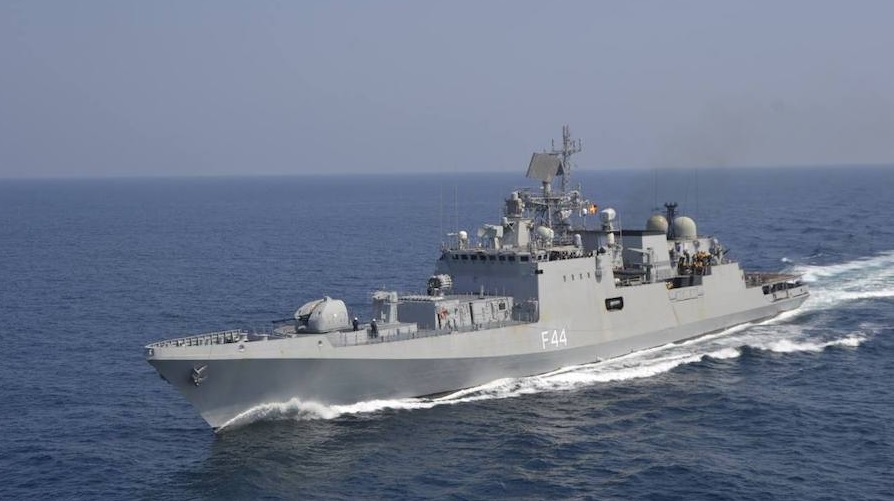
India
Defense News ,India :- On March 5, 2024, INS Tushil began its sea trials from Russia's Baltiysk naval base. This frigate proudly carries the pennant number 435, as shown in the picture.Let's go back to October 2016 when India signed a deal with Russia. The agreement, called the Inter-Governmental Agreement (IGA), aimed to buy or build four Admiral Grigorovich-class (Project 11356M) frigates. This collaboration involves both Russian and Indian shipyards. Russia is providing two frigates, namely INS Tushil and INS Tamala, while the other two will be constructed in India.According to the IGA, Russia is offering technical support to help India set up the production of the 11356 project frigates. INS Tushil, the first Krivak-III frigate acquired under this project, was launched at Yantar Shipyard in Kaliningrad, Russia, on October 29, 2021.Despite various geopolitical challenges, Russia is making good progress. It seems that both INS Tushil and INS Tamala are set to be delivered by the end of 2024, just as planned in the contract.Some of the specifications of the Admiral Grigorovich-class frigate:Displacement: 3,350 tonnes (standard) and 3,850 tonnes (full load)Length: 124.8 metres (409 ft 5 in)Beam: 15.2 metres (49 ft 10 in)Draught: 4.2 metres (13 ft 9 in)Propulsion: 2 shaft COGAG; 2 DS-71 cruise gas turbines 8,450 shp (6,300 kW); 2 DT-59 boost gas turbines 22,000 shp (16,000 kW) ; Total: 60,900 shp (45,400 kW) or 2 x M90FR FRU 20 (25/28) MW boost , 2 x cruise M70FRU-2 14 MW , 8 MW Total: 56 – 68 MWSpeed: 30 knots (56 km/h; 35 mph)Range: 4,830 nautical miles (9,000 km) at 14 knots (26 km/h; 16 mph)Complement: 220Armament:1 × 100mm A-190E naval gun2 × 32-vertical launch system for 9M317 (SA-N-12) surface-to-air missiles2 × quadruple launchers for Kh-35E (SS-N-25) anti-ship missiles1 × AK-630 close-in weapon system2 × RBU-6000 12-barrel anti-submarine rocket launchers2 × 533 mm (21 in) torpedo tubes (either two triple launchers for APR-3M or one quintuple launcher for 53-65K)1 × Ka-28 or Ka-31 helicopter
Read More → Posted on 2024-03-11 08:24:18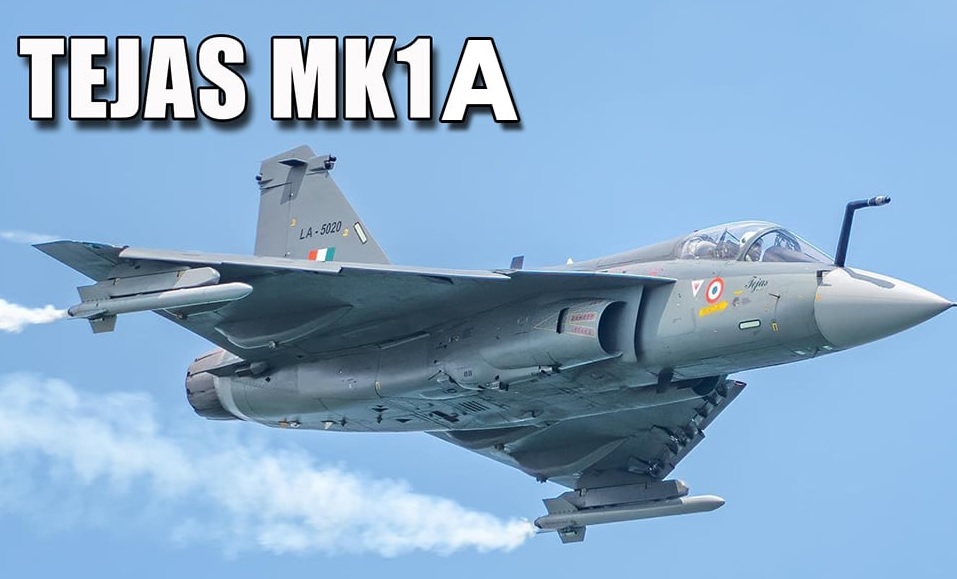
India
Defense News ,India :- In a groundbreaking development for India's indigenous aerospace capabilities, the much-anticipated first flight of the Tejas Mark 1A aircraft is scheduled for mid-March in Bengaluru. Prime Minister Modi is expected to attend this historic event, marking a significant milestone in the country's aerospace development.The Tejas Mark 1A, an upgraded version of the Light Combat Aircraft, boasts over 40 improvements compared to its predecessor, the Mark 1 variant. Despite the excitement surrounding the maiden flight, there are concerns about the certification of several systems, raising questions about HAL's production rate and the scrutiny of potential export customers.One notable limitation in the initial sortie is the absence of a refueling probe due to software constraints in the flight control software used in the limited series production of the Tejas Mark 1A. The certification of these systems is crucial for the aircraft's progress and market reception.HAL has invested heavily in developing in-house technologies for the Tejas Mark 1A, including the Combined Interrogator and Transponder (CIT) and a digital map generator for mission planning. The aircraft's improved avionic suite, featuring the EL/M-2052 AESA Radar and Uttam AESA Radar, showcases India's commitment to enhancing its air combat capabilities.The Tejas Mark 1A is equipped with the DARE Unified Electronic Warfare Suite (UEWS) and a self-protection jammer (SPJ) for enhanced survivability. Notably, it features instrument flight rules (IFR) capability, an Onboard Oxygen Generation System (OBOGS), and an expanded weapon suite, including the Astra BVRAAM and ASRAAM missiles.On the procurement front, the Ministry of Defence (MoD) had ordered 10 twin seat trainers, and 73 single seat MK1A LCA jets in February 2021, with deliveries set to commence by the end of March. This order, valued at ₹48,000 crore, represents a substantial investment in India's defense capabilities.Moreover, the Defence Acquisition Council approved the procurement of an additional 97 Tejas Mark 1A fighter jets in November the same year, bringing the total planned procurement to 170 aircraft in two tranches. The deal for the additional 97 jets is expected to cost around ₹1.15 lakh crore, highlighting the government's commitment to strengthening the Indian Air Force.With the prototype of the MK-1A version already in flight, rigorous validations are underway before the deliveries commence. The improved features, including an advanced mission computer, high-performance digital flight control computer, smart multi-function displays, advanced electronically scanned array radar, and an electronic warfare suite, position the TEJAS MK-1A as a formidable asset for warfare over land and maritime strikes.Despite the initial setback, HAL remains confident in meeting the March 2024 deadline for the delivery of the first two Mk1A aircraft. The company expects to make further deliveries throughout the year, aiming to have the entire Tejas Mk1A squadron fully operational by 2028. In summary, the Tejas Mark 1A's upcoming first flight symbolizes a significant leap in India's indigenous aerospace development. The aircraft's advanced features, combined with the substantial procurement orders, underscore India's dedication to enhancing its air combat capabilities and establishing itself as a key player in the global aerospace industry.
Read More → Posted on 2024-03-11 08:17:52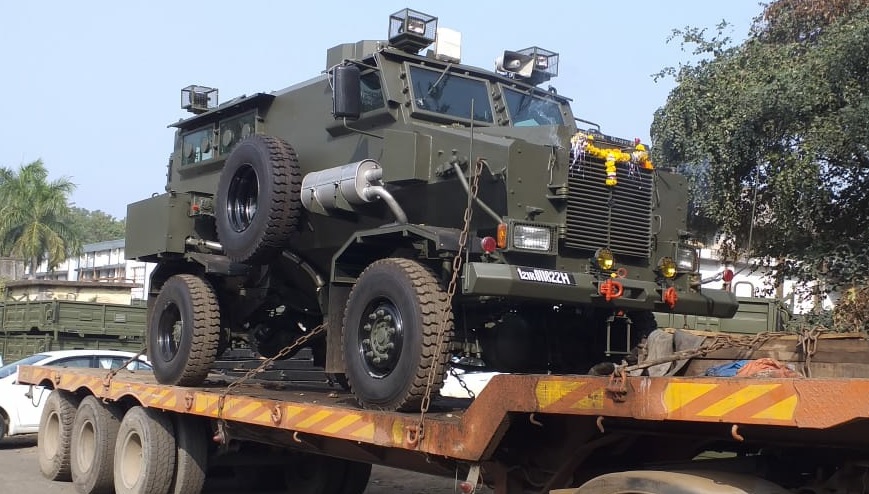
India
Defense News ,India :- Vehicle Factory Jabalpur (VFJ), a part of India's Ministry of Defence, has finished delivering the last set of Mine Protected Vehicles (MPVs) to the Indian Army.The MPVs are specially designed to protect soldiers in tough situations. They have a strong hull and cabin made of high-quality steel alloy, shaped like a "V" to deflect energy from mine blasts and other threats. This design also makes it easy to fix important parts like axles in the field.Great Protection for Indian SoldiersThe MPV provides top-notch protection for soldiers in dangerous areas. Its unique design helps it handle mine blasts and ballistic threats, keeping soldiers safe on the battlefield.Powerful, Mobile, and VersatileThe MPV runs on a HA57 L135/5 turbo-charged and inter-cooled inline diesel engine, delivering 135 KW at 2400 rpm. It has a 4x4 drivetrain for rough terrain and better fuel efficiency, with an option to switch to 4x2.Weighing 11,880 kg, it can carry a driver, co-driver, and up to 10 soldiers. Depending on the mission, it can be changed to carry a 20-liter drinking water tank.Improved Security and Capability"The timely delivery of these Mine Protected Vehicles is a big boost to the Indian Army's strength and abilities," said a Defence Analyst."These vehicles are crucial for keeping our soldiers safe in conflict areas. Successfully making and delivering them shows that India is getting better at making its own defense equipment."Adding these MPVs shows that the Indian government is committed to updating its armed forces, making sure they have the right tools to succeed in any situation.
Read More → Posted on 2024-03-11 08:03:13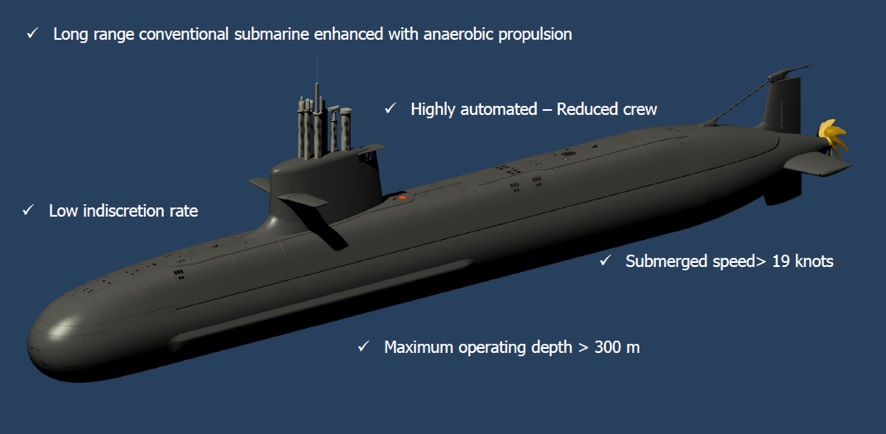
India
Defense News ,India :- Spain is trying really hard to win a big contract worth a lot of money from India. The deal is to provide the Indian Navy with six super advanced submarines, and Spain has a smart plan to make it happen.Their plan involves showing off their cool Bioethanol Stealth Technology (BEST) Air-Independent Propulsion (AIP) system. They want Indian Navy officials to see how awesome it is by trying it out on a new submarine called S-80 Plus-class. This submarine can make India's underwater military power even stronger.What's AIP and Why Does It Matter?AIP systems are like magic for submarines. They let regular submarines stay underwater for a long time without coming up to the surface to recharge. This makes submarines super sneaky and able to go really far. India wants this advanced AIP technology for its Project-75I.Why Spain Thinks BEST is the Best?Spain's Navantia shipyard says their BEST AIP system is better than others. It's like the third generation of AIP technology and uses a special bioethanol fuel-cell system to make submarines stay underwater for a really long time.BEST Advantages:1. Lasts a Long Time: With BEST, submarines can stay underwater for more than three weeks, almost like pure battery-powered ones but much quieter.2. Super Sneaky: BEST reduces noise and emissions, making submarines hard to find.3. Proven in Combat: Spain has tested BEST on land, and it's already working in the new Isaac Peral submarine.Big Competition for Project-75I:India's Project-75I is a big deal. They want to build six new-generation submarines in their own country. Spain's S-80 Plus and Germany's TKMS' Type 214 are top choices, but there are others too.Why Spain's Move Matters:Spain is really pushing to win the contract. Inviting the Indian Navy to check out their BEST AIP system shows how serious the competition is. If India likes what they see, it could help Spain win the deal.But It's Not Just About Tech:It's not only about cool technology. India will also consider things like transferring technology, building stuff in India, and how much everything costs before picking the winner. The decision is a big deal for both countries.
Read More → Posted on 2024-03-11 07:51:32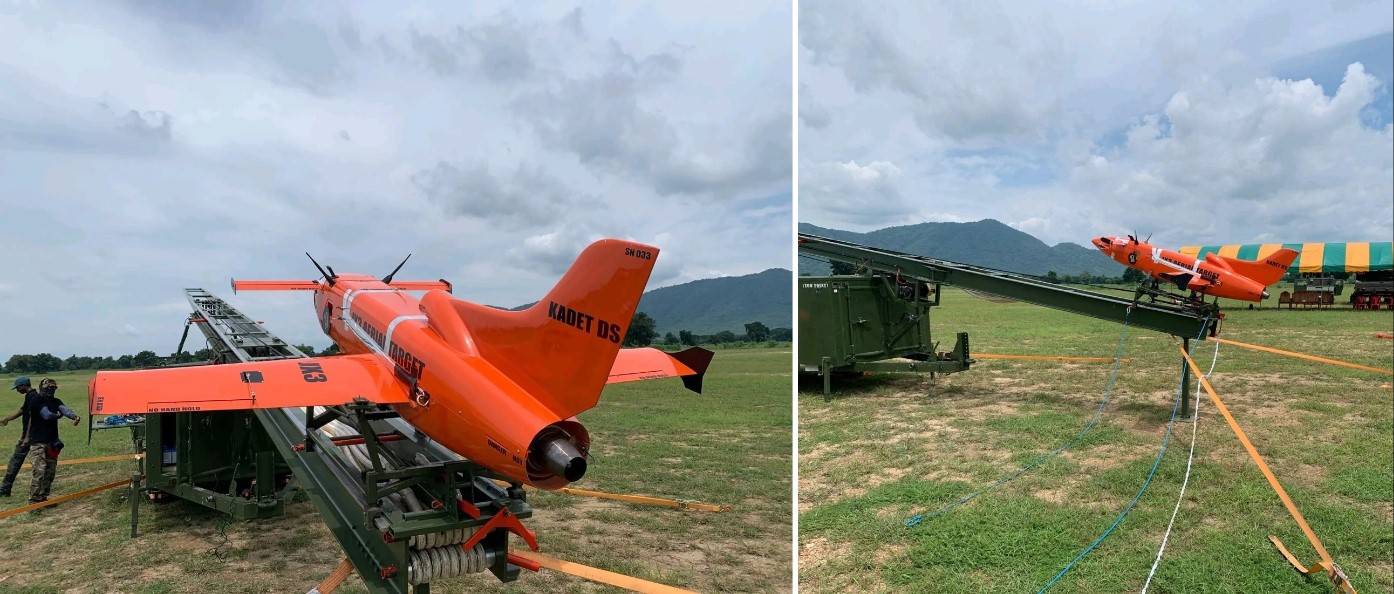
India
Anudishya JX3-30 Long-Range Stealth LM The Anudishya JX3-30 is a Multi-Role Jet Powered Loitering Munition System (LM) designed by Kadet Defence Systems, a manufacturer of unmanned aerial vehicles (UAVs) based in India.Design and DevelopmentThe JX3-30 is a long-range stealthy unmanned aerial vehicle (UAV) designed for loitering and swarming missions. The baseline JX3-30 has a reported overall length and wingspan of 8 feet, a maximum range of 300 kilometers (km), and a maximum launch weight of 125 pounds, including a 30-pound payload capacity. It has a subsonic cruising speed of 360 km/hr and can reach a maximum speed of 500 km/hr.Kadet Defence Systems is developing the JX3-30 to be air, ground, and sea launchable, capable of operating at high altitudes and performing sea-skimming maneuvers. The JX3-30 is also being designed for manned-unmanned teaming (MUM-T) operations, enabling it to collaborate with manned aircraft.Anudishya JX3-30 BVR Autonomous Flight TrialAnudishya JX3-30 successfully completed a Beyond-Visual-Range (BVR) autonomous flight trial, demonstrating its capability for long-range autonomous missions. The details of the trial are not publicly available.Weaponization and AI IntegrationThe JX3-30 is designed to be adaptable and can be equipped with various payloads, including weapons. This design philosophy aligns with the "loyal wingman" concept, where unmanned aerial vehicles support manned fighter jets in combat situations. The JX3-30 can potentially be integrated with artificial intelligence (AI) for autonomous target identification and engagement Specifications (baseline)Length: 8 ft (2.4 m)Wingspan: 8 ft (2.4 m)Maximum Range: 300 km (estimated)Maximum Launch Weight: 125 lb (56.7 kg)Payload Capacity: 30 lb (13.6 kg)Cruising Speed: 360 km/hr (subsonic)Maximum Speed: 500 km/hrLaunch Methods: Air, Ground, SeaOperational Capability: High Altitude, Sea Skimming
Read More → Posted on 2024-03-10 16:57:34
India
Defense News ,India :- India is doing something really cool to make the way we move things and people in high places way better. They call it the Innovation for Defence Excellence (iDEX) initiative, and it's like a big plan to use new ideas to improve how the military works. One of their exciting challenges is called ADITI 1, and it's all about creating a special kind of flying machine called a Two-Man Tactical Aerial Vehicle (TM-TAV). This vehicle is like a personal flying car but designed for high places.The TM-TAV is not your ordinary aircraft; it's a game-changer. Imagine a helicopter but cooler and more efficient. It's powered by electricity and can take off and land vertically, meaning it doesn't need a long runway. This makes it super flexible to work in rough and tight spaces where regular planes can't go.This flying wonder is more than just a vehicle; it's a flying room! It can carry a pilot and an extra person or some important stuff. This means it can do a lot of different jobs in high places.Let's talk about why this flying machine is a big deal:1. Flying Like a Boss: The TM-TAV can take off and land without needing a big runway. This makes it perfect for tricky places where other planes can't go.2. Moving People and Stuff Quickly: It's not just for show; the TM-TAV is designed to zip around and take people and things from one place to another really fast. This could be a huge help for the military to move soldiers and supplies in tough spots.3. Being Super Flexible: This flying machine can go wherever it's needed, and fast! Military and other groups can use it to respond to problems quickly, deliver aid fast, and take care of important things in hard-to-reach places.This flying wonder isn't just about the military; it's also about making things better for everyone. Imagine getting stuff delivered quickly to places that are hard to reach. The TM-TAV could change how we move things around, making it easier and faster.India is not just trying to create a cool flying machine; they want to be the leaders in this new way of flying. The iDEX initiative is all about being the best at using new and awesome technology. The ADITI #1 challenge is proof that they are serious about making flying in high places a whole lot better.So, get ready for the future of flying in high places because the Two-Man Tactical Aerial Vehicle is coming to change the game!
Read More → Posted on 2024-03-10 16:37:15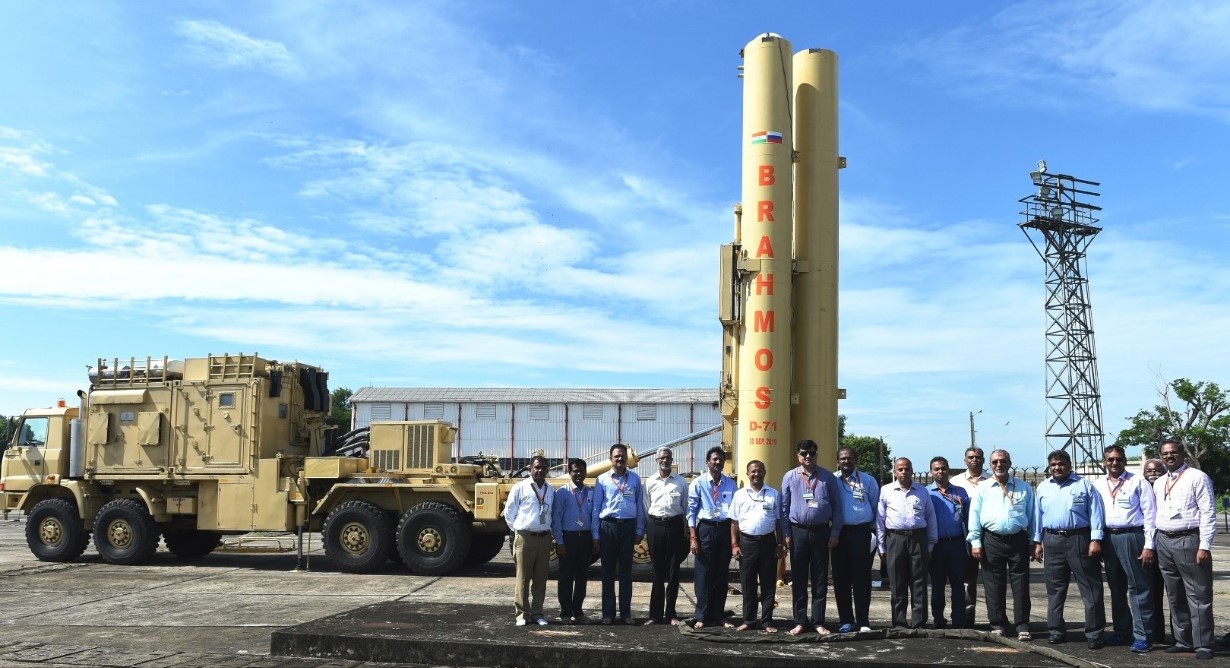
India
Defense News ,India :- The Indian Navy has made its base on Minicoy Island much stronger. The new base, INS Jatayu, now has better surveillance, new docks, an airfield, and will soon have powerful BrahMos missiles.India is doing this to make sure its seas are safe and secure. The BrahMos missiles are really good at hitting targets accurately from a long distance. This makes it harder for anyone to cause trouble and helps protect important shipping routes.This upgrade is part of India's ongoing work to make its maritime security better in that area. The BrahMos missiles are a big boost to India's ability to stop any potential threats and keep important sea routes safe.This upgrade comes at a time when there are more tensions in the Indian Ocean. China is doing more naval activities there, which makes India worry about its safety. Also, because Minicoy is close to the Maldives, having a strong base there helps keep the region stable.The upgraded INS Jatayu shows that India is being active in protecting its interests at sea. It also shows India's promise to keep the Indian Ocean safe and secure.
Read More → Posted on 2024-03-10 15:23:04
India
Defense News ,India :- The Adani Group plans to invest heavily in the defense sector over the next decade to support the government's push for self-reliance in defense manufacturing. Ashish Rajvanshi, the CEO of Adani Defence and Aerospace, mentioned that the company is working in alignment with the government's 'Make in India' initiative, emphasizing the need for collective efforts to achieve the goal.Speaking at NDTV's 'Defence Summit,' Rajvanshi expressed the company's commitment to significant investments in the defense sector over the next 10 years. However, he didn't provide specific details about these investments.Last month, Adani Defence and Aerospace inaugurated two large facilities for manufacturing ammunition and missiles. The Kanpur facility, spread over 500 acres, aims to become one of the largest integrated ammunition manufacturing complexes. It will produce high-quality ammunition for the armed forces, paramilitary forces, and police.Rajvanshi highlighted India's historical dependence on defense imports and noted Prime Minister Narendra Modi's emphasis on a 'self-reliant India.' He commended the government's recent reforms, including initiatives to support private defense industries, encourage startups, and promote indigenization.Rajvanshi emphasized the positive impact of policy changes over the past three years in promoting self-sufficiency in the defense sector. He stressed the importance of collaboration and the need for a strategic roadmap to garner support from all stakeholders.During the summit, Rajvanshi mentioned the provision of modern drones to the Navy, suitable for both civil and defense applications. He also expressed optimism about India's ability to export ammunition in the future.DRDO Chairman Samir V Kamat highlighted the organization's commitment to providing equal opportunities to both private and public sectors. He mentioned that DRDO has undertaken 1700 technology transfers with both sectors and is actively supporting startups and small companies in the defense sector. Kamat emphasized the evolving role of the private sector in contributing to India's defense capabilities.
Read More → Posted on 2024-03-10 14:52:23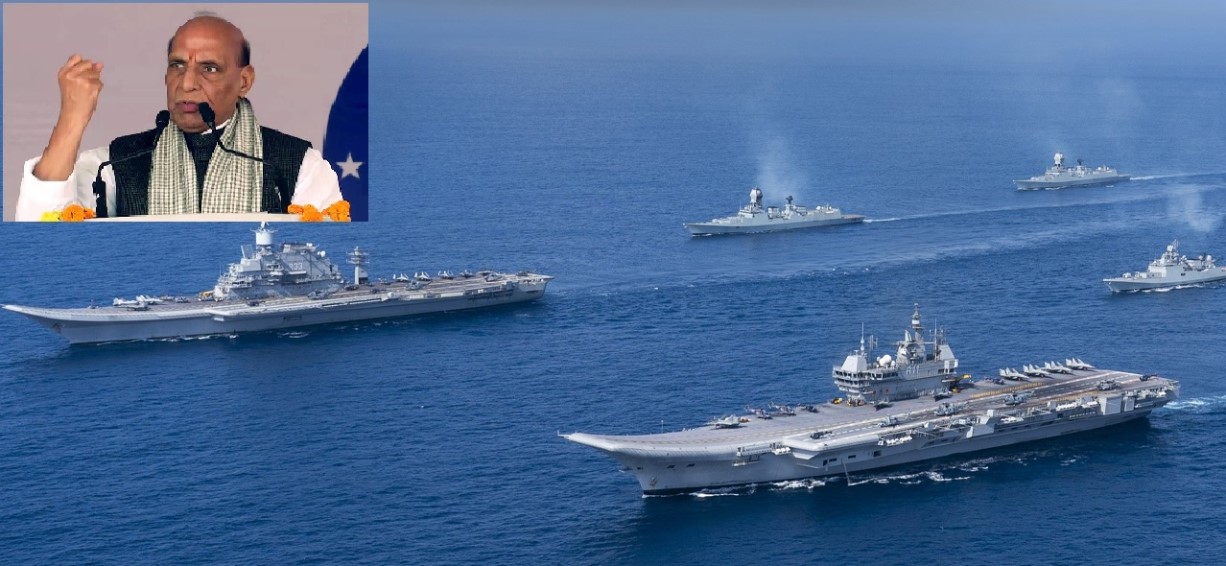
India
Defense News ,India :- In a recent meeting called the Naval Commanders’ Conference, Defense Minister Rajnath Singh praised the quick and brave response of the Indian Navy to recent incidents like piracy and missile attacks. He urged the Commanders to be ready for various types of operations in case of conflict.The conference took place in two phases. The first phase happened at sea, where the Minister observed operations on aircraft carriers INS Vikramaditya and INS Vikrant. The second phase took place in New Delhi on March 7-8, where they discussed important plans related to operations, equipment, infrastructure, logistics, and personnel.During the conference, naval leaders talked about current and future plans, focusing on improving capabilities in island territories to tackle challenges in the maritime domain. Chiefs of the Indian Army and the Indian Air Force also joined the discussions, sharing their views on the current security situation and their readiness to protect national interests.The opening session of the conference occurred on the aircraft carrier INS Vikramaditya. In addition to the main discussions, Naval Commanders also met with various 'think tanks' to discuss ways to boost self-reliance in defense production by collaborating with small businesses, innovators, and academia.
Read More → Posted on 2024-03-10 08:54:26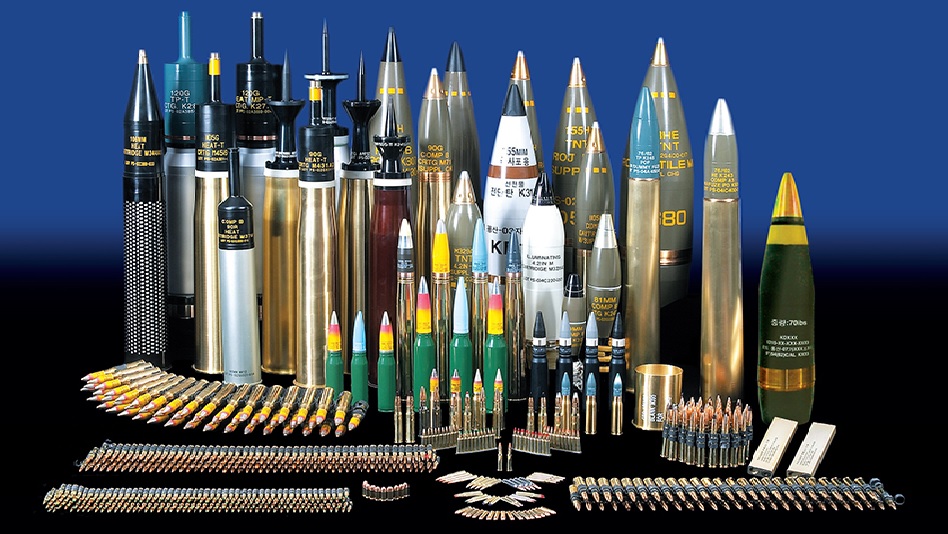
India
Defense News ,India :- India is becoming a big player in the world's ammo market, standing as the third-largest producer after Russia and China. This growth is impressive, but it's drawing attention, especially with the Ukraine conflict going on.India's recent achievements, like a $225 million deal with Saudi Arabia and a contract from the US Army, highlight its abilities in making essential artillery supplies. These Indian-made shells meet NATO standards and have advanced manufacturing methods, reducing the chances of faulty products.However, there's a downside to India's rise. The war in Ukraine has caused a global ammo shortage, making some sketchy groups interested in exploiting the situation. Indian manufacturers are dealing with a surge in suspicious inquiries, pushing them to tighten security. India's neutral stance in the conflict adds another layer of complexity.Even with strict efforts, there's evidence that some Indian-made artillery shells have ended up in Ukraine, probably through third-party nations. Companies say they're careful, but tracking ammo after export is challenging, allowing the indirect resupply of Ukraine.The conflict in Ukraine has emptied European and American ammo reserves, leading to a rush of orders for Indian ammo. While importing countries claim these supplies are for their use and not for Ukraine, ensuring complete oversight is hard. Russia is concerned about Indian ammo reaching Ukraine, leading to extra checks by the Indian Ministry of Defence.India's growing defense exports bring both opportunities and risks. The country needs to be cautious, making sure it trades responsibly and sticks to its commitment to technological progress. The challenge ahead is finding a balance between economic gains and staying neutral in the war, a tricky task that will shape the future.
Read More → Posted on 2024-03-10 08:45:23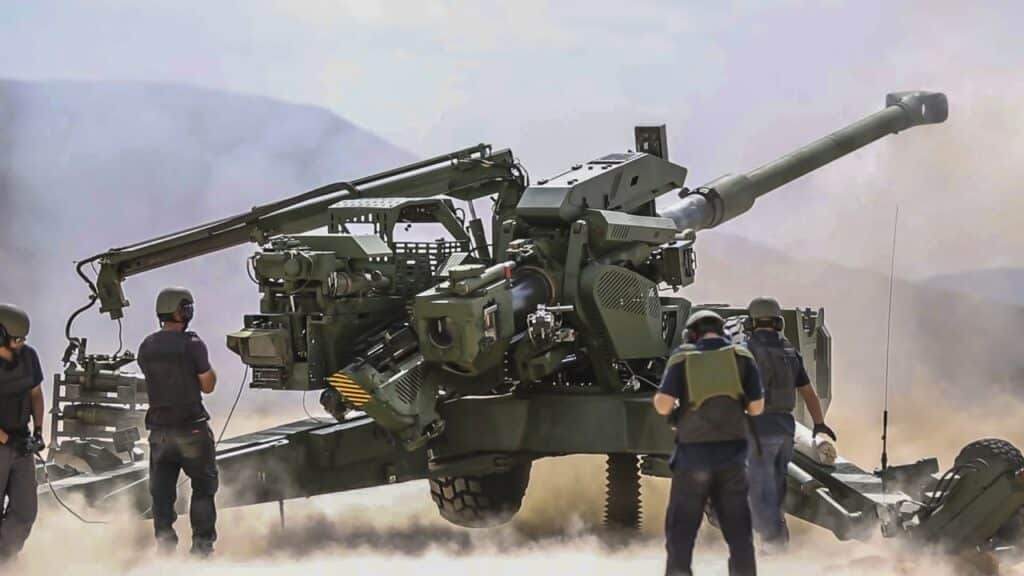
India
Defense News ,India , Armenia :- In the South Caucasus, tensions between Azerbaijan and Armenia are on the rise, prompting both nations to strengthen their military capabilities. Armenia recently made headlines by reportedly placing an order for the cutting-edge Advanced Towed Artillery Gun System (ATAGS) from India. This move comes as the Indian Army contemplates deploying these guns along its border with China, marking a crucial development in regional geopolitics.The Indian Army plans to acquire 310 ATAGS, a collaborative effort between the Defense Research and Development Organisation (DRDO), Bharat Forge Limited, and Tata Advanced Systems Limited. While the procurement is pending finalization, Armenia has shown a keen interest in these artillery guns, aiming to replace its outdated Soviet-era howitzers.Armenia's earlier acquisition of the MArG 155 wheeled self-propelled howitzer from Kalyani Forge India and six ATAGS in 2023 underscores its commitment to modernizing its military capabilities. Now, with an additional order for 84 ATAGS at a cost of US $155 million, Armenia aims to enhance its high-mobility and rapid deployment capabilities.The ATAGS, specifically designed for high-altitude operations, will replace obsolete Soviet-era howitzers, offering Armenia a strategic advantage in the region. The guns feature advanced communication and automatic command and control systems, making them ideal for Armenian forces. This procurement positions Armenia as the first export customer for the ATAGS, potentially opening doors for India to explore further defense export opportunities.The Indian Army has rigorously tested the ATAGS in diverse terrains, including Pokhran, Balasore, and Sikkim, facing extreme temperatures from -15 degrees Celsius to 50 degrees Celsius. With a range of 50 kilometers, the 155/52 mm caliber towed gun can strike targets effectively. It boasts a rapid firing capability of five rounds in 60 seconds and a sustained rate of up to 60 rounds in 60 minutes.While the field trials have concluded successfully, the finalization of the contract faces procedural delays. In a broader context, India has become a key defense exporter to Armenia, a fact highlighted by the Armenian intelligence's concern over Azerbaijan's alleged plans for a "full-scale war" armed with Turkish and Pakistani weapons.Armenia's response strategy involves leveraging its newly acquired Indian and French weapon systems to counter potential threats. The nation has substantially increased its defense investments, reaching US $1.4 to 1.5 billion in 2024, with Indian defense contracts alone amounting to a billion dollars.The ongoing tensions between Azerbaijan and Armenia escalated in September 2023 when Azerbaijan recaptured the Armenian-populated region of Nagorno-Karabakh in a surprise military action. The territory is internationally recognized as part of Azerbaijan, but long-standing conflicts persist due to Armenian administration and a majority Armenian population in Nagorno-Karabakh, which declared independence.To bolster its defenses, Armenia has already deployed Indian-made Pinaka Multi-Barrel Rocket Launch System (MBRLS) and an anti-drone system. The Pinaka, considered equivalent to the American HIMARS, offers a range of 38 kilometers, quick reaction time, and a high rate of fire. The system was delivered to Armenia via Iran in 2023, sparking tensions with Azerbaijan.The Pinaka Mk-1 is designed as a replacement for the Russian GRAD BM-21, also present in the Armenian armed forces. Concerns over Azerbaijan deploying an increased number of drones, including suicide drones, influenced Armenia's decision to opt for the Pinaka system.Armenia has further fortified its defenses by acquiring the Indian-built surface-to-air missile (SAM) Akash. Manufactured by Bharat Dynamics Limited (BDL), the Akash Weapon System (AWS) provides short-range SAM capabilities to protect vulnerable areas and points from air attacks. Capable of engaging multiple targets simultaneously, the Akash system adds a crucial layer to Armenia's air defense strategy.As regional tensions persist, Armenia's strategic defense partnerships with India play a pivotal role in shaping the balance of power in the South Caucasus. The ongoing arms race and military modernization efforts underscore the delicate nature of the current geopolitical landscape, with nations prioritizing defense preparedness in the face of potential conflicts.
Read More → Posted on 2024-03-10 08:28:13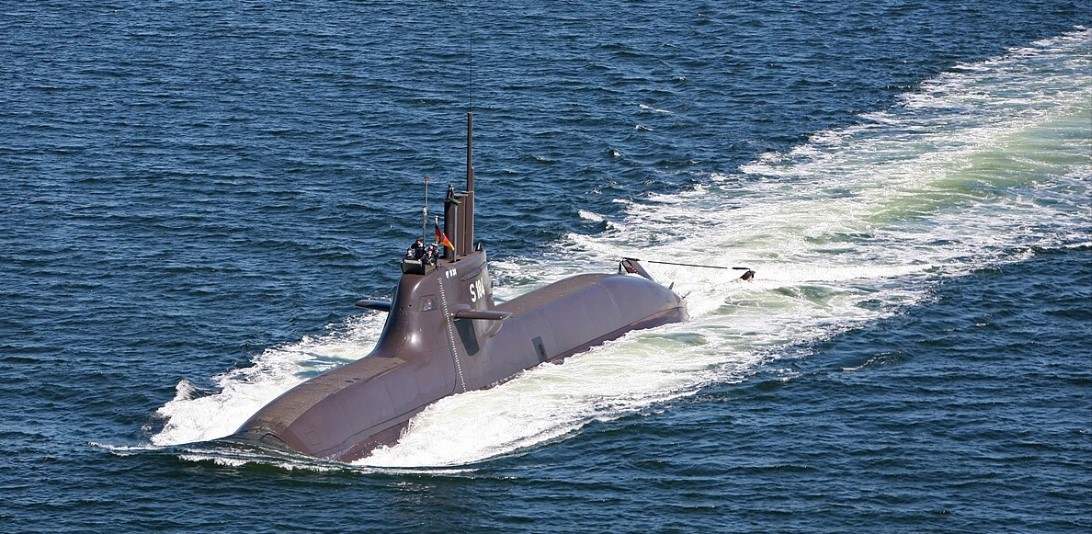
India
Defense News ,India :- In pursuit of bolstering its naval prowess, an Indian Navy delegation is en route to ThyssenKrupp Marine Systems (TKMS) facilities in Germany. Their primary objective? To conduct a meticulous examination of the state-of-the-art U-212/214 submarines, a pivotal component of India's ambitious Project-75I set to revolutionize the nation's submarine capabilities.Project-75I: A Transformative EndeavorAt the heart of India's maritime modernization agenda, Project-75I seeks to procure six cutting-edge, conventionally powered submarines, armed with advanced technologies. These vessels play a crucial role in securing India's extensive maritime interests and bolstering its strategic influence in the Indian Ocean region.The U-212/214 AdvantageDistinguished by their innovative design, the German-engineered U-212/214 class submarines boast a 'one-and-a-half' hull configuration and a non-magnetic steel pressure hull, providing exceptional stealth capabilities that make them highly elusive. However, their standout feature is the Air-Independent Propulsion (AIP) system, allowing prolonged submerged operations without the need to surface for battery recharge. This feature significantly enhances operational reach and reduces vulnerability.Partnership and Technology TransferThyssenKrupp's proposal for Project-75I includes a collaboration with India's Mazagon Dock Shipbuilders Limited (MDL), aligning with India's vision to nurture a robust indigenous shipbuilding industry through technology transfers. The success of this partnership could empower India with the knowledge and capabilities for future submarine construction and maintenance.A Strategic AppraisalThe Indian Navy's visit to TKMS represents a crucial phase in Project-75I. If the U-212/214 submarines prove to be impressive during the inspection, it could pave the way for further negotiations and potential acquisition. The inclusion of these stealthy, long-endurance submarines would mark a significant advancement in India's maritime defense capabilities.The Future of India's Subaquatic MightThe outcome of Project-75I holds far-reaching implications for the balance of power in the Indian Ocean. The expansion of the Indian Navy's capabilities is paramount for maintaining regional stability and safeguarding India's economic and strategic interests at sea. As the Indian Navy embarks on this critical assessment, the potential acquisition of the U-212/214 submarines could signal a new era in India's underwater strength.
Read More → Posted on 2024-03-10 08:17:55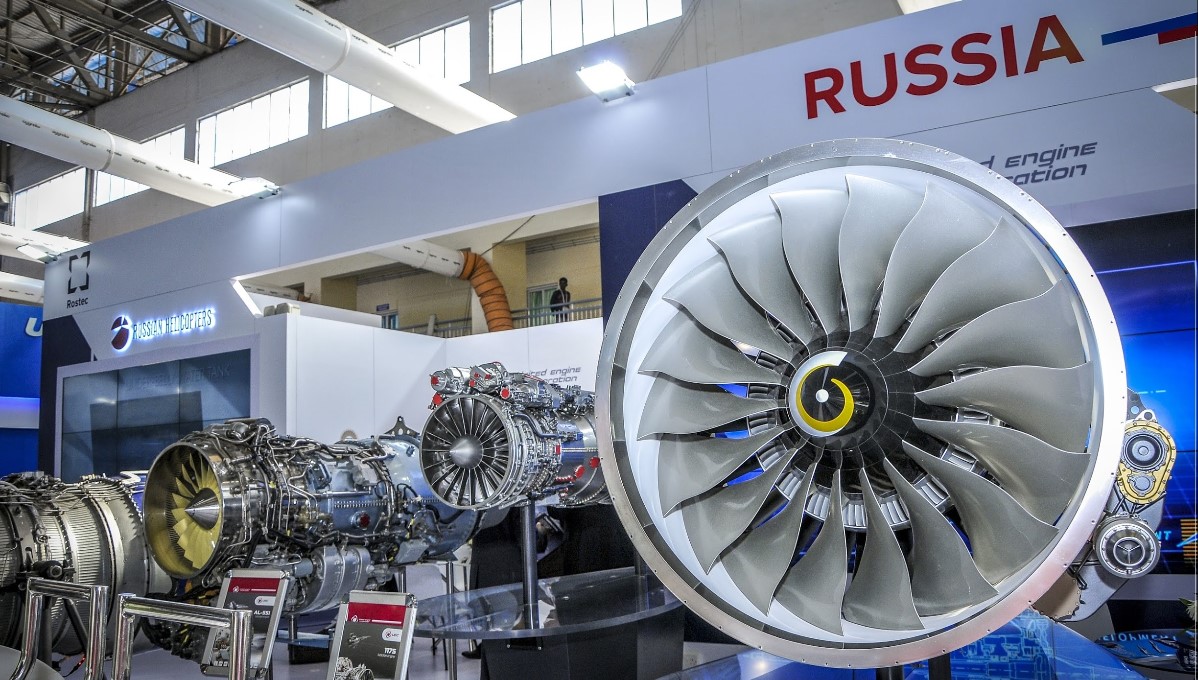
India
Defense News ,India :- In a significant stride towards enhancing its defense capabilities, the Indian Air Force (IAF) has successfully sealed a crucial deal for the MiG-29 fighter jets, securing domestically produced RD-33 aero engines from Hindustan Aeronautics Limited (HAL), a prominent aerospace company in India.HAL's RD-33 engines are tailor-made to extend the operational lifespan of the IAF's MiG-29 fleet, ensuring optimal performance throughout their remaining service period and aligning with India's pursuit of self-reliance in defense technology.This contract represents a noteworthy milestone in India's quest for greater autonomy in fighter jet engine technology. HAL will be manufacturing the RD-33 engines under a Transfer of Technology (TOT) license acquired from the original Russian equipment manufacturer (OEM). This transfer of knowledge empowers HAL with the necessary expertise to domestically produce these engines.A pivotal aspect of the manufacturing process will be the indigenization of critical engine components, marking a deliberate shift towards reducing India's dependence on foreign suppliers. Simultaneously, it establishes a robust domestic supply chain crucial for the future maintenance and overhaul (ROH) of RD-33 engines.The IAF's decision to opt for HAL-built RD-33 engines is a strategic maneuver that significantly reinforces India's air defense capabilities. Beyond that, it serves as a testament to the nation's growing proficiency and self-sufficiency in the aviation sector.
Read More → Posted on 2024-03-10 08:06:12
India
Defense News ,India :- Prime Minister Narendra Modi inaugurated the foundation stone laying ceremony for the Dibang Multipurpose Hydropower Project, a colossal 2,880 MW venture by NHPC Limited in Arunachal Pradesh's Lower Dibang Valley district. The event took place during the Viksit Bharat Viksit North East Program in Itanagar.At the same program, the Prime Minister virtually inaugurated and initiated various development projects with a cumulative value of around Rs 55,600 crores. These initiatives span multiple sectors such as rail, road, health, housing, education, border infrastructure, IT, power, and oil and gas, across Manipur, Meghalaya, Nagaland, Sikkim, Tripura, and Arunachal Pradesh.Key dignitaries at the event included Governor of Arunachal Pradesh, Lt. Gen Kaiwalya Trivikram Parnaik; Chief Minister Pema Khandu; and Deputy Chief Minister Chowna Mein.During his address, Prime Minister Modi highlighted the commencement of the Dibang Multipurpose Hydropower Project and the Solar Power project in Tripura. Emphasizing that the Dibang dam will be India's tallest, he underscored its significance in contributing to the region's development.The Dibang project, with an estimated cost exceeding Rs 31,875 crores, will feature a 278-meters-high dam, making it the tallest Concrete-Gravity Dam in India. Utilizing Roller Compacted Concrete (RCC) technique, it will also be the world's highest RCC Dam. The project aims to set a world record by placing over five lakh cubic meters of concrete in a month.Scheduled for completion in February 2032 after a construction period of 108 months, the Dibang Project is projected to generate 11,223 million units of hydropower annually. This sustainable energy will be fed into the Northern Grid, contributing to clean and green power for the region.The project's construction phase is expected to provide direct employment to 500 individuals, with an additional 300 jobs during operation. Notably, the Dibang Project commits to offering 12% free power and an additional 1% for the Local Area Development Fund, promoting the overall development of Arunachal Pradesh.Designed as an energy storage project, the Dibang Multipurpose Hydropower Project prioritizes flood moderation alongside power generation. It will create a reservoir capacity of 1282.60 Million Cubic Meters to manage monsoon-related challenges while contributing to India's goal of achieving Net Zero.
Read More → Posted on 2024-03-09 16:06:30Search
Top Trending in 24 Hours
-
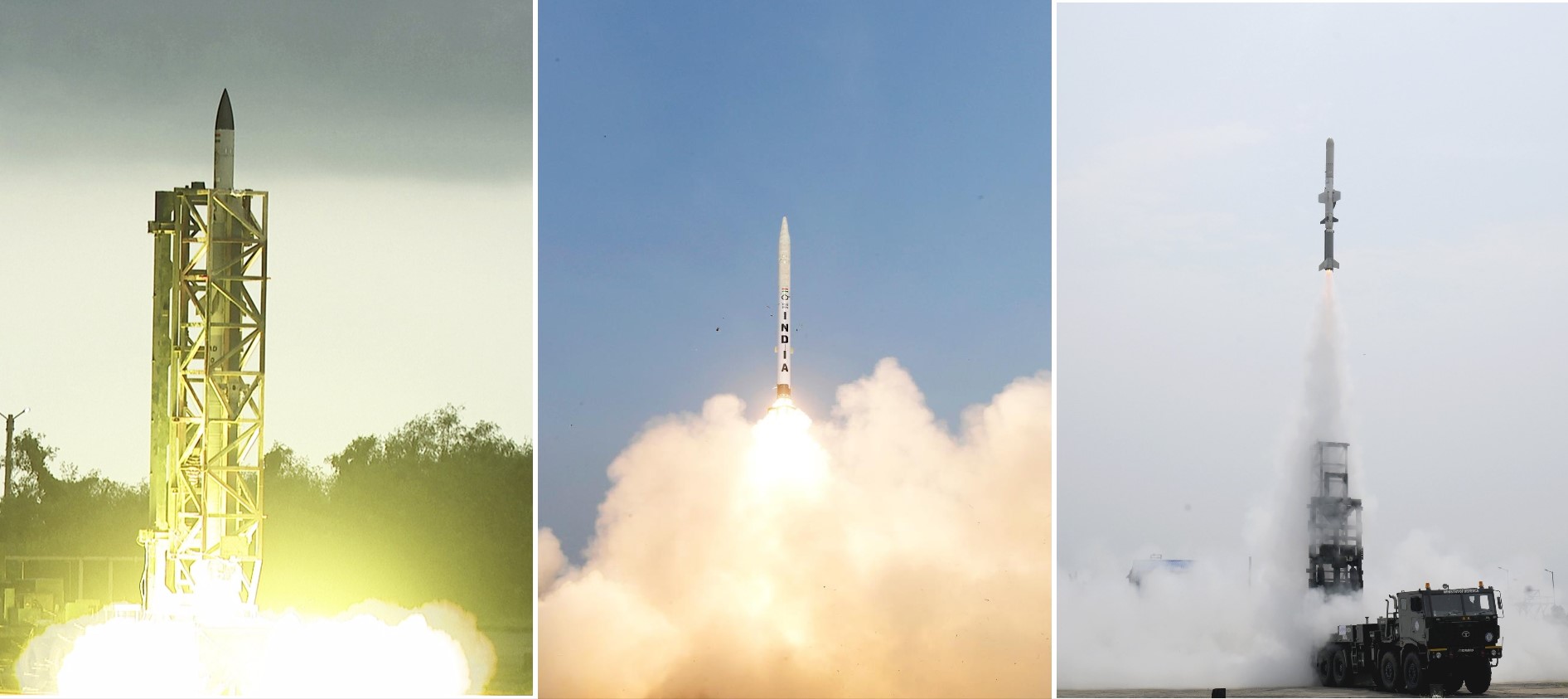 India Successfully Conducts AD-1, AD-2 Interceptor Tests and Maiden NASM-MR Flight Trial
-
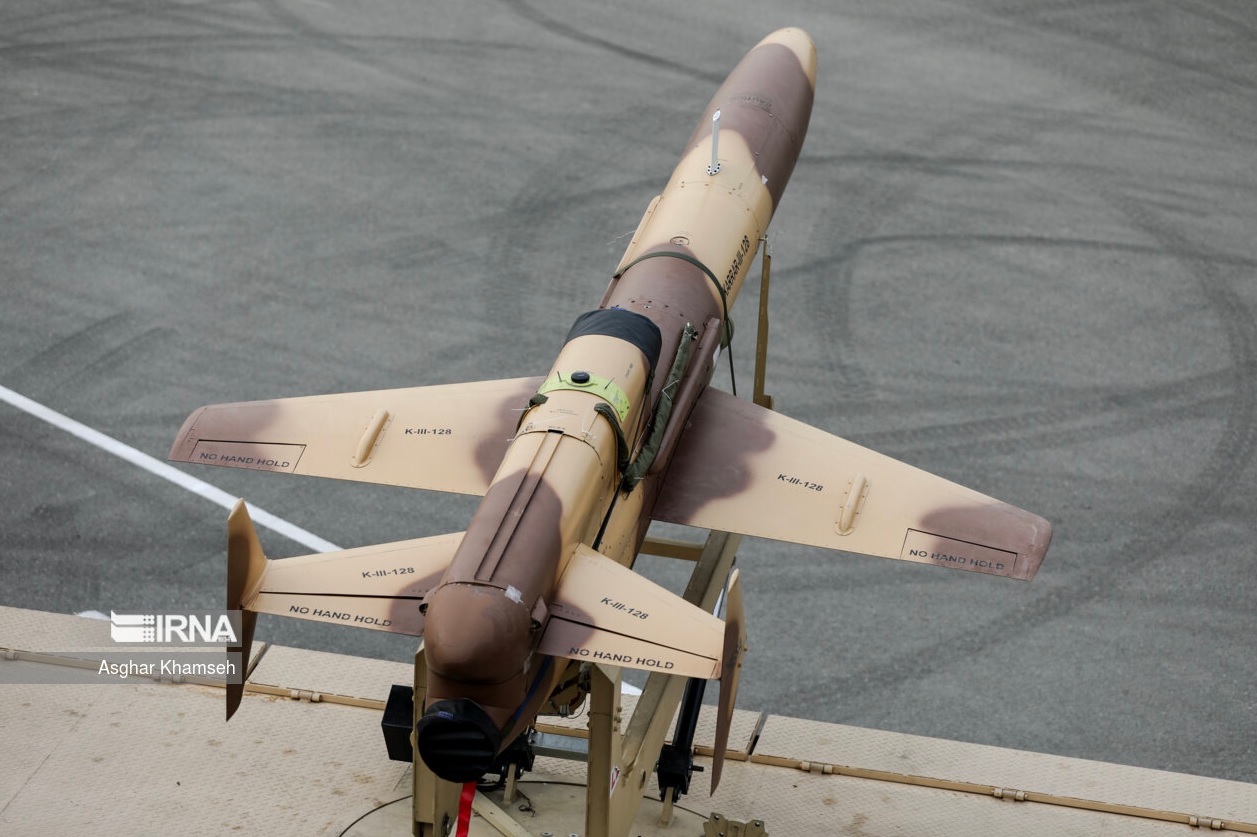 Russia Launches 1,400 Jet-Powered Drones in 2026 as Strike Tactics Evolve to Challenge Ukraine's Air Defenses
-
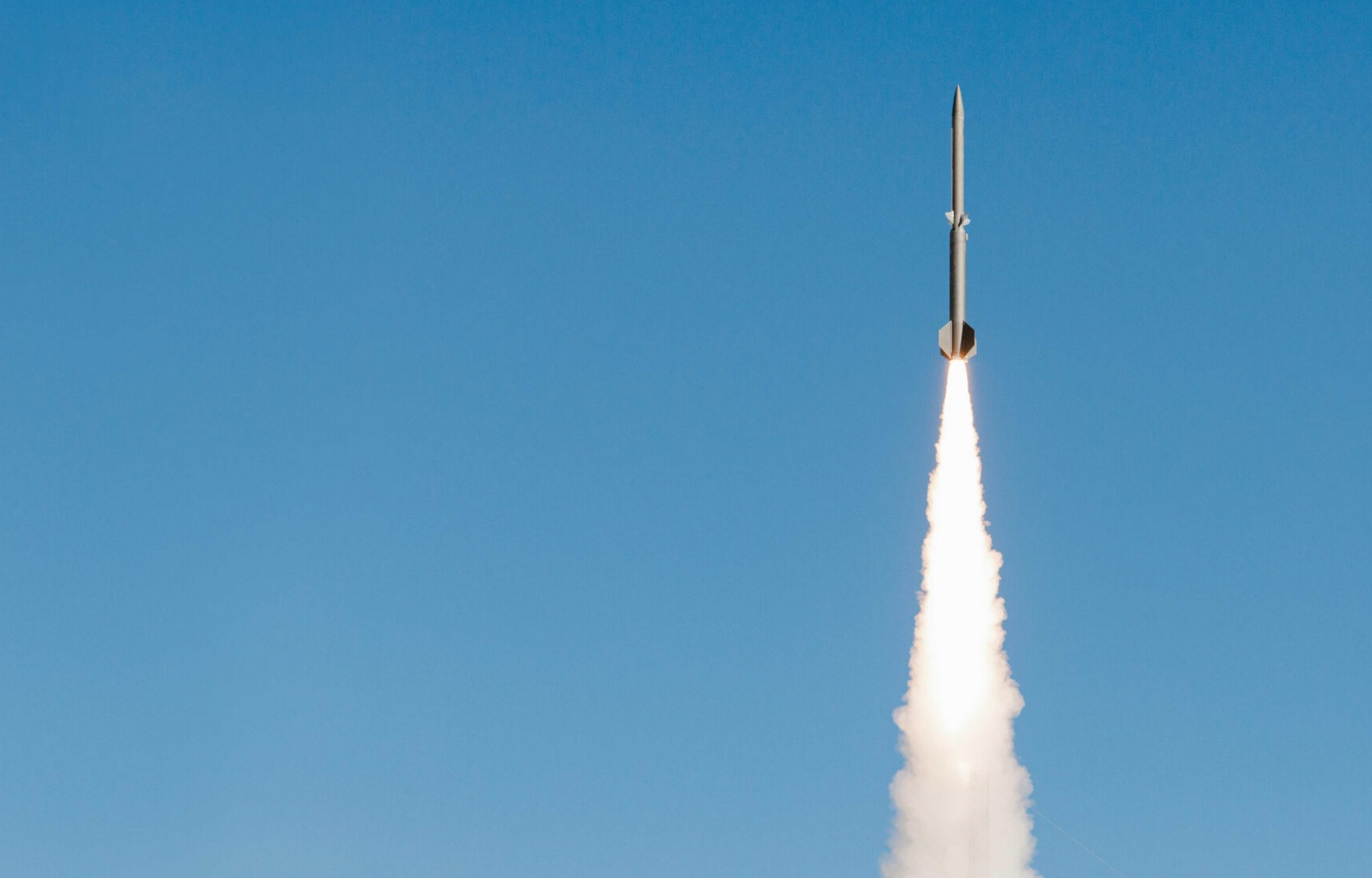 U.S Navy Orders 50 Blackbeard Hypersonic Missiles in New $23.4 Million Contract
-
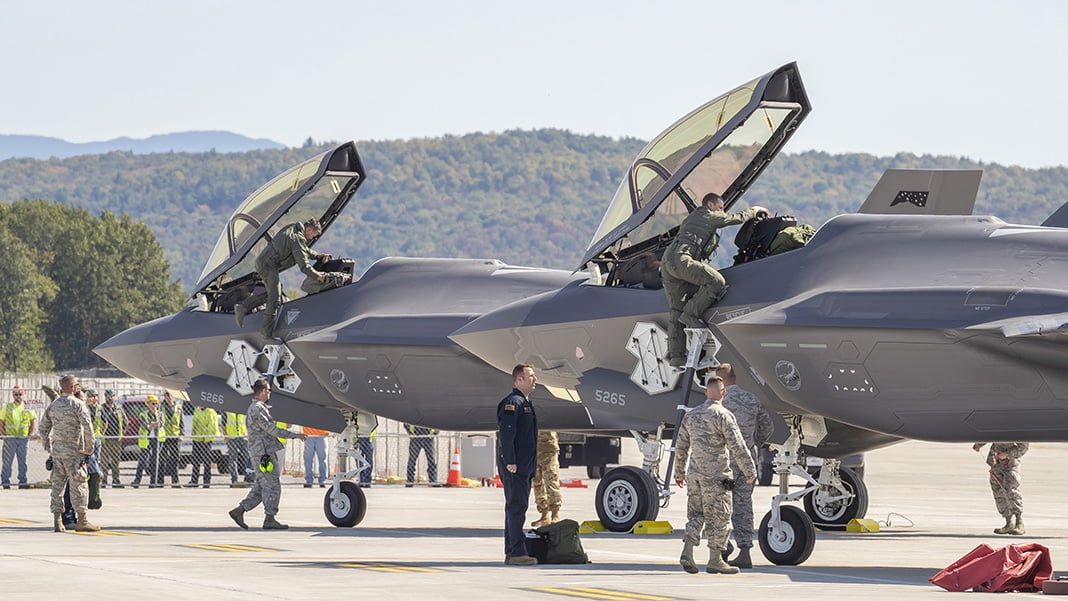 F-35 Fleet Readiness Falls to 25% Amid Parts Shortages and Software Delays: GAO Report
-
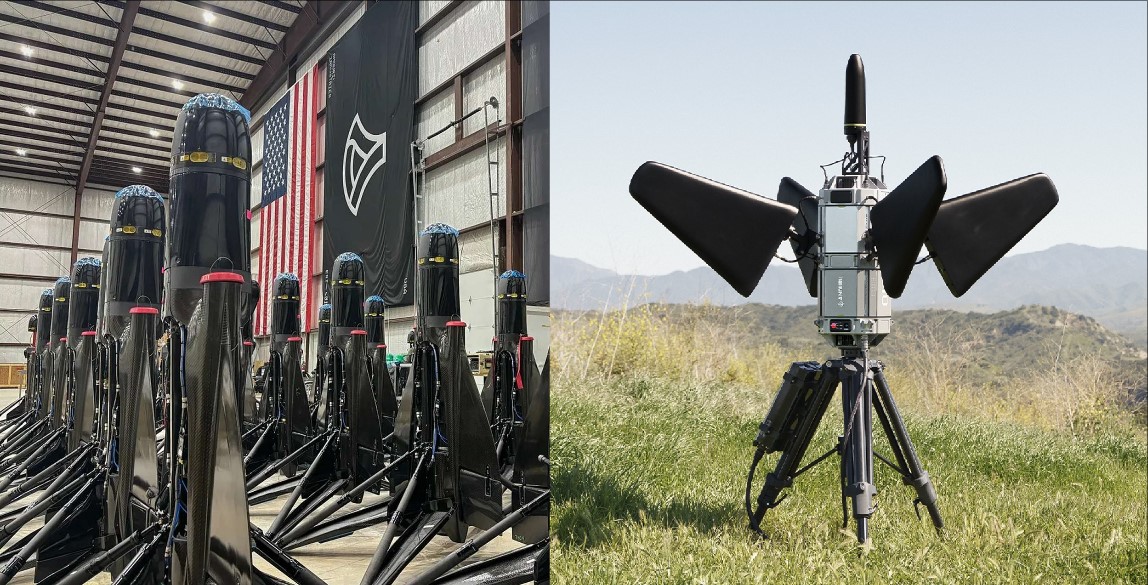 U.S. Approves $1.98 Billion Sale of Anduril AI-Powered Counter-Drone Systems to Kuwait
-
 UAE Denies Reports of Releasing Up to $20 Billion in Funds to Iran Amid Regional De-Escalation Efforts
-
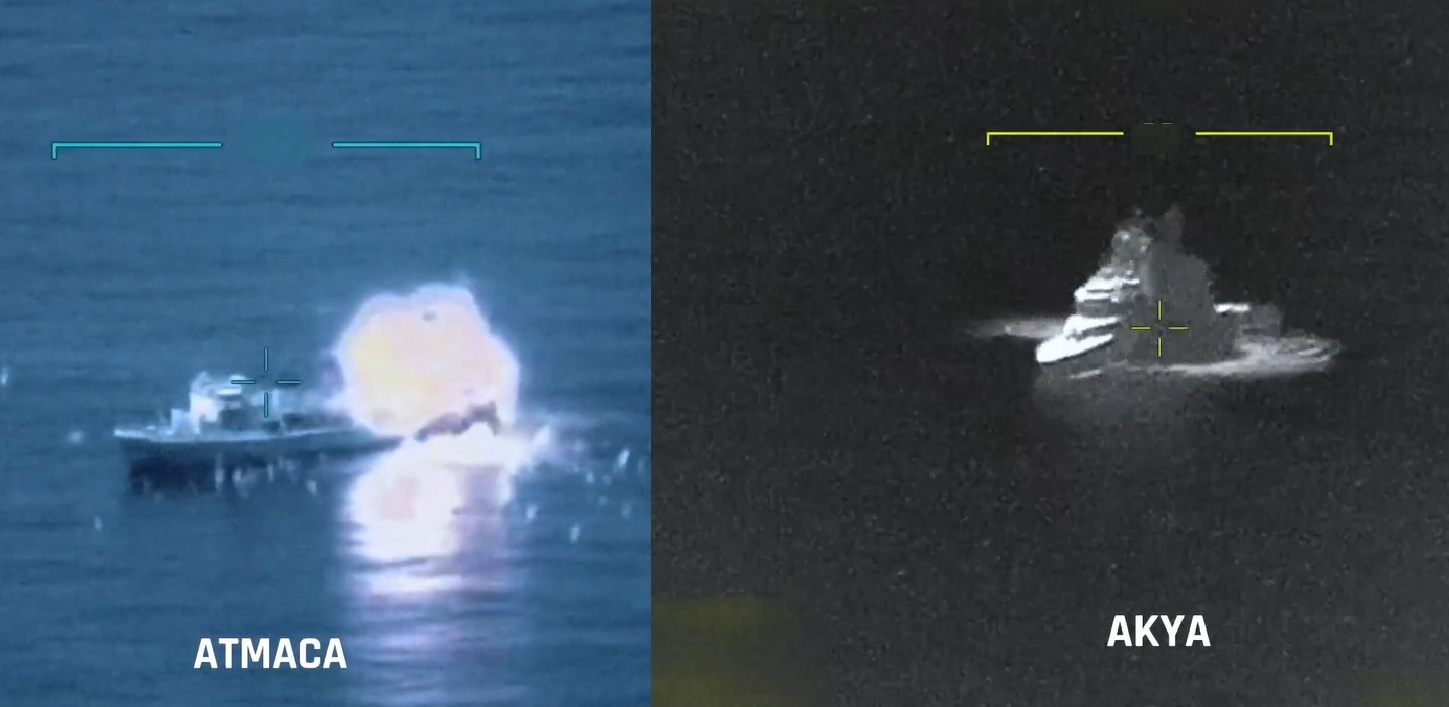 Turkey Navy Successfully Tests AKYA Torpedo and ATMACA Missile During Major Denizkurdu-II Naval Exercise
-
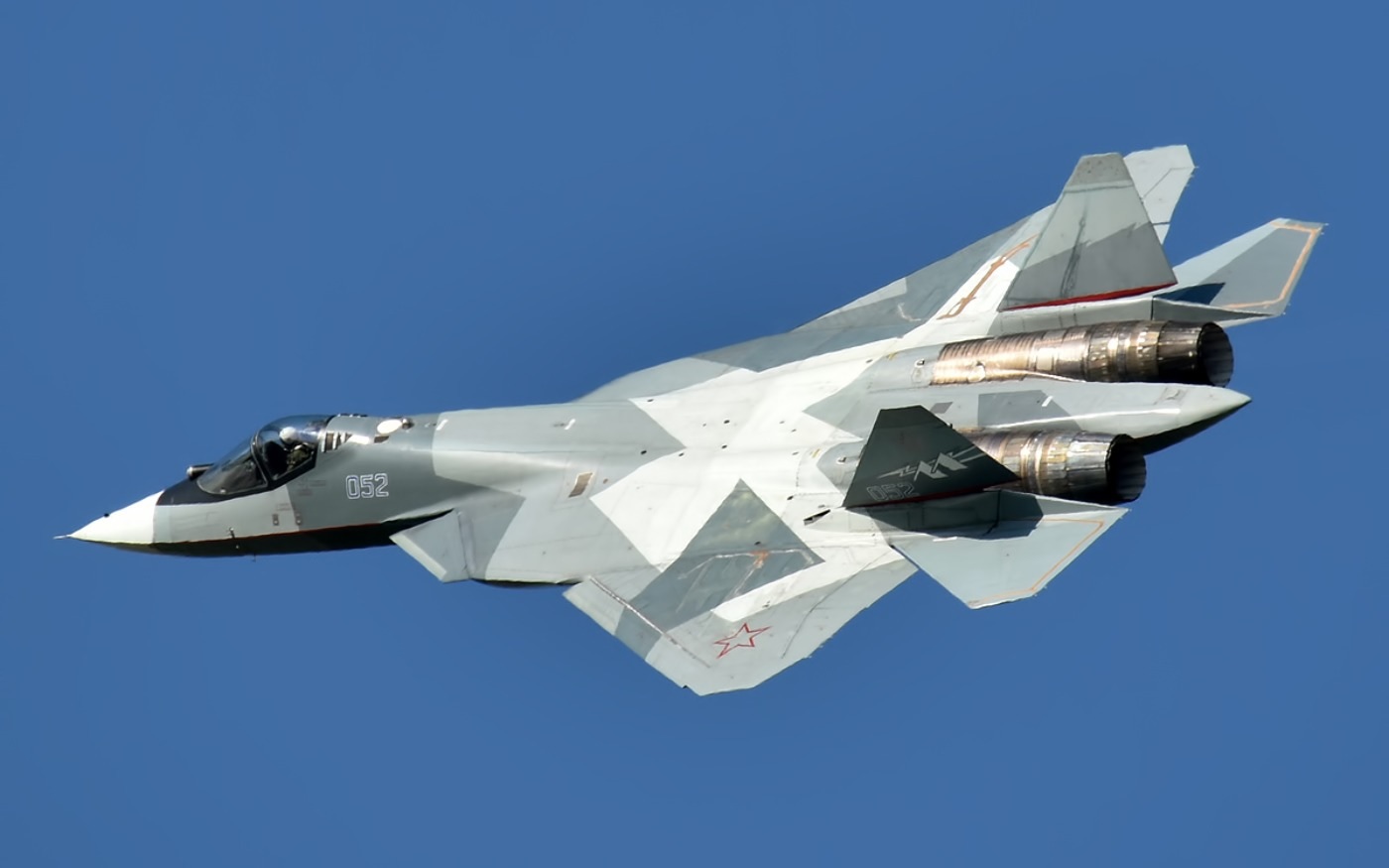 Russian Analysts Debate Su-57 Capabilities After Putin Calls Fighter Superior to F-35
Top Trending in 4 Days
-
 Iranian Media Leaks 14-Point U.S.-Iran Peace Framework Amid Ongoing Negotiations
-
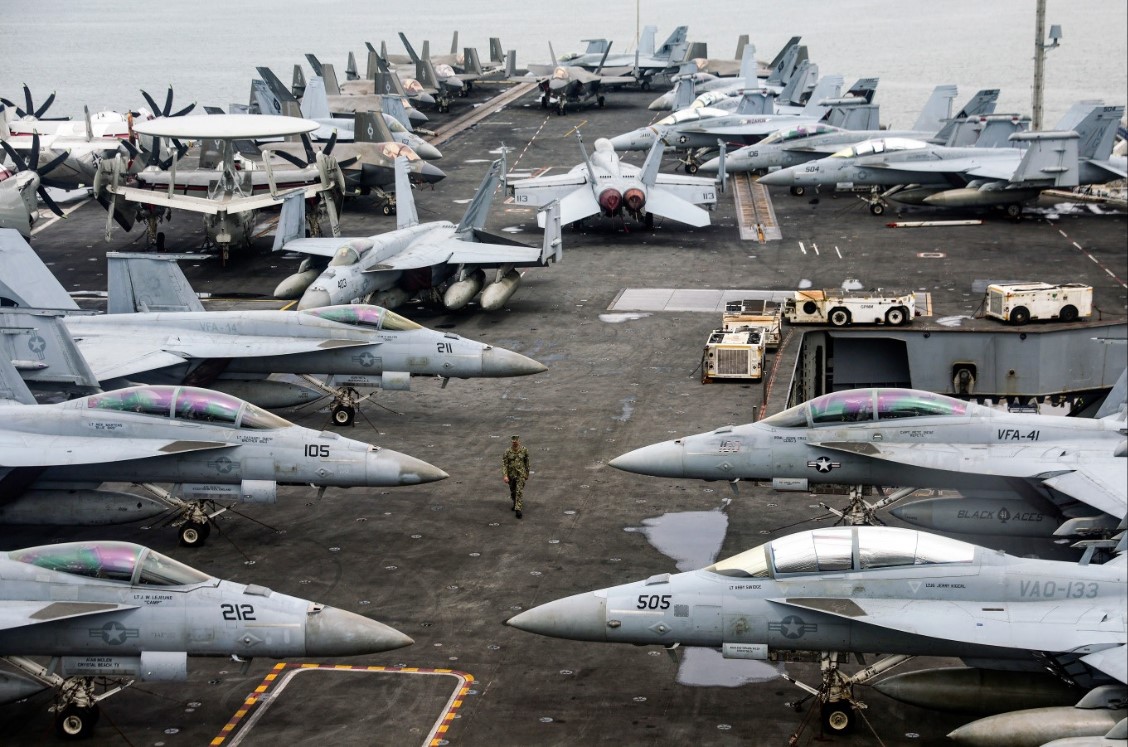 US Plans Significant Reduction of Fighter Jets and Warships for NATO Operations in Europe
-
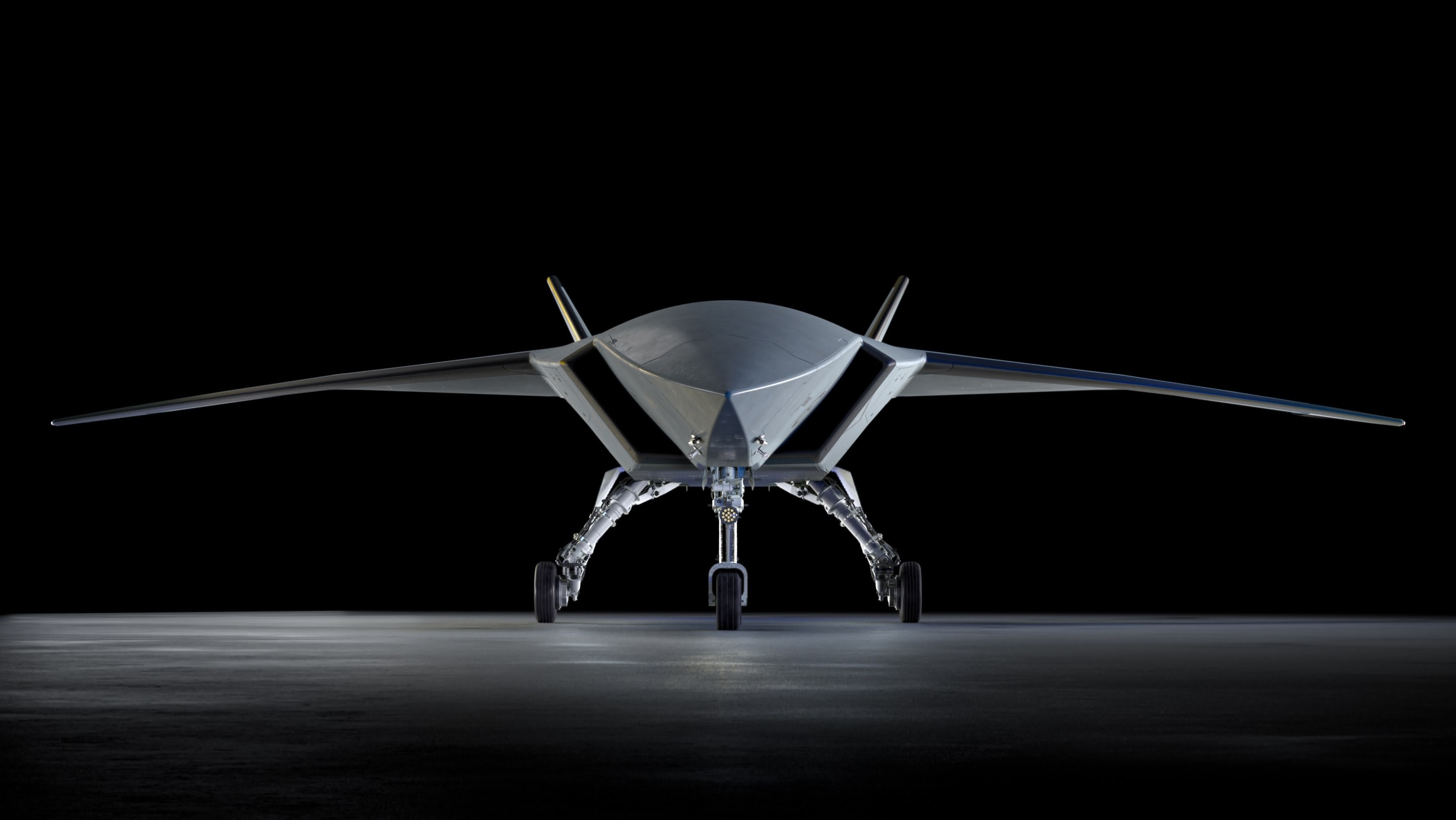 Boeing Introduces New MQ-28 Ghost Bat Upgrades with Increased Range, Payload and Weapons Capacity at ILA Berlin 2026
-
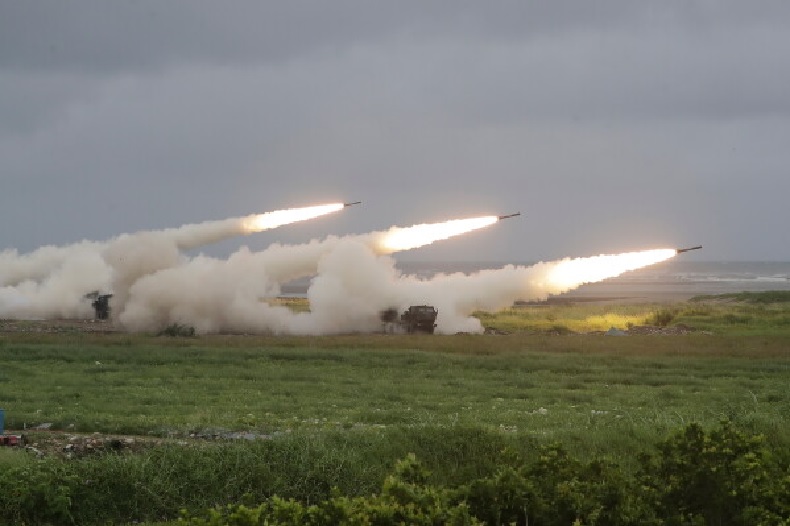 Taiwan Conducts First Live-Fire of HIMARS Rockets From West Coast During Invasion Defense Drill
-
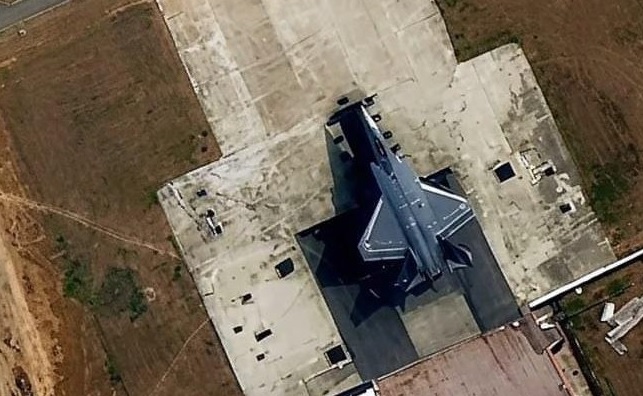 AMCA Airframe Spotted at DRDO’s ORANGE Facility for Radar Cross-Section Testing
-
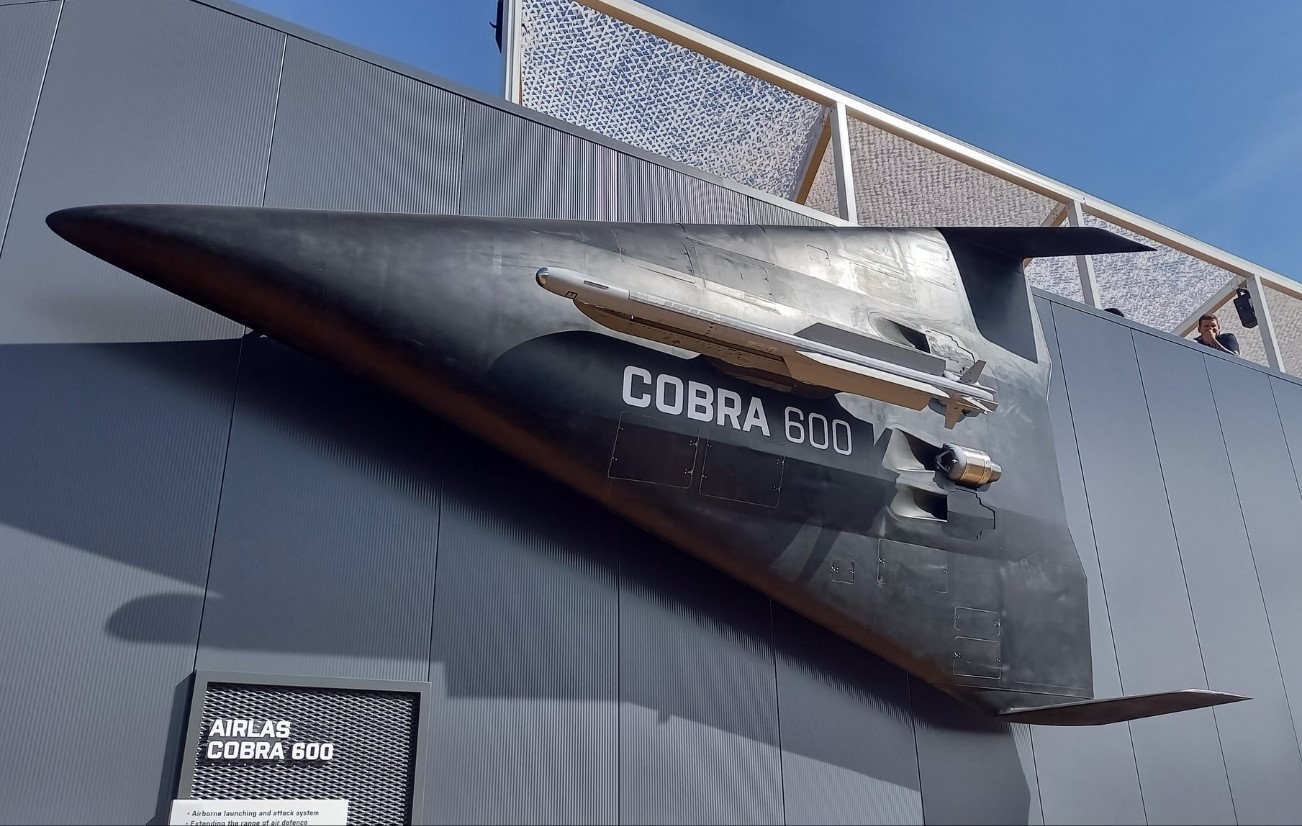 Diehl Defence Unveils IRIS-T Armed Cobra 600 Air Defense Drone at ILA Berlin 2026
-
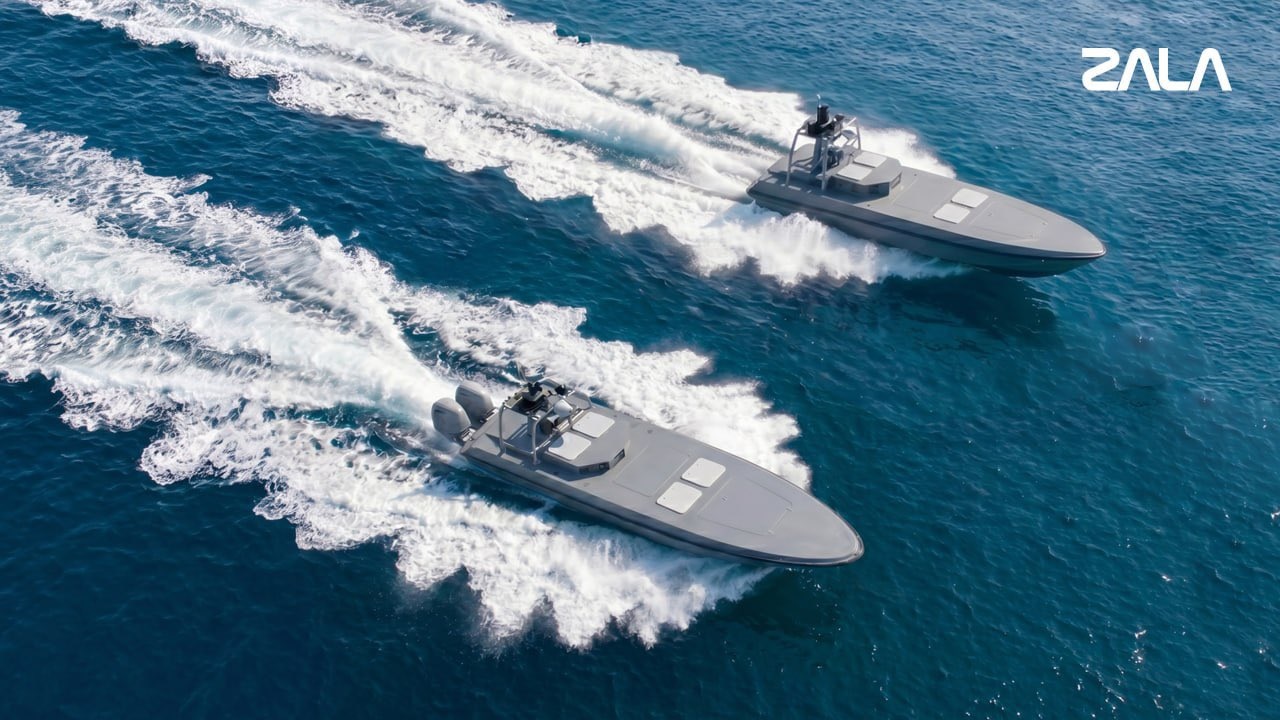 Russian Defense Firm ZALA Unveils KAMA Unmanned Surface Vessel Family at FLOT-2026 Naval Exhibition
-
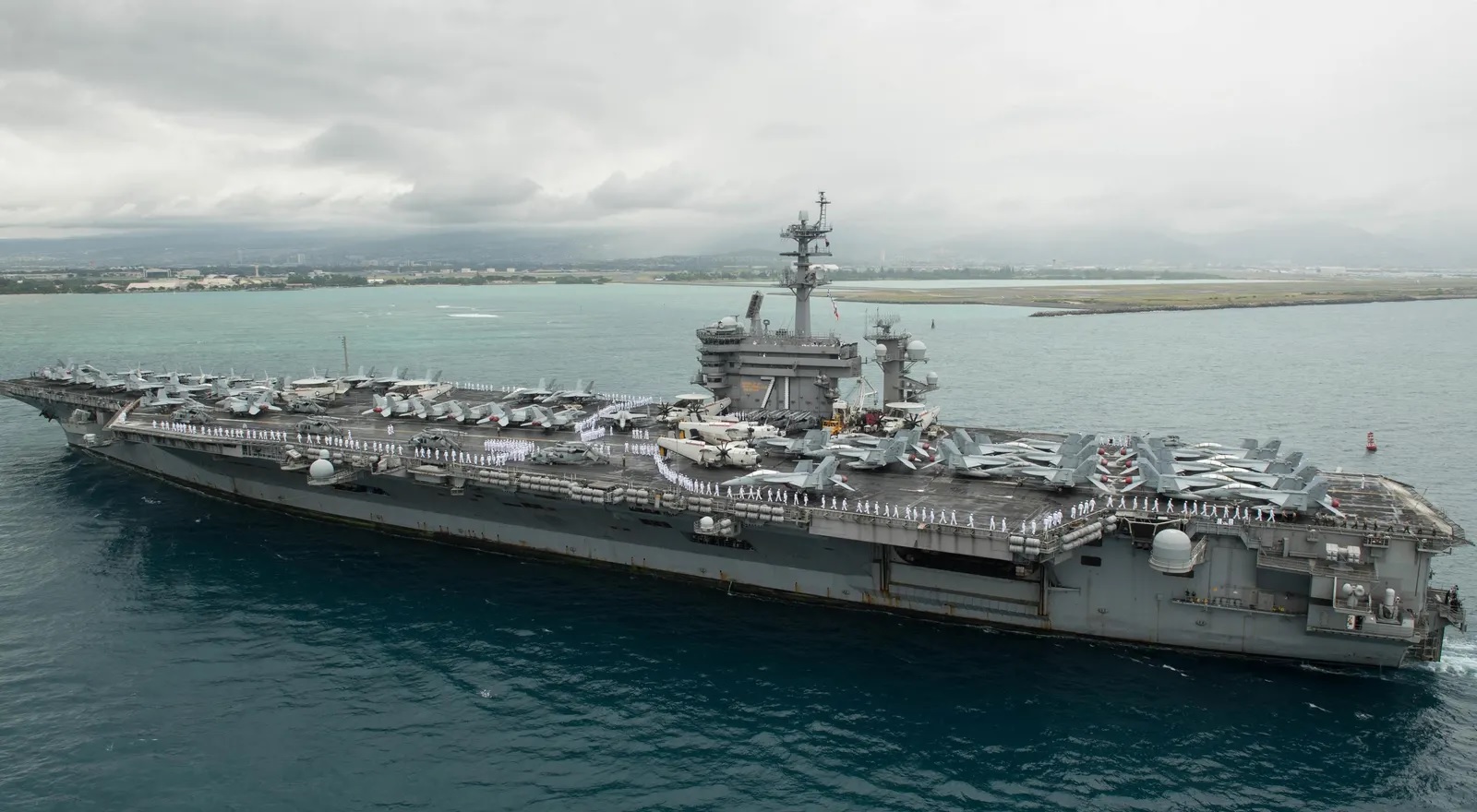 U.S Aircraft Carrier USS Theodore Roosevelt Departs San Diego for Major RIMPAC 2026 Naval Exercise