India
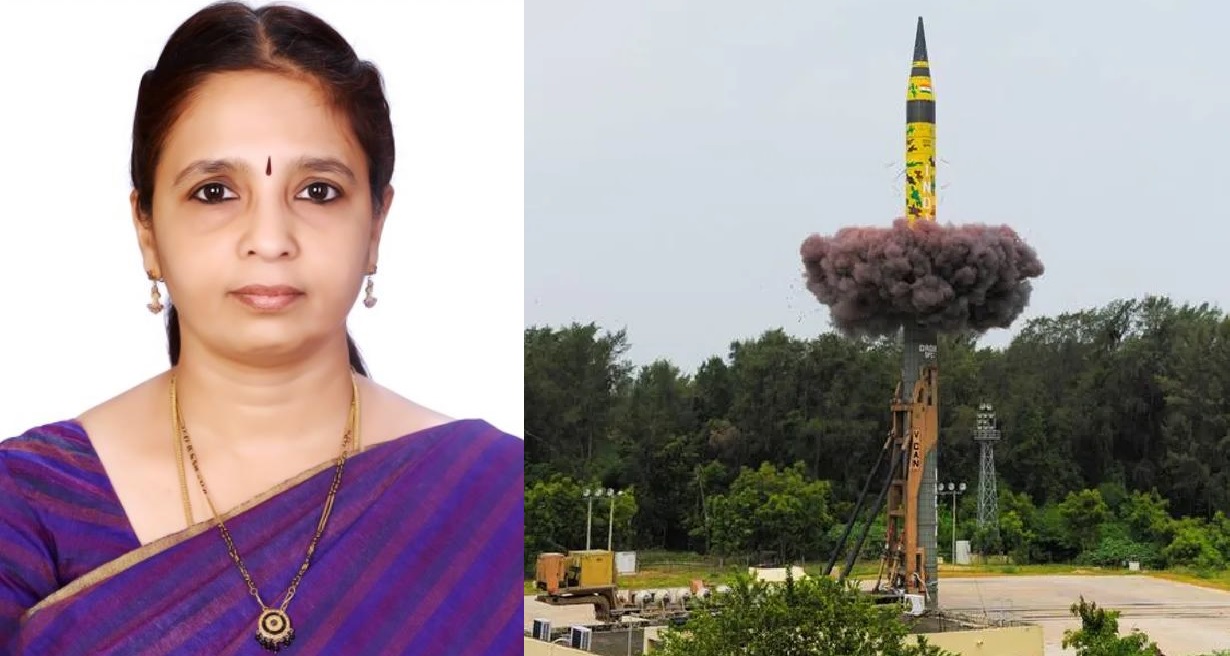
Defense News ,India :- India has achieved a big success in its defense capabilities with a recent test of the Agni-5 missile, which comes with advanced technology. The key person leading this important project is R Sheena Rani, affectionately known as 'Divya Putri' (Divine Daughter) for her crucial role in developing this missile system.A Pioneer in Missile TechnologyRani, a 57-year-old expert in missiles, is the program director at the Hyderabad-based Advanced Systems Laboratory (ASL) of the Defence Research Development Organisation (DRDO). Her journey in missile technology began in 1999 after she joined DRDO following the Pokhran-II nuclear tests. Since then, she has been an important part of the Agni missile program, contributing significantly to its different versions.“When we prepared for the launch, there were butterflies in my stomach. But I never expected the excitement among the common public,” said Rani, who is an electronics and communications engineer. This was during India's first test-fire of Agni-5 on April 19, 2012.A Career of CommitmentBorn in Thiruvananthapuram, Rani's life was shaped by the early loss of her father when she was in class 10. Raised by her mother, she credits her as the real pillar of support in her life. Rani pursued her engineering at the College of Engineering Trivandrum (CET) and later worked at the Vikram Sarabhai Space Centre for eight years before joining DRDO.“My mother is the real pillar of support in my and my sister’s life,” said the scientist.Protecting India's BordersRani's dedication and leadership have played a vital role in developing the Agni-5 missile with multiple nuclear warheads. Her work not only protects India's borders but also enhances the nation's standing in the global defense arena. Her crowning achievement, the MIRV technology, allows a single missile to deploy multiple warheads, significantly improving India's strategic deterrence capabilities.Inspirations Along the WayRani draws inspiration from India's 'Missile Man' and former President, Dr APJ Abdul Kalam, who played a pivotal role in shaping her career. She also acknowledges the guidance and mentorship of Dr Avinash Chander, a renowned missile technologist. Her husband, P S R S Sastry, who also worked with DRDO on missiles, has been a source of support and inspiration in her journey.During her time at DRDO, Rani has won several awards, including the “scientist of the year award” in 2016.India's Technological ProgressIndia's successful test of the Agni-5 missile with MIRV technology puts it among the elite nations, including the US, UK, Russia, France, and China, with similar capabilities. This achievement highlights India's expertise in missile technology and its commitment to strengthening its defense capabilities.The successful test of the Agni-5 missile with MIRV technology is a significant step forward for India's defense capabilities. Rani's continued leadership and the DRDO's innovative efforts in missile technology are crucial for India's national security and strategic interests.Prime Minister Narendra Modi's PraisePrime Minister Narendra Modi praised the efforts of the DRDO scientists who participated in the complex mission. In a post on the social media platform X, he said, "Proud of our DRDO scientists for Mission Divyastra, the first flight test of indigenously developed Agni-5 missile with Multiple Independently Targetable Re-entry Vehicle (MIRV) technology."An MIRV payload involves a single missile carrying several nuclear warheads, each programmed to hit a separate target. This capability allows India to target adversaries in the east and west within a 5,000-plus km radius. To make this effective, the system is also equipped with indigenous avionics systems and high-accuracy sensor packages, ensuring that the re-entry vehicles accurately reach the target points, according to sources.
Read More → Posted on 2024-03-13 07:37:46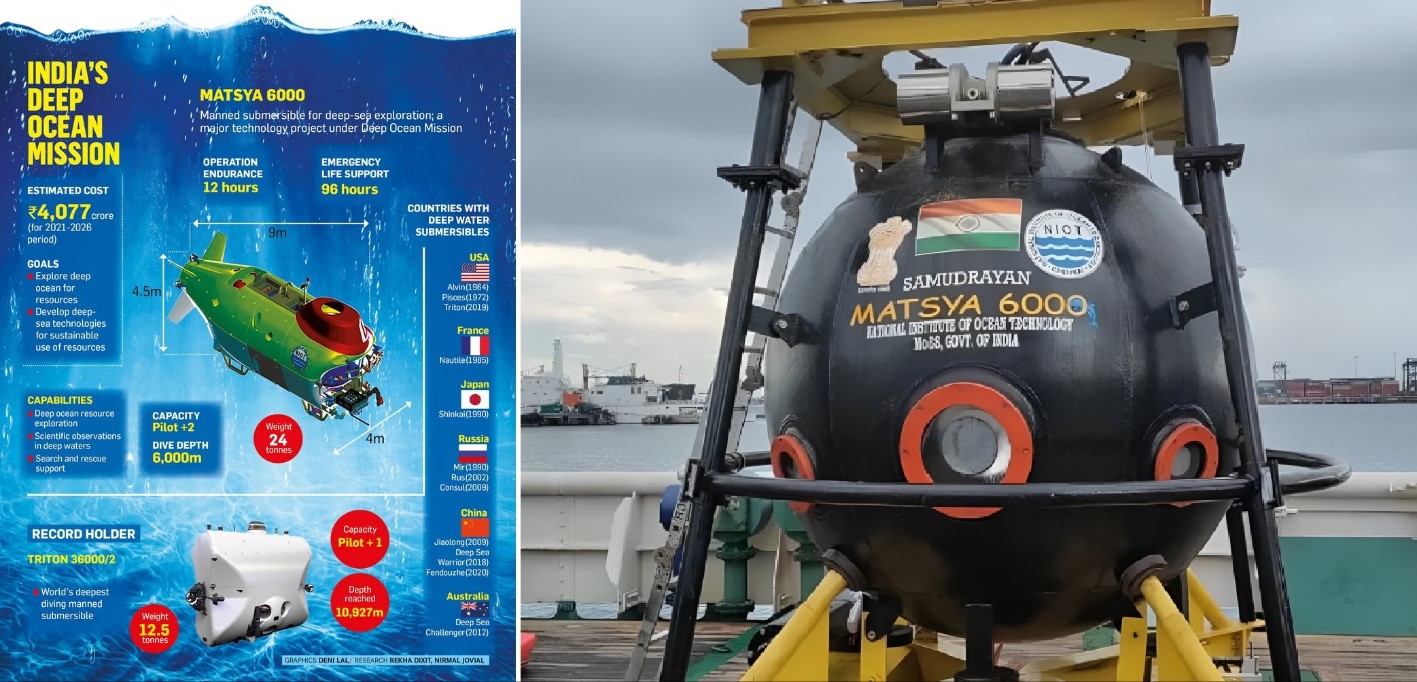
India
Defense News ,India :- India is on a mission called Samudrayaan to uncover the secrets of the deep ocean. This initiative, led by the Ministry of Earth Sciences (MoES), was given the green light by the Union Cabinet in 2021, with a budget of around ₹4,077 crores spread over five years.The main goals of Samudrayaan include:1. Deep-Sea Exploration: Develop technologies for deep-sea mining and create a submersible, named MATSYA 6000, to carry three people to a depth of 6,000 meters in the ocean. This submersible, designed by ISRO, will have scientific sensors and tools for mining polymetallic nodules from the central Indian Ocean.2. Ocean Climate Change Advisory Services: Use ocean observations and models to understand and predict future climate changes.3. Biodiversity Exploration: Innovate technologies to explore and preserve deep-sea biodiversity.4. Mineral Exploration: Conduct surveys to identify potential sites for mineral deposits along the Indian Ocean mid-oceanic ridges.5. Energy and Freshwater Utilization: Develop methods to harness energy and freshwater from the ocean.6. Marine Biology Hub: Establish an advanced Marine Station for Ocean Biology, fostering talent and creating opportunities in ocean biology and blue biotechnology.Samudrayaan Mission Details:Objective: Explore deep ocean resources and biodiversity by sending a manned submersible to a remarkable depth of 6,000 meters.Key Features:1. Manned Submersible: MATSYA 6000, a self-propelled manned submersible.2. Scientific Sensors and Tools: Equipped with a suite of scientific sensors and tools for deep ocean exploration.3. Endurance: Operates for 12 hours regularly, with the ability to sustain up to 96 hours in emergencies.Recent Progress:In December 2022, the Ocean Mineral Explorer (OMe 6000), a deep-water Autonomous Underwater Vehicle (AUV), explored the Polymetallic Manganese Nodule (PMN) site at a depth of 5,271 meters in the Central Indian Ocean Basin (CIOB). The survey covered 14 square kilometers, providing insights into resource potential, seabed features, and deep-sea biodiversity.Budget and Timeline:The Deep Ocean Mission's estimated cost is ₹4,077 crores for two phases (2021-2026). Currently, ₹1,400 crores have been allocated, with ₹405.92 crores disbursed and ₹225.35 crores already spent.Promise of Samudrayaan:Samudrayaan holds great promise for advancing our understanding of the ocean's mysteries and supporting India's Blue Economy initiatives.
Read More → Posted on 2024-03-13 07:32:07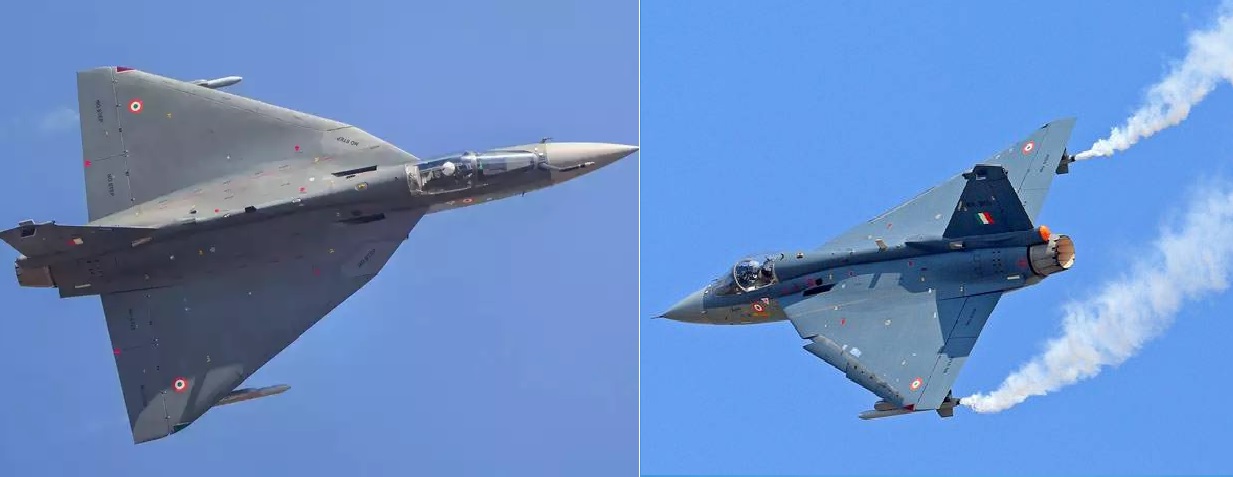
India
Defense News ,India :- In a recent incident, an Indian Air Force (IAF) LCA Tejas aircraft crashed near Rajasthan's Jaisalmer, with the pilot successfully ejecting to safety. This marks the first crash involving the jet since its inaugural flight 23 years ago.Background of LCA TejasThe Light Combat Aircraft (LCA) Tejas is a domestically developed supersonic aircraft used by the Indian military. The programme was initiated by the Government of India in 1984, leading to the establishment of the Aeronautical Development Agency (ADA). Developed by Hindustan Aeronautics Limited (HAL), the Tejas succeeded the ageing Mig 21 fighter jets.Named 'Tejas,' which translates to 'radiance' in Sanskrit, by then Prime Minister Atal Bihari Vajpayee in 2003, the aircraft is the second supersonic fighter jet developed by HAL after the HAL HF-24 Marut. It is the lightest and smallest multi-role supersonic fighter aircraft in its category, designed to accommodate various types of weaponry.The CrashThe indigenous fighter jet Tejas crashed today in Rajasthan's Jaisalmer near a hostel complex. This is the first-ever crash of the indigenous fighter in 23 years of its history which began with the first test flight in 2001.Facts About Tejas Fighter JetTejas is a single-seater fighter aircraft and a twin-seat trainer variant is also operated by the Air Force. The Indian Navy also operates the twin-seater variant.The first test flight of the Technology Demonstrator-1 (TD-1) took place in 2001 and the maiden flight of the Second Series Production (SP2) Tejas aircraft of Initial Operational Clearance (IOC) configuration took place on March 22, 2016.Light Combat Aircraft Tejas is a 4.5-generation multi-role fighter aircraft and is designed to take offensive air support and provide close combat support for ground operations.Tejas is the smallest and lightest aircraft in its class and the dimensions and the extensive use of composite structure make it lighter.In 2016, The first IAF Squadron to induct the Tejas was the No 45 Squadron, the 'Flying Daggers'.The Defence Acquisition Council, headed by Defence Minister Rajnath Singh, recently gave its go-ahead for the procurement of 97 more Tejas MK-1A fighter jets for the Indian Air Force.Future PlansThe Indian Air Force plans to replace the ageing MiG-21 aircraft with the LCA Tejas Mark 1A aircraft by 2025. The LCA program was envisioned in the late 1980s to replace the MiG-21s that have been serving the Air Force since 1963. The LCA was rechristened as 'Tejas' in 2003.
Read More → Posted on 2024-03-13 07:23:25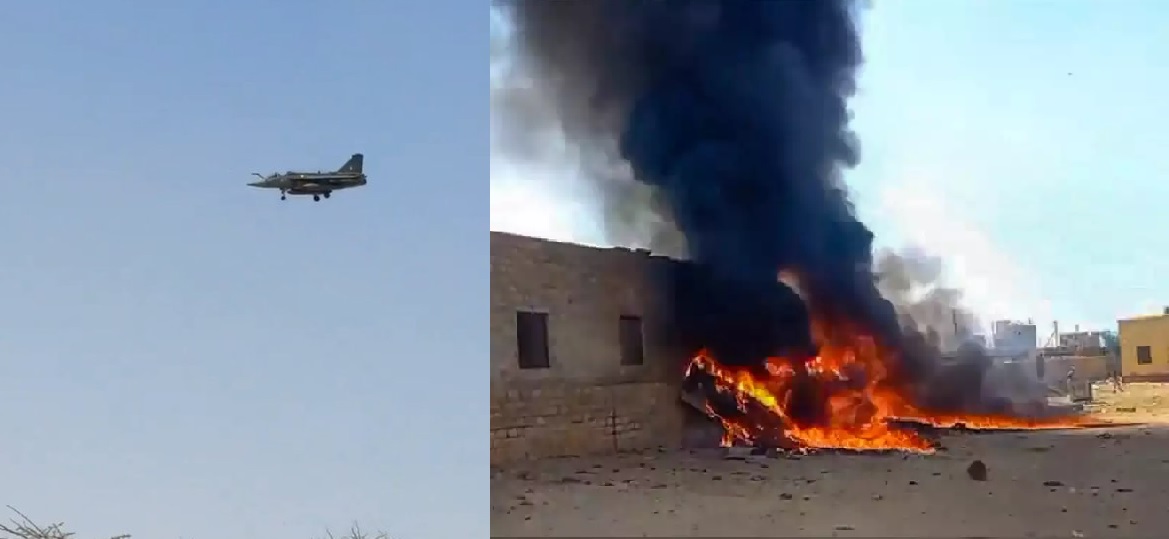
India
Defense News ,India :- In a recent and concerning incident, an LCA-Tejas fighter jet, merely three years old, crashed near Jaisalmer, Rajasthan, during an operational training sortie. The incident, which occurred on Tuesday, marked the first crash involving a Tejas aircraft in its 23-year operational history. The pilot, fortunately, ejected safely, highlighting the crucial role of ejection systems in ensuring the well-being of aircrew during emergencies.The aircraft involved in the crash was identified as LCA-Tejas SP-24/ LA-5020, having made its maiden flight in March 2021. Initial reports suggest that the pilot communicated with air traffic control (ATC) regarding engine failure shortly before ejecting. This revelation points to a potential critical issue with the jet's power generation during its landing procedure, raising questions about the overall safety of the Tejas fleet.The Indian Air Force (IAF) has responded promptly by ordering a Court of Inquiry to conduct a thorough investigation into the cause of the crash. While the findings of the inquiry are not expected to be made public, it is anticipated that a meticulous examination of the aircraft's service history, with a particular focus on its engine records, will be a crucial aspect of the investigation.This incident has cast a shadow over the previously spotless safety record of the Tejas fleet, which is a key component of India's air defense capabilities. The IAF's proactive approach in identifying and addressing any technical flaws that may have contributed to the crash is essential for ensuring the continued safety and reliability of the Tejas fleet.The crashed LCA Tejas was part of the 18th Squadron of the Indian Air Force and had recently participated in the tri-services exercise Bharat Shakti in Pokharan. The fact that this is the first crash of an indigenous fighter in 23 years adds significance to the investigation. Defense officials have indicated that prima facie, engine failure caused the crash, but a more comprehensive understanding will only emerge after the detailed inquiry is completed.The pilot's communication with the ground station about the engine issue before ejection underscores the critical role of effective communication systems in managing emergencies. The Indian Air Force, along with other concerned agencies, is committed to conducting a detailed investigation into this incident. The aim is to unravel the specifics surrounding the crash, address any systemic issues, and implement corrective measures to prevent future occurrences.As the nation awaits the outcome of the Court of Inquiry, the incident serves as a reminder of the continuous challenges in maintaining the safety and reliability of advanced fighter jet fleets. The Tejas program, with its indigenous technology, remains a source of national pride, and efforts to bolster its safety protocols will undoubtedly contribute to enhancing India's air defense capabilities.
Read More → Posted on 2024-03-13 07:01:36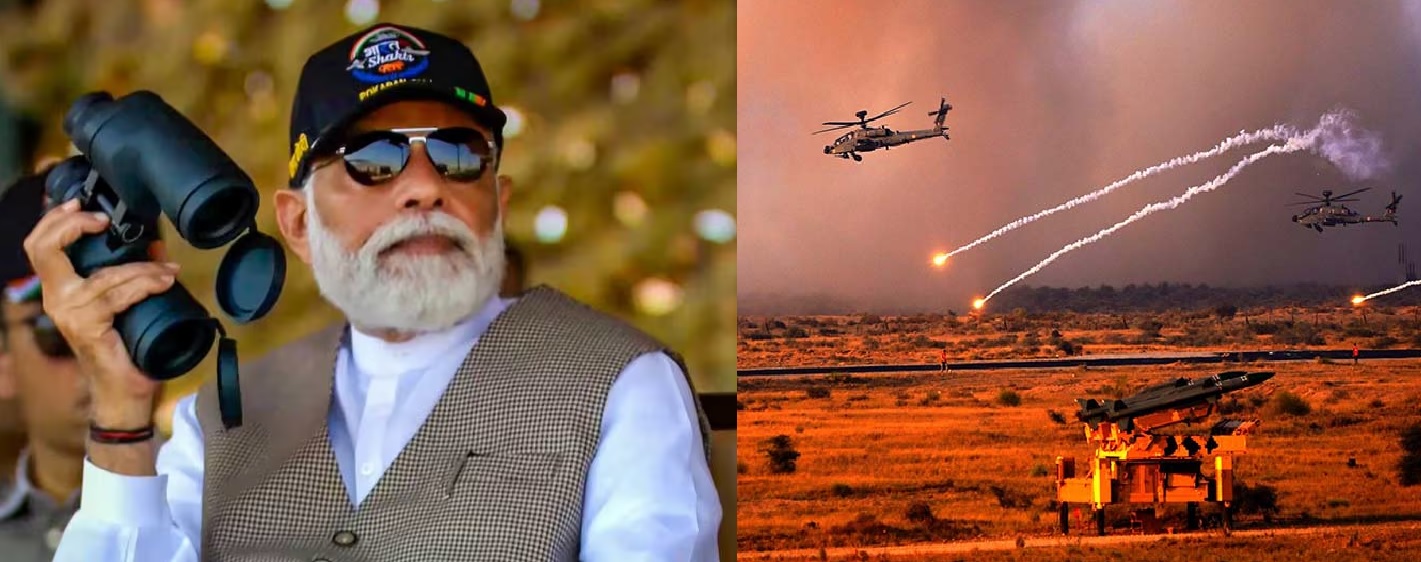
India
Defense News ,India :- Prime Minister Narendra Modi visited the Pokhran firing range in Rajasthan to witness the Bharat Shakti exercise, showcasing the prowess of indigenously manufactured defence equipment of the three services. The exercise, held for about 50 minutes, included an integrated tri-service firepower and manoeuvre demonstration.PM Modi was accompanied by delegates from more than 30 countries as they witnessed the tri-service exercise 'Bharat Shakti' in Pokhran, Rajasthan, on Tuesday."The scenes we saw today, the bravery of our three forces, are wonderful; this roar in the sky, this battle on the ground, the cry of victory echoes in all directions. This is the call of a new India...If we want to make India 'viksit', then we need to reduce our dependence on others. That's why India is focusing on 'atmanirbharta' in every sector, from edible oils to modern aircraft," PM Modi said at the Exercise Bharat Shakti in Pokhran.The PM also said that Pokhran has become a witness to the trinity of India's 'aatmanirbharta' (self-reliance)."Today, our Pokhran has once again witnessed India's self-reliance, self-confidence and self-pride. It is this Prokran that has been the witness of India's nuclear power and here today we are also seeing its strength through indigenization and empowerment. This celebration of 'Bharat Shakti' is taking place in Rajasthan, the land of bravery, but its echo is not only heard in India but in the whole world," he said.PM Modi further said that a self-reliant India in defence sector is a guarantee of 'atmavishwas' (self-confidence) in the forces."In the last 10 years, the country's defence production has more than doubled, which means it is more than Rs 1 lakh crore. The youth are playing a key role in this. In the last 10 years, over 150 defence startups have started in the country, and our forces have decided to give them orders worth Rs 1,800 crore. An 'atmanirbhar' India in defence sector is a guarantee of 'atmavishwas' in forces," the PM said.What was on display?LCA Tejas, ALH Mk-IV, LCH Prachand, mobile anti-drone system, BMP-II and its variants, NAMICA (Nag Missile Carrier), T90 tanks, Dhanush, K9 Vajra, and Pinaka rockets were among the platforms showcased at Pokhran, about 100 km from Jaisalmer city.Additional Director General of Army Design Bureau, Major General C S Mann, highlighted that the exercise aimed to demonstrate live integrated multi-domain operations of the three services in offensive operations using indigenous equipment. He emphasized the 'shock and awe' effect that the services seek to achieve in operational situations.The exercise, not tailored towards any specific direction or adversary, showcased the tri-services' operational capabilities to counter any threat, leveraging indigenous capability. It emphasized India's growing emphasis on 'Atmanirbharta' (self-reliance) in defence. The event also showcased systems and platforms integrated with the use of artificial intelligence (AI). The proceedings commenced with the Army's Special Forces, MARCOS of the Indian Navy, and GARUDS of the Indian Air Force infiltrating by all-terrain vehicles and slithering operations. Surveillance of the battlefield was carried out by remotely piloted aircraft and drones, followed by the degradation of targets by long-range vectors and artillery guns.The Indian Air Force (IAF) achieved a favourable air situation by engaging strategic targets in depth, while the Navy undertook maritime operations for strategic effects. Some parts of the naval segment of the exercise were displayed digitally on screen due to terrain restrictions. Logistic capabilities for transporting equipment and evacuation of injured and casualties were also demonstrated using the latest technologies.Various types of Radar, UAV-launched precision-guided munition, Quick Reaction Fighting Vehicles, drones of various types, including logistic drones and swarms of drones, and 3D-printed bunkers were part of the exercise. India's cyber and multi-domain operations capabilities were also showcased along with the operations of the three services.The exercise also highlighted the integration of individual communication systems of the tri-services, including the 'e-Tarang' software tool, GIS-related systems, topographical maps, hydrographic charts, and air navigation charts with analysis and operational planning capabilities.Images
Read More → Posted on 2024-03-12 16:16:19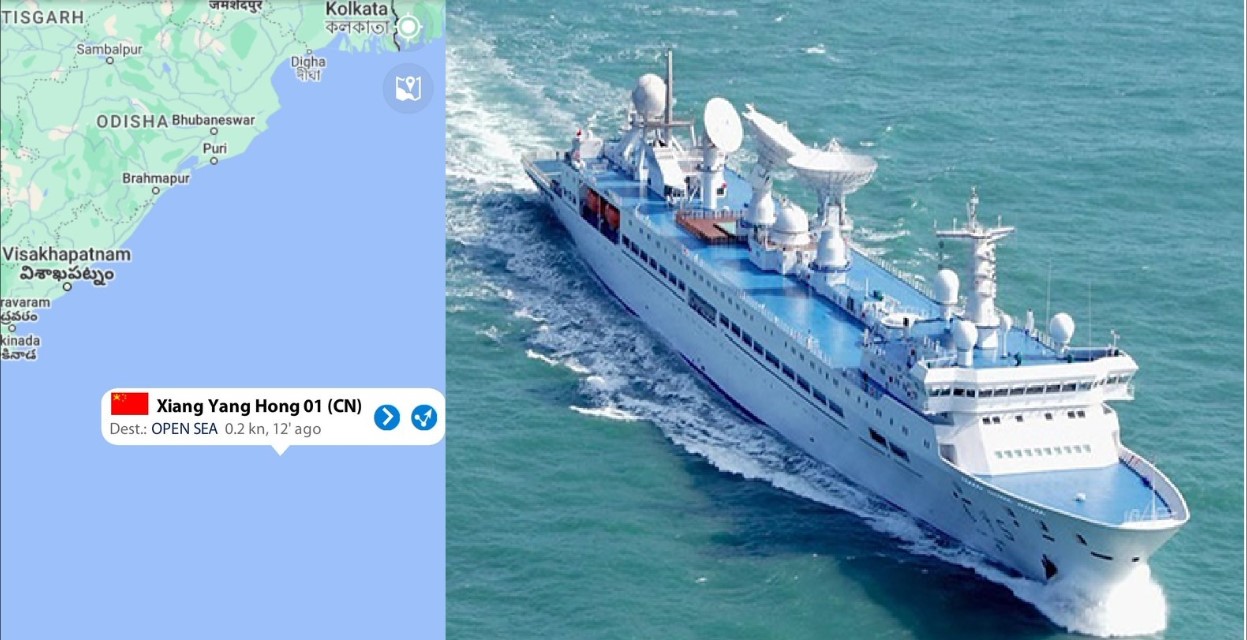
India
Defense News ,India :- The Chinese research and surveillance vessel, Xiang Yang Hong 01, is currently stationed near the coast of Vizag, catching the attention of maritime observers. According to real-time data, the ship is barely moving, with a speed of 0.2 knots.This situation follows a period of increased activity in the area after India issued several Notices to Airmen and sailors (NOTAMs), indicating ongoing operations of strategic importance. One active NOTAM covers a range of 3500 kilometers.One noteworthy event is India's recent testing of the Agni-V Multiple Independently Targetable Re-entry Vehicle (MIRV) system and the possible preparation for a test launch of the K-4 Submarine-Launched Ballistic Missile (SLBM).Questions arise about the purpose of Xiang Yang Hong 01's close proximity to the Indian coastline. Given its stationary position during heightened Indian ballistic missile testing, analysts speculate the vessel may be involved in:1. Acoustic Signature Monitoring: Collecting sound patterns related to India's ballistic missile submarines (SSBNs) to track and identify submarines, especially those with nuclear capabilities.2. Missile Trajectory Tracking: Tracking the flight paths of Indian missile tests to gather intelligence on their capabilities.India's ongoing development and testing of SLBMs, a crucial part of its maritime defense strategy, highlight the increasing emphasis on undersea capabilities.The presence of surveillance vessels like Xiang Yang Hong 01 underscores foreign powers' strategic interest in monitoring these developments, raising concerns about maritime security in the region.
Read More → Posted on 2024-03-12 15:30:28![IAF's Tejas Crashes Near Jaisalmer in Rajasthan, Pilot Ejected Safely [VIDEO]](postimages/840dea6999c3475aba5beefc656246b9.jpg)
India
Defense News ,India :- A light combat aircraft Tejas crashed near Jaisalmer in Rajasthan on Tuesday during an operational training sortie, the first such incident involving the indigenously-built jet. However, the pilot was ejected safely and no casualties were reported.In a post on X (formerly Twitter), IAF said "One Tejas aircraft of the Indian Air Force met with an accident at Jaisalmer, today during an operational training sortie. The pilot ejected safely."It also stated that a Court of Inquiry has been constituted to find out the cause of the accident. The crash took place around 100 km from the Pokhran desert where a mega war game 'Bharat Shakti' witnessed by Prime Minister Narendra Modi and top military brass was underway.According to PTI, military sources indicated that the Tejas jet was to be part of the exercise.Jaisalmer Additional Superintendent of Police Mahendra Singh said that there was no loss of property or human life in the crash near Kalla residential colony. Thick black smoke was seen billowing out from a single-storey brick structure where the aircraft crashed.Officials said it was the first Tejas jet involved in an accident, reported PTI.Manufactured by state-run aerospace behemoth Hindustan Aeronautics Ltd (HAL), the Tejas aircraft is a potent platform for air combat and offensive air support missions while reconnaissance and anti-ship operations are its secondary roles.Tejas aircraft are set to be the mainstay of the IAF. It has already inducted nearly 40 Tejas of initial variants.In February 2021, the defence ministry sealed a Rs 48,000 crore deal with Hindustan Aeronautics Ltd for the procurement of 83 Tejas MK-1A jets for the IAF.In November last, the ministry accorded an initial approval to procure an additional batch of 97 Tejas jets for the IAF.
Read More → Posted on 2024-03-12 15:06:29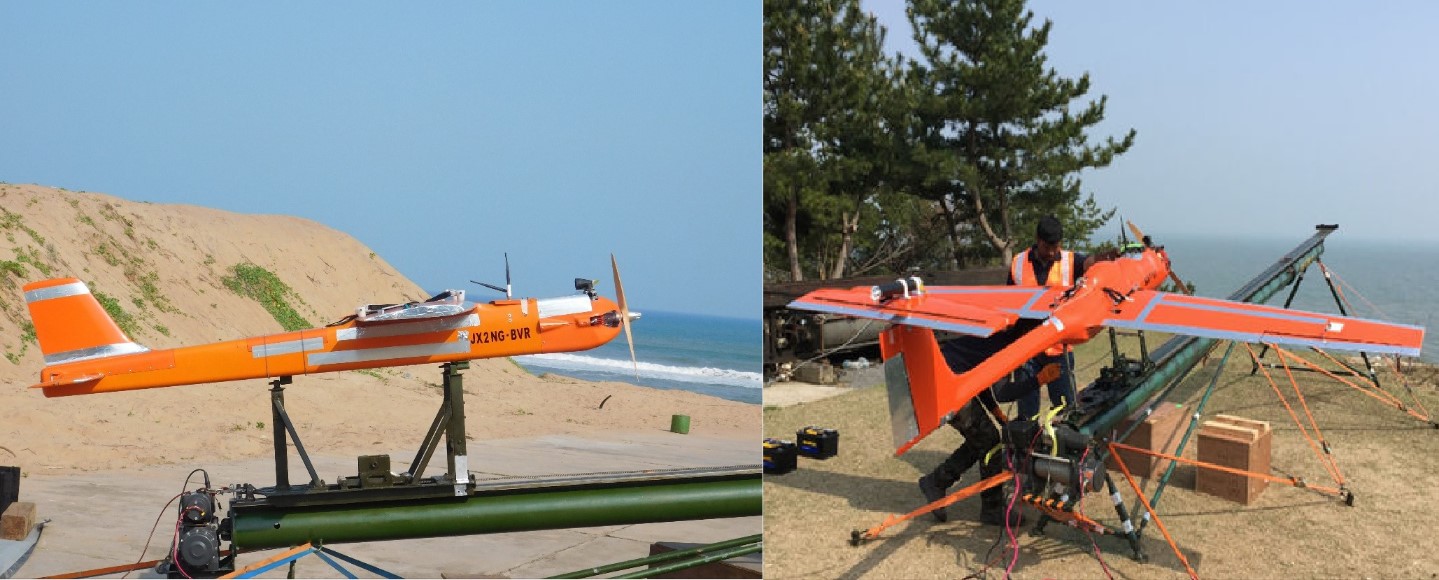
India
The Jx2 NG Short Range LM is a Multi Role Short Range Loitering Swarming Munition manufactured by Kadet Defence Systems. It is designed to be an aerial target system for weapon training, development and evaluation, as well as an aerial test platform.AutopilotThe Jx2 NG utilizes Embention's Veronte Autopilot, which provides the drone with:Fully autonomous flight capabilitiesVersatilitySensor redundancyAbility to adapt to different operation requirementsEasy installation in various unmanned platforms (combustion or turbine engines)Kadet Defence SystemsTarget Drone Solutions Kadet Defence Systems offers ready-to-fly target drone solutions that include all necessary components for autonomous missions in harsh environments. These solutions include:Ground control stationsGround support equipmentCatapult launchersPropeller or turbojet powered aerial targetsIndustry Growth Avdesh Khaitan, CEO of Kadet Defence Systems, recognizes the significant growth in unmanned aerial vehicle (UAS) applications for both defense and commercial purposes. Partnering with Embention allows Kadet to:Efficiently integrate the Veronte AutopilotContinuously improve system performanceProvide customers with an operational edge in simulating hostile attack scenariosSystemMaximum Speed: 200km/HrEffective Range (with 10kg payload): Greater than 400kmLaunch Capability: Air, Ground and SeaFlight Capability: High Altitude and Sea SkimmingTeaming Capability: Manned and UnmannedProduct SpecificationsWingspan: 2.5 MetersLength: 2.6 MetersLine of Sight Range: Greater than 40 kilometersEndurance: Greater than 45 minutesSpeed: Greater than 60 meters per second (in clean configuration)Maximum Take-off Weight: 35 kilogramsLaunch Method: CatapultRecovery Method: ParachuteApplicationsThe Jx2 NG Short Range LM is used as an Aerial Target System for:Air defense trainingGunnery practiceSurface-to-air and air-to-air missile trainingWeapon and radar evaluationMaterialCompositePropulsion2 Stroke EngineStabilizationIntegrated Avionics with Digital AutopilotTracking & TelemetryIntegrated GPSAutonomous Waypoint NavigationDigital Telemetry SystemsRole EquipmentScoring SystemIR FlaresLuneberg LensISR Camera Package
Read More → Posted on 2024-03-12 08:39:04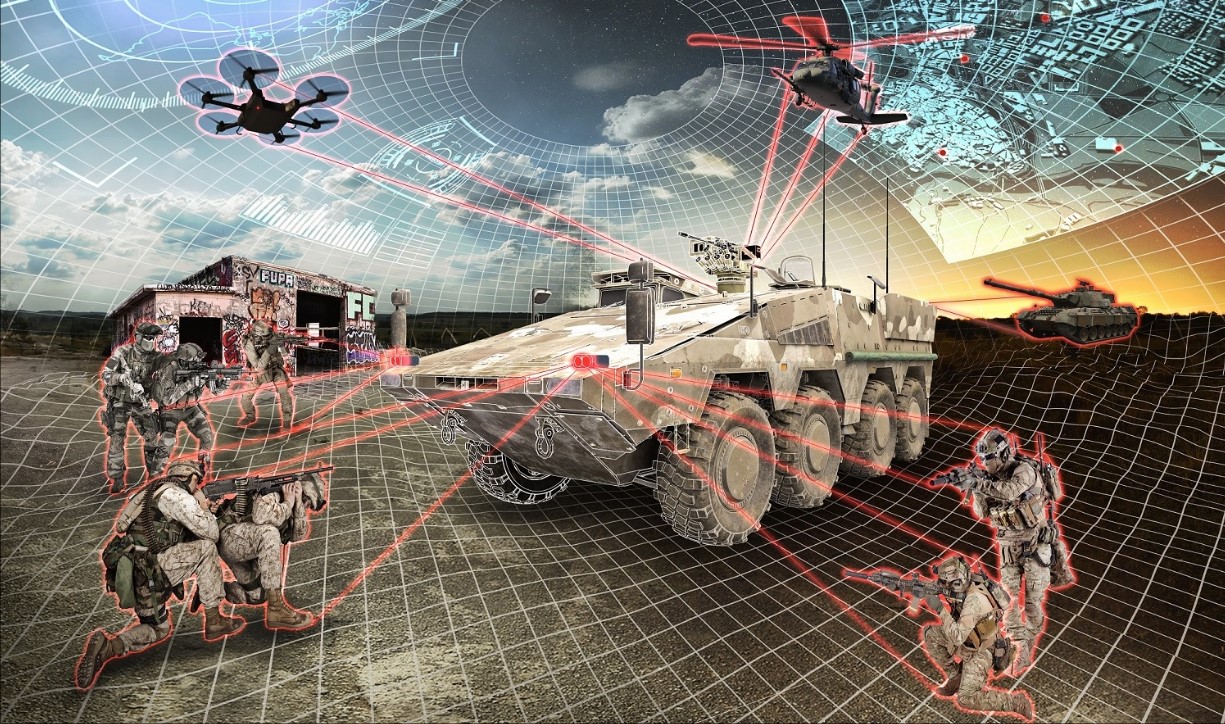
India
Defense News ,India :- India's Defense Research and Development Organization (DRDO) is committed to upgrading the country's armed forces, with a focus on improving the combat abilities of armored units.The Combat Vehicles Research and Development Establishment (CVRDE), a key DRDO lab, is leading the charge by creating a Battlefield Situational Awareness System (BSAS) as part of the broader initiative called "Advanced Vetronics for Futuristic AFVs."Understanding What Situational Awareness Means:The BSAS aims to help armored vehicle crews better understand the chaos of the modern battlefield. Situational awareness involves being aware of friendly and enemy troop positions, identifying threats, and analyzing terrain to plan the best routes. Having better situational awareness helps crews make better decisions, increasing their effectiveness and survivability.Technology Behind the BSAS:The BSAS is a complex system with a powerful tactical computer at its core, processing information from various sources. A user-friendly interface, following Generic Vehicle Architecture (GVA) standards, will present this crucial information to the crew. GVA compatibility ensures seamless integration with India's broader military technology.Precise navigation is crucial in combat, and the BSAS achieves this by combining inertial sensors, vehicle odometers, and a multi-constellation GNSS receiver supporting NavIC and GPS/GAGAN. This combination ensures accurate location information, even in GPS-denied environments.Smooth coordination within the armored vehicle is made possible by an integrated communication system compatible with both modern software-defined radios (SDRs) and older equipment.Impact and Importance:The BSAS has the potential to revolutionize how Indian armored units operate by providing real-time, comprehensive information, giving crews a decisive advantage and boosting their speed and confidence. This improved awareness can directly save lives. Commanders will benefit from enhanced awareness, making more informed tactical decisions.The development of the BSAS highlights India's growing technological capabilities in the defense sector. It demonstrates DRDO's commitment to equipping India's armed forces with cutting-edge battlefield technology, ensuring they remain a formidable and efficient force.
Read More → Posted on 2024-03-12 07:50:21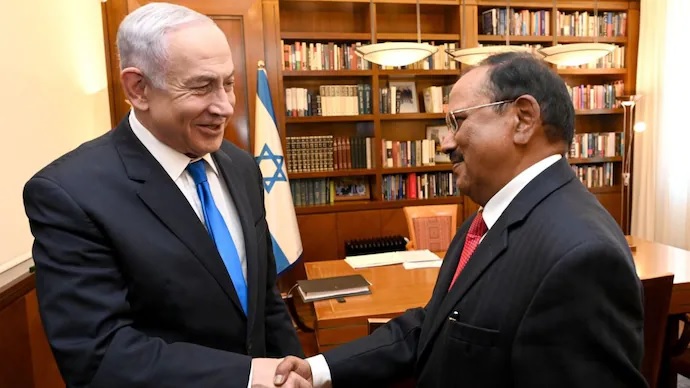
India
Defense News ,India :- National Security Advisor (NSA) Ajit Doval met with Israeli Prime Minister Benjamin Netanyahu to discuss the ongoing conflict with Hamas in Gaza. The two leaders also talked about efforts to release hostages and provide humanitarian assistance.In a statement on social media platform 'X,' the Israeli Prime Minister's office shared, "Today, Prime Minister Benjamin Netanyahu met with Indian National Security Advisor Ajit Doval to discuss recent developments in the fighting in the Gaza Strip. The meeting also addressed the ongoing efforts to release hostages and provide humanitarian aid. The Director of the National Security Council, the Prime Minister's Foreign Policy Advisor, and the Indian Ambassador to Israel were also present at the meeting."Netanyahu, on Sunday, reiterated his commitment to military operations in the southern Gaza city of Rafah. He emphasized the need to prevent a recurrence of an attack similar to October 7. Netanyahu stated, "We'll go there. We're not going to leave. You know, I have a red line. You know what the red line is? That October 7 doesn't happen again. To do that, we have to complete the destruction of the Hamas terrorist army."The Israeli Prime Minister clarified that the operation would not exceed two months but did not provide specific details about the timeline.Responding to U.S. President Joe Biden's criticism that Netanyahu is "hurting Israel more than helping," the Israeli PM defended his policies in the Gaza Strip. Netanyahu said in an interview, "I don't know exactly what the president meant, but if he meant that I'm pursuing private policies against the wish of the majority of Israelis and that this is hurting the interests of Israel, then he's wrong on both counts."Meanwhile, Hamas political leader Ismail Haniyeh expressed openness to continued mediated talks with Israel. Despite the failure to reach a truce agreement before Ramadan, Haniyeh insisted that a permanent ceasefire and the withdrawal of all Israeli forces from Gaza are essential for any agreement. In a televised speech, he stated, "We have established the most important principle for reaching an agreement, which is a comprehensive ceasefire and an end to the war on Gaza, the complete withdrawal of the occupation army from all the territory of the Gaza Strip."
Read More → Posted on 2024-03-12 07:31:02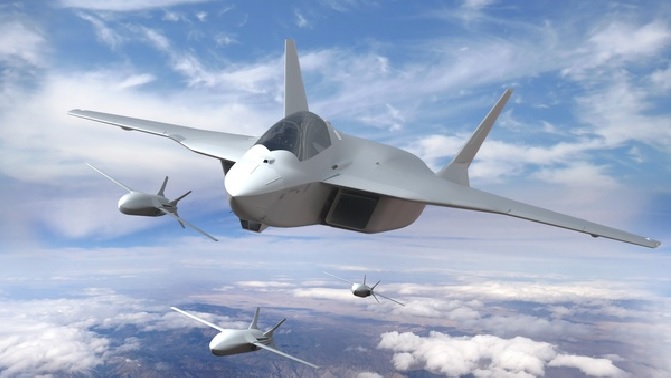
India
Defense News ,India :- India is making significant progress in developing its own fifth-generation fighter jet, known as the Advanced Medium Combat Aircraft (AMCA). Project Director Krishna Rajendra recently shared exciting details, revealing plans for the AMCA's first flight in September 2028.Collaborative DevelopmentThe Aeronautical Development Agency (ADA) and Hindustan Aeronautics Limited (HAL) are spearheading the AMCA project. Their main focus is creating five initial prototypes of the AMCA, crucial for refining the aircraft's design. These prototypes will undergo rigorous flight testing to evaluate vital systems like avionics, sensors, and overall combat performance.Weapons Integration and Production ScheduleBefore moving to production, the ADA and HAL will carefully integrate weapons into the AMCA. The chosen weapons suite will undergo extensive testing and integration, extending the production clearance to around 2034-35.Development HighlightsThe ADA aims to reveal the first AMCA prototype by the end of 2027. To enhance the development process, a dedicated Ground Test Vehicle (GTV) will be constructed. This ground-based platform will simulate various flight scenarios and test critical aircraft functionalities before the prototype takes flight.Ambitious Goals, National PrideIf the AMCA successfully takes its maiden flight in 2028, it would mark a significant achievement for India's aerospace industry and its pursuit of self-reliance in defense technology. The AMCA project not only enhances India's military capabilities but also stands as a source of national pride.
Read More → Posted on 2024-03-11 16:12:39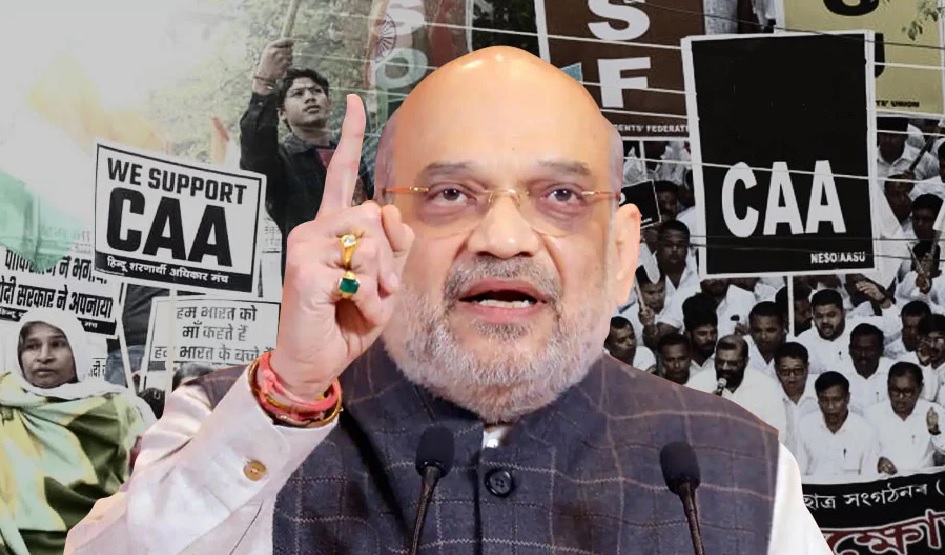
India
Defense News ,India :- The Ministry of Home Affairs (MHA) is expected to announce the rules for the Citizenship Amendment Act (CAA) 2019 today. These rules, introduced by the government, aim to give Indian citizenship to non-Muslim migrants who faced persecution in Bangladesh, Pakistan, and Afghanistan and came to India before December 31, 2014. This includes Hindus, Sikhs, Jains, Buddhists, Parsis, and Christians.After the CAA was passed in December 2019, there were protests across the country. Sources suggest that the regulations for the CAA could be revealed today, allowing eligible people to apply for Indian citizenship.The implementation of the CAA has been delayed for over four years, and now its associated rules need to be formulated. An official mentioned that the rules are ready, and there is an online portal for the entire digital process. Applicants will only need to disclose the year of their entry into India without requiring additional documents.Union Home Minister Amit Shah emphasized that the CAA cannot be stopped and accused West Bengal Chief Minister Mamata Banerjee of misleading the public. The BJP, led by Amit Shah, has been committed to implementing the CAA, while the TMC, led by Mamata Banerjee, has been opposing it.As per parliamentary procedures, the guidelines for any legislation should have been formulated within six months of receiving the presidential assent. However, the Ministry of Home Affairs has been seeking extensions to continue the process of framing rules associated with the CAA.Over the past two years, district magistrates and home secretaries in nine states have been authorized to grant Indian citizenship to non-Muslim minorities arriving from Afghanistan, Bangladesh, and Pakistan under the Citizenship Act of 1955. Between April 1, 2021, and December 31, 2021, 1,414 individuals from non-Muslim minority communities were granted Indian citizenship through registration or naturalization.Under the Citizenship Act of 1955, Indian citizenship is granted to non-Muslim minorities in nine states. Notably, authorities in Assam and West Bengal have not been given these citizenship-granting authorities so far.
Read More → Posted on 2024-03-11 15:57:56
India
India recently signed a free trade agreement with Switzerland, Norway, Iceland, and Liechtenstein. The deal involves reducing tariffs and securing $100 billion in investments for India over the next 15 years. Here are the important details about the agreement:Boost to Trade and Investments:India believes that this agreement, along with previous deals with the UAE and Australia, will increase exports of items like pharmaceuticals, garments, chemicals, and machinery. It also aims to attract investments in areas such as automobiles, food processing, railways, and the financial sector.Trade Relationship with EFTA:India is the fifth-largest trading partner of the European Free Trade Association (EFTA) after the European Union, the United States, Britain, and China. The total two-way trade between India and EFTA was $25 billion in 2023. India exported $2.8 billion worth of goods to EFTA, while imports amounted to about $22 billion during that period.Benefits for Swiss Companies:Swiss manufacturers of machinery, luxury items, and transport are expected to benefit from this agreement. Swiss government encourages its transport companies to invest in Indian railways. The pact allows EFTA nations to export processed food, beverages, electrical machinery, and other engineering products to a potential market of 1.4 billion people at lower tariffs.India-Swiss Relations:India aims to strengthen trade ties with Switzerland, its largest partner in EFTA. Over 300 Swiss companies operate in India, including Nestle, Holcim, Sulzer, and Novartis. Indian IT majors like TCS, Infosys, and HCL also have a presence in Switzerland.Negotiation Challenges:The negotiations for this pact have taken 16 years, with talks on trade pacts with Britain, the European Union, and other partners running for years. India has been cautious, ensuring it does not compromise the interests of its domestic industries.Exclusions and Challenges:India rejected demands for "data exclusivity" that could impact its drug companies. "Sensitive" farm products and gold imports are mostly excluded from the pact. Challenges remain, such as Switzerland's tariff-free entry policy for industrial goods and difficulties in exporting farm produce to Switzerland due to tariffs and quality standards.In conclusion, this trade deal holds significant promise for both India and the EFTA nations, fostering economic growth and cooperation in various sectors.
Read More → Posted on 2024-03-11 15:35:53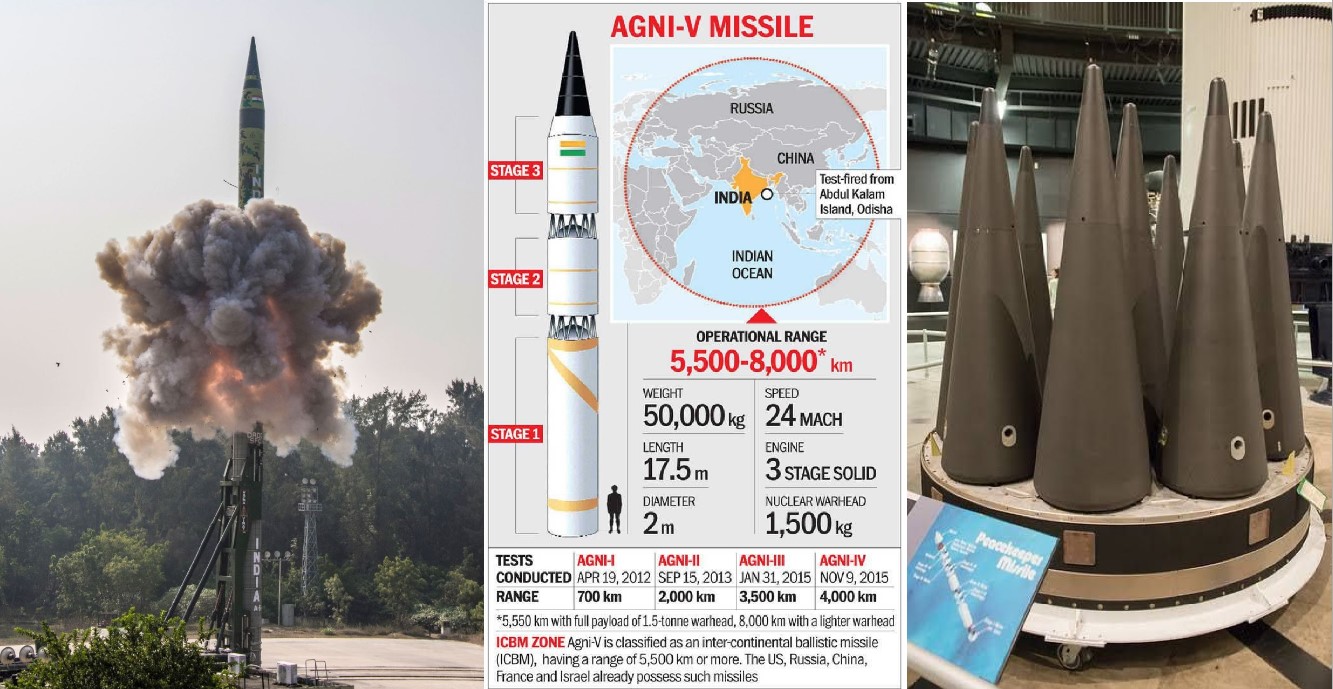
India
Defense News ,India :- Prime Minister Narendra Modi today announced the first flight test of Made-in-India Agni-5 missile with Multiple Independently Targetable Re-entry Vehicle (MIRV) technology. MIRVs consist of several reentry vehicles, each equipped to carry 2–10 nuclear warheads. These warheads can be designated for various targets, spaced hundreds of kilometers apart. Alternatively, multiple warheads can target a single location.PM hailed DRDO scientists for developing this technology. "Proud of our DRDO scientists for Mission Divyastra, the first flight test of indigenously developed Agni-5 missile with Multiple Independently Targetable Re-entry Vehicle (MIRV) technology," PM Modi announced on X. What's MIRV Technology?A MIRV is a ballistic missile payload designed for exoatmospheric deployment, housing multiple warheads, each capable of targeting distinct objectives. While primarily associated with intercontinental ballistic missiles equipped with thermonuclear warheads, the concept extends beyond strict limitations. An intermediate variant, the Multiple Reentry Vehicle (MRV) missile, disperses multiple warheads without individual targeting.What are the benefits of MIRV?Deployment of MIRV can enhance first-strike proficiency for strategic forces and also provide greater target damage for a given thermonuclear weapon payload.Mission Divyastra: PM Modi congratulates DRDO for 1st flight test of indigenously developed Agni-5 missile through MIRV techMoreover, as it can release multiple warheads, it serves the purpose of a cluster munition, as it reduces the number of missiles and launch facilities required.With the MIRV, the effectiveness of an anti-ballistic missile system that relies on intercepting individual warheads is also reduced.Who has MIRV?While India is now a part of the elite club, the countries which boast to possess MIRV include:USA, UK and France- have MIRV technology on their Submarine-Launched Ballistic Missile (SLBM).China- has MIRVed on Intercontinental Ballistic Missile (ICBM)Russia- has both MIRVed ICBMs and SLBMs.Pakistan is also believed to be experimenting with MIRV technology.Whats' Agni V Missiles?Jointly developed by the Defence Research & Development Organisation (DRDO) and Bharat Dynamics, the Agni-V stands as a testament to India's technological prowess in the field of missile development.Key Features of Agni-VWeighing close to 50,000 kilograms and standing at 1.75 meters tall with a diameter of two meters, the Agni-V boasts impressive specifications. It carries a formidable 1,500-kilogram warhead atop three-stage rocket boosters powered by solid fuel. The missile can clock at 24 times faster than the speed of sound, reaching a staggering 8.16 km per second or 29,401 km per hour. Equipped with advanced navigation systems including a ring laser gyroscope inertial navigation system (NavIC) and satellite guidance, the missile ensures precise targeting capabilities, further enhanced by its launch flexibility from mobile launchers.Agni-V Trajectory and Thermal ResilienceThe Agni-V's trajectory showcases its sophisticated design, as it maneuvers towards its target with precision even after reaching the peak of its trajectory. As it re-enters the Earth's atmosphere, temperatures soar beyond 4,000 degrees Celsius. Yet, the missile's indigenously developed heat shield maintains internal temperatures below 50 degrees Celsius, ensuring operational integrity.Can Agni-V Cover Entire China: Range and TestingWith a range extending across Asia, Europe, and parts of Africa, the Agni-V significantly bolsters India's strategic capabilities. Having undergone seven successful trials, the missile, with a range exceeding 5,000 kilometers, has attracted attention from global players, particularly China. India's relentless testing regime underscores its commitment to bolstering its defence capabilities.The Agni-V adds to India's existing arsenal of the Agni missile series, enhancing its deterrence capabilities. With missiles ranging from Agni-I to Agni-IV, India joins an elite league of nations possessing intercontinental ballistic missile capabilities, including the US, Russia, China, France, and Britain.
Read More → Posted on 2024-03-11 15:21:45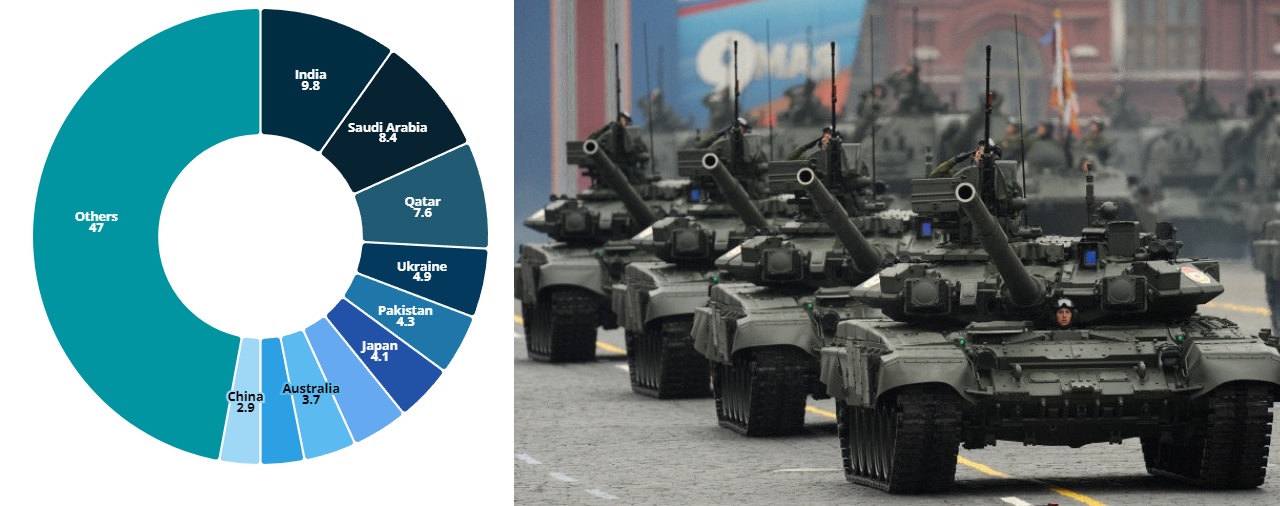
India
Defense News ,India :- India remains the world's top arms importer and its imports increased by 4.7 per cent between 2014-2018 and 2019-2023, Swedish think tank SIPRI said in a new report on Monday. Russia continued as India's main arms supplier, the Stockholm International Peace Research Institute (SIPRI) said, adding around 55 per cent of arms imports by European states in 2019-23 were supplied by the US, up from 35 per cent in 2014-18."India was the world's top arms importer. Its arms imports increased by 4.7 per cent between 2014-18 and 2019-23," the think-tank said in a statement."Although Russia remained India's main arms supplier (accounting for 36 per cent of its arms imports), this was the first five-year period since 1960-64 when deliveries from Russia (or the Soviet Union before 1991) made up less than half of India's arms imports," it said.According to the report, Pakistan significantly increased its arms imports (43 per cent).Pakistan was the fifth largest arms importer in 2019-23 and China became even more dominant as its main supplier, providing 82 per cent of its arms imports, it said.Arms imports by two of China's East Asian neighbours increased, Japan's by 155 per cent and South Korea's by 6.5 per cent, it said.China's own arms imports shrank by 44 per cent, mainly as a result of substituting imported arms -- most of which came from Russia, with locally produced systems."There is little doubt that the sustained high levels of arms imports by Japan and other US allies and partners in Asia and Oceania are largely driven by one key factor: concern over China's ambitions," said Siemon Wezeman, Senior Researcher with the SIPRI Arms Transfers Programme."The US, which shares their perception of a Chinese threat, is a growing supplier to the region," it said.Thirty per cent of international arms transfers went to the Middle East in 2019-23.Three Middle Eastern states were among the top 10 importers in 2019-23: Saudi Arabia, Qatar and Egypt.Saudi Arabia was the world's second-largest arms importer in 2019-23, receiving 8.4 per cent of global arms imports in the period, the SIPRI said.Saudi Arabian arms imports fell by 28 per cent in 2019-23, but this was from a record level in 2014-18.Qatar increased its arms imports almost fourfold (396 per cent) between 2014-18 and 2019-23, making it the world's third biggest arms importer in 2019-23, according to the report.
Read More → Posted on 2024-03-11 15:13:16Search
Top Trending in 24 Hours
-
 India Successfully Conducts AD-1, AD-2 Interceptor Tests and Maiden NASM-MR Flight Trial
-
 Russia Launches 1,400 Jet-Powered Drones in 2026 as Strike Tactics Evolve to Challenge Ukraine's Air Defenses
-
 U.S Navy Orders 50 Blackbeard Hypersonic Missiles in New $23.4 Million Contract
-
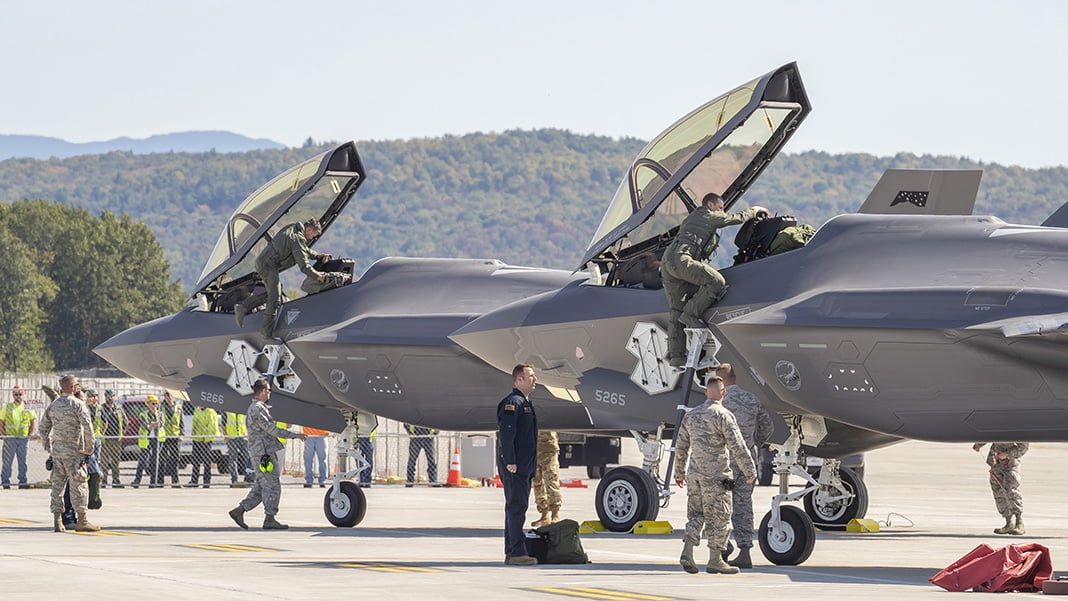 F-35 Fleet Readiness Falls to 25% Amid Parts Shortages and Software Delays: GAO Report
-
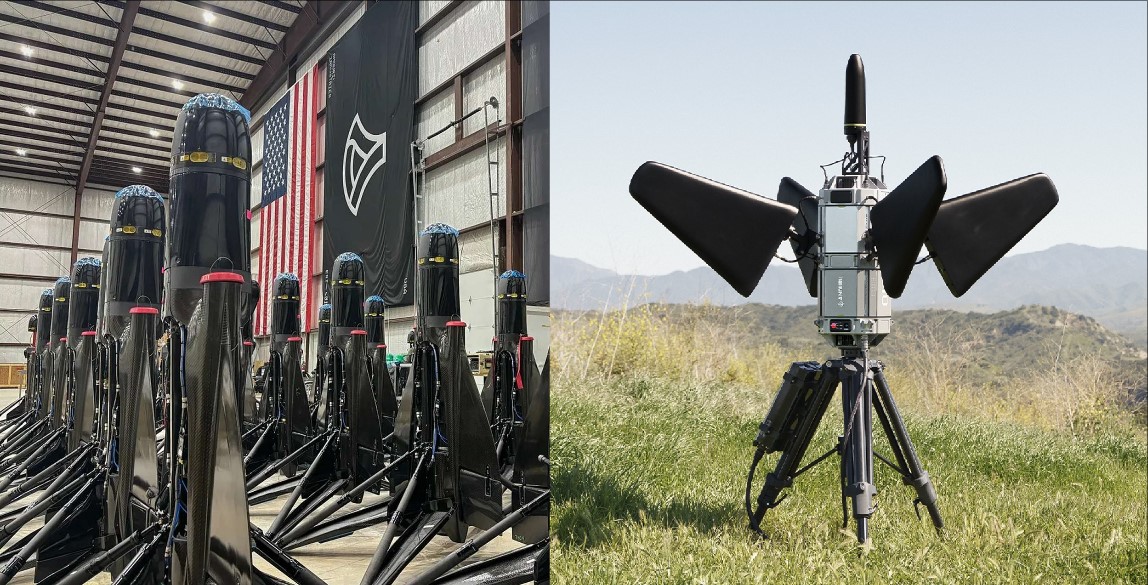 U.S. Approves $1.98 Billion Sale of Anduril AI-Powered Counter-Drone Systems to Kuwait
-
 UAE Denies Reports of Releasing Up to $20 Billion in Funds to Iran Amid Regional De-Escalation Efforts
-
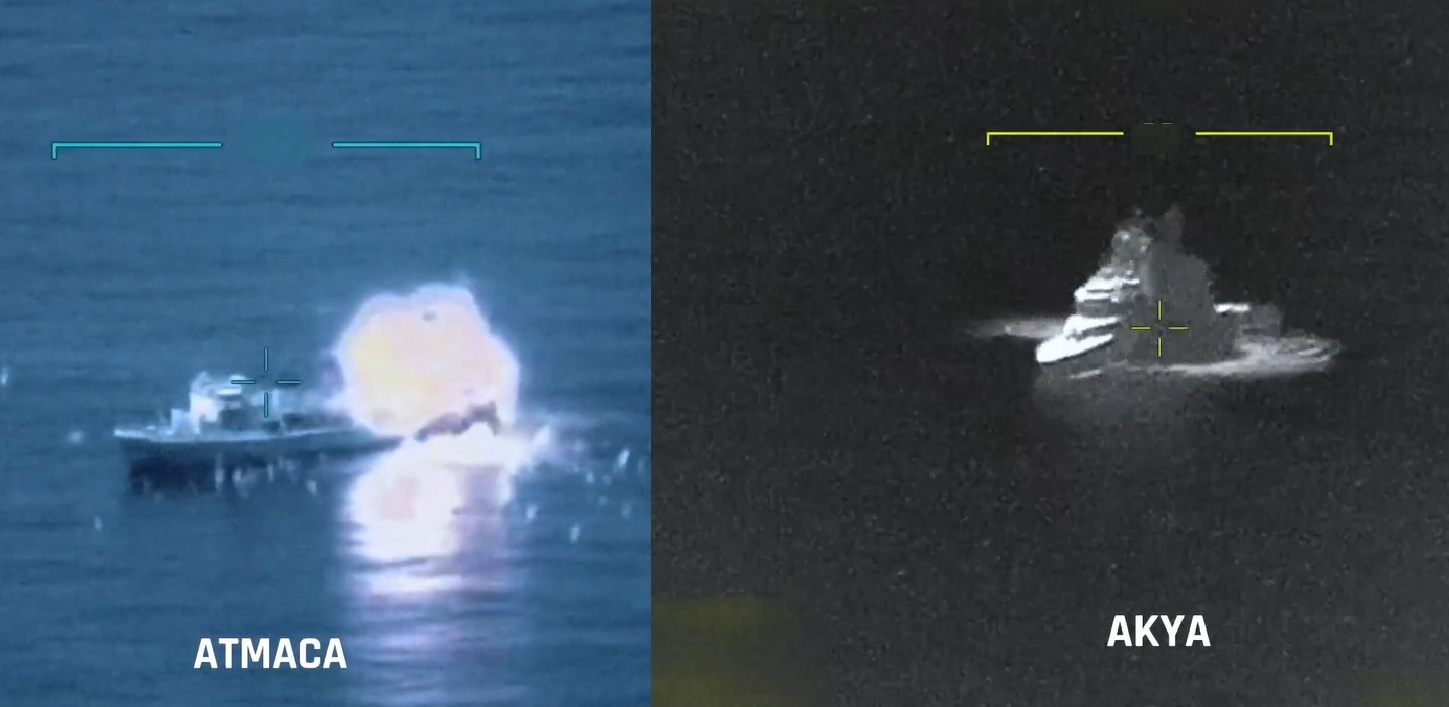 Turkey Navy Successfully Tests AKYA Torpedo and ATMACA Missile During Major Denizkurdu-II Naval Exercise
-
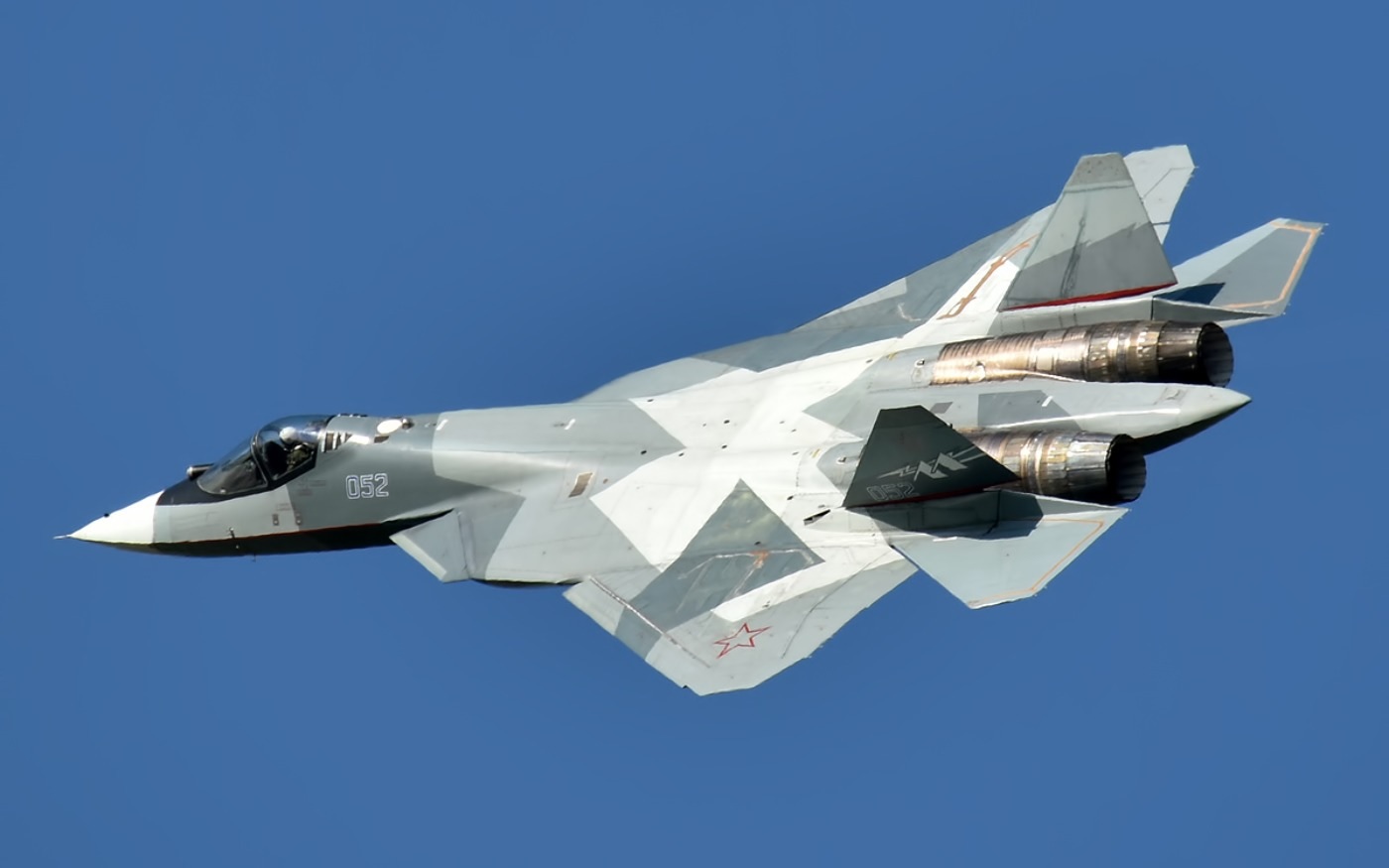 Russian Analysts Debate Su-57 Capabilities After Putin Calls Fighter Superior to F-35
Top Trending in 4 Days
-
 Iranian Media Leaks 14-Point U.S.-Iran Peace Framework Amid Ongoing Negotiations
-
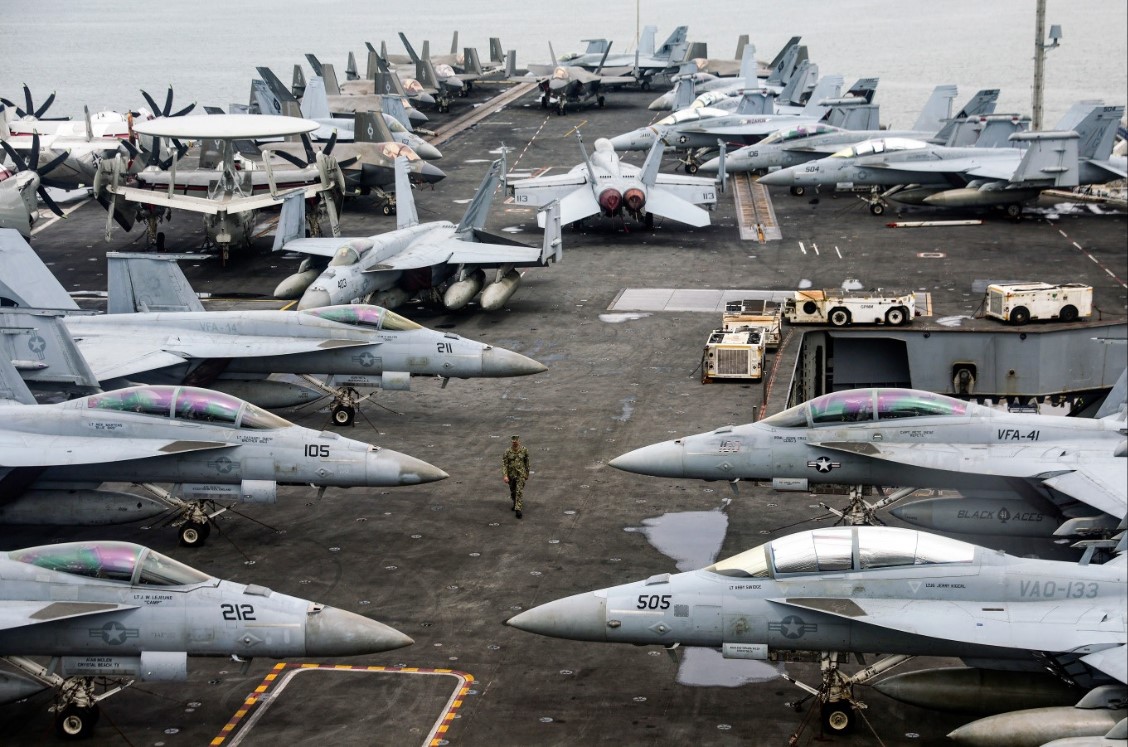 US Plans Significant Reduction of Fighter Jets and Warships for NATO Operations in Europe
-
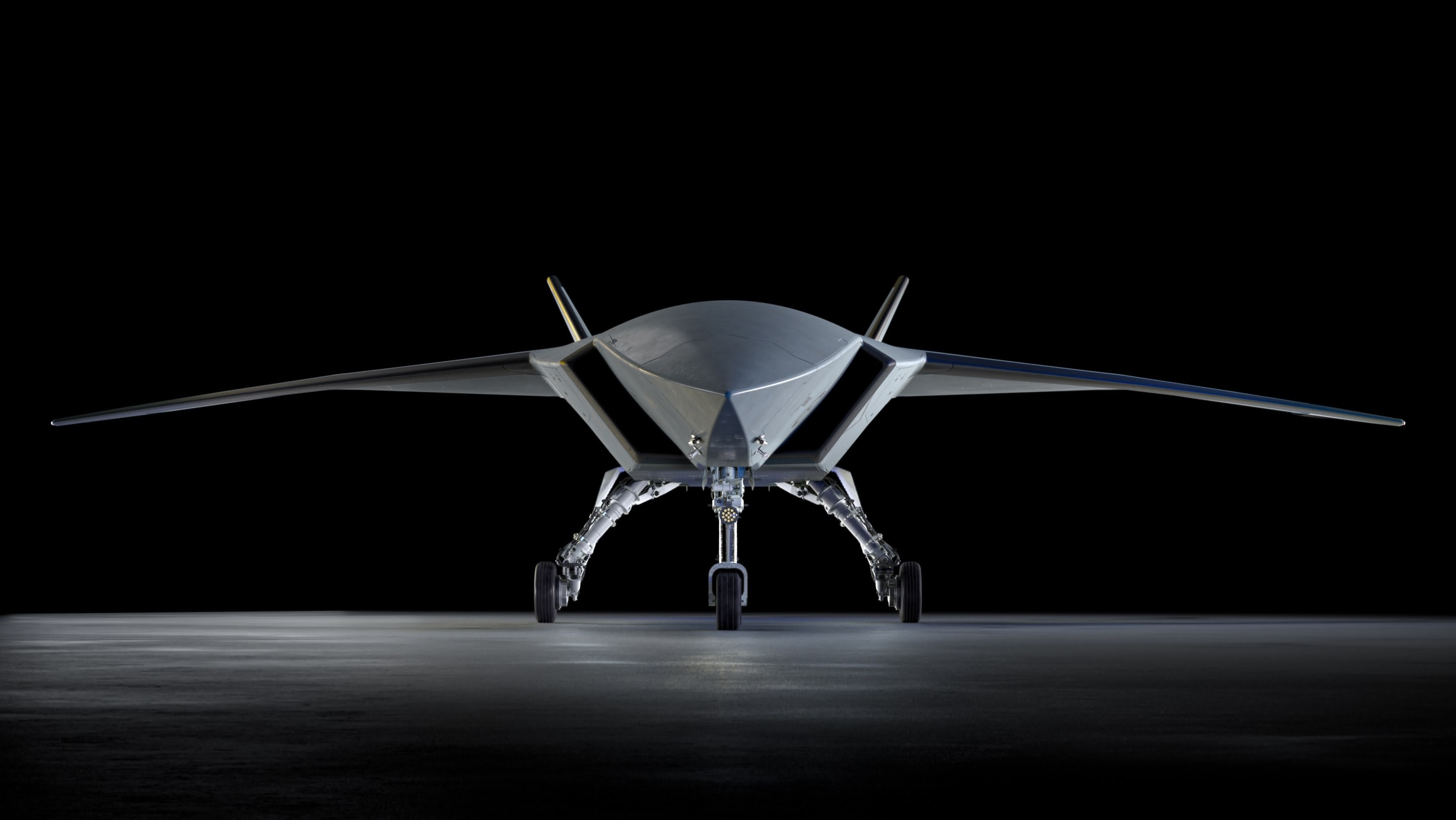 Boeing Introduces New MQ-28 Ghost Bat Upgrades with Increased Range, Payload and Weapons Capacity at ILA Berlin 2026
-
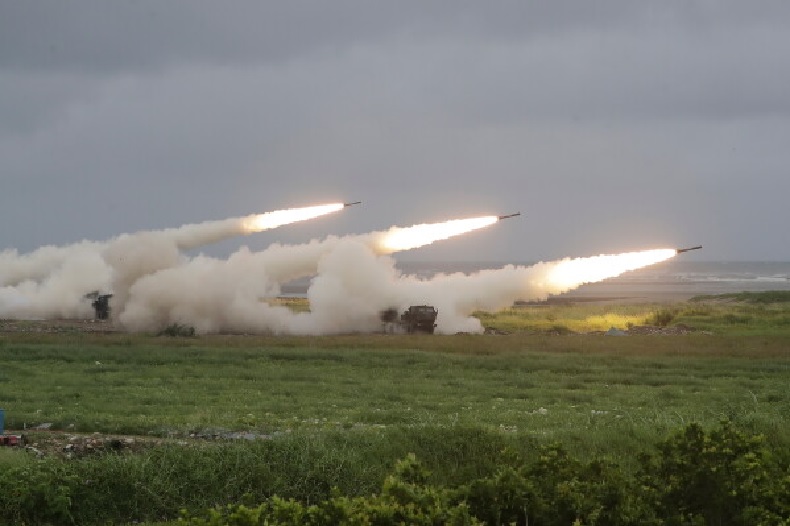 Taiwan Conducts First Live-Fire of HIMARS Rockets From West Coast During Invasion Defense Drill
-
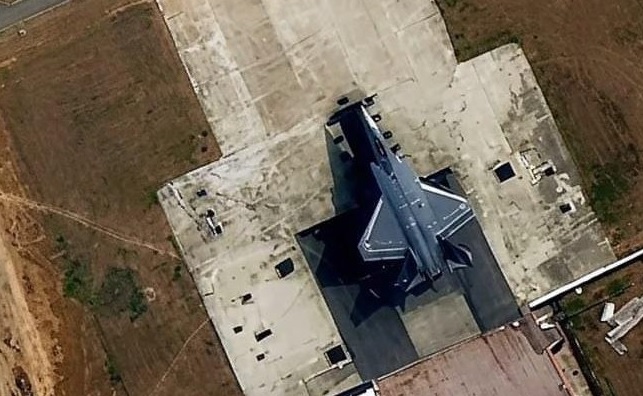 AMCA Airframe Spotted at DRDO’s ORANGE Facility for Radar Cross-Section Testing
-
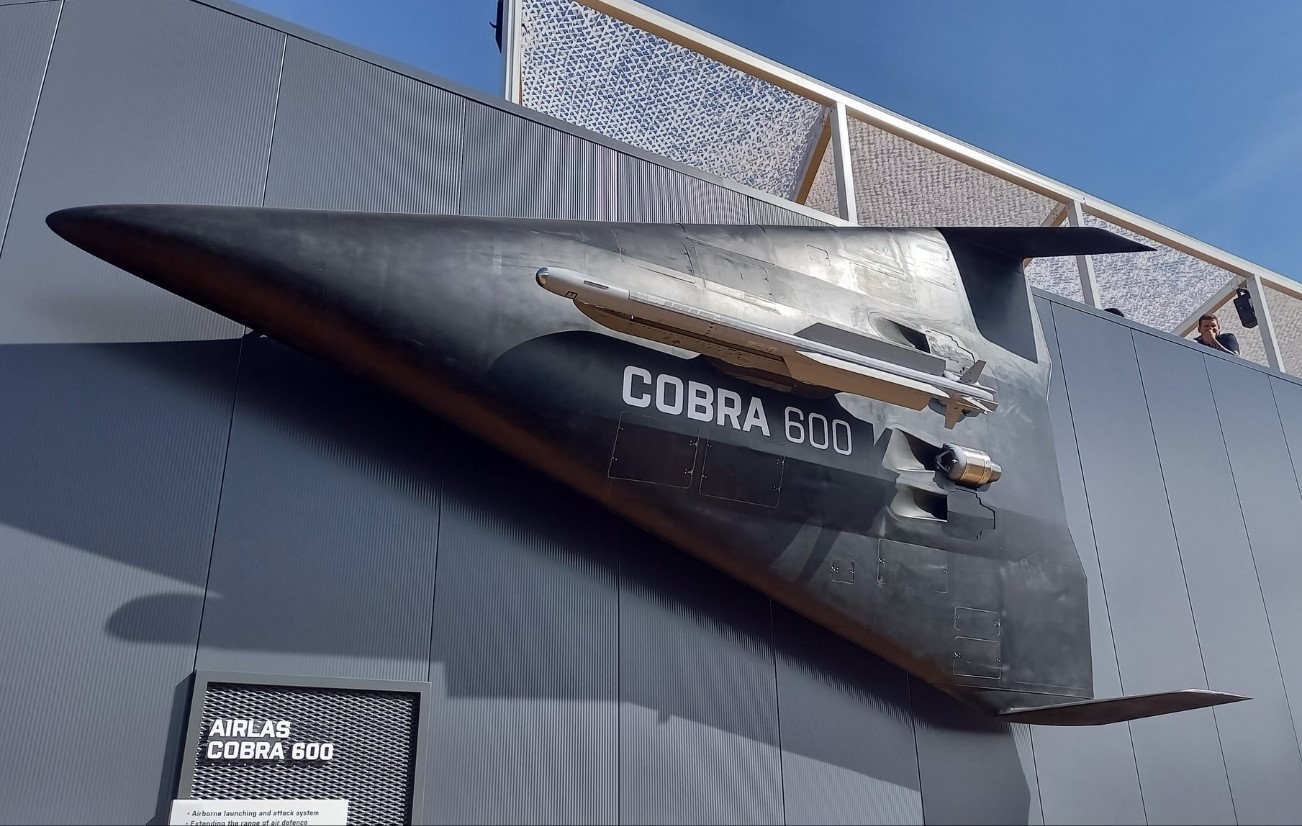 Diehl Defence Unveils IRIS-T Armed Cobra 600 Air Defense Drone at ILA Berlin 2026
-
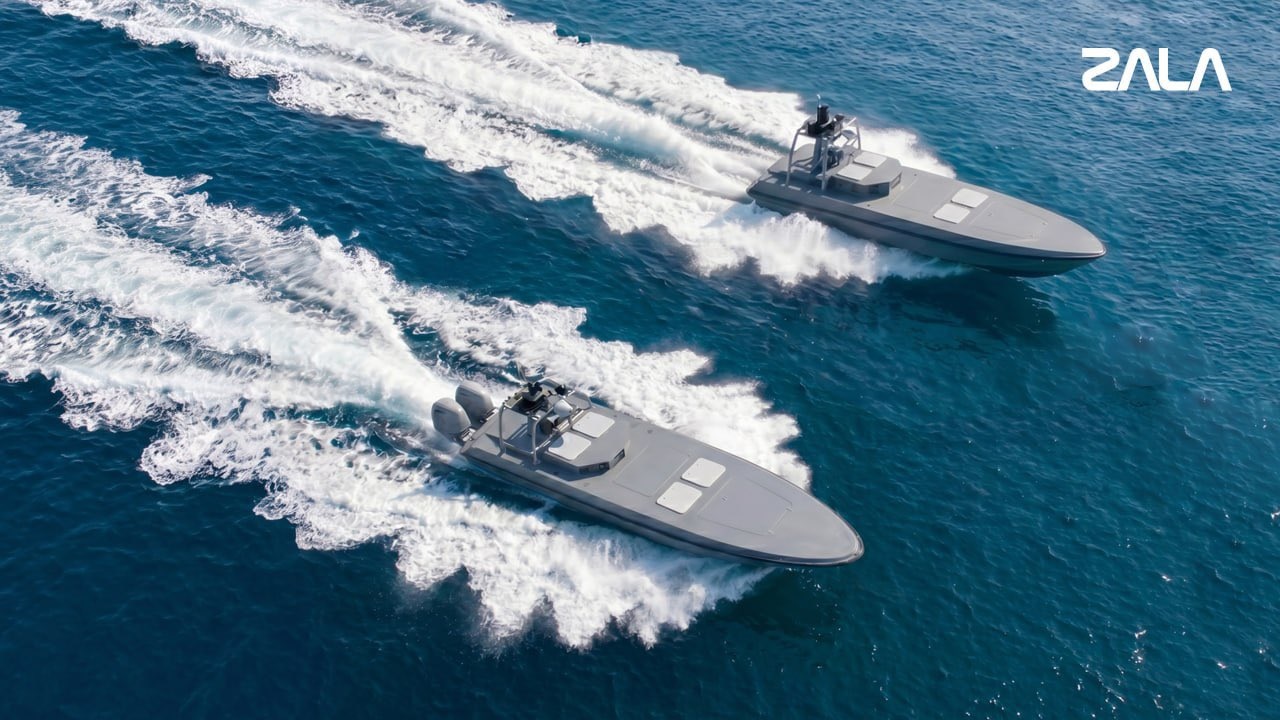 Russian Defense Firm ZALA Unveils KAMA Unmanned Surface Vessel Family at FLOT-2026 Naval Exhibition
-
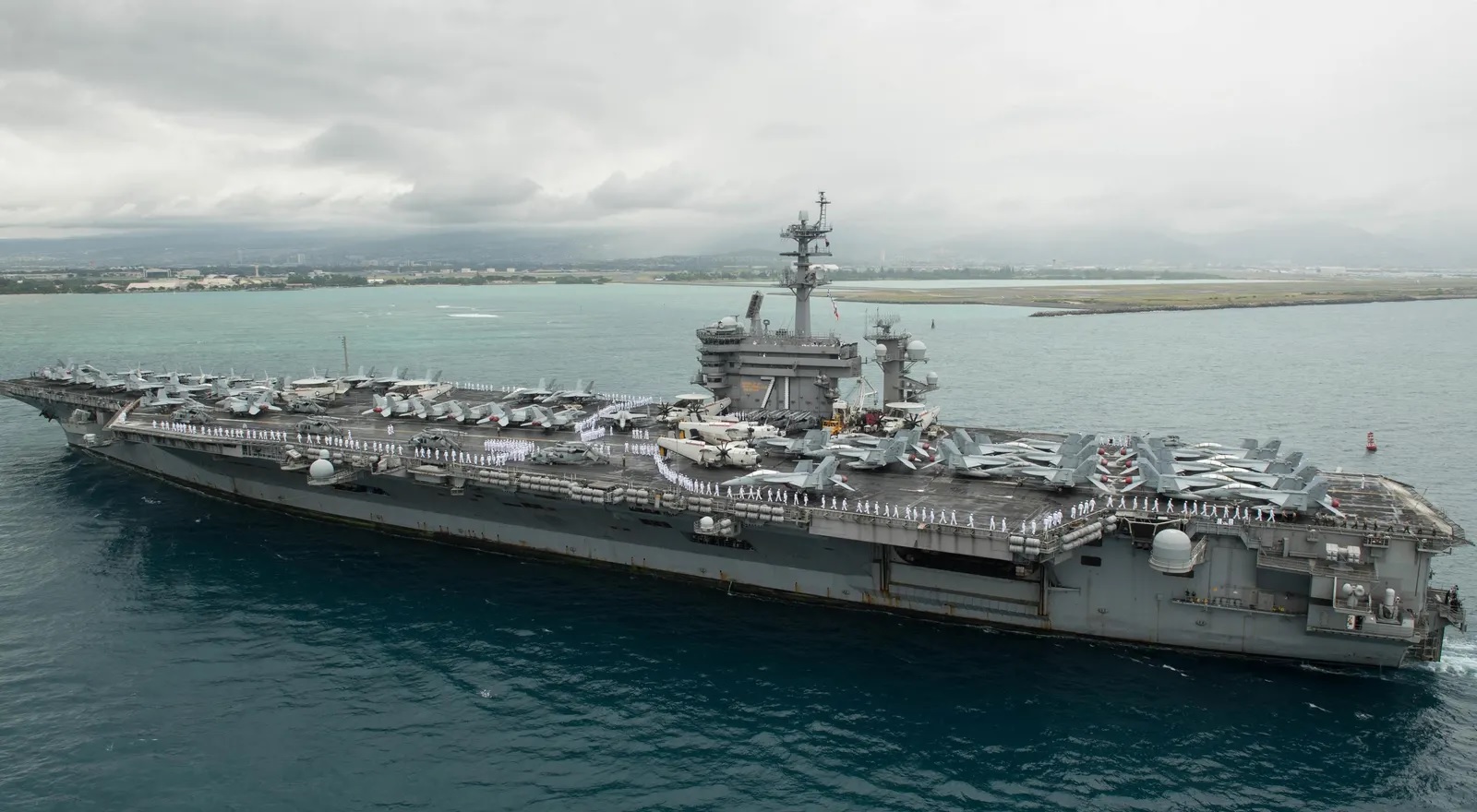 U.S Aircraft Carrier USS Theodore Roosevelt Departs San Diego for Major RIMPAC 2026 Naval Exercise