India
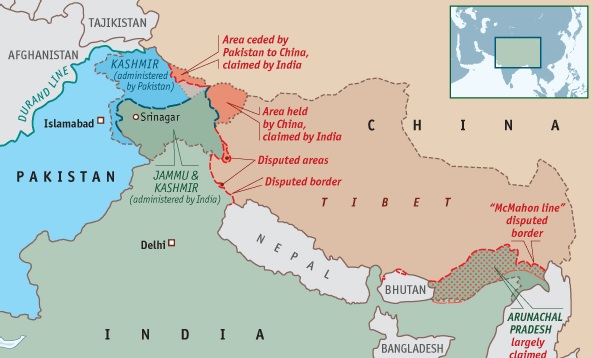
Defense News ,India :- The Chinese military recently repeated its belief that Arunachal Pradesh belongs to China. They say it's a part of their country, despite India saying otherwise. This happened after India refused to listen to China's objections to Prime Minister Narendra Modi's visit to Arunachal Pradesh.A spokesperson from the Chinese Defence Ministry, Senior Colonel Zhang Xiaogang, stated that the southern part of Tibet, which they call Xizang, is definitely China's. He also said that China doesn't accept and strongly opposes what they call the "so-called Arunachal Pradesh," which India created. This was reported by official Chinese media.Zhang said this in response to India improving its military readiness through the Sela Tunnel in Arunachal Pradesh. China claims Arunachal Pradesh as part of South Tibet and regularly protests when Indian leaders visit the state to emphasize India's ownership.China even renamed the area as Zangnan. However, India has always rejected China's claims over Arunachal Pradesh, saying it's an essential part of India. India has also disregarded China's attempt to give "made-up" names to the area, stating that it doesn't change the facts.On March 9, Prime Minister Modi inaugurated the Sela Tunnel, situated at 13,000 feet altitude in Arunachal Pradesh. This tunnel will provide year-round connectivity to Tawang and will help in better troop movement in the frontier region. It's considered the longest two-lane tunnel at such a height, costing Rs 825 crore. Indian military officials believe it will help in moving troops and equipment to various locations along the Line of Actual Control (LAC) with China.Zhang didn't directly mention Modi's visit but stated that India's actions contradict efforts to ease border tensions and don't help in maintaining peace in the border areas. He mentioned that the current situation at the border is generally stable, with both countries having effective diplomatic and military communication regarding border issues.Zhang urged India to stop actions that make the border issue more complicated and to work towards maintaining peace and stability in the area. He emphasized that the Chinese military is highly alert in protecting national sovereignty and territorial integrity.This reaction from Zhang followed a statement from China's foreign ministry spokesperson on Monday, who mentioned lodging a diplomatic protest with India over Modi's visit to Arunachal Pradesh.India strongly rejected China's objection, stating that Arunachal Pradesh has always been and will always be an integral part of India. India's Ministry of External Affairs spokesperson, Randhir Jaiswal, said that China has been repeatedly informed about India's consistent stance on this matter. Jaiswal mentioned that China's objection to visits like Modi's won't change the reality that Arunachal Pradesh is part of India.Jaiswal also pointed out that Indian leaders visit Arunachal Pradesh just like they visit other states of India. Objecting to such visits or India's development projects in the region doesn't make sense. He reiterated that Arunachal Pradesh is and always will be a fundamental part of India.
Read More → Posted on 2024-03-18 06:17:01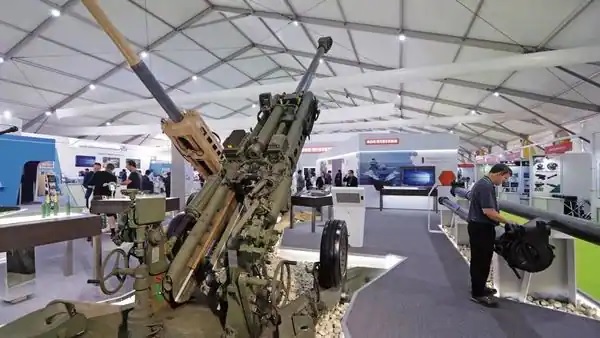
India
Defense News ,India :- India faces a tricky problem when it comes to its defense plans. C Uday Bhaskar, who leads the Society for Policy Studies, thinks so. He points out that even though India has been making great strides in technology, it still relies heavily on buying weapons from other countries.Recently, India successfully tested something called a Multiple Independently Targetable Reentry Vehicle (MIRV). It's a big deal in the world of defense. But at the same time, a report from the Stockholm International Peace Research Institute (SIPRI) showed that India's arms imports went up by 4.7 percent between 2014-18 and 2019-23.This report confirms what SIPRI found in 2023: India is the top buyer of weapons globally. From 2018 to 2022, India bought a whopping 11 percent of all arms sold worldwide. It's been in this top spot since 1993, which is quite a long time.These findings clash with what the Indian government says about wanting to make its own weapons. Leaders like Defense Minister Rajnath Singh talk about how India is moving towards making its own arms and even selling them to other countries. But the SIPRI data doesn't match up with this vision.So, why is it that India is doing well in some tech areas, like missiles, but struggling to make other weapons on its own? Sure, there's been some improvement in things like surveillance and communication gear, but overall, the Defense Research and Development Organization (DRDO) hasn't had consistent success.This shows that India's defense issues are pretty complicated. Yes, it's great that India can make impressive things like missiles, but it's still too reliant on buying weapons from abroad. To truly stand on its own feet, India needs to put more effort into research and development, make its own weapons more efficiently, and encourage new ideas in the defense industry.Celebrating India's technological victories is important, but it's also crucial to face the truth about relying on foreign weapons. Real independence in defense will only come with hard work and a careful rethink of India's defense strategy.
Read More → Posted on 2024-03-18 06:01:48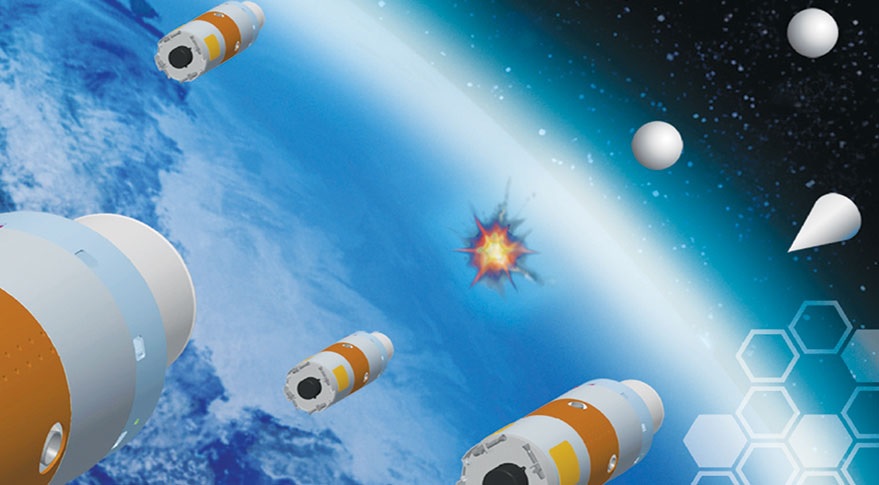
India
Defense News ,India :- India is making big strides in its defense capabilities, and one of the latest achievements is the successful demonstration of MIRV (Multiple Independently Re-entry Vehicle) technology with the Agni-V missile test. This technology allows a single missile launch to strike multiple targets, enhancing India's strategic deterrent. Let's break down what this means and why it's important.What's MIRV?Think of MIRV like this: instead of one big punch, it's like throwing multiple smaller punches at different targets. With MIRV, India can launch a missile that can hit not just one, but many targets. This is a big deal because it gives India more power to defend itself and strike back if needed.Balancing Defense and AttackNow, while India is getting better at hitting targets, it's also working hard on defense. One of the things it's focusing on is the Phase-II Ballistic Missile Defence (BMD) system. This system is all about stopping enemy missiles from hitting India.Meet MKVMKV (Multiple Kill Vehicle) is a key part of this defense plan. Imagine instead of one big shield, you have lots of smaller shields spread out. Each shield can move on its own and can stop incoming missiles. That's what MKV is all about.How MKVs WorkMKVs work like this: instead of having one big missile interceptor, you have many smaller ones. These small interceptors are really smart. They can find and destroy enemy missiles all by themselves. So, if many enemy missiles are coming, MKVs can take care of them one by one.India's Defense JourneyIndia has been making good progress in developing its defense systems. They've already tested a part of their BMD system called AD-1 successfully. And they're planning to test another part, AD-2, in the future. MKVs could be a game-changer in India's defense strategy. They're still planning how to use them, but if they do, it'll make India's defense even stronger.Why MKVs Are ImportantMKVs can make India's defense much better in a few ways:They can stop many enemy missiles at once, making it harder for the enemy to attack successfully.Using many interceptors against one enemy missile increases the chances of stopping it.MKVs could be cheaper to use compared to other defense systems, saving money while keeping India safe.Looking ForwardIndia is focusing on both offense and defense to make sure it's safe and strong. MIRVs help with offense – hitting multiple targets if needed. MKVs are all about defense – stopping enemy missiles from hitting India. By investing in these technologies, India shows it's serious about protecting itself and becoming a stronger force in the world.
Read More → Posted on 2024-03-18 05:55:31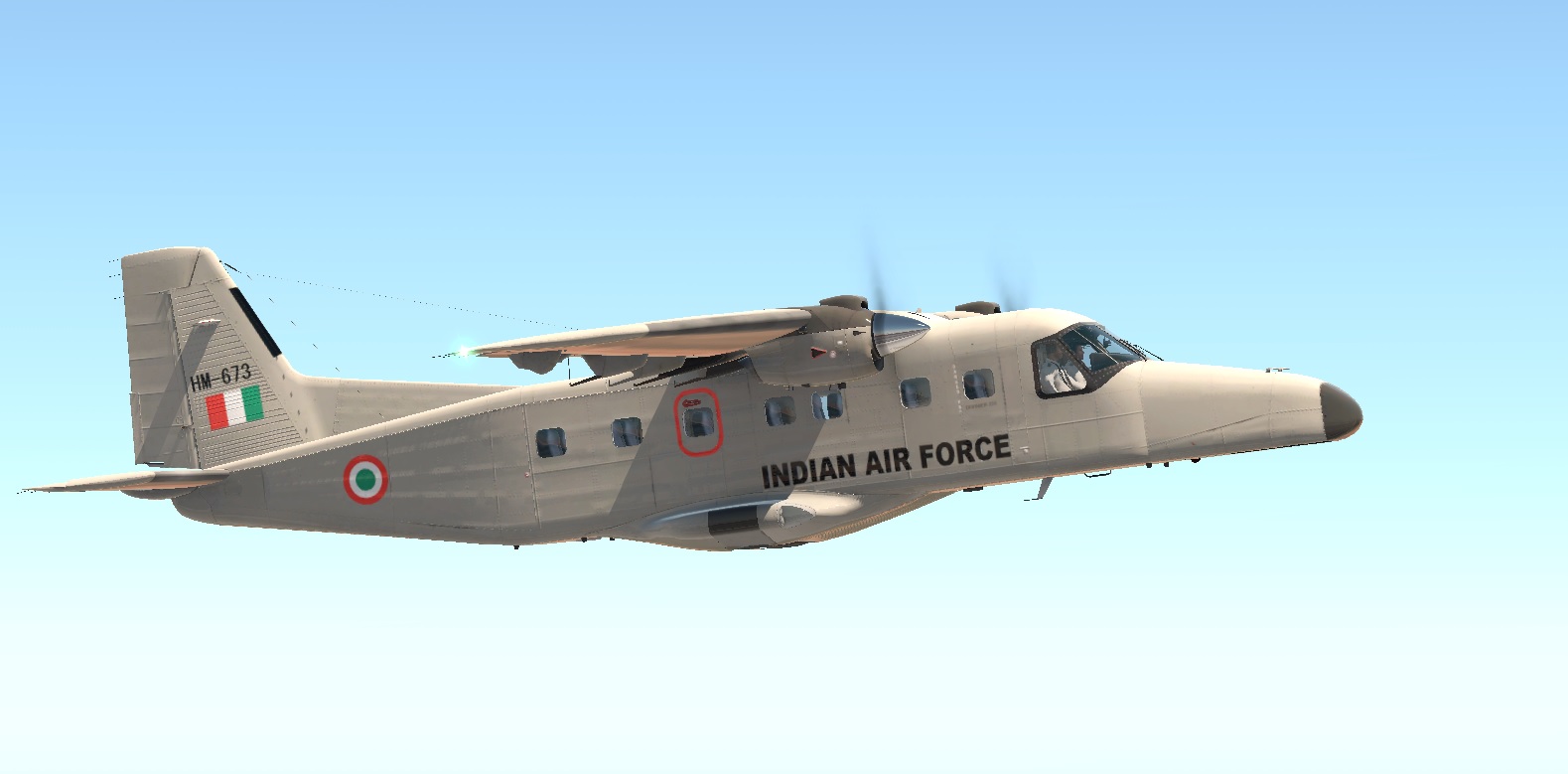
India
Defense News ,India :- The Guyana Defence Force (GDF) wants to buy two new airplanes from India. They're getting a $23.27 million loan from the Export-Import Bank of India to make this happen.The finance minister of Guyana and the deputy GM of the EXIM Bank signed an agreement last Friday. Guyana, which has many people of Indian descent, aims to buy two HAL (Dornier) 228 planes from Hindustan Aeronautics Limited.These planes are great for taking off and landing on short runways, which is important for Guyana's landscape. They'll be used for keeping watch over the sea, supplying military bases, and moving troops to remote areas.This agreement is the first of its kind between India and any Caribbean nation. Guyana also plans to buy patrol vehicles, radars, and armored vehicles from India.The finance ministry of Guyana says this deal is part of their plan to make the GDF stronger. They've been working with India since President Ali visited Hindustan Aeronautics Limited in January 2023.Guyana's finance minister says they're investing a lot in improving the GDF, especially the Air Corps and Coast Guard. Buying these two planes is the biggest investment they've made in the force so far.The Chief of Staff of the GDF, Brigadier Omar Khan, thanked India for helping with defense training for many years. He says this agreement supports the president's goal of a strong security sector for peace and prosperity.This agreement is just one of eleven loans Guyana has received from the Indian EXIM Bank over the years. India also offered 19 defense training slots to GDF under its Indian Technical and Economic Cooperation (ITEC) Programme. These slots cover courses for the army, navy, and air force.
Read More → Posted on 2024-03-18 05:30:37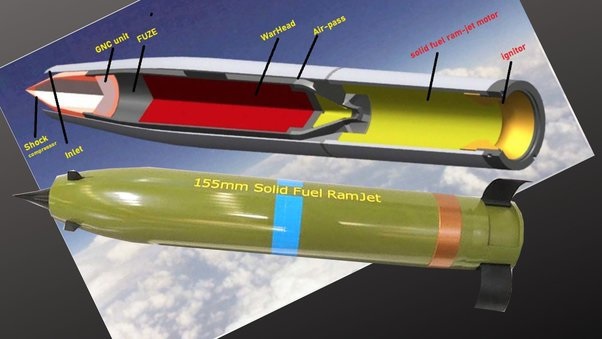
India
Defense News , India :- India's journey to enhance its artillery capabilities takes a significant stride forward, as recent strides have been made in testing a cutting-edge ramjet-powered artillery shell.In a recent Southern Command seminar on National Security and Building Bharat, retired Lieutenant General P R Shankar unveiled the latest updates on this ambitious project.Progress Amidst ChallengesCollaborating with the prestigious Indian Institute of Technology Madras (IIT Madras) and the Army Design Bureau (ADB), India's endeavor has reached a notable milestone with the testing of a 155mm ramjet shell at Balasore last month.Although the recent test didn't achieve full success, Lt Gen Shankar affirmed that it provided crucial insights for refining the design. The upcoming iteration, expected to be the 10th-12th version, is currently under development and nearing completion.Building on Past SuccessThis development follows a triumph in test-firing a half-scaled 76mm ramjet shell prototype at the Deolali firing range six months ago, showcasing the project's initial technological achievements.Understanding Ramjet TechnologyDiverging from conventional artillery shells, ramjet engines utilize airflow to sustain their combustion process. This distinctive feature offers a substantial range advantage, potentially transforming artillery warfare dynamics.India's ambitious initiative aims to significantly augment artillery firing range while ensuring compatibility with existing howitzer systems.Defense ImplicationsThe ongoing advancements and the imminent readiness of the next ramjet shell iteration mark a significant positive step for India's defense modernization endeavors.The successful deployment of this groundbreaking technology could furnish the Indian Army with a considerable tactical edge on the battlefield, potentially reshaping the dynamics of future conflicts.
Read More → Posted on 2024-03-18 05:14:09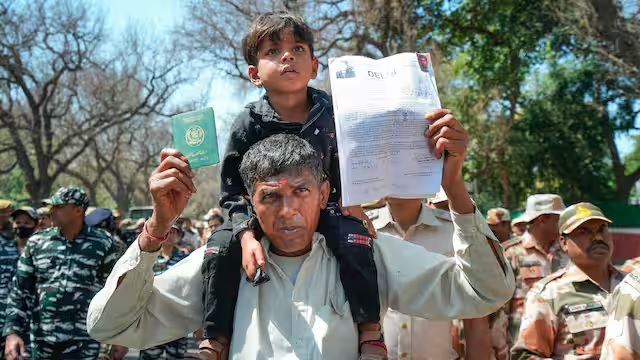
India
Defense News ,India :- In Ahmedabad, eighteen Hindu refugees from Pakistan got Indian citizenship. A camp was held on March 16, where Gujarat Minister of State for Home, Harsh Sanghavi, gave them citizenship. He encouraged them to work together for a better India.The camp took place at the District Collector’s office. Mr. Sanghavi told the new citizens to join India's development journey. He said both the central and state governments are committed to integrating them into society.According to an official statement, in 2016 and 2018, Gazette notifications empowered District Collectors in Gujarat to grant Indian citizenship to minorities from Pakistan, Afghanistan, and Bangladesh.So far, 1,167 Hindu refugees from Pakistan in Ahmedabad have received Indian citizenship.Mr. Sanghavi highlighted the efforts of Prime Minister Narendra Modi and Union Home Minister Amit Shah in helping minorities from Afghanistan, Pakistan, and Bangladesh become Indian citizens quickly.On March 11, the Union government announced the Citizenship (Amendment) Act, 2019. This allows undocumented non-Muslim migrants from Pakistan, Bangladesh, and Afghanistan to apply for Indian citizenship.The government aims to grant Indian nationality to persecuted non-Muslim migrants, including Hindus, Sikhs, Jains, Buddhists, Parsis, and Christians, from these three countries.
Read More → Posted on 2024-03-17 15:37:55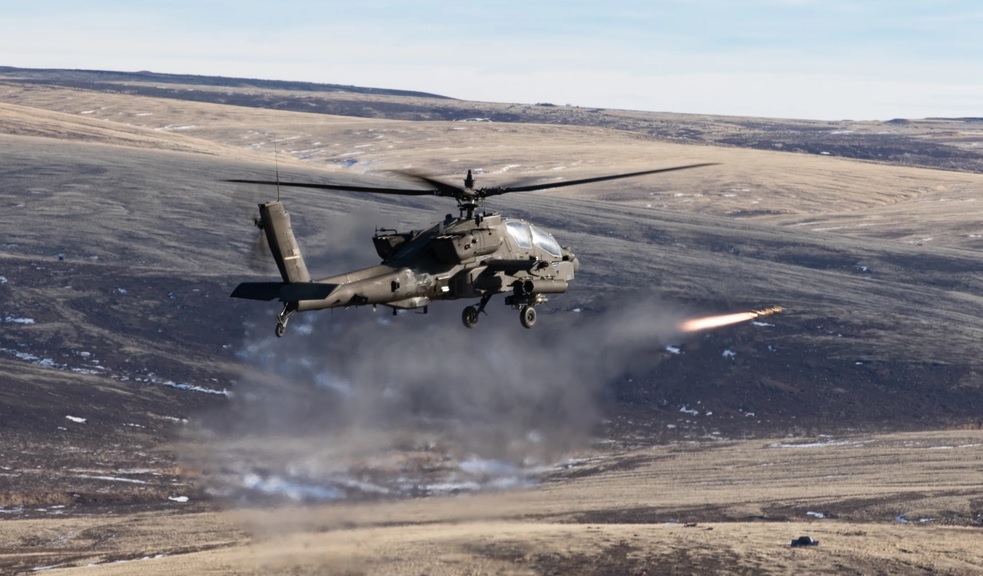
India
Defense News ,India :- The Indian Army has finalized arrangements to station six new AH64E Apache attack helicopters at Jodhpur, situated near the Pakistan border in Rajasthan. Termed as 'tanks in the air,' the first squadron of these formidable helicopters was established in the desert region of Jodhpur on March 15.Equipped with fire-and-forget Hellfire missiles, the Apaches possess robust anti-armour capabilities, capable of tracking up to 128 targets per minute. Delivery of these advanced helicopters, valued at over ₹4,100 crore, is slated to commence in May. Boeing, operating from its Mesa facility in Arizona, is responsible for manufacturing these helicopters, which are set to be operated by the Army Aviation Corps.The Army Aviation Corps is on a path of modernization, augmenting its capabilities with a diverse range of aircraft, including attack helicopters, light combat helicopters (LCH), light utility helicopters (LUH), and unmanned aerial vehicles (UAVs).The Indian Air Force (IAF) already operates a fleet of 22 Apache helicopters, acquired as part of a larger deal worth $3.1 billion, which also included 15 Chinook heavy-lift choppers, back in 2015. These helicopters have played pivotal roles, particularly in the Ladakh region amidst the ongoing tensions with China along the Line of Actual Control (LAC).Looking ahead, the Indian Army plans to procure a mix of 200 utility and combat helicopters to fulfill its operational requirements, with a focus on indigenous production. The inauguration of India’s largest helicopter manufacturing facility in Tumkur, Karnataka, by Prime Minister Narendra Modi last year, marks a significant stride towards self-reliance in defense manufacturing.Spanning across 615 acres, the HAL factory will initially produce LUH followed by LCH and subsequently the Indian multirole helicopters. The impending retirement of the aging Cheetah and Chetak helicopters within the next three to four years will pave the way for the complete overhaul of the fleet with modern utility choppers over the next decade.Currently comprising three aviation brigades, the army intends to raise more brigades in the foreseeable future, as reported previously. Furthermore, the army aims to introduce MQ-9B remotely piloted aircraft systems in the next three to four years, procured from the United States in a government-to-government deal.This acquisition is poised to substantially enhance the Indian military’s capabilities, as the MQ-9B drones are versatile platforms capable of executing a wide array of tasks, including intelligence, surveillance, reconnaissance, electronic warfare, defensive counter-air, and airborne early warning.India is also negotiating a deal to purchase 31 such drones, earmarked for various branches of the armed forces, including the navy, army, and IAF. This strategic augmentation underscores India's commitment to bolster its defense capabilities and enhance its readiness to counter emerging threats effectively.
Read More → Posted on 2024-03-17 15:33:57
India
Defense News ,India :- Indian scientists from IIT Mandi and Palakkad have made a special robot that can go underwater.This robot is a big deal because it can help the navy work better and save money.What's so special about this robot? Well, it can solve problems underwater in real-time. That means it can react quickly to whatever it finds down there. This is a big change from the old ways of doing things, which often involved human divers or robots that weren't as good.One really cool thing about this robot is that it's super flexible and can give feedback really fast. This means it can make decisions quickly, which is important when you're dealing with the unpredictable underwater world.Keeping people safe is really important, especially when they're working underwater. This robot can help by reducing the need for divers in dangerous situations. So, it makes diving safer.But it's not just about safety. This robot is also really good at doing its job efficiently. And because it can respond quickly, it can save a lot of money in the long run.The robot can do lots of different things underwater, but one of its main jobs is to check and fix ships. Here are some of the things it can do:1. Checking Ship Hulls: It can look at the bottom of ships to see if there's any damage, rust, or stuff growing on them. 2. Inspecting Welds: It can check to make sure the metal parts of the ship are stuck together properly. This is really important for keeping the ship strong and safe.3. Inspecting Protection Systems: It can also make sure that the systems that stop the ship from getting rusty are working well.This robot is a big deal because it shows that India is getting really good at exploring underwater and making things for the ocean.By making something that's safe, fast, and doesn't cost too much, this robot can help lots of different industries. It can help the navy, scientists studying the ocean, and people who need to keep things underwater in good shape. It's a big step forward for India and for anyone who needs to work beneath the waves.
Read More → Posted on 2024-03-17 15:09:59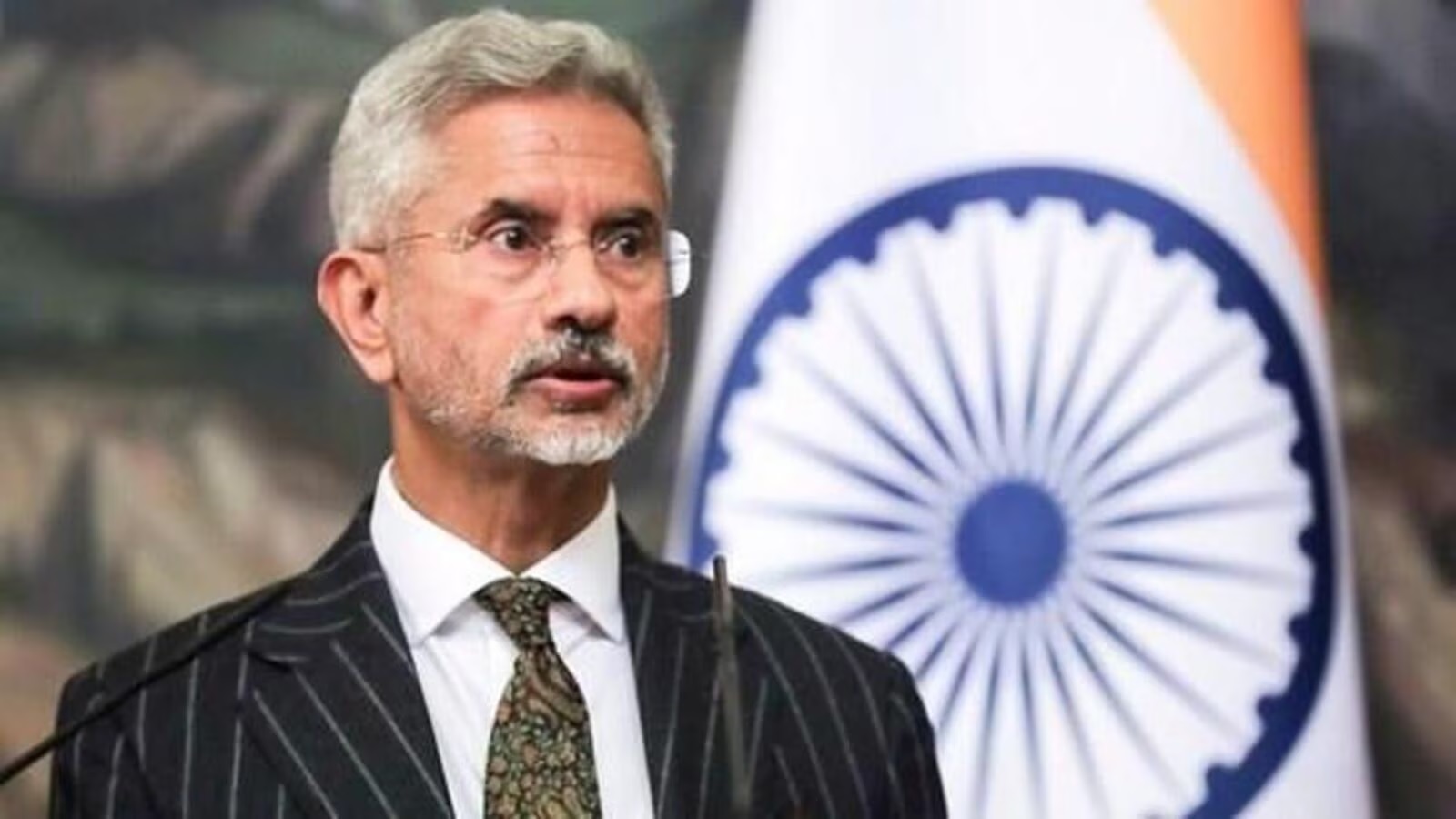
India
Defense News ,India :- India's External Affairs Minister, S Jaishankar, spoke boldly about criticism surrounding the Citizenship Amendment Act (CAA). He said that people around the world don't understand India's history properly, especially about the time when India was divided during the partition. He believes the government has a duty to help those who suffered during that time.Jaishankar thinks that some people talk about India's problems without knowing the full history. He says the CAA tries to fix some of the issues that came from the partition. He defended the CAA strongly and said critics should look at their own countries' policies before judging India.He mentioned other countries that have made similar policies. For example, he talked about amendments in the United States that helped specific groups like Jews and Hungarians. He argued that many countries have fast-tracked citizenship for certain groups based on ethnicity or religion.The Citizenship (Amendment) Rules, 2024, let eligible people apply online for Indian citizenship under the CAA. The government made a web portal for this purpose.The CAA, passed in 2019, aims to give Indian citizenship to refugees who came to India before December 31, 2014, because they were persecuted for their religion in Afghanistan, Pakistan, and Bangladesh. It specifically helps six religious minority communities.The CAA tries to remove legal barriers for these refugees and give them a better life in India after years of suffering.In simpler terms, Jaishankar is saying that the CAA is meant to help people who faced problems because of their religion in neighbouring countries. He thinks that other countries have similar laws, and India's law is fair and necessary.The CAA allows eligible people to apply for Indian citizenship online. This law aims to help religious minorities who faced persecution in Afghanistan, Pakistan, and Bangladesh.Jaishankar believes that India's history, especially the partition, is often misunderstood by people from other countries. He thinks the CAA is a way to address some of the problems that arose from the partition.He also pointed out that other countries have similar laws that help specific groups of people. He says that before criticizing India's policies, people should look at their own countries' actions.The CAA is meant to make it easier for persecuted religious minorities from neighbouring countries to get Indian citizenship. It removes legal barriers for these refugees and gives them a chance at a better life in India.In summary, Jaishankar defended the CAA, saying it's a fair law that helps those in need. He thinks that other countries have similar laws and that India's law is necessary to address historical problems.
Read More → Posted on 2024-03-17 15:04:07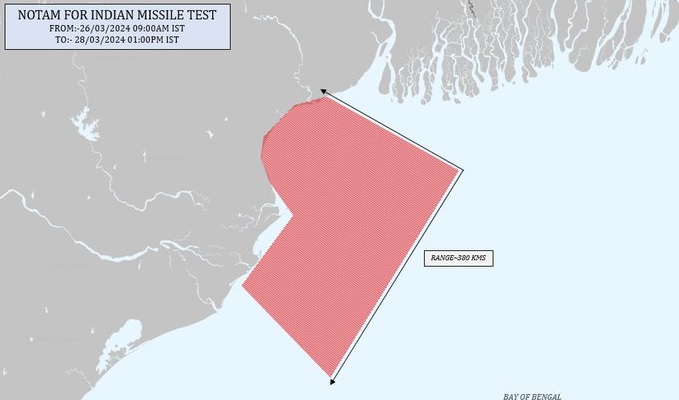
India
Defense News ,India :- India is planning to test a missile in the Bay of Bengal soon, and people are curious about it. The test is scheduled to happen between March 26th and April 28th, 2024. The area where the test will occur covers about 380 kilometers. Even though the details are kept secret, many are interested in knowing what kind of missile it is and what it can do.Before countries test missiles, they usually let pilots know by issuing Notices to Airmen (NOTAMs). This is a normal step in developing and testing military weapons. The specific area chosen in the Bay of Bengal suggests that the missile will be launched in a certain direction within that range.India takes pride in its missile program, which is important for its defense plans. In the past, they've tested different kinds of missiles, some for short distances and others for long distances. These tests show how India's technology is improving. The type of missile being tested this time hasn't been revealed yet, which makes people even more curious about the upcoming launch.Experts who study defense will be watching the test closely. They want to learn more about how India's missile technology is progressing. If the test goes well, it will show that India is a strong player in the world of defense.
Read More → Posted on 2024-03-17 14:44:29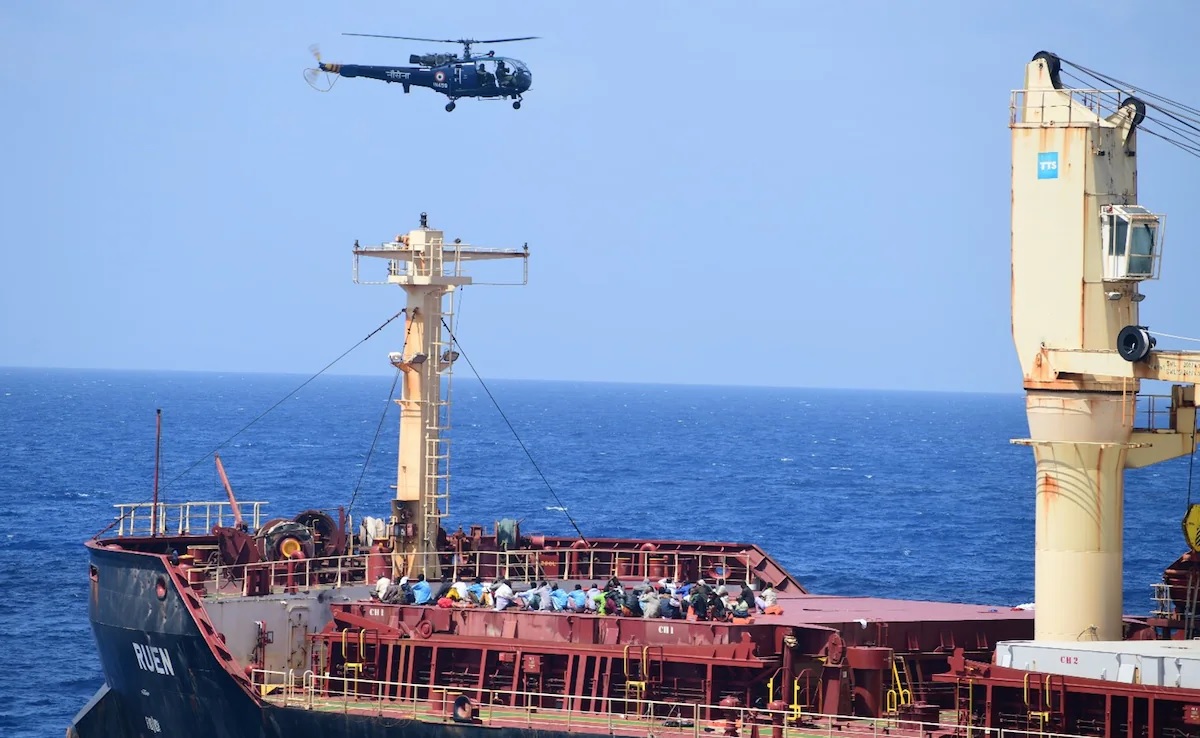
India
Defense News ,India :- The Indian Navy ship INS Kolkata successfully stopped a pirate ship and made all 35 pirates give up. This happened on Saturday. The Navy's action saved 17 crew members from the pirate ship. Thankfully, no one got hurt during the rescue, according to the Indian Navy's official statement.INS Kolkata stopped the pirate ship named Ruen. It was about 2600 kilometers away from the Indian Coast. The operation lasted for 40 hours. The Navy made the pirate ship stop using careful actions.INS Subhadra, drones called HALE RPA, a maritime patrol aircraft named P8I, and special forces known as MARCOS PRAHARs, which were dropped by a C-17 aircraft, all helped in the rescue operation. After making sure it was safe, the Navy checked the pirate ship for illegal weapons, ammunition, and other illegal items.Earlier, the Indian Navy had told about the ongoing mission to rescue crew members from a ship in trouble.The pirate ship, ex-MV Ruen, was taken over by Somali pirates on December 14, 2023. It reappeared as a pirate ship, threatening other ships in the sea. The Indian Navy quickly responded to this danger on March 15.The Navy asked the pirates to surrender immediately and release any hostages they might have had. The Indian Navy is committed to keeping the sea safe for everyone. This action shows India's determination to fight piracy and follow international maritime laws.
Read More → Posted on 2024-03-17 06:22:06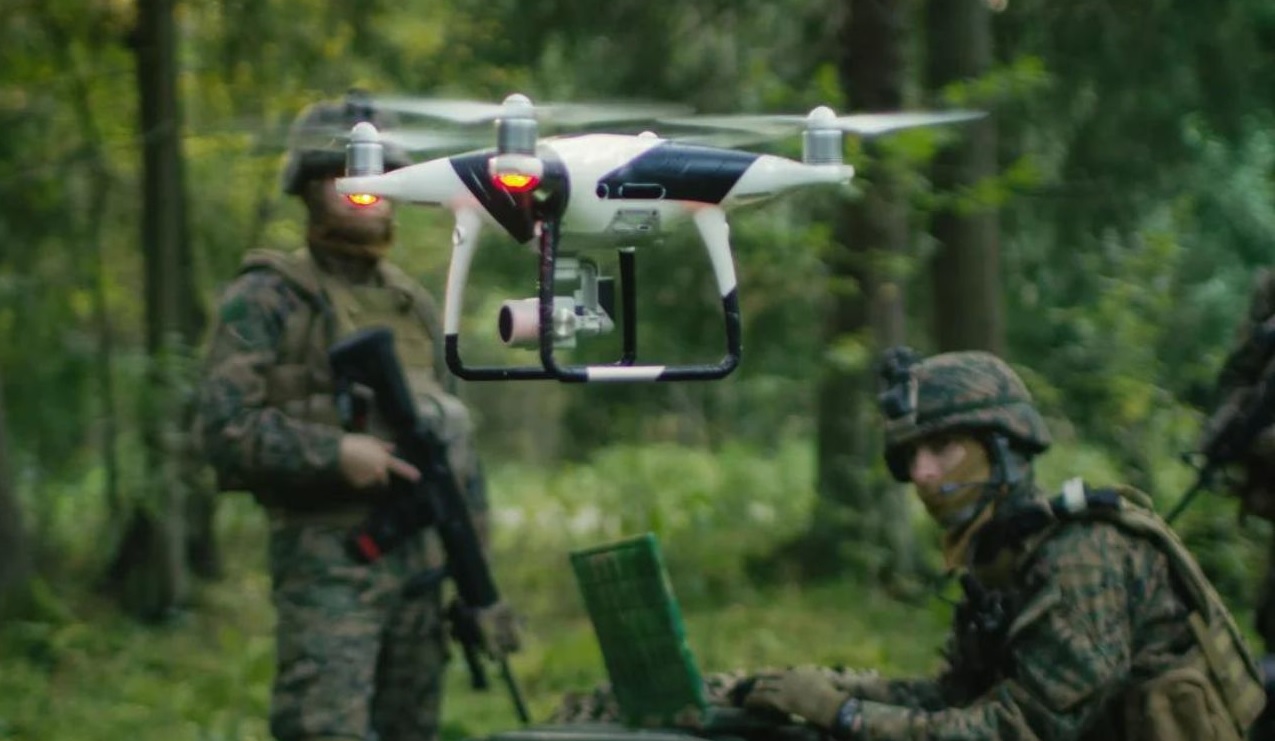
India
Defense News ,India :- DroneAcharya Aerial Innovations Limited, a leading company in drone technology, has won a big contract to provide important computer equipment for the Indian Army's new Drone Lab in Jammu and Kashmir (J&K). This news was shared through an official company announcement. It shows that India is serious about improving its abilities with unmanned aerial drones.The contract requires DroneAcharya to supply key computer equipment like CPUs, monitors, keyboards, and mice. These items will be essential for the smooth running of the Drone Lab. The lab is being built as a modern facility where military personnel can get training and do important research on drones.The Drone Lab in J&K is very important because it will help the Indian Army become better at using drones. Experts in defense say this decision matches the increasing use of drone technology in modern warfare.
Read More → Posted on 2024-03-17 04:54:05
India
Defense News ,India :- In the recent United Nations General Assembly, there was talk about a resolution regarding Islamophobia. Let's break down what happened there.The UN has 193 member countries. One of these countries, Pakistan, introduced a resolution about Islamophobia. They got support from China, and together they wanted to combat Islamophobia. But here's the catch: India decided to stay out of it.This resolution got approved with 115 countries saying yes, none saying no, and 44, including India, deciding not to vote either way. Other countries like Brazil, France, Germany, Italy, Ukraine, and the UK also stayed neutral.India's representative at the UN, Ambassador Ruchira Kamboj, spoke up. She said that while it's essential to fight against anti-Semitism, Christianophobia, and Islamophobia, we shouldn't forget that other religions face discrimination too.She pointed out that it's not just about Abrahamic religions like Judaism, Christianity, and Islam. Religiophobia, or fear and discrimination based on religion, also affects religions like Hinduism, Buddhism, and Sikhism. She reminded everyone that over 1.2 billion people follow Hinduism, more than 535 million follow Buddhism, and over 30 million follow Sikhism worldwide.India was worried that focusing only on Islamophobia might set a bad precedent. They didn't want the UN to start passing resolutions for or against specific religions. Ambassador Kamboj said, "We need to focus on broader issues of religious discrimination, which affect many religions, not just one."She also highlighted recent incidents of attacks on places of worship for non-Abrahamic religions. Gurudwaras, monasteries, and temples have been targets of violence. She mentioned the destruction of the Bamiyan Buddhas in Afghanistan and attacks on Sikh pilgrims and temples as examples.India stressed that they're against all forms of religiophobia. They don't support discrimination or violence against any religion. But they believe that addressing religious discrimination should include all religions, not just one.The resolution also called for appointing a special envoy to combat Islamophobia. India didn't agree with this idea. They thought it wasn't fair to focus on just one religion when there are discrimination issues faced by many religions.Ambassador Kamboj reminded everyone of India's history as a diverse and democratic nation. India has always welcomed people of all faiths and provided a safe space for them. She said India has been a sanctuary for persecuted people throughout history, whether they were Zoroastrians, Buddhists, Jews, or followers of any other belief.Before passing the resolution, there were two amendments proposed. One suggested removing references to the desecration of the Quran. The other proposed appointing a focal point to combat anti-Muslim discrimination instead of a special envoy. India supported both these amendments.The UN had already declared March 15 as the International Day to Combat Islamophobia in 2022. This decision came after a tragic incident in Christchurch, New Zealand, where over 50 people were killed in attacks on mosques in 2019.UN Secretary-General Antonio Guterres expressed his concerns about rising anti-Muslim hate around the world. He also mentioned discrimination against Jews, minority Christian communities, and others. He emphasized that hate against one group leads to hate against others and damages society.In summary, India abstained from voting on the UN resolution about Islamophobia because they felt it was essential to address religious discrimination against all religions, not just one. They believe in equality and inclusivity for all faiths, and they want the UN to focus on broader issues of religious discrimination rather than singling out specific religions.
Read More → Posted on 2024-03-17 04:48:39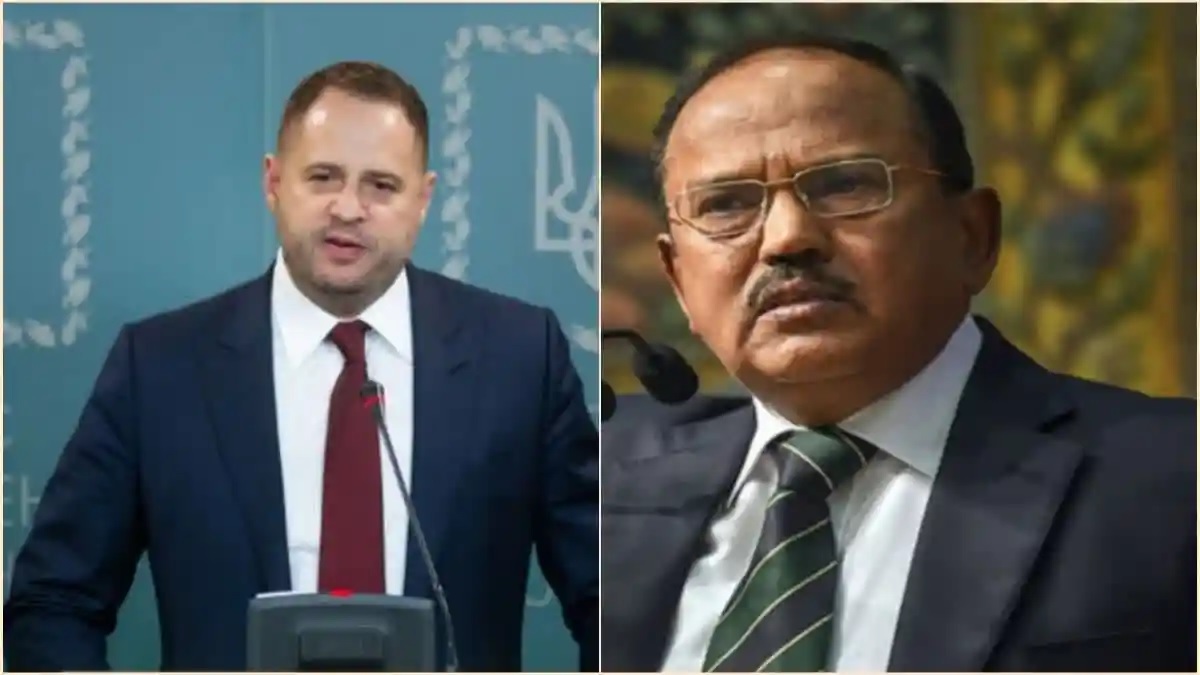
Top Ukrainian official Yermak, NSA Doval hold Talks about Preparations for First Global Peace Summit
India
Defense News , India :- Andriy Yermak, head of the office of Ukrainian President Volodymyr Zelenskyy, held a telephonic conversation with National Security Advisor Ajit Doval on Friday. The two leaders spoke about the preparations for the first Global Peace Summit in Switzerland, noting the high level of support for the event. Taking to his official X handle, Andriy Yermak posted, “Had a phone call with National Security Advisor to the Prime Minister of India Ajit Kumar Doval.Spoke about the preparations for the first Global Peace Summit in Switzerland at the level of state leaders and noted the high level of support for the event.” Yermak informed Doval about the situation at the front amid the ongoing conflict between Russia and Ukraine, his country’s ‘success’ in confronting Russia in the Black Sea, the fight against Russian aviation and strengthening Ukraine’s defence production.During the telephonic conversation, Yermak said Russia continues to strike his homeland with missiles and drones, particularly civilian infrastructure, the Ukrainian Presidential Office said in a statement. During the phone-call, Yermak thanked Doval for his deputy’s participation in the fourth meeting of national security advisors and foreign policy advisors to the heads of state on the implementation of the Peace Formula, which took place in Davos, Switzerland in January.The two officials agreed on continuing the dialogue and strengthening bilateral relations between India and Ukraine, according to the statement. “Andriy Yermak informed the interlocutor about the situation at the front, Ukraine’s success in confronting Russia in the Black Sea and in the fight against Russian aviation, as well as about strengthening Ukraine’s defense production. The Head of the President’s Office emphasized that the aggressor continues to strike our country with missiles and drones, in particular, civilian infrastructure,” the Ukrainian Presidential Office added in its statement. The military conflict between Russia and Ukraine, which started in 2022, has continued for over two years.Marking the second anniversary of the Russian invasion, earlier, Ukrainian President Volodymyr Zelenskyy, urged his countrymen to remain hopeful of victory. In a video address recorded from the Hostomel airport, Zelensky thanked Ukrainians for their efforts to resist Russia’s full-scale invasion and said, “We are 730 days closer to victory.” “Keep fighting – you are sure to win!,” the Ukrainian President said at the airport, which was targeted by Russia in the early days of the war. Zelenskyy said he was “incredibly proud” of the people of his country and admires and believes in each of them. “Any normal person wants the war to end.But none of us will allow our Ukraine to end. That’s why when it comes to ending the war, we always add – on our terms. That’s why next to the word “peace,” the word “just” always sounds. That’s why in future history, next to the word Ukraine, the word “independent” will always stand. We fight for this. And we will prevail. On the best day of our lives,” the Ukrainian President said. During his address, he also thanked the country’s soldiers and “everyone in the world who stands by us and with truth”.
Read More → Posted on 2024-03-16 15:14:54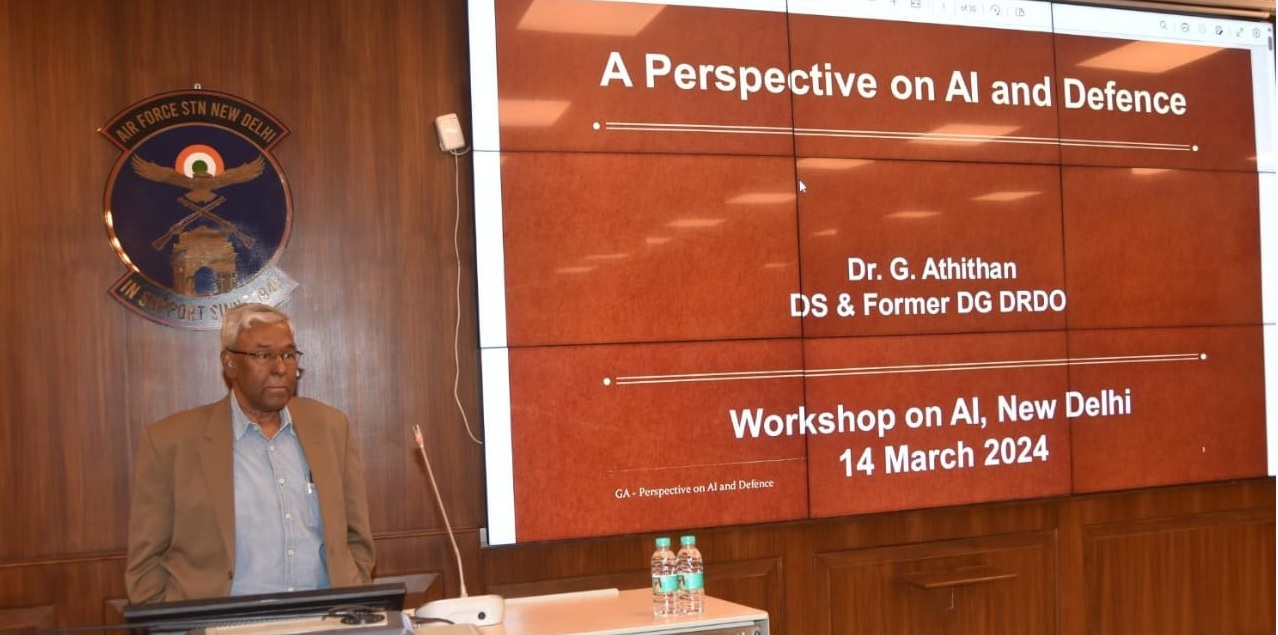
India
Defense News ,India :- The Indian Air Force (IAF) recently took a big step forward in using high-tech tools for their work. They held a special workshop for two days all about Artificial Intelligence (AI).This workshop was a team effort, put together by important people like the Scientific Advisor to the Chief of Air Staff (CAS) and the Defence Research and Development Organisation (DRDO) AI labs. It shows how serious the IAF is about bringing AI into their work.Important leaders like Dr. G. Satheesh Reddy (Scientific Advisor to CAS), Dr. S. V. Kamat (Chairman, DRDO), and Air Marshal Ashutosh Dixit (Deputy Chief of the Air Staff) led the workshop. They wanted to build a strong partnership between the IAF and DRDO to use AI in their systems.Here's what they talked about at the workshop:1. Understanding What's Happening Around: AI can help pilots understand what's going on during a mission by quickly analyzing data from radars, satellites, and other sensors. This helps them make better decisions faster.2. Planning Flights Better: AI can handle lots of data to plan the best routes for flights, save fuel, and make missions more successful.3. Spotting and Recognizing Dangers: AI systems can quickly identify and track threats by looking at pictures and readings from sensors, making the IAF stronger and safer.4. Using AI for Drones and Other Unmanned Vehicles: The IAF is thinking about using AI to control drones and unmanned combat vehicles. This could change how air battles happen in the future.5. Keeping Aircraft Running Smoothly: AI can help make sure planes are ready to fly by managing supplies and predicting when maintenance is needed.This workshop is a big deal for the IAF. They want to use AI to make themselves stronger and better at making decisions, especially in today's complicated world.
Read More → Posted on 2024-03-16 15:04:34Search
Top Trending in 24 Hours
-
 India Successfully Conducts AD-1, AD-2 Interceptor Tests and Maiden NASM-MR Flight Trial
-
 Russia Launches 1,400 Jet-Powered Drones in 2026 as Strike Tactics Evolve to Challenge Ukraine's Air Defenses
-
 U.S Navy Orders 50 Blackbeard Hypersonic Missiles in New $23.4 Million Contract
-
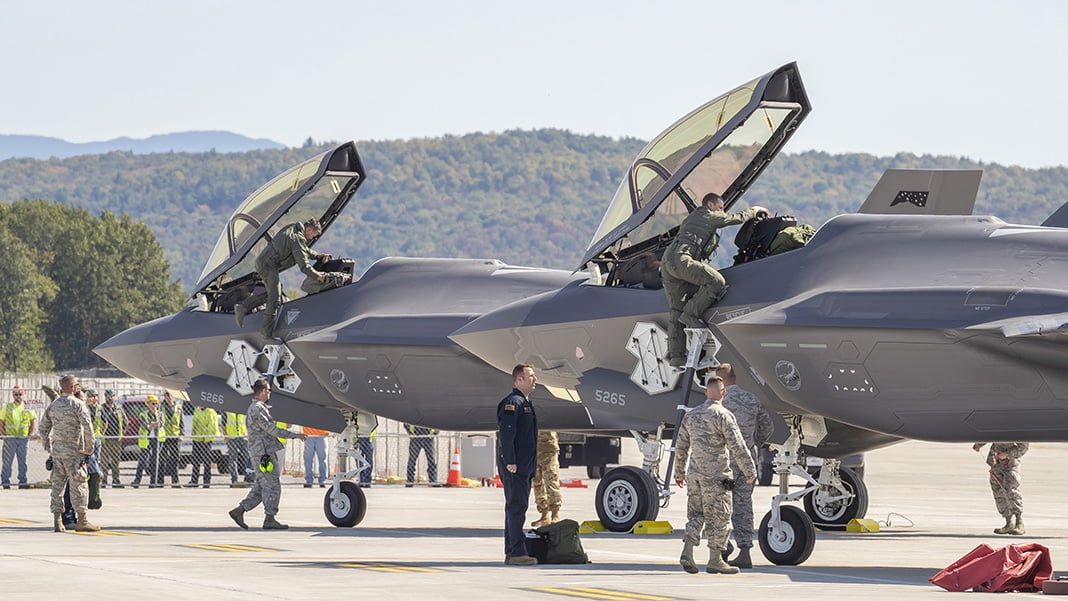 F-35 Fleet Readiness Falls to 25% Amid Parts Shortages and Software Delays: GAO Report
-
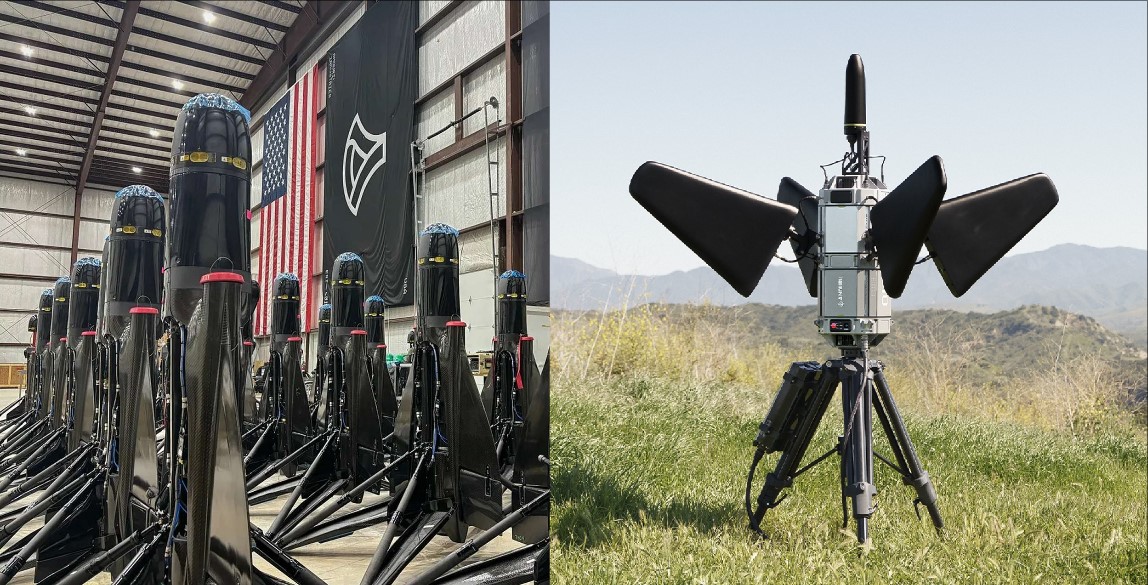 U.S. Approves $1.98 Billion Sale of Anduril AI-Powered Counter-Drone Systems to Kuwait
-
 UAE Denies Reports of Releasing Up to $20 Billion in Funds to Iran Amid Regional De-Escalation Efforts
-
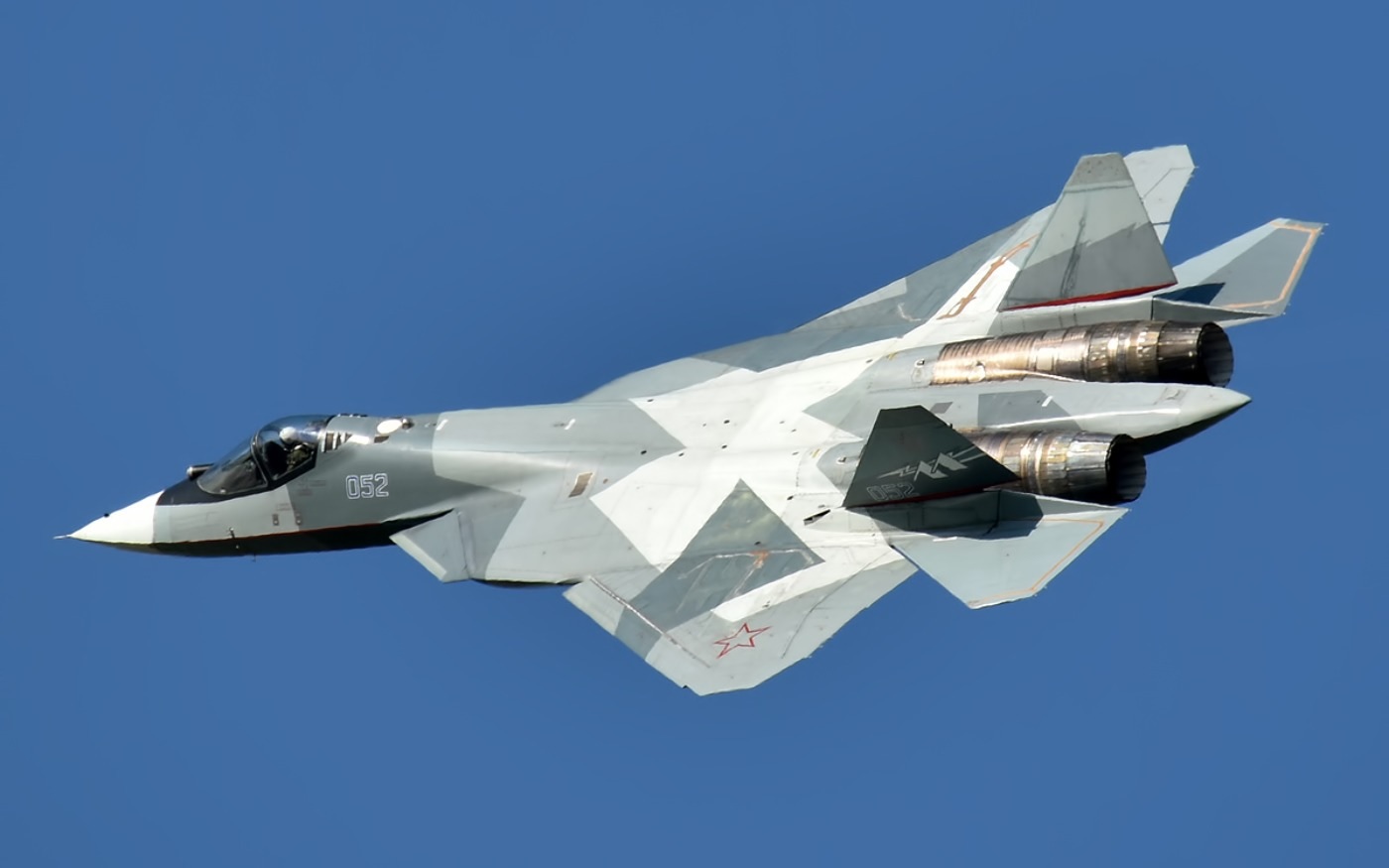 Russian Analysts Debate Su-57 Capabilities After Putin Calls Fighter Superior to F-35
-
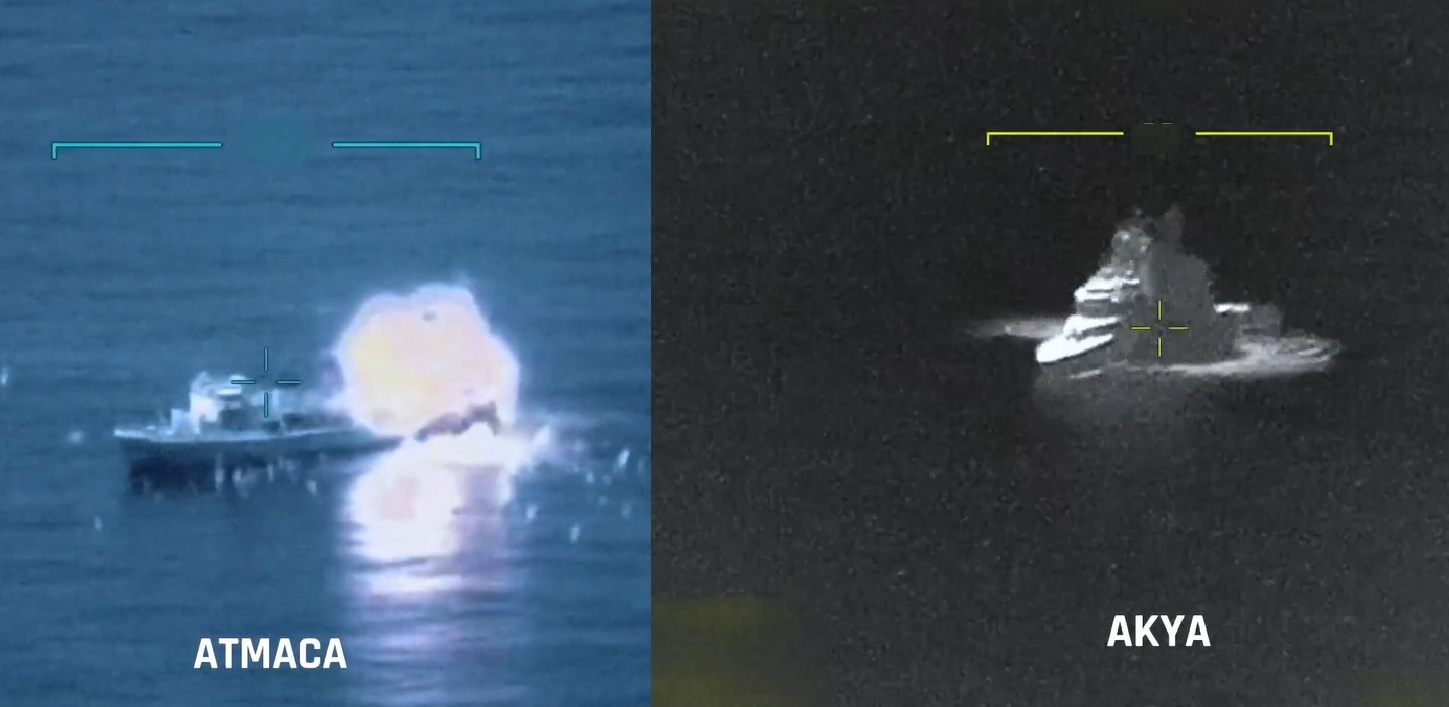 Turkey Navy Successfully Tests AKYA Torpedo and ATMACA Missile During Major Denizkurdu-II Naval Exercise
Top Trending in 4 Days
-
 Iranian Media Leaks 14-Point U.S.-Iran Peace Framework Amid Ongoing Negotiations
-
 US Plans Significant Reduction of Fighter Jets and Warships for NATO Operations in Europe
-
 Taiwan Conducts First Live-Fire of HIMARS Rockets From West Coast During Invasion Defense Drill
-
 Boeing Introduces New MQ-28 Ghost Bat Upgrades with Increased Range, Payload and Weapons Capacity at ILA Berlin 2026
-
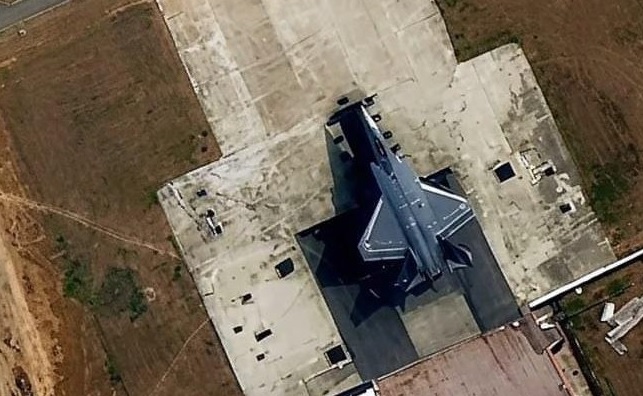 AMCA Airframe Spotted at DRDO’s ORANGE Facility for Radar Cross-Section Testing
-
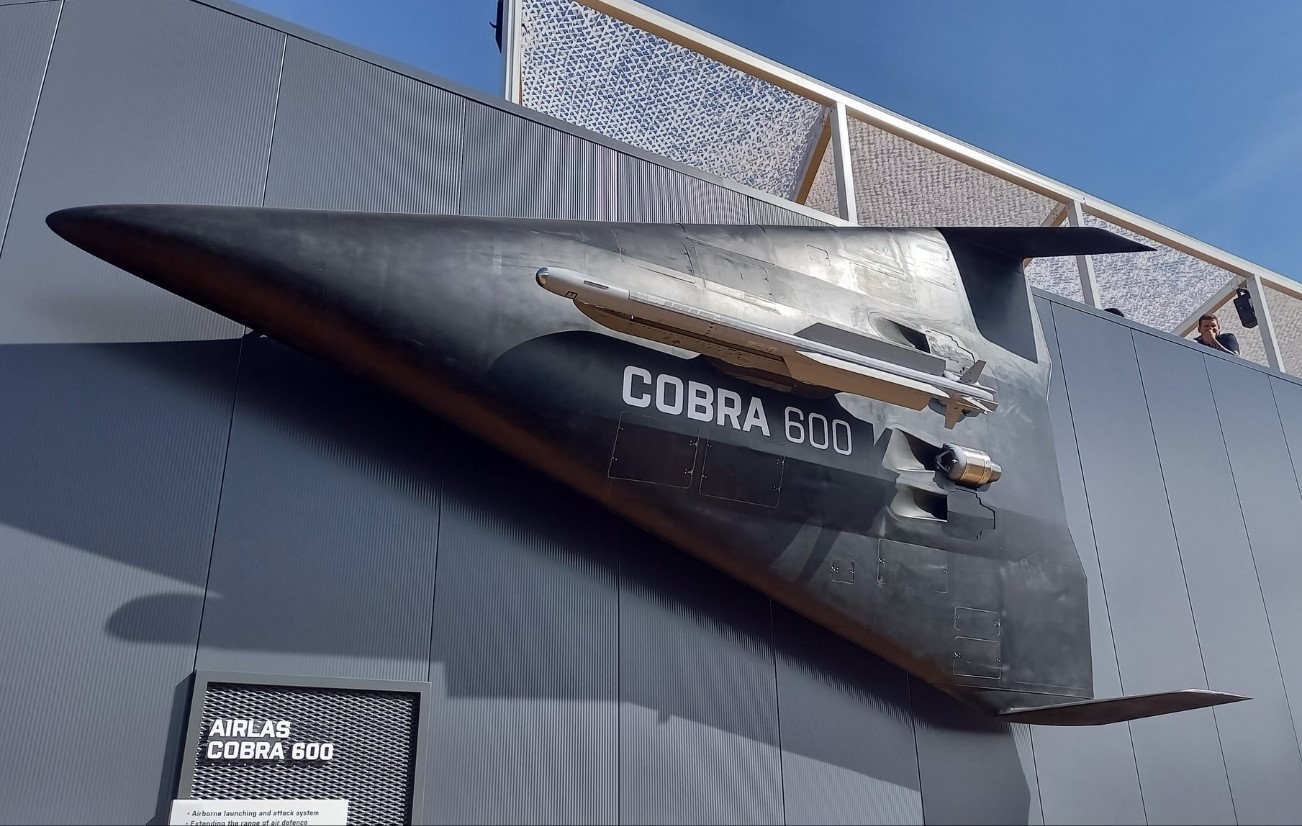 Diehl Defence Unveils IRIS-T Armed Cobra 600 Air Defense Drone at ILA Berlin 2026
-
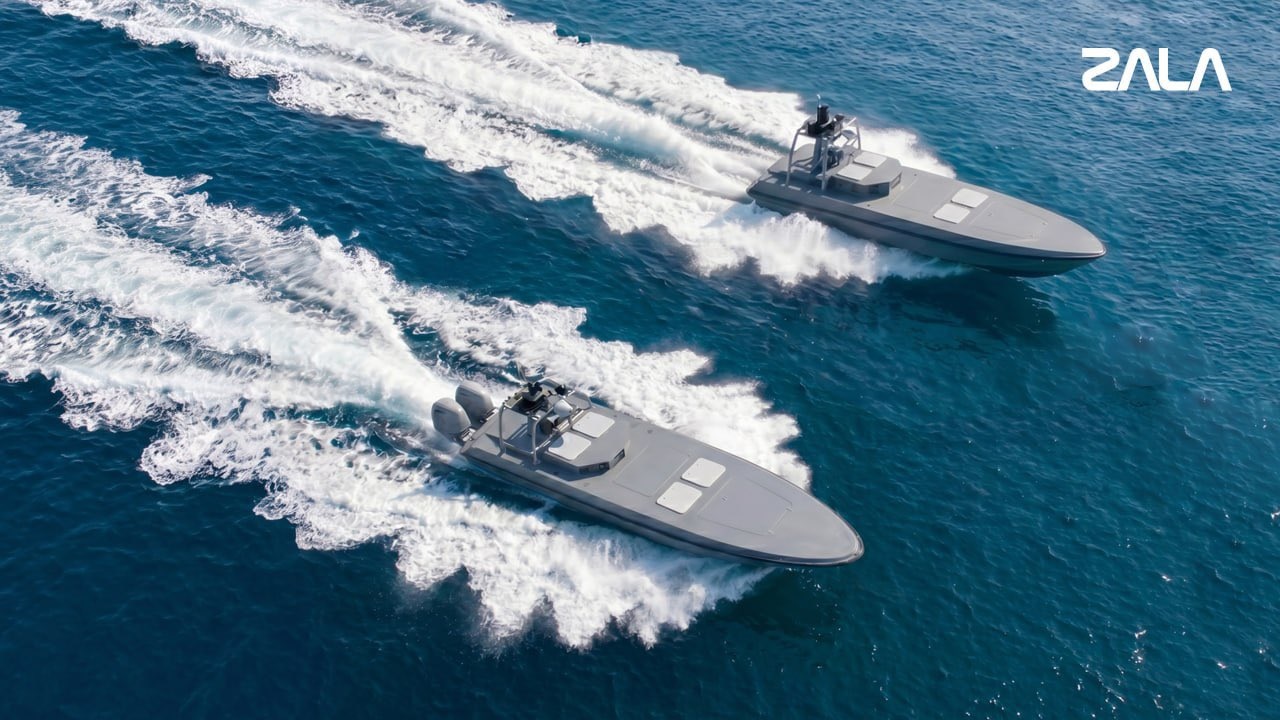 Russian Defense Firm ZALA Unveils KAMA Unmanned Surface Vessel Family at FLOT-2026 Naval Exhibition
-
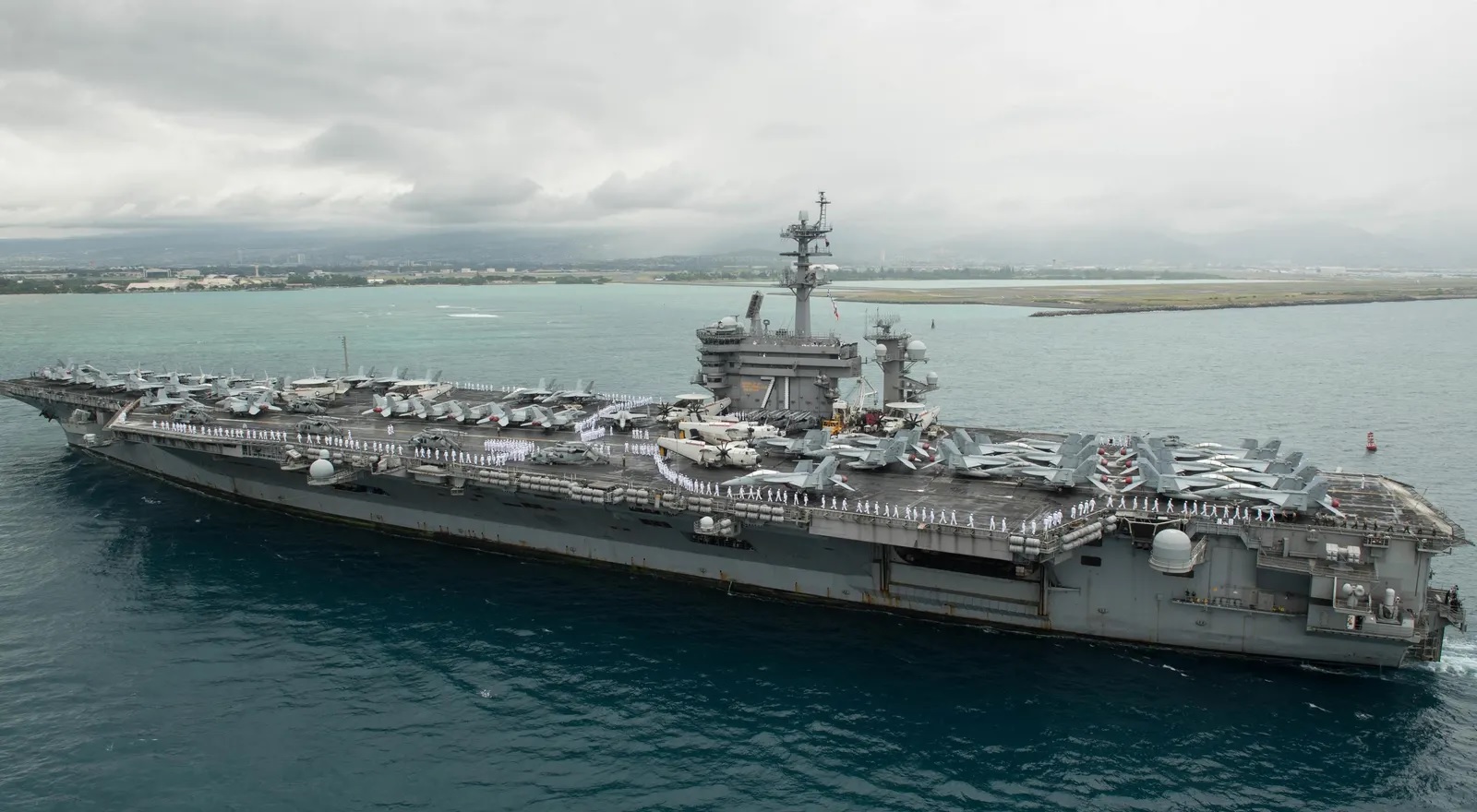 U.S Aircraft Carrier USS Theodore Roosevelt Departs San Diego for Major RIMPAC 2026 Naval Exercise