Europe
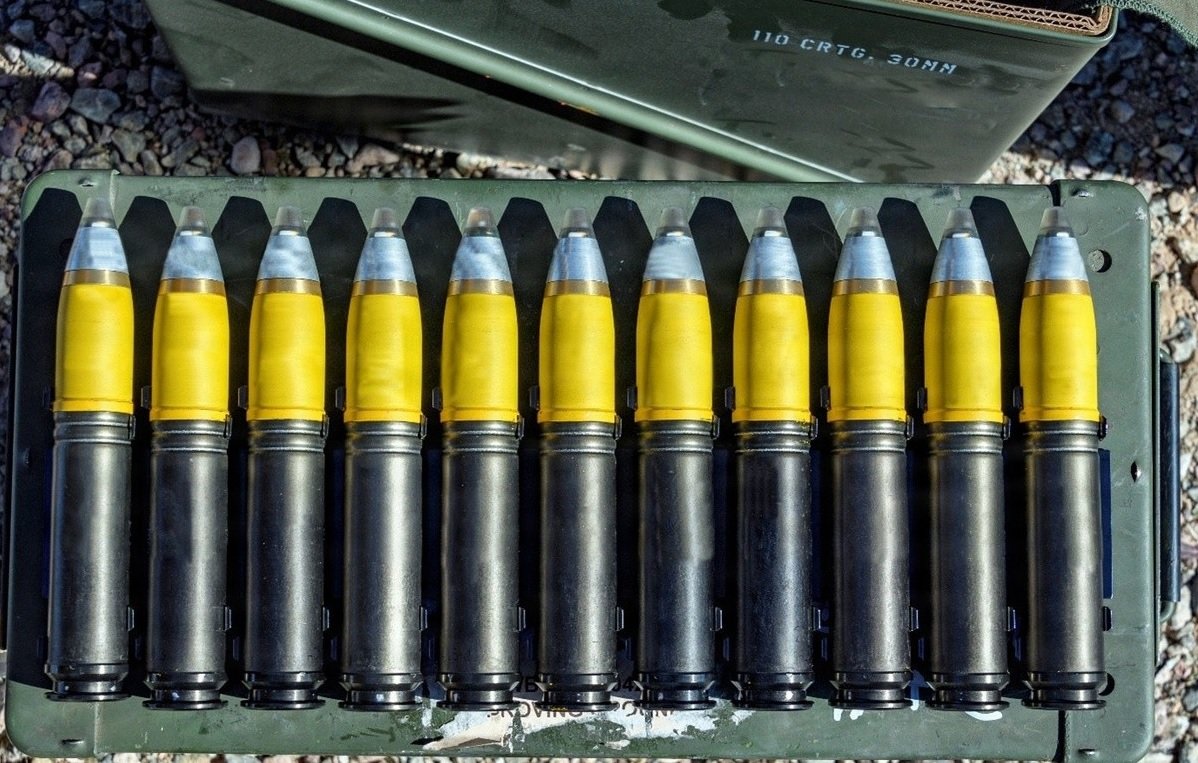
STOCKHOLM, — Sweden has signed a seven-year framework agreement with Nammo Sweden for the supply of programmable 30mm and 40mm airburst ammunition, marking another step in strengthening the country's short-range air defense and counter-unmanned aircraft system (counter-UAS) capabilities. Nammo has also received the first call-off order under the agreement, with production of the initial ammunition batch set to begin. The agreement covers Nammo's 30mm x 113 PABEX and 40mm L/70 PABEX programmable ammunition. PABEX (Programmable AirBurst EXplosive) is designed to detonate at a pre-programmed point during flight, allowing its fragments to be concentrated around airborne targets rather than requiring a direct impact. Designed for Air and Ground Threats According to Nammo, the programmable rounds are designed to engage unmanned aerial systems (UAS), incoming missiles, and helicopters. The ammunition also remains effective against conventional surface and ground targets, providing greater operational flexibility for the Swedish Armed Forces. Programmable airburst ammunition is particularly effective against small, fast-moving, or maneuvering aerial targets because it can be set to explode at a selected point near the target, increasing the likelihood of a successful engagement. Integration with Existing Swedish Defense Systems The new ammunition will primarily be integrated with two key Swedish air-defense systems: the Trackfire remote weapon station and the TRIDON Mk2 mobile air-defense system. The TRIDON Mk2 is a truck-mounted 40mm anti-aircraft gun system developed to provide highly mobile short-range air defense. The integration of programmable airburst ammunition is intended to improve its ability to counter evolving aerial threats. The agreement also benefits Sweden's existing fleet of CV90 infantry fighting vehicles. Since many CV90 vehicles are already equipped with 40mm Bofors guns, they are fully compatible with the 40mm L/70 PABEX ammunition. This provides the vehicles with an additional capability to engage aerial threats without requiring new platforms or extensive vehicle modifications. Supporting Sweden's Counter-Drone Efforts Nammo said the framework agreement supports Sweden's efforts to strengthen its national air defense and counter-UAS capabilities. The ammunition is designed to combine precision and flexibility against a broad range of threats while making use of existing gun systems already in service. The agreement also aligns with wider efforts by European armed forces to improve defenses against the growing use of unmanned systems on modern battlefields through upgrades to existing air-defense platforms. Nammo Highlights Long-Term Partnership Commenting on the agreement, Morten Brandtzæg, President and CEO of Nammo, said the contract represents an important milestone in the company's partnership with Sweden. "As a trusted partner to Sweden, this agreement marks an important step in further strengthening Swedish defense capabilities. By delivering cutting-edge ammunition solutions, we are helping our customers stay ahead of evolving threats and meet future operational challenges." Financial Details Not Disclosed Nammo stated that the seven-year framework agreement reinforces its position as a supplier of ammunition for modern air-defense operations. While the company confirmed receipt of the first call-off order, it did not disclose the value of the agreement or the quantity of ammunition included in the initial purchase. The agreement and the first production order were announced on Aug. 7, 2026, with no additional financial or procurement details released by Nammo or Swedish authorities.
Read More → Posted on 2026-08-07 11:42:33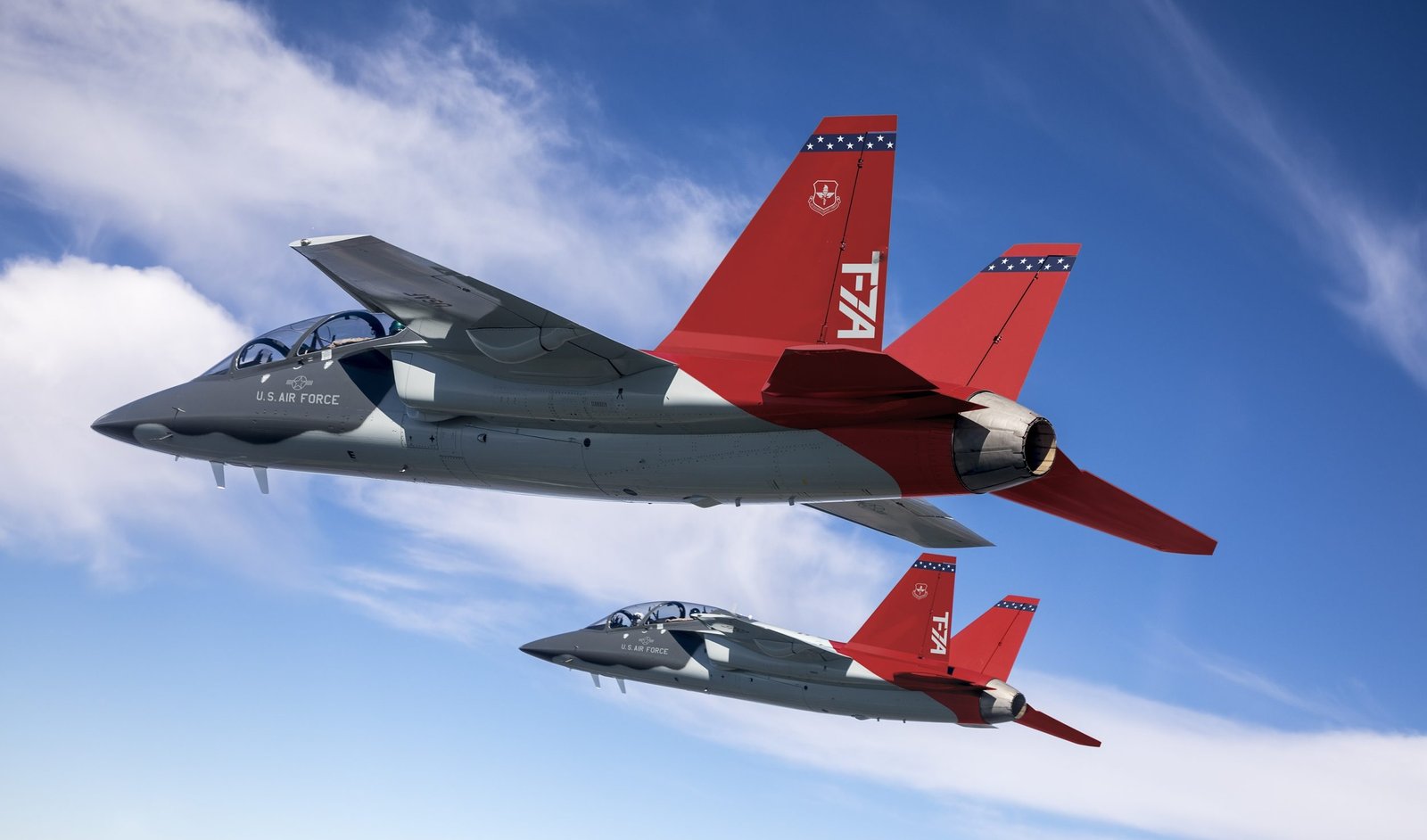
Europe
WEST LAFAYETTE, Ind. — The Boeing-Saab T-7A Red Hawk advanced jet trainer program has entered a new phase after the U.S. Air Force approved Milestone C on April 23, 2026, allowing the aircraft to move from development into low-rate initial production (LRIP). The decision, announced publicly in early May 2026, was followed by a $219 million contract awarded to Boeing for the first 14 production aircraft, together with associated support equipment, training systems, and spare parts. The approval marks a significant milestone for both the U.S. Air Force and Saab, which manufactures the T-7A's aft fuselage at its dedicated production facility in West Lafayette, Indiana. The T-7A Red Hawk is being developed jointly by Boeing and Saab to replace the U.S. Air Force's T-38 Talon advanced trainer, which has served for more than six decades. The aircraft is intended to prepare future pilots for operating modern combat aircraft, including the F-35 Lightning II, F-22 Raptor, F-15EX Eagle II, and B-21 Raider. Indiana Facility Expected to Increase Production Saab's West Lafayette facility was built specifically to support long-term production of the T-7A. The plant uses digital manufacturing methods developed jointly with Boeing and is now the exclusive production site for all T-7A aft fuselage sections after manufacturing was transferred from Sweden to the United States. The facility has operated below planned capacity in recent years because of delays in the T-7A program. As a result, Saab has experienced underutilization at the plant, affecting the financial performance of its Aeronautics business. During Saab's second-quarter 2026 earnings presentation, President and CEO Micael Johansson said the start of production contracts means manufacturing activity now needs to increase. He noted that Saab had already begun work on initial production batches under earlier contracts from Boeing but added that it will take several quarters and "a couple of years" before the Indiana operation reaches stronger financial performance. Johansson also said the T-7A program continues to have a negative impact on Saab's Aeronautics business while production volumes remain below efficient operating levels. Despite the gradual ramp-up, he described the Red Hawk as a long-term industrial program that is expected to become "an excellent franchise program over many years." Milestone C Clears the Way for Production In the U.S. Department of Defense acquisition process, Milestone C authorizes a program to move from engineering and manufacturing development into the production and deployment phase. For the T-7A, the approval allows the aircraft to enter low-rate initial production rather than full-rate manufacturing. The U.S. Air Force is using an incremental production strategy for the Red Hawk. Instead of approving large-scale production immediately, the service plans to review and approve each of the first three LRIP lots separately. This approach allows engineers to incorporate lessons learned from developmental testing before larger production quantities are authorized. The phased production strategy is intended to reduce technical and manufacturing risks while allowing aircraft deliveries to continue. Budget planning documents outline potential follow-on production lots, including 23 aircraft in fiscal year 2027 and 36 aircraft in fiscal year 2028, although each lot will require separate approval. Digital Design Supports Future Growth The T-7A Red Hawk is the first U.S. Air Force aircraft designed and developed using fully digital engineering methods. The aircraft features modern avionics, open-architecture systems, and embedded training capabilities intended to support future upgrades throughout its service life. The program of record includes 351 T-7A aircraft and 46 ground-based training simulators, with deliveries planned to five Air Education and Training Command bases over the coming decade. The aircraft is expected to become the U.S. Air Force's primary advanced trainer for pilots preparing to transition to current and future combat aircraft. Program Moving Toward Initial Operational Capability The T-7A program has experienced development challenges, including work related to the aircraft's ejection seat and flight-control software, resulting in schedule adjustments during testing. Boeing has continued development under the program's fixed-price contract. Five test-configured aircraft have already been delivered, with the first aircraft arriving at Joint Base San Antonio-Randolph in late 2025 for Air Education and Training Command activities. With Milestone C now complete, Boeing and Saab can gradually increase production in line with future U.S. Air Force contracts. Initial production aircraft will support instructor and maintainer training as the Air Force works toward achieving Initial Operational Capability (IOC) in 2027. For Saab, the approval also marks the beginning of a gradual increase in manufacturing activity at its Indiana facility. While company executives expect financial improvements to take time, they continue to view the West Lafayette operation as a long-term production center that will benefit as aircraft output expands and the T-7A program progresses.
Read More → Posted on 2026-08-05 15:24:40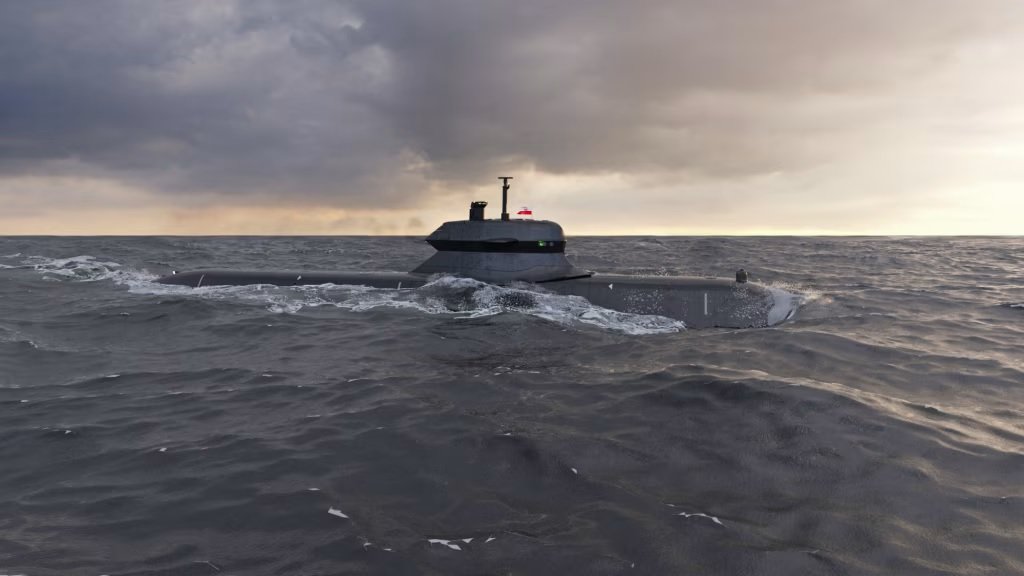
Europe
STOCKHOLM — Swedish defence company Saab is expanding its submarine production capacity as work on Sweden's A26 submarine program continues and a newly signed contract to build three A26-type submarines for Poland significantly increases demand across its naval business. The update was provided by Saab President and Chief Executive Officer Micael Johansson during the company's second-quarter 2026 earnings call. He said the combined Swedish and Polish submarine programs are strengthening industrial capacity, increasing underwater capabilities in the Baltic Sea, and creating greater production resilience through shipyard operations in both Sweden and Poland. Sweden's A26 Program Continues to Progress Johansson said Saab is making "really good progress" on Sweden's A26 submarine program, which remains the company's flagship conventional submarine project. The A26, officially designated as the Blekinge-class in Swedish Navy service, is currently under construction at Saab's Karlskrona shipyard. Sweden has ordered two submarines—HMS Blekinge and HMS Skåne—with deliveries expected in 2031 and 2033, respectively. While Johansson did not provide additional schedule details during the earnings call, he described the program's overall development as positive alongside Saab's expanding international submarine business. Poland's Order Marks a Major Export Success The biggest development during the quarter was Poland's decision to order three A26-type submarines under its Project Orka submarine modernization program. The contract, valued at approximately SEK 47 billion, includes the submarines, a weapons package, training, and long-term support. According to Saab, the first submarine is expected to be delivered in 2031, with the final delivery scheduled for 2038. Johansson described the agreement as one of the most significant contracts secured during the quarter and said it confirms Saab's position in the conventional submarine market. "They have now contracted us for three submarines that will be delivered in the next few years," Johansson said, adding that the order represents both an industrial achievement and a significant increase in underwater capability from a Baltic Sea security perspective. Saab Expands Shipyard Capacity To meet the production requirements of both the Swedish and Polish programs, Saab is increasing submarine manufacturing capacity at its Karlskrona shipyard. The company is also expanding operations at its Landskrona facility, where additional submarine construction and assembly activities will be carried out. "Now the contract on the submarines for Poland, in combination with the Swedish contract, of course, means that we are ramping up production capacity both in Karlskrona," Johansson said, adding that Saab is also expanding capability at its second shipyard in Landskrona. The expanded facilities are intended to support long-term production for both domestic and export submarine programs. Industrial Cooperation with Poland The Polish submarine program also includes extensive industrial cooperation between Saab and Polish industry. As part of the agreement, Saab will establish maintenance, repair and overhaul (MRO) capabilities in Poland while helping develop local shipyard capacity to support the submarines throughout their service life. Johansson said having shipyard capabilities on both sides of the Baltic Sea will improve industrial resilience and reduce dependence on a single production location. "It will also entail industrial collaboration with Poland," Johansson said. "We will have shipyard capabilities on both sides of the Baltic Sea, which makes lots of sense in terms of security and redundancy going forward." Contract Supports Production Expansion Saab said the investments required to expand production facilities are supported by the structure of the Polish contract. The agreement includes an advance payment and a payment schedule designed to help the company rapidly increase shipyard capacity. Saab did not disclose the value or percentage of the advance payment. "It's a good advance payment and a payment schedule that supports our quick ramp-up of shipyard capacity and all that," Johansson said. "We're not going to act like a bank related to that contract, that much I can say." Johansson also said the Polish submarine order was the main contributor to Saab's SEK 68.4 billion order intake during the second quarter, creating a record backlog for the company's naval business and providing long-term production visibility. Broader Swedish-Polish Cooperation Beyond the submarine contract, Sweden and Poland have agreed on additional naval cooperation. Under a separate bilateral agreement, Poland will operate the Swedish submarine HMS Södermanland as an interim capability until 2032. Training for Polish submarine crews is scheduled to begin in August 2026. Sweden will also support Poland's New Type Submarine program from around 2027 to 2038, including participation in testing and experimental activities involving Sweden's A26 submarines currently under construction. Saab has also committed to establishing long-term maintenance, repair and overhaul (MRO) capabilities in Poland in cooperation with local industry. A26 Designed for Baltic Sea Operations The A26 submarine has been designed for operations in the Baltic Sea, with a focus on quiet operation and the ability to remain difficult to detect during missions. The latest updates on the Swedish A26 program, the Polish submarine contract, production expansion, and industrial cooperation were presented during Saab's second-quarter 2026 results presentation and related official statements.
Read More → Posted on 2026-08-05 14:26:52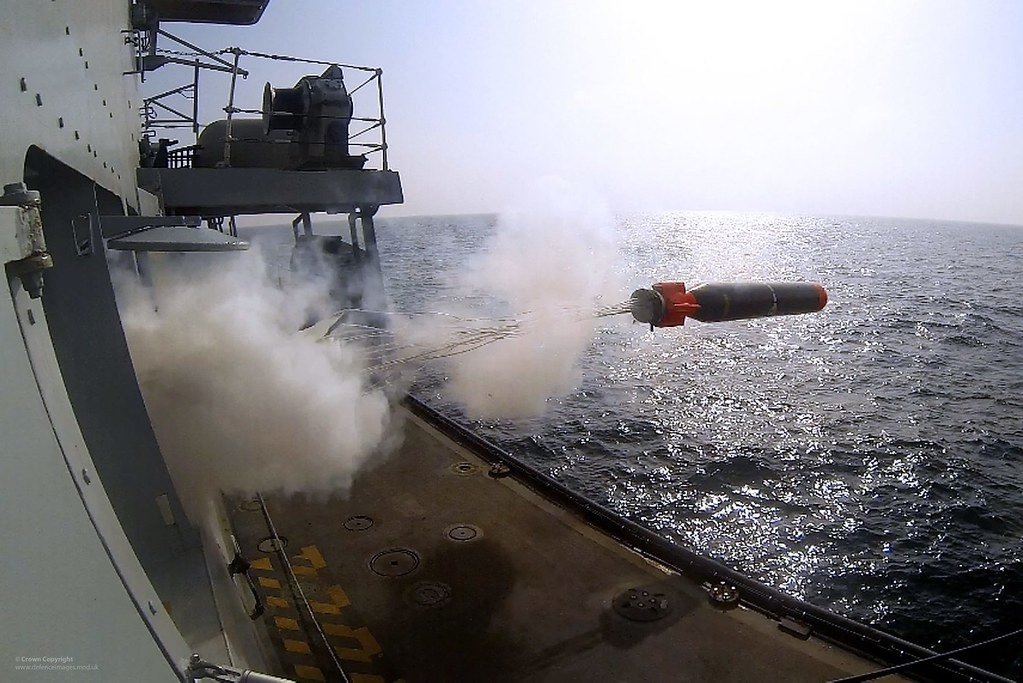
Europe
LONDON — The UK Ministry of Defence (MOD) has awarded BAE Systems a £135 million contract to maintain and repair the Royal Navy's torpedo inventory under the Torpedo Repair and Maintenance (TRAM) programme. The three-year agreement will run from July 2026 to June 2029, ensuring the continued availability of two of the Royal Navy's primary torpedo systems. The funding forms part of the UK government's £298 billion Defence Investment Plan, which outlines defence investment over the next four years. Contract Covers Spearfish and Sting Ray Torpedoes The TRAM contract includes maintenance and repair support for the Spearfish heavyweight torpedo and the Sting Ray lightweight torpedo, both of which are key elements of the Royal Navy's underwater warfare capability. The Spearfish heavyweight torpedo is carried by the Royal Navy's Astute-class attack submarines and Vanguard-class ballistic missile submarines. It serves as the fleet's primary heavyweight torpedo. The Sting Ray lightweight torpedo is designed for anti-submarine warfare and is deployed from submarines, surface warships and maritime patrol aircraft. It is currently used on Type 23 frigates, will also equip the future Type 26 frigates, and is launched from Merlin HM2 and Wildcat helicopters, as well as maritime patrol aircraft including the P-8A Poseidon. Sole-Source Award Based on Design Authority The Ministry of Defence awarded the contract to BAE Systems without a competitive tender. According to a contract award notice published in late July, the sole-source award was approved because BAE Systems is the original Design Authority for both the Spearfish and Sting Ray torpedoes. The MOD stated that no other supplier has the necessary expertise, technical knowledge and infrastructure to provide the required support without creating unacceptable risks to safety and system performance. Contract Supports More Than 300 UK Jobs The agreement will support approximately 315 jobs across the United Kingdom. This includes 150 highly skilled engineering and technician positions within BAE Systems, with around 100 jobs based in Portsmouth and 50 across Edinburgh, Chelmsford and sites near Glasgow. The contract will also sustain an additional 165 jobs throughout the company's UK supply chain. UK Minister for Defence Readiness and Industry Luke Pollard said the agreement supports both national security and the domestic defence industry. "This is defence spending doing exactly what it should – keeping our country safe while securing 315 skilled jobs and creating new opportunities across our country. We are proud to be backing British jobs, British skills and British industry." Officials Highlight Operational Importance Scott Jamieson, Managing Director of BAE Systems' Maritime and Land Defence Solutions, said the company has maintained high levels of torpedo availability for the UK Armed Forces since 2019. "Since 2019 we have delivered consistently high levels of torpedo availability for the UK Armed Forces, supporting both the successful entry into service of Spearfish and the ongoing operational readiness of Sting Ray. As a trusted partner to UK Defence, we are proud to underpin the nation's Continuous At Sea Deterrent and anti-submarine warfare capability through exceptional reliability, availability and performance." Rear Admiral Matt Stratton, Royal Navy Director of Naval Acquisition, said the extension ensures uninterrupted torpedo support for the fleet. "This contract extension ensures the Royal Navy retains a safe, reliable and continuous torpedo support capability. It is a critical enabler of our operational readiness and directly supports the UK's Continuous At Sea Deterrent." Richard Murray, Director Lethality and Protect at the National Armaments Director Group – Materiel, said the extension secures continued reliable support for the UK's torpedo capability and reflects close cooperation between the Royal Navy, the National Armaments Director Group and industry. Bridge to the WHITEHEAD2 Programme Defence officials described the TRAM agreement as a transitional contract that will bridge current torpedo maintenance operations to the long-term WHITEHEAD2 programme. Scheduled to begin in 2029, WHITEHEAD2 is intended to deliver a modernised and comprehensive torpedo support solution for the Royal Navy while ensuring long-term support for its underwater weapons capability. Part of Wider UK Naval Investment The torpedo maintenance agreement follows another major contract awarded to BAE Systems in late July. On 29–30 July 2026, the UK government awarded the company a £5.9 billion contract for the next phase of work on the Dreadnought-class nuclear-powered ballistic missile submarines. The Dreadnought class is being developed to replace the Royal Navy's Vanguard-class submarines in the early 2030s and will continue supporting the UK's Continuous At Sea Deterrent. Maintaining Fleet Readiness The new TRAM agreement will keep the Royal Navy's existing torpedo inventory maintained and serviceable through June 2029, ensuring continued support for submarine, surface fleet and maritime aviation operations while preparations continue for the transition to the WHITEHEAD2 programme.
Read More → Posted on 2026-08-04 16:14:17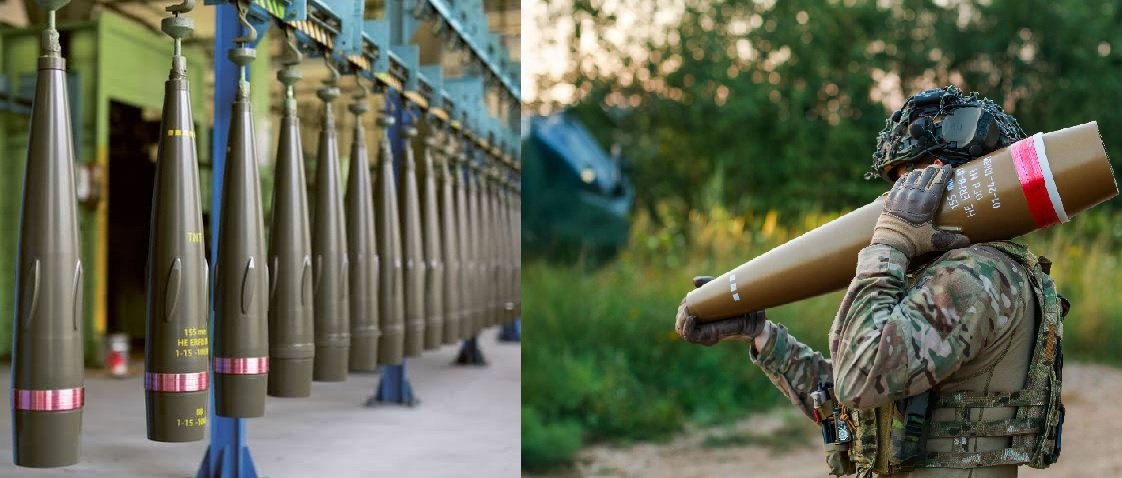
Europe
BAUTZEN, Germany — Czechoslovak Group (CSG) has acquired a 57-hectare industrial site in Gnaschwitz, Saxony, from chemical and explosives manufacturer MAXAM, marking another step in the company's strategy to strengthen Europe's defence supply chain and expand the production of critical energetic materials. The acquisition was completed through CSG Energetic Materials Germany GmbH, the group's German subsidiary. While the financial terms of the land purchase were not disclosed, CSG said it will invest more than €100 million during the first phase of development. The investment will establish production facilities for nitroglycerin and nitroglycerin-based products, which are key raw materials used in propellant charges for small-, medium-, and large-calibre ammunition. The site will also manufacture ammunition and ammunition components. According to the company, the project is expected to create up to 125 new jobs once the planned developments are fully operational. Second Strategic Production Site in Germany The Gnaschwitz facility becomes CSG's second production site in Germany, following its acquisition of the MSM Walsrode plant in Bomlitz, Lower Saxony. That transaction involved the purchase of a nitrocellulose production facility and industrial park from U.S.-based International Flavors & Fragrances (IFF). The agreement was signed in October 2024 and completed in May 2025. At the Walsrode facility, CSG has been expanding production of industrial nitrocellulose, another essential material used in propellants, explosives and artillery ammunition. In June 2025, the company also announced plans to establish its own military-grade nitrocellulose production capacity within two years. Nitrocellulose has both civilian and military applications and, together with nitroglycerin, forms a critical part of the manufacturing process for propellants and explosives used in large-calibre artillery ammunition. Building a Vertically Integrated Ammunition Supply Chain By bringing production of both nitrocellulose and nitroglycerin under its control, CSG is creating a vertically integrated production chain for large-calibre artillery ammunition. The company said this integrated manufacturing network will cover the complete production process, including energetic raw materials, explosives, propellant charges, shell bodies, and the final assembled ammunition. Nitroglycerin produced at the Gnaschwitz facility will supply both CSG's Medium & Large Calibre and Ammo+ divisions, as well as external customers. Site Offers Capacity for Future Expansion The Gnaschwitz industrial site has a history in energetic materials production dating back to 1874. CSG said the site's existing infrastructure provides significant room for future expansion, including the possible production of medium-calibre ammunition, 120 mm mortar ammunition, and tank ammunition. Even after the current investment phase is completed, the company said substantial capacity will remain available for further development. Expansion into the United States Alongside its investments in Europe, CSG is also expanding its manufacturing presence in the United States. The company plans to establish jet engine production for unmanned aerial systems (UAS) through Firecrest Aerospace, a joint venture created by CSG subsidiaries CSE USA and AviaNera Technologies, a Czech company specializing in compact, high-performance propulsion units for unmanned aviation. The U.S. project includes an initial investment of up to USD 15 million in Stevens Point, Wisconsin. Assembly operations are expected to begin in the coming months, with larger-scale production planned for 2027. Company Statement Commenting on the acquisition, Jan Marinov, CEO of CSG Defence Systems, said the Gnaschwitz investment strengthens the group's vertical integration while improving the security of supply for strategic energetic materials and supporting the resilience of the European defence industrial base. The combined investments in Germany and the United States reflect CSG's strategy to expand its manufacturing capabilities, strengthen production of critical energetic materials, and support ammunition manufacturing through an integrated industrial supply chain.
Read More → Posted on 2026-08-04 12:05:56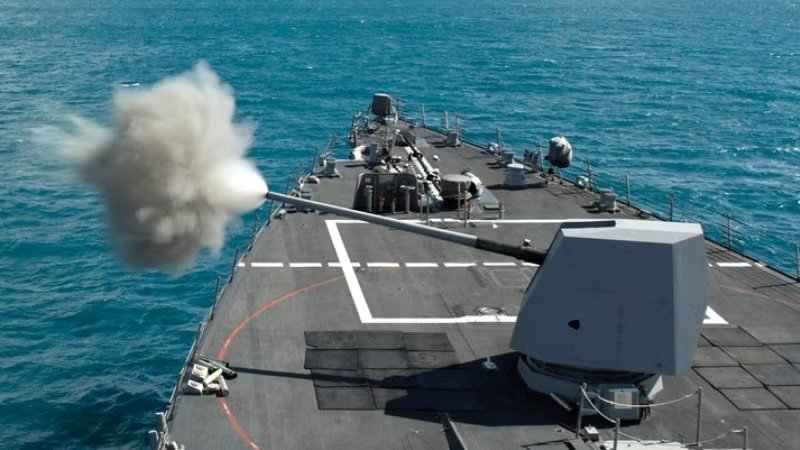
Europe
LONDON — Diehl Defence and BAE Systems have expanded their cooperation to develop joint maritime defence solutions for the German market and international armed forces, following the signing of a memorandum of understanding (MoU) covering technical integration across both companies' defence portfolios. The collaboration will primarily focus on integrating Diehl Defence's 127 mm (5-inch) ammunition family with BAE Systems' Mk 45 naval gun. The companies are giving particular attention to the Mk 45 Mod 4 variant, which is intended for both German and international customers. Under the cooperation, the Mk 45 naval gun will be combined with Diehl Defence's high-precision, long-range 127 mm ammunition. BAE Systems is one of the world's major suppliers of 127 mm naval gun systems and provides defence, aerospace and security technologies. The Mk 45 is a widely used 5-inch naval gun system operated by several navies. The Mk 45 Mod 4 version features a longer 62-calibre barrel and is designed to support extended-range capabilities. In addition to naval gun integration, the companies will expand their cooperation in guided missile systems. Diehl Defence and BAE Systems will examine the potential integration of the IRIS-T missile family with BAE Systems' launching systems as part of the technical work covered by the agreement. Dr. Harald Buschek, Chief Program Officer at Diehl Defence, said the partnership is intended to deliver tailored maritime defence solutions by combining the strengths of both companies. "By working together to explore these technical synergies, we can develop customized solutions for our customers' complex maritime defence requirements. By combining our systems with BAE Systems' platforms, we can enhance the effectiveness and operational capability of maritime defence systems." Jason Casciotti, Vice President of Weapons Systems at BAE Systems, said the cooperation reflects the company's commitment to supporting allied nations through long-term industrial partnerships. "Our collaboration with Diehl Defence builds on BAE Systems' commitment to meeting the needs of our allies through strong local strategic relationships. We are investing in more than just military equipment; we are investing in German defence and local economic growth. Advanced firepower will continue to play a critical role at sea and by combining our battle-tested capabilities, we are focused on delivering superior, integrated solutions that provide the best possible capabilities for the US and its allies." The cooperation brings together Diehl Defence's ammunition and missile technologies with BAE Systems' naval weapons portfolio. According to the companies, the next phase of the partnership will focus on advancing the technical work required for the proposed integrations. The announcement was published by Diehl Defence on August 3, 2026.
Read More → Posted on 2026-08-03 16:20:46
Europe
STOCKHOLM — Swedish defence company Saab plans to increase annual production of its GlobalEye airborne surveillance aircraft from about two aircraft per year to six by around 2030, following recent selections of the platform by NATO and Canada that have significantly expanded the programme's international order outlook. Saab President and Chief Executive Officer Micael Johansson announced the higher production target during the company's second-quarter 2026 earnings call. The new goal represents an increase from Saab's earlier plan to produce four GlobalEye aircraft annually. Johansson said the company is preparing additional manufacturing capacity to maintain delivery schedules as expected orders extend well into the next decade. “I would rather say that we go from two a year now and should aim for six a year in the 2030 timeframe,” Johansson said. He added that Saab prefers to build capacity for a higher production rate because output can be reduced later if demand is lower than expected. NATO and Canada Drive Growing Demand The planned production expansion is largely supported by recent international decisions to acquire the GlobalEye airborne early warning and surveillance system. Earlier in 2026, Canada selected GlobalEye as its preferred solution and is currently negotiating with Saab for the purchase of six aircraft. NATO has also selected GlobalEye to replace the alliance's ageing E-3A Airborne Warning and Control System (AWACS) fleet based at Geilenkirchen, Germany. The requirement covers up to 10 aircraft, which will operate as a shared NATO capability. According to Saab, the NATO programme is backed by 11 member countries: Belgium, Canada, Denmark, Germany, Latvia, Lithuania, Luxembourg, the Netherlands, Norway, Romania and Sweden. Formal negotiations with the NATO Support and Procurement Agency (NSPA) are currently under way. Johansson described the NATO selection as a major industrial milestone that demonstrates the strategic value of Sweden and Saab providing advanced airborne surveillance capabilities to the alliance. Additional Orders Strengthen Production Outlook Beyond the expected NATO and Canadian contracts, Saab said it continues to pursue several additional GlobalEye opportunities, although Johansson did not identify potential customers. In late July 2026, the company received an order worth SEK 10.1 billion (approximately $1 billion) for two GlobalEye aircraft from an undisclosed Middle Eastern customer, with deliveries scheduled for 2030. GlobalEye aircraft are already operational with the United Arab Emirates. France has also ordered two aircraft. Saab said maintaining an active production line enables the company to offer comparatively short delivery times, helping address airborne surveillance capability requirements among prospective customers. Saab Expanding Manufacturing Capacity To support the planned increase in production, Saab is expanding its facilities in Linköping, Sweden, where Bombardier Global 6500 business jets are converted into mission-configured GlobalEye aircraft. The company also plans to establish a production and support hub in Canada while evaluating an additional European site to support NATO and other regional customers. Johansson said the required infrastructure expansion will not involve exceptionally large investments, as part of the additional production capacity will be developed through industrial partnerships with customer nations. GlobalEye Programme Supports Saab's Business Growth GlobalEye remains a key programme within Saab's Surveillance business. The company reported strong second-quarter 2026 financial results, including order bookings of SEK 68.39 billion and organic sales growth of nearly 30%. Johansson also confirmed that profit margins on major platforms such as GlobalEye remain strong. GlobalEye Surveillance Capabilities GlobalEye is designed to monitor air, maritime and land activities simultaneously while serving as a networked command-and-surveillance platform. Its primary radar sensor has a detection range exceeding 650 kilometres, allowing the aircraft to operate at stand-off distances from hostile areas. The aircraft also carries passive sensors capable of detecting systems observing the platform. Information collected from multiple sensors is fused and processed using artificial intelligence to provide operators with a single operational picture. The data can then be shared in real time with combat aircraft, naval vessels, ground command centres and land forces to support operational decision-making. Johansson described GlobalEye as a networked command-and-surveillance node rather than a stand-alone intelligence platform. Saab Advances Unmanned Airborne Surveillance System Alongside the manned GlobalEye programme, Saab is continuing flight testing of an unmanned airborne early warning system developed with General Atomics. The sensor package, known as LoyalEye, is being integrated with the MQ-9B unmanned aircraft and is intended to complement, rather than replace, the GlobalEye platform by providing a lower-tier airborne surveillance capability. According to Johansson, the system has completed its first flight and is already being offered to prospective customers while flight testing continues. Saab said it is prepared to begin commercial discussions with interested buyers as development progresses.
Read More → Posted on 2026-08-03 13:01:01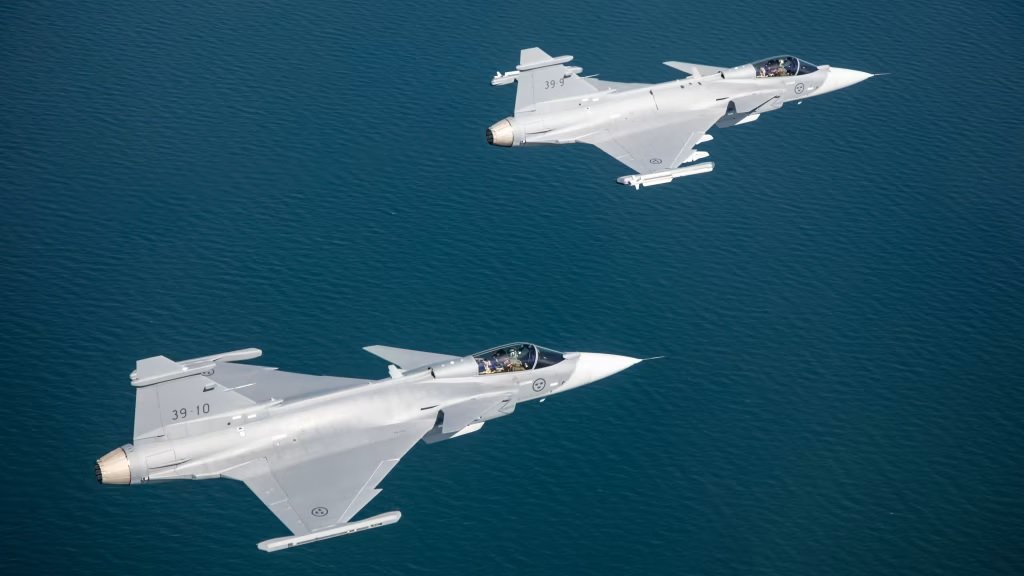
Europe
BRUSSELS — The European Commission has disbursed €3.47 billion to Ukraine under the defence window of the European Union's €90 billion Ukraine Support Loan, providing funding for Gripen fighter jets, missiles, air-defence systems and advanced drone technology. The payment, made on July 30, 2026, is intended to accelerate Ukraine's access to military equipment as the country continues its defence against Russia. According to the European Commission, the latest tranche includes funding under the first procurement schedule for drones and will also support the acquisition of long-range jet-powered drones, missiles, air-defence equipment and Gripen fighter jets. The Commission said additional financing for drones, ammunition, missiles and air-defence systems is expected to be approved and released in the coming weeks. European Commission President Ursula von der Leyen said the latest funding is aimed at strengthening Ukraine's air defence while expanding defence cooperation between Ukraine and European industry. "Today, we are investing an additional €3.47 billion to help protect Ukraine's skies. With this new disbursement under our €90 billion loan package, we are helping Ukraine defend its people. We are also bringing our defence industries closer together, combining Europe's industrial scale with Ukraine's unmatched innovation. This is our new Drone Deal taking shape." The European Commission said the funding supports both Ukraine's immediate defence requirements and deeper industrial cooperation between Ukraine and Europe through the emerging "Drone Deal," which combines European manufacturing capacity with Ukrainian defence innovation. Ukrainian Prime Minister Serhii Koretskyi confirmed the transfer and said the overall €90 billion Ukraine Support Loan is expected to cover around two-thirds of Ukraine's total financial needs during 2026 and 2027. Structure of the €90 Billion Ukraine Support Loan The European Union's Ukraine Support Loan is divided into two main components. €60 billion is allocated to strengthen Ukraine's defence capabilities and expand its domestic defence industrial capacity. €30 billion is designated for state budget support, helping Ukraine maintain essential public services and strengthen economic resilience. According to a Council decision adopted on April 23, 2026, up to €45 billion was made available to Ukraine for 2026. This includes €28.3 billion for defence industrial capacity and €16.7 billion for budget support. The budget support portion is divided equally between additional financing for the Ukraine Facility and a new Macro-Financial Assistance (MFA) operation, each capable of providing up to €8.35 billion. Latest in a Series of EU Payments The €3.47 billion transfer follows several recent EU disbursements to Ukraine. On June 25, the European Commission released €3.2 billion through its Macro-Financial Assistance programme to support Ukraine's state budget. This was followed by €3.9 billion under the defence window on June 30, and another €1.1 billion on July 15. With the latest payment, recent defence disbursements under the programme now total €8.47 billion. The European Union plans to provide €28.3 billion during 2026 to strengthen Ukraine's defence industrial capacity. The allocation is expected to be finalised by September, with additional payments scheduled to continue through the end of the year. Additional Financing Expected On July 30, the Council of the European Union also approved updates to the Ukraine Plan, a framework covering administrative and anti-corruption reforms linked to Ukraine's prospective European Union membership. The approval clears the way for an additional €8.3 billion in future financing. The European Commission said further funding for ammunition, drones, missiles and air-defence systems is expected to be approved in the coming weeks. According to the Commission, the European Union and its member states have provided more than €220 billion in overall support to Ukraine and Ukrainians since Russia launched its full-scale invasion. This figure includes €3.8 billion generated from proceeds linked to immobilised Russian assets. The Commission said the Ukraine Support Loan is financed through EU borrowing on the capital markets and backed by the EU budget. The loan is structured to be repaid from future Russian reparations to Ukraine. Funding is subject to conditions, including adherence to the rule of law and anti-corruption efforts. Defence products financed under the programme are expected, in principle, to be sourced from the European Union, the European Economic Area (EEA), EFTA countries and Ukraine, with limited exceptions for urgent operational requirements.
Read More → Posted on 2026-08-03 12:08:47
Europe
BERLIN — German drone manufacturer Quantum Systems has introduced survivability upgrades for its Vector reconnaissance drone, adding artificial intelligence (AI)-powered interceptor evasion capabilities and a new camouflage design to improve operations in contested environments. The company announced the upgrades on LinkedIn, saying the enhancements are designed to help the Vector counter and evade enemy interceptor drones. The improvements are being introduced through retrofit programs for drones already in service as well as on newly produced aircraft. One of the most visible changes is the drone's yellow fuselage, adopted as a camouflage measure. According to the company, the colour makes the aircraft more difficult to detect against dry Ukrainian fields during the summer months. To improve survivability, the upgraded Vector is equipped with a rear-facing thermal imaging camera that monitors for interceptors approaching from behind. When a threat is detected, the drone's onboard AI identifies it and automatically performs an evasive manoeuvre without requiring operator input. Three-Phase Modernization Program Quantum Systems began rolling out the countermeasure modules as a retrofit program for older Vector drones in March 2026. According to Oleksandr Berezhnyi, Managing Director of Quantum Systems in Ukraine, the modernization program includes three phases: AI Integration: Installation of a new artificial intelligence system, requiring replacement of the drone's nose section to accommodate onboard processing hardware. Evasion Upgrade: Installation of dedicated interceptor evasion modules. Power Upgrade: Replacement of older batteries with new ones that provide extended flight time. Deliveries of the Vector AI began in April 2026, with the latest production models shipping from Germany with AI processing and interceptor evasion modules already installed. The Vector AI also adds onboard computing, AI-supported object detection and tracking, and improved resilience in contested environments, building on the platform's operational experience in Ukraine. Reliant UAS Also Upgraded Alongside the Vector, Quantum Systems has upgraded its Reliant long-range reconnaissance unmanned aircraft system (UAS). The latest Reliant features a hybrid-electric power unit and a payload capacity of up to 9 kilograms, enabling it to carry a wider range of mission equipment, including electro-optical sensors, laser target designators, synthetic aperture radar (SAR), signals intelligence (SIGINT), electronic warfare payloads, SATCOM, and relay systems. The platform can be assembled by a two-person team, operated by one person, and requires only a 10-by-10-metre area for launch and recovery. It is also fully integrated into Quantum Systems' MOSAIC UXS software ecosystem and has enhanced capability to operate in environments where GPS signals and communication links are jammed or denied.
Read More → Posted on 2026-08-02 11:20:18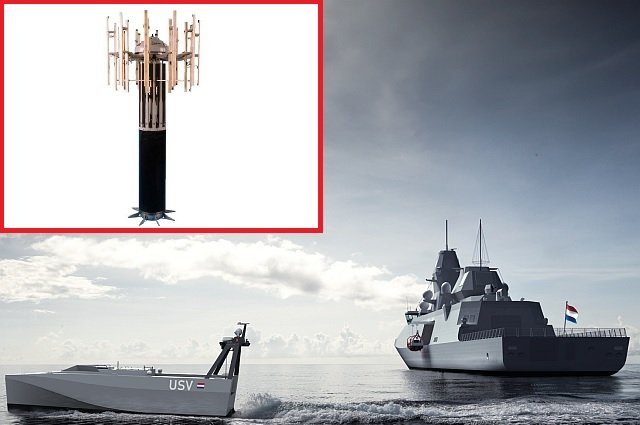
Europe
ROTTERDAM — The Netherlands has officially started the design phase for a new fleet of 12-metre unmanned surface vessels (USVs) that will operate with the Royal Netherlands Navy's future anti-submarine warfare (ASW) frigates. The vessels are intended to expand underwater surveillance, improve submarine detection, and strengthen the navy's anti-submarine warfare capabilities. The agreement to begin the design work was signed in Rotterdam on July 29 by representatives of the Dutch Ministry of Defence, Dutch Naval Design (DND), and defense company Thales. The project follows a framework agreement signed on April 10, 2024, which established the initial requirements for the vessels and outlined a four-year roadmap toward technological readiness. The design phase is expected to conclude in the first quarter of 2027. Designed to Support Future ASW Frigates Under the program, each new Royal Netherlands Navy ASW frigate will carry one 12-metre unmanned surface vessel in its mission bay. The USVs will be deployed and recovered using a dedicated cradle-type launch and recovery system. The vessels are being developed to extend the frigates' underwater surveillance range while allowing them to detect and track hostile submarines from greater distances. According to the Dutch Ministry of Defence, this approach is expected to improve reaction times while reducing the need for crewed warships to operate close to potential submarine threats. The unmanned vessels are also expected to support deterrence operations in areas with increased submarine activity. Compact Flash Sonar to Be Integrated A central element of the project is the integration of the Compact Flash dipping sonar produced by Thales Underwater Systems France. A separate agreement covering the delivery of the sonar systems was signed alongside the vessel design contract. By deploying the sonar from an unmanned platform, the Royal Netherlands Navy will be able to expand its underwater surveillance area while helping the crewed frigate avoid revealing its own position. The ministry said the capability will allow frigates to search for and track submarines from greater stand-off distances. Long-Endurance Operations The Dutch Ministry of Defence said the new USVs are expected to have a minimum operating endurance of at least 96 hours, enabling them to conduct extended anti-submarine warfare and deterrence missions. The ministry also noted that the distributed operating concept will allow the unmanned vessels to perform several tasks traditionally carried out by embarked helicopters. Officials expect this approach to improve operational efficiency while increasing the fleet's underwater surveillance coverage. Dutch Naval Design to Lead Development The design work has been awarded to Dutch Naval Design (DND), a partnership that brings together government organizations, industry, universities, and research institutions. The proposal was submitted by participating organizations operating under the USV Alliance consortium. Companies involved in the wider effort are also contributing model-based systems engineering and cybersecurity support as part of the design process. Part of the Netherlands-Belgium ASW Frigate Program The unmanned vessels form part of the broader Anti-Submarine Warfare Frigate (ASWF) program, a joint procurement initiative between the Royal Netherlands Navy and the Belgian Navy to replace their aging M-class multi-purpose frigates. The frigates themselves are being constructed by Dutch shipbuilder Damen. The Dutch Ministry of Defence said the USVs will contribute to the future anti-submarine warfare capabilities shared by both countries and reflect the growing role of unmanned systems in modern naval operations. Belgium's Position Remains Unchanged Belgium's defence minister recently criticized aspects of the wider frigate program, citing delays, cost increases, and design changes, and suggested the possibility of seeking alternatives to Damen for shipbuilding. However, the Dutch Ministry of Defence's announcement launching the USV design phase did not indicate any change to Belgium's participation in either the unmanned vessel project or the broader joint anti-submarine warfare program.
Read More → Posted on 2026-08-02 11:10:57
Europe
MADRID, Spain — Spanish satellite operator Hisdesat has selected Airbus Defence and Space as the prime contractor for the development and construction of the SpainSat NG-III secure communications satellite, completing the industrial framework of the SPAINSAT NG Programme, a public-private partnership with the Spanish Ministry of Defence. The agreement, signed on July 31, will see Airbus design, integrate, and test the satellite, while Thales Alenia Space will serve as co-contractor. Financial terms of the contract were not disclosed. Supporting Spain's Secure Communications Network SpainSat NG-III will become part of Europe's most advanced secure military satellite communications constellation. The satellite is designed to provide high-capacity, encrypted command-and-control communications for the Spanish Armed Forces, government users, NATO, allied forces, and users under the European GOVSATCOM initiative. According to Airbus, the new satellite builds on the design of earlier SpainSat NG spacecraft while introducing improvements that increase operational flexibility, expand available bandwidth, and strengthen protection against jamming and other electronic threats. Advanced Payload and Protection Built on Airbus' Eurostar Neo platform, SpainSat NG-III will carry advanced X-band receive and transmit active antennas developed by Airbus in Spain. The company said these antennas deliver the performance of 16 conventional antennas and can reconfigure coverage up to 1,000 times per second, enabling rapid detection and mitigation of electronic interference, including jamming and spoofing attempts. Thales Alenia Space in Spain will develop the satellite's UHF and military Ka-band payloads while leading the assembly, integration, and testing of the communications module at its Tres Cantos facility. The satellite also incorporates hardened features designed to withstand high-altitude nuclear events and electromagnetic pulses (EMP). Airbus said it meets NATO requirements for signal intelligence, anti-jamming, and anti-spoofing capabilities. Launch Planned for 2030 SpainSat NG-III will follow a 48-month development schedule, with launch planned for the third quarter of 2030 and full operational capability expected in early 2031. Once operational alongside SpainSat NG-I, which launched in January 2025, the constellation will provide continuous geostationary communications coverage from North and South America across Europe, Africa, the Middle East, and eastward to Singapore, covering roughly two-thirds of the Earth's surface. Replacing SpainSat NG-II The new satellite is being developed after SpainSat NG-II, launched in October 2025, suffered non-recoverable damage following what its operator described as a space particle impact while transferring to its final geostationary orbit in January 2026. SpainSat NG-III will restore the lost capability and complete the planned constellation. The programme remains one of the largest space hardware initiatives undertaken by Spain's aerospace sector and continues to involve Airbus, Thales Alenia Space, and more than ten Spanish aerospace companies supplying subsystems and hardware. Alain Fauré, Head of Space Systems at Airbus Defence and Space, said SpainSat NG-III will reinforce Spanish and European strategic autonomy by providing mission-critical communications for Spain, NATO, and allied forces.
Read More → Posted on 2026-08-01 13:41:09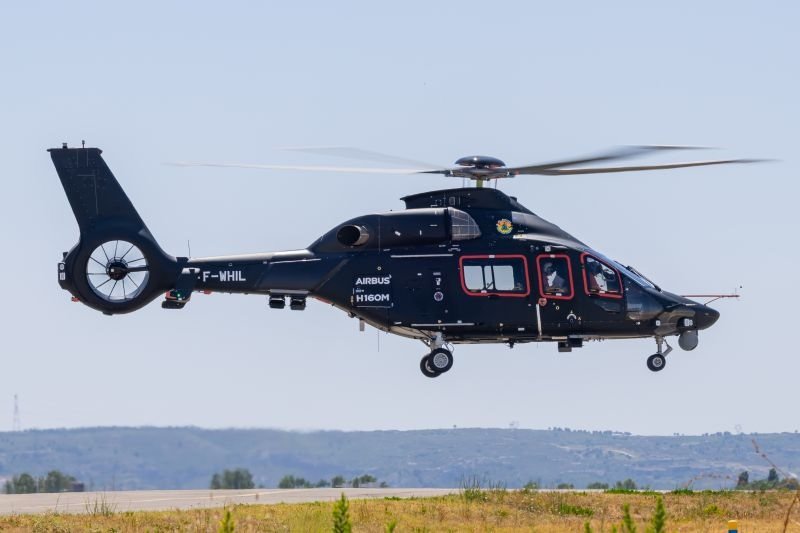
Europe
MARIGNANE, France — Airbus Helicopters has completed the maiden flight of the second prototype of its H160M Guépard military helicopter, marking the next phase of the aircraft's flight test campaign under France's Joint Light Helicopter (Hélicoptère Interarmées Léger – HIL) programme. The second prototype made its first flight in a distinctive all-black paint scheme, setting it apart from the civilian-style H160 helicopters already in service and from the first military prototype. The H160M, known as Guépard (French for "cheetah"), is the military version of the Airbus H160 medium helicopter. It is being developed to provide a common helicopter platform for the French Army, Navy, and Air and Space Force, replacing several legacy helicopter types currently in service or recently retired. France to Acquire 169 H160M Helicopters France plans to procure 169 H160M Guépard helicopters under the HIL programme. The new fleet will replace five existing helicopter types: Gazelle Alouette III Dauphin Panther Fennec The fleet consolidation is intended to simplify maintenance, logistics, spare parts management, and crew training across the three military services. France has so far ordered an initial batch of 30 aircraft. The overall planned fleet includes 80 helicopters for the French Army, 49 for the French Navy, and 40 for the French Air and Space Force. Initial deliveries to the French Army are scheduled to begin in late 2028. Three Prototypes Supporting Development Airbus is using three flying prototypes to support different phases of the H160M development programme. The first prototype completed its maiden flight on 18 July 2025. It has accumulated more than 72 flight hours, focusing on validating the helicopter's flight characteristics and overall performance. During 2026, the aircraft conducted weapons firing trials at Cazaux, validating the integration of 12.7 mm machine gun pods, door-mounted machine guns, and the self-protection system's flare dispensers. Further testing will include guided rockets as well as risk-reduction studies for the MBDA Akeron LP missile. The second prototype, which has now completed its first flight, will focus on environmental testing. The aircraft will undergo hot and cold weather trials to evaluate system performance in extreme operating conditions, including desert and arctic environments. The third prototype is scheduled to join the flight test campaign in 2027. It will be configured for naval operations and will validate maritime-specific equipment and shipboard compatibility required by the French Navy. Military Systems and Mission Equipment The H160M is a six-tonne-class helicopter powered by two Safran Arrano turboshaft engines. According to Airbus, the helicopter incorporates 68 patented technologies designed to improve efficiency, safety, environmental performance, acoustic performance, and maintenance compared with earlier helicopter designs. For military operations, the Guépard is equipped with a dedicated mission system that includes: Thales FlytX avionics suite Airbus-developed mission system Safran Euroflir 410 electro-optical sensor Thales AirMaster C radar The helicopter also features an automated self-protection suite that operates across the electromagnetic and optical spectrum to deploy countermeasures against threats. Using Airbus' HForce modular weapon system, the H160M can be equipped with: 12.7 mm machine gun pods Guided rockets 7.62 mm pintle-mounted machine guns for door gunners Native Drone Cooperation Capability The H160M is the first helicopter in Airbus' product range designed from the outset with a native drone cooperation system. The capability enables helicopter crews to work directly with unmanned aircraft, allowing real-time information sharing and extending reconnaissance and situational awareness beyond the helicopter's onboard sensors. Production Continues Alongside Flight Testing Airframe production is already underway at Airbus' facility in Donauwörth, Germany, while final assembly is carried out in Marignane, France. Manufacturing is progressing in parallel with the ongoing flight test programme. Airbus has also highlighted the operational experience gained from the French Navy's interim use of six civilian H160 helicopters for maritime search-and-rescue missions. Those aircraft have accumulated more than 5,000 flight hours over more than two years of operations, providing operational experience that supports the H160M programme. The successful first flight of the second prototype expands the H160M test campaign into environmental qualification while development continues toward the planned introduction of the helicopter into French military service beginning in late 2028.
Read More → Posted on 2026-07-31 17:08:15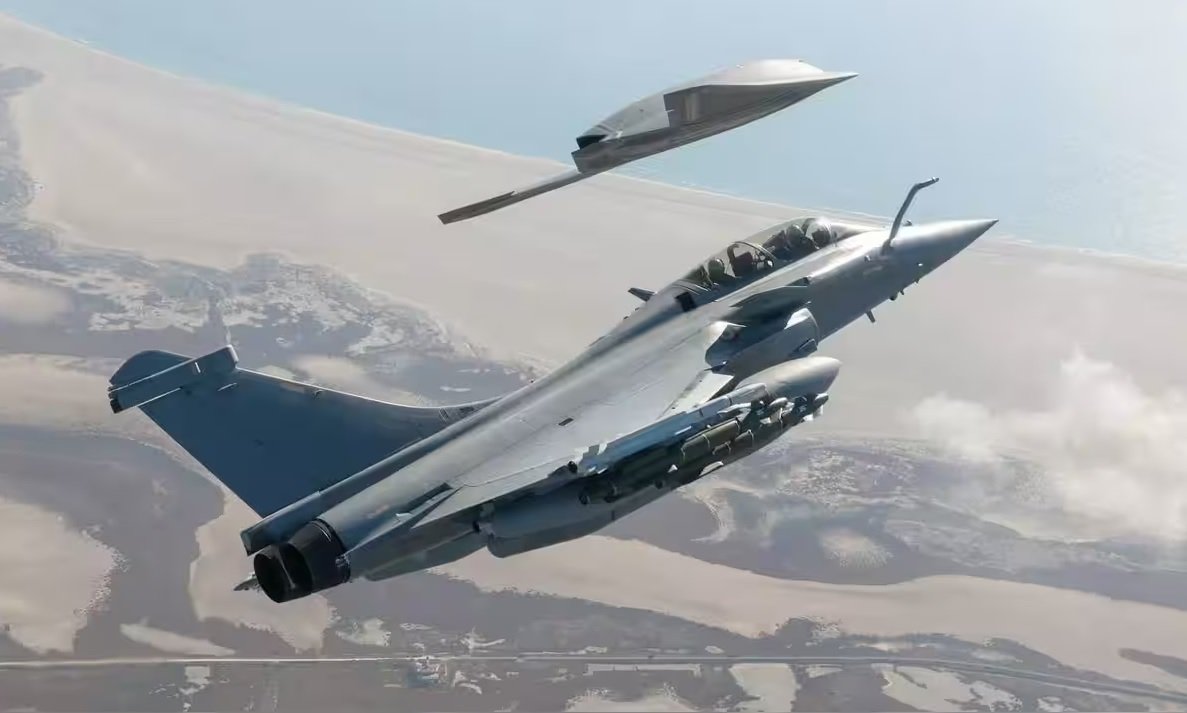
Europe
PARIS — The French Ministry of the Armed Forces has awarded the first preparatory engineering contracts for the €1.5 billion reconstruction of Air Base 116 (BA 116) at Luxeuil-Saint-Sauveur, officially launching a long-term modernization project that will transform the site into France's fourth nuclear-capable air base. The initial contracts, awarded on July 25, 2026, begin the engineering and site-preparation phase of the project, which follows the strategic force restructuring announced by French President Emmanuel Macron during his visit to Luxeuil on March 18, 2025. Under the plan, the base will host two Strategic Air Forces squadrons operating approximately 50 two-seat Rafale F5 fighter aircraft equipped to carry the future ASN4G hypersonic nuclear missile. The transformation will restore Luxeuil's nuclear deterrence mission, a role the base lost in 2011. The Defence Infrastructure Service will oversee the reconstruction in coordination with the French Air and Space Force, while the Directorate General of Armaments will synchronize infrastructure work with the delivery of aircraft, weapons, communications systems, simulators, and other operational equipment. Engineering Work Begins Before Major Construction The first contracts cover engineering studies, site surveys, design preparation, utility assessments, and planning work required before large-scale construction begins in 2027. The reconstruction will take place within the base's existing 477-hectare footprint and will modernize nearly every major facility surrounding its 2,433-meter NATO-standard concrete runway. Planned upgrades include reconstruction of the runway surface, taxiways, aircraft parking aprons, roads, vehicle areas, hangars, maintenance buildings, utilities, water supply, drainage networks, accommodation, dining facilities, and operational headquarters. The project also includes construction of specialized facilities such as a dedicated information technology building, a separate simulator complex, nuclear-certified storage facilities, secure mission planning areas, classified information systems, protected communications networks, aircraft servicing areas, weapons preparation facilities, and restricted-access operational zones. Much of the existing infrastructure dates back to the 1950–1953 modernization of the base, making replacement of aging buildings and support networks a key part of the project. Personnel to Increase Significantly The conversion to a nuclear mission will require a major increase in manpower over the coming decade. Permanent military and civilian personnel at the base are expected to increase from about 1,200 in 2025 to nearly 2,000 by 2035. Maintenance staff will expand from around 300 to approximately 800 personnel, while the pilot population is expected to quadruple. The future force structure will require more personnel because the nuclear mission will be carried out by two-seat Rafale aircraft, with each mission involving both a pilot and a weapon systems officer. The weapon systems officer is responsible for navigation, communications, electronic warfare, threat monitoring, mission timing, tanker coordination, and nuclear weapon procedures, allowing the pilot to focus on flying and tactical mission execution. This operating model also increases the need for simulator training, mission rehearsals, instructors, and classified planning staff. Flying Operations to Pause During Reconstruction To allow unrestricted access across the airfield during construction, all flying operations at Luxeuil are expected to stop from 2029 to 2032. The temporary suspension follows the planned end of Mirage 2000-5F operations in 2029 and will continue until the arrival of the first Rafale F5 aircraft in 2032. During this period, the air base will temporarily be absent from France's fighter-base network while extensive work is carried out across the runway, taxiways, parking aprons, and central operational facilities. Peak construction activity is expected to involve between 1,500 and 2,000 workers, creating a temporary workforce comparable to or larger than the base's current permanent population. Managing the project will require dedicated entry points for civilian contractors, separation of classified and non-classified areas, management of heavy construction traffic, and coordination with nearby municipalities regarding accommodation, transportation, roads, and public services. Rafale F5 and ASN4G to Form Future Nuclear Force Luxeuil will become the first French air base specifically designed around the Rafale F5 and ASN4G weapon system. The first Rafale F5 aircraft are expected to arrive in 2032. The first squadron is planned to become operational in 2033, followed by a second squadron in 2036, with full dual-squadron readiness targeted the same year. During infrastructure planning, the two future squadrons are provisionally designated RAF7, scheduled for 2033, and RAF8, planned for 2036. The planned inventory of approximately 50 aircraft suggests a nominal strength of about 25 fighters per squadron, although operational availability will vary due to maintenance, training, upgrades, and aircraft servicing requirements. The Rafale F5 standard is being developed with enhanced computing capability, sensor fusion, electronic warfare architecture, communications capacity, and weapon interfaces required for integration with the ASN4G missile and future uncrewed combat aircraft. The ASN4G, currently under development by MBDA, is intended to replace the ASMPA-R after 2035. The missile is designed to achieve hypersonic speed, maneuver during flight, and reduce the probability of interception by future air-defense and missile-defense systems. It is planned to equip both the French Strategic Air Forces and French Naval Aviation, maintaining France's airborne nuclear deterrent from both land-based and carrier-based aircraft. France's Fourth Nuclear Air Base France currently operates three nuclear-capable air bases: Saint-Dizier, Istres, and Avord. Once completed, Luxeuil will become the country's fourth nuclear air base. The July 2026 contract awards mark the beginning of the engineering and planning phase that will determine how the entire installation is rebuilt within its existing footprint over the coming decade, preparing the base to support the future Rafale F5 fleet and ASN4G nuclear missile system.
Read More → Posted on 2026-07-31 16:31:09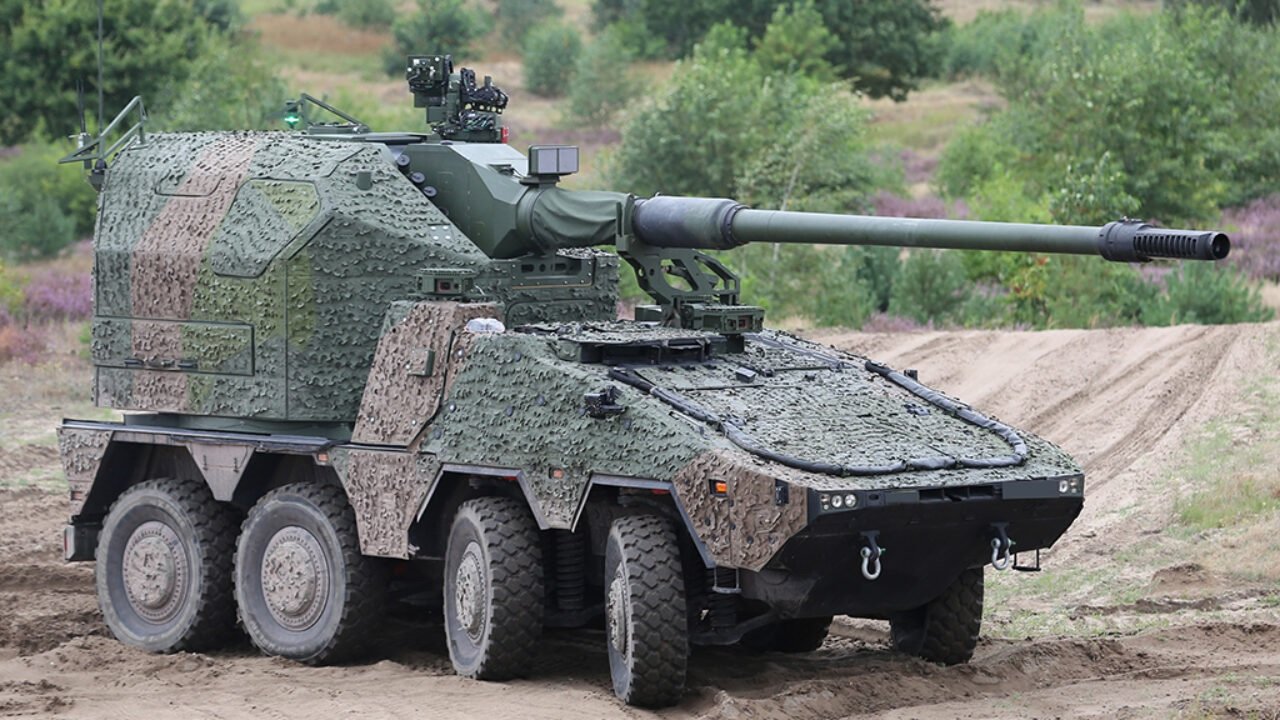
Europe
DÜSSELDORF, Germany — Rheinmetall has secured a contract to supply the core weapon systems for 72 RCH 155 wheeled howitzers ordered by the British Army under the United Kingdom's joint artillery modernization programme with Germany. The supply contract, awarded in the second quarter of 2026, is valued in the low three-digit million-euro range. It follows the UK's order for 72 RCH 155 systems announced in May 2026, with the overall acquisition valued at nearly £1 billion, including initial training and in-service support. OCCAR Managing Joint UK-Germany Programme The procurement is being carried out through the Organisation for Joint Armament Cooperation (OCCAR), which awarded the main contract to ARTEC GmbH, a joint venture between Rheinmetall and KNDS Deutschland. Both companies are participating in the programme as subcontractors. The programme is part of the broader UK-Germany defence cooperation established under the Trinity House Agreement, signed in 2024, which aims to strengthen defence collaboration and improve interoperability between the two countries and within NATO. Rheinmetall to Manufacture Key Weapon Systems in the UK Germany and the United Kingdom are currently qualifying the 155 mm L/52 remote-controlled weapon system for service with both armies. Once the qualification process is complete, Rheinmetall will supply 72 elevating masses together with associated onboard tools. The company will also produce training materials and technical documentation to support the introduction of the new artillery systems. Manufacturing of the weapon systems—including the barrel, breech, recoil system, and trunnions—will take place at Rheinmetall's new gun production facility in Telford, United Kingdom, which is being brought into service in phases. Deliveries of the weapon systems are scheduled from May 2028 through June 2031. In support of the UK's domestic defence industry, Rheinmetall plans to manufacture the gun barrels using British steel supplied by Sheffield Forgemasters. UK Production to Support Hundreds of Jobs The programme also includes significant manufacturing work within the United Kingdom. KNDS UK will produce the BOXER drive modules, including the chassis, engine, and drivetrain, at its facility in Stockport. According to Rheinmetall, the programme is expected to support at least 500 jobs across the UK, including 100 new skilled positions in Telford, 100 jobs in Stockport, and approximately 300 roles across the wider British supply chain. RCH 155 to Replace AS90 Artillery The RCH 155 combines the GTK Boxer wheeled armoured vehicle with an automated artillery module derived from the Panzerhaubitze 2000. The system is equipped with an unmanned, fully automated turret housing a 155 mm gun, allowing it to be operated by a crew of two soldiers from within the protected drive module. The wheeled howitzer is capable of travelling at speeds of up to 100 km/h and can fire while moving, providing greater mobility during operations. It can fire up to eight rounds per minute with a maximum range of up to 70 km, depending on the ammunition used. The British Army is acquiring the RCH 155 to replace the AS90 self-propelled howitzers transferred to Ukraine in 2023. The system is also expected to eventually replace the Army's interim Archer capability. Deliveries Begin in 2028 Deliveries of the complete RCH 155 systems to the British Army are scheduled to begin in 2028. Alongside the UK programme, Rheinmetall is continuing to expand its production capacity for 155 mm weapons and ammunition as part of its broader manufacturing activities across Europe.
Read More → Posted on 2026-07-31 12:47:39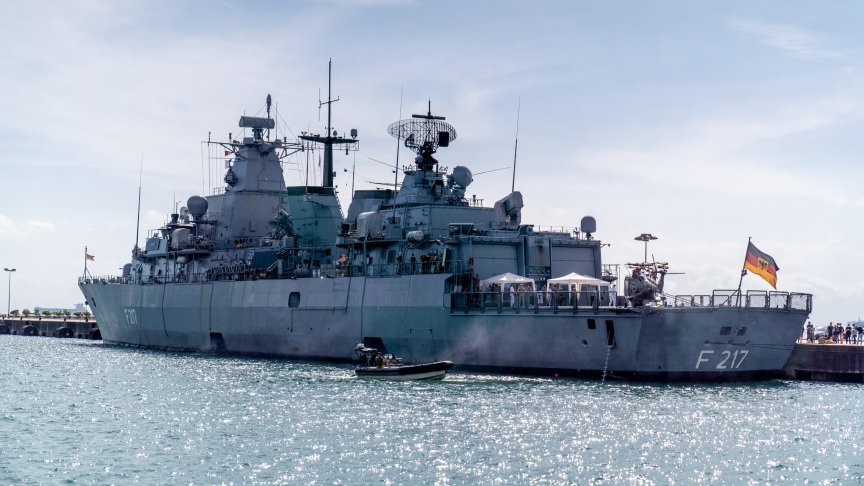
Europe
WILHELMSHAVEN, Germany — Rheinmetall has secured a mid-three-digit million euro contract to modernize the German Navy's F123-class frigate Bayern, extending the vessel's operational service life until at least 2035 while upgrading its systems to meet current operational requirements. The agreement was finalized at the end of the second quarter of 2026. The modernization work will be carried out at Rheinmetall's Neue Jadewerft shipyard in Wilhelmshaven and is scheduled to continue through 2029. Comprehensive Service-Life Extension Commissioned in 1996, Bayern is a 143-meter frigate belonging to the Brandenburg-class (F123), a class of four ships primarily designed for anti-submarine warfare (ASW). The modernization program is intended to keep the frigate operationally ready while updating its systems to current technological standards. The vessel is currently berthed at the Neue Jadewerft facility, where crews are removing major components in preparation for the next phase of the project. After this stage is completed, the ship will be transferred to the shipyard's dry dock for the main modernization work. Key Systems to Be Upgraded The overhaul will include upgrades across several major areas of the frigate. The ship's Combat Management System (CMS) will be completely replaced, while the radar sensor suite will be modernized to support current operational requirements. Essential shipboard engineering systems will also undergo refurbishment, including the vessel's propulsion and drive systems, to improve long-term reliability and support continued service. In addition, Rheinmetall will upgrade selected anti-submarine warfare (ASW) capabilities, enhancing the frigate's effectiveness in future deployments. Rheinmetall Highlights Naval Modernization Expertise Tim Wagner, CEO of Rheinmetall's Naval Systems division, said the company is focused on delivering the modernization project on schedule. "We are now fully focused on delivering the project on schedule. The Neue Jadewerft shipyard has many years of experience in the modernization and maintenance of naval vessels—particularly frigates—and possesses extensive expertise in integrating complex maritime systems. Combined with our close cooperation with all project partners and our customer, these capabilities provide the foundation for delivering the ship to the German Navy on time and to the required quality standards." Strengthening Rheinmetall's Naval Services Business Rheinmetall said the contract demonstrates the importance of its service business within the Naval Systems division. The company noted that long-term maintenance, modernization and lifecycle support remain core activities that help maintain the operational readiness of naval platforms over many years. The contract also provides a significant addition to Rheinmetall's order book. It follows the German government's cancellation of the delayed F126 frigate program, a project Rheinmetall had expected to manage. Supporting Future German Navy Operations The F123-class frigates continue to serve as part of the German Navy's surface fleet. The service-life extension program for Bayern is designed to ensure the vessel remains operational through at least 2035, with upgraded combat, engineering, sensor and anti-submarine warfare systems that meet current operational requirements.
Read More → Posted on 2026-07-30 14:17:53Search
Top Trending in 24 Hours
-
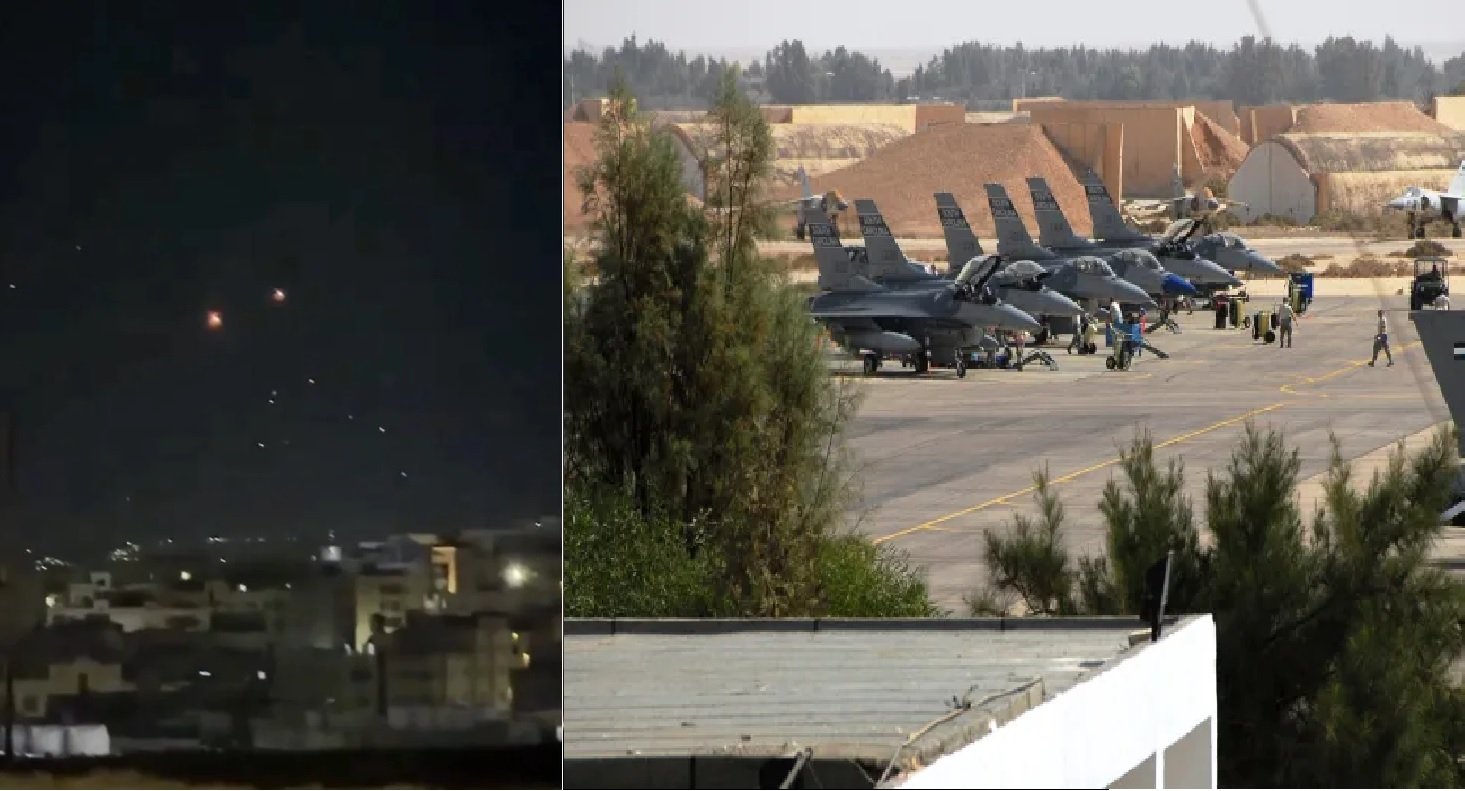 Iranian Missile Strike Damaged U.S. A-10 and Eight F-15s at Jordan Air Base, CBS Reports
-
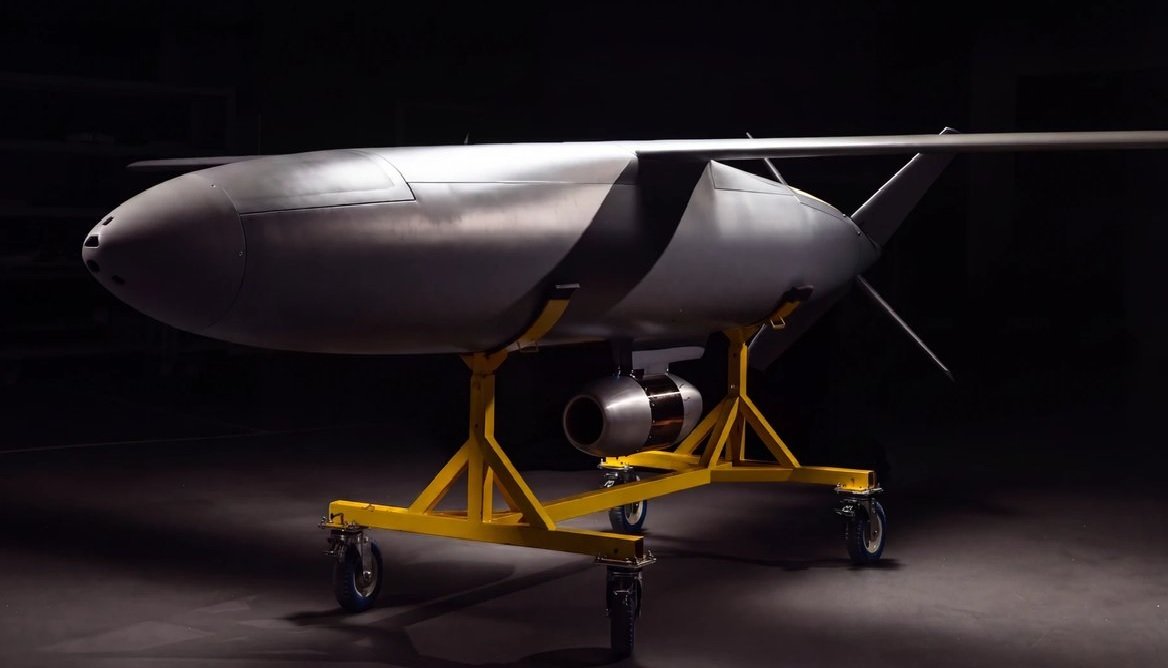 U.S. Startup Covenant Emerges From Stealth With $250 Million Funding and Anthem, a New Long-Range Heavy-Payload Strike Missile After More Than 200 Test Flights
-
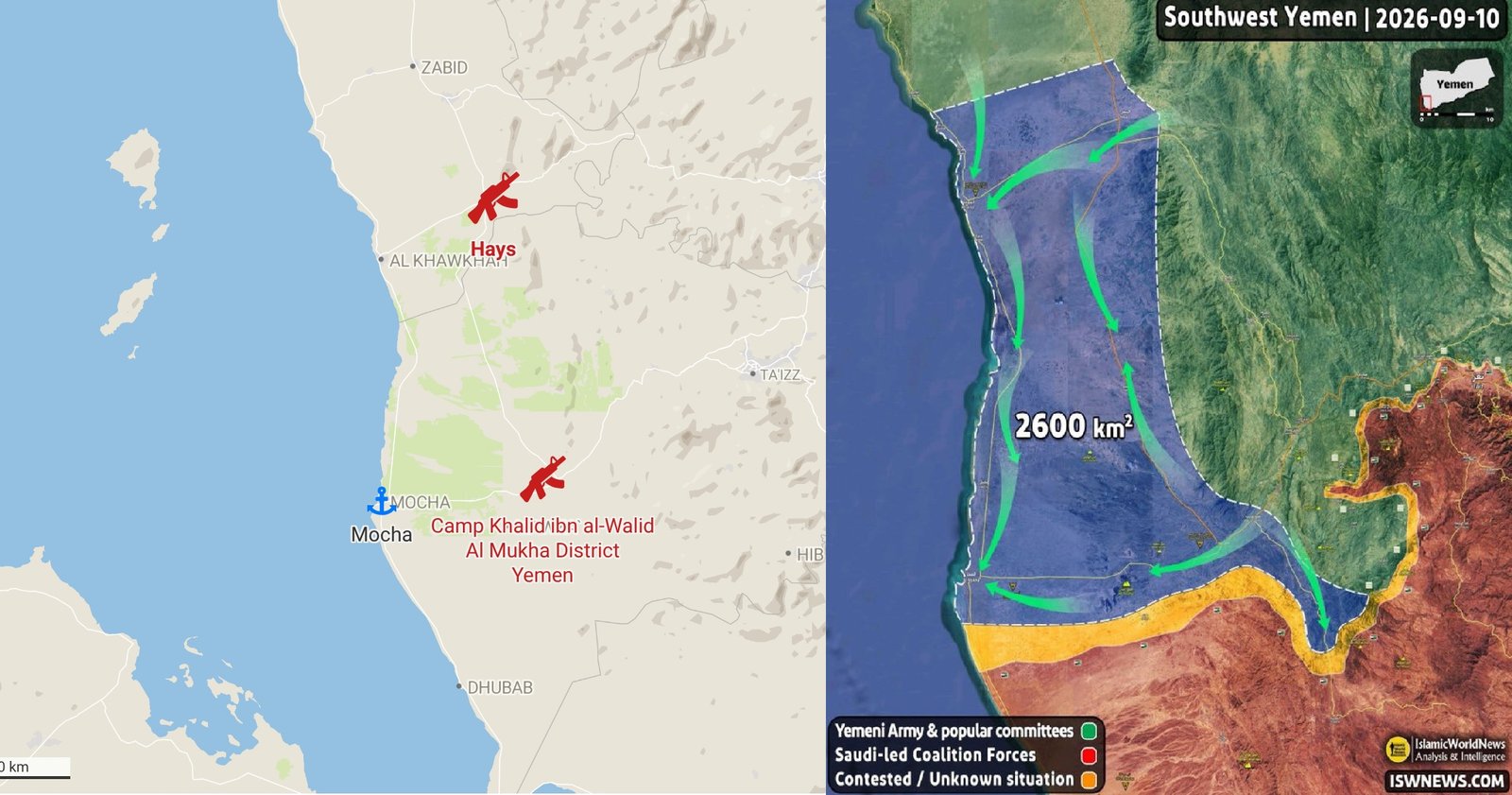 Houthi Forces Capture Strategic Red Sea Port City of Mocha Following Government Withdrawal
-
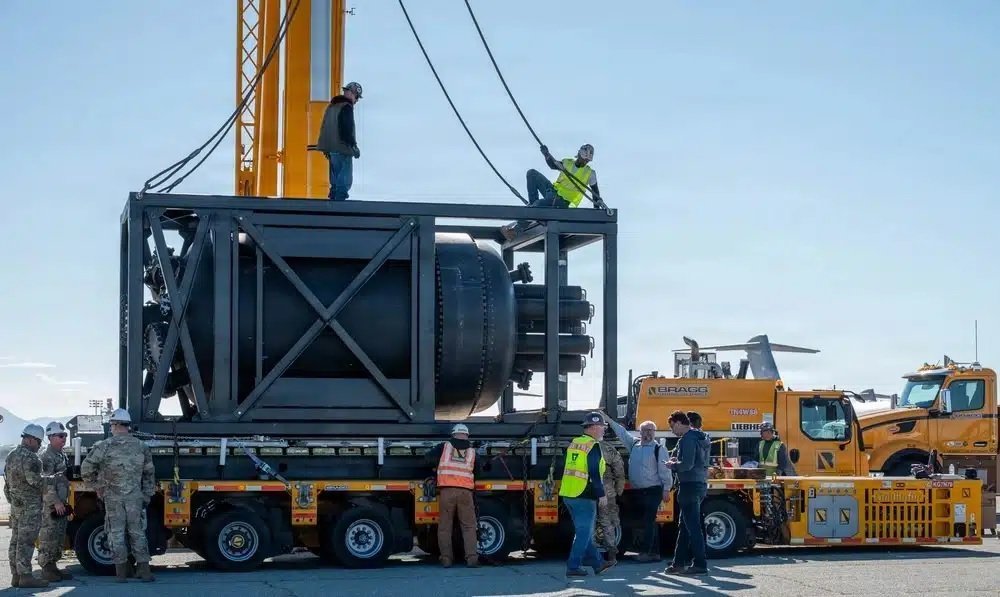 U.S. Navy Plans First Shore-Based Nuclear Microreactor at Indiana’s Crane Base by 2028
-
 Russian Rafale “Kill Switch” Claim Faces Questions Over Evidence
-
 American Rheinmetall Secures $7.28 Million Contract for U.S. Marine Corps Autonomous Vehicles
-
 U.S. Signs $4 Billion Military Financing Guarantee for Poland, Bringing Total Support Near $20 Billion
-
 U.S. Air Force Launches North Star Campaign to Improve B-52 and B-1 Bomber Readiness
Top Trending in 4 Days
-
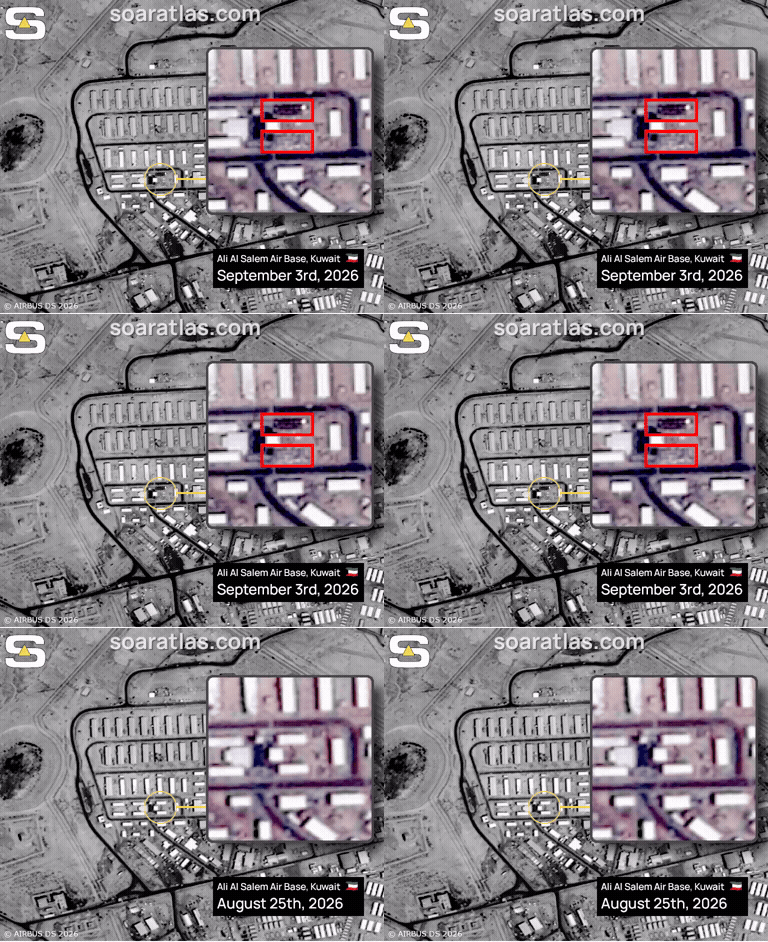 Satellite Imagery Shows Two U.S. Barracks Destroyed at Kuwait’s Ali Al Salem Air Base in Iranian Attack
-
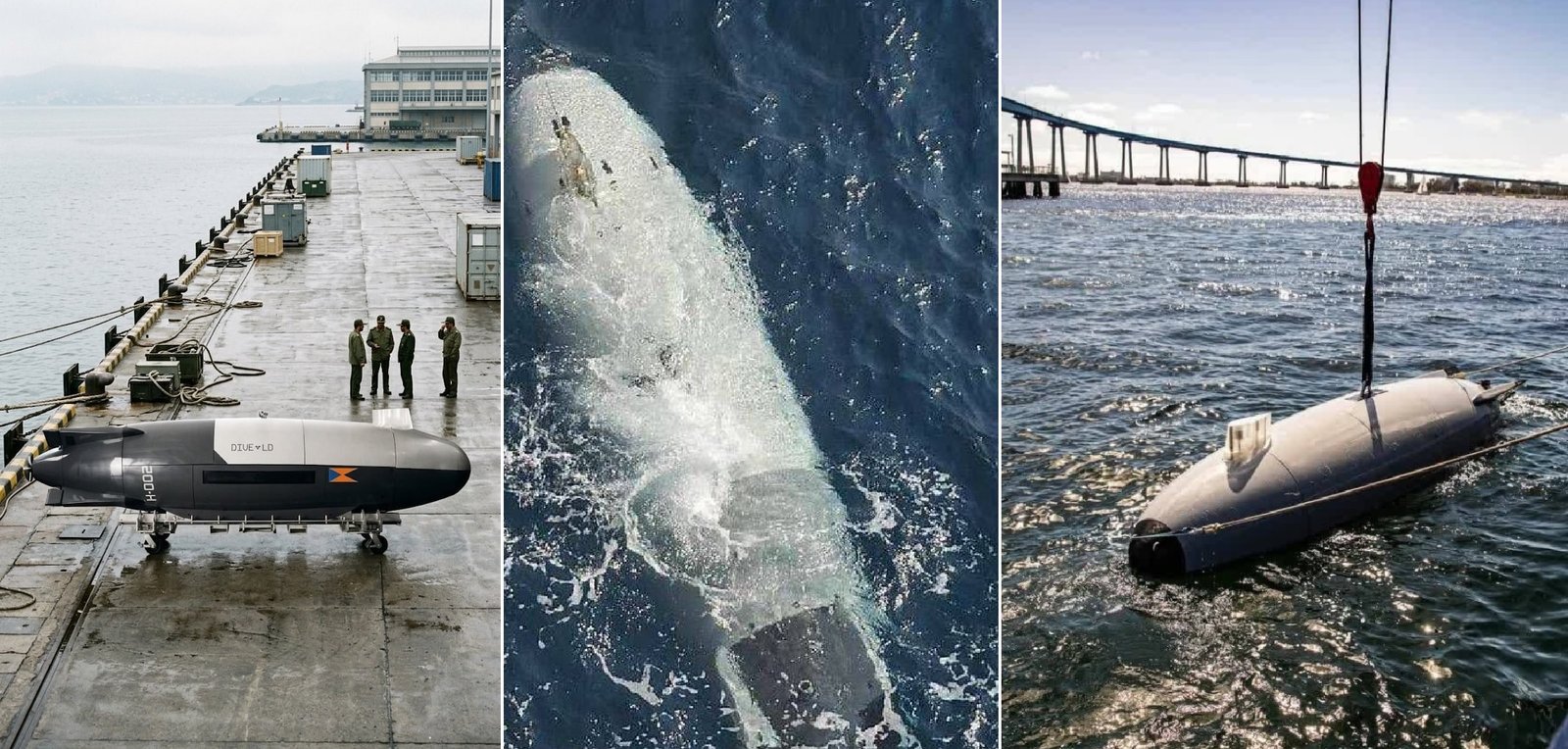 Iran’s IRGC Claims Capture of U.S. Dive-LD Unmanned Underwater Vehicle Near Strait of Hormuz
-
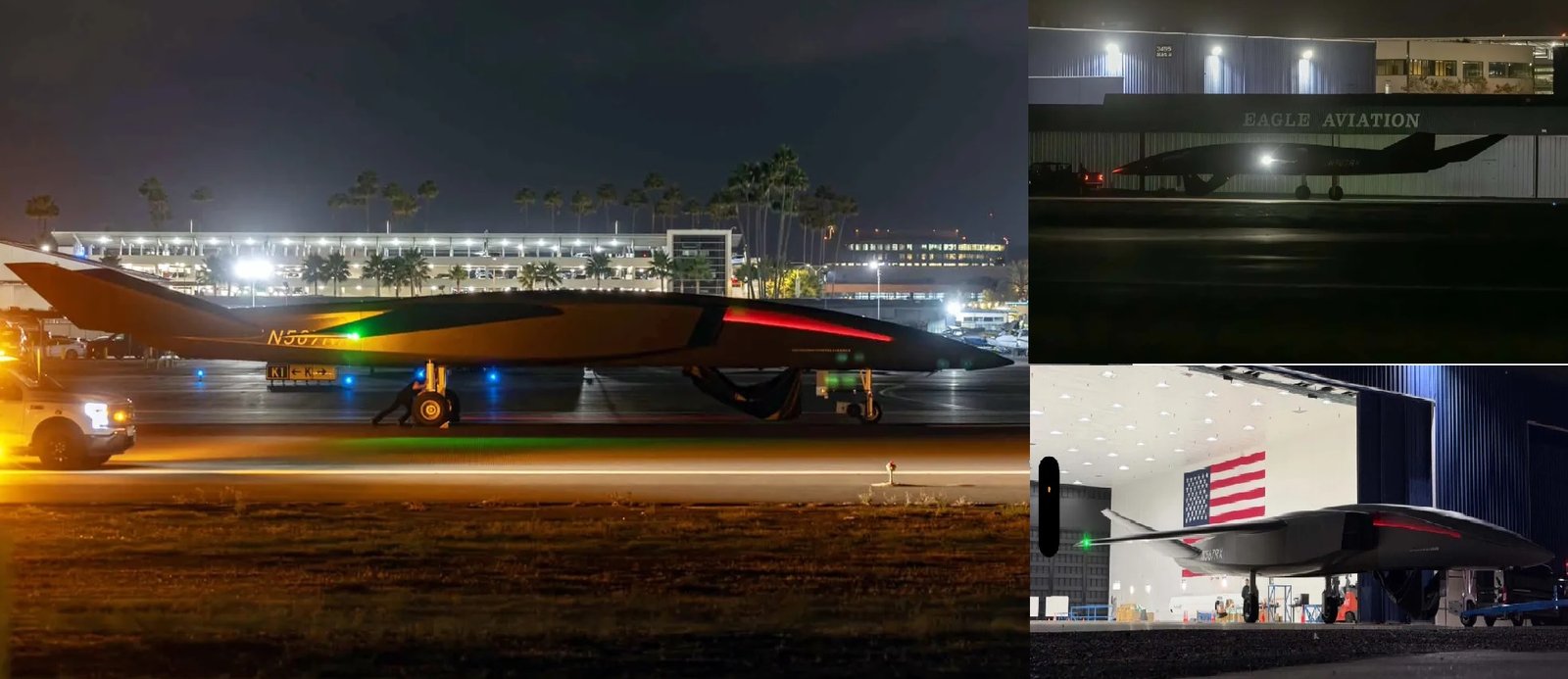 Mysterious Black Aircraft at Long Beach Airport Identified as Aevum’s RAVN X Autonomous Spaceplane After Years Out of Sight
-
 Trump’s ‘The Moon Is Ours’ Post, Space Force Uniform Concept and Green Lantern AI Video Draw Online Backlash
-
 Iranian Missiles Strike U.S. Base in Jordan as Reports Emerge of Injured American Personnel
-
 Iran Launches Massive Ballistic Missile Attack with Cluster Munitions on U.S.-Used Air Base in Jordan, Some Missiles Confirmed to Have Hit Base
-
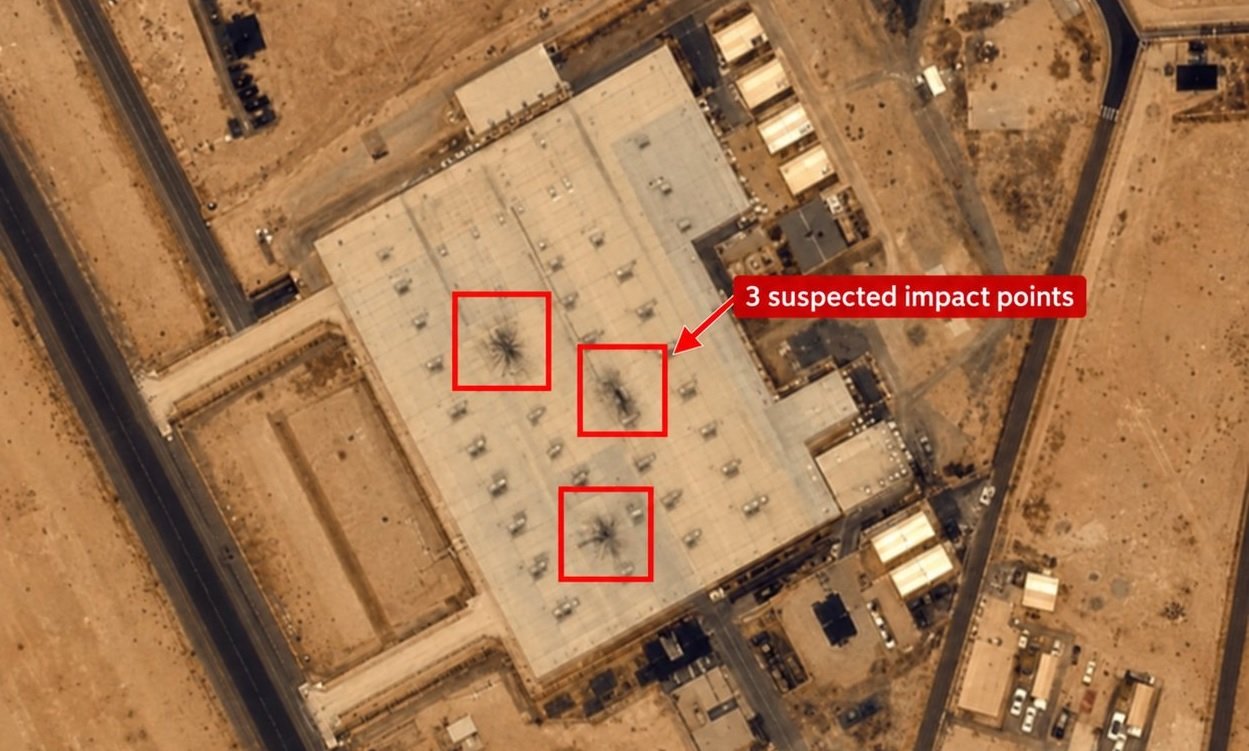 New Satellite Images Show Three Possible Impacts at U.S.-Linked Air Bases in Kuwait
-
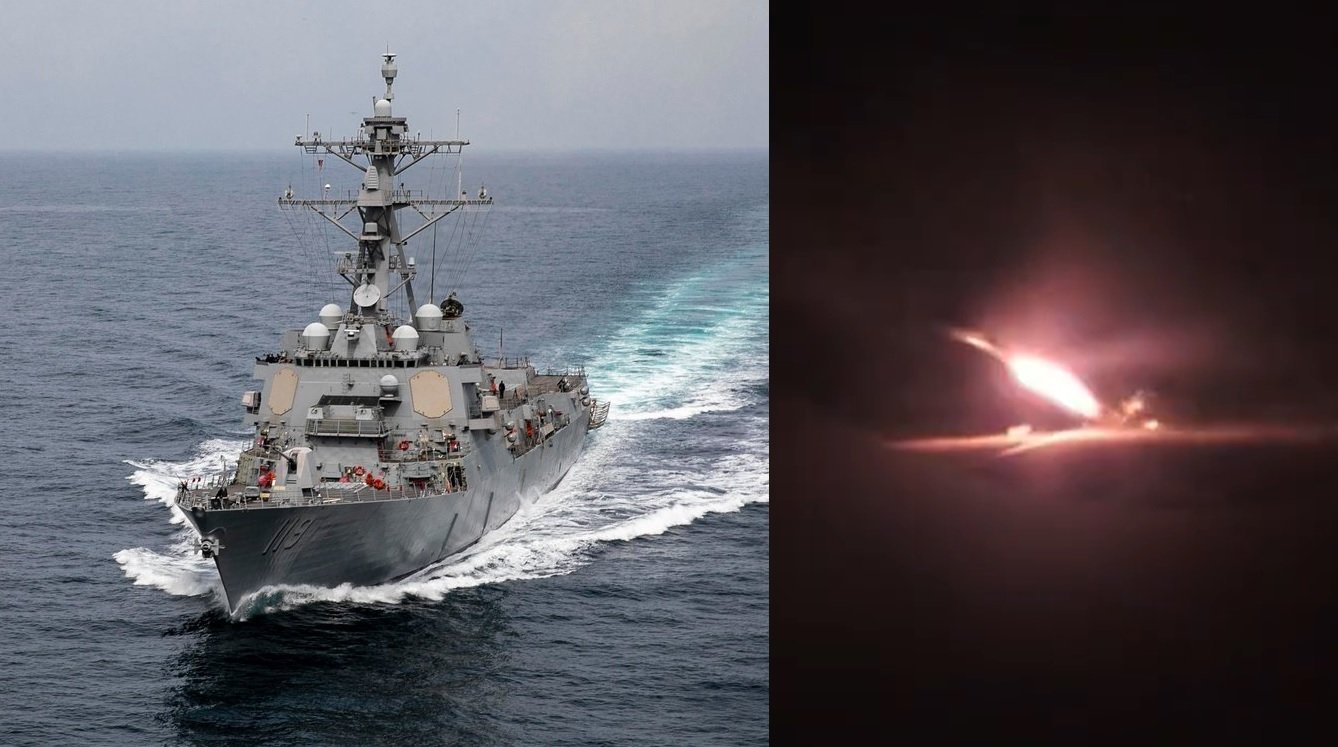 IRGC Claims Significant Damage to Two U.S. Destroyers in Missile Attack; CENTCOM Denies Hits