Europe
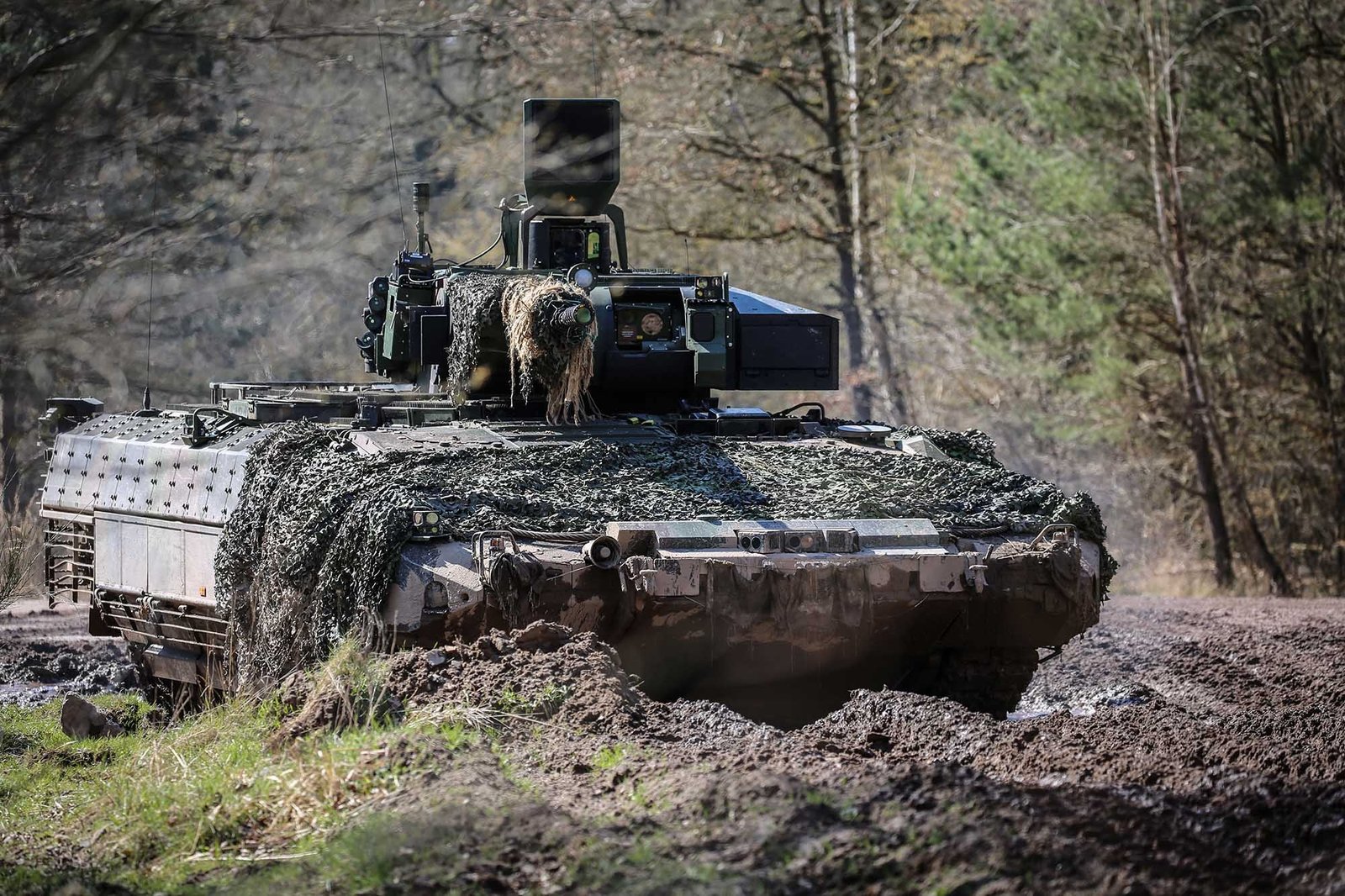
BERLIN, — Germany’s Bundeswehr has received the first Puma infantry fighting vehicle (IFV) from its second production batch, supporting the modernization of its armored infantry units and the gradual replacement of the older Marder IFVs. Projekt System Management GmbH (PSM), a joint venture between KNDS Deutschland and Rheinmetall that manages the Puma programme, announced the handover of the first S1-configured Puma on August 28, 2026. The government contractor officially accepted the first two vehicles from the batch on August 27 and September 3, 2026. These vehicles will undergo further technical trials at the WTD 81 and WTD 91 military-technical centres before entering service. 50 vehicles ordered in second batch The second production batch began with a May 2023 framework agreement between the Federal Office of Bundeswehr Equipment, Information Technology and In-Service Support (BAAINBw) and PSM for 50 new Puma IFVs. The procurement is being carried out alongside the modernization of existing Puma vehicles to the common S1 standard. The Bundeswehr intends to introduce the S1 configuration across its Puma-equipped armored infantry units and training establishments. Puma S1 capabilities The Puma has a three-person crew and can carry six infantry soldiers. Its remotely controlled unmanned turret is equipped with a stabilized 30 mm MK30-2/ABM automatic cannon, a coaxial 5.56 mm MG4 machine gun, and, in the S1 and VJTF configurations, the MELLS anti-tank guided missile system with Spike LR missiles. The 30 mm cannon has an effective range of up to 3 kilometers. The vehicle has an 800 kW engine, a maximum road speed of 70 km/h, and a combat weight of up to 43 metric tons in its highest protection configuration. The S1 standard adds digital communications and command systems, improved observation equipment and 360-degree surveillance combining daytime cameras with thermal imaging. Its modular protection system is designed to protect against mines, improvised explosive devices, shaped-charge munitions and anti-tank guided missiles. Germany orders another 200 Pumas Germany is continuing to expand the fleet. In December 2025, the Bundeswehr ordered another 200 Puma IFVs from PSM through an amendment to the existing framework agreement. The order is valued at approximately €4.2 billion and is divided equally between KNDS Deutschland and Rheinmetall. First deliveries are scheduled to begin in mid-2028. The agreement also covers corresponding protection modules and storage containers, while a further amendment for an S2 configuration is planned. Together with the original production batch of 350 Puma vehicles, the second-batch procurement and the modernization of existing vehicles to the S1 standard form part of Germany’s long-term effort to equip its mechanized infantry forces with the Puma.
Read More → Posted on 2026-09-26 12:22:23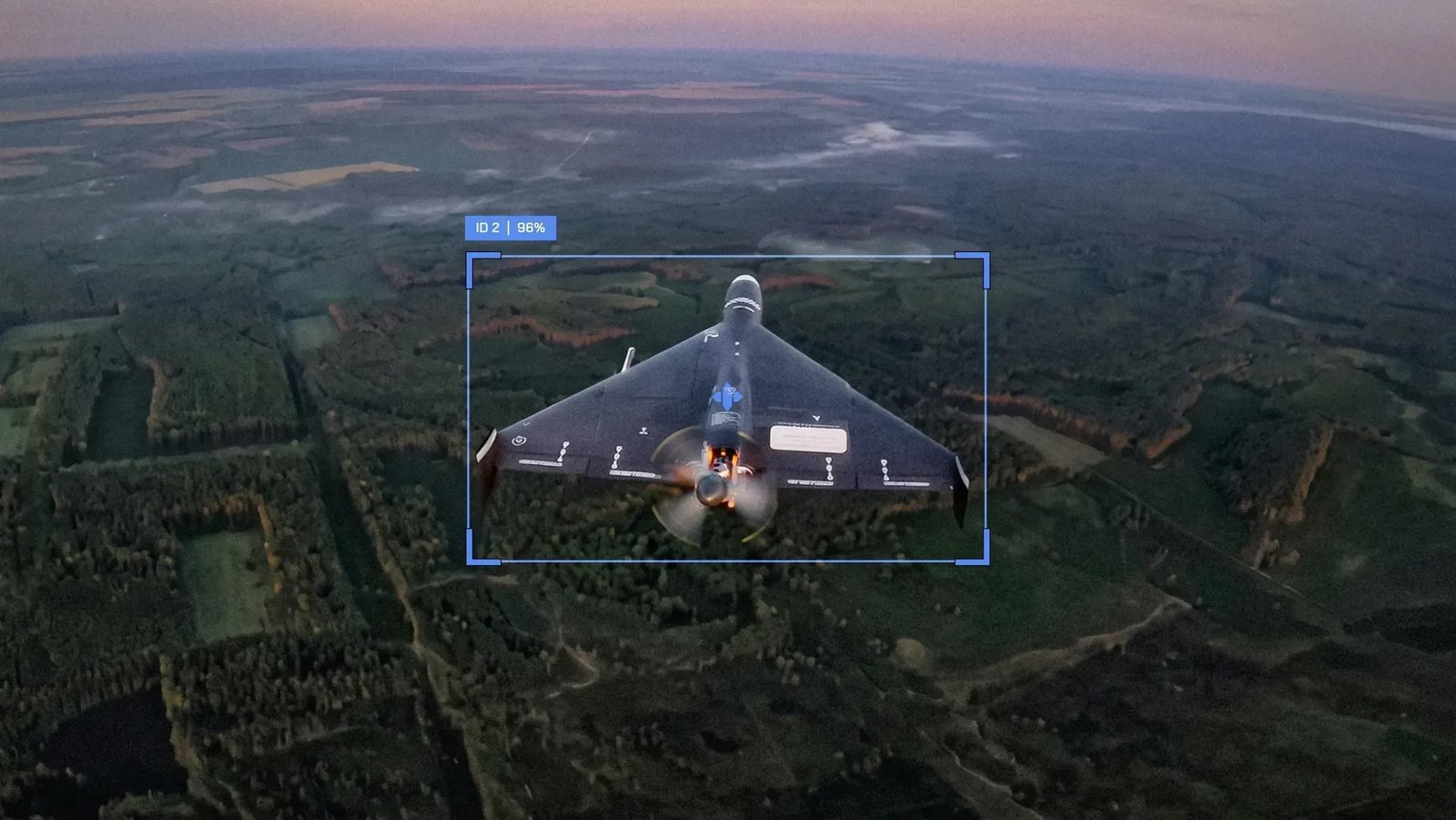
Europe
LONDON/KYIV — The United Kingdom has become the first international partner whose defence companies will gain access to Ukraine’s Avengers Labs, an artificial intelligence platform that uses real battlefield data to train and test AI models for unmanned systems. Up to 12 British defence companies will be selected for the programme. They will work inside the secure Avengers Labs environment and will not be allowed to download or directly extract the dataset. AI Development for Drone Swarms The first UK-Ukraine competition will focus on AI models for swarms of unmanned systems. The models are intended to help drones work together, detect threats and identify targets, including when communication with human operators is limited or global navigation systems are unavailable. The UK Ministry of Defence’s Rapid AI Delivery Taskforce (RAID) is leading the selection process. Companies must submit proposals by 11:59 p.m. BST on October 22, 2026, with selected companies expected to be notified by November 6. Phase 1 access is planned for about three months, from late November 2026 to late February 2027. Companies must also complete Ukrainian export-control procedures before receiving access. More Than 5 Million Battlefield Frames Avengers Labs is built around an annotated dataset of more than 5 million battlefield frames. Most of the data comes from unmanned systems through Ukraine’s DELTA combat system. The dataset includes information on tanks, artillery, air defence systems, infantry, Shahed-type UAVs and reconnaissance drones. The data is continuously updated, while information provided through DELTA is anonymised and delayed to reduce risks to military personnel during ongoing operations. More than 30 Ukrainian defence companies are already using Avengers Labs to train AI models, and three products developed through the platform are already deployed on the battlefield. Ukraine's Ministry of Defence has reported that AI integration can reduce the time analysts spend searching images and video for enemy targets by up to 90 percent. An AI system trained using Avengers Labs data processes more than 100,000 drone video streams each month and identifies about 70 percent of enemy military targets in real time, according to the Ukrainian ministry. UK-Ukraine AI Partnership The cooperation follows an Artificial Intelligence Partnership signed in Kyiv on August 24, 2026, by Ukrainian President Volodymyr Zelenskyy and UK Prime Minister Andy Burnham. It forms part of the wider UK-Ukraine 100-Year Partnership. The agreement covers joint AI model development, secure data channels, computing resources and AI reliability, as well as defence-industry cooperation and academic research into autonomy, AI reliability, cybersecurity and synthetic data. The programme will combine Ukraine’s combat-derived data and operational experience with expertise from British universities, researchers and technology companies to develop AI capabilities for unmanned systems and other defence applications.
Read More → Posted on 2026-09-26 12:15:24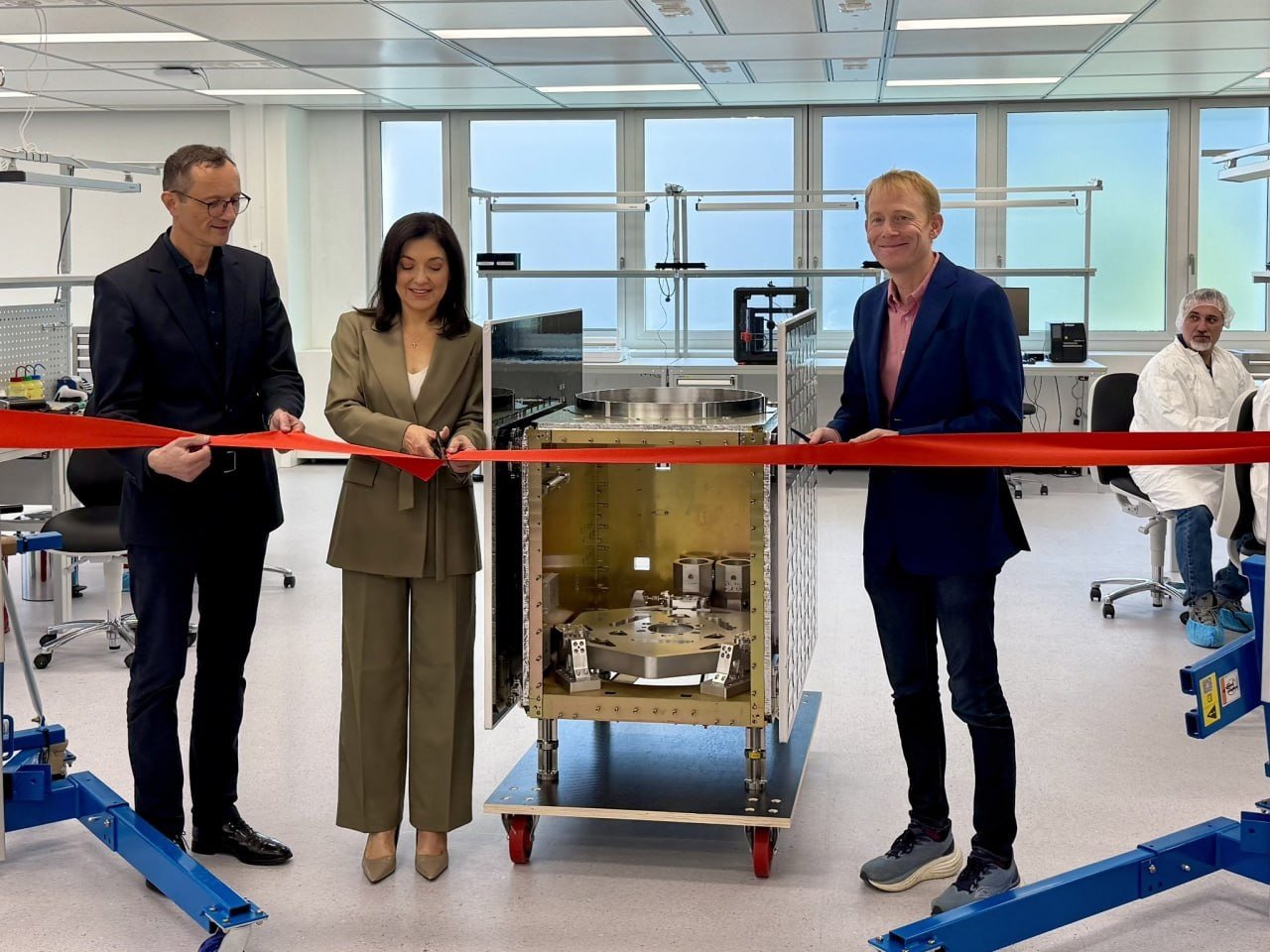
Europe
BERLIN — U.S.-based Earth observation company Planet Labs has opened a new 5,700-square-meter satellite manufacturing facility in Berlin’s Mitte district. The facility, operated by Planet Labs GmbH, will produce the company’s Pelican satellites and expand its manufacturing capacity in Europe. Production is scheduled to begin this autumn, with the first satellite expected to be completed before the end of 2026. The plant is designed to eventually produce up to 60 satellites per year, roughly doubling Planet’s overall Pelican production capacity. Manufacturing will continue at the company’s San Francisco headquarters. Pelican satellites are in the 300-kilogram class and are designed for high-resolution Earth observation, with the next-generation spacecraft offering approximately 30-centimeter resolution. Planet announced the Berlin facility in September 2025. The company has completed the facility handover and cleanroom fit-out within 12 months. The expansion will add about 70 employees to Planet’s existing workforce of nearly 150 people in Berlin. Planet has operated in Germany since 2015, following its acquisition of German Earth observation company RapidEye. Berlin already serves as the company’s European center for engineering, mission operations, data processing and business functions. Planet co-founder and CEO Will Marshall said the company has built and successfully launched 688 satellites over 15 years, and that the new facility brings its satellite manufacturing capability to Berlin. The first satellites produced at the Berlin facility are scheduled to launch in early 2027 aboard an Isar Aerospace Spectrum rocket from the Andøya Space complex in Norway. The planned mission would be the first time a German-built Pelican satellite is launched on a German-built launch vehicle. The Berlin facility is part of Planet’s expansion of localized satellite production in Europe and supports the company’s growing Earth observation operations in the region.
Read More → Posted on 2026-09-25 14:39:52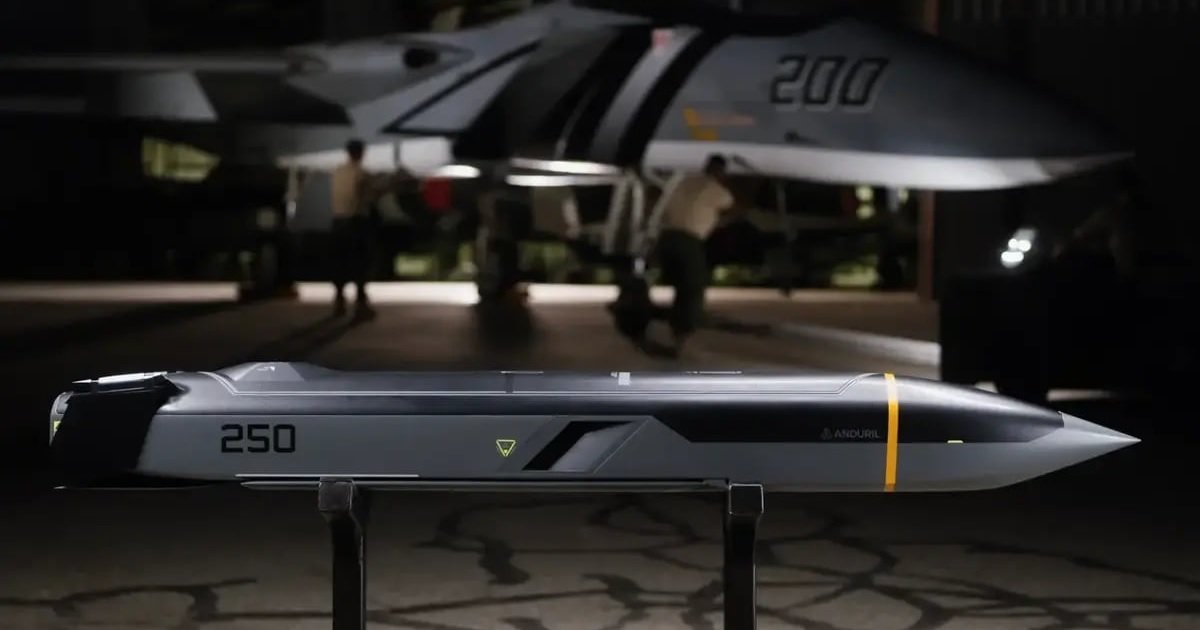
Europe
RIGA, LATVIA — Latvia is planning to acquire Barracuda long-range cruise missiles from U.S. defense technology company Anduril Industries as part of efforts to strengthen its long-range strike capability. Latvian President Edgars Rinkēvičs confirmed the plan after visiting Anduril in the United States and meeting its founder, Palmer Luckey. Rinkēvičs said he looked forward to completing the missile acquisition and expanding defense-industry cooperation between Latvia and Anduril. Latvia and Anduril have not disclosed the number of missiles, purchase cost, delivery schedule or specific Barracuda variant planned for the Latvian military. Barracuda to Extend Latvia's Strike Range The Barracuda family was unveiled by Anduril in September 2024 and consists of three turbojet-powered, subsonic cruise missiles: the Barracuda-100, Barracuda-250 and Barracuda-500. The Barracuda-500 is the largest variant and can carry a warhead of more than 45 kilograms (99 pounds), with a stated range of up to 926 kilometers (575 miles). The three variants share more than 90 percent of their components. Anduril says the Barracuda family is designed to reduce production costs and manufacturing time, estimating that the missiles cost about 30 percent less and can be produced in roughly half the time of comparable cruise missiles. The missiles can be launched from fighter aircraft, helicopters, cargo aircraft, ships and ground launchers. According to Anduril, multiple Barracuda missiles can also operate together during a mission, with some missiles able to perform scouting or decoy roles while others conduct strikes. Latvia currently has ATACMS as its longest-range strike system on order. The country is acquiring ATACMS missiles together with six HIMARS launchers under a U.S.-approved 2023 agreement. ATACMS has a range of about 300 kilometers (186 miles). A Barracuda-500 would therefore provide Latvia with a strike range roughly three times longer. Anduril Expands Barracuda Production The Latvian plans come as Barracuda production expands. In May 2026, the U.S. Department of War signed a framework agreement under which Anduril will provide at least 1,000 surface-launched Barracuda-500M missiles annually for three years, with deliveries scheduled to begin in 2027. In July 2026, Poland's state-owned defense group PGZ signed an agreement with Anduril to assemble and later produce the Barracuda-500M at Military Aviation Works No. 2 in Bydgoszcz. PGZ said European production could allow other EU countries to purchase the missile through the EU's SAFE defense loan program. Cooperation With Origin Robotics Rinkēvičs's U.S. visit also included cooperation involving Latvia's domestic defense industry. During the visit, a memorandum of understanding was signed involving Anduril and Riga-based Origin Robotics, which develops military drones and autonomous systems. Origin Robotics' BLAZE is an autonomous counter-drone interceptor that uses radar and AI-supported cameras to locate and engage hostile drones. BLAZE systems have been delivered to Latvia, Estonia and Belgium, and Origin Robotics has a multi-year supply framework with the Latvian armed forces. The companies plan to explore integrating BLAZE with Anduril's Lattice command-and-control platform. Joint testing and demonstrations are planned in Latvia to assess the combined systems. The Barracuda acquisition and cooperation with Origin Robotics would give Latvia two additional areas of defense capability: longer-range strike systems and autonomous counter-drone technology. However, the final details of the missile purchase and the cooperation agreements have not been publicly released.
Read More → Posted on 2026-09-25 14:19:39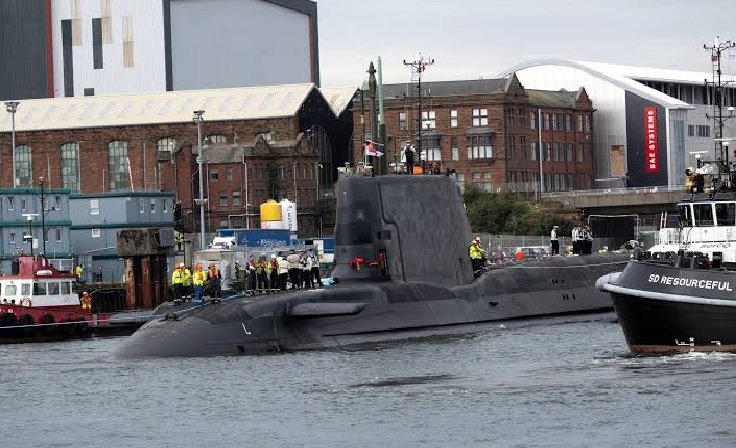
Europe
BARROW-IN-FURNESS, UK — The Royal Navy’s newest nuclear-powered attack submarine, HMS Agamemnon (S124), has departed BAE Systems’ shipyard in Barrow-in-Furness to begin sea trials. The sixth of seven Astute-class submarines left the shipyard on September 24, 2026, following a planned two-day operation through the yard’s basins, docks and locks before passing through the narrow Walney Channel into the Irish Sea. She is now heading toward HM Naval Base Clyde, where further trials, crew training and preparations for operational service will take place. HMS Agamemnon, known by her crew as “Awesome Aggie,” is conventionally armed and nuclear-powered. The submarine has a displacement of around 7,400 tonnes, measures 97 metres in length and is designed to operate for long periods underwater. Her Rolls-Royce nuclear reactor does not require refuelling during her service life, while onboard systems can generate air and drinking water. The submarine is designed for anti-submarine warfare, intelligence gathering, precision strike and support for maritime task groups. She is equipped with six 21-inch torpedo tubes and will carry Spearfish heavyweight torpedoes and Tomahawk land-attack cruise missiles, which can strike targets at ranges of more than 1,000 miles. Astute-class submarines can also support Royal Marines operations and contribute to the UK's continuous at-sea nuclear deterrent. Long construction and testing programme Construction of HMS Agamemnon began when her keel was laid on 18 July 2013. She was christened in April 2024 and launched in October 2024. King Charles III formally commissioned the submarine into the Royal Navy on September 22, 2025, during a ceremony in Barrow. In October 2025, she completed a three-day trim dive in a deepened shipyard basin to test her watertight integrity, ballast systems, stability and centre of gravity. Further testing continued at Barrow involving her roughly 100-strong crew and industry teams before the submarine's departure for sea trials. First Sea Lord General Sir Gwyn Jenkins said the submarine's move to sea was an important step toward joining the fleet and highlighted the importance of the Royal Navy's submarine force to UK and NATO defence. Final Astute-class submarine The seventh and final Astute-class submarine, HMS Achilles, is at an advanced stage of construction at Barrow. The Astute class will eventually be replaced by the planned SSN-AUKUS nuclear-powered attack submarines. Current plans call for construction of the first UK SSN-AUKUS submarine to begin in 2027, with the first boat expected to enter Royal Navy service in the late 2030s. The UK’s Defence Nuclear Enterprise supports more than 47,000 jobs across the country, including major employment in Barrow linked to submarine design, construction and support. HMS Agamemnon is the sixth Royal Navy vessel to carry the name Agamemnon, which comes from the mythological King Agamemnon of Mycenae. Her sea trials will now test the submarine and its systems at sea before she progresses toward operational service with the Royal Navy's submarine force.
Read More → Posted on 2026-09-25 13:59:52
Europe
WARSAW, POLAND — Polish authorities are investigating a fire at a Starlink satellite communications ground station in Wola Krobowska, about 40 kilometers south of Warsaw, after indications emerged that the fire may have been deliberately started. Fire damages power equipment The fire broke out shortly after 9 p.m. on September 23. The property owner reported that antennas were on fire. Firefighters from the Grójec district received the alert at about 21:07 and sent three units to the site. Firefighters found flames involving the housing of a power distribution box covering about three square meters. The fire was extinguished with one stream of water, and firefighting operations ended at about 3:19 a.m. No injuries were reported. The fire damaged the power distribution unit connected to the antennas and a power generator. Possible arson under investigation Preliminary information indicated that the distribution unit may have been deliberately set on fire. An unofficial report said a bottle containing a flammable substance was found near the damaged equipment. However, investigators are also examining the possibility of an electrical short circuit. Lightning was ruled out based on the weather conditions at the time. Poland’s Deputy Prime Minister and Digital Affairs Minister Krzysztof Gawkowski said there were strong indications that the fire was an act of arson intended to disrupt the station and internet access for institutions, including the Ukrainian military. Gawkowski said the method was consistent with a pattern associated with Russian services, but responsibility has not been confirmed. Security agencies join investigation Police took control of the site, while Poland’s Internal Security Agency (ABW) and Central Bureau of Investigation (CBŚP) were notified and became involved. The District Prosecutor’s Office in Grójec has opened an investigation. Authorities are reviewing monitoring footage and securing other evidence while considering sabotage among the possible causes. Role of the Starlink station The Wola Krobowska facility is part of the ground infrastructure connecting Starlink’s satellite network with terrestrial systems. Together with a similar facility near Kaunas, Lithuania, it supports connectivity across Central and Eastern Europe, including Ukraine. The site contains around a dozen white spherical antennas, each about two meters in diameter, and is surrounded by a metal fence. The connectivity is used by Ukrainian military and critical institutions. Exatel, Poland’s state-owned telecommunications company, is associated with the location. Exatel said it leases the land and provides data-transmission services there but does not own or operate the satellite infrastructure. The company said none of its equipment was damaged and its network services were not affected. Station returns to operation The station has since returned to full operation, and authorities have not reported a major regional internet outage. The investigation remains ongoing as authorities determine whether the fire was caused by deliberate arson, an electrical failure, or another factor. No perpetrator or foreign government has been officially identified.
Read More → Posted on 2026-09-24 18:09:15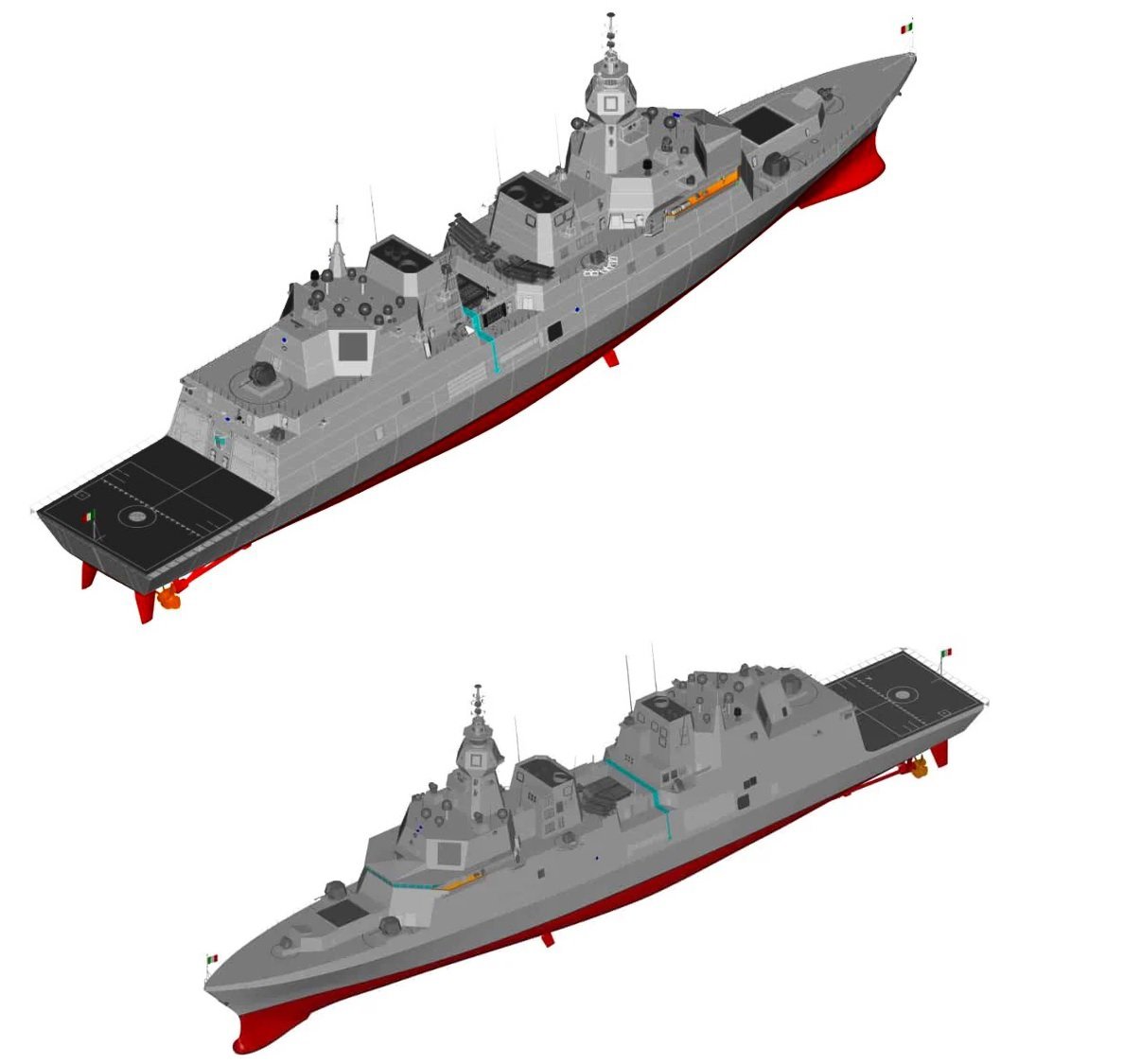
Europe
ROME — Orizzonte Sistemi Navali (OSN), a joint venture owned 51% by Fincantieri and 49% by Leonardo, has signed a contract worth approximately €3.7 billion with OCCAR for the development and production of two next-generation DDX destroyers for the Italian Navy. About €1.3 billion of the contract is in options. The agreement covers development, production, logistic studies and Initial In-Service Support (ISS). The contract officially launches the DDX programme, which is intended to replace and evolve Italy’s Horizon-class destroyers. OSN will place sub-supply contracts with its parent companies in the coming weeks. Fincantieri’s share will be approximately €1.8 billion, including about €800 million in options, while Leonardo’s portion will be approximately €1.7 billion, including about €480 million in options. Fincantieri will act as the system integrator, while Leonardo will develop the combat system. DDX Destroyer Specifications Each DDX destroyer will be 180 metres long, have a displacement of 13,500 tonnes, a range of 4,000 nautical miles and accommodate 251 crew members. The first ship is scheduled for delivery in 2033, with the second planned for 2035. The ships are being designed for complex maritime operations, with high levels of digitalisation, automation and integration between sensors, weapons, command-and-control systems and platform-management systems. The combat architecture is also designed to support interoperability and information sharing with multinational forces. Planned platform innovations include a DC power sub-network with energy storage, an integrated stabilisation and steering system, new methods for calculating thermal and electrical balances, and further development of the Ship Management System. Navis Sapiens Digital Architecture Fincantieri is developing the ships under its Navis Sapiens concept. The digital architecture will collect and correlate data from onboard systems to support operational decisions, technical management and through-life support. The open and scalable architecture is designed to support future upgrades. The ships will also connect with shore facilities through a Fincantieri Digital Ecosystem, linking them with a Digital Naval Base for data sharing, predictive maintenance and digital logistics support. At 15 knots, the ships will be able to manage unmanned underwater and surface assets through their digital backbone while optimising propulsion and electrical consumption. Air and Missile Defence Leonardo’s combat system will be centred on the new-generation SADOC 5 C5I system. The ships will also feature a high-power, fully digital S-band AESA radar and an MBDA weapon system. These systems are intended to provide Integrated Air and Missile Defence (IAMD) against missile, ballistic and hypersonic threats. The combat architecture is also being developed for multi-domain interoperability linked to Leonardo’s Michelangelo project. Fincantieri CEO and General Manager Pierroberto Folgiero, Leonardo CEO and General Manager Lorenzo Mariani, and OSN CEO Giovanni Sorrentino highlighted the programme’s importance for Italy’s naval capabilities, industrial supply chain, technological development and cooperation between Italian industry, the Italian Navy and OCCAR. The sub-supply agreements between OSN and its parent companies are classified as related-party transactions of greater significance and are being handled under the applicable regulatory procedures and exemptions for jointly controlled subsidiaries. The DDX programme will now move forward with the development and production of the two destroyers, with deliveries planned for 2033 and 2035.
Read More → Posted on 2026-09-24 17:33:56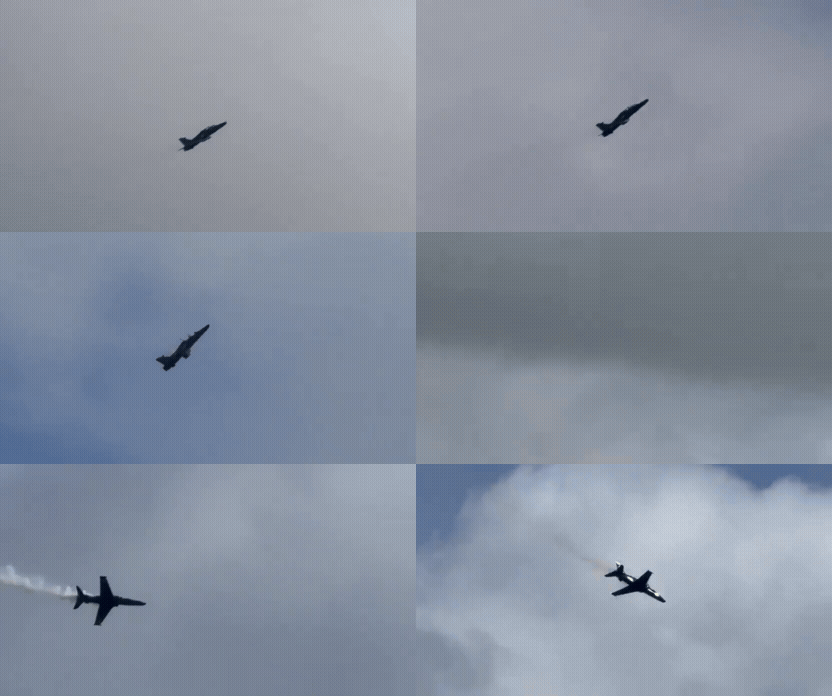
Europe
ANGLESEY, WALES — An RAF Hawk T2 advanced jet trainer crashed shortly after takeoff from RAF Valley on Anglesey on Wednesday afternoon, 23 September 2026. Both pilots ejected from the aircraft and landed safely by parachute. They were later treated for minor injuries. The crash occurred in the Pencarnisiog area, roughly a mile inland from RAF Valley. Witnesses reported seeing flames from the aircraft during its climb before it pitched up sharply, rolled and descended into a field. The crash caused a large fire and black smoke. Emergency services, including North Wales Police, North Wales Fire and Rescue Service, the Welsh Ambulance Service, a Helimed air ambulance and a Coastguard helicopter, responded to the scene. Police said there were no reports of injuries or wider damage on the ground. An RAF spokesperson confirmed that an incident involving a Hawk T2 flying from RAF Valley had occurred near Anglesey and said an investigation was underway. Defence Secretary Wes Streeting also said an investigation was in progress and that his thoughts were with the pilots. The Hawk T2 is a two-seat advanced jet trainer built by BAE Systems and powered by a Rolls-Royce/Turbomeca Adour Mk.951 turbofan. RAF Valley's No. 4 Flying Training School uses the aircraft to train pilots for frontline aircraft including the Eurofighter Typhoon and F-35B. The RAF previously grounded its Hawk T2 fleet in January 2023 following an engine-related incident at Valley. Senior RAF officials have also previously raised concerns about the aircraft's availability and engine reliability. The RAF has been working on plans for a successor to the Hawk T2. The cause of Wednesday's crash has not yet been released. An investigation will determine the circumstances that led to the accident and whether any aircraft or engine issue was involved.
Read More → Posted on 2026-09-23 15:43:05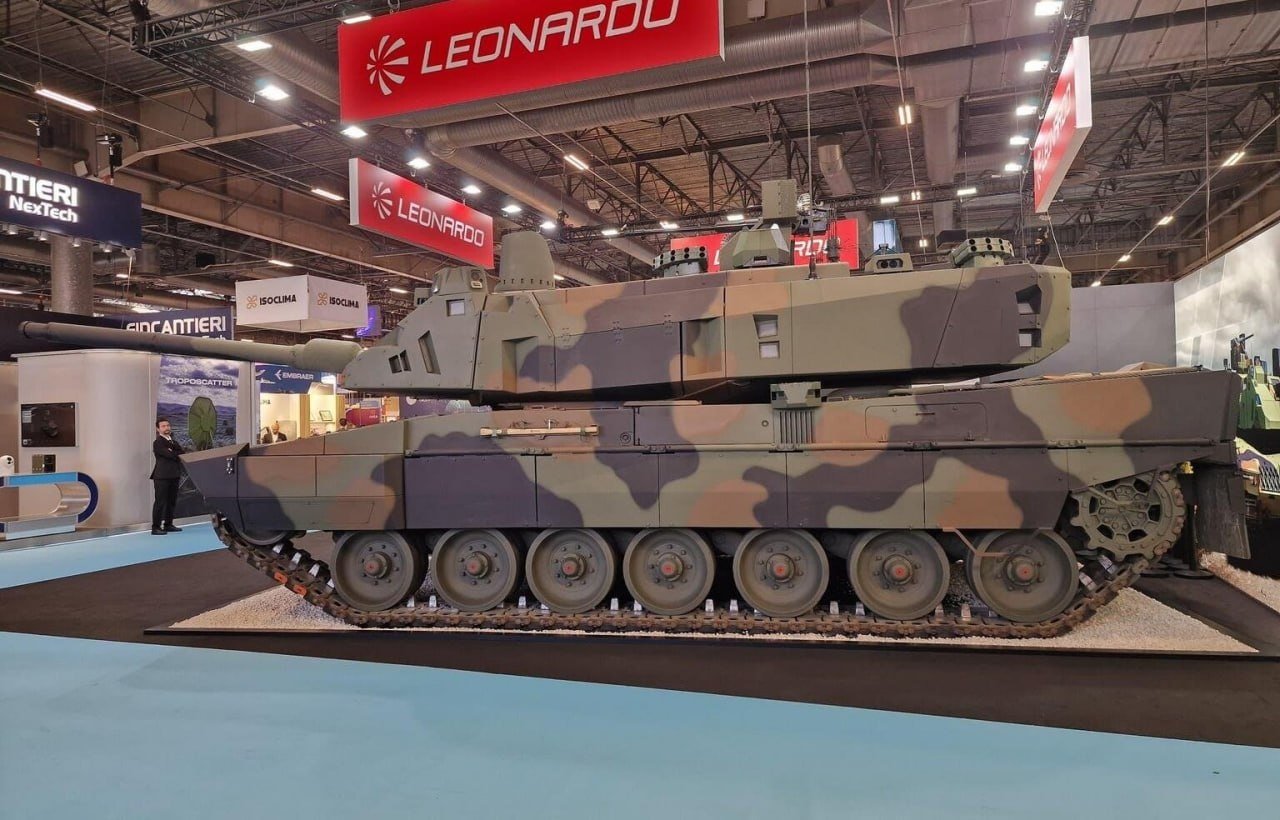
Europe
ROME — Italy has started the procurement of new New Main Battle Tanks (NMBT) and specialized vehicles based on the same platform under a programme worth €5.14 billion. The procurement procedure, identified as BD0D09994D, was published on September 21 in the database of Italy’s National Anti-Corruption Authority (ANAC). The Italian Ministry of Defense is the contracting authority. NMBT Programme The programme is intended to modernize Italy’s heavy armored vehicle fleet and eventually replace the ageing C1 Ariete main battle tanks. Earlier requirements called for approximately 132 new tanks, along with specialized vehicles based on the same platform. The programme is planned to continue into the 2030s, with some procurement documents indicating overall completion by 2038. The NMBT is being developed by Leonardo Rheinmetall Military Vehicles (LRMV), a 50:50 joint venture established in 2024 by Italy’s Leonardo and Germany’s Rheinmetall. Based on the KF51 Panther The NMBT draws on Rheinmetall’s KF51 Panther development, but the Italian vehicle is being developed as a separate platform according to Italian Army requirements. The demonstrator displayed at Eurosatory 2026 used a Leopard 2A4 hull with a new turret. LRMV said this configuration is not intended for the production version. The final tank is expected to use a new chassis with improved mobility and protection. Armament and Capabilities According to Leonardo, the NMBT will feature a 120 mm L55 smoothbore gun with an automatic loader carrying 20 ready-to-use rounds. The design also allows for a future upgrade to a 130 mm gun. Additional weapons will include: A 12.7 mm machine gun A remotely controlled weapon station with a 30×113 mm cannon Capability to engage drones The tank will also be able to use loitering munitions and control reconnaissance UAVs. The crew will consist of three personnel, with space for a fourth operator. Protection and Mobility The NMBT is planned to have a combat weight of up to 69.5 tonnes, a maximum speed of up to 70 km/h and a range of approximately 450 km. Its protection will combine passive armor and active protection systems designed to counter anti-tank threats and drones. Production Timeline Leonardo CEO Roberto Cingolani said the first NMBT prototypes are expected to be delivered in 2029–2030. The timeline is one to two years later than earlier projections, with Cingolani citing the greater technical complexity of the main battle tank programme compared with the parallel Armoured Combat System (A2CS) programme. The current procurement covers 132 main battle tanks and an undisclosed number of specialized vehicles. These are expected to include recovery, engineering and bridge-laying variants. Earlier planning documents referred to at least 140 support vehicles, although the latest procurement notice does not disclose the final number. The NMBT programme is being developed alongside the A2CS programme, which uses Rheinmetall’s KF41 Lynx platform and is intended to replace Italy’s older Dardo infantry fighting vehicles. Together, the programmes form a major part of Italy’s planned modernization of its tracked armored vehicle fleet. Main Source : militarnyi
Read More → Posted on 2026-09-23 14:54:12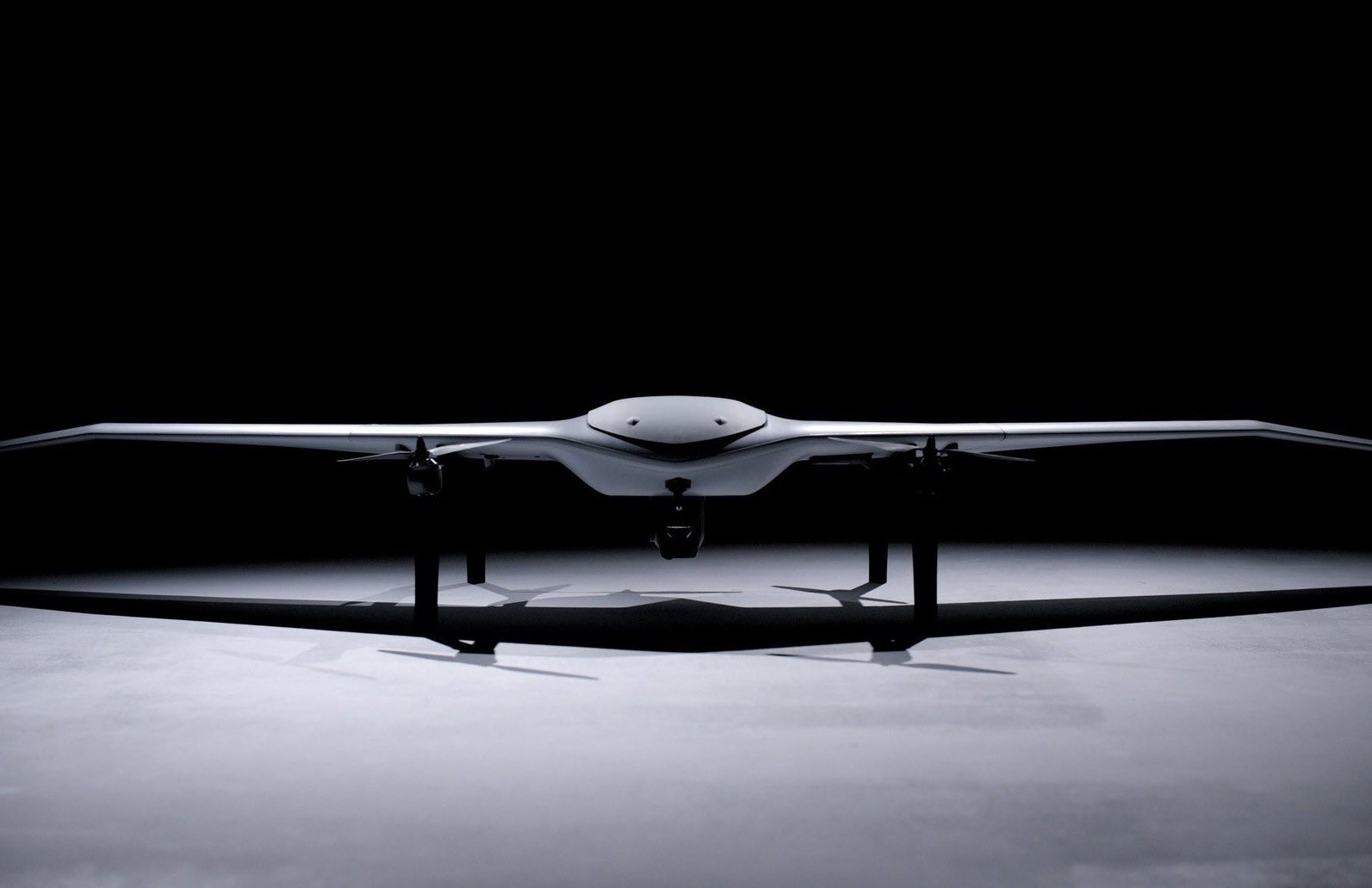
Europe
AMSTERDAM — Dutch unmanned systems manufacturer DeltaQuad has launched the Evo-LE, a fully electric fixed-wing vertical takeoff and landing (VTOL) unmanned aerial vehicle designed for long-endurance intelligence, surveillance and reconnaissance missions. The company announced the UAV around September 22, 2026, targeting defense, security and industrial applications. Designed for Long-Endurance Missions The Evo-LE is designed for intelligence, surveillance, target acquisition and reconnaissance (ISTAR), border surveillance, remote-area monitoring, search and rescue, and communications relay missions. The UAV has an endurance of up to eight hours and a maximum flight range of 480 kilometers (298 miles), depending on payload configuration, flight profile and operating conditions. Its secure radio communications range is up to 120 kilometers (75 miles). The aircraft has a maximum takeoff weight of 13 kilograms (29 pounds) and can carry payloads weighing up to 1.5 kilograms (3.3 pounds). Redesigned for Higher Endurance DeltaQuad says the eight-hour endurance is not simply the result of using a larger battery. The Evo-LE features higher energy-density batteries, a dual-battery configuration, a redesigned electrical architecture and an upgraded VTOL propulsion system. Mark van Schie, DeltaQuad’s Head of Product, said: “Achieving this level of endurance required changes across the entire platform, rather than simply increasing battery capacity.” Reinforced Airframe The Evo-LE uses the reinforced DeltaQuad Block 3 airframe, constructed from composite materials. It includes dust and rain protection and a heated pitot tube designed to prevent ice buildup. Updated landing gear struts are designed to detach during a hard landing to help protect the main fuselage. An automatic landing gear system also provides sensors with an unobstructed field of view during flight. Its VTOL capability allows the UAV to operate from confined or remote locations without a runway. The longer endurance can reduce the need for frequent system rotations during extended missions. Navigation and Communications For operations in electronic warfare environments, the Evo-LE can be equipped with a 4/8-array CRPA anti-jamming system for satellite navigation. An optional visual navigation system is also available for areas where GPS is heavily disrupted or denied. Secure communications options include mesh and phased-array broadband radios with AES-256 encryption. The aircraft uses Auterion Tactical Stack avionics, supporting autonomous navigation and a ruggedized ground-control setup. Surveillance Payloads The Evo-LE can carry surveillance payloads such as the NextVision Raptor, which provides stabilized RGB and thermal imaging for long-range tracking and target acquisition. The UAV is part of the DeltaQuad Evo family and shares the Block 3 airframe with the standard Evo. While the standard Evo prioritizes payload flexibility with a payload capacity of up to 3 kilograms, the Evo-LE uses dual batteries as standard and is optimized for endurance. DeltaQuad describes the Evo-LE as offering the longest endurance of any fully electric fixed-wing VTOL platform in the sub-15-kilogram class. The system is available to order.
Read More → Posted on 2026-09-23 14:39:26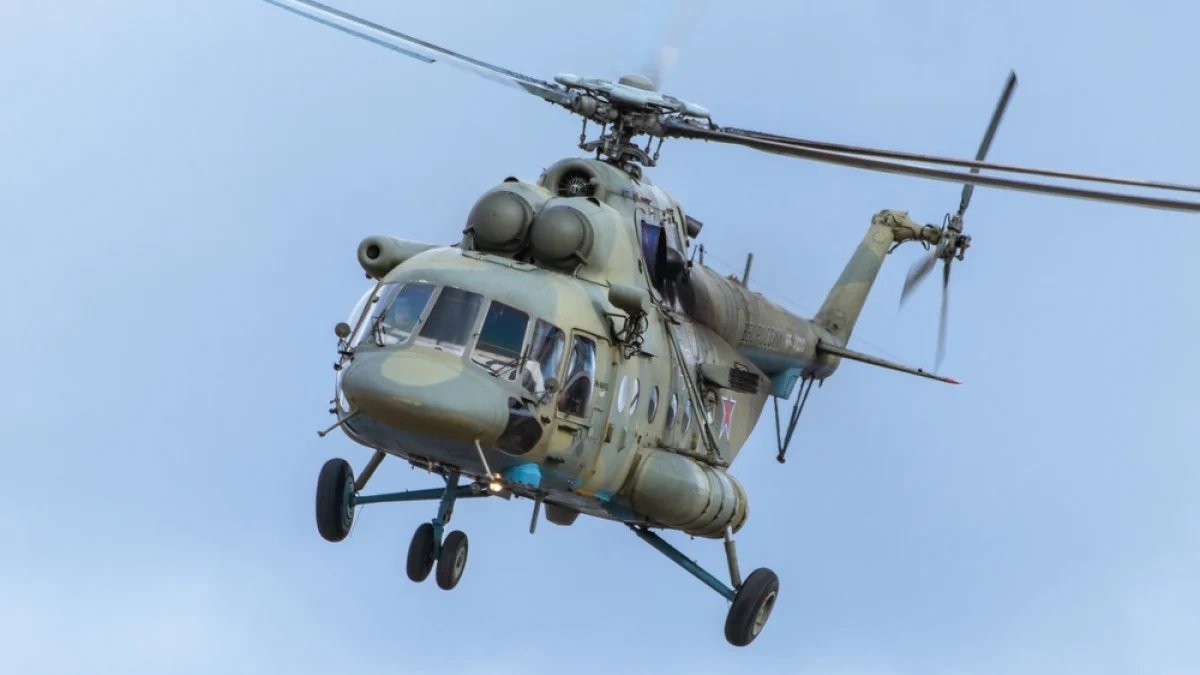
Europe
WARSAW, Poland — A Russian Mi-8 military helicopter briefly entered Polish airspace on Wednesday, September 23, prompting Poland to scramble fighter aircraft and place ground-based forces on standby. According to the Operational Command of the Polish Armed Forces, the incident occurred at 11:08 a.m. local time north of the town of Braniewo, near Poland’s border with Russia’s Kaliningrad region. The helicopter was flying from the Kaliningrad region when it crossed into Polish airspace. The aircraft entered Polish territory to a maximum depth of approximately 300 meters and remained in Polish airspace for 42 seconds before returning toward the Kaliningrad region. Polish military radar systems tracked the helicopter throughout the incident. In response, Polish fighter aircraft were scrambled, while ground forces and air-defense assets remained on standby. The Operational Command said the nature of the incident indicated that Russia was again testing the readiness of Poland’s air-defense system. It added that Polish air-defense crews continue to maintain round-the-clock surveillance and remain ready to secure the country’s airspace. Russia has not publicly commented on the incident. Reuters reported that the Russian Embassy in Warsaw did not immediately respond to a request for comment. The helicopter incident came as Poland was already operating with increased air-security measures because of Russian attacks on Ukraine. Earlier on September 23, Poland deployed military aircraft and increased the readiness of air-defense and radar assets. Civilian flight operations at Rzeszów and Lublin airports were also temporarily suspended at the military’s request to provide freedom of action for military aviation. Poland has also increased security at several border crossings with Ukraine. The crossings identified in reports include Dorohusk, Zosin, Budomierz, Korczowa, Medyka and Krościenko. Military personnel were deployed at the crossings, with measures intended to allow faster evacuation if an air threat occurs. The Mi-8 incident adds to the heightened air-security situation Poland has maintained amid the ongoing war in Ukraine and recent Russian aerial attacks near the Polish border.
Read More → Posted on 2026-09-23 14:05:09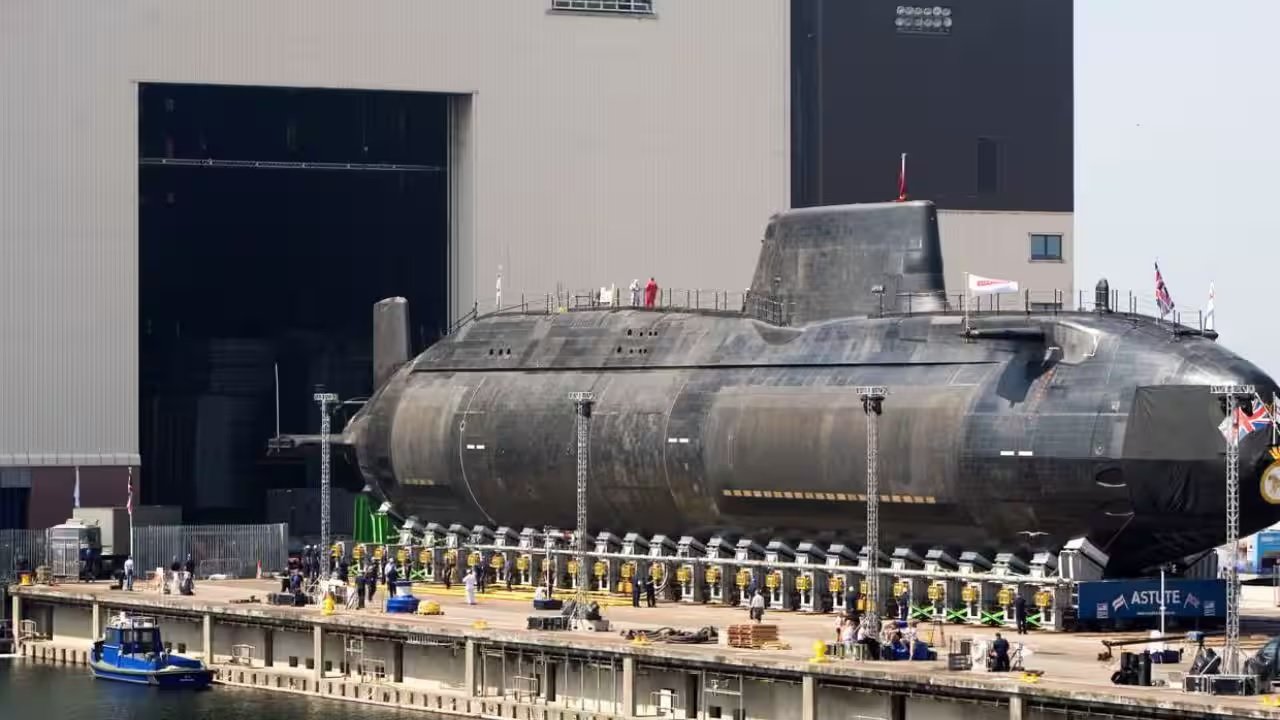
Europe
LONDON — The United Kingdom plans to invest approximately £6 billion during the current Spending Review period to expand its nuclear submarine industrial capacity and establish a production rate of one SSN-AUKUS attack submarine every 18 months. The plan, outlined in the Defence Nuclear Enterprise 2026 Annual Update to Parliament, is designed to allow Britain to build SSN-AUKUS submarines alongside the four-boat Dreadnought-class ballistic-missile submarine programme. Expanding Production Capacity The investment will focus on BAE Systems’ submarine shipyard at Barrow-in-Furness, Rolls-Royce Submarines’ Raynesway facility near Derby, and specialist suppliers across the submarine supply chain. At Raynesway, construction has begun on the Primary Components and Operations Facility. The site is also receiving improved access infrastructure and advanced prototyping facilities to support a larger engineering and manufacturing workforce. At Barrow, the concept design for SMITE2, a new submarine propulsion testing facility, was completed in early 2026. The facility will provide additional engine and machinery assessment capacity required for the planned 18-month production cycle. Preparatory work at Ramsden Dock is also progressing. The wider modernisation programme includes digital design systems, advanced production technologies and new training centres. Investment is also being directed to companies involved in propulsion systems, electrical switchgear and precision engineering to expand their capacity and meet higher demand. SSN-AUKUS Production Timeline The SSN-AUKUS is a nuclear-powered, conventionally armed attack submarine being developed by the UK, Australia and the United States under the AUKUS partnership. British submarines will be built at Barrow, while Australia will build its own submarines at Osborne Naval Shipyard in South Australia. Rolls-Royce will manufacture the nuclear reactors for the UK and Australian fleets at Raynesway. The UK plans to operate up to 12 SSN-AUKUS submarines, which will eventually replace the Royal Navy’s seven-boat Astute-class fleet. The exact number of British boats to be ordered has not yet been finalized, with a decision expected before the programme’s Detailed Design and Long Lead phase ends in 2028. Steel cutting for the first British SSN-AUKUS submarine is planned for 2027, with entry into Royal Navy service targeted for the late 2030s. Contracts worth approximately £4 billion have already been placed for early submarine design and production infrastructure. New Submarine Production Alliance Britain is also establishing a Submarine Production Alliance involving the Ministry of Defence, BAE Systems, Rolls-Royce Submarines and Babcock. The group will help coordinate the concurrent submarine programmes and support the planned continuous production rate. The investment is intended to expand the UK's shipbuilding, reactor manufacturing and specialist supply-chain capacity while supporting production of both future attack submarines and the country's nuclear deterrent fleet.
Read More → Posted on 2026-09-23 13:57:09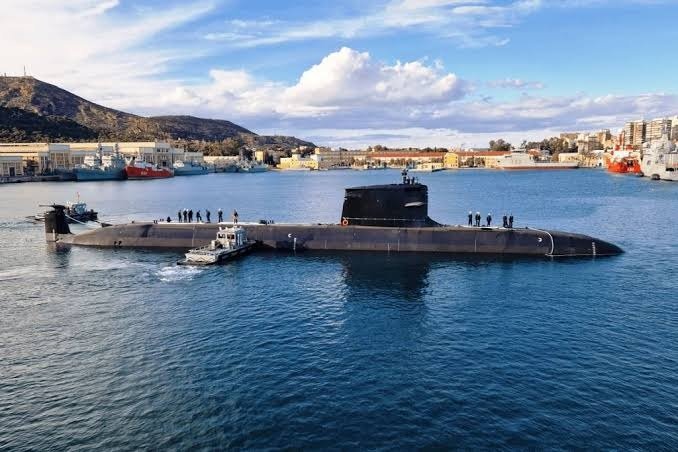
Europe
Cartagena, Spain — Spanish state-owned shipbuilder Navantia has completed testing of the Air Independent Propulsion (AIP) system installed in a dedicated section of the S-83 Cosme García, the third submarine of the Spanish Navy’s S-80 class. The trials began in June 2026 after the system was installed and verified in its actual onboard configuration. Testing was conducted at Navantia’s specialized IPS3 facility in Cartagena. The AIP section is about 12 metres long and weighs approximately 400 tonnes. Following the successful tests, the section will be joined to the rest of the submarine’s pressure hull. The tests were conducted under conditions designed to reproduce submarine operations, including diving depth and forward speed. Navantia also demonstrated the system’s ability to generate power for battery charging across different operating conditions. The testing is expected to help optimize the schedule for the S-83’s upcoming Harbour Acceptance Trials (HAT). BEST AIP System The S-80 uses Navantia’s third-generation Bio-Ethanol Stealth Technology (BEST) AIP system. Instead of storing hydrogen onboard, the system produces hydrogen when required from liquid bioethanol. During operation, bioethanol is processed to extract hydrogen, which is then supplied to a Proton Exchange Membrane (PEM) fuel cell to generate electricity while the submarine is submerged. The system also uses liquid oxygen. Navantia says the system can allow S-80 submarines to remain submerged for up to three weeks, extending underwater endurance compared with conventional submarines that rely on lead-acid batteries and need to surface or snorkel to recharge. The technology involves several Spanish and international industrial partners. Abengoa developed the bioethanol processor, Collins Aerospace provided the naval fuel-cell technology, and Bionet worked on the carbon-dioxide disposal system designed to dissolve exhaust gases into seawater without producing bubbles that could compromise stealth. Navantia Chairman Ricardo Domínguez said the successful testing demonstrates the technological maturity of the system and the Spanish industry’s ability to develop and deliver complex technologies. S-80 Program Progress The S-80 program covers four conventional submarines for the Spanish Navy. The boats are approximately 80 metres long, have a diameter of about 7 metres and a submerged displacement of around 3,000 tonnes. They feature advanced combat systems and sensors and are designed for a core crew of 32 sailors, with accommodation for up to eight additional personnel. The AIP system had previously completed Factory Acceptance Tests (FAT) ashore and demonstrated its ability to recharge the batteries of the S-81 Isaac Peral, the first submarine of the class. The S-82 Narciso Monturiol is undergoing harbour and sea trials, while the S-83 Cosme García and S-84 Mateo García de los Reyes remain under construction at Cartagena. The completion of the S-83 AIP trials marks another major step in the integration of the propulsion system before the submarine proceeds to its next stages of construction and testing.
Read More → Posted on 2026-09-23 12:13:33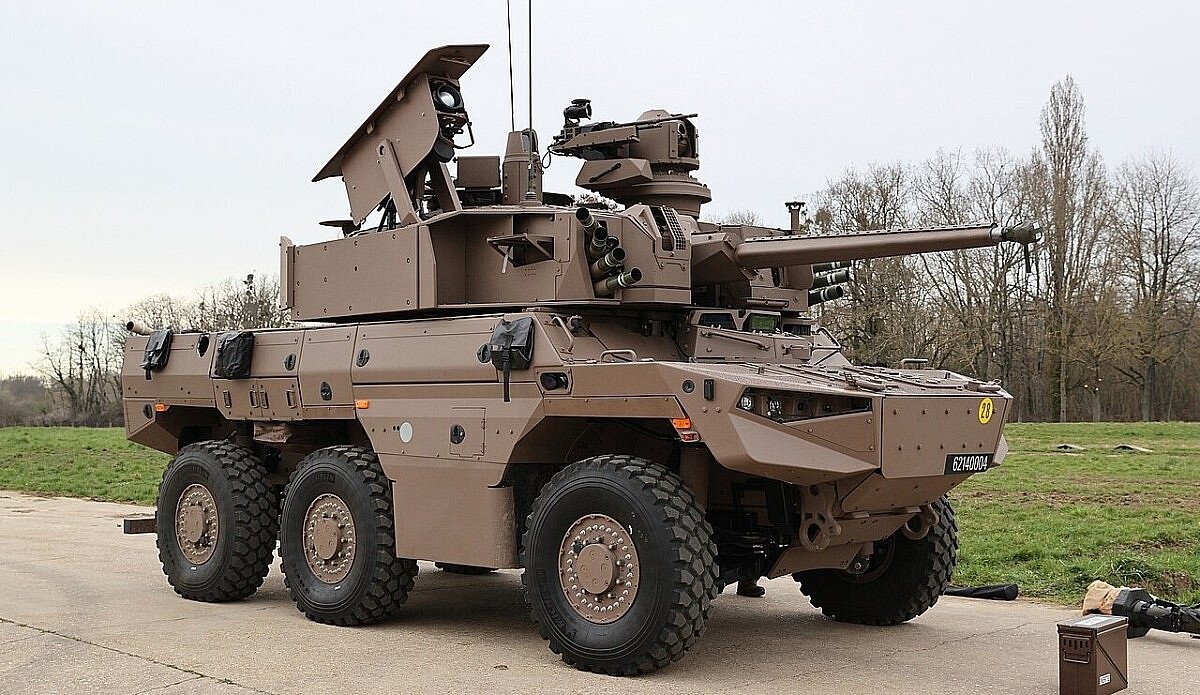
Europe
PARIS — The French Army has begun receiving Jaguar armored reconnaissance and combat vehicles in the R3 configuration, the fully operational standard developed under France’s SCORPION modernization program. According to the French defense procurement agency DGA, 21 R3-standard Jaguars had been delivered to French forces by September 4, 2026, with deliveries beginning during the summer. The DGA and French Army qualified the R3 configuration as “bonne de guerre” (fit for war) on April 8, while operational use was authorized on July 20, 2026. Akeron MP Missile Integration The main improvement in the R3 configuration is the full integration of the Akeron MP (formerly MMP) medium-range anti-tank missile, supplied by MBDA. The missile can engage targets at ranges of up to 4 kilometers. According to manufacturer data, its tandem warhead can penetrate more than 1,000 mm of armor. It also supports beyond-line-of-sight engagement and in-flight retargeting. Two missiles are carried ready to fire on the turret, with additional missiles stored inside the vehicle. The 25-tonne, six-wheeled Jaguar also carries a 40 mm cannon using telescoped ammunition supplied by CTA International and a remotely operated 7.62 mm machine gun for close-range defense. The vehicle is equipped with the SCORPION Combat Information System (SICS), allowing it to share tactical information in real time with other SCORPION platforms, including the Griffon and Serval. Production and Fleet Upgrade The Jaguar was developed by a temporary partnership of KNDS France, Arquus and Thales, with final assembly at KNDS France’s facility in Roanne. Safran provides the optical and sighting systems, while CTA International supplies the 40 mm cannon and MBDA the Akeron MP system. The Jaguar is replacing the AMX-10RC, ERC-90 Sagaie and VAB variants equipped with HOT anti-tank missiles. Its protection includes a survival-cell architecture for its three-person crew and protection against mines and improvised explosive devices. France has ordered 300 Jaguars for seven armored cavalry regiments. Deliveries are planned through 2030, with the complete fleet expected to be operational by 2035. Jaguars already delivered under earlier standards will not be replaced. Instead, KNDS France is upgrading them to the R3 configuration, with the retrofit campaign scheduled for completion by the end of 2027. Service and Program Cost The Jaguar entered French Army service in 2022 under an earlier configuration that already provided mobile firing capability from its digital turret. The 1st Foreign Cavalry Regiment was the first unit to operate the vehicle and deployed six Jaguars to Estonia in 2024 as part of a NATO mission. The broader SCORPION program is valued at approximately €11 billion, including around €2 billion for the 300 Jaguars. The Jaguar’s unit cost has increased from an initial target of about €3 million to approximately €6 million. R3 qualification trials were conducted by the DGA’s land systems testing center in Bourges and Angers. KNDS France has not disclosed how many additional R3 Jaguars will be delivered before the end of 2026 or provided a more detailed retrofit schedule beyond the end-2027 target.
Read More → Posted on 2026-09-22 12:31:19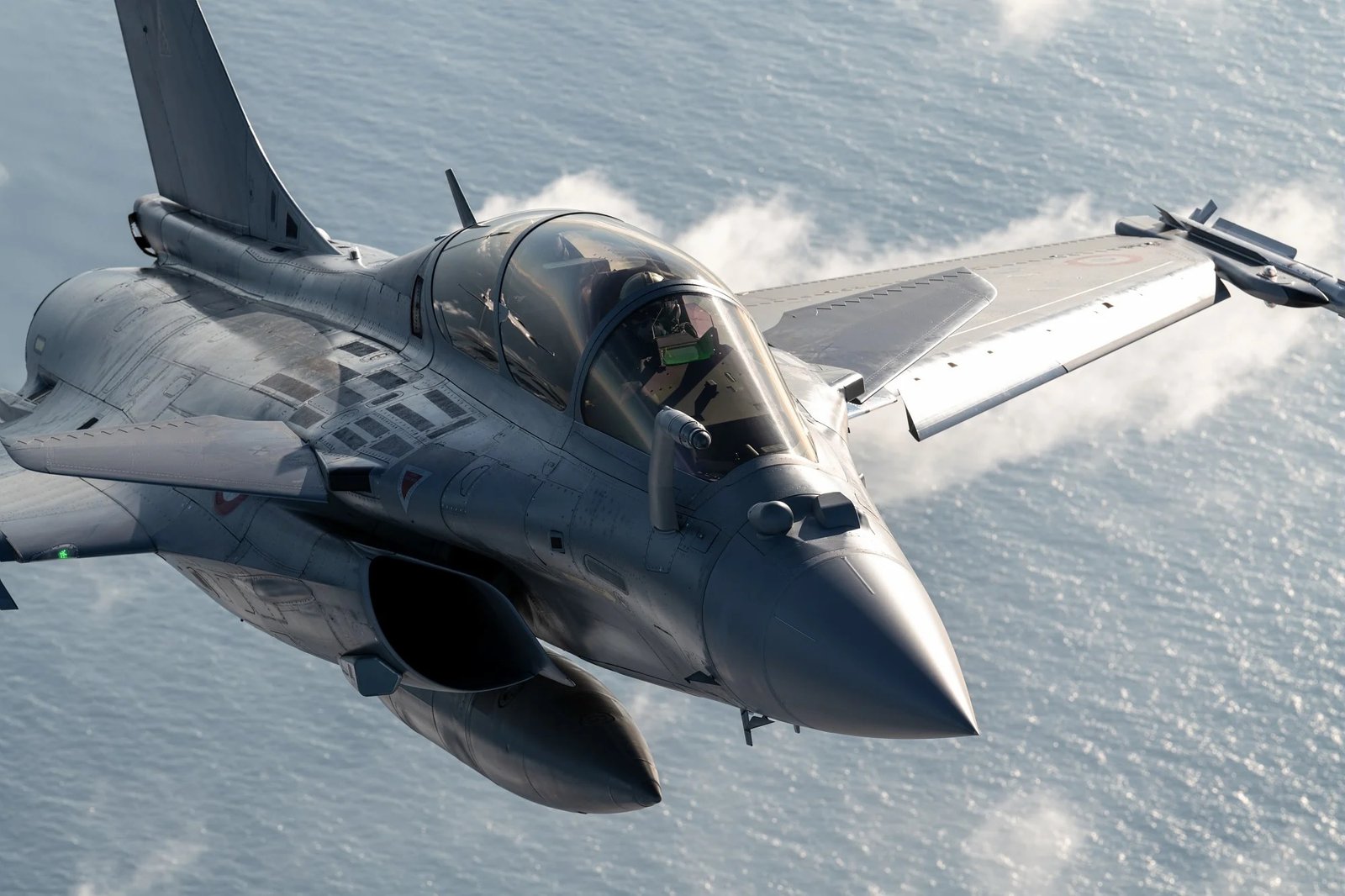
Europe
SAINT-CLOUD, France — Dassault Aviation has successfully flight-tested two new sovereign artificial intelligence (AI) algorithms aboard the Rafale fighter jet as part of its effort to introduce controlled and supervised AI into the aircraft’s cockpit. One algorithm was developed by Dassault Aviation’s engineering teams, while the second was developed in partnership with Thales and its cortAIx AI entity. Dassault said both algorithms have reached a level of maturity that makes them candidates for future Rafale upgrades. The systems are designed to assist pilots, not operate the aircraft autonomously. They are intended to help crews process information and support decision-making while keeping the human pilot in control. Developing AI for military aircraft requires high-quality real and simulated operational data, specialised aviation expertise and the ability to run algorithms on embedded airborne computers. These systems must operate within strict constraints involving size, power and reliability. AI Development for Rafale F5 The two algorithms form part of Dassault’s wider AI strategy for the Rafale, which covers aircrew assistance, collaborative operations with unmanned systems and predictive maintenance. The technology is particularly relevant to the planned Rafale F5 standard, which is being developed to expand cooperation between the fighter, drones and other networked military platforms. Dassault has also partnered with Harmattan AI on embedded AI and electronic-warfare applications. In a flight test earlier in 2026, an unmanned aircraft equipped with the jointly developed NAMIB electronic-warfare payload detected, identified and geolocated a radar target several dozen kilometres away before passing its coordinates to a Rafale F4 for a simulated engagement. The collaboration with Thales and cortAIx follows a strategic partnership signed in November 2025 covering controlled and supervised AI for manned and unmanned aircraft, including observation, situation analysis, decision support, planning and operational control. A separate partnership with Harmattan AI, announced in January 2026, aims to accelerate the integration of controlled autonomy into future air-combat systems, including the Rafale F5 and associated unmanned combat aircraft systems. The latest flight tests demonstrate Dassault Aviation’s progress in integrating sovereign AI capabilities into the Rafale while keeping these functions under human supervision.
Read More → Posted on 2026-09-22 12:13:48Search
Top Trending in 24 Hours
-
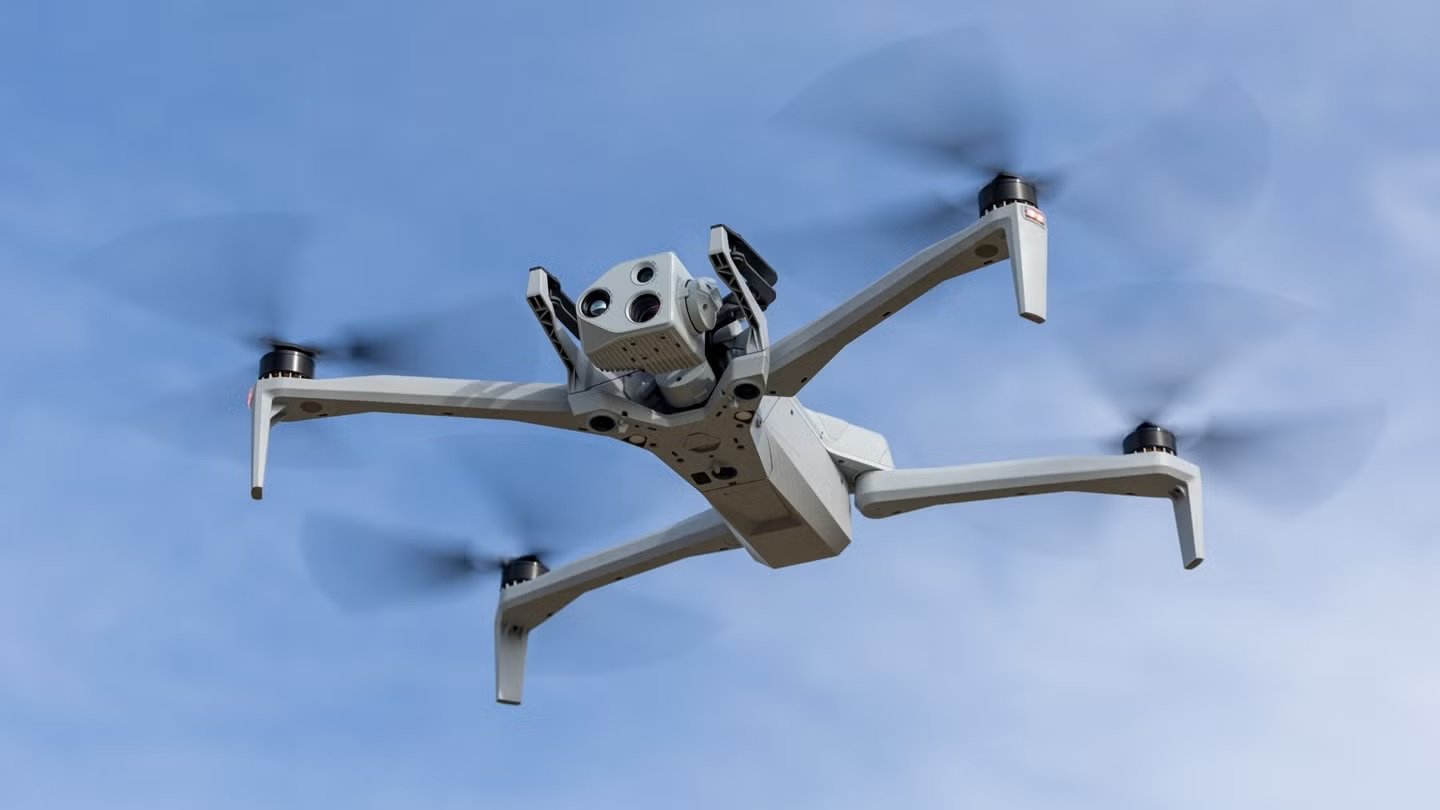 UK Ministry of Defence Opens £120,000 Tender for Skydio X10D Drones
-
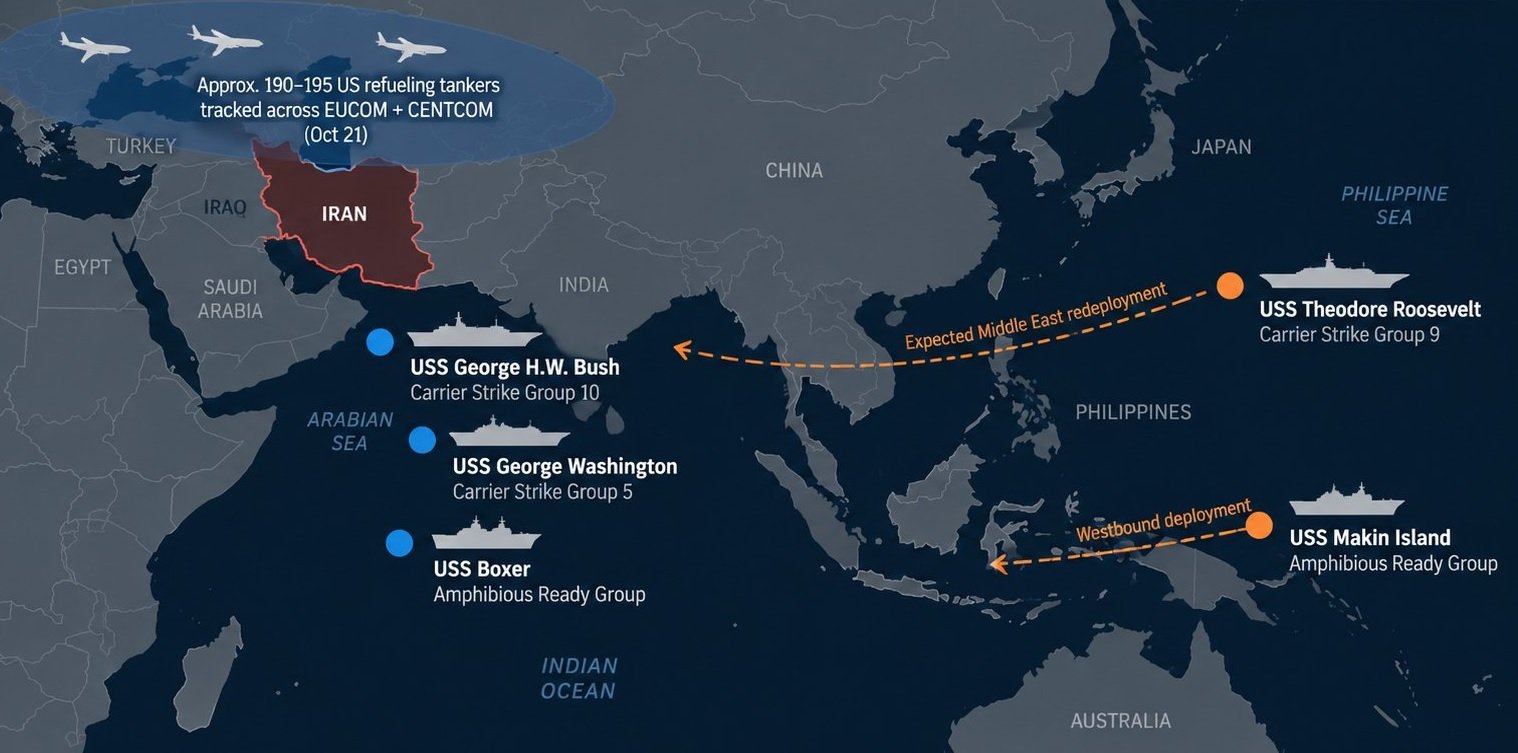 US Expands Military Buildup Near Iran with Third Aircraft Carrier and Additional Marines
-
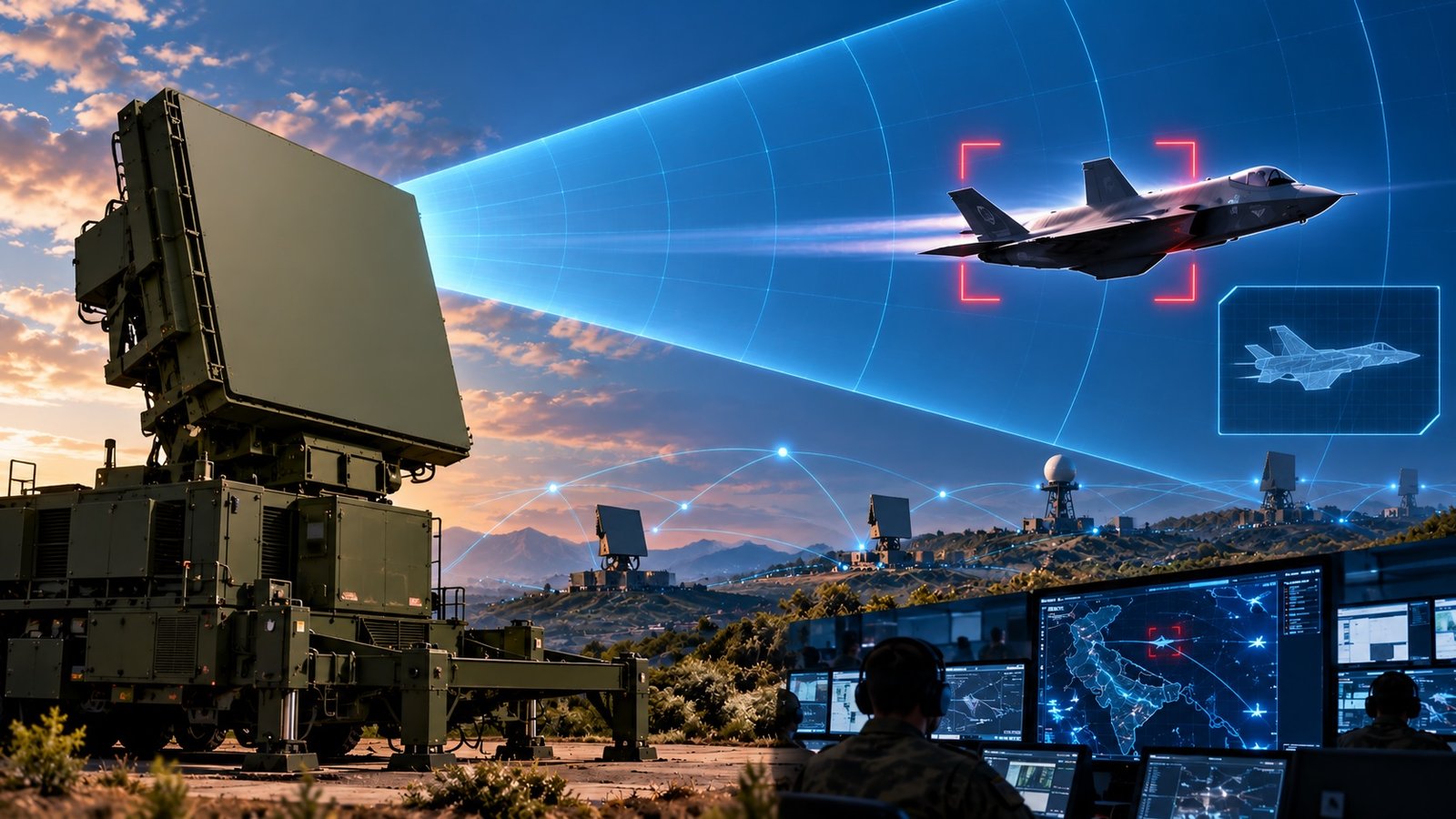 DRDO’s Arudhra Radar Reportedly Tracks F-35-Like Stealth Target in AI-Assisted Simulation: How It Works
-
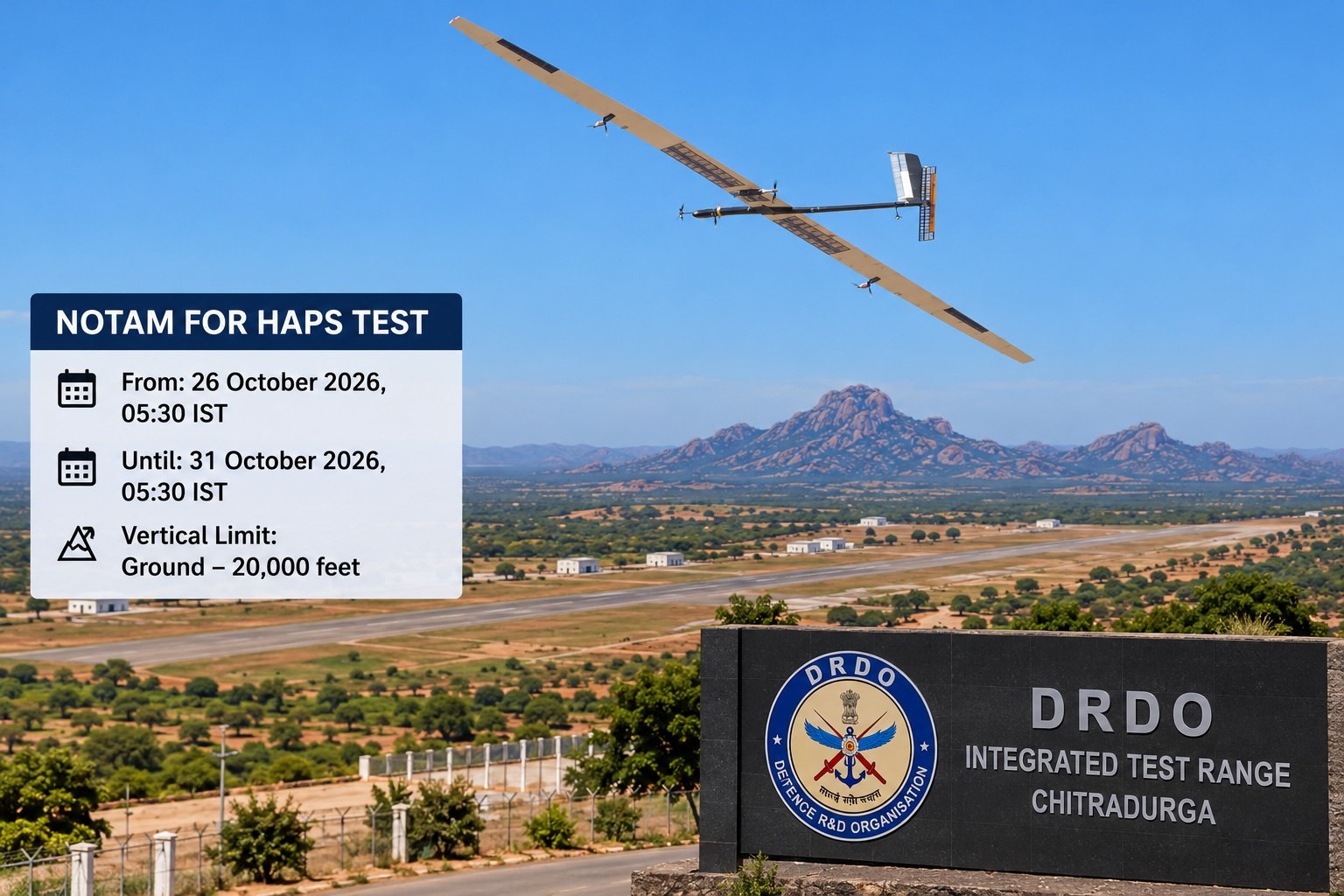 India Issues NOTAM for High Altitude Pseudo Satellite Test at DRDO Chitradurga Facility
-
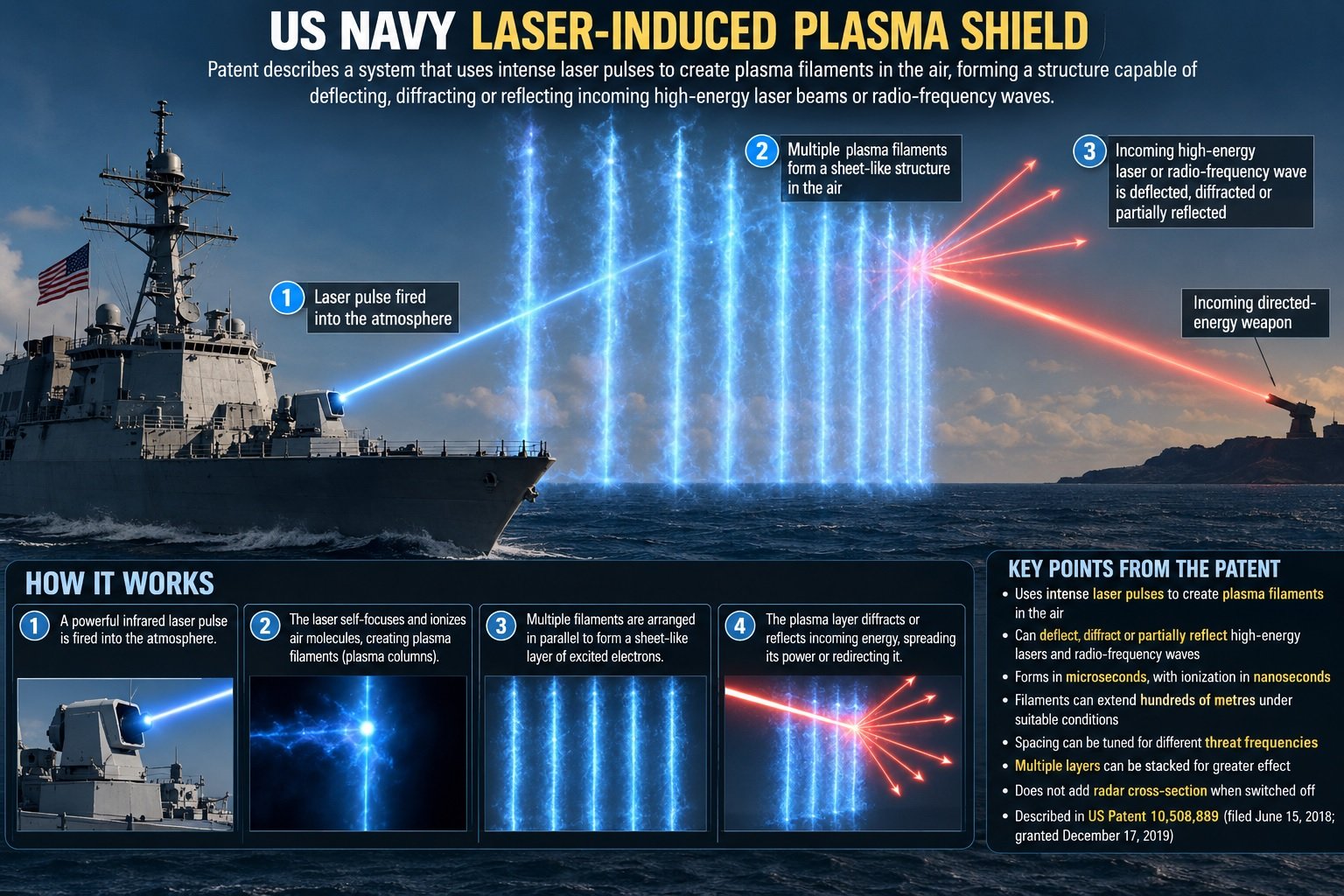 US Navy Patent Details Laser-Induced Plasma System to Deflect Directed-Energy Weapons
-
 EDGE Integrates Autonomous Naval Systems in UAE-US Maritime Demonstration
-
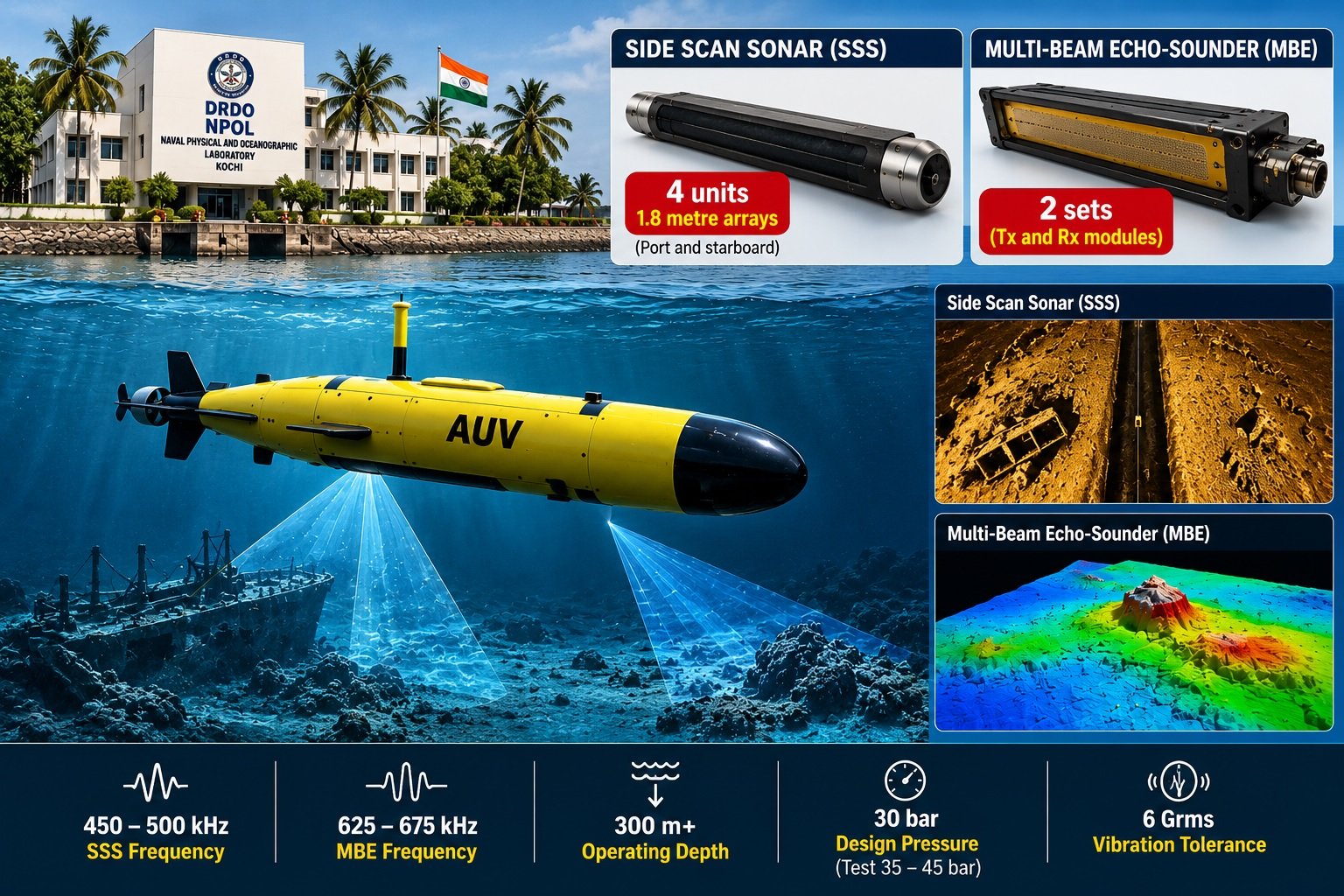 DRDO’s NPOL Issues RFP for Advanced Sonar Arrays for Two Autonomous Underwater Vehicles
-
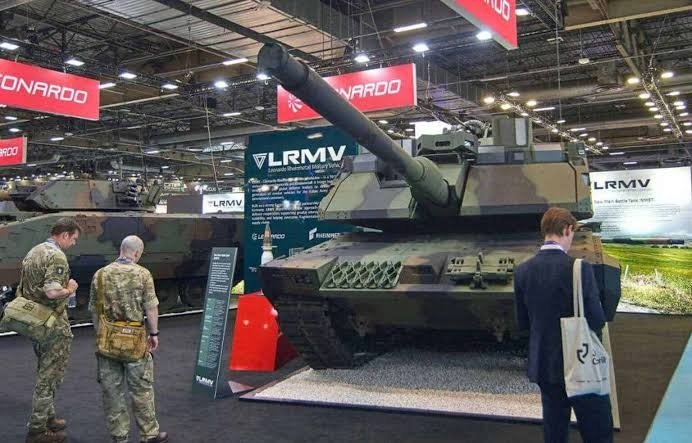 Italy Reportedly Orders 30 Panther Tanks and 48 Lynx IFVs in €3.7 Billion Deal
Top Trending in 4 Days
-
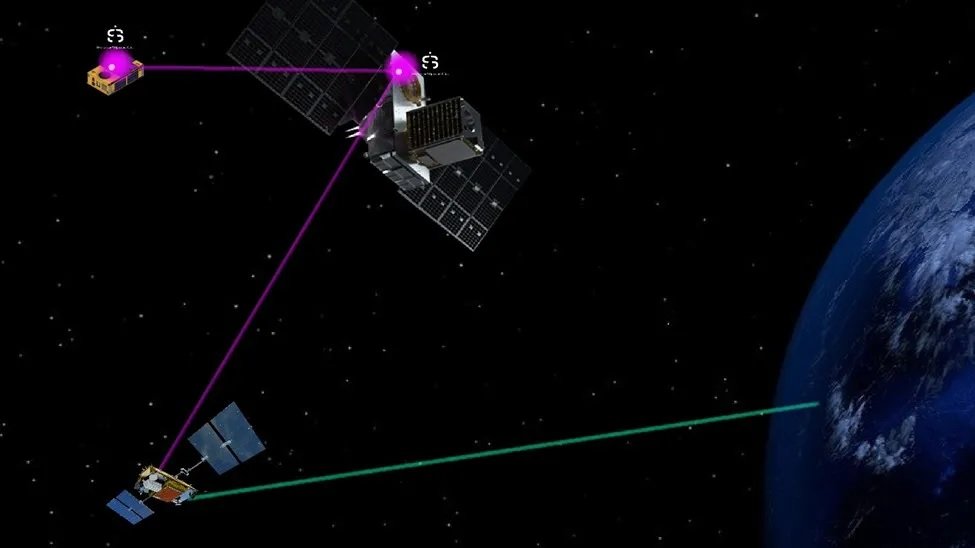 NASA Demonstrates Space-to-Space Wi-Fi Between Two Orbiting Spacecraft
-
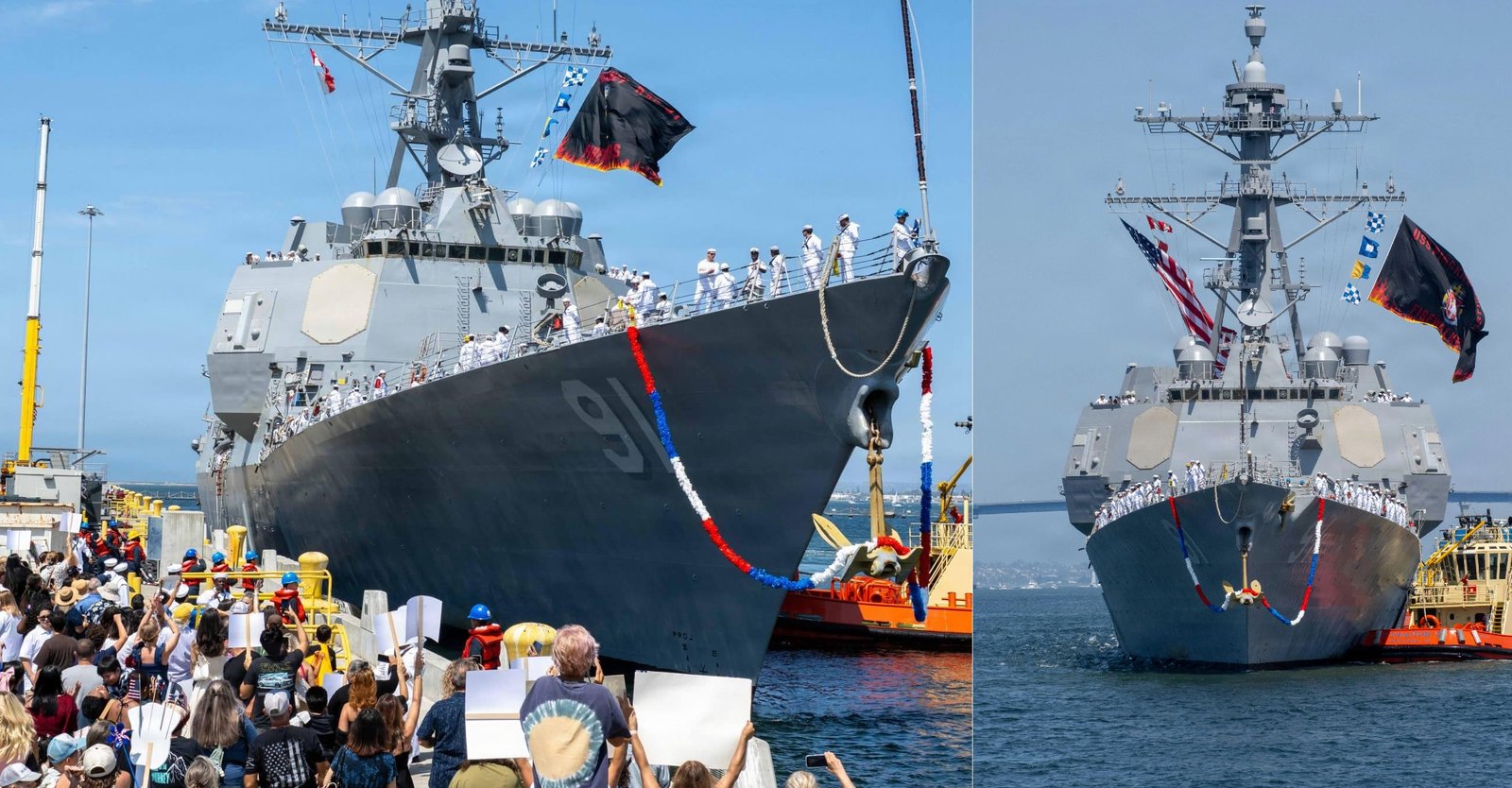 USS Pinckney Becomes First U.S. Navy Destroyer to Begin Phase Two Modernization with Advanced SPY-6 Radar
-
 U.S. Military to Ban Chinese Automaker BYD Vehicles from Kadena Air Base in Japan Over Security Concerns
-
 General Atomics Partners With Spirit Defense to Expand FQ-42 Vengeance Production
-
 CSG and North Vector Dynamics Sign MoU to Explore European Production of CM-70 Counter-Drone Interceptor
-
 Unitree Unveils H2-X ‘Kung Fu Legend: Guardian’ Humanoid Robot for Security and Rescue
-
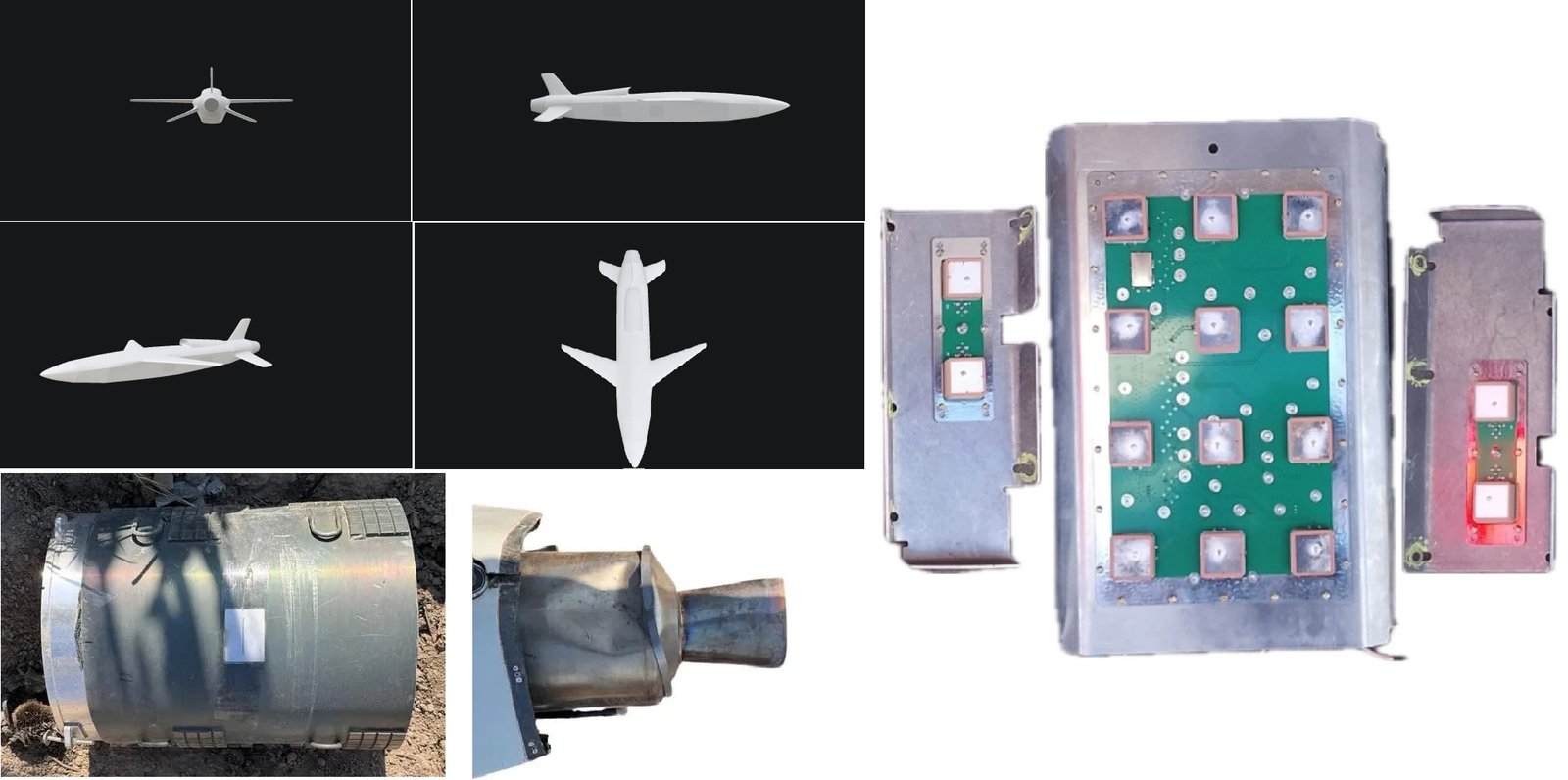 Ukraine Reveals Technical Details of Russia’s New Filin Cruise Missile
-
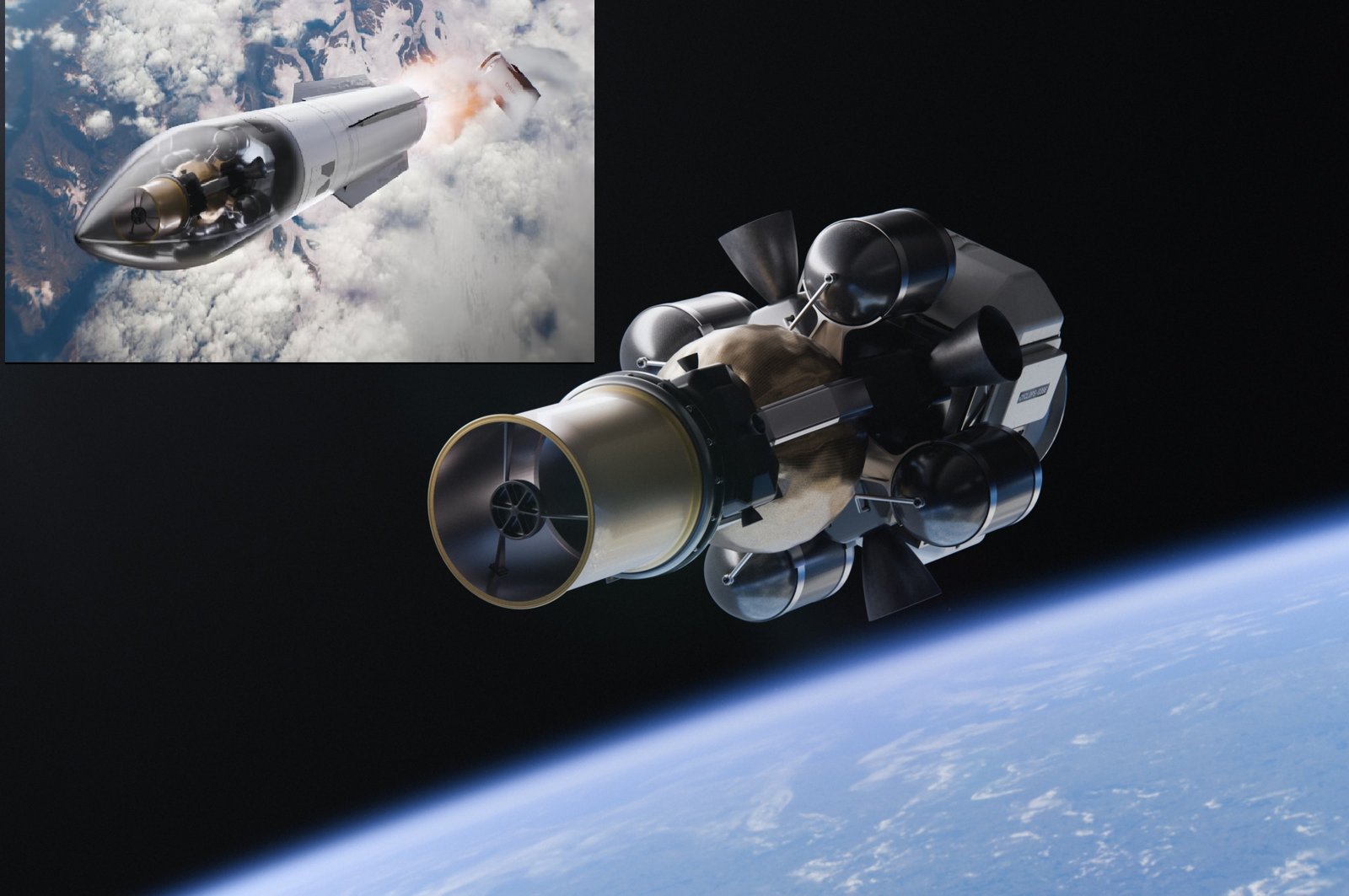 Long Wall Receives $75 Million MDA Award to Complete Cyclops Interceptor Flight Testing