AMMAN, Jordan — Iran launched a major ballistic missile barrage toward Jordan overnight between September 8 and 9, targeting the U.S.-used Muwaffaq Salti Air Base, also known as Al-Azraq Air Base, after U.S. forces struck five Iranian crude oil tankers.
Jordan’s armed forces said its air-defense systems engaged 20 ballistic missiles launched from Iran toward Jordanian territory. Eighteen missiles were intercepted and destroyed, while two fell in unpopulated areas. No casualties were reported.
The Iranian attack was carried out by the Islamic Revolutionary Guard Corps (IRGC), which claimed responsibility and described the operation as “Punishing the Aggressors.”
It appears that Iran's latest missile barrage targeting U.S. bases in Jordan is forcing defenders to expend a large number of interceptors. pic.twitter.com/Fk2ltdm6MW
— Clash Report (@clashreport) September 8, 2026
Missiles hit the area of Muwaffaq Salti Air Base
The IRGC said its Aerospace Force used solid- and liquid-fuel ballistic missiles against Al-Azraq Air Base, a Jordanian facility used by U.S. forces.
Iran claimed that the attack targeted maintenance and repair facilities, aircraft preparation areas, aircraft shelters and locations used to station U.S. F-35, F-16 and F-15 fighter jets. The IRGC also claimed that the strikes caused heavy damage.
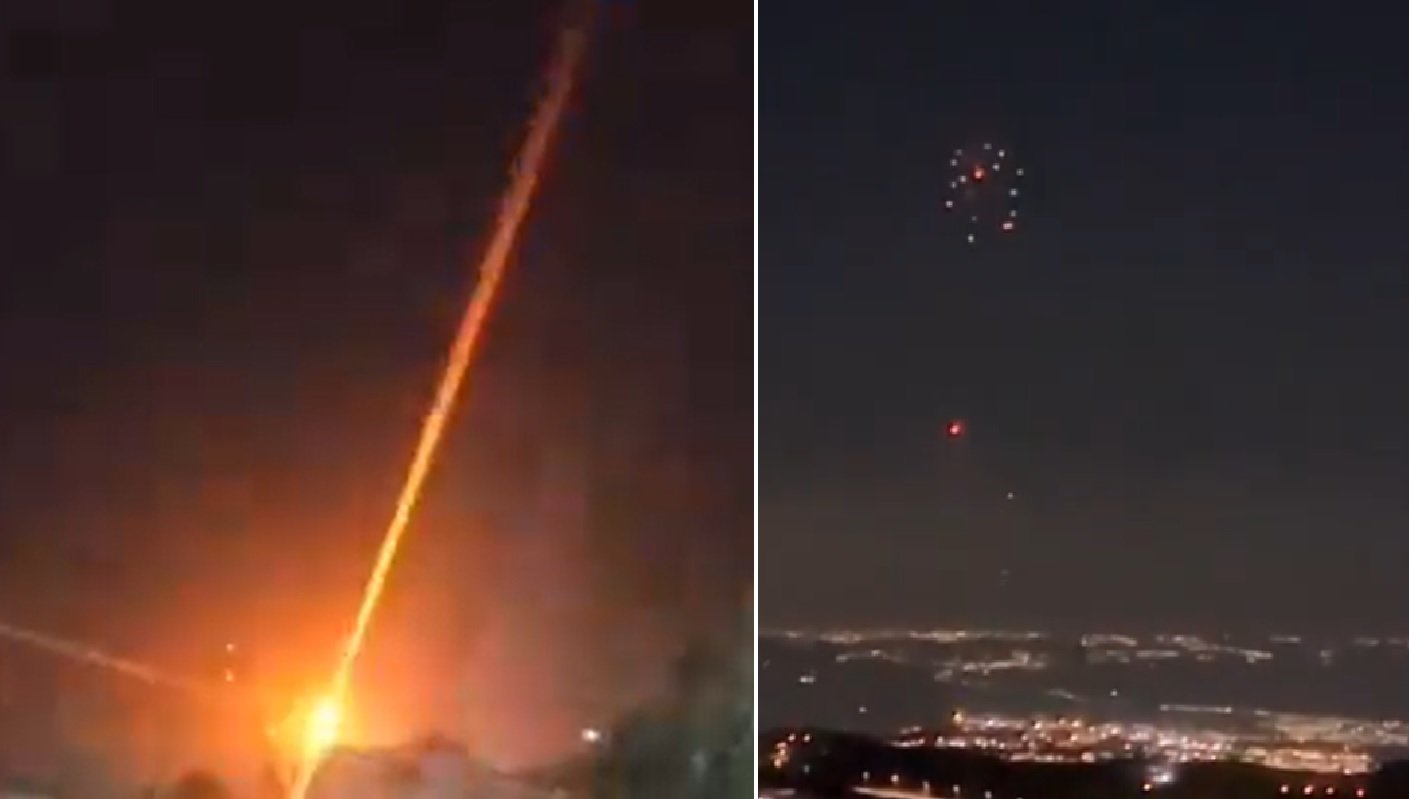
Several videos recorded during and after the attack show explosions and apparent missile impacts in the area of Muwaffaq Salti Air Base. The footage provides visible evidence that at least some Iranian missiles reached the vicinity of the installation despite the air-defense response.
Several Iranian ballistic missiles evaded US air defenses and struck a US base directly in Jordan.
— Current Report (@Currentreport1) September 8, 2026
US used a large number of interceptors to counter a few dozen ballistic missiles.
The intensive IRGC attack came after the US struck 5 Iranian tankers. pic.twitter.com/FODFrF6juf
The precise number of missiles that struck the base and the extent of damage remain unclear. A U.S. official said the Iranian strikes were ineffective and that all American troops were accounted for.
Cluster munitions visible in interception footage
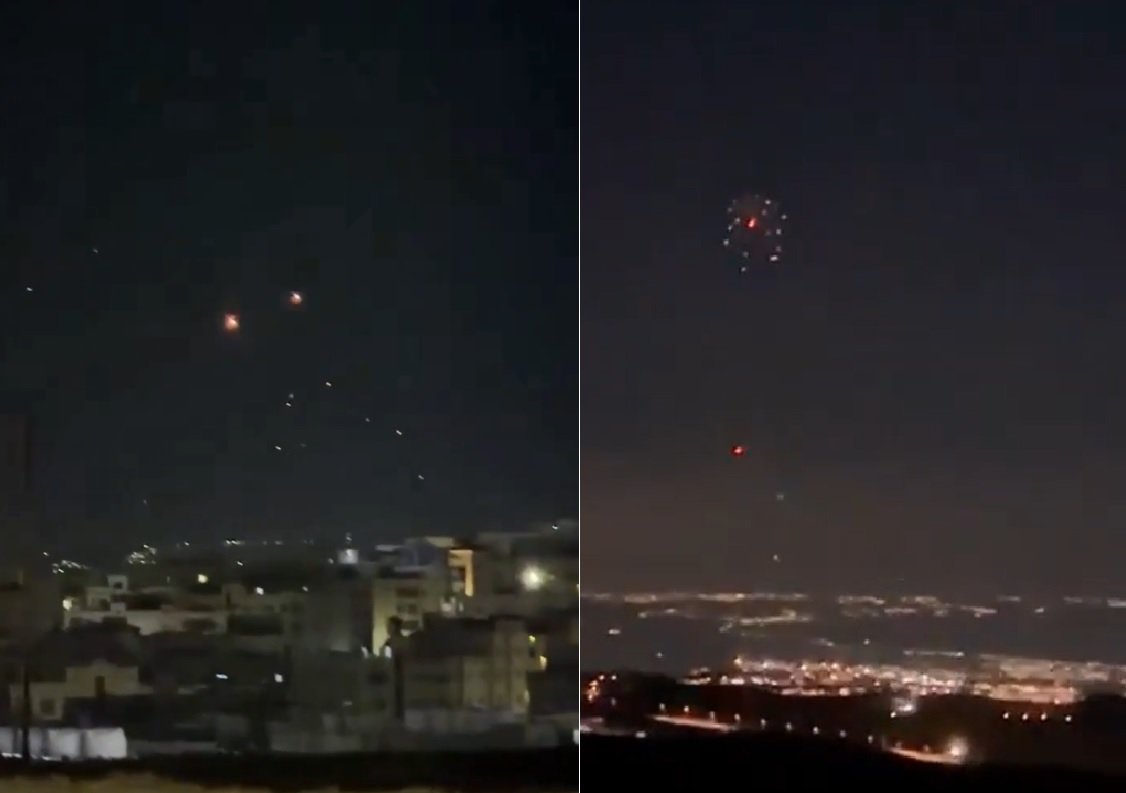
Several videos from the overnight attack also show what appears to be the dispersal of multiple smaller munitions in the sky after incoming ballistic missiles were intercepted.
In the footage, a missile is seen being engaged in the air, followed by multiple smaller objects spreading across the sky and descending toward the ground. The visual sequence has led open-source observers to assess that some of the Iranian missiles were equipped with cluster warheads.
🚨 IRAN LAUNCHES MAJOR MISSILE BARRAGE AT U.S. BASES IN JORDAN
— Mossad Commentary (@MOSSADil) September 8, 2026
Iran launched a substantial missile barrage toward U.S. military bases in Jordan after three Iranian tankers were struck near Kharg Island and Jask.
Dozens of interceptors were launched as Iran reportedly used… pic.twitter.com/LN0KkWLPae
The footage appears to show the smaller submunitions continuing to fall after the main missile was intercepted, creating a wider area of falling objects rather than a single impact point.
The exact number of Iranian missiles carrying cluster warheads has not been officially disclosed by Jordan or the United States. However, the available footage provides visible evidence of multiple objects dispersing in the air and falling toward the ground following some interceptions.
Cluster warheads are designed to release multiple smaller submunitions over a wider area instead of delivering a single warhead to one location.
Heavy air-defense response
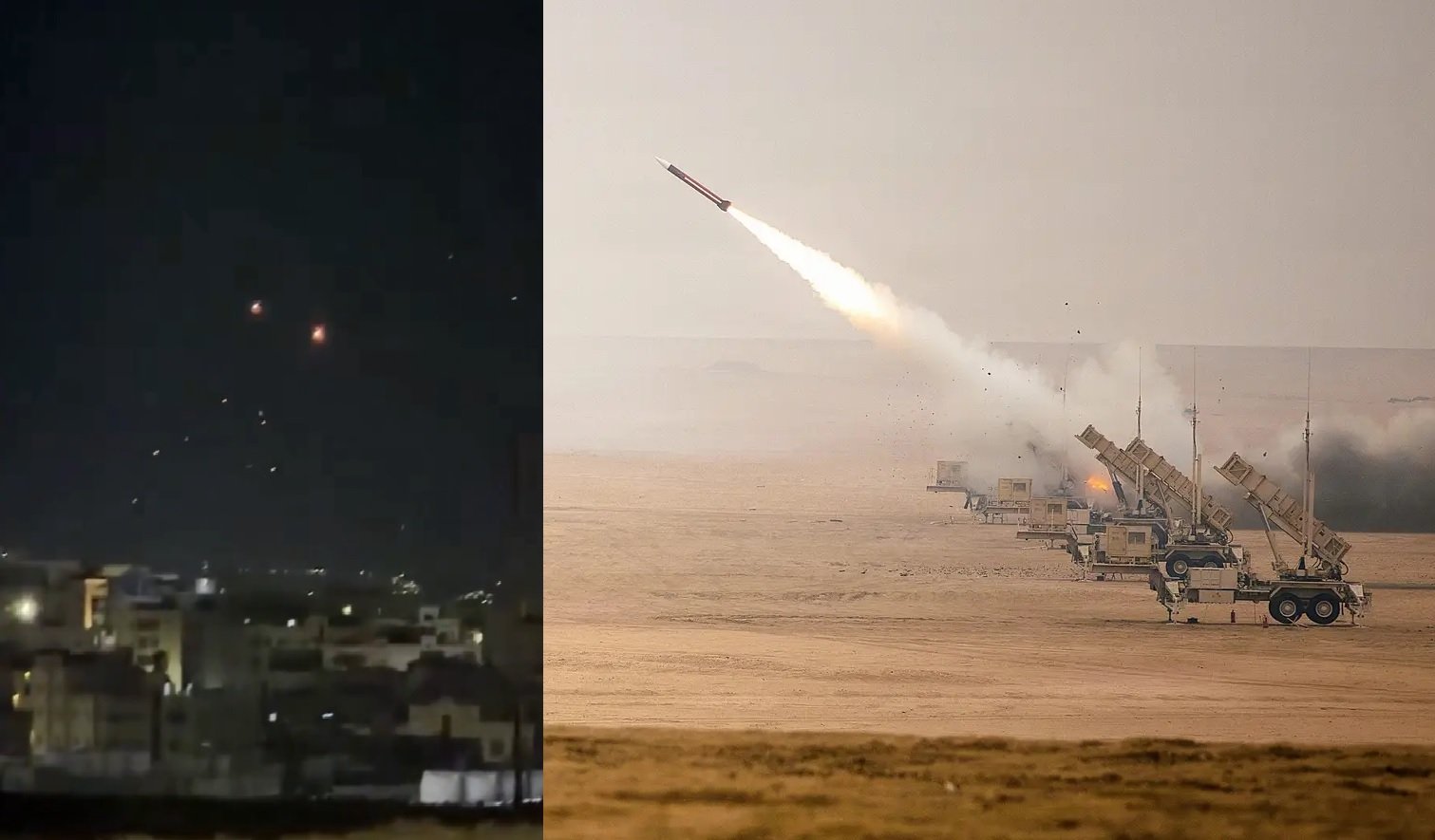
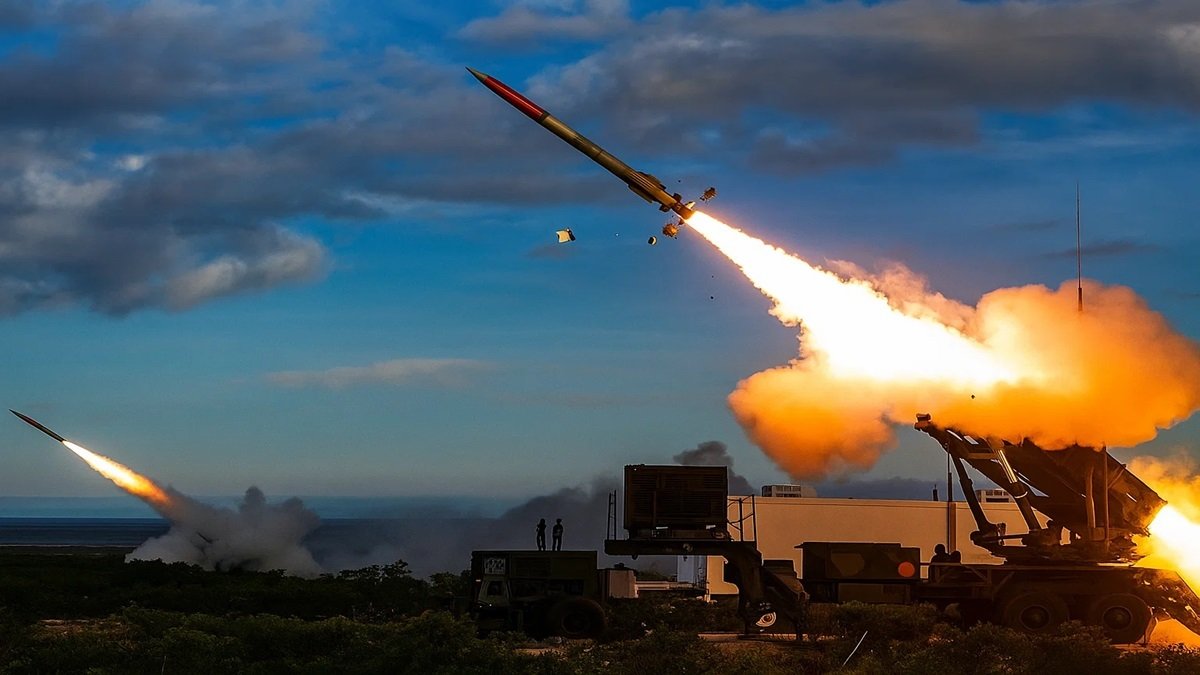
The Iranian barrage triggered an intense air-defense response over Jordan. Multiple videos show repeated interceptor launches lighting up the night sky as Iranian ballistic missiles approached.
Jordan officially said that 18 of the 20 detected missiles were intercepted and destroyed, while two landed in unpopulated areas.
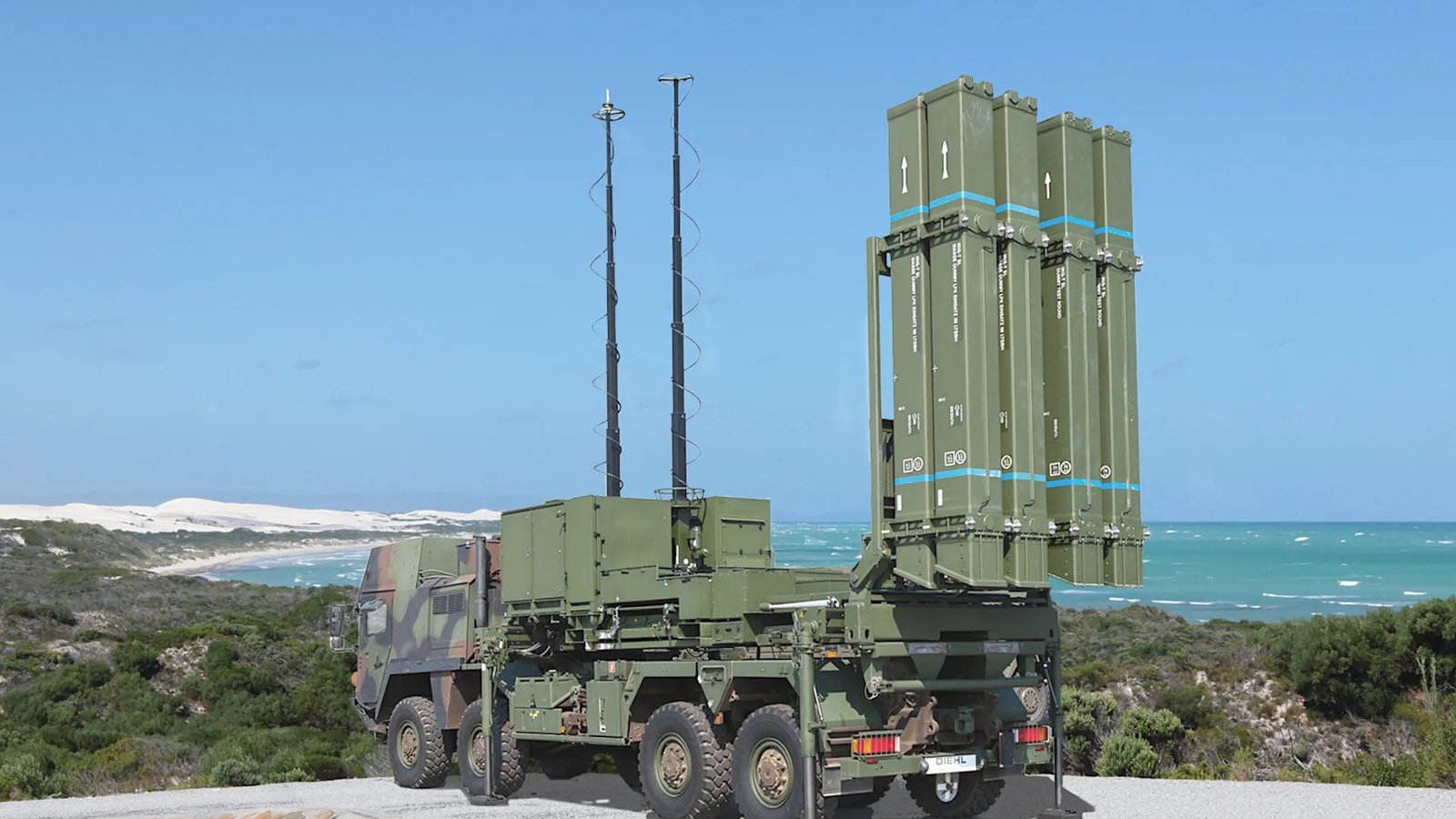
The exact number of U.S. and allied interceptors fired has not been officially released. Open-source estimates circulating online have placed the number at more than 60 interceptors may have been launched.
Those figures remain unconfirmed.
Claims that the United States used two to four interceptors against every incoming ballistic missile and that the engagement cost hundreds of millions of dollars are also estimates rather than officially confirmed figures.
U.S. strikes on five Iranian tankers triggered retaliation
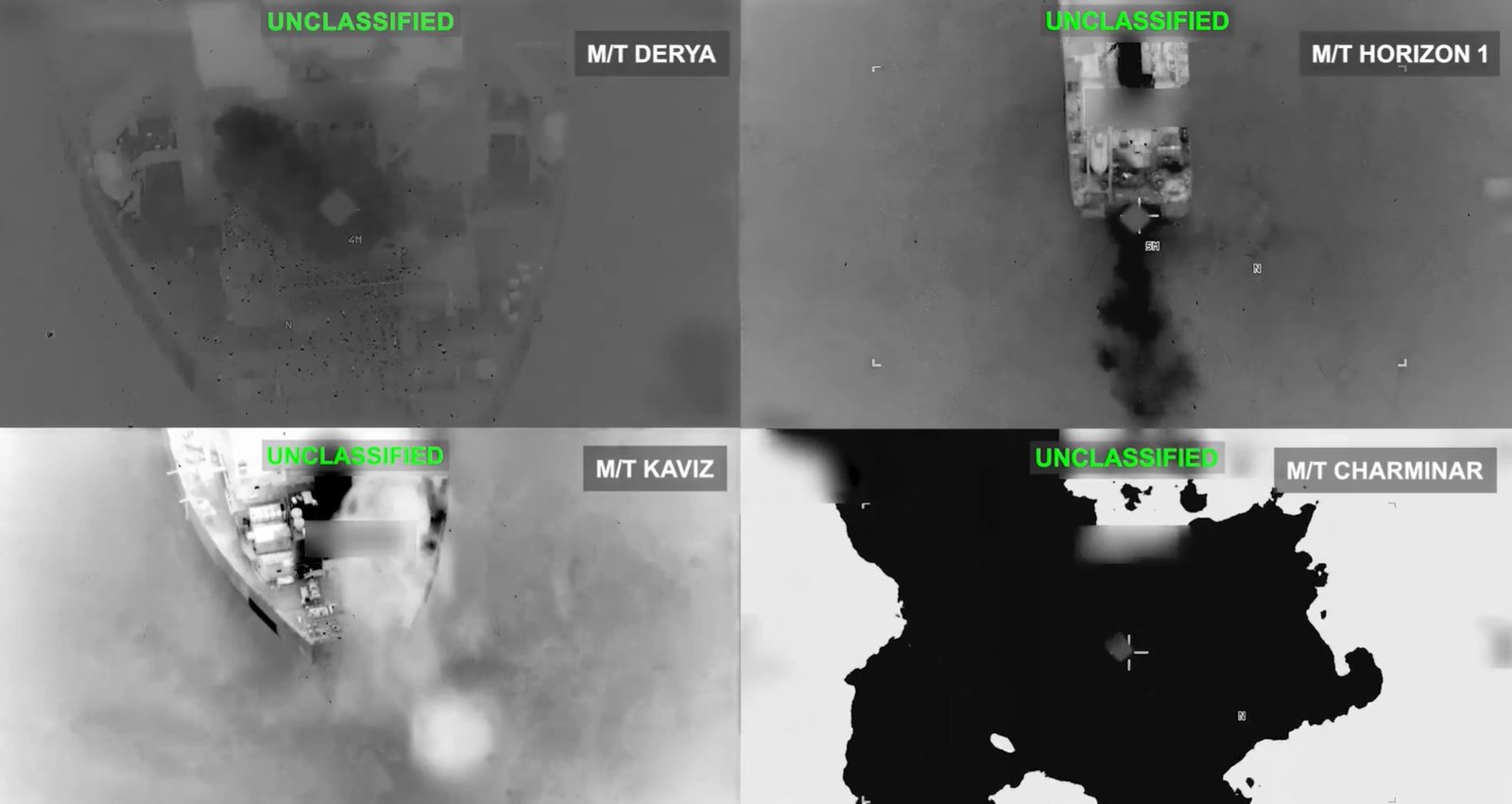
The Iranian missile attack followed U.S. strikes against five Iranian crude oil tankers on September 8.
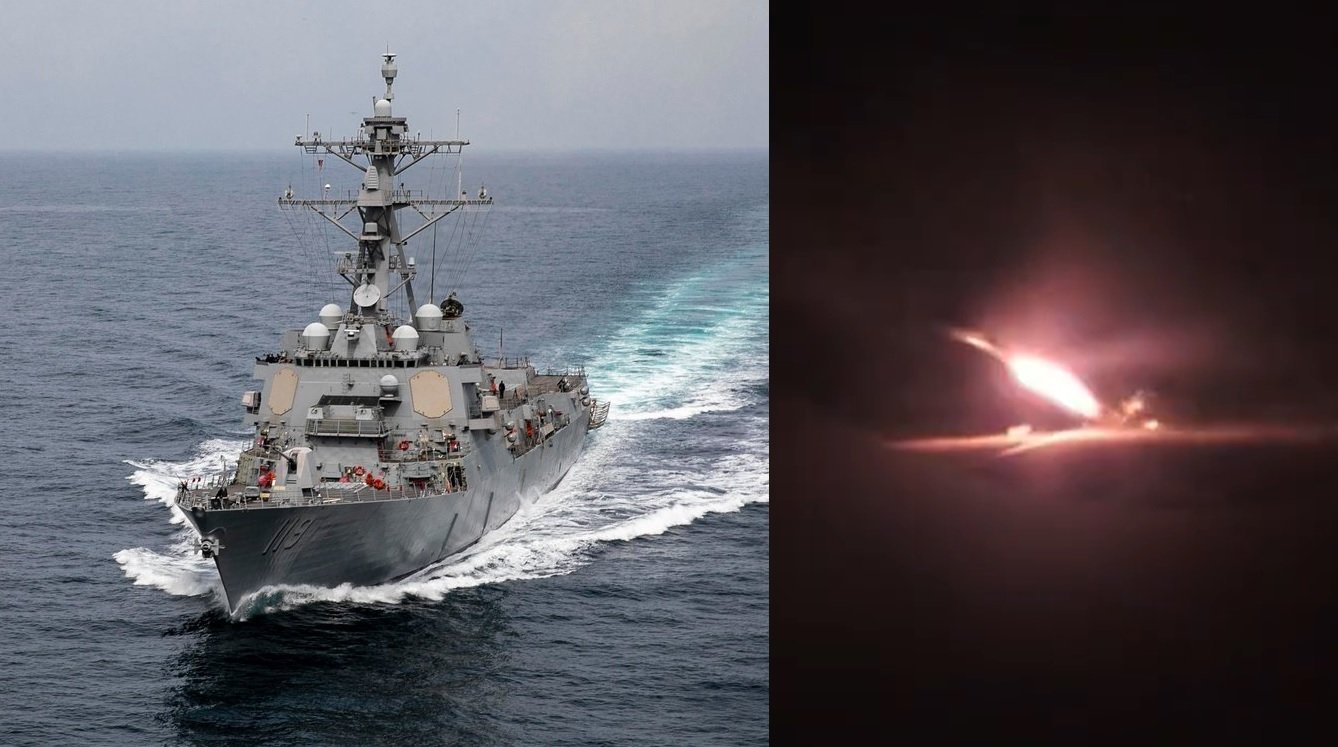
U.S. Central Command said the operation was carried out after Iranian forces launched two ballistic-missile attacks against a U.S. Navy warship over the previous two days. The warship evaded the attacks, and no American personnel were injured.
U.S. forces said tanker crews were instructed to abandon their vessels before the strikes.
Four crude oil carriers were struck in the Gulf of Oman, while another vessel was targeted near Kharg Island in the Persian Gulf. Iranian state media also reported strikes on tankers near the southern port of Jask.
Kharg Island is a major Iranian oil-export hub.
U.S. Secretary of State Marco Rubio, speaking from Colombia, said further Iranian attempts to strike U.S. naval ships would result in additional Iranian tankers being targeted.
Iran warns commercial shipping
Before the ballistic missile attack on Jordan, the IRGC Navy issued urgent warnings to tanker crews at Kuwaiti and Bahraini ports and anchorages.
The warnings instructed crews to leave their vessels immediately and said ships remaining in the affected areas would be targeted.
The IRGC later claimed that it attacked 10 ships in the Strait of Hormuz area, including two U.S. vessels and eight oil tankers that Iran accused of entering a prohibited zone. These claims have not been independently verified.
The threats have raised further concerns over the safety of military and commercial vessels operating around the Strait of Hormuz.
Oil prices rise as tensions increase
The latest exchange of attacks also affected global oil markets. Brent crude futures rose during early Wednesday trading as markets assessed the possibility of further disruption involving Iranian oil exports and shipping through the Gulf.
Reuters reported Brent crude at $99.22 per barrel, up 1.3% in early trading.
Major escalation after April ceasefire
The overnight missile barrage represents the largest reported direct exchange between Iran and the United States since the Pakistan-brokered two-week ceasefire in April.
The latest escalation has now involved U.S. strikes on Iranian oil tankers, an Iranian ballistic missile attack on a U.S.-used air base in Jordan and Iranian threats against commercial shipping.
Jordan has officially confirmed that its air defenses engaged 20 Iranian ballistic missiles and intercepted 18 of them. At the same time, available video footage shows multiple explosions and apparent missile impacts around Muwaffaq Salti Air Base, as well as the apparent dispersal of smaller munitions following some missile interceptions.
The full extent of damage to the base, the precise number of successful missile impacts and the number of Iranian missiles carrying cluster warheads remain subject to further assessment.
——— End of Article ———