Europe
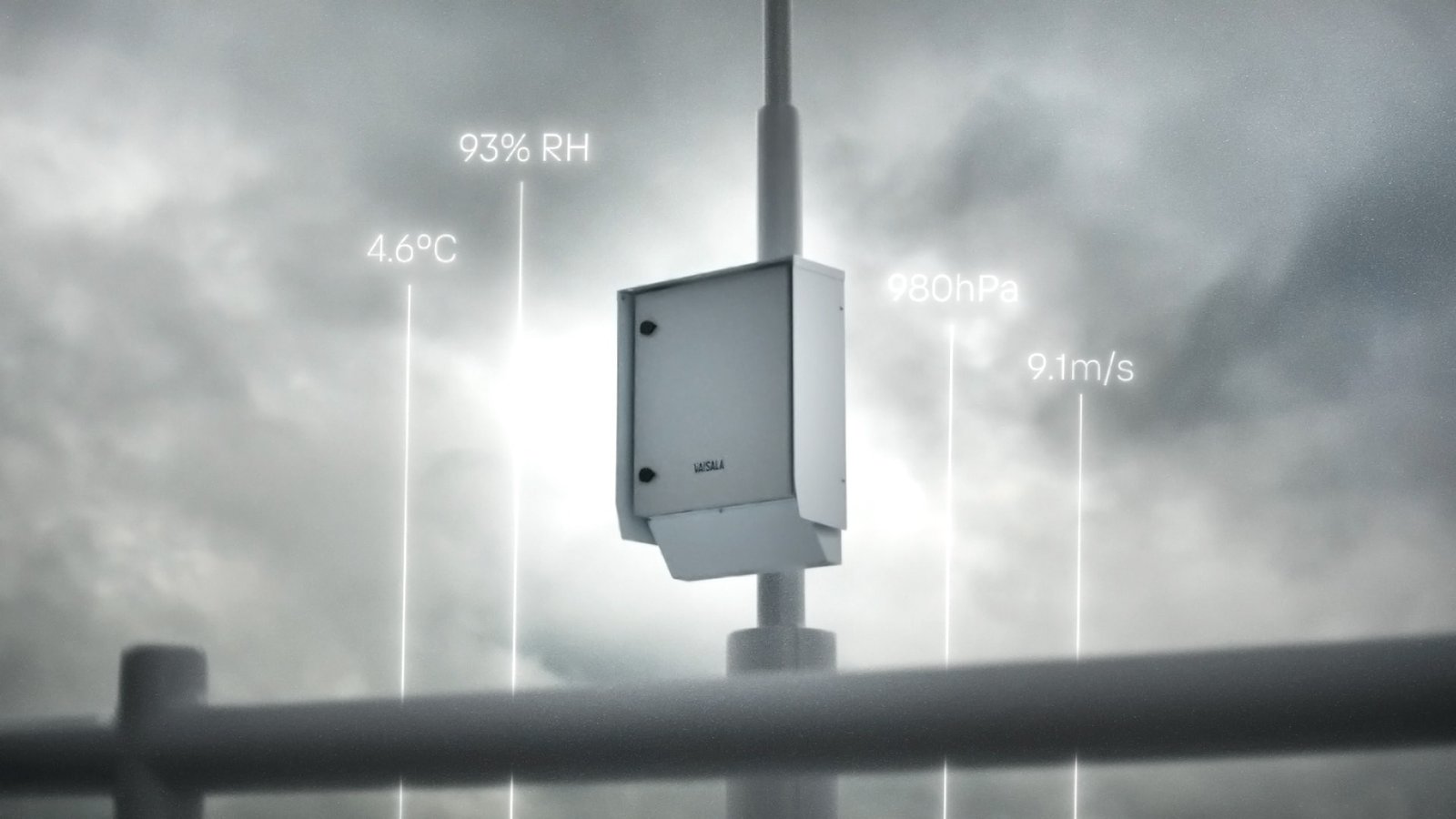
Helsinki, — Vaisala has launched the Maritime Automatic Weather Station AWS830, a modular system designed to provide real-time meteorological, oceanographic, environmental and motion data for naval, coast guard, research, offshore energy and icebreaking vessels, as well as offshore platforms operating in demanding marine and polar environments. Vaisala launched the AWS830 on April 9, 2026, with deliveries beginning in June 2026. The system succeeds the AWS430, which has been used on vessels and offshore structures for more than a decade. The AWS830 is designed to withstand shock, vibration, corrosion, high humidity, salinity and extreme temperatures, with demonstrated operation down to –50°C. It is available as an outdoor on-deck unit for exposed installations and a 19-inch server-rack version for protected equipment rooms. The system measures wind speed and direction, barometric pressure, air temperature, relative humidity, visibility, cloud base height and helideck motion. It can also be expanded with sensors for wave height, currents and sea surface temperature. Through Vaisala Elements Helideck Monitoring Software, operators can access remote wind profiling, lightning detection and weather forecasts. Cybersecurity and Modular Architecture Cybersecurity is a core part of the AWS830 design. The system is built around Vaisala's DMU801 Data Management Unit, which incorporates secure boot, signed firmware authentication and end-to-end encrypted communications. It also includes a configurable firewall to restrict exposed network services. Vaisala developed the system using a secure lifecycle aligned with IEC 62443 principles, including threat modelling and systematic security testing. Testing included simulated denial-of-service attacks and network storms, while the architecture applies zero-trust principles by requiring authentication at interfaces and protecting critical communications. The AWS830 supports both Vaisala and selected third-party sensors, allowing it to connect with existing ship navigation, automation and platform control systems. Its modular architecture allows additional capabilities to be added as operational requirements or regulations change. The system also uses Kaiku Designer, a visual configuration tool that allows operators to view data flows from sensors to processing functions and helps reduce configuration errors during commissioning. For aviation operations, the AWS830 supports Environmental and Helideck Monitoring Systems and meets relevant IEC and Civil Aviation Authority requirements, including CAP 437. Combined with Vaisala Elements software, it provides wind, weather and platform stability information needed for offshore helicopter operations. In naval applications, the collected data can support the coordination of supply vessels, helicopters, drones and other support traffic, while also providing information for safety procedures and aviation operations. Automated diagnostics and data validation continuously monitor system condition and data quality, helping maintain system availability and reduce unnecessary maintenance. Vaisala says the AWS830 builds on its maritime and aviation measurement experience while providing a cybersecure and scalable platform for offshore, naval, research and polar operations. Source : navalnews
Read More → Posted on 2026-08-24 13:01:55
Europe
SZOLNOK, HUNGARY — A Hungarian Air Force Saab JAS 39 Gripen fighter jet crashed near Szolnok on Monday morning. The pilot ejected safely and survived without serious injury. No other injuries or damage to civilian infrastructure were reported. The crash occurred near the Hungarian Defence Forces’ military helicopter base outside Szolnok, around 100 kilometers southeast of Budapest. Szolnok Mayor Mihály Győrfi said the aircraft had taken off from Kecskemét and that the pilot was likely conducting a routine training flight. Defence Minister Romulusz Ruszin-Szendi said the pilot was alive and uninjured. He said the pilot had done everything possible to keep the aircraft over military property before ejecting. The pilot was taken to hospital for observation and was reported to be in stable condition. The defence minister and Chief of the General Staff also traveled to the crash site. The cause of the crash remains unknown and is under investigation. Reports of a possible hydraulic-system problem and a landing-gear malfunction have circulated in local media, but Hungarian authorities have not officially confirmed those details. The aircraft was carrying weapons, including missiles and cannon ammunition, according to the defence minister. Firefighters responded to the crash site and extinguished the fire. Hungary’s Gripen Fleet Hungary operates JAS 39 Gripen C/D fighters. Fourteen aircraft were acquired through a lease-purchase program launched in 2001, while four additional Gripen Cs were ordered in 2024 and delivered in 2026. The deliveries brought the fleet to 18 aircraft before Monday’s crash. Hungary has operated the Gripen since 2006, with the aircraft based primarily at Kecskemét Air Base. Following the loss of Monday’s aircraft, the fleet stands at 17 aircraft. Hungary also experienced a Gripen accident in 2015 at Kecskemét. The pilot ejected safely after an unsuccessful landing attempt, although that pilot sustained injuries. The investigation into the August 24 crash is continuing, and the official cause has not yet been announced.
Read More → Posted on 2026-08-24 12:42:54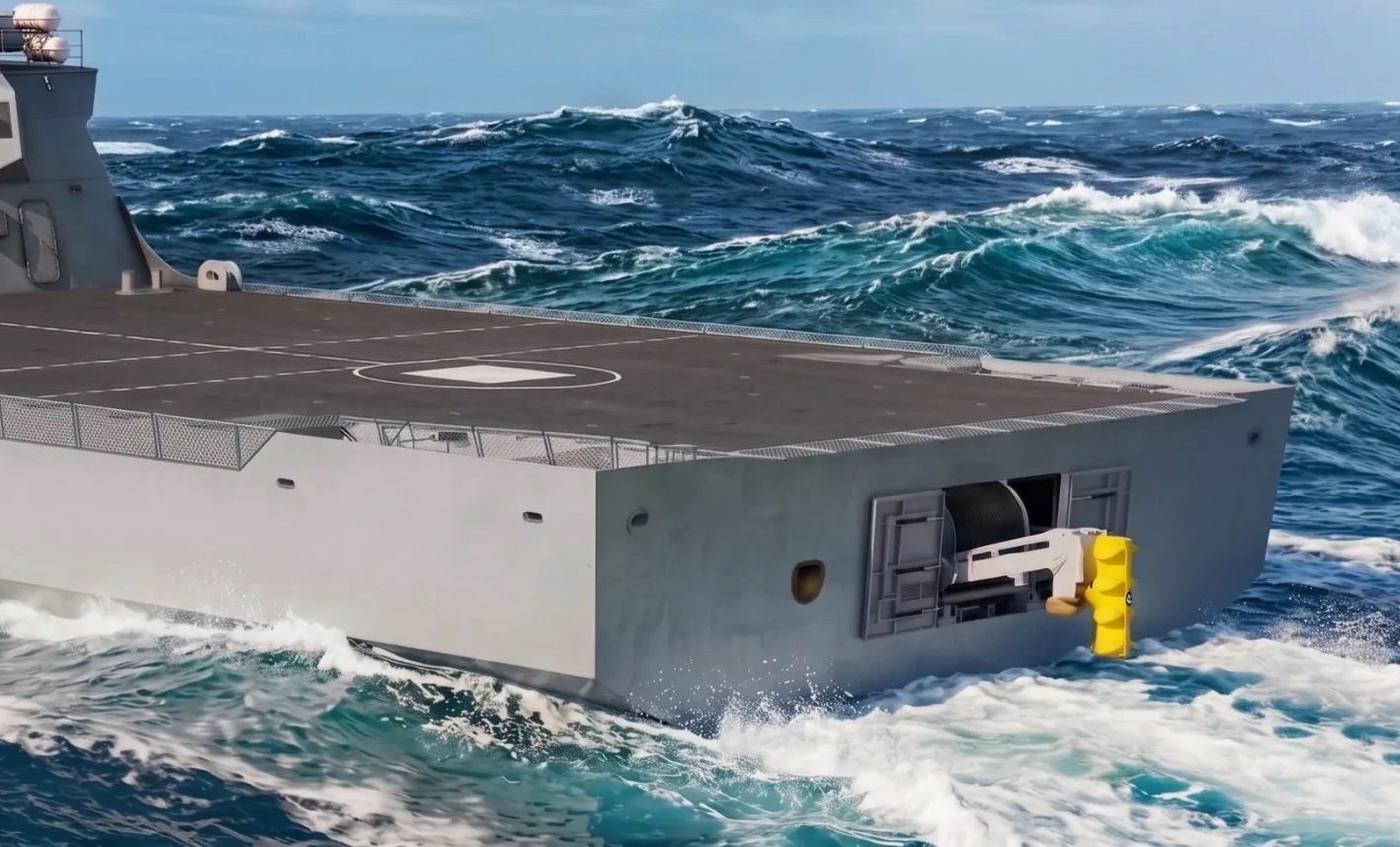
Europe
London — Britain is considering the use of portable fibre-optic sonar systems on civilian and commercial ships to expand underwater surveillance and detect Russian submarines and warships. The technology, developed by Dutch company Optics11, is known as OptiArray. It uses a fibre-optic cable fitted with underwater acoustic receivers that can be towed behind a vessel. The system has been tested by the Royal Navy and is being developed for operational use by the Dutch military. Optics11 says OptiArray can detect an oil tanker at around 100 km (62 miles) and a frigate at about 50 km. Some unmanned surface vessels can be detected at ranges of tens of kilometres. The Dutch Ministry of Defence says the system provides higher sensitivity than traditional arrays. Unlike conventional electronic towed arrays, the fibre-optic system uses light to detect acoustic signals and does not emit a detectable electromagnetic signal. It is also immune to electromagnetic interference. The technology can provide a richer acoustic profile for identifying underwater targets. The system can be packed into a portable container roughly 10 feet long, allowing it to be carried on the deck of ships capable of handling sea containers. Optics11 chief executive Paul Heiden said the system could be installed on civilian cargo ships as well as naval vessels, describing it as “anti-submarine warfare in a box.” Traditional towed-array sonar has generally been installed on specialist anti-submarine warfare ships, including Royal Navy Type 23 frigates. The portable design could allow a wider range of crewed and uncrewed platforms to carry underwater surveillance equipment. The Dutch Ministry of Defence awarded Optics11 a contract in July 2026 under its ASWINABO (Anti-Submarine Warfare in a Box) programme to deliver operational containerised systems. Earlier trials included testing a prototype aboard the Dutch submarine HNLMS Dolfijn. The system can also be deployed from land and placed on the seabed to monitor critical underwater infrastructure. Britain's interest comes amid increased Russian naval activity around UK waters and growing concern over subsea infrastructure. In April 2026, British and allied forces tracked a Russian Akula-class attack submarine and two specialist vessels associated with Russia's Main Directorate of Deep-Sea Research (GUGI) for more than a month in and around UK waters. Sonobuoys were deployed during the operation, and no damage to cables or pipelines was confirmed. The UK government has said the number of Russian vessels operating near UK waters has risen by about 30 per cent in recent years. More than 99 per cent of international data traffic travels through subsea fibre-optic cables, making their protection an important part of Britain's maritime security efforts. The Royal Navy's surface fleet has also faced pressure as older Type 23 frigates retire while newer vessels enter service. Portable sonar systems could therefore provide additional surveillance coverage without requiring every sensor to be permanently installed on a specialist warship. However, no formal UK procurement decision to equip civilian ships with OptiArray has been announced. The technology is currently being developed for operational use in the Netherlands while Britain examines its potential for expanding underwater surveillance. Source : Telegraph
Read More → Posted on 2026-08-23 11:32:05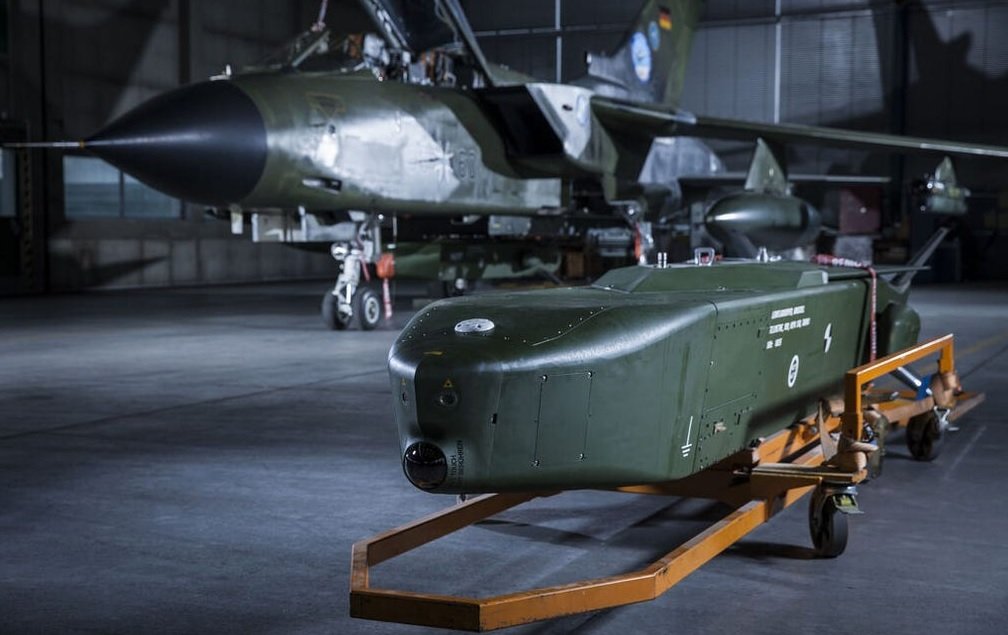
Europe
BERLIN — Germany plans to spend almost €12 billion to build a new long-range weapons arsenal aimed at strengthening deterrence against Russia, according to internal Defence Ministry documents seen by POLITICO. The planned weapons would allow German forces to strike targets hundreds or thousands of kilometres behind enemy lines, including command centres, airfields, missile launchers and supply hubs. The programme is described as a priority for Germany and NATO and is intended to provide conventional strike capabilities below the nuclear threshold. The funding has not yet been approved. The costs have been included in the government’s budget planning process, but the measures remain subject to approval by the German Bundestag. The Defence Ministry has said it can comment further only after parliament considers the proposals. Four-Part Long-Range Strike Plan Low-Cost Missiles From 2027 The first part of the plan is a cost-efficient, mass-producible cruise missile that Germany wants to begin fielding in 2027. The approach draws on lessons from the war in Ukraine, where missiles and drones have been used against targets deep behind the front line and mass attacks can place pressure on air-defence systems. Three candidates are identified: Anthem, produced by U.S.-Israeli startup Covenant Industries; BARS, developed by a Ukrainian company; and the FP-5 Flamingo, developed by Ukrainian company Fire Point. The Flamingo has a reported range of about 3,000 kilometres and an estimated cost of around $500,000 per missile, roughly one-fifth the reported cost of a Tomahawk. Germany is in contract talks with two suppliers and aims to receive missiles for qualification next year, with framework contracts for later mass production also being prepared. U.S. Tomahawk and Typhon Systems The second part involves U.S. systems. Chancellor Friedrich Merz said in July that Germany had reached an agreement with the United States to acquire Tomahawk cruise missiles and Typhon launchers. German planning calls for an initial capability using Typhon launchers armed with Tomahawks by the end of the decade. The U.S. systems are intended to fill Germany’s long-range strike capability gap while European alternatives are developed. Advanced German-British Weapons The final two parts involve Germany-UK cooperation under the Trinity House Agreement. The two countries are developing a next-generation stealth cruise missile and a hypersonic glide weapon, with planned ranges exceeding 2,000 kilometres. Initial capability is targeted for the middle of the next decade. These systems represent the longer-term European element of Germany’s deep-strike plans. Nearly €12 Billion Programme Internal planning documents allocate nearly €9 billion for development and procurement of the advanced systems, plus €182 million for keeping them in service. Another €1.8 billion is allocated for cruise-missile development and procurement, with €97 million for maintenance. These figures total around €11 billion, while separate Defence Ministry planning material puts the overall requirement at almost €12 billion. The programme reflects Germany’s shift toward a layered long-range strike capability, combining cheaper mass-producible weapons available sooner, U.S. systems for the interim period and more advanced European weapons for the longer term. The urgency is linked to the changing security situation in Europe, including Russia’s deployment of Iskander missile systems in Kaliningrad and medium-range weapons in Belarus, which have reduced warning times for European countries.
Read More → Posted on 2026-08-22 13:33:57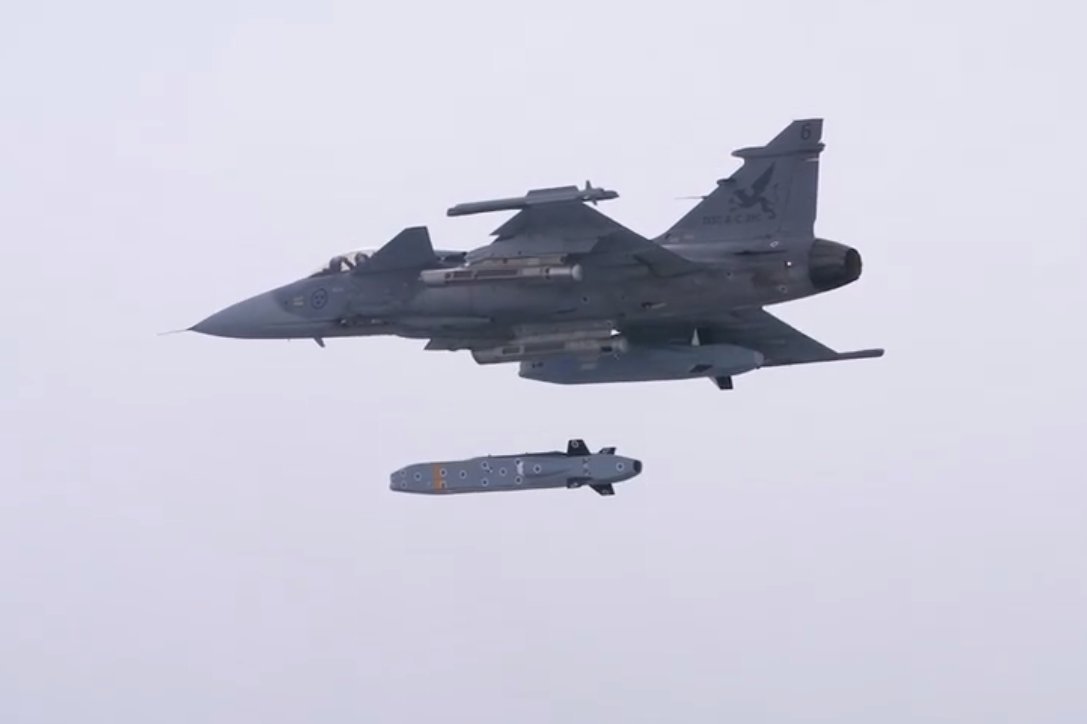
Europe
Vidsel, Norrbotten, Sweden — The Swedish Air Force has conducted the first launch of a Taurus KEPD 350 cruise missile from a Saab JAS 39 Gripen fighter aircraft, marking a new stage in Sweden’s integration of the long-range weapon. The test was conducted on August 21, 2026, at the Vidsel Test Range in Norrbotten, northern Sweden. The Swedish Air Force, known as Flygvapnet, announced the launch the same day, stating that a Taurus KEPD 350 had been launched from a Swedish JAS 39 Gripen for the first time. The service described Taurus as a long-range cruise missile that introduces a new deep-strike capability. Images and video released with the announcement and credited to the Swedish Defence Materiel Administration (FMV) show a Gripen C releasing the missile. The Taurus used during the test had a yellow marking associated with a live round. A second Taurus was also visible under the aircraft. No further details about the specific test profile, target or results have been released by Swedish authorities. Taurus KEPD 350 Capabilities The Taurus KEPD 350 is an air-launched stand-off cruise missile developed by Taurus Systems GmbH, a German-Swedish joint venture involving MBDA Deutschland and Saab. According to MBDA, the missile has a range of more than 500 kilometres, a mass of about 1,400 kilograms and a length of approximately five metres. It carries a roughly 480-kilogram MEPHISTO warhead designed for precision strikes against hardened and high-value targets. The missile uses a navigation system combining inertial navigation with GPS, terrain-reference navigation and image-based navigation. MBDA says Taurus is designed for very-low-level terrain-following flight and for operations against hardened and deeply buried targets. The MEPHISTO warhead uses a dual-stage design intended to provide penetration capability against hardened targets as well as effects against area targets. Its programmable fuze can determine the detonation point within a target structure. Sweden’s Gripen Integration Sweden announced in February 2025 that it would acquire and integrate the Taurus KEPD 350 with its Gripen fleet. The initial integration is focused on the Gripen C/D, with the Gripen E planned for a later stage. Public plans have pointed to operational introduction around 2028. The August 21 launch therefore represents an important flight-test milestone for Sweden’s Taurus integration programme. The test demonstrates that the weapon has progressed from integration work to an actual launch from a Swedish Gripen C. Sweden is also upgrading part of its Gripen C/D fleet. FMV plans have included upgrades for 60 Gripen C/D aircraft, with the aircraft continuing to operate alongside the newer Gripen E/F fleet. The Taurus capability is associated with the upgraded Gripen C/D configuration. Vidsel Test Range The launch was conducted at the Vidsel Test Range in Norrbotten. The facility is operated by the Swedish Defence Materiel Administration and provides a large restricted area for weapons and military system testing. The location has previously been used for Taurus development and flight testing. Saab records show that Taurus KEPD 350 test flights were conducted at Vidsel during the missile’s development programme. The latest launch is part of Sweden’s continuing work to introduce the Taurus KEPD 350 as a long-range stand-off weapon for the Gripen fleet. The Taurus KEPD 350 is already operated by the armed forces of Germany, Spain and South Korea. Its integration with the Swedish Gripen adds another national operator while expanding the range of air-launched strike capabilities available to the Swedish Air Force.
Read More → Posted on 2026-08-22 12:53:36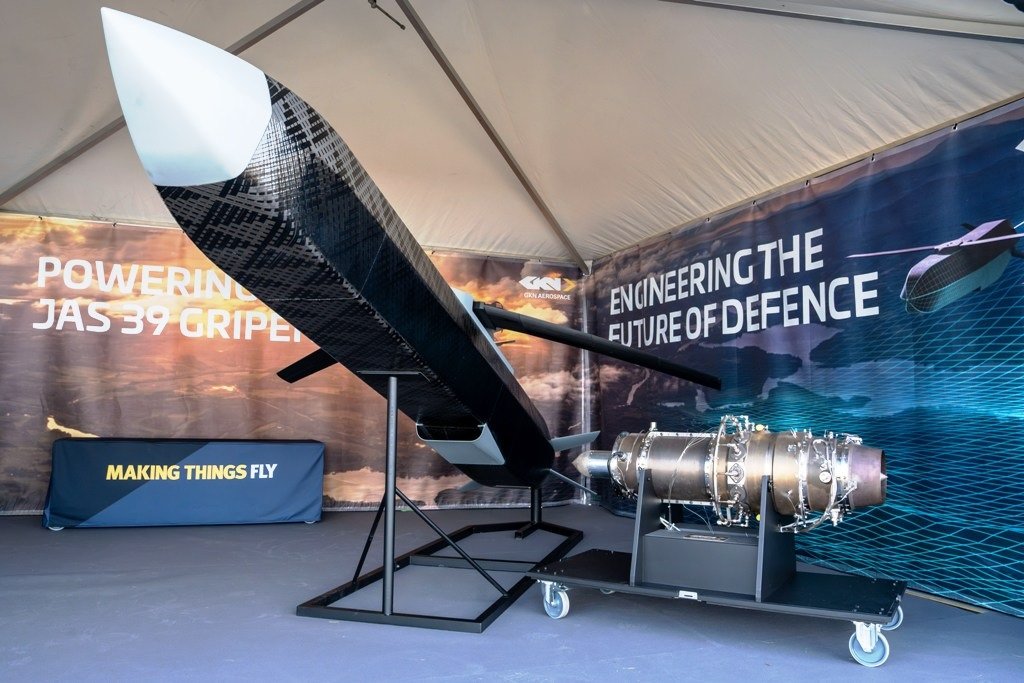
Europe
Trollhättan, Sweden — GKN Aerospace has unveiled its new uncrewed aerial vehicle (UAV) demonstrator less than a year after beginning a collaborative programme with the Swedish Defence Materiel Administration (FMV). The full-scale UAV mock-up and its newly developed dedicated turbojet engine were displayed on August 21 at Malmen Air Base in Linköping during The Armed Forces Air Venture 2026, held as part of celebrations for the Swedish Air Force’s centenary. The programme began in November 2025, when FMV awarded GKN Aerospace a contract worth approximately 150 million Swedish kronor (around £12 million). The 18-month programme covers the development of a clean-sheet UAV demonstrator, including its airframe, onboard systems and dedicated turbojet engine. The project is designed to explore rapid capability development, scalable production and future uncrewed aviation technologies. The UAV will serve as a flexible technology and process demonstrator, allowing the end customer to determine final capability priorities as the programme develops. The programme brings together GKN Aerospace teams in Sweden, the Netherlands and the UK. Programme leadership and engine development are based mainly at GKN Aerospace’s Trollhättan site in Sweden, while airframe development is centred in the Netherlands, with systems-integration support from the UK. GKN Aerospace is also examining additive manufacturing, or industrial 3D printing, for different parts of the system, including engine components. The dedicated turbojet is a clean-sheet design and has reached a startup milestone, with most of its development carried out in Trollhättan. Joakim Andersson, President Engines at GKN Aerospace, said the unveiling represents the first tangible result of work that began as an idea and ambition about a year ago. He credited the close cooperation between FMV, the Swedish Armed Forces and GKN Aerospace teams. Sara Eklöf, Senior Vice President Government Solutions at GKN Aerospace, said the milestone demonstrates what can be achieved through cooperation between engineering, manufacturing and customer teams, adding that the experience gained will be valuable for the programme’s next phase. The initiative builds on GKN Aerospace’s long-standing relationship with FMV and the Swedish Armed Forces. The company is the licensed original equipment manufacturer for the RM12 engine used by Saab Gripen aircraft and has extensive military-engine experience in Sweden. The programme is now moving toward further ground testing of the fuselage and onboard systems, along with preparations for flight testing. The planned 18-month programme is intended to culminate in flying demonstrations to validate overall system performance. The UAV is currently a technology and process demonstrator rather than a finished operational system. The programme is also expected to provide experience relevant to future Swedish fighter-system development and faster methods of developing military capabilities.
Read More → Posted on 2026-08-22 12:47:43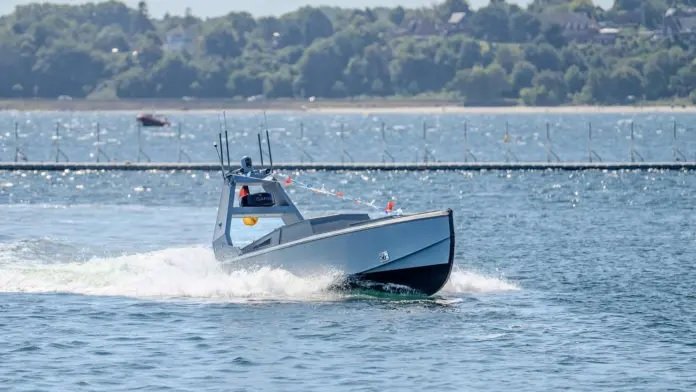
Europe
KIEL, Germany — German defence technology company STARK has delivered the first Seetaube autonomous unmanned surface vessel (USV) to the German Armed Forces’ Cyber and Information Domain Service (Kommando CIR). The six-metre vessel is based on STARK’s Vanta-6 platform and was acquired through an innovation initiative of the Cyber Innovation Hub of the Bundeswehr, in cooperation with the Centre for Digitalisation of the Bundeswehr. The Seetaube was formally christened during a ceremony in Kiel in August 2026. Maritime Reconnaissance and Signal Detection Seetaube is equipped with cameras, sensors and radar for maritime reconnaissance. It can follow pre-programmed routes autonomously while operating within defined parameters. An operator monitors the mission remotely and can take manual control at any time. Data collected by the vessel is transmitted securely in real time to the operator terminal. The USV is designed to provide a second mobile observation point at sea. When operating alongside a manned naval vessel, it can provide an additional bearing point for locating radio signals through cross-bearing measurements. This can help identify suspicious activity and improve the speed and precision of maritime reconnaissance. Sven Weizenegger, head of the Bundeswehr’s Cyber Innovation Hub, said the system increases force effectiveness without requiring another large manned platform. STARK CTO Johannes Schaback said the system provides sensors, range and endurance in the operational area without requiring additional personnel on manned ships. Vanta-6 Specifications and Previous Tests The Vanta-6 can reach more than 45 knots, carry a payload of up to 500 kilograms, and has a range of approximately 1,685 kilometres. It weighs about 2,100 kilograms and can operate in Sea State 4. The Vanta family was developed for reconnaissance and coastal-water operations, as well as the protection of ports and critical maritime infrastructure. Vanta systems participated in the NATO exercises REPMUS and Dynamic Messenger in Portugal in September 2025. During the exercises, the vessels conducted missions including high-value-target escort, harbour-control tasks, over-the-horizon reconnaissance and night-time ISR patrols. The Vanta platform has also been successfully used to launch Cascade loitering munitions from containerised launchers, demonstrating its potential for roles beyond reconnaissance. The Bundeswehr will now conduct further sea trials and operator training over the coming months before the Seetaube is formally taken into service.
Read More → Posted on 2026-08-21 15:57:04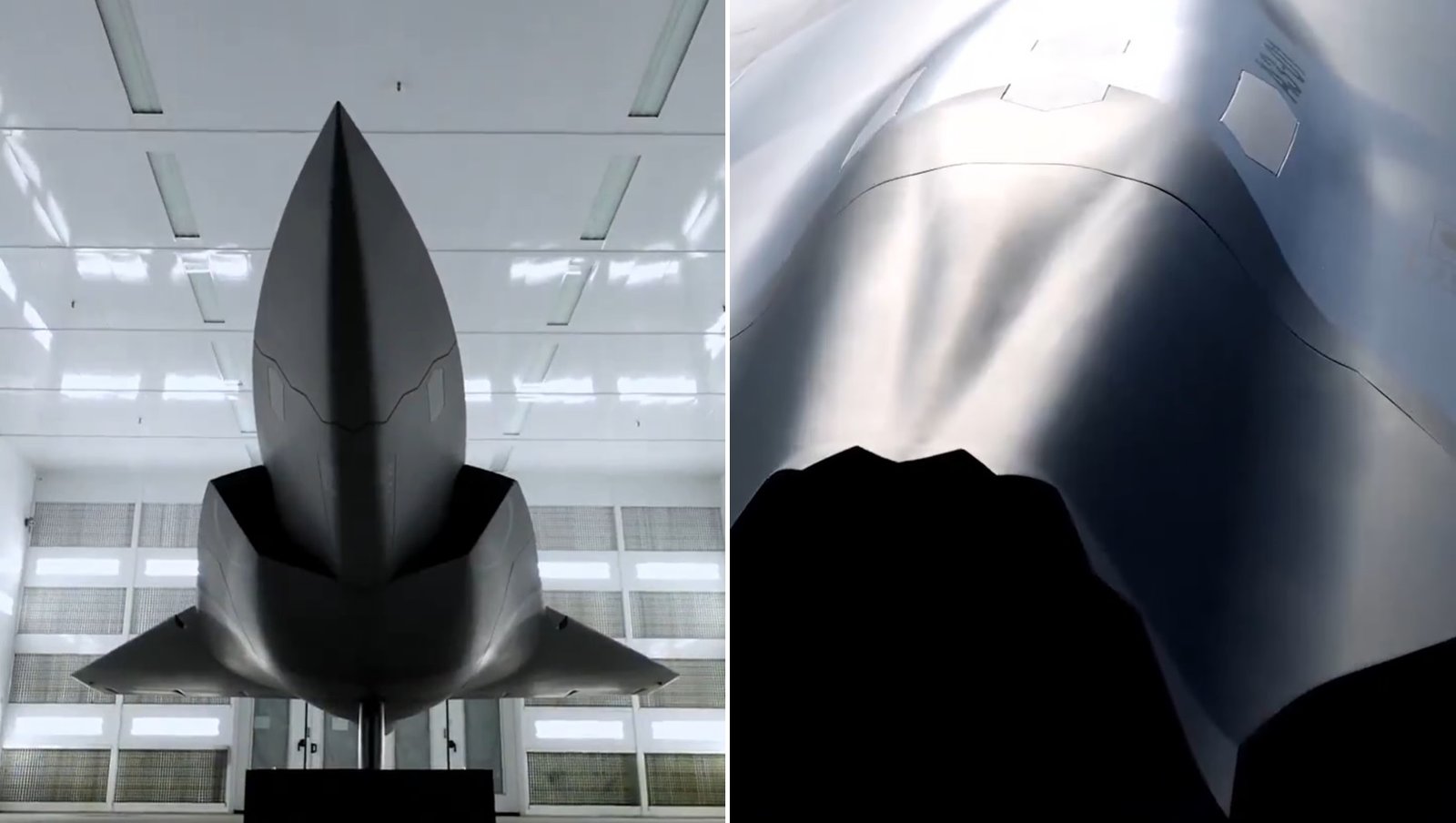
Europe
STOCKHOLM, Sweden — Swedish defence company Saab has released the first public footage of a new unmanned Collaborative Combat Aircraft (CCA) concept marked “A3-01.” Published on August 21, 2026, the video shows an unmanned fighter designed to operate alongside crewed combat aircraft. The aircraft features a delta wing, a single jet engine and two air intakes on either side of the fuselage. Its airframe also uses low-observable shaping. Saab has not confirmed its speed, but German defence outlet Hartpunkt noted that the aerodynamic configuration could support supersonic flight. Saab has not disclosed technical specifications, a formal programme name, customer, funding level or detailed development schedule. It also remains unclear whether A3-01 is an early design study, a planned flight demonstrator or an early representation of a wider programme. pic.twitter.com/47aSxhOxzT — Ovidiu Muca 🇪🇺 (@OvidiuMuca) August 21, 2026 Multi-Domain Unmanned Fighter Saab described the concept as part of a future “system of systems” approach to air combat. “The future of air combat is not just about a single aircraft, it’s about a seamless system of systems,” the company said. Saab said the aircraft is designed to operate with manned aircraft and support multi-domain operations across air, land, maritime, space and cyber domains. CCA aircraft are generally intended to work with crewed fighters and can carry sensors, weapons or electronic warfare equipment while receiving direction from a crewed aircraft or ground controller. Similar programmes are being pursued by countries including the United States and Australia. Possible Link to Sweden's Future Fighter Programme The A3-01 concept comes as Sweden continues studies for its future combat-aircraft capability. In October 2025, the Swedish Defence Materiel Administration (FMV) awarded Saab a contract worth approximately SEK 2.6–2.7 billion for continued studies of future fighter systems. The work covers manned and unmanned solutions from a system-of-systems perspective, technology development and demonstrator activities, with partners including GKN Aerospace. Concept and technology development was scheduled to continue until the third quarter of 2026, while demonstrator activities continue through 2027, including first flights. Swedish public broadcaster Sveriges Radio reported that the new aircraft is planned to enter operational service in about ten years. Earlier this year, Saab executives also said the company planned the first flight of a fighter-sized unmanned demonstrator in 2027. The demonstrator is expected to use Saab's “split core” software architecture, already used on the Gripen E. The architecture separates flight-critical software from tactical mission systems, allowing mission capabilities to be updated without recertifying the basic flight systems. However, neither Saab nor FMV has confirmed that A3-01 is directly connected to the October 2025 contract. Full-Scale Model, Not Confirmed as Flying Aircraft Polish defence publication MILMAG assessed that the aircraft shown in the video appears to be a full-scale model for aerodynamic testing or exhibition rather than a flying prototype. The model also features a sawtooth-shaped exhaust nozzle, consistent with low-observable design practices. Saab has not released further programme details specific to A3-01, while FMV has not issued a public statement on the video. Sweden's wider future fighter studies are intended to provide technical information for a government decision expected by 2030 on how to replace or augment the country's current Gripen fleet. Options under consideration include developing a new system independently, working with international partners or acquiring foreign aircraft. For now, Saab has confirmed only the concept's unmanned, collaborative and multi-domain focus, while its final configuration, performance, mission roles and development status remain undisclosed.
Read More → Posted on 2026-08-21 14:41:24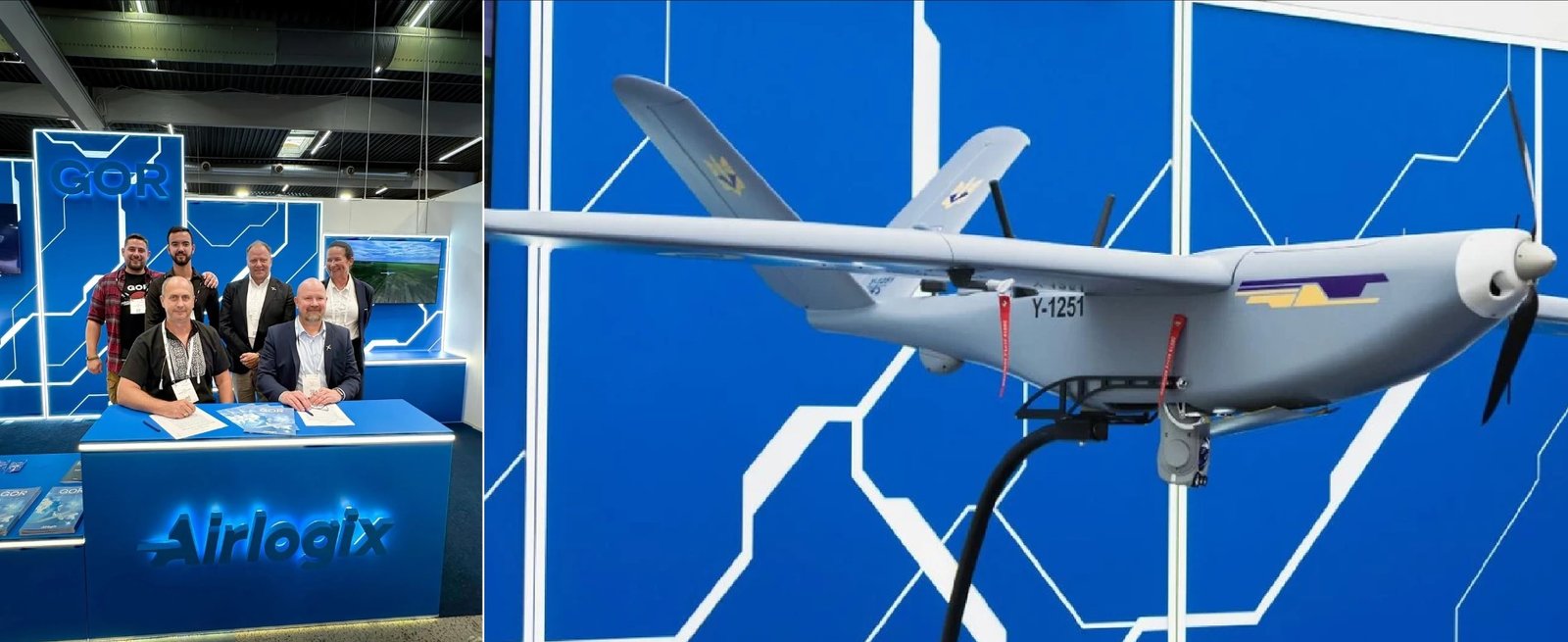
Ukraine Expands Defense Production in Europe With Drone Plant in Finland and Ammo Plant in Lithuania
Europe
HELSINKI/VILNIUS — Ukrainian defense companies are expanding production in Europe through separate agreements to manufacture Ukrainian-designed drones in Finland and ammunition in Lithuania. Airlogix Plans Drone Production in Finland Ukrainian drone manufacturer Airlogix signed a Letter of Intent with Finnish company Innokas on August 19, 2026, to establish production of Ukrainian-designed unmanned aerial systems in Finland. The agreement was signed at the DALO Industry Days defence exhibition in Denmark by Airlogix Chief Investment and Financial Officer Oleksandr Androshchuk and Innokas CEO Janne Kostamo. The partnership is part of the Build with Ukraine initiative, which aims to expand production of Ukrainian unmanned systems in Europe and increase supplies to Ukraine’s defence forces. Airlogix will provide its technologies and engineering solutions, while Innokas will handle localization, industrial scaling and manufacturing of regulated products in Finland. The companies plan to develop the legal, technical and production framework and are considering establishing a joint venture. No production capacity, investment amount or operational timeline has been announced. Finnish reports have indicated that facilities could be located in the Oulu region, although this remains unconfirmed. A government-level technology transfer agreement would also be required before production begins. Airlogix was founded in Kyiv in 2020 and initially developed civilian cargo drones before shifting to military systems after Russia’s full-scale invasion in 2022. Its main product is the Gor (GOR) tactical reconnaissance UAV, which company data lists as having up to four hours of flight time, a 3,500-metre operating altitude, 260 km flight distance and around 80 km tactical range. The UAV is used by Ukrainian forces for artillery adjustment and target detection. In July 2026, Airlogix also agreed with Czech PBS Group to localize production of PBS turbine engines in Ukraine for drones used by Ukraine’s defence forces. The company is also working with Canada’s Sentinel Research and Development to produce and supply drones to Ukraine under an agreement between the Canadian and Ukrainian defence ministries. DEMZ to Build Ammunition Plant in Lithuania Separately, Ukrainian defense company DEMZ (Dnipro Electromechanical Plant) signed an investment agreement with Lithuania on August 14, 2026. Lithuanian Economy Minister Edvinas Grikšas and DEMZ chief Jevhen Muzykin signed the agreement in Vilnius. DEMZ will manufacture ammunition and components at two locations. Metal shell components will be produced at existing facilities in the Alytus Industrial Park, while a new assembly plant will be built near Balbieriškis in the Prienai district, on a roughly 30.6-hectare site in Ąžuolai village. Construction is scheduled to begin in autumn 2026, with production expected to start by the end of 2027. The project is expected to create up to 450 jobs, and its products will meet NATO standards. Initial supplies are intended for the Ukrainian Armed Forces, with potential later supplies to NATO countries and other allies. The exact investment value has not been disclosed. Lithuania’s Ministry of Defence has also signed a related memorandum of understanding with DEMZ. DEMZ employs about 4,000 people and shifted to military production after 2022. The two agreements reflect Ukraine’s broader effort to expand defense production through partnerships and manufacturing facilities in European countries, increasing industrial capacity while strengthening defense-industrial cooperation with European partners.
Read More → Posted on 2026-08-21 13:48:47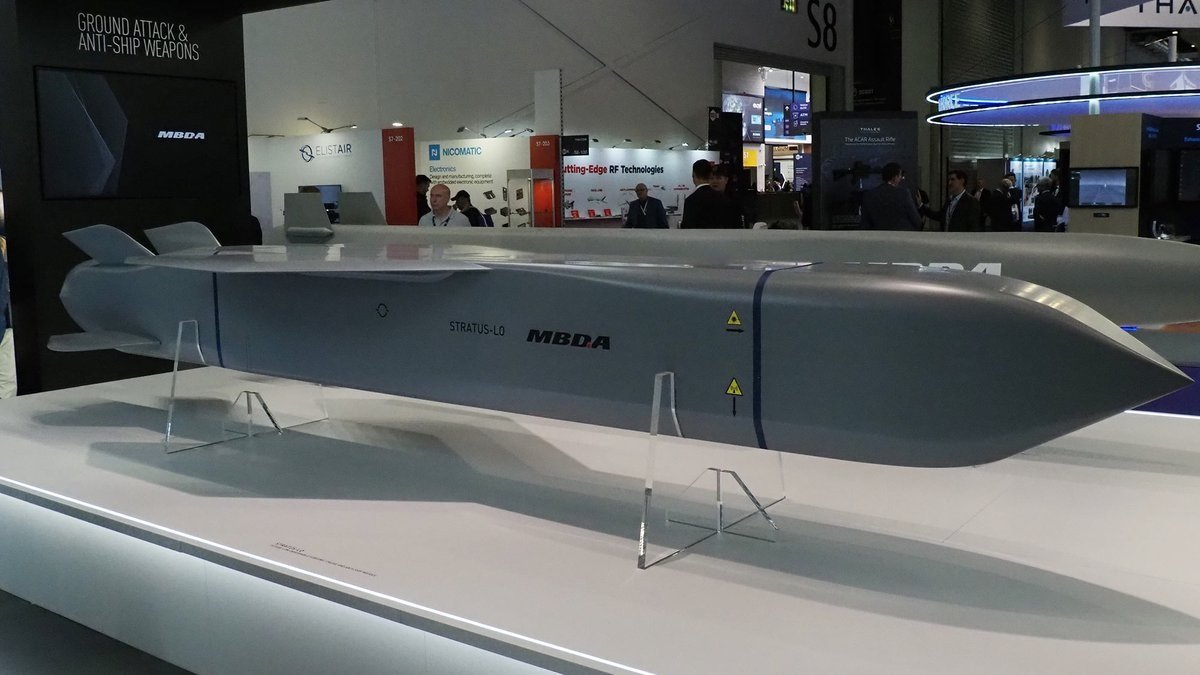
Europe
LONDON — The UK’s Stratus future cruise and anti-ship missile programme is moving toward its Demonstration Phase, with the first full-scale system tests scheduled to begin in 2028, the Ministry of Defence has confirmed. Stratus, formerly known as the Future Cruise/Anti-Ship Weapon (FC/ASW) programme, is being developed by the UK, France and Italy and is led by MBDA. The programme was renamed Stratus at the DSEI defence exhibition in London in September 2025. The weapon is intended to replace the capabilities provided by the Storm Shadow cruise missile for deep land strikes and the Harpoon for anti-ship warfare. Storm Shadow has an approximate range of 560 km, while Harpoon variants typically reach around 220 km. UK Defence Minister Luke Pollard said the programme remains on schedule and that its weapons and subsystems are continuing to mature. He confirmed that testing of the airframe design, engine demonstration, warhead and seeker performance has already been completed. “The first full scale system tests are scheduled from 2028,” Pollard said in a parliamentary response. The Ministry of Defence has not disclosed Stratus’ exact operational range because it is classified. Pollard said the range of the Stratus LO (Low Observable) variant is “significantly greater” than the Storm Shadow and Harpoon weapons it will replace. Previous independent reporting has indicated a possible ship-launched range of around 1,000 km for the LO variant, but this has not been officially confirmed. Two Stratus Variants The programme consists of two complementary missiles. Stratus LO is a subsonic, low-observable missile designed for long-range strikes against land and naval targets. It is led by the UK. Stratus RS (Rapid Strike) is a supersonic, ramjet-powered and highly manoeuvrable missile led by France. It is intended for anti-ship missions, suppression of enemy air defences and related roles. Integration With UK and European Platforms The Ministry of Defence has confirmed that Stratus will be integrated across air and maritime platforms, including Eurofighter Typhoon, Dassault Rafale and selected naval platforms such as the Royal Navy’s Type 26 frigates. Stratus LO is also intended to meet the Royal Navy’s Future Offensive Surface Weapon requirement, including long-range anti-ship and land-attack capabilities compatible with the Mk 41 Vertical Launch System. The UK is introducing eight Type 26 anti-submarine warfare frigates, making the planned integration of Stratus an important part of their future offensive weapon capability. The UK has also allocated £1.4 billion over four years to the Stratus programme. The investment is part of the UK’s wider complex weapons programme and builds on defence cooperation between Britain and France under the Lancaster House framework, later expanded to include Italy. With full-scale testing scheduled from 2028, Stratus is now moving from airframe, propulsion, warhead and seeker development toward complete system demonstration. Earlier planning indicated maritime-launched service could begin around 2028, while air-launched service was expected in the early 2030s, although final in-service dates remain subject to programme progress.
Read More → Posted on 2026-08-21 13:33:16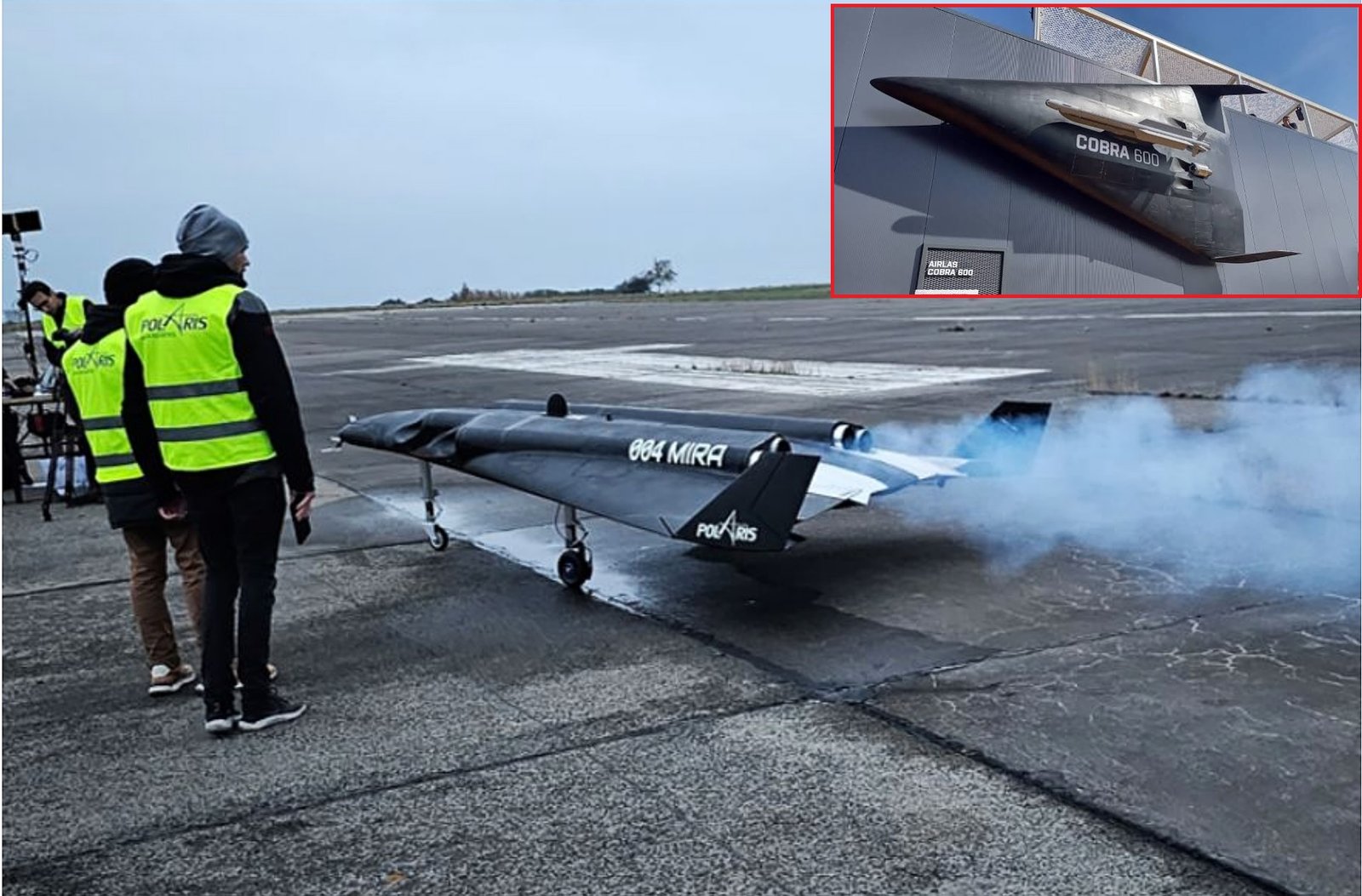
Europe
BREMEN, Germany — German aerospace company POLARIS Spaceplanes has completed the first flight of its COBRA uncrewed aircraft prototype, flying more than 20 kilometers (12 miles) on August 21, 2026. The company described the flight as “perfectly smooth” and said additional test flights are planned in the coming months. Video of the maiden flight is expected to be released soon. The COBRA has a takeoff mass of more than 600 kilograms and is being developed with German defense company Diehl Defence under the Airborne Launching and Attack System (AirLAS) program. The system is designed to carry and launch IRIS-T air-to-air missiles from an unmanned airborne platform. AirLAS is intended to provide a mobile, forward-deployed air-defense capability by moving the missile launch point closer to an approaching target. The system is designed for engagements involving aircraft, drones, cruise missiles and helicopters. POLARIS and Diehl Defence signed an exclusive cooperation agreement for the project at the Paris Air Show in June 2025. The companies publicly unveiled the Cobra 600 demonstrator at the ILA Berlin Air Show in June 2026. The six-meter-long Cobra 600 uses a delta-wing, flying-wing-style airframe with wingtip stabilizers. It was displayed carrying one IRIS-T missile on a top-mounted pylon. The demonstrator uses two JetCat P1000-PRO micro turbojet engines, each producing just under 250 pounds of thrust, while the airframe has intake ports for two additional engines. The aircraft has retractable tricycle landing gear and is designed to operate from conventional runways as well as suitable sections of highway. The system is designed to be reusable when a mission ends without launching its missile, but it can also be used as a one-way asset when required. Reports associated with the Cobra 600 have put its flight range with a combat payload at around 250 to 400 kilometers. The IRIS-T is a short-range, infrared-guided air-to-air missile developed by Diehl Defence and used by multiple European and allied air forces. It weighs 87.4 kilograms, has a stated top speed of Mach 3 and an operational range of about 25 kilometers when launched from an aircraft. Ground-launched IRIS-T SLS and SLM variants have ranges of roughly 12 kilometers and 40 kilometers, respectively, according to the figures provided for the systems. By carrying the missile on an unmanned aircraft, AirLAS is intended to overcome some of the geographic limitations of stationary ground launchers by positioning the launch point closer to the target before firing. POLARIS, based in Bremen, originally focused on reusable hypersonic spaceplanes. The company describes COBRA as a scaled-down derivative of that work adapted for defense applications. Its other programs include the AURORA multipurpose spaceplane, while BAAINBw has also funded POLARIS work on in-flight refueling technology intended to extend the range and payload capacity of its vehicles. AirLAS does not currently have a confirmed procurement contract from the German military or another government. Diehl Defence has said at least one unnamed allied country has expressed investment interest, but no formal purchase agreement has been disclosed.
Read More → Posted on 2026-08-21 13:21:06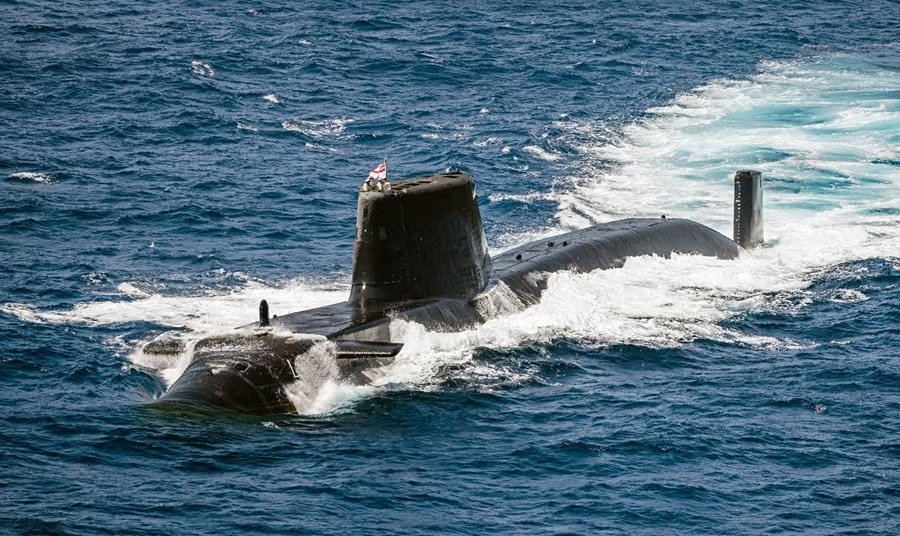
Europe
LONDON, United Kingdom — The United Kingdom plans to expand its fleet of nuclear-powered, conventionally armed attack submarines to as many as 12 under the AUKUS programme. The expansion will take place as the Royal Navy completes its seven-boat Astute-class programme and moves to the next-generation SSN-AUKUS class. The SSN-AUKUS submarines are expected to enter service from the late 2030s and will become the mainstay of the UK's future attack submarine fleet. The commitment to up to 12 boats was confirmed in the 2025 Strategic Defence Review and reaffirmed in the 2026 Defence Investment Plan, with the programme covered by a ring-fenced nuclear allocation. SSN-AUKUS is being developed by the UK, United States and Australia through the AUKUS partnership. It is based on a British design incorporating technology from all three countries. Both Britain and Australia will operate the class, while the programme will help Australia develop the industrial capability needed to support and eventually build its own submarines. The submarines will use nuclear propulsion but will be conventionally armed. The design is expected to incorporate US technology, including a vertical launching system (VLS) for land-attack missiles and shared combat systems. They will remain separate from the Dreadnought-class ballistic missile submarines, which will carry the UK's independent nuclear deterrent. The current Astute-class submarines protect the UK's nuclear-armed ballistic missile submarines during deterrence patrols and conduct wider defence and intelligence missions. Construction of the first UK SSN-AUKUS submarine is due to begin with steel-cutting at BAE Systems' Barrow-in-Furness shipyard in 2027. The Ministry of Defence aims to eventually reach a production rate of one new submarine every 18 months as capacity expands. The programme is part of a wider renewal of the UK's Defence Nuclear Enterprise, which manages hundreds of projects covering submarines, nuclear warheads, fuel and supporting infrastructure. Its portfolio includes two active submarine construction programmes, a future class in design, the Astraea replacement warhead programme and a new nuclear fuels programme. The UK has invested around £6 billion in critical infrastructure at Barrow and Derby to support continuous submarine production. Australia has committed £2.4 billion to expand capacity at the Rolls-Royce site in Derby, which will produce reactors for both British and Australian submarines. Four nuclear reactors are already under construction there. BAE Systems currently employs about 13,500 people at Barrow, while Rolls-Royce Submarines employs around 4,000 people. Babcock provides submarine maintenance and support at Devonport, while Sheffield Forgemasters produces specialised steel castings and forgings for submarine reactor cores. At peak, the SSN-AUKUS programme is expected to support around 21,000 jobs across the UK and generate multi-billion-pound investment in British industry. The wider Defence Nuclear Enterprise currently supports an estimated 47,600 jobs, with demand expected to rise to around 65,000 by 2030. Its supply chain includes more than 6,000 British companies. To meet future workforce requirements, the UK government and industry plan to double defence nuclear apprentice and graduate intakes, creating 22,000 apprenticeships and 9,000 graduate positions over the next decade. The AUKUS programme is intended to strengthen defence and industrial cooperation between the three countries, improve information and technology sharing, and increase supply-chain resilience while expanding the UK's capacity to build and support nuclear-powered submarines.
Read More → Posted on 2026-08-20 16:23:04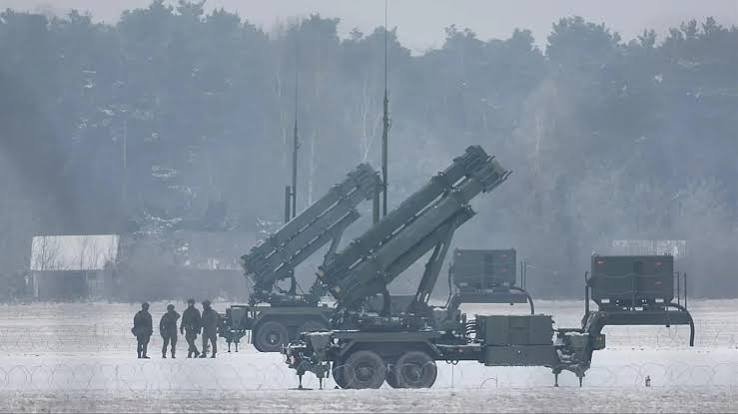
Europe
WARSAW, Poland — Poland’s Ministry of National Defence said on Wednesday, August 19, that the Polish Armed Forces maintain air and missile defence capabilities to protect designated targets, including cities, following public criticism that Polish urban areas lack adequate protection. The ministry said Poland does not permanently deploy missile batteries around every major city. Instead, its air-defence system is integrated, with assets deployed and used according to the current situation, threat assessment and defence priorities. Air-defence operations are currently particularly intensive in eastern and central Poland, involving several Polish systems and allied forces. Protection can cover key administrative and economic centres, critical infrastructure and concentrations of Polish armed forces. The military can also increase readiness levels or reposition assets depending on the nature and severity of a threat. Current deployment locations, readiness levels and operational plans were not disclosed. Patriot and Narew systems Poland’s main medium-range air-defence capability is provided through the Wisła programme, which uses the U.S.-made Patriot system integrated with NATO’s Integrated Battle Command System (IBCS). The first Patriot battery, operated by the 37th Air Defense Missile Squadron of the 3rd Warsaw Air Defense Missile Brigade in Sochaczew, achieved initial operational capability in December 2024 and full operational capability in December 2025. Poland plans to field eight Patriot batteries under the Wisła programme, with further deliveries scheduled between 2026 and 2029. The shorter-range Narew system provides another layer of defence against drones, aircraft, helicopters and other low-altitude threats around military bases, troop concentrations and critical sites. Interim Mała Narew units using CAMM missiles are already in service, while the full Narew configuration using CAMM-ER missiles, with a stated range of up to about 45 kilometres and planned IBCS integration, is expected to expand to 23 batteries. Poland’s layered network also includes very-short-range systems such as Pilica+. Dispute over Patriot missiles sent to Ukraine The ministry’s statement follows weeks of political debate over Poland’s transfer of Patriot interceptor missiles to Ukraine. On 7 July 2026, Poland published a full list of military donations to Ukraine since 2022, confirming the Patriot transfer for the first time. Prime Minister Donald Tusk later said that five PAC-3 missiles were transferred to Ukraine in spring 2026 as part of a broader effort coordinated with NATO and the United States. Former Defence Minister Mariusz Błaszczak accused the government of putting Polish skies, cities and families at risk by transferring missiles that Poland could need for its own defence. Deputy Defence Minister Cezary Tomczyk rejected the criticism, arguing that intercepting threats over Ukraine can also contribute to Poland’s security because threats approaching Poland from the east would typically first pass through Ukrainian airspace. Poland has distinguished the transfer of individual interceptor missiles from the relocation of complete Patriot batteries. In March 2026, Defence Minister Władysław Kosiniak-Kamysz rejected a U.S. request to redeploy a Polish Patriot battery and PAC-3 missiles in connection with operations related to the conflict involving the United States, Israel and Iran. He said Poland’s Patriot batteries are intended to protect Polish skies and NATO’s eastern flank. The Defence Ministry’s latest statement did not identify the sources of the criticism or disclose the current positions and readiness of individual air-defence units, but reaffirmed that Poland can adjust its air-defence deployment according to the threat and the country’s defence priorities.
Read More → Posted on 2026-08-19 12:18:16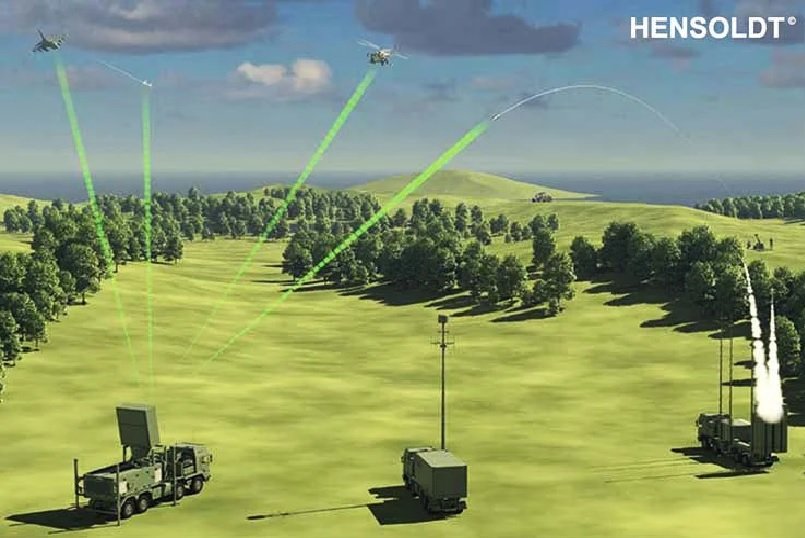
Europe
Ulm, Germany — Rheinmetall Air Defence and HENSOLDT have successfully demonstrated the integration of HENSOLDT’s Twinvis passive radar with Rheinmetall’s Skymaster command and weapon engagement system during the German Air Force’s Timber Express 2026 exercise. During the exercise, the air picture generated by Twinvis was connected to Skymaster, which then used the data to direct a deployed Skynex air defence battery against exercise targets. The demonstration was conducted under realistic NATO networking conditions. Sensor data from the systems was fused and correlated through NATO’s Link 16 network to create a common air picture. HENSOLDT reported that Twinvis successfully detected and tracked airborne targets during the exercise. Passive Radar and EMCON Twinvis is a passive radar system that uses existing signals from radio and television transmitters rather than transmitting its own radar signals. This allows it to detect and track airborne targets without producing a distinctive active radar emission. The passive approach supports emissions-control (EMCON) operations and can provide an additional sensor source for distributed air defence networks. Twinvis is designed for wide-area military airspace surveillance and can also be used for civil air traffic control applications. Sensor Fusion Through Skymaster The exercise demonstrated Skymaster’s ability to combine information from different sensors. The system merged data from active radars, passive sensors and electro-optical systems into a single air picture. Rheinmetall and HENSOLDT said this sensor fusion improves situational awareness and supports the surveillance and protection of high-value infrastructure, critical facilities and mobile military units. Passive sensors can also extend existing air defence architectures by providing additional tracking information without active radar emissions. Future Air Defence Applications The companies said the results provide a basis for integrating passive sensor technology into different future air defence configurations. The same networked approach could be applied to stationary Skynex systems, mobile Skyranger solutions and counter-UAS configurations such as Skyspotter. The demonstration involved German Air Force organisations, the Timber Express exercise management team and specialist teams from Rheinmetall Air Defence and HENSOLDT. The companies said the NATO-compatible integration showed that distributed active and passive sensors can be combined within modern air defence networks while maintaining an open architecture for future systems. Timber Express is an annual German Air Force exercise focused on testing real-time tactical data exchange between participating units and weapon systems. The 2026 exercise also included live-virtual-constructive elements, with synthetic aircraft and threats integrated into the training environment alongside real participants. HENSOLDT has also worked on civil applications of Twinvis, including studies with Germany’s air navigation service provider DFS for possible certification for air traffic control use. The system uses digital receiver technology and algorithms to process signals from multiple transmitters simultaneously and generate real-time tracks. The successful Timber Express 2026 demonstration provides a basis for combining Twinvis passive radar data with existing command-and-control and air defence systems in a networked architecture.
Read More → Posted on 2026-08-19 11:45:27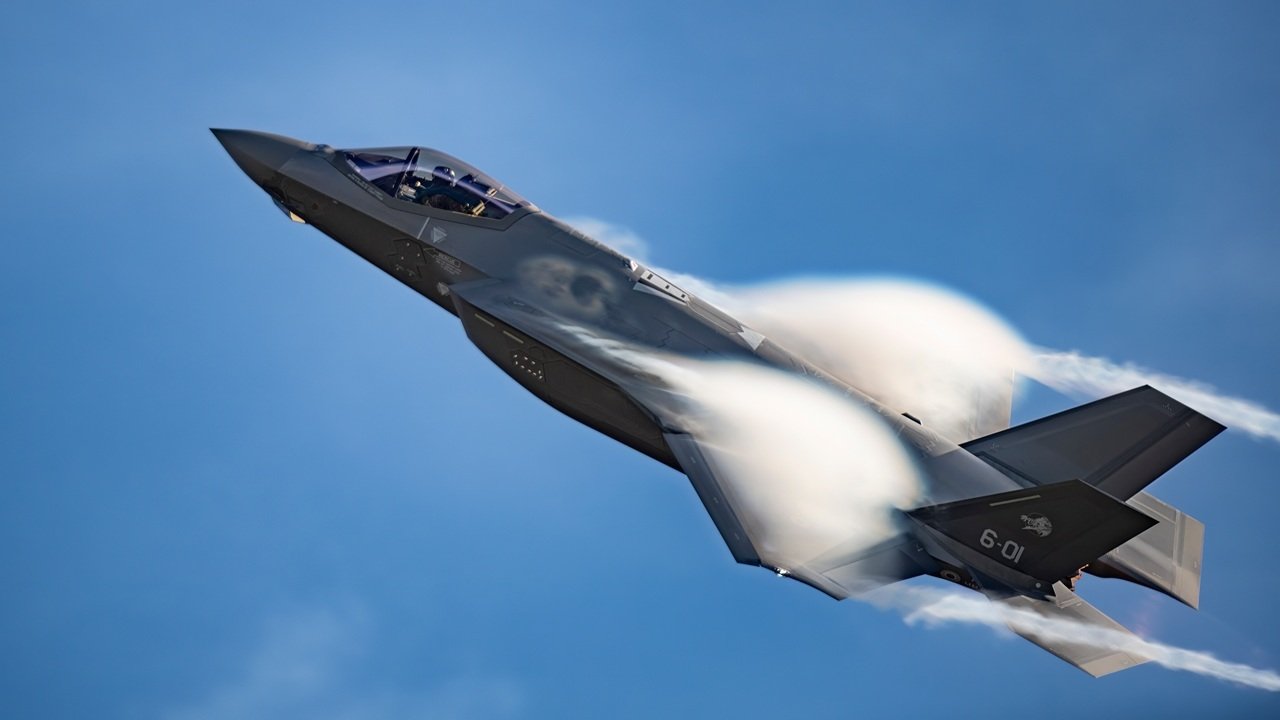
Europe
BERN, Switzerland — Production of Switzerland’s F-35A Lightning II fighter aircraft is progressing at Leonardo’s Cameri facility in Italy, where the first Swiss fuselage section has been assembled with a wing, according to Switzerland’s federal defence procurement agency, Armasuisse. The fuselage section carries serial number MJ-4 and will form part of aircraft J-6004. Its matching wing is also being manufactured at Cameri. Once structural work is completed, the fuselage and attached wings will be transported to Lockheed Martin’s facility in Fort Worth, Texas, for integration with the remaining aircraft components. Switzerland selected the F-35A in 2021 under its Air2030 modernization programme to replace its F/A-18 Hornets and remaining F-5 Tigers. A 2022 contract for 36 aircraft was originally valued at approximately 6.035 billion Swiss francs. Higher costs linked to inflation, raw materials and other factors later affected the programme. In late 2025 and early 2026, the Swiss Federal Council decided to procure the maximum number of aircraft possible within the voter-approved financial framework of approximately 6 billion Swiss francs. Current projections indicate around 30 aircraft, with the final number depending on future production-lot contracts negotiated by the U.S. government. Main assembly of the first Swiss F-35A began earlier in 2026 at Lockheed Martin’s facility in Marietta, Georgia. The first eight U.S.-built aircraft are scheduled to be based at Ebbing Air National Guard Base, Arkansas, from mid-2027 for Swiss pilot and ground personnel training before being progressively transferred to Switzerland. Overall deliveries are planned from 2027 to 2030. The first F-35A produced at Cameri is expected to reach Switzerland in mid-2028, while J-6004 is scheduled to arrive at the end of 2029. Switzerland plans to introduce the aircraft at three military airfields, beginning at Payerne in mid-2028, followed by Meiringen in 2030 and Emmen in 2032. Cameri is Europe’s only F-35 final assembly and checkout facility and one of three worldwide, alongside Fort Worth and Nagoya, Japan. The site can produce up to 20 aircraft annually, manufactures about one-third of all F-35 wings, and produces F-35A and F-35B aircraft for Italy. The F-35 programme involves more than 2,100 suppliers worldwide. Italy is one of five European partner nations, alongside the United Kingdom, Netherlands, Denmark and Norway. The centre fuselage is manufactured in Germany, while the rear fuselage is produced in the United Kingdom. Armasuisse said production of Swiss F-35A components at Cameri reflects the programme’s international and European industrial structure. Switzerland considers geographical proximity, industrial cooperation and security cooperation with European partner countries important elements of the programme.
Read More → Posted on 2026-08-15 11:22:21Search
Top Trending in 24 Hours
-
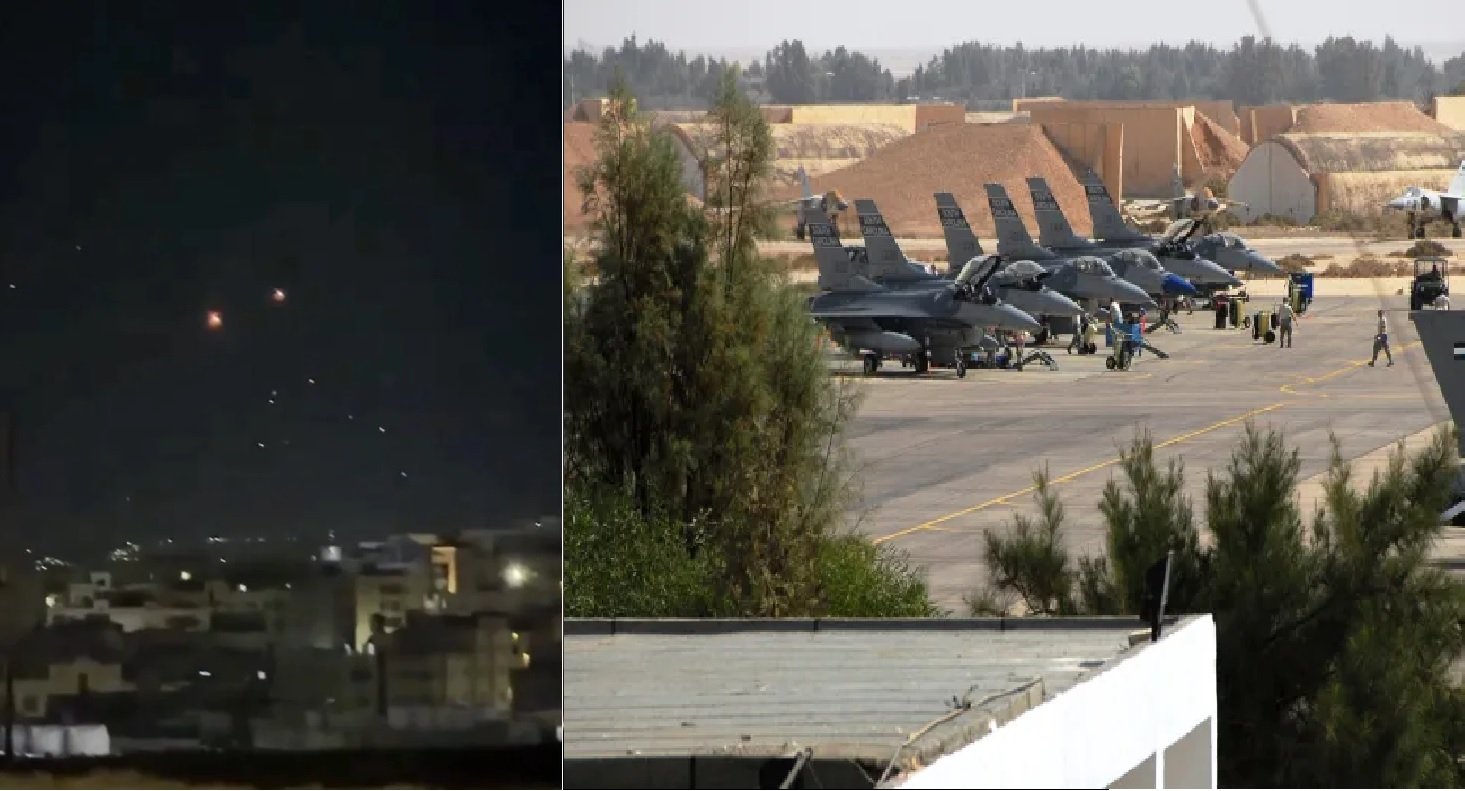 Iranian Missile Strike Damaged U.S. A-10 and Eight F-15s at Jordan Air Base, CBS Reports
-
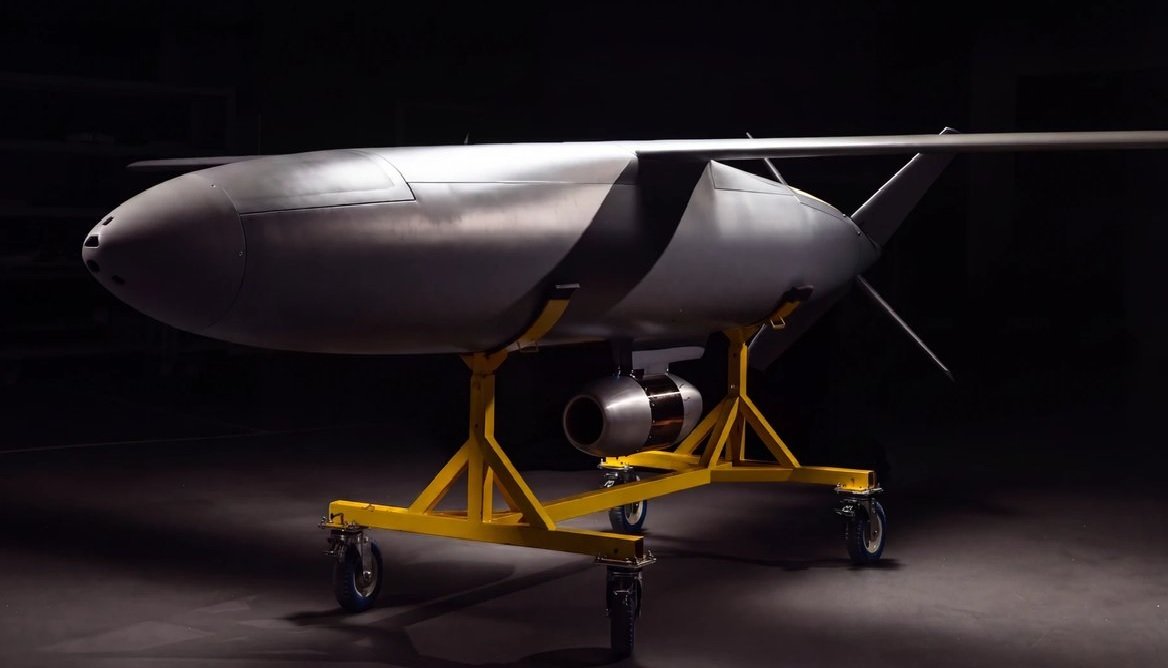 U.S. Startup Covenant Emerges From Stealth With $250 Million Funding and Anthem, a New Long-Range Heavy-Payload Strike Missile After More Than 200 Test Flights
-
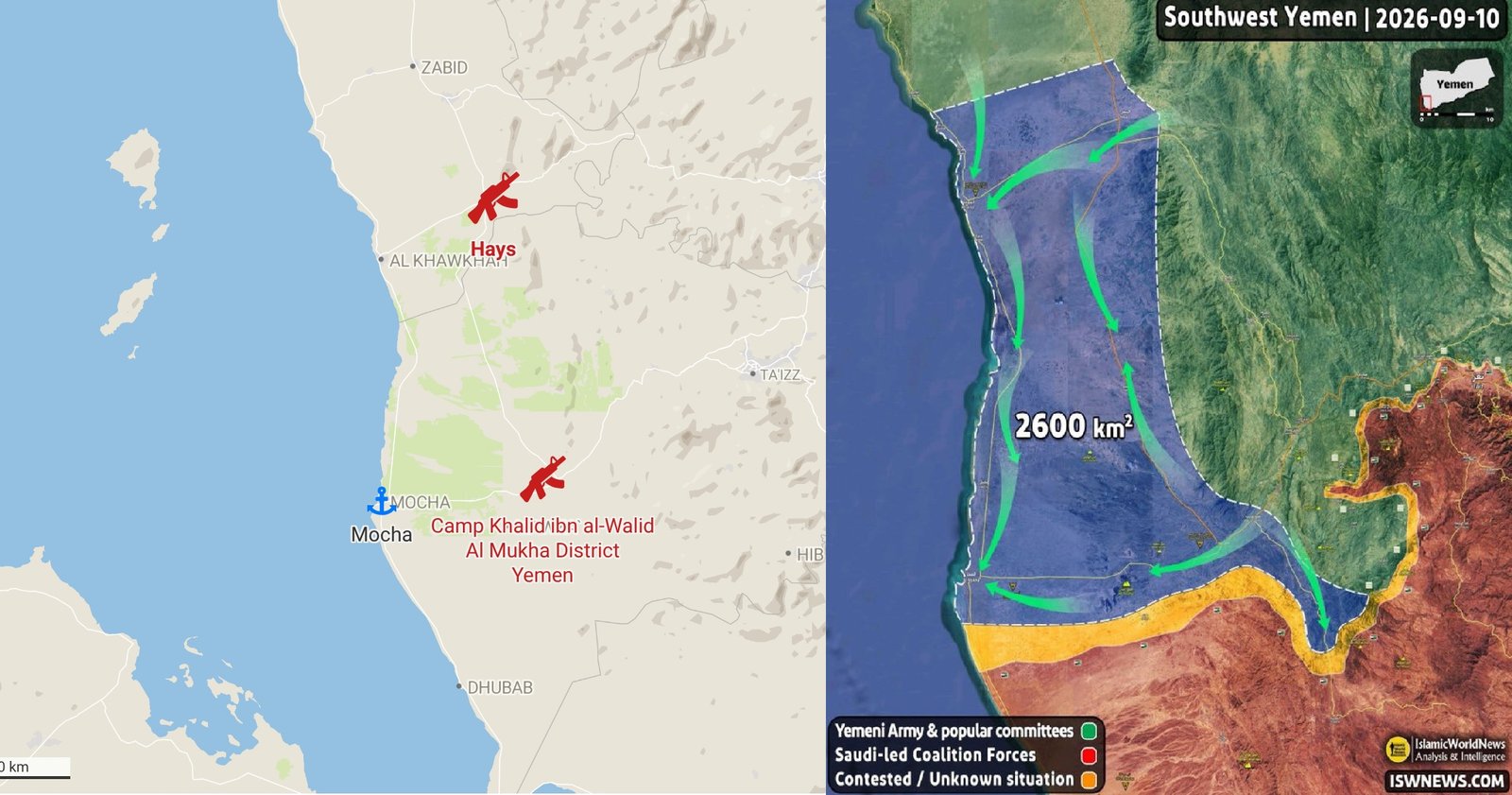 Houthi Forces Capture Strategic Red Sea Port City of Mocha Following Government Withdrawal
-
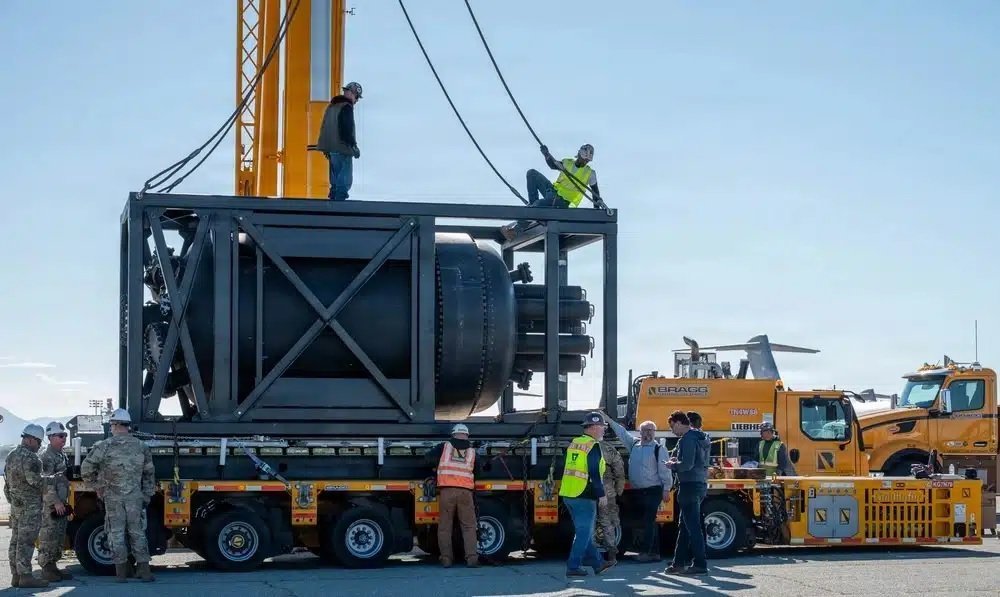 U.S. Navy Plans First Shore-Based Nuclear Microreactor at Indiana’s Crane Base by 2028
-
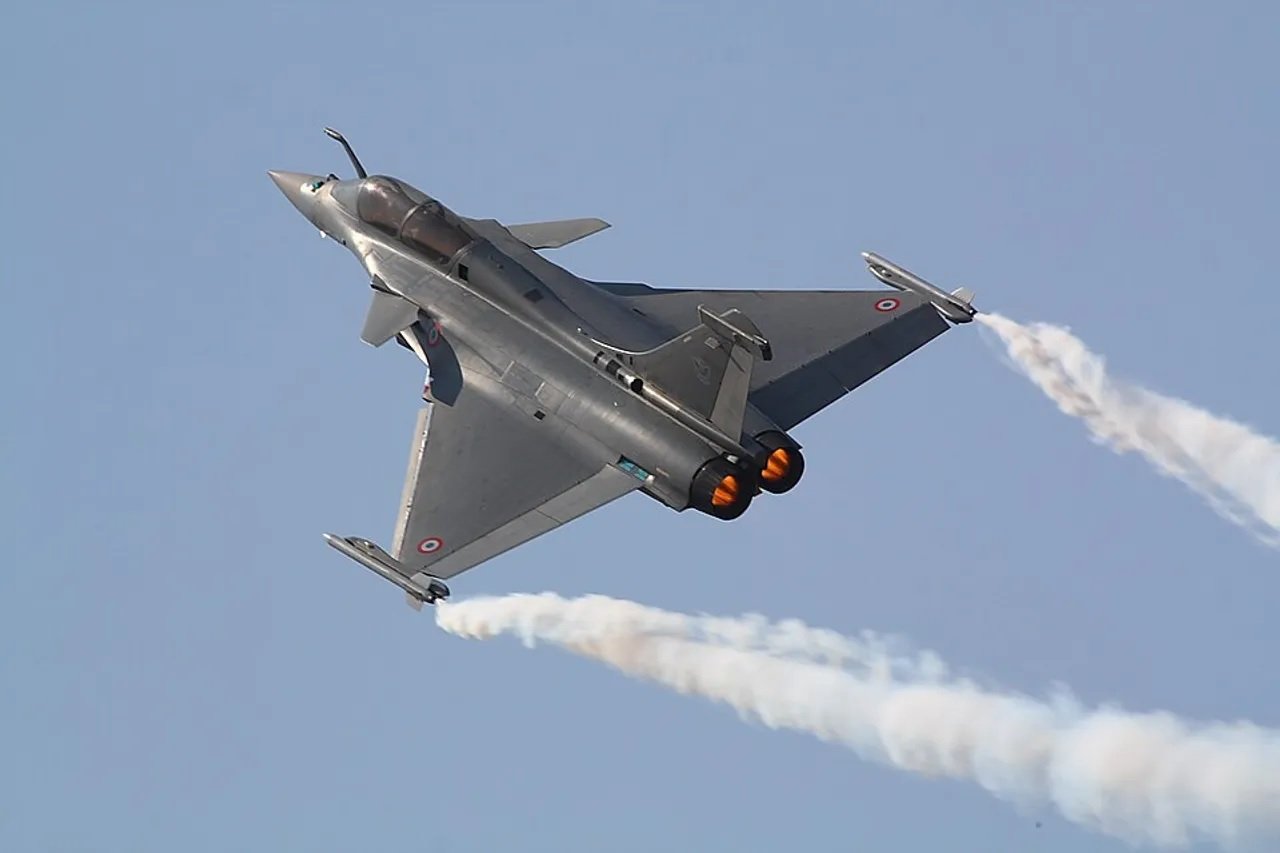 Russian Rafale “Kill Switch” Claim Faces Questions Over Evidence
-
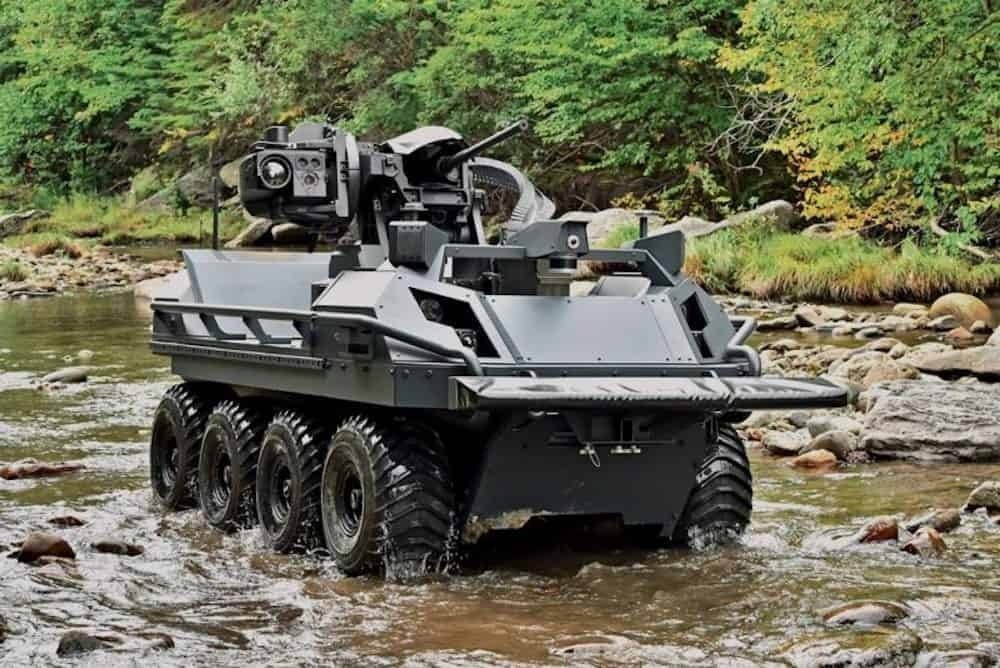 American Rheinmetall Secures $7.28 Million Contract for U.S. Marine Corps Autonomous Vehicles
-
 U.S. Signs $4 Billion Military Financing Guarantee for Poland, Bringing Total Support Near $20 Billion
-
 U.S. Air Force Launches North Star Campaign to Improve B-52 and B-1 Bomber Readiness
Top Trending in 4 Days
-
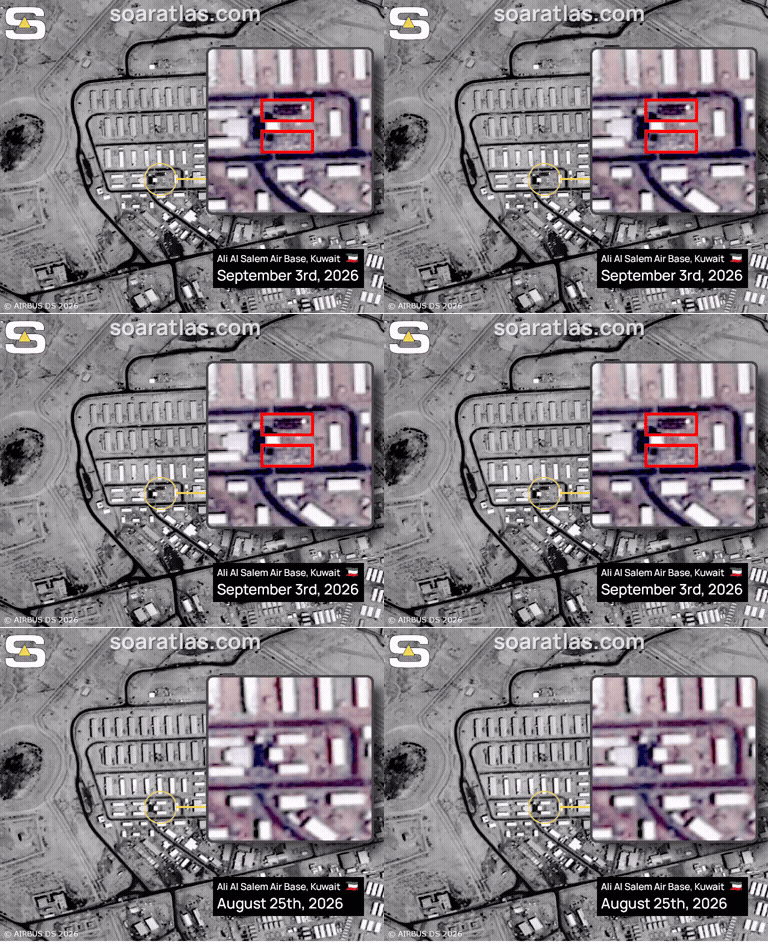 Satellite Imagery Shows Two U.S. Barracks Destroyed at Kuwait’s Ali Al Salem Air Base in Iranian Attack
-
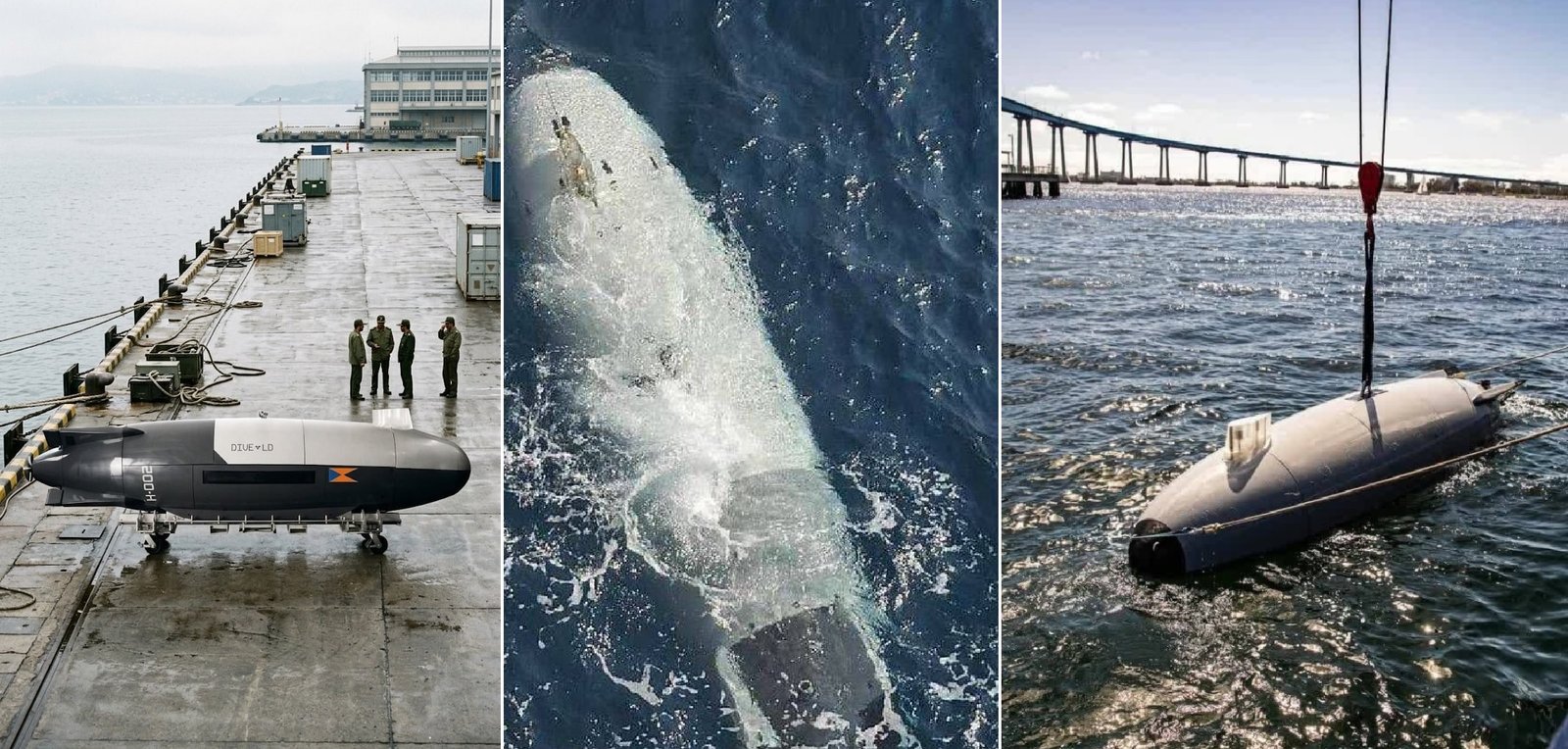 Iran’s IRGC Claims Capture of U.S. Dive-LD Unmanned Underwater Vehicle Near Strait of Hormuz
-
 Mysterious Black Aircraft at Long Beach Airport Identified as Aevum’s RAVN X Autonomous Spaceplane After Years Out of Sight
-
 Trump’s ‘The Moon Is Ours’ Post, Space Force Uniform Concept and Green Lantern AI Video Draw Online Backlash
-
 Iran Launches Massive Ballistic Missile Attack with Cluster Munitions on U.S.-Used Air Base in Jordan, Some Missiles Confirmed to Have Hit Base
-
 Iranian Missiles Strike U.S. Base in Jordan as Reports Emerge of Injured American Personnel
-
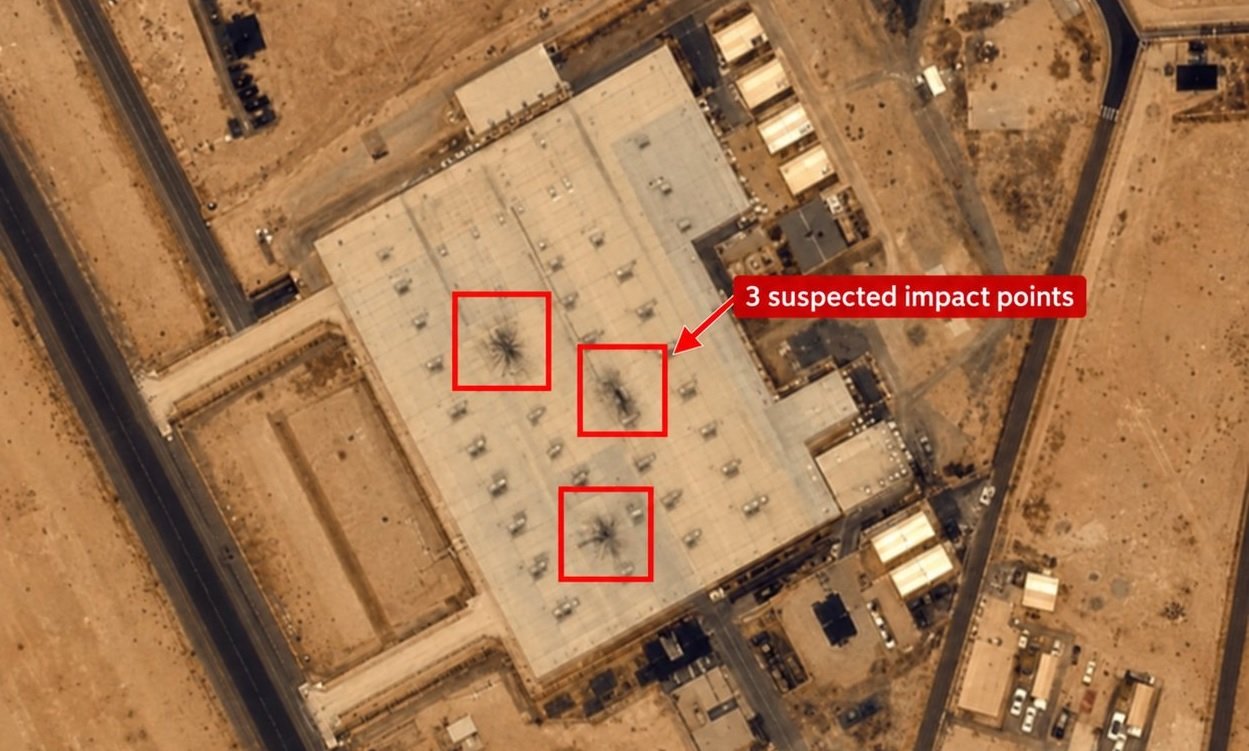 New Satellite Images Show Three Possible Impacts at U.S.-Linked Air Bases in Kuwait
-
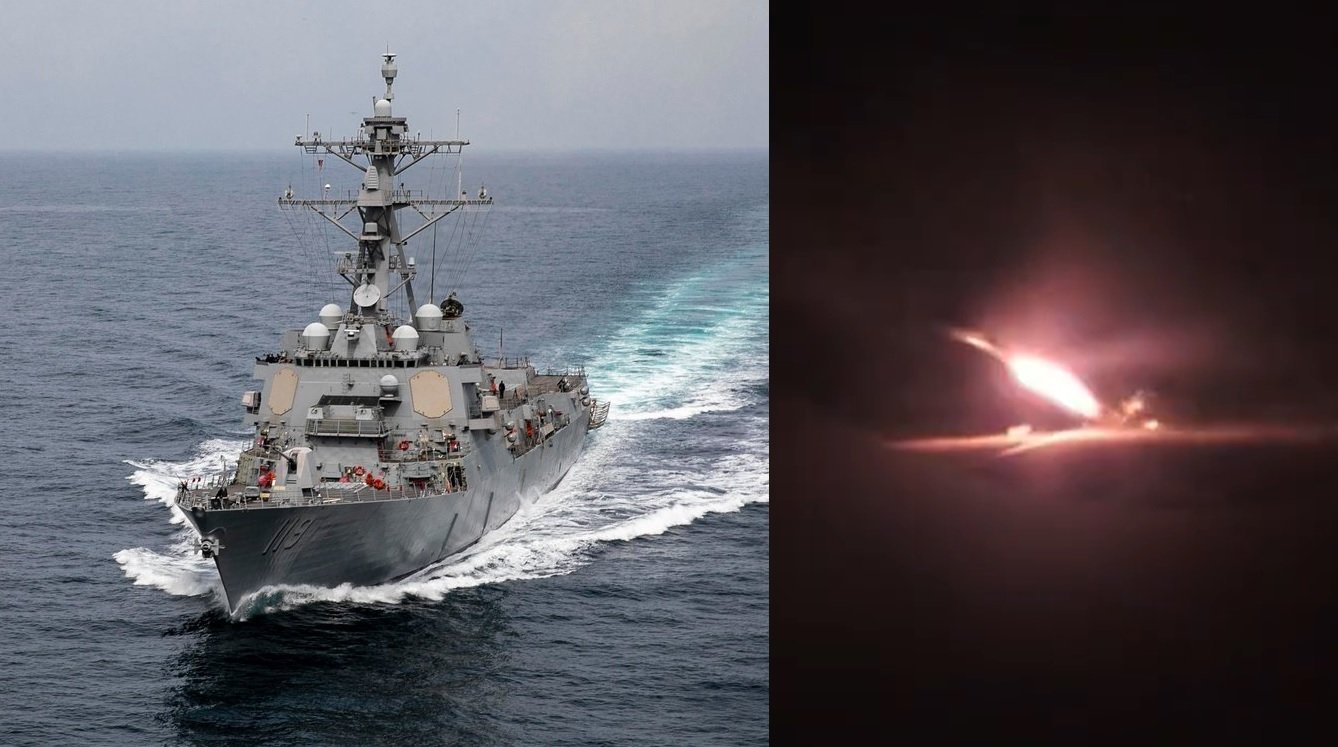 IRGC Claims Significant Damage to Two U.S. Destroyers in Missile Attack; CENTCOM Denies Hits