BERLIN — Germany plans to spend almost €12 billion to build a new long-range weapons arsenal aimed at strengthening deterrence against Russia, according to internal Defence Ministry documents seen by POLITICO.
The planned weapons would allow German forces to strike targets hundreds or thousands of kilometres behind enemy lines, including command centres, airfields, missile launchers and supply hubs. The programme is described as a priority for Germany and NATO and is intended to provide conventional strike capabilities below the nuclear threshold.
The funding has not yet been approved. The costs have been included in the government’s budget planning process, but the measures remain subject to approval by the German Bundestag. The Defence Ministry has said it can comment further only after parliament considers the proposals.
Four-Part Long-Range Strike Plan
Low-Cost Missiles From 2027
The first part of the plan is a cost-efficient, mass-producible cruise missile that Germany wants to begin fielding in 2027. The approach draws on lessons from the war in Ukraine, where missiles and drones have been used against targets deep behind the front line and mass attacks can place pressure on air-defence systems.
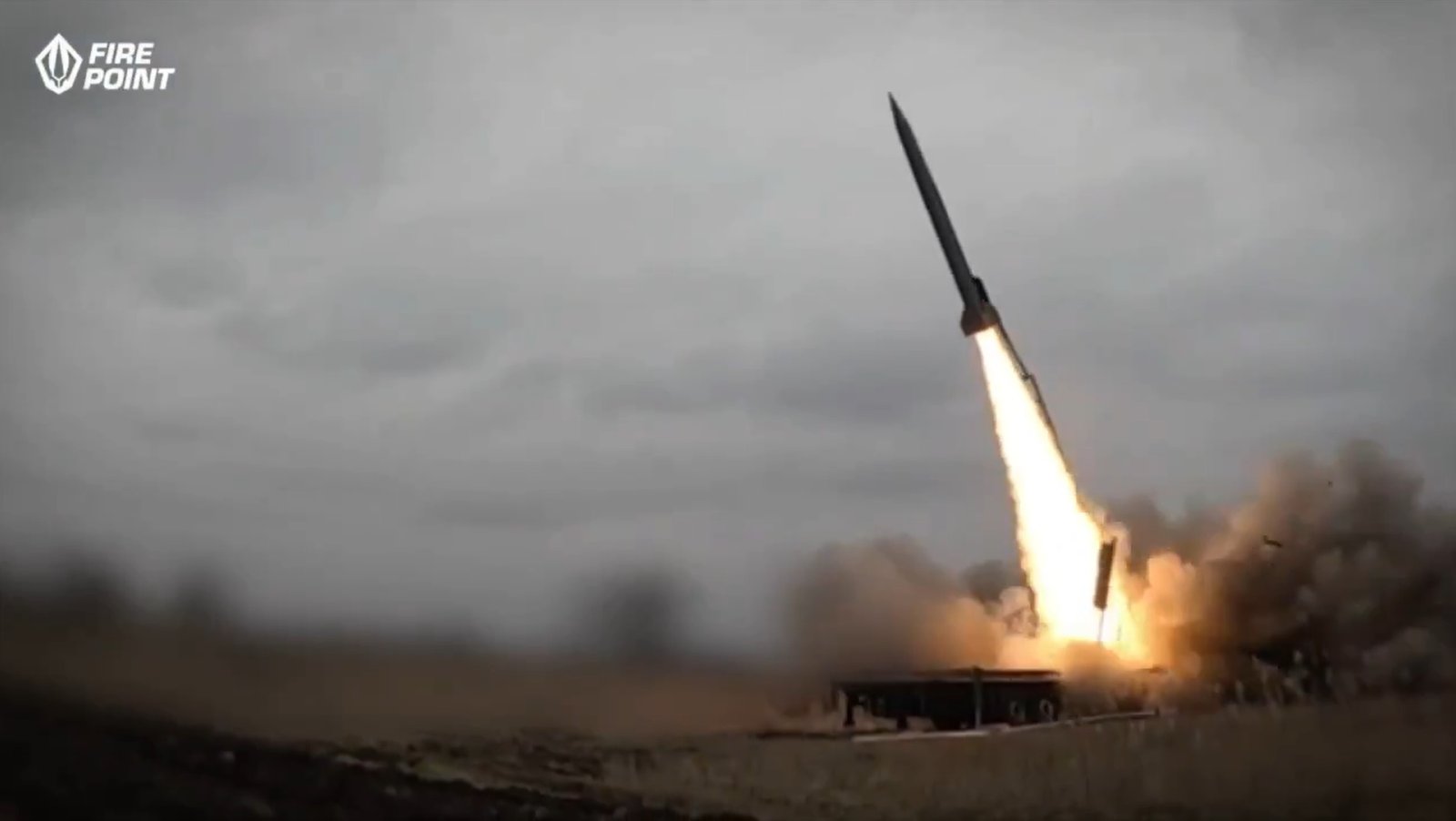
Three candidates are identified: Anthem, produced by U.S.-Israeli startup Covenant Industries; BARS, developed by a Ukrainian company; and the FP-5 Flamingo, developed by Ukrainian company Fire Point.
The Flamingo has a reported range of about 3,000 kilometres and an estimated cost of around $500,000 per missile, roughly one-fifth the reported cost of a Tomahawk. Germany is in contract talks with two suppliers and aims to receive missiles for qualification next year, with framework contracts for later mass production also being prepared.
U.S. Tomahawk and Typhon Systems
The second part involves U.S. systems. Chancellor Friedrich Merz said in July that Germany had reached an agreement with the United States to acquire Tomahawk cruise missiles and Typhon launchers.
German planning calls for an initial capability using Typhon launchers armed with Tomahawks by the end of the decade. The U.S. systems are intended to fill Germany’s long-range strike capability gap while European alternatives are developed.
Advanced German-British Weapons
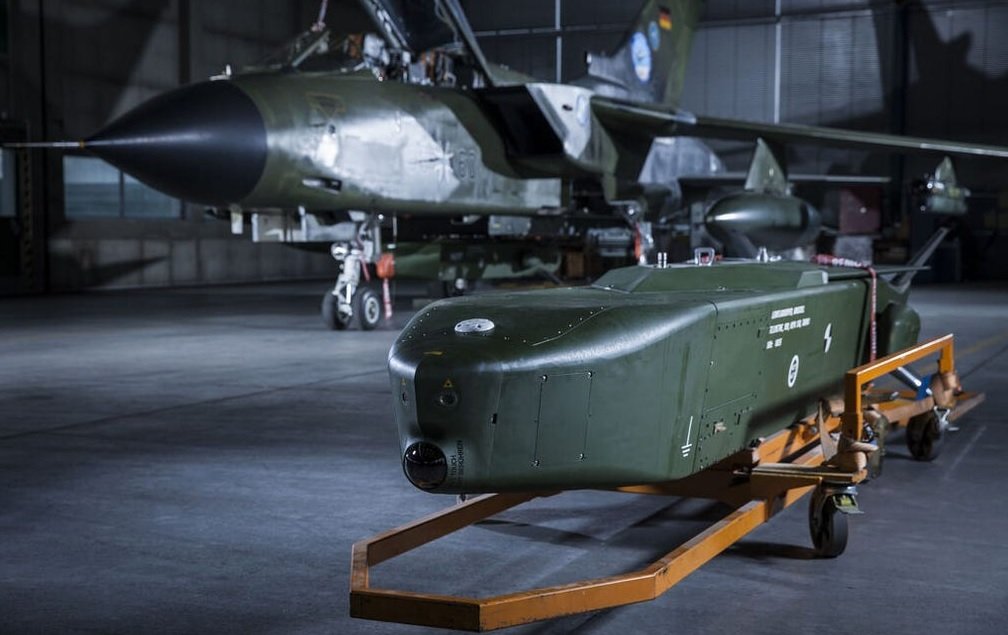
The final two parts involve Germany-UK cooperation under the Trinity House Agreement. The two countries are developing a next-generation stealth cruise missile and a hypersonic glide weapon, with planned ranges exceeding 2,000 kilometres.
Initial capability is targeted for the middle of the next decade. These systems represent the longer-term European element of Germany’s deep-strike plans.
Nearly €12 Billion Programme
Internal planning documents allocate nearly €9 billion for development and procurement of the advanced systems, plus €182 million for keeping them in service. Another €1.8 billion is allocated for cruise-missile development and procurement, with €97 million for maintenance. These figures total around €11 billion, while separate Defence Ministry planning material puts the overall requirement at almost €12 billion.
The programme reflects Germany’s shift toward a layered long-range strike capability, combining cheaper mass-producible weapons available sooner, U.S. systems for the interim period and more advanced European weapons for the longer term.
The urgency is linked to the changing security situation in Europe, including Russia’s deployment of Iskander missile systems in Kaliningrad and medium-range weapons in Belarus, which have reduced warning times for European countries.
——— End of Article ———