Europe
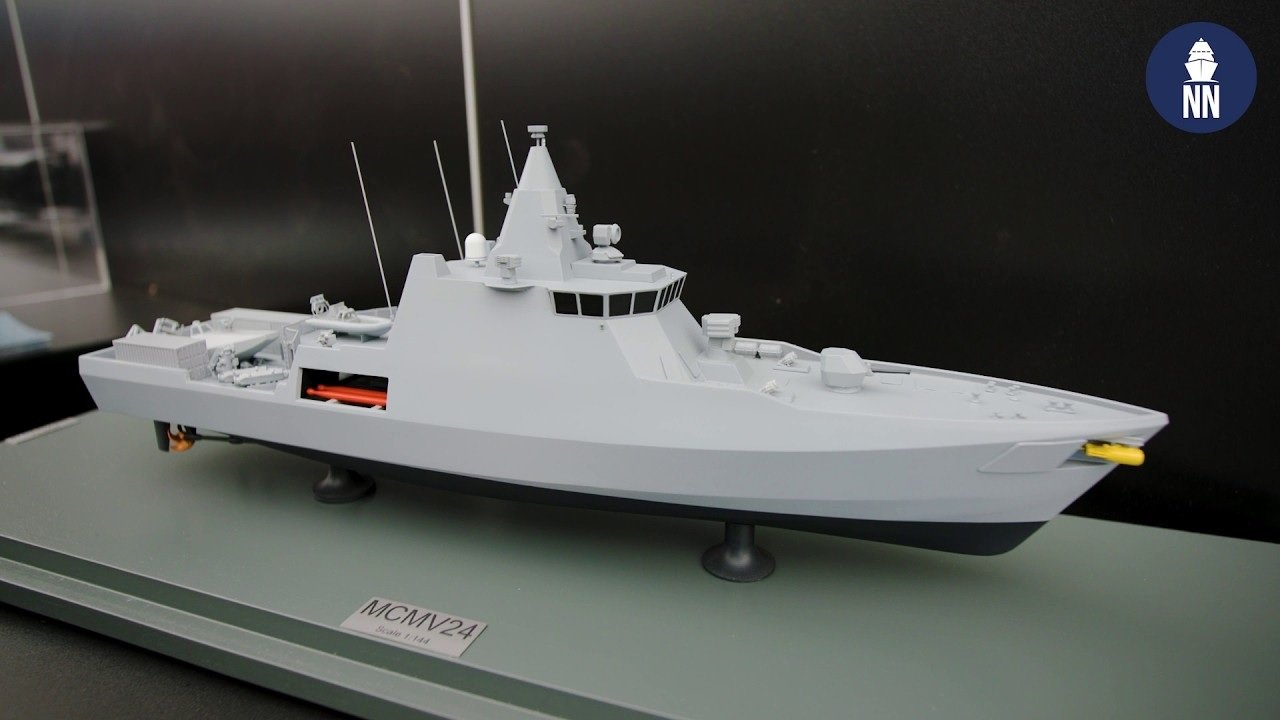
HERning, Denmark — Swedish defense company Saab has unveiled its MCMV 24 mine countermeasures vessel concept at DALO Industry Days in Herning, Denmark. The 66-meter vessel is designed for operations in the Baltic Sea and similar littoral environments, where mine threats can extend from hostile coastlines across open waters and into friendly ports. The MCMV 24 is designed to operate directly inside mine-threat areas rather than relying entirely on standoff distances. Saab's design considers conventional mines, air-dropped mines and potential future mine deployments by unmanned surface vessels (USVs). The vessel uses a composite glass-reinforced plastic (GRP) hull, a technology developed by Saab's Kockums shipyard, along with other signature-reduction features. Unlike Sweden's current Koster-class vessels, originally built as the Landsort-class in the 1980s, the MCMV 24 uses traditional propellers instead of Voith Schneider propulsors. This reduces some maneuverability and signature-reduction advantages but allows a higher top speed of 22 knots. Sensors and Armament The MCMV 24 is equipped with the Saab Giraffe 1X radar and CEROS fire-control and electro-optical system. Armament options include a Bofors 40 mm deck gun, Saab Lightweight Torpedoes, known as TP 47 in Swedish service, and Saab Nimbrix C-UAS missiles. Nimbrix is a lightweight, fire-and-forget hard-kill interceptor designed to counter drones at ranges of 2 to 5 kilometers. The missile weighs 2.5–3 kg, is less than one meter long, and uses an active seeker and air-burst warhead. Saab has developed it as a lower-cost layer between gun systems and longer-range very-short-range air-defense missiles, with first deliveries planned for 2026. Unmanned Mine-Warfare Systems The vessel includes a dedicated bow door for launching and recovering remotely operated vehicles (ROVs), including Saab's Double Eagle family. The aft deck provides space for containerized mission payloads and additional unmanned systems, including unmanned underwater vehicles (UUVs). A large stern ramp is also designed to deploy a medium mine-warfare USV. The Double Eagle family includes systems for mine disposal, reconnaissance and multi-shot neutralization, with variants operating at depths of up to several hundred meters. Potential Replacement for Koster-Class Saab is offering the MCMV 24 in dedicated mine-countermeasure, offshore patrol and coast guard configurations. The common-hull approach could allow navies to use one basic platform for different missions while reducing maintenance, training and operational requirements. The design is being considered as a potential replacement for Sweden's Koster-class and could also meet requirements in Estonia, Latvia and Lithuania, which have long focused on Baltic mine clearance while facing growing offshore patrol requirements. Saab has confirmed that early discussions are underway with Denmark and Germany regarding the new platform. DALO Industry Days 2026 was held in Herning, Denmark, on August 19–20. The MCMV 24 combines a low-signature hull and mine-warfare systems with higher speed, modern sensors, self-defense weapons and facilities for unmanned systems, giving the concept both mine-countermeasure and multi-mission capabilities. Source : navalnews
Read More → Posted on 2026-09-07 16:12:12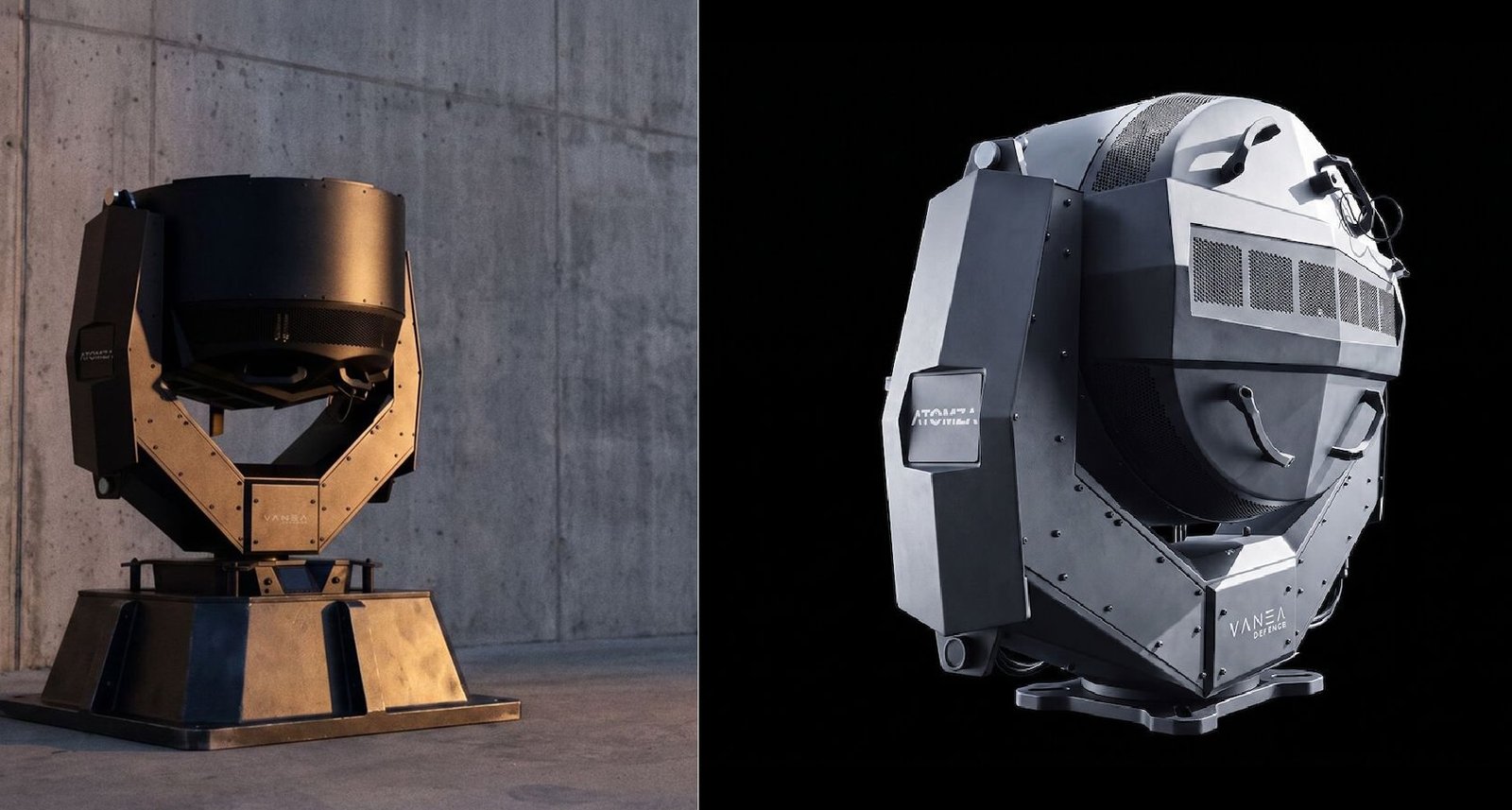
Europe
MUNICH — Munich-based VANEA Defence has unveiled ATOMZA, a non-kinetic counter-drone system designed for civilian operators. The system was presented at the Drone Days event in Bremen, Germany, on August 27 and 28, 2026. VANEA said ATOMZA is already in production and available for commercial orders. ATOMZA uses a directed photonic radiation effector that projects high-intensity light onto a targeted drone. The light saturates the drone’s optical sensors and impairs its guidance systems without physically destroying the aircraft. According to VANEA, this approach reduces the risk associated with falling drone debris and allows ATOMZA to be used in locations where kinetic interceptors or radio-frequency jammers may be restricted or unsuitable, including near airports, in ports, cities and areas with people. VANEA says ATOMZA is designed to be operated by civilian organisations without sovereign enforcement powers. The company is targeting applications at airports, critical infrastructure sites, major events and other sensitive locations. Traditional active counter-UAS systems, including jammers, high-energy lasers and interceptor drones, are generally limited to authorised security authorities. The system weighs 195 kg and has an operational lifetime of 20,000 hours. VANEA says engagement costs are primarily associated with electricity consumption, while the system requires no expendable ammunition, allowing it to be reused. The technology uses a proprietary artificial intelligence model developed and trained entirely in Europe. VANEA says the AI supports drone detection and can distinguish genuine threats from decoys, including in swarm situations. The company is also developing a broader family of counter-drone technologies involving networked countermeasures and advanced sensors. Founded in 2025, VANEA Defence said ATOMZA is already undergoing operational testing and validation with German security authorities and critical infrastructure operators. Military trials are planned for the coming weeks, while the company is also discussing wider deployment with European authorities and international security partners. Jens Hillenkötter, Executive Vice President for Unmanned Aircraft Systems and Counter-UAVs at VANEA Defence, said Europe's threat environment is changing rapidly and that critical infrastructure operators need solutions that can be deployed quickly. Co-founder and Chief Technology Officer Dr. Oliver Hartkorn stressed the importance of maintaining a European technology base for systems used by police, armed forces and civilian operators. VANEA Defence operates from Munich and develops counter-UAS and autonomous defence technologies. The company operates as a brand of publicly listed SCP Standard Capital Partners AG.
Read More → Posted on 2026-09-06 14:11:10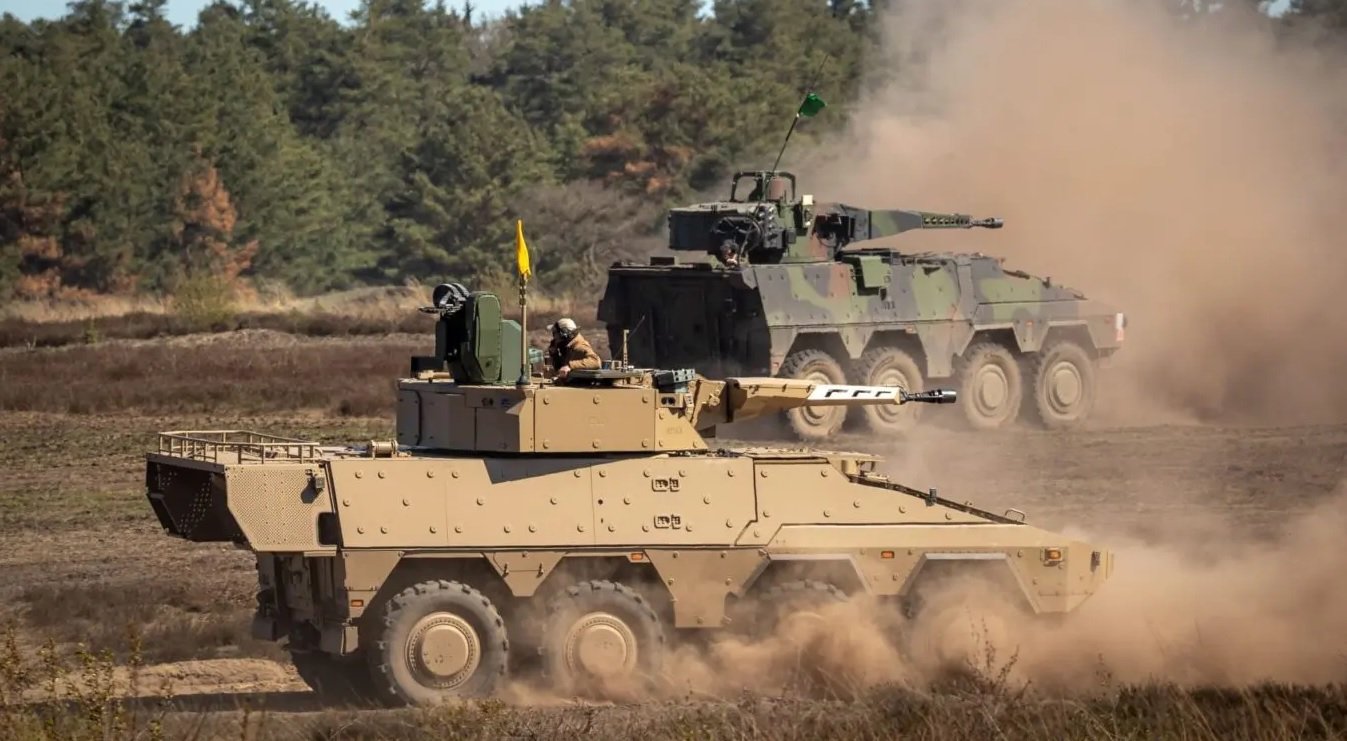
Europe
DÜSSELDORF, Germany — German defense company Rheinmetall expects to secure about €12.4 billion in vehicle business from Germany’s Arminius procurement programme by the end of 2026, Chief Executive Armin Papperger said during the company’s second-quarter 2026 earnings call. The initial vehicle package could be worth nearly €25 billion, with Rheinmetall and KNDS Deutschland each receiving a 50% share through their equally owned Artec consortium. Final negotiations with the Bundeswehr are expected in the second week of September. The contract still requires parliamentary approval. Papperger expects the Bundestag to consider the funding on December 9, with signing possible five to 10 days later. A 30% advance payment could then provide Rheinmetall with more than €3 billion in December or January. Rheinmetall also expects about €2 billion from a separate service and support contract valued at roughly €4 billion in total. The support agreement could be concluded in January 2027, bringing Rheinmetall’s expected business from the initial phase to approximately €14.4 billion to €14.5 billion. Further Boxer Orders The wider Arminius programme could eventually reach a theoretical industrial value of around €77 billion, although the additional phases remain unapproved and unfunded proposals. The first proposed follow-on option would be worth €28 billion overall, including about €14 billion for Rheinmetall, and cover around 1,700 vehicles delivered between 2030 and 2035. A second proposal is valued at about €24 billion, including €12 billion for Rheinmetall, for another 2,000 vehicles at a later stage. The initial phase is expected to include about 1,800 GTK Boxer vehicles. If all three phases proceed, Germany could acquire up to 5,500 new Boxers by around 2040, in addition to the 861 vehicles already ordered by the Bundeswehr. The programme will cover multiple Boxer configurations, including the Schakal infantry fighting vehicle and RCH 155 self-propelled howitzer. Other planned or considered variants include command vehicles, driver-training platforms, artillery reconnaissance vehicles, armored personnel carriers, medical evacuation vehicles, bridge systems and air-defense vehicles equipped with the Skyranger 30 turret. Rheinmetall Backlog The Arminius programme comes as Rheinmetall reports a record €80.4 billion order backlog at the end of the second quarter. Quarterly sales rose nearly 70% to €3.289 billion, while operational results increased 115% year over year. Quarterly order intake increased 476%, with about 70% of the backlog consisting of firm orders.
Read More → Posted on 2026-09-06 13:54:56
Europe
NOKIA, FINLAND — Finnish defence company Patria has completed the assembly of the first F135 fighter engine in Finland, marking the start of domestic F135 engine assembly for the country’s incoming F-35A fleet. The engine was completed at Patria’s new assembly and maintenance facility in Linnavuori, Nokia, and was presented during an event on September 3. Patria said its F-35 programme has now entered full-scale production. Patria and Pratt & Whitney, an RTX business, reached an agreement in February 2026 for the final assembly and inspection of F135 engines for Finland. Production at the Linnavuori facility is already underway and is planned to continue until 2030. The Linnavuori facility was completed and handed over to Patria in autumn 2025. It was built to meet the security requirements of the F-35 programme and Pratt & Whitney. The facility will initially be used for engine assembly before being adapted for maintenance activities. Assembly to transition into engine maintenance Under the framework agreement signed by Patria and Pratt & Whitney in 2024, Patria will assemble F135 engines and components during the 2025–2030 period. The facility will then transition to Maintenance, Repair, Overhaul and Upgrade (MRO&U) activities from 2030. Patria is expected to maintain and support Finland’s F135 engines at Linnavuori throughout the operational lifecycle of the Finnish F-35 fleet. The agreement is estimated to create approximately 50 direct jobs at Patria between 2025 and 2030. Petri Hepola, Patria’s Chief Programme Officer for F-35, said the completion of the first engine represents a significant milestone and the beginning of full-scale F135 engine assembly in Finland. Retired Colonel Henrik Elo, F-35 Programme Director for the Finnish Air Force, said the domestic production and future maintenance capability would strengthen Finland’s security of supply for its F-35 fleet. Jill Albertelli, President of Pratt & Whitney Military Engines, said the Finnish facility will contribute to the global F-35 sustainment network and expand propulsion capabilities in Finland. F-35A deliveries to begin in 2026 Finland’s first F-35A fighters are scheduled to arrive at the Lapland Air Wing in Rovaniemi at the end of 2026. The Linnavuori facility is therefore being established as part of Finland’s domestic engine support capability as the aircraft enter service. The F135 is the engine used by all F-35 variants. It produces approximately 43,000 pounds of thrust with afterburner, according to the information provided for the programme. Patria has also preserved a historical connection to Pratt & Whitney. A Second World War-era Pratt & Whitney engine recovered from a lake near Orivesi in Finland in 2025 has been conserved and placed on display at the Linnavuori facility. Patria is owned by the State of Finland (50.1%) and Kongsberg Defence & Aerospace (49.9%). The company serves as a strategic partner to the Finnish Defence Forces and is involved in the production and sustainment activities associated with Finland’s F-35 programme.
Read More → Posted on 2026-09-03 15:44:11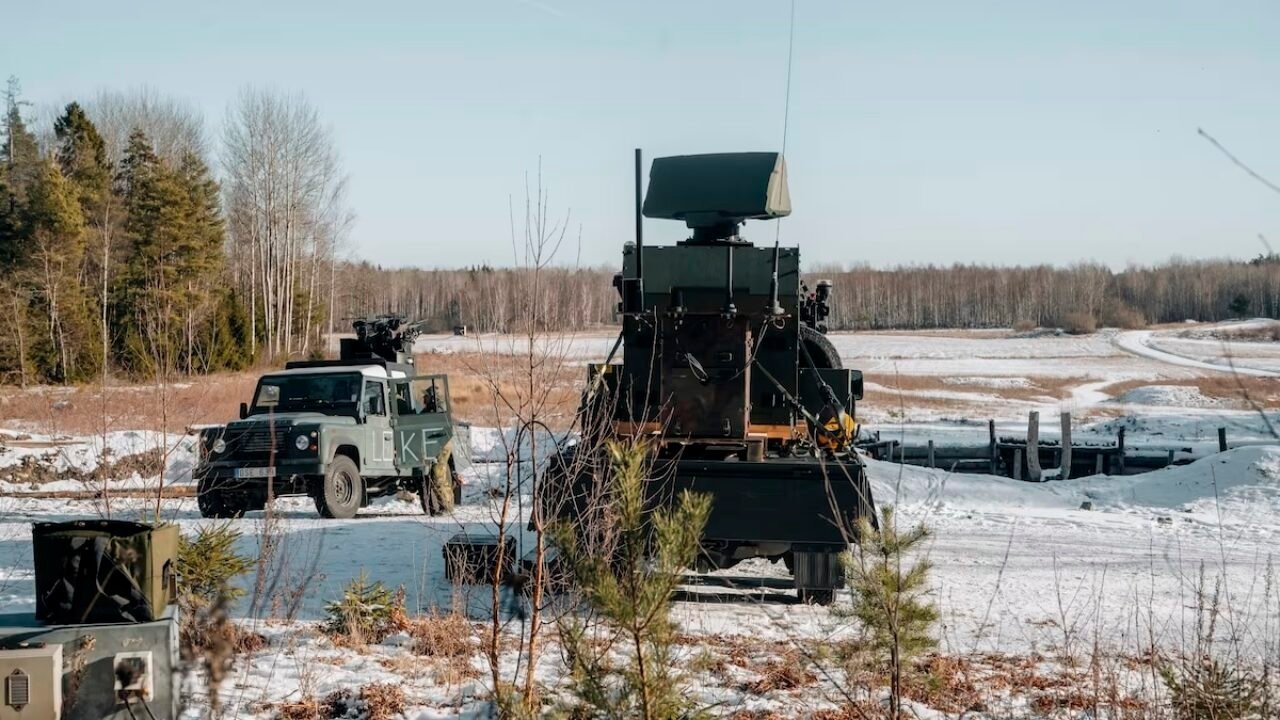
Europe
LONDON, — Saab UK has delivered its Giraffe 1X radar systems to the Royal Air Force (RAF), providing additional capability for detecting and tracking uncrewed aerial systems (UAS) as part of the UK’s wider counter-drone architecture. Saab confirmed the delivery on September 2, saying the procurement was driven by an operational requirement and followed several years of cooperation between the RAF and Saab. The relationship includes earlier capability development and operational experience with the radar system. The newly delivered radars will support the RAF’s broader counter-UAS activities, including the RAF Regiment’s role in protecting British and coalition personnel and facilities. Saab said this work includes deployed operations in the Middle East, where specialist teams provide protection against drone threats. Rapid delivery for an urgent requirement The latest delivery was completed after Saab mobilised its global production network while also using its manufacturing and support capabilities in the UK. A Royal Air Force spokesperson said the service was impressed by Saab’s ability to rapidly meet the Giraffe 1X requirement for counter-drone operations. The RAF said the equipment is considered important for reducing the risk to personnel from drone threats. Andy Fraser, Group Managing Director at Saab UK, said the delivery demonstrated cooperation between Saab’s UK manufacturing teams and colleagues across the wider company. He also highlighted the company’s UK industrial capability and its role in supplying equipment to British and coalition forces. Giraffe 1X radar capabilities The Giraffe 1X is a compact, lightweight 3D multi-mission radar designed for air surveillance and ground-based air defence applications. Saab states that the complete system weighs less than 150 kilograms. The radar can detect and track small aerial targets, including drones, and is designed to provide continuous air surveillance. It can also provide counter-rocket, artillery and mortar (C-RAM) sense-and-warn capability. Giraffe 1X can be deployed in fixed, mobile or deployable configurations and can be integrated onto different platforms. Saab describes it as a multi-mission system that can support force protection, weapon locating, ground-based air defence and counter-UAS operations. The radar is also designed to provide target information for wider air-defence systems rather than operating only as an isolated sensor. Its capabilities include detection and tracking of small and slow aerial targets, which are among the challenges addressed by modern counter-drone systems. UK production and earlier orders The latest delivery builds on the UK's existing Giraffe 1X programme. Saab has a Centre of Radar Excellence at Fareham in Hampshire, where the company manufactures the radar. In May 2026, Saab announced that its UK operation had completed production of its 100th Giraffe 1X system. In April 2026, Saab announced an order from the UK Ministry of Defence for Giraffe 1X systems worth approximately £24 million. Those systems were being produced at the Fareham facility, with the order funded through the UK-administered NATO Security Assistance and Training for Ukraine Trust Fund. The UK had also previously ordered Giraffe 1X radars from Saab. In 2023, Saab announced contracts for 11 Giraffe 1X radars, with a total order value of approximately SEK 264 million. A separate £1.8 million logistics-support contract was awarded to Saab UK in August 2026, according to reporting on the UK procurement. The contract covers logistics support for the Giraffe 1X fleet, including equipment, training and spares. Neither Saab's September delivery announcement nor the RAF statement specifies the number of Giraffe 1X systems delivered in the latest delivery. The value of the latest radar delivery has also not been disclosed. The delivery adds another element to the UK's counter-drone and force-protection capability, while Saab's existing production and support infrastructure in the UK provides the basis for supplying and sustaining the radar systems.
Read More → Posted on 2026-09-03 15:42:39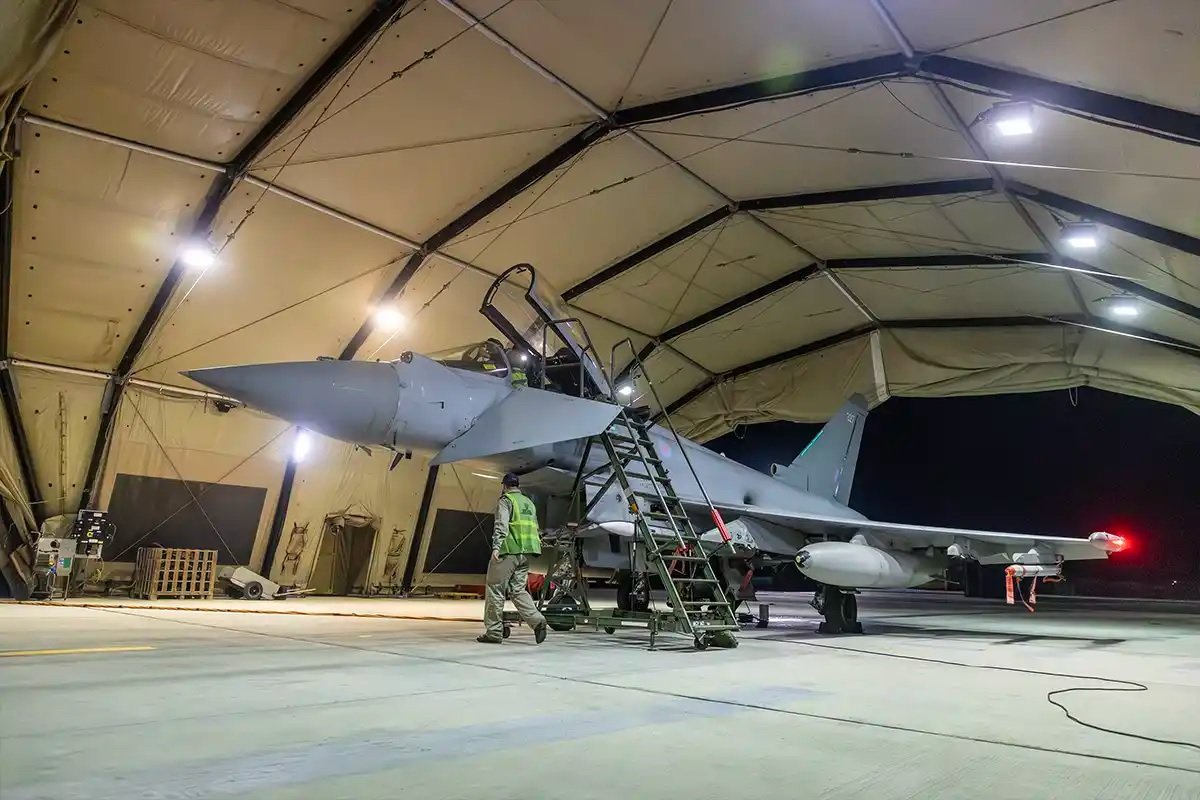
Europe
LONDON, — The United Kingdom is committing another £1.1 billion to upgrade and sustain its Eurofighter Typhoon fleet, ensuring the aircraft remains a major part of Royal Air Force (RAF) combat capability into the 2040s. The funding is included in the government's 2026 Defence Investment Plan, which provides £5.4 billion for the UK's 107 remaining Typhoon aircraft between the 2026/27 and 2029/30 financial years. The additional £1.1 billion is specifically linked to the Long Term Evolution programme and wider sustainment work. The investment covers improvements including the European Common Radar System (ECRS) Mk2 radar, communications, software, defensive aids and pilot helmet-mounted sights. The decision reverses an earlier January 2026 plan that focused upgrades on only 40 aircraft. Defence Readiness and Industry Minister Luke Pollard confirmed that the investment covers the full 107-aircraft fleet. Typhoon's air-defence role Typhoon and the F-35 remain central to Britain's Integrated Air and Missile Defence capability. RAF Typhoons have recently been involved in protecting UK sovereign bases in Cyprus and supporting Gulf partners against drone attacks launched by Iran and its proxies. The aircraft were also rapidly equipped with the Advanced Precision Kill Weapon System (APKWS) to provide a lower-cost option for engaging drones during sustained air-defence operations. The UK is separately investing £1.4 billion in the STRATUS missile programme, developed with France and Italy. The programme is intended to arm Typhoon aircraft and Royal Navy frigates and provide a major part of Britain's future long-range strike capability. It includes a UK-led low-observable subsonic variant and a high-speed variant. Supporting Typhoon exports The investment also supports Britain's aerospace industrial base and Typhoon export programme. In 2025, the UK reached an £8 billion agreement with Türkiye for 20 Typhoon aircraft, with options for additional aircraft. The deal is expected to support production and jobs across the UK supply chain, including at BAE Systems facilities in Warton and Samlesbury. Part of a wider air-power plan The Typhoon will operate alongside the F-35, GCAP and future autonomous combat aircraft as Britain develops what the government calls a “Next Generation Royal Air Force.” The four-year plan allocates £2.2 billion to the F-35 programme, £8.6 billion to GCAP with Italy and Japan, and £300 million to Collaborative Combat Aircraft. Overall, £27.8 billion is allocated to air-domain capabilities through 2029/30, with at least £70 billion of further air-domain investment planned between 2030 and 2035. The Ministry of Defence has stressed that longer-term figures represent current priorities rather than fixed commitments, meaning programmes can still be delayed, rescoped, reprioritised or cancelled. The £1.1 billion Typhoon commitment therefore provides continued support for the RAF's existing fighter capability while Britain develops its next generation of crewed and uncrewed combat aircraft.
Read More → Posted on 2026-09-02 16:41:10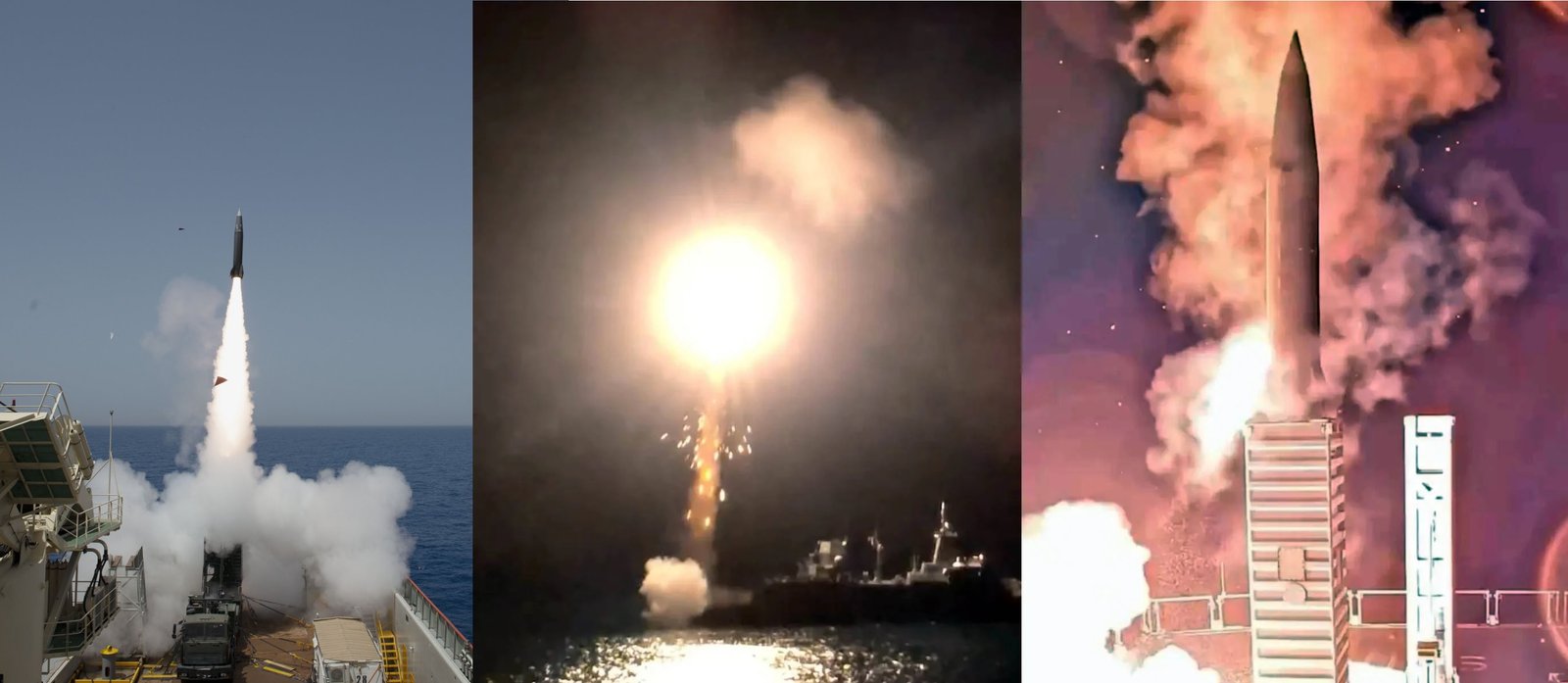
Europe
BERLIN, — The German Navy has successfully completed a dual live-fire trial of the Naval LORA ballistic missile, developed by Israel Aerospace Industries (IAI), in the North Atlantic between Ireland and Iceland. LORA Missile Fired From German Frigate Two LORA missiles were launched during the trial from German naval vessels, with the F125-class frigate Sachsen-Anhalt (F224) identified as the launch platform. The missiles were fired from containerized launchers temporarily installed on the frigate’s flight deck. According to IAI, both missiles followed their planned trajectories, navigated to their targets and completed the engagements with the required precision. The trial also assessed the missile, its naval launcher and command-and-control system, with all test objectives successfully completed. September 2, 2026 Part of Germany’s Marine 2035 Programme The firing was conducted under the German Navy’s Operational Experimentation (OPEX) programme, which supports the “Marine 2035 and Beyond” modernization plan. OPEX allows the German Navy to test new technologies and operational concepts in conditions designed to reflect real missions. The LORA trial used a configuration that included the missile launcher and a command trailer aboard the German vessel. German Navy Inspector Vice Admiral Jan Christian Kaack described the firing as “naval history.” He said the system had demonstrated that it could be deployed from German naval units and that its potential range exceeds anything previously available to the German Navy. Germany Evaluating More Than 500-km Range Following the successful trial, Germany plans to advance preparations for procurement of the missile system. German defence officials have referred to a potential range of more than 500 kilometres for the configuration being considered. IAI’s publicly listed specifications for LORA give the missile an operational range of 90 to 430 kilometres. The missile has a stated circular error probable (CEP) of about 10 metres and uses GNSS/GPS and inertial navigation for guidance. LORA is approximately 5.2 metres long, 0.62 metres in diameter and weighs about 1.6 tonnes. It is a quasi-ballistic missile that can be launched from land-based mobile launchers or naval vessels and is designed for sea-to-shore and sea-to-sea precision engagements. North Atlantic Trial The test area was located between Ireland and Iceland. Preparations were largely kept secret, although shipping and air traffic in the area received warnings approximately 45 days before the firing. The LORA system is described by IAI as combat-proven and has previously been used operationally by Azerbaijan during the 2020 Nagorno-Karabakh conflict. Germany-Israel Defence Cooperation IAI Chairman Boaz Levy said the successful naval trial demonstrated Israel’s technological capabilities and the defence cooperation between Germany and Israel. He also highlighted the deployment of the Israeli-made Arrow 3 air-defence system on German territory. IAI CEO Guy Bar Lev said the company was proud to contribute to the strategic cooperation between the two countries and described the live-fire exercise as a significant milestone for LORA. The operational data collected during the North Atlantic trial will now support the German Navy’s evaluation of future long-range maritime strike capabilities. Germany currently does not have ballistic missiles in its inventory, making the LORA trial an important step in its assessment of ship-launched ballistic missile capability.
Read More → Posted on 2026-09-02 13:01:41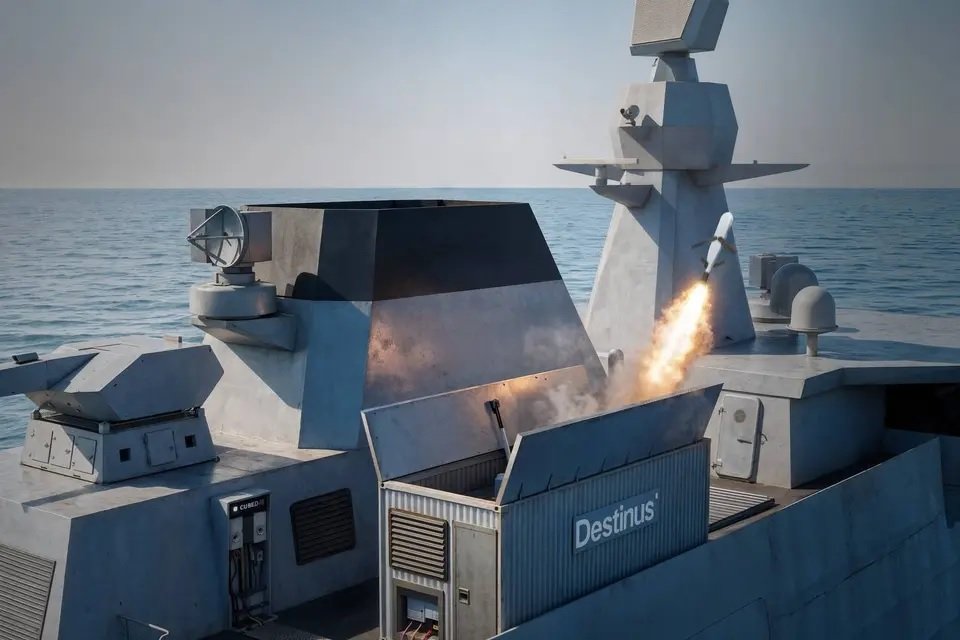
Europe
HERning, Denmark — European defense companies Destinus, CUBEDIN A/S and OMT Group A/S have signed a Memorandum of Understanding (MoU) to develop a modular, containerized counter-drone system for naval vessels. The agreement was announced at DALO Industry Days 2026 in Herning, Denmark. The companies plan to integrate Destinus' Hornet interceptor family into standardized 10-foot and 20-foot mission modules. The system is intended to provide navies with a scalable, lower-cost defense layer against high-volume aerial threats, particularly Class 2 unmanned aerial systems (UAS) and similar threats, including loitering munitions. The containerized design is intended for rapid installation on existing surface combatants and future ship designs. Using standard ISO container footprints would allow navies to add or remove the capability according to mission requirements without major structural modifications or extensive changes to the ship's combat management system. Roles of the Three Companies Under the agreement, Destinus will provide the Hornet interceptor system, internal launcher and mission-payload architecture. OMT Group A/S will handle naval platform engineering, structural integration and ship-design adaptations. CUBEDIN A/S will provide standardized mission-modularity interfaces and the software framework for physical, electrical and data connections with the host ship. The development is planned to progress through a Preliminary Design Review (PDR) and Critical Design Review (CDR) before full naval qualification testing. The companies intend to offer the system to European navies seeking adaptable point-defense capabilities. Hornet Interceptor The Hornet system is designed as a kinetic interceptor for counter-UAS missions. Destinus' Hornet family includes the Hornet Block 1 and Hornet B2 variants. In June 2026, Destinus and the Spanish Navy conducted a live launch of a Hornet Block 1 interceptor from a containerized launcher installed on the F-81 Santa María frigate. The demonstration examined the use of a container-based interceptor system on an existing warship. Destinus has separately described the Hornet B2 as a further development of the system. The information provided for the programme states that it has a reported range exceeding 150 kilometers and a 3-kilogram payload. Dutch Navy Programme The new partnership follows a separate agreement between Destinus and the Netherlands Ministry of Defence's Materiel and IT Command (COMMIT) announced in August 2026. That Concept Development and Evaluation (CD&E) programme will examine the integration of the Hornet B2 kinetic interceptor onto Royal Netherlands Navy warships. It is scheduled to continue through the second quarter of 2027, with naval operators involved in the testing and development process. The new MoU with CUBEDIN and OMT is separate from the Dutch programme but supports the broader development of a modular naval architecture for deploying Hornet interceptors on different warships. The three companies will contribute their respective expertise in interceptor technology, naval platform engineering and standardized modular integration as the project moves toward design reviews and naval qualification.
Read More → Posted on 2026-09-01 14:54:00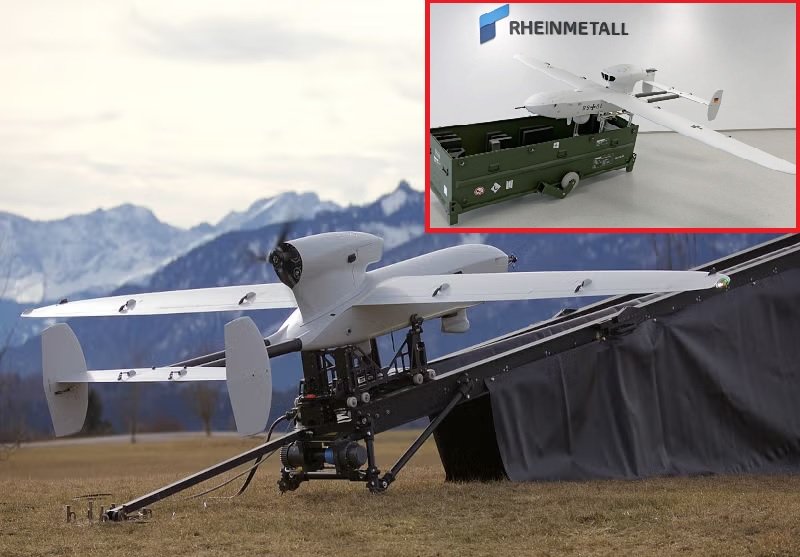
Europe
DUSSELDORF, — Rheinmetall’s LUNA NG unmanned reconnaissance system has received provisional airworthiness certification from the Bundeswehr Aviation Authority (LufABw), moving the system closer to full type certification. Provisional Airworthiness Certification The provisional certificate allows the LUNA NG to operate in regular restricted airspace under aviation test procedures. This removes the previous limitation of operating only in dedicated military areas and supports flight operations over densely populated European territory while meeting civil aviation safety standards. Mike Schmidt, CEO of Rheinmetall’s Air Unmanned Space business unit, said the certification process follows the same standards used for large aircraft such as the A320. He said critical systems, including the autopilot and safety-critical navigation systems, had to be developed and certified in-house because certified systems for tactical unmanned aircraft are not available on the market. Flight Testing and Pilot Training The LUNA NG has completed around 150 flights, accumulating approximately 200 flight hours under civil operating licences. The first Bundeswehr pilots and verifiers have also completed training on the system. The provisional certification allows these qualified personnel to conduct independent flights for training and testing. LUNA NG Specifications The Bundeswehr is introducing the system under the designation HUSAR (Highly Efficient Unmanned System for Medium-Range Reconnaissance). It is designed for sustained airborne reconnaissance, object classification and real-time detection. Key specifications include: Endurance: More than 12 hours Data-link range: More than 100 km Coverage: More than 30,000 km² Maximum operating altitude: Above 5,000 m Maximum take-off weight: 110 kg Reconnaissance speed: 90 km/h Maximum speed: 130 km/h Wingspan: 5.34 m Length: 3.17 m Height: 0.73 m Payload: Up to around 30 kg Engine: Heavy-fuel Wankel rotary engine The aircraft uses a carbon-fibre-reinforced plastic (CFRP) structure and has low acoustic, thermal and radar signatures. Sensors and Runway-Independent Operation The LUNA NG has a modular payload architecture supporting electro-optical, infrared, acoustic and spectrum-analysis sensors. Rheinmetall also lists options for communications relay, tactical satellite communications and AI-supported data evaluation. The aircraft can be launched by catapult without a runway and recovered autonomously using differential GPS with either a net or parachute. Bundeswehr HUSAR Order The current Bundeswehr order covers 12 standard systems plus one pilot/training system, including spare parts and training support. The contract was valued at around €200 million net. Each complete system typically consists of: Five air vehicles Two ground control stations Two launcher vehicles Two antenna masts Workshop equipment Transport platforms Deliveries were planned to begin in 2025, with the complete order scheduled through 2028. The systems are intended for the German Army’s reconnaissance and artillery units. Integration into Military Networks Earlier in 2026, the LUNA NG participated in Bundeswehr tests of reconnaissance and strike networks at the Army Combat Training Centre. The system was integrated with the Command & Control Unmanned Management System (C2-UMS Bw) and operated alongside other unmanned systems. Rheinmetall said the LUNA NG has demonstrated its ability to operate within the Bundeswehr’s reconnaissance and operational network, including real-time interaction with other unmanned systems. The company said the majority of the required certification criteria have already been met. Rheinmetall is continuing work with the aviation authorities toward full type certification and broader operational use of the LUNA NG.
Read More → Posted on 2026-09-01 13:52:44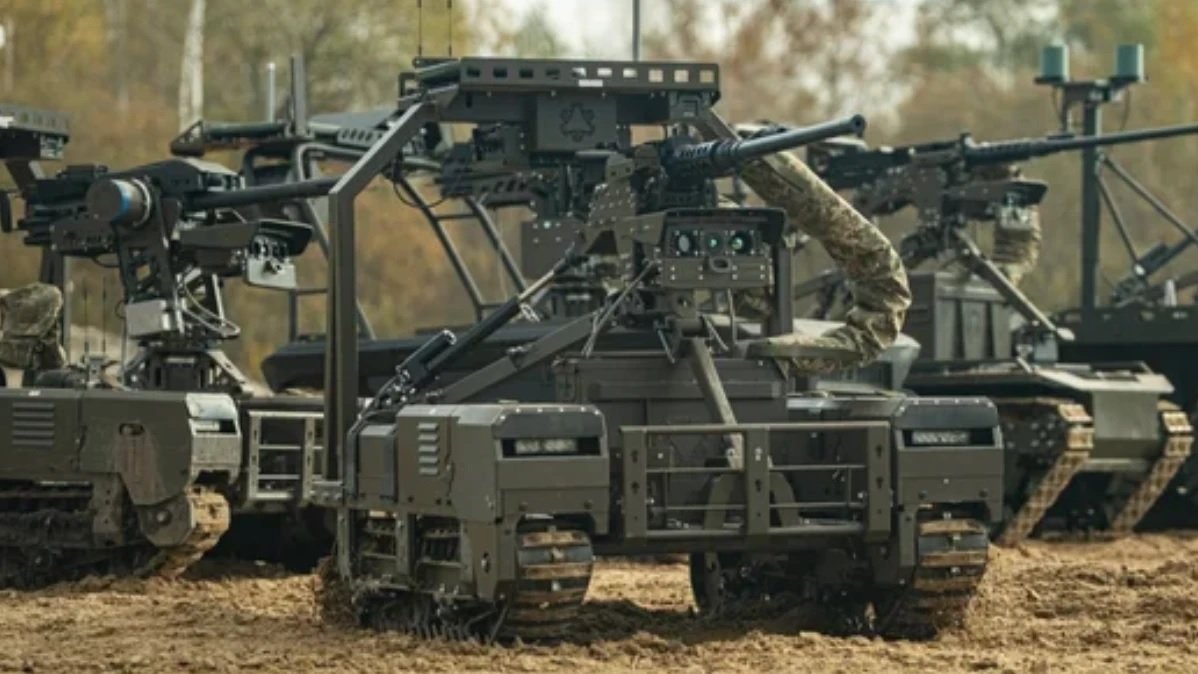
Europe
WARSAW, — Poland’s state-owned defense group Polska Grupa Zbrojeniowa (PGZ) is advancing plans to establish a joint project with an undisclosed Ukrainian defense company to produce unmanned ground vehicles (UGVs), also known as ground robotic systems. PGZ and Ukraine Move Toward Cooperation Agreement Rafał Harmoza, Director of PGZ’s International Cooperation Department, confirmed the development in comments to Ukrinform. He said PGZ is closely following Ukrainian defense technologies, particularly unmanned systems, missile technologies and electronic warfare. The discussions intensified after the Ukraine Recovery Conference in Gdańsk in late June 2026, where PGZ met with several Ukrainian defense representatives. In August, PGZ and the potential Ukrainian partner signed a non-disclosure agreement (NDA), allowing the sides to exchange confidential information. They are now working toward a formal cooperation agreement. “We signed such an agreement in August, and now we are moving toward concluding a cooperation agreement. This will allow us to implement a specific, thoroughly developed project,” Harmoza said. Production Based on “Build With Ukraine” Model The planned cooperation follows the “Build with Ukraine” and “Build for Ukraine” principles, with joint production focused on Ukraine’s defense requirements. Harmoza said Ukrainian defense companies are interested in establishing production facilities in Poland because of intensified Russian attacks on Ukrainian territory. PGZ is already expanding cooperation with Ukrainian defense companies. At the Gdańsk conference, it signed a letter of intent with TAF Industries covering the production of small unmanned aerial systems, including FPV drones, and electronic warfare systems for countering drones. Key components are planned to be produced in Poland using PGZ infrastructure, with the Ukrainian Armed Forces as a primary customer. TAF Industries also has UGVs in its portfolio. European Expansion of Ukrainian UGV Production The PGZ project follows other Ukrainian-European UGV production initiatives. Ukrainian company Tencore and Finland’s Insta recently announced a joint venture to manufacture the TerMIT 2.0 unmanned ground vehicle. The initial target is 320 systems for Ukraine’s Defense Forces through a distributed production model involving Finnish industrial partners. The tracked TerMIT 2.0 can carry a payload of up to 398 kg and is used for logistics, casualty evacuation and direct-fire support. Its modular design allows weapon stations and electronic warfare equipment to be integrated. Separately, Ukrainian Unmanned Technologies (UUT) and Denmark’s Vidar Industries agreed to establish a joint venture in Denmark for serial production of the Ravlyk UGV. The planned facility has capacity for more than 3,000 systems per year, while Danish government funding is expected to support production of around 1,000 units for Ukrainian forces. UUT handles development and engineering in Ukraine, while Vidar manages production, assembly, quality control and compliance. The Ravlyk can reach 12 km/h, carry a 300 kg payload and tow up to 2 tons. It has been combat-tested on Ukraine’s eastern front, with recent configurations integrated with the Wolly 12.7 combat module and the Amulet anti-tank missile system developed by Ukraine’s Luch Design Bureau. PGZ has not disclosed the identity of its Ukrainian UGV partner, the specific vehicle involved or the planned production volume.
Read More → Posted on 2026-09-01 13:19:26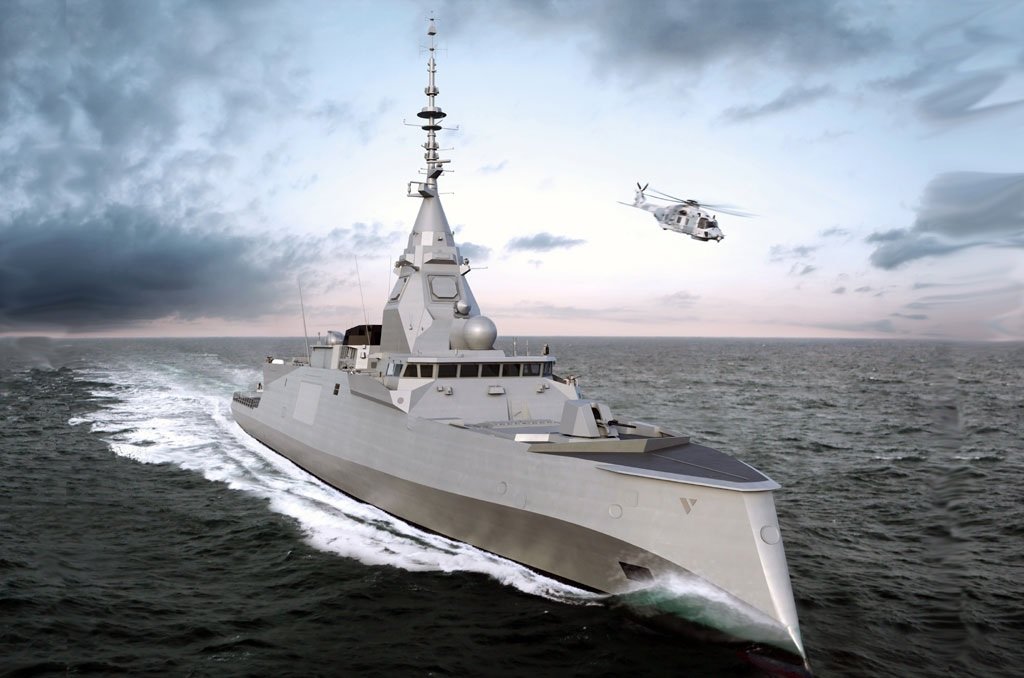
Europe
STOCKHOLM — Sweden and France have signed a €4.3 billion contract for four French Defense and Intervention Frigates (FDI) for the Royal Swedish Navy, with the ships to enter Swedish service as the Luleå class. The agreement was signed in Stockholm on August 31, 2026, during French President Emmanuel Macron’s visit to Sweden. The contract was signed by Mikael Granholm, Director-General of the Swedish Defence Materiel Administration (FMV), and Pierre Éric Pommellet, Chairman and CEO of Naval Group. The ceremony was held aboard the French Navy’s first FDI frigate, Amiral Ronarc’h, and was attended by Macron and Swedish Prime Minister Ulf Kristersson. The deal follows Sweden’s decision in May 2026 to begin negotiations with Naval Group for four FDI-based frigates. Sweden had selected the French design for its Luleå-class programme, with deliveries planned between 2030 and 2034. First frigate due in 2030 Naval Group will build the frigates in France, with the first vessel scheduled for delivery in 2030. The four ships will be delivered under the following schedule: HMS Luleå — 2030 HMS Norrköping — 2032 HMS Trelleborg — 2033 HMS Halmstad — 2034 FMV said production of the ships and training of Swedish personnel can begin following the signing of the contract. Naval Group will serve as the main system integrator, with the vessels delivered ready for service. Focus on air defense and anti-submarine warfare The Swedish frigates will be configured primarily around air defense and anti-submarine warfare. The Swedish government said the ships will also provide Sweden with the ability to establish sea control, protect maritime transport and keep sea routes open. The ships will use Aster 30 and CAMM-ER surface-to-air missiles. Swedish systems will also be integrated into the vessels, including the RBS15 anti-ship missile, Torpedo 47, Giraffe 1X radar, Trackfire remote weapon stations, and 57 mm and 40 mm naval guns. FMV confirmed the Swedish equipment included in the configuration. The combination gives the Luleå-class a mix of air-defense, anti-submarine and surface-warfare capabilities while allowing Sweden to incorporate several systems already used by its armed forces. Larger role for the Swedish Navy The acquisition is part of Sweden’s broader effort to strengthen its naval capabilities following its accession to NATO. The Swedish government said the frigates will strengthen Sweden’s ability to defend and exercise control over its territory while improving interoperability with NATO allies during international operations. Air defense is a particular priority, with Defence Minister Pål Jonson stating that the four frigates will triple Sweden’s current air-defense capability at sea. The ships are intended to operate in the Baltic Sea and other surrounding waters, supporting maritime security and the protection of sea routes. Wider Sweden-France defense cooperation The frigate contract was accompanied by a separate framework agreement between the Swedish and French defense ministries. Swedish Defence Minister Pål Jonson and French Minister of the Armed Forces and Veterans Affairs Catherine Vautrin signed the agreement, which is intended to establish a long-term platform for cooperation in operational matters, defense equipment and industrial development. The procurement therefore extends beyond the four ships, creating a broader framework for Swedish-French defense cooperation. A major addition to Sweden’s fleet The Luleå-class will represent a substantial addition to Sweden’s surface fleet. Based on France’s FDI design, the frigates will be configured specifically for Swedish requirements and will combine French and Swedish defense systems. The first ship, HMS Luleå, is scheduled to be delivered in 2030, with the remaining three frigates following through 2034. Once delivered, the four vessels will become an important part of Sweden’s naval contribution to national defense and NATO maritime operations.
Read More → Posted on 2026-09-01 12:12:43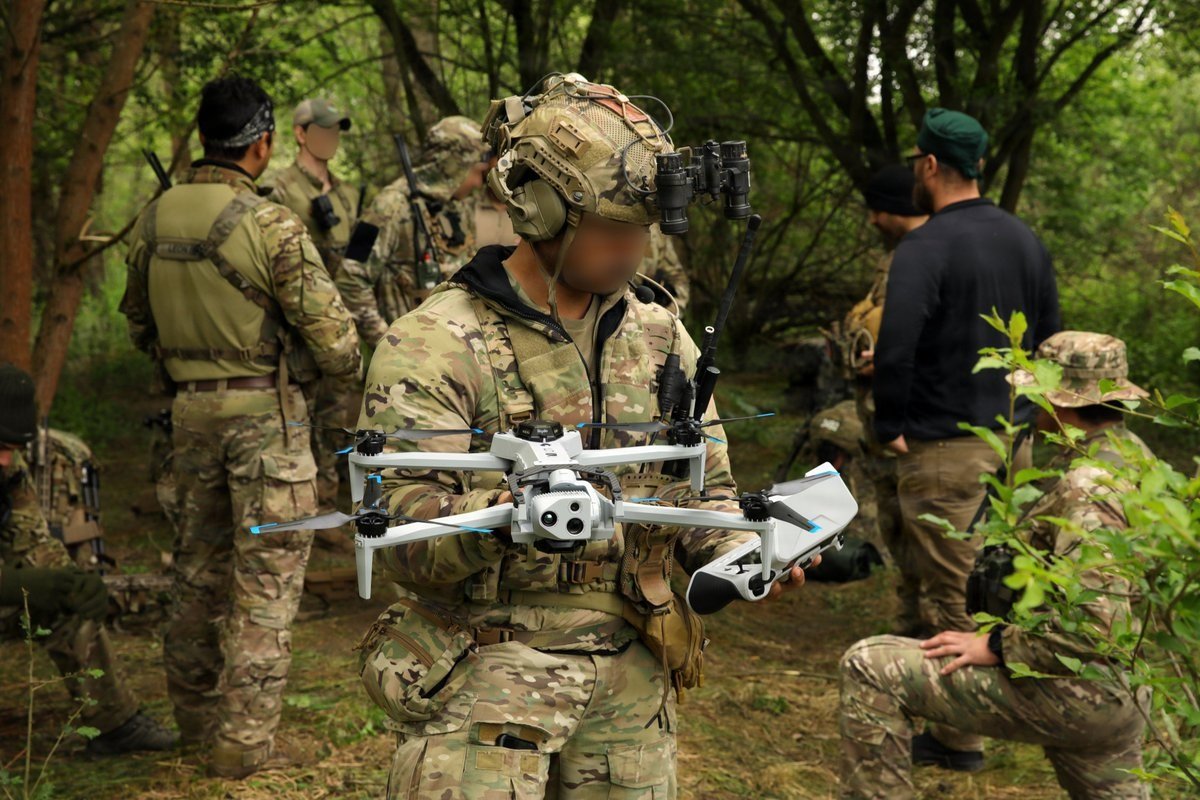
Europe
HOHENFELS, Germany, August 31, 2026 — Polish special forces are taking part in a U.S.-led military exercise in southern Germany designed to train troops to move and operate in areas heavily monitored by drones. The exercise was developed by U.S. Army Green Berets using lessons from the war in Ukraine. The training began on August 28 at the Joint Multinational Readiness Center near Hohenfels and covers a roughly 3,000-square-kilometer (1,100-square-mile) training area. It is the first time a NATO ally has participated in this specific exercise. U.S. special forces previously conducted the scenario twice earlier this year. Under the scenario, a U.S. Army airborne infantry unit parachutes into the Hohenfels training area and establishes a simulated front line. Polish troops must cross the positions without being detected before traveling about 100 kilometers (60 miles) north to the Grafenwöhr Training Area, where they must conduct a simulated drone strike against a target. The route passes through forests, farmland, villages, farms and populated areas. Polish operators must avoid detection by military forces as well as civilians, surveillance cameras and local police reports. In earlier versions of the exercise, U.S. special forces removed their uniforms to blend into the civilian environment. U.S. forces acting as the opposing force use drones to search for the Polish team. Previous versions involved more than 100 drones, while military police units with dogs could also be sent after troops who were detected. Within the exercise, soldiers who are located can be considered “captured or killed.” A U.S. Army Green Beret officer said the exercise attempts to replicate battlefield effects that Russia and Ukraine have had to overcome during the war. The training is part of a wider U.S. effort to adapt to drone warfare. Through the Army's Transforming in Contact (TiC) program, the 3rd Brigade Combat Team, 10th Mountain Division tested more than 150 unmanned systems during its deployment in Europe, including systems for reconnaissance, electronic warfare, command and control and mobile operations. The U.S. military has also established Joint Interagency Task Force 401 (JIATF 401) to focus on countering unmanned aircraft systems and accelerating the integration of counter-drone technologies. The task force studies drone warfare experiences from Ukraine and European countries. Separately, a specialized U.S. Army unit in Europe that had been studying drone warfare was recently directed to return to its primary role as an airborne infantry battalion. The unit, drawn from the 173rd Airborne Brigade, had experimented with drone tactics and systems based on observations from Ukraine and is expected to report its findings to the Army. The U.S. Army plans to conduct the Hohenfels drone-evasion exercise several times a year, with special forces from additional NATO countries expected to participate. U.S. officials have indicated that most of NATO's 32 member states are likely to show interest in the training.
Read More → Posted on 2026-08-31 16:22:11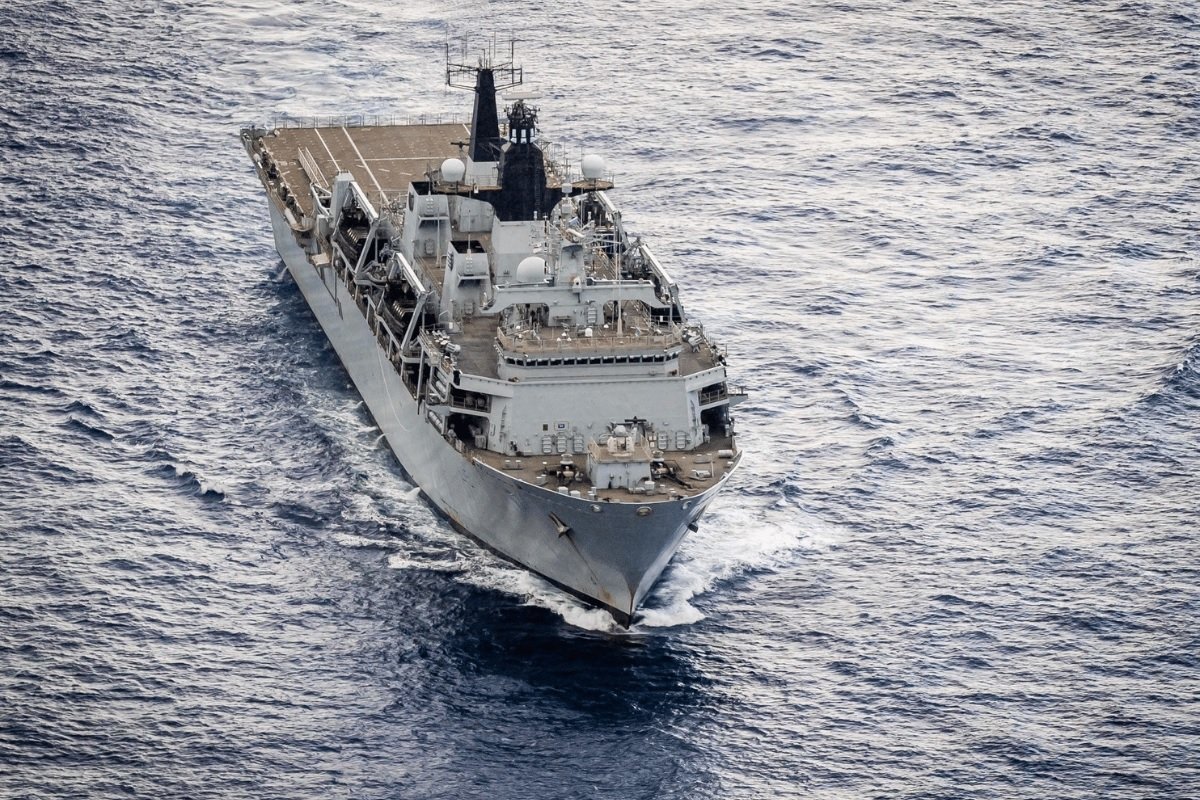
Europe
LONDON, — The United Kingdom has officially confirmed the sale of HMS Bulwark, an Albion-class amphibious assault ship, to the Brazilian Navy. The announcement was made by the UK Ministry of Defence on August 28, 2026, ending more than two decades of Royal Navy service for the ship. In Brazilian service, the former HMS Bulwark is expected to be known as NDM Oiapoque. The transfer comes as the UK moves toward a new amphibious fleet being developed with the Netherlands. UK Moving Toward New Amphibious Ships The sale of Bulwark follows a £2.4 billion UK-Netherlands maritime partnership announced in July 2026. Under the programme, Britain and the Netherlands will develop a new fleet of amphibious transport ships. The new ships will be about 160 metres long and displace 15,000 tonnes. Each country is expected to operate four vessels. They will be designed to transport troops, vehicles and equipment, while their flight decks will support current and future long-range drones and autonomous systems. The ships will be built in UK shipyards in cooperation with Dutch industry. The programme is part of Britain's wider move toward a hybrid navy combining crewed warships with uncrewed and autonomous systems. The UK government has said the new amphibious fleet will provide a shared capability for British and Dutch forces and strengthen their ability to operate together within NATO. UK Minister of State for Defence Lord Coaker said: “HMS Bulwark served this country and our allies with distinction for over two decades, and I’m pleased that she will continue her story in Brazilian service, with a nation that has long stood alongside us as a defence partner.” HMS Bulwark's Amphibious Role HMS Bulwark was commissioned in 2005 and became one of the Royal Navy's two Albion-class amphibious assault ships. Based at HM Naval Base Devonport, the ship was designed to transport Royal Marines, vehicles and equipment and land them ashore using landing craft and helicopters. Its major amphibious feature is a floodable stern dock. By flooding the dock, the ship can launch its landing craft directly into the water. The Albion class operates LCU Mk10 landing craft, which can transport personnel and heavy vehicles, including a Challenger battle tank. According to Royal Navy specifications, the Albion class has a displacement of 19,560 tonnes, a length of 176 metres, a maximum speed of 18 knots and a range of about 8,000 nautical miles. Bulwark has a crew of around 325 and can accommodate up to 405 additional troops, along with trucks, smaller vehicles and main battle tanks. The ship's flight deck can support heavy-lift helicopters, including Chinooks, while its well deck provides the main sea-based route for amphibious landings. More Than Two Decades of Royal Navy Service During its Royal Navy career, Bulwark participated in amphibious deployments, humanitarian missions and multinational exercises. In 2006, the ship supported the evacuation of civilians from Lebanon. It later served as the Royal Navy's Fleet Flagship from 2011 to 2015. Bulwark also provided maritime security support during the sailing events of the 2012 London Olympics. The ship's role was not limited to combat operations. Its amphibious design also allowed it to support humanitarian assistance and disaster-relief missions by transporting personnel, vehicles, landing craft and supplies. End of Albion-Class Service in Britain The transfer of Bulwark follows Britain's decision to move away from the current Albion-class amphibious assault ships. The Royal Navy's current information states that the Albion-class ships are being decommissioned, with amphibious support for the Royal Marines being provided by other vessels while the future amphibious fleet is developed. HMS Albion's sister ship remains at Devonport pending disposal, according to the Ministry of Defence. The decision to replace the capability provided by the Albion class is now linked to the new UK-Netherlands amphibious transport ship programme. The British government says the future ships will provide a modern, interoperable capability while also supporting the integration of drones and autonomous systems into amphibious operations. Brazil to Receive Another Former Royal Navy Ship The acquisition gives Brazil another major former Royal Navy vessel. The Brazilian Navy already operates the former HMS Ocean, which was sold to Brazil in 2018 and now serves as NAM Atlântico. The future NDM Oiapoque will add an amphibious transport capability based around a floodable dock, landing craft and helicopter operations. This will allow the Brazilian Navy to transport troops, vehicles and equipment and conduct amphibious and humanitarian missions. The former Bulwark is currently undergoing preparation in the United Kingdom ahead of its transfer. Brazilian personnel have also been involved in preparations for the ship's transition to Brazilian service. Recent reports from Brazil indicate that the vessel has already appeared with the Brazilian designation G350 during work in Plymouth, although the UK Ministry of Defence's official announcement remains the primary confirmation of the sale. The transfer marks the end of HMS Bulwark's Royal Navy career while giving the Brazilian Navy an Albion-class amphibious platform as Britain develops its next generation of amphibious ships with the Netherlands.
Read More → Posted on 2026-08-30 13:04:41
Europe
MADRID, Spain — Spanish technology and defence company Indra has developed an augmented-reality (AR) system that allows crews inside armoured vehicles to effectively see through the vehicle’s armour while remaining protected inside. The system provides a continuous 360-degree view of the vehicle’s surroundings by combining imagery from external cameras with information from the vehicle’s mission systems. The combined information is displayed directly in the crew member’s field of view through AR glasses. Traditionally, armoured vehicle crews have relied on periscopes, optical viewfinders and multiple internal displays to monitor their surroundings. Indra’s system is designed to replace this fragmented approach with an integrated visual interface. The system can present the information as a single panoramic view or across configurable virtual screens. The information can also be adapted to the crew member’s role, including the driver, commander or gunner, and to the stage of an operation. Indra says the technology is designed to improve situational awareness, safety and crew survivability, particularly in complex environments such as urban operations, where threats can come from different directions and conventional viewing systems can leave blind spots. Crew members can look toward areas of interest while remaining inside the protected vehicle. The company also says the system can reduce cognitive workload by presenting relevant visual and tactical information within a single field of view instead of requiring operators to interpret several separate displays. This is intended to support faster decision-making during fatigue, stress or rapidly changing battlefield conditions. The development forms part of Indra’s wider effort to digitalise armoured combat platforms, including technologies intended for Europe’s next generation of main battle tanks and the modernisation of vehicles already in service. Indra is also developing 360-degree vision and situational-awareness technologies for platforms such as the Spanish Army’s 8x8 Dragon, where it is a lead partner through TESS Defence. Related systems incorporate artificial intelligence for threat detection and analysis. The broader objective is to turn armoured vehicles into connected nodes within a “system of systems”, linking sensors, mission systems and other battlefield assets through digital networks.
Read More → Posted on 2026-08-28 16:21:09
Europe
HELSINKI, — Sweden’s Saab has signed a contract with the Finnish Defence Forces Logistics Command for the delivery of its RBS 70 NG short-range air defence system. The initial order is valued at SEK 1.2 billion. The agreement also allows Finland to place additional orders in the future for more RBS 70 NG systems, as well as training, spare parts and maintenance equipment. Finland has operated an earlier version of the RBS 70 since 2008, designated ITO05 and ITO05M by the Finnish Defence Forces. The RBS 70 NG retains the system’s unjammable laser-guided missile and adds an automatic target tracker and built-in night capability. These improvements are intended to increase hit probability and allow operations in a wider range of conditions. The RBS 70 NG is designed for short-range ground-based air defence and can engage aircraft, helicopters, drones and other aerial threats at ranges of up to nine kilometres. Finland’s Ministry of Defence had earlier indicated that the procurement was worth approximately €108 million excluding taxes. The package is expected to include firing units, missiles, training equipment and a maintenance system, with full operational capability planned before the end of the 2020s. Training for regular personnel, conscripts and reservists is planned mainly at the Salpausselkä Air Defence Battalion of the Karelia Brigade. Görgen Johansson, head of Saab’s Dynamics business area, said: “We are proud to continue supporting Finland’s Defence Forces and contributing to keeping the nation’s skies safe. With RBS 70 NG, Finland will receive a state-of-the-art short-range air defence capability to effectively meet evolving aerial threats.” The contract continues the long-standing cooperation between Saab and the Finnish Defence Forces involving the RBS 70 family and supports Finland’s efforts to strengthen its ground-based air defence network.
Read More → Posted on 2026-08-28 13:29:41Search
Top Trending in 24 Hours
-
 Iranian Missile Strike Damaged U.S. A-10 and Eight F-15s at Jordan Air Base, CBS Reports
-
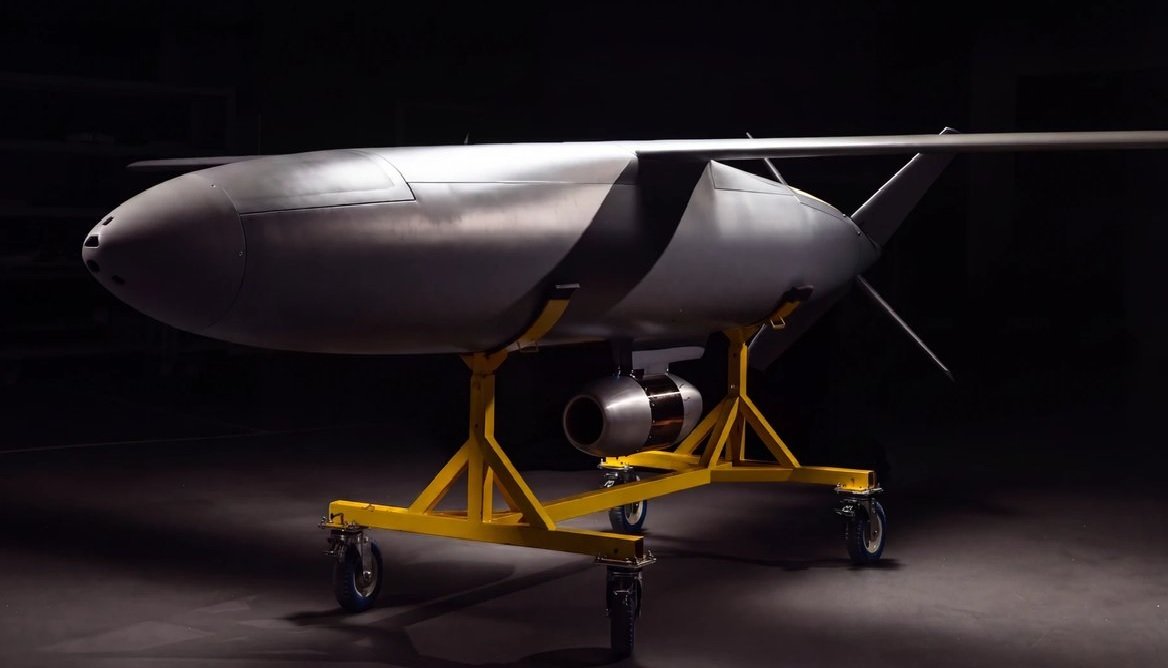 U.S. Startup Covenant Emerges From Stealth With $250 Million Funding and Anthem, a New Long-Range Heavy-Payload Strike Missile After More Than 200 Test Flights
-
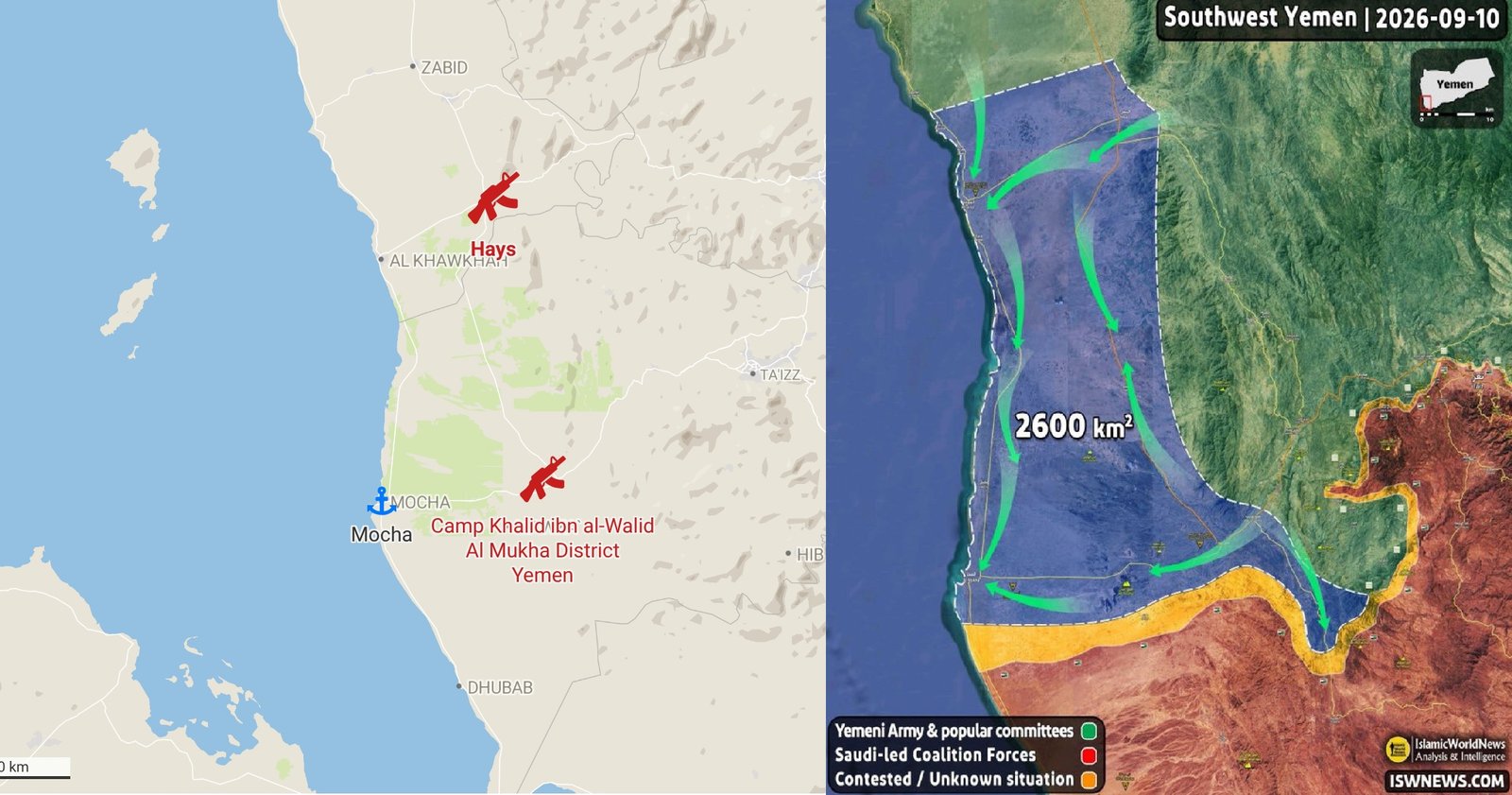 Houthi Forces Capture Strategic Red Sea Port City of Mocha Following Government Withdrawal
-
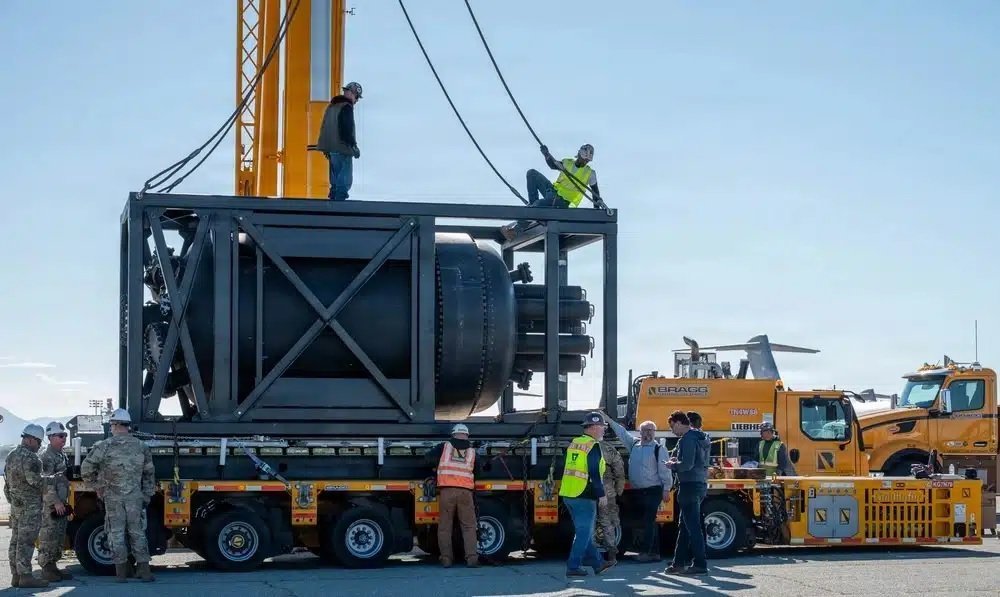 U.S. Navy Plans First Shore-Based Nuclear Microreactor at Indiana’s Crane Base by 2028
-
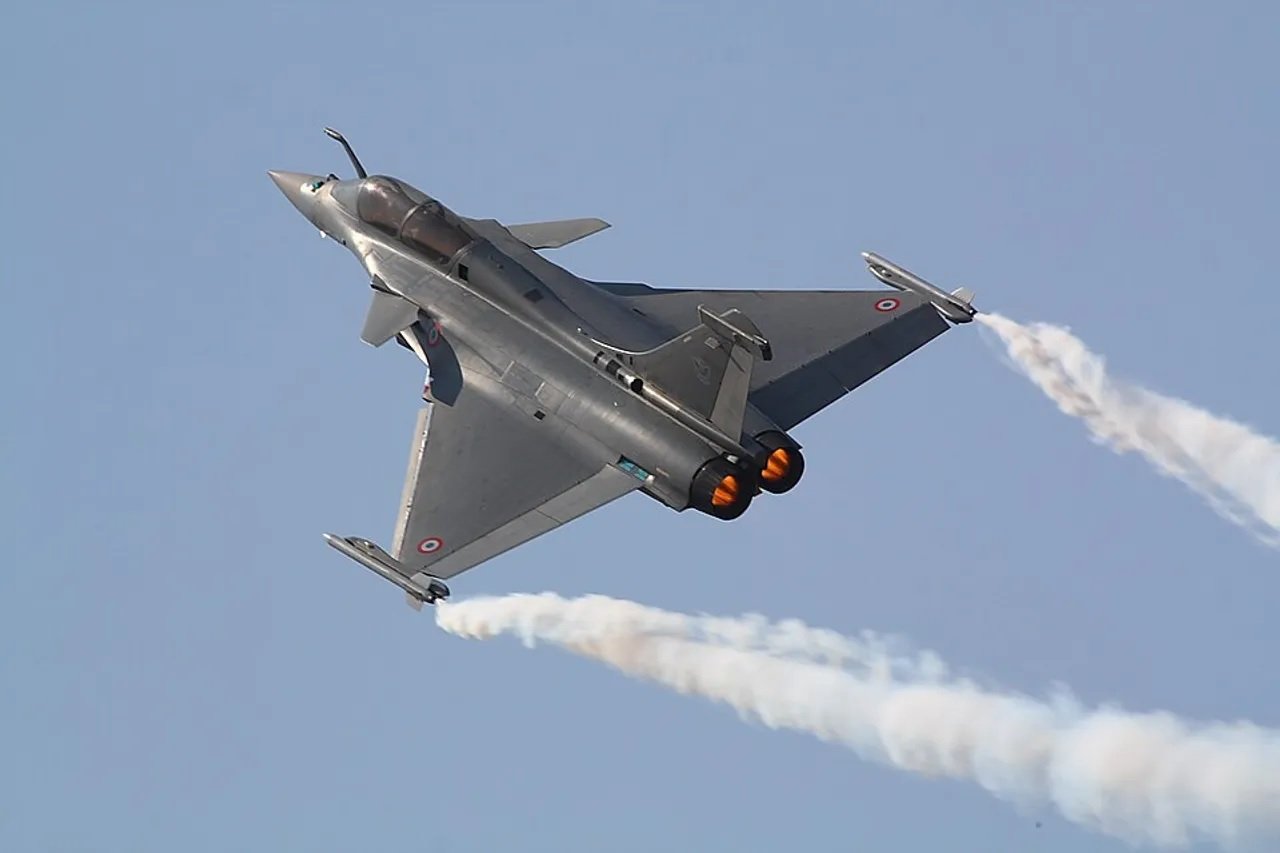 Russian Rafale “Kill Switch” Claim Faces Questions Over Evidence
-
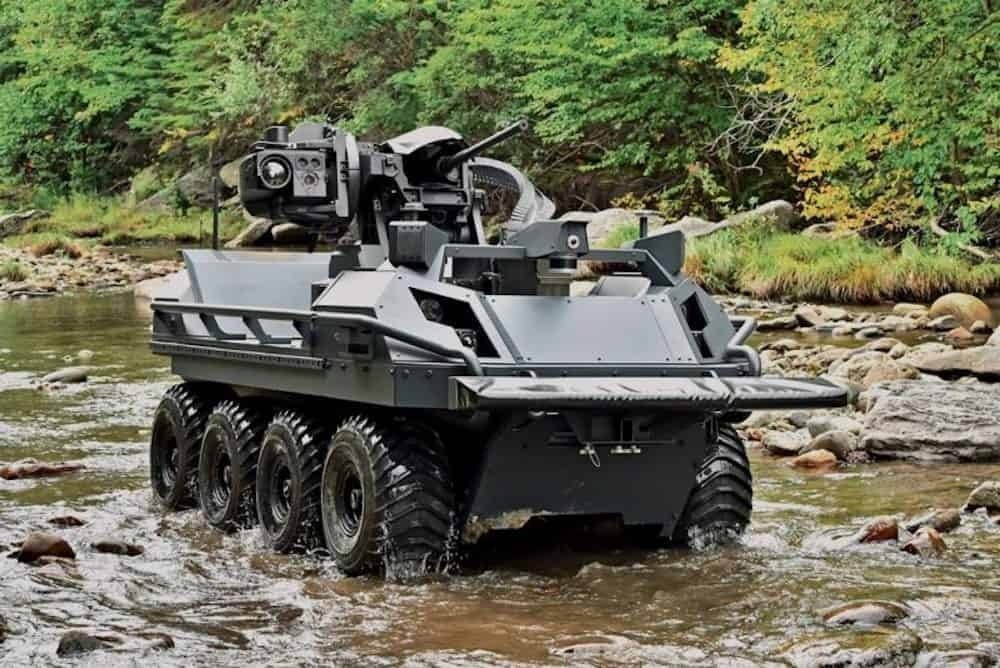 American Rheinmetall Secures $7.28 Million Contract for U.S. Marine Corps Autonomous Vehicles
-
 U.S. Signs $4 Billion Military Financing Guarantee for Poland, Bringing Total Support Near $20 Billion
-
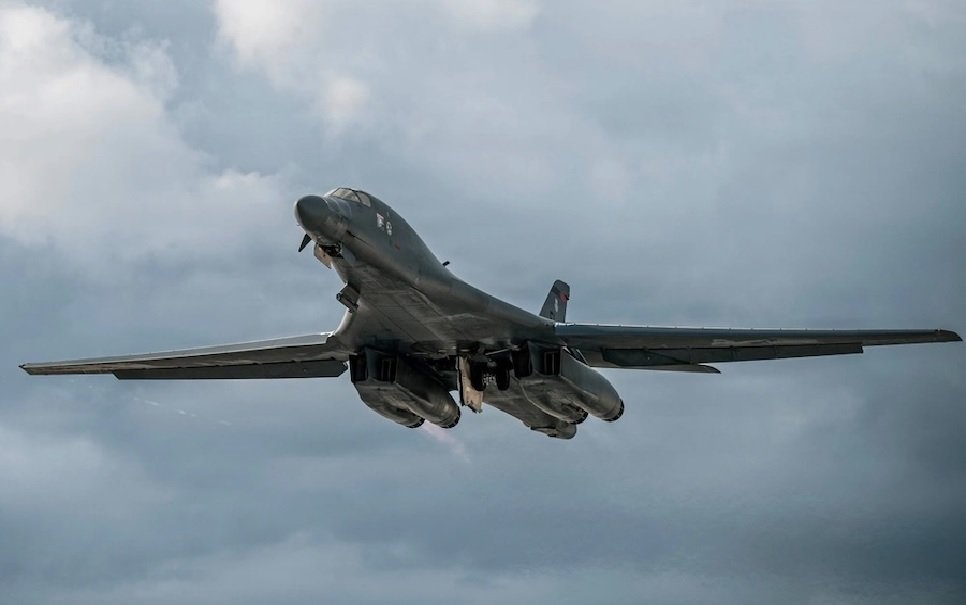 U.S. Air Force Launches North Star Campaign to Improve B-52 and B-1 Bomber Readiness
Top Trending in 4 Days
-
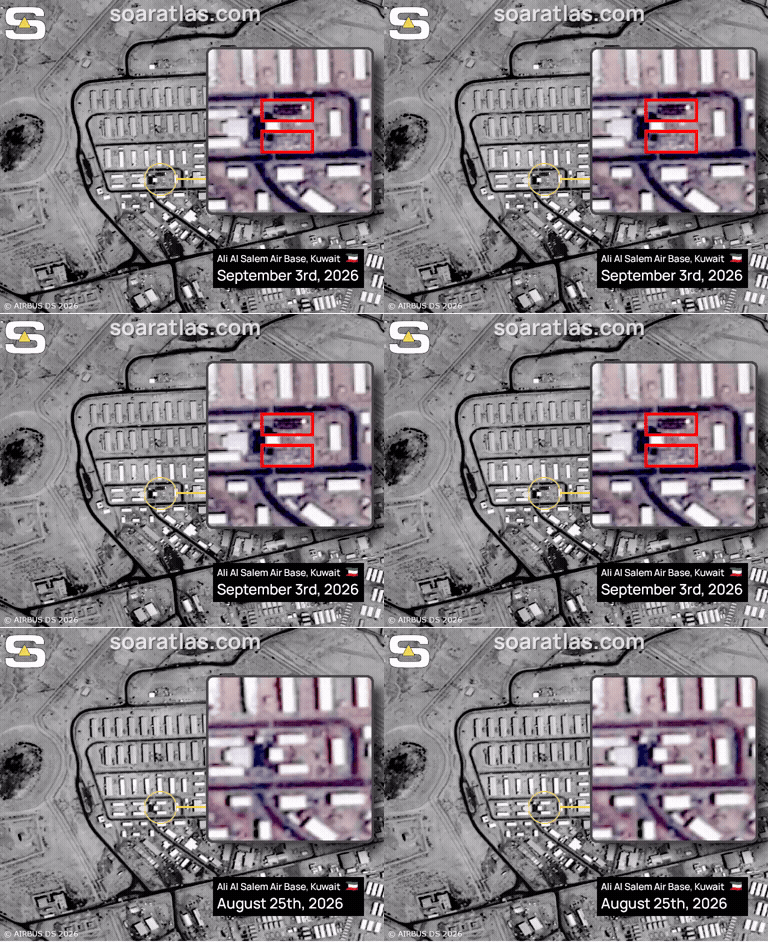 Satellite Imagery Shows Two U.S. Barracks Destroyed at Kuwait’s Ali Al Salem Air Base in Iranian Attack
-
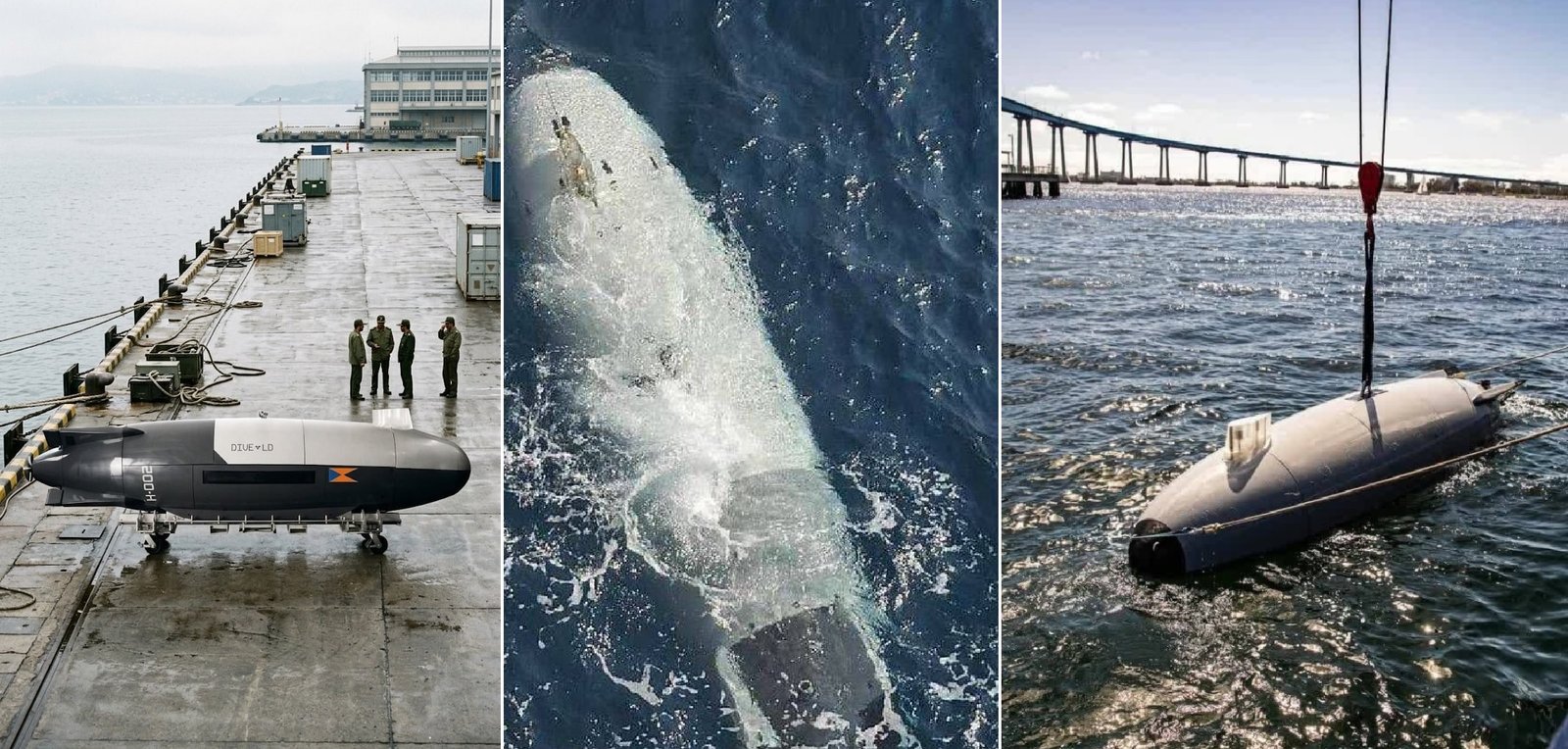 Iran’s IRGC Claims Capture of U.S. Dive-LD Unmanned Underwater Vehicle Near Strait of Hormuz
-
 Mysterious Black Aircraft at Long Beach Airport Identified as Aevum’s RAVN X Autonomous Spaceplane After Years Out of Sight
-
 Trump’s ‘The Moon Is Ours’ Post, Space Force Uniform Concept and Green Lantern AI Video Draw Online Backlash
-
 Iran Launches Massive Ballistic Missile Attack with Cluster Munitions on U.S.-Used Air Base in Jordan, Some Missiles Confirmed to Have Hit Base
-
 Iranian Missiles Strike U.S. Base in Jordan as Reports Emerge of Injured American Personnel
-
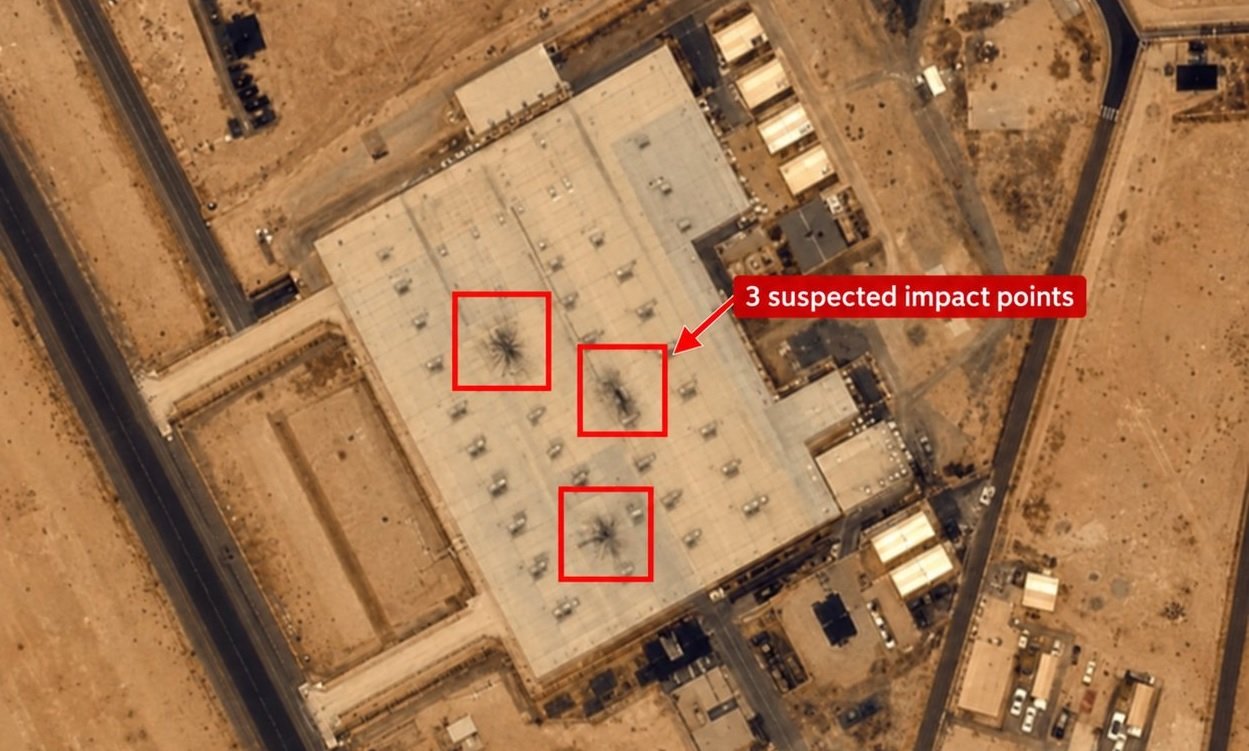 New Satellite Images Show Three Possible Impacts at U.S.-Linked Air Bases in Kuwait
-
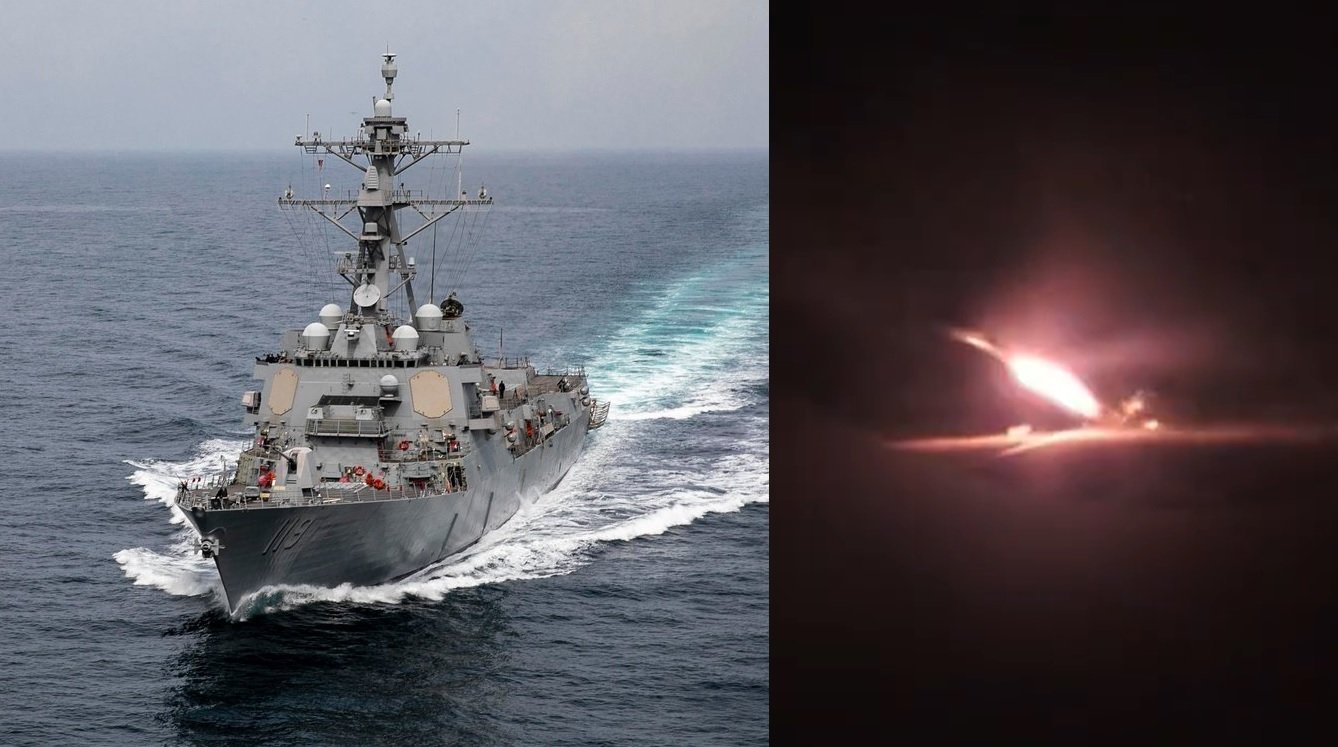 IRGC Claims Significant Damage to Two U.S. Destroyers in Missile Attack; CENTCOM Denies Hits