Europe
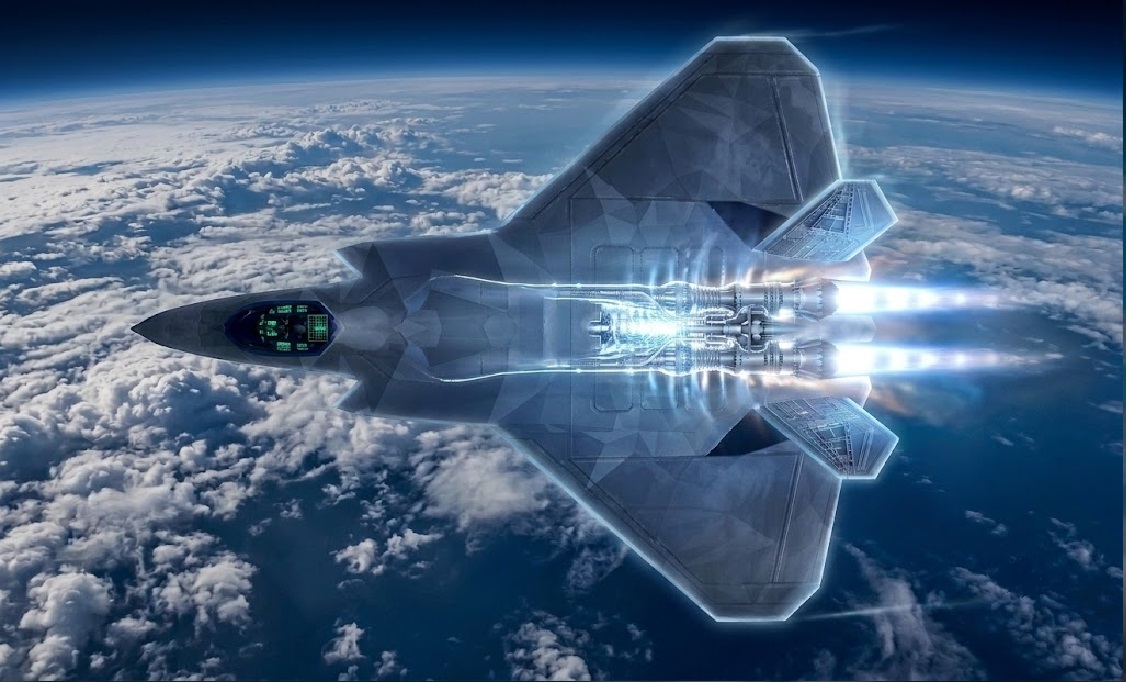
LONDON — The international consortium developing the propulsion system for the Global Combat Air Programme (GCAP) has moved closer to ground-testing its next-generation engine demonstrator after completing a series of major design reviews. The engine development team, comprising Italy's Avio Aero, Japan's IHI Corporation, and the United Kingdom's Rolls-Royce, confirmed that the all-new centerline engine demonstrator is nearing final design approval. The demonstrator is a key step in reducing technical risks before the propulsion system enters full-scale development for the GCAP fighter aircraft. GCAP is a joint program between the United Kingdom, Italy, and Japan to develop a next-generation stealth combat aircraft expected to enter service around 2035. The three companies said they have completed more than 100 subscale component tests, while manufacturing of engine components is progressing across facilities in all three partner nations. The upcoming ground-testing phase will provide critical performance data needed to finalize the design of the aircraft's full power and propulsion system. In addition to validating new technologies, the engine demonstrator will help the partners evaluate manufacturing methods, engineering tools, and development processes intended to reduce the overall program timeline. Unlike previous-generation fighter engines, the GCAP propulsion system is being designed to deliver not only thrust but also the electrical power and thermal management required for advanced radar systems, sensors, electronic systems, and future weapons. Phil Townley, Director of Future Programmes for Defence at Rolls-Royce, said the engine is being developed as a "flying power station" capable of handling the significant electrical and thermal demands of next-generation mission systems. He added that the trilateral partnership is enabling the companies to work as a single team despite operating across three countries. IHI Corporation is contributing advanced Japanese engine technologies, materials, and manufacturing expertise to the program. Noriyuki Nakamura, Senior Technical Advisor at IHI, said the company is combining its latest technologies with the experience of Rolls-Royce and Avio Aero to develop the propulsion system that will serve as the "heart" of the future combat aircraft. He also highlighted the importance of building long-term cooperation and trust among the participating companies. Edoardo Curti, General Manager of Avio Aero's Defense Business Unit, described the completion of the recent design reviews as a significant milestone. He said the achievement reflects the partners' shared commitment to developing next-generation propulsion technology while strengthening long-term industrial cooperation under the GCAP program. To support closer coordination, the three companies recently opened a dedicated Collaboration Hub in Reading, United Kingdom. The facility allows engineers from Italy, Japan, and the UK to work together alongside representatives from the GCAP Agency and Edgewing, the industrial joint venture responsible for the aircraft's overall design and delivery. Edgewing was established by BAE Systems, Leonardo, and Japan Aircraft Industrial Enhancement Co. Ltd. In July 2026, the GCAP Agency awarded the company a £4.6 billion (approximately $6.1 billion) contract to carry the fighter aircraft into its detailed design and testing phase. The program targets a crewed demonstrator flight by the end of 2027. The proximity of the engine consortium to Edgewing is intended to ensure close integration between the propulsion system and the aircraft's airframe, electrical architecture, and thermal management systems throughout development. Beyond its military objectives, the GCAP engine program also supports the aerospace industries of the three partner nations. According to the consortium, the propulsion program currently sustains more than 9,000 highly skilled aerospace jobs worldwide while contributing to the long-term development of engineering and manufacturing expertise. With design reviews completed and component testing continuing, the consortium's immediate priority is to transition the engine demonstrator to ground testing, marking the next major stage in validating the propulsion system for the GCAP fighter aircraft. Source : rolls-royce
Read More → Posted on 2026-07-20 16:39:10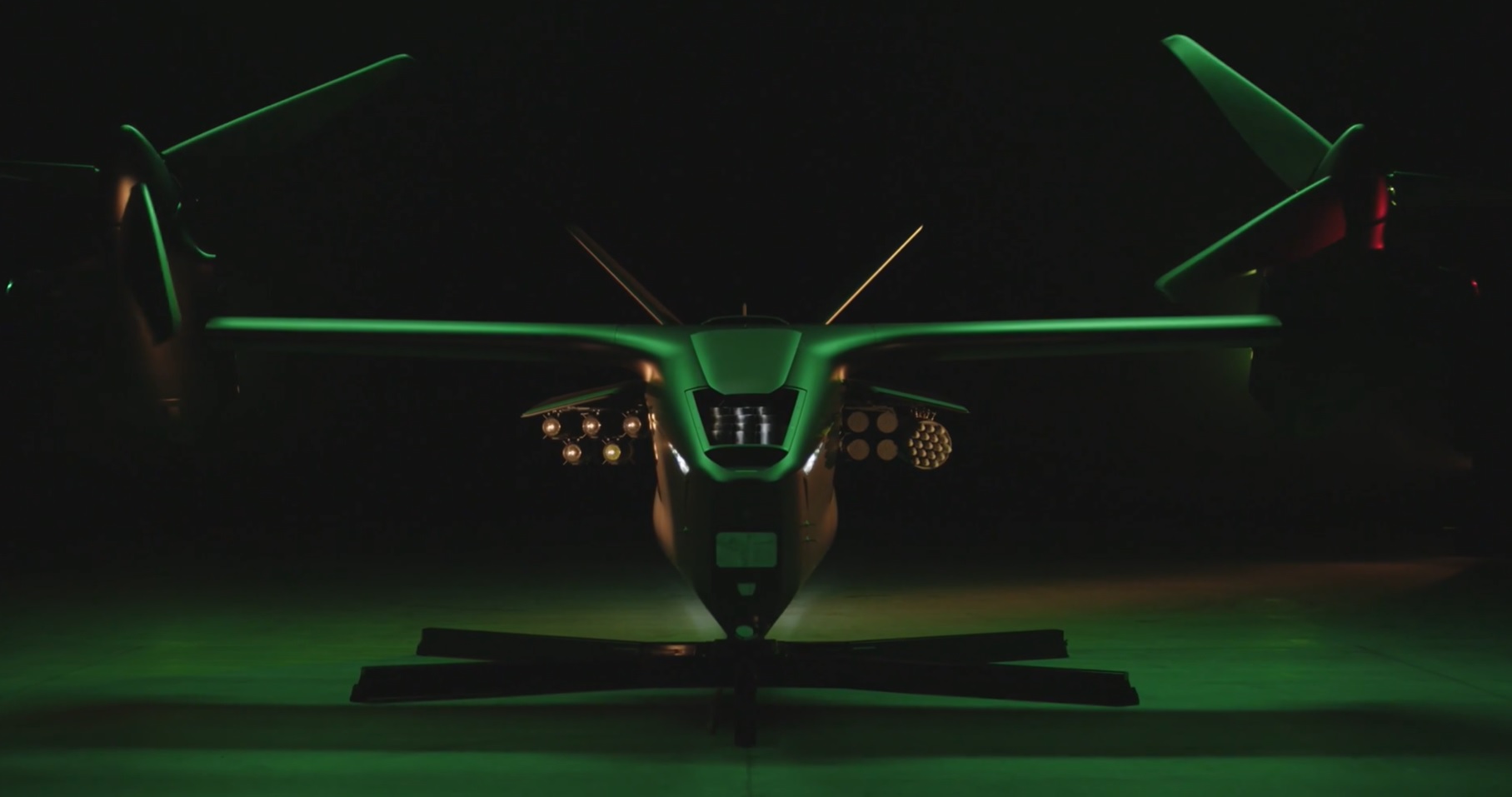
Europe
FARNBOROUGH, England, July 20, 2026 — Anduril Industries and Archer Aviation (NYSE: ACHR) on Monday unveiled Thunder, a Group 5 Autonomous Air Vehicle (AAV) designed to operate alongside crewed attack and assault helicopters, increasing combat capability while reducing risk to pilots in contested environments. The aircraft was introduced at the Farnborough International Airshow as part of a strategic partnership between Anduril and Archer Aviation that combines Archer's electric vertical takeoff and landing (VTOL) technology with Anduril's autonomous mission systems. The companies said Thunder is a dual-use platform that brings commercial VTOL technology into military applications while sharing a common development baseline for both defense and commercial variants. The modern battlefield is a robotic kill zone. Attack helicopters and their crews face more sophisticated threats than ever before. In this new era of maneuver warfare, we need eyes for what’s ahead and a shield for what we can’t afford to lose. Thunder is a Group 5… pic.twitter.com/0gWwAKZFJC — Anduril Industries (@anduriltech) July 20, 2026 Built as a New Military Platform According to the companies, Thunder has been under development since 2024 and was designed from the ground up rather than adapted from Archer's commercial air taxi aircraft. Archer Aviation CEO Adam Goldstein said the program followed a "first principles" approach to develop a purpose-built vertical lift aircraft capable of meeting military operational requirements. The aircraft uses a series hybrid-electric powertrain combined with Optimum Speed Tiltrotor (OSTR) technology, allowing its rotors to adjust rotational speed for improved efficiency during different phases of flight. This enables Thunder to perform vertical takeoffs and landings like a helicopter while transitioning to efficient wingborne forward flight, providing greater speed, range and endurance. The hybrid-electric propulsion system is designed to provide sufficient range for long-distance self-deployment. For transport, Thunder can also be packed into a standard shipping container, allowing movement by air, road, rail or sea into operational areas. Designed for Multiple Mission Types Thunder is intended to operate as an autonomous attack rotorcraft that supports crewed helicopters such as the AH-64 Apache or flies independently in autonomous formations. The aircraft features modular internal payload bays in both the main fuselage and nose section, allowing operators to configure it for different mission requirements. These payloads include precision-guided weapons, rockets, launched effects, electronic warfare systems, counter-unmanned aerial system (counter-UAS) equipment and standard cargo. According to Anduril, the main payload module can be configured to carry: Up to 10 air-to-ground missiles, including AGM-114 Hellfire, AGM-179 JAGM or Anduril's Barracuda-100M Up to 16 launched effects, including the Altius-600 Up to 76 individual 70mm rockets In addition, the nose payload module can simultaneously carry 12 counter-UAS effectors, enabling the aircraft to engage aerial threats while carrying weapons for ground attack missions. The company said the platform's open architecture allows future mission systems and payloads to be integrated as operational requirements evolve. Supporting Crewed Aviation Anduril said Thunder is designed to complement, rather than replace, existing crewed aircraft. The company said pairing multiple Thunder aircraft with platforms such as the Apache could significantly increase available firepower without requiring additional pilots while helping crews operate at greater stand-off distances. Its autonomous software is designed to enable coordinated operations between crewed and uncrewed aircraft while providing a shared tactical picture across formations. Developed for Contested Environments The companies said the platform was developed in response to changing battlefield conditions, where the widespread use of drones, loitering munitions, persistent intelligence, surveillance and reconnaissance (ISR) systems, and low-cost air defense systems has increased the risks faced by conventional attack helicopters. Thunder is intended to provide additional combat effects in these contested environments by combining autonomous operation with a large payload capacity, extended range and vertical lift capability. Testing and Future Plans Anduril and Archer said they have completed multiple test flights using full-scale surrogate aircraft to validate the platform's core technologies. The first flight of the production Thunder aircraft is planned for 2027. Alongside the defense-focused Thunder program, Archer Aviation said it plans to announce a commercial version of the platform, known as Halo, along with its first commercial launch partners later this week. Following the announcement, Archer Aviation shares rose more than 14% in Monday morning trading, reflecting investor interest in the company's expansion into the defense sector.
Read More → Posted on 2026-07-20 15:57:46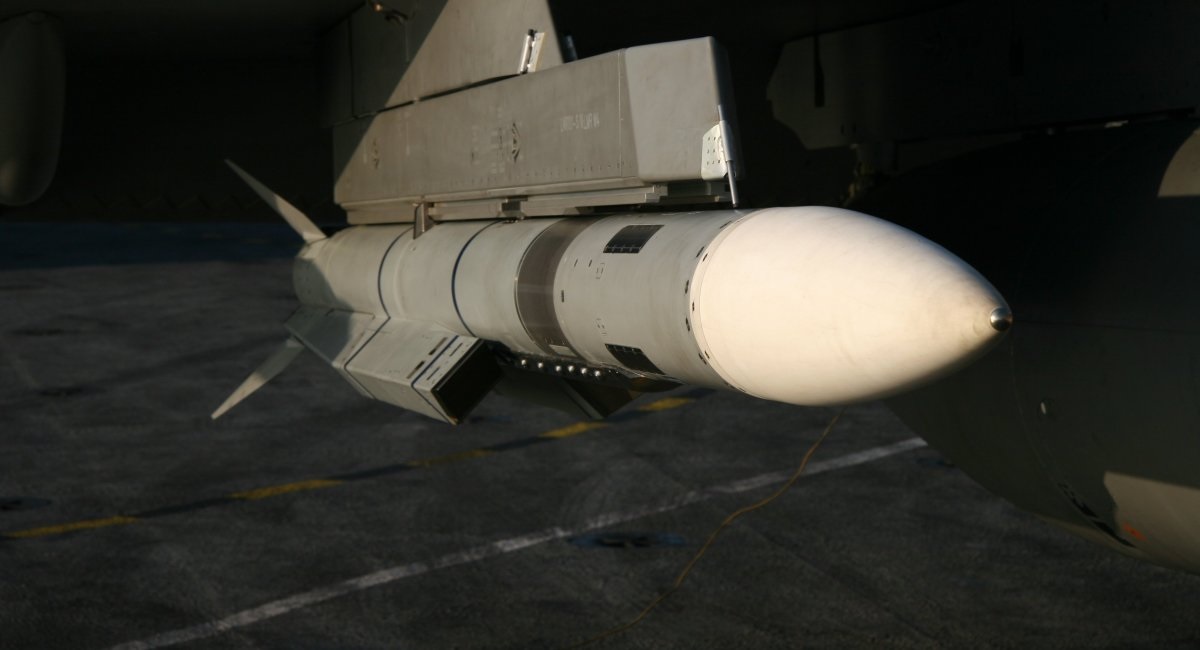
Europe
LONDON — The United Kingdom has decided not to proceed with a mid-life upgrade of its Meteor beyond-visual-range (BVRAAM) air-to-air missile, choosing instead to direct investment toward the development of its next-generation Future Air Superiority Effectors (FASE) programme. According to information from the British Ministry of Defence, the Meteor missile will remain in its current configuration and continue in service through routine maintenance rather than undergoing a major modernization programme. The missile is expected to remain operational with the Royal Air Force (RAF) into the 2040s. The decision reflects the UK's strategy of prioritizing future air combat capabilities over incremental upgrades to existing weapons. UK Shifts Investment to Future Air Combat Capabilities On July 3, 2026, UK Minister for Defence Readiness and Industry Luke Pollard confirmed that the government would not continue with the Meteor mid-life upgrade programme. "We are not continuing with the mid-life upgrade of the Meteor. We want to invest in the next generation of capabilities faster than the previous generation of capabilities," Pollard said. Instead of upgrading the current missile, funding is being redirected to the Future Air Superiority Effectors (FASE) programme, which is currently in its pre-concept phase. FASE aims to develop a family of advanced air combat effectors, including a new long-range air-to-air missile capable of engaging targets from extended stand-off distances. The future weapons are expected to be compatible with both manned combat aircraft and future uncrewed air platforms. To support the programme, the United Kingdom and France signed a memorandum of understanding (MoU) on April 1, 2026, launching a 12-month joint study. The study will examine future air combat threats, evaluate emerging missile technologies, and establish a roadmap for the development of a successor to the Meteor missile. Meteor to Remain in RAF Service into the 2040s Although the mid-life upgrade has been cancelled, the Meteor missile will continue to play a key role in the RAF's air combat capability. The missile entered RAF service in 2018 on the Eurofighter Typhoon, where it serves as the service's primary beyond-visual-range air-to-air missile. Production of the missile is expected to continue to meet operational requirements, while support will focus on routine maintenance rather than extensive modernization. The F-35B Lightning II is expected to become the second RAF aircraft equipped with the Meteor under the fighter's Block 4 upgrade programme, with integration expected in the early 2030s. The missile has already completed successful flight tests on the F-35B, while ground integration work is continuing for the F-35A variant. Meteor Programme and Technical Features The Meteor missile is developed by MBDA through a multinational European programme involving the United Kingdom, Germany, Italy, France, Sweden, and Spain. It is currently in operational service with partner nations on the Eurofighter Typhoon, Dassault Rafale, and Saab Gripen, while integration is also underway for the F-35A, F-35B, and South Korea's KF-21 fighter aircraft. One of the Meteor's defining features is its solid-fuel variable-flow ducted rocket (ramjet) propulsion system. Unlike conventional rocket motors that provide thrust only during the initial phase of flight, the ramjet delivers controlled thrust throughout the missile's flight, enabling it to maintain energy until interception and providing a large no-escape zone against maneuvering targets. The missile uses an active radio-frequency (RF) seeker for all-weather engagements and combines inertial mid-course guidance with autonomous terminal guidance. A two-way data link allows it to receive updated target information during flight, including data from third-party platforms, supporting network-enabled air combat operations. Meteor carries a blast-fragmentation warhead equipped with both impact and RF proximity fuses to increase the probability of destroying its target. The missile weighs approximately 190 kilograms, measures 3.7 metres in length, has a 178-millimetre diameter, and supports both rail and ejection launch methods, allowing integration across multiple fighter aircraft. Focus Turns to the FASE Programme The Future Air Superiority Effectors (FASE) programme is intended to deliver a new generation of air-to-air weapons capable of addressing future threats, including advanced combat aircraft, increasingly sophisticated missiles, and evolving electronic warfare systems. The ongoing UK-France study will help define future operational requirements, assess enabling technologies, and establish a development roadmap for the new missile family. While some Meteor partner nations, including Germany, have expressed interest in pursuing modernization of the existing missile, the United Kingdom has chosen to concentrate its resources on developing a successor alongside France. For the foreseeable future, the Meteor will continue to meet the RAF's long-range air combat requirements while the FASE programme advances toward the next generation of air superiority weapons for the Eurofighter Typhoon, F-35B, and future combat aircraft. Source : militarywatchmagazine
Read More → Posted on 2026-07-19 16:39:03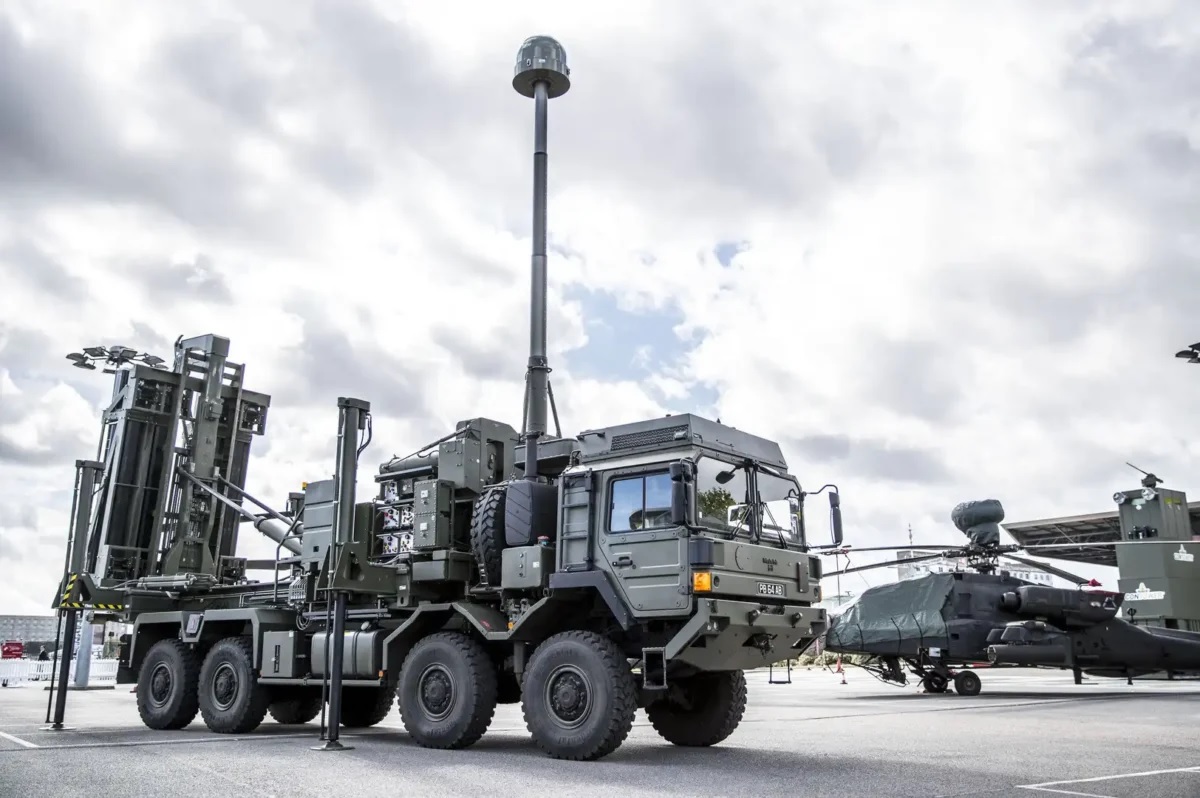
Europe
LONDON — The UK Ministry of Defence (MoD) has confirmed that its programme to double the British Army's fleet of deployable Sky Sabre air defence systems remains on schedule. Under the current timeline, new operating centres will be delivered by the end of 2026 and are expected to enter active service in 2027. The expansion is part of the £350 million Capability Uplift Package 1 (CUP1) under the wider Land Ground Based Air Defence (LGBAD) Programme. Alongside the new operating centres, the package includes additional Land Ceptor launchers and associated support vehicles, all of which are contracted for delivery in 2027. The update was provided by Defence Minister Luke Pollard in a written parliamentary response to Conservative MP Stuart Anderson, who had asked when the government's commitment to double the Army's operational Sky Sabre systems would be completed. Pollard said the Defence Investment Plan commits more than £350 million to increase the number of deployable Sky Sabre missile systems operated by the British Army. "The Defence Investment Plan commits over £350 million to double the number of deployable Sky Sabre air defence missile systems operated by the Army. Together, these investments will double the number of deployable Sky Sabre systems operated by the Army," Pollard stated. He also said the Ministry of Defence is examining additional improvements to the Sky Sabre capability beyond the current expansion. However, he did not provide further details, citing ongoing commercial negotiations. Sky Sabre Air Defence System Sky Sabre entered service with the British Army in 2021, replacing the Rapier air defence system that had been in service for more than four decades. It serves as the UK's primary medium-range ground-based air defence system and is designed to counter a wide range of aerial threats, including combat aircraft, helicopters, drones and cruise missiles. The system combines three main components: Saab Giraffe Agile Multi-Beam (AMB) 3D radar, which provides 360-degree surveillance at ranges of up to 120 kilometres. Surface to Air Missile Operations Centre (SAMOC) command-and-control system supplied by Rafael, enabling real-time information sharing with Royal Navy ships, Royal Air Force (RAF) aircraft and NATO allies through tactical data links. MBDA Land Ceptor launchers armed with Common Anti-Air Modular Missiles (CAMM), capable of reaching speeds of around Mach 3 (approximately 2,300 mph) and engaging targets at ranges of up to 25 kilometres. One of Sky Sabre's key capabilities is its ability to track multiple targets simultaneously and guide up to 24 missiles against 24 separate targets at the same time, improving its effectiveness against complex aerial attacks. Expansion to Strengthen Air Defence Capability The planned expansion is intended to increase the British Army's ability to deploy medium-range air defence systems both within the UK and during overseas operations. Additional launchers, operating centres and support vehicles will provide greater operational flexibility and increase the number of deployable units available for military missions. Sky Sabre has already been used in operational deployments. Following the start of the Russia-Ukraine conflict in 2022, personnel and Sky Sabre systems from the 16th Regiment Royal Artillery were deployed to Poland to help strengthen NATO's eastern flank and support the alliance's integrated air defence mission. The investment also forms part of the UK's broader effort to modernise its ground-based air and missile defence capabilities under the Land Ground Based Air Defence (LGBAD) Programme. In addition to expanding the Sky Sabre fleet, the Defence Investment Plan includes wider initiatives to improve air defence readiness, including investment in counter-drone capabilities and upgrades to existing systems. With deliveries of the new operating centres due by the end of 2026 and additional launchers and support vehicles scheduled for 2027, the Ministry of Defence said the programme remains on track to achieve its objective of doubling the British Army's deployable Sky Sabre air defence systems. Source : ukdefencejournal
Read More → Posted on 2026-07-17 14:26:59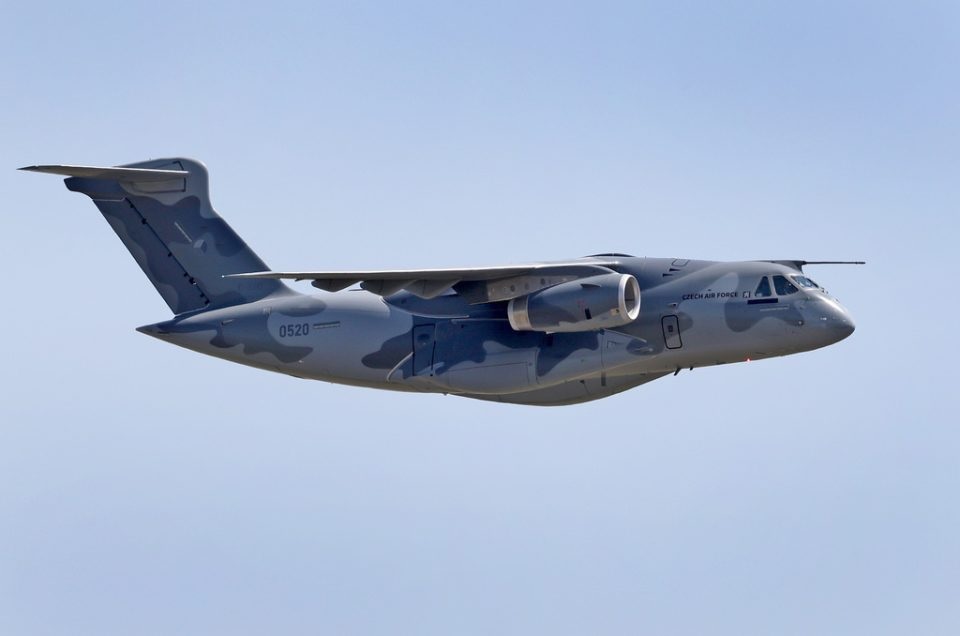
Europe
PRAGUE, Czech Republic — The Czech Air Force has officially inducted its first Embraer C-390 Millennium multi-mission transport aircraft during a handover ceremony held at Prague Kbely Air Base on July 16, marking a significant modernization of the country's military airlift capability. The delivery comes just 20 months after the Czech Republic signed the acquisition agreement in October 2024, reflecting the rapid execution of the procurement program. The aircraft arrived in Czech airspace several days before the ceremony after a ferry flight from Embraer's production facility in Brazil and was escorted by two Czech JAS 39 Gripen fighter jets. The official handover ceremony was attended by Czech Minister of Defence Jaromír Zůna, Chief of the General Staff General Miroslav Hlaváč, Czech Air Force Commander General Petr Tománek, and Bosco da Costa Junior, President and CEO of Embraer Defense & Security. The Czech Republic ordered two C-390 Millennium aircraft under a contract valued at approximately CZK 11.3 billion (around $508 million or €450 million). The agreement includes pilot and maintenance training, initial spare parts, ground support equipment, air-to-air refueling kits, and the MAFFS II aerial firefighting system. The second aircraft is scheduled for delivery in 2027. Expanding Airlift and Multi-Mission Capabilities The arrival of the C-390 Millennium marks a transition from the Czech Air Force's older and smaller transport aircraft to a modern medium airlift platform capable of supporting a wide range of military and humanitarian missions. Designed as a next-generation military transport aircraft, the twin-engine C-390 Millennium can carry up to 26 tonnes of payload, transport 80 troops or 64 fully equipped paratroopers, and reach speeds of up to 470 knots. It is also capable of operating from temporary or unpaved runways, increasing its flexibility during military deployments and disaster response operations. The aircraft is designed to perform multiple missions using a single platform, including: Cargo and troop transport Equipment and personnel airdrops Medical evacuation (MEDEVAC) Search and rescue (SAR) Humanitarian assistance Aerial firefighting using the MAFFS II system When equipped with its removable air-to-air refueling (AAR) kit, the C-390 can also serve as both an aerial tanker for fighter aircraft and a receiver for in-flight refueling. Czech Military Highlights Operational Benefits Minister of Defence Jaromír Zůna described the delivery as an important milestone for the Czech Armed Forces. He said the aircraft will significantly improve the military's ability to transport personnel, equipment, and humanitarian assistance while supporting both national missions and operations alongside NATO allies. According to the minister, the new aircraft will enhance the readiness, flexibility, and operational effectiveness of the Czech Armed Forces for years to come. Brigadier General Jaroslav Falta, Commander of the 24th Air Transportation Base, where the aircraft will be stationed, said the C-390 provides the Czech Air Force with an important strategic airlift capability. He noted that the aircraft will enable the transport of heavy and oversized cargo over long distances while strengthening support for NATO missions and emergency response operations within the Czech Republic. Falta also emphasized that the effectiveness of the new capability depends on the professionalism and dedication of Czech Air Force personnel. Czech Aerospace Industry Plays a Key Role The C-390 program also strengthens cooperation between Embraer and the Czech aerospace industry. Czech aircraft manufacturer Aero Vodochody produces the wing leading edges, rear fuselage sections, cargo ramp, and all aircraft doors for every C-390 built worldwide, making the company an important supplier across the global production line rather than only for aircraft delivered to the Czech Republic. Meanwhile, state-owned aerospace company LOM Praha will provide in-country maintenance and lifecycle support for the Czech Air Force's C-390 fleet. Bosco da Costa Junior said the Czech Republic has been an important partner in the C-390 program from its early stages and highlighted the long-term contribution of Czech industry to the aircraft's development and production. He added that Embraer will continue supporting the Czech Air Force throughout the aircraft's operational service. Growing International Fleet With the delivery of its first aircraft, the Czech Republic joins a growing group of C-390 Millennium operators and customers that are increasing cooperation in training, maintenance, and logistics. In addition to the Brazilian Air Force, the aircraft has been selected by Portugal, Hungary, the Netherlands, Austria, the Republic of Korea, Sweden, the United Arab Emirates, Slovakia, Lithuania, and Uzbekistan. For the Czech Armed Forces, the introduction of the C-390 Millennium improves interoperability with NATO partners while providing a modern transport aircraft capable of supporting military operations, humanitarian missions, disaster relief, and international deployments. Military officials have also indicated interest in expanding the fleet beyond the current order of two aircraft in the future. Source : edrmagazine
Read More → Posted on 2026-07-17 13:51:50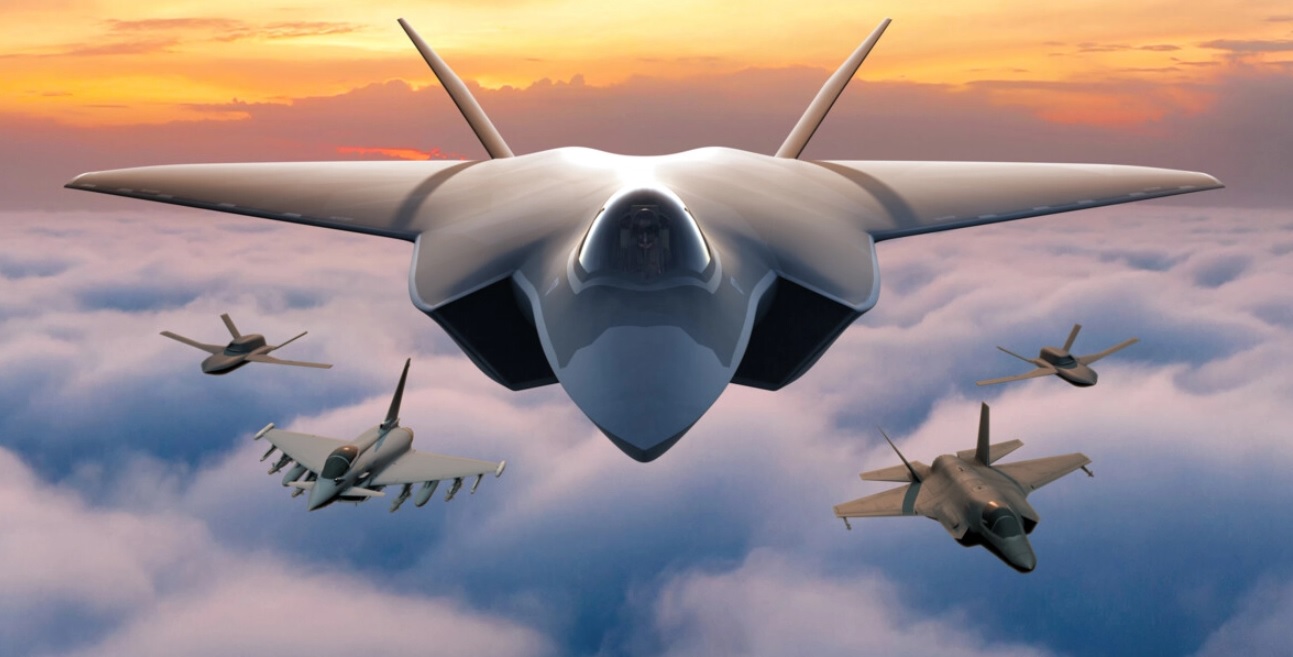
Europe
LONDON — The United Kingdom has officially named its new autonomous Collaborative Combat Aircraft (CCA) programme StormFighter, marking a significant step in the Royal Air Force (RAF)’s future air combat strategy. The announcement was made by Minister for Defence Readiness and Industry Luke Pollard during his keynote speech at the Global Air and Space Chiefs’ Conference in London on July 16. StormFighter is part of a £300 million investment in collaborative combat aircraft outlined in the UK's Defence Investment Plan, published on July 2, 2026. The programme aims to develop autonomous aircraft capable of operating alongside the RAF's crewed fighter fleet, including the Eurofighter Typhoon, F-35 Lightning II, and the future Tempest fighter under the Global Combat Air Programme (GCAP). Autonomous Aircraft to Support Crewed Fighters According to Luke Pollard, StormFighter will be designed to work in close coordination with crewed combat aircraft, providing additional protection and offensive capabilities during future air operations. "We are maximising our air power in the eye of the storm of future combat," Pollard said during the conference. He added that the programme is intended to help transform the Royal Air Force into Europe's first sixth-generation air force. He also described the autonomous aircraft as serving as both a "guardian angel" and an "attack dog" for crewed fighters, supporting operations in increasingly complex combat environments where drones, sixth-generation aircraft, and advanced electronic warfare systems are expected to operate together. Builds on Earlier UK Autonomous Programmes StormFighter expands on previous UK efforts to integrate autonomous systems into air operations. One of these is Storm Shroud, an uncrewed electronic warfare system introduced in 2025 to operate alongside Typhoon aircraft by disrupting and suppressing enemy radar systems. The programme also follows Project Vanquish, which has been testing jet-powered autonomous aircraft in support of F-35B operations. These projects are part of the UK's broader effort to develop Collaborative Combat Aircraft capable of working as force multipliers for crewed platforms. Several defence companies, including BAE Systems and Boeing, have already expressed interest in participating in the StormFighter programme. A formal set of programme requirements is expected to be issued by the UK government. Part of Wider Defence Investment Plan StormFighter forms part of the UK's £298 billion Defence Investment Plan, which includes £31 billion for air and space capabilities over the next four years. Within that investment, the government has increased overall funding for drones and advanced uncrewed systems to £5 billion, reflecting a greater focus on autonomous military technologies. Other major air and space investments announced under the plan include: £8.6 billion for the design and testing phase of the Global Combat Air Programme (GCAP). £1.1 billion to upgrade and sustain the Typhoon fleet into the 2040s. Funding to support future F-35A capabilities. More than £4.5 billion for transport aircraft fleets, including the A400M Atlas, Voyager, and C-17 Globemaster III. £360 million to modernise the UK's military jet training system, including future aircraft for the Red Arrows. Pollard said the investments are intended to build a hybrid, digitally integrated and AI-enabled air force, combining crewed and autonomous aircraft to strengthen future operational capabilities. Focus on Future Air Combat Collaborative Combat Aircraft (CCA) are increasingly becoming a priority for several air forces as they seek to integrate autonomous systems with manned aircraft. These aircraft are designed to perform missions such as reconnaissance, electronic warfare, decoy operations, and strike support while remaining under the supervision of human operators. The United Kingdom's StormFighter programme reflects this approach by developing autonomous aircraft that can operate as part of a networked force alongside existing and next-generation fighter aircraft. The announcement was made during the Global Air and Space Chiefs' Conference, which brings together military leaders, defence industry representatives, and experts to discuss developments in air and space power. This year's conference focused on topics including space operations, nuclear capabilities, integrated air and missile defence, and future air combat technologies. Source : gov.uk
Read More → Posted on 2026-07-16 15:23:34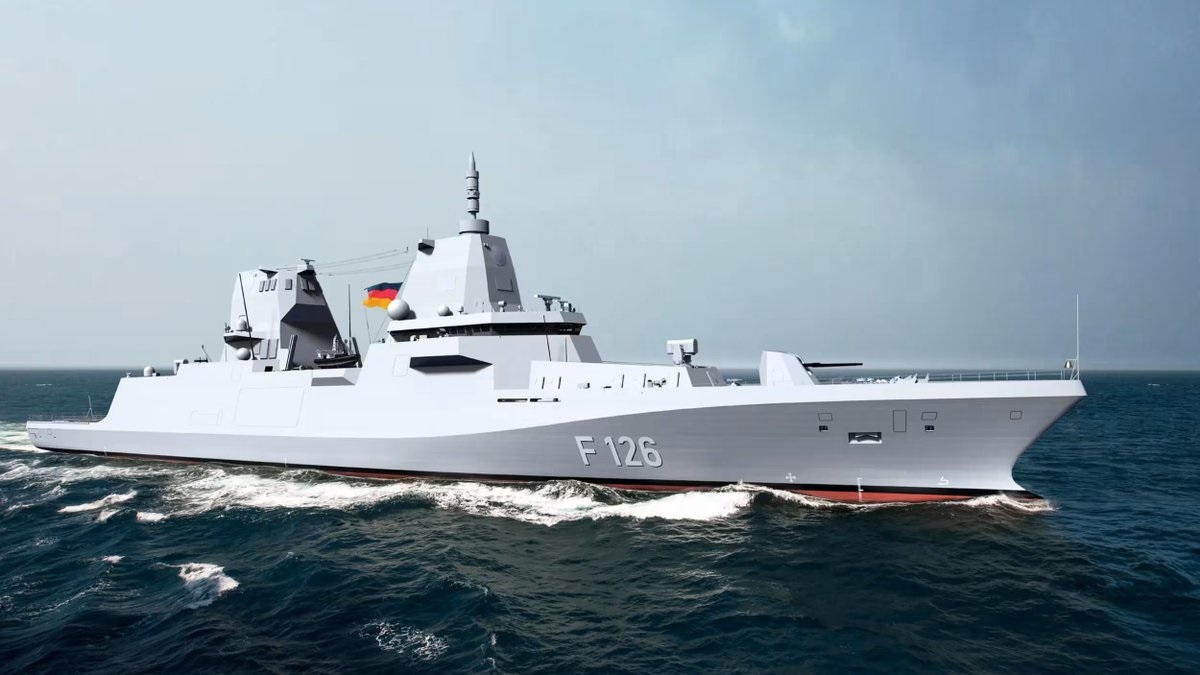
Germany Selects Saab to Supply $830 Million Worth of Combat Systems for Four New MEKO A-200 Frigates
Europe
STOCKHOLM — Swedish defense company Saab has secured a contract worth approximately SEK 8.7 billion (around US$830 million) from thyssenkrupp Marine Systems (TKMS) to supply and integrate combat systems, sensors, and composite structures for the German Navy's new MEKO A-200 DEU class frigates. Under the agreement, Saab will provide equipment for four frigates that will be built in Germany, with TKMS serving as the prime contractor for the program. Saab's deliveries are scheduled to take place between 2029 and 2032. The contract also includes an option to equip additional frigates if Germany expands the program in the future. Contract Supports German Navy Modernization The order is part of Germany's broader effort to modernize its naval fleet and strengthen its capabilities in air, surface, and underwater warfare. The new MEKO A-200 DEU frigates are expected to improve the German Navy's operational readiness while supporting interoperability with NATO partner navies through modern combat management and command-and-control systems. Saab said the integrated combat systems will help simplify joint operations and information sharing with allied naval forces that operate compatible command-and-control networks. Commenting on the contract, Micael Johansson, President and CEO of Saab, said the agreement reflects the company's long-standing partnership with Germany and the Bundeswehr. "It is with great pride that we continue to build on our long and strong relationship and commitment to Germany and the Bundeswehr, while together with TKMS strengthening the German Navy. These deliveries will significantly enhance the Navy's anti-air-, anti-submarine- and anti-surface warfare capabilities," Johansson said. Saab to Deliver Combat Systems, Radars and Composite Structures As part of the contract, Saab will equip the frigates with its 9LV Combat System, which combines a Combat Management System (CMS) and a Fire Control System (FCS). Together, these systems manage sensor data, coordinate weapons, and support command decisions during naval operations. The sensor package includes: Sea Giraffe 4A Fixed Face, a long-range Active Electronically Scanned Array (AESA) surveillance radar capable of detecting targets at distances of up to 400 kilometers and tracking more than 1,000 targets simultaneously. Sea Giraffe 1X, a lightweight multi-mission radar designed to detect low-flying aircraft, unmanned aerial systems, fast attack craft, and sea-skimming missiles at ranges of up to 75 kilometers. Passive sensor systems, which conduct electronic surveillance and detect threats without transmitting signals, helping improve situational awareness while reducing the vessel's electronic signature. Composite Superstructures to Reduce Weight and Radar Signature In addition to the combat systems and sensors, Saab will manufacture composite superstructures for the new frigates. Compared with conventional steel structures, composite materials reduce overall ship weight, improve corrosion resistance and structural durability, and help lower the vessels' radar signature. The lighter structures are also expected to improve operational efficiency, support long-term maintenance, and enhance survivability in modern maritime environments. Cooperation Between Saab and TKMS The project combines Saab's naval combat-system technology with TKMS's shipbuilding expertise. While the frigates will be constructed in Germany, Saab will integrate the ships' combat systems and mission equipment during the delivery period from 2029 to 2032. The agreement also provides an option to equip additional frigates beyond the initial four ships, allowing flexibility for future expansion of the German Navy's fleet. The MEKO A-200 DEU program is expected to become an important element of Germany's naval modernization strategy over the coming decade by introducing updated combat systems, advanced surveillance capabilities, improved survivability, and enhanced interoperability for future national and NATO maritime operations. Source : saab
Read More → Posted on 2026-07-16 13:02:05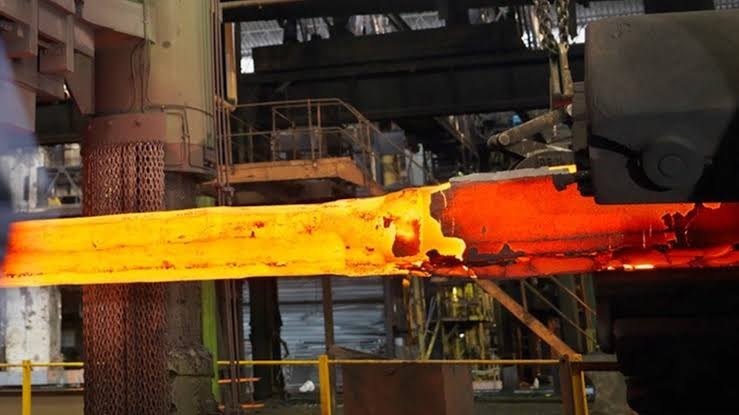
Europe
SHEFFIELD, United Kingdom — The United Kingdom has delivered the first British-made artillery barrel forgings to Ukraine in almost 20 years, marking the start of a £61 million programme awarded by the UK Ministry of Defence (MoD) to BAE Systems. The programme will provide a total of 150 artillery barrel forgings to support Ukraine's artillery capability. The programme, which was announced by Ukrainian President Volodymyr Zelenskyy last year, marks the return of a manufacturing capability that had not existed in the UK for nearly two decades. First Deliveries Sent for Testing The first shipment includes four development forgings for 105mm and 155mm artillery gun barrels. These initial units have been sent to Ukraine to allow local industry partners to test and validate their manufacturing and integration processes before full-scale production begins. The barrel forgings are manufactured in South Yorkshire before being transported to Ukraine, where they undergo final machining, finishing, and integration into operational artillery systems. Production is currently running at eight barrel forgings per month, with deliveries expected to continue as manufacturing expands under the contract. Rebuilding a Key UK Defence Manufacturing Capability The barrel forgings are being produced at Sheffield Forgemasters, an MoD-owned company employing around 780 skilled workers. The programme restores a sovereign defence manufacturing capability that the UK had relied on overseas suppliers for over the past 20 years. To strengthen domestic heavy engineering and steel production, the UK government invested more than £420 million in Sheffield Forgemasters last year. The programme also coincides with the opening of BAE Systems' new £25 million artillery manufacturing facility in Sheffield. The 94,000-square-foot facility is expected to support around 100 highly skilled engineering and manufacturing jobs, reinforcing Sheffield's role as a centre for UK howitzer production. More than 60 companies across the UK supply chain are also expected to benefit from the programme through manufacturing, engineering, and component production. Defence Secretary Highlights Industrial and Security Benefits UK Defence Secretary Dan Jarvis MBE MP visited Sheffield Forgemasters to meet employees and representatives from BAE Systems as the first deliveries were prepared. "The barrels produced here in South Yorkshire – the first made in Britain in almost two decades – will help Ukraine on the battlefield, while creating valuable skilled jobs in the UK," Jarvis said. He added that the government's £298 billion Defence Investment Plan is designed to strengthen national security, support allies, and expand defence manufacturing across the United Kingdom. BAE Systems: Long-Term Investment Restores Critical Capability Giles Ambrose, Engineering, Technology and Strategy Director for BAE Systems Weapon Systems UK, described the restart of artillery barrel production as an important step for both the company and the UK's defence industry. "Restarting British artillery barrel production in Sheffield is a significant milestone for both BAE Systems and Sheffield Forgemasters," Ambrose said. "It demonstrates the importance of long-term investment in sovereign defence capability." He added that the programme reflects the UK's ability to rebuild critical industrial skills and manufacturing capacity through cooperation between BAE Systems, Sheffield Forgemasters, and suppliers across the country. Supporting Ukraine While Strengthening UK Industry Artillery remains one of the most heavily used weapon systems in the war in Ukraine, with sustained operations placing significant wear on gun barrels. Regular replacement of barrels is necessary to maintain the accuracy, safety, and operational readiness of artillery systems. Under the programme, the UK will continue delivering the remaining 150 artillery barrel forgings as production increases. Alongside supporting Ukraine's defence requirements, the project strengthens the UK's domestic defence manufacturing base, expands industrial capacity, and helps rebuild a strategic capability that had been absent for nearly two decades. Source : baesystems
Read More → Posted on 2026-07-16 12:08:23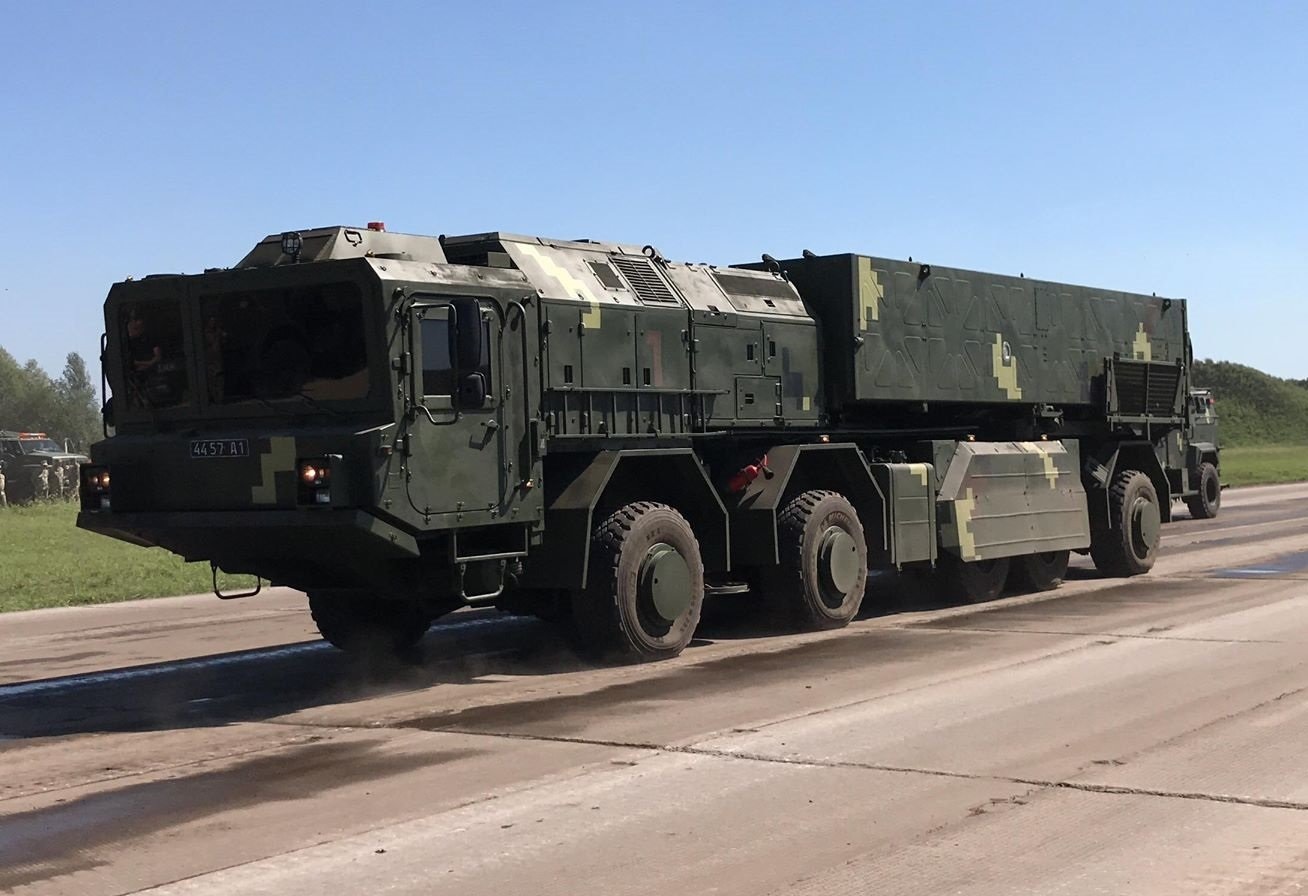
Europe
KYIV — Ukraine has successfully tested a domestically developed ballistic missile, marking a significant step in the country's efforts to strengthen its indigenous missile capabilities. The successful launch took place on July 14, the same day President Volodymyr Zelenskyy’s government was dismissed as part of a cabinet reshuffle. The announcement was made by outgoing Defence Minister Mykhailo Fedorov in a farewell message reflecting on his seven-month tenure at the Ministry of Defence. Fedorov confirmed that the missile program was developed under the ministry's responsibility and described the timing of the successful test as symbolic, as it coincided with the government's dismissal. According to Fedorov, the development team made several key improvements during the program, including revising the missile's technical requirements, increasing its targeting accuracy, and reducing overall production costs by 30 percent. He did not identify the missile by name but said the project represented an important advancement for Ukraine's domestic missile industry. Ballistic Missile Marks New Capability The successful test represents an important development in Ukraine's long-range strike capability. Unlike drones and cruise missiles, which fly relatively low and are powered throughout most of their flight, ballistic missiles follow a different trajectory. They are launched by rocket propulsion on a steep ascent before following a high-speed arc toward their target, reducing the time available for air defence systems to respond. Ukraine has increasingly focused on expanding its domestic missile production as part of broader efforts to reduce dependence on foreign military supplies while strengthening its defence industry during the ongoing war. Analysts Point to Sapsan Missile System Although Fedorov did not disclose the missile's identity, Ukrainian defence publication Militarnyi assessed that the tested system is likely the 1KR1 Sapsan operational-tactical ballistic missile system, also known by its export designation Hrim-2. Analysts noted that Fedorov specifically described the program as a Ministry of Defence project, making it unlikely to be the privately developed FP-7 or FP-9 ballistic missiles produced by Ukrainian company Fire Point. The Sapsan missile system, developed by the state-owned KB Pivdenne design bureau, reportedly entered serial production and systematic operational use in 2025. According to publicly available information, the missile can carry a 480 to 500-kilogram warhead to ranges of up to 500 kilometers, with reported speeds between Mach 5.2 and Mach 7. Procurement Reforms and Lower Production Costs Fedorov linked the missile program's achievements to wider procurement reforms introduced during his time as Defence Minister. He has promoted greater competition in defence procurement by expanding the use of open tenders instead of traditional closed purchasing processes. Earlier, Fedorov said a competitive tender for 155 mm artillery shells reduced the unit price by approximately $1,000 per shell, generating total savings of around $100 million for Ukraine. It remains unclear whether the reported 30 percent reduction in ballistic missile production costs resulted from procurement reforms, engineering improvements, or a combination of both. Long-Term Missile Production Plans Ukraine has accelerated investment in domestic missile production over the past two years. President Volodymyr Zelenskyy previously confirmed progress toward mass production of the Sapsan missile system in 2025. In March 2026, Ukraine's Defence Procurement Agency signed long-term contracts with domestic manufacturers covering both cruise missiles and ballistic missiles. Initial deliveries are expected to begin this year, with additional deliveries scheduled through 2027. Earlier in June 2026, Fedorov also stated that funding for Ukraine's ballistic missile development program had been fully secured, describing long-range missile capabilities as an important part of the country's defence strategy. Test Coincides With Political Transition The missile launch occurred during a major political transition in Kyiv. Parliament voted to dismiss the government, leading to the resignation of the entire cabinet, including Fedorov. Following the reshuffle, lawmakers approved Serhii Koretskyi, the former head of state energy company Naftogaz, as Ukraine's new prime minister. The cabinet changes have triggered protests in central Kyiv and added political pressure on President Volodymyr Zelenskyy's administration as the war continues. Despite the leadership transition, the successful ballistic missile test indicates that Ukraine's domestic defence development programs are continuing under long-term procurement and production plans. Officials have not released additional technical information about the missile's performance, range during the test, or operational deployment timeline, citing security considerations. Source : Social Post
Read More → Posted on 2026-07-16 10:59:34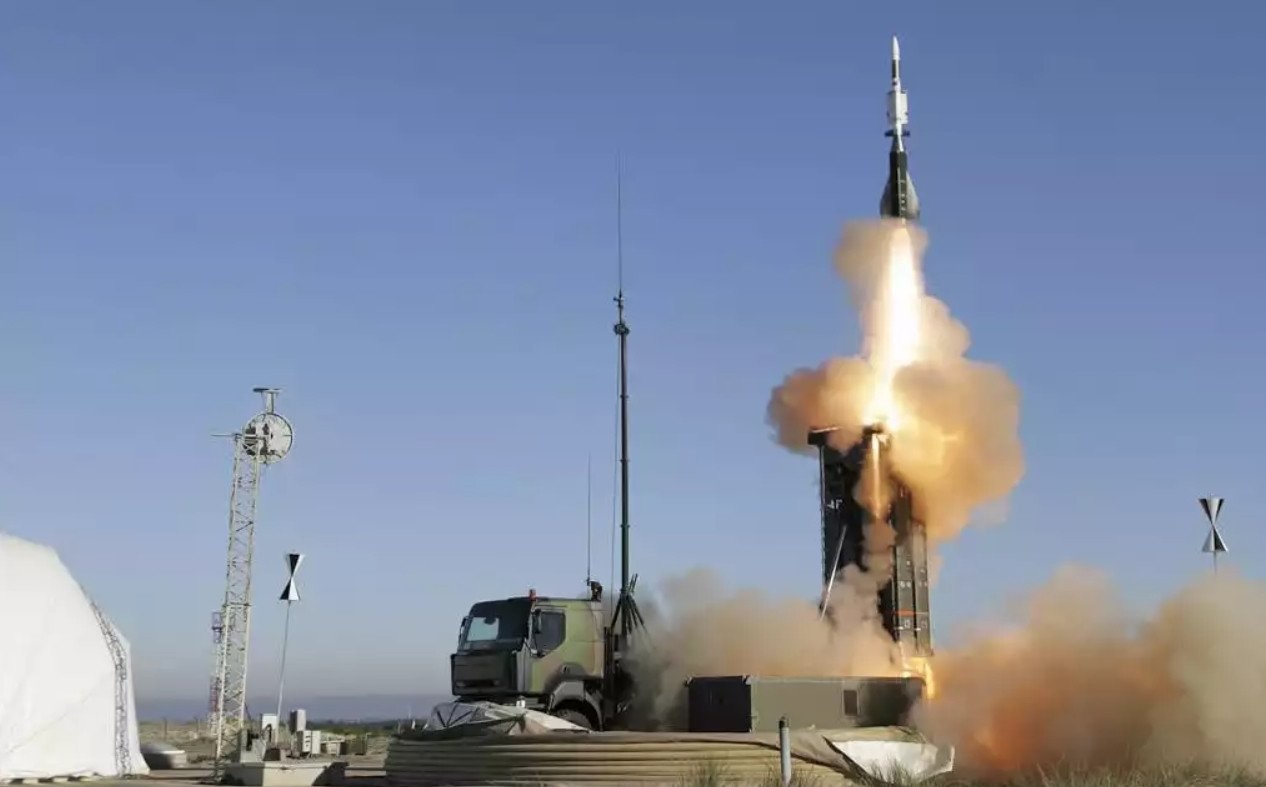
Europe
PARIS, France — France has agreed to strengthen Ukraine's air defense capabilities by supplying two additional SAMP/T air defense batteries this year and accelerating deliveries of Aster 30 interceptor missiles. The announcement follows talks between Ukrainian President Volodymyr Zelenskyy and French President Emmanuel Macron as both countries expanded their long-term defense cooperation. Under the agreement, France will transfer two current-generation SAMP/T air defense batteries before the end of 2026 to reinforce Ukraine's air defense network. France and Italy will also speed up the delivery of Aster 30 interceptor missiles, with additional shipments expected by October 2026 to support the systems already in service. The SAMP/T (Surface-to-Air Missile Platform/Terrain) is a long-range air defense system jointly developed by France and Italy. It is designed to intercept a range of aerial threats, including aircraft, cruise missiles, drones, and certain types of ballistic missiles. A standard SAMP/T battery includes a multifunction radar, command post, and mobile launchers armed with Aster 30 missiles. Depending on the target profile, the Aster 30 missile has an interception range of up to 120 kilometers. Ukraine first received a SAMP/T battery from France and Italy in 2023. The system has since been used to help defend Ukrainian cities and critical infrastructure against aerial attacks. As of July 2026, the operation of at least one SAMP/T battery in Ukraine has been officially confirmed. Ukraine to Become First Operator of SAMP/T NG As part of the broader defense agreement, Ukraine has placed an order for four SAMP/T NG (New Generation) air defense systems, making it the first country scheduled to receive and operate the upgraded version. The SAMP/T NG features improved sensors, upgraded command-and-control capabilities, and compatibility with the Aster 30 Block 1 New Technology (B1 NT) interceptor missile, which offers enhanced performance against certain ballistic missile threats. According to the agreement, the two current-generation SAMP/T batteries being delivered this year will provide additional air defense coverage while production of the SAMP/T NG systems is completed. Once the new systems are delivered and become operational, the temporary batteries are expected to be returned to France. France Grants Missile and Bomb Production Licenses The agreement also marks a significant expansion of defense-industrial cooperation between the two countries. France has granted Ukraine licenses to manufacture several advanced French weapon systems domestically, including: SCALP long-range air-launched cruise missiles. AASM (Hammer) precision-guided air-to-ground bombs. Aster 30 air defense interceptor missiles. The licensed production is intended to strengthen Ukraine's domestic defense industry, reduce reliance on imported stockpiles, and support long-term sustainment of key weapon systems. Cooperation on FREYJA Missile Defense Program France will also participate in Ukraine's FREYJA anti-ballistic missile defense program, providing industrial cooperation and technical support through French defense companies and the French Directorate General of Armaments (DGA). The cooperation aims to accelerate the development of Ukraine's domestic missile defense capabilities against ballistic missile threats. Broader Defense Partnership The agreement reflects a broader expansion of military and technological cooperation between France and Ukraine. Alongside additional air defense systems and accelerated missile deliveries, the partnership focuses on strengthening Ukraine's long-term defense production capacity through local manufacturing and joint industrial projects. The combination of new SAMP/T batteries, future deployment of the SAMP/T NG, accelerated Aster 30 missile deliveries, domestic production of advanced French weapons, and cooperation on the FREYJA program is intended to enhance Ukraine's air and missile defense capabilities while supporting the development of its defense industry. Source : newsukraine
Read More → Posted on 2026-07-15 14:42:25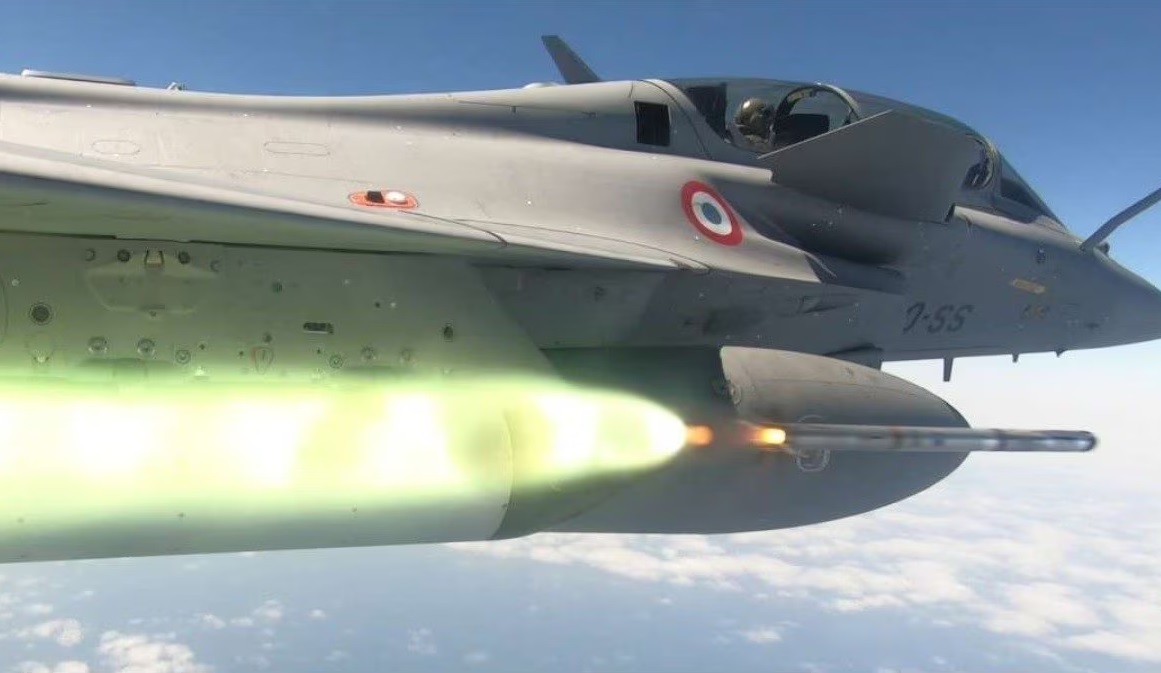
Europe
Paris, France — France has officially integrated a new low-cost anti-drone weapon system onto its Dassault Rafale fighter jets, providing the French Air and Space Force with a more economical way to intercept unmanned aerial vehicles (UAVs). The French Ministry of the Armed Forces and the Directorate General of Armaments (DGA) confirmed the successful completion of the testing campaign for the LADAC (Lutte Anti-Drone sur Avion de Combat) system on July 7, 2026. The new capability equips Rafale fighters with 68-mm Aculeus LG laser-guided rockets, allowing the aircraft to engage drones without relying solely on expensive air-to-air missiles. The system was developed in response to the increasing use of low-cost attack drones, including Iranian-designed Shahed-136-type UAVs, which have been widely used in recent conflicts. A More Cost-Effective Approach to Drone Interception The LADAC program was launched to address the growing cost imbalance in modern air defense operations. During recent missions in the Middle East, air forces frequently used advanced interceptor missiles to destroy relatively inexpensive one-way attack drones. A French MICA air-to-air missile is estimated to cost between $1 million and $2 million per round, while a Shahed-type drone is believed to cost around $50,000 to produce. By comparison, the Thales Aculeus LG 68-mm laser-guided rocket is estimated to cost between $20,000 and $40,000, providing a significantly more affordable option for countering drone threats. The new system is intended to preserve high-value air-to-air missile inventories while improving the sustainability of drone interception missions. How the LADAC System Operates The LADAC system combines existing Rafale sensors and targeting equipment with new guided rocket launchers. The engagement process begins with the Rafale's RBE2 AESA radar, which detects and tracks an incoming drone. After the target is identified, the aircraft's TALIOS targeting pod locks onto it and continuously illuminates it with a laser. The pilot then launches the Aculeus LG laser-guided rockets from JF12/TELSON launcher pods, manufactured by Thales. The rockets follow the reflected laser energy to the target until impact. Each JF12/TELSON launcher carries 12 rockets, allowing a single Rafale to engage multiple drones during one mission without quickly exhausting its primary air-to-air missile inventory. Rapid Development Following Operational Requirements The LADAC program moved from requirement to operational readiness within a relatively short period. Following urgent operational needs identified in late 2025, the DGA awarded the contract and began flight testing in February 2026. The development and evaluation involved several French defense organizations, including the Directorate General of Armaments (DGA), the Center for Military Aviation Expertise (CEAM), Dassault Aviation, and Thales. Testing covered the full operational cycle, including radar detection, target tracking, live launches against drone targets, assessment of the launcher pods' impact on Rafale flight performance, and system reliability in electronic warfare environments. Following the successful validation campaign, the system has reached initial operational readiness. Thales has started preparations for serial production of the LADAC kits, with the first launcher pods expected to be delivered to French Air and Space Force operational units by the end of July 2026. Part of a Wider Shift in Counter-Drone Operations France joins several other countries that have adopted lower-cost precision-guided rockets for air-to-air drone interception. The United States and the United Kingdom have integrated 70-mm APKWS (Advanced Precision Kill Weapon System) laser-guided rockets onto fighter aircraft, including the F-15E Strike Eagle, F-16 Fighting Falcon, and Eurofighter Typhoon. These systems have been used during operations in the Middle East to intercept Iranian drones, demonstrating a broader shift toward using affordable precision-guided weapons against low-cost aerial threats instead of relying exclusively on expensive interceptor missiles. Although the LADAC system is currently intended for the French military, defense officials have indicated that the capability could eventually be made available to international operators of the Rafale fighter jet. The integration of LADAC expands the Rafale's air-to-air capabilities by adding a practical and cost-effective option for countering unmanned aerial threats while making use of the aircraft's existing radar, targeting, and weapons systems. Source : timesofindia
Read More → Posted on 2026-07-15 13:37:27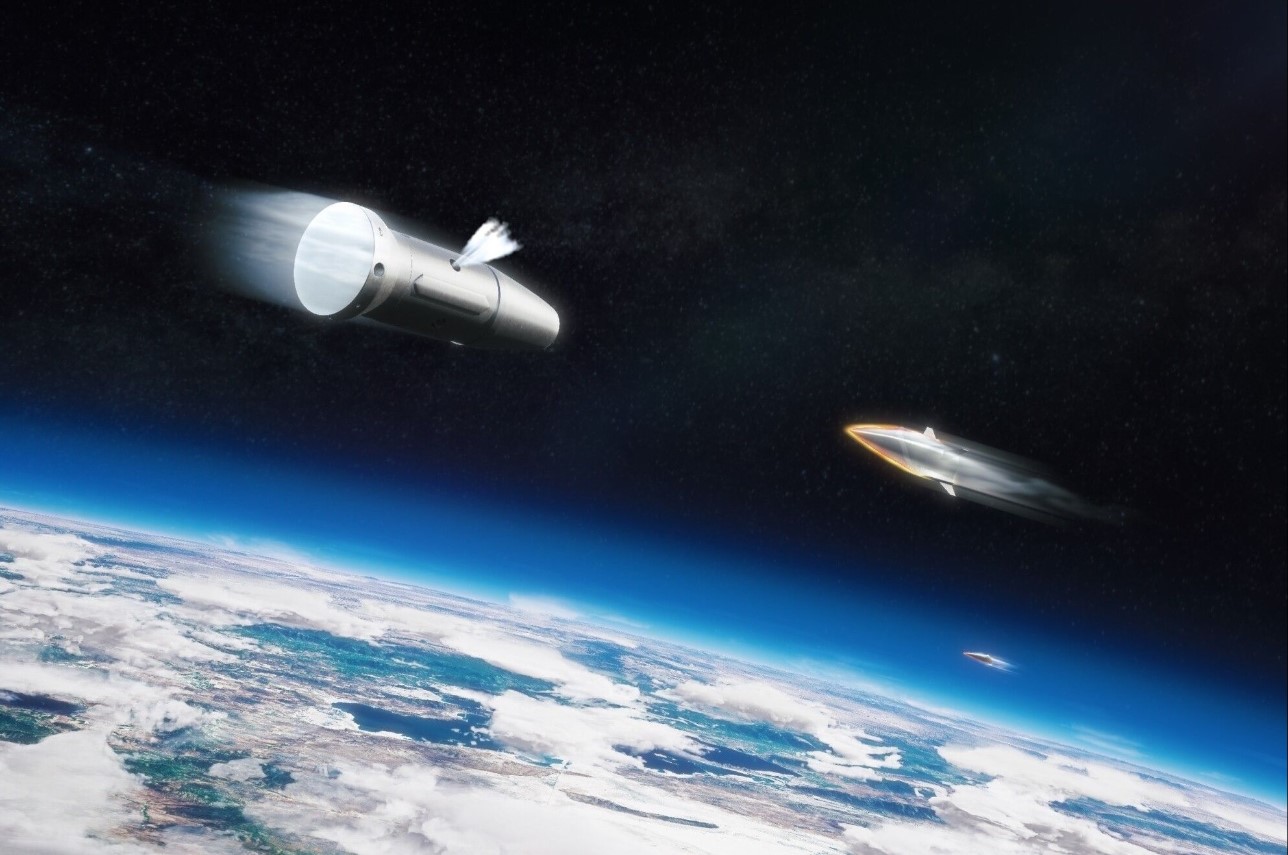
Europe
PARIS — Five European aerospace and defense companies have agreed to establish a new industrial consortium, Bliksem EXO, to develop Europe's first sovereign exo-atmospheric interceptor designed to destroy medium- and intermediate-range ballistic missiles before they re-enter the Earth's atmosphere. The consortium was announced after Thales, Airbus Defence and Space, MBDA Deutschland, Safran Electronics & Defense, and aerospace startup Destinus signed a letter of intent in Paris on July 14. The signing took place at the French Ministry for Europe and Foreign Affairs in the presence of Dutch Prime Minister Rob Jetten. According to Thales, the initiative is intended to strengthen Europe's upper-layer ballistic missile defense capability by developing an interceptor that can engage threats during the midcourse phase of flight, when ballistic missiles travel through space after launch and before re-entering the atmosphere. The future system is designed to counter medium-range ballistic missiles (MRBM) and intermediate-range ballistic missiles (IRBM), including advanced threats such as Russian Oreshnik-class ballistic missiles equipped with separable and maneuverable re-entry warheads. Unlike traditional interceptors that use explosive warheads, Bliksem EXO will employ a kinetic hit-to-kill approach. In this method, the interceptor destroys its target through direct impact rather than carrying an explosive payload, a technology widely used in modern exo-atmospheric missile defense systems. Industry Roles Divided Among Consortium Members Under the preliminary agreement, Destinus will serve as the consortium lead and prime contractor. The company will oversee overall system integration and develop the Exo-atmospheric Kill Vehicle (EKV), the component responsible for intercepting the target in space. The remaining responsibilities have been assigned to the participating companies: MBDA Deutschland will develop the interceptor missile's booster, launch system, and canister. Safran Electronics & Defense will provide the EKV's homing seeker, guidance, navigation, and control systems. Airbus Defence and Space will be responsible for command and control, along with battle management (BMC4I). Thales will supply the complete sensor chain, including radars for early warning, target tracking, and fire control. A mock-up of the related HYDIS2 hypersonic interceptor was also displayed during the Paris Air Show, highlighting ongoing European work on advanced missile interception technologies. Development Schedule The companies plan to sign a binding consortium agreement within the next three months. Joint engineering work is scheduled to begin in August 2026, with the consortium targeting an Exo-atmospheric Kill Vehicle (EKV) space test in 2027. The current letter of intent outlines the companies' intention to cooperate but does not legally commit the participants to funding, procurement, or production of the final interceptor system. Lessons From Ukraine's Missile Defense Experience The consortium said the design, testing, and evaluation of Bliksem EXO will draw on Ukraine's operational experience defending against large-scale Russian missile and air attacks. According to the partners, this operational knowledge will help shape the interceptor's development and testing as Europe works to improve its ability to counter increasingly advanced ballistic missile threats. Linked to Europe's New Anti-Ballistic Missile Initiative The Bliksem EXO announcement came one day after the launch of the Integrated Anti-Ballistic Missile Coalition in Paris on July 13. The coalition includes Ukraine, Denmark, France, Germany, Italy, the Netherlands, Norway, Spain, Sweden, and the United Kingdom. The participating countries aim to build a shared European ballistic missile defense architecture and develop more affordable European alternatives to existing systems such as the U.S. Patriot air defense system. European governments have increased their focus on ballistic missile defense as Ukraine continues to face frequent Russian missile attacks, highlighting the need for stronger regional missile interception capabilities. Once developed, Bliksem EXO is expected to integrate with NATO's Integrated Air and Missile Defense (IAMD) network and operate alongside lower-tier European air defense systems, forming part of a layered missile defense architecture for the continent. Source : thalesgroup
Read More → Posted on 2026-07-15 12:30:20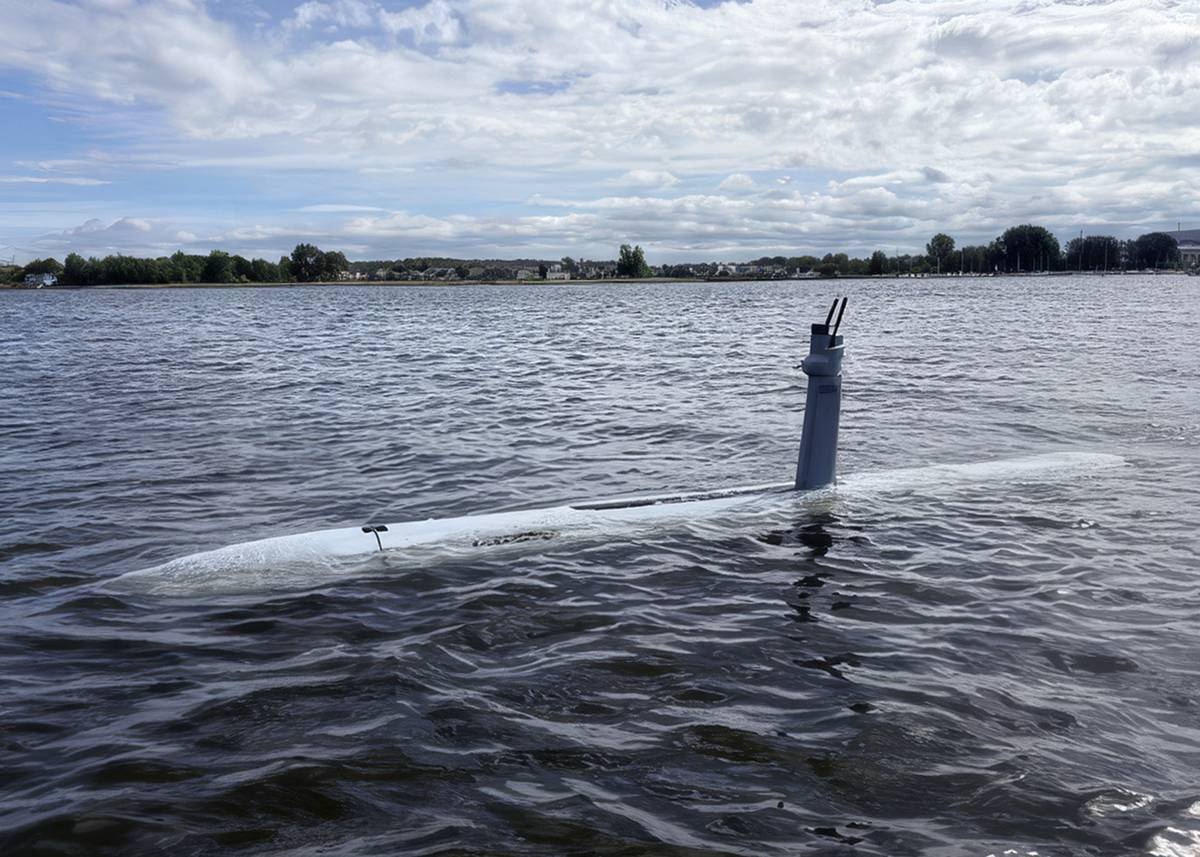
Europe
LÜBECK and ROSTOCK, Germany — German submarine systems company GABLER and defense technology firm FLANQ have successfully completed the Sea Acceptance Test (SAT) of their Torpedo-Tube-Launched Uncrewed Surface Vessel (TTL USV) capability demonstrator, marking a key milestone in the development of autonomous maritime systems for future naval operations. The capability demonstrator, named Ranger, completed sea trials in northern Germany during June 2026, where engineers validated the integration and operation of its core technologies. According to the companies, the trials confirmed the vessel's seaworthiness, while performance data collected during testing verified the system's maturity at the current stage of development. The successful completion of the SAT also marks the end of the proof-of-concept phase. The project is being jointly developed by GABLER and FLANQ under a partnership that formally began in 2025. The collaboration combines GABLER's more than six decades of experience in submarine systems and mission-critical defense manufacturing with FLANQ's expertise in artificial intelligence-enabled autonomy, maritime mission software, open capability architectures, and rapid development of autonomous systems. Designed for Covert Submarine Operations The Ranger is designed to be launched directly from a standard 21-inch (533 mm) submarine torpedo tube, allowing submarines to deploy the vessel without diver assistance. After launch, the vehicle autonomously reaches the surface and carries out intelligence, surveillance, and reconnaissance (ISR) missions. The platform measures 4.5 meters in length and uses a common hull rated for depths of up to 300 meters. To fit inside a standard torpedo tube, it features a folding keel and a collapsible sensor mast. The vessel is powered by an electric drivetrain and includes a mission-configurable payload bay, allowing it to support different mission requirements. The companies said the Ranger is intended to provide naval forces with an autonomous platform that can be deployed discreetly from submarines while expanding operational options during maritime missions. The platform is also being developed with the potential for submarines to deploy and recover uncrewed systems while remaining covert. Strike Variant Also Under Development Alongside the reusable Ranger designed for ISR missions, GABLER and FLANQ are also developing a one-way attack (OWA) version known as Strike, which was previously introduced under the project name Raider. The Strike variant is intended for single-use missions and will carry a user-supplied effector payload in its forward compartment. The concept is designed to allow naval forces to engage high-value targets while reducing the exposure of crewed submarines and other naval platforms to hostile environments. Both Ranger and Strike are based on the same hull design, enabling a common platform for different operational roles. Partnership Progress Since 2025 The cooperation between GABLER and FLANQ was first announced during DALO Industry Days in Denmark in August 2025. One month later, in September 2025, GABLER publicly presented initial concepts for the torpedo-tube-launched uncrewed surface vehicles during an industry event. Following the successful Sea Acceptance Test, GABLER will continue leading the program's commercialization, integration with host platforms, and delivery to naval customers, while FLANQ remains responsible for system design, autonomous technologies, mission software, and rapid manufacturing. Development of the Ranger capability demonstrator will continue toward operational deployment for naval customers, including European and NATO partner forces. Expanding Future Naval Operations Marine autonomous systems are becoming increasingly important in modern naval operations. Uncrewed platforms launched from submarines or surface ships can expand operational flexibility by supporting intelligence gathering, surveillance, force protection, and other maritime missions while reducing risks to personnel. The Ranger project reflects the broader effort to integrate autonomous systems with existing naval platforms. By combining conventional submarines with next-generation uncrewed surface vehicles, naval forces can increase operational capability without requiring major changes to existing fleet structures. The completion of the Sea Acceptance Test provides technical validation as the program moves toward future operational use. Source : marinetechnologynews
Read More → Posted on 2026-07-15 12:20:42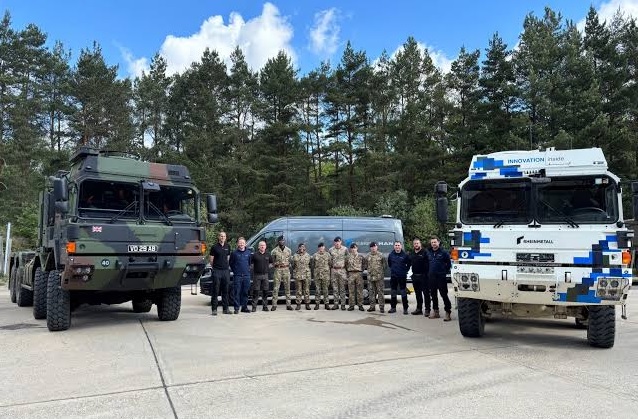
Europe
ALDERSHOT, UK — The British Army has completed its first autonomous HX convoy following a two-week training programme conducted in partnership with Rheinmetall and the UK Ministry of Defence (MoD). The milestone marks another step in evaluating autonomous technologies for future military logistics operations. The training was held at the Combat Service Support Trials and Development Unit (CSS TDU) in Aldershot and involved personnel from 8 Squadron, 27 Regiment Royal Logistic Corps (RLC). The programme aimed to develop the skills needed to plan, manage, and operate autonomous supply vehicles, helping reduce the need to place personnel in high-risk environments while maintaining military logistics. Two Weeks of Practical Training The course was delivered by Rheinmetall specialists from the United Kingdom, Austria, and Canada. During the programme, soldiers trained in key roles including Convoy Commander, Lead Vehicle Driver, and Safety Driver. The exercises progressed from basic vehicle operations to complex convoy missions on both roads and off-road terrain. Training scenarios included blocked routes, simulated disabled vehicles, and dynamic convoy management, reflecting conditions that could be encountered during future operations. The programme concluded with British soldiers successfully operating the UK's first HX autonomous convoy. HX2 "White Pony" Equipped with PATH Autonomous Kit Training was conducted using Rheinmetall's HX2 development vehicle, known as "White Pony." The vehicle was equipped with the PATH Autonomous Kit (A-Kit), developed through the UK Advanced Land Autonomy Centre of Excellence (ALACoE). The platform-agnostic PATH A-Kit can be integrated into existing military vehicle fleets, allowing conventional vehicles to operate autonomously. It combines advanced sensors, AI-enabled navigation, and robotic control software. Unlike systems that rely entirely on satellite navigation, the PATH A-Kit uses LiDAR, cameras, and onboard sensors to map its surroundings in real time, allowing the vehicle to continue operating even in GPS-denied environments where signals are unavailable, jammed, or blocked. Preparing for Project Convergence Capstone 6 The Aldershot training forms part of Project MAIA, the British Army's programme to evaluate autonomous systems for future logistics missions. The experience gained will support the Army's participation in Project Convergence Capstone 6 (PCC6), a multinational military exercise scheduled to take place at Fort Irwin, California. The exercise will provide an opportunity to further assess how autonomous technologies can support military supply operations in realistic operational environments. Rheinmetall on the Training Christoph Müller, CEO of Rheinmetall MAN Military Vehicles, said: "Autonomous technologies are transforming the future of military logistics. Through our collaboration with the UK Ministry of Defence and colleagues across Rheinmetall, we are helping British Army personnel develop the skills and confidence to operate next-generation autonomous capabilities." He added that the milestone demonstrates the value of collaboration between industry and the military and said Rheinmetall looks forward to supporting the British Army during Project Convergence Capstone 6. Broader Focus on Military Autonomy The training reflects a wider effort to explore autonomous logistics across European armed forces. These systems are intended to improve supply operations while reducing the exposure of personnel to hazardous areas. Rheinmetall recently demonstrated the capability of its autonomous logistics technology by securing first place in the "Convoy Scenarios" category at the 2026 European Land Robot Trial (ELROB) in Switzerland. The successful completion of the UK's first HX autonomous convoy provides the British Army with practical experience as it continues evaluating autonomous logistics systems for future military operations. Source : rheinmetall
Read More → Posted on 2026-07-15 11:15:51
Europe
STOCKHOLM — Saab has highlighted the electronic warfare capabilities of its Gripen E/F fighter, stating that the aircraft can detect, geolocate, and electronically suppress radars operating in the S-band and L-band frequency ranges. These lower-frequency bands are commonly associated with early-warning and anti-stealth radar systems. According to Saab, this capability is provided by the Arexis Electronic Attack Jammer Pod (EAJP) rather than relying solely on the Gripen E's integrated Multi-Functional System – Electronic Warfare (MFS-EW) suite. The external pod is designed for electronic attack and escort missions, extending the aircraft's electronic warfare capabilities beyond self-protection. Arexis Pod Designed for Electronic Attack Missions The Arexis escort jammer pod is based on the same electronic warfare architecture as the Gripen E's onboard MFS-EW system but is optimized for dedicated electronic attack operations. Saab developed the pod to provide higher output power and broader coverage against lower-frequency radar systems used in modern integrated air defense networks. The pod is equipped with Gallium Nitride (GaN)-based Active Electronically Scanned Array (AESA) antennas located in its forward and rear sections. These antennas are designed to operate across the L-band and S-band frequencies, allowing the system to engage radar threats commonly used for long-range surveillance and the detection of low-observable aircraft. DRFM and Direction Finding Support Radar Suppression The Arexis pod combines Digital Radio Frequency Memory (DRFM) technology with interferometric direction finding (DF) to detect, identify, locate, and electronically counter hostile radar emitters. DRFM technology enables the system to capture incoming radar signals, process them, and transmit modified signals back to the radar. This supports a range of electronic attack techniques, including deceptive jamming and the generation of false targets. Interferometric direction finding provides precise geolocation of radar emitters, helping identify the location of enemy air defense systems during operations. Complementing the Gripen E's Integrated MFS-EW Suite The Gripen E's internal MFS-EW system remains responsible for the aircraft's core electronic warfare functions, including electronic support, electronic protection, and self-defense. The system uses multiple distributed antennas around the aircraft to provide wide-area threat detection and integrates with the fighter's AESA radar, Infrared Search and Track (IRST) system, and other onboard sensors through sensor fusion. The addition of the Arexis pod expands these capabilities by providing a dedicated electronic attack solution for missions that require suppression of enemy radar systems operating at lower frequencies. Supporting Escort and SEAD Operations Saab says the Arexis pod is specifically intended for escort and Suppression of Enemy Air Defenses (SEAD) missions. During these operations, an aircraft equipped with the pod can accompany strike packages, detect hostile radar emitters, determine their location, and electronically disrupt their operation during both the ingress and egress phases of a mission. By suppressing or degrading enemy radar performance, the system is intended to improve the survivability of friendly aircraft operating in contested airspace while supporting broader air operations. Continued Focus on Electronic Warfare Electronic warfare remains a major area of development for the Gripen E/F program. Saab has continued to expand the Arexis family with both internal and externally mounted solutions designed to address evolving radar and air defense threats. While the company has outlined the system's design and intended operational role, detailed performance data from real-world operational environments has not been publicly released. Saab has stated that the Arexis architecture is designed to address current and future threat environments and provide advanced electronic attack capabilities alongside the Gripen E/F's multi-role mission profile. Source : X
Read More → Posted on 2026-07-14 14:38:38Search
Top Trending in 24 Hours
-
 Unitree Unveils H2-X ‘Kung Fu Legend: Guardian’ Humanoid Robot for Security and Rescue
-
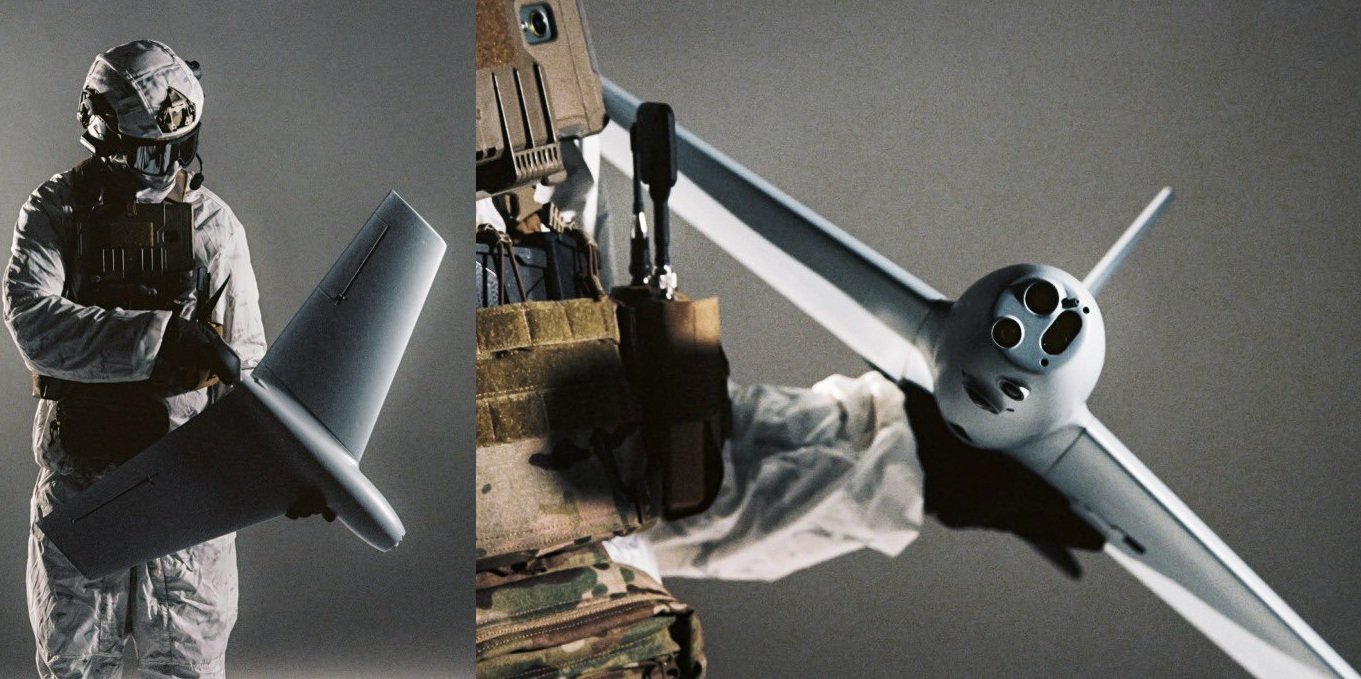 US Firm Heaviside Unveils 2.3-Kg TYR Loitering Munition With 40-Km Range at AUSA 2026
-
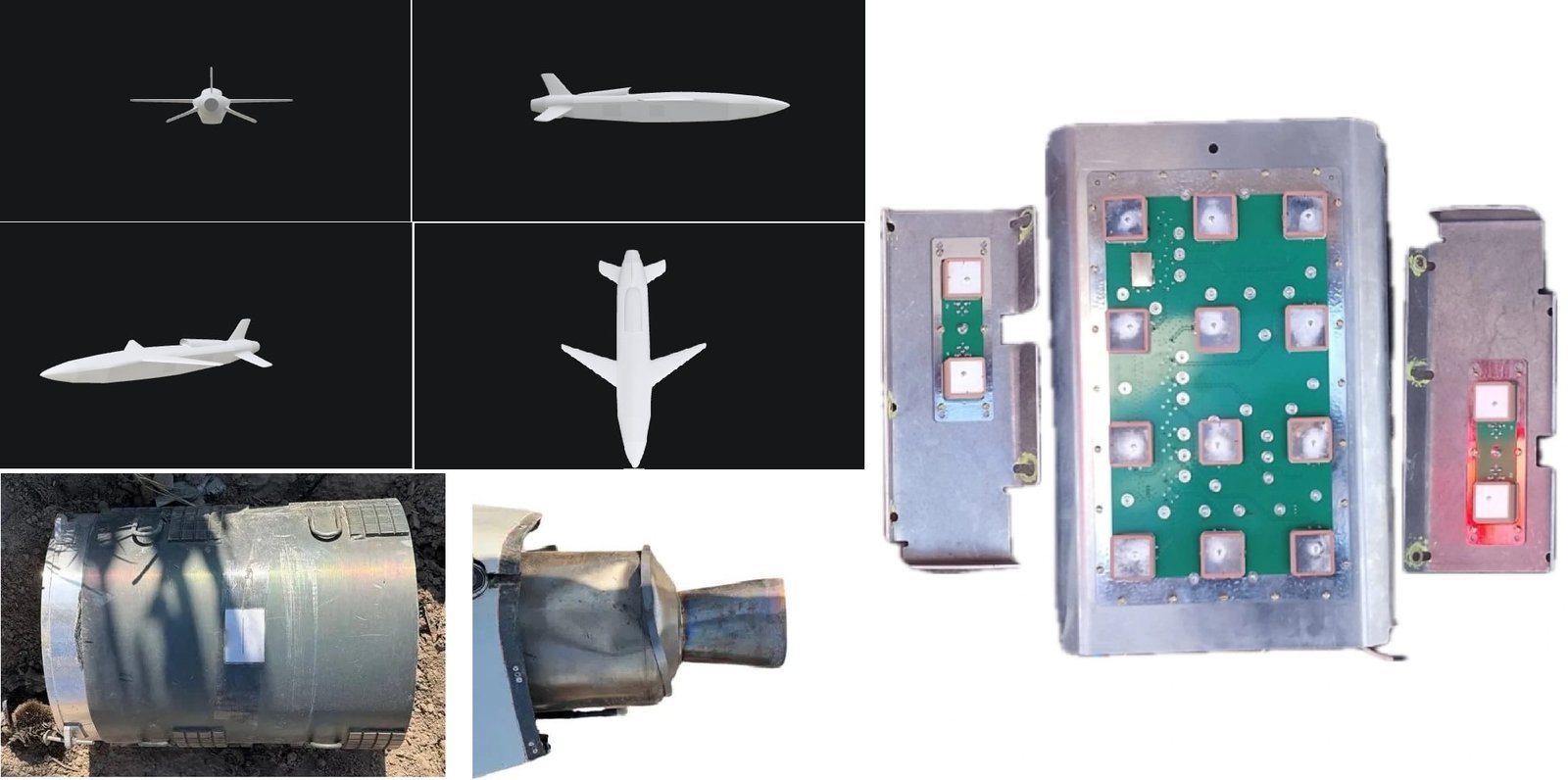 Ukraine Reveals Technical Details of Russia’s New Filin Cruise Missile
-
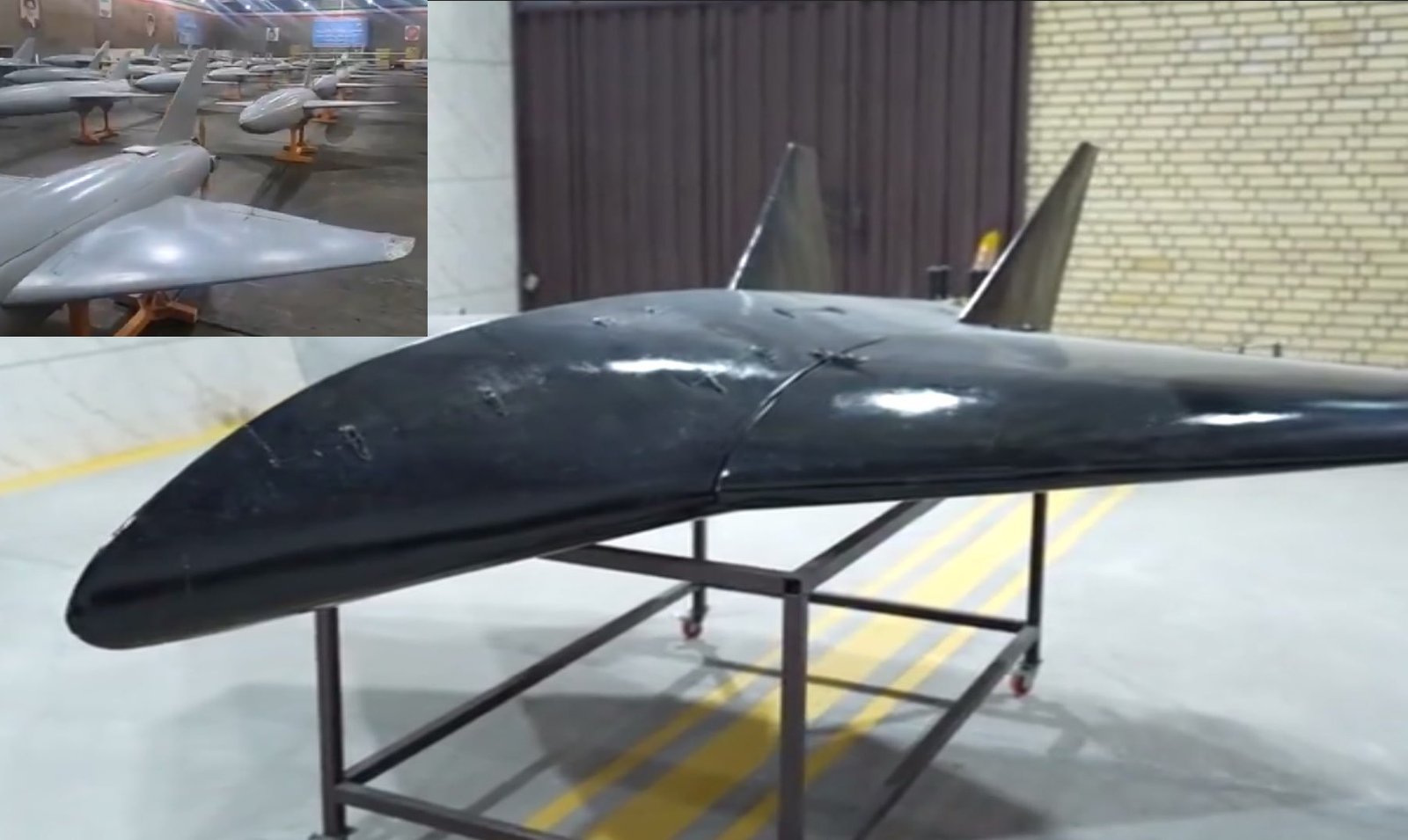 Iran Showcases Upgraded Arash-3 Drone with 100 kg Warhead, AI Targeting and GPS-Independent Navigation
-
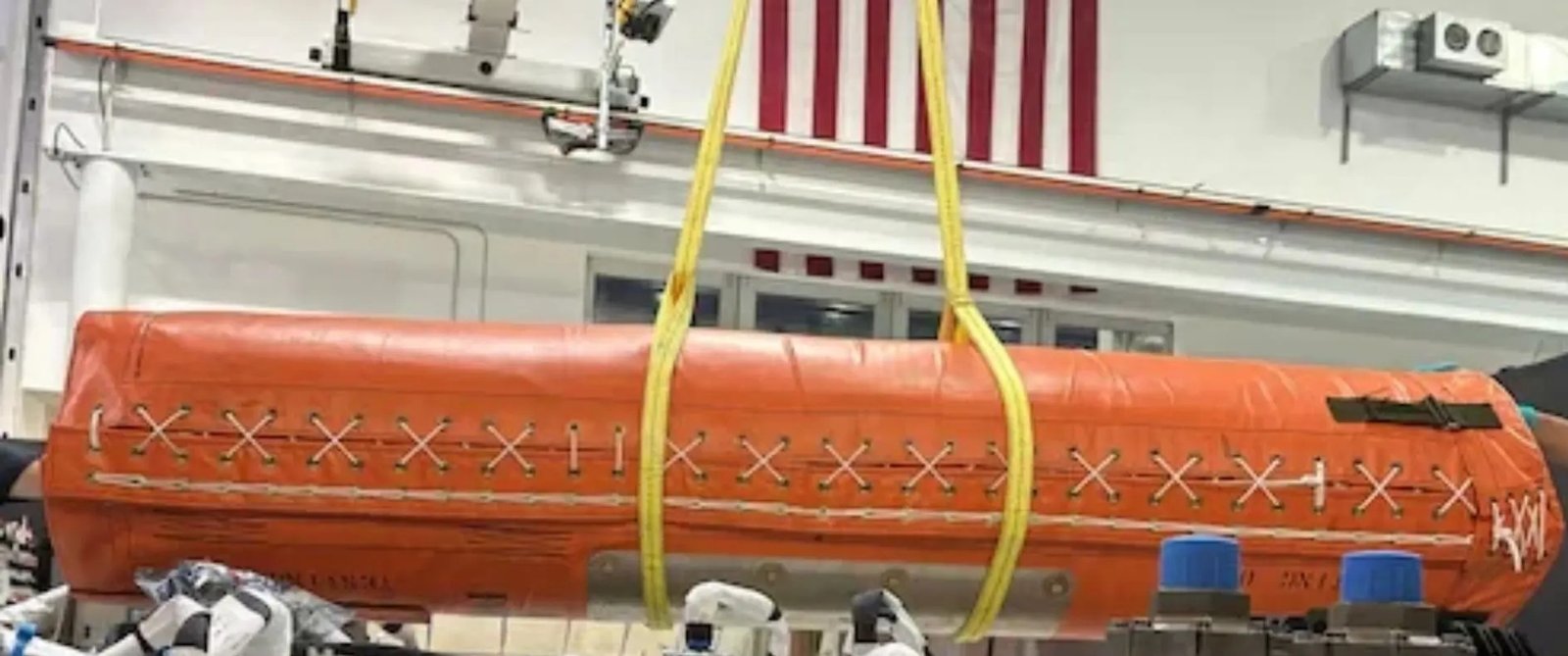 U.S. Air Force Tests SpaceX Starfall Capsule for Rapid Global Military Cargo Delivery
-
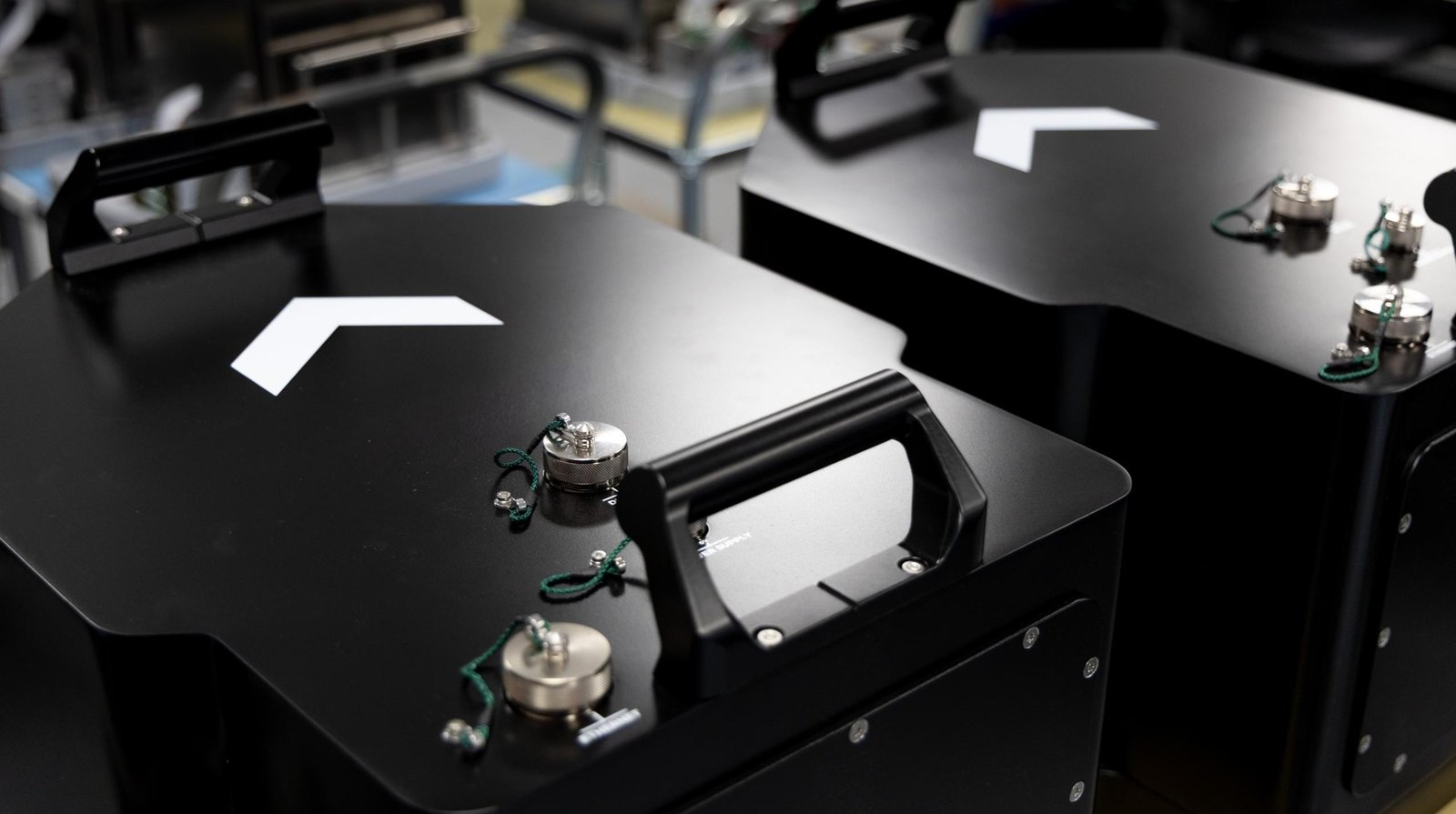 Exail Wins Major Contract to Equip Entire Fleet of Uncrewed Surface Vessels with Marins Inertial Navigation Systems
-
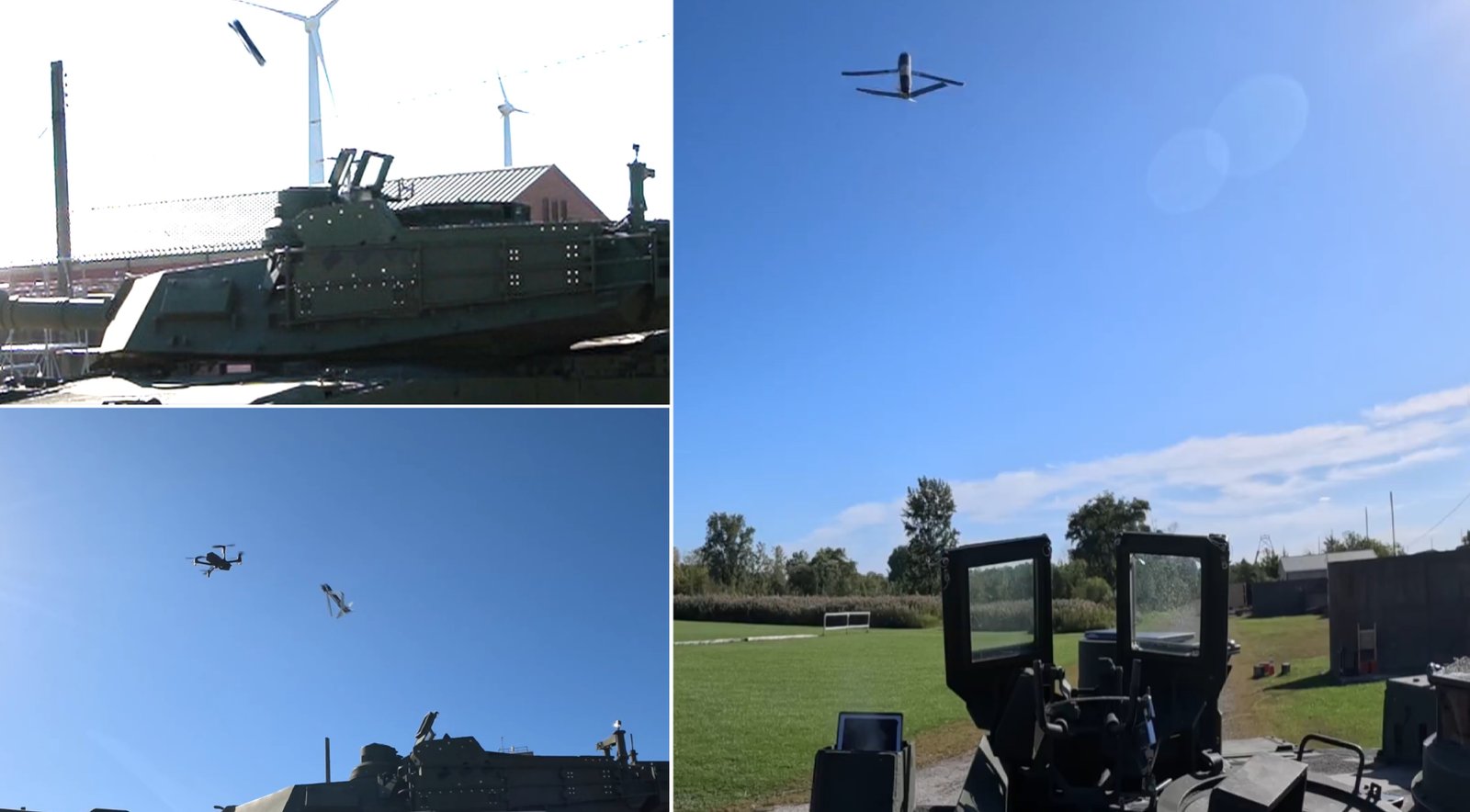 General Dynamics Unveils PERCH 2.0 Drone System for Abrams Tanks and Stryker Vehicles
-
 Voyant Demonstrates Satellite-Free Navigation Technology for UK Ministry of Defence
Top Trending in 4 Days
-
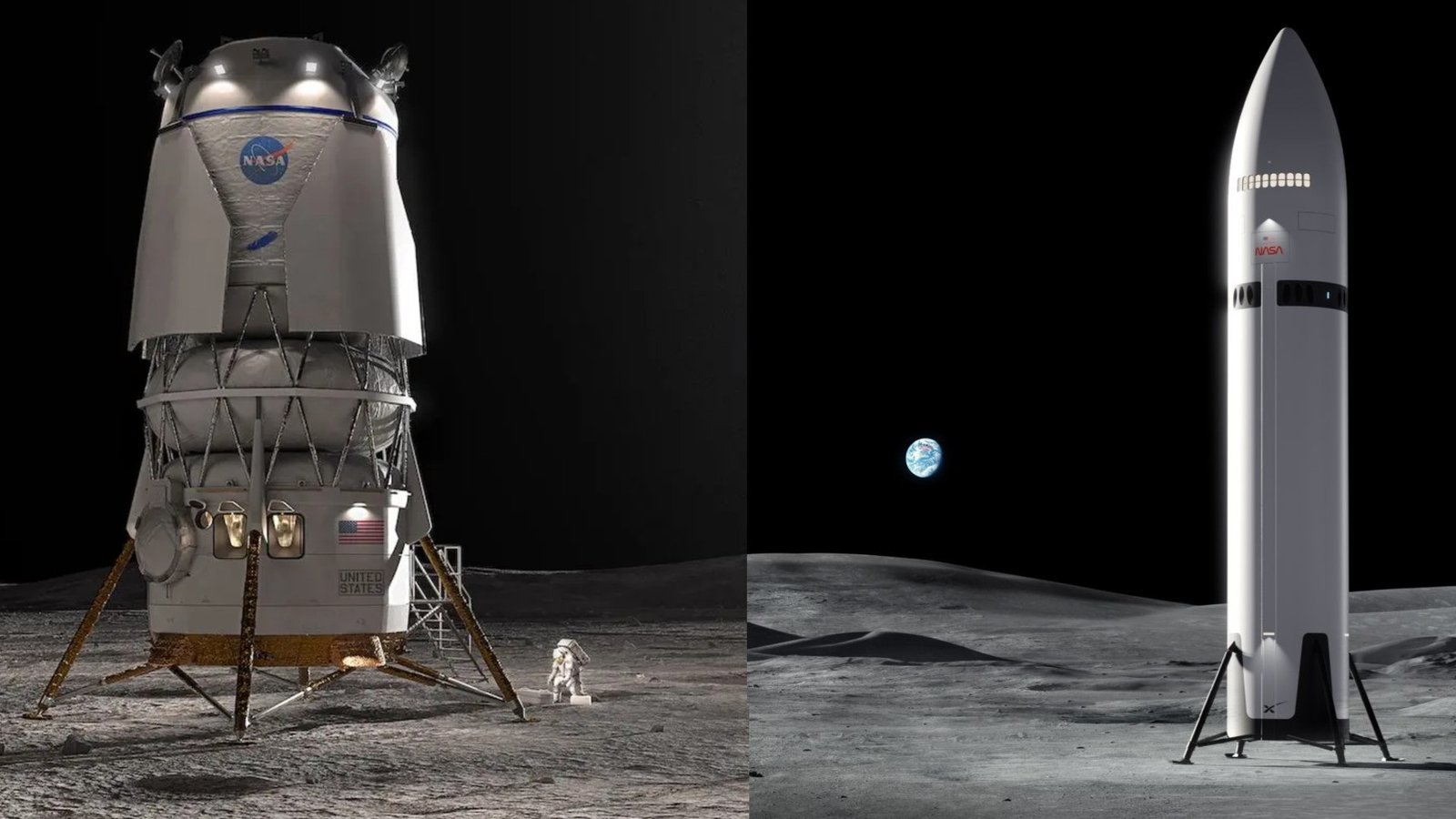 NASA Sets New Artemis Milestones as SpaceX and Blue Origin Target Moon Landings in 2027–2028
-
 US Weighs Strikes on Iran’s Kharg Island Oil Hub Ahead of Midterm Elections
-
 U.S. Air Force Awards HII Subsidiary Enlighten IT $332.8 Million Cyber Defense Contract
-
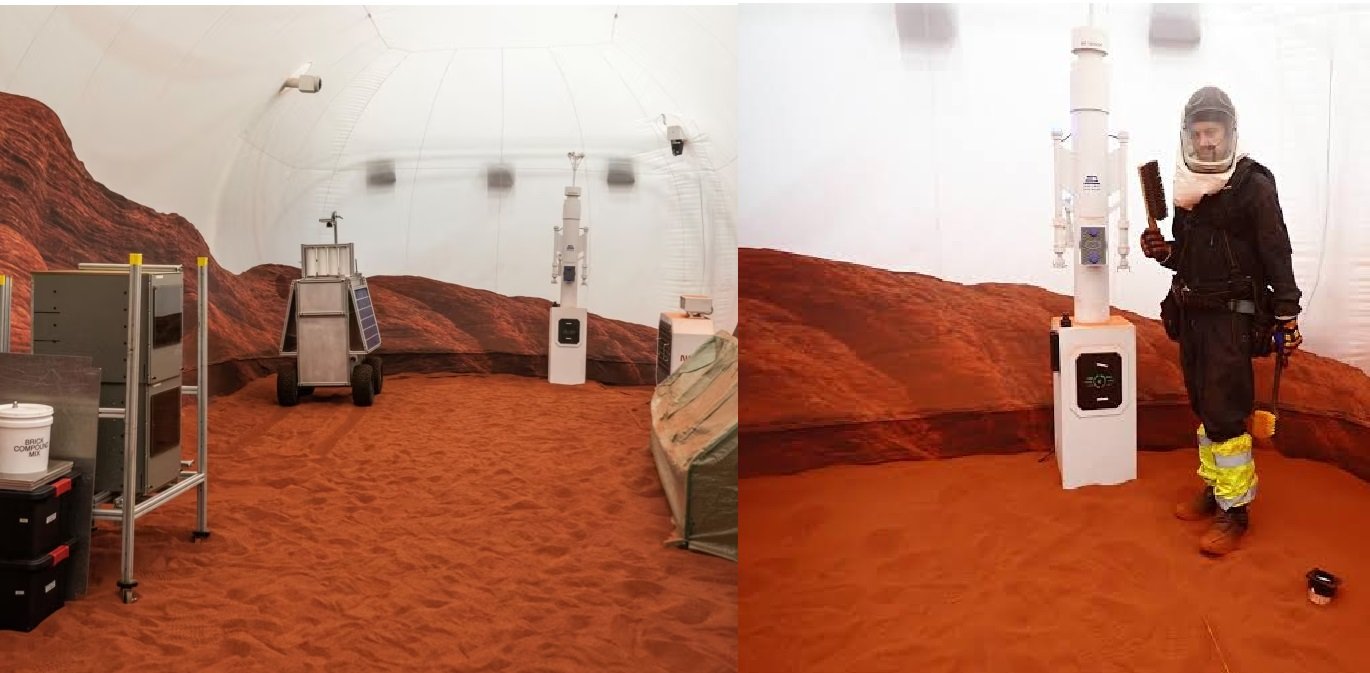 Four NASA Volunteers Mark One Year in Simulated Mars Habitat
-
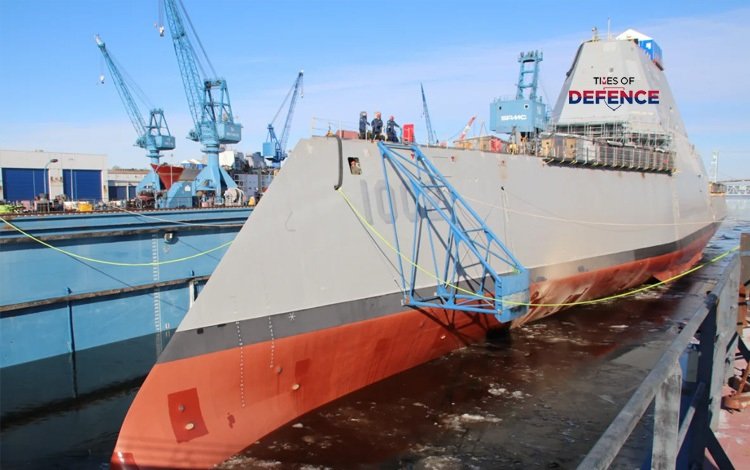 U.S. Navy Awards HII $99.1 Million Contract Modification for Zumwalt-class Destroyer USS Lyndon B. Johnson Sea Trials
-
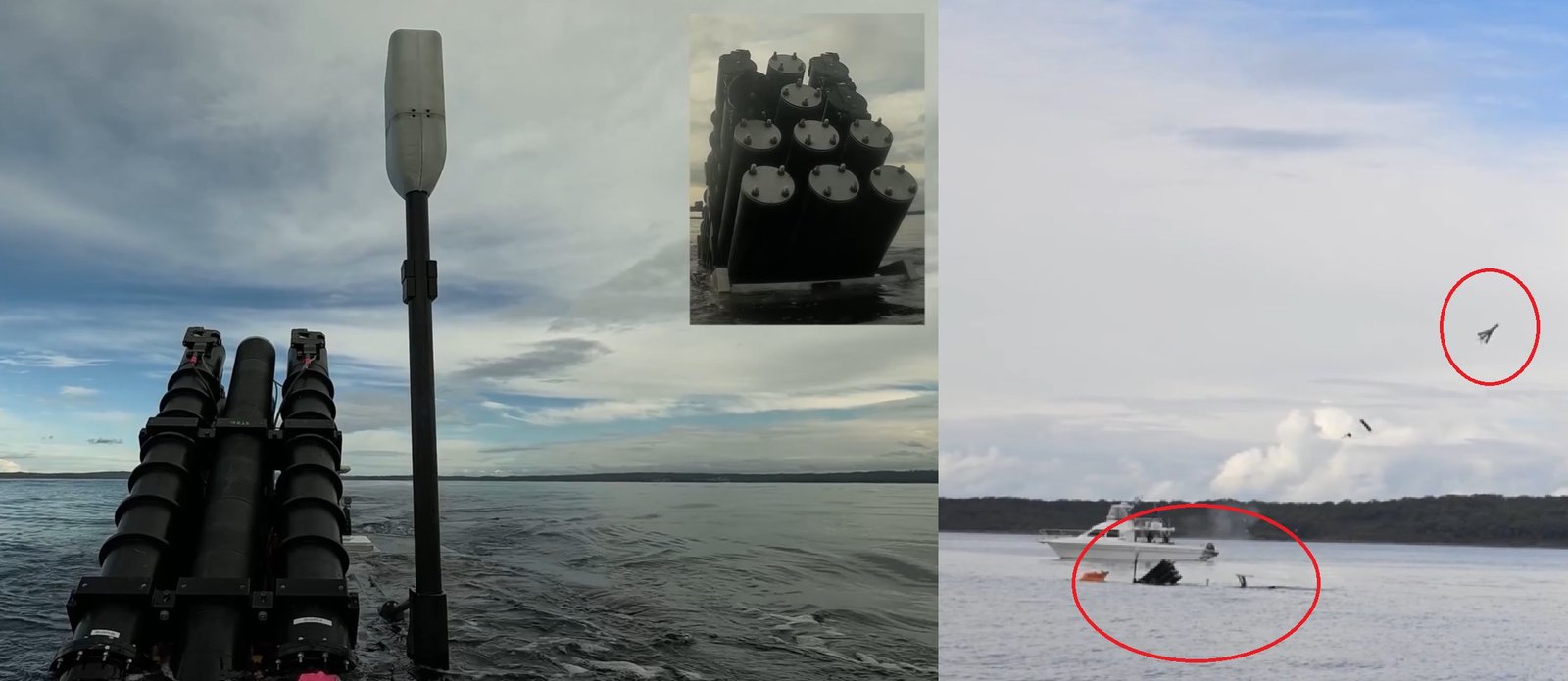 Australia Unveils Ghost Shark Autonomous Submarine’s Mine, Drone and Logistics Capabilities
-
 L3Harris Opens ‘Arsenal of Freedom’ Rocket Motor Plant in Arkansas to Double Production Capacity
-
 Russia Reportedly Offers Su-35 Fighters and S-400 Air Defence System to Protect Tehran