
Europe
MINNEAPOLIS — Polaris Government and Defense, a division of Polaris Inc., has secured a $10.6 million contract from the Belgium Ministry of Defence to supply MRZR D4 tactical off-road vehicles for the country's Special Operations Regiment. The purchase marks the first call order under the NATO Support and Procurement Agency (NSPA) framework contract awarded to Polaris in September 2025. The procurement allows Belgium to acquire the vehicles through the NATO framework without conducting additional competitive trials. According to Polaris, the arrangement simplifies the procurement process, provides access to bulk pricing, accelerates deliveries, and supports standardized logistics across NATO member nations. Part of Belgium's Wider Mobility Modernization Program The MRZR D4 vehicles will replace the two-seat Groundhog all-terrain vehicles, which have been in service with Belgium's Special Operations Regiment since 2009. The order forms the main part of a broader €13.4 million mobility modernization package approved by Belgium's Council of Ministers. Under the program, Belgium will acquire 93 Polaris MRZR D4 tactical vehicles and 62 BRP Can-Am Outlander Max Pro HD7 quad bikes, with deliveries scheduled during 2026 and 2027. Compared with the older Groundhog fleet, the four-seat MRZR D4 enables an entire small operational team and its equipment to travel together in a single vehicle. This reduces the number of vehicles required for missions while improving unit coordination during operations. MRZR D4 Designed for Rapid Deployment The MRZR D4 is designed for military operations in challenging environments and offers several capabilities that support expeditionary and special operations missions. The vehicle is powered by a turbocharged three-cylinder 1.0-liter diesel engine capable of operating on standard diesel fuel as well as military aviation fuels such as JP5 and JP8. This multi-fuel capability allows the vehicle to integrate with existing military fuel supply systems. The vehicle has an estimated operating range of approximately 320 kilometers and provides around 318 millimeters of ground clearance, helping it operate across rough terrain. The MRZR D4 also features a collapsible roll cage, allowing it to be transported inside aircraft including the AW101 Merlin, CH-47 Chinook, V-22 Osprey, and various fixed-wing transport aircraft. It can also be transported by sea, supporting rapid deployment in different operational environments. Its modular design allows the platform to be configured for multiple missions, including: Personnel transport Light cargo transport Casualty evacuation Counter-unmanned aerial systems (C-UAS) Direct-fire weapon integration Intelligence, surveillance and reconnaissance (ISR) missions The platform also offers strong off-road mobility, including a one-meter fording capability, allowing it to cross shallow water obstacles. Belgian Military Highlights Operational Benefits Colonel Kristof Van Poecke, Commander of the Belgium Special Operations Regiment, said the new vehicles will significantly improve operational mobility. "With these new vehicles, we are significantly increasing our mobility and operational capabilities. They enable our operators to respond more quickly and flexibly in challenging conditions, where speed and manoeuvrability make the difference. This is an important step to maintain our operational capacity at the highest level." NATO Framework Supports Common Equipment Belgium completed the procurement through the NATO Logistics Stock Exchange (NLSE), a secure online platform that enables NATO member countries to purchase approved military equipment, spare parts, maintenance kits, and training modules. The acquisition is part of a broader NATO effort to improve interoperability by encouraging member nations to operate common equipment. The project is being carried out alongside the United Kingdom, France, Sweden, and Slovakia, which are also acquiring MRZR vehicles through the NSPA framework. Steve Canner, Senior Manager for Europe, Middle East, India, and Africa (EMEIA) at Polaris Government and Defense, said Belgium played an important role in establishing the vehicle under the NATO framework. "The Belgium Ministry of Defence helped establish the MRZR D on the framework contract, with additional partner countries including the United Kingdom. The vehicle's capabilities and commonality with other NATO nations will serve Belgium forces very well and we're proud to support them." Operating the same vehicle platform across allied militaries simplifies training, spare parts availability, maintenance, and logistical support during multinational deployments and joint operations. MRZR Platform in Global Service Polaris introduced the MRZR platform in 2012, and the diesel variants, including the MRZR D4, are now used by more than 50 military and security organizations worldwide. The vehicles have been adapted for a wide range of missions, including special operations, rapid response, medical evacuation, logistics support, counter-drone operations, and sensor integration. Polaris Government and Defense also manufactures other military mobility platforms, including the MRZR Alpha, DAGOR, MV850, and specialized military snowmobiles. The company says it continues to update the MRZR family based on operational feedback from military users. Belgium's latest procurement is expected to strengthen the mobility and deployment capabilities of its Special Operations Regiment while supporting NATO's broader objective of improving interoperability through standardized equipment across allied forces. Source : edrmagazine
Read More → Posted on 2026-07-14 14:20:06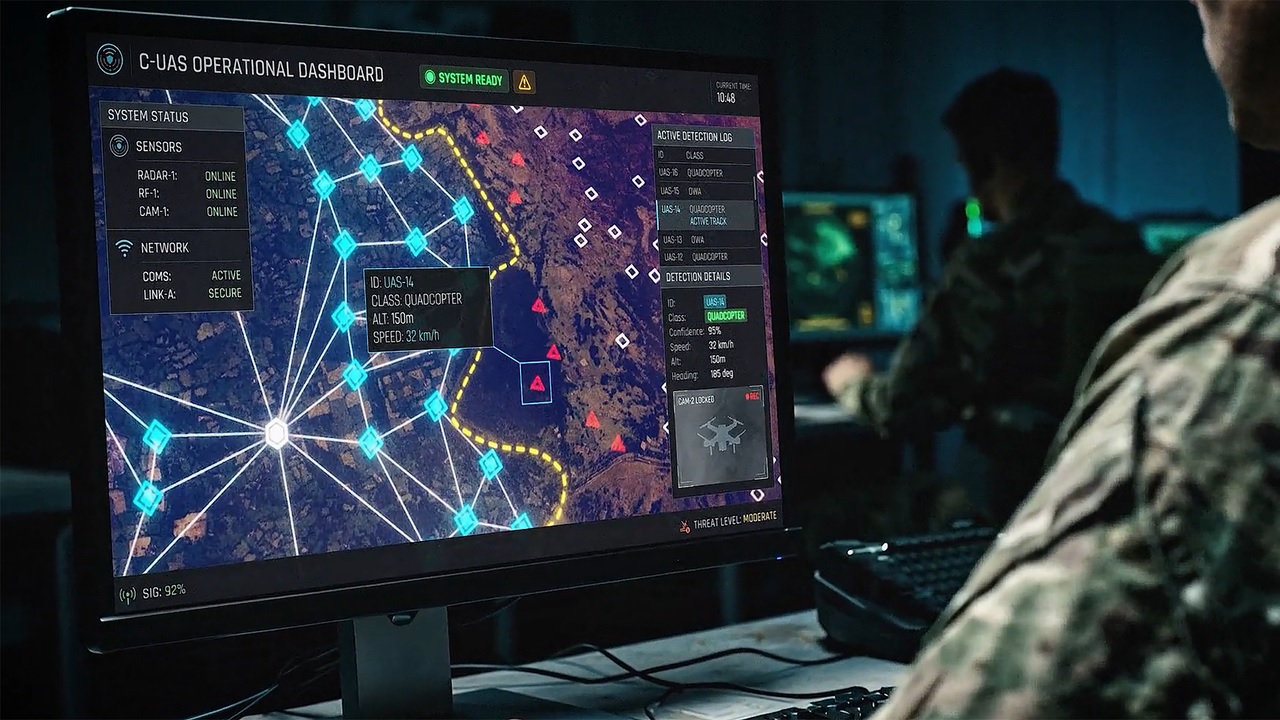
Europe
NORFOLK, U.K. — BAE Systems has completed integration and deployment testing of its Anti-Threat System (BATS), reaching a key milestone in the development of its counter-uncrewed aerial system (C-UAS). The company said the system progressed from its initial concept to field-based testing in just eight months, demonstrating an accelerated development timeline. Developed by BAE Systems' Digital Intelligence business, BATS is a scalable and modular counter-drone platform designed to detect, track, identify, and neutralize hostile uncrewed aerial systems (UAS). The system is intended to provide layered protection for military forces, critical national infrastructure, and other high-value assets facing the growing threat posed by drones. The integration and deployment trials were carried out at a secure testing facility in Norfolk in partnership with MSI-Defence Systems. During the tests, MSI integrated its advanced firing technology with the BATS platform to track airborne threats, validating the system's software-defined and modular architecture. The trials also confirmed the platform's mobility. Engineering teams demonstrated that BATS can be rapidly deployed, dismantled, and reassembled at new locations, allowing it to support changing operational requirements. In addition, the testing verified the system's data collection and analysis capabilities, enabling it to combine real-time intelligence with rapid decision-making to respond to evolving battlefield conditions. According to BAE Systems, BATS uses a sensor fusion network that combines radar, electro-optical/infrared (EO/IR), acoustic, and passive radio frequency (RF) sensors to maintain broad situational awareness. These sensors feed information into an AI-driven command and control system, which classifies threats in real time and recommends the most appropriate response based on the detected drone. "The test demonstrated exactly what BATS is designed to achieve – rapid deployment, seamless integration and the capability for fast, effective response," said Louise Heywood, Head of Strategy at BAE Systems Digital Intelligence. "Moving from concept to field-based testing in just eight months is a testament to our expertise and the agility of everyone involved. This milestone puts us in a strong position as we continue to develop the system at pace and advance to live-fire trials in August," she added. Hadyn White, Senior Military Advisor at MSI Defence Systems, said the demonstration highlighted the value of collaboration between defense companies. "The demonstration successfully showed strong collaboration and illustrated how we can defeat a variety of drone threats by integrating agile technology and expertise from across the defence ecosystem," White said. "We now have a clear way forward to provide an effective defence against drone technologies, which is crucial for modern warfare." The BATS program will now move into live-fire trials later this summer, with testing expected to begin in August. For the first time, the system will demonstrate both kinetic and non-kinetic countermeasures. Non-kinetic methods include targeted radio frequency and GPS denial, allowing hostile drones to be disrupted electronically without physical destruction. Kinetic responses involve physical interceptors designed to neutralize aerial threats directly. The upcoming trials are intended to demonstrate how BATS can select and apply different response options based on the type of drone threat encountered. The rapid development of BATS reflects the increasing demand for adaptable counter-drone systems as uncrewed aircraft become more widely used in military operations and for attacks on critical infrastructure. By combining modular software, multiple sensor types, artificial intelligence, and flexible response options, the system is designed to support military forces in detecting and countering a wide range of drone threats while remaining deployable across different operational environments. With integration and deployment testing now complete, the results from the upcoming live-fire trials are expected to further evaluate the system's operational performance and its ability to integrate kinetic and electronic countermeasures into a single layered defense capability. Source : baesystems
Read More → Posted on 2026-07-14 12:11:34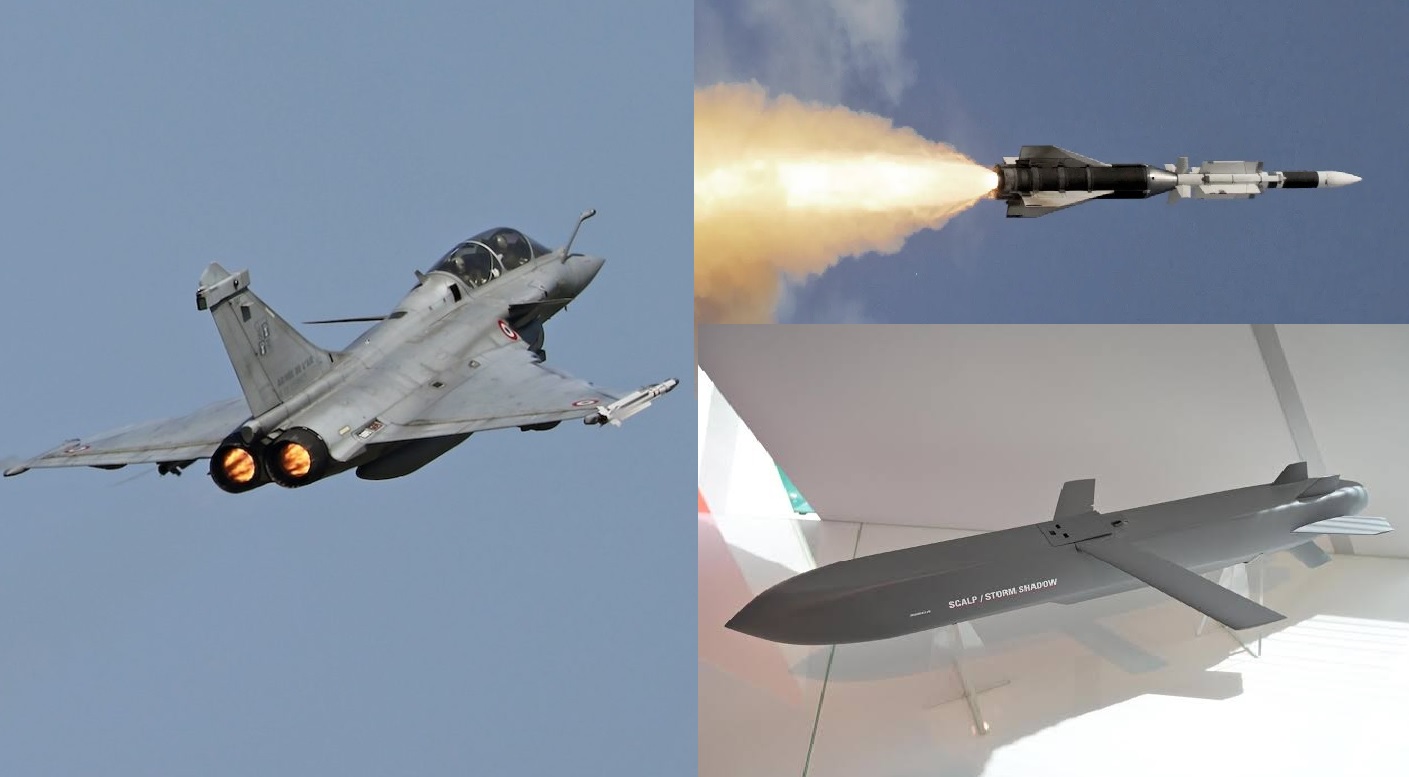
Europe
PARIS — France has approved a major expansion of its defense cooperation with Ukraine by allowing the local production of several French-designed weapons and confirming a delivery timeline for the first batch of Rafale fighter jets. French President Emmanuel Macron announced the decision on July 13 following a meeting of the Coalition of the Willing in Paris, where leaders discussed continued military support for Ukraine. Under the new agreement, Ukraine will receive licenses to manufacture Aster-30 air defense interceptor missiles, SCALP long-range cruise missiles, and AASM Hammer precision-guided bombs on its own territory. France said the move is intended to strengthen Ukraine's domestic defense industry and reduce dependence on continued deliveries of finished weapons from abroad. The decision marks the first time France has approved local production of these advanced French-designed systems in Ukraine. Macron said the agreements build on discussions held with Ukrainian President Volodymyr Zelenskyy and previous understandings reached last year. Ukraine to Produce French-Designed Weapons The licensing agreements cover three key weapon systems already used or planned for use by Ukraine. The Aster-30 is the interceptor missile used by the Franco-Italian SAMP/T air defense system, which Ukraine already operates to defend against missile attacks. Local production is expected to help maintain a more reliable supply of interceptor missiles. The SCALP is a long-range air-launched cruise missile, similar to the UK's Storm Shadow missile already in Ukrainian service. It is designed to strike high-value targets at long distances with precision. The agreement also includes the AASM Hammer, a precision-guided air-to-ground bomb used by combat aircraft for accurate strikes against military targets. Instead of relying entirely on foreign shipments, Ukraine will be able to manufacture these systems domestically under French licenses. The approach is expected to support long-term defense production while easing pressure on allied military stockpiles. The announcement comes as several partner countries increasingly focus on helping Ukraine expand its own defense manufacturing capacity rather than depending solely on external supplies. Rafale Fighter Jet Deliveries to Begin in 2028–2029 Macron also confirmed that Ukraine will receive an initial batch of 16 Rafale multirole fighter jets, with deliveries scheduled to begin between 2028 and 2029. Training for Ukrainian pilots and ground crews is expected to start in the coming months to prepare for the introduction of the aircraft. The 16 aircraft represent the first phase of a broader defense partnership. Ukraine has also signed a letter of intent expressing interest in acquiring up to 100 Rafale fighter jets over the next decade. The Rafale is capable of carrying out air defense, ground attack, reconnaissance, and precision strike missions, making it one of France's primary multirole combat aircraft. France to Supply Additional Air Defense Equipment Alongside the production licenses, Macron said France will provide additional radar systems to Ukraine and deliver next-generation SAMP/T NG air defense batteries. The new systems are intended to strengthen Ukraine's air defense network against continued missile and aerial attacks while complementing previously supplied SAMP/T batteries and interceptor missiles. European Coalition Launches Freyja Anti-Ballistic Missile Project During the Paris summit, Ukraine and several European partners also announced the formation of an Integrated Anti-Ballistic Missile Coalition. The coalition includes France, Germany, the United Kingdom, Italy, Spain, the Netherlands, Sweden, Norway, Denmark, and Ukraine, with participating countries working together to improve protection against ballistic missile threats. As part of the initiative, Ukraine is developing a new anti-ballistic missile system called Freyja in cooperation with European partners. According to President Volodymyr Zelenskyy, the system combines a new interceptor missile developed by the Ukrainian defense company Fire Point with existing European radar and command networks. Ukrainian officials said Freyja is intended to provide a lower-cost alternative to the U.S.-made Patriot air defense system. They estimate each interception could cost about $700,000, compared with approximately $3.8 million for a Patriot interceptor. Zelenskyy said the Freyja system could become operational within the next 12 months, although development and testing will continue as the coalition advances the project. Shift Toward Long-Term Defense Cooperation France's announcement follows a broader trend among Ukraine's allies to expand defense industrial cooperation. Macron noted that the United States has also moved toward allowing Ukraine to manufacture Patriot air defense interceptors under licensing agreements. The Paris summit also included discussions on future military cooperation, training, and continued support for Ukraine's defense capabilities. By combining local weapons production, pilot training, new air defense systems, and long-term industrial partnerships, France and its partners are expanding support beyond immediate military aid and helping Ukraine strengthen its domestic defense capabilities for the years ahead. Source : reuters
Read More → Posted on 2026-07-14 11:36:42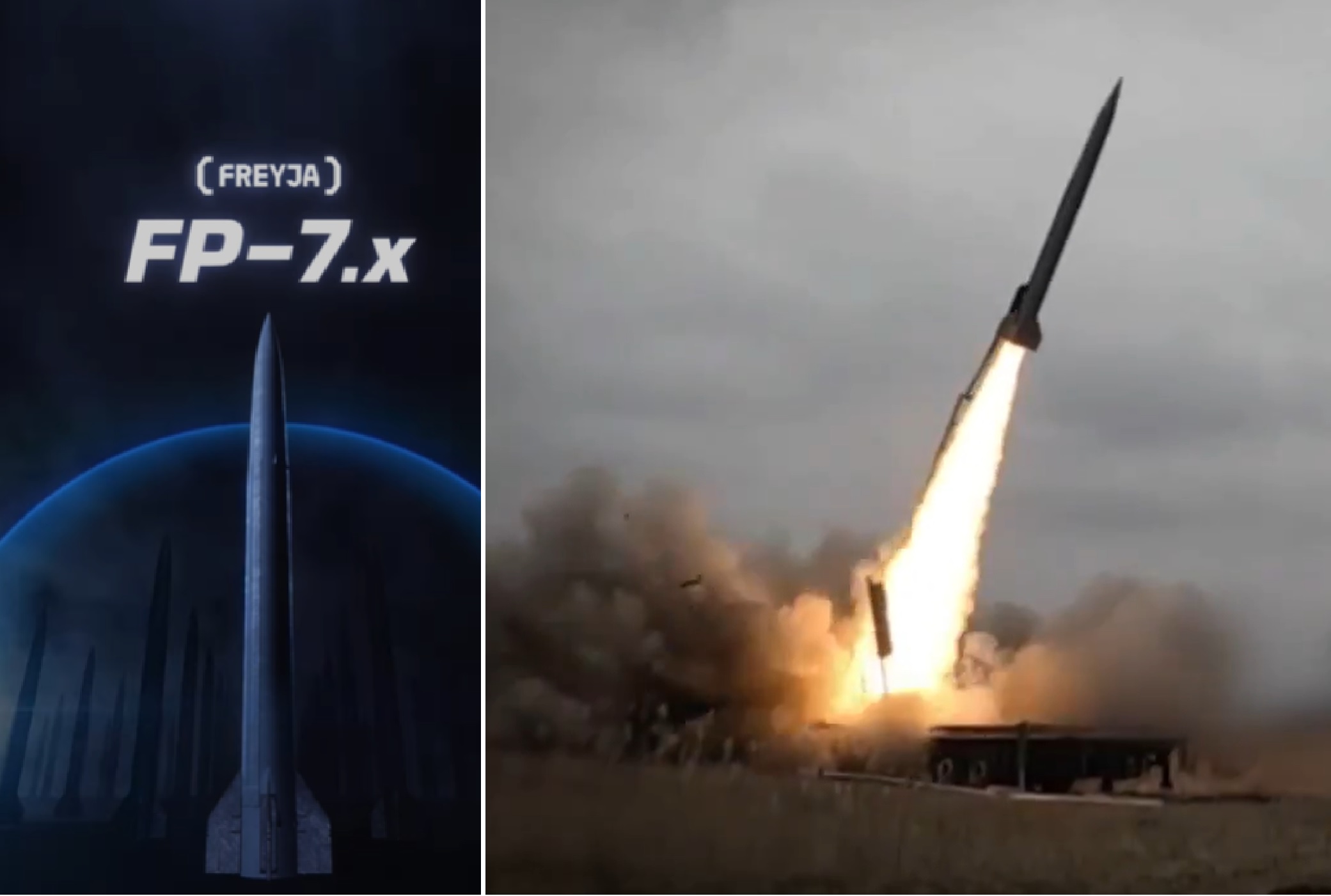
Europe
PARIS / KYIV — Ukraine and nine European partner countries have formally launched the Anti-Ballistic Missile Coalition, a multinational initiative aimed at developing and deploying the FREYJA anti-ballistic missile defense system across Europe. The agreement was announced at the Elysee Palace in Paris following a summit attended by the participating nations. The coalition includes Ukraine, Denmark, France, Germany, Italy, the Netherlands, Norway, Spain, Sweden, and the United Kingdom. According to Ukrainian President Volodymyr Zelenskyy, the coalition's flagship project will support the development and large-scale production of the FREYJA air defense system to establish a shared anti-ballistic missile defense capability across Europe. On the same day, Ukrainian defense company Fire Point publicly unveiled its FP-7.X anti-ballistic interceptor missile, the key interceptor being developed for the FREYJA system. The announcement was made through an Instagram post by the company's Chief Technology Officer, Iryna Terekh, who shared presentation materials and a promotional video introducing both the interceptor and the overall air defense concept. Alongside the video, Fire Point wrote: "FREYJA — PAN-EUROPEAN ANTI-BALLISTIC SHIELD OWNED TOGETHER. Coming soon…" During the presentation, the company described FREYJA as a pan-European anti-ballistic shield that would be jointly owned and supported by participating partner countries. The project is designed to integrate interceptor missiles, radar systems, command-and-control networks, and data-sharing technologies from multiple European defense companies into a single defensive architecture. FP-7.X Interceptor Forms the Core of FREYJA The FP-7.X interceptor has been developed by Kyiv-based Fire Point, a defense company founded in 2022 that initially focused on drones and missile systems before expanding into ballistic missile defense. According to specifications released by Fire Point co-founder Denys Shtilerman and Chief Technology Officer Iryna Terekh, the missile measures 7.25 meters in length and is constructed using lightweight composite materials, including carbon fiber, to reduce weight while improving maneuverability. The interceptor is designed to reach speeds between 1,500 and 2,000 meters per second—approximately Mach 4.4 to Mach 5.9—and intercept incoming ballistic missiles during the terminal phase of flight at altitudes of up to 20 kilometers. Fire Point says that most components of the FP-7 missile family are manufactured in Ukraine, while the overall FREYJA architecture has been designed with an open architecture that integrates with NATO-standard air defense systems and communication networks. European Defense Companies Contribute Key Technologies Rather than operating as a standalone national air defense system, FREYJA has been designed as a distributed "system of systems" that combines technologies from several European defense companies. Under the project: Fire Point serves as the prime contractor, responsible for the development and production of the FP-7.X interceptor and launcher. Germany's Diehl Defence is contributing to the missile's semi-active image infrared seeker, designed to distinguish genuine ballistic missile targets from infrared decoys, including those reportedly used by Russia's Iskander-M missile system. Sweden's Saab is supplying Giraffe 8A and Giraffe 4A radar systems. France's Thales is contributing the Ground Master 400 long-range radar. Germany's HENSOLDT is providing the TRML-4D Active Electronically Scanned Array (AESA) radar. Norway's Kongsberg is supplying the Fire Direction Centre (FDC) command-and-control system. The network is designed to exchange tactical information through NATO-standard Link-16 while using the ASTERIX protocol for secure radar data integration. HENSOLDT Agreement Supports Radar Integration In June 2026, Fire Point signed a Memorandum of Understanding (MoU) with HENSOLDT during the Eurosatory defense exhibition in Paris. The agreement covers the production, testing, and delivery of the TRML-4D radar for the FREYJA program. The AESA radar is capable of tracking approximately 1,500 air targets simultaneously, supporting long-range detection and target tracking for the missile defense network. Designed to Reduce Interception Costs One of the project's principal objectives is to lower the cost of defending against ballistic missile attacks. According to Fire Point, an interception using the FP-7.X is expected to cost approximately $700,000 per missile, compared with an estimated $3.8 million for a Patriot PAC-3 interceptor. The company says reducing interception costs is intended to improve the sustainability of missile defense during prolonged conflicts. Prototype Flight Test Completed Before unveiling the system, Fire Point conducted the first guided flight test of the FP-7.X prototype. According to the company, the missile successfully completed a guided maneuvering flight, demonstrating stable flight characteristics and controlled maneuverability. During the announcement of the successful test, Fire Point disclosed the missile's initial specifications, including a maximum speed of 2,000 meters per second, and confirmed its cooperation with Germany's Diehl Defence on the interceptor's guidance system. The successful flight moved the project beyond the conceptual stage. Fire Point expects to carry out the first operational interception tests by the end of 2027 as development of the complete FREYJA system continues. Toward a Shared European Missile Defense Network The FP-7.X evolved from Fire Point's FP-7 tactical ballistic missile, which was originally developed for ground attack missions with a reported range of up to 200 kilometers. The FP-7.X adapts that technology into an interceptor designed specifically for ballistic missile defense. The FREYJA initiative also represents a broader expansion of Ukraine's defense industry, moving beyond unmanned systems and strike weapons toward advanced missile defense technologies. Through the newly established Anti-Ballistic Missile Coalition, the participating countries plan to combine industrial capacity, financing, research, and technological expertise to accelerate development and prepare the FREYJA system for future large-scale production. According to the participating governments and Fire Point, the long-term objective is to build a jointly developed European anti-ballistic missile defense capability that integrates national technologies into a common defensive network while remaining compatible with existing NATO infrastructure.
Read More → Posted on 2026-07-13 17:15:31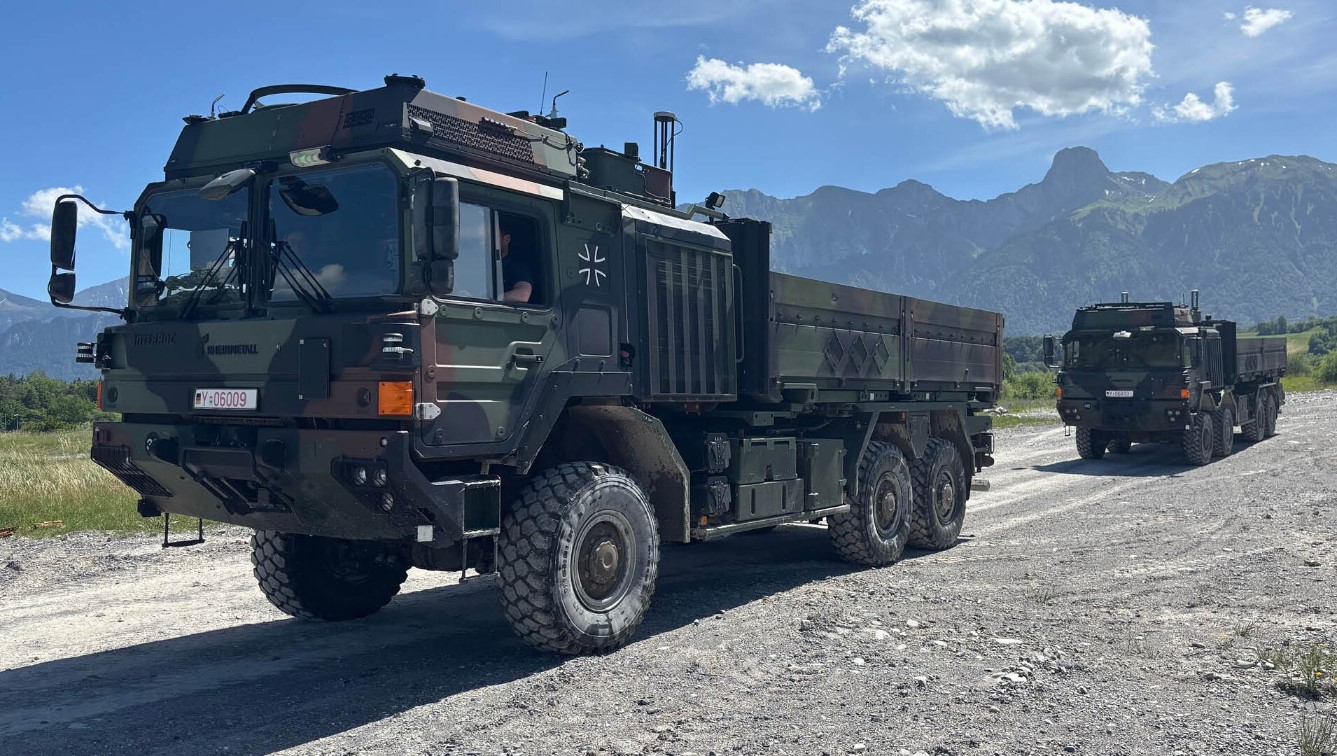
Europe
BERLIN — Rheinmetall MAN Military Vehicles GmbH (RMMV) has assumed full responsibility for the InterRoC VII (Interoperable Robotic Convoy VII) research project on behalf of Germany's Federal Office of Bundeswehr Equipment, Information Technology and In-Service Support (BAAINBw). InterRoC VII is the latest phase of the long-running InterRoC research program, which focuses on developing highly automated convoy technologies for military logistics. The project builds on earlier InterRoC demonstrations that used HX2 military trucks to test autonomous leader-follower convoy operations, where multiple vehicles travel together with minimal human intervention. Focus on Autonomous Military Logistics The primary objective of InterRoC VII is to further develop highly automated convoy control systems capable of supporting military logistics in demanding operational environments. The project is also designed to test interoperable vehicle formations, allowing different types of military vehicles to operate together safely and autonomously. Key areas of development include: Efficient automation technologies Advanced perception and decision-making functions Robust route planning for mixed (heterogeneous) vehicle formations The technologies are intended to improve the reliability and safety of military logistics operations, particularly in off-road environments and areas where communications are limited or disrupted. A major focus of the project is enabling autonomous convoy operations in GNSS-denied environments, where satellite navigation systems such as GPS are unavailable or intentionally jammed. This capability is considered important for military operations in environments affected by electronic warfare or navigation interference. HX Military Trucks Equipped With Autonomous Technology For the InterRoC VII project, RMMV is using vehicles from its established HX family of military logistics trucks. The vehicles are equipped with Rheinmetall's modular PATH sensor kit and a fully integrated drive-by-wire system, allowing software to control steering, braking, and acceleration through the vehicle's existing architecture. The PATH autonomy system is designed with an open system architecture, enabling the integration of additional sensors, artificial intelligence-based software, and mission-specific algorithms as the technology evolves. This modular approach provides a scalable platform that can be adapted for future military requirements. Driveblocks Supports AI and Environmental Perception As part of the project, Driveblocks GmbH is contributing software and artificial intelligence technologies focused on environmental perception and object classification. Its system combines camera and LiDAR sensor data with AI models to detect and understand complex three-dimensional environments. The technology is designed to operate in challenging conditions, including unstructured terrain, dense vegetation, dust, snow, and varying visibility, helping autonomous vehicles make reliable navigation decisions in difficult operational settings. Lessons From ELROB 2026 Integrated Into Project RMMV assumed responsibility for InterRoC VII shortly before achieving a top placement in the "Convoy Scenarios" category at the European Land Robot Trial (ELROB) 2026, held at the Thun military training area in Switzerland. ELROB is one of Europe's leading field trials for testing unmanned ground systems and autonomous military technologies under realistic operating conditions. According to Rheinmetall, capabilities demonstrated during the competition are being directly incorporated into the ongoing development of the InterRoC VII program. Building on Earlier InterRoC Research The InterRoC research series began around four years ago to explore technologies and operational requirements for future autonomous military logistics vehicles. Earlier project phases equipped HX trucks with autonomy kits to evaluate automated convoy operations in realistic conditions. Previous demonstrations included joint testing in Germany and the United States, where researchers validated leader-follower convoy concepts using autonomous logistics vehicles. With InterRoC VII, the research program continues to expand its focus on improving military supply chains through automation while reducing risks to personnel during logistics missions in demanding operational environments. The project also supports broader Bundeswehr efforts to modernize and digitize military mobility through the integration of autonomous technologies. Rheinmetall and BAAINBw have not disclosed financial details or a timeline for completion of the current research phase. Sources: Rheinmetall
Read More → Posted on 2026-07-13 14:56:13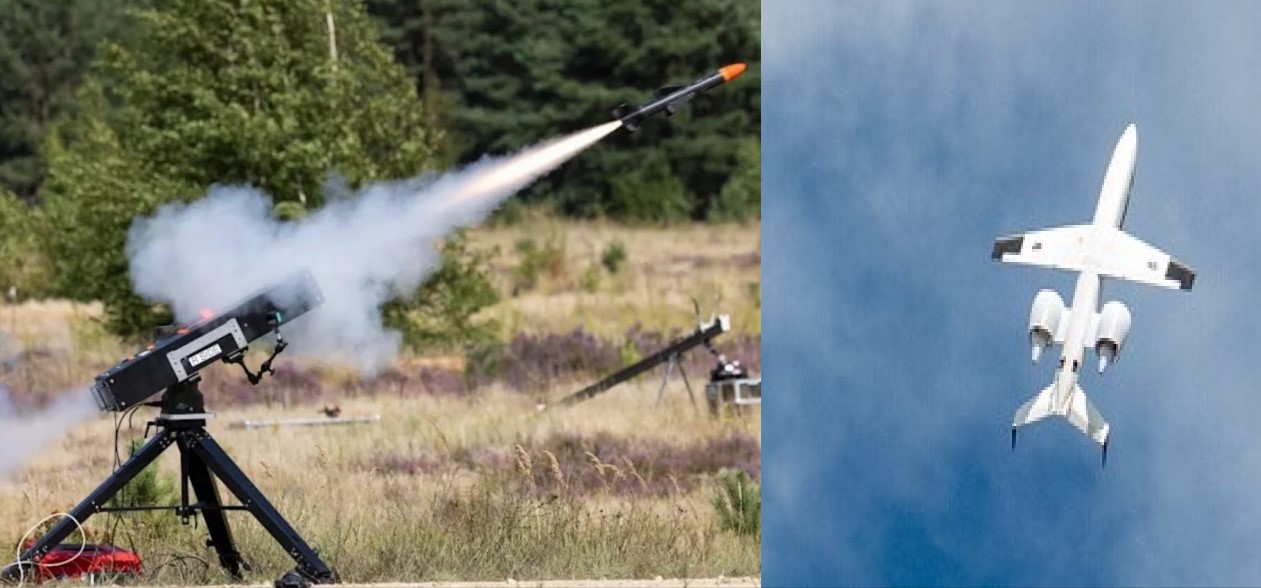
Europe
LONDON, United Kingdom — The UK Ministry of Defence (MOD) has awarded £3.16 million in contracts to Frankenberg Technologies, Greenjets, and Cambridge Aerospace to develop low-cost interceptors capable of countering drones and other airborne threats. The contracts are part of the Low-Cost Air Defence Effectors (LCADE) programme, managed by the National Armaments Director (NAD) Group, and mark the UK's first awards under the multinational Low-Cost Effectors and Autonomous Platforms (LEAP) initiative. LEAP is a joint programme involving the UK, France, Germany, Italy, and Poland to develop affordable interceptors and autonomous defence systems. Each country is running its own national competition before moving to a multinational phase, where the most promising designs will be selected for large-scale production across the partner nations. The programme responds to the growing challenge posed by low-cost, mass-produced drones, which can overwhelm traditional air defence systems that are often expensive to operate and slower to replace. The MOD noted that Russia launched the equivalent of more than 200 drones per day into Ukraine during March 2026, highlighting the need for more cost-effective air defence solutions. The three selected companies, all UK-based SMEs, will now develop and test their interceptor designs while expanding domestic manufacturing capabilities. The investment is expected to support jobs in Cambridge, Milton Keynes, Bristol, and Stevenage, with Cambridge Aerospace becoming one of the newer companies to join MOD programmes. The contracts were delivered by Commercial X, a specialist team within the NAD Group that focuses on accelerating defence procurement and increasing participation from smaller companies. The team has previously supported rapid contracting for programmes involving hypersonic weapons and directed energy systems. The UK says the LCADE programme will strengthen national air defence capabilities while supporting the domestic defence industry. Following the development and testing phase, successful designs will be considered for production at scale under the wider LEAP programme to provide affordable air defence systems for allied forces. Source : gov.uk
Read More → Posted on 2026-07-13 13:56:33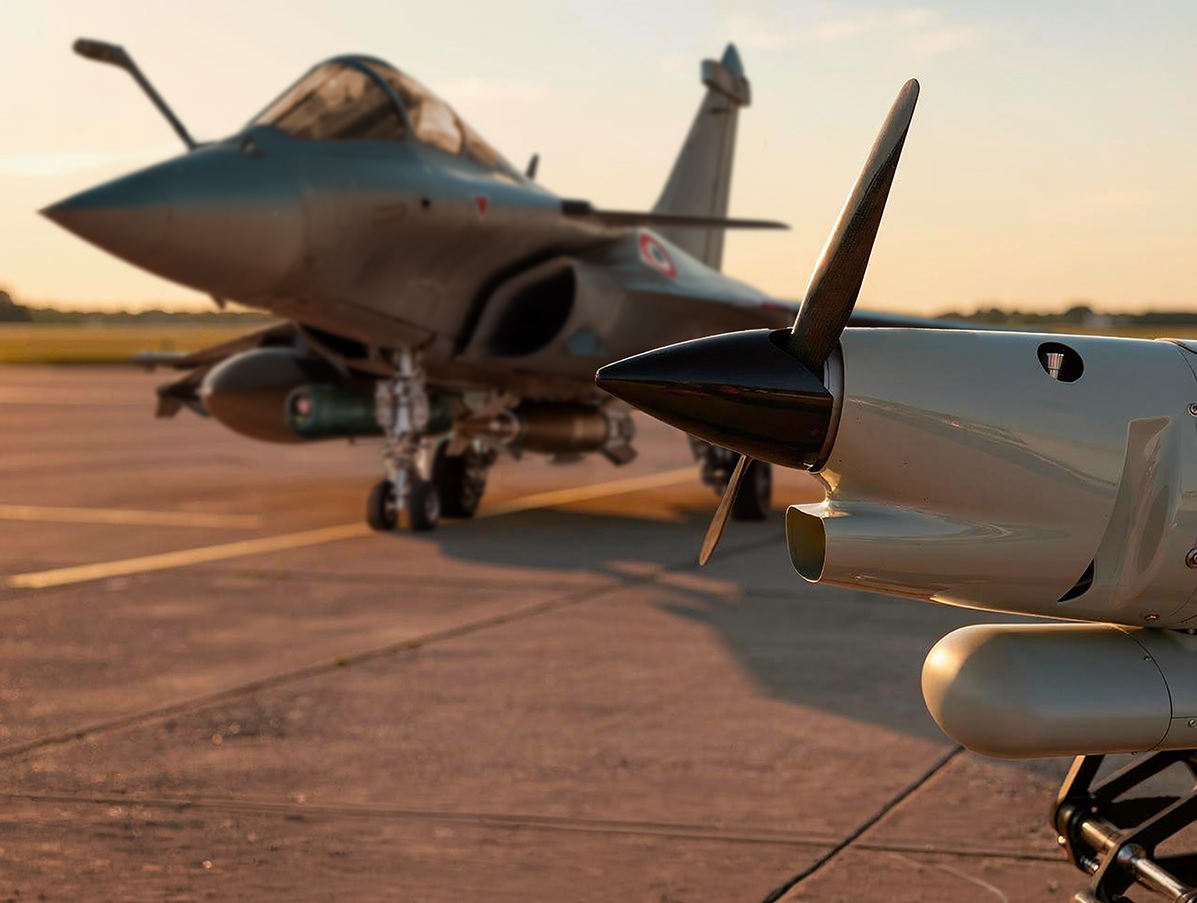
Europe
PARIS — Dassault Aviation and Harmattan AI have successfully completed an in-flight demonstration of the new NAMIB electronic warfare payload, showing how an unmanned aerial system (UAS) can work alongside a Rafale F4 fighter during a collaborative combat mission. The flight test, announced by the two French companies on Monday, demonstrated the integration of the jointly developed NAMIB payload with the Rafale F4. The system is designed to detect, identify, and geolocate electromagnetic emissions, particularly those generated by enemy air defense systems. During the demonstration, a drone equipped with the NAMIB payload detected and accurately geolocated a radar located several dozen kilometers away without revealing its position. The unmanned system then transmitted the target's coordinates to the Rafale F4, which used the information to carry out a simulated strike on the radar site. The test demonstrated how unmanned systems can provide electronic warfare and targeting support to crewed combat aircraft during military operations. NAMIB has been designed for use on multiple drone platforms, including lightweight tactical quadcopters and longer-endurance fixed-wing unmanned aircraft. This flexibility allows the payload to be deployed across different mission profiles depending on operational requirements. Development of the NAMIB payload began in January 2026 as part of a strategic partnership between Dassault Aviation and Harmattan AI. The collaboration focuses on integrating advanced autonomy and artificial intelligence into future air combat systems while improving cooperation between crewed and uncrewed platforms. Eric Trappier, Chairman and CEO of Dassault Aviation, said the demonstration confirmed the Rafale F4's collaborative combat capabilities across multiple operational domains. "This flight demonstrates the Rafale's real and tangible multi-domain collaborative combat capabilities. The F4 standard architecture enables seamless communication with a very broad range of operational assets, including ground forces, allowing it to effectively leverage new capabilities, such as NAMIB's electromagnetic detection and geolocation functions," Trappier said. He added that the demonstration also showed the Rafale's continued adaptation to changing operational requirements through a "high-low mix," combining advanced combat aircraft with autonomous and expendable systems. Mouad M'Ghari, Co-Founder and CEO of Harmattan AI, said electronic warfare has become increasingly important in modern military operations. "Electronic warfare has become a decisive factor in achieving operational superiority. Through NAMIB, we are demonstrating that these capabilities can now be deployed on lightweight autonomous systems operating close to the threat. This achievement highlights the complementary strengths of Dassault Aviation and Harmattan AI, combining decades of experience in air combat systems with our expertise in autonomy and embedded intelligence. Together, we are demonstrating that it is possible to accelerate the integration of disruptive technologies for the benefit of the armed forces and lay the groundwork for the collaborative combat architectures of tomorrow." The NAMIB program is part of broader efforts to enhance cooperation between manned fighters and autonomous systems in future military operations. Such collaborative concepts are intended to improve situational awareness, electronic warfare capabilities, and targeting efficiency while reducing risk to crewed aircraft. Founded in 2024, Harmattan AI develops autonomous robotic defense systems for missions including air defense, intelligence, surveillance and reconnaissance (ISR), strike, electronic warfare, and command and control. The company develops technologies for operations in contested environments and works with partners in the United States, Europe, the Middle East, and Africa. Dassault Aviation has more than 110 years of aerospace experience and has delivered over 10,000 military and civil aircraft to customers in more than 90 countries. Its product portfolio includes the Rafale fighter aircraft, Falcon business jets, military unmanned systems, and space programs. In 2025, the company employed approximately 15,000 people and reported €7.4 billion in revenue. The successful demonstration marks another step in integrating unmanned electronic warfare systems with crewed combat aircraft, supporting the development of collaborative combat capabilities for future air forces. Source : harmattan
Read More → Posted on 2026-07-13 12:11:33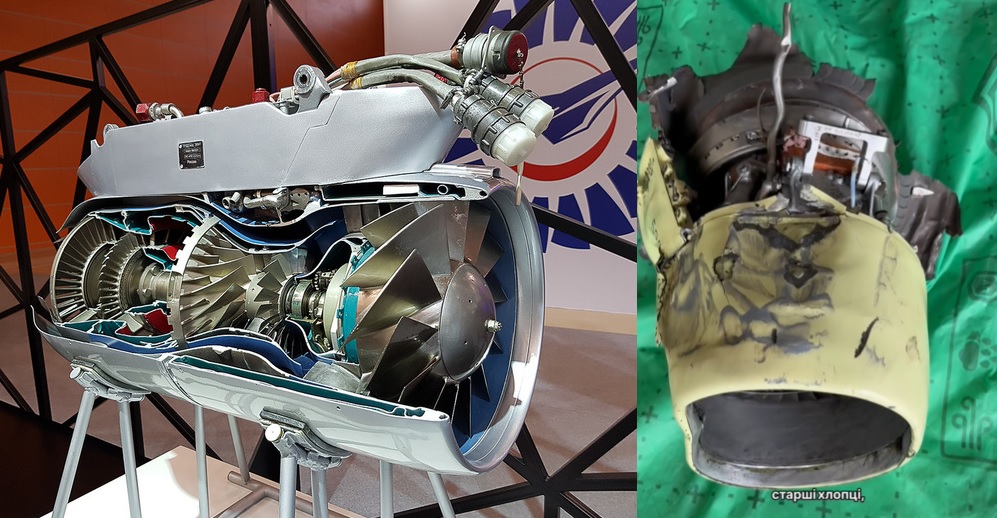
Europe
KYIV — Russia appears to have begun equipping its Kh-101 long-range cruise missiles with a new propulsion system that includes components produced using single-crystal 3D metal printing technology, according to recent analysis of recovered missile fragments. The latest findings are based on an engine fragment reportedly manufactured in late 2025. A video overview of the component was recently published by facebook user Zampotekh Omelyanovich. Specialists are expected to examine the recovered turbine blades to determine the manufacturing process used and assess how the technology was implemented. Advanced Engine Technology The reported engine incorporates single-crystal turbine blades produced through advanced metal 3D printing. Unlike conventional turbine blades, single-crystal components eliminate grain boundaries within the metal, improving structural strength, heat resistance, and corrosion resistance. These properties allow jet engines to operate at higher temperatures and with greater efficiency, extending service life and improving overall performance. Historically, single-crystal turbine blade technology has been associated with a limited number of aircraft engine manufacturers, including U.S.-based General Electric and the UK's Rolls-Royce. Analysts cited in the assessment suggest that the upgraded propulsion system could allow the Kh-101 to regain a maximum flight range of up to 5,500 kilometers while continuing to carry a heavier warhead. Engine Upgrade Linked to Heavier Warhead The reported engine upgrade follows significant modifications made to the Kh-101 missile since early 2024. Russia has been equipping some Kh-101 missiles with a dual tandem warhead, increasing the explosive payload from approximately 450 kilograms to around 800 kilograms. The larger warhead required engineers to reduce the missile's internal fuel capacity, lowering its estimated operational range from about 5,500 kilometers to roughly 2,500 kilometers. The additional weight also affected the missile's speed and flight performance. The new propulsion system is therefore viewed as an effort to offset these performance losses by providing greater engine efficiency and restoring long-range strike capability while accommodating the increased payload. Development Dates Back to 2017 Russia's interest in applying single-crystal technology to cruise missile engines is not new. Reports published in 2017 indicated that Russian industry planned to introduce the technology into the TRDD-50 family of small turbofan engines, including the TRDD-50A and TRDD-50AT variants used in the Kh-55, Kh-555, and Kh-101 cruise missiles. The research and development work has been linked to NPO Salyut and the All-Russian Institute of Aviation Materials (VIAM). Previous Production Challenges The reported introduction of the new engine also follows earlier indications of production difficulties. During 2024, analysts reported that some Kh-101 missiles had been fitted with older Soviet-era R-95-300 engines instead of the standard Russian-built TRDD-50A engines. The first documented case was recorded following a missile strike on November 17, 2024, when recovered debris showed a modern Kh-101 equipped with the legacy Soviet engine. The use of older engines was viewed by analysts as a possible indication of temporary production shortages affecting standard missile propulsion systems. Other Recent Kh-101 Upgrades Recovered missile debris from 2024 through 2026 indicates that the Kh-101 has undergone several additional upgrades alongside the reported engine changes. According to available analyses, newer missiles feature an updated radar-absorbing coating on the fuselage intended to reduce radar detection range. They have also been fitted with the SP-504 active protection system, which automatically deploys thermal decoys and dipole reflectors when the missile detects approaching air defense threats. In addition, the missile is reported to use an improved passive optoelectronic navigation system that relies on satellite imagery, helping maintain navigation accuracy in environments affected by electronic warfare and satellite navigation interference. The reported engine development, together with the heavier warhead and other system upgrades, reflects continued modifications to the Kh-101 cruise missile based on analyses of recovered missile components and publicly available information. Independent technical examination of the newly recovered engine parts is expected to provide further insight into the manufacturing methods used. Source : militarnyi
Read More → Posted on 2026-07-12 14:49:00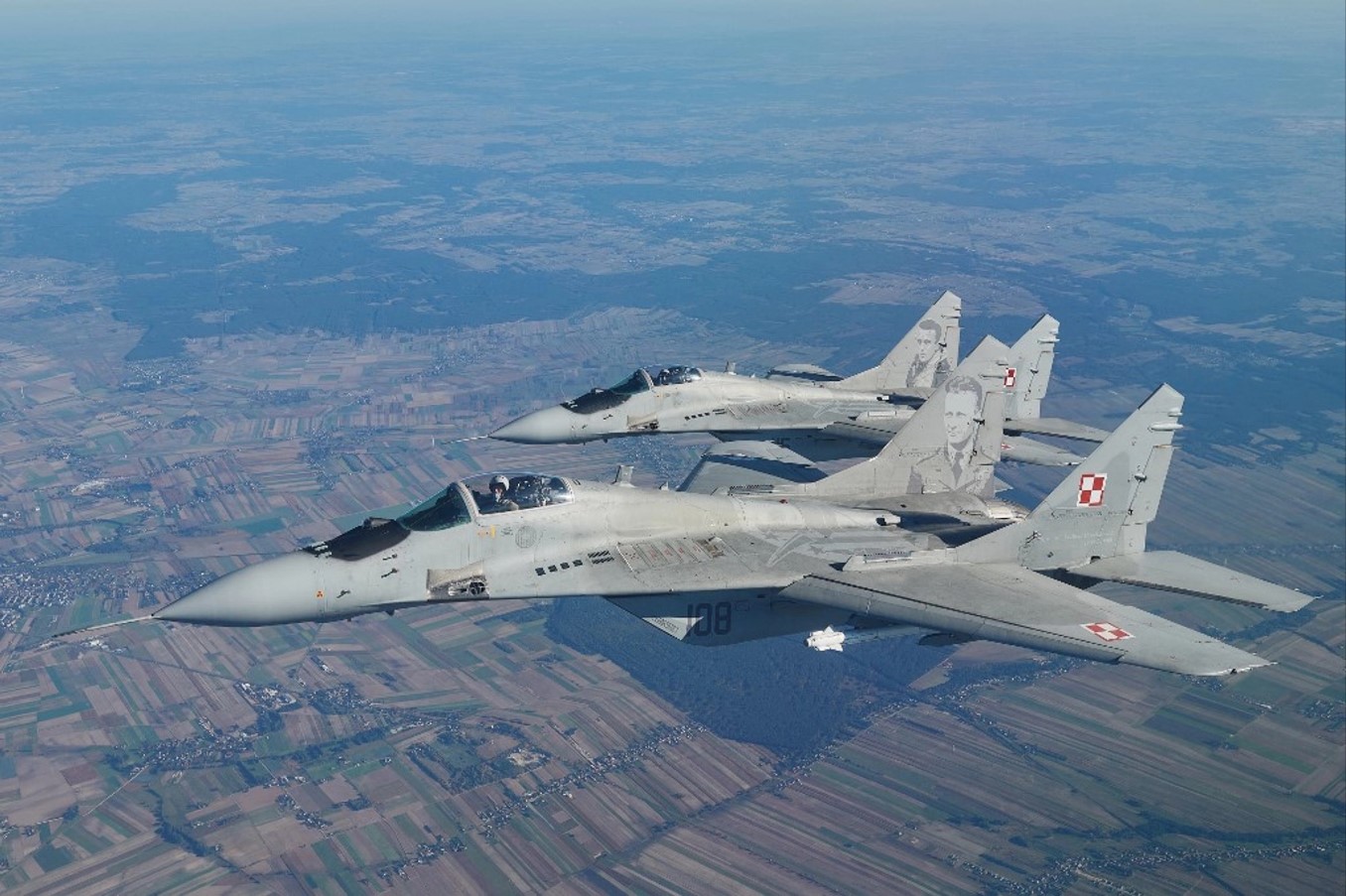
Europe
WARSAW — Poland has confirmed it is ready to help modernize and repair MiG-29 fighter jets for Ukraine, but said the cost of the work must be covered by the Ukrainian government or international partners. The announcement comes as Warsaw and Kyiv have resumed negotiations over the transfer of Poland's remaining Soviet-era MiG-29 aircraft. Speaking during a briefing in Olyka in Ukraine's Volyn region, Polish Minister of National Defence Władysław Kosiniak-Kamysz said Poland is willing to provide technical assistance but cannot finance the refurbishment of the aircraft. "We can help as much as possible here, but the funding must come from the Ukrainian government or allied countries willing to cover these costs," Kosiniak-Kamysz said. Repairs Required Before Delivery The modernization issue gained attention after a Ukrainian delegation inspected Poland's remaining MiG-29 fleet at the 22nd Tactical Air Base in Malbork, where the aircraft are currently stationed. According to the inspection, the fighters are in poor technical condition after years without comprehensive maintenance. The aircraft, which have served with the Polish Air Force since 1989, would require significant repairs before they could be safely returned to operational service. Aviation specialists reportedly identified the landing gear as one of the key areas requiring attention. Ukraine had requested that Poland carry out a complete overhaul of the aircraft at the military aviation maintenance facility Wojskowe Zakłady Lotnicze Nr. 2 before delivery. However, Warsaw declined, stating that financing such extensive refurbishment was not included in Poland's current defense budget. PGZ Assessing Support for Ukrainian Aircraft Poland's state-owned defense company Polska Grupa Zbrojeniowa (PGZ) is evaluating its ability to support the repair and maintenance of Ukrainian military aircraft. The assessment includes both MiG-29 fighters and Ukraine's growing fleet of F-16 aircraft, potentially expanding long-term defense-industrial cooperation between the two countries. Transfer Linked to Technology Cooperation Discussions over the transfer of Poland's remaining MiG-29s began late last year after Poland's Ministry of National Defence and the General Staff announced plans to retire the aircraft as the country transitions to newer Western fighters, including the F-35 and South Korean FA-50. As part of the initial proposal, Poland offered to transfer the MiG-29s in exchange for access to Ukrainian combat drone technologies and operational experience gained during the war. The negotiations stalled in June 2026 after Ukraine expressed reservations about sharing its unmanned systems technology. At the time, Polish Deputy Minister of Defence Cezary Tomczyk said the aircraft would only be transferred once the technology-sharing issue was resolved. Talks Resume on Remaining MiG-29s Negotiations resumed in July 2026 over the possible transfer of up to nine remaining MiG-29 fighter jets. Kosiniak-Kamysz said discussions have returned to the table and expressed hope that an agreement can be finalized. "A clear proposal is being discussed: MiGs in exchange for drones. The Ukrainians said yes, then began having second thoughts. Now they are back in negotiations – and that is good. I hope this proposal will be successfully finalised," he said. Reports from diplomatic sources have also indicated that the two sides have reached an agreement in principle, although no final deal has been officially announced. Importance for Ukraine For Ukraine, the Polish MiG-29s remain valuable because they can be integrated into the Ukrainian Air Force without the lengthy pilot conversion process required for many Western aircraft. Ukrainian President Volodymyr Zelensky has previously emphasized that Ukrainian pilots are already trained to operate the MiG-29. He has also noted that Ukraine's challenge is not simply obtaining more aircraft but ensuring enough trained pilots are available to fly them. Poland previously transferred 14 MiG-29 fighter jets to Ukraine in 2023, becoming one of the first countries to provide fighter aircraft following Russia's full-scale invasion. The current negotiations focus on Poland's remaining MiG-29 fleet, which is scheduled for retirement as newer aircraft enter service. While both countries continue discussions, the future transfer will depend on resolving issues related to funding for aircraft repairs, the technical condition of the jets, and the broader technology cooperation framework between Warsaw and Kyiv. Source: defence24
Read More → Posted on 2026-07-11 16:20:29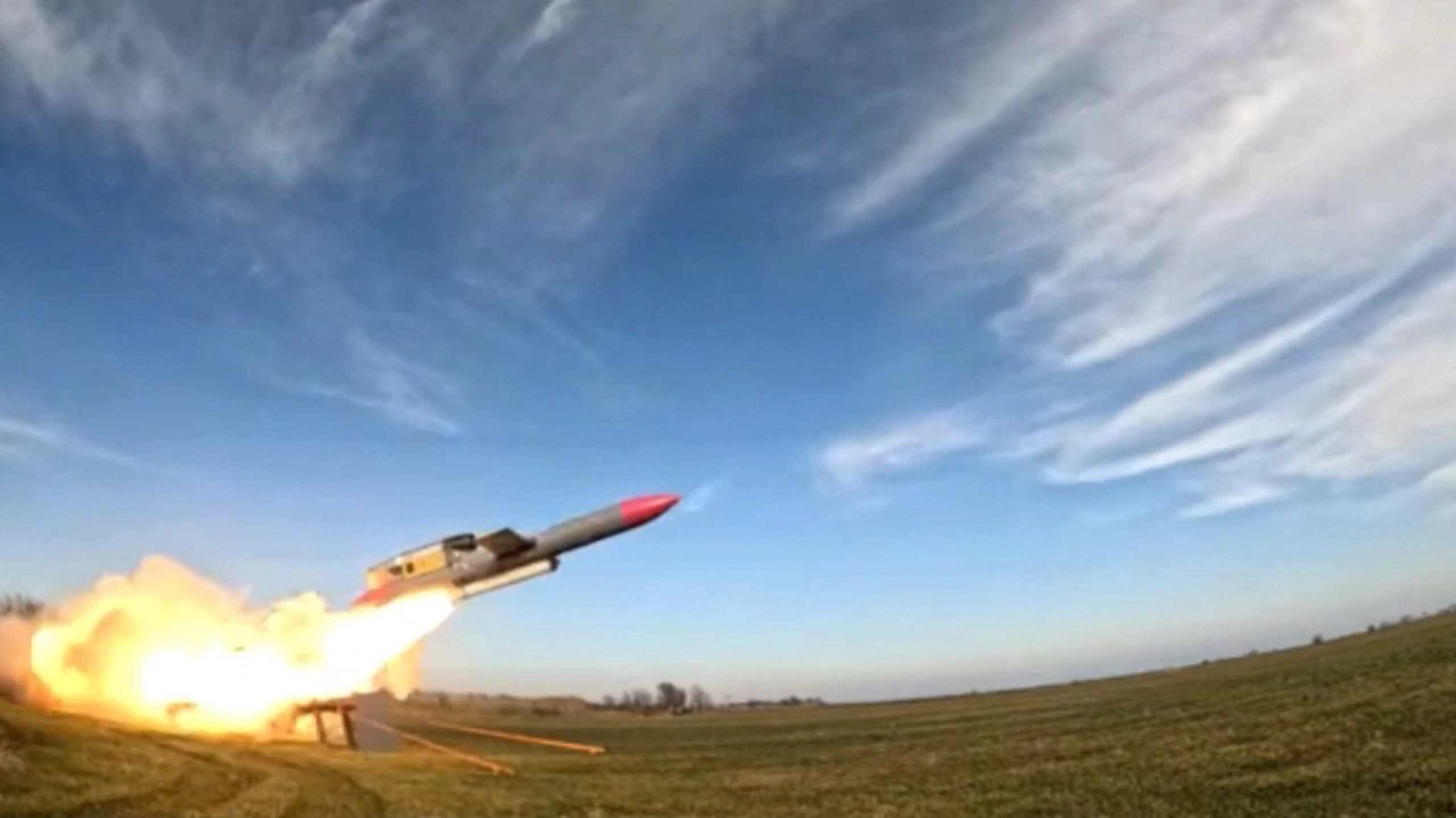
Europe
A new report by defense analyst Florian Hoffmann, published on the Missile Matters blog, suggests that Ukraine's FP-5 Flamingo cruise missile is showing improved operational performance following a series of recent long-range strikes inside Russia. While the latest operational record appears encouraging, Hoffmann says important questions remain about the missile's production capacity, accuracy, and its long-term impact on Russia's military-industrial base. The report focuses on Ukraine's overnight June 26–27 strike against the Titan-Barrikady Research and Production Center in Volgograd, which Hoffmann describes as arguably one of Ukraine's most successful individual long-range strikes inside Russia since the war began. According to Ukrainian sources cited in the report, five FP-5 Flamingo cruise missiles were launched during the attack, with three reportedly striking the Titan-Barrikady facility. The fate of the remaining two missiles has not been disclosed, although Hoffmann said interception by Russian air defenses or a technical failure is the most likely explanation. Volgograd Governor Andrey Bocharov acknowledged that a production facility had been damaged during the strike and said at least 10 people were injured. Hoffmann said ground-level imagery showed collapsed girders, flattened walls, and damaged industrial machinery, which he assessed to be consistent with the detonation of warheads carrying approximately half a ton of high explosive. According to the report, one missile struck Workshop 38, described as the plant's primary production building containing machine tools, cranes, and assembly equipment. A second missile reportedly hit Workshop 2, while a third impacted another workshop whose function has not been publicly identified. Production Impact Remains Unclear According to Hoffmann's analysis, the Titan-Barrikady facility plays an important role in Russia's missile industry. The report says the plant is involved in assembling launchers for the Iskander-M short-range ballistic missile and also contributes to Russian strategic missile programs, including the RS-24 Yars road-mobile intercontinental ballistic missile. Hoffmann said damage to Workshop 38 and other affected buildings could potentially delay production if critical machine tools or specialized manufacturing equipment were destroyed. However, he emphasized that the currently available evidence does not support a confident battle damage assessment, making it difficult to determine the strike's long-term effect on Russian production. The report also notes that previous Ukrainian strikes against major Russian defense-industrial facilities have generally caused localized disruption rather than lasting production bottlenecks. As an example, Hoffmann pointed to Ukraine's earlier Flamingo strike on the Votkinsk missile production plant. According to the analysis, Russian ballistic missile launch activity declined for roughly two months after that attack before returning to previous levels. Hoffmann said the continued frequency of Russian ballistic missile attacks suggests overall production capacity may currently remain largely intact. Even so, he noted that if Ukraine is able to increase both the scale and frequency of Flamingo strikes against Russian industrial targets, the cumulative impact on Russia's defense industry could become more significant. Ten Confirmed Flamingo Strikes Since 2025 Hoffmann's report identifies ten confirmed operational uses of the FP-5 Flamingo since the missile was first announced in August 2025, including the recent strike on Titan-Barrikady. He said the actual number is almost certainly higher because unsuccessful strikes often receive little or no open-source coverage or official confirmation. According to the analysis, the Titan-Barrikady attack marks the first confirmed case in which multiple Flamingo missiles clearly reached and struck within the intended target area. In most previously confirmed strikes, only one missile successfully hit its target. The report identifies the September 2025 strike on the Skif-M production plant as the main possible exception, where Ukraine may have achieved multiple hits. However, Hoffmann noted that the incident remains contested and has received limited public reporting. Targeting Appears to Be Focusing on Missile Production The report also suggests that Ukraine's targeting priorities have evolved since the Flamingo entered service. Early Flamingo strikes targeted an FSB security outpost, a thermal power plant, and a munitions depot. More recent operations have focused on facilities linked to Russia's missile production base, including the Votkinsk, VNIIR-Progress, and Titan-Barrikady plants. According to Hoffmann, this trend suggests the Flamingo's primary operational role is increasingly centered on disrupting Russia's missile manufacturing capability. He also noted that Ukraine appears to rely mainly on long-range drones rather than Flamingo missiles for strikes against Russian oil and gas infrastructure. Production Capacity and Accuracy Still Raise Questions Despite what Hoffmann describes as encouraging operational progress, the report says several uncertainties remain. Available data indicates Ukraine has launched no more than six Flamingo missiles in a single strike, while the three most recent confirmed attacks reportedly involved five missiles each. Hoffmann said these relatively small salvo sizes do not match manufacturer FirePoint's earlier claim that it could produce three missiles per day, suggesting actual production remains below the company's stated ambitions. The report also notes that confirmed Flamingo strikes have occurred on average every 4.5 weeks since August 2025. The last four confirmed attacks averaged approximately 3.5 weeks apart, while the most recent three took place within an eight-week period. According to Hoffmann, it remains unclear whether this reflects higher production capacity, reduced Russian air defense effectiveness, improved strike success, or a combination of those factors. Another question highlighted in the report concerns engine availability. Hoffmann said the current missile reportedly uses repurposed AI-25TL turbofan engines, but it remains unclear how many are still available for production. While FirePoint is reportedly establishing an in-house engine production facility, open-source information has not confirmed how far that effort has progressed. The report also identifies accuracy as an area requiring further improvement. Hoffmann said that in two of the last four confirmed Flamingo operations, the missiles reached the target area but failed to inflict significant damage because they likely missed their intended aimpoints. According to the analysis, future improvements could come through better guidance and sensor systems that reduce circular error probable (CEP) or through increased production, allowing Ukraine to launch larger missile volleys and improve the probability of hitting intended targets. Hoffmann's Overall Assessment While emphasizing that available evidence remains limited, Hoffmann concludes that the FP-5 Flamingo's recent operational record suggests the gap between the manufacturer's claims and the missile's actual battlefield performance may be narrowing. He describes the FP-5 Flamingo as Ukraine's most promising heavy cruise missile program currently in service and says it could become an increasingly important capability if Kyiv seeks to place larger Russian defense-industrial facilities and military supply chains under sustained pressure through long-range precision strikes. Source: Missile Matters — with Fabian Hoffmann
Read More → Posted on 2026-07-11 12:39:45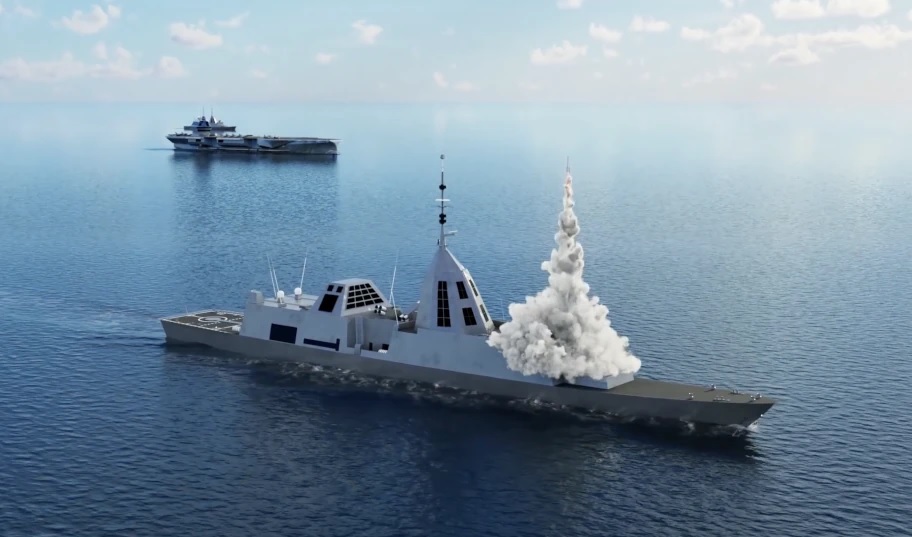
Europe
BRUSSELS, Belgium — The European Commission and MBDA have advanced the European Hypersonic Defence Interceptor System (HYDIS) program after the successful completion of the project's Final Concept Review on July 10, marking a significant milestone in Europe's effort to develop a future interceptor capable of countering hypersonic and advanced ballistic missile threats. Following the review, the four participating nations—France, Germany, Italy, and the Netherlands—selected a single interceptor concept, known as AQUILA, from two concepts that had been evaluated during the earlier Initial Concept Review. The decision allows the MBDA-led consortium to focus its work on refining AQUILA through the remainder of the three-year Concept Phase, which is scheduled to conclude in May 2027. The HYDIS program is intended to develop a European endo-atmospheric interceptor designed to counter hypersonic and ballistic threats while integrating with existing air and missile defense networks. Source: mbda-systems AQUILA Selected as the Preferred Interceptor Concept Over the past several months, the HYDIS consortium, led by MBDA, has carried out detailed work on solid rocket motor-based interceptor concepts with support from industrial partners, research organizations, academic institutions, and technology companies. The project team conducted extensive performance assessments using simulations that modeled different stages of the interceptor's flight. These studies evaluated interception capability, flight performance, and the system's ability to provide area protection against high-speed threats. The selected AQUILA concept combines technologies developed by several European defense companies. Italian propulsion specialist AVIO is responsible for the interceptor's solid rocket motor architecture, while ArianeGroup and ROXEL are developing the final-stage control mechanism. LYNRED is supplying the terminal infrared (IR) sensor used during the final engagement phase. MBDA is integrating these technologies into a complete interceptor system while drawing on experience gained from the ASTER family of air and missile defense interceptors. Integration with Existing Air Defense Systems Alongside interceptor development, the consortium has continued work on integrating AQUILA into wider air and missile defense architectures. Thales Netherlands has provided updated performance data for both naval and ground-based sensor systems, supporting the interceptor's integration into future defense networks. Meanwhile, GKN Fokker has advanced studies on compatibility with the Mk 41 Vertical Launching System (Mk 41 VLS), one of the most widely used naval missile launch systems. According to the consortium, AQUILA is being developed as a dedicated counter-hypersonic interceptor capable of operating alongside existing naval and land-based air defense systems. Technical Review Completed The technical studies completed during the concept phase were examined over a six-week review period by the Organisation for Joint Armament Cooperation (OCCAR) and representatives from France, Germany, Italy, and the Netherlands. The review process included technical discussions and a convergence week during which the participating nations and the consortium addressed outstanding questions before presenting the final results to the HYDIS Steering Committee on July 10. The successful completion of the Final Concept Review formally confirmed AQUILA as the concept that will move forward into the final stage of the current development phase. €140 Million European Defence Project HYDIS, officially contracted as HYDIS² in May 2024, has a total budget of approximately €140 million. The project receives €80 million in co-funding from the European Union through the European Defence Fund (EDF), while the participating member states provide the remaining funding. OCCAR serves as the Contracting Authority, managing the program on behalf of the European Commission and the participating countries. The consortium includes 19 industrial partners and more than 30 subcontractors from 14 European countries, bringing together expertise in propulsion, guidance, aerodynamics, sensors, weapon integration, and missile technologies. Major participants include MBDA, AVIO, ArianeGroup, ROXEL, LYNRED, ONERA, Bayern Chemie, TDW, DLR, OHB System, C.I.R.A., GKN Fokker, Thales Netherlands, and TNO. Competition with Europe's HYDEF Program HYDIS is one of two major European initiatives focused on developing future hypersonic defense interceptors. Its primary competitor is the HYDEF (Hypersonic Defence Interceptor) program, led by Spain's SMS with technical architecture developed by Germany's Diehl Defence. While MBDA's AQUILA concept builds on experience gained from the ASTER interceptor family, the HYDEF program draws on technologies associated with Diehl Defence's IRIS-T air defense systems. Both projects are preparing for future pre-development activities, with the European Defence Fund expected to support the selection of a single architecture for Europe's future endo-atmospheric hypersonic interceptor capability. Next Phase Through 2027 With AQUILA now selected, the MBDA-led consortium will concentrate its efforts on refining the interceptor's design until the completion of the Concept Phase in May 2027. The work will focus on strengthening the technical foundation required for future manufacturing and development phases while supporting Europe's long-term objective of establishing an indigenous capability to defend against emerging hypersonic and advanced ballistic missile threats through a collaborative multinational program.
Read More → Posted on 2026-07-11 11:01:59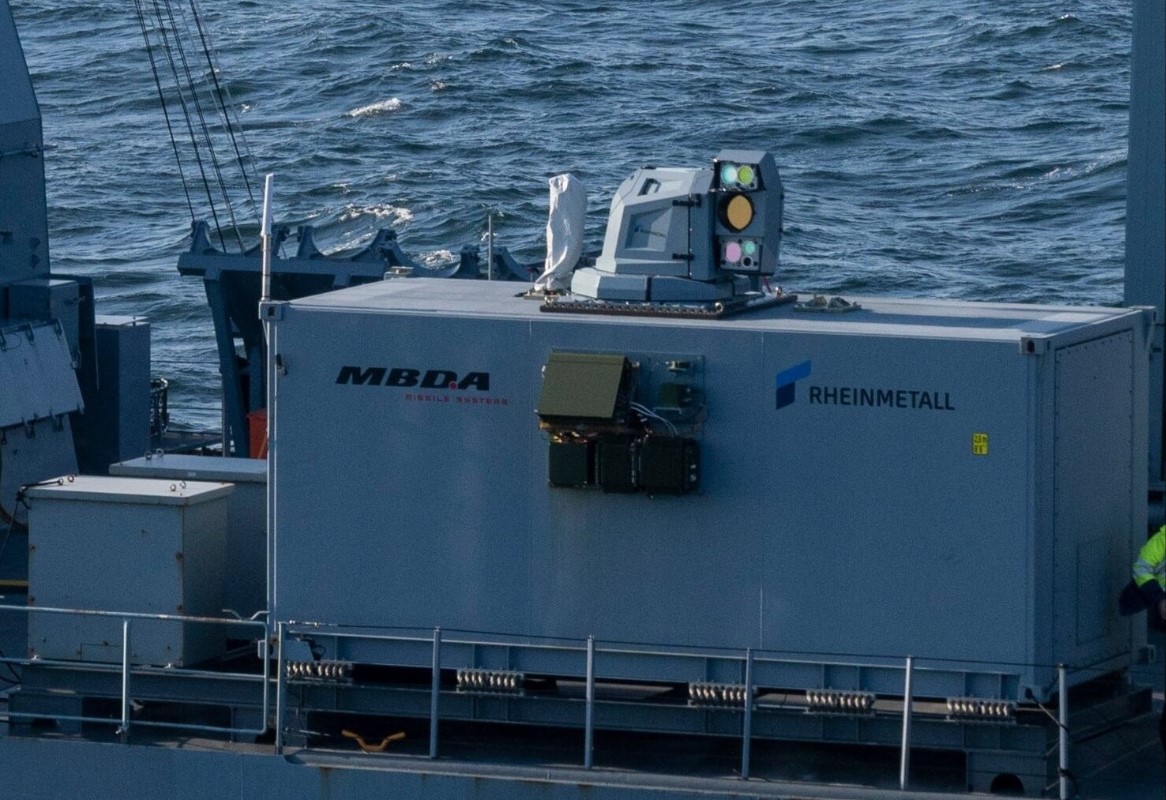
Europe
BERLIN — Germany has awarded a contract to MBDA Deutschland and Rheinmetall Waffe Munition to develop a high-energy laser weapon system for the German Navy, marking a major step in the country's efforts to strengthen its future naval defense capabilities with directed-energy technology. Germany's Federal Office of Bundeswehr Equipment, Information Technology and In-Service Support (BAAINBw) signed the contract on July 9, 2026, with the High-Energy Laser Naval Demonstrator Working Group (ARGE HEL). The ARGE HEL consists of MBDA Deutschland and Rheinmetall Waffe Munition, with the two companies currently establishing a joint venture to carry out the program. The laser weapon system is expected to become operational by 2029. The contract is valued in the mid three-digit million-euro range and covers the development of a complete maritime laser weapon system, including the entire operational chain from reconnaissance and target tracking to engagement. According to the companies, the joint venture will place particular emphasis on German supply chains and domestic systems expertise during development to help secure Germany's national sovereignty in this key technology. Complete System for the German Navy The laser weapon system is being developed to meet the operational requirements of the Bundeswehr and strengthen the German Navy's defense capabilities against airborne, maritime, and land-based targets. Roman Koehne, Head of Rheinmetall's Weapon and Ammunition Division, said the project demonstrates the technological maturity achieved by combining the complementary capabilities of Rheinmetall and MBDA into a complete system. He said the laser weapon system will provide significantly greater protection for personnel deployed aboard German naval vessels, particularly against drone threats. Koehne added that series production will largely take place in Germany, creating new training and employment opportunities. Demonstrator Successfully Completed Extensive Trials The development program builds on the successful High-Energy Laser Naval Demonstrator jointly developed by MBDA and Rheinmetall. In March 2026, the demonstrator repeatedly showcased its capabilities to senior German military delegations at the Bundeswehr Technical Centre for Weapons and Ammunition (WTD 91) in Meppen. Before those demonstrations, the system had already spent more than one year aboard the German Navy frigate SACHSEN, covering approximately 28,000 nautical miles across the North Sea, Baltic Sea, and Mediterranean Sea while demonstrating its effectiveness under operational conditions, including adverse weather. During more than a year of testing and operational use at sea and at WTD 91, the demonstrator successfully fired more than 1,000 shots against airborne, maritime, and land-based targets while also completing numerous target-tracking activities. Precision Laser Technology According to Rheinmetall, the system's refined beam quality and tracking capability allow the laser power to be focused with extreme precision, including against moving targets. The laser can concentrate its energy onto an area measuring just a few centimetres, creating a very high energy density that enables targets to be engaged more quickly, more precisely, and more effectively while using less laser power. Rheinmetall is responsible for the laser weapon station, beam guidance system, cooling system, and the integration of the complete system into its containerized platform. Domestic Production and Future Applications The companies said series production will largely take place in Germany, supporting domestic supply chains while strengthening national expertise in directed-energy technology. Thomas Gottschild, Managing Director of MBDA Deutschland and Executive Vice President Strategy & Future Growth at MBDA, said the laser weapon system is a flagship technology project designed specifically to meet the Bundeswehr's operational requirements. He said the system will significantly strengthen the German Navy's defense capabilities against airborne, maritime, and land-based targets. He also noted that the containerized laser effector could provide a cost-efficient solution for port security as well as other stationary and mobile land-based applications. Operational Goal by 2029 MBDA Deutschland and Rheinmetall have been cooperating on high-energy laser technology for several years, and the new contract moves the program from the demonstrator phase toward an operational capability. With development now underway, the German Navy is expected to receive the high-energy laser weapon system by 2029, providing a new directed-energy capability for maritime operations while supporting Germany's domestic defense industrial base. Source: rheinmetall
Read More → Posted on 2026-07-10 12:06:24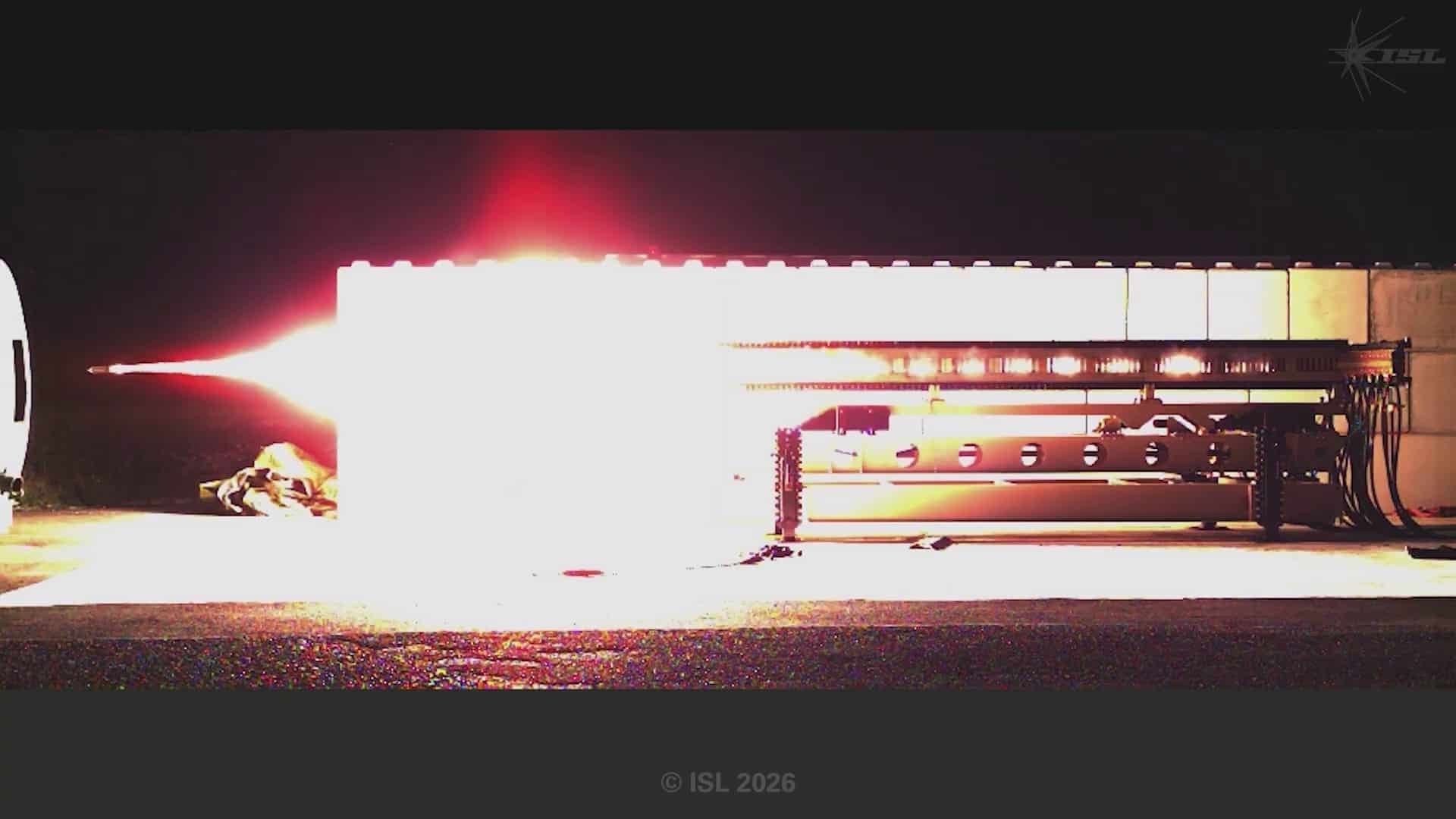
Europe
Saint-Louis, France — The French-German Research Institute of Saint-Louis (ISL) has successfully conducted the first outdoor firing test of its domestically developed electromagnetic railgun. The test took place on June 29, 2026, at the institute's proving ground in Baldersheim, France, marking an important step in moving the technology from laboratory research to open-range testing. The firing was carried out under ISL's Railgun Free Flight Facility programme, which was launched two years ago to advance electromagnetic launcher research beyond controlled laboratory conditions. The programme brings together specialists from different scientific fields within the institute to support the development and testing of the technology. A railgun uses electrical energy, rather than chemical propellants, to accelerate a projectile along two parallel rails. Conducting tests in an open-range environment allows researchers to study projectile performance and flight behaviour under conditions that are closer to real-world use than laboratory experiments. According to ISL, the new facility enables gradual increases in launch energy across multiple firing tests, studies of projectile behaviour over longer distances, research on launcher integration, and the development of munitions specifically designed for electromagnetic launch. These capabilities represent the next stage in the institute's long-running electromagnetic acceleration research. The railgun is designed to propel projectiles using electricity, eliminating the need for propellant powder. According to ISL, the system is designed to achieve a muzzle velocity of more than 2,000 metres per second (m/s) while offering the potential for lower mission costs compared with conventional gun systems. ISL also highlighted several potential operational advantages of the technology, including an extended firing range of more than 200 kilometres, reduced flight time that could improve air defence response, enhanced lethality due to the projectile's high impact speed, and increased ammunition storage capacity because the system does not require propellant charges. ISL has been conducting research on electromagnetic launchers for decades, with previous work focused on laboratory-scale testing. The new outdoor facility expands those capabilities and strengthens European research in advanced electromagnetic launcher technology. The technology has attracted long-term interest for possible future defence applications, including countering hypersonic threats. However, ISL said significant additional research, higher-energy testing, system integration, and qualification will be required before the technology could be considered for operational use. ISL is a joint French-German defence research institute funded by the French Agency for Defence Innovation (AID) and the German Ministry of Defence. The institute plans to continue testing by increasing energy levels, extending firing distances, and carrying out further integration studies as part of its long-term research programme. Source: navalnews / defense.gouv.fr
Read More → Posted on 2026-07-09 16:04:39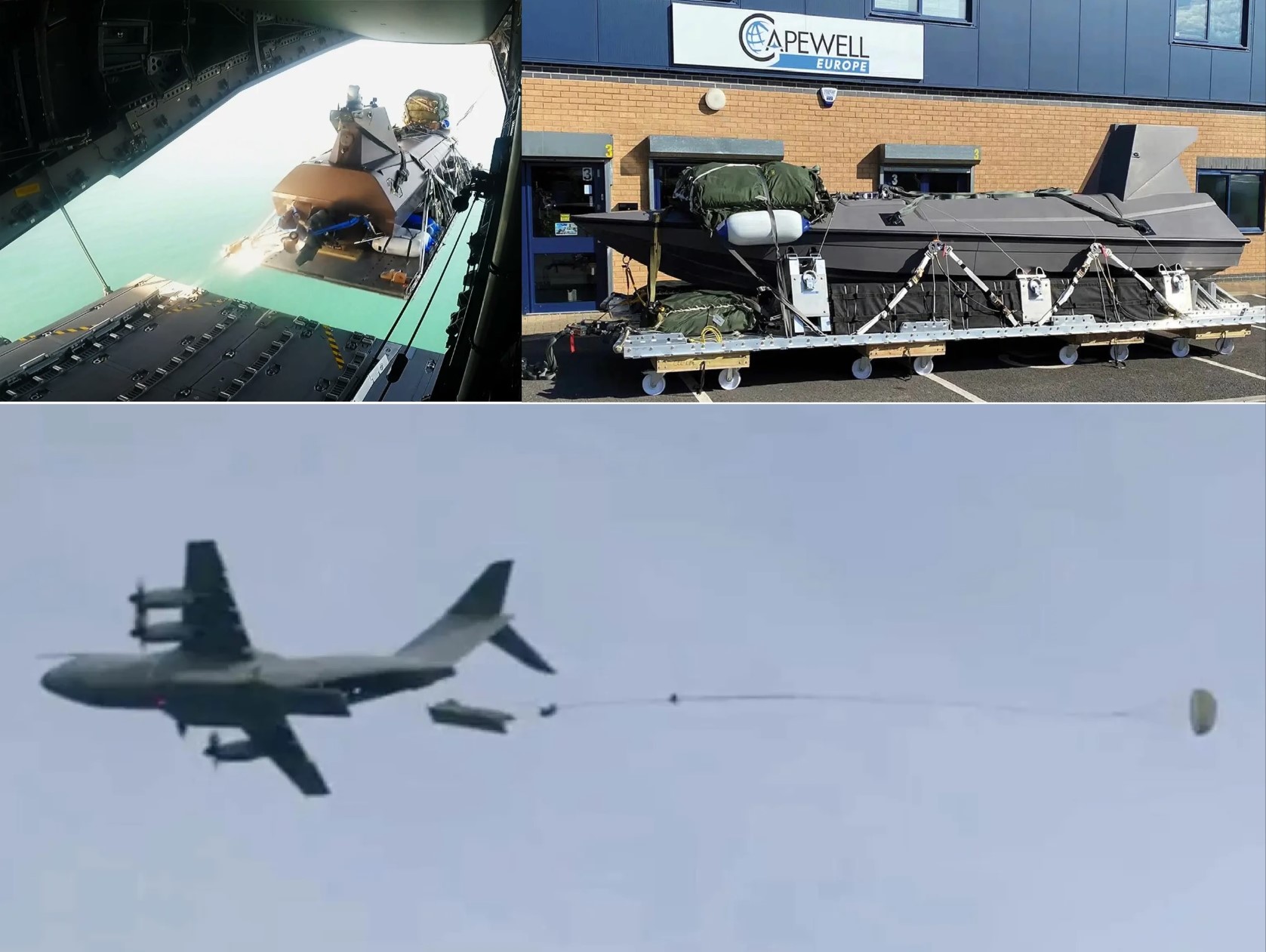
Europe
LONDON — The United Kingdom has successfully completed the world's first extracted-load airdrop of an uncrewed surface vessel (USV) from a military transport aircraft, demonstrating a new method of rapidly deploying autonomous maritime systems directly into operational waters. The trials were conducted over the North Sea by the Royal Navy in partnership with British maritime autonomy company Kraken Technology Group and aerial delivery specialist Capewell under the Royal Navy's Project Beehive. During the six-day trial campaign, a Project Beehive-configured K3 SCOUT USV was successfully deployed four times from an Airbus A400M Atlas transport aircraft flying at an altitude of 1,300 feet. The vessel was dropped into Sea State 4 conditions, where waves can reach up to approximately 2.5 metres (8 feet), and successfully transitioned into operational mode after entering the water. The demonstration validated a new capability that allows autonomous maritime systems to be deployed directly into contested or difficult-to-access waters without relying on nearby ports, naval vessels, or other supporting infrastructure. New Aerial Delivery System Validated For the trials, the K3 SCOUT was equipped with Kraken Technology Group's optional airdrop kit and mounted on Capewell's Universal Maritime Craft Aerial Delivery System (UMCADS), a reconfigurable Type V parachute-based platform designed to deliver maritime craft into military operating areas. The extracted-load process involves pushing the USV, mounted on the UMCADS platform, from the aircraft's cargo bay before parachutes slow its descent into the sea. The campaign also successfully tested the new electro-mechanical IN-Release system, which synchronizes the separation of the delivery platform and the vessel immediately before water entry. According to the companies, the configurable mechanism can support a range of aerial and maritime deployment applications. The trials demonstrated that the K3 SCOUT could withstand the impact of the airdrop, remain operational in rough sea conditions, and begin its mission shortly after landing in the water. Supporting Rapid Maritime Operations The new deployment method provides military forces with the ability to position autonomous surface vessels hundreds of miles from friendly bases using strategic airlift aircraft such as the Airbus A400M. According to the Royal Navy, this capability offers commanders an additional option for rapidly deploying uncrewed systems in areas where conventional naval access may be delayed, denied, or considered too high risk. Potential missions include intelligence gathering, surveillance, force protection, and precision strike operations. Captain Adam Ballard, who is involved with Project Beehive, said the capability represents a change in how maritime power can be deployed. While navies have traditionally launched air power from ships, he noted that autonomous maritime capability can now also be delivered directly from the air. Project Beehive and the Hybrid Navy The trials form part of the Royal Navy's Project Beehive, which is supporting the integration of autonomous systems into the UK's future "Hybrid Navy" concept that combines crewed and uncrewed platforms within the Surface Flotilla. Earlier this year, the UK Ministry of Defence awarded Kraken Technology Group a £12.3 million contract to deliver 20 K3 SCOUT uncrewed surface vessels over a 12-month period. The vessels will support operational deployments, tactical development, and training activities. K3 SCOUT Specifications The K3 SCOUT is an approximately 8.4-metre composite-hulled autonomous surface vessel featuring a low-signature design. It has a maximum speed of 55 knots, can carry payloads of up to 600 kilograms, and offers an endurance of up to 30 days, depending on mission requirements. The platform is designed for missions including surveillance, reconnaissance, force protection, precision strike, and casualty evacuation. Company Expansion The successful trials come as Kraken Technology Group continues to expand its operations. Founded in 2020 by Mal Crease, the company recently completed a $175 million Series B funding round backed by investors including the NATO Innovation Fund and the British Business Bank. According to the company, the investment values Kraken at more than $1 billion and will support international manufacturing expansion and the further development of its autonomous platforms. Commenting on the trials, Mal Crease, Founder and CEO of Kraken Technology Group, said the partnership with Capewell and the Royal Navy demonstrated that the K3 SCOUT could be rapidly deployed from a military transport aircraft into contested or difficult-to-access waters ready for operation. He added that the company will continue working with its partners to develop modular autonomous systems for future operational requirements. Mark Lavender, Director of Business Development and Training at Capewell, said the campaign validated the integration of the K3 SCOUT with the UMCADS platform and demonstrated the flexibility of the delivery system. He noted that the team completed four live airdrops in six working days using the same boat and delivery platform, highlighting the system's ability to support different mission requirements. The successful demonstration marks a practical step in expanding the Royal Navy's ability to deploy autonomous maritime systems rapidly from the air while reducing dependence on conventional naval deployment methods. Source: navylookout
Read More → Posted on 2026-07-09 14:48:45
Europe
ZAKYNTHOS, Greece — A Hellenic Air Force F-16C Fighting Falcon made a successful emergency belly landing at Zakynthos International Airport on Thursday after experiencing a technical malfunction during a routine training flight. The pilot was uninjured and exited the aircraft safely. The aircraft belonged to the 335th Squadron of the 116th Combat Wing and had taken off from Araxos Air Base in the northwestern Peloponnese for a scheduled training mission. During the flight, the pilot reported an unspecified technical problem and diverted the aircraft to Zakynthos International Airport, located about 100 kilometers south of Araxos. According to the Hellenic Air Force, the emergency landing took place at around 1:45 p.m. local time. Initial reports suggested a possible engine fire or fuel leak, but visual evidence indicated that the aircraft's landing gear failed to deploy, forcing the pilot to carry out a wheels-up belly landing. The F-16 landed directly on its fuselage and slid along the runway. Friction between the aircraft and the runway caused a fire beneath the fuselage. Airport firefighters, who had been positioned along the runway in preparation for the emergency, responded immediately and used water and firefighting foam to extinguish the flames within seconds. The rapid response prevented the fire from spreading to the fuel tanks or causing further structural damage. The pilot did not use the ejection seat and left the aircraft normally after it came to a stop. Hellenic Air Force spokesperson Lieutenant Colonel Konstantinos Gravalos confirmed that the pilot was "in good health." The incident led to the temporary closure of Zakynthos International Airport, which operates a single runway. Emergency crews secured the area and removed the damaged aircraft before flight operations resumed. The closure disrupted commercial air traffic, with several incoming flights, including services operated by British Airways, TUI, and easyJet, diverted to airports in Athens, Corfu, and Thessaloniki, while some departing flights were delayed. The Hellenic Air Force has launched an official investigation to determine the cause of the mechanical failure. The F-16 Fighting Falcon remains one of the main combat aircraft of the Hellenic Air Force. Greece operates one of the largest F-16 fleets in Europe and has continued to modernize the aircraft through upgrade programs to maintain its operational capabilities. Source: OSINTdefender
Read More → Posted on 2026-07-09 14:41:36Search
Top Trending in 24 Hours
-
 Unitree Unveils H2-X ‘Kung Fu Legend: Guardian’ Humanoid Robot for Security and Rescue
-
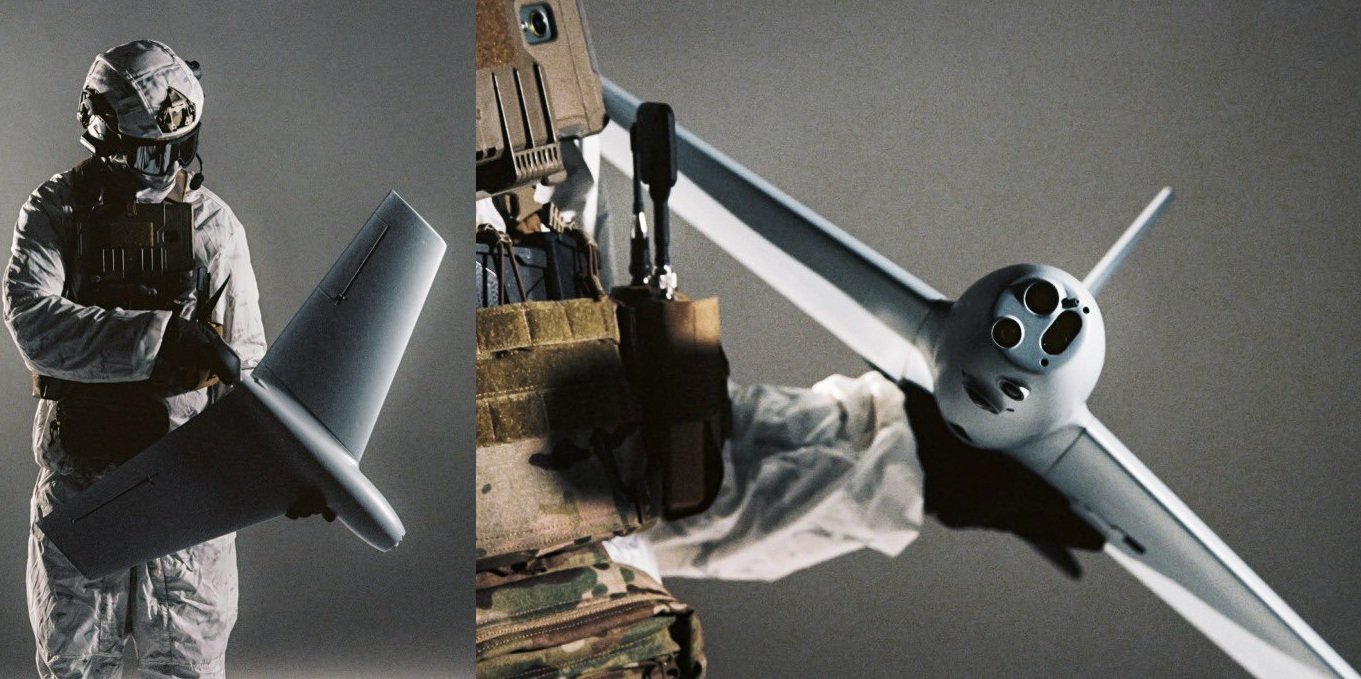 US Firm Heaviside Unveils 2.3-Kg TYR Loitering Munition With 40-Km Range at AUSA 2026
-
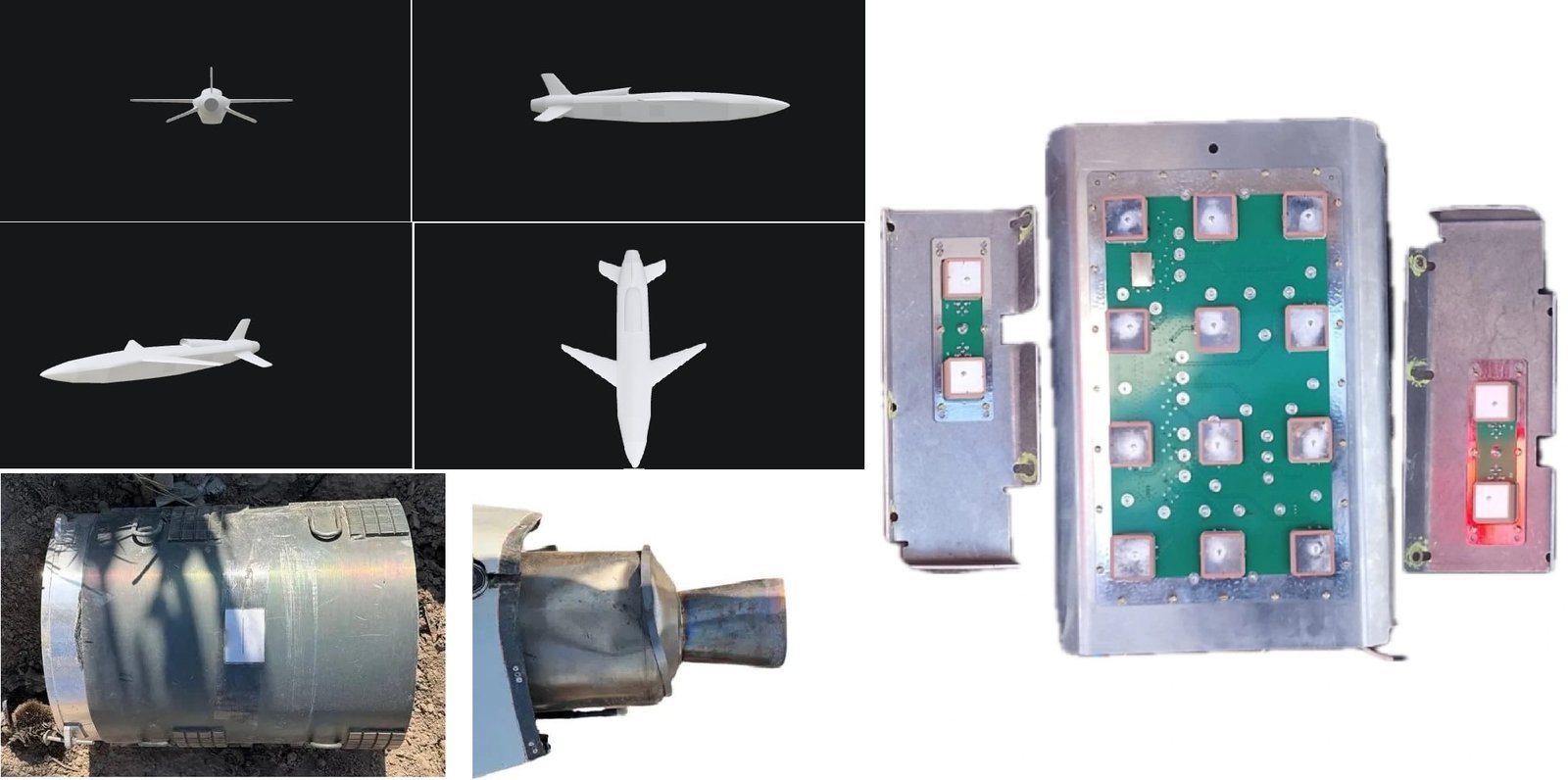 Ukraine Reveals Technical Details of Russia’s New Filin Cruise Missile
-
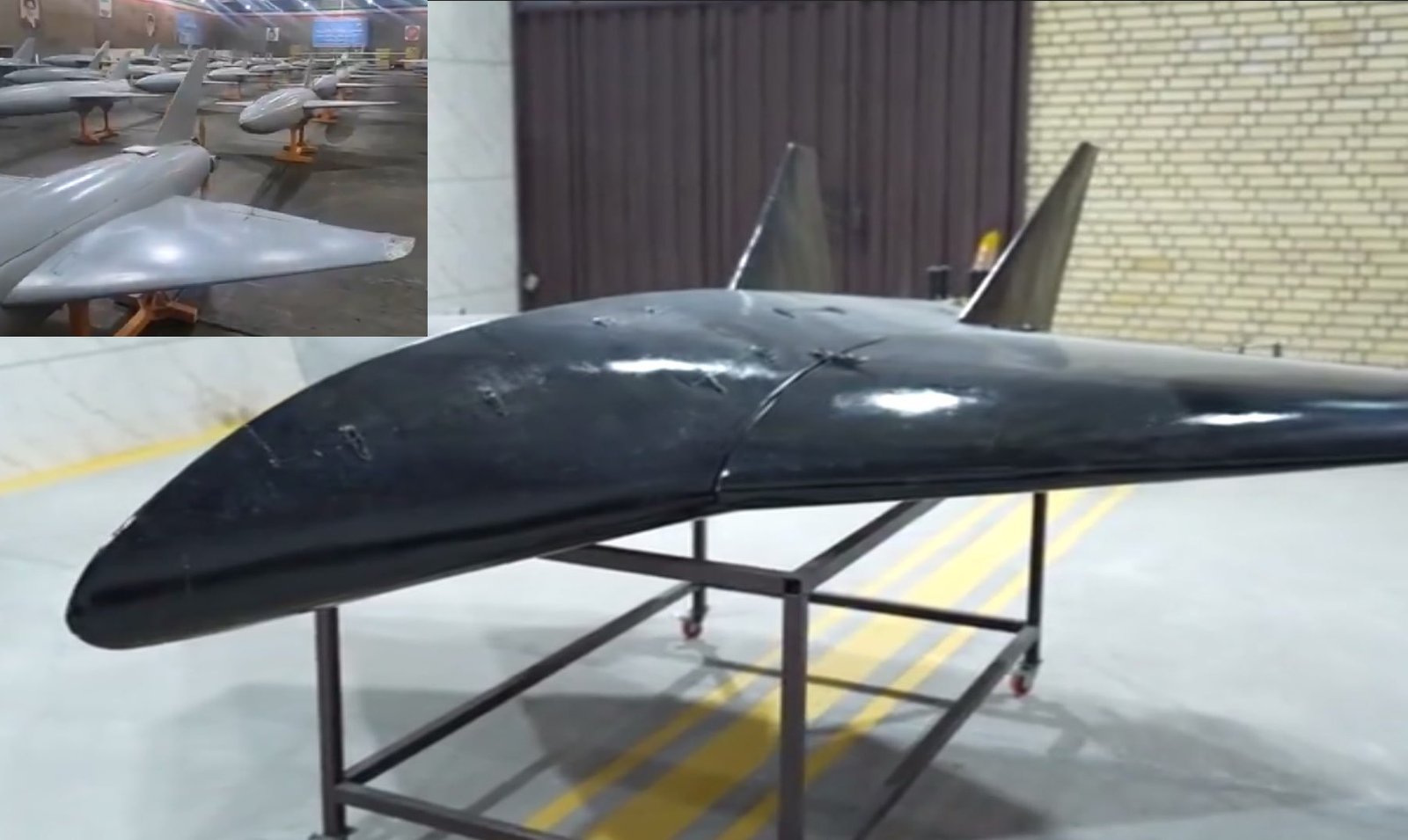 Iran Showcases Upgraded Arash-3 Drone with 100 kg Warhead, AI Targeting and GPS-Independent Navigation
-
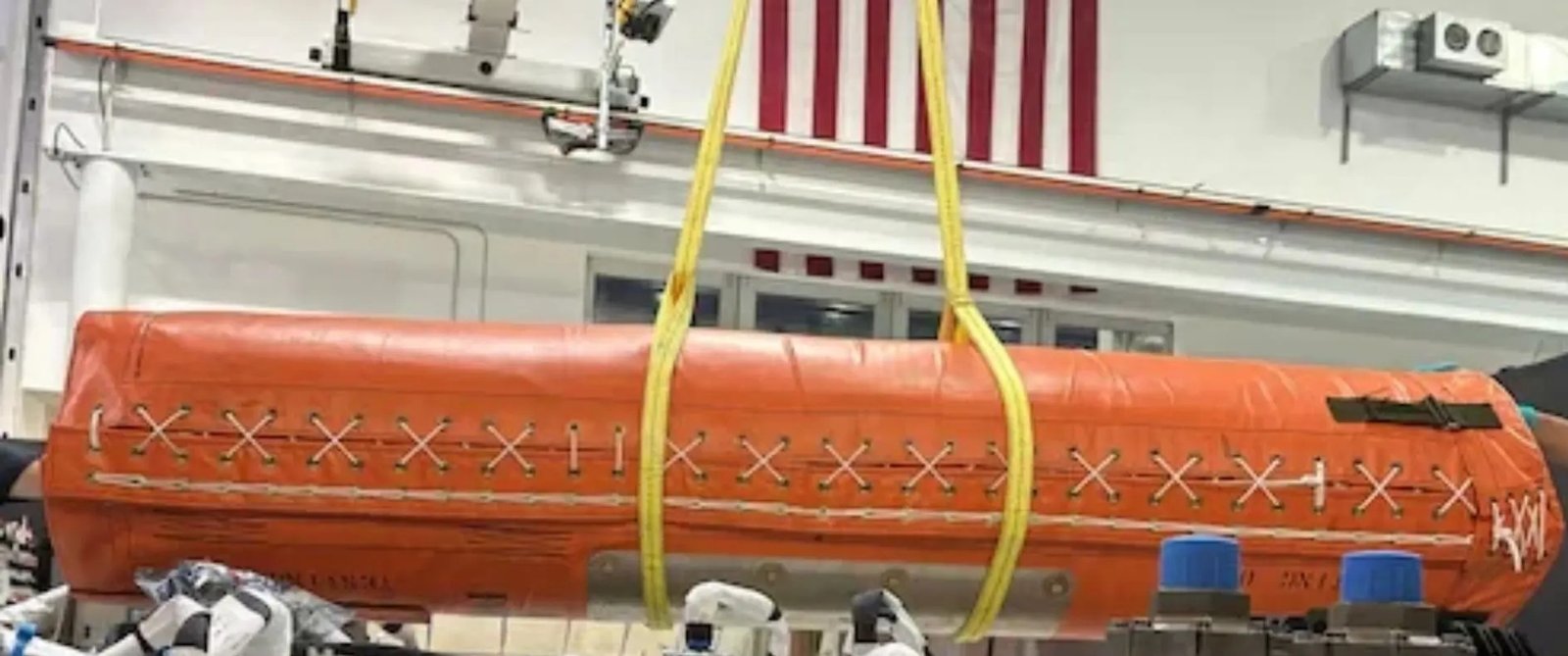 U.S. Air Force Tests SpaceX Starfall Capsule for Rapid Global Military Cargo Delivery
-
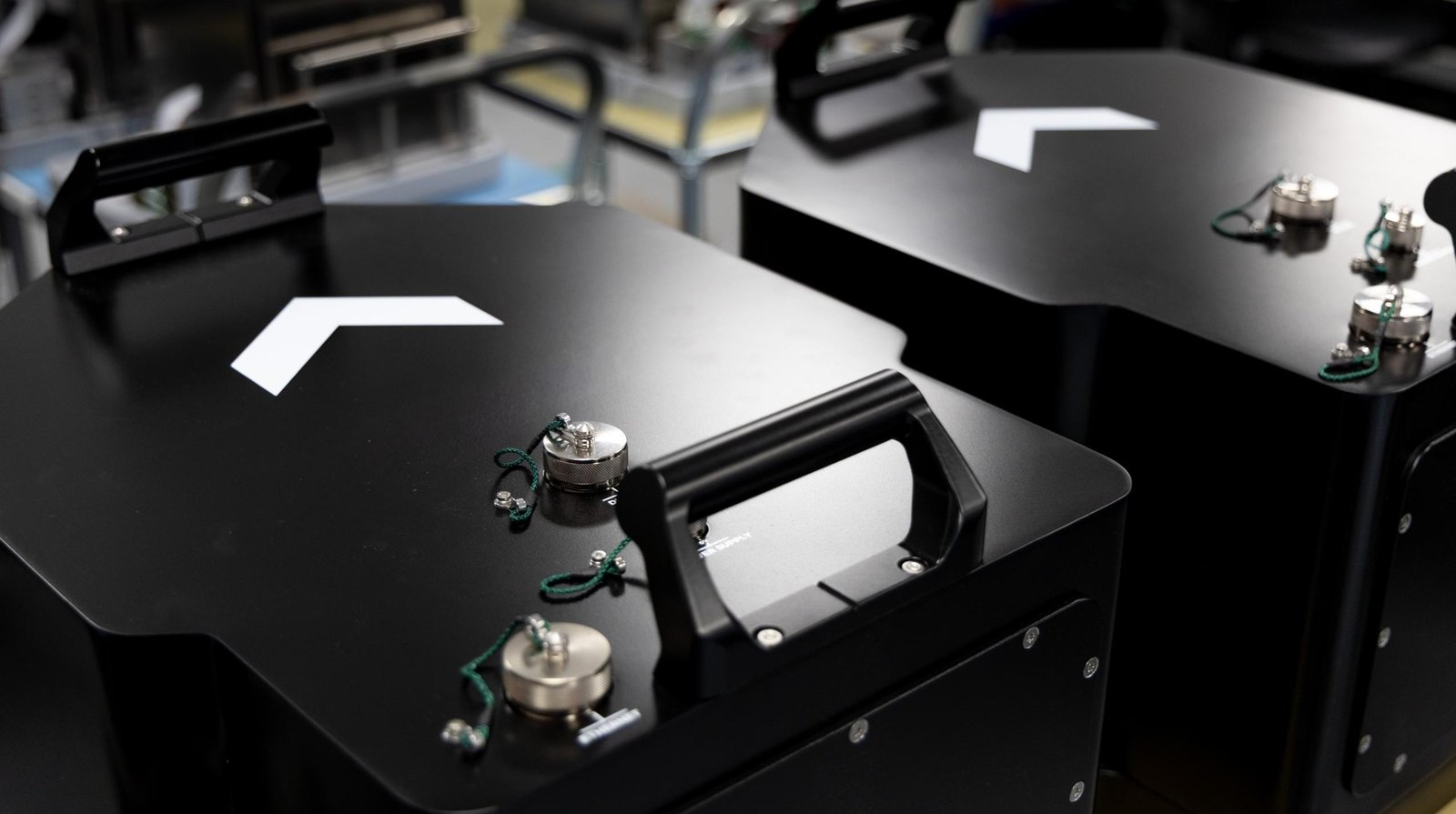 Exail Wins Major Contract to Equip Entire Fleet of Uncrewed Surface Vessels with Marins Inertial Navigation Systems
-
 General Dynamics Unveils PERCH 2.0 Drone System for Abrams Tanks and Stryker Vehicles
-
 Voyant Demonstrates Satellite-Free Navigation Technology for UK Ministry of Defence
Top Trending in 4 Days
-
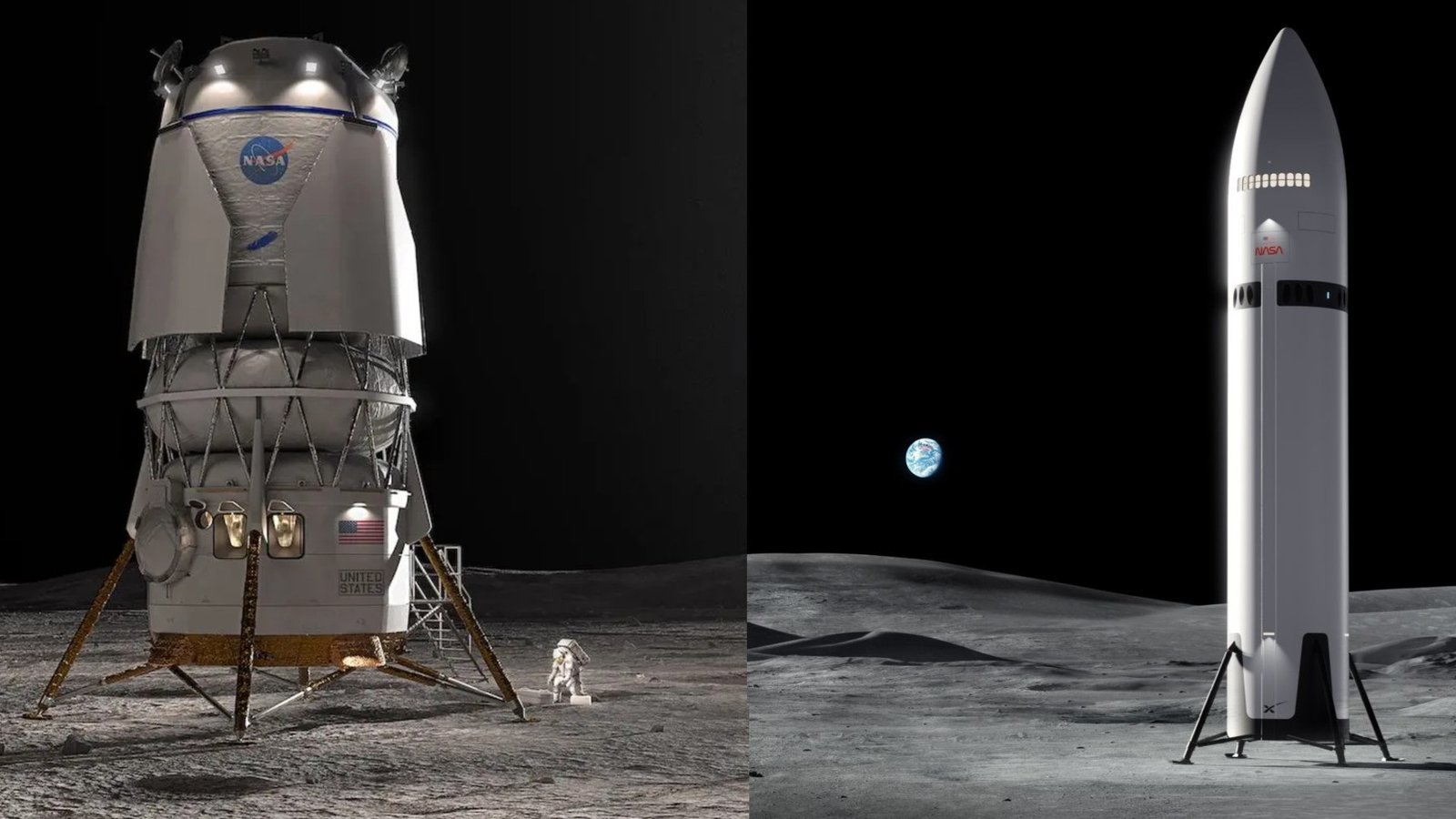 NASA Sets New Artemis Milestones as SpaceX and Blue Origin Target Moon Landings in 2027–2028
-
 US Weighs Strikes on Iran’s Kharg Island Oil Hub Ahead of Midterm Elections
-
 U.S. Air Force Awards HII Subsidiary Enlighten IT $332.8 Million Cyber Defense Contract
-
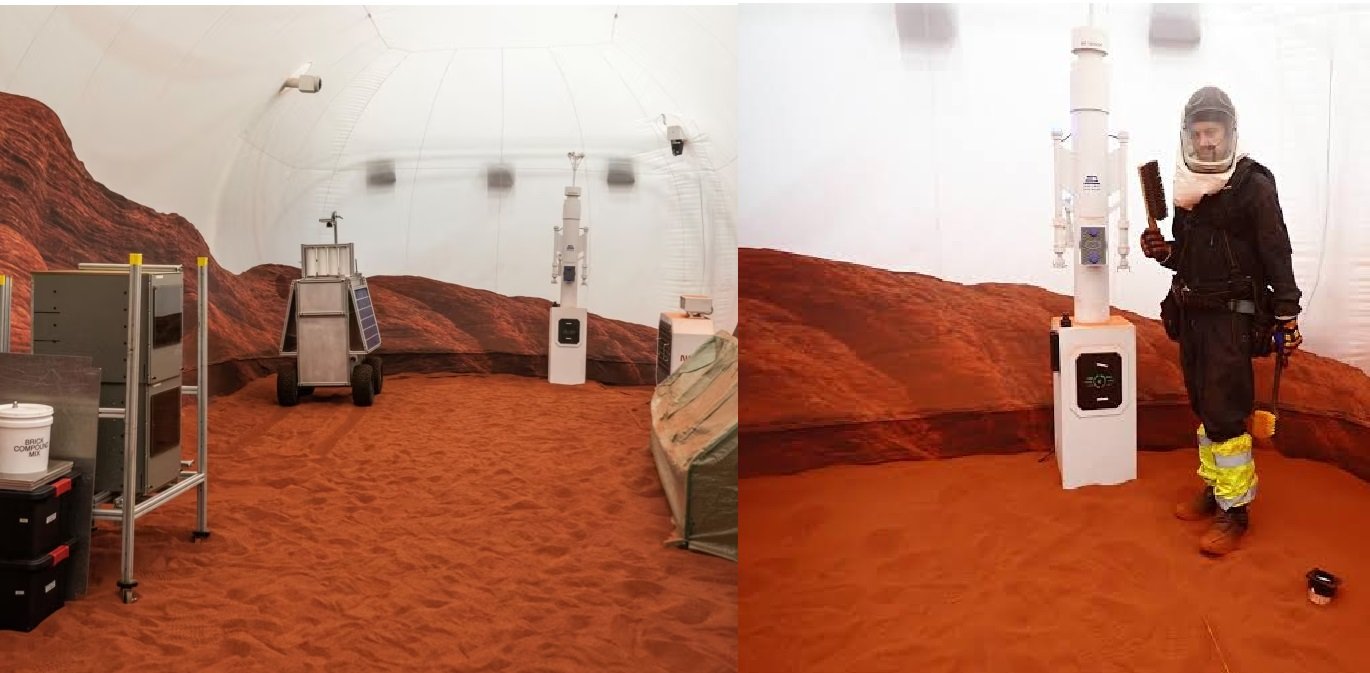 Four NASA Volunteers Mark One Year in Simulated Mars Habitat
-
 U.S. Navy Awards HII $99.1 Million Contract Modification for Zumwalt-class Destroyer USS Lyndon B. Johnson Sea Trials
-
 Australia Unveils Ghost Shark Autonomous Submarine’s Mine, Drone and Logistics Capabilities
-
 L3Harris Opens ‘Arsenal of Freedom’ Rocket Motor Plant in Arkansas to Double Production Capacity
-
 Russia Reportedly Offers Su-35 Fighters and S-400 Air Defence System to Protect Tehran