India
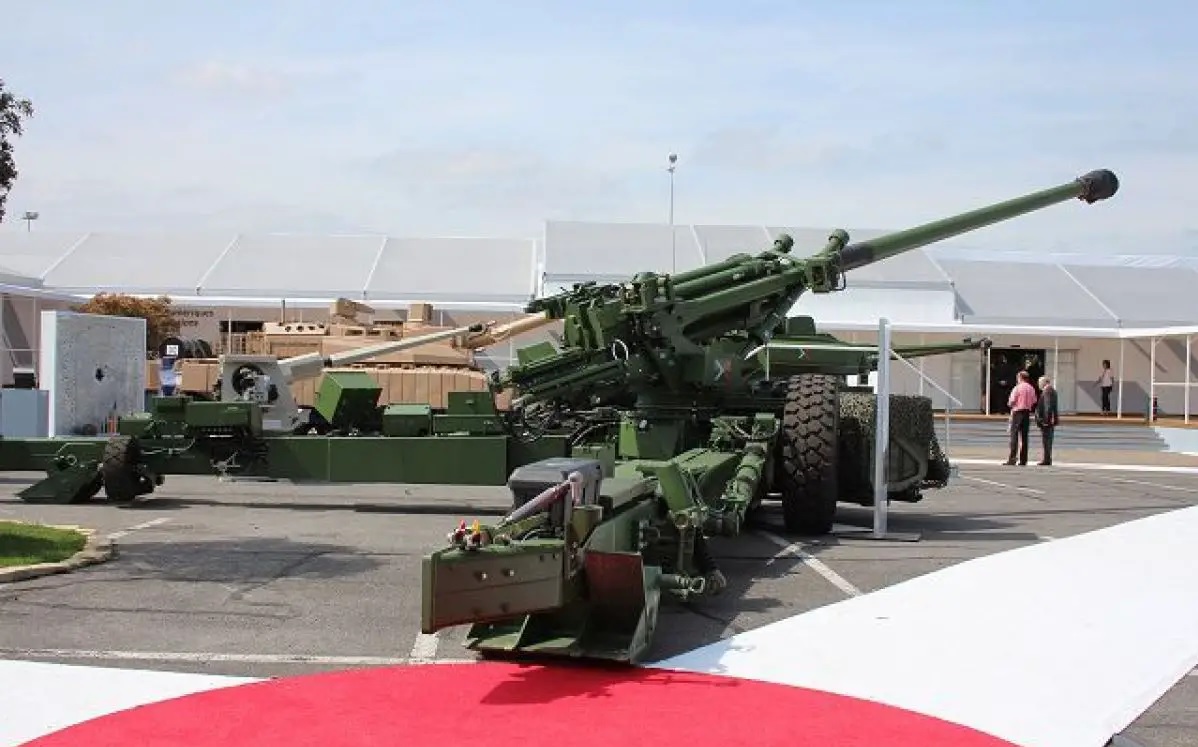
Armenia has taken a significant step in modernizing its military by acquiring the TRAJAN 155mm towed artillery gun system. This advanced weapon is a collaborative effort between India's Larsen & Toubro (L&T) and France's Nexter Systems, showcasing a blend of cutting-edge Indo-French technology. The decision underscores Armenia's commitment to enhancing its artillery capabilities in the face of evolving security challenges. The TRAJAN Howitzer: Cutting-Edge Artillery The TRAJAN is a 155mm/52-calibre towed gun system, designed for exceptional mobility, accuracy, and rapid deployment. It is built to fire NATO-standard projectiles, including advanced "smart" munitions, giving it a tactical edge in modern warfare. The gun system weighs approximately 13 tons, making it transportable via military transport aircraft like the Airbus A400M, Boeing C-17, and Ilyushin IL-76, ensuring rapid deployment across diverse terrains. Key specifications of the TRAJAN include: Firing Range: Up to 42 km using extended-range projectiles. Rate of Fire: Sustains up to 45 rounds in 30 minutes. Crew: Operated by a team of six. Setup Time: Ready to fire within 1.5 minutes. Mobility: Capable of speeds up to 80 km/h on roads and 30 km/h off-road. The system is equipped with advanced features such as a ballistic computer, muzzle velocity radar, and an inertial guidance system provided by France's iXblue. These technologies ensure high-precision targeting and autonomous firing capabilities, making the TRAJAN a formidable addition to any military arsenal. Indo-French Collaboration: Strengthening Defence Ties The TRAJAN is a result of the partnership between Nexter Systems and L&T, which was formed under India's 155mm Towed Gun Artillery program. While Nexter provides the core design and expertise, L&T manufactures critical subsystems, ensuring seamless integration and localized production. This collaboration highlights India's growing role in global defence manufacturing and technology transfers. Armenia's Defence Modernization: Beyond the TRAJAN The acquisition of the TRAJAN is part of a broader effort by Armenia to modernize its defence forces. Alongside the howitzer, Armenia is also set to receive other advanced systems from India, including: Pinaka Multi-Barrel Rocket Launchers:Developed by the Defence Research and Development Organisation (DRDO), the Pinaka system can launch multiple rockets within a short timeframe. Enhanced variants have a range of up to 90 km, making them highly effective for neutralizing enemy positions during conflicts. Akash Surface-to-Air Missile Systems:The Akash system is designed to counter a range of aerial threats, including fighter jets, drones, and cruise missiles. Its variants offer operational ranges from 40 km to over 90 km, providing Armenia with a robust air defence capability. Strategic Implications Armenia's acquisition of these systems marks a significant enhancement of its military capabilities, enabling it to respond more effectively to regional threats. The TRAJAN's advanced technology, combined with the Pinaka and Akash systems, reflects Armenia's strategic intent to build a well-rounded and modern defence infrastructure. Deliveries of these systems are expected to begin soon, providing Armenia with a crucial boost in its operational readiness. This landmark defence collaboration also reinforces India's position as a reliable partner in international defence exports, while strengthening ties with Armenia. By integrating cutting-edge technology from France and India, Armenia is positioning itself as a more capable and modernized military force in an increasingly complex geopolitical environment.
Read More → Posted on 2025-01-16 10:29:42
World
In a significant development, Israel and Hamas have agreed to a ceasefire after more than 460 days of intense conflict in Gaza, according to sources. This breakthrough represents a crucial opportunity to address the ongoing humanitarian crisis and pave the way for a more stable future in the region. Ceasefire Overview The ceasefire agreement is set to begin on Sunday and will initially last for six weeks. During this period, all hostilities will be paused, enabling the flow of humanitarian aid into Gaza. This truce is designed to address the immediate need for relief while creating conditions for longer-term stability. Prisoner Exchange and Humanitarian Provisions A core element of the deal involves a prisoner exchange. Hamas has agreed to release 33 Israeli hostages, including women and children, who were taken during the October 7 attacks. In return, Israel will release approximately 2,000 Palestinian prisoners, many of whom are serving life sentences. The agreement also promises a significant increase in humanitarian assistance to Gaza, which has been devastated by the conflict. Thousands of Palestinians are currently displaced, with many living in makeshift shelters amid widespread destruction of homes, schools, and hospitals. Phased Implementation Plan The ceasefire will be implemented in three phases: Phase One: A six-week ceasefire will begin immediately, focusing on halting hostilities and releasing the initial batch of hostages and prisoners. Phase Two: Starting two weeks into the truce, efforts will focus on releasing additional hostages and ensuring the withdrawal of Israeli forces from densely populated areas in Gaza. Phase Three: A long-term reconstruction plan for Gaza will be developed, along with arrangements to recover and return the remains of any remaining hostages. International Mediation and Political Context The agreement comes at a politically sensitive time, just days before the inauguration of U.S. President-elect Donald Trump. Trump has emphasized the urgency of resolving the crisis and warned of consequences if hostages are not released. The negotiations were mediated by Qatar and the United States, highlighting the importance of international cooperation in achieving the truce. While Hamas has publicly confirmed its acceptance of the agreement, Israel’s cabinet is yet to formally approve the deal. However, Israeli officials have expressed cautious optimism about its potential to reduce tensions and facilitate humanitarian relief. Implications for Gaza and the Region This ceasefire is the first significant truce since November 2023. It offers a chance to address the severe humanitarian crisis in Gaza while potentially laying the groundwork for a more sustainable resolution to the conflict. However, the success of the deal will depend on the commitment of both parties to uphold their obligations and the ability of international mediators to ensure its smooth implementation. The agreement marks a critical step in restoring stability and providing relief to the people of Gaza, but the long-term resolution of underlying issues will require sustained dialogue and cooperation. For now, the ceasefire offers a glimmer of hope in a region that has endured immense suffering.
Read More → Posted on 2025-01-16 10:21:43
Space & Technology
The Indian Space Research Organisation (ISRO) has etched its name in the annals of space history by successfully completing its Space Docking Experiment (SpaDeX) mission. On January 16, 2025, ISRO announced the successful docking of two satellites—SDX01, the Chaser, and SDX02, the Target—at an altitude of 475 kilometers above Earth. With this achievement, India joins an elite group of nations—Russia, the USA, and China—that have mastered the complex art of spacecraft docking. A Mission of Precision and Perseverance The SpaDeX mission was launched on December 30, 2024, aboard the PSLV C60 rocket from the Satish Dhawan Space Centre. The mission involved a series of meticulously planned manoeuvres to bring the Chaser satellite within docking range of the Target. Initially separated by 20 kilometers, the Chaser gradually closed the distance, performing a delicate approach that brought the two satellites as close as 3 meters before initiating docking. The process, which required remarkable precision, was accomplished using ISRO's indigenous Bhartiya Docking System (BDS). This system, developed to meet international standards while addressing India’s specific requirements, ensured smooth spacecraft capture, stabilization, and rigidisation post-docking. After the successful docking, ISRO confirmed that control of the two satellites as a single entity was achieved seamlessly. Following this milestone, undocking procedures will include conducting power transfer checks, essential for validating the compatibility of the docking mechanisms for future missions. Specifications of the SpaDeX Satellites The two satellites involved in the experiment were equipped with cutting-edge technology designed specifically for the docking process: SDX01 (Chaser Satellite): Equipped with advanced navigation and propulsion systems for precise manoeuvres. Fitted with cameras and sensors for real-time imaging and guidance during docking. Designed to autonomously approach and capture the Target satellite. SDX02 (Target Satellite): Engineered with docking-compatible ports to facilitate seamless integration. Fitted with stabilization mechanisms to ensure structural integrity during and after docking. Includes diagnostic tools to monitor power transfer and docking efficacy. Challenges Overcome and Future Implications The SpaDeX mission faced its share of challenges. Originally planned for docking on January 7 and January 9, technical hurdles necessitated rescheduling. However, ISRO's perseverance paid off with a flawless execution of the mission. Prime Minister Narendra Modi hailed the achievement as a historic milestone for India's space program. He highlighted its significance in advancing key future missions, including Chandrayaan-4 and the establishment of the Bharatiya Antariksha Station, India’s proposed independent space station. India’s Space Ambitions: What’s Next? The success of SpaDeX is more than just a technological feat—it is a stepping stone toward groundbreaking projects in space exploration and human spaceflight. With this achievement: Human Spaceflight: The mission validates key technologies necessary for docking crewed spacecraft, a critical requirement for the Gaganyaan program. Satellite Servicing: ISRO can now explore in-orbit satellite repairs and upgrades, a capability that could extend the lifespan of existing satellites. Space Stations: The docking technology lays the groundwork for the assembly of modular components for India’s future space station. A Giant Leap for India As ISRO celebrates this landmark achievement, the success of the SpaDeX mission underscores India’s growing prowess in space technology. The precision, innovation, and perseverance demonstrated during this mission reflect a vision that extends beyond Earth’s orbit. SpaDeX not only solidifies India’s position among the world's top spacefaring nations but also propels the country toward an era of ambitious exploration and collaboration in the final frontier.
Read More → Posted on 2025-01-16 10:16:25
World
Oracle has teamed up with Adarga, a pioneer in AI-powered intelligence software, to bring cutting-edge advancements to defence and security operations. This collaboration is centered around integrating Adarga’s flagship software, Vantage, with Oracle Cloud Infrastructure (OCI) to deliver unparalleled data analytics, enhanced decision-making capabilities, and operational efficiency for military and government entities. The Key to AI-Driven Defence: Adarga Vantage Adarga’s Vantage software is engineered to process vast amounts of unstructured and structured data, extracting actionable insights in real time. With support for over 75 languages, Vantage enables defence analysts and commanders to connect diverse data points, improving situational awareness and strategic planning. Notable Specifications of Adarga Vantage: Multilingual Data Processing: Handles intelligence from global sources, ensuring comprehensive analysis. AI-Driven Insights: Uses advanced algorithms to extract meaningful patterns and insights from unstructured data. Multi-Domain Functionality: Optimized for land, sea, air, cyber, and space operations. Customizable Workflows: Tailors intelligence delivery to meet specific mission requirements. Oracle Cloud Infrastructure: The Ideal Partner Oracle’s OCI serves as the backbone for deploying Adarga Vantage, offering a highly secure and reliable environment tailored to sensitive defence operations. Key Features of OCI: Air-Gapped Networks: Ensures data security for classified information. Data Sovereignty Compliance: Adheres to national and regional regulations, vital for public sector and defence clients. Scalable Performance: Handles the high computational demands of AI and big data analytics. Resilient Dual-Region Cloud: Guarantees uninterrupted operations and strict control over sensitive data. The Strategic Advantage By combining Oracle’s robust cloud capabilities with Adarga’s intelligence software, defence organisations can: Accelerate Decision-Making: Minimize delays in critical operations by processing intelligence faster. Enhance Threat Detection: Leverage AI to predict and mitigate risks in real-time. Improve Resource Allocation: Utilize data-driven insights for more efficient use of assets. Ensure Mission Readiness: Maintain operational supremacy by staying ahead of digital threats. What This Partnership Means for Global Defence This partnership aligns with the growing demand for advanced digital solutions in the military sector. With evolving cyber threats and increasingly complex operational requirements, the fusion of AI-powered intelligence with resilient cloud infrastructure is a game-changer. Oracle’s commitment to providing secure, scalable, and compliant cloud solutions complements Adarga’s mission to revolutionize how defence organisations harness data. Together, they are set to transform intelligence analysis and operational planning, ensuring military entities are equipped to maintain a strategic edge in the digital era. This initiative underscores the importance of collaborations between technology innovators and defence-focused AI specialists, paving the way for smarter, faster, and more secure operations.
Read More → Posted on 2025-01-15 17:51:12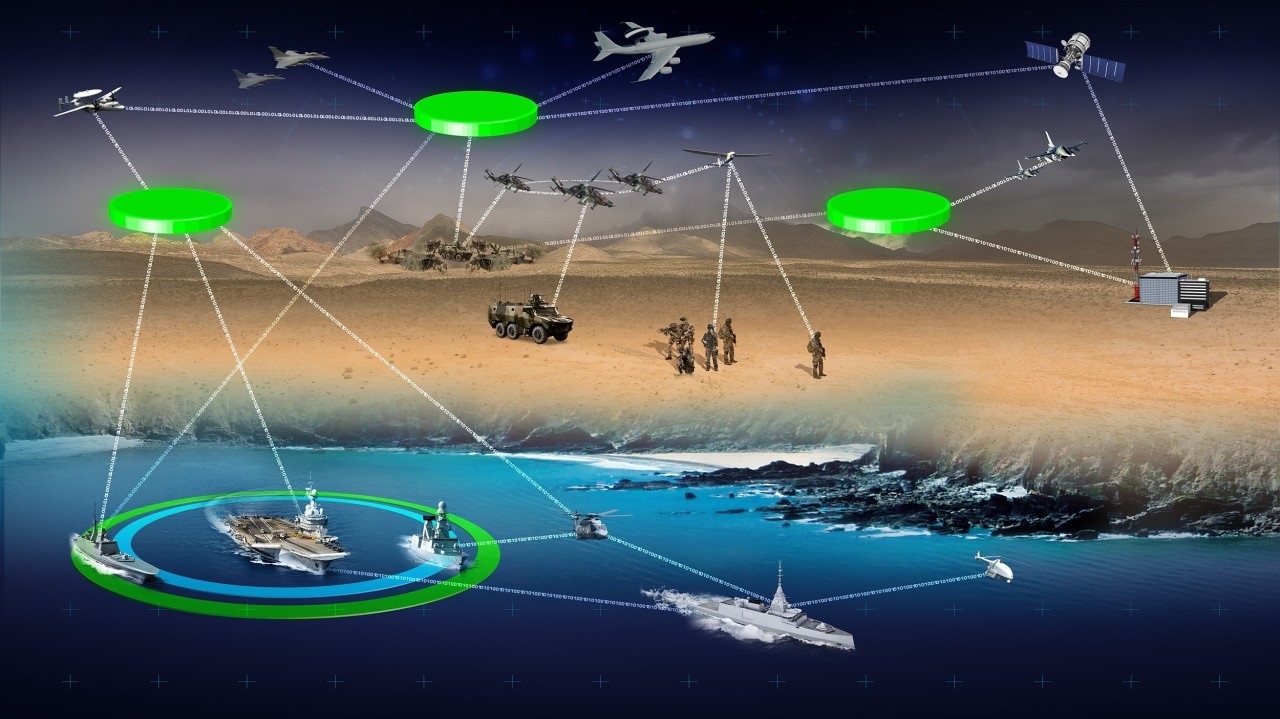
World
In 2024, BAE Systems, a global leader in defense and aerospace technology, secured an $85 million contract from the U.S. Navy for the production and delivery of advanced Network Tactical Common Data Link (NTCDL) systems. This deal is a significant step in modernizing the Navy's communication and data-sharing capabilities, ensuring secure and real-time transmission of critical mission information across platforms. Key Features and Capabilities of NTCDL The NTCDL system is a state-of-the-art solution designed to address the U.S. Navy's Common Data Link (CDL) requirements. Its robust capabilities include: Multi-Platform Integration: The system supports operations across air, surface, subsurface, and portable platforms, ensuring seamless interoperability. Real-Time Data Sharing: It enables secure transmission and reception of voice, data, imagery, and video, critical for mission-critical decision-making. Scalability and Modularity: The modular design of NTCDL allows for adaptation to evolving technologies, increasing link capacity and accommodating new waveforms. Simultaneous Network Operations: Operators can manage multiple networks simultaneously, facilitating intelligence, surveillance, and reconnaissance (ISR) operations alongside command and control activities. Future-Ready Design: Its architecture supports integration with manned and unmanned platforms, enhancing mission flexibility and capability. Deployment and Strategic Impact The NTCDL systems will be installed on U.S. Navy aircraft carriers and the next-generation Constellation-class frigates. These installations will bolster the Navy’s operational readiness, allowing for enhanced coordination and communication in complex maritime environments. Amber Dolan, BAE Systems’ director of Adaptive Communications and Sensing, emphasized the innovative nature of the system: “We have designed and produced a faster next-generation system to meet the demands of our customers’ evolving connectivity mission requirements. These solutions ensure secure, reliable information sharing for critical missions.” Extended Collaboration This contract is an extension of BAE Systems’ ongoing collaboration with the U.S. Navy, expanding the program’s timeline by an additional three years. As the original developer of NTCDL, BAE Systems has a proven track record in delivering cutting-edge solutions that align with the Navy's strategic goals. The deal also highlights the increasing demand for advanced tactical communication systems as global maritime security challenges evolve. The NTCDL system’s ability to provide real-time intelligence and operational coordination positions the U.S. Navy at the forefront of maritime warfare capabilities. Conclusion This $85 million investment underscores the U.S. Navy’s commitment to maintaining technological superiority in communication and connectivity. With BAE Systems at the helm, the NTCDL program is set to enhance operational effectiveness across the fleet, ensuring secure and efficient data sharing in the most demanding operational environments.
Read More → Posted on 2025-01-15 17:48:25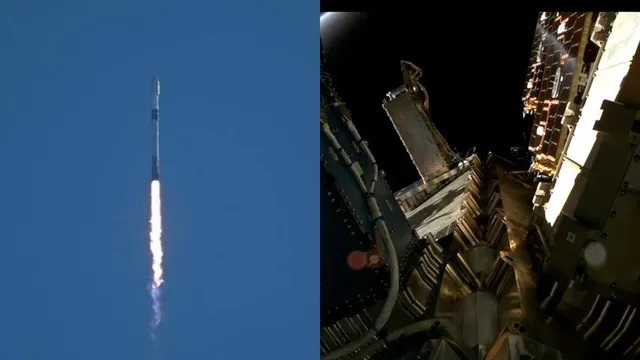
Space & Technology
In a historic milestone for India’s space industry, Bangalore-based start-up Pixxel has achieved a remarkable feat by launching the country's first private Earth imaging satellite constellation, aptly named 'Firefly.' This groundbreaking initiative not only positions Pixxel as a pioneering force in satellite-based precision imaging but also signifies a major leap for India’s burgeoning private space sector. About Pixxel: A Rising Star in Space Technology Founded in 2019 by Awais Ahmed and Kshitij Khandelwal, students at the prestigious Birla Institute of Technology and Science (BITS), Pilani, Pixxel has quickly risen to prominence. The company specializes in developing advanced hyperspectral imaging satellites that capture detailed data across multiple wavelengths, enabling unparalleled insights into Earth’s surface. With offices in India and the United States, Pixxel has already raised an impressive $95 million from global investors to fuel its ambitious projects. The 'Firefly' Constellation: Key Specifications and Launch Details The 'Firefly' satellite constellation is designed to provide high-resolution hyperspectral images of the Earth, which are invaluable for sectors like agriculture, environmental monitoring, and disaster management. Key specifications of the satellites include: Orbit: Low Earth Orbit (LEO) at an altitude of 550 km. Camera Resolution: Hyperspectral sensors capable of capturing data across 150+ spectral bands. Size: Small, compact form factor, approximately the size of a shoebox. Weight: Around 15 kilograms per satellite. Data Applications: Monitoring crop health, detecting illegal mining, tracking environmental changes, and managing urban infrastructure. The initial launch deployed three satellites aboard a SpaceX Falcon 9 rocket from the Vandenberg Space Force Base in California. An additional three satellites are planned for deployment later this year, completing the first phase of the constellation. Importance of Hyperspectral Imaging Unlike traditional imaging technologies, hyperspectral imaging collects information across hundreds of spectral bands, revealing detailed insights about the physical and chemical properties of objects. This capability makes the 'Firefly' constellation an essential tool for addressing global challenges like climate change, deforestation, and water resource management. For instance: Agriculture: Early detection of crop diseases and optimization of irrigation. Environment: Tracking deforestation, pollution, and biodiversity loss. Disaster Response: Real-time data for managing floods, wildfires, and earthquakes. A Game-Changer for India's Space Sector Until now, India's Earth imaging capabilities have been dominated by the Indian Space Research Organisation (ISRO), which operates around 52 satellites in orbit. Pixxel’s entry into the market marks a significant shift, opening up opportunities for private players to contribute to the country’s space ambitions. The successful deployment of 'Firefly' not only enhances India's satellite imaging capabilities but also aligns with the government’s vision to encourage private sector participation under the Indian National Space Promotion and Authorization Center (IN-SPACe). The Road Ahead for Pixxel With its innovative technology and ambitious vision, Pixxel is poised to expand its constellation further. The company aims to deploy a total of 36 satellites by 2025, creating a comprehensive global hyperspectral imaging network. This network is expected to transform industries by providing actionable insights, enabling better decision-making across various sectors. As Pixxel continues to scale new heights, it symbolizes the growing confidence and capability of India’s private space sector. The 'Firefly' constellation is not just a testament to Pixxel’s ingenuity but also a glimpse into the future of space technology powered by private enterprises.
Read More → Posted on 2025-01-15 17:45:41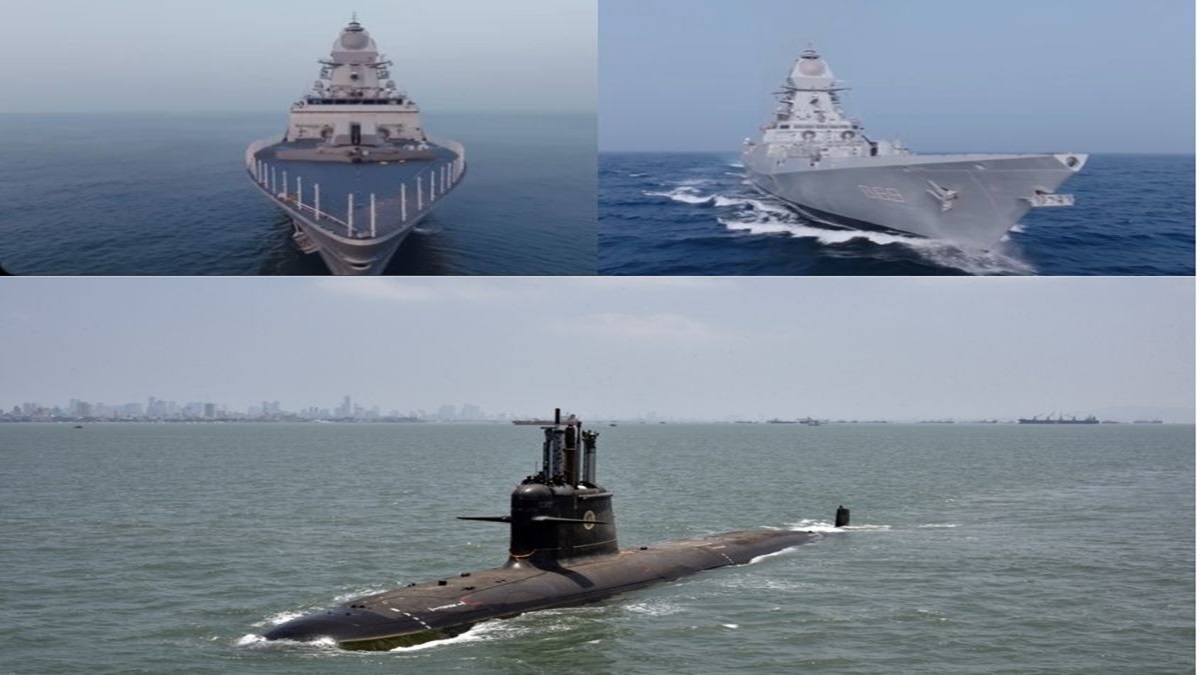
India
On January 15, 2025, the Indian Navy marked a historic milestone with the induction of three state-of-the-art warships: INS Nilgiri, a new Project 17A class frigate; INS Surat, the latest addition to the Project 15B class destroyers; and INS Vaghsheer, the final submarine in the Scorpene-class project. This unprecedented tri-commissioning ceremony took place at Naval Dockyard in Mumbai, with Prime Minister Narendra Modi in attendance, highlighting the significance of the event. The induction of these advanced platforms comes on the heels of a decade-long modernization effort, during which 33 ships and seven submarines were added to the fleet. Impressively, 39 of the 40 vessels commissioned were built in Indian shipyards, underscoring India’s growing self-reliance in defense production. The three ships—INS Nilgiri, INS Surat, and INS Vaghsheer—were all constructed at Mazagon Dock Shipbuilders Limited (MDL) in Mumbai. After completing rigorous trials involving machinery, hull, fire-fighting systems, damage control, navigation, and communication systems, the vessels are now fully operational and ready for deployment. INS Nilgiri – Project 17A Class Frigate INS Nilgiri is a significant upgrade over its predecessor, the Shivalik-class frigates, and is among the most advanced surface warships built in India. Measuring 149 meters in length and weighing 6,700 tons, it incorporates stealth features such as a sloped superstructure, flush deck, infrared suppression system, and acoustic quietening technology. Powered by a Combined Diesel and Gas (CODAG) propulsion system, the ship boasts two General Electric LM2500 gas turbines, allowing it to reach impressive speeds. The frigate is armed with advanced weaponry, including: 76mm SRGM with DART smart homing ammunition Two 30mm AK-630M Close-In Weapon Systems (CIWS) Eight BrahMos supersonic cruise missiles 32 Barak-8 / MRSAM surface-to-air missiles L&T triple torpedo launchers and Indigenous Rocket Launchers for Anti-Submarine Warfare (ASW) rockets Its primary radar, the MF-STAR by IAI, is produced by Bharat Electronics Limited (BEL). Nilgiri, along with its sister ships, is set to enhance the Indian Navy’s operational capabilities, with future upgrades expected, including advanced surface-to-air missile systems and long-range anti-ship missiles. INS Surat – Project 15B Class Destroyer INS Surat, the fourth and final ship of the Project 15B destroyer class, features substantial improvements over its predecessor, the Kolkata-class (Project 15A). At 163 meters long and weighing 7,400 tons, it is equipped with cutting-edge technologies, including a 75% indigenous content. Surat is capable of reaching speeds of up to 30 knots and is designed for multi-role operations. Notable specifications and armament include: 76mm SRGM with a placeholder variant, possibly to be upgraded Four AK-630M CIWS 16 BrahMos supersonic cruise missiles 32 Barak-8 / MRSAM surface-to-air missiles L&T twin torpedo launchers and Indigenous Rocket Launchers for ASW Primary radar: MF-STAR by IAI and BEL Surat is expected to be equipped with next-gen weapons such as VL-SRSAM (Vertical Launch Short-Range Surface-to-Air Missile) and LRLACM (Long-Range Land Attack Cruise Missile) in the future, boosting its already impressive offensive and defensive capabilities. INS Vaghsheer – Scorpene-Class Submarine INS Vaghsheer, the sixth and final submarine under the Kalvari-class Project 75, is one of the quietest and most versatile diesel-electric submarines in the world. This submarine is designed for a wide range of missions, including anti-surface warfare, anti-submarine warfare, intelligence gathering, area surveillance, and special operations. Its stealth capabilities are a key feature, making it a formidable asset for the Navy. Vaghsheer is armed with wire-guided torpedoes, Exocet anti-ship missiles, and advanced sonar systems. The submarine’s modular construction allows for future upgrades, including the integration of Air Independent Propulsion (AIP) technology. This technology would significantly extend its submerged endurance, making it even more effective for extended missions. The Kalvari-class submarines are also being upgraded, with the lead submarine, INS Kalvari, set to receive an AIP plug and the new DRDO Electrical Heavyweight Torpedo (EHWT). The Navy is also eyeing the next generation of submarines under Project 75I and Project 76. A Progressive Step for India's Naval Strength The induction of INS Nilgiri, INS Surat, and INS Vaghsheer signals a significant leap forward in India's naval capabilities. These platforms, built with advanced weaponry, sensors, and propulsion systems, will help ensure the Navy's superiority in the region. Furthermore, the strategic collaborations with global defense manufacturers, combined with the extensive use of indigenous technologies, represent a major step toward achieving self-reliance in defense production. As part of the ongoing efforts to modernize its fleet, the Indian Navy is also looking forward to the next generation of warships and submarines, such as the Project 18 destroyers and Project 75I submarines, which will further enhance its operational reach and deterrence capabilities. With these new additions, the Indian Navy is ready to face the challenges of a rapidly evolving maritime security environment, making it one of the most formidable naval forces in the world.
Read More → Posted on 2025-01-15 17:04:22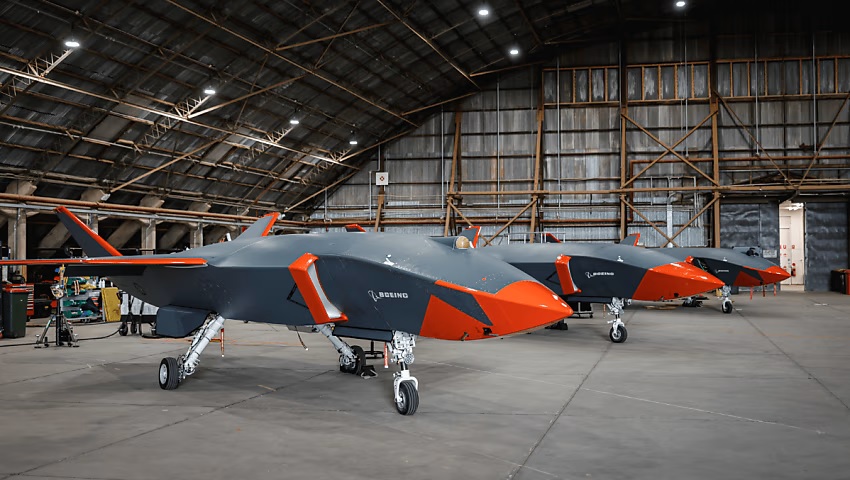
World
Saab, a global leader in defense and security solutions, has officially joined Boeing’s MQ-28 Ghost Bat industry team. This partnership marks a significant milestone in the development of cutting-edge unmanned aerial systems (UAS) designed to enhance Australia’s defense capabilities. Boeing’s MQ-28 Ghost Bat, co-developed with the Royal Australian Air Force (RAAF), is Australia’s first domestically designed and manufactured combat drone, showcasing advanced technology and collaborative effort on a global scale. Saab’s Role and Contributions Saab will play a pivotal role in the Ghost Bat program by supplying its state-of-the-art TactiCall Communications Solution. This solution integrates multiple communication technologies into a single, intuitive user interface, enabling seamless, secure sharing of information across various classification levels. Additionally, Saab Sweden will contribute avionics components such as Electro-Mechanical Actuators and Controllers for the Primary Flight Control System, critical for the drone’s operational precision and safety. Andy Keough, Managing Director of Saab Australia, highlighted the importance of the collaboration, stating, “The Ghost Bat is an exciting program for the Australian defense sector and demonstrates what can be achieved through collaboration between global defense organizations, local businesses, and the Defence Force.” The MQ-28 Ghost Bat: Key Specifications and Capabilities The MQ-28 Ghost Bat is a highly versatile unmanned aircraft designed to operate alongside crewed fighter jets, providing enhanced capabilities in mission scenarios. Its key specifications and features include: Length: Approximately 11 meters (36 feet). Range: Over 3,700 kilometers (2,300 miles), making it ideal for long-range reconnaissance and combat missions. Payload Capacity: Flexible payload options for surveillance, combat support, and electronic warfare. Speed: Capable of high subsonic speeds, enabling rapid deployment and response. Autonomous Capabilities: Equipped with advanced artificial intelligence (AI) for autonomous flight, targeting, and mission adaptability. Teamwork with Crewed Aircraft: Designed to complement manned aircraft by sharing mission data and enhancing situational awareness. The Ghost Bat program has undergone rigorous testing, including successful teaming flights where multiple drones coordinated missions and shared real-time information while airborne. Collaboration and Local Industry Engagement Boeing’s commitment to fostering local industry participation has been a cornerstone of the MQ-28 program. Over 200 companies are now part of the initiative, with the number of Australian firms engaged in the platform’s development increasing from 55 to 74 in just one year. Saab’s inclusion brings flight-proven actuation equipment and cutting-edge technology to the project, accelerating progress toward operational readiness. Glen Ferguson, Boeing MQ-28 Global Program Director, emphasized the significance of this collaboration, saying, “We are incorporating Saab’s flight-proven electromechanical actuation equipment to enable us to work at speed to accelerate our ability to meet operational requirements.” A Vision for the Future Launched in 2017, the MQ-28 Ghost Bat program has rapidly advanced from concept to reality, achieving milestones that include design, development, and successful flight demonstrations. The drone’s ability to operate autonomously or in tandem with crewed aircraft positions it as a game-changer in modern aerial combat. As Boeing and Saab continue to refine the Ghost Bat’s capabilities, the program is poised to deliver a globally competitive platform with applications beyond Australia. This collaboration highlights the importance of international partnerships and innovation in addressing the evolving needs of modern defense forces.
Read More → Posted on 2025-01-15 16:59:40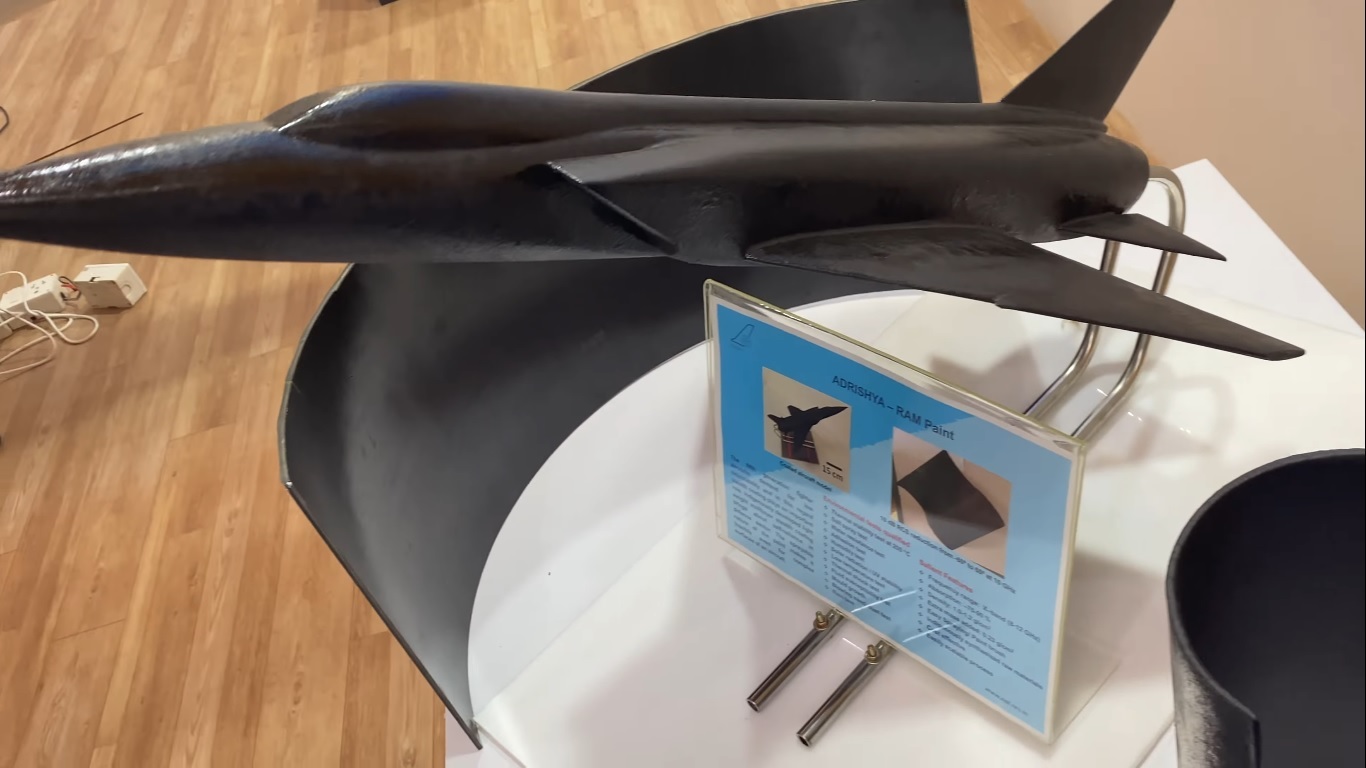
India
The Council of Scientific and Industrial Research – National Aerospace Laboratories (CSIR-NAL) has unveiled groundbreaking advancements in stealth technology designed specifically for aerospace applications. These innovative radar-absorbing materials—NiRaLa-Monolithic Radar Absorbing Laminate and ADRISHYA-RAM Paint—mark a significant leap in reducing the radar cross-section (RCS) of aircraft, a critical factor for enhancing stealth and survivability in modern warfare. NiRaLa-Monolithic Radar Absorbing Laminate (NiRaLa) NiRaLa, short for "Nirantar Radar Absorbing Laminate," stands as a hallmark of indigenous innovation in radar-absorbing structures (RAS). This material has been engineered with precision to address key stealth requirements for advanced aircraft. Material Composition: It is crafted from a multilayer aerospace-grade epoxy resin-based composite. Operational Frequency: Effective in the X-band (8-12 GHz), the frequency range commonly used by advanced radar systems. Radar Absorption Efficiency: Achieves an extraordinary radar absorption rate of 80-99%, offering a significant RCS reduction exceeding 10 dB. Thermal Resilience: Withstands temperatures up to 180°C, ensuring consistent performance in diverse operational environments. Testing and Qualification: The material has successfully passed extensive structural evaluations under room temperature and hot-wet conditions, proving its reliability in real-world applications. This advanced laminate paves the way for robust, lightweight, and thermally stable solutions in stealth technology. ADRISHYA-RAM Paint Complementing the NiRaLa laminate, ADRISHYA-RAM Paint provides a versatile and practical approach to stealth enhancement. Frequency Range: Operates effectively in the X-band (8-12 GHz), aligning with cutting-edge radar technologies. Absorption Capability: Demonstrates radar absorption of 75-90%, significantly lowering the aircraft’s detectability. Lightweight Design: Features a density range of 1.0-1.2 g/cm³, minimizing the weight impact on aircraft. Ease of Application: Can be applied with a paintbrush or via spraying, making it user-friendly and deployable in diverse conditions. Versatile Substrate Compatibility: Suitable for aluminum alloy (AA) and carbon fiber reinforced polymer (CFRP) surfaces, enabling wide-ranging applications. Indigenous Manufacturing: Developed from locally synthesized raw materials, it underscores India’s push for self-reliance in defense technology. Cost-Effectiveness and Scalability: Offers a scalable, cost-efficient solution, essential for large-scale deployment. Transformative Impact on Aerospace and Defense The unveiling of NiRaLa and ADRISHYA-RAM represents a pivotal achievement in India’s pursuit of cutting-edge stealth technologies. By significantly reducing radar signatures, these materials enhance the survivability and operational effectiveness of aircraft in high-stakes military scenarios. These advancements cater not only to the development of new-generation stealth aircraft but also provide retrofitting options for existing fleets. The ability to seamlessly integrate these materials ensures that India’s aerospace and defense sectors can maintain strategic air superiority while aligning with the broader goal of defense self-reliance. The technologies position CSIR-NAL as a key player in the global stealth and aerospace landscape, reinforcing India’s standing in the world of advanced defense innovations.
Read More → Posted on 2025-01-15 16:57:14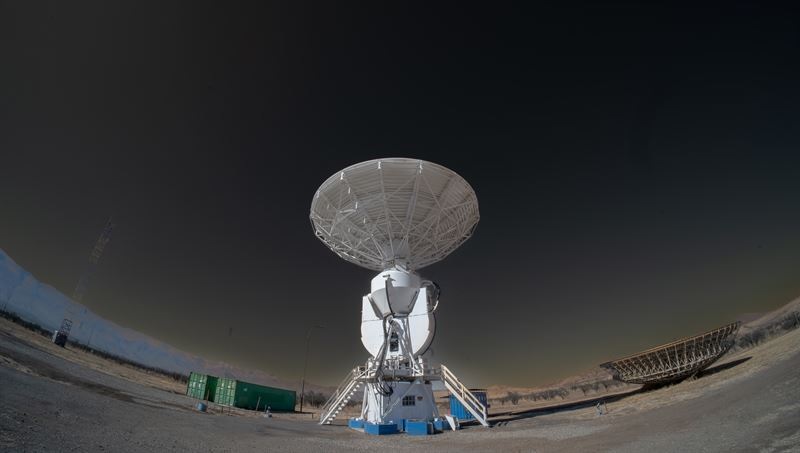
Space & Technology
The Swedish Space Corporation (SSC) has emerged as a pivotal player in Firefly Aerospace’s Blue Ghost Mission 1, a groundbreaking lunar expedition launched under NASA’s Commercial Lunar Payload Services (CLPS) initiative. This mission, launched aboard a SpaceX Falcon 9 rocket on January 15, 2025, is set to deliver critical scientific payloads to the Moon, paving the way for advanced lunar science and sustainable exploration. SSC's state-of-the-art tracking and communication systems are playing an indispensable role in the mission's success. Mission Overview: A Leap Toward Lunar Science Blue Ghost Mission 1 is an integral part of NASA's efforts to establish a long-term lunar presence. The mission aims to deploy ten high-priority science and technology payloads to Mare Crisium, a basin on the Moon's surface. These payloads will conduct experiments on regolith behavior, space weather impacts, radiation-tolerant computing, and lunar dust mitigation, providing valuable insights for future lunar exploration. The Blue Ghost lander, built by Firefly Aerospace, was launched at 7:11 a.m. CET on January 15 and is expected to reach the Moon in early March after a 45-day journey. Once on the lunar surface, the lander will operate its payloads for approximately 14 Earth days, the equivalent of one lunar day, ensuring maximum sunlight exposure for power generation. SSC’s Role: The Backbone of Communication SSC is the exclusive provider of satellite ground station networks for Blue Ghost Mission 1. Leveraging its ground stations in Santiago (Chile), Hawaii, and Australia, along with two partner stations, SSC ensures uninterrupted communication and tracking capabilities throughout the mission. These global tracking services are critical for navigating the spacecraft during its transit and operational phases on the Moon. Nick Priborsky, President of SSC’s Connect division, highlighted the organization’s comprehensive support:“We provide all the antennas required to track and communicate with the lander throughout the mission.” This robust network allows SSC to ensure precise spacecraft positioning and the timely transmission of mission-critical data. Specifications of SSC’s Ground Station Network Antenna Array: High-gain antennas capable of tracking spacecraft at lunar distances. Global Coverage: Ground stations strategically located in three continents for seamless communication. Real-Time Support: Continuous monitoring and data relay during the 45-day transit and 14-day surface operations. High Data Throughput: Enables the transmission of scientific findings, including high-resolution imagery and environmental data. Collaboration with Firefly Aerospace SSC’s contribution to the mission extends beyond hardware. Will Coogan, Chief Engineer of Firefly Aerospace’s Blue Ghost, acknowledged SSC's indispensable role:“SSC’s reliable global network provides the pass coverage and communications performance required for the mission.” Advancing Lunar Exploration The data collected during this mission will not only advance scientific understanding but also support technological innovations essential for future lunar missions. SSC’s partnership with Firefly Aerospace underscores its commitment to enabling space exploration and scientific discovery. As the world looks forward to humanity’s return to the Moon, SSC stands at the forefront, ensuring that every step of the journey is meticulously tracked and communicated. Nick Priborsky aptly summed up their involvement:“We are proud to be a part of Blue Ghost Mission 1 and to support the return to the Moon by providing critical services between Earth and space.” This mission marks another milestone in SSC’s legacy of supporting cutting-edge space missions, demonstrating its capability to bridge the gap between Earth and the farthest reaches of space.
Read More → Posted on 2025-01-15 16:54:31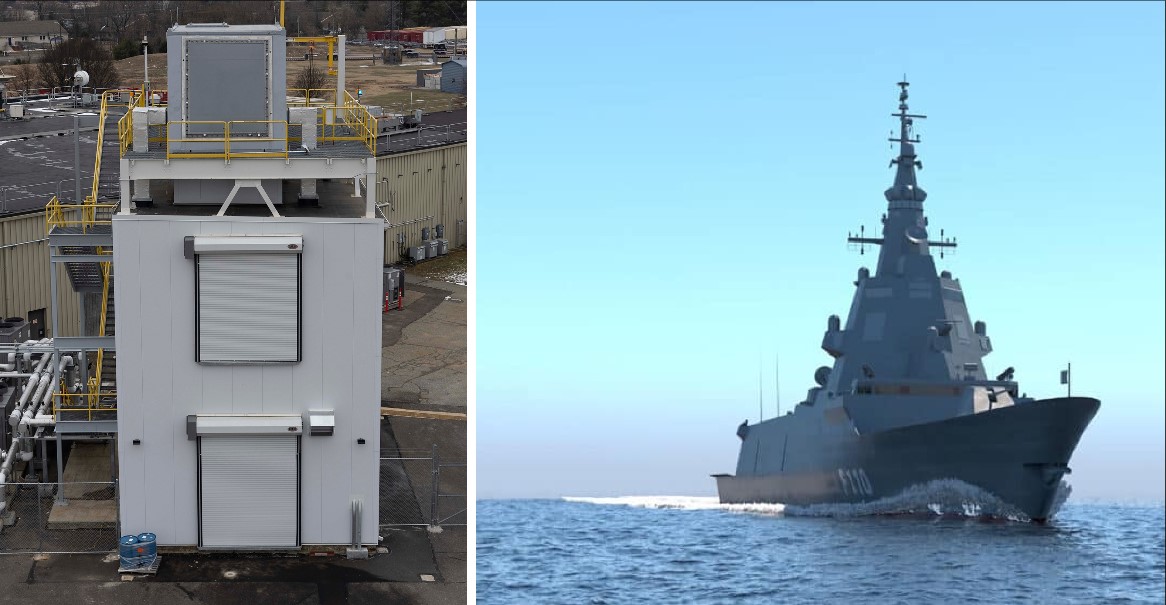
World
Lockheed Martin, in collaboration with Spanish shipbuilder Navantia, has reached a crucial milestone in the development of the AN/SPY-7(V)2 radar system for Spain's advanced F-110 Multi-Mission Frigate. This achievement was marked by a successful live tracking demonstration conducted at Lockheed Martin's Aegis SCOMBA Integration Center (ASIC) in Moorestown, New Jersey. The event is a major step forward in ensuring the radar system meets operational standards for Spain's next-generation naval fleet. The AN/SPY-7(V)2 Radar System: Advanced Capabilities The AN/SPY-7(V)2 radar is a state-of-the-art, multi-function phased-array radar designed to provide enhanced situational awareness and target tracking capabilities. Its specifications include: Detection Range: Extended range for detecting multiple threats, including ballistic missiles, aircraft, and surface targets. Adaptive Radar Technology: Utilizes gallium nitride (GaN) technology, offering greater power efficiency and performance compared to traditional systems. Multi-Mission Functionality: Capable of simultaneous air and missile defense operations, ensuring comprehensive coverage. Modular Design: Allows scalability for integration across various platforms, including ships, ground installations, and even land-based missile defense systems. This advanced radar is central to the F-110 frigate’s Aegis Combat System, which combines Spain’s SCOMBA (Sistema de Combate de la Armada Española) for seamless integration with NATO standards and Spanish Navy requirements. Key Achievements and Project Timeline Chandra Marshall, Vice President of Multi-Domain Combat Solutions at Lockheed Martin, described the live tracking demonstration as a pivotal moment for the program. The radar hardware and software successfully tracked airborne targets, affirming their readiness for full-scale testing. This milestone confirms that the system is on schedule for delivery, with the SPY-7 radar slated for formal handover in 2026. Carlos Lopez, Navantia’s F-110 Program Director, emphasized the importance of staying on track for the first frigate’s commissioning in 2028. The success of the radar demonstration ensures the project will meet its timelines, allowing the Spanish Navy to achieve operational capability with advanced radar technology. Testing and Integration: Paving the Way for Operational Readiness As part of the ongoing development, Lockheed Martin plans extensive testing of the SPY-7 radar and associated Aegis tactical equipment. These evaluations will ensure seamless integration with the frigate’s systems, including its Combat System Light-off, a critical phase in the ship’s operational lifecycle. Additionally, integration testing will continue at Lockheed Martin's ASIC and the Spanish Navy’s Combat System Integration and Test (CIST) facility in Rota. These efforts are aimed at fine-tuning the Aegis and SCOMBA Combat Systems, which together form the backbone of the F-110’s advanced defensive capabilities. The F-110 Frigate: A Strategic Asset for Spain The F-110 frigate program represents a significant leap forward in Spain's naval capabilities. Designed to replace the Spanish Navy’s aging Santa María-class frigates, the F-110 boasts cutting-edge technology, including: Stealth Design: Features a reduced radar signature to enhance survivability in contested environments. Multi-Mission Capability: Equipped to perform anti-submarine warfare (ASW), air defense, and surface warfare. Advanced Automation: Incorporates artificial intelligence and automation to reduce crew size while enhancing operational efficiency. Flexible Payload Options: Modular mission bays for UAVs, boats, or other mission-specific equipment. With the first two ships already under construction, the F-110 class is set to redefine Spain’s naval power projection while aligning with NATO's defense initiatives. The integration of the AN/SPY-7 radar ensures these ships will feature some of the most advanced surveillance and tracking capabilities available globally. Looking Ahead: Strengthening Spain’s Defense Infrastructure The partnership between Lockheed Martin and Navantia highlights the importance of international collaboration in advancing defense technology. By combining Lockheed Martin's expertise in radar and combat systems with Navantia’s shipbuilding capabilities, the F-110 program is poised to deliver a modern, robust naval platform tailored to Spain's security needs. As development continues, the focus remains on meeting key milestones to ensure the Spanish Navy’s F-110 frigates are equipped with cutting-edge technology. With delivery of the first radar unit expected in 2026 and the commissioning of the lead ship planned for 2028, this program underscores a shared commitment to innovation, readiness, and maritime security.
Read More → Posted on 2025-01-15 16:51:41
World
The Biden administration has made a significant diplomatic move by officially removing Cuba from the U.S. State Department's list of state sponsors of terrorism. This announcement, coming just before President Biden concludes his term, is part of a broader agreement mediated by the Vatican to address human rights concerns in Cuba and secure the release of political prisoners. Background on Cuba's Terrorism Designation Cuba's inclusion on the terrorism list dates back to January 11, 2021, during the closing days of the Trump administration. The designation was based on allegations that Cuba harbored individuals tied to terrorist activities, particularly in relation to Colombia's ELN guerrilla group and political networks in Venezuela. These claims, however, have been contested over time. The Biden administration's decision to delist Cuba follows a detailed review of the evidence. Officials concluded there is "no credible evidence" to support Cuba's continued designation as a state sponsor of terrorism. This move aligns with broader U.S. efforts to encourage positive reforms in Cuba, including addressing human rights violations and facilitating the release of political prisoners. Humanitarian Focus and Political Prisoners Central to this decision is the plight of political prisoners in Cuba. Human rights organizations estimate that more than 1,000 individuals remain detained for participating in protests against the Cuban government, most notably the widespread demonstrations in July 2021. The agreement brokered with the Vatican aims to secure the release of a significant number of these detainees, marking a pivotal step in addressing human rights issues on the island. Economic Implications for Cuba Being listed as a state sponsor of terrorism comes with severe economic restrictions, including limitations on international trade, access to financial systems, and foreign investment. Cuba's removal from this list is expected to ease some of these restrictions, offering a potential boost to its beleaguered economy. This development could pave the way for increased economic collaboration and the resumption of previously stalled partnerships. However, the economic benefits might be short-lived if the incoming Trump administration reinstates Cuba on the terrorism list. Early indications suggest that a harder stance on Cuba might be part of the next administration's policy. Mixed Reactions to the Decision The Biden administration's move has sparked diverse reactions across the political spectrum. Proponents argue that delisting Cuba opens the door for improved U.S.-Cuba relations and demonstrates a commitment to fostering dialogue over punitive measures. Advocates of the decision also highlight its humanitarian focus, especially regarding the release of political prisoners and the alleviation of Cuba's economic hardships. On the other hand, critics—mainly Republican lawmakers—view the decision as premature and detrimental to holding the Cuban government accountable for its authoritarian practices. They argue that easing restrictions may inadvertently strengthen the regime rather than the Cuban people. A Balancing Act for U.S.-Cuba Relations The removal of Cuba from the U.S. terrorism list is a calculated decision aimed at striking a balance between diplomatic engagement and human rights advocacy. While it signals a potential thaw in relations, the political complexities surrounding this move underscore the challenges of fostering lasting change. Whether this decision will lead to meaningful reforms in Cuba or become a contentious issue in the evolving U.S.-Cuba narrative remains to be seen. For now, it marks a significant, albeit controversial, step in reimagining U.S. foreign policy towards its neighbor in the Caribbean.
Read More → Posted on 2025-01-15 16:46:51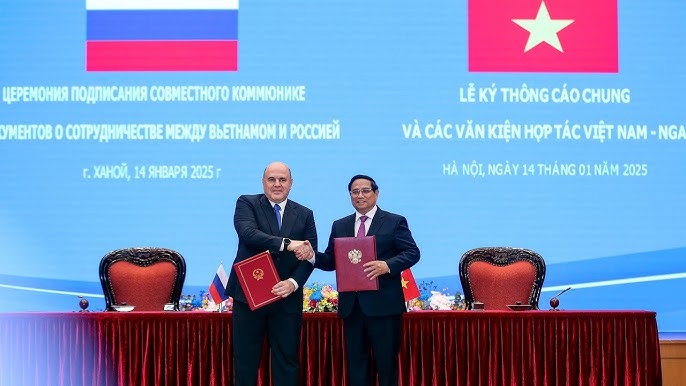
World
Russia and Vietnam have taken a significant step towards strengthening their long-standing alliance with the signing of a nuclear energy agreement during Russian Prime Minister Mikhail Mishustin's visit to Hanoi. This move highlights Vietnam's renewed focus on nuclear power to address its growing energy demands and underscores the deepening collaboration between the two nations in multiple strategic sectors. Reviving the Ninh Thuan Nuclear Power Project The centerpiece of this new partnership is Vietnam's aspiration to revive the Ninh Thuan nuclear power project, which had been shelved in 2016 due to economic constraints and public opposition. The ambitious project initially planned to construct two nuclear plants in central Ninh Thuan province with a combined capacity of 4,000 megawatts. Rosatom, Russia's state-run nuclear energy giant, had been a key player in the original plans, alongside Japan's JINED consortium. During the visit, Alexey Likhachiov, the general director of Rosatom, expressed keen interest in collaborating on the Ninh Thuan project. Vietnam’s Ministry of Science and Technology emphasized that this cooperation could provide a pathway for Vietnam to meet its rapidly growing energy needs while ensuring energy security and sustainability. Strategic Importance of Nuclear Energy in Vietnam Vietnam's energy demand has been surging, driven by its fast-growing economy and industrial expansion. Despite its significant renewable energy initiatives, the country is seeking a stable and long-term energy solution to complement its power grid. Nuclear energy offers an attractive option due to its reliability, low greenhouse gas emissions, and capacity for large-scale energy generation. The potential revival of the Ninh Thuan project signals Vietnam's ambition to join the ranks of nations with advanced nuclear energy capabilities. If completed, the plants could provide clean and stable electricity to millions, contributing to Vietnam’s economic growth and energy diversification. Broader Cooperation Beyond Nuclear Energy The nuclear energy deal was one of seven agreements signed between Russia and Vietnam during the visit, spanning various fields such as digital technology, electronics, and scientific research. This reflects the broad scope of bilateral cooperation and the intention to deepen ties across multiple domains. Prime Minister Mishustin's meetings with Vietnamese leaders, including Prime Minister Pham Minh Chinh and Communist Party General Secretary To Lam, underscored the historical alliance between the two nations. Since the Cold War era, Vietnam has relied heavily on Russia for defense and technology support, making this renewed focus on nuclear and digital sectors a natural progression in their partnership. Geopolitical Implications and Challenges This agreement also comes at a time when Russia faces increasing isolation from Western nations due to the ongoing conflict in Ukraine. Vietnam's willingness to collaborate with Moscow underscores its independent foreign policy approach and its focus on securing strategic benefits. However, challenges remain. International sanctions on Russia could impact the transfer of technology and financing for the Ninh Thuan project. Additionally, Vietnam will need to address public concerns about nuclear safety and ensure robust regulatory frameworks are in place to govern its nuclear ambitions. Strengthening a Historical Alliance The nuclear energy agreement highlights the enduring strength of the Russia-Vietnam relationship. Beyond energy, defense cooperation remains a cornerstone of their alliance, with Russia supplying over 80% of Vietnam’s military equipment between 1995 and 2023. While arms orders have slowed in recent years due to sanctions, the strategic dialogue between the two nations continues to evolve. This renewed focus on nuclear collaboration signals a broader intent to diversify and modernize their partnership, paving the way for new opportunities in science, technology, and energy. Conclusion As Vietnam takes steps to address its burgeoning energy needs, the partnership with Russia offers both opportunities and challenges. The successful revival of the Ninh Thuan nuclear project could mark a transformative chapter in Vietnam’s energy strategy while solidifying its ties with Russia. This collaboration also highlights the geopolitical significance of Vietnam as a strategic partner for Moscow in Southeast Asia, amidst shifting global dynamics.
Read More → Posted on 2025-01-15 16:44:15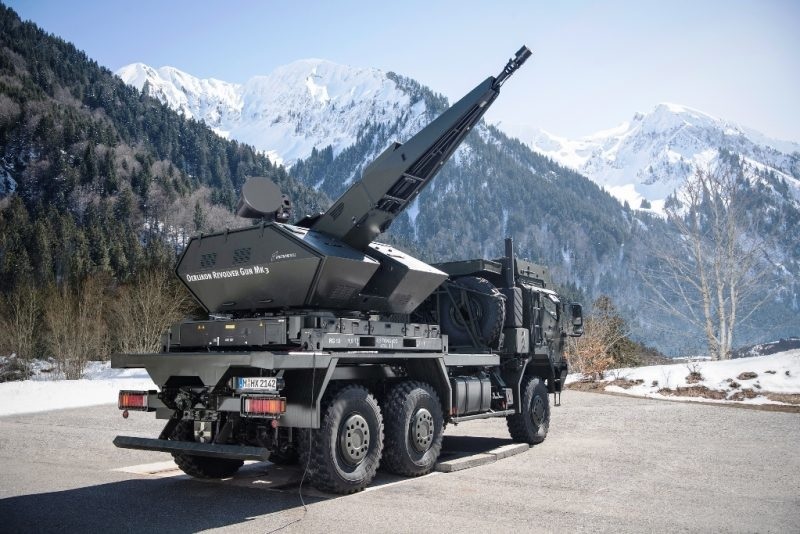
World
In a significant move to bolster its national defence capabilities, Italy has inked a €280 million agreement with Rheinmetall for its cutting-edge Skynex air defence systems. The deal, spearheaded by Rheinmetall Italia S.p.A., involves an initial contract of €73 million for the first system, with an option to procure three additional systems valued at €204 million. If the option is exercised, the agreement will represent a comprehensive boost to Italy's air defence infrastructure. Specifications of the Skynex Air Defence System The Skynex system is a state-of-the-art air defence solution engineered to counter a wide array of airborne threats, including drones, missiles, loitering munitions, and artillery shells. Key features include: Revolver Gun Mk3 Units: Each system incorporates four 35mm Revolver Gun Mk3 firing units, capable of unleashing 1,000 rounds per minute. These guns have an effective range of up to four kilometres. Programmable Ahead Ammunition: Designed to resist electronic countermeasures, this ammunition maximises precision and lethality. Command-and-Control System: A central hub ensures real-time threat analysis and engagement coordination. Air Surveillance Sensor: Equipped with the XTAR 3D radar, the system provides a 50-kilometre monitoring radius, ensuring robust situational awareness and early threat detection. Delivery Timeline and Support Services The first Skynex system is scheduled for delivery by the second quarter of 2026. Should the additional three systems be ordered, final contractual agreements are expected by 2027. The package includes comprehensive training programs, maintenance services, spare parts, and ammunition to ensure seamless operational readiness. Strategic and Global Implications Italy is the first NATO member to adopt the Skynex system, including its Revolver Gun Mk3 units. This decision underscores Rheinmetall’s growing influence in establishing its cannon-based air defence technology as a global benchmark. The Skynex system has already demonstrated its effectiveness on the battlefield in Ukraine, successfully neutralising drones and cruise missiles under live combat conditions. The modular design of Skynex allows integration with various existing air defence systems, such as Rheinmetall's Skyshield and Skyguard. This adaptability makes it an attractive option for nations seeking to enhance their layered defence strategies. Rheinmetall’s Growing Footprint in Italy Rheinmetall’s partnership with Italy extends beyond air defence. With three subsidiaries operating in the country, the company generates approximately €1 billion annually and employs over 1,500 people across five locations. Rheinmetall, in collaboration with Italian defence giant Leonardo, is pursuing several high-value contracts, including the supply of advanced combat vehicles like the Italian main battle tank and the Lynx Armoured Infantry Combat System. This deal marks a strategic milestone for Italy, aligning its defence infrastructure with NATO’s evolving requirements while solidifying Rheinmetall’s position as a leading defence technology provider. The Skynex system’s integration into Italy's defence arsenal represents a proactive step towards addressing modern aerial threats with unparalleled precision and efficiency.
Read More → Posted on 2025-01-15 15:41:11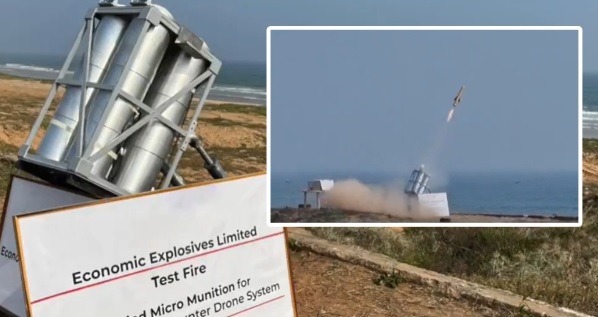
India
The Solar Group has made a significant leap in counter-drone technology with the successful test-firing of guided micro-missiles designed for the Bhargavastra Counter-Drone System. The recent tests, conducted under varying conditions, demonstrated the system’s efficacy in engaging targets at ranges from 400 meters to 2.5 kilometers. This innovation represents a major milestone in addressing the growing threat posed by unmanned aerial vehicles (UAVs) on modern battlefields. Compact and Mobile Design One of the standout features of the Bhargavastra system is its remarkable compactness. The entire system, including 64 micro-missiles, can be mounted on a standard 4x4 vehicle, providing unparalleled mobility. This portability ensures rapid deployment across diverse terrains and operational scenarios, enhancing the system’s tactical flexibility. Dual Missile Systems The Bhargavastra system employs two distinct types of guided missiles, each tailored for specific engagement scenarios: Command-Guided Missiles: These missiles have an effective range of up to 3 kilometers, providing precision targeting in short to medium-range engagements. Seeker-Based Missiles: With an extended range of 5 kilometers, these missiles are equipped with advanced seekers for long-range engagements, ensuring high accuracy and effectiveness against a variety of UAV threats. Advanced Targeting and Detection The Bhargavastra system is equipped with an integrated electro-optical targeting system that combines multiple cutting-edge technologies: Day TV Camera: Enables precise visual tracking during daylight operations. Infrared Camera: Ensures effective target acquisition in low-light and night-time scenarios. Laser Range Finder: Provides accurate distance measurements for enhanced targeting precision. Supporting this advanced targeting suite is a below-panel Active Electronically Scanned Array (AESA) radar system. Featuring four panels for complete 360-degree coverage, the radar can detect stealth targets as small as 0.01 square meters from a distance of 10 kilometers. This capability ensures early threat detection and swift engagement. Modular and Interoperable Design The system’s missiles are housed in four modular missile cassettes, allowing for efficient reloading and maintenance. Additionally, the Bhargavastra is engineered to integrate seamlessly with other defense systems, enabling its operation within a multi-layered counter-drone framework. Multi-Layered Counter-Drone System The Bhargavastra system incorporates both hard-kill and soft-kill technologies to address a wide spectrum of UAV threats: Hard-Kill Layer: Employs guided micro-missiles to physically neutralize UAVs, ensuring the destruction of hostile drones. Soft-Kill Layer: Utilizes electronic warfare capabilities to disrupt and disable UAVs through non-kinetic means. This layer enhances operational versatility, particularly in scenarios where hard-kill solutions may not be viable. Network-Centric Integration Designed with modern warfare in mind, the Bhargavastra system seamlessly integrates into existing network-centric defense infrastructures. This capability ensures that the system can function as part of a broader defense ecosystem, providing enhanced situational awareness and enabling real-time coordination with other systems. Addressing the Evolving Threat Landscape With UAVs increasingly utilized for reconnaissance and as weaponized platforms, the need for advanced counter-drone systems has never been greater. Solar Group’s Bhargavastra aims to fill this critical gap by offering a robust, adaptable, and multi-functional solution capable of neutralizing a wide range of UAV threats. The successful development and testing of the Bhargavastra system underscore Solar Group’s commitment to innovation and excellence in defense technology. As UAV threats continue to evolve, systems like Bhargavastra will play a pivotal role in ensuring the security and operational superiority of modern armed forces.
Read More → Posted on 2025-01-15 15:38:39
World
A groundbreaking innovation by US Army scientists promises to revolutionize the way batteries are treated, extending their lifespan and improving their efficiency. The innovative approach involves a specially designed surface treatment that could redefine energy storage solutions for military and commercial applications alike. How the Solution Works The core of this new technology lies in an acidic solution applied to the metal electrodes of rechargeable batteries, such as zinc-based batteries. Following the application, the electrodes undergo a controlled drying process. This procedure results in the formation of an ultra-thin protective interphase layer, thinner than a human hair. Despite its microscopic size, this layer delivers a significant boost to battery performance and durability by minimizing degradation during repeated charge and discharge cycles. Dr. Travis Pollard, a chemist on the research team, described the innovation as a “quick, commercially viable treatment process” that directly addresses the energy challenges faced by soldiers in the field. “For soldiers, this could ultimately mean more reliable and longer-lasting power for their essential equipment,” he explained. Specifications and Benefits The innovative treatment offers the following key benefits: Enhanced Performance: Improves the energy efficiency of rechargeable zinc batteries, providing more consistent power delivery. Increased Lifespan: Reduces the wear and tear on electrodes, prolonging battery life significantly. Cost-Effective: The process is scalable, quick, and cost-efficient, making it suitable for widespread adoption. Eco-Friendly: As zinc-based batteries are less toxic than lithium-ion alternatives, this innovation promotes environmentally safer energy storage. The process has been patented as of November 2024, and efforts are underway to make it available for licensing. This opens the door for widespread industrial and military adoption. Potential Applications The research team envisions diverse applications for this technology: Military Equipment: From advanced defense systems to portable electronic devices, the treatment ensures reliable power for mission-critical operations. Electric Vehicles (EVs): The improved performance of zinc-based batteries could be a game-changer for the EV industry, offering a safer and more sustainable alternative to lithium-ion batteries. Energy Storage Systems: The technology is well-suited for large-scale energy storage solutions, including those needed for renewable energy systems. Consumer Electronics: Portable devices, including smartphones and laptops, could also benefit from the extended battery life and enhanced durability. AnnMarie Martin, the team lead for technology transfer, highlighted the importance of this breakthrough. "This innovation ensures taxpayer dollars are maximized, delivering benefits across a range of sectors," she stated. Complementary Developments This innovation builds on a broader effort by the US military to improve energy solutions. In 2023, the US Defense Logistics Agency’s Research and Development Office initiated a program focused on enhancing the safety, shelf life, and operability of batteries powering military hardware. The new treatment aligns perfectly with these goals, addressing the need for better power solutions in challenging operational environments. What Lies Ahead The patented technology is poised to create waves in both military and civilian domains. With licensing opportunities on the horizon, manufacturers and developers will soon be able to integrate this cutting-edge treatment into their battery production processes. If adopted on a large scale, this could lead to a paradigm shift in energy storage, enabling longer-lasting and safer batteries for a wide range of applications. By tackling one of the most persistent challenges in energy storage, the US Army scientists have not only advanced military capabilities but also paved the way for innovations that could benefit industries worldwide. This breakthrough exemplifies how research rooted in defense applications can have far-reaching impacts, ultimately enhancing daily life and energy sustainability for all.
Read More → Posted on 2025-01-15 15:19:22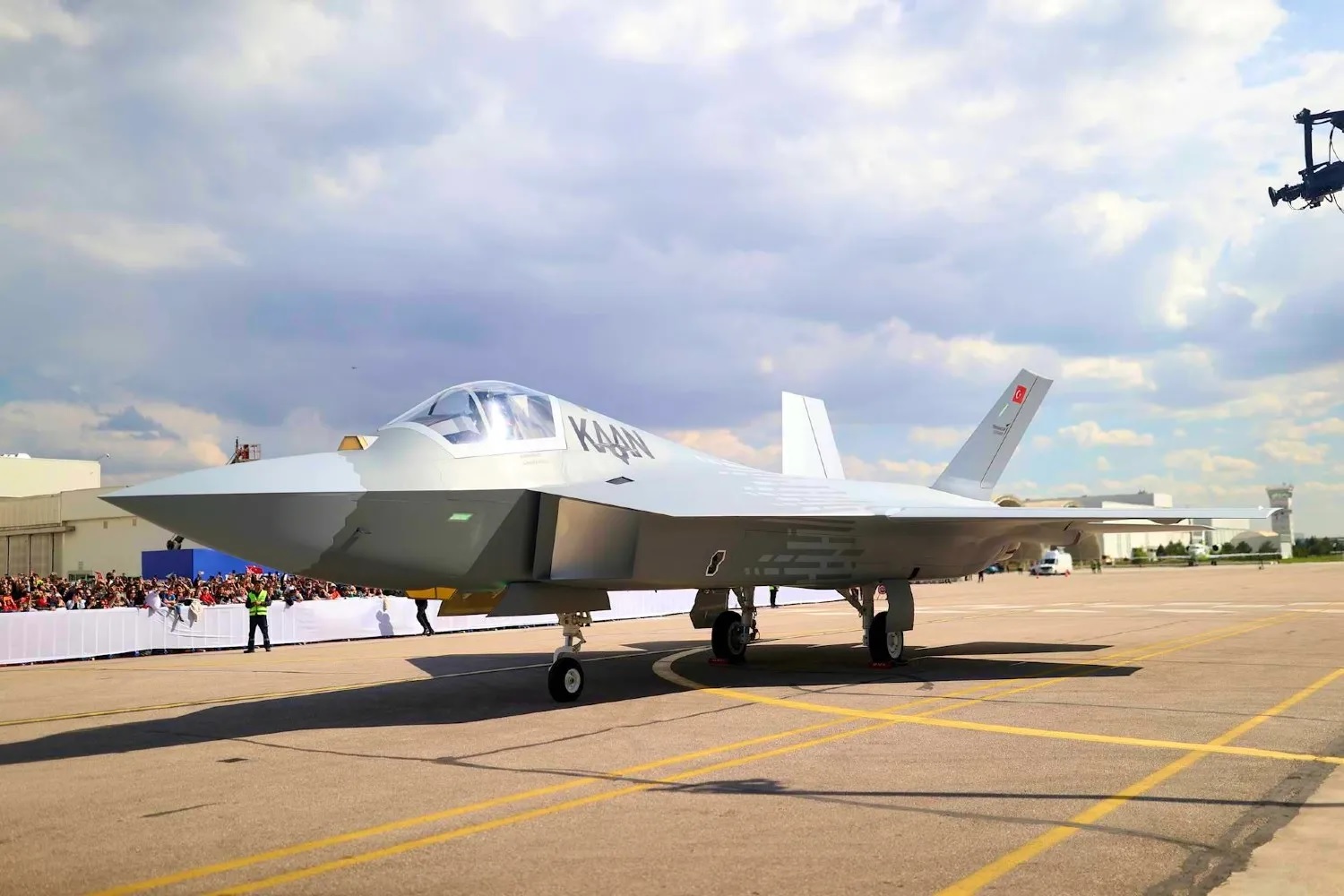
World
Pakistan is stepping up its efforts to modernize its air force through an ambitious collaboration with Turkey, aimed at domestically producing the fifth-generation TAI Kaan stealth fighter jet. This partnership underscores Pakistan’s intent to bolster its defence industry and reduce reliance on foreign suppliers by establishing a local production line for advanced military aircraft. The TAI Kaan, also known as the TF-X, is Turkey’s indigenously developed stealth fighter jet designed to compete with global fifth-generation aircraft. Equipped with advanced radar-evading features, state-of-the-art avionics, and high maneuverability, the TAI Kaan represents a cutting-edge solution for modern aerial combat. The aircraft boasts the following specifications: Stealth Design: Incorporates radar-absorbent materials and a low-observable structure for superior stealth capabilities. Engine Options: Planned to integrate twin-engine configurations, initially using General Electric F110 engines, with future variants potentially featuring indigenous powerplants developed by Turkey. Weapons Systems: Can carry an array of air-to-air, air-to-ground, and precision-guided munitions, integrated with advanced target acquisition and tracking systems. Avionics: Includes an Active Electronically Scanned Array (AESA) radar, cutting-edge electronic warfare systems, and secure communication technologies. Performance: Capable of reaching a maximum speed of Mach 2, with an operational ceiling of over 55,000 feet and a combat range exceeding 1,000 nautical miles. This collaboration with Turkey marks a strategic diversification for Pakistan, which is also in advanced negotiations with China to acquire 40 Shenyang J-35 stealth fighters. The J-35, a naval stealth jet, is expected to replace aging F-16s and French Mirage fighters in Pakistan’s fleet. These dual initiatives underscore Pakistan’s desire to elevate its air force capabilities through partnerships with multiple nations. Strengthening Pakistan-Turkey Defence Ties Reports suggest that Pakistan may officially join Turkey’s TAI Kaan project, with plans to locally manufacture multiple subsystems. The proposed joint production line would not only lower costs but also create significant employment opportunities in Pakistan. This initiative reflects a broader commitment to deepening defence technology collaboration between Islamabad and Ankara. Turkish media indicates that the partnership extends beyond aircraft production, encompassing broader joint development projects, including advanced helicopters. Such ventures align with Pakistan’s long-term goal of enhancing its domestic defence industry while reducing dependence on external sources. Strategic Implications for the Region The development of the TAI Kaan and the acquisition of J-35s are expected to shift the balance of air power in South Asia. Pakistan’s growing cooperation with Turkey, a NATO member with cutting-edge defence technology, signals a move to diversify its military procurement beyond its traditional reliance on China. However, Pakistan’s dual pursuit of two stealth fighter programs raises questions about its economic feasibility. Indian Air Force Chief, Air Chief Marshal A.P. Singh, expressed concerns about the rapid modernization of Pakistan’s air force, especially when contrasted with India’s delays in inducting the indigenous Tejas fighter jet. “While Pakistan may face economic constraints in simultaneously pursuing two fifth-generation fighters, their engagement with Turkey demonstrates an intent to broaden their military alliances and capabilities,” Singh remarked. A Vision for the Future Pakistan’s collaboration with Turkey on the TAI Kaan project signifies more than just acquiring a modern stealth fighter. It reflects a strategic pivot to enhance its defence manufacturing base and build alliances with trusted global partners. As Pakistan works to integrate the TAI Kaan and J-35 into its air force, the regional security dynamics are poised for a significant transformation. In the coming years, Pakistan’s air force may emerge as a more formidable player, leveraging advanced technologies from both Turkey and China to bolster its operational readiness and strategic deterrence. This dual approach not only enhances Pakistan’s aerial combat capabilities but also underscores its intent to play a more assertive role in regional defence and security affairs.
Read More → Posted on 2025-01-15 15:14:03
World
In a significant escalation of hostilities, Ukraine launched a series of missile and drone strikes on key military and energy infrastructure deep within Russian territory. Early Tuesday, explosions rocked chemical plants, oil refineries, and warehouses across several regions of Russia, marking one of the most extensive attacks since the conflict began. The strikes highlight Ukraine’s increasing capability to target strategic assets far from the frontline, shaking Russia's confidence in its internal security. The Targets and Impact The attacks were aimed at Russia’s military-industrial complex and energy facilities, causing significant disruptions. Notable incidents included: Chemical Plants in Tula and Bryansk Regions: These facilities are crucial for producing rocket fuel and explosives for the Russian military. Reports indicate that Ukraine’s missiles successfully hit a plant near the town of Seltso, over 100 kilometers from the border. Oil Refinery and Arms Depot in Saratov Region: Located more than 600 kilometers southeast of Moscow, this refinery and depot play a vital role in Russia’s logistics and energy supply chain. Gas Storage Facility in Tatarstan: A drone strike on a liquefied gas storage base near Kazan led to massive flames and thick smoke, raising concerns over energy security. Regional governor Roman Busargin described the scale of the attack as "massive," leading to school closures in Saratov and Engels. Weaponry and Execution Ukraine employed a mix of US-supplied ATACMS missiles, British Storm Shadow cruise missiles, and domestically manufactured drones. The Ukrainian military’s Unmanned Systems Forces confirmed that drones successfully distracted Russian air defenses, enabling missiles to strike their targets with precision. Russia’s defense ministry claimed to have intercepted six ATACMS and six Storm Shadow missiles, but the effectiveness of Ukraine’s strategy was evident in the widespread damage. Strategic Implications Ukraine’s strikes go beyond retaliation for Russia’s persistent targeting of its energy grid. Each attack weakens Russia’s war machinery, disrupting its supply of ammunition, fuel, and other essential resources. An SBU source stated, "Each damaged ammunition depot, oil refinery, or chemical plant is a painful blow to Russia's ability to wage war in Ukraine." These "painful strikes" also serve as a morale booster for Ukrainian forces, which have faced intense battles along the frontlines, particularly in the Donetsk region. Russia’s Response and Ongoing Conflict The Russian military vowed to respond to the attacks, labeling them as provocations supported by Western nations. However, the strikes have exposed vulnerabilities in Russia’s air defense systems, even in regions far from the border. Meanwhile, Russia’s offensive continues in eastern Ukraine, with Moscow claiming to have re-captured two villages, Neskuchne and Terny, that Ukraine had previously liberated. Broader Context and International Concerns The timing of the attacks comes ahead of a potential shift in US policy, as President-elect Donald Trump prepares to take office. Trump has expressed his intent to end the conflict swiftly, raising concerns in Kyiv about potential pressure to concede territory in exchange for peace. Conclusion Ukraine’s overnight barrage on Russian facilities underscores its evolving military strategy and growing capacity to strike deep into enemy territory. While these attacks disrupt Russia’s war efforts, they also highlight the persistent volatility of the conflict. As the war enters another critical phase, the balance of power and international diplomacy will play a crucial role in shaping its future trajectory. Title Suggestion for Google Index:"Ukraine Hits Russian Military Factories and Energy Hubs in Major Missile and Drone Offensive"
Read More → Posted on 2025-01-14 16:45:09
World
Textron Systems Corporation, a subsidiary of Textron Inc., has introduced its latest innovation in maritime technology—the TSUNAMI family of autonomous maritime surface vessels. Designed to address the dynamic needs of the U.S. Department of Defense (DoD) and allied forces, these cutting-edge vessels promise affordability, adaptability, and rapid deployment for diverse maritime missions. A Synergy of Expertise and Innovation The TSUNAMI family is a testament to Textron's expertise in multi-domain autonomous systems and its collaboration with the U.S. commercial shipbuilding industry. Leveraging Brunswick Corporation's high-performance vessels, Textron has integrated its proven Common Unmanned Surface Vehicle (CUSV) autonomy control system into this new platform. This partnership ensures a balance between advanced technology and cost-effective production. David Phillips, Senior Vice President of Air, Land, and Sea Systems at Textron, emphasized the company's unique position: "We design, integrate, and support autonomous systems across air, land, and sea. The TSUNAMI family represents a fusion of our expertise with Brunswick’s proven shipbuilding capabilities, offering unmatched maritime force strength." Specifications of the TSUNAMI Family The TSUNAMI vessels are available in three variants—24-foot, 25-foot, and 28-foot models—each tailored for specific operational requirements: Payload Capacity: Up to 1,000 pounds (453.6 kilograms) Operational Range: Between 600 and over 1,000 nautical miles Sea State Capability: Designed for operations in conditions up to Sea State 4 Power System: Gasoline-powered for simplified logistics and maintenance The modular design ensures adaptability to various mission payloads, enabling the TSUNAMI vessels to perform tasks such as: Surveillance and reconnaissance Mine countermeasures Maritime security operations Versatility and Affordability Textron has prioritized scalability and cost-effectiveness in the TSUNAMI project. These vessels not only meet current operational needs but can also be scaled for larger production volumes or customized configurations. By combining cutting-edge technology with affordability, the TSUNAMI family provides a robust solution for distributed maritime operations. Building on a Proven Legacy The TSUNAMI family builds upon the success of Textron’s CUSV program, the U.S. Navy’s first small unmanned surface vessel (USV) program of record. With thousands of operational hours under its belt, the CUSV program serves as a solid foundation for this next-generation platform. The launch of the TSUNAMI family aligns with the U.S. Navy’s strategy to enhance maritime capabilities using innovative, uncrewed platforms. These vessels are expected to play a pivotal role in reducing operational costs while bolstering naval strength. A Future of Autonomous Excellence Textron’s TSUNAMI family represents a significant leap forward in autonomous maritime technology, delivering a versatile and cost-efficient solution for military and allied forces. With its advanced capabilities, modular design, and proven reliability, the TSUNAMI series is poised to redefine the landscape of autonomous maritime operations.
Read More → Posted on 2025-01-14 16:40:30
World
NATO has announced the launch of a new mission, dubbed Baltic Sentry, to protect undersea cables and critical maritime infrastructure in the Baltic Sea. The decision comes amid growing concerns about potential Russian activities in the region, following several incidents involving suspected sabotage and threats to vital energy and communication links. Why Undersea Cables Matter Undersea cables are the backbone of global connectivity, carrying over 95% of internet traffic and facilitating approximately $10 trillion in daily financial transactions. With 1.3 million kilometers of these cables spanning the ocean floor, they are indispensable to global communications, commerce, and security. Any disruption to this network can have far-reaching consequences, making their protection a high priority for NATO and its allies. Key Features of the Baltic Sentry Mission Frigates and Maritime Patrol Aircraft: The mission will deploy advanced naval ships and patrol planes to monitor the region and respond swiftly to potential threats. Naval Drones: A fleet of drones will enhance surveillance capabilities and provide critical intelligence for detecting and deterring sabotage activities. Innovative Technologies: NATO plans to integrate cutting-edge solutions, including underwater sensors and tracking systems, to monitor suspicious vessels and ensure the integrity of maritime infrastructure. International Cooperation: The mission will involve close collaboration between NATO members bordering the Baltic Sea, including Finland, Germany, Poland, Denmark, Sweden, Latvia, Lithuania, and Estonia. Heightened Threats in the Region Reports of Russian "shadow fleet" activity, including vessels operating near gas pipelines and other critical infrastructure, have raised alarms. These aging tankers, often of uncertain ownership, are suspected of circumventing sanctions and funding Russia’s ongoing aggression in Ukraine. Poland recently reported a Russian vessel circling a gas pipeline connecting Norway to Poland, further escalating concerns. Finland’s President Alexander Stubb confirmed discussions on this issue during a recent NATO meeting but withheld specifics. Commitment to Deterrence NATO Secretary-General Mark Rutte emphasized the alliance's resolve to defend critical infrastructure, stating, "We will do everything in our power to make sure that we fight back, that we are able to see what is happening, and then take the next steps to make sure that doesn't happen again." The alliance has also pledged to explore new legal measures, enhance information sharing, and deepen cooperation with private infrastructure operators and technology firms. Member Contributions Germany has committed naval resources, with Chancellor Olaf Scholz stating that the country will participate with "everything we have in the way of naval capabilities." Sweden, although not yet a full NATO member, has pledged up to three warships to strengthen the alliance’s presence in the Baltic Sea. A Unified Response In a joint statement, the Baltic Sea allies condemned the threats posed by Russia’s shadow fleet, stating that such actions endanger maritime and environmental security while funding illegal military operations. They reiterated their determination to deploy innovative solutions and strengthen surveillance to counter these threats effectively. Conclusion The Baltic Sentry mission represents a robust and unified response to growing security challenges in the Baltic Sea. By deploying advanced technologies, enhancing surveillance, and fostering international cooperation, NATO aims to protect critical infrastructure and ensure stability in the region. This initiative underscores the alliance's commitment to safeguarding global connectivity and deterring adversaries from exploiting vulnerabilities in vital maritime networks.
Read More → Posted on 2025-01-14 16:37:34Search
Top Trending in 24 Hours
-
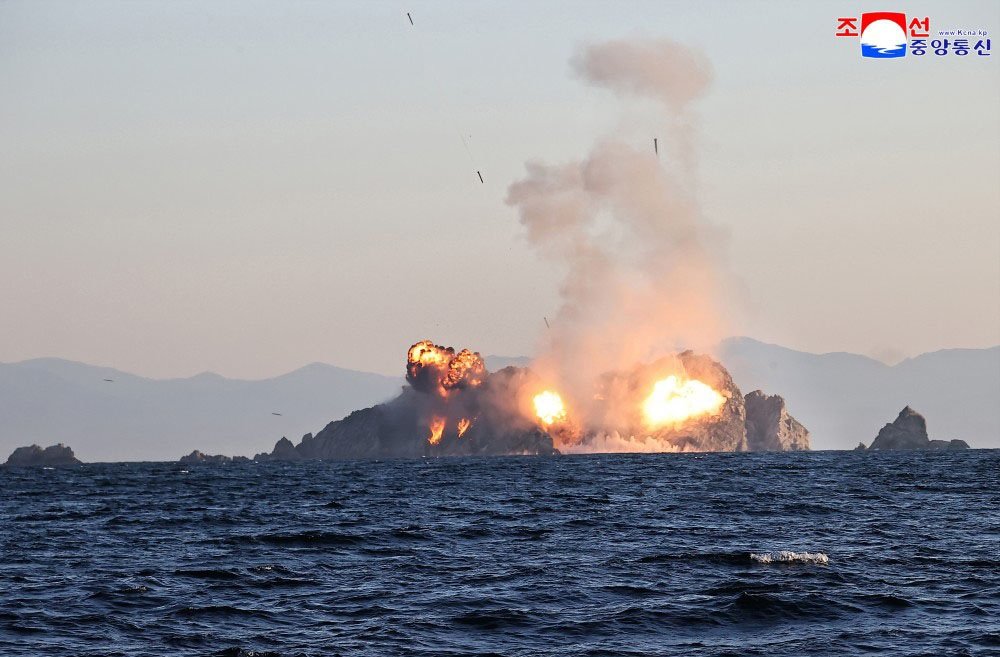 North Korea Fires Short-Range Ballistic Missile Toward Sea of Japan After Freedom Edge 26
-
 India’s xTerra Robotics Launches Indigenous DHAV-Hy Wheeled-Legged Quadruped for Industrial Inspection
-
 U.S. Government Seizes Almasirah.net, Houthi-Linked News Website
-
 U.S. Army Awards $10.64 Million Contract to Ukrainian Drone Maker Skyeton for Raybird Systems
-
 U.S. Delivers First CH-47F Chinook to Egypt Under 12-Helicopter Deal
-
 BEL Showcase X-Band Multi-Function Radar for QRSAM to Japanese Delegation
-
 U.S. Space Force Seeks Rapid-Response Satellites for Close-Range Orbital Inspections
-
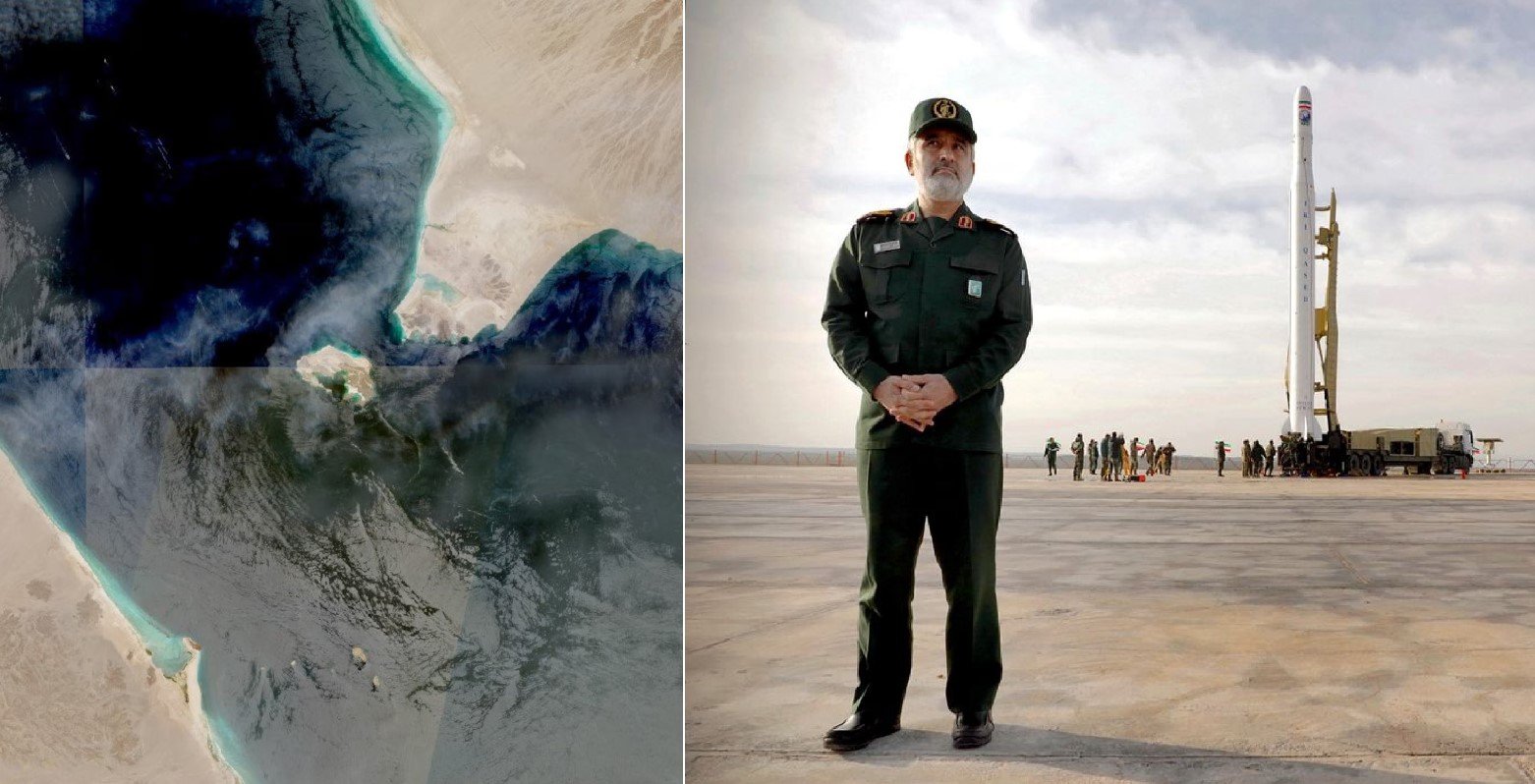 IRGC Experts Visit Bab El-Mandeb to Oversee Radar Installation and Tunneling, Houthi Sources Say
Top Trending in 4 Days
-
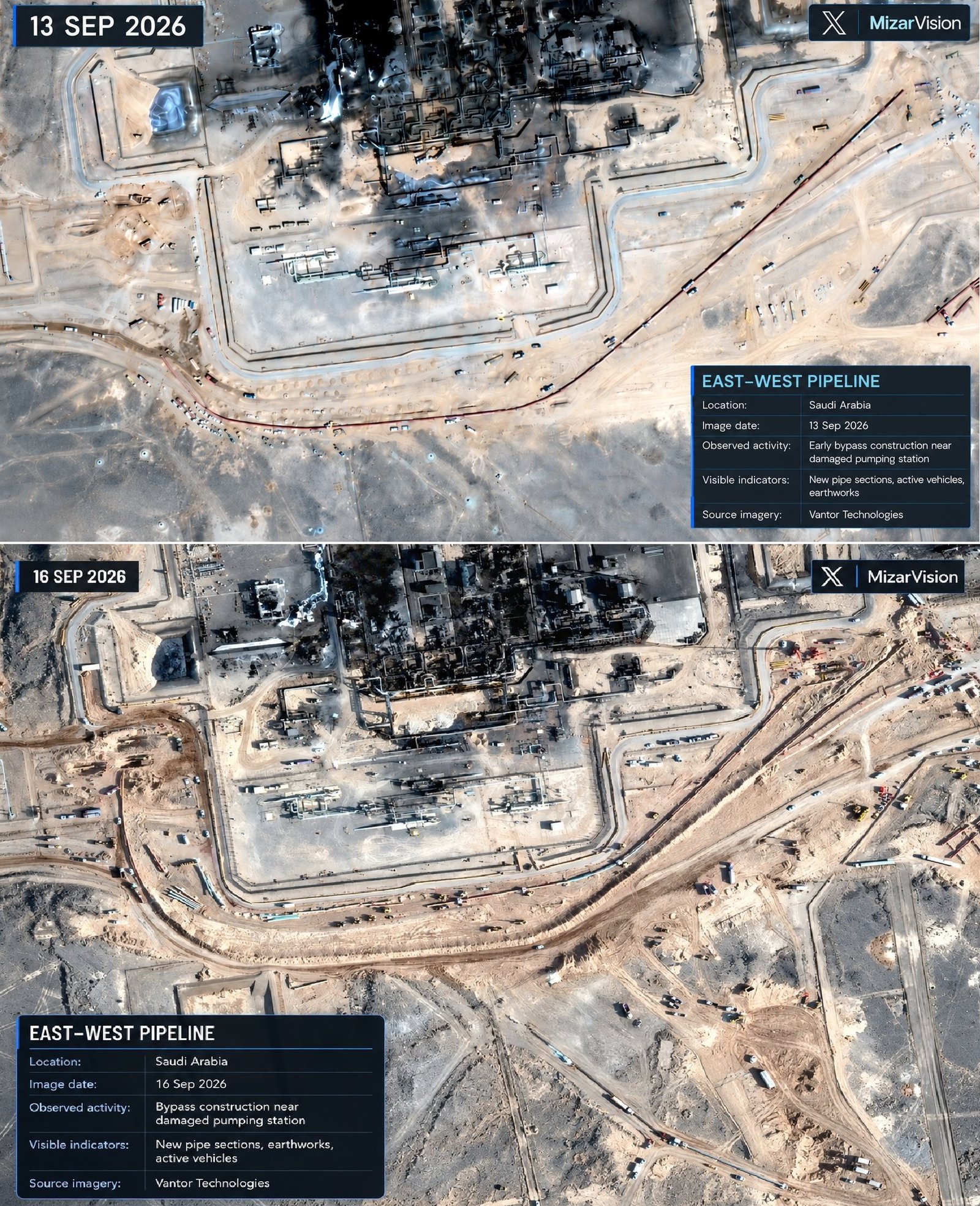 Satellite Images Show Saudi Arabia Building Emergency Bypass Around Damaged East-West Oil Pipeline Station
-
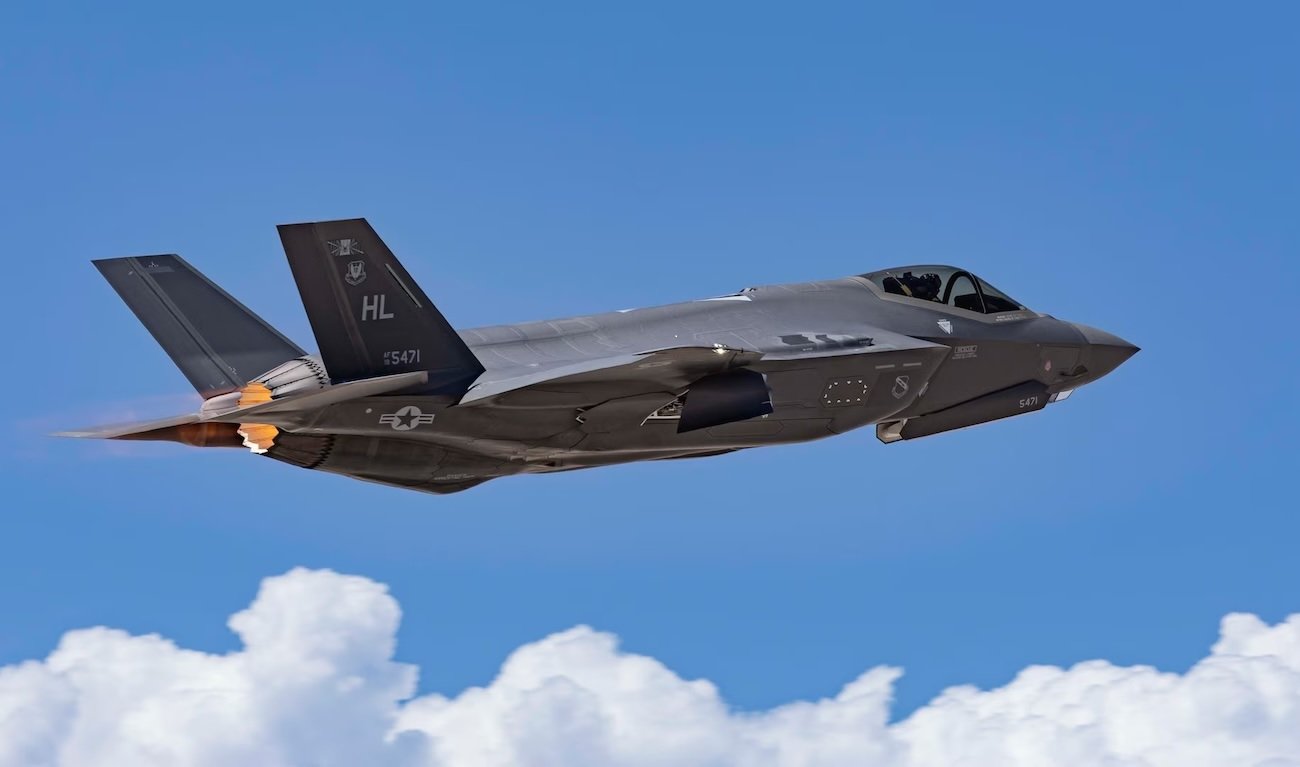 Sensitive F-35 Components Diverted to Hong Kong, Some Parts Missing
-
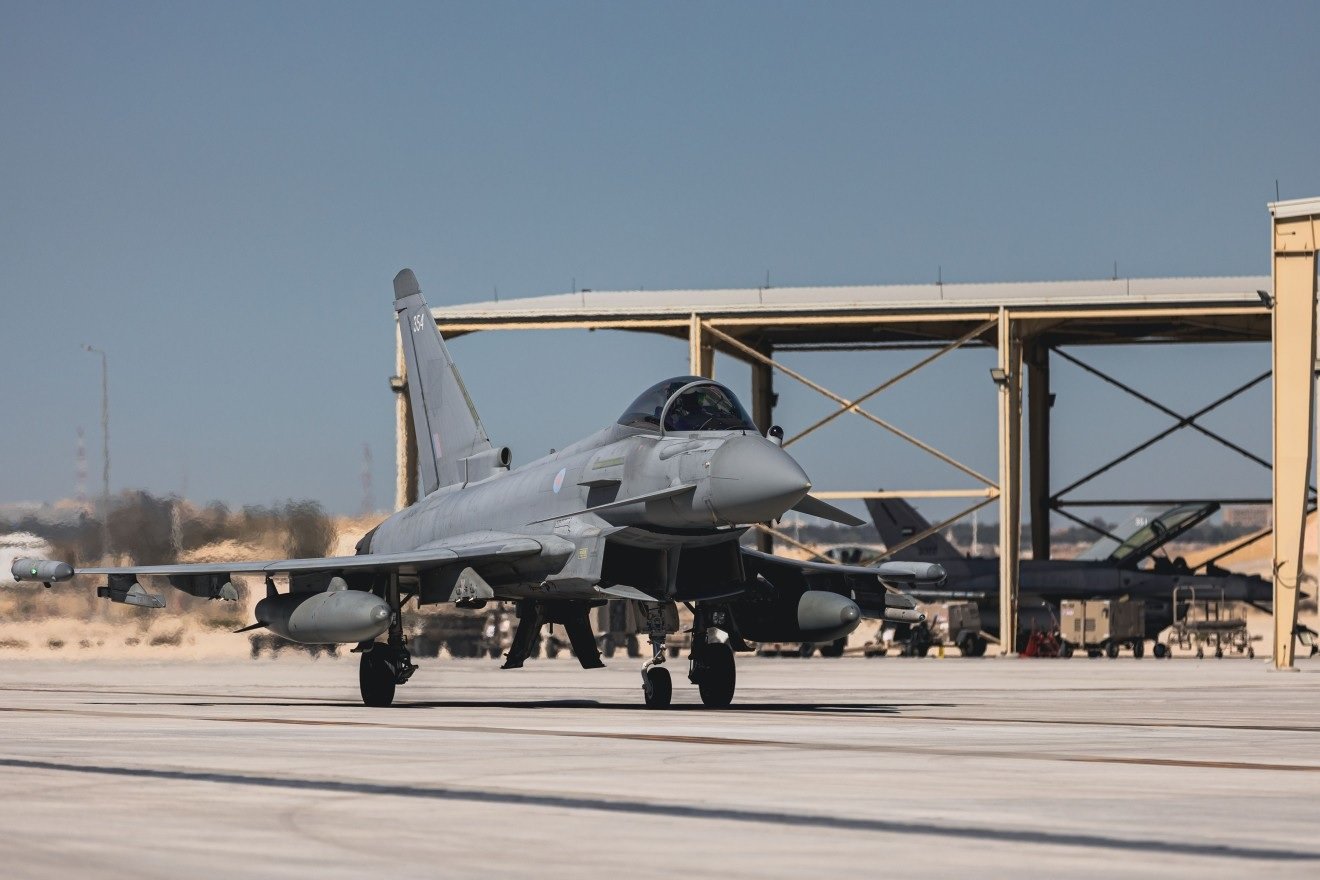 Italian Eurofighter Damaged in Houthi Attack on Saudi Arabia’s King Fahd Air Base
-
 BEL Signs Export Deal with Elbit Systems for Directed Infrared Countermeasure Sub-Assemblies, Secures ₹648 Crore in Additional Orders
-
 Israeli Firm Arbe Robotics Unveils Alerion High-Resolution 4D Radar for Counter-Drone Operations
-
 China Privately Urges Iran to Restrain Houthis After Saudi Appeal
-
 Otokar and Leonardo Complete Live-Fire Tests of TULPAR Tank with HITFACT MkII 120mm Turret
-
 U.S. Approves Potential $2.68 Billion Air Defense Package for Ukraine Including S-300 Clone Missiles
