World
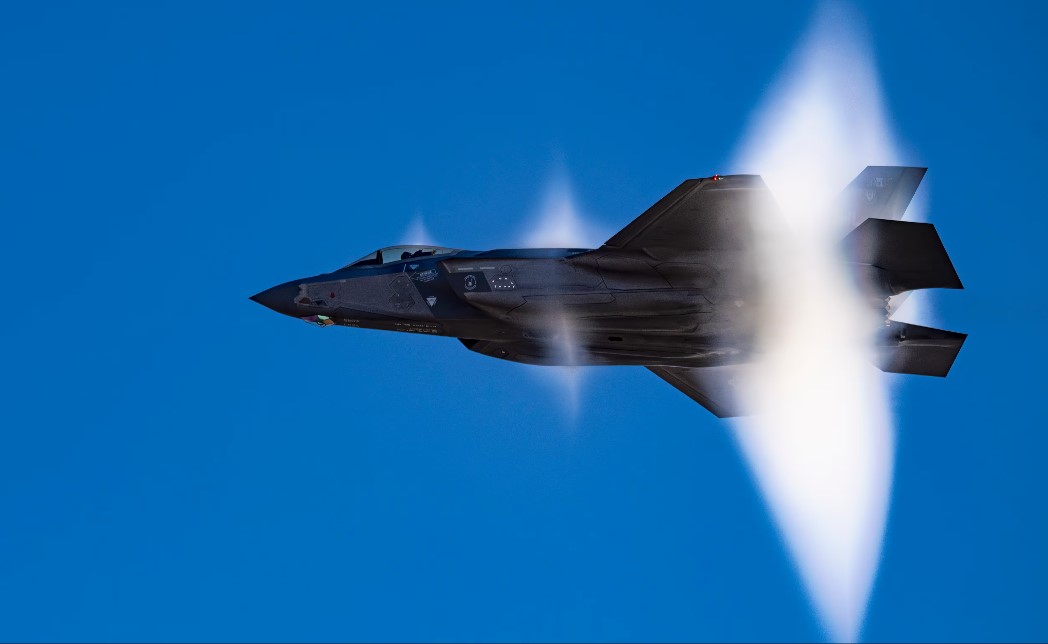
In his final week as Secretary of the Department of the Air Force, Frank Kendall unveiled an ambitious and forward-looking vision for the U.S. Air Force and Space Force at an event hosted by the Centre for Strategic and International Studies. His report, titled The Department of the Air Force in 2050, outlines the challenges, opportunities, and priorities that will shape the nation’s air and space defense strategy over the next 25 years. Navigating an Uncertain Future Kendall’s report emphasizes the unpredictability of technological and geopolitical developments through mid-century, but he firmly identifies China as the most significant strategic competitor to the United States. This competition, he notes, will be defined by both conventional military challenges and an enduring nuclear threat. The report underscores the importance of sustained modernization in response to evolving threats. Kendall pointed out that while the Air Force will continue to serve as a cornerstone of U.S. military power projection, achieving this goal will require expanded resources, new technologies, and a sharper focus on operational efficiency. Space as a Critical Battleground One of Kendall’s most prominent themes is the growing importance of space as a decisive operational domain. He emphasized the need to significantly strengthen the Space Force, particularly its counter-space capabilities, to combat the advancements of adversaries in space-based military systems. These systems, increasingly sophisticated, are seen as direct threats to U.S. forces. Kendall also highlighted the strategic value of space for both defense and offense, calling for improved resilience in U.S. satellite networks and enhanced capabilities to detect, deter, and neutralize potential threats in orbit. Accelerating Technological Innovation Modernization under Kendall’s tenure has focused heavily on integrating cutting-edge technologies like artificial intelligence (AI) and unmanned systems into military operations. His report proposes scaling up Collaborative Combat Aircraft (CCA), unmanned systems designed to operate alongside manned aircraft, enhancing their operational flexibility and effectiveness. AI, in particular, is envisioned as a transformative tool in future warfare. Kendall described a future where decision-making must occur at “machine speed,” enabling rapid, precise responses to threats. He called for investments in automation, long-range precision strike capabilities, and advanced data systems to ensure U.S. forces maintain their technological edge. A Renewed Nuclear Deterrence Strategy With global nuclear security becoming more complex, Kendall’s report stresses the necessity of maintaining a credible nuclear deterrent. He expressed concerns over the proliferation of nuclear weapons and the growing risks posed by tactical nuclear strategies, which could lower the threshold for nuclear conflict. The modernization of U.S. nuclear capabilities, including delivery systems and command-and-control infrastructure, remains a priority to deter adversaries and ensure strategic stability. Balancing Resources and Strategic Goals Acknowledging the perennial challenge of budget constraints, Kendall urged future leaders to avoid simplistic cost-cutting measures and instead pursue reforms rooted in a deep understanding of defense priorities. Efficiency, he argued, should not come at the expense of operational readiness or long-term capabilities. His vision encourages a strategic approach to resource allocation, emphasizing the importance of aligning investments with emerging threats and opportunities in both the air and space domains. Two Diverging Futures Kendall concluded with a sobering reflection on the potential trajectories for the Air Force and Space Force. The first path envisions a future shaped by successful adaptation to challenges, leveraging technological advancements, and securing the necessary resources to remain competitive. The second path, however, foresees limitations imposed by insufficient funding and strategic missteps, potentially leaving the United States vulnerable to adversaries. His report serves as both a blueprint and a warning, urging current and future leaders to prioritize adaptability, innovation, and resilience in navigating the complexities of global security by 2050. This vision represents a call to action for policymakers, military leaders, and industry stakeholders, emphasizing that maintaining U.S. superiority in air and space domains will require unwavering commitment, foresight, and collaboration.
Read More → Posted on 2025-01-20 08:04:37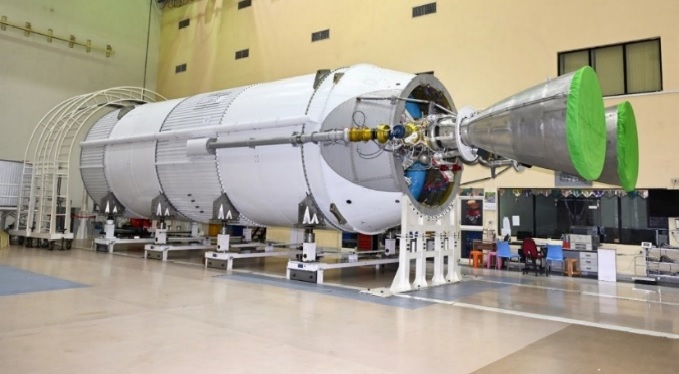
Space & Technology
In a significant step toward another milestone in India's space program, the core liquid stage (L110) of the LVM3 launch vehicle was officially flagged off on January 17, 2025. The event took place in the presence of Secretary of the Department of Space (DOS) and Chairman of ISRO, along with the Directors of Vikram Sarabhai Space Centre (VSSC), Satish Dhawan Space Centre (SDSC-SHAR), and ISRO Propulsion Complex (IPRC). The stage is now en route to the launch complex at Sriharikota for integration into its upcoming mission. This marks the 10th L110 liquid stage successfully integrated at the ISRO Propulsion Complex in Mahendragiri. The L110 stage is a critical component of ISRO’s LVM3 (Launch Vehicle Mark-3), India’s most powerful rocket, often referred to as its "heavy-lift" vehicle. It is designed to handle the heaviest payloads and is a cornerstone for India's ambitions in commercial satellite launches and interplanetary missions. Key Features of the L110 Liquid Stage The L110 stage is powered by two indigenously developed Vikas engines, which have been a workhorse of ISRO's liquid propulsion technology. The stage uses 110 tonnes of hypergolic propellants — unsymmetrical dimethylhydrazine (UDMH) as fuel and nitrogen tetroxide (N2O4) as the oxidizer. This powerful combination generates the necessary thrust to lift the LVM3 and its payloads into space. Originally designed and developed by the Liquid Propulsion Systems Centre (LPSC), the L110 stage plays a pivotal role during the initial phase of flight, ensuring a smooth transition to the cryogenic stage for orbit insertion. A Commercial Milestone: The AST & Science Partnership This particular mission involving the L110 stage is part of a commercial agreement between NewSpace India Limited (NSIL), the commercial arm of ISRO, and AST & Science, LLC. The mission will deploy AST & Science's BlueBird Block 2 satellite into orbit. The collaboration highlights ISRO's growing role in the global commercial space industry, leveraging its reliable and cost-effective launch capabilities to attract international customers. AST & Science’s BlueBird Block 2 satellite is a part of a larger constellation aimed at delivering low-latency broadband communication services across the globe. The satellite's deployment using the LVM3 rocket not only demonstrates the capability of India's launch vehicles but also reinforces its standing as a preferred launch partner for commercial satellite operators. LVM3: India’s Heavy-Lift Workhorse The LVM3, previously known as the GSLV Mk-III, has earned its reputation as ISRO’s flagship rocket. It can carry payloads of up to 4 tonnes to Geostationary Transfer Orbit (GTO) and up to 10 tonnes to Low Earth Orbit (LEO). Its reliability and performance have made it a key vehicle for both national missions, such as Chandrayaan-2, and commercial launches. The LVM3 consists of three stages: S200 Solid Rocket Boosters: These provide the initial thrust during liftoff. L110 Liquid Stage: Powered by twin Vikas engines, this core stage takes over after the boosters separate. C25 Cryogenic Upper Stage: The final stage, fueled by liquid hydrogen and liquid oxygen, places payloads into their designated orbit. ISRO’s Growing Commercial Success The commercial agreement for this mission underscores ISRO's expanding role in the global space economy. NSIL, which oversees ISRO's commercial activities, has been instrumental in marketing India's space capabilities to international clients. The deployment of AST & Science’s satellite using the LVM3 demonstrates the confidence global players have in ISRO’s technology and expertise. This mission adds to the growing list of achievements for LVM3, which has previously launched multiple satellites under commercial contracts, including successful missions for OneWeb and other international clients. With this flag-off, ISRO is poised to further cement its position as a reliable, affordable, and cutting-edge player in the competitive commercial launch market. The Road Ahead As the L110 liquid stage makes its way to Sriharikota, preparations for the mission will ramp up at the SDSC-SHAR launch complex. The integration of the L110 stage with other components of the LVM3 rocket will be closely monitored to ensure a flawless mission. This mission serves as a reminder of ISRO’s commitment to advancing indigenous technology while actively contributing to global space initiatives. The successful completion of this launch will not only add another feather to ISRO’s cap but also strengthen its reputation as a preferred partner for commercial space ventures worldwide.
Read More → Posted on 2025-01-20 08:01:28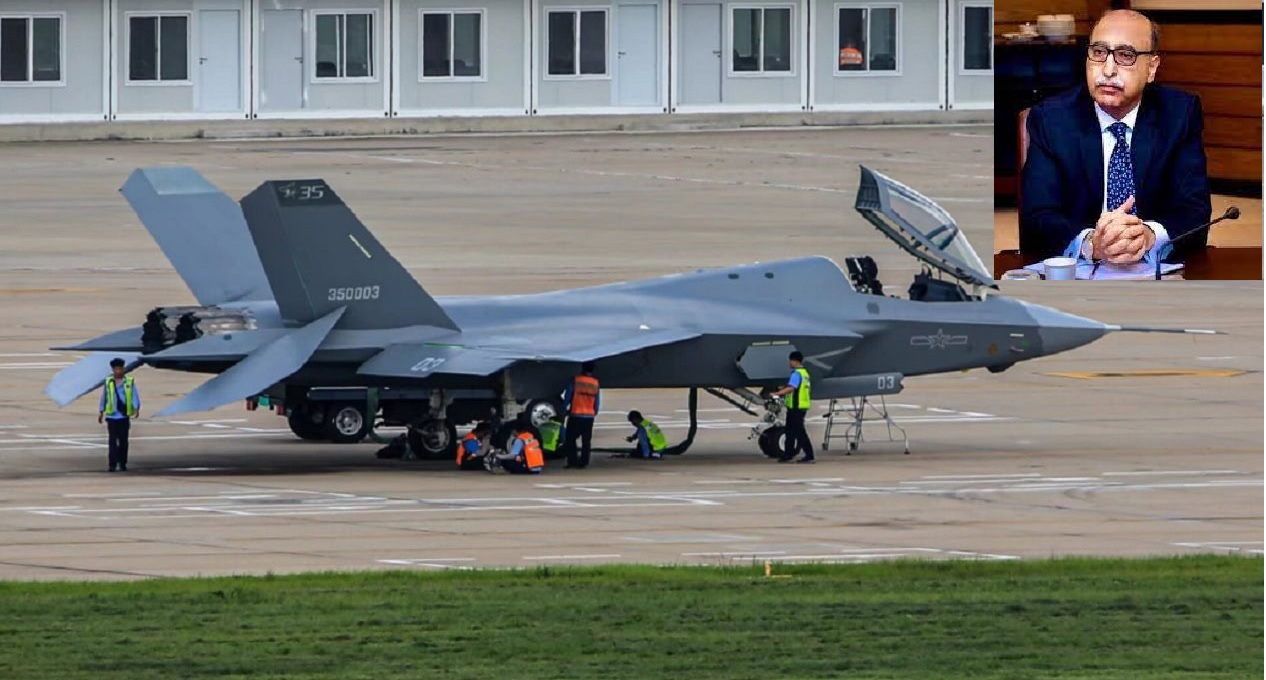
India
Abdul Basit, a former Pakistan High Commissioner to India, has sparked discussions across defense and strategic circles with his bold assertion that the Pakistan Air Force (PAF) will hold a significant technological advantage over the Indian Air Force (IAF) in the coming years. According to Basit, the induction of advanced fighter jets, such as the Chinese J-35A stealth aircraft and Turkey's TAI TF Kaan, will place the PAF 6-8 years ahead of the IAF in terms of aerial warfare capabilities. Strategic Edge Through Modernization Basit’s remarks underline the PAF's ongoing modernization drive, which he claims has already positioned it as a formidable force in the region. Despite the IAF’s numerical superiority, Basit argues that the qualitative edge currently lies with Pakistan due to its focus on acquiring state-of-the-art technology. He highlights that Pakistan’s strategic alliances with China and Turkey have enabled it to procure cutting-edge aircraft designed to rival the capabilities of adversaries in South Asia. The Game-Changing J-35 A focal point of Basit’s statements is the J-35A, a Chinese fifth-generation stealth fighter. Equipped with advanced avionics, long-range precision strike capabilities, and stealth technology, the J-35 is expected to revolutionize PAF operations. Basit describes it as a "game-changer," suggesting that the aircraft will enhance Pakistan’s ability to counter regional threats effectively, particularly from India. The J-35’s development is part of China’s broader ambition to create aircraft capable of rivaling the U.S. F-35, and Pakistan’s access to this technology underscores the strength of its partnership with Beijing. Once operational, the J-35 is anticipated to bolster Pakistan’s deterrence capabilities and improve its readiness for modern, high-intensity conflicts. The Role of Turkey’s TF Kaan Basit also highlighted Turkey's TAI TF Kaan, a next-generation fighter currently under development. With its advanced multi-role capabilities, including air superiority and ground attack missions, the TF Kaan is expected to complement the J-35 in diversifying and strengthening the PAF’s fleet. This collaboration with Turkey further underscores Pakistan’s strategy of diversifying its defense procurements to reduce reliance on any single source. India’s Fighter Development Lag In his remarks, Basit criticized what he sees as India’s slow pace in developing and deploying fifth-generation fighter jets. While the IAF has initiated programs like the Advanced Medium Combat Aircraft (AMCA), these projects are still years away from operational readiness. According to Basit, this delay gives Pakistan a strategic window to cement its aerial superiority. He argued that by the time India’s AMCA project becomes a reality, Pakistan would have already integrated and operationalized the J-35 and TF Kaan into its fleet. Broader Implications for South Asia The claims made by Basit come at a time when South Asia is witnessing an intensifying arms race, particularly in the air domain. If Pakistan succeeds in acquiring and integrating these advanced platforms as envisioned, it could shift the regional balance of power, leading to heightened tensions. India, for its part, continues to invest in indigenous defense production and partnerships with countries like France and the United States to counter these developments. However, Basit’s claims have drawn mixed reactions from defense experts. While some analysts agree that the J-35 and TF Kaan could give the PAF a temporary edge, others point out the challenges associated with operationalizing and maintaining such advanced platforms. Additionally, questions remain about the economic feasibility of these acquisitions for Pakistan, given its ongoing financial struggles. The Bigger Picture Abdul Basit’s statements reflect a broader narrative of competition and rivalry between India and Pakistan. Whether or not the PAF achieves the superiority he envisions, the introduction of advanced platforms like the J-35 and TF Kaan signifies Pakistan’s determination to modernize its air force and maintain strategic parity with India. As both nations continue to invest heavily in defense, the implications for peace and stability in the region remain uncertain.
Read More → Posted on 2025-01-20 07:57:06
World
In a major leap for military technology, China has unveiled a new mobile electromagnetic gun, called Metal Storm, designed to enhance its air defense capabilities. This advanced system, showcased in the Chinese military magazine Modern Weaponry, is mounted on a 6x6 military truck chassis, offering both mobility and power to tackle modern aerial threats. The Metal Storm system primarily targets air threats such as FPV drones, winged missiles, and anti-tank guided missiles (ATGMs). With the rise in the use of drones and missile technology in modern warfare, electromagnetic guns like Metal Storm are poised to become a key element in air defense arsenals around the world. How Electromagnetic Guns Work Electromagnetic guns, including railguns and coil guns (also known as Gauss guns), represent a revolutionary shift in defense technology. Unlike conventional firearms that rely on gunpowder or explosives to propel projectiles, electromagnetic guns use magnetic forces to accelerate projectiles to incredibly high speeds. This eliminates the need for traditional explosive propellants. Railguns use electric currents to generate magnetic fields that propel a projectile along a pair of rails. These electromagnetic forces allow for much higher muzzle velocities compared to conventional weapons, enhancing accuracy and the potential to inflict more damage upon impact. The high velocity of the projectiles also means they can pierce through defenses that would otherwise be effective against traditional projectiles. Global Trends in Electromagnetic Weapons Development The development of electromagnetic guns like Metal Storm follows a global trend where several countries are investing in this next-generation technology to stay ahead in modern warfare. For instance, the United States explored the use of electromagnetic guns, particularly in the form of railguns, for the Zumwalt-class destroyers. However, despite the promise of such systems, practical challenges like extreme energy requirements and barrel wear prevented their widespread adoption. Russia, too, has been working on developing electromagnetic systems, particularly for coastal and naval defense. These weapons are intended to intercept missiles or other projectiles at high speeds, which can be difficult for traditional defense systems to counter. European nations, including France and Germany, have also entered the race, dedicating resources to creating similar systems, recognizing their potential for both offensive and defensive purposes. Israel has incorporated electromagnetic technology into its defense strategy, particularly in its advanced missile interception systems. This integration helps Israel stay at the forefront of air defense, especially in a region where missile threats are prevalent. The Metal Storm Advantage China's Metal Storm is designed to offer a highly mobile solution for defending against air threats. Mounted on a military truck chassis, the system can be easily relocated to different positions on the battlefield, providing flexibility in the defense strategy. The mobile nature of this electromagnetic gun ensures it can be deployed in a wide variety of combat scenarios, including areas with high-density drone activity or regions vulnerable to missile attacks. This mobile air defense system is particularly valuable because it can fire rapidly and consistently, offering a cost-effective and efficient alternative to traditional air defense systems, which may be more expensive or slower to respond. The ability to deploy such systems on-demand could give China an edge in rapidly evolving combat environments. Conclusion With the unveiling of the Metal Storm electromagnetic gun, China is signaling its commitment to developing cutting-edge defense technologies. The system’s ability to target a range of modern aerial threats with speed and precision could significantly bolster the country's air defense capabilities. As other global powers continue to explore and refine similar technologies, the future of electromagnetic guns in military applications looks set to expand, potentially revolutionizing the way nations defend their skies.
Read More → Posted on 2025-01-19 15:47:54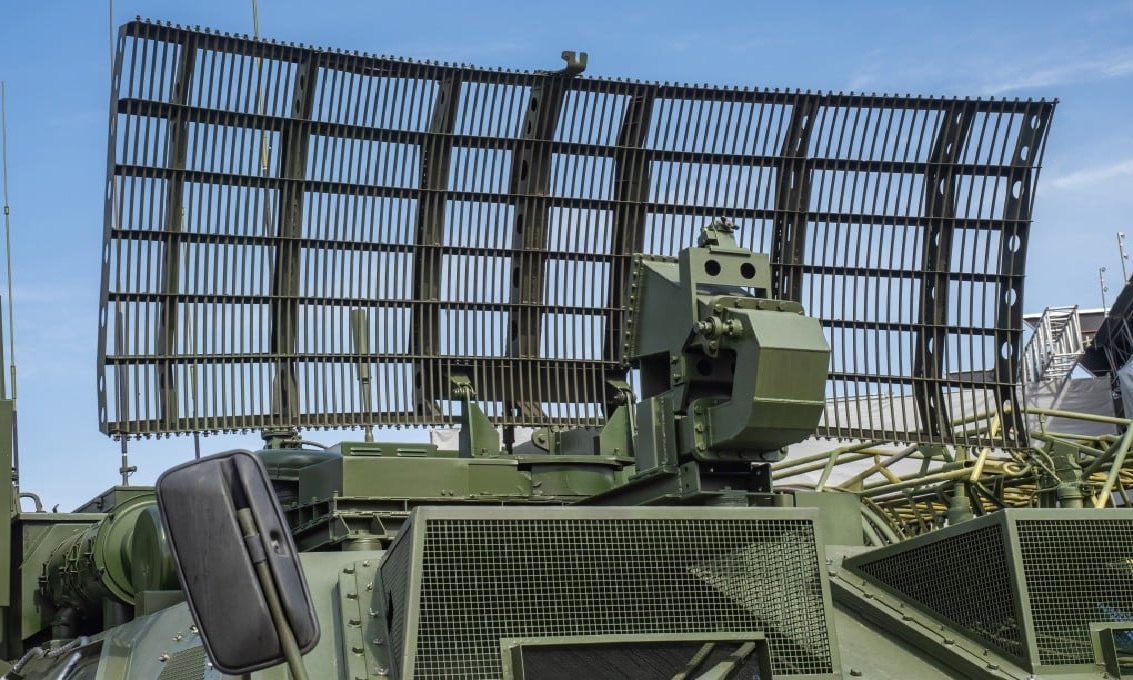
World
China has taken a monumental step in advancing its high-power microwave (HPM) weapon technology, overcoming a critical engineering challenge that previously hindered its development. This compact and immensely powerful directed energy weapon has the potential to redefine electronic warfare, with its capability to generate electromagnetic pulses (EMPs) of intensity comparable to a nuclear explosion. Such pulses can disrupt, damage, or even destroy the electronic systems within enemy weapons, satellites, and other critical systems. While still under laboratory testing and not yet ready for field deployment, the weapon's design and functionality highlight China's ambitions to stay ahead in the race for advanced military technologies. The new HPM weapon employs phased-array transmission technology, which significantly enhances its operational efficiency and precision. Unlike traditional dish-shaped antennas requiring constant rotation to engage multiple targets, the phased-array system allows for precise energy focus, extending its range and enabling simultaneous attacks on multiple targets. Surpassing Technological Barriers One of the greatest hurdles in developing gigawatt-level HPM weapons was the inherent risk of self-damage. The immense electromagnetic waves generated by the weapon could destabilize its components, making phased-array transmission at such high power levels nearly impossible. However, a joint research team from the National University of Defence Technology in Changsha and the Northwest Institute of Nuclear Technology in Xian has resolved this issue. The researchers developed a high-performance power divider capable of withstanding over 5,000 full-power pulse emissions without showing any signs of damage or degradation. The power divider evenly distributes the electromagnetic waves to eight independent channels for phased-array antennas, ensuring stability and operational efficiency. During testing, the divider achieved an impressive 96.6% efficiency and demonstrated the ability to handle power levels exceeding one gigawatt. To put this into perspective, the electric field strength inside the device exceeds 80,000 volts per meter, a figure comparable to the EMPs generated by nuclear explosions. The weapon's ability to sustain such extreme conditions marks a significant achievement in directed energy technology. Strategic Implications The weapon's capacity to emit Ku-band electromagnetic pulses is particularly notable, as this frequency range is widely used by communication satellites, including SpaceX's Starlink constellation. Starlink satellites, which played a critical role in providing internet connectivity during the Russia-Ukraine conflict, rely on commercial-grade electronic components. These components, designed to minimize costs, may lack the reinforcement required to withstand high-intensity EMP attacks. This development underscores China's focus on countering satellite systems, which are increasingly pivotal in modern military operations. Gigawatt-level energy weapons could potentially target not only drones but also satellites in low-Earth orbit, disrupting communication networks and surveillance capabilities. Global Context and Future Outlook China's advancements come as the United States plans to deploy its own HPM weapons in the Indo-Pacific region, specifically to counter Chinese satellites and bolster its strategic presence. Unlike China's phased-array system, U.S. HPM weapons currently rely on traditional dish-shaped antennas, which may limit their operational flexibility. This technological divergence highlights the competitive nature of military innovation between the two nations. The successful testing of China’s HPM weapon represents a major milestone. The ability to endure thousands of nuclear-like electromagnetic blasts without compromising performance suggests that this technology is nearing a stage where it could be adapted for practical military use. If successfully deployed, it could serve as a powerful tool for disabling enemy electronics, rendering drones, missiles, and even satellites inoperable. In addition to its military implications, this breakthrough raises questions about the future of electronic warfare and space security. The increasing reliance on satellites for communication, navigation, and surveillance makes them a prime target for such advanced weaponry. As nations like China and the U.S. continue to push the boundaries of HPM technology, the international community may need to address the ethical and strategic challenges posed by these emerging capabilities. China’s ability to resolve long-standing technical challenges reflects its growing expertise in cutting-edge military technologies. While its HPM weapon is not yet combat-ready, the progress made signifies a pivotal shift in the dynamics of modern warfare, with far-reaching implications for global security and defense strategies.
Read More → Posted on 2025-01-19 15:44:21
World
China has made significant advancements in hypersonic missile technology, recently confirming that its cutting-edge air-to-air missile has undergone rigorous final testing in an arc-heated wind tunnel. These tests are pivotal for ensuring the missile’s capability to withstand extreme thermal environments, marking a significant leap in China’s military arsenal. The People’s Liberation Army (PLA) Air Force's latest development poses a potential challenge to U.S. military air platforms, including the next-generation B-21 stealth bomber. The arc-heated wind tunnel, located in Luoyang, Henan province, is part of the China Airborne Missile Academy (CAMA), a leading developer of air-to-air missiles. This facility, typically reserved for high-profile space missions like the Tianwen-1 Mars landing, was repurposed for this project due to its ability to simulate hyper-realistic aerodynamic conditions. With temperatures ranging from thousands to tens of thousands of degrees Celsius, the wind tunnel creates an environment comparable to Mach 9 flight conditions at high altitudes. Weapon Design Meets Unprecedented Challenges The hypersonic air-to-air missile represents a leap in thermal and structural engineering. Scientists Cheng Gong and Huang Yimin from CAMA revealed that the missile's design had to account for prolonged exposure to temperatures exceeding 1,200 degrees Celsius (2,192 degrees Fahrenheit). Unlike traditional designs where only the missile’s front end requires thermal shielding, this system incorporates advanced heat-resistant materials throughout its body, including the engine, to ensure aerodynamic stability under extreme conditions. High-speed flight during hypersonic missions introduces challenges such as intense heat flow, structural deformation, and rapid temperature fluctuations. To address these, researchers subjected missile components to tests involving oxyacetylene flames, lasers, and plasma environments reaching temperatures of up to 16,000 degrees Celsius. However, only the arc-heated wind tunnel could simulate the full-scale performance under realistic flight scenarios. Implications for Global Air Combat If operationalized, this missile could redefine air combat dynamics. Its ability to climb to near-space altitudes and descend at hypervelocity makes it a formidable countermeasure against large, slow-moving air platforms such as airborne warning aircraft and refueling tankers. With a detection range of less than 10 kilometers, current missile warning systems would give pilots only seconds to react—far too little time to evade. Even the U.S. Air Force's advanced F-22, capable of Mach 2 speeds, would struggle to escape such a weapon. For comparison, Russia's Vympel R-37 air-to-air missile, with a range of 200 kilometers and a speed of Mach 6, has already demonstrated the disruptive potential of hypersonic weapons during the ongoing Russia-Ukraine war. Ukrainian pilots often experience immense psychological pressure, forced to evade long before these missiles reach their targets. The Chinese hypersonic missile, with its superior thermal shielding and potential Mach 9 speed, could pose an even greater challenge. The Race for Hypersonic Supremacy Western nations, including the United States, have yet to field hypersonic air-to-air missiles, largely due to the difficulties of heat management during high-speed flight. The U.S. military’s B-21 stealth bomber and other air platforms remain vulnerable to such advanced threats. In contrast, China's ability to conduct sustained testing in extreme thermal environments gives it a distinct advantage in developing these next-generation weapons. The breakthrough also underscores China's broader military-industrial advancements. The Civil Aviation Composite Materials Collaborative Innovation Centre at Donghua University, known for its expertise in high-performance military textiles, contributed significantly to the missile’s thermal protection systems. This collaboration highlights the increasing role of civilian institutions in supporting China’s defense technology. Strategic Implications The hypersonic air-to-air missile program signals China’s intent to assert dominance in aerial warfare and challenge the technological superiority of Western air forces. By pushing the boundaries of missile design and testing in Mars-grade conditions, the PLA is sending a clear message: it aims to achieve tactical superiority in future conflicts, especially in contested regions like the Indo-Pacific. This development further intensifies the hypersonic arms race, with nations worldwide now prioritizing advancements in missile technology. The global strategic balance may shift significantly as China’s hypersonic capabilities become operational, posing new challenges for military planners and policymakers alike.
Read More → Posted on 2025-01-19 15:40:42
World
In a significant display of unity and commitment to regional stability, the Armed Forces of the Philippines and the United States Navy carried out their first joint patrol of 2025 in the South China Sea on January 17-18. This bilateral Maritime Cooperative Activity (MCA) comes at a time of heightened tensions in the region, particularly with ongoing confrontations between Philippine and Chinese vessels near Manila’s exclusive economic zone (EEZ). The joint operation highlights the enduring partnership between the two allies, aimed at reinforcing a free and open Indo-Pacific. Rear Admiral Michael Wosje, commander of Carrier Strike Group 1 (CSG-1), emphasized the importance of such engagements, stating, “The U.S. and the Philippines are ironclad allies. As fellow maritime nations, we share the common goal of assuring access to the seas while promoting regional stability.” Expanded Scope and Complexity The 2025 MCA represents a significant escalation in the scale and complexity of bilateral naval exercises. For the first time, the U.S. deployed the Carl Vinson Carrier Strike Group, including its flagship, the Nimitz-class aircraft carrier USS Carl Vinson (CVN 70), accompanied by a fleet of advanced warships and aircraft. Participating assets included: USS Carl Vinson (CVN 70): Featuring cutting-edge squadrons such as the F-35C Lightning II and F/A-18E/F Super Hornets. USS Princeton (CG 59): A Ticonderoga-class guided-missile cruiser. USS Sterett (DDG 104) and USS William P. Lawrence (DDG 110): Arleigh Burke-class guided-missile destroyers. A P-8A Poseidon from Commander, Task Force 72, specializing in maritime surveillance. The Philippine Navy’s contributions were equally noteworthy, featuring the BRP Andrés Bonifacio (PS 17), a Gregorio del Pilar-class offshore patrol vessel, and the BRP Antonio Luna (FF 151), a Jose Rizal-class guided-missile frigate. These joint patrols are not mere symbolic gestures. According to Captain Matthew Thomas, commanding officer of the USS Carl Vinson, such exercises “enhance interoperability and refine tactics, techniques, and procedures, ensuring both nations are prepared to respond to emerging challenges.” A Strategic Message Amid Rising Tensions The timing of this joint patrol is critical. The activity unfolded against the backdrop of a two-week standoff between Philippine and Chinese Coast Guard vessels near Scarborough Shoal, a contested area within Manila’s EEZ. This showdown has intensified calls for stronger defense partnerships in the region. The joint patrol sends a clear signal of solidarity to Beijing, reaffirming that the U.S.-Philippine alliance is prepared to counter any attempts to undermine international law and sovereign rights in the South China Sea. The presence of the Carl Vinson Carrier Strike Group in these waters further underscores the U.S. Navy’s commitment to upholding freedom of navigation and deterring aggressive actions. The U.S. 7th Fleet, the Navy’s largest forward-deployed fleet, routinely operates in the Indo-Pacific to strengthen alliances and partnerships. Building on a Legacy of Cooperation Bilateral maritime activities between the U.S. and the Philippines have steadily grown in scale and sophistication over recent years. Each MCA builds upon the previous, fostering greater interoperability and mutual trust between the two navies. This collaboration also aligns with the 1951 Mutual Defense Treaty, which obligates both nations to come to each other’s aid in the event of an armed attack. The exercise also sets the stage for further cooperative activities throughout 2025, with plans for expanded naval drills and defense exchanges. As regional security dynamics continue to evolve, the partnership between the Philippines and the United States remains a cornerstone of stability in the Indo-Pacific. A Crucial Year Ahead The South China Sea, one of the world’s busiest and most contested waterways, will likely remain a focal point of geopolitical tension in 2025. As the Philippines seeks to strengthen its maritime defense capabilities, its alliance with the U.S. serves as a vital counterbalance to assertive actions by other regional powers. This first joint patrol of the year is more than just a military exercise—it is a statement of shared values, collective resolve, and unwavering commitment to maintaining peace and stability in the Indo-Pacific.
Read More → Posted on 2025-01-19 15:37:51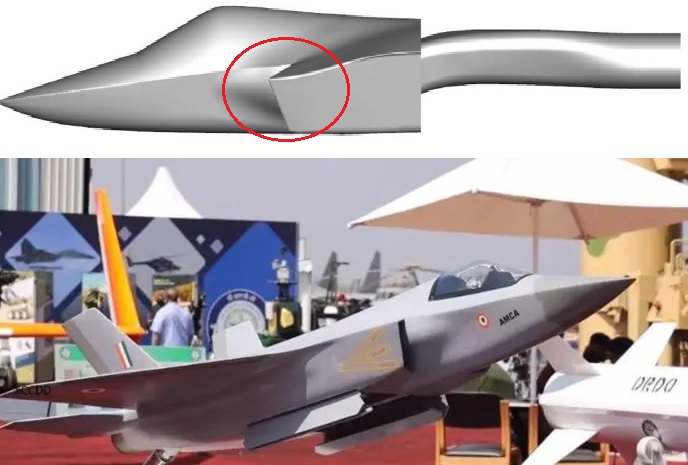
India
India’s defense aviation sector is on an ambitious trajectory, spearheaded by projects like the Tejas MkII Medium Weight Fighter (MWF) and the Advanced Medium Combat Aircraft (AMCA). These aircraft represent a critical leap in the country’s push for self-reliance in defense manufacturing. However, a key difference between the two jets has sparked interest among defense enthusiasts and experts: the inclusion of Diverterless Supersonic Inlets (DSI) in the AMCA and their absence in the Tejas MkII. This design decision reflects a nuanced balance between technological priorities, cost considerations, and operational goals. What Are DSI Intakes, and Why Are They Important? Diverterless Supersonic Inlets are an advanced intake design that eliminates the need for traditional diverter plates and bypass ducts. The primary advantages of DSIs are: Reduced Radar Cross-Section (RCS): By eliminating complex external components, DSIs improve an aircraft’s stealth capabilities by reducing radar reflectivity. Improved Aerodynamics: DSIs create smoother airflow into the engine, reducing drag and increasing efficiency. Simplified Maintenance: Fewer moving parts mean lower maintenance demands and a lighter overall structure. These benefits make DSIs particularly desirable for stealth-focused, next-generation fighter jets. Yet, despite these advantages, their incorporation involves significant design complexity, which influences their suitability for different platforms. Why the Tejas MkII Doesn’t Feature DSI Intakes The Tejas MkII is an evolutionary upgrade of the Tejas MkI and MkIA. Retaining a design lineage from its predecessors, the MkII integrates advanced avionics, a higher payload capacity, and better performance parameters. However, it doesn’t adopt DSIs for several practical reasons: Inherited Airframe Design:The MkII is built on the existing Tejas airframe to save on development costs and time. The conventional intake design of its predecessor was retained and optimized for the MkII’s operational needs, which focus less on stealth compared to 5th-generation fighters. Introducing DSI technology would have necessitated a complete re-engineering of the airframe, leading to delays and budget overruns. Focus on Operational Priorities:The primary objectives for the Tejas MkII include enhanced maneuverability, greater payload capacity, and improved avionics. These upgrades cater to the operational requirements of a 4.5-generation fighter. Stealth was an enhancement, not the central focus, for the MkII’s design philosophy. Timeline and Budget Constraints:The Tejas MkII is critical to the Indian Air Force’s fleet modernization and is intended for quicker induction. Incorporating DSIs, which require extensive aerodynamic testing and validation, would have delayed the program significantly. Stealth Requirements:While the Tejas MkII features some stealth improvements—such as radar-absorbing materials and a reduced frontal RCS—it doesn’t demand the same level of stealth optimization as a 5th-generation aircraft. The traditional intakes meet the stealth and performance needs of the MkII without requiring the leap to DSIs. Why AMCA Features DSI Intakes In contrast, the AMCA is designed from the ground up as a 5th-generation fighter, with stealth as a cornerstone of its design. Here’s why DSIs were chosen for the AMCA: Stealth-Driven Design:As a stealth-centric platform, the AMCA incorporates multiple technologies to minimize RCS, such as internal weapon bays, radar-absorbing coatings, and DSIs. The elimination of external diverters and bypass ducts significantly reduces radar visibility. Clean-Slate Approach:Unlike the Tejas MkII, the AMCA doesn’t inherit its design from an earlier platform. This freedom allowed designers to integrate DSIs and other advanced features from the outset without retrofitting existing structures. Future-Proofing:The AMCA is being developed to compete with global 5th-generation fighters, including the F-35 and the Chinese J-20. Incorporating DSIs positions it as a technologically advanced competitor, catering to both stealth and aerodynamic efficiency. Longer Development Timeline:The AMCA’s development schedule, while ambitious, allows room for integrating cutting-edge technologies like DSIs. Unlike the Tejas MkII, the AMCA program isn’t under the same time pressure for immediate deployment. Strategic Balance in Design Philosophy The absence of DSIs on the Tejas MkII and their inclusion in the AMCA highlight the distinct roles these aircraft are designed to play. The Tejas MkII prioritizes affordability, ease of production, and rapid deployment to fulfill the IAF’s immediate needs. On the other hand, the AMCA embodies India’s long-term vision of fielding a world-class stealth fighter capable of rivaling global competitors. By avoiding the complexity of DSIs on the MkII, India has ensured faster delivery and broader affordability for the IAF. At the same time, the integration of DSIs into the AMCA signifies a leap toward advanced capabilities and technological parity with global aviation leaders. This thoughtful division of priorities reflects India’s pragmatic approach to defense aviation, balancing current operational needs with future aspirations. The decisions made in these programs not only serve immediate requirements but also lay the foundation for the evolution of indigenous aircraft design.
Read More → Posted on 2025-01-19 15:32:55
India
India has taken a giant step into the future of urban transportation with the unveiling of "Shunya," the country's first flying taxi prototype. The prototype was showcased at the Bharat Mobility Global Expo 2025, sparking widespread excitement about its potential to revolutionize the way people travel in congested urban areas. Developed in collaboration between Sona SPEED, a precision manufacturing firm, and Bengaluru-based Sarla Aviation, "Shunya" combines cutting-edge aerospace engineering with an ambitious vision for a cleaner, faster, and more sustainable transportation system. The Technology Behind "Shunya" "Shunya" is an advanced electric vertical take-off and landing (eVTOL) aircraft, designed to offer efficient, emission-free, and time-saving solutions to urban commuters. Leveraging technology used in Indian Space Research Organisation (ISRO) missions, the prototype benefits from Sona SPEED's extensive expertise in precision engineering. The components, such as motors and landing gear, are being developed at Sona SPEED's state-of-the-art manufacturing facilities in Karnataka. The incorporation of ISRO-grade technology ensures high reliability, durability, and efficiency, vital for a product expected to operate in demanding urban environments. The partnership between Sona SPEED and Sarla Aviation underscores India's growing emphasis on integrating advanced space and aerospace technologies into everyday applications. Key Specifications of "Shunya" Aircraft Type: eVTOL (electric Vertical Take-Off and Landing) Seating Capacity: Designed to carry 2-4 passengers initially Top Speed: Estimated to reach up to 150-200 km/h Flight Range: Approximately 100-150 kilometers on a single charge Propulsion System: Electric motors powered by high-capacity, lightweight batteries Charging Time: Expected to charge fully within 1-2 hours Navigation: Advanced autonomous flight control system with AI-enabled obstacle avoidance Noise Levels: Minimal due to electric propulsion, making it ideal for urban environments Landing Requirements: Can land on rooftops, parking areas, or specially designated eVTOL hubs Government and Industry Support Union Minister for Heavy Industries and Steel, HD Kumaraswamy, attended the unveiling and expressed optimism about the project's potential to make India a leader in sustainable transportation. He emphasized how "Shunya" aligns with the government’s push towards Make in India and green energy initiatives. Chocko Valliappa, CEO of Sona SPEED, highlighted the broader impact of the project, stating, "This partnership is a significant step in Sona SPEED's evolution as a hub for aerospace innovation. Together, we aim to shape a cleaner, faster, and more efficient future for urban transportation." Rakesh Gaonkar, CEO of Sarla Aviation, echoed these sentiments, saying, "Sona SPEED's expertise in precision engineering perfectly complements our vision for electric flying taxis. This collaboration reinforces our mission to redefine urban mobility with cutting-edge eVTOL technology." Roadmap to 2028 While "Shunya" has generated a buzz as a groundbreaking innovation, it is only the beginning. Sarla Aviation plans to conduct extensive test flights and refine the prototype over the coming years. The company is working on securing certifications, improving battery efficiency, and integrating advanced navigation systems to meet international safety and operational standards. The target market launch is set for 2028, with plans to deploy the first operational flying taxis in major metropolitan cities such as Bengaluru, Mumbai, and Delhi. These air taxis aim to cut travel time drastically, reduce road congestion, and promote sustainability in urban environments. Implications for India The unveiling of "Shunya" represents more than just a technological breakthrough; it signifies India's aspirations to become a global leader in sustainable transportation solutions. With urban populations growing rapidly, innovative projects like this could provide critical solutions to infrastructure and environmental challenges. Moreover, the collaboration between private enterprises like Sarla Aviation and Sona SPEED highlights the increasing role of industry partnerships in driving India's technological advancements. As the world watches, "Shunya" could become a symbol of India's ingenuity and determination to shape a smarter and greener future. By combining homegrown expertise with ISRO-backed technologies, India is poised to redefine urban mobility for generations to come.
Read More → Posted on 2025-01-19 15:25:43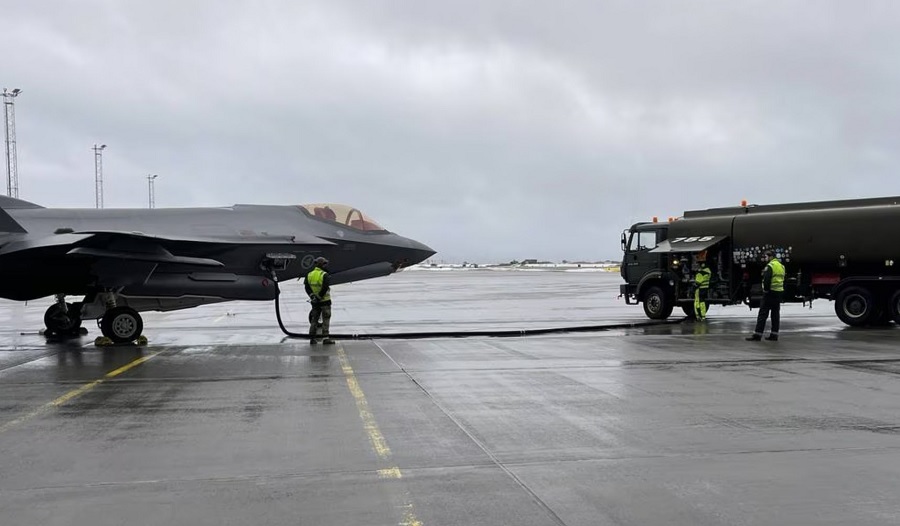
World
Lockheed Martin has taken a significant step in modernizing the operational capabilities of the F-35 Lightning II by approving the use of synthetic aviation turbine fuels (SATFs) for the fleet. This decision aims to enhance energy resilience, reduce reliance on traditional supply chains, and support sustainability goals, aligning with the Department of Defense's push for energy diversification and operational flexibility. What Are Synthetic Aviation Turbine Fuels? Synthetic aviation turbine fuels, or SATFs, are a blend of traditional jet fuel and synthetically derived alternatives. These fuels can be produced using both fossil-based raw materials like coal and natural gas, and renewable sources such as waste oils, agricultural residues, and other non-fossil feedstocks. By allowing the F-35 fleet to operate on up to 50% SATF blends, depending on the production method and raw materials, Lockheed Martin ensures operational excellence while paving the way for future advancements in aviation fuel technology. Ensuring Performance and Reliability The approval followed comprehensive technical and strategic analyses conducted by Lockheed Martin to ensure SATFs meet the stringent requirements of the F-35. Given the aircraft's advanced capabilities and high-demand missions, maintaining strict performance and reliability standards is non-negotiable. The synthetic fuels were evaluated for their ability to sustain high thrust, complex flight operations, and extended mission durations without compromising the F-35's performance. Chauncey McIntosh, vice president and general manager of the F-35 program at Lockheed Martin, emphasized, "Adding new fuel sources diversifies the supply chain while maintaining operational excellence. The F-35 will continue to lead U.S. and allied air dominance missions for decades to come." Supporting Global Operations and Energy Goals The integration of SATFs into the F-35 program aligns with the Department of Defense’s objectives for energy substitution. It reduces dependency on traditional jet fuel sources while enhancing the fleet’s energy resilience. By incorporating these synthetic fuels, Lockheed Martin ensures that the F-35 remains versatile and mission-ready, even in scenarios where conventional fuel supply chains are disrupted. Currently, more than 1,100 F-35s are operational across 33 bases worldwide, with 10 nations utilizing the aircraft on home soil. The fleet has collectively logged over 971,700 flight hours, underscoring its critical role in maintaining air dominance as global adversaries develop advanced capabilities and legacy aircraft age out of service. Why This Matters As modern warfare evolves, so does the need for adaptable and sustainable military solutions. The approval of SATFs is not just a technical advancement but a strategic move that addresses environmental sustainability, energy independence, and operational readiness. By adopting innovative fuel technologies, Lockheed Martin ensures the F-35 Lightning II remains at the forefront of global air power for decades to come. This shift toward synthetic fuels also reflects broader trends in the aviation and defense sectors, where energy diversification and environmental considerations are increasingly influencing policy and strategy. The use of SATFs is a step forward in achieving a more sustainable, resilient, and efficient operational framework for advanced military fleets. In summary, Lockheed Martin's decision to integrate synthetic aviation turbine fuels into the F-35 program represents a forward-thinking approach to ensuring the fleet’s readiness, sustainability, and adaptability in an ever-changing global landscape.
Read More → Posted on 2025-01-19 15:21:08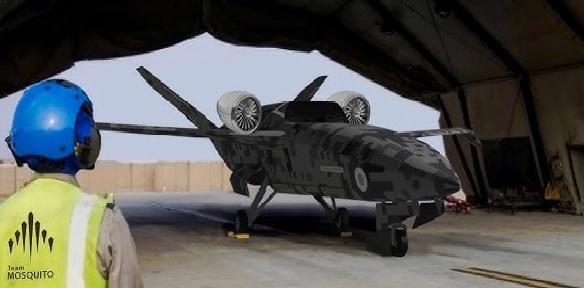
India
Bengaluru-based NewSpace Research and Technologies (NRT) is making headlines with its innovative "Abhimanyu" drone project, designed to revolutionize India's tactical aerial capabilities. This Collaborative Combat Aircraft (CCA) is poised to reshape modern warfare through its ability to operate in a Manned-Unmanned Teaming (MUMT) system. With its focus on cost-effectiveness, adaptability, and scalability, Abhimanyu stands out as a versatile platform for modern combat missions. The Vision Behind Abhimanyu The Abhimanyu is engineered to be an expendable and intelligent drone capable of performing a variety of roles. Its primary applications include Intelligence, Surveillance, and Reconnaissance (ISR); kinetic strikes; decoy operations; and Electronic Warfare (EW). By integrating seamlessly with manned aircraft, the drone aims to enhance battlefield effectiveness through collaborative tactics. Key Specifications and Features The Abhimanyu is designed with a Tactical Interdiction and Attack Air Vehicle (TIA-AV) philosophy. Here are some notable features and specifications: Compact Size: Smaller than HAL's CATS Warrior, the Abhimanyu fills operational gaps where larger drones might be less practical or too expensive. Payload Versatility: Modular design enables quick payload changes to suit ISR, EW, or strike missions. Stealth and Agility: Its aerodynamic structure ensures low radar visibility and high maneuverability. Collaborative Systems: Designed for seamless integration with manned aircraft to share intelligence, perform coordinated strikes, or deploy decoys. Scalability: Capable of being produced and deployed in large numbers to overwhelm adversaries or execute attritable warfare strategies. Cost Efficiency: Engineered to be low-cost and expendable, making it ideal for high-risk missions where expensive manned aircraft may not be suitable. Complementing HAL’s CATS Warrior The Abhimanyu complements HAL’s CATS Warrior by addressing different operational requirements. While the CATS Warrior is a more advanced and robust system designed for high-end combat scenarios, the Abhimanyu excels in its ability to perform as an expendable asset in high-risk environments. Together, these platforms form a cohesive unmanned aerial ecosystem capable of handling a wide range of mission profiles. Strategic Significance The Abhimanyu is part of India’s growing focus on MUMT systems, a concept gaining traction globally for its ability to enhance tactical flexibility. This approach reduces reliance on manned missions, thus lowering the risk to human pilots and cutting costs associated with expensive fighter jets. NRT's focus on attritable warfare—a strategy that accepts potential losses of unmanned systems while maintaining operational superiority—is in line with global trends. Countries like the United States and China have also been developing similar systems to bolster their military capabilities without incurring prohibitive costs. Future Prospects Though still in development, the Abhimanyu represents a leap forward in India’s military strategy. It is envisioned as a platform that can be rapidly deployed and scaled up during conflict, enabling India to respond swiftly to evolving threats. The ability to collaborate with manned aircraft and other drones adds a layer of operational depth that could redefine aerial warfare tactics. NRT’s emphasis on creating an ecosystem of unmanned systems signals a transformative approach to modern warfare. Platforms like the Abhimanyu could influence global defence strategies, positioning India as a leader in MUMT and drone technology. Conclusion By spearheading the Abhimanyu project, NRT is not just developing a drone but contributing to the evolution of collaborative aerial warfare. Paired with HAL’s CATS Warrior, the Abhimanyu promises to enhance India’s aerial capabilities, offering a cost-effective, adaptable, and scalable solution for modern combat needs. As unmanned systems continue to gain prominence, the Abhimanyu could play a pivotal role in shaping the future of India’s defence strategy. This pioneering platform underscores India’s growing emphasis on innovation in defence, heralding a new era of collaborative and cost-effective warfare.
Read More → Posted on 2025-01-19 15:17:37
World
In a dramatic display of military capability, the naval arm of Iran’s Revolutionary Guards unveiled an underground naval base designed to enhance its strategic presence in the Gulf region. The state television broadcast revealed the base, which lies 500 meters (approximately 1,650 feet) below ground, houses dozens of missile-equipped assault boats. These vessels are capable of engaging and destroying advanced warships, including U.S. destroyers. While the exact location of the base remains undisclosed, it is strategically positioned in Iran’s “southern waters,” which encompass the Gulf, the Strait of Hormuz, and the Gulf of Oman. These regions are critical for global energy trade, as a significant portion of the world's oil passes through the Strait of Hormuz, making it a hotspot for geopolitical tensions. A Deeper Look at the Facility The underground base is a state-of-the-art facility designed to protect Iran’s naval assets from aerial or surface attacks. Housing missile assault boats in such a secure location allows Iran to maintain a strategic edge by shielding its military capabilities from satellite surveillance and preemptive strikes. These high-speed assault boats, equipped with advanced missile systems, can perform rapid attacks against larger naval vessels. Some vessels are reported to have been designed to carry precision-guided missiles capable of hitting targets at considerable distances. The fleet is specifically engineered to counter U.S. naval assets and allied forces operating in the region. Leadership Presence at the Unveiling Guards chief General Hossein Salami and Rear Admiral Alireza Tangsiri, the commander of the naval arm, were prominently featured in the broadcast touring the underground facility. General Salami emphasized the base's strategic importance, showcasing Iran's preparedness to respond to external threats. The unveiling also underscored Iran’s resolve to defend its territorial waters and demonstrate its military self-reliance amid ongoing tensions with the United States. Historical Context and Strategic Implications The timing of this unveiling is significant, coming just days before the inauguration of a new U.S. presidential term. The previous U.S. administration had pursued a policy of "maximum pressure" on Iran, which included withdrawing from the 2015 nuclear agreement and reimposing harsh sanctions. These measures severely impacted Iran’s economy but also spurred the country to accelerate its military advancements. Iran’s move to reveal such an advanced facility signals its readiness to counter perceived threats in a region that remains central to U.S. strategic interests. By showcasing its underground capabilities, Iran is sending a clear message about its preparedness to defend its sovereignty and its ability to disrupt maritime traffic if provoked. A Potential Challenge for Regional Stability The development of this underground naval base adds a new layer of complexity to the already volatile Gulf region. Iran’s strategic positioning and enhanced naval capabilities could escalate tensions with the United States and its allies, particularly given the frequent military exercises and patrols conducted in the area. The missile-equipped assault boats stored in this underground facility are not just defensive assets but also serve as tools of asymmetric warfare, capable of leveraging the region's narrow waterways to their advantage. This makes the base a critical component of Iran’s broader military strategy and a potential challenge for any adversary seeking to dominate the region’s waters. Conclusion Iran’s unveiling of its underground naval base underscores its ongoing efforts to strengthen its defensive and offensive maritime capabilities. The facility reflects the nation's strategic foresight in securing vital assets against external threats and enhancing its ability to project power in the Gulf region. As tensions remain high in this geopolitically sensitive area, Iran’s new naval facility is likely to shape regional dynamics in the years to come.
Read More → Posted on 2025-01-19 15:14:02
India
India has taken a decisive step towards technological self-reliance by transferring its indigenous silver nanowire-based conductive ink technology to two start-ups, Chematico Technologies Private Limited (IIT-Ropar incubated) and Vasanthbala Functional Materials Pvt Ltd (NIT Warangal incubated). The landmark event, held on January 11, 2025, at NIT Warangal, aims to reduce India’s reliance on imports for conductive inks, a market currently valued at approximately $1.57 million annually. This move is set to bolster the country’s electronics manufacturing capabilities while unlocking the vast potential of advanced materials like silver nanowires. Key Features and Specifications of the Technology Silver nanowire-based conductive ink is a game-changer in electronics, offering exceptional conductivity, flexibility, and transparency. Below are some of its notable specifications and applications: Material Composition: High-purity silver nanowires, providing superior conductivity and reduced resistivity. Transparency: Greater than 85%, enabling use in transparent electronics like touchscreens and solar cells. Flexibility: Exceptional mechanical flexibility for use in foldable devices and wearable technologies. Processing Compatibility: Can be deployed using inkjet, roll-to-roll, or screen printing techniques, ensuring scalability for mass production. Thermal Stability: Operates reliably across a wide temperature range, crucial for demanding environments. Applications Driving Demand The technology’s versatility has far-reaching implications for various industries: Flexible Electronics Touchscreen Displays: Replacing traditional materials like indium tin oxide (ITO) with silver nanowires for higher conductivity and durability. Foldable Devices: Enabling next-generation devices with superior bending resistance. Wearable Devices Smart Textiles: Integration into fabrics for features like health monitoring, sensing, and heating. Electronic Tattoos: Lightweight and biocompatible circuits for medical applications. Solar Energy Thin-Film Solar Cells: Enhancing electron transport in perovskite solar cells, improving efficiency while maintaining flexibility. Consumer Electronics LEDs and Transparent Displays: High light transmittance and conductivity for advanced displays and lighting systems. Printed Electronics Mass Production: Scalable printing methods for efficient production of printed circuits and components. Medical Applications Biosensors: Real-time physiological monitoring using high-conductivity, biocompatible materials. Antimicrobial Coatings: Leveraging silver's antibacterial properties for safer medical devices and environments. Environmental Protection EMI Shielding: Transparent materials to protect sensitive electronics from electromagnetic interference. Market Potential The global market for silver nanowire-based conductive ink and adhesives is forecasted to surpass $16.87 billion by 2032. Rising demand across sectors like semiconductors, solar photovoltaics, and wearable devices positions this technology as a cornerstone for future advancements. With India currently importing conductive inks primarily from countries like the USA, China, and the Netherlands, the indigenous development and manufacturing of this technology are expected to significantly reduce import dependency. Strategic Implications During the event, Shri Bhuvnesh Kumar, IAS, highlighted the significance of this technology transfer in strengthening India’s semiconductor and advanced electronics ecosystem. He stressed the importance of scaling up domestic manufacturing to meet the increasing demand for cutting-edge materials. The initiative aligns with India’s broader goals of "Atmanirbhar Bharat" (Self-Reliant India) and promises to elevate the country's global standing in the electronics and materials science sectors. This achievement not only represents a milestone in India's journey towards self-reliance but also positions Indian start-ups to compete globally in the rapidly growing market for advanced conductive materials.
Read More → Posted on 2025-01-19 15:09:45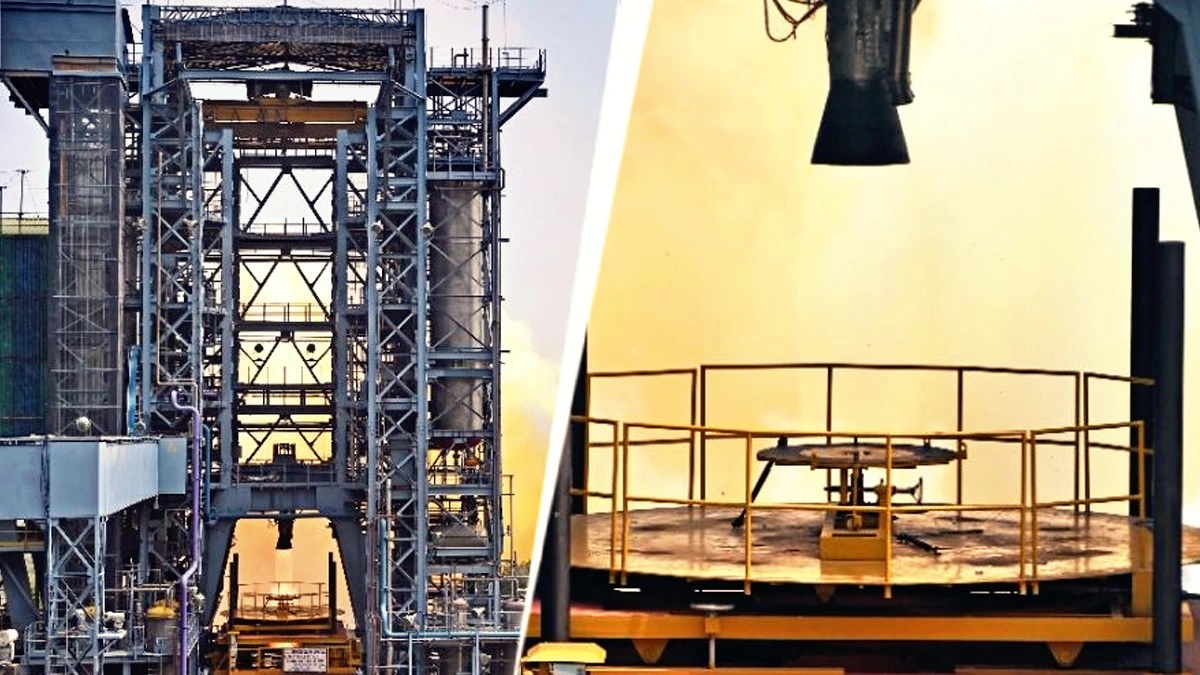
Space & Technology
On January 17, 2025, the Indian Space Research Organisation (ISRO) successfully demonstrated the restart capability of its Vikas liquid engine at the ISRO Propulsion Complex in Mahendragiri. The Vikas engine, a vital component powering the liquid stages of ISRO's launch vehicles, underwent a test where it was ignited for 60 seconds, followed by a 120-second shutdown, and then restarted for an additional 7 seconds. All engine parameters during the test were normal and met expectations. This successful demonstration marks a significant milestone in ISRO's pursuit of reusable launch vehicle technologies. The ability to restart liquid engines is crucial for the recovery and reuse of rocket stages, potentially reducing the cost of access to space. A series of tests are being conducted to validate the engine's restart capabilities under various conditions. Notably, a prior test in December 2024 involved a shorter shutdown period of 42 seconds, followed by a 7-second restart, which was also successful. In addition to the engine restart test, ISRO Chairperson V. Narayanan flagged off the core liquid stage (L110) of the LVM3 launch vehicle to the launch complex at Sriharikota. This stage, powered by twin Vikas engines with a propellant loading of 110 tonnes, is designated for the LVM3 mission under a commercial agreement between NewSpace India Limited (NSIL) and AST SpaceMobile & Science, LLC to launch their BlueBird Block 2 satellite. These developments underscore ISRO's commitment to advancing its launch capabilities and achieving technological self-reliance in space exploration.
Read More → Posted on 2025-01-19 09:39:28
World
The first shipment of M1A2 SEPv3 Abrams main battle tanks has officially arrived at the port of Gdynia, Poland, marking a significant step forward in the strengthening of Poland's defense capabilities and its partnership with the United States. This milestone underlines Poland's growing commitment to modernizing its military amid rising regional tensions. Key Details of the Delivery On January 17, 2025, 28 Abrams tanks were transported aboard the MV Cape Texas to Poland. These tanks are part of a larger $4.75 billion deal signed in April 2022 between the Polish government and the United States. The agreement includes the procurement of 250 M1A2 SEPv3 Abrams tanks, along with 26 M88A2 Hercules recovery vehicles, 17 M1074 Joint Assault Bridge systems, ammunition, and comprehensive logistical support. The Ministry of National Defence of Poland has confirmed that the delivery of all 250 tanks is on track to be completed by 2026. In addition to these new tanks, Poland also acquired 116 refurbished M1A1FEP Abrams tanks, deliveries of which were completed in 2024. Once the M1A2 SEPv3 tanks are fully integrated into its armed forces, Poland will operate a total of 366 Abrams tanks, enhancing its combat readiness and defensive posture. Specifications of the M1A2 SEPv3 Abrams Tank The M1A2 SEPv3 (System Enhancement Package version 3) represents the most advanced variant of the Abrams tank, developed by General Dynamics Land Systems (GDLS). Key specifications and features include: Weight and Dimensions: The tank weighs approximately 73.6 tons, with a length of 9.8 meters (including the gun), a width of 3.66 meters, and a height of 2.44 meters. Engine: Powered by a Honeywell AGT1500 gas turbine engine, it delivers 1,500 horsepower, enabling the tank to reach speeds of up to 42 mph (67 km/h) on roads and 30 mph (48 km/h) off-road. Main Armament: A 120mm M256 smoothbore cannon capable of firing advanced kinetic energy and multi-purpose rounds. Secondary Armament: It includes a .50-caliber M2 machine gun and two 7.62mm M240 machine guns for anti-personnel and anti-air defense. Armor and Survivability: Equipped with advanced composite armor and optional Explosive Reactive Armor (ERA) to counter threats from anti-tank weapons. The SEPv3 variant also integrates an active protection system (APS) for intercepting incoming projectiles. Modernized Systems: Enhanced command-and-control systems, upgraded communications, and a new Auxiliary Power Unit (APU) to reduce the tank's fuel consumption during stationary operations. Ammunition Handling: Improved ammunition data link and fire-control systems to handle advanced rounds, ensuring greater accuracy and lethality. Strategic Importance for Poland Poland’s decision to acquire the M1A2 SEPv3 Abrams tanks comes at a critical time when European nations are ramping up their defense investments in response to geopolitical uncertainties, particularly along NATO's eastern flank. These advanced tanks will significantly boost the Polish Armed Forces' capability to deter and, if necessary, respond to potential threats. The M1A2 SEPv3 Abrams is regarded as one of the most advanced main battle tanks in the world, combining firepower, mobility, and survivability. For Poland, this investment not only enhances its defense capabilities but also strengthens its interoperability with NATO allies, particularly the United States, which operates the same tank model. A Comprehensive Modernization Effort The acquisition of the Abrams tanks is part of Poland's broader military modernization program, which also includes investments in advanced artillery systems, missile defense platforms, and combat aircraft. Poland's growing arsenal underscores its ambition to become one of NATO's most well-equipped and strategically positioned members. By 2026, when the full delivery of the M1A2 SEPv3 Abrams tanks is complete, Poland will have one of the largest and most modern tank fleets in Europe, second only to the United States among NATO allies. This not only ensures Poland’s ability to defend its territory but also strengthens the collective security of the entire NATO alliance. With the arrival of the first batch, Poland is well on its way to reshaping its land forces into a formidable force capable of responding to current and future security challenges.
Read More → Posted on 2025-01-19 09:35:36
World
In a pioneering step toward advancing defense technology, Larsen & Toubro (L&T), a leader in engineering and manufacturing, has teamed up with Amrita University (Amrita Vishwa Vidyapeetham) to develop a revolutionary lightweight bulletproof material. This joint initiative is poised to transform the protective gear and armor industry, delivering unprecedented levels of safety, agility, and cost-effectiveness. The Vision Behind the Collaboration L&T, known for its expertise in cutting-edge engineering solutions, has partnered with Amrita University, a research-intensive institution with significant accomplishments in science and technology. The collaboration aims to create a material that surpasses traditional bulletproof materials by combining superior ballistic protection with dramatically reduced weight. The innovation is expected to enhance the operational efficiency of defense and law enforcement personnel by addressing one of the most significant challenges in protective gear: weight. Traditional bulletproof vests and helmets, while effective, often lead to fatigue and reduced mobility. This project seeks to eliminate those constraints, empowering soldiers and security forces to operate more effectively in critical situations. Technical Highlights and Material Specifications The development process focuses on advanced materials science, incorporating nanotechnology and composite materials to achieve the desired balance of strength and lightness. The project leverages expertise from Amrita University's AMMACHI Labs, renowned for its interdisciplinary research in engineering solutions. Key characteristics of the proposed material include: High Ballistic Resistance: Designed to withstand a range of ballistic threats, including high-velocity rifle rounds. Lightweight Composition: Estimated to be 30-40% lighter than conventional materials like Kevlar or ceramic plates. Enhanced Durability: Resistant to environmental factors such as heat, moisture, and wear, ensuring long-term reliability. Customizability: Potential for shaping and sizing to meet specific operational needs, from body armor to vehicle and aircraft applications. Implications for Defense and Beyond The lightweight nature of this material could revolutionize military and law enforcement operations. Soldiers equipped with lighter vests and helmets would experience less fatigue, enabling quicker movement and prolonged endurance during missions. Similarly, vehicle armor made from this material could enhance mobility without compromising protection. Beyond defense, the material's applications could extend to: Aerospace: Lightweight armor for aircraft, enhancing fuel efficiency without sacrificing safety. Automotive: Armored vehicles for both military and VIP use. Commercial Security: Bulletproof barriers, doors, and windows for critical infrastructure and private use. Potential Economic Benefits Another exciting aspect of the project is its scalability. If successfully produced at scale, this material could reduce manufacturing costs compared to traditional bulletproof solutions. This cost advantage might enable wider adoption across industries, making state-of-the-art protection more accessible. A Step Toward Self-Reliance This collaboration aligns with India’s vision of self-reliance in defense technology under the "Make in India" initiative. By developing advanced materials domestically, the country reduces its dependence on imports while fostering innovation and expertise within its borders. As the project progresses, the defense and scientific communities are eagerly watching its potential to redefine protective technology. If successful, the partnership between L&T and Amrita University could mark a significant milestone in the evolution of bulletproof materials, setting new standards for safety and efficiency.
Read More → Posted on 2025-01-19 09:32:31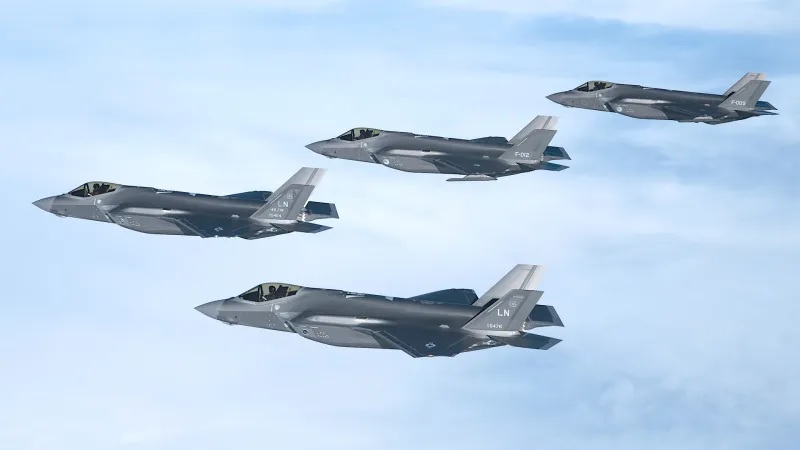
World
In a significant move underscoring NATO's commitment to its eastern flank, Norwegian F-35 fighter jets were deployed in Poland on January 15 in response to a large-scale Russian missile and drone attack on Ukraine. This marked the first time Norwegian jets were scrambled for the active defense of Polish airspace, signaling the alliance’s readiness to counter regional threats as tensions continue to escalate. First Deployment of Norwegian Jets in Poland NATO’s Air Command confirmed the historic deployment, stating, “This is the first time the Norwegian jets have scrambled in the active air defense of Polish airspace, demonstrating Allied commitment to NATO's eastern flank.” The Norwegian F-35s, stationed in Poland as part of NATO’s rotational air defense mission, responded swiftly after significant Russian air activity was detected near the Polish border. The jets are part of NATO’s broader air policing strategy, which ensures the security of Eastern European airspace amid growing concerns over spillover from the ongoing conflict in Ukraine. NATO’s decision to mobilize the Norwegian fighters highlights the alliance’s proactive measures to deter potential threats in the region. Poland Strengthens Military Readiness Polish authorities also intensified their defense posture in response to the heightened threat. Additional fighter jets were scrambled, and ground-based air defense systems and radars were placed on high alert. A spokesperson for the Operational Command of the Polish Armed Forces stated, “Intense long-range aviation activity from Russia was detected early on Wednesday,” emphasizing the seriousness of the situation. Incidents involving Russian drones and missiles entering Polish airspace during attacks on Ukraine have become increasingly frequent. In response, public opinion in Poland has shifted toward supporting stronger military actions. A survey by the Polish newspaper Rzeczpospolita in September revealed that a majority of Poles advocate shooting down Russian drones that violate Polish airspace. Russia’s Coordinated Attack on Ukraine The trigger for NATO’s latest deployment was a massive Russian assault on Ukraine on January 15. The attack targeted critical energy infrastructure, employing a mix of drones, cruise missiles, and ballistic missiles. According to the Ukrainian Air Force, Russia launched 74 drones and multiple missiles, of which Ukrainian forces intercepted 30 missiles and 47 drones. However, significant damage was reported to energy facilities in Kharkiv, Lviv, and Ivano-Frankivsk. Ukrainian President Volodymyr Zelensky described the strike as a “massive attack” aimed at crippling the nation’s energy supply during winter. Meanwhile, the Kremlin acknowledged the attacks, reiterating its focus on weakening Ukraine’s critical infrastructure as part of its broader war strategy. NATO’s Eastern Commitment and Collective Defense The escalation of Russian aggression has heightened concerns among NATO’s eastern members, including Poland and Romania, about the potential for spillover into their territories. While airspace violations by Russian drones and missiles have not been classified as direct attacks, NATO remains vigilant under its collective defense principle, which treats an attack on one member as an attack on all. In recent weeks, Poland has scrambled fighter jets multiple times to respond to Russian aerial activities near its borders. Notably, on Christmas Day, Polish forces intercepted suspicious activity, highlighting the frequency of such incidents. NATO jets from Spain and Romania have also been involved in responding to airspace violations, reflecting the alliance's coordinated approach to securing its eastern territories. Broader Implications for Regional Security As the conflict in Ukraine continues to escalate, NATO’s actions demonstrate its resolve to protect member states from potential threats. The deployment of Norwegian F-35s in Poland marks a pivotal moment, showcasing the alliance's operational readiness and solidarity. At the same time, Poland’s proactive measures, including enhanced air defenses and public support for military responses, signal the nation’s determination to safeguard its sovereignty. With tensions showing no signs of easing, NATO’s presence along its eastern borders serves as both a deterrent and a reassurance to member states. The alliance’s commitment to collective defense will likely remain a cornerstone of its strategy as the crisis unfolds, ensuring regional stability amidst an increasingly volatile security landscape.
Read More → Posted on 2025-01-19 09:27:57
India
Bengaluru-based startup Strider Robotics is making significant strides in developing indigenous robotic mules tailored for industrial, logistics, and defense applications. As India pushes for self-reliance in advanced technologies under the ‘Make in India’ initiative, Strider Robotics’ efforts stand out, particularly in the field of autonomous systems for the armed forces. Addressing a Crucial Gap Currently, the Indian Army relies on robotic mules that are assembled domestically but rely heavily on imported components and foreign designs. These semi-indigenous systems, while functional, do not fully align with the country’s goal of technological self-sufficiency. Strider Robotics seeks to bridge this gap by delivering fully indigenous robotic mules built from the ground up with local expertise, addressing not just military needs but also providing cutting-edge solutions for industrial and logistics operations. Capabilities of Strider Robotics’ Mules Strider Robotics’ robotic mules are designed to serve multiple purposes across varied sectors. Key capabilities include: 1. Autonomous Inspection: The robotic mules can autonomously inspect multiple points within a facility, gathering live readings and transmitting them to a remote control room. This feature eliminates the need for manual inspection, ensuring consistent and accurate monitoring across large industrial or logistical setups. 2. Real-Time Analytics and Insights: By capturing real-time data, the robotic mules provide advanced insights and analytics, enabling businesses and operators to make informed decisions. This eliminates the dependency on manual logs, reducing human error and improving operational efficiency. 3. Multi-Sensor Integration: Strider Robotics’ mules incorporate multi-sensor technology, crucial for condition monitoring in industrial plants. By integrating various sensors, the mules can monitor parameters like temperature, pressure, vibration, and more, offering a comprehensive overview of the plant’s health. 4. Advanced Navigation and Mobility: Designed to operate in challenging terrains and environments, these robotic mules come equipped with advanced navigation systems. They can traverse rough landscapes, making them highly suitable for military applications in remote or difficult-to-access areas. 5. Modular Design: The modular design of these mules ensures adaptability to various payloads and operational requirements. This feature allows the same base platform to serve both industrial and defense needs with minimal customization. Implications for the Indian Armed Forces For the armed forces, indigenous robotic mules could significantly enhance logistics and operational capabilities. These systems can autonomously carry supplies, weapons, or medical equipment, reducing the burden on personnel in remote or hostile terrains. Furthermore, fully indigenous designs ensure greater control over critical technologies, reducing reliance on foreign vendors and enhancing cybersecurity. Towards Self-Reliance Strider Robotics’ innovations align with India’s broader goals of achieving technological independence. By focusing on indigenous designs, the company not only contributes to national security but also stimulates the local robotics ecosystem, encouraging further research and development in autonomous technologies. As Strider Robotics continues to refine and deploy its robotic mules, it exemplifies the transformative potential of homegrown startups in redefining India’s technological landscape. Whether for industrial efficiency or military effectiveness, the company’s efforts underline the importance of innovation and self-reliance in shaping the future.
Read More → Posted on 2025-01-19 09:24:43
India
The International Monetary Fund (IMF) has unveiled its latest projections for the economic growth of various advanced and emerging economies, painting a mixed picture of global economic trends. Among the highlights, India continues to shine as a global growth leader, while advanced economies like the U.S. and the U.K. show signs of slowing down. India: A Growth Powerhouse India is set to maintain its position as the fastest-growing major economy, with a projected growth rate of 6.5% in both 2025 and 2026. This robust performance underscores India's resilience and growing economic prominence on the global stage. Key factors driving this growth include: Strong domestic demand: A burgeoning middle class and increased consumer spending. Infrastructure investments: Ambitious projects under initiatives like “Make in India” and the National Infrastructure Pipeline. Technological innovation: Expanding digital ecosystems and global leadership in IT services. India's consistent growth positions it as a vital engine for global economic expansion, particularly as other economies face deceleration. China: Moderate Growth Amid Challenges China, the second-largest global economy, is projected to grow at 4.8% in 2025 and 2026. While respectable, this marks a slowdown compared to its double-digit growth rates of previous decades. Contributing factors include: Structural reforms: Efforts to rebalance the economy toward consumption-driven growth. Geopolitical tensions: Ongoing trade disputes and strained international relations. Real estate sector struggles: Challenges in key sectors like property development. Despite these hurdles, China remains a critical player in the global economy, particularly in manufacturing and green energy. United States: Slowing but Steady The U.S. economy is expected to grow by 2.8%, reflecting a moderate but stable expansion. Key factors shaping the U.S. outlook include: Consumer spending: Supported by a robust labor market. High interest rates: Resulting from the Federal Reserve’s measures to combat inflation, which may cool investment. Technological advancements: Growth in sectors like artificial intelligence and clean energy. The U.S. remains a significant driver of innovation and trade, but its growth is modest compared to emerging markets. Russia: Resilience Amid Sanctions Russia's economy is forecast to grow at 3.8%, showcasing unexpected resilience despite ongoing international sanctions. Factors contributing to this performance include: Energy exports: A key pillar of Russia's economy, particularly to non-Western markets. Policy adjustments: Measures to stabilize the economy amid geopolitical challenges. However, long-term growth prospects remain uncertain due to limited diversification and global isolation. United Kingdom: The Laggard The U.K. is expected to grow at a modest 0.9%, reflecting challenges such as: Post-Brexit adjustments: Continued trade disruptions and regulatory uncertainties. High inflation: Eroding consumer purchasing power. Weak investment: Affected by tight monetary policy and global uncertainties. The U.K.'s subdued growth highlights structural issues that need addressing to boost long-term economic potential. Global Outlook: Diverging Paths The IMF's projections underscore diverging economic trajectories. Emerging markets, particularly India, are set to outpace advanced economies, driven by demographic advantages and domestic demand. In contrast, advanced economies face headwinds from high inflation, rising interest rates, and geopolitical uncertainties. As the global economy navigates this challenging environment, the emphasis on sustainable growth, innovation, and international cooperation will be critical to addressing shared challenges and fostering balanced progress.
Read More → Posted on 2025-01-18 15:40:04
World
Astronomers are raising alarms about a looming threat to one of the most pristine stargazing locations on Earth. Mount Paranal in Chile, home to the European Southern Observatory’s (ESO) Very Large Telescope (VLT), faces potential light pollution from the proposed INNA renewable hydrogen project. This $10 billion industrial park, spearheaded by AES Energy, could drastically alter the unparalleled conditions that make Mount Paranal an astronomical haven. Specifications of the VLT and ELT Very Large Telescope (VLT): Location: Mount Paranal, Atacama Desert, Chile. Structure: Four 8.2-meter (27-foot) telescopes working in unison. Cost: $350 million (1990s value), equivalent to $840 million today. Notable Achievements: Traced orbits of stars near the Milky Way’s central black hole. Captured the first image of an exoplanet. Mapped the cosmic web across the universe. Extremely Large Telescope (ELT): Location: Neighboring Mount Armazones. Mirror Size: 39.3 meters (130 feet) wide, the largest in the world. Cost: Over $1.5 billion. Expected Completion: End of this decade. Purpose: Explore the deepest regions of the universe. Analyze atmospheres of potentially habitable exoplanets. The Threat of Light Pollution The INNA project spans 3,021 hectares, featuring three solar farms, three wind farms, a battery storage system, and hydrogen production facilities. If constructed, it could emit as much light pollution as a city of 20,000 people, increasing the sky’s brightness by up to 10%. This would severely compromise the ability of VLT and ELT to detect faint celestial objects. Astronomers estimate that the light pollution might hinder: Observation of 30% of the faintest galaxies. Detailed study of exoplanet atmospheres, which is vital for identifying potentially habitable worlds. Why Mount Paranal is Unique Mount Paranal, situated at an elevation of 8,740 feet (2,664 meters) in the Atacama Desert, boasts some of the darkest and clearest skies on Earth. Its remote location and minimal artificial light make it ideal for advanced astronomical research. A 2023 survey ranked Paranal as the least light-polluted site among the world’s top 28 observatories. This exceptional environment influenced ESO’s decision to establish its facilities in Chile over six decades ago. Balancing Renewable Energy and Astronomy While ESO supports green energy initiatives, it argues that the INNA project can be relocated to prevent irreversible damage to the observatories. Moving the project 31 miles (50 kilometers) away could eliminate the threat to astronomical research without significantly impacting its objectives. ESO’s Call for Action ESO is urging the Chilean government to strengthen regulations protecting the night sky. Although Chile implemented light emission controls in 2023, stricter measures are needed to safeguard sites like Mount Paranal. Conclusion The INNA project highlights the growing tension between renewable energy expansion and the preservation of scientific sanctuaries. While green hydrogen production is crucial for sustainable development, Mount Paranal’s irreplaceable role in advancing our understanding of the universe must not be compromised. Finding a balance is essential to ensure both environmental progress and astronomical discovery.
Read More → Posted on 2025-01-18 15:34:13Search
Top Trending in 24 Hours
-
 North Korea Fires Short-Range Ballistic Missile Toward Sea of Japan After Freedom Edge 26
-
 India’s xTerra Robotics Launches Indigenous DHAV-Hy Wheeled-Legged Quadruped for Industrial Inspection
-
 U.S. Government Seizes Almasirah.net, Houthi-Linked News Website
-
 U.S. Delivers First CH-47F Chinook to Egypt Under 12-Helicopter Deal
-
 U.S. Space Force Seeks Rapid-Response Satellites for Close-Range Orbital Inspections
-
 IRGC Experts Visit Bab El-Mandeb to Oversee Radar Installation and Tunneling, Houthi Sources Say
Top Trending in 4 Days
-
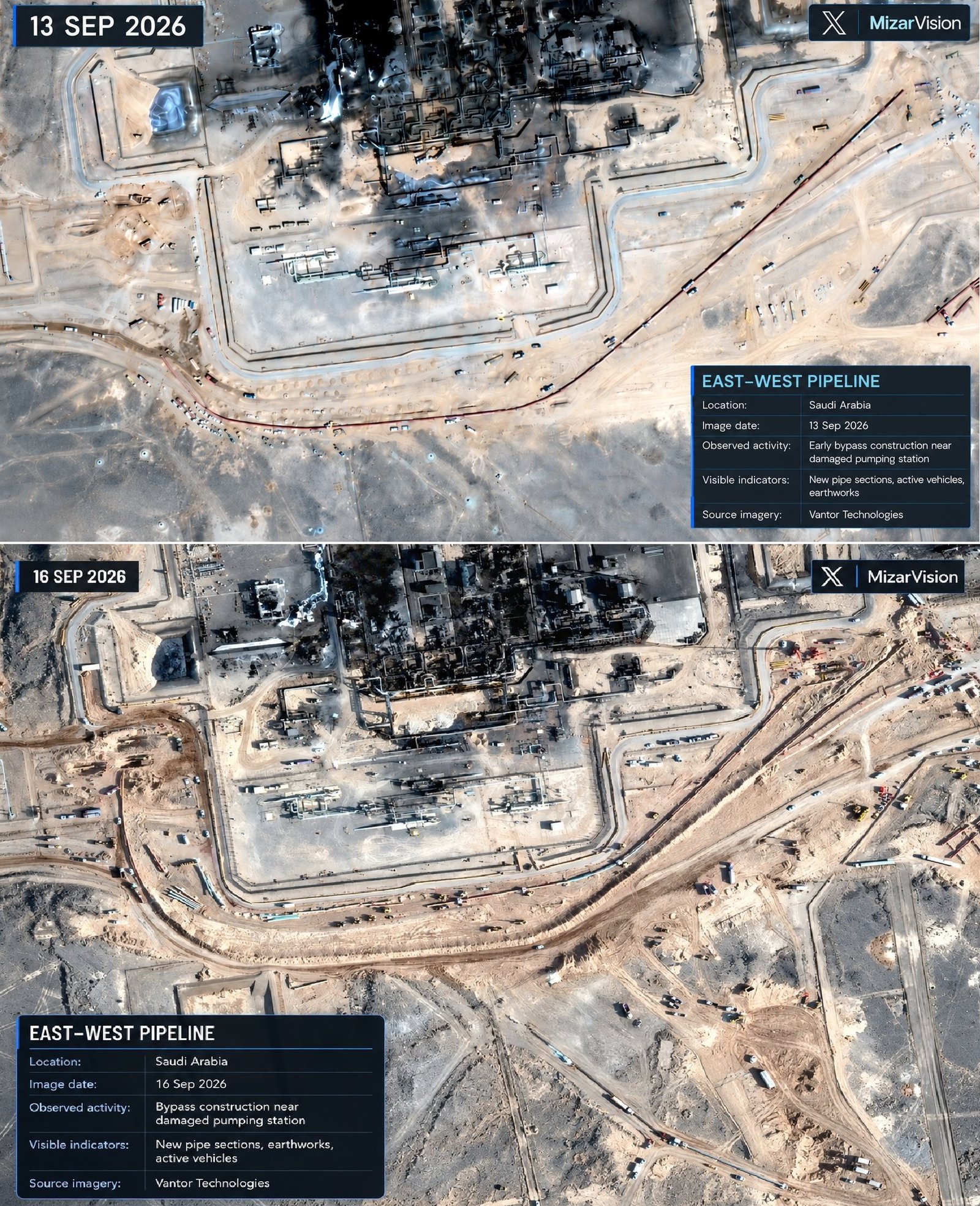 Satellite Images Show Saudi Arabia Building Emergency Bypass Around Damaged East-West Oil Pipeline Station
-
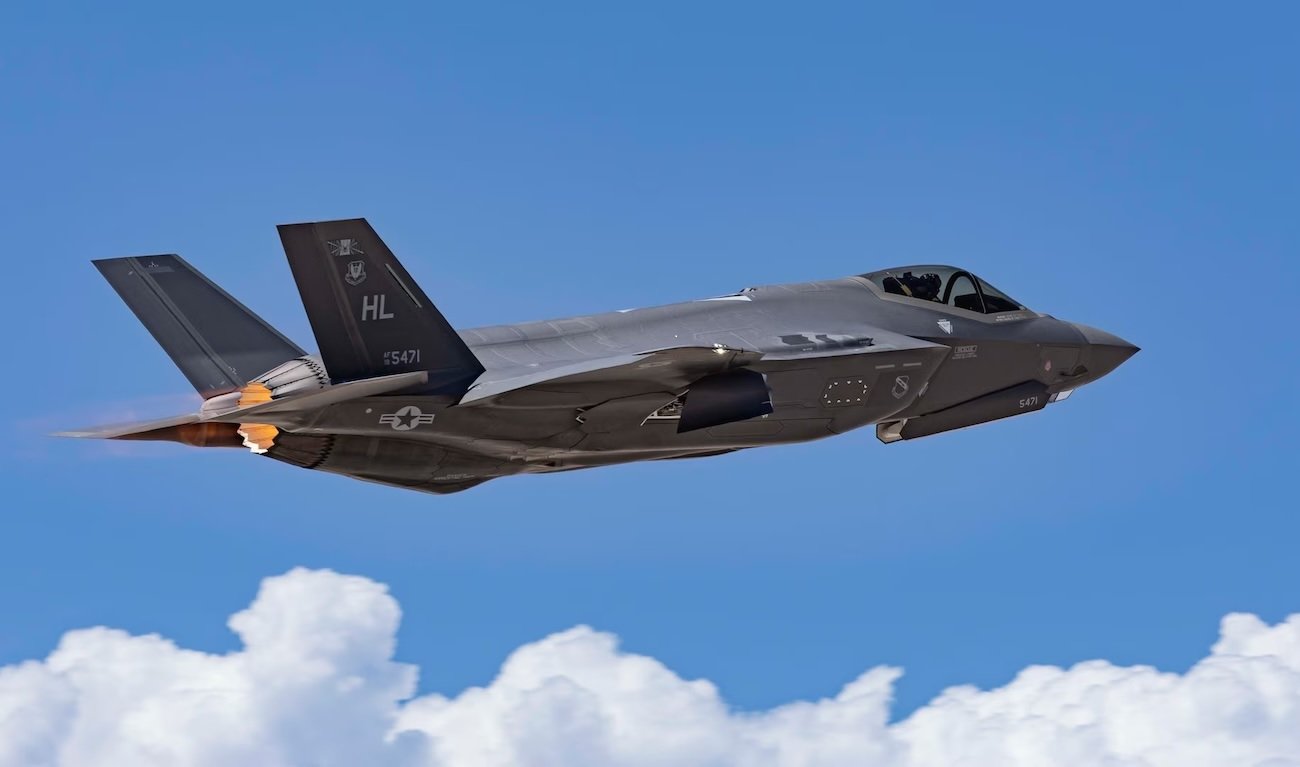 Sensitive F-35 Components Diverted to Hong Kong, Some Parts Missing
-
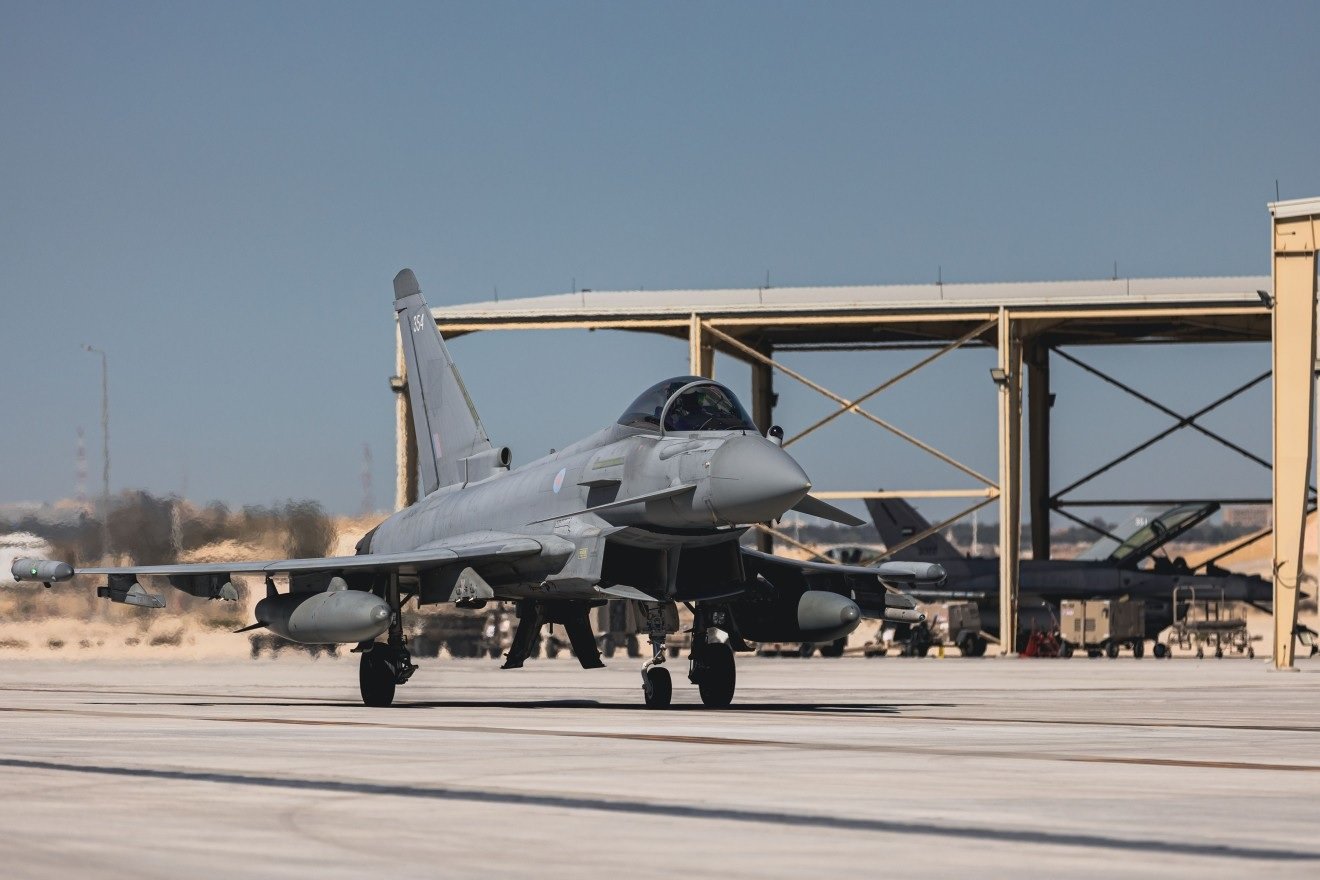 Italian Eurofighter Damaged in Houthi Attack on Saudi Arabia’s King Fahd Air Base
-
 BEL Signs Export Deal with Elbit Systems for Directed Infrared Countermeasure Sub-Assemblies, Secures ₹648 Crore in Additional Orders
-
 Bharat Forge, Pratt & Whitney Canada to Evaluate Turboprop Engines for DRDO’s Indigenous HALE UAV
-
 Israeli Firm Arbe Robotics Unveils Alerion High-Resolution 4D Radar for Counter-Drone Operations
-
 China Privately Urges Iran to Restrain Houthis After Saudi Appeal
-
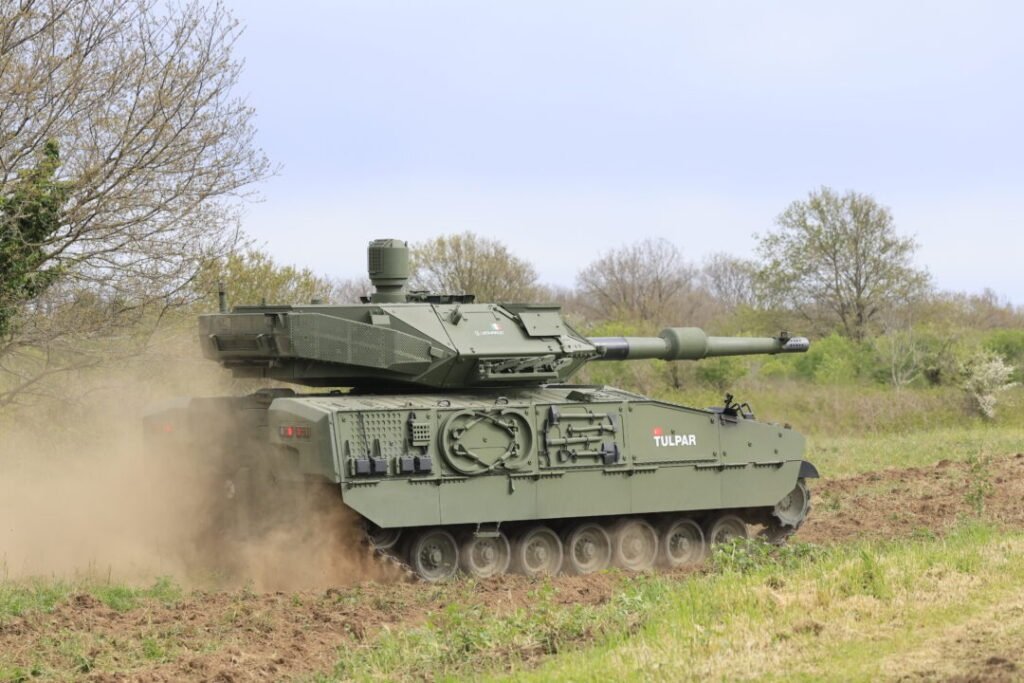 Otokar and Leonardo Complete Live-Fire Tests of TULPAR Tank with HITFACT MkII 120mm Turret
