
World
North Korea once again demonstrated its missile prowess on Tuesday by firing several short-range ballistic missiles into the East Sea (Sea of Japan). According to South Korea’s military, the launch occurred at approximately 9:30 am near North Korea's Ganggye region. The missiles reportedly traveled a distance of 250 kilometers (155 miles) before plunging into the sea. This development comes at a time of heightened diplomatic and geopolitical sensitivity, as U.S. President-elect Donald Trump prepares to return to office and Japanese Foreign Minister Takeshi Iwaya visits South Korea for key diplomatic discussions. Analysts suggest this launch is likely a calculated move by Pyongyang to deliver a political message to Washington and its allies. Missile Specifications and Technology The missiles launched on Tuesday were identified as short-range ballistic missiles (SRBMs), showcasing North Korea's advancements in military technology. While the exact model has not been disclosed, previous North Korean SRBMs like the KN-23 or KN-24 have displayed remarkable capabilities, including advanced maneuverability and the use of solid-fuel engines. One standout feature of North Korea’s missile program is its increasing use of cutting-edge materials. During a recent hypersonic missile test, North Korean state media highlighted a new "compound of carbon fiber" used in missile engines. This material enables extended range and precision, making these missiles potentially comparable to technologies developed by global military powers like the United States, Russia, and China. North Korea has also ramped up its efforts in developing hypersonic missile systems, with a notable launch of such a system earlier this month. These hypersonic missiles are capable of evading traditional missile defense systems due to their extreme speed and ability to alter trajectory mid-flight. Geopolitical Context and Reactions The timing of the missile launch appears strategic, with analysts interpreting it as a dual-purpose signal. First, it could be an attempt to pressure the incoming Trump administration to revisit U.S. policy on North Korea. Second, it might seek to exploit the current political turmoil in South Korea, where President Yoon Suk Yeol faces an impeachment trial. South Korea, the United States, and Japan have condemned the launch, calling it a blatant violation of United Nations Security Council resolutions. Seoul’s acting president, Choi Sang-mok, pledged a stronger response through bolstered defense measures and collaboration with Washington. The United States Indo-Pacific Command also issued a firm statement, urging Pyongyang to "refrain from further unlawful and destabilizing acts." Meanwhile, Japan has heightened its alert levels and continues to monitor the situation closely. Second Test in a Month and Links to Moscow Tuesday’s test marks North Korea’s second missile launch this month. Just last week, the regime tested a hypersonic missile system, releasing state media images of leader Kim Jong Un overseeing the event alongside his daughter, Ju Ae. Experts have also drawn attention to increasing cooperation between North Korea and Russia. Recent reports suggest that Pyongyang may be exporting missile technology to Moscow, possibly for use in the Ukraine conflict. This aligns with claims by U.S. Secretary of State Antony Blinken, who noted growing North Korea-Russia collaboration, particularly in advanced space technology. Additionally, North Korea is suspected of deploying thousands of troops to assist Russia in Ukraine, although neither Pyongyang nor Moscow has officially confirmed such actions. South Korea’s Response: Advanced Missile Defense Development In response to North Korea’s persistent missile advancements, South Korea’s Defense Acquisition Program Administration (DAPA) announced the development of a new missile defense system. Estimated to cost 567.7 billion won ($388 million), the system aims to intercept North Korea’s missile threats at higher altitudes and is expected to be operational by 2028. This move underscores Seoul’s determination to counter Pyongyang’s growing arsenal and ensure regional stability. As relations between the two Koreas remain at an all-time low, the need for enhanced defense capabilities has become more pressing than ever. Strategic Implications and Future Outlook North Korea’s continued missile tests highlight its ambition to maintain leverage in regional and global politics. The timing of these tests—coinciding with major political shifts and international diplomatic activities—reflects a calculated strategy to assert its presence on the global stage. For the United States and its allies, the challenge lies in addressing Pyongyang’s provocations without escalating tensions further. With the Trump administration’s return to power, North Korea’s missile capabilities and its growing ties with Russia are likely to dominate discussions in Washington’s foreign policy agenda. As North Korea continues to defy international norms, the path to diplomatic engagement seems increasingly complex. Nonetheless, the international community remains vigilant, with eyes firmly fixed on Pyongyang’s next move.
Read More → Posted on 2025-01-14 15:19:51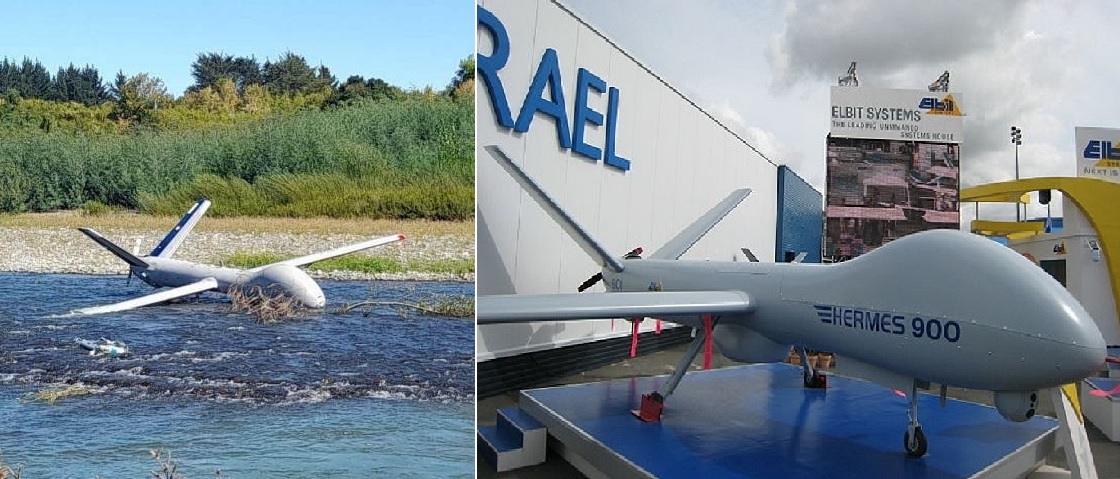
India
In an unforeseen incident, a Hermes 900 drone, locally known as Drishti 10, crashed during acceptance trials off the coast of Porbandar, Gujarat. The unmanned aerial vehicle (UAV), operated by Adani Defence and Aerospace under a license from Israel's Elbit Systems, lost communication mid-flight, leading to its crash. This setback occurred as part of the Indian Navy's evaluation process for these advanced drones. Strategic Role in India’s Defense India had procured two Drishti 10 drones for the Navy through an emergency procurement initiative, with two additional units ordered by the Army for surveillance operations along the Pakistan border. These drones were seen as critical force multipliers, enhancing the country’s ability to monitor vast stretches of coastline and hostile borders. Concerns Raised by the Crash The crash, occurring during acceptance trials, raises questions about the operational reliability of the Hermes 900 drones. Acceptance trials are crucial for identifying potential issues before full-scale deployment, and this incident underscores vulnerabilities in communication systems. The loss of communication, which caused the crash, highlights a critical failure point, especially for UAVs operating in environments where secure and uninterrupted connectivity is paramount. This incident also casts a shadow over the vendor’s testing protocols, which will now likely come under scrutiny. Implications for Future Procurement and Operations The Indian Navy and Army are expected to conduct a detailed investigation to determine the root cause of the crash. The findings could lead to: Enhanced Communication Systems: To prevent similar failures, robust fail-safe mechanisms might be developed and integrated. Revised Testing Protocols: Vendors may face stricter guidelines to ensure operational reliability during trials. Potential Modifications: Design and software updates could be mandated to address technological gaps. Moving Forward While the Hermes 900 has proven its capabilities in various international markets, including operations by Israel, Brazil, and Mexico, the incident in Porbandar underlines the challenges of adapting such technology to specific operational needs. As India strengthens its UAV fleet, this crash serves as a reminder of the importance of rigorous testing and the continuous evolution of defense technology to meet real-world challenges. The Indian Navy’s confidence in the Drishti 10’s potential to enhance maritime surveillance and security remains evident, but the focus will now shift to ensuring these drones meet the highest operational standards before deployment.
Read More → Posted on 2025-01-14 15:13:56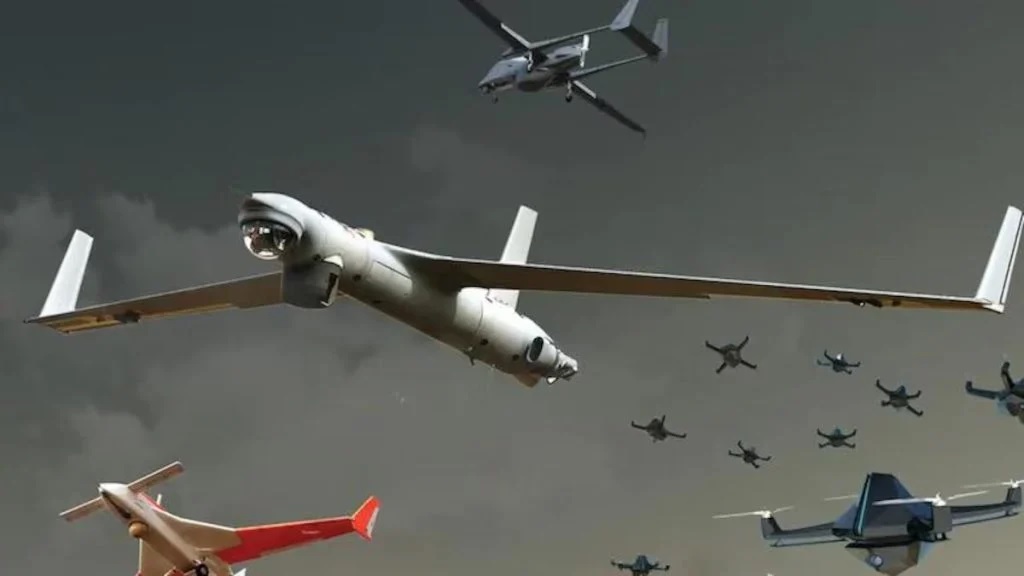
Indian Air Force to Deploy 20 Kamikaze Anti-Drone Swarm Systems to Safeguard Strategic Installations
India
The Indian Air Force (IAF) is taking a major leap in counter-drone defense with its plans to acquire 20 specialized "Kamikaze" anti-drone swarm systems. This development underscores the IAF's commitment to staying ahead of emerging threats in modern warfare, particularly the growing menace of swarm drone attacks. Swarm drones, often operated collectively and controlled by a single operator, are increasingly recognized as game-changing weapons in warfare. Their ability to execute coordinated attack patterns can easily overwhelm traditional defense systems, posing significant risks to vital installations, military bases, and critical infrastructure. To counter these challenges, the IAF is seeking state-of-the-art solutions capable of neutralizing such threats effectively and efficiently. What Are Kamikaze Anti-Drone Swarm Systems? "Kamikaze" drones, also known as loitering munitions, are specifically designed for one-way missions. These systems employ advanced detection, tracking, and interception technologies to counter enemy UAVs by physically colliding with them and detonating their payloads. This self-destructive approach ensures the complete neutralization of the target. The Kamikaze anti-drone system's operational framework includes: Detection: Equipped with advanced sensors, radar, and artificial intelligence, the system can detect incoming drone swarms at long ranges. Tracking: Once detected, the system analyzes the trajectory and speed of the swarm to predict its path. Interception: Kamikaze drones are launched to intercept the swarm using pre-programmed algorithms and real-time guidance. Neutralization: Upon reaching the target, the Kamikaze drones collide with the enemy UAVs, detonating onboard explosives to destroy them. Key Specifications and Features While the exact specifications of the systems will depend on the responses to the IAF's Request for Information (RFI), the general expectations include: Range: The system should have a detection range of at least 10 km for drone swarms. Speed: Kamikaze drones must be capable of high speeds to outmaneuver enemy drones. Payload: The drones will carry an explosive payload optimized for precision strikes. AI Integration: Advanced artificial intelligence will enable the system to adapt to dynamic battlefield conditions. Multi-Layered Defense: The system is expected to integrate with existing air defense networks, providing an additional layer of protection. Strategic Importance of the Move The IAF's decision to deploy these systems stems from the recognition that swarm drone attacks are a significant challenge in modern warfare. The relatively low cost of manufacturing drones, combined with their ability to operate in coordinated formations, makes them a preferred choice for adversaries looking to disrupt critical infrastructure or military operations. By issuing the RFI on January 8, the IAF has invited domestic and international industry leaders to propose cutting-edge solutions tailored to its requirements. This move also aligns with India's broader push for indigenization in defense manufacturing under the "Make in India" initiative. A Proactive Defense The acquisition of Kamikaze anti-drone systems signals the IAF's proactive stance in addressing future warfare challenges. With 20 such systems planned for deployment, the IAF aims to protect key assets while ensuring operational readiness against emerging threats. This development is not just a testament to the evolving nature of warfare but also a reflection of India's resolve to innovate and adapt in the face of new security challenges. By investing in advanced technologies, the IAF is positioning itself as a formidable force capable of countering even the most complex aerial threats.
Read More → Posted on 2025-01-14 15:10:36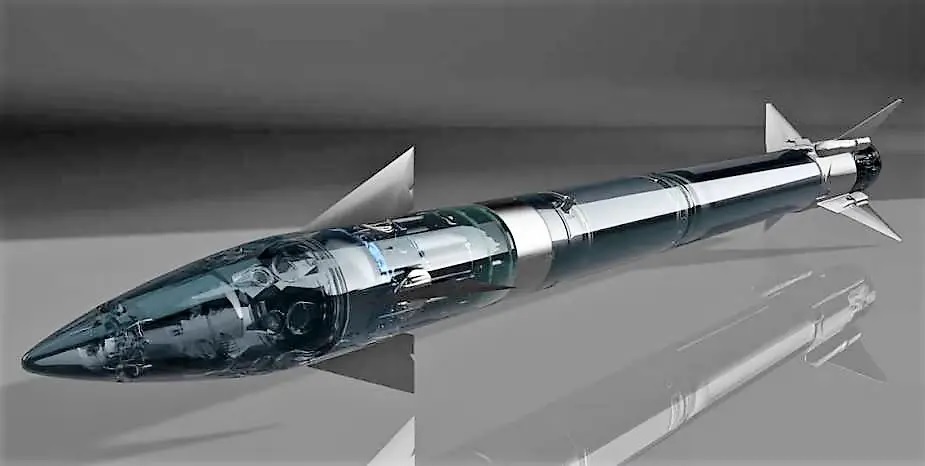
World
Thales UK, in collaboration with the UK Ministry of Defence (MoD), has taken a significant step forward in modern defense capabilities by showcasing the Lightweight Multi-role Missile (LMM) in a live demonstration at Manorbier. This event, witnessed by an audience of international defense partners, underscored the LMM’s versatility, precision, and operational adaptability across air, land, and sea domains. Consecutive Firings Showcasing Versatility In a groundbreaking display, Thales UK conducted consecutive firings of the LMM to neutralize two distinct threats: a Banshee Unmanned Aerial Vehicle (UAV) representing an air threat and a fast inshore attack craft (FIAC) simulating a maritime threat. Within just 60 seconds, two missiles were successfully launched, each tailored to its respective target. The seamless destruction of these targets highlighted the LMM’s rapid response capabilities, accuracy, and multi-role functionality. Advanced Design and Deployment The LMM, also known as the Martlet in its naval configuration, was deployed using a vehicle-mounted lightweight fire control and launch system developed by Thales UK. This innovative system showcased the missile's agility, lethality, and operational reliability. The LMM is designed to address diverse mission requirements, ranging from countering unmanned aerial systems (UAS) to engaging surface-based threats. Specifications of the Lightweight Multi-role Missile The LMM is built for precision and flexibility, featuring a range of advanced specifications: Weight: 13 kilograms Length: 1.3 meters Diameter: 76 millimeters Range: Effective up to 8 kilometers Guidance System: Semi-active laser guidance for pinpoint accuracy Warhead: Dual-effect, designed to engage both soft and hard targets effectively Multi-platform Integration A key highlight of the demonstration was the LMM's ability to adapt to various platforms. A Wildcat helicopter was displayed, showcasing its capacity to carry up to 20 LMMs in its naval configuration. Additionally, the event featured static displays of shoulder and tripod-mounted launchers, underlining the missile's compatibility with different operational scenarios. These capabilities make the LMM an invaluable asset for modern military forces operating in complex and dynamic threat environments. Supporting UK Defence and Global Partnerships The demonstration received strong support from the British Army and Royal Navy, reinforcing the LMM's role as a cornerstone of the UK's short-range defense strategy. Thales’ development of the LMM aligns with its commitment to equipping armed forces with advanced, multi-role weapon systems that address evolving security challenges. With this successful demonstration, Thales UK has further solidified its position as a leader in the defense industry, offering innovative solutions to meet the needs of military forces worldwide. The LMM's proven performance in air defense and surface attack roles paves the way for its broader adoption across international markets. This milestone underscores the importance of adaptable, precise, and reliable weaponry in today’s complex defense landscape, offering a glimpse into the future of multi-role missile technology.
Read More → Posted on 2025-01-14 15:07:55
India
In a historic achievement, Reliance Jio, in collaboration with the Indian Army, has successfully brought high-speed 4G and 5G connectivity to the soldiers stationed at the Siachen Glacier. Known as the world’s highest battlefield, Siachen is located in the Karakoram Range at an altitude of approximately 16,000 feet, where temperatures can plunge to a bone-chilling -50 degrees Celsius. This groundbreaking initiative marks a significant technological leap, improving communication and operational efficiency in one of the most challenging environments on Earth. Overcoming Extreme Challenges Extending 4G and 5G networks to such an inhospitable region was no small feat. The glacier’s treacherous terrain, combined with its unpredictable weather and sub-zero temperatures, posed logistical and technical challenges. Reliance Jio deployed its plug-and-play, pre-configured equipment at forward posts on the glacier, utilizing its indigenous full-stack 5G technology. The equipment was designed to withstand the harsh climate, ensuring seamless connectivity for soldiers stationed in remote outposts. The Indian Army played a pivotal role in the project, managing the logistics of airlifting Jio's equipment to the glacier. From meticulous planning to multiple training sessions for personnel and comprehensive system testing, the collaboration between Jio and the Army ensured the success of this ambitious venture. Advanced Specifications of the Network The newly deployed network is powered by Reliance Jio's state-of-the-art 5G technology, featuring: High-Speed Connectivity: Download speeds of up to 1 Gbps, enabling rapid data transmission and video calls. Low Latency: Ensures real-time communication, crucial for operational coordination. Energy Efficiency: The equipment is designed to consume minimal power, a critical factor in regions with limited energy resources. Durable Hardware: Ruggedized components that can function reliably in extreme temperatures and high-altitude conditions. Plug-and-Play Capability: Simplifies deployment and reduces setup time, allowing the system to become operational almost immediately. Benefits for Soldiers The introduction of 4G and 5G connectivity at Siachen Glacier is a game-changer for soldiers. It provides high-speed internet for enhanced communication, better coordination with command centers, and access to critical real-time data. Moreover, soldiers can now stay connected with their families through video calls, boosting morale in an otherwise isolated environment. The network also enables faster medical assistance by facilitating telemedicine services, which can prove life-saving in emergencies. Broader Implications This achievement not only underscores Reliance Jio's technological prowess but also highlights India's commitment to supporting its armed forces with cutting-edge solutions. The successful implementation at Siachen serves as a template for deploying advanced telecom networks in other remote and strategic locations across India. As the Indian Army continues to safeguard the nation in challenging conditions, the integration of 4G and 5G connectivity symbolizes a critical step forward in ensuring the well-being and efficiency of its personnel. This collaboration between Reliance Jio and the Indian Army sets a new benchmark in leveraging technology for national security and soldier welfare.
Read More → Posted on 2025-01-14 15:02:37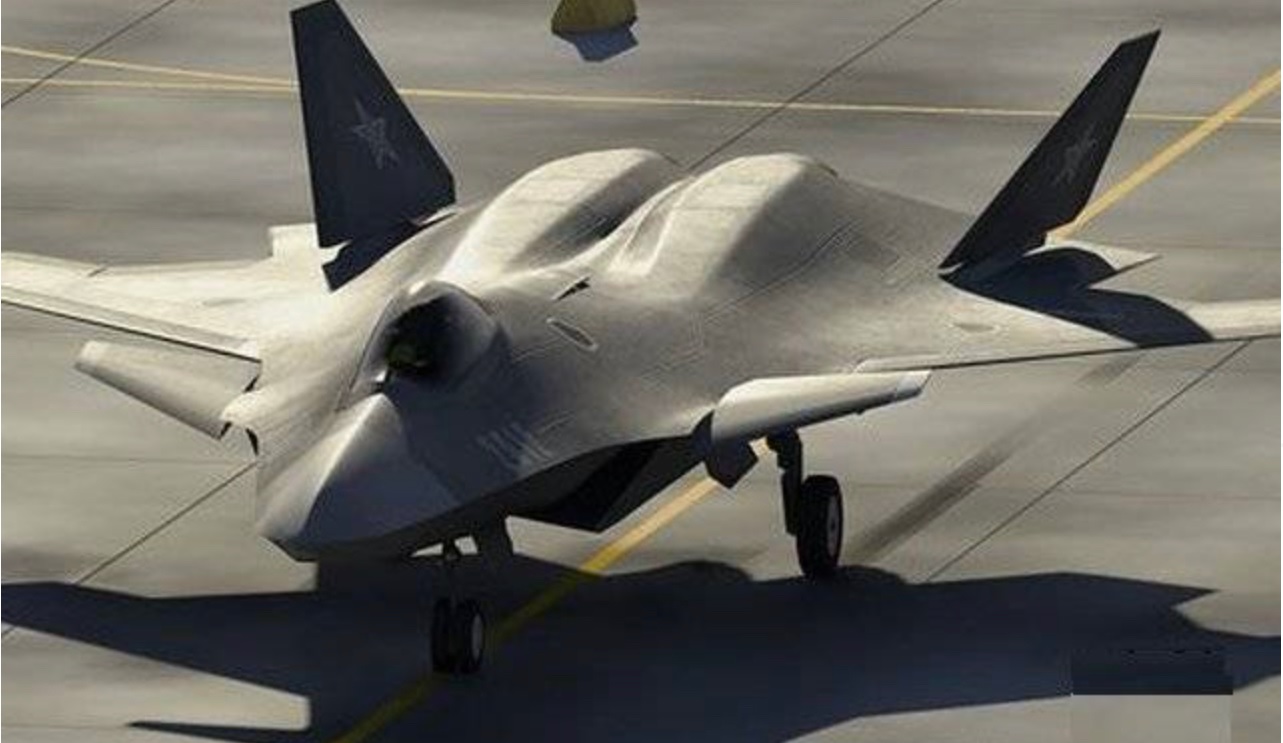
World
The race for the world’s first sixth-generation fighter jet has intensified, with a senior U.S. Air Force (USAF) official warning that China might outpace the United States in achieving initial operational capability. This revelation comes amid reports that China’s prototype has already completed its maiden flight, signaling significant advancements in Beijing’s military aviation ambitions. China’s Sixth-Generation Fighter: Key Developments China’s People’s Liberation Army (PLA) has been making headlines for its tailless sixth-generation fighter jet, revealed in December. The aircraft features a striking double-delta wing design, optimized for supersonic speeds, enhanced stealth capabilities, and advanced maneuverability. Reports suggest the prototype incorporates cutting-edge avionics, integrated artificial intelligence (AI), and potentially directed-energy weapons for advanced combat scenarios. China’s progress in aviation technology is part of a broader strategy to challenge U.S. air dominance, particularly in the Asia-Pacific region. Beijing’s rapid advancements have alarmed military analysts, as they represent a significant shift in global power dynamics. USAF Response: NGAD Program The U.S. is countering China’s progress through its highly classified Next Generation Air Dominance (NGAD) program. Launched in 2023, NGAD aims to develop a sixth-generation fighter with unmatched capabilities. The jet is expected to operate in tandem with unmanned drones, emphasizing teamwork between manned and unmanned systems. Although specific details remain under wraps, USAF Secretary Frank Kendall has described the NGAD aircraft as a revolutionary platform, featuring: Enhanced lethality: Advanced weapon systems to counter evolving threats. Survivability in contested airspace: Optimized stealth and countermeasures for hostile environments. Adaptability: Rapid integration of new technologies to address future challenges. Interoperability: Seamless coordination with allied forces and unmanned systems. The NGAD fighter will also leverage advanced propulsion systems, AI for decision-making, and sensor fusion to provide a comprehensive situational awareness edge. Why the Race Matters Andrew Hunter, the outgoing USAF acquisition executive, recently cautioned that China’s sixth-generation fighter could reach operational readiness before the U.S. “I think we’ll have the better capability, but we certainly have no time to lose,” Hunter remarked. This underscores the urgency for the U.S. to maintain its technological edge, given the strategic implications of losing air superiority. The U.S. has historically relied on air dominance as a cornerstone of its global military strategy. A delay in NGAD’s deployment could weaken its ability to deter aggression, particularly in regions like the Indo-Pacific, where China’s military influence is growing. China’s Strategic Advantages China’s defense industry has demonstrated remarkable efficiency, often achieving milestones faster than expected. By leveraging reverse-engineering techniques, domestic innovation, and significant state-backed funding, Beijing has managed to close the gap with Western military technology. The sixth-generation fighter aligns with China’s long-term goals, including its ambitions to dominate contested areas like the South China Sea and challenge U.S. influence in East Asia. A Tight Race While the U.S. remains confident in the NGAD’s superior capabilities, time is of the essence. The next-generation aircraft will not only symbolize technological prowess but also define air superiority in future conflicts. Both nations are racing to incorporate breakthrough technologies such as hypersonic missiles, AI-driven combat systems, and advanced stealth to ensure dominance in the skies. As this competition unfolds, the stakes couldn’t be higher. A sixth-generation fighter jet represents not just a leap in aviation but also a strategic tool capable of reshaping global power balances. Whether the U.S. or China crosses the finish line first will likely have profound implications for military and geopolitical dynamics worldwide.
Read More → Posted on 2025-01-14 14:59:08
World
Rocket Lab National Security LLC has marked a major achievement with the successful completion of the Preliminary Design Review (PDR) for its Tranche 2 Transport Layer-Beta (T2TL-Beta) program. This milestone is vital for delivering 18 advanced data transport satellites under the U.S. Department of Defense’s Proliferated Warfighter Space Architecture (PWSA), a low-Earth orbit (LEO) constellation designed to enhance secure communication and missile tracking. The Significance of the PDR The Preliminary Design Review is a rigorous, multi-day process evaluating whether a satellite design aligns with both technical and operational requirements. For the T2TL-Beta program, the review examined: Mission Architecture: Ensuring the satellites meet strategic objectives. Satellite Systems: Assessing avionics, propulsion, and power subsystems. Ground Operations: Verifying command, control, and data management capabilities. Integration Plans: Laying out strategies for assembling and launching the satellites. Testing Procedures: Preparing for simulated and real-world operational scenarios. Completion of the PDR indicates readiness to advance to the detailed design and manufacturing phases, keeping the project on track for its tight timeline. Rocket Lab’s Role and Technology Awarded a $515 million contract in early 2024, Rocket Lab serves as the prime contractor for the T2TL-Beta program. The company leverages its vertically integrated manufacturing model to enhance efficiency and reliability. Key features of Rocket Lab’s approach include: Solar Panels: Custom-designed for consistent power delivery in LEO. Avionics: Advanced electronics enabling precise control and communication. Star Trackers: Navigation systems for maintaining satellite orientation. Flight Software: Proprietary systems ensuring mission adaptability and security. This end-to-end capability enables Rocket Lab to maintain cost control, streamline scheduling, and ensure quality across all phases of production. Specifications of the Satellites The T2TL-Beta satellites are designed with cutting-edge technology to fulfill their mission. While specific classified details remain undisclosed, known features include: Secure Communication Systems: Resilient encryption to safeguard data. Missile Detection Capabilities: Advanced infrared sensors for tracking missile threats. Durable Construction: Engineered to withstand LEO’s harsh conditions. Interoperability: Seamless integration with other elements of the PWSA constellation. Implications for National Security The Proliferated Warfighter Space Architecture represents a shift in U.S. defense strategy, emphasizing distributed, resilient satellite systems over traditional large-scale platforms. By enabling secure, low-latency communication and enhanced missile warning, the PWSA ensures real-time support for military operations worldwide. Rocket Lab’s contributions underscore its growing importance in the national security space sector. Moving Forward Rocket Lab’s successful PDR completion is a testament to its technical expertise and commitment to innovation. As the program progresses toward detailed design and manufacturing, the company is well-positioned to deliver these critical satellites on time and budget, reinforcing its reputation as a trusted partner for national security missions. This milestone highlights the evolving role of private aerospace companies in advancing global defense capabilities, showcasing Rocket Lab’s leadership in a rapidly growing sector.
Read More → Posted on 2025-01-13 17:09:00
Space & Technology
A Shenzhen-based robotics company, Engine AI, is making waves in the humanoid robotics industry with its latest creation, the SE01 robot. The humanoid robot recently captured global attention after Jim Fan, a senior research scientist at Nvidia and leader of its AI Agents Initiative, praised its lifelike walking gait on social media. Fan’s post raised the question, “Is this real?” sparking curiosity and excitement within the tech community. SE01 Robot: A Technological Marvel Engine AI’s SE01 is a humanoid robot designed for both industrial and home use. Announced in October 2023, this cutting-edge machine stands 170 cm tall and is packed with advanced capabilities: Movements: The SE01 can mimic human actions such as walking, squatting, performing push-ups, and grabbing objects. Durability: The robot is engineered to have a lifespan of over 10 years, demonstrating the company’s commitment to long-term functionality. Applications: From industrial tasks to household chores, the SE01 aims to blend seamlessly into real-world scenarios. Although Engine AI has not disclosed the exact price of SE01, it plans to keep the cost of its full-sized humanoid robots between 150,000 and 200,000 yuan (approximately $20,500 to $27,300). This aligns with the company’s goal of making advanced robotics more accessible without compromising on quality. Other Innovations by Engine AI Engine AI, founded in October 2023 by Zhao Tongyang and Yao Qiyuan, has already introduced several notable humanoid robots: SA01: An open-source bipedal robot for educational and research purposes, priced at 38,500 yuan ($5,250). PM01: A 138 cm tall humanoid robot designed for specialized tasks, priced at 88,000 yuan ($12,000). The company is also focusing on reducing production costs, targeting below 100,000 yuan ($13,600) per robot to make humanoid robotics more economically viable. A New Era for Chinese Robotics Engine AI’s innovations reflect a growing trend among Chinese companies to create humanoid robots capable of addressing real-world challenges. However, financial sustainability remains a significant hurdle in the industry. UBTech Robotics, China’s largest humanoid robot manufacturer, exemplifies these struggles, reporting substantial losses despite its public listing in 2023. Nevertheless, with backing from investors such as SenseCapital, the venture capital arm of AI powerhouse SenseTime, Engine AI is well-positioned to carve out a niche in this competitive market. What Sets SE01 Apart Jim Fan’s acknowledgment highlights the SE01’s naturalistic walking motion as a major leap forward in robotics. This innovation not only captures the imagination of tech enthusiasts but also underlines Engine AI’s potential to redefine how humanoid robots integrate into society. While challenges like high production costs and fierce competition persist, the SE01 represents a promising step toward a future where humanoid robots become indispensable companions in both industrial and domestic settings. The journey of Engine AI is a testament to the growing ambition of Chinese tech companies, aiming to combine innovation with affordability to lead the next wave of robotics evolution.
Read More → Posted on 2025-01-13 17:04:54
World
The US Army is ramping up its efforts to develop a cutting-edge aerial intelligence platform that integrates unmanned aerial systems (UAS) for superior surveillance capabilities. The envisioned aircraft, modeled on an executive jet like the Bombardier Global 6500, will be capable of operating at medium to high altitudes, enhancing the Army’s Intelligence, Surveillance, and Reconnaissance (ISR) capabilities. Building on the HADES Program This initiative appears to expand upon the High Accuracy Detection and Exploitation System (HADES), a program designed to deliver advanced ISR capabilities through a manned aircraft. The HADES platform, also based on the Bombardier Global 6500, has already demonstrated the ability to fly higher, faster, and longer while accommodating a large array of sensors. The addition of drone-launching capabilities will further strengthen the platform’s utility, especially in contested or high-risk airspaces. Aircraft and Drone Specifications The US Army’s specifications for this new platform reflect its ambitious goals for performance and versatility: Altitude and Temperature Tolerance: The aircraft must operate at an altitude of 41,000 feet (12,497 meters), with drones designed to endure extremely low temperatures, as cold as -65°F (-54°C). Speed and Endurance: The platform is expected to achieve a top speed of 400 knots (741 km/h or 460 mph) and maintain that speed for over seven hours. Payload Capacity: Internal wing pylons must support a combined weight of 1,400 pounds (635 kg), including the drone, launcher, and pylon. External hardpoints should accommodate up to 600 pounds (272 kg). Power Supply: The host aircraft will provide a robust data network and up to 10 kilovolt-amperes (kVA) of power per station to support the drones. Advancing ISR in Contested Airspaces The integration of drones, referred to as “launched effects,” offers transformative potential for ISR missions. These drones can operate autonomously or in coordination with the host aircraft, extending surveillance reach and allowing the platform to adapt to dynamic battlefield scenarios. The capability to launch drones mid-mission could be pivotal in collecting real-time intelligence in highly contested areas. Timeline and Demonstration The Army has set its sights on conducting an operational capability demonstration in fiscal year 2026. This demonstration will validate the aircraft’s ability to integrate and deploy drones effectively, ensuring that it meets the stringent requirements set forth by the Army’s Fixed Wing Project Office. Strategic Implications By combining manned and unmanned capabilities, this new platform represents a significant leap forward in ISR technology. It underscores the US Army’s commitment to maintaining an edge in modern warfare, where real-time intelligence and operational flexibility are crucial. The ability to operate at high altitudes with enhanced endurance and advanced sensor payloads will ensure that the Army remains effective in gathering intelligence and countering threats across a wide range of environments. The integration of drone-launching capabilities also highlights a shift toward multi-role platforms capable of executing complex missions without relying solely on traditional ground-based or satellite support. This ambitious program not only reinforces the Army’s technological edge but also sets the stage for future innovations in ISR systems that could redefine battlefield dynamics.
Read More → Posted on 2025-01-13 17:01:14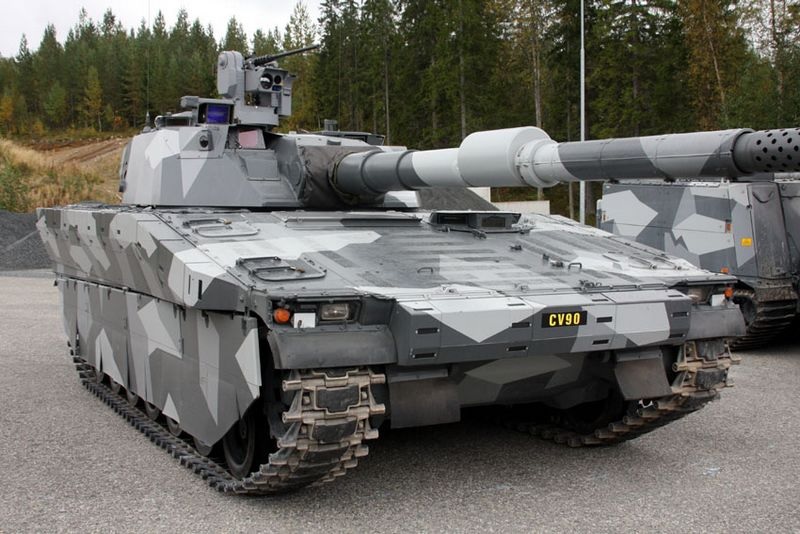
World
Slovakia is reassessing its military modernization plans to address financial constraints while meeting its NATO commitments. Defence Minister Robert Kaliňák recently revealed that the country might opt for the CV90120-T light tanks or fire support vehicles instead of the more expensive Leopard 2A8 main battle tanks. This shift highlights the nation’s struggle to modernize its forces within a limited budget. NATO Obligations and Fleet Modernization Slovakia has pledged to NATO that it will establish a mechanized brigade, which includes replacing its outdated tank fleet. The current fleet comprises about 30 T-72M1 tanks, which are obsolete by modern standards, and 15 Leopard 2A4 tanks received from Germany as part of an equipment exchange program for aiding Ukraine. To meet NATO's requirements, the Slovak Ministry of Defence plans to expand its tank battalion from 30 to 52 vehicles and create an additional battalion, requiring a total of 104 combat tanks. The Cost of Leopard 2A8 Tanks Initially, Slovakia considered procuring the Leopard 2A8 main battle tanks in collaboration with the German Ministry of Defence. However, the estimated cost of over €2 billion for more than 100 tanks raised concerns. At approximately €25 million per unit, the Leopard 2A8 is deemed too costly for Slovakia’s defense budget. CV90120-T as a Cost-Effective Alternative As a result, Slovakia is exploring the CV90120-T light tank, a more economical and versatile option developed by BAE Systems. Introduced in 1998, the CV90120-T features a 120mm smoothbore gun mounted on a lighter chassis, combining firepower comparable to a main battle tank with increased mobility. Specifications of the CV90120-T: Main Armament: 120mm smoothbore gun Secondary Armament: 7.62mm coaxial machine gun Engine: Scania 810 hp diesel engine Speed: Up to 70 km/h Range: Approximately 600 km Armor: Modular design with advanced protection systems, including ceramic and steel composite plating Crew: Three (commander, gunner, and driver) The CV90120-T also incorporates advanced fire-control systems and thermal imaging for superior targeting capabilities. Despite its impressive specifications, it has yet to receive large-scale orders. Strategic Advantages of the CV90120-T Switching to the CV90120-T offers several advantages: Cost-Effectiveness: At €11.5 million per unit, the CV90120-T is significantly cheaper than the Leopard 2A8, allowing Slovakia to procure a larger fleet within budget. Operational Synergy: Since Slovakia has already ordered 152 CV9035 infantry fighting vehicles, adopting the CV90120-T would standardize its armored vehicle fleet, enhancing logistical and operational efficiency. Industrial Cooperation: The potential for co-production with Slovak industry could boost the domestic defense sector and create job opportunities. Balancing Modernization and Budget Slovakia's decision will hinge on balancing affordability, military needs, and strategic partnerships. While the Leopard 2A8 offers unparalleled firepower and protection, the CV90120-T provides a practical alternative, aligning with Slovakia’s financial constraints and NATO commitments. The final choice will not only shape Slovakia’s defense capabilities but also influence its role within NATO and the broader European defense landscape.
Read More → Posted on 2025-01-13 16:56:12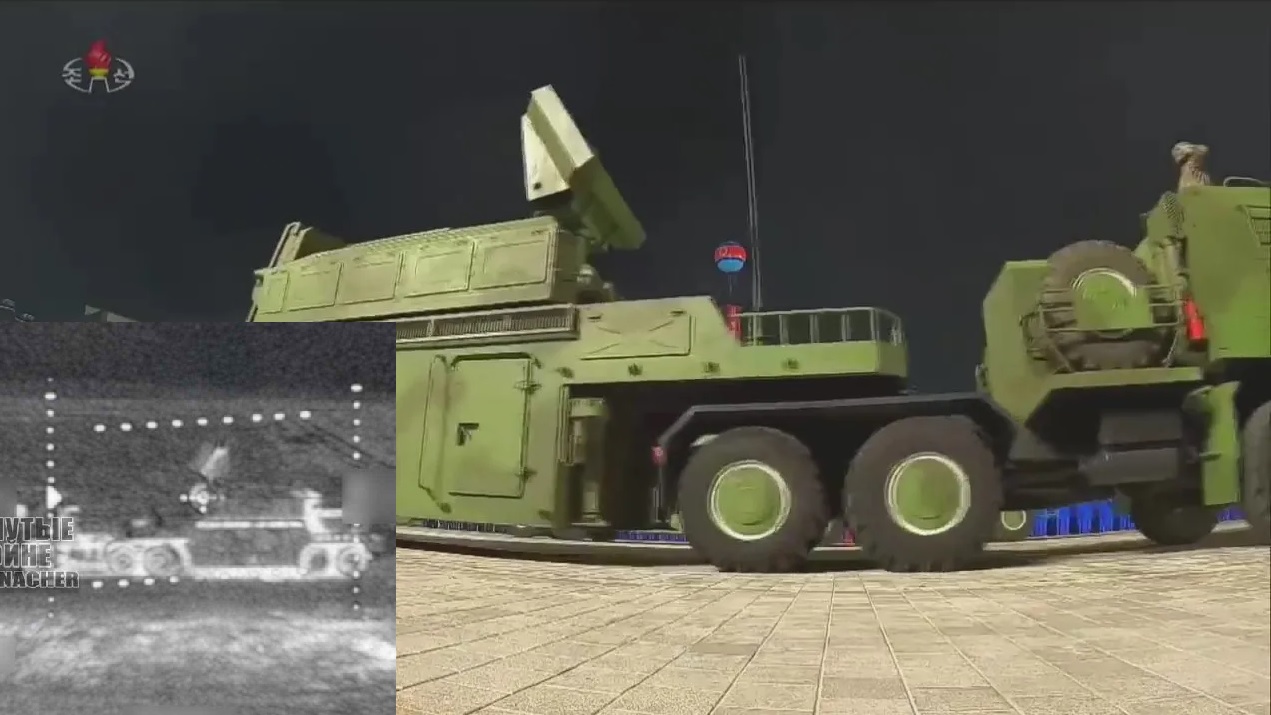
World
In a recent turn of events, Russian media channels shared footage claiming to show the destruction of a "Western-made radar system" operated by Ukrainian forces. However, defense analysts have since identified the destroyed system as a rare North Korean surface-to-air missile (SAM) system. The video, shared by the Russian channel "Povernutye na Voynie," appears to document an incident of friendly fire—a striking example of the complexities of modern warfare. The Target: A Rare North Korean SAM System The air defense system seen in the footage is believed to be a North Korean analog of the Russian Tor short-range SAM system, known in NATO terminology as the SA-15. Mounted on a semi-trailer with a centrally positioned missile array, the system bears notable differences from its Russian counterpart. This is the first time such a vehicle has been spotted in the ongoing conflict, prompting speculation about its origin and purpose. Specifications of the North Korean SAM System First unveiled during a military parade in Pyongyang in 2020, this SAM system reflects North Korea's ambition to bolster its indigenous defense capabilities. While its exact designation remains unclear, its specifications resemble the Tor-M2 system in terms of operational scope: Role: Short-range air defense Targets: Aircraft, cruise missiles, UAVs, and precision-guided munitions Missile Configuration: Mounted in a vertical launch setup with high-speed engagement capability Mobility: Semi-trailer design for greater deployment flexibility compared to tracked or wheeled systems The North Korean SAM is thought to have advanced radar and engagement systems optimized for countering low-flying, high-speed aerial threats. Implications of the Incident If the destroyed SAM system indeed belonged to Russian forces, its presence in the conflict underscores an emerging military relationship between Russia and North Korea. Such cooperation would have significant geopolitical implications, particularly in light of sanctions and international scrutiny faced by both nations. However, the strike also highlights the dangers of friendly fire incidents. Misidentification of targets, especially in high-pressure scenarios like drone operations, can undermine operational credibility and harm morale. This incident is a stark reminder of the challenges inherent in modern, high-stakes conflicts. Unanswered Questions The appearance of this rare system raises several questions: Origin: How did the system reach Russian forces? Deployment Strategy: Was it deployed experimentally, or as part of a broader cooperation initiative? Friendly Fire Protocols: What measures are in place to prevent similar incidents in the future? Conclusion The destruction of this North Korean SAM system, whether by accident or miscalculation, highlights the complexities of identifying and deploying advanced military hardware in modern warfare. If the system's origins are confirmed, it could signal a deepening of military ties between Russia and North Korea—an alliance with potential global ramifications.
Read More → Posted on 2025-01-13 16:51:58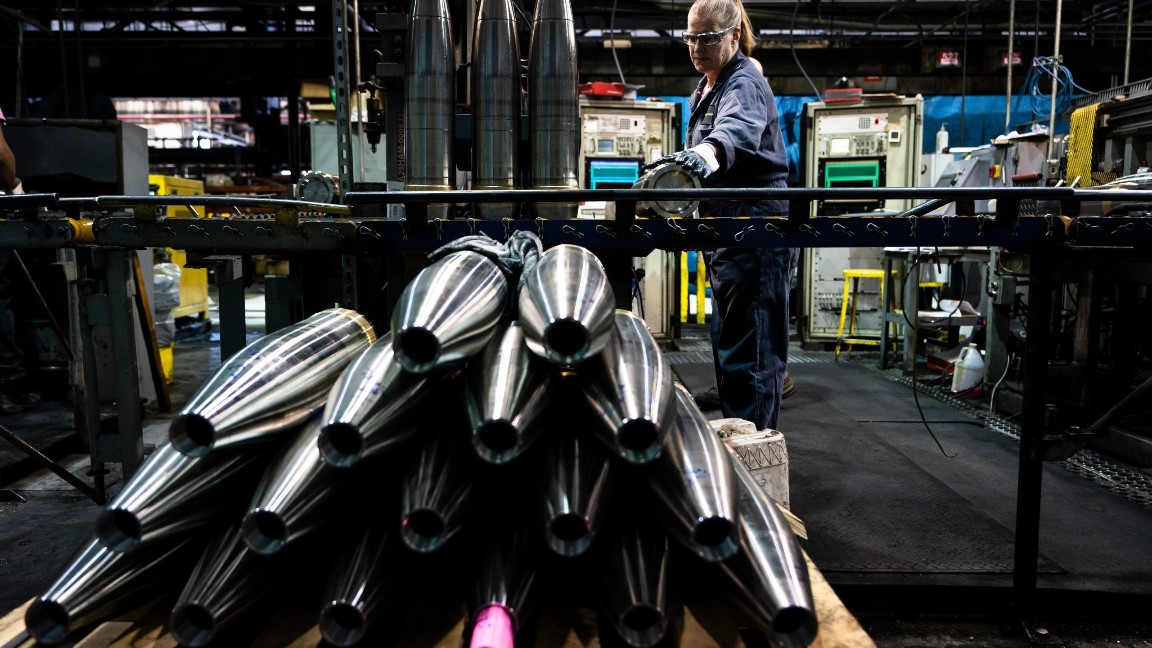
India
Sunita Tools, an Indian precision engineering company with a strong reputation in mould base production, has made a groundbreaking entry into the defense sector by securing a massive contract to supply 100,000 cases for 155-mm M107 artillery shells. The deal positions the company as a significant player in defense manufacturing, underscoring its growing capabilities in high-precision, large-scale production. Contract Details The contract, awarded by an undisclosed global defense company, outlines the delivery of 100,000 shell casings within one year of prototype approval. Sunita Tools has already received the green light from the Indian government to commence prototype production, a critical milestone in the execution of this ambitious project. Speaking on the agreement, Sanjay Pandey, the company’s Chairman and Permanent Technical Director, confirmed the timeline, stating, “We have an eight-month window to expand our production capacity and meet the demand for mass production.” Initial prototypes and small batches will be produced at the company’s existing facilities to ensure a seamless ramp-up to full-scale manufacturing. Specifications of the M107 Shell Casing The M107 artillery shell casing is a standard component used in 155-mm howitzer systems. These shells are renowned for their reliability and effectiveness in both combat and training scenarios. Key specifications include: Caliber: 155 mm Weight: Approximately 43.5 kg (shell weight) Length: Around 800 mm Material: High-strength steel alloy to withstand extreme pressures and temperatures. Compatibility: Designed for use with various NATO-standard artillery systems, including the M109 and M777 howitzers. These shell casings must meet stringent military standards for durability, precision, and performance, emphasizing Sunita Tools' advanced manufacturing capabilities. Financial and Strategic Implications The contract is estimated to be worth $23 million to $35 million, making it one of the largest defense deals for Sunita Tools to date. This order represents more than just financial gain; it signifies the company’s entry into a highly competitive global market, driven by rising geopolitical tensions and the need for modernized artillery systems. The surge in demand for artillery shells can be attributed to global conflicts, with countries stockpiling essential ammunition to bolster their military readiness. This backdrop has created an urgent need for reliable suppliers like Sunita Tools, capable of delivering high-quality products on tight schedules. Sunita Tools' Vision and Future Prospects This contract is a pivotal step for Sunita Tools, showcasing its ability to diversify into defense manufacturing while maintaining its core strengths in precision engineering. The company’s swift adaptation to the demanding requirements of military contracts reflects its technical expertise and operational agility. As Sunita Tools fulfills this order, the successful execution of such a large-scale project could open doors to further collaborations in the defense sector, including the potential development of other artillery components and systems. With global military procurement on the rise, Sunita Tools is poised to become a key player in the defense manufacturing supply chain, contributing to India’s growing reputation as a hub for advanced defense production. Conclusion The landmark contract for 155-mm M107 shell casings marks a transformative moment for Sunita Tools. As the company embarks on this ambitious venture, its success will not only boost its market position but also solidify India’s role in meeting the growing global demand for high-quality military supplies.
Read More → Posted on 2025-01-13 16:46:35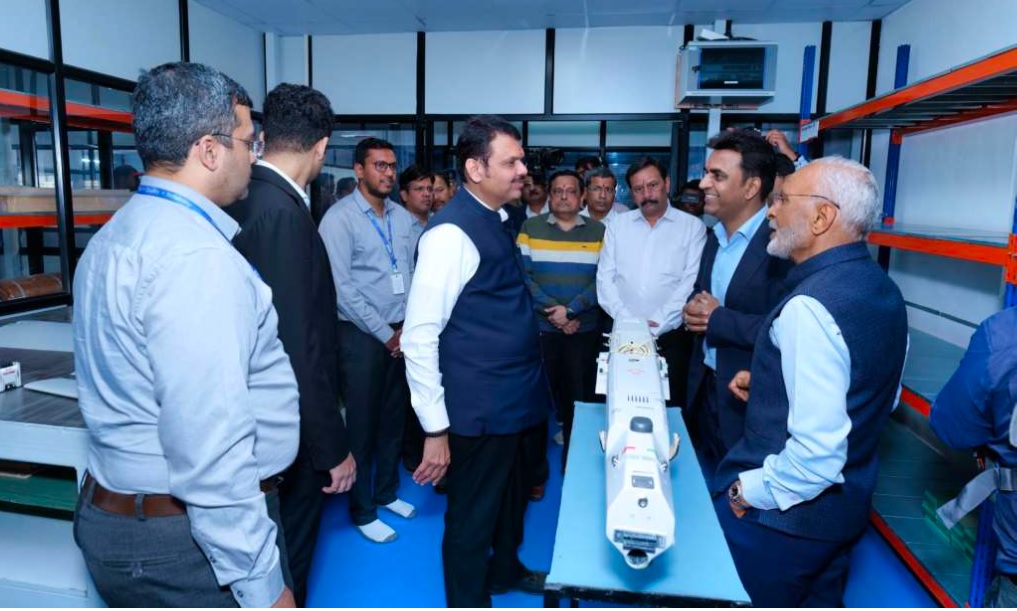
India
Solar Industries Ltd., a leading player in the explosives and ammunition sector, has made a bold move by inaugurating a state-of-the-art drone manufacturing facility in Nagpur, Maharashtra. This new facility is designed to elevate India’s standing in the global drone market, particularly in defence applications. With the growing significance of drones in modern warfare, Solar Industries’ new venture is strategically positioned to enhance India’s capabilities in this cutting-edge technology. The facility will focus on producing a variety of drones, including loitering munitions and unmanned aerial vehicles (UAVs). One of the major achievements of this initiative is the Nagastra-1, India’s first indigenous loitering munition. The Nagastra-1 is a reusable, precision-strike drone that has already been integrated into the Indian Army’s arsenal. This marks a significant leap in the country’s ability to produce advanced drone technology, which is increasingly becoming a key component of modern military operations. To support this ambitious initiative, Solar Industries plans to produce up to 1,000 loitering munitions annually. This not only reflects the company’s commitment to advancing India’s technological capabilities but also aligns with the country’s broader goal of reducing dependence on foreign imports for defence technologies. The move towards indigenous production is part of a national effort to foster innovation and boost self-reliance in the defence sector. The company has committed a significant ₹10,000 crore investment over the next decade to support this venture. This investment will go towards building the necessary infrastructure, including sophisticated testing facilities and a runway for UAV operations. These developments are essential for ensuring that the drones manufactured at the facility meet the highest standards and can undergo rigorous testing before being deployed in operational environments. The establishment of such advanced infrastructure is also expected to support the development of more advanced drone technologies, which will further strengthen India’s position in the global drone market. Drones have become indispensable in modern military operations. They provide enhanced situational awareness, enable precision strikes, and reduce the risk to human life in dangerous missions. Their use has proven to be effective in recent global conflicts, driving many countries to invest heavily in developing their own drone technologies. India’s integration of drones into its military strategy is a reflection of this global trend, with drones becoming force multipliers that improve operational efficiency and mission success. The creation of Solar Industries’ drone manufacturing facility also supports India’s goal of achieving Atmanirbhar Bharat (self-reliant India). By developing its own drone technologies, India aims to reduce its reliance on foreign imports for defence equipment and strengthen its own indigenous capabilities. This move is not only expected to foster technological innovation but also create job opportunities, stimulate economic growth, and boost local manufacturing in the country. In addition to military applications, the rise of drone technology in India is likely to have a broader impact on various industries. As more start-ups and medium-sized enterprises enter the drone sector, there will be an increase in innovation across civilian domains such as surveillance, logistics, agriculture, and more. This growing ecosystem will contribute to India’s technological leadership and create new avenues for economic development. In conclusion, Solar Industries’ new drone manufacturing facility marks a pivotal moment in India’s defence sector. With its focus on indigenous production and substantial investments, the facility is set to enhance India’s military capabilities and position the country as a global leader in drone technology. As India continues to make strides in self-reliance and innovation, this facility stands as a testament to the country’s growing technological prowess and its commitment to securing a strong and self-sufficient future.
Read More → Posted on 2025-01-13 16:39:59
World
Russia has accused Ukraine of attempting a drone strike on critical infrastructure connected to the TurkStream gas pipeline, a key channel for delivering Russian natural gas to Europe via Turkey. According to the Russian Ministry of Defense, the attack, which occurred on January 11, involved nine drones targeting a gas compressor station in Gai-Kodzor, a village near the Black Sea coast. Attack Details and Outcome The Russian military reported that all nine drones were intercepted and neutralized. However, debris from the drones caused minor damage to a gas measuring station, affecting a building and some equipment. Despite this, the facility continued to operate normally, and gas supplies through the TurkStream pipeline remained unaffected. The targeted station is located near Crimea, a region annexed by Russia in 2014 and frequently targeted by Ukraine since the ongoing conflict escalated. The attack appears to align with Kyiv’s broader strategy to disrupt Russian energy infrastructure, which has played a critical role in funding Moscow’s military operations. TurkStream Pipeline: A Strategic Energy Lifeline The TurkStream pipeline, inaugurated in January 2020, is a vital energy conduit spanning 930 kilometers (577 miles) under the Black Sea. It has an annual capacity of 31.5 billion cubic meters (1.11 trillion cubic feet) and delivers gas to Turkey and several European countries, including Serbia, Hungary, and Bulgaria. As the last active Russian pipeline supplying gas to Europe, TurkStream has become a geopolitical flashpoint amidst the ongoing war. Following the suspension of the Nord Stream pipelines and Ukraine's halt of Russian gas transit earlier this year, TurkStream remains one of Russia’s few remaining avenues for supplying natural gas to European nations. Broader Context of Energy Dependence The European Union has been steadily reducing its reliance on Russian gas since the onset of Russia’s full-scale invasion of Ukraine in February 2022. Sanctions, alternative energy projects, and expanded liquefied natural gas (LNG) imports have contributed to this shift. Nevertheless, certain EU member states, particularly in the Balkans, remain dependent on Russian energy supplies through TurkStream. Interestingly, while pipeline imports of Russian gas have decreased, several European nations have increased purchases of Russian LNG. Transported by sea, LNG offers more flexible delivery options, complicating efforts to fully sever energy ties with Moscow. Implications of the Drone Attack The alleged Ukrainian attack on the TurkStream infrastructure highlights the intersection of energy security and military strategy in the conflict. Disrupting critical energy routes not only hampers Russia’s revenue streams but also challenges the stability of energy supplies to Europe. However, the limited damage and uninterrupted operations suggest that the pipeline’s defenses are robust enough to withstand similar attempts in the future. As Europe and Russia continue to recalibrate their energy strategies amidst geopolitical tensions, TurkStream remains a crucial artery in a broader network of energy diplomacy, economic dependency, and military confrontation. This incident serves as a stark reminder of how energy infrastructure can become a battleground in modern conflicts.
Read More → Posted on 2025-01-13 16:27:41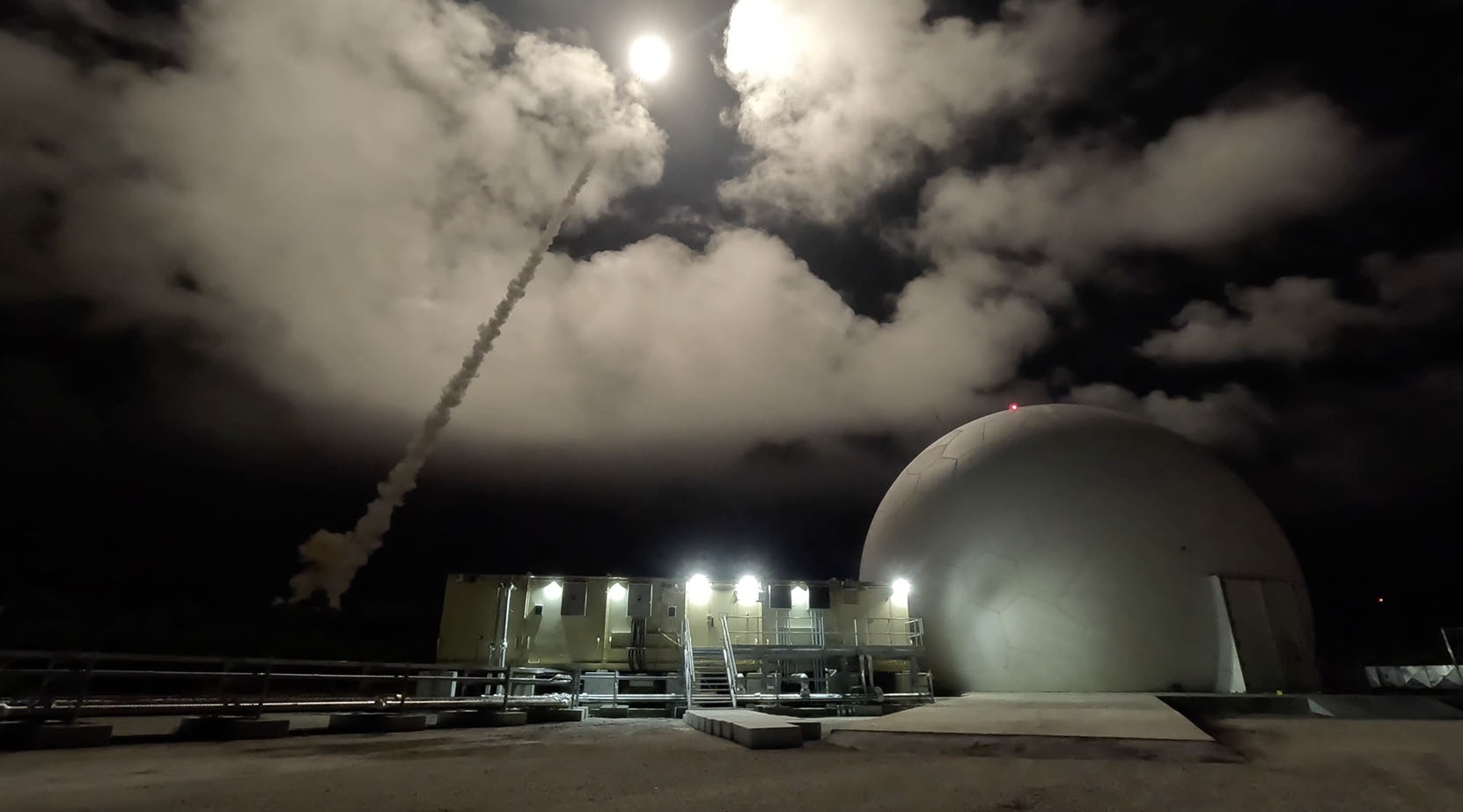
World
The United States Air Force (USAF), in collaboration with the Missile Defense Agency (MDA) and Department of Defense (DoD) partners, achieved a groundbreaking milestone in missile defense with the successful live intercept of a ballistic missile target near Guam. This historic event, announced by the MDA on December 10, marked the first-ever live test of the Aegis Guam System integrated with advanced radar and missile technologies, solidifying progress in the U.S.'s layered air and missile defense strategy for the Indo-Pacific region. The Experiment: Flight Experiment Mission-02 (FEM-02) Designated as Flight Experiment Mission-02 (FEM-02), this test was a comprehensive demonstration of cutting-edge missile defense capabilities. At its core, the experiment featured the Aegis Guam System in tandem with the AN/TPY-6 radar and a Vertical Launching System. The operation culminated in the successful interception of a Medium-Range Ballistic Missile (MRBM) target, which had been launched from an aircraft near Andersen Air Force Base. A key element of this mission was the integration of the Standard Missile-3 (SM-3) Block IIA, a highly advanced interceptor designed to neutralize ballistic missile threats at both high altitudes and long ranges. The SM-3 Block IIA is equipped with an enhanced kinetic warhead and an expanded engagement envelope, making it a critical component of modern missile defense systems. The AN/TPY-6 radar, a next-generation ballistic missile defense radar, played a pivotal role by tracking the missile target immediately after launch. Its ability to deliver precise real-time data was instrumental in ensuring the SM-3 Block IIA successfully intercepted the threat. This marked the radar's debut in an end-to-end tracking scenario during a live ballistic missile flight. Significance of the Test This test represents a significant leap forward in protecting Guam, a strategically vital territory in the Indo-Pacific region, from regional missile threats. Lt. Gen. Heath Collins, MDA Director, emphasized the importance of this achievement, noting that the data gathered will aid in the development of the Guam Defense System (GDS). This future system is designed to offer persistent, layered missile defense to safeguard both U.S. forces and regional allies. Guam’s defenses are a critical focus for the Indo-Pacific Command (USINDOPACOM), as the region faces escalating threats from adversarial ballistic missile capabilities. By successfully validating the Aegis Guam System's performance, FEM-02 serves as a stepping stone in creating a more robust missile defense architecture. Role of the 418th Flight Test Squadron The 418th Flight Test Squadron (FLTS), part of the 412th Test Wing, played a crucial role in ensuring the test's success. Known for its expertise in flight testing and airdrop operations, the squadron provided critical support by utilizing a modified C-17 Globemaster III aircraft. This aircraft was equipped with advanced instrumentation designed to interface with missile launch systems, enabling the collection of critical telemetry and data throughout the test. Lt. Col. Daniel Edelstein, Commander of the 418th FLTS, praised the squadron’s decade-long collaboration with the MDA, highlighting its experience in high-altitude experimental tests. He described FEM-02 as a vital stress test of multi-domain missile defense systems and a demonstration of the squadron’s commitment to advancing national security objectives in the Indo-Pacific. Future Implications for Guam Defense The FEM-02 test is part of a broader initiative to establish a persistent and layered air and missile defense system in Guam. The proposed Guam Defense System will integrate multiple DoD service components and cutting-edge technologies to ensure a seamless, collaborative defense network. This initiative underscores the U.S.'s commitment to strengthening regional security and maintaining a strategic deterrence posture. By integrating advanced capabilities like the SM-3 Block IIA and AN/TPY-6 radar, the system will enhance situational awareness and defense readiness against evolving missile threats. This historic test not only validated key components of the Guam Defense System but also demonstrated the collaborative strength of the U.S. Air Force, Missile Defense Agency, and allied partners in securing critical assets in the Indo-Pacific. As Lt. Gen. Collins noted, such tests provide invaluable insights that shape the future of missile defense, ensuring a robust shield for Guam and U.S. forces operating in the region.
Read More → Posted on 2025-01-13 16:23:10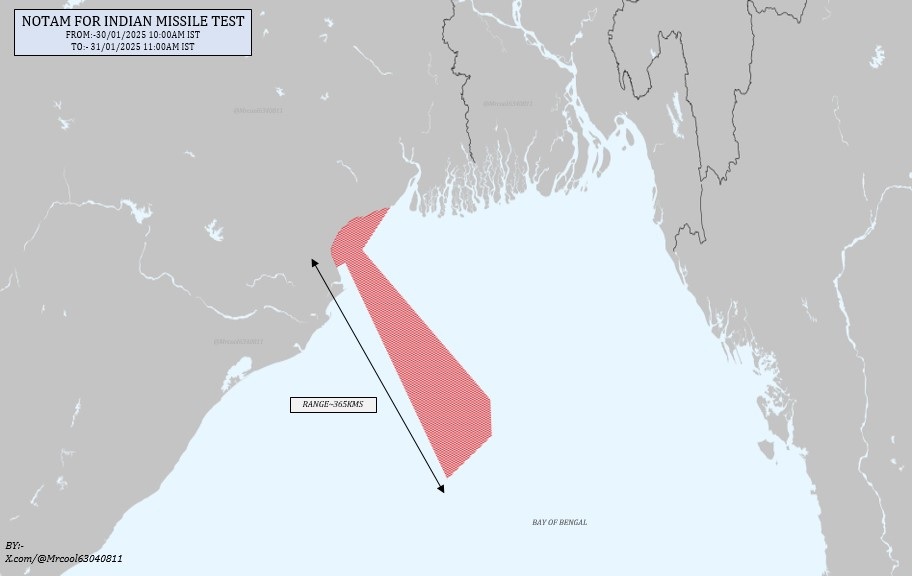
India
India has officially issued a Notice to Airmen (NOTAM) for a missile test scheduled between January 30 and January 31, 2025. The test will be conducted over a 365-kilometer designated area in the Bay of Bengal. While the specific missile type has not been disclosed, the test's scope and location underline India's ongoing commitment to advancing its missile technology. The issuance of a NOTAM is a routine yet critical step in ensuring airspace safety during such operations, as it warns civilian and military aviation to avoid the restricted zone during the test window. While no official confirmation about the missile system has been provided, the 365-kilometer test range suggests it is likely a short to medium-range missile designed for tactical or defensive roles. Strategic Importance of the Test The scheduled test reflects India’s consistent focus on enhancing its missile arsenal to meet evolving security challenges. These tests are vital for validating new technologies, improving system reliability, and reinforcing India’s defense posture. Missile tests like this also serve as a demonstration of self-reliance in defense manufacturing, a priority under India’s "Aatmanirbhar Bharat" initiative. By developing indigenous missile systems, India aims to reduce its dependence on foreign defense imports and strengthen its strategic autonomy.
Read More → Posted on 2025-01-13 15:49:17
World
Schiebel, an Austrian company renowned for its cutting-edge drone technology, has taken a prominent role in the European Defence Fund’s ambitious SEACURE project. This multinational initiative, spearheaded by Thales and involving 35 companies from 13 European nations, aims to revolutionize anti-submarine and seabed warfare capabilities while enhancing the protection of Europe’s critical maritime infrastructure. The SEACURE project, officially titled “Seabed and anti-submarine warfare capability through unmanned feature for Europe,” focuses on deploying advanced unmanned systems across air, surface, and underwater domains. These systems will detect, classify, identify, and track underwater threats under challenging conditions, boosting Europe’s joint maritime defense. Schiebel’s CAMCOPTER S-300: A Game-Changer At the heart of Schiebel’s contribution to the SEACURE project is its CAMCOPTER S-300, an advanced Unmanned Air System (UAS). This VTOL (vertical take-off and landing) drone sets new standards in endurance, versatility, and payload capacity. Key specifications of the CAMCOPTER S-300 include: Maximum Takeoff Weight: Up to 700 kg. Endurance: Over 24 hours with a standard payload, and six hours with a heavier 250 kg payload. Payload Flexibility: Capable of carrying advanced sensors and equipment for underwater threat detection. Navigation: Operates effectively in harsh weather and maritime environments. Range: Equipped with secure communications and real-time data transmission capabilities over extended distances. The S-300 builds on the success of Schiebel’s earlier model, the CAMCOPTER S-100, which has proven its reliability in NATO exercises. The S-300’s ability to integrate seamlessly into multi-domain operations makes it a critical asset for anti-submarine and seabed warfare. A Milestone for Europe’s Maritime Defence The SEACURE project exemplifies Europe’s commitment to strengthening its maritime security infrastructure through innovation and collaboration. It brings together leading aerospace and defense companies, research organizations, and technology developers to address the growing complexity of underwater threats. With Schiebel and Thales leading the charge, the project’s objectives extend beyond current needs, focusing on future-proofing Europe’s defense capabilities. The initiative is scheduled to culminate in a large-scale sea trial by 2028, providing a real-world testing ground for the integrated technologies developed under SEACURE. This final phase will demonstrate the effectiveness of unmanned systems, including Schiebel’s S-300, in detecting and neutralizing underwater threats while protecting critical seabed infrastructure, such as undersea cables and pipelines. Strategic Impact of the SEACURE Project As underwater threats, such as sabotage and espionage, become increasingly sophisticated, the SEACURE project represents a timely response to these challenges. By integrating air, surface, and underwater systems, the project offers a comprehensive approach to maritime defense. Schiebel’s CAMCOPTER S-300, with its cutting-edge features and adaptability, is poised to play a pivotal role in this effort. Hans Georg Schiebel, Chairman of the Schiebel Group, emphasized the significance of this collaboration: “The S-300 opens up a multitude of new possibilities for anti-submarine and seabed warfare. We are proud to contribute to this significant project that underlines Europe’s commitment to safeguarding its maritime assets.” Future Prospects The SEACURE project marks a crucial step in Europe’s efforts to lead in maritime defense technology. By harnessing the strengths of companies like Schiebel, the initiative underscores the importance of international cooperation and technological innovation in addressing emerging threats. As the project progresses, the CAMCOPTER S-300 is expected to redefine the standards for unmanned systems in maritime defense, further cementing Schiebel’s position as a global leader in drone technology.
Read More → Posted on 2025-01-13 15:39:32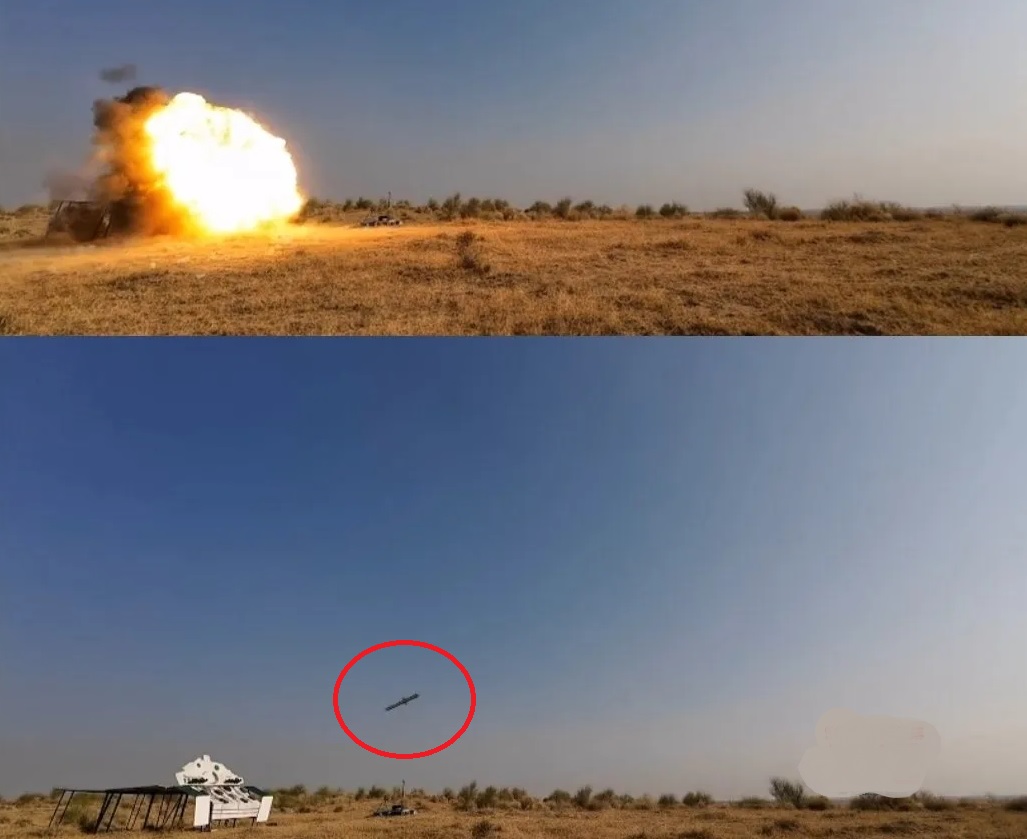
India
India has achieved a significant milestone in its defense capabilities with the successful field evaluation trials of the indigenously-developed third-generation anti-tank guided missile, Nag Mk 2. Conducted at the Pokhran Field Firing Range in Rajasthan, the trials demonstrated the missile's remarkable precision and operational readiness in the presence of senior Army officials. The Nag Mk 2 is now fully prepared for induction into the Indian Army, marking a step forward in bolstering the nation's anti-tank warfare capabilities. Successful Field Trials The field trials, held under stringent conditions, showcased the Nag Mk 2's ability to destroy all designated targets with pinpoint accuracy. During three separate trials, the missile successfully engaged and neutralized targets at both its maximum and minimum operational ranges, affirming its reliability across varying scenarios. In addition to the missile itself, the Nag Mk 2 missile carrier platform was also evaluated, further confirming the system's integrated performance. Defence Minister Rajnath Singh extended his congratulations to the Defence Research and Development Organisation (DRDO), the Indian Army, and the private industry partners involved in developing and perfecting the missile system. Similarly, DRDO Chairman Samir V Kamat praised the collaborative effort that has led to this significant achievement. Key Specifications of Nag Mk 2 The Nag Mk 2 is a third-generation, fire-and-forget anti-tank guided missile (ATGM) designed to meet the modern battlefield's evolving challenges. Below are its notable specifications: Type: Fire-and-forget anti-tank guided missile. Guidance System: Equipped with advanced imaging infrared (IIR) seekers, ensuring precise targeting even in adverse weather and low-visibility conditions. Warhead: Tandem High-Explosive Anti-Tank (HEAT) warhead capable of penetrating explosive reactive armor (ERA). Range: Capable of striking targets up to 5 km when launched from its carrier platform. Platform: Designed for launch from the NAMICA (Nag Missile Carrier) version-2, an armored vehicle tailored to support and enhance the missile's capabilities. Weight: Approximately 42 kg. Speed: Subsonic, achieving speeds sufficient to engage fast-moving armored targets. Operational Flexibility: Effective against a wide variety of armored targets, including tanks, infantry fighting vehicles, and fortifications. Strategic Importance The Nag Mk 2's induction is expected to significantly strengthen India's anti-armor capabilities, providing the Indian Army with a cutting-edge weapon system to counter modern tanks equipped with advanced protective measures such as reactive armor. Its fire-and-forget capability minimizes risk to the operator while ensuring high target accuracy, even in dynamic combat scenarios. The missile's development aligns with India's Atmanirbhar Bharat (self-reliant India) initiative, reducing dependence on foreign defense imports and enhancing indigenous technological capabilities. The successful testing of the Nag Mk 2 also underscores DRDO's prowess in developing world-class defense systems tailored to India's strategic needs. With the trials completed and the system ready for induction, the Indian Army is set to deploy the Nag Mk 2 across its formations, significantly improving its ability to respond to armored threats on the battlefield. The system's successful evaluation also serves as a morale booster for India's defense ecosystem, demonstrating the potential for further advancements in missile technology. The Nag Mk 2, now a symbol of India's growing self-reliance in defense technology, marks yet another chapter in the nation's journey toward a robust and technologically advanced military capability.
Read More → Posted on 2025-01-13 15:34:57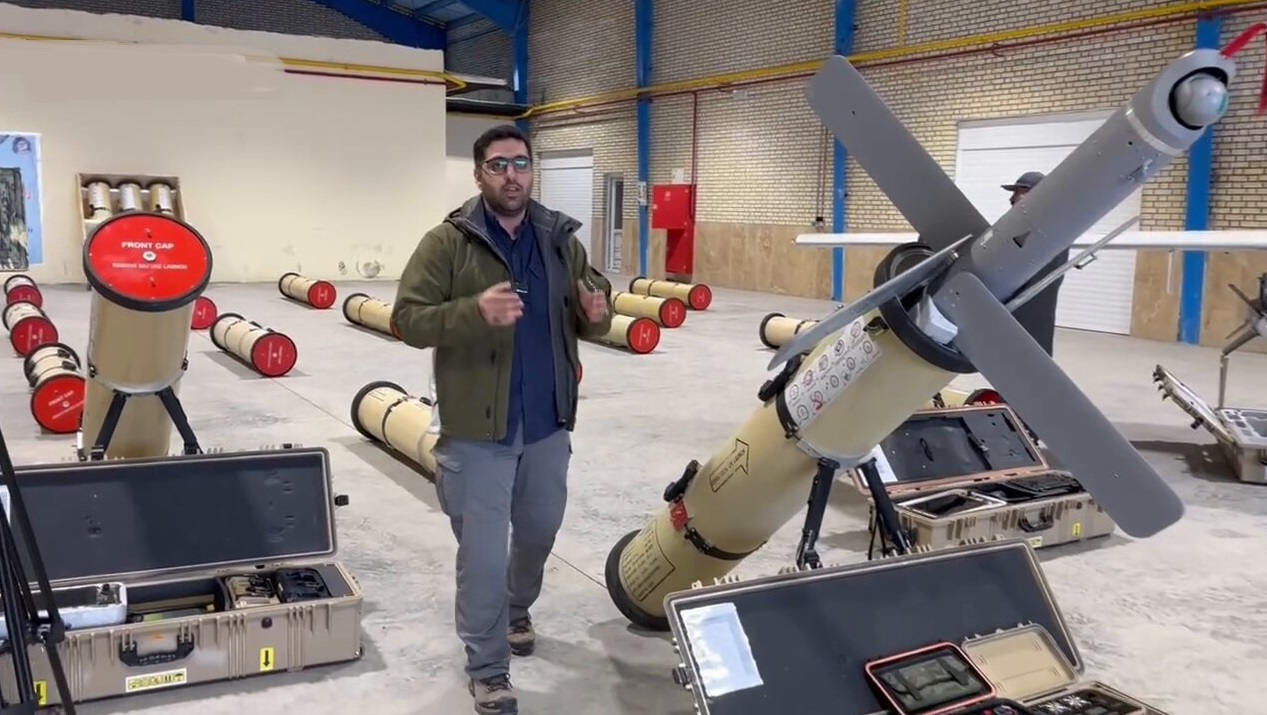
World
Iran's Islamic Revolutionary Guards Corps (IRGC) has officially unveiled the "Razvan," a loitering munition designed to enhance its tactical capabilities. The drone, introduced during the recent Payambar-e Azam (The Great Prophet) 19 military exercise, has a reported range of 20 kilometers (12 miles) and is aimed at bolstering Iran's defense strategy in rugged terrains and complex operational environments. Key Specifications of the Razvan Drone The Razvan stands out as a versatile, tactical weapon system with several advanced features: Range and Flight Duration: It can travel up to 20 kilometers and stay airborne for approximately 20 minutes. Camera Technology: The drone is equipped with a front-facing camera, enabling first-person view (FPV) operations, allowing operators to guide it with precision in real-time. Launch System: It uses a cylindrical launcher, ensuring quick deployment in the field. Wingspan and Design: Foldable wings expand mid-flight, increasing its maneuverability and stealth capabilities. Targeting: Designed to identify, lock onto, and neutralize targets effectively, even in challenging mountainous terrains. Strategic Importance The Razvan is part of a broader initiative by Iran to deploy 1,000 new "strategic" drones. These drones are intended to improve the IRGC's precision, mobility, and intelligence capabilities amidst growing regional tensions. According to IRGC Ground Forces Commander Mohammad Pakpour, the Razvan has already demonstrated its effectiveness in simulations, successfully neutralizing threats to Iranian bases. This drone is particularly suited for operations in difficult environments, such as mountainous regions, where conventional military equipment may face operational challenges. Controversy Over Alleged Design Similarities The Razvan’s unveiling has stirred controversy, with some observers claiming it closely resembles the Hero family of loitering munitions developed by Israel's UVision. These Israeli drones boast advanced capabilities, including ranges of up to 200 kilometers (124 miles). The shared characteristics between the Razvan and the Hero series include: Foldable wing designs for improved stealth and compact storage. Electro-optical and infrared cameras for enhanced visual feedback during missions. Comparable size and structural design, contributing to high maneuverability. Iran has not addressed these allegations, but such accusations are not new. Tehran has faced similar claims in the past regarding its drone programs, which critics often describe as adaptations of foreign designs. Strengthening Iran's Drone Arsenal Iran's drive to develop and deploy advanced drones like the Razvan is part of its larger ambition to become a regional drone power. IRGC officials have emphasized the strategic value of drones in modern warfare, especially in areas requiring rapid response and high precision. The introduction of these kamikaze drones is expected to significantly enhance Iran's ability to address asymmetric threats and maintain a strong defensive posture. As regional dynamics continue to shift, the Razvan and similar systems will likely play a crucial role in shaping Iran's military strategy, while the controversies surrounding their designs highlight the ongoing geopolitical and technological rivalries in the region.
Read More → Posted on 2025-01-13 15:31:06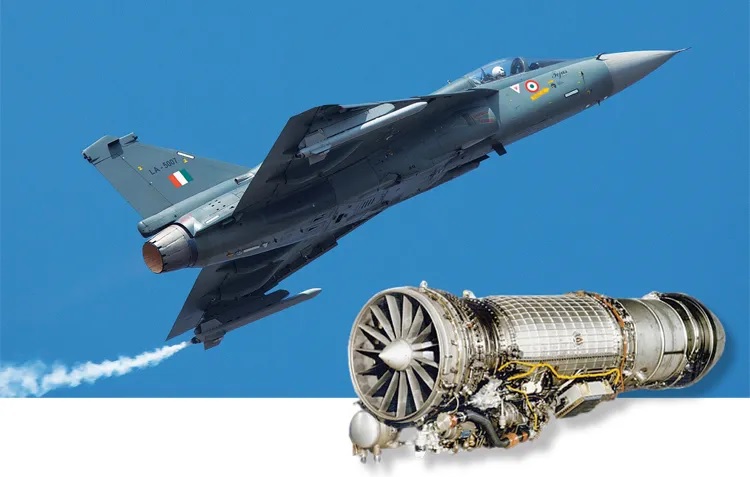
India
India's ambitious Light Combat Aircraft (LCA) Tejas program is grappling with a critical hurdle: a mounting backlog of F-404 engines, manufactured by General Electric (GE). Hindustan Aeronautics Limited (HAL), the principal manufacturer of Tejas, has confirmed that the backlog has already reached 26 engines and is expected to rise to 30 by mid-2025. The delay poses serious challenges to the production timelines of the Tejas Mk1A, a key component of the Indian Air Force's modernization drive. Current Challenges and Future Projections Supply chain disruptions, exacerbated by global shortages in raw materials and precision components, have been at the root of GE's production delays. According to HAL, while GE plans to deliver two engines by March 2025, its current manufacturing rate is far from sufficient to meet growing demand. Production Rate: GE aims to gradually increase output to 8 engines per year by 2025, scaling to 12 by 2026, and 20 by the end of 2026. However, this incremental approach will not address the immediate backlog. Demand Surge: The Indian Air Force (IAF) has expressed its intent to procure 97 additional Tejas Mk1A units, which would necessitate at least 110 engines, including reserves. To keep pace, HAL is pushing GE to achieve a production rate of 30 engines per year by 2027. Implications for the Tejas Program The engine backlog presents a multifaceted challenge: Production Delays: The Tejas Mk1A production timeline, already ambitious, is now under threat. Delays could disrupt the IAF's plans to induct the jets within the next few years. Operational Readiness: The lack of engines could limit the number of operational aircraft, undermining the IAF’s combat readiness. Strategic Concerns: With an increasing need for indigenization in defense manufacturing, the reliance on imported engines underscores vulnerabilities in India’s defense supply chain. HAL's Mitigation Efforts HAL is actively negotiating with GE to ramp up production. The company has also emphasized the importance of timely deliveries in recent discussions with the U.S. manufacturer. HAL is exploring the possibility of diversifying its engine procurement strategy while pushing for domestic production of critical engine components to reduce reliance on imports. The Road Ahead While GE's plans to expand production capacity offer a glimmer of hope, the timeline remains a pressing concern. The Tejas program, a symbol of India's self-reliance in defense, now finds itself at a crossroads, reliant on global supply chains to sustain momentum. Unless the production bottlenecks are resolved swiftly, the delays could have far-reaching consequences for both the IAF and India’s aerospace ambitions. Addressing this issue will require a concerted effort from both HAL and GE to ensure the timely delivery of engines and, by extension, the successful execution of the Tejas program.
Read More → Posted on 2025-01-13 15:26:40Search
Top Trending in 24 Hours
-
 Ukraine Reports First Use of Fire Point’s FP-7 Tactical Ballistic Missile inMoscow-Region Strikes on Oil Refinery
-
 Saudi Arabia Withdraws from China-Led mBridge Cross-Border Digital Currency Platform
-
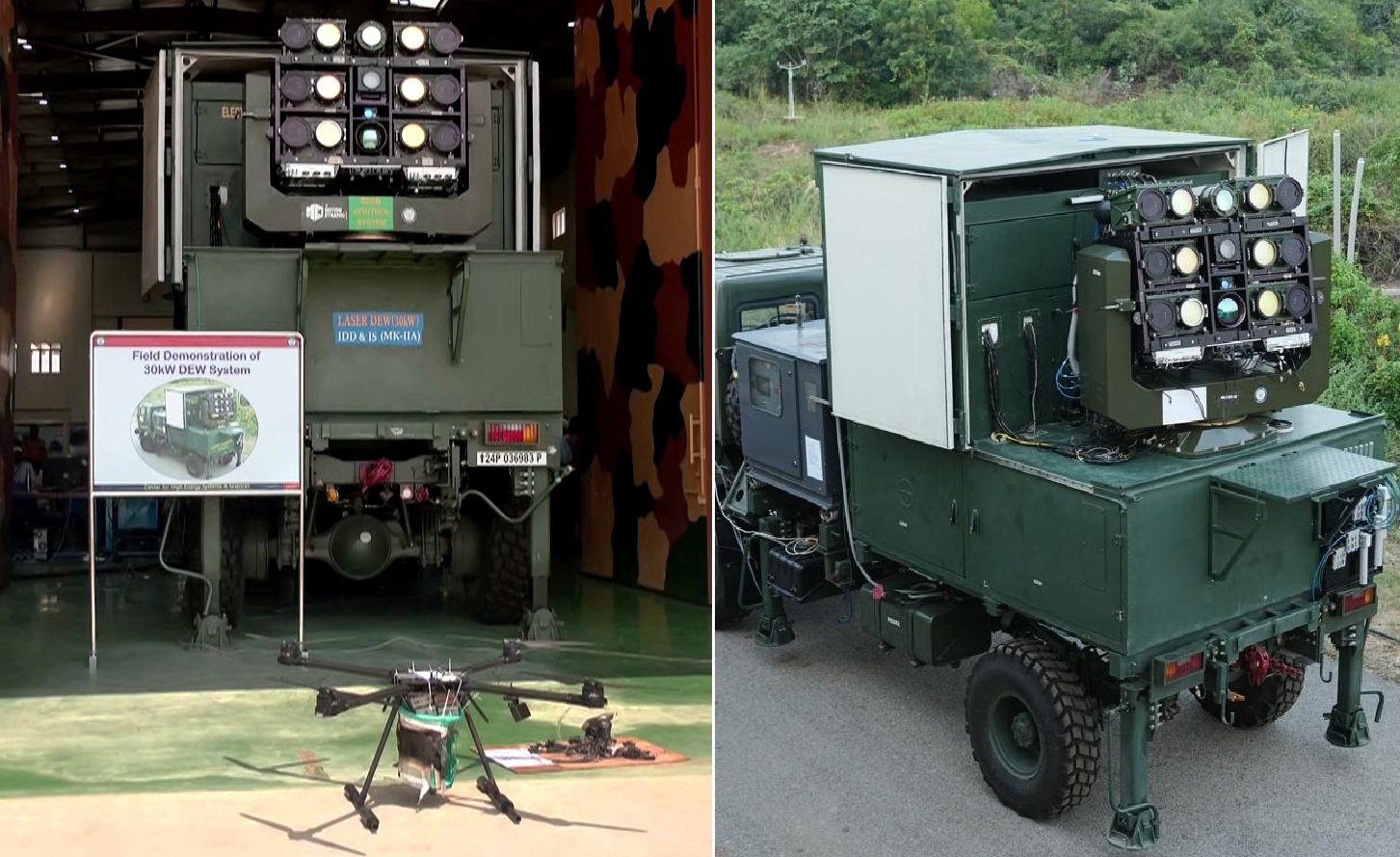 DRDO to Select Industry Partner for 30 kW Laser Weapon Within Six Months
-
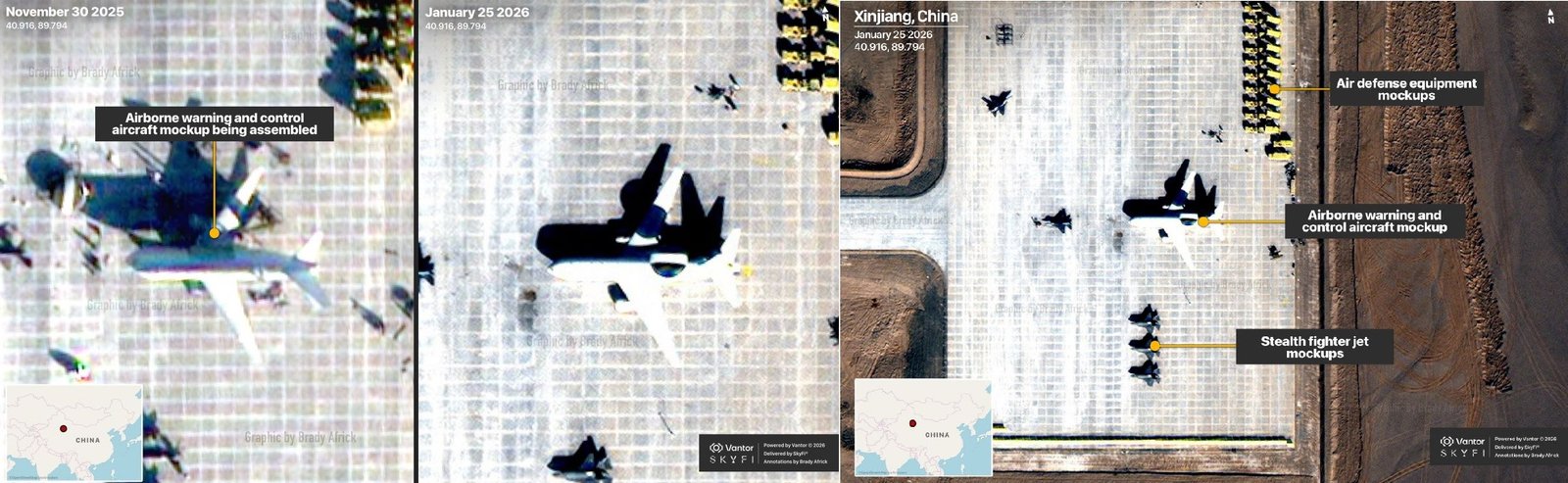 China Builds Mock-Ups of U.S. and Japanese Military Assets at Desert Test Range
-
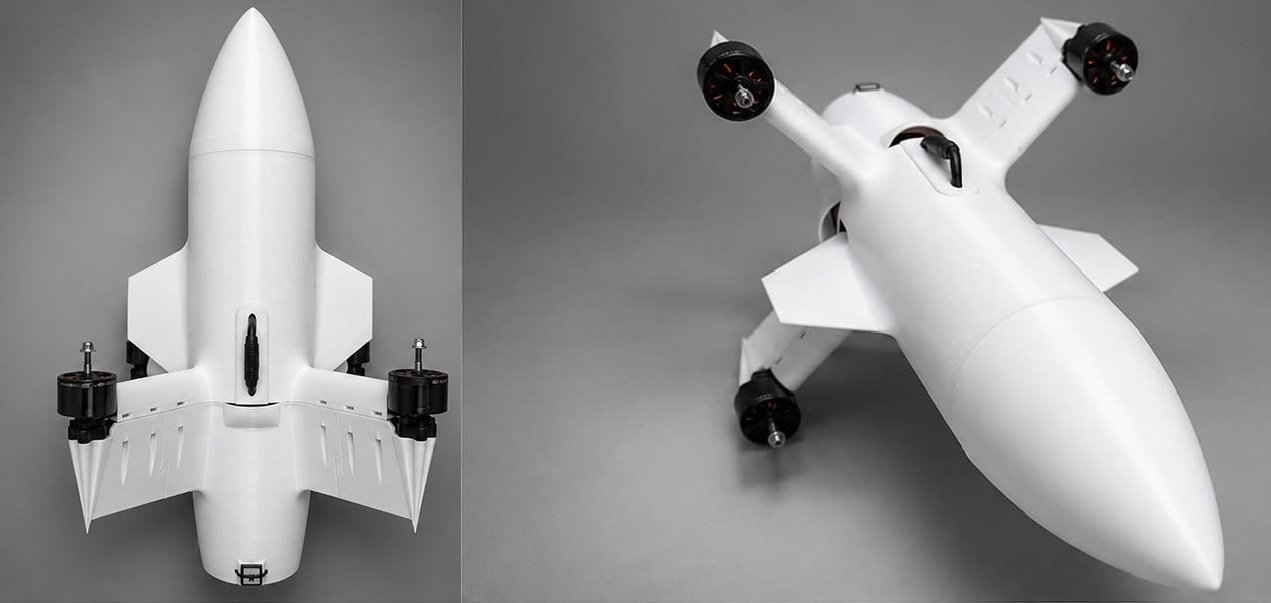 Ukraine’s Vluchnyk Completes Testing of Zorelit v5 Interceptor Drone for High-Speed Targets
-
 India Successfully Completes Flight Test of KAL Long-Range One-Way Attack Drone at Pokhran
-
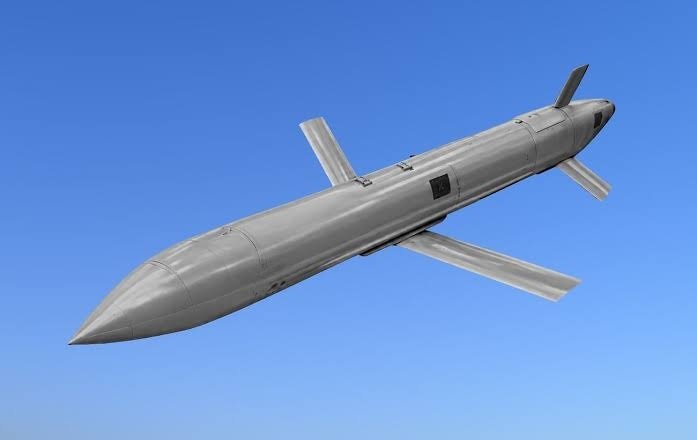 Russia Plans Sharp Increase in Dan-T Missile Production, Targeting 2,000 Units by End-2026 and 14,000 in 2027
-
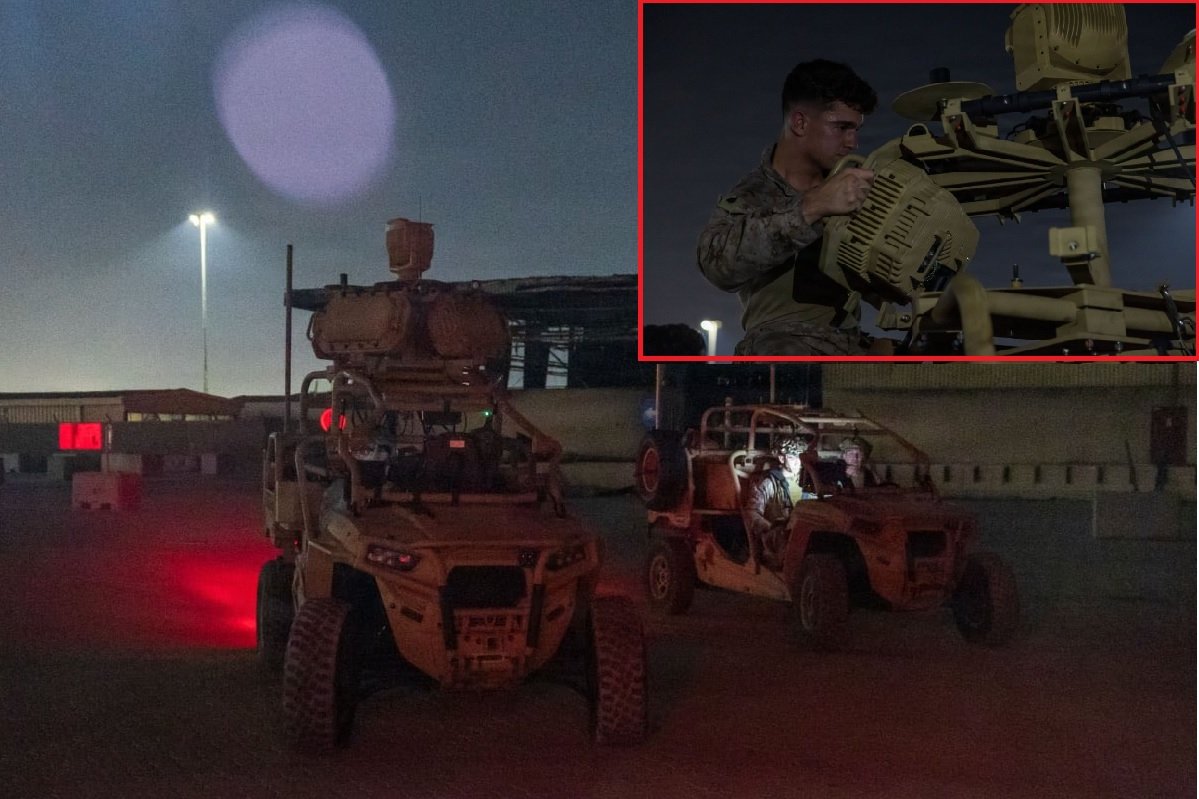 U.S. Marines with 11th MEU Operate LMADIS Counter-Drone System in Middle East
Top Trending in 4 Days
-
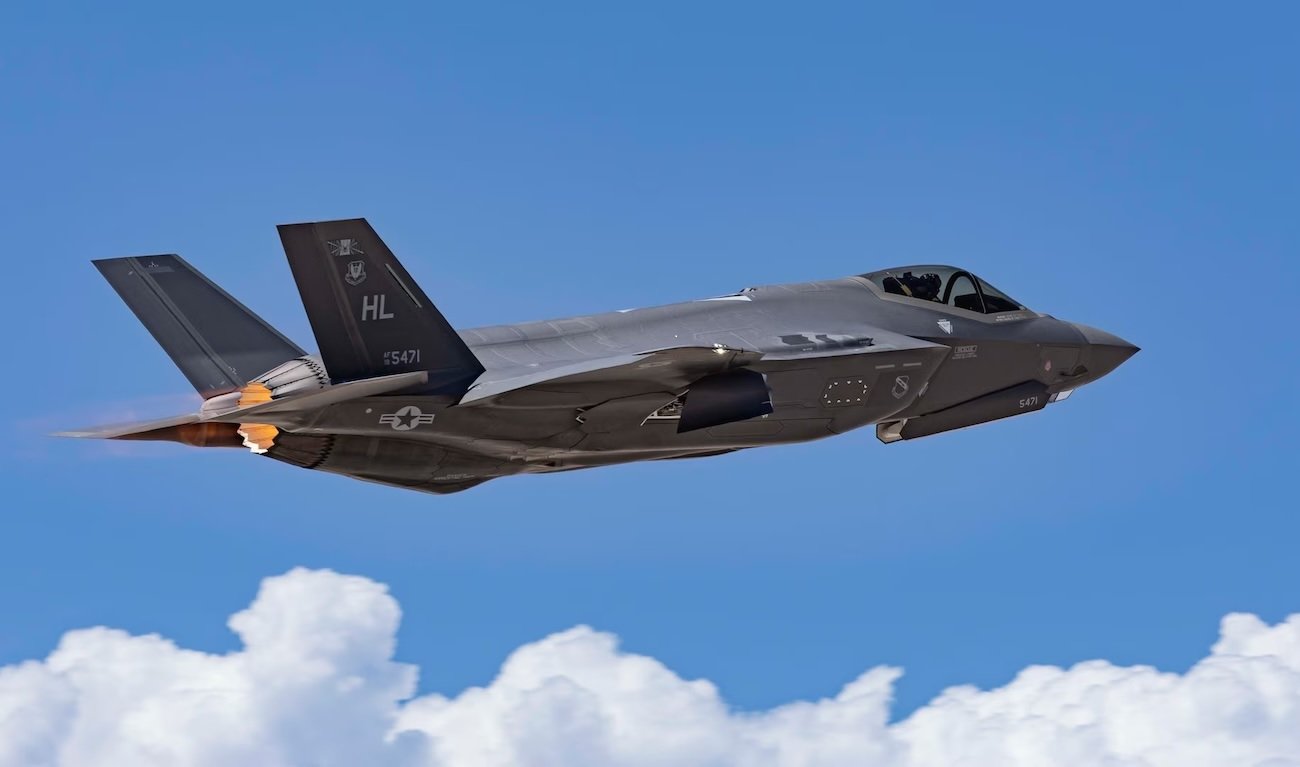 Sensitive F-35 Components Diverted to Hong Kong, Some Parts Missing
-
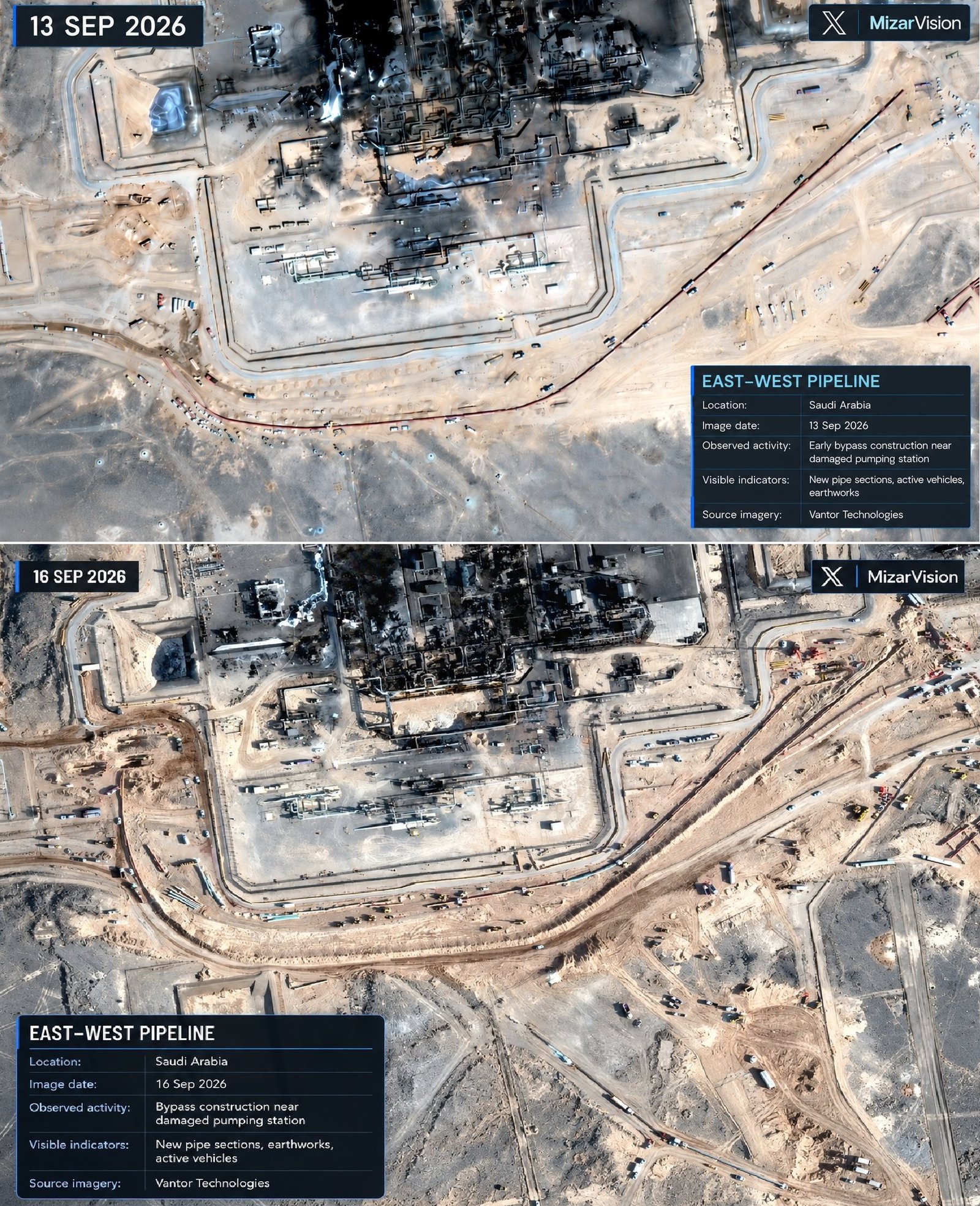 Satellite Images Show Saudi Arabia Building Emergency Bypass Around Damaged East-West Oil Pipeline Station
-
 U.S. Secures Permanent Military Rights in Greenland in Historic Security Pact with Denmark
-
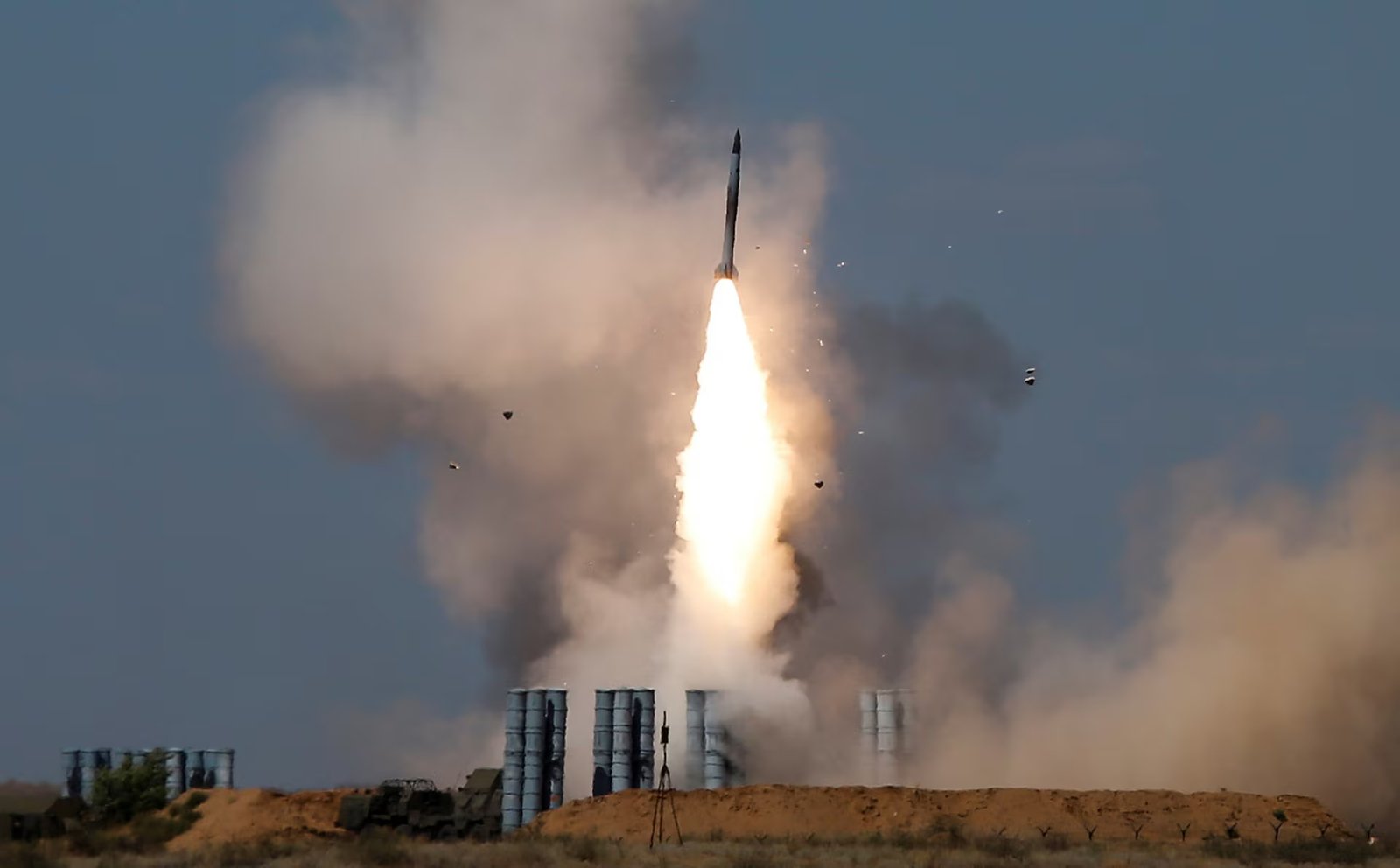 U.S. Approves Potential $2.68 Billion Air Defense Package for Ukraine Including S-300 Clone Missiles
-
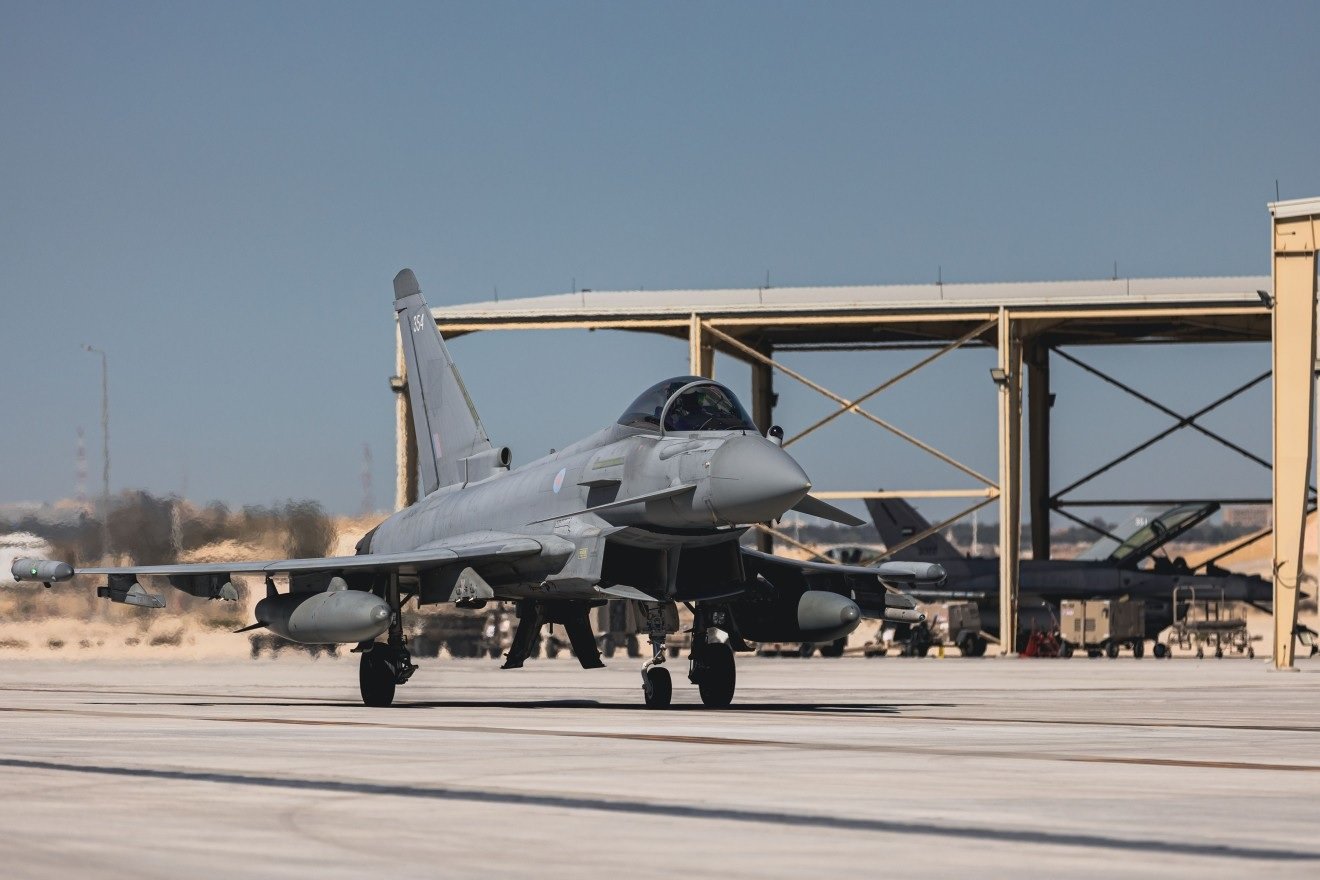 Italian Eurofighter Damaged in Houthi Attack on Saudi Arabia’s King Fahd Air Base
-
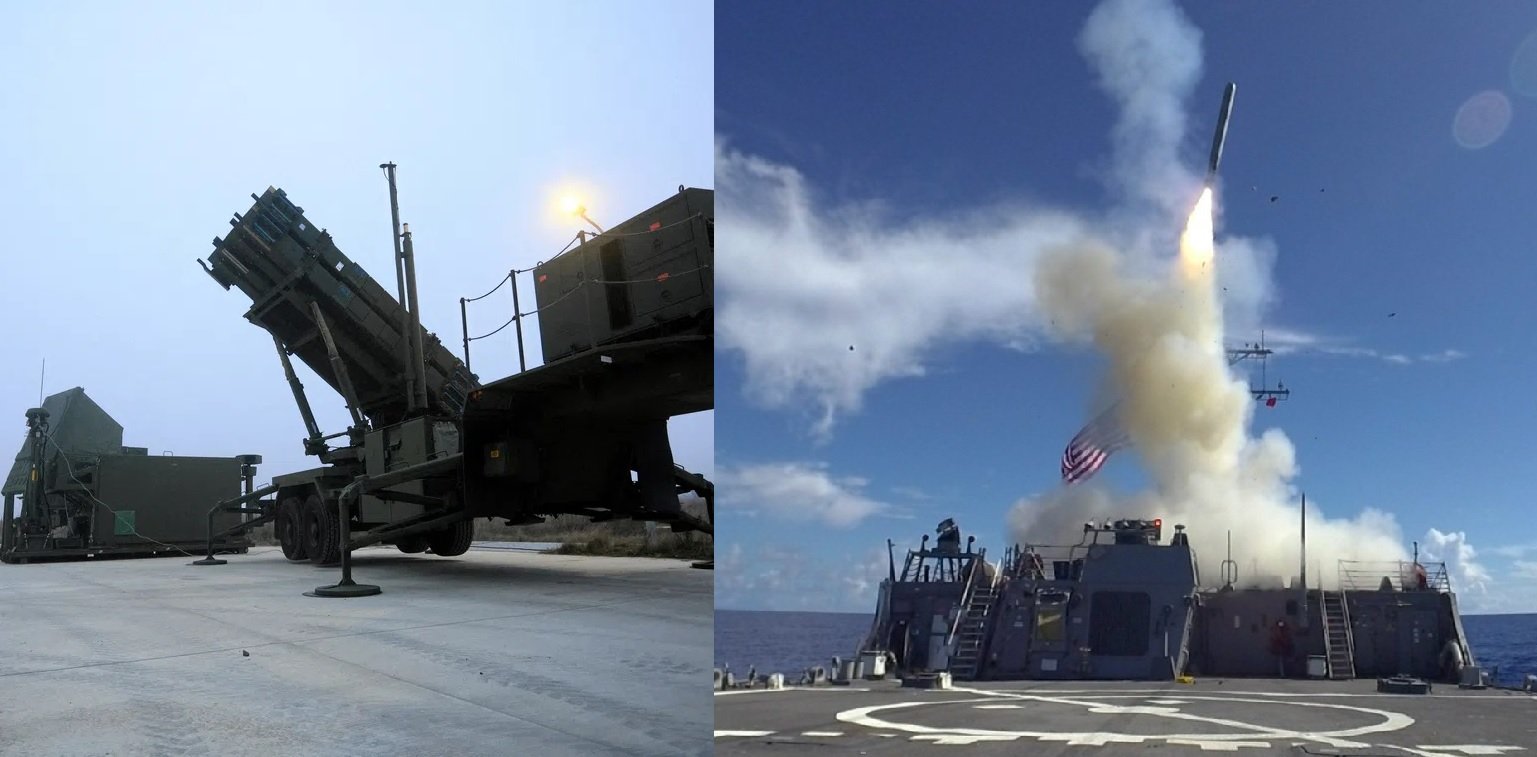 U.S. Warns Allies of Up to Five-Year Delays in Key Weapons Deliveries
-
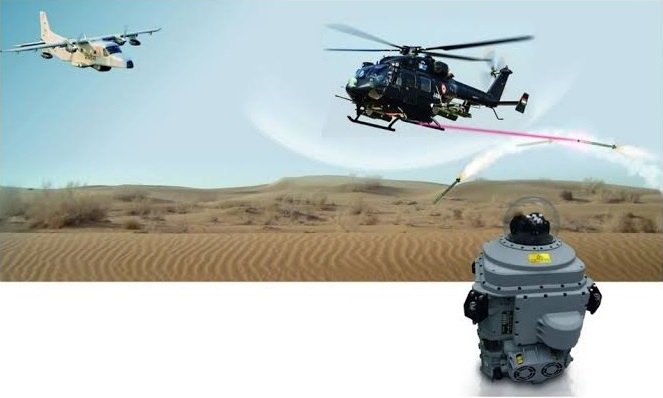 BEL Signs Export Deal with Elbit Systems for Directed Infrared Countermeasure Sub-Assemblies, Secures ₹648 Crore in Additional Orders
-
 Israeli Firm Arbe Robotics Unveils Alerion High-Resolution 4D Radar for Counter-Drone Operations
