
World
The United States Space Force has unveiled a bold new initiative to counter China's satellite surveillance capabilities in the Indo-Pacific region: the deployment of advanced anti-satellite jammers. This move has ignited concerns about escalating electronic warfare (EW) tensions between the two superpowers, with analysts predicting a "battle for the first EW salvo" in any future conflict. The Role of Remote Modular Terminals (RMTs) The linchpin of this strategy is the Remote Modular Terminals (RMTs), sophisticated jamming systems designed to disrupt critical satellite communication links. By emitting high-powered interference signals, the RMTs can effectively "yell" into a satellite's communication channels, disrupting their ability to relay information or coordinate military actions. The RMTs specifically target China's growing satellite constellation, including the Yaogan series, which boasts advanced optical and radar systems capable of tracking objects as small as cars across vast distances. The Yaogan satellites have proven instrumental in bolstering China's anti-access/area denial (A2/AD) strategies, particularly in the Indo-Pacific region where US and allied forces operate. Strategic Importance of Jamming According to Brigadier General Anthony Mastalir, Commander of the Space Force Indo-Pacific, China's satellite network enables precision targeting and surveillance that could exploit vulnerabilities in US military operations. The RMTs aim to disrupt these capabilities, giving the US a strategic advantage in space-based warfare. However, analysts caution that the jammers themselves could become high-value targets. Drawing parallels with the war in Ukraine, Clayton Swope of the Center for Strategic and International Studies (CSIS) warned that jamming devices might attract retaliatory strikes, particularly from advanced loitering munitions like China's ASN-301 anti-radiation drone, which can home in on radar emissions. RMT Deployment Plans The US Space Force has approved the first phase of the RMT deployment, starting with 11 units. Eventually, up to 200 systems will be fielded, focusing on the Indo-Pacific theater. These deployments are expected to significantly degrade the operational effectiveness of China's People's Liberation Army (PLA) Aerospace Force satellites by blocking their ability to transmit data. Vulnerabilities and Limitations While the RMTs are a formidable addition to the US military’s arsenal, they are not without limitations. For instance, optical satellites like China's Yaogan-41, which rely on visual and infrared imaging, are less susceptible to jamming compared to radar and communication satellites. Analysts like Song Zhongping, a former People’s Liberation Army instructor, argue that these jammers have "limited interference capabilities" against optical systems. Additionally, environmental factors such as weather conditions can impact the effectiveness of optical satellites, making traditional countermeasures like camouflage and decoys viable options for evading detection. Implications for Future Conflicts The deployment of RMTs represents a significant shift in the strategic balance in the Indo-Pacific. As Malcolm Davis, a space security expert from the Australian Strategic Policy Institute, highlighted, these systems could mark the beginning of an electronic warfare arms race. China is likely to develop counter-EW technologies to neutralize these jammers, setting the stage for a prolonged cat-and-mouse game in space. The increasing militarization of space also underscores the urgency for clear communication protocols and rules of engagement. With both nations expanding their satellite constellations at an unprecedented pace, the risk of misunderstandings or unintended escalations in the space domain grows exponentially. The Road Ahead As the US Space Force continues its deployment of RMTs, the world watches closely to see how China will respond. Whether through the development of countermeasures, kinetic strikes, or enhanced satellite resilience, it is clear that space will play a pivotal role in the geopolitical contests of the 21st century. The Indo-Pacific is fast becoming the frontline of a new kind of warfare—one fought not with guns or tanks, but with signals and satellites. The deployment of the RMTs is a bold step, but it is only the beginning of what promises to be a long and complex struggle for dominance in the final frontier.
Read More → Posted on 2025-01-11 15:50:44
India
Hindustan Aeronautics Limited (HAL) is taking a significant step to expedite the production of the Tejas Light Combat Aircraft (LCA) by setting up a fourth assembly line at its Nashik facility. This development comes as a response to delays in the delivery of F-404 engines by General Electric (GE), which has affected the manufacturing timeline for the Tejas Mk-1 fleet. With GE expected to resume engine deliveries by March 2025, HAL is strategically positioning itself to make up for lost time and bolster the Indian Air Force's (IAF) fighter squadron strength. Addressing Production Delays with Expansion Currently, HAL operates two LCA assembly lines in Bengaluru, each with the capacity to produce eight aircraft annually. A third assembly line in Nashik, inaugurated recently, is expected to deliver its first Tejas LCA by March 2025. To further accelerate production, HAL plans to establish a fourth assembly line at the same facility, aiming for an additional output of eight aircraft annually. However, the completion of this new line will depend on the timely and consistent supply of F-404 engines from GE. HAL estimates it will require approximately 1.5 years to set up this new production facility. GE Engine Supply Challenges The F-404 engine, which powers the Tejas Mk-1, has been a critical bottleneck in the production process. GE is currently grappling with a backlog of 26 engines, causing significant delays. Indian officials, recognizing the importance of these engines for the IAF's operational readiness, have engaged in diplomatic discussions with their US counterparts to address the issue. GE has committed to delivering the first engine by March 2025, with plans to scale up production thereafter. The Strategic Importance of Tejas LCA The IAF is currently facing a squadron strength crisis, with only 31 operational squadrons against a sanctioned strength of 42. The impending retirement of the remaining MiG-21 squadrons is likely to exacerbate this shortfall. In response, the Indian government signed a Rs 45,696 crore deal with HAL in 2021 for 83 Tejas Mk-1A aircraft (73 fighters and 10 trainers). The timely production of these aircraft is critical for maintaining India's air superiority and meeting the operational requirements of the IAF. Recent Progress and Future Prospects Despite the delays, HAL has made progress by assembling the first Tejas Mk-1A using reserve engines. This aircraft is currently undergoing trials and is expected to be showcased at Aero India 2025. The second Mk-1A is already on the assembly line, demonstrating HAL's commitment to overcoming challenges and maintaining production momentum. The establishment of a fourth assembly line, coupled with the resumption of engine deliveries, is poised to significantly enhance HAL’s production capabilities. This expansion will not only support the IAF's modernization efforts but also strengthen India's indigenous defense manufacturing sector, aligning with the government's "Make in India" initiative. As HAL gears up to ramp up production, the Tejas LCA program stands as a testament to India's engineering and defense capabilities, ensuring a robust and agile response to evolving security challenges.
Read More → Posted on 2025-01-11 15:44:32
Space & Technology
L3Harris Technologies, a prominent US aerospace and defense company, has achieved a significant milestone in the development of Japan’s next-generation Himawari-10 weather satellite. The firm has successfully completed the Preliminary Design Review (PDR) for the satellite's key instruments, marking a critical step toward launching a satellite equipped with groundbreaking meteorological capabilities. Himawari-10: A Leap Forward in Weather Forecasting Himawari-10, commissioned by the Japan Meteorological Agency (JMA) and to be manufactured by Mitsubishi Electric Corporation, is designed to elevate Japan's ability to predict and monitor weather patterns. The satellite will serve as a crucial tool for improving disaster preparedness and mitigating risks across Japan and the Asia-Pacific region. The two primary instruments under development by L3Harris are: Advanced Imager: This is derived from L3Harris' proven Advanced Baseline Imager technology, modified to include unique spectral bands tailored to Japan’s meteorological needs. It will provide high-resolution images for real-time tracking of severe weather phenomena such as typhoons. Hyperspectral Infrared Sounder: This cutting-edge tool will deliver three-dimensional atmospheric profiles, including precise data on temperature, humidity, and pressure. Its capabilities promise a substantial improvement in weather modeling accuracy. These systems are designed to support not just regional weather forecasting but also contribute to global meteorological data sharing. Specifications and Features of Himawari-10 Himawari-10 represents the next step in Japan’s highly successful Himawari satellite series, which has been operational since the 1970s. Key specifications include: Imaging Technology: Advanced multi-spectral imaging for visible, near-infrared, and thermal infrared wavelengths. Hyperspectral Sounding: Over 2,000 spectral channels for precise atmospheric observations. Data Refresh Rate: High-frequency updates, enabling near real-time weather monitoring. Coverage Area: Focused on Japan and the Asia-Pacific but capable of capturing global weather patterns. Longevity: Designed for a lifespan of over 10 years in geostationary orbit. These features are specifically aimed at addressing modern challenges such as climate change, extreme weather events, and disaster risk reduction. L3Harris’ Role and Vision L3Harris secured a five-year contract in 2023 to develop and deliver these advanced meteorological systems. The company’s president of Space and Airborne Systems, Ed Zoiss, highlighted the importance of this project, stating, “Our world-class weather instruments will assist JMA in their efforts to enhance real-time disaster monitoring and warning capabilities.” The collaboration aligns with global initiatives to advance Earth observation technologies and improve responses to climate-related risks. Himawari-10's capabilities are expected to strengthen not only Japan’s weather prediction systems but also contribute to international meteorological networks, fostering global cooperation in climate monitoring. Conclusion With the successful completion of the design review, Himawari-10 is on track to redefine weather forecasting standards. Once operational, it will play a pivotal role in safeguarding lives and property by delivering faster, more accurate weather data. This satellite embodies the collaborative spirit between Japanese and American aerospace industries, showcasing the technological advancements shaping the future of meteorology.
Read More → Posted on 2025-01-11 15:32:45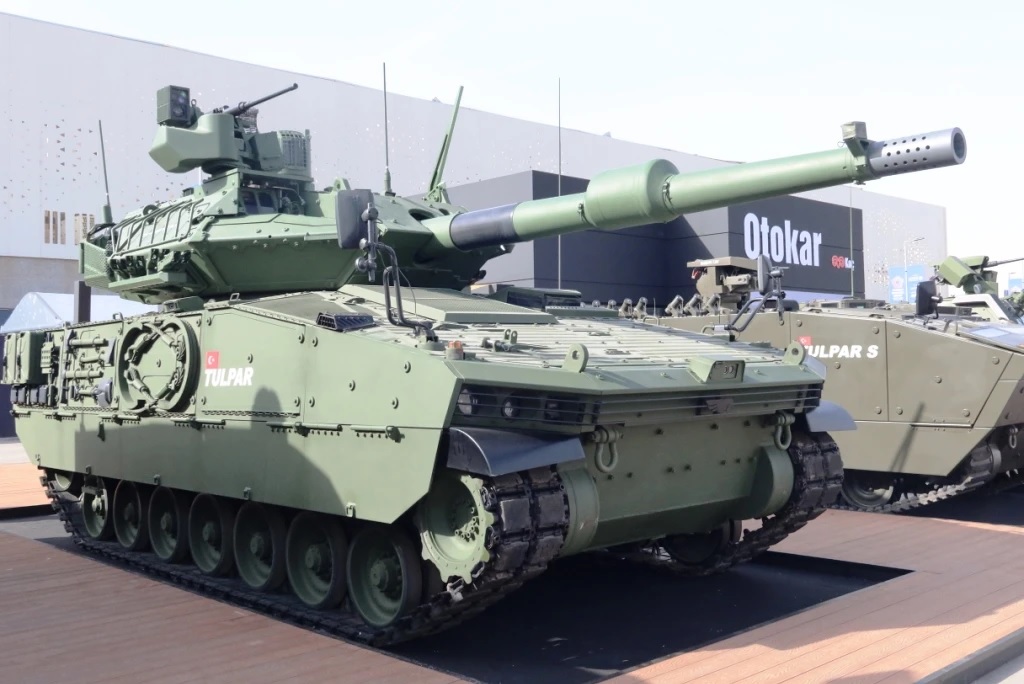
World
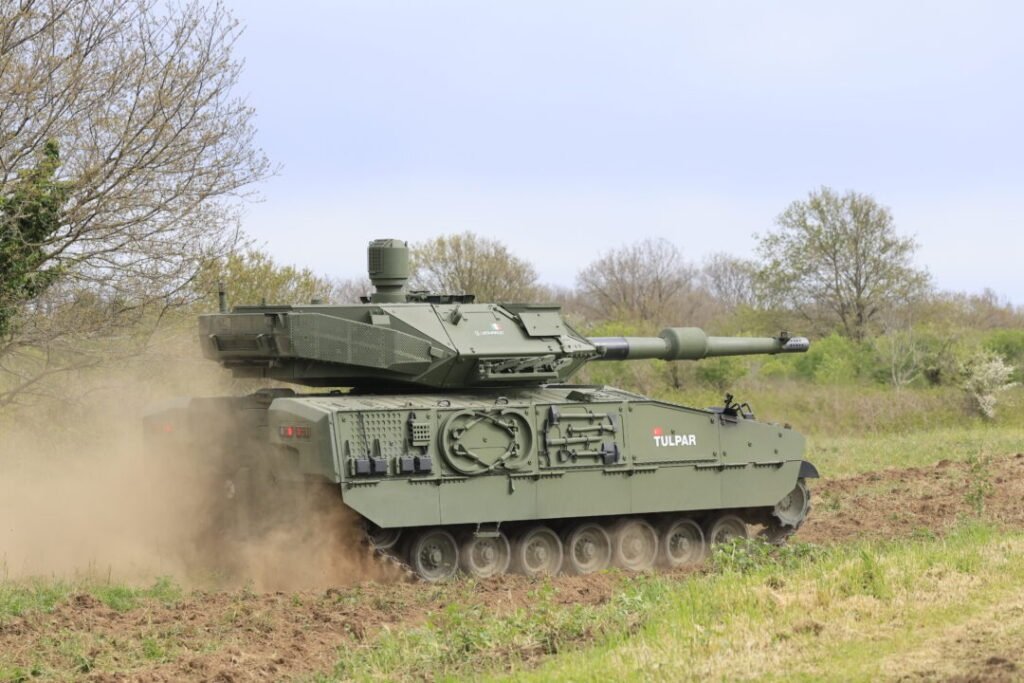
Bangladesh is intensifying its efforts to modernize its military capabilities and is actively negotiating with Turkey to procure 26 Tulpar light tanks. This move follows Bangladesh’s recent deployment of Turkish-made drones along its border with India, hinting at a significant shift in regional defence dynamics. The acquisition of these tanks is seen as part of Bangladesh’s strategy to diversify its defence partnerships and enhance its military strength. Details of the Tank Deal The negotiations are being conducted with Otokar Otomotiv Ve Savunma Sanayi A.S., a leading Turkish defence manufacturer known for its advanced military vehicles. The delivery of the Tulpar tanks is expected to commence in 2025. Bangladesh's military strategists have chosen the Tulpar due to its modular design and suitability for the country’s varied terrains, including marshy and soft landscapes that characterize much of the region. Specifications of the Tulpar Light Tank The Tulpar, developed by Otokar, is a highly versatile tracked armoured vehicle capable of performing a wide range of military roles. Its adaptability and cutting-edge features make it an optimal choice for Bangladesh’s operational needs. Weight and ConfigurationThe Tulpar can be configured for multiple roles, including a light tank, infantry fighting vehicle, troop carrier, reconnaissance platform, command and control vehicle, ambulance, air defence unit, or mortar carrier. Weight Range: 28,000 to 45,000 kg, depending on the configuration. Mobility Engine Power: Equipped with a turbocharged diesel engine offering outputs between 700 and 1,100 horsepower, depending on the configuration. Some variants come with an 810-horsepower engine. Speed and Range: The Tulpar can achieve speeds up to 70 km/h on paved roads and has an operational range of approximately 600 km without refuelling, making it ideal for extended missions. Armament Weapon Systems: The Tulpar can be armed with a 105mm or 120mm main gun, tailored for different battlefield scenarios. It also features a coaxial 7.62mm machine gun and supports the integration of unmanned weapon systems. The armament versatility enables it to be effective in direct combat and supportive roles. Strategic Implications Bangladesh’s decision to acquire the Tulpar tanks comes at a time of heightened geopolitical tension in South Asia. The recent deployment of Turkish drones along the Indian border had already sparked concerns in New Delhi. This tank deal adds another layer of complexity to the region’s security equation. Analysts believe that these developments are part of Bangladesh’s broader strategy to counter perceived threats and assert its defence autonomy. The growing military cooperation between Bangladesh and Turkey, along with Pakistan’s involvement in the region, is likely to be seen as a potential challenge to India’s influence. Strengthened ties between these countries could alter the security dynamics in South Asia, compelling India to reassess its strategic approach. Additionally, Bangladesh’s move signals its intent to expand military partnerships beyond traditional allies, reflecting a desire to diversify its sources of advanced weaponry and reduce reliance on specific countries. This not only enhances its military readiness but also aligns with its vision of maintaining balanced relationships with global powers. The Tulpar tanks, with their advanced mobility, adaptability, and firepower, are expected to significantly bolster Bangladesh’s ground combat capabilities. While the deliveries are slated for 2025, the geopolitical implications of this deal are already resonating across the region.
Read More → Posted on 2025-01-11 15:30:06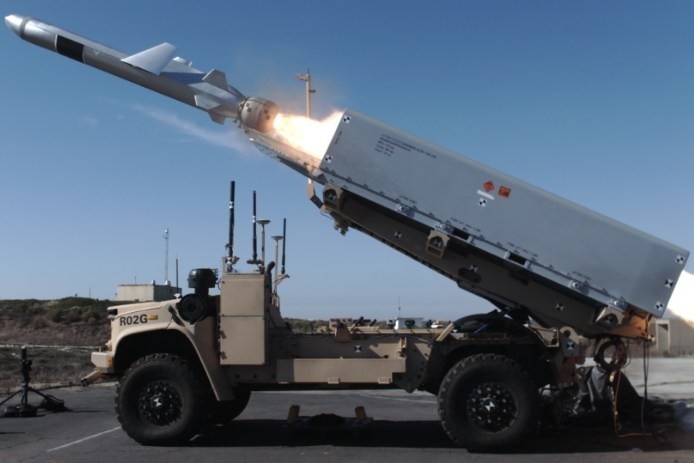
World
The U.S. Department of Defense has awarded Oshkosh Defense LLC a $30 million contract to produce and deliver ROGUE missile launchers for the United States Marine Corps. This cutting-edge system, pivotal to the Marine Corps' evolving strategy in the Pacific, is set to be completed by late 2026, with full funding already in place. This new agreement builds upon the initial production phase that began in October 2023, under a preliminary contract. The ROGUE missile launcher is an innovative system based on the Joint Light Tactical Vehicle (JLTV) chassis, which is also manufactured by Oshkosh Defense. This adaptable design incorporates advanced technologies to enable both remote-controlled and autonomous operations, offering exceptional versatility and operational capability. Specifications of the ROGUE Missile Launcher The ROGUE system has been specifically designed to serve as the backbone of the Navy-Marine Expeditionary Ship Interdiction System (NMESIS), an advanced platform for deploying Kongsberg's Naval Strike Missiles (NSM), known in the U.S. as the RGM-184A. Key specifications include: Platform: A modified JLTV chassis with enhanced capabilities for rugged terrains. Missile System: Equipped to fire RGM-184A anti-ship missiles, renowned for their long-range precision targeting and sea-skimming capabilities. Automation: Features remote and autonomous operation capabilities, reducing the need for direct human involvement in high-risk environments. Mobility: Compact and lightweight design optimized for quick deployment and mobility, especially across remote island chains and atolls. Logistics Efficiency: Uses standardized U.S. military vehicle platforms, simplifying supply chains and maintenance in dispersed operations. Strategic Importance The ROGUE missile launchers represent a significant technological advancement in the Marine Corps' efforts to bolster its Pacific-focused strategy. By integrating the RGM-184A missiles, the system offers a powerful interdiction capability, allowing forces to neutralize enemy ships and deny access to contested waters. The lightweight and transportable nature of the ROGUE system is particularly valuable in the Indo-Pacific theater, where operations often span vast areas and require rapid adaptability. The ability to deploy these systems via standard military transport aircraft or amphibious ships ensures operational readiness in geographically challenging environments. A Step Toward the Future of Warfare The ROGUE missile launcher program underscores the Marine Corps’ emphasis on modernization and distributed lethality. It aligns with the Corps' Force Design 2030 initiative, which prioritizes smaller, mobile, and highly capable units for contested environments. With this latest contract, Oshkosh Defense solidifies its position as a key partner in advancing the Marine Corps' mission capabilities. The ROGUE systems, with their cutting-edge technology and strategic adaptability, are poised to play a critical role in securing maritime dominance and supporting the U.S. military’s evolving operational needs in the Pacific. This development marks another leap forward in transforming military capabilities to meet the challenges of tomorrow's battlefields.
Read More → Posted on 2025-01-11 15:28:01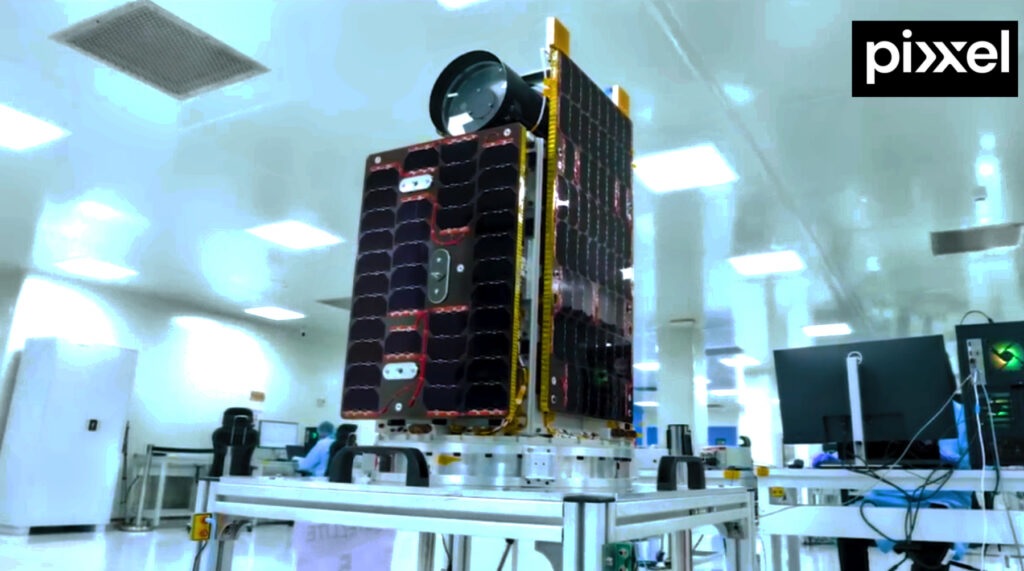
World
Pixxel, the US-India-based space technology company pioneering hyperspectral satellite solutions, has taken a major step in expanding its global presence. On November 19, 2024, Pixxel signed a memorandum of understanding (MOU) with South Korea's SIIS Co., Ltd. (led by CEO Kim Moon-Gyu) during the Satellite Utilization Conference. This collaboration aims to supply hyperspectral satellite data to Korean industries, transforming the way satellite data is utilized across various sectors. What Makes Pixxel’s Hyperspectral Data Unique? Pixxel’s hyperspectral satellite technology is revolutionizing Earth observation. Unlike traditional multispectral data, which captures only a limited number of wavelengths, hyperspectral data collects detailed information across hundreds of narrow spectral bands. This enables unparalleled insights into the physical and chemical properties of Earth's surface and atmosphere. Industries can leverage this data for applications such as agriculture, climate change monitoring, natural resource management, and defense. Pixxel’s upcoming hyperspectral constellation, named Fireflies, is set to launch in early 2025. The constellation will include six commercial-grade satellites capable of delivering: 5-meter spatial resolution 40-kilometer swath coverage Daily revisit capabilities Hundreds of spectral bands These specifications make Pixxel’s satellites the most advanced in hyperspectral imaging, providing global industries with precise, high-fidelity data for actionable insights. Strengthening SIIS’s Earth Observation Portfolio For SIIS, the partnership with Pixxel signals a strategic expansion of its offerings. Currently specializing in optical and radar satellite imagery, SIIS plans to integrate Pixxel’s hyperspectral data into its portfolio. CEO Kim Moon-Gyu highlighted the importance of this collaboration, stating that it will enable SIIS to provide advanced insights to industries ranging from energy and agriculture to environment and defense. SIIS is also preparing to launch SpaceEye-T, Korea’s first private Earth observation satellite, in March 2025. Developed with domestic investment and technology, SpaceEye-T will deliver 30cm-class ultra-high-resolution spatial information. This marks a significant milestone for SIIS as it seeks to compete with global leaders in the geospatial data market. Bridging Technology and Market Demand Pixxel’s hyperspectral imaging capabilities, combined with SIIS’s expertise in satellite data applications, create a powerful synergy. Awais Ahmed, Founder and CEO of Pixxel, emphasized that this partnership aligns with the company’s mission to build a "health monitor for the planet." SIIS will leverage its local expertise to educate Korean industries about the benefits of hyperspectral technology and facilitate its adoption in critical areas such as agriculture, environmental monitoring, and defense. Pixxel’s Chief Commercial Officer, Aakash Parekh, praised SIIS as an ideal partner for entering the Korean market. “SIIS has built a high-caliber team with deep expertise,” Parekh said. “Together, we will enable Korean users to leverage the transformative benefits of hyperspectral technology, expanding its applications and solving complex challenges.” A New Era of Satellite Data in Korea The integration of Pixxel’s hyperspectral data with SIIS’s existing capabilities is expected to enhance Korea’s competitiveness in the global satellite data market. By combining ultra-high-resolution imagery with hyperspectral analysis, SIIS aims to meet diverse analytical demands and unlock new applications in Earth observation. As Pixxel prepares to launch its Fireflies constellation and SIIS gears up for SpaceEye-T’s deployment, the collaboration signals the dawn of a new era in satellite data solutions. With their combined strengths, both companies are set to drive innovation, improve decision-making across industries, and redefine the possibilities of Earth observation technology.
Read More → Posted on 2025-01-11 15:25:45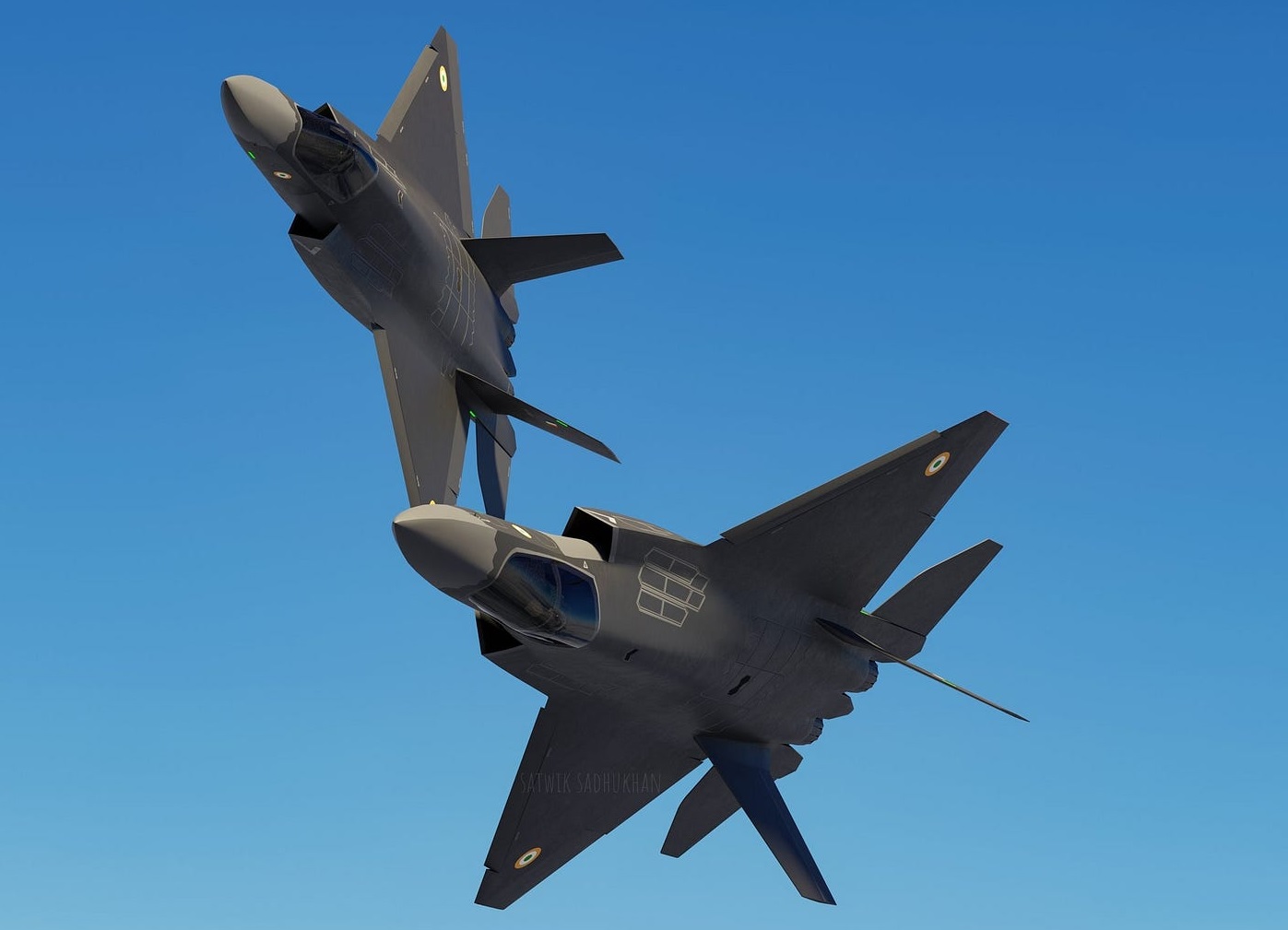
India
India's ambitious Advanced Medium Combat Aircraft (AMCA) program, designed to produce a fifth-generation-plus stealth fighter, continues to garner attention for its cutting-edge features and evolving capabilities. Among the latest developments, there is speculation about the introduction of a two-seat variant specifically tailored for controlling unmanned combat aerial vehicles (UCAVs) like the Ghatak drone. If pursued, this could mark a major leap in integrating manned and unmanned platforms in modern warfare. Why a Second Seat? Unlike traditional two-seater fighter jets designed for training or operational conversion, the second seat in the AMCA is being considered for a dedicated Weapons System Officer (WSO). The role of this officer would be to coordinate and control drone swarms in combat scenarios. Managing UCAVs in high-intensity missions while piloting a stealth fighter is a complex task, and the second crew member would provide enhanced decision-making and operational flexibility. The Aeronautical Development Agency (ADA), which is spearheading the AMCA project, has neither confirmed nor denied the possibility of a two-seat variant but has acknowledged the operational advantages such a configuration could provide. With the Indian Air Force (IAF) focusing on network-centric warfare and advanced capabilities, the concept of seamlessly integrating drones with manned platforms has become a priority. Stealth Challenges of a Two-Seater The inclusion of a second seat in the AMCA poses significant design and engineering challenges, primarily related to maintaining its stealth characteristics. Stealth aircraft rely heavily on their shape, internal systems, and specialized materials to achieve a low radar cross-section (RCS). Adding a second seat could disrupt the sleek geometry and necessitate extensive reengineering of the airframe. To overcome this, engineers would need to: Optimize the fuselage design: Incorporate the second seat while maintaining smooth contours to deflect radar waves. Use advanced radar-absorbing materials: Ensure that additional components introduced for the second seat do not compromise the stealth coating. Redesign internal systems: Modify avionics, cooling systems, and other subsystems to accommodate a larger crew compartment without increasing detectability. These adjustments would also add to the program's development costs and timelines, making it a critical decision for policymakers and the IAF. AMCA Specifications The AMCA, which is being developed in two phases—Mark 1 and Mark 2—is expected to rival the world's most advanced stealth fighters. Here are some of its anticipated specifications: Generation: 5.5-generation fighter with stealth features and advanced avionics. Engines: Powered by twin engines, with the Mark 1 utilizing GE-F414 engines and Mark 2 expected to feature an indigenous 110kN-class engine under development. Stealth Design: Incorporates an internal weapons bay, serpentine air intakes, and radar-absorbing materials. Maximum Speed: Estimated at Mach 1.8. Range: Over 3,000 kilometers with in-flight refueling capabilities. Weapons: Equipped with advanced air-to-air missiles, precision-guided munitions, and potential integration with directed-energy weapons in the future. Avionics: Features advanced sensors, electronic warfare systems, and artificial intelligence for enhanced situational awareness. Strategic Vision: Manned-Unmanned Teaming One of the AMCA program's long-term objectives is manned-unmanned teaming (MUM-T), where pilots operate alongside UCAVs in coordinated missions. This aligns with global trends, as countries like the United States are developing similar capabilities with their Loyal Wingman drone concept and two-seat stealth fighters like the F-15EX. AI is expected to play a significant role in drone management, potentially eliminating the need for a second seat. However, in complex and rapidly evolving combat scenarios, human judgment remains unparalleled, which strengthens the case for a dedicated WSO. A Game-Changing Capability If India proceeds with a two-seat AMCA, it would join an elite group of nations capable of fielding such an advanced aircraft. The capability to control combat drones from a stealth fighter could redefine the IAF's operational doctrine, providing a decisive edge in network-centric warfare. However, the decision hinges on careful analysis of cost, performance trade-offs, and strategic advantages. The AMCA program represents a critical step in India's journey toward self-reliance in defense technology. Whether the two-seat variant becomes a reality or not, the aircraft is poised to bolster India's air power and stand as a symbol of indigenous innovation on the global stage.
Read More → Posted on 2025-01-11 15:21:12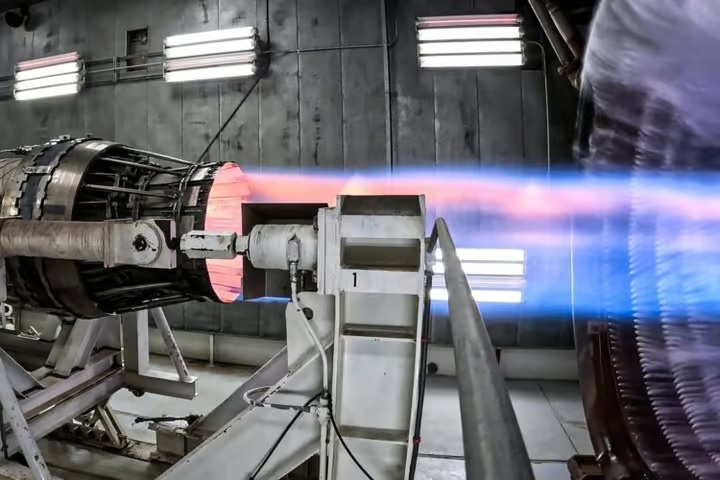
World
Hermeus, a leading aerospace and defense company specializing in high-speed aircraft, has unveiled its cutting-edge High Enthalpy Air-Breathing Test Facility (HEAT) at Cecil Airport in Jacksonville, Florida. Built in just three months, this facility marks a major milestone in addressing the significant shortage of hypersonic testing infrastructure in the United States, a gap that has long hindered advancements in both military and commercial aerospace technologies. Transforming Hypersonic Testing The HEAT facility is designed to revolutionize the landscape of hypersonic propulsion testing by offering high-capability, cost-effective solutions. Traditional hypersonic testing facilities in the U.S. are often overbooked, expensive, and time-consuming, creating bottlenecks in innovation. By contrast, HEAT promises to dramatically reduce costs and eliminate scheduling delays, positioning itself as a vital resource for hypersonic technology development. According to Hermeus Co-Founder and CEO AJ Piplica, "HEAT is poised to revolutionize hypersonic testing by unlocking low-cost, high-capability propulsion solutions. Current facilities are overbooked and expensive. HEAT will not only expand capacity but also serve as a vital national resource for advancing hypersonic technology." Key Specifications and Capabilities The HEAT facility features state-of-the-art infrastructure retrofitted from existing buildings at the former Cecil Naval Air Station, originally constructed in 1959 and 1989. The first phase of the project, now operational, focuses on testing existing propulsion systems. Future phases will introduce continuous high-Mach airflow capabilities, allowing for more flight-like conditions in ground tests. Key advancements of the facility include: Custom Fuel Systems: Designed for precise and efficient delivery of various fuels needed for high-speed propulsion testing. Advanced Data Acquisition Technology: Enables real-time monitoring and analysis of engine performance. Rapid Development Timeline: Completed in one-eighth the time and at one-tenth the cost of similar projects. Alex Miller, Manager of Propulsion Test Engineering, emphasized the achievement: "From custom fuel systems to advanced data acquisition technology, the transformation of these facilities is remarkable." Pratt & Whitney F100: Pioneering Future Aircraft The initial engine tested at the HEAT facility is the Pratt & Whitney F100, which will power Hermeus’ Quarterhorse Mk 2, an autonomous aircraft capable of exceeding Mach 2.5. The F100, paired with Hermeus’ proprietary precooler technology, is set to redefine high-speed aviation by achieving speeds faster than any current aircraft in its class. The F100 engine also serves as the foundation for the Chimera engine, a turbine-based combined cycle (TBCC) propulsion system capable of Mach 5. The Chimera engine will power Hermeus’ Quarterhorse Mk 3, which aims to demonstrate seamless transitions between turbine and ramjet modes, a crucial step in hypersonic propulsion. The ultimate goal is to surpass the legendary speed record of the SR-71 Blackbird, which once dominated the skies at Mach 3.3. A Glimpse Into the Future Located strategically at Cecil Airport, the HEAT facility represents more than just a testing ground; it is a launchpad for groundbreaking innovations in aerospace technology. With its ability to support the development of engines capable of achieving Mach 5 and beyond, HEAT positions Hermeus at the forefront of hypersonic innovation. Looking ahead, the advancements made possible by HEAT will not only benefit military applications but also have far-reaching implications for commercial aviation. The development of hypersonic passenger jets could reduce intercontinental travel times to mere hours, potentially revolutionizing global connectivity. Hermeus’ ambitious vision, combined with the state-of-the-art capabilities of the HEAT facility, underscores its commitment to shaping the future of aerospace. By leveraging advanced technologies and a forward-thinking approach, Hermeus is paving the way for faster, more efficient, and cost-effective high-speed flight.
Read More → Posted on 2025-01-11 15:16:11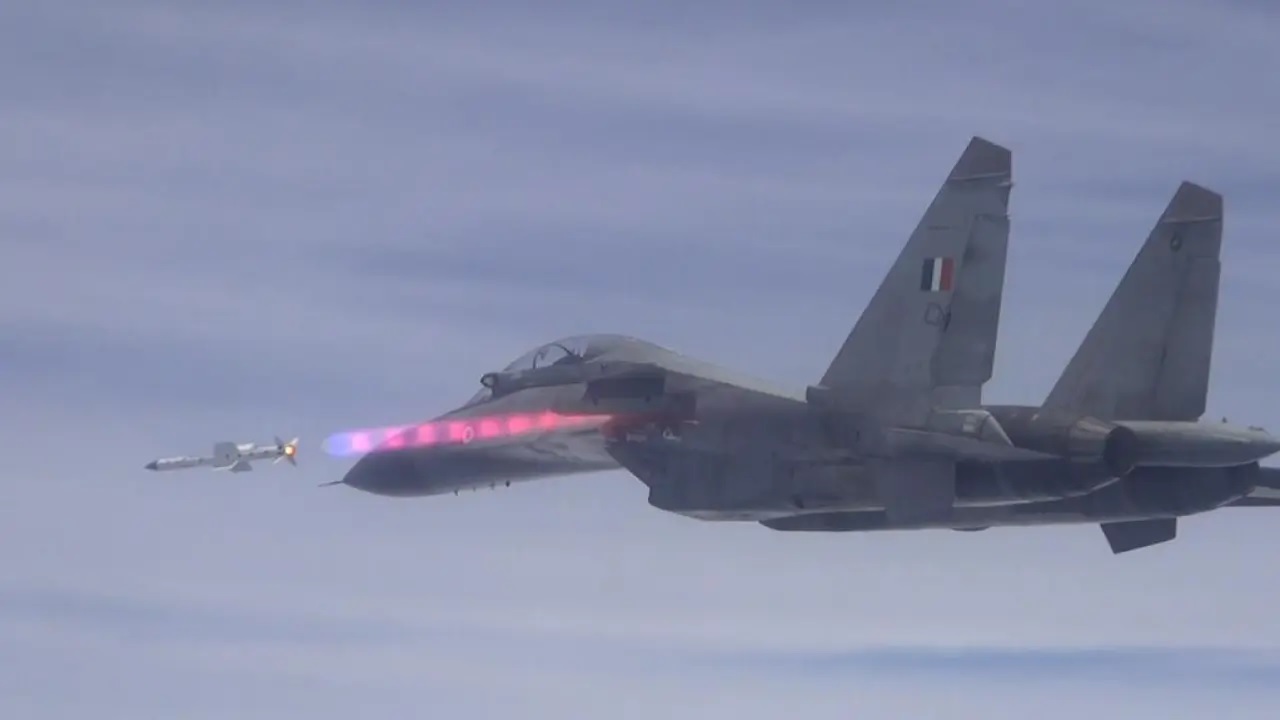
India
India’s Defence Research and Development Organisation (DRDO) is making remarkable progress in the development of the Astra MkIII, the latest addition to its Beyond Visual Range Air-to-Air Missile (BVRAAM) series. As a successor to the Astra MkI and MkII, this advanced missile is set to redefine India’s air combat capabilities by introducing longer ranges and superior technology. Propulsion: The Ramjet Engine The Astra MkIII will feature a state-of-the-art ramjet engine, a propulsion system known for delivering sustained thrust over extended distances. This innovation ensures that the missile maintains high speeds and exceptional manoeuvrability during mid-course flight. Unlike traditional rocket motors, ramjets enable the missile to operate more efficiently at supersonic speeds, making it a formidable weapon in modern aerial warfare. DRDO has already completed successful ground trials of the missile and is preparing for air trials, with the Su-30MKI serving as the test platform. Two Variants for Diverse Missions The Astra MkIII will be developed in two variants, each tailored to meet specific operational needs: Standard Ramjet Variant:This version will be equipped with an Active Electronically Scanned Array (AESA) seeker, which ensures precise target tracking and coordination with airborne early warning systems (AWACS). The missile will feature a two-way data link, enabling seamless communication with its launch platform. With a range exceeding 300 km, this variant is designed to neutralize high-value aerial threats, such as enemy aircraft, bombers, and surveillance drones. Booster-Enhanced Ramjet Variant:The second variant will incorporate an additional booster stage, significantly extending its range. This enhanced capability will allow the missile to engage force multiplier-sized targets, such as AWACS and aerial refueling aircraft, at greater distances. However, the added booster will increase the missile’s weight, limiting its deployment to aircraft with robust structural capacities, such as the Su-30MKI or future fighter jets under consideration by the Indian Air Force (IAF). Key Specifications Propulsion System: Ramjet engine (with optional booster in Variant 2) Guidance System: AESA seeker with two-way data link Range: Over 300 km (Standard Variant); extended range for Booster-Enhanced Variant Platform Compatibility: Su-30MKI, future high-performance aircraft Operational Role: High-value target neutralization, force multiplier engagement Operational Implications for the Indian Air Force To fully exploit the Astra MkIII’s advanced capabilities, the IAF’s fighter jets will require cutting-edge radar systems for long-range detection, tracking, and engagement. This development underscores the importance of equipping India’s fleet with sophisticated avionics. The choice of aircraft to carry the Astra MkIII will not only depend on their structural compatibility but also on how the missile fits into India’s broader air combat strategy. Additionally, the booster-enhanced variant’s ability to engage targets at unprecedented ranges could influence the IAF’s tactics, offering a significant edge in aerial dominance. These advancements are also likely to shape future acquisition plans and upgrade programs for India’s fighter jets. A Strategic Leap in Air Combat The Astra MkIII represents a quantum leap in India’s indigenous missile development, aligning with the country’s vision of self-reliance in defense technology. By leveraging ramjet propulsion and advanced guidance systems, DRDO aims to equip the IAF with a weapon that can compete with the best in the world. As DRDO moves closer to conducting air trials and finalizing the missile’s configurations, the Astra MkIII is poised to become a cornerstone of India’s aerial defense strategy, enhancing its capability to counter emerging threats in the region.
Read More → Posted on 2025-01-11 15:11:58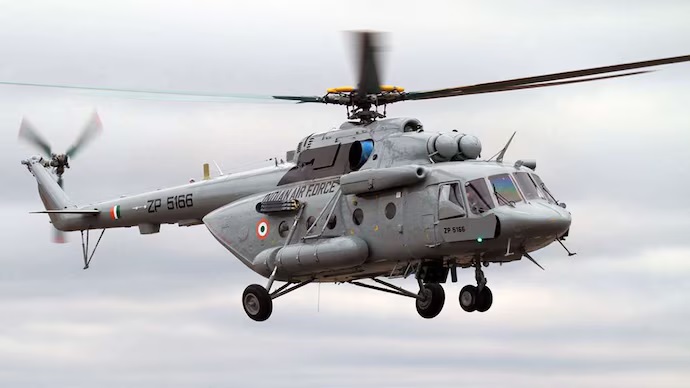
India
In a landmark move for India's aerospace and defence sectors, the Indian Air Force (IAF) has issued its first-ever tender inviting private Indian firms to completely overhaul the engines of its Mi-17 V5 helicopters. This initiative underscores the IAF's commitment to indigenizing critical maintenance operations and strengthening public-private partnerships in the defence ecosystem. A Bold Step Towards Domestic Capability The IAF's Request for Proposal (RFP) specifies the overhaul of 50 TV3-117VM engines, which power the Mi-17 V5 helicopters. The key requirement is that the entire overhaul process must be conducted within India, a mandate aimed at fostering indigenous aerospace expertise. This decision marks a significant departure from past practices, where such high-level maintenance was carried out in collaboration with the original Russian manufacturers or other foreign entities. The project will be overseen by the No. 3 Base Repair Depot (BRD) in Chandigarh, which has long been responsible for maintaining Russian-origin helicopters. Although No. 3 BRD has the capability to overhaul some Mi-series components, its capacity to handle complete engine overhauls is limited. By outsourcing the work to Indian private firms, the IAF seeks to bridge this gap while simultaneously bolstering domestic technical expertise. Why the Mi-17 V5 is Critical for the IAF The Mi-17 V5 helicopter, manufactured by Kazan Helicopters of Russia, is a modern and versatile platform that serves as the backbone of the IAF's medium-lift rotary-wing fleet. With over 220 Mi-17 variants in service, the helicopter plays an indispensable role in the IAF's tactical operations, including: Troop Transport: Swiftly deploying personnel to strategic locations. Logistics Support: Transporting essential supplies in remote and challenging terrains. Search and Rescue: Assisting during natural disasters or emergencies. Special Operations: Conducting assault and counter-terrorism missions. Disaster Relief: Providing aid during floods, earthquakes, and other calamities. The Mi-17 V5 is powered by two TV3-117VM turbo-shaft engines, each capable of generating 2,200 horsepower, enabling the helicopter to carry a maximum payload of 4,000 kg. It has a range of 580 km and a maximum speed of 250 km/h, making it ideal for high-altitude and rugged environments. Additionally, the V5 variant features advanced avionics, night vision capabilities, and an onboard weather radar, enhancing its operational flexibility. Strengthening Self-Reliance This tender is part of a broader push by the Indian government to achieve self-reliance in defence manufacturing under the "Make in India" initiative. The outsourcing of engine overhauls to domestic players reflects growing confidence in Indian firms' technical capabilities. Over the years, these firms have indigenized numerous aircraft components and spare parts, but this marks a significant shift in their involvement, extending to critical engine maintenance. Challenges and Opportunities The move is not without challenges. Overhauling complex engines like the TV3-117VM requires specialized knowledge, state-of-the-art facilities, and stringent adherence to quality standards. Indian firms will need to invest in these capabilities while ensuring timelines and performance benchmarks are met. However, the opportunities are immense. Success in this project could position Indian firms as global players in aerospace maintenance, repair, and overhaul (MRO) services. For the IAF, this initiative will reduce dependence on foreign vendors, cut maintenance costs, and ensure faster turnaround times for its fleet, enhancing operational readiness. For Indian industry, it opens new doors for collaboration, innovation, and growth in the high-tech aerospace sector. The Road Ahead As the IAF prepares to evaluate bids for this project, the domestic aerospace industry stands at the threshold of a transformative opportunity. If executed successfully, this initiative could serve as a model for future collaborations between India's armed forces and private industry, paving the way for a more self-reliant defence sector. The overhaul of the Mi-17 V5 helicopter engines is not just a technical milestone but a symbol of India's growing capabilities in defence and aerospace—a leap forward in its journey toward self-reliance and global competitiveness.
Read More → Posted on 2025-01-11 15:06:31
World
The recent fall of Bashar al-Assad, Russia's long-time ally in Syria, has upended Moscow’s strategy for the Mediterranean and Africa. As the political and military landscape in Syria shifts under the leadership of Ahmed al-Sharaa, the Kremlin appears to be recalibrating its regional ambitions, with Libya emerging as a potential strategic alternative. This transition underscores Russia's broader intent to maintain its influence in Africa while navigating geopolitical challenges in the Mediterranean and Middle East. Russia's Syrian Strategy Under Threat For years, Russia relied on its presence in Syria to project power in the Mediterranean and support operations in sub-Saharan Africa. Military installations like the Tartus naval port and Hmeimim airbase provided Moscow with critical infrastructure to coordinate activities in regions like the Sahel, Sudan, and the Central African Republic. However, the fall of Assad has shaken this model. Despite assurances from Syria's new leader that Russia remains a valued ally, the changing power dynamics have made Russia's continued dominance in Syria uncertain. This vulnerability has led Moscow to explore new avenues to sustain its influence in the region, with Libya standing out as a viable option. Libya as Russia's Next Launchpad In Libya, Russia’s involvement is already evident through its support for Khalifa Haftar, the commander controlling eastern Libya. Haftar’s forces are engaged in a protracted conflict with the Tripoli-based Government of National Unity (GNU), which enjoys United Nations recognition and backing from Turkey. This support has manifested through the Wagner Group, a Russian paramilitary organization linked to the Kremlin. In 2024, Russian activities were documented at multiple Libyan sites, including the strategically significant Tobruk port. Reports suggest that military equipment, including advanced S-300 and S-400 air defense systems, has been transferred from Syria to Libya. Additionally, the number of Russian troops in Libya surged from 800 in early 2024 to approximately 1,800 by May of the same year. Libya's role is critical to Russia's larger strategy of retaining a foothold in Africa. By establishing a presence in Libya, Moscow aims to disrupt Western interests, exploit Libya's internal divisions, and solidify its influence across the continent. Challenges and Opportunities Despite its strategic significance, Libya poses unique challenges for Russia. Unlike Syria, where Moscow operated with minimal international scrutiny, Libya's fractured political landscape and active Western and regional involvement complicate Russian operations. The United States and European Union have closely monitored Russian movements, with NATO expressing concern over a potential Russian military installation in Tobruk. Compounding the complexity is Turkey's involvement. A staunch supporter of the Tripoli government, Turkey has established a significant military and economic presence in Libya. However, Ankara has recently shown signs of pragmatism, exploring opportunities for collaboration with Haftar. This delicate balance of power requires Russia to navigate carefully to avoid direct confrontations with competing actors like Turkey, Egypt, and the United Arab Emirates. Additionally, Russia faces limitations in its ability to replicate the autonomy it enjoyed in Syria. Libya's political landscape is more transparent, with greater international oversight. This visibility limits Moscow's ability to operate covertly, making its actions more susceptible to external pushback. Strategic Implications for Africa Libya’s importance extends beyond its borders, serving as a gateway to Africa. Moscow views Libya as a springboard for its activities in resource-rich regions like the Sahel and sub-Saharan Africa. The Kremlin’s long-term objective remains the expansion of its geopolitical footprint in Africa, leveraging partnerships with local actors to challenge Western influence. However, the reliance on Khalifa Haftar carries inherent risks. As one expert noted, Russia must avoid repeating the mistakes made in Syria, where its strategy relied heavily on a single leader. Should Haftar falter or shift allegiances, Moscow would need a contingency plan to preserve its investments and influence. A New Chapter in Geopolitics Russia’s pivot to Libya reflects its broader strategy of adapting to geopolitical realities while safeguarding its interests. Though the path ahead is fraught with challenges, Libya offers Moscow a critical opportunity to maintain its foothold in Africa and counter Western influence in the Mediterranean. As the situation unfolds, it remains to be seen whether Moscow can navigate Libya’s complex political landscape as effectively as it did in Syria. For now, Libya is poised to become the centerpiece of Russia’s efforts to reshape its strategic influence across Africa and beyond.
Read More → Posted on 2025-01-11 15:03:51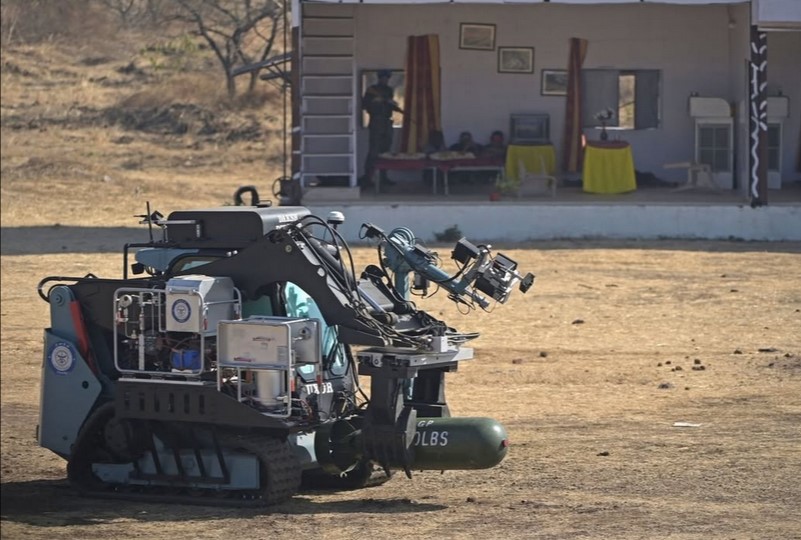
India
The Indian Air Force (IAF) has achieved a remarkable milestone in its journey towards modernization and operational safety with the induction of the Unexploded Ordnance Handling Robot (UXOR). This cutting-edge, indigenously developed robot is designed to tackle the hazardous task of handling and disposing of unexploded ordnance (UXO), some of which can weigh up to an astonishing 1000 kg. Developed by the Research & Development Establishment (Engineers) [R&DE(E)], a unit under the Defence Research and Development Organisation (DRDO), the UXOR represents a significant leap in India's defence technology. Following successful field trials and the transfer of technology to an Indian firm in August 2024, the robot officially entered service with the IAF, marking a new era of self-reliance and innovation. Key Features and Specifications of UXOR Payload Capacity: The UXOR is engineered to handle unexploded ordnance weighing up to 1 tonne (1000 kg), making it suitable for a wide range of explosive devices. Remote Operation Capability: The robot can be remotely operated, allowing explosive ordnance disposal (EOD) teams to neutralize threats from a safe distance. This feature significantly enhances personnel safety by minimizing direct exposure to potentially lethal hazards. Versatile Design: Equipped with interchangeable tools and attachments, the UXOR can adapt to various types of UXO and environmental conditions, ensuring operational flexibility. Enhanced Mobility: Designed for rugged terrains, the UXOR can navigate challenging landscapes, such as airfields, rocky surfaces, and debris-laden zones, ensuring accessibility to complex sites. High Precision: The robot's advanced sensors and manipulators allow for accurate handling, defusing, and disposal of ordnance, reducing collateral risks during operations. Durability and Reliability: Built with robust materials, the UXOR is resistant to harsh weather conditions and operational wear and tear, ensuring longevity and dependability. Significance of UXOR's Induction into IAF The inclusion of the UXOR in the IAF’s arsenal addresses a longstanding challenge in EOD operations. Traditionally, such tasks required personnel to approach and neutralize UXOs manually, exposing them to severe risks, including blasts and chemical leaks. With the UXOR, the IAF now possesses a safer, more efficient solution to manage these dangerous missions. Additionally, the UXOR symbolizes India’s growing capability in defence manufacturing. The transfer of technology to an Indian firm not only boosts the domestic defence industry but also aligns with the government's "Make in India" and "Atmanirbhar Bharat" initiatives. Rigorous Testing and Real-World Validation The UXOR underwent extensive field trials to prove its operational readiness. It was tested in diverse scenarios, ranging from standard UXO handling to complex ordnance disposal tasks under challenging conditions. The robot demonstrated exemplary performance, confirming its utility for real-world applications. Future Implications The successful development and induction of the UXOR open doors for further innovations in autonomous and semi-autonomous defence technologies. Its deployment within the IAF sets a benchmark for the development of similar systems for other branches of the Indian Armed Forces and civilian agencies tasked with bomb disposal. The UXOR's operational deployment is not just a technological milestone but a testament to India's growing confidence and capability in meeting critical defence challenges indigenously. As the IAF integrates this advanced tool into its operations, it will not only enhance mission effectiveness but also save countless lives by mitigating risks to EOD personnel.
Read More → Posted on 2025-01-10 16:06:57
India
India's push for cutting-edge unmanned aerial combat systems is gaining momentum as its Remotely Piloted Strike Aircraft (RPSA) project edges closer to Cabinet Committee on Security (CCS) approval. This advanced program, led by the Aeronautical Development Establishment (ADE) under the Defence Research and Development Organisation (DRDO), aims to revolutionize India's aerial warfare capabilities through a blend of stealth technology and artificial intelligence (AI). A Leap Toward Unmanned Combat The RPSA project is envisioned as a stealthy unmanned combat aerial vehicle (UCAV) designed to perform high-risk missions such as deep-penetration strikes, intelligence gathering, and surveillance in hostile territories. By eliminating the need for onboard pilots, the RPSA reduces risk to human life while offering extended operational range and agility. The Indian Air Force (IAF), which has expressed strong support for the project, sees the RPSA as a critical component of its future force structure, enabling operations in contested airspaces with reduced vulnerability to enemy air defenses. Advanced Stealth and AI Integration At the core of the RPSA's technological sophistication lies its stealth capability. ADE scientists are working tirelessly to minimize the Radar Cross Section (RCS) of the aircraft, a metric critical to evading enemy radar systems. The aircraft's structure incorporates cutting-edge materials and design principles that scatter and absorb radar waves, rendering it less detectable. What sets the RPSA apart is its use of AI-driven systems to enhance stealth dynamically. Advanced algorithms allow the aircraft to adjust its shape and material properties in response to radar threats, providing real-time adaptability that significantly enhances survivability in high-threat environments. Additionally, the RPSA features state-of-the-art autonomous systems, enabling it to execute precision strikes and surveillance missions with minimal human intervention. These systems rely on machine learning for target identification, mission planning, and threat response, ensuring high mission success rates even in complex scenarios. Key Specifications of the RPSA Stealth Technology: Low RCS design with AI-enhanced adaptability. Operational Range: Long-range capabilities for deep-penetration missions. Payload Capacity: Equipped for precision-guided munitions, reconnaissance equipment, and electronic warfare systems. Autonomy: High-level autonomy for decision-making in mission-critical scenarios. Speed: Subsonic to high subsonic speeds, optimized for stealth over speed. Materials: Advanced composites and radar-absorbing materials. Strategic Implications The development of the RPSA aligns with India's broader goals of indigenizing defense technology and reducing dependence on foreign imports. The project not only strengthens the IAF's operational capabilities but also demonstrates India's growing expertise in autonomous systems and AI integration. Upon CCS approval, the project is expected to receive a substantial funding boost, allowing ADE and its industry partners to accelerate development and testing. If successful, the RPSA could serve as a benchmark for future UCAV projects, solidifying India's position as a leader in next-generation unmanned combat systems. Looking Ahead With the world closely observing India's advancements, the RPSA project symbolizes a significant step in modernizing India's defense forces. The combination of AI-driven stealth, autonomous capabilities, and indigenous innovation positions the RPSA as a transformative asset for the IAF. As the CCS deliberation approaches, the approval of this project could mark the beginning of a new era in India's aerial warfare capabilities, underscoring its commitment to cutting-edge defense technologies and strategic autonomy.
Read More → Posted on 2025-01-10 16:01:20
World
The United States Air Force (USAF) is set to integrate the AGM-158C-1 Long Range Anti-Ship Missile (LRASM) onto its F-15E and F-15EX aircraft, marking a significant step in boosting its long-range maritime strike capabilities. This decision underscores the growing importance of anti-ship missions, particularly in the Indo-Pacific region, where maintaining maritime dominance is a strategic imperative. What is LRASM? The LRASM is a cutting-edge, precision-guided anti-ship missile designed to operate in contested environments. Originally developed by Lockheed Martin Missiles & Fire Control in response to an urgent operational need, it is based on the AGM-158B Joint Air-to-Surface Standoff Missile-Extended Range (JASSM-ER). LRASM stands out for its advanced multi-mode sensor suite, which includes: Passive Radio Frequency (RF) Sensor: Enables wide-area target acquisition by detecting enemy radar emissions. Imaging Infrared (IIR) Seeker: Provides high-precision terminal targeting, even in challenging weather or visibility conditions. Enhanced GPS: Features anti-jam and precision navigation capabilities. Weapon Data Link: Allows real-time in-flight updates for dynamic targeting. This combination of features enables the missile to autonomously detect and engage specific maritime targets while avoiding countermeasures. Its all-weather capability and day/night operability make it a versatile tool for modern warfare. Specifications of the AGM-158C-1 LRASM Range: Over 500 nautical miles (approximately 930 kilometers). Speed: Subsonic, optimized for stealth and survivability. Weight: Approximately 2,500 pounds (1,133 kilograms). Warhead: A 1,000-pound penetrating blast fragmentation warhead. Launch Platforms: Compatible with various platforms, including B-1B bombers, F/A-18E/F Super Hornets, and now the F-15E/EX. Why Integrate LRASM on F-15E/EX? The decision to integrate LRASM onto the F-15E and F-15EX is driven by the USAF's operational focus on deterring maritime threats in regions like the South China Sea. The F-15EX, with its advanced avionics, high payload capacity, and extended range, is an ideal platform for deploying LRASM. This move aligns with the USAF's broader strategy to modernize its air fleet and ensure interoperability across platforms. The integration process will involve modifying the aircraft’s Universal Armament Interface (UAI) to accommodate the AGM-158C-1 missile. Broader Implications and Future Developments Alongside LRASM, the USAF is acquiring the AGM-184A Kraken, a Kongsberg Joint Strike Missile (JSM) variant designed for internal carriage on the F-35A Lightning II. This missile offers a complementary capability, enabling precision strikes against both maritime and land targets in heavily defended environments. The USAF and US Navy are also collaborating on next-generation systems like the Hypersonic Air-Launched Offensive Anti-Surface Warfare (HALO) weapon. HALO, envisioned as a high-speed, carrier-compatible anti-ship missile, aims to achieve operational capability by FY2029, further bolstering the U.S. military’s maritime strike arsenal. Strategic Importance The integration of LRASM onto the F-15E and F-15EX is more than a technological milestone—it represents a strategic pivot to address evolving maritime threats. As adversaries invest in advanced naval capabilities, the USAF’s move ensures it can project power effectively in contested maritime regions. This development highlights the USAF’s commitment to maintaining superiority in air and sea domains, ensuring its forces remain equipped for the challenges of modern warfare.
Read More → Posted on 2025-01-10 15:52:50
World
A gripping video released by the OSINT monitoring account Status-6 on its X platform page has captured a tense moment over the neutral waters of the Baltic Sea. The footage reveals a Russian Sukhoi fighter jet flying uncomfortably close to an Italian F-35A Lightning II, sparking heated debates on safety and professionalism in international airspace. The short clip, captioned “A close meeting between a Russian Sukhoi and Italian F-35A Lightning II fighter jet,” has drawn widespread attention. While some observers argue that the video might exaggerate the closeness due to camera zoom, others have voiced concerns over the Russian pilot's approach, calling it "unprofessional" and potentially dangerous. Reactions to the Incident The online response to the video has been polarized. Some viewers humorously speculated on the Russian pilot’s motives, suggesting he was perhaps admiring the advanced technology of the F-35. A tongue-in-cheek comment highlighted this sentiment: “Now I understand why the Russian pilot wants to keep a souvenir. It’s not every day he gets the chance to see such a debauchery of high-tech.” Others, however, stressed the seriousness of the encounter, noting the inherent risks involved in such close aerial interactions. The F-35's slight maneuver to the left at the video's end was seen by some as a cautious response to the Sukhoi’s approach. The Context: A Tense Baltic Region This incident is a vivid reminder of the ongoing geopolitical tensions in the Baltic region. NATO aircraft, including Italian F-35s, routinely patrol the area to ensure the security of allied airspace. Meanwhile, Russian jets frequently test the boundaries of international airspace, leading to close encounters like this one. While such incidents are not uncommon, they underscore the fine line between routine interceptions and potentially dangerous provocations. Miscalculations in such scenarios could lead to severe consequences, emphasizing the need for professionalism and adherence to international protocols. Looking Ahead Neither NATO nor the Italian Air Force has officially commented on the incident, leaving speculation to dominate public discourse. This interaction serves as a reminder of the fragile balance in contested regions like the Baltic. While intercepts are routine, professionalism and caution are paramount to avoiding unintended escalations. As global tensions persist, such encounters are likely to continue, underlining the importance of robust communication channels and adherence to international aviation norms.
Read More → Posted on 2025-01-10 15:44:06
World
Anyone wondering what an invasion of Taiwan might look like has a new reason to pay attention. Recent developments in Chinese shipyards have revealed a fleet of specialized barges designed with unique capabilities, sparking speculation about their intended use. Defense analysts believe these vessels could play a critical role in amphibious operations, specifically in a potential conflict involving Taiwan. Unveiling the Unusual Barges At least five of these unconventional vessels have been spotted under construction at the Guangzhou Shipyard International (GSI) on Longxue Island in southern China. These barges feature an unusually long road bridge—measuring over 120 meters (393 feet)—extending from their bows. This design allows them to reach coastal roads or hard surfaces beyond a beach, facilitating the rapid unloading of heavy equipment such as tanks and trucks. At the aft end, these barges have open platforms for docking other ships and transferring their cargo. Some models are equipped with "jack-up" pillars, which provide stability even in adverse weather conditions. In essence, these vessels act as mobile piers, similar to the Mulberry Harbors used during the D-Day landings in World War II. A Glimpse into China's Amphibious Capabilities The GSI shipyard has been pivotal in China's naval modernization, known for producing a range of unconventional vessels, including large uncrewed surface ships and light aircraft carriers. The construction of these barges follows a similar trend, showcasing rapid production and innovative designs. While a prototype was reportedly seen as early as 2022, the current batch has only recently become visible, suggesting a focused and expedited effort. Specifications of the Barges Length of Road Span: Over 120 meters (393 feet). Primary Function: Acts as a mobile pier to enable rapid unloading of vehicles and equipment. Stabilization Feature: Jack-up pillars for enhanced stability in rough seas. Docking Capability: Open aft platform for docking ships and transferring heavy cargo. Material and Design: Built for military-grade operations, far exceeding civilian specifications. Strategic Implications for Taiwan Taiwan’s defense has historically relied on the assumption that amphibious landings would be limited to a few predictable beaches on the island’s western coast. However, the advent of these barges introduces a new dimension to the equation. The extreme reach of their road spans enables them to operate on rocky or soft beaches previously deemed unsuitable for landings. This flexibility could allow China to select landing sites outside of Taiwan's heavily fortified zones, making defensive planning more complex. By bypassing the need for established ports, China could deploy its own "mobile ports" across the Taiwan Strait, potentially overwhelming Taiwan's defenses with speed and surprise. Dual-Use Capability and Military Preparedness The new barges complement China’s strategy of leveraging dual-use assets. China has built a significant fleet of roll-on/roll-off (RORO) ferries capable of transporting military vehicles, including main battle tanks. These ferries, often disguised as civilian vessels, are regularly tested in military exercises. Experts believe the barges' ability to integrate seamlessly with these ferries makes them a critical component of China’s amphibious strategy. Broader Implications While the construction of these barges could be framed as a civilian initiative, their military-grade specifications and sheer number make this unlikely. Analysts suggest that these vessels are a clear indicator of China's readiness to project power across the Taiwan Strait. They provide the PLA with the flexibility to execute landings in unconventional locations, significantly altering the strategic calculus in the region. Final Thoughts China's new fleet of specialized barges underscores its intent to modernize and expand its amphibious capabilities. Whether as a preparation for an invasion or a means of strategic leverage, these vessels demonstrate China's ability to innovate and adapt in pursuit of its geopolitical goals. For Taiwan, this development serves as a stark reminder of the challenges it faces in ensuring its sovereignty and security.
Read More → Posted on 2025-01-10 15:39:25
India
India's Defence Research and Development Organisation (DRDO) is gearing up to make a significant impact at Aero India 2025 by unveiling a scale model of the Uttam Active Electronically Scanned Array (AESA) Radar. This advanced radar system, specifically designed for the Tejas MkI and MkII light combat aircraft, underscores India’s progress in indigenous defense technology. The event, hosted in Bengaluru, will highlight the radar's cutting-edge features and its potential to transform aerial combat capabilities. A Leap in Radar Technology The Uttam AESA Radar is the brainchild of the Electronics and Radar Development Establishment (LRDE), a prominent DRDO laboratory. With its state-of-the-art design, the radar is tailored to meet the complex operational needs of modern combat scenarios. It supports diverse operational modes, including: Air-to-Air: Engaging multiple aerial targets simultaneously. Air-to-Ground: Precision tracking of ground targets for enhanced strike missions. Air-to-Sea: Monitoring and engaging maritime threats effectively. Key Features and Specifications Scalability: The Uttam radar is adaptable to various platforms beyond the Tejas MkI and MkII. Its modular architecture ensures seamless integration across multiple aircraft. Performance: Detection range exceeding 100 kilometers against fighter-sized targets. Multi-target tracking capabilities with precision targeting for priority threats. Electronic Warfare: Features advanced Electronic Counter-Countermeasures (ECCM) to counter enemy jamming. Low Probability of Intercept (LPI) to ensure the radar remains undetected. Indigenous Content: Approximately 95% of the radar’s components are sourced domestically, reflecting India’s emphasis on self-reliance under the "Make in India" initiative. Integration Readiness: Already tested on prototypes, the radar is slated for integration into later batches of Tejas Mk1A aircraft. Role in the Tejas Program The Uttam AESA Radar will be a core component of the Tejas MkI and MkII, enhancing their combat efficiency and operational flexibility. For the MkII, which is set to feature a more powerful engine and increased payload capacity, the radar ensures compatibility with advanced weaponry and sensor systems. Its inclusion in the Tejas Mk1A will elevate the aircraft's competitiveness in international markets and strengthen the Indian Air Force's operational capabilities. The Future Potential The radar’s modular design opens possibilities for deployment in other aircraft, including India’s Advanced Medium Combat Aircraft (AMCA) and Unmanned Aerial Vehicles (UAVs). With continuous upgrades and enhanced performance, the Uttam AESA Radar positions India among global leaders in radar technology. A Milestone in Aero India 2025 As DRDO unveils the scale model of this advanced radar at Aero India 2025, it will symbolize India’s relentless pursuit of technological excellence in defense. The event will serve as a global stage to showcase not just the radar’s capabilities but also India’s commitment to developing world-class indigenous defense solutions.
Read More → Posted on 2025-01-10 15:35:09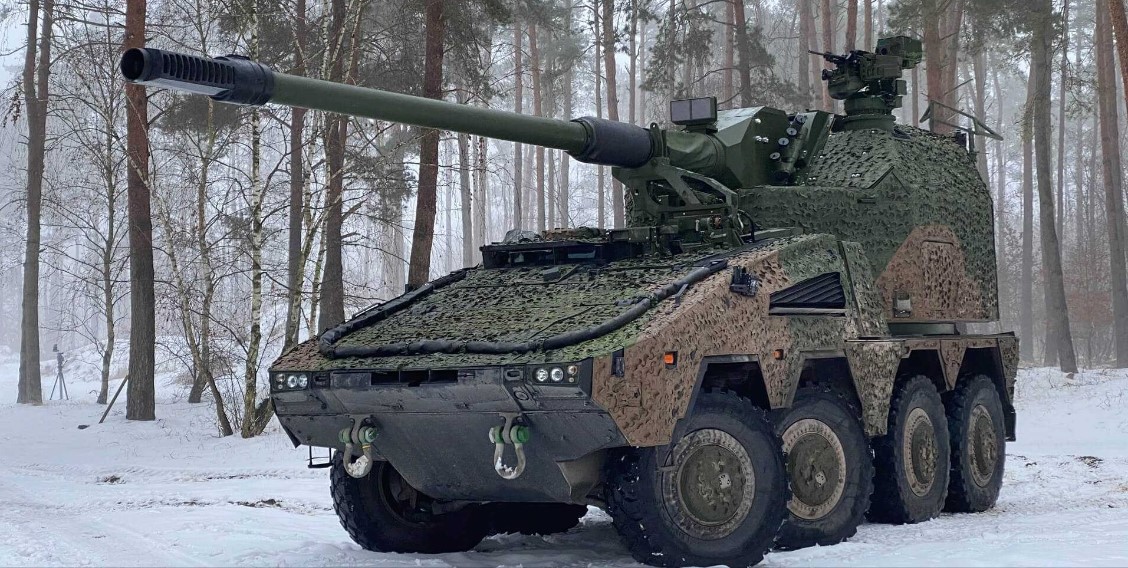
World
In a firm show of support, German Defence Minister Boris Pistorius announced during the Ukraine Contact Group meeting on January 9 at Ramstein that Germany will provide Ukraine with 18 additional RCH 155 self-propelled howitzers. This latest pledge raises the total number of these cutting-edge artillery systems destined for Ukraine to 54, cementing Germany’s commitment to bolstering Ukraine’s defense capabilities. Timeline of Deliveries Germany’s support with the RCH 155 began in mid-2022 when an initial batch of 18 units was approved, scheduled for delivery between December 2025 and 2027. A second order of 18 systems followed in mid-2024, and now, the third set of 18 howitzers has been promised. Notably, six units from this latest batch are set to arrive by the end of this year, enabling Ukraine to equip three self-propelled artillery battalions. RCH 155: Technical Specifications The RCH 155 is a state-of-the-art self-propelled artillery system developed by KNDS Deutschland, a leader in advanced defense technology. Key specifications include: Chassis: Built on the GTK Boxer 8×8 wheeled armored vehicle, renowned for its mobility and protection. Turret: Features an unmanned rotating turret with a 155mm gun capable of firing up to nine rounds per minute. Range: Capable of reaching targets up to 54 kilometers using advanced ammunition. Ammunition Capacity: Stores 30 shells and 144 propellant modules on board. Weight: Operational weight is under 39 tonnes, balancing firepower and maneuverability. Crew: Operable by just two soldiers, reducing manpower requirements. The RCH 155 stands out for its advanced automation and efficiency, making it one of the most modern artillery systems in the world. Strategic Impact on Ukraine The RCH 155’s deployment will significantly enhance Ukraine’s artillery capabilities. Its extended range and high rate of fire provide a considerable edge over older systems. Moreover, its mobility and automation are crucial in a fast-paced conflict environment, allowing Ukrainian forces to execute precision strikes while minimizing exposure to counter-battery fire. Global Interest in the RCH 155 Ukraine is joining an elite group of nations, including Germany, Qatar, the UK, and Switzerland, that have acquired the RCH 155. Other countries, such as Italy and the Netherlands, have expressed interest in this advanced artillery system. Despite some criticisms regarding its cost due to the premium GTK Boxer chassis, the RCH 155 is lauded for its unmatched performance and versatility on the battlefield. Conclusion Germany’s latest pledge of RCH 155 howitzers underscores the continued international effort to support Ukraine in its ongoing conflict. With its advanced design and capabilities, the RCH 155 promises to be a game-changer in enhancing Ukraine’s defense and maintaining its sovereignty.
Read More → Posted on 2025-01-10 15:30:58
World
Dynamit Nobel Defence (DND) has entered into a significant framework agreement with the Federal Office of Bundeswehr Equipment, Information Technology and In-Service Support (BAAINBw) to supply explosive reactive armour (ERA) modules for the Puma infantry fighting vehicle. Finalized on December 19, 2024, this agreement includes an initial order valued in the mid-double-digit million Euro range, aimed at bolstering operational stockpiles. Strategic Importance of the Agreement This framework agreement enables the Bundeswehr to procure ERA modules swiftly and flexibly, ensuring the Puma fleet remains mission-ready during crises or operational deployments. This initiative reflects Germany's commitment to enhancing its military capabilities in response to evolving security challenges. DND's ERA Technology DND's ERA technology integrates passive, reactive, and active protection measures for land platforms, offering a comprehensive defense system. The Bundeswehr's confidence in this technology underscores its effectiveness and future-proof nature. The agreement also provides long-term stability for the industry, allowing for effective scaling of production capacities. Puma Infantry Fighting Vehicle and Its Protection Systems The Puma infantry fighting vehicle is renowned for its advanced protection systems, combining various technologies to safeguard its crew and ensure operational effectiveness. Passive Protection: The Puma is equipped with AMAP composite armor, with AMAP-B modules protecting against kinetic energy threats and AMAP-SC modules offering protection against shaped charges. The vehicle's basic armor can withstand direct hits from 14.5mm rounds, with enhanced protection against medium-caliber projectiles and shaped charges in its frontal armor. Additional armor modules can be added to increase protection levels, with the vehicle's weight adjustable to maintain air transportability. Reactive Armour: The upper hull sides of the Puma are protected by explosive reactive armour developed by Dynamit Nobel Defence. This armour is designed to counter advanced hollow charge munitions, significantly enhancing the vehicle's defense against anti-tank weapons. The reactive armour modules are modular and can be removed to adjust the vehicle's weight for different operational requirements. Active Protection System: The Puma is equipped with the Multifunktionales Selbstschutz-System (MUSS), a soft-kill system capable of detecting and neutralizing incoming anti-tank guided missiles by disrupting their guidance systems. This active protection enhances the vehicle's survivability against modern threats. Additional Protection Features: The vehicle includes a fire suppression system in both the engine and crew compartments, a full NBC (nuclear, biological, chemical) protection system, and strategically placed fuel tanks outside the hull to enhance crew safety. The design also incorporates decoupled seats and a heightened floor in the dismount compartment to improve resistance against mine blasts and improvised explosive devices. These integrated protection systems make the Puma one of the most advanced and well-protected infantry fighting vehicles in the world, capable of operating effectively in diverse and challenging combat environments.
Read More → Posted on 2025-01-10 15:28:42
World
Northrop Grumman is set to revolutionize missile defense testing with its Modified Ballistic Re-Entry Vehicle-11 (MBRV-11), a cutting-edge system designed for the Missile Defense Agency's (MDA) Next Generation Interceptor (NGI) program. This milestone aligns with the MDA's Integrated Master Test Plan (IMTP), which aims to advance the capabilities of the U.S. missile defense systems against evolving threats. Accelerated Development Timeline In October 2024, Northrop Grumman completed the Critical Design Review (CDR) for the MBRV-11, achieving this milestone just 16 months after securing the initial contract. This rapid progress was facilitated by an innovative approach that merged the System Requirements Review (SRR) and Preliminary Design Review (PDR) into a single streamlined process. Additionally, the company began hardware procurement and qualification testing before the CDR, enabling an accelerated timeline for production readiness. Robin Heard, director of targets at Northrop Grumman, emphasized the importance of this efficient methodology:"By executing with speed and building for the future, the MBRV-11 is a paradigm shift in how we collaborate with the MDA to develop advanced programs. Our mission expertise allowed us to compress the timeline by combining critical reviews and initiating testing early." MBRV-11 Specifications and Features The MBRV-11 is designed to emulate complex missile threats for advanced defense systems like the NGI. Its key specifications include: Baseline Design: A versatile vehicle architecture that supports multiple mission configurations. Optional Enhancement Kits: Four modular kits provide additional adaptability for specific mission needs. Compatibility: Integration with Intermediate Range Ballistic Missile (IRBM) and Intercontinental Ballistic Missile (ICBM) target vehicles to replicate a wide range of adversary threats. Avionics System: Advanced avionics enable precise operation and realistic simulation of target trajectories. Solid Rocket Motor Technology: Proven propulsion systems enhance reliability and performance. These features make the MBRV-11 a critical tool for validating the performance of the NGI and other missile defense systems under real-world conditions. Testing and Future Prospects The MBRV-11 program includes the production of five units for missile defense demonstrations, with the first flight test slated for 2027. To further enhance its capabilities, Northrop Grumman will also upgrade existing IRBM and ICBM target vehicles, ensuring seamless integration with the MBRV-11. Northrop Grumman’s decade-long expertise in developing threat-representative target vehicles underpins the MBRV-11's design. Since 2011, the company has delivered 25 advanced target systems and supported 10 successful missile defense demonstrations. By combining advanced avionics, adaptable enhancement kits, and reliable propulsion technology, the MBRV-11 sets a new standard for simulating the sophisticated threats faced by modern missile defense systems. A New Chapter in Missile Defense As Northrop Grumman transitions the MBRV-11 into production, the program marks a pivotal step in bolstering the U.S. missile defense infrastructure. Its innovative design and rapid development underscore the importance of agility and technological excellence in countering evolving global threats. With the first test flight scheduled for 2027, the MBRV-11 is poised to play a central role in shaping the future of missile defense, ensuring robust protection against increasingly complex adversary capabilities.
Read More → Posted on 2025-01-10 15:22:02Search
Top Trending in 24 Hours
-
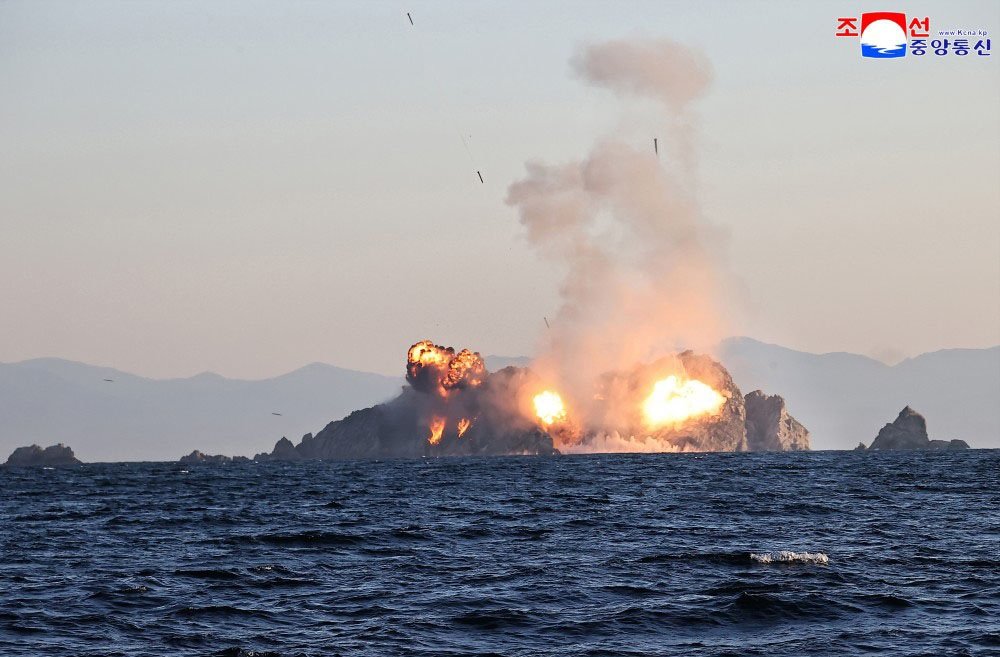 North Korea Fires Short-Range Ballistic Missile Toward Sea of Japan After Freedom Edge 26
-
 India’s xTerra Robotics Launches Indigenous DHAV-Hy Wheeled-Legged Quadruped for Industrial Inspection
-
 U.S. Government Seizes Almasirah.net, Houthi-Linked News Website
-
 U.S. Army Awards $10.64 Million Contract to Ukrainian Drone Maker Skyeton for Raybird Systems
-
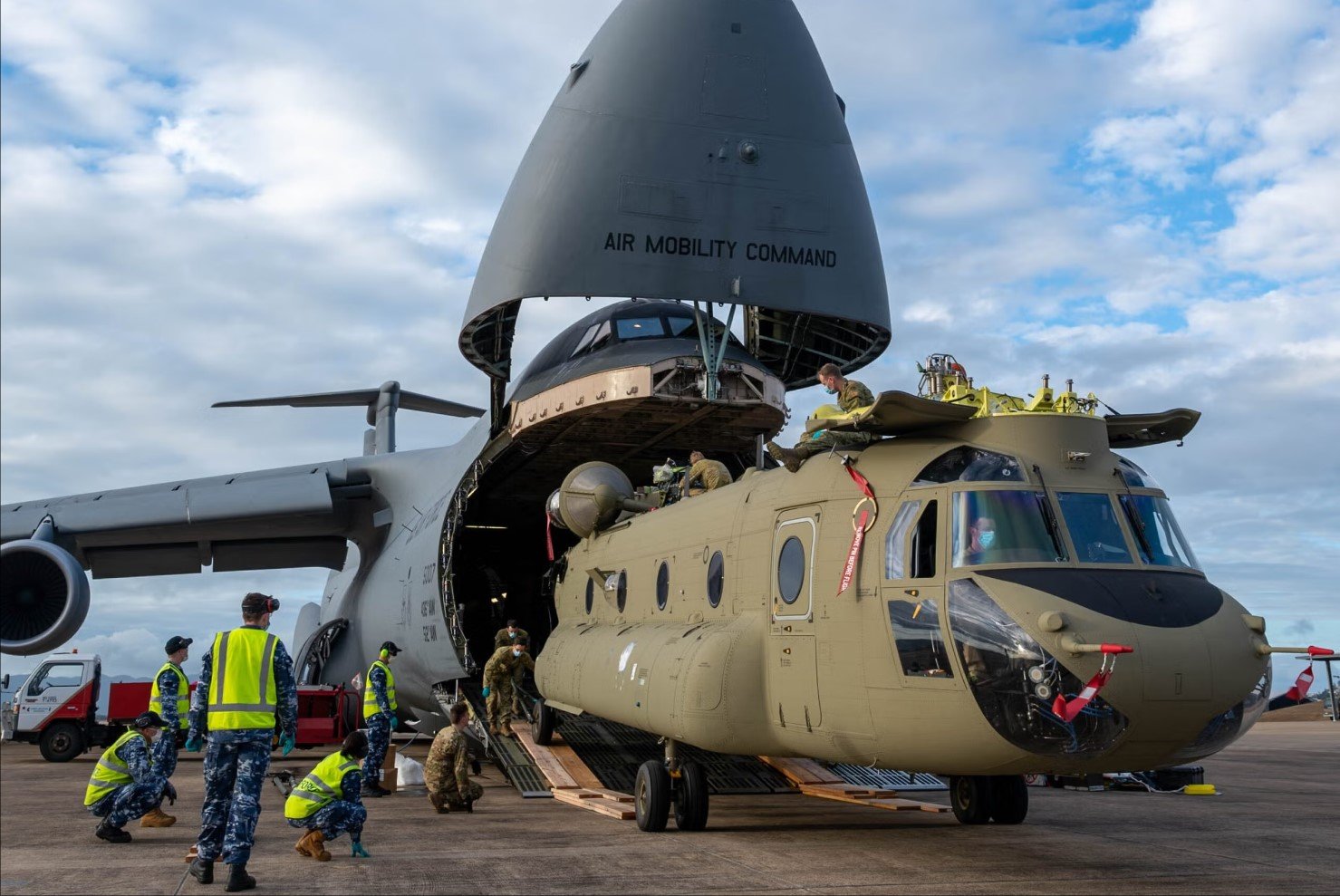 U.S. Delivers First CH-47F Chinook to Egypt Under 12-Helicopter Deal
-
 BEL Showcase X-Band Multi-Function Radar for QRSAM to Japanese Delegation
-
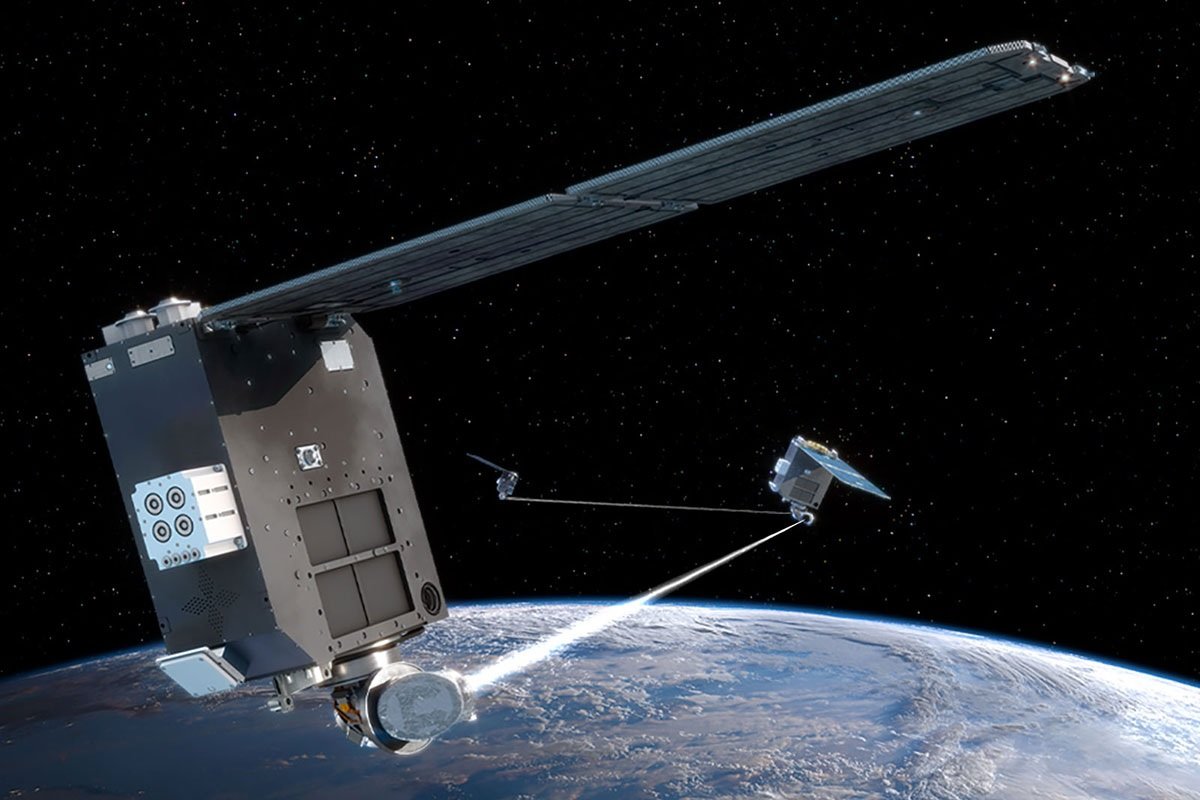 U.S. Space Force Seeks Rapid-Response Satellites for Close-Range Orbital Inspections
-
 IRGC Experts Visit Bab El-Mandeb to Oversee Radar Installation and Tunneling, Houthi Sources Say
Top Trending in 4 Days
-
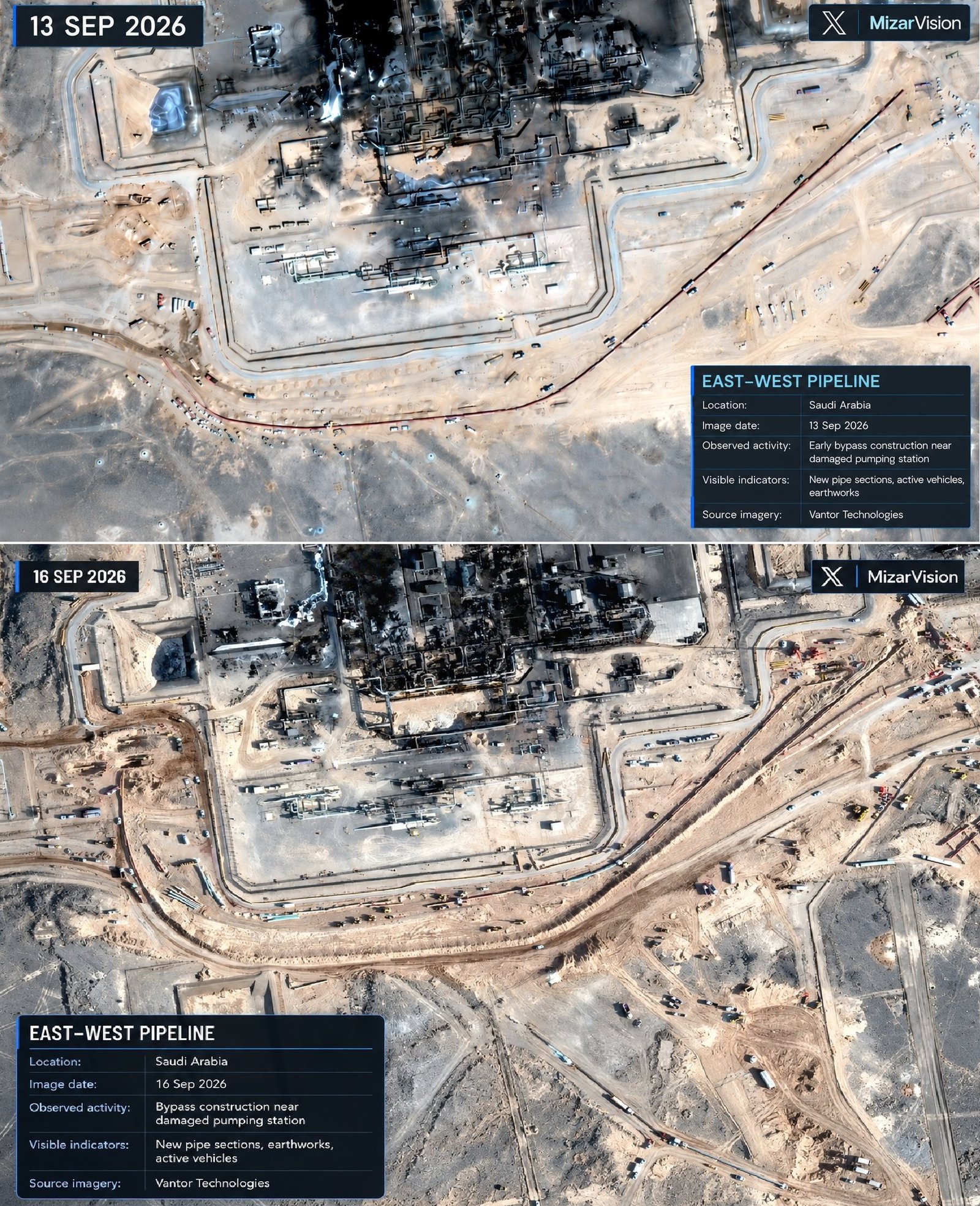 Satellite Images Show Saudi Arabia Building Emergency Bypass Around Damaged East-West Oil Pipeline Station
-
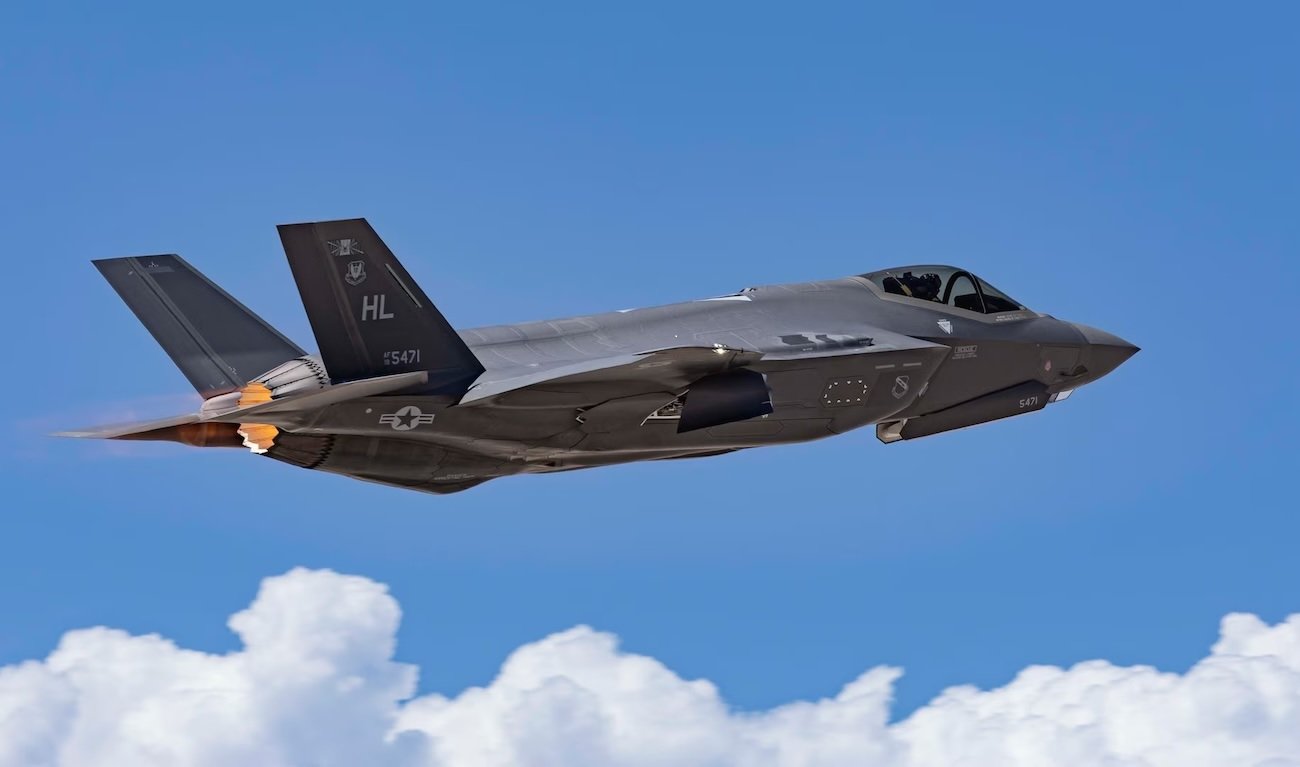 Sensitive F-35 Components Diverted to Hong Kong, Some Parts Missing
-
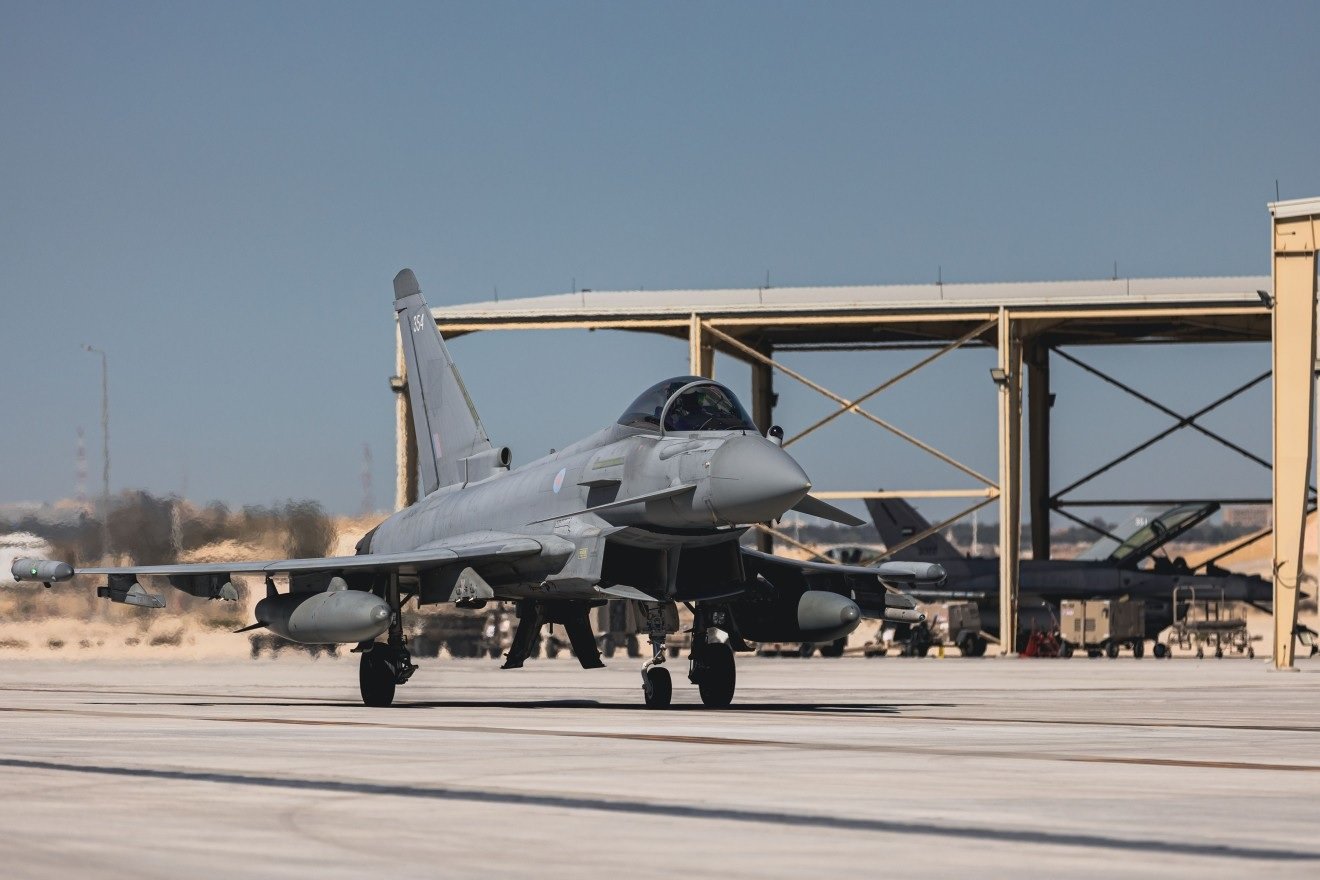 Italian Eurofighter Damaged in Houthi Attack on Saudi Arabia’s King Fahd Air Base
-
 BEL Signs Export Deal with Elbit Systems for Directed Infrared Countermeasure Sub-Assemblies, Secures ₹648 Crore in Additional Orders
-
 Israeli Firm Arbe Robotics Unveils Alerion High-Resolution 4D Radar for Counter-Drone Operations
-
 China Privately Urges Iran to Restrain Houthis After Saudi Appeal
-
 U.S. Approves Potential $2.68 Billion Air Defense Package for Ukraine Including S-300 Clone Missiles
-
 Otokar and Leonardo Complete Live-Fire Tests of TULPAR Tank with HITFACT MkII 120mm Turret
