World
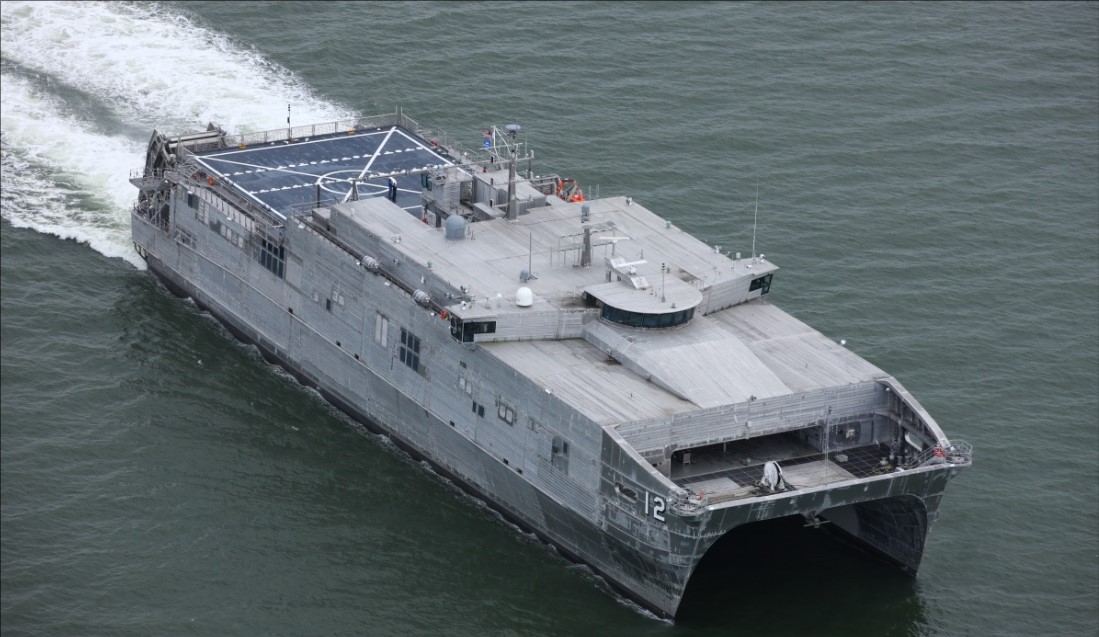
Defense News ,U.S :- Austal, in collaboration with L3Harris, has recently unveiled the latest addition to the US Navy's innovative Ghost Fleet program – the Overlord Unmanned Surface Vessel Vanguard (OUSV3). This milestone, marked by a successful launch in Mobile, Alabama, signifies a significant leap in autonomous naval capabilities.The OUSV, a product of the US Department of Defense Strategic Capabilities Office's Ghost Fleet initiative, aims to pioneer prototype unmanned surface vessels. This groundbreaking effort is aligned with the evolving landscape of maritime technology, emphasizing experimentation and advancing the navy's understanding of missions that can be executed without human intervention.The valuable insights gained from this long-term program are currently being leveraged to refine and streamline requirements for the upcoming Large Unmanned Surface Vessel (USV) program. This strategic move underscores the commitment to pushing the boundaries of naval capabilities.The Vanguard, equipped with cutting-edge features, will undergo testing and outfitting before autonomously sailing to San Diego to join its fellow OUSV1 Ranger and OUSV4 Mariner. Operated by the USV Division 1, this segment of the navy specializes in tactical development and trials, playing a pivotal role in shaping the future of unmanned surface vessels.Capt. Scot Searles, the Unmanned Maritime Systems Program Manager, expressed enthusiasm about the progress made by the L3Harris and Austal teams in constructing the Vanguard. He highlighted that the vessel, designed and built as a USV from the outset, introduces novel capabilities not present in previous OUSVs.The Ghost Fleet program, initiated in 2018, has undergone two phases of development. The first phase involved converting two commercial fast supply ships into military USVs, resulting in the Ranger and OUSV2 Nomad. These vessels received upgrades to their hulls, electrical, and mechanical systems, showcasing increased autonomous capabilities.The second phase focused on enhancing interoperability and endurance across complex scenarios for the Ranger and Nomad. Following their autonomous transit through the Panama Canal, the Mariner was introduced, further expanding the Ghost Fleet's capabilities.These Ghost Fleet vessels, measuring between 200 and 300 feet in length, comparable to corvettes, are armed with 16 to 32 missile-launching tubes. This armament enables them to deploy vertical launch systems, strike payloads, as well as anti-ship and ground-attack missiles.In conclusion, Austal's launch of the Vanguard marks a significant step forward in autonomous naval technology, contributing to the ongoing evolution of the Ghost Fleet program. The collaboration between industry leaders and the US Navy showcases a commitment to staying at the forefront of unmanned surface vessel innovation.
Read More → Posted on 2024-01-16 15:29:32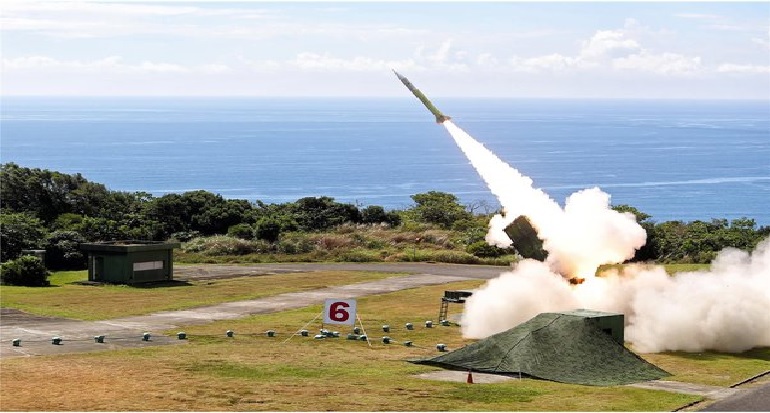
World
Defense News ,Taiwan :- In response to escalating concerns about a potential Chinese invasion, the Taiwanese government has greenlit a comprehensive plan to establish two cutting-edge missile bases on the east coast of the country. With a substantial budget of 1.71 billion New Taiwan dollars ($54.4 million), the initiative aims to address the growing necessity for advanced facilities dedicated to the storage and maintenance of domestically produced missiles.The chosen locations for these bases, Xincheng and Ji An Townships, have been strategically positioned far from mainland China. This decision has been made to safeguard the missiles from the threat of targeted attacks by the Chinese military, as reported by Liberty Times. The ambitious projects are anticipated to be completed by 2026, adding a crucial layer to Taiwan's defense infrastructure.Last year, the government had already approved a budget of 2.42 billion New Taiwan dollars ($77 million) for the construction of two military bases in northeastern Taiwan, highlighting the nation's commitment to meeting the rising demand for enhanced defense capabilities.Taipei's proactive approach aligns with its ongoing efforts to bolster domestic missile production, in anticipation of potential hostilities with China. The island nation is currently developing a range of missiles, including the Hsiung Feng II subsonic anti-ship missile, the Hsiung Feng III supersonic anti-ship missile, and the extended-range Hsiung Feng III, boasting an impressive 400-kilometer (248-mile) reach. These projects are slated for completion in 2026, synchronizing with the establishment of the new missile bases.In a bold move, a high-ranking Taiwanese defense official announced in August 2023 the development of the Tien Chien V, a combat aircraft missile rivaling the capabilities of the US-made AIM-120 Advanced Medium-Range Air-to-Air Missile (AMRAAM). With a strike range of 160 kilometers (99 miles), the Tien Chien V is poised to strengthen Taiwan's defense capabilities significantly.The Taiwanese Ministry of National Defense will oversee the meticulous creation of these two missile bases, ensuring adherence to the 2026 deadline. Intriguingly, this deadline coincides with intelligence reports suggesting a potential Chinese plan to invade Taiwan in 2027, ordered by Chinese President Xi Jinping. Recent Chinese incursions along the Taiwan Strait, including the crossing of the sensitive median line by warships and aircraft, underscore the urgency and significance of Taiwan's strategic preparations.
Read More → Posted on 2024-01-16 15:03:48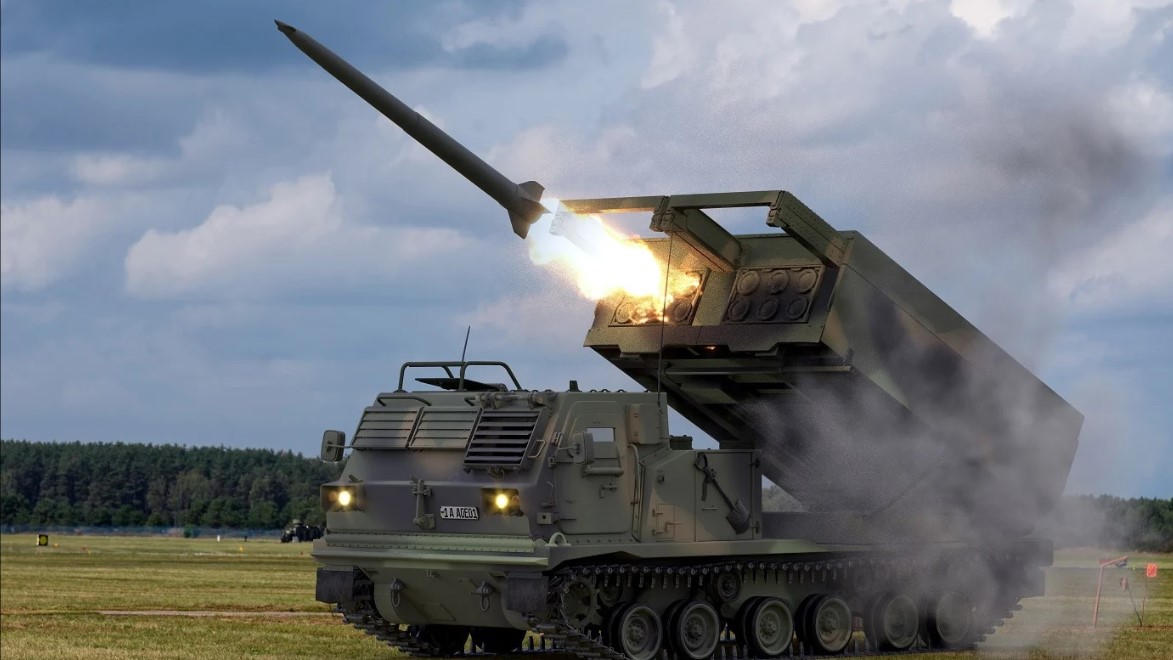
World
Defense News ,Australia :- Australia is set to embark on a significant stride in its defense capabilities as it signs a groundbreaking $37.4 million deal with Lockheed Martin to initiate the local production of Canberra’s Guided Multiple Launch Rocket System (GMLRS) missiles in 2025. This move, a key outcome of the Defence Strategic Review, underscores the commitment of the Albanese Government to enhance Australia's sovereignty in the defense sector.The agreement entails the transfer of technical data from the United States, along with the provision of engineering certifications and competency programs for the Australian workforce. Australian Deputy Prime Minister Richard Marles highlighted the importance of the contract, stating that it aligns with the government's strategic goals and sets the stage for a sovereign industry with opportunities for a highly-skilled workforce.In addition to the GMLRS project, Australia aims to bolster its armed forces with Precision Strike Missiles (PrSMs), which will be fired from the new High Mobility Artillery Rocket Systems (HIMARS). Minister Pat Conroy emphasized that these advancements will significantly enhance the country's capabilities to precisely strike targets at longer ranges.Lockheed Martin reports that the GMLRS boasts a range exceeding 70 kilometers (43.5 miles), while the PrSMs can reach targets between 60 and 499 kilometers (37.2 to 310 miles). Minister Conroy highlighted that this collaboration with Lockheed Martin is a crucial step in acquiring long-range precision strike capabilities, reinforcing the Australian Defence Force's ability to safeguard the nation and its interests.The local production of GMLRS missiles is part of a broader 4.1-billion Australian dollar ($2.7 billion) investment announced under the Defence Strategic Review. In 2023, Australia appointed a new chief for the Australian Department of Defence team responsible for overseeing indigenous productions of GMLRS, guided weapons, and explosive assets. This move reflects the ongoing collaboration between Australia and the United States within the Guided Weapons and Explosive Ordnance Enterprise, a key outcome of the Australia-United States Ministerial Consultations in July 2023.
Read More → Posted on 2024-01-16 14:22:52
India
Defense News ,India & Iran :- In a recent joint press conference with his Iranian counterpart, H Amir-Abdollahian, India's External Affairs Minister, S Jaishankar, underscored the pivotal role played by the Chabahar port in bolstering connectivity and strengthening ties between the two nations.Jaishankar emphasized India's steadfast commitment to the joint vision of connectivity for the Chabahar port project. He highlighted the strategic importance of the port, considering it a key element in fostering regional trade and cooperation. During discussions in Tehran, the minister focused on establishing a robust, sustainable, and long-term roadmap for India's continued involvement in the project, emphasizing the need for direct political leadership supervision.The centrality of regional connectivity in India-Iran relations was a recurring theme during Jaishankar's two-day visit. He reiterated India's keen interest in leveraging Iran's unique geographical position to access markets in Central Asia, Afghanistan, and Eurasia.Additionally, Jaishankar explored the potential revitalization of the International North-South Transport Corridor (INSTC), a project designed to facilitate smoother trade routes. Expressing satisfaction with the comprehensive nature of bilateral discussions, he affirmed India's commitment to closely monitoring the progress of the Chabahar port project.Highlighting the depth of diplomatic exchange, Jaishankar acknowledged the collaborative efforts in multilateral forums, including the Shanghai Cooperation Organisation (SCO), showcasing the strength of bilateral ties between India and Iran.This visit marked Jaishankar's first to Tehran after Iran's membership approval in BRICS, a development strongly supported by India. The minister expressed confidence that the exchanges during the visit would give momentum to bilateral cooperation and enhance understanding on regional and global issues.In the context of the volatile and uncertain global environment, Jaishankar emphasized the particular value of the India-Iran partnership and regular consultations. India envisions Chabahar Port as a transit hub under the INSTC, aiming to connect to CIS countries and reduce the time for EXIM shipments to reach Russia, Europe, and Central Asian markets.Prime Minister Narendra Modi's talks with Iranian President Seyyed Ebrahim Raisi reiterated the commitment to strengthen bilateral cooperation, realizing the full potential of Chabahar Port as a connectivity hub. The Chabahar port, situated in Iran, stands as a key component of India's connectivity initiatives, offering a shorter route for trade between India, Iran, Afghanistan, and Central Asia. The success of the INSTC would not only connect India to Russia and Central Asian countries but also contribute significantly to the region's commercial transit center, Chabahar Port.
Read More → Posted on 2024-01-16 14:17:17
World
Defense News ,Germany & Philippine :- In a significant stride towards enhancing maritime surveillance capabilities in the West Philippine Sea, Germany has pledged to donate cutting-edge drones to the Philippines. The announcement came following a meeting between German Foreign Minister Annalena Baerbock and Philippine President Ferdinand Marcos Jr. at the prestigious Malacañang Palace in Manila.According to Rear Admiral Armand Balilo, spokesman for the Philippine Coast Guard, the generous aid package includes "around four or more" drones, marking a crucial addition to the Philippines' coast guard reconnaissance capabilities. The total assistance package from Berlin amounts to a substantial 129 million euros ($141 million) and is expected to fortify the country's standing in the contested region.These state-of-the-art drones are not only designated for maritime surveillance but will also play a pivotal role in disaster response and relief operations. Furthermore, they will be deployed in missions targeting illegal drug activities, combating illegal fishing, and conducting assessments in the event of oil spills.This commitment by Germany follows a prior initiative in 2022 when the German Agency for International Cooperation (GIZ), in collaboration with the German government, donated two Trinity F90+ drones to the Philippines. The donation was part of the larger GIZ project titled "Supporting the Philippine Coast Guard in Securing Rule-based Order in the Indo-Pacific Region," aimed at bolstering weak points in the nation's coastline security.The Trinity F90+ drones boast an impressive flight time of up to 60 minutes, covering approximately 300 hectares (1.15 square miles) at an altitude of 120 meters (394 feet). German Ambassador to the Philippines, Anke Reiffenstuel, emphasized that this latest handover reinforces Germany's commitment to enhancing the peace, security, and stability of its allies.Reiffenstuel stated, "Germany's commitment is to strengthen the role of the Coast Guard to protect the coastline and provide capacity development to maximize the equipment provided by Germany." This collaboration underscores the shared dedication to upholding security in the region, marking a significant step in the strategic partnership between Germany and the Philippines.
Read More → Posted on 2024-01-16 14:11:06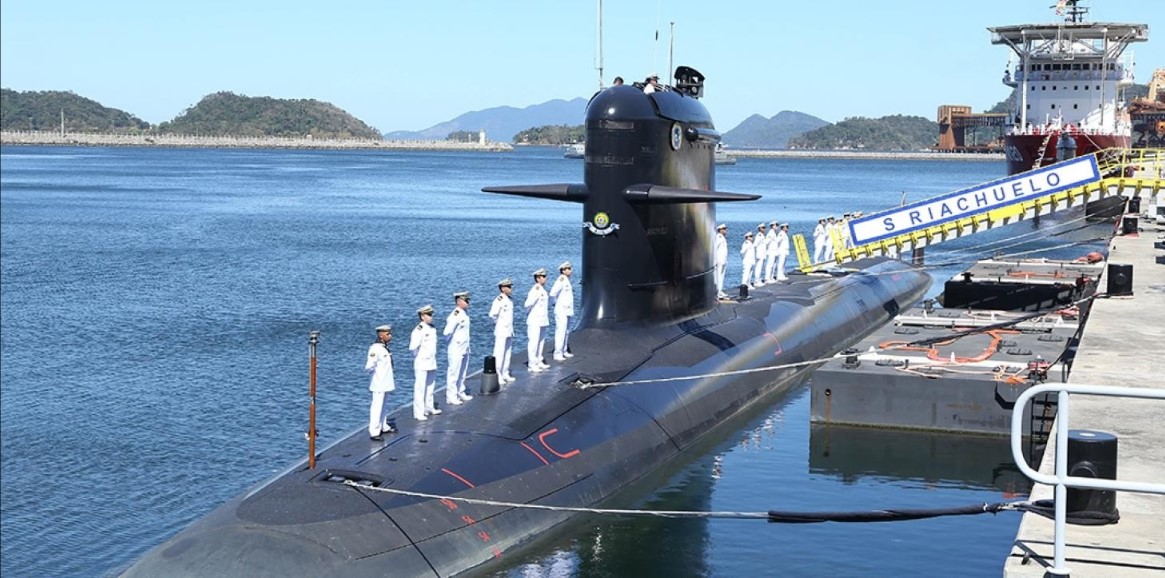
World
Defense News , Brazil :- In a significant step towards bolstering its naval capabilities, Brazil celebrated the commissioning of the second Scorpène submarine, Humaitá, on January 12th at the Itaguaí Naval base. The event, attended by Brazilian Minister of Defence, José Mucio Monteiro, and French General Delegate for Armaments, Emmanuel Chiva, marked the fruition of a collaborative effort between Brazil and France.Humaitá, entirely constructed in Brazil by Itaguaí Construções Navais (ICN), is part of the ProSub program. This program aims to enhance Brazil's submarine force with the development of four conventional submarines (SSK) and an indigenous nuclear-powered submarine (SSN). The success of Humaitá's sea trials and its subsequent delivery to the Brazilian Navy showcase the effectiveness of technology transfer from Naval Group to ICN.Pierre Éric Pommellet, CEO of Naval Group, expressed his satisfaction with the cooperation, emphasizing the collective achievement that strengthens not only the Brazilian Navy and industry but also the country's regional and global influence. Pommellet highlighted the commitment of the teams to meet the expectations of the Brazilian Navy.The ProSub program, initiated in 2009 within the framework of the French-Brazilian strategic defense cooperation agreement, solidifies Naval Group as a long-term strategic partner in Brazilian sovereignty. The collaboration involves the construction and assembly of Scorpène submarines at the ICN shipyard in Itaguaí, with technology transfer, submarine design files, and equipment supplied by Naval Group.Naval Group's contribution extends beyond technology transfer, as it actively supports the development of a robust Brazilian naval industrial ecosystem. Local suppliers, selected and qualified by Naval Group, join the supply chain not only for the ProSub contract but also for other business opportunities, fostering the growth of the Brazilian naval industry.Scorpène submarines, including the Brazilian models, are hailed as modern, high-performing, and stealthy. Their versatility allows them to undertake various missions, from Anti-Surface and Anti-Submarine Warfare to special operations and intelligence gathering. The submarines are equipped with the latest combat system, SUBTICS, addressing modern challenges in submarine warfare.Beyond the ProSub program, Naval Group's success extends globally, with submarines designed for export markets in operational service or under construction for navies such as Chile, Malaysia, and India. The adaptability of the Scorpène submarines to meet specific naval needs, as demonstrated by Brazil's modifications for a larger crew and increased operational range, underscores Naval Group's commitment to tailoring solutions for its international clients.As a testament to Naval Group's technological prowess, all Brazilian Scorpène submarines will be armed with the new-generation F21 heavy-weight torpedo, showcasing Brazil as the first international client for this advanced weaponry. The commissioning of Humaitá signifies a milestone in Brazil's naval advancements, reflecting the success of international collaboration and the country's commitment to strengthening its maritime capabilities.
Read More → Posted on 2024-01-16 14:06:42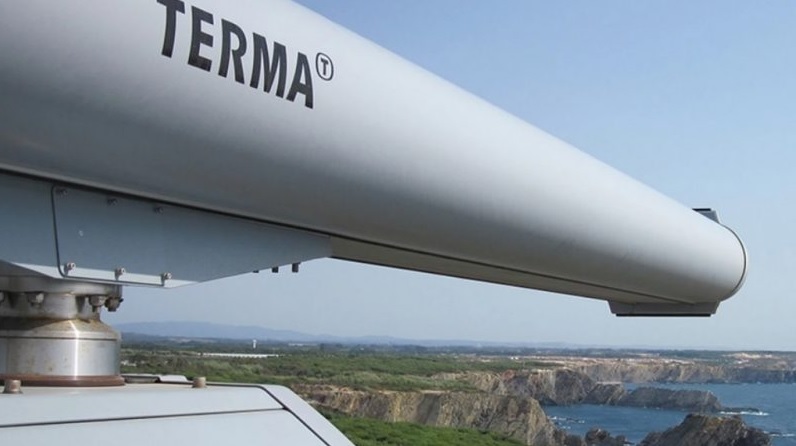
World
Defense News ,Denmark :- In a groundbreaking move, Terma, a Danish company, has just unveiled an innovative drone detection capability integrated into its land-based SCANTER 5000 series radars. This development comes hot on the heels of the successful implementation of a similar technology in Terma's SCANTER 6000 series, designed for naval surveillance back in October 2022.The newly introduced drone detection system harnesses the power of artificial intelligence (AI) and machine learning, elevating its analytical capabilities to unprecedented levels. By accurately analyzing incoming data, the radar can now distinguish drones from other flying objects, such as birds and aircraft, with exceptional precision. What's truly remarkable is the SCANTER 5000 series' detection range, reaching up to 10 kilometers for 5 kg drones, surpassing most competitors in the market. This extended range provides operators with invaluable response times, significantly improving situational awareness and response efficiency.The system operates through a meticulous four-step process: Detect, Track, Classify, and Identify. This method ensures the highest level of confidence in the results, offering precision where other solutions have often fallen short.Jesper Tolstrup, Chief Specialist in Radar Products & Programs at Terma, expressed his excitement about the release, stating, "We are thrilled to introduce our groundbreaking add-on, a true game-changer in drone detection technology. With its unparalleled precision, comprehensive data analysis, and impressive range, our counter-drone capability sets a new standard for the industry."Terma's drone detection technology is designed to cater to various radar applications, including ports, coastlines, offshore platforms, and critical infrastructure. Its versatility proves particularly valuable for safeguarding wind farms and maritime oil platforms. Moreover, the technology can be deployed in civilian airports for drone detection and bird monitoring, thereby enhancing safety and security in multiple domains. Terma's innovative solution is poised to redefine the landscape of surveillance technology, setting a new benchmark for precision and efficiency in drone detection.
Read More → Posted on 2024-01-16 13:58:50
World
Defense News ,Gulf of Aden :- In a recent incident, a missile launched by Yemen's Houthi rebels hit a US-owned ship near the coast of Yemen in the Gulf of Aden. This comes shortly after another anti-ship cruise missile was fired at an American destroyer in the Red Sea. The targeted ship, the Gibraltar Eagle, reported being struck on its port side, but fortunately, no injuries or significant damage occurred, allowing the vessel to continue its journey.While the Houthis have not claimed responsibility for the attack on the Gibraltar Eagle, tensions in the Red Sea have intensified following American-led strikes against the rebel group. The attacks by the Houthis have disrupted global shipping, especially amidst Israel's conflict with Hamas in Gaza. This has impacted a crucial corridor connecting Asian and Middle East energy and cargo shipments to the Suez Canal, which leads to Europe.The UK Maritime Trade Operations revealed that the Monday attack occurred approximately 110 miles southeast of Aden. Satellite-tracking data showed that the Eagle Gibraltar, a Marshall Islands-flagged bulk carrier, had originally been en route to the Suez Canal but abruptly changed course during the attack.The US military's Central Command acknowledged the strike, attributing it to the Houthis. Despite the incident, the ship reported no significant damage, and it continued its journey. The vessel is owned by Eagle Bulk, a firm based in Stamford, Connecticut, which has not provided any comments on the matter.In response to the escalating situation, Central Command detected another anti-ship ballistic missile launch toward the southern Red Sea on Monday. However, this missile failed in flight and landed in Yemen. The US Maritime Administration issued a warning, advising US flag and US-owned commercial vessels to avoid Yemen in the Red Sea and Gulf of Aden.The recent missile launch towards the USS Laboon marked the first acknowledged Houthi attack since the US and its allies initiated strikes against the rebels. President Joe Biden emphasized the readiness to take further measures to protect people and international commerce. The US-led strikes targeted 28 locations and over 60 Houthi-related sites.The Houthis, based in Hodeida, a Red Sea port city, have been targeting ships since November, citing retaliation for Israel's actions in Gaza. However, these attacks have affected vessels with no clear links to Israel, jeopardizing a vital route for global trade.The situation has raised concerns about maritime security, with Hezbollah leader Hassan Nasrallah warning of the dangers posed by the US strikes in the Red Sea. The impact is not only felt in the region's geopolitical landscape but also in disrupting shipping for nations like Qatar, a major natural gas supplier.As tensions rise in the Middle East, efforts to calm the situation face challenges, and the risk of a broader conflict looms. The Saudi-led, US-backed war in Yemen, ongoing since 2015, has already resulted in significant casualties and a severe humanitarian crisis. The recent attacks further complicate the delicate diplomatic balance in the region, with Saudi Arabia seeking to distance itself from the Houthi strikes as it navigates its relationship with Iran and maintains a ceasefire in Yemen.
Read More → Posted on 2024-01-16 13:45:16
India
Defense News ,India :- The DRDO Archer-NG (Next Generation) is a Medium-Altitude Long-Endurance (MALE) Unmanned Aerial Vehicle (UAV) developed by the Aeronautical Development Establishment (ADE) of the Defence Research and Development Organisation (DRDO) in India. It is designed to perform Intelligence, Surveillance, Target Acquisition, and Reconnaissance (ISTAR) missions, as well as precision strike operations. The Archer-NG will be equipped with a variety of sensors, including electro-optical/infrared (EO/IR) cameras, radar, and electronic intelligence (ELINT) systems. It will be equipped with technologies like avionics, software, a Ground Control Station and a Ground Data Terminal developed for the Tapas BH-201-UAV program Development and Design: Development began in 2009 under the Rustom-1 program, initially focused on ISR capabilities. In 2022, the program transitioned to Archer-NG with modifications for weapon integration and combat roles. Features a twin-boom configuration with a single engine, offering high endurance and payload capacity. NOT a copy of existing UAVs like the Israeli Heron MkII, but draws inspiration from various technologies. Specifications: Length: 11.3 meters (37 ft) Wingspan: 18.6 meters (61 ft) Height: 2.8 meters (9.2 ft) Maximum Takeoff Weight: 1,500 kg (3,307 lb) Payload Capacity: 300 kg (661 lb) Endurance: 18+ hours Cruising Altitude: 30,000 ft (9,144 m) Line-of-sight Range: 250 kilometers (Los ) 1000 Km (SATCOM BLoS)Engine : Single turboprop Armament: Four hardpoints for carrying a variety of weapons, including: Third-generation "Fire & Forget" UAV Launched Precision Guided Munition (ULPGM) Anti-Tank Guided Missile (ATGM): Range of 4 km, with future variants exceeding 6 km. Smart Anti-Airfield Weapon: Range of 100 km. Other potential weapons: laser-guided bombs, air-to-surface missiles, electronic warfare pods. Capabilities: High-resolution electro-optical (EO) and synthetic aperture radar (SAR) sensors for day/night, all-weather surveillance. Secure communication systems for real-time data transmission. Fully autonomous flight capabilities with advanced autopilot and navigation systems. Precision strike capabilities for engaging ground targets with minimal collateral damage. Significance: The Archer-NG is a significant step forward for India's indigenous UAV development program. It enhances India's aerial surveillance and strike capabilities, reducing dependence on foreign imports. Plays a crucial role in modern warfare, providing battlefield intelligence and precision attack options. Current Status: Firstl flight expected by mid-2024 Undergoing user evaluation trials with the Indian Armed Forces. Expected to be inducted into service by 2026-2027. Further Development: Future variants planned with improved range, payload capacity, and weapon options. Integration with Artificial Intelligence (AI) for enhanced decision-making and autonomous operations. The DRDO Archer-NG is a potent weapon system that strengthens India's military capabilities and positions the country as a leader in UAV development.
Read More → Posted on 2024-01-16 07:11:07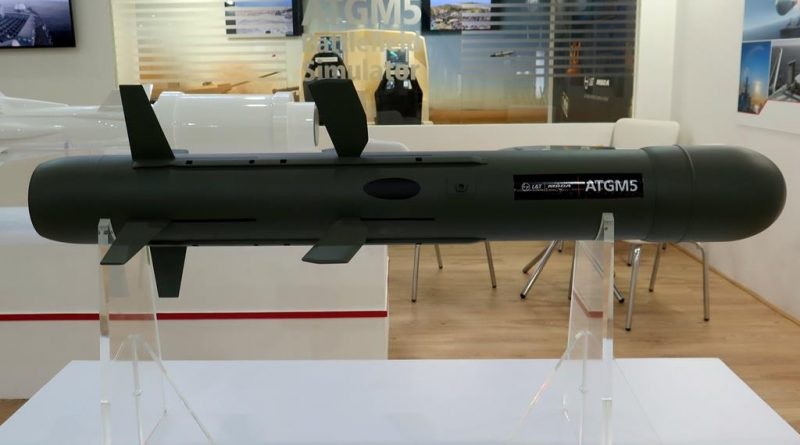
India
Defense News ,India :- In a groundbreaking partnership between the European defense giant MBDA and the Indian engineering powerhouse Larsen & Toubro (L&T), the Indian Army is poised to undergo a transformative enhancement in its anti-tank capabilities. The collaborative venture aims to produce a cutting-edge fifth-generation anti-tank guided missile (ATGM), codenamed ATGM-5, promising unmatched precision and lethality.Aligned with India's "Make in India" initiative to boost domestic defense manufacturing, the ATGM-5 project falls under various procurement categories such as "Buy (Indian-IDDM)," "Buy (Indian)," "Buy & Make (Indian)," and "Make." This encourages active local participation and technology transfer, furthering India's self-sufficiency in defense capabilities.The unveiled ATGM-5 prototype showcased at DefExpo 2024 in Chennai signifies a leap in technology. The ambitious plan involves manufacturing the missile entirely within India, with complete technology transfer from MBDA. Additionally, the foreign partner is committed to supporting the development of an upgraded ATGM-5 with an impressive extended range of 10 kilometers.The ATGM-5 distinguishes itself through the integration of several disruptive fifth-generation technologies, including a new generation passive dual-band seeker. This seeker combines color TV and uncooled infrared capabilities, ensuring precise target identification and tracking across diverse environments. The missile boasts a new generation multipurpose tandem warhead, effectively penetrating reactive armor and annihilating heavily fortified targets.Operational stealth is heightened with the integration of smokeless propellant, minimizing the missile's visibility during firing. The ATGM-5 goes a step further with its maintenance-free design, boasting a 10-year lifespan without the need for maintenance and reducing logistical burdens.One of its key advantages is being ITAR-free, freeing India from International Traffic in Arms Regulations (ITAR) restrictions, providing greater operational independence and flexibility. The ATGM-5 project emerges as a promising development for the Indian Army, significantly strengthening its anti-tank weaponry. With its advanced technology, domestic production capabilities, and potential for further upgrades, the ATGM-5 represents a substantial stride towards self-reliance in India's defense sector.
Read More → Posted on 2024-01-16 05:12:39
India
Defense News ,India & Russia :- In a recent telephonic conversation, Prime Minister Narendra Modi engaged in discussions with Russian President Vladimir Putin, laying the groundwork for an enhanced India-Russia Special and Privileged Strategic Partnership. The leaders enthusiastically agreed to chart a roadmap for upcoming initiatives that will fortify their countries' longstanding collaboration.Delving into the progress achieved after recent high-level exchanges, the two leaders took stock of various aspects of bilateral cooperation. Alongside these, they exchanged perspectives on regional and global matters of mutual concern, reflecting a shared commitment to addressing challenges on the international stage.Prime Minister Modi took the opportunity to extend his best wishes to Russia for its upcoming Presidency of BRICS in 2024, assuring full support from India. This gesture underscores the importance India places on fostering collaborative efforts within this influential grouping.Notably, in December 2023, India's External Affairs Minister, S Jaishankar, engaged with Russian leaders in Moscow. Following discussions with his Russian counterpart Sergey Lavrov, Jaishankar emphasized the enduring and valuable nature of the partnership between the two nations. He underscored the significant benefits that both India and Russia have derived from their longstanding relationship.The geopolitical landscape has witnessed shifts, and India has emerged as a key economic partner for Russia, particularly in the aftermath of sweeping sanctions imposed on Moscow by the West in 2022 due to the conflict in Ukraine. Russia's redirection of a substantial portion of its oil exports to India exemplifies the depth of this economic partnership. Additionally, both nations have intensified their diplomatic efforts within the BRICS group, a coalition where they stand as founding members.As the Modi-Putin dialogue sets the tone for future collaboration, it reaffirms the resilience and significance of the India-Russia partnership amid evolving global dynamics.
Read More → Posted on 2024-01-16 05:04:20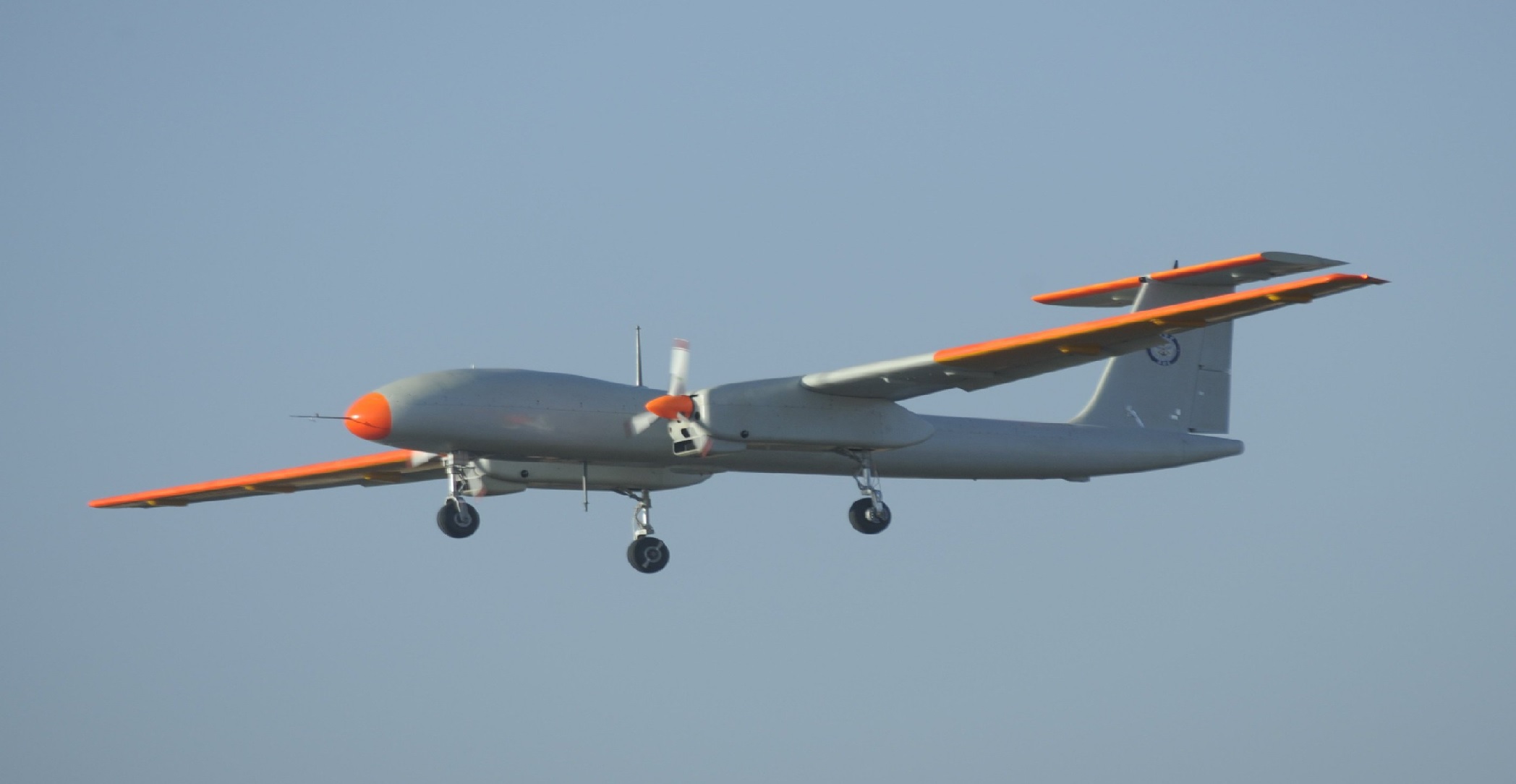
India
Defense News , India :- In a bid to fortify surveillance capabilities over the strategically pivotal Andaman and Nicobar Islands, the Indian Navy is eyeing the homegrown Tapas Medium Altitude Long Endurance (MALE) Unmanned Aerial Vehicle (UAV). Spearheaded by the Aeronautical Development Establishment (ADE) laboratory, the Tapas drone encounters a significant challenge – it falls short of meeting the Joint Services Qualitative Requirements (JQRs) by not maintaining an altitude of 30,000 feet for over 24 hours. Consequently, it finds itself temporarily excluded from the "mission mode" category, prioritizing rapid deployment.Despite this setback, officials express unwavering optimism regarding the Tapas program. A DRDO official declared, "We are committed to continuing the program," emphasizing ongoing efforts by the ADE laboratory to refine the drone's design and enhance its power output. The official asserted, "We will add more altitude and endurance," demonstrating a dedicated resolve to overcome the JQRs challenge.The Indian Navy's keen interest in the Tapas emanates from its potential to offer persistent maritime surveillance around the Andaman and Nicobar Islands – a critical gateway to the Indian Ocean and a strategic outpost safeguarding India's eastern seaboard. While the Navy presently relies on a combination of manned aircraft and imported Heron UAVs for surveillance, the Tapas stands out due to its domestic development and the prospect of tailoring it to specific Indian requirements.Highlighted by several promising features, including a long-range electro-optical/infrared (EO/IR) payload, synthetic aperture radar (SAR), and electronic intelligence (ELINT) capabilities, the Tapas facilitates comprehensive surveillance of surface and airborne threats. This makes it a valuable asset for maritime patrol, search and rescue, and intelligence gathering missions.Despite the current hurdle in meeting JQRs, the Indian Navy's sustained interest and the DRDO's commitment to development instill hope for the Tapas program's future. With concerted efforts to enhance its altitude and endurance, the Tapas holds the potential to revolutionize Indian maritime security, ensuring the protection of the strategically vital Andaman and Nicobar Islands and reinforcing India's presence in the Indian Ocean.
Read More → Posted on 2024-01-16 05:00:15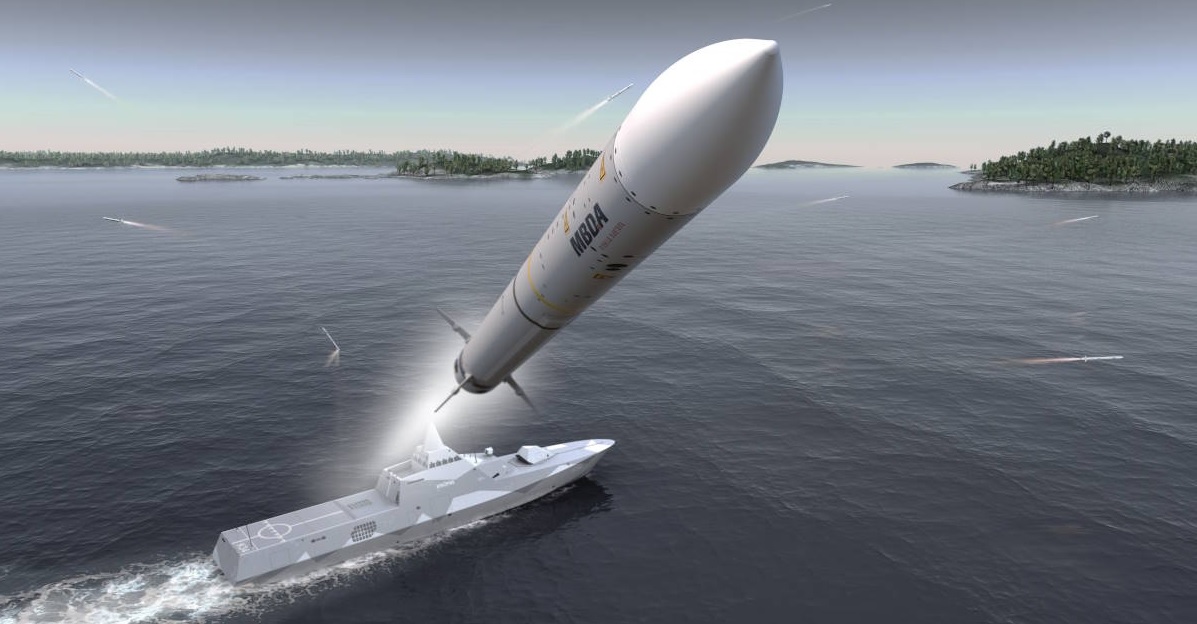
World
Defense News ,Poland :- Arms company MBDA is helping Poland protect its navy by adding special missiles to its Miecznik-class frigates. These frigates, designed by Babcock, will be equipped with MBDA’s Sea Ceptor naval air defense system. This system is like a shield that defends the ships from fast anti-ship missiles and unmanned surface vessels.The missiles are part of MBDA’s Common Anti-Air Modular Missile (CAMM) family. They will be launched from Mk41 Vertical Launching Systems, which helps keep more of them ready and the ships safer.Not only Poland but also other countries like Brazil, Canada, and Sweden use these CAMM missiles for short-range defense.Developing the CAMM SystemThis plan started in 2022 when Poland and the UK agreed to work together on developing weapons. They created the CAMM system to help Poland defend its ground and navy better, especially with tensions rising in the area.In a big deal worth 4 billion pounds (about $4.89 billion), Poland got the technology to make over 1,000 of these missiles with an extended range. They also received more than 100 iLaunchers for their armed forces. Sweden also liked these missiles and decided to use them for their Visby-class corvettes.
Read More → Posted on 2024-01-15 16:56:20
Space & Technology
Space News ,World :- Astrobotic recently shared an important update about its Peregrine spacecraft. Originally planned to land on the moon, the spacecraft faced a challenge due to a propellant leak. Instead, it is now set to reenter Earth's atmosphere soon.In their social media post on January 13, Astrobotic explained that Peregrine, launched with the help of Vulcan Centaur, ended up in an unusual orbit, going beyond the moon's orbit. The plan was for it to swing back around the Earth and enter the moon's orbit. However, the propellant leak created uncertainty about the spacecraft's path.The company now predicts that Peregrine is heading towards Earth and will likely burn up in the atmosphere. The exact time and location of reentry were not disclosed, but estimates point to late January 18 near Australia.On January 14, Astrobotic confirmed their decision not to attempt any maneuvers with the remaining fuel. They consulted with NASA and received recommendations from the space community and the U.S. Government on the safest course of action. The decision was made to let the spacecraft burn up during reentry, ensuring the responsible conclusion of Peregrine's mission and preserving the future of cislunar space.Peregrine faced a propellant leak shortly after its January 8 launch. Astrobotic traced the issue to a valve failure in the helium pressurization system, causing an oxidizer tank to rupture. Despite initial concerns about running out of propellant, the spacecraft continues to operate. Astrobotic has even powered on several payloads, including those from NASA's Commercial Lunar Payload Services (CLPS) program.In the latest updates, the propellant leak has slowed considerably, and the spacecraft has enough fuel to maintain its attitude and perform small maneuvers until the end of the mission. A media briefing about the mission is scheduled for January 18, where NASA and Astrobotic will provide more details.
Read More → Posted on 2024-01-15 16:52:00
World
Defense News ,Russia :- Russian Navy leaders recently revealed exciting plans to give a major facelift to their Project 949A Antey nuclear submarines. The Pacific Fleet Commander, Admiral Viktor Liina, spilled the beans on this modernization effort, aiming to make these submarines even more powerful. They'll be armed with new missile systems, including Kalibr and Oniks cruise missiles, along with the super-fast Zircon hypersonic missiles.Admiral Liina explained that the goal is to boost the submarines' abilities, making them capable of handling a wider range of tasks. This upgrade will bring the Antey submarines in line with the Yasen and Yasen M-class nuclear submarines, which already boast Kalibr and Oniks missiles and have plans to add Zircon hypersonic missiles in the future.The decision to modernize these submarines was made back in 2017, with the original plan targeting four out of the eight Antey submarines. The upgrade involves swapping out the old launchers for new universal ones, allowing the submarines to carry three types of missiles: Kalibr, Oniks, or Zircon. This change could potentially increase the number of missiles these submarines can carry, with estimates ranging from 24 to either 48 or 72, depending on the sources.Right now, the modernization work is happening at the Far Eastern Zvezda plant, starting with the nuclear submarine Irkutsk (K-132). After that, the Chelyabinsk (K-442) submarine is next in line for the upgrade.The introduction of the Zircon hypersonic cruise missile is a game-changer, expanding the submarines' capabilities. The Zircon missile is a high-tech weapon designed for various missions, including targeting ships, land attacks, and launching from submarines.This missile, measuring around 9 meters in length and with a diameter of 60 centimeters, is no slouch. It can carry either high-explosive or nuclear warheads and has a max firing range of 1,000 kilometers, reaching a mind-boggling top speed of Mach 9. This high speed makes it tricky for existing missile defense systems to counter, and its plasma cloud during flight makes it challenging to detect.Admiral Liina emphasized that the Project 949A Antey submarines will not only get a new missile launcher system but also updated radio equipment, communications, and service systems. The aim is to bring these Soviet-era submarines up to speed with the capabilities of modern nuclear submarines like Yasen and Yasen-M.Originally developed in the 1970s, these submarines, known as Oscar I and Oscar II, are still serving in the Russian Navy. Plans for their modernization date back to 2017 under the Project 949AM program, aiming to extend their operational life and boost their combat capabilities.So, get ready for a new and improved fleet of Russian submarines – faster, smarter, and stealthier than ever before!
Read More → Posted on 2024-01-15 16:43:28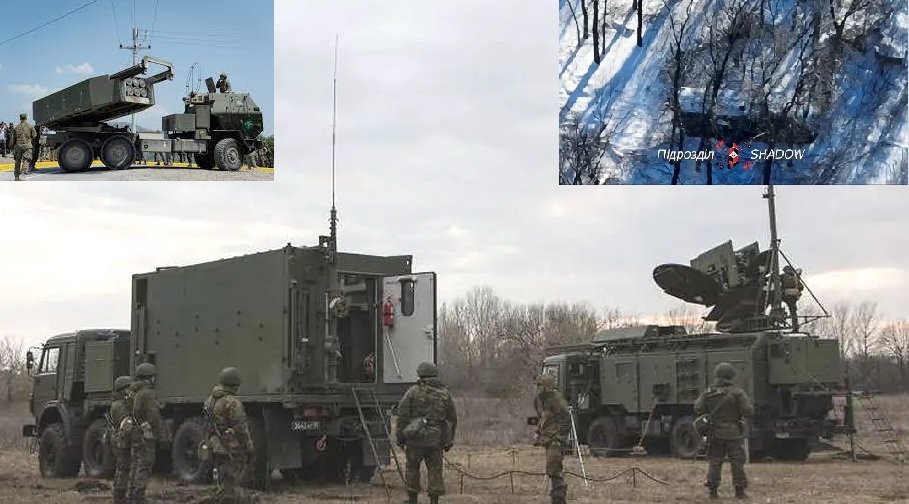
World
Defense News , Ukraine & Russia War :- In a recent video shared on social media, Ukrainian soldiers successfully destroyed a rare Russian electronic warfare vehicle called RB-109A Bylina using a US-donated M142 HIMARS guided by a drone. Let's break down what happened.Russian Electronic Warfare Tactics in UkraineThe Russian military heavily relies on electronic warfare (EW) as part of their strategy in the Ukraine conflict. Their advanced EW systems disrupt Ukrainian military communications and intelligence gathering by jamming radio signals, GPS frequencies, and other communication channels. This interference creates confusion on the battlefield, making it difficult for Ukrainian forces to coordinate and respond effectively to Russian actions.Drones Changing the GameDrones play a crucial role in modern warfare, enhancing the capabilities of artillery systems like the M142 HIMARS. Here's how:1. Intelligence and Surveillance: Drones equipped with high-resolution cameras and sensors can fly over enemy territory, providing real-time intelligence about enemy positions and movements.2. Precision Strikes: Some drones have laser designators to mark targets accurately. When a drone identifies a combat vehicle, it guides precision munitions from the HIMARS system with high accuracy.3. Situational Awareness: Drones offer a live feed of the battlefield, helping artillery units adjust fire plans in real-time based on dynamic changes in the enemy's position and strength.The Mighty M142 HIMARSThe M142 HIMARS is a powerful artillery system known for its precision strike capabilities:1. Range and Accuracy: It can fire various munitions, reaching targets up to 70 kilometers away with standard rockets. Extended Range Rockets extend the reach to approximately 150 kilometers.2. GPS-Guided Munitions: The use of GPS-guided munitions ensures high accuracy, minimizing collateral damage. The system can also integrate with modern battlefield management systems for real-time adjustments and coordination with other military assets.Ukrainian forces are countering Russian electronic warfare with a combination of drones and advanced rocket systems, showcasing the evolving strategies in modern conflicts.
Read More → Posted on 2024-01-15 16:10:00
India
Defense News ,India :- The head of the Indian Army, General Manoj Pande, shared some great news on the 76th Army Day. He mentioned that, thanks to the hard work of the Indian Army and the government, the situation in Manipur is improving. General Pande highlighted the positive impact of peace talks with local groups in the North-East, leading to significant progress in the region."In the last few years, we've had important peace agreements with local groups in the North-East. This has brought positive changes to the area, and government policies have played a crucial role in restoring peace. In Manipur, the government and the Indian Army are actively working to control the situation, and our soldiers have been remarkable in minimizing damage with their patience and skills," said General Pande.He added, "Concrete efforts are ongoing to establish peace in Manipur." General Pande also assured that the situation on the western borders in Jammu and Kashmir is under control, although there has been an increase in terrorist activities in some areas recently."Our army is fully prepared to face any challenge. We've taken significant steps to enhance our capabilities on the northern borders. Through emergency procurement, we've imported modern equipment with new technology. Special grants have been allocated to develop critical infrastructure in border areas," General Pande explained.Expressing pride in the Indian Army's dedication, he said, "Our soldiers have successfully tackled security challenges, whether it's safeguarding borders, deploying in difficult areas, or facing challenging weather. Together with all stakeholders, we are determined to eliminate terrorism from the country."Looking towards the future, General Pande mentioned that India is on the verge of a new era. "We envision a 'Viksit Bharat' (Developed India) as our country marks 100 years of independence. A secure environment is crucial for this vision, and the Indian Army plays a vital role in achieving it."He also highlighted advancements in automation, digitization, and networking to make systems more efficient, benefiting areas like operational awareness, decision support, and human resource management. General Pande emphasized the importance of the Agnipath scheme in human resource management and stated that efforts are ongoing to contribute to nation-building, especially in border areas, by collaborating with state and central government projects.
Read More → Posted on 2024-01-15 15:51:14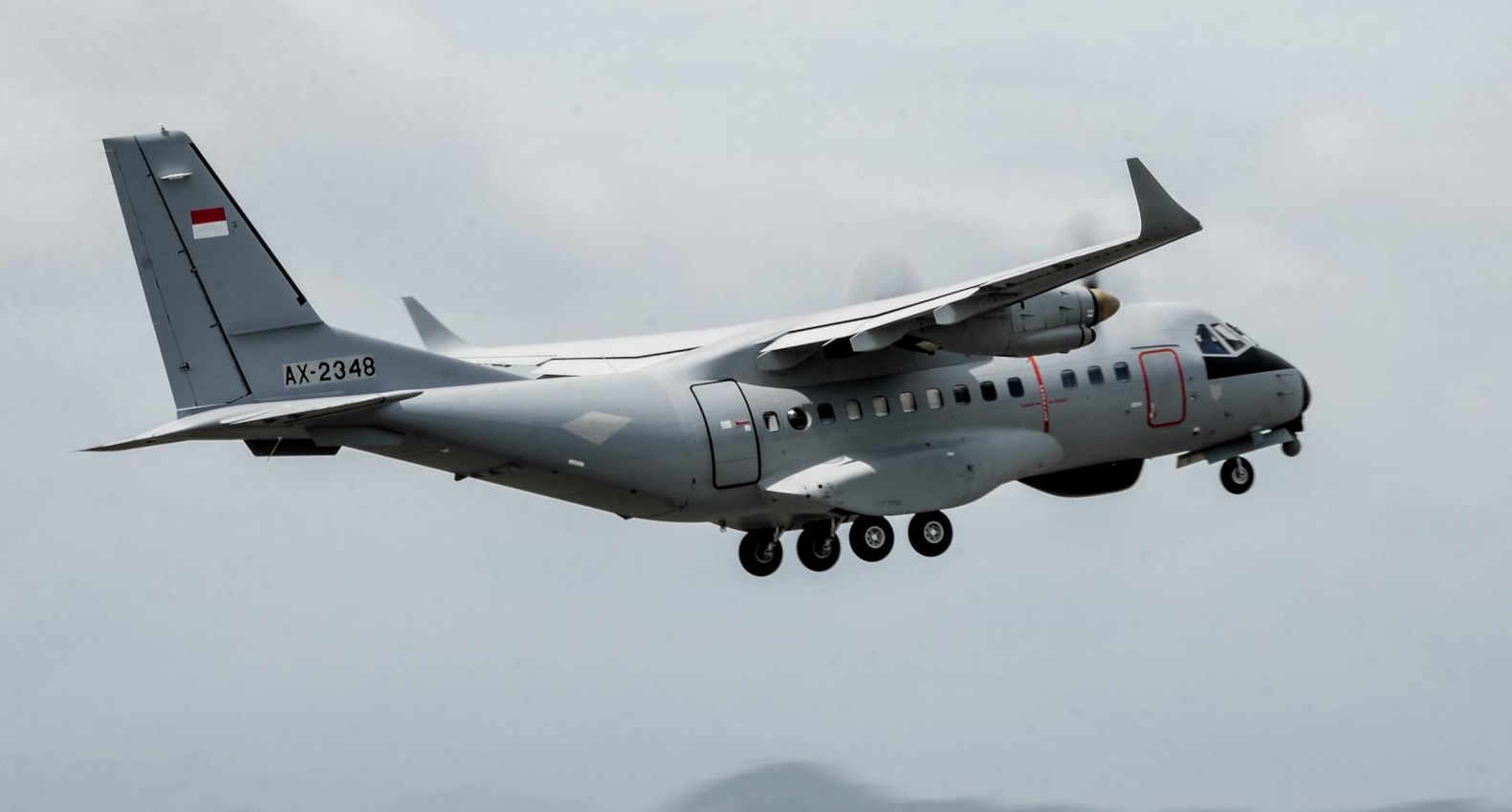
World
Defense News ,Philippines & Indonesia :- Indonesian President Joko Widodo has suggested to Philippine President Ferdinand Marcos Jr. that they consider buying special airplanes to guard against submarines. This idea was brought up during a meeting in Manila where they talked about defense and protecting borders.The leaders did not provide more details about which specific airplanes are being offered, and Marcos hasn't given his response to Widodo's suggestion yet.This offer is particularly important because tensions are rising in the West Philippine Sea. The Philippines is currently dealing with a dispute with China over maritime zones.To strengthen their regional defense, the Armed Forces of the Philippines is planning to buy four more anti-submarine helicopters in the coming years.Protecting the SeasThe Philippines has recently increased its patrols at sea to counteract China's growing presence in the region.Last year, the Philippines military started thinking about making changes to its modernization program due to financial limitations. Additionally, they announced the resumption of joint patrols with US troops in the South China Sea. These patrols were stopped during the time of former President Rodrigo Duterte.
Read More → Posted on 2024-01-15 15:46:56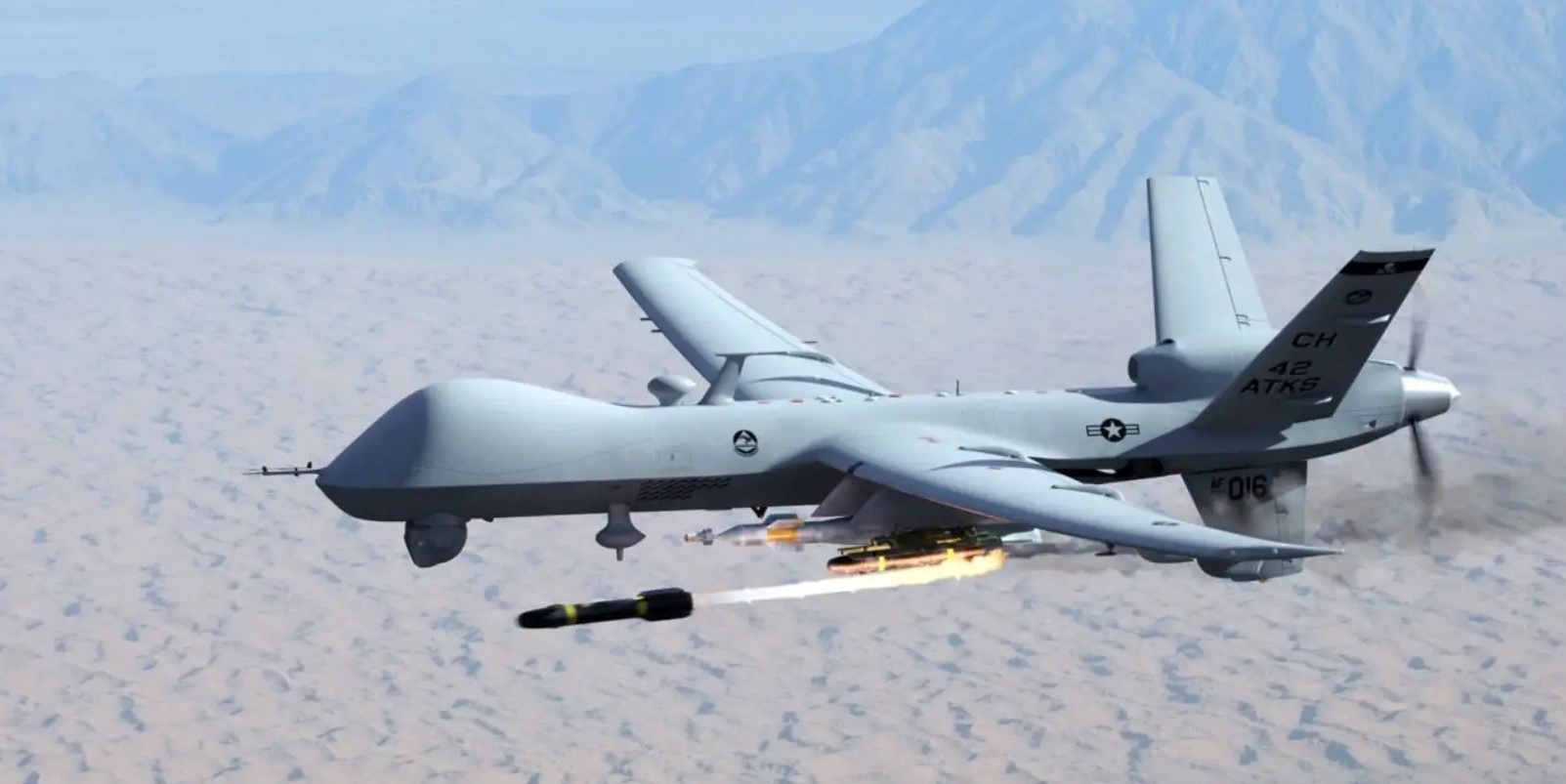
World
Defense News ,Netherland :- The Royal Netherlands Air Force recently shared exciting news on social media about sending high-tech General Atomics MQ-9A Reaper drones to Romania. These special drones, controlled from afar, are going to be stationed at the Campia Turzii air base in Romania. Their main job is to fly around and check things out along NATO's eastern border.Guess what? Three MQ-9A Reaper drones are taking a trip all the way from the Caribbean to Romania! Along with them, about 140 cool people from the Dutch Air Force are joining the adventure. They plan to hang out in Romania for about six to twelve months.But wait, there's more! Some of the drone action will happen from the Leeuwarden base in the Netherlands. That's where the smart people sit in front of computers, telling the drones what to do. The Dutch Air Force wants everyone to know that these MQ-9A drones will stick to doing cool spy stuff over Central Europe.Did you know that the Netherlands already has four MQ-9A Reaper drones? They got them in 2022 and were so happy with how well they worked that they decided to get more in August of the same year. In May last year, they even decided to upgrade the drones so they can carry weapons. According to their plan, the MQ-9A will be ready for armed missions by 2025 and fully ready to go by 2028. How cool is that?
Read More → Posted on 2024-01-15 15:41:24
Space & Technology
Technology News ,India :- CoRover.ai has become a leader in India's own smart technology with the introduction of BharatGPT, a Large Language Model (LLM) inspired by Prime Minister Narendra Modi’s forward-thinking leadership.BharatGPT, linked with Digital India's National Hub of Language Technology (NHLT), can handle over 12 Indian languages for voice communication and 22 languages for written communication. This achievement is part of the National Language Translation Mission (NLTM) under the Ministry of Electronics and Information Technology (MeitY).Amitabh Nag, CEO of BHASHNI, praised CoRover for effectively managing numerous users and finding clever ways to assist with different languages and voice support. Their contributions were particularly valuable for clients like IRCTC and NPCI. The breakthroughs in language technology, driven by AI, ML, and NLP, as seen in BharatGPT, are expected to inspire new projects.CoRover's intelligent assistants, such as ChatBots, VoiceBots, and VideoBots, are already assisting various organizations like IRCTC, LIC, IGL, and the Indian Navy. With a user base surpassing one billion, these Virtual Assistants are now powered by BharatGPT.What sets BharatGPT apart is its simplicity for developers and business professionals to create intelligent assistants in multiple languages quickly. They can personalize it by adding their own information to meet their specific needs.The platform comprises different components such as speaking, listening, analyzing, and more. BharatGPT is unique because it can create substantial assistants for businesses, distinguishing it from other conversational computer programs.Notably, BharatGPT provides Gen AI as a Service (GaaS) for government, Public Sector Undertakings (PSUs), and private organizations. It excels at intelligently finding and using information, making it versatile in performing various tasks due to its learning and adaptive capabilities.Ankush Sabharwal, Founder of CoRover, emphasizes the mission to deliver a smart large language model tailored to specific organizational needs.Abhishek Singh, President & CEO of NeGD and DIC (Digital India), sees BharatGPT as a transformative force for Conversational AI in India, positioning the country as a pioneer in AI technology.
Read More → Posted on 2024-01-15 15:08:51Search
Top Trending in 24 Hours
-
 India Receives Fourth S-400 Squadron from Russia After Prolonged Delay
-
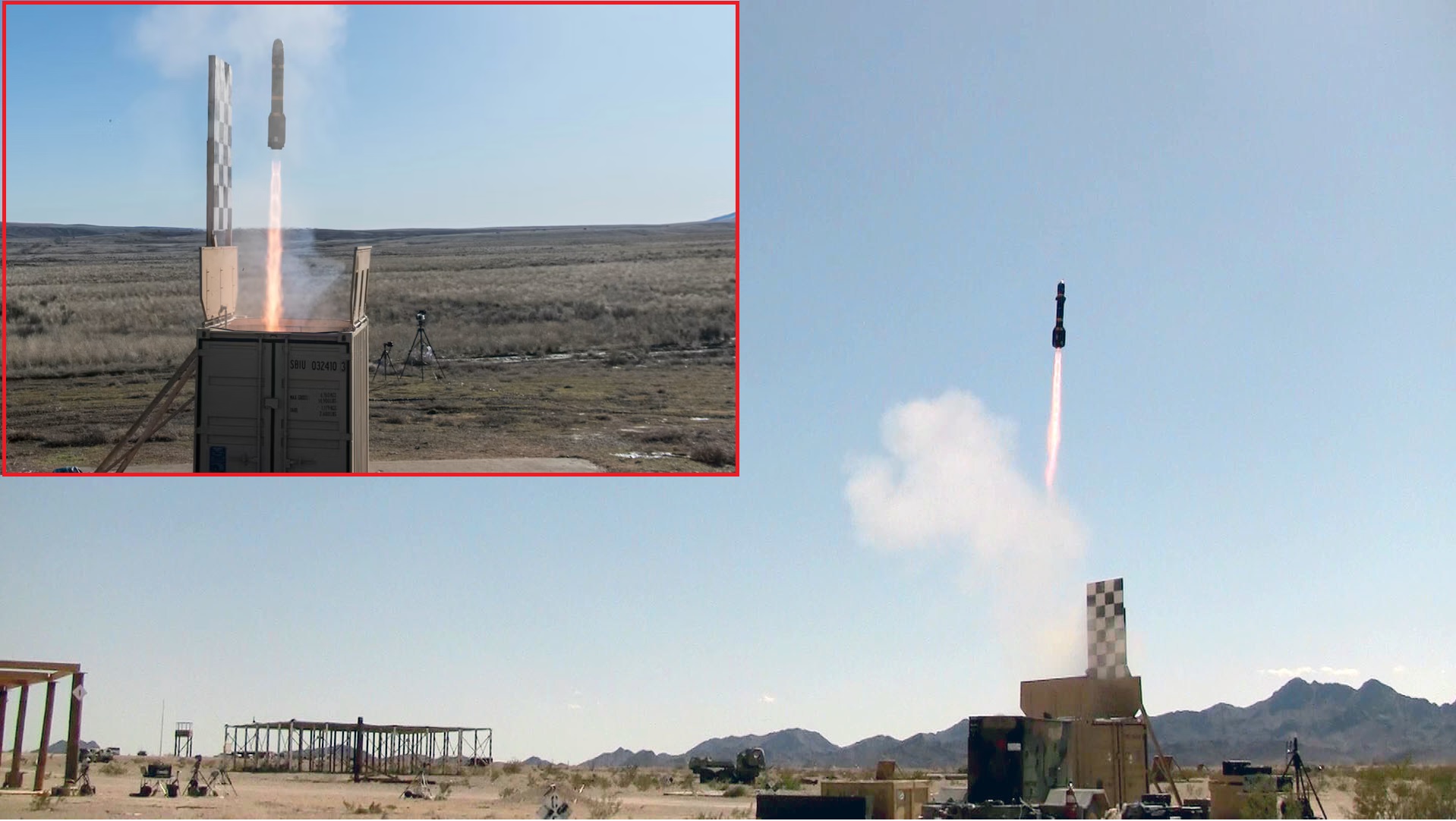 Lockheed Martin Successfully Intercepts Attack Drone Using New GRIZZLY Containerized Launcher
-
 Iranian Drone and Missile Strikes Damage Kuwait Airport, Kill One and Injure 63 Amid Rising Gulf Tensions
-
 ARX Robotics to Boost Military Robot Production Five Times Under New Munich Expansion Plan
-
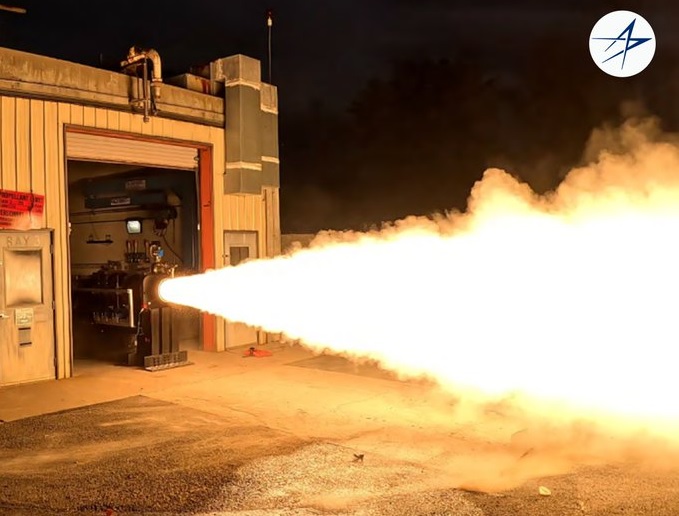 Lockheed Martin, L3Harris Complete Ramjet Propulsion Test for Army’s 1,000 km Next-Generation Precision Strike Missile
-
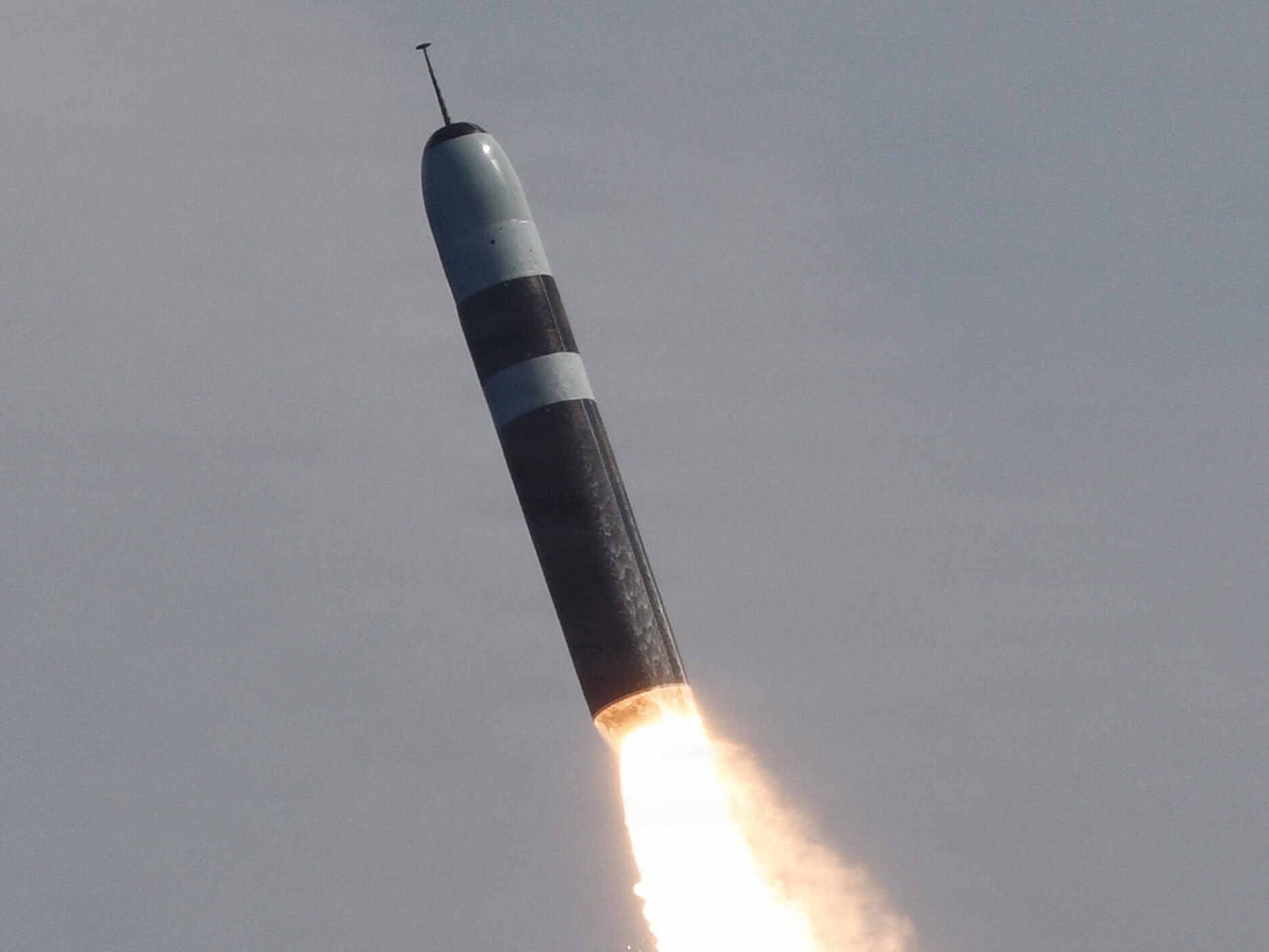 Washington Considers Shifting NATO Nuclear Deterrence Closer to Russia Through Poland
-
 Taiwan Unveils Three New Military Robotic Dog Variants for Patrol, ISR and Combat Support
-
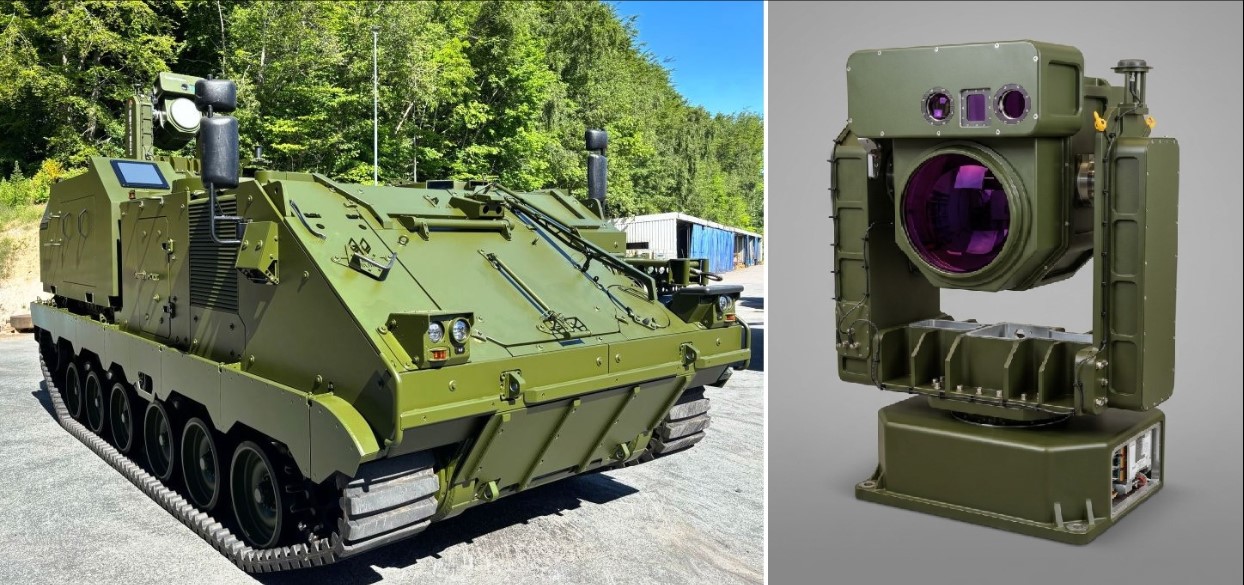 Israel's Esh-Tech Introduces DroneLight Counter-Drone Laser With 75% Lower Cost Than Conventional Systems
Top Trending in 4 Days
-
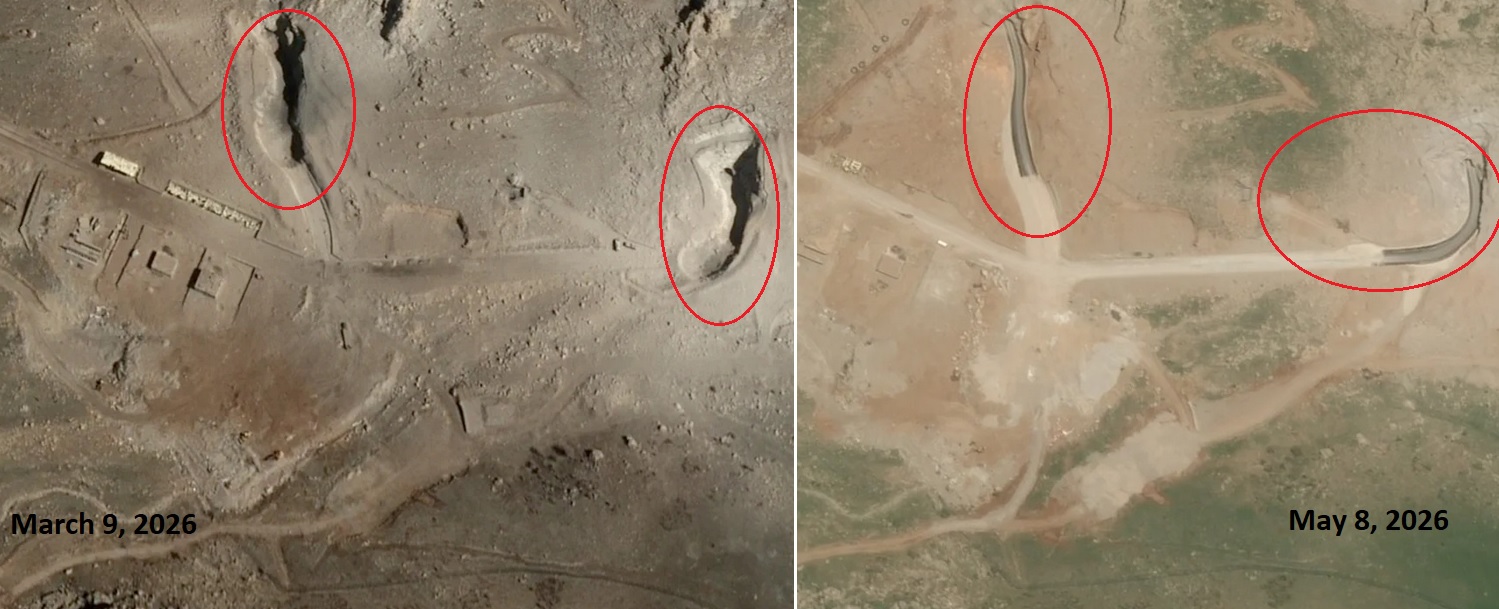 Iran Reopens 50 of 69 Underground Missile Tunnel Entrances After US-Israeli Strikes, Satellite Images Show
-
 Russia Deploys $500 ‘Yolka’ Handheld Drone Interceptor to Counter Battlefield UAVs
-
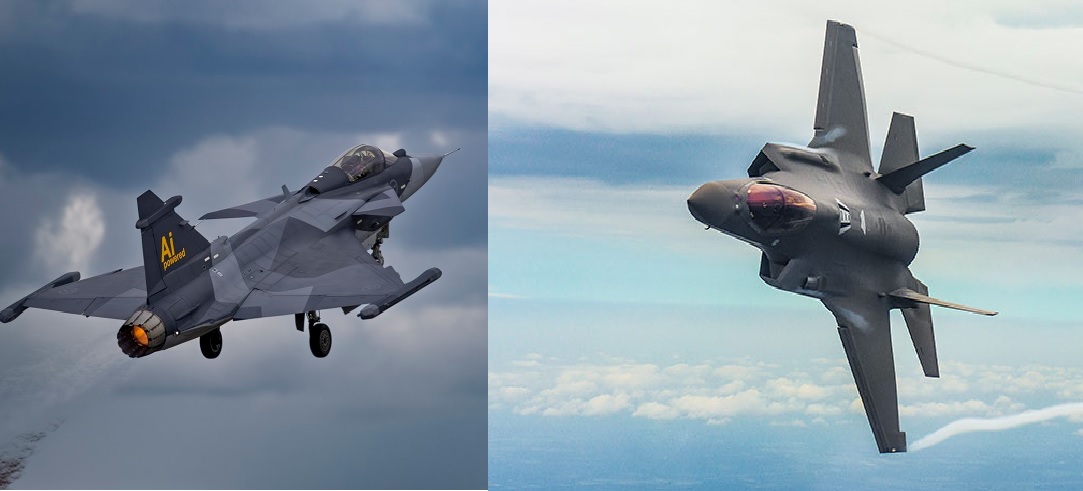 Canada Considers 30 F-35s and 60 Saab Gripens in Major Fighter Fleet Shift
-
 New Footage Reveals Ukraine’s AI-Powered PRISMA System Supporting Long-Range Drone Operations
-
 Russian Nuclear Battlecruiser Admiral Nakhimov Enters Final Phase of Sea Trials After Extensive Modernization
-
 Google Seeks EPA Approval to Release 32 Million Male Mosquitoes to Fight Disease Spread in California and Florida
-
 U.S. Navy Awards $100 Million Contract to Sustain GQM-163A Coyote Program Simulating China and Russia’s Anti-Ship Missile Threats
-
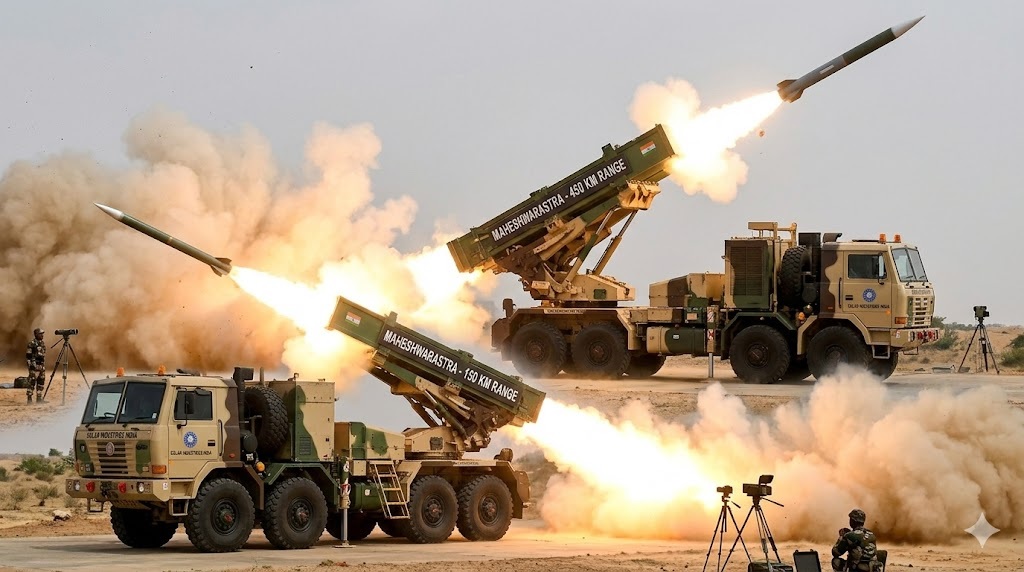 Solar Industries Offers 150–450 Km Maheshwarastra Precision Rocket System to Indian Army
