India
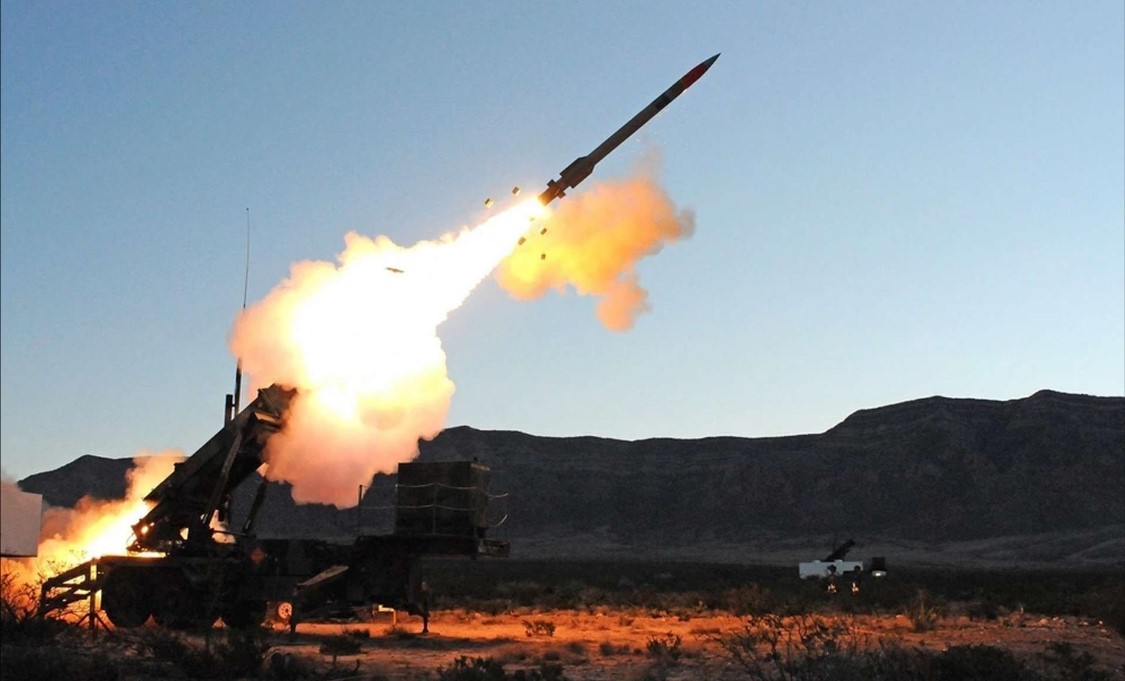
The Brazilian Army is embarking on an unexpected yet significant evaluation to acquire high-altitude air defence artillery systems from either India or China. This move has stirred the Brazilian defence market, as it was previously assumed that the Brazilian Air Force (FAB) would be solely responsible for such high-altitude defence measures, while the Army would focus on short and medium-range projects.In November 2023, the Brazilian Army issued a Request for Quote (RFQ) to assess the prices of medium-altitude air defence systems available both nationally and internationally. This was followed by a second RFQ in February 2024 to gather more detailed information. This proactive stance underscores the urgency and priority the Army is placing on enhancing its air defence capabilities.During a public hearing at the Committee on Foreign Relations and National Defence (CREDN) of the Chamber of Deputies in April 2024, Army Commander General Tomás Miguel Paiva expressed his concerns about the country's air defence gaps. He highlighted that Brazil is “relatively protected” up to an altitude of 3,000 meters but lacks advanced technologies for higher altitudes. To address this, General Paiva suggested a “government-to-government” agreement with India to procure the Akash medium-range anti-aircraft missile system, showcasing a strategic inclination towards Indian defence technology.The general's advocacy for a strategic and pragmatic approach within the BRICS framework is evident in his engagements. He emphasized that Brazil should maintain a balanced and non-ideological stance in its international defence relations. This outlook aligns with his actions, as he prepares for an official ten-day visit to China next month. During this visit, he aims to evaluate the capabilities of China's defence industrial base and explore opportunities for bilateral cooperation.This visit follows a previous delegation trip to China, where Brazilian military officials observed live-fire demonstrations of the DK-10 medium-altitude surface-to-air missile system, also known as Sky Dragon 50 or Tianlong-50, and the SH15 self-propelled howitzer. Both of these systems are produced by China North Industries Corporation (NORINCO), a state-owned enterprise. The performance of these systems during the demonstrations left a lasting impression on the Brazilian delegation, showcasing China’s advanced capabilities in air defence technology.General Paiva’s previous official visit to India further solidifies the Army’s consideration of Indian technology. The Akash missile system, known for its reliability and effectiveness, represents a viable option for enhancing Brazil’s medium-altitude air defence.The Brazilian Army’s evaluation process reflects a broader shift in the country’s defence strategy. By considering high-altitude air defence systems from both India and China, Brazil is not only addressing its immediate defence needs but also strengthening its ties within the BRICS alliance. This move signals a forward-thinking approach to national security, emphasizing technological advancement and international cooperation.
Read More → Posted on 2024-07-03 15:16:42
India
In a small village in Maharashtra's Buldhana district, the family of Agniveer Akshay Gawate has found solace in the government’s support after their tragic loss. Akshay, a young soldier from Pimpalgaon Sarai, laid down his life in the harsh terrains of Siachen on October 21, 2023. His sacrifice has not gone unnoticed, as the family recently announced they have received a financial assistance package of Rs 1.08 crore from the government.The announcement came shortly after Defence Minister Rajnath Singh addressed concerns raised by the Leader of Opposition in the Lok Sabha, Rahul Gandhi. Gandhi had criticized the Agnipath military recruitment scheme, alleging that it treated Agniveers as "use-and-throw laborers" and denied them the status of martyrs. In response, Singh clarified that the government provides a substantial compensation of Rs 1 crore to the families of Agniveers who lose their lives in the line of duty.Akshay Gawate’s father, Lakshman Gawate, detailed the breakdown of the aid received: Rs 48 lakh as an insurance cover, Rs 50 lakh from the central government, and an additional Rs 10 lakh from the state government. Despite the financial support, the Gawate family’s grief remains profound. Akshay's father also voiced a request for a government job for Akshay’s sister, hoping to secure a stable future for her.The Agnipath scheme, introduced on June 14, 2022, has been a topic of significant debate. It aims to recruit youths aged between 17-and-a-half and 21 for a four-year term, with a provision to retain 25 percent of them for an additional 15 years. This scheme was later modified to extend the upper age limit to 23 years, providing more flexibility for aspiring candidates.The Gawate family’s experience sheds light on the human aspect of the Agnipath scheme. While the policy has its critics, the support provided to families like the Gawates demonstrates the government’s commitment to honoring the sacrifices of its young soldiers. The substantial financial aid serves as a testament to the value placed on their service and the recognition of their ultimate sacrifice.As the nation continues to navigate the complexities of military recruitment and compensation, stories like Akshay Gawate’s remind us of the bravery and dedication of young soldiers. Their commitment to the nation, even at the cost of their lives, is a poignant reminder of the sacrifices made for the country’s security and peace.
Read More → Posted on 2024-07-03 15:04:53
World
The U.S. Court of Appeals for the Ninth Circuit recently heard closing arguments in the high-profile case of Tahawwur Rana, a Pakistani-origin Canadian businessman implicated in the 2008 Mumbai terror attacks. The attacks, which claimed 166 lives and left 239 injured, involved ten terrorists from Pakistan who targeted several locations in Mumbai, including the Taj Mahal Hotel, a major railway station, and a Jewish community center.Assistant U.S. Attorney Bram Alden argued that under the U.S.-India extradition treaty, Rana is extraditable based on the plain provisions of the treaty. Alden emphasized that India has established probable cause to prosecute Rana for his involvement in the attacks. Rana, currently held in a Los Angeles jail, is accused of assisting David Coleman Headley, a Pakistani-American terrorist and one of the main conspirators of the 26/11 attacks.Alden's arguments highlighted the overwhelming evidence supporting probable cause. He detailed Rana's repeated meetings with Headley and his role in facilitating Headley's fraudulent business in India, which was used as a cover to conduct surveillance for the attacks. Alden also pointed to a phone call where Rana praised the successful execution of the attacks, underscoring his complicity.Rana's attorney, John D. Cline, challenged the evidence, arguing that there is no competent evidence supporting probable cause. Cline raised concerns about the double jeopardy provision in the U.S.-India extradition treaty, questioning whether Rana can be extradited to India after being acquitted by an American jury for the same conduct.Despite these arguments, Alden maintained that both India and the U.S. have a shared understanding of the treaty's provisions. He asserted that the treaty's non-bis provision should be interpreted based on the elements of the offense, not the underlying conduct, aligning with long-standing Supreme Court precedent on double jeopardy.The case's complexity is underscored by the significant diplomatic and legal implications. The 2008 Mumbai attacks, often referred to as India's 9/11, were a devastating blow, with the attackers laying siege to multiple sites across the city over a span of 60 hours. The coordinated attacks targeted key locations, including bars, restaurants, and the Chabad House, leaving a trail of destruction and loss.The Ninth Circuit's ruling on Rana's extradition has significant ramifications for U.S.-India relations and international counterterrorism efforts. If extradited, Rana would face prosecution in India, bringing a measure of justice to the victims and their families. The decision also reinforces the collaborative efforts between nations in addressing global terrorism and ensuring accountability for heinous acts.As the legal proceedings continue, the focus remains on whether the extradition treaty's provisions will prevail, potentially setting a precedent for future extradition cases involving complex international crimes. The outcome will be closely watched by legal experts, policymakers, and the global community, highlighting the intricate balance between legal principles and international cooperation in the fight against terrorism.
Read More → Posted on 2024-07-03 14:57:13
World
In a startling development, European officials have revealed that Chinese and Russian companies are collaborating to develop an attack drone modeled after Iran's Shahed, which has been extensively deployed in Ukraine. This venture marks a potential shift in Beijing's stance, inching closer to providing the kind of lethal aid that Western officials have vehemently warned against.In 2023, Chinese and Russian companies initiated discussions about replicating Iran’s Shahed drone. This year, they began developing and testing their version in anticipation of shipping it to Russia. Despite these preparations, the Chinese drones have yet to make an appearance in Ukraine, according to the officials, who spoke on condition of anonymity.The Shahed-like attack drone, if provided to Russia, would signify a substantial escalation of Beijing’s support for Moscow. This move comes despite President Xi Jinping's attempts to maintain a veneer of neutrality in the Ukraine conflict. Western officials, however, assert that China has already been supplying components and support to President Vladimir Putin’s forces. Xi's balancing act becomes increasingly precarious as the US and its allies continue to scrutinize China's actions.While China has refrained from supplying weapons and artillery directly to Russia, US officials believe Beijing is weighing the possibility of sending fully assembled unmanned aerial vehicles. In the interim, China is reportedly supplying kits that can be converted into attack drones. This cautious approach reflects Beijing's awareness of the severe repercussions, such as economic sanctions, that direct military aid could provoke.The international community remains divided on whether China's actions constitute lethal aid. Some nations argue that providing attack drones to Russia would cross a critical line. However, the US assessment remains that China has not yet crossed that threshold, although it acknowledges differing interpretations from other countries.Liu Pengyu, spokesperson for China’s embassy in the US, reiterated China's official stance, denying any provision of weapons to the conflicting parties in Ukraine. He emphasized China's commitment to controlling exports of dual-use articles and criticized nations that he claims are fueling the conflict.Russia’s defense and foreign ministries have remained silent on the matter, neither confirming nor denying the allegations.Throughout the war in Ukraine, Russia has deployed thousands of Shahed drones, even establishing a factory to mass-produce this relatively inexpensive yet effective technology. Despite this, Russia continues to depend on countries like North Korea, Iran, and China for crucial supplies and components. The fear among Western officials is that China’s industrial capacity could enable it to produce a Shahed-like drone at a scale far surpassing Iran or Russia.Although the exact model of the drone under development remains unspecified, Chinese defense websites and media reports suggest it could be the Sunflower 200, a kamikaze attack drone bearing a striking resemblance to the Iranian Shahed 136.In April, Bloomberg News reported that China was supplying Russia with satellite imagery for military use, as well as microelectronics and machine tools essential for tank production and other military technologies. US Ambassador to NATO, Julianne Smith, highlighted China's covert support, stating that the People’s Republic of China (PRC) is no longer a neutral player and is actively providing dual-use components that bolster Russia’s war efforts.UK Defense Secretary Grant Shapps further stirred the pot by suggesting that China was poised to provide lethal aid to Russia, a claim that was met with caution by US National Security Adviser Jake Sullivan. Sullivan maintained that, to date, there was no concrete evidence of China supplying weapons directly to Russia.Ukrainian President Volodymyr Zelenskyy, speaking at the G-7 summit, disclosed that President Xi had assured him that China would not arm Russia. Despite these reassurances, the intricate web of support and collaboration between China and Russia continues to unfold, raising alarms and prompting a reevaluation of Beijing's role in the ongoing conflict.
Read More → Posted on 2024-07-03 14:53:24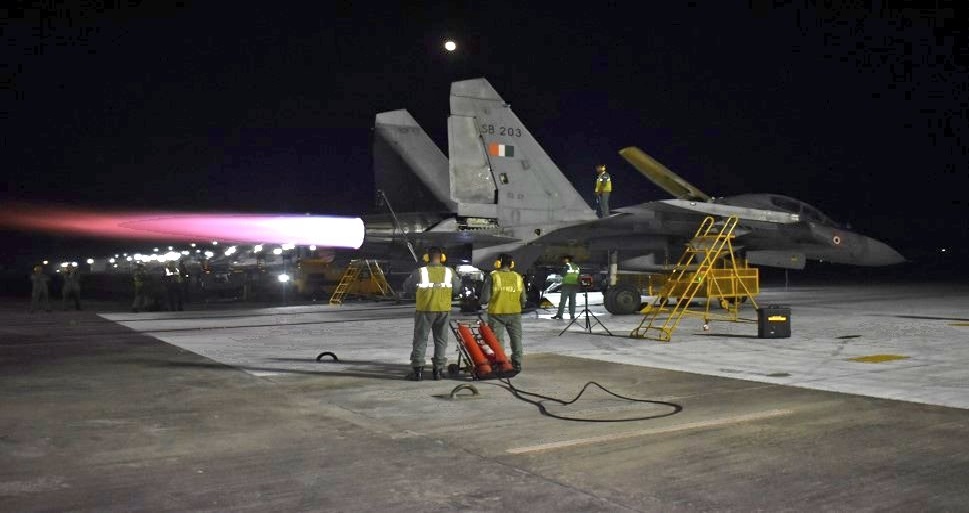
India
In a strategic move to fortify its aerial capabilities, the Indian Air Force (IAF) is set to enhance its fleet of Su-30MKI fighter jets through a significant agreement with Hindustan Aeronautics Limited (HAL). This partnership involves the procurement of 240 AL-31F jet engines, a crucial step to ensure the operational readiness and longevity of the IAF's premier fighter aircraft.The Su-30MKI, a twin-engine, multirole air superiority fighter, is the backbone of the IAF's combat fleet. Renowned for its versatility and advanced avionics, the Su-30MKI plays a pivotal role in the IAF's defense strategy. However, maintaining this fleet at peak performance requires periodic upgrades and replacements, particularly for its engines.Approximately 120 Su-30MKI jets will receive these new engines, as their existing powerplants have reached the end of their designated operational life. This replacement is essential for maintaining high sortie rates and ensuring these critical assets are always mission-ready. The new AL-31F engines, known for their reliability and performance, will not only enhance the jets' operational capabilities but also reduce maintenance requirements and downtime. This means the IAF can look forward to more frequent and sustained operations, thereby strengthening its aerial dominance.This agreement with HAL marks a significant milestone in bolstering the IAF's operational capabilities. By equipping the Su-30MKI fleet with fresh engines, the IAF ensures optimal performance, reliability, and safety for its pilots. The strategic move also highlights India's growing self-reliance in defense manufacturing, with HAL playing a pivotal role in meeting the country's defense needs.Looking ahead, the IAF plans to reassess its engine procurement strategy in August. This review will likely explore options for further upgrades and enhancements to the Su-30MKI fleet, ensuring that it remains at the cutting edge of modern air combat capabilities. Potential upgrades could include advanced avionics, improved weapon systems, and enhanced electronic warfare capabilities, ensuring that the Su-30MKI remains a formidable force in the region.The procurement of these 240 engines not only addresses the immediate needs of the IAF but also underscores the importance of continuous modernization and investment in defense infrastructure. As the geopolitical landscape evolves, maintaining a robust and technologically advanced air force becomes paramount. This move, therefore, is not just about replacing old engines but about preparing the IAF for the challenges of the future.In summary, the IAF's decision to procure 240 new engines from HAL is a testament to its commitment to maintaining air superiority. This strategic initiative ensures that the Su-30MKI fleet remains a vital component of India's defense arsenal, ready to meet any challenge with enhanced power and reliability.
Read More → Posted on 2024-07-03 14:48:31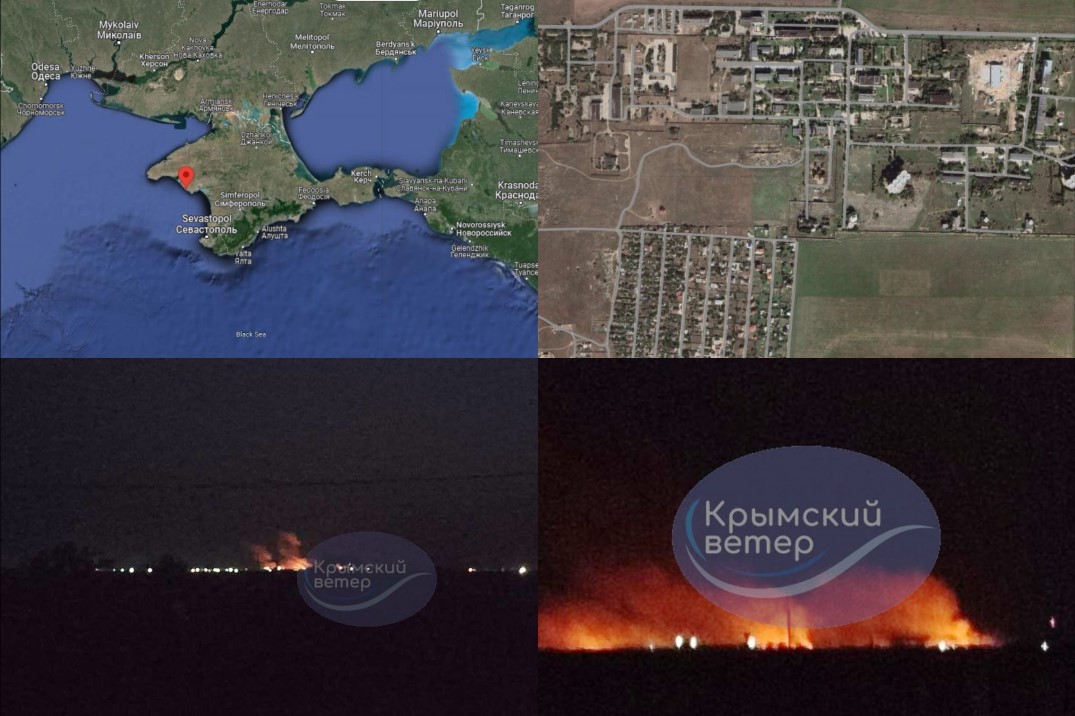
World
In a dramatic escalation of the ongoing conflict, Ukraine's Ministry of Defense announced the destruction of a critical Russian space surveillance and communications center in occupied Crimea. This strategic facility, located in the village of Vityno, played a vital role in Moscow’s satellite communications and navigation systems, making its loss a significant blow to Russian capabilities.The operation, shrouded in secrecy, has left many details unclear, including the exact date of the attack and the weapons used. However, local media reported a series of overnight explosions in several settlements across Crimea on June 23. Eyewitnesses noted a large fire at the Russian military facility in Vityno, further fueling speculation about the nature and extent of the damage inflicted.The targeted site, identified as the 40th Separate Command and Measurement Complex, was an integral part of the Titov Main Test and Space Systems Control Centre of the Russian Aerospace Forces. This facility, seized by Russian forces during the annexation of Crimea in 2014, housed critical electronic warfare systems designed to protect it and nearby command posts. The successful strike by Ukrainian forces indicates a potential weakening of Moscow’s air defense in the occupied territory, raising questions about the effectiveness of Russia’s protective measures.This incident follows another significant Ukrainian attack last month, which saw a missile strike on Russian-occupied territory killing four people and injuring over 100. Russia attributed this attack to the US-supplied ATACMS missile, underscoring the growing role of Western military support in Ukraine’s defense strategy.The destruction of the space communications center not only marks a tactical victory for Ukraine but also symbolizes a shift in the balance of power in the region. By targeting such a crucial component of Russia’s military infrastructure, Ukraine has demonstrated its capability to strike high-value targets deep within occupied territory, potentially altering the dynamics of the conflict.As the war continues to evolve, this bold move by Ukraine could signal a new phase in the conflict, where strategic targets become increasingly vulnerable and the importance of advanced warfare tactics and technology comes to the forefront. The repercussions of this strike are yet to unfold, but it is clear that the destruction of the Russian space communications center in Crimea has sent a powerful message about Ukraine's resilience and determination in the face of aggression.
Read More → Posted on 2024-07-03 14:44:30
India
In a significant stride towards bolstering its operational capabilities, the Indian Air Force (IAF) has inaugurated the Weapon Systems School (WSS) at Air Force Station Begumpet in Hyderabad. This new establishment marks a pivotal moment in the history of the IAF, aimed at recalibrating and future-proofing the force for advanced warfare scenarios.Led by IAF Chief Air Chief Marshal V R Chaudhari, the inauguration of the WSS signifies a monumental leap for the armed forces, particularly in enhancing their strategic capabilities. This initiative comes on the heels of the formation of the Weapon System (WS) branch within the IAF, a development announced in 2022 to streamline operations and training.The WSS will serve as a hub for effect-based training tailored to modern warfare demands. It will train officers across four specialized streams: the flying stream for operating airborne platforms such as the Sukhoi-30 MKI and C-130J, the remote stream for remotely piloted aircraft, mission commanders and operators for surface-to-air and surface-to-surface weapon systems, and an intelligence stream focusing on space-based intelligence and imagery.During the inauguration, Air Chief Marshal Chaudhari emphasized the consolidation of ground-based and specialist weapon systems under the WS branch, significantly enhancing the IAF's combat readiness. He commended the founding members of the WSS for their pioneering efforts and urged all personnel to establish the school as a premier center for weapon systems training in the country.The creation of the WS branch underscores the IAF's commitment to staying at the forefront of technological advancements in defense. It was announced during the Air Force Day Parade celebrations in October 2022, setting the stage for a new era of integrated and effective air power strategies.The establishment of the WSS is not just a milestone for the IAF but also a testament to India's ongoing efforts to strengthen its defense capabilities in alignment with global standards. As the school begins operations, it is poised to play a crucial role in shaping the future of air warfare tactics and training, ensuring that the IAF remains agile, adaptive, and prepared for any challenge on the horizon.
Read More → Posted on 2024-07-02 15:34:22
World
Ukraine's Defence Intelligence has recently received a significant upgrade with the acquisition of three CB90 combat boats, renowned for their speed and agility. These Swedish-made vessels, equipped with powerful 600kW marine diesel engines and water jets, boast a top speed of 40 knots (74 km/h) and exceptional maneuverability ideal for coastal operations. Their shallow draught enhances their suitability for navigating close to shorelines, making them invaluable assets in reconnaissance, surveillance, and intelligence-gathering missions.The delivery, valued at over US$4.1 million including comprehensive crew training, marks a crucial enhancement in Ukraine's maritime capabilities. Oleksandr Vodoviz, speaking on behalf of Metinvest, emphasized the strategic importance of these boats in bolstering Ukraine's defense posture, particularly in the Black Sea region—a vital front in current geopolitical dynamics.Supported by the Steel Front initiative led by Ukrainian businessman Rinat Akhmetov, this acquisition underscores a broader commitment to bolster Ukraine's defense infrastructure. Beyond combat boats, the initiative has contributed electronic warfare equipment, drones, and essential protective gear, totaling over US$200 million since the onset of conflict.The deployment of CB90 boats represents a proactive step in fortifying Ukraine's maritime defenses, ensuring readiness against external threats and safeguarding coastal territories. This acquisition not only enhances operational capabilities but also symbolizes solidarity in Ukraine's resilience amidst ongoing challenges.
Read More → Posted on 2024-07-02 15:32:17
World
In a recent strategic session led by Denis Manturov, First Deputy Chairman of the Russian Government, the ERA Military Innovation Technopolis became the stage for a significant revelation. The session, which emphasized the introduction of innovative military systems, saw the unveiling of a new one-way attack drone, drawing inevitable comparisons to the American Switchblade 600.The event was a high-profile gathering, featuring Deputy Defense Minister Colonel General Yunus-Bek Yevkurov and other key figures from military management and the defense industry. The spotlight, however, was firmly on Russia's latest advancement in unmanned aerial technology – a "suicide drone" that mirrors the capabilities of the U.S. Switchblade 600.While specific details about the Russian drone remain under wraps, its structural similarity to the Switchblade 600 speaks volumes. The Switchblade 600, known in U.S. military circles as a "loitering munition," blurs the line between missile and drone. Unlike traditional UAVs, which are designed to be recoverable, loitering munitions are single-use systems. They hover over an area, waiting for the optimal moment to strike, and are then expended in the attack.This capability allows operators to control the munition up until the moment of impact, offering a precision strike capability that is invaluable in modern combat scenarios. The term "loitering" highlights the munition's ability to stay in the vicinity of a target area, a feature that both the Switchblade 600 and the new Russian drone share. This contrasts with systems like the TOW missile, which, while guided, does not have the ability to loiter.The introduction of this new drone marks a significant step for Russia in the realm of advanced military technology. The design and operational philosophy suggest a focus on precision, control, and the ability to strike high-value targets with minimal collateral damage. By adopting a loitering munition approach, Russia is aligning its technological advancements with modern warfare's demands for versatility and precision.As global military powers continue to innovate, the emergence of such technologies underscores the shifting dynamics of aerial warfare. The ability to deploy a drone that can hover, identify, and strike a target with surgical precision provides a strategic advantage on the battlefield. It reduces the risk to human operators and increases the effectiveness of targeted operations.The development of Russia's new suicide drone, while still shrouded in secrecy, represents a clear message: the era of loitering munitions is not just a Western phenomenon. With this latest innovation, Russia is positioning itself at the forefront of drone warfare technology, ready to challenge the dominance of established systems like the Switchblade 600.In summary, the unveiling of this new one-way attack drone at the ERA Military Innovation Technopolis signals a significant advancement in Russia's military capabilities. It highlights the ongoing evolution of warfare technology, where precision, control, and innovative use of unmanned systems are becoming the cornerstones of modern military strategy. As more details emerge, the true potential of this new Russian suicide drone will undoubtedly become clearer, offering further insights into the future of aerial combat.
Read More → Posted on 2024-07-02 15:29:04
World
In a remarkable show of resilience and innovation, Ukraine has inducted an impressive 480 new weapons and military equipment in just the first half of 2024. This significant bolstering of its arsenal comes amid the ongoing conflict with Russia, reflecting the country's determination to enhance its defense capabilities and adapt to the dynamic demands of modern warfare.The Ukrainian Ministry of Defense has highlighted that about 60 percent of these new weapons were produced by local manufacturers. This surge in domestic production underscores the country's strategic focus on self-reliance and technological advancement in defense. The variety and sophistication of these new additions mark a notable leap in Ukraine's military prowess.A major portion of the newly inducted arsenal comprises unmanned aerial vehicles (UAVs) designed for both attack and reconnaissance missions. These UAVs represent the cutting edge of modern warfare, offering unparalleled versatility and operational advantages. The integration of advanced UAVs not only enhances surveillance and intelligence capabilities but also provides significant tactical advantages on the battlefield.Beyond UAVs, Ukraine's new arsenal includes a diverse array of military assets. Various types of ammunition have been added to bolster firepower, while new communication facilities enhance coordination and operational efficiency. Electronic warfare systems have been introduced to counteract enemy communications and radar, further strengthening Ukraine's defensive and offensive capabilities. Additionally, the inclusion of demining tools reflects a comprehensive approach to battlefield management and troop safety.This substantial increase in new weapons is a direct result of the defense industry's unwavering commitment to ramping up production. The ongoing war has spurred an accelerated pace of innovation and manufacturing, with many companies keen to test the real-world efficacy of their products. Ivan Havryliuk, Ukraine's first deputy minister of defense, emphasized this point, noting the global interest in the practical application and performance of Ukrainian-produced weapons.Comparatively, the induction of 480 new weapons in the first half of 2024 marks a dramatic increase from the 200 new models adopted in 2023. This nearly two-and-a-half-fold rise is indicative of a robust and responsive defense sector, poised to meet the challenges posed by ongoing hostilities and evolving military needs.Despite the substantial progress, the Ukrainian Ministry of Defense has stated that efforts are ongoing to introduce even more strategic military assets. This forward-looking approach ensures that Ukraine remains prepared to counter future threats and sustain its defensive and offensive operations.In summary, Ukraine's induction of 480 new weapons in the first half of 2024 showcases a nation committed to enhancing its defense capabilities through innovation and increased production. The significant local manufacturing contribution, coupled with the integration of advanced technologies such as UAVs and electronic warfare systems, reflects a strategic and comprehensive approach to modern warfare. As Ukraine continues to navigate the complexities of conflict, these new additions will undoubtedly play a crucial role in shaping the future of its military operations.
Read More → Posted on 2024-07-02 15:21:16
India
The picturesque terrain of Meghalaya is set to host a significant event as the 16th edition of the Joint Military Exercise 'Nomadic Elephant' between the armies of India and Mongolia kicks off tomorrow. This annual exercise, which alternates between India and Mongolia, symbolizes the strengthening military ties and collaborative spirit between the two nations.From July 3 to 16, soldiers from both countries will converge in Umroi, Meghalaya, to engage in a series of drills aimed at enhancing interoperability in semi-conventional operations, particularly in semi-urban and mountainous terrains. The Indian Army, in a recent statement, emphasized the importance of this exercise under the United Nations mandate, highlighting its role in preparing both forces for complex operational scenarios.The 'Nomadic Elephant' exercise is not just a routine training event; it reflects a deep-seated partnership. Last year, the 15th edition was held in Ulaanbaatar, Mongolia, where soldiers from the Mongolian Armed Forces Unit 084 and India's Jammu and Kashmir Light Infantry Regiment trained together. This year’s exercise in Meghalaya continues this tradition, fostering mutual understanding and operational synergy.The backdrop to this exercise is a robust and growing defense cooperation between India and Mongolia. In May, the 12th Joint Working Group (JWG) meeting took place in Ulaanbaatar, co-chaired by Amitabh Prasad, Joint Secretary (International Cooperation) from India’s Ministry of Defence, and Brigadier General Gankhuyag Davagdorj, State Secretary of Mongolia’s Ministry of Defence. The meeting was a testament to the ongoing efforts to enhance bilateral defense ties, reviewing past initiatives and charting new paths for collaboration.India's Ambassador to Mongolia, Atul Malhari Gotsurve, was also present at the JWG meeting. Both sides expressed satisfaction with the progress of defense cooperation and discussed the current geopolitical landscape. Amitabh Prasad highlighted the capabilities of the Indian defense industry and expressed optimism about a fruitful partnership with Mongolia’s Armed Forces. The Mongolian representatives echoed this sentiment, reinforcing their confidence in the Indian defense sector.As the 'Nomadic Elephant' exercise begins, it stands as a symbol of the growing camaraderie between India and Mongolia. This collaboration goes beyond military drills, encompassing strategic discussions and a shared vision for regional security and stability. The serene yet challenging landscape of Meghalaya provides the perfect setting for this unique partnership to flourish, demonstrating that military cooperation can indeed be a bridge to deeper, multifaceted relationships between nations.
Read More → Posted on 2024-07-02 15:16:47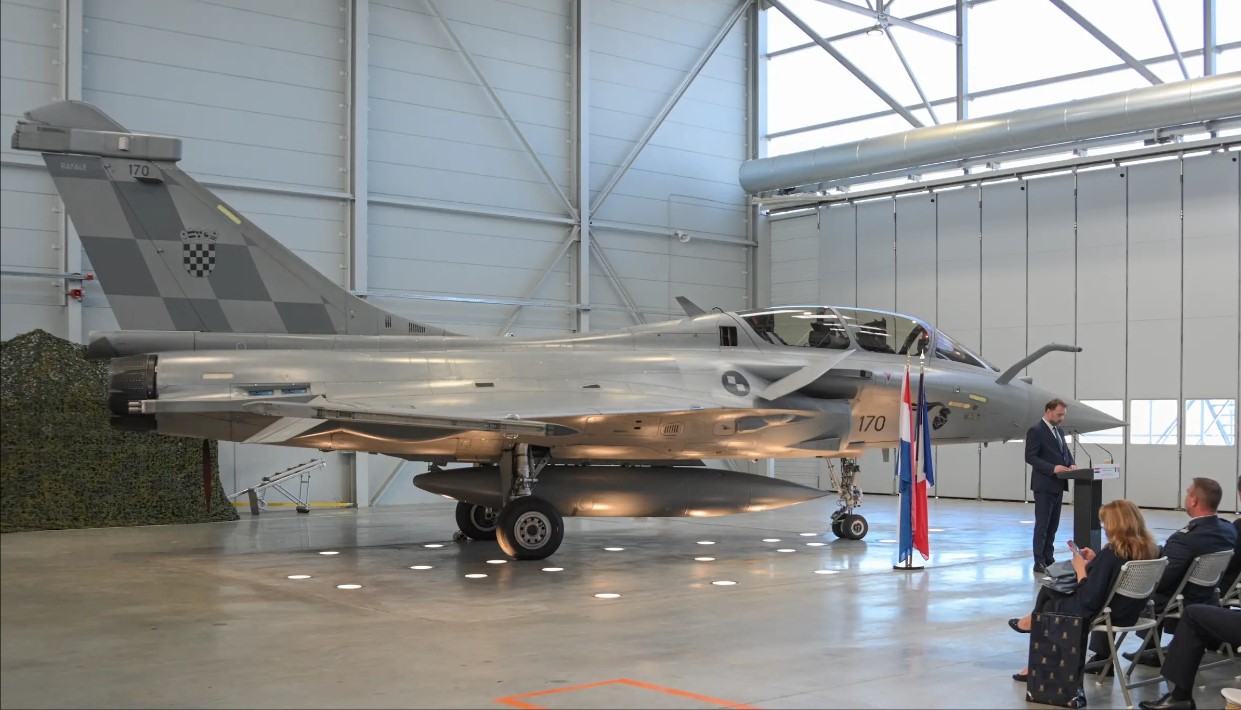
India
Dassault Aviation, the renowned French aerospace giant, is making significant strides towards bolstering its presence in India. Recently, the company has initiated plans to acquire land near Jewar International Airport for establishing a maintenance, repair, and overhaul (MRO) facility. This facility is poised to support India’s fleet of Mirage-2000 and Rafale fighters, marking a crucial step towards localizing the production of advanced Rafale variants within the country.The decision comes at a pivotal moment for the Indian Air Force (IAF), which has long awaited the addition of approximately 100 twin-engine multi-role fighters over the next two decades. This move aligns with India's "Make in India" initiative, aiming to produce Rafale fighters domestically using locally sourced components. Engine manufacturer Safran SA is also set to complement this effort by establishing an MRO facility in Hyderabad, specifically geared towards handling Rafale fighter engines, with completion anticipated by 2025.The Rafale's introduction is not just timely but strategic, especially as India prepares to phase out older Mirage-2000 aircraft with the new HAL TEJAS MK-2, featuring GE-414 engines, expected by the mid-2020s. Beyond meeting India’s defense needs, the localization of Rafale production opens avenues for potential exports to other nations, further enhancing India's defense manufacturing capabilities.Dassault has already begun integrating Indian suppliers into its global supply chain, sourcing critical titanium parts locally. This integration not only strengthens India's aerospace sector but also positions Dassault favorably for fulfilling existing international orders from countries like Croatia, Greece, and the UAE, among others.For the Modi government, this partnership signifies more than just defense procurement; it underscores a stable and enduring relationship with France, a trusted supplier since India's early defense acquisitions in the 1950s. The assurance of France's consistent licensing policies provides added confidence, contrasting with potential challenges seen in other defense procurements.Looking ahead, Safran's readiness for joint ventures in engine manufacturing for Indian Multi-Role Helicopters (IMRH) highlights a broader commitment to India’s defense ecosystem. This proactive stance is critical amid growing regional tensions, particularly with China's expanding military capabilities.In conclusion, Dassault Aviation's initiative to establish a local MRO facility for Rafale fighters in India not only strengthens defense ties between the two nations but also enhances India’s self-reliance in advanced defense manufacturing. As geopolitical dynamics evolve, this strategic move promises to bolster India's defense capabilities in a region marked by increasing challenges.
Read More → Posted on 2024-07-02 14:59:26
India
India and the United States have embarked on a pioneering collaboration aimed at pushing the boundaries of military technology. At the forefront of this partnership is the development of cutting-edge AI devices and military-grade semiconductors, crucial for guiding long-range missiles and enhancing situational awareness on the battlefield.Recent discussions between high-level delegations from both nations have highlighted ambitious plans for joint initiatives in defense technology. This includes plans for co-producing the highly effective Javelin anti-tank guided missile and the versatile Stryker armored carrier. These efforts complement ongoing projects such as the procurement of MQ9B armed drones and the joint-production of General Electric’s F414 jet engines for India's Tejas Mark 2 jets.During a recent press briefing, US State Department’s Deputy Secretary Kurt Campbell underscored the significance of the US-India initiative for Critical and Emerging Technologies (iCET). He emphasized the launch of a strategic semiconductor partnership between General Atomics and 3rd ITECH. This partnership aims to co-develop semiconductor design and manufacturing capabilities tailored for precision-guided ammunition and other essential national security electronics platforms.Campbell further elaborated on the collaborative efforts in AI technology, highlighting the development of an advanced multi-domain situational awareness product jointly created by General Atomics and 114AI. This innovative product is designed to bolster joint all-domain command and control capabilities, enhancing operational effectiveness across various military domains.The strategic partnership between India and the US in defense technology marks a significant step forward in fostering deeper industrial collaboration. With plans in motion to advance AI capabilities and semiconductor technology, both nations are poised to strengthen their defense capabilities and pave the way for future innovations in military technology.This partnership not only underscores the strategic alignment between India and the US but also sets the stage for groundbreaking advancements in defense technology that will shape the future of global security landscapes.
Read More → Posted on 2024-07-02 14:53:46
World
In a significant escalation, Russia announced on Tuesday that it had successfully destroyed five Ukrainian Su-27 fighter jets during a missile strike on an air base in central Ukraine. The strike, executed using Iskander-M missiles, targeted the Myrhorod air base, situated approximately 150 kilometers from the Russian border. The Russian defense ministry reported that the attack not only obliterated five operational Su-27 jets but also damaged two others that were undergoing repairs.The defense ministry shared footage of the strike, showing smoke billowing over the airfield and depicting the aftermath of the attack. However, the authenticity of the footage and the claims have yet to be independently verified by sources like AFP. The Ukrainian air force has so far declined to comment on the incident.This attack arrives at a crucial moment for Ukraine, which is on the cusp of receiving its first deliveries of much-anticipated Western F-16 fighter jets. These advanced aircraft, provided by NATO allies including the Netherlands, Belgium, and Denmark, are expected to enhance Ukraine's defense capabilities significantly. Training for Ukrainian pilots and crews has been underway for months in preparation for these deliveries.The destruction of the Su-27 jets highlights the ongoing challenges faced by the Ukrainian air force. Ukrainian military correspondents expressed frustration over the vulnerability of their aircraft, criticizing the decision to park the planes in the open, thus leaving them exposed to attacks. This incident underscores the importance of the incoming F-16s, which Kyiv hopes will provide a stronger deterrent against Russian air and missile strikes.Throughout the conflict, now in its third year, the use of fighter jets has been relatively limited. However, the impending arrival of the F-16s represents a potential shift in Ukraine's aerial strategy and defense posture. The F-16s are seen as a critical component in Ukraine's efforts to protect its skies and gain an edge in the ongoing conflict.Russia's proactive stance against these anticipated reinforcements is evident. Pro-offensive Russian military bloggers have noted an uptick in Russian strikes on Ukrainian airbases this year, signaling a preemptive strategy to neutralize the impact of the incoming Western jets. The destruction of the Su-27s at Myrgorod air base can be seen as part of this broader tactic to undermine Ukraine's aerial capabilities before the F-16s become operational.As the situation continues to develop, the stakes are high for both sides. The introduction of F-16s into the conflict could mark a significant turning point, potentially altering the balance of power in the skies over Ukraine. However, Russia's commitment to targeting these jets underscores the volatile and precarious nature of this ongoing war.This latest incident serves as a stark reminder of the high costs of the conflict and the strategic calculations both sides must navigate in their quest for dominance. The coming months will likely see intensified efforts from both Ukraine and Russia to leverage their aerial assets to gain the upper hand in this protracted and brutal war.
Read More → Posted on 2024-07-02 14:48:59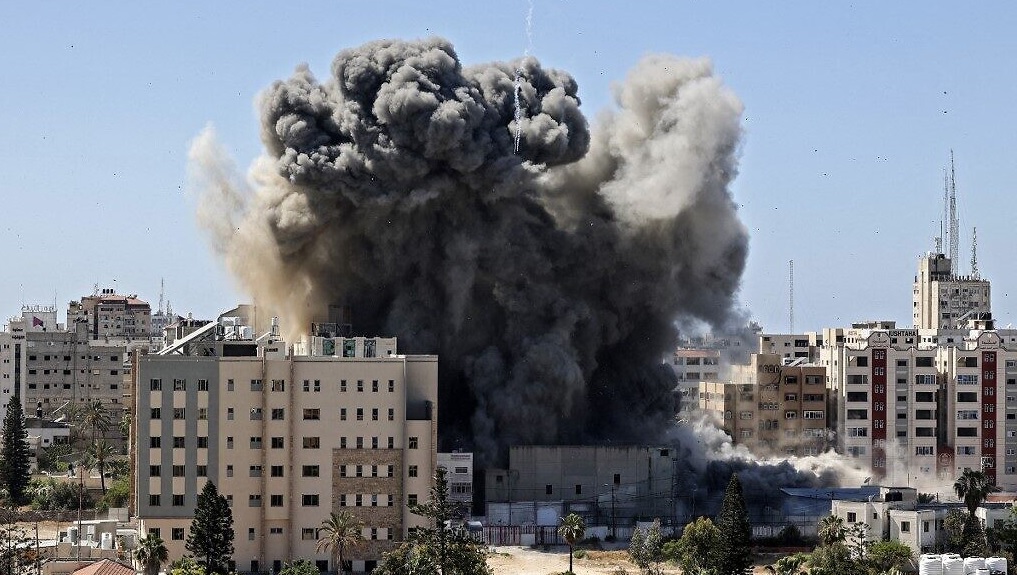
World
In a significant counter-terrorism operation, the Israel Defence Forces (IDF) have reported the destruction of a kilometer-long terror tunnel and the elimination of over 100 terrorists in the central Gaza Strip. This bold move, part of a broader strategy to destabilize militant infrastructure, highlights the ongoing efforts of the IDF’s 99th Infantry Division, the only reserve division currently active in Gaza.The tunnel, discovered and destroyed with the assistance of the Yahalom (Diamond) Special Forces Engineering Unit, had multiple branches allowing terrorists to move undetected between various underground locations. This sophisticated network was designed for strategic maneuvering and staging attacks against Israeli targets. The dismantling of this tunnel marks a significant blow to the operational capabilities of terrorist groups in the region.The operation did not stop at the tunnel. The 99th Infantry Division, which has been engaged in continuous combat in central Gaza for the past several months, successfully destroyed over 100 terrorist structures. These included weapons storage facilities, observation posts, rocket launch pits, and additional underground tunnel routes. Each of these targets played a crucial role in the terrorists' operational strategy, and their destruction severely impairs their ability to regroup and launch further attacks.Among the notable targets was a booby-trapped mosque used as a hideout for terrorists. The IDF’s precision strike on this location led to secondary explosions, confirming the presence of a significant cache of weapons stored within the mosque. Such strategic targeting underscores the IDF’s commitment to minimizing collateral damage while effectively neutralizing threats.The 99th Infantry Division’s efforts, backed by the expertise of the Yahalom Unit, demonstrate the IDF's strategic and tactical prowess in combating terrorism. The destruction of the tunnel and the associated infrastructure sends a clear message to terrorist organizations about the IDF’s capabilities and resolve.This operation is part of a broader, ongoing conflict in Gaza, where the IDF continuously seeks to dismantle terrorist networks and protect Israeli civilians from rocket attacks and other forms of terrorism. The conflict has deep roots, with periodic escalations prompting significant military responses from Israel. This particular operation highlights the IDF’s proactive measures in addressing threats and maintaining security in a volatile region.The elimination of over 100 terrorists and the destruction of a key tunnel and related infrastructure represent a significant achievement for the IDF. It not only disrupts the immediate operational capabilities of terrorist groups but also serves as a deterrent against future attempts to use such elaborate networks for nefarious purposes.In conclusion, the IDF’s recent operation in Gaza showcases a blend of strategic intelligence, precision targeting, and ground combat expertise. The destruction of the kilometer-long tunnel and the neutralization of over 100 terrorists reflect the IDF’s unwavering commitment to safeguarding Israel’s security and stability in a region fraught with ongoing threats.
Read More → Posted on 2024-07-02 14:39:56
World
Explosions reverberated across the pre-dawn sky as Ukrainian air defenses fended off a Russian attack on Starokostiantyniv, a small city in western Ukraine. Home to an important air base, Starokostiantyniv has frequently been targeted by Moscow’s strikes. Hours after the assault, the tidy streets had returned to a semblance of normality, but the June 27 attack was a stark reminder of the challenges Kyiv faces as it rebuilds its depleted air force and prepares to deploy the first U.S.-designed F-16s. These aircraft, expected to arrive this month, represent a critical boost for Ukrainian forces struggling to repel a Russian onslaught along the front line.The exact location where the F-16s will be based remains undisclosed, but Moscow claimed after the strike on Starokostiantyniv that it had targeted airfields believed to house them. Since the onset of Russia’s invasion in February 2022, this air base has been under frequent attack, including from drones and hypersonic missiles. Despite the constant danger, the residents of this historic military outpost, nicknamed Starkon, have learned to adapt. "In short, it's 'fun' to live here," said city official and local culture expert Vasyl Muliar with a wry smile, following the recent attack. A Ukrainian air force spokesman acknowledged the strikes presented "certain difficulties," but maintained they would not undermine the delivery or use of the F-16s in battle.Military analysts suggest that the Russians are likely targeting infrastructure such as runways and storage facilities to hinder the deployment of the F-16s. Justin Bronk of the Royal United Services Institute noted that the Ukrainian military, low on air-defense ammunition, would probably need to move the planes around airfields to keep them safe. "Any ground-based air defense coverage can be saturated if the Russians care enough to fire enough missiles at one target," he explained.Following the attack last Thursday, Governor Serhiy Tyurin reported that air defenses had destroyed nine targets over the region. The air force had previously warned residents that drones were headed towards Starokostiantyniv. Locals, cautious not to reveal sensitive military information, described the constant threat of strikes and the frequent roar of Ukrainian warplanes overhead. Iryna Sapchuk, editor-in-chief of the local newspaper Our City, recounted how her parents' home had been hit in a previous raid, damaging the roof and shed. "They found debris from a missile in a cherry tree by the window," she said. Despite the dangers and the frequent power outages caused by Russian attacks on the energy system, the people of Starokostiantyniv project a sense of resilience. Road works continue as jets streak overhead, while families and groups of teenagers cool off at the local beach.Sapchuk noted that when she travels around Ukraine, she finds it hard to cope without the noise of airplanes. "It's too quiet for me," she joked, adding that the sound had become a comforting sign that Ukraine's outnumbered pilots were putting up a fight. Muliar pointed to the city’s history as a 16th-century bastion of defense and a key nerve center for independence fighters after World War One. "This was always a center of resistance," he affirmed.As Ukraine braces for the arrival of the F-16s, the ongoing attacks on Starokostiantyniv highlight the challenges and dangers faced by a nation at war, determined to defend its skies and rebuild its air force amidst relentless aggression.
Read More → Posted on 2024-07-02 14:34:46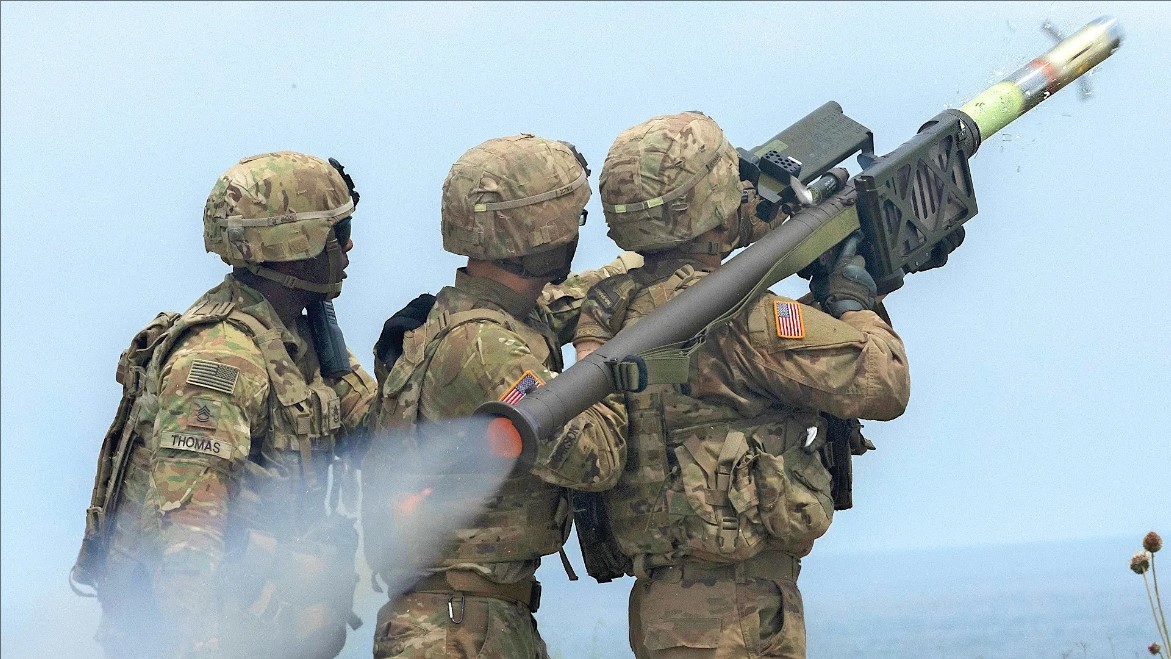
World
In a significant move to reinforce its air defense capabilities and support Ukraine, the German Parliament's Budget Committee has approved the acquisition of over 500 Stinger anti-aircraft missiles. This decision marks a crucial step in Germany's commitment to both national security and international solidarity amidst ongoing global tensions.The approved purchase entails 506 man-portable Stinger FIM-92K Block I missiles, which are equipped with proximity fuses. This procurement, valued at approximately 395 million euros ($425 million), will be facilitated through the NATO Support and Procurement Agency, ensuring streamlined acquisition and integration. Deliveries of these advanced missiles are anticipated to take place between 2028 and 2029, marking a strategic investment in Germany's future defense infrastructure.The Stinger missile, known locally in Germany as the Fliegerfaust 2, is a versatile and effective shoulder-fired anti-aircraft weapon. Developed by Raytheon, this 10-kilogram (22-pound) system is designed to neutralize low-flying fixed-wing and rotary-wing aircraft at a range of up to 8 kilometers (5 miles) and an altitude of up to 4 kilometers (2.5 miles). The missile's fire-and-forget capability, combined with its fragmentation warhead that detonates on impact or in proximity to the target, makes it a formidable tool in air defense.One of the standout features of the Stinger missile is its infrared homing guidance system. This advanced technology allows the missile to lock onto a target's heat signature, ensuring high accuracy and effectiveness in combat scenarios. The Stinger can be deployed as a shoulder-fired weapon, integrated into anti-aircraft systems, or mounted on platforms such as the Tiger attack helicopter, providing flexibility and adaptability in various operational contexts.This procurement is part of a broader order involving other NATO member states, including the Netherlands and Italy, underscoring the collaborative efforts within the alliance to enhance collective defense capabilities. The total order encompasses 940 Stinger missiles, highlighting the significant scale of this initiative.In addition to the Stinger acquisition, Germany's Federal Parliament has also approved the purchase of up to 3,266 MBDA Brimstone 3 missiles for the German Air Force's Eurofighter jets. This dual procurement strategy underscores Germany's comprehensive approach to modernizing its military arsenal and ensuring readiness in the face of evolving threats.The decision to replenish Stinger missile supplies, particularly in the context of supporting Ukraine, reflects Germany's ongoing commitment to assisting allies and contributing to global security efforts. As Ukraine continues to face challenges, the delivery of these advanced missiles will provide a much-needed boost to its defensive capabilities.Germany's strategic investments in modern defense systems signal a clear recognition of the importance of maintaining robust and adaptable military forces. The acquisition of the Stinger missiles, along with other advanced weaponry, positions Germany to effectively respond to current and future security challenges, both at home and in support of its allies.
Read More → Posted on 2024-07-02 14:29:22
World
North Korea has recently conducted missile tests, with reports indicating two short-range ballistic missiles launched, one of which encountered technical issues during flight. The launches, detected by South Korea's military, occurred early Monday morning local time. The first missile traveled approximately 600 km, while the second, launched shortly after, flew 120 km before experiencing abnormal flight behavior.The second missile's trajectory suggested potential mid-air issues, raising concerns about debris falling within North Korean territory. Seoul's Joint Chiefs of Staff promptly heightened surveillance following the launches, preparing for possible further provocations.These developments follow North Korea's condemnation of joint military exercises involving South Korea, Japan, and the United States, describing them as akin to an "Asian NATO." The exercises, dubbed "Freedom Edge," encompassed diverse military drills, including missile defense and cyber warfare training, involving prominent assets like the USS Theodore Roosevelt and JS Atago.Amidst heightened tensions, North Korea recently claimed a successful test of a multiple warhead missile, although South Korea disputed its success due to an apparent mid-air explosion. The region's security dynamics continue to escalate, with North Korea's actions coinciding with a major political gathering led by Kim Jong Un.Experts suggest that these missile tests serve multiple purposes for Pyongyang, from showcasing military capabilities amid internal political events to responding assertively to perceived external threats. The strategic calculus underpinning these actions underscores North Korea's enduring stance on defense preparedness amidst regional military activities.The international community remains vigilant as North Korea's missile activities persistently challenge regional stability, underscoring the ongoing complexities in East Asian security dynamics.
Read More → Posted on 2024-07-01 15:28:18
World
As tensions in the Taiwan Strait continue to rise, Taiwan's military strategy has increasingly focused on asymmetric warfare to counter China's growing naval capabilities. Central to this strategy are the Tuo Chiang-class corvettes, a new fleet of advanced warships that pose a significant threat to Chinese aircraft carriers. This article delves into the specifications of these corvettes and analyzes their strategic impact on regional security dynamics.Specifications of the Tuo Chiang-Class CorvettesThe Tuo Chiang-class corvettes are a testament to Taiwan's commitment to enhancing its naval defenses. These multi-mission warships are designed to operate in the shallow waters around Taiwan, offering high speed, maneuverability, and stealth. Key specifications include:Displacement: Approximately 600 tonsLength: 60.4 metersBeam: 14 metersDraft: 2.3 metersSpeed: Over 40 knots (74 km/h)Range: 2,000 nautical miles at 12 knotsEndurance: 5 daysThe corvettes are equipped with state-of-the-art weaponry and sensor systems, making them formidable opponents. Their primary armaments include:Anti-Ship Missiles: Hsiung Feng II and III supersonic missiles, with a range of up to 300 kilometersSurface-to-Air Missiles: Sea Sword II, capable of intercepting aerial threatsMain Gun: 76mm OTO Melara naval gunClose-In Weapon System (CIWS): Phalanx CIWS for last-ditch defense against incoming missilesDecoy Launchers: Chaff and flare dispensers to confuse enemy radar and infrared-guided missilesStealth and ManeuverabilityOne of the most critical features of the Tuo Chiang-class corvettes is their stealth capability. The vessels are designed with a reduced radar cross-section, making them harder to detect by enemy radar systems. Their catamaran hull design enhances stability and allows for high-speed operations, crucial for rapid response and evasion.The combination of speed and stealth enables these corvettes to perform hit-and-run tactics effectively. They can quickly approach, strike high-value targets such as aircraft carriers, and retreat before the enemy can mount a significant counterattack.Strategic Analysis: A Threat to Chinese Aircraft CarriersThe introduction of the Tuo Chiang-class corvettes significantly alters the naval balance in the Taiwan Strait. Chinese aircraft carriers, such as the Liaoning and the Shandong, represent substantial investments in power projection. However, they are also vulnerable to asymmetric threats like the Tuo Chiang-class corvettes.1. Missile Threat: The Hsiung Feng II and III missiles on the Tuo Chiang-class corvettes are designed to penetrate the defenses of large warships, including aircraft carriers. These supersonic missiles travel at high speeds, making them difficult to intercept. Their range allows the corvettes to strike from a distance, reducing the risk of counterattack.2. Swarm Tactics: Taiwan's strategy includes deploying multiple Tuo Chiang-class corvettes simultaneously. This swarm tactic can overwhelm the defensive systems of a Chinese aircraft carrier, which are designed to counter limited numbers of incoming threats. By saturating the carrier's defenses, the corvettes increase the likelihood of a successful strike.3. Survivability and Persistence: The corvettes' small size and agility make them difficult targets for the large, slower-moving weapons typically deployed by aircraft carriers. Additionally, their ability to operate in shallow waters provides a strategic advantage, allowing them to exploit areas where larger ships cannot maneuver effectively.4. Psychological Impact: The presence of these corvettes serves as a constant reminder to China of Taiwan's asymmetric capabilities. This psychological aspect can act as a deterrent, complicating Chinese naval operations and strategic planning in the region.ConclusionThe Tuo Chiang-class corvettes are a pivotal component of Taiwan's defensive strategy against the growing threat posed by Chinese aircraft carriers. Their advanced specifications, combined with Taiwan's innovative tactical doctrines, create a formidable challenge for any potential aggressor. As Taiwan continues to enhance its naval capabilities, the Tuo Chiang-class corvettes will remain at the forefront of its efforts to maintain regional stability and deter aggression.
Read More → Posted on 2024-07-01 15:26:28
World
Taiwan is set to bolster its maritime defenses with the commissioning of two advanced Tuo Jiang-class stealth missile corvettes this week. Dubbed the "carrier killers," these vessels represent a significant enhancement to Taiwan's naval capabilities amidst escalating tensions with Beijing's People's Liberation Army (PLA).The An Jiang and Wan Jiang corvettes, part of an initial batch of six, are designed to operate swiftly and effectively in Taiwan's coastal waters. Measuring 60.4 meters in length and equipped with a wave-piercing catamaran design, they boast a maximum speed of 45 knots and a displacement of 700 tonnes. These features, combined with an operational range of 1,800 nautical miles, underscore their agility and strategic versatility.Armed to the teeth with domestically developed weaponry, including Hsiung Feng II and III anti-ship missiles and Hai Chien II anti-aircraft missiles, the corvettes are formidable adversaries capable of engaging targets on both land and sea. Their armament also includes 76mm cannons, Phalanx close-in weapon systems, and T74 machine guns, ensuring robust defensive and offensive capabilities.What sets these corvettes apart is their incorporation of stealth technology, making them less susceptible to detection—a crucial advantage in Taiwan's asymmetric warfare strategy. Operating effectively in shallow waters where larger naval vessels struggle, they pose a significant challenge to the PLA's larger, more conventionally powerful fleet.Taiwan's strategic deployment of these corvettes is a direct response to increased military posturing from Beijing, particularly since the inauguration of Taiwan's new leader, William Lai Ching-te. Lai's administration has been marked by a firm stance on Taiwan's sovereignty, which Beijing views as provocative.Recent PLA maneuvers, including simulated blockades and incursions into Taiwanese waters, highlight the volatile geopolitical landscape in the region. The presence of these "carrier killers" underscores Taiwan's commitment to maintaining its sovereignty and deterring potential aggressors, backed by ongoing support from allies like the United States.As tensions in the Taiwan Strait continue to escalate, the commissioning of the An Jiang and Wan Jiang corvettes represents not just a military milestone for Taiwan, but a strategic statement of resilience in the face of mounting pressure from Beijing.This latest development reaffirms Taiwan's resolve to defend its territorial integrity and safeguard regional stability—a message that resonates far beyond its shores.
Read More → Posted on 2024-07-01 15:12:33Search
Top Trending in 24 Hours
-
 Western Intelligence Warns Russia Could Launch Nuclear-Armed Satellite as Early as December
-
 IG Defence Successfully Test-Fires JWALA MK-1 Counter-Drone Missile at Pokhran
-
 U.S. Awards Lockheed Martin $330.6 Million Contract for Long-Lead Materials Supporting 75 F-35 Lot 22 Aircraft
-
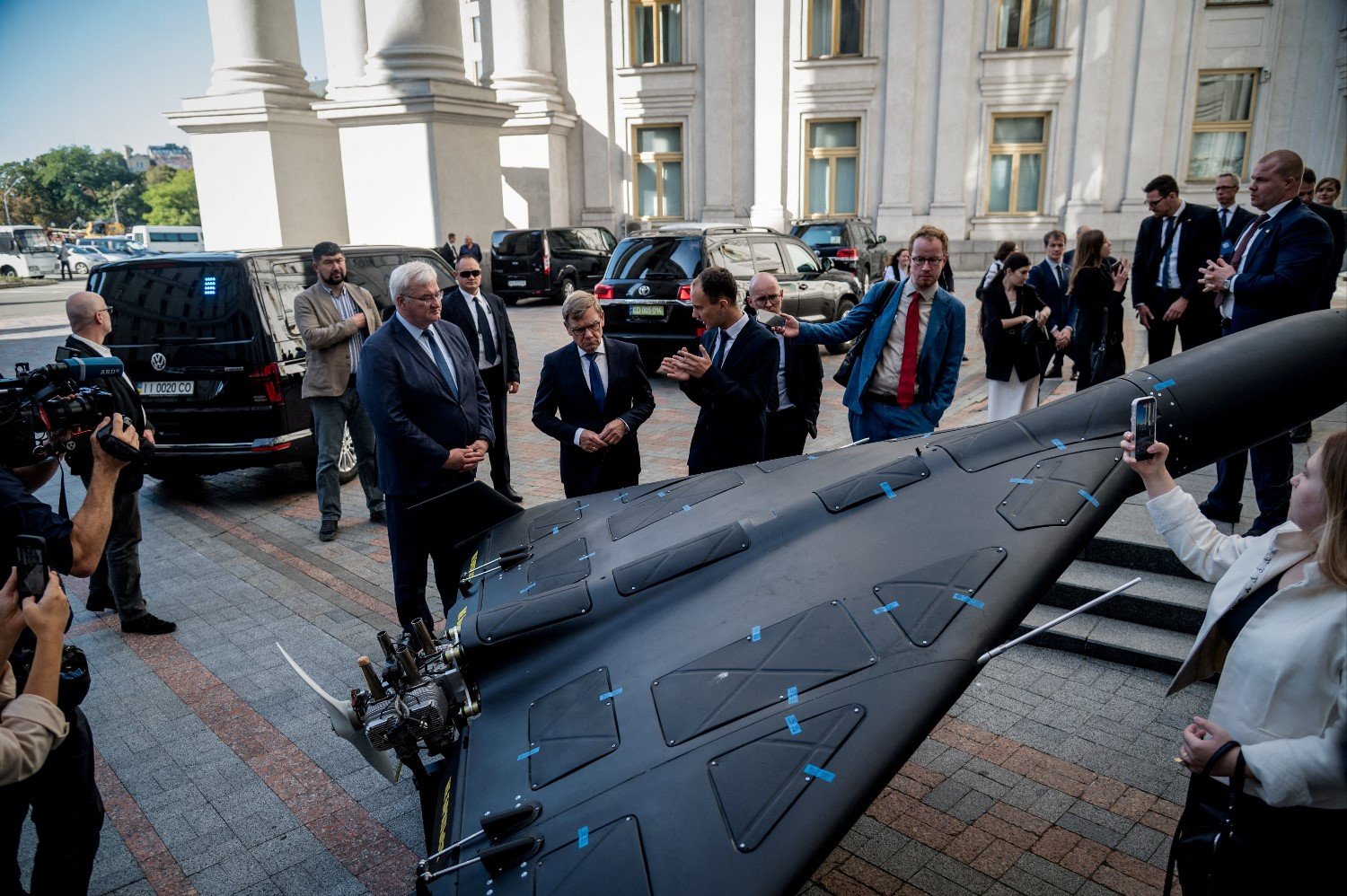 Germany Tests Kamikaze Drones and AI Targeting Systems in Lithuania Near Belarus Border
-
 Chinese Military Warns U.S. AI Could Threaten China’s Nuclear Missile Survivability
-
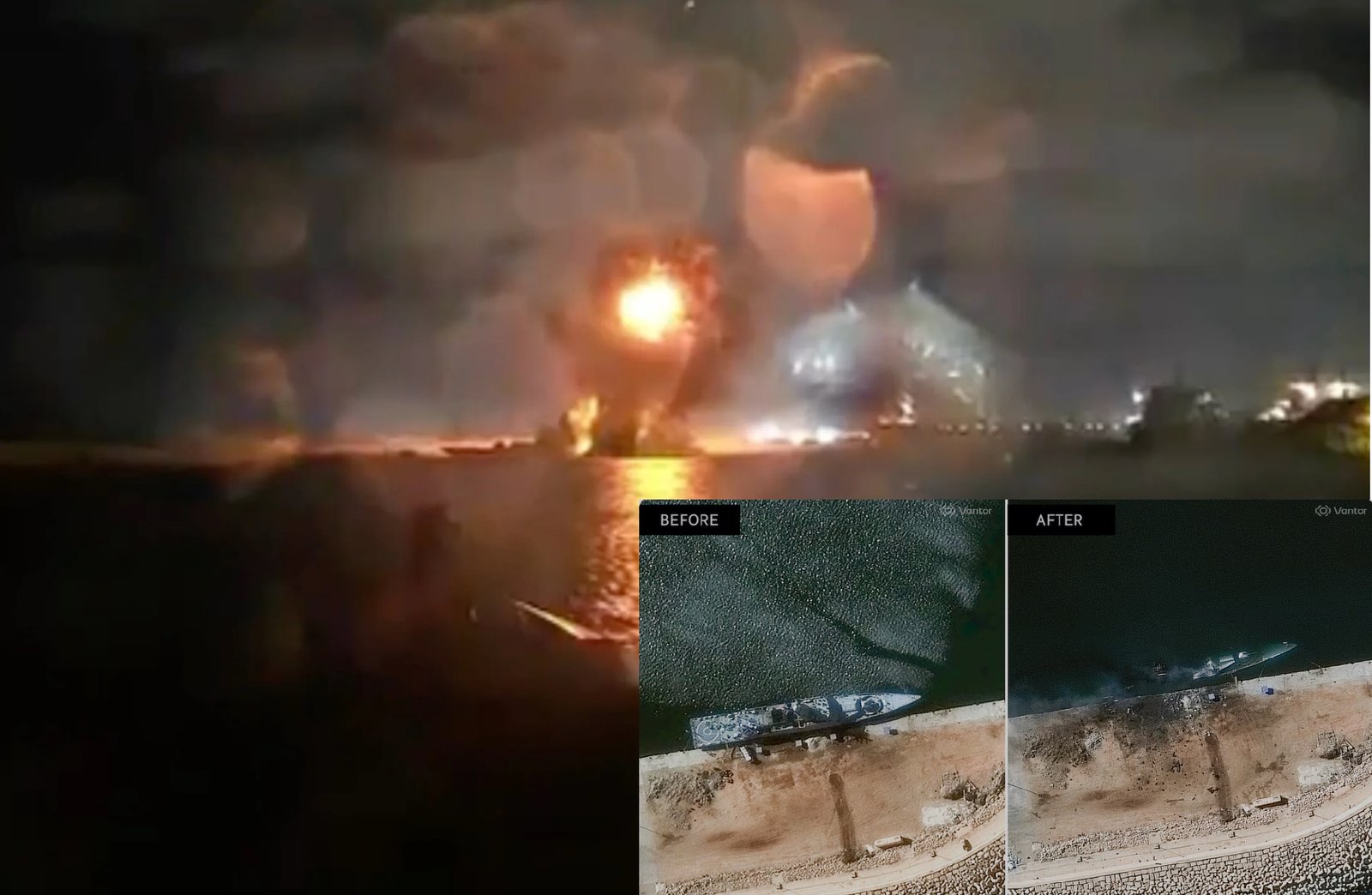 Ukraine Confirms Using Seven Naval Drones to Sink Russian Corvette Merkury Off Libya, Destroying Ka-27 Helicopter Aboard
-
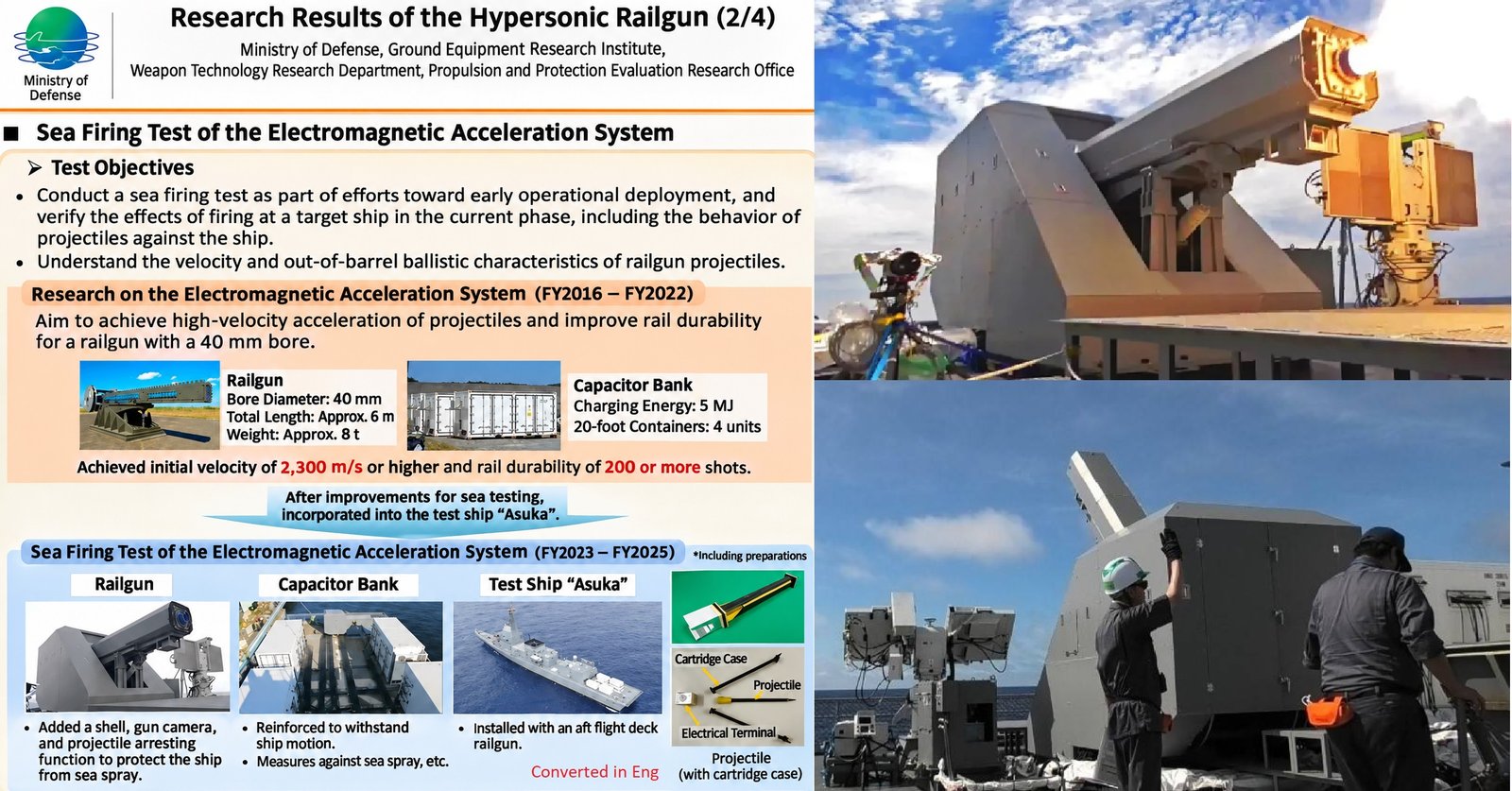 Japan Tests Battery-Powered Railgun in Ten-Shot Rapid-Fire Trial
-
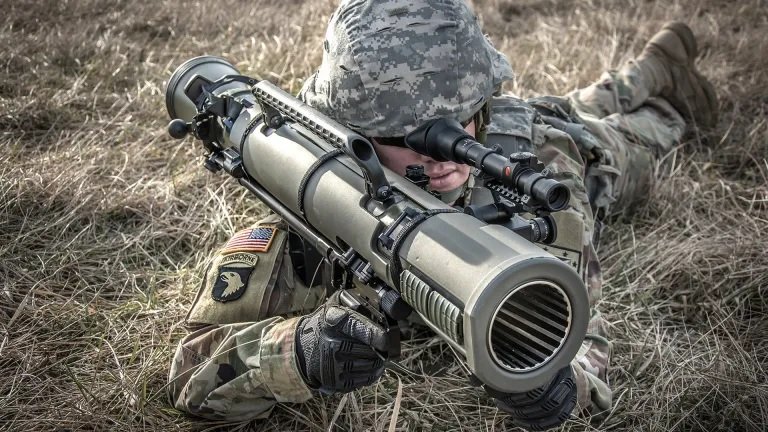 U.S. Army Places $60.3 Million Order With Saab for XM919 Shoulder-Fired Weapons
Top Trending in 4 Days
-
 Two Injured in Bahrain After Iranian Attacks; Iran Claims Strike on US Patriot Radars
-
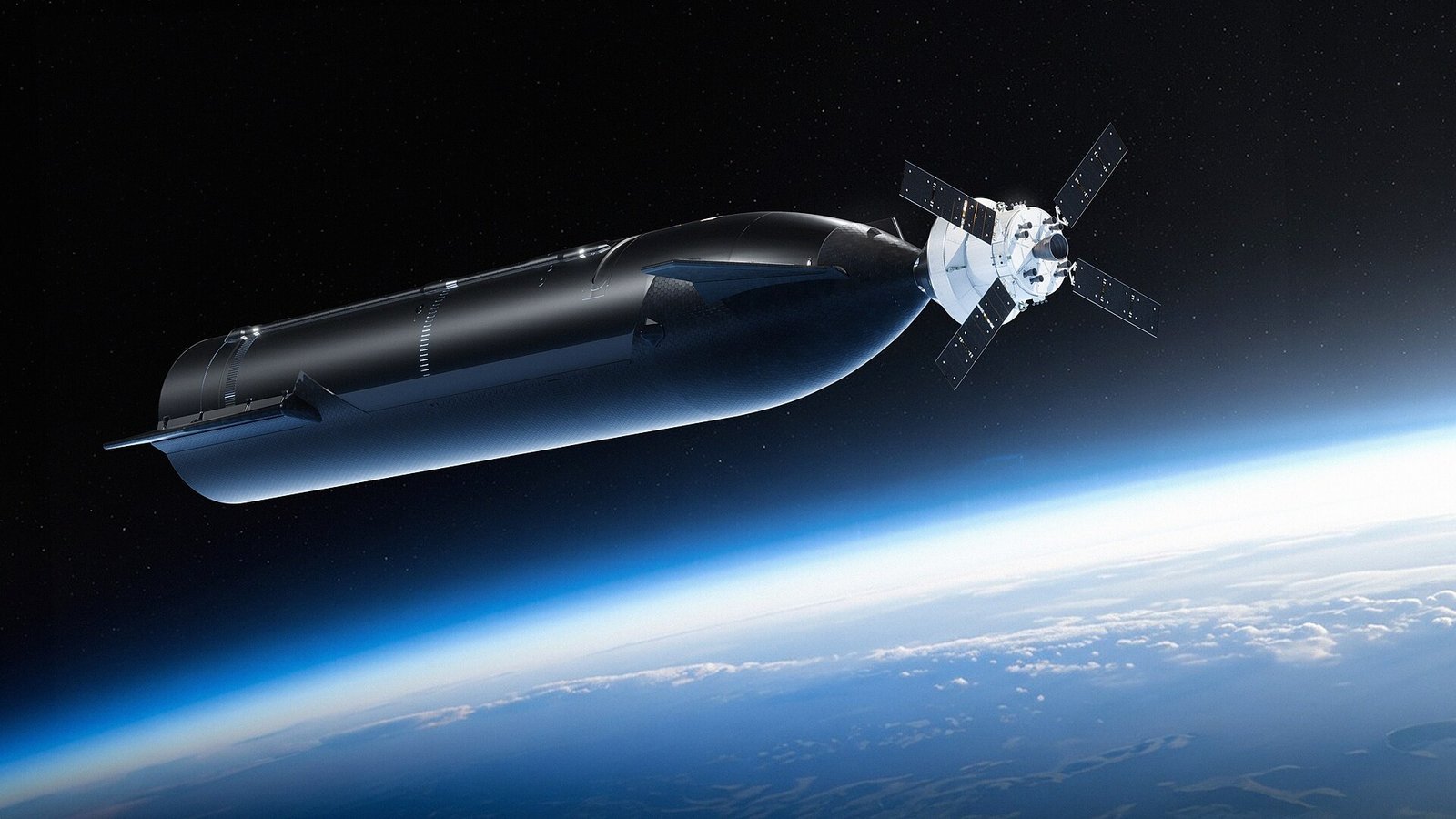 NASA's Orion Spacecraft Needs Major Modifications to Fly Backward with SpaceX Starship
-
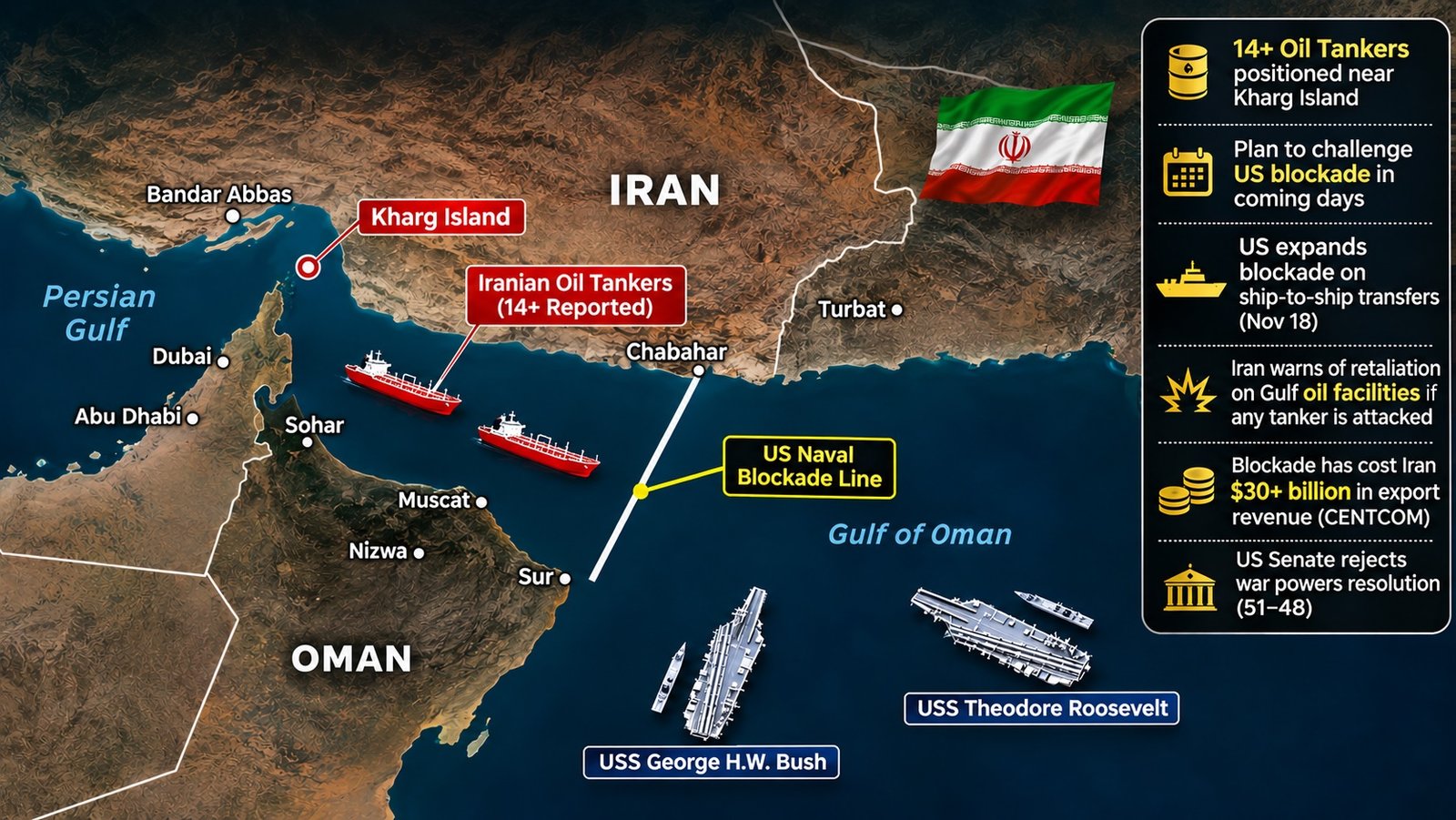 Iran Positions Oil Tankers at Kharg Island Amid Plans to Challenge US Naval Blockade
-
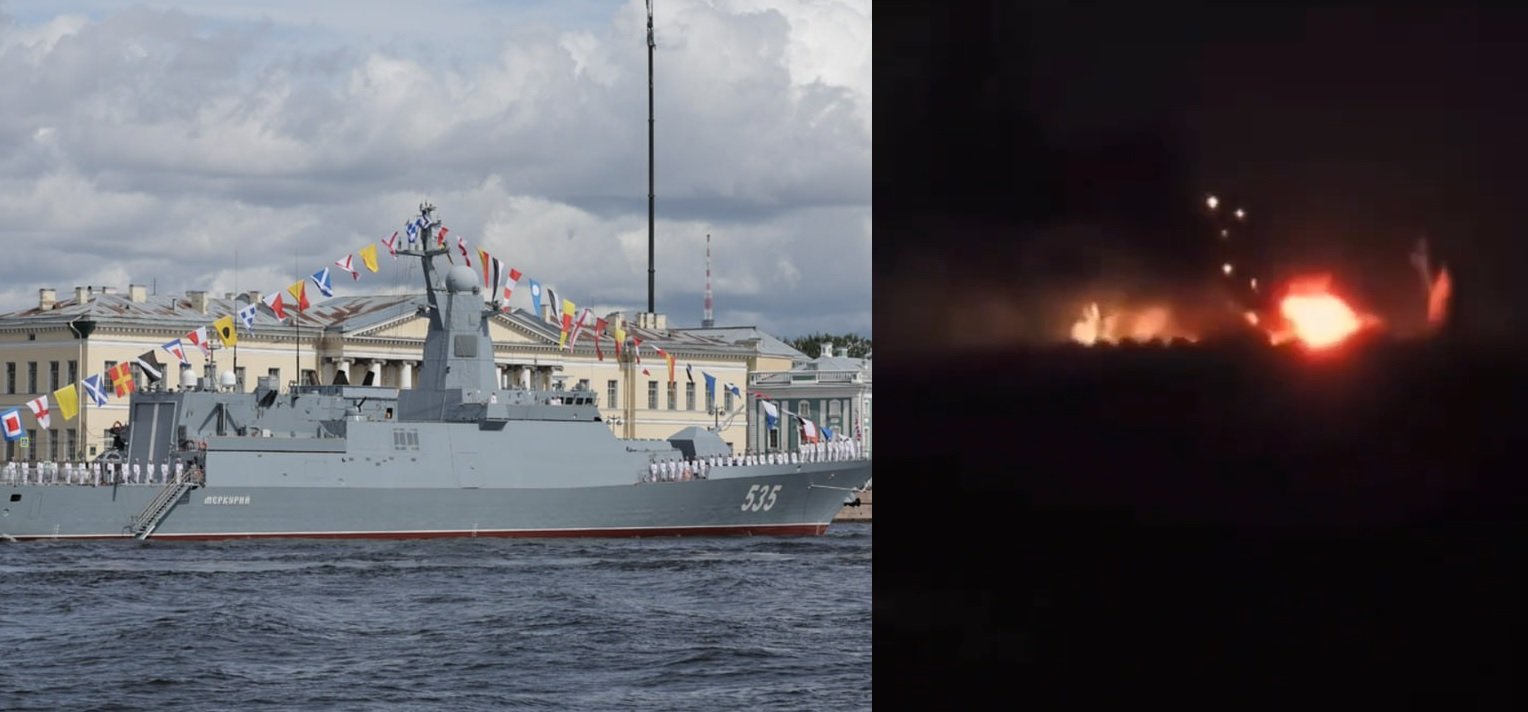 Russian Corvette Merkury Almost Certainly Destroyed in Benghazi Port Explosion
-
Western Intelligence Warns Russia Could Launch Nuclear-Armed Satellite as Early as December
-
 Atomic-6 Tests Composite Armor Against 16,100 MPH Space Debris for Astronaut Protection
-
 Denmark's Parliament Unanimously Approves US-Greenland Defence Deal with 109–0 Vote, Restricting Russian and Chinese Military Presence
-
IG Defence Successfully Test-Fires JWALA MK-1 Counter-Drone Missile at Pokhran
