
Space & Technology
In a significant step towards enhancing India's self-reliance in navigation technology, the Defence Research and Development Organisation (DRDO) has partnered with Bengaluru-based Craftlogic Labs Private Limited to develop an indigenous NavIC receiver chip. This collaboration is part of a broader initiative to reduce dependence on foreign satellite navigation systems, particularly the Global Positioning System (GPS) provided by the United States.The Navigation with Indian Constellation (NavIC), developed by the Indian Space Research Organisation (ISRO), aims to provide accurate positioning services to users across India and the surrounding region. While ISRO has already launched the Indian Regional Navigation Satellite System (IRNSS) satellites to support NavIC, the system still relies heavily on GPS for various applications. The development of an indigenous NavIC receiver chip is a crucial step towards complete autonomy in navigation technology.The need for an independent navigation system became evident during the Kargil conflict when India’s request to access GPS data was denied by the United States. This incident highlighted the strategic importance of having a reliable, home-grown navigation system. Since then, India has been working diligently to develop its capabilities in this domain.Craftlogic Labs, commissioned by DRDO, will be responsible for creating a flexible and customized timing system to meet the specific requirements of NavIC. This project, which began on July 1 and is expected to be completed within 24 months, will significantly enhance the capability of Indian navigation systems. The new receiver chip will be used in both defense and commercial applications, ensuring that India has complete control over its navigation technology.The NavIC system, once fully operational, will offer directional mapping support to land, rail, and air-based users, making it easier to find routes to various destinations. This technology will not only benefit the common man but also provide critical support to India's defense sector. The shift to Indian-based receivers will ensure that the defense forces have uninterrupted access to reliable navigation data, enhancing their operational capabilities.This initiative is part of DRDO's broader strategy to foster innovation and self-reliance in defense technology. Under the Technology Development Fund scheme, DRDO has partnered with several private firms, including Craftlogic Labs, to develop advanced technologies for various defense applications. These collaborations are aimed at leveraging the expertise of private enterprises to accelerate the development of cutting-edge defense technologies.In addition to the NavIC receiver chip project, DRDO is working with other firms on various innovative projects. For instance, DRDO has partnered with Noida-based Oxygen-2 Innovation Private Limited to develop an Indigenous Scenario and Sensor Simulation Toolkit, and with Pune-based Sagar Defence Engineering Pvt Ltd to develop an Underwater Launched Unmanned Aerial Vehicle. These projects underscore DRDO's commitment to enhancing India's technological capabilities across multiple domains.The partnership with Craftlogic Labs for the development of the NavIC receiver chip is a testament to India's growing prowess in indigenous technology development. As the project progresses, it is expected to significantly bolster India's strategic autonomy in navigation technology, reducing reliance on foreign systems and enhancing national security.By investing in indigenous technologies and fostering collaboration with private enterprises, DRDO is paving the way for a more self-reliant and technologically advanced India. The successful development of the NavIC receiver chip will mark a major milestone in this journey, underscoring the importance of innovation and self-reliance in achieving technological sovereignty.
Read More → Posted on 2024-07-12 15:07:22
World
This week, China commenced joint military exercises with Belarus, staging maneuvers on NATO’s eastern frontier in a clear sign of escalating tensions between Beijing and the US-led defense alliance. These "antiterrorist" exercises, conducted on Russian ally Belarus' soil near the Polish border, coincide with NATO leaders gathering for a summit in Washington, where the ongoing war in Ukraine is a major agenda item.The joint drills began on July 8 in Brest, a city positioned right on the border with Poland. According to a statement from the Chinese defense ministry, the exercises are set to continue until mid-July. While the exact number of Chinese soldiers involved remains undisclosed, the statement emphasized that the maneuvers aim to enhance combat techniques and deepen cooperation between the two armies. Chinese diplomatic officials have asserted that the exercises are not directed at any specific country.However, the Polish defense ministry has criticized the timing of these drills, warning that the operations could be exploited for disinformation and propaganda purposes to align with the NATO summit. Despite their limited scale, the presence of Chinese troops on NATO’s doorstep and in a country used by Russia as a launchpad for its invasion of Ukraine has drawn significant attention.Analysts believe that the choice of date and location for the exercises was deliberate, intended to send a clear message to NATO. Kelly Grieco of the Stimson Center, a foreign policy and defense think tank, noted that multilateral exercises often serve political purposes. She pointed out that while China had previously conducted anti-terrorism exercises in Belarus between 2011 and 2018, this is the first occurrence since Russia's invasion of Ukraine in February 2022.The strategic timing of these drills reflects China's approach to signaling its opposition to NATO's activities. Alice Ekman, a senior analyst for Asia at the European Union Institute for Security Studies, highlighted that China has a history of organizing joint exercises to coincide with significant international developments. For instance, China held exercises with Russia in the East China Sea close to Japanese islands in April 2023, coinciding with a trilateral summit involving the US, Japan, and South Korea. Similarly, China conducted military maneuvers in the South China Sea in May 2024, during a meeting between the US, Japan, the Philippines, and Australia.China's growing hostility towards NATO is rooted in a belief that the alliance is working to contain China at Washington’s behest. Beijing is particularly concerned about NATO's expanding role in the Asia-Pacific region. This animosity is compounded by historical grievances, such as the bombing of the Chinese embassy in Belgrade by a NATO plane in 1999, and perceptions of NATO overstepping its geographical boundaries in conflicts like those in Iraq, Libya, and Afghanistan.As NATO integrates the perceived threat from China into its strategic planning, Beijing's actions near NATO's border are likely intended to reinforce its stance and challenge the alliance's influence. The ongoing exercises with Belarus are a potent reminder of the complex geopolitical dynamics at play and the increasing militarization of international diplomacy.
Read More → Posted on 2024-07-12 15:05:10
India
In recent years, the use of American-made M4 carbine assault rifles by terrorists in Jammu and Kashmir (J&K) has become an alarming trend. These weapons, believed to have been left behind by the US Army during its withdrawal from Afghanistan in 2021, are now finding their way into the hands of militants through Pakistani handlers. Experts are raising concerns about the increasing frequency of these sophisticated firearms in terror activities across the region.The M4 carbine is a lightweight, gas-operated, air-cooled, magazine-fed, shoulder-fired weapon with a collapsible stock. Introduced in 1994, it has been widely used by NATO forces and other militaries around the world. The M4 has seen extensive use in various conflicts, including the Syrian Civil War, Iraqi Civil War, Yemeni Civil War, Colombian Conflict, Kosovo War, and the Iraq and Afghanistan wars post-9/11. With a cyclic rate of fire of 700-970 rounds per minute and an effective range of 500-600 meters, the M4 carbine is a formidable weapon.The first instance of the M4 carbine being recovered in J&K was in November 2017, when Talha Rasheed Masood, a nephew of Jaish-e-Muhammad chief Masood Azhar, was killed in a gunfight in Pulwama district. Since then, the weapon has been recovered multiple times from various encounters, including in 2018 from another nephew of Azhar, Usman Ibrahim, and more recently in July 2022 from Jaish-e-Muhammad commander Kaiser Koka in Awantipora.The trend of M4 carbines appearing in J&K has raised concerns among security experts. Defence expert Lt Gen Sanjay Kulkarni highlights that the US Army's leftover weapons in Afghanistan have likely been seized by terrorists with the help of Pakistan’s Inter-Services Intelligence (ISI). These sophisticated weapons, including the M4, are now being used to train and arm militants in J&K, posing a significant threat to security forces and civilians alike.Former Director General of Jammu and Kashmir Police, Shesh Paul Vaid, noted that the use of M4 rifles by terrorists was not prevalent during his tenure from December 2016 to September 2018. He attributes the rise in their usage to the US withdrawal from Afghanistan, which left behind a substantial cache of arms and ammunition.Recent attacks in the Jammu region, including the Kathua attack on July 8, 2023, where five soldiers were ambushed and killed, and the Reasi attack on June 9, 2023, which left nine people dead and 41 injured, have seen the reported use of M4 carbines. In June 2023, an M4 rifle and a large cache of arms were recovered from a terrorist killed in Doda district. Additionally, the People’s Anti-Fascist Front (PAFF), which claimed responsibility for the Poonch terror attack in December 2023, showcased M4 carbines on social media.Experts like Vaid acknowledge the increased danger posed by these sophisticated weapons. The steel bullets of the M4 have higher penetration capabilities, making even bulletproof vehicles vulnerable. Despite this, Vaid expresses confidence that the security forces and J&K Police, who have faced numerous challenges over the years, will adapt and implement effective measures to counter this new threat.The use of M4 carbine assault rifles in terror attacks in Jammu and Kashmir underscores the evolving nature of the threat faced by the region. As militants gain access to more sophisticated weaponry, the need for enhanced security measures and vigilant intelligence operations becomes increasingly critical to ensure the safety and security of both civilians and military personnel.
Read More → Posted on 2024-07-12 15:00:01
India
India's ambitious Project-75I, aimed at bolstering its naval capabilities with six state-of-the-art conventional submarines, has entered a critical phase. This multi-billion dollar initiative has seen heightened competition between Germany’s Thyssenkrupp Marine Systems (TKMS) and Spain’s Navantia, both of which have recently completed successful trials of their Air Independent Propulsion (AIP) systems.Initially, TKMS was hesitant to participate in the bidding process due to stringent terms and conditions. However, with the backing of the German government, they decided to join the fray. Khalil Rahman, the head of TKMS India, highlighted that their decision was bolstered by a shift in German foreign policy following the invasion of Ukraine, emphasizing the importance of a strategic partnership with India.During the recent Field Evaluation Trials (FET), TKMS showcased the AIP capabilities of their Type 212 submarine. The demonstration, conducted under the scrutiny of the Indian Navy, highlighted the technological prowess of TKMS, especially with their proven AIP system. Rahman confidently noted that their Type 214 submarine, tailored specifically to Indian requirements, would offer unparalleled stealth and performance. The design for the P-75I will be handed over to the Indian Navy, ensuring a seamless integration into India’s defense infrastructure.On the other side, Navantia presented its AIP capabilities through the new S80 class submarine, which recently joined the Spanish Navy. Navantia has partnered with Larsen & Toubro (L&T) for this project, ensuring a robust industrial collaboration. The S80 class submarine, noted for its advanced technology and design, was rigorously evaluated by the Indian Navy team in June.The AIP system, a focal point in these trials, significantly enhances a submarine's operational endurance and stealth by allowing it to remain submerged for extended periods without surfacing. TKMS’s AIP system is particularly noteworthy as it combines both fuel cell and Lithium Ion technologies, providing a versatile range of performance benefits. Fuel cells offer long-range endurance at low speeds, while Lithium Ion batteries enable high-speed operations.The Project-75I initiative, valued at over ₹43,000 crore, stipulates that the first submarine must have 45% indigenous content, increasing to 60% by the sixth submarine. The contract also mandates that the first submarine be delivered within 84 months of signing. The FETs were a crucial step in this process, focusing solely on demonstrating the AIP capabilities of the submarines.As both contenders await the final decision, the project has garnered significant attention at the highest levels of government. German Chancellor Olaf Scholz is set to visit India for inter-governmental consultations in October, while Prime Minister Narendra Modi is expected to visit Spain in the coming months. These high-level discussions are likely to include deliberations on the submarine deal, underscoring its strategic importance.Since World War II, TKMS has built 175 submarines, with 52 AIP-equipped models currently in operation or under contract worldwide. This extensive experience, combined with their proven technology, positions TKMS as a formidable contender in this competition.The outcome of Project-75I will not only enhance India’s maritime security but also strengthen its strategic partnerships with leading global defense manufacturers. As the Indian Navy moves closer to finalizing this deal, the collaboration with either Germany or Spain will mark a significant milestone in India’s naval modernization efforts.
Read More → Posted on 2024-07-11 17:03:01
World
China's technological advancements have once again made headlines, this time with a significant breakthrough in deep-sea mining. The Kaituo 2, a prototype developed by Shanghai Jiao Tong University, has successfully completed sea trials, bringing China closer to extracting valuable minerals from the ocean floor. This achievement is not just a technological milestone but also a potential game-changer for the resource-rich South China Sea. Kaituo 2: A Technological MarvelThe Kaituo 2, resembling a tank with its four tracks and front-mounted drill, has been designed to operate autonomously on the ocean floor. It is equipped with a collection system and ore storage, connected to the surface by an umbilical cable. Measuring 6 meters in length, 3 meters in width, and standing 2.5 meters high, this 14-tonne behemoth is built to withstand the challenging conditions of the deep sea.During its trials, Kaituo 2 demonstrated impressive capabilities. It reached a depth of 4,102.8 meters in the western Pacific, setting a national record for China. The vehicle navigated steep underwater mountains and rugged terrain, cutting and collecting various types of seabed minerals. It successfully gathered over 200 kilograms of minerals rich in copper, cobalt, nickel, and manganese, essential for technology, defense, and medicine.Overcoming Technical ChallengesThe development of Kaituo 2 involved addressing three major technical challenges that have long plagued international deep-sea mining: navigating complex seabed terrain, efficiently extracting diverse mineral forms, and safely managing heavy equipment in rough sea conditions. Yang Jianmin, the project leader and a professor at SJTU’s School of Ocean and Civil Engineering, highlighted these challenges in a report on the university’s website.To overcome these obstacles, the vehicle is equipped with advanced technologies such as intelligent path planning, tracking, obstacle avoidance, and an environmental monitoring system. These innovations ensure that Kaituo 2 can operate efficiently and safely in the harsh conditions of the deep sea.A Step Closer to Commercial Deep-Sea MiningWhile deep-sea mining is not yet happening on a commercial scale, global activities are intensifying as nations recognize the potential of these underwater resources. Japan, Belgium, India, Canada, and Norway are all conducting deep-sea mineral exploration and testing mining vehicles at significant depths. China's progress with Kaituo 2 places it at the forefront of this international race.Environmental Concerns and Global ImplicationsDespite the technological advancements, deep-sea mining remains controversial due to its potential environmental impact. Greenpeace has outlined several concerns, including chemical pollution, noise, vibrations, and light disturbances, all of which could be detrimental to the delicate ecosystems of the deep sea. The mining activities create floating debris that can cloud the water, suffocating marine life, and disturbing the behaviors and communication of marine mammals.As nations like China push forward with deep-sea mining technology, balancing the benefits of resource extraction with the need to protect marine environments will be crucial. The success of Kaituo 2's trials is a significant step, but it also underscores the importance of addressing environmental concerns to ensure sustainable development.The successful sea trials of China's Kaituo 2 deep-sea mining vehicle mark a significant milestone in the quest to extract valuable minerals from the ocean floor. With its advanced technology and impressive capabilities, Kaituo 2 brings the entire South China Sea's ocean floor within reach, setting the stage for potential commercial deep-sea mining. However, as the race for underwater resources intensifies, the environmental impact of these activities must be carefully managed to protect the fragile ecosystems of the deep sea.
Read More → Posted on 2024-07-11 16:59:18
Space & Technology
India's ambitious plans for its upcoming space station have taken a significant step forward with the announcement of its intended orbital inclination. The Indian Space Research Organisation (ISRO) has revealed that the station will orbit at a 51.5-degree inclination, nearly identical to the International Space Station's (ISS) 51.6-degree path. This decision marks a strategic move that could pave the way for future international collaboration and scientific advancements.Orbital inclination, the angle between an orbit's plane and the equatorial plane of a celestial body, is crucial in spacecraft operations. A higher inclination allows for comprehensive Earth observation, including polar regions, and enhances global communication by enabling satellites to connect with ground stations worldwide. By choosing this particular inclination, ISRO is setting the stage for extensive coverage and connectivity.The choice of orbital inclination is far from arbitrary. It reflects a careful balance between technical constraints, international cooperation potential, and scientific benefits. While China's Tiangong space station orbits at a 42-degree inclination, India's decision to align with the ISS's orbit suggests a forward-thinking approach to space exploration. One of the primary advantages of this orbital inclination is the extensive coverage it provides. At 51.5 degrees, the space station will fly over approximately 90% of the Earth's inhabited areas. This broad swath enables comprehensive Earth observation capabilities and facilitates communication with a wide network of ground stations across the globe.The alignment with the ISS's orbit also opens up possibilities for future collaboration. As the ISS is scheduled for deorbiting by 2030, India's space station could potentially fill a crucial gap in the international space research landscape. Manish Purohit, a former ISRO engineer who also writes for IndiaToday.in, explained the matching inclination would simplify rendezvous and docking procedures for visiting vehicles from other space agencies, reducing fuel consumption and operational complexities. Moreover, India may be able to leverage existing ground infrastructure established for tracking and communicating with the ISS. This could lead to significant cost savings and operational efficiencies as India develops its space station program.However, achieving and maintaining this orbital inclination will present challenges for ISRO. Unlike the Russian Soyuz launches from Baikonur Cosmodrome, which naturally align with the ISS's orbit due to the launch site's latitude, India's launches will require specific maneuvering to reach the desired inclination. This will demand precise calculations and potentially more fuel usage during the initial stages of the mission.While the official rationale behind India's choice has not been fully disclosed, the decision reflects a well-considered approach to space exploration. By aligning with established international norms, India positions itself as a potential key player in the future of space research and collaboration. As ISRO continues to develop its space station plans, the international space community will be watching closely. India's ambitious project not only represents a significant leap in the country's space capabilities but also signals its readiness to play a larger role in global space exploration efforts.This strategic move by ISRO highlights India's growing influence in space technology and research. With the alignment to the ISS orbit, India is not just following a path laid out by others but strategically positioning itself for future advancements and collaborations in space exploration.
Read More → Posted on 2024-07-11 16:52:49
India
In the mountainous terrains and high-altitude regions where conventional tanks struggle, the Defence Research and Development Organization (DRDO) of India has introduced a game-changing innovation: rubber tracks for the Zorawar Light Tank. This development is set to transform how the Indian Army operates in some of the world's most challenging environments.The Zorawar Light Tank, a 25-ton marvel developed in collaboration with Larsen and Toubro (L&T), is engineered specifically for high-altitude warfare. Traditional main battle tanks (MBTs) like the Arjun MK-1A use steel tracks with detachable rubber pads, which, while effective in many terrains, are not ideal for the rugged and grainy surfaces found at high altitudes. DRDO's rubber track system offers a significant advantage by providing enhanced manoeuvrability and traction in these difficult conditions.Named after the renowned 19th-century Dogra General Zorawar Singh, the Zorawar Light Tank is designed to excel in steep mountains and water crossings, such as rivers. This is a crucial feature for operations in regions like Ladakh, where the Indian Army faces persistent security challenges. The rubber tracks allow the Zorawar to navigate the treacherous landscapes with greater ease than its heavier counterparts, which often struggle in such environments.The innovative rubber track system not only improves the tank's performance but also its operational readiness. Traditional steel tracks can suffer from increased wear and tear in high-altitude regions, leading to frequent maintenance and potential operational delays. Rubber tracks, on the other hand, are more durable and require less maintenance, ensuring that the Zorawar Light Tanks are always ready for deployment.This innovation is part of a broader effort by the Indian Army to enhance its rapid deployment capabilities in remote and inaccessible areas. With the induction of the Zorawar Light Tanks planned by 2027, the Indian Army is poised to significantly bolster its mountain warfare capabilities, providing a strategic edge in high-altitude combat scenarios.The introduction of rubber tracks in the Zorawar Light Tanks is a testament to DRDO's commitment to pushing the boundaries of military technology. By addressing the unique challenges posed by high-altitude warfare, this development not only enhances the Indian Army's operational capabilities but also sets a new standard for military engineering in challenging environments.In conclusion, the Zorawar Light Tank, with its innovative rubber track system, represents a significant leap forward in military technology. It stands as a symbol of the Indian Army's readiness to meet the challenges of modern warfare, particularly in the high-altitude regions where conventional solutions fall short. As the Indian Army prepares to induct these tanks, it is clear that the future of high-altitude warfare will be shaped by such groundbreaking innovations.
Read More → Posted on 2024-07-11 16:49:49
India
As India gears up for the Union Budget 2024, all eyes are on Finance Minister Nirmala Sitharaman as she prepares to announce the defence allocation on July 23. Defence spending has been a crucial element in India's strategy to bolster its military capabilities, especially in the face of rising tensions with China. The upcoming budget is expected to see a higher allocation for the defence sector, continuing the trend of previous years. However, despite these increases, India’s defence spending still pales in comparison to China's, a gap that many experts believe needs to be urgently addressed.In the early decades post-Independence, India's primary military focus was on its neighbor, Pakistan. However, as India has grown in stature and power, China has emerged as the more formidable adversary. The skirmishes and ongoing tensions at the Line of Actual Control (LAC) and Line of Control (LOC) with China have necessitated a shift in India's defence strategy. The South China Sea's strategic importance and China's assertiveness in the region further underscore the need for India to ramp up its military preparedness.Dr. Amit Singh, Associate Professor at the Special Centre for National Security Studies, JNU, emphasizes that India's defence budget must adapt to the rapidly changing geopolitical landscape. "China’s manoeuvring at the LAC and LOC poses significant challenges for India’s defence sector. To defend its territorial integrity, India needs a substantial increase in its defence budget," he states.China, on the other hand, continues to prioritize its military expenditure. In March 2024, China announced a 7.2% increase in its defence budget, bringing it to Chinese Yuan (CNY) 1.66554 trillion, equivalent to USD 231.4 billion. This steady growth in military spending reflects Chairman Xi Jinping's commitment to strengthening the People's Liberation Army (PLA). Despite the economic slowdown, China has doubled its defence expenditure since 2015, a stark contrast to India's more modest increases.In February's Interim Budget, the Modi government allocated approximately $75 billion (Rs 6.21 lakh crore) for India's Ministry of Defence, marking a 4.3% increase from the previous year. However, this amount is still seen as insufficient given the threat perception from China. Defence Minister Rajnath Singh has emphasized the need for modern equipment and stronger armed forces for India to become a developed nation by 2047, the centenary of its Independence.Experts suggest that the Union Budget 2024 should see a significant increase in defence spending. Dr. Singh advocates for at least 25% of the central government’s total expenditure to be allocated to the defence sector. "Only with such a substantial investment can India effectively handle the threat perceptions at the LAC and LOC and safeguard its national security," he asserts.In comparison, China's defence spending is twelve times that of Taiwan's and four times Japan's, highlighting the vast difference in military capabilities between India and China. As geopolitical tensions continue to rise, India's defence budget must not only catch up but also strategically position itself to counter any threats from its northern neighbor.The Union Budget 2024 is expected to build on the allocations made in the Interim Budget, with a clear focus on enhancing India's military capabilities. As India navigates its complex relationship with China, bolstering its defence spending will be crucial in maintaining regional stability and safeguarding its national interests.
Read More → Posted on 2024-07-11 16:44:49
India
In a remarkable operation near the India-China border, the Indo-Tibetan Border Police (ITBP) seized 108 kilograms of smuggled gold and arrested three individuals. This seizure, the largest ever by the ITBP, highlights the ongoing issue of smuggling along the sensitive border region.The operation unfolded when the 21st battalion of the ITBP launched a long-range patrol in the Changthang sub-sector of eastern Ladakh. The patrol, led by Deputy Commandant Deepak Bhat, was part of a broader effort to combat increased smuggling activities during the summer months. The patrol included areas such as Chizbule, Narbula, Zangle, and Zakla, and was prompted by intelligence suggesting heightened smuggling attempts.During the patrol, the ITBP team spotted two individuals on mules near Sriraple, just one kilometer from the Line of Actual Control (LAC). When the officers attempted to stop them, the individuals tried to flee but were quickly apprehended after a brief chase. Upon searching their belongings, the officers discovered 108 gold bars, each weighing one kilogram, along with two mobile phones, a binocular, two knives, and various Chinese food items like cakes and milk.The arrested individuals, identified as Tsering Chamba (40) and Stanzin Dorgyal, both from Ladakh's Nyoma area, initially claimed to be medicinal plant dealers. However, the significant quantity of gold found in their possession told a different story. A third individual was also arrested in connection with the smuggling operation, and all three are currently being interrogated by the ITBP and local police.The value of the seized gold is estimated to be between Rs 80-90 crore, marking it as a substantial blow to smuggling operations in the region. "This is the biggest haul of gold recovered by the ITBP during border operations. The seized material will be handed over to the customs department," said Ajay Nirmalkar, Commandant of the 21st ITBP battalion.The ITBP's vigilance along the 3,488-kilometer-long India-China LAC is crucial in preventing such illegal activities. This operation underscores the ongoing efforts by the border guarding force to maintain security and thwart smuggling attempts in one of the most challenging and strategically important regions of India.The success of this operation reflects the dedication and effectiveness of the ITBP in safeguarding the nation's borders and curbing illegal activities that threaten national security.
Read More → Posted on 2024-07-11 16:41:09
World
Canada is taking a significant step to bolster its maritime security by introducing a program to develop 12 conventionally-powered submarines designed for Arctic operations. This new fleet aims to replace the aging Victoria-class submarines, which have been in service since the early 1990s. The initiative, known as the Canadian Patrol Submarine Project (CPSP), underscores the country's commitment to protecting its sovereignty in the face of emerging global threats.The announcement of the CPSP highlights Canada's strategic focus on the Arctic region. With the impacts of global warming opening new navigation routes and exposing the Arctic to increased activity, the need for enhanced security capabilities has become paramount. The CPSP submarines will be equipped with advanced "under-ice" capabilities to operate effectively in the harsh conditions of the Arctic Ocean and other surrounding waters.One of the key features of these new submarines will be their extended range and endurance. This will enable the Royal Canadian Navy to maintain robust detection and neutralization capabilities across Canada’s extensive maritime territory and in support of its allies. While specific technical details remain classified, the emphasis on these capabilities indicates a significant upgrade from the existing Victoria-class submarines.Ottawa is currently in negotiations with various manufacturers and potential partners to bring this ambitious project to fruition. This preliminary phase will be followed by a request for information (RFI) in the fall, aimed at streamlining details regarding the construction, procurement, delivery, and operational capabilities of potential bidders. The RFI will also explore the possibility of establishing a domestic submarine sustainment center to support the upcoming fleet, ensuring long-term operational readiness and maintenance.The CPSP is aligned with Canada's latest defense policy, which recognizes the evolving geopolitical landscape and the increasing military ambitions of other nations, particularly in the Arctic region. The Canadian government has identified the need to monitor critical areas such as the Northwest Passage and other maritime locations where there is a growing presence of international activity.In his announcement, Canadian Defence Minister Bill Blair emphasized the strategic importance of the new submarine fleet. "As the country with the longest coastline in the world, Canada needs a new fleet of submarines – and today, we’ve announced that we will move forward with this acquisition," Blair stated. "This new fleet will enable Canada to protect its sovereignty in a changing world and make valuable, high-end contributions to the security of our partners and NATO Allies. We look forward to delivering this new fleet to the Royal Canadian Navy."The introduction of the CPSP comes as a response to the expanding underwater capabilities of other nations, such as China and Russia. By enhancing its submarine fleet, Canada aims to ensure it can effectively safeguard its maritime interests and contribute to regional and global security efforts.In summary, Canada's decision to build 12 Arctic-capable submarines under the CPSP marks a significant investment in its national defense and a proactive measure to address the evolving challenges in the Arctic and beyond. With advanced capabilities and extended endurance, these new submarines will play a crucial role in maintaining Canada's maritime sovereignty and supporting its international security commitments.
Read More → Posted on 2024-07-11 16:38:28
India
The 1994 ISRO espionage case, once seen as a major scandal involving the alleged transfer of sensitive rocket technology to foreign agents, has now been revealed as a fabricated plot. The Central Bureau of Investigation (CBI) has uncovered that the entire case was concocted by a Kerala Police officer to punish a Maldivian woman, Mariyam Rasheeda, who rejected his advances.Nambi Narayanan, a respected scientist at the Indian Space Research Organisation (ISRO), found himself at the center of this false narrative. Alongside him, three other ISRO scientists and two Maldivian women, Mariyam Rasheeda and Fauzia Hasan, were wrongfully accused and arrested. The CBI's recent charge sheet, filed in late June and made public in early July, sheds light on the disturbing details behind the case.The roots of the scandal trace back to the actions of S Vijayan, a then special branch officer of the Kerala Police. After Rasheeda spurned his romantic advances, Vijayan confiscated her travel documents and prevented her from leaving India. Vijayan discovered that Rasheeda was in contact with an ISRO scientist, D Sasikumaran, and began to surveil her and her friend Fauzia Hasan. Despite the lack of any incriminating evidence, Vijayan informed the Subsidiary Intelligence Bureau (SIB), which also found nothing suspicious.Rasheeda was initially detained for overstaying her visa, a move that the CBI later described as illegal and based on false pretenses. As her custody period was nearing expiration, Vijayan escalated the situation by falsely implicating her and Hasan in an espionage case under the Official Secrets Act. This led to their transfer to a Special Investigation Team (SIT), which then wrongfully arrested Nambi Narayanan and the other ISRO scientists.The CBI's investigation into this egregious abuse of power revealed that the entire espionage case was built on lies and malicious intent. The agency has recommended the prosecution of five former police officers, including high-ranking officials like former DGPs RB Sreekumar and Siby Mathews. They face charges under various sections of the Indian Penal Code, including criminal conspiracy, wrongful confinement, and fabricating evidence.Nambi Narayanan's life was turned upside down by these false accusations. Arrested in 1994, he endured torture and humiliation, with his reputation tarnished and his career disrupted. It wasn't until 1996 that his innocence was officially recognized. Narayanan then embarked on a long legal battle to expose the conspiracy against him, which culminated in a Supreme Court directive in 2021 for the CBI to investigate the erring officials.In 2018, the Supreme Court acknowledged the grave injustice done to Narayanan, terming the police actions as "psychopathological treatment." The court awarded him Rs 50 lakh as compensation for the wrongful imprisonment and the malicious prosecution he endured.Despite the profound personal suffering, Narayanan has expressed no desire for vengeance against those who wronged him. He has stated that he feels vindicated by the truth coming to light and does not seek further punishment for the officers involved. His primary satisfaction lies in proving his innocence and restoring his dignity after years of being unjustly vilified.The unraveling of the 1994 ISRO espionage case stands as a stark reminder of how personal vendettas and abuse of power can devastate lives and disrupt national institutions. It also highlights the importance of vigilance and accountability in upholding justice and protecting individuals from malicious prosecution.
Read More → Posted on 2024-07-11 16:26:49
World
The United States and Germany have recently unveiled plans to deploy advanced long-range fires capabilities in Germany, a move set to significantly enhance NATO's defensive posture. This development was announced in a joint statement following high-level discussions ahead of the upcoming NATO Summit.Beginning in 2026, the United States will initiate episodic deployments of its Multi-Domain Task Force’s long-range fires capabilities in Germany. This initiative is a key element of a broader strategy aimed at the enduring stationing of these advanced military assets in Europe. The planned deployments will feature cutting-edge weaponry, including the SM-6 and Tomahawk missiles, along with developmental hypersonic weapons. These systems offer a substantial upgrade over the current land-based fires available in Europe, providing much longer ranges and enhanced targeting capabilities.This deployment underscores the United States' commitment to NATO and is a critical contribution to integrated European deterrence. By exercising these advanced systems, the U.S. aims to demonstrate its steadfast support for the collective defense of NATO member states. This strategic move is expected to bolster the alliance’s deterrence capabilities against potential threats and help maintain regional stability.The episodic nature of the initial deployments will facilitate thorough planning and integration of these advanced systems into the European theater. As these capabilities are fully developed and integrated, the U.S. and Germany will continue to collaborate closely. This cooperation ensures that the deployment aligns with NATO’s strategic needs and enhances the overall security architecture of Europe.This announcement highlights the deep strategic partnership between the United States and Germany and their shared commitment to peace and security in Europe. The deployment of long-range fires capabilities in Germany marks a significant milestone in strengthening NATO’s deterrence posture. As preparations for the NATO Summit continue, this announcement underscores ongoing efforts to reinforce transatlantic ties and enhance collective defense mechanisms. The inclusion of sophisticated weaponry like the SM-6 and Tomahawk missiles, as well as developmental hypersonic weapons, showcases a clear intent to stay ahead in the technological race and ensure that NATO's defense capabilities are both robust and cutting-edge. This initiative is not only a show of military strength but also a strategic maneuver to ensure that NATO remains a formidable force capable of deterring any adversary.In summary, the deployment of advanced long-range fires capabilities in Germany by the United States is a pivotal step in bolstering NATO’s defensive and deterrent capabilities. This move highlights the enduring commitment of the U.S. and Germany to NATO’s mission of maintaining peace and security in Europe, reinforcing the alliance’s readiness to face future challenges.
Read More → Posted on 2024-07-11 16:23:10
World
In the shadow of a looming threat from China, Taiwan's President Lai Ching-te has delivered a message of resilience and innovation to his country's armed forces. During an address to air force officers, Lai, clad in camouflaged military fatigues, drew inspiration from history, emphasizing that smaller militaries have often triumphed over larger adversaries. His comments come as Taiwan prepares for its annual Han Kuang military exercises, scheduled to begin on July 22, which aim to simulate real combat conditions in response to the increasing threat from China.For the past four years, China has been conducting regular military exercises around Taiwan, attempting to pressure the democratically governed island to accept Beijing's claims of sovereignty. Despite being vastly outnumbered by China's military might, Taiwan is not deterred. Instead, it has been modernizing its armed forces with new equipment such as submarines and adopting "asymmetric warfare" strategies. These strategies include the use of vehicle-mounted missiles and drones, designed to make Taiwan's military more mobile and difficult to target.Lai's remarks were made at an air base in central Taiwan, where he stood in front of a Taiwan-made Ching-kuo Indigenous Defence Fighter. He stressed that military strength is not merely a matter of numbers. "The amount of equipment admittedly is important, but it cannot represent the military power of a country," he said. "In history, there are many cases where the few win out over the many, and there are countless ways to win over old-fashioned enemies with new thinking."The upcoming Han Kuang exercises, alongside the Wan An civil defense drills, will involve cities briefly shutting down to simulate air raids, reflecting the seriousness of the threat perceived from China. A senior Taiwan official noted that this year's drills would closely mimic actual combat scenarios, moving away from merely symbolic displays of strength.China's reaction to Taiwan's military preparations has been predictably aggressive. Shortly after Lai took office in May, China conducted two days of war games around Taiwan, which it described as "punishment" for Lai's inauguration speech, criticizing it for containing separatist sentiments. Despite Beijing's hostility, Lai has repeatedly offered talks, asserting that only Taiwan's people can determine their future."The peace we want is a peace with a solid foundation, a true peace that must be established by our own strength," Lai declared at the Taichung air base. He rebuffed any notions that Taiwan was gearing up for war, emphasizing that the island nation is committed to peace but must be prepared to defend itself. "Some people may have such misgivings but everyone knows we are a peace-loving country," he said. "But the peace we want is a 'true peace' that has a solid foundation and is established by our own strength."China has consistently dismissed Taiwan's defense efforts, labeling them as futile in the face of what it sees as inevitable reunification. However, Lai's stance is clear: Taiwan will continue to resist Chinese aggression with new thinking and innovative strategies, demonstrating that being outnumbered does not equate to being outgunned.As the Han Kuang exercises approach, Taiwan's military and civilian population remain resolute, drawing strength from their leadership's commitment to maintaining their sovereignty and peace through preparedness and modernized defense tactics.
Read More → Posted on 2024-07-11 16:20:02
World
At the NATO summit in Washington, Norway's Prime Minister Jonas Gahr Støre announced a significant contribution to Ukraine's defense efforts. Norway is set to donate 1 billion crowns, equivalent to $92.69 million, to enhance Ukraine's air defense systems. This substantial support aims to fortify Ukraine's ability to protect its population from relentless Russian aerial attacks.The announcement of this financial aid follows a previous commitment made just a day earlier, where Norway pledged to deliver six F-16 fighter jets to Ukraine. These contributions are part of a broader effort by NATO allies to support Ukraine amidst ongoing conflict with Russia. Støre emphasized the urgency and necessity of bolstering Ukraine's air defense capabilities, stating, "The Ukrainians need more air defense to protect their population from Russian bombs and missiles."Ukraine's air defense has been a critical area of focus as the country faces continued threats from Russian forces. The support from Norway is expected to significantly enhance Ukraine's ability to intercept and neutralize aerial threats, thus providing a safer environment for its citizens.This donation is part of Norway's broader strategy to support Ukraine not just militarily but also in terms of humanitarian aid and reconstruction efforts. The international community has been closely monitoring the situation in Ukraine, and Norway's contribution underscores the solidarity and commitment of NATO allies in supporting Ukraine's sovereignty and territorial integrity.Norway's pledge is also a response to the increased demand for advanced military equipment and technology to counter sophisticated threats. The F-16 fighter jets, known for their versatility and combat effectiveness, will provide Ukraine with enhanced aerial capabilities. These jets, combined with the financial aid for air defense systems, will play a crucial role in strengthening Ukraine's defense infrastructure.The decision to provide such extensive support reflects Norway's recognition of the broader geopolitical implications of the conflict in Ukraine. By supporting Ukraine, Norway and other NATO allies aim to send a clear message of deterrence to Russia, emphasizing that aggression against sovereign nations will not be tolerated.As the conflict in Ukraine continues, the need for robust defense mechanisms becomes even more critical. The international community's support, including significant contributions like those from Norway, is essential in ensuring that Ukraine can defend itself and protect its population from ongoing threats.In summary, Norway's commitment of nearly $93 million for Ukraine's air defense, along with the provision of F-16 fighter jets, represents a significant step in bolstering Ukraine's defense capabilities. This support not only enhances Ukraine's immediate defense needs but also reinforces the collective resolve of NATO allies in standing against aggression and supporting sovereign nations in their fight for freedom and security.
Read More → Posted on 2024-07-11 16:12:34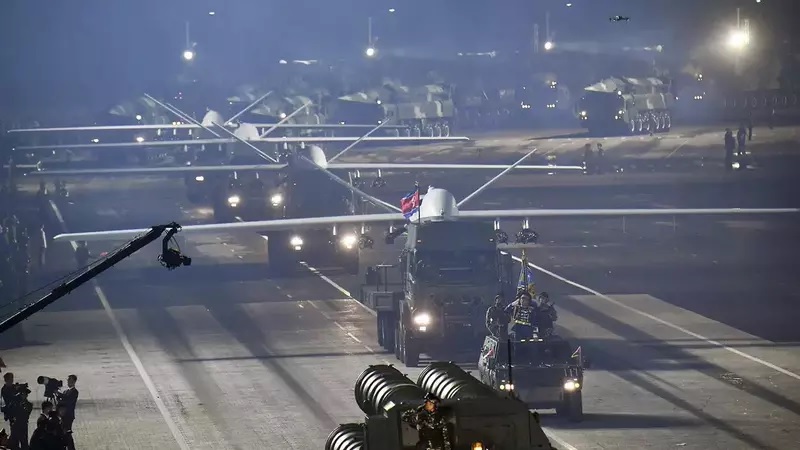
World
South Korea is making a significant leap in its defense strategy by announcing plans to deploy advanced laser weapons to neutralize North Korean drones. This bold move is set to enhance the country's air defense capabilities and address recent provocations from Pyongyang.The Defense Acquisition Program Administration (DAPA) of South Korea has developed the "StarWars" directed energy system, a state-of-the-art laser weapon designed to emit powerful beams for up to 20 seconds. This system can effectively incapacitate hostile drones by burning down their engines or other crucial electronic components. One of the standout features of this technology is its cost efficiency, with each shot costing approximately 2,000 Korean won, or $1.45. In addition to being economically viable, the laser weapon operates quietly and invisibly, making it a discreet and powerful tool for defense.DAPA's announcement marks a historic milestone, as South Korea will become the first country in the world to officially deploy and operate laser weapons. This deployment aims to significantly bolster the nation's response capabilities against North Korean drone provocations.The decision to deploy these laser weapons follows a troubling incident in December 2022, when five North Korean drones breached South Korean airspace. The breach prompted a rapid response from Seoul, with fighter jets and attack helicopters scrambling to intercept the intruding drones. Despite a five-hour pursuit, the South Korean military failed to shoot down the drones, leading to widespread concerns about the country's air defense readiness. The incident highlighted vulnerabilities in South Korea's defense system and underscored the need for improved countermeasures against drone threats.In response to this failure, the South Korean military issued an apology and committed to enhancing its detection and interception capabilities. The military's strategy includes deploying advanced detection devices to spot drones at an early stage and aggressively employing strike assets to neutralize threats. The introduction of the "StarWars" laser system is a crucial part of this strategy, aimed at addressing gaps in South Korea's air defense network.Adding to the urgency of these measures, a leaked U.S. document reported by The Washington Post revealed that South Korea could remain vulnerable to North Korean drones for years. The document indicated that South Korea had primarily focused on defenses against incoming missiles, potentially at the expense of other critical air defense needs. This revelation has further propelled the development and deployment of innovative solutions like the laser weapon system.The deployment of laser weapons represents a proactive and forward-thinking approach by South Korea to safeguard its airspace. By integrating cutting-edge technology into its defense arsenal, Seoul is taking significant steps to counter the evolving threats posed by North Korea. As these laser weapons become operational, South Korea will not only enhance its national security but also set a new standard in modern warfare technology.
Read More → Posted on 2024-07-11 16:08:53
India
In a deeply poignant recovery mission, the Indian Army has successfully retrieved the bodies of three soldiers who perished in a deadly avalanche in Ladakh nine months ago. The soldiers, part of a mountaineering expedition, were engulfed by the sudden avalanche at an elevation of over 18,300 feet. The treacherous conditions made the recovery efforts an arduous task, but the army's unwavering commitment to their fallen comrades saw them through.Last October, a 38-member expedition team from the High Altitude Warfare School (HAWS) in Gulmarg embarked on an ambitious journey to conquer Mt. Kun in Ladakh. The expedition, which began on October 1, aimed to reach the summit by October 13. However, the unpredictable and harsh weather conditions of the region proved to be a formidable adversary. On October 8, while the team was fixing ropes on a snow wall between Camp 2 and Camp 3 on the Fariabad Glacier, an unexpected avalanche struck, sweeping four soldiers into a deep crevasse. Lance Naik Stanzin Targais' body was recovered soon after the incident, but the bodies of Havildar Rohit Kumar, Havildar Thakur Bahadur Ale, and Naik Gautam Rajbanshi remained trapped under thick layers of ice and snow.The Army, embodying its ethos of 'Leaving No Man Behind,' initiated "Operation RTG" (Rohit, Thakur, Gautam) on June 18. This mission was a testament to the Army's dedication and respect for their fallen comrades. The rescue team comprised 88 expert mountaineers who faced the extreme conditions of the high-altitude region to recover the bodies. A road head camp was established about 40 kilometers from Khumbathang, serving as the staging ground for the specialized equipment, survival kits, and other essentials needed for the operation. Two helicopters were on standby to assist in the transportation of the bodies and the rescue team if required.The mission's base camp was set up at an altitude of about 14,790 feet, 13 kilometers from the road head. Maj Gen Bruce Fernandez, Commandant of HAWS, was stationed at this base camp, overseeing the recovery efforts. Brigadier S S Shekhawat, the Deputy Commandant of HAWS and an experienced mountaineer, led the search operation personally, emphasizing the importance of the mission.The rescue team established a forward base camp on June 25, approximately three kilometers from the incident site. With satellite phones, special tents, advanced tools, and dedicated helicopters stationed 20 kilometers away, every precaution was taken to ensure the safety of the search party. The team faced formidable challenges at an altitude of 18,300 feet, where the bodies were buried deep within the crevasse.The breakthrough came on July 4, when the remains of Havildar Rohit Kumar of the Dogra Scouts were found under about 30 feet of snow and ice. His body was airlifted to Khumbathang by helicopter. With renewed resolve, the team continued their grueling efforts and on July 7, recovered the body of Havildar Thakur Bahadur Ale of the Gorkha Rifles, located 10 feet deeper in the crevasse. The relentless pursuit continued, and on July 8, the body of Naik Gautam Rajbanshi of the Assam Regiment was finally retrieved.The bodies of the three soldiers were handed over to their families with full military honors, bringing a sense of closure to their loved ones who had waited nearly nine months to bid them a final farewell. Brigadier Shekhawat, who has climbed Mt. Everest three times and received the Kirti Chakra for his valor, described 'Operation RTG' as the most demanding mission of his life. "Dug for nine days straight, 10-12 hours every day at 18,700 feet," he said. "The grueling effort, both physically and mentally, tested the resilience of the entire team."The recovery of the bodies of Havildar Rohit Kumar, Havildar Thakur Bahadur Ale, and Naik Gautam Rajbanshi stands as a poignant reminder of the perils faced by the soldiers of the Indian Army and their indomitable spirit in ensuring that no comrade is ever left behind.
Read More → Posted on 2024-07-11 16:05:44
India
Indian companies are making significant contributions to the construction of Bangladesh's first nuclear power plant, the Rooppur Nuclear Plant, which is being developed by the Russian state nuclear corporation, Rosatom. Among these companies, Paharpur Cooling Towers stands out for its pivotal role in constructing all four cooling towers and two pumping stations for the power units at Rooppur. This development underscores the growing collaboration between India and Bangladesh in the field of nuclear energy, facilitated by Russian expertise.The Rooppur Nuclear Power Plant, located 160 kilometers west of Dhaka, is set to be a landmark project for Bangladesh. The plant will feature two power units equipped with VVER-1200 reactors, which boast a combined capacity of 2,400 MW. These reactors are part of Rosatom's advanced Generation III+ technology, which has been previously implemented at the Novovoronezh Nuclear Power Plant in Russia. This design is acclaimed for its enhanced safety features and compliance with international safety standards.The involvement of Indian companies in such a high-profile project highlights the technical prowess and international reach of India's engineering sector. Paharpur Cooling Towers, known for its expertise in designing and constructing cooling systems, is bringing its state-of-the-art technology to ensure the efficiency and safety of the cooling process at Rooppur. Cooling towers are essential components in nuclear power plants, as they dissipate excess heat from the reactors, ensuring the plant operates within safe temperature ranges.Prime Minister Narendra Modi's visit to Russia for the 22nd India-Russia annual summit included a visit to the Rosatom Pavilion at the All Russian Exhibition Centre, VDNKh. This visit not only emphasized the strong bilateral ties between India and Russia but also showcased India's commitment to supporting Bangladesh in its nuclear energy endeavors. The summit provided a platform for discussing further cooperation in nuclear energy, including the potential construction of additional power units at the Rooppur site.Rosatom's press service revealed that there are ongoing discussions about building two more power units at Rooppur. Additionally, there is interest in developing a multi-purpose high-powered research reactor in Bangladesh. This reactor would advance scientific research and enhance nuclear medicine capabilities in the country, potentially transforming Bangladesh into a regional hub for nuclear technology and research.The construction of the Rooppur Nuclear Power Plant is a significant milestone for Bangladesh, marking its entry into the club of nuclear-powered nations. The plant is expected to provide a stable and substantial supply of electricity, supporting the country's growing energy needs and contributing to its economic development. The collaboration between Bangladeshi, Indian, and Russian entities in this project exemplifies the power of international cooperation in advancing nuclear technology and energy security.As the project progresses, the involvement of Indian companies like Paharpur Cooling Towers will continue to be crucial. Their expertise not only ensures the successful construction of the plant but also sets a precedent for future international collaborations in the nuclear sector. With the Rooppur Nuclear Power Plant, Bangladesh is poised to make significant strides in its energy infrastructure, supported by the combined efforts of its international partners.
Read More → Posted on 2024-07-11 16:01:21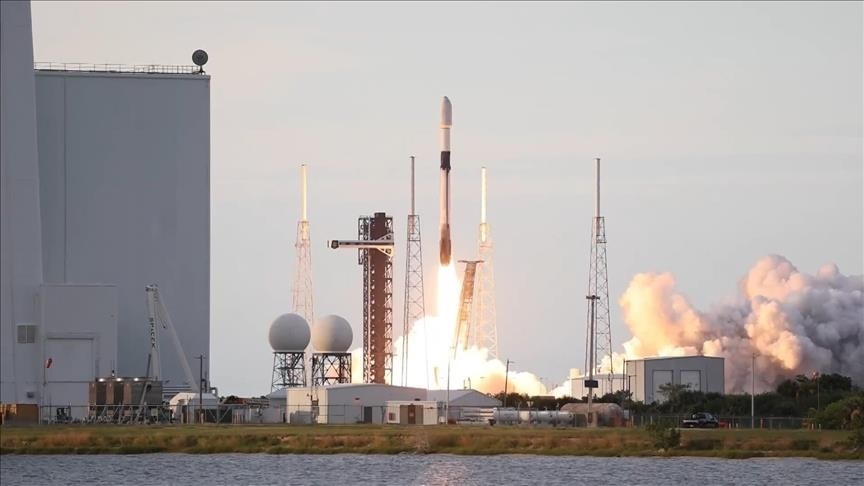
World
In a historic moment for Türkiye, the country's first indigenously developed communication satellite, TURKSAT-6A, was successfully launched on July 9, 2024. This landmark event took place at Cape Canaveral Space Force Station in Florida, USA, where a SpaceX Falcon 9 rocket carried the satellite into orbit. This achievement not only marks a significant milestone for Türkiye but also places it among an elite group of ten countries capable of manufacturing their own communication satellites.The TURKSAT-6A satellite is equipped with advanced Ku-Band and X-Band communication payloads, developed by ASELSAN, Türkiye’s leading defense company. ASELSAN, known for its contributions to defense and space technologies, began its journey into space tech in 2000 and has since been at the forefront of satellite payload development.Ahmet Akyol, CEO and President of ASELSAN, expressed immense pride in the team’s accomplishments. He highlighted the extensive expertise and know-how acquired through the TURKSAT-6A project, emphasizing ASELSAN's commitment to advancing Türkiye’s presence in space technologies with future projects. The Ku-Band payload on TURKSAT-6A is set to provide communication services across Türkiye, Europe, and South Asia. This expansion significantly enhances the service area of Turkish satellites, ushering in a new era in the country’s space capabilities. The satellite’s communication payloads, consuming 5 kW of power and weighing a total of 300 kilograms, are designed to serve in orbit for 15 years. ASELSAN’s involvement in the TURKSAT-6A project has been extensive, with over 100 personnel contributing to the design, assembly, integration, and testing of the payloads. The company developed and qualified its own processes for space applications, ensuring the highest standards of quality and reliability. The successful shipment of the satellite to the USA on June 4th was followed by rigorous inspections and testing activities at the launch site, conducted by ASELSAN engineers and other project partners. These efforts culminated in the flawless launch of TURKSAT-6A, marking a significant achievement in Türkiye's space endeavors.With the satellite now in orbit, ASELSAN engineers will carry out the initial payload testing. By 2024, TURKSAT-6A is expected to begin serving the nation’s satellite communication needs, providing robust and reliable communication services to a broad geographical area. ASELSAN, headquartered in Ankara, Turkey, is a prominent defense corporation specializing in the research, development, and manufacture of advanced military products for air, land, and maritime forces. Ranked as the 48th largest defense company globally by Defense News, ASELSAN continues to be a major contractor for the Turkish Armed Forces. This latest achievement with TURKSAT-6A underscores ASELSAN’s pivotal role in advancing Türkiye’s technological capabilities on the global stage.This milestone not only showcases Türkiye’s growing prowess in space technology but also demonstrates the nation’s ability to independently develop and launch sophisticated communication satellites. As TURKSAT-6A begins its mission, it signifies a new chapter in Türkiye’s ambitious journey into space.
Read More → Posted on 2024-07-10 15:45:38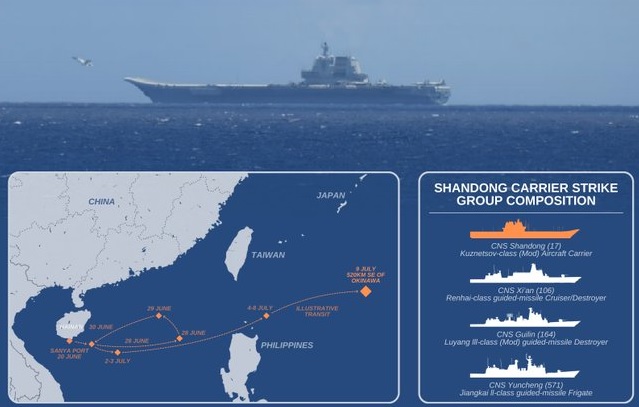
World
On July 9, Japan’s Defense Ministry confirmed a significant military movement: China has deployed its Shandong aircraft carrier strike group into the Western Pacific. This marks a noteworthy shift in the region's naval dynamics, highlighting China's growing maritime ambitions and its strategic military maneuvers.The Shandong, accompanied by some of China’s most advanced warships, was located approximately 500 kilometers southeast of Okinawa, Japan. This deployment is particularly significant as it is the first time in 2024 that the Shandong strike group has transited east of Taiwan. The group includes the cruiser CNS Yan’an (106), destroyer CNS Guilin (164), and frigate CNS Yuncheng (571), showcasing a formidable array of naval power.According to the U.S. Naval Institute, the Shandong’s last deployment to the Philippine Sea occurred in October and November of the previous year. This current mission coincides with a joint patrol by the People’s Liberation Army Navy (PLAN) and the Russian Navy, which is actively operating in the Philippine Sea. Additionally, Russia has dispatched two corvettes as part of an Indo-Pacific deployment, indicating a coordinated naval presence in the region.Japan’s Joint Staff Office (JSO) reported sighting the Shandong and confirmed that it was conducting flight operations with its fighter aircraft and helicopters. This sighting occurred 323 miles southeast of Miyako Island, a critical location given its proximity to key maritime routes and strategic points in the Pacific. The Japan Maritime Self-Defense Force (JMSDF) destroyer JS Akebono (DD-108) was monitoring the Shandong’s movements. In response to the carrier’s fighter launches, Japan Air Self-Defense Force (JASDF) fighter aircraft were scrambled, underscoring the heightened alert and strategic importance of this deployment.The Shandong’s presence in the Western Pacific is not an isolated event. In late June, the carrier was spotted within 230 miles of Luzon before returning to waters near Hainan Island. There, it conducted drills with other PLAN ships in the South China Sea, demonstrating China's commitment to maintaining a robust naval presence and its capability to project power across significant distances.This move by China comes amid rising tensions and strategic posturing in the Indo-Pacific region. The deployment of the Shandong carrier strike group signals China’s intent to assert its influence and challenge the existing maritime order. It also reflects broader geopolitical shifts, where regional powers are increasingly flexing their military muscles to secure their interests and deter potential adversaries.The Shandong's voyage into the Western Pacific is a clear message of China’s expanding naval capabilities and its readiness to operate further afield from its traditional areas of influence. This development will likely prompt responses from neighboring countries and the broader international community, as they reassess their security strategies and naval deployments in the face of China's growing maritime assertiveness.As the situation evolves, it will be crucial to monitor the movements of the Shandong and its accompanying vessels, as well as the responses from other regional powers. This deployment is not just a demonstration of military might but also a complex signal in the intricate dance of international relations and strategic balancing in the Indo-Pacific.
Read More → Posted on 2024-07-10 15:41:40
India
In Manipur, a state already grappling with ethnic tensions, a major Kuki organization has called for a 12-hour "total shutdown" on Wednesday in the Kuki-majority areas. This shutdown is a direct response to the recent arrest of five individuals from the Kuki community, an act that the Kuki Inpi, a significant tribal body, deems as grossly unjust.The announcement, made on Tuesday, stated that the shutdown would be enforced from 6 a.m. to 6 p.m. The Kuki Inpi emphasized that this decision was made during an emergency meeting, reflecting the urgency and seriousness of the situation. The tribal body called upon all Kuki-Zo regional organizations to support the shutdown, urging them to express solidarity and stand united for their common cause.The Kuki Inpi’s statement highlights a deeper concern regarding the security and safety of the Kuki-Zo people. The deployment of central security forces in vulnerable areas initially brought a sense of relief to the community. However, recent developments have shifted this perception. The arrest of two individuals in Jiribam and three more in Kangpokpi districts since Monday has sparked fears and concerns among the Kuki-Zo people. The tribal body alleges that the Imphal valley-based militant groups are openly carrying sophisticated arms, while the Kuki-Zo people face increasing terror and insecurity.The ethnic violence in Manipur has created a highly volatile and sensitive environment. Both the Meitei community, primarily based in the Imphal valley, and the hill-based Kuki community have been at odds, each accusing the central forces of favoring the other group. Since May of the previous year, the violence has resulted in over 200 deaths and has left thousands homeless, further exacerbating the fragile situation.Understanding the background of this conflict is essential to grasp the current developments. Manipur, a northeastern state of India, is home to a complex tapestry of ethnic groups. The Meiteis predominantly reside in the Imphal valley, while the Kukis and Nagas mainly inhabit the hilly regions. Historically, there have been tensions and conflicts among these groups over issues such as land, political representation, and cultural differences.The Kuki community has often felt marginalized and discriminated against, leading to a sense of alienation and resentment. The recent arrests are perceived as yet another instance of injustice and bias against them. The call for a shutdown is not just a protest against these arrests but also a cry for recognition, justice, and fair treatment.The situation in Manipur remains tense, and the shutdown on Wednesday will likely disrupt daily life in the Kuki-majority areas. It is a stark reminder of the unresolved ethnic tensions that continue to plague the state. The Kuki Inpi's call for solidarity and the enforcement of the shutdown reflects the community's resolve to stand against what they perceive as systemic injustice. As Manipur braces for another day of unrest, the hope for peace and reconciliation seems distant, overshadowed by the deep-seated ethnic divisions and ongoing violence.
Read More → Posted on 2024-07-10 15:38:24Search
Top Trending in 24 Hours
-
 Western Intelligence Warns Russia Could Launch Nuclear-Armed Satellite as Early as December
-
 IG Defence Successfully Test-Fires JWALA MK-1 Counter-Drone Missile at Pokhran
-
 U.S. Awards Lockheed Martin $330.6 Million Contract for Long-Lead Materials Supporting 75 F-35 Lot 22 Aircraft
-
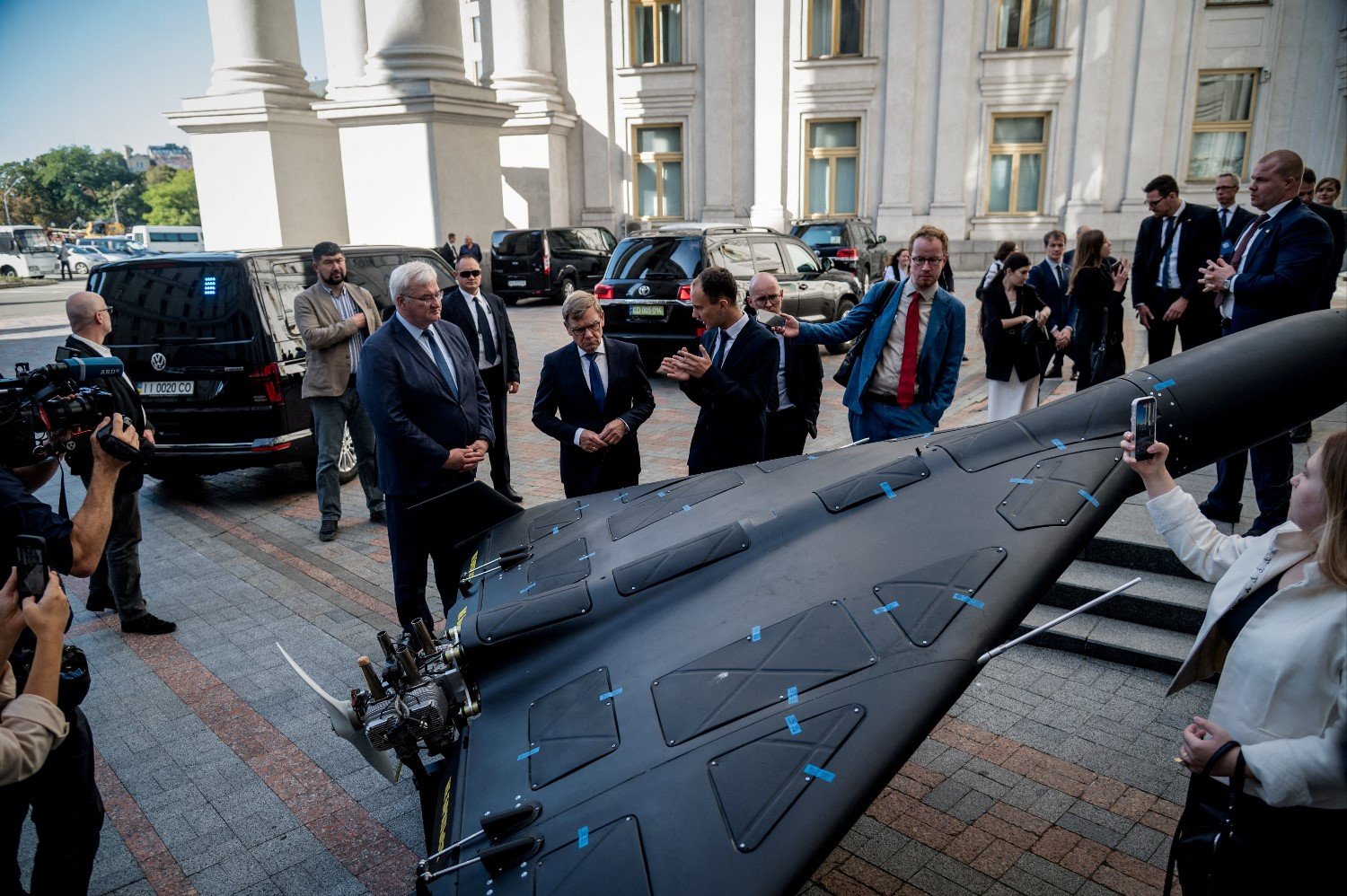 Germany Tests Kamikaze Drones and AI Targeting Systems in Lithuania Near Belarus Border
-
 Chinese Military Warns U.S. AI Could Threaten China’s Nuclear Missile Survivability
-
 Ukraine Confirms Using Seven Naval Drones to Sink Russian Corvette Merkury Off Libya, Destroying Ka-27 Helicopter Aboard
-
 Japan Tests Battery-Powered Railgun in Ten-Shot Rapid-Fire Trial
-
 U.S. Army Places $60.3 Million Order With Saab for XM919 Shoulder-Fired Weapons
Top Trending in 4 Days
-
 Two Injured in Bahrain After Iranian Attacks; Iran Claims Strike on US Patriot Radars
-
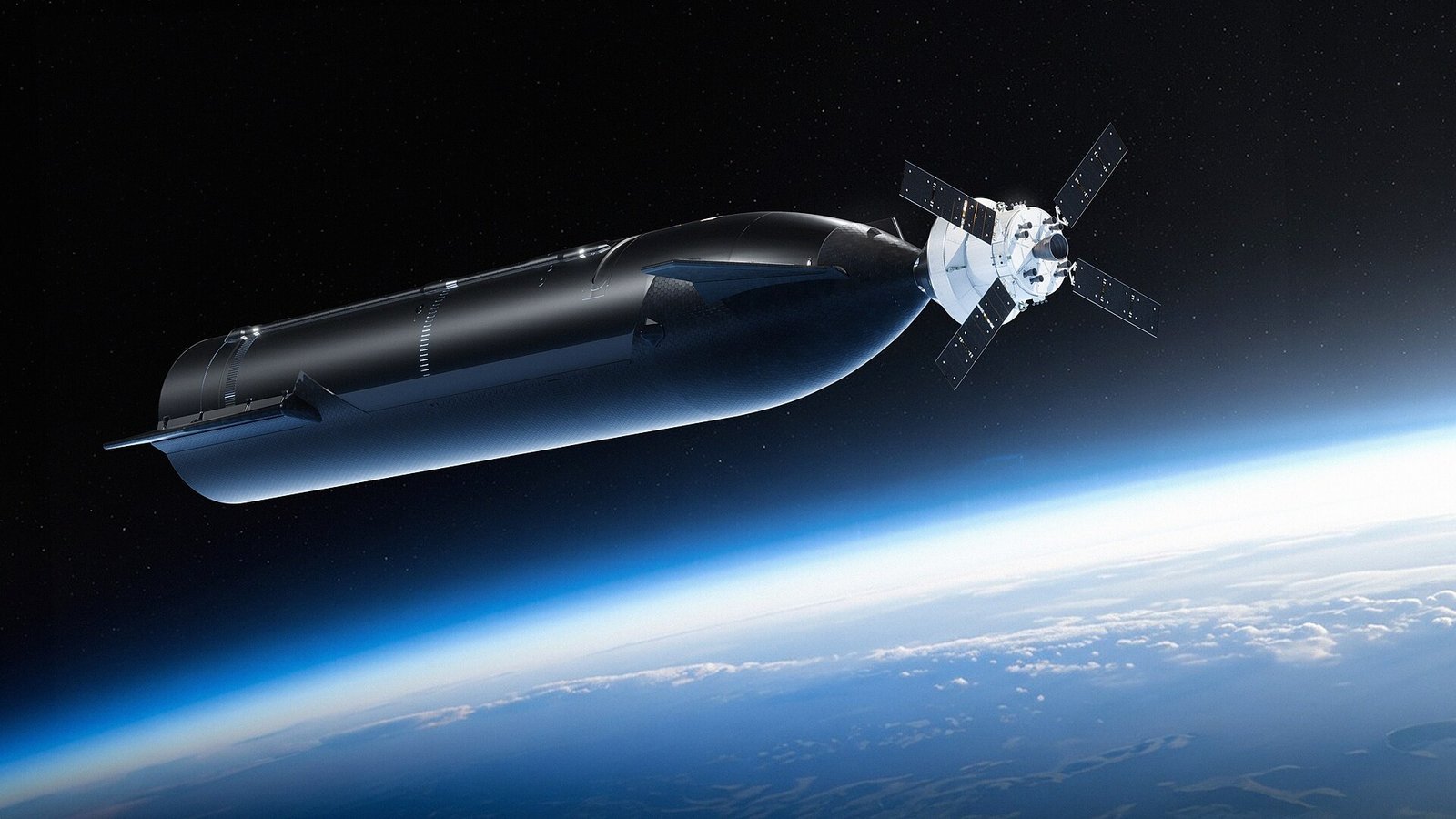 NASA's Orion Spacecraft Needs Major Modifications to Fly Backward with SpaceX Starship
-
 Iran Positions Oil Tankers at Kharg Island Amid Plans to Challenge US Naval Blockade
-
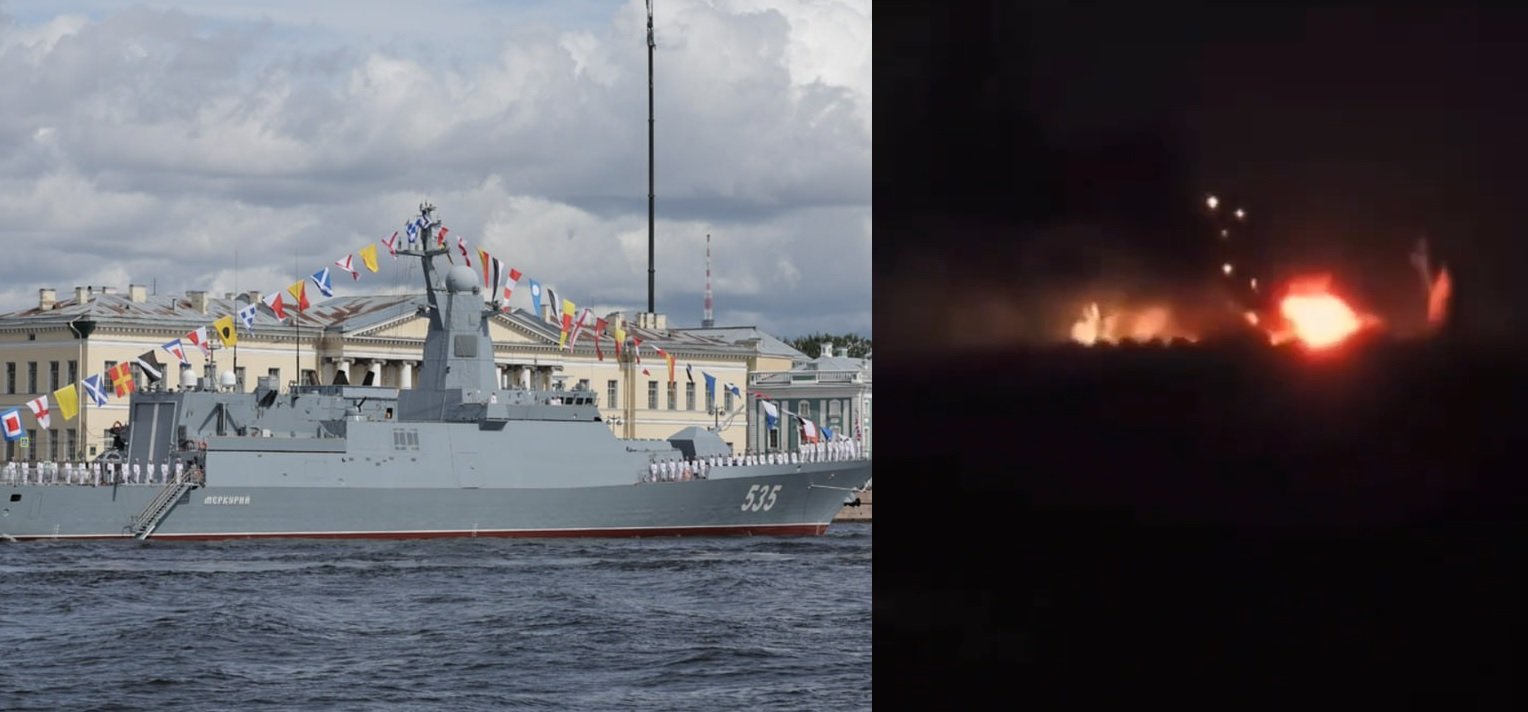 Russian Corvette Merkury Almost Certainly Destroyed in Benghazi Port Explosion
-
Western Intelligence Warns Russia Could Launch Nuclear-Armed Satellite as Early as December
-
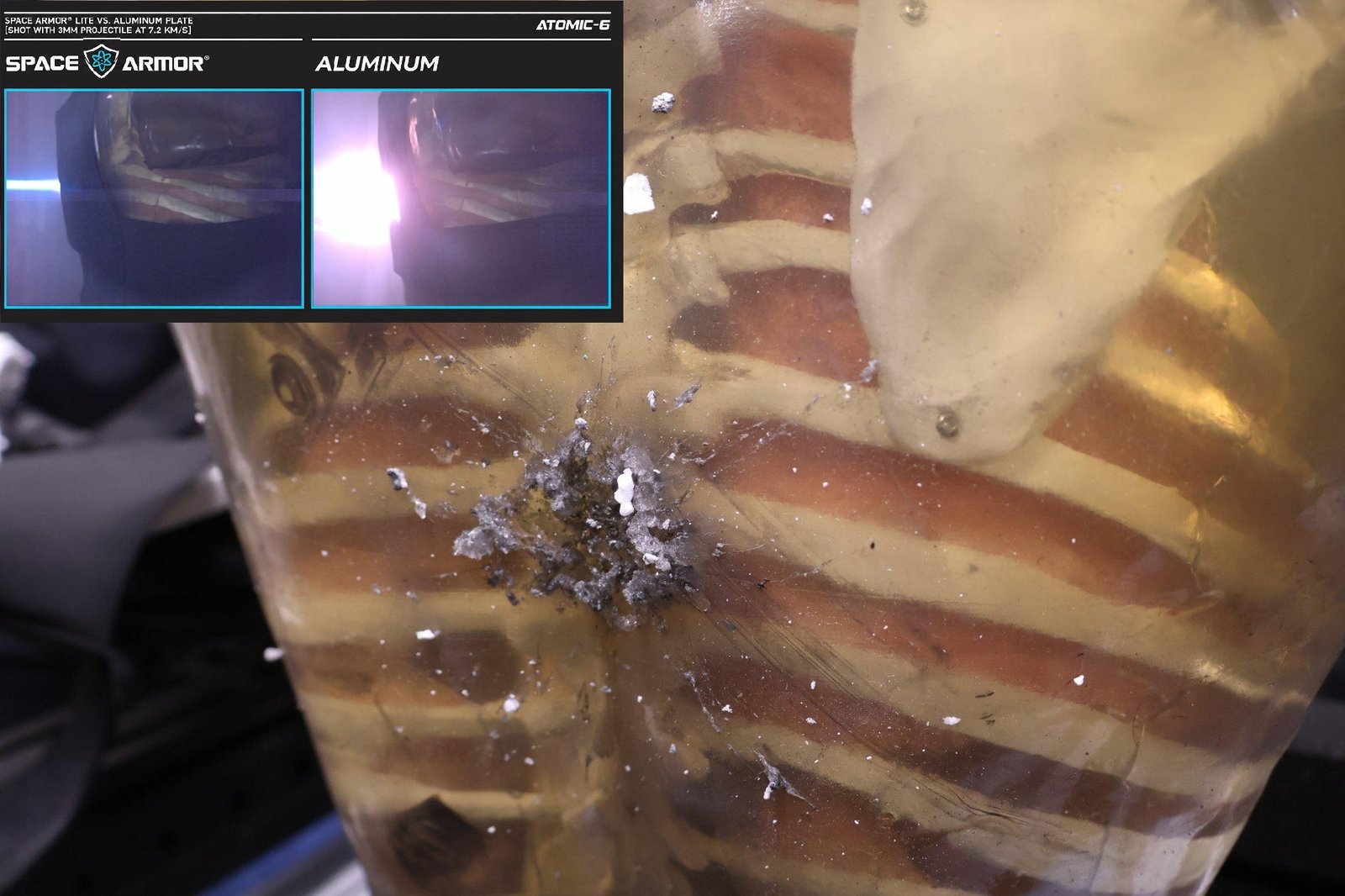 Atomic-6 Tests Composite Armor Against 16,100 MPH Space Debris for Astronaut Protection
-
 Denmark's Parliament Unanimously Approves US-Greenland Defence Deal with 109–0 Vote, Restricting Russian and Chinese Military Presence
-
IG Defence Successfully Test-Fires JWALA MK-1 Counter-Drone Missile at Pokhran
