World
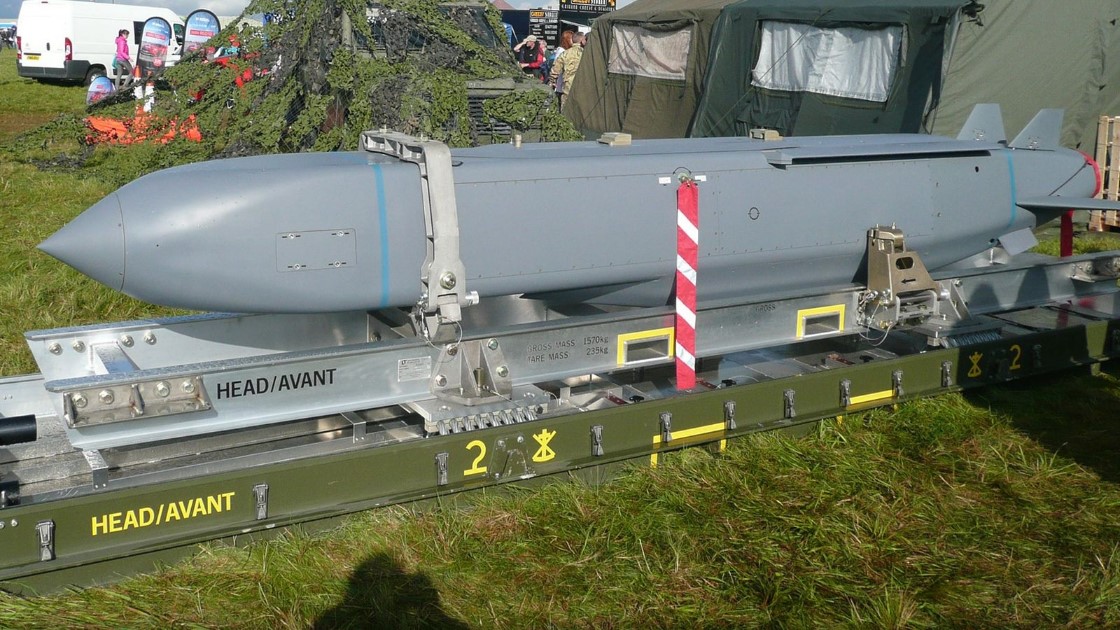
The United Kingdom has reaffirmed its steadfast support for Ukraine in its struggle against Russian aggression by delivering a new batch of Storm Shadow cruise missiles. This move underscores a deepening strategic partnership between London and Kyiv, as reported by Bloomberg. The shipment of these precision-guided weapons aligns with a broader Western strategy to enhance Ukraine’s capacity for long-range strikes against Russian military infrastructure.A Covert but Crucial DeliveryAccording to informed sources, the latest delivery comprises dozens of Storm Shadow missiles. The shipment, conducted discreetly to avoid escalating tensions, reportedly took place weeks ago but has only recently come to light. The timing aligns with mounting Ukrainian operational demands as stocks of long-range missiles have dwindled in the ongoing conflict. This marks the first missile delivery under UK Prime Minister Keir Starmer, signaling his administration’s commitment to maintaining robust support for Ukraine.Bloomberg sources also revealed that the UK coordinated with the United States before allowing the use of such weaponry for extended-range operations. These long-range strikes represent a crucial capability for Ukraine, especially in targeting heavily fortified Russian positions and logistical hubs deep behind the front lines.Why Storm Shadow MattersThe Storm Shadow cruise missile, co-developed by the UK’s MBDA and France, is renowned for its precision and destructive power. With an operational range exceeding 250 kilometers (around 155 miles), it enables Ukraine to strike high-value targets far from the battlefield. Its low observability and advanced guidance systems make it highly effective in neutralizing strategic assets, such as command centers, ammunition depots, and critical infrastructure.Key features of the Storm Shadow include: Advanced Guidance: A combination of GPS, inertial navigation, and terrain matching ensures exceptional accuracy. Penetrative Capability: Designed to defeat hardened targets, its tandem warhead can breach reinforced structures. Stealth Design: Low radar cross-section minimizes detectability, increasing survivability during missions. The missile’s ability to deliver a precise payload with minimal collateral damage underscores its strategic value in modern warfare, making it a game-changer for Ukraine's military objectives.Strategic and Political ImplicationsThe delivery represents a calculated effort to balance military necessity with geopolitical caution. While the precise number of missiles remains undisclosed, the decision to supply such advanced weaponry reflects confidence in Ukraine’s ability to responsibly employ these systems. It also signals a unified Western front, with the UK and US leading the charge to provide Kyiv with the tools needed to challenge Russian advances effectively.Prime Minister Keir Starmer’s approval of this shipment is particularly noteworthy. It suggests continuity in the UK's pro-Ukraine policy, regardless of changes in leadership. As Ukraine continues to face an aggressive adversary, such support serves not only as a lifeline but also as a message of resilience and solidarity to the international community.A Significant Step in a Prolonged ConflictAs the war grinds on, the provision of Storm Shadow missiles highlights the evolving nature of Ukraine’s defense strategy. The ability to execute precision strikes at longer ranges will likely be instrumental in countering Russian tactics and maintaining Ukrainian momentum. For the UK, this delivery reinforces its position as a key ally, committed to Ukraine’s sovereignty and security. While the specifics of this latest shipment remain shrouded in operational secrecy, its implications are clear: Ukraine’s arsenal is being significantly bolstered, ensuring it remains a formidable force in an increasingly complex and high-stakes battlefield.
Read More → Posted on 2024-11-26 15:11:27
World
Speculation is mounting over Algeria's potential acquisition of Russia's Su-57E stealth fighter jet, following Rosoboronexport's recent announcement at Airshow China 2024 that the aircraft has secured its first export contract. Although the buyer's identity remains undisclosed, Algeria is a prime candidate due to its longstanding military ties with Russia and its pursuit of modernizing its air force to maintain regional dominance.Algeria's interest in advanced fighter jets has intensified in response to Morocco's purchase of cutting-edge F-16 Block 72 fighters from the U.S., creating a competitive military landscape in North Africa. Algeria's current fleet includes Russian-made Su-30MKAs and MiG-29s, making the integration of the Su-57E a logical progression. The Su-57E, an export variant of Russia's fifth-generation Su-57 Felon, offers stealth capabilities, advanced sensors, and combat-tested technologies, distinguishing itself from older platforms.The Su-57E boasts specifications tailored for international buyers. Its advanced avionics suite supports missions ranging from air superiority to ground strike. Powered by twin engines generating 14,500 kgf thrust each, the aircraft achieves supercruise speeds exceeding Mach 1.6 and incorporates "supermaneuverability," critical for dynamic aerial combat. Its range, extended to 7,800 km with in-flight refueling, and its ability to carry up to 10 tons of payload, including hypersonic weapons, make it a formidable tool for Algeria's defense strategy.Russia's emphasis on combat-proven reliability adds to the Su-57E's appeal. The aircraft has reportedly been deployed in limited operations in conflict zones like Ukraine and Syria, showcasing its operational readiness. The export variant unveiled in China included live demonstrations, reflecting Russia's intent to attract global buyers. For Algeria, acquiring this jet could signal a shift in regional power dynamics, possibly prompting neighboring countries to reevaluate their military postures.While alternative buyers such as China or Iran have been discussed, China's focus on domestic projects like the J-20 and its sixth-generation fighter program reduces its likelihood. Iran's financial constraints, exacerbated by international sanctions, further diminish its chances, leaving Algeria as the most plausible candidate. If the deal is confirmed, it would not only enhance Algeria's strategic capabilities but also mark a milestone in Russia's arms export program, given the Su-57E's high-profile status as a fifth-generation fighter.The implications of Algeria's possible Su-57E acquisition are significant, both regionally and globally. It underscores Algeria's role as a key North African military power and reflects its broader geopolitical ambitions. At the same time, it could intensify the arms race in the region, especially as neighboring states seek to counterbalance such advanced acquisitions.Although no official confirmation has emerged, reports suggest that discussions are progressing. This potential deal highlights Algeria's enduring reliance on Russian defense technology, contrasting with nations like India, which are diversifying their procurement strategies toward Western suppliers. For Russia, a confirmed sale would reaffirm its foothold in the global defense market despite facing competition from other fifth-generation fighter manufacturers.
Read More → Posted on 2024-11-25 16:31:07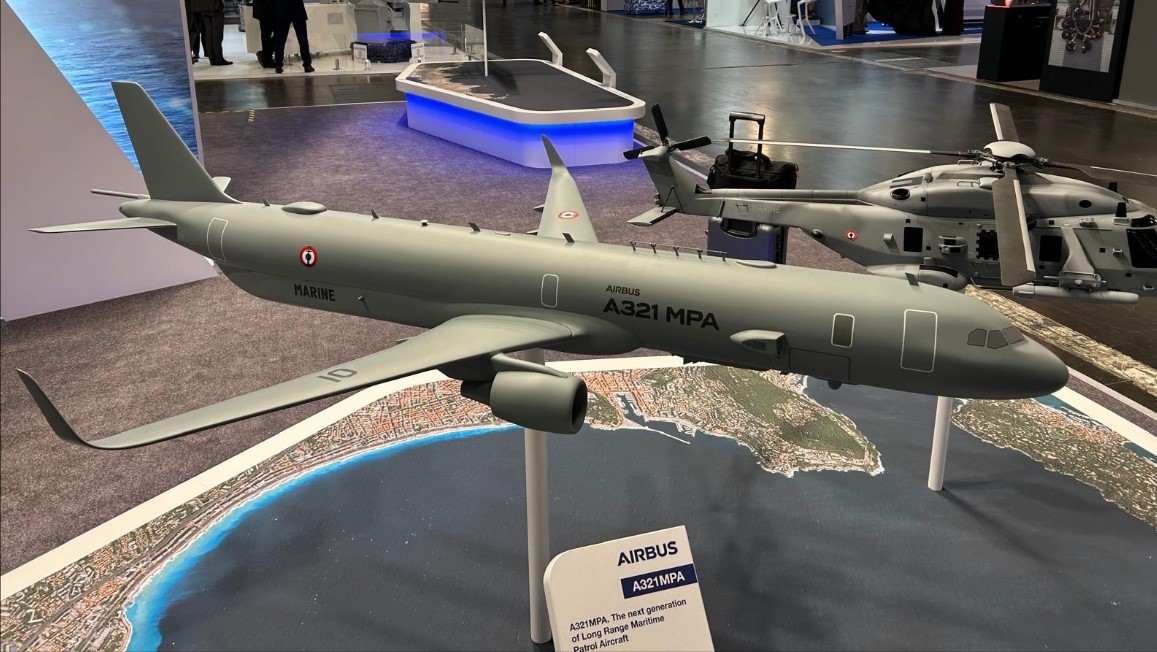
World
At Euronaval 2024, Airbus Defense and Space showcased its ambitious new concept for the next-generation Maritime Patrol Aircraft (MPA), based on the A321XLR platform. This proposal is part of the French Navy's "PATMAR Future" program, aimed at replacing the aging Dassault Atlantique 2 fleet in the 2030s. The unveiling marked a significant milestone in the ongoing competition with Dassault Aviation to shape the future of France’s maritime defense capabilities.Advanced Design and FeaturesThe A321XLR platform offers notable advancements tailored for maritime patrol operations. With an extended range of 4,700 nautical miles and endurance of up to 11 hours, the aircraft is designed for "slow and low" operations critical for Anti-Submarine Warfare (ASW) and Anti-Surface Warfare (ASuW). Key enhancements include: Conformal Weapon Bay: A large, aft-mounted bay accommodates advanced payloads, such as the upcoming supersonic anti-ship missile (FMAN) from the FC/ASW program. This design minimizes structural changes to the airframe, reducing development costs and risks.Tailored Sensor Suite: Collaborating with Thales, Airbus integrates cutting-edge technology, including conformal radar arrays, a Magnetic Anomaly Detector (MAD) boom, and advanced Electro-Optical/Infrared (EO/IR) systems. The aircraft also features a 360° AESA radar for comprehensive maritime surveillance.Minimal Structural Modifications: To optimize cost and reliability, Airbus focused on preserving the A321XLR’s aerodynamics and structural integrity while adding mission-specific capabilities. Mission and Operational BenefitsThe A321XLR-based MPA is optimized for diverse maritime roles, including surveillance, reconnaissance, and combat missions. It can deploy sonobuoys, track underwater targets, and conduct extended patrols, making it a versatile asset for the French Navy. The model also includes accommodations for a secondary crew, extending mission durations—a critical advantage over Dassault’s Falcon 10X-based competitor.Broader Context and Program StatusBoth Airbus and Dassault received contracts from the French Directorate General of Armaments (DGA) in January 2023 to develop proposals for the PATMAR Future program. Airbus’ focus on leveraging the A321XLR’s range, payload, and advanced sensor integration appears to give it an edge. However, final procurement decisions are expected by 2026, with the program’s budget already allocating €89 million for initial development.Implications for Maritime DefenseThe Airbus A321XLR MPA represents a forward-looking approach to maritime patrol, balancing cost efficiency with cutting-edge technology. As the French Navy modernizes its fleet, the choice between Airbus and Dassault will not only determine the future of French maritime operations but could also influence broader trends in global naval aviation.This advanced platform highlights Airbus’ commitment to innovation, potentially redefining the role of maritime patrol aircraft in the decades to come.
Read More → Posted on 2024-11-25 16:28:29
World
Russia has unveiled new footage highlighting the 2S43 Malva, an innovative self-propelled artillery system that signifies a shift in the nation’s artillery strategy. The release comes as part of training exercises for cadets from the Mikhailovskaya Military Artillery Academy, showcasing the system’s capabilities in a controlled yet dynamic environment. This marks a critical phase in integrating the Malva into the Russian military, emphasizing its versatility and ease of operation for the next generation of artillery operators.The 2S43 Malva stands out from Russia's traditional armored artillery systems, diverging from the tank-like, heavily armored designs that have long defined the nation's arsenal. Mounted on the BAZ-6910-027 “Voshchina” chassis—a robust 8×8 all-wheel-drive platform—the Malva offers unmatched mobility for an artillery system of its class. Its lightweight, turretless design allows it to be rapidly transported and deployed, an advantage that aligns with modern warfare’s demand for agility and swift operational readiness.Key Features of the Malva Artillery SystemAt its core, the Malva is equipped with a 152mm 2A64 rifled gun, a reliable weapon borrowed from the widely-used 2S19 “Msta-S.” This consistency in caliber enables seamless integration with existing ammunition stocks, streamlining logistics for Russian artillery units. The system boasts a range of 24.5 kilometers, positioning it as a formidable threat against diverse targets, including enemy command posts, defensive fortifications, armored vehicles, and missile batteries.Operating the Malva requires a crew of five, who manage its firing system and ammunition capacity of 30 rounds. The absence of heavy armor on the gun mount makes the system significantly lighter than its predecessors, a factor that enhances its maneuverability. Furthermore, the Malva can be transported by aircraft such as the Il-76, a feature that broadens its strategic deployment options across both domestic and international theaters of operation.Combat Proven and ReadyThe Malva first gained attention during combat operations in Ukraine’s Kharkiv and Russia’s Kursk regions. Its deployment in these areas highlighted its ability to perform in varied terrains and under complex combat conditions. The system’s design, focusing on speed and adaptability, proved particularly advantageous in regions where traditional tracked howitzers might struggle.The delivery of the first production units in late 2023 marked a significant milestone for the Russian Armed Forces. By incorporating this wheeled platform into their arsenal, Russia is not only modernizing its artillery forces but also signaling a broader strategic pivot toward systems that prioritize rapid response and flexibility over sheer firepower and protection.A Glimpse into the FutureThe Malva’s development reflects Russia’s evolving military doctrine, which increasingly values mobility and cost-effectiveness. As traditional armored systems face challenges in modern warfare—ranging from logistical constraints to vulnerability against advanced anti-armor weaponry—the Malva offers a compelling alternative. Its ability to strike hard and relocate swiftly could redefine how artillery is used in both defensive and offensive roles. The newly released footage of cadets operating the Malva not only demonstrates its user-friendly design but also underscores the Russian military’s commitment to training personnel in the use of cutting-edge technology. As the system continues to be integrated into active service, it represents a significant leap forward in artillery innovation, blending tradition with modernity in Russia's ongoing quest for battlefield superiority.
Read More → Posted on 2024-11-25 16:23:27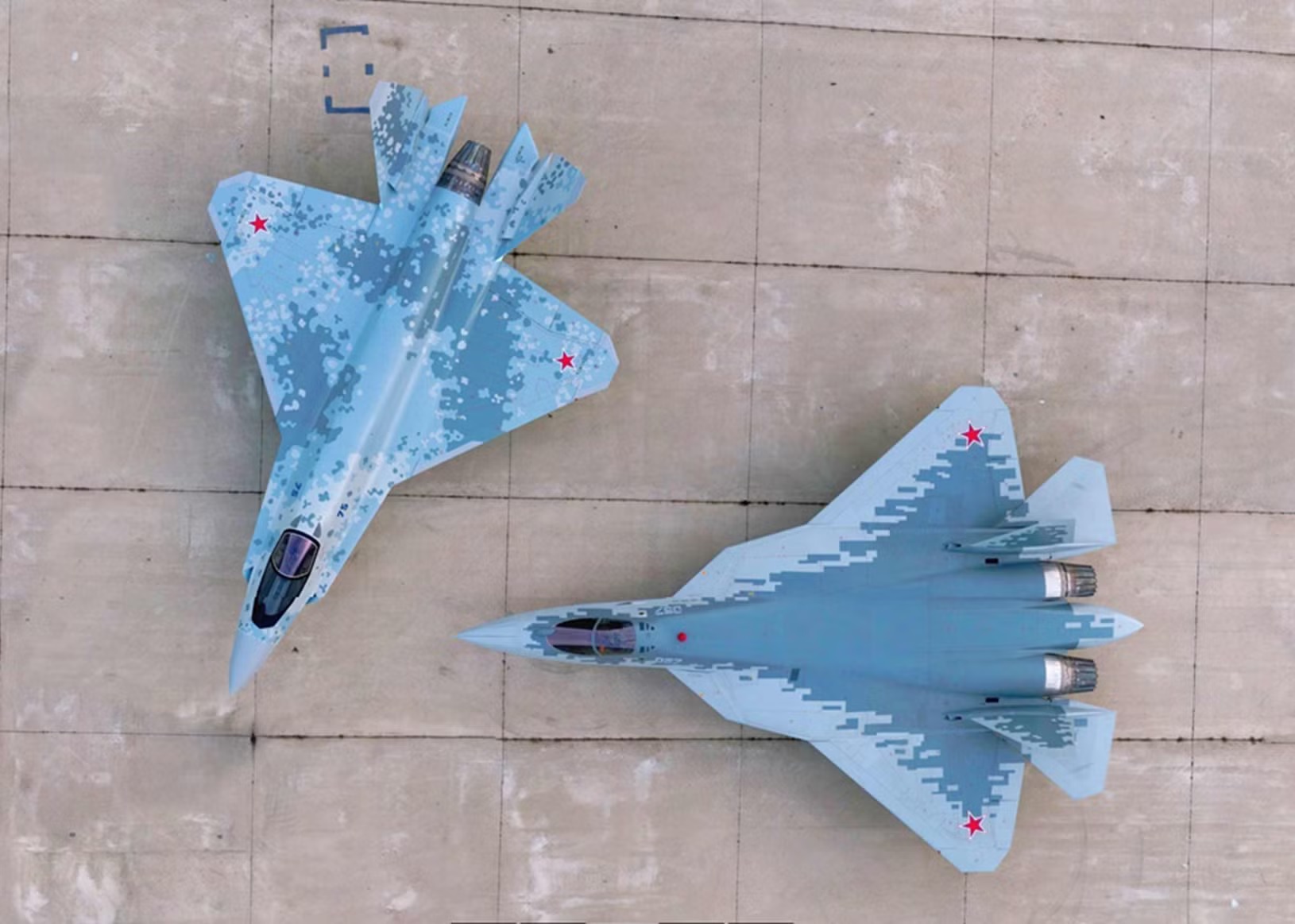
India
India's quest to modernize its air combat capabilities faces a crossroads as the Parliamentary Standing Committee on Defence prepares to push for an alternative to the stalled Multi-Role Fighter Aircraft (MRFA) program. With the Indian Air Force's (IAF) squadron strength dwindling, the committee is expected to urge the government to consider an "over-the-counter" purchase of fifth-generation fighter jets. This suggestion, while pragmatic, opens a debate about the balance between urgent requirements and long-term goals for defense self-reliance.The MRFA Delays and Rising ConcernsThe MRFA project, envisioned to procure 114 advanced fighter aircraft under the "Make in India" initiative, has been plagued by bureaucratic delays and procedural complexities. Estimated at $20 billion, the program aims to integrate state-of-the-art technology while fostering domestic manufacturing capabilities through partnerships with global aerospace firms. However, the pace of progress has been disappointingly slow, raising fears of a repeat of prolonged development timelines seen in the Light Combat Aircraft (LCA) Tejas and Kaveri engine programs.The Parliamentary Committee has repeatedly flagged the risks of inaction. The IAF's sanctioned squadron strength of 42 has dwindled to around 30 squadrons, even as threats in the region grow. China's rapidly advancing airpower and Pakistan's acquisition of new fighter jets exacerbate the situation, leaving India in a precarious position.Over-the-Counter Fifth-Generation Fighters: A Short-Term Fix?To address these immediate concerns, the committee is advocating for the purchase of fifth-generation fighters directly from international manufacturers. Aircraft like the American F-35 Lightning II, the most advanced multi-role stealth fighter currently operational, are often cited as potential candidates. The F-35 offers cutting-edge capabilities, including: Stealth Technology: Advanced materials and designs ensure minimal radar visibility. Sensor Fusion: Real-time integration of data from multiple sensors for unmatched situational awareness. Network-Centric Warfare: Interoperability with other platforms, enabling seamless coordination in combat. Versatility: Capable of air superiority, ground attack, and intelligence missions. However, acquiring such jets over the counter comes with high financial costs, estimated at $80–100 million per aircraft, excluding additional expenses for infrastructure, training, and maintenance. Moreover, reliance on foreign-made jets could undermine the momentum of indigenous projects like the Advanced Medium Combat Aircraft (AMCA), India’s ambitious effort to field a homegrown fifth-generation platform by 2035.Striking the Balance: Short-Term vs. Long-Term NeedsWhile the urgency of the IAF's capability shortfall cannot be overstated, experts caution against prioritizing immediate purchases at the cost of long-term objectives. The AMCA program, though years away from operational readiness, represents a cornerstone of India’s defense aspirations. A similar argument applies to the stalled Kaveri jet engine project, which holds potential to reduce reliance on foreign propulsion systems.To mitigate risks, India could consider a hybrid approach. This might involve limited over-the-counter purchases of fifth-generation fighters to meet pressing needs while accelerating AMCA and other indigenous programs. International collaboration, as seen with India's deal with GE Aerospace for fighter jet engines, could also help bridge capability gaps without derailing domestic initiatives.Conclusion: Navigating a Strategic ChoiceThe Parliamentary Committee's anticipated recommendation reflects a stark reality: the IAF's immediate operational requirements cannot wait for bureaucratic red tape to untangle. However, the government must tread carefully. A knee-jerk shift to foreign purchases could undermine India’s vision of self-reliance, a goal championed by the "Make in India" campaign. As India deliberates its options, the challenge lies in balancing the need to bolster its defenses now with the imperative to cultivate a robust and independent defense ecosystem for the future.
Read More → Posted on 2024-11-25 16:20:16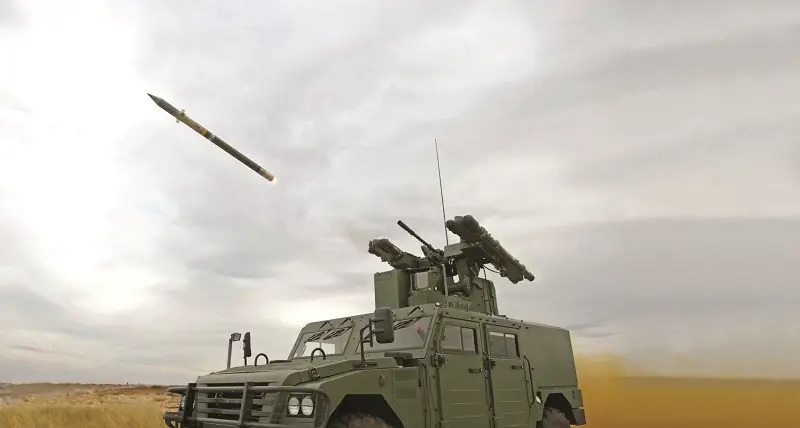
World
In a landmark decision, the European Commission has approved a joint procurement initiative for the highly advanced Mistral 3 surface-to-air missiles, led by France. This collaborative effort, involving nine European nations—France, Belgium, Cyprus, Estonia, Hungary, Romania, Spain, Slovenia, and Denmark—marks a significant stride in bolstering the continent’s air defense capabilities. The decision, announced on November 14, 2024, reflects the growing emphasis on unified defense strategies amidst evolving security challenges in the region.A Unified European Defense VisionThe project, part of the European Defence Industry Reinforcement through Common Procurement Act (EDIRPA), is a testament to Europe's commitment to fortifying its defense industrial base through joint acquisitions. By pooling resources and requirements, the participating nations aim to enhance not just their collective security, but also the resilience and competitiveness of the European defense industry.France’s Defense Procurement Agency (DGA) will oversee the acquisition of 1,500 Mistral 3 missiles from MBDA, a leading European missile manufacturer. This deal, underpinned by a cooperation framework agreement signed during the Eurosatory exhibition in June 2024, is poised to provide long-term visibility to defense manufacturers, ensuring operational continuity and innovation.Mistral 3: Cutting-Edge TechnologyAt the heart of this initiative lies the Mistral 3 missile, an exemplary short-range air defense system known for its versatility and precision. The Mistral 3 is equipped with a "fire-and-forget" guidance system, allowing it to lock onto targets autonomously after launch. Its advanced seeker technology, including dual-band imaging infrared and laser proximity fuse, ensures high accuracy even in cluttered or countermeasure-heavy environments.Key specifications of the Mistral 3 include: Speed: Exceptional agility with speeds exceeding Mach 2. Target Capability: Effective against aircraft, helicopters, drones, cruise missiles, and loitering munitions. Mobility: Weighing under 20 kilograms and measuring less than two meters, it is easily portable by ground units. Operational Range: Covers targets at a distance of up to 6 kilometers and altitudes of 3 kilometers. These attributes make the Mistral 3 a critical component in addressing modern aerial threats, particularly in low-altitude, high-threat scenarios.Strategic ImplicationsThis joint procurement effort is more than just an acquisition; it represents a shift toward greater European defense integration. By adopting a cooperative framework, member states aim to minimize costs, avoid duplication, and create a more unified response to shared threats. Moreover, this initiative ensures participating nations receive state-of-the-art technology while fostering industrial synergies within the European Union.The approval of the Mistral 3 project underscores the EU's resolve to adapt to an increasingly contested airspace. As security dynamics evolve, projects like this not only enhance national defense but also strengthen the bloc's collective deterrence capabilities. The European defense landscape is entering a new era of collaboration and technological advancement. With the Mistral 3 initiative leading the way, participating nations have set a precedent for future joint procurements, signaling a robust and united approach to safeguarding European airspace. As the project progresses, it is poised to become a cornerstone of European security, bolstering both military readiness and industrial resilience.
Read More → Posted on 2024-11-25 16:16:08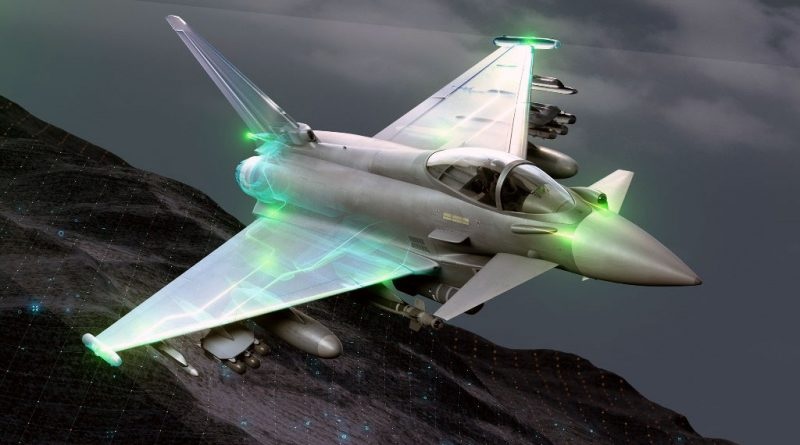
World
The Eurofighter Typhoon, a hallmark of European aerospace engineering, is set to receive a transformative upgrade in its electronic warfare (EW) capabilities. The EuroDASS consortium, comprising Leonardo, ELT Group, Indra, and Hensoldt, has unveiled the advanced Praetorian Defensive Aid Sub-System (DASS), promising unparalleled situational awareness and survivability for the aircraft well into the 2060s. This announcement follows extensive concept work and successful technology flight trials, cementing the system as a cornerstone of future combat readiness.A Revolutionary Leap in Defensive SystemsThe newly enhanced Praetorian DASS leverages Europe’s sovereign electronic warfare expertise, developed in collaboration with system integrator BAE Systems. This next-generation system builds upon the legacy of the original Praetorian suite, which has safeguarded Typhoons from radar-guided and infrared missile threats for over three decades. However, the upgrade is anything but incremental; it represents a holistic overhaul to address the rapidly evolving threat landscape.At the heart of the new system lies its ability to process vast amounts of data using cutting-edge Digital Radio Frequency Memory (DRFM) capabilities. This technology enables the Typhoon to accurately characterize and counter highly complex threats, including advanced radar and missile systems. A high-speed data-centric architecture underpins the system, with wideband Active Electronically Scanned Array (AESA) Electronic Counter-Measures delivering significantly increased power for self-protection.Advanced Features Tailored for NATO OperationsThe upgraded Praetorian DASS is equipped with interfaces to accommodate an external, high-powered electronic attack pod. This capability is essential for NATO’s Suppression of Enemy Air Defence (SEAD) missions, enabling the Typhoon to neutralize sophisticated ground-based radar systems. The system also integrates seamlessly with the aircraft’s new AESA radar, offering synergistic enhancements to both offensive and defensive operations.An emphasis on modularity ensures that the system can be easily retrofitted onto existing aircraft or integrated into newly built Typhoons without affecting their aerodynamic profile or operational range. This "form-fit retrofit" design reflects a commitment to operational efficiency and adaptability, crucial for modern air forces.Harnessing AI for Cognitive Electronic WarfareThe Praetorian DASS introduces a groundbreaking capability in the form of Cognitive Electronic Warfare (CEW). Using artificial intelligence (AI) and machine learning algorithms, the system can rapidly analyze high-fidelity signal data, identify emerging threats, and prioritize responses in real-time. This cognitive approach ensures that the Typhoon remains ahead of adversaries, capable of adapting to unforeseen challenges on the battlefield.To support this innovation, the system boasts a high-bandwidth infrastructure that transmits raw signal data to an advanced central processing hub. This architecture allows the Typhoon to detect and respond to threats at greater ranges, offering pilots critical decision-making advantages.Future-Proofing for the Evolving BattlefieldThe next-generation Praetorian DASS represents a significant leap forward in electronic warfare, ensuring the Eurofighter Typhoon remains a dominant force in contested airspaces. By incorporating AI-driven cognitive capabilities, wideband AESA technology, and robust SEAD support, the system aligns with NATO’s evolving operational requirements while maintaining Europe’s strategic autonomy in defense technology. As threats continue to evolve, the Typhoon’s upgraded Praetorian DASS will enable it to meet the challenges of tomorrow, ensuring the aircraft remains a linchpin of air superiority for decades to come.
Read More → Posted on 2024-11-25 16:11:39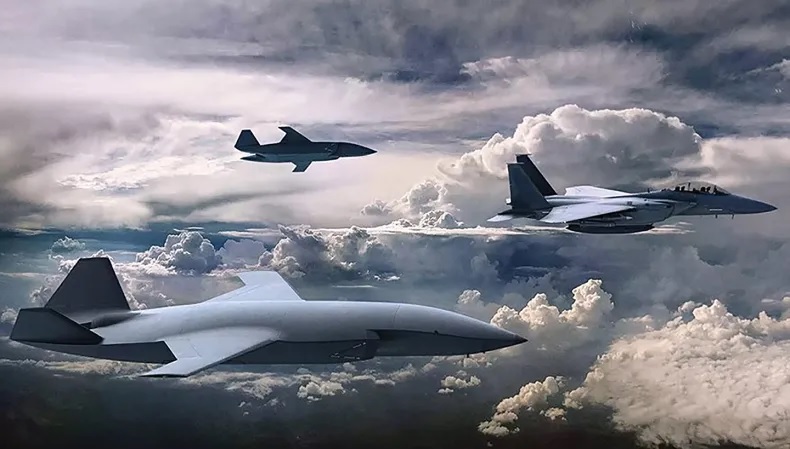
World
Lockheed Martin’s Skunk Works division has once again pushed the boundaries of aerospace innovation with the successful demonstration of advanced crewed-uncrewed aircraft teaming during recent flight tests. Partnering with the University of Iowa’s Operator Performance Laboratory (OPL) and its Demonstrations and Prototypes team, this milestone underscores the growing role of artificial intelligence in modern air combat.Real-Time Collaboration in the SkyThe tests centered on a human airborne battle manager aboard an L-39 Albatros, who used a touchscreen pilot vehicle interface (PVI) to direct two AI-controlled L-29 Delfin jets. This setup enabled the human operator to command the AI aircraft in real time during an offensive counter-air mission simulation. The AI systems displayed sophisticated coordination, working together to counter simulated enemy jets with mission systems and virtual weapons.This advancement builds on prior experiments by Lockheed Martin that focused on AI capabilities in air-to-ground operations like electronic jamming and geolocation. The recent tests marked a pivotal shift toward air-to-air combat, with the AI issuing commands directly to the aircraft's autopilots, operating under human oversight for the first time during such complex missions.AI-Driven Autonomy for Operational SuperiorityLockheed Martin’s focus on crewed-uncrewed teaming aims to enhance operational flexibility, reduce decision-making timelines, and bolster pilot safety in contested environments. By incorporating AI, these systems are expected to execute highly dynamic missions while maintaining synchronized responses to emerging threats.John Clark, Vice President of Lockheed Martin Skunk Works, emphasized that such collaborations are key to developing a future where autonomous systems and human operators seamlessly work together. This approach is designed to give allied forces a significant edge by enabling faster, data-driven responses in combat scenarios.Expanded Applications and Future VisionThis demonstration aligns with a broader industry shift toward integrating manned-unmanned teaming (MUM-T) capabilities. Other tests across the defense sector are exploring similar systems, from ground vehicles to naval platforms. Lockheed Martin’s work specifically highlights how AI systems can take on complex air combat roles, which could eventually lead to broader deployment of such technologies in real-world operations.Broader ImplicationsThis achievement is not just a technical milestone but a glimpse into the future of warfare, where AI and human expertise blend to create unparalleled combat capabilities. By continuing to refine these systems, Lockheed Martin is ensuring its solutions remain at the forefront of aerospace and defense innovation.
Read More → Posted on 2024-11-25 16:06:16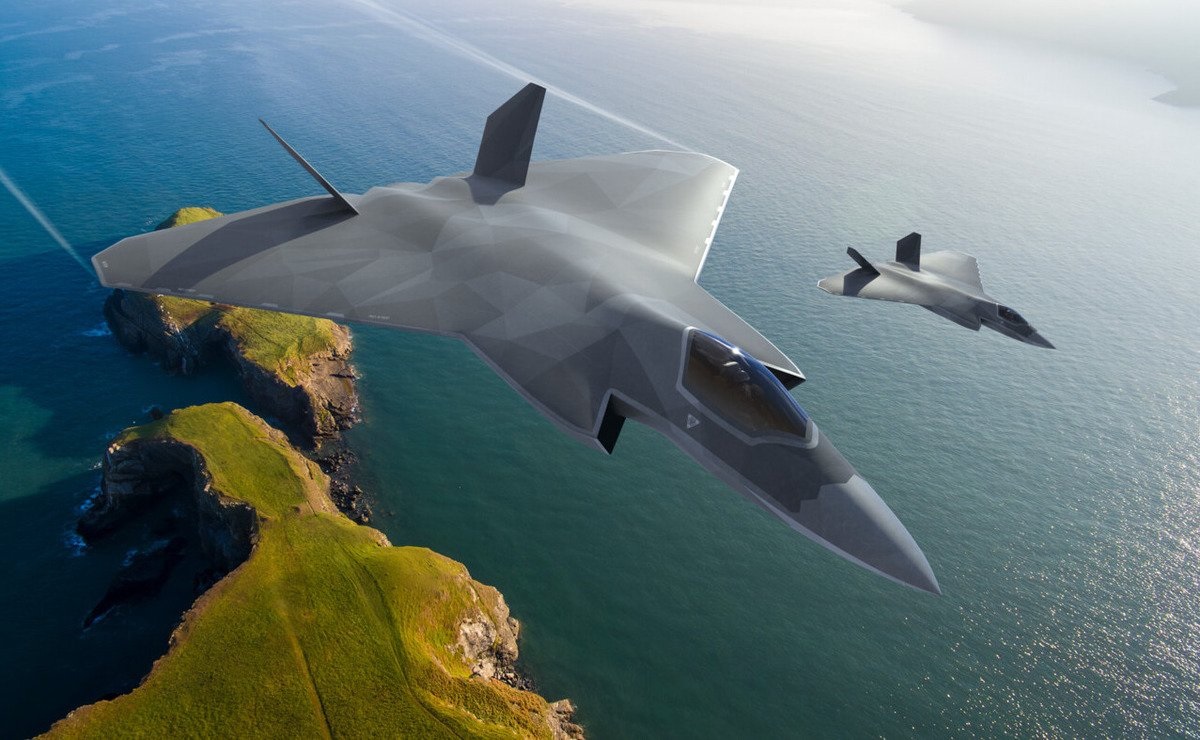
India
India and Italy are advancing their defence partnership to unprecedented heights, focusing on potential collaboration in developing the sixth-generation Global Combat Air Program (GCAP) fighter jet. This project, which already includes Italy, the United Kingdom, and Japan, represents the pinnacle of modern military aviation, and India's involvement could mark a transformative step in its aerospace and defence ambitions.A Strategic Vision for Defence CollaborationThe foundation for this collaboration was laid in the Joint Strategic Action Plan 2025-29, a roadmap designed to deepen defence and industrial cooperation between the two nations. This comprehensive plan targets joint ventures, technology transfers, and co-development in cutting-edge defence technologies. A crucial component is the proposed Memorandum of Understanding (MoU) between the Society of Indian Defence Manufacturers (SIDM) and the Italian Industries Federation for Aerospace, Defence, and Security (AIAD). This MoU aims to facilitate partnerships that could propel both nations into the forefront of defence innovation.India and Italy have also emphasized stronger ties between their armed forces. Enhanced interaction and interoperability are particularly significant, given Italy's increasing strategic focus on the Indo-Pacific region, where India is a key player. Additionally, agreements on classified information protection and maritime and port security cooperation are under negotiation, underscoring the expanding scope of their partnership.GCAP: A Game-Changer in Military AviationThe GCAP project represents a revolution in military aviation technology, integrating advanced stealth features, artificial intelligence (AI) for decision-making, and network-centric warfare capabilities. The aircraft will likely boast technologies such as: High-energy laser weapons for defence against incoming missiles. Next-gen sensors and avionics, capable of seamless multi-domain operation. Swarming drone capabilities, where the fighter jet acts as a command node for autonomous drones. Hypersonic missile integration, allowing it to strike targets with unparalleled speed and precision. Italy has expressed strong interest in expanding the GCAP consortium to include India, recognizing the country's growing defence manufacturing capabilities and its ambitions to develop indigenous fighter jets. Discussions were initiated during the G20 Summit in Brazil, where Italy highlighted India's potential to contribute to and benefit from this high-profile program.Opportunities for IndiaFor India, joining the GCAP consortium offers access to state-of-the-art technologies that could accelerate its indigenous fighter jet initiatives, such as the Advanced Medium Combat Aircraft (AMCA) program. Collaboration with global leaders in military aviation could provide India with: Technology transfer in stealth materials, AI-driven systems, and next-gen propulsion. Opportunities for skill enhancement within its domestic defence workforce. A platform to boost its ambitions in self-reliance (Atmanirbhar Bharat) by incorporating advanced technology into its domestic manufacturing ecosystem. Additionally, India's participation in GCAP could position it as a significant player in global defence supply chains, opening up export opportunities for locally manufactured components and systems.Benefits for ItalyFrom Italy’s perspective, partnering with India provides access to one of the largest and fastest-growing defence markets in the world. It also strengthens Italy’s strategic presence in the Indo-Pacific, a region gaining global attention for its geopolitical significance. By involving India in the GCAP, Italy not only gains a reliable partner but also ensures the program benefits from India's technical expertise and manufacturing prowess.Building a Future TogetherAs India continues its journey toward defence self-reliance, its partnership with Italy holds immense promise. The GCAP fighter jet project exemplifies the type of high-stakes, high-reward collaboration that could redefine their bilateral relationship. Beyond technology and defence production, this partnership symbolizes a shared vision for regional and global stability. With agreements being solidified and discussions gaining momentum, the India-Italy collaboration on GCAP could pave the way for a new era in defence innovation and cooperation. For both nations, the stakes are high—but so are the potential rewards.
Read More → Posted on 2024-11-25 16:03:12
India
After months of anticipation and global supply chain disruptions, the Indian Army is on track to receive its first batch of AH-64E Apache attack helicopters from Boeing in December 2024. This delivery marks a pivotal upgrade in the Army's combat capabilities, reinforcing its aerial strength and operational readiness in challenging terrains.Overcoming Delays and ChallengesInitially slated for February 2024, the delivery faced delays due to setbacks in the supply of critical components. The global defence manufacturing sector, grappling with pandemic-induced bottlenecks and geopolitical tensions, experienced widespread disruptions, affecting timelines for high-tech military assets. Boeing, however, has reaffirmed its commitment to fulfilling the revised schedule, with subsequent deliveries expected to follow promptly.Deployment and Tactical AdvantageThe Indian Army plans to deploy the Apaches in the arid and rugged landscapes along its western borders. Known for their exceptional versatility, the AH-64E helicopters are perfectly suited for operations in desert regions. They bring a triad of unmatched capabilities to the Army’s arsenal: Close Air Support: Equipped with a 30mm M230 Chain Gun and advanced Hellfire missiles, Apaches provide precision firepower to support ground forces. Precision Strikes: The helicopters’ AGM-114R Hellfire missiles and Hydra 70 rockets enable them to neutralize high-value targets with surgical accuracy. Reconnaissance: The Longbow radar and advanced sensors allow real-time intelligence gathering, enhancing battlefield awareness and coordination. Specifications of the AH-64E ApacheThe AH-64E Guardian variant being delivered is the most advanced version of the Apache helicopter series. Key specifications include: Speed: Maximum cruising speed of 284 km/h. Range: Combat radius of approximately 480 kilometers. Payload: Ability to carry a mix of armaments, including 16 Hellfire missiles, 76 Hydra 70 rockets, and Stinger air-to-air missiles. Avionics: Equipped with modern avionics like a Target Acquisition Designation Sight (TADS) and Pilot Night Vision System (PNVS). Survivability: Features self-sealing fuel tanks, reinforced airframes, and a suite of electronic countermeasures for high survivability. Strengthening Indian DefenceThe Indian Air Force (IAF) already operates 22 AH-64E Apaches, inducted between 2019 and 2020. These helicopters have proven their worth in enhancing the IAF’s firepower and precision strike capabilities. The addition of six Apaches for the Indian Army, procured under a 2020 contract worth $800 million, represents a milestone as it marks the first dedicated batch for Army Aviation. This move will bolster joint operations between the Army and IAF, creating a more cohesive and powerful defence network.Local Manufacturing: A Step Towards Self-RelianceThe delays have highlighted the vulnerability of global supply chains, emphasizing the need for localized production. Boeing’s partnership with Tata Boeing Aerospace Limited (TBAL) in Hyderabad is a significant stride in this direction. TBAL is already producing fuselages for Apaches, aligning with India’s "Make in India" and "Aatmanirbhar Bharat" initiatives to reduce dependency on foreign suppliers and strengthen indigenous manufacturing.The arrival of the AH-64E Apache helicopters in December 2024 will be a landmark event for the Indian Army. Despite the delays, the advanced capabilities of these helicopters will enhance India's tactical edge, particularly in hostile environments. Furthermore, the collaboration between Boeing and Indian manufacturers underscores the potential of public-private partnerships in advancing India’s defence ecosystem. This development not only strengthens India’s military readiness but also reflects its growing focus on self-reliance in defence production. With the AH-64E Apaches in its fleet, the Indian Army is poised to set new benchmarks in aerial warfare and operational strategy.
Read More → Posted on 2024-11-25 15:58:30
World
Satellite imagery has uncovered significant developments at North Korea’s February 11 plant, a critical facility for the production of short-range ballistic missiles. Situated within the Ryongsong Machine Complex in Hamhung, North Korea’s second-largest city, this plant has drawn attention from international researchers for its role in producing the Hwasong-11 class of solid-fuel missiles, known in the West as the KN-23. These missiles, reportedly utilized by Russian forces in Ukraine, highlight Pyongyang’s growing military ambitions and deepening ties with Moscow.Evidence of Rapid ExpansionRecent satellite images, captured by Planet Labs and analyzed by the James Martin Center for Nonproliferation Studies (CNS), reveal ongoing construction at the plant. The facility now features a new assembly building, estimated to be 60-70% the size of the existing one, and a housing facility likely intended for workers. Additionally, the removal of an obstructive bridge crane near a tunnel entrance suggests an emphasis on enhancing the plant's operational efficiency.The upgrades coincide with North Korea’s public acknowledgment of modernization efforts at the Ryongsong Machine Complex. State media reports describe efforts to rebuild production facilities and install new equipment, underscoring Pyongyang’s intent to bolster its missile manufacturing capabilities.Strategic ImplicationsThe KN-23, first tested in 2019, is designed to fly on a depressed trajectory, evading traditional missile defenses. This capability has made it a valuable asset for Russia as it seeks to maintain pressure on Ukraine’s air defenses amidst its protracted conflict. Although both Moscow and Pyongyang have denied the transfer of weapons for use in Ukraine, analysts suggest that North Korea’s expanding missile production could ease the strain on Russia’s defense industry.Michael Duitsman of CNS speculated that the new construction might include a storage facility, though he emphasized the likelihood of a new assembly line. Meanwhile, Joseph Dempsey of the International Institute for Strategic Studies noted that the expansion is likely motivated by Pyongyang’s desire to enhance its own arsenal, with potential additional capacity to meet Russia’s needs.Broader Military DevelopmentsThe February 11 plant is not the only site experiencing upgrades. Nearby, the February 8 Vinalon Complex is believed to be expanding its production of missile propellants. Reports suggest this facility could be ramping up production of solid propellants or unsymmetrical dimethylhydrazine (UDMH), a critical liquid rocket fuel.Adding to the complexity of the situation, reports from South Korea indicate that over 10,000 North Korean troops have been deployed to Russia’s Kursk region, allegedly to support Russia’s military operations in Ukraine. This development, combined with the missile production expansion, signals a concerning alignment of military interests between Moscow and Pyongyang.Geopolitical FalloutThe potential use of North Korean missiles in Ukraine has alarmed policymakers in Seoul and Washington, breaking a longstanding U.N. Security Council consensus on limiting Pyongyang’s ballistic missile development. The rapid construction at North Korean missile facilities suggests a broader strategic recalibration, as Pyongyang leverages its military-industrial capabilities to strengthen ties with Moscow while enhancing its own defense posture. As international scrutiny intensifies, the satellite imagery serves as a stark reminder of the global implications of North Korea’s military ambitions. From Hamhung’s missile factories to the battlefields of Ukraine, Pyongyang’s actions continue to ripple far beyond its borders, reshaping the dynamics of international security.
Read More → Posted on 2024-11-25 15:54:03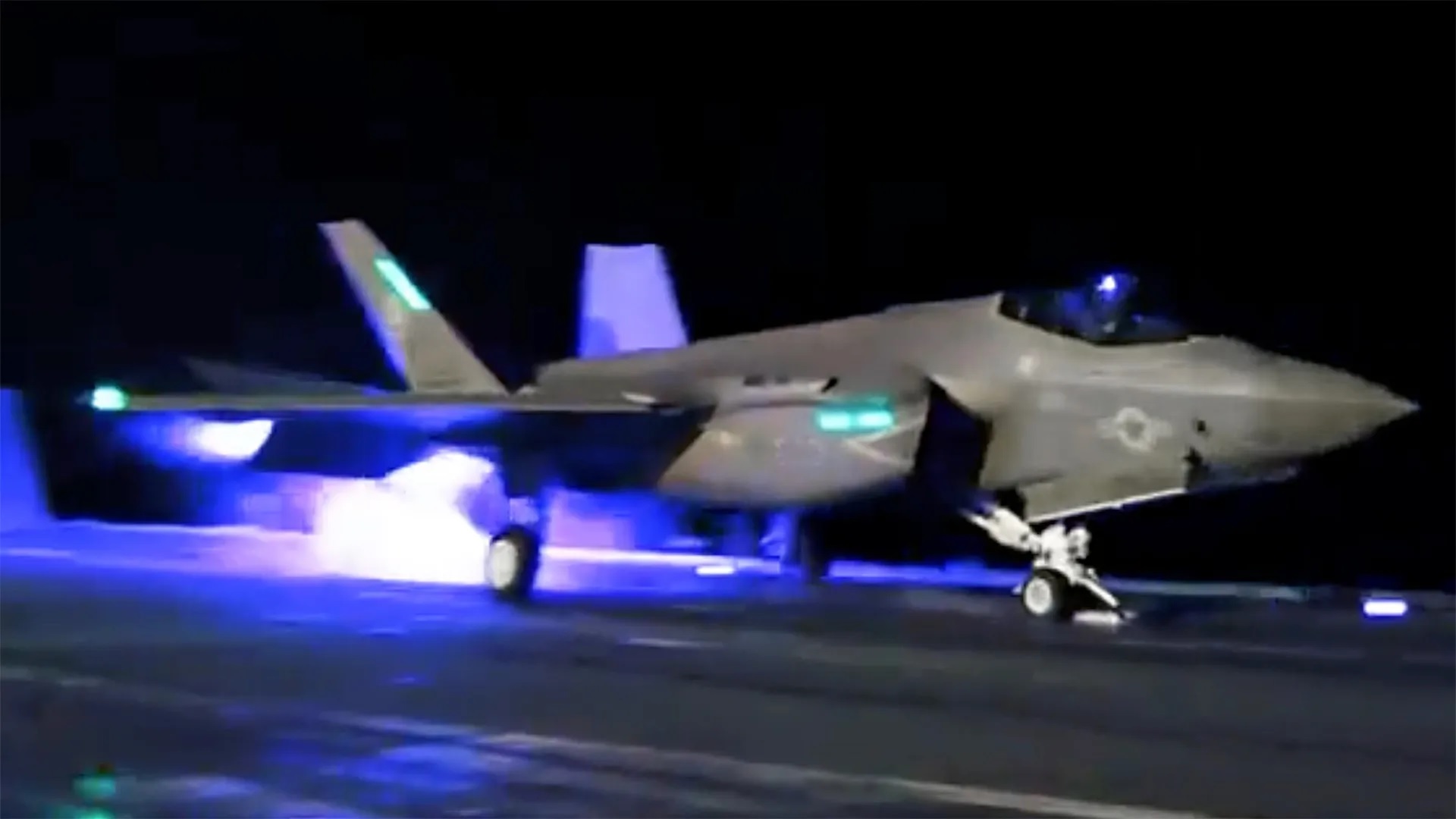
World
The United States military recently marked a significant milestone with the first combat deployment of its F-35C Lightning II, a carrier-capable stealth fighter jet. This groundbreaking mission saw the advanced aircraft engaging Houthi targets in Yemen, specifically aimed at disrupting anti-ship missile storage facilities. These weapons have been used by Houthi forces to target military and civilian vessels navigating the Red Sea, a strategic waterway critical for international trade and security.The Combat OperationThe mission was carried out by the U.S. Marine Fighter Attack Squadron (VMFA-314), also known as the "Black Knights," operating from the aircraft carrier USS Abraham Lincoln. Over multiple days in November, the F-35C demonstrated its unique capabilities by penetrating contested airspace and precisely striking targets deep within Houthi-controlled regions. The strikes were a direct response to escalating Houthi attacks, including incidents involving drone and missile strikes against U.S. Navy vessels in the Bab al-Mandab Strait and other Red Sea areas.Lt. Col. Jeffrey Davis, commanding officer of VMFA-314, emphasized the historical significance of the operation, stating, “The F-35C demonstrated its warfighting advantage... My Marines are honored to be first to fight with the F-35C.”A Game-Changer in Aerial CombatThe F-35C Lightning II, developed by Lockheed Martin, represents the pinnacle of modern aerial warfare technology. Engineered specifically for carrier-based operations, it features foldable wings for efficient storage and specialized landing gear designed for catapult launches and arrested recoveries. The F-35C also boasts a larger fuel capacity, enabling extended range operations critical for missions like those in Yemen.The jet's stealth capabilities, coupled with advanced avionics and sensor suites, allow it to perform a range of roles, from precision strikes to electronic warfare and intelligence gathering. This versatility cements its position as a game-changer in U.S. military operations, with Marine officials and Carrier Air Wing leaders touting its transformative impact on the carrier strike group's overall capabilities.Broader Strategic ContextThe deployment of the F-35C underscores a strategic shift in U.S. military operations to counter threats in volatile regions like the Red Sea. Beyond targeting weapons storage, the mission reflects a broader effort to secure global maritime routes against Houthi aggression, which has claimed lives and threatened international shipping. The deployment also highlights the U.S.'s commitment to leveraging cutting-edge technology in response to emerging threats.This operation further differentiates the F-35C from its variants, the F-35A and F-35B, which had previously seen combat in the Middle East. While the F-35A debuted in 2019 against ISIS in Iraq, and the F-35B was first used in 2018 in Afghanistan, the F-35C's carrier-based nature offers unprecedented operational flexibility.Future ImplicationsThe success of this mission is likely to accelerate the broader integration of the F-35C into U.S. Navy and Marine Corps operations. As part of long-term aviation strategies, the Marines plan to fully transition to F-35 variants by 2030, retiring older aircraft such as the F/A-18 Hornet and AV-8B Harrier. With its proven capabilities, the F-35C is poised to play a central role in U.S. military operations worldwide.The deployment also sends a clear message about the U.S.'s technological and operational superiority, signaling its readiness to address threats in critical regions with unparalleled precision and efficiency.
Read More → Posted on 2024-11-25 15:48:32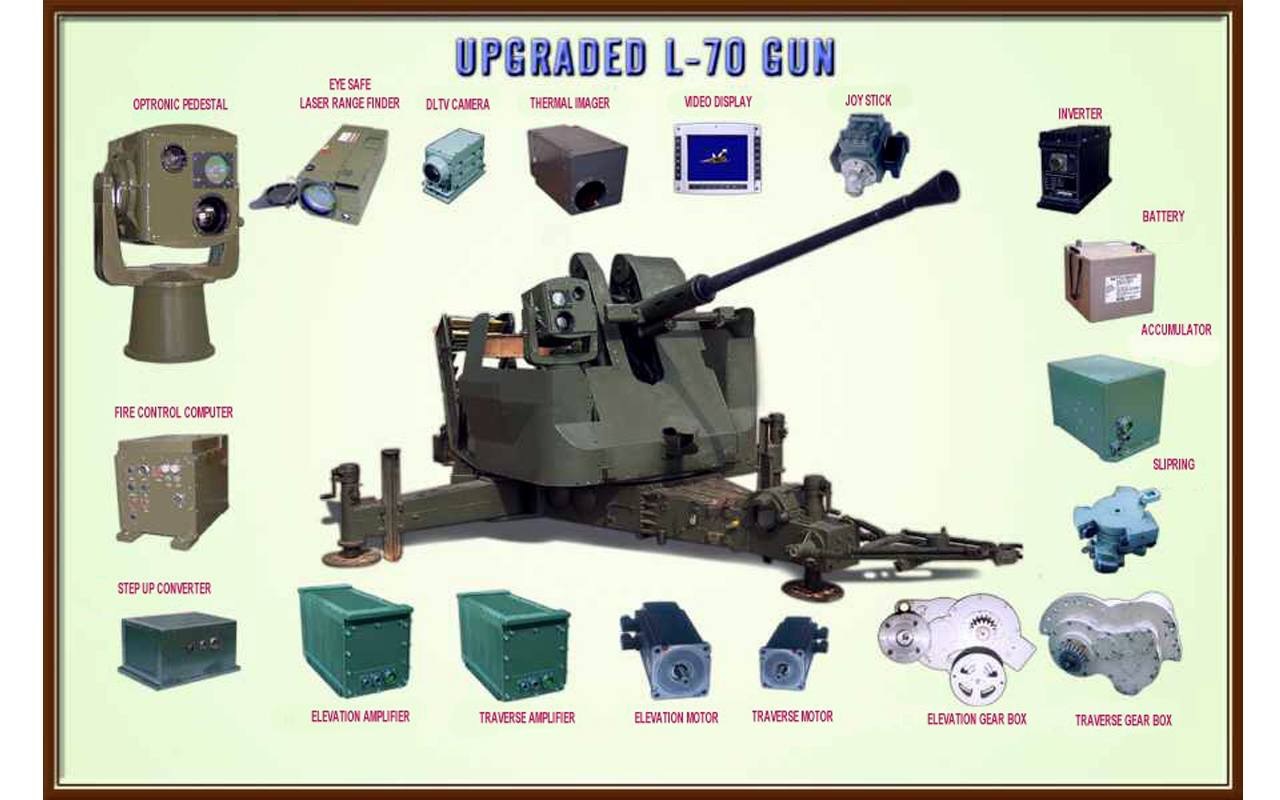
India
Bharat Electronics Limited (BEL) has propelled India’s defence capabilities to a new level by integrating its cutting-edge Drone Guard System (DGS) into the iconic Bofors 40mm L/70 autocannon. This innovative upgrade transforms the decades-old weapon into a state-of-the-art countermeasure system, tailored to neutralize contemporary aerial threats, especially drones, which have become a critical concern for modern security frameworks.Breathing New Life Into a Classic WeaponThe Bofors 40mm L/70, a trusted mainstay of air defence systems, has received a comprehensive technological overhaul to address the complexities of modern warfare. BEL has replaced the original hydraulic drives with advanced all-electric drives, significantly improving the gun’s efficiency and precision. This transition eliminates hydraulic fluid concerns, reduces maintenance demands, and allows for quieter operation, particularly when powered by batteries.The integration includes an advanced Fire Control System (FCS) equipped with optronic sight capabilities. The FCS now features: Eye-safe Laser Range Finder (LRF) for accurate distance measurement. Day-Light Television (DLTV) and Thermal Imaging (TI) for enhanced target acquisition in varied conditions. Autonomous ballistic computation capabilities that include real-time muzzle velocity adjustments and tilt correction, ensuring pinpoint accuracy. Additionally, the system interfaces seamlessly with Target Acquisition (TA) and Fire Control (FC) radars, enabling automated target tracking and engagement in coordinated defence networks.BEL's Drone Guard System: A Shield Against Modern ThreatsThe highlight of this upgrade is the integration of BEL’s Drone Guard System. Designed to counter the growing menace of unmanned aerial systems (UAS), the DGS combines detection, tracking, and neutralization in one robust package. Detection and Tracking: Utilizing advanced Electro-Optical and Infrared (EO-IR) sensors, the system can identify and continuously track drones based on their radio frequencies and control signals.Neutralization: The system deploys a dual-layered defence strategy. While its jamming capabilities disrupt communication between drones and their operators, the L/70 cannon provides kinetic destruction, ensuring complete elimination of the threat. The combined system is particularly effective against swarm drone attacks, a growing tactical challenge in both urban and battlefield scenarios. It also addresses traditional threats like helicopters and low-flying aircraft, offering unparalleled versatility.A Game-Changer for Indian DefenceThis enhanced Bofors L/70 is a testament to India's advancements in indigenous defence technology. It provides a cost-effective solution for safeguarding critical infrastructure, military installations, and sensitive urban zones. The gun's adaptability, combined with its ability to operate silently using batteries, ensures stealth and efficiency in diverse operational scenarios.The upgrade also positions India as a potential exporter of this hybrid defence system. With several nations still relying on the Bofors L/70 for air defence, BEL’s modernized solution could cater to a global demand for effective counter-drone technologies.Future ImplicationsAs drones evolve into a dominant component of aerial warfare, the integration of systems like BEL’s DGS into proven platforms such as the Bofors 40mm L/70 highlights the importance of combining legacy systems with cutting-edge technology. This innovation not only strengthens India’s defence capabilities but also underscores its ability to develop globally competitive solutions for modern security challenges.
Read More → Posted on 2024-11-25 15:45:28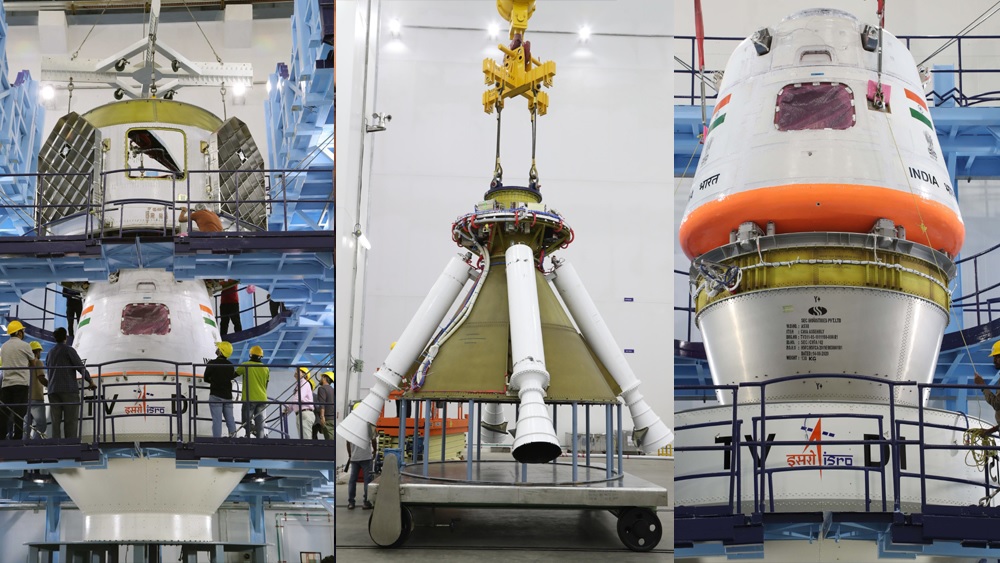
Space & Technology
India's ambitious Gaganyaan program, spearheaded by the Indian Space Research Organisation (ISRO), is gearing up for a groundbreaking milestone with its unmanned mission, scheduled for March 2025. This mission is a critical precursor to India’s first crewed spaceflight, solidifying its presence in the global space exploration arena.Mission Overview and GoalsThe unmanned Gaganyaan mission aims to test the spacecraft's performance and key technologies essential for human spaceflight. These include life-support systems, environmental controls, and navigation. The mission will see the spacecraft reach an altitude of approximately 400 kilometers while orbiting Earth for a few days, simulating conditions for future crewed flights. The findings will pave the way for the subsequent human mission planned for 2026.Role of the Tracking ShipsISRO is deploying two highly advanced ships, each equipped with state-of-the-art telemetry, tracking, and command systems, to monitor and support the mission. These vessels will be strategically positioned in the Pacific and North Atlantic Oceans. Their dynamic positioning systems ensure stability and precision, critical for tracking the spacecraft during key mission phases, such as launch, orbital operations, and re-entry.The onboard technology includes shipborne terminals (SBTs) and advanced antennas, designed to maintain uninterrupted communication with the spacecraft. These ships will establish hybrid communication circuits, linking them directly to ISRO’s mission control in Bengaluru for real-time data analysis and decision-making.Scientists at the HelmEach ship will house a dedicated team of eight ISRO scientists, tasked with monitoring mission operations and ensuring the functionality of onboard systems. These scientists will oversee critical processes such as: Data Transmission: Ensuring real-time data relay between the spacecraft and mission control. Equipment Management: Maintaining and calibrating onboard tracking and telemetry instruments. Dynamic Navigation: Using precision systems to keep the ships stable in rough ocean conditions. The experience gained from these efforts will not only benefit the Gaganyaan program but also enhance ISRO’s capability to handle complex, large-scale missions in the future.Training and the Road AheadISRO has already made significant strides in astronaut training, with four candidates undergoing extensive preparation in Russia and India. Their training covers spacecraft systems, emergency protocols, and space survival techniques. The unmanned mission is expected to validate the systems they will rely on during their journey to space.Strategic and Scientific ImplicationsThe Gaganyaan project represents a giant leap for India’s space aspirations, both scientifically and geopolitically. By showcasing its ability to execute sophisticated human spaceflight missions, India joins an elite group of nations with such capabilities, including the United States, Russia, and China. Furthermore, the deployment of tracking ships highlights India's growing expertise in ocean-based mission support, akin to global standards seen in NASA and ESA missions.With its technological prowess and meticulous planning, the Gaganyaan program is poised to not only achieve its objectives but also inspire the next generation of space exploration in India and beyond.
Read More → Posted on 2024-11-25 15:35:13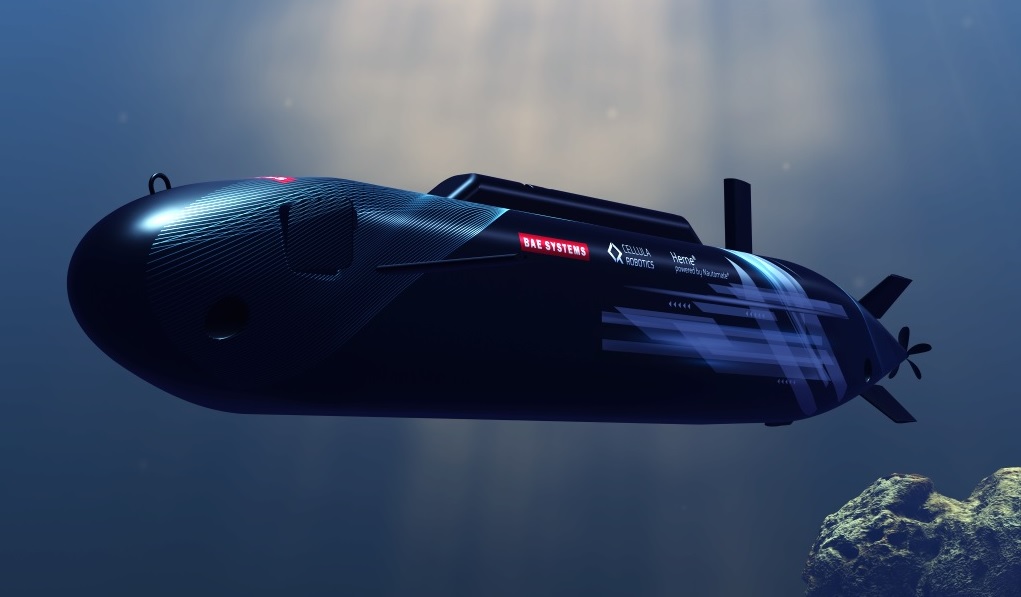
World
In a groundbreaking achievement for underwater military technology, British defense giant BAE Systems has successfully demonstrated the UK’s first autonomous extra-large submarine, named Herne. This milestone comes after extensive trials conducted off the south coast of England, marking a leap forward in autonomous underwater capabilities.The Revolutionary Vessel: HerneHerne, classified as an Extra-Large Autonomous Underwater Vehicle (XLAUV), is designed to operate independently across diverse and demanding underwater missions. Its capabilities extend to safeguarding critical underwater infrastructure, conducting anti-submarine warfare, and executing covert surveillance over extensive seabed regions. The vessel was developed through a collaboration between BAE Systems and Canadian partner Cellula Robotics, achieving a working prototype in just 11 months—a testament to the agility of modern defense engineering.At the core of Herne’s functionality is BAE Systems’ advanced Nautomate control system. This state-of-the-art technology allows the vessel to navigate and execute pre-programmed missions with precision. In recent trials, Herne demonstrated its prowess during an intelligence, surveillance, and reconnaissance operation, validating its ability to perform independently in complex underwater environments.FeaturesThe Herne submarine is designed with an open architecture framework, allowing seamless integration of future upgrades and new technologies. This adaptability ensures the submarine’s relevance in a rapidly evolving technological landscape. Its key features include: Extended Endurance: Without the need for a human crew or life-support systems, Herne can undertake prolonged missions in hostile or remote environments. Cost-Effectiveness: Autonomous operation significantly reduces operational costs while mitigating risks to human life. Modularity: The Nautomate system is compatible with both new and existing platforms, providing flexibility for defense operators to enhance their autonomous capabilities. Strategic SignificanceHerne’s debut represents a transformative shift in underwater defense strategy. Its autonomous nature eliminates the reliance on traditional crewed submarines for various tasks, enabling militaries to reallocate skilled personnel to high-priority roles. This not only increases operational efficiency but also reduces exposure to danger in high-risk missions.“Herne is a game-changer in the underwater battlespace,” remarked Scott Jamieson, Managing Director of BAE Systems’ Maritime Services. “It delivers an autonomous capability that is both cost-effective and versatile, enabling a broader range of missions while prioritizing safety and endurance.”Collaboration and InnovationThe development of Herne underscores the value of international collaboration in defense technology. BAE Systems and Cellula Robotics leveraged their combined expertise to expedite the project from concept to reality, achieving a demonstrator model at an unprecedented pace.This achievement sets a benchmark for the future of autonomous military vessels, paving the way for innovations that could redefine underwater warfare. With Herne’s advanced capabilities and adaptability, the UK positions itself as a leader in next-generation maritime defense technologies.A Future of AutonomyAs global militaries increasingly turn to autonomous systems, platforms like Herne are poised to play a critical role in maintaining security in undersea domains. By combining cutting-edge technology with operational versatility, BAE Systems has delivered a solution that not only meets current demands but anticipates future challenges.Herne’s successful trials signal the beginning of a new era in underwater defense—one driven by innovation, endurance, and autonomy.
Read More → Posted on 2024-11-25 15:30:52
India
The Indian Army is undergoing a transformative shift, preparing itself for the complexities of modern warfare by embracing technology and expertise like never before. In an era where digital threats often eclipse conventional battles, the Army's decision to recruit cyber warriors, IT specialists, and linguists marks a pivotal moment in its evolution. Spearheaded by Lieutenant General Rakesh Kapoor, Deputy Chief of Army Staff, this initiative underscores the military's recognition of the indispensable role of technology in safeguarding national security.A New Approach to RecruitmentModern warfare demands specialized capabilities, and the Indian Army is setting a precedent by recruiting domain experts at both officer and non-commissioned officer levels. This effort is not just an enhancement of existing frameworks but a revolutionary reimagining of what it means to serve in the armed forces.Following the success of a pilot project, the Army plans to launch 17 specialized entry schemes tailored for high-tech and strategic domains. These include positions for cybersecurity experts, IT specialists, and strategic linguists, with five entries exclusively dedicated to linguistic roles. To ensure the best minds join its ranks, the Army will leverage a rigorous selection process, including the Service Selection Board (SSB) interviews, targeting candidates with postgraduate and graduate qualifications.Notably, this initiative reflects a gender-neutral stance, welcoming applications from both men and women. Such inclusivity not only enriches the talent pool but also aligns with broader societal shifts towards equality in traditionally male-dominated professions.Technology as the BattlefieldLt Gen Kapoor has positioned technology as a "force multiplier" for the Indian Army. In line with this vision, the Ministry of Defence has declared 2024-25 as the "Years of Technology Absorption," signaling a commitment to integrating cutting-edge innovations into defense operations. The Army's focus spans 16 technology clusters that highlight the future battlefield's diverse and dynamic nature: Cybersecurity and Quantum Computing: Securing critical infrastructure and communication networks while preparing for quantum breakthroughs. 5G/6G Networks and IoT: Leveraging high-speed, interconnected systems for seamless operations. Artificial Intelligence and Robotics: Automating decision-making processes and deploying advanced robotic systems in combat and support roles. Directed Energy Weapons: Exploring laser and microwave technologies for precision targeting. Counter-UAS and Loitering Munitions: Strengthening defenses against unmanned aerial threats while refining offensive drone tactics. Blockchain and 3D Printing: Enhancing supply chain transparency and enabling rapid prototyping of critical components. These clusters are not isolated ventures but integrated pillars of a cohesive strategy designed to fortify India's defense architecture.Beyond the Battlefield: Linguistic StrategyAmidst the focus on technology, the Army has also recognized the strategic importance of linguistics in modern warfare. Fluency in foreign and regional languages is becoming increasingly vital for intelligence gathering, psychological operations, and fostering diplomatic channels. By recruiting experts in this field, the Army is ensuring it can operate seamlessly in diverse geopolitical environments.Transforming into a Global LeaderLt Gen Kapoor envisions a future where the Indian Army not only meets evolving threats but also sets global benchmarks in defense innovation. By investing in human capital and technological integration, the Army aims to transition into a lean, technology-driven force capable of addressing multifaceted security challenges.This initiative also extends beyond national security, positioning the Indian Army as a key player in India's broader technological aspirations. Collaborations with academia, startups, and private enterprises are expected to further accelerate this transformation.A Step Towards Future WarsThe Army's proactive recruitment drive and emphasis on technology mark a forward-looking approach that is as much about deterrence as it is about preparedness. By aligning its operational strategies with technological advancements, the Indian Army is ensuring it remains resilient and adaptive in an era of unpredictable challenges. This transformation is not just about the battlefield—it's about redefining the very essence of modern military power.
Read More → Posted on 2024-11-24 15:59:07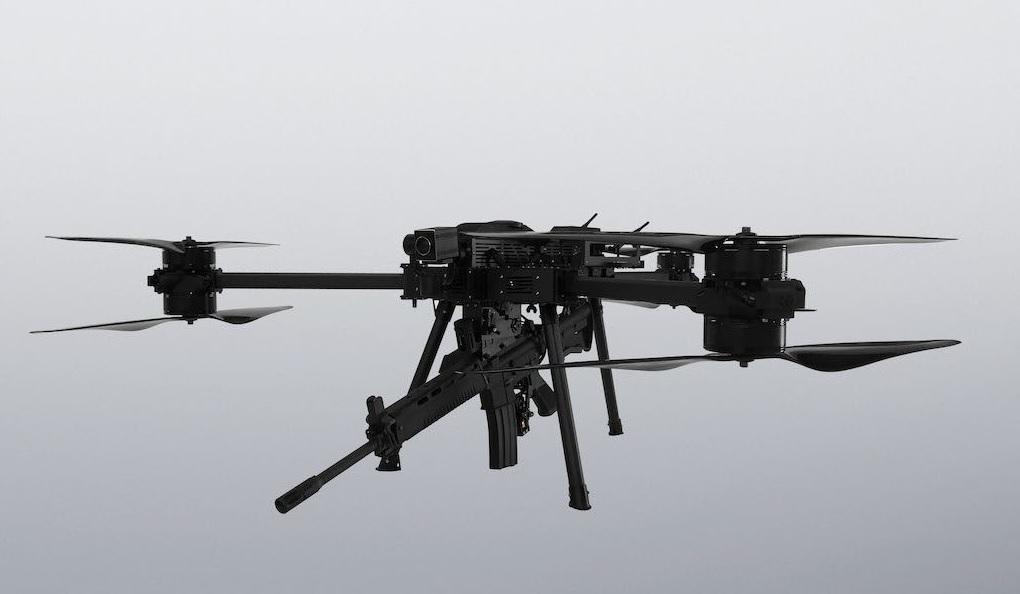
World
Chinese scientists have achieved a groundbreaking innovation in unmanned warfare with the development of a specialized firearm designed for drones. Dubbed the "recoilless AK-47," this advanced weapon combines the firepower of a traditional automatic rifle with almost no recoil, enabling even lightweight drones to wield it effectively. This leap in technology not only redefines the capabilities of unmanned systems but also raises new questions about the future of warfare.A New Kind of Firepower for DronesThe firearm, developed by a team led by Professor Liu Pengzhan at North University of China, uses 7.62mm caliber bullets—the same as the legendary AK-47. These bullets reach velocities of 740 to 900 meters per second (2,427 to 2,952 feet per second) just 10 meters from the muzzle, ensuring the same level of destructive power.What sets this rifle apart, however, is its almost negligible recoil. Described by the researchers as being "as mild as tapping a keyboard," the minimal recoil allows even consumer drones or toy robotic dogs to fire the weapon with precision.Previously, drones in conflict zones like Ukraine have been limited to dropping explosives, as traditional firearms' recoil disrupts their stability. This new weapon changes the game, offering unprecedented accuracy and versatility for lightweight unmanned platforms.Engineering the Recoilless DesignThe key innovation lies in the weapon's design. The researchers discovered that by drilling a carefully placed vent hole in the barrel, they could channel the shockwave from the gunpowder explosion away from the firearm. To ensure the bullet retained its speed and trajectory, the team also developed a novel bullet featuring a high-strength membrane at its rear and an embedded electromagnetic induction chip.When fired, the chip triggers the explosive, propelling the bullet forward. The pressure buildup eventually bursts the membrane, and the gas vents through the drilled hole. This mechanism eliminates recoil while maintaining high muzzle velocity, ensuring the gun's effectiveness.Simplicity Meets SophisticationDespite its advanced capabilities, the gun's design is straightforward and cost-effective. It uses a coil inside the barrel to activate the bullet’s chip, protected by a ceramic layer that withstands high temperatures and pressures. The rifle was successfully tested, with its recoil measuring just 1.8cm of swing when fired in mid-air, a negligible amount compared to conventional firearms.Implications and ConcernsThis innovation demonstrates China’s growing expertise in dual-use technologies—those that serve both civilian and military purposes. The North University of China, known for its defense-related research, collaborated with military industrial enterprises to bring this project to fruition. The results were recently published in the peer-reviewed journal Acta Armamentarii.China’s advancements in drone-mounted weaponry have sparked debates about the ethical implications of such technologies. In 2016 and again in 2021, China advocated at the United Nations to ban the weaponization of drones, but these motions were vetoed by the United States and Russia. Despite this, Beijing has pressed forward, recently adding certain dual-use drone technologies to its export control list to prevent misuse by other nations.The Future of Drone WarfareThe development of this recoilless rifle signals a shift in modern combat strategies. By equipping lightweight drones with firearms capable of precision shooting, China has expanded the potential applications of unmanned systems. These innovations could redefine aerial combat, surveillance, and ground support roles in future conflicts.While the technology is still in its early stages, the simplicity of its design suggests it could soon be widely deployed. As countries continue to explore the militarization of drones, China’s recoilless AK-47 might set a new standard for unmanned warfare.
Read More → Posted on 2024-11-24 15:53:46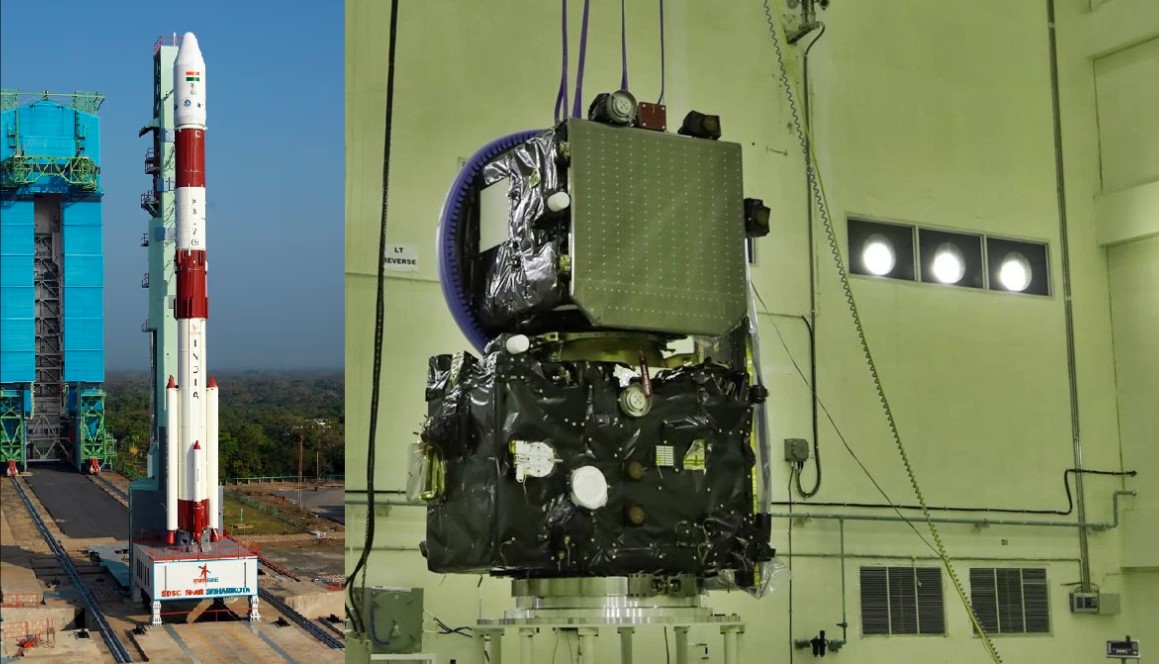
Space & Technology
The Indian Space Research Organisation (ISRO) is preparing for a landmark mission with the launch of the European Space Agency’s (ESA) Proba-3 satellites aboard the trusted PSLV-XL rocket. Scheduled for December 4, 2024, the launch will take place from the Satish Dhawan Space Centre in Sriharikota, India. This mission stands out as the world’s first precision formation-flying operation, aiming to advance space exploration and solar science.Mission Overview and Key ObjectivesProba-3 consists of two spacecraft designed to work in unison: the Occulter Spacecraft (OSC) weighing 200 kg and the Coronagraph Spacecraft (CSC) weighing 340 kg. Together, these satellites will create an artificial solar eclipse in space. This maneuver enables unprecedented observations of the Sun’s corona, providing insights into solar wind origins and space weather. The pair will maintain a precise 150-meter separation, operating as if they were a single rigid structure—an engineering feat that tests advanced formation-flying and rendezvous technologies.Technical and Orbital DetailsThe Proba-3 satellites will be placed in a highly elliptical orbit, with an apogee of 60,530 km and a perigee of 600 km. This orbit has an inclination of 59 degrees and a period of 19.7 hours. Key payload operations will occur around apogee, where the satellites’ precise formation will be maintained for extended durations. A dedicated antenna at Santa Maria des Azores and a ground station in Redu, Belgium, will support mission operations.ISRO’s PSLV-XL, the upgraded version of its Polar Satellite Launch Vehicle, will execute this mission. This variant includes six strap-on boosters for enhanced thrust, offering a payload capacity of up to 3,250 kg to low Earth orbit (LEO) and 1,410 kg to geostationary transfer orbit (GTO). The rocket stands 44 meters tall with a fairing diameter of 3.2 meters, ensuring compatibility with complex payloads like Proba-3.Scientific and Technological ImpactThe artificial eclipse generated by Proba-3 allows for prolonged studies of the Sun’s faint corona, an area usually obscured by its intense brightness. This capability will refine our understanding of solar dynamics and contribute to forecasting solar activity that affects satellite communications and power grids on Earth. The mission also serves as a testbed for cutting-edge technologies in satellite navigation, formation control, and fuel optimization.International Collaboration and Future ImplicationsThe Proba-3 mission highlights the growing collaboration between ISRO and ESA. The successful integration of the Proba-3 spacecraft with PSLV-XL marks a step forward in joint efforts to explore and utilize space for scientific advancement. This mission is expected to set new benchmarks for precision in satellite operations, potentially influencing future multi-satellite constellations and space observatories.As the countdown begins, Proba-3 promises not only to push the boundaries of solar research but also to showcase the technological prowess of ISRO’s PSLV-XL and ESA’s engineering capabilities. The mission signifies a milestone in global space exploration, reflecting the spirit of international scientific cooperation.
Read More → Posted on 2024-11-24 15:48:05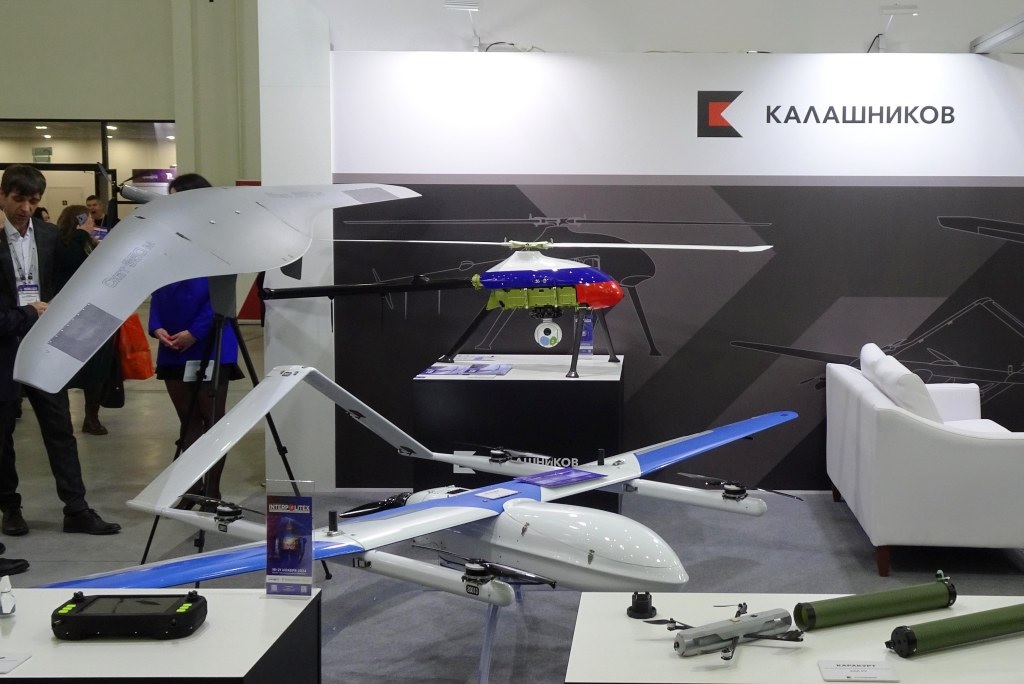
World
At the Interpolitex 2024 security exhibition in Moscow, the Kalashnikov Concern showcased two advanced mini-unmanned aerial vehicles (UAVs) designed to enhance reconnaissance and operational capabilities in modern combat and civilian operations. The Goliaf and Karakurt mini-UAVs, both featuring vertical take-off and landing (VTOL) capabilities, drew significant attention for their innovative designs and adaptability.Goliaf: A Versatile Reconnaissance and Attack UAVThe Goliaf UAV is a lightweight, multi-functional drone capable of conducting both reconnaissance and attack missions. Designed for resilience in challenging conditions, the Goliaf is equipped with robust electric motors powered by a lithium-polymer battery. It can carry a payload of up to 500 grams, including VOG-17 grenade launcher rounds, making it effective in delivering precision strikes.Key specifications of the Goliaf include: Weight: 400 grams Payload Capacity: 500 grams Flight Time: 40 minutes Speed Range: 30–50 km/h Operating Altitude: Up to 400 meters Flight Range: Up to 4 kilometers The UAV’s ability to deliver ammunition is facilitated by a specialized dropping mechanism integrated into its lower airframe, which allows for precise deployment. This capability, combined with its real-time 3D data acquisition and target tracking, makes the Goliaf a game-changer for modern combat scenarios.Karakurt: A Compact and Agile Reconnaissance SpecialistThe Karakurt UAV, a smaller and purely reconnaissance-focused drone, excels in operations requiring quick deployment in confined spaces. It is launched using a compact transport and launch tube container equipped with an ejection spring. This innovative design also includes a USB port for convenient recharging, ensuring readiness for rapid redeployment.Key specifications of the Karakurt include: Weight: 400 grams Flight Time: 25 minutes Flight Range: 1.5–2 kilometers The Karakurt’s advanced design allows it to operate seamlessly in dense urban environments, performing search and rescue missions and operational-search tasks. Its integration into Kalashnikov’s third-generation combat gear, Legionary, highlights its role in augmenting individual soldier capabilities.Shared Features and Operational AdvantagesBoth UAVs are engineered with rugged builds and sophisticated interference-resistant communication systems, ensuring reliable performance even in adverse weather conditions. A standout feature is their capability to autonomously return to base when communication signals are lost, enhancing their survivability and operational reliability.Controlled through a unified control panel, these drones provide operators with an intuitive interface, facilitating seamless coordination between aerial assets during missions. Their compact designs and versatility make them equally suitable for military and civilian applications, including urban reconnaissance and disaster response.Proven in Real-World ConditionsKalashnikov confirmed that the Goliaf and Karakurt UAVs have been rigorously tested in active combat zones. Their performance in the special military operation zones has validated their reliability and operational effectiveness, positioning them as valuable assets for modern tactical scenarios. While Kalashnikov has withheld detailed tactical and technical data, the glimpses provided at Interpolitex 2024 underscore the company’s commitment to advancing UAV technology. With their adaptability, durability, and cutting-edge features, the Goliaf and Karakurt stand out as pivotal tools for enhancing situational awareness and operational precision in a wide range of environments.
Read More → Posted on 2024-11-24 15:42:32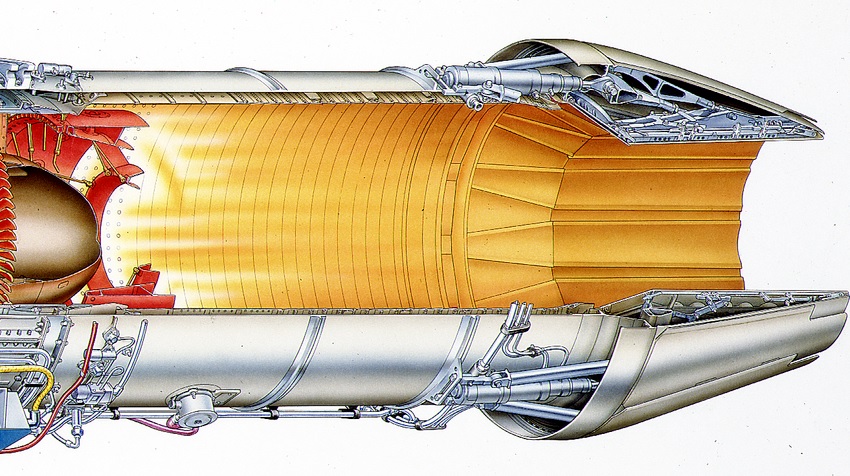
India
BrahMos Aerospace, renowned for its supersonic cruise missiles, is charting new territory by developing a cutting-edge afterburner for the Dry Kaveri engine. This ambitious project, aimed at boosting the engine's thrust to a remarkable 80kN, marks a significant leap in India’s pursuit of indigenous aerospace technology. The advanced afterburner, designed entirely from scratch, integrates innovative materials and engineering methods to meet the demanding thermal and mechanical requirements of high-performance engines.The new afterburner, tailored specifically for the Dry Kaveri engine—a non-afterburning variant from the Kaveri family developed by the Gas Turbine Research Establishment (GTRE) under DRDO—adds a robust 29kN of thrust. This addition ensures the engine achieves its full potential, elevating its capability to compete with global powerplants.The Dry Kaveri engine itself has been a cornerstone of India’s efforts to create a reliable, indigenous engine for aerospace applications. While its original design lacked an afterburner, this new development bridges that gap, offering enhanced performance essential for advanced fighter aircraft and other high-thrust platforms.Advanced Engineering Meets Indigenous InnovationBrahMos Aerospace's role in developing this sophisticated afterburner is pivotal. The component has been built from the ground up, leveraging advanced materials capable of withstanding extreme temperatures and stress conditions. The engineering process integrates cutting-edge thermal management systems, ensuring efficiency and durability under operational demands.Once integrated, the afterburner section will undergo rigorous testing to validate its performance and reliability in real-world scenarios. The tests will focus on ensuring seamless operation, sustained thrust delivery, and adaptability to diverse aerospace platforms.Strategic Implications for India's Defence CapabilitiesThe successful completion of this project could have far-reaching implications for India's defence ecosystem. An enhanced Dry Kaveri engine could power a range of indigenous platforms, from unmanned aerial vehicles (UAVs) to next-generation fighter aircraft and advanced cruise missiles. The added thrust and efficiency could also make it an attractive option for export markets, further cementing India’s position in global aerospace technology.This initiative also highlights the expanding role of BrahMos Aerospace beyond its traditional focus on supersonic missiles. By venturing into high-performance engine technology, the organization is broadening its contributions to India's strategic goals of self-reliance in critical defence systems.Collaborative Efforts Drive SuccessThe collaboration between BrahMos Aerospace, GTRE, and other stakeholders showcases a cohesive approach to overcoming complex technical challenges. By pooling expertise and resources, these entities are creating a foundation for sustained innovation in indigenous aerospace development. As India continues its journey toward achieving autonomy in defence technology, projects like the development of the Dry Kaveri engine and its advanced afterburner underscore the nation’s commitment to excellence. Once operational, this engine could serve as a cornerstone of India’s aerospace ambitions, powering platforms that rival the best in the world.
Read More → Posted on 2024-11-24 15:36:47Search
Top Trending in 24 Hours
-
 F-35 Fleet Readiness Falls to 25% Amid Parts Shortages and Software Delays: GAO Report
-
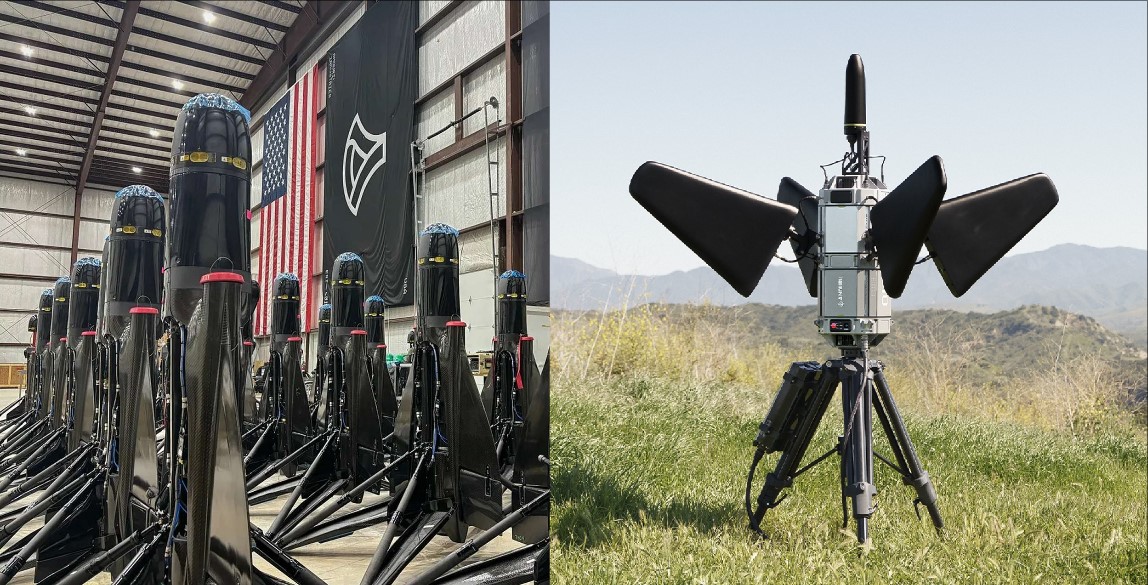 U.S. Approves $1.98 Billion Sale of Anduril AI-Powered Counter-Drone Systems to Kuwait
-
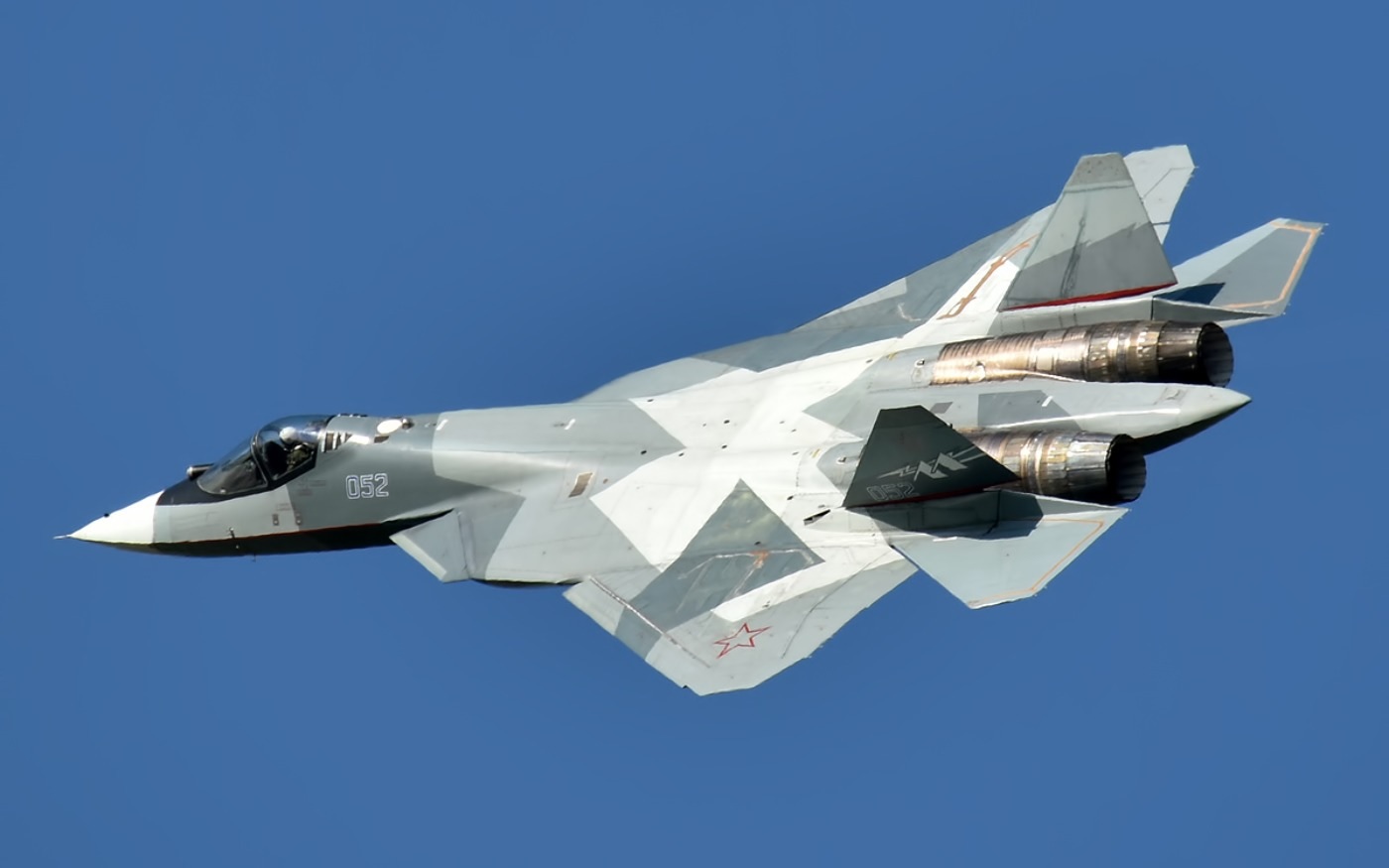 Russian Analysts Debate Su-57 Capabilities After Putin Calls Fighter Superior to F-35
-
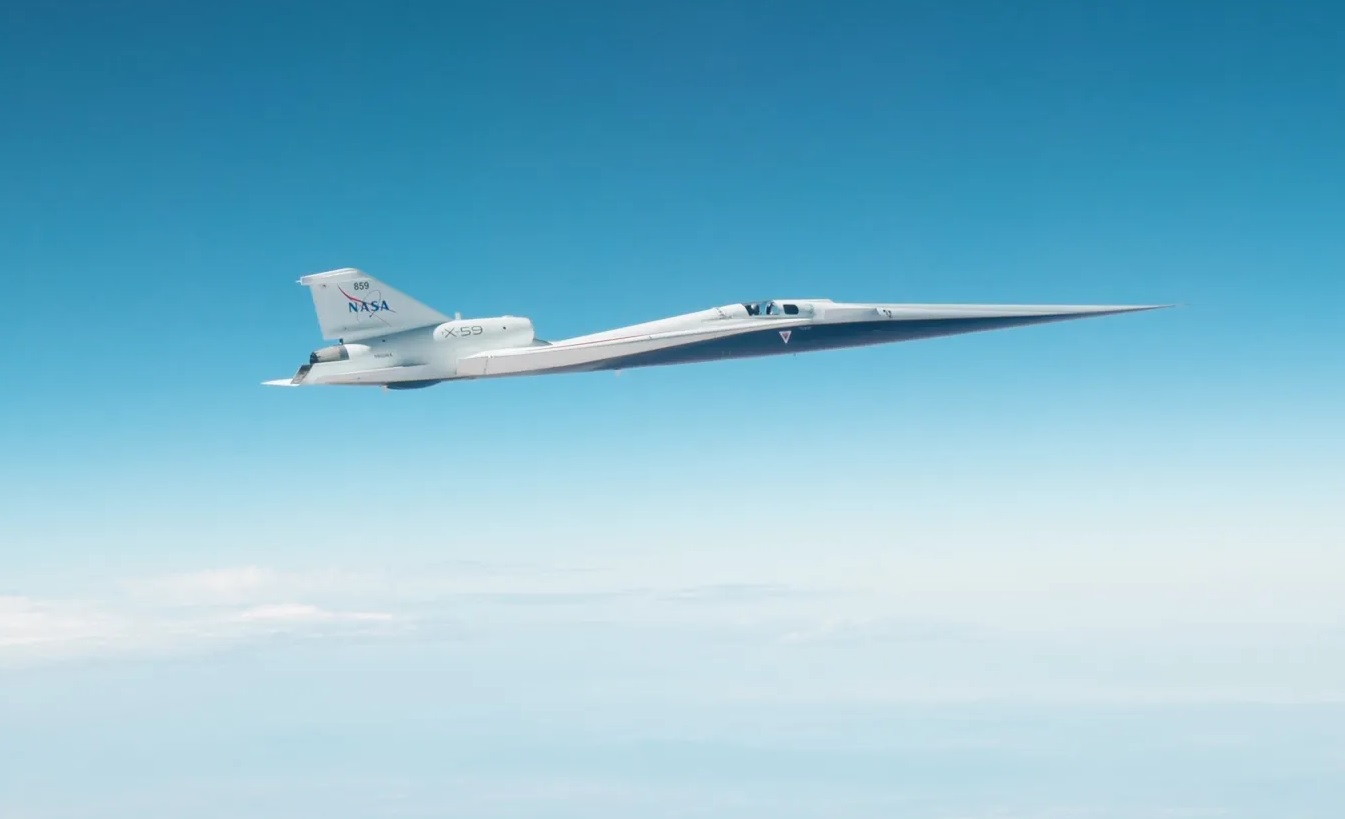 NASA X-59 Achieves Planned Mission Conditions with Mach 1.4 Flight at 55,000 Feet
-
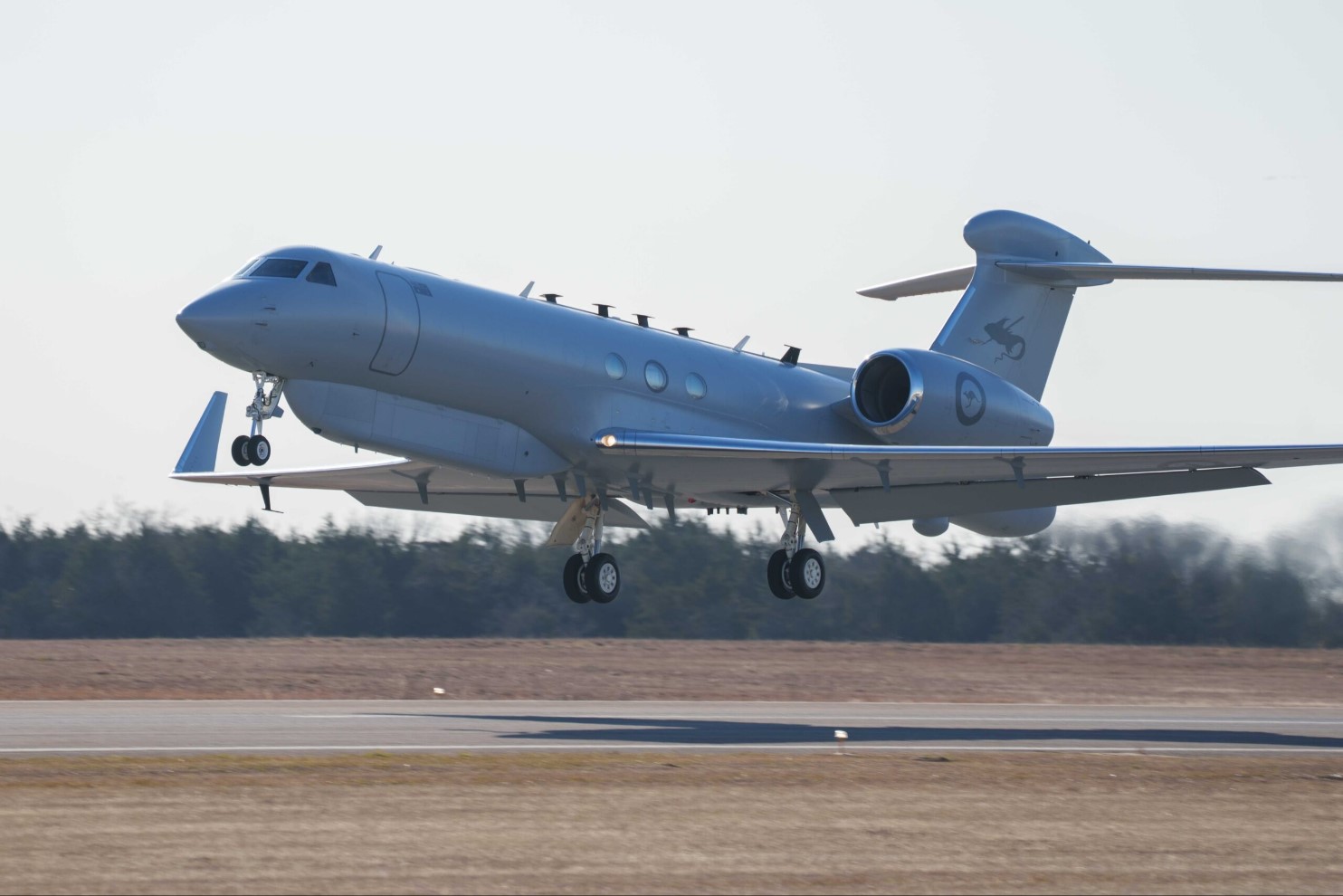 Australia Receives Third MC-55A Peregrine Intelligence Aircraft Under A$2.4 Billion ISR Program
-
 AM General Unveils Next-Generation UGV and JLTV A2 with Counter-Drone Systems at Eurosatory 2026
-
 Pakistan Raises Defence Budget from $9 Billion to $10.8 Billion as J-35 Fighter and Hangor Submarine Programs Advance
-
 U.S. Navy's USS Colorado Submarine Returns to Pacific Fleet 29 Days Early After Major Pearl Harbor Overhaul
Top Trending in 4 Days
-
 Iranian Media Leaks 14-Point U.S.-Iran Peace Framework Amid Ongoing Negotiations
-
 US Plans Significant Reduction of Fighter Jets and Warships for NATO Operations in Europe
-
 Boeing Introduces New MQ-28 Ghost Bat Upgrades with Increased Range, Payload and Weapons Capacity at ILA Berlin 2026
-
 AMCA Airframe Spotted at DRDO’s ORANGE Facility for Radar Cross-Section Testing
-
 U.S. Air Force Faces Strategic Airlift Shortfall as C-17 Production Restart Remains Uncertain
-
 U.S Aircraft Carrier USS Theodore Roosevelt Departs San Diego for Major RIMPAC 2026 Naval Exercise
-
 NATO Commander Says Russia Not Seeking Conflict With Alliance Despite U.S. Force Reductions
-
 Russian Defense Firm ZALA Unveils KAMA Unmanned Surface Vessel Family at FLOT-2026 Naval Exhibition
