
World
In a landmark victory against transnational terrorism, the National Investigation Agency (NIA) has successfully secured the extradition of Salman Rehman Khan, a Lashkar-e-Taiba (LeT) operative, from Rwanda. Salman’s extradition marks a significant chapter in the Bengaluru Prisons terror conspiracy case, underscoring the agency’s resolve to dismantle global terror networks.The Extradition SagaSalman, who had been on the run since the unearthing of a terror module linked to Bengaluru Central Prison, was apprehended in Kigali, Rwanda, on November 27, 2024. His arrest and subsequent extradition were the result of a coordinated operation involving the Rwanda Investigation Bureau (RIB), Interpol, and National Central Bureaus (NCBs). The move follows an Interpol Red Notice based on a Non-Bailable Warrant (NBW) issued by the NIA Special Court in Bengaluru.On arrival in India, Salman was formally taken into NIA custody. The agency, in its official statement, highlighted the collaborative effort that made the extradition possible. This case is yet another testament to the growing international cooperation in tackling terrorism.Origins of the Bengaluru Prisons Terror ConspiracyThe roots of the case date back to October 2023, when the NIA took over the investigation from Bengaluru City Police. Salman had been under scrutiny for his alleged role in the radicalization and recruitment of inmates at Bengaluru Central Prison. Investigations revealed that he was influenced by T Naseer, a convicted terrorist and LeT operative serving a life sentence. Naseer reportedly masterminded a recruitment drive inside the prison, plotting escapes and planning terror activities with radicalized inmates.Salman, who was imprisoned between 2018 and 2022 for a POCSO Act conviction, is believed to have acted as a key conduit for Naseer’s operations. After his release, he allegedly aided the terror network by facilitating the procurement of explosives and resources for planned attacks. When the conspiracy was uncovered, Salman fled India, leading to the issuance of the Red Notice that culminated in his capture in Rwanda.The Role of Global CollaborationThis extradition highlights the critical role of international alliances in combating terrorism. Rwanda’s swift action in arresting and extraditing Salman underscores its commitment to ensuring that its territory does not become a sanctuary for global criminals. In a statement, the Rwanda Investigation Bureau emphasized its resolve to fight cross-border crime, marking this extradition as a milestone in international cooperation.A Broader Context: The NIA’s Global PursuitSalman’s extradition is not an isolated success for the NIA. Since 2020, the agency has orchestrated the extradition or deportation of 17 individuals involved in major terror cases. The list includes notorious operatives like Khalistani extremists Tarsem Singh Sandhu and Bikramjit Singh, deported from the UAE and Austria, respectively.Just last month, Baljeet Singh, a Khalistan Tiger Force operative, was deported from the UAE. These efforts underscore the NIA’s unwavering commitment to pursuing fugitives across borders and ensuring they face justice in India.Implications for CounterterrorismThe successful extradition of Salman Khan demonstrates India’s evolving capability in global counterterrorism operations. It also highlights the importance of leveraging diplomatic and law enforcement partnerships to address complex security challenges. As the NIA continues to tighten the net around terror networks, cases like these serve as a reminder of the persistent threats posed by radicalization and the critical need for vigilance at both national and international levels. By bringing Salman Khan to justice, the NIA has not only struck a blow against Lashkar-e-Taiba’s operations but has also sent a clear message to fugitives worldwide: there is no safe haven for those who threaten peace and security.
Read More → Posted on 2024-11-28 16:17:16
World
Japan is on the brink of a significant leap in military technology as the Ministry of Defense (MOD) prepares to test its first artificial intelligence (AI)-powered unmanned aerial vehicle (UAV). Announced at the Technology Symposium 2024 in Tokyo, the groundbreaking initiative aims to enhance Japan's defense capabilities through advanced AI systems. The flight trials are scheduled to begin in November 2025, following three years of meticulous research and development.A Vision in the Making: From Concept to PrototypeThe AI drone project, initiated in 2022, has been progressing steadily. By the end of 2023, Japan completed system design and preliminary testing phases. Currently, detailed design work is being finalized, paving the way for the creation of a flying test bed (FTB) in early 2025. The MOD's plan emphasizes innovation, with the aim to develop highly versatile drones capable of fulfilling both combat and reconnaissance roles.Colonel Michitaka Ikeda, who oversees aviation equipment development at Japan's Defense Equipment Agency, highlighted the adaptability of the drone's design. With a standardized engine and fuselage, the drone’s wings and payloads can be modularly swapped to suit different missions. At roughly three meters in length, the compact airframe houses advanced generic computing systems, enabling seamless mission customizations.Features Tailored for Modern WarfareThe AI drone's modular design is not just about flexibility; it also underpins cost-efficiency and operational versatility. The reconnaissance variant focuses on gathering critical intelligence, while the combat model is equipped to simulate dynamic air engagements. Both versions will undergo rigorous testing during flight trials, starting with simulated one-on-one combat scenarios before escalating to more complex two-on-two engagements.The AI at the core of these drones is designed to handle high-pressure decision-making, utilizing real-time sensor data and situational analysis. This includes responding to virtual enemy aircraft in simulated environments, providing a glimpse into how such drones could revolutionize air combat strategy.Safety Measures and AI GovernanceGiven the unpredictability inherent in autonomous systems, safety is a cornerstone of the AI drone program. The MOD has developed a robust backup system to mitigate risks, such as mid-air collisions or unsafe ground operations. This redundancy ensures secure drone functionality while allowing the AI to operate with a degree of autonomy.Additionally, the program is incorporating interchangeable AI modules from different developers to evaluate how variations in software impact drone performance. This modular approach aims to create a resilient framework that can adapt to evolving technologies and operational requirements.Broadening Horizons: A Collaborative ApproachThe AI drone initiative is part of Japan's broader effort to enhance automation and autonomy in defense systems. It aligns with other cutting-edge projects, such as combat support AI that autonomously processes battlefield data to make tactical decisions. These developments aim to reduce risks to human personnel while expanding operational capabilities.Hazard detection, including collision avoidance and environmental adaptability, is a key area of research within the program. Collaborative efforts between various research institutions and companies are expected to yield innovative solutions, further bolstering the reliability and efficiency of the drones.The Road AheadFlight trials in 2026 and 2027 will bridge the gap between simulated and real-world conditions, enabling the AI to refine its capabilities. By progressively testing its performance in increasingly complex scenarios, Japan aims to create a robust UAV system that can adapt to diverse operational demands.This ambitious program underscores Japan's commitment to technological innovation in defense. If successful, the AI-powered drones could redefine the role of unmanned systems in modern warfare, paving the way for safer, more efficient, and more versatile combat operations.
Read More → Posted on 2024-11-28 16:11:58
World
In a landmark judgment that underscores the principles of tolerance and inclusivity, the Bangladesh High Court recently rejected a plea that sought to ban the activities of the International Society for Krishna Consciousness (ISKCON) in the country. This decision comes as a beacon of hope for religious minorities in Bangladesh, reaffirming their right to practice and propagate their faith without fear of persecution.ISKCON, a global movement rooted in the teachings of Lord Krishna, has been active in Bangladesh for decades, promoting spiritual and cultural enrichment. The attempt to restrict its operations is seen by many as a direct assault on the religious diversity of the nation. The High Court's ruling, however, sends a strong message that Bangladesh will not be swayed by extremist agendas seeking to undermine its secular constitution.Rising Challenges for Hindus in BangladeshDespite this judicial victory, the broader situation for Hindus and other minorities in Bangladesh remains precarious. Reports of violence, forced conversions, and desecration of temples are disturbingly frequent. Critics have pointed to systemic failures in protecting minority communities, with incidents such as rapes, murders, and arson attacks often going unchecked.Muhammad Yunus: A Controversial Figure in Bangladesh's Political LandscapeNobel laureate Muhammad Yunus, celebrated internationally for his work in microfinance, has been a divisive figure within Bangladesh. While his Grameen Bank model earned him global accolades, questions linger about his role in Bangladesh's internal affairs. Critics accuse him of tacitly supporting an Islamist agenda that sidelines the rights of non-Muslim communities.Yunus's Nobel Peace Prize win in 2006 was met with widespread acclaim, but his critics argue that his actions and statements often contradict the ideals of peace and coexistence. Allegations of radical leanings have raised eyebrows, as has his perceived silence on the persecution of Hindus and other minorities in Bangladesh. For a figure lauded as a champion of justice, these contradictions cast a shadow on his legacy.The Power of New India: A Model for Religious HarmonyAs Bangladesh grapples with its internal challenges, neighboring India under Prime Minister Narendra Modi has emerged as a global advocate for inclusivity and religious harmony. The "New India" narrative is built on the ideals of Vasudhaiva Kutumbakam—the world is one family. India's stance on protecting its own minority communities and supporting persecuted minorities worldwide, including the Citizenship Amendment Act (CAA), demonstrates a robust commitment to these principles.The High Court's ruling rejecting the ban on ISKCON activities is a step in the right direction, but there remains much to be done to safeguard the rights of minorities in Bangladesh. It is a clarion call for the international community to hold Bangladesh accountable for its treatment of Hindus, Buddhists, Christians, and other vulnerable groups.Conclusion: Upholding Secularism in South AsiaBangladesh, as a nation born out of the principles of secularism, must ensure that its diverse religious communities can coexist peacefully. The rejection of the ISKCON ban is a promising development, but it must be followed by concrete actions to address the systemic injustices faced by minorities.For figures like Muhammad Yunus, whose global recognition hinges on ideals of peace, it is imperative to reflect on these values in their actions. Peace is not merely an award but a responsibility—a truth that Bangladesh's leadership must embrace to secure its future as a truly inclusive nation.
Read More → Posted on 2024-11-28 16:09:21
World
At Euronaval 2024, French defense manufacturer Lacroix celebrated a significant milestone in its naval countermeasures legacy. The company announced the impending installation of its 100th Sylena Decoy Launching System (DLS) on a new vessel in 2025. Alongside this achievement, Lacroix has surpassed the production and delivery of 14,000 SEACLAD decoys, solidifying its reputation as a leader in maritime defense solutions. These milestones come as the company pushes forward with next-generation ammunition and advances in offboard active decoy (OBAD) technologies to address evolving threats.A Decade of Sylena ExcellenceSince its debut a decade ago, the Sylena DLS has gained recognition for its compact design, operational flexibility, and cost-effectiveness. Installed on nearly 40 naval platforms across eight countries, the system supports ships ranging from patrol vessels to frigates. Its mortar-based mechanism delivers a mix of countermeasures tailored to defeat radar, infrared, and electro-optical threats. Models such as the Sylena LW, Mk1, and Mk2 offer scalable protection to meet the needs of smaller OPVs and larger warships.The Sylena LW, for instance, protects patrol vessels with its lightweight, compact footprint, accommodating eight SEALEM RF decoys and two SEALIR IR rounds. Meanwhile, the Mk1 and Mk2 models extend capabilities to larger platforms, with the latter integrating anti-torpedo CANTO rounds without requiring additional launcher modifications.The SEACLAD Arsenal: Covering All Threat SpectrumsLacroix’s SEACLAD decoys represent a cornerstone of its defensive strategy, designed to counter a wide array of modern threats. Among the key offerings: SEALEM RF Decoys: Featuring advanced corner reflector (CNR) payloads, these decoys are effective against high-tech radar seekers, including chaff discriminator-equipped missiles. Their ability to deliver broadband responses across I-, J-, and Ka-bands ensures adaptability to evolving radar technologies.SEALIR IR Decoys: Specifically developed for infrared seekers, SEALIR rounds neutralize traditional, two-color, and imaging IR-guided threats with single-burst morphologic payloads.SEAMOSC EO Decoys: These provide masking against electro-optical and laser-guided systems, utilizing advanced back-scattering effects to disrupt targeting. This comprehensive suite enables seamless coordination of decoys to counter dual-mode seeker missiles effectively, combining radar and infrared measures.Pioneering the Next Generation of DecoysLooking to the future, Lacroix is advancing research into third-generation decoys. This effort builds on innovations like the VESTA OBAD system, a hybrid solution combining UAV dexterity with Thales' active payload technology. The VESTA project, funded by the French Defense Innovation Agency (AID) and the Directorate General of Armament (DGA), promises unmatched operational maneuverability and quick response capabilities against emerging missile threats.Sebastien Gehin, Lacroix’s head of systems programs, indicated that the next-generation decoys could debut by 2026-2027, depending on ongoing testing and customer interest. These developments position Lacroix at the forefront of naval countermeasure technology.Global Reach and Operational ReliabilityLacroix’s Sylena DLS and SEACLADs are operational across diverse navies, including those of Oman, Malaysia, Qatar, Egypt, Greece, and Saudi Arabia. Notable deployments include the BR71 Mk II corvettes for Angola and the Al Fulk LPD for Qatar, emphasizing the system’s adaptability to various vessel types.To ensure reliability, Lacroix has implemented serialized tracking for each decoy, incorporating QR and barcodes for lifecycle management. This technology allows real-time monitoring, enhancing maintenance and operational readiness.Future Horizons With its proven track record and ambitious roadmap, Lacroix is poised to maintain its leadership in naval defense. As the demand for multi-layered maritime protection grows, the Sylena DLS and SEACLAD family continue to offer critical solutions, while next-gen advancements promise to address the threats of tomorrow. At Euronaval 2024, the message was clear: Lacroix remains a cornerstone of global naval security, combining innovation, experience, and reliability.
Read More → Posted on 2024-11-28 15:58:54
World
Swedish space technology company Ovzon has achieved a significant milestone in satellite communications by successfully showcasing the remote operation of an unmanned ground vehicle (UGV) over a distance of approximately 1,000 kilometers. This pilot test, conducted in collaboration with the Swedish Defence Materiel Administration (FMV), highlights the transformative potential of Ovzon’s cutting-edge SATCOM technology in defense and remote operations.A Milestone in Remote OperationsThe test was carried out under rigorous conditions, with the UGV stationed in Kiruna, Sweden, while its command-and-control operations were handled from Stockholm. This remarkable feat relied on Ovzon’s proprietary Ovzon 3 satellite, which is equipped with a revolutionary On-Board Processor (OBP). Unlike traditional satellite systems that rely on centralized infrastructure, Ovzon’s OBP enables the creation of a true mesh network, ensuring uninterrupted communication entirely within Sweden’s borders.“This was a first, and it was a challenging task to guarantee satellite communication to remotely steer a UGV 1,000 km away,” said Erik Lundström, Project Manager at FMV. He underscored the importance of such innovations in bolstering the future of defense operations, where remote-controlled systems are expected to play a pivotal role.Technology Behind the DemonstrationThe Ovzon 3 satellite stands out due to its advanced specifications tailored for high-performance, secure communications. Key features include: On-Board Processor (OBP): Facilitates seamless data processing and network creation directly via the satellite, reducing latency and dependency on ground infrastructure.True Mesh Networking: Ensures resilient and flexible communication links, even in highly dynamic operational scenarios.High Bandwidth Capacity: Supports data-intensive applications, such as live video feeds and real-time command inputs, critical for unmanned systems.Compact User Terminals: Designed for easy integration with UGVs and other platforms, providing mobility without compromising performance. The satellite’s design prioritizes sovereignty and control, crucial for defense applications, particularly in environments where external infrastructure may pose risks or limitations.Strategic ImplicationsOvzon’s demonstration reflects the growing demand for reliable, secure, and versatile satellite communication solutions in both military and civilian sectors. The ability to operate unmanned systems over vast distances has implications for: Defense Operations: Enhancing situational awareness and enabling remote engagement capabilities in inaccessible or hostile regions. Disaster Response: Facilitating the deployment of UGVs in search-and-rescue missions or hazardous environments. Commercial Applications: Supporting logistics, agriculture, and industrial inspections in remote areas. Ovzon’s CEO, Per Norén, highlighted the company’s commitment to innovation. “Satellite communications play a crucial role in enabling the operation of unmanned vehicles across various environments. At Ovzon, we remain dedicated to addressing our customers’ specific needs through cutting-edge technology.”Future ProspectsThis demonstration reinforces Ovzon’s position as a leader in satellite communications, showcasing the practicality and scalability of its solutions. As the demand for remote-controlled systems continues to grow, Ovzon’s technologies are likely to be at the forefront, enabling advancements in defense, logistics, and beyond. By proving the feasibility of long-distance UGV control through a dedicated satellite network, Ovzon has set a new benchmark for what is possible in remote operations, paving the way for a more connected and capable future.
Read More → Posted on 2024-11-28 15:54:29
World
In a significant stride for South Korea's defense capabilities, HD Hyundai Heavy Industries (HD HHI) has officially handed over the cutting-edge Aegis destroyer, ROKS Jeongjo the Great, to the Republic of Korea Navy. The delivery ceremony, held on November 27 at HD HHI’s shipyard in Ulsan, underscored South Korea’s emergence as a leading force in advanced naval shipbuilding. Dignitaries from seven nations, including representatives from the United States, Poland, and Peru, were present, emphasizing the global interest in the country’s growing naval expertise.A Pinnacle of Naval EngineeringThe ROKS Jeongjo the Great, an 8,200-ton vessel from the KDX-III Batch-II class, represents a leap in design and technology compared to its 7,600-ton predecessor. It is South Korea’s fourth domestically designed Aegis destroyer and a testament to the nation's capability in integrating imported and indigenous systems. Key features include: Advanced Combat Systems: The ship integrates the latest U.S.-built Aegis combat system with South Korea’s Korean Vertical Launch System (KVLS-II), capable of deploying ballistic missile interceptors, long-range surface-to-air missiles, and surface-to-land ballistic missiles.Stealth and Detection: Enhanced stealth capabilities are complemented by a domestically developed integrated sonar system, offering superior underwater detection and response.Multi-Mission Readiness: The vessel is equipped with MH-60R Seahawk maritime helicopters for anti-submarine warfare and long-range strike missions.Hybrid Propulsion: Four gas turbine engines and a Hybrid Electric Drive (HED) system deliver a blend of high-speed capability and fuel efficiency. Strategic ImpactThe Jeongjo the Great is a linchpin of South Korea’s “Sea-Based Maneuvering Three-Axis System,” a strategic initiative designed to counter North Korea’s missile and nuclear threats. Its capabilities support integrated underwater kill chains, layered missile defense, and precision strike operations, strengthening the nation’s deterrence posture.Meticulous Development and TestingConstruction of the Jeongjo the Great began in 2021 following a 2019 contract with South Korea's Defense Acquisition Program Administration (DAPA). The ship underwent rigorous testing, completing over 550 evaluations, including high-speed trials, before its delivery. This milestone reflects HD HHI’s reputation for adhering to deadlines and delivering high-performance naval assets, including the Ulsan-class frigates and the Shin Chae-ho submarine.A Global ShowcaseThe delivery ceremony also highlighted South Korea’s ambitions in defense exports. Attendees toured HD HHI’s Naval & Special Shipyard and previewed the ROKS Chungnam, a state-of-the-art frigate set for delivery next month. Representatives from countries such as Poland and Peru, identified as potential buyers of South Korean defense products, were among the guests.HD HHI’s leadership emphasized their commitment to strengthening K-defense exports through close collaboration with international partners. The company has already initiated projects with nations like the Philippines and Peru, including patrol vessels and joint ship development programs.A Future of Naval InnovationAs HD HHI prepares to launch the second Jeongjo the Great-class destroyer next year and continues construction on the third, the company is setting benchmarks in naval technology. This class of destroyers, equipped with multi-role combat capabilities and advanced propulsion systems, underscores South Korea’s commitment to modernizing its naval forces and contributing to global maritime security. With its successful delivery of the ROKS Jeongjo the Great, HD HHI has solidified its position as a leader in advanced naval shipbuilding, paving the way for further innovations and strategic partnerships.
Read More → Posted on 2024-11-28 15:51:17
India
The European consortium behind the Meteor missile, celebrated as one of the most advanced long-range air-to-air weapons globally, is creating roadblocks for the Indian Air Force (IAF). Despite India’s push to integrate this cutting-edge missile with its frontline fighters, such as the Su-30MKI, Tejas Mk1A, and the upcoming Tejas MkII, the consortium appears hesitant. This reluctance seems to be tied to commercial strategies aimed at favoring European fighter jets in India’s forthcoming Multi-Role Fighter Aircraft (MRFA) competition for 114 new jets.Currently, the Meteor missile is exclusive to the Rafale jets, of which the IAF operates 36 units. The missile, equipped with a ramjet propulsion system and active radar homing, offers unmatched beyond-visual-range (BVR) capabilities, making it a prized asset in modern aerial combat. It boasts an operational range exceeding 150 kilometers and the ability to sustain high speeds throughout its flight, providing a decisive edge in engagements.The Indian Air Force, keen on equipping its indigenous and Russian-origin fleets with the Meteor, faces resistance from the consortium. Industry experts suggest this strategy is designed to position the Gripen-E and Eurofighter Typhoon—both featuring Meteor compatibility—as frontrunners in India’s MRFA tender. By limiting the missile’s availability to European platforms, the consortium creates a significant leverage point, especially in a competitive bidding environment.The Impact on India's Defence Modernization PlansThis commercial-driven restriction comes at a time when the IAF is looking to modernize its fleet with state-of-the-art weaponry. Integrating the Meteor into the Su-30MKI and Tejas platforms would significantly enhance their combat potential, allowing India to dominate aerial engagements. However, the consortium’s stance forces India to rethink its approach, potentially delaying efforts to achieve interoperability across its fighter fleet.Recognizing this challenge, India is channeling resources into developing indigenous alternatives. The Defence Research and Development Organisation (DRDO) is spearheading the development of the Astra missile series. The Astra MkII, with a range of approximately 160 kilometers, is already in advanced stages, while the Astra MkIII, featuring ramjet propulsion technology Superior than Meteor, is under development. Once operational, these missiles are expected to provide a robust and self-reliant solution to India’s air-to-air combat needs.The Astra program represents a critical step toward reducing dependency on foreign suppliers. While the MkII is nearing operational readiness, the MkIII’s advanced features will beat Meteor’s performance, including extended range, high speed, and superior engagement capabilities. These efforts align with India’s broader push for Atmanirbhar Bharat (self-reliant India) in defence production.Strategic Implications for the MRFA TenderThe Meteor issue also has broader implications for the MRFA competition. By keeping the missile exclusive to European platforms, the consortium effectively strengthens the Gripen-E and Eurofighter Typhoon’s bid. This tactic pressures India to consider these jets if it prioritizes access to the Meteor, potentially complicating decisions about selecting a multi-role fighter.India's determination to overcome such limitations is evident in its growing focus on indigenous solutions and diversified partnerships. The IAF’s reliance on domestic missile systems like the Astra could diminish the bargaining power of foreign suppliers in the future. Moreover, these developments may accelerate India's defence modernization agenda, pushing it closer to technological self-sufficiency. While the European consortium's reluctance to integrate the Meteor missile onto Indian platforms highlights the complex interplay of commercial interests and strategic partnerships, it also underscores the importance of indigenous innovation. As India advances its Astra missile program, the dependency on foreign technology will likely diminish, fostering greater autonomy in defence capabilities. In the meantime, this issue serves as a reminder of the strategic calculations behind defence acquisitions and their broader implications for national security.
Read More → Posted on 2024-11-28 15:45:22
World
The war in Ukraine continues to reshape modern warfare, with drones playing a pivotal role on both sides. In this evolving battlefield, two U.S.-based technology firms, IronNet and Asterion Systems, have introduced their innovative Hitchhiker interceptor drone for field testing on the frontlines. Designed to neutralize hostile UAVs like Iran's Shahed-136, the Hitchhiker aims to enhance battlefield dominance through cutting-edge features and cost-effective operations.Advanced Capabilities of the Hitchhiker DroneThe Hitchhiker employs a fully electric propulsion system, significantly reducing operational and maintenance costs compared to conventional air defense platforms such as the Patriot missile system. Equipped with sophisticated AI-driven systems, the drone can detect, classify, and track aerial threats in real-time. This advanced functionality not only enables effective counter-drone measures but also bolsters situational awareness on dynamic battlefields.The system has demonstrated the ability to target low-altitude, radar-evading drones, a feature critical for countering Shahed-136 drones used extensively by Russian forces. These Iranian-made drones have been notorious for their low cost (under $100,000) and stealth capabilities, making them a persistent challenge for Ukraine's defenses.Drone Warfare in UkraineUkraine's conflict has become a proving ground for modern drone technology. Both Ukraine and Russia have deployed UAVs for reconnaissance, strikes, and long-range attacks. For instance, Ukrainian forces have carried out record-breaking operations, such as striking a Russian oil refinery over 1,200 kilometers away. In response to Russia’s use of Shahed drones, Ukraine has developed countermeasures like mobile air defense systems and adapted electronic warfare tactics.The Hitchhiker's deployment on the Ukrainian front underscores the rising importance of drone technology in contemporary conflicts. Unlike traditional artillery or missiles, drones provide precision at a fraction of the cost, making them invaluable in protracted engagements.Challenges and Future PotentialWhile the Hitchhiker has been introduced to Ukrainian forces, Kyiv has yet to formally adopt the system. The decision may hinge on how effectively the drone performs under combat conditions. Additionally, electronic warfare remains a critical challenge, with both sides employing jamming systems that disrupt drone operations. To counter this, technologies like signal repeaters and frequency-shifting capabilities are being increasingly incorporated into drone designs.The Hitchhiker drone represents a significant step forward in counter-drone warfare, promising to shift the dynamics of aerial combat. Its success on the Ukrainian front could pave the way for widespread adoption by modern militaries, redefining the future of air defense.The Broader ImplicationsAs the war progresses, drones like the Hitchhiker could redefine strategic paradigms. Beyond neutralizing threats, such platforms offer an integrated approach to battlefield management, combining real-time data analytics with precision engagement. The Hitchhiker’s performance in Ukraine will likely serve as a benchmark for the global defense sector, influencing future innovations and deployments.By integrating cutting-edge AI with advanced counter-drone technologies, the Hitchhiker addresses not only the immediate challenges posed by UAVs but also sets the stage for a new era in warfare where cost-efficiency and adaptability are paramount.
Read More → Posted on 2024-11-28 14:44:04
World
In a significant step toward enhancing the U.S. Army's air and missile defense capabilities, Dynetics, Inc. has been awarded an Indefinite Delivery/Indefinite Quantity (IDIQ) letter contract worth up to $4.1 billion for the production and support of the Indirect Fire Protection Capability Increment 2 (IFPC Inc 2) system. The announcement, made on November 13, 2024, marks a major milestone in bolstering the Army's layered defense strategy.The initial task order under the contract is valued at $204 million, with $99 million allocated immediately to accelerate the development and delivery of the IFPC Inc 2 system. This undefinitized contract structure allows the Army to adapt to evolving operational needs while expediting procurement processes to ensure timely delivery to warfighters.A New Layer of DefenseThe IFPC Inc 2 system is designed to protect critical fixed and semi-fixed sites from an array of modern threats, including unmanned aerial systems (UAS), cruise missiles, and rockets, artillery, and mortars (RAM). By incorporating the system into its broader Integrated Battle Command System (IBCS), the Army is enhancing its ability to coordinate sensors and launchers for a unified and highly efficient response to airborne threats.IBCS serves as the nerve center of the Army’s air and missile defense network, seamlessly linking multiple sensors and shooters to provide real-time threat assessment and interception. The integration of IFPC Inc 2 into this architecture ensures robust protection for forward operating bases, command centers, and other vital infrastructure.The first phase of the contract involves the production of 18 IFPC Inc 2 launchers, which will be deployed to reinforce the Army’s air defense operations. This effort represents a critical component of the Army’s commitment to countering increasingly sophisticated missile and drone threats.Major General Frank Lozano, Program Executive Officer for Missiles and Space, emphasized the strategic importance of this contract. “This award is a decisive step in fulfilling our mission of providing robust and layered defense against ballistic missile attacks. It reinforces our commitment to safeguarding U.S. interests and protecting those who serve.”Collaboration and InnovationThe award was executed under the leadership of the Program Executive Office for Missiles and Space (PEO MS) in partnership with the Army Contracting Command at Redstone Arsenal. The collaboration aims to ensure the swift and effective delivery of the IFPC Inc 2 system, leveraging the latest advancements in missile defense technology.By securing this contract, Dynetics solidifies its position as a key partner in the U.S. Army’s mission to maintain technological superiority in air and missile defense. With a value of up to $4.1 billion, the agreement underscores the growing need for adaptive and integrated solutions in an era of rapidly evolving threats. This development not only marks a leap forward in defensive capabilities but also sets the stage for further innovation in how the Army protects its personnel and critical assets on the modern battlefield.
Read More → Posted on 2024-11-28 14:32:19
India
In a decisive step toward enhancing battlefield capabilities, the Indian Army has greenlit the procurement of 200 upgraded Konkurs-M wire-guided anti-tank guided missile (ATGM) systems. These advanced missile systems will be integrated into the BMP-2 Infantry Fighting Vehicles (IFVs), a vital component of India’s mechanized infantry. This acquisition aligns with the military’s push to modernize its arsenal and maintain a strategic edge in armored warfare.The Need for Advanced Anti-Tank SystemsModern combat scenarios demand weapons that can neutralize evolving threats, including heavily armored vehicles with cutting-edge defenses. The Konkurs-M, a second-generation, semi-automatic, wire-guided missile, is designed to meet these challenges head-on. It boasts the capability to defeat a wide range of armored targets, including those equipped with explosive reactive armor (ERA). This feature is crucial for engaging adversaries that deploy heavily fortified main battle tanks and other armored vehicles.The Versatile BMP-2 PlatformThe BMP-2 IFV serves as a workhorse for the Indian Army's mechanized units. With its dual role of transporting infantry and providing direct fire support, it is a versatile asset. However, its efficacy in modern combat relies heavily on the quality of its weapon systems. The integration of the Konkurs-M will significantly amplify its ability to engage and destroy high-value armored targets at extended ranges, ensuring better survivability for troops in high-stakes engagements.Enhanced Features of the Konkurs-MThe upgraded Konkurs-M system introduces several advancements that make it a formidable addition to the army's arsenal: Improved Armor Penetration: The missile is engineered to pierce through advanced armor types, including ERA, making it capable of defeating contemporary and future armored threats.Extended Range: With a maximum range of over 4 kilometers, the system provides a critical standoff advantage, allowing operators to engage targets from safer distances.Advanced Guidance System: The semi-automatic command-to-line-of-sight (SACLOS) guidance system ensures precision and reduces operational risk.Operational Flexibility: The Konkurs-M is designed for both vehicle-mounted and dismounted operations, making it adaptable to a range of combat scenarios. Strategic ImplicationsThe Konkurs-M system’s enhanced capabilities underscore the Indian Army's commitment to maintaining combat readiness against both conventional and unconventional threats. Its precision, reliability, and ability to overcome advanced defensive technologies will prove vital in scenarios ranging from defensive operations to offensive maneuvers in hostile terrain. The acquisition of 200 Konkurs-M systems is more than a technological upgrade; it is a statement of intent. By equipping its BMP-2 fleet with cutting-edge anti-tank weaponry, the Indian Army is preparing for future conflicts where armored engagements will likely play a pivotal role. This modernization effort ensures that India’s mechanized forces remain capable, adaptable, and ready to face the challenges of modern warfare.
Read More → Posted on 2024-11-28 14:25:38
World
Dynetics, a subsidiary of Leidos, has been awarded a monumental $670.5 million contract to produce the Common Hypersonic Glide Body (C-HGB) and its associated thermal protection system for the US Army. This agreement underscores the growing emphasis on hypersonic weapon technology as a cornerstone of modern military capability.As part of the contract, $65.8 million has been earmarked for fiscal year 2024 to support ongoing research, development, testing, and evaluation efforts. The bulk of the work will be carried out in Huntsville, Alabama, a hub of advanced aerospace and defense innovation, with the contract scheduled for completion by October 31, 2029.A Collaborative Effort to Revolutionize Hypersonic WeaponsThe Common Hypersonic Glide Body is a critical component of the United States’ hypersonic weapons strategy, which seeks to deliver unparalleled speed, range, and precision. This glide body, a key part of both the US Army’s Long Range Hypersonic Weapon (LRHW) and the US Navy’s Conventional Prompt Strike (CPS) programs, represents a shared endeavor between the two branches of the military.Dynetics, operating as a part of a Lockheed Martin-led team, plays a vital role in the integration and prototyping of the C-HGB. The Navy spearheads the design phase of the glide body, while the Army takes charge of its production. This approach ensures both branches benefit from a streamlined and interoperable system tailored for deployment on land and at sea.Advanced Specifications of the C-HGBThe Common Hypersonic Glide Body is engineered for exceptional performance, offering a reported range exceeding 2,775 kilometers (1,724 miles). The weapon system is designed to travel at hypersonic speeds, defined as Mach 5 or greater, making it capable of evading traditional missile defense systems.This glide body will be paired with unique launch systems customized for its respective service: For the US Army: Integrated into mobile land-based platforms as part of the LRHW program.For the US Navy: Adapted for launch from naval vessels, including the cutting-edge Zumwalt-class destroyer USS Zumwalt (DDG 1000), which is undergoing significant modernization to accommodate the CPS system by 2025. Overcoming Development ChallengesAlthough hypersonic weapons promise game-changing military capabilities, their development has not been without hurdles. The LRHW program, initially slated for operational readiness by the end of 2023, encountered delays due to undisclosed pre-flight check issues in late 2022. Despite these challenges, the program remains a top priority, with significant resources allocated to ensure its success.In parallel, the US Navy's efforts to integrate the CPS system into its fleet reflect a commitment to ensuring operational versatility. Huntington Ingalls Industries has been tasked with outfitting the USS Zumwalt to carry the advanced weapon, signaling a shift toward hypersonic readiness across multiple domains.Strategic ImplicationsThe C-HGB program represents a significant leap forward in the United States’ ability to counter peer adversaries such as China and Russia, both of whom are heavily investing in hypersonic technology. By leveraging a unified glide body across the Army and Navy, the US aims to maximize interoperability, reduce costs, and enhance the strategic flexibility of its forces. Dynetics’ role in this critical initiative reaffirms its position as a leading innovator in the defense sector, contributing to the advancement of cutting-edge military technology designed to secure America’s strategic interests in an increasingly contested global landscape.
Read More → Posted on 2024-11-28 14:20:39
India
India has marked a significant advancement in its nuclear deterrence capability with the successful test of the K-4 Submarine-Launched Ballistic Missile (SLBM) from the indigenously built nuclear-powered submarine, INS Arighaat. The launch, conducted on November 27 off the coast of Visakhapatnam, underscores India’s progress in submarine-based nuclear strike technology, a vital component of its strategic arsenal.The K-4 missile, boasting a range of approximately 3,500 kilometers, is a critical asset for India’s second-strike capability. Second-strike capability is essential for credible deterrence, allowing a nation to retaliate in the event of a nuclear attack. The K-4 enhances India's ability to project this power from beneath the ocean's surface, making it far more difficult for adversaries to target.K-4: Specifications and Strategic ImportanceThe K-4 SLBM stands out due to its extended range and advanced technology compared to its predecessor, the K-15 (750 km range). Designed by the Defence Research and Development Organisation (DRDO), the K-4 is a three-stage solid-fueled missile with sophisticated inertial navigation systems to ensure high accuracy. It is capable of carrying a nuclear warhead weighing up to one ton and employs decoys to evade enemy missile defenses.This missile is particularly crucial for the survivability of India’s nuclear deterrent. Deployed on submarines such as INS Arighaat and INS Arihant, the K-4 enables India to maintain a covert and mobile launch platform. Unlike land-based missiles, which can be more easily targeted, submarine-launched weapons offer a virtually undetectable mode of deployment, significantly complicating the strategic calculations of potential adversaries.INS Arighaat: A Stealthy Guardian of India's SeasThe test launch from INS Arighaat further highlights the operational maturity of India's SSBN (nuclear-powered ballistic missile submarine) program. Commissioned in 2022, INS Arighaat is the second submarine of the Arihant class and is equipped to carry both K-15 and K-4 missiles. It features advanced sonar systems, enhanced stealth technology, and upgraded reactor capabilities, making it a formidable addition to India's strategic fleet.While reports in 2022 suggested that INS Arighaat had already undergone trials for K-15 and K-4 missiles, this latest test signifies a move toward achieving the full operational deployment of the K-4. Experts believe this could involve validating the missile's entire range and performance under simulated combat conditions.Future Developments: K-5 and BeyondIndia’s progress does not stop with the K-4. The DRDO is actively developing the K-5 missile, which is expected to have a range exceeding 5,000 kilometers. The K-5 will be capable of carrying multiple independently targetable reentry vehicles (MIRVs), a feature that enhances its ability to strike multiple targets with precision. This next-generation missile is anticipated to be deployed on future Arihant-class submarines and the larger, more advanced S-5 class currently under development.Adhering to a Responsible Nuclear DoctrineIndia’s strides in SLBM technology are aligned with its no-first-use nuclear policy and commitment to a credible minimum deterrent. By focusing on second-strike capabilities, India aims to maintain strategic stability in the region while deterring potential aggression. The successful K-4 test from INS Arighaat is not just a technological milestone but also a powerful statement of India’s defense preparedness and strategic intent. It reflects the nation’s resolve to ensure the survivability and effectiveness of its nuclear deterrent in an evolving geopolitical landscape. As India continues to refine and expand its underwater strike capabilities, it reinforces its position as a responsible nuclear power committed to peace and stability in the region.
Read More → Posted on 2024-11-28 14:13:50
India
The Indian Army has received the Sabal 20 Logistics Drone, an electric unmanned helicopter developed by Noida-based EndureAir Systems. Designed to address the challenges of delivering supplies in rugged and high-altitude terrains, the drone exemplifies India’s growing focus on indigenous defense technology.FeaturesThe Sabal 20 utilizes variable pitch technology, enabling precise control and efficient operations under varying environmental conditions. With a payload capacity of 20 kg—nearly 50% of its 40 kg weight Up to 10 Km range with 40 Min endurance—the drone can autonomously transport supplies like rations, ammunition, and medical kits. Its tandem-rotor configuration enhances stability, while an innovative boom rail system allows for secure cargo attachment and automated delivery with top speed 50 Km/h.Powered by an electric lithium battery, the drone is both sustainable and operationally effective, particularly for high-altitude regions. It also includes an advanced electro-optic/infrared sensor turret, which facilitates real-time intelligence gathering and reconnaissance missions, further expanding its utility for the armed forces.Tested in Extreme ConditionsThe Sabal 20 has been rigorously tested in high-altitude locations such as Chang La (5,360 meters above sea level), enduring harsh weather, low air pressure, and temperature fluctuations. These trials validated its reliability and provided insights for refining its capabilities to ensure optimal performance in demanding scenarios.Strategic SignificanceBy incorporating 65% domestically sourced components, the Sabal 20 aligns with India’s Make in India initiative, reducing dependency on foreign suppliers. Its ability to replace traditional means of logistics—like animal transport in mountainous areas—marks a transformative step in modernizing the Indian Army's supply chain. The use of drones for logistics not only reduces human risk but also increases efficiency in inaccessible areas.The Sabal 20 represents a significant leap in India's defense capabilities, blending innovation with practicality to meet the operational demands of 21st-century warfare.
Read More → Posted on 2024-11-27 15:43:21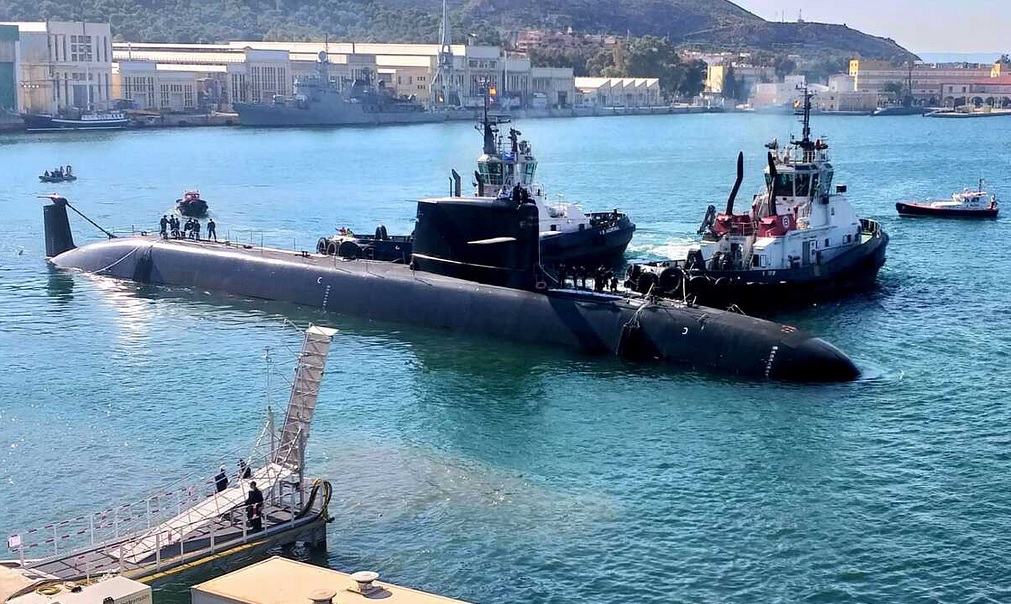
India
Larsen & Toubro (L&T), a key player in India's defence manufacturing landscape, has joined forces with Spanish shipbuilder Navantia to deliver advanced Air-Independent Propulsion (AIP) submarines under the prestigious Project 75(I) program. This ambitious initiative, valued at approximately ₹40,000 crore (around $5.8 billion), underscores India's commitment to bolstering its naval capabilities while advancing its indigenous defence manufacturing ecosystem.Revolutionizing Submarine Operations with AIP TechnologyAt the heart of the L&T-Navantia collaboration is the integration of a state-of-the-art AIP system designed to significantly extend a submarine's underwater endurance. By enabling submarines to remain submerged for up to 21 days, the AIP technology minimizes the need for surfacing, a critical factor for stealth and operational efficiency. Navantia demonstrated this cutting-edge system on the S-83 submarine, currently under construction for the Spanish Navy.The AIP system leverages bioethanol as a hydrogen source, offering a host of advantages: Sustainability and Safety: The use of bioethanol, a renewable and widely available fuel, eliminates risks associated with hydrogen storage while ensuring eco-friendly operations. The carbon emissions are offset by the absorption during the feedstock growth cycle, making it a greener alternative to traditional fuels.Enhanced Operational Range: The efficient hydrogen generation system enhances stealth and operational range, allowing the submarine to carry out prolonged missions without surfacing for refuelling.Simplified Maintenance: The modular and compact design of the AIP system ensures ease of maintenance and repair, boosting reliability during long missions. Project 75(I): A Strategic Leap for India's DefenceProject 75(I) is a flagship initiative under India’s “Make in India” campaign, aiming to construct six advanced conventional submarines domestically. It represents the first major procurement under the Strategic Partnership (SP) model, which emphasizes collaboration between Indian private firms and foreign Original Equipment Manufacturers (OEMs) for co-development and technology transfer.This program is a cornerstone in India’s defence strategy, aimed at enhancing local capabilities in submarine design and construction. It also fosters the development of a robust industrial ecosystem that includes small and medium enterprises (SMEs), driving technological innovation and job creation.The Broader Impact of L&T-Navantia CollaborationL&T’s extensive experience in submarine construction, including its work on India’s Arihant-class nuclear-powered ballistic missile submarines, positions it as a formidable partner in this venture. Navantia’s expertise in submarine technology further enhances the collaboration's potential to deliver next-generation submarines tailored to the Indian Navy's requirements.Beyond Project 75(I), L&T and Navantia are exploring opportunities in other defence and green energy sectors. Their partnership reflects a strategic alignment that could open avenues for collaboration in diverse areas, from renewable energy initiatives to advanced military platforms.Strengthening Naval Power in the Indo-PacificWith regional security concerns on the rise, the integration of AIP submarines into India’s naval fleet marks a significant leap forward in ensuring maritime dominance. These advanced submarines will provide the Indian Navy with enhanced stealth, endurance, and operational flexibility, crucial for securing the Indo-Pacific against emerging threats. Project 75(I) is more than a defence acquisition; it is a testament to India’s growing self-reliance and global partnerships. By blending cutting-edge technology with indigenous manufacturing, the program sets a benchmark for future defence initiatives while fortifying India’s position as a maritime power.
Read More → Posted on 2024-11-27 15:38:12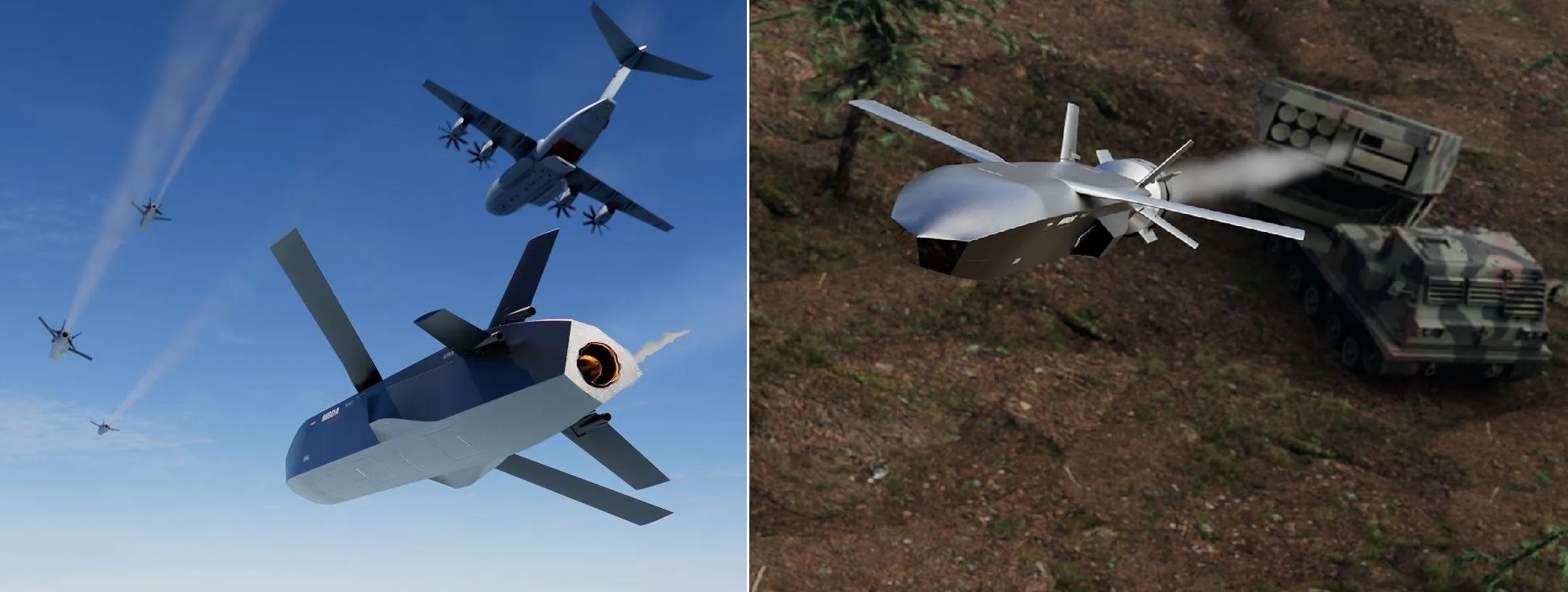
World
Germany is on the brink of a significant leap in defense technology with the development of the Remote Carrier Multidomain Multirole Effector (RCM²), a new-generation cruise missile crafted by MBDA Deutschland. Designed to complement the country’s existing TAURUS missile system, the RCM² is poised to redefine multi-domain warfare with its advanced versatility and cutting-edge features.A Missile for All Platforms The RCM²’s standout characteristic is its flexibility. Unlike traditional cruise missiles, the RCM² can be launched from a diverse range of platforms, including fighter aircraft, transport planes, frigates, and land-based vehicles. This multi-platform adaptability ensures its utility across the air, sea, and land branches of Germany's armed forces, giving commanders unmatched operational flexibility.Advanced Features and CapabilitiesAt its core, the RCM² merges the capabilities of loitering munitions with advanced multi-role functionality. This hybrid approach allows it to operate effectively in modern contested battle environments, where traditional GPS and targeting systems might fail. Equipped with interactive guidance systems, the missile can seamlessly integrate into networked operations, enabling any operator within the network to assume control if necessary.The RCM²’s advanced navigation system, relying on GPS and interactive swarm guidance, ensures precision targeting even in GPS-denied zones. It can loiter over target areas, monitor threats, and strike when required, offering strategic advantages in dynamic and unpredictable battlefields.Key SpecificationsThe RCM² is powered by a turbojet engine, enabling it to achieve a range of up to 500 kilometers. It weighs approximately 340 kilograms and offers a variety of payload configurations. These include: Explosive warheads for precision strikes. Electronic warfare systems to disrupt enemy communications. Intelligence-gathering sensors for reconnaissance missions. This modular payload system allows commanders to tailor the missile for specific mission requirements, and even combine payload types within a single operation for enhanced versatility.Integration into the Future Combat Air System (FCAS)The RCM² is set to become a key component of the Future Combat Air System (FCAS), Europe’s ambitious next-generation air combat program. By aligning with the FCAS project, the missile underscores its role in bolstering Germany’s and Europe’s airstrike capabilities, ensuring interoperability with cutting-edge fighter jets and other allied systems.A Strategic Leap ForwardWith its long range, multi-platform compatibility, and advanced payload options, the RCM² is more than just a missile—it’s a versatile tool for modern warfare. Its ability to adapt to different operational needs while remaining resilient in contested environments positions it as a cornerstone of Germany’s defense strategy in the years ahead. This innovative cruise missile exemplifies Germany’s commitment to staying at the forefront of military technology, providing its armed forces with the tools they need to meet the complex challenges of 21st-century conflict.
Read More → Posted on 2024-11-27 15:33:33
World
A disturbing case of radiation poisoning has come to light involving a Russian soldier from Yekaterinburg, who is now battling life-altering health conditions. According to military lawyer Petr Portnyagin, the soldier unknowingly exposed himself to radioactive materials while washing his clothes in contaminated water during a deployment to an undisclosed “unfriendly” country.A Life of Service and SacrificeThe unnamed soldier’s military career is marked by significant milestones and perilous assignments. He served aboard the Russian Navy’s Admiral Kuznetsov, a troubled aircraft carrier known for its technical issues and history of accidents. He was also present during the infamous Kursk submarine disaster, a tragic event in 2000 that claimed the lives of all 118 crew members onboard.In recent years, he transitioned to ground combat roles, participating in Russia's military operations in Ukraine. There, he sustained concussions and shrapnel wounds, a testament to his front-line service. Despite his years of dedication, this incident of radiation exposure marks one of the most severe challenges of his military tenure.The Incident and Its AftermathPortnyagin revealed that the soldier’s radiation poisoning occurred during a routine activity—laundering his clothes. While deployed in the unnamed country, he used water unknowingly contaminated with radioactive materials. Soon after, he developed symptoms of radiation sickness, which escalated to necrosis, a condition where tissue dies, and significant bone damage. These health complications have severely compromised his physical well-being.The soldier’s grim prognosis underscores the hazardous conditions faced by many in Russia’s armed forces, especially in conflict zones. Exposure to radioactive contamination suggests a lack of proper safety protocols and environmental awareness during deployments.Legal and Personal ImplicationsThe soldier, now grappling with his debilitating condition, is seeking medical discharge from military service. His lawyer highlighted the soldier’s hope of avoiding further combat assignments in Ukraine, emphasizing his extensive contributions to the military over the years. “He has given his entire life to the military,” Portnyagin stated.Broader Concerns Over Deployment SafetyThis case shines a spotlight on the persistent safety risks within the Russian military, particularly in high-risk zones. The presence of radioactive materials in the deployment area raises serious questions about environmental hazards and the protective measures provided to soldiers. While details about the contaminated site remain undisclosed, such incidents underscore the urgent need for stricter safety standards in military operations.A Sobering RealityThe soldier’s harrowing ordeal is a stark reminder of the dangers faced by those serving in hazardous environments. As his health deteriorates, his case not only highlights individual suffering but also draws attention to systemic lapses in ensuring troop safety during deployments. This troubling incident is a somber chapter in a career filled with sacrifice, underscoring the human cost of war and the enduring risks faced by those on the front lines.
Read More → Posted on 2024-11-27 15:18:41
Space & Technology
India has officially taken a monumental step in its journey to become a major player in space exploration. On September 18, 2024, the Union Cabinet approved the construction and launch of the Bharatiya Antariksh Station (BAS), a state-of-the-art modular space station. This landmark decision not only expands the scope of India's ongoing Gaganyaan program but also lays the groundwork for the nation’s long-term ambitions in human spaceflight and research.A Visionary Space StationThe Bharatiya Antariksh Station is envisioned as a modular, scientific research platform positioned in low Earth orbit (LEO) between 400 and 450 kilometers above the Earth's surface. Designed to house multiple modules, the station will serve as a hub for cutting-edge microgravity experiments and technological advancements.The first module, BAS-1, is slated for launch in 2028, while the entire station is expected to become fully operational by 2035. This timeline reflects India's methodical approach to achieving technological and operational milestones critical for human space missions.Expanding the Gaganyaan ProgramInitially focused on human spaceflight to LEO, the Gaganyaan program has been expanded to include the development and deployment of BAS. With an increased budget of ₹20,193 crore ($2.4 billion), of which ₹11,170 crore is earmarked for BAS, the program now encompasses eight missions. These include technology validation and precursor missions designed to test critical systems for long-duration space habitation.Four of these missions are expected to conclude by 2026, paving the way for the BAS-1 launch by 2028. The revision also adds an uncrewed mission to ensure the reliability of life-support systems and other essential technologies. The program’s long-term vision includes not only BAS but also an Indian-crewed lunar mission by 2040.Scientific and Strategic SignificanceThe BAS will serve as a versatile platform for research in microgravity, enabling breakthroughs in fields such as medicine, materials science, and space agriculture. Its advanced Earth observation technologies could also enhance India’s ability to predict and respond to natural disasters, providing critical data for climate monitoring and resource management.The project is expected to create a ripple effect in India’s high-tech sectors, boosting employment, fostering innovation, and providing opportunities for startups to test their technologies in space. By creating a self-reliant space station, India aims to join the ranks of elite space-faring nations like the United States, Russia, and China.Challenges on the HorizonDespite the ambitious plans, the journey to operationalize BAS is fraught with challenges. Technological Development: Building a space station requires advanced capabilities in life support, radiation shielding, and structural integrity, areas where India is still building expertise. Funding and Collaboration: Sustaining a project of this magnitude will necessitate consistent funding, potentially requiring international partnerships and private sector investment. Geopolitical Dynamics: As a strategic asset, BAS will place India in a competitive landscape with other space-faring nations, necessitating careful diplomacy and collaboration. Global Collaborations and PartnershipsBAS is expected to act as a catalyst for international cooperation. By offering a platform for collaborative research, it could attract partnerships with leading space agencies like NASA, ESA, and Roscosmos, as well as emerging private players in the space sector. These collaborations could not only bring in additional resources but also position India as a global leader in space exploration.A Step Toward Space SovereigntyThe approval of the Bharatiya Antariksh Station represents a giant leap for India's space ambitions. Beyond its scientific and strategic benefits, the station embodies the nation's aspiration to achieve space sovereignty, reinforcing its status as a self-reliant and forward-looking power in the global arena. As India sets its sights on launching BAS-1 by 2028, the dream of an operational Bharatiya Antariksh Station by 2035 seems well within reach. With its eyes on the stars and feet firmly on the ground, India is poised to redefine its role in the ever-expanding frontiers of space exploration.
Read More → Posted on 2024-11-27 15:13:13
World
BAE Systems recently unveiled its ambitious Herne Extra-Large Autonomous Underwater Vehicle (XLAUV) in a series of compelling demonstrations off the southern coast of England. Over two weeks in November, representatives from 10 nations, including NATO and Five Eyes partners, observed the Herne XLAUV in action as it executed an advanced intelligence, surveillance, and reconnaissance (ISR) mission. This groundbreaking platform represents a collaborative engineering feat designed to address the growing demand for versatile, cost-effective underwater capabilities.A New Era for Autonomous Underwater OperationsHerne is the culmination of a partnership between BAE Systems and Canadian marine innovator Cellula Robotics. By integrating Cellula's Solus-XR platform technology with BAE's Nautomate control software, Herne delivers a unique combination of modular design, autonomous functionality, and military-grade adaptability.The Solus-XR, a 12-meter-long free-flooding autonomous underwater vehicle (AUV), provides the physical framework. Its 3,000-meter depth rating, 5,000 liters of payload capacity, and rapid payload-swapping capability (achieved in under 90 minutes) make it exceptionally versatile. Payload modules are easily interchangeable, allowing operators to customize configurations for diverse missions such as ISR, anti-submarine warfare (ASW), electronic warfare (EW), and seabed operations.Modular Design and Advanced AutonomyAt the heart of Herne lies the Nautomate autonomous control system, described by BAE Systems’ Tim O’Neill as “a brain in a box.” This advanced software allows Herne to operate independently, adapting to environmental challenges and mission parameters in real-time. The recent demonstrations highlighted the platform's ability to autonomously navigate hazards, collect and analyze high-definition video imagery, and track dynamic targets using machine vision.The platform's modularity and flexibility extend beyond software. Its scalable design incorporates mission-specific plug-ins, enabling seamless integration of new payloads and sensors. BAE Systems has already begun defining an ASW package featuring a thin-line passive towed array, with plans to explore multistatic ASW configurations. For EW missions, Herne could serve as a forward-deployed signal interceptor or even carry payloads for jamming and deception.Innovations in Power and EnduranceCurrently powered by lithium-ion batteries, Herne offers endurance measured in days. However, the platform's long-term potential hinges on Cellula Robotics’ ongoing advancements in hydrogen fuel cell technology. Once integrated, this system could enable missions spanning 5,000 kilometers at a cruising speed of 3 knots, significantly enhancing its operational range and flexibility.The Demonstration and Future PathThe November trials placed Herne in a challenging operational scenario. The XLAUV conducted a covert subsurface entry into a harbor, autonomously navigated complex obstacles, and transmitted ISR data after identifying a hostile target. The exercise validated the system's autonomy and effectiveness, reassuring observers of its readiness for real-world deployment.BAE Systems plans to build on this success with further testing and refinements. These efforts include improving launch-and-recovery systems, advancing the Nautomate software, and exploring payloads for ASW, EW, and seabed operations. The goal is clear: to deliver a fully operational Herne XLAUV by mid-2026, complete with hydrogen fuel cell options and adaptable mission capabilities.Redefining Underwater WarfareHerne's design philosophy prioritizes flexibility and rapid deployment. By leveraging an off-the-shelf platform and enhancing it with military-grade systems, BAE Systems aims to reduce time-to-market and cost while maintaining cutting-edge performance. This proactive approach aligns with the evolving needs of navies worldwide, providing a scalable, versatile solution for modern underwater challenges. As autonomous underwater vehicles become a cornerstone of naval operations, Herne XLAUV stands out as a prime example of innovative engineering and international collaboration, setting a new benchmark for the future of maritime defense.
Read More → Posted on 2024-11-27 15:05:39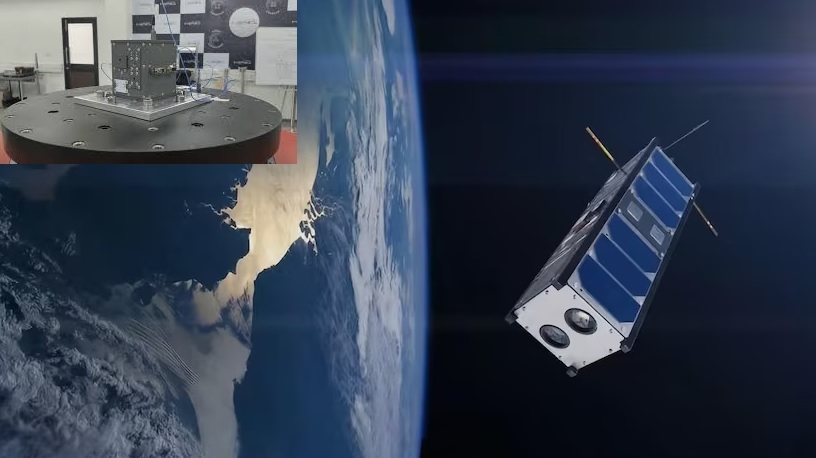
Space & Technology
In a groundbreaking leap for India’s space technology, Hyderabad-based start-up TakeMe2Space is gearing up to launch the country’s first Artificial Intelligence (AI) laboratory into orbit. The ambitious mission, named My Orbital Infrastructure - Technology Demonstrator (MOI-TD), is set to launch aboard ISRO’s PSLV C60 rocket in mid-December 2024. This pioneering effort aims to redefine how satellite data is processed, leveraging real-time AI capabilities in space to overcome significant challenges faced by Earth-bound systems.Redefining Satellite Data ProcessingCurrently, satellites collect vast quantities of data—up to petabytes daily—but much of this data becomes unusable due to delays in processing or issues such as cloud cover. Typically, the data is transmitted back to Earth for processing, an approach that is both time-intensive and costly. The MOI-TD laboratory promises to revolutionize this by processing data directly in space. This innovation will enable immediate analysis of critical data, cutting down transmission costs and latency while providing actionable insights for applications such as environmental monitoring, disaster response, and agriculture.A Satellite-as-a-Service ModelTakeMe2Space’s AI lab isn’t just a technology demonstrator; it offers a Satellite-as-a-Service platform. Researchers and organizations can upload their AI models through OrbitLab, a web-based console, for applications ranging from deforestation monitoring to advanced geospatial analytics. This platform aims to democratize access to space-based research, offering unprecedented opportunities to academic institutions, startups, and global partners. For instance, collaborations have already been initiated with an Indian school and a Malaysian university, signaling the platform’s broad appeal.Cutting-Edge Technology OnboardThe MOI-TD laboratory features advanced components that reflect the mission’s futuristic vision: AI Accelerators for high-speed computation. Advanced Onboard Computers for complex processing tasks. Flexible Solar Cells to power the spacecraft efficiently. Reaction Wheels and Magnetorquers for precise orientation and stabilization in orbit. These technologies represent a significant step towards more autonomous, intelligent spacecraft that can handle increasingly complex missions in the future.Broader Implications for Space ExplorationThe MOI-TD mission is part of a growing trend of leveraging AI for advanced space operations. Similar efforts globally, such as those by Amazon Web Services, have showcased how generative AI can revolutionize geospatial analytics, spacecraft design, and constellation management. These capabilities could ultimately transform satellite constellations into powerful, self-regulating networks capable of managing crowded orbits and delivering unprecedented data insights.A Vision Beyond the HorizonRonak Kumar Samantray, the founder and CEO of TakeMe2Space, envisions this mission as a step toward opening up space technology to smaller entities and researchers. While space-based AI processing currently incurs higher costs compared to Earth-based alternatives, advancements like MOI-TD could eventually make orbital computing as accessible and cost-effective as today’s cloud services.This mission not only positions India as a significant player in the global space tech ecosystem but also sets the stage for future innovations in autonomous satellite operations, environmental monitoring, and disaster mitigation. The MOI-TD is a testament to how private enterprises, in collaboration with space agencies, can push the boundaries of exploration and technology.
Read More → Posted on 2024-11-27 14:59:28
World
Russia's military innovation has taken an incendiary turn with the introduction of a new "flamethrower drone," designed to counter threats in the ongoing conflict with Ukraine. This compact unmanned aerial vehicle (UAV) features a small tank filled with flammable liquid, capable of projecting a burst of flame up to 3 meters (10 feet) downward. While its operational adoption by the Russian military remains uncertain, this UAV could serve as a tactical countermeasure against reconnaissance drones hovering in the battlefield.Design and SpecificationsThe flamethrower drone boasts a lightweight design to maintain agility in the air. Its primary weapon is a controlled stream of fire, fueled by a pressurized mechanism that ensures precise short-range targeting. However, the limited payload poses a significant challenge: as the flammable liquid depletes, the pressure weakens, and the heat generated during sustained hovering risks damaging the UAV itself. This vulnerability raises questions about its reliability during extended engagements.Effectiveness Under ScrutinyMilitary experts are divided on the drone's battlefield utility. Analysts like Samuel Bendett from the Center for Naval Analyses suggest it might perform effectively against stationary or low-speed targets, such as surveillance drones. However, against the agile, high-speed UAVs commonly deployed in Ukraine, achieving precision becomes an uphill task. Federico Borsari from the Center for European Policy Analysis has highlighted additional concerns about the drone's resilience, especially when operating under challenging conditions like high heat or depleted liquid reserves.Escalating Drone RivalryThe development mirrors the intensifying technological race in drone warfare. Notably, Ukraine's "Dragon" UAV, introduced earlier, has set a high benchmark by using molten thermite to destroy concealed targets, particularly in forested areas where traditional methods fall short. This Ukrainian drone emphasizes versatility, with greater endurance and adaptability in diverse terrains, potentially overshadowing Russia’s flamethrower UAV in operational efficiency.Strategic ImplicationsThe unveiling of such niche technologies reflects a broader trend in modern warfare, where drones are increasingly central to tactical superiority. While Russia’s flamethrower drone may find limited applications, it symbolizes a shift towards more experimental and specialized designs in drone warfare.As the conflict nears its third year, these innovations underscore the evolving tactics on both sides, with each seeking to gain the upper hand through cutting-edge technology. However, whether these advancements translate into decisive battlefield advantages remains to be seen.While Russia's flamethrower drone is an intriguing addition to its arsenal, its effectiveness and survivability on the modern battlefield face significant hurdles. As both nations continue to innovate, the skies over Ukraine will likely see even more advanced and experimental UAVs in the near future.This development further highlights the unpredictable nature of the ongoing conflict, where technology and strategy constantly reshape the rules of engagement.
Read More → Posted on 2024-11-27 14:54:59Search
Top Trending in 24 Hours
-
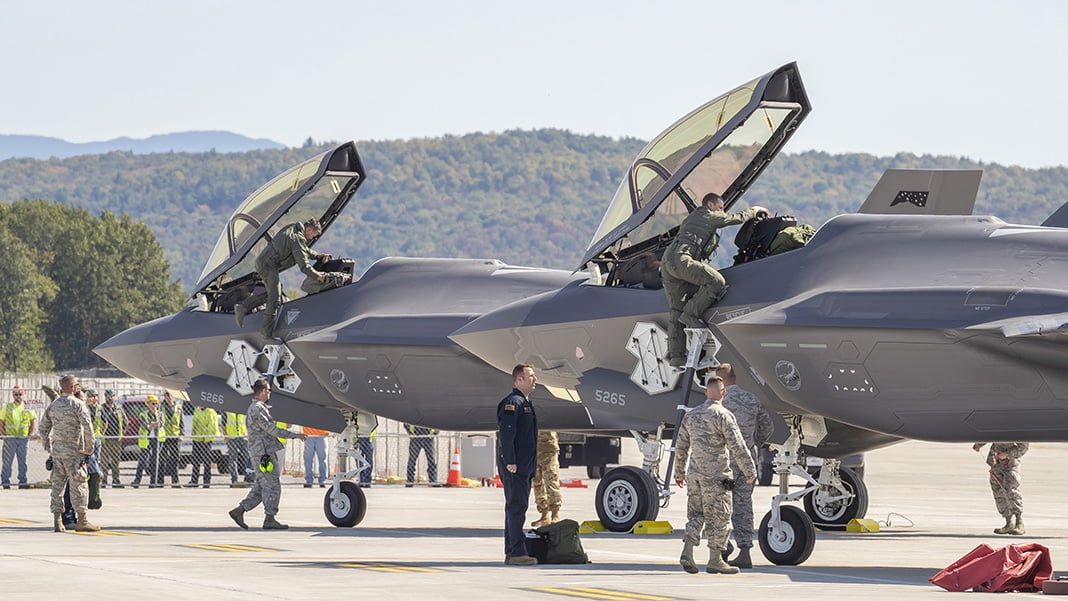 F-35 Fleet Readiness Falls to 25% Amid Parts Shortages and Software Delays: GAO Report
-
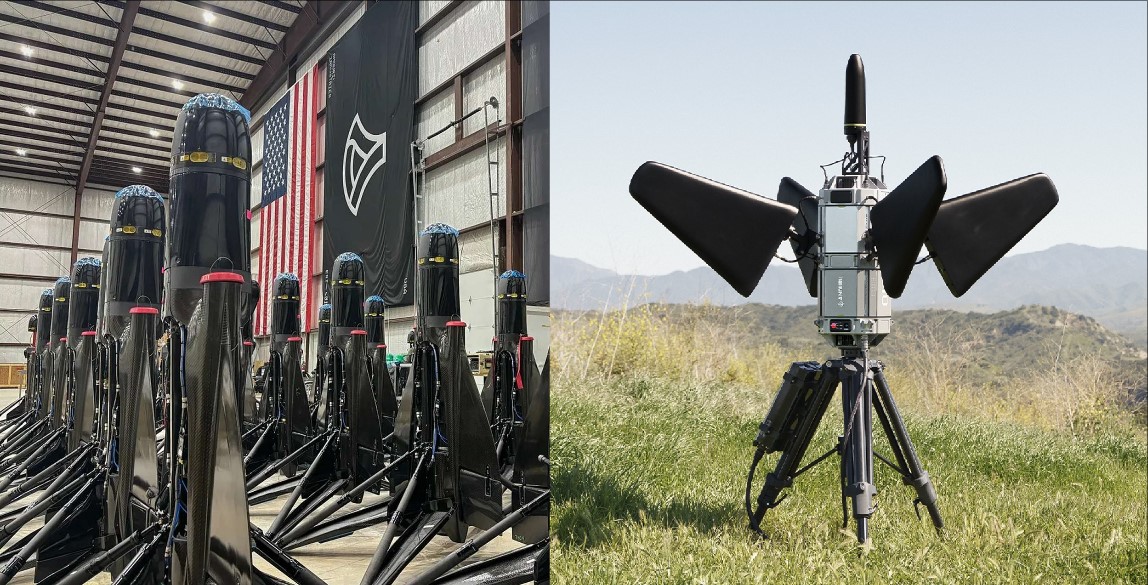 U.S. Approves $1.98 Billion Sale of Anduril AI-Powered Counter-Drone Systems to Kuwait
-
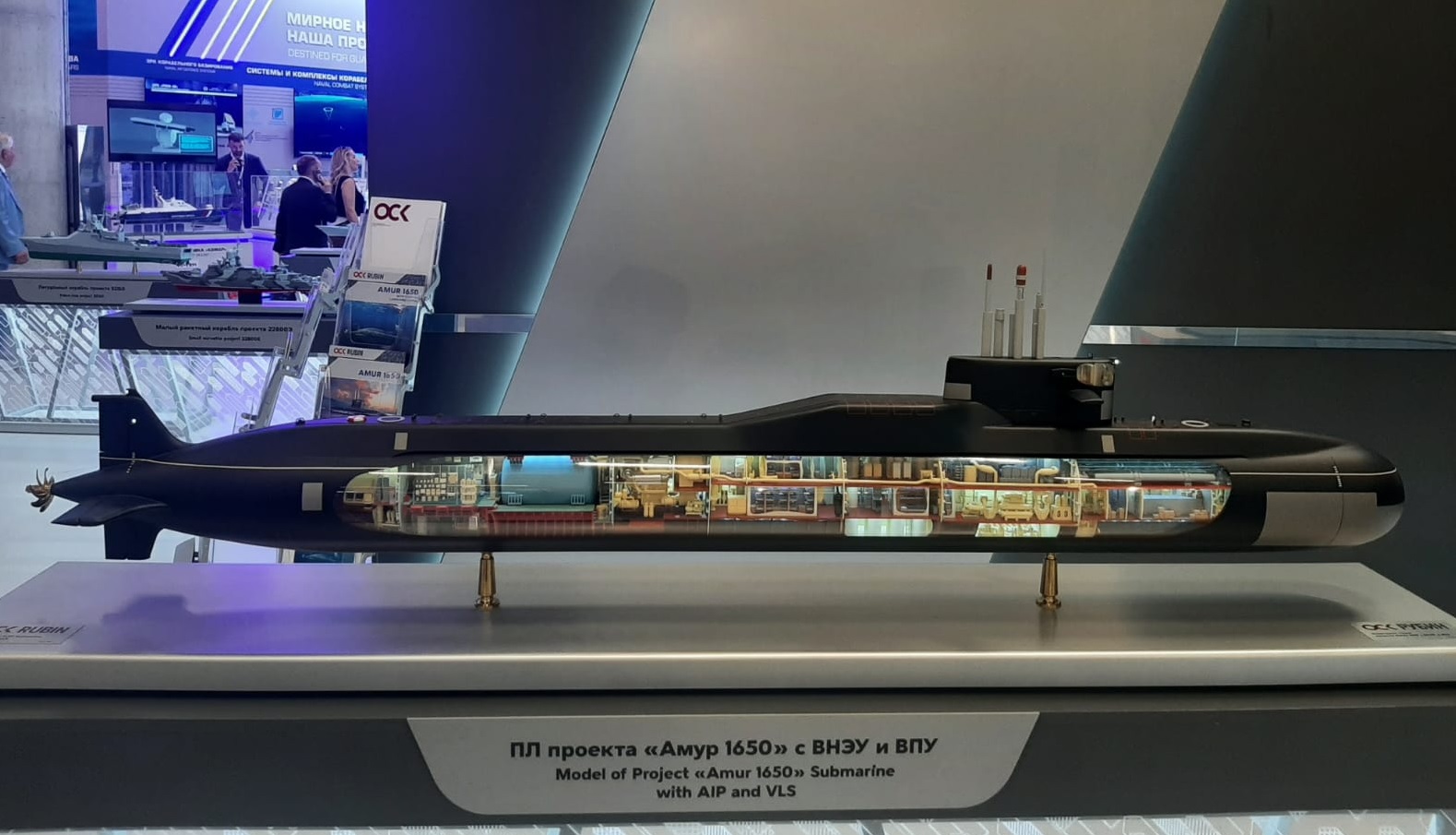 Russia Unveils Amur-1650 AIP Submarine Equipped with BrahMos Vertical Launch System at Fleet-2026
-
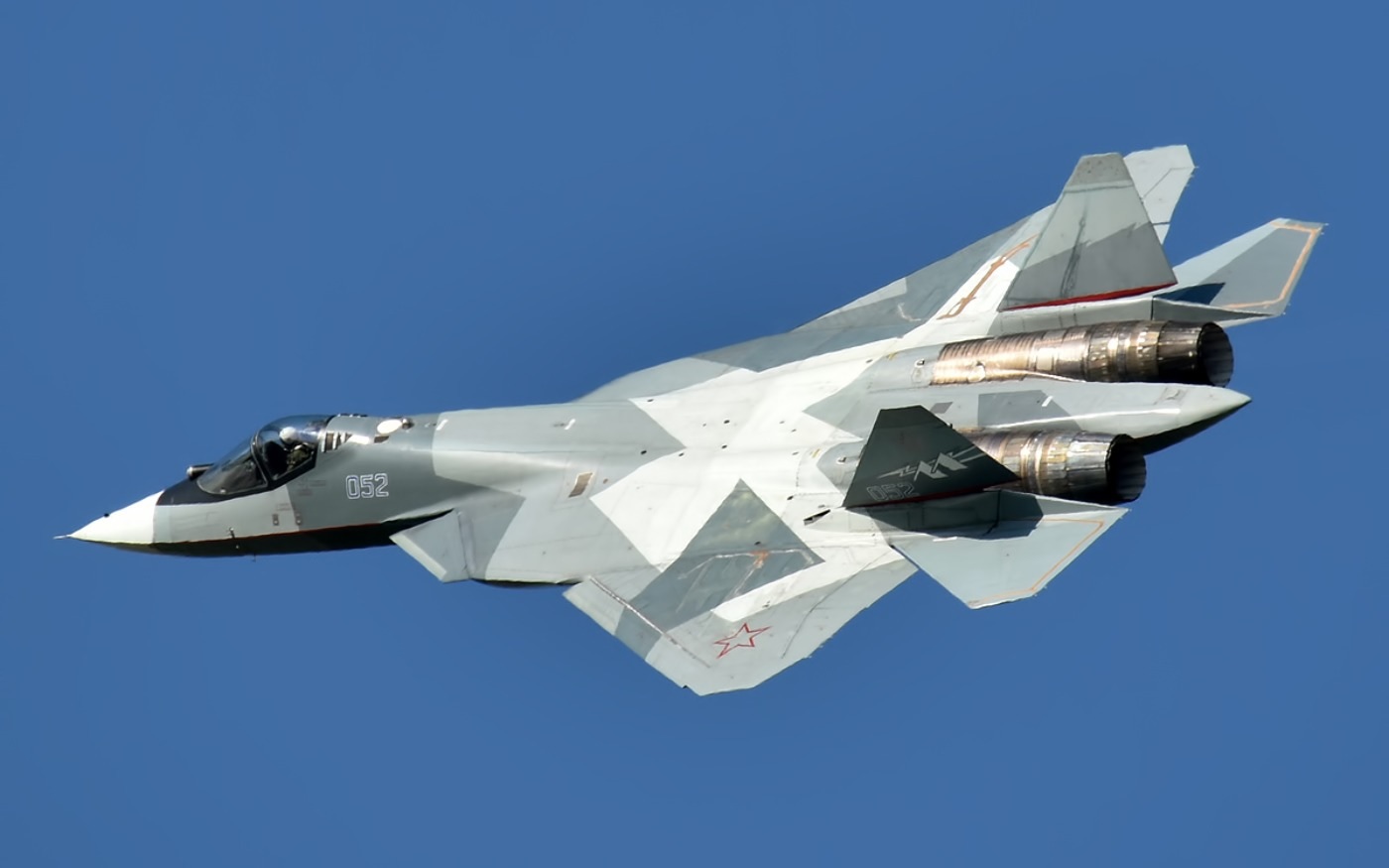 Russian Analysts Debate Su-57 Capabilities After Putin Calls Fighter Superior to F-35
-
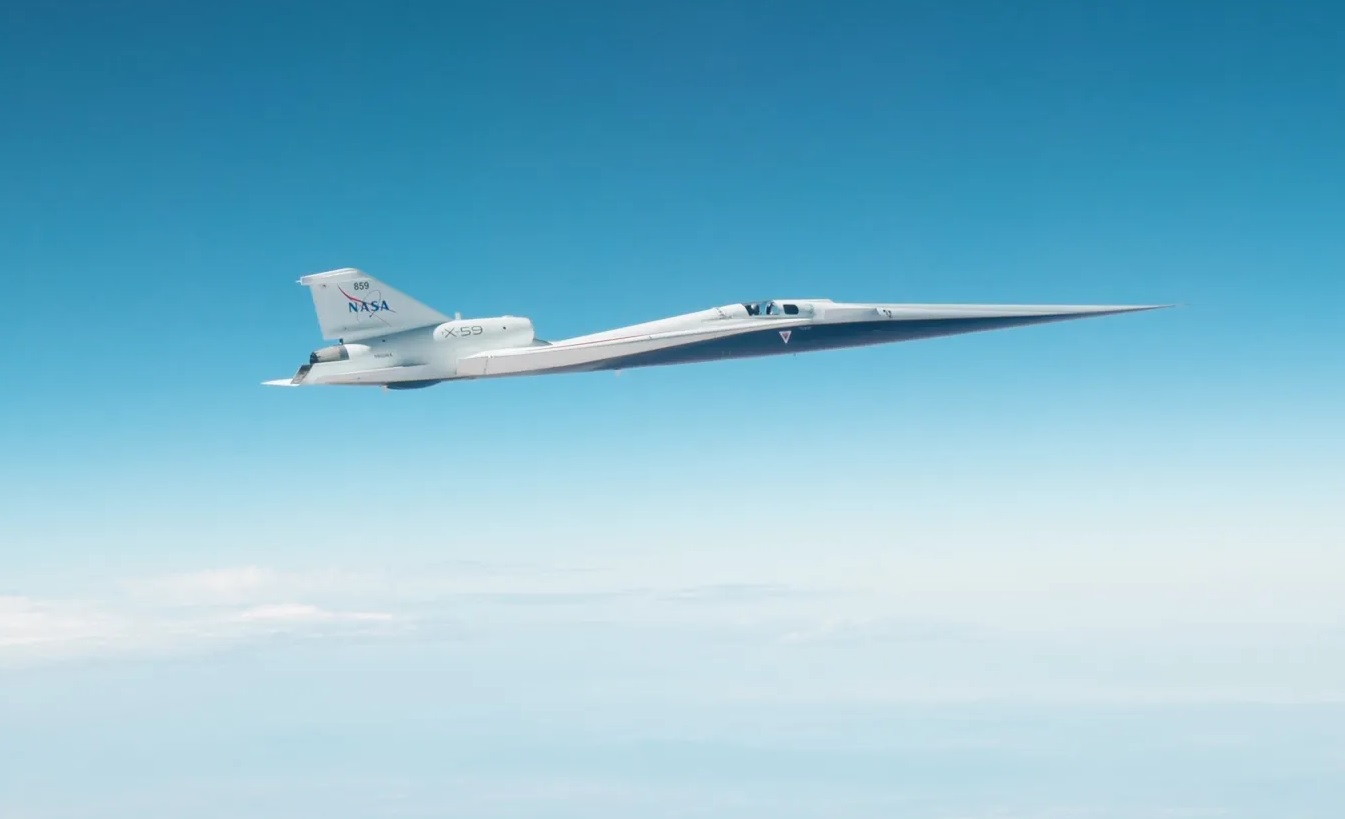 NASA X-59 Achieves Planned Mission Conditions with Mach 1.4 Flight at 55,000 Feet
-
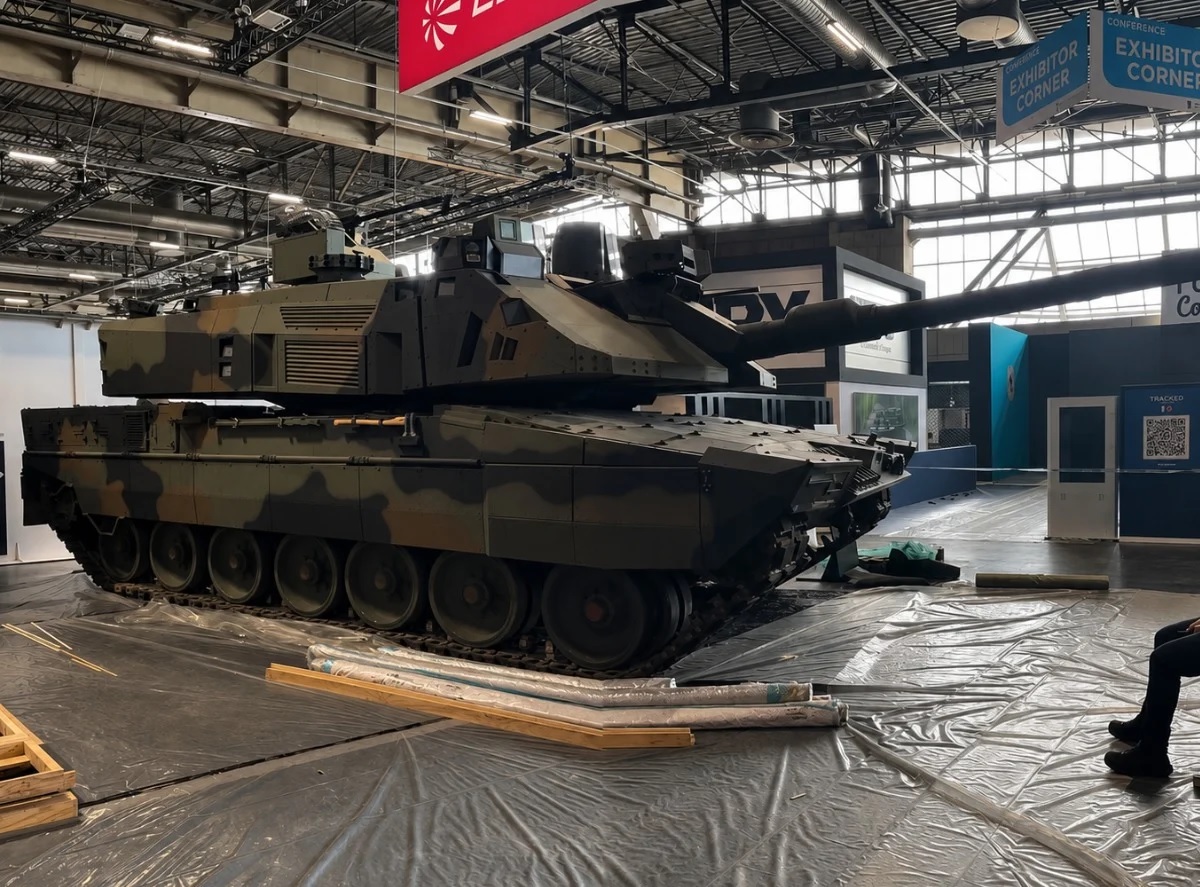 Leonardo Rheinmetall to Unveil Italy’s New IMBT Main Battle Tank at Eurosatory 2026
-
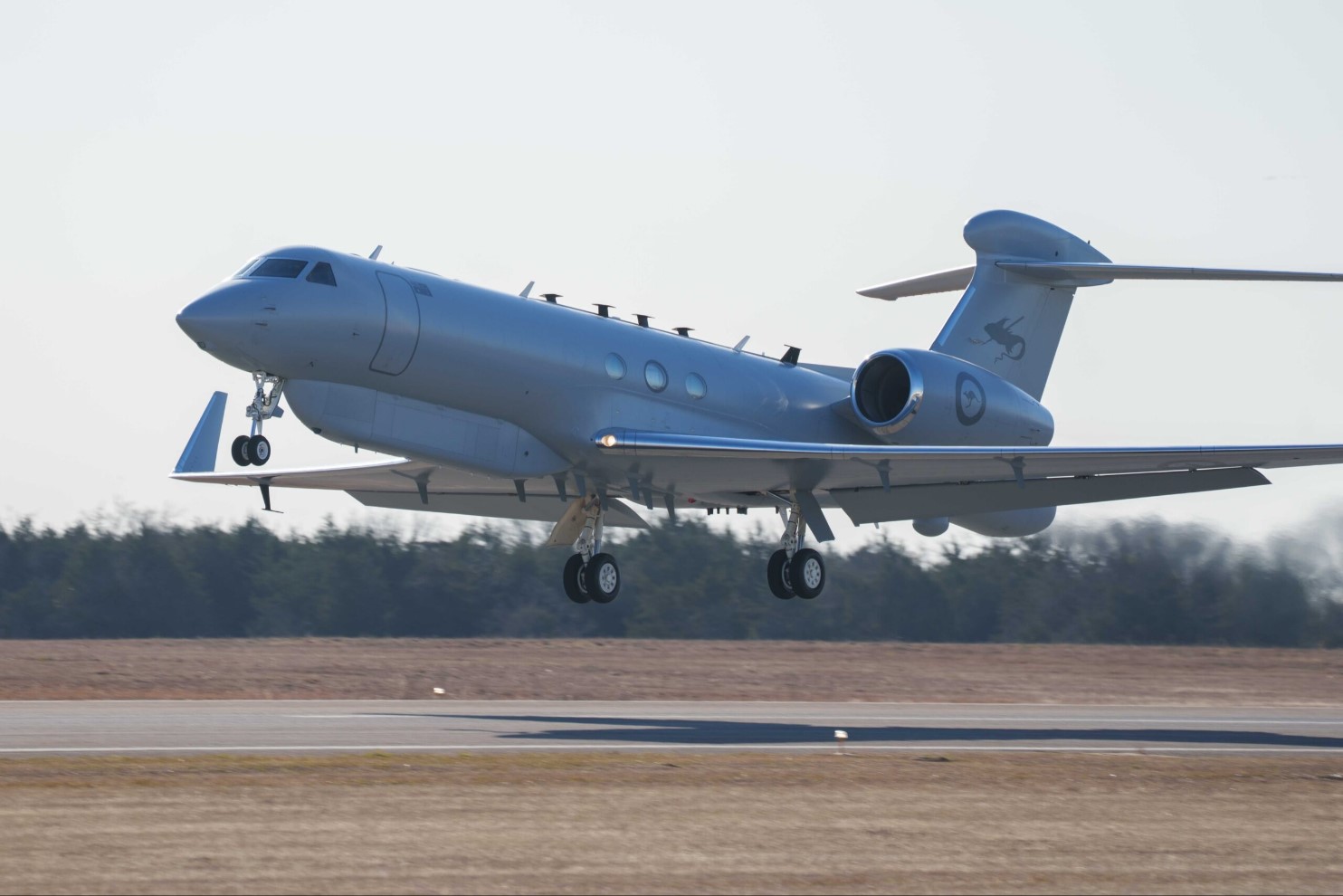 Australia Receives Third MC-55A Peregrine Intelligence Aircraft Under A$2.4 Billion ISR Program
-
 AM General Unveils Next-Generation UGV and JLTV A2 with Counter-Drone Systems at Eurosatory 2026
Top Trending in 4 Days
-
 Iranian Media Leaks 14-Point U.S.-Iran Peace Framework Amid Ongoing Negotiations
-
 US Plans Significant Reduction of Fighter Jets and Warships for NATO Operations in Europe
-
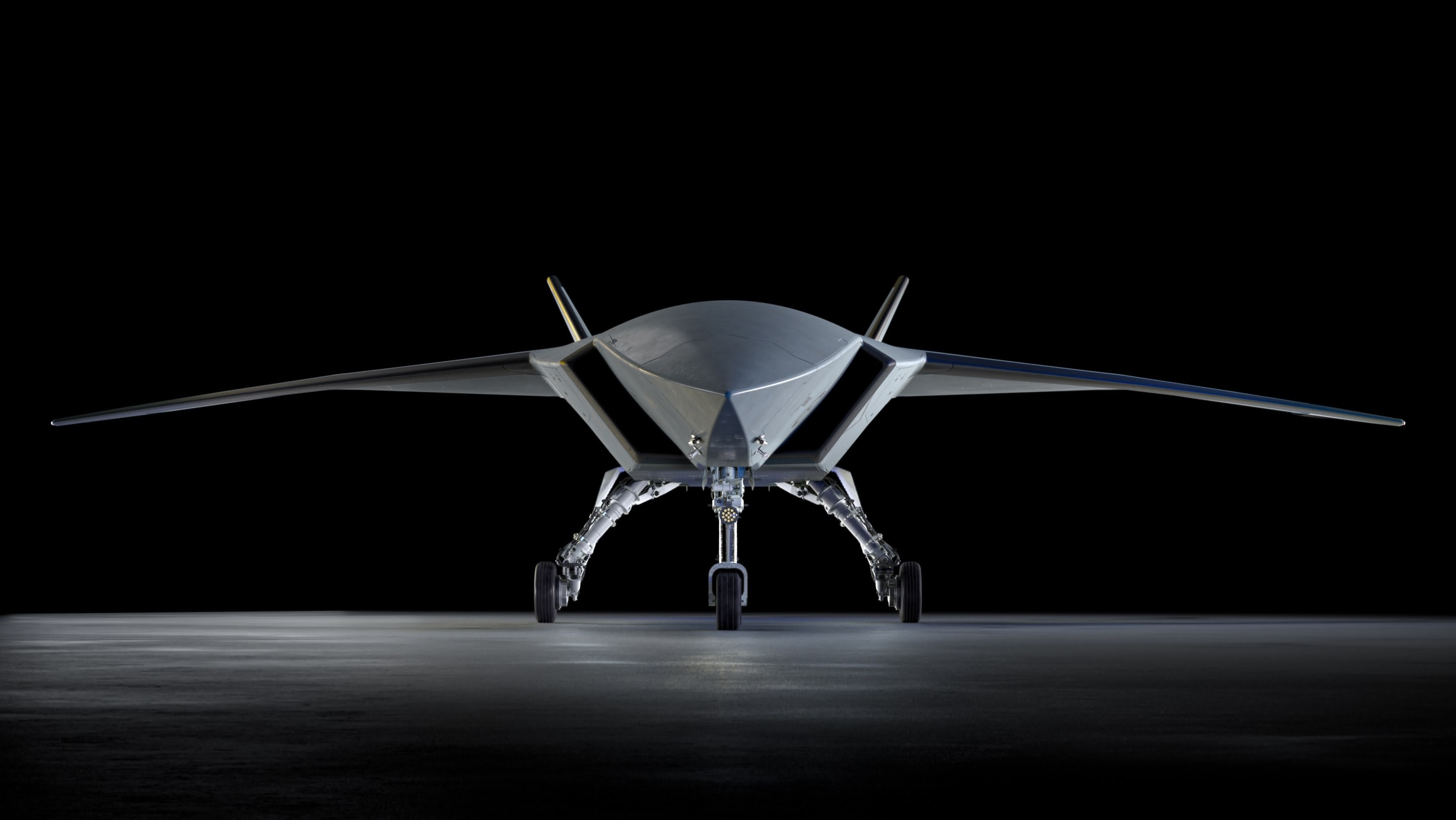 Boeing Introduces New MQ-28 Ghost Bat Upgrades with Increased Range, Payload and Weapons Capacity at ILA Berlin 2026
-
 AMCA Airframe Spotted at DRDO’s ORANGE Facility for Radar Cross-Section Testing
-
 U.S. Air Force Faces Strategic Airlift Shortfall as C-17 Production Restart Remains Uncertain
-
 U.S Aircraft Carrier USS Theodore Roosevelt Departs San Diego for Major RIMPAC 2026 Naval Exercise
-
 NATO Commander Says Russia Not Seeking Conflict With Alliance Despite U.S. Force Reductions
-
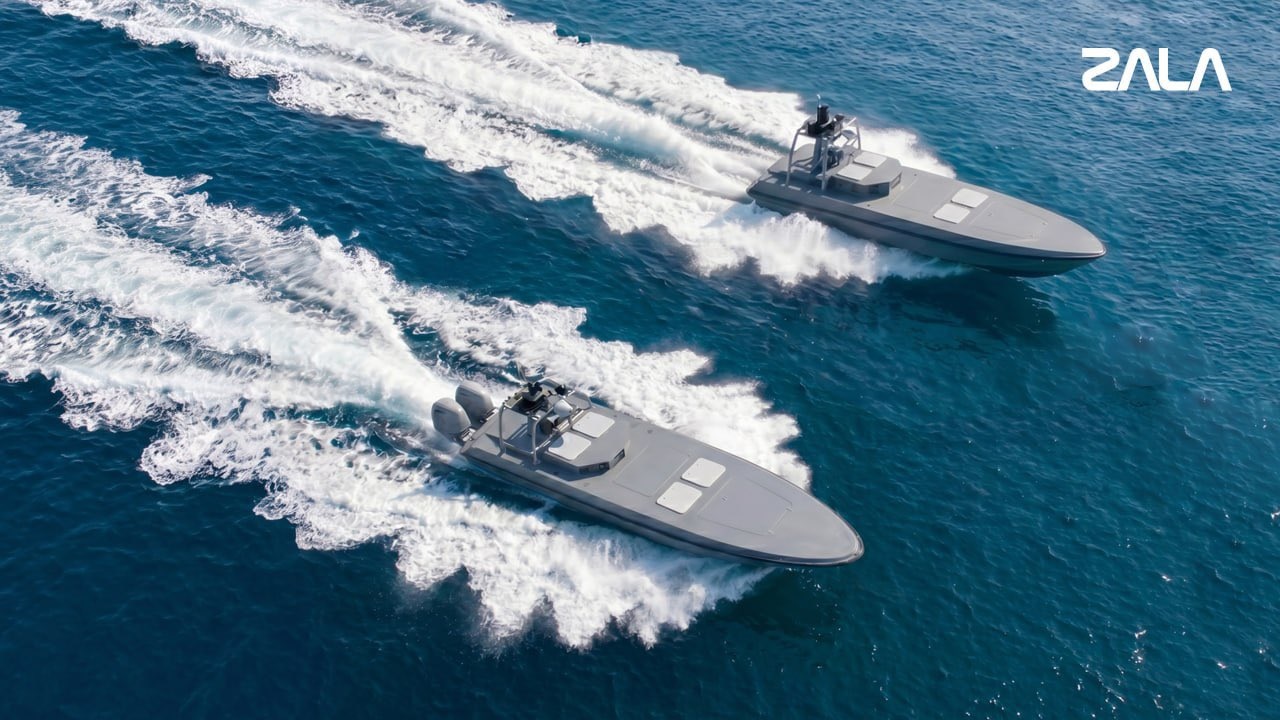 Russian Defense Firm ZALA Unveils KAMA Unmanned Surface Vessel Family at FLOT-2026 Naval Exhibition
