WASHINGTON — May 7, 2026 : The United States has temporarily paused “Project Freedom,” a military operation aimed at escorting commercial shipping through the Strait of Hormuz, after Saudi Arabia suspended American access to its airspace and key military facilities needed to support the mission, according to multiple U.S. and regional officials.
The decision came days after U.S. President Donald Trump publicly announced the initiative on social media on Sunday, a move that reportedly surprised several Gulf allies and triggered immediate diplomatic concerns across the region.
Project Freedom was designed to ensure the safe transit of commercial vessels through the Strait of Hormuz amid ongoing tensions between Washington and Tehran and concerns over disruptions to maritime traffic in one of the world’s most strategically important energy corridors.
According to officials familiar with the matter, Saudi Arabia informed Washington that it would not permit the U.S. military to launch aircraft from Prince Sultan Airbase, located southeast of Riyadh, nor allow American military flights through Saudi airspace for operations directly linked to the mission. The base currently hosts U.S. fighter aircraft, refueling tankers, and air defense systems that form part of Washington’s regional military posture.
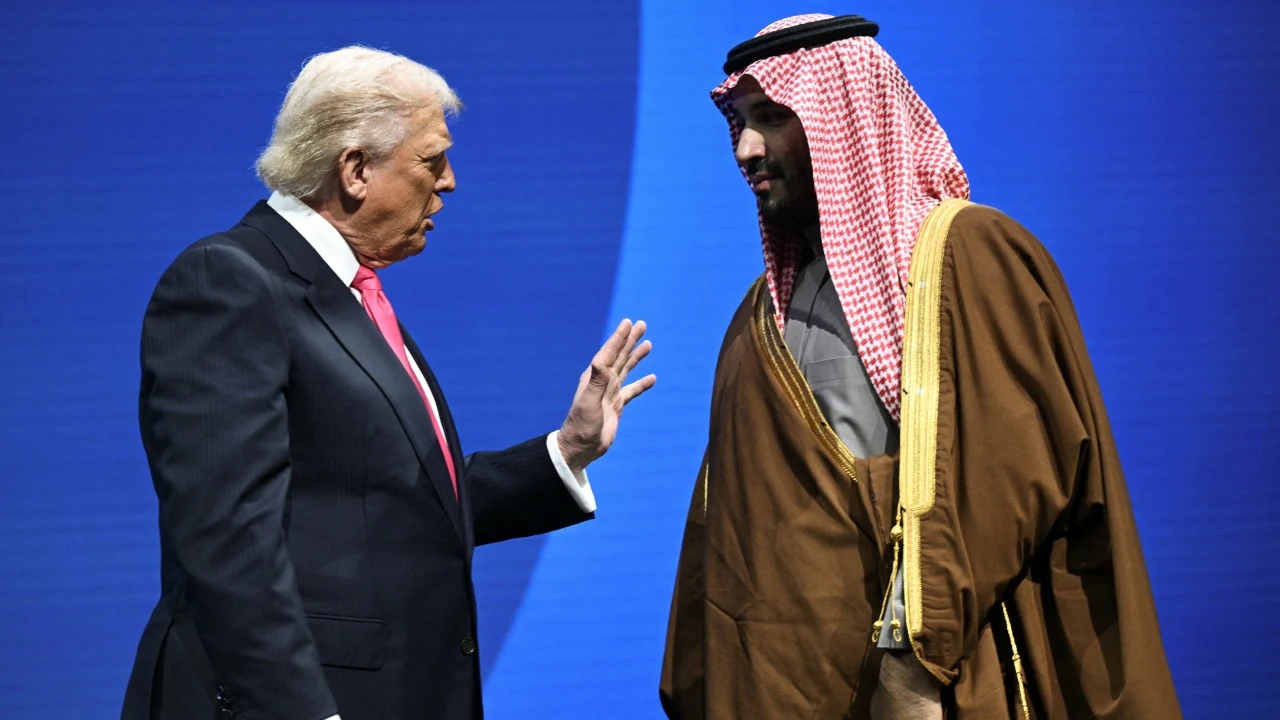
U.S. officials said a subsequent phone conversation between President Trump and Saudi Crown Prince Mohammed bin Salman failed to resolve disagreements over military access and operational coordination tied to the initiative.
Kuwait also reportedly declined to provide access to its air bases and airspace for the operation, further complicating logistical planning for the U.S. military. Diplomatic sources indicated that several Gulf states had not been fully consulted before the public announcement of the operation and were concerned about the possibility of further escalation in the region.
While a White House official stated that regional allies had been notified in advance, officials acknowledged that the absence of formal authorization for basing rights, overflight access, and operational support from Gulf host nations significantly limited the military’s ability to sustain the mission as originally planned.
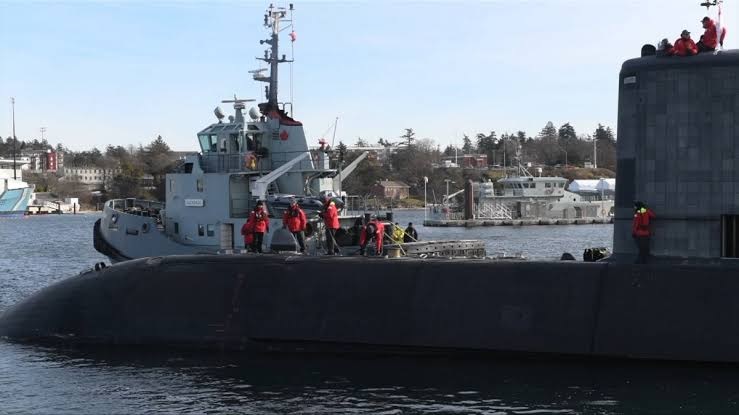
Prior to the suspension, the U.S. military had begun positioning additional naval assets in the Gulf in preparation for expanded escort operations through the strait. U.S. Central Command confirmed that on the first day of the mission, which began on or around May 4, two U.S.-flagged commercial vessels transited the Strait of Hormuz accompanied by two U.S. Navy guided-missile destroyers.
The Pentagon had described the operation as defensive in nature and focused on protecting commercial shipping from potential interference during passage through the waterway.
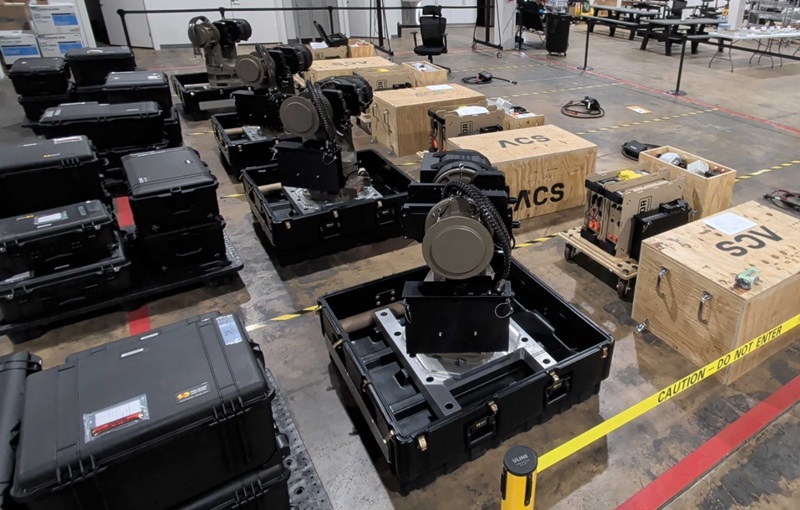
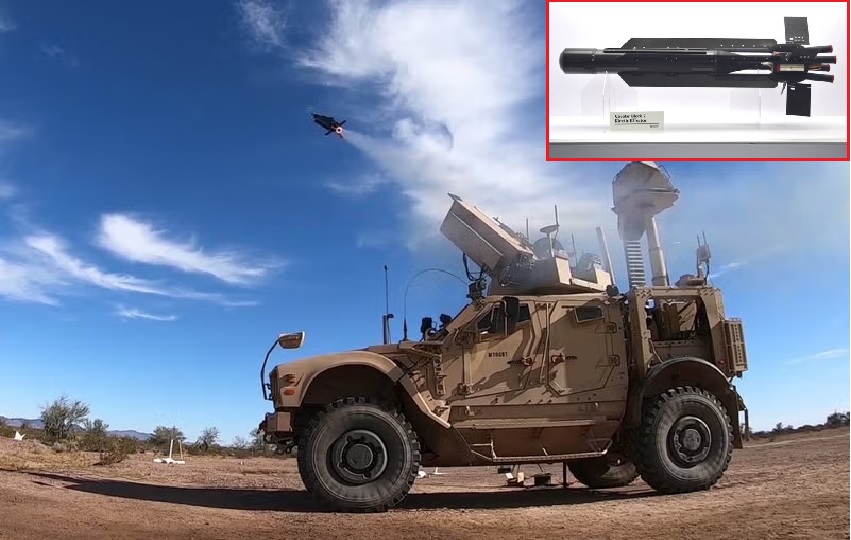
Earlier this week, U.S. Defense Secretary Pete Hegseth outlined the planned scale of Project Freedom, describing it as a broad maritime protection effort involving guided-missile destroyers and more than 100 land- and sea-based military assets. The operation was expected to include fighter aircraft, surveillance drones, helicopters, and airborne refueling support intended to provide continuous monitoring and air cover across the maritime corridor.
However, the execution of that operational framework depended heavily on access to Gulf airspace and regional military installations, particularly in Saudi Arabia and Kuwait.
In a statement posted to Truth Social on Tuesday, President Trump confirmed that Project Freedom would be “paused for a short period of time” while diplomatic efforts continue to determine whether a broader agreement between the United States and Iran can be finalized.
The administration is currently engaged in discussions aimed at reducing tensions following the fragile ceasefire reached between Washington and Tehran on April 8. Regional governments have expressed concern that a large-scale U.S. military escort operation in the Strait of Hormuz could increase the risk of wider confrontation and expose Gulf states to retaliatory attacks or economic disruption.
A Saudi source familiar with the discussions said Riyadh remains supportive of ongoing diplomatic initiatives, including mediation efforts led by Pakistan aimed at facilitating a long-term understanding between the United States and Iran.
According to officials familiar with the negotiations, the White House is also drafting a memorandum of understanding intended to formalize a framework for maritime security, de-escalation, and the continued flow of commercial shipping through the Strait of Hormuz without relying on unilateral military escort operations.
The Strait of Hormuz remains one of the world’s most critical maritime chokepoints, handling a significant share of global oil and liquefied natural gas exports. The U.S. military continues to maintain naval and air assets across the Gulf region while monitoring developments related to maritime security and ongoing diplomatic negotiations.
——— End of Article ———