
World
Defense News , Europe :- In a significant move to bolster the cyber security infrastructure for mission-critical applications, Clavister, a prominent European cybersecurity specialist, has placed an order worth SEK 97 million for MilDef cutting-edge hardware. This substantial investment follows a successful prototype order for customized and resilient network equipment, marking a crucial step in fortifying the Clavister Cyber Armour—a comprehensive cybersecurity system tailored for defense platforms. The anticipated deliveries are scheduled between 2024 and 2029.In collaboration with MilDef, Clavister has actively participated in the joint development of an integrated hardware and software solution tailored for deployment in leading vehicle platforms, which are manufactured by a global industry player. This strategic partnership exemplifies the synergy between Nordic innovation in hardware and software, combining MilDef robust hardware with Clavister advanced software expertise to create optimal conditions for the next level of cyber security.Daniel Ljunggren, CEO of MilDef, expressed enthusiasm about the collaboration, emphasizing its significance in the context of joint Nordic development efforts in hardware and software. The unique combination of MilDef durable hardware and Clavister cutting-edge software positions the partnership as a key contributor to the modernization of European defense capabilities.Clavister CEO, John Vestberg, highlighted the enduring and robust relationship between Clavister and MilDef, emphasizing the critical role played by their collaboration in addressing the heightened need for cybersecurity in defense forces undergoing increased digitization. MilDef expertise in ruggedized hardware complements Clavister leadership in cyber software, making them an ideal partnership for shaping the future of defense capabilities.The newly ordered product, an integral component of the Cyber Armour system, is engineered to meet the expanded requirements of customers. Designed as a potent military-graded security gateway product, it is poised to seamlessly integrate into the electronics and communication structure of highly digitalized defense platforms. This collaborative effort stands as a testament to the commitment of Clavister and MilDef to deliver state-of-the-art cybersecurity solutions that meet the evolving demands of modern defense systems.
Read More → Posted on 2023-12-26 14:40:02
World
Defense News , Saudi Arabia :- In a recent development, the US State Department has given the green light to Saudi Arabia request for comprehensive military training for its air force, aimed at addressing current and future threats. The Foreign Military Sale (FMS) totaling $1 billion encompasses flight training, technical expertise, and professional military education for the Royal Saudi Air Force (RSAF) and related forces.As part of this agreement, the US will deploy mobile training teams, a technical assistance field team, specialized trainers, and English language instructors to enhance the capabilities of Saudi military aviators. The move is seen as a strategic step to bolster the security of the Middle Eastern nation, recognized as a key stabilizing force in the region.Under the terms of the deal, a total of 339 training personnel will be provided by the US government or contracted vendors. Beyond flight and technical training, the program will encompass a broad spectrum of instruction, ranging from command and control to civilian casualty avoidance. Additionally, courses on the laws of armed conflict and human rights will be offered to prepare Saudi forces for potential future conflicts.The State Department indicates that the agreement may also involve medical support training, simulators, and other related equipment. Once finalized, this comprehensive training initiative is expected to enhance the interoperability of the RSAF with its US counterparts, contributing to the overall proficiency of the Saudi Arabian air force.This strategic move coincides with reports suggesting that the US is contemplating the resumption of offensive arms sales to Saudi Arabia. With the Middle Eastern country reportedly adhering to a US-brokered truce with Yemen for nearly two years, insiders suggest that the US is poised to reciprocate the goodwill by resuming arms sales. A US official, familiar with the matter, conveyed, "So, the Saudis have met their end of the deal, and we are prepared to meet ours, returning these cases to regular order through appropriate congressional notification and consultation," as reported by Reuters.
Read More → Posted on 2023-12-26 14:25:38
World
Defense News ,Thailand :- In a strategic move, Israel Aerospace Industries (IAI) is set to supply the Royal Thai Navy with its state-of-the-art Sea Mini-POP sensor payloads. These advanced systems are poised to significantly enhance the operational capabilities of the Navy patrol vessels, equipping them to navigate through challenging and adverse conditions with greater efficiency.The Sea Mini-POP, developed by IAI, stands out as a versatile multi-sensor electro-optical and infrared (EO/IR) payload. This cutting-edge technology includes a thermal camera with continuous optical zoom, a color camera featuring continuous daytime zoom, and a laser rangefinder. Additionally, the system incorporates advanced image processing, precise positioning, and focusing capabilities, ensuring a comprehensive and sophisticated solution for maritime operations.Boaz Levy, President and CEO of IAI, expressed confidence in the company global impact, citing recent transactions as evidence of meaningful collaborations on an international scale. The trust placed by nations worldwide in IAI innovative solutions, positioned at the forefront of technology, is a testament to the company commitment to excellence. Levy emphasized IAI dedication to sustaining economic growth while supporting the Israel Defense Forces (IDF) and security forces, underscoring the company role in serving customers during both routine operations and times of conflict.
Read More → Posted on 2023-12-26 05:06:20
World
Defense News , Romania :- In a significant stride towards fortifying its air defense capabilities, Romania recently conducted the inaugural live-fire test of the Raytheon PATRIOT air defense system. The testing ground was the Capu Midia Training Range in Constanța County, where four demonstrations unfolded during a comprehensive two-day exercise. This crucial event served as a litmus test for evaluating the preparedness of the Romanian Armed Forces in operating the advanced missile system.Facilitated by the US Army Security Assistance Command and its Security Assistance Training Management Organization (SATMO), the testing exercise marked a pivotal moment in Romania military landscape. The Patriot missile system, procured through a USD 3.9 billion foreign military sale from the US in 2017, signifies a substantial leap forward in enhancing the country defensive capabilities.Under the terms of the contract, Romania acquired the PATRIOT Configuration 3+, the most sophisticated iteration of the system, alongside an undisclosed quantity of GEM-T and PAC-3 MSE interceptor missiles.The Defence Security Cooperation Agency (DSCA) provided detailed insights in July 2017, revealing that Romania had requested 56 PATRIOT MIM-104E Guidance Enhanced Missile-TBM (GEM-T) missiles, 168 PATRIOT Advanced Capability-3 (PAC-3) Missile Segment Enhancement (MSE) missiles, 28 M903 launching stations, and seven PATRIOT Configuration-3+ Modernized Fire Units. The comprehensive sale package also included radar systems, engagement control stations, power plants, and various other essential equipment and support.Romania strategic move to bolster its air defense capabilities through the deployment of the PATRIOT system underscores its commitment to national security and readiness to confront contemporary threats effectively.
Read More → Posted on 2023-12-26 05:00:31
World
Defense News , Spain :- A consortium of Spanish companies, including Escribano Mechanical & Engineering and Rheinmetall Expal Munitions, has clinched a lucrative contract from the Spanish Military Procurement Directorate. Valued at over EUR 700 million, the contract is earmarked for the production and supply of a state-of-the-art Spanish Rocket Launcher, drawing inspiration from the Israeli Elbit Systems PULS (Precise & Universal Launching System), locally known as Silam in Spain.The collaborative effort is set to deliver a comprehensive package to the Spanish Army, with the initial rollout scheduled for 2024, including launchers and training rockets. Subsequently, live ammunition will be provided from 2025 onwards, with the final batch of rockets expected to be delivered by 2028. Alongside the twelve launchers, the comprehensive package encompasses support vehicles and systems, diverse command post vehicles, recovery vehicles, high mobility reconnaissance vehicles, munition vehicles with cranes, and a specialized rocket launcher platform designed for ammunition testing and validation.The PULS, a heavy truck-mounted launcher, boasts versatility by accommodating various rocket types with ranges of up to 300 km. The launcher is equipped with two PODS, each tailored for specific rocket types, such as the Accular 122mm, Accular 160mm, EXTRA, and Predator Hawk, offering capabilities at varying ranges. Notably, the PULS has garnered international interest, with reports confirming its adoption by the Royal Army of the Netherlands.Expanding on Elbit Systems innovation, the company recently introduced the Light PULS, a lightweight airborne version of the rocket launcher system. Crafted to address the challenges faced by Special Forces operating in remote and high-risk locations, beyond the reach of conventional artillery fire support, the Light PULS is heralded as a groundbreaking solution. Elbit Systems notes that this lightweight version can be easily transported by a C-130 or similar aircraft, enhancing its operational flexibility in diverse and challenging environments.
Read More → Posted on 2023-12-26 04:54:59
World
Defense News ,South Korea :- Israel Aerospace Industries (IAI) has recently entered into a contract with Korea Aerospace Industries (KAI) to provide its cutting-edge ADA system for the Light Armed Helicopter (LAH) program. This strategic partnership involves the implementation of IAIs ADA system, a state-of-the-art GPS Anti-Jamming solution designed to counteract interferences from multiple jammers emanating from various directions, ensuring the LAH platforms resilience.Having been selected by the Defence Acquisition Program Administration (DAPA) in 2017, IAIs ADA system has already been slated for installation across diverse platforms of the Republic of Korea Air Force, Navy, and Army. The comprehensive contract encompasses system installation, rigorous testing, and airworthiness certification for both fixed-wing and rotary-wing aircraft. As an integral part of the LAH program, KAI has successfully integrated the ADA system onto LAH prototypes.The versatility of the ADA system lies in its seamless integration capabilities with existing navigation solutions across airborne, surface, and maritime platforms, as well as guided munitions. Operating concurrently in L1 and L2 bands, supporting C/A and P(Y) signals, and featuring provisions for M-code waveform, the ADA system offers a robust and adaptable solution.IAI, with a remarkable track record spanning over 20 years, has consistently delivered top-tier GNSS anti-jamming solutions tailored to meet the most demanding requirements. The ADA system, a mature and battle-proven technology, has received certification, demonstrating effectiveness against all forms of jamming and ensuring uninterrupted operation in challenging environments. Rigorous testing in operational scenarios with multiple jammers worldwide has attested to the system exceptional performance.Boaz Levy, President and CEO of IAI, expressed pride in the company impactful collaborations on the global stage, emphasizing the trust placed by nations worldwide in IAIs innovative solutions. He underscored the company commitment to economic growth and unwavering support for the IDF and security forces in both conflict and routine operations.Boaz Levy further highlighted the significance of the recent contract, marking a significant milestone in collaboration as IAI prepares to deliver its Adaptive Defence Antenna (ADA) system for the Light Armed Helicopter (LAH) 2nd Phase Production in the Republic of Korea. This reaffirms IAI commitment to providing cutting-edge solutions to meet the evolving needs of global defense initiatives.
Read More → Posted on 2023-12-26 04:38:34
World
Defense News , Europe :- In a significant development on November 17, 2022, Sweden approved the donation of RBS 70 MANPADS to Ukraine, signaling a crucial move in bolstering the country air defense capabilities amidst the ongoing conflict. This donation marked the beginning of an intensive training program for Ukrainian soldiers in Sweden, focusing on the versatile and rapid-deployment RBS 70 air defense system.Since the deployment of RBS 70 MANPADS in Ukraine, the system has played a pivotal role in strengthening the nation air defense. Noteworthy successes include the downing of a Russian Ka-52 helicopter and neutralizing cruise and patrol missiles, showcasing the system adaptability and precision in diverse combat scenarios.The RBS 70, developed by Saab Bofors Dynamics, stands out for its portability and effective range, providing a vital asset in Ukraine defense arsenal. Its successful performance in combat not only highlights its capabilities but also emphasizes Sweden supportive role during the conflict.This MANPADS features a laser beam riding guidance system, ensuring high accuracy and minimizing the risk of missing targets. Its capability to engage various aerial threats, including helicopters, drones, and fixed-wing aircraft, underscores its versatility in modern warfare. The short reaction time of the RBS 70 is crucial for rapid engagement against sudden aerial attacks, safeguarding high-value assets and ground forces.With an effective firing range of approximately 8 kilometers and the ability to engage targets at altitudes up to 5 kilometers, the RBS 70 provides comprehensive coverage against a wide array of aerial threats. Operated by a two-person crew, its straightforward targeting and firing process enhances its reliability in combat situations.In conclusion, the RBS 70s combination of mobility, accuracy, all-target capability, rapid response, broad engagement range, and altitude coverage positions it as a robust and reliable air defense solution for modern military forces. Its adaptability to different operational requirements and seamless integration with other defense systems make it a key player in countering evolving threats.
Read More → Posted on 2023-12-25 15:03:26
World
Defense News , Iran :- In response to a recent U.S. allegation, a spokesperson for Iran foreign ministry dismissed on Monday the assertion that Iran had targeted a chemical vessel near India as "groundless."The Pentagon had announced on Saturday that a drone launched from Iran had attacked a chemical tanker in the Indian Ocean."The motor vessel CHEM PLUTO, a Liberia-flagged, Japanese-owned, and Netherlands-operated chemical tanker was struck at approximately 10 a.m. local time (6 a.m. GMT) today in the Indian Ocean, 200 nautical miles from the coast of India, by a one-way attack drone fired from Iran," stated a Pentagon spokesperson to Reuters.This incident has brought attention to the escalating tensions in the region and heightened risks to shipping lanes, following the October 7 Hamas attack on Israel.Both the Iranian government and its allied militant forces in Yemen have openly criticized Israel military operations in Gaza. The ongoing conflict has resulted in the loss of thousands of Palestinian lives, according to aid monitors.The Pentagon statement noted that this marked the "seventh Iranian attack on commercial shipping since 2021."Fortunately, there were no casualties in this recent attack, and a brief fire on board the tanker was swiftly extinguished. The incident occurred a mere 200 nautical miles from the coast of India.As of now, a spokesperson for the Iranian delegation at the United Nations has not responded to requests for comments on the matter.
Read More → Posted on 2023-12-25 14:51:17
World
Defense News , Ukrain Russia war :- In a recent overnight assault, Russia deployed a total of 31 drones and 2 missiles against Ukraine, primarily focusing on the southern regions. The Ukrainian military disclosed on Monday that their air defenses successfully neutralized 28 drones and intercepted both missiles.The Ukrainian Air Forces shared the outcomes of the air combat on the Telegram messaging app, announcing, "In the Odesa, Kherson, Mykolaiv, Donetsk, Kirovohrad, and Khmelnytskyi regions, the Ukrainian Air Force and defense forces effectively eliminated 28 Shahed attack drones."The origin of the drone attacks was traced back to Russian-occupied Crimea, according to the military. Debris from the downed drones caused damage to technical facilities in the Odesa port, including an administrative building and a warehouse rendered inoperable.A warehouse in the Kherson region also caught fire, but the military assured that no injuries were reported in the incident.The military reasserted previously released information regarding the downing of two Russian military aircraft. One incident occurred near the Russian-occupied city of Mariupol on the Sea of Azov in southern Ukraine, while the other took place near the occupied Donetsk city in eastern Ukraine.On a related note, both Russian and Ukrainian military officials confirmed the downing of enemy aircraft in different sectors along the 1,000-km-long (621-mile) front of their ongoing 22-month-old war on Sunday.Despite the Ukrainian Air Force report, Reuters could not independently verify the information at the time of this report, and there has been no immediate comment from Russia.
Read More → Posted on 2023-12-25 14:42:10
World
Defense News , Red Sea :- In a concerning development off the coast of India, a Japanese-owned chemical tanker fell victim to a drone strike on Saturday, with the Pentagon pointing fingers at Iran as the responsible party. The attack occurred approximately 370 kilometers off the Indian coast and is indicative of a growing threat to commercial shipping routes beyond the Red Sea.This incident is part of a series of drone and missile strikes orchestrated by Yemen Iran-backed Houthi rebels on a crucial Red Sea shipping lane, aligning their actions with the ongoing Israel-Gaza conflict that began on October 7. Despite the vessel, MV Chem Pluto, flying under a Liberian flag and being operated by a Dutch entity, the Pentagon explicitly accused Iran of directly targeting ships, marking the first such acknowledgment since the start of the Israel-Hamas war.While no casualties were reported, the MV Chem Pluto, owned by a Japanese company, was reportedly Israel-affiliated, en route from Saudi Arabia to India. The Dutch company managing the vessel has connections to Israeli shipping magnate Idan Ofer, as reported by The Wall Street Journal.The Indian navy promptly responded to the situation, dispatching an aircraft to ensure the safety of the ship and its crew. Simultaneously, an Indian navy warship was sent to provide assistance as needed.This incident follows a pattern of attacks on shipping in the Red Sea, prompting major companies to reroute vessels around the southern tip of Africa. The Houthi rebels have claimed responsibility for over 100 drone and missile attacks on merchant vessels involving more than 35 countries. In response to the heightened threat, the United States claimed to have shot down four drones launched from Houthi-controlled areas of Yemen.As tensions escalate, the Iranian delegation at the United Nations has not yet commented on the allegations. Notably, last month witnessed a suspected drone attack on an Israeli-owned cargo ship in the Indian Ocean, further raising concerns about the security of maritime trade routes. The situation remains fluid, with potential implications for global shipping and diplomatic relations.
Read More → Posted on 2023-12-25 06:49:21
World
Defense News , Iran :- In a recent announcement on state TV, Iran revealed the latest enhancement to its naval capabilities, as domestically produced sophisticated cruise missiles were introduced into the country arsenal. Both the Talaeieh and Nasir cruise missiles have been deployed to a naval base located near the Indian Ocean, specifically in the southern Iranian port of Konarak, approximately 1,400 kilometers (850 miles) southeast of Tehran.According to Navy chief Adm. Shahram Irani, the Talaeieh boasts an impressive range exceeding 1,000 kilometers (620 miles) and is described as "fully smart." Emphasizing its advanced capabilities, Irani highlighted that the cruise missile is capable of dynamically changing targets during its travel. The Nasir, with a range of 100 kilometers (62 miles), is designed to be installable on warships.This development comes in the wake of a recent incident where a container ship owned by an Israeli billionaire faced an attack from a suspected Iranian drone in the Indian Ocean. Tensions persist as Israel continues its conflict against Iran-backed Hamas in the Gaza Strip.It is worth noting that Iran frequently announces the testing, production, and deployment of new military equipment, often without independent verification. The country asserts possessing a diverse array of missiles with ranges of up to 2,000 kilometers (1250 miles), capable of reaching both Israel and U.S. bases in the region.
Read More → Posted on 2023-12-24 14:13:31
World
Defense News , Russia :- In the realm of portable anti-tank weaponry, the AT-13 Saxhorn-2, also recognized as the Metis-M or 9K115-2, stands out as a groundbreaking Russian missile system. Developed as an upgrade to its predecessor, the original Metis (AT-7 Saxhorn), the Saxhorn-2 showcases a remarkable evolution in the pursuit of enhanced range and penetration capabilities. This development was driven by the imperative to effectively engage modern armored vehicles while preserving the portability and user-friendly operation that characterized its predecessor.Emerging onto the scene in the late 1990s amid a period of rapid military technological advancement, the Saxhorn-2 was Russia response to the evolving dynamics of the battlefield. The need to engage targets at greater distances and against more heavily armored adversaries spurred a concentrated effort to upgrade the nation anti-tank arsenal.The effectiveness of the AT-13 Saxhorn-2 has been notably demonstrated on the Ukrainian battlefield, where it has proven its relevance in various conflicts, including the ongoing tensions in Eastern Europe. Its portability, a key attribute, renders it particularly valuable in diverse combat scenarios, such as urban warfare, where mobility and swift deployment are paramount.Comprising essential components like the launcher, the missile, and the guidance system, the Saxhorn-2 system wire-guided missile demands the operator line-of-sight with the target until impact. Though this method has limitations in dynamic environments, it offers precision and reliability, especially against stationary or slow-moving targets.The Saxhorn-2 missile, designed for penetration and efficacy against modern armor, boasts an impressive engagement range of up to 1,500 meters—a substantial improvement over its predecessor. This extended range provides operators with a crucial advantage in modern combat, where adversaries often deploy countermeasures on their vehicles.A critical aspect of the Saxhorn-2 is its warhead, specifically engineered to defeat reactive armor, a common feature on contemporary tanks and armored vehicles. This capability ensures that the missile can breach even the most well-protected targets, inflicting significant damage.In combat scenarios, the AT-13 Saxhorn-2 has proven to be a versatile and effective tool. Its user-friendly interface, coupled with its potent warhead and extended range, positions it as the preferred choice for infantry units seeking a reliable anti-tank solution. With its portability, accuracy, and powerful warhead, the Saxhorn-2 has earned its reputation as a respected and feared weapon on the modern battlefield.In summary, the AT-13 Saxhorn-2 stands as a testament to the evolution of anti-tank warfare—adapting to the changing demands of modern combat and equipping soldiers with the necessary tools to engage and overcome advanced armored threats.
Read More → Posted on 2023-12-24 13:41:46
World
Defense News ,Israel :- In the realm of complex urban warfare, the Spike Firefly, a miniature loitering munition developed by Rafael Advanced Defense Systems, has emerged as a game-changer. This innovative Israeli-made system, characterized by its precision and maneuverability, introduces a new tactical dimension for ground forces operating in urban environments.Unlike traditional air strikes, the Spike Firefly falls into the category of loitering munitions or "suicide drones." These compact drone-like weapons are designed to linger in an area, identify targets with precision, and then execute strikes, addressing the challenges of engaging enemies in densely populated and intricate urban settings.The Firefly electro-optical guidance system, coupled with man-in-the-loop control, ensures unparalleled precision in targeting. With a 350-gram omnidirectional fragmentation warhead, it strikes a balance between lethality and minimizing collateral damage. The system compact dimensions and weight make it versatile, with a range of 500m in urban areas and up to 1000m in open settings. Operating at speeds up to 60km/h and a dive speed of 70km/h, the Firefly is a formidable tool in the hands of infantry, Marines, and Special Forces.The Firefly system comprises three Loitering Munitions (LMs) and a Control Unit (CU), featuring a ruggedized tablet with a military-standard bidirectional data link. This setup not only ensures effective control over the munitions but also enhances communication reliability in challenging urban environments.Technical specifications showcase the Firefly endurance, operating for 15 minutes with a single battery and the warhead, 30 minutes with a double battery without the warhead, and up to 2 hours in standby mode. Typical missions include engaging enemies behind cover, providing immediate situational awareness, scouting for maneuvering forces, and conducting tactical reconnaissance in urban battlefields.While the Spike Firefly represents a significant technological advancement in warfare, its deployment in places like the Gaza Strip raises ethical and legal concerns. The precision it offers may reduce unintended casualties, but the introduction of such advanced weaponry in densely populated areas challenges the principles of proportionality and distinction in armed conflict.Furthermore, the use of systems like the Firefly could alter the dynamics of urban warfare, potentially sparking an arms race in drone technology and asymmetric warfare tactics. Non-state actors may seek to acquire similar capabilities, raising concerns about the psychological impact on civilian populations aware of the presence of such devices.In conclusion, the Spike Firefly and similar systems revolutionize infantry operations, providing a new level of precision and control in urban warfare. However, their deployment underscores the intricate balance needed between technological capabilities and ethical considerations in the complexities of modern conflicts.
Read More → Posted on 2023-12-24 13:33:28
World
Defense News , Israel :- In recent times, the utilization of armed Unmanned Aerial Vehicles (UAVs) in military conflicts has witnessed a significant surge. Israeli experts foresee this trend expediting the consideration of developing a dedicated UAV carrier, a concept traditionally associated with aircraft and helicopter carriers utilized by major naval forces worldwide. While UAVs are currently deployed from navy ships on a mission-by-mission basis, the evolving landscape of UAV operations has reignited discussions about the feasibility of a dedicated UAV maritime carrier in Israel. This renewed interest stems from the lessons learned in conflicts such as the Ukraine war and the Gaza conflict.Aircraft carriers and helicopter carriers have long proven their efficacy in numerous naval engagements across the globe. These floating air bases play a crucial role in major military conflicts occurring in regions where seas and oceans are predominant. Over the years, naval forces have witnessed an escalating demand for incorporating UAV capabilities into their fleets. Israeli UAV manufacturers have begun contemplating the idea, especially in light of evolving operational requirements.A prominent player in this arena is Aeronautics, an Israeli drone manufacturer that proposes the deployment of its Orbiter 3 Unmanned Aircraft System (UAS) from navy ships. The Orbiter 3 boasts a wingspan of 4.2 meters, a maximum takeoff weight of 28 kgs, and an endurance of 7 hours, carrying a payload of 5.5 kgs. Employing a catapult for launch and utilizing a combination of parachute and airbag for recovery during ground operations, the Orbiter 3, when deployed at sea, is captured by a special net at the end of its mission.This maritime adaptation follows in the footsteps of its smaller predecessor, the Orbiter 2, which has already been successfully integrated into operations on Israeli Navy vessels. Aeronautics reports a growing demand for UAV operations from combat ships, sometimes as a direct replacement for deck-operated helicopters. These aerial platforms primarily serve the purpose of early threat detection, a crucial function in modern conflicts where armed UAVs have become indispensable.While current ship-based UAVs are relatively small and typically launched and recovered using catapults and nets, advancements in Israeli UAV technology are prompting a reconsideration of the idea of a dedicated carrier. Sources within the Israeli defense industry envision a specialized carrier deck capable of facilitating the takeoff of "different types" of UAVs. This concept gains momentum, particularly as 80% of the total flight hours of the Israeli Air Force are now attributed to various UAV models. The prospect of a UAV carrier stands poised as a transformative capability in the future of naval warfare.
Read More → Posted on 2023-12-24 13:23:21
World
Defense News , Europe :- In the chilling embrace of temperatures plummeting to as low as -14°C, French soldiers from the NATO enhanced Forward Presence (eFP) Battlegroup in Estonia are honing their abilities to navigate the frigid conditions as part of Exercise Karujaht Hackle. In this Estonian setting, where the bitter cold prevails, the prerequisite for successful combat is not just battling the enemy but also conquering the relentless winter.Deep within the Estonian forest during the winter months, the preparation for battle transforms into the arduous task of digging trenches in powdery snow, enduring long hours of waiting in freezing temperatures. Captain Claire, overseeing this phase of Exercise Karujaht Hackle, emphasizes the essence of preparedness in these challenging conditions.The exercise involves over 30 French vehicles, predominantly the advanced troop carrier Griffon, alongside Infantry Fighting Vehicles, trucks, and AMX-10 Armoured Fighting Vehicles. The AMX-10s engage in locating and neutralizing entrenched troops, who counter with anti-tank missiles. The Griffon, equipped with high-resolution cameras, aids in detecting the advancing opponent and serves multifunctional roles, such as a troop carrier, mobile command post, or a lookout employing its electronic warfare capabilities.Amidst the high-tech maneuvers, soldiers resort to a less sophisticated task of digging hideouts in the snow. Despite the toughness of preparing defensive positions in such an environment, the speed of execution provides warmth. As temperatures plunge to an average of -7°C, with extreme cases hitting -14°C, platoon leader Lieutenant Jerome explains the rotation system, where soldiers take turns digging, sleeping, and warming up inside the Griffon while keeping an eye on the enemy through the scope.These French troops are integral to NATOs enhanced Forward Presence battlegroup in Estonia, led by Britain. Operating within the Estonian 1st Brigade, they are part of the Estonian Division assigned to Multinational Corps Northeast by the Estonian Chief of Defence. The strategic importance of defending every inch of Alliance territory is vividly illustrated in the dense forests of the Central Training Area, approximately 130 kilometers from the Russian border.On the way to the exercise area, Sergeant Habib, a signals expert, checks the Scorpion communications system linking the French vehicles. The system, housed in the Griffon command vehicle, provides a comprehensive visual image of the battlefield, allowing for effective coordination. Captain Claire, observing her soldiers tirelessly preparing their positions in the snow, notes that while the French soldiers are accustomed to the cold, the snow presents a unique challenge. Mastering these conditions constitutes a significant aspect of their presence in the Estonian forest.During the eFP rotational presence in Estonia, over 10,000 Allied troops have undergone training in the country, aligning with NATOs Deter and Defend strategy. The French soldiers, acclimating to the harsh winter terrain, stand ready to respond immediately if the call to action arises, epitomizing the alliance commitment to defending its territory.
Read More → Posted on 2023-12-24 13:11:45Search
Top Trending in 24 Hours
-
 First Satellite of Russia's Rassvet Broadband Constellation Reenters Atmosphere After Less Than Three Months in Orbit
-
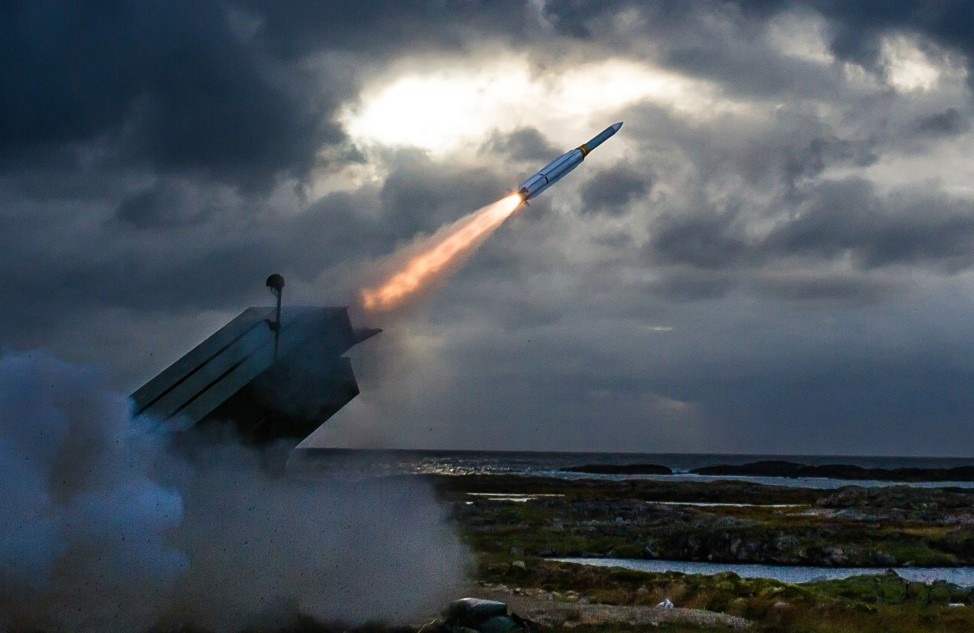 Taiwan Marine Corps Seeks NASAMS Air Defense Systems to Protect Naval Bases and Coastal Areas
-
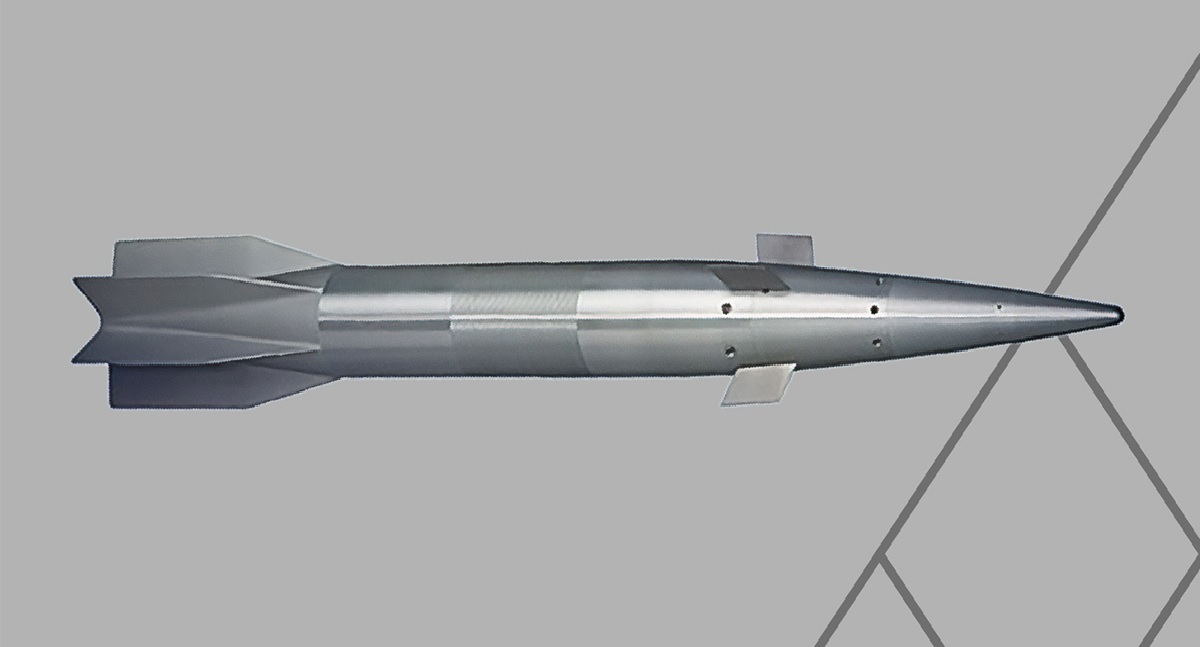 General Dynamics Awarded U.S. Army Contract for Next-Generation Vulcano 155mm Extended-Range Artillery Projectile
-
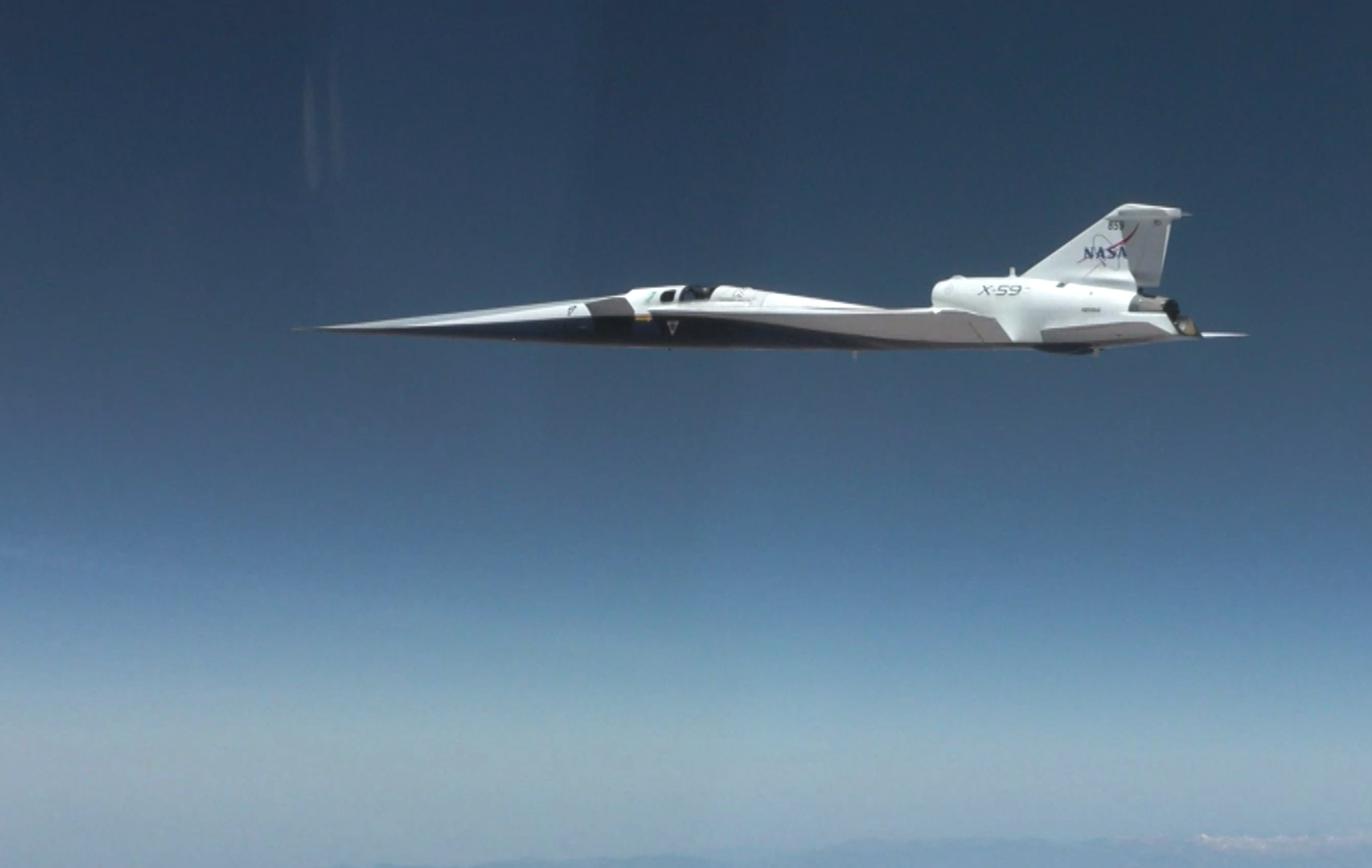 NASA’s X-59 Achieves First Supersonic Flight, Advancing NASA’s Quiet Boom Research
-
 U.S. Navy Amphibious Assault Ship USS Iwo Jima Returns to Norfolk After Nearly 10-Month Deployment
-
 U.S. Releases Footage of Strikes on Iranian Sites in Sirik and Qeshm as Iran Retaliates
-
 Battlefield-Tested Ukrainian Obriy 1.3 Drone Detector Seen During U.S. Army Training Exercise
-
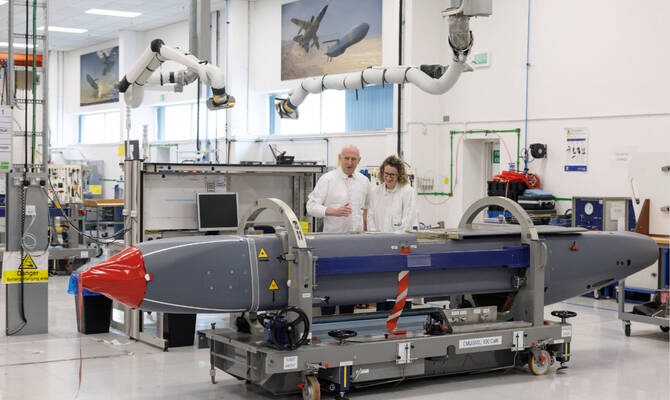 One Year On, UK Still Lacks Delivery Plan for 7,000 Long-Range Weapons Programme
Top Trending in 4 Days
-
 Iran Releases Footage of Qader Missile and Shahid Danaye Drone Launches Toward Two U.S. Navy Destroyers
-
 Five Eyes Issues Joint Alert on Chinese Targeting Government and Military Personnel Through LinkedIn and Job Platforms
-
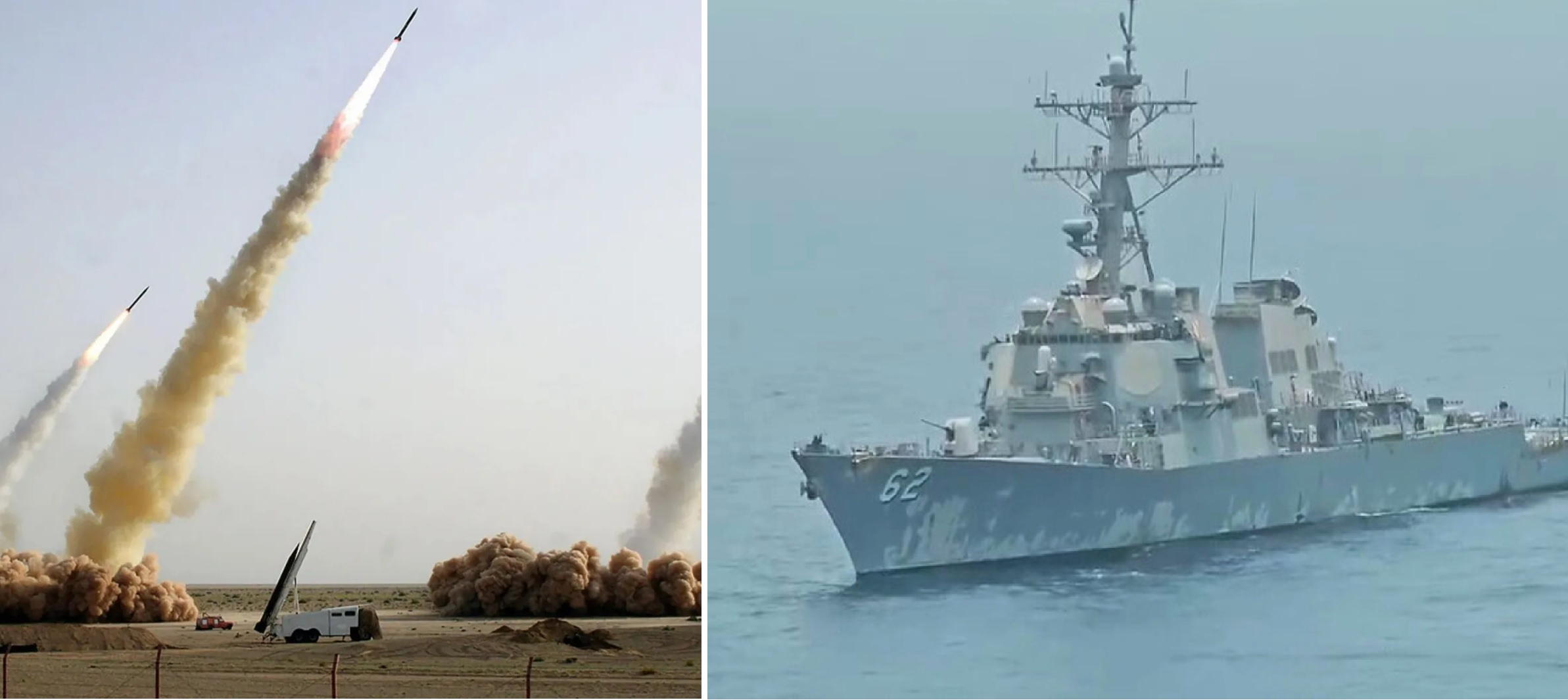 Iran Claims Attack on U.S. Destroyer in Gulf of Oman, CENTCOM Denies Attack
-
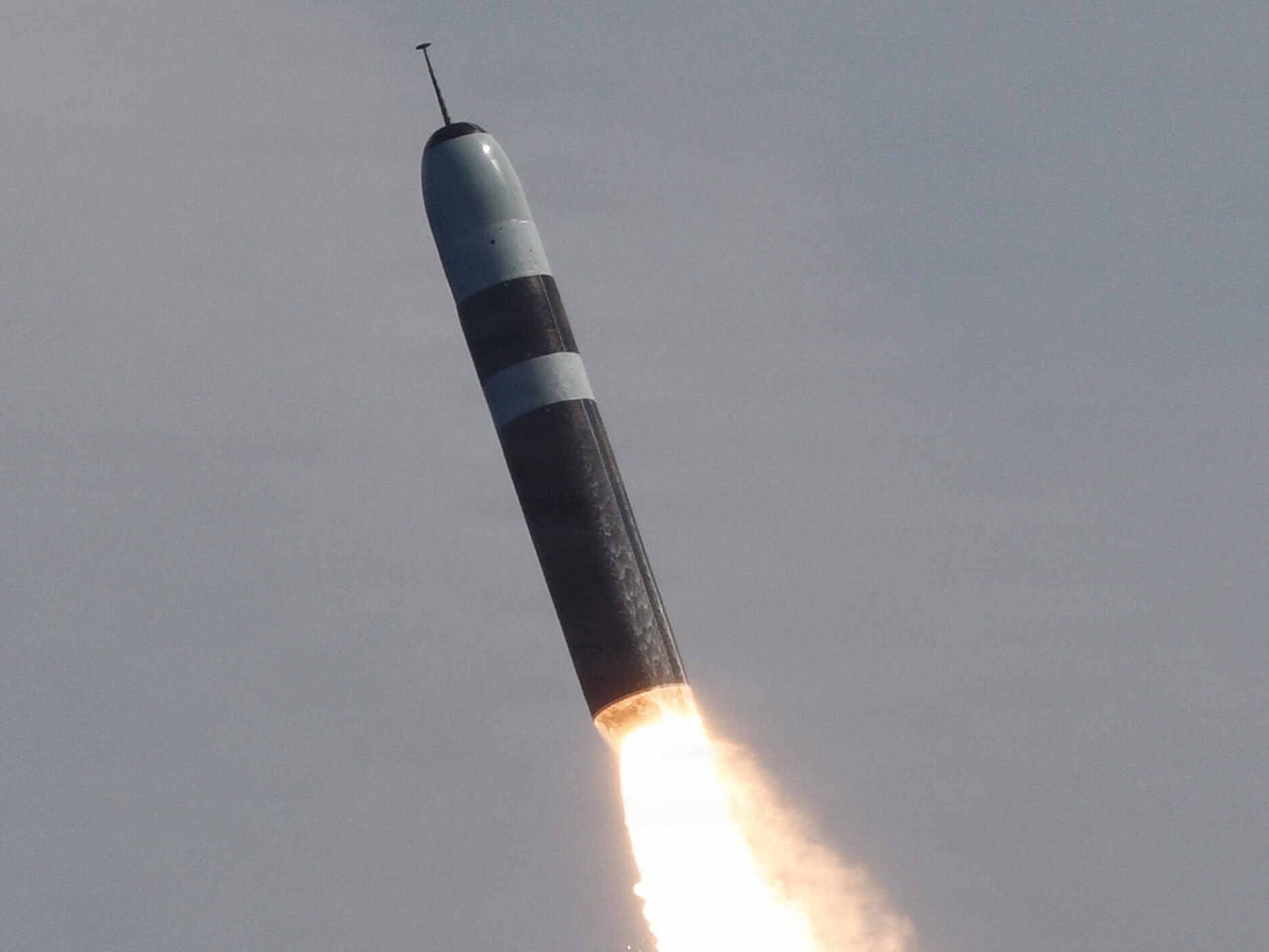 Washington Considers Shifting NATO Nuclear Deterrence Closer to Russia Through Poland
-
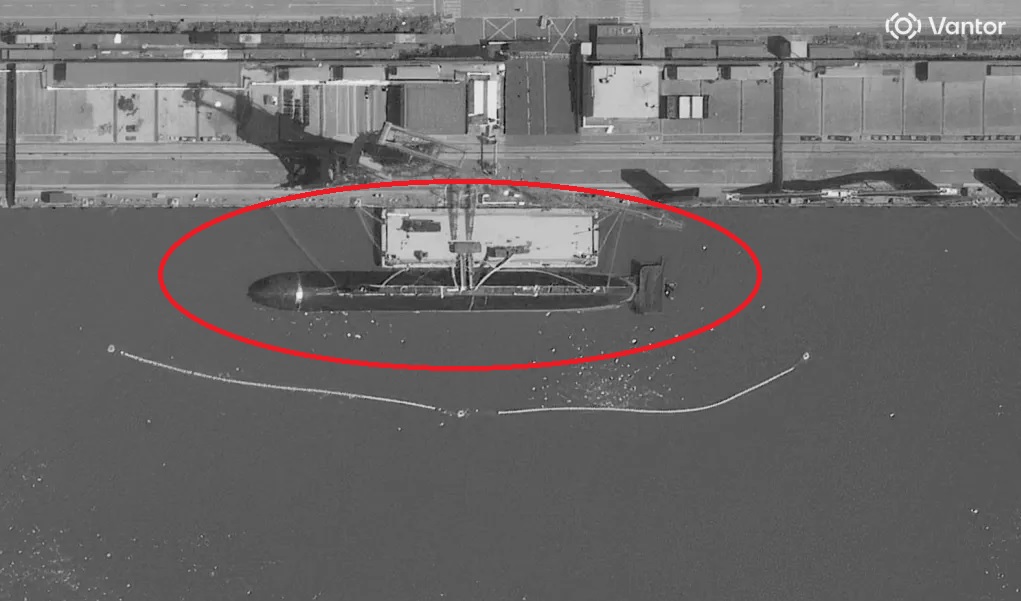 Satellite Imagery Reveals China's New-Generation Sail-Less Nuclear Submarine With Unique Design Features
-
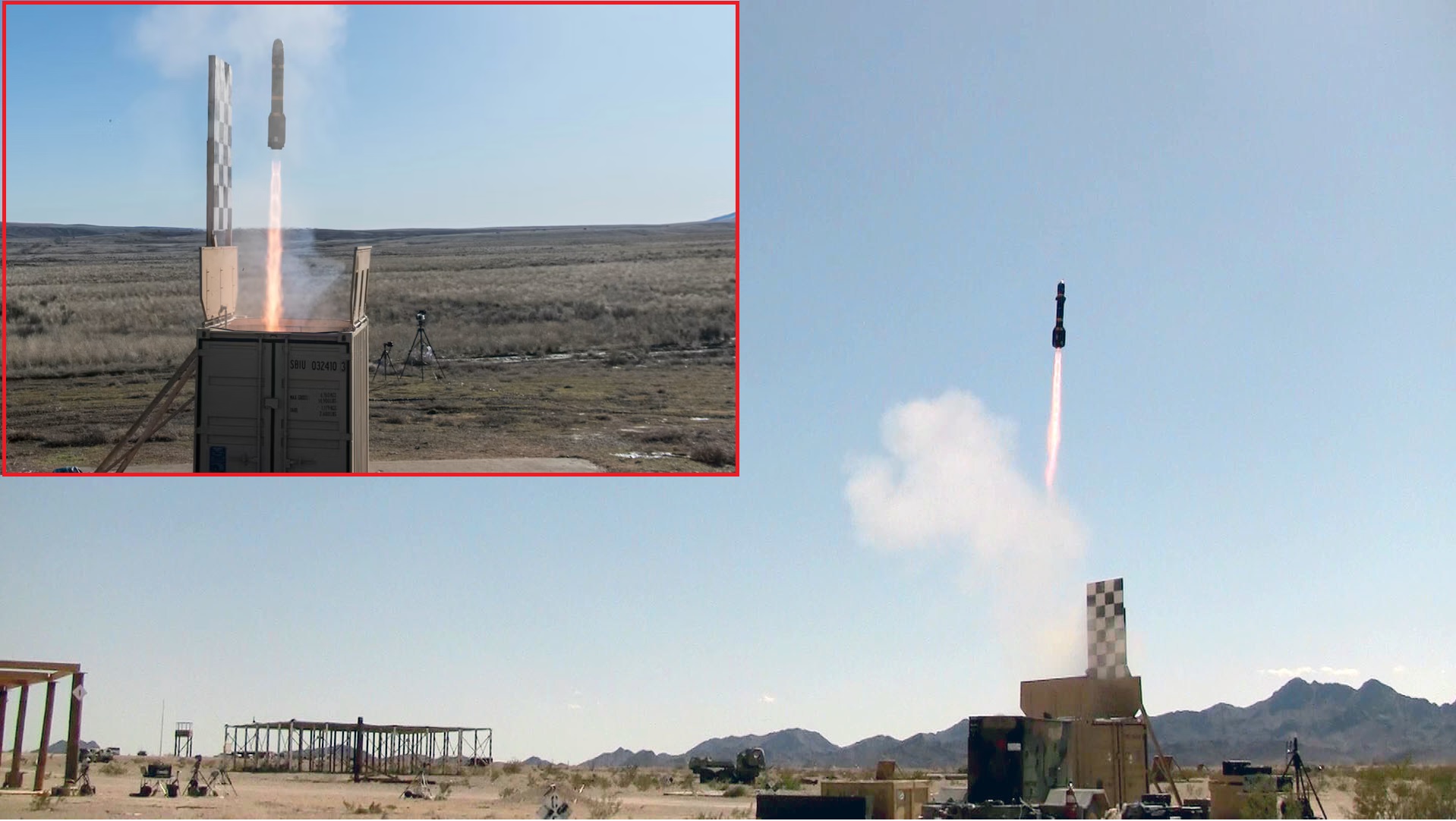 Lockheed Martin Successfully Intercepts Attack Drone Using New GRIZZLY Containerized Launcher
-
 Iranian Drone and Missile Strikes Damage Kuwait Airport, Kill One and Injure 63 Amid Rising Gulf Tensions
-
 U.S. Army Awards AeroVironment $117.3 Million Contract for 82 P550 Long-Range Reconnaissance Drones