
World
Defense News ,U.S , Russia ,Ukraine :- In late 2022, meticulous preparations were undertaken by the United States for a potential threat of a Russian nuclear strike in Ukraine, a scenario not witnessed since the atomic bombings of Hiroshima and Nagasaki almost eight decades ago. Senior officials from the Biden administration disclosed exclusive details of the extensive contingency planning that unfolded during this tense period, CNN reported.The Biden administration has been concerned over the possibility of Russia deploying a tactical or battlefield nuclear weapon in the ongoing conflict in Ukraine.This marked a departure from the conventional warfare dynamics witnessed in recent history. The severity of the situation prompted the US to engage in rigorous preparation to mitigate the risks associated with such a dire prospect.The decision to intensify preparations was not based on a single indicator but rather a culmination of various developments, analytical assessments, and critically, sensitive intelligence sources. The fear of a potential nuclear strike was not merely hypothetical; it was grounded in information that the US had acquired through its intelligence channels, according to CNN."We believed -- and I think it's our right -- to prepare rigorously and do everything possible to avoid that happening," emphasised a senior administration official, reflecting the gravity of the situation, CNN reported.During the late summer to fall of 2022, the National Security Council orchestrated a series of meetings to formulate contingency plans. "In the event of either a very clear indication that they were about to do something, attack with a nuclear weapon, or if they just did, how we would respond, how we would try to preempt it, or deter it," The CNNquoted the first senior administration official as saying.The unexpected need for such meticulous planning was acknowledged by senior administration officials, who expressed that few anticipated dedicating significant time to prepare for a scenario that had seemed relegated to a bygone era.The geopolitical landscape during late summer 2022 saw devastating setbacks for Russian forces in Ukraine. Ukrainian troops were making advancements towards the Russian-occupied city of Kherson in the south, posing a significant threat to Russian military objectives. The potential loss of Kherson, considered Russia's most substantial gain since the invasion, raised concerns within the administration. The fear was that such a catastrophic defeat could serve as a "potential trigger" for Russia to resort to nuclear weapons, according to CNN."If significant numbers of Russian forces were overrun -- if their lives were shattered as such -- that was a sort of precursor to a potential threat directly to Russian territory or the Russian state," explained a senior administration official. The vulnerability of tens of thousands of Russian troops in Kherson intensified the perceived risk.Despite the territorial losses being within Ukrainian sovereign territory, there was a concern that Russian President Vladimir Putin might interpret it differently. Having declared Kherson as part of Russia, a significant loss there could be viewed as a direct threat to Putin and the Russian state.The assessment of potential scenarios in which Russia would contemplate using nuclear weapons included situations perceived as existential threats to the Russian state or direct threats to Russian territory. The complexity of the situation was compounded by Russia's dissemination of propaganda, including false claims about a Ukrainian dirty bomb. US officials feared that these narratives could serve as a cover or pretext for a Russian nuclear attack.In October 2022, Russia's Defence Minister Sergei Shoigu contacted defence officials in the US, the UK, France, and Turkey, expressing Kremlin concerns about possible provocations by Kyiv involving a dirty bomb. Despite Western officials rejecting these warnings, Russia escalated the issue by delivering a letter to the United Nations outlining the alleged threat. The US dismissed the Russian warnings but remained alarmed by the potential motivations behind them, the report added.The situation took a more ominous turn with indications from Western intelligence agencies that Russian officials were engaging in explicit discussions about a nuclear strike. The first senior administration official described it as "indications that we were picking up through other means that this was at least something that lower levels of the Russian system were discussing."While the US had successfully intercepted Russian communications before the Ukraine invasion, providing accurate intelligence on the impending conflict, the situation regarding the potential nuclear strike was more nuanced. There was no concrete evidence suggesting Russia was mobilising its nuclear forces for an imminent attack."We obviously placed a high priority on tracking and had some ability at least to track such movements of its nuclear forces," explained the senior administration official, adding, "And at no point did we ever see any indications of types of steps that we would've expected them to take if they were going down a path toward using nuclear weapons."The uncertainty stemmed from the nature of tactical nuclear weapons, smaller in scale than strategic nuclear weapons and capable of being moved quietly. This raised concerns that the US might not be able to detect such movements, especially if Russia intended to deploy these weapons from conventional systems already present in the Ukrainian theatre, CNN reported.As the risk level escalated, multiple senior administration officials initiated urgent outreach efforts. Secretary of State Antony Blinken conveyed US concerns directly to Russian Foreign Minister Sergey Lavrov, while Joint Chiefs Chairman General Mark Milley engaged with his Russian counterpart, General Valery Gerasimov. Furthermore, President Joe Biden dispatched CIA Director Bill Burns to Turkey for discussions with Sergey Naryshkin, the head of Russia's foreign intelligence service, aiming to gauge Russian intentions regarding a potential nuclear strike.The US collaboration extended to its allies, with an emphasis on developing contingency plans and issuing warnings to Russia about the potential consequences of a nuclear strike. The National Security Council held numerous discreet conversations with core allies, ensuring alignment on the approach to addressing the evolving crisis.This collaborative effort also extended to China and India. The goal was to dissuade Russia from executing a nuclear attack. Leveraging international concern, Chinese leader Xi Jinping and Prime Minister Narendra Modi played a crucial role in averting a crisis, the report said.The US believed that highlighting global apprehensions, especially from key countries that held influence over Russia, would act as a persuasive factor. "I think the fact that we know China weighed in, India weighed in, others weighed in, may have had some effect on their thinking," opined a senior administration official.Since the nuclear scare of late 2022, the geopolitical landscape in Ukraine has undergone shifts, with the war entering a period of relative stalemate in the east. However, the US and its allies maintain vigilance, recognising the fluidity of the situation. "We continue to refine plans, and ... it's not beyond the realm of possibility that we could be confronting at least the rising risk of this again in the months ahead," cautioned a senior US official, CNN reported.
Read More → Posted on 2024-03-09 15:37:40
World
Defense News ,U.S :- In a recent report by Breaking Defense, the F-35A stealth fighter has officially achieved certification to carry the advanced B61-12 thermonuclear gravity bomb. Surpassing the initial target date of January 2024, the certification was successfully obtained on October 12, 2023. Notably, this certification is specific to the F-35A model and does not extend to the F-35B and F-35C variants, designed for short takeoff and vertical landing, and carrier launches, respectively.A spokesperson from the F-35 Joint Program Office has confirmed this significant milestone, emphasizing the notable enhancement in the aircraft's capabilities. However, details regarding the deployment of F-35A jets in Europe remain undisclosed, as the US Air Force has not yet responded to inquiries on the matter.The B61-12 represents the latest upgrade in the B61 nuclear bomb series, initially introduced into service in 1968. The first production unit of this upgraded bomb was completed in November 2021. This particular version aims to replace three older variants of the B61 munition, specifically the B61-3, B61-4, and B61-7 models, as part of ongoing modernization efforts.
Read More → Posted on 2024-03-09 15:33:46
World
Defense News ,Latvia :- Latvia recently approved a program costing 303 million euros (equivalent to $331 million) to enhance the security of its borders. This decision was prompted by concerns about potential military conflicts in the region.The program, known as the Eastern Border Fortification Counter-Mobility Plan, aligns with the Baltic Defence Line initiative introduced in January. The aim is to safeguard member states from any illegal actions by Russian President Vladimir Putin, particularly in the context of a potential victory in Ukraine.The plan involves reinforcing the entire length of Latvia's border with Russia and Belarus. Defense force support outposts, anti-tank trenches, obstacle lines, and tactical equipment storages will be strategically placed along the border.Construction is set to begin in March and will span five years. The outposts will feature strengthened structures to enhance troop capabilities. Roads and ditches near these sites will be modified to increase the number of trenches and hinder enemy mobility.Various obstacle lines, including anti-tank mines and pyramidal fortifications known as "dragon's teeth," will be placed along the border. These lines will be adapted to the natural terrain, incorporating features like forest patches, swamps, and other landscapes for increased effectiveness.Planned safe storages will house explosives, mines, and engineering systems to provide rapid support for warfighters stationed at the border. Additionally, projects will be developed to enable swift shutdowns of main transport routes, bridges, and railways in the event of an attack.Latvian Defence Minister Andris Sprūds emphasized the importance of establishing the Baltic Defence Line to defend NATO's Eastern flank and restrict the freedom of movement for adversaries. He highlighted the need for the Alliance to be well-prepared for defense plans, strengthen air and missile defense, and allocate more resources to defense ahead of the historic NATO Summit in Washington.
Read More → Posted on 2024-03-09 09:23:22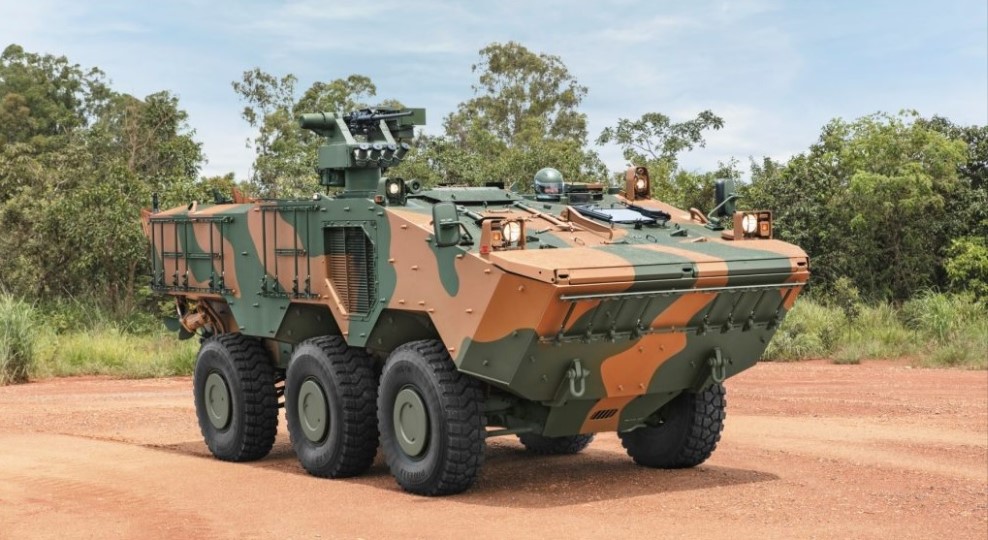
World
Defense News ,Philippine :- Elbit Systems has recently delivered the first set of Guarani 6×6 armored personnel carriers (APCs) to the Philippine Army.In 2020, a deal worth $46 million was signed to provide 28 Guarani APCs to an undisclosed country in the Asia Pacific, and now the first batch of five vehicles has been publicly showcased in Santa Lucia, Tarlac.These APCs will play a crucial role in the Armor Division of the Philippine Army, enhancing their operational readiness and creating a formidable, versatile armor force capable of handling various missions.Lt. Gen. Roy M. Galido, the Commanding General of the Philippine Army, expressed the aim of building a stronger armed force for a "newer Philippines" through this acquisition.The Armor Division will carry out technical inspections of the newly acquired vehicles.About the Guarani APC:The Guarani APC, developed by Iveco for the Brazilian Army, is the predecessor of Brazil’s EE-11 Urutu amphibious carrier. Armed with a 30 mm Mk44 Bushmaster II autocannon, it also features smoke grenade launchers and electronic sights for infrared, thermal, and night vision.Equipped with either a remote-controlled stabilized REMAX turret or an armored manual REMAN turret, the Guarani has an operational range of 370 miles (600 kilometers) and can reach a maximum speed of 68 miles (100 kilometers) per hour, thanks to its 383 horsepower Iveco Cursor 9 diesel engine.
Read More → Posted on 2024-03-09 09:01:33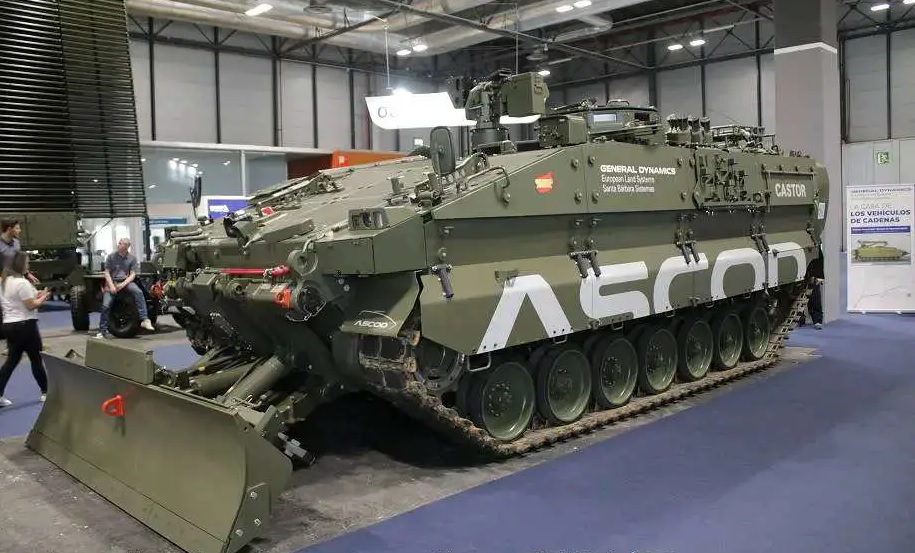
World
Defense News ,Spanish :- GDELS Santa Bárbara Sistemas recently handed over four high-tech ASCOD "Castor" Armored Combat Vehicles (VCZAP) to the Spanish Army as part of the second phase of the Pizarro program.The vehicles, which come with dozer blades, were accepted by officials from the Spanish Ministry of Defence’s Pizarro Program Office and the Armored Systems Park and Maintenance Center (PCMASA) number 1 of the Spanish Army, indicating their readiness for action.This delivery is part of a bigger agreement between the Spanish Ministry of Defense and GDELS Santa Bárbara Sistemas. It involves producing one prototype and a total of 36 Castor vehicles, all equipped with dozer blades for engineering tasks. Since the initial delivery of the first six vehicles in December 2023, the project has now hit a new milestone, with a total of 10 vehicles delivered, including the prototype.The continuous delivery of these advanced armored vehicles is set to be completed by 2024, significantly boosting the Spanish Army’s engineering units’ capabilities.
Read More → Posted on 2024-03-09 07:07:13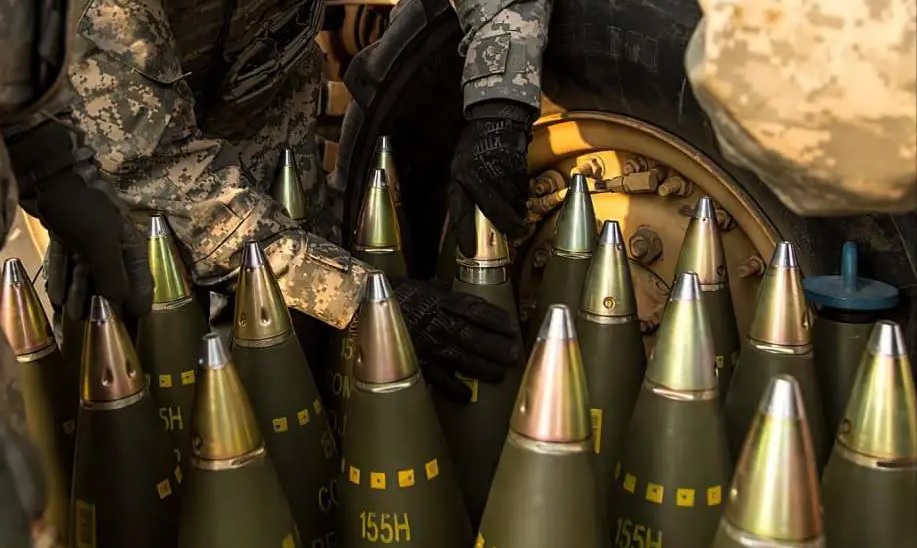
World
Defense News , Lithuania ,Ukraine :- The Ministry of National Defence and the Lithuanian Armed Forces are providing ongoing support to Ukraine by sending another batch of military aid, specifically 155mm artillery ammunition.Lithuanian Minister of National Defence, Arvydas Anušauskas, states, "We are sending the supplies Ukraine urgently needs. We hear them, and our assistance continues."In addition to sending military equipment and weapons, Lithuania is actively involved in training Ukraine's military personnel, providing medical treatment and rehabilitation for injured soldiers, offering expert consultations, and contributing to Ukraine assistance funds. Lithuania has also approved a long-term assistance plan for Ukraine on a national level.
Read More → Posted on 2024-03-08 15:35:25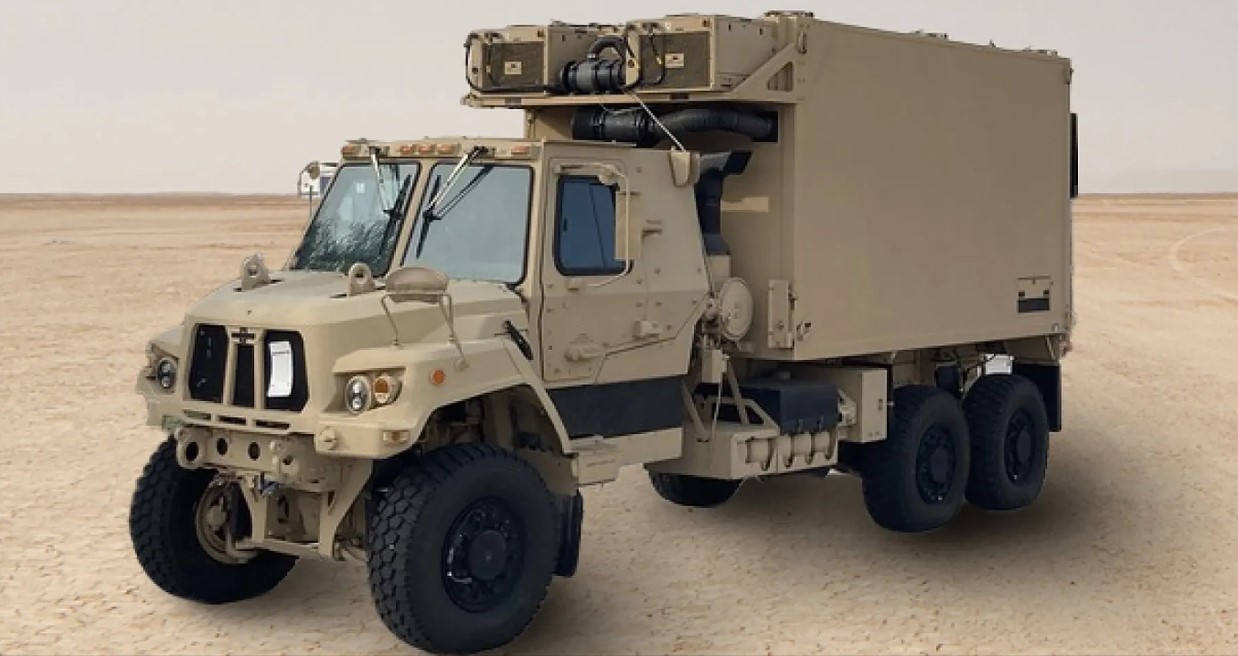
World
Defense News ,U.S :- Palantir, a software company, has recently signed a significant $178 million deal with the US Army. Their task is to develop an advanced ground station targeting system called Tactical Intelligence Targeting Access Node (TITAN).The TITAN system will consist of 10 stations, aiming to enhance beyond-line-of-sight targeting by connecting data-gathering sensors. These TITAN prototypes will come in two versions: Advanced and Basic, both equipped with deep-sensing capabilities powered by AI and machine learning.To make this project a reality, Palantir will collaborate with defense subcontractors such as Northrop Grumman, L3Harris, and Anduril Industries. These partners will be responsible for the hardware design, development, and manufacture.Palantir's President, Akash Jain, highlighted that integrating AI-defined capabilities into the army's operations will provide a tactical advantage. This advantage will enable troops to make real-time decisions swiftly in critical situations on the battlefield.Jain stated, "This award demonstrates the Army’s leadership in acquiring and fielding the emerging technologies needed to bolster U.S. defense in this era of software-defined warfare."The US Army plans to assess and familiarize itself with the TITAN system's capabilities before deciding on its full implementation by 2026. Feedback from soldiers will play a crucial role in shaping the final version.TITAN Variants:The TITAN system will have two variants, each serving a different purpose. The main distinction lies in their ability to process space sensor data.1. Advanced Model: Equipped with complete features, installed in larger tactical trucks like the M1083.2. Basic Version: Fitted onto Joint Light Tactical Vehicles, with no direct space downlink.Soldier input will be gathered over a two-year period for both TITAN variants to ensure they meet the practical needs of the troops.
Read More → Posted on 2024-03-08 15:24:35
World
Defense News ,Sindh ,Pakistan :- In the Pakistani region of Sindh's Hyderabad, a peaceful protest against the military's land occupation and forced disappearances of activists was violently interrupted by law enforcement agencies. The Voice for Missing Persons of Sindh (VMPS) reported that Pakistani forces invaded the protest, arresting many including women and subjecting them to torture. Surath Lohar, representing VMPS, condemned the state's use of force and violence against women during the protest in Hyderabad.The situation in Sindh has attracted international attention due to the actions of Pakistani law enforcement agencies. Following the extrajudicial killing of human rights activist Hidayat Lohar in Nasirabad, Sindh, on February 16, the World Sindhi Congress (WSC) protested against Pakistani agencies at the UK Prime Minister's residence in London. The WSC demanded justice for Lohar and accountability for the agencies implicated in his murder.The protest in the UK included participants from Sindhi, Baloch, and other human rights supporters who spoke out against the brutal treatment suffered by Hidayat Lohar. The speakers, including prominent Sindhi and Baloch human rights advocates, highlighted Lohar's ordeal, from his disappearance in 2017 to 2019 to his subsequent torture at the hands of Pakistani agencies.Hidayat Lohar's daughters, Sortah and Sasuie, played a crucial role in demanding justice not only for their father but for the hundreds of Sindhis forcibly abducted by state agencies. Their activism led to the formation of VMPS, advocating for the release of all missing individuals in the region.Despite facing threats and being abducted again in 2023, Lohar was released following widespread protests in Sindh. However, his tragic assassination on February 16 is seen as an attempt to silence his voice permanently.Speakers at the UK protest condemned Pakistan for systematically violating human rights, engaging in enforced disappearances, and committing extrajudicial killings against Sindhi, Baloch, and Pashtoon communities. They called on the international community to intervene and put a stop to Pakistan's ongoing human rights abuses.The WSC delegation presented a letter to the UK Prime Minister, urging support for justice for Hidayat Lohar and pressuring Pakistan to end its practices of enforced disappearances and extrajudicial killings. The letter proposed the establishment of an All Parties Parliamentary Committee (APPG) to examine human rights violations by Pakistan and advised withholding aid until Pakistan adheres to the UN Charter on Human Rights.
Read More → Posted on 2024-03-08 15:19:45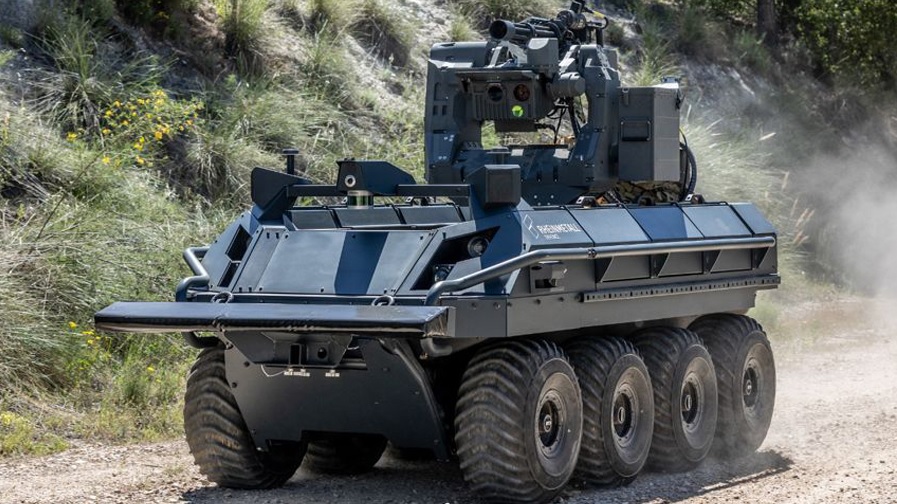
World
Defense News ,U.S :- American Rheinmetall Vehicles, based in Sterling Heights, MI, and Rheinmetall Canada recently showcased the impressive capabilities of their Rheinmetall Mission Master SP autonomous, unmanned ground vehicle (A-UGV) during a live-fire demonstration for the U.S. Marine Corps (USMC) in Fort Clinton, Ohio.This armed version of the Mission Master SP offers Marines a range of remote-operated abilities, including armed reconnaissance, sentry overwatch, fire support, flank security, and more. Having successfully completed numerous tests, American Rheinmetall Vehicles is delivering groundbreaking advancements in A-UGV systems to the USMC, with initial deliveries made in early 2023 and additional orders proceeding in 2024. These A-UGV platforms have the potential to significantly enhance Marine operations.During the Talisman Sabre Exercise (TS23) in Queensland, Australia, and the Apollo Shield exercise at Marine Corps Base, Twentynine Palms, California, the Mission Master SPs underwent extensive testing, supporting Marine Corps Warfighting Lab (MCWL) evaluations. The A-UGVs took on various tasks, including casualty evacuations, resupply missions, autonomous road marches, and operations in Military Operations in Urban Terrain (MOUT) environments. Feedback from Marines and their commanders drove design modifications and highlighted the benefits of A-UGVs in Marine operations.In December 2023, American Rheinmetall Vehicles received an order to manufacture and deliver six Mission Master SPs for the III Marine Expeditionary Force (MEF). Four of these A-UGVs will support the 3rd Battalion, 4th Marines, marking the first unit to undergo pre-deployment work-ups and deploy with A-UGVs.Mike Brooks, Director of Business Development for American Rheinmetall Vehicles and retired Gunner (CW05) USMC, expressed pride in bringing the Mission Master SP A-UGV capabilities to today's Marines, emphasizing the potential to save lives and better prepare Marines for battle.Maj Steven Atkinson, Robotics & Autonomy and Artificial Intelligence Branch Head for the Science and Technology Division of the Marine Corps Warfighting Laboratory, highlighted the commitment to innovative technologies that enhance tactical capabilities, ensuring Marines are well-equipped and agile on the battlefield.Additionally, Rheinmetall's Mission Master SP A-UGVs utilize the Rheinmetall PATH autonomy kit (A-kit), a navigation system developed by Rheinmetall Canada. This system allows fully autonomous movement and mission planning for vehicles, rapidly adapting to existing legacy vehicles or integrating into next-generation platforms. The PATH A-kit, a core element of Rheinmetall's Mission Master family of autonomous vehicles, offers advanced sensors, leading algorithms, and real-time data analysis, providing a high degree of autonomous mobility. American Rheinmetall Vehicles is leveraging PATH A-kit technology to deliver program-specific vehicle solutions for the U.S. Army's Common Tactical Truck program and XM30 program.
Read More → Posted on 2024-03-08 15:13:20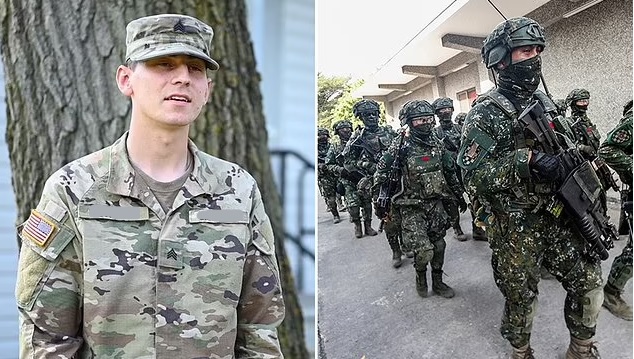
World
Defense News ,U.S :- A member of the US Army, Sergeant Korbein Schultz, got arrested last Thursday for allegedly giving important information about national defense to China.Schultz, who had a high-level security clearance, was taken into custody at Fort Campbell, a military base on the Kentucky-Tennessee border, according to the Justice Department.Though the official statement did not mention the country Schultz was providing information to, news reports identified it as China.The indictment revealed that Schultz had been sharing documents, maps, and photos related to US national defense with a contact in Hong Kong since June 2022. In return, he allegedly received a total of $42,000.The shared information included details about potential US plans in case of a military threat to Taiwan. It also covered documents on fighter aircraft, helicopters, hypersonic equipment, the High Mobility Artillery Rocket System (HIMARS), and studies about both US and Chinese military.When asked about Schultz's arrest and another case involving a Chinese software engineer accused of stealing artificial intelligence technology from Google, Beijing stated they were not aware of the specific circumstances. However, they emphasized China's commitment to protecting intellectual property rights and opposed any misuse of national power by the US against Chinese enterprises and citizens.Schultz's arrest follows the recent apprehension of two US Navy sailors in California on charges of spying for China. Petty officer Wenheng Zhao was sentenced to 27 months in prison in January after admitting guilt to conspiring with a foreign intelligence officer and accepting a bribe. Zhao and another US sailor, Jinchao Wei, were arrested in August.
Read More → Posted on 2024-03-08 15:09:38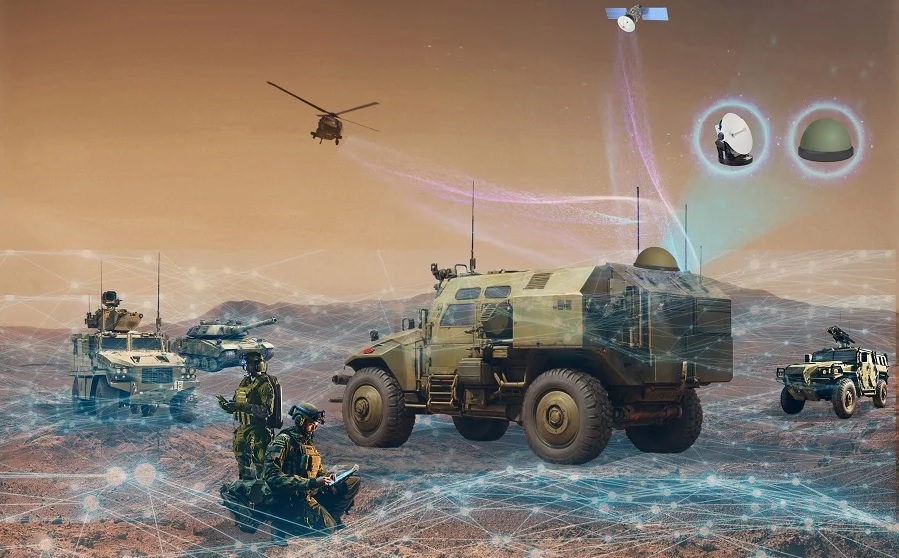
World
Defense News , Israel :- Orbit Communications Systems, an Israeli technology company, has introduced its innovative Line-of-Sight Multi-Purpose Terminals (MPT) designed specifically for SATCOM communication on armored land platforms of varying sizes. The company asserts that its Multi-Purpose Terminals, including the MPT-30 and MPT-46 models, redefine mobile communication by offering unparalleled reliability and speed.Emphasizing versatility, these compact yet powerful terminals are adaptable for installation on a range of mobile platforms, from armored vehicles to ATVs, ensuring seamless broadband connectivity even in the most challenging terrains. With a focus on size, weight, and power consumption (SWaP) design, these terminals deliver high performance, boasting over 126 Mbps for downloads and up to 29 Mbps for uploads.Orbit Communications Systems highlights that this ensures uninterrupted transmission of high-volume data, including live video streams—an essential element for mission success. Furthermore, the terminals are future-proof, supporting various satellite orbits such as Low Earth Orbit (LEO), Medium Earth Orbit (MEO), Geostationary Orbit (GEO), and Highly Elliptical Orbit (HEO), while being compatible with both Ku and Ka frequency bands. Catering to the diverse needs of modern military operations, they empower forces to maintain critical communication lines, thereby enhancing situational awareness and operational effectiveness across different environments.These terminals adhere to MIL-STD and civil standards, along with international, national, and satellite SATCOM regulations. They seamlessly integrate with military satellite systems, making them an ideal choice for Intelligence, Reconnaissance, and Surveillance (ISR) applications. These applications demand highly accurate tracking capabilities and meet the 'everywhere, all the time' coverage requirements of military users.Dany Eshchar, CEO of Orbit Communications Systems, expresses pride in expanding the MPT family and providing its high-performance capabilities to military vehicles of all sizes. He emphasizes that Orbit's MPT systems have been successfully deployed on various mobile platforms worldwide, now offering 'anywhere, anytime' communications to forces in the field, ensuring the successful completion of complex missions such as border protection, ISTAR missions, and more.
Read More → Posted on 2024-03-08 07:43:45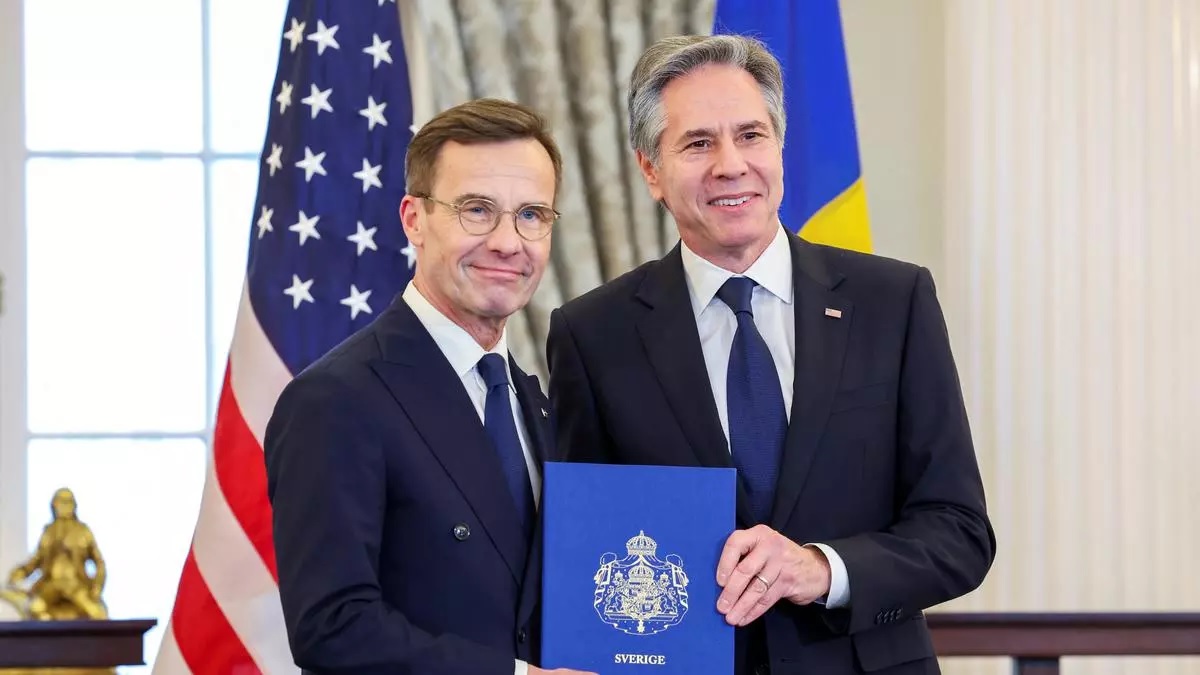
World
Defense News ,Sweden :- In a historic move shadowed by Russia's invasion of Ukraine, Sweden officially became the 32nd member of NATO, signaling the end of two centuries of non-alignment and concluding a complex diplomatic journey spanning two years. This transformative decision, celebrated as a victory for freedom, marked a significant departure from Sweden's traditional stance and was symbolically sealed as accession documents were ceremonially handed over to the United States, the leading force of the transatlantic alliance committed to collective security.Addressing the momentous occasion at the State Department, Swedish Prime Minister Ulf Kristersson emphasized the natural progression of this step and its implications for Sweden. In a televised address to the nation from Washington, Kristersson highlighted the nation's commitment to democratic principles, sovereignty, and unity, underlining the importance of engaging with the broader world beyond its borders.President Joe Biden, acknowledging the strengthened alliance, asserted that NATO was now more united, determined, and dynamic than ever with the inclusion of Sweden. This move comes at a time when the international community closely watches Russia's actions in Ukraine, and Sweden's decision reflects a broader shift in European security dynamics.Secretary of State Antony Blinken remarked on the unexpected nature of Sweden and Finland's decision to join NATO, especially considering the circumstances surrounding Russian President Vladimir Putin's invasion of Ukraine in February 2022. Blinken emphasized that Sweden's accession to NATO serves as a clear example of the strategic setback Russia has faced due to the invasion.Ukrainian President Volodymyr Zelensky welcomed Sweden into NATO, acknowledging the increased protection from Russian aggression for yet another European nation. Sweden, historically uninvolved in wars since the Napoleonic conflicts of the early 19th century, had maintained a neutral stance alongside Finland, both of whom, despite military ties with the U.S. and EU membership, had historically refrained from joining NATO during the Cold War.The joint bid by Finland and Sweden to join NATO gained momentum in the wake of the invasion of Ukraine. While Finland successfully joined in April 2023, Sweden faced delays, primarily due to the reservations of Turkey. Blinken, receiving the accession documents from Sweden, remarked on the perseverance required for this moment and the doubts that were overcome.Russia, reacting to Sweden's NATO membership, pledged "countermeasures," especially if NATO troops and assets were to deploy within the country. The official hoisting of Sweden's blue and yellow flag at the Brussels headquarters of NATO is anticipated on Monday, symbolizing the nation's formal integration into the alliance.NATO allies, including British Prime Minister Rishi Sunak and Germany's foreign ministry, expressed support for Sweden's inclusion, reinforcing the alliance's significance as a defensive force. However, the journey to NATO membership for Sweden was not without hurdles. Turkey, leveraging its influence, pressed Sweden to address issues related to Kurdish militants, and later demanded action following protests protected by Sweden's laws on free speech.In a strategic move, the U.S. offered F-16 warplanes to Turkey, a NATO member that had faced U.S. sanctions over a significant military purchase from Russia. Simultaneously, the Biden administration approved the sale of $23 billion in F-16 warplanes to Turkey following Sweden's NATO ratification, while advancing an $8.6 billion deal for more advanced F-35 jets to Greece, a NATO member and historic adversary of Turkey.Even after obtaining Turkey's approval, Sweden faced another obstacle in the form of Hungary, which needed to ratify its membership. Hungary, led by nationalist Prime Minister Viktor Orban, eventually ratified Sweden's membership on February 26. However, a brief hiccup occurred as Hungary could not immediately sign the accession document due to the resignation of an Orban ally in the ceremonial post of president.In conclusion, Sweden's entry into NATO represents a significant geopolitical shift and reflects the evolving security dynamics in Europe in response to Russia's actions in Ukraine. The journey to NATO membership, marked by diplomatic challenges and strategic considerations, underscores the complex nature of international alliances in the face of evolving geopolitical realities.
Read More → Posted on 2024-03-08 07:32:16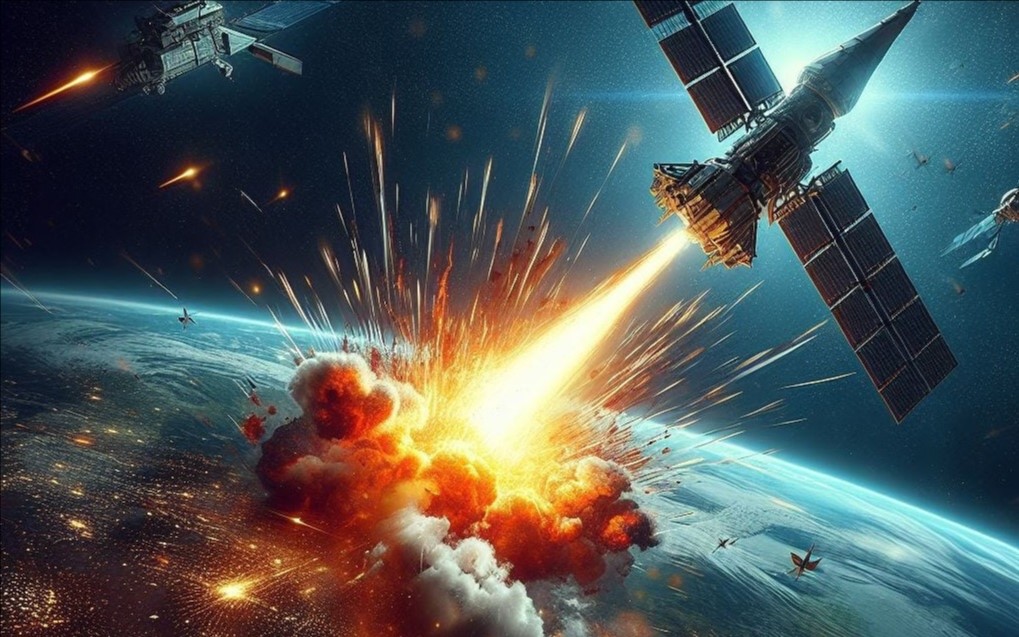
World
Defense News ,World :- In 1982, President Ronald Reagan was considering what became known as "Star Wars," a plan to shield America from Soviet missiles by deploying up to thousands of weapons in space. At the same time, as a young science writer, I was reporting on how the rays from a single nuclear detonation in orbit could wipe out whole fleets of battle stations and laser death rays. "Star Wars: Pentagon Lunacy," read one of the headlines.Decades later, Reagan and the Soviet Union are gone, but anxiety over a high-altitude nuclear blast lives on, brought back most recently by the ostensible war aims of Russian President Vladimir Putin. Last month, American spy agencies told Congress, as well as foreign allies, that Putin might deploy and use an atom bomb in space that could disable thousands of satellites. Not only military and civilian communication links would presumably be at risk, but also satellites that spy, track the weather, beam broadcasts, empower cellphone maps, form internet connections and perform dozens of other modern tasks.The mere claim of such a deployment may help Putin frighten his adversaries."Its purpose is the same as Star Wars was for us in the '80s," said Jonathan McDowell, an astrophysicist who publishes a monthly space report. "It's to scare the other side."But for actually fighting a war, analysts say, the step is hard to imagine -- unless Putin wants some of his most important allies and supporters to face the prospect of unspeakable pain.Five nuclear experts in a 2010 study explained how astronauts hit by the most powerful rays would experience two to three hours of nausea and vomiting before the radiation sickness left them facing "a 90% probability of death."The International Space Station typically holds seven astronauts -- three Americans, a foreigner and -- you guessed it -- three Russians. The rays could also turn the space station of Putin's top ally, China, into a death trap. Beijing's shiny new outpost holds three Chinese astronauts and is set to expand to accommodate even more.China's satellites -- 628 by a recent count -- would pose an additional vulnerability. Stephen M. Younger, a former director of Sandia National Laboratories, which helps make the nation's nuclear arms, said in an interview that a Russian space blast could blind China's reconnaissance satellites and thus end the country's principal way of tracking the U.S. Navy's Pacific Fleet."That's not going to go over very well," Younger said of Beijing's wartime loss of its eyes in the sky.Putin's purported bomb move, he added, represented more bluster than a serious war plan. "Putin's not stupid," he said.The whole idea behind nuclear weapons, said David Wright, a nuclear expert at the Massachusetts Institute of Technology, is that "you're self-deterred in part because the arms would cause significant collateral damage to yourself and other countries." Such deterrence could apply to a space bomb as well, he added, unless an attacker were desperate and saw the risks as acceptable."It would be dangerous for the Russians themselves," said Richard L. Garwin, a physicist and longtime adviser to the federal government who helped design the world's first hydrogen bomb.Ever since Putin invaded Ukraine, he has made atomic threats that analysts see as central to his strategy of deterring Western intervention. If he stationed an atom bomb in orbit, it would violate two bedrock treaties of the nuclear age -- signed in 1963 and 1967 -- and signal a major escalation.On Feb. 20, Putin denied that he intended to loft a nuclear weapon into orbit. "Our position is clear," he said. "We have always been categorically against and are now against the deployment of nuclear weapons in space."But days later, on Feb. 29, in his annual state-of-the-nation address, he reverted to his usual saber-rattling, warning that the West faced the risk of nuclear war. Putin singled out states that have helped Ukraine strike Russian territory. The West must understand, he declared, that such assistance risks "the destruction of civilization."Nuclear arms in general, and space bombs in particular, are the antithesis of precision. They are indiscriminate -- unlike conventional arms, which are typically characterized by pinpoint accuracy. In 1981, when I first wrote about orbital nuclear arms as a reporter for Science magazine, I referred to the mayhem from outer space as the "Chaos Factor."The unexpected phenomenon flashed to life in July 1962 when the United States detonated a hydrogen bomb some 250 miles above the Pacific Ocean. Dark skies lit up. In Hawaii, streetlights went out. In orbit, satellites failed.President John F. Kennedy, unsettled by the technical surprises, worried that lingering radiation from nuclear blasts would endanger astronauts. In September 1962, he canceled a test code-named Urraca. The hydrogen bomb was to have been detonated at an altitude of more than 800 miles -- the highest of any test explosion, American or Soviet. The next year, Kennedy signed a treaty that banned experimental blasts in space.The scientific world was then making an important distinction about the space detonations that is absent in most current discussions. It is that the atomic blasts have immediate, as well as residual, effects.The initial repercussions are best known. A bomb's rays speed across vast distances to produce lightning-like bolts of electricity in satellites and ground networks, frying electrical circuits. Experts call them electromagnetic pulses, or EMP. The pulses turned out the lights in Hawaii.But what caught Kennedy's attention was a longer-term effect -- how radioactive debris and charged particles from a nuclear blast pump up the natural, doughnutlike belts of radiation that encircle the Earth. These belts are intense, but nothing like what they become when amplified by a bomb's radiation.The five nuclear experts who authored the 2010 study linked such belt overloading not only to astronaut risks but also, after the July 1962 test, to major damage to at least eight satellites. The most famous casualty was Telstar, the world's first communications satellite.Over the years, I grew concerned that the complicated topic was being oversimplified. Fringe groups and hawkish politicians sounded alarms over Russian EMP attacks on the nation's electrical grid, though they seldom noted the risk to Moscow's own spacecraft and astronauts.Peter Vincent Pry, a former CIA officer, warned in a 2017 report that Moscow was prepared for surprise EMP attacks that would paralyze the United States and wipe out its satellites.In 2019, President Donald Trump ordered the strengthening of the nation's EMP defenses. Rick Perry, the secretary of energy, said the order "sends a clear message to adversaries that the United States takes this threat seriously."National security experts know how weapons of mass destruction become caught up in cycles of fear that come and go with the political winds. After decades of reflecting on the basics of nuclear blasts in space, I have come to see the risks as extremely low to nonexistent because a detonation -- as McDowell, Younger, Wright, Garwin and others have argued -- would harm not only the attacked, but also the attacker."Maybe the Russians will decide their astronauts have to take one for the homeland," McDowell said. "But I think that Putin, crazy as he is, is not going to do that."
Read More → Posted on 2024-03-07 15:46:39
World
Defense News ,Norway :- Norway has officially joined the letter of intent, expressing its commitment to providing air defence assistance to Ukraine against potential threats from aircraft and missiles. The focus on air defence remains a pivotal aspect of the military support extended to Ukraine by various nations.Defence Minister Bjørn Arild Gram emphasized the natural alignment of Norway with such an air defence coalition, citing the continuous contribution of Norwegian NASAMS to safeguarding Ukrainian lives and protecting critical infrastructure.As part of the winter's military support initiatives for Ukraine, the Norwegian government has approved participation in three key coalitions. These include leading the maritime coalition alongside Great Britain, contributing F-16 combat aircraft and offering training in the F-16 coalition, and joining the air defence coalition under the leadership of Germany and France.Defence Minister Gram reiterated Norway's commitment to providing support where it is most needed, emphasizing the significance of air defence in Ukraine's priorities. Protecting military establishments, urban centers, and critical infrastructure is deemed essential to maintaining the functioning of society.Highlighting the ongoing support, the government has recently placed a substantial order for NASAMS material earmarked for future donations. This additional commitment comes in addition to previously donated materials, showcasing Norway's dedication to reinforcing Ukraine's air defence capabilities. Furthermore, Norway actively supports the education of Ukrainian personnel, demonstrating a comprehensive approach to aiding the country in its defence efforts.
Read More → Posted on 2024-03-07 15:36:21
World
Defense News ,China :- China is currently in the process of constructing its fourth aircraft carrier, aiming to rival the US fleet in the western Pacific, as revealed by a People’s Liberation Army (PLA) Navy admiral during an annual legislative meeting in Beijing.PLA Navy political commissar Yuan Huazhi asserted that progress on the development is on track, and he dispelled any concerns about encountering "technical bottlenecks." Addressing the public's curiosity, he hinted that details about whether the new carrier would be nuclear-powered, similar to advanced US Navy warships, will be disclosed soon.The exclusive club of nuclear-powered carriers has, until now, included only the US and French navies, enabling them to undertake prolonged missions without the need for refueling. Yuan emphasized that the primary purpose of constructing these carriers is to safeguard China's national sovereignty and territorial integrity.Preceding the official announcement, online illustrations surfaced showcasing the ongoing construction of the fourth aircraft carrier at the Jiangnan shipyard in Shanghai.The recent disclosure comes nearly two years after Beijing launched its third aircraft carrier, the Fujian. Despite being lauded as the country’s most advanced warship, the Fujian is not nuclear-powered due to reported limitations in Beijing's naval nuclear reactor technology during its development. Nevertheless, the carrier features advanced elements, including electromagnetic catapults and arresting devices, enabling the launch of heavier and larger fixed-wing aircraft. The Fujian is yet to undergo sea trials.China's maritime ambitions align with its goal of establishing a modern, "blue-water" navy within the next decade. Blue-water status is attained when a maritime force is capable of sustained operations in deep waters, coupled with the deployment of multiple aircraft carriers projecting power far from home. Despite the PLA Navy's growing size, it is currently labeled as a "green-water navy," predominantly operating in proximity to its shores.
Read More → Posted on 2024-03-07 15:31:57Search
Top Trending in 24 Hours
-
 US Considers Using Frozen Iranian Assets to Rebuild Gulf Infrastructure Damaged by Attacks
-
 Trump Administration Weighs Purchase of Chagos Islands to Secure Diego Garcia Base
-
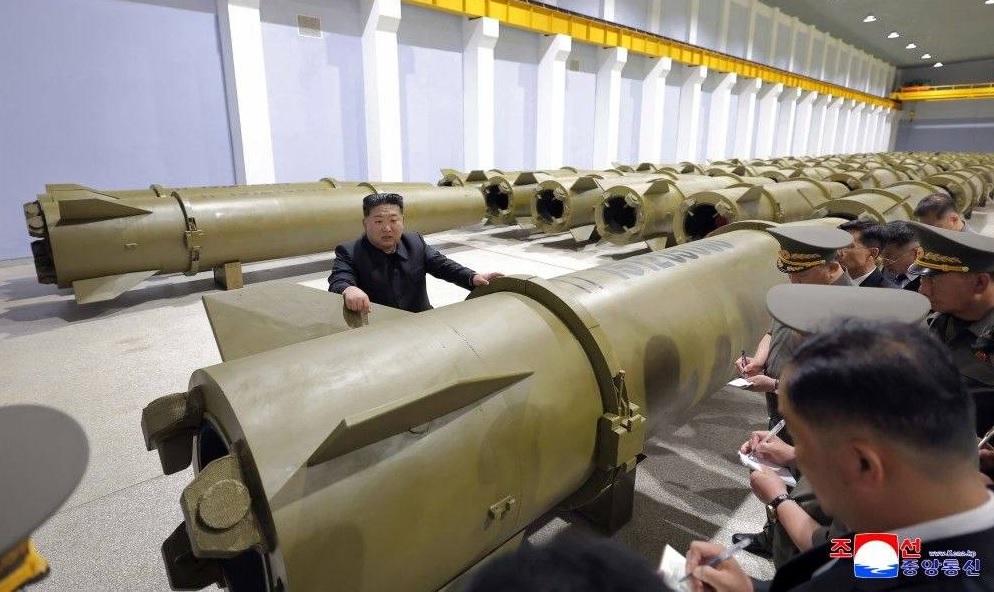 North Korea Launches Five-Year Plan to Boost Ballistic and Cruise Missile Production Production by 250%
-
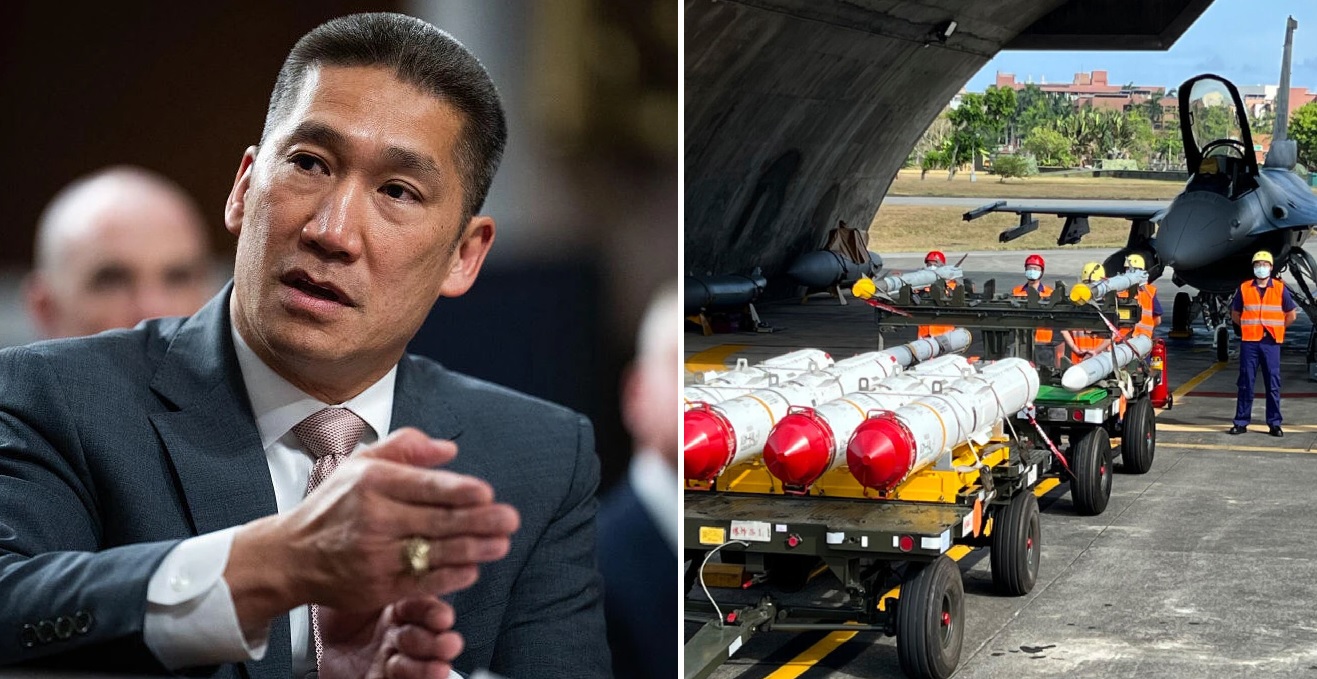 Taiwan Says It Received No Notice of Reported $14 Billion US Arms Package Freeze
-
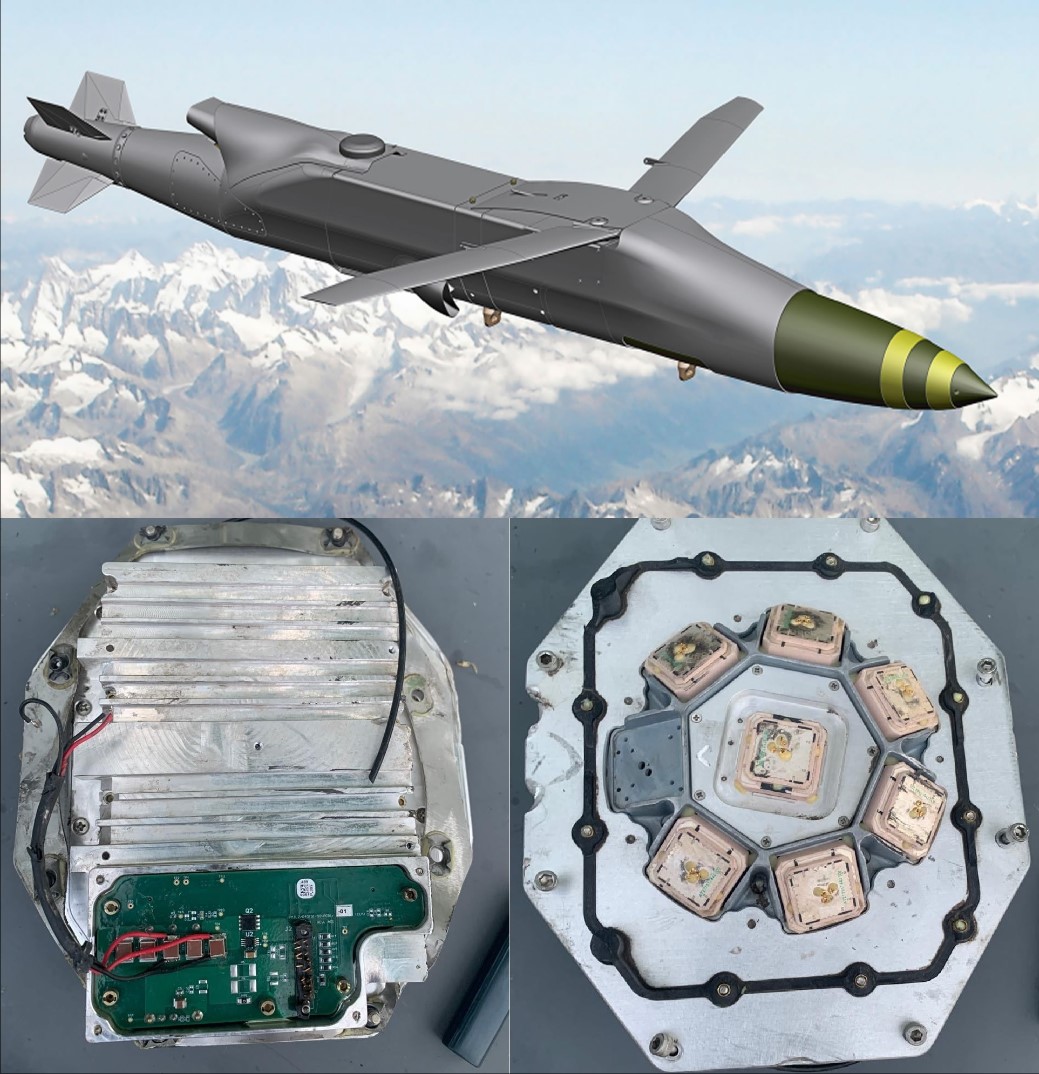 Missile Debris in Ukraine Suggests First Operational Use of U.S.-Made ERAM Cruise Missiles
-
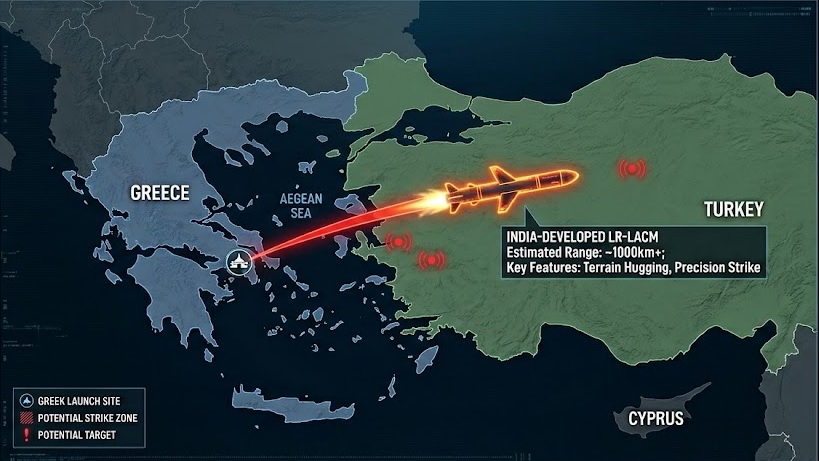 Turkish Media Raises Concerns Over Reports of Greek Interest in India’s LR-LACM Missile
-
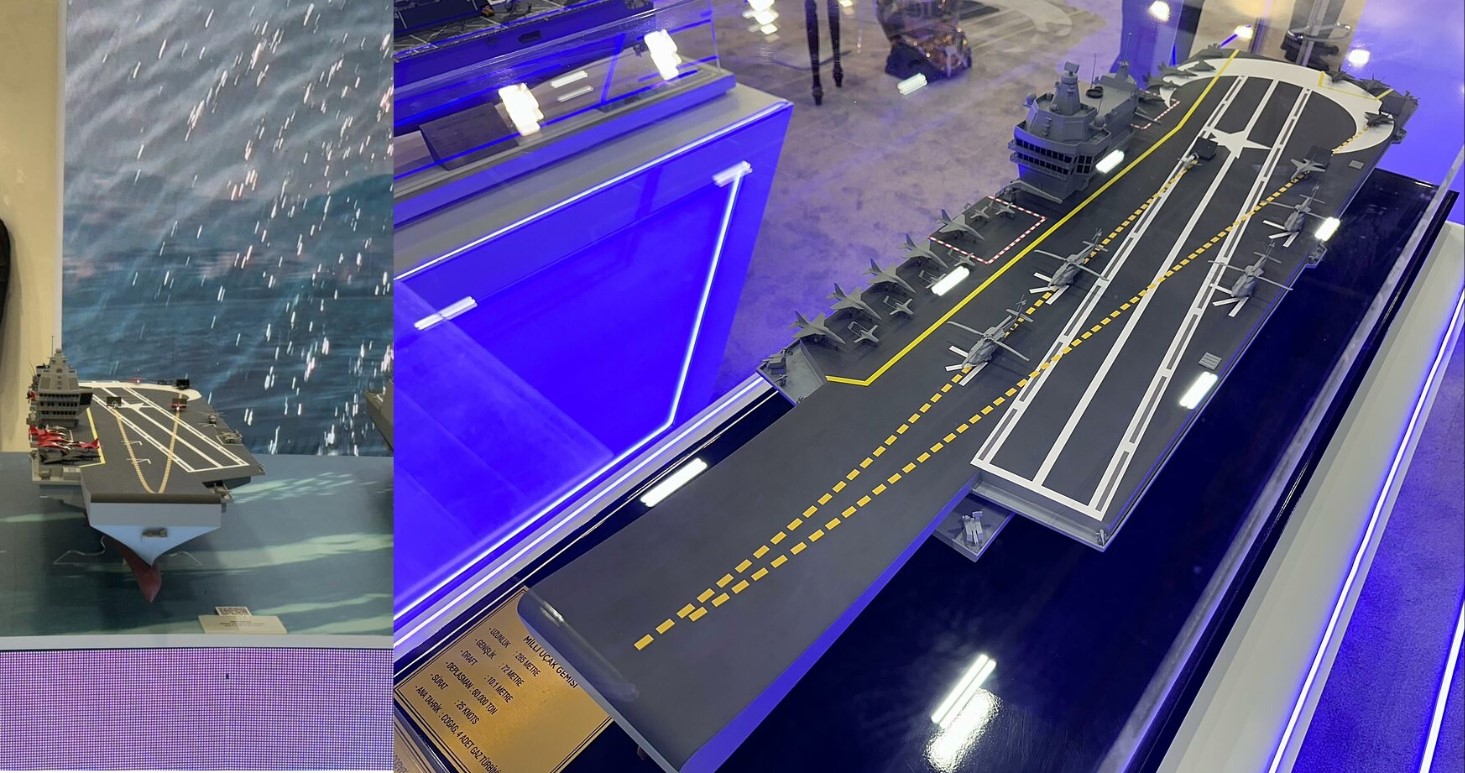 Turkish Navy Plans 2032 Delivery of Indigenous MUGEM Aircraft Carrier with Drone-Focused Air Wing
-
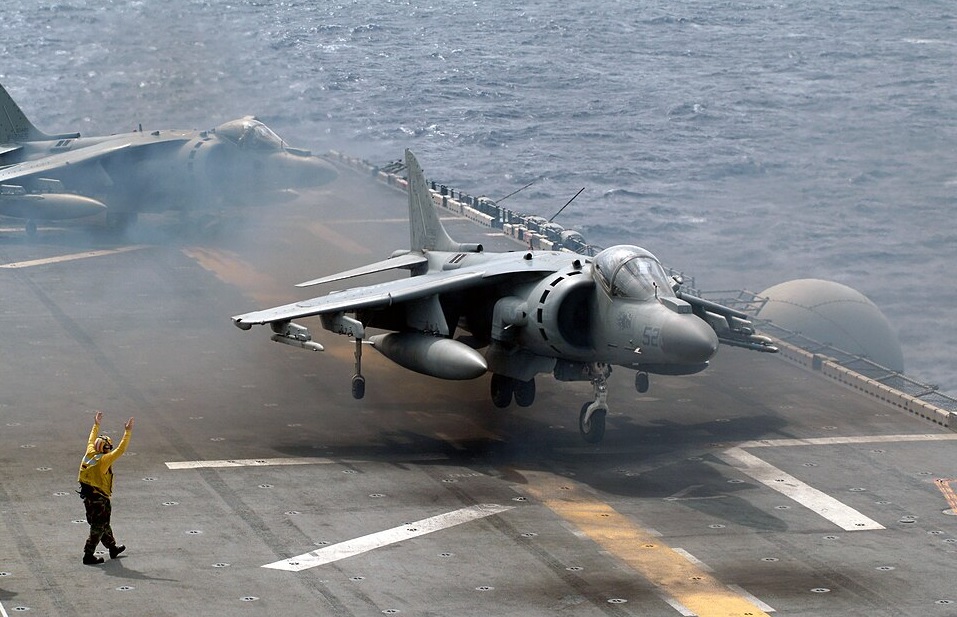 U.S. Marine Corps Retires AV-8B Harrier II, Ending More Than 50 Years of Service
Top Trending in 4 Days
-
 Iran Releases Footage of Qader Missile and Shahid Danaye Drone Launches Toward Two U.S. Navy Destroyers
-
 Five Eyes Issues Joint Alert on Chinese Targeting Government and Military Personnel Through LinkedIn and Job Platforms
-
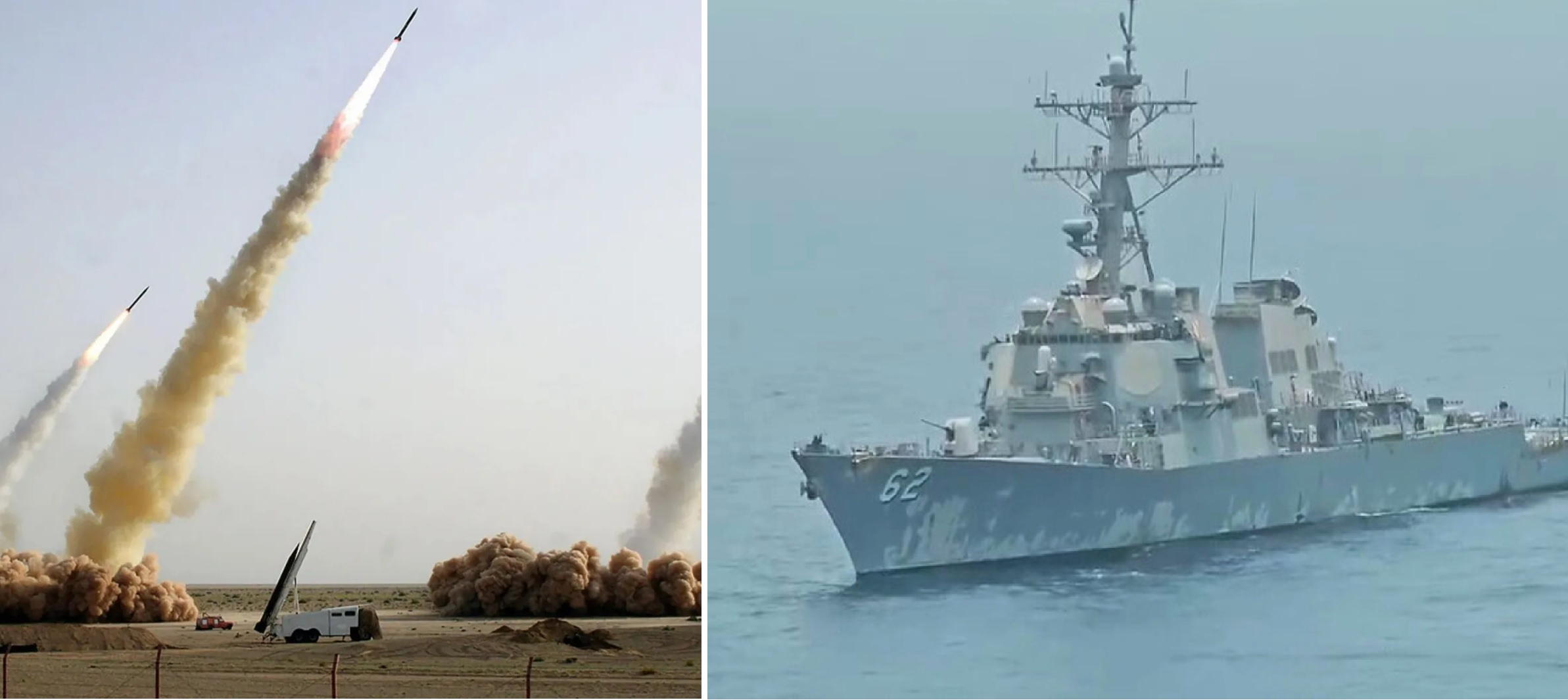 Iran Claims Attack on U.S. Destroyer in Gulf of Oman, CENTCOM Denies Attack
-
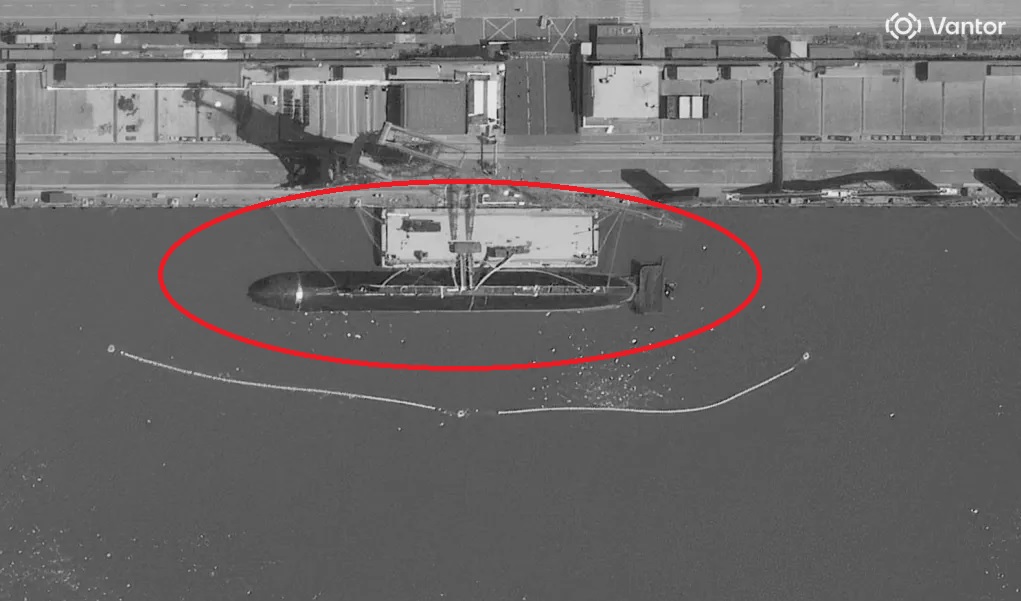 Satellite Imagery Reveals China's New-Generation Sail-Less Nuclear Submarine With Unique Design Features
-
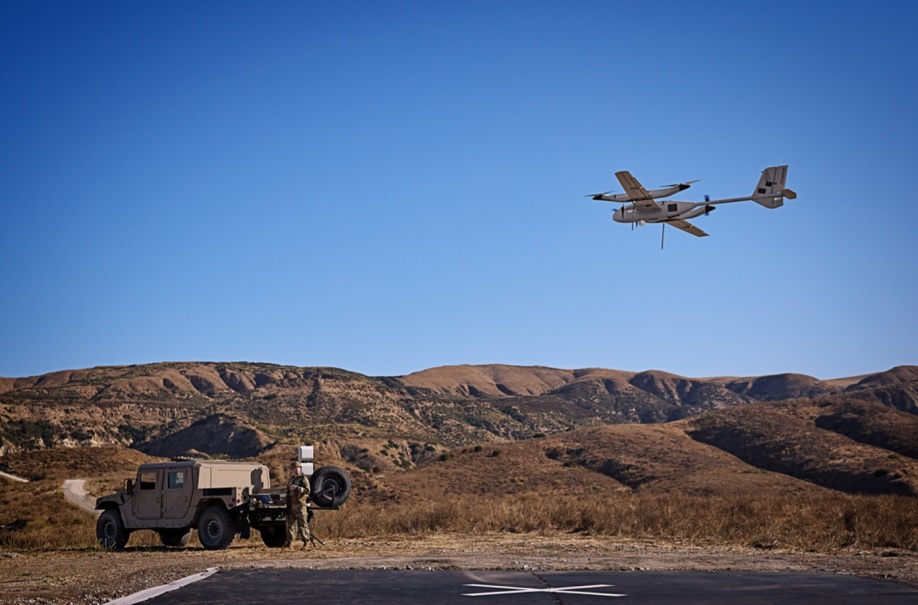 U.S. Army Awards AeroVironment $117.3 Million Contract for 82 P550 Long-Range Reconnaissance Drones
-
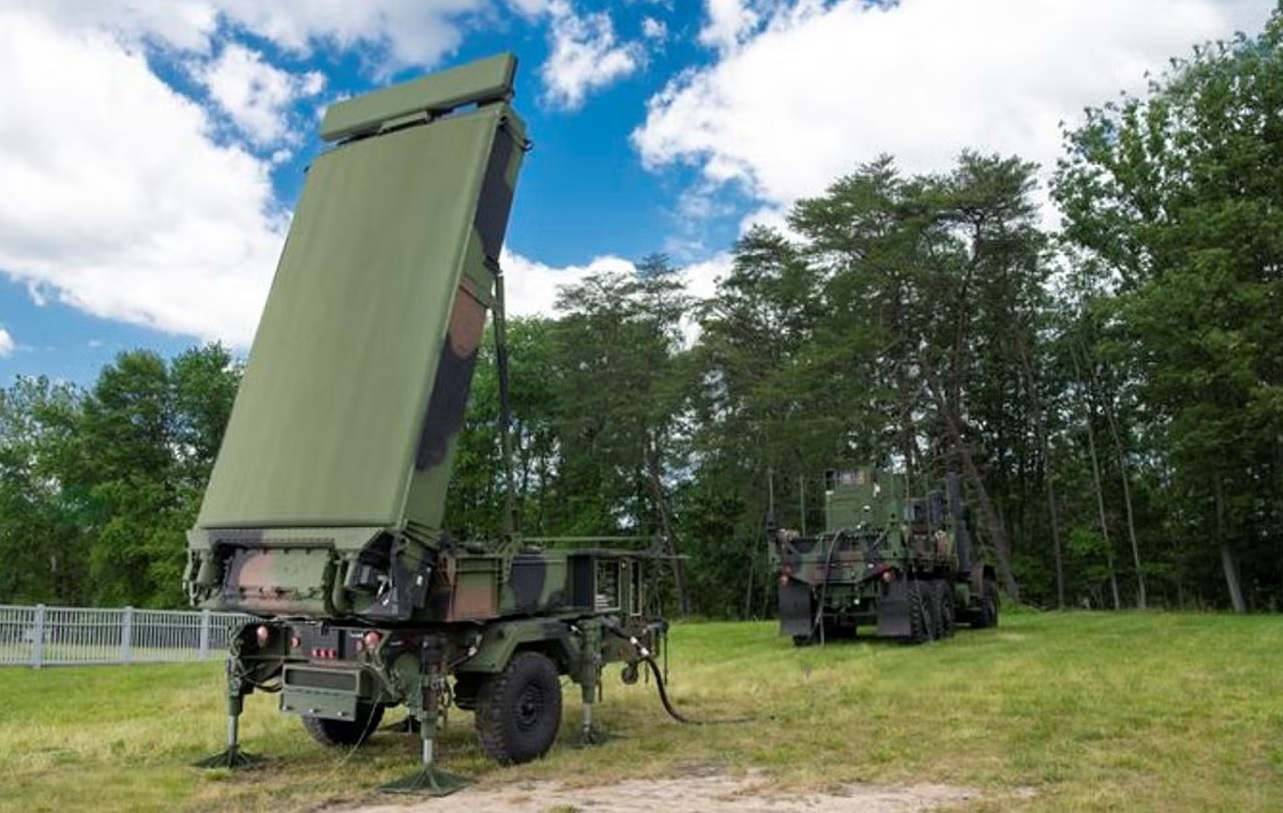 Northrop Grumman Positions G/ATOR Radar for Global Expansion with 60 Systems Planned by 2029
-
 First Satellite of Russia's Rassvet Broadband Constellation Reenters Atmosphere After Less Than Three Months in Orbit
-
 Leaked Contracts Reveal Russia Supplying Air-to-Air and Strike Missiles to Iran for Su-35 Fighter Fleet Through 2027